| ABC
ABC Family Arquivos Brasileiros de Cardiologia International Journal of Cardiovascular Sciences ABC Heart Failure & Cardiomyopathy ABC Imagem Cardiovascular
Português English
ABC Family | ABC
Português English
  • About
    • About the Journal
    • Internal Regulation
    • Editors Section
    • Editorial Board
    • History
    • SBC Award
  • Instructions to Authors
    • Guidelines for Publication
    • Editorial Policy
    • Ethics Policy
    • Policy on the Use of Artificial Intelligence
    • Mandatory Publication Form
    • Publication Fee
  • Issues
  • SBC Guidelines
  • Abstracts
    • How to Publish an Abstract Supplement?
    • Supplements from the Brazilian Congress of Cardiology
  • About
    • About the Journal
    • Internal Regulation
    • Editors Section
    • Editorial Board
    • History
    • SBC Award
  • Instructions to Authors
    • Guidelines for Publication
    • Editorial Policy
    • Ethics Policy
    • Policy on the Use of Artificial Intelligence
    • Mandatory Publication Form
    • Publication Fee
  • Issues
  • SBC Guidelines
  • Abstracts
    • How to Publish an Abstract Supplement?
    • Supplements from the Brazilian Congress of Cardiology

ABC Family

  • ABC Family
  • Arquivos Brasileiros de Cardiologia
  • International Journal of Cardiovascular Sciences
  • ABC Heart Failure & Cardiomyopathy
  • ABC Imagem Cardiovascular
Search in

No content found.

Journals
Ordering
Article types
Others

  1. Home
  2. ABC
  3. Issues
  4. 2020, Volume 115, Number 3
Figure 1
Research Letter

Adapted Catheterization Laboratory Practices during the COVID-19 Pandemic: The Instituto Dante Pazzanese de Cardiologia Protocol

Daniel Chamié et al. Fernanda Oliveira Sérgio Braga José Ribamar Costa … Dimytri Alexandre Alvim de Siqueira Rodolfo Staico Ricardo Costa Galo Maldonado Luiz Fernando Leite Tanajura Marinella Patrizia Centemero Áurea Jacob Chaves Andrea Cláudia Sousa Leão Abizaid Rafaela Andrade Penalva Freitas Nancy Toledo Coelho Louis Nakayama Ohe Cely Abboud Fausto Feres

Introduction

The global coronavirus disease 2019 (COVID-19) pandemic caused by the novel severe acute respiratory syndrome coronavirus 2 (SARS-CoV-2) virus began in Wuhan, China, in December 2019, and it has affected over 4.4 million people worldwide, with 302,169 deaths as of May 16, 2020. 1

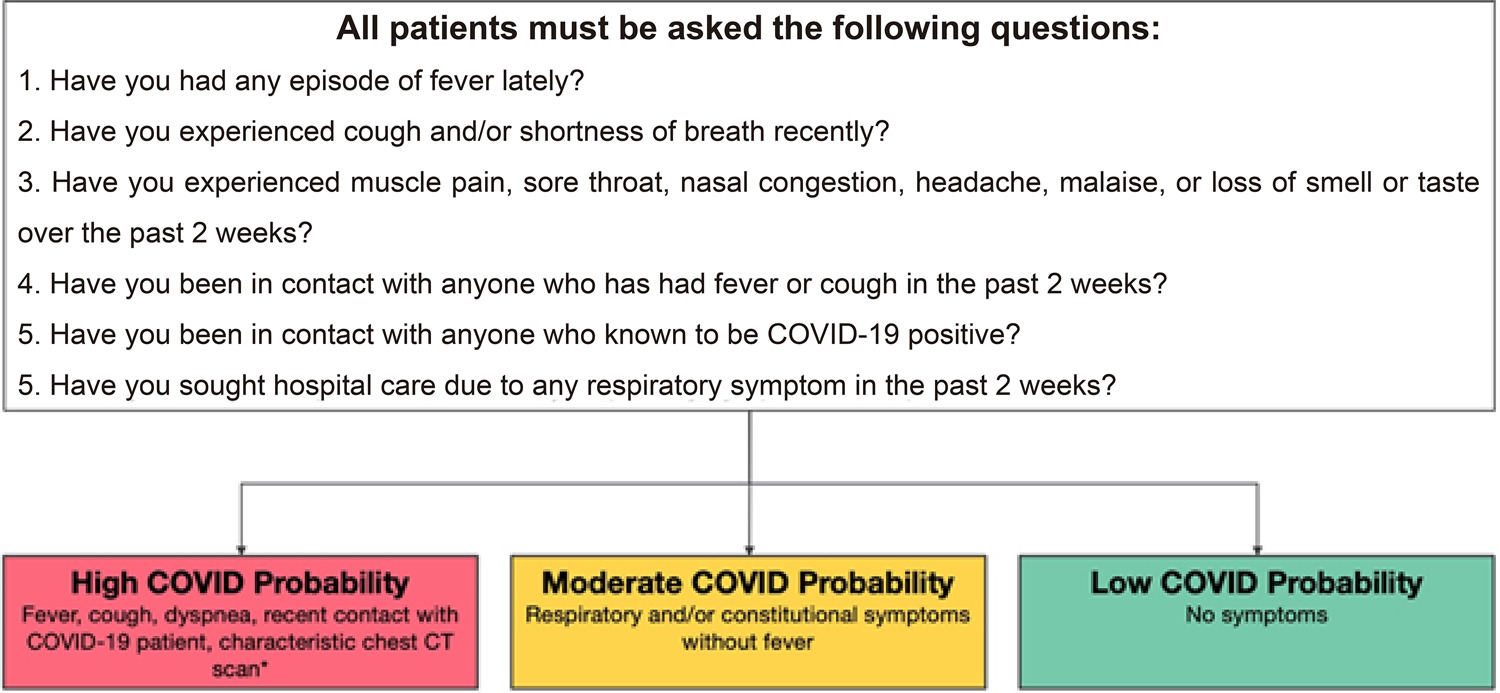
Though respiratory symptoms are the most common presentation of COVID-19, cardiac involvement is a prominent feature of this disease, occurring in 20% to 30% of hospitalized patients and contributing to 40% of deaths. 2-4 COVID-19-related cardiac involvement has been documented by elevations in cardiac biomarkers, and it often presents with changes in the ST-T segment in the 12-lead electrocardiogram (ECG), for which the catheterization laboratory team is often activated. Furthermore, catheterization laboratory activities must continue for care of non-COVID-19 patients who present with genuine acute coronary syndrome (ACS), ST-elevation myocardial infarction (STEMI), and highly symptomatic stable ischemic heart disease.

[…]
  • Betacoronavirus/complications
  • Betacoronavirus/epidemiology
  • Cardiovascular Diseases/complications
  • Coronavirus Infections/complications
  • Practice guidelines
  • Test Taking Stills
Read Full Article
Creative Commons Attribution (CC BY) Creative Commons license
28/09/2020 DOI: 10.36660/abc.20200489 Views 1
Figure 1
Original Article

Performance of Severity Indices to Estimate Postoperative Complications of Myocardial Revascularization

Silvana Alves dos Santos Franzotti et al. Dyenily Alessi Sloboda Juliana Rosendo Silva Ellian Amorim Santos Souza … Jessica Zamora Reboreda Renata Eloah de Lucena Ferretti-Rebustini Lilia de Souza Nogueira

Abstract

Background

Patients in the postoperative period of myocardial revascularization (Coronary Artery Bypass Grafting – CABG) surgery admitted to the intensive care unit (ICU) are at risk of complications which increase the length of stay and morbidity and mortality. Therefore, early recognition of these risks is essential to optimize prevention strategies and a satisfactory clinical outcome.

Objective

To analyze the performance of severity indices in predicting complications in patients in the postoperative of CABG during the ICU stay.

Methods

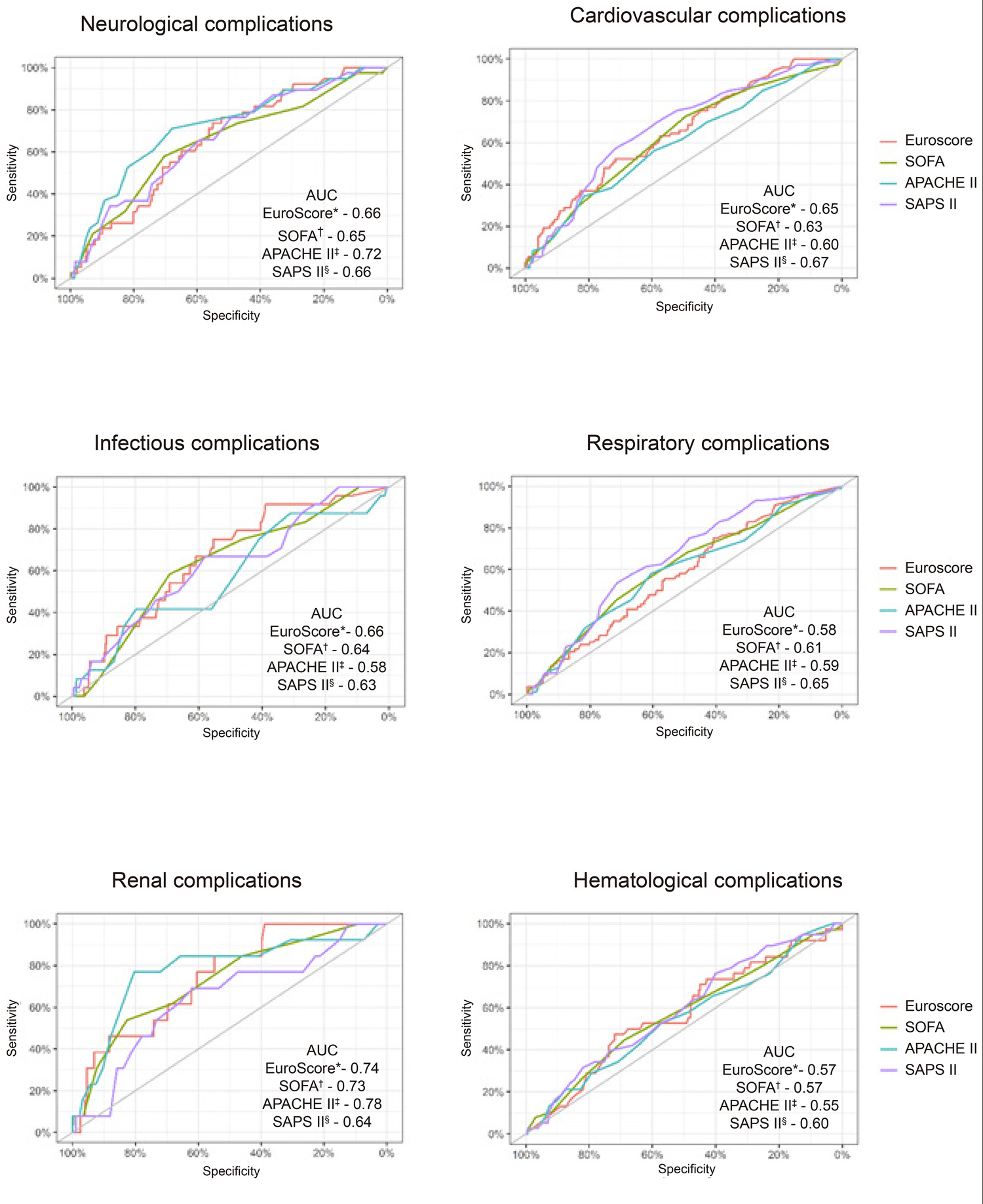
A cross-sectional study with retrospective analysis of electronic medical records of patients aged ≥ 18 years who underwent isolated CABG and were admitted to the ICU of a cardiology hospital in São Paulo, Brazil. The areas under the receiver operating characteristic curves (AUC) with a 95% confidence interval were analyzed to verify the accuracy of the European System for Cardiac Operative Risk Evaluation (EuroScore), Acute Physiology and Chronic Health Evaluation (APACHE II), Simplified Acute Physiology Score (SAPS II) and Sequential Organ Failure Assessment (SOFA) indices in predicting complications.

Results

The sample consisted of 366 patients (64.58 ± 9.42 years; 75.96% male). The complications identified were: respiratory (24.32%), cardiovascular (19.95%), neurological (10.38%), hematological (10.38%), infectious (6.56%) and renal (3.55%). APACHE II showed satisfactory performance for predicting neurological (AUC 0.72) and renal (AUC 0.78) complications.

Conclusion

APACHE II excelled in predicting neurological and renal complications. None of the indices performed well in predicting the other analyzed complications. Therefore, severity indices should not be used indiscriminately in order to predict all complications frequently presented by patients after CABG. (Arq Bras Cardiol. 2020; 115(3):452-459)

  • Cardiovascular Diseases/complications
  • Cardiovascular Diseases/surgery
  • Indicators of Morbidity and Mortality
  • Intensive Care Units
  • Myocardial Revascularization / complications
  • Postoperative Care
  • Severity of Illness Index
Read Full Article
Creative Commons Attribution (CC BY) Creative Commons license
28/09/2020 DOI: 10.36660/abc.20190120
Editorial

Transseptal, Transcatheter Mitral Valve-In-Valve Replacement: Ready for Prime Time Treatment of Bioprosthetic Valve Failure in Brazil?

Dimytri Alexandre Alvim de Siqueira et al. Auristela Isabel de Oliveira Ramos Fausto Feres

Structural Bioprosthetic Valve Deterioration, Failure and Redo Valve Surgery

Bioprosthetic valves are the device of choice for older patients who require left heart valve replacement, and recent data indicate that bioprostheses are also increasingly used in patients less than 65 years of age who undergo aortic or mitral valve surgeries. Although numerous observational studies have shown excellent survival and freedom from valve-related complications, ultimately all bioprosthetic heart valves are prone to fail. The term structural valve deterioration (SVD) includes permanent, irreversible intrinsic changes of the valve (i.e. leaflet tears, calcification, pannus formation or fibrosis); other pathological causes of bioprosthetic valve dysfunction (i.e. thrombosis, endocarditis) are potentially reversible. When significant hemodynamic compromise (severe regurgitation or stenosis) ensues and/or there is a clinical event related to SVD (reintervention, death), the term bioprosthetic valve failure (BVF) is now suggested.

Redo surgical valve replacement is currently indicated for the majority of patients with bioprosthetic SVD. The risk of redo mitral surgery remains much higher than the risk of first mitral valve replacement (MVR). Advanced age, female gender, preoperative NYHA class, reduced left ventricular ejection fraction (LVEF), pulmonary hypertension and the number of prior operations have all been identified as predictors of mortality. Moreover, adhesions from previous surgery substantially increases bleeding complications. In a study with 260 patients enrolled in the European Redo Cardiac Operation Database (RECORD), in-hospital mortality was 9.2% after redo MVR. A high incidence of postoperative complications, such as low cardiac output syndrome (17.3%), need for circulatory support (9.2%), acute renal failure (16.5%) and need for transfusion (25%) was reported. Similarly, a contemporary study from the Society of Thoracic Surgery (STS) with 11,973 patients revealed that mitral reoperation (n=1096) was associated with higher operative mortality (11.1%) in comparison with the first MVR or repair (6.5%). Despite the paucity of data about redo MVR in Brazil, it is well-known that rheumatic heart disease with valvular involvement is the most frequent indication for cardiac valve surgery in young patients. Since BVF is influenced by age – in patients less than 40 years of age, for example, 15-year freedom from reoperation can be as low as 36%-, patients in our country require multiple reinterventions with increasing risks, substantial impact on their quality of life and costs to the healthcare system.

[…]

  • Aged
  • Diagnosis Imaging
  • Heart Valve Prosthesis
  • Mitral Valve Stenosis
  • Mitral Valve/physiopathology
  • Transcatheter Aortic Replacement/trends
Read Full Article
Creative Commons Attribution (CC BY) Creative Commons license
28/09/2020 DOI: 10.36660/abc.20200575 Views 1
Editorial

Changes in Our Times and in Cholesterol Targets

Tania Leme da Rocha Martinez

Since the 80s, many approaches have emerged regarding the interpretation of cholesterol levels in clinical practice.

There have even been medical meetings with titles such as: “Cholesterol: Myth or Truth”?

[…]

  • Cardiovascular Diseases/prevention and control
  • Cholesterol, LDL
  • Hydroxymethylglutaryl-CoA Reductase Inhibitors
  • Risk Factors
Read Full Article
Creative Commons Attribution (CC BY) Creative Commons license
28/09/2020 DOI: 10.36660/abc.20200670 Views 1
Editorial

Coronary Blood Flow Measurement in Conventional Coronary Angiograms by a New Method Based on Contrast Density Detection

Hector M. Garcia-Garcia et al. Pablo Blanco

From its inception, indirect coronary flow assessment by coronary angiography (CAG) has been reported in every catheterization laboratory note as it is regarded a prognostic tool particularly in the context of primary percutaneous coronary intervention. Thrombolysis in myocardial infarction (TIMI) flow grade system and, somewhat less often, corrected TIMI Frame Count (CTFC) are the two most commonly used scores to reflect the status of coronary blood flow (CBF). In this issue, Lopez-Hidalgo and Eblen-Zajjur report a new approach of quantitative angiographic measurement of CBF based on densitometric (DM) contrast detection in off-line CAG. To this aim, thirty patients were studied and divided into 2 groups: normal coronary blood flow (NF) and slow coronary blood flow (SF), according to the CTFC. The authors concluded that the new DM method was feasible and showed some capability to differentiate between normal flow (NF) and slow flow (SF) in patients with chest pain and normal coronary arteries.

The authors have devised a creative approach to indirect measurement of CBF, both quantitatively and objectively. This approach partly overcomes the limitations of the traditional TIMI and CTFC scores. For this reason, we would like to congratulate the authors on this novel report. Having said this, some points deserve further discussion. First, there was an attempt to define “normal” coronary flow. Using the study population, the cut-off was derived from CAG. One can never be sure whether these patients have actually normal CBF. Traditionally, non-invasive methods (such as Positron Emission Tomography and Cardiac Magnetic Resonance Imaging) and invasive methods (i.e. Doppler Wire and thermodilution) are considered the best approaches to measure CBF and standard normality values are known for each technology. In the report, the definition of “normal” values may be, at best, an approximated surrogate to the real CBF.

[…]

  • Contrast Sensitivity
  • Coronary Angiography/methods
  • coronary circulation
  • Regional Blood Flow Pulse
Read Full Article
Creative Commons Attribution (CC BY) Creative Commons license
28/09/2020 DOI: 10.36660/abc.20200936 Views 1
Figure 1
Original Article

Impact of Atherogenic Indexes in Saphenous Vein Graft Stenosis

Fethi Yavuz et al. Salih Kilic Mehmet Kaplan Arafat Yıldırım … Mehmet Kucukosmanoglu Mustafa Dogdus

Abstract

Background

Saphenous vein grafts (SVG) are frequently used in patients that have undergone coronary artery bypass graft (CABG) surgery. Objectives: To evaluate the relationship between atherogenic indexes and SVG stenosis.

Methods

Altogether, 534 patients (27.7% women, mean age 65±8.4 years) that underwent CABG and elective coronary angiography were included in the study. Patients with at least one SVG stenosis ≥50% were allocated to the stenosis group SVG (+) (n=259) and patients without stenosis were categorized as SVG (-) (n=275). Atherogenic index of plasma (AIP) and atherogenic coefficient (AC) were calculated from the patients’ routine lipid parameters. The level of significance was p<0.05.

Results

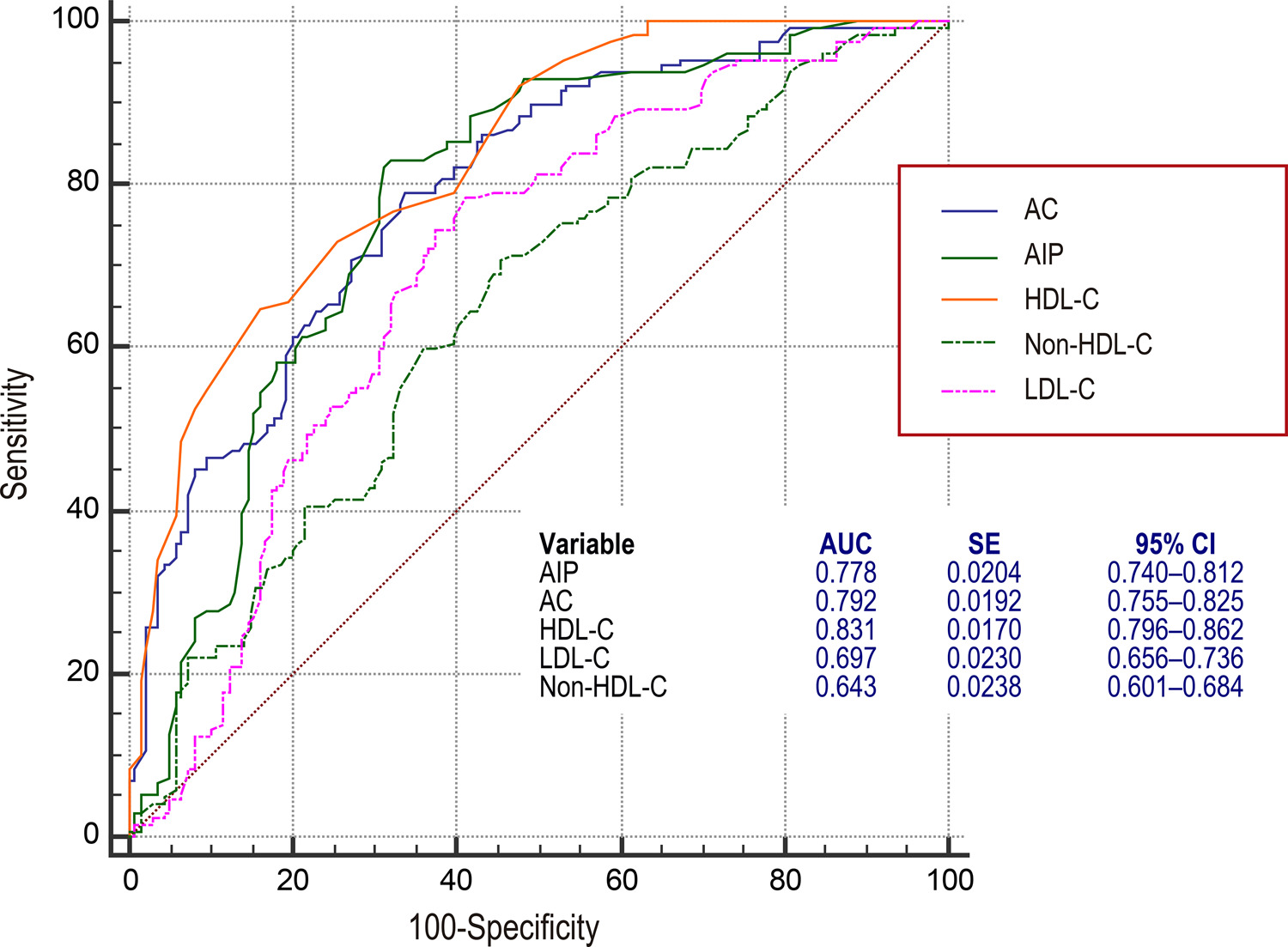
The number of patients with a history of hypertension (HT), diabetes mellitus (DM), stroke, and heart failure was significantly higher in the SVG (+) group than in the SVG (-) group. Total cholesterol, triglycerides, LDL-C were significantly higher and HDL-C was lower in the SVG (+) group than in the SVG (-) group. AIP (p<0.001) and AC (p<0.001) were significantly higher in the SVG (+) group than in the SVG (-) group. The receiver operating characteristic (ROC) analysis show that both AIP and AC were better than HDL-C, LDL-C and non-HDL-C at predicting SVG stenosis. In the multivariate analysis, history of DM, HT, stroke, heart failure (HF), number of saphenous grafts, HDL-C, LDL-C, non-HDL-C, AIP and AC were found to be independent risk factors for SVG stenosis.

Conclusion

AIP and AC were independent predictors of SVG stenosis. Moreover, both AIP and AC have better performance in predicting SVG stenosis than LDL-C, HDL-C and non-HDL-C. (Arq Bras Cardiol. 2020; 115(3):538-544)

  • Diabetes Mellitus
  • HDL, Cholesterol
  • Hypertension
  • LDL-cholesterol
  • Plaque, Atherosclerotic
  • Saphenous Vein/Stenosis
  • Saphenous Vein/transplantation
  • Stroke
Read Full Article
Creative Commons Attribution (CC BY) Creative Commons license
28/09/2020 DOI: 10.36660/abc.20190683 Views 2
Editorial

Saphenous Vein Graft Stenosis

Henrique Murad

Saphenous vein graft (SVG) stenosis or occlusion is the Achilles heel for a more liberal use of this type of graft in coronary artery bypass surgery (CABG) for myocardial revascularization.

During the first month after CABG, around 10% of SVG can be occluded due to surgical technique failure or thrombosis. At the end of the first year 15% of SVG can be occluded due to intimal hyperplasia. Perfect surgical technique, careful handling of the saphenous vein avoiding graft overdistension and aspirin use for life (or other antiplatelet agent) are important points for achieving a patent vein.

[…]

  • Atherosclerposis/prevention and control
  • Graft Occlusion Vascular/complications
  • Platelet Aggregation Inhibitors
  • Risk Factors
  • Thrombosis
Read Full Article
Creative Commons Attribution (CC BY) Creative Commons license
28/09/2020 DOI: 10.36660/abc.20200633
Figure 1
Research Letter

COVID-19 Infection in Heart Transplantation: Case Reports

Ligia Espinoso Schtruk et al. Jacqueline Miranda Vitor Salles Ana Sales … Luciana Lobbe Vaisnava Cavalcante Elisangela Reis Sharon Kugel Bruno Marques Gabrielle Carvalho Ruth Maia Filipe Oliveira dos Reis Danielle Rodrigues

Case Report

Case 1: 47-year-old male, Caucasian, with Chagas’ Disease, heart transplantation on 08/08/2012, without comorbidities, using tacrolimus (4 mg/day), sodium mycophenolate (1440 mg/day).

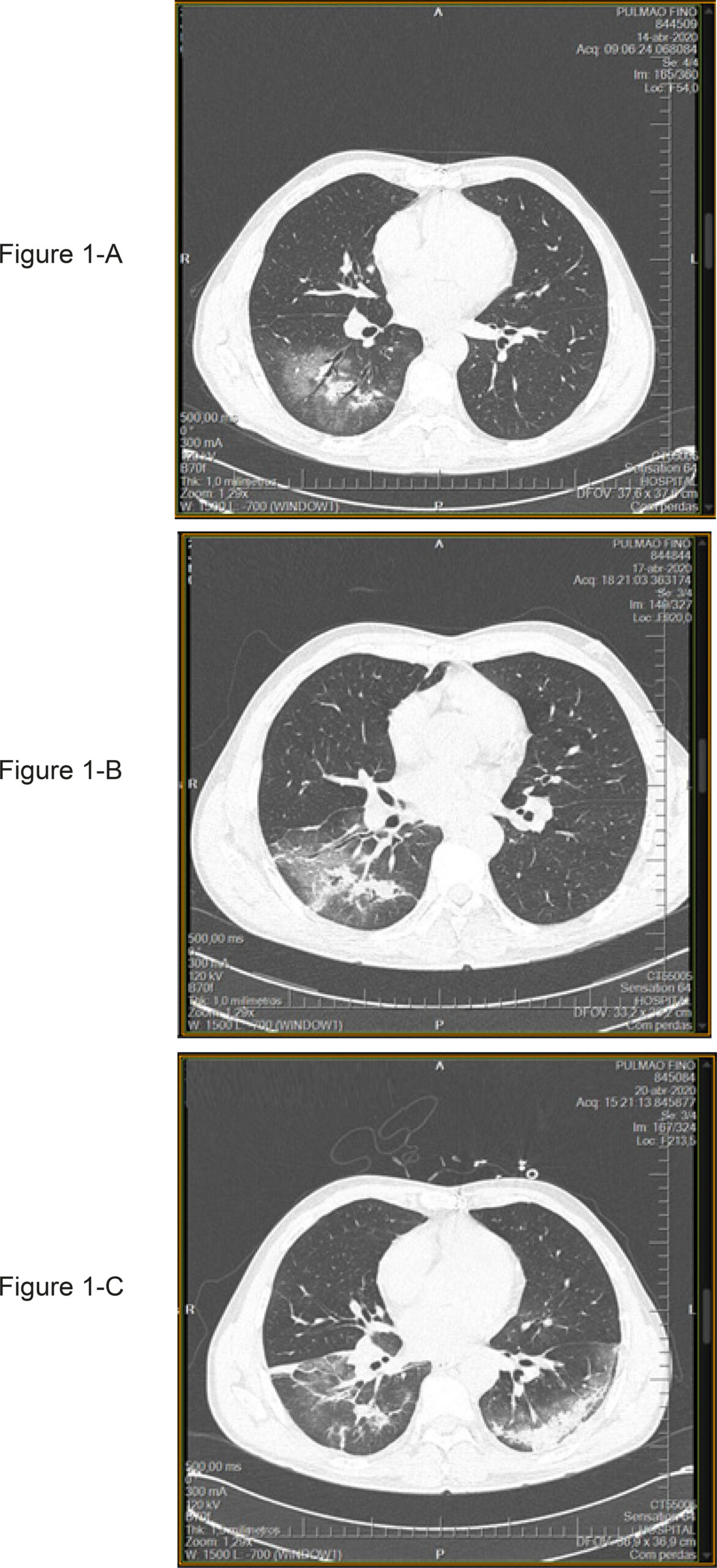
On 04/12/2020, he had myalgia, fever, headache, mild dyspnea, dry cough, diarrhea and anosmia. He lives in a community with confirmed cases of COVID-19. On 04/14/2020 (D3 of symptoms) he sought emergency care. Physical examination: feverish (axillary T: 38ºC), without hemodynamic instability (BP: 100 x 60 mmHg, HR: 60 bpm), borderline oxygen saturation (SpO2: 93%). Arterial blood gases showed mild hypoxia. Other exams are shown in . Chest computed tomography (CT) was performed on admission, and showed a bilateral ground-glass image, with a multilobar distribution, predominantly peripheral, with a crazy paving pattern, associated with foci and areas of consolidation, located in the lower lobes, <25% involvement (). Nasopharyngeal secretion was collected for RT-PCR SARS-COV2 test, which was positive. The patient was hospitalized. Sodium mycophenolate was suspended (thrombocytopenia/leukopenia), tacrolimus was maintained, and prophylactic anticoagulation prescription was started. On the 3rd day of hospitalization (D6 of symptoms), the patient remained clinically stable (94% SatO2), with fever and worsening of the radiological image, with consolidation in the right hemithorax, and intensification of the ground glass opacification in the left hemithorax (). Azithromycin (500 mg/d – 5 days) and Ceftriaxone (2 g/day- 7 days) were started. On the 6th day of hospitalization, the serum tacrolimus level was 4,3 ng/dL, and the dose was adjusted. On the 6th day of hospitalization (D9 of symptoms), the fever persisted. A CT scan showed disease progression, with impairment of <50% of the lung parenchyma (). Hydroxychloroquine was started (dose of 400 mg 12/12h 1st/day, 400mg/day- 4 days). On the 6th day of hospitalization, leukopenia/lymphopenia/thrombocytopenia improved, and mycophenolate sodium was reintroduced. On this date, an increase in D-dimer levels was observed (<500 ug/L to 2.270 ug/L). Vascular Doppler of lower limbs did not show any alterations. He was discharged on the 12th day of hospitalization, being asymptomatic. Laboratory tests are shown in .

[…]

  • Chagas disease
  • Comorbidity
  • Covid-19/complications
  • Heart Transplantation
  • Immunossupression
Read Full Article
Creative Commons Attribution (CC BY) Creative Commons license
28/09/2020 DOI: 10.36660/abc.20200554
Figure 1
Original Article

Cardiovascular Risk and Statin Eligibility in Primary Prevention: A Comparison between the Brazilian and the AHA/ACC Guidelines

Fernando H. Y. Cesena et al. Viviane A. Valente Raul D. Santos Márcio S. Bittencourt

Abstract

Background

Differences between the updated versions of the Brazilian Guideline on Dyslipidemias and the American Heart Association (AHA)/American College of Cardiology (ACC) Cholesterol Guideline regarding cardiovascular risk stratification and statin eligibility are unknown.

Objectives

To compare cardiovascular risk categorization and statin eligibility based on the Brazilian guideline with those based on the AHA/ACC guideline in primary prevention patients.

Methods

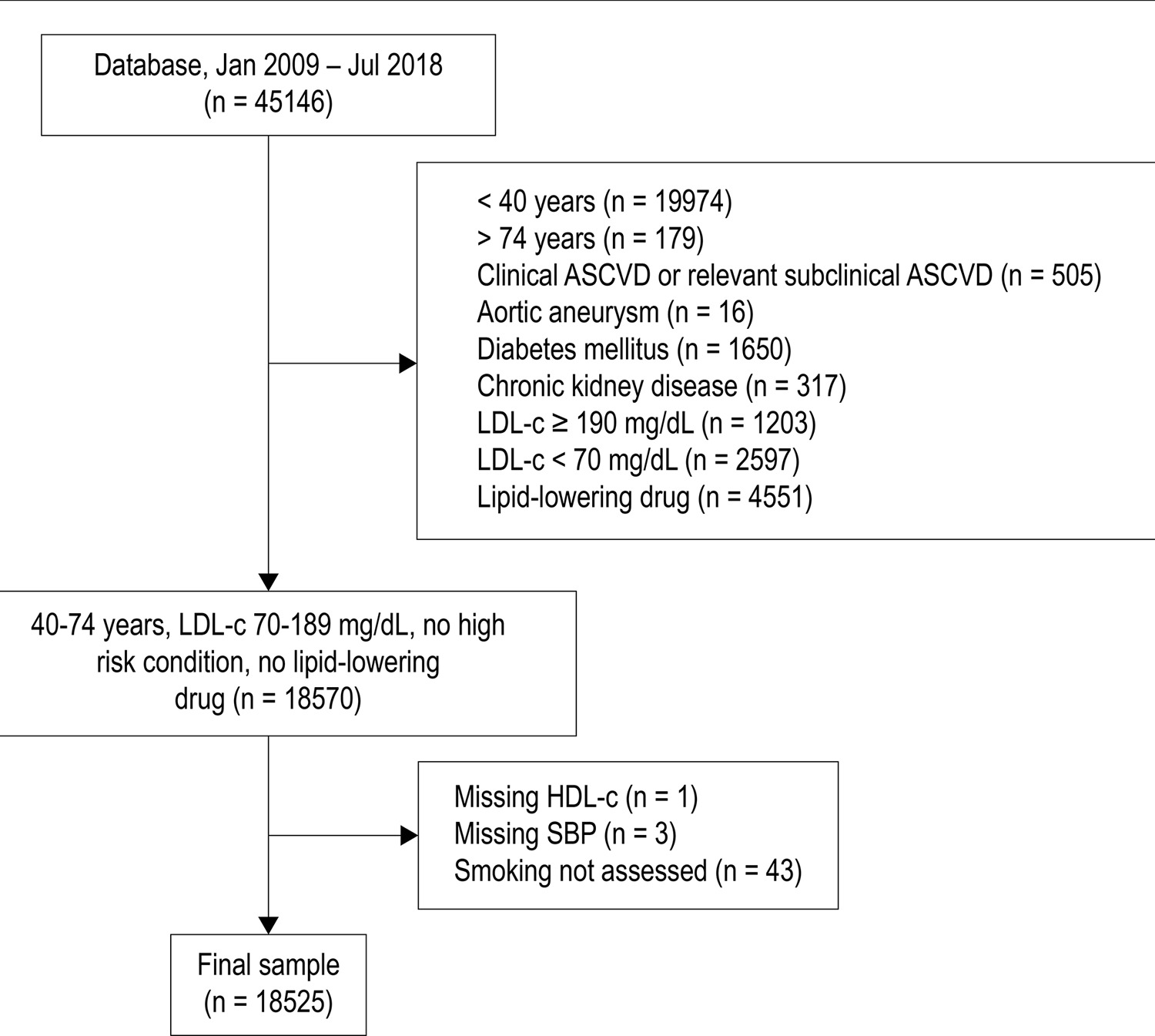
We retrospectively analyzed individuals aged 40-74 years without high-risk conditions, with LDL-c 70 to < 190 mg/dL, not on lipid-lowering drugs, who underwent routine clinical assessment. Cardiovascular risk was stratified according to the Brazilian and the AHA/ACC guidelines. Subjects were considered eligible for statin therapy if LDL-c was at least 30 mg/dL above the target for the cardiovascular risk (Brazilian guideline) or the 10-year atherosclerotic cardiovascular disease risk was ≥7.5% (AHA/ACC guideline). A p-value < 0.05 was considered statistically significant.

Results

The study sample consisted of 18,525 subjects (69% male, age 48 ± 6 years). Among subjects considered at intermediate or high risk by the Brazilian guideline, over 80% would be in a lower risk category by the AHA/ACC guideline. Among men, 45% and 16% would be statin eligible by the Brazilian and the AHA/ACC guidelines criteria, respectively (p < 0.001). Among women, the respective proportions would be 16% and 1% (p < 0.001). Eighty-two percent of women and 57% of men eligible for statins based on the Brazilian guideline criterion would not be eligible according to the AHA/ACC guideline criterion.

Conclusions

Compared with the AHA/ACC guideline, the Brazilian guideline classifies a larger proportion of primary prevention patients into higher-risk categories and substantially increases statin eligibility. (Arq Bras Cardiol. 2020; 115(3):440-449)

  • Atherosclerosis
  • Cardiovascular Diseases
  • Dyslipidemias
  • Hydroxymethylglutaryl-CoA Reductase Inhibitors / therapeutic use
  • Prevention and Control
  • Primary Prevention
  • Risk Factors
Read Full Article
Creative Commons Attribution (CC BY) Creative Commons license
28/09/2020 DOI: 10.36660/abc.20190519 Views 2
Figure 1
Image

One Patient, Two Cardiomyopathies

Christopher Strong et al. Pedro Freitas António Ferreira Gustavo Rodrigues Miguel Mendes

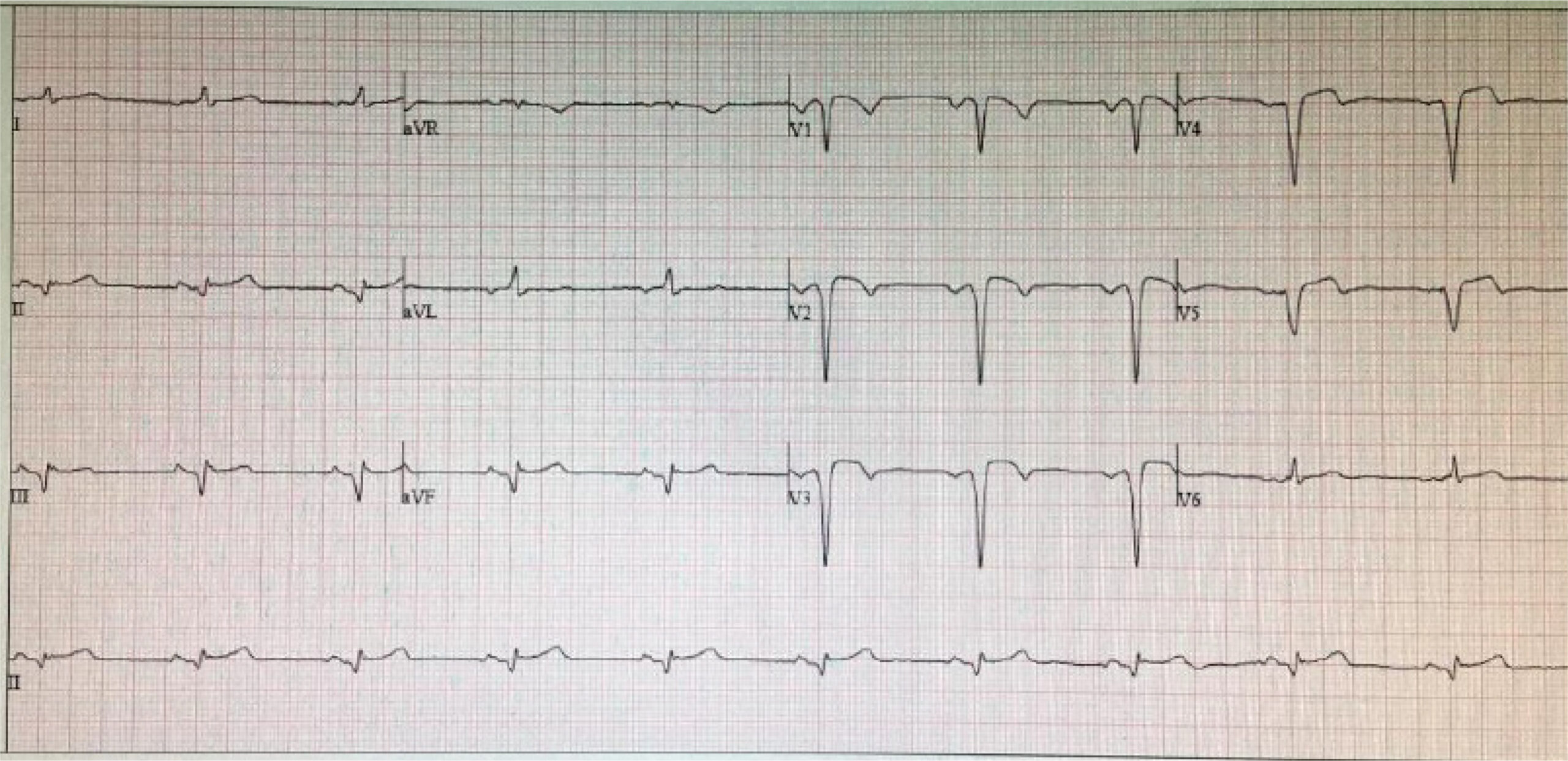
A 50-year-old male patient, with history of well-controlled hypertension and no known personal or family history of cardiac disease, presented with chest pain followed by syncope during strenuous physical activity. The electrocardiogram showed sustained monomorphic ventricular tachycardia. Electrical cardioversion was performed, with conversion to sinus rhythm with Q waves on leads V2-5 and III-aVF (). Transthoracic echocardiography (TTE) showed asymmetric left ventricular (LV) hypertrophy, preserved ejection fraction (EF) with apical akinesia, and hypertrabeculated right ventricle (RV). Coronary angiography showed no significant lesions. Cardiac MRI confirmed the TTE findings, showing a maximum LV wall thickness of 17 mm at the interventricular septum (Figure S1 — supplementary material), apical LV aneurysm and abnormal insertion of papillary muscles. The right side was remarkable for hypertrabeculated and hypokinetic free and inferior walls, and mildly dilated RV with reduced EF (33%). Besides having transmural delayed enhancement (DE) on the LV apex, there was also nodular DE on the LV/RV junction and on the free and inferior basal walls of the RV (; –; Figure S2 of supplementary material). Genetic analysis found a heterozygous mutation on the PKP2 gene (p.Thr50Serfs*61), a pathogenic variant associated with arrhythmogenic RV cardiomyopathy. However, no known mutation on genes related to hypertrophic cardiomyopathy (HCM) were found on a panel of 204 genes, 118 related to HCM. No association has been firmly made between mutations on the PKP2 gene and HCM. The overlap between genetics and cardiomyopathy phenotypes is a well-known phenomenon. We hypothesize that this patient either had an additional unknown HCM gene mutation or, less likely, a phenotypic expression of two different cardiomyopathies in the context a PKP2 gene mutation.

[…]

  • Arrhythmogenic right ventricular dysplasia;
  • Cardiomyopathy, Hypertrophic
  • Electric Countershock
  • Exercise
  • Mutagenesis
  • Syncope
  • Tachycardia, Ventricular
Read Full Article
Creative Commons Attribution (CC BY) Creative Commons license
28/09/2020 DOI: 10.36660/abc.20190853
Figure 1
Original Article

VO2max-Based Physical Fitness Categories in a Brazilian Population with Supposed High Socioeconomic Status and without Structural Heart Disease

João Manoel Rossi Neto et al. Antonio Sergio Tebexreni Alexandre Novakoski F. Alves Floriana Bertini Abreu … Priscilla Ayumi Nishio Mauricio Cruz Thomazi Ivana Antelmi Paola Emanuela P. Smanio

Abstract

Background

The most widely used data for cardiorespiratory fitness (CRF) referrals are from the Cooper Clinic, which uses calculated maximal oxygen uptake (VO2max) values.

Objective

To develop CRF values from cardiopulmonary exercise testing (CPX) in a Brazilian population with high socioeconomic level and free of structural heart disease. VO2max testing results were compared with the Cooper Clinic and FRIEND Registry data.

Methods

CPX data from consecutive individuals between January 1,2000, and May 31,2016 were used in this study. Inclusion criteria were: VO2max by a pre-specified definition. We built a CRF chart according to VO2max percentiles: very poor (≤20%), poor (20-40%), fair (40-60%), good (60-80%), excellent (80-90%), and superior (≥90%). Kappa correlation was used to analyze our data in comparison with that of the other two databases. Statistical tests with p<0.005 were considered significant.

Results

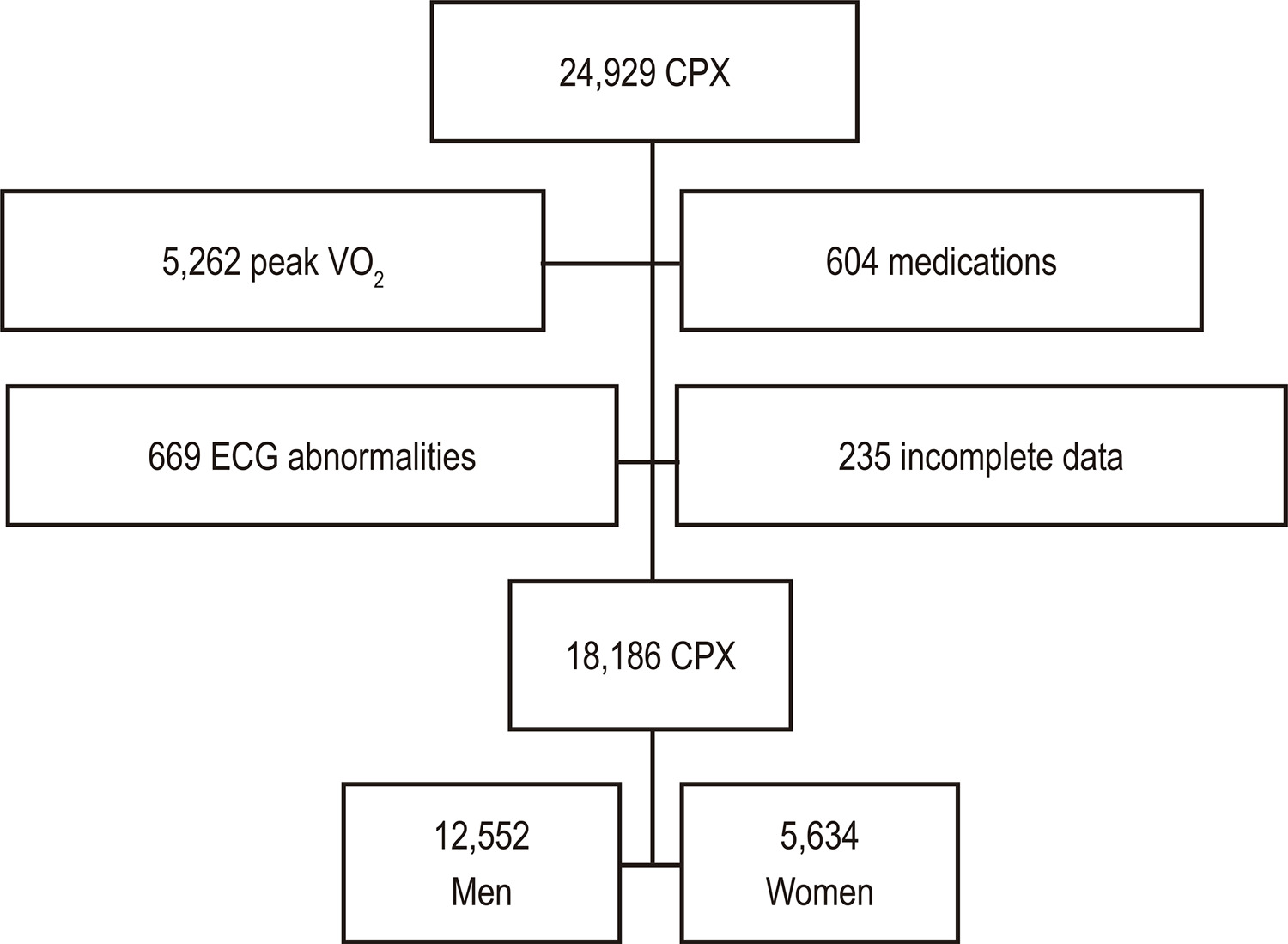
Final cohort included 18,186 tests: 12,552 men, 5,634 women (7–84 years). The most recurrent response was “good” (20.2%). There was a mean difference in weight, height, body mass index (BMI), and age in the CRF chart. An inverse correlation existed between VO2max and age, weight, and BMI. Using a linear regression and these variables, a predictive equation was developed for VO2max. Our findings differed from that of the other databases.

Conclusion

We developed a classification for CRF and found higher values in all classification ranges of functional capacity in contrast to the Cooper Clinic and FRIEND Registry. Our findings offer a more accurate interpretation of ACR in this large Brazilian population sample when compared to previous standards based on the estimated VO2max. (Arq Bras Cardiol. 2020; 115(3):468-477)

  • Cooper Test
  • Endurance Training
  • Exercise
  • Life Style Healthy
  • Physical activity
  • Physical Endurance
  • Social Class
Read Full Article
Creative Commons Attribution (CC BY) Creative Commons license
28/09/2020 DOI: 10.36660/abc.20190189 Views 1
Erratum

Erratum

February 2020 Issue, vol. 114 (2), pages 305-312

In the Review Article “Cardiac Alterations in Patients with Familial Lipodystrophy”, with DOI number: https://doi.org/10.36660/abc.20190016, published in the journal Arquivos Brasileiros de Cardiologia, 114(2):305-312, on page 305, where you read:

[…]

Read Full Article
Creative Commons Attribution (CC BY) Creative Commons license
28/09/2020 DOI: 10.36660/abc.20200954
Figure 1
Original Article

Plexiform Lesions in an Experimental Model of Monocrotalin-Induced Pulmonary Arterial Hypertension

Douglas Mesadri Gewehr et al. Gabriela Rodrigues Salgueiro Lucia de Noronha Fernando Bermudez Kubrusly … Luiz Fernando Kubrusly Gabriel Antonio Coltro Paola Cardoso Preto Andressa de Souza Bertoldi Heloisa Iacomo Vieira

Abstract

Background

The monocrotaline (MCT)-induced pulmonary arterial hypertension model is one of the most reproduced today, presenting as a limitation the absence of plexiform lesions, typical manifestations of the severe disease in humans.

Objective

To evaluate the severity of MCT-induced pulmonary arteriopathy by pathological findings of lung and heart tissue samples, clinical course and 37-day survival.

Methods

Fifty male Wistar rats were divided into one of the four groups – control (CG) (n = 10) and three intervention (MCT) groups. The MCT groups received intraperitoneal injection (60 mg/kg) of MCT and remained exposed to the substance for 15 days (G15, n = 10), 30 days (G30, n = 10) and 37 days (G37, n = 20). At the end of each period, the animals were sacrificed, and pulmonary and cardiac tissues were collected for anatomopathological and morphometric analysis. The Kruskal-Wallis test was used, considering a level of significance of 5%.

Results

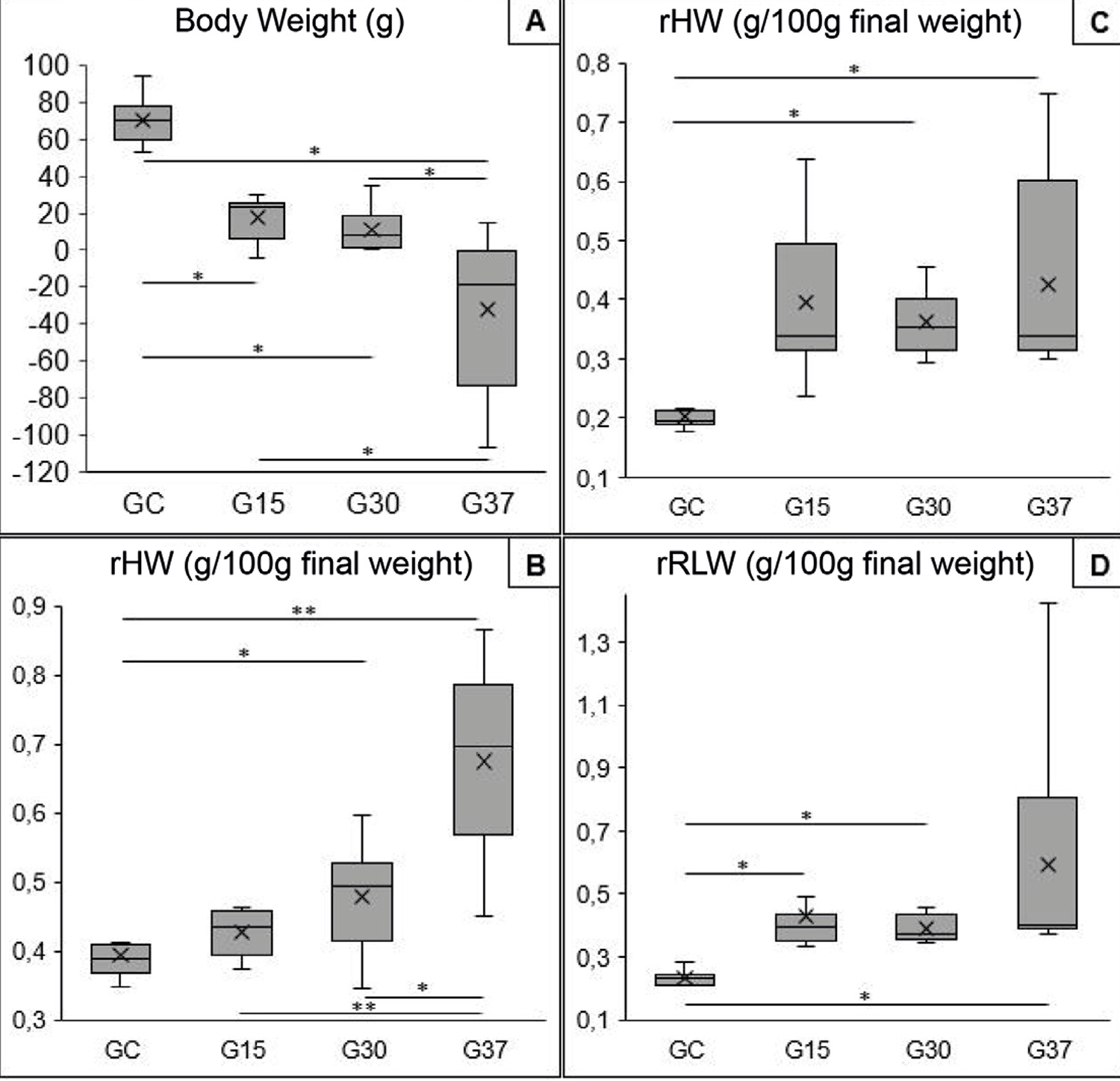
In the lungs of MCT animals, lesions related to pulmonary arteriopathy were found, including muscularization of the arterioles, hypertrophy of the middle layer and concentric neointimal lesions. Complex lesions were observed in MCT groups, described as plexiform and plexiform-like lesions. Right ventricular hypertrophy was evidenced by increased thickness and diameter of the cardiomyocytes and a significant increase in the right ventricular wall thickness (p <0.0000).

Conclusion

The MCT model was able to generate moderate-severe pulmonary arteriopathy associated with secondary right ventricular hypertrophy. The 37-day survival rate was 50%. To our knowledge, this study was the first to note the presence of complex vascular lesions, similar to those observed in patients with severe pulmonary arterial hypertension, in an isolated MCT model. (Arq Bras Cardiol. 2020; 115(3):480-490)

  • Monocrotaline
  • Neointimal
  • Pulmonary Hypertension
  • Right Ventricular Hypertrophy
  • Vascular Remodeling
Read Full Article
Creative Commons Attribution (CC BY) Creative Commons license
28/09/2020 DOI: 10.36660/abc.20190306 Views 2
Editorial

Severity Index Performance in Predicting Postoperative Complications of Coronary Artery Bypass Grafting

Alexandre de Matos Soeiro

In Brazil, there are no large studies that reported the surgical experience of health services associated with event prediction. In this context, the study “Severity index performance in predicting postoperative complications of myocardial revascularization” provides relevant information regarding the national literature. This study shows, in a detailed manner, data relevant to the occurrence or not of perioperative complications in patients submitted to Coronary Artery Bypass Grafting (CABG) surgery, correlating them with risk prediction scores. This is an extremely relevant topic that generates countless doubts concerning the patient.

Cardiac surgery still represents a huge field in the therapeutic arsenal of cardiology. Despite all the advances in percutaneous coronary or valvular interventions, many cases still remain focused on the conventional surgical approach. Currently, conventional cardiac surgery has been increasingly working with highly complex cases. This situation makes patients who are progressively at higher risk and who exhibit coronary anatomical complexity to be referred to CABG. Therefore, adequately predicting the operative risk before a procedure becomes a fundamental and mandatory step. It is worth mentioning that most scores such as EuroScore I and II or the Society of Thoracic Surgeons (STS) risk score were developed to predict mortality. The EuroScore is a prognostic scoring system developed in Europe for patients undergoing cardiac surgery. What this study brings us is a complementary and differentiated assessment of morbidity and organ dysfunction in different systems, such as the cardiovascular, neurological, respiratory and renal systems.–

[…]

  • Cardiac Surgical Procedures
  • Cardiovascular Diseases/surgery
  • Mortality
  • Myocardial Revascularization
  • Postoperative Car Organ Dysfunction Scores
Read Full Article
Creative Commons Attribution (CC BY) Creative Commons license
28/09/2020 DOI: 10.36660/abc.20200515 Views 1
Editorial

Our Precious Calcium Score

Henrique Trad

Some things are strong, robust. In imaging in general, those are based on solid principles of physics that can resist the inequities of daily use. In computed tomography (CT), the main tissue densities are solid, measured in Hounsfield Units (HU), and some are really strong, calcium-strong, so to speak. Contrast resolution is an issue in CT imaging in general, mainly in the wide range of structures inside the water density spectrum. But the densities on both ends of the whole HU spectrum, i.e., air and fat on one side and bone and metal on the other, are depicted clearly. Also, they could be measured with a great deal of accuracy, and, as these images were mathematical in origin, there is a lot more than the eye can see that could be measured on a CT image, and there are several measurements that could be done on rather simple scans. But let’s revise this latter.

Measuring the amount of calcification in coronary arteries is rather old. It is termed coronary calcium score (CCS). It has been developed, tested and implemented, has had its clinical value shown, but still lacks consensus of use and insurance coverage in medical procedures around the world.– At first, it had to be done in electron beam tomography and then, with the new generation of CT scans. In this issue of Arquivos Brasileiros de Cardiologia, Souza et al. elegantly show how this CCS measurement has excellent correlation as done in the “usual” manner as well as from a standard chest CT. This was shown in the past, to a wide variety of scans and with good accuracy, some comparing with semiquantitative and visual methods, with a consensus of the Society of Cardiovascular Computed Tomography, including a recent great work from this same group of researchers. But now, crunching the numbers, the correlation is excellent, as has been shown by others before, and the suggestion is that we could accurately measure CCS, this important tool in coronary artery disease risk stratification, from a rather more common exam.

[…]

  • Calcium
  • Coronary Artery Disease
  • Plaque, Atherosclerotic
  • Propensity Score
  • Tomography, X-Ray/methods
  • Vascular Calcification
  • Vascular Stiffness
Read Full Article
Creative Commons Attribution (CC BY) Creative Commons license
28/09/2020 DOI: 10.36660/abc.20200854 Views 1
Figure 1
Original Article

Coronary Blood Flow Measurement in Conventional Coronary Angiograms by a New Method Based on Contrast Density Detection. A Physiological Insight

Miguel Lopez-Hidalgo et al. Antonio Eblen-Zajjur

Abstract

Background

TIMI flow grade and corrected TIMI frame count (CTFC) are widely used methods to evaluate angiographic coronary blood flow. Measurement of coronary blood flow (CBF) on standard coronary angiography (CAG) has aroused great interest recently, trying to combine the CTFC concept with new methods for post-angioplasty and for cardiac syndrome X assessment. Additionally, coronary slow flow it is now considered a major criterion for microvascular angina.

Objective

Explore a new approach of quantitative angiographic measurement of CBF based on densitometric contrast detection in CAG off-line, using an accessible software to obtain a more precise and reliable CBF assessment.

Methods

Thirty patients were studied and divided in 2 groups, normal coronary blood flow (NF) and slow coronary blood flow (SF), according to CTFC definition. The DM was applied to the study sample to differentiate between NF and SF. Non-parametric statistics was used to assess differences between groups at p<0.05.

Results

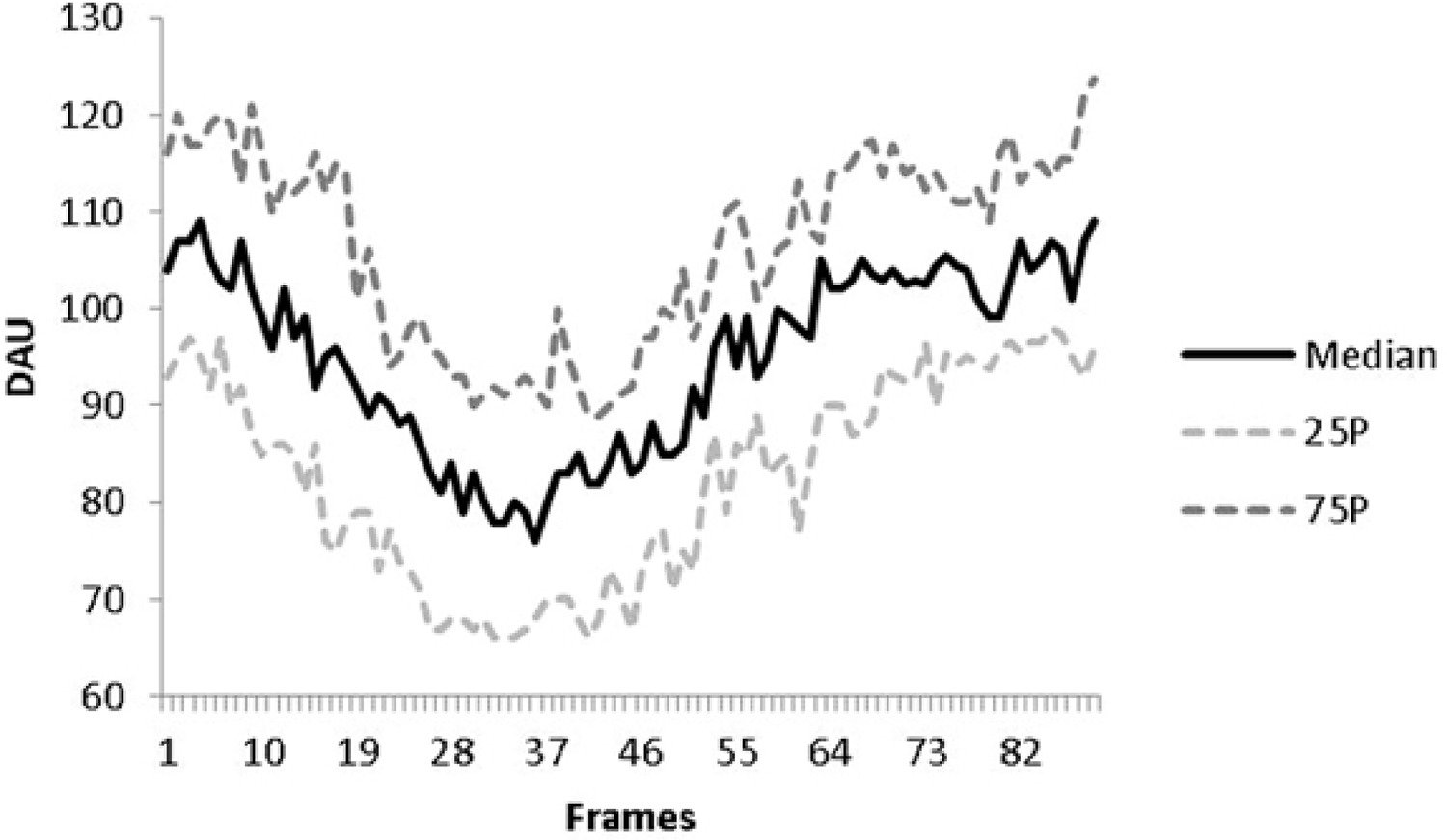
The DM normal reference value obtained for coronary blood flow was 9 [5–10] frames. NF vs SF group were compared and expressed as median [interquartile range], for the left anterior descending: 10 [7-11] vs 21 [8-33];p= 0.016; circumflex: 9 [4-13] vs 14 [11-30]; p= 0.012 and right coronary artery: 5 [3-11] vs 13 [8-26]; p=0.009.

Conclusion

The DM showed the feasibility of measuring coronary blood flow with precision, consistency and reproducible in a standard coronary angiogram, showing the additional capability to differentiate between NF and SF in chest pain patients with normal coronary arteries. (Arq Bras Cardiol. 2020; 115(3):503-512)

  • Blood Circulation/physiopathology
  • Cardiac syndrome X
  • Coronary Angiography/methods
  • Coronary Artery Disease
  • Microvascular Angina
  • Stable Angina
Read Full Article
Creative Commons Attribution (CC BY) Creative Commons license
28/09/2020 DOI: 10.36660/abc.20180283
Letter to the Editor

Recurrent Takotsubo Cardiomyopathy: A Puzzle Yet to be Solved

Kenan Yalta et al. Caglar Kaya

Reply

First, we thank the authors for the comments regarding our recent article in Arquivos Brasileiros de Cardiologia entitled “Factors Associated with Recurrence in Takotsubo Syndrome: A Systematic Review”. In the letter, the authors made some interesting additional comments regarding the mechanisms of Takotsubo recurrence related to mechanical triggers related to mid-ventricular gradient that may be related to associated hypertrophic cardiomyopathy (HCM) and a second mechanism related to severe adrenergic discharge.

One question they posed was related to the incidence of HCM and hypertensive heart disease in the data we analyzed. Actually, in the original papers that were revised, the authors did not mention HCM or hypertensive heart disease incidence. Some patients with Takotsubo Syndrome (TS) may present with systolic anterior motion of the mitral valve and ventricular obstruction; it is sometimes difficult to determine whether these features are related to TS or associated to HCM or even their combination and the clinic, electrocardiographic and image follow-up may reveal the diagnosis., About the impact of the surgical reconstruction on recurrence, in a brief review of literature we found one article describing a case of ventricular reconstruction in a female who remained with apical aneurism and recurrent embolic events. Therefore, in the case of permanent ventricular outflow obstruction in HCM who has TS, one may consider the indication of the HCM guidelines for surgical intervention.

[…]

  • Recurrence
  • systematic review
  • Takotsubo Cardiomyopathy
  • Takotsubo syndrome
Read Full Article
Creative Commons Attribution (CC BY) Creative Commons license
28/09/2020 DOI: 10.36660/abc.20200140 Views 1
Editorial

Plexiform Lesions in Pulmonary Arterial Hypertension: Are we Getting Closer to Manage with More Patience and Rigor?

Hugo Hyung Bok Yoo

Pulmonary arterial hypertension (PAH) is a progressive and a life-threatening condition characterized by high pulmonary blood pressure, remodeling of small pulmonary blood vessels and increased vascular resistance leading to right heart failure. According to the 6th World Symposium on Pulmonary Hypertension, PAH is defined by concomitant elevation of three parameters: mean pulmonary arterial pressure (mPAP) > 20 mmHg; pulmonary arterial wedge pressure (PAWP) ≤15 mm Hg; pulmonary vascular resistance (PVR) ≥ 3 Wood Units.

The right heart failure is due to a persistent remodeling that gradually obstructs and obliterates the peripheral pulmonary arteries that causes vasoconstriction and increases right ventricle afterload. Many efforts have been made to treat PAH. However, there are still few successful and promising pharmacological treatments for this devasting disease, as a consequence, PAH-related survival remains disappointing. Thus, several researches on pulmonary hypertension pathophysiology have focused on a better comprehension of the angioproliferation process and plexiform lesions. The role of increased blood flow in the pulmonary vascular bed is considered one of the main triggering factors to the development of pulmonary vascular remodeling.–

[…]

  • Heart Failure
  • Hypoxia
  • Pulmonary Arterial Hypertension/pysiopathology
  • Rodentia
  • Vascular Resistance
Read Full Article
Creative Commons Attribution (CC BY) Creative Commons license
28/09/2020 DOI: 10.36660/abc.20200832 Views 1
Figure 1
Review Article

Cancer and Cardiovascular Diseases during the COVID-19 Pandemic

Lucas Tokio Kawahara et al. Isabela Bispo Santos da Silva Costa Cecília Chie Sakaguchi Barros Gabriel Coelho de Almeida … Cristina Salvadori Bittar Stephanie Itala Rizk Laura Testa Camila Motta Venchiarutti Moniz Juliana Pereira Gláucia Maria Moraes de Oliveira Maria Del Pilar Estevez Diz Patricia Oliveira Guimarães Ibraim Masciarelli Pinto Roberto Kalil Filho Ludhmila Abrahão Hajjar Paulo M. Hoff

Abstract

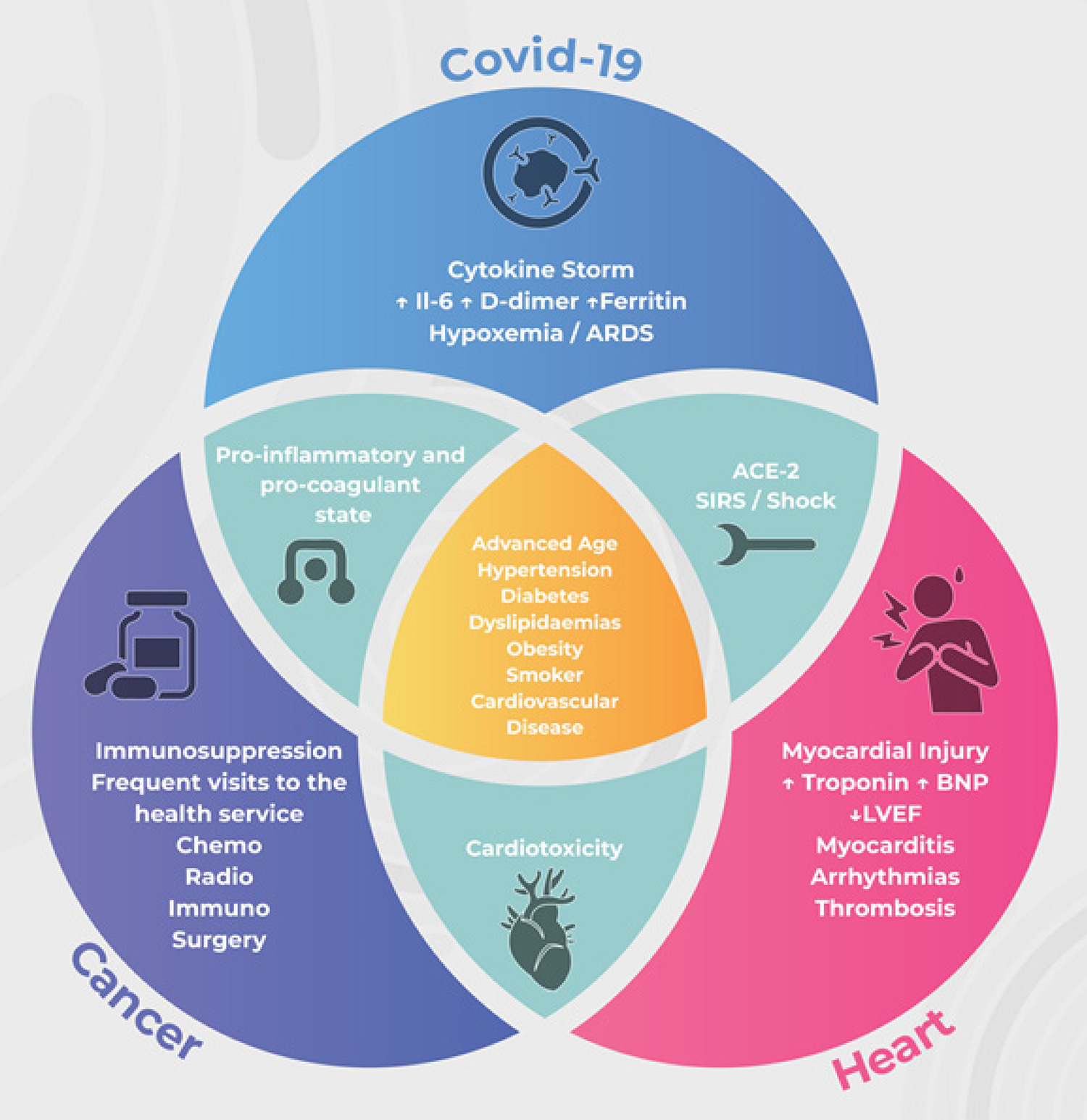
The challenges that the COVID-19 pandemic cretead to the healthcare system have made it necessary to adapt routines and services, with the objectives of controlling the spread of the virus and preserving health. Safe and correct management of patients in risks groups, such as elderly patients, patients with cardiovascular diseases, and patients with cancer, has become even more important. Thus, cardio-oncology has gained a new dimension, with the aim of adapting to patients’ needs during the pandemic by restructuring the system of care in a manner that offers quality and safety in healthcare.

  • Betacoronavirus/complications
  • Cardiovascular Diseases/complications
  • Coronavirus
  • COVID-19
  • Neoplasms / complications
  • Pandemics
  • SARS-CoV-19
  • Severe Acute Respiratory Syndrome/complications
Read Full Article
Creative Commons Attribution (CC BY) Creative Commons license
28/09/2020 DOI: 10.36660/abc.20200405 Views 1
Brief Communication

Compound Heterozygous Familial Hypercholesterolemia Caused by LDLR Variants

Heloisa Pamplona-Cunha et al. Marcela Freitas Medeiros Thaís Cristine Marques Sincero Isabela de Carlos Back Edson Luiz da Silva

Abstract

Familial hypercholesterolemia (FH) is a genetic disease caused by a primary defect in the LDL-receptor gene. Distinct variants in the same gene characterize a compound heterozygote, but little is known about the phenotypes of the carriers. Therefore, herein, we describe the cascade screening of a Brazilian family with this characteristic. The index case, a 36-year-old male, had a total cholesterol level of 360 mg/dL (9.3 mmol/L) and LDL-c value of 259 mg/dL (6.7 mmol/L), in addition to Achilles tendon xanthomas, obesity and prehypertension. Genotyping identified the variants 661G>A, 670G>A, 682G>A in exon 4 and 919G>A in exon 6. The same variant in exon 4 was found in the index case’s son (7-y), who also had hypercholesterolemia and xanthomas, while the index case’s daughter (9-y) had the variant in exon 6 and hyperlipidemia, without xanthomas. In summary, this report allows for a better insight into the molecular basis of FH in Brazil, a multi-racial country where a heterogeneous population is expected.

  • Atherosclerosis
  • Compound Heterozygous
  • Familial hypercholesterolemia
  • Genetic Cascade Screening
  • Genotyping
  • Hyperlipoproteinemia Type II
Read Full Article
Creative Commons Attribution (CC BY) Creative Commons license
28/09/2020 DOI: 10.36660/abc.20190582
Research Letter

Pericardial Affections in Patients with COVID-19: A Possible Cause of Hemodynamic Deterioration

Fábio Fernandes et al. Felix José Alvarez Ramires Fábio Danziato Fernandes Marcus Vinicius Simões … Evandro Tinoco Mesquita Charles Mady

Introduction

The clinical course of the SARS-CoV-2 infection is characterized by respiratory symptoms, fever, cough, sore throat, fatigue, and complications related to the acute respiratory distress syndrome. However, some patients with initially mild symptoms can present clinical deterioration approximately one week after onset of the symptoms.

The acute progression of COVID-19 can be divided into 3 different phases: early infection, pulmonary phase, and hyperinflammation, and significant overlaps between these phases can occur.

[…]

  • Betacoronavirus/complications
  • Cardiovascular Complications
  • Coronavirus-19
  • COVID-19
  • Hypoxia
  • Keywords
  • Pandemics
  • SARS-CoV-2
  • Systemic, Inflammation
  • Thrombosis
Read Full Article
Creative Commons Attribution (CC BY) Creative Commons license
28/09/2020 DOI: 10.36660/abc.20200474 Views 1
Figure 1
Viewpoint

Ethics, Artificial Intelligence and Cardiology

Erito Marques de Souza Filho et al. Fernando de Amorim Fernandes Nikolas Cunha de Assis Pereira Claudio Tinoco Mesquita Ronaldo Altenburg Gismondi

Introduction

In the not too distant future, an artificially intelligent computer program will probably diagnose heart conditions more accurately than a board-certified cardiologist. Biomedical knowledge grows significantly, making it impossible for contemporary health professionals to be updated on all content published in their field. Similarly, the amount of information about the patient is increasingly larger and more accessible, making real-time management, filtering and selection impractical for an individual. In this context, Artificial Intelligence (AI) has a relevant role in health decision-making. It is the result of the combination of sophisticated mathematical models and computation to produce refined algorithms capable of emulating (or imitating) human intelligence. It has allowed for interesting applications in virtually all fields of medicine and human knowledge. In particular, in cardiology, several applications have been shown to be successful. Han et al., for instance, used machine learning (ML), a subset of AI, to analyze if this tool would be helpful to identify patients at risk of future rapid coronary plaque progression. Clinical epidemiological features and quantitative and qualitative information from coronary computed tomographic angiography were used (all of which were obtained from the PARADIGM study). They included 1,083 patients in the study and tested 10 different models. LogitBoost performed better. The area under the receiver operating characteristic curve (AUC) was 0.83 — better than the 10-year atherosclerotic cardiovascular disease risk score (ASCVD risk score), which was 0.59. In another study, Than et al. evaluated whether Gradient Boosting (also a ML algorithm) would be beneficial in predicting the likelihood of type 1 acute myocardial infarction. Features such as sex, age, rate of change of cardiac troponin I concentration and paired cardiac troponin I of a sample with 11,011 patients were considered. AUC was 0.96 and the ML model had better performance than the traditional European Society of Cardiology 0/3-hour pathway. Hedman et al. developed a ML algorithm to describe heart failure with preserved ejection fraction groups of patients based on their phenotype. They used clinical and electrocardiogram data. Six different groups were identified, with different levels of inflammatory and cardiovascular proteins and also with different outcomes. In light of that, in cardiology, the process of incorporating AI into the clinical practice is accelerated. The use of AI in cardiology is present in our daily lives, such as recognition of disease phenotypes, diagnosis, prognosis, and in treatment algorithms. AI has a huge disruptive potential and some advocate the possibility of the emergence of a new species, Homo incredibile, which supports its decisions on data and promotes a revolution in the digital ecosystem. However, this paradigm shift has unfortunately brought with it a myriad of challenges. Ethical issues are a great concern regarding these new technologies, and we will discuss some of them, as well as possible solutions and precautions.

[…]

  • Artificial Intelligence
  • Decision Making,Compter-Assisted
  • Information Management
  • Software
Read Full Article
Creative Commons Attribution (CC BY) Creative Commons license
28/09/2020 DOI: 10.36660/abc.20200143
Chart 1-1
Special Article

Cardiovascular Statistics – Brazil 2020

Gláucia Maria Moraes de Oliveira et al. Luisa Campos Caldeira Brant Carisi Anne Polanczyk Andreia Biolo … Bruno Ramos Nascimento Deborah Carvalho Malta Maria de Fatima Marinho de Souza Gabriel Porto Soares Gesner Francisco Xavier Junior M. Julia Machline-Carrion Marcio Sommer Bittencourt Octavio M. Pontes Neto Odilson Marcos Silvestre Renato Azeredo Teixeira Roney Orismar Sampaio Thomaz A. Gaziano Gregory A. Roth Antonio Luiz Pinho Ribeiro

About these Statistics

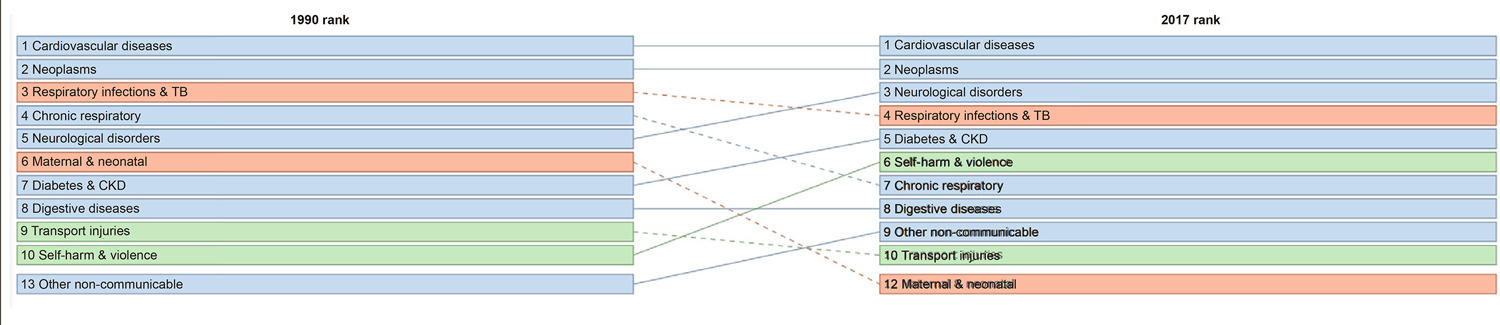
Brazil is a continental country of extreme diversity regarding climate and environmental conditions, population density, economic development, and racial and cultural features. One of the 10 richest economies of the world, it is also one of the most unequal countries: according to the World Bank, Brazil ranks among the 10 countries with the highest Gini index, a measurement of inequality in income distribution ( ). Brazil has one of the largest public health systems with universal coverage, the SUS, which covers the whole Brazilian population, estimated at 210 million inhabitants in 2019 ( ), the year in which SUS was the exclusive health system for 76% of that population ( ). Indeed, SUS co-exists with a private health system that includes health plans and insurance, and private health professionals. Established by the Brazilian Constitution of 1988, the implementation and expansion of SUS have allowed Brazil to rapidly address the changing health needs of the population, with dramatic upscaling of health services coverage and increase in life expectancy in just 3 decades. , The Family Health Program, launched in 1994, is a leading initiative in the national strategy to reduce CVD mortality based on primary health care, covering almost 123 million individuals (63% of the Brazilian population) in 2015.However, despite its successes, the analysis of future scenarios suggests the urgent need to address lingering geographical inequalities, insufficient funding, and issues related to access to care and its quality. ,

[…]

  • Atrial Fibrillation
  • Atrial flutter
  • Brazil
  • Cardiomyopathies Heart Failure
  • Cardiovascular Diseases
  • Coronary Disease
  • Heart Valve Diseases
  • Statistics
Read Full Article
Creative Commons Attribution (CC BY) Creative Commons license
28/09/2020 DOI: 10.36660/abc.20200812 Views 1
Figure 1
Editorial

Sports in Covid-19 Times: Heart Alert

Marcos Perillo Filho et al. Ricardo Contesini Francisco Thiago Ghorayeb Garcia Mateus Freitas Teixeira … Bruno Bassaneze Lorena Christine Araújo de Albuquerque Rodrigo Otávio Bougleux Alô Clea Colombo Nabil Ghorayeb

Introduction

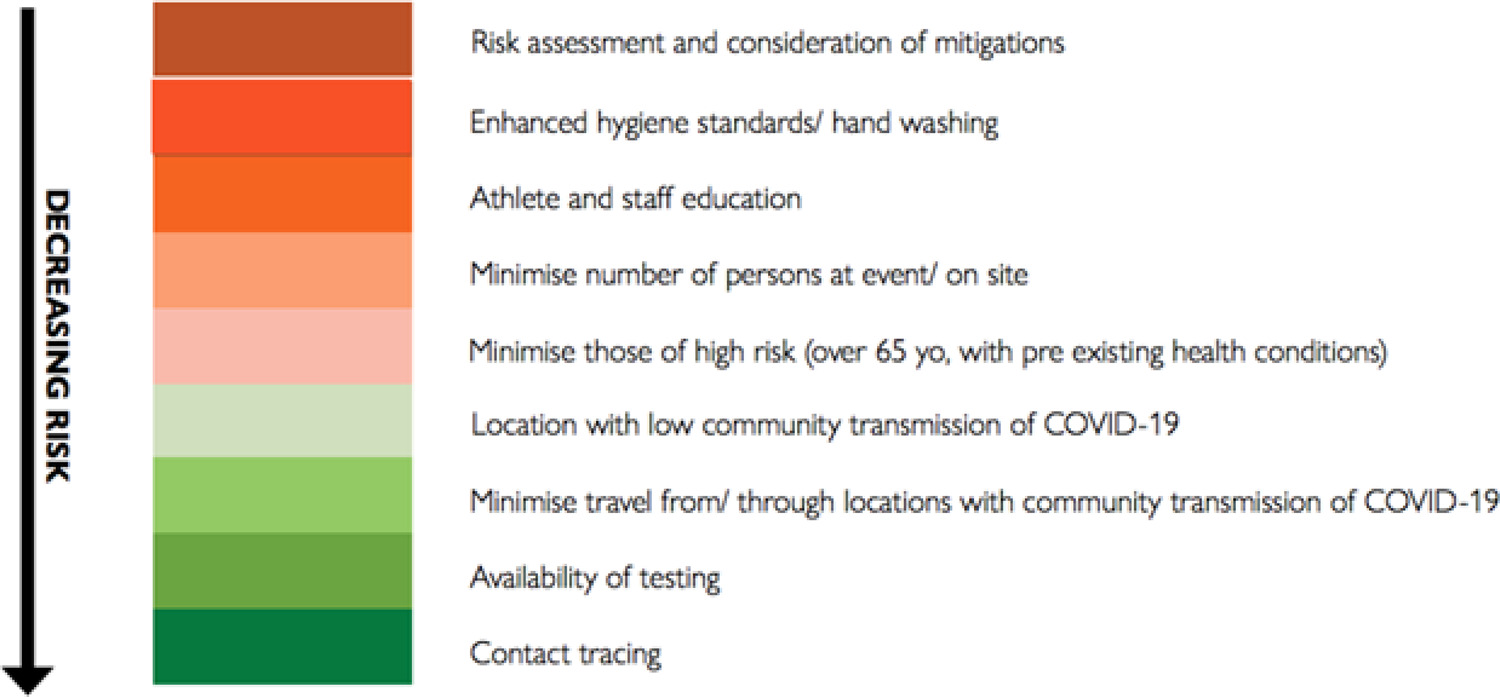
Sports competitions were taking place everywhere in 2019, but the novel coronavirus (SARS-CoV-2) has changed the sports scenario around the globe lately. In March 2020, the World Health Organization (WHO) declared COVID-19 (a disease caused by the SARS-CoV-2 virus) pandemic and social isolation was adopted by several governments, prohibiting sporting events. Whereas public authorities have started the process of relaxing social isolation, medical experts have been discussing the best way to evaluate athletes who had COVID-19 aiming a safe return to sports practice. The lack of clinical and epidemiological data regarding cardiac involvement in COVID-19 cases, especially for the oligosymptomatic, non-hospitalized ones, and the unknown consequences of potential cardiac injury, turn this task into a challenge. According to the amount of time passed by, a better understanding of the outcomes and these recommendations may change.

[…]

  • Athlete
  • Cardiovascular Diseases/complications
  • COVID-19, Betacoronavirus/complications
  • Myocarditis
  • Sport
Read Full Article
Creative Commons Attribution (CC BY) Creative Commons license
28/09/2020 DOI: 10.36660/abc.20200652 Views 1

Could not load more articles. Please try again.

How to cite this article

EndNote RIS

Electronic Document Format (Vancouver)

Chamié D, Oliveira F, Braga S, Costa JR, Siqueira DAA, Staico R, Costa R, et al. Adapted Catheterization Laboratory Practices during the COVID-19 Pandemic: The Instituto Dante Pazzanese de Cardiologia Protocol. Arquivos Brasileiros de Cardiologia 2020;115(3):558-6.

Electronic Document Format (ABNT)

Chamié, Daniel; Oliveira, Fernanda; Braga, Sérgio; Costa, José Ribamar; Siqueira, Dimytri Alexandre Alvim de; Staico, Rodolfo; Costa, Ricardo; Maldonado, Galo; Tanajura, Luiz Fernando Leite; Centemero, Marinella Patrizia; Chaves, Áurea Jacob; Abizaid, Andrea Cláudia Sousa Leão; Freitas, Rafaela Andrade Penalva; Coelho, Nancy Toledo; Ohe, Louis Nakayama; Abboud, Cely; Feres, Fausto. Adapted Catheterization Laboratory Practices during the COVID-19 Pandemic: The Instituto Dante Pazzanese de Cardiologia Protocol. Arquivos Brasileiros de Cardiologia, v. 115, n. 3, p. 558-568, Sep. 2020.

Electronic Document Format (APA)

Chamié, D., Oliveira, F., Braga, S., Costa, J. R., Siqueira, D. A. A. , Staico, R., Costa, R., Maldonado, G., Tanajura, L. F. L., Centemero, M. P., Chaves, J., Abizaid, A. C. S. L., Freitas, R. A. P., Coelho, N. T., Ohe, L. N., Abboud, C., & Feres, F. (2020). Adapted Catheterization Laboratory Practices during the COVID-19 Pandemic: The Instituto Dante Pazzanese de Cardiologia Protocol. Arquivos Brasileiros de Cardiologia, 115(3), 558-568.

Electronic Document Format (ISO)

Chamié, Daniel and Oliveira, Fernanda and Braga, Sérgio and Costa, José Ribamar and Siqueira, Dimytri Alexandre Alvim de and Staico, Rodolfo and Costa, Ricardo and Maldonado, Galo and Tanajura, Luiz Fernando Leite and Centemero, Marinella Patrizia and Chaves, Áurea Jacob and Abizaid, Andrea Cláudia Sousa Leão and Freitas, Rafaela Andrade Penalva and Coelho, Nancy Toledo and Ohe, Louis Nakayama and Abboud, Cely and Feres, Fausto. Adapted Catheterization Laboratory Practices during the COVID-19 Pandemic: The Instituto Dante Pazzanese de Cardiologia Protocol. Arquivos Brasileiros de Cardiologia [online]. 2020, vol. 115, n. 3, [cited 2026-10-14], pp. 558-568. Available from: <https://journals.cardiol.br/en/article/adapted-catheterization-laboratory-practices-during-the-covid-19-pandemic-the-instituto-dante-pazzanese-de-cardiologia-protocol/>. ISSN 0066-782X

EndNote RIS

Electronic Document Format (Vancouver)

Franzotti SAS, Sloboda DA, Silva JR, Souza EAS, Reboreda JZ, Ferretti-Rebustini REL, Nogueira LS, et al. Performance of Severity Indices to Estimate Postoperative Complications of Myocardial Revascularization. Arquivos Brasileiros de Cardiologia 2020;115(3):452-9.

Electronic Document Format (ABNT)

Franzotti, Silvana Alves dos Santos; Sloboda, Dyenily Alessi; Silva, Juliana Rosendo; Souza, Ellian Amorim Santos; Reboreda, Jessica Zamora; Ferretti-Rebustini, Renata Eloah de Lucena; Nogueira, Lilia de Souza. Performance of Severity Indices to Estimate Postoperative Complications of Myocardial Revascularization. Arquivos Brasileiros de Cardiologia, v. 115, n. 3, p. 452-459, Sep. 2020.

Electronic Document Format (APA)

Franzotti, S. A. S., Sloboda, D. A., Silva, J. R., Souza, E. A. S., Reboreda, J. Z., Ferretti-Rebustini, R. E. L., & Nogueira, L. S. (2020). Performance of Severity Indices to Estimate Postoperative Complications of Myocardial Revascularization. Arquivos Brasileiros de Cardiologia, 115(3), 452-459.

Electronic Document Format (ISO)

Franzotti, Silvana Alves dos Santos and Sloboda, Dyenily Alessi and Silva, Juliana Rosendo and Souza, Ellian Amorim Santos and Reboreda, Jessica Zamora and Ferretti-Rebustini, Renata Eloah de Lucena and Nogueira, Lilia de Souza. Performance of Severity Indices to Estimate Postoperative Complications of Myocardial Revascularization. Arquivos Brasileiros de Cardiologia [online]. 2020, vol. 115, n. 3, [cited 2026-10-14], pp. 452-459. Available from: <https://journals.cardiol.br/en/article/performance-of-severity-indices-to-estimate-postoperative-complications-of-myocardial-revascularization/>. ISSN 0066-782X

EndNote RIS

Electronic Document Format (Vancouver)

Siqueira DAA, Ramos AIO, Feres F. Transseptal, Transcatheter Mitral Valve-In-Valve Replacement: Ready for Prime Time Treatment of Bioprosthetic Valve Failure in Brazil?. Arquivos Brasileiros de Cardiologia 2020;115(3):525-7.

Electronic Document Format (ABNT)

Siqueira, Dimytri Alexandre Alvim de; Ramos, Auristela Isabel de Oliveira; Feres, Fausto. Transseptal, Transcatheter Mitral Valve-In-Valve Replacement: Ready for Prime Time Treatment of Bioprosthetic Valve Failure in Brazil?. Arquivos Brasileiros de Cardiologia, v. 115, n. 3, p. 525-527, Sep. 2020.

Electronic Document Format (APA)

Siqueira, D. A. A. , Ramos, A. I. O., & Feres, F. (2020). Transseptal, Transcatheter Mitral Valve-In-Valve Replacement: Ready for Prime Time Treatment of Bioprosthetic Valve Failure in Brazil?. Arquivos Brasileiros de Cardiologia, 115(3), 525-527.

Electronic Document Format (ISO)

Siqueira, Dimytri Alexandre Alvim de and Ramos, Auristela Isabel de Oliveira and Feres, Fausto. Transseptal, Transcatheter Mitral Valve-In-Valve Replacement: Ready for Prime Time Treatment of Bioprosthetic Valve Failure in Brazil?. Arquivos Brasileiros de Cardiologia [online]. 2020, vol. 115, n. 3, [cited 2026-10-14], pp. 525-527. Available from: <https://journals.cardiol.br/en/article/transseptal-transcatheter-mitral-valve-in-valve-replacement-ready-for-prime-time-treatment-of-bioprosthetic-valve-failure-in-brazil/>. ISSN 0066-782X

EndNote RIS

Electronic Document Format (Vancouver)

Martinez TLR. Changes in Our Times and in Cholesterol Targets. Arquivos Brasileiros de Cardiologia 2020;115(3):450-1.

Electronic Document Format (ABNT)

Martinez, Tania Leme da Rocha. Changes in Our Times and in Cholesterol Targets. Arquivos Brasileiros de Cardiologia, v. 115, n. 3, p. 450-451, Sep. 2020.

Electronic Document Format (APA)

Martinez, T. L. R. (2020). Changes in Our Times and in Cholesterol Targets. Arquivos Brasileiros de Cardiologia, 115(3), 450-451.

Electronic Document Format (ISO)

Martinez, Tania Leme da Rocha. Changes in Our Times and in Cholesterol Targets. Arquivos Brasileiros de Cardiologia [online]. 2020, vol. 115, n. 3, [cited 2026-10-14], pp. 450-451. Available from: <https://journals.cardiol.br/en/article/changes-in-our-times-and-in-cholesterol-targets/>. ISSN 0066-782X

EndNote RIS

Electronic Document Format (Vancouver)

Garcia-Garcia HM, Blanco P. Coronary Blood Flow Measurement in Conventional Coronary Angiograms by a New Method Based on Contrast Density Detection. Arquivos Brasileiros de Cardiologia 2020;115(3):513-4.

Electronic Document Format (ABNT)

Garcia-Garcia, Hector M.; Blanco, Pablo. Coronary Blood Flow Measurement in Conventional Coronary Angiograms by a New Method Based on Contrast Density Detection. Arquivos Brasileiros de Cardiologia, v. 115, n. 3, p. 513-514, Sep. 2020.

Electronic Document Format (APA)

Garcia-Garcia, H. M., & Blanco, P. (2020). Coronary Blood Flow Measurement in Conventional Coronary Angiograms by a New Method Based on Contrast Density Detection. Arquivos Brasileiros de Cardiologia, 115(3), 513-514.

Electronic Document Format (ISO)

Garcia-Garcia, Hector M. and Blanco, Pablo. Coronary Blood Flow Measurement in Conventional Coronary Angiograms by a New Method Based on Contrast Density Detection. Arquivos Brasileiros de Cardiologia [online]. 2020, vol. 115, n. 3, [cited 2026-10-14], pp. 513-514. Available from: <https://journals.cardiol.br/en/article/coronary-blood-flow-measurement-in-conventional-coronary-angiograms-by-a-new-method-based-on-contrast-density-detection/>. ISSN 0066-782X

EndNote RIS

Electronic Document Format (Vancouver)

Yavuz F, Kilic S, Kaplan M, Yıldırım A, Kucukosmanoglu M, Dogdus M. Impact of Atherogenic Indexes in Saphenous Vein Graft Stenosis. Arquivos Brasileiros de Cardiologia 2020;115(3):538-44.

Electronic Document Format (ABNT)

Yavuz, Fethi; Kilic, Salih; Kaplan, Mehmet; Yıldırım, Arafat; Kucukosmanoglu, Mehmet; Dogdus, Mustafa. Impact of Atherogenic Indexes in Saphenous Vein Graft Stenosis. Arquivos Brasileiros de Cardiologia, v. 115, n. 3, p. 538-544, Sep. 2020.

Electronic Document Format (APA)

Yavuz, F., Kilic, S., Kaplan, M., Yıldırım, A., Kucukosmanoglu, M., & Dogdus, M. (2020). Impact of Atherogenic Indexes in Saphenous Vein Graft Stenosis. Arquivos Brasileiros de Cardiologia, 115(3), 538-544.

Electronic Document Format (ISO)

Yavuz, Fethi and Kilic, Salih and Kaplan, Mehmet and Yıldırım, Arafat and Kucukosmanoglu, Mehmet and Dogdus, Mustafa. Impact of Atherogenic Indexes in Saphenous Vein Graft Stenosis. Arquivos Brasileiros de Cardiologia [online]. 2020, vol. 115, n. 3, [cited 2026-10-14], pp. 538-544. Available from: <https://journals.cardiol.br/en/article/impact-of-atherogenic-indexes-in-saphenous-vein-graft-stenosis/>. ISSN 0066-782X

EndNote RIS

Electronic Document Format (Vancouver)

Murad H. Saphenous Vein Graft Stenosis. Arquivos Brasileiros de Cardiologia 2020;115(3):545-6.

Electronic Document Format (ABNT)

Murad, Henrique. Saphenous Vein Graft Stenosis. Arquivos Brasileiros de Cardiologia, v. 115, n. 3, p. 545-546, Sep. 2020.

Electronic Document Format (APA)

Murad, H. (2020). Saphenous Vein Graft Stenosis. Arquivos Brasileiros de Cardiologia, 115(3), 545-546.

Electronic Document Format (ISO)

Murad, Henrique. Saphenous Vein Graft Stenosis. Arquivos Brasileiros de Cardiologia [online]. 2020, vol. 115, n. 3, [cited 2026-10-14], pp. 545-546. Available from: <https://journals.cardiol.br/en/article/saphenous-vein-graft-stenosis/>. ISSN 0066-782X

EndNote RIS

Electronic Document Format (Vancouver)

Schtruk LE, Miranda J, Salles V, Sales A, Lobbe L, Cavalcante V, Reis E, et al. COVID-19 Infection in Heart Transplantation: Case Reports. Arquivos Brasileiros de Cardiologia 2020;115(3):574-8.

Electronic Document Format (ABNT)

Schtruk, Ligia Espinoso; Miranda, Jacqueline; Salles, Vitor; Sales, Ana; Lobbe, Luciana; Cavalcante, Vaisnava; Reis, Elisangela; Kugel, Sharon; Marques, Bruno; Carvalho, Gabrielle; Maia, Ruth; Reis, Filipe Oliveira dos; Rodrigues, Danielle. COVID-19 Infection in Heart Transplantation: Case Reports. Arquivos Brasileiros de Cardiologia, v. 115, n. 3, p. 574-578, Sep. 2020.

Electronic Document Format (APA)

Schtruk, L. E., Miranda, J., Salles, V., Sales, A., Lobbe, L., Cavalcante, V., Reis, E., Kugel, S., Marques, B., Carvalho, G., Maia, R., Reis, F. O. , & Rodrigues, D. (2020). COVID-19 Infection in Heart Transplantation: Case Reports. Arquivos Brasileiros de Cardiologia, 115(3), 574-578.

Electronic Document Format (ISO)

Schtruk, Ligia Espinoso and Miranda, Jacqueline and Salles, Vitor and Sales, Ana and Lobbe, Luciana and Cavalcante, Vaisnava and Reis, Elisangela and Kugel, Sharon and Marques, Bruno and Carvalho, Gabrielle and Maia, Ruth and Reis, Filipe Oliveira dos and Rodrigues, Danielle. COVID-19 Infection in Heart Transplantation: Case Reports. Arquivos Brasileiros de Cardiologia [online]. 2020, vol. 115, n. 3, [cited 2026-10-14], pp. 574-578. Available from: <https://journals.cardiol.br/en/article/covid-19-infection-in-heart-transplantation-case-reports/>. ISSN 0066-782X

EndNote RIS

Electronic Document Format (Vancouver)

Cesena FHY, Valente VA, Santos RD, Bittencourt MS. Cardiovascular Risk and Statin Eligibility in Primary Prevention: A Comparison between the Brazilian and the AHA/ACC Guidelines. Arquivos Brasileiros de Cardiologia 2020;115(3):440-9.

Electronic Document Format (ABNT)

Cesena, Fernando H. Y.; Valente, Viviane A.; Santos, Raul D.; Bittencourt, Márcio S.. Cardiovascular Risk and Statin Eligibility in Primary Prevention: A Comparison between the Brazilian and the AHA/ACC Guidelines. Arquivos Brasileiros de Cardiologia, v. 115, n. 3, p. 440-449, Sep. 2020.

Electronic Document Format (APA)

Cesena, F. H. Y., Valente, V. A., Santos, R. D., & Bittencourt, M. S. (2020). Cardiovascular Risk and Statin Eligibility in Primary Prevention: A Comparison between the Brazilian and the AHA/ACC Guidelines. Arquivos Brasileiros de Cardiologia, 115(3), 440-449.

Electronic Document Format (ISO)

Cesena, Fernando H. Y. and Valente, Viviane A. and Santos, Raul D. and Bittencourt, Márcio S.. Cardiovascular Risk and Statin Eligibility in Primary Prevention: A Comparison between the Brazilian and the AHA/ACC Guidelines. Arquivos Brasileiros de Cardiologia [online]. 2020, vol. 115, n. 3, [cited 2026-10-14], pp. 440-449. Available from: <https://journals.cardiol.br/en/article/cardiovascular-risk-and-statin-eligibility-in-primary-prevention-a-comparison-between-the-brazilian-and-the-aha-acc-guidelines/>. ISSN 0066-782X

EndNote RIS

Electronic Document Format (Vancouver)

Strong C, Freitas P, Ferreira A, Rodrigues G, Mendes M. One Patient, Two Cardiomyopathies. Arquivos Brasileiros de Cardiologia 2020;115(3):584-6.

Electronic Document Format (ABNT)

Strong, Christopher; Freitas, Pedro; Ferreira, António; Rodrigues, Gustavo; Mendes, Miguel. One Patient, Two Cardiomyopathies. Arquivos Brasileiros de Cardiologia, v. 115, n. 3, p. 584-586, Sep. 2020.

Electronic Document Format (APA)

Strong, C., Freitas, P., Ferreira, A., Rodrigues, G., & Mendes, M. (2020). One Patient, Two Cardiomyopathies. Arquivos Brasileiros de Cardiologia, 115(3), 584-586.

Electronic Document Format (ISO)

Strong, Christopher and Freitas, Pedro and Ferreira, António and Rodrigues, Gustavo and Mendes, Miguel. One Patient, Two Cardiomyopathies. Arquivos Brasileiros de Cardiologia [online]. 2020, vol. 115, n. 3, [cited 2026-10-14], pp. 584-586. Available from: <https://journals.cardiol.br/en/article/one-patient-two-cardiomyopathies/>. ISSN 0066-782X

EndNote RIS

Electronic Document Format (Vancouver)

Rossi Neto JM, Tebexreni AS, Alves ANF, Abreu FB, Nishio PA, Thomazi MC, Antelmi I, et al. VO2max-Based Physical Fitness Categories in a Brazilian Population with Supposed High Socioeconomic Status and without Structural Heart Disease. Arquivos Brasileiros de Cardiologia 2020;115(3):468-77.

Electronic Document Format (ABNT)

Rossi Neto, João Manoel; Tebexreni, Antonio Sergio; Alves, Alexandre Novakoski F.; Abreu, Floriana Bertini; Nishio, Priscilla Ayumi; Thomazi, Mauricio Cruz; Antelmi, Ivana; Smanio, Paola Emanuela P.. VO2max-Based Physical Fitness Categories in a Brazilian Population with Supposed High Socioeconomic Status and without Structural Heart Disease. Arquivos Brasileiros de Cardiologia, v. 115, n. 3, p. 468-477, Sep. 2020.

Electronic Document Format (APA)

Rossi Neto, J. M., Tebexreni, A. S., Alves, A. N. F., Abreu, F. B., Nishio, P. A., Thomazi, M. C., Antelmi, I., & Smanio, P. E. P. (2020). VO2max-Based Physical Fitness Categories in a Brazilian Population with Supposed High Socioeconomic Status and without Structural Heart Disease. Arquivos Brasileiros de Cardiologia, 115(3), 468-477.

Electronic Document Format (ISO)

Rossi Neto, João Manoel and Tebexreni, Antonio Sergio and Alves, Alexandre Novakoski F. and Abreu, Floriana Bertini and Nishio, Priscilla Ayumi and Thomazi, Mauricio Cruz and Antelmi, Ivana and Smanio, Paola Emanuela P.. VO2max-Based Physical Fitness Categories in a Brazilian Population with Supposed High Socioeconomic Status and without Structural Heart Disease. Arquivos Brasileiros de Cardiologia [online]. 2020, vol. 115, n. 3, [cited 2026-10-14], pp. 468-477. Available from: <https://journals.cardiol.br/en/article/vo2max-based-physical-fitness-categories-in-a-brazilian-population-with-supposed-high-socioeconomic-status-and-without-structural-heart-disease/>. ISSN 0066-782X

EndNote RIS

Electronic Document Format (Vancouver)

. Erratum. Arquivos Brasileiros de Cardiologia 2020;115(3):592.

Electronic Document Format (ABNT)

. Erratum. Arquivos Brasileiros de Cardiologia, v. 115, n. 3, p. 592-592, Sep. 2020.

Electronic Document Format (APA)

(2020). Erratum. Arquivos Brasileiros de Cardiologia, 115(3), 592-592.

Electronic Document Format (ISO)

. Erratum. Arquivos Brasileiros de Cardiologia [online]. 2020, vol. 115, n. 3, [cited 2026-10-14], pp. 592-592. Available from: <https://journals.cardiol.br/en/article/erratum-20/>. ISSN 0066-782X

EndNote RIS

Electronic Document Format (Vancouver)

Gewehr DM, Salgueiro GR, Noronha L, Kubrusly FB, Kubrusly LF, Coltro GA, Preto PC, et al. Plexiform Lesions in an Experimental Model of Monocrotalin-Induced Pulmonary Arterial Hypertension. Arquivos Brasileiros de Cardiologia 2020;115(3):480-9.

Electronic Document Format (ABNT)

Gewehr, Douglas Mesadri; Salgueiro, Gabriela Rodrigues; Noronha, Lucia de; Kubrusly, Fernando Bermudez; Kubrusly, Luiz Fernando; Coltro, Gabriel Antonio; Preto, Paola Cardoso; Bertoldi, Andressa de Souza; Vieira, Heloisa Iacomo. Plexiform Lesions in an Experimental Model of Monocrotalin-Induced Pulmonary Arterial Hypertension. Arquivos Brasileiros de Cardiologia, v. 115, n. 3, p. 480-490, Sep. 2020.

Electronic Document Format (APA)

Gewehr, D. M., Salgueiro, G. R., Noronha, L. , Kubrusly, F. B., Kubrusly, L. F., Coltro, G. A., Preto, P. C., Bertoldi, A. S., & Vieira, H. I. (2020). Plexiform Lesions in an Experimental Model of Monocrotalin-Induced Pulmonary Arterial Hypertension. Arquivos Brasileiros de Cardiologia, 115(3), 480-490.

Electronic Document Format (ISO)

Gewehr, Douglas Mesadri and Salgueiro, Gabriela Rodrigues and Noronha, Lucia de and Kubrusly, Fernando Bermudez and Kubrusly, Luiz Fernando and Coltro, Gabriel Antonio and Preto, Paola Cardoso and Bertoldi, Andressa de Souza and Vieira, Heloisa Iacomo. Plexiform Lesions in an Experimental Model of Monocrotalin-Induced Pulmonary Arterial Hypertension. Arquivos Brasileiros de Cardiologia [online]. 2020, vol. 115, n. 3, [cited 2026-10-14], pp. 480-490. Available from: <https://journals.cardiol.br/en/article/plexiform-lesions-in-an-experimental-model-of-monocrotalin-induced-pulmonary-arterial-hypertension/>. ISSN 0066-782X

EndNote RIS

Electronic Document Format (Vancouver)

Soeiro AM. Severity Index Performance in Predicting Postoperative Complications of Coronary Artery Bypass Grafting. Arquivos Brasileiros de Cardiologia 2020;115(3):460-1.

Electronic Document Format (ABNT)

Soeiro, Alexandre de Matos. Severity Index Performance in Predicting Postoperative Complications of Coronary Artery Bypass Grafting. Arquivos Brasileiros de Cardiologia, v. 115, n. 3, p. 460-461, Sep. 2020.

Electronic Document Format (APA)

Soeiro, A. M. (2020). Severity Index Performance in Predicting Postoperative Complications of Coronary Artery Bypass Grafting. Arquivos Brasileiros de Cardiologia, 115(3), 460-461.

Electronic Document Format (ISO)

Soeiro, Alexandre de Matos. Severity Index Performance in Predicting Postoperative Complications of Coronary Artery Bypass Grafting. Arquivos Brasileiros de Cardiologia [online]. 2020, vol. 115, n. 3, [cited 2026-10-14], pp. 460-461. Available from: <https://journals.cardiol.br/en/article/severity-index-performance-in-predicting-postoperative-complications-of-coronary-artery-bypass-grafting/>. ISSN 0066-782X

EndNote RIS

Electronic Document Format (Vancouver)

Trad H. Our Precious Calcium Score. Arquivos Brasileiros de Cardiologia 2020;115(3):501-2.

Electronic Document Format (ABNT)

Trad, Henrique. Our Precious Calcium Score. Arquivos Brasileiros de Cardiologia, v. 115, n. 3, p. 501-502, Sep. 2020.

Electronic Document Format (APA)

Trad, H. (2020). Our Precious Calcium Score. Arquivos Brasileiros de Cardiologia, 115(3), 501-502.

Electronic Document Format (ISO)

Trad, Henrique. Our Precious Calcium Score. Arquivos Brasileiros de Cardiologia [online]. 2020, vol. 115, n. 3, [cited 2026-10-14], pp. 501-502. Available from: <https://journals.cardiol.br/en/article/our-precious-calcium-score/>. ISSN 0066-782X

EndNote RIS

Electronic Document Format (Vancouver)

Lopez-Hidalgo M, Eblen-Zajjur A. Coronary Blood Flow Measurement in Conventional Coronary Angiograms by a New Method Based on Contrast Density Detection. A Physiological Insight. Arquivos Brasileiros de Cardiologia 2020;115(3):503-12.

Electronic Document Format (ABNT)

Lopez-Hidalgo, Miguel; Eblen-Zajjur, Antonio. Coronary Blood Flow Measurement in Conventional Coronary Angiograms by a New Method Based on Contrast Density Detection. A Physiological Insight. Arquivos Brasileiros de Cardiologia, v. 115, n. 3, p. 503-512, Sep. 2020.

Electronic Document Format (APA)

Lopez-Hidalgo, M., & Eblen-Zajjur, A. (2020). Coronary Blood Flow Measurement in Conventional Coronary Angiograms by a New Method Based on Contrast Density Detection. A Physiological Insight. Arquivos Brasileiros de Cardiologia, 115(3), 503-512.

Electronic Document Format (ISO)

Lopez-Hidalgo, Miguel and Eblen-Zajjur, Antonio. Coronary Blood Flow Measurement in Conventional Coronary Angiograms by a New Method Based on Contrast Density Detection. A Physiological Insight. Arquivos Brasileiros de Cardiologia [online]. 2020, vol. 115, n. 3, [cited 2026-10-14], pp. 503-512. Available from: <https://journals.cardiol.br/en/article/coronary-blood-flow-measurement-in-conventional-coronary-angiograms-by-a-new-method-based-on-contrast-density-detection-a-physiological-insight/>. ISSN 0066-782X

EndNote RIS

Electronic Document Format (Vancouver)

Yalta K, Kaya C. Recurrent Takotsubo Cardiomyopathy: A Puzzle Yet to be Solved. Arquivos Brasileiros de Cardiologia 2020;115(3):590-1.

Electronic Document Format (ABNT)

Yalta, Kenan; Kaya, Caglar. Recurrent Takotsubo Cardiomyopathy: A Puzzle Yet to be Solved. Arquivos Brasileiros de Cardiologia, v. 115, n. 3, p. 590-591, Sep. 2020.

Electronic Document Format (APA)

Yalta, K., & Kaya, C. (2020). Recurrent Takotsubo Cardiomyopathy: A Puzzle Yet to be Solved. Arquivos Brasileiros de Cardiologia, 115(3), 590-591.

Electronic Document Format (ISO)

Yalta, Kenan and Kaya, Caglar. Recurrent Takotsubo Cardiomyopathy: A Puzzle Yet to be Solved. Arquivos Brasileiros de Cardiologia [online]. 2020, vol. 115, n. 3, [cited 2026-10-14], pp. 590-591. Available from: <https://journals.cardiol.br/en/article/recurrent-takotsubo-cardiomyopathy-a-puzzle-yet-to-be-solved/>. ISSN 0066-782X

EndNote RIS

Electronic Document Format (Vancouver)

Yoo HHB. Plexiform Lesions in Pulmonary Arterial Hypertension: Are we Getting Closer to Manage with More Patience and Rigor?. Arquivos Brasileiros de Cardiologia 2020;115(3):491-2.

Electronic Document Format (ABNT)

Yoo, Hugo Hyung Bok. Plexiform Lesions in Pulmonary Arterial Hypertension: Are we Getting Closer to Manage with More Patience and Rigor?. Arquivos Brasileiros de Cardiologia, v. 115, n. 3, p. 491-492, Sep. 2020.

Electronic Document Format (APA)

Yoo, H. H. B. (2020). Plexiform Lesions in Pulmonary Arterial Hypertension: Are we Getting Closer to Manage with More Patience and Rigor?. Arquivos Brasileiros de Cardiologia, 115(3), 491-492.

Electronic Document Format (ISO)

Yoo, Hugo Hyung Bok. Plexiform Lesions in Pulmonary Arterial Hypertension: Are we Getting Closer to Manage with More Patience and Rigor?. Arquivos Brasileiros de Cardiologia [online]. 2020, vol. 115, n. 3, [cited 2026-10-14], pp. 491-492. Available from: <https://journals.cardiol.br/en/article/plexiform-lesions-in-pulmonary-arterial-hypertension-are-we-getting-closer-to-manage-with-more-patience-and-rigor/>. ISSN 0066-782X

EndNote RIS

Electronic Document Format (Vancouver)

Kawahara LT, Costa IBSS, Barros CCS, Almeida GC, Bittar CS, Rizk SI, Testa L, et al. Cancer and Cardiovascular Diseases during the COVID-19 Pandemic. Arquivos Brasileiros de Cardiologia 2020;115(3):547-5.

Electronic Document Format (ABNT)

Kawahara, Lucas Tokio; Costa, Isabela Bispo Santos da Silva; Barros, Cecília Chie Sakaguchi; Almeida, Gabriel Coelho de; Bittar, Cristina Salvadori; Rizk, Stephanie Itala; Testa, Laura; Moniz, Camila Motta Venchiarutti; Pereira, Juliana; Oliveira, Gláucia Maria Moraes de; Diz, Maria Del Pilar Estevez; Guimarães, Patricia Oliveira; Pinto, Ibraim Masciarelli; Kalil Filho, Roberto; Hajjar, Ludhmila Abrahão; Hoff, Paulo M.. Cancer and Cardiovascular Diseases during the COVID-19 Pandemic. Arquivos Brasileiros de Cardiologia, v. 115, n. 3, p. 547-557, Sep. 2020.

Electronic Document Format (APA)

Kawahara, L. T., Costa, I. B. S. S., Barros, C. C. S., Almeida, G. C. , Bittar, C. S., Rizk, S. I., Testa, L., Moniz, C. M. V., Pereira, J., Oliveira, G. M. M. , Diz, M. D. P. E., Guimarães, P. O., Pinto, I. M., Kalil Filho, R., Hajjar, L. A., & Hoff, P. M. (2020). Cancer and Cardiovascular Diseases during the COVID-19 Pandemic. Arquivos Brasileiros de Cardiologia, 115(3), 547-557.

Electronic Document Format (ISO)

Kawahara, Lucas Tokio and Costa, Isabela Bispo Santos da Silva and Barros, Cecília Chie Sakaguchi and Almeida, Gabriel Coelho de and Bittar, Cristina Salvadori and Rizk, Stephanie Itala and Testa, Laura and Moniz, Camila Motta Venchiarutti and Pereira, Juliana and Oliveira, Gláucia Maria Moraes de and Diz, Maria Del Pilar Estevez and Guimarães, Patricia Oliveira and Pinto, Ibraim Masciarelli and Kalil Filho, Roberto and Hajjar, Ludhmila Abrahão and Hoff, Paulo M.. Cancer and Cardiovascular Diseases during the COVID-19 Pandemic. Arquivos Brasileiros de Cardiologia [online]. 2020, vol. 115, n. 3, [cited 2026-10-14], pp. 547-557. Available from: <https://journals.cardiol.br/en/article/cancer-and-cardiovascular-diseases-during-the-covid-19-pandemic/>. ISSN 0066-782X

EndNote RIS

Electronic Document Format (Vancouver)

Pamplona-Cunha H, Medeiros MF, Sincero TCM, Back IC, Silva EL. Compound Heterozygous Familial Hypercholesterolemia Caused by LDLR Variants. Arquivos Brasileiros de Cardiologia 2020;115(3):587-9.

Electronic Document Format (ABNT)

Pamplona-Cunha, Heloisa; Medeiros, Marcela Freitas; Sincero, Thaís Cristine Marques; Back, Isabela de Carlos; Silva, Edson Luiz da. Compound Heterozygous Familial Hypercholesterolemia Caused by LDLR Variants. Arquivos Brasileiros de Cardiologia, v. 115, n. 3, p. 587-589, Sep. 2020.

Electronic Document Format (APA)

Pamplona-Cunha, H., Medeiros, M. F., Sincero, T. C. M., Back, I. C., & Silva, E. L. (2020). Compound Heterozygous Familial Hypercholesterolemia Caused by LDLR Variants. Arquivos Brasileiros de Cardiologia, 115(3), 587-589.

Electronic Document Format (ISO)

Pamplona-Cunha, Heloisa and Medeiros, Marcela Freitas and Sincero, Thaís Cristine Marques and Back, Isabela de Carlos and Silva, Edson Luiz da. Compound Heterozygous Familial Hypercholesterolemia Caused by LDLR Variants. Arquivos Brasileiros de Cardiologia [online]. 2020, vol. 115, n. 3, [cited 2026-10-14], pp. 587-589. Available from: <https://journals.cardiol.br/en/article/compound-heterozygous-familial-hypercholesterolemia-caused-by-ldlr-variants/>. ISSN 0066-782X

EndNote RIS

Electronic Document Format (Vancouver)

Fernandes F, Ramires FJA, Fernandes FD, Simões MV, Mesquita ET, Mady C. Pericardial Affections in Patients with COVID-19: A Possible Cause of Hemodynamic Deterioration. Arquivos Brasileiros de Cardiologia 2020;115(3):569-73.

Electronic Document Format (ABNT)

Fernandes, Fábio; Ramires, Felix José Alvarez; Fernandes, Fábio Danziato; Simões, Marcus Vinicius; Mesquita, Evandro Tinoco; Mady, Charles. Pericardial Affections in Patients with COVID-19: A Possible Cause of Hemodynamic Deterioration. Arquivos Brasileiros de Cardiologia, v. 115, n. 3, p. 569-573, Sep. 2020.

Electronic Document Format (APA)

Fernandes, F., Ramires, F. J. A., Fernandes, F. D., Simões, M. V., Mesquita, E. T., & Mady, C. (2020). Pericardial Affections in Patients with COVID-19: A Possible Cause of Hemodynamic Deterioration. Arquivos Brasileiros de Cardiologia, 115(3), 569-573.

Electronic Document Format (ISO)

Fernandes, Fábio and Ramires, Felix José Alvarez and Fernandes, Fábio Danziato and Simões, Marcus Vinicius and Mesquita, Evandro Tinoco and Mady, Charles. Pericardial Affections in Patients with COVID-19: A Possible Cause of Hemodynamic Deterioration. Arquivos Brasileiros de Cardiologia [online]. 2020, vol. 115, n. 3, [cited 2026-10-14], pp. 569-573. Available from: <https://journals.cardiol.br/en/article/pericardial-affections-in-patients-with-covid-19-a-possible-cause-of-hemodynamic-deterioration/>. ISSN 0066-782X

EndNote RIS

Electronic Document Format (Vancouver)

Souza Filho EM, Fernandes FA, Pereira NCA, Mesquita CT, Gismondi RA. Ethics, Artificial Intelligence and Cardiology. Arquivos Brasileiros de Cardiologia 2020;115(3):579-83.

Electronic Document Format (ABNT)

Souza Filho, Erito Marques de; Fernandes, Fernando de Amorim; Pereira, Nikolas Cunha de Assis; Mesquita, Claudio Tinoco; Gismondi, Ronaldo Altenburg. Ethics, Artificial Intelligence and Cardiology. Arquivos Brasileiros de Cardiologia, v. 115, n. 3, p. 579-583, Sep. 2020.

Electronic Document Format (APA)

Souza Filho, E. M. , Fernandes, F. A., Pereira, N. C. A., Mesquita, C. T., & Gismondi, R. A. (2020). Ethics, Artificial Intelligence and Cardiology. Arquivos Brasileiros de Cardiologia, 115(3), 579-583.

Electronic Document Format (ISO)

Souza Filho, Erito Marques de and Fernandes, Fernando de Amorim and Pereira, Nikolas Cunha de Assis and Mesquita, Claudio Tinoco and Gismondi, Ronaldo Altenburg. Ethics, Artificial Intelligence and Cardiology. Arquivos Brasileiros de Cardiologia [online]. 2020, vol. 115, n. 3, [cited 2026-10-14], pp. 579-583. Available from: <https://journals.cardiol.br/en/article/ethics-artificial-intelligence-and-cardiology/>. ISSN 0066-782X

EndNote RIS

Electronic Document Format (Vancouver)

Oliveira GMM, Brant LCC, Polanczyk CA, Biolo A, Nascimento BR, Malta DC, Souza MFM, et al. Cardiovascular Statistics – Brazil 2020. Arquivos Brasileiros de Cardiologia 2020;115(3):308-439.

Electronic Document Format (ABNT)

Oliveira, Gláucia Maria Moraes de; Brant, Luisa Campos Caldeira; Polanczyk, Carisi Anne; Biolo, Andreia; Nascimento, Bruno Ramos; Malta, Deborah Carvalho; Souza, Maria de Fatima Marinho de; Soares, Gabriel Porto; Xavier Junior, Gesner Francisco; Machline-Carrion, M. Julia; Bittencourt, Marcio Sommer; Pontes Neto, Octavio M.; Silvestre, Odilson Marcos; Teixeira, Renato Azeredo; Sampaio, Roney Orismar; Gaziano, Thomaz A.; Roth, Gregory A.; Ribeiro, Antonio Luiz Pinho. Cardiovascular Statistics – Brazil 2020. Arquivos Brasileiros de Cardiologia, v. 115, n. 3, p. 308-439, Sep. 2020.

Electronic Document Format (APA)

Oliveira, G. M. M. , Brant, L. C. C., Polanczyk, C. A., Biolo, A., Nascimento, B. R., Malta, D. C., Souza, M. F. M. , Soares, G. P., Xavier Junior, G. F., Machline-Carrion, M. J., Bittencourt, M. S., Pontes Neto, O. M., Silvestre, O. M., Teixeira, R. A., Sampaio, R. O., Gaziano, T. A., Roth, G. A., & Ribeiro, A. L. P. (2020). Cardiovascular Statistics – Brazil 2020. Arquivos Brasileiros de Cardiologia, 115(3), 308-439.

Electronic Document Format (ISO)

Oliveira, Gláucia Maria Moraes de and Brant, Luisa Campos Caldeira and Polanczyk, Carisi Anne and Biolo, Andreia and Nascimento, Bruno Ramos and Malta, Deborah Carvalho and Souza, Maria de Fatima Marinho de and Soares, Gabriel Porto and Xavier Junior, Gesner Francisco and Machline-Carrion, M. Julia and Bittencourt, Marcio Sommer and Pontes Neto, Octavio M. and Silvestre, Odilson Marcos and Teixeira, Renato Azeredo and Sampaio, Roney Orismar and Gaziano, Thomaz A. and Roth, Gregory A. and Ribeiro, Antonio Luiz Pinho. Cardiovascular Statistics – Brazil 2020. Arquivos Brasileiros de Cardiologia [online]. 2020, vol. 115, n. 3, [cited 2026-10-14], pp. 308-439. Available from: <https://journals.cardiol.br/en/article/cardiovascular-statistics-brazil-2020/>. ISSN 0066-782X

EndNote RIS

Electronic Document Format (Vancouver)

Perillo Filho M, Francisco RC, Garcia TG, Teixeira MF, Bassaneze B, Albuquerque LCA, Alô ROB, et al. Sports in Covid-19 Times: Heart Alert. Arquivos Brasileiros de Cardiologia 2020;115(3):303-7.

Electronic Document Format (ABNT)

Perillo Filho, Marcos; Francisco, Ricardo Contesini; Garcia, Thiago Ghorayeb; Teixeira, Mateus Freitas; Bassaneze, Bruno; Albuquerque, Lorena Christine Araújo de; Alô, Rodrigo Otávio Bougleux; Colombo, Clea; Ghorayeb, Nabil. Sports in Covid-19 Times: Heart Alert. Arquivos Brasileiros de Cardiologia, v. 115, n. 3, p. 303-307, Sep. 2020.

Electronic Document Format (APA)

Perillo Filho, M., Francisco, R. C., Garcia, T. G., Teixeira, M. F., Bassaneze, B., Albuquerque, L. C. A. , Alô, R. O. B., Colombo, C., & Ghorayeb, N. (2020). Sports in Covid-19 Times: Heart Alert. Arquivos Brasileiros de Cardiologia, 115(3), 303-307.

Electronic Document Format (ISO)

Perillo Filho, Marcos and Francisco, Ricardo Contesini and Garcia, Thiago Ghorayeb and Teixeira, Mateus Freitas and Bassaneze, Bruno and Albuquerque, Lorena Christine Araújo de and Alô, Rodrigo Otávio Bougleux and Colombo, Clea and Ghorayeb, Nabil. Sports in Covid-19 Times: Heart Alert. Arquivos Brasileiros de Cardiologia [online]. 2020, vol. 115, n. 3, [cited 2026-10-14], pp. 303-307. Available from: <https://journals.cardiol.br/en/article/sports-in-covid-19-times-heart-alert/>. ISSN 0066-782X

Sede – Rio de Janeiro
Av. Marechal Câmara, 160
3º andar – Sala: 330 – Centro
Rio de Janeiro – CEP: 20020-907
Tel.: (55 +21) 3478-2700
ou (21) 99386-3961
E-mail: revista@cardiol.br

Sede – São Paulo
Alameda Santos, 705 – 11º andar
Cerqueira César | São Paulo
CEP: 01419-001
Tel.: (55 +11) 3411-5500
E-mail: revista@cardiol.br

  • About the Journal
  • Internal Regulation
  • Editors Section
  • Editorial Board
  • History
  • SBC Award

  • Guidelines for Publication
  • Editorial Policy
  • Ethics Policy
  • Policy on the Use of Artificial Intelligence
  • Mandatory Publication Form
  • Publication Fee

Issues

SBC Guidelines

  • How to Publish an Abstract Supplement?
  • Supplements from the Brazilian Congress of Cardiology