ABC Family Arquivos Brasileiros de Cardiologia International Journal of Cardiovascular Sciences ABC Heart Failure & Cardiomyopathy ABC Imagem Cardiovascular
Português English
ABC Family
Português English
  • About
    • About ABC Family
    • Internal Regulation
    • Editorial Board
    • Brazilian Society of Cardiology (SBC)
  • Issues
  • SBC Guidelines
  • Content
    • Videos
    • Podcasts
    • News
  • About
    • About ABC Family
    • Internal Regulation
    • Editorial Board
    • Brazilian Society of Cardiology (SBC)
  • Issues
  • SBC Guidelines
  • Content
    • Videos
    • Podcasts
    • News

ABC Family

  • ABC Family
  • Arquivos Brasileiros de Cardiologia
  • International Journal of Cardiovascular Sciences
  • ABC Heart Failure & Cardiomyopathy
  • ABC Imagem Cardiovascular
Search in

No content found.

Journals
Ordering
Article types
Others

  1. Home
  2. Keyword: Cardiac Surgical Procedures
IJCS
Editorial

Mechanical Ventilation: Friend or Foe in Cardiac Surgery?

Felipe Saddy

In this number of the journal, the study “Mechanical ventilation time and mortality after coronary artery bypass grafting: A cohort study” evaluated retrospectively 110 patients of a single center, who had no previous lung or kidney disease, submitted to elective open bypass surgery between January 2018 and February 2020. Their aim was to evaluate the impact of mechanical ventilation (MV) on mortality using multivariate analysis of MV time, age, sex and cardiopulmonary bypass (CPB) time. The patients were divided into two groups: patients who needed more than eight hours on MV and those who needed less than eight hours on MV. There was no difference in weaning protocol or in demographic data except for CPB bypass time: 90 ± 12 minutes in the first group (less than eight hours on MV) and 112 ± 16 minutes in the second group (more than eight hours on MV) (p = 0.03). In the univariate analysis, MV time was associated with mortality (HR 0.7 (0.3-0.9), p = 0.01). The authors concluded that MV time longer than eight hours was a predictor of mortality after cardiac surgery.

I wish things could be simple in intensive care, however it is not. Let’s have a deeper approach and make a fair judgement if MV is the real foe. Let’s begin from the beginning: MV is a key part of advanced life support that may directly interfere with patient’s prognosis, for good and for bad. This is not only because of the duration of MV, but also why and how it is used. First, we must evaluate patient’s characteristics: gender, age, body mass index, frailty, EuroSCORE, transfusion, immunosuppression, previous lung disease (which was excluded in the present study), extravascular lung water (to determine lung edema) and both local (bronchoalveolar lavage) and systemic mediators of inflammatory response. Genetics also play an important role and it is worthwhile to mention that CPB, MV (alveolar pressure and/or mechanical distension), transfusion, sepsis, shock and trauma may increase the risk for lung injury.

[…]

  • Acute Lung Injury
  • Artificial Respiration
  • Cardiac Surgical Procedures
Read Full Article
Creative Commons Attribution (CC BY) Creative Commons license
02/06/2025 DOI: 10.36660/ijcs.20250048
Figure 1
ABC
Case Report

Smartwatch for Identification of Atrioventricular Block in Post-cardiac Surgery: Going Beyond Atrial Fibrillation Detection

Matheus S. Moitinho et al. Camila R. Moreno Rosangela Monteiro Guilherme C. M. Rabello … Bruna M. Mariano Pietro C. C. O. Martins Flávio Tarasoutchi Nelson Samesima Alexandre de M. Soeiro Fabio B. Jatene

Introduction

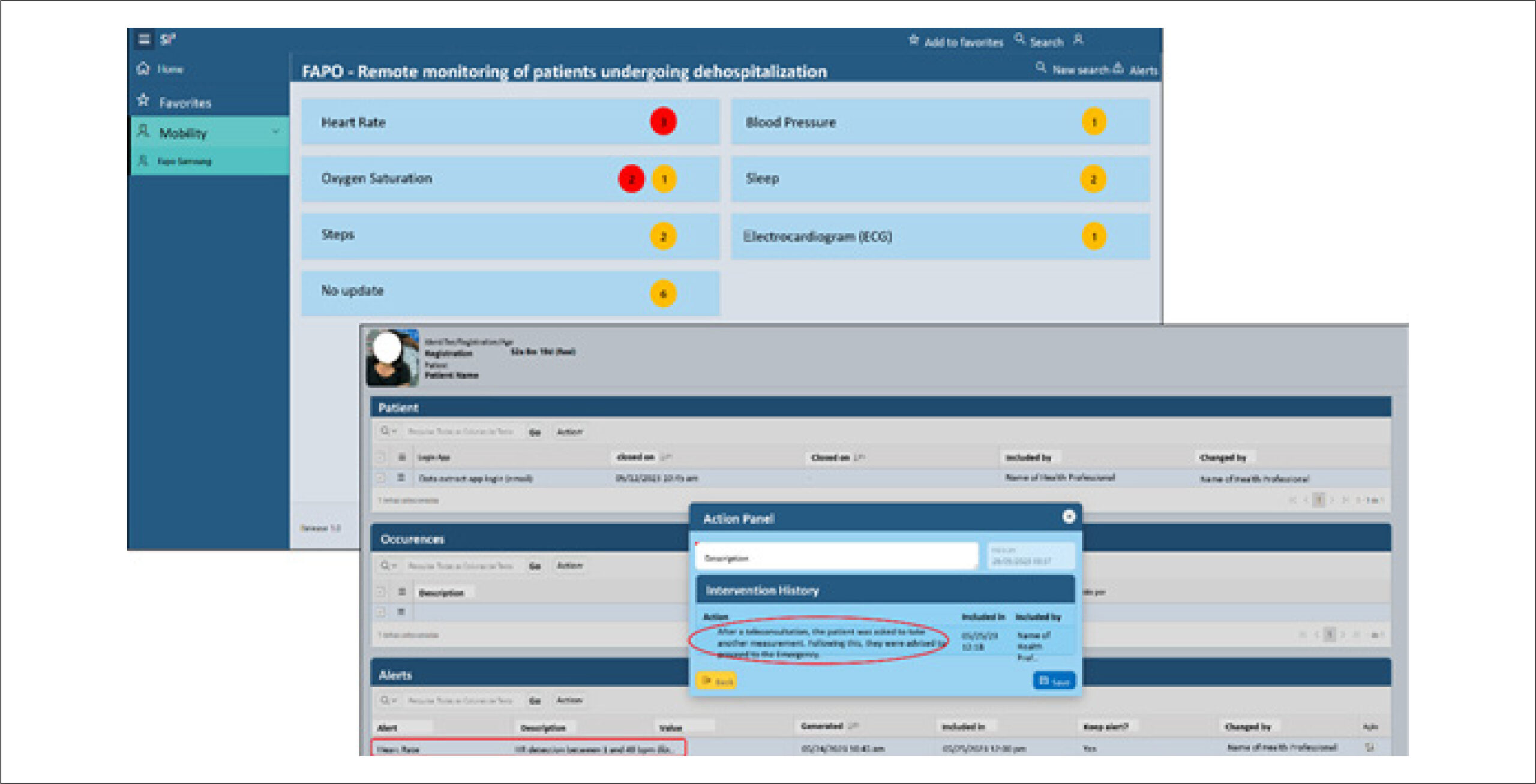
In postoperative cardiac care, early detection and management of complications are crucial for optimal outcomes. Third-degree atrioventricular (AV) block, also known as complete heart block (CHB), is a significant concern, leading to symptoms like fatigue, exertion intolerance, and life-threatening events such as syncope or heart failure, often necessitating cardiac pacemaker (CP) implantation for timely intervention. In the postoperative period of cardiac surgery, conduction issues stemming from metabolic or inflammatory changes are common, necessitating temporary or permanent CPs to stabilize patients or symptoms. Approximately 6% of valve surgery patients may require a permanent CP due to CHB, which can emerge post-surgery.

Medical technology, including smart devices and remote telemonitoring platforms, has revolutionized postoperative care, offering real-time insights for close monitoring and early anomaly detection.

[…]

  • Atrioventricular block
  • Cardiac Surgical Procedures
  • Health
Read Full Article
Creative Commons Attribution (CC BY) Creative Commons license
09/09/2024 DOI: 10.36660/abc.20240131i Views 1
Figure 1
ABCIC
Case Report

Exploring Complexities in Differential Diagnosis: Torn Chord Tendinea in the Aortic Valve

Alexandre Costa et al. Endy de Santana Alves Priscila Pinheiro Leonardo Flausino … Marcus Vinicius Freire Rodrigo Vieira Morel

Introduction

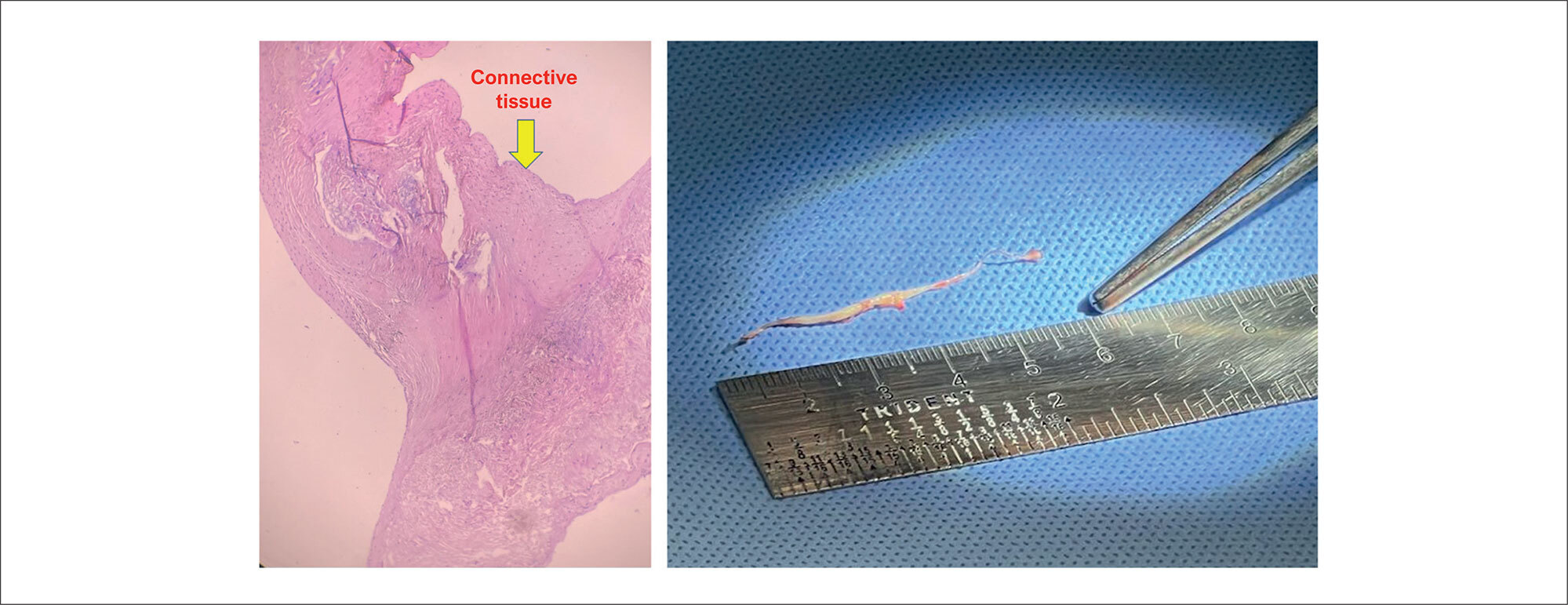
The prevalence of anomalous chordae in the aortic valve is rare in clinical practice. These anomalies, although uncommon, can have significant clinical implications, including valve insufficiency, arrhythmias and/or embolic risk. Accurate diagnosis and understanding of its pathophysiology are essential for adequate patient management.

The uncommon nature of anomalous chordae in the aortic valve means that their presence can often go unnoticed or misdiagnosed. Medical literature presents few reports on these structures of probable embryonic origin, leaving gaps in clinical knowledge. Furthermore, due to its ability to influence cardiac hemodynamics and potential to complicate clinical conditions, it is essential to expand the understanding of its incidence, clinical manifestations, and best management practices.

[…]

  • Aortic Valve
  • Cardiac Surgical Procedures
  • Diagnostic Imaging
  • Heart Valve Diseases
Read Full Article
Creative Commons Attribution (CC BY) Creative Commons license
18/12/2023 DOI: 10.36660/abcimg.20230084i Views 1
Risk Factors for Surgical Site Infection in Patients Undergoing Pediatric Cardiac Surgery
ABC
Original Article

Risk Factors for Surgical Site Infection in Patients Undergoing Pediatric Cardiac Surgery

Anna Christina de Lima Ribeiro et al. Rinaldo Focaccia Siciliano Antonio Augusto Lopes Tania Mara Varejão Strabelli

Abstract

Background

Surgical site infection is an important complication after pediatric cardiac surgery, associated with increased morbidity and mortality.

Objectives

We sought to identify risk factors for surgical site infection after pediatric cardiac surgeries.

Methods

A case-control study included patients aged between 1 year and 19 years and 11 months of age, submitted to cardiac surgery performed at a tertiary cardiac center from January 1 st , 2011, through December 31, 2018. Charts were reviewed for pre-, intra, and postoperative variables. We identified two randomly selected control patients with the same pathophysiological diagnosis and underwent surgery within thirty days of each index case. Univariate and multivariate logistic regression analyses were performed to identify risk factors. Statistical significance was defined as p<0.05.

Results

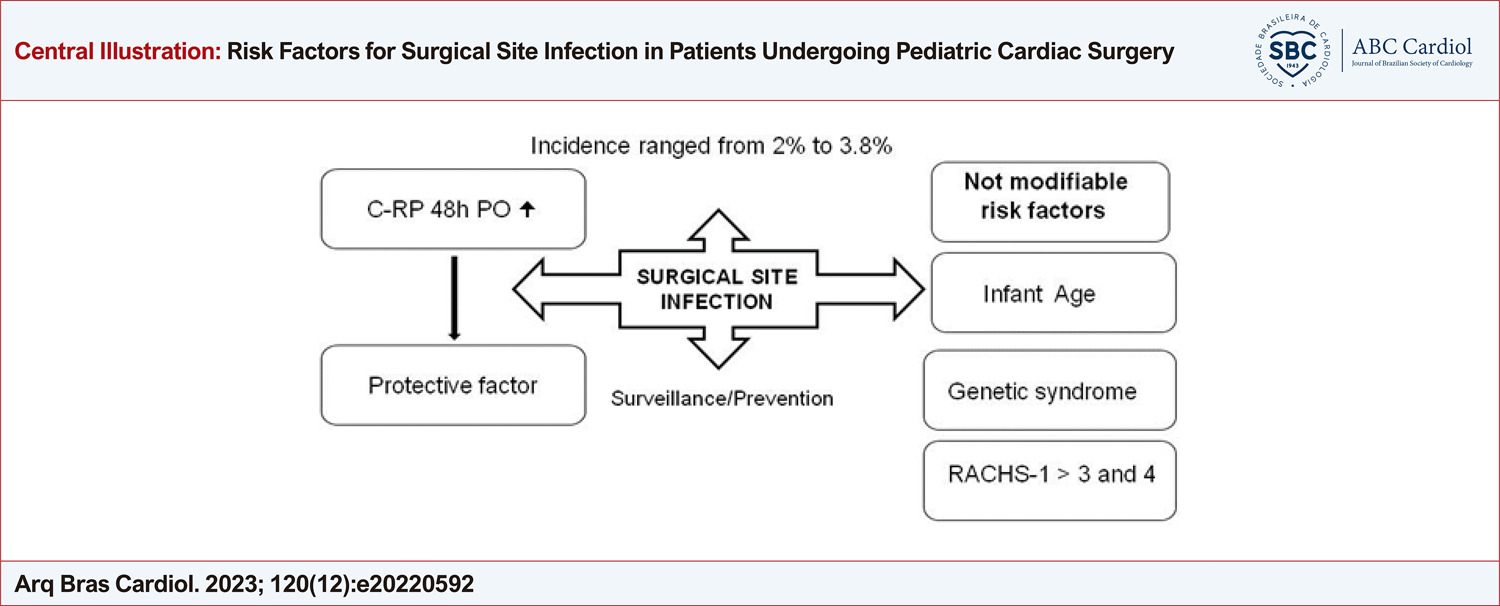
Sixty-six cases and 123 controls were included. Surgical site infection incidence ranged from 2% to 3.8%. The following risk factors were identified: Infant age (OR 3.19, 95% CI 1.26 to 8.66, p=0.014), presence of genetic syndrome (OR 6.20, CI 95% 1.70 to 21.65, p=0.004), categories 3 and 4 of RACHS-1 (OR 8.40, CI 95% 3.30 to 21.34, p<0.001), 48 h C-reactive protein level range was detected as a protective factor for this infection (OR 0.85, 95% CI 0.73 to 0.98, p=0.023).

Conclusions

The risk factors defined in this study could not be modified. Therefore, additional surveillance and new preventive strategies need to be implemented to reduce the incidence of surgical site infection. The increased CRP in the postoperative period was a protective factor that needs further understanding.

  • Cardiac Surgical Procedures
  • Congenital Heart Defects
  • postoperative complications
  • Risk Factors
  • Surgical Wound Infection
Read Full Article
Creative Commons Attribution (CC BY) Creative Commons license
18/12/2023 DOI: 10.36660/abc.20220592
Analysis of the SHARPEN Score in the Prediction of In-Hospital Mortality of Patients With Infective Endocarditis Undergoing Cardiac Surgery
IJCS
Original Article

Analysis of the SHARPEN Score in the Prediction of In-Hospital Mortality of Patients With Infective Endocarditis Undergoing Cardiac Surgery

Mateus Correa Lech et al. Joel Stefani Lucas Fernando Fabra Miguel Gus Fernando Pivatto Júnior

Abstract

Background

The SHARPEN score was developed to predict in-hospital mortality in patients hospitalized for infective endocarditis (IE), undergoing or not undergoing cardiac surgery. A comparison with other available scores has not yet been carried out.

Objective

To evaluate the performance of the SHARPEN score in predicting in-hospital mortality in patients hospitalized for IE undergoing cardiac surgery and compare it with that of both nonspecific and IE-specific surgical scores.

Methods

Retrospective cohort study including all admissions of patients ≥18 years who underwent cardiac surgery due to active IE (modified Duke criteria) at a tertiary care university hospital between 2007 and 2016. The SHARPEN score was compared to the EuroSCORE, EuroSCORE II, STS-IE, PALSUSE, AEPEI, EndoSCORE and RISK-E scores. Differences P<0.05 were considered statistically significant.

Results

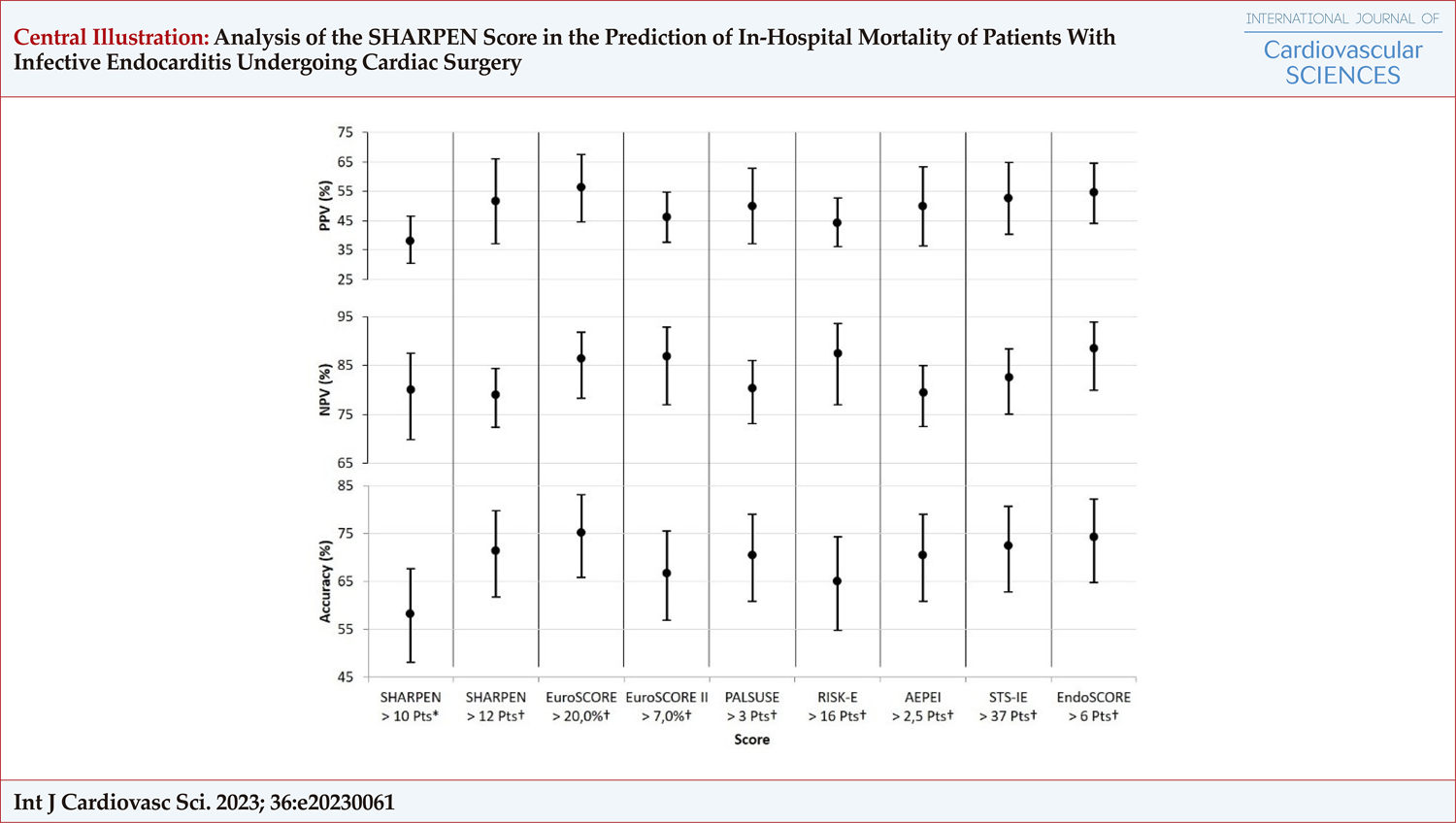
A total of 105 hospitalizations of 101 patients (mean age 57.4±14.6 years; 75.2% male) were included. The median SHARPEN score was 11 (9-13) points. The observed in-hospital mortality was 29.5%. There was no statistically significant difference in observed vs. estimated mortality (P = 0.147), with an area under the ROC curve of 0.66 (P = 0.008). In comparison with the other scores, no difference was observed in discriminative ability. The statistics of the SHARPEN score at a cutoff >10 points — positive predictive value (PPV): 38.1%, 95%CI:30.4-46.6; negative predictive value (NPV): 80.0%, 95%CI:69.8-87.4; and accuracy: 58.1%, 95%CI:48.1-67.6 — showed overlapping 95%CIs, indicating no significant difference between scores.

Conclusions

The SHARPEN score did not present parameters with a significant difference in relation to the other scores analyzed; despite the easy obtainment of its few variables, it has limited applicability in clinical practice, like other existing scores.

  • Cardiac Surgical Procedures
  • Endocarditis
  • Hospital Mortality
Read Full Article
Creative Commons Attribution (CC BY) Creative Commons license
20/10/2023 DOI: 10.36660/ijcs.20230061
Figure 1
ABCIC
Editorial

What does the navigator system in interventional procedures in the hybrid room?

Denisse Guzman Ramirez et al. Jose Maria Hernandez Hernandez

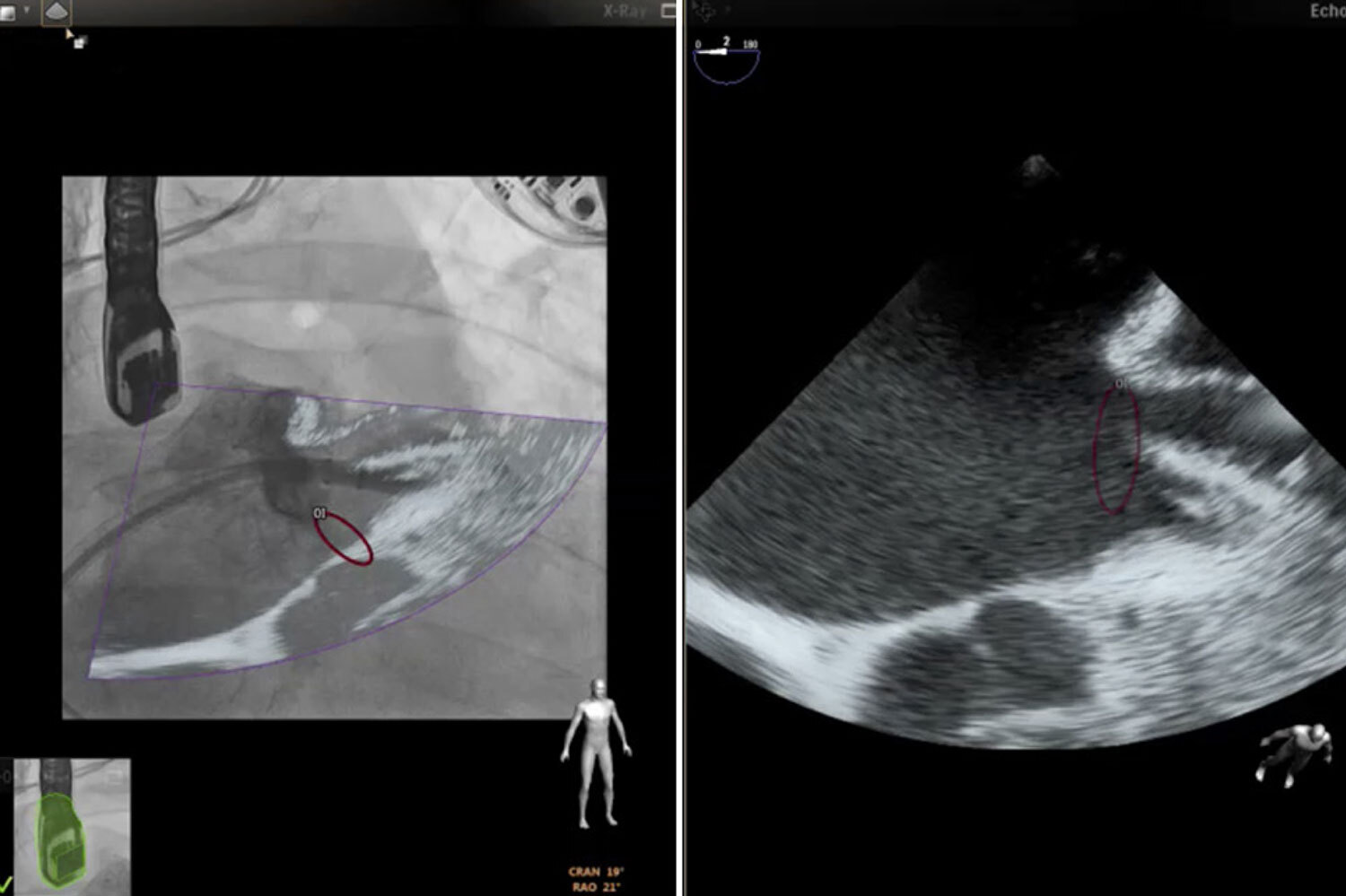
What does the navigator system add to interventional procedures in the hybrid room?

The usefulness of two-dimensional fixed projection fluoroscopic imaging in the characterization of soft tissues and complex cardiac anatomy is limited. Moreover, it is currently insufficient for cardiac structural interventionism. Including recent three-dimensional cardiac ultrasound imaging techniques is necessary to improve anatomical images and spatial resolution.

Fusion or hybrid imaging using two-dimensional fluoroscopy in combination with static or dynamic imaging obtained from cardiac computed tomography angiography (CCT), cardiac magnetic resonance (CMR), and transesophageal echocardiography (TEE) have been successfully used for structural cardiac interventions. A fusion image is the superimposition of images acquired from different modalities within the same spatial coordinate. This image mapping process is called co-registration or image registration.

[…]

  • Cardiac Surgical Procedures
  • Echocardiography
  • Fluoroscopy
Read Full Article
Creative Commons Attribution (CC BY) Creative Commons license
23/09/2022 DOI: 10.47593/2675-312X/20223503eabc332
ABCIC
Case Report

Differential Diagnosis of Biatrial Masses on Hemodialitic Patient with Secondary Hyperparathyroidism

Andréa Bezerra de Melo da Silveira Lordsleem et al. Sandro Gonçalves de Lima Eveline Barros Calado Marcelo Antônio Oliveira Santos-Veloso … Lucas Soares Bezerra Talma Tallyane Dantas Bezerra

[…]

  • Cardiac Surgical Procedures
  • Chronic Renal Failure
  • Differential Diag-nosis
  • Heart Diseases
  • Neoplasm
Read Full Article
Creative Commons Attribution (CC BY) Creative Commons license
14/01/2022 DOI: 10.5935/2318-8219.20190027 Views 1
Figure 1
ABC
Research Letter

Left Heart Hypoplasia Evolving Up to 21 Years, After Total Cavopulmonary Operation Performed at 5 Years of Age

Edmar Atik

Introduction

Hypoplasia of the left heart is characterized by very small dimensions of the left cardiac cavities, represented by the left atrium, mitral valve, left ventricle, aortic ring and ascending aorta. Systemic circulation thus becomes dependent on the ductus arteriosus with reverse flow from the hypertensive pulmonary artery to the descending aorta, and also to the ascending aorta. Coronary circulation is also dependent on this reverse flow, which is why there is a high chance of myocardial infarction, even in the first days of life. It is easy to imagine that, on decreased pulmonary arterial pressure or ductus arteriosus caliber, there is an unfavorable evolution towards low cardiac output. The right heart is enlarged and atrial septal defect invariably accompanies this defect. When this atrial defect appears to be of reduced dimensions, known as restrictive, it causes retrograde pulmonary hypertension. On the other hand, when larger, it may favor the faster involution of pulmonary hypertension, with congestive symptoms and low output. In the rare cases of intact atrial septum, anomalous pulmonary vein drainage remains in order of maintenance and viability of circulation. Left heart hypoplasia is the fourth most common heart disease in the neonatal period, with high mortality, even in this period, and corresponds to 1.5% of all congenital heart diseases.

How it is externalized and evolves: Dynamic instability favors the advent of very early signs and symptoms in life, in the first hours or days of life. These signs are characterized by congestive condition (with large atrial defect) or low systemic output (decreased pulmonary arterial pressure and/or constriction of the ductus arteriosus), with pallor, dyspnea, discomfort, irritability and variable cyanosis. The most favorable picture corresponds to the one with restrictive atrial septal defect, which, in view of the maintenance of pulmonary hypertension, the cardiac output is maintained at a satisfactory level.

[…]

  • Cardiac Surgical Procedures
  • Fontan Procedure
  • Hypoplastic Left Heart Syndrome
Read Full Article
Creative Commons Attribution (CC BY) Creative Commons license
26/07/2021 DOI: 10.36660/abc.20201012 Views 1
ABC
Editorial

Severity Index Performance in Predicting Postoperative Complications of Coronary Artery Bypass Grafting

Alexandre de Matos Soeiro

In Brazil, there are no large studies that reported the surgical experience of health services associated with event prediction. In this context, the study “Severity index performance in predicting postoperative complications of myocardial revascularization” provides relevant information regarding the national literature. This study shows, in a detailed manner, data relevant to the occurrence or not of perioperative complications in patients submitted to Coronary Artery Bypass Grafting (CABG) surgery, correlating them with risk prediction scores. This is an extremely relevant topic that generates countless doubts concerning the patient.

Cardiac surgery still represents a huge field in the therapeutic arsenal of cardiology. Despite all the advances in percutaneous coronary or valvular interventions, many cases still remain focused on the conventional surgical approach. Currently, conventional cardiac surgery has been increasingly working with highly complex cases. This situation makes patients who are progressively at higher risk and who exhibit coronary anatomical complexity to be referred to CABG. Therefore, adequately predicting the operative risk before a procedure becomes a fundamental and mandatory step. It is worth mentioning that most scores such as EuroScore I and II or the Society of Thoracic Surgeons (STS) risk score were developed to predict mortality. The EuroScore is a prognostic scoring system developed in Europe for patients undergoing cardiac surgery. What this study brings us is a complementary and differentiated assessment of morbidity and organ dysfunction in different systems, such as the cardiovascular, neurological, respiratory and renal systems.–

[…]

  • Cardiac Surgical Procedures
  • Cardiovascular Diseases/surgery
  • Mortality
  • Myocardial Revascularization
  • Postoperative Car Organ Dysfunction Scores
Read Full Article
Creative Commons Attribution (CC BY) Creative Commons license
28/09/2020 DOI: 10.36660/abc.20200515 Views 1
Chart 1
IJCS
Original Article

Left Atrial Size Contribution to the Predictive Capacity of Two Scores for Atrial Fibrillation in the Postoperative Period of Cardiac Surgeries

Natália Aline da Silva et al. Rita de Cássia Gengo e Silva Butcher

Abstract

Background:

Postoperative atrial fibrillation (POAF) is a common complication associated with undesirable outcomes; hence, the provision of appropriate tools is important to help identify patients at risk.

Objectives:

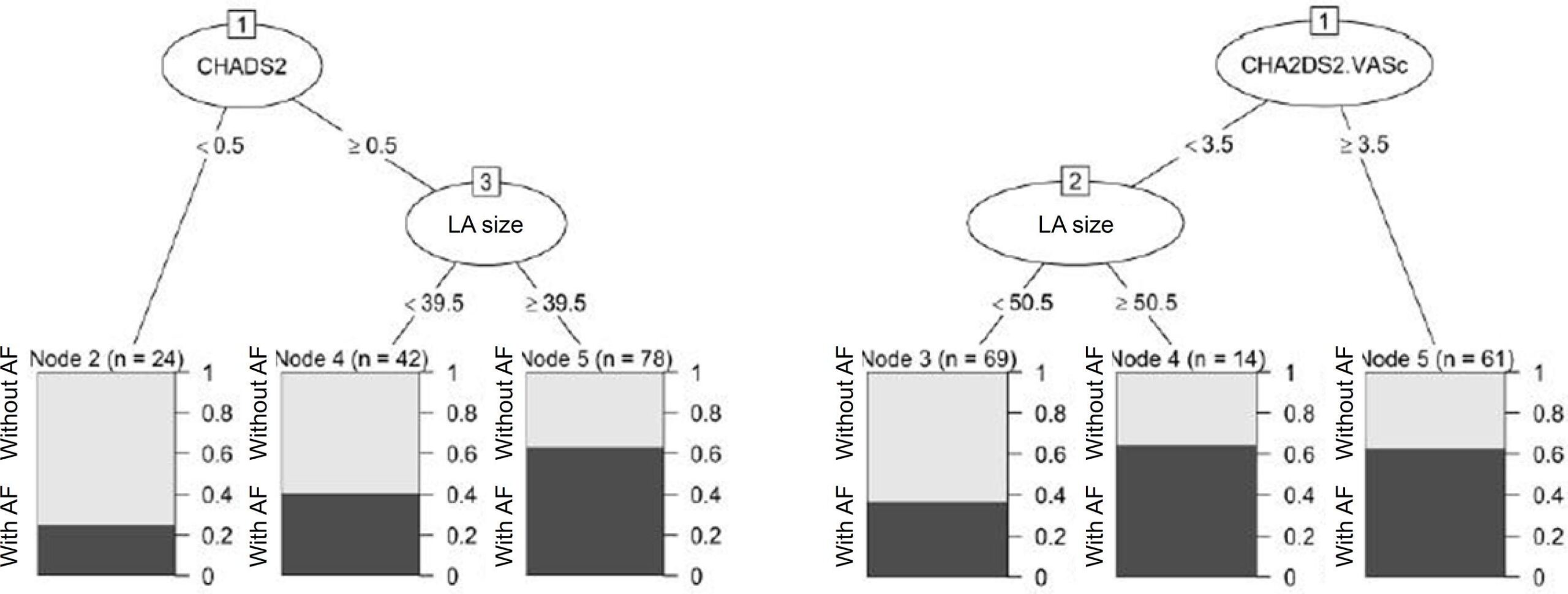
To evaluate the predictive capacity of the CHADS2 and CHA2DS2-VASc scores, alone and combined with left atrial (LA) size, for the onset of POAF in patients undergoing coronary artery bypass grafting and/or valvular surgery.

Methods:

We performed a retrospective cohort study on 144 patients. A decision tree was used to identify the cut-off values of the CHADS2 and CHA2DS2-VASc scores and LA size in order to calculate sensitivity, specificity, predictive-value positive (PVP), and predictive-value negative (PVN), in addition to regression models. The receiver operating characteristic (ROC) curve was used to estimate the accuracy of the models. The level of significance adopted was 5%.

Results:

Patients who developed POAF were older (p = 0.050), had reduced left ventricular ejection fraction (p = 0.045), longer hospital length of stay (p = 0,018), but their mean CHADS2 (p = 0.077) and CHA2DS2-VASc (p = 0.109) scores were similar to those of patients with no arrhythmia. LA size improved the predictive capacity of the CHADS2 score, in terms of specificity and PVP, and of the CHA2DS2-VASc score, in terms of sensitivity and PVN. However, the CHADS2 (OR = 1.198; CI95% = 0.859-1.156) and CHA2DS2-VASc (OR = 1.047; CI95% = 0.784-1.401) scores were not predictors of POAF, either alone or in combination with LA size (OR = 1.163; CI95% = 0.829-1.648 and OR = 1.065; CI95% = 0.795-1.433).

Conclusion:

The CHADS2 and CHA2DS2-VASc scores alone or in combination with LA size did not show good predictive capacity for POAF.

  • Arrhythmias, Cardiac/complications
  • Atrial Fibrillation
  • Cardiac Surgical Procedures
  • postoperative complications
Read Full Article
Creative Commons Attribution (CC BY) Creative Commons license
08/08/2019 DOI: 10.5935/2359-4802.20190042
ABC
Original Article

Surgical Site Infection Prevention Bundle in Cardiac Surgery

Lilian Silva de Andrade et al. Erci Maria Onzi Siliprandi Larissa Lemos Karsburg Francine Possebon Berlesi … Otávio Luiz da Fontoura Carvalho Darlan Sebastião da Rosa Rodrigo Pires dos Santos

Abstract

Background:

Surgical site infections (SSI) are among the most prevalent infections in healthcare institutions, attributing a risk of death which varies from 33% to 77% and a 2- to 11-fold increase in risk of death. Patients submitted to cardiac surgery are more susceptible to SSI, accounting for 3.5% to 21% of SSI. The mortality rate attributable to these causes is as high as 25%. Prevention of SSI in cardiac surgery is based on a bundle of preventive measures, which focus on modifiable risks.

Objective:

The objective of this study was to identify SSI risk factors in clean cardiac surgery.

Methods:

A retrospective cohort study analyzed 1,846 medical records from patients who underwent clean cardiac surgery. Fisher’s exact test was used for bivariate comparison, and Poisson regression was used for independent analysis of SSI risk, considering a significance level of p < 0.05.

Results:

The results of the study comprised a multivariate analysis. The variables that were associated with the diagnosis of SSI were: surgical risk index (OR: 2.575; CI: 1.224-5.416), obesity (OR: 2.068; CI: 1.457-2.936), diabetes mellitus (OR: 1,678; CI: 1.168-2.409), and blood glucose level (OR: 1.004; CI: 1.001-1.007).

Conclusions:

This study evidenced that complete adherence to the bundle was not associated with a reduction in the risk of surgical infections. Diabetes mellitus, obesity, and surgical risk index assessment were, however, identified to increase association and consequently risk of SSI in cardiac surgery.

  • Adult
  • Anti-Infective Agents
  • Cardiac Surgical Procedures
  • Cross Infection
  • Patient Care Bundles
  • Risk Factors/prevention and control
  • Surgical Wound Infection
Read Full Article
Creative Commons Attribution (CC BY) Creative Commons license
08/04/2019 DOI: 10.5935/abc.20190070
Figure 1
IJCS
Original Article

Association of Respiratory Mechanics with Oxygenation and Duration of Mechanical Ventilation After Cardiac Surgery

André Luiz Lisboa Cordeiro et al. Livia Freire de Lima Oliveira Thaynã Caribé Queiroz Verena Lourranne Lima de Santana … Thiago Araújo de Melo André Raimundo Guimarães Bruno Prata Martinez

Abstract

Background:

Mechanical ventilation (MV) and extracorporeal circulation (ECC) are associated with a decline in pulmonary mechanics that may affect gas exchange.

Objective:

To evaluate the impact of pulmonary mechanics on MV duration and gas exchange in the postoperative period of cardiac surgery.

Methods:

This was a cohort study in patients undergoing cardiac surgery. All patients underwent evaluation of pulmonary mechanics (static compliance and airway resistance) and arterial blood gas analysis upon admission to the intensive care unit (ICU) and were followed up until extubation and hospital discharge.

Results:

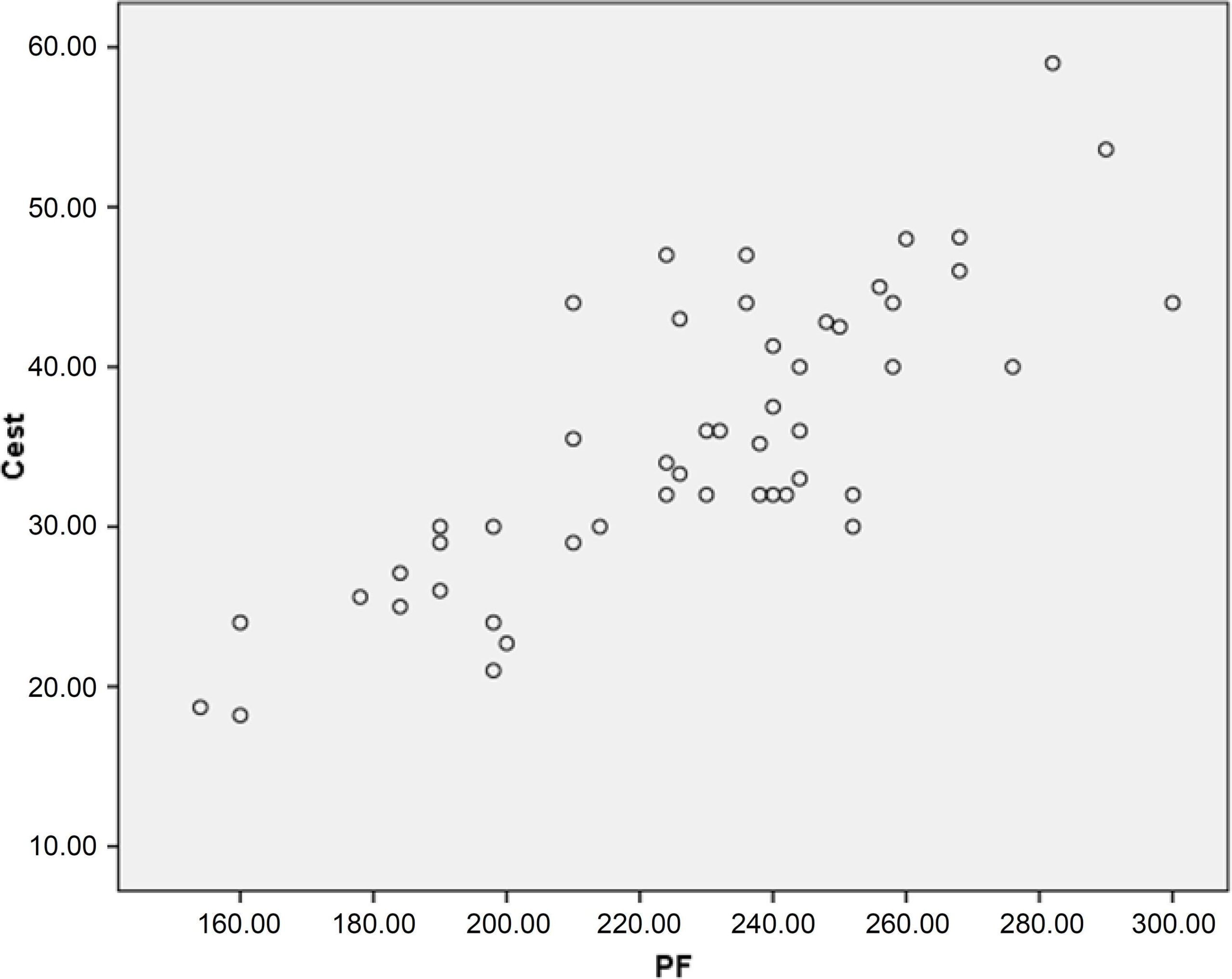
The study included 50 patients (46 women, 52%) with a mean age of 57.5 ± 13.5 years. The MV duration was 7.7 ± 3.0 hours, static compliance was 35.5 ± 9.1 cm H2O, resistance was 6.0 ± 2.3 cm H2O, mean length of ICU stay was 2.9 ± 1.1 days, and oxygenation index was 228.0 ± 33.4 mmHg. No significant correlation was found between MV duration and static compliance (p = 0.73), but a strong correlation was found between static compliance and gas exchange (r = 0.8 and p < 0.001).

Conclusion:

Pulmonary mechanics have a strong correlation with gas exchange and a weak correlation with MV duration after cardiac surgery.

  • Cardiac Surgical Procedures
  • Oxygenation
  • Postoperative Care
  • Respiration, artificial
  • Thoracic Surgery
Read Full Article
Creative Commons Attribution (CC BY) Creative Commons license
01/01/2018 DOI: 10.5935/2359-4802.20180018 Views 1
Figure 1
ABC
Clinicoradiological Session

Case 3/2016 – 36-Year-Old Man with Anomalous Origin of the Right Coronary Artery in the Left Sinus of Valsalva and Interarterial Course

Edmar Atik et al. Roberto Kalil Filho Marcelo Jatene

Complementary tests

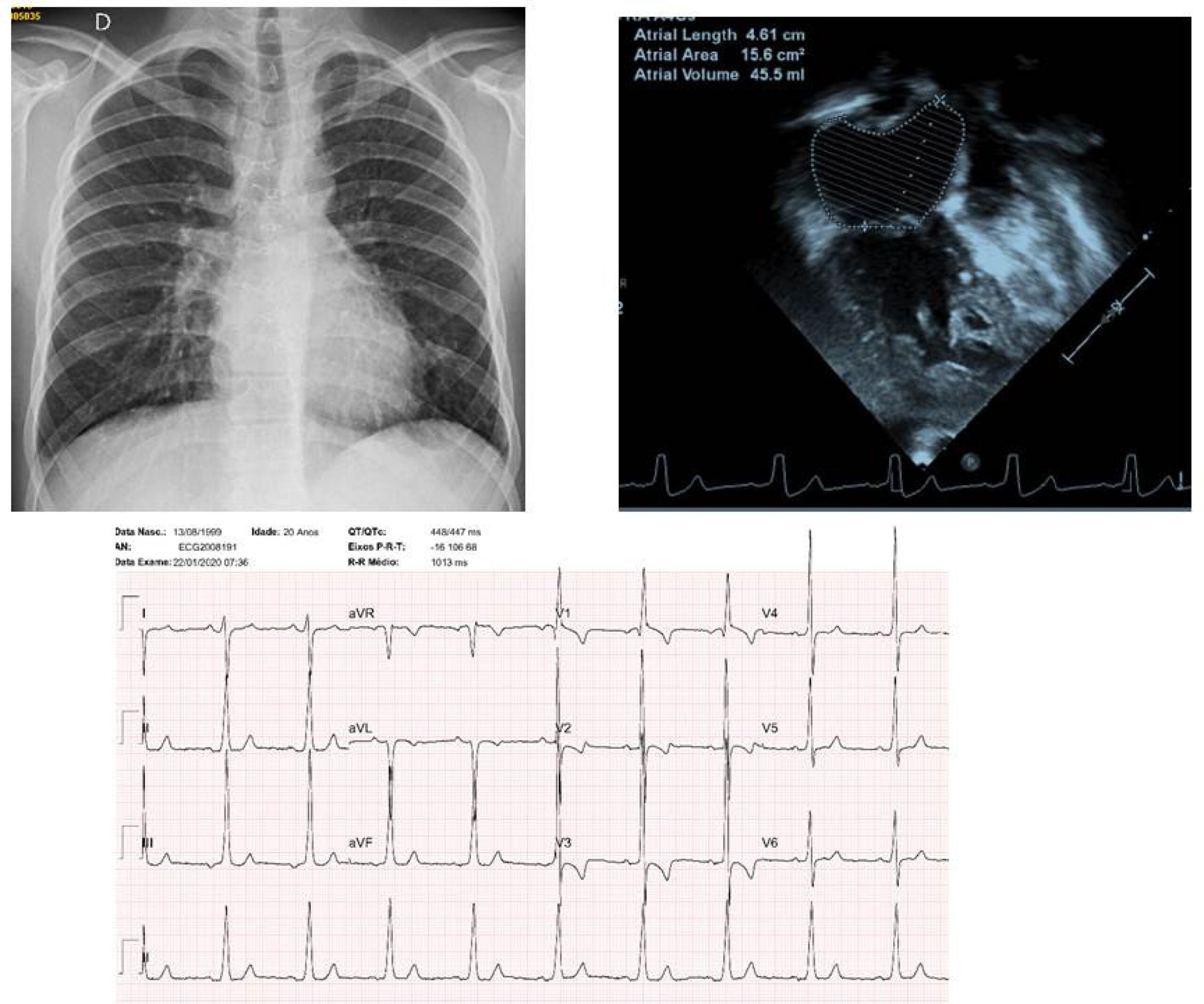
Electrocardiogram showed sinus rhythm, no signs of atrial or ventricular overload and no changes in the ventricular repolarization. AP = +50º, AQRS = +40º, AT = +60º

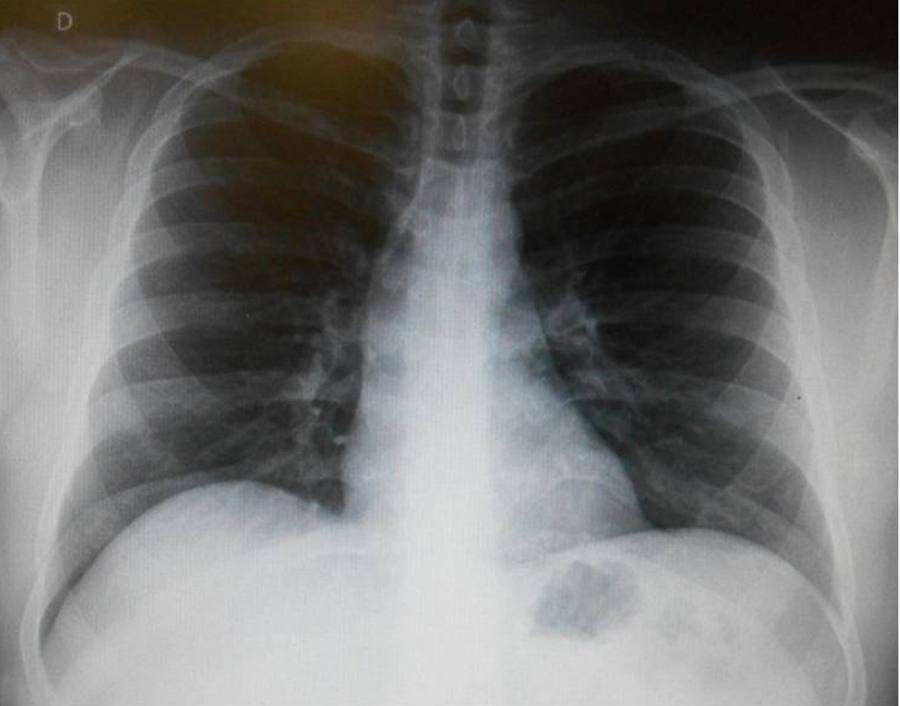
Chest radiography showed normal heart area and pulmonary vascular bed ().

[…]

  • Cardiac Catheterization
  • Cardiac Surgical Procedures
  • Coronary Vessel Anomalies / surgery
  • Heart Defects, Congenital
  • Sinus of Valsalva
Read Full Article
Creative Commons Attribution (CC BY) Creative Commons license
01/04/2016 DOI: 10.5935/abc.20160051 Views 1
Figure 1
ABC
Case Report

Multidetector Computed Tomographic Characterization of a Left Atrial Myxoma

Anna Marciniak et al. Ronak Rajani

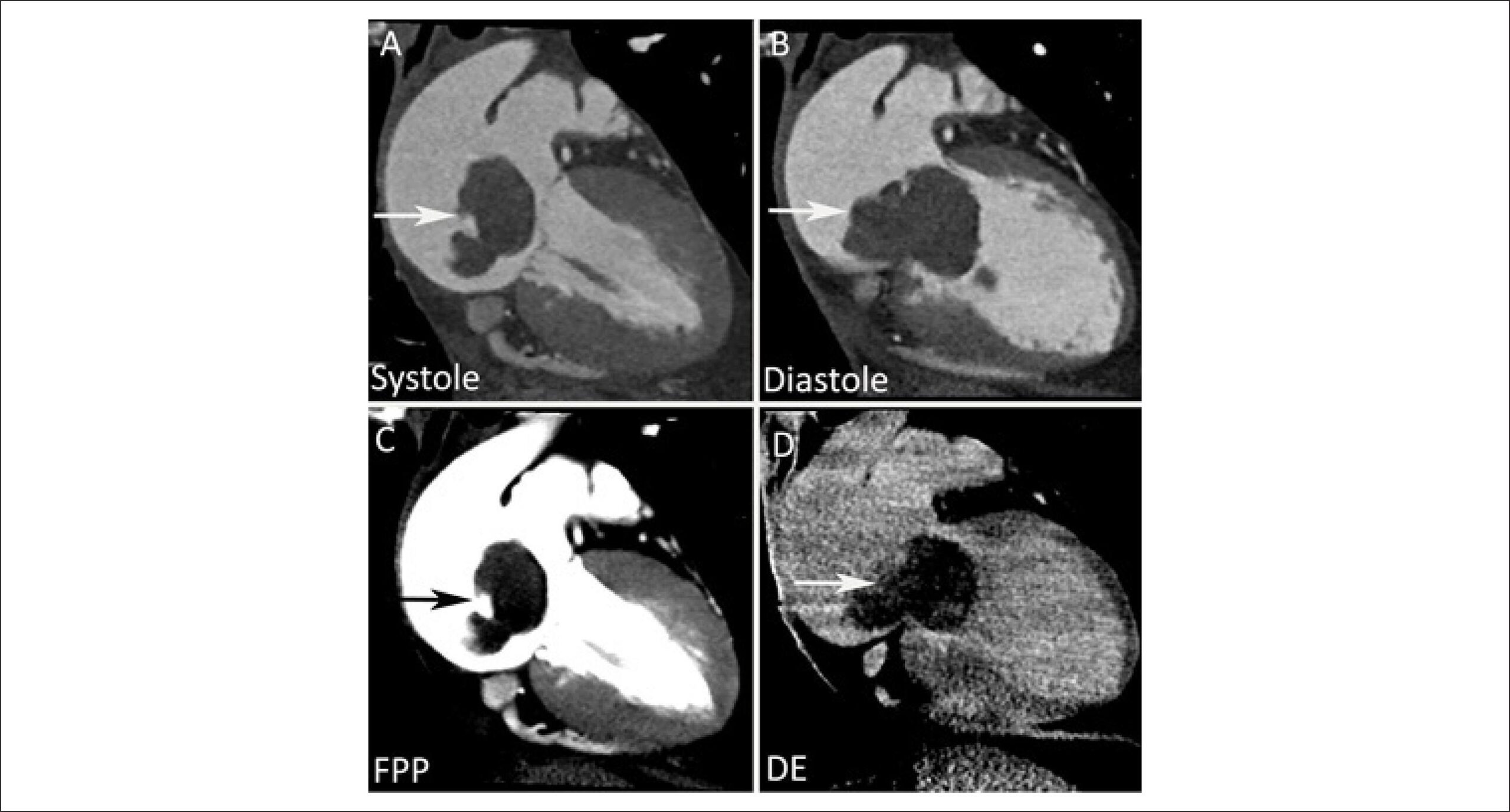
A 57-year-old woman presented to her local hospital with left arm and leg weakness and was diagnosed with a right-sided stroke. A subsequent transthoracic echocardiogram showed a large, poorly-defined mass within the left atrium, which prompted her transfer to our institute for urgent surgical resection.

As a prelude to surgery, we performed a “tripartite” coronary CT angiogram to assess the coronary anatomy and left atrial mass (). The findings were consistent with a left atrial myxoma and the patient subsequently underwent surgery, where the mass was resected and the diagnosis substantiated ().

[…]

  • Cardiac Surgical Procedures
  • Multidetector Computed Tomography
  • Myxoma, Heart Atria/ physiopathology
Read Full Article
Creative Commons Attribution (CC BY) Creative Commons license
01/07/2015 DOI: 10.5935/abc.20150064
Comparison of diagnostic criteria for acute kidney injury in cardiac surgery
ABC
Artigo Original

Comparison of diagnostic criteria for acute kidney injury in cardiac surgery

Márcio Campos Sampaio et al. Carlos Alberto Gonçalves Máximo Carolina Moreira Montenegro Diandro Marinho Mota … Tatiana Rocha Fernandes Antonio Carlos Mugayar Bianco Celso Amodeo Antonio Carlos Cordeiro

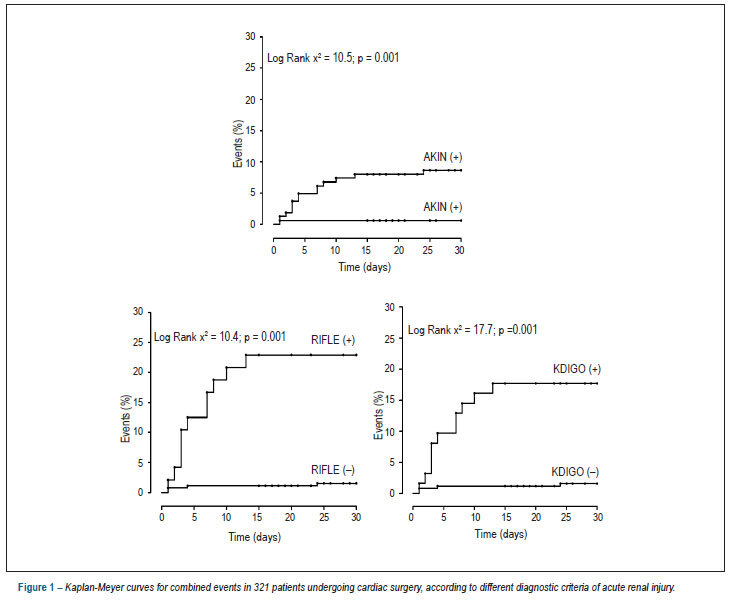
BACKGROUND: There is considerable controversy regarding the diagnosis of Acute Kidney Injury (AKI), and there are over 30 different definitions. OBJECTIVE: To evaluate the incidence and risk factors for the development of AKI following cardiac surgery according to the RIFLE, AKIN and KDIGO criteria, and compare the prognostic power of these criteria. METHODS: Cross-sectional study that included 321 consecutively patients (median age 62 [53-71] years; 140 men) undergoing cardiac surgery between June 2011 and January 2012. The patients were followed for up to 30 days, for a composite outcome (mortality, need for dialysis and extended hospitalization). RESULTS: The incidence of AKI ranged from 15% – 51%, accordingly to the diagnostic criterion adopted. While age was associated with risk of AKI in the three criteria, there were variations in the remaining risk factors. During follow-up, 89 patients developed the outcome and all criteria were associated with increased risk in the univariate Cox analysis and after adjustment for age, gender, diabetes, and type of surgery. However, after further adjustment for extracorporeal circulation and the presence of low cardiac output, only AKI diagnosed by the KDIGO criterion maintained this significant association (HR= 1.89 [95% CI: 1.18 – 3.06]). CONCLUSION: The incidence and risk factors for AKI after cardiac surgery vary significantly according to the diagnostic criteria used. In our analysis, AKI the KDIGO criterion was superior to AKIN and RIFLE with regard its prognostic power.

  • Cardiac Surgical Procedures
  • Chronic
  • Kidney Failure
  • Myocardial Revascularization
  • renal dialysis
Read Full Article
Creative Commons Attribution (CC BY) Creative Commons license
11/06/2013 DOI: 10.5935/abc.20130115
InsCor: a simple and accurate method for risk assessment in heart surgery
ABC
Artigo Original

InsCor: a simple and accurate method for risk assessment in heart surgery

Omar A. V. Mejía et al. Luiz A. F. Lisboa Luiz B. Puig Luiz Felipe P. Moreira … Luis A. O. Dallan Pablo M. A. Pomerantzeff Fabio B. Jatene Noedir A. G. Stolf

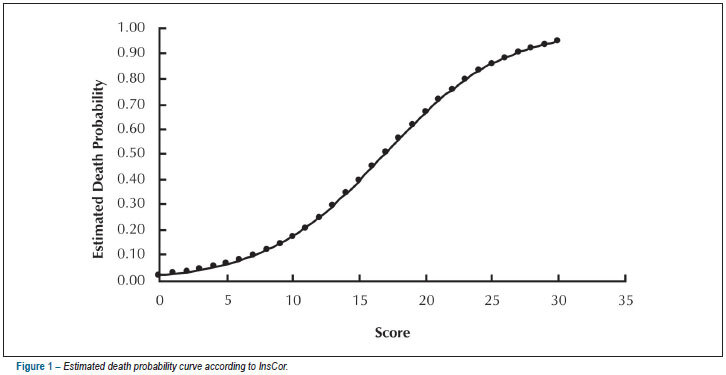
BACKGROUND: Risk scores show difficulties to attain the same performance in different populations. OBJECTIVE: To create a simple and accurate risk assessment model for patients submitted to surgery due to coronary and/or valvular disease at Instituto do Coração da Universidade de São Paulo (InCor-HCFMUSP). METHODS: Between 2007 and 2009, 3,000 patients were submitted to surgical procedure due to coronary artery and/or valvular disease at InCor-HCFMUSP. From this record, data of 2/3 of the patients were used for model development (bootstrap technique), and 1/3 for internal validation of the model. The performance of the model (InsCor) was compared to the 2000 Bernstein-Parsonnet (2000BP) and EuroSCORE (ES) complexes. RESULTS: Only 10 variables were selected: age > 70 years, female sex; coronary revascularization + valve, myocardial infarction < 90 days; reoperation; surgical treatment of aortic valve; surgical treatment of tricuspid valve; creatinine < 2mg/dL; ejection fraction < 30%, and events. The Hosmer Lemeshow test for the InsCor was 0.184, indicating excellent calibration. The area under the ROC curve was 0.79 for the InsCor, 0.81 for the ES and 0.82 for 2000BP, confirming that the models are good and have similar discrimination. CONCLUSIONS: The InsCor and ES performed better than 2000BP at all stages of validation, but the new model, in addition to showing identification with the local risk factors, is simpler and more objective for mortality prediction in patients undergoing surgery due to coronary and/or valvular disease at InCor-HCFMUSP.

  • Cardiac Surgical Procedures
  • Mortality
  • Risk Assessment
  • Risk Factors
  • Statistical Models
Read Full Article
Creative Commons Attribution (CC BY) Creative Commons license
15/04/2013 DOI: 10.5935/abc.20130043 Views 2
Robotic dissection of the right internal thoracic artery through median sternotomy
ABC
Case Report

Robotic dissection of the right internal thoracic artery through median sternotomy

Fabio Biscegli Jatene et al. Paulo Manuel Pêgo-Fernandes Ramez Anbar Fábio Antonio Gaiotto … Marcello S. Barduco Roberto Kalil Filho

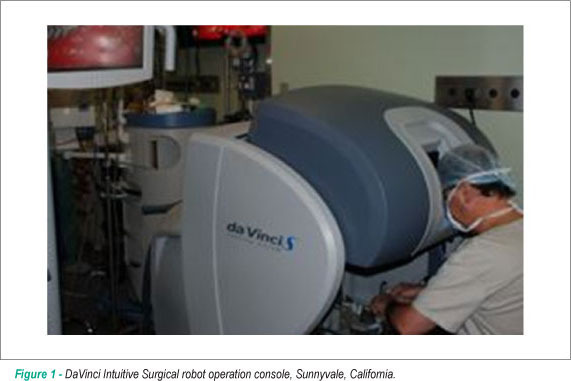
The use of robotic systems in cardiac surgeries aims at decreasing the surgical trauma. The totally endoscopic myocardial revascularization, assisted by the DaVinci robot (Intuitive Surgical, Sunnyvale, California) is feasible and the learning process must be carried out in steps. The first step is the preparation of the left internal thoracic artery, through the totally endoscopic approach. The case presented here proposes the dissection of the right internal thoracic artery through complete sternotomy. It proposes a new step directed at the totally endoscopic procedure, aiming at decreasing the injuries caused by the learning curve.

  • Cardiac Surgical Procedures
  • Mammary Arteries
  • minimally invasive
  • Robotics
  • surgical procedures
Read Full Article
Creative Commons Attribution (CC BY) Creative Commons license
12/07/2010 DOI: 10.1590/S0066-782X2010000600021
Postoperative outcome of patients with prosthetic valve leak
ABC
Artigo Original

Postoperative outcome of patients with prosthetic valve leak

Roney Orismar Sampaio et al. Francisco Costa da Silva Jr. Iraí Santana de Oliveira Celso Madeira Padovesi … Joyce Aparecida Soares William Manoel da Silva Luciana de Paula Samorano Flávio Tarasoutchi Guilherme Sobreira Spina Max Grinberg

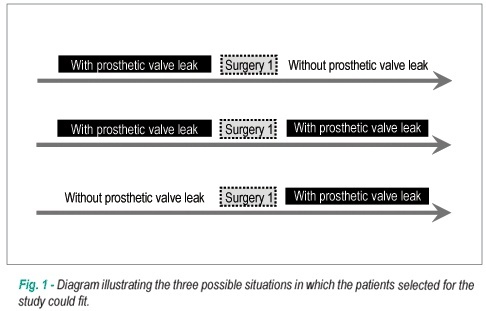
BACKGROUND: Prosthetic valve leak is a possible complication of surgical valve replacement. Although uncommon, its consequences may be serious. Few studies correlate the degree of prosthetic valve leak with clinical events. OBJECTIVE: To compare the postoperative outcome of patients with mild/moderate (Mi/Mo) or severe (Sev) prosthetic valve leak METHODS: A total of 185 patients with prosthetic valve leak were selected among 1350 patients undergoing heart valve surgery between 1999 and 2001. Of these, a sample of 58 patients (37 men) with prosthetic valve leak (36 with Mi/Mo versus 22 with Sev leak) in the pre and/or postoperative period of heart valve replacement had complete medical record data, so their clinical, laboratory and echocardiographic data could be retrospectively assessed. RESULTS: The incidence of reoperation was 11.1% in the Mi/Mo group, versus 22.7% in the Sev group (odds ratio = 2.35 [95% CI 0.56-9.94]). Endocarditis was the cause of reoperation in 75% of the patients of the Mi/Mo group and in 60% of the Sev group. Aortic bioprostheses were those most frequently related to leak (55.8% in the Mi/Mo group and 57.7% in the Sev group). Forty percent of the patients with previous Mi/Mo leak did not present prosthetic valve leak on postoperative day 2 versus 21.4% of the patients with Sev prosthetic valve leak. No significant differences were found regarding laboratory variables. CONCLUSIONS: (1) Patients with severe leak are more likely to undergo reoperation. (2) Endocarditis was the most frequent cause of reoperation for any leak degree. (3) Severe prosthetic valve leak is more difficult to fully resolve after surgical treatment.

  • Cardiac Surgical Procedures
  • Endocarditis
  • Heart Valve Prosthesis
Read Full Article
Creative Commons Attribution (CC BY) Creative Commons license
22/10/2009 DOI: 10.1590/S0066-782X2009000900013 Views 1
Intraoperative transesophageal echocardiography in septal hypertrophic cardiomyopathy
ABC
Case Report

Intraoperative transesophageal echocardiography in septal hypertrophic cardiomyopathy

Giovanni Giannini et al. Petherson S. Grativvol Marcelo L. C. Vieira Marcos de Oliveira … Luis A. Lisboa Sérgio A. de Oliveira

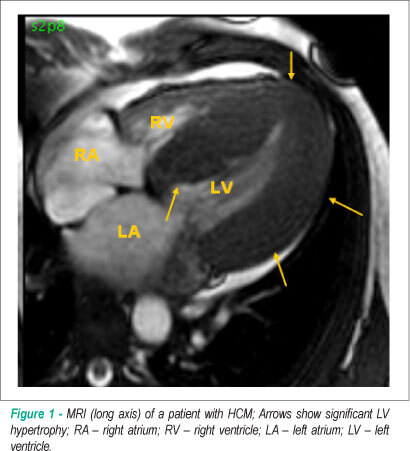
We report the case of a patient with septal hypertrophic cardiomyopathy undergoing surgical correction in which the use of intraoperative transesophageal echocardiography permitted the planning of the surgical approach and an immediate knowledge of the surgical outcome.

  • Cardiac Surgical Procedures
  • Cardiomyopathy, Hypertrophic
  • Echocardiography, Transesophageal
Read Full Article
Creative Commons Attribution (CC BY) Creative Commons license
13/10/2009 DOI: 10.1590/S0066-782X2009000700015
Validation of a new surgical risk score for heart valve surgery: VMCP
ABC
Artigo Original

Validation of a new surgical risk score for heart valve surgery: VMCP

Max Grinberg et al. Vívian Masutti Jonke Roney Orismar Sampaio Guilherme Sobreira Spina Flavio Tarasoutchi

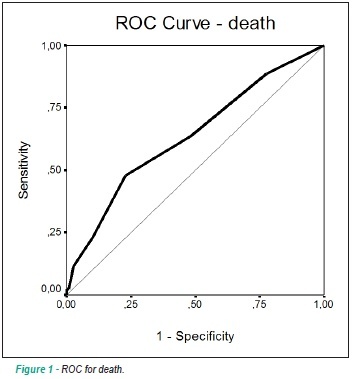
BACKGROUND: Some studies have developed scores for the assessment of surgical risk, particularly the EuroSCORE, which, however, is complex and difficult to apply. We suggest a new and simpler score, which is more appropriate for the clinical practice and for the assessment of surgical risk in patients with heart valve diseases. OBJECTIVE: This study was conducted to create and validate a simple and practical score to predict mortality and morbidity related to heart valve surgery. METHODS: Hospital data from 764 patients were collected, and the score was validated using two statistical models: death (= mortality) and length of hospital stay (LHS) > 10 days (= morbidity). The score was composed by four indexes (V [heart valve lesion], M [myocardial function], C [coronary artery disease], and P [pulmonary artery pressure]). A cut-off point was set for the score, and uni and multivariate analyses were performed to confirm whether the score would be able to predict mortality and morbidity. The existence of association with other risk factors was also studied. RESULTS: The score was validated with good internal consistency (0.65), and the best cut-off point for mortality and morbidity was 8. Scores > 8 can predict LHS > 10 days (odds ratio [OR] = 1.7; p = 0.006) and a higher death risk, at least in the univariate analysis (p = 0.049). However, the death risk could not be predicted in the multivariate analysis (p=0.258). CONCLUSION: VMCP scores > 8 can predict LHS > 10 days and may be used as a new tool for the follow-up of patients with heart valve disease undergoing surgery.

  • Cardiac Surgical Procedures
  • Heart valves
  • Risk Assessment
Read Full Article
Creative Commons Attribution (CC BY) Creative Commons license
23/06/2009 DOI: 10.1590/S0066-782X2009000400012 Views 1

How to cite this article

EndNote RIS

Electronic Document Format (Vancouver)

Saddy F. Mechanical Ventilation: Friend or Foe in Cardiac Surgery?. International Journal of Cardiovascular Sciences 2025;38:e20250048.

Electronic Document Format (ABNT)

Saddy, Felipe. Mechanical Ventilation: Friend or Foe in Cardiac Surgery?. International Journal of Cardiovascular Sciences, v. 38, e20250048, Jun. 2025.

Electronic Document Format (APA)

Saddy, F. (2025). Mechanical Ventilation: Friend or Foe in Cardiac Surgery?. International Journal of Cardiovascular Sciences, 38, e20250048.

Electronic Document Format (ISO)

Saddy, Felipe. Mechanical Ventilation: Friend or Foe in Cardiac Surgery?. International Journal of Cardiovascular Sciences [online]. 2025, vol. 38, [cited 2026-10-14], e20250048. Available from: <https://journals.cardiol.br/en/article/mechanical-ventilation-friend-or-foe-in-cardiac-surgery/>. ISSN 2359-4802

EndNote RIS

Electronic Document Format (Vancouver)

Moitinho MS, Moreno CR, Monteiro R, Rabello GCM, Mariano BM, Martins PCCO, Tarasoutchi F, et al. Smartwatch for Identification of Atrioventricular Block in Post-cardiac Surgery: Going Beyond Atrial Fibrillation Detection. Arquivos Brasileiros de Cardiologia 2024;121(8):e20240131.

Electronic Document Format (ABNT)

Moitinho, Matheus S.; Moreno, Camila R.; Monteiro, Rosangela; Rabello, Guilherme C. M.; Mariano, Bruna M.; Martins, Pietro C. C. O.; Tarasoutchi, Flávio; Samesima, Nelson; Soeiro, Alexandre de M.; Jatene, Fabio B.. Smartwatch for Identification of Atrioventricular Block in Post-cardiac Surgery: Going Beyond Atrial Fibrillation Detection. Arquivos Brasileiros de Cardiologia, v. 121, n. 8, e20240131, Sep. 2024.

Electronic Document Format (APA)

Moitinho, M. S., Moreno, C. R., Monteiro, R., Rabello, G. C. M., Mariano, B. M., Martins, P. C. C. O., Tarasoutchi, F., Samesima, N., Soeiro, A. M., & Jatene, F. B. (2024). Smartwatch for Identification of Atrioventricular Block in Post-cardiac Surgery: Going Beyond Atrial Fibrillation Detection. Arquivos Brasileiros de Cardiologia, 121(8), e20240131.

Electronic Document Format (ISO)

Moitinho, Matheus S. and Moreno, Camila R. and Monteiro, Rosangela and Rabello, Guilherme C. M. and Mariano, Bruna M. and Martins, Pietro C. C. O. and Tarasoutchi, Flávio and Samesima, Nelson and Soeiro, Alexandre de M. and Jatene, Fabio B.. Smartwatch for Identification of Atrioventricular Block in Post-cardiac Surgery: Going Beyond Atrial Fibrillation Detection. Arquivos Brasileiros de Cardiologia [online]. 2024, vol. 121, n. 8, [cited 2026-10-14], e20240131. Available from: <https://journals.cardiol.br/en/article/smartwatch-for-identification-of-atrioventricular-block-in-post-cardiac-surgery-going-beyond-atrial-fibrillation-detection/>. ISSN 0066-782X

EndNote RIS

Electronic Document Format (Vancouver)

Costa A, Alves ES, Pinheiro P, Flausino L, Freire MV, Morel RV. Exploring Complexities in Differential Diagnosis: Torn Chord Tendinea in the Aortic Valve. ABC Imagem Cardiovascular 2023;36(4):e20230084.

Electronic Document Format (ABNT)

Costa, Alexandre; Alves, Endy de Santana; Pinheiro, Priscila; Flausino, Leonardo; Freire, Marcus Vinicius; Morel, Rodrigo Vieira. Exploring Complexities in Differential Diagnosis: Torn Chord Tendinea in the Aortic Valve. ABC Imagem Cardiovascular, v. 36, n. 4, e20230084, Dec. 2023.

Electronic Document Format (APA)

Costa, A., Alves, E. S., Pinheiro, P., Flausino, L., Freire, M. V., & Morel, R. V. (2023). Exploring Complexities in Differential Diagnosis: Torn Chord Tendinea in the Aortic Valve. ABC Imagem Cardiovascular, 36(4), e20230084.

Electronic Document Format (ISO)

Costa, Alexandre and Alves, Endy de Santana and Pinheiro, Priscila and Flausino, Leonardo and Freire, Marcus Vinicius and Morel, Rodrigo Vieira. Exploring Complexities in Differential Diagnosis: Torn Chord Tendinea in the Aortic Valve. ABC Imagem Cardiovascular [online]. 2023, vol. 36, n. 4, [cited 2026-10-14], e20230084. Available from: <https://journals.cardiol.br/en/article/exploring-complexities-in-differential-diagnosis-torn-chord-tendinea-in-the-aortic-valve/>. ISSN 2318-8219

EndNote RIS

Electronic Document Format (Vancouver)

Ribeiro ACL, Siciliano RF, Lopes AA, Strabelli TMV. Risk Factors for Surgical Site Infection in Patients Undergoing Pediatric Cardiac Surgery. Arquivos Brasileiros de Cardiologia 2023;120(12):e20220592.

Electronic Document Format (ABNT)

Ribeiro, Anna Christina de Lima; Siciliano, Rinaldo Focaccia; Lopes, Antonio Augusto; Strabelli, Tania Mara Varejão. Risk Factors for Surgical Site Infection in Patients Undergoing Pediatric Cardiac Surgery. Arquivos Brasileiros de Cardiologia, v. 120, n. 12, e20220592, Dec. 2023.

Electronic Document Format (APA)

Ribeiro, A. C. L., Siciliano, R. F., Lopes, A. A., & Strabelli, T. M. V. (2023). Risk Factors for Surgical Site Infection in Patients Undergoing Pediatric Cardiac Surgery. Arquivos Brasileiros de Cardiologia, 120(12), e20220592.

Electronic Document Format (ISO)

Ribeiro, Anna Christina de Lima and Siciliano, Rinaldo Focaccia and Lopes, Antonio Augusto and Strabelli, Tania Mara Varejão. Risk Factors for Surgical Site Infection in Patients Undergoing Pediatric Cardiac Surgery. Arquivos Brasileiros de Cardiologia [online]. 2023, vol. 120, n. 12, [cited 2026-10-14], e20220592. Available from: <https://journals.cardiol.br/en/article/risk-factors-for-surgical-site-infection-in-patients-undergoing-pediatric-cardiac-surgery/>. ISSN 0066-782X

EndNote RIS

Electronic Document Format (Vancouver)

Lech MC, Stefani J, Fabra LF, Gus M, Pivatto Júnior F. Analysis of the SHARPEN Score in the Prediction of In-Hospital Mortality of Patients With Infective Endocarditis Undergoing Cardiac Surgery. International Journal of Cardiovascular Sciences 2023;36:e20230061.

Electronic Document Format (ABNT)

Lech, Mateus Correa; Stefani, Joel; Fabra, Lucas Fernando; Gus, Miguel; Pivatto Júnior, Fernando. Analysis of the SHARPEN Score in the Prediction of In-Hospital Mortality of Patients With Infective Endocarditis Undergoing Cardiac Surgery. International Journal of Cardiovascular Sciences, v. 36, e20230061, Oct. 2023.

Electronic Document Format (APA)

Lech, M. C., Stefani, J., Fabra, L. F., Gus, M., & Pivatto Júnior, F. (2023). Analysis of the SHARPEN Score in the Prediction of In-Hospital Mortality of Patients With Infective Endocarditis Undergoing Cardiac Surgery. International Journal of Cardiovascular Sciences, 36, e20230061.

Electronic Document Format (ISO)

Lech, Mateus Correa and Stefani, Joel and Fabra, Lucas Fernando and Gus, Miguel and Pivatto Júnior, Fernando. Analysis of the SHARPEN Score in the Prediction of In-Hospital Mortality of Patients With Infective Endocarditis Undergoing Cardiac Surgery. International Journal of Cardiovascular Sciences [online]. 2023, vol. 36, [cited 2026-10-14], e20230061. Available from: <https://journals.cardiol.br/en/article/analysis-of-the-sharpen-score-in-the-prediction-of-in-hospital-mortality-of-patients-with-infective-endocarditis-undergoing-cardiac-surgery/>. ISSN 2359-4802

EndNote RIS

Electronic Document Format (Vancouver)

Ramirez DG, Hernandez JM. What does the navigator system in interventional procedures in the hybrid room?. ABC Imagem Cardiovascular 2022;35(3):eabc332.

Electronic Document Format (ABNT)

Ramirez, Denisse Guzman; Hernandez, Jose Maria. What does the navigator system in interventional procedures in the hybrid room?. ABC Imagem Cardiovascular, v. 35, n. 3, eabc332, Sep. 2022.

Electronic Document Format (APA)

Ramirez, D. G., & Hernandez, J. M. (2022). What does the navigator system in interventional procedures in the hybrid room?. ABC Imagem Cardiovascular, 35(3), eabc332.

Electronic Document Format (ISO)

Ramirez, Denisse Guzman and Hernandez, Jose Maria. What does the navigator system in interventional procedures in the hybrid room?. ABC Imagem Cardiovascular [online]. 2022, vol. 35, n. 3, [cited 2026-10-14], eabc332. Available from: <https://journals.cardiol.br/en/article/what-does-the-navigator-system-in-interventional-procedures-in-the-hybrid-room/>. ISSN 2318-8219

EndNote RIS

Electronic Document Format (Vancouver)

Lordsleem ABMS, Lima SG, Calado EB, Santos-Veloso MAO, Bezerra LS, Bezerra TTD. Differential Diagnosis of Biatrial Masses on Hemodialitic Patient with Secondary Hyperparathyroidism. Arquivos Brasileiros de Cardiologia Imagem cardiovascular 2022;32(2):131-3.

Electronic Document Format (ABNT)

Lordsleem, Andréa Bezerra de Melo da Silveira; Lima, Sandro Gonçalves de; Calado, Eveline Barros; Santos-Veloso, Marcelo Antônio Oliveira; Bezerra, Lucas Soares; Bezerra, Talma Tallyane Dantas. Differential Diagnosis of Biatrial Masses on Hemodialitic Patient with Secondary Hyperparathyroidism. Arquivos Brasileiros de Cardiologia Imagem cardiovascular, v. 32, n. 2, p. 131-133, Jan. 2022.

Electronic Document Format (APA)

Lordsleem, A. B. M. S., Lima, S. G. , Calado, E. B., Santos-Veloso, M. A. O., Bezerra, L. S., & Bezerra, T. T. D. (2022). Differential Diagnosis of Biatrial Masses on Hemodialitic Patient with Secondary Hyperparathyroidism. Arquivos Brasileiros de Cardiologia Imagem cardiovascular, 32(2), 131-133.

Electronic Document Format (ISO)

Lordsleem, Andréa Bezerra de Melo da Silveira and Lima, Sandro Gonçalves de and Calado, Eveline Barros and Santos-Veloso, Marcelo Antônio Oliveira and Bezerra, Lucas Soares and Bezerra, Talma Tallyane Dantas. Differential Diagnosis of Biatrial Masses on Hemodialitic Patient with Secondary Hyperparathyroidism. Arquivos Brasileiros de Cardiologia Imagem cardiovascular [online]. 2022, vol. 32, n. 2, [cited 2026-10-14], pp. 131-133. Available from: <https://journals.cardiol.br/en/article/differential-diagnosis-of-biatrial-masses-on-hemodialitic-patient-with-secondary-hyperparathyroidism/>. ISSN 2318-8219

EndNote RIS

Electronic Document Format (Vancouver)

Atik E. Left Heart Hypoplasia Evolving Up to 21 Years, After Total Cavopulmonary Operation Performed at 5 Years of Age. Arquivos Brasileiros de Cardiologia 2021;117(1):142-5.

Electronic Document Format (ABNT)

Atik, Edmar. Left Heart Hypoplasia Evolving Up to 21 Years, After Total Cavopulmonary Operation Performed at 5 Years of Age. Arquivos Brasileiros de Cardiologia, v. 117, n. 1, p. 142-145, Jul. 2021.

Electronic Document Format (APA)

Atik, E. (2021). Left Heart Hypoplasia Evolving Up to 21 Years, After Total Cavopulmonary Operation Performed at 5 Years of Age. Arquivos Brasileiros de Cardiologia, 117(1), 142-145.

Electronic Document Format (ISO)

Atik, Edmar. Left Heart Hypoplasia Evolving Up to 21 Years, After Total Cavopulmonary Operation Performed at 5 Years of Age. Arquivos Brasileiros de Cardiologia [online]. 2021, vol. 117, n. 1, [cited 2026-10-14], pp. 142-145. Available from: <https://journals.cardiol.br/en/article/left-heart-hypoplasia-evolving-up-to-21-years-after-total-cavopulmonary-operation-performed-at-5-years-of-age/>. ISSN 0066-782X

EndNote RIS

Electronic Document Format (Vancouver)

Soeiro AM. Severity Index Performance in Predicting Postoperative Complications of Coronary Artery Bypass Grafting. Arquivos Brasileiros de Cardiologia 2020;115(3):460-1.

Electronic Document Format (ABNT)

Soeiro, Alexandre de Matos. Severity Index Performance in Predicting Postoperative Complications of Coronary Artery Bypass Grafting. Arquivos Brasileiros de Cardiologia, v. 115, n. 3, p. 460-461, Sep. 2020.

Electronic Document Format (APA)

Soeiro, A. M. (2020). Severity Index Performance in Predicting Postoperative Complications of Coronary Artery Bypass Grafting. Arquivos Brasileiros de Cardiologia, 115(3), 460-461.

Electronic Document Format (ISO)

Soeiro, Alexandre de Matos. Severity Index Performance in Predicting Postoperative Complications of Coronary Artery Bypass Grafting. Arquivos Brasileiros de Cardiologia [online]. 2020, vol. 115, n. 3, [cited 2026-10-14], pp. 460-461. Available from: <https://journals.cardiol.br/en/article/severity-index-performance-in-predicting-postoperative-complications-of-coronary-artery-bypass-grafting/>. ISSN 0066-782X

EndNote RIS

Electronic Document Format (Vancouver)

Silva NA, Butcher RCGS. Left Atrial Size Contribution to the Predictive Capacity of Two Scores for Atrial Fibrillation in the Postoperative Period of Cardiac Surgeries. International Journal of Cardiovascular Sciences 2019;32(6):585-93.

Electronic Document Format (ABNT)

Silva, Natália Aline da; Butcher, Rita de Cássia Gengo e Silva. Left Atrial Size Contribution to the Predictive Capacity of Two Scores for Atrial Fibrillation in the Postoperative Period of Cardiac Surgeries. International Journal of Cardiovascular Sciences, v. 32, n. 6, p. 585-593, Aug. 2019.

Electronic Document Format (APA)

Silva, N. A. , & Butcher, R. C. G. S. (2019). Left Atrial Size Contribution to the Predictive Capacity of Two Scores for Atrial Fibrillation in the Postoperative Period of Cardiac Surgeries. International Journal of Cardiovascular Sciences, 32(6), 585-593.

Electronic Document Format (ISO)

Silva, Natália Aline da and Butcher, Rita de Cássia Gengo e Silva. Left Atrial Size Contribution to the Predictive Capacity of Two Scores for Atrial Fibrillation in the Postoperative Period of Cardiac Surgeries. International Journal of Cardiovascular Sciences [online]. 2019, vol. 32, n. 6, [cited 2026-10-14], pp. 585-593. Available from: <https://journals.cardiol.br/en/article/left-atrial-size-contribution-to-the-predictive-capacity-of-two-scores-for-atrial-fibrillation-in-the-postoperative-period-of-cardiac-surgeries/>. ISSN 2359-4802

EndNote RIS

Electronic Document Format (Vancouver)

Andrade LS, Siliprandi EMO, Karsburg LL, Berlesi FP, Carvalho OLF, Rosa DS, Santos RP, et al. Surgical Site Infection Prevention Bundle in Cardiac Surgery. Arquivos Brasileiros de Cardiologia 2019;112(6):769-74.

Electronic Document Format (ABNT)

Andrade, Lilian Silva de; Siliprandi, Erci Maria Onzi; Karsburg, Larissa Lemos; Berlesi, Francine Possebon; Carvalho, Otávio Luiz da Fontoura; Rosa, Darlan Sebastião da; Santos, Rodrigo Pires dos. Surgical Site Infection Prevention Bundle in Cardiac Surgery. Arquivos Brasileiros de Cardiologia, v. 112, n. 6, p. 769-774, Apr. 2019.

Electronic Document Format (APA)

Andrade, L. S. , Siliprandi, E. M. O., Karsburg, L. L., Berlesi, F. P., Carvalho, O. L. F., Rosa, D. S. , & Santos, R. P. (2019). Surgical Site Infection Prevention Bundle in Cardiac Surgery. Arquivos Brasileiros de Cardiologia, 112(6), 769-774.

Electronic Document Format (ISO)

Andrade, Lilian Silva de and Siliprandi, Erci Maria Onzi and Karsburg, Larissa Lemos and Berlesi, Francine Possebon and Carvalho, Otávio Luiz da Fontoura and Rosa, Darlan Sebastião da and Santos, Rodrigo Pires dos. Surgical Site Infection Prevention Bundle in Cardiac Surgery. Arquivos Brasileiros de Cardiologia [online]. 2019, vol. 112, n. 6, [cited 2026-10-14], pp. 769-774. Available from: <https://journals.cardiol.br/en/article/surgical-site-infection-prevention-bundle-in-cardiac-surgery/>. ISSN 0066-782X

EndNote RIS

Electronic Document Format (Vancouver)

Cordeiro ALL, Oliveira LFL, Queiroz TC, Santana VLL, Melo TA, Guimarães AR, Martinez BP, et al. Association of Respiratory Mechanics with Oxygenation and Duration of Mechanical Ventilation After Cardiac Surgery. International Journal of Cardiovascular Sciences 2018;31(3):244-9.

Electronic Document Format (ABNT)

Cordeiro, André Luiz Lisboa; Oliveira, Livia Freire de Lima; Queiroz, Thaynã Caribé; Santana, Verena Lourranne Lima de; Melo, Thiago Araújo de; Guimarães, André Raimundo; Martinez, Bruno Prata. Association of Respiratory Mechanics with Oxygenation and Duration of Mechanical Ventilation After Cardiac Surgery. International Journal of Cardiovascular Sciences, v. 31, n. 3, p. 244-249, Dec. 2017.

Electronic Document Format (APA)

Cordeiro, A. L. L., Oliveira, L. F. L., Queiroz, T. C., Santana, V. L. L. , Melo, T. A. , Guimarães, A. R., & Martinez, B. P. (2018). Association of Respiratory Mechanics with Oxygenation and Duration of Mechanical Ventilation After Cardiac Surgery. International Journal of Cardiovascular Sciences, 31(3), 244-249.

Electronic Document Format (ISO)

Cordeiro, André Luiz Lisboa and Oliveira, Livia Freire de Lima and Queiroz, Thaynã Caribé and Santana, Verena Lourranne Lima de and Melo, Thiago Araújo de and Guimarães, André Raimundo and Martinez, Bruno Prata. Association of Respiratory Mechanics with Oxygenation and Duration of Mechanical Ventilation After Cardiac Surgery. International Journal of Cardiovascular Sciences [online]. 2018, vol. 31, n. 3, [cited 2026-10-14], pp. 244-249. Available from: <https://journals.cardiol.br/en/article/association-of-respiratory-mechanics-with-oxygenation-and-duration-of-mechanical-ventilation-after-cardiac-surgery/>. ISSN 2359-4802

EndNote RIS

Electronic Document Format (Vancouver)

Atik E, Kalil Filho R, Jatene M. Case 3/2016 – 36-Year-Old Man with Anomalous Origin of the Right Coronary Artery in the Left Sinus of Valsalva and Interarterial Course. Arquivos Brasileiros de Cardiologia 2016;106(4):342-4.

Electronic Document Format (ABNT)

Atik, Edmar; Kalil Filho, Roberto; Jatene, Marcelo. Case 3/2016 – 36-Year-Old Man with Anomalous Origin of the Right Coronary Artery in the Left Sinus of Valsalva and Interarterial Course. Arquivos Brasileiros de Cardiologia, v. 106, n. 4, p. 342-344, Mar. 2016.

Electronic Document Format (APA)

Atik, E., Kalil Filho, R., & Jatene, M. (2016). Case 3/2016 – 36-Year-Old Man with Anomalous Origin of the Right Coronary Artery in the Left Sinus of Valsalva and Interarterial Course. Arquivos Brasileiros de Cardiologia, 106(4), 342-344.

Electronic Document Format (ISO)

Atik, Edmar and Kalil Filho, Roberto and Jatene, Marcelo. Case 3/2016 – 36-Year-Old Man with Anomalous Origin of the Right Coronary Artery in the Left Sinus of Valsalva and Interarterial Course. Arquivos Brasileiros de Cardiologia [online]. 2016, vol. 106, n. 4, [cited 2026-10-14], pp. 342-344. Available from: <https://journals.cardiol.br/en/article/case-3-2016-36-year-old-man-with-anomalous-origin-of-the-right-coronary-artery-in-the-left-sinus-of-valsalva-and-interarterial-course/>. ISSN 0066-782X

EndNote RIS

Electronic Document Format (Vancouver)

Marciniak A, Rajani R. Multidetector Computed Tomographic Characterization of a Left Atrial Myxoma. Arquivos Brasileiros de Cardiologia 2015;105(1):97-8.

Electronic Document Format (ABNT)

Marciniak, Anna; Rajani, Ronak. Multidetector Computed Tomographic Characterization of a Left Atrial Myxoma. Arquivos Brasileiros de Cardiologia, v. 105, n. 1, p. 97-98, Jun. 2015.

Electronic Document Format (APA)

Marciniak, A., & Rajani, R. (2015). Multidetector Computed Tomographic Characterization of a Left Atrial Myxoma. Arquivos Brasileiros de Cardiologia, 105(1), 97-98.

Electronic Document Format (ISO)

Marciniak, Anna and Rajani, Ronak. Multidetector Computed Tomographic Characterization of a Left Atrial Myxoma. Arquivos Brasileiros de Cardiologia [online]. 2015, vol. 105, n. 1, [cited 2026-10-14], pp. 97-98. Available from: <https://journals.cardiol.br/en/article/multidetector-computed-tomographic-characterization-of-a-left-atrial-myxoma/>. ISSN 0066-782X

EndNote RIS

Electronic Document Format (Vancouver)

Sampaio MC, Máximo CAG, Montenegro CM, Mota DM, Fernandes TR, Bianco ACM, Amodeo C, et al. Comparison of diagnostic criteria for acute kidney injury in cardiac surgery. Arquivos Brasileiros de Cardiologia 2013;101(1):18-25.

Electronic Document Format (ABNT)

Sampaio, Márcio Campos; Máximo, Carlos Alberto Gonçalves; Montenegro, Carolina Moreira; Mota, Diandro Marinho; Fernandes, Tatiana Rocha; Bianco, Antonio Carlos Mugayar; Amodeo, Celso; Cordeiro, Antonio Carlos. Comparison of diagnostic criteria for acute kidney injury in cardiac surgery. Arquivos Brasileiros de Cardiologia, v. 101, n. 1, p. 18-25, Jun. 2013.

Electronic Document Format (APA)

Sampaio, M. C., Máximo, C. A. G., Montenegro, C. M., Mota, D. M., Fernandes, T. R., Bianco, A. C. M., Amodeo, C., & Cordeiro, A. C. (2013). Comparison of diagnostic criteria for acute kidney injury in cardiac surgery. Arquivos Brasileiros de Cardiologia, 101(1), 18-25.

Electronic Document Format (ISO)

Sampaio, Márcio Campos and Máximo, Carlos Alberto Gonçalves and Montenegro, Carolina Moreira and Mota, Diandro Marinho and Fernandes, Tatiana Rocha and Bianco, Antonio Carlos Mugayar and Amodeo, Celso and Cordeiro, Antonio Carlos. Comparison of diagnostic criteria for acute kidney injury in cardiac surgery. Arquivos Brasileiros de Cardiologia [online]. 2013, vol. 101, n. 1, [cited 2026-10-14], pp. 18-25. Available from: <https://journals.cardiol.br/en/article/comparison-of-diagnostic-criteria-for-acute-kidney-injury-in-cardiac-surgery/>. ISSN 0066-782X

EndNote RIS

Electronic Document Format (Vancouver)

Mejía OAV, Lisboa LAF, Puig LB, Moreira LFP, Dallan LAO, Pomerantzeff PMA, Jatene FB, et al. InsCor: a simple and accurate method for risk assessment in heart surgery. Arquivos Brasileiros de Cardiologia 2013;100(3):246-54.

Electronic Document Format (ABNT)

Mejía, Omar A. V.; Lisboa, Luiz A. F.; Puig, Luiz B.; Moreira, Luiz Felipe P.; Dallan, Luis A. O.; Pomerantzeff, Pablo M. A.; Jatene, Fabio B.; Stolf, Noedir A. G.. InsCor: a simple and accurate method for risk assessment in heart surgery. Arquivos Brasileiros de Cardiologia, v. 100, n. 3, p. 246-254, Apr. 2013.

Electronic Document Format (APA)

Mejía, O. A. V., Lisboa, L. A. F., Puig, L. B., Moreira, L. F. P., Dallan, L. A. O., Pomerantzeff, P. M. A., Jatene, F. B., & Stolf, N. A. G. (2013). InsCor: a simple and accurate method for risk assessment in heart surgery. Arquivos Brasileiros de Cardiologia, 100(3), 246-254.

Electronic Document Format (ISO)

Mejía, Omar A. V. and Lisboa, Luiz A. F. and Puig, Luiz B. and Moreira, Luiz Felipe P. and Dallan, Luis A. O. and Pomerantzeff, Pablo M. A. and Jatene, Fabio B. and Stolf, Noedir A. G.. InsCor: a simple and accurate method for risk assessment in heart surgery. Arquivos Brasileiros de Cardiologia [online]. 2013, vol. 100, n. 3, [cited 2026-10-14], pp. 246-254. Available from: <https://journals.cardiol.br/en/article/inscor-a-simple-and-accurate-method-for-risk-assessment-in-heart-surgery/>. ISSN 0066-782X

EndNote RIS

Electronic Document Format (Vancouver)

Jatene FB, Pêgo-Fernandes PM, Anbar R, Gaiotto FA, Barduco MS, Kalil Filho R. Robotic dissection of the right internal thoracic artery through median sternotomy. Arquivos Brasileiros de Cardiologia 2010;94(6):139-42.

Electronic Document Format (ABNT)

Jatene, Fabio Biscegli; Pêgo-Fernandes, Paulo Manuel; Anbar, Ramez; Gaiotto, Fábio Antonio; Barduco, Marcello S.; Kalil Filho, Roberto. Robotic dissection of the right internal thoracic artery through median sternotomy. Arquivos Brasileiros de Cardiologia, v. 94, n. 6, p. 139-142, Jul. 2010.

Electronic Document Format (APA)

Jatene, F. B., Pêgo-Fernandes, P. M., Anbar, R., Gaiotto, F. A., Barduco, M. S., & Kalil Filho, R. (2010). Robotic dissection of the right internal thoracic artery through median sternotomy. Arquivos Brasileiros de Cardiologia, 94(6), 139-142.

Electronic Document Format (ISO)

Jatene, Fabio Biscegli and Pêgo-Fernandes, Paulo Manuel and Anbar, Ramez and Gaiotto, Fábio Antonio and Barduco, Marcello S. and Kalil Filho, Roberto. Robotic dissection of the right internal thoracic artery through median sternotomy. Arquivos Brasileiros de Cardiologia [online]. 2010, vol. 94, n. 6, [cited 2026-10-14], pp. 139-142. Available from: <https://journals.cardiol.br/en/article/robotic-dissection-of-the-right-internal-thoracic-artery-through-median-sternotomy/>. ISSN 0066-782X

EndNote RIS

Electronic Document Format (Vancouver)

Sampaio RO, Silva Jr. FC, Oliveira IS, Padovesi CM, Soares JA, Silva WM, Samorano LP, et al. Postoperative outcome of patients with prosthetic valve leak. Arquivos Brasileiros de Cardiologia 2009;93(3):283-9.

Electronic Document Format (ABNT)

Sampaio, Roney Orismar; Silva Jr., Francisco Costa da; Oliveira, Iraí Santana de; Padovesi, Celso Madeira; Soares, Joyce Aparecida; Silva, William Manoel da; Samorano, Luciana de Paula; Tarasoutchi, Flávio; Spina, Guilherme Sobreira; Grinberg, Max. Postoperative outcome of patients with prosthetic valve leak. Arquivos Brasileiros de Cardiologia, v. 93, n. 3, p. 283-289, Oct. 2009.

Electronic Document Format (APA)

Sampaio, R. O., Silva Jr., F. C. , Oliveira, I. S. , Padovesi, C. M., Soares, J. A., Silva, W. M. , Samorano, L. P., Tarasoutchi, F., Spina, G. S., & Grinberg, M. (2009). Postoperative outcome of patients with prosthetic valve leak. Arquivos Brasileiros de Cardiologia, 93(3), 283-289.

Electronic Document Format (ISO)

Sampaio, Roney Orismar and Silva Jr., Francisco Costa da and Oliveira, Iraí Santana de and Padovesi, Celso Madeira and Soares, Joyce Aparecida and Silva, William Manoel da and Samorano, Luciana de Paula and Tarasoutchi, Flávio and Spina, Guilherme Sobreira and Grinberg, Max. Postoperative outcome of patients with prosthetic valve leak. Arquivos Brasileiros de Cardiologia [online]. 2009, vol. 93, n. 3, [cited 2026-10-14], pp. 283-289. Available from: <https://journals.cardiol.br/en/article/postoperative-outcome-of-patients-with-prosthetic-valve-leak/>. ISSN 0066-782X

EndNote RIS

Electronic Document Format (Vancouver)

Giannini G, Grativvol PS, Vieira MLC, Oliveira M, Lisboa LA, Oliveira SA. Intraoperative transesophageal echocardiography in septal hypertrophic cardiomyopathy. Arquivos Brasileiros de Cardiologia 2009;93(1):e8-e10.

Electronic Document Format (ABNT)

Giannini, Giovanni; Grativvol, Petherson S.; Vieira, Marcelo L. C.; Oliveira, Marcos de; Lisboa, Luis A.; Oliveira, Sérgio A. de. Intraoperative transesophageal echocardiography in septal hypertrophic cardiomyopathy. Arquivos Brasileiros de Cardiologia, v. 93, n. 1, p. e8-e10, Oct. 2009.

Electronic Document Format (APA)

Giannini, G., Grativvol, P. S., Vieira, M. L. C., Oliveira, M. , Lisboa, L. A., & Oliveira, S. A. (2009). Intraoperative transesophageal echocardiography in septal hypertrophic cardiomyopathy. Arquivos Brasileiros de Cardiologia, 93(1), e8-e10.

Electronic Document Format (ISO)

Giannini, Giovanni and Grativvol, Petherson S. and Vieira, Marcelo L. C. and Oliveira, Marcos de and Lisboa, Luis A. and Oliveira, Sérgio A. de. Intraoperative transesophageal echocardiography in septal hypertrophic cardiomyopathy. Arquivos Brasileiros de Cardiologia [online]. 2009, vol. 93, n. 1, [cited 2026-10-14], pp. e8-e10. Available from: <https://journals.cardiol.br/en/article/intraoperative-transesophageal-echocardiography-in-septal-hypertrophic-cardiomyopathy/>. ISSN 0066-782X

EndNote RIS

Electronic Document Format (Vancouver)

Grinberg M, Jonke VM, Sampaio RO, Spina GS, Tarasoutchi F. Validation of a new surgical risk score for heart valve surgery: VMCP. Arquivos Brasileiros de Cardiologia 2009;92(4):320-5.

Electronic Document Format (ABNT)

Grinberg, Max; Jonke, Vívian Masutti; Sampaio, Roney Orismar; Spina, Guilherme Sobreira; Tarasoutchi, Flavio. Validation of a new surgical risk score for heart valve surgery: VMCP. Arquivos Brasileiros de Cardiologia, v. 92, n. 4, p. 320-325, Jun. 2009.

Electronic Document Format (APA)

Grinberg, M., Jonke, V. M., Sampaio, R. O., Spina, G. S., & Tarasoutchi, F. (2009). Validation of a new surgical risk score for heart valve surgery: VMCP. Arquivos Brasileiros de Cardiologia, 92(4), 320-325.

Electronic Document Format (ISO)

Grinberg, Max and Jonke, Vívian Masutti and Sampaio, Roney Orismar and Spina, Guilherme Sobreira and Tarasoutchi, Flavio. Validation of a new surgical risk score for heart valve surgery: VMCP. Arquivos Brasileiros de Cardiologia [online]. 2009, vol. 92, n. 4, [cited 2026-10-14], pp. 320-325. Available from: <https://journals.cardiol.br/en/article/validation-of-a-new-surgical-risk-score-for-heart-valve-surgery-vmcp/>. ISSN 0066-782X

  • About ABC Family
  • Internal Regulation
  • Editorial Board
  • Brazilian Society of Cardiology (SBC)

Issues

SBC Guidelines

  • Videos
  • Podcasts
  • News