ABC Family Arquivos Brasileiros de Cardiologia International Journal of Cardiovascular Sciences ABC Heart Failure & Cardiomyopathy ABC Imagem Cardiovascular
Português English
ABC Family
Português English
  • About
    • About ABC Family
    • Internal Regulation
    • Editorial Board
    • Brazilian Society of Cardiology (SBC)
  • Issues
  • SBC Guidelines
  • Content
    • Videos
    • Podcasts
    • News
  • About
    • About ABC Family
    • Internal Regulation
    • Editorial Board
    • Brazilian Society of Cardiology (SBC)
  • Issues
  • SBC Guidelines
  • Content
    • Videos
    • Podcasts
    • News

ABC Family

  • ABC Family
  • Arquivos Brasileiros de Cardiologia
  • International Journal of Cardiovascular Sciences
  • ABC Heart Failure & Cardiomyopathy
  • ABC Imagem Cardiovascular
Search in

No content found.

Journals
Ordering
Article types
Others

  1. Home
  2. Keyword: Tachycardia, Ventricular
ABC
Editorial

Noninvasive Cardiac Radioablation for Chagas Heart Disease

Philip C. Wiener et al. Kaitlin M.S. Moore Carlos Contreras Clifford G. Robinson Phillip S. Cuculich

Chagas heart disease is a common cause of nonischemic cardiomyopathy in Latin America. It is caused by Trypanosoma cruzi, a parasite that causes acute myopericarditis and a more chronic fibrosing cardiomyopathy. In most studies, the most common overall cause of death is sudden cardiac arrest from arrhythmias (55–60%), followed by heart failure (25–30%) and embolic events (10–15%). implantable cardioverter-defibrillator (ICD) shocks save lives from ventricular arrhythmias but are painful and associated with accelerated patterns of heart failure and death. Catheter ablation can be an effective stop-gap therapy for many patients to minimize ICD shocks from ventricular tachycardia (VT). Because of the transmural patchy nature of scar associated with Chagas disease, the best results are achieved with mapping and ablating the scar from both the endocardial and epicardial surfaces in an effort to homogenize the scar. And, yet, for many patients, VT recurs, and with it comes more ICD shocks. Recurrences of VT can be the result of incompletely treated circuits within the scar or new circuits forming over time.

Scanavacca et al. here report the first use of an entirely noninvasive treatment by means of focused radiation in a patient with Chagas to minimize, then eliminate, VT. This therapy, known as stereotactic body radiation therapy (SBRT), has revolutionized the way that many patients with cancers are treated. SBRT is an ablative radiation modality employing advanced imaging technologies capable of accurately damaging a target tissue with a high dose of radiation, while sparing nearby normal tissues. Cardiac SBRT, or cardiac radioablation, requires close collaboration between heart rhythm, radiation oncology, and medical physics teams to develop precise and safe treatment plans within parts of scarred myocardium while avoiding healthy nearby structures. Recently, this technology has been used to treat patients with recurrent VT with promising results in patients with ischemic and various forms of nonischemic cardiomyopathies.,

[…]
  • Chagas Cardiomyopathy
  • Chagas disease
  • Radiosurgery/methods
  • Tachycardia, Ventricular
  • Use of Radiation in Medicine Research
Read Full Article
Creative Commons Attribution (CC BY) Creative Commons license
27/03/2023 DOI: 10.36660/abc.20230055 Views 1
Figure 1
ABC
Viewpoint

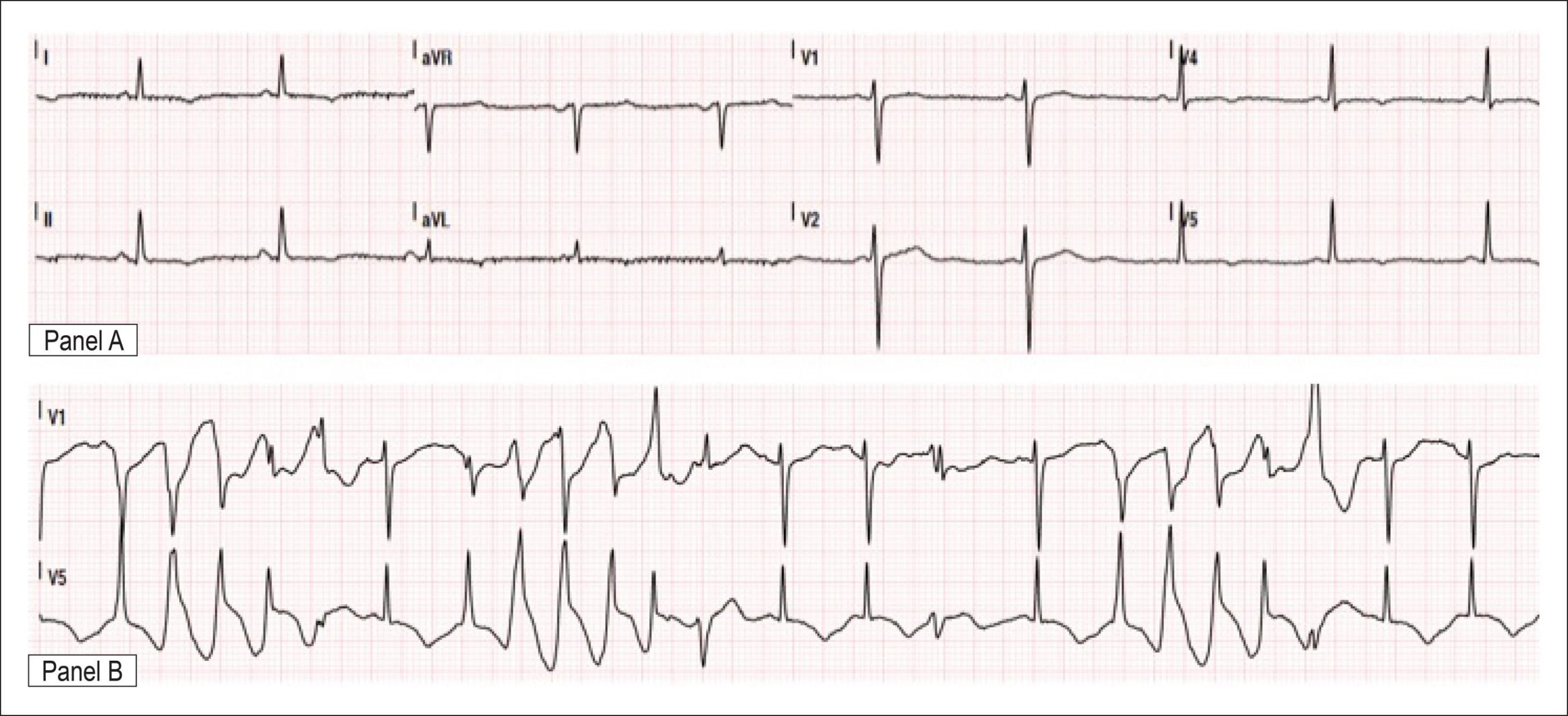
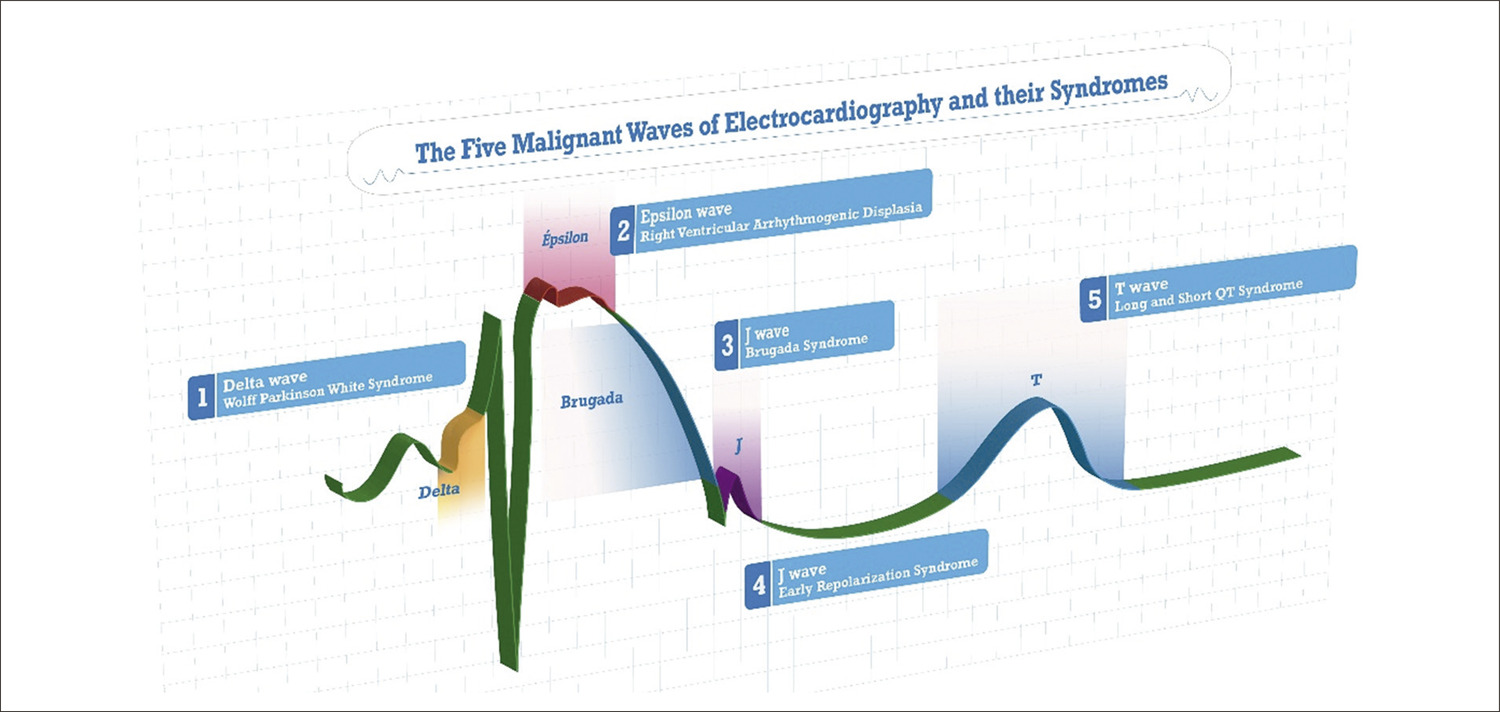
The “Five Malignant Waves” of the Electrocardiography

Mitermayer Reis Brito

The main ECG features of the five malignant waves and their syndromes

The Main ECG features of the “Five Malignant Waves” and their syndromes are presented in .

[…]

  • Arrhythmias Cardiac
  • Death, Sudden
  • Diagnostic Imaging/methods
  • Electrocardiography/methods
  • Syncope
  • Tachycardia, Ventricular
Read Full Article
Creative Commons Attribution (CC BY) Creative Commons license
23/02/2023 DOI: 10.36660/abc.20220649 Views 1
Figure 1
ABC
Original Article

Defibrillation Threshold Testing and Long-term Follow-up in Chagas Disease

Marco Paulo Cunha Campos et al. Luiz Fernando Gouveia Bernardes João Paulo Chaves de Melo Lucas Corsino dos Santos … Cristiano Honório Ribeiro Teixeira Maria Licia Ribeiro Cury Pavão Elerson Arfelli Adilson Scorzoni Filho Anis Rassi Jr José A. Marin-Neto André Schmidt

Abstract

Background

Sudden cardiac death is the most common cause of death in chronic Chagas cardiomyopathy (CCC). Because most CCC patients who are candidates for implantable cardioverter-defibrillators (ICD) meet criteria for high defibrillation threshold values, a defibrillator threshold test (DTT) is suggested.

Objectives

We investigated the use of DTT in CCC patients, focusing on deaths related to ICD and arrhythmic events, as well as treatment during long-term follow-up.

Methods

We retrospectively evaluated 133 CCC patients who received an ICD mainly for secondary prevention. Demographic, clinical, laboratory data, Rassi score, and DTT data were collected, with p < 0.05 considered significant.

Results

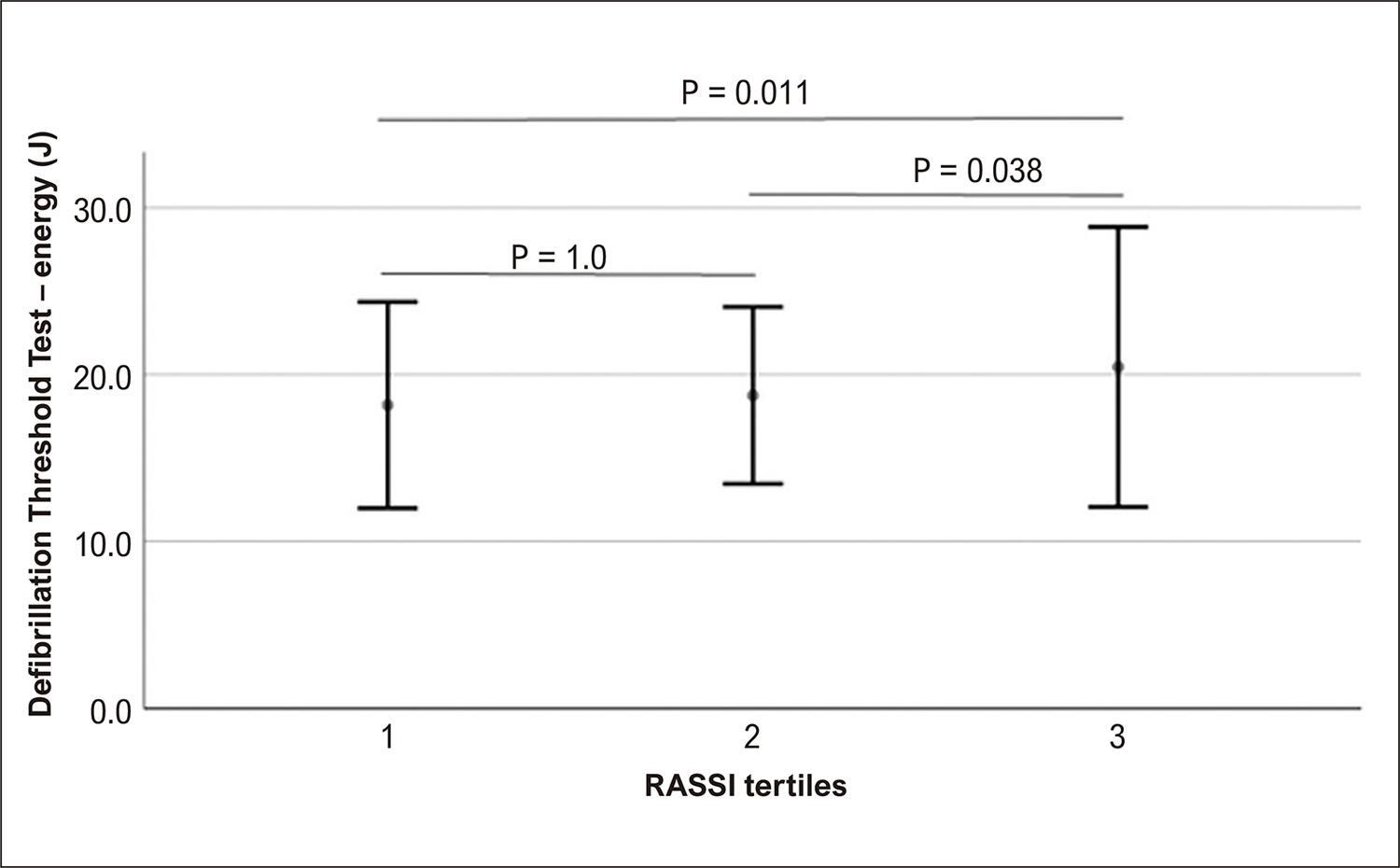
The mean patient age was 61 (SD, 13) years and 72% were men. The baseline left ventricular ejection fraction was 40 (SD, 15%) and the mean Rassi score was 10 (SD, 4). No deaths occurred during DTT and no ICD failures were documented. There was a relationship between higher baseline Rassi scores and higher DTT scores (ANOVA = 0.007). The mean time to first shock was 474 (SD, 628) days, although shock was only necessary for 28 (35%) patients with ventricular tachycardia, since most cases resolved spontaneously or through antitachycardia pacing. After a mean clinical follow-up of 1728 (SD, 1189) days, 43 deaths occurred, mainly related to progressive heart failure and sepsis.

Conclusions

A routine DTT may not be necessary for CCC patients who receive an ICD for secondary prevention. High DTT values seem to be unusual and may be related to high Rassi scores.

  • Chagas Cardiomyopathy
  • Chagas disease
  • Defibrillators, Implantable
  • Electric Countershock
  • Tachycardia, Ventricular
Read Full Article
Creative Commons Attribution (CC BY) Creative Commons license
10/10/2022 DOI: 10.36660/abc.20210770 Views 1
ABCHF
Case Report

Incessant Malignant Ventricular Arrhythmia in a Patient with Advanced Heart Failure: A Case Report

Ciro Mancilha Murad et al. Iáscara Wozniak de Campos

Introduction

The occurrence of refractory ventricular arrhythmia in patients with heart failure (HF) is a therapeutic dilemma. These patients, especially in the presence of advanced disease, may experience multiple triggering factors for ventricular arrhythmia, such as myocardial fibrosis, ischemia, hydroelectrolytic disorders, ventricular distention, the arrhythmogenic potential of drugs, and the underlying disease itself.– Conversely, sustained ventricular arrhythmias cause hemodynamic compromise, resulting in further ischemia and ventricular distension. This can lead to a vicious cycle of hemodynamic worsening with an increasingly arrhythmogenic myocardium. Usual treatment consists of direct current (DC) cardioversion, antiarrhythmic drugs, myocardial revascularization (when indicated), and catheter ablation. However, invasive procedures are always considered high risk in such cases. We report the case of a patient with incessant ventricular arrhythmia resistant to several types of treatment.

[…]

  • Heart Failure
  • Intra-Aortic Balloon Pumping
  • Tachycardia, Ventricular
Read Full Article
Creative Commons Attribution (CC BY) Creative Commons license
29/06/2022 DOI: 10.36660/abchf.20220047 Views 1
Figure 1
ABC
Research Letter

Mexiletine in a Newborn with Type 3 Long QT Syndrome: When Access is Difficult

Eduardo Nolla Silva Pereira et al. Luciana Sacilotto Gabrielle D’Arezzo Pessente Cinthya Guirao … Mariana Lombardi Peres de Carvalho Alexandre da Costa Pereira Francisco Carlos da Costa Darrieux Maurício Ibrahim Scanavacca

Introduction

Long QT syndrome type 3 (LQT3) is a highly lethal channelopathy. It is associated with delayed closing of sodium channels, resulting from mutations in the SCN5A gene, with an autosomal dominant pattern, responsible for 7-10% of all long QT syndromes (LQTSs). The initial presentation can have a wide spectrum, from asymptomatic to sudden death in the first year of life. The addition of class IB sodium channel blocker (mexiletine) to propranolol or nadolol is considered a gene-guided treatment, as its benefit is proven in LQT3. In some countries, such as Brazil, it is not feasible to treat patients with LQT3, because of the unavailability of mexiletine.

We present here a severe case of a child with LQT3, who underwent multiple implantable cardioverter-defibrillator (ICD) therapies because of difficult access to mexiletine in Brazil.

[…]

  • Cardiopulmonary Resuscitation
  • Infant, Newborn
  • Long QT Syndrome
  • Mexiletine/therapeutic
  • Tachycardia, Ventricular
  • Torsades de Pointes
Read Full Article
Creative Commons Attribution (CC BY) Creative Commons license
13/05/2022 DOI: 10.36660/abc.20210533 Views 2
ABCIC
Case Report

Arrhythmogenic Right Ventricular Dysplasia: Case Report and Literature Review

Gustavo Ney de Morais Gouveia et al. Carlos José Mota de Lima Benício Kerlly Barbosa Gonçalves Cezário Antônio Martins Gomes … Nelson Lopes Evangelista Ana Carolina Brito de Alcantara

[…]

  • Arrhythmogenic Right Ventricular Dysplasia/Genetic
  • Echocardiography
  • Electric Countershock
  • Electrocardiography
  • Tachycardia, Ventricular
Read Full Article
Creative Commons Attribution (CC BY) Creative Commons license
20/01/2022 DOI: 10.5935/2318-8219.20170028 Views 1
Figure 1
ABCHF
Review Article

Ventricular Arrythmias in Cardiac Amyloidosis: It is Possible to Prevent Sudden Death?

Carlos A. Dumont et al. María Inés Sosa Liprandi

Abstract

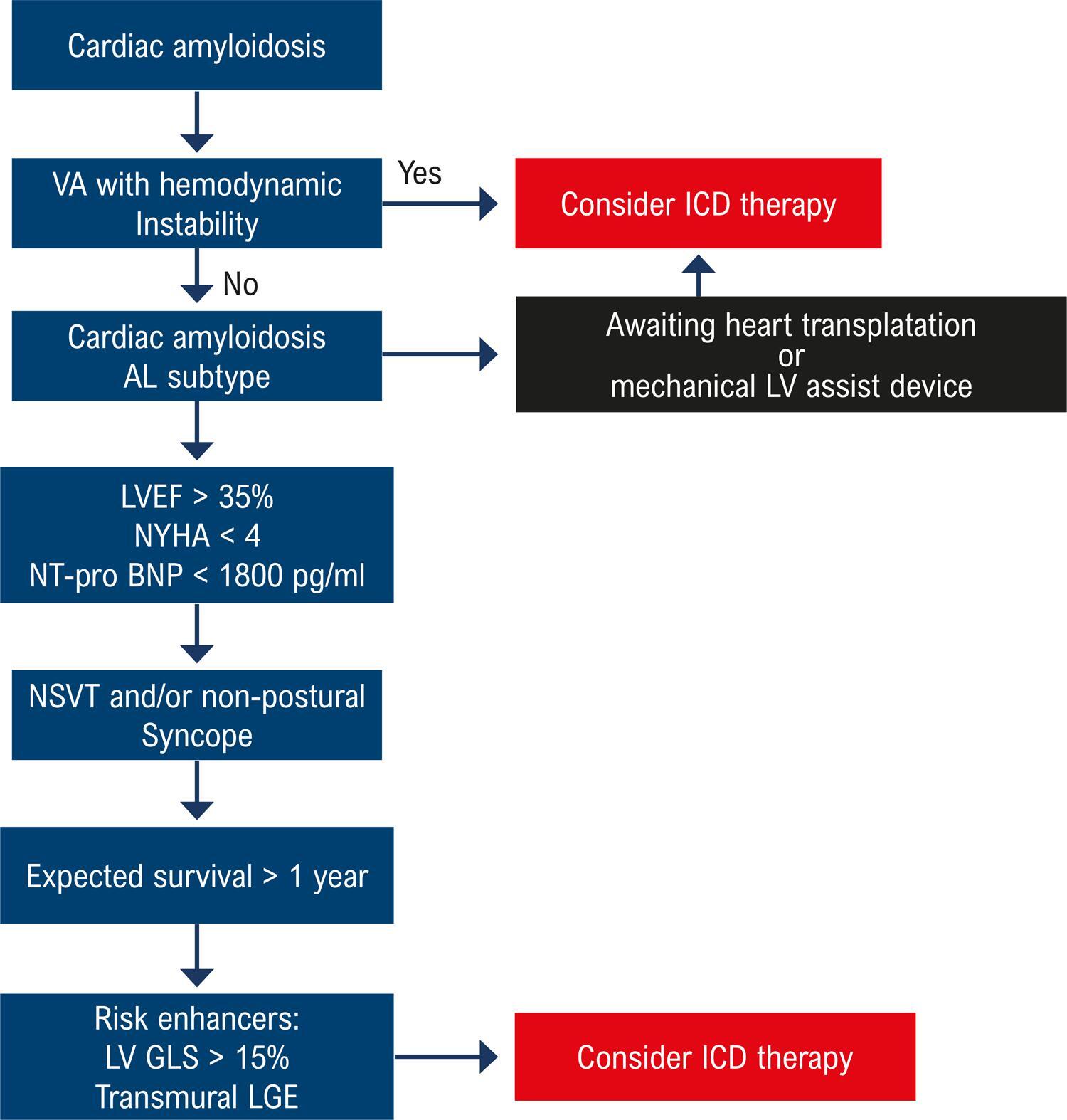
Cardiac amyloidosis (CA) is an infiltrative cardiomyopathy that occurs secondary to deposition of misfolded protein in the myocardium. The two most common subtypes are amyloid light chain amyloidosis and amyloid transthyretin amyloidosis. CA frequently results in congestive cardiac failure and arrhythmias, due to a disruption in cardiac substrate with subsequent electromechanical remodeling. Disease progression is usually demonstrated by development of progressive pump failure, which may be seen with a high arrhythmic burden, usually portending a poor prognosis. Arrhythmias are common, and many commonly used pharmacological therapies may be poorly tolerated and lead to clinical decompensation in this population, adding complexity to the co-management of these conditions. Studies are required to assess the risks and benefits of catheter ablation for ventricular tachycardia, with no current data showing a mortality benefit. The role of implantable cardioverter-defibrillator therapy is controversial, with benefits seen predominantly in early phases of the disease process. High-quality evidence and guideline recommendations are limited with regard to the management of arrhythmias. Providers are often left to clinical experience and expert consensus to aid in decision-making. This review summarizes both historical and contemporary data and describes evidence-based strategies for managing ventricular arrhythmias and their sequelae in patients with CA.

  • Amyloidosis
  • Death, Sudden, Cardiac
  • Defibrillators, Implantable
  • Tachycardia, Ventricular
Read Full Article
Creative Commons Attribution (CC BY) Creative Commons license
10/12/2021 DOI: 10.36660/abchf.20210035 Views 3
ABC
Editorial

Importance of the Anesthetic Technique and Analgesia in the Implantation of Subcutaneous and Endovascular Defibrillator: An Aspect Often Ignored

Jorge Elias Neto

Originally introduced by Mirowski 50 years ago, the implantable cardioverter-defibrillator (ICD) has become a cornerstone to preventing SCD related to ventricular tachyarrhythmias.

However, besides their lifesaving capacities, the transvenous leads carry their own risk.

[…]

  • Analgesia
  • Anesthesy
  • Cardioversor–Defibrillator Implantable/trends
  • CDI Subcutaneous/trends
  • Conscious Sedation
  • Quality of life
  • Tachycardia, Ventricular
Read Full Article
Creative Commons Attribution (CC BY) Creative Commons license
14/06/2021 DOI: 10.36660/abc.20210184 Views 2
Figure 1
ABC
Original Article

Validation of a Simple Electrocardiographic Algorithm for Detection of Ventricular Tachycardia

Francisco Santos Neto et al. Cristiano F. Pisani Francisco Carlos da Costa Darrieux Celia M. F. Cirino … Denise Tessariol Hachul Astrid M. Santos Andrés Ricardo Pérez-Riera Raimundo Barbosa-Barros Mauricio Scanavacca

Abstract

Background

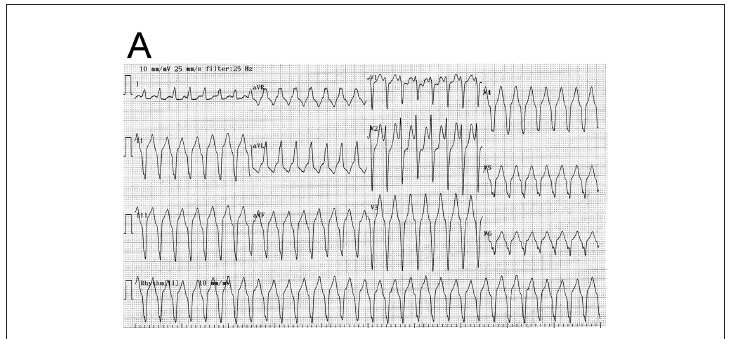
The differential diagnosis of wide QRS complex tachycardia (WCT) between ventricular tachycardia (VT) or supraventricular tachycardia with aberrant conduction (SVT-A) is sometimes difficult in the emergency room.

Objective

The aim of this study was to evaluate the accuracy of a new simple electrocardiographic algorithm to recognize VT in patients with wide complex tachycardia.

Methods

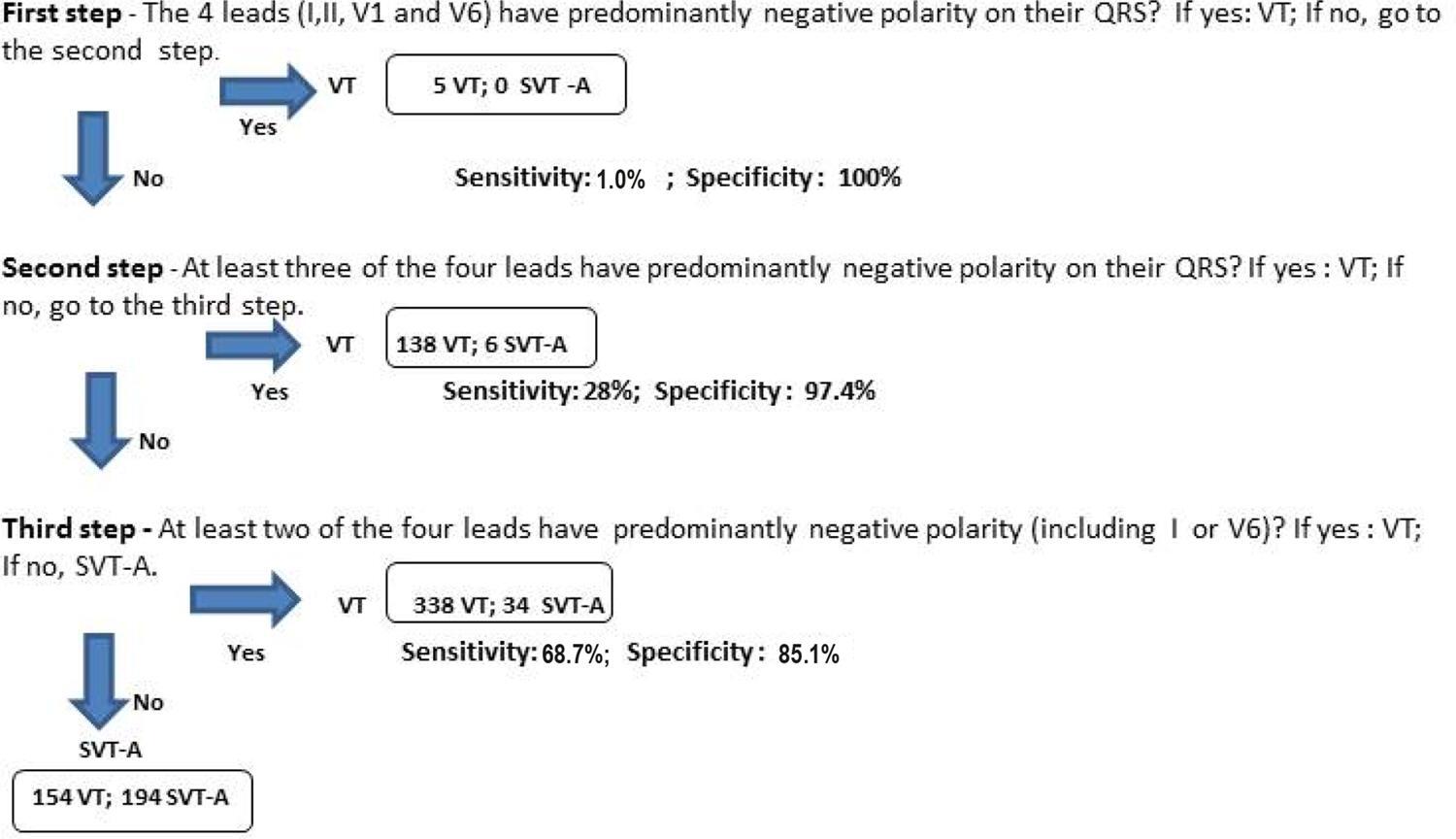
The 12-lead electrocardiograms (ECG) for WCT were prospectively obtained from 120 patients during electrophysiological study. Six physicians with different expertise analyzed the electrocardiographic recordings, and made the diagnosis based on the D12V16 algorithm, that involves the analysis of the predominant polarity of QRS in leads I, II, V1 and V6. The diagnosis was compared with that made using the traditional Brugada algorithm and the “gold-standard” electrophysiological study. Statistical analyses were performed with a significance level of 5% (p<0.05).

Results

According to the EPS study, 82 ECG recordings were VT and 38 SVT-A. Structural heart diseases were present in 71 (86.6%) patients with VT and in 8 (21.1%) with SVT-A. The Brugada algorithm had higher global sensitivity (87.2%), and the D12V16 algorithm had higher global specificity (85.1%) for VT. Both D12V16 and Brugada’s algorithms presented a high positive predictive value (90.9% vs 85.8%, respectively) and similar accuracy (73.8% vs 81.4%, respectively) for the diagnosis of VT. Experienced evaluators were more accurate using Brugada algorithm than the D12V16 algorithm, but the accuracy of both algorithms was similar according to less experienced examiners.

Conclusion

The simplified algorithm may be a useful method to recognize VT in the ECG, especially for less experienced doctors. (Arq Bras Cardiol. 2021; [online].ahead print, PP.0-0)

  • Arrhythmias Cardiac
  • Electrocardiography
  • Tachycardia, Supraventricular
  • Tachycardia, Ventricular
Read Full Article
Creative Commons Attribution (CC BY) Creative Commons license
08/02/2021 DOI: 10.36660/abc.20190501 Views 2
Figure 1
IJCS
Case Report

Cardiac Arrest Due to Hypocalcemia

Fernanda Aburesi Salvadori et al. Eduardo Martelli Moreira Murilo Bacchini Dias Amaro Nunes Duarte-Neto Edison Ferreira de Paiva

Discussion

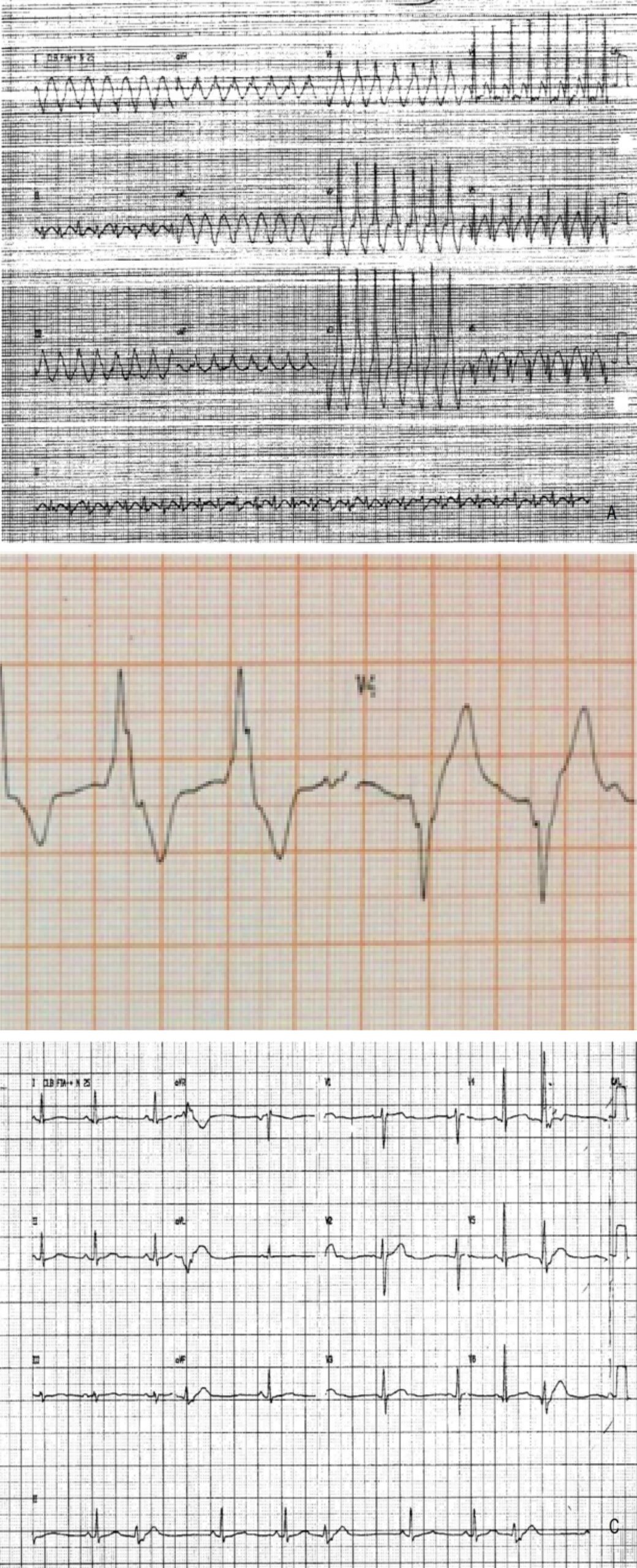
Long QT syndrome (LQTS) can be congenital or acquired. The causes of acquired LQTS include hypocalcemia, due to prolongation of the phase 2 of the action potential (AP), medications (amiodarone, antidepressants and neuroleptics), hypokalemia, hypomagnesemia and severe bradycardia. – LQTS is associated with a specific polymorphic ventricular tachycardia (VT), named as torsades de pointes (TdP), because of the characteristic shift in the QRS axis that gives the impression of a “torsion”.

The QT interval is a marker of the AP duration. In LQTS patients, the AP is prolonged unevenly across the myocardium, so as to cause high dispersion of repolarization. The AP prolongation favors the formation of early afterdepolarization (EAD), which are deformities in the plateau and rapid repolarization phases (2 and 3) capable of inducing ventricular extrasystoles. EADs in the unevenly repolarized myocardium are the cause of TdP. Tachycardia is sustained due to focal electric activity and/or a reentrant mechanism. It may either cease spontaneously or degenerate into ventricular fibrillation and cardiac arrest , .

[…]

  • Cardiopulmonary Resuscitation
  • Heart Arrest
  • Hypertension
  • Hypocalcemia
  • Kidney Transplantation
  • renal dialysis
  • Renal Insufficiency
  • Tachycardia, Ventricular
Read Full Article
Creative Commons Attribution (CC BY) Creative Commons license
23/11/2020 DOI: 10.36660/ijcs.20200034
Figure 1
ABC
Image

One Patient, Two Cardiomyopathies

Christopher Strong et al. Pedro Freitas António Ferreira Gustavo Rodrigues Miguel Mendes

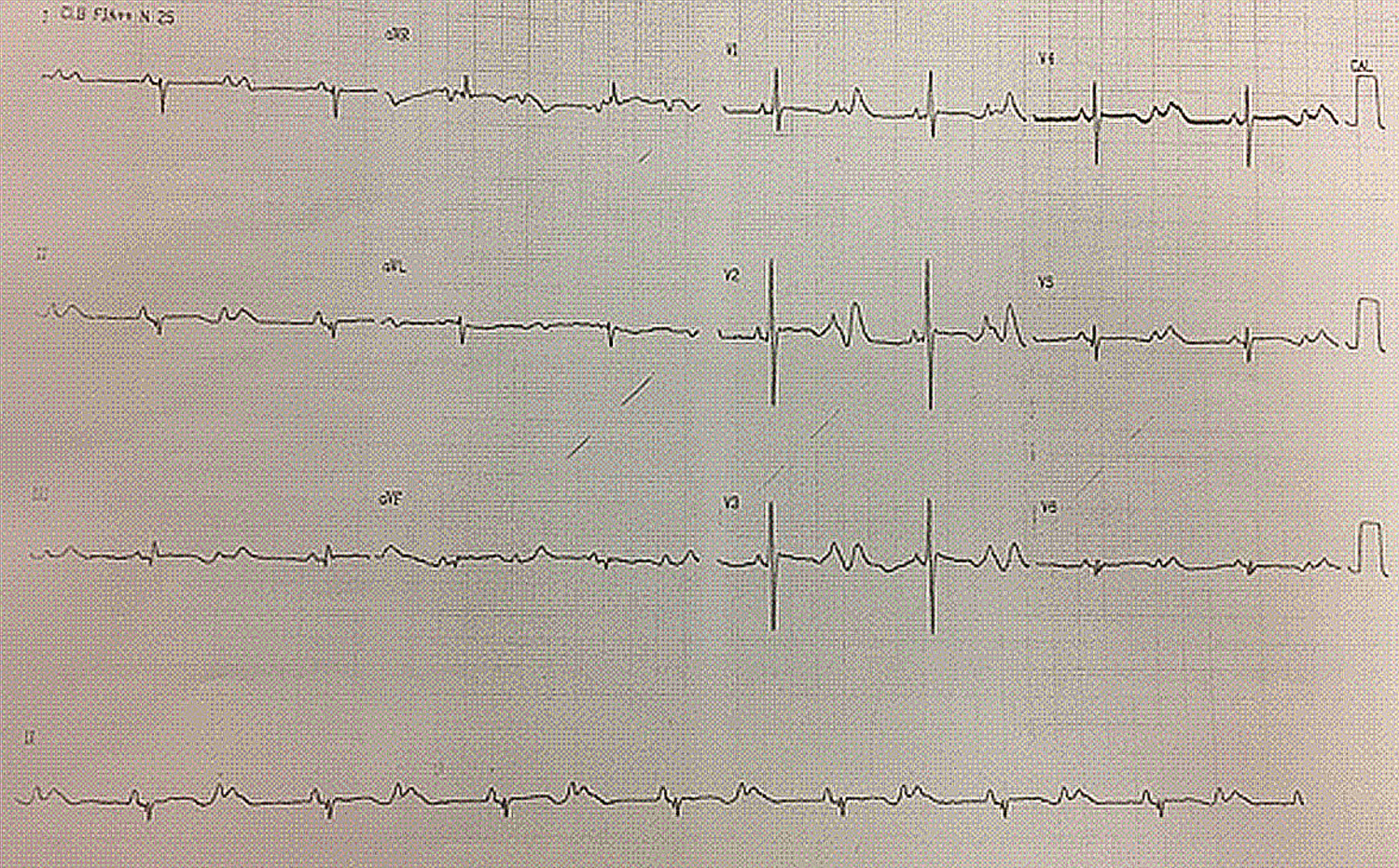
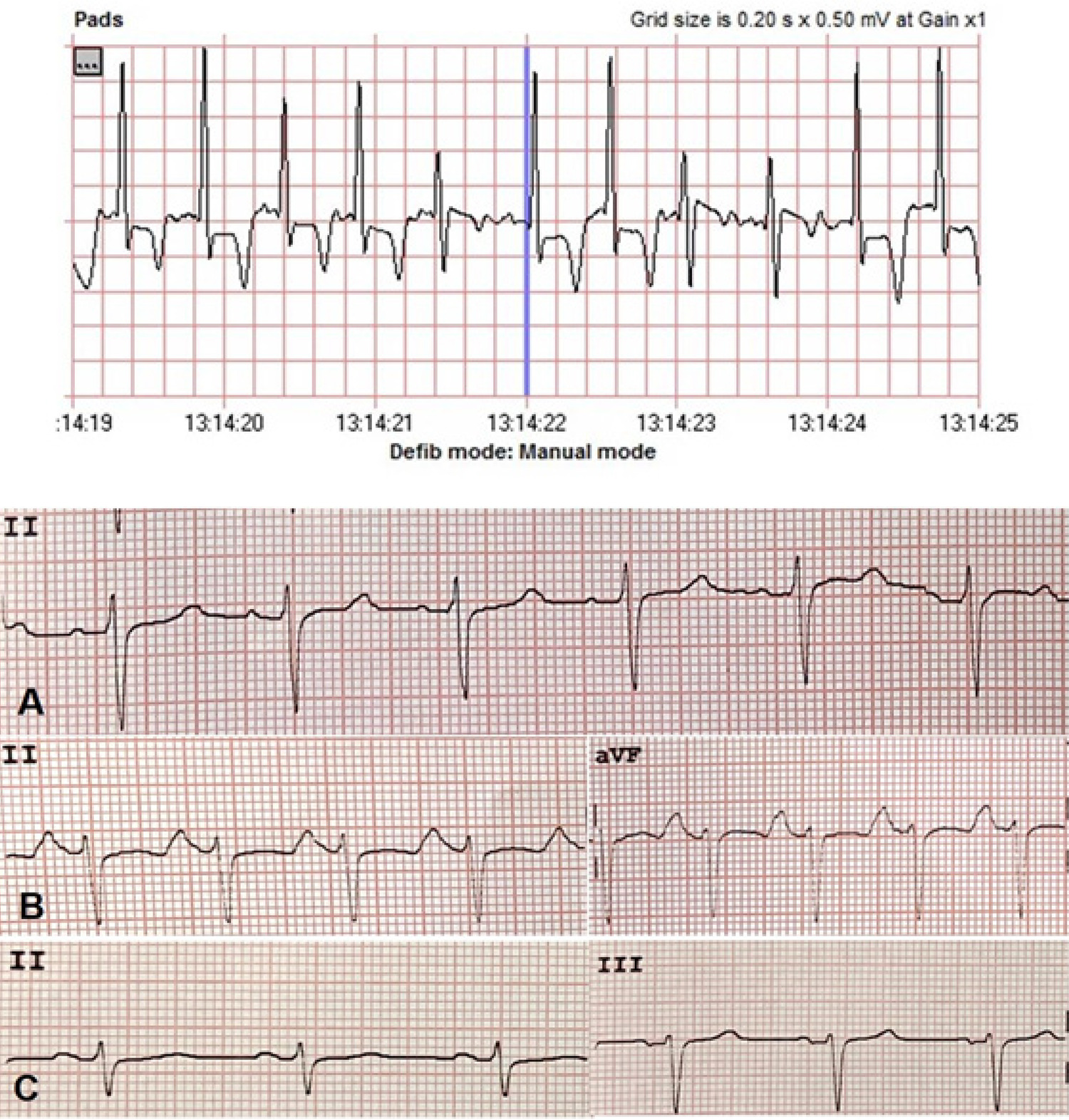
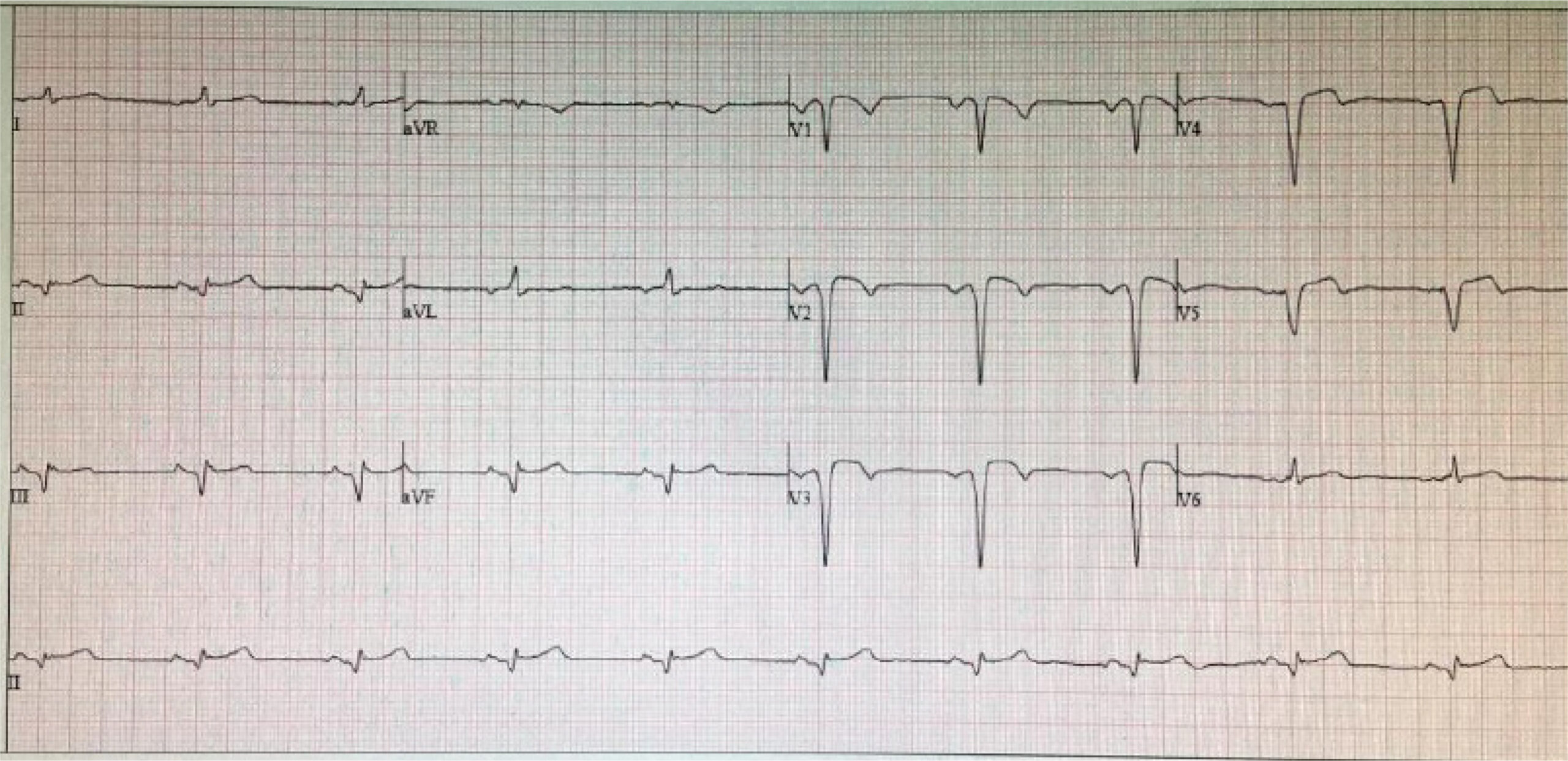
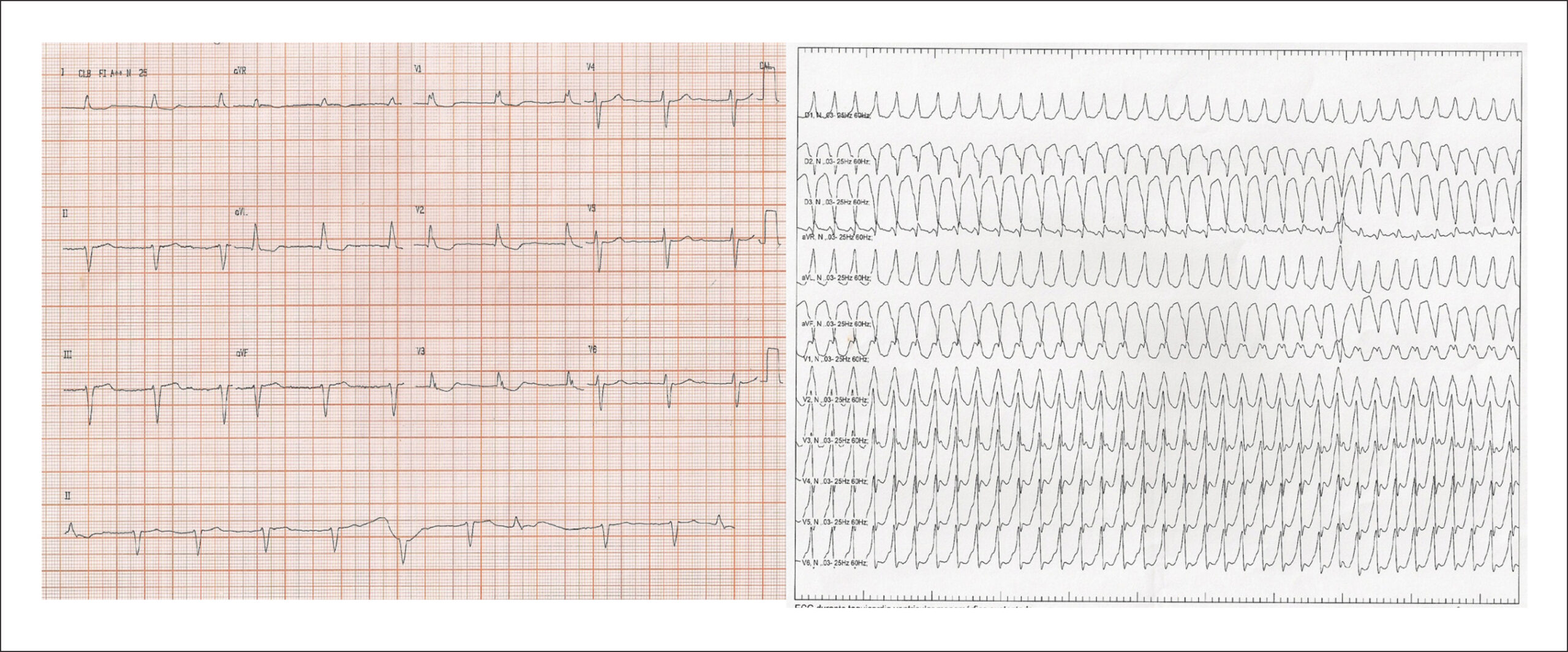
A 50-year-old male patient, with history of well-controlled hypertension and no known personal or family history of cardiac disease, presented with chest pain followed by syncope during strenuous physical activity. The electrocardiogram showed sustained monomorphic ventricular tachycardia. Electrical cardioversion was performed, with conversion to sinus rhythm with Q waves on leads V2-5 and III-aVF (). Transthoracic echocardiography (TTE) showed asymmetric left ventricular (LV) hypertrophy, preserved ejection fraction (EF) with apical akinesia, and hypertrabeculated right ventricle (RV). Coronary angiography showed no significant lesions. Cardiac MRI confirmed the TTE findings, showing a maximum LV wall thickness of 17 mm at the interventricular septum (Figure S1 — supplementary material), apical LV aneurysm and abnormal insertion of papillary muscles. The right side was remarkable for hypertrabeculated and hypokinetic free and inferior walls, and mildly dilated RV with reduced EF (33%). Besides having transmural delayed enhancement (DE) on the LV apex, there was also nodular DE on the LV/RV junction and on the free and inferior basal walls of the RV (; –; Figure S2 of supplementary material). Genetic analysis found a heterozygous mutation on the PKP2 gene (p.Thr50Serfs*61), a pathogenic variant associated with arrhythmogenic RV cardiomyopathy. However, no known mutation on genes related to hypertrophic cardiomyopathy (HCM) were found on a panel of 204 genes, 118 related to HCM. No association has been firmly made between mutations on the PKP2 gene and HCM. The overlap between genetics and cardiomyopathy phenotypes is a well-known phenomenon. We hypothesize that this patient either had an additional unknown HCM gene mutation or, less likely, a phenotypic expression of two different cardiomyopathies in the context a PKP2 gene mutation.

[…]

  • Arrhythmogenic right ventricular dysplasia;
  • Cardiomyopathy, Hypertrophic
  • Electric Countershock
  • Exercise
  • Mutagenesis
  • Syncope
  • Tachycardia, Ventricular
Read Full Article
Creative Commons Attribution (CC BY) Creative Commons license
28/09/2020 DOI: 10.36660/abc.20190853
ABC
Editorial

Programmed Ventricular Stimulation in the Management of Brugada Syndrome Patients

Mauricio Ibrahim Scanavacca et al. Denise Tessariol Hachul

Since 1980, the American College of Cardiology (ACC) and the American Heart Association (AHA), by means of a systematic methodology, have incorporated and adapted scientific evidence into practical recommendations aiming to improve preventive and therapeutic measures for cardiovascular diseases. These guidelines have become the current reference for cardiology practices and been adopted by many societies, which adapt them according to local realities.

In 2006, the AHA/ACC, together with the Heart Rhythm Society (HRS), published the first guidelines for the management of patients with ventricular arrhythmias and prevention of sudden death (SD). In 2017, this first document was updated by the same societies and published in October 2018.,

[…]

  • Brugada Syndrome
  • Death, Sudden, Cardiac/prevention & control
  • Defibrilators, Implantable/utilization
  • Risk Factors
  • Tachycardia, Ventricular
  • Ventricular Fibrillation
Read Full Article
Creative Commons Attribution (CC BY) Creative Commons license
01/03/2019 DOI: 10.5935/abc.20190047 Views 1
ABC
Editorial

Cohort of Patients Referred for Brugada Syndrome Investigation in an Electrophysiology Service – 19-Year Registry

Alvaro Valentim Lima Sarabanda

Brugada syndrome (BrS) was described by Pedro and Josep Brugada in 1992 as a new clinical entity characterized by specific electrocardiographic (ECG) changes, such as the patterns of right bundle-branch block and persistent ST-segment elevation in right precordial leads, associated with increased risk for sudden death.

Brugada syndrome is an autosomal dominant channelopathy, with clinical manifestation at the age of 30 to 40 years, affecting mainly men. Currently, BrS is estimated to account for 12% of all sudden cardiac deaths and up to 20% of the sudden cardiac deaths in individuals with no structural heart disease. The real prevalence of BrS in the general population is difficult to establish, being estimated at 5 to 20 in every 10,000 individuals. Several genetic mutations have been associated with BrS, most of them related to the encoding of sodium channel proteins (INa), calcium channel proteins (ICa) or potassium channel proteins (usually Ito) of the sarcoplasmatic membrane.–

[…]

  • Brugada Syndrome
  • Bundle Branch Block
  • Death, Sudden
  • Syncope
  • Tachycardia, Ventricular
Read Full Article
Creative Commons Attribution (CC BY) Creative Commons license
01/07/2018 DOI: 10.5935/abc.20180120 Views 1
Figure 1
ABC
Case Report

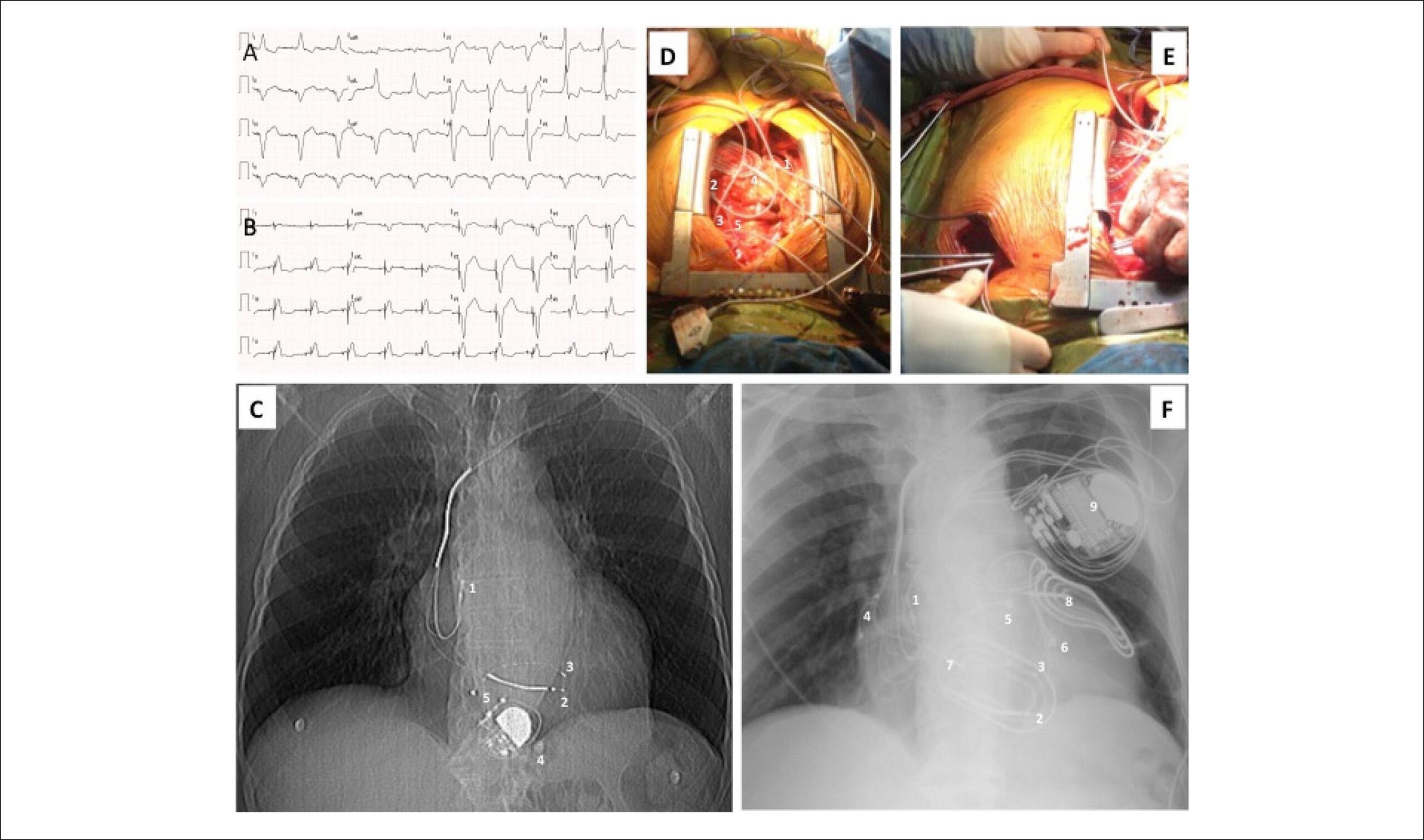
Surgical Epicardial CRT-D Implantation in a Patient with Complete Obstruction of the Superior Vena Cava

Gustavo Lima da Silva et al. Nuno Cortez-Dias João de Sousa Ângelo Nobre Fausto J. Pinto

Introduction

Current guidelines clearly define the subset of heart failure patients who benefit from device implantation. Although first-time trans-venous device implantation has a high success rate, some patients present complex and challenging technical problems.

[…]

  • Cardiac resynchronization-therapy devices
  • Cardiovascular Surgical Procedures
  • Heart Failure
  • Tachycardia, Ventricular
  • Vena Cava, Superior / physiopathology
Read Full Article
Creative Commons Attribution (CC BY) Creative Commons license
01/05/2018 DOI: 10.5935/abc.20180070 Views 1
ABC
Letter to the Editor

Prognostic Significance of Non-Sustained Ventricular Tachycardia Depends on Its Rate and Duration

Serdar Bozyel

Dear Editor,

We read the article “Non-Sustained Ventricular Tachycardia (NSVT) Episodes Predict Future Hospitalization in ICD Recipients with Heart Failure” written by Uçar et al. with great interest. NSVT identified on routine ICD interrogation should be considered an important clinical event as the authors state in this article. However, we would like to bring attention to some issues related to the article.

[…]

  • Defibrillators Implantables
  • Heart Failure/physiopathology
  • Hospitalization
  • Tachycardia, Ventricular
Read Full Article
Creative Commons Attribution (CC BY) Creative Commons license
01/05/2018 DOI: 10.5935/abc.20180078 Views 2
Figure 1
IJCS
Case Report

Monomorphic Ventricular Tachycardia as the First Manifestation in a Patient with Anomalous Coronary Artery

Júlio César Vieira de Sousa et al. Raiana Maciel Miranda Gabriela Melchuna Madruga Domitila Costa de Farias … Paula de Medeiros Nacácio e Silva Nastassja Morgana de Sousa Figueiredo

Introduction

Coronary artery anomalies comprise a heterogeneous group of rare congenital heart defects, being classified according to their origin, course and distal bed, with an incidence ranging between 0.3% and 1.5% in the overall population. Dodge-Khatami et al. subdivided them into seven categories, according to their clinical complexity: coronary arteries originating from the pulmonary artery, coronary arteries with anomalous aortic origin, congenital atresia of the left main coronary artery, coronary arteriovenous fistulas, coronary arteries forming myocardial bridges, coronary artery aneurysms and coronary stenosis. The Texas Children’s Hospital classification uses angiotomography with virtual angioscopy and divides the classification into three topics: origin of the anomalous coronary artery, coronary artery course and ostium morphology. From the viewpoint of anatomical risk, the anomalous left coronary artery with an interarterial course, presence of intramurality and a slit-like ostium are the main predictive factors of severity.–

A specific type is the anomalous origin of the left coronary artery from the right coronary sinus with an interarterial course, which is associated with hard outcomes in approximately 60% of the cases. Clinically, patients may present with nonspecific symptoms, ranging from palpitations, chest pain, post-exertion syncope or remain asymptomatic throughout life, with sudden death being the first and only manifestation of this condition.

[…]

  • Arrhythmias Cardiac
  • Coronary Vessel Anomalies
  • Death, Sudden, Cardiac
  • Tachycardia, Ventricular
Read Full Article
Creative Commons Attribution (CC BY) Creative Commons license
01/01/2018 DOI: 10.5935/2359-4802.20180057 Views 2
Figure 1
ABC
Case Report

Coronary Fistulas in a Patient with a Novel Long QT Syndrome Mutation

Rui Plácido et al. Nuno Cortez-Dias Arminda Veiga Cláudia Jorge … Gábriel Miltenberger-Miltény Fausto Pinto

Introduction

The congenital long QT syndrome (LQTS) is a genetic cardiac channelophathy with variable penetrance characterized by corrected QT (QTc) interval prolongation and predisposition to polymorphic ventricular tachycardia (PVT), which normally presents with syncope or sudden death. It can be caused by mutations in different ion channels, resulting in prolongation of the myocardial repolarization. The clinical course of LQTS throughout a patient’s lifetime is significantly influenced by the genotype and acquired factors that additionally compromise myocardial repolarization, including drug use, serum electrolyte abnormalities, autoimmune diseases, severe bradycardia, acute heart failure decompensation and myocardial ischemia.

This report presents the first description of PVT precipitated by myocardial ischemia secondary to multiple coronary fistulas in a patient with a novel LQTS-causing mutation.

[…]

  • Arteriovenous Fistula
  • Channelopathies
  • Coronary Vessel Anomalies
  • Long QT Syndrome
  • Tachycardia, Ventricular
  • Torsades de Pointes
Read Full Article
Creative Commons Attribution (CC BY) Creative Commons license
01/11/2015 DOI: 10.5935/abc.20150047 Views 1
Figure 1
ABC
Original Article

Value of the Qrs-T Angle in Predicting the Induction of Ventricular Tachyarrhythmias in Patients with Chagas Disease

Hugo Bizetto Zampa et al. Dalmo AR Moreira Carlos Alberto Brandão Ferreira Filho Charles Rios Souza … Camila Caldas Menezes Henrique Seichii Hirata Luciana Vidal Armaganijan

Background:

The QRS-T angle correlates with prognosis in patients with heart failure and coronary artery disease, reflected by an increase in mortality proportional to an increase in the difference between the axes of the QRS complex and T wave in the frontal plane. The value of this correlation in patients with Chagas heart disease is currently unknown.

Objective:

Determine the correlation of the QRS-T angle and the risk of induction of ventricular tachycardia / ventricular fibrillation (VT / VF) during electrophysiological study (EPS) in patients with Chagas disease.

Methods:

Case-control study at a tertiary center. Patients without induction of VT / VF on EPS were used as controls. The QRS-T angle was categorized as normal (0-105º), borderline (105-135º) or abnormal (135-180º). Differences between groups for continuous variables were analyzed with the t test or Mann-Whitney test, and for categorical variables with Fisher’s exact test. P values < 0.05 were considered significant.

Results:

Of 116 patients undergoing EPS, 37.9% were excluded due to incomplete information / inactive records or due to the impossibility to correctly calculate the QRS-T angle (presence of left bundle branch block and atrial fibrillation). Of 72 patients included in the study, 31 induced VT / VF on EPS. Of these, the QRS-T angle was normal in 41.9%, borderline in 12.9% and abnormal in 45.2%. Among patients without induction of VT / VF on EPS, the QRS-T angle was normal in 63.4%, borderline in 14.6% and abnormal in 17.1% (p = 0.04). When compared with patients with normal QRS-T angle, those with abnormal angle had a fourfold higher risk of inducing ventricular tachycardia / ventricular fibrillation on EPS [odds ratio (OR) 4; confidence interval (CI) 1.298-12.325; p = 0.028]. After adjustment for other variables such as age, ejection fraction (EF) and QRS size, there was a trend for the abnormal QRS-T angle to identify patients with increased risk of inducing VT / VF during EPS (OR 3.95; CI 0.99-15.82; p = 0.052). The EF also emerged as a predictor of induction of VT / VF: for each point increase in EF, there was a 4% reduction in the rate of sustained ventricular arrhythmia on EPS.

Conclusions:

Changes in the QRS-T angle and decreases in EF were associated with an increased risk of induction of VT / VF on EPS.

  • Arrhythmias Cardiac
  • Case-Control Studies
  • Chagas disease
  • Electrocardiography
  • Tachycardia, Ventricular
Read Full Article
Creative Commons Attribution (CC BY) Creative Commons license
28/10/2014 DOI: 10.5935/abc.20140162 Views 1
Figure 1
ABC
Editorial

Epicardial Ablation for Ventricular Tachycardia in Chronic Chagas Heart Disease

Mauricio Scanavacca

Catheter Ablation of Sustained VT in Chagas Heart Disease

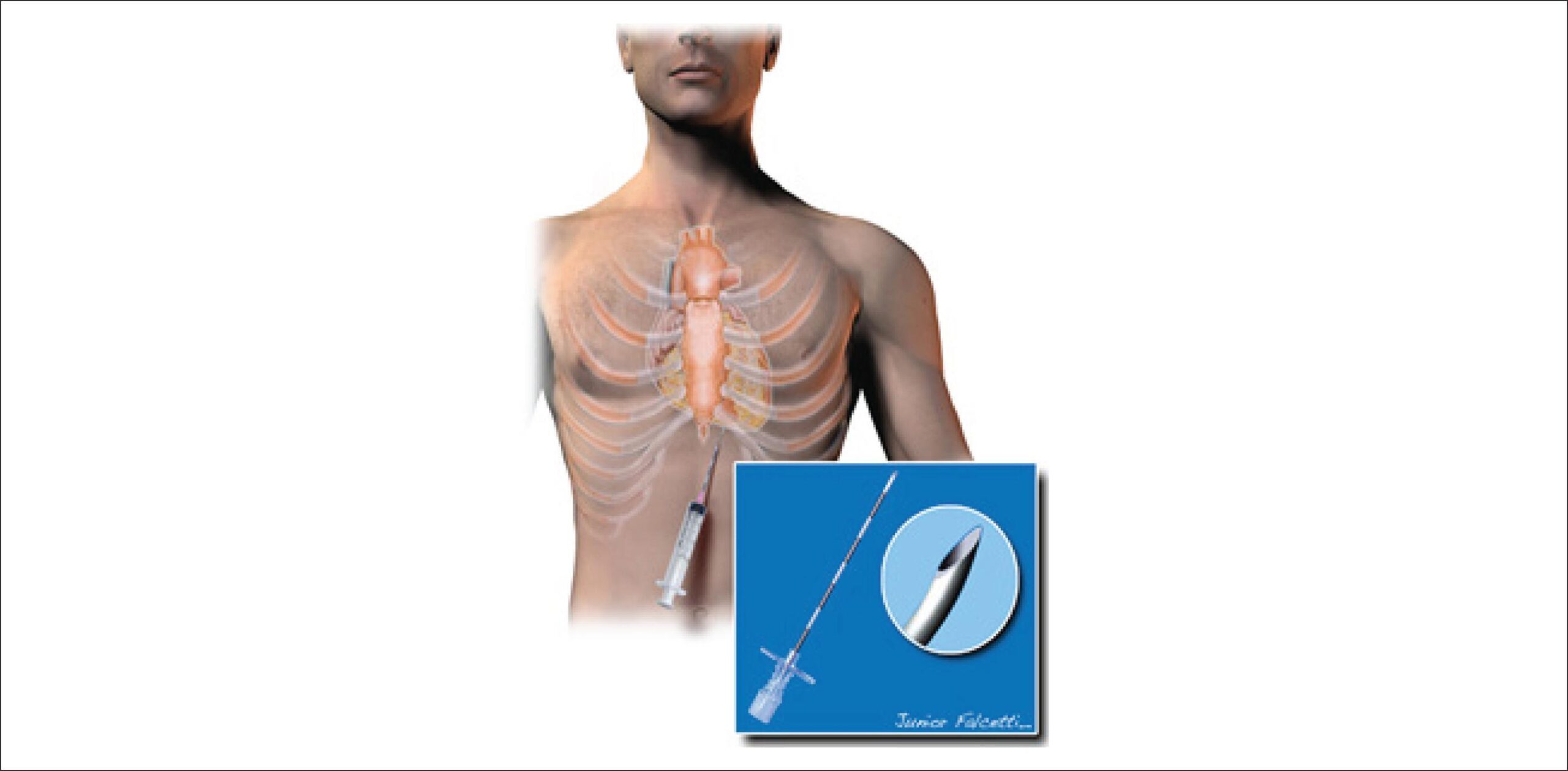
The main mechanism of SVT of chronic Chagas Heart Disease is the reentry located in a left ventricle inferolateral and baseline scar in more than 70% of the cases,. The reentrant circuit of SVT may involve subendocardial, intramyocardial and subepicardial fibers. In some patients, the reentrant circuits have their genesis in places with very thin walls and, on account of that, conventional pulses of RF, emitted from the endocardium, may cause transmural injury and reach all the structures potentially involved in the circuit. Nevertheless, in others, the segmental injury is intramural and the circuit is predominantly kept by subepicardial fibers. Insofar as the contralateral subendocardial tissue is very thick, it may prevent RF applications from reaching the causative intramyocardial and subepicardial fibers and be the reason for an unsuccessful procedure. This was the initial hypothesis for resorting to the transthoracic subxiphoid percutaneous approach to explore the pericardial space and identify patients with possible subepicardial circuits.

[…]

  • Catheter Ablation
  • Chagas Cardiomyopathy
  • Tachycardia, Ventricular
Read Full Article
Creative Commons Attribution (CC BY) Creative Commons license
01/06/2014 DOI: 10.5935/abc.20140082 Views 1
Ventricular tachycardia associated with non-Hodgkin's lymphoma
ABC
Case Report

Ventricular tachycardia associated with non-Hodgkin's lymphoma

Diego Chemello et al. Priscila Raupp-da-Rosa Guilherme Teló Nadine Clausell

Systemic non-Hodgkin’s lymphoma can affect the myocardium, particularly in immunocompromised patients. When present, symptoms and signs are usually nonspecific, making the diagnosis of cardiac involvement very difficult before an autopsy. Ventricular arrhythmias are also unusual in this setting. We describe a case of secondary myocardial non-Hodgkin’s lymphoma presenting with sustained monomorphic ventricular tachycardia and thickening of the basal interventricular septum. Complete remission of myocardial lesions was observed after completion of second-line chemotherapy treatment, without further recurrences of arrhythmias in eight months.

  • Heart Neoplasms
  • Hodgkin disease
  • linfoma
  • Tachycardia, Ventricular
Read Full Article
Creative Commons Attribution (CC BY) Creative Commons license
16/01/2012 DOI: 10.1590/S0066-782X2011001500017 Views 2
Epicardial mapping of sustained ventricular tachycardia in nonischemic heart disease
ABC
Artigo Original

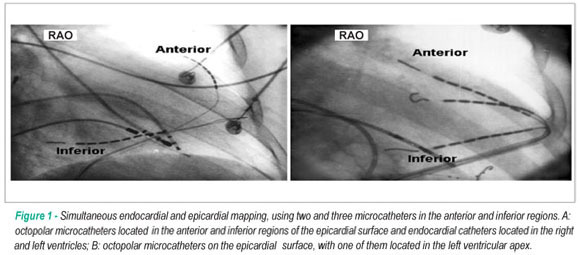
Epicardial mapping of sustained ventricular tachycardia in nonischemic heart disease

Geórgia Guedes da Silva et al. Henrique Horta Veloso Luiz Roberto Leite Roberto Lima Farias Angelo Amato Vincenzo de Paola

BACKGROUND: The complexity of reentrant circuits related to ventricular tachycardias decreases the success rate of radiofrequency ablation procedures. OBJECTIVE: To evaluate whether the epicardial mapping with multiple electrodes carried out simultaneously with the endocardial mapping helps in ablation procedures of sustained ventricular tachycardia (VT) in patients with nonischemic heart disease. METHODS: Twenty-six patients with recurrent sustained VT, of which 22 (84.6%) presenting chronic chagasic cardiomyopathy, 2 (7.7%) with idiopathic dilated cardiomyopathy and 2 with right ventricular arrhythmogenic dysplasia (RVAD), were submitted to epicardial mapping with two or three microcatheters, with 8 electrodes each, simultaneously to the conventional endocardial mapping. A catheter with a 4-mm tip was used for the ablation by radiofrequency (RF) carried out during the induced VT. RESULTS: Of the 33 induced VT, 25 were mapped and 20 had their origin defined. Eleven had epicardial and 9 had endocardial origin. The programmed ventricular stimulation did not induce sustained VT in 11 (42.0%) of the 26 patients after the ablation. Events such as VT recurrence and death occurred in 10.0% of the patients submitted to successful ablation and in 59.0% of the unsuccessful cases, during a mean ambulatory follow-up of 357 ± 208 days. CONCLUSION: Subepicardial circuits are frequent in patients with nonischemic heart disease. The epicardial mapping with multiple catheters carried out simultaneously with the endocardial mapping contributes to the identification of these circuits in a same procedure.

  • Arrhythmias Cardiac
  • Catheter Ablation
  • Heart Diseases
  • Tachycardia, Ventricular
Read Full Article
Creative Commons Attribution (CC BY) Creative Commons license
21/01/2011 DOI: 10.1590/S0066-782X2011005000009 Views 1

How to cite this article

EndNote RIS

Electronic Document Format (Vancouver)

Wiener PC, Moore KM, Contreras C, Robinson CG, Cuculich PS. Noninvasive Cardiac Radioablation for Chagas Heart Disease. Arquivos Brasileiros de Cardiologia 2023;120(2):e20230055.

Electronic Document Format (ABNT)

Wiener, Philip C.; Moore, Kaitlin M.S.; Contreras, Carlos; Robinson, Clifford G.; Cuculich, Phillip S.. Noninvasive Cardiac Radioablation for Chagas Heart Disease. Arquivos Brasileiros de Cardiologia, v. 120, n. 2, e20230055, Mar. 2023.

Electronic Document Format (APA)

Wiener, P. C., Moore, K. M., Contreras, C., Robinson, C. G., & Cuculich, P. S. (2023). Noninvasive Cardiac Radioablation for Chagas Heart Disease. Arquivos Brasileiros de Cardiologia, 120(2), e20230055.

Electronic Document Format (ISO)

Wiener, Philip C. and Moore, Kaitlin M.S. and Contreras, Carlos and Robinson, Clifford G. and Cuculich, Phillip S.. Noninvasive Cardiac Radioablation for Chagas Heart Disease. Arquivos Brasileiros de Cardiologia [online]. 2023, vol. 120, n. 2, [cited 2026-10-14], e20230055. Available from: <https://journals.cardiol.br/en/article/noninvasive-cardiac-radioablation-for-chagas-heart-disease/>. ISSN 0066-782X

EndNote RIS

Electronic Document Format (Vancouver)

Brito MR. The “Five Malignant Waves” of the Electrocardiography. Arquivos Brasileiros de Cardiologia 2023;120(3):e20220649.

Electronic Document Format (ABNT)

Brito, Mitermayer Reis. The “Five Malignant Waves” of the Electrocardiography. Arquivos Brasileiros de Cardiologia, v. 120, n. 3, e20220649, Feb. 2023.

Electronic Document Format (APA)

Brito, M. R. (2023). The “Five Malignant Waves” of the Electrocardiography. Arquivos Brasileiros de Cardiologia, 120(3), e20220649.

Electronic Document Format (ISO)

Brito, Mitermayer Reis. The “Five Malignant Waves” of the Electrocardiography. Arquivos Brasileiros de Cardiologia [online]. 2023, vol. 120, n. 3, [cited 2026-10-14], e20220649. Available from: <https://journals.cardiol.br/en/article/the-five-malignant-waves-of-the-electrocardiography/>. ISSN 0066-782X

EndNote RIS

Electronic Document Format (Vancouver)

Campos MPC, Bernardes LFG, Melo JPC, Santos LC, Teixeira CHR, Pavão MLRC, Arfelli E, et al. Defibrillation Threshold Testing and Long-term Follow-up in Chagas Disease. Arquivos Brasileiros de Cardiologia 2022;119(6):923-8.

Electronic Document Format (ABNT)

Campos, Marco Paulo Cunha; Bernardes, Luiz Fernando Gouveia; Melo, João Paulo Chaves de; Santos, Lucas Corsino dos; Teixeira, Cristiano Honório Ribeiro; Pavão, Maria Licia Ribeiro Cury; Arfelli, Elerson; Scorzoni Filho, Adilson; Rassi Jr, Anis; Marin-Neto, José A.; Schmidt, André. Defibrillation Threshold Testing and Long-term Follow-up in Chagas Disease. Arquivos Brasileiros de Cardiologia, v. 119, n. 6, p. 923-928, Oct. 2022.

Electronic Document Format (APA)

Campos, M. P. C., Bernardes, L. F. G., Melo, J. P. C. , Santos, L. C. , Teixeira, C. H. R., Pavão, M. L. R. C., Arfelli, E., Scorzoni Filho, A., Rassi Jr, A., Marin-Neto, J. A., & Schmidt, A. (2022). Defibrillation Threshold Testing and Long-term Follow-up in Chagas Disease. Arquivos Brasileiros de Cardiologia, 119(6), 923-928.

Electronic Document Format (ISO)

Campos, Marco Paulo Cunha and Bernardes, Luiz Fernando Gouveia and Melo, João Paulo Chaves de and Santos, Lucas Corsino dos and Teixeira, Cristiano Honório Ribeiro and Pavão, Maria Licia Ribeiro Cury and Arfelli, Elerson and Scorzoni Filho, Adilson and Rassi Jr, Anis and Marin-Neto, José A. and Schmidt, André. Defibrillation Threshold Testing and Long-term Follow-up in Chagas Disease. Arquivos Brasileiros de Cardiologia [online]. 2022, vol. 119, n. 6, [cited 2026-10-14], pp. 923-928. Available from: <https://journals.cardiol.br/en/article/defibrillation-threshold-testing-and-long-term-follow-up-in-chagas-disease/>. ISSN 0066-782X

EndNote RIS

Electronic Document Format (Vancouver)

Murad CM, Campos IW. Incessant Malignant Ventricular Arrhythmia in a Patient with Advanced Heart Failure: A Case Report. ABC: Heart Failure & Cardiomyopathy 2022;2(2):232-3.

Electronic Document Format (ABNT)

Murad, Ciro Mancilha; Campos, Iáscara Wozniak de. Incessant Malignant Ventricular Arrhythmia in a Patient with Advanced Heart Failure: A Case Report. ABC: Heart Failure & Cardiomyopathy, v. 2, n. 2, p. 232-233, Jun. 2022.

Electronic Document Format (APA)

Murad, C. M., & Campos, I. W. (2022). Incessant Malignant Ventricular Arrhythmia in a Patient with Advanced Heart Failure: A Case Report. ABC: Heart Failure & Cardiomyopathy, 2(2), 232-233.

Electronic Document Format (ISO)

Murad, Ciro Mancilha and Campos, Iáscara Wozniak de. Incessant Malignant Ventricular Arrhythmia in a Patient with Advanced Heart Failure: A Case Report. ABC: Heart Failure & Cardiomyopathy [online]. 2022, vol. 2, n. 2, [cited 2026-10-14], pp. 232-233. Available from: <https://journals.cardiol.br/en/article/incessant-malignant-ventricular-arrhythmia-in-a-patient-with-advanced-heart-failure-a-case-report/>

EndNote RIS

Electronic Document Format (Vancouver)

Pereira ENS, Sacilotto L, Pessente GD, Guirao C, Carvalho MLP, Pereira AC, Darrieux FCC, et al. Mexiletine in a Newborn with Type 3 Long QT Syndrome: When Access is Difficult. Arquivos Brasileiros de Cardiologia 2022;118(5):989-91.

Electronic Document Format (ABNT)

Pereira, Eduardo Nolla Silva; Sacilotto, Luciana; Pessente, Gabrielle D’Arezzo; Guirao, Cinthya; Carvalho, Mariana Lombardi Peres de; Pereira, Alexandre da Costa; Darrieux, Francisco Carlos da Costa; Scanavacca, Maurício Ibrahim. Mexiletine in a Newborn with Type 3 Long QT Syndrome: When Access is Difficult. Arquivos Brasileiros de Cardiologia, v. 118, n. 5, p. 989-991, May. 2022.

Electronic Document Format (APA)

Pereira, E. N. S., Sacilotto, L., Pessente, G. D., Guirao, C., Carvalho, M. L. P. , Pereira, A. C., Darrieux, F. C. C., & Scanavacca, M. I. (2022). Mexiletine in a Newborn with Type 3 Long QT Syndrome: When Access is Difficult. Arquivos Brasileiros de Cardiologia, 118(5), 989-991.

Electronic Document Format (ISO)

Pereira, Eduardo Nolla Silva and Sacilotto, Luciana and Pessente, Gabrielle D’Arezzo and Guirao, Cinthya and Carvalho, Mariana Lombardi Peres de and Pereira, Alexandre da Costa and Darrieux, Francisco Carlos da Costa and Scanavacca, Maurício Ibrahim. Mexiletine in a Newborn with Type 3 Long QT Syndrome: When Access is Difficult. Arquivos Brasileiros de Cardiologia [online]. 2022, vol. 118, n. 5, [cited 2026-10-14], pp. 989-991. Available from: <https://journals.cardiol.br/en/article/mexiletine-in-a-newborn-with-type-3-long-qt-syndrome-when-access-is-difficult/>. ISSN 0066-782X

EndNote RIS

Electronic Document Format (Vancouver)

Gouveia GNM, Lima CJM, Gonçalves BKB, Gomes CAM, Evangelista NL, Alcantara ACB. Arrhythmogenic Right Ventricular Dysplasia: Case Report and Literature Review. Arquivos Brasileiros de Cardiologia Imagem cardiovascular 2022;30(4):140-4.

Electronic Document Format (ABNT)

Gouveia, Gustavo Ney de Morais; Lima, Carlos José Mota de; Gonçalves, Benício Kerlly Barbosa; Gomes, Cezário Antônio Martins; Evangelista, Nelson Lopes; Alcantara, Ana Carolina Brito de. Arrhythmogenic Right Ventricular Dysplasia: Case Report and Literature Review. Arquivos Brasileiros de Cardiologia Imagem cardiovascular, v. 30, n. 4, p. 140-144, Jan. 2022.

Electronic Document Format (APA)

Gouveia, G. N. M., Lima, C. J. M. , Gonçalves, B. K. B., Gomes, C. A. M., Evangelista, N. L., & Alcantara, A. C. B. (2022). Arrhythmogenic Right Ventricular Dysplasia: Case Report and Literature Review. Arquivos Brasileiros de Cardiologia Imagem cardiovascular, 30(4), 140-144.

Electronic Document Format (ISO)

Gouveia, Gustavo Ney de Morais and Lima, Carlos José Mota de and Gonçalves, Benício Kerlly Barbosa and Gomes, Cezário Antônio Martins and Evangelista, Nelson Lopes and Alcantara, Ana Carolina Brito de. Arrhythmogenic Right Ventricular Dysplasia: Case Report and Literature Review. Arquivos Brasileiros de Cardiologia Imagem cardiovascular [online]. 2022, vol. 30, n. 4, [cited 2026-10-14], pp. 140-144. Available from: <https://journals.cardiol.br/en/article/arrhythmogenic-right-ventricular-dysplasia-case-report-and-literature-review/>. ISSN 2318-8219

EndNote RIS

Electronic Document Format (Vancouver)

Dumont CA, Liprandi MIS. Ventricular Arrythmias in Cardiac Amyloidosis: It is Possible to Prevent Sudden Death?. Phenomenology, Humanities and Sciences – Fenomenologia, Humanidades e Ciências 2021;1(2):103-11.

Electronic Document Format (ABNT)

Dumont, Carlos A.; Liprandi, María Inés Sosa. Ventricular Arrythmias in Cardiac Amyloidosis: It is Possible to Prevent Sudden Death?. Phenomenology, Humanities and Sciences – Fenomenologia, Humanidades e Ciências, v. 1, n. 2, p. 103-111, Dec. 2021.

Electronic Document Format (APA)

Dumont, C. A., & Liprandi, M. I. S. (2021). Ventricular Arrythmias in Cardiac Amyloidosis: It is Possible to Prevent Sudden Death?. Phenomenology, Humanities and Sciences – Fenomenologia, Humanidades e Ciências, 1(2), 103-111.

Electronic Document Format (ISO)

Dumont, Carlos A. and Liprandi, María Inés Sosa. Ventricular Arrythmias in Cardiac Amyloidosis: It is Possible to Prevent Sudden Death?. Phenomenology, Humanities and Sciences – Fenomenologia, Humanidades e Ciências [online]. 2021, vol. 1, n. 2, [cited 2026-10-14], pp. 103-111. Available from: <https://journals.cardiol.br/en/article/ventricular-arrythmias-in-cardiac-amyloidosis-it-is-possible-to-prevent-sudden-death/>

EndNote RIS

Electronic Document Format (Vancouver)

Elias Neto J. Importance of the Anesthetic Technique and Analgesia in the Implantation of Subcutaneous and Endovascular Defibrillator: An Aspect Often Ignored. Arquivos Brasileiros de Cardiologia 2021;116(6):1150-2.

Electronic Document Format (ABNT)

Elias Neto, Jorge. Importance of the Anesthetic Technique and Analgesia in the Implantation of Subcutaneous and Endovascular Defibrillator: An Aspect Often Ignored. Arquivos Brasileiros de Cardiologia, v. 116, n. 6, p. 1150-1152, Jun. 2021.

Electronic Document Format (APA)

Elias Neto, J. (2021). Importance of the Anesthetic Technique and Analgesia in the Implantation of Subcutaneous and Endovascular Defibrillator: An Aspect Often Ignored. Arquivos Brasileiros de Cardiologia, 116(6), 1150-1152.

Electronic Document Format (ISO)

Elias Neto, Jorge. Importance of the Anesthetic Technique and Analgesia in the Implantation of Subcutaneous and Endovascular Defibrillator: An Aspect Often Ignored. Arquivos Brasileiros de Cardiologia [online]. 2021, vol. 116, n. 6, [cited 2026-10-14], pp. 1150-1152. Available from: <https://journals.cardiol.br/en/article/importance-of-the-anesthetic-technique-and-analgesia-in-the-implantation-of-subcutaneous-and-endovascular-defibrillator-an-aspect-often-ignored/>. ISSN 0066-782X

EndNote RIS

Electronic Document Format (Vancouver)

Santos Neto F, Pisani CF, Darrieux FCC, Cirino CMF, Hachul DT, Santos AM, Pérez-Riera AR, et al. Validation of a Simple Electrocardiographic Algorithm for Detection of Ventricular Tachycardia. Arquivos Brasileiros de Cardiologia 2021;116(3):454-63.

Electronic Document Format (ABNT)

Santos Neto, Francisco; Pisani, Cristiano F.; Darrieux, Francisco Carlos da Costa; Cirino, Celia M. F.; Hachul, Denise Tessariol; Santos, Astrid M.; Pérez-Riera, Andrés Ricardo; Barbosa-Barros, Raimundo; Scanavacca, Mauricio. Validation of a Simple Electrocardiographic Algorithm for Detection of Ventricular Tachycardia. Arquivos Brasileiros de Cardiologia, v. 116, n. 3, p. 454-463, Feb. 2021.

Electronic Document Format (APA)

Santos Neto, F., Pisani, C. F., Darrieux, F. C. C., Cirino, C. M. F., Hachul, D. T., Santos, A. M., Pérez-Riera, A. R., Barbosa-Barros, R., & Scanavacca, M. (2021). Validation of a Simple Electrocardiographic Algorithm for Detection of Ventricular Tachycardia. Arquivos Brasileiros de Cardiologia, 116(3), 454-463.

Electronic Document Format (ISO)

Santos Neto, Francisco and Pisani, Cristiano F. and Darrieux, Francisco Carlos da Costa and Cirino, Celia M. F. and Hachul, Denise Tessariol and Santos, Astrid M. and Pérez-Riera, Andrés Ricardo and Barbosa-Barros, Raimundo and Scanavacca, Mauricio. Validation of a Simple Electrocardiographic Algorithm for Detection of Ventricular Tachycardia. Arquivos Brasileiros de Cardiologia [online]. 2021, vol. 116, n. 3, [cited 2026-10-14], pp. 454-463. Available from: <https://journals.cardiol.br/en/article/validation-of-a-simple-electrocardiographic-algorithm-for-detection-of-ventricular-tachycardia/>. ISSN 0066-782X

EndNote RIS

Electronic Document Format (Vancouver)

Salvadori FA, Moreira EM, Dias MB, Duarte-Neto AN, Paiva EF. Cardiac Arrest Due to Hypocalcemia. International Journal of Cardiovascular Sciences 2020;34(5 Supl 1):154-7.

Electronic Document Format (ABNT)

Salvadori, Fernanda Aburesi; Moreira, Eduardo Martelli; Dias, Murilo Bacchini; Duarte-Neto, Amaro Nunes; Paiva, Edison Ferreira de. Cardiac Arrest Due to Hypocalcemia. International Journal of Cardiovascular Sciences, v. 34, n. 5 Supl 1, p. 154-157, Nov. 2020.

Electronic Document Format (APA)

Salvadori, F. A., Moreira, E. M., Dias, M. B., Duarte-Neto, A. N., & Paiva, E. F. (2020). Cardiac Arrest Due to Hypocalcemia. International Journal of Cardiovascular Sciences, 34(5 Supl 1), 154-157.

Electronic Document Format (ISO)

Salvadori, Fernanda Aburesi and Moreira, Eduardo Martelli and Dias, Murilo Bacchini and Duarte-Neto, Amaro Nunes and Paiva, Edison Ferreira de. Cardiac Arrest Due to Hypocalcemia. International Journal of Cardiovascular Sciences [online]. 2020, vol. 34, n. 5 Supl 1, [cited 2026-10-14], pp. 154-157. Available from: <https://journals.cardiol.br/en/article/cardiac-arrest-due-to-hypocalcemia/>. ISSN 2359-4802

EndNote RIS

Electronic Document Format (Vancouver)

Strong C, Freitas P, Ferreira A, Rodrigues G, Mendes M. One Patient, Two Cardiomyopathies. Arquivos Brasileiros de Cardiologia 2020;115(3):584-6.

Electronic Document Format (ABNT)

Strong, Christopher; Freitas, Pedro; Ferreira, António; Rodrigues, Gustavo; Mendes, Miguel. One Patient, Two Cardiomyopathies. Arquivos Brasileiros de Cardiologia, v. 115, n. 3, p. 584-586, Sep. 2020.

Electronic Document Format (APA)

Strong, C., Freitas, P., Ferreira, A., Rodrigues, G., & Mendes, M. (2020). One Patient, Two Cardiomyopathies. Arquivos Brasileiros de Cardiologia, 115(3), 584-586.

Electronic Document Format (ISO)

Strong, Christopher and Freitas, Pedro and Ferreira, António and Rodrigues, Gustavo and Mendes, Miguel. One Patient, Two Cardiomyopathies. Arquivos Brasileiros de Cardiologia [online]. 2020, vol. 115, n. 3, [cited 2026-10-14], pp. 584-586. Available from: <https://journals.cardiol.br/en/article/one-patient-two-cardiomyopathies/>. ISSN 0066-782X

EndNote RIS

Electronic Document Format (Vancouver)

Scanavacca MI, Hachul DT. Programmed Ventricular Stimulation in the Management of Brugada Syndrome Patients. Arquivos Brasileiros de Cardiologia 2019;112(3):217-9.

Electronic Document Format (ABNT)

Scanavacca, Mauricio Ibrahim; Hachul, Denise Tessariol. Programmed Ventricular Stimulation in the Management of Brugada Syndrome Patients. Arquivos Brasileiros de Cardiologia, v. 112, n. 3, p. 217-219, Feb. 2019.

Electronic Document Format (APA)

Scanavacca, M. I., & Hachul, D. T. (2019). Programmed Ventricular Stimulation in the Management of Brugada Syndrome Patients. Arquivos Brasileiros de Cardiologia, 112(3), 217-219.

Electronic Document Format (ISO)

Scanavacca, Mauricio Ibrahim and Hachul, Denise Tessariol. Programmed Ventricular Stimulation in the Management of Brugada Syndrome Patients. Arquivos Brasileiros de Cardiologia [online]. 2019, vol. 112, n. 3, [cited 2026-10-14], pp. 217-219. Available from: <https://journals.cardiol.br/en/article/programmed-ventricular-stimulation-in-the-management-of-brugada-syndrome-patients/>. ISSN 0066-782X

EndNote RIS

Electronic Document Format (Vancouver)

Sarabanda AVL. Cohort of Patients Referred for Brugada Syndrome Investigation in an Electrophysiology Service – 19-Year Registry. Arquivos Brasileiros de Cardiologia 2018;111(1):19-20.

Electronic Document Format (ABNT)

Sarabanda, Alvaro Valentim Lima. Cohort of Patients Referred for Brugada Syndrome Investigation in an Electrophysiology Service – 19-Year Registry. Arquivos Brasileiros de Cardiologia, v. 111, n. 1, p. 19-20, Jun. 2018.

Electronic Document Format (APA)

Sarabanda, A. V. L. (2018). Cohort of Patients Referred for Brugada Syndrome Investigation in an Electrophysiology Service – 19-Year Registry. Arquivos Brasileiros de Cardiologia, 111(1), 19-20.

Electronic Document Format (ISO)

Sarabanda, Alvaro Valentim Lima. Cohort of Patients Referred for Brugada Syndrome Investigation in an Electrophysiology Service – 19-Year Registry. Arquivos Brasileiros de Cardiologia [online]. 2018, vol. 111, n. 1, [cited 2026-10-14], pp. 19-20. Available from: <https://journals.cardiol.br/en/article/cohort-of-patients-referred-for-brugada-syndrome-investigation-in-an-electrophysiology-service-19-year-registry/>. ISSN 0066-782X

EndNote RIS

Electronic Document Format (Vancouver)

Silva GL, Cortez-Dias N, Sousa J, Nobre , Pinto FJ. Surgical Epicardial CRT-D Implantation in a Patient with Complete Obstruction of the Superior Vena Cava. Arquivos Brasileiros de Cardiologia 2018;110(5):490-2.

Electronic Document Format (ABNT)

Silva, Gustavo Lima da; Cortez-Dias, Nuno; Sousa, João de; Nobre, Ângelo; Pinto, Fausto J.. Surgical Epicardial CRT-D Implantation in a Patient with Complete Obstruction of the Superior Vena Cava. Arquivos Brasileiros de Cardiologia, v. 110, n. 5, p. 490-492, Apr. 2018.

Electronic Document Format (APA)

Silva, G. L. , Cortez-Dias, N., Sousa, J. , Nobre, , & Pinto, F. J. (2018). Surgical Epicardial CRT-D Implantation in a Patient with Complete Obstruction of the Superior Vena Cava. Arquivos Brasileiros de Cardiologia, 110(5), 490-492.

Electronic Document Format (ISO)

Silva, Gustavo Lima da and Cortez-Dias, Nuno and Sousa, João de and Nobre, Ângelo and Pinto, Fausto J.. Surgical Epicardial CRT-D Implantation in a Patient with Complete Obstruction of the Superior Vena Cava. Arquivos Brasileiros de Cardiologia [online]. 2018, vol. 110, n. 5, [cited 2026-10-14], pp. 490-492. Available from: <https://journals.cardiol.br/en/article/surgical-epicardial-crt-d-implantation-in-a-patient-with-complete-obstruction-of-the-superior-vena-cava/>. ISSN 0066-782X

EndNote RIS

Electronic Document Format (Vancouver)

Bozyel S. Prognostic Significance of Non-Sustained Ventricular Tachycardia Depends on Its Rate and Duration. Arquivos Brasileiros de Cardiologia 2018;110(5):495-6.

Electronic Document Format (ABNT)

Bozyel, Serdar. Prognostic Significance of Non-Sustained Ventricular Tachycardia Depends on Its Rate and Duration. Arquivos Brasileiros de Cardiologia, v. 110, n. 5, p. 495-496, Apr. 2018.

Electronic Document Format (APA)

Bozyel, S. (2018). Prognostic Significance of Non-Sustained Ventricular Tachycardia Depends on Its Rate and Duration. Arquivos Brasileiros de Cardiologia, 110(5), 495-496.

Electronic Document Format (ISO)

Bozyel, Serdar. Prognostic Significance of Non-Sustained Ventricular Tachycardia Depends on Its Rate and Duration. Arquivos Brasileiros de Cardiologia [online]. 2018, vol. 110, n. 5, [cited 2026-10-14], pp. 495-496. Available from: <https://journals.cardiol.br/en/article/prognostic-significance-of-non-sustained-ventricular-tachycardia-depends-on-its-rate-and-duration/>. ISSN 0066-782X

EndNote RIS

Electronic Document Format (Vancouver)

Sousa JCV, Miranda RM, Madruga GM, Farias DC, Silva PMN, Figueiredo NMS. Monomorphic Ventricular Tachycardia as the First Manifestation in a Patient with Anomalous Coronary Artery. International Journal of Cardiovascular Sciences 2018;31(5):551-5.

Electronic Document Format (ABNT)

Sousa, Júlio César Vieira de; Miranda, Raiana Maciel; Madruga, Gabriela Melchuna; Farias, Domitila Costa de; Silva, Paula de Medeiros Nacácio e; Figueiredo, Nastassja Morgana de Sousa. Monomorphic Ventricular Tachycardia as the First Manifestation in a Patient with Anomalous Coronary Artery. International Journal of Cardiovascular Sciences, v. 31, n. 5, p. 551-555, Dec. 2017.

Electronic Document Format (APA)

Sousa, J. C. V. , Miranda, R. M., Madruga, G. M., Farias, D. C. , Silva, P. M. N. , & Figueiredo, N. M. S. (2018). Monomorphic Ventricular Tachycardia as the First Manifestation in a Patient with Anomalous Coronary Artery. International Journal of Cardiovascular Sciences, 31(5), 551-555.

Electronic Document Format (ISO)

Sousa, Júlio César Vieira de and Miranda, Raiana Maciel and Madruga, Gabriela Melchuna and Farias, Domitila Costa de and Silva, Paula de Medeiros Nacácio e and Figueiredo, Nastassja Morgana de Sousa. Monomorphic Ventricular Tachycardia as the First Manifestation in a Patient with Anomalous Coronary Artery. International Journal of Cardiovascular Sciences [online]. 2018, vol. 31, n. 5, [cited 2026-10-14], pp. 551-555. Available from: <https://journals.cardiol.br/en/article/monomorphic-ventricular-tachycardia-as-the-first-manifestation-in-a-patient-with-anomalous-coronary-artery/>. ISSN 2359-4802

EndNote RIS

Electronic Document Format (Vancouver)

Plácido R, Cortez-Dias N, Veiga A, Jorge C, Miltenberger-Miltény G, Pinto F. Coronary Fistulas in a Patient with a Novel Long QT Syndrome Mutation. Arquivos Brasileiros de Cardiologia 2015;105(5):536-9.

Electronic Document Format (ABNT)

Plácido, Rui; Cortez-Dias, Nuno; Veiga, Arminda; Jorge, Cláudia; Miltenberger-Miltény, Gábriel; Pinto, Fausto. Coronary Fistulas in a Patient with a Novel Long QT Syndrome Mutation. Arquivos Brasileiros de Cardiologia, v. 105, n. 5, p. 536-539, Oct. 2015.

Electronic Document Format (APA)

Plácido, R., Cortez-Dias, N., Veiga, A., Jorge, C., Miltenberger-Miltény, G., & Pinto, F. (2015). Coronary Fistulas in a Patient with a Novel Long QT Syndrome Mutation. Arquivos Brasileiros de Cardiologia, 105(5), 536-539.

Electronic Document Format (ISO)

Plácido, Rui and Cortez-Dias, Nuno and Veiga, Arminda and Jorge, Cláudia and Miltenberger-Miltény, Gábriel and Pinto, Fausto. Coronary Fistulas in a Patient with a Novel Long QT Syndrome Mutation. Arquivos Brasileiros de Cardiologia [online]. 2015, vol. 105, n. 5, [cited 2026-10-14], pp. 536-539. Available from: <https://journals.cardiol.br/en/article/coronary-fistulas-in-a-patient-with-a-novel-long-qt-syndrome-mutation/>. ISSN 0066-782X

EndNote RIS

Electronic Document Format (Vancouver)

Zampa HB, Moreira DA, Ferreira Filho CAB, Souza CR, Menezes CC, Hirata HS, Armaganijan LV, et al. Value of the Qrs-T Angle in Predicting the Induction of Ventricular Tachyarrhythmias in Patients with Chagas Disease. Arquivos Brasileiros de Cardiologia 2014;103(6):460-7.

Electronic Document Format (ABNT)

Zampa, Hugo Bizetto; Moreira, Dalmo AR; Ferreira Filho, Carlos Alberto Brandão; Souza, Charles Rios; Menezes, Camila Caldas; Hirata, Henrique Seichii; Armaganijan, Luciana Vidal. Value of the Qrs-T Angle in Predicting the Induction of Ventricular Tachyarrhythmias in Patients with Chagas Disease. Arquivos Brasileiros de Cardiologia, v. 103, n. 6, p. 460-467, Oct. 2014.

Electronic Document Format (APA)

Zampa, H. B., Moreira, D. A., Ferreira Filho, C. A. B., Souza, C. R., Menezes, C. C., Hirata, H. S., & Armaganijan, L. V. (2014). Value of the Qrs-T Angle in Predicting the Induction of Ventricular Tachyarrhythmias in Patients with Chagas Disease. Arquivos Brasileiros de Cardiologia, 103(6), 460-467.

Electronic Document Format (ISO)

Zampa, Hugo Bizetto and Moreira, Dalmo AR and Ferreira Filho, Carlos Alberto Brandão and Souza, Charles Rios and Menezes, Camila Caldas and Hirata, Henrique Seichii and Armaganijan, Luciana Vidal. Value of the Qrs-T Angle in Predicting the Induction of Ventricular Tachyarrhythmias in Patients with Chagas Disease. Arquivos Brasileiros de Cardiologia [online]. 2014, vol. 103, n. 6, [cited 2026-10-14], pp. 460-467. Available from: <https://journals.cardiol.br/en/article/value-of-the-qrs-t-angle-in-predicting-the-induction-of-ventricular-tachyarrhythmias-in-patients-with-chagas-disease/>. ISSN 0066-782X

EndNote RIS

Electronic Document Format (Vancouver)

Scanavacca M. Epicardial Ablation for Ventricular Tachycardia in Chronic Chagas Heart Disease. Arquivos Brasileiros de Cardiologia 2014;102(6):524-8.

Electronic Document Format (ABNT)

Scanavacca, Mauricio. Epicardial Ablation for Ventricular Tachycardia in Chronic Chagas Heart Disease. Arquivos Brasileiros de Cardiologia, v. 102, n. 6, p. 524-528, May. 2014.

Electronic Document Format (APA)

Scanavacca, M. (2014). Epicardial Ablation for Ventricular Tachycardia in Chronic Chagas Heart Disease. Arquivos Brasileiros de Cardiologia, 102(6), 524-528.

Electronic Document Format (ISO)

Scanavacca, Mauricio. Epicardial Ablation for Ventricular Tachycardia in Chronic Chagas Heart Disease. Arquivos Brasileiros de Cardiologia [online]. 2014, vol. 102, n. 6, [cited 2026-10-14], pp. 524-528. Available from: <https://journals.cardiol.br/en/article/epicardial-ablation-for-ventricular-tachycardia-in-chronic-chagas-heart-disease/>. ISSN 0066-782X

EndNote RIS

Electronic Document Format (Vancouver)

Chemello D, Raupp-da-Rosa P, Teló G, Clausell N. Ventricular tachycardia associated with non-Hodgkin’s lymphoma. Arquivos Brasileiros de Cardiologia 2012;97(6):e132-4.

Electronic Document Format (ABNT)

Chemello, Diego; Raupp-da-Rosa, Priscila; Teló, Guilherme; Clausell, Nadine. Ventricular tachycardia associated with non-Hodgkin’s lymphoma. Arquivos Brasileiros de Cardiologia, v. 97, n. 6, p. e132-e134, Jan. 2012.

Electronic Document Format (APA)

Chemello, D., Raupp-da-Rosa, P., Teló, G., & Clausell, N. (2012). Ventricular tachycardia associated with non-Hodgkin’s lymphoma. Arquivos Brasileiros de Cardiologia, 97(6), e132-e134.

Electronic Document Format (ISO)

Chemello, Diego and Raupp-da-Rosa, Priscila and Teló, Guilherme and Clausell, Nadine. Ventricular tachycardia associated with non-Hodgkin’s lymphoma. Arquivos Brasileiros de Cardiologia [online]. 2012, vol. 97, n. 6, [cited 2026-10-14], pp. e132-e134. Available from: <https://journals.cardiol.br/en/article/ventricular-tachycardia-associated-with-non-hodgkins-lymphoma/>. ISSN 0066-782X

EndNote RIS

Electronic Document Format (Vancouver)

Silva GG, Veloso HH, Leite LR, Farias RL, Paola AAV. Epicardial mapping of sustained ventricular tachycardia in nonischemic heart disease. Arquivos Brasileiros de Cardiologia 2011;96(2):114-20.

Electronic Document Format (ABNT)

Silva, Geórgia Guedes da; Veloso, Henrique Horta; Leite, Luiz Roberto; Farias, Roberto Lima; Paola, Angelo Amato Vincenzo de. Epicardial mapping of sustained ventricular tachycardia in nonischemic heart disease. Arquivos Brasileiros de Cardiologia, v. 96, n. 2, p. 114-120, Jan. 2011.

Electronic Document Format (APA)

Silva, G. G. , Veloso, H. H., Leite, L. R., Farias, R. L., & Paola, A. A. V. (2011). Epicardial mapping of sustained ventricular tachycardia in nonischemic heart disease. Arquivos Brasileiros de Cardiologia, 96(2), 114-120.

Electronic Document Format (ISO)

Silva, Geórgia Guedes da and Veloso, Henrique Horta and Leite, Luiz Roberto and Farias, Roberto Lima and Paola, Angelo Amato Vincenzo de. Epicardial mapping of sustained ventricular tachycardia in nonischemic heart disease. Arquivos Brasileiros de Cardiologia [online]. 2011, vol. 96, n. 2, [cited 2026-10-14], pp. 114-120. Available from: <https://journals.cardiol.br/en/article/epicardial-mapping-of-sustained-ventricular-tachycardia-in-nonischemic-heart-disease/>. ISSN 0066-782X

  • About ABC Family
  • Internal Regulation
  • Editorial Board
  • Brazilian Society of Cardiology (SBC)

Issues

SBC Guidelines

  • Videos
  • Podcasts
  • News