ABC Family Arquivos Brasileiros de Cardiologia International Journal of Cardiovascular Sciences ABC Heart Failure & Cardiomyopathy ABC Imagem Cardiovascular
Português English
ABC Family
Português English
  • About
    • About ABC Family
    • Internal Regulation
    • Editorial Board
    • Brazilian Society of Cardiology (SBC)
  • Issues
  • SBC Guidelines
  • Content
    • Videos
    • Podcasts
    • News
  • About
    • About ABC Family
    • Internal Regulation
    • Editorial Board
    • Brazilian Society of Cardiology (SBC)
  • Issues
  • SBC Guidelines
  • Content
    • Videos
    • Podcasts
    • News

ABC Family

  • ABC Family
  • Arquivos Brasileiros de Cardiologia
  • International Journal of Cardiovascular Sciences
  • ABC Heart Failure & Cardiomyopathy
  • ABC Imagem Cardiovascular
Search in

No content found.

Journals
Ordering
Article types
Others

  1. Home
  2. Keyword: Hypoxia
Figure 1
ABC
Image

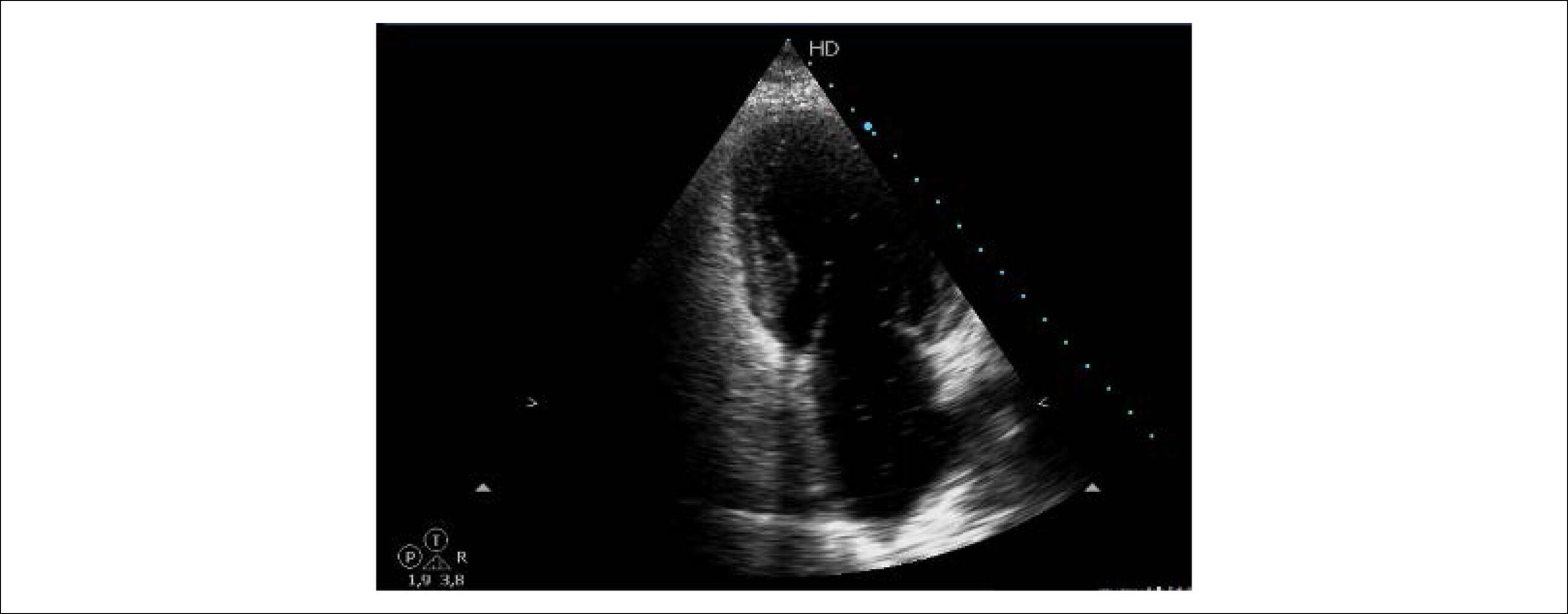
A Constellation of Stroke and Hypoxemia Post ICD Lead Extraction: Role of Patent Foramen Ovale

Ashish H. Shah et al. Petra Jenkins Heiko Schneider

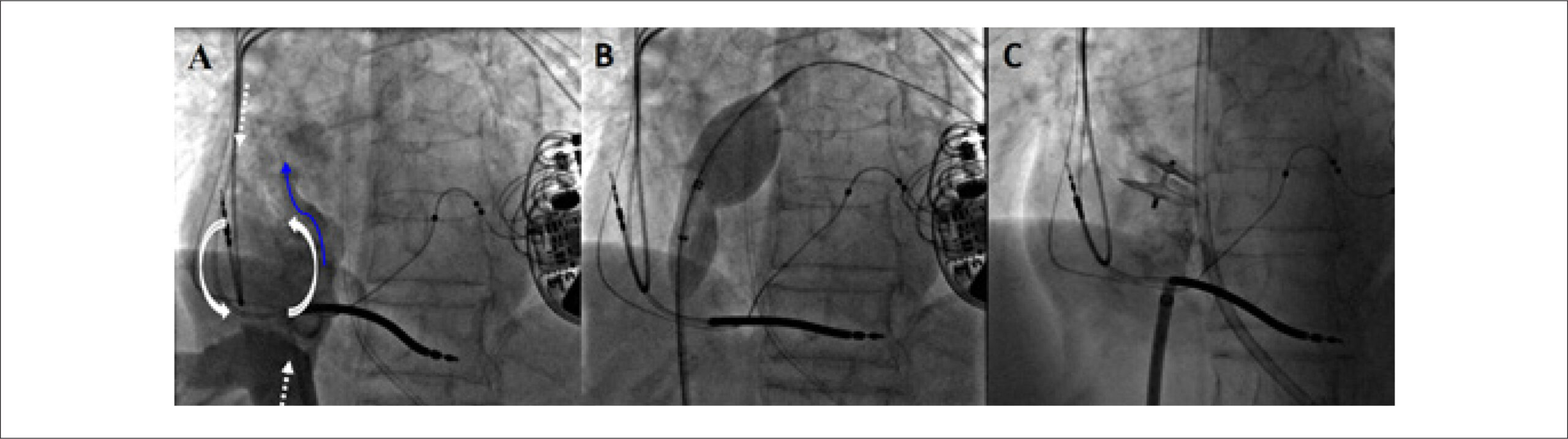
A 78-year-old woman with known ischemic cardiomyopathy underwent elective implantable cardioverter defibrillator (ICD) lead extraction and a new lead implantation. Within 2 hours post-procedure, she experienced expressive dysphasia and right hemiplegia, which was confirmed to be due to an ischemic stroke on a brain CT scan. Additionally, the patient developed resting hypoxemia with oxygen saturation of 87-88% on room air that only partially improved with high-flow oxygen.

Further investigation revealed a right-to-left shunt through a patent foramen ovale (PFO) on a trans-thoracic echocardiogram (TTE). Previous TTE examinations over the past 5 years did not show any valvular pathology or right-to-left shunt through the PFO. The patient was on direct oral anticoagulant therapy for atrial fibrillation, which was electively stopped 2 days before the procedure, and low molecular weight heparin was initiated as a bridging therapy.

[…]

  • Hypoxia
  • Patent Foramen Ovale
  • Stroke
Read Full Article
Creative Commons Attribution (CC BY) Creative Commons license
23/09/2024 DOI: 10.36660/abc.20240303i
Figure 1
ABCIC
Case Report

Patent Foramen Ovale: An Unusual Cause of Refractory Hypoxemia

Inês Miranda et al. Christopher Strong Pedro Póvoa

Case Report

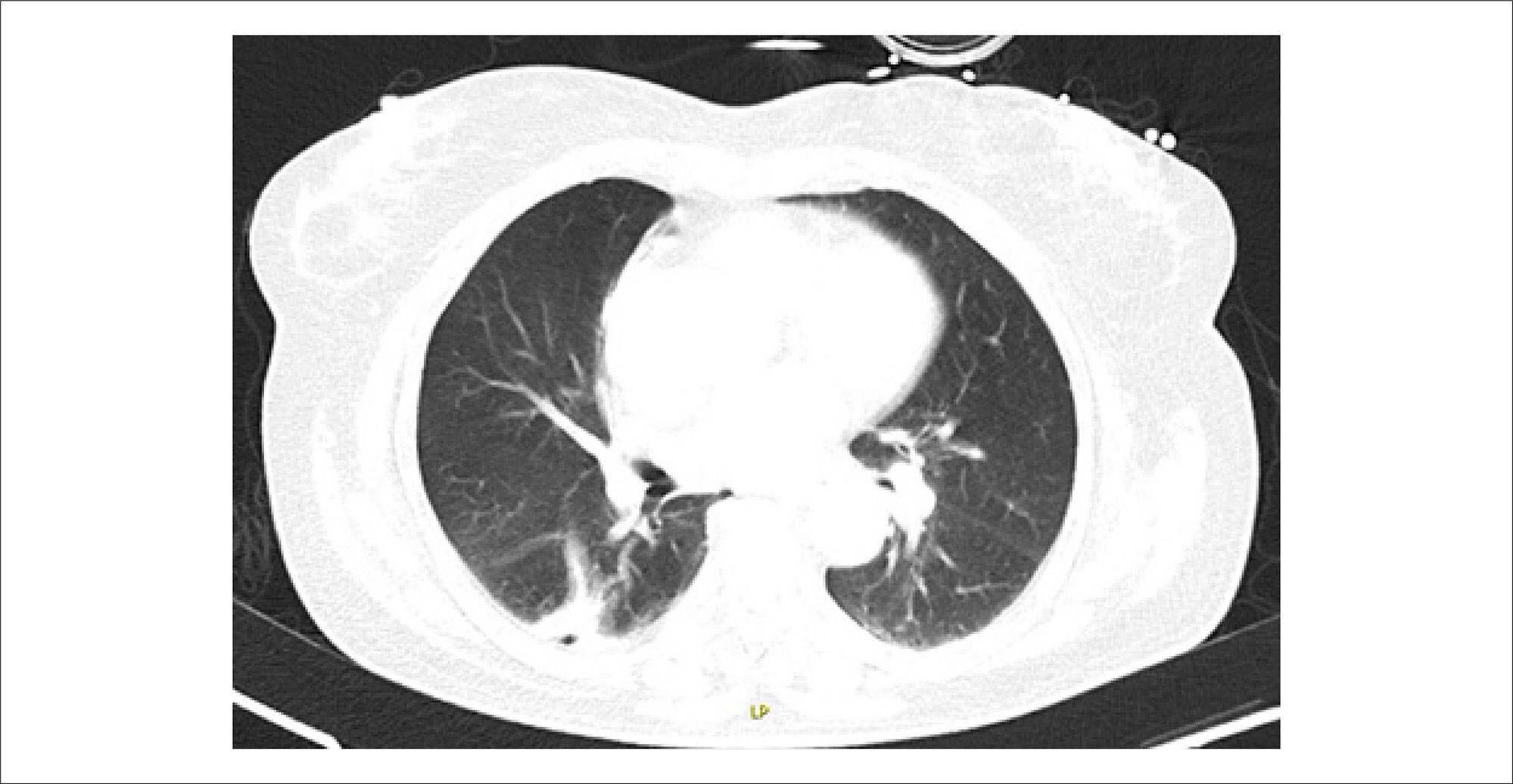
We report the case of a 70-year-old woman with a history of cryptogenic ischemic stroke for which she underwent intravenous fibrinolysis with no neurological sequelae. She had no known history of pulmonary or heart disease.

Approximately 1.5 years later, she presented to the Emergency Department (ED) with a one-week history of cough, fatigue, and shortness of breath. She denied fever, chest pain, orthopnea, or paroxysmal nocturnal dyspnea.

[…]

  • Hypoxia
  • Patent Foramen Ovale
  • Pulmonary Artery
  • Respiratory Insufficiency
Read Full Article
Creative Commons Attribution (CC BY) Creative Commons license
26/06/2024 DOI: 10.36660/abcimg.20240030i Views 1
Figure 1
ABC
Research Letter

An Unusual Cause of Hypoxemia after Orthopedic Surgery on an Elderly Patient

Pedro Carvalho et al. Daniela Meireles José Luís Martins Marco Costa Ana Briosa Neves

Introduction

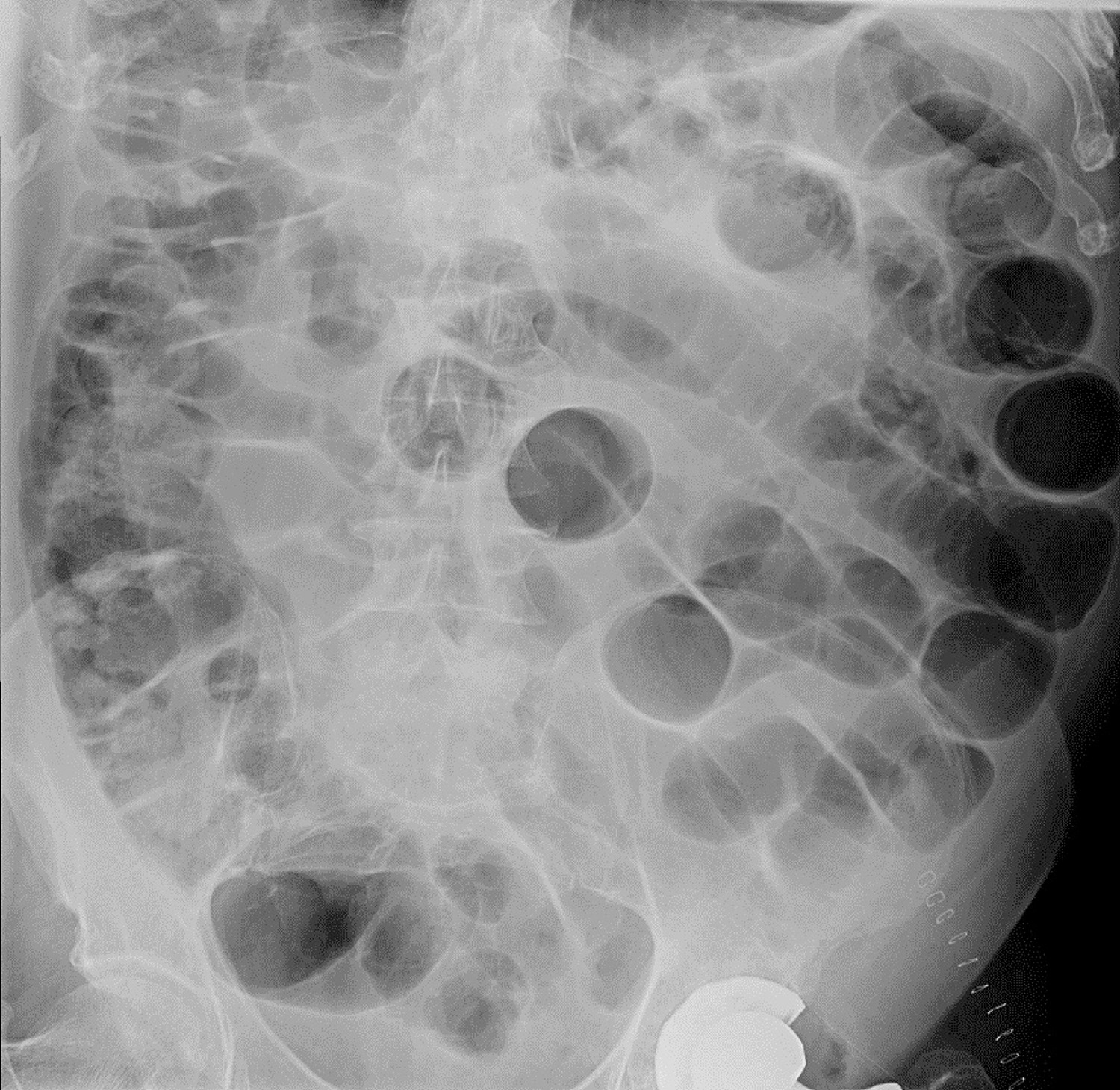
Various conditions can cause post-operative hypoxemia, especially in elderly patients. However, a new symptomatic cardiac shunt is a very rare and unexpected complication in this setting. This study presents a case of refractory hypoxemia after orthopedic surgery due to right-to-left (R-L) shunt via a patent foramen ovale (PFO).

[…]

  • Foramen Ovale, Patent
  • Hypoxia
  • Vascular Closure Devices
Read Full Article
Creative Commons Attribution (CC BY) Creative Commons license
18/03/2022 DOI: 10.36660/abc.20210409
ABC
Editorial

Plexiform Lesions in Pulmonary Arterial Hypertension: Are we Getting Closer to Manage with More Patience and Rigor?

Hugo Hyung Bok Yoo

Pulmonary arterial hypertension (PAH) is a progressive and a life-threatening condition characterized by high pulmonary blood pressure, remodeling of small pulmonary blood vessels and increased vascular resistance leading to right heart failure. According to the 6th World Symposium on Pulmonary Hypertension, PAH is defined by concomitant elevation of three parameters: mean pulmonary arterial pressure (mPAP) > 20 mmHg; pulmonary arterial wedge pressure (PAWP) ≤15 mm Hg; pulmonary vascular resistance (PVR) ≥ 3 Wood Units.

The right heart failure is due to a persistent remodeling that gradually obstructs and obliterates the peripheral pulmonary arteries that causes vasoconstriction and increases right ventricle afterload. Many efforts have been made to treat PAH. However, there are still few successful and promising pharmacological treatments for this devasting disease, as a consequence, PAH-related survival remains disappointing. Thus, several researches on pulmonary hypertension pathophysiology have focused on a better comprehension of the angioproliferation process and plexiform lesions. The role of increased blood flow in the pulmonary vascular bed is considered one of the main triggering factors to the development of pulmonary vascular remodeling.–

[…]

  • Heart Failure
  • Hypoxia
  • Pulmonary Arterial Hypertension/pysiopathology
  • Rodentia
  • Vascular Resistance
Read Full Article
Creative Commons Attribution (CC BY) Creative Commons license
28/09/2020 DOI: 10.36660/abc.20200832 Views 2
ABC
Research Letter

Pericardial Affections in Patients with COVID-19: A Possible Cause of Hemodynamic Deterioration

Fábio Fernandes et al. Felix José Alvarez Ramires Fábio Danziato Fernandes Marcus Vinicius Simões … Evandro Tinoco Mesquita Charles Mady

Introduction

The clinical course of the SARS-CoV-2 infection is characterized by respiratory symptoms, fever, cough, sore throat, fatigue, and complications related to the acute respiratory distress syndrome. However, some patients with initially mild symptoms can present clinical deterioration approximately one week after onset of the symptoms.

The acute progression of COVID-19 can be divided into 3 different phases: early infection, pulmonary phase, and hyperinflammation, and significant overlaps between these phases can occur.

[…]

  • Betacoronavirus/complications
  • Cardiovascular Complications
  • Coronavirus-19
  • COVID-19
  • Hypoxia
  • Keywords
  • Pandemics
  • SARS-CoV-2
  • Systemic, Inflammation
  • Thrombosis
Read Full Article
Creative Commons Attribution (CC BY) Creative Commons license
28/09/2020 DOI: 10.36660/abc.20200474 Views 1
Figure 1
ABC
Clinicoradiological Correlation

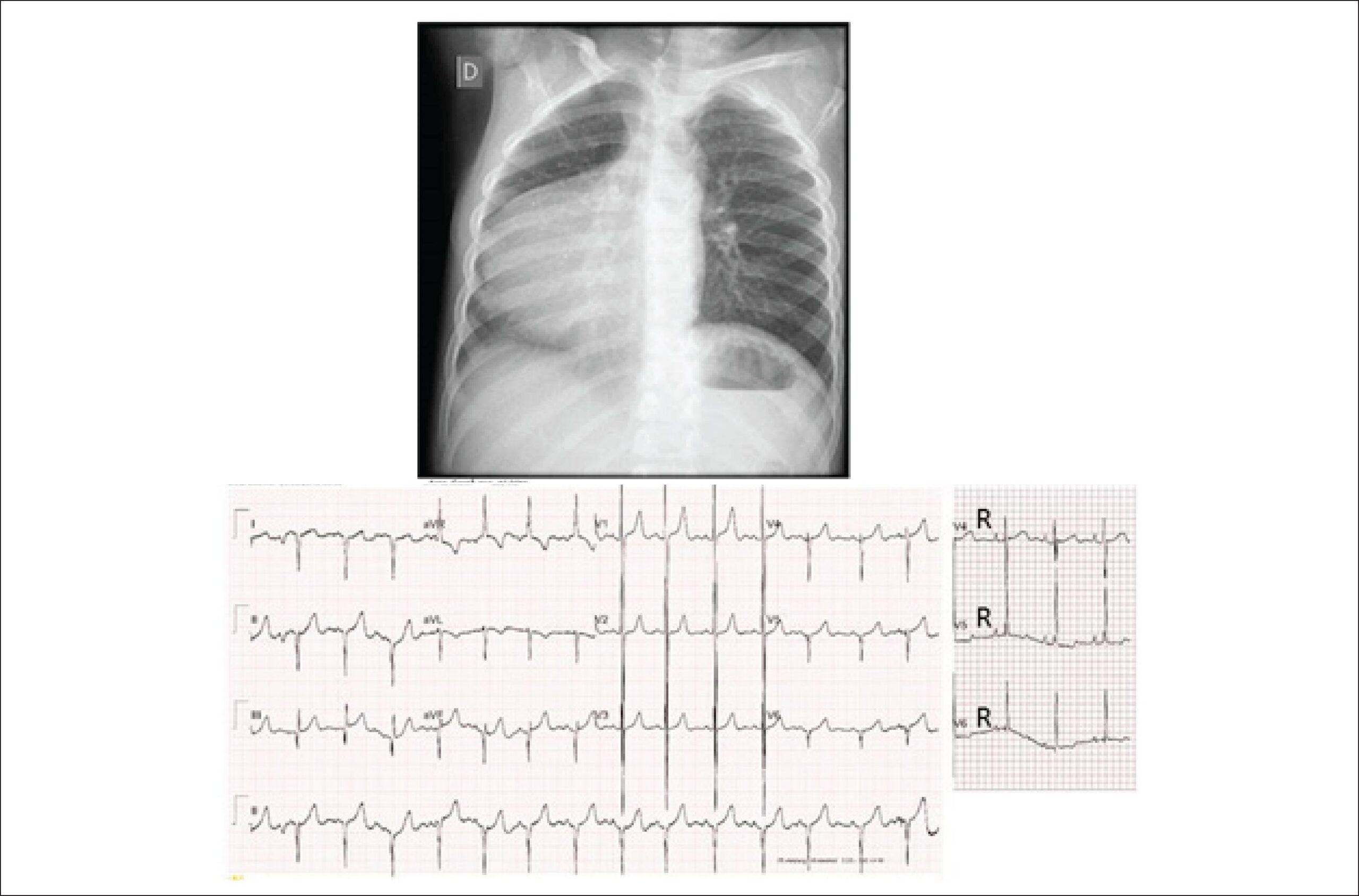
Case 3/2020 – Pulmonary Atresia, Interventricular Communication and Anomalous Origin of the Right Pulmonary Artery from the Ascending Aorta developing after Prior Left Central Shunt, in a Symptomatic 40-year-old Adult.

Edmar Atik et al. Maria Angélica Binotto Alessandra Costa Barreto

Complementary examinations

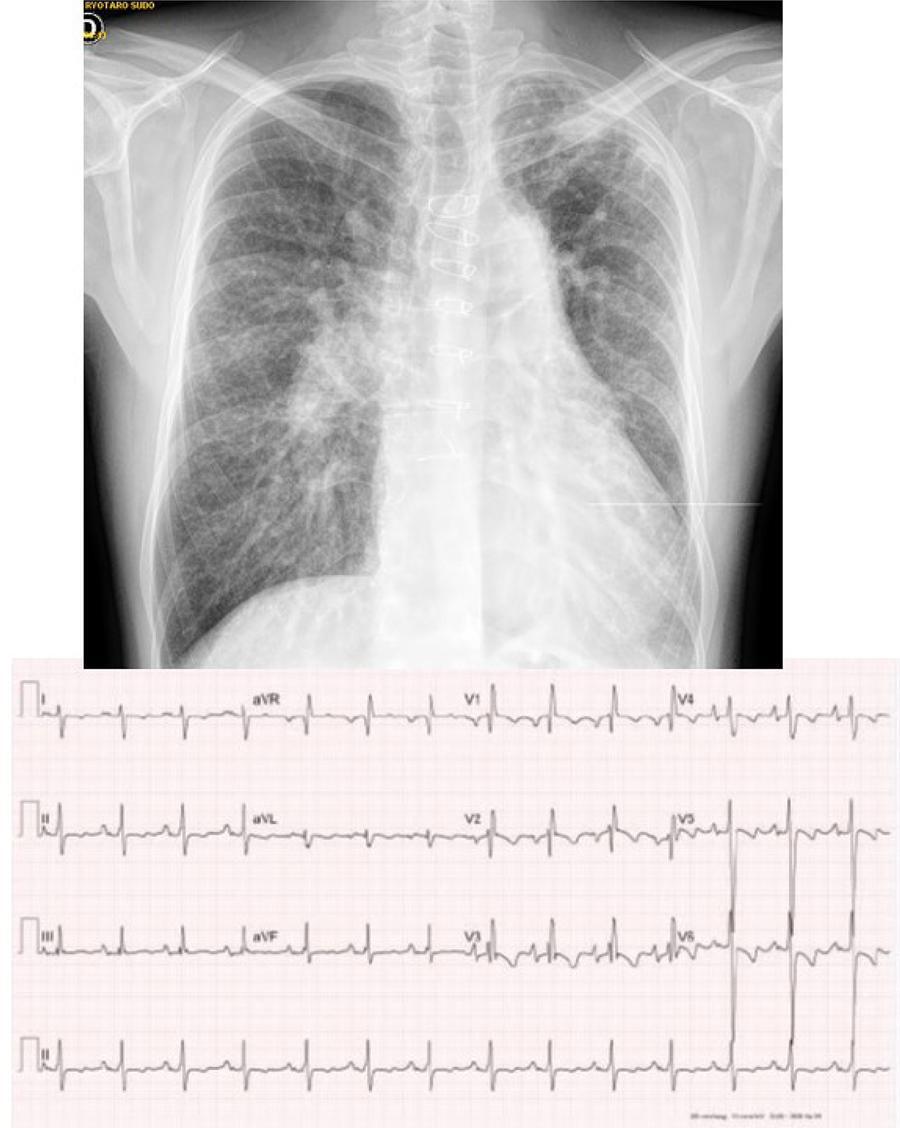
Electrocardiogram: Sinus rhythm, signs of right cavity overload, with apiculate P wave + 70º, QRS complex showing predominance of S waves from V4 to V6 and axis deviated to the right (AQRS= +110°). The T wave was negative in the precordial leads with diffuse ventricular repolarization changes in all other leads ( ).

[…]

  • Aorta/abnormalities
  • Diagnostic, Imaging, origin of right pulmonary artery from ascending aorta
  • Heart Defects, Congenital
  • Hypertension Pulmonary
  • Hypoxia
  • Pulmonary Artery
  • Pulmonary Atresia, Heart Septal Defects, Ventricular
Read Full Article
Creative Commons Attribution (CC BY) Creative Commons license
18/05/2020 DOI: 10.36660/abc.20190487 Views 1
Figure 1
ABC
Original Article

Value of Contrast Transesophageal Echocardiography in the Detection of Intrapulmonary Vascular Dilatations in Hepatosplenic Schistosomiasis

Aparecida de Gouvea et al. Claudio Henrique Fischer Jaquelina Sonoe Ota Arakaki Frederico José Mancuso … Paulo Brant Valdir Ambrósio Moisés Orlando Campos Filho

Abstract

Background:

Hepatopulmonary syndrome (HPS), found in cirrhotic patients, has been little studied in hepatosplenic schistosomiasis (HSS) and includes the occurrence of intrapulmonary vascular dilatations (IPVD). Contrast transesophageal echocardiography (cTEE) with microbubbles is more sensitive than contrast transthoracic echocardiography (cTTE) with microbubbles in the detection of IPVD in cirrhosis.

Objective:

To assess the performance of the cTEE, compared with that of cTTE, in detecting IPVD for the diagnosis of HPS in patients with HSS.

Methods:

cTEE and cTTE for investigation of IPVD and laboratory tests were performed in 22 patients with HSS. Agitated saline solution was injected in peripheral vein during the cTEE and cTTE procedures. Late appearance of the microbubbles in the left chambers indicated the presence of IPVD. Results of the two methods were compared by the Student’s t-test and the chi-square test (p < 0.05).

Results:

cTEE was performed in all patients without complications. Three patients were excluded due to the presence of patent foramen ovale (PFO). The presence of IPVD was confirmed in 13 (68%) of 19 patients according to the cTEE and in only six (32%, p < 0.01) according to the cTTE. No significant differences in clinical or laboratory data were found between the groups with and without IPVD, including the alveolar-arterial gradient. The diagnosis of HPS (presence of IPVD with changes in the arterial blood gas analysis) was made in five patients by the cTEE and in only one by the cTTE (p = 0.09).

Conclusion:

In HSS patients, cTEE was safe and superior to cTTE in detecting IPVD and allowed the exclusion of PFO.

  • Cardiac Output
  • Dilatation, Pathologic
  • Echocardiography, Transesophageal/methods
  • Hypoxia
  • Liver Injury, Chronic/physiopathology
  • Schistosomiasis
Read Full Article
Creative Commons Attribution (CC BY) Creative Commons license
03/10/2019 DOI: 10.5935/abc.20190200 Views 1
Figure 1
ABC
Clinicoradiological Session

Case 4/2017 – Double-Chambered Right Ventricle with Dextrocardia and Hypoxemia Due to Atrial Shunt in a 4-Year-Old Girl

Edmar Atik et al. José Fernando Cavalini

Clinical data

A premature female twin (33-week gestation), weighing at birth 1935 g, remained hospitalized for one month due to the diagnosis of atrial septal defect (ASD) + ventricular septal defect (VSD) + persistence of ductus arteriosus (PDA). The patient gained less weight than the average children, but maintained full and similar activity, receiving furosemide and captopril, up to the age of 3 years, when her mother noticed cyanosis.

[…]

  • Dextrocardia
  • Double Chambered Right Ventricle
  • Hypoxia
Read Full Article
Creative Commons Attribution (CC BY) Creative Commons license
01/06/2017 DOI: 10.5935/abc.20170078 Views 1

How to cite this article

EndNote RIS

Electronic Document Format (Vancouver)

Shah AH, Jenkins P, Schneider H. A Constellation of Stroke and Hypoxemia Post ICD Lead Extraction: Role of Patent Foramen Ovale. Arquivos Brasileiros de Cardiologia 2024;121(8):e20240303.

Electronic Document Format (ABNT)

Shah, Ashish H.; Jenkins, Petra; Schneider, Heiko. A Constellation of Stroke and Hypoxemia Post ICD Lead Extraction: Role of Patent Foramen Ovale. Arquivos Brasileiros de Cardiologia, v. 121, n. 8, e20240303, Sep. 2024.

Electronic Document Format (APA)

Shah, A. H., Jenkins, P., & Schneider, H. (2024). A Constellation of Stroke and Hypoxemia Post ICD Lead Extraction: Role of Patent Foramen Ovale. Arquivos Brasileiros de Cardiologia, 121(8), e20240303.

Electronic Document Format (ISO)

Shah, Ashish H. and Jenkins, Petra and Schneider, Heiko. A Constellation of Stroke and Hypoxemia Post ICD Lead Extraction: Role of Patent Foramen Ovale. Arquivos Brasileiros de Cardiologia [online]. 2024, vol. 121, n. 8, [cited 2026-10-14], e20240303. Available from: <https://journals.cardiol.br/en/article/a-constellation-of-stroke-and-hypoxemia-post-icd-lead-extraction-role-of-patent-foramen-ovale/>. ISSN 0066-782X

EndNote RIS

Electronic Document Format (Vancouver)

Miranda I, Strong C, Póvoa P. Patent Foramen Ovale: An Unusual Cause of Refractory Hypoxemia. ABC Imagem Cardiovascular 2024;37(2):e20240030.

Electronic Document Format (ABNT)

Miranda, Inês; Strong, Christopher; Póvoa, Pedro. Patent Foramen Ovale: An Unusual Cause of Refractory Hypoxemia. ABC Imagem Cardiovascular, v. 37, n. 2, e20240030, Jun. 2024.

Electronic Document Format (APA)

Miranda, I., Strong, C., & Póvoa, P. (2024). Patent Foramen Ovale: An Unusual Cause of Refractory Hypoxemia. ABC Imagem Cardiovascular, 37(2), e20240030.

Electronic Document Format (ISO)

Miranda, Inês and Strong, Christopher and Póvoa, Pedro. Patent Foramen Ovale: An Unusual Cause of Refractory Hypoxemia. ABC Imagem Cardiovascular [online]. 2024, vol. 37, n. 2, [cited 2026-10-14], e20240030. Available from: <https://journals.cardiol.br/en/article/patent-foramen-ovale-an-unusual-cause-of-refractory-hypoxemia/>. ISSN 2318-8219

EndNote RIS

Electronic Document Format (Vancouver)

Carvalho P, Meireles D, Martins JL, Costa M, Neves AB. An Unusual Cause of Hypoxemia after Orthopedic Surgery on an Elderly Patient. Arquivos Brasileiros de Cardiologia 2022;118(3):659-62.

Electronic Document Format (ABNT)

Carvalho, Pedro; Meireles, Daniela; Martins, José Luís; Costa, Marco; Neves, Ana Briosa. An Unusual Cause of Hypoxemia after Orthopedic Surgery on an Elderly Patient. Arquivos Brasileiros de Cardiologia, v. 118, n. 3, p. 659-662, Mar. 2022.

Electronic Document Format (APA)

Carvalho, P., Meireles, D., Martins, J. L., Costa, M., & Neves, A. B. (2022). An Unusual Cause of Hypoxemia after Orthopedic Surgery on an Elderly Patient. Arquivos Brasileiros de Cardiologia, 118(3), 659-662.

Electronic Document Format (ISO)

Carvalho, Pedro and Meireles, Daniela and Martins, José Luís and Costa, Marco and Neves, Ana Briosa. An Unusual Cause of Hypoxemia after Orthopedic Surgery on an Elderly Patient. Arquivos Brasileiros de Cardiologia [online]. 2022, vol. 118, n. 3, [cited 2026-10-14], pp. 659-662. Available from: <https://journals.cardiol.br/en/article/an-unusual-cause-of-hypoxemia-after-orthopedic-surgery-on-an-elderly-patient/>. ISSN 0066-782X

EndNote RIS

Electronic Document Format (Vancouver)

Yoo HHB. Plexiform Lesions in Pulmonary Arterial Hypertension: Are we Getting Closer to Manage with More Patience and Rigor?. Arquivos Brasileiros de Cardiologia 2020;115(3):491-2.

Electronic Document Format (ABNT)

Yoo, Hugo Hyung Bok. Plexiform Lesions in Pulmonary Arterial Hypertension: Are we Getting Closer to Manage with More Patience and Rigor?. Arquivos Brasileiros de Cardiologia, v. 115, n. 3, p. 491-492, Sep. 2020.

Electronic Document Format (APA)

Yoo, H. H. B. (2020). Plexiform Lesions in Pulmonary Arterial Hypertension: Are we Getting Closer to Manage with More Patience and Rigor?. Arquivos Brasileiros de Cardiologia, 115(3), 491-492.

Electronic Document Format (ISO)

Yoo, Hugo Hyung Bok. Plexiform Lesions in Pulmonary Arterial Hypertension: Are we Getting Closer to Manage with More Patience and Rigor?. Arquivos Brasileiros de Cardiologia [online]. 2020, vol. 115, n. 3, [cited 2026-10-14], pp. 491-492. Available from: <https://journals.cardiol.br/en/article/plexiform-lesions-in-pulmonary-arterial-hypertension-are-we-getting-closer-to-manage-with-more-patience-and-rigor/>. ISSN 0066-782X

EndNote RIS

Electronic Document Format (Vancouver)

Fernandes F, Ramires FJA, Fernandes FD, Simões MV, Mesquita ET, Mady C. Pericardial Affections in Patients with COVID-19: A Possible Cause of Hemodynamic Deterioration. Arquivos Brasileiros de Cardiologia 2020;115(3):569-73.

Electronic Document Format (ABNT)

Fernandes, Fábio; Ramires, Felix José Alvarez; Fernandes, Fábio Danziato; Simões, Marcus Vinicius; Mesquita, Evandro Tinoco; Mady, Charles. Pericardial Affections in Patients with COVID-19: A Possible Cause of Hemodynamic Deterioration. Arquivos Brasileiros de Cardiologia, v. 115, n. 3, p. 569-573, Sep. 2020.

Electronic Document Format (APA)

Fernandes, F., Ramires, F. J. A., Fernandes, F. D., Simões, M. V., Mesquita, E. T., & Mady, C. (2020). Pericardial Affections in Patients with COVID-19: A Possible Cause of Hemodynamic Deterioration. Arquivos Brasileiros de Cardiologia, 115(3), 569-573.

Electronic Document Format (ISO)

Fernandes, Fábio and Ramires, Felix José Alvarez and Fernandes, Fábio Danziato and Simões, Marcus Vinicius and Mesquita, Evandro Tinoco and Mady, Charles. Pericardial Affections in Patients with COVID-19: A Possible Cause of Hemodynamic Deterioration. Arquivos Brasileiros de Cardiologia [online]. 2020, vol. 115, n. 3, [cited 2026-10-14], pp. 569-573. Available from: <https://journals.cardiol.br/en/article/pericardial-affections-in-patients-with-covid-19-a-possible-cause-of-hemodynamic-deterioration/>. ISSN 0066-782X

EndNote RIS

Electronic Document Format (Vancouver)

Atik E, Binotto MA, Barreto AC. Case 3/2020 – Pulmonary Atresia, Interventricular Communication and Anomalous Origin of the Right Pulmonary Artery from the Ascending Aorta developing after Prior Left Central Shunt, in a Symptomatic 40-year-old Adult.. Arquivos Brasileiros de Cardiologia 2020;114(4 suppl 1):43-6.

Electronic Document Format (ABNT)

Atik, Edmar; Binotto, Maria Angélica; Barreto, Alessandra Costa. Case 3/2020 – Pulmonary Atresia, Interventricular Communication and Anomalous Origin of the Right Pulmonary Artery from the Ascending Aorta developing after Prior Left Central Shunt, in a Symptomatic 40-year-old Adult.. Arquivos Brasileiros de Cardiologia, v. 114, n. 4 suppl 1, p. 43-46, May. 2020.

Electronic Document Format (APA)

Atik, E., Binotto, M. A., & Barreto, A. C. (2020). Case 3/2020 – Pulmonary Atresia, Interventricular Communication and Anomalous Origin of the Right Pulmonary Artery from the Ascending Aorta developing after Prior Left Central Shunt, in a Symptomatic 40-year-old Adult.. Arquivos Brasileiros de Cardiologia, 114(4 suppl 1), 43-46.

Electronic Document Format (ISO)

Atik, Edmar and Binotto, Maria Angélica and Barreto, Alessandra Costa. Case 3/2020 – Pulmonary Atresia, Interventricular Communication and Anomalous Origin of the Right Pulmonary Artery from the Ascending Aorta developing after Prior Left Central Shunt, in a Symptomatic 40-year-old Adult.. Arquivos Brasileiros de Cardiologia [online]. 2020, vol. 114, n. 4 suppl 1, [cited 2026-10-14], pp. 43-46. Available from: <https://journals.cardiol.br/en/article/case-3-2020-pulmonary-atresia-interventricular-communication-and-anomalous-origin-of-the-right-pulmonary-artery-from-the-ascending-aorta-developing-after-prior-left-central-shunt-in-a-symp/>. ISSN 0066-782X

EndNote RIS

Electronic Document Format (Vancouver)

Gouvea A, Fischer CH, Arakaki JSO, Mancuso FJ, Brant P, Moisés VA, Campos Filho O, et al. Value of Contrast Transesophageal Echocardiography in the Detection of Intrapulmonary Vascular Dilatations in Hepatosplenic Schistosomiasis. Arquivos Brasileiros de Cardiologia 2019;113(5):915-22.

Electronic Document Format (ABNT)

Gouvea, Aparecida de; Fischer, Claudio Henrique; Arakaki, Jaquelina Sonoe Ota; Mancuso, Frederico José; Brant, Paulo; Moisés, Valdir Ambrósio; Campos Filho, Orlando. Value of Contrast Transesophageal Echocardiography in the Detection of Intrapulmonary Vascular Dilatations in Hepatosplenic Schistosomiasis. Arquivos Brasileiros de Cardiologia, v. 113, n. 5, p. 915-922, Oct. 2019.

Electronic Document Format (APA)

Gouvea, A. , Fischer, C. H., Arakaki, J. S. O., Mancuso, F. J., Brant, P., Moisés, V. A., & Campos Filho, O. (2019). Value of Contrast Transesophageal Echocardiography in the Detection of Intrapulmonary Vascular Dilatations in Hepatosplenic Schistosomiasis. Arquivos Brasileiros de Cardiologia, 113(5), 915-922.

Electronic Document Format (ISO)

Gouvea, Aparecida de and Fischer, Claudio Henrique and Arakaki, Jaquelina Sonoe Ota and Mancuso, Frederico José and Brant, Paulo and Moisés, Valdir Ambrósio and Campos Filho, Orlando. Value of Contrast Transesophageal Echocardiography in the Detection of Intrapulmonary Vascular Dilatations in Hepatosplenic Schistosomiasis. Arquivos Brasileiros de Cardiologia [online]. 2019, vol. 113, n. 5, [cited 2026-10-14], pp. 915-922. Available from: <https://journals.cardiol.br/en/article/value-of-contrast-transesophageal-echocardiography-in-the-detection-of-intrapulmonary-vascular-dilatations-in-hepatosplenic-schistosomiasis/>. ISSN 0066-782X

EndNote RIS

Electronic Document Format (Vancouver)

Atik E, Cavalini JF. Case 4/2017 – Double-Chambered Right Ventricle with Dextrocardia and Hypoxemia Due to Atrial Shunt in a 4-Year-Old Girl. Arquivos Brasileiros de Cardiologia 2017;108(6):569-71.

Electronic Document Format (ABNT)

Atik, Edmar; Cavalini, José Fernando. Case 4/2017 – Double-Chambered Right Ventricle with Dextrocardia and Hypoxemia Due to Atrial Shunt in a 4-Year-Old Girl. Arquivos Brasileiros de Cardiologia, v. 108, n. 6, p. 569-571, May. 2017.

Electronic Document Format (APA)

Atik, E., & Cavalini, J. F. (2017). Case 4/2017 – Double-Chambered Right Ventricle with Dextrocardia and Hypoxemia Due to Atrial Shunt in a 4-Year-Old Girl. Arquivos Brasileiros de Cardiologia, 108(6), 569-571.

Electronic Document Format (ISO)

Atik, Edmar and Cavalini, José Fernando. Case 4/2017 – Double-Chambered Right Ventricle with Dextrocardia and Hypoxemia Due to Atrial Shunt in a 4-Year-Old Girl. Arquivos Brasileiros de Cardiologia [online]. 2017, vol. 108, n. 6, [cited 2026-10-14], pp. 569-571. Available from: <https://journals.cardiol.br/en/article/case-4-2017-double-chambered-right-ventricle-with-dextrocardia-and-hypoxemia-due-to-atrial-shunt-in-a-4-year-old-girl/>. ISSN 0066-782X

  • About ABC Family
  • Internal Regulation
  • Editorial Board
  • Brazilian Society of Cardiology (SBC)

Issues

SBC Guidelines

  • Videos
  • Podcasts
  • News