ABC Family Arquivos Brasileiros de Cardiologia International Journal of Cardiovascular Sciences ABC Heart Failure & Cardiomyopathy ABC Imagem Cardiovascular
Português English
ABC Family
Português English
  • About
    • About ABC Family
    • Internal Regulation
    • Editorial Board
    • Brazilian Society of Cardiology (SBC)
  • Issues
  • SBC Guidelines
  • Content
    • Videos
    • Podcasts
    • News
  • About
    • About ABC Family
    • Internal Regulation
    • Editorial Board
    • Brazilian Society of Cardiology (SBC)
  • Issues
  • SBC Guidelines
  • Content
    • Videos
    • Podcasts
    • News

ABC Family

  • ABC Family
  • Arquivos Brasileiros de Cardiologia
  • International Journal of Cardiovascular Sciences
  • ABC Heart Failure & Cardiomyopathy
  • ABC Imagem Cardiovascular
Search in

No content found.

Journals
Ordering
Article types
Others

  1. Home
  2. Keyword: Atherosclerosis
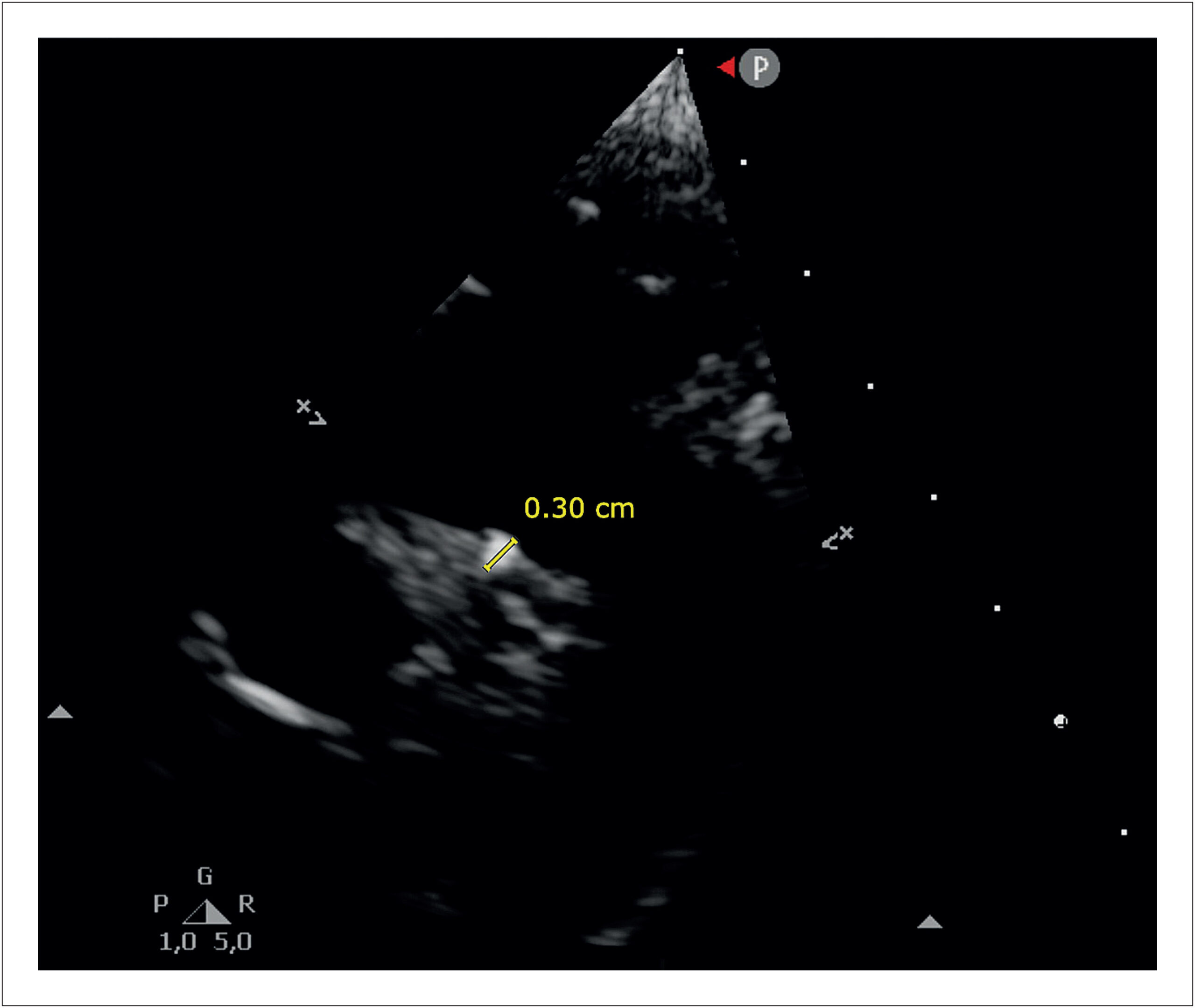
Figure 1
IJCS
Case Report

Early Cascade Screening and Lipid-Lowering Therapy in Childhood: Challenges in the Management of Familial Hypercholesterolemia

Juliana Simões Zanotti et al. Eduardo Tomaz Quartero Martim Renato Jorge Alves

Abstract

This case highlights the importance of cascade screening for the early diagnosis of Familial Hypercholesterolemia (FH) in children. Early identification at the age of five enabled the timely initiation of lipid-lowering therapy and underscored the need for individualized treatment based on atherosclerotic risk. Despite a substantial reduction in LDL-C levels, the patient remained above recommended therapeutic targets, emphasizing the need for ongoing monitoring and treatment intensification. The detection of subclinical atherosclerosis further reinforces the importance of continuous cardiovascular surveillance. A comprehensive management strategy combining cascade screening, family-based risk assessment, and early intervention is essential to reduce long-term cardiovascular risk and improve clinical outcomes.

  • Atherosclerosis
  • Hyperlipoproteinemia Type II
  • LDL Lipoproteins
Read Full Article
Creative Commons Attribution (CC BY) Creative Commons license
07/09/2026 DOI: 10.36660/ijcs.20260095
ABCIC
Editorial

Elevated Lipoprotein(a) in Patients Without Comorbidities: Which Imaging Tests Should be Ordered?

Eduardo Gomes Lima et al. Leticia Neves Solon Carvalho Tatiane Mascarenhas Santiago Emerich Eduardo Ferreira Amorim Fabiana Hanna Rached

The incorporation of lipoprotein(a) [Lp(a)] into contemporary cardiovascular risk assessment has introduced a practical question that is increasingly common in clinical practice: when faced with an elevated result, how should risk be reclassified and what management should be adopted, given that current guidelines recommend measuring Lp(a) at least once in adulthood and recognize it as a risk-modifying factor., However, the cardiovascular risk estimation proposed by these same guidelines — based on prognostic scores such as Predicting Risk of Cardiovascular Disease EVENTs – atherosclerotic cardiovascular disease (PREVENT-ASCVD), developed in 2023 by the American Heart Association — does not, a priori, account for the impact of elevated Lp(a) levels in its calculation. This creates a clinical scenario that is both concrete and challenging: the possibility that an asymptomatic patient, without traditional risk factors, may carry a biologically relevant risk factor that the score simply does not “see.” Thus arises the central question: what should be done when Lp(a) is elevated? In particular, should cardiovascular imaging be used to refine risk stratification?

A reasonable answer to these important questions requires an analysis of the biology and evidence that have propelled Lp(a) to its newly acquired prominence in the field of primary prevention in cardiology. Lp(a) is a particle similar to low-density lipoprotein (LDL), composed by an apolipoprotein B-100 molecule covalently bound to apolipoprotein(a), with levels predominantly determined by the LPA gene and relative stability throughout life., Its association with atherosclerotic cardiovascular disease is supported by epidemiological, genetic, and Mendelian randomization evidence, giving the particle a status stronger than that of a simple associative marker., Data from 450,000 patients demonstrate a strong linear correlation between elevated Lp(a) levels and atherosclerotic disease, with an approximate 11% increase in relative risk for every 50 nmol/L.

[…]

  • Atherosclerosis
  • Lipoprotein(a)
  • Primary Prevention
Read Full Article
Creative Commons Attribution (CC BY) Creative Commons license
31/07/2026 DOI: 10.36660/abcimg.20260053i Views 1
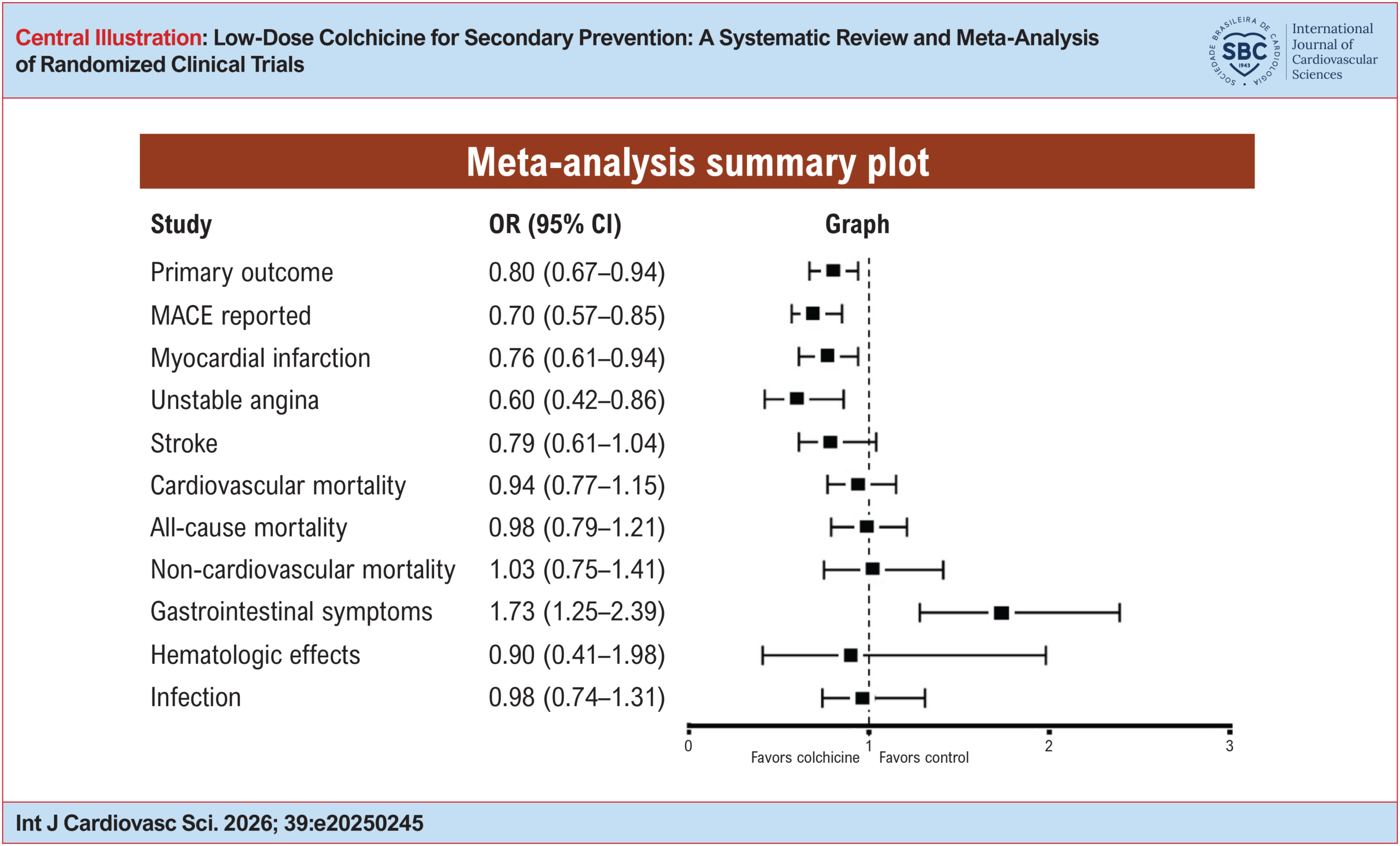
Low-Dose Colchicine for Secondary Prevention: A Systematic Review and Meta-Analysis of Randomized Clinical Trials
IJCS
Original Article

Low-Dose Colchicine for Secondary Prevention: A Systematic Review and Meta-Analysis of Randomized Clinical Trials

Rita Barbosa Sousa et al. Joana Certo Pereira João Presume Daniel A. Gomes … Afonso Félix de Oliveira Jorge Ferreira

Introduction

Inflammation is recognized as a probable causal factor in recurrence of atherosclerotic events, making it a promising therapeutic target., Plasma C-reactive protein, a marker of systemic inflammation, has been shown to predict the risk of cardiovascular events regardless of cholesterol and other traditional risk factors., In the Antiinflammatory Therapy with Canakinumab for Atherosclerotic Disease (CANTOS) trial, inhibition of interleukin-1β demonstrated a reduction in cardiovascular events. Afterwards, colchicine, an inexpensive anti-inflammatory drug, emerged as a promising treatment to target residual inflammatory risk. Its primary mechanism involves inhibiting the NLRP3 inflammasome, which plays a crucial role in atherosclerosis-associated inflammation by producing pro-inflammatory cytokines like interleukin-1β.

The Efficacy and Safety of Low-Dose Colchicine after Myocardial Infarction (COLCOT) and the Colchicine in Patients with Chronic Coronary Disease (LoDoCo2) trials demonstrated a reduction in major adverse cardiovascular events (MACE)., A meta-analysis of these two major trials and several smaller randomized controlled trials (RCTs) concluded that colchicine reduces MACE, myocardial infarction (MI), coronary revascularization, and stroke in secondary prevention, although it did not improve cardiovascular mortality. Consequently, colchicine is now recommended for secondary prevention by European guidelines for managing acute and chronic coronary syndromes and by American guidelines for chronic coronary disease.–

[…]

  • Atherosclerosis
  • Colchicine
  • Inflammation
Read Full Article
Creative Commons Attribution (CC BY) Creative Commons license
27/07/2026 DOI: 10.36660/ijcs.20250245 Views 1
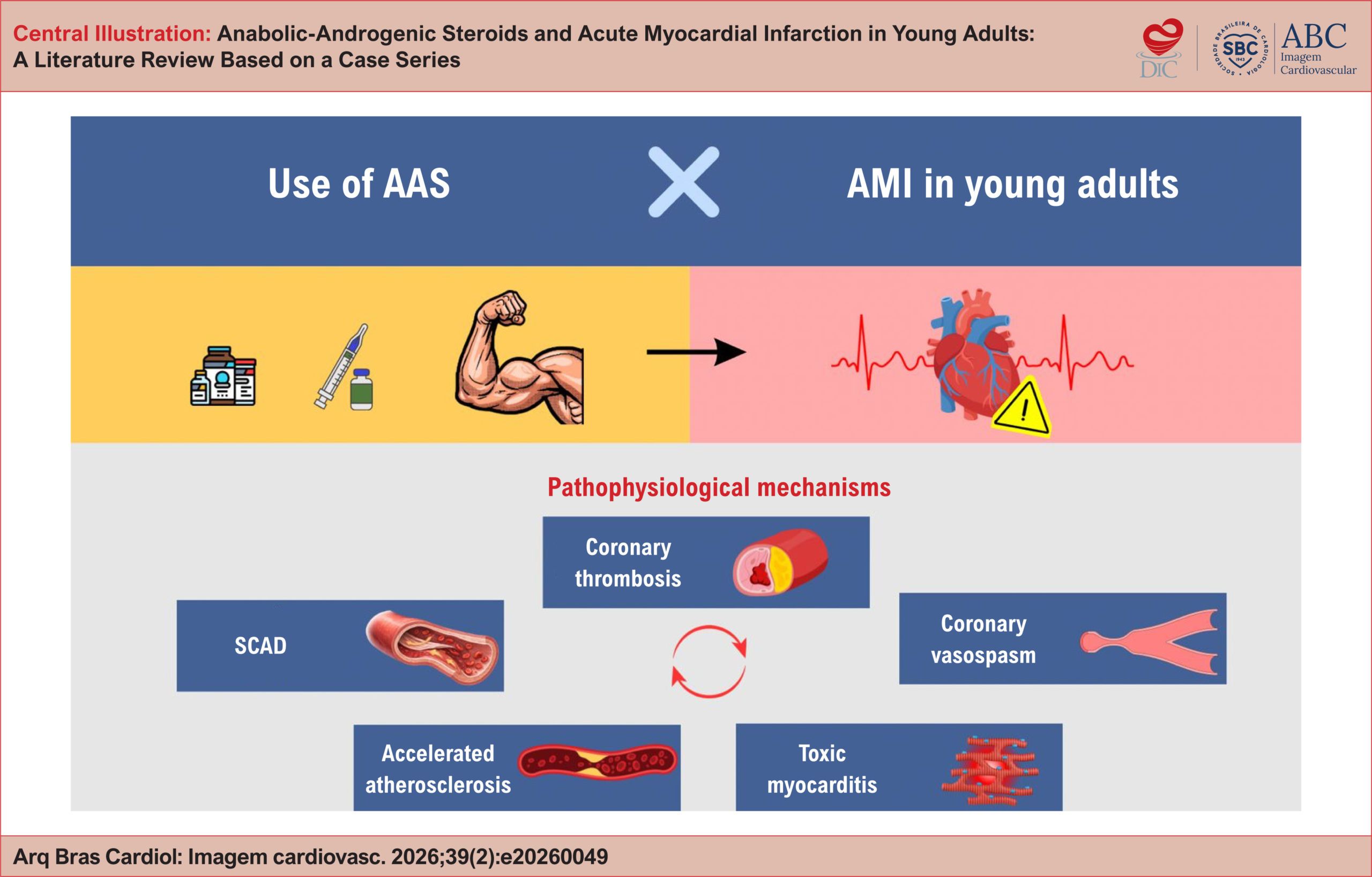
Anabolic-Androgenic Steroids and Acute Myocardial Infarction in Young Adults: A Literature Review Based on a Case Series
ABCIC
Original Article

Anabolic-Androgenic Steroids and Acute Myocardial Infarction in Young Adults: A Literature Review Based on a Case Series

Fabiana Rocha Botelho de Oliveira et al. Danielli Oliveira de Costa Lino Germano Freire Bezerra Filho Bruno Cavalcante Linhares … Leonardo Brito De Souza Luiz Filipe Torres de Alencar Matheus Rolim Santa Cruz Mateus Paiva Marques Feitosa

Abstract

Background:

The use of anabolic-androgenic steroids (AAS) has increased substantially, especially among young adults seeking aesthetic enhancement and improved physical performance. Scientific evidence demonstrates a significant association between the abuse of these substances and severe cardiovascular events, including acute myocardial infarction (AMI), often occurring in individuals without traditional cardiovascular risk factors.

Objective:

To describe the adverse effects of AAS on the cardiovascular system and the main pathophysiological mechanisms involved in the development of AMI through the analysis of a clinical case series combined with a review of medical literature.

Methods:

A systematic literature review was conducted using the PubMed and SciELO databases, complemented by the analysis of three clinical cases. Demographic variables and characteristics related to AAS use, including duration of exposure and route of administration, were evaluated, with emphasis on the pathophysiological mechanisms associated with AMI.

Results:

Analysis of the clinical cases identified different mechanisms related to AMI, including coronary thrombosis, atherosclerosis with plaque rupture, and spontaneous coronary artery dissection. The literature review also identified other relevant mechanisms, such as coronary vasospasm and toxic myocarditis. A predominance of male patients was observed, with the highest incidence occurring among individuals aged 20-40 years, and testosterone esters were the most frequently used AAS.

Conclusions:

AAS abuse represents a major threat to cardiovascular health and is associated with AMI through multiple pathophysiological mechanisms. These findings reinforce the need for public awareness as well as the development of preventive strategies and clinical guidelines aimed at managing this emerging condition.

  • Anabolic Androgenic Steroids
  • Atherosclerosis
  • Myocardial Infarction
  • Myocarditis
Read Full Article
Creative Commons Attribution (CC BY) Creative Commons license
27/07/2026 DOI: 10.36660/abcimg.20260049i Views 1
ABC
Editorial

Calcium Score, Non-Obstructive Coronary Artery Disease and Cardiovascular Events

Marcio Hiroshi Miname

Cardiovascular disease is the leading cause of morbidity and mortality in Brazil, except for 2021, when the COVID-19 pandemic caused the infectious disease to take that position. Cardiovascular risk stratification for atherosclerotic events aims to identify individuals at higher risk and, consequently, those with the greatest potential benefit from pharmacological therapy to reduce these events. However, risk prediction equations still lack sufficient calibration and discrimination for the Brazilian population. This opens a precedent for the incorporation of other laboratory or imaging biomarkers to complement and optimize the accuracy of cardiovascular risk stratification. The coronary calcium score (CCS) has been extensively analyzed in different populations, and its association with atherosclerotic coronary events is robust, culminating in its incorporation into Brazilian and American dyslipidemia guidelines..

However, it should be noted that the CCS only reflects the calcified part of the atheromatous plaque, not allowing for the assessment of the degree of luminal stenosis, the total composition of the plaque, or the total atherosclerotic burden. Nevertheless, there is a correlation between higher CCS and higher plaque burden.

[…]

  • Atherosclerosis
  • Calcium
  • Coronary Artery Disease
Read Full Article
Creative Commons Attribution (CC BY) Creative Commons license
20/07/2026 DOI: 10.36660/abc.20260405i Views 2
IJCS
Original Article

Assessment of Cardiovascular-Metabolic Risk in Wistar Rats Fed a Hypercaloric Diet Supplemented with Selenium: A Preclinical Animal Study

Matheus Von Jelita Salina et al. Vitor Hugo Moro Pironatto André Amaro Mamédio dos Santos Tiago Daniel Gueiber … Luiz Gustavo Lima Eduardo Machado Dechandt Camila Cury Caruso Pedro Henrique Karpinski Thiago Martins Figueiredo Alceu de Oliveira Toledo-Junior Camila Marinelli Martins Ricardo Zanetti Gomes

Abstract

Background:

Residual cardiovascular risk persists even with adequate serum LDL-c control through statins, possibly due to dysfunctions in serum triglycerides and HDL-c. Elevated TG and reduced HDL-c are associated with metabolic syndrome and cardiovascular diseases. The TG/HDL-c ratio may predict these risks. Selenium, an antioxidant cofactor, may modulate these alterations, especially in diets that dysregulate serum lipid metabolism.

Objectives:

To evaluate the effects of selenium supplementation on the cardiometabolic risk (CMR) of Wistar rats exposed to a high-fat hyperglycemic diet (HHD).

Methods:

For 11 weeks, 55 female Wistar rats were divided into the following five groups: standard diet (SD), SD + ContinuousSe, HHD, HHD + LateSe, and HHD + EarlySe. Selenium was supplemented using sodium selenite (1 mg/kg). We performed one-way ANOVA, Kruskal–Wallis, and post hoc tests, adopting a significance level of p < 0.05.

Results:

Total cholesterol increased in HHD + LateSe compared to SD (p = 0.032) and to HHD (p = 0.013). HDL-c increased in HHD + LateSe compared to SD (p = 0.004) and to HHD (p = 0.008). LDL-c increased in HHD + LateSe compared to HHD (p = 0.008). TG decreased in HHD + LateSe (p = 0.006) and in HHD + EarlySe (p = 0.016) compared to SD. TG/HDL-c ratio decreased in HHD + LateSe compared to SD (p < 0.001) and SD + ContinuousSe (p = 0.013); and in HHD + EarlySe compared to SD (p = 0.005).

Conclusion:

Selenium supplementation showed potential to increase HDL-c and reduce TG, key diagnostic components of metabolic syndrome. It also demonstrated potential to lower the TG/HDL-c ratio, a possible predictor of CMR, in rats fed HHD. Further studies are needed in subjects with high CMR and statin use to better define the clinical response to this therapy.

  • Atherosclerosis
  • Heart Disease Risk Factors
  • Metabolic Syndrome
  • Sodium Selenite
  • Triglycerides
Read Full Article
Creative Commons Attribution (CC BY) Creative Commons license
12/06/2026 DOI: 10.36660/ijcs.20250069 Views 1
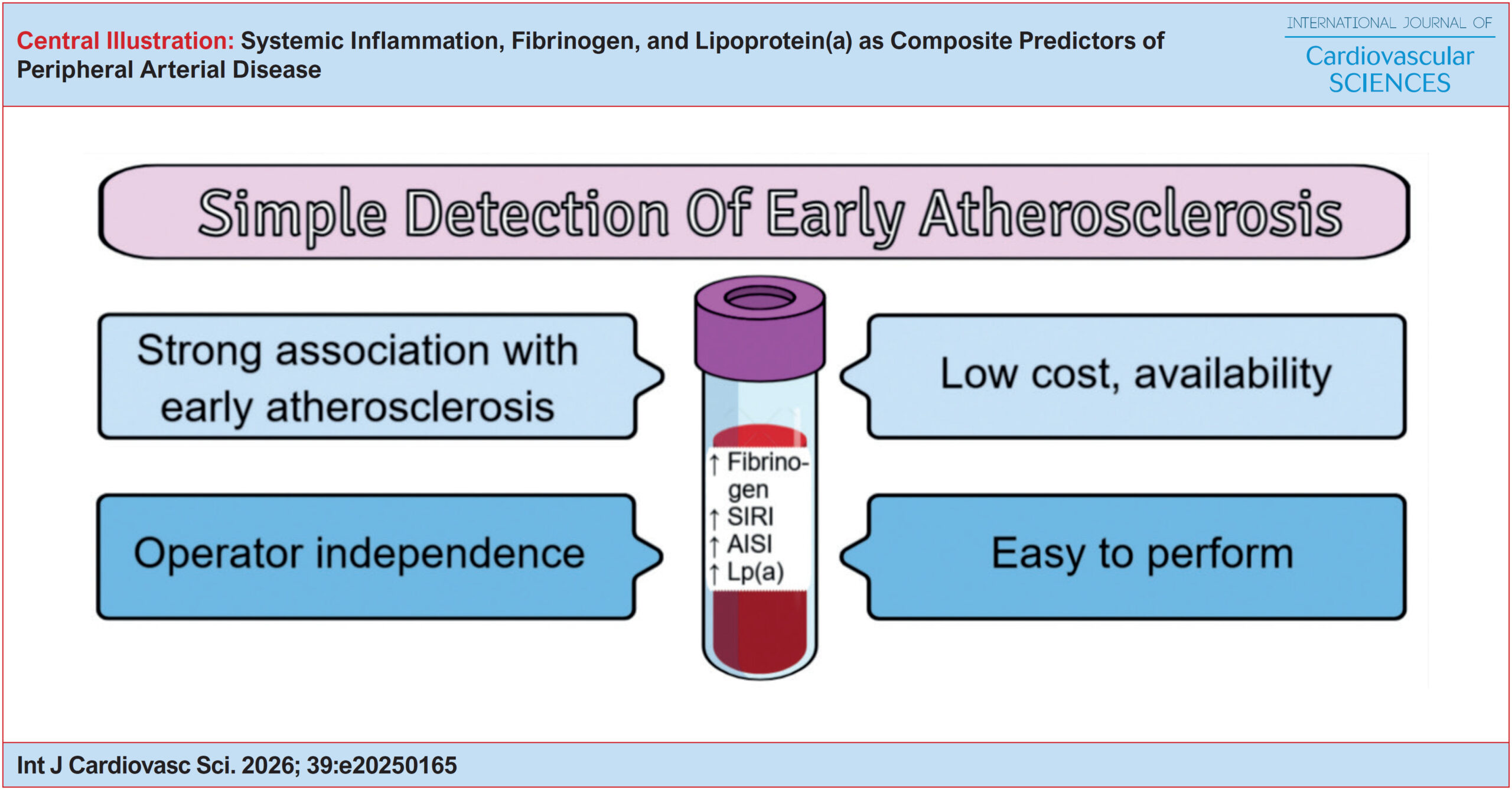
Systemic Inflammation, Fibrinogen, and Lipoprotein(a) as Composite Predictors of Peripheral Arterial Disease
IJCS
Original Article

Systemic Inflammation, Fibrinogen, and Lipoprotein(a) as Composite Predictors of Peripheral Arterial Disease

Alim Namitokov et al. Karina Karabakhtsieva Irina Gilevich

Abstract

Background:

Early detection of peripheral atherosclerosis remains a clinical challenge, especially in asymptomatic individuals. This study aimed to evaluate the predictive value of systemic inflammatory indices and lipid-related biomarkers for early atherosclerosis.

Objectives:

To investigate the diagnostic value of systemic inflammation indices, fibrinogen, and lipoprotein(a) as individual biomarkers and as a combined predictive model for early peripheral arterial disease.

Methods:

A prospective case-control study was conducted in 54 individuals: 20 patients diagnosed with early peripheral atherosclerosis (<55 years) and 34 healthy controls. Laboratory data included complete blood count, lipid profile, fibrinogen, lipoprotein(a), angiopoietin-like protein 3 (ANGPTL3), and Lp-PLA2. Inflammatory indices, including NLR, PLR, SII, SIRI, AISI, and MLR, were calculated. Logistic regression and ROC analysis were performed. A two-sided p-value < 0.05 was considered statistically significant.

Results:

SIRI (1.70 vs. 0.93, p = 0.0039) and AISI (431.6 vs. 236.4, p = 0.0128) were significantly higher in the atherosclerosis group. Fibrinogen showed the most robust association (5.46 vs. 3.71 g/L, p < 0.00001). Lp(a) alone was not statistically different between groups but improved the multivariate model (AUC 0.85 vs. 0.82). The final model, including age, inflammatory indices, LDL, Lp (a), and fibrinogen, achieved an AUC of 0.91.

Conclusion:

Systemic inflammation and fibrinogen levels are strongly associated with early atherosclerosis. Their combination with lipoprotein(a) enhances diagnostic performance, offering a simple, cost-effective strategy for early vascular risk assessment.

  • Atherosclerosis
  • Biomarkers
  • Fibrinogen
  • Inflammation
  • Lipoprotein(a)
  • Peripheral Arterial Disease
Read Full Article
Creative Commons Attribution (CC BY) Creative Commons license
25/05/2026 DOI: 10.36660/ijcs.20250165 Views 2
ABC
Letter to the Editor

Use of Atherogenic Indices as Assessment Methods of Clinical Atherosclerotic Diseases

Muhammed Seyithanoğlu

To the Editor,

The recent publication by Araujo et al. provides valuable insight into the relationship between atherosclerosis and the atherogenic index of plasma (AIP), Castelli Risk Index I (CRI-I), and Castelli Risk Index II (CRI-II). Their results, showing elevated index values in patients with atherosclerotic disease compared with controls, underscore the potential role of these lipid-derived ratios as practical and inexpensive predictors of cardiovascular risk within a Brazilian population.

[…]

  • Atherosclerosis
  • Cardiovascular Diseases
  • HDL, Cholesterol
  • Risk Factors
  • Sex Characteristics
Read Full Article
Creative Commons Attribution (CC BY) Creative Commons license
15/05/2026 DOI: 10.36660/abc.20250691i Views 2
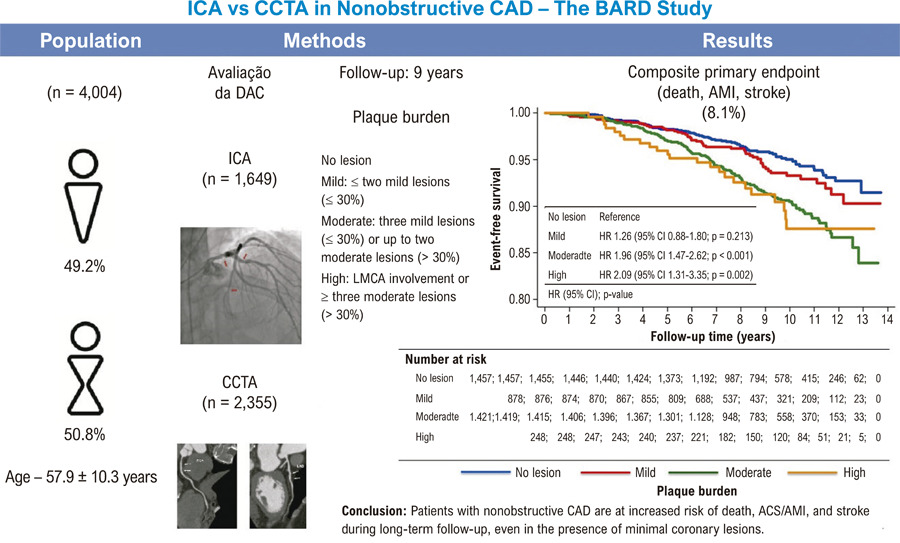
Comparison of Coronary Computed Tomography Angiography and Invasive Coronary Angiography in Nonobstructive Coronary Artery Disease: The Brazilian Coronary ARtery Disease (BARD) Study
ABC
Original Article

Comparison of Coronary Computed Tomography Angiography and Invasive Coronary Angiography in Nonobstructive Coronary Artery Disease: The Brazilian Coronary ARtery Disease (BARD) Study

Protásio Lemos Da Luz et al. Desiderio Favarato Alexandre A. Abizaid Luiz Antonio Machado César … Carlos Vicente Serrano Antônio Carlos Palandri Chagas Carlos E. Rochitte Marco A. Gutierrez

Abstract

Background

The prognosis of nonobstructive coronary artery disease (CAD) is not well established. Comparative data between coronary computed tomography angiography (CCTA) and invasive coronary angiography (ICA) are limited.

Objectives

To compare CCTA- and ICA-derived information in nonobstructive CAD regarding detection and clinical outcomes.

Methods

We followed 4,004 adult patients who underwent either ICA (n = 2,355) or CCTA (n = 1,649) for a median of 9 years. The primary endpoint was a composite of all-cause mortality, acute coronary syndrome/acute myocardial infarction, and stroke. Propensity score matching was performed to compare outcomes between groups. The significance level was set at 5%.

Results

The overall event rate was 6.9%. ICA was associated with worse outcomes than CCTA (hazard ratio [HR] 0.54; 95% CI 0.42-0.68; p < 0.001). Patients with nonobstructive CAD had worse outcomes than those without CAD (HR 1.73; 95% CI 1.32-2.27; p < 0.001). Normal coronary findings on CCTA were associated with better outcomes than normal findings on ICA (HR 0.39; 95% CI 0.24-0.62; p < 0.001). Event rates increased proportionally with plaque burden. In 1,187 matched pairs, CCTA was associated with improved survival (HR 0.57; 95% CI 0.42-0.78; p < 0.001).

Conclusion

CCTA more closely reflects clinical outcomes than ICA. Nonobstructive CAD carries a substantial risk regardless of imaging modality.

  • Atherosclerosis
  • Death
  • Diagosis
  • Infarction
  • Ischemia
Read Full Article
Creative Commons Attribution (CC BY) Creative Commons license
01/05/2026 DOI: 10.36660/abc.20250702i
Predictive Value of Atherogenic Index for No-Reflow in Patients Undergoing Coronary Intervention for Saphenous Vein Graft with Acute Coronary Syndrome
ABC
Original Article

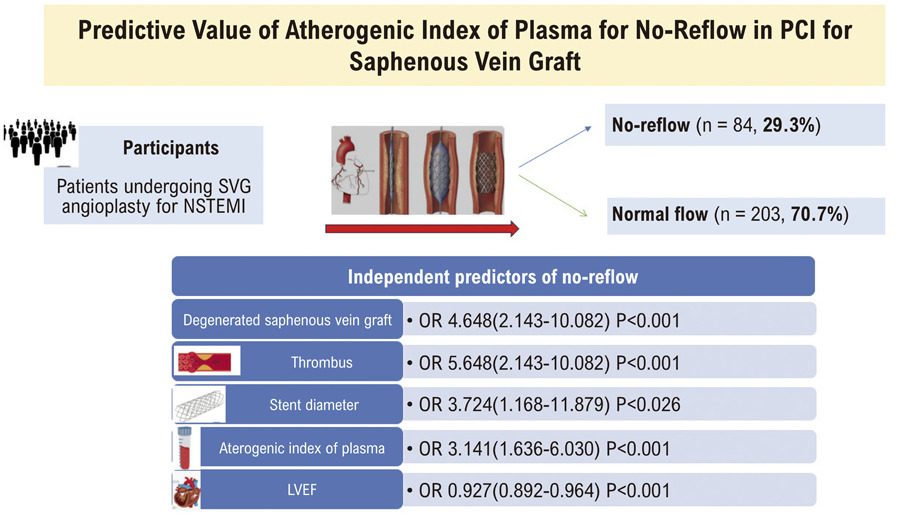
Predictive Value of Atherogenic Index for No-Reflow in Patients Undergoing Coronary Intervention for Saphenous Vein Graft with Acute Coronary Syndrome

Onur Erdoğan et al. Cafer Panç

Abstract

Background

The no-reflow phenomenon is a critical complication of percutaneous coronary intervention (PCI), especially in patients with saphenous vein graft (SVG) disease. Identifying predictors of no-reflow is crucial to improving risk stratification. The atherogenic index of plasma (AIP), calculated as log(triglyceride/HDL-C), is a marker of atherosclerosis and microvascular dysfunction. However, its role in predicting no-reflow during SVG interventions remains unclear.

Objective

This study aimed to evaluate the association between AIP and the no-reflow phenomenon in patients undergoing PCI for SVG lesions presenting with non-ST elevation myocardial infarction (NSTEMI).

Methods

This single-center retrospective study included 287 patients who underwent PCI for significant SVG stenosis. Patients were categorized into normal reflow and no-reflow groups based on post-PCI TIMI (Thrombolysis in Myocardial Infarction) flow grades. Baseline demographic, clinical, laboratory, and angiographic data were extracted. AIP was calculated using formula log (TG/HDL-C). Logistic regression analyses were performed to determine independent predictors of the no-reflow. Statistical significance was set at p<0.05.

Results

The no-reflow group was older and had a higher prevalence of comorbidities, including diabetes, atrial fibrillation, chronic heart failure, chronic kidney disease, and stroke history. They also exhibited lower HDL-C levels, higher triglyceride levels, and consequently higher AIP values compared to the normal reflow group. Multivariate analysis identified degenerated SVG (OR: 4.65, p<0.001), thrombus presence (OR: 5.65, p<0.001), reduced left ventricular ejection fraction (OR: 0.927, p<0.001), and elevated AIP (OR: 3.141, p=0.001) as independent predictors of the no-reflow.

Conclusion

Elevated AIP is an independent risk factor for no-reflow in NSTEMI patients undergoing PCI for Saphenous Vein Graft, highlighting its potential role in early risk stratification.

  • Acute coronary syndrome
  • Atherosclerosis
  • No-Reflow Phenomenon
  • Percutaneous Coronary Intervention
Read Full Article
Creative Commons Attribution (CC BY) Creative Commons license
16/01/2026 DOI: 10.36660/abc.20250162i Views 1
ABC
Editorial

Unveiling the Link between MASLD-Associated Liver Fibrosis and Subclinical Atherosclerosis

Maria Cristina Izar et al. Francisco Antonio Helfenstein Fonseca

Metabolically-dysfunction-associated steatotic liver disease (MASLD) is quickly becoming the most prevalent chronic liver condition globally, encompassing the broad metabolic spectrum formerly attributed to non-alcoholic fatty liver disease., Its progression to fibrosis and cirrhosis carries not only hepatic risks but systemic implications—chief among them, cardiovascular disease, now recognized as the leading cause of mortality in MASLD patients.,

The prospective study titled “Relationship between Liver Fibrosis Due to Metabolic Dysfunction-Associated Steatotic Liver Disease and Subclinical Atherosclerosis” offers timely and significant insights into this hepatic-cardiovascular interplay. By evaluating non-invasive vascular markers such as carotid intima-media thickness (cIMT) and vascular age (VA), the authors provide evidence of accelerated vascular aging in MASLD patients, particularly those with liver fibrosis.

[…]

  • Atherosclerosis
  • Hepatic Fibrosis
  • intima-media thickness
  • Vascular Age
Read Full Article
Creative Commons Attribution (CC BY) Creative Commons license
03/11/2025 DOI: 10.36660/abc.20250503i Views 2
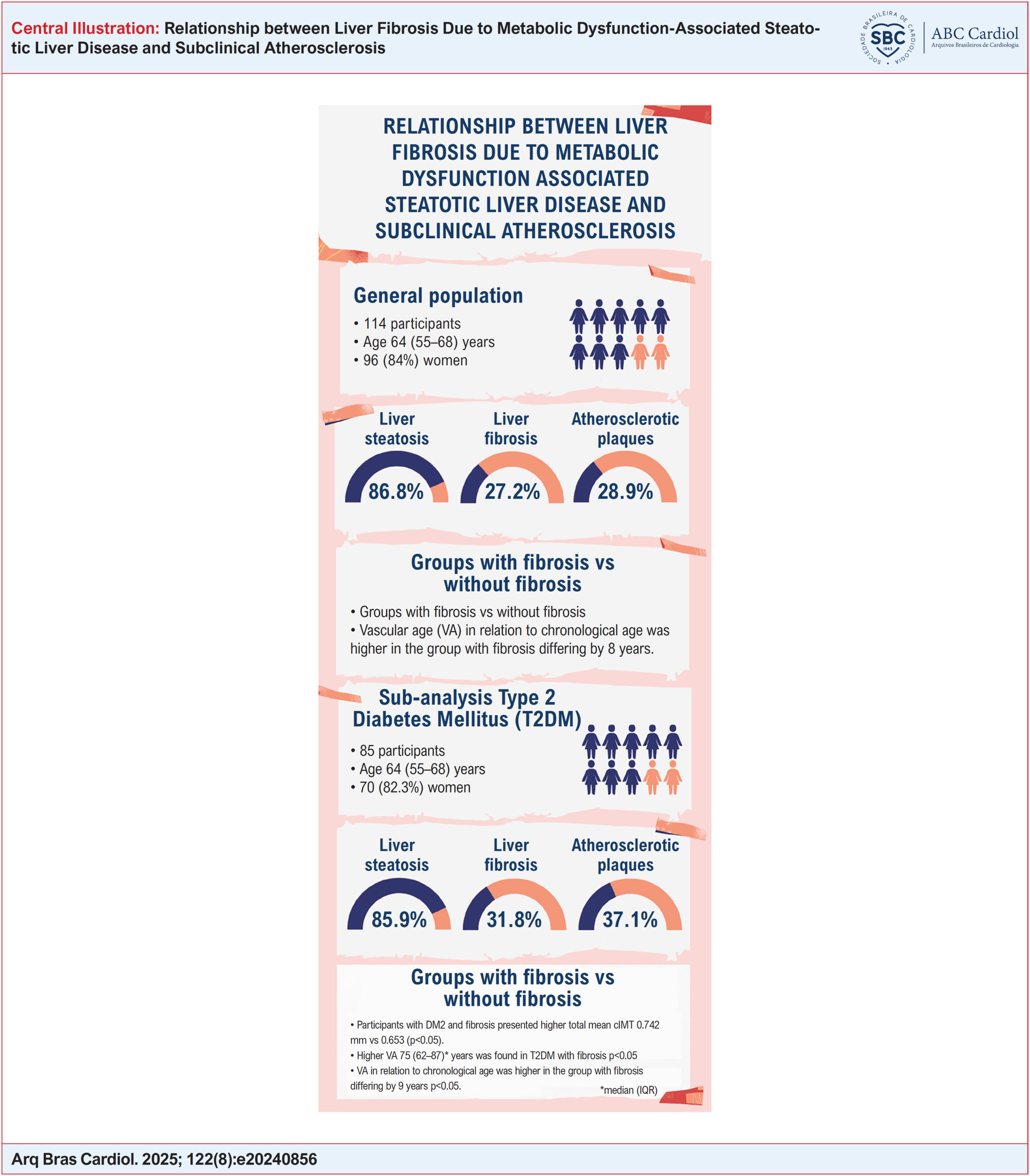
Relationship between Liver Fibrosis Due to Metabolic Dysfunction-Associated Steatotic Liver Disease and Subclinical Atherosclerosis
ABC
Original Article

Relationship between Liver Fibrosis Due to Metabolic Dysfunction-Associated Steatotic Liver Disease and Subclinical Atherosclerosis

Daniele Araujo de Azeredo Coutinho et al. Jenaine Rosa Godinho Raphael Carreiro Moura Rogério Martins Oliveira … Hevila Faria Passos Jordana de Paula Felipe Mendes Carlos Roberto Moraes de Andrade Junior Luis Guillermo Coca-Velarde Maria Auxiliadora Nogueira Saad Priscila Pollo Flores Debora Vieira Soares

Abstract

Background

Metabolic dysfunction-associated steatotic liver disease (MASLD) is the most prevalent liver disease worldwide. MASLD can progress to fibrosis and related complications, with cardiovascular disease being the leading cause of death in affected individuals. Carotid atherosclerosis markers can predict cardiovascular outcomes, underscoring the relevance of their association with liver fibrosis.

Objective

To evaluate the relationship between liver fibrosis in MASLD and subclinical atherosclerosis by assessing carotid intima-media thickness (cIMT), vascular age (VA), and the presence of atherosclerotic plaques.

Methods

This prospective study included participants at risk for MASLD. Liver steatosis and fibrosis were assessed via ultrasound and liver elastography using controlled attenuation parameter measurements. Carotid atherosclerosis was evaluated through carotid ultrasound, cIMT measurements, and VA. A significance level of 5% (p < 0.05) was adopted.

Results

A total of 114 participants were included, with a median age of 64 years (IQR: 55–68), and 96 (84%) were women. Steatosis was identified in 99 participants (86.8%) and fibrosis in 31 (27.2%). Atherosclerotic plaques were present in 33 participants (28.9%), with no significant difference in frequency between groups. However, the fibrosis group showed higher cIMT and elevated VA. In a subgroup analysis of 85 participants with type 2 diabetes mellitus (T2DM), 27 (31.8%) had fibrosis. These individuals had a higher cIMT (0.742 mm vs. 0.653 mm; p < 0.05), and VA exceeded chronological age by 9 years in the fibrosis group compared to those without fibrosis (p < 0.05).

Conclusion

This study demonstrates that individuals with MASLD and liver fibrosis exhibit greater vascular aging and increased cardiovascular risk, as reflected by elevated cIMT and VA.

  • Atherosclerosis
  • Heart Disease Risk Factors
  • Liver Cirrhosis
  • Type 2 Diabetes Mellitus
Read Full Article
Creative Commons Attribution (CC BY) Creative Commons license
19/09/2025 DOI: 10.36660/abc.20240856i Views 2
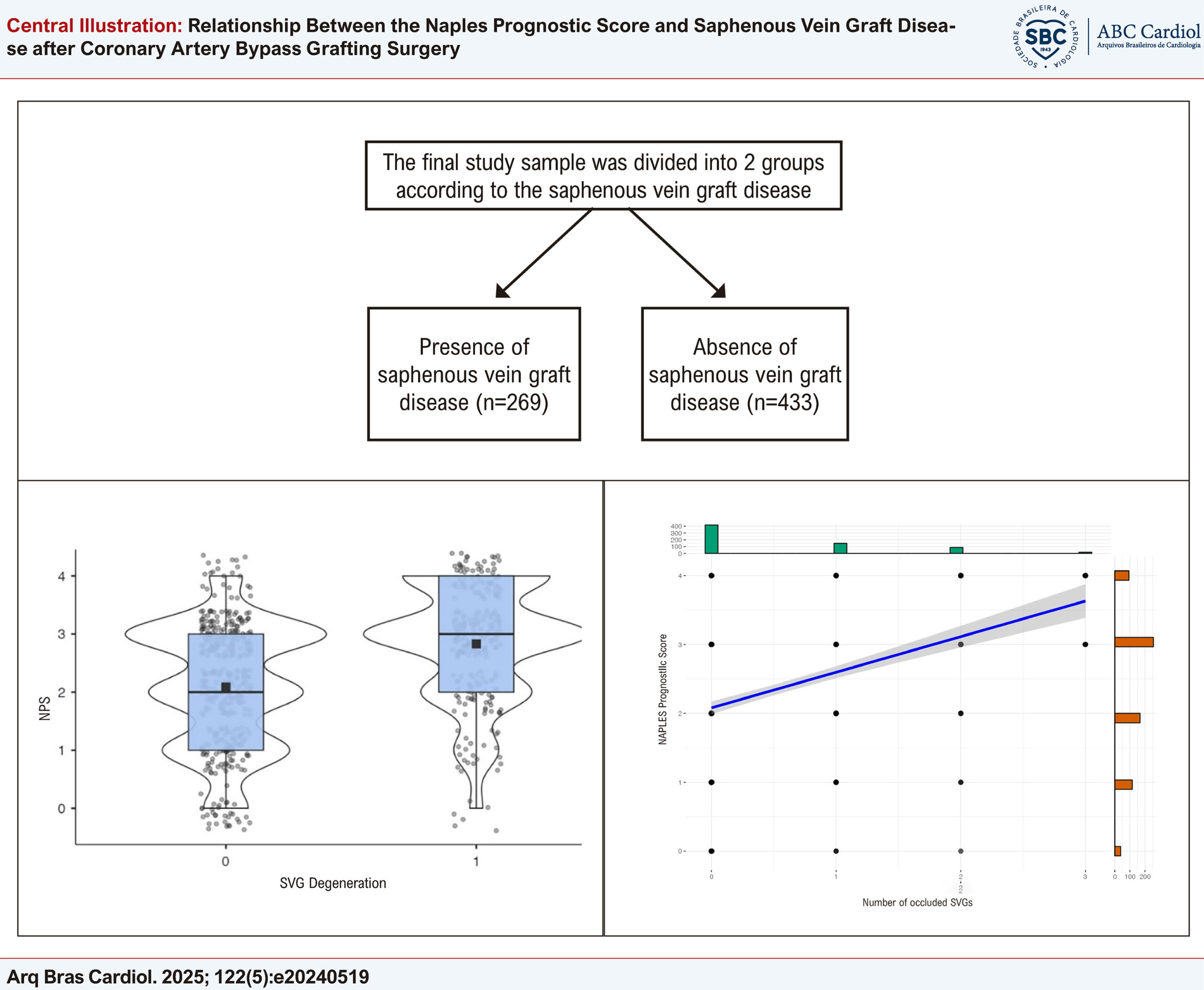
Relationship Between the Naples Prognostic Score and Saphenous Vein Graft Disease after Coronary Artery Bypass Grafting Surgery
ABC
Original Article

Relationship Between the Naples Prognostic Score and Saphenous Vein Graft Disease after Coronary Artery Bypass Grafting Surgery

Ahmet Karaduman et al. Cemalettin Yılmaz Muhammet Mucahit Tiryaki İsmail Balaban … Mustafa Ferhat Keten Tuba Unkun Servet İzci Suleyman Çağan Efe Elnur Alizade

Abstract

Background

Saphenous vein graft (SVG) patency remains a challenge in cases of coronary artery disease following coronary artery bypass grafting (CABG) surgery. The Naples prognostic score (NPS) constitutes a novel scoring system designed to assess both nutritional status and inflammation.

Objectives

Our study aimed to explore the association between the NPS and SVG disease in patients with a previous history of CABG surgery.

Methods

A total of 702 patients who had undergone CABG surgery and underwent coronary angiography were reviewed retrospectively. SVG disease was defined as the presence of ≥50% stenosis in at least one SVG. Patients were categorized into two groups based on the presence or absence of SVG disease. Values of p<0.05 were accepted as statistically significant.

Results

The study population consisted of 702 patients, with 269 (38.3%) having degenerative SVGs and 433 (61.7%) without degenerative SVGs. The NPS was higher in the group with saphenous vein degeneration and emerged as a significant predictor of SVG disease (OR: 1.596, 95% CI: 1.198-2.125, p=0.001). Additionally, hypertension (OR: 2.344, 95% CI: 1.137-4.833, p=0.02), chronic kidney disease (OR: 3.337, 95% CI: 1.554-7.168, p=0.002), statin usage (OR: 0.434, 95% CI: 0.239-0.789, p=0.006), time interval since CABG (OR: 1.138, 95% CI: 1.213-1.432, p<0.001), and number of SVGs (OR: 2.708, 95% CI: 1.902-3.855, p<0.001) were significant predictors of SVG disease.

Conclusion

The NPS, a useful tool for assessing inflammation and nutritional status, could provide valuable information about the patency of SVGs following CABG surgery. Patients with elevated NPS after CABG should undergo careful monitoring for the development of SVG disease.

  • Atherosclerosis
  • Inflammation
  • Myocardial Revascularization
  • Saphenous Vein
Read Full Article
Creative Commons Attribution (CC BY) Creative Commons license
02/06/2025 DOI: 10.36660/abc.20240519i Views 2
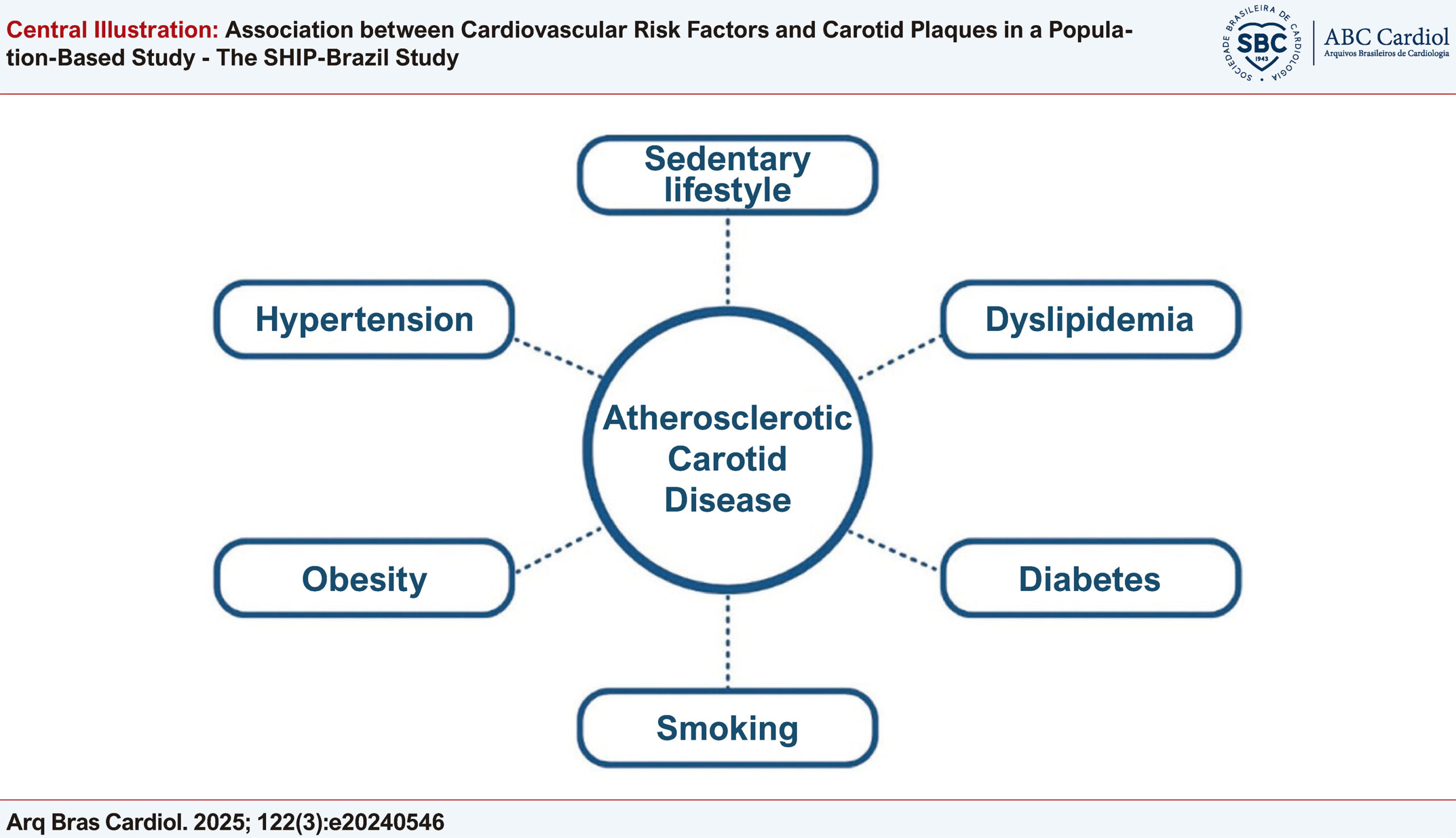
Association between Cardiovascular Risk Factors and Carotid Plaques in a Population-Based Study - The SHIP-Brazil Study
ABC
Original Article

Association between Cardiovascular Risk Factors and Carotid Plaques in a Population-Based Study – The SHIP-Brazil Study

Fernanda Burger Zimmermann et al. Sérgio Luiz Zimmermann Marcelo Burger Zimmermann Enrico Klug Beraldi … Mateus Campanelli Franco da Rocha Bruno Pereira de Oliveira Zabot Siegmar Starke Ernani Tiaraju de Santa Helena Marcello Ricardo Paulista Markus

Abstract

Background

Atherosclerotic disease is a relevant cause of morbidity and mortality in the general population, and it is important to detect factors that can influence its prevention.

Objective

To evaluate the association of cardiovascular risk factors with carotid plaques in participants of the Study of Health in Pomerania (SHIP) – Brazil.

Methods

A total of 1,953 participants were assessed for the presence of cardiovascular risk factors (hypertension, dyslipidemia, type 2 diabetes, obesity, smoking and physical inactivity) and sociodemographic variables (gender, age group, Germanic culture, color/race self-declared, and alcohol consumption), waist circumference measurement, waist-to-hip ratio and waist-to-height ratio. The presence of carotid plaques was analyzed by ultrasound. The association between the study variables and carotid plaques was assessed using the Chi-square test. A p-value < 0.05 was considered significant.

Results

Plaques were present in 56.5% of hypertensive patients (p<0.001), 49.8% of dyslipidemic patients (p<0.001), 62% of diabetic patients (p<0.001), 52% of smokers, 29% of those who had never smoked (p<0.001), 39.5% of sedentary people and 33.1% of non-sedentary people (p=0.014), 43.7% of obese people and 26.1% of eutrophic people (p<0.001).

Conclusion

Carotid plaques were prevalent in men, aged between 60 and 79, white, hypertensive, dyslipidemic, diabetic, smokers, sedentary and obese, illiterate, in economic class A1/A2, and of Germanic culture, and low alcohol consumption.

  • Atherosclerosis
  • Carotid Arteries Ultrasonography
  • Carotid Intima-Media Thickness
  • Heart Disease Risk Factors
Read Full Article
Creative Commons Attribution (CC BY) Creative Commons license
02/05/2025 DOI: 10.36660/abc.20240546i Views 1
Association between Estimated Small Dense Low-Density Lipoprotein-cholesterol (sdLDL-C) and Atherosclerotic Cardiovascular Disease Risk
ABC
Original Article

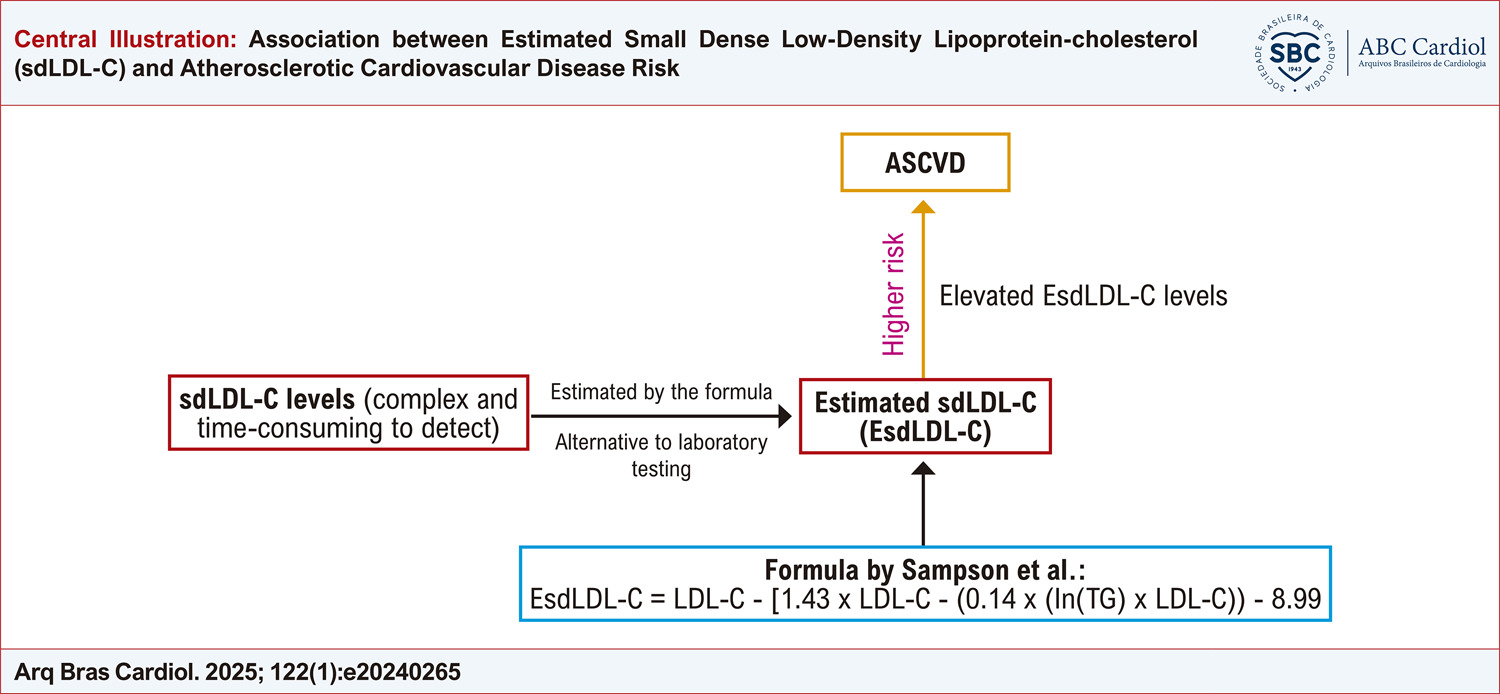
Association between Estimated Small Dense Low-Density Lipoprotein-cholesterol (sdLDL-C) and Atherosclerotic Cardiovascular Disease Risk

Shutang Zhang et al. Jinjie Du Peng Wang Min Lei … Canye Zhong Yang Ou Zhen Sun

Abstract

Background

A new formula for estimating small, dense, low-density lipoprotein cholesterol (sdLDL-C) based on the results of the standard lipid panel is proposed.

Objectives

To assess the association between estimated sdLDL-C (EsdLDL-C) and atherosclerotic cardiovascular disease (ASCVD) risk.

Methods

A total of 12,192 participants from the Korea National Health and Nutrition Examination Survey (KNHANES) database between 2010 and 2020 were included in this cross-sectional study. EsdLDL-C was calculated as EsdLDL-C= LDL-C – [1.43 × LDL-C – (0.14 × (ln (TG) × LDL-C)) – 8.99]. Logistic regression analyses were utilized to assess the association between EsdLDL-C and ASCVD risk. Subgroup analyses were performed based on age, body mass index (BMI), hypertension, and diabetes. An odds ratio (OR) with a 95% confidence interval (CI) was used for evaluation. P<0.05 was considered statistically significant.

Results

Among 12,192 participants, 1,239 (10.16%) had ASCVD. The mean sdLDL-C of participants was estimated to be 42.43±14.75 mg/dL using the formula. Elevated EsdLDL-C levels (OR=1.33; 95%CI, 1.06-1.66) were associated with an increased risk of ASCVD. Subgroup analyses found that there may be an interaction between EsdLDL-C (Pinteraction= 0.001) or non-HDL-C (Pinteraction= 0.015) and hypertension on ASCVD risk.

Conclusions

Elevated estimated sdLDL-C levels were associated with the risk of ASCVD, and estimated sdLDL-C might be an alternative to sdLDL-C measurement for ASCVD risk assessment.

  • Atherosclerosis
  • Lipoproteins
  • Risk Factors
Read Full Article
Creative Commons Attribution (CC BY) Creative Commons license
03/02/2025 DOI: 10.36660/abc.20240265i Views 2
Figure 1
ABCIC
Editorial

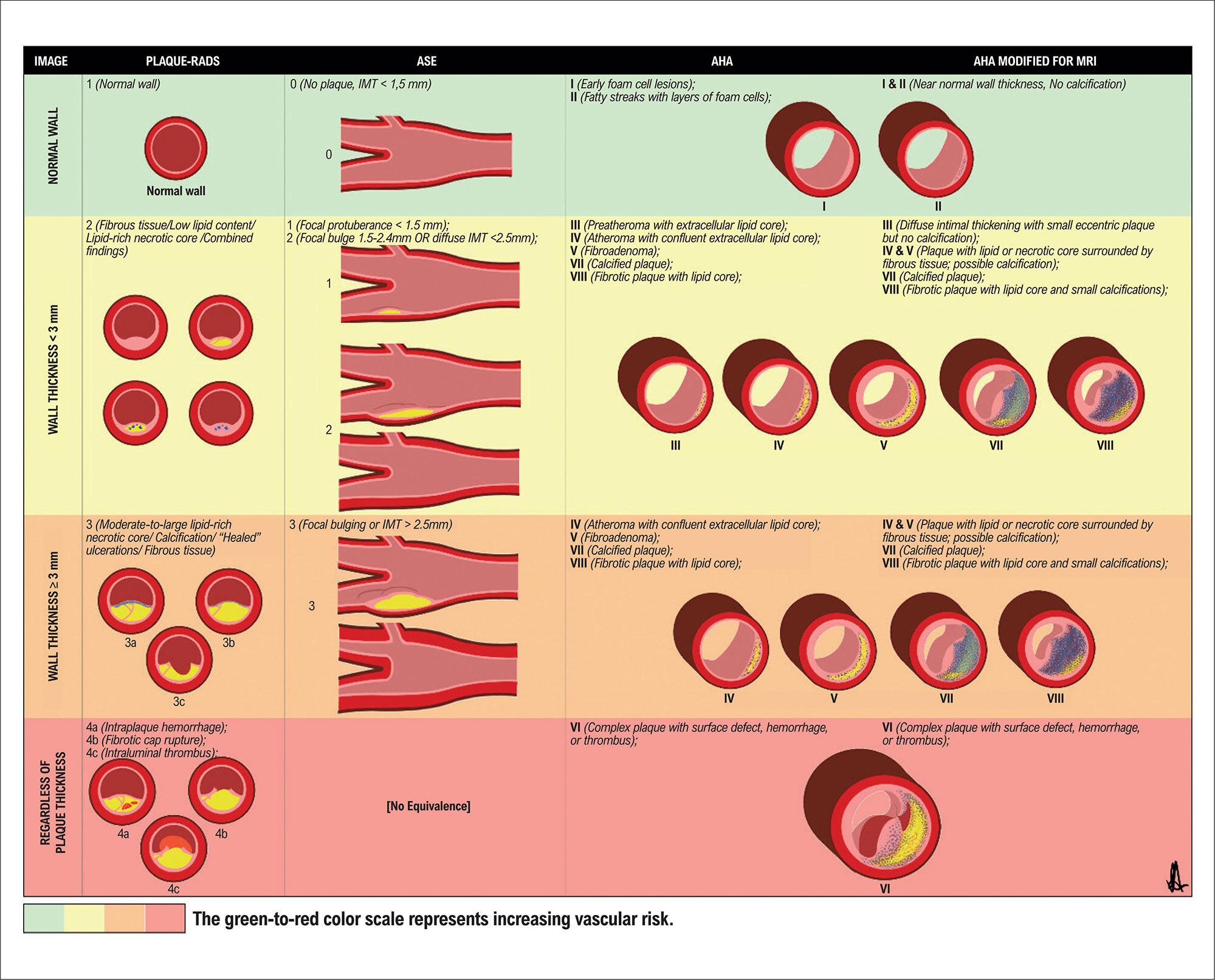
Top Vascular Ultrasound 2024: Carotid Plaque-RADS – A Novel Stroke Risk Classification System

Simone Nascimento dos Santos

Introduction

Many vascular ultrasound articles were published in 2024, but certainly the most discussed in Brazil this year was “Carotid Plaque-RADS – A Novel Stroke Risk Classification System” by Saba et al. in JACC: Cardiovascular Imaging. The project brought together 51 specialists in different vascular imaging modalities from 10 countries. This new proposal for categorizing carotid plaque attracted the attention of physicians from various specialties, such as cardiologists, neurologists, radiologists, ultrasound specialists, and vascular surgeons. In this section, we will discuss its main aspects, comparing them with previous classification systems.

[…]

  • Atherosclerosis
  • Atherosclerotic Plaque
  • Stroke
  • Ultrasonography
Read Full Article
Creative Commons Attribution (CC BY) Creative Commons license
09/12/2024 DOI: 10.36660/abcimg.20240110i
ABC
Editorial

Sleep Duration, Genetics, and Atherosclerosis: Challenges and Opportunities

Ana Vitoria Vitoreti Martins et al. Larissa T. Krul Luciano F. Drager

Atherosclerosis, the unifying mechanism for most of the non-fatal and fatal myocardial infarction and stroke events, is a multifactorial process that has been increasing in prevalence worldwide. Traditional risk factors for atherosclerosis have been extensively studied, but recent evidence pointed out that they explained approximately only 40-50% of the variability of markers of arterial damage and atherosclerosis. Therefore, growing interest has been devoted to exploring the relative role of the “nontraditional’ risk factors. One of the promising candidates is sleep disorders. Indeed, the relationship between sleep and cardiovascular health has been increasingly explored in the literature., While most of the evidence relies on the impact of obstructive sleep apnea (OSA) on atherosclerosis, the potential atherogenic effects of extremes of sleep duration has been recently investigated,, considering its positive association with poor cardiovascular outcomes. Interestingly, previous evidence consistently showed that not only short but long sleep duration (usually defined as >8 or >9hs) increased the risk for these events, confirming a U-shaped association between sleep duration and cardiovascular outcomes. This previous evidence paves the way for exploring potential mechanisms by which sleep duration extremes may increase cardiovascular risk.

In this edition of the Arquivos Brasileiros de Cardiologia, Xu et al. evaluated the association between sleep duration and the risk of atherosclerosis using a Mendelian randomization (MR) approach with data from genome-wide association studies (GWAS). Two large cohorts from Europe were included for analysis. The main results indicated that contrary to the initial hypothesis, there is no significant causal association between sleep duration and atherosclerosis. The study concluded that genetically predicted sleep duration does not affect the risk of atherosclerosis and suggested further research to explore this relationship in greater detail. Strengths of the study include the large sample size and the use of a MR study. This strategy allows for avoiding common biases observed in observational studies. However, important limitations deserve appropriate comments precluding definitive conclusions in this important research area: 1) a subjective question defined sleep duration. It is not uncommon to find misperceptions about the real sleep duration; 2) the chosen Single Nucleotide Polymorphism (SNPs) only partially explain the variability of subjective sleep duration in this investigation. This fact may contribute to lower statistical power in identifying situations with poor correlations; 3) ‘atherosclerosis’ was identified by using the International Classification of Diseases (ICD) rather than objective measurements. There is certainly an underreport of the real burden of atherosclerosis in this population; 4) other sleep disorders (highlighting the role of OSA) are consistently associated with prevalent and incident markers of atherosclerosis– but were not studied in the present investigation; 5) the applicability of the results to non-European populations deserve further investigations.

[…]

  • Atherosclerosis
  • Cardiovascular disease
  • Genetics
  • Sleep
Read Full Article
Creative Commons Attribution (CC BY) Creative Commons license
22/11/2024 DOI: 10.36660/abc.20240593i Views 1
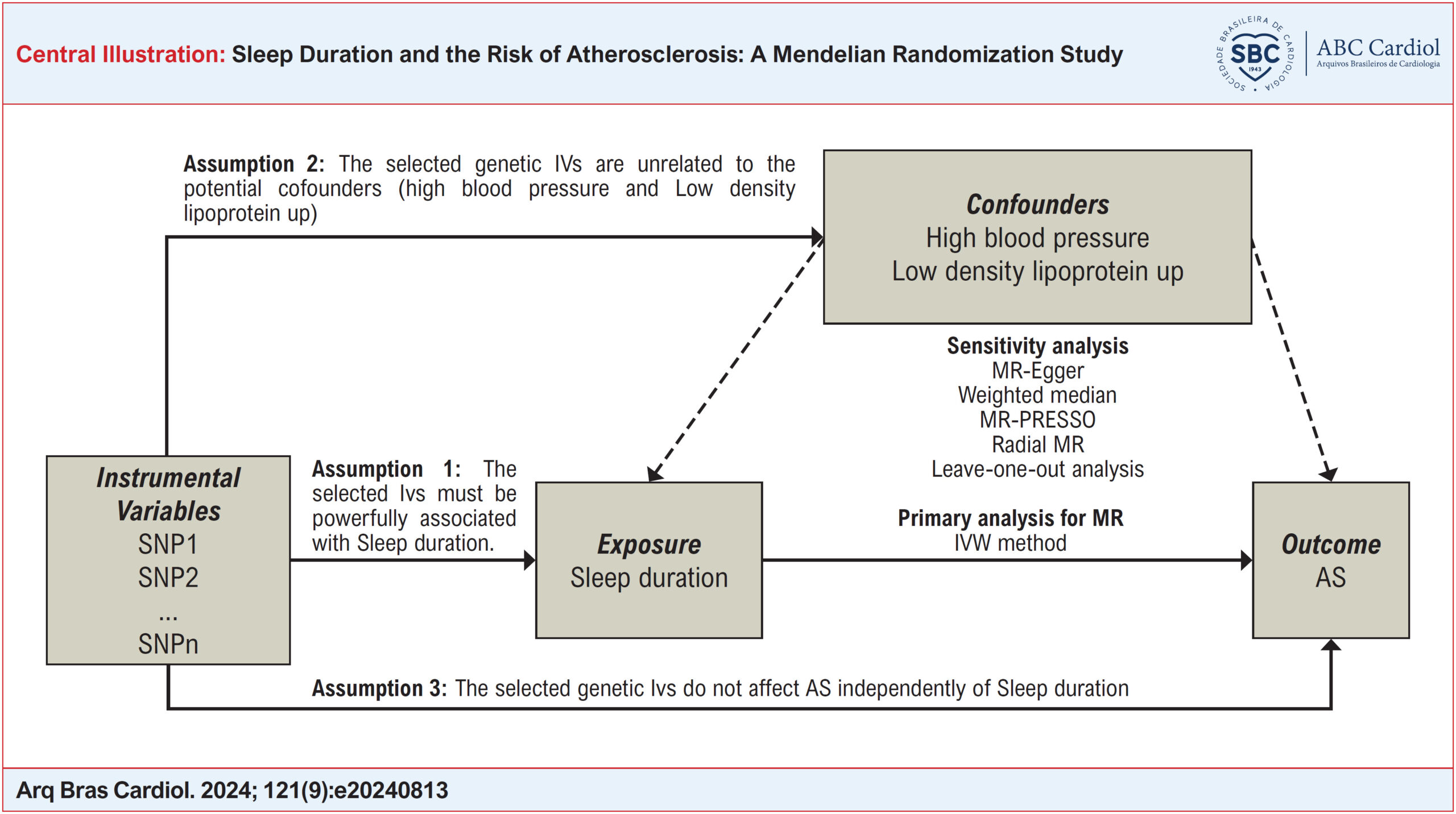
Sleep Duration and the Risk of Atherosclerosis: A Mendelian Randomization Study
ABC
Original Article

Sleep Duration and the Risk of Atherosclerosis: A Mendelian Randomization Study

Xiaozhuo Xu et al. Yilin Huang Jing Liu Xu Han

Abstract

Background:

The association between the length of sleep and atherosclerosis has been reported in many observational studies. However, little is known about its significance as a risk factor for atherosclerosis or as a negative consequence of atherosclerosis.

Objective:

This study aimed to assess the causal association between sleep duration and the risk of atherosclerosis using publicly available genome-wide association studies (GWAS) summary statistics.

Methods:

We employed a two-sample Mendelian randomization (MR) method with 2 cohorts from MRC-IEU (n=460,099) and UK Biobank (n=361,194) to investigate the causal association between sleep duration and the risk of atherosclerosis. Three methods including the inverse-variance weighted (IVW) technique, Robust adjusted profile score (RAPS), and simple-and weighted-median approach were used to obtain reliable results, and an odds ratio with a 95% confidence interval (CI) was calculated. P<0.05 was considered as a statistical difference. In addition, MR-Egger regression, Radial MR, MR-PRESSO, and leave-one-out analyses were used to assess the possible pleiotropy effects.

Results:

No causal association of sleep duration with atherosclerosis was found [OR (95%CI): 0.90 (0.98-1.00), p = 0.186]. Leave-one-out, MR-Egger, and MR-PRESSO analyses failed to detect horizontal pleiotropy.

Conclusions:

This MR analysis indicated no causal association between genetically predicted sleep duration and atherosclerosis across European populations.

  • Atherosclerosis
  • Mendelian Randomization Analysis
  • Sleep Duration
Read Full Article
Creative Commons Attribution (CC BY) Creative Commons license
06/09/2024 DOI: 10.36660/abc.20230813i Views 1
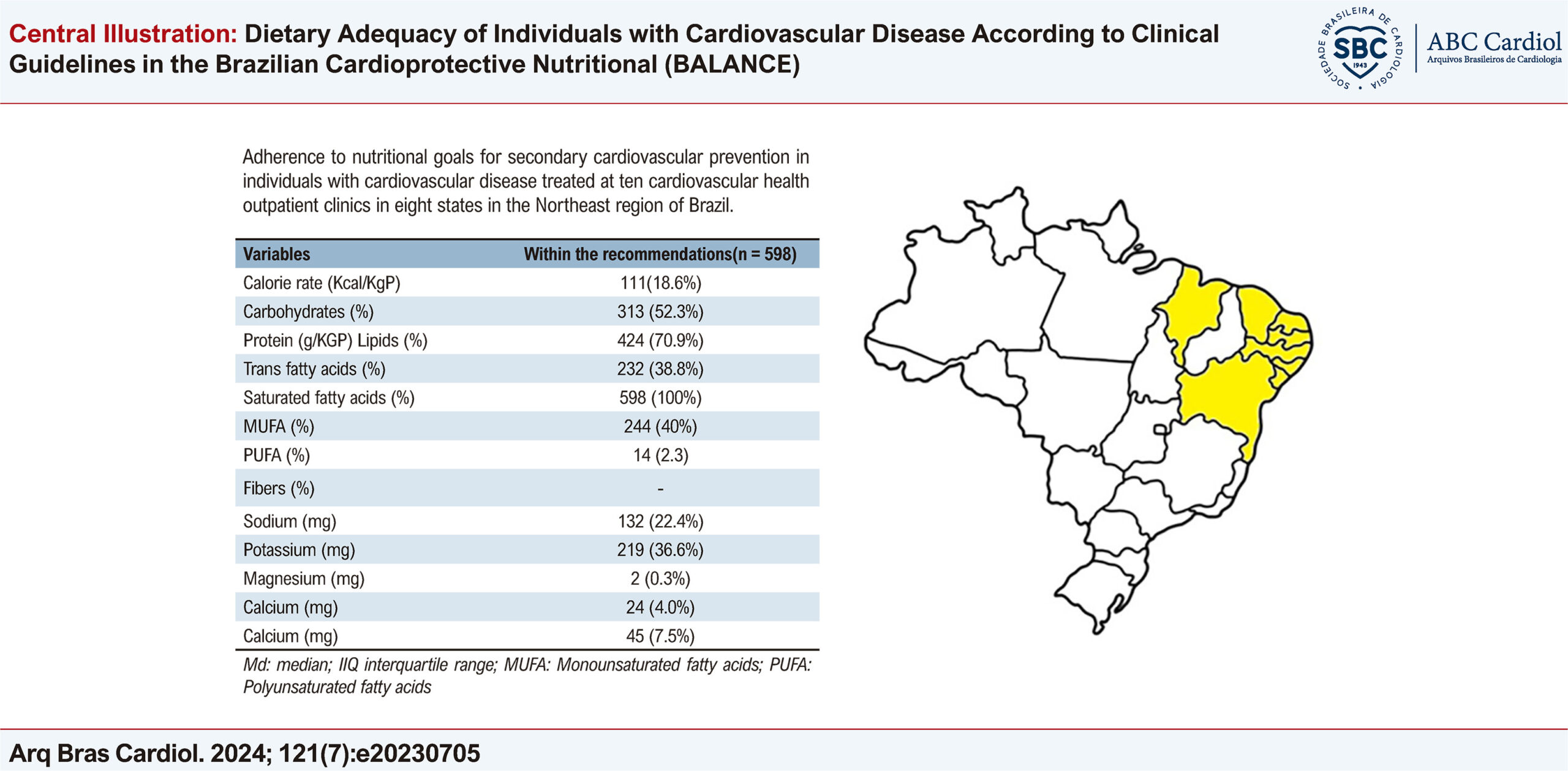
Dietary Adequacy of Individuals with Cardiovascular Disease According to Clinical Guidelines in the Brazilian Cardioprotective Nutritional (BALANCE)
ABC
Original Article

Dietary Adequacy of Individuals with Cardiovascular Disease According to Clinical Guidelines in the Brazilian Cardioprotective Nutritional (BALANCE)

Luciana Brito et al. Viviane Sahade Aline Marcadenti Camila Ragne Torreglosa … Bernardete Weber Ângela Cristine Bersch-Ferreira Isa Galvão Rodrigues Antônio Carlos Sobral Sousa Adriana Barros Gomes Josilene Maria Ferreira Pinheiro Sandra Mary Lima Vasconcelos Daniele Maria de Oliveira Carlos José Albuquerque de Figueiredo Neto Clenise de Farias Dantas Carla Daltro

Abstract

Background

Achieving nutritional goals established by scientific societies is a constant challenge and not always achieved.

Objective

To investigate the dietary adequacy of individuals with cardiovascular disease (CVD), participants in the Cardioprotective Brazilian Food Program residing in the Northeast region of Brazil, according to the recommendations of the Brazilian Society of Cardiology (SBC).

Methods

Cross-sectional analysis with data from the study implementing the Brazilian Cardioprotective Diet (DICA BR), which evaluated individuals with CVD treated in specialized cardiovascular health centers in eight states in the Northeast region. Food consumption was obtained by 24-hour dietary records and dietary adequacy followed SBC recommendations. Values of p < 0.05 were considered significant.

Results

647 patients were studied, with a mean (standard deviation) age of 63.1 (9.4) years, 50.2% of whom were female. When evaluating food intake, a low adequacy of carbohydrates (52.3%), proteins (70.9%), lipids (38.8%), and fiber (22.4%) was observed. It was observed that the majority of women consumed a low-protein diet (59.2%) and the elderly had a greater inadequacy in carbohydrate consumption (52.6%). Regarding sodium intake, men had a higher intake (72.9%), while the elderly showed a 13% reduction. Furthermore, it was shown that men ate more fiber (28.1%) and individuals with higher education had a high consumption of saturated fatty acids (70.5%).

Conclusions

Most individuals did not achieve the recommended dietary therapy goals for secondary cardiovascular prevention. The findings of the present study reinforce the need to implement structured strategies to encourage healthy eating habits in these individuals.

  • Atherosclerosis
  • Cardiovascular Diseases
  • Diet
  • Eating
  • Secondary Prevention
Read Full Article
Creative Commons Attribution (CC BY) Creative Commons license
26/08/2024 DOI: 10.36660/abc.20230705i Views 2
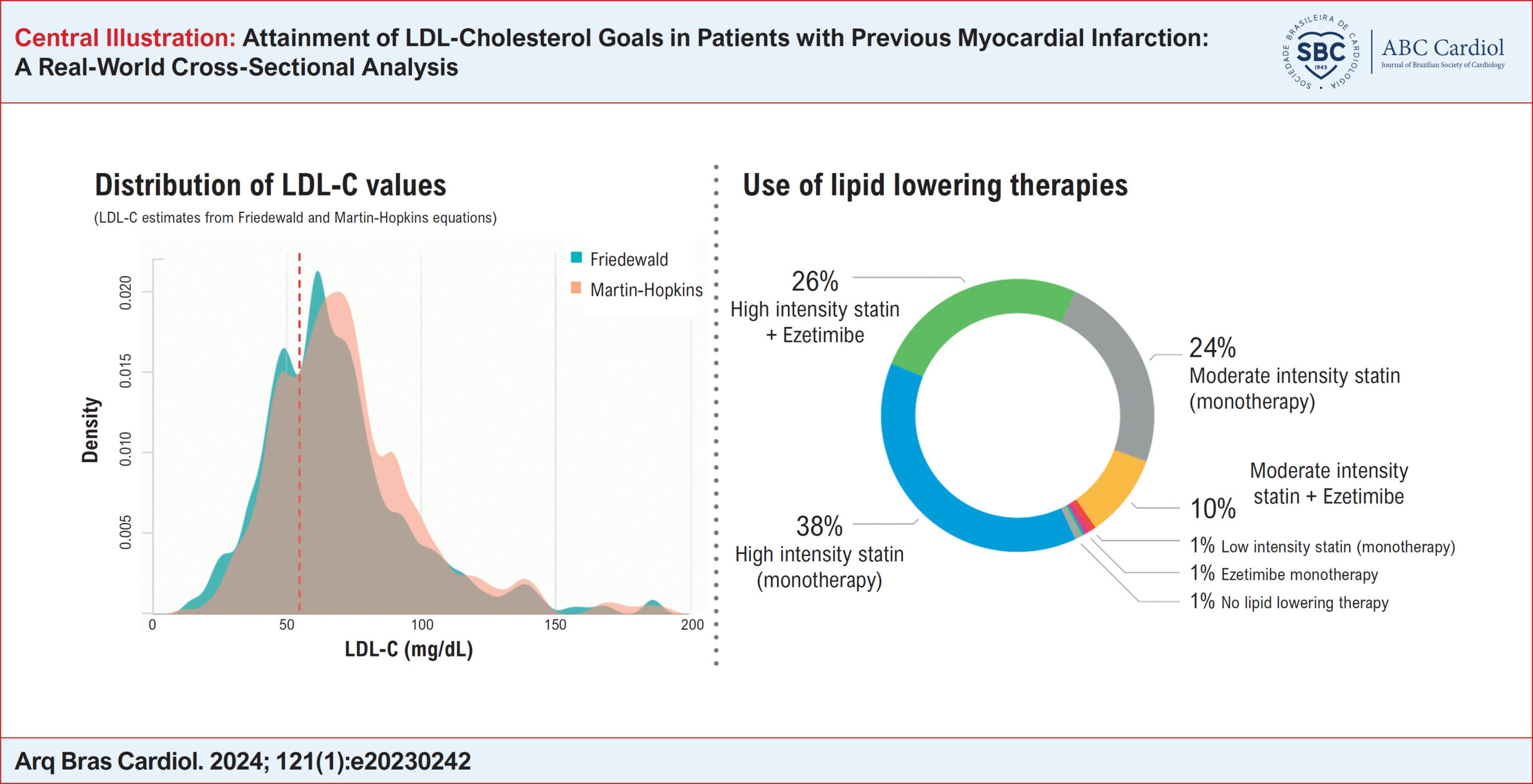
Attainment of LDL-Cholesterol Goals in Patients with Previous Myocardial Infarction: A Real-World Cross-Sectional Analysis
ABC
Original Article

Attainment of LDL-Cholesterol Goals in Patients with Previous Myocardial Infarction: A Real-World Cross-Sectional Analysis

Daniel A. Gomes et al. Mariana Sousa Paiva Pedro Freitas Francisco Albuquerque … Maria Rita Lima Rita Reis Santos João Presume Marisa Trabulo Carlos Aguiar Jorge Ferreira António M. Ferreira Miguel Mendes

Abstract

Background:

The European Society of Cardiology guidelines recommend an LDL-cholesterol (LDL-C) < 55 mg/dL for patients with established cardiovascular disease. While the Friedewald equation to estimate LDL-C is still widely used, the newer Martin-Hopkins equation has shown greater accuracy.

Objectives:

We aimed to assess: A) the proportion of patients reaching LDL-C goal and the therapies used in a tertiary center; B) the impact of using the Martin-Hopkins method instead of Friedewald’s on the proportion of controlled patients.

Methods:

A single-center cross-sectional study including consecutive post-myocardial infarction patients followed by 20 cardiologists in a tertiary hospital. Data was collected retrospectively from clinical appointments that took place after April 2022. For each patient, the LDL-C levels and attainment of goals were estimated from an ambulatory lipid profile using both Friedewald and Martin-Hopkins equations. A two-tailed p-value of < 0.05 was considered statistically significant for all tests.

Results:

Overall, 400 patients were included (aged 67 ± 13 years, 77% male). Using Friedewald’s equation, the median LDL-C under therapy was 64 (50-81) mg/dL, and 31% had LDL-C within goals. High-intensity statins were used in 64% of patients, 37% were on ezetimibe, and 0.5% were under PCSK9 inhibitors. Combination therapy of high-intensity statin + ezetimibe was used in 102 patients (26%). Applying the Martin-Hopkins method would reclassify a total of 31 patients (7.8%). Among those deemed controlled by Friedewald’s equation, 27 (21.6%) would have a Martin-Hopkins’ LDL-C above goals.

Conclusions:

Less than one-third of post-myocardial infarction patients had LDL-C within the goal. Applying the Martin-Hopkins equation would reclassify one-fifth of presumably controlled patients into the non-controlled group.

  • Atherosclerosis
  • Cholesterol, LDL
  • Secondary Prevention
Read Full Article
Creative Commons Attribution (CC BY) Creative Commons license
08/03/2024 DOI: 10.36660/abc.20230242 Views 2
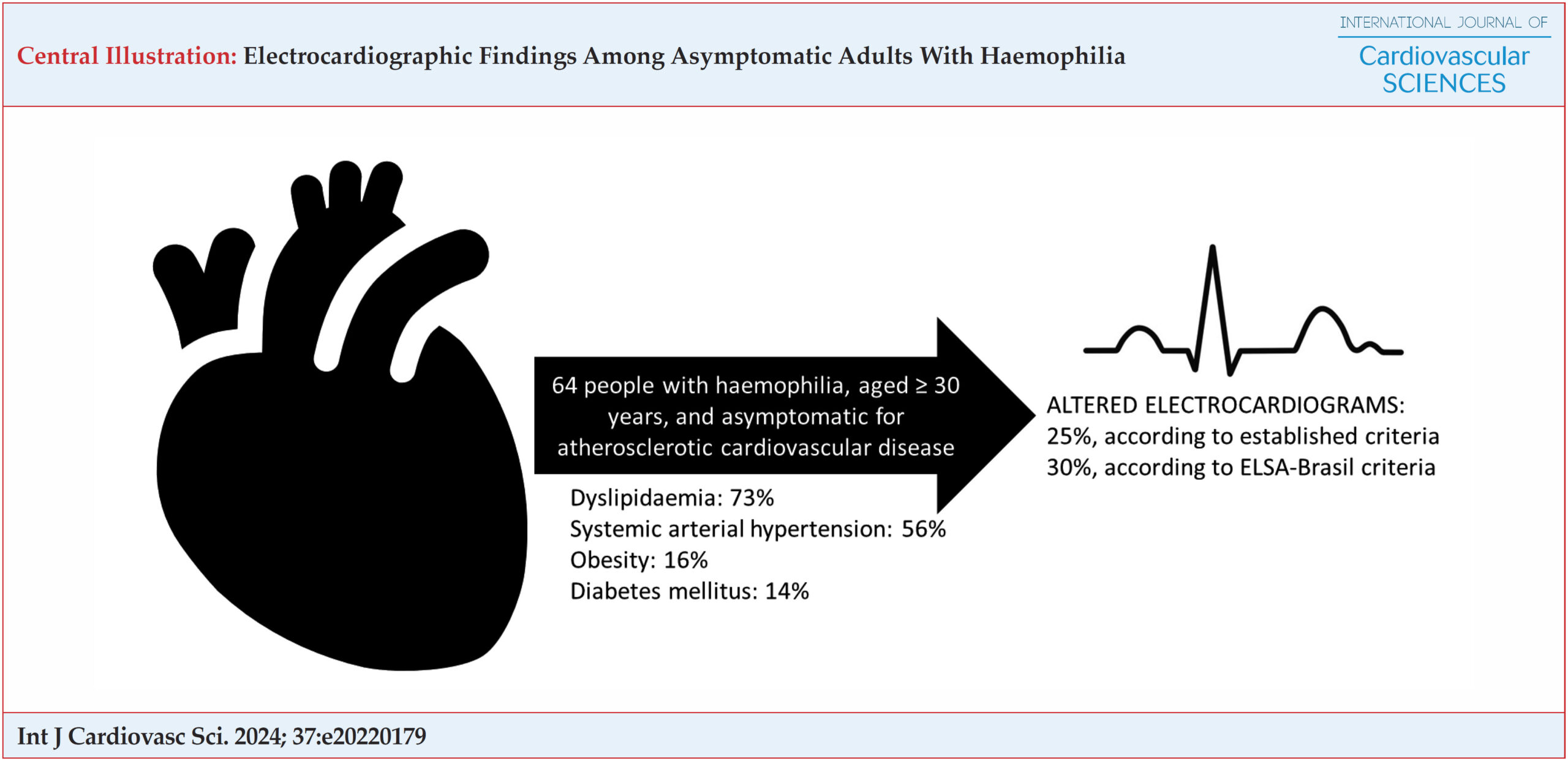
Electrocardiographic Findings Among Asymptomatic Adults With Haemophilia
IJCS
Original Article

Electrocardiographic Findings Among Asymptomatic Adults With Haemophilia

Ricardo Mesquita Camelo et al. Camila Caram-Deelder Carlos Guilherme Piscoya Roncal Bruna Pontes Duarte … Marilia Carolina Braga de Moura Neuza Cavalcanti de Moraes Costa Iris Maciel Costa Ana Maria Vanderlei Tania Maria Rocha Guimaraes Samantha Gouw Suely Meireles Rezende Johanna van der Bom

Abstract

Background:

People with haemophilia (PwH) are living longer. Therefore, they can develop atherosclerotic cardiovascular disease (ASCVD). Electrocardiogram (ECG) alterations may be a sign of initial ASCVD before the occurrence of symptoms.

Objective:

To describe the prevalence of resting ECG alterations among PwH adults asymptomatic for ASCVD.

Methods:

PwH aged ≥ 30 years without previous ASCVD events were considered for the analysis. Resting ECG traces were analysed according to international reference values and the Brazilian Longitudinal Adult Health Study (ELSA-Brasil) results for asymptomatic Brazilian men. Based on the established normal values and using the QT index, we further described the altered ECGs as minor or major changes, according to the Minnesota Code. Differences between prevalences were evaluated by Pearson’s χ2 test. Differences between medians were evaluated by the Mann-Whitney U test. A p-value < 0.05 was accepted as statistically significant.

Results:

A total of 64 PwH were included in the study. Median age was 44 years (interquartile range 35-52). Most patients had haemophilia A (81%) and 47% were severe. The prevalence of obesity, systemic arterial hypertension (SAH), diabetes mellitus (DM), and dyslipidaemia were 16%, 56%, 14%, and 72%, respectively. All the PwH had sinus rhythm, except for one, who had an implanted pacemaker due to idiopathic third-degree atrioventricular block. Altered ECGs were found in 25% and 30% of PwH, according to established criteria and ELSA-Brasil criteria, respectively. Major changes were found in eight (13%) PwH according to the Minnesota Code, including two ECGs with ischaemia-like wall inactivity.

Conclusions:

The prevalence of altered ECG varied from 25% to 30% among asymptomatic PwH.

  • Atherosclerosis
  • Atherosclerotic
  • Electrocardiography
  • Haemophilia A
  • Haemophilia B
Read Full Article
Creative Commons Attribution (CC BY) Creative Commons license
12/02/2024 DOI: 10.36660/ijcs.20220179 Views 1
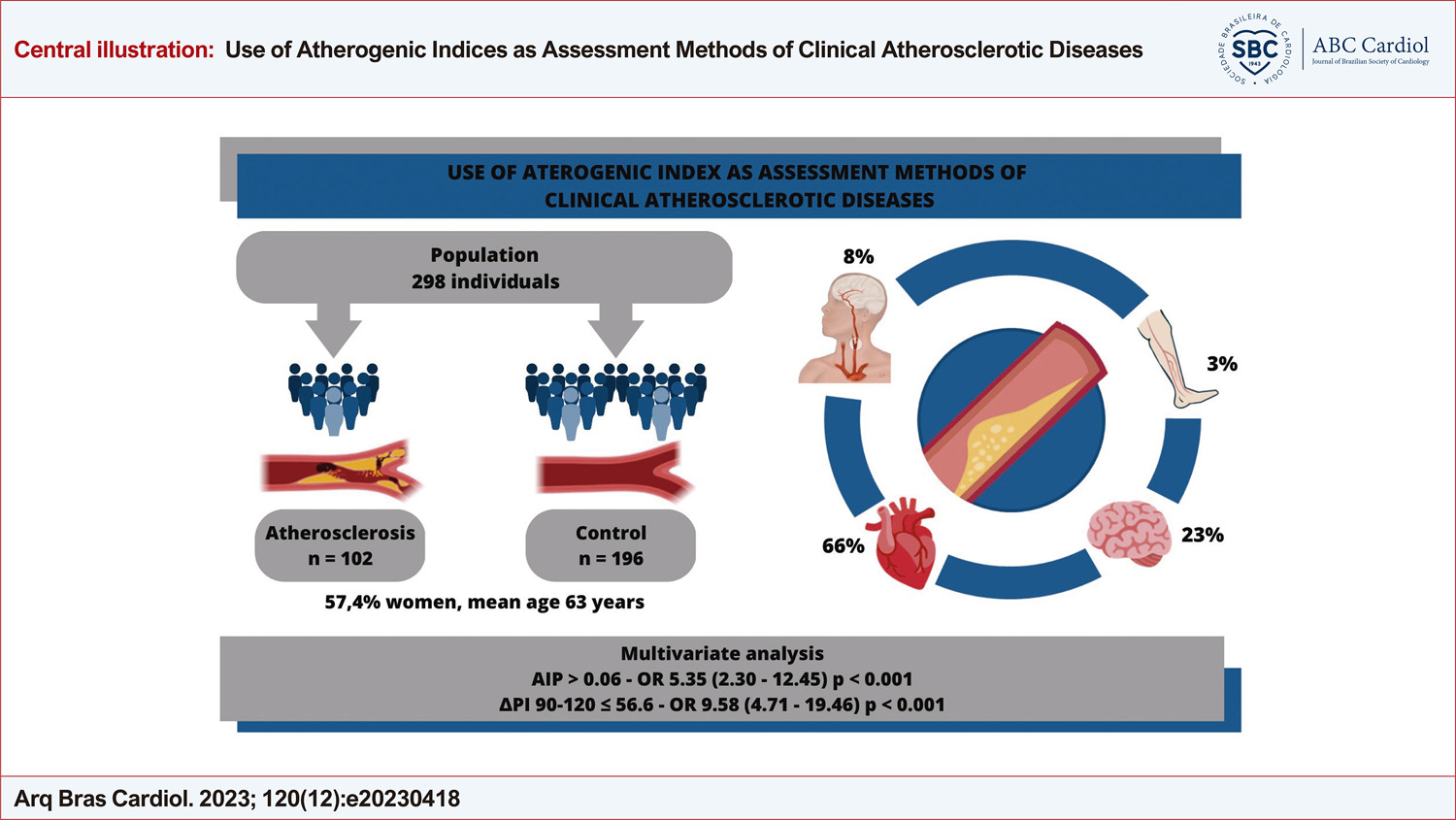
Use of Atherogenic Indices as Assessment Methods of Clinical Atherosclerotic Diseases
ABC
Original Article

Use of Atherogenic Indices as Assessment Methods of Clinical Atherosclerotic Diseases

Yuri Barbosa Araújo et al. Ana Beatriz Rocha Almeida Márcio Fellipe Menezes Viana Rafael Alexandre Meneguz-Moreno

Abstract

Background

The search for clinically useful methods to assess atherosclerotic diseases (ASCVD) with good accuracy, low cost, non-invasiveness, and easy handling has been stimulated for years. Thus, the atherogenic indices evaluated in this study may fit this growing demand.

Objectives

To assess the potential of atherogenic indices to evaluate patients with clinical atherosclerosis.

Methods

Single-center cross-sectional study, through which the Castelli I and II indices, the atherogenic index of plasma (AIP), the lipoprotein combine index, and the variation in the peripheral perfusion index between 90 and 120 seconds after an endothelium-dependent (ΔPI90-120) vasodilator stimulus were evaluated in the prediction of atherosclerosis. Statistical significance was set at p < 0.05.

Results

The sample consisted of 298 individuals with an average age of 63.0±16.1 years, of which 57.4% were women. Paired comparisons of the ROC curve analysis of the indices that reached the area under the curve (AUC) > 0.6 show that ΔPI90-120 and AIP were superior to other indices, and no differences were observed between them (difference between AUC = 0.056; 95%CI -0.003–0.115). Furthermore, both the ΔPI90-120 [odds ratio (OR) 9.58; 95%CI 4.71–19.46)] and AIP (OR 5.35; 95%CI 2.30–12.45) were independent predictors of clinical atherosclerosis.

Conclusions

The AIP and ΔPI90-120 represented better accuracy in discriminating clinical ASCVD. Moreover, they were independent predictors of clinical ASCVD, evidencing a promising possibility for developing preventive and control strategies for cardiovascular diseases. Therefore, they are markers for multicenter studies from the point of view of practicality, low cost, and external validity.

  • Atherosclerosis
  • Atherosclerotic Plaque
  • Lipoproteins
  • Perfusion Index
Read Full Article
Creative Commons Attribution (CC BY) Creative Commons license
22/12/2023 DOI: 10.36660/abc.20230418 Views 1
ABC
Editorial

The “Coming of Age” of Coronary Calcium Score?

António Miguel Ferreira et al. Rita Lima Nuno Bettencourt

The use of coronary artery calcium (CAC) score to guide the primary prevention of atherosclerosis and its manifestations has grown in popularity in recent years. Its advantages over the current paradigm of risk-factor-based calculators include better discrimination and greater predictive power, with the promise of better treatment decisions and timely implementation of personalized preventive measures.–

CAC results are usually expressed as an absolute value and as a percentile among individuals of the same age and sex. Importantly, conveying this information to patients seems to improve their adherence to lifestyle modifications and pharmacological therapy. One of the ways developed for making patients understand their risk is the concept of vascular age. Quite simply, an individual’s vascular age assessed by CAC score is the average age at which people of the same sex have a similar degree of coronary calcification. So, if a person’s vascular age is higher than their chronological age, this indicates a higher risk of cardiovascular events than one would suppose. For instance, a 50-year-old female smoker with a vascular age of 70 may realize that she needs to take preventive measures to reduce her risk. Conversely, when vascular age is lower than chronological age, it suggests a lower risk compared to their age group. Although vascular age provides a clear and relatable way to communicate cardiovascular risk to patients, it should be noted that it might convey the false notion that atherosclerosis is part of the natural aging process. It is not. Nevertheless, despite this imprecision, its clinical usefulness remains.

[…]

  • Age Factors
  • Atherosclerosis
  • Calcium
Read Full Article
Creative Commons Attribution (CC BY) Creative Commons license
24/11/2023 DOI: 10.36660/abc.20230708 Views 1
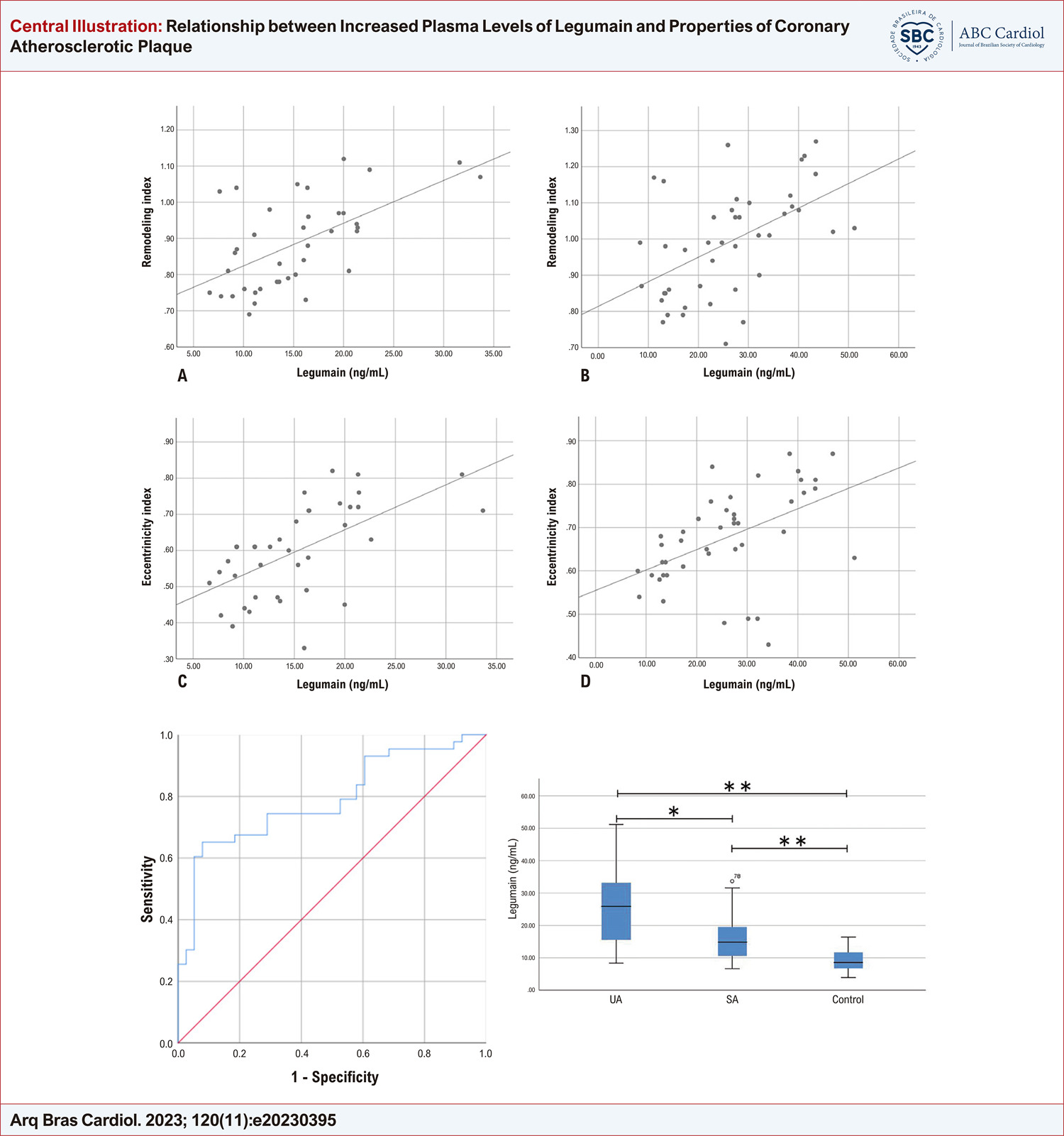
Relationship between Increased Plasma Levels of Legumain and Properties of Coronary Atherosclerotic Plaque
ABC
Original Article

Relationship between Increased Plasma Levels of Legumain and Properties of Coronary Atherosclerotic Plaque

Yunpeng Deng et al. Yudong Fan Di Wu Zilong Zhang … Miaomiao Zhang Zhiping Huang Yuxia Gao

Abstract

Background

Many clinical studies have confirmed that legumain is closely related to atherosclerosis. Unfortunately, different conclusions have been reached, and analyses and studies on atherosclerotic plaque characteristics in patients with increased plasma levels of legumain are still lacking.

Objectives

This study aimed to investigate the correlation between legumain and coronary atherosclerotic plaque characteristics.

Methods

A total of 81 patients with coronary atherosclerotic heart disease (CHD), including 43 patients with unstable angina (UA) and 38 patients with stable angina (SA), were screened by coronary angiography. Intravascular ultrasound (IVUS) was performed to evaluate the characteristics of coronary atherosclerotic plaques, and plasma legumain levels were also measured. Values of p < 0.05 were considered significant.

Results

Legumain concentration was significantly higher in the two CHD subgroups than in the control group (all p<0.001). Legumain concentrations in the UA group were significantly higher than in the SA group (p=0.001). The plaque area, remodeling index (RI), and eccentricity index (EI) in the UA group were significantly higher than those in the SA group (p<0.001, p=0.001, p=0.001, respectively). There was a significant positive correlation between legumain levels and RI and EI in both UA and SA patients (all p<0.05).

Conclusions

High plasma levels of legumain were closely related to the occurrence and severity of CHD, and the lesions tended to be unstable. Legumain is expected to be a potential inflammatory biomarker for the diagnosis of CHD and the early identification of unstable coronary lesions.

  • Atherosclerosis
  • Biomarkers
  • Coronary Artery Disease
Read Full Article
Creative Commons Attribution (CC BY) Creative Commons license
30/10/2023 DOI: 10.36660/abc.20230395

Could not load more articles. Please try again.

How to cite this article

EndNote RIS

Electronic Document Format (Vancouver)

Zanotti JS, Martim ETQ, Alves RJ. Early Cascade Screening and Lipid-Lowering Therapy in Childhood: Challenges in the Management of Familial Hypercholesterolemia. International Journal of Cardiovascular Sciences 2026;39:e20260095.

Electronic Document Format (ABNT)

Zanotti, Juliana Simões; Martim, Eduardo Tomaz Quartero; Alves, Renato Jorge. Early Cascade Screening and Lipid-Lowering Therapy in Childhood: Challenges in the Management of Familial Hypercholesterolemia. International Journal of Cardiovascular Sciences, v. 39, e20260095, Sep. 2026.

Electronic Document Format (APA)

Zanotti, J. S., Martim, E. T. Q., & Alves, R. J. (2026). Early Cascade Screening and Lipid-Lowering Therapy in Childhood: Challenges in the Management of Familial Hypercholesterolemia. International Journal of Cardiovascular Sciences, 39, e20260095.

Electronic Document Format (ISO)

Zanotti, Juliana Simões and Martim, Eduardo Tomaz Quartero and Alves, Renato Jorge. Early Cascade Screening and Lipid-Lowering Therapy in Childhood: Challenges in the Management of Familial Hypercholesterolemia. International Journal of Cardiovascular Sciences [online]. 2026, vol. 39, [cited 2026-10-14], e20260095. Available from: <https://journals.cardiol.br/en/article/early-cascade-screening-and-lipid-lowering-therapy-in-childhood-challenges-in-the-management-of-familial-hypercholesterolemia/>. ISSN 2359-4802

EndNote RIS

Electronic Document Format (Vancouver)

Lima EG, Carvalho LNS, Emerich TMS, Amorim EF, Rached FH. Elevated Lipoprotein(a) in Patients Without Comorbidities: Which Imaging Tests Should be Ordered?. ABC Imagem Cardiovascular 2026;39(2):e20260053.

Electronic Document Format (ABNT)

Lima, Eduardo Gomes; Carvalho, Leticia Neves Solon; Emerich, Tatiane Mascarenhas Santiago; Amorim, Eduardo Ferreira; Rached, Fabiana Hanna. Elevated Lipoprotein(a) in Patients Without Comorbidities: Which Imaging Tests Should be Ordered?. ABC Imagem Cardiovascular, v. 39, n. 2, e20260053, Jul. 2026.

Electronic Document Format (APA)

Lima, E. G., Carvalho, L. N. S., Emerich, T. M. S., Amorim, E. F., & Rached, F. H. (2026). Elevated Lipoprotein(a) in Patients Without Comorbidities: Which Imaging Tests Should be Ordered?. ABC Imagem Cardiovascular, 39(2), e20260053.

Electronic Document Format (ISO)

Lima, Eduardo Gomes and Carvalho, Leticia Neves Solon and Emerich, Tatiane Mascarenhas Santiago and Amorim, Eduardo Ferreira and Rached, Fabiana Hanna. Elevated Lipoprotein(a) in Patients Without Comorbidities: Which Imaging Tests Should be Ordered?. ABC Imagem Cardiovascular [online]. 2026, vol. 39, n. 2, [cited 2026-10-14], e20260053. Available from: <https://journals.cardiol.br/en/article/elevated-lipoproteina-in-patients-without-comorbidities-which-imaging-tests-should-be-ordered/>. ISSN 2318-8219

EndNote RIS

Electronic Document Format (Vancouver)

Sousa RB, Pereira JC, Presume J, Gomes DA, Oliveira AF, Ferreira J. Low-Dose Colchicine for Secondary Prevention: A Systematic Review and Meta-Analysis of Randomized Clinical Trials. International Journal of Cardiovascular Sciences 2026;39:e20250245.

Electronic Document Format (ABNT)

Sousa, Rita Barbosa; Pereira, Joana Certo; Presume, João; Gomes, Daniel A.; Oliveira, Afonso Félix de; Ferreira, Jorge. Low-Dose Colchicine for Secondary Prevention: A Systematic Review and Meta-Analysis of Randomized Clinical Trials. International Journal of Cardiovascular Sciences, v. 39, e20250245, Jul. 2026.

Electronic Document Format (APA)

Sousa, R. B., Pereira, J. C., Presume, J., Gomes, D. A., Oliveira, A. F. , & Ferreira, J. (2026). Low-Dose Colchicine for Secondary Prevention: A Systematic Review and Meta-Analysis of Randomized Clinical Trials. International Journal of Cardiovascular Sciences, 39, e20250245.

Electronic Document Format (ISO)

Sousa, Rita Barbosa and Pereira, Joana Certo and Presume, João and Gomes, Daniel A. and Oliveira, Afonso Félix de and Ferreira, Jorge. Low-Dose Colchicine for Secondary Prevention: A Systematic Review and Meta-Analysis of Randomized Clinical Trials. International Journal of Cardiovascular Sciences [online]. 2026, vol. 39, [cited 2026-10-14], e20250245. Available from: <https://journals.cardiol.br/en/article/low-dose-colchicine-for-secondary-prevention-a-systematic-review-and-meta-analysis-of-randomized-clinical-trials/>. ISSN 2359-4802

EndNote RIS

Electronic Document Format (Vancouver)

Oliveira FRB, Lino DOC, Bezerra Filho GF, Linhares BC, Souza LBD, Alencar LFT, Cruz MRS, et al. Anabolic-Androgenic Steroids and Acute Myocardial Infarction in Young Adults: A Literature Review Based on a Case Series. ABC Imagem Cardiovascular 2026;39(2):e20260049.

Electronic Document Format (ABNT)

Oliveira, Fabiana Rocha Botelho de; Lino, Danielli Oliveira de Costa; Bezerra Filho, Germano Freire; Linhares, Bruno Cavalcante; Souza, Leonardo Brito De; Alencar, Luiz Filipe Torres de; Cruz, Matheus Rolim Santa; Feitosa, Mateus Paiva Marques. Anabolic-Androgenic Steroids and Acute Myocardial Infarction in Young Adults: A Literature Review Based on a Case Series. ABC Imagem Cardiovascular, v. 39, n. 2, e20260049, Jul. 2026.

Electronic Document Format (APA)

Oliveira, F. R. B. , Lino, D. O. C., Bezerra Filho, G. F., Linhares, B. C., Souza, L. B. D., Alencar, L. F. T. , Cruz, M. R. S., & Feitosa, M. P. M. (2026). Anabolic-Androgenic Steroids and Acute Myocardial Infarction in Young Adults: A Literature Review Based on a Case Series. ABC Imagem Cardiovascular, 39(2), e20260049.

Electronic Document Format (ISO)

Oliveira, Fabiana Rocha Botelho de and Lino, Danielli Oliveira de Costa and Bezerra Filho, Germano Freire and Linhares, Bruno Cavalcante and Souza, Leonardo Brito De and Alencar, Luiz Filipe Torres de and Cruz, Matheus Rolim Santa and Feitosa, Mateus Paiva Marques. Anabolic-Androgenic Steroids and Acute Myocardial Infarction in Young Adults: A Literature Review Based on a Case Series. ABC Imagem Cardiovascular [online]. 2026, vol. 39, n. 2, [cited 2026-10-14], e20260049. Available from: <https://journals.cardiol.br/en/article/anabolic-androgenic-steroids-and-acute-myocardial-infarction-in-young-adults-a-literature-review-based-on-a-case-series/>. ISSN 2318-8219

EndNote RIS

Electronic Document Format (Vancouver)

Miname MH. Calcium Score, Non-Obstructive Coronary Artery Disease and Cardiovascular Events. Arquivos Brasileiros de Cardiologia 2026;123(5):e20260405.

Electronic Document Format (ABNT)

Miname, Marcio Hiroshi. Calcium Score, Non-Obstructive Coronary Artery Disease and Cardiovascular Events. Arquivos Brasileiros de Cardiologia, v. 123, n. 5, e20260405, Jul. 2026.

Electronic Document Format (APA)

Miname, M. H. (2026). Calcium Score, Non-Obstructive Coronary Artery Disease and Cardiovascular Events. Arquivos Brasileiros de Cardiologia, 123(5), e20260405.

Electronic Document Format (ISO)

Miname, Marcio Hiroshi. Calcium Score, Non-Obstructive Coronary Artery Disease and Cardiovascular Events. Arquivos Brasileiros de Cardiologia [online]. 2026, vol. 123, n. 5, [cited 2026-10-14], e20260405. Available from: <https://journals.cardiol.br/en/article/calcium-score-non-obstructive-coronary-artery-disease-and-cardiovascular-events/>. ISSN 0066-782X

EndNote RIS

Electronic Document Format (Vancouver)

Salina MVJ, Pironatto VHM, Santos AAM, Gueiber TD, Lima LG, Dechandt EM, Caruso CC, et al. Assessment of Cardiovascular-Metabolic Risk in Wistar Rats Fed a Hypercaloric Diet Supplemented with Selenium: A Preclinical Animal Study. International Journal of Cardiovascular Sciences 2026;39:e20250069.

Electronic Document Format (ABNT)

Salina, Matheus Von Jelita; Pironatto, Vitor Hugo Moro; Santos, André Amaro Mamédio dos; Gueiber, Tiago Daniel; Lima, Luiz Gustavo; Dechandt, Eduardo Machado; Caruso, Camila Cury; Karpinski, Pedro Henrique; Figueiredo, Thiago Martins; Toledo-Junior, Alceu de Oliveira; Martins, Camila Marinelli; Gomes, Ricardo Zanetti. Assessment of Cardiovascular-Metabolic Risk in Wistar Rats Fed a Hypercaloric Diet Supplemented with Selenium: A Preclinical Animal Study. International Journal of Cardiovascular Sciences, v. 39, e20250069, Jun. 2026.

Electronic Document Format (APA)

Salina, M. V. J., Pironatto, V. H. M., Santos, A. A. M. , Gueiber, T. D., Lima, L. G., Dechandt, E. M., Caruso, C. C., Karpinski, P. H., Figueiredo, T. M., Toledo-Junior, A. O., Martins, C. M., & Gomes, R. Z. (2026). Assessment of Cardiovascular-Metabolic Risk in Wistar Rats Fed a Hypercaloric Diet Supplemented with Selenium: A Preclinical Animal Study. International Journal of Cardiovascular Sciences, 39, e20250069.

Electronic Document Format (ISO)

Salina, Matheus Von Jelita and Pironatto, Vitor Hugo Moro and Santos, André Amaro Mamédio dos and Gueiber, Tiago Daniel and Lima, Luiz Gustavo and Dechandt, Eduardo Machado and Caruso, Camila Cury and Karpinski, Pedro Henrique and Figueiredo, Thiago Martins and Toledo-Junior, Alceu de Oliveira and Martins, Camila Marinelli and Gomes, Ricardo Zanetti. Assessment of Cardiovascular-Metabolic Risk in Wistar Rats Fed a Hypercaloric Diet Supplemented with Selenium: A Preclinical Animal Study. International Journal of Cardiovascular Sciences [online]. 2026, vol. 39, [cited 2026-10-14], e20250069. Available from: <https://journals.cardiol.br/en/article/assessment-of-cardiovascular-metabolic-risk-in-wistar-rats-fed-a-hypercaloric-diet-supplemented-with-selenium-a-preclinical-animal-study/>. ISSN 2359-4802

EndNote RIS

Electronic Document Format (Vancouver)

Namitokov A, Karabakhtsieva K, Gilevich I. Systemic Inflammation, Fibrinogen, and Lipoprotein(a) as Composite Predictors of Peripheral Arterial Disease. International Journal of Cardiovascular Sciences 2026;39:e20250165.

Electronic Document Format (ABNT)

Namitokov, Alim; Karabakhtsieva, Karina; Gilevich, Irina. Systemic Inflammation, Fibrinogen, and Lipoprotein(a) as Composite Predictors of Peripheral Arterial Disease. International Journal of Cardiovascular Sciences, v. 39, e20250165, May. 2026.

Electronic Document Format (APA)

Namitokov, A., Karabakhtsieva, K., & Gilevich, I. (2026). Systemic Inflammation, Fibrinogen, and Lipoprotein(a) as Composite Predictors of Peripheral Arterial Disease. International Journal of Cardiovascular Sciences, 39, e20250165.

Electronic Document Format (ISO)

Namitokov, Alim and Karabakhtsieva, Karina and Gilevich, Irina. Systemic Inflammation, Fibrinogen, and Lipoprotein(a) as Composite Predictors of Peripheral Arterial Disease. International Journal of Cardiovascular Sciences [online]. 2026, vol. 39, [cited 2026-10-14], e20250165. Available from: <https://journals.cardiol.br/en/article/systemic-inflammation-fibrinogen-and-lipoproteina-as-composite-predictors-of-peripheral-arterial-disease/>. ISSN 2359-4802

EndNote RIS

Electronic Document Format (Vancouver)

Seyithanoğlu M. Use of Atherogenic Indices as Assessment Methods of Clinical Atherosclerotic Diseases. Arquivos Brasileiros de Cardiologia 2026;123(3):e20250691.

Electronic Document Format (ABNT)

Seyithanoğlu, Muhammed. Use of Atherogenic Indices as Assessment Methods of Clinical Atherosclerotic Diseases. Arquivos Brasileiros de Cardiologia, v. 123, n. 3, e20250691, May. 2026.

Electronic Document Format (APA)

Seyithanoğlu, M. (2026). Use of Atherogenic Indices as Assessment Methods of Clinical Atherosclerotic Diseases. Arquivos Brasileiros de Cardiologia, 123(3), e20250691.

Electronic Document Format (ISO)

Seyithanoğlu, Muhammed. Use of Atherogenic Indices as Assessment Methods of Clinical Atherosclerotic Diseases. Arquivos Brasileiros de Cardiologia [online]. 2026, vol. 123, n. 3, [cited 2026-10-14], e20250691. Available from: <https://journals.cardiol.br/en/article/use-of-atherogenic-indices-as-assessment-methods-of-clinical-atherosclerotic-diseases-2/>. ISSN 0066-782X

EndNote RIS

Electronic Document Format (Vancouver)

Luz PLD, Favarato D, Abizaid AA, César LAM, Serrano CV, Chagas ACP, Rochitte CE, et al. Comparison of Coronary Computed Tomography Angiography and Invasive Coronary Angiography in Nonobstructive Coronary Artery Disease: The Brazilian Coronary ARtery Disease (BARD) Study. Arquivos Brasileiros de Cardiologia 2026;123(3):e20250702.

Electronic Document Format (ABNT)

Luz, Protásio Lemos Da; Favarato, Desiderio; Abizaid, Alexandre A.; César, Luiz Antonio Machado; Serrano, Carlos Vicente; Chagas, Antônio Carlos Palandri; Rochitte, Carlos E.; Gutierrez, Marco A.. Comparison of Coronary Computed Tomography Angiography and Invasive Coronary Angiography in Nonobstructive Coronary Artery Disease: The Brazilian Coronary ARtery Disease (BARD) Study. Arquivos Brasileiros de Cardiologia, v. 123, n. 3, e20250702, Apr. 2026.

Electronic Document Format (APA)

Luz, P. L. D., Favarato, D., Abizaid, A. A., César, L. A. M., Serrano, C. V., Chagas, A. C. P., Rochitte, C. E., & Gutierrez, M. A. (2026). Comparison of Coronary Computed Tomography Angiography and Invasive Coronary Angiography in Nonobstructive Coronary Artery Disease: The Brazilian Coronary ARtery Disease (BARD) Study. Arquivos Brasileiros de Cardiologia, 123(3), e20250702.

Electronic Document Format (ISO)

Luz, Protásio Lemos Da and Favarato, Desiderio and Abizaid, Alexandre A. and César, Luiz Antonio Machado and Serrano, Carlos Vicente and Chagas, Antônio Carlos Palandri and Rochitte, Carlos E. and Gutierrez, Marco A.. Comparison of Coronary Computed Tomography Angiography and Invasive Coronary Angiography in Nonobstructive Coronary Artery Disease: The Brazilian Coronary ARtery Disease (BARD) Study. Arquivos Brasileiros de Cardiologia [online]. 2026, vol. 123, n. 3, [cited 2026-10-14], e20250702. Available from: <https://journals.cardiol.br/en/article/comparison-of-coronary-computed-tomography-angiography-and-invasive-coronary-angiography-in-nonobstructive-coronary-artery-disease-the-brazilian-coronary-artery-disease-bard-study/>. ISSN 0066-782X

EndNote RIS

Electronic Document Format (Vancouver)

Erdoğan O, Panç C. Predictive Value of Atherogenic Index for No-Reflow in Patients Undergoing Coronary Intervention for Saphenous Vein Graft with Acute Coronary Syndrome. Arquivos Brasileiros de Cardiologia 2026;122(11):e20250162.

Electronic Document Format (ABNT)

Erdoğan, Onur; Panç, Cafer. Predictive Value of Atherogenic Index for No-Reflow in Patients Undergoing Coronary Intervention for Saphenous Vein Graft with Acute Coronary Syndrome. Arquivos Brasileiros de Cardiologia, v. 122, n. 11, e20250162, Jan. 2026.

Electronic Document Format (APA)

Erdoğan, O., & Panç, C. (2026). Predictive Value of Atherogenic Index for No-Reflow in Patients Undergoing Coronary Intervention for Saphenous Vein Graft with Acute Coronary Syndrome. Arquivos Brasileiros de Cardiologia, 122(11), e20250162.

Electronic Document Format (ISO)

Erdoğan, Onur and Panç, Cafer. Predictive Value of Atherogenic Index for No-Reflow in Patients Undergoing Coronary Intervention for Saphenous Vein Graft with Acute Coronary Syndrome. Arquivos Brasileiros de Cardiologia [online]. 2026, vol. 122, n. 11, [cited 2026-10-14], e20250162. Available from: <https://journals.cardiol.br/en/article/predictive-value-of-atherogenic-index-for-no-reflow-in-patients-undergoing-coronary-intervention-for-saphenous-vein-graft-with-acute-coronary-syndrome/>. ISSN 0066-782X

EndNote RIS

Electronic Document Format (Vancouver)

Izar MC, Fonseca FAH. Unveiling the Link between MASLD-Associated Liver Fibrosis and Subclinical Atherosclerosis. Arquivos Brasileiros de Cardiologia 2025;122(8):e20250503.

Electronic Document Format (ABNT)

Izar, Maria Cristina; Fonseca, Francisco Antonio Helfenstein. Unveiling the Link between MASLD-Associated Liver Fibrosis and Subclinical Atherosclerosis. Arquivos Brasileiros de Cardiologia, v. 122, n. 8, e20250503, Nov. 2025.

Electronic Document Format (APA)

Izar, M. C., & Fonseca, F. A. H. (2025). Unveiling the Link between MASLD-Associated Liver Fibrosis and Subclinical Atherosclerosis. Arquivos Brasileiros de Cardiologia, 122(8), e20250503.

Electronic Document Format (ISO)

Izar, Maria Cristina and Fonseca, Francisco Antonio Helfenstein. Unveiling the Link between MASLD-Associated Liver Fibrosis and Subclinical Atherosclerosis. Arquivos Brasileiros de Cardiologia [online]. 2025, vol. 122, n. 8, [cited 2026-10-14], e20250503. Available from: <https://journals.cardiol.br/en/article/unveiling-the-link-between-masld-associated-liver-fibrosis-and-subclinical-atherosclerosis/>. ISSN 0066-782X

EndNote RIS

Electronic Document Format (Vancouver)

Coutinho DAA, Godinho JR, Moura RC, Oliveira RM, Passos HF, Mendes JPF, Andrade Junior CRM, et al. Relationship between Liver Fibrosis Due to Metabolic Dysfunction-Associated Steatotic Liver Disease and Subclinical Atherosclerosis. Arquivos Brasileiros de Cardiologia 2025;122(8):e20240856.

Electronic Document Format (ABNT)

Coutinho, Daniele Araujo de Azeredo; Godinho, Jenaine Rosa; Moura, Raphael Carreiro; Oliveira, Rogério Martins; Passos, Hevila Faria; Mendes, Jordana de Paula Felipe; Andrade Junior, Carlos Roberto Moraes de; Coca-Velarde, Luis Guillermo; Saad, Maria Auxiliadora Nogueira; Flores, Priscila Pollo; Soares, Debora Vieira. Relationship between Liver Fibrosis Due to Metabolic Dysfunction-Associated Steatotic Liver Disease and Subclinical Atherosclerosis. Arquivos Brasileiros de Cardiologia, v. 122, n. 8, e20240856, Sep. 2025.

Electronic Document Format (APA)

Coutinho, D. A. A., Godinho, J. R., Moura, R. C., Oliveira, R. M., Passos, H. F., Mendes, J. P. F., Andrade Junior, C. R. M. , Coca-Velarde, L. G., Saad, M. A. N., Flores, P. P., & Soares, D. V. (2025). Relationship between Liver Fibrosis Due to Metabolic Dysfunction-Associated Steatotic Liver Disease and Subclinical Atherosclerosis. Arquivos Brasileiros de Cardiologia, 122(8), e20240856.

Electronic Document Format (ISO)

Coutinho, Daniele Araujo de Azeredo and Godinho, Jenaine Rosa and Moura, Raphael Carreiro and Oliveira, Rogério Martins and Passos, Hevila Faria and Mendes, Jordana de Paula Felipe and Andrade Junior, Carlos Roberto Moraes de and Coca-Velarde, Luis Guillermo and Saad, Maria Auxiliadora Nogueira and Flores, Priscila Pollo and Soares, Debora Vieira. Relationship between Liver Fibrosis Due to Metabolic Dysfunction-Associated Steatotic Liver Disease and Subclinical Atherosclerosis. Arquivos Brasileiros de Cardiologia [online]. 2025, vol. 122, n. 8, [cited 2026-10-14], e20240856. Available from: <https://journals.cardiol.br/en/article/relationship-between-liver-fibrosis-due-to-metabolic-dysfunction-associated-steatotic-liver-disease-and-subclinical-atherosclerosis/>. ISSN 0066-782X

EndNote RIS

Electronic Document Format (Vancouver)

Karaduman A, Yılmaz C, Tiryaki MM, Balaban , Keten MF, Unkun T, İzci S, et al. Relationship Between the Naples Prognostic Score and Saphenous Vein Graft Disease after Coronary Artery Bypass Grafting Surgery. Arquivos Brasileiros de Cardiologia 2025;122(5):e20240519.

Electronic Document Format (ABNT)

Karaduman, Ahmet; Yılmaz, Cemalettin; Tiryaki, Muhammet Mucahit; Balaban, İsmail; Keten, Mustafa Ferhat; Unkun, Tuba; İzci, Servet; Efe, Suleyman Çağan; Alizade, Elnur. Relationship Between the Naples Prognostic Score and Saphenous Vein Graft Disease after Coronary Artery Bypass Grafting Surgery. Arquivos Brasileiros de Cardiologia, v. 122, n. 5, e20240519, Jun. 2025.

Electronic Document Format (APA)

Karaduman, A., Yılmaz, C., Tiryaki, M. M., Balaban, , Keten, M. F., Unkun, T., İzci, S., Efe, S. , & Alizade, E. (2025). Relationship Between the Naples Prognostic Score and Saphenous Vein Graft Disease after Coronary Artery Bypass Grafting Surgery. Arquivos Brasileiros de Cardiologia, 122(5), e20240519.

Electronic Document Format (ISO)

Karaduman, Ahmet and Yılmaz, Cemalettin and Tiryaki, Muhammet Mucahit and Balaban, İsmail and Keten, Mustafa Ferhat and Unkun, Tuba and İzci, Servet and Efe, Suleyman Çağan and Alizade, Elnur. Relationship Between the Naples Prognostic Score and Saphenous Vein Graft Disease after Coronary Artery Bypass Grafting Surgery. Arquivos Brasileiros de Cardiologia [online]. 2025, vol. 122, n. 5, [cited 2026-10-14], e20240519. Available from: <https://journals.cardiol.br/en/article/relationship-between-the-naples-prognostic-score-and-saphenous-vein-graft-disease-after-coronary-artery-bypass-grafting-surgery/>. ISSN 0066-782X

EndNote RIS

Electronic Document Format (Vancouver)

Zimmermann FB, Zimmermann SL, Zimmermann MB, Beraldi EK, Rocha MCF, Zabot BPO, Starke S, et al. Association between Cardiovascular Risk Factors and Carotid Plaques in a Population-Based Study – The SHIP-Brazil Study. Arquivos Brasileiros de Cardiologia 2025;122(3):e20240546.

Electronic Document Format (ABNT)

Zimmermann, Fernanda Burger; Zimmermann, Sérgio Luiz; Zimmermann, Marcelo Burger; Beraldi, Enrico Klug; Rocha, Mateus Campanelli Franco da; Zabot, Bruno Pereira de Oliveira; Starke, Siegmar; Helena, Ernani Tiaraju de Santa; Markus, Marcello Ricardo Paulista. Association between Cardiovascular Risk Factors and Carotid Plaques in a Population-Based Study – The SHIP-Brazil Study. Arquivos Brasileiros de Cardiologia, v. 122, n. 3, e20240546, May. 2025.

Electronic Document Format (APA)

Zimmermann, F. B., Zimmermann, S. L., Zimmermann, M. B., Beraldi, E. K., Rocha, M. C. F. , Zabot, B. P. O., Starke, S., Helena, E. T. S., & Markus, M. R. P. (2025). Association between Cardiovascular Risk Factors and Carotid Plaques in a Population-Based Study – The SHIP-Brazil Study. Arquivos Brasileiros de Cardiologia, 122(3), e20240546.

Electronic Document Format (ISO)

Zimmermann, Fernanda Burger and Zimmermann, Sérgio Luiz and Zimmermann, Marcelo Burger and Beraldi, Enrico Klug and Rocha, Mateus Campanelli Franco da and Zabot, Bruno Pereira de Oliveira and Starke, Siegmar and Helena, Ernani Tiaraju de Santa and Markus, Marcello Ricardo Paulista. Association between Cardiovascular Risk Factors and Carotid Plaques in a Population-Based Study – The SHIP-Brazil Study. Arquivos Brasileiros de Cardiologia [online]. 2025, vol. 122, n. 3, [cited 2026-10-14], e20240546. Available from: <https://journals.cardiol.br/en/article/association-between-cardiovascular-risk-factors-and-carotid-plaques-in-a-population-based-study-the-ship-brazil-study/>. ISSN 0066-782X

EndNote RIS

Electronic Document Format (Vancouver)

Zhang S, Du J, Wang P, Lei M, Zhong C, Ou Y, Sun Z, et al. Association between Estimated Small Dense Low-Density Lipoprotein-cholesterol (sdLDL-C) and Atherosclerotic Cardiovascular Disease Risk. Arquivos Brasileiros de Cardiologia 2025;122(1):e20240265.

Electronic Document Format (ABNT)

Zhang, Shutang; Du, Jinjie; Wang, Peng; Lei, Min; Zhong, Canye; Ou, Yang; Sun, Zhen. Association between Estimated Small Dense Low-Density Lipoprotein-cholesterol (sdLDL-C) and Atherosclerotic Cardiovascular Disease Risk. Arquivos Brasileiros de Cardiologia, v. 122, n. 1, e20240265, Feb. 2025.

Electronic Document Format (APA)

Zhang, S., Du, J., Wang, P., Lei, M., Zhong, C., Ou, Y., & Sun, Z. (2025). Association between Estimated Small Dense Low-Density Lipoprotein-cholesterol (sdLDL-C) and Atherosclerotic Cardiovascular Disease Risk. Arquivos Brasileiros de Cardiologia, 122(1), e20240265.

Electronic Document Format (ISO)

Zhang, Shutang and Du, Jinjie and Wang, Peng and Lei, Min and Zhong, Canye and Ou, Yang and Sun, Zhen. Association between Estimated Small Dense Low-Density Lipoprotein-cholesterol (sdLDL-C) and Atherosclerotic Cardiovascular Disease Risk. Arquivos Brasileiros de Cardiologia [online]. 2025, vol. 122, n. 1, [cited 2026-10-14], e20240265. Available from: <https://journals.cardiol.br/en/article/association-between-estimated-small-dense-low-density-lipoprotein-cholesterol-sdldl-c-and-atherosclerotic-cardiovascular-disease-risk/>. ISSN 0066-782X

EndNote RIS

Electronic Document Format (Vancouver)

Santos SN. Top Vascular Ultrasound 2024: Carotid Plaque-RADS – A Novel Stroke Risk Classification System. ABC Imagem Cardiovascular 2024;37(4):e20240110.

Electronic Document Format (ABNT)

Santos, Simone Nascimento dos. Top Vascular Ultrasound 2024: Carotid Plaque-RADS – A Novel Stroke Risk Classification System. ABC Imagem Cardiovascular, v. 37, n. 4, e20240110, Dec. 2024.

Electronic Document Format (APA)

Santos, S. N. (2024). Top Vascular Ultrasound 2024: Carotid Plaque-RADS – A Novel Stroke Risk Classification System. ABC Imagem Cardiovascular, 37(4), e20240110.

Electronic Document Format (ISO)

Santos, Simone Nascimento dos. Top Vascular Ultrasound 2024: Carotid Plaque-RADS – A Novel Stroke Risk Classification System. ABC Imagem Cardiovascular [online]. 2024, vol. 37, n. 4, [cited 2026-10-14], e20240110. Available from: <https://journals.cardiol.br/en/article/top-vascular-ultrasound-2024-carotid-plaque-rads-a-novel-stroke-risk-classification-system/>. ISSN 2318-8219

EndNote RIS

Electronic Document Format (Vancouver)

Martins AVV, Krul LT, Drager LF. Sleep Duration, Genetics, and Atherosclerosis: Challenges and Opportunities. Arquivos Brasileiros de Cardiologia 2024;121(9):e20240593.

Electronic Document Format (ABNT)

Martins, Ana Vitoria Vitoreti; Krul, Larissa T.; Drager, Luciano F.. Sleep Duration, Genetics, and Atherosclerosis: Challenges and Opportunities. Arquivos Brasileiros de Cardiologia, v. 121, n. 9, e20240593, Nov. 2024.

Electronic Document Format (APA)

Martins, A. V. V., Krul, L. T., & Drager, L. F. (2024). Sleep Duration, Genetics, and Atherosclerosis: Challenges and Opportunities. Arquivos Brasileiros de Cardiologia, 121(9), e20240593.

Electronic Document Format (ISO)

Martins, Ana Vitoria Vitoreti and Krul, Larissa T. and Drager, Luciano F.. Sleep Duration, Genetics, and Atherosclerosis: Challenges and Opportunities. Arquivos Brasileiros de Cardiologia [online]. 2024, vol. 121, n. 9, [cited 2026-10-14], e20240593. Available from: <https://journals.cardiol.br/en/article/sleep-duration-genetics-and-atherosclerosis-challenges-and-opportunities/>. ISSN 0066-782X

EndNote RIS

Electronic Document Format (Vancouver)

Xu X, Huang Y, Liu J, Han X. Sleep Duration and the Risk of Atherosclerosis: A Mendelian Randomization Study. Arquivos Brasileiros de Cardiologia 2024;121(9):e20240813.

Electronic Document Format (ABNT)

Xu, Xiaozhuo; Huang, Yilin; Liu, Jing; Han, Xu. Sleep Duration and the Risk of Atherosclerosis: A Mendelian Randomization Study. Arquivos Brasileiros de Cardiologia, v. 121, n. 9, e20240813, Sep. 2024.

Electronic Document Format (APA)

Xu, X., Huang, Y., Liu, J., & Han, X. (2024). Sleep Duration and the Risk of Atherosclerosis: A Mendelian Randomization Study. Arquivos Brasileiros de Cardiologia, 121(9), e20240813.

Electronic Document Format (ISO)

Xu, Xiaozhuo and Huang, Yilin and Liu, Jing and Han, Xu. Sleep Duration and the Risk of Atherosclerosis: A Mendelian Randomization Study. Arquivos Brasileiros de Cardiologia [online]. 2024, vol. 121, n. 9, [cited 2026-10-14], e20240813. Available from: <https://journals.cardiol.br/en/article/sleep-duration-and-the-risk-of-atherosclerosis-a-mendelian-randomization-study/>. ISSN 0066-782X

EndNote RIS

Electronic Document Format (Vancouver)

Brito L, Sahade V, Marcadenti A, Torreglosa CR, Weber B, Bersch-Ferreira C, Rodrigues IG, et al. Dietary Adequacy of Individuals with Cardiovascular Disease According to Clinical Guidelines in the Brazilian Cardioprotective Nutritional (BALANCE). Arquivos Brasileiros de Cardiologia 2024;121(7):e20230705.

Electronic Document Format (ABNT)

Brito, Luciana; Sahade, Viviane; Marcadenti, Aline; Torreglosa, Camila Ragne; Weber, Bernardete; Bersch-Ferreira, Ângela Cristine; Rodrigues, Isa Galvão; Sousa, Antônio Carlos Sobral; Gomes, Adriana Barros; Pinheiro, Josilene Maria Ferreira; Vasconcelos, Sandra Mary Lima; Carlos, Daniele Maria de Oliveira; Figueiredo Neto, José Albuquerque de; Dantas, Clenise de Farias; Daltro, Carla. Dietary Adequacy of Individuals with Cardiovascular Disease According to Clinical Guidelines in the Brazilian Cardioprotective Nutritional (BALANCE). Arquivos Brasileiros de Cardiologia, v. 121, n. 7, e20230705, Aug. 2024.

Electronic Document Format (APA)

Brito, L., Sahade, V., Marcadenti, A., Torreglosa, C. R., Weber, B., Bersch-Ferreira, C., Rodrigues, I. G., Sousa, A. C. S., Gomes, A. B., Pinheiro, J. M. F., Vasconcelos, S. M. L., Carlos, D. M. O., Figueiredo Neto, J. A. , Dantas, C. F., & Daltro, C. (2024). Dietary Adequacy of Individuals with Cardiovascular Disease According to Clinical Guidelines in the Brazilian Cardioprotective Nutritional (BALANCE). Arquivos Brasileiros de Cardiologia, 121(7), e20230705.

Electronic Document Format (ISO)

Brito, Luciana and Sahade, Viviane and Marcadenti, Aline and Torreglosa, Camila Ragne and Weber, Bernardete and Bersch-Ferreira, Ângela Cristine and Rodrigues, Isa Galvão and Sousa, Antônio Carlos Sobral and Gomes, Adriana Barros and Pinheiro, Josilene Maria Ferreira and Vasconcelos, Sandra Mary Lima and Carlos, Daniele Maria de Oliveira and Figueiredo Neto, José Albuquerque de and Dantas, Clenise de Farias and Daltro, Carla. Dietary Adequacy of Individuals with Cardiovascular Disease According to Clinical Guidelines in the Brazilian Cardioprotective Nutritional (BALANCE). Arquivos Brasileiros de Cardiologia [online]. 2024, vol. 121, n. 7, [cited 2026-10-14], e20230705. Available from: <https://journals.cardiol.br/en/article/dietary-adequacy-of-individuals-with-cardiovascular-disease-according-to-clinical-guidelines-in-the-brazilian-cardioprotective-nutritional-balance/>. ISSN 0066-782X

EndNote RIS

Electronic Document Format (Vancouver)

Gomes DA, Paiva MS, Freitas P, Albuquerque F, Lima MR, Santos RR, Presume J, et al. Attainment of LDL-Cholesterol Goals in Patients with Previous Myocardial Infarction: A Real-World Cross-Sectional Analysis. Arquivos Brasileiros de Cardiologia 2024;121(1):e20230242.

Electronic Document Format (ABNT)

Gomes, Daniel A.; Paiva, Mariana Sousa; Freitas, Pedro; Albuquerque, Francisco; Lima, Maria Rita; Santos, Rita Reis; Presume, João; Trabulo, Marisa; Aguiar, Carlos; Ferreira, Jorge; Ferreira, António M.; Mendes, Miguel. Attainment of LDL-Cholesterol Goals in Patients with Previous Myocardial Infarction: A Real-World Cross-Sectional Analysis. Arquivos Brasileiros de Cardiologia, v. 121, n. 1, e20230242, Mar. 2024.

Electronic Document Format (APA)

Gomes, D. A., Paiva, M. S., Freitas, P., Albuquerque, F., Lima, M. R., Santos, R. R., Presume, J., Trabulo, M., Aguiar, C., Ferreira, J., Ferreira, A. M., & Mendes, M. (2024). Attainment of LDL-Cholesterol Goals in Patients with Previous Myocardial Infarction: A Real-World Cross-Sectional Analysis. Arquivos Brasileiros de Cardiologia, 121(1), e20230242.

Electronic Document Format (ISO)

Gomes, Daniel A. and Paiva, Mariana Sousa and Freitas, Pedro and Albuquerque, Francisco and Lima, Maria Rita and Santos, Rita Reis and Presume, João and Trabulo, Marisa and Aguiar, Carlos and Ferreira, Jorge and Ferreira, António M. and Mendes, Miguel. Attainment of LDL-Cholesterol Goals in Patients with Previous Myocardial Infarction: A Real-World Cross-Sectional Analysis. Arquivos Brasileiros de Cardiologia [online]. 2024, vol. 121, n. 1, [cited 2026-10-14], e20230242. Available from: <https://journals.cardiol.br/en/article/attainment-of-ldl-cholesterol-goals-in-patients-with-previous-myocardial-infarction-a-real-world-cross-sectional-analysis/>. ISSN 0066-782X

EndNote RIS

Electronic Document Format (Vancouver)

Camelo RM, Caram-Deelder C, Roncal CGP, Duarte BP, Moura MCB, Costa NCM, Costa IM, et al. Electrocardiographic Findings Among Asymptomatic Adults With Haemophilia. International Journal of Cardiovascular Sciences 2024;37:e20220179.

Electronic Document Format (ABNT)

Camelo, Ricardo Mesquita; Caram-Deelder, Camila; Roncal, Carlos Guilherme Piscoya; Duarte, Bruna Pontes; Moura, Marilia Carolina Braga de; Costa, Neuza Cavalcanti de Moraes; Costa, Iris Maciel; Vanderlei, Ana Maria; Guimaraes, Tania Maria Rocha; Gouw, Samantha; Rezende, Suely Meireles; Bom, Johanna van der. Electrocardiographic Findings Among Asymptomatic Adults With Haemophilia. International Journal of Cardiovascular Sciences, v. 37, e20220179, Feb. 2024.

Electronic Document Format (APA)

Camelo, R. M., Caram-Deelder, C., Roncal, C. G. P., Duarte, B. P., Moura, M. C. B. , Costa, N. C. M., Costa, I. M., Vanderlei, A. M., Guimaraes, T. M. R., Gouw, S., Rezende, S. M., & Bom, J. (2024). Electrocardiographic Findings Among Asymptomatic Adults With Haemophilia. International Journal of Cardiovascular Sciences, 37, e20220179.

Electronic Document Format (ISO)

Camelo, Ricardo Mesquita and Caram-Deelder, Camila and Roncal, Carlos Guilherme Piscoya and Duarte, Bruna Pontes and Moura, Marilia Carolina Braga de and Costa, Neuza Cavalcanti de Moraes and Costa, Iris Maciel and Vanderlei, Ana Maria and Guimaraes, Tania Maria Rocha and Gouw, Samantha and Rezende, Suely Meireles and Bom, Johanna van der. Electrocardiographic Findings Among Asymptomatic Adults With Haemophilia. International Journal of Cardiovascular Sciences [online]. 2024, vol. 37, [cited 2026-10-14], e20220179. Available from: <https://journals.cardiol.br/en/article/electrocardiographic-findings-among-asymptomatic-adults-with-haemophilia/>. ISSN 2359-4802

EndNote RIS

Electronic Document Format (Vancouver)

Araújo YB, Almeida ABR, Viana MFM, Meneguz-Moreno RA. Use of Atherogenic Indices as Assessment Methods of Clinical Atherosclerotic Diseases. Arquivos Brasileiros de Cardiologia 2023;120(12):e20230418.

Electronic Document Format (ABNT)

Araújo, Yuri Barbosa; Almeida, Ana Beatriz Rocha; Viana, Márcio Fellipe Menezes; Meneguz-Moreno, Rafael Alexandre. Use of Atherogenic Indices as Assessment Methods of Clinical Atherosclerotic Diseases. Arquivos Brasileiros de Cardiologia, v. 120, n. 12, e20230418, Dec. 2023.

Electronic Document Format (APA)

Araújo, Y. B., Almeida, A. B. R., Viana, M. F. M., & Meneguz-Moreno, R. A. (2023). Use of Atherogenic Indices as Assessment Methods of Clinical Atherosclerotic Diseases. Arquivos Brasileiros de Cardiologia, 120(12), e20230418.

Electronic Document Format (ISO)

Araújo, Yuri Barbosa and Almeida, Ana Beatriz Rocha and Viana, Márcio Fellipe Menezes and Meneguz-Moreno, Rafael Alexandre. Use of Atherogenic Indices as Assessment Methods of Clinical Atherosclerotic Diseases. Arquivos Brasileiros de Cardiologia [online]. 2023, vol. 120, n. 12, [cited 2026-10-14], e20230418. Available from: <https://journals.cardiol.br/en/article/use-of-atherogenic-indices-as-assessment-methods-of-clinical-atherosclerotic-diseases/>. ISSN 0066-782X

EndNote RIS

Electronic Document Format (Vancouver)

Ferreira AM, Lima R, Bettencourt N. The “Coming of Age” of Coronary Calcium Score?. Arquivos Brasileiros de Cardiologia 2023;120(10):e20230708.

Electronic Document Format (ABNT)

Ferreira, António Miguel; Lima, Rita; Bettencourt, Nuno. The “Coming of Age” of Coronary Calcium Score?. Arquivos Brasileiros de Cardiologia, v. 120, n. 10, e20230708, Nov. 2023.

Electronic Document Format (APA)

Ferreira, A. M., Lima, R., & Bettencourt, N. (2023). The “Coming of Age” of Coronary Calcium Score?. Arquivos Brasileiros de Cardiologia, 120(10), e20230708.

Electronic Document Format (ISO)

Ferreira, António Miguel and Lima, Rita and Bettencourt, Nuno. The “Coming of Age” of Coronary Calcium Score?. Arquivos Brasileiros de Cardiologia [online]. 2023, vol. 120, n. 10, [cited 2026-10-14], e20230708. Available from: <https://journals.cardiol.br/en/article/the-coming-of-age-of-coronary-calcium-score/>. ISSN 0066-782X

EndNote RIS

Electronic Document Format (Vancouver)

Deng Y, Fan Y, Wu D, Zhang Z, Zhang M, Huang Z, Gao Y, et al. Relationship between Increased Plasma Levels of Legumain and Properties of Coronary Atherosclerotic Plaque. Arquivos Brasileiros de Cardiologia 2023;120(11):e20230395.

Electronic Document Format (ABNT)

Deng, Yunpeng; Fan, Yudong; Wu, Di; Zhang, Zilong; Zhang, Miaomiao; Huang, Zhiping; Gao, Yuxia. Relationship between Increased Plasma Levels of Legumain and Properties of Coronary Atherosclerotic Plaque. Arquivos Brasileiros de Cardiologia, v. 120, n. 11, e20230395, Oct. 2023.

Electronic Document Format (APA)

Deng, Y., Fan, Y., Wu, D., Zhang, Z., Zhang, M., Huang, Z., & Gao, Y. (2023). Relationship between Increased Plasma Levels of Legumain and Properties of Coronary Atherosclerotic Plaque. Arquivos Brasileiros de Cardiologia, 120(11), e20230395.

Electronic Document Format (ISO)

Deng, Yunpeng and Fan, Yudong and Wu, Di and Zhang, Zilong and Zhang, Miaomiao and Huang, Zhiping and Gao, Yuxia. Relationship between Increased Plasma Levels of Legumain and Properties of Coronary Atherosclerotic Plaque. Arquivos Brasileiros de Cardiologia [online]. 2023, vol. 120, n. 11, [cited 2026-10-14], e20230395. Available from: <https://journals.cardiol.br/en/article/relationship-between-increased-plasma-levels-of-legumain-and-properties-of-coronary-atherosclerotic-plaque/>. ISSN 0066-782X

  • About ABC Family
  • Internal Regulation
  • Editorial Board
  • Brazilian Society of Cardiology (SBC)

Issues

SBC Guidelines

  • Videos
  • Podcasts
  • News