ABC Family Arquivos Brasileiros de Cardiologia International Journal of Cardiovascular Sciences ABC Heart Failure & Cardiomyopathy ABC Imagem Cardiovascular
Português English
ABC Family
Português English
  • About
    • About ABC Family
    • Internal Regulation
    • Editorial Board
    • Brazilian Society of Cardiology (SBC)
  • Issues
  • SBC Guidelines
  • Content
    • Videos
    • Podcasts
    • News
  • About
    • About ABC Family
    • Internal Regulation
    • Editorial Board
    • Brazilian Society of Cardiology (SBC)
  • Issues
  • SBC Guidelines
  • Content
    • Videos
    • Podcasts
    • News

ABC Family

  • ABC Family
  • Arquivos Brasileiros de Cardiologia
  • International Journal of Cardiovascular Sciences
  • ABC Heart Failure & Cardiomyopathy
  • ABC Imagem Cardiovascular
Search in

No content found.

Journals
Ordering
Article types
Others

  1. Home
  2. Keyword: Heart Valve Diseases
ABC
Special Article

Cardiovascular Statistics – Brazil 2026

Gláucia Maria Moraes de Oliveira et al. Luisa Campos Caldeira Brant Carisi Anne Polanczyk Deborah Carvalho Malta … Andreia Biolo Bruno Ramos Nascimento Maria de Fatima Marinho de Souza Andrea Rocha De Lorenzo Antonio Aurélio de Paiva Fagundes Júnior Arthur Gus Manfro Beatriz D. Schaan Christina Grüne de Souza e Silva Fábio Morato de Castilho Fernando Henpin Yue Cesena Gabriel Porto Soares Gesner Francisco Xavier Junior Jose Augusto Soares Barreto Filho Lucia Campos Pellanda Luciana Nicolau Aranha Luis Eduardo Paim Rohde Luiz Guilherme Passaglia Marcelo Martins Pinto-Filho M. Julia Machline-Carrion Marcio Sommer Bittencourt Octavio M. Pontes Neto Paolo Blanco Villela Paulo Henrique Godoy Renato Azeredo Teixeira Ricardo Stein Roney Orismar Sampaio Thais Rocha Salim Thomas A. Gaziano Pablo Perel Gregory A. Roth Antonio Luiz Pinho Ribeiro

Cardiovascular Statistics – Brazil was established to provide a periodic, comprehensive, evidence-based assessment of cardiovascular health in Brazil and to support clinical practice, research, public health planning, and policy development. Developed under the auspices of the Brazilian Society of Cardiology, the initiative brings together a multidisciplinary network of investigators from academic institutions across the country who are responsible for reviewing, analyzing, and interpreting data from multiple complementary sources. Since its first edition in 2020, Cardiovascular Statistics – Brazil has sought not only to quantify the burden of cardiovascular diseases (CVDs) and their risk factors but also to identify temporal trends, regional disparities, gaps in care, and emerging challenges for the Brazilian health system. The project is modeled on international initiatives such as the American Heart Association’s Heart Disease and Stroke Statistics Update, while incorporating data sources and perspectives that reflect Brazil’s unique epidemiological, demographic, and healthcare characteristics.

(…)

  • Atrial Fibrillation
  • Atrial flutter
  • Brazil
  • Cardiomyopathies
  • Cardiovascular Diseases
  • Cerebrovascular Disorders
  • chronic renal insufficiency
  • Congenital Heart Defects
  • Coronary Disease
  • Diabetes Mellitus
  • Diet
  • Dyslipidemias
  • Exercise
  • Heart Failure
  • Heart Valve Diseases
  • Hypertension
  • Obesity
  • Overweight
  • Statistics
  • Tobacco Use Disorder
Read Full Article
Creative Commons Attribution (CC BY) Creative Commons license
07/10/2026 DOI: 10.36660/abc.20260832i Views 1
Epidemiology and Mortality of Valvular Heart Disease in Brazilian Adults: Findings from the ELSA-Brasil Cohort
ABC
Original Article

Epidemiology and Mortality of Valvular Heart Disease in Brazilian Adults: Findings from the ELSA-Brasil Cohort

Guilia Bevilacqua Schmitz et al. Eduardo Gatti Pianca Maria Do Carmo Pereira Nunes Bruce Bartholow Duncan … Murilo Foppa Angela Barreto Santiago Santos

Abstract

Background

Most of the current evidence on valvular heart disease (VHD) comes from high-income countries. Access to treatment and the impact of VHD on quality of life may vary substantially across nations, largely due to socioeconomic differences.

Objective

This study aimed to estimate the burden of VHD and its association with mortality in a middle-income country.

Methods

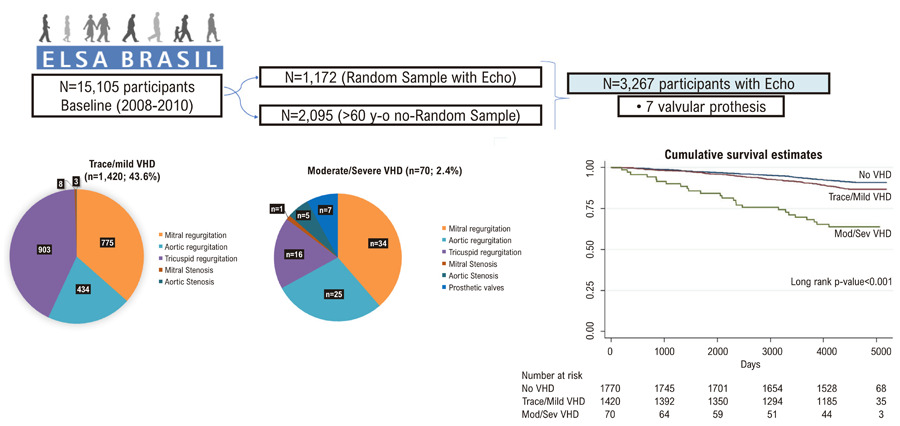
We included participants from the ELSA-Brasil cohort who underwent transthoracic echocardiography at baseline (3,267 participants; 1,539 males; mean age 60.6 ± 8.8 years) across six Brazilian states. Participants were categorized into three groups—no VHD, trace/mild VHD, and moderate/severe VHD—and their characteristics and associated factors were analyzed. P-values < 0.05 were considered statistically significant.

Results

Among all participants, 2.4% had moderate/severe VHD (including 7 participants with prosthetic valves), and 43.6% had trace/mild VHD. The most prevalent moderate/severe VHD was mitral regurgitation, followed by aortic and tricuspid regurgitation, with 56 participants (86%) presenting isolated valvular regurgitation. Moderate/severe VHD was more common in older individuals and was associated with a higher prevalence of most cardiovascular comorbidities, but with lower obesity rates. It was also associated with greater cardiac remodeling and reduced systolic function, with phenotypic variations depending on the affected valve. Moderate/severe VHD was linked to increased 10-year mortality (HR: 3.7; 95% CI [2.17–6.31]), independent of age, sex, and hypertension.

Conclusion

VHD is common among community-dwelling adults in this middle-income country and increases with age. Participants with moderate/severe VHD exhibited a greater burden of comorbidities, more pronounced cardiac remodeling, worse systolic function, and substantially reduced long-term survival.

  • Adult
  • Epidemiology
  • Heart Valve Diseases
  • Mortality
Read Full Article
Creative Commons Attribution (CC BY) Creative Commons license
24/07/2026 DOI: 10.36660/abc.20260060i Views 2
Artificial Intelligence–Driven Detection, Characterization, and Risk Stratification in Patients with Severe Tricuspid Regurgitation
ABC
Original Article

Artificial Intelligence–Driven Detection, Characterization, and Risk Stratification in Patients with Severe Tricuspid Regurgitation

Luna Varela do Carmo et al. Auristela Isabel de Oliveira Ramos Dorival Julio Della Togna Eduardo da Silva Farias Dimytri Alexandre de Alvim Siqueira

Abstract

Background:

Tricuspid regurgitation (TR) is prevalent and challenging to manage. There is a high mortality rate associated with isolated surgery and late referral for intervention. Additionally, there has been a recent expansion of transcatheter therapies. In Brazil, there is a lack of data and validation of prognostic tools.

Objective:

To investigate and define clinical, laboratory, and echocardiographic data from patients with severe TR based on variables collected through the training of an artificial intelligence (AI) model.

Methods:

This observational, single-center, non-interventional, retrospective study was based on 71,911 echocardiographic reports performed between 2021 and 2024. A natural language processing (NLP) model was developed in Python to identify cases of severe TR, extract variables, and perform automated calculation of the TRI-SCORE and EuroSCORE II, which were subsequently reviewed. A two-tailed p-value < 0.05 was considered statistically significant.

Results:

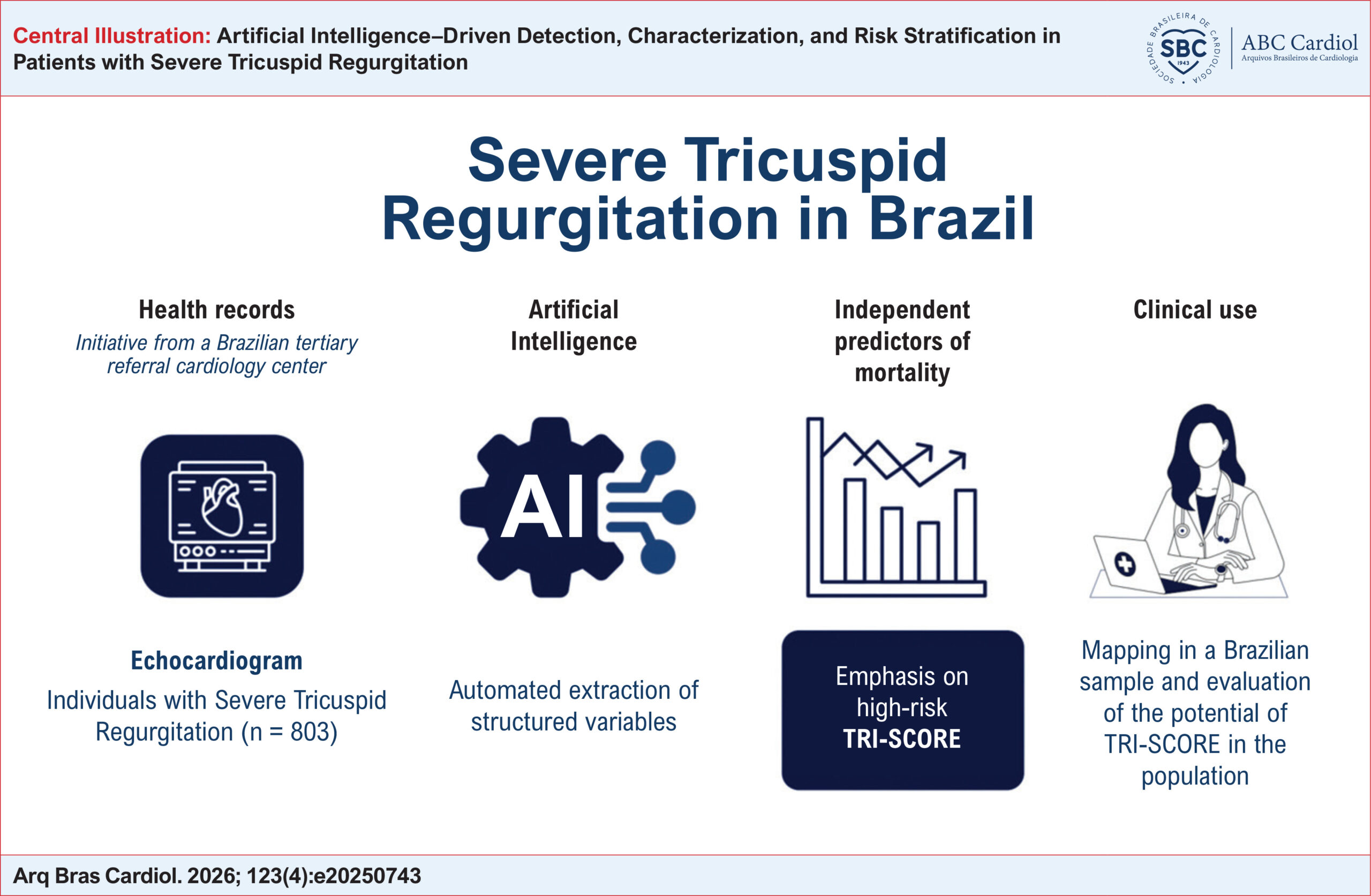
A total of 803 patients with severe TR were identified. The mean age was 68.8 ± 13.5 years, and 64.1% were female. Hypertension (71.7%) and atrial fibrillation (69.4%) were the most prevalent comorbidities. Secondary etiology predominated (96.8%), mainly associated with mitral valve disease (68.5%). Surgical risk was high (medians: EuroSCORE II = 13.4%; TRI-SCORE = 7). Mortality was 17.1%. In the secondary mortality analysis, multivariable regression identified independent predictors, such as high-risk TRI-SCORE (relative risk [RR] 2.19; 95% CI 1.14-4.21) and increased creatinine (RR 3.13; 95% CI 1.91-5.14).

Conclusions:

In the largest Brazilian cohort of severe TR, constructed with the aid of AI, the disease demonstrated high clinical and prognostic complexity. The application of NLP to large echocardiographic databases proved to be efficient and may support multicenter studies.

  • Artificial Intelligence
  • Heart Failure
  • Heart Valve Diseases
  • Tricuspid Valve Insufficiency
Read Full Article
Creative Commons Attribution (CC BY) Creative Commons license
06/07/2026 DOI: 10.36660/abc.20250743i Views 1
ABC
Letter to the Editor

Does HFpEF Really Exist? From Mimics to Misclassification in Clinical Practice

Maria Giulia Bellicini

Dear Editor,

I read with interest the recent article by Villacorta et al. addressing the distinction between “true” heart failure with preserved ejection fraction (HFpEF) and conditions that merely mimic it. Their effort to clarify this conceptual ambiguity is commendable and timely. However, I believe the issue extends further, even when HFpEF mimics such as amyloidosis, constrictive pericarditis, or severe valvular disease are carefully excluded, the clinical entity known as HFpEF often dissolves under closer scrutiny.

[…]

  • Diastolic Heart Failure
  • Dyspnea
  • Heart Valve Diseases
Read Full Article
Creative Commons Attribution (CC BY) Creative Commons license
22/06/2026 DOI: 10.36660/abc.20250379i Views 1
The Causal Relationship between Blood Cell Traits and Valvular Heart Disease: A Two-Sample Mendelian Randomization Study
ABC
Original Article

The Causal Relationship between Blood Cell Traits and Valvular Heart Disease: A Two-Sample Mendelian Randomization Study

Xiaoli Wu et al. Yufeng Li Jinyu Tian

Abstract

Background

The pathogenesis of valvular heart disease (VHD) remains unclear, highlighting the need for further research on risk factors.

Objectives

To explore the potential causal links between blood cell traits and four types of VHD: rheumatic heart disease, mitral valve disease, aortic valve disease, and tricuspid valve disease.

Methods

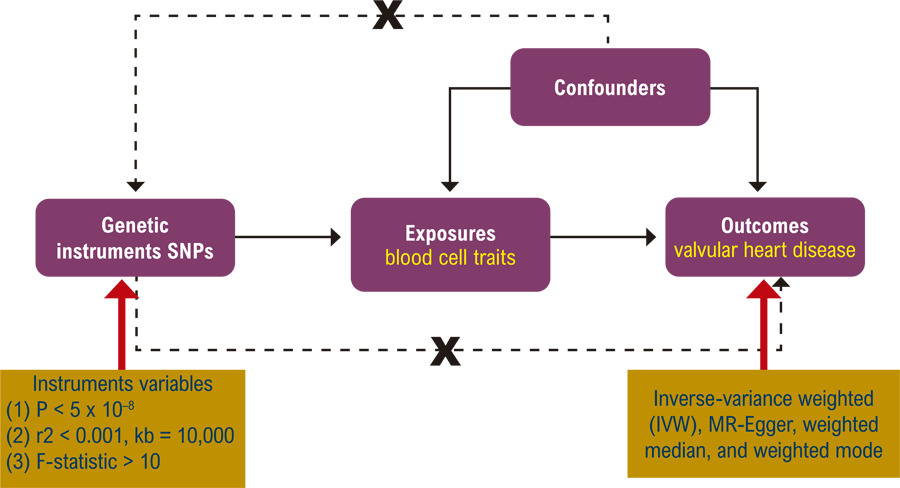
This study utilized summary statistics from large-scale GWAS and a two-sample Mendelian randomization approach, analyzing thirteen blood cell traits as exposures and four VHD phenotypes as outcomes. The primary MR method was inverse-variance weighted (IVW), supplemented by MR-Egger, weighted median, and weighted mode methods, with extensive sensitivity analyses to verify result reliability, where a p value < 0.05 was considered statistically significant.

Results

Among the thirteen blood cell traits examined, neutrophil count displayed a positive causal association with mitral valve disease (OR = 1.46, 95% CI: 1.16-1.85, p < 0.001) using the IVW method. This finding was further corroborated by the MR-Egger method (OR = 1.73, 95% CI: 1.09-2.75, p = 0.02), strengthening the evidence for this causal relationship. For this analysis, 253 robust genetic variants were used as instrumental variables. Additionally, mean corpuscular volume (MCV) showed a negative causal association with tricuspid valve disease (OR = 0.65, 95% CI: 0.44-0.96, p = 0.03) using the IVW method, based on 268 instrumental variables. Other blood cell traits did not show significant causal relationships with VHD. A comprehensive sensitivity analysis supported the robustness of our results.

Conclusions

The findings of this study suggest potential causal involvement of neutrophil count and MCV in the development of mitral valve disease and tricuspid valve disease, respectively.

  • Blood Cells
  • Heart Valve Diseases
  • Mendelian Randomization Analysis
  • Mitral Valve Insufficiency
Read Full Article
Creative Commons Attribution (CC BY) Creative Commons license
11/05/2026 DOI: 10.36660/abc.20250063i Views 2
Central Illustration
ABCIC
Review Article

Infective Endocarditis in Brazil: A Narrative Review and Critical Analysis of Population and Hospital Case Data

Diego Augusto Medeiros Santos et al. Flávio Tarasoutchi João Ricardo Cordeiro Fernandes Milena Ribeiro Paixão … Tânia Mara Varejão Strabelli Karen Francine Köohler Alfredo José Mansur Rinaldo Focaccia Siciliano

Abstract

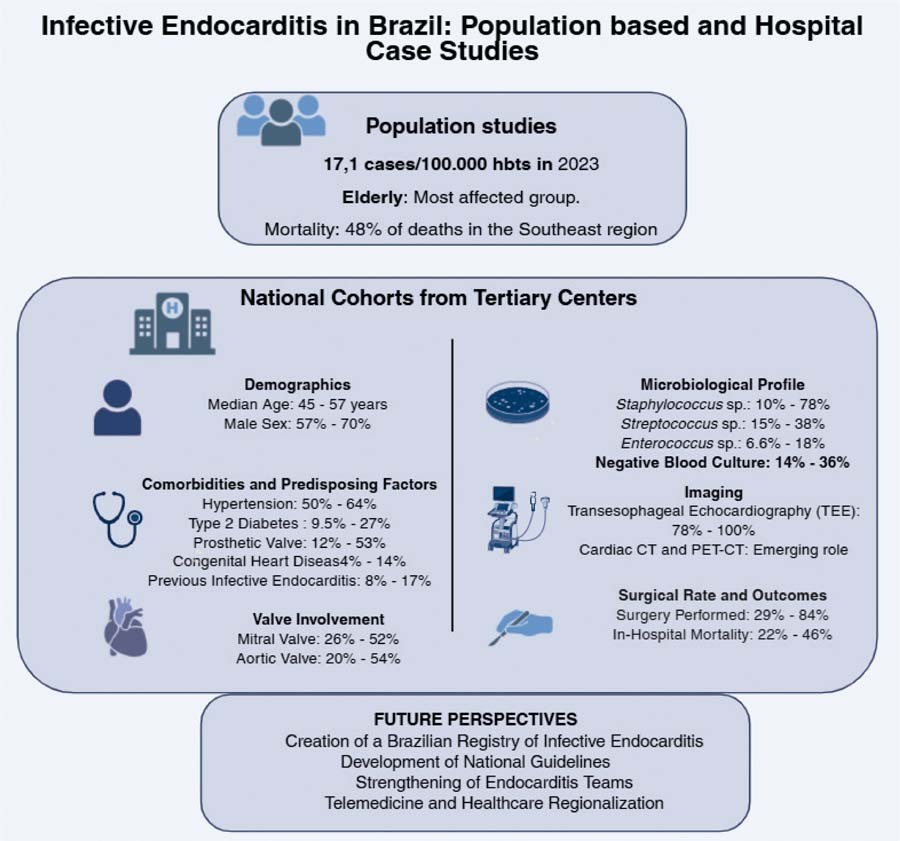
Infective endocarditis remains a serious condition with high morbidity and mortality rates despite advances in diagnostic and therapy. While the Global North has seen a shift toward older patients with prosthetic valve infections, Brazil’s understanding of the disease is hindered by reliance on fragmented, hospital-based data, primarily from the Southeast region. This narrative review synthesizes recent evidence to outline the national panorama. Population studies indicate an increase in incidence and mortality, primarily affecting men and the elderly, but with marked regional heterogeneity. Analyses of hospital case series reveal an epidemiological profile characterized by patients younger than international averages, with a high prevalence of comorbidities, underlying structural heart disease, and prosthetic valves. The microbiological landscape is diverse, with no consistent predominance between staphylococci and streptococci. Nevertheless, a particularly concerning finding is the high incidence of negative blood cultures. Severe complications are frequent, and variability exists in surgical intervention rates and in-hospital mortallity across studies. In light of this scenario, the authors propose a set of strategic actions to guide future advances: the creation of a Brazilian Registry of Infective Endocarditis, the development of Contextualized National Guidelines, the strengthening of multidisciplinary teams (Endocarditis Teams), and the implementation of measures with the potential to reduce regional disparities, such as telemedicine and the regionalization of care. The consolidation of these initiatives has the potential to transform the current landscape by enhancing epidemiological knowledge, standardizing care practices, and ultimately improving clinical outcomes nationwide.

  • Diagnostic Imaging
  • Endocarditis
  • Heart Valve Diseases
  • Unified Health System
Read Full Article
Creative Commons Attribution (CC BY) Creative Commons license
12/02/2026 DOI: 10.36660/abcimg.20250098i Views 2
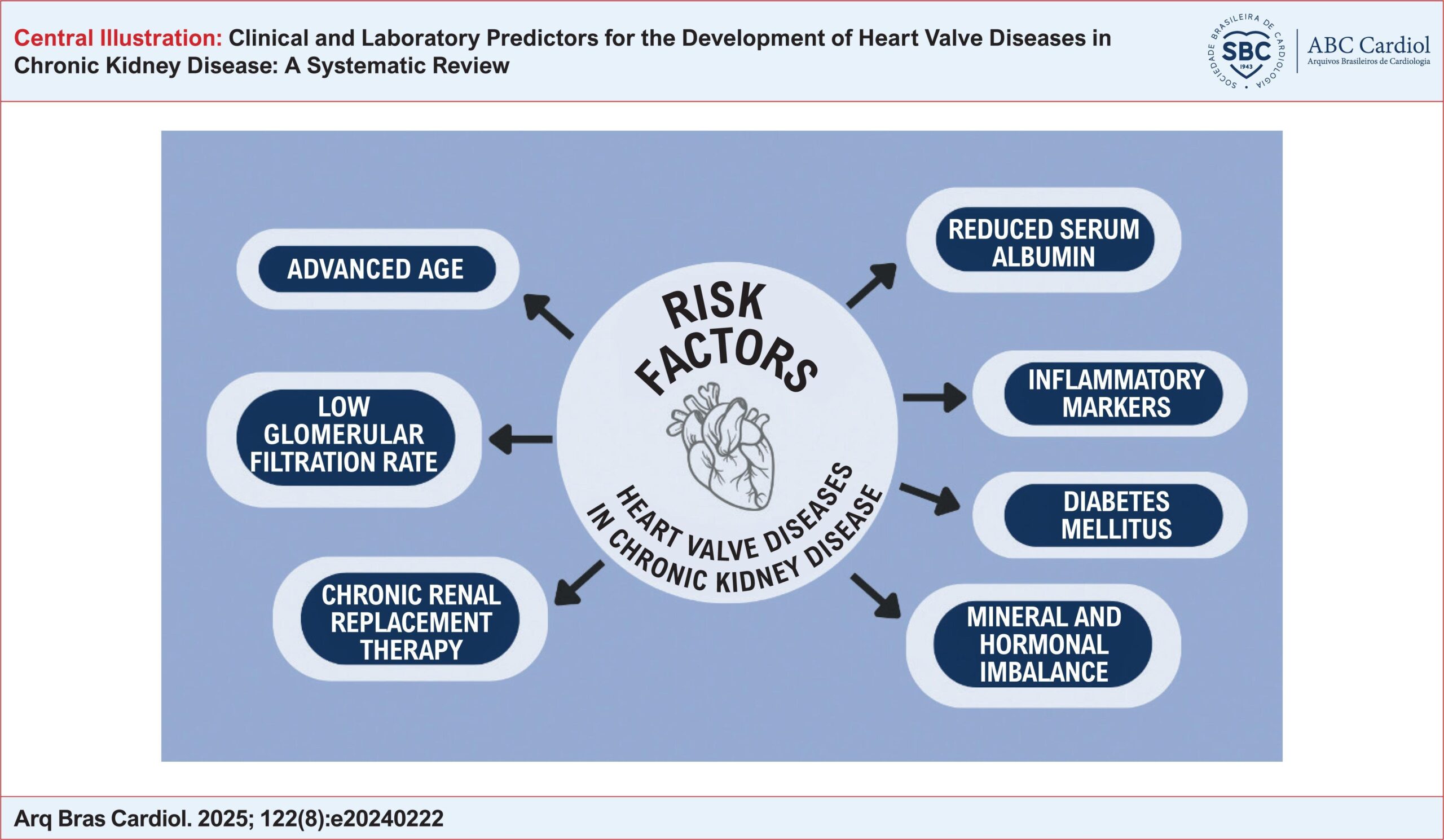
Clinical and Laboratory Predictors for the Development of Heart Valve Diseases in Chronic Kidney Disease: A Systematic Review
ABC
Original Article

Clinical and Laboratory Predictors for the Development of Heart Valve Diseases in Chronic Kidney Disease: A Systematic Review

Hayala Machado Cavalcante Conceição et al. Ana Luísa Vaz Valois Erick Magalhães Silva Ramos Ana Marice Ladeia

Abstract

Background:

Chronic kidney disease (CKD) is associated with a higher prevalence of valvular diseases and increased mortality from cardiovascular causes. Factors that influence the genesis of cardiac valve calcification (CVC) in these patients are not well-defined.

Objective:

To determine the risk factors for valvular calcification in patients with CKD.

Methods:

Systematic review based on PRISMA, which included observational studies evaluating the association of clinical and laboratory data with CVC in patients with CKD, undergoing or not hemodialysis or peritoneal dialysis. Articles were retrieved from databases (MEDLINE; SCIELO; CENTRAL; EMBASE; LILACS/BVS) and selected blindly by two authors; discrepancies were resolved by a third author. Data collection and synthesis were carried out by the main author. The assessment of methodological quality and risk of bias was based on STROBE and Newcastle-Ottawa guidelines.

Results:

A total of 783 studies were identified, of which 20 were included, encompassing 13,314 patients from 10 countries. The factors most strongly associated with CVC were age >55 years, glomerular filtration rate <53 mL/min/1.73m2, renal replacement therapy (RRT) >20 months, hypoalbuminemia, C-reactive protein (CRP), serum levels of IL-6, TNF-α, parathyroid hormone, hyperphosphatemia, hypercalcemia, Ca × P product, and FGF-23 resulting from secondary hyperparathyroidism. Both mitral and aortic valves were studied, and no differences were observed between hemodialysis and peritoneal dialysis.

Conclusion:

Age, RRT, chronic inflammation, and secondary hyperparathyroidism promote calcium and phosphate deposition in the valves, making CKD patients more susceptible to CVC) Monitoring these parameters provides opportunities for prevention and treatment.

  • chronic renal insufficiency
  • Heart Valve Diseases
  • Risk Factors
Read Full Article
Creative Commons Attribution (CC BY) Creative Commons license
08/09/2025 DOI: 10.36660/abc.20240222i Views 2
Figura 1
IJCS
Case Report

Transcatheter Bicaval Valve System in the Treatment of Torrential Tricuspid Regurgitation and Refractory Systemic Hypervolemia: 12-Month Outcome

Rômulo Francisco de Almeida Torres et al. Alessandro Kraemer Rafael de Almeida Torres Fernanda Proença Lepca Bozzi … Sarah Fagundes Grobe Eduardo Mendel Balbi Filho Guilherme Barreto Gameiro Silva

Abstract

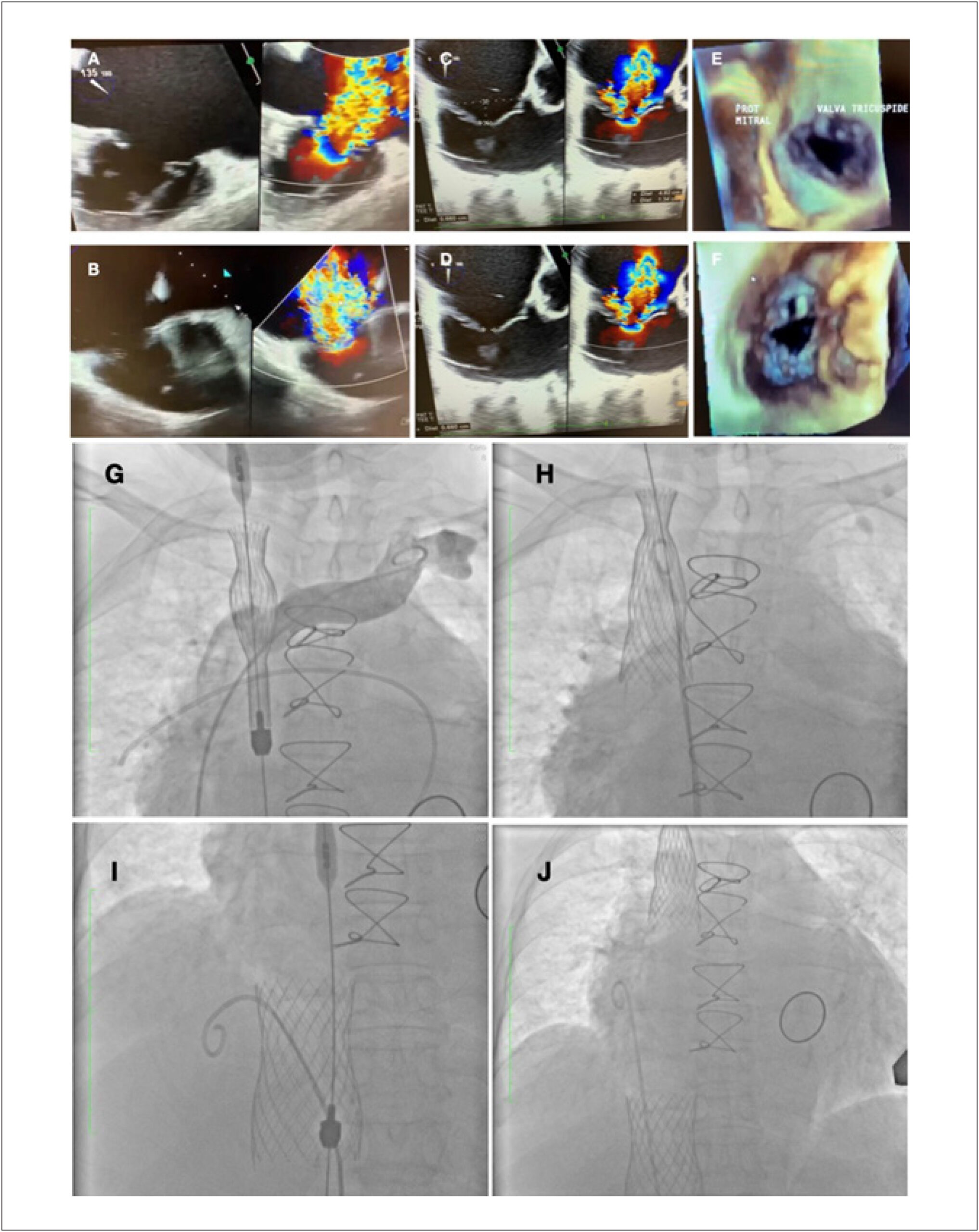
Severe isolated tricuspid regurgitation (TR) is associated with limiting symptoms, negative impact on quality of life, and poor prognosis. The TricValve® device is a transcatheter self-expanding biological valve system designed to mitigate systemic volume overload, improve quality of life, and improve congestive symptoms. We report a 12-month follow-up of a 61-year-old woman with signs of refractory systemic hypervolemia and torrential TR who underwent the procedure. The treatment resulted in significant weight loss, improvement in signs of hypervolemia, and improvement in functional class (FC).

  • Cardiac Catheterization
  • Edema
  • Heart Valve Diseases
  • Tricuspid Valve Insufficiency
Read Full Article
Creative Commons Attribution (CC BY) Creative Commons license
01/09/2025 DOI: 10.36660/ijcs.20250035 Views 2
ABC
Viewpoint

The Culprit Valve: A New Concept for Reducing the Risk of Intervention in Patients with Severe Valve Disease

Roberto Cintra de Azevedo Aragão et al. José Augusto Soares Barreto-Filho Roney Orismar Sampaio

In clinical practice, it is not unusual to come across two relatively serious clinical conditions that occur concomitantly and may justify the patient’s symptoms. For example, associations between aortic stenosis and coronary artery disease, or between aortic stenosis and primary or secondary mitral regurgitation, both moderate to severe, are common in the real world. In the case of patients with low surgical risk, combined treatment is a consensus at the time of surgical intervention despite the consequences of these combined procedures, such as increased cardiovascular morbidity and mortality. For example, aortic valve (AV) replacement, when combined with coronary artery bypass graft surgery, increases the risk of mortality by almost twofold, just as AV replacement, when combined with mitral valve (MiV) surgery, increases this risk by more than threefold. However, in patients with high perioperative risk, especially when a less invasive isolated procedure can be used, the decision to indicate a broader treatment but with higher morbidity and mortality versus an isolated treatment but with lower morbidity and mortality is not trivial.

Recently, in Heart Team (HT) discussions, thanks to the advent of AV treatment by transcatheter aortic valve implantion (TAVI) or even MiV “edge-to-edge” repair and “valve in valve” procedure, the idea that the isolated treatment of the most severe lesion, which is likely the main cause of the patient’s symptoms, can optimize the patient’s outcome, reducing the expected morbidity and mortality and substantially improving the patient’s quality of life, has gained momentum.

[…]

  • Cardiology
  • Heart Valve Diseases
  • Prognosis
Read Full Article
Creative Commons Attribution (CC BY) Creative Commons license
12/05/2025 DOI: 10.36660/abc.20240492i Views 1
How Cardiovascular Physical Examination Impacts Clinical Decision-Making in Various Scenarios of Cardiac Valvular Diseases
ABC
Original Article

How Cardiovascular Physical Examination Impacts Clinical Decision-Making in Various Scenarios of Cardiac Valvular Diseases

Isabella Silveira Teixeira et al. Vinícius Lima Borges Natan Viola Henrique Turin Moreira … Antonio Pazin Filho André Schmidt José Antônio Marin-Neto Minna Moreira Dias Romano

Abstract

Background

Complementary diagnostic examinations have replaced the importance of Physical Examination (PE) in Clinical Decision-making (CDM).

Objective

To evaluate the impact of cardiovascular PE in scenarios of cardiac valvular diseases.

Methods

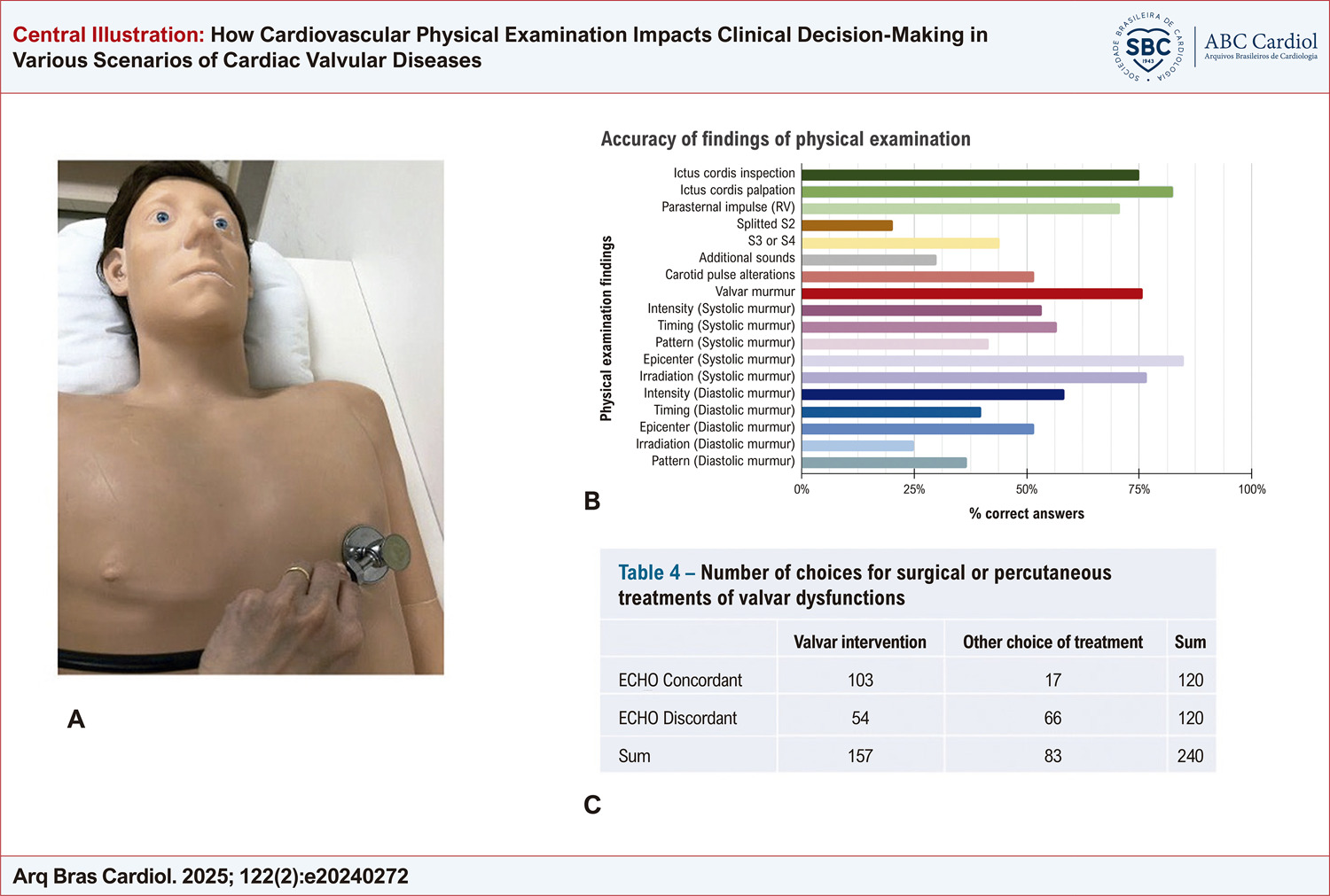
An interventional study with volunteers’ patients having or not having the opportunity to perform PE in scenarios of valvopathies. The PE was simulated in a high-fidelity cardiopulmonary simulator. Volunteers received questions about CDM before and after receiving an ECHO Concordant or ECHO Discordant report. Cohen´s kappa coefficient and square contingency tables compared diagnostic accuracy. ANOVA tests compared the number of requested tests; the significance level was set as p < 0.05.

Results

Sixty volunteers performed 239 clinical observations in 4 valvular dysfunctions. The diagnostic accuracy of valvular dysfunction was good (kappa = 0.935, p < 0.001). After receiving ECHO reports, the accuracy was worse without PE (p = 0.0047). The confidence level in diagnosis was 28.18% higher when PE was performed (p < 0.01). However, after receiving ECHO reports, diagnostic confidence levels were only 4% higher in the group with PE (p = 0.03). There were significantly more CATE requests when PE was not performed (p = 0.0326). The indication of valvular intervention was not related to having or not having the opportunity to perform PE (79 with PE vs 78 without PE, p = 0.0607), but was influenced by ECHO Concordant vs ECHO Discordant reports (p < 0.001).

Conclusions

Performing PE enhanced diagnosis confidence in valvulopathy scenarios and correct dysfunction grading. Treatment decisions were more based on ECHO reports than on PE when they were discordant, and requests for CATE increased when volunteers had no chance to perform PE.

  • Clinical Decision – Making
  • Echocardiography
  • Heart Valve Diseases
  • Physical Examination
Read Full Article
Creative Commons Attribution (CC BY) Creative Commons license
17/03/2025 DOI: 10.36660/abc.20240272i Views 3
Figure 1
ABCIC
Case Report

Giant Left Atrium in Rheumatic Mitral Valve Disease

Alice Cunha Darzé et al. Antonio Tito Paladino Filho Amanda Marsiaj Rassi Carlos Eduardo Prazeres … Ibraim Masciarelli Francisco Pinto João Marcelo Caneschi Jose Roberto Tuma da Ponte Junior Paul Salvador Morales Rafael Castro Hendges Tiago Senra

Abstract

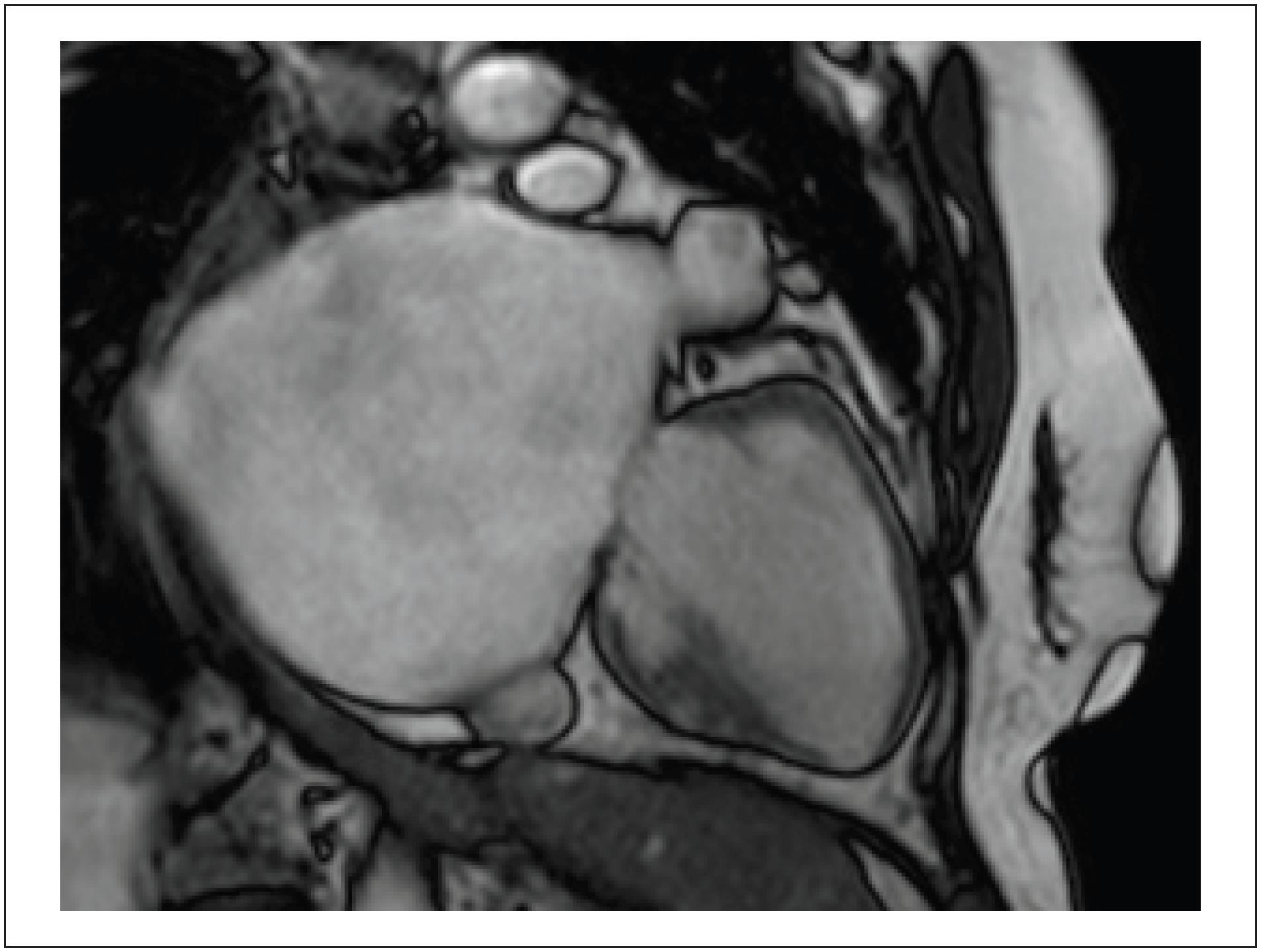
The Giant Left Atrium (GLA) is a rare condition, more commonly related to rheumatic mitral valve disease; it can be mistaken with a few possible differential diagnoses when less accurate methods are implemented, potentially leading to particularly dangerous and unnecessary procedures in this setting. Cardiovascular imaging methods, such as Cardiac Magnetic Resonance (CMR), can be valuable for this differentiation and provide high spatial resolution, supporting accurate diagnosis and surgical planning when indicated. Selecting the most precise diagnostic method, however, requires deep knowledge of the GLA condition and clinical data, leading to a correct suspicion. Furthermore, opting for using volumetry rather than the biplanar method in cases of significant deformity ensures greater accuracy in the values obtained.

  • Heart Atria
  • Heart Valve Diseases
  • Magnetic Resonance Imaging
Read Full Article
Creative Commons Attribution (CC BY) Creative Commons license
05/12/2024 DOI: 10.36660/abcimg.20240083i Views 1
Figura 1
ABCIC
Case Report

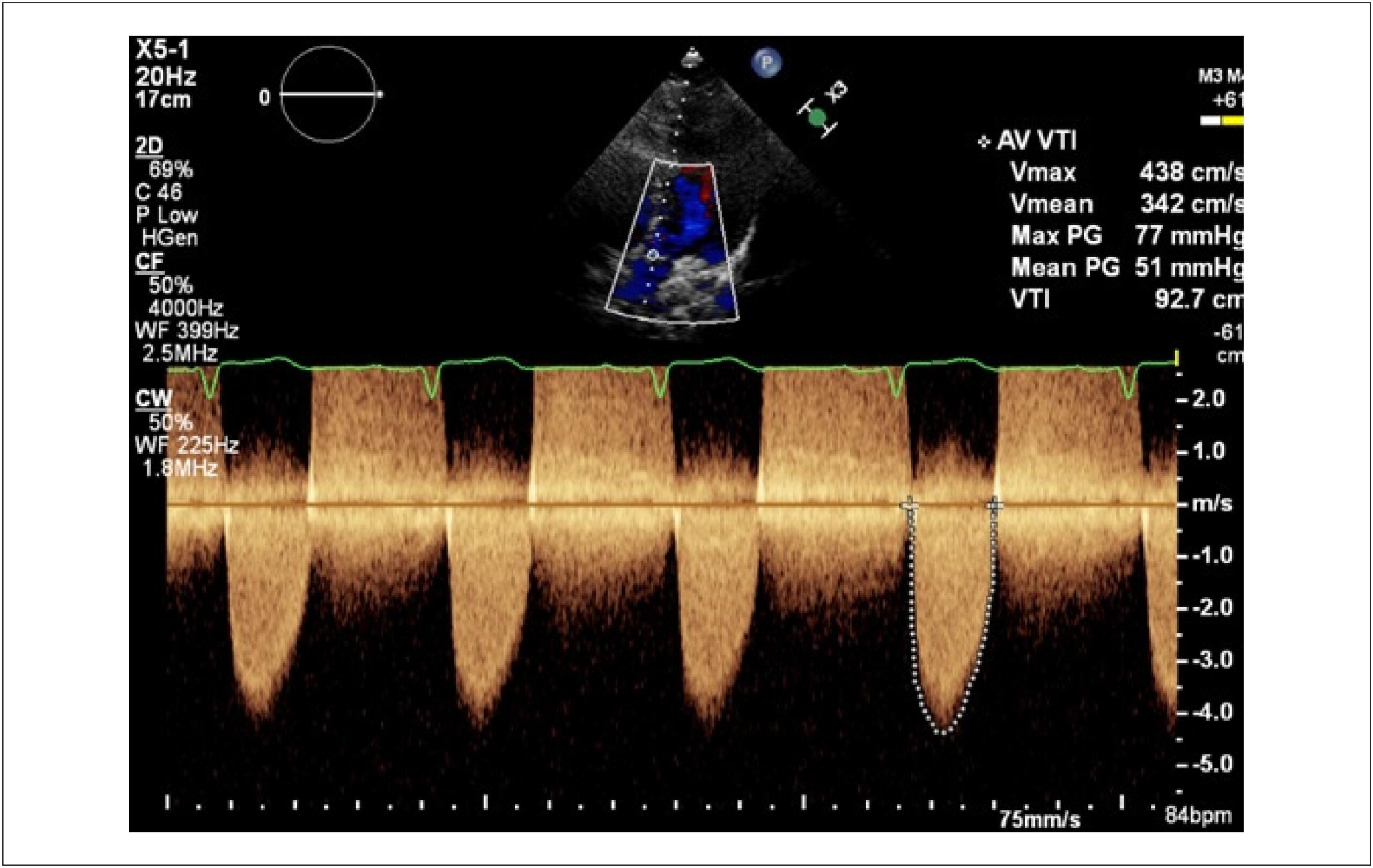
Unicuspid Aortic Stenosis: Case Report

Welison Gutherrez Silva e Sousa et al. Julia Lucena Domingues Adriana Teixeira Damasceno Alessandra Edna Teófilo Lemos … Antônio Luiz Júnior Araújo Nelson Lopes Evangelista

Introduction

Unicuspid aortic valve (UAV) is an uncommon congenital pathology, first described by Edwards in 1958. It is a rare malformation (especially when compared to other aortic valve anomalies), with an estimated incidence of 0.02% of adults undergoing echocardiography and approximately 4% to 5% of patients undergoing surgery for aortic stenosis. Echocardiography is the first-choice method for diagnosis and definition of hemodynamic repercussions. In this study, we report the case of a patient with symptomatic aortic stenosis and describe her diagnosis and therapeutic management.

[…]

  • Aortic Valve Stenosis
  • Echocardiography
  • Heart Valve Diseases
Read Full Article
Creative Commons Attribution (CC BY) Creative Commons license
05/12/2024 DOI: 10.36660/abcimg.20240087i Views 2
Figure 1
ABCIC
Review Article

My Approach To Manage Valve Prosthetic Dysfunction: What is the Role of Tomography?

Jorge Andion Torreão

Abstract

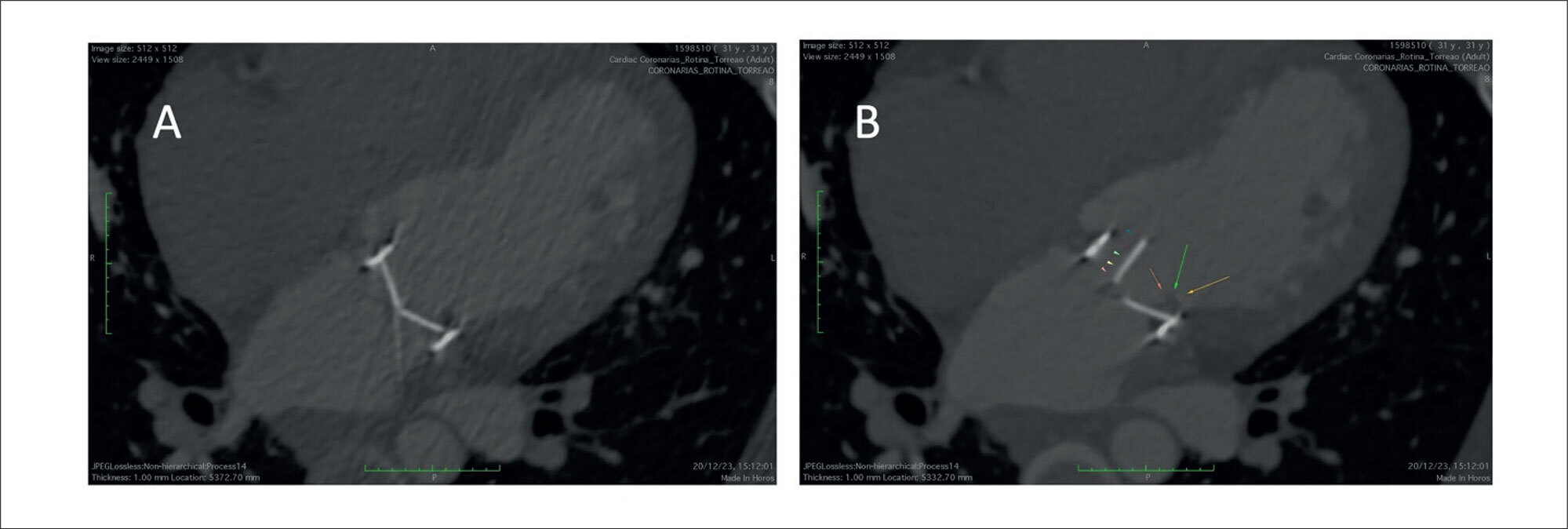
The prevalence of valvular heart disease remains significant worldwide, as does the resulting use of valve replacement devices. Currently, mechanical valve prostheses (MVP), biological valve prostheses (BVP), and transcatheter valve prostheses are available. Computer tomography (CT) provides excellent spatial resolution and plays a critical role in the diagnostic process for prosthetic valve dysfunction (PVD). CT allows proper visualization of leaflet calcification/thickening (biological) or leaflet motion and angulation (mechanical). CT plays a fundamental role in the diagnosis of pannus and/or thrombus and in the characterization of paravalvular complications (e.g., dehiscence, fistula, leak, abscess, and pseudoaneurysm). Finally, CT has an established role as a necessary tool for planning percutaneous (valve-in-valve [VIV]) or surgical interventions to replace dysfunctional biological prostheses (Central Figure).

  • Emission-Computed Tomography
  • Heart Valve Diseases
  • Heart Valve Prosthesis Implantation
Read Full Article
Creative Commons Attribution (CC BY) Creative Commons license
13/09/2024 DOI: 10.36660/abcimg.20240041i Views 1
Figure 1
ABCIC
Review Article

My Approach to PISA EROA in Mitral Regurgitation: A Critical Review

Nicolas Merke

Abstract

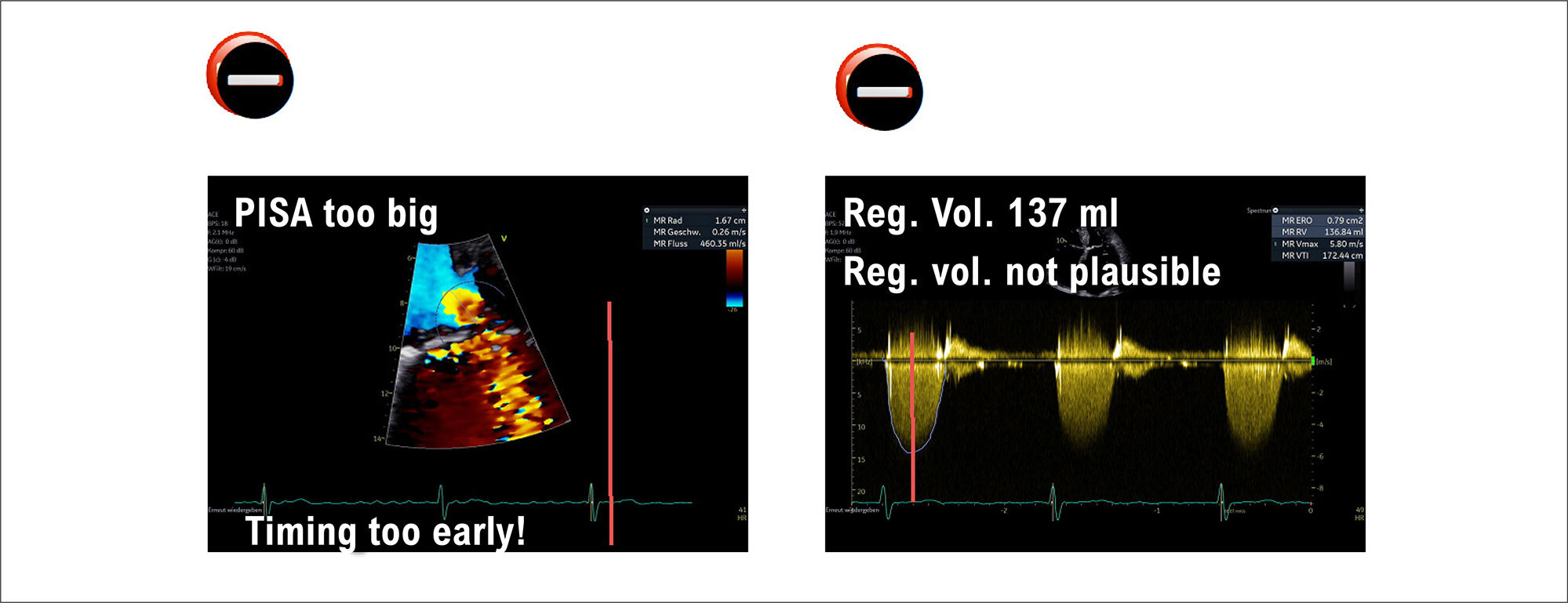
Mitral valve regurgitation is the most common valvular heart disease. In order to guide proper therapy, it is paramount to follow and use the guideline-recommended echocardiographic tools. The flow convergent method, which calculates the effective regurgitant orifice area and the regurgitant volume, plays an important role in the diagnostic workup and is widely used by echocardiographers and sonographers. Only by knowing the correct application and avoiding its pitfalls can we guarantee comprehensive and plausible values. This critical review will show in a step-by-step manner all critical moments by applying the Proximal Isovelocity Surface Area (PISA) and Effective Regurgitant Opening Area (EROA) method.

  • Heart Valve Diseases
  • Mitral Valve Insufficiency
  • Risk
Read Full Article
Creative Commons Attribution (CC BY) Creative Commons license
13/09/2024 DOI: 10.36660/abcimg.20240061i Views 1
Figure 1
IJCS
Original Article

Evolution of Patients With Atrial Fibrillation According to the EHRA Categorization

Rose Mary Ferreira Lisboa da Silva et al. Letícia Tanure Diniz Laura Selga da Silva Gomes Lucas Espíndola Borges

Abstract

Background

The lifetime risk of developing Atrial Fibrillation (AF) is one in three adults, with a prevalence ranging from 2% to 4%. In 2017, the Evaluated Heart valves, Rheumatic or Artificial (EHRA) classification was introduced to guide oral anticoagulation (OAC) for patients with AF and valvular heart disease.

Objective

To analyze the evolution of patients with AF according to the EHRA categorization type 1, type 2, and those without valvular heart disease (group 3).

Method

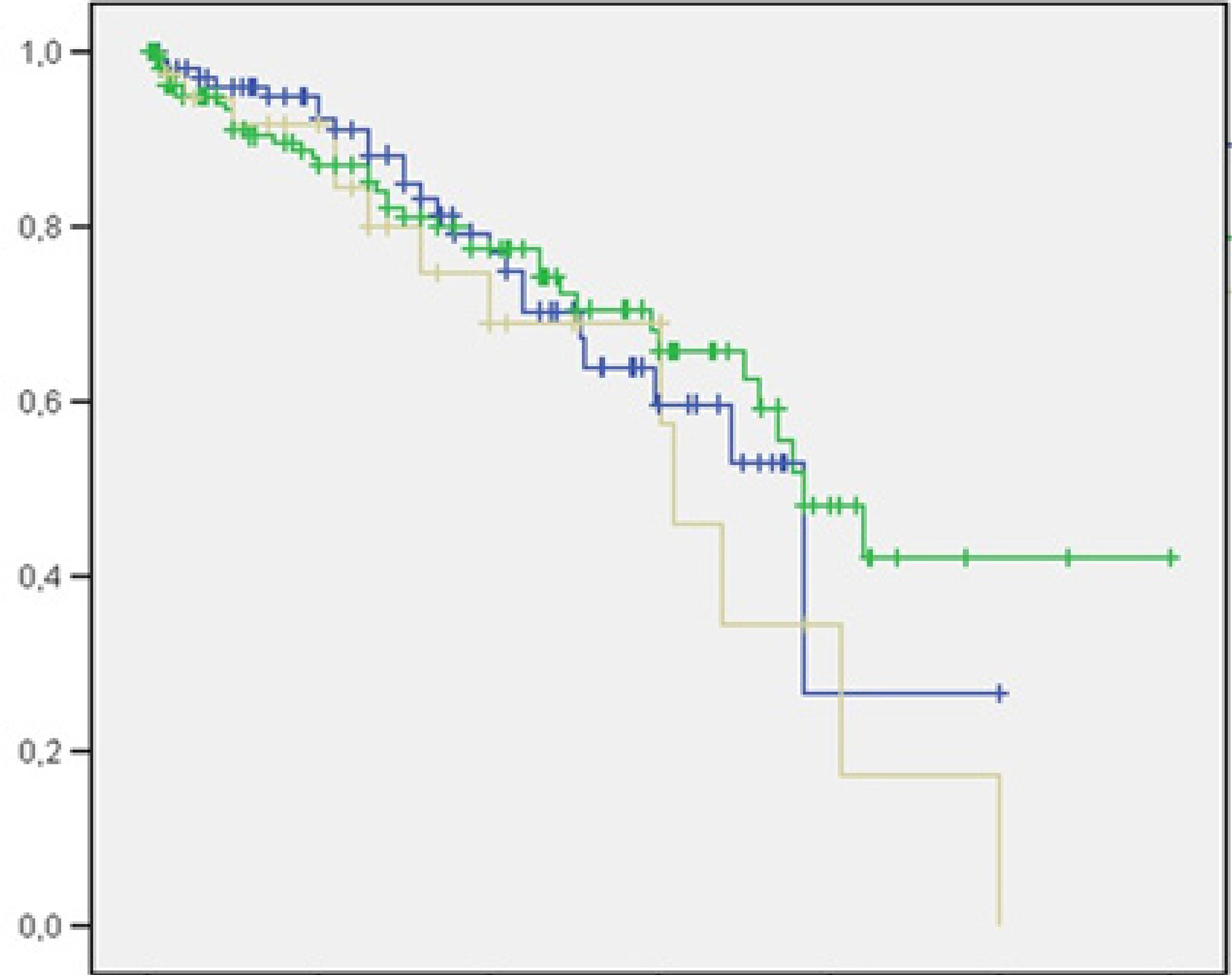
Prospective, observational, and longitudinal study with 421 patients with AF, divided into three groups. Baseline risk scores for embolism, bleeding, and OAC quality were calculated. Events were verified during the 12-month clinical follow-up. Chi-square, parametric, and non-parametric tests were used for statistical analysis, in addition to the Kaplan-Meier curve. P-value < 0.05 was the statistical significance criterion.

Results

The average age was 58.6 years; 227 patients were women and 269 had OAC. There were 113 OAC EHRA type 1 patients, 53 type 2, and 255 patients from group 3. Age was lower, the proportion of women and OAC usage was higher in group 1 and there was a lower ejection fraction in group 3. During follow-up, the OAC percentage was 87.6% in type 1; 62.2% in type 2; and 56.0% in group 3 (p < 0.0001), with no difference regarding OAC quality, bleeding rate, embolism, or combined events. A higher total mortality rate was observed in group 3 (p = 0.02).

Conclusion

Despite the higher use of OAC in EHRA type 1, there were no differences between the groups regarding bleeding, embolism, or combined events. Group 3, characterized by greater systolic dysfunction, exhibited higher total mortality rates.

  • Atrial Fibrillation
  • Clinical Evolution
  • Heart Valve Diseases
  • Mortality
Read Full Article
Creative Commons Attribution (CC BY) Creative Commons license
26/08/2024 DOI: 10.36660/ijcs.20230093 Views 1
Chart 1-1
ABC
Special Article

Cardiovascular Statistics – Brazil 2023

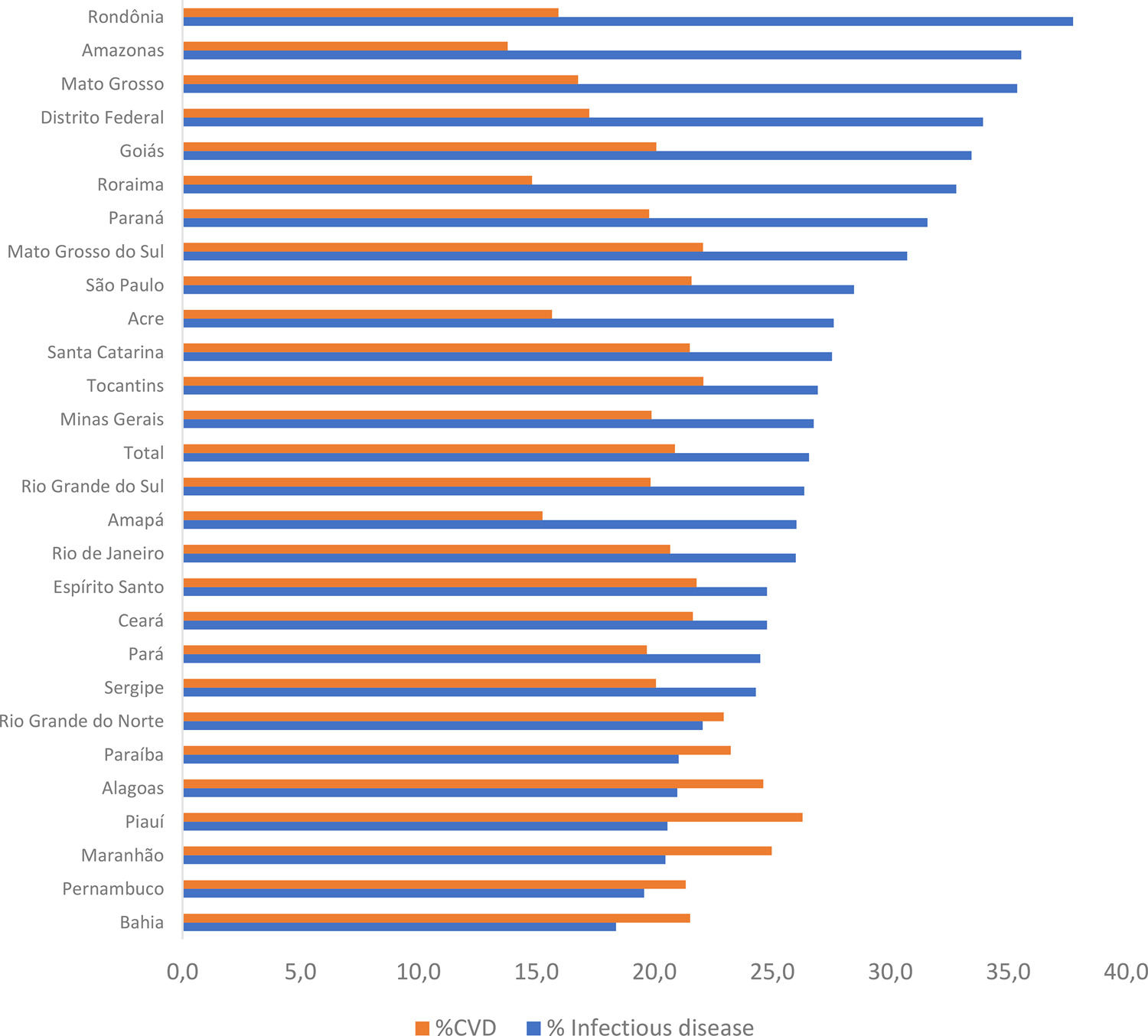
Gláucia Maria Moraes de Oliveira et al. Luisa Campos Caldeira Brant Carisi Anne Polanczyk Deborah Carvalho Malta … Andreia Biolo Bruno Ramos Nascimento Maria de Fatima Marinho de Souza Andrea Rocha De Lorenzo Antonio Aurélio de Paiva Fagundes Júnior Beatriz D. Schaan Christina Grüne de Souza e Silva Fábio Morato de Castilho Fernando Henpin Yue Cesena Gabriel Porto Soares Gesner Francisco Xavier Junior Jose Augusto Soares Barreto Filho Luiz Guilherme Passaglia Marcelo Martins Pinto Filho M. Julia Machline-Carrion Marcio Sommer Bittencourt Octavio M. Pontes Neto Paolo Blanco Villela Renato Azeredo Teixeira Ricardo Stein Roney Orismar Sampaio Thomaz A. Gaziano Pablo Perel Gregory A. Roth Antonio Luiz Pinho Ribeiro

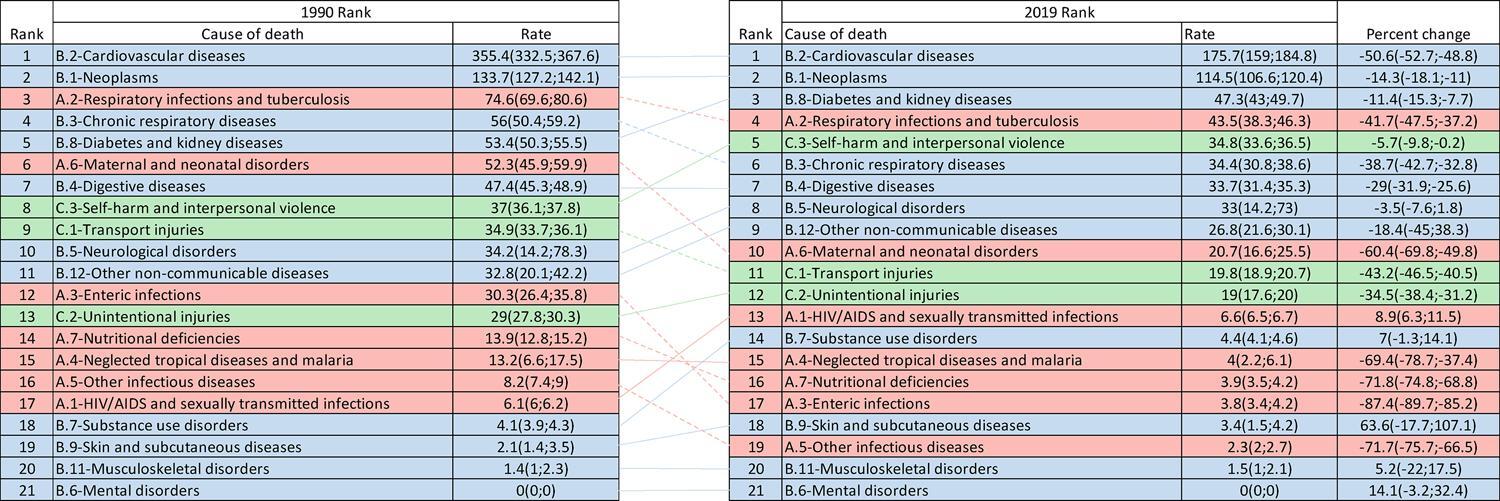
ABOUT THESE STATISTICS

The publication Cardiovascular Statistics – Brazil aims to provide an annual compilation of data and research on the epidemiology of CVDs in Brazil. The report integrates official statistics from the Brazilian Ministry of Health and other governmental entities alongside data from the GBD project, coordinated by the IHME at the University of Washington. Additionally, it incorporates data derived from various sources and scientific studies, including cohorts and registries, that relate to CVDs and their associated risk factors. This publication is intended for a wide range of individuals, including researchers, clinicians, patients, healthcare policymakers, media professionals, the general public, and other interested parties seeking extensive national data about heart disease and stroke. Volunteer researchers from various Brazilian universities and research institutions carry out the project. The group is led by a five-member steering committee (ALPR, CAP, DCM, GMMO, and LCCB). The Brazilian Society of Cardiology fully supports this initiative, and the project receives collaborative support from the GBD Brazil Networkand an International Committee (GAR, PP, and TAG) from both the IHME/University of Washington (GAR) and the World Heart Federation (PP and TAG).

[…]

  • Atrial Fibrillation
  • Atrial flutter
  • Brazil
  • Cardiomyopathies
  • Cardiovascular Diseases
  • Cerebrovascular Disorders
  • Coronary Disease
  • Diabetes Mellitus
  • Dyslipidemias
  • Exercise
  • Heart Failure
  • Heart Valve Diseases
  • Hypertension
  • Obesity
  • Overweight
  • Statistics
  • Tobacco Use Disorder
Read Full Article
Creative Commons Attribution (CC BY) Creative Commons license
17/06/2024 DOI: 10.36660/abc.20240079 Views 1
Figure 1
ABCIC
Review Article

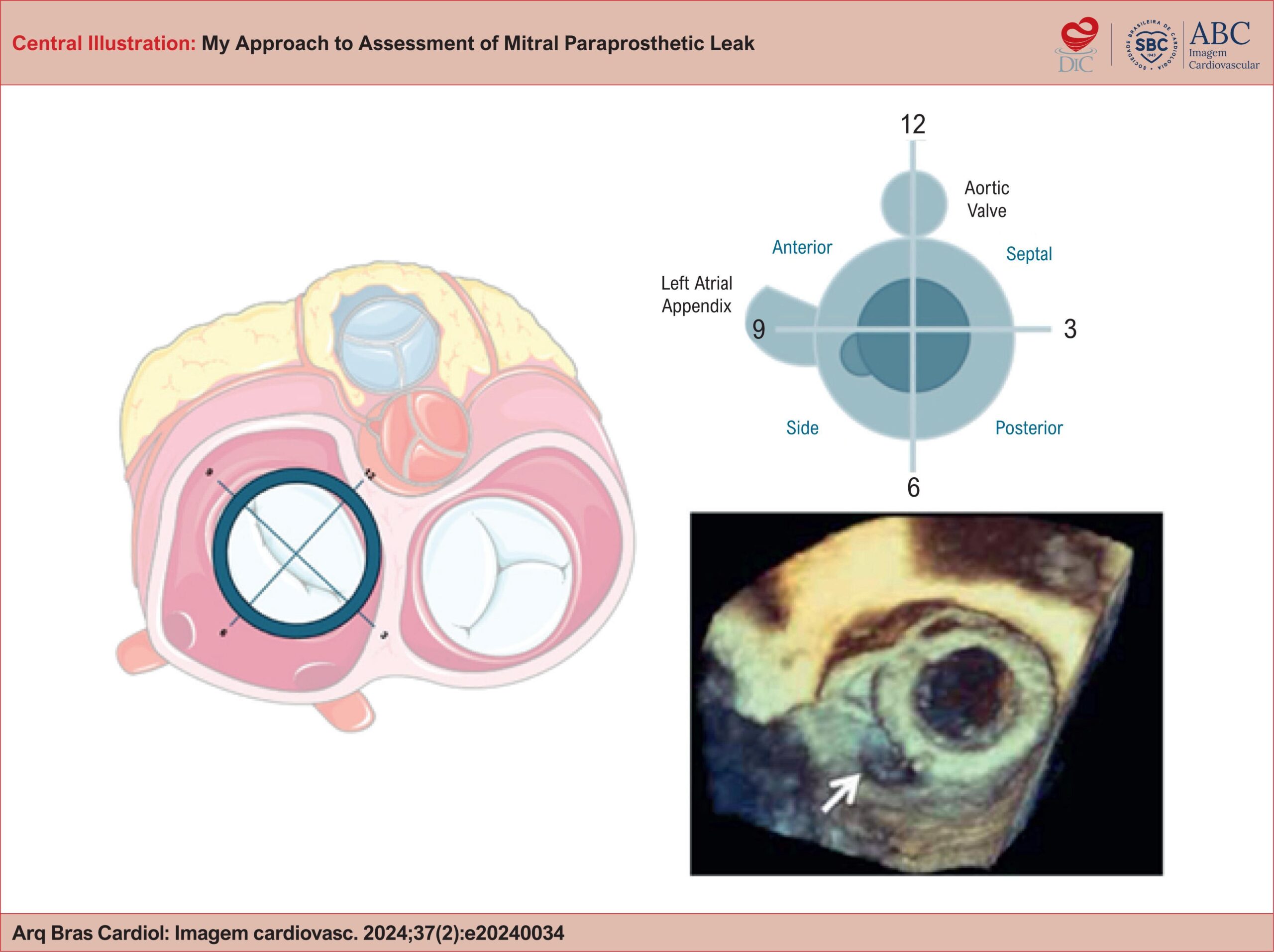
My Approach to Assessment of Mitral Paraprosthetic Leak

Tiago Bignoto

Abstract

Mitral paraprosthetic leak is a common, often asymptomatic condition. When presented with clinical manifestations such as heart failure and/or hemolysis, interventional treatment is indicated. The transcatheter approach has become increasingly popular, requiring careful planning using imaging methods, particularly echocardiography. Echocardiography is crucial for assessing the severity, location, size, shape, and number of leaks. Once these variables are determined, the treatment approach is planned, typically using the transseptal route. The optimal puncture site depends on various factors, with precise puncture location being paramount. Intraoperative echocardiographic evaluation is essential for procedure success, guiding device positioning and adjustments while also identifying any potential complications.

  • Heart Valve Diseases
  • Heart Valve Prosthesis
  • Mitral Valve
Read Full Article
Creative Commons Attribution (CC BY) Creative Commons license
06/06/2024 DOI: 10.36660/abcimg.20240034i Views 1
ABCIC
Editorial

Transesophageal Echocardiography in Aortic Valve Stenosis: A Pre-Intervention “Toll”?

Antonio de Santis et al. Francisco Monteiro de Almeida Magalhães

Aortic stenosis (AS) has become one of the most relevant valve diseases in cardiology care due to its increasing prevalence, resulting from the positive relationship between the preeminently degenerative etiology and global population aging. In Brazil, we highlight an epidemiological scenario characterized by an etiopathogenic coexistence: rheumatic fever and bicuspid valve disease in younger patients and calcific (degenerative) etiology in elderly patients. Regarding the natural history, AS leads to elevated cardiovascular morbidity and mortality in its symptomatic phase, with unfavorable prognosis when it is not diagnosed correctly and without timely intervention.–

Echocardiography is still a fundamental tool for diagnosis, allowing both evaluation of etiological characteristics and grading of AS severity using parameters such as aortic valve area, transvalvular pressure gradient, and peak aortic jet velocity. However, there are still questions related to the best window for acquiring echocardiographic data. Is the transesophageal window a necessary “toll” for all patients with AS for whom intervention is planned? In general, transesophageal echocardiography (TEE) has the potential to provide superior image quality to transthoracic echocardiography (TTE) in the evaluation of posterior cardiac structures close to the esophagus, for example, the mitral valve. In this case, the greater distance between these structures and the echocardiographic transducer might make evaluation through the transthoracic window difficult. However, the anterior anatomical topography of the aortic valve allows adequate analysis by TTE in most patients, thus avoiding exposure to sedation and possible complications of the transesophageal modality. Data from the literature have shown that TTE and TEE are comparable, mainly in the anatomical and etiological characterization of AS, with compatible results in estimating the valve area.– Nonetheless, there is evidence that the determination of the hemodynamic severity of AS, expressed by the transvalvular pressure gradient and aortic jet velocity, may be underestimated in TEE. Variations in blood volume and preload, conditioned by the fasting and sedation required for the exam, could justify these particularities in transesophageal evaluation.

[…]

  • Aortic Valve Stenosis
  • Heart Valve Diseases
  • Transesophageal echocardiography
Read Full Article
Creative Commons Attribution (CC BY) Creative Commons license
28/05/2024 DOI: 10.36660/abcimg.20240023i Views 1
Figure 1
ABCIC
Case Report

Exploring Complexities in Differential Diagnosis: Torn Chord Tendinea in the Aortic Valve

Alexandre Costa et al. Endy de Santana Alves Priscila Pinheiro Leonardo Flausino … Marcus Vinicius Freire Rodrigo Vieira Morel

Introduction

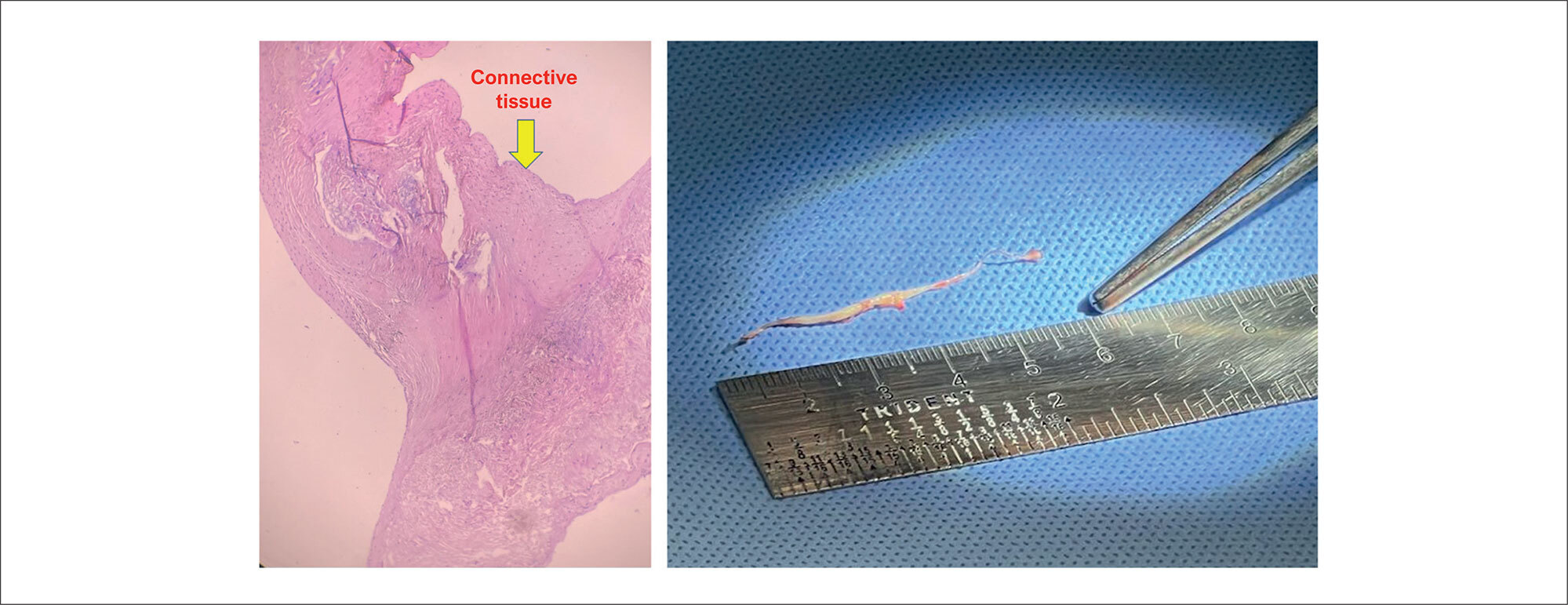
The prevalence of anomalous chordae in the aortic valve is rare in clinical practice. These anomalies, although uncommon, can have significant clinical implications, including valve insufficiency, arrhythmias and/or embolic risk. Accurate diagnosis and understanding of its pathophysiology are essential for adequate patient management.

The uncommon nature of anomalous chordae in the aortic valve means that their presence can often go unnoticed or misdiagnosed. Medical literature presents few reports on these structures of probable embryonic origin, leaving gaps in clinical knowledge. Furthermore, due to its ability to influence cardiac hemodynamics and potential to complicate clinical conditions, it is essential to expand the understanding of its incidence, clinical manifestations, and best management practices.

[…]

  • Aortic Valve
  • Cardiac Surgical Procedures
  • Diagnostic Imaging
  • Heart Valve Diseases
Read Full Article
Creative Commons Attribution (CC BY) Creative Commons license
18/12/2023 DOI: 10.36660/abcimg.20230084i Views 1
ABCIC
Editorial

A Clinician’s View of Tricuspid Regurgitation: What do I Need to Know? When to Intervene?

Tiago Bignoto

Tricuspid valve dysfunction was considered a benign clinical situation for a long time, but with the advancement of diagnostic imaging methods and better clinical stratification of patients with structural heart disease, adequate classification of tricuspid regurgitation has become fundamental to decision making in the context of a Heart Team.

The first assessment to be taken into account is the etiology of the dysfunction. With a low prevalence, the primary etiology, mainly due to rheumatic and congenital causes, has a well-established intervention flowchart, primarily based on the presence of symptoms or hemodynamic repercussions on the right side of the heart.

[…]

  • Heart Valve Diseases
  • Tricuspid Valve
  • Tricuspid Valve Insufficiency
Read Full Article
Creative Commons Attribution (CC BY) Creative Commons license
24/03/2023 DOI: 10.36660/abcimg.20230005i Views 2
Figure 1
IJCS
Viewpoint

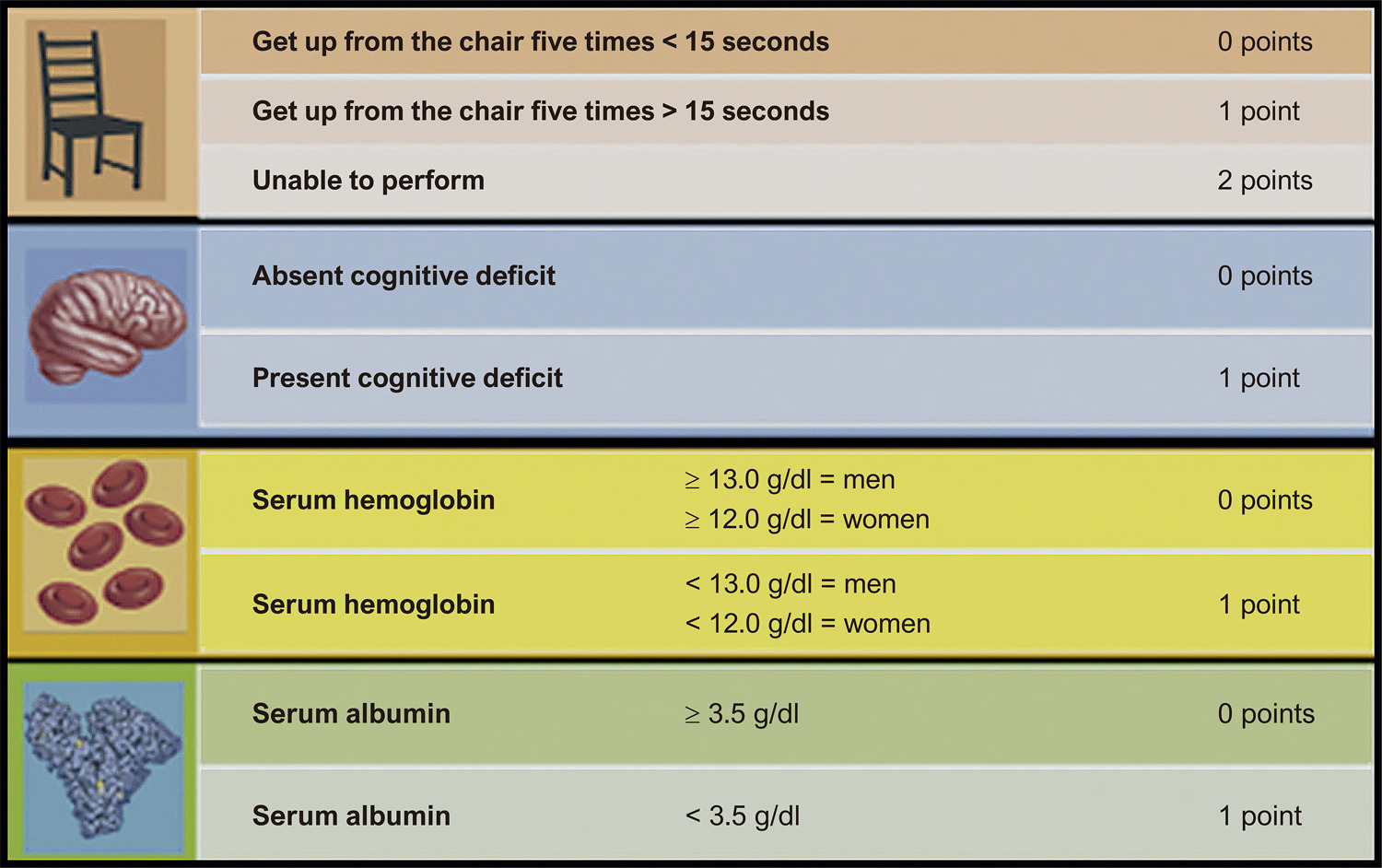
Frailty in Patients With Valve Disease: How to Assess?

David Provenzale Titinger et al. Vitor Emer Egypto Rosa Marcelo Eidi Ochiai Tarso Augusto Accorsi … João Ricardo Cordeiro Fernandes Roney Orismar Sampaio Flávio Tarasoutchi

Introduction

Valvular heart disease contributes to an important portion of hospital admissions. It can progress to heart failure and death, and it ranks eighth among the causes of mortality due to cardiovascular diseases in Brazil. From the moment that a valve disease becomes anatomically important and has clinical repercussions, only interventional treatment (conventional surgery or transcatheter technique) is able to alter the natural course of the disease., The choice of intervention leads to the need for individualized evaluation of the patient, exposing associated clinical conditions that may impact the final result, such as frailty.,

Frailty, as a clinical syndrome, is characterized by decreased physiological reserve and reduced capacity after a stressor event, causing vulnerability to diseases. It is related to decreased muscle strength, resistance, and functionality, resulting in greater dependence for daily activities and increased mortality. Some commonly associated conditions include sarcopenia, malnutrition, and hormonal disorders.

[…]

  • Aged
  • Fragility
  • Heart Valve Diseases
Read Full Article
Creative Commons Attribution (CC BY) Creative Commons license
03/03/2023 DOI: 10.36660/ijcs.20210277 Views 1
Chart 1-1
ABC
Special Article

Cardiovascular Statistics – Brazil 2021

Gláucia Maria Moraes de Oliveira et al. Luisa Campos Caldeira Brant Carisi Anne Polanczyk Deborah Carvalho Malta … Andreia Biolo Bruno Ramos Nascimento Maria de Fatima Marinho de Souza Andrea Rocha De Lorenzo Antonio Aurélio de Paiva Fagundes Júnior Beatriz D. Schaan Fábio Morato de Castilho Fernando Henpin Yue Cesena Gabriel Porto Soares Gesner Francisco Xavier Junior Jose Augusto Soares Barreto Filho Luiz Guilherme Passaglia Marcelo Martins Pinto Filho M. Julia Machline-Carrion Marcio Sommer Bittencourt Octavio M. Pontes Neto Paolo Blanco Villela Renato Azeredo Teixeira Roney Orismar Sampaio Thomaz A. Gaziano Pablo Perel Gregory A. Roth Antonio Luiz Pinho Ribeiro

About these statistics

This is the 2021 edition of the Cardiovascular Statistics – Brazil , a multi-institutional effort to periodically provide updated information on the epidemiology of heart diseases and stroke in Brazil. The report incorporates official statistics provided by the Brazilian Ministry of Health and other government agencies, by the GBD project led by the IHME of the University of Washington, as well as data generated by other sources and scientific studies, such as cohorts and registries, on CVDs and their risk factors. The document is directed to researchers, clinicians, patients, healthcare policy makers, media professionals, the public, and others who seek comprehensive national data available on heart disease and stroke.

[…]

  • Atrial Fibrillation
  • Atrial flutter
  • Brazil
  • Cardiomyopathies
  • Cardiovascular Diseases
  • Coronary Disease
  • Heart Failure
  • Heart Valve Diseases
  • Statistics
Read Full Article
Creative Commons Attribution (CC BY) Creative Commons license
21/02/2022 DOI: 10.36660/abc.20211012 Views 1
ABCIC
Case Report

Quadricuspid Aortic Valve Replaced via Minithoracotomy: A Short Case Report

Cássio Carvalho Soeiro Machado et al. Márcio Silva Miguel Lima Carlos Manuel de Almeida Brandão Elinthon Tavares Veronese … Jeane Mike Tsutsui Wilson Mathias Júnior

[…]

  • Aortica Valve/surgery
  • Echocardiography
  • Heart Defects, Congenital
  • Heart Valve Diseases
  • Thoracotomy
Read Full Article
Creative Commons Attribution (CC BY) Creative Commons license
20/01/2022 DOI: 10.5935/2318-8219.20170015 Views 1
Figure 1
ABC
Research Letter

A Case Report of Valvular Heart Disease Complicated with a Blood Cyst in Right Atrium. Review of the Literature

Shu Jiang et al. Xiao-Cong Wang Yan-Li Zhang Wei Yu … Li-Ping Pei Yan Ma

Introduction

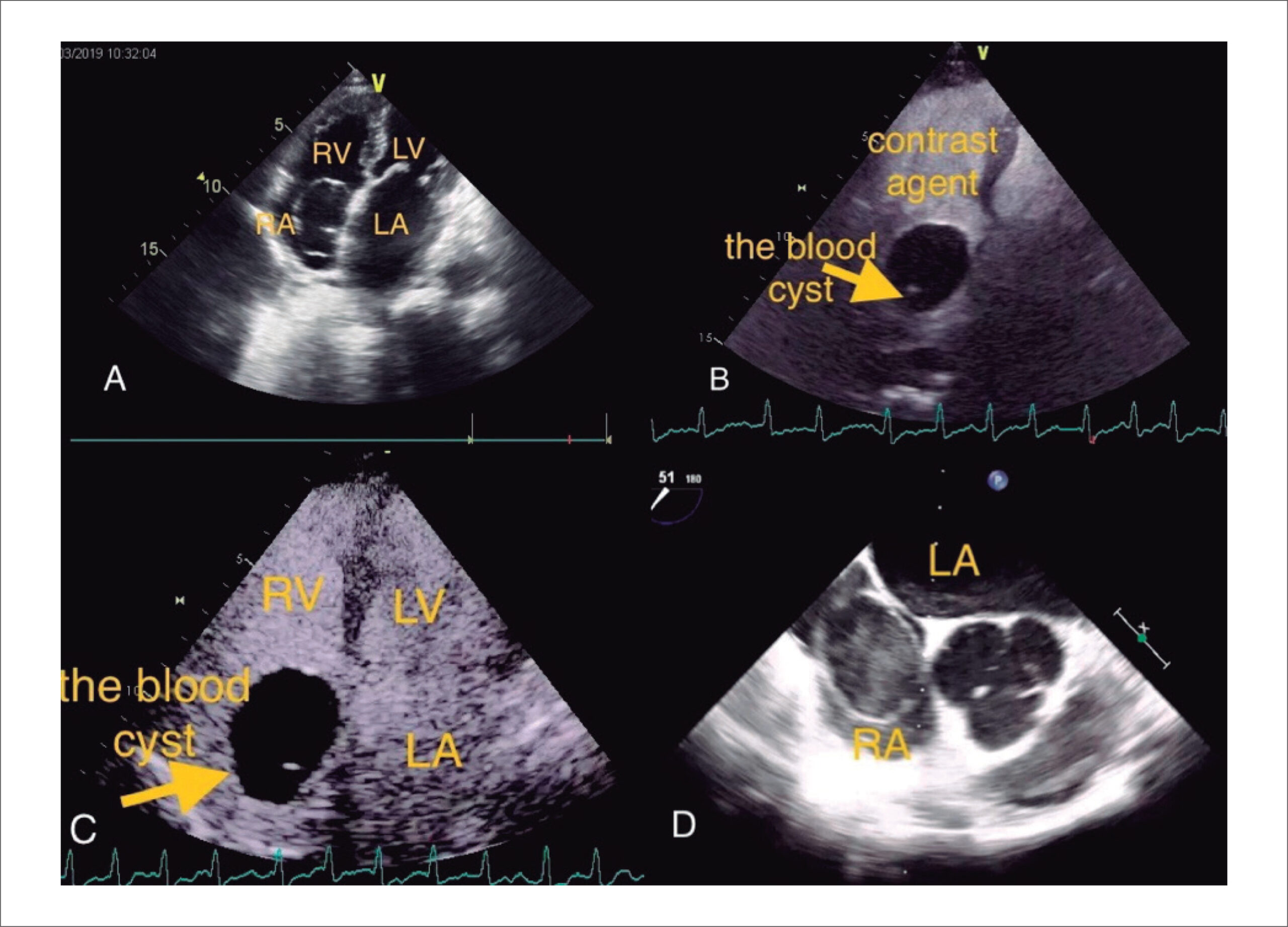
Blood cysts in the heart are often recognized as benign. They usually do not cause clinical symptoms and are often found in infants younger than two months of age. In most cases, blood cysts are attached to cardiac valves or their supporting structures. Cardiac blood cysts in adults are extremely rare, especially in the chambers of the heart. Here, we report a case of valvular heart disease complicated with a blood cyst in the right atrium. Transthoracic echocardiography, contrast echocardiography and esophageal echocardiography were used to examine the patient.

[…]

  • Atrial Function
  • Blood Cysts
  • Cysts/surgery
  • Echocardiography/methods
  • Heart Atria/physiology
  • Heart Valve Diseases
Read Full Article
Creative Commons Attribution (CC BY) Creative Commons license
03/12/2021 DOI: 10.36660/abc.20210063 Views 1

Could not load more articles. Please try again.

How to cite this article

EndNote RIS

Electronic Document Format (Vancouver)

Oliveira GMM, Brant LCC, Polanczyk CA, Malta DC, Biolo A, Nascimento BR, Souza MFM, et al. Cardiovascular Statistics – Brazil 2026. Arquivos Brasileiros de Cardiologia 2026;:e20260832.

Electronic Document Format (ABNT)

Oliveira, Gláucia Maria Moraes de; Brant, Luisa Campos Caldeira; Polanczyk, Carisi Anne; Malta, Deborah Carvalho; Biolo, Andreia; Nascimento, Bruno Ramos; Souza, Maria de Fatima Marinho de; Lorenzo, Andrea Rocha De; Fagundes Júnior, Antonio Aurélio de Paiva; Manfro, Arthur Gus; Schaan, Beatriz D.; Silva, Christina Grüne de Souza e; Castilho, Fábio Morato de; Cesena, Fernando Henpin Yue; Soares, Gabriel Porto; Xavier Junior, Gesner Francisco; Barreto Filho, Jose Augusto Soares; Pellanda, Lucia Campos; Aranha, Luciana Nicolau; Rohde, Luis Eduardo Paim; Passaglia, Luiz Guilherme; Pinto-Filho, Marcelo Martins; Machline-Carrion, M. Julia; Bittencourt, Marcio Sommer; Pontes Neto, Octavio M.; Villela, Paolo Blanco; Godoy, Paulo Henrique; Teixeira, Renato Azeredo; Stein, Ricardo; Sampaio, Roney Orismar; Salim, Thais Rocha; Gaziano, Thomas A.; Perel, Pablo; Roth, Gregory A.; Ribeiro, Antonio Luiz Pinho. Cardiovascular Statistics – Brazil 2026. Arquivos Brasileiros de Cardiologia, e20260832, Oct. 2026.

Electronic Document Format (APA)

Oliveira, G. M. M. , Brant, L. C. C., Polanczyk, C. A., Malta, D. C., Biolo, A., Nascimento, B. R., Souza, M. F. M. , Lorenzo, A. R. D., Fagundes Júnior, A. A. P., Manfro, A. G., Schaan, B. D., Silva, C. G. S. , Castilho, F. M. , Cesena, F. H. Y., Soares, G. P., Xavier Junior, G. F., Barreto Filho, J. A. S., Pellanda, L. C., Aranha, L. N., Rohde, L. E. P., Passaglia, L. G., Pinto-Filho, M. M., Machline-Carrion, M. J., Bittencourt, M. S., Pontes Neto, O. M., Villela, P. B., Godoy, P. H., Teixeira, R. A., Stein, R., Sampaio, R. O., Salim, T. R., Gaziano, T. A., Perel, P., Roth, G. A., & Ribeiro, A. L. P. (2026). Cardiovascular Statistics – Brazil 2026. Arquivos Brasileiros de Cardiologia, , e20260832.

Electronic Document Format (ISO)

Oliveira, Gláucia Maria Moraes de and Brant, Luisa Campos Caldeira and Polanczyk, Carisi Anne and Malta, Deborah Carvalho and Biolo, Andreia and Nascimento, Bruno Ramos and Souza, Maria de Fatima Marinho de and Lorenzo, Andrea Rocha De and Fagundes Júnior, Antonio Aurélio de Paiva and Manfro, Arthur Gus and Schaan, Beatriz D. and Silva, Christina Grüne de Souza e and Castilho, Fábio Morato de and Cesena, Fernando Henpin Yue and Soares, Gabriel Porto and Xavier Junior, Gesner Francisco and Barreto Filho, Jose Augusto Soares and Pellanda, Lucia Campos and Aranha, Luciana Nicolau and Rohde, Luis Eduardo Paim and Passaglia, Luiz Guilherme and Pinto-Filho, Marcelo Martins and Machline-Carrion, M. Julia and Bittencourt, Marcio Sommer and Pontes Neto, Octavio M. and Villela, Paolo Blanco and Godoy, Paulo Henrique and Teixeira, Renato Azeredo and Stein, Ricardo and Sampaio, Roney Orismar and Salim, Thais Rocha and Gaziano, Thomas A. and Perel, Pablo and Roth, Gregory A. and Ribeiro, Antonio Luiz Pinho. Cardiovascular Statistics – Brazil 2026. Arquivos Brasileiros de Cardiologia [online]. 2026, [cited 2026-10-14], e20260832. Available from: <https://journals.cardiol.br/en/article/cardiovascular-statistics-brazil-2026/>. ISSN 0066-782X

EndNote RIS

Electronic Document Format (Vancouver)

Schmitz GB, Pianca EG, Nunes MDCP, Duncan BB, Foppa M, Santos ABS. Epidemiology and Mortality of Valvular Heart Disease in Brazilian Adults: Findings from the ELSA-Brasil Cohort. Arquivos Brasileiros de Cardiologia 2026;123(6):e20260060.

Electronic Document Format (ABNT)

Schmitz, Guilia Bevilacqua; Pianca, Eduardo Gatti; Nunes, Maria Do Carmo Pereira; Duncan, Bruce Bartholow; Foppa, Murilo; Santos, Angela Barreto Santiago. Epidemiology and Mortality of Valvular Heart Disease in Brazilian Adults: Findings from the ELSA-Brasil Cohort. Arquivos Brasileiros de Cardiologia, v. 123, n. 6, e20260060, Jul. 2026.

Electronic Document Format (APA)

Schmitz, G. B., Pianca, E. G., Nunes, M. D. C. P., Duncan, B. B., Foppa, M., & Santos, A. B. S. (2026). Epidemiology and Mortality of Valvular Heart Disease in Brazilian Adults: Findings from the ELSA-Brasil Cohort. Arquivos Brasileiros de Cardiologia, 123(6), e20260060.

Electronic Document Format (ISO)

Schmitz, Guilia Bevilacqua and Pianca, Eduardo Gatti and Nunes, Maria Do Carmo Pereira and Duncan, Bruce Bartholow and Foppa, Murilo and Santos, Angela Barreto Santiago. Epidemiology and Mortality of Valvular Heart Disease in Brazilian Adults: Findings from the ELSA-Brasil Cohort. Arquivos Brasileiros de Cardiologia [online]. 2026, vol. 123, n. 6, [cited 2026-10-14], e20260060. Available from: <https://journals.cardiol.br/en/article/epidemiology-and-mortality-of-valvular-heart-disease-in-brazilian-adults-findings-from-the-elsa-brasil-cohort/>. ISSN 0066-782X

EndNote RIS

Electronic Document Format (Vancouver)

Carmo LV, Ramos AIO, Togna DJD, Farias ES, Siqueira DAA. Artificial Intelligence–Driven Detection, Characterization, and Risk Stratification in Patients with Severe Tricuspid Regurgitation. Arquivos Brasileiros de Cardiologia 2026;123(4):e20250743.

Electronic Document Format (ABNT)

Carmo, Luna Varela do; Ramos, Auristela Isabel de Oliveira; Togna, Dorival Julio Della; Farias, Eduardo da Silva; Siqueira, Dimytri Alexandre de Alvim. Artificial Intelligence–Driven Detection, Characterization, and Risk Stratification in Patients with Severe Tricuspid Regurgitation. Arquivos Brasileiros de Cardiologia, v. 123, n. 4, e20250743, Jul. 2026.

Electronic Document Format (APA)

Carmo, L. V. , Ramos, A. I. O., Togna, D. J. D., Farias, E. S., & Siqueira, D. A. A. (2026). Artificial Intelligence–Driven Detection, Characterization, and Risk Stratification in Patients with Severe Tricuspid Regurgitation. Arquivos Brasileiros de Cardiologia, 123(4), e20250743.

Electronic Document Format (ISO)

Carmo, Luna Varela do and Ramos, Auristela Isabel de Oliveira and Togna, Dorival Julio Della and Farias, Eduardo da Silva and Siqueira, Dimytri Alexandre de Alvim. Artificial Intelligence–Driven Detection, Characterization, and Risk Stratification in Patients with Severe Tricuspid Regurgitation. Arquivos Brasileiros de Cardiologia [online]. 2026, vol. 123, n. 4, [cited 2026-10-14], e20250743. Available from: <https://journals.cardiol.br/en/article/artificial-intelligence-driven-detection-characterization-and-risk-stratification-in-patients-with-severe-tricuspid-regurgitation/>. ISSN 0066-782X

EndNote RIS

Electronic Document Format (Vancouver)

Bellicini MG. Does HFpEF Really Exist? From Mimics to Misclassification in Clinical Practice. Arquivos Brasileiros de Cardiologia 2026;123(4):e20250379.

Electronic Document Format (ABNT)

Bellicini, Maria Giulia. Does HFpEF Really Exist? From Mimics to Misclassification in Clinical Practice. Arquivos Brasileiros de Cardiologia, v. 123, n. 4, e20250379, Jun. 2026.

Electronic Document Format (APA)

Bellicini, M. G. (2026). Does HFpEF Really Exist? From Mimics to Misclassification in Clinical Practice. Arquivos Brasileiros de Cardiologia, 123(4), e20250379.

Electronic Document Format (ISO)

Bellicini, Maria Giulia. Does HFpEF Really Exist? From Mimics to Misclassification in Clinical Practice. Arquivos Brasileiros de Cardiologia [online]. 2026, vol. 123, n. 4, [cited 2026-10-14], e20250379. Available from: <https://journals.cardiol.br/en/article/does-hfpef-really-exist-from-mimics-to-misclassification-in-clinical-practice/>. ISSN 0066-782X

EndNote RIS

Electronic Document Format (Vancouver)

Wu X, Li Y, Tian J. The Causal Relationship between Blood Cell Traits and Valvular Heart Disease: A Two-Sample Mendelian Randomization Study. Arquivos Brasileiros de Cardiologia 2026;123(3):e20250063.

Electronic Document Format (ABNT)

Wu, Xiaoli; Li, Yufeng; Tian, Jinyu. The Causal Relationship between Blood Cell Traits and Valvular Heart Disease: A Two-Sample Mendelian Randomization Study. Arquivos Brasileiros de Cardiologia, v. 123, n. 3, e20250063, May. 2026.

Electronic Document Format (APA)

Wu, X., Li, Y., & Tian, J. (2026). The Causal Relationship between Blood Cell Traits and Valvular Heart Disease: A Two-Sample Mendelian Randomization Study. Arquivos Brasileiros de Cardiologia, 123(3), e20250063.

Electronic Document Format (ISO)

Wu, Xiaoli and Li, Yufeng and Tian, Jinyu. The Causal Relationship between Blood Cell Traits and Valvular Heart Disease: A Two-Sample Mendelian Randomization Study. Arquivos Brasileiros de Cardiologia [online]. 2026, vol. 123, n. 3, [cited 2026-10-14], e20250063. Available from: <https://journals.cardiol.br/en/article/the-causal-relationship-between-blood-cell-traits-and-valvular-heart-disease-a-two-sample-mendelian-randomization-study/>. ISSN 0066-782X

EndNote RIS

Electronic Document Format (Vancouver)

Santos DAM, Tarasoutchi F, Fernandes JRC, Paixão MR, Strabelli TMV, Köohler KF, Mansur AJ, et al. Infective Endocarditis in Brazil: A Narrative Review and Critical Analysis of Population and Hospital Case Data. ABC Imagem Cardiovascular 2026;38(4):e20250098.

Electronic Document Format (ABNT)

Santos, Diego Augusto Medeiros; Tarasoutchi, Flávio; Fernandes, João Ricardo Cordeiro; Paixão, Milena Ribeiro; Strabelli, Tânia Mara Varejão; Köohler, Karen Francine; Mansur, Alfredo José; Siciliano, Rinaldo Focaccia. Infective Endocarditis in Brazil: A Narrative Review and Critical Analysis of Population and Hospital Case Data. ABC Imagem Cardiovascular, v. 38, n. 4, e20250098, Feb. 2026.

Electronic Document Format (APA)

Santos, D. A. M., Tarasoutchi, F., Fernandes, J. R. C., Paixão, M. R., Strabelli, T. M. V., Köohler, K. F., Mansur, A. J., & Siciliano, R. F. (2026). Infective Endocarditis in Brazil: A Narrative Review and Critical Analysis of Population and Hospital Case Data. ABC Imagem Cardiovascular, 38(4), e20250098.

Electronic Document Format (ISO)

Santos, Diego Augusto Medeiros and Tarasoutchi, Flávio and Fernandes, João Ricardo Cordeiro and Paixão, Milena Ribeiro and Strabelli, Tânia Mara Varejão and Köohler, Karen Francine and Mansur, Alfredo José and Siciliano, Rinaldo Focaccia. Infective Endocarditis in Brazil: A Narrative Review and Critical Analysis of Population and Hospital Case Data. ABC Imagem Cardiovascular [online]. 2026, vol. 38, n. 4, [cited 2026-10-14], e20250098. Available from: <https://journals.cardiol.br/en/article/infective-endocarditis-in-brazil-a-narrative-review-and-critical-analysis-of-population-and-hospital-case-data/>. ISSN 2318-8219

EndNote RIS

Electronic Document Format (Vancouver)

Conceição HMC, Valois ALV, Ramos EMS, Ladeia AM. Clinical and Laboratory Predictors for the Development of Heart Valve Diseases in Chronic Kidney Disease: A Systematic Review. Arquivos Brasileiros de Cardiologia 2025;122(8):e20240222.

Electronic Document Format (ABNT)

Conceição, Hayala Machado Cavalcante; Valois, Ana Luísa Vaz; Ramos, Erick Magalhães Silva; Ladeia, Ana Marice. Clinical and Laboratory Predictors for the Development of Heart Valve Diseases in Chronic Kidney Disease: A Systematic Review. Arquivos Brasileiros de Cardiologia, v. 122, n. 8, e20240222, Sep. 2025.

Electronic Document Format (APA)

Conceição, H. M. C., Valois, A. L. V., Ramos, E. M. S., & Ladeia, A. M. (2025). Clinical and Laboratory Predictors for the Development of Heart Valve Diseases in Chronic Kidney Disease: A Systematic Review. Arquivos Brasileiros de Cardiologia, 122(8), e20240222.

Electronic Document Format (ISO)

Conceição, Hayala Machado Cavalcante and Valois, Ana Luísa Vaz and Ramos, Erick Magalhães Silva and Ladeia, Ana Marice. Clinical and Laboratory Predictors for the Development of Heart Valve Diseases in Chronic Kidney Disease: A Systematic Review. Arquivos Brasileiros de Cardiologia [online]. 2025, vol. 122, n. 8, [cited 2026-10-14], e20240222. Available from: <https://journals.cardiol.br/en/article/clinical-and-laboratory-predictors-for-the-development-of-heart-valve-diseases-in-chronic-kidney-disease-a-systematic-review/>. ISSN 0066-782X

EndNote RIS

Electronic Document Format (Vancouver)

Torres RFA, Kraemer A, Torres RA, Bozzi FPL, Grobe SF, Balbi Filho EM, Silva GBG, et al. Transcatheter Bicaval Valve System in the Treatment of Torrential Tricuspid Regurgitation and Refractory Systemic Hypervolemia: 12-Month Outcome. International Journal of Cardiovascular Sciences 2025;38:e20250035.

Electronic Document Format (ABNT)

Torres, Rômulo Francisco de Almeida; Kraemer, Alessandro; Torres, Rafael de Almeida; Bozzi, Fernanda Proença Lepca; Grobe, Sarah Fagundes; Balbi Filho, Eduardo Mendel; Silva, Guilherme Barreto Gameiro. Transcatheter Bicaval Valve System in the Treatment of Torrential Tricuspid Regurgitation and Refractory Systemic Hypervolemia: 12-Month Outcome. International Journal of Cardiovascular Sciences, v. 38, e20250035, Aug. 2025.

Electronic Document Format (APA)

Torres, R. F. A., Kraemer, A., Torres, R. A., Bozzi, F. P. L., Grobe, S. F., Balbi Filho, E. M., & Silva, G. B. G. (2025). Transcatheter Bicaval Valve System in the Treatment of Torrential Tricuspid Regurgitation and Refractory Systemic Hypervolemia: 12-Month Outcome. International Journal of Cardiovascular Sciences, 38, e20250035.

Electronic Document Format (ISO)

Torres, Rômulo Francisco de Almeida and Kraemer, Alessandro and Torres, Rafael de Almeida and Bozzi, Fernanda Proença Lepca and Grobe, Sarah Fagundes and Balbi Filho, Eduardo Mendel and Silva, Guilherme Barreto Gameiro. Transcatheter Bicaval Valve System in the Treatment of Torrential Tricuspid Regurgitation and Refractory Systemic Hypervolemia: 12-Month Outcome. International Journal of Cardiovascular Sciences [online]. 2025, vol. 38, [cited 2026-10-14], e20250035. Available from: <https://journals.cardiol.br/en/article/transcatheter-bicaval-valve-system-in-the-treatment-of-torrential-tricuspid-regurgitation-and-refractory-systemic-hypervolemia-12-month-outcome/>. ISSN 2359-4802

EndNote RIS

Electronic Document Format (Vancouver)

Aragão RCA, Barreto-Filho JAS, Sampaio RO. The Culprit Valve: A New Concept for Reducing the Risk of Intervention in Patients with Severe Valve Disease. Arquivos Brasileiros de Cardiologia 2025;122(4):e20240492.

Electronic Document Format (ABNT)

Aragão, Roberto Cintra de Azevedo; Barreto-Filho, José Augusto Soares; Sampaio, Roney Orismar. The Culprit Valve: A New Concept for Reducing the Risk of Intervention in Patients with Severe Valve Disease. Arquivos Brasileiros de Cardiologia, v. 122, n. 4, e20240492, May. 2025.

Electronic Document Format (APA)

Aragão, R. C. A., Barreto-Filho, J. A. S., & Sampaio, R. O. (2025). The Culprit Valve: A New Concept for Reducing the Risk of Intervention in Patients with Severe Valve Disease. Arquivos Brasileiros de Cardiologia, 122(4), e20240492.

Electronic Document Format (ISO)

Aragão, Roberto Cintra de Azevedo and Barreto-Filho, José Augusto Soares and Sampaio, Roney Orismar. The Culprit Valve: A New Concept for Reducing the Risk of Intervention in Patients with Severe Valve Disease. Arquivos Brasileiros de Cardiologia [online]. 2025, vol. 122, n. 4, [cited 2026-10-14], e20240492. Available from: <https://journals.cardiol.br/en/article/the-culprit-valve-a-new-concept-for-reducing-the-risk-of-intervention-in-patients-with-severe-valve-disease/>. ISSN 0066-782X

EndNote RIS

Electronic Document Format (Vancouver)

Teixeira IS, Borges VL, Viola N, Moreira HT, Pazin Filho A, Schmidt A, Marin-Neto JA, et al. How Cardiovascular Physical Examination Impacts Clinical Decision-Making in Various Scenarios of Cardiac Valvular Diseases. Arquivos Brasileiros de Cardiologia 2025;122(2):e20240272.

Electronic Document Format (ABNT)

Teixeira, Isabella Silveira; Borges, Vinícius Lima; Viola, Natan; Moreira, Henrique Turin; Pazin Filho, Antonio; Schmidt, André; Marin-Neto, José Antônio; Romano, Minna Moreira Dias. How Cardiovascular Physical Examination Impacts Clinical Decision-Making in Various Scenarios of Cardiac Valvular Diseases. Arquivos Brasileiros de Cardiologia, v. 122, n. 2, e20240272, Mar. 2025.

Electronic Document Format (APA)

Teixeira, I. S., Borges, V. L., Viola, N., Moreira, H. T., Pazin Filho, A., Schmidt, A., Marin-Neto, J. A., & Romano, M. M. D. (2025). How Cardiovascular Physical Examination Impacts Clinical Decision-Making in Various Scenarios of Cardiac Valvular Diseases. Arquivos Brasileiros de Cardiologia, 122(2), e20240272.

Electronic Document Format (ISO)

Teixeira, Isabella Silveira and Borges, Vinícius Lima and Viola, Natan and Moreira, Henrique Turin and Pazin Filho, Antonio and Schmidt, André and Marin-Neto, José Antônio and Romano, Minna Moreira Dias. How Cardiovascular Physical Examination Impacts Clinical Decision-Making in Various Scenarios of Cardiac Valvular Diseases. Arquivos Brasileiros de Cardiologia [online]. 2025, vol. 122, n. 2, [cited 2026-10-14], e20240272. Available from: <https://journals.cardiol.br/en/article/how-cardiovascular-physical-examination-impacts-clinical-decision-making-in-various-scenarios-of-cardiac-valvular-diseases/>. ISSN 0066-782X

EndNote RIS

Electronic Document Format (Vancouver)

Darzé AC, Paladino Filho AT, Rassi AM, Prazeres CE, Pinto IMF, Caneschi JM, Ponte Junior JRT, et al. Giant Left Atrium in Rheumatic Mitral Valve Disease. ABC Imagem Cardiovascular 2024;37(4):e20240083.

Electronic Document Format (ABNT)

Darzé, Alice Cunha; Paladino Filho, Antonio Tito; Rassi, Amanda Marsiaj; Prazeres, Carlos Eduardo; Pinto, Ibraim Masciarelli Francisco; Caneschi, João Marcelo; Ponte Junior, Jose Roberto Tuma da; Morales, Paul Salvador; Hendges, Rafael Castro; Senra, Tiago. Giant Left Atrium in Rheumatic Mitral Valve Disease. ABC Imagem Cardiovascular, v. 37, n. 4, e20240083, Dec. 2024.

Electronic Document Format (APA)

Darzé, A. C., Paladino Filho, A. T., Rassi, A. M., Prazeres, C. E., Pinto, I. M. F., Caneschi, J. M., Ponte Junior, J. R. T. , Morales, P. S., Hendges, R. C., & Senra, T. (2024). Giant Left Atrium in Rheumatic Mitral Valve Disease. ABC Imagem Cardiovascular, 37(4), e20240083.

Electronic Document Format (ISO)

Darzé, Alice Cunha and Paladino Filho, Antonio Tito and Rassi, Amanda Marsiaj and Prazeres, Carlos Eduardo and Pinto, Ibraim Masciarelli Francisco and Caneschi, João Marcelo and Ponte Junior, Jose Roberto Tuma da and Morales, Paul Salvador and Hendges, Rafael Castro and Senra, Tiago. Giant Left Atrium in Rheumatic Mitral Valve Disease. ABC Imagem Cardiovascular [online]. 2024, vol. 37, n. 4, [cited 2026-10-14], e20240083. Available from: <https://journals.cardiol.br/en/article/giant-left-atrium-in-rheumatic-mitral-valve-disease/>. ISSN 2318-8219

EndNote RIS

Electronic Document Format (Vancouver)

Sousa WGS, Domingues JL, Damasceno AT, Lemos AET, Araújo ALJ, Evangelista NL. Unicuspid Aortic Stenosis: Case Report. ABC Imagem Cardiovascular 2024;37(4):e20240087.

Electronic Document Format (ABNT)

Sousa, Welison Gutherrez Silva e; Domingues, Julia Lucena; Damasceno, Adriana Teixeira; Lemos, Alessandra Edna Teófilo; Araújo, Antônio Luiz Júnior; Evangelista, Nelson Lopes. Unicuspid Aortic Stenosis: Case Report. ABC Imagem Cardiovascular, v. 37, n. 4, e20240087, Dec. 2024.

Electronic Document Format (APA)

Sousa, W. G. S. , Domingues, J. L., Damasceno, A. T., Lemos, A. E. T., Araújo, A. L. J., & Evangelista, N. L. (2024). Unicuspid Aortic Stenosis: Case Report. ABC Imagem Cardiovascular, 37(4), e20240087.

Electronic Document Format (ISO)

Sousa, Welison Gutherrez Silva e and Domingues, Julia Lucena and Damasceno, Adriana Teixeira and Lemos, Alessandra Edna Teófilo and Araújo, Antônio Luiz Júnior and Evangelista, Nelson Lopes. Unicuspid Aortic Stenosis: Case Report. ABC Imagem Cardiovascular [online]. 2024, vol. 37, n. 4, [cited 2026-10-14], e20240087. Available from: <https://journals.cardiol.br/en/article/unicuspid-aortic-stenosis-case-report/>. ISSN 2318-8219

EndNote RIS

Electronic Document Format (Vancouver)

Torreão JA. My Approach To Manage Valve Prosthetic Dysfunction: What is the Role of Tomography?. ABC Imagem Cardiovascular 2024;37(3):e20240041.

Electronic Document Format (ABNT)

Torreão, Jorge Andion. My Approach To Manage Valve Prosthetic Dysfunction: What is the Role of Tomography?. ABC Imagem Cardiovascular, v. 37, n. 3, e20240041, Sep. 2024.

Electronic Document Format (APA)

Torreão, J. A. (2024). My Approach To Manage Valve Prosthetic Dysfunction: What is the Role of Tomography?. ABC Imagem Cardiovascular, 37(3), e20240041.

Electronic Document Format (ISO)

Torreão, Jorge Andion. My Approach To Manage Valve Prosthetic Dysfunction: What is the Role of Tomography?. ABC Imagem Cardiovascular [online]. 2024, vol. 37, n. 3, [cited 2026-10-14], e20240041. Available from: <https://journals.cardiol.br/en/article/my-approach-to-manage-valve-prosthetic-dysfunction-what-is-the-role-of-tomography/>. ISSN 2318-8219

EndNote RIS

Electronic Document Format (Vancouver)

Merke N. My Approach to PISA EROA in Mitral Regurgitation: A Critical Review. ABC Imagem Cardiovascular 2024;37(3):e20240061.

Electronic Document Format (ABNT)

Merke, Nicolas. My Approach to PISA EROA in Mitral Regurgitation: A Critical Review. ABC Imagem Cardiovascular, v. 37, n. 3, e20240061, Sep. 2024.

Electronic Document Format (APA)

Merke, N. (2024). My Approach to PISA EROA in Mitral Regurgitation: A Critical Review. ABC Imagem Cardiovascular, 37(3), e20240061.

Electronic Document Format (ISO)

Merke, Nicolas. My Approach to PISA EROA in Mitral Regurgitation: A Critical Review. ABC Imagem Cardiovascular [online]. 2024, vol. 37, n. 3, [cited 2026-10-14], e20240061. Available from: <https://journals.cardiol.br/en/article/my-approach-to-pisa-eroa-in-mitral-regurgitation-a-critical-review/>. ISSN 2318-8219

EndNote RIS

Electronic Document Format (Vancouver)

Silva RMFL, Diniz LT, Gomes LSS, Borges LE. Evolution of Patients With Atrial Fibrillation According to the EHRA Categorization. International Journal of Cardiovascular Sciences 2024;37:e20230093.

Electronic Document Format (ABNT)

Silva, Rose Mary Ferreira Lisboa da; Diniz, Letícia Tanure; Gomes, Laura Selga da Silva; Borges, Lucas Espíndola. Evolution of Patients With Atrial Fibrillation According to the EHRA Categorization. International Journal of Cardiovascular Sciences, v. 37, e20230093, Aug. 2024.

Electronic Document Format (APA)

Silva, R. M. F. L. , Diniz, L. T., Gomes, L. S. S., & Borges, L. E. (2024). Evolution of Patients With Atrial Fibrillation According to the EHRA Categorization. International Journal of Cardiovascular Sciences, 37, e20230093.

Electronic Document Format (ISO)

Silva, Rose Mary Ferreira Lisboa da and Diniz, Letícia Tanure and Gomes, Laura Selga da Silva and Borges, Lucas Espíndola. Evolution of Patients With Atrial Fibrillation According to the EHRA Categorization. International Journal of Cardiovascular Sciences [online]. 2024, vol. 37, [cited 2026-10-14], e20230093. Available from: <https://journals.cardiol.br/en/article/evolution-of-patients-with-atrial-fibrillation-according-to-the-ehra-categorization/>. ISSN 2359-4802

EndNote RIS

Electronic Document Format (Vancouver)

Oliveira GMM, Brant LCC, Polanczyk CA, Malta DC, Biolo A, Nascimento BR, Souza MFM, et al. Cardiovascular Statistics – Brazil 2023. Arquivos Brasileiros de Cardiologia 2024;121(2):e20240079.

Electronic Document Format (ABNT)

Oliveira, Gláucia Maria Moraes de; Brant, Luisa Campos Caldeira; Polanczyk, Carisi Anne; Malta, Deborah Carvalho; Biolo, Andreia; Nascimento, Bruno Ramos; Souza, Maria de Fatima Marinho de; Lorenzo, Andrea Rocha De; Fagundes Júnior, Antonio Aurélio de Paiva; Schaan, Beatriz D.; Silva, Christina Grüne de Souza e; Castilho, Fábio Morato de; Cesena, Fernando Henpin Yue; Soares, Gabriel Porto; Xavier Junior, Gesner Francisco; Barreto Filho, Jose Augusto Soares; Passaglia, Luiz Guilherme; Pinto Filho, Marcelo Martins; Machline-Carrion, M. Julia; Bittencourt, Marcio Sommer; Pontes Neto, Octavio M.; Villela, Paolo Blanco; Teixeira, Renato Azeredo; Stein, Ricardo; Sampaio, Roney Orismar; Gaziano, Thomaz A.; Perel, Pablo; Roth, Gregory A.; Ribeiro, Antonio Luiz Pinho. Cardiovascular Statistics – Brazil 2023. Arquivos Brasileiros de Cardiologia, v. 121, n. 2, e20240079, Jun. 2024.

Electronic Document Format (APA)

Oliveira, G. M. M. , Brant, L. C. C., Polanczyk, C. A., Malta, D. C., Biolo, A., Nascimento, B. R., Souza, M. F. M. , Lorenzo, A. R. D., Fagundes Júnior, A. A. P., Schaan, B. D., Silva, C. G. S. , Castilho, F. M. , Cesena, F. H. Y., Soares, G. P., Xavier Junior, G. F., Barreto Filho, J. A. S., Passaglia, L. G., Pinto Filho, M. M., Machline-Carrion, M. J., Bittencourt, M. S., Pontes Neto, O. M., Villela, P. B., Teixeira, R. A., Stein, R., Sampaio, R. O., Gaziano, T. A., Perel, P., Roth, G. A., & Ribeiro, A. L. P. (2024). Cardiovascular Statistics – Brazil 2023. Arquivos Brasileiros de Cardiologia, 121(2), e20240079.

Electronic Document Format (ISO)

Oliveira, Gláucia Maria Moraes de and Brant, Luisa Campos Caldeira and Polanczyk, Carisi Anne and Malta, Deborah Carvalho and Biolo, Andreia and Nascimento, Bruno Ramos and Souza, Maria de Fatima Marinho de and Lorenzo, Andrea Rocha De and Fagundes Júnior, Antonio Aurélio de Paiva and Schaan, Beatriz D. and Silva, Christina Grüne de Souza e and Castilho, Fábio Morato de and Cesena, Fernando Henpin Yue and Soares, Gabriel Porto and Xavier Junior, Gesner Francisco and Barreto Filho, Jose Augusto Soares and Passaglia, Luiz Guilherme and Pinto Filho, Marcelo Martins and Machline-Carrion, M. Julia and Bittencourt, Marcio Sommer and Pontes Neto, Octavio M. and Villela, Paolo Blanco and Teixeira, Renato Azeredo and Stein, Ricardo and Sampaio, Roney Orismar and Gaziano, Thomaz A. and Perel, Pablo and Roth, Gregory A. and Ribeiro, Antonio Luiz Pinho. Cardiovascular Statistics – Brazil 2023. Arquivos Brasileiros de Cardiologia [online]. 2024, vol. 121, n. 2, [cited 2026-10-14], e20240079. Available from: <https://journals.cardiol.br/en/article/cardiovascular-statistics-brazil-2023/>. ISSN 0066-782X

EndNote RIS

Electronic Document Format (Vancouver)

Bignoto T. My Approach to Assessment of Mitral Paraprosthetic Leak. ABC Imagem Cardiovascular 2024;37(2):e20240034.

Electronic Document Format (ABNT)

Bignoto, Tiago. My Approach to Assessment of Mitral Paraprosthetic Leak. ABC Imagem Cardiovascular, v. 37, n. 2, e20240034, Jun. 2024.

Electronic Document Format (APA)

Bignoto, T. (2024). My Approach to Assessment of Mitral Paraprosthetic Leak. ABC Imagem Cardiovascular, 37(2), e20240034.

Electronic Document Format (ISO)

Bignoto, Tiago. My Approach to Assessment of Mitral Paraprosthetic Leak. ABC Imagem Cardiovascular [online]. 2024, vol. 37, n. 2, [cited 2026-10-14], e20240034. Available from: <https://journals.cardiol.br/en/article/my-approach-to-assessment-of-mitral-paraprosthetic-leak/>. ISSN 2318-8219

EndNote RIS

Electronic Document Format (Vancouver)

Santis A, Magalhães FMA. Transesophageal Echocardiography in Aortic Valve Stenosis: A Pre-Intervention “Toll”?. ABC Imagem Cardiovascular 2024;37(2):e20240023.

Electronic Document Format (ABNT)

Santis, Antonio de; Magalhães, Francisco Monteiro de Almeida. Transesophageal Echocardiography in Aortic Valve Stenosis: A Pre-Intervention “Toll”?. ABC Imagem Cardiovascular, v. 37, n. 2, e20240023, May. 2024.

Electronic Document Format (APA)

Santis, A. , & Magalhães, F. M. A. (2024). Transesophageal Echocardiography in Aortic Valve Stenosis: A Pre-Intervention “Toll”?. ABC Imagem Cardiovascular, 37(2), e20240023.

Electronic Document Format (ISO)

Santis, Antonio de and Magalhães, Francisco Monteiro de Almeida. Transesophageal Echocardiography in Aortic Valve Stenosis: A Pre-Intervention “Toll”?. ABC Imagem Cardiovascular [online]. 2024, vol. 37, n. 2, [cited 2026-10-14], e20240023. Available from: <https://journals.cardiol.br/en/article/transesophageal-echocardiography-in-aortic-valve-stenosis-a-pre-intervention-toll/>. ISSN 2318-8219

EndNote RIS

Electronic Document Format (Vancouver)

Costa A, Alves ES, Pinheiro P, Flausino L, Freire MV, Morel RV. Exploring Complexities in Differential Diagnosis: Torn Chord Tendinea in the Aortic Valve. ABC Imagem Cardiovascular 2023;36(4):e20230084.

Electronic Document Format (ABNT)

Costa, Alexandre; Alves, Endy de Santana; Pinheiro, Priscila; Flausino, Leonardo; Freire, Marcus Vinicius; Morel, Rodrigo Vieira. Exploring Complexities in Differential Diagnosis: Torn Chord Tendinea in the Aortic Valve. ABC Imagem Cardiovascular, v. 36, n. 4, e20230084, Dec. 2023.

Electronic Document Format (APA)

Costa, A., Alves, E. S., Pinheiro, P., Flausino, L., Freire, M. V., & Morel, R. V. (2023). Exploring Complexities in Differential Diagnosis: Torn Chord Tendinea in the Aortic Valve. ABC Imagem Cardiovascular, 36(4), e20230084.

Electronic Document Format (ISO)

Costa, Alexandre and Alves, Endy de Santana and Pinheiro, Priscila and Flausino, Leonardo and Freire, Marcus Vinicius and Morel, Rodrigo Vieira. Exploring Complexities in Differential Diagnosis: Torn Chord Tendinea in the Aortic Valve. ABC Imagem Cardiovascular [online]. 2023, vol. 36, n. 4, [cited 2026-10-14], e20230084. Available from: <https://journals.cardiol.br/en/article/exploring-complexities-in-differential-diagnosis-torn-chord-tendinea-in-the-aortic-valve/>. ISSN 2318-8219

EndNote RIS

Electronic Document Format (Vancouver)

Bignoto T. A Clinician’s View of Tricuspid Regurgitation: What do I Need to Know? When to Intervene?. Arquivos Brasileiros de Cardiologia Imagem cardiovascular 2023;36(1):e20230005.

Electronic Document Format (ABNT)

Bignoto, Tiago. A Clinician’s View of Tricuspid Regurgitation: What do I Need to Know? When to Intervene?. Arquivos Brasileiros de Cardiologia Imagem cardiovascular, v. 36, n. 1, e20230005, Mar. 2023.

Electronic Document Format (APA)

Bignoto, T. (2023). A Clinician’s View of Tricuspid Regurgitation: What do I Need to Know? When to Intervene?. Arquivos Brasileiros de Cardiologia Imagem cardiovascular, 36(1), e20230005.

Electronic Document Format (ISO)

Bignoto, Tiago. A Clinician’s View of Tricuspid Regurgitation: What do I Need to Know? When to Intervene?. Arquivos Brasileiros de Cardiologia Imagem cardiovascular [online]. 2023, vol. 36, n. 1, [cited 2026-10-14], e20230005. Available from: <https://journals.cardiol.br/en/article/a-clinicians-view-of-tricuspid-regurgitation-what-do-i-need-to-know-when-to-intervene/>. ISSN 2318-8219

EndNote RIS

Electronic Document Format (Vancouver)

Titinger DP, Rosa VEE, Ochiai ME, Accorsi TA, Fernandes JRC, Sampaio RO, Tarasoutchi F, et al. Frailty in Patients With Valve Disease: How to Assess?. International Journal of Cardiovascular Sciences 2023;36:e20210277.

Electronic Document Format (ABNT)

Titinger, David Provenzale; Rosa, Vitor Emer Egypto; Ochiai, Marcelo Eidi; Accorsi, Tarso Augusto; Fernandes, João Ricardo Cordeiro; Sampaio, Roney Orismar; Tarasoutchi, Flávio. Frailty in Patients With Valve Disease: How to Assess?. International Journal of Cardiovascular Sciences, v. 36, e20210277, Mar. 2023.

Electronic Document Format (APA)

Titinger, D. P., Rosa, V. E. E., Ochiai, M. E., Accorsi, T. A., Fernandes, J. R. C., Sampaio, R. O., & Tarasoutchi, F. (2023). Frailty in Patients With Valve Disease: How to Assess?. International Journal of Cardiovascular Sciences, 36, e20210277.

Electronic Document Format (ISO)

Titinger, David Provenzale and Rosa, Vitor Emer Egypto and Ochiai, Marcelo Eidi and Accorsi, Tarso Augusto and Fernandes, João Ricardo Cordeiro and Sampaio, Roney Orismar and Tarasoutchi, Flávio. Frailty in Patients With Valve Disease: How to Assess?. International Journal of Cardiovascular Sciences [online]. 2023, vol. 36, [cited 2026-10-14], e20210277. Available from: <https://journals.cardiol.br/article/frailty-in-patients-with-valve-disease-how-to-assess/>. ISSN 2359-4802

EndNote RIS

Electronic Document Format (Vancouver)

Oliveira GMM, Brant LCC, Polanczyk CA, Malta DC, Biolo A, Nascimento BR, Souza MFM, et al. Cardiovascular Statistics – Brazil 2021. Arquivos Brasileiros de Cardiologia 2022;118(1):115-373.

Electronic Document Format (ABNT)

Oliveira, Gláucia Maria Moraes de; Brant, Luisa Campos Caldeira; Polanczyk, Carisi Anne; Malta, Deborah Carvalho; Biolo, Andreia; Nascimento, Bruno Ramos; Souza, Maria de Fatima Marinho de; Lorenzo, Andrea Rocha De; Fagundes Júnior, Antonio Aurélio de Paiva; Schaan, Beatriz D.; Castilho, Fábio Morato de; Cesena, Fernando Henpin Yue; Soares, Gabriel Porto; Xavier Junior, Gesner Francisco; Barreto Filho, Jose Augusto Soares; Passaglia, Luiz Guilherme; Pinto Filho, Marcelo Martins; Machline-Carrion, M. Julia; Bittencourt, Marcio Sommer; Pontes Neto, Octavio M.; Villela, Paolo Blanco; Teixeira, Renato Azeredo; Sampaio, Roney Orismar; Gaziano, Thomaz A.; Perel, Pablo; Roth, Gregory A.; Ribeiro, Antonio Luiz Pinho. Cardiovascular Statistics – Brazil 2021. Arquivos Brasileiros de Cardiologia, v. 118, n. 1, p. 115-373, Feb. 2022.

Electronic Document Format (APA)

Oliveira, G. M. M. , Brant, L. C. C., Polanczyk, C. A., Malta, D. C., Biolo, A., Nascimento, B. R., Souza, M. F. M. , Lorenzo, A. R. D., Fagundes Júnior, A. A. P., Schaan, B. D., Castilho, F. M. , Cesena, F. H. Y., Soares, G. P., Xavier Junior, G. F., Barreto Filho, J. A. S., Passaglia, L. G., Pinto Filho, M. M., Machline-Carrion, M. J., Bittencourt, M. S., Pontes Neto, O. M., Villela, P. B., Teixeira, R. A., Sampaio, R. O., Gaziano, T. A., Perel, P., Roth, G. A., & Ribeiro, A. L. P. (2022). Cardiovascular Statistics – Brazil 2021. Arquivos Brasileiros de Cardiologia, 118(1), 115-373.

Electronic Document Format (ISO)

Oliveira, Gláucia Maria Moraes de and Brant, Luisa Campos Caldeira and Polanczyk, Carisi Anne and Malta, Deborah Carvalho and Biolo, Andreia and Nascimento, Bruno Ramos and Souza, Maria de Fatima Marinho de and Lorenzo, Andrea Rocha De and Fagundes Júnior, Antonio Aurélio de Paiva and Schaan, Beatriz D. and Castilho, Fábio Morato de and Cesena, Fernando Henpin Yue and Soares, Gabriel Porto and Xavier Junior, Gesner Francisco and Barreto Filho, Jose Augusto Soares and Passaglia, Luiz Guilherme and Pinto Filho, Marcelo Martins and Machline-Carrion, M. Julia and Bittencourt, Marcio Sommer and Pontes Neto, Octavio M. and Villela, Paolo Blanco and Teixeira, Renato Azeredo and Sampaio, Roney Orismar and Gaziano, Thomaz A. and Perel, Pablo and Roth, Gregory A. and Ribeiro, Antonio Luiz Pinho. Cardiovascular Statistics – Brazil 2021. Arquivos Brasileiros de Cardiologia [online]. 2022, vol. 118, n. 1, [cited 2026-10-14], pp. 115-373. Available from: <https://journals.cardiol.br/en/article/cardiovascular-statistics-brazil-2021/>. ISSN 0066-782X

EndNote RIS

Electronic Document Format (Vancouver)

Machado CCS, Lima MSM, Brandão CMA, Veronese ET, Tsutsui JM, Mathias Júnior W. Quadricuspid Aortic Valve Replaced via Minithoracotomy: A Short Case Report. Arquivos Brasileiros de Cardiologia Imagem cardiovascular 2022;30(2):68-71.

Electronic Document Format (ABNT)

Machado, Cássio Carvalho Soeiro; Lima, Márcio Silva Miguel; Brandão, Carlos Manuel de Almeida; Veronese, Elinthon Tavares; Tsutsui, Jeane Mike; Mathias Júnior, Wilson. Quadricuspid Aortic Valve Replaced via Minithoracotomy: A Short Case Report. Arquivos Brasileiros de Cardiologia Imagem cardiovascular, v. 30, n. 2, p. 68-71, Jan. 2022.

Electronic Document Format (APA)

Machado, C. C. S., Lima, M. S. M., Brandão, C. M. A., Veronese, E. T., Tsutsui, J. M., & Mathias Júnior, W. (2022). Quadricuspid Aortic Valve Replaced via Minithoracotomy: A Short Case Report. Arquivos Brasileiros de Cardiologia Imagem cardiovascular, 30(2), 68-71.

Electronic Document Format (ISO)

Machado, Cássio Carvalho Soeiro and Lima, Márcio Silva Miguel and Brandão, Carlos Manuel de Almeida and Veronese, Elinthon Tavares and Tsutsui, Jeane Mike and Mathias Júnior, Wilson. Quadricuspid Aortic Valve Replaced via Minithoracotomy: A Short Case Report. Arquivos Brasileiros de Cardiologia Imagem cardiovascular [online]. 2022, vol. 30, n. 2, [cited 2026-10-14], pp. 68-71. Available from: <https://journals.cardiol.br/en/article/quadricuspid-aortic-valve-replaced-via-minithoracotomy-a-short-case-report/>. ISSN 2318-8219

EndNote RIS

Electronic Document Format (Vancouver)

Jiang S, Wang X, Zhang Y, Yu W, Pei L, Ma Y. A Case Report of Valvular Heart Disease Complicated with a Blood Cyst in Right Atrium. Review of the Literature. Arquivos Brasileiros de Cardiologia 2021;117(6):1202-6.

Electronic Document Format (ABNT)

Jiang, Shu; Wang, Xiao-Cong; Zhang, Yan-Li; Yu, Wei; Pei, Li-Ping; Ma, Yan. A Case Report of Valvular Heart Disease Complicated with a Blood Cyst in Right Atrium. Review of the Literature. Arquivos Brasileiros de Cardiologia, v. 117, n. 6, p. 1202-1206, Dec. 2021.

Electronic Document Format (APA)

Jiang, S., Wang, X., Zhang, Y., Yu, W., Pei, L., & Ma, Y. (2021). A Case Report of Valvular Heart Disease Complicated with a Blood Cyst in Right Atrium. Review of the Literature. Arquivos Brasileiros de Cardiologia, 117(6), 1202-1206.

Electronic Document Format (ISO)

Jiang, Shu and Wang, Xiao-Cong and Zhang, Yan-Li and Yu, Wei and Pei, Li-Ping and Ma, Yan. A Case Report of Valvular Heart Disease Complicated with a Blood Cyst in Right Atrium. Review of the Literature. Arquivos Brasileiros de Cardiologia [online]. 2021, vol. 117, n. 6, [cited 2026-10-14], pp. 1202-1206. Available from: <https://journals.cardiol.br/en/article/a-case-report-of-valvular-heart-disease-complicated-with-a-blood-cyst-in-right-atrium-review-of-the-literature/>. ISSN 0066-782X

  • About ABC Family
  • Internal Regulation
  • Editorial Board
  • Brazilian Society of Cardiology (SBC)

Issues

SBC Guidelines

  • Videos
  • Podcasts
  • News