ABC Family Arquivos Brasileiros de Cardiologia International Journal of Cardiovascular Sciences ABC Heart Failure & Cardiomyopathy ABC Imagem Cardiovascular
Português English
ABC Family
Português English
  • About
    • About ABC Family
    • Internal Regulation
    • Editorial Board
    • Brazilian Society of Cardiology (SBC)
  • Issues
  • SBC Guidelines
  • Content
    • Videos
    • Podcasts
    • News
  • About
    • About ABC Family
    • Internal Regulation
    • Editorial Board
    • Brazilian Society of Cardiology (SBC)
  • Issues
  • SBC Guidelines
  • Content
    • Videos
    • Podcasts
    • News

ABC Family

  • ABC Family
  • Arquivos Brasileiros de Cardiologia
  • International Journal of Cardiovascular Sciences
  • ABC Heart Failure & Cardiomyopathy
  • ABC Imagem Cardiovascular
Search in

No content found.

Journals
Ordering
Article types
Others

  1. Home
  2. Keyword: Physical Endurance
Record-Breaking Endurance of 366 Marathons in 366 Days: A Case Study
ABC
Original Article

Record-Breaking Endurance of 366 Marathons in 366 Days: A Case Study

Francis Ribeiro de Souza et al. Renato Delascio Lopes Guilherme Wesley Peixoto da Fonseca Rodrigo Bellio de Mattos Barretto … Antonio Carlos Battaglia Filho Renata Margarida do Val Roberto Kalil-Filho Maria-Janieire de Nazaré Nunes Alves

Abstract

Background

A Brazilian athlete has proposed setting a new world record for consecutive marathons by running 366 marathons in 366 consecutive days. The impact of such a feat on the cardiovascular system is unknown.

Objective

To monitor the cardiovascular system to assess the athlete’s cardiovascular adaptations or maladaptations over the period.

Methods

During the pre-study evaluation, we conducted the pre-participation clinical evaluation (PPE) composed of anamnesis, electrocardiogram, blood test, and functional capacity by maximum cardiopulmonary exercise test (CPET). At follow-up, serial CPET, body composition assessment, blood sample, and echocardiogram were periodically performed for 12 months.

Results

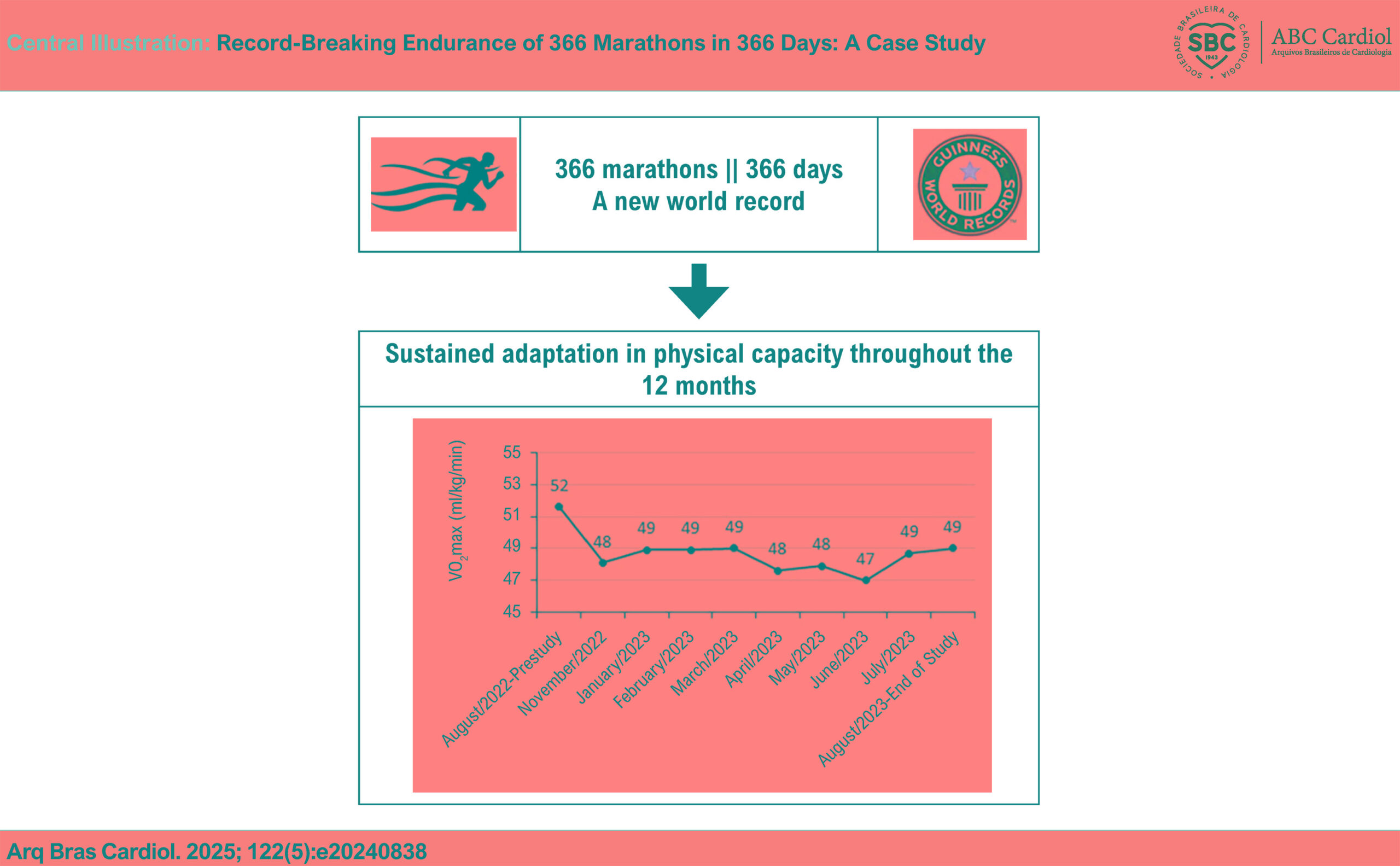
At PPE, male, 43-year-old, height: 1.83 m, weight: 76.9 kg, maximum oxygen consumption (VO2max): 52 ml/kg/min, body fat: 12.6%, systolic and diastolic blood pressure: 120/80 mmHg, blood glucose: 92 mg/dL, total cholesterol (TC): 185 mg/dL, high-sensitivity C-reactive protein (hs-CRP): 0.08 mg/dL, creatine phosphokinase (CPK): 183 U/L, and high-sensitivity troponin T (hs-TnT): 7.1 ng/L. At follow-up, the average of VO2max remained at 48.7 ± 1.2 ml/kg/min, left ventricular ejection fraction (LVEF) at 62 ± 2%, LV strain global longitudinal at 19 ± 1%, LV mass index at 83 ± 7 g/m2, hs-CRP at 0.07 ± 0.01 mg/L, CPK at 169 ± 36 U/L, hs-TnT at 8.2 ± 1.4 ng/L, and no malignant arrhythmias were observed.

Conclusion

The athlete’s cardiovascular system had adapted to an extremely high volume of consecutive marathons at moderate intensity for one year and remained functioning at normal range. In addition, the athlete set a new world record for most consecutive days to run a marathon, recognized by Guinness World Records.
  • Cardiovascular System
  • Marathon Running
  • Physical Endurance
Read Full Article
Creative Commons Attribution (CC BY) Creative Commons license
13/06/2025 DOI: 10.36660/abc.20240838i Views 2
Figure 1
ABC
Original Article

High-Fat Diet and Heart: What is the Real Impact of Resistance Exercise Training?

André Rodrigues Lourenço Dias et al. Andrey Jorge Serra

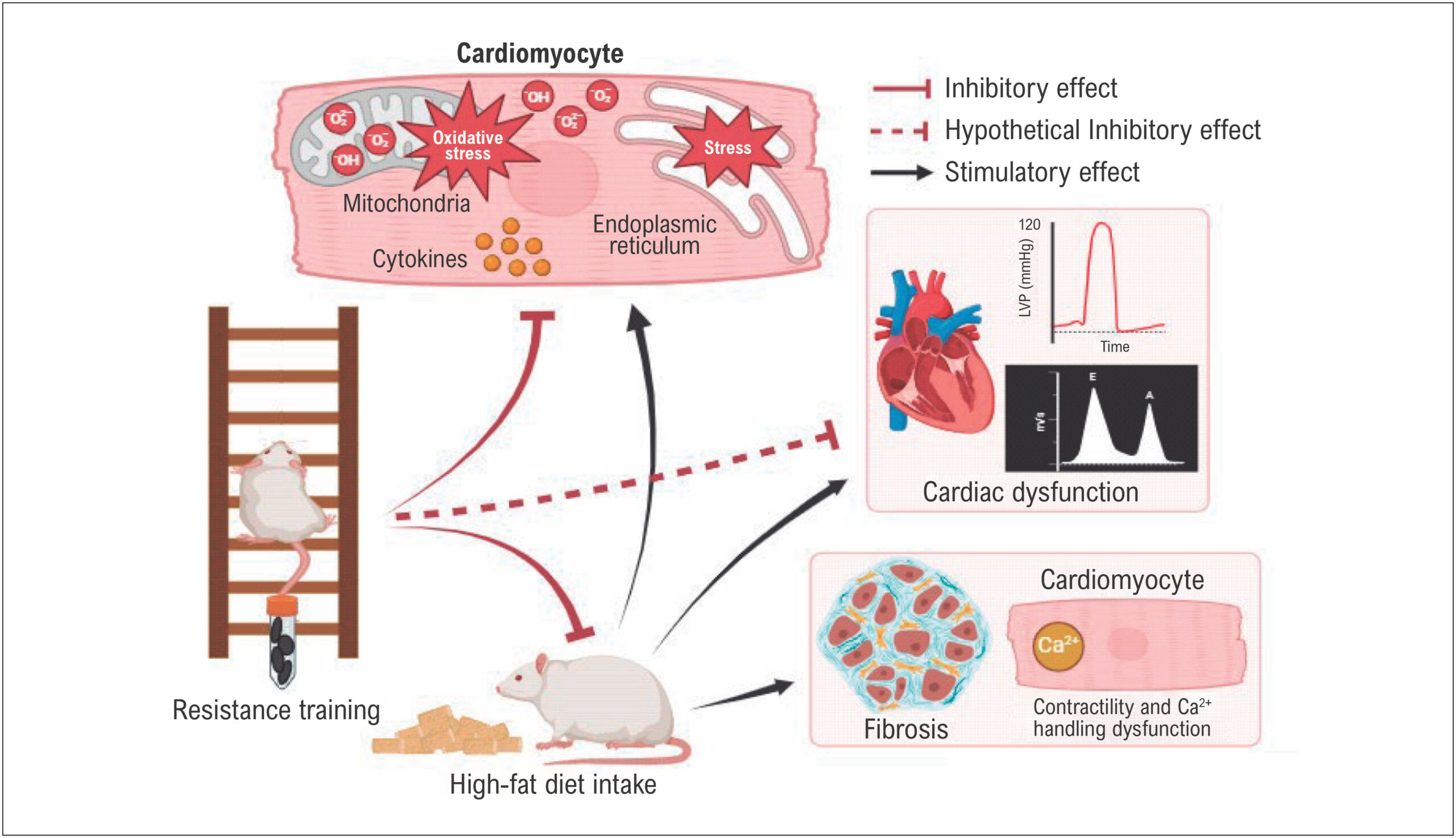
Long-term consumption of a high-fat diet (HFD) causes macrophage infiltration in the myocardium, which begins to secrete cytokines involved in cardiac inflammation. In this regard, interleukin-1β (IL-1β) plays a key role. Elevated levels of IL-1β trigger mitochondrial production of reactive oxygen species (ROS). The burst of ROS in the myocardium contributes to the development of diastolic dysfunction and heart failure with preserved ejection fraction in an experimental HFD model.

A current systematic review by Portes et al. has shown that resistance training (RT) can mitigate a variety of harmful effects of HFD on the heart. The article by Portes et al. reviewed original articles carried out in HFD rodents subjected to an RT program of at least four weeks comparing non-trained animals. Five studies were considered eligible, and ladder climbing with external load was the RT method applied.– Another three studies have found a reduction in body mass in animals subjected to RT,,, indicating that one pathway through which RT may promote cardioprotection may be reducing HFD. However, none of these studies reported food intake.,, A single study by Kim et al. assessed weekly food intake in middle-aged rats, who demonstrated that RT could upregulate proteins linked to mitochondrial biogenesis and reduce markers of sarcoplasmic reticulum stress without affecting HFD intake and body mass.

[…]

  • Atrial Remodeling
  • Diet
  • Exercises
  • Fats/metabolism
  • Heart/physiopatology
  • Physical Endurance
Read Full Article
Creative Commons Attribution (CC BY) Creative Commons license
10/05/2024 DOI: 10.36660/abc.20240091i
ABC
Editorial

Aerobic Exercise Prescription: The Talk Test Rises Over the 6-Minute Walk Test

Márcio Garcia Menezes et al. Vitor Augusto Fronza Leandro Franzoni

Cardiovascular diseases (CVDs) represent a concerning reality, leading to a high morbidity and mortality rate in many countries, with a global total of 18 million deaths. Moreover, these conditions pose substantial economic and social burdens.–

Cardiovascular rehabilitation holds significant promise in benefiting patients with CVDs, with aerobic exercises (AE) as pivotal allies in improving cardiorespiratory fitness, muscular endurance, cardiovascular function, and overall quality of life.– According to the Sociedade Brasileira de Cardiologia, the general recommendation for engaging in physical exercise is 150 minutes per week, distributed across three to five sessions. One of the foremost objectives in cardiovascular rehabilitation is to enhance cardiorespiratory fitness through the incorporation of AE., Furthermore, the judicious practice of physical activity aims to mitigate hypertension, the risk of cardiovascular events, and overall mortality in cardiovascular patients.–

[…]

  • Cardiorespiratory Fitness
  • Cardiovascular Rehabilitation
  • Physical Endurance
  • Quality of life
  • Walk Test
Read Full Article
Creative Commons Attribution (CC BY) Creative Commons license
27/10/2023 DOI: 10.36660/abc.20230636
Figure 1
ABC
Original Article

VO2max-Based Physical Fitness Categories in a Brazilian Population with Supposed High Socioeconomic Status and without Structural Heart Disease

João Manoel Rossi Neto et al. Antonio Sergio Tebexreni Alexandre Novakoski F. Alves Floriana Bertini Abreu … Priscilla Ayumi Nishio Mauricio Cruz Thomazi Ivana Antelmi Paola Emanuela P. Smanio

Abstract

Background

The most widely used data for cardiorespiratory fitness (CRF) referrals are from the Cooper Clinic, which uses calculated maximal oxygen uptake (VO2max) values.

Objective

To develop CRF values from cardiopulmonary exercise testing (CPX) in a Brazilian population with high socioeconomic level and free of structural heart disease. VO2max testing results were compared with the Cooper Clinic and FRIEND Registry data.

Methods

CPX data from consecutive individuals between January 1,2000, and May 31,2016 were used in this study. Inclusion criteria were: VO2max by a pre-specified definition. We built a CRF chart according to VO2max percentiles: very poor (≤20%), poor (20-40%), fair (40-60%), good (60-80%), excellent (80-90%), and superior (≥90%). Kappa correlation was used to analyze our data in comparison with that of the other two databases. Statistical tests with p<0.005 were considered significant.

Results

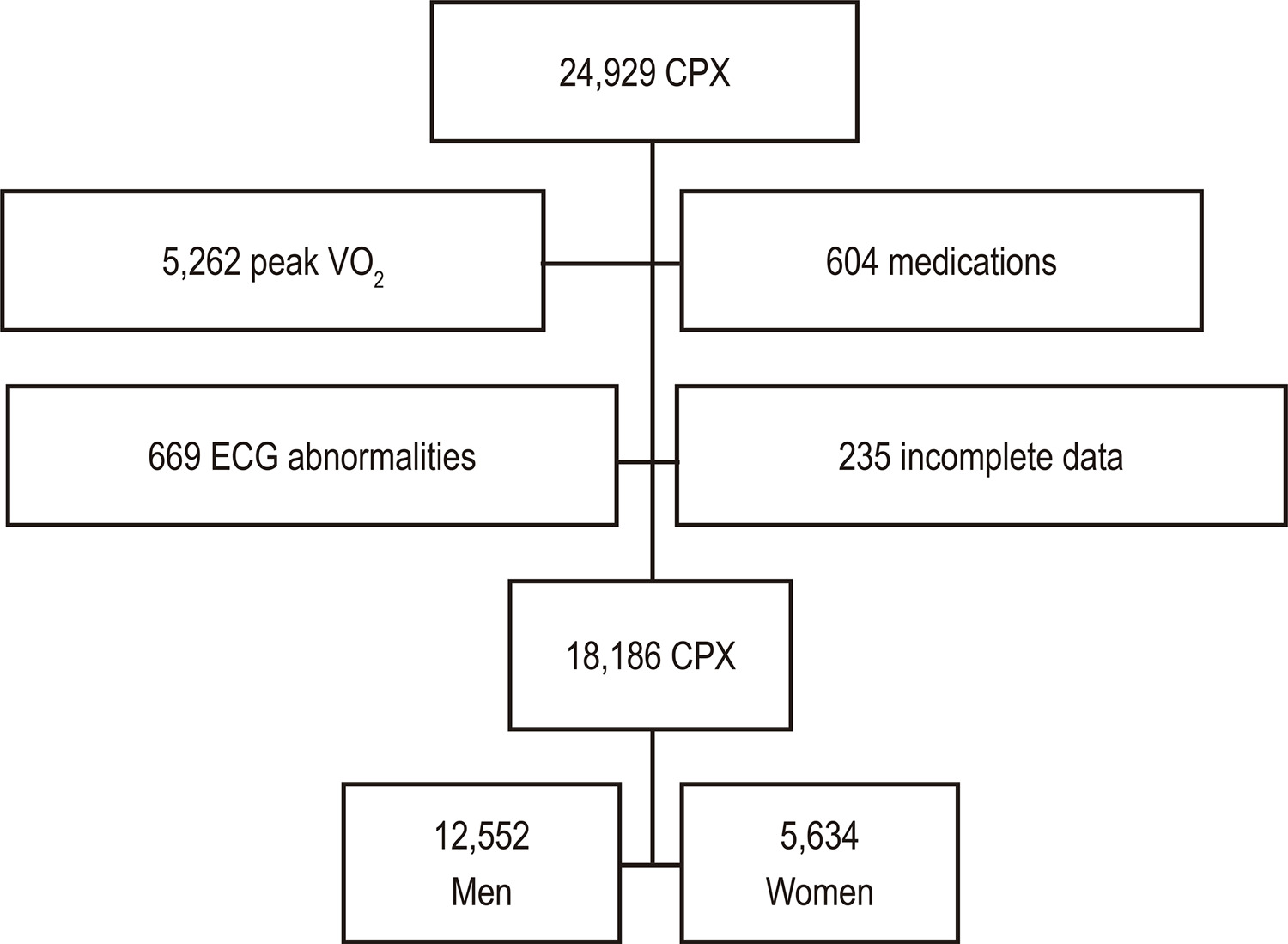
Final cohort included 18,186 tests: 12,552 men, 5,634 women (7–84 years). The most recurrent response was “good” (20.2%). There was a mean difference in weight, height, body mass index (BMI), and age in the CRF chart. An inverse correlation existed between VO2max and age, weight, and BMI. Using a linear regression and these variables, a predictive equation was developed for VO2max. Our findings differed from that of the other databases.

Conclusion

We developed a classification for CRF and found higher values in all classification ranges of functional capacity in contrast to the Cooper Clinic and FRIEND Registry. Our findings offer a more accurate interpretation of ACR in this large Brazilian population sample when compared to previous standards based on the estimated VO2max. (Arq Bras Cardiol. 2020; 115(3):468-477)

  • Cooper Test
  • Endurance Training
  • Exercise
  • Life Style Healthy
  • Physical activity
  • Physical Endurance
  • Social Class
Read Full Article
Creative Commons Attribution (CC BY) Creative Commons license
28/09/2020 DOI: 10.36660/abc.20190189 Views 1
ABC
Editorial

Oxygen Consumption and Cardiorespiratory Fitness. The Difference between Chronological and Biological Age

Artur Haddad Herdy et al. Amberson Vieira Assis

Oxygen is undoubtedly one of the main elements for the life of an aerobic organism. Animals with more complex structures, including humans, developed oxidative metabolism in the evolutionary process as the main source of energy production. Therefore, our ability to consume and use oxygen represents our main power plant and is closely associated with our vitality. Its measurement should undoubtedly be considered as another vital sign. When assessing athletes or people with severe pathologies, oxygen consumption (VO2) is an important marker of performance or survival. VO2 also defines essential therapies in critically-ill patients with CHF. In a series of 715 patients referred for heart transplantation, the event-free survival, such as death and transplantation in one year, was 87% with VO2 > 14, 77% between 10.1 and 14, and 65% when VO2 ≤ 10 mL/kg.min., On the other hand, values above 20 mL/kg.min are considered to have a better prognosis and may continue with the pharmacological therapy.

Recently, in the current coronavirus-19 pandemic (Sars-CoV-2), the value of arterial oxygen levels showed to be an important tool in the assessment of the severity of these patients. In the initial cases of lung injury, patients were relatively well, despite oxygen desaturation, which is not very responsive to oxygen therapy, in a clear gap between the severity of hypoxemia and symptoms, which has been described as “Happy hypoxemia”. The early monitoring of oxygen saturation since the home phase allowed the anticipation of the dyspnea onset, which already represents an indication of the advanced stage of pulmonary impairment and the imminent need for oxygen supplementation and/or invasive ventilation.

[…]

  • Endurance Training
  • Exercise
  • Healthy Lifestyle
  • Motor Activity
  • Myocardial Ischemia/prevention and control
  • Physical Endurance
  • Sedentarism
  • Social Class
Read Full Article
Creative Commons Attribution (CC BY) Creative Commons license
18/09/2020 DOI: 10.36660/abc.20200648
Figure 1
IJCS
Case Report

Sudden Cardiac Arrest in Athletes: Do not Miss Suspicious Details

Marta Luísa Braga et al. Paula Dias Mariana Vasconcelos Rui Almeida … Paulo Araújo Maria Maciel

Introduction

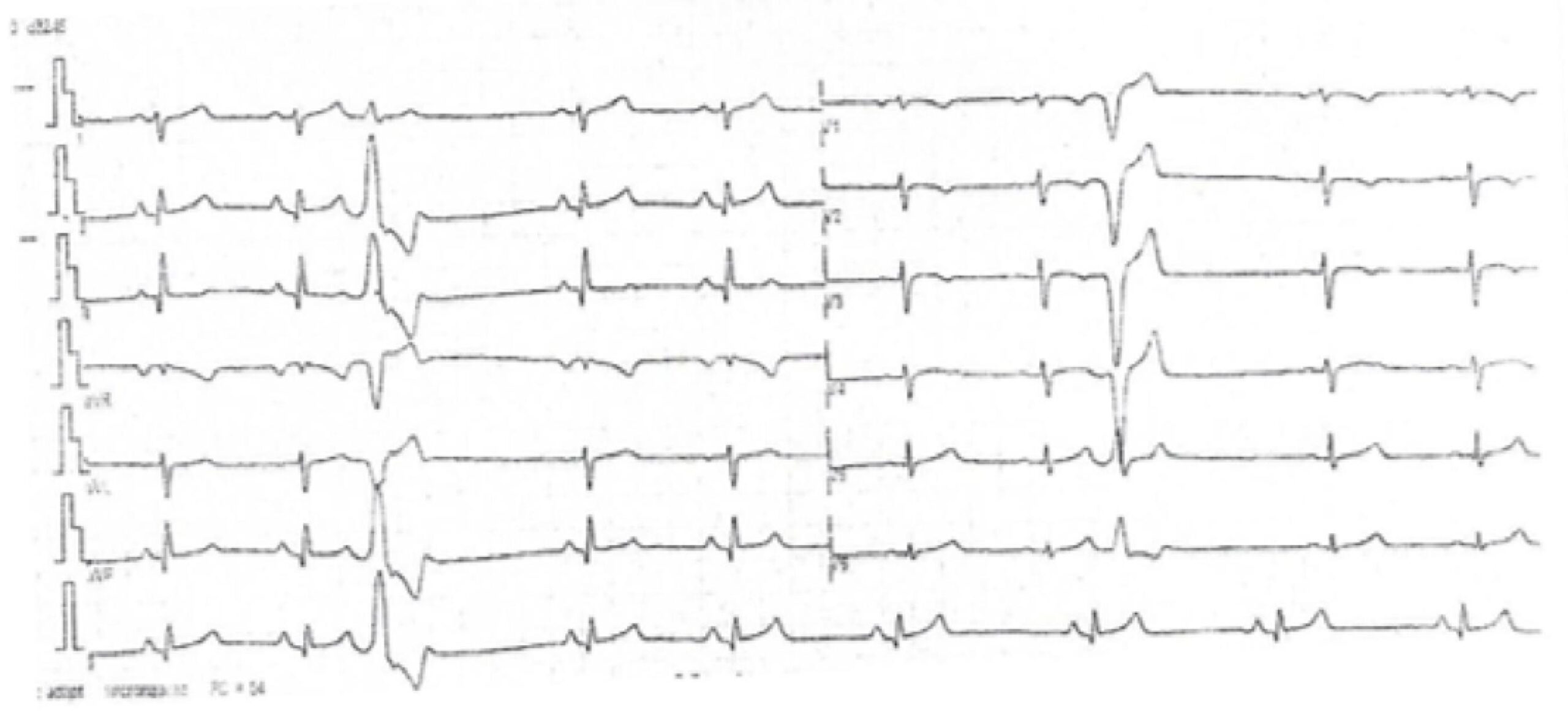
Sudden cardiac death (SCD) related to sports activities is an unexpected and rare event, usually occurring in young and apparently healthy athletes. The main cause of SCD in young athletes (< 35 years old) is ventricular arrhythmia (VA) associated with arrhythmogenic disorders (e.g. hypertrophic cardiomyopathy, arrhythmogenic right ventricular cardiomyopathy – ARVC, channelopathies). Some of these conditions can be suspected by routine pre-participation clinical evaluation, while others remain undetectable even after careful screening.– This paper presents the case of a professional athlete with undiagnosed ARVC, whose first manifestation was malignant VA and biventricular dysfunction.

[…]

  • Arrhythmias Cardiac
  • Arrhytmogenic Right Ventricular Dysplasia
  • Athletes
  • Cardiac arrest
  • Physical Endurance
  • Risk Assessment
  • Spots
  • Sudden Death
Read Full Article
Creative Commons Attribution (CC BY) Creative Commons license
12/08/2019 DOI: 10.5935/2359-4802.20190065 Views 1
Figure 1
IJCS
Original Article

Protective Effects of Accumulated Aerobic Exercise in Infarcted Old Rats

Daniele Jardim Feriani et al. Hélio José Coelho-Júnior Maria Cláudia Irigoyen Bruno Rodrigues

Abstract

Background:

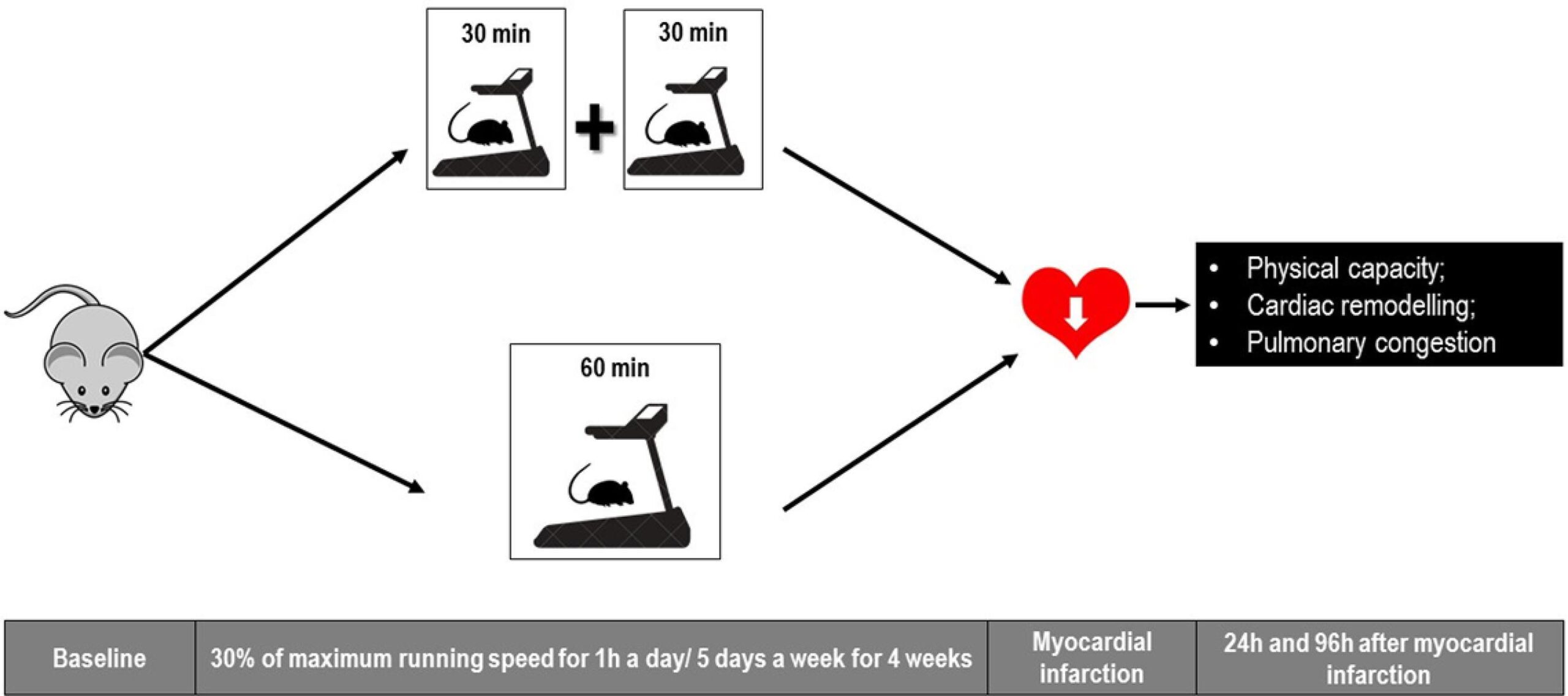
Aerobic exercise exerts cardioprotective effects on myocardial infarction. However, there is lack of information about the possible protective effects of continuous or accumulated aerobic exercise performed prior to myocardial infarction in aging.

Objective:

To evaluate the preventive effects of continuous or accumulated aerobic exercise on physical capacity, pulmonary congestion and ventricular weight in rats submitted to myocardial infarction.

Methods:

Old male Wistar rats were divided into four groups: sham control, sedentary infarcted, continuous aerobic exercise submitted to myocardial infarction, and accumulated aerobic exercise submitted to myocardial infarction. Body weight and maximum speed were evaluated at the beginning and at the end of the protocol. Trained groups performed continuous (1 h a day) or accumulated (30 minutes in the morning and 30 minutes in the afternoon) exercise. All groups, except the sham control, were submitted to myocardial infarction surgery at the end of the protocol. Heart, skeletal muscles, as well as wet and dry lung were weighed. The significance level in statistical analysis was established at p < 0.05.

Results:

Both continuous and accumulated exercise caused an increase in physical capacity in rats, as well as prevented its further impairment after myocardial infarction, and in the accumulated exercise group this prevention was greater. The continuous exercise group demonstrated an increase in lung water content, while the accumulated exercise group presented a reduction in body weight and an increase in left ventricle relative weight.

Conclusion:

In conclusion, the data of the present study indicate that accumulated aerobic exercise present a better protective effect than continuous aerobic training in the context of myocardial infarction and aging.

  • aging
  • Exercise
  • Myocardial Infarction/prevention & control
  • Physical Endurance
  • Rats
Read Full Article
Creative Commons Attribution (CC BY) Creative Commons license
19/07/2018 DOI: 10.5935/2359-4802.20180046 Views 1
Figure 1
ABC
Original Article

Resistance Exercise Restores Endothelial Function and Reduces Blood Pressure in Type 1 Diabetic Rats

Marcelo Mendonça Mota et al. Tharciano Luiz Teixeira Braga da Silva Milene Tavares Fontes André Sales Barreto … João Eliakim dos Santos Araújo Antônio Cesar Cabral de Oliveira Rogério Brandão Wichi Márcio Roberto Viana Santos

Background:

Resistance exercise effects on cardiovascular parameters are not consistent.

Objectives:

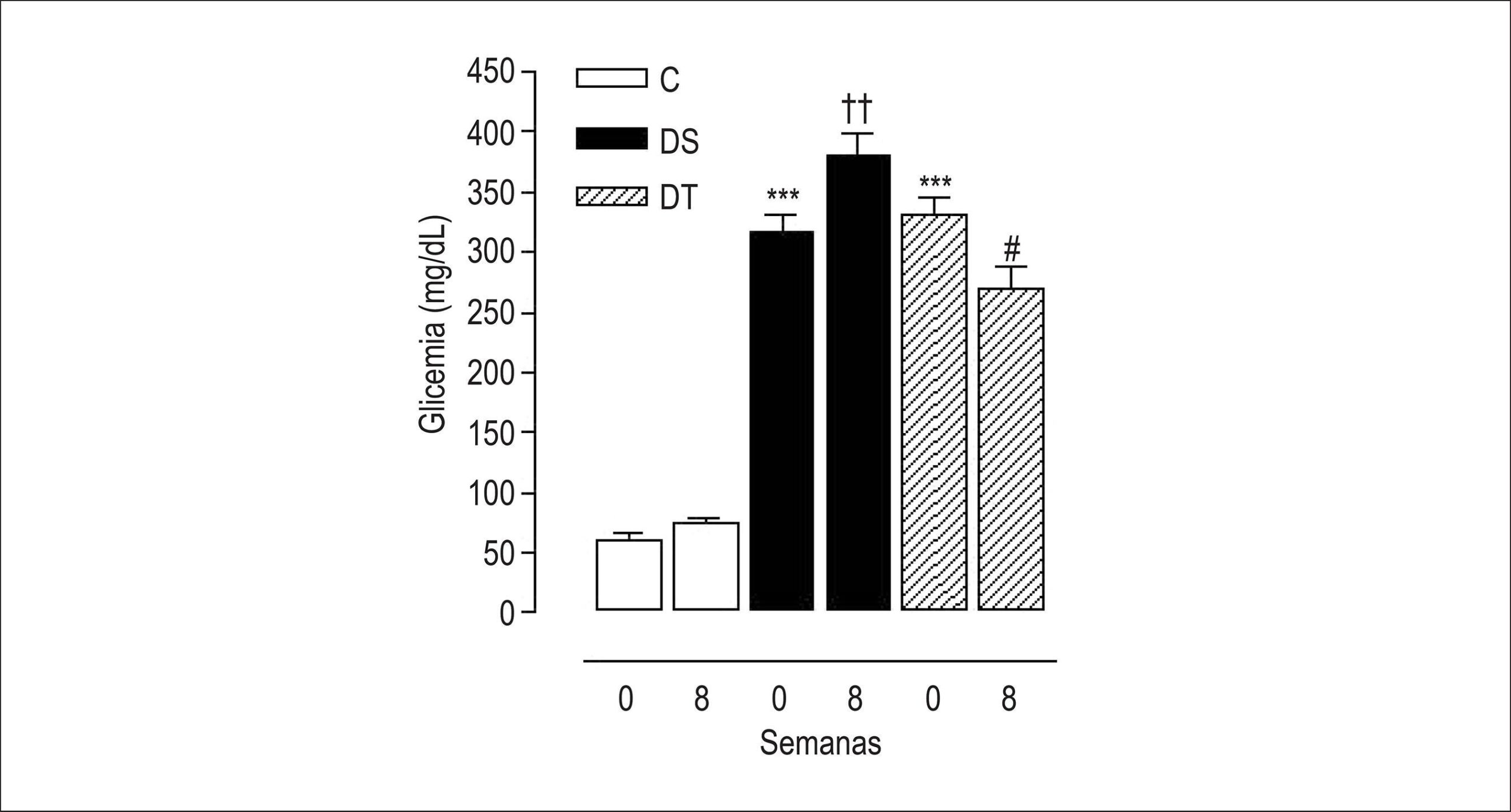
The effects of resistance exercise on changes in blood glucose, blood pressure and vascular reactivity were evaluated in diabetic rats.

Methods:

Wistar rats were divided into three groups: control group (n = 8); sedentary diabetic (n = 8); and trained diabetic (n = 8). Resistance exercise was carried out in a squat device for rats and consisted of three sets of ten repetitions with an intensity of 50%, three times per week, for eight weeks. Changes in vascular reactivity were evaluated in superior mesenteric artery rings.

Results:

A significant reduction in the maximum response of acetylcholine-induced relaxation was observed in the sedentary diabetic group (78.1 ± 2%) and an increase in the trained diabetic group (95 ± 3%) without changing potency. In the presence of NG-nitro-L-arginine methyl ester, the acetylcholine-induced relaxation was significantly reduced in the control and trained diabetic groups, but not in the sedentary diabetic group. Furthermore, a significant increase (p < 0.05) in mean arterial blood pressure was observed in the sedentary diabetic group (104.9 ± 5 to 126.7 ± 5 mmHg) as compared to that in the control group. However, the trained diabetic group showed a significant decrease (p < 0.05) in the mean arterial blood pressure levels (126.7 ± 5 to 105.1 ± 4 mmHg) as compared to the sedentary diabetic group.

Conclusions:

Resistance exercise could restore endothelial function and prevent an increase in arterial blood pressure in type 1 diabetic rats.

  • Arterial Pressure / physiology
  • diabetes
  • Endothelium, vascular / physiology
  • Exercise
  • Physical Endurance
  • Rats
Read Full Article
Creative Commons Attribution (CC BY) Creative Commons license
27/06/2014 DOI: 10.5935/abc.20140087

How to cite this article

EndNote RIS

Electronic Document Format (Vancouver)

Souza FR, Lopes RD, Fonseca GWP, Barretto RBM, Battaglia Filho AC, Val RM, Kalil-Filho R, et al. Record-Breaking Endurance of 366 Marathons in 366 Days: A Case Study. Arquivos Brasileiros de Cardiologia 2025;122(5):e20240838.

Electronic Document Format (ABNT)

Souza, Francis Ribeiro de; Lopes, Renato Delascio; Fonseca, Guilherme Wesley Peixoto da; Barretto, Rodrigo Bellio de Mattos; Battaglia Filho, Antonio Carlos; Val, Renata Margarida do; Kalil-Filho, Roberto; Alves, Maria-Janieire de Nazaré Nunes. Record-Breaking Endurance of 366 Marathons in 366 Days: A Case Study. Arquivos Brasileiros de Cardiologia, v. 122, n. 5, e20240838, Jun. 2025.

Electronic Document Format (APA)

Souza, F. R. , Lopes, R. D., Fonseca, G. W. P. , Barretto, R. B. M., Battaglia Filho, A. C., Val, R. M. , Kalil-Filho, R., & Alves, M. N. N. (2025). Record-Breaking Endurance of 366 Marathons in 366 Days: A Case Study. Arquivos Brasileiros de Cardiologia, 122(5), e20240838.

Electronic Document Format (ISO)

Souza, Francis Ribeiro de and Lopes, Renato Delascio and Fonseca, Guilherme Wesley Peixoto da and Barretto, Rodrigo Bellio de Mattos and Battaglia Filho, Antonio Carlos and Val, Renata Margarida do and Kalil-Filho, Roberto and Alves, Maria-Janieire de Nazaré Nunes. Record-Breaking Endurance of 366 Marathons in 366 Days: A Case Study. Arquivos Brasileiros de Cardiologia [online]. 2025, vol. 122, n. 5, [cited 2026-10-14], e20240838. Available from: <https://journals.cardiol.br/en/article/record-breaking-endurance-of-366-marathons-in-366-days-a-case-study/>. ISSN 0066-782X

EndNote RIS

Electronic Document Format (Vancouver)

Dias ARL, Serra AJ. High-Fat Diet and Heart: What is the Real Impact of Resistance Exercise Training?. Arquivos Brasileiros de Cardiologia 2024;121(4):e20240091.

Electronic Document Format (ABNT)

Dias, André Rodrigues Lourenço; Serra, Andrey Jorge. High-Fat Diet and Heart: What is the Real Impact of Resistance Exercise Training?. Arquivos Brasileiros de Cardiologia, v. 121, n. 4, e20240091, May. 2024.

Electronic Document Format (APA)

Dias, A. R. L., & Serra, A. J. (2024). High-Fat Diet and Heart: What is the Real Impact of Resistance Exercise Training?. Arquivos Brasileiros de Cardiologia, 121(4), e20240091.

Electronic Document Format (ISO)

Dias, André Rodrigues Lourenço and Serra, Andrey Jorge. High-Fat Diet and Heart: What is the Real Impact of Resistance Exercise Training?. Arquivos Brasileiros de Cardiologia [online]. 2024, vol. 121, n. 4, [cited 2026-10-14], e20240091. Available from: <https://journals.cardiol.br/en/article/high-fat-diet-and-heart-what-is-the-real-impact-of-resistance-exercise-training/>. ISSN 0066-782X

EndNote RIS

Electronic Document Format (Vancouver)

Menezes MG, Fronza VA, Franzoni L. Aerobic Exercise Prescription: The Talk Test Rises Over the 6-Minute Walk Test. Arquivos Brasileiros de Cardiologia 2023;120(9):e20230636.

Electronic Document Format (ABNT)

Menezes, Márcio Garcia; Fronza, Vitor Augusto; Franzoni, Leandro. Aerobic Exercise Prescription: The Talk Test Rises Over the 6-Minute Walk Test. Arquivos Brasileiros de Cardiologia, v. 120, n. 9, e20230636, Oct. 2023.

Electronic Document Format (APA)

Menezes, M. G., Fronza, V. A., & Franzoni, L. (2023). Aerobic Exercise Prescription: The Talk Test Rises Over the 6-Minute Walk Test. Arquivos Brasileiros de Cardiologia, 120(9), e20230636.

Electronic Document Format (ISO)

Menezes, Márcio Garcia and Fronza, Vitor Augusto and Franzoni, Leandro. Aerobic Exercise Prescription: The Talk Test Rises Over the 6-Minute Walk Test. Arquivos Brasileiros de Cardiologia [online]. 2023, vol. 120, n. 9, [cited 2026-10-14], e20230636. Available from: <https://journals.cardiol.br/en/article/aerobic-exercise-prescription-the-talk-test-rises-over-the-6-minute-walk-test/>. ISSN 0066-782X

EndNote RIS

Electronic Document Format (Vancouver)

Rossi Neto JM, Tebexreni AS, Alves ANF, Abreu FB, Nishio PA, Thomazi MC, Antelmi I, et al. VO2max-Based Physical Fitness Categories in a Brazilian Population with Supposed High Socioeconomic Status and without Structural Heart Disease. Arquivos Brasileiros de Cardiologia 2020;115(3):468-77.

Electronic Document Format (ABNT)

Rossi Neto, João Manoel; Tebexreni, Antonio Sergio; Alves, Alexandre Novakoski F.; Abreu, Floriana Bertini; Nishio, Priscilla Ayumi; Thomazi, Mauricio Cruz; Antelmi, Ivana; Smanio, Paola Emanuela P.. VO2max-Based Physical Fitness Categories in a Brazilian Population with Supposed High Socioeconomic Status and without Structural Heart Disease. Arquivos Brasileiros de Cardiologia, v. 115, n. 3, p. 468-477, Sep. 2020.

Electronic Document Format (APA)

Rossi Neto, J. M., Tebexreni, A. S., Alves, A. N. F., Abreu, F. B., Nishio, P. A., Thomazi, M. C., Antelmi, I., & Smanio, P. E. P. (2020). VO2max-Based Physical Fitness Categories in a Brazilian Population with Supposed High Socioeconomic Status and without Structural Heart Disease. Arquivos Brasileiros de Cardiologia, 115(3), 468-477.

Electronic Document Format (ISO)

Rossi Neto, João Manoel and Tebexreni, Antonio Sergio and Alves, Alexandre Novakoski F. and Abreu, Floriana Bertini and Nishio, Priscilla Ayumi and Thomazi, Mauricio Cruz and Antelmi, Ivana and Smanio, Paola Emanuela P.. VO2max-Based Physical Fitness Categories in a Brazilian Population with Supposed High Socioeconomic Status and without Structural Heart Disease. Arquivos Brasileiros de Cardiologia [online]. 2020, vol. 115, n. 3, [cited 2026-10-14], pp. 468-477. Available from: <https://journals.cardiol.br/en/article/vo2max-based-physical-fitness-categories-in-a-brazilian-population-with-supposed-high-socioeconomic-status-and-without-structural-heart-disease/>. ISSN 0066-782X

EndNote RIS

Electronic Document Format (Vancouver)

Herdy AH, Assis AV. Oxygen Consumption and Cardiorespiratory Fitness. The Difference between Chronological and Biological Age. Arquivos Brasileiros de Cardiologia 2020;115(3):478-9.

Electronic Document Format (ABNT)

Herdy, Artur Haddad; Assis, Amberson Vieira. Oxygen Consumption and Cardiorespiratory Fitness. The Difference between Chronological and Biological Age. Arquivos Brasileiros de Cardiologia, v. 115, n. 3, p. 478-479, Sep. 2020.

Electronic Document Format (APA)

Herdy, A. H., & Assis, A. V. (2020). Oxygen Consumption and Cardiorespiratory Fitness. The Difference between Chronological and Biological Age. Arquivos Brasileiros de Cardiologia, 115(3), 478-479.

Electronic Document Format (ISO)

Herdy, Artur Haddad and Assis, Amberson Vieira. Oxygen Consumption and Cardiorespiratory Fitness. The Difference between Chronological and Biological Age. Arquivos Brasileiros de Cardiologia [online]. 2020, vol. 115, n. 3, [cited 2026-10-14], pp. 478-479. Available from: <https://journals.cardiol.br/en/article/oxygen-consumption-and-cardiorespiratory-fitness-the-difference-between-chronological-and-biological-age/>. ISSN 0066-782X

EndNote RIS

Electronic Document Format (Vancouver)

Braga ML, Dias P, Vasconcelos M, Almeida R, Araújo P, Maciel M. Sudden Cardiac Arrest in Athletes: Do not Miss Suspicious Details. International Journal of Cardiovascular Sciences 2019;32(4):428-32.

Electronic Document Format (ABNT)

Braga, Marta Luísa; Dias, Paula; Vasconcelos, Mariana; Almeida, Rui; Araújo, Paulo; Maciel, Maria. Sudden Cardiac Arrest in Athletes: Do not Miss Suspicious Details. International Journal of Cardiovascular Sciences, v. 32, n. 4, p. 428-432, Aug. 2019.

Electronic Document Format (APA)

Braga, M. L., Dias, P., Vasconcelos, M., Almeida, R., Araújo, P., & Maciel, M. (2019). Sudden Cardiac Arrest in Athletes: Do not Miss Suspicious Details. International Journal of Cardiovascular Sciences, 32(4), 428-432.

Electronic Document Format (ISO)

Braga, Marta Luísa and Dias, Paula and Vasconcelos, Mariana and Almeida, Rui and Araújo, Paulo and Maciel, Maria. Sudden Cardiac Arrest in Athletes: Do not Miss Suspicious Details. International Journal of Cardiovascular Sciences [online]. 2019, vol. 32, n. 4, [cited 2026-10-14], pp. 428-432. Available from: <https://journals.cardiol.br/en/article/sudden-cardiac-arrest-in-athletes-do-not-miss-suspicious-details/>. ISSN 2359-4802

EndNote RIS

Electronic Document Format (Vancouver)

Feriani DJ, Coelho-Júnior HJ, Irigoyen MC, Rodrigues B. Protective Effects of Accumulated Aerobic Exercise in Infarcted Old Rats. International Journal of Cardiovascular Sciences 2018;31(5):505-12.

Electronic Document Format (ABNT)

Feriani, Daniele Jardim; Coelho-Júnior, Hélio José; Irigoyen, Maria Cláudia; Rodrigues, Bruno. Protective Effects of Accumulated Aerobic Exercise in Infarcted Old Rats. International Journal of Cardiovascular Sciences, v. 31, n. 5, p. 505-512, Jul. 2018.

Electronic Document Format (APA)

Feriani, D. J., Coelho-Júnior, H. J., Irigoyen, M. C., & Rodrigues, B. (2018). Protective Effects of Accumulated Aerobic Exercise in Infarcted Old Rats. International Journal of Cardiovascular Sciences, 31(5), 505-512.

Electronic Document Format (ISO)

Feriani, Daniele Jardim and Coelho-Júnior, Hélio José and Irigoyen, Maria Cláudia and Rodrigues, Bruno. Protective Effects of Accumulated Aerobic Exercise in Infarcted Old Rats. International Journal of Cardiovascular Sciences [online]. 2018, vol. 31, n. 5, [cited 2026-10-14], pp. 505-512. Available from: <https://journals.cardiol.br/en/article/protective-effects-of-accumulated-aerobic-exercise-in-infarcted-old-rats/>. ISSN 2359-4802

EndNote RIS

Electronic Document Format (Vancouver)

Mota MM, Silva TLTB, Fontes MT, Barreto AS, Araújo JES, Oliveira ACC, Wichi RB, et al. Resistance Exercise Restores Endothelial Function and Reduces Blood Pressure in Type 1 Diabetic Rats. Arquivos Brasileiros de Cardiologia 2014;103(1):25-32.

Electronic Document Format (ABNT)

Mota, Marcelo Mendonça; Silva, Tharciano Luiz Teixeira Braga da; Fontes, Milene Tavares; Barreto, André Sales; Araújo, João Eliakim dos Santos; Oliveira, Antônio Cesar Cabral de; Wichi, Rogério Brandão; Santos, Márcio Roberto Viana. Resistance Exercise Restores Endothelial Function and Reduces Blood Pressure in Type 1 Diabetic Rats. Arquivos Brasileiros de Cardiologia, v. 103, n. 1, p. 25-32, Jun. 2014.

Electronic Document Format (APA)

Mota, M. M., Silva, T. L. T. B. , Fontes, M. T., Barreto, A. S., Araújo, J. E. S., Oliveira, A. C. C. , Wichi, R. B., & Santos, M. R. V. (2014). Resistance Exercise Restores Endothelial Function and Reduces Blood Pressure in Type 1 Diabetic Rats. Arquivos Brasileiros de Cardiologia, 103(1), 25-32.

Electronic Document Format (ISO)

Mota, Marcelo Mendonça and Silva, Tharciano Luiz Teixeira Braga da and Fontes, Milene Tavares and Barreto, André Sales and Araújo, João Eliakim dos Santos and Oliveira, Antônio Cesar Cabral de and Wichi, Rogério Brandão and Santos, Márcio Roberto Viana. Resistance Exercise Restores Endothelial Function and Reduces Blood Pressure in Type 1 Diabetic Rats. Arquivos Brasileiros de Cardiologia [online]. 2014, vol. 103, n. 1, [cited 2026-10-14], pp. 25-32. Available from: <https://journals.cardiol.br/en/article/resistance-exercise-restores-endothelial-function-and-reduces-blood-pressure-in-type-1-diabetic-rats/>. ISSN 0066-782X

  • About ABC Family
  • Internal Regulation
  • Editorial Board
  • Brazilian Society of Cardiology (SBC)

Issues

SBC Guidelines

  • Videos
  • Podcasts
  • News