ABC Family Arquivos Brasileiros de Cardiologia International Journal of Cardiovascular Sciences ABC Heart Failure & Cardiomyopathy ABC Imagem Cardiovascular
Português English
ABC Family
Português English
  • About
    • About ABC Family
    • Internal Regulation
    • Editorial Board
    • Brazilian Society of Cardiology (SBC)
  • Issues
  • SBC Guidelines
  • Content
    • Videos
    • Podcasts
    • News
  • About
    • About ABC Family
    • Internal Regulation
    • Editorial Board
    • Brazilian Society of Cardiology (SBC)
  • Issues
  • SBC Guidelines
  • Content
    • Videos
    • Podcasts
    • News

ABC Family

  • ABC Family
  • Arquivos Brasileiros de Cardiologia
  • International Journal of Cardiovascular Sciences
  • ABC Heart Failure & Cardiomyopathy
  • ABC Imagem Cardiovascular
Search in

No content found.

Journals
Ordering
Article types
Others

  1. Home
  2. Keyword: Physical activity
Dose-Response Association between Leisure-Time Physical Activity Intensity Trajectories and Diabetes among Men and Women in ELSA-Brasil
ABC
Original Article

Dose-Response Association between Leisure-Time Physical Activity Intensity Trajectories and Diabetes among Men and Women in ELSA-Brasil

André Luis Messias dos Santos Duque et al. Daniela Polessa Paula Danilo de Paula Santos Maria Del Carmen Bisi Molina … Luana Giatii Maria Inês Schmidt Maria de Jesus Mendes da Fonseca Rosane Harter Griep

Abstract

Background

Physical activity (PA) plays a fundamental role in the prevention of type 2 diabetes mellitus (DM-2). However, findings regarding the influence of PA intensity on DM-2 over time remain inconsistent.

Objective

To examine the dose-response association between leisure-time PA intensity trajectories and DM-2.

Methods

The study included data from the Longitudinal Study of Adult Health (ELSA-Brasil), at baseline (2008-2010) and from 11 years’ follow-up, of 5777 women and 4590 men, aged from 35 to 75 years. Leisure-time PA intensity trajectories were assessed by means of the International Physical Activity Questionnaire, while DM-2 was identified by self-reporting, use of medication or laboratory criteria. Ordinal logistical regression was used to estimate odds ratios (OR) and 95% confidence intervals (95%CIs).

Results

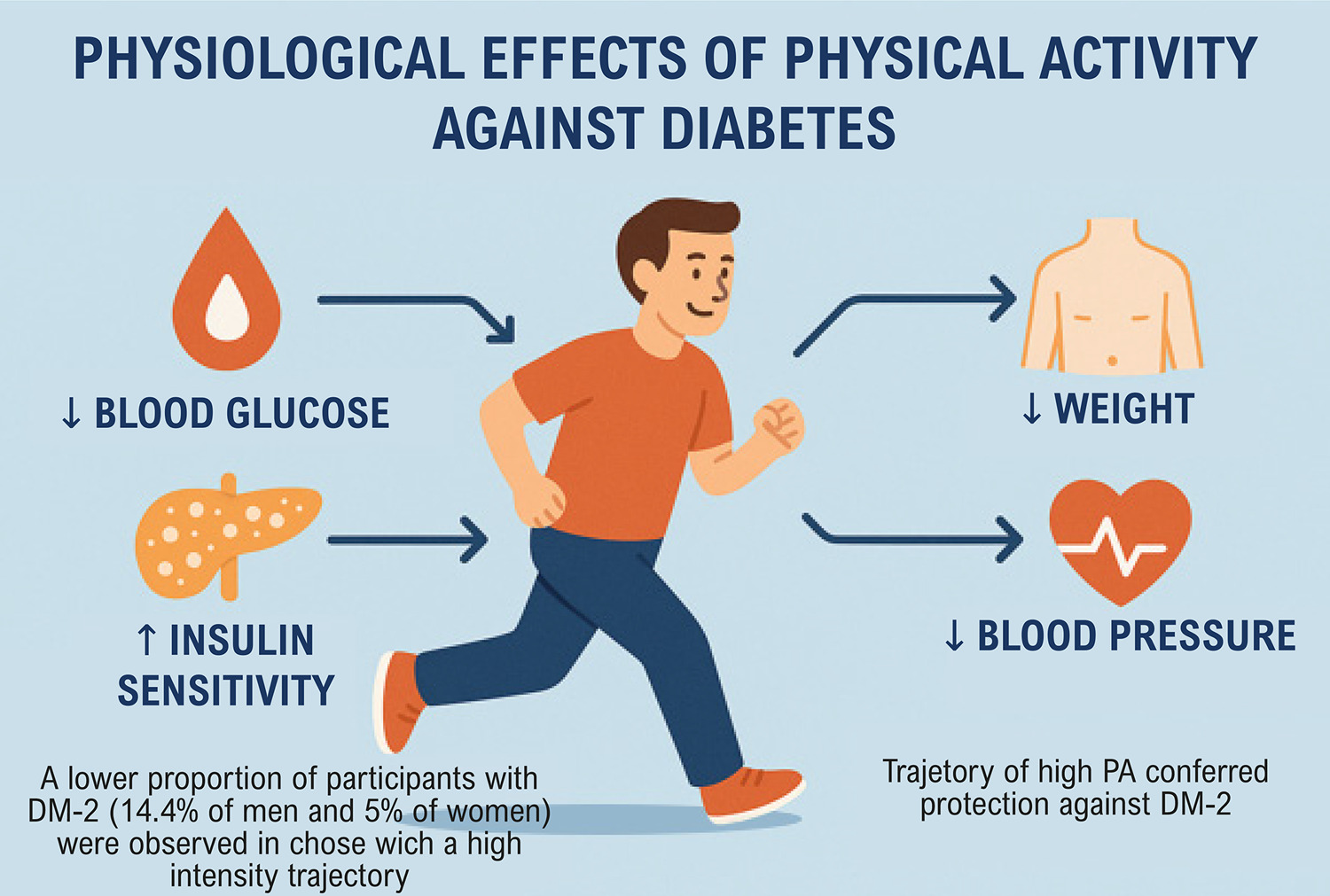
A lower proportion of participants with DM-2 (14.4% of men and 5% of women) and a higher proportion without diabetes (22.1% of men and 40.8% of women) were observed in those with a high-intensity trajectory. Compared to the moderate-intensity trajectory, high-intensity conferred protection against DM-2 (OR=0.63 [95% CI=0.40-0.98]) for men and women (OR=0.33 [95% CI=0.14-0.79]) and the low-intensity trajectory conferred a greater chance of pre-diabetes among men OR=1.36 [95% CI=1.09-1.69].

Conclusion

Higher-intensity PA over time was associated with a lower proportion of DM-2 cases among men and women. Thus, programs aimed at preventing and controlling DM-2 should emphasize the importance of maintaining high-intensity activities over time.
  • Life Trajectory
  • Lifestyle
  • Physical activity
  • Type 2 Diabetes Mellitus
Read Full Article
Creative Commons Attribution (CC BY) Creative Commons license
01/09/2025 DOI: 10.36660/abc.20250091i Views 1
ABC
Editorial

Physical Activity and Quality of Life in Children with Congenital Heart Diseases: A Public Health Issue

Silvana Vertematti

Physical activity is both a form of expression for children and a means for promoting their development. The fun derived from engaging in this activity is one of the main factors for promoting the social inclusion of children, in addition to ensuring their continued ability to perform movements. The physical, physiological, psychological, and social dividends physical activity brings to children and adolescents are unequivocal.

Physical activity is defined as any bodily movement produced by skeletal muscles and resulting in energy expenditure. Physical exercise is a planned physical activity. It is structured within a sports and social context, involves logical and organized repetitions, and is designed to maintain physical fitness. Fitness, in turn, is characterized by a set of physical attributes related to improving the child’s health and performance and can be measured by specific physical tests conducted by trained professionals.

[…]

  • Cardiovascular Diseases
  • Children
  • Congenital
  • Heart Defects
  • Physical activity
  • Public Health
  • Quality of life
Read Full Article
Creative Commons Attribution (CC BY) Creative Commons license
23/10/2023 DOI: 10.36660/abc.20230634 Views 1
ABC
Editorial

Can Intermittent Fasting Associated with a Low-Carb Diet Prevent Cardiovascular Disease in Pre-Diabetics?

Luciana Nicolau Aranha

Pre-diabetes is the term used to describe individuals who have altered glucose metabolism but do not meet the diagnostic criteria for diabetes. People with pre-diabetes have an increased risk of type 2 diabetes mellitus (DM2), cardiovascular disease (CVD), and all-cause mortality.,

Lifestyle changes, including diet and regular physical activity, are effective in preventing diabetes and CVD. Some nutritional approaches have been used to promote weight loss and glycemic control. Intermittent fasting is a dietary practice restricting calorie consumption during a controlled period, followed by ad libitum caloric consumption. A carbohydrate-restricted diet, known as low-carb, is characterized by carbohydrate intake below the lower limit of an acceptable macronutrient distribution range for healthy adults (i.e., < 45% of energy intake).

[…]

  • Caloric Restriction
  • Diet Low-Carbohydrate
  • Exercise
  • Fasting
  • Life Style
  • Physical activity
  • Prediabetic State
Read Full Article
Creative Commons Attribution (CC BY) Creative Commons license
01/05/2023 DOI: 10.36660/abc.20230182 Views 2
ABC
Editorial

Exercise-Based Cardiac Rehabilitation (ECBR): New Frontiers in the Post-Novel Coronavirus

Rosane Maria Nery et al. Antonio Cardoso dos Santos Eduardo Lima Garcia

The coronavirus disease 2019 (COVID-19) pandemic, in addition to physical, emotional, and social repercussions, has generated important changes in non-pharmacological measures to aid in treating patients with heart disease, such as Exercise-Based Cardiac Rehabilitation (ECBR). The disability associated with the post-COVID-19 syndrome seems to have a considerable impact on health services, as the treatment of these patients implies a very high demand for care and a high economic cost.

Scientific evidence has shown a close association between sedentary behavior and the development and worsening of cardiovascular disease (CVD) and early mortality. Many of these deaths could be avoided or postponed with preventive care and therapeutic measures, where EBCR is a fundamental pillar.,

[…]

  • Cardiac Rehabilitation
  • Coronavirus
  • Covid-19/complications
  • Exercise Therapy
  • Pandemics
  • Physical activity
  • Recovery of function
Read Full Article
Creative Commons Attribution (CC BY) Creative Commons license
07/04/2023 DOI: 10.36660/abc.20230120
IJCS
Original Article

The Challenges of Implementing a Text Message Intervention to Promote Behavioral Change in Primary Care Patients With Hypertension and Diabetes

João Antonio de Queiroz Oliveira et al. Christiane Cimini Vania Almeida Junia Xavier Maia … Raissa Eda Resende Leticia Alves Gualberto Pedro Henrique Lauar Santos Paulo R. Gomes Leonardo Bonisson Maria Cristina Paixão Janaina Moutinho Costa Clareci Silva Cardoso Karla Santo Antonio Ribeiro Maria Auxiliadora Martins Milena S. Marcolino

Abstract

Background

Controlling blood pressure and glycemic levels is a challenge that requires innovative solutions.

Objective

To assess the feasibility of implementing a text message intervention among low-income primary care patients, as well as to assess self-reported behavioral change.

Methods

A set of 200 text messages was developed on healthy eating, physical activity, adherence, and motivation. Participants from Vale do Mucuri, MG, Brazil diagnosed with diabetes or hypertension or undergoing screening for those diseases, received 5 to 8 messages per week for 6 months. They answered a questionnaire to report their satisfaction and behavioral changes.

Results

Of the 136 patients, 117 (86.0%) answered the questionnaire. Most reported that the messages were very useful (86.3%), easy to understand (90.6%), and were very helpful for behavioral change (65.0%); 84.6% reported that they had started eating healthier. The most frequent reported lifestyle changes were: improved diet quality (85.5%), reduced portions (65.8%), and weight loss (56.4%). The majority of patients shared the messages (60.7%) with family or other acquaintances, considered the number of messages to be adequate (89.7%) and would recommend the program to others (95.7%).

Conclusion

An intervention based on text messages to promote behavioral change in patients with hypertension or diabetes in primary care is feasible in low-resource settings. Future studies are needed to assess the program’s long-term effects on clinical outcomes.

  • Arterial Pressure/prevention and control
  • Blood Glicose/prevention and control
  • Hypertension/prevention and control
  • Lifestyle
  • Physical activity
  • Surveys and Questionnaires
Read Full Article
Creative Commons Attribution (CC BY) Creative Commons license
03/04/2023 DOI: 10.36660/ijcs.20220050 Views 1
ABC
Editorial

Cardiopulmonary Exercise Testing in Post-COVID-19 Patients: New Insights Into the Exercise Intolerance

Marina Petersen Saadi et al. Anderson Donelli da Silveira

COVID-19 has affected thousands of people worldwide, and a considerable percentage of those complain of persistent exercise limitation, unrelated to the disease`s severity and persisting even months after the infection.,It is well known that the severe form of COVID-19 predominantly involves the respiratory system, presenting with acute respiratory distress syndrome. One could speculate that the persistent functional limitation seen after infection may originate in the respiratory system, a fact reinforced by studies that showed ventilatory limitation in spirometry after hospital discharge.,

Cardiopulmonary Exercise Test (CPET) allows a complete assessment of the cardiorespiratory system. It is the gold standard exam to define prognosis in several heart and lung diseases and can discriminate the underlying mechanisms associated with reduced functional capacity.,

[…]

  • Exercise Test
  • Lung Diseases
  • lung volume measurements
  • Pandemics
  • Physical activity
  • Post-Covid-19/complications
  • Respiratory Distress Syndrome Adult/rehabilitation
  • Spirometry/methods
Read Full Article
Creative Commons Attribution (CC BY) Creative Commons license
20/03/2023 DOI: 10.36660/abc.20230058 Views 1
IJCS
Editorial

Small Exercise Breaks can Save your Brain from Prolonged Sitting

Eliza Prodel

A sedentary lifestyle is one of the major risk factors for the development of cardiovascular diseases. For instance, in 2019, stroke was the second-leading cause of death, as well as the primary cause of death and disability combined in the world. Active commuting to work is one strategy to decrease sedentary time and its impact, and the COVID-19 pandemic has changed work and daily routines worldwide. Moreover, the necessary social distancing has led to increased sedentary time, especially for those who are engaged in office desk work .

Acute prolonged sitting seems to lead to transient impairment of the endothelial function in the healthy population, whether this phenomenon is related to cardiovascular or cerebrovascular events is unknown. Nonetheless, prolonged sitting impairs the cerebrovascular function. , Conversely, exercise breaks from prolonged sitting seem to restore the endothelial and cerebrovascular function. Therefore, active breaks from prolonged sitting could be a good strategy to mitigate the effects of sedentary time. However, the ideal duration and intensity need further investigation. Additionally, the difficulty to implement exercise breaks as a daily routine for office workers must be considered.

[…]

  • Cerebrovascular Circulation
  • COVID-19
  • Exercise
  • Lifestyle
  • Pandemics
  • Physical activity
  • Sedentarism
  • Stroke, Risk Factors
Read Full Article
Creative Commons Attribution (CC BY) Creative Commons license
10/03/2023 DOI: 10.36660/ijcs.20210248 Views 1
IJCS
Editorial

Weight Excess: The Great Villain in the Development of Hypertension in Adolescents

Erika Maria Gonçalves Campana et al. Maria Eliane Campos Magalhães Andréa Araujo Brandão

The relationship between arterial hypertension (AH) and excess weight in young populations is well established. This association involves several conditions including hyperinsulinemia, altered adipokine profile, elevated markers of subclinical inflammation, and inadequate habits, including physical inactivity. –

In a study – conducted in the city of Rio de Janeiro, Brazil, an increased body mass index in adolescents was correlated with a higher prevalence of elevated blood pressure (BP) and higher risk of developing AH at young adult age. From a longitudinal perspective, an interesting aspect in the assessment of cardiovascular risk factors is the tracking effect, in which children and adolescents with altered clinical and metabolic parameters (BP, body mass index and cholesterol levels) are likely to maintain an abnormal profile of these variables throughout life and become adults at increased cardiovascular risk. – This fact highlights the continuous, unfavorable impact of persistent obesity from childhood to adulthood on cardiovascular risk factors.

[…]

  • Adolescents
  • Exercise
  • Hypertension
  • Obesity
  • Physical activity
  • Quality of life
  • Risk Factors
  • Sedentarism
Read Full Article
Creative Commons Attribution (CC BY) Creative Commons license
10/03/2023 DOI: 10.36660/ijcs.20210249 Views 1
Figure 1
ABCHF
Review Article

Cardiovascular Rehabilitation in Patients with Cancer

Pedro Vellosa Schwartzmann et al. Amanda Gonzales Renata R. T. Castro

Abstract

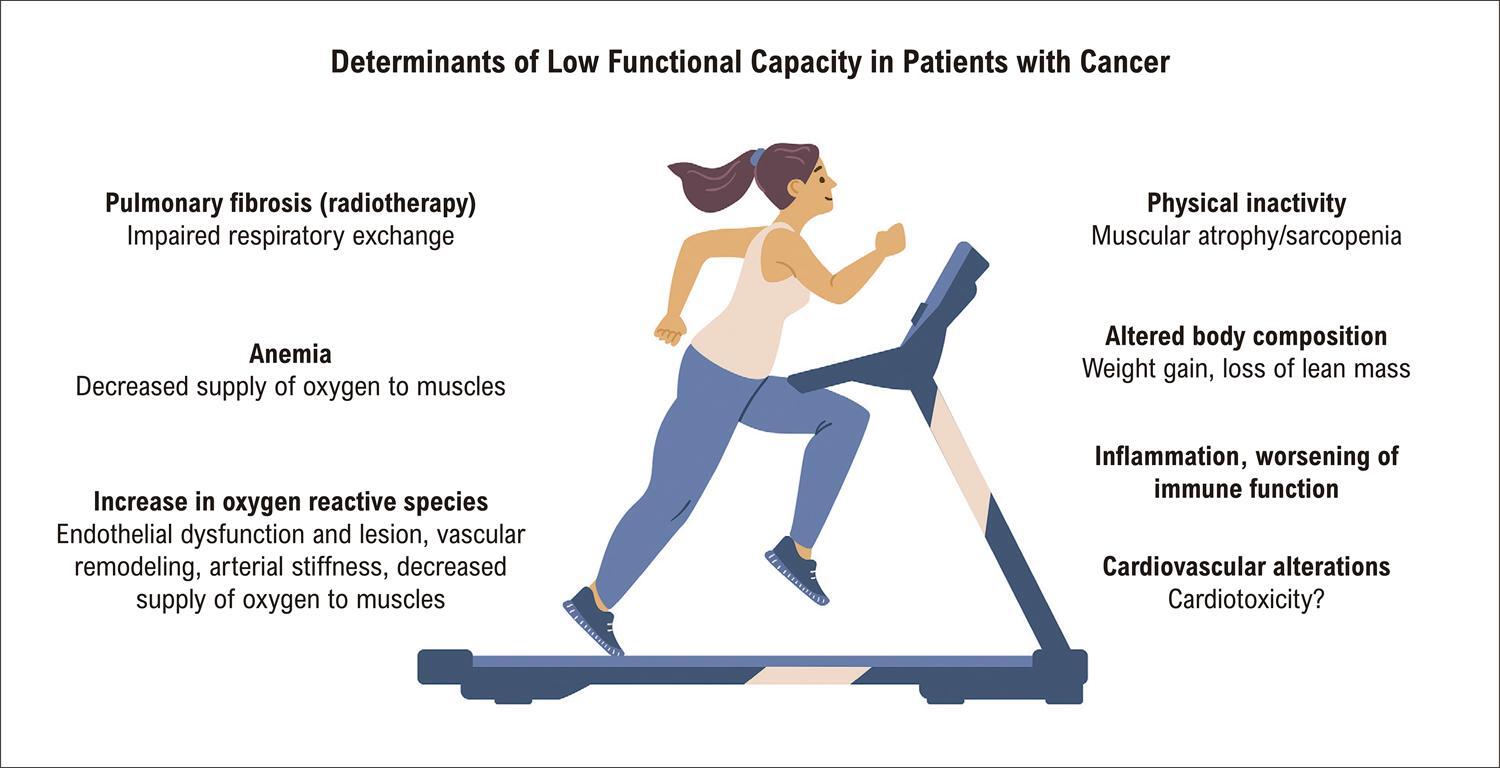
Advances in cancer treatment have increased patient survival, as well as susceptibility to cardiovascular disease, not only due to the increase in risk factors but also as a result of the treatment itself.Cardiotoxicity related to antineoplastic drugs is one of the most feared cardiovascular effects during or after chemotherapy treatment, and it is associated with unfavorable prognosis in cancer survivors. Moreover, it reduces physical capacity and quality of life. In this scenario, the multimodal model of cardio-oncological rehabilitation has become a fundamental strategy in patients with high cardiovascular risk or risk for the development of cardiotoxicity, as well as for those with already established heart disease.In this article, we will address the role of cardiac rehabilitation in patients with cancer and its particularities.

  • Cancer
  • Physical activity
  • Rehabilitation
Read Full Article
Creative Commons Attribution (CC BY) Creative Commons license
18/12/2022 DOI: 10.36660/abchf.20230005
ABC
Editorial

Exercise-Based Rehabilitation for Pre- and Post-Solid Organ Transplant Patients

Rosane Maria Nery

In the last decades, numerous advances in solid organ transplantation (SOT) have resulted in greater patient survival, resulting in a considerable increase in the number of transplants performed in the world., SOT is a life-saving intervention in patients with heart disease, pulmonary, renal or hepatic. Although the recipients improve both in functional capacity and quality of life (QoL), these are still not equivalent to the same levels of healthy individuals.

The long waiting period, caused by the lack of organ donors, often makes patients unprepared for the transplant physically and mentally. In addition to the classic cardiovascular risk factors, we still have the patient’s lack of adherence to the programs, knowledge deficits about the rules of conduct after transplantation, non-acceptance of the new organ, fear of rejection, lack of a physical exercise routine, strategies for coping and occupational health issues and social rights.,

[…]

  • Kidney Transplantation
  • Liver Transplantation
  • Organ Transplantation/rehabilitation
  • Physical activity
  • Transplantation Immunology
Read Full Article
Creative Commons Attribution (CC BY) Creative Commons license
05/08/2022 DOI: 10.36660/abc.20220373 Views 1
IJCS
Editorial

Is Patient Education about the Benefits of Physical Activity a Good Adjunct Treatment Strategy in Hypertension?

Dário C. Sobral Filho et al. Maria de Fátima Monteiro

Systemic arterial hypertension (SAH) is a chronic condition that is highly prevalent worldwide. It occurs without symptoms in most individuals and represents the main modifiable risk factor for cardiovascular disease. The adoption of behaviors that do not involve medication, such as changes in lifestyle and regular practice of physical exercise, along with strict adherence to prescribed medication, is a major challenge in the treatment of this disorder.,

The guidelines of the American Heart Association and the American College of Cardiology on hypertension recommend the implementation of lifestyle changes as the first line of treatment for low- to moderate-risk groups, thereby emphasizing the importance of such measures.

[…]

  • Antihipertensive Drugs
  • Cardiovascular Diseases
  • Exercise, Blood Pressure
  • Hypertension
  • Life Style
  • Overweight
  • Physical activity
  • Risk Factors
Read Full Article
Creative Commons Attribution (CC BY) Creative Commons license
13/07/2022 DOI: 10.36660/ijcs.20210257 Views 1
ABC
Editorial

Physical Activity Levels Change Over Time in Individuals with Peripheral Arterial Disease

Alexandre Pereira et al. Leandro Franzoni

Physical activity plays a key role in improving functional capacity and cardiovascular function in peripheral arterial disease (PAD). There is a direct relationship between the improvement in peak oxygen consumption (VO2peak) and the reduction in the risk of mortality; in addition, improving symptoms related to intermittent claudication provides a better quality of life (QoL)., However, the assessment of the level of physical activity is often carried out in transversal studies, showing that a higher level of physical activity is correlated with a greater functional capacity, for example. However, the studies do not consider exposure over a given period, leaving open whether there are changes in cardiovascular risk parameters and physical activity levels in these individuals after a follow-up. This is what Cucato et al., analyzed in this edition of the Arquivos Brasileiros de Cardiologia.

Initially, we will bring the methodological study issues, which began in 2015 and included, in the first phase, 268 patients. After 2 years of follow-up, 72 patients were reassessed in the second phase. Different cardiovascular risk parameters and physical activity levels were evaluated using a GT3X+ triaxial accelerometer (Actigraph, Pensacola, FL, USA). Here it is important to highlight the first positive point, which was to use an accelerometer to control physical activity levels, since many studies use a questionnaire to control the level of physical activity. All patients were instructed to use the accelerometer for 7 consecutive days, removing it only to sleep or shower. The device was fixed to the right side of the hip, and for analysis, a minimum of 10 hours of daily physical activity recording was required. Those who had at least 4 days of activity, 3 weekdays and 1 weekend day were considered valid. We highly value this part, as it is a simple method that provides us with extremely high-quality information.

[…]

  • Acceleration
  • Exercise
  • Peripheral Arterial Disease
  • Physical activity
  • Velocity
  • Walking Speed
Read Full Article
Creative Commons Attribution (CC BY) Creative Commons license
11/07/2022 DOI: 10.36660/abc.20220368 Views 1
ABC
Editorial

NYHA Classification and Cardiopulmonary Exercise Test Variables in Patients with Heart Failure

Ricardo Vivacqua Cardoso Costa

Heart failure (HF) is considered a prevalent disease, limiting survival and constituting one of the leading causes of hospitalization or death in several countries, including Brazil. Therefore, clinical classification in patients with HF can be considered important as an initial reference, as it informs the functional condition of these patients. Classically, the subjective classification of the New York Heart Association (NYHA) and the objective classification of Weber are the most used. The NYHA functional classification and oxygen consumption at peak exertion were decisive in determining the functional condition of patients with Chagas disease. However, certain patients with minor symptoms are at high risk of hospitalization or death.

In patients with HF, the 6-minute walk test is also considered in assessing functional and prognostic capacity. This test has a predictive value for mortality in patients with HF functional class II and III (NYHA).

[…]

  • Exercise Test
  • Heart Failure
  • Hospitalization
  • Life Style
  • Mortality
  • Oxygen Consumption
  • Physical activity
  • Walk Test
Read Full Article
Creative Commons Attribution (CC BY) Creative Commons license
10/06/2022 DOI: 10.36660/abc.20220196 Views 2
ABC
Letter to the Editor

Statin Use Improves Cardiometabolic Protection Promoted By Physical Training in an Aquatic Environment: A Randomized Clinical Trial

Carla Paixão Miranda et al. Fernando Botoni Manoel Rocha

Reply

On 09/29/21 we received notification of a Letter to the Editor of the Arquivos Brasileiros de Cardiologia journal with some criticisms to our article entitled “Statin Use Improves Cardiometabolic Protection Promoted By Physical Training in an Aquatic Environment: A Randomized Clinical Trial”. We would like to thank the editors for the opportunity to respond and would like to clarify some points mentioned in the aforementioned Letter, which, according to our understanding, has serious problems in the interpretation of the scientific methodology processes used in our article.

The authors of the Letter report that a healthy control group was not added to the study. In fact, it was not and we report below the reasons why we made this methodological decision. The objective of the study was to analyze the influence of simvastatin use on the lipid profile adaptations resulting from aerobic and resistance training in aquatic environments in elderly women with dyslipidemia. Considering that the literature is already vast concerning studies of physical training interventions with a healthy population and evaluation of lipid parameters, the focus of our experiment was to study their effects on individuals with dyslipidemia, thus bringing a new result focused on those who need therapeutic interventions the most, aiming at improving the lipid profile. In this context, we did not see the justification for the inclusion of a healthy group. Another reason is the complete lack of intention to compare the effects of using a lipid-lowering medication in healthy individuals versus dyslipidemia patients. Therefore, we did not find any justification for the use of this medication in a healthy population.

[…]

  • Aquatic Environment
  • Diabetes Mellitus
  • Exercise
  • Hypertension
  • Metabolica Syndome/complications
  • Physical activity
  • Statins
Read Full Article
Creative Commons Attribution (CC BY) Creative Commons license
13/05/2022 DOI: 10.36660/abc.20210746 Views 2
ABC
Editorial

Himalayan Salt and Table Salt Intake among Hypertensive Individuals

Mariana de Souza Dorna et al. Marcos Mitsuo Seki

With the involvement of approximately 30% of the Brazilian population, arterial hypertension is listed as one of the main causes of cardiovascular disease. The current WHO recommendation for sodium intake is < 2g/person/day, or 5g salt/person/day. However, it is already known that the salt intake pattern of the Brazilian population reaches up to 12g/day. Although the increase in blood pressure has a multifactorial etiology, excessive sodium intake is among the main causes. ,

This element has important physiological functions such as regulation of extracellular volume, nerve conduction and muscle function. There is little disagreement in the literature about the benefits of reducing sodium intake for the hypertensive population. A strategy widely addressed by social media and in print was the adoption of Himalayan Salt for being rich in iron, zinc, calcium, magnesium and potassium and its supposed benefits over table salt in pressure control on hypertensive patients. – In this context, Loyola IP et al. evaluated the impact of table salt and Himalayan salt intake on blood pressure parameters and urinary sodium concentration in hypertensive individuals.

[…]

  • Hypertension
  • Life Style
  • Physical activity
  • Risk Factors
  • Salt Intake
  • Sodium Chloride, Dietary
  • Urinalysis/methods
Read Full Article
Creative Commons Attribution (CC BY) Creative Commons license
13/05/2022 DOI: 10.36660/abc.20220243 Views 1
Figure 1
IJCS
Original Article

Effects of Physical Exercise on Lipid and Inflammatory Profile of Women Using Combined Oral Contraceptive: A Cross-Over Study

Vinícius Afonso Gomes et al. Marvyn de Santana do Sacramento Lucas Mendes Santa Cecilia Daniela Santos de Jesus … Juliane Santos Barbosa Fernanda Oliveira Baptista de Almeida Elaine Carvalho de Oliveira Jefferson Petto

Abstract

Background:

The use of combined oral contraceptives (COC) is a risk factor for atherosclerotic disease, and physical exercise can minimize this condition.

Objective:

To verify if high intensity interval training (HIIT) promotes changes in the lipid and inflammatory profile of women using COC.

Methods:

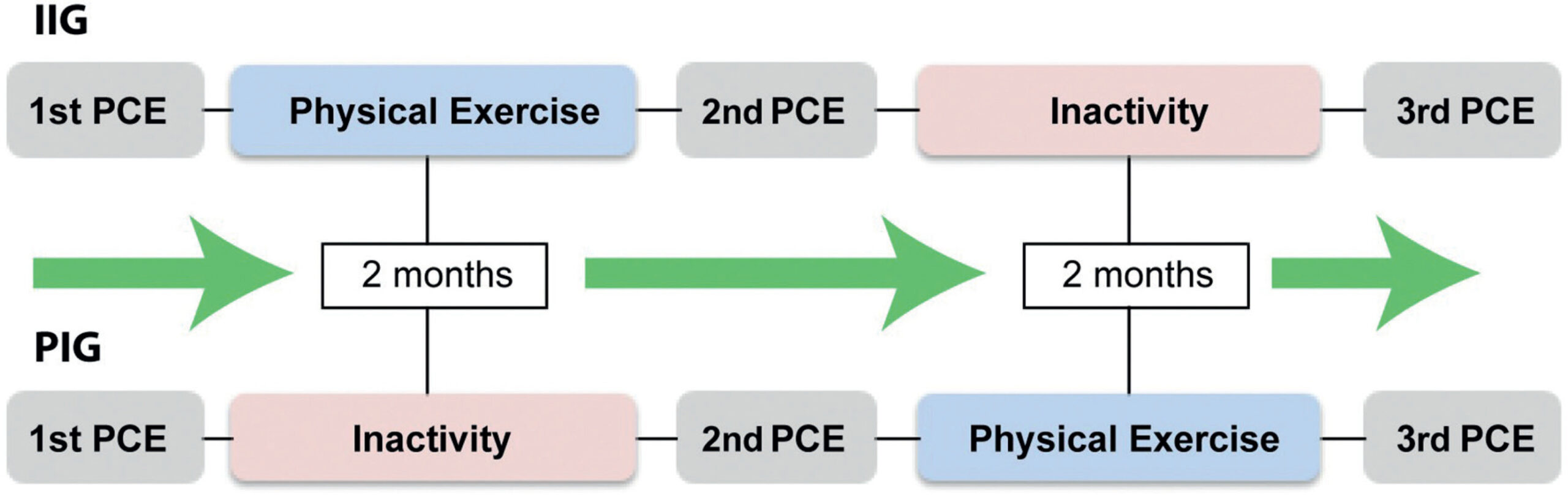
Sequential crossover study with women aged 20-30 years, classified as irregularly active by the international physical activity questionnaire (IPAQ), when using COC. A physical-clinical assessment was performed with anthropometric measurements, VO2max, and analysis of lipid and inflammatory profile. Participants were divided into 2 groups: the initial intervention group (GII), which began practicing HIIT for 2 months, and the posterior intervention group (GIP), which remained inactive for the same period. The GII and GIP would then alternate their conditions. The collected data was divided into: Initial moment (IM), post-exercise moment (PEM) and post-inactivity (PIM). The statistical analyses were performed using the Statistical Package for the Social Sciences, adopting a significance level of p <0.05 .

Results:

Twelve women were evaluated. After crossing the GII and GIP data, there was a difference in the C-reactive protein values between the IM of 4 (1.6-6.3 mg/dL) vs. PEM 2 (1.5-5 mg/dL); as well as between the PEM vs. the PIM= 4 (1.5-5.8 mg/dL), with a p -value = 0.04 in the comparisons. There was no change between the “moments” of the lipid profile, although it was possible to notice a reduction in resting HR and an increase in indirect VO2max.

Conclusion:

The HIIT program was able to reduce the inflammatory profile, but it did not alter the lipid profile of irregularly active women using COC.

  • Atherosclerosis
  • Contraceptives, Oral, Combined
  • High-Intensity Interval Training
  • Inflammation
  • Lipids
  • Physical activity
  • Risk Factors
  • Women
Read Full Article
Creative Commons Attribution (CC BY) Creative Commons license
21/03/2022 DOI: 10.36660/ijcs.20200399 Views 1
IJCS
Original Article

Family History of Hypertension: Impact on Blood Pressure, Anthropometric Measurements and Physical Activity Level in Schoolchildren

Tatiana Affornali Tozo et al. Beatriz Oliveira Pereira Francisco José de Menezes Junior Cristianne Morgado Montenegro … Carla Marisa Maia Moreira Neiva Leite

Abstract

Background:

A family history of arterial hypertension (AH), combined with environmental risk factors, is directly related to the development of AH.

Objectives:

To evaluate the frequency of AH, anthropometric indicators and level of physical activity and their association with a family history (FH) of AH in school children.

Methods:

Cross-sectional study with 118 students, aged between 11 and 17 years, of both sexes. Waist circumference (WC), weight, height, level of physical activity and FH of HA were collected. Body mass index z score (BMI-z) and waist-to-height ratio (WHtR) were calculated. Binary logistic regression model was used to verify the chance risk, with significance p <0.05.

Results:

Of the 118 parents who answered the questionnaire, 34.7% had a positive FH of AH. Girls with a positive FH had higher means of WC (p= 0,004), BMI (p=0,020), and systolic blood pressure (SBP) (p=0,006) than boys, and a higher risk of being overweight (OR=4,48; 95%CI:1,55–12,94), and having elevated WHtR (OR=5.98; 95%CI:1.66– 21.47) and SBP (OR=3,07; 95%CI:1,03–9,13) than girls without a FH, but they practice more vigorours moderate physical activity (MVPA) (p=0,039). On the other hand, no differences in these parameters were observed between boys with and without a FM of AH.

Conclusion:

Overweight and a FH of hypertension were associated with an increased risk for AH in girls. This was not observed among boys, perhaps due to more active lifestyle.

  • Anthropometry
  • Blood Pressure
  • Heredity/genetics
  • Hypertension/genetics
  • Obesity
  • Physical activity
  • Schoolchildren
Read Full Article
Creative Commons Attribution (CC BY) Creative Commons license
25/02/2022 DOI: 10.36660/ijcs.20200346 Views 1
Figure 1
ABC
Original Article

Statin Use Improves Cardiometabolic Protection Promoted By Physical Training in an Aquatic Environment: A Randomized Clinical Trial

Rochelle Rocha Costa et al. Alexandra Ferreira Vieira Leandro Coconcelli Alex de Oliveira Fagundes … Adriana Cristine Koch Buttelli Laura Frances Pereira Ricardo Stein Luiz Fernando Martins Kruel

Abstract

Background:

Statin use is highlighted as the most commonly utilized therapy for the treatment of dyslipidemias and can be considered as the most efficient pharmacological intervention for low-density lipoprotein (LDL) reduction. On the other hand, physical training can be considered an efficient and safe non-pharmacological strategy to promote improvements in lipid profile. However, the influence of statins on lipid adaptations arising from water-based training in populations with dyslipidemia is not known.

Objectives:

To analyze the influence of simvastatin use on lipid adaptations arising from water-based aerobics and resistance training in elderly women with dyslipidemia.

Methods:

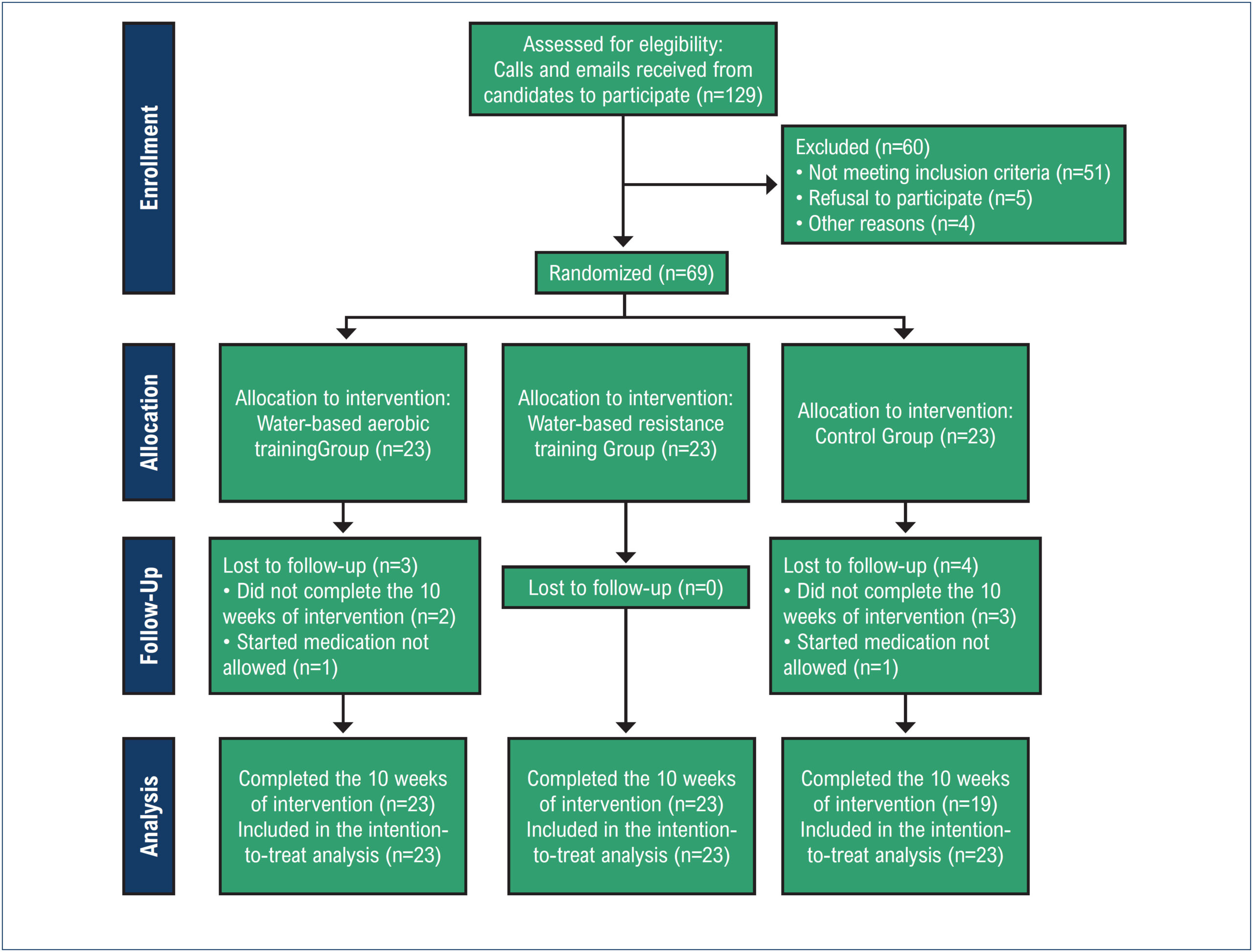
Sixty-nine elderly (66.13 ± 5.13 years), sedentary, and dyslipidemic women, both non-users and users of simvastatin (20 mg and 40 mg), were randomized into the following 3 groups: water-based aerobic training (WA), water-based resistance training (WR), and control group (CG). Total duration of interventions, for all experimental groups consisted of 10 weeks, with 2 weekly sessions. Biochemical analyses were performed before the beginning of the interventions and repeated after the end of the trial. Generalized estimating equations were used to compare these data, setting α = 0.05.

Results:

In intention-to-treat analysis, the medicated participants obtained a greater magnitude of decrease in total cholesterol (TC) (−3.41 to −25.89 mg.dl−1; p = 0.038), LDL (−5.58 to −25.18 mg.dl−1; p = 0.007) and TC/HDL ratio (−0.37 to −0.61; p = 0.022) when compared to the non-medicated participants, and this decrease was statistically significant only in the WR group.

Conclusions:

Statin use enhances the adaptations promoted by water-based physical training in CT, LDL levels, and CT/HDL ratio, and it is more pronounced after WR.

  • Aquatic Environment
  • Diabetes Mellitus
  • Exercise
  • hydroxymethylglutaryl-CoA reductases inhibitors
  • Hypertension
  • Metabolic Syndrome/complications
  • Obesity
  • Physical activity
Read Full Article
Creative Commons Attribution (CC BY) Creative Commons license
06/09/2021 DOI: 10.36660/abc.20200197 Views 2
Figure 1
ABC
Original Article

Exercise Training Improves Functions of Endothelial Progenitor Cells in Patients with Metabolic Syndrome

Qiang Tan et al. Yang Li Yao Guo

Abstract

Background

Endothelial progenitor cells (EPCs) play an important role in maintaining endothelial function. Metabolic syndrome (MetS) is associated with EPC dysfunction. Although physical exercise has a beneficial impact on EPC activity, its mechanism is not completely clear yet.

Objective

The purpose of this study is to investigate the effects of physical exercise on the functions of EPCs and the underlying mechanisms in patients with MetS.

Methods

Volunteers with MetS were divided into exercise group (n=15) and control group (n=15). Before and after 8 weeks exercise training, EPCs were isolated from peripheral blood. Colony forming unit (CFU) assay, tube-formation assay, the protein expression of endothelial nitric oxide synthase (eNOS), phosphatidylinositol-3-kinase (PI3-K) and protein kinase B (AKT) were determined. A probability value <0.05 was considered to indicate statistical significance.

Results

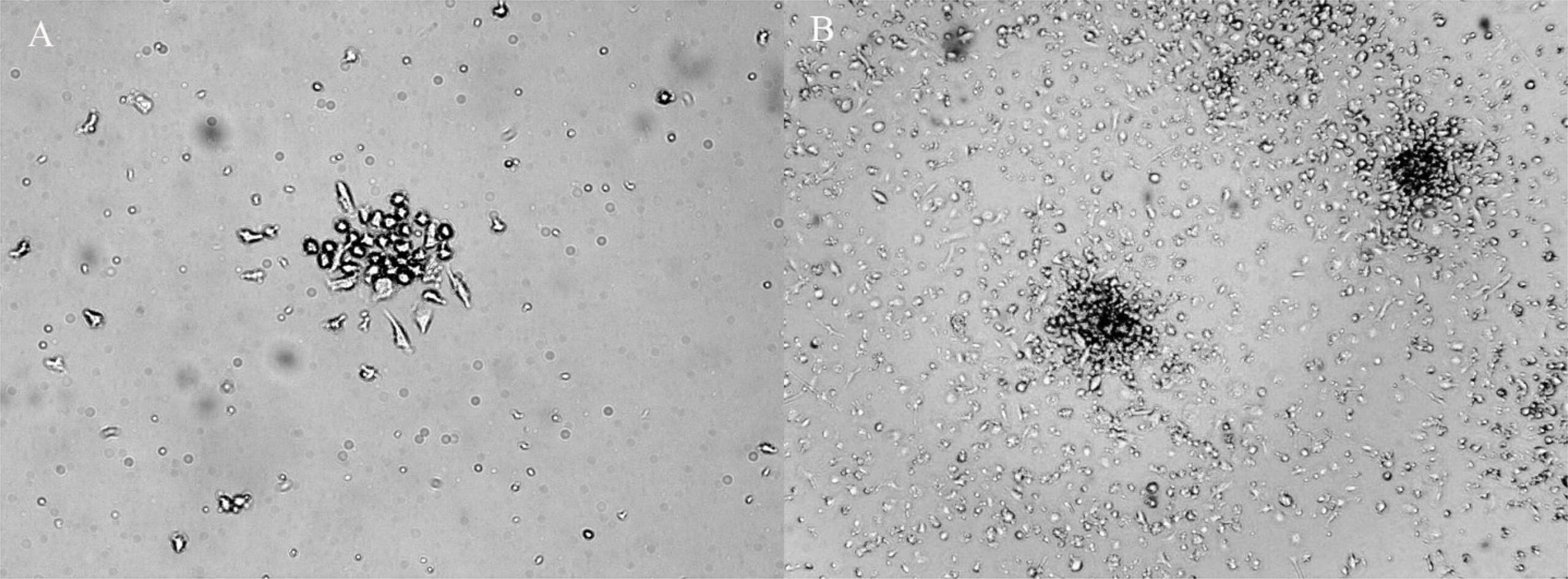
After 8 weeks, the number of CFUs was significantly increased in the exercise group compared to the control group (p<0.05). In addition, we observed a significant decrease of homeostasis model assessment for insulin resistance (HOMA-IR), endothelin-1, high-sensitive C-reactive protein, and homocysteine levels in the exercise group. Exercise intervention could also enhance tube-formation capacity of EPCs and increase phosphorylation level of eNOS, PI3-K and AKT.

Conclusion

Physical exercise enhanced the functions of EPCs. The mechanism may be related to exercise, activating the PI3-K/AKT/eNOS pathway.

  • Cardiovascular Diseases
  • Endothelial Progenitor Cells/citology
  • Exercise
  • Inflammation
  • Insulin Resistance
  • Metabolic Syndrome
  • Nitric Oxide
  • Obesity
  • Physical activity
  • Risk Factors
Read Full Article
Creative Commons Attribution (CC BY) Creative Commons license
26/07/2021 DOI: 10.36660/abc.20200028
ABC
Editorial

Endothelial Progenitor Cells and Exercise: Working Together to Target Endothelial Dysfunction in Metabolic Syndrome

Christina Grüne de Souza e Silva

Our understanding of the crucial role played by the endothelium in cardiovascular biology has evolved over the past couple of decades, with the recognition that it is a dynamically-regulated organ, essential in maintaining vascular homeostasis. A healthy endothelium is able to adequately respond to physical and chemical signals and, through the release of a wide range of mediators, regulate, among others, vascular tone and growth, cellular adhesion, thrombogenicity, and inflammation.

Furthermore, it has been acknowledged that when the endothelium loses its physiological properties due to an imbalance between its injury and its appropriate recovery, a tendency towards vasoconstriction, pro-thrombotic, and pro-inflammatory states are shown. This condition, termed endothelial dysfunction, has been shown to precede the development of pro-atherosclerotic changes, leading to atherosclerotic plaque formation and its later clinical complications.

[…]

  • Cardiovascular disease
  • Endothelial function
  • Metabolic Syndrome
  • Nitric Oxide
  • Physical activity
Read Full Article
Creative Commons Attribution (CC BY) Creative Commons license
26/07/2021 DOI: 10.36660/abc.20210399 Views 1
Figure 1
ABC
Case Report

The Effect of Respiratory Protective Surgical Mask on Physiological Markers of Endurance Performance in a Recreational Runner

Danilo Marcelo Leite do Prado et al. Valmir Oliveira Silvino Ewerton Gomes Vieira Bruno Viana Rosa … Acácio Salvador Veras e Silva Marcos Antonio Pereira dos Santos

Introduction

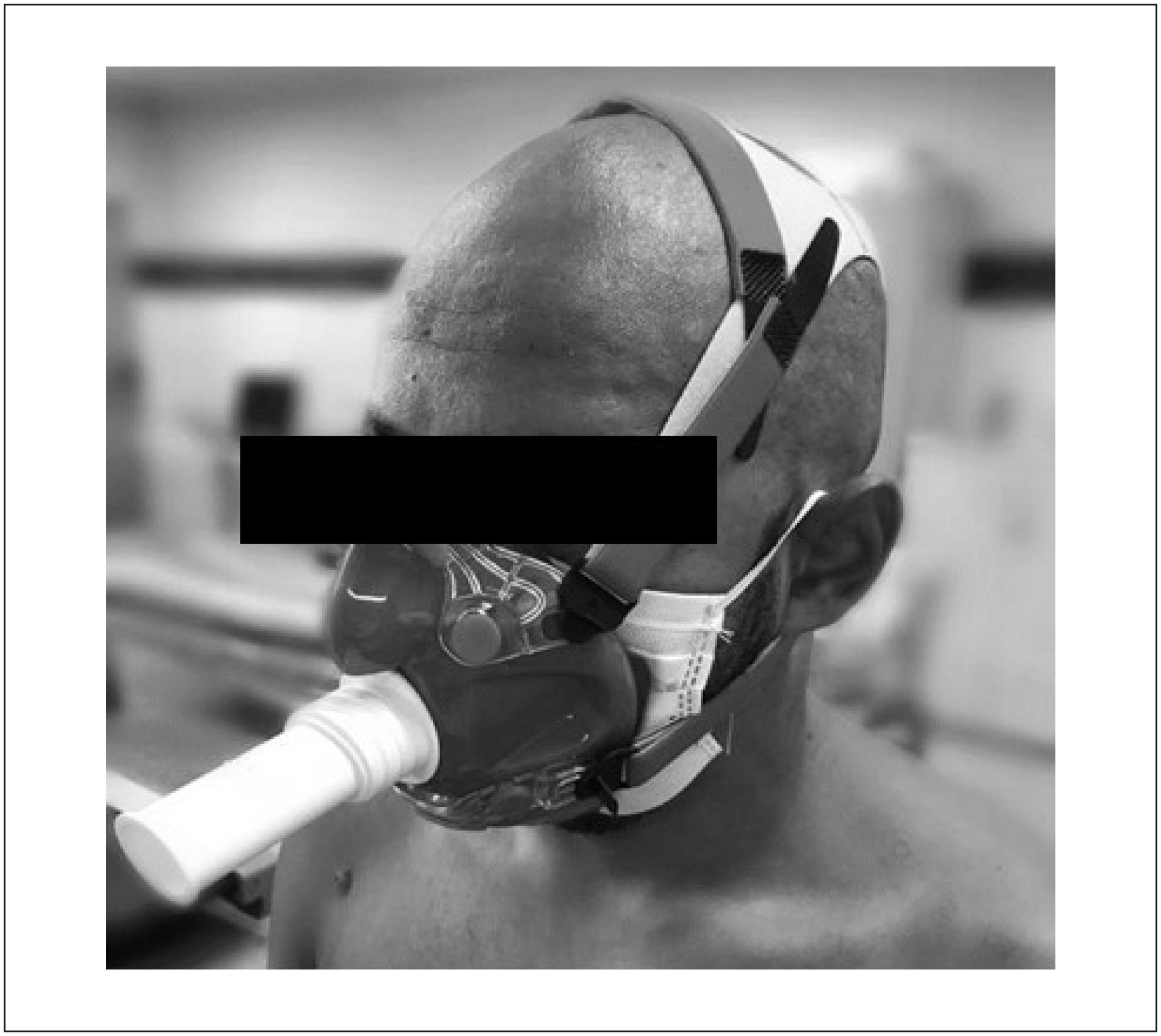
The advent of the Coronavirus 19 (COVID-19) pandemic, which has quickly spread worldwide, has raised the attention regarding the use of respiratory protective face masks (PFM) not only by healthcare personnel, but also the general population. In this context, wearing a PFM during physical exercise in an external environment can reduce COVID-19 infection risks. On the other hand, the use of PFM can increase the subjective perception of breathing difficulty through the formation of microclimates inside the face mask (i.e., temperature and humidity) and airflow restriction.

In recent years, the number of amateur runners has significantly increased among many populations around the world, as running can be performed with minimal equipment, and by a broad variety of people. Interestingly, during endurance exercise, the adaptability of the cardiorespiratory system is of paramount importance, as it increases both convective and diffusive oxygen transport, thus enabling the body to meet the demands for oxygen, substrate delivery, and carbon dioxide removal. Moreover, the so-called physiological markers of endurance performance, such as ventilatory anaerobic threshold, respiratory compensation point, running economy, and maximal oxygen uptake, also seem to be important in determining absolute exercise intensity (i.e., pace, power output).

[…]

  • Coronavirus-19
  • Coronavirus-19 Infection
  • Exercise
  • Facial Mask
  • Oxygen Consumption
  • Pandemics
  • Physical activity
  • Population Education
  • Resistance Performance
  • Respiratory Protective Devices
Read Full Article
Creative Commons Attribution (CC BY) Creative Commons license
19/07/2021 DOI: 10.36660/abc.20200792 Views 1
ABC
Original Article

Association between Leisure Time Physical Activity and HDL-C in the Elsa-Brasil Study Participants: Are There Any Gender Differences in the Dose-Response Effect?

Francisco José Gondim Pitanga et al. Rosane Harter Griep Maria da Conceição Almeida Maria de Jesus Mendes da Fonseca … Andreia Rios de Souza Raiane de Carvalho Silva Sheila Maria Alvim Matos

Abstract

Background

High levels of high-density lipoprotein (HDL-C) are known for their protective effect against cardiovascular diseases and the regular practice of leisure time physical activity (LTPA) may be associated with their increase.

Objective

To verify the existence of differences between genders in the dose-response effect regarding the association between LTPA and HDL-C in the ELSA-Brasil study cohort.

Methods

Cross-sectional study with data from wave 2 of 13,931 participants of both genders (7,607 women) from the Longitudinal Study of Adult Health ELSA-Brasil. The LTPA was measured using the International Physical Activity Questionnaire (IPAQ) and classified into four categories: sedentary, low active, active and very active. The discriminatory power of LTPA at different intensities analyzed for high HDL-C was tested using ROC curves. Associations, adjusted for confounders between LTPA and HDL-C were analyzed by logistic regression. A 95% confidence interval was used.

Results

A positive association, with a dose-response effect, was observed between LTPA and HDL-C in both men and women. With regard to intensity, only vigorous physical activity discriminated high HDL-C in men, while both walking and moderate and vigorous physical activity discriminated high HDL-C in women.

Conclusions

LTPA shows a positive association with gradient dose-response and HDL-C, but in men, the association is not observed for those classified as physically unfit. In women, both walking intensity and moderate or vigorous physical activity can discriminate high HDL-C levels, whereas only vigorous intensity-exercise discriminate elevated HDL-C levels in men, demonstrating that males need to do more physical activity for this benefit to be observed.

  • Cardiovascular Diseases
  • Cross-Sectional Studies
  • Epidemiology
  • Exercise
  • HDL, Cholesterol
  • Physical activity
  • walking
Read Full Article
Creative Commons Attribution (CC BY) Creative Commons license
02/07/2021 DOI: 10.36660/abc.20200438 Views 1
ABC
Editorial

Blood Pressure in Children. The Key Role of Physical Activity and Body Fatness

César A. Agostinis-Sobrinho et al. Katiane Vilan

High blood pressure is the leading global risk factor for chronic kidney disease and cardiovascular diseases and is the leading cause of premature death worldwide. The number of adults with high blood pressure increased from 594 million in 1975 to 1.13 billion in 2015. The World Health Organization (WHO) estimates 1 in 4 men and 1 in 5 women had hypertension and that by 2025, 1.56 billion adults will be living with hypertension.

Childhood raised blood pressure is becoming more common in the general pediatric population, representing a considerable public health challenge worldwide. Studies have suggested that childhood high blood pressure seems to track from childhood to adulthood and is associated with detrimental lifelong cardiovascular events. However, raised blood pressure is one of the most important preventable contributors to disease and death and is considered to be one of the major modifiable risk factors for cardiovascular disease with roots in childhood., Studies indicate that high blood pressure levels during childhood are a multifactorial condition. Genetics, age, gender, ethnicity, overweight/obesity, sodium and potassium intake, physical inactivity, and socioeconomic factors have been named as the main risk factors for hypertension.

[…]

  • Blood Arterial
  • Child
  • Exercise
  • Hypertension/heredity
  • Obesity
  • Overweight
  • Physical activity
  • Public Health
  • Risk Factors
  • Sedentarism
Read Full Article
Creative Commons Attribution (CC BY) Creative Commons license
17/05/2021 DOI: 10.36660/abc.20210117 Views 2
IJCS
Original Article

Does Hypertension Knowledge Influence Levels of Physical Activity in Hypertensive Patients From a Southern Brazilian Community?

Rafaella Zulianello dos Santos et al. Andrea Schaefer Korbes Eliara Ten Caten Martins Mateus De Lucca … Leonardo De Lucca Marlus Karsten Magnus Benetti

Abstract

Background:

Increased level of physical activity (PA) and health education are known as non-pharmacological treatments of hypertension (HP). There is a lack of studies investigating the influence of HP knowledge on the level of PA among hypertensive patients.

Objective:

To examine the influence of patient’s knowledge about HP on PA level and the relationship between these variables.

Methods:

A cross-sectional study was conducted in in a primary care center located in a city in the southern Brazil. A total of 199 hypertensive patients (median 61.2 [13] years; body mass index (BMI) 21.9 (7.5) kg/m2; 72.4% women) were included. The level of PA was assessed by measuring the number of steps taken daily. The knowledge about HP was assessed by a standardized questionnaire (HIPER-Q). The Kruskall-Wallis test was used to compare age, BMI and PA level between HP knowledge categories, and the Spearman test was used to assess correlations (p <0.05).

Results:

The median score of knowledge about HP for patients categorized as insufficient (n=6, 3%), poor (n=24; 12.1%), acceptable (n=101; 50.8%) and good (n=68; 34.2%) was 11.0 (8.0), 20.0 (4.0), 26.0 (5.0) and 38.0 (2.0), respectively. No patient has achieved an “excellent” level of knowledge. There was no significant difference in PA level (p = 0.341), BMI (p = 0.510) or age (p = 0.073) between these categories. Age was negatively correlated with knowledge about HP (p <0.05 and rho = 0.02).

Conclusions:

Patient’s knowledge about HP did not influence the level of PA in hypertensive patients. Age, number of steps per day and BMI were not significantly different between the categories of knowledge. Public policies and organizational strategy should be addressed to improve health education and avoid sedentary behavior in this population. (Int J Cardiovasc Sci. 2020; [online].ahead print, PP.0-0)

  • Blood Pressure
  • Epidemiology
  • Exercise
  • Health Education
  • Health Programs and Plans
  • Hypertension
  • Physical activity
  • Quality of life
Read Full Article
Creative Commons Attribution (CC BY) Creative Commons license
12/05/2021 DOI: 10.36660/ijcs.20200141 Views 1

Could not load more articles. Please try again.

How to cite this article

EndNote RIS

Electronic Document Format (Vancouver)

Duque ALMS, Paula DP, Santos DP, Molina MDCB, Giatii L, Schmidt MI, Fonseca MJM, et al. Dose-Response Association between Leisure-Time Physical Activity Intensity Trajectories and Diabetes among Men and Women in ELSA-Brasil. Arquivos Brasileiros de Cardiologia 2025;122(8):e20250091.

Electronic Document Format (ABNT)

Duque, André Luis Messias dos Santos; Paula, Daniela Polessa; Santos, Danilo de Paula; Molina, Maria Del Carmen Bisi; Giatii, Luana; Schmidt, Maria Inês; Fonseca, Maria de Jesus Mendes da; Griep, Rosane Harter. Dose-Response Association between Leisure-Time Physical Activity Intensity Trajectories and Diabetes among Men and Women in ELSA-Brasil. Arquivos Brasileiros de Cardiologia, v. 122, n. 8, e20250091, Aug. 2025.

Electronic Document Format (APA)

Duque, A. L. M. S., Paula, D. P., Santos, D. P., Molina, M. D. C. B., Giatii, L., Schmidt, M. I., Fonseca, M. J. M. , & Griep, R. H. (2025). Dose-Response Association between Leisure-Time Physical Activity Intensity Trajectories and Diabetes among Men and Women in ELSA-Brasil. Arquivos Brasileiros de Cardiologia, 122(8), e20250091.

Electronic Document Format (ISO)

Duque, André Luis Messias dos Santos and Paula, Daniela Polessa and Santos, Danilo de Paula and Molina, Maria Del Carmen Bisi and Giatii, Luana and Schmidt, Maria Inês and Fonseca, Maria de Jesus Mendes da and Griep, Rosane Harter. Dose-Response Association between Leisure-Time Physical Activity Intensity Trajectories and Diabetes among Men and Women in ELSA-Brasil. Arquivos Brasileiros de Cardiologia [online]. 2025, vol. 122, n. 8, [cited 2026-10-14], e20250091. Available from: <https://journals.cardiol.br/en/article/dose-response-association-between-leisure-time-physical-activity-intensity-trajectories-and-diabetes-among-men-and-women-in-elsa-brasil/>. ISSN 0066-782X

EndNote RIS

Electronic Document Format (Vancouver)

Vertematti S. Physical Activity and Quality of Life in Children with Congenital Heart Diseases: A Public Health Issue. Arquivos Brasileiros de Cardiologia 2023;120(9):e20230634.

Electronic Document Format (ABNT)

Vertematti, Silvana. Physical Activity and Quality of Life in Children with Congenital Heart Diseases: A Public Health Issue. Arquivos Brasileiros de Cardiologia, v. 120, n. 9, e20230634, Oct. 2023.

Electronic Document Format (APA)

Vertematti, S. (2023). Physical Activity and Quality of Life in Children with Congenital Heart Diseases: A Public Health Issue. Arquivos Brasileiros de Cardiologia, 120(9), e20230634.

Electronic Document Format (ISO)

Vertematti, Silvana. Physical Activity and Quality of Life in Children with Congenital Heart Diseases: A Public Health Issue. Arquivos Brasileiros de Cardiologia [online]. 2023, vol. 120, n. 9, [cited 2026-10-14], e20230634. Available from: <https://journals.cardiol.br/en/article/physical-activity-and-quality-of-life-in-children-with-congenital-heart-diseases-a-public-health-issue/>. ISSN 0066-782X

EndNote RIS

Electronic Document Format (Vancouver)

Aranha LN. Can Intermittent Fasting Associated with a Low-Carb Diet Prevent Cardiovascular Disease in Pre-Diabetics?. Arquivos Brasileiros de Cardiologia 2023;120(4):e20230182.

Electronic Document Format (ABNT)

Aranha, Luciana Nicolau. Can Intermittent Fasting Associated with a Low-Carb Diet Prevent Cardiovascular Disease in Pre-Diabetics?. Arquivos Brasileiros de Cardiologia, v. 120, n. 4, e20230182, Apr. 2023.

Electronic Document Format (APA)

Aranha, L. N. (2023). Can Intermittent Fasting Associated with a Low-Carb Diet Prevent Cardiovascular Disease in Pre-Diabetics?. Arquivos Brasileiros de Cardiologia, 120(4), e20230182.

Electronic Document Format (ISO)

Aranha, Luciana Nicolau. Can Intermittent Fasting Associated with a Low-Carb Diet Prevent Cardiovascular Disease in Pre-Diabetics?. Arquivos Brasileiros de Cardiologia [online]. 2023, vol. 120, n. 4, [cited 2026-10-14], e20230182. Available from: <https://journals.cardiol.br/en/article/can-intermittent-fasting-associated-with-a-low-carb-diet-prevent-cardiovascular-disease-in-pre-diabetics/>. ISSN 0066-782X

EndNote RIS

Electronic Document Format (Vancouver)

Nery RM, Santos AC, Garcia EL. Exercise-Based Cardiac Rehabilitation (ECBR): New Frontiers in the Post-Novel Coronavirus. Arquivos Brasileiros de Cardiologia 2023;120(3):e20230120.

Electronic Document Format (ABNT)

Nery, Rosane Maria; Santos, Antonio Cardoso dos; Garcia, Eduardo Lima. Exercise-Based Cardiac Rehabilitation (ECBR): New Frontiers in the Post-Novel Coronavirus. Arquivos Brasileiros de Cardiologia, v. 120, n. 3, e20230120, Apr. 2023.

Electronic Document Format (APA)

Nery, R. M., Santos, A. C. , & Garcia, E. L. (2023). Exercise-Based Cardiac Rehabilitation (ECBR): New Frontiers in the Post-Novel Coronavirus. Arquivos Brasileiros de Cardiologia, 120(3), e20230120.

Electronic Document Format (ISO)

Nery, Rosane Maria and Santos, Antonio Cardoso dos and Garcia, Eduardo Lima. Exercise-Based Cardiac Rehabilitation (ECBR): New Frontiers in the Post-Novel Coronavirus. Arquivos Brasileiros de Cardiologia [online]. 2023, vol. 120, n. 3, [cited 2026-10-14], e20230120. Available from: <https://journals.cardiol.br/en/article/exercise-based-cardiac-rehabilitation-ecbr-new-frontiers-in-the-post-novel-coronavirus/>. ISSN 0066-782X

EndNote RIS

Electronic Document Format (Vancouver)

Oliveira JAQ, Cimini C, Almeida V, Maia JX, Resende RE, Gualberto LA, Santos PHL, et al. The Challenges of Implementing a Text Message Intervention to Promote Behavioral Change in Primary Care Patients With Hypertension and Diabetes. International Journal of Cardiovascular Sciences 2023;36:e20220050.

Electronic Document Format (ABNT)

Oliveira, João Antonio de Queiroz; Cimini, Christiane; Almeida, Vania; Maia, Junia Xavier; Resende, Raissa Eda; Gualberto, Leticia Alves; Santos, Pedro Henrique Lauar; Gomes, Paulo R.; Bonisson, Leonardo; Paixão, Maria Cristina; Costa, Janaina Moutinho; Cardoso, Clareci Silva; Santo, Karla; Ribeiro, Antonio; Martins, Maria Auxiliadora; Marcolino, Milena S.. The Challenges of Implementing a Text Message Intervention to Promote Behavioral Change in Primary Care Patients With Hypertension and Diabetes. International Journal of Cardiovascular Sciences, v. 36, e20220050, Apr. 2023.

Electronic Document Format (APA)

Oliveira, J. A. Q., Cimini, C., Almeida, V., Maia, J. X., Resende, R. E., Gualberto, L. A., Santos, P. H. L., Gomes, P. R., Bonisson, L., Paixão, M. C., Costa, J. M., Cardoso, C. S., Santo, K., Ribeiro, A., Martins, M. A., & Marcolino, M. S. (2023). The Challenges of Implementing a Text Message Intervention to Promote Behavioral Change in Primary Care Patients With Hypertension and Diabetes. International Journal of Cardiovascular Sciences, 36, e20220050.

Electronic Document Format (ISO)

Oliveira, João Antonio de Queiroz and Cimini, Christiane and Almeida, Vania and Maia, Junia Xavier and Resende, Raissa Eda and Gualberto, Leticia Alves and Santos, Pedro Henrique Lauar and Gomes, Paulo R. and Bonisson, Leonardo and Paixão, Maria Cristina and Costa, Janaina Moutinho and Cardoso, Clareci Silva and Santo, Karla and Ribeiro, Antonio and Martins, Maria Auxiliadora and Marcolino, Milena S.. The Challenges of Implementing a Text Message Intervention to Promote Behavioral Change in Primary Care Patients With Hypertension and Diabetes. International Journal of Cardiovascular Sciences [online]. 2023, vol. 36, [cited 2026-10-14], e20220050. Available from: <https://journals.cardiol.br/en/article/the-challenges-of-implementing-a-text-message-intervention-to-promote-behavioral-change-in-primary-care-patients-with-hypertension-and-diabetes/>. ISSN 2359-4802

EndNote RIS

Electronic Document Format (Vancouver)

Saadi MP, Silveira AD. Cardiopulmonary Exercise Testing in Post-COVID-19 Patients: New Insights Into the Exercise Intolerance. Arquivos Brasileiros de Cardiologia 2023;120(2):e20230058.

Electronic Document Format (ABNT)

Saadi, Marina Petersen; Silveira, Anderson Donelli da. Cardiopulmonary Exercise Testing in Post-COVID-19 Patients: New Insights Into the Exercise Intolerance. Arquivos Brasileiros de Cardiologia, v. 120, n. 2, e20230058, Mar. 2023.

Electronic Document Format (APA)

Saadi, M. P., & Silveira, A. D. (2023). Cardiopulmonary Exercise Testing in Post-COVID-19 Patients: New Insights Into the Exercise Intolerance. Arquivos Brasileiros de Cardiologia, 120(2), e20230058.

Electronic Document Format (ISO)

Saadi, Marina Petersen and Silveira, Anderson Donelli da. Cardiopulmonary Exercise Testing in Post-COVID-19 Patients: New Insights Into the Exercise Intolerance. Arquivos Brasileiros de Cardiologia [online]. 2023, vol. 120, n. 2, [cited 2026-10-14], e20230058. Available from: <https://journals.cardiol.br/en/article/cardiopulmonary-exercise-testing-in-post-covid-19-patients-new-insights-into-the-exercise-intolerance/>. ISSN 0066-782X

EndNote RIS

Electronic Document Format (Vancouver)

Prodel E. Small Exercise Breaks can Save your Brain from Prolonged Sitting. International Journal of Cardiovascular Sciences 2023;34(6):654-5.

Electronic Document Format (ABNT)

Prodel, Eliza. Small Exercise Breaks can Save your Brain from Prolonged Sitting. International Journal of Cardiovascular Sciences, v. 34, n. 6, p. 654-655, Mar. 2023.

Electronic Document Format (APA)

Prodel, E. (2023). Small Exercise Breaks can Save your Brain from Prolonged Sitting. International Journal of Cardiovascular Sciences, 34(6), 654-655.

Electronic Document Format (ISO)

Prodel, Eliza. Small Exercise Breaks can Save your Brain from Prolonged Sitting. International Journal of Cardiovascular Sciences [online]. 2023, vol. 34, n. 6, [cited 2026-10-14], pp. 654-655. Available from: <https://journals.cardiol.br/en/article/small-exercise-breaks-can-save-your-brain-from-prolonged-sitting/>. ISSN 2359-4802

EndNote RIS

Electronic Document Format (Vancouver)

Campana EMG, Magalhães MEC, Brandão AA. Weight Excess: The Great Villain in the Development of Hypertension in Adolescents. International Journal of Cardiovascular Sciences 2023;34(6):617-9.

Electronic Document Format (ABNT)

Campana, Erika Maria Gonçalves; Magalhães, Maria Eliane Campos; Brandão, Andréa Araujo. Weight Excess: The Great Villain in the Development of Hypertension in Adolescents. International Journal of Cardiovascular Sciences, v. 34, n. 6, p. 617-619, Mar. 2023.

Electronic Document Format (APA)

Campana, E. M. G., Magalhães, M. E. C., & Brandão, A. A. (2023). Weight Excess: The Great Villain in the Development of Hypertension in Adolescents. International Journal of Cardiovascular Sciences, 34(6), 617-619.

Electronic Document Format (ISO)

Campana, Erika Maria Gonçalves and Magalhães, Maria Eliane Campos and Brandão, Andréa Araujo. Weight Excess: The Great Villain in the Development of Hypertension in Adolescents. International Journal of Cardiovascular Sciences [online]. 2023, vol. 34, n. 6, [cited 2026-10-14], pp. 617-619. Available from: <https://journals.cardiol.br/en/article/weight-excess-the-great-villain-in-the-development-of-hypertension-in-adolescents/>. ISSN 2359-4802

EndNote RIS

Electronic Document Format (Vancouver)

Schwartzmann PV, Gonzales A, Castro RRT. Cardiovascular Rehabilitation in Patients with Cancer. ABC: Heart Failure & Cardiomyopathy 2022;2(4):398-403.

Electronic Document Format (ABNT)

Schwartzmann, Pedro Vellosa; Gonzales, Amanda; Castro, Renata R. T.. Cardiovascular Rehabilitation in Patients with Cancer. ABC: Heart Failure & Cardiomyopathy, v. 2, n. 4, p. 398-403, Dec. 2022.

Electronic Document Format (APA)

Schwartzmann, P. V., Gonzales, A., & Castro, R. R. T. (2022). Cardiovascular Rehabilitation in Patients with Cancer. ABC: Heart Failure & Cardiomyopathy, 2(4), 398-403.

Electronic Document Format (ISO)

Schwartzmann, Pedro Vellosa and Gonzales, Amanda and Castro, Renata R. T.. Cardiovascular Rehabilitation in Patients with Cancer. ABC: Heart Failure & Cardiomyopathy [online]. 2022, vol. 2, n. 4, [cited 2026-10-14], pp. 398-403. Available from: <https://journals.cardiol.br/en/article/cardiovascular-rehabilitation-in-patients-with-cancer/>

EndNote RIS

Electronic Document Format (Vancouver)

Nery RM. Exercise-Based Rehabilitation for Pre- and Post-Solid Organ Transplant Patients. Arquivos Brasileiros de Cardiologia 2022;119(2):255-6.

Electronic Document Format (ABNT)

Nery, Rosane Maria. Exercise-Based Rehabilitation for Pre- and Post-Solid Organ Transplant Patients. Arquivos Brasileiros de Cardiologia, v. 119, n. 2, p. 255-256, Aug. 2022.

Electronic Document Format (APA)

Nery, R. M. (2022). Exercise-Based Rehabilitation for Pre- and Post-Solid Organ Transplant Patients. Arquivos Brasileiros de Cardiologia, 119(2), 255-256.

Electronic Document Format (ISO)

Nery, Rosane Maria. Exercise-Based Rehabilitation for Pre- and Post-Solid Organ Transplant Patients. Arquivos Brasileiros de Cardiologia [online]. 2022, vol. 119, n. 2, [cited 2026-10-14], pp. 255-256. Available from: <https://journals.cardiol.br/en/article/exercise-based-rehabilitation-for-pre-and-post-solid-organ-transplant-patients/>. ISSN 0066-782X

EndNote RIS

Electronic Document Format (Vancouver)

Sobral Filho DC, Monteiro MF. Is Patient Education about the Benefits of Physical Activity a Good Adjunct Treatment Strategy in Hypertension?. International Journal of Cardiovascular Sciences 2022;35(4):431-3.

Electronic Document Format (ABNT)

Sobral Filho, Dário C.; Monteiro, Maria de Fátima. Is Patient Education about the Benefits of Physical Activity a Good Adjunct Treatment Strategy in Hypertension?. International Journal of Cardiovascular Sciences, v. 35, n. 4, p. 431-433, Jul. 2022.

Electronic Document Format (APA)

Sobral Filho, D. C., & Monteiro, M. F. (2022). Is Patient Education about the Benefits of Physical Activity a Good Adjunct Treatment Strategy in Hypertension?. International Journal of Cardiovascular Sciences, 35(4), 431-433.

Electronic Document Format (ISO)

Sobral Filho, Dário C. and Monteiro, Maria de Fátima. Is Patient Education about the Benefits of Physical Activity a Good Adjunct Treatment Strategy in Hypertension?. International Journal of Cardiovascular Sciences [online]. 2022, vol. 35, n. 4, [cited 2026-10-14], pp. 431-433. Available from: <https://journals.cardiol.br/en/article/is-patient-education-about-the-benefits-of-physical-activity-a-good-adjunct-treatment-strategy-in-hypertension/>. ISSN 2359-4802

EndNote RIS

Electronic Document Format (Vancouver)

Pereira A, Franzoni L. Physical Activity Levels Change Over Time in Individuals with Peripheral Arterial Disease. Arquivos Brasileiros de Cardiologia 2022;119(1):67-8.

Electronic Document Format (ABNT)

Pereira, Alexandre; Franzoni, Leandro. Physical Activity Levels Change Over Time in Individuals with Peripheral Arterial Disease. Arquivos Brasileiros de Cardiologia, v. 119, n. 1, p. 67-68, Jul. 2022.

Electronic Document Format (APA)

Pereira, A., & Franzoni, L. (2022). Physical Activity Levels Change Over Time in Individuals with Peripheral Arterial Disease. Arquivos Brasileiros de Cardiologia, 119(1), 67-68.

Electronic Document Format (ISO)

Pereira, Alexandre and Franzoni, Leandro. Physical Activity Levels Change Over Time in Individuals with Peripheral Arterial Disease. Arquivos Brasileiros de Cardiologia [online]. 2022, vol. 119, n. 1, [cited 2026-10-14], pp. 67-68. Available from: <https://journals.cardiol.br/en/article/physical-activity-levels-change-over-time-in-individuals-with-peripheral-arterial-disease/>. ISSN 0066-782X

EndNote RIS

Electronic Document Format (Vancouver)

Costa RVC. NYHA Classification and Cardiopulmonary Exercise Test Variables in Patients with Heart Failure. Arquivos Brasileiros de Cardiologia 2022;118(6):1124-5.

Electronic Document Format (ABNT)

Costa, Ricardo Vivacqua Cardoso. NYHA Classification and Cardiopulmonary Exercise Test Variables in Patients with Heart Failure. Arquivos Brasileiros de Cardiologia, v. 118, n. 6, p. 1124-1125, Jun. 2022.

Electronic Document Format (APA)

Costa, R. V. C. (2022). NYHA Classification and Cardiopulmonary Exercise Test Variables in Patients with Heart Failure. Arquivos Brasileiros de Cardiologia, 118(6), 1124-1125.

Electronic Document Format (ISO)

Costa, Ricardo Vivacqua Cardoso. NYHA Classification and Cardiopulmonary Exercise Test Variables in Patients with Heart Failure. Arquivos Brasileiros de Cardiologia [online]. 2022, vol. 118, n. 6, [cited 2026-10-14], pp. 1124-1125. Available from: <https://journals.cardiol.br/en/article/nyha-classification-and-cardiopulmonary-exercise-test-variables-in-patients-with-heart-failure/>. ISSN 0066-782X

EndNote RIS

Electronic Document Format (Vancouver)

Miranda CP, Botoni F, Rocha M. Statin Use Improves Cardiometabolic Protection Promoted By Physical Training in an Aquatic Environment: A Randomized Clinical Trial. Arquivos Brasileiros de Cardiologia 2022;118(5):1002-4.

Electronic Document Format (ABNT)

Miranda, Carla Paixão; Botoni, Fernando; Rocha, Manoel. Statin Use Improves Cardiometabolic Protection Promoted By Physical Training in an Aquatic Environment: A Randomized Clinical Trial. Arquivos Brasileiros de Cardiologia, v. 118, n. 5, p. 1002-1004, May. 2022.

Electronic Document Format (APA)

Miranda, C. P., Botoni, F., & Rocha, M. (2022). Statin Use Improves Cardiometabolic Protection Promoted By Physical Training in an Aquatic Environment: A Randomized Clinical Trial. Arquivos Brasileiros de Cardiologia, 118(5), 1002-1004.

Electronic Document Format (ISO)

Miranda, Carla Paixão and Botoni, Fernando and Rocha, Manoel. Statin Use Improves Cardiometabolic Protection Promoted By Physical Training in an Aquatic Environment: A Randomized Clinical Trial. Arquivos Brasileiros de Cardiologia [online]. 2022, vol. 118, n. 5, [cited 2026-10-14], pp. 1002-1004. Available from: <https://journals.cardiol.br/en/article/statin-use-improves-cardiometabolic-protection-promoted-by-physical-training-in-an-aquatic-environment-a-randomized-clinical-trial/>. ISSN 0066-782X

EndNote RIS

Electronic Document Format (Vancouver)

Dorna MS, Seki MM. Himalayan Salt and Table Salt Intake among Hypertensive Individuals. Arquivos Brasileiros de Cardiologia 2022;118(5):883-4.

Electronic Document Format (ABNT)

Dorna, Mariana de Souza; Seki, Marcos Mitsuo. Himalayan Salt and Table Salt Intake among Hypertensive Individuals. Arquivos Brasileiros de Cardiologia, v. 118, n. 5, p. 883-884, May. 2022.

Electronic Document Format (APA)

Dorna, M. S., & Seki, M. M. (2022). Himalayan Salt and Table Salt Intake among Hypertensive Individuals. Arquivos Brasileiros de Cardiologia, 118(5), 883-884.

Electronic Document Format (ISO)

Dorna, Mariana de Souza and Seki, Marcos Mitsuo. Himalayan Salt and Table Salt Intake among Hypertensive Individuals. Arquivos Brasileiros de Cardiologia [online]. 2022, vol. 118, n. 5, [cited 2026-10-14], pp. 883-884. Available from: <https://journals.cardiol.br/en/article/himalayan-salt-and-table-salt-intake-among-hypertensive-individuals/>. ISSN 0066-782X

EndNote RIS

Electronic Document Format (Vancouver)

Gomes VA, Sacramento MS, Cecilia LMS, Jesus DS, Barbosa JS, Almeida FOB, Oliveira EC, et al. Effects of Physical Exercise on Lipid and Inflammatory Profile of Women Using Combined Oral Contraceptive: A Cross-Over Study. International Journal of Cardiovascular Sciences 2022;35(4):500-1.

Electronic Document Format (ABNT)

Gomes, Vinícius Afonso; Sacramento, Marvyn de Santana do; Cecilia, Lucas Mendes Santa; Jesus, Daniela Santos de; Barbosa, Juliane Santos; Almeida, Fernanda Oliveira Baptista de; Oliveira, Elaine Carvalho de; Petto, Jefferson. Effects of Physical Exercise on Lipid and Inflammatory Profile of Women Using Combined Oral Contraceptive: A Cross-Over Study. International Journal of Cardiovascular Sciences, v. 35, n. 4, p. 500-510, Mar. 2022.

Electronic Document Format (APA)

Gomes, V. A., Sacramento, M. S. , Cecilia, L. M. S., Jesus, D. S. , Barbosa, J. S., Almeida, F. O. B. , Oliveira, E. C. , & Petto, J. (2022). Effects of Physical Exercise on Lipid and Inflammatory Profile of Women Using Combined Oral Contraceptive: A Cross-Over Study. International Journal of Cardiovascular Sciences, 35(4), 500-510.

Electronic Document Format (ISO)

Gomes, Vinícius Afonso and Sacramento, Marvyn de Santana do and Cecilia, Lucas Mendes Santa and Jesus, Daniela Santos de and Barbosa, Juliane Santos and Almeida, Fernanda Oliveira Baptista de and Oliveira, Elaine Carvalho de and Petto, Jefferson. Effects of Physical Exercise on Lipid and Inflammatory Profile of Women Using Combined Oral Contraceptive: A Cross-Over Study. International Journal of Cardiovascular Sciences [online]. 2022, vol. 35, n. 4, [cited 2026-10-14], pp. 500-510. Available from: <https://journals.cardiol.br/en/article/effects-of-physical-exercise-on-lipid-and-inflammatory-profile-of-women-using-combined-oral-contraceptive-a-cross-over-study/>. ISSN 2359-4802

EndNote RIS

Electronic Document Format (Vancouver)

Tozo TA, Pereira BO, Menezes Junior FJ, Montenegro CM, Moreira CMM, Leite N. Family History of Hypertension: Impact on Blood Pressure, Anthropometric Measurements and Physical Activity Level in Schoolchildren. International Journal of Cardiovascular Sciences 2022;35(3):382-90.

Electronic Document Format (ABNT)

Tozo, Tatiana Affornali; Pereira, Beatriz Oliveira; Menezes Junior, Francisco José de; Montenegro, Cristianne Morgado; Moreira, Carla Marisa Maia; Leite, Neiva. Family History of Hypertension: Impact on Blood Pressure, Anthropometric Measurements and Physical Activity Level in Schoolchildren. International Journal of Cardiovascular Sciences, v. 35, n. 3, p. 382-390, Feb. 2022.

Electronic Document Format (APA)

Tozo, T. A., Pereira, B. O., Menezes Junior, F. J. , Montenegro, C. M., Moreira, C. M. M., & Leite, N. (2022). Family History of Hypertension: Impact on Blood Pressure, Anthropometric Measurements and Physical Activity Level in Schoolchildren. International Journal of Cardiovascular Sciences, 35(3), 382-390.

Electronic Document Format (ISO)

Tozo, Tatiana Affornali and Pereira, Beatriz Oliveira and Menezes Junior, Francisco José de and Montenegro, Cristianne Morgado and Moreira, Carla Marisa Maia and Leite, Neiva. Family History of Hypertension: Impact on Blood Pressure, Anthropometric Measurements and Physical Activity Level in Schoolchildren. International Journal of Cardiovascular Sciences [online]. 2022, vol. 35, n. 3, [cited 2026-10-14], pp. 382-390. Available from: <https://journals.cardiol.br/en/article/family-history-of-hypertension-impact-on-blood-pressure-anthropometric-measurements-and-physical-activity-level-in-schoolchildren/>. ISSN 2359-4802

EndNote RIS

Electronic Document Format (Vancouver)

Costa RR, Vieira AF, Coconcelli L, Fagundes AO, Buttelli ACK, Pereira LF, Stein R, et al. Statin Use Improves Cardiometabolic Protection Promoted By Physical Training in an Aquatic Environment: A Randomized Clinical Trial. Arquivos Brasileiros de Cardiologia 2021;117(2):270-8.

Electronic Document Format (ABNT)

Costa, Rochelle Rocha; Vieira, Alexandra Ferreira; Coconcelli, Leandro; Fagundes, Alex de Oliveira; Buttelli, Adriana Cristine Koch; Pereira, Laura Frances; Stein, Ricardo; Kruel, Luiz Fernando Martins. Statin Use Improves Cardiometabolic Protection Promoted By Physical Training in an Aquatic Environment: A Randomized Clinical Trial. Arquivos Brasileiros de Cardiologia, v. 117, n. 2, p. 270-278, Sep. 2021.

Electronic Document Format (APA)

Costa, R. R., Vieira, A. F., Coconcelli, L., Fagundes, A. O., Buttelli, A. C. K., Pereira, L. F., Stein, R., & Kruel, L. F. M. (2021). Statin Use Improves Cardiometabolic Protection Promoted By Physical Training in an Aquatic Environment: A Randomized Clinical Trial. Arquivos Brasileiros de Cardiologia, 117(2), 270-278.

Electronic Document Format (ISO)

Costa, Rochelle Rocha and Vieira, Alexandra Ferreira and Coconcelli, Leandro and Fagundes, Alex de Oliveira and Buttelli, Adriana Cristine Koch and Pereira, Laura Frances and Stein, Ricardo and Kruel, Luiz Fernando Martins. Statin Use Improves Cardiometabolic Protection Promoted By Physical Training in an Aquatic Environment: A Randomized Clinical Trial. Arquivos Brasileiros de Cardiologia [online]. 2021, vol. 117, n. 2, [cited 2026-10-14], pp. 270-278. Available from: <https://journals.cardiol.br/en/article/statin-use-improves-cardiometabolic-protection-promoted-by-physical-training-in-an-aquatic-environment-a-randomized-clinical-trial-2/>. ISSN 0066-782X

EndNote RIS

Electronic Document Format (Vancouver)

Tan Q, Li Y, Guo Y. Exercise Training Improves Functions of Endothelial Progenitor Cells in Patients with Metabolic Syndrome. Arquivos Brasileiros de Cardiologia 2021;117(1):108-17.

Electronic Document Format (ABNT)

Tan, Qiang; Li, Yang; Guo, Yao. Exercise Training Improves Functions of Endothelial Progenitor Cells in Patients with Metabolic Syndrome. Arquivos Brasileiros de Cardiologia, v. 117, n. 1, p. 108-117, Jul. 2021.

Electronic Document Format (APA)

Tan, Q., Li, Y., & Guo, Y. (2021). Exercise Training Improves Functions of Endothelial Progenitor Cells in Patients with Metabolic Syndrome. Arquivos Brasileiros de Cardiologia, 117(1), 108-117.

Electronic Document Format (ISO)

Tan, Qiang and Li, Yang and Guo, Yao. Exercise Training Improves Functions of Endothelial Progenitor Cells in Patients with Metabolic Syndrome. Arquivos Brasileiros de Cardiologia [online]. 2021, vol. 117, n. 1, [cited 2026-10-14], pp. 108-117. Available from: <https://journals.cardiol.br/en/article/exercise-training-improves-functions-of-endothelial-progenitor-cells-in-patients-with-metabolic-syndrome/>. ISSN 0066-782X

EndNote RIS

Electronic Document Format (Vancouver)

Silva CGS. Endothelial Progenitor Cells and Exercise: Working Together to Target Endothelial Dysfunction in Metabolic Syndrome. Arquivos Brasileiros de Cardiologia 2021;117(1):118-9.

Electronic Document Format (ABNT)

Silva, Christina Grüne de Souza e. Endothelial Progenitor Cells and Exercise: Working Together to Target Endothelial Dysfunction in Metabolic Syndrome. Arquivos Brasileiros de Cardiologia, v. 117, n. 1, p. 118-119, Jul. 2021.

Electronic Document Format (APA)

Silva, C. G. S. (2021). Endothelial Progenitor Cells and Exercise: Working Together to Target Endothelial Dysfunction in Metabolic Syndrome. Arquivos Brasileiros de Cardiologia, 117(1), 118-119.

Electronic Document Format (ISO)

Silva, Christina Grüne de Souza e. Endothelial Progenitor Cells and Exercise: Working Together to Target Endothelial Dysfunction in Metabolic Syndrome. Arquivos Brasileiros de Cardiologia [online]. 2021, vol. 117, n. 1, [cited 2026-10-14], pp. 118-119. Available from: <https://journals.cardiol.br/en/article/endothelial-progenitor-cells-and-exercise-working-together-to-target-endothelial-dysfunction-in-metabolic-syndrome/>. ISSN 0066-782X

EndNote RIS

Electronic Document Format (Vancouver)

Prado DML, Silvino VO, Vieira EG, Rosa BV, Silva ASV, Santos MAP. The Effect of Respiratory Protective Surgical Mask on Physiological Markers of Endurance Performance in a Recreational Runner. Arquivos Brasileiros de Cardiologia 2021;117(1 suppl 1):23-8.

Electronic Document Format (ABNT)

Prado, Danilo Marcelo Leite do; Silvino, Valmir Oliveira; Vieira, Ewerton Gomes; Rosa, Bruno Viana; Silva, Acácio Salvador Veras e; Santos, Marcos Antonio Pereira dos. The Effect of Respiratory Protective Surgical Mask on Physiological Markers of Endurance Performance in a Recreational Runner. Arquivos Brasileiros de Cardiologia, v. 117, n. 1 suppl 1, p. 23-28, Jul. 2021.

Electronic Document Format (APA)

Prado, D. M. L. , Silvino, V. O., Vieira, E. G., Rosa, B. V., Silva, A. S. V. , & Santos, M. A. P. (2021). The Effect of Respiratory Protective Surgical Mask on Physiological Markers of Endurance Performance in a Recreational Runner. Arquivos Brasileiros de Cardiologia, 117(1 suppl 1), 23-28.

Electronic Document Format (ISO)

Prado, Danilo Marcelo Leite do and Silvino, Valmir Oliveira and Vieira, Ewerton Gomes and Rosa, Bruno Viana and Silva, Acácio Salvador Veras e and Santos, Marcos Antonio Pereira dos. The Effect of Respiratory Protective Surgical Mask on Physiological Markers of Endurance Performance in a Recreational Runner. Arquivos Brasileiros de Cardiologia [online]. 2021, vol. 117, n. 1 suppl 1, [cited 2026-10-14], pp. 23-28. Available from: <https://journals.cardiol.br/en/article/the-effect-of-respiratory-protective-surgical-mask-on-physiological-markers-of-endurance-performance-in-a-recreational-runner/>. ISSN 0066-782X

EndNote RIS

Electronic Document Format (Vancouver)

Pitanga FJG, Griep RH, Almeida MC, Fonseca MJM, Souza AR, Silva RC, Matos SMA, et al. Association between Leisure Time Physical Activity and HDL-C in the Elsa-Brasil Study Participants: Are There Any Gender Differences in the Dose-Response Effect?. Arquivos Brasileiros de Cardiologia 2021;117(3):494-500.

Electronic Document Format (ABNT)

Pitanga, Francisco José Gondim; Griep, Rosane Harter; Almeida, Maria da Conceição; Fonseca, Maria de Jesus Mendes da; Souza, Andreia Rios de; Silva, Raiane de Carvalho; Matos, Sheila Maria Alvim. Association between Leisure Time Physical Activity and HDL-C in the Elsa-Brasil Study Participants: Are There Any Gender Differences in the Dose-Response Effect?. Arquivos Brasileiros de Cardiologia, v. 117, n. 3, p. 494-500, Jul. 2021.

Electronic Document Format (APA)

Pitanga, F. J. G., Griep, R. H., Almeida, M. C., Fonseca, M. J. M. , Souza, A. R. , Silva, R. C., & Matos, S. M. A. (2021). Association between Leisure Time Physical Activity and HDL-C in the Elsa-Brasil Study Participants: Are There Any Gender Differences in the Dose-Response Effect?. Arquivos Brasileiros de Cardiologia, 117(3), 494-500.

Electronic Document Format (ISO)

Pitanga, Francisco José Gondim and Griep, Rosane Harter and Almeida, Maria da Conceição and Fonseca, Maria de Jesus Mendes da and Souza, Andreia Rios de and Silva, Raiane de Carvalho and Matos, Sheila Maria Alvim. Association between Leisure Time Physical Activity and HDL-C in the Elsa-Brasil Study Participants: Are There Any Gender Differences in the Dose-Response Effect?. Arquivos Brasileiros de Cardiologia [online]. 2021, vol. 117, n. 3, [cited 2026-10-14], pp. 494-500. Available from: <https://journals.cardiol.br/en/article/association-between-leisure-time-physical-activity-and-hdl-c-in-the-elsa-brasil-study-participants-are-there-any-gender-differences-in-the-dose-response-effect/>. ISSN 0066-782X

EndNote RIS

Electronic Document Format (Vancouver)

Agostinis-Sobrinho CA, Vilan K. Blood Pressure in Children. The Key Role of Physical Activity and Body Fatness. Arquivos Brasileiros de Cardiologia 2021;116(5):957-8.

Electronic Document Format (ABNT)

Agostinis-Sobrinho, César A.; Vilan, Katiane. Blood Pressure in Children. The Key Role of Physical Activity and Body Fatness. Arquivos Brasileiros de Cardiologia, v. 116, n. 5, p. 957-958, May. 2021.

Electronic Document Format (APA)

Agostinis-Sobrinho, C. A., & Vilan, K. (2021). Blood Pressure in Children. The Key Role of Physical Activity and Body Fatness. Arquivos Brasileiros de Cardiologia, 116(5), 957-958.

Electronic Document Format (ISO)

Agostinis-Sobrinho, César A. and Vilan, Katiane. Blood Pressure in Children. The Key Role of Physical Activity and Body Fatness. Arquivos Brasileiros de Cardiologia [online]. 2021, vol. 116, n. 5, [cited 2026-10-14], pp. 957-958. Available from: <https://journals.cardiol.br/en/article/blood-pressure-in-children-the-key-role-of-physical-activity-and-body-fatness/>. ISSN 0066-782X

EndNote RIS

Electronic Document Format (Vancouver)

Santos RZ, Korbes AS, Martins ETC, Lucca MD, Lucca LD, Karsten M, Benetti M, et al. Does Hypertension Knowledge Influence Levels of Physical Activity in Hypertensive Patients From a Southern Brazilian Community?. International Journal of Cardiovascular Sciences 2021;34(5):542-9.

Electronic Document Format (ABNT)

Santos, Rafaella Zulianello dos; Korbes, Andrea Schaefer; Martins, Eliara Ten Caten; Lucca, Mateus De; Lucca, Leonardo De; Karsten, Marlus; Benetti, Magnus. Does Hypertension Knowledge Influence Levels of Physical Activity in Hypertensive Patients From a Southern Brazilian Community?. International Journal of Cardiovascular Sciences, v. 34, n. 5, p. 542-549, May. 2021.

Electronic Document Format (APA)

Santos, R. Z. , Korbes, A. S., Martins, E. T. C., Lucca, M. D., Lucca, L. D., Karsten, M., & Benetti, M. (2021). Does Hypertension Knowledge Influence Levels of Physical Activity in Hypertensive Patients From a Southern Brazilian Community?. International Journal of Cardiovascular Sciences, 34(5), 542-549.

Electronic Document Format (ISO)

Santos, Rafaella Zulianello dos and Korbes, Andrea Schaefer and Martins, Eliara Ten Caten and Lucca, Mateus De and Lucca, Leonardo De and Karsten, Marlus and Benetti, Magnus. Does Hypertension Knowledge Influence Levels of Physical Activity in Hypertensive Patients From a Southern Brazilian Community?. International Journal of Cardiovascular Sciences [online]. 2021, vol. 34, n. 5, [cited 2026-10-14], pp. 542-549. Available from: <https://journals.cardiol.br/en/article/does-hypertension-knowledge-influence-levels-of-physical-activity-in-hypertensive-patients-from-a-southern-brazilian-community/>. ISSN 2359-4802

  • About ABC Family
  • Internal Regulation
  • Editorial Board
  • Brazilian Society of Cardiology (SBC)

Issues

SBC Guidelines

  • Videos
  • Podcasts
  • News