ABC Family Arquivos Brasileiros de Cardiologia International Journal of Cardiovascular Sciences ABC Heart Failure & Cardiomyopathy ABC Imagem Cardiovascular
Português English
ABC Family
Português English
  • About
    • About ABC Family
    • Internal Regulation
    • Editorial Board
    • Brazilian Society of Cardiology (SBC)
  • Issues
  • SBC Guidelines
  • Content
    • Videos
    • Podcasts
    • News
  • About
    • About ABC Family
    • Internal Regulation
    • Editorial Board
    • Brazilian Society of Cardiology (SBC)
  • Issues
  • SBC Guidelines
  • Content
    • Videos
    • Podcasts
    • News

ABC Family

  • ABC Family
  • Arquivos Brasileiros de Cardiologia
  • International Journal of Cardiovascular Sciences
  • ABC Heart Failure & Cardiomyopathy
  • ABC Imagem Cardiovascular
Search in

No content found.

Journals
Ordering
Article types
Others

  1. Home
  2. Keyword: Microvascular Angina
Figure 1
IJCS
Viewpoint

New Insights Into Ischemic Heart Disease in Women: The Central Role of Coronary Microvascular Dysfunction Current Insights, Diagnostic Advances, And Therapeutic Uncertainties

Elizabeth Regina Giunco Alexandre et al. Isabelle Salomão Larissa Neto-Espíndola Rafaela Penalva … Mayara Lídia Da Silva Claudio Tinoco Mesquita

Introduction

This viewpoint discusses emerging evidence and the clinical implications of coronary microvascular dysfunction (CMD) in women, offering a focused perspective on pathophysiologic, diagnostic, and therapeutic features that distinguish ischemic heart disease (IHD) in women from that in men. Beyond summarizing available data, we highlight the growing body of evidence supporting CMD as an important and often underrecognized contributor to ischemic symptoms and cardiovascular risk in women. We emphasize key concepts and ongoing controversies without intending to provide definitive therapeutic recommendations.

Ischemic heart disease (IHD) remains a leading cause of morbidity and mortality worldwide. Recent evidence also highlighted sex-based differences in ischemic pathophysiology and vascular aging in women.

[…]
  • microcirculation
  • Microvascular Angina
  • Myocardial Ischemia
  • Women's Health
Read Full Article
Creative Commons Attribution (CC BY) Creative Commons license
24/07/2026 DOI: 10.36660/ijcs.20250031 Views 1
ABC
Case Report

Refractory Angina with Myocardial Ischemia in the Absence of Obstructive Coronary Artery Disease: A Case Report

Filipe Silva Vilela et al. Carla Oliveira Ferreira Bárbara Rocha João Faria … Ana Sofia Fernandes Mónica Dias Inês Conde António Gaspar Carlos Galvão Braga

Introduction

Angina pectoris, the most common symptom of ischemic heart disease, affects approximately 112 million people globally. A large proportion of patients (up to 70%) undergoing coronary angiography because of angina and evidence of myocardial ischemia do not have obstructive coronary arteries, a condition termed INOCA – ischemia with non-obstructive coronary arteries.–

Coronary microvascular dysfunction and epicardial vasospasm, alone or in combination with coronary artery disease (CAD), are adjunctive mechanisms of myocardial ischemia. Discrimination of epicardial coronary artery vasospasm from coronary microvascular dysfunction permits specific and distinct treatment and provides prognostic information to patients and their physicians.

[…]

  • Coronary Vasospasm
  • Microvascular Angina
  • Myocardial Ischemia
Read Full Article
Creative Commons Attribution (CC BY) Creative Commons license
02/03/2026 DOI: 10.36660/abc.20250243i
My Approach to Nuclear Medicine in the Assessment of Microvascular Disease in Women
ABCIC
Review Article

My Approach to Nuclear Medicine in the Assessment of Microvascular Disease in Women

Lara Cristiane Terra Ferreira Carreira et al. Lívia Carreira Adriana Soares Xavier de Brito

Abstract

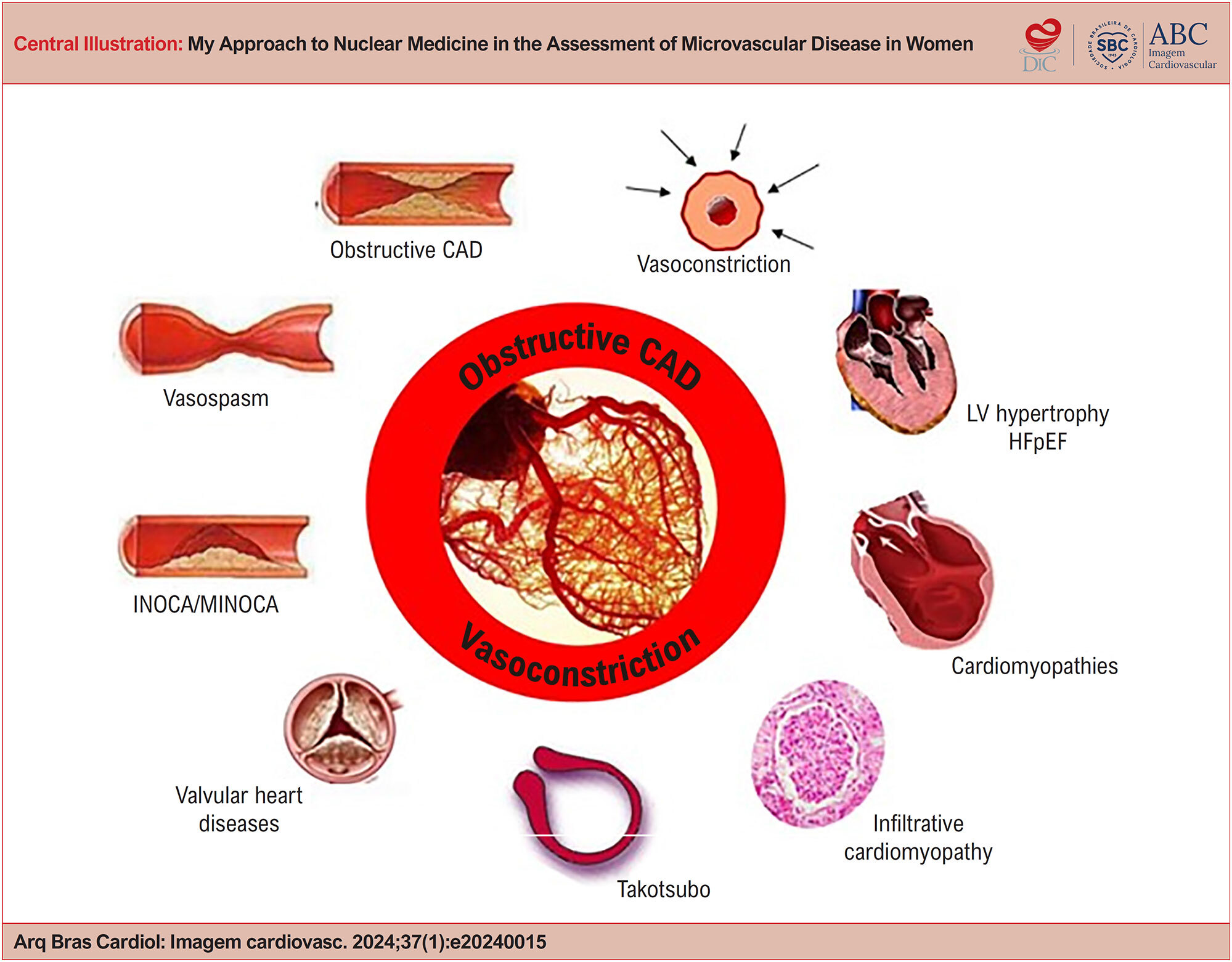
Coronary microvascular dysfunction (CMD) is a condition that has been increasingly recognized as a cause of angina, with prognostic importance in multiple cardiovascular processes, especially in women. It results from abnormalities in the structure and/or function of the coronary microcirculation. Even in the absence of obstructive coronary artery disease (CAD), CMD is associated with worse prognosis, greater morbidity, impaired quality of life, and recurrent hospitalizations due to angina and heart failure, posing a challenge for diagnosis and treatment. In this article, we briefly review CMD and how nuclear medicine can assist in its assessment.

  • Microvascular Angina
  • Myocardial Ischemia
  • Nuclear Medicine
Read Full Article
Creative Commons Attribution (CC BY) Creative Commons license
28/03/2024 DOI: 10.36660/abcimg.20240015i
Figure 1
ABCIC
Case Report

Evaluation of Coronary Flow Reserve by Myocardial Scintigraphy in Left Ventricular Hypertrophy

Renata Christian Martins Felix et al. Felipe Hermely Villela Pedras Odorico de Souza Lima Neto Leonardo Medeiros Vitório

Introduction

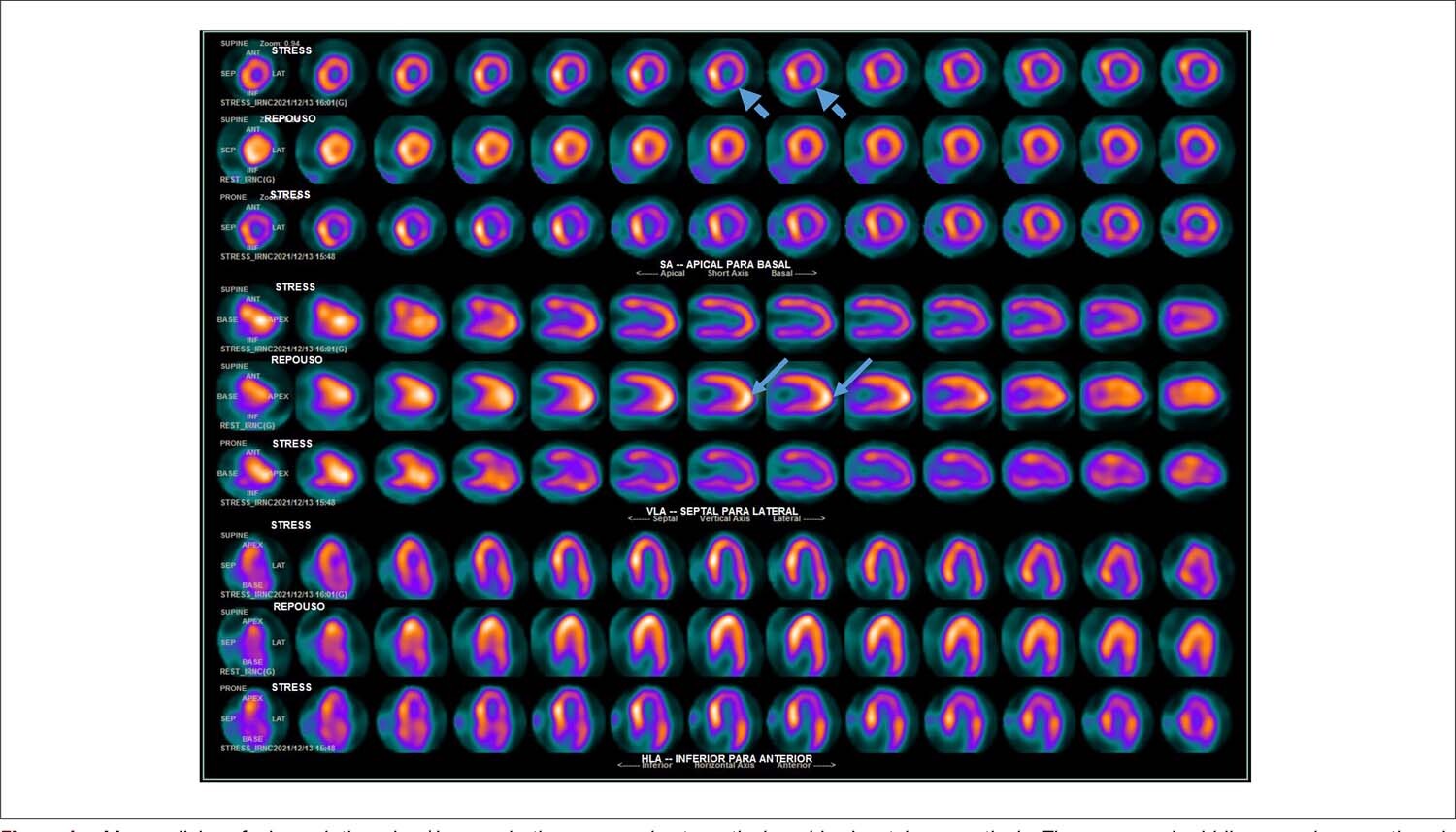
The microvascular integrity of the myocardial bed can be assessed by coronary flow reserve (CFR), which is a calculation of the ratio between the absolute coronary blood flow under vasodilator stress and under resting conditions. This measurement is capable of estimating vasomotor dysfunction, and it reflects the hemodynamic effect of focal, diffuse, or small-vessel coronary disease.

Currently, it is possible to measure CFR invasively using the techniques of thermodilution or intracoronary Doppler and through non-invasive methods, such as echocardiography, magnetic resonance imaging, computed tomography, or nuclear medicine.

[…]

  • Hypertrophy Left Ventricular
  • Microvascular Angina
  • Myocardial Perfusion Imaging
  • Regional Blood Flow
Read Full Article
Creative Commons Attribution (CC BY) Creative Commons license
26/09/2023 DOI: 10.36660/abcimg.20230053i Views 1
ABC
Editorial

A New Pathway to Coronary Occlusion with Elabela?

Ricardo Wang et al. Estevão Lanna Figueiredo Fernando Carvalho Neuschwander

Total coronary occlusion (TCO) is characterized by an obstruction with an estimated duration of more than 3 months and is present in approximately 15–18% of all coronary angiographies performed. Clinical manifestations can range from asymptomatic, through stable angina, to varying degrees of ventricular dysfunction. This mainly depends on the degree of collateral circulation. If it is poor, it may compromise the viability of myocytes and associate with various degrees of necrosis and/or hibernating myocardium. In the presence of well-developed collaterals (Rentrop grade III), the patient may be asymptomatic and have a preserved contractile function. Therefore, the formation of a well-developed collateral circulation, especially before vessel occlusion, is essential for the preservation of myocytes.

Despite advances in the clinical treatment of stable angina, many patients with TCO undergo interventional procedures. Of these, most are referred for coronary artery bypass grafting surgery or percutaneous coronary intervention (PCI) with more advanced techniques, but also with a higher risk of complications. The study of mechanisms potentially stimulating arteriogenesis and angiogenesis (collateral circulation formation) opens up opportunities for the development of drugs that, in turn, would avoid unnecessary interventions and/or could benefit patients with symptoms refractory to optimized conventional clinical treatment and who are poor candidates for interventions (e.g., thin distal bed, diffuse coronary disease).

[…]

  • Biomarkers (Elabela)
  • Collateral Circulation
  • Coronary Occlusion
  • Microvascular Angina
  • Myocytes, Cardiac
Read Full Article
Creative Commons Attribution (CC BY) Creative Commons license
20/09/2021 DOI: 10.36660/abc.20210662
Figure 1
ABC
Original Article

Coronary Blood Flow Measurement in Conventional Coronary Angiograms by a New Method Based on Contrast Density Detection. A Physiological Insight

Miguel Lopez-Hidalgo et al. Antonio Eblen-Zajjur

Abstract

Background

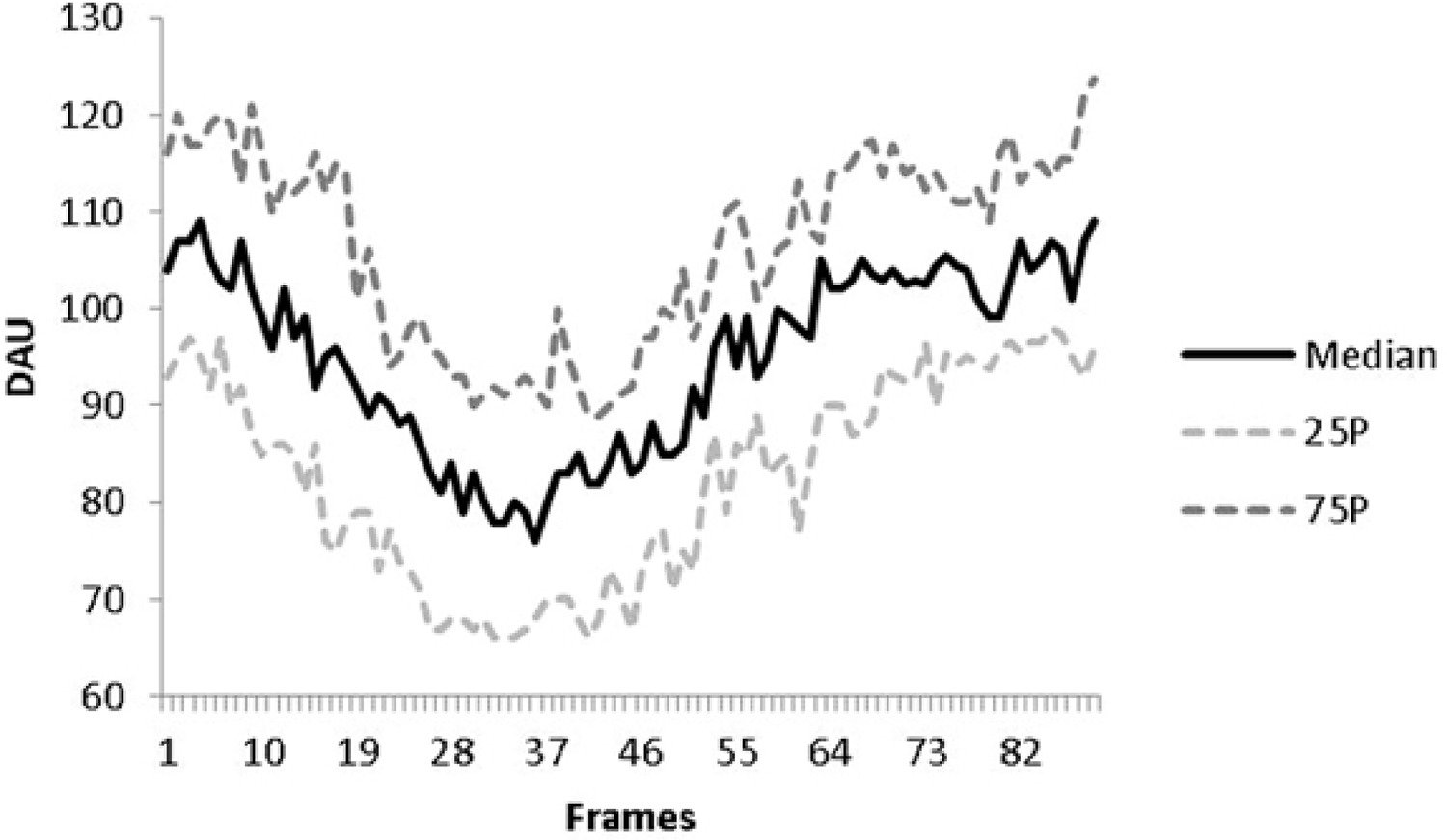
TIMI flow grade and corrected TIMI frame count (CTFC) are widely used methods to evaluate angiographic coronary blood flow. Measurement of coronary blood flow (CBF) on standard coronary angiography (CAG) has aroused great interest recently, trying to combine the CTFC concept with new methods for post-angioplasty and for cardiac syndrome X assessment. Additionally, coronary slow flow it is now considered a major criterion for microvascular angina.

Objective

Explore a new approach of quantitative angiographic measurement of CBF based on densitometric contrast detection in CAG off-line, using an accessible software to obtain a more precise and reliable CBF assessment.

Methods

Thirty patients were studied and divided in 2 groups, normal coronary blood flow (NF) and slow coronary blood flow (SF), according to CTFC definition. The DM was applied to the study sample to differentiate between NF and SF. Non-parametric statistics was used to assess differences between groups at p<0.05.

Results

The DM normal reference value obtained for coronary blood flow was 9 [5–10] frames. NF vs SF group were compared and expressed as median [interquartile range], for the left anterior descending: 10 [7-11] vs 21 [8-33];p= 0.016; circumflex: 9 [4-13] vs 14 [11-30]; p= 0.012 and right coronary artery: 5 [3-11] vs 13 [8-26]; p=0.009.

Conclusion

The DM showed the feasibility of measuring coronary blood flow with precision, consistency and reproducible in a standard coronary angiogram, showing the additional capability to differentiate between NF and SF in chest pain patients with normal coronary arteries. (Arq Bras Cardiol. 2020; 115(3):503-512)

  • Blood Circulation/physiopathology
  • Cardiac syndrome X
  • Coronary Angiography/methods
  • Coronary Artery Disease
  • Microvascular Angina
  • Stable Angina
Read Full Article
Creative Commons Attribution (CC BY) Creative Commons license
28/09/2020 DOI: 10.36660/abc.20180283
Figure 1
IJCS
Original Article

Comparison between Myocardial Ischemia Evaluation by Fractional Flow Reserve and Myocardial Perfusion Scintigraphy

Aurora Felice Castro Issa et al. Felipe Pittella Sergio Martins Leandro Patricia Paço … Judas Tadeu Renata Felix

Abstract

Background:

Moderate coronary artery lesions can be, or not, responsible for myocardial ischemia. The functional analysis of these lesions can be performed by invasive and noninvasive methods.

Objective:

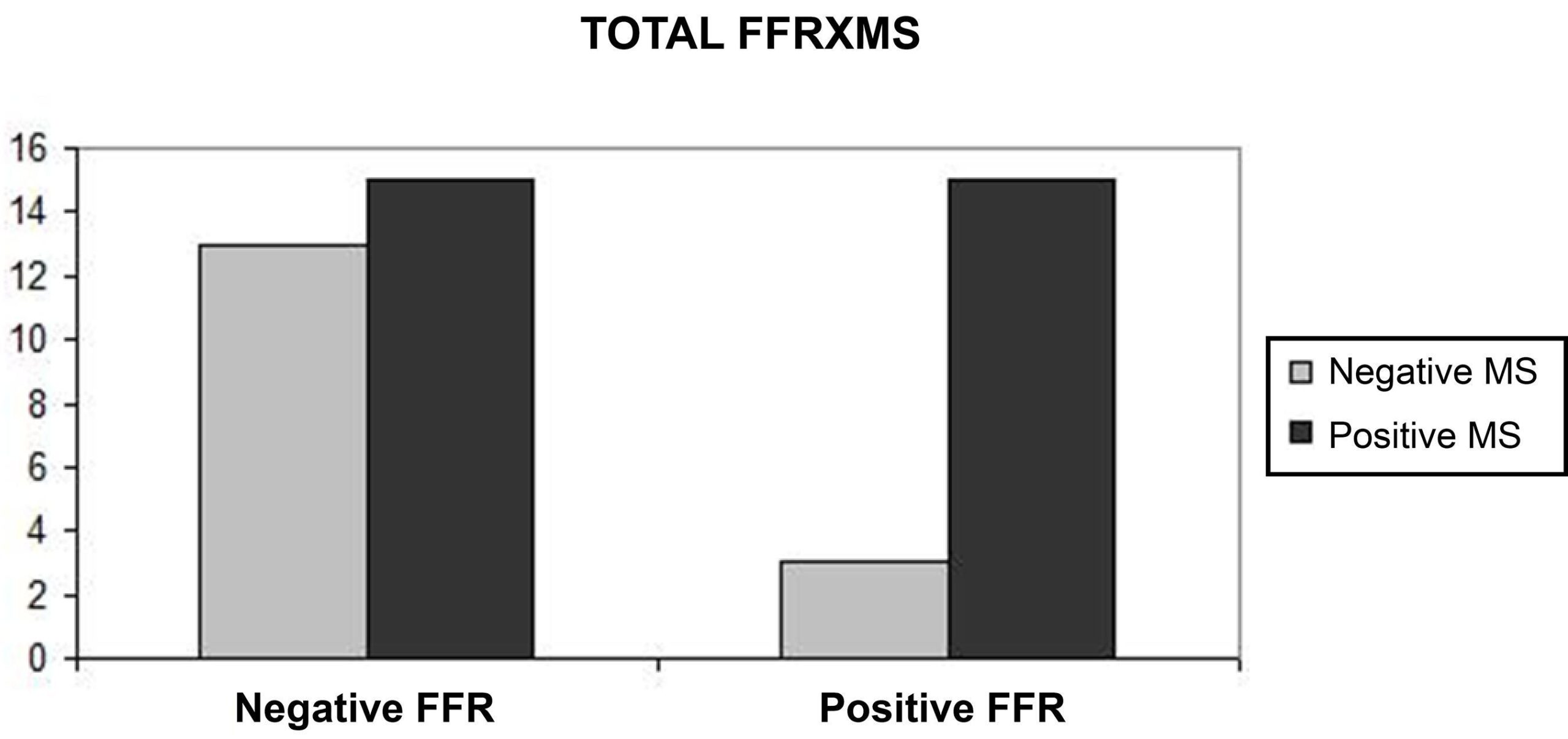
To compare the functional analysis of moderate coronary lesions by fractional flow reserve and myocardial perfusion scintigraphy.

Methods:

47 patients with stable coronary artery disease and at least one moderate coronary artery obstruction were prospectively studied. They were submitted to fractional flow reserve and myocardial perfusion scintigraphy with a median interval of 24.5 days between January 2013 and December 2015. There was no change in clinical status or revascularization procedure between the exams. The population variables were described as medians and interquartile range. Fractional flow reserve was performed in one left main coronary artery; 37 left descending coronary arteries; 12 circumflex arteries and 4 right coronary arteries. Fractional flow reserve < 0.8 was considered positive. The comparative analysis between the results of the tests was performed by two-tailed Fisher’s test and a p-value ≤ 0.05 was considered significant.

Results:

Fractional flow reserve < 0.8 was found in the left main coronary artery (100%); 13 in the left descending coronary artery (35.14%); 6 in circumflex artery (50%) and 2 in the right coronary artery (50%). Among the patients with positive fractional flow reserve, 83% had myocardial ischemia demonstrated by the myocardial perfusion scintigraphy (p = 0.058). When analyzing specifically the left descending coronary artery, 83% of the patients with negative fractional flow reserve showed no ischemia at the myocardial perfusion scintigraphy, but 69% of the patients with positive fractional flow reserve showed no ischemia at the myocardial perfusion scintigraphy (p = 0.413).

Conclusion:

Disagreements can occur between the results of the functional analysis of moderate coronary lesions by invasive and noninvasive tests.

  • Microvascular Angina
  • Myocardial Ischemia
  • Myocardial Perfusion / Diagnostic Imaging
  • Praqctional Flow Reserve, Myocardial
Read Full Article
Creative Commons Attribution (CC BY) Creative Commons license
21/05/2018 DOI: 10.5935/2359-4802.20180021 Views 1

How to cite this article

EndNote RIS

Electronic Document Format (Vancouver)

Alexandre ERG, Salomão I, Neto-Espíndola L, Penalva R, Silva MLD, Mesquita CT. New Insights Into Ischemic Heart Disease in Women: The Central Role of Coronary Microvascular Dysfunction Current Insights, Diagnostic Advances, And Therapeutic Uncertainties. International Journal of Cardiovascular Sciences 2026;39:e20250031.

Electronic Document Format (ABNT)

Alexandre, Elizabeth Regina Giunco; Salomão, Isabelle; Neto-Espíndola, Larissa; Penalva, Rafaela; Silva, Mayara Lídia Da; Mesquita, Claudio Tinoco. New Insights Into Ischemic Heart Disease in Women: The Central Role of Coronary Microvascular Dysfunction Current Insights, Diagnostic Advances, And Therapeutic Uncertainties. International Journal of Cardiovascular Sciences, v. 39, e20250031, Jul. 2026.

Electronic Document Format (APA)

Alexandre, E. R. G., Salomão, I., Neto-Espíndola, L., Penalva, R., Silva, M. L. D., & Mesquita, C. T. (2026). New Insights Into Ischemic Heart Disease in Women: The Central Role of Coronary Microvascular Dysfunction Current Insights, Diagnostic Advances, And Therapeutic Uncertainties. International Journal of Cardiovascular Sciences, 39, e20250031.

Electronic Document Format (ISO)

Alexandre, Elizabeth Regina Giunco and Salomão, Isabelle and Neto-Espíndola, Larissa and Penalva, Rafaela and Silva, Mayara Lídia Da and Mesquita, Claudio Tinoco. New Insights Into Ischemic Heart Disease in Women: The Central Role of Coronary Microvascular Dysfunction Current Insights, Diagnostic Advances, And Therapeutic Uncertainties. International Journal of Cardiovascular Sciences [online]. 2026, vol. 39, [cited 2026-10-14], e20250031. Available from: <https://journals.cardiol.br/en/article/new-insights-into-ischemic-heart-disease-in-women-the-central-role-of-coronary-microvascular-dysfunction-current-insights-diagnostic-advances-and-therapeutic-uncertainties/>. ISSN 2359-4802

EndNote RIS

Electronic Document Format (Vancouver)

Vilela FS, Ferreira CO, Rocha B, Faria J, Fernandes AS, Dias M, Conde I, et al. Refractory Angina with Myocardial Ischemia in the Absence of Obstructive Coronary Artery Disease: A Case Report. Arquivos Brasileiros de Cardiologia 2026;123(1):e20250243.

Electronic Document Format (ABNT)

Vilela, Filipe Silva; Ferreira, Carla Oliveira; Rocha, Bárbara; Faria, João; Fernandes, Ana Sofia; Dias, Mónica; Conde, Inês; Gaspar, António; Braga, Carlos Galvão. Refractory Angina with Myocardial Ischemia in the Absence of Obstructive Coronary Artery Disease: A Case Report. Arquivos Brasileiros de Cardiologia, v. 123, n. 1, e20250243, Mar. 2026.

Electronic Document Format (APA)

Vilela, F. S., Ferreira, C. O., Rocha, B., Faria, J., Fernandes, A. S., Dias, M., Conde, I., Gaspar, A., & Braga, C. G. (2026). Refractory Angina with Myocardial Ischemia in the Absence of Obstructive Coronary Artery Disease: A Case Report. Arquivos Brasileiros de Cardiologia, 123(1), e20250243.

Electronic Document Format (ISO)

Vilela, Filipe Silva and Ferreira, Carla Oliveira and Rocha, Bárbara and Faria, João and Fernandes, Ana Sofia and Dias, Mónica and Conde, Inês and Gaspar, António and Braga, Carlos Galvão. Refractory Angina with Myocardial Ischemia in the Absence of Obstructive Coronary Artery Disease: A Case Report. Arquivos Brasileiros de Cardiologia [online]. 2026, vol. 123, n. 1, [cited 2026-10-14], e20250243. Available from: <https://journals.cardiol.br/en/article/refractory-angina-with-myocardial-ischemia-in-the-absence-of-obstructive-coronary-artery-disease-a-case-report/>. ISSN 0066-782X

EndNote RIS

Electronic Document Format (Vancouver)

Carreira LCTF, Carreira L, Brito ASX. My Approach to Nuclear Medicine in the Assessment of Microvascular Disease in Women. ABC Imagem Cardiovascular 2024;37(1):e20240015.

Electronic Document Format (ABNT)

Carreira, Lara Cristiane Terra Ferreira; Carreira, Lívia; Brito, Adriana Soares Xavier de. My Approach to Nuclear Medicine in the Assessment of Microvascular Disease in Women. ABC Imagem Cardiovascular, v. 37, n. 1, e20240015, Mar. 2024.

Electronic Document Format (APA)

Carreira, L. C. T. F., Carreira, L., & Brito, A. S. X. (2024). My Approach to Nuclear Medicine in the Assessment of Microvascular Disease in Women. ABC Imagem Cardiovascular, 37(1), e20240015.

Electronic Document Format (ISO)

Carreira, Lara Cristiane Terra Ferreira and Carreira, Lívia and Brito, Adriana Soares Xavier de. My Approach to Nuclear Medicine in the Assessment of Microvascular Disease in Women. ABC Imagem Cardiovascular [online]. 2024, vol. 37, n. 1, [cited 2026-10-14], e20240015. Available from: <https://journals.cardiol.br/en/article/my-approach-to-nuclear-medicine-in-the-assessment-of-microvascular-disease-in-women/>. ISSN 2318-8219

EndNote RIS

Electronic Document Format (Vancouver)

Felix RCM, Pedras FHV, Lima Neto OS, Vitório LM. Evaluation of Coronary Flow Reserve by Myocardial Scintigraphy in Left Ventricular Hypertrophy. ABC Imagem Cardiovascular 2023;36(3):e20230053.

Electronic Document Format (ABNT)

Felix, Renata Christian Martins; Pedras, Felipe Hermely Villela; Lima Neto, Odorico de Souza; Vitório, Leonardo Medeiros. Evaluation of Coronary Flow Reserve by Myocardial Scintigraphy in Left Ventricular Hypertrophy. ABC Imagem Cardiovascular, v. 36, n. 3, e20230053, Sep. 2023.

Electronic Document Format (APA)

Felix, R. C. M., Pedras, F. H. V., Lima Neto, O. S., & Vitório, L. M. (2023). Evaluation of Coronary Flow Reserve by Myocardial Scintigraphy in Left Ventricular Hypertrophy. ABC Imagem Cardiovascular, 36(3), e20230053.

Electronic Document Format (ISO)

Felix, Renata Christian Martins and Pedras, Felipe Hermely Villela and Lima Neto, Odorico de Souza and Vitório, Leonardo Medeiros. Evaluation of Coronary Flow Reserve by Myocardial Scintigraphy in Left Ventricular Hypertrophy. ABC Imagem Cardiovascular [online]. 2023, vol. 36, n. 3, [cited 2026-10-14], e20230053. Available from: <https://journals.cardiol.br/en/article/evaluation-of-coronary-flow-reserve-by-myocardial-scintigraphy-in-left-ventricular-hypertrophy/>. ISSN 2318-8219

EndNote RIS

Electronic Document Format (Vancouver)

Wang R, Figueiredo EL, Neuschwander FC. A New Pathway to Coronary Occlusion with Elabela?. Arquivos Brasileiros de Cardiologia 2021;117(3):511.

Electronic Document Format (ABNT)

Wang, Ricardo; Figueiredo, Estevão Lanna; Neuschwander, Fernando Carvalho. A New Pathway to Coronary Occlusion with Elabela?. Arquivos Brasileiros de Cardiologia, v. 117, n. 3, p. 511-511, Sep. 2021.

Electronic Document Format (APA)

Wang, R., Figueiredo, E. L., & Neuschwander, F. C. (2021). A New Pathway to Coronary Occlusion with Elabela?. Arquivos Brasileiros de Cardiologia, 117(3), 511-511.

Electronic Document Format (ISO)

Wang, Ricardo and Figueiredo, Estevão Lanna and Neuschwander, Fernando Carvalho. A New Pathway to Coronary Occlusion with Elabela?. Arquivos Brasileiros de Cardiologia [online]. 2021, vol. 117, n. 3, [cited 2026-10-14], pp. 511-511. Available from: <https://journals.cardiol.br/en/article/a-new-pathway-to-coronary-occlusion-with-elabela/>. ISSN 0066-782X

EndNote RIS

Electronic Document Format (Vancouver)

Lopez-Hidalgo M, Eblen-Zajjur A. Coronary Blood Flow Measurement in Conventional Coronary Angiograms by a New Method Based on Contrast Density Detection. A Physiological Insight. Arquivos Brasileiros de Cardiologia 2020;115(3):503-12.

Electronic Document Format (ABNT)

Lopez-Hidalgo, Miguel; Eblen-Zajjur, Antonio. Coronary Blood Flow Measurement in Conventional Coronary Angiograms by a New Method Based on Contrast Density Detection. A Physiological Insight. Arquivos Brasileiros de Cardiologia, v. 115, n. 3, p. 503-512, Sep. 2020.

Electronic Document Format (APA)

Lopez-Hidalgo, M., & Eblen-Zajjur, A. (2020). Coronary Blood Flow Measurement in Conventional Coronary Angiograms by a New Method Based on Contrast Density Detection. A Physiological Insight. Arquivos Brasileiros de Cardiologia, 115(3), 503-512.

Electronic Document Format (ISO)

Lopez-Hidalgo, Miguel and Eblen-Zajjur, Antonio. Coronary Blood Flow Measurement in Conventional Coronary Angiograms by a New Method Based on Contrast Density Detection. A Physiological Insight. Arquivos Brasileiros de Cardiologia [online]. 2020, vol. 115, n. 3, [cited 2026-10-14], pp. 503-512. Available from: <https://journals.cardiol.br/en/article/coronary-blood-flow-measurement-in-conventional-coronary-angiograms-by-a-new-method-based-on-contrast-density-detection-a-physiological-insight/>. ISSN 0066-782X

EndNote RIS

Electronic Document Format (Vancouver)

Issa AFC, Pittella F, Leandro SM, Paço P, Tadeu J, Felix R. Comparison between Myocardial Ischemia Evaluation by Fractional Flow Reserve and Myocardial Perfusion Scintigraphy. International Journal of Cardiovascular Sciences 2018;31(4):333-8.

Electronic Document Format (ABNT)

Issa, Aurora Felice Castro; Pittella, Felipe; Leandro, Sergio Martins; Paço, Patricia; Tadeu, Judas; Felix, Renata. Comparison between Myocardial Ischemia Evaluation by Fractional Flow Reserve and Myocardial Perfusion Scintigraphy. International Journal of Cardiovascular Sciences, v. 31, n. 4, p. 333-338, May. 2018.

Electronic Document Format (APA)

Issa, A. F. C., Pittella, F., Leandro, S. M., Paço, P., Tadeu, J., & Felix, R. (2018). Comparison between Myocardial Ischemia Evaluation by Fractional Flow Reserve and Myocardial Perfusion Scintigraphy. International Journal of Cardiovascular Sciences, 31(4), 333-338.

Electronic Document Format (ISO)

Issa, Aurora Felice Castro and Pittella, Felipe and Leandro, Sergio Martins and Paço, Patricia and Tadeu, Judas and Felix, Renata. Comparison between Myocardial Ischemia Evaluation by Fractional Flow Reserve and Myocardial Perfusion Scintigraphy. International Journal of Cardiovascular Sciences [online]. 2018, vol. 31, n. 4, [cited 2026-10-14], pp. 333-338. Available from: <https://journals.cardiol.br/en/article/comparison-between-myocardial-ischemia-evaluation-by-fractional-flow-reserve-and-myocardial-perfusion-scintigraphy/>. ISSN 2359-4802

  • About ABC Family
  • Internal Regulation
  • Editorial Board
  • Brazilian Society of Cardiology (SBC)

Issues

SBC Guidelines

  • Videos
  • Podcasts
  • News