ABC Family Arquivos Brasileiros de Cardiologia International Journal of Cardiovascular Sciences ABC Heart Failure & Cardiomyopathy ABC Imagem Cardiovascular
Português English
ABC Family
Português English
  • About
    • About ABC Family
    • Internal Regulation
    • Editorial Board
    • Brazilian Society of Cardiology (SBC)
  • Issues
  • SBC Guidelines
  • Content
    • Videos
    • Podcasts
    • News
  • About
    • About ABC Family
    • Internal Regulation
    • Editorial Board
    • Brazilian Society of Cardiology (SBC)
  • Issues
  • SBC Guidelines
  • Content
    • Videos
    • Podcasts
    • News

ABC Family

  • ABC Family
  • Arquivos Brasileiros de Cardiologia
  • International Journal of Cardiovascular Sciences
  • ABC Heart Failure & Cardiomyopathy
  • ABC Imagem Cardiovascular
Search in

No content found.

Journals
Ordering
Article types
Others

  1. Home
  2. Keyword: Stroke
Figure 1
ABCIC
Review Article

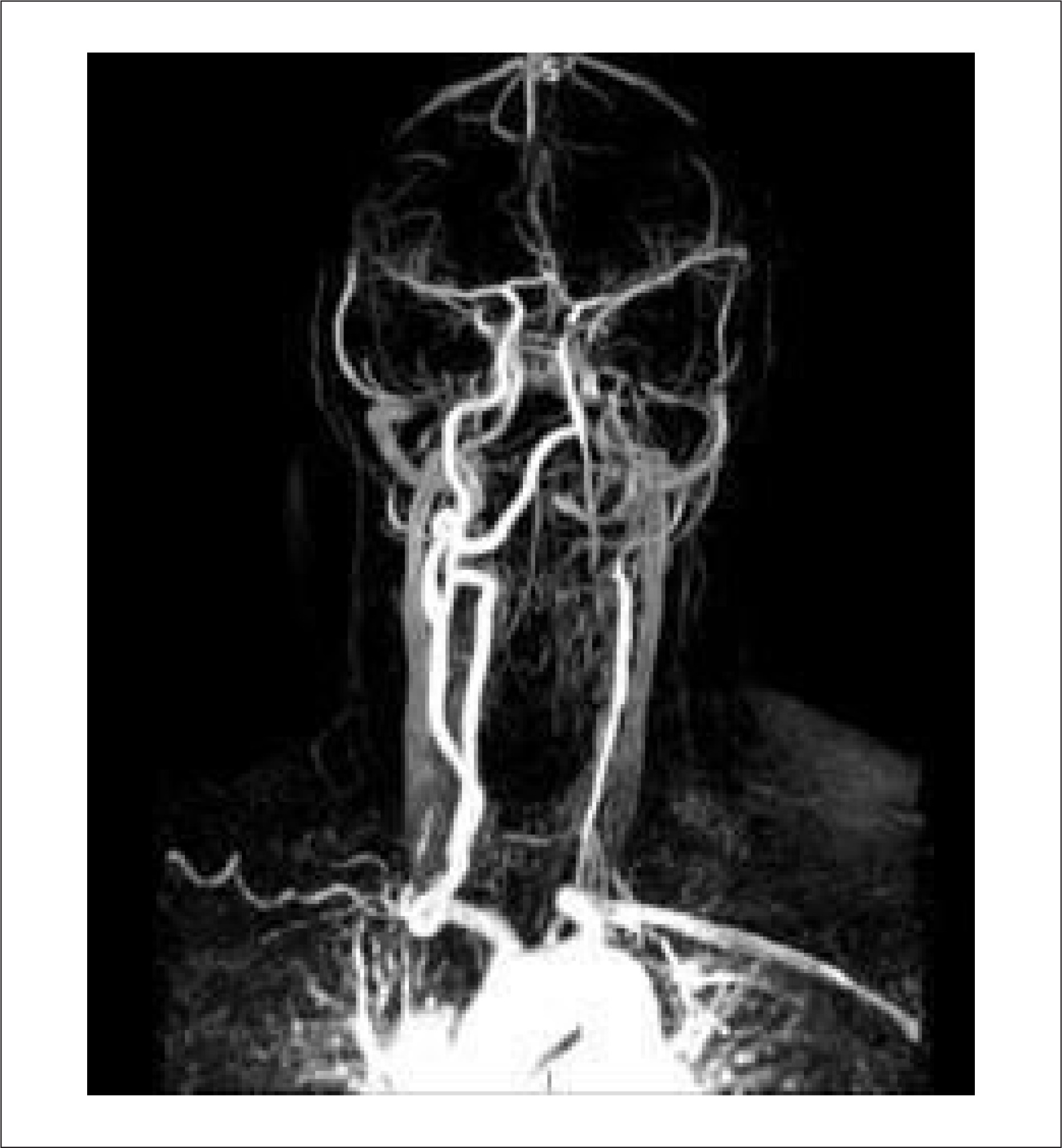
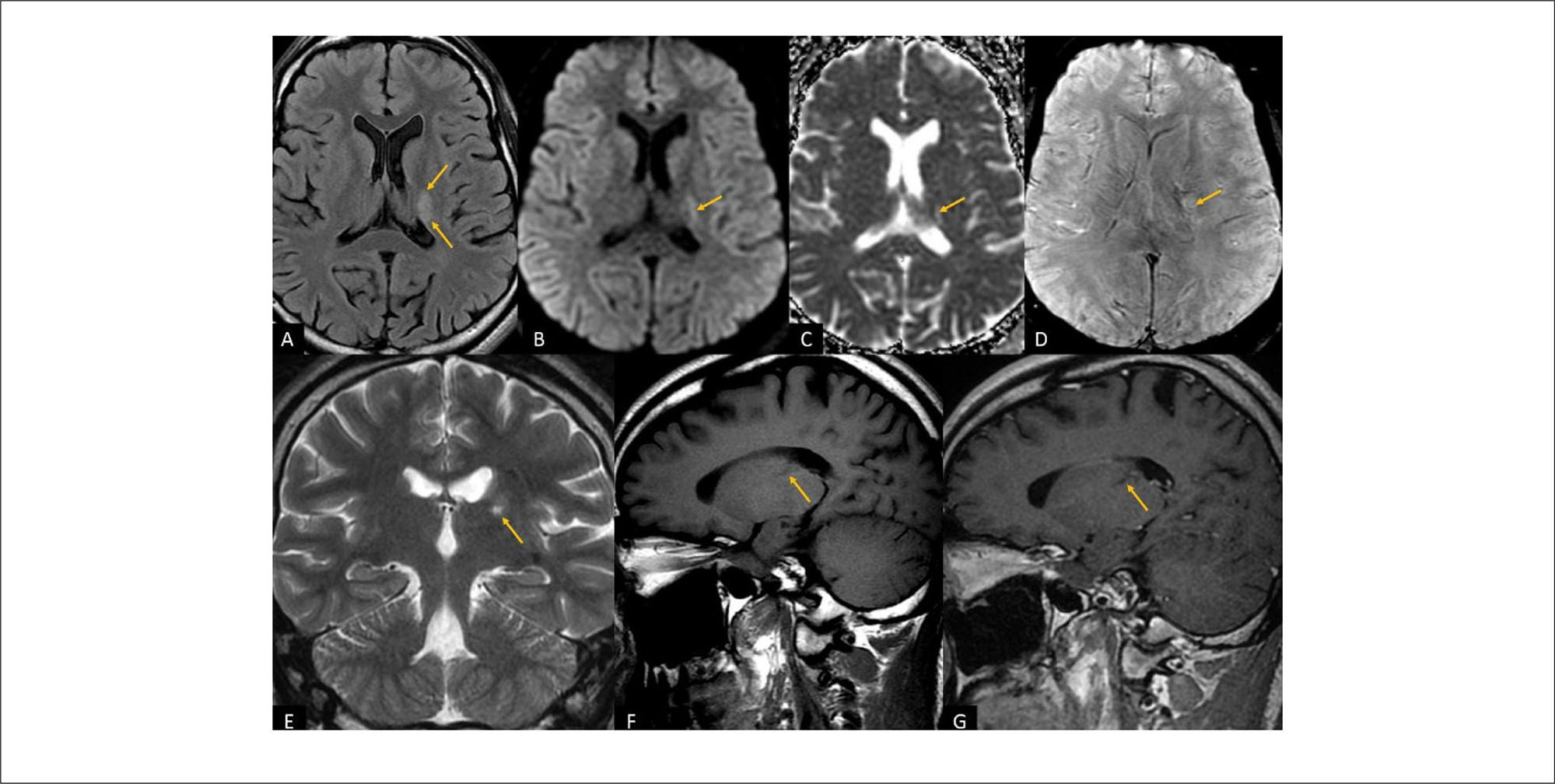
Neurological Manifestations of Takayasu Arteritis: A Case Report and Literature Review

Amanda Antunes Arantes Rolim et al. Tainá Cândida de Almeida Gontijo Carneiro Flávia de Campos Dilson Palhares Ferreira

Abstract

Takayasu arteritis (TA) is a rare large-vessel vasculitis that primarily involves the aorta and its major branches and predominantly affects women of reproductive age. We report the case of a woman who experienced an ischemic stroke at age 20 and a transient ischemic attack at age 53, with TA diagnosed only after the second cerebrovascular event. Although ischemic stroke is an uncommon initial manifestation of TA, early recognition and timely management are essential to prevent further complications and improve long-term outcomes.

  • Neurologic Manifestations
  • Stroke
  • Takayasu Arteritis
Read Full Article
Creative Commons Attribution (CC BY) Creative Commons license
25/05/2026 DOI: 10.36660/abcimg.20250110i
Atrial Cardiomyopathy Detected by Electrocardiogram: Association with Stroke in a Brazilian Electronic Cohort
ABC
Original Article

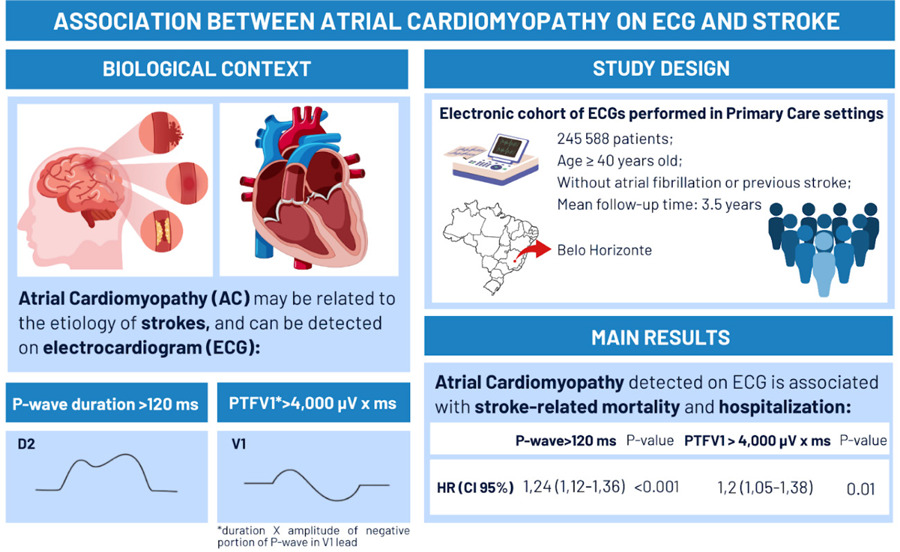
Atrial Cardiomyopathy Detected by Electrocardiogram: Association with Stroke in a Brazilian Electronic Cohort

Filipe Antunes de Lêu et al. Gabriela Miana de Mattos Paixão Ana Cecilia Oliveira Carla Paula Moreira Soares … Paulo R. Gomes Peter Macfarlane Antônio Luiz Pinho Ribeiro

Abstract

Background

Atrial cardiomyopathy (AC) is a condition detectable by electrocardiogram (ECG) that may play a significant role in the pathophysiology of the etiology of strokes, independently of atrial fibrillation (AF).

Objectives

To evaluate the association between ECG markers of AC (prolonged P-wave duration >120 ms and P-terminal force in V1 (PTFV1) >4,000 µV·ms) as well as the occurrence of mortality and hospitalization due to stroke.

Methods

This retrospective cohort study included patients from Belo Horizonte who underwent ECGs between 2006 and 2018. Patients aged ≥40 years, in sinus rhythm, and without a previous history of stroke at baseline ECG were included. Clinical and ECG data were linked to mortality (SIM) and hospitalization (SIH) public databases. Cox regression was used to calculate hazard ratios (HRs), and incremental adjustment models for age, sex, cardiovascular risk factors, and left ventricular hypertrophy were employed. Statistical significance was set at p<0.05.

Results

245,588 patients were included. 26.3% had prolonged P-wave duration >120 ms, and 10.1% had elevated PTFV1 >4,000 µV·ms. Mean follow-up duration was 3.5 years. AC was associated with mortality and hospitalization due to stroke (HR 1.24; 95% CI, 1.12–1.36 for P-wave duration >120 ms; p4,000 µV·ms; p<0.001).

Conclusion

ECG markers of AC are associated with death or hospitalization due to stroke, as well as cardiovascular mortality and incident AF in a large, representative Brazilian cohort, highlighting their prognostic value.

  • Cardiomyopathies
  • Cohort Studies
  • Electrocardiography
  • Mortality
  • Stroke
Read Full Article
Creative Commons Attribution (CC BY) Creative Commons license
01/05/2026 DOI: 10.36660/abc.20250625i Views 2
Forecasting Ischemic Heart Disease, Stroke, and Peripheral Artery Disease Mortality in Brazil Through 2040: A Bayesian Modeling Approach
ABC
Original Article

Forecasting Ischemic Heart Disease, Stroke, and Peripheral Artery Disease Mortality in Brazil Through 2040: A Bayesian Modeling Approach

Pedro Rafael Vieira de Oliveira Salerno et al. Antoinette Cotton Bruno R. Nascimento Zhuo Chen … Gabriel Tensol Rodrigues Pereira Alexandre A. Abizaid Luis Augusto Palma Dallan Pedro Rafael Salerno Sadeer Al-Kindi Fanny Petermann-Rocha Salil V. Deo

Abstract

Background

Atherosclerotic cardiovascular disease — particularly ischemic heart disease (IHD), stroke, and peripheral artery disease (PAD) — is the leading cause of cardiovascular mortality in Brazil.

Objectives

This study aimed to project mortality trends for IHD, stroke, and PAD in Brazil through 2040.

Methods

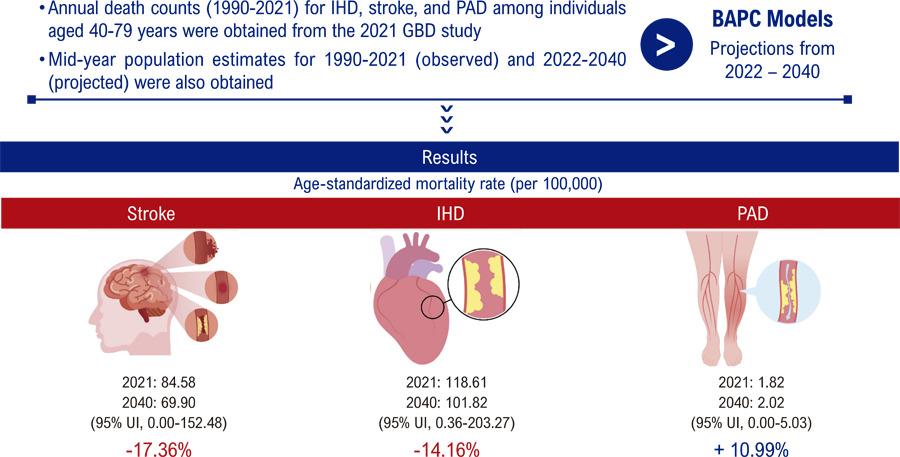
Annual death counts (1990-2021) for IHD, stroke, and PAD among individuals aged 40-79 years were obtained from the Global Burden of Disease (GBD) 2021 study. Mid-year population estimates for both observed (1990-2021) and projected (2022-2040) periods were used. Crude and age-standardized mortality rates were calculated. Bayesian age-period-cohort models were applied to project mortality rates from 2022 to 2040. Relative percentage changes and estimated annual percentage changes (EAPCs) were computed. Projections (per 100,000 population) are reported as medians with 95% uncertainty intervals (UIs), and EAPCs include bootstrap-derived confidence intervals (CIs).

Results

Between 1990 and 2040, Brazil’s population aged 40-79 years is projected to grow by 237.82%. The age-standardized mortality rate for IHD is expected to decline by 14.16% [from 118.61 in 2021 to 101.82 in 2040 (95% UI, 0.36-203.27)] (EAPC: -0.83% [95% CI, -0.84 to -0.83]); and for stroke by 17.36% [from 84.58 to 69.90 (95% UI, 0-152.48)] (EAPC: -1.07% [95% CI, -1.10 to -1.04]). In contrast, PAD mortality is projected to increase by 10.99% [from 1.82 to 2.02 (95% UI, 0-5.03)] (EAPC: 0.45% [95% CI, 0.30-0.59]). Additionally, sex-specific age-standardized mortality rates showed considerable variation. For IHD, rates are projected to decline by 25.31% among men (EAPC: -1.56% [95% CI, -1.57 to -1.55]), while increasing by 4.12% among women (EAPC: 0.14% [95% CI, 0.13-0.16]). Stroke mortality is expected to decrease by 30.00% in men (EAPC: -1.94% [95% CI, -1.96 to -1.91]) and by 4.52% in women (EAPC: -0.33% [95% CI, -0.37 to -0.29]). In contrast, PAD mortality is projected to rise by 14.64% in men (EAPC: 0.55% [95% CI, 0.38 to 0.71]) and by 21.92% in women (EAPC: 0.91% [95% CI, 0.78-1.02]).

Conclusion

While mortality rates for IHD and stroke are projected to decline, PAD mortality is expected to rise — particularly among women — highlighting the urgent need for sex-specific and disease-specific public health interventions.

  • Brazil
  • Mortality
  • Myocardial Ischemia
  • Peripheral Arterial Disease
  • Stroke
Read Full Article
Creative Commons Attribution (CC BY) Creative Commons license
16/01/2026 DOI: 10.36660/abc.20250189i Views 2
Figure 1
ABCIC
Case Report

Ischemic Stroke in a Young Adult: a diagnostic challenge. Exploring the association between Patent Foramen Ovale and Chiari Network

Raissa Silva Frota et al. Mauro de Deus Passos Simone Nascimento dos Santos Luciano Moreira Alves … Dilson Palhares Ferreira Lilian Silva França

Introduction

Globally, strokes are the second leading cause of mortality,, and are broadly categorized into hemorrhagic and ischemic types., In 2019, ischemic stroke accounted for 62.4% of all cases, totaling 7.63 million episodes. Projections indicate a substantial increase in stroke prevalence, from 3.9% in 2020 to an estimated 6.4% by 2050. Despite comprehensive etiological investigations, the underlying cause of cerebrovascular ischemic events remains undefined in 10% to 40% of the cases, known as cryptogenic stroke.

Stroke is often a disabling condition and poses a major threat to the socioeconomic stability of a country, particularly in developing nations. The incidence of ischemic stroke has been increasing, particularly among individuals under 55 years of age. Approximately 10% to 15% of all strokes manifest in young adults aged 18 to 49., This trend underscores the critical importance of stroke prevention strategies, even within this younger demographic.

[…]

  • Ischemic Stroke
  • Patent Foramen Ovale
  • Stroke
Read Full Article
Creative Commons Attribution (CC BY) Creative Commons license
31/12/2025 DOI: 10.36660/abcimg.20250080i
ABC
Letter to the Editor

How to Demonstrate the Prognostic Benefit of Aggressive Screening of Atrial Fibrillation

Naoya Kataoka et al. Teruhiko Imamura

To Editor

The early detection of asymptomatic atrial fibrillation (AF) is considered essential for preventing thromboembolic events and the progression of heart failure. Numerous wearable devices have been developed to facilitate this objective. The authors employed stroke risk analysis (SRA), a method that stratifies the risk of paroxysmal AF through the evaluation of electrocardiogram data. This algorithm proved effective in screening patients with asymptomatic paroxysmal AF, with 29.4% of participants categorized as high-risk. Among these high-risk individuals, AF was detected in 38.7% following a 7-day screening period. Nevertheless, several critical concerns merit discussion.

[…]

  • Cardiac Arrhythmias
  • Stroke
  • Wearable Electronic Devices
Read Full Article
Creative Commons Attribution (CC BY) Creative Commons license
25/08/2025 DOI: 10.36660/abc.20250138i Views 1
Figure 1
ABC
Research Letter

Whipple’s Disease as a Differential Diagnosis of Blood Culture-Negative Endocarditis: A Case Report

Carolina Kuchenbecker Soares et al. Rafaela Clara Resende da Silva Geraldo Brasileiro Filho Claudio Leo Gelape … Jésus Faria Rosa Júnior Luiz Guilherme Passaglia

Abstract

Whipple’s endocarditis is a rare infectious condition caused by the bacterium Tropheryma whipplei. Although its systemic form is the most widely recognized, the infection exhibits a broad spectrum of extraintestinal manifestations, with blood culture-negative infective endocarditis being the most common form of cardiac involvement. The case presented in this study underscores the importance of clinical investigation for accurate diagnosis and the application of appropriate treatment.

  • Bacterial Endocarditis
  • Stroke
  • Whipple Disease
Read Full Article
Creative Commons Attribution (CC BY) Creative Commons license
18/08/2025 DOI: 10.36660/abc.20240207i Views 1
ABC
Editorial

Challenges in Performing Real-World Evidence Studies in Low-Middle Income Countries: the EdoBRA Study

Ayrton Roberto Massaro

In 1991, Wolf et al. on the Framingham study demonstrated that atrial fibrillation (AF) constitutes an independent risk factor for ischemic stroke. Hart et al., in a meta-analysis, confirmed warfarin’s effectiveness in lowering stroke risk by 64% in AF patients. A slight increase in major extracranial hemorrhage was observed, which did not impact overall efficacy. Unpredictable pharmacokinetics, interactions, and INR monitoring needs have limited warfarin use. In low-middle income countries (LMICs) like Brazil, socio-economic disparities affected warfarin use in AF patients.

Direct oral anticoagulants (DOACs) were introduced to overcome the barriers associated with warfarin. All DOACs showed strong stroke prevention compared to warfarin. Edoxaban in the ENGAGE AF-TIMI 48 trial was non-inferior to warfarin in safety and superior in preventing hemorrhagic strokes. Latin American patients showed higher hemorrhage and mortality rates compared to other regions. In addition, considerations of cost, renal monitoring, DOACs in AF subpopulations, and reversal agents for hemorrhage highlight the importance of tailoring therapy based on patient-specific risks.

[…]

  • Atrial Fibrillation
  • Factor Xa Inhibitors
  • Stroke
Read Full Article
Creative Commons Attribution (CC BY) Creative Commons license
28/07/2025 DOI: 10.36660/abc.20250353i Views 3
ABC
Letter to the Editor

How to Improve Clinical Outcomes in Women with Atrial Fibrillation

Naoya Kataoka et al. Teruhiko Imamura

To the editor

Anticoagulation is a standard therapeutic approach for patients with atrial fibrillation (AF), requiring careful consideration of the balance between antithrombotic efficacy and the risk of hemorrhagic complications. The authors examined the rate of anticoagulant prescriptions among patients admitted to the emergency department with symptomatic AF, revealing a higher prevalence of non-prescription in women compared to men. This observation raises several important concerns.

[…]

  • Anticoagulation
  • Catheter Ablation
  • Stroke
Read Full Article
Creative Commons Attribution (CC BY) Creative Commons license
27/06/2025 DOI: 10.36660/abc.20250095i Views 1
Non-Invasive Central Blood Pressure and Intracranial Waveform Assessment in Hypertensive Patients: A Cross-Sectional Study
ABC
Original Article

Non-Invasive Central Blood Pressure and Intracranial Waveform Assessment in Hypertensive Patients: A Cross-Sectional Study

Sayuri Inuzuka et al. Mikaelle Costa Correia Matheus Martins da Costa Thiago Oliveira Costa … Priscila Valverde de Oliveria Vitorino Polyana Vulcano de Toledo Piza Gustavo Frigieri Ana Luiza Lima Sousa Antonio Coca Weimar Kunz Sebba Barroso

Abstract

Background

There is a strong association between hypertension and cerebrovascular disease, mainly with stroke and cognitive impairment. However, but the mechanistic of this relationship are not completely understood.

Objective

To analyze the relationship of central, peripheral blood pressure (BP) and arterial stiffness, with intracranial pressure (ICP) in long-term chronic hypertensive patients.

Methods

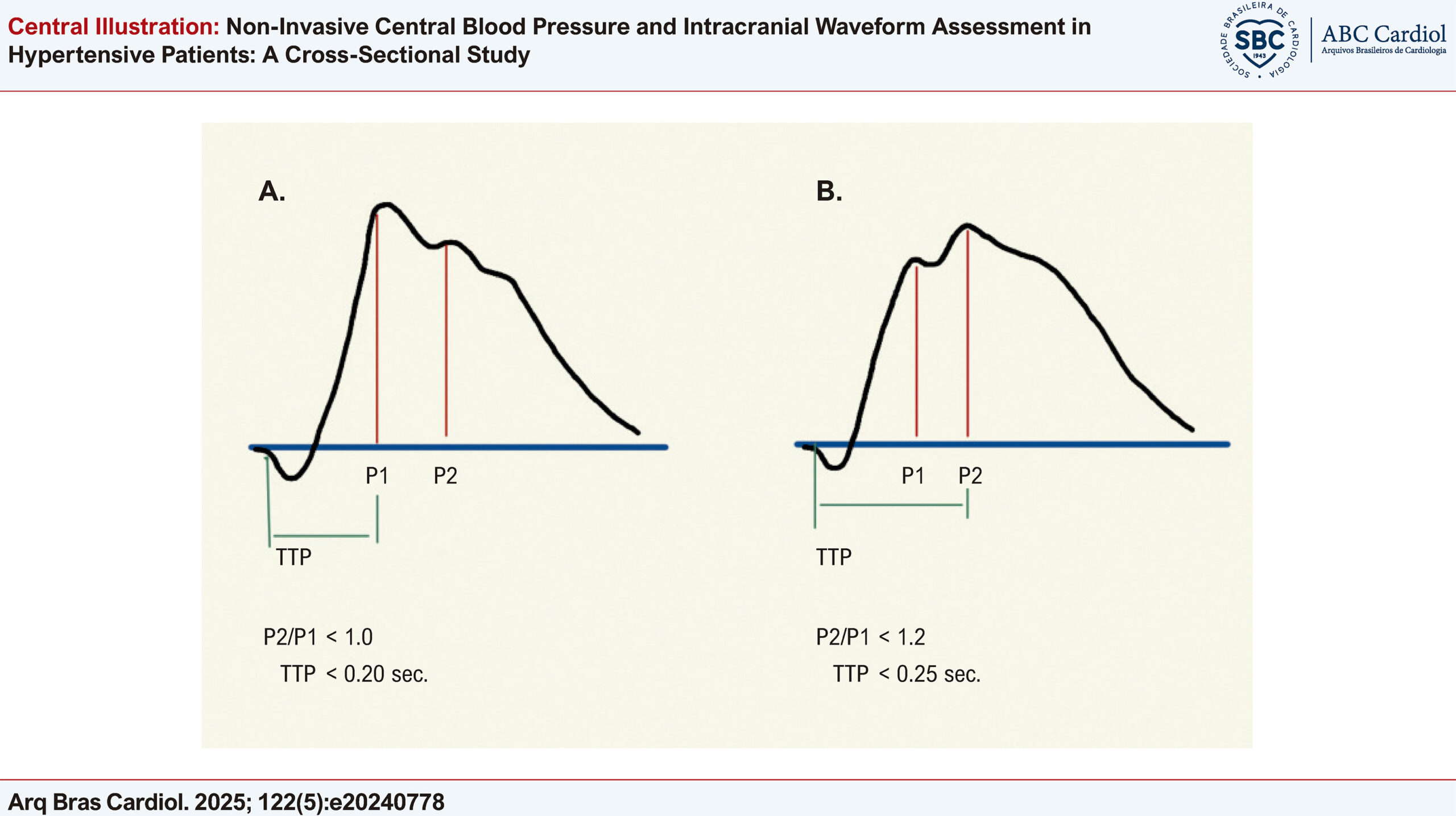
Adult individuals were consecutively included in the study from November 2022 to August 2023. The cut-off point identified to define intracranial hypertension (ICHT) by the wave peak (P2/P1) ratio was > 1.2, and the cut-off for time to peak (TTP) was > 0.25. The level of significance adopted in the statistical analysis was 5%.

Results

A total of 145 patients (32 male, 113 female) with long-term hypertension (average of time since diagnoses 20 ± 12 years) were evaluated over a period of 10 months. The median age was 69.0 (61.8 – 75.7) years and median body mass index 29.0 (25.4 – 33.1) kg/m2. Median value of P2/P1 ratio for all cohort was 1.4 (1.2 – 1.5) and TTP 0.24 (0.21 – 0.29). The analysis was performed considering presence or not of ICHT, and parameters of central BP and pulse wave velocity. There was higher central systolic (SBP), diastolic blood pressure (DBP), and peripheral DBP among patients with ICHT based on the P2/P1 ratio.

Conclusions

Central SBP levels are more linked to ICHT than office peripheral SBP measurements, while DBP measurements are similar, raising questions about the most suitable BP assessment method for hypertensive patients with cerebrovascular damage.

  • Cerebrovascular Disorders
  • Cognitive Dysfunction
  • Hypertension
  • Intracranial Pressure
  • Stroke
Read Full Article
Creative Commons Attribution (CC BY) Creative Commons license
09/05/2025 DOI: 10.36660/abc.20240778i Views 2
Effectiveness and Safety of Edoxaban in the Routine Clinical Care of Atrial Fibrillation Patients in Brazil: Prospective 1-Year Follow-Up Study – EdoBRA
ABC
Original Article

Effectiveness and Safety of Edoxaban in the Routine Clinical Care of Atrial Fibrillation Patients in Brazil: Prospective 1-Year Follow-Up Study – EdoBRA

Dalton Bertolim Precoma et al. Rafael Paletta da Silva Luiz Carlos Santana Passos Conrado Roberto Hoffman Filho … Fábio Serra Silveira José Tarcísio Medeiros de Vasconcelos Sérgio Luiz Zimmermann Artur Haddad Herdy Alessandra Ritter Daniely Freitas-Alves José Francisco Kerr Saraiva

Abstract

Background

Edoxaban, an orally administered anticoagulant, has been shown to be safe and effective in preventing stroke in atrial fibrillation (AF) patients. Given its widespread use since approval, evaluating edoxaban’s real-world performance in the Brazilian clinical context is crucial.

Objective

The study aimed to report the one-year safety and effectiveness of edoxaban in AF patients in Brazil.

Methods

EdoBRA is a multi-center, prospective, observational investigation conducted across 30 Brazilian research sites. Bleeding events were considered as safety measures and cardiovascular events were considered for effectiveness measures. Descriptive analyses were performed. Kaplan-Meier curves were generated for time-to-event analysis and a 95% confidence interval was used as appropriate.

Results

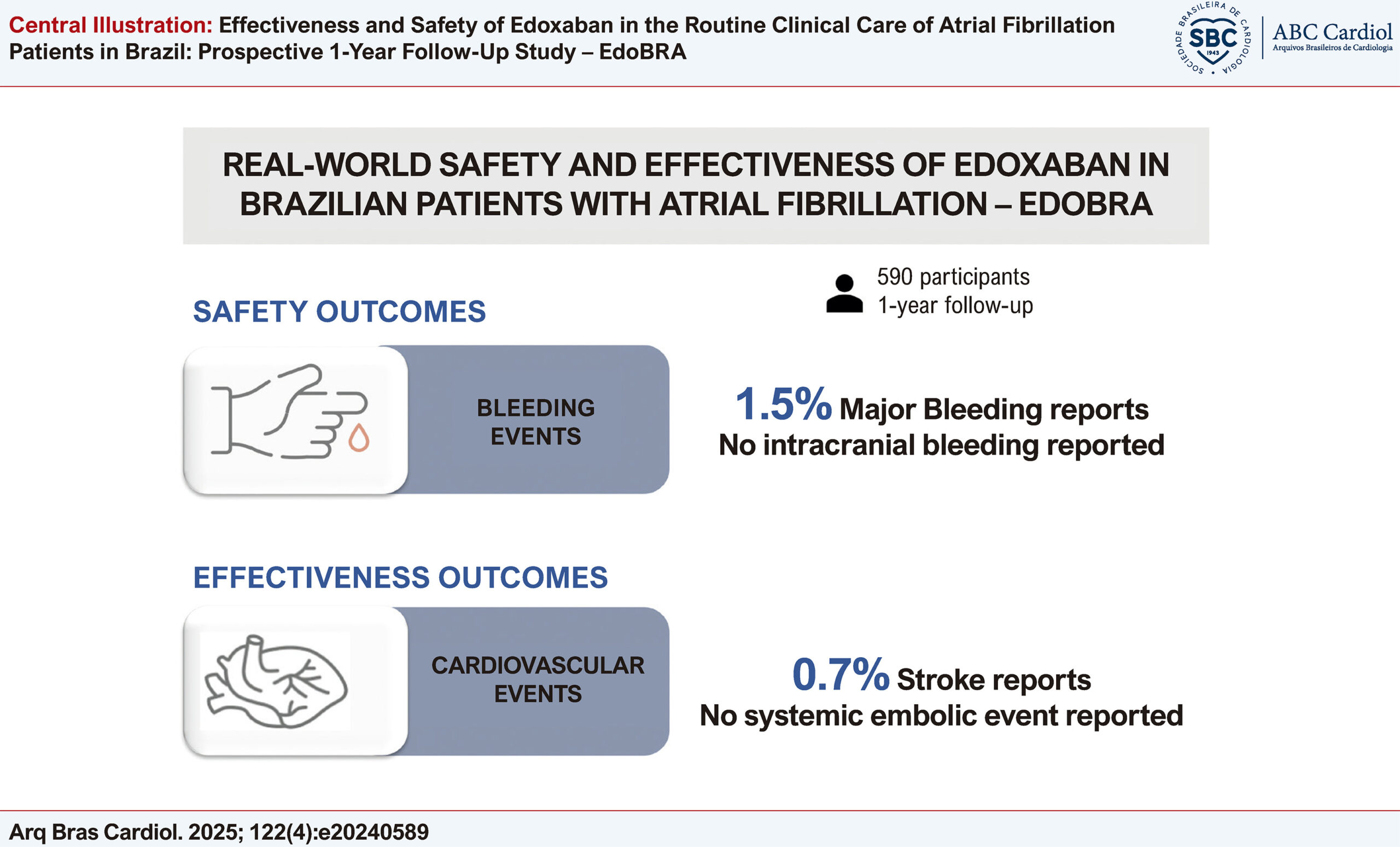
Among the 705 enrolled participants, 590 were included in the analysis for having at least one follow-up or one reported event. Mean (±SD) CHA2DS2-VASc risk score was 3 (3.3 ± 1.6) and the mean HAS-BLED risk score was 2 (1.8 ± 1.2). During the one-year follow-up period, nine major bleedings events were reported, including five cases of gastrointestinal bleeding (IP 0.85 [95% CI =0.82; 0.88]). Among the cardiovascular events recorded (N = 68), there were four stroke events (IP 0.68 [CI 95% 0.65;0.71]), one transient ischemic attack (IP 0.17 [CI 95% (0.16;0.18]) and 1 event was Venous Thromboembolic Events (IP 0.17 [CI 95% (0.16;0.18]). No systemic embolic event was exhibited by any patient.

Conclusion

In an elderly population with several comorbidities routinely treated with edoxaban for AF, the rates of cardiovascular event and major bleeding were low.

  • Anticoagulants
  • Atrial Fibrillation
  • Hemorrhage
  • Stroke
Read Full Article
Creative Commons Attribution (CC BY) Creative Commons license
14/04/2025 DOI: 10.36660/abc.20240589i Views 1
Central Illustration
IJCS
Original Article

Percutaneous Patent Foramen Ovale Occlusion in Patients Over 60 Years of Age with History of Stroke

Marcelo Sabedotti et al. Luciano da Silva Selistre Agda Mezzomo Fabio Eduardo Camazzola … Ramiro Caldas Degrazia Bibiana Guimarães Maggi Sara Voltolini

Abstract

Background:

The prevalence of patent foramen ovale (PFO) is 27%. PFO is related to paradoxical embolism, which can cause ischemic stroke. Ischemic stroke without an identifiable cause is common, accounting for up to 40% of cases, and PFO is frequently found in these patients. The prevalence of PFO is almost 3 times higher in elderly patients with ischemic stroke without identified etiology, suggesting that these patients may also benefit from PFO closure.

Objectives:

The primary objective was to assess the recurrence of ischemic stroke or transient ischemic attack during clinical follow-up. The secondary objective was to assess the occurrence of procedural complications, onset of atrial fibrillation, and reduced anticoagulant use.

Methods:

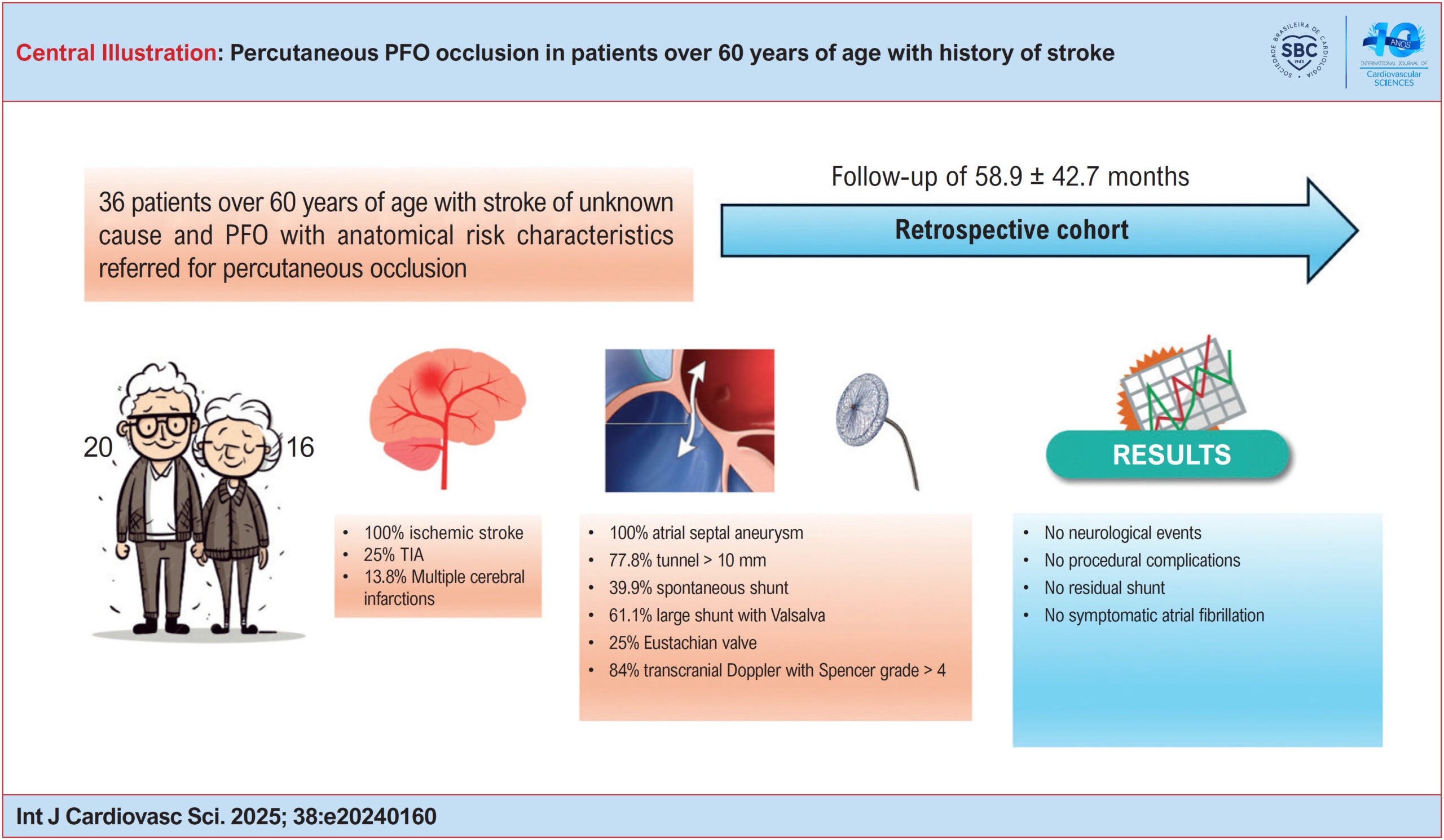
This retrospective cohort study included 36 patients over 60 years of age with prior ischemic stroke who underwent PFO closure. Survival analysis was performed using the Kaplan-Meier model. Independence tests between categorical variables were performed using the chi-square test and Fisher’s exact test, adopting a significance level of 0.05.

Results:

The patients’ mean age was 69.6 ± 6.5 years, and 55.5% were men. No complications occurred during the procedures. Echocardiography was performed 30 days after the intervention, showing no residual shunts. During the follow-up of 58.9 ± 42.7 months, there were no cases of ischemic stroke, transient ischemic attack, or atrial fibrillation related to the procedure. The use of anticoagulants decreased from 41.7% to 5.6% (p = 0.03).

Conclusions:

Percutaneous PFO occlusion for the prevention of cerebrovascular events in individuals over 60 years of age with prior ischemic stroke is effective and safe, with a low risk of complications, and it can reduce the risk of bleeding by reducing the use of anticoagulants.

  • Aged
  • Ischemic Stroke
  • Patent Foramen Ovale
  • Percutaneous Occlusion
  • Stroke
Read Full Article
Creative Commons Attribution (CC BY) Creative Commons license
11/04/2025 DOI: 10.36660/ijcs.20240160
Incidence and Predictors of Clinical Outcomes in Patients with Valvular and Nonvalvular Atrial Fibrillation Using Vitamin K Antagonists
ABC
Original Article

Incidence and Predictors of Clinical Outcomes in Patients with Valvular and Nonvalvular Atrial Fibrillation Using Vitamin K Antagonists

Idelzuita Leandro Liporace et al. Gustavo Bernardes F. Oliveira Lucas Bassolli de Oliveira Alves Nadia Marchiori Galassi … Andreia Dias Jeronimo Fernanda Maria Lopes Gregory Y. H. Lip Álvaro Avezum

Abstract

Background

Vitamin K antagonists (VKA) represent an important therapeutic strategy offered by the Brazilian Unified Public Health System to patients with atrial fibrillation (AF). However, predictors of relevant clinical outcomes are understudied in the real world.

Objective

To determine the incidence and independent predictors of clinical outcomes in patients with valvular and nonvalvular AF treated with VKA.

Methods

This prospective cohort included patients with valvular and nonvalvular AF receiving VKA for ≥ 1 year. The primary outcomes were cardiovascular death, thromboembolic events, and major and clinically relevant non-major bleeding, separately and as a composite outcome. The outcomes were independently adjudicated. P values < 0.05 were considered statistically significant.

Results

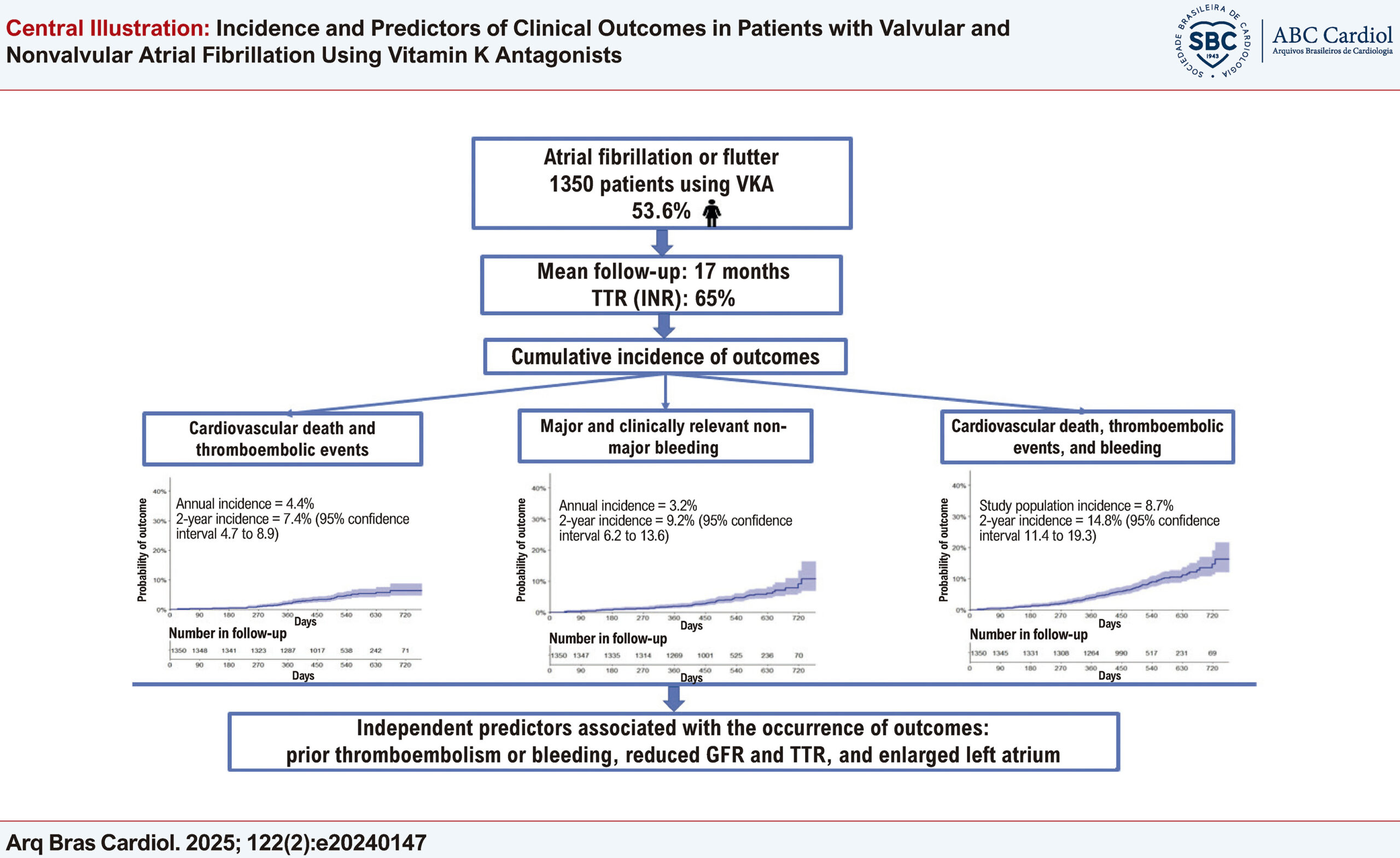
The study included 1,350 patients, with a mean age of 69.2 (± 11.8) years, 53.6% female, followed up for 17 (15 – 19) months. The annual incidence of thromboembolic events and cardiovascular death was 4.4%, and predictors were prior thromboembolism (hazard ratio [HR] 2.12; 95% confidence interval [CI] 1.22 – 3.67), time in therapeutic range (TTR) < 50% (HR 1.98; 95% CI 1.16 – 3.37), and glomerular filtration rate (GFR) < 45 mL/min/1.73 m2 (HR 2.76; 95% CI 4.82 – 1.58). The rate of major and clinically relevant non-major bleeding was 3.24% per year (95% CI 2.47 – 4.14), and predictors were prior bleeding (HR 2.60; 95% CI 1.47 – 4.61) and mechanical prosthesis (HR 1.91; 95% CI 1.15 – 3.15). The composite outcome was 8.7% per year, and predictors were prior bleeding (HR 1.70; 95% CI 1.07 – 2.70), TTR 44 mm (HR 1.97; 95% CI 3.26 – 1.19).

Conclusions

Prior thromboembolism or bleeding, reduced GFR and TTR levels, and enlarged left atrium were predictors of clinical outcomes in patients with AF treated with VKA.

  • Atrial Fibrillation
  • Hemorrhage
  • Stroke
  • Thromboembolism
  • Warfarin
Read Full Article
Creative Commons Attribution (CC BY) Creative Commons license
10/02/2025 DOI: 10.36660/abc.20240147i Views 2
Figure 1
ABCIC
Case Report

Atrial Myxoma as a Rare Cause of Stroke: Case Report

Maurício Ângelo de Almeida Junior et al. Ana Flavia Parreira de Morais Jamil Alli Murad Junior

Introduction

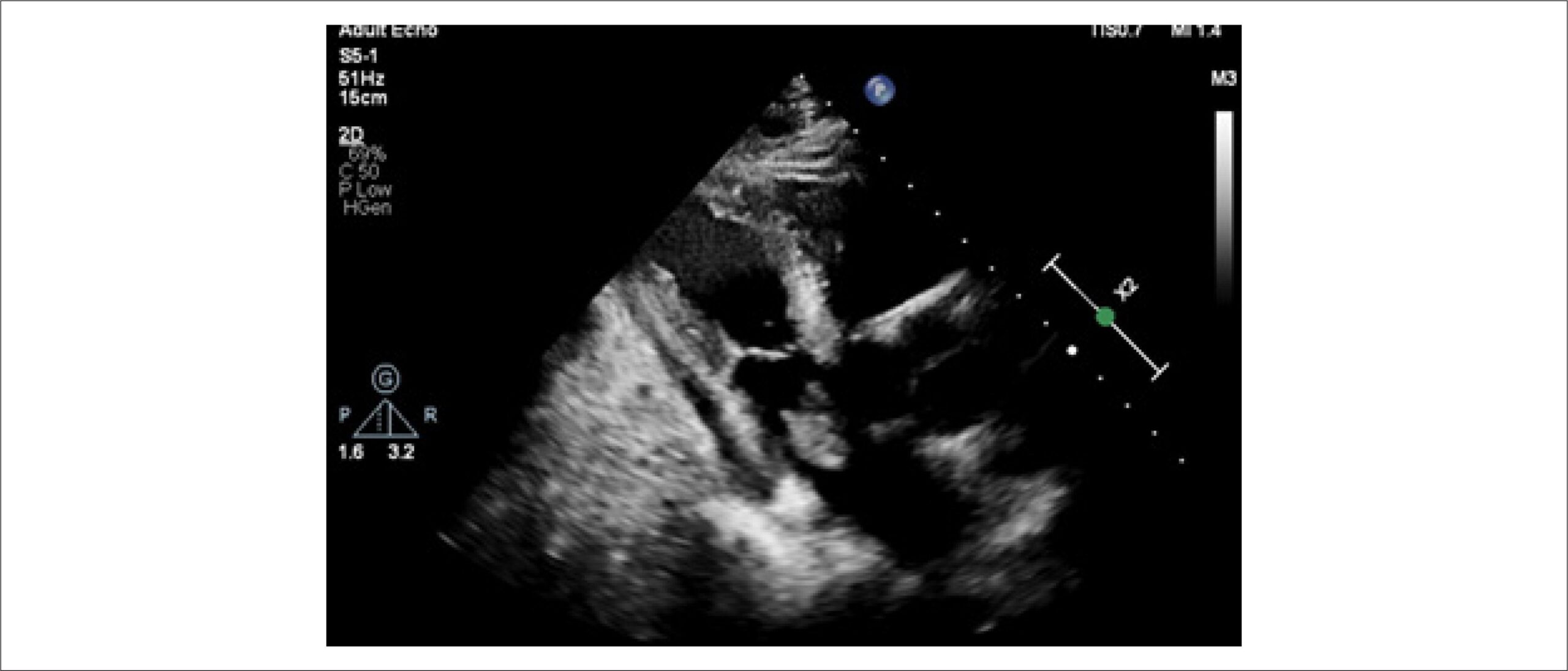
Atrial myxoma (AM) is the most common primary benign tumor affecting the heart. Its prevalence is rare, estimated at 0.03% in the general population. Surgical intervention should be introduced as soon as diagnosed due to the increased risk of cardiac complications, such as intracardiac obstructions or systemic embolizations.

Cardiac myxomas are commonly observed in the left atrium in >75% of cases, predominantly attached with a stalk to the fossa ovalis (>90%). However, they can be seen in other locations (left ventricle, right atrium, and, though quite rarely, the right ventricle).

[…]

  • Heart Neoplasms
  • Myxoma
  • Stroke
Read Full Article
Creative Commons Attribution (CC BY) Creative Commons license
30/01/2025 DOI: 10.36660/abcimg.20240099i Views 1
Predicting the Propensity of Atrial Cardiopathy and Paroxysmal Atrial Fibrillation in Patients with Embolic Stroke of Undetermined Source (ESUS)
ABC
Original Article

Predicting the Propensity of Atrial Cardiopathy and Paroxysmal Atrial Fibrillation in Patients with Embolic Stroke of Undetermined Source (ESUS)

Ahmed Kishk et al. Mohamed E. Abdeldayem Mohamed A. Khalil Mohammed Elbarbary

Abstract

Background

There is still a significant population of patients with embolic stroke of Undetermined Source (ESUS) whose specific attributable cause of the stroke remains unknown.

Objectives

Our research aimed to assess clinical, electrocardiogram, laboratory, and echocardiographic parameters that may predict the propensity of paroxysmal atrial fibrillation (PAF).

Methods

We enrolled seventy-five ESUS patients who were in sinus rhythm at the time of stroke diagnosis to undergo in-hospital 7-day Holter monitoring, testing for Pro-BNP, and a standard echocardiographic examination. For statistical analysis, a P-value < 0.05 was considered significant.

Results

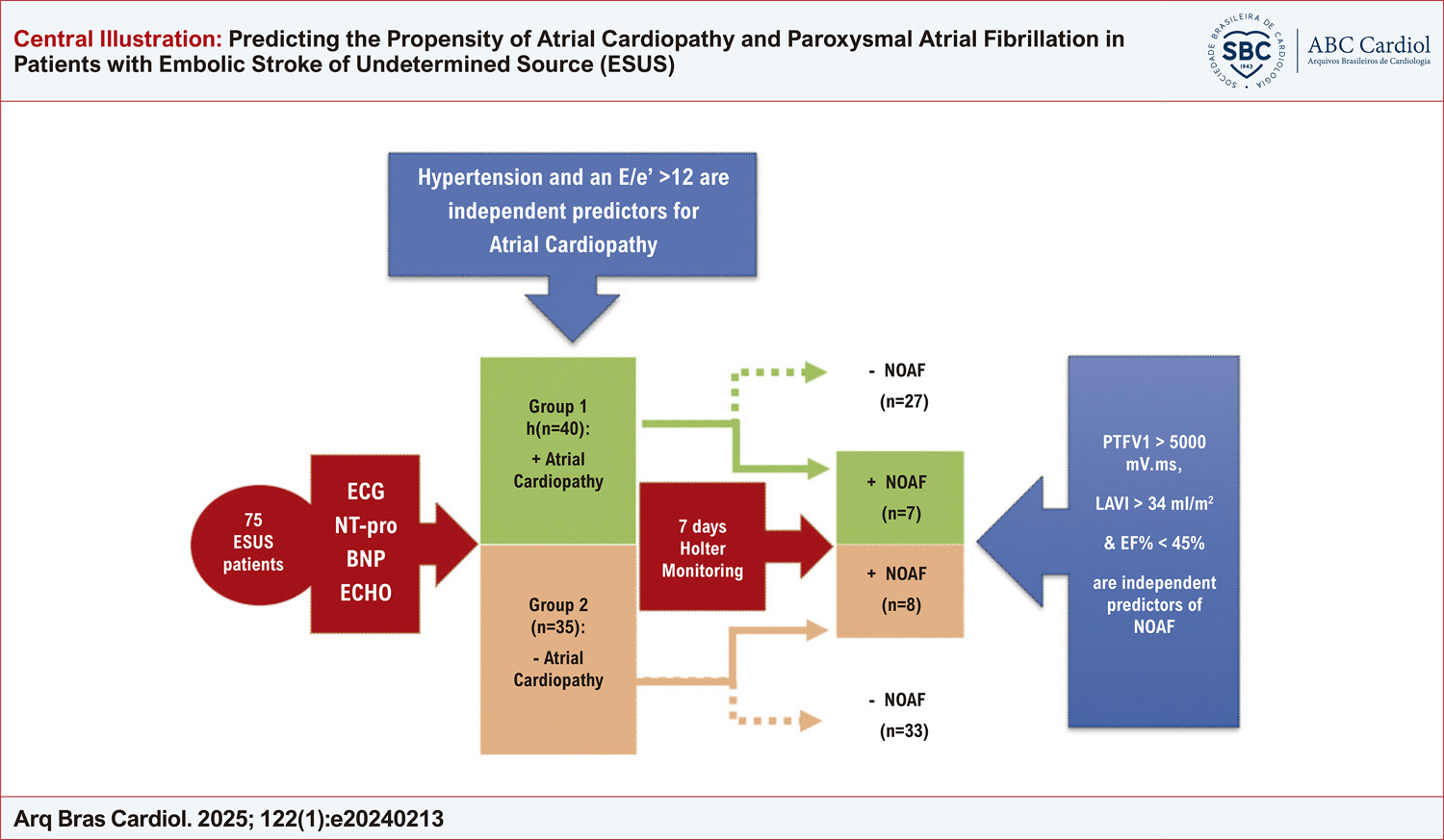
The average age of the 75 ESUS patients was 58 years old. 60% of the patients were male, and the most prevalent concomitant condition was hypertension (53.3%). Forty patients had atrial cardiopathy, and 15 patients had PAF episodes. Hypertension and the E/e– > 12 were independent predictors of atrial cardiopathy, with p-values of 0.001 and 0.02, respectively. In patients with atrial cardiopathy, multivariable regression analysis was performed; PTFV > 5000 Mv.ms, LA volume index > 34 ml/m2, and ejection fraction < 45% were significant independent predictors of AF with significant p values of 0.001, < 0.001, and 0.001 respectively.

Conclusions

In ESUS patients, atrial cardiopathy was prevalent. Hypertension and an E/e– ratio greater than 12 were independent predictors for it. Multivariable regression analysis identified PTFV1 > 5000 mV.ms, LA volume index > 34 ml/m2, and ejection fraction < 45% as independent predictors for new-onset atrial fibrillation.

  • Atrial Cardiopathy
  • Atrial Fibrillation
  • Stroke
Read Full Article
Creative Commons Attribution (CC BY) Creative Commons license
27/01/2025 DOI: 10.36660/abc.20240213i
Figure 1
ABCIC
Editorial

Top Vascular Ultrasound 2024: Carotid Plaque-RADS – A Novel Stroke Risk Classification System

Simone Nascimento dos Santos

Introduction

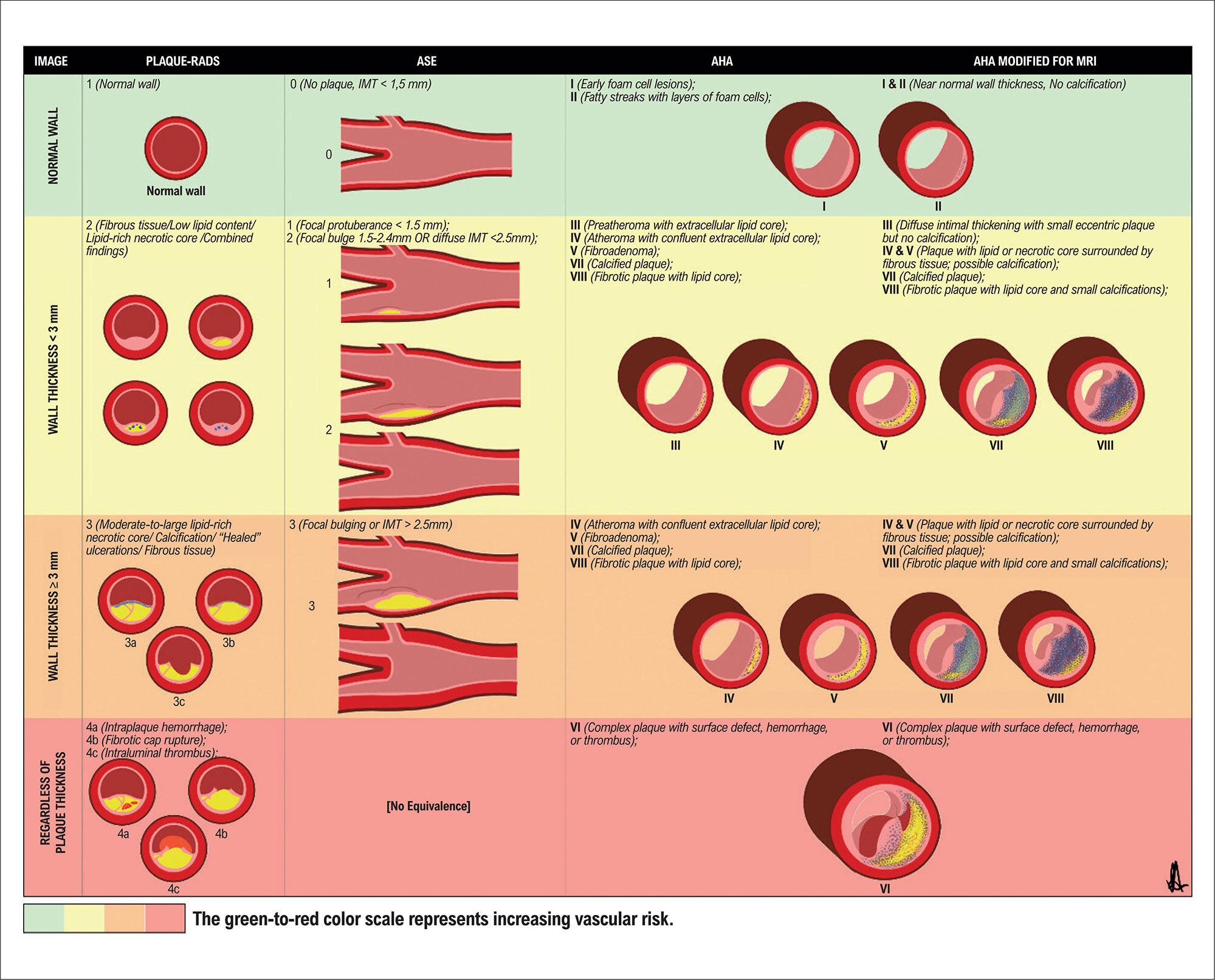
Many vascular ultrasound articles were published in 2024, but certainly the most discussed in Brazil this year was “Carotid Plaque-RADS – A Novel Stroke Risk Classification System” by Saba et al. in JACC: Cardiovascular Imaging. The project brought together 51 specialists in different vascular imaging modalities from 10 countries. This new proposal for categorizing carotid plaque attracted the attention of physicians from various specialties, such as cardiologists, neurologists, radiologists, ultrasound specialists, and vascular surgeons. In this section, we will discuss its main aspects, comparing them with previous classification systems.

[…]

  • Atherosclerosis
  • Atherosclerotic Plaque
  • Stroke
  • Ultrasonography
Read Full Article
Creative Commons Attribution (CC BY) Creative Commons license
09/12/2024 DOI: 10.36660/abcimg.20240110i
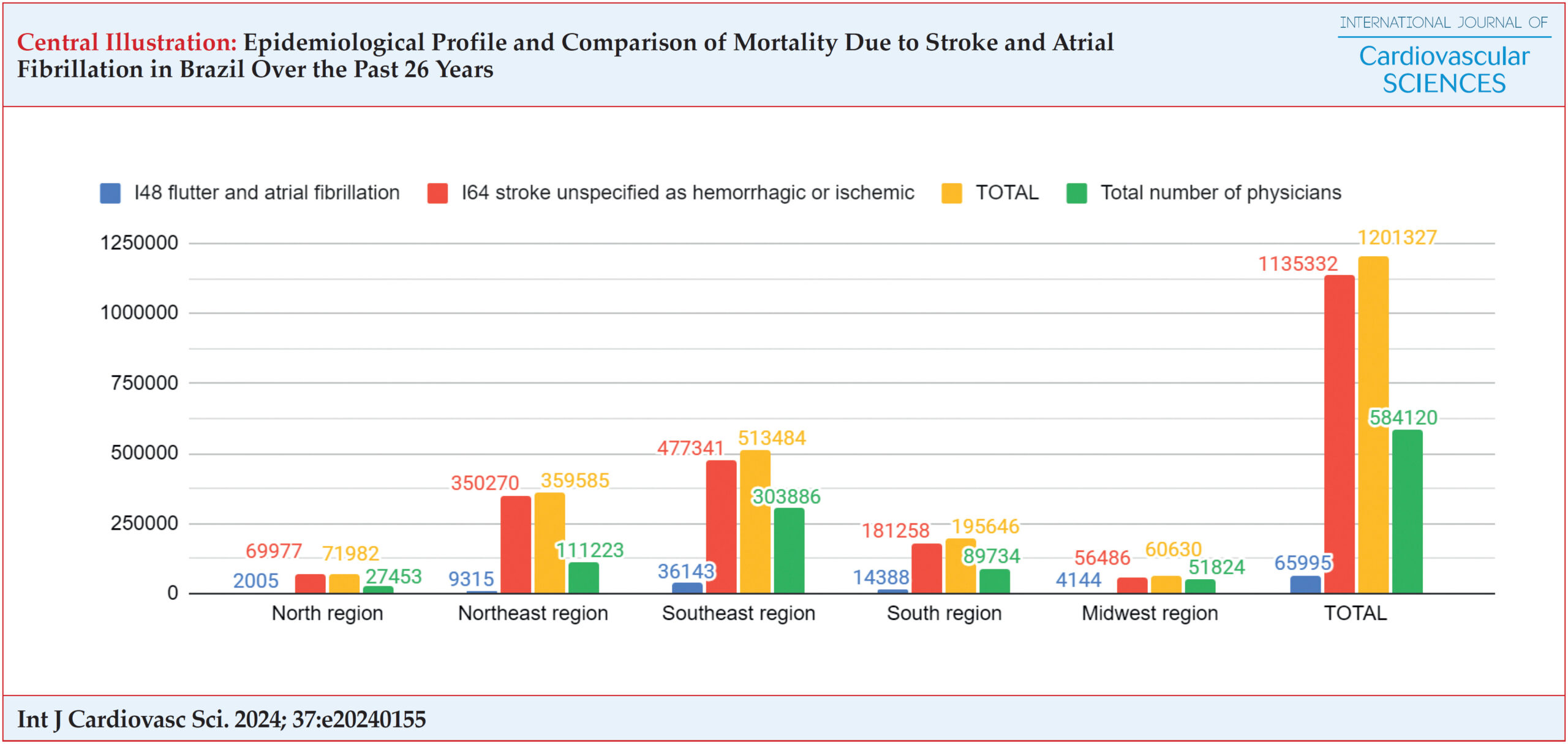
Epidemiological Profile and Comparison of Mortality Due to Stroke and Atrial Fibrillation in Brazil Over the Past 26 Years
IJCS
Original Article

Epidemiological Profile and Comparison of Mortality Due to Stroke and Atrial Fibrillation in Brazil Over the Past 26 Years

Leticia Da Costa Santana Silva et al. Luana Yasmim Fernández Avelaneda Castanheira Maria Dalila Santos Salim Ohara Rumayane Paiva Santos Rebouças Ruy Felipe Melo Viegas

Abstract

Background:

Atrial fibrillation (AF) stands out as the most prevalent arrhythmia, and its incidence increases with age. Stroke ranks as the second leading cause of mortality in Brazil and represents the primary contributor to global disability.

Objective:

Considering the severity of these conditions, this study seeks to elucidate the epidemiological landscape of AF and stroke-related deaths in Brazil from 1996 to 2022.

Methods:

The following variable were analyzed in the study – geographic region, federative state, age demographics, gender distribution, year of mortality, race/ethnicity, educational attainment, and place of death. This research adopted a descriptive approach through a retrospective, exploratory, epidemiological analysis of data sourced from the Mortality Information System (SIM) accessible through the Department of Health Informatics of the Brazilian Unified Health System (DATASUS) website.

Results:

Over the 26-year period, 1,201,327 deaths from AF and stroke were registered in Brazil. These deaths were mostly caused by stroke (94.5%) and were more concentrated in the southeast region, where the highest number of doctors capable of identifying and notifying these deaths are also concentrated.

Conclusion:

This study claims for a paradigm shift in disease control strategies and underscores the imperative of bolstering the efficacy of public health policies to address the huge impact of stroke and AF-related mortality on population health.

  • Atrial Fibrillation
  • Mortality
  • Stroke
Read Full Article
Creative Commons Attribution (CC BY) Creative Commons license
02/12/2024 DOI: 10.36660/ijcs.20240155 Views 1
ABC
Editorial

Women and Atrial Fibrillation: Is the Disparity in Anticoagulation Just a Question of Gender? In Search of the Brazilian Reality

Jorge Elias Neto et al. Fernando Luiz Torres Gomes

The discussion of atrial fibrillation (AF) must begin with the premise that certainly, alongside other conditions such as obesity — and in a particularly harmful partnership with it — this rhythm disturbance has emerged as a global public health problem, warranting an epidemic projection for this century.

Numerous studies have demonstrated differences in AF presentation, comorbidity burden, and admission rates between males and females. Therefore, it is critical to assess whether there are sex differences in adherence to and utilization of oral anticoagulants and outcomes based on hospital discharge status.–

[…]

  • Anticoagulation
  • Atrial Fibrillation
  • Gender
  • Risk Factors
  • Stroke
  • Women
Read Full Article
Creative Commons Attribution (CC BY) Creative Commons license
22/11/2024 DOI: 10.36660/abc.20240583i
ABC
Editorial

A Fresh Glimpse on Chest X-Ray: Revealing Significance of Aortic Arch Calcifications for Stroke Recurrence

José Ribeiro

The global impact of cardiovascular disease continues to be significant, despite improvements in diagnosis and treatment. The epidemiological significance and associated clinical outcomes emphasize the importance of risk stratification and preventive measures.

In the realm of medical diagnostics, every subtle observation holds the potential to unlock crucial insights into the prognosis and management of various health conditions. One such observation that has garnered attention is the presence of calcification in the aortic arch as detected on chest X-ray. While traditionally viewed as a marker of cardiovascular risk, recent studies have ignited a debate on whether aortic arch calcification (AAC) could serve as an independent predictor of recurrent stroke.

[…]

  • Diagnostic Imaging
  • Heart Disease Risk Factors
  • Mass Chest X-Ray
  • Stroke
  • Thoracic aorta
Read Full Article
Creative Commons Attribution (CC BY) Creative Commons license
22/11/2024 DOI: 10.36660/abc.20240404i Views 1
Figure 1
ABC
Image

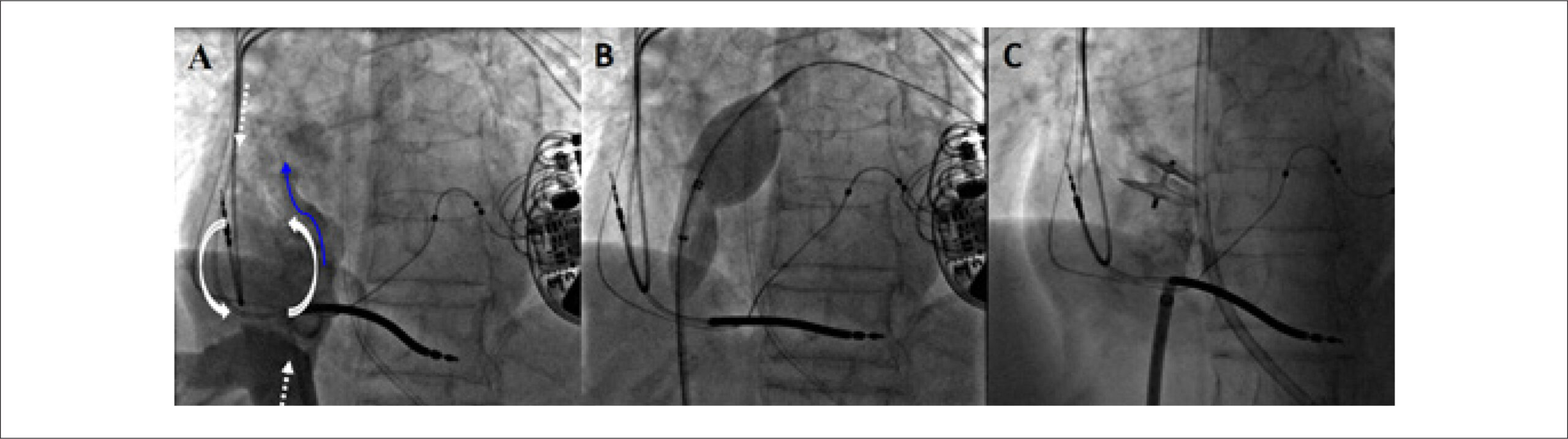
A Constellation of Stroke and Hypoxemia Post ICD Lead Extraction: Role of Patent Foramen Ovale

Ashish H. Shah et al. Petra Jenkins Heiko Schneider

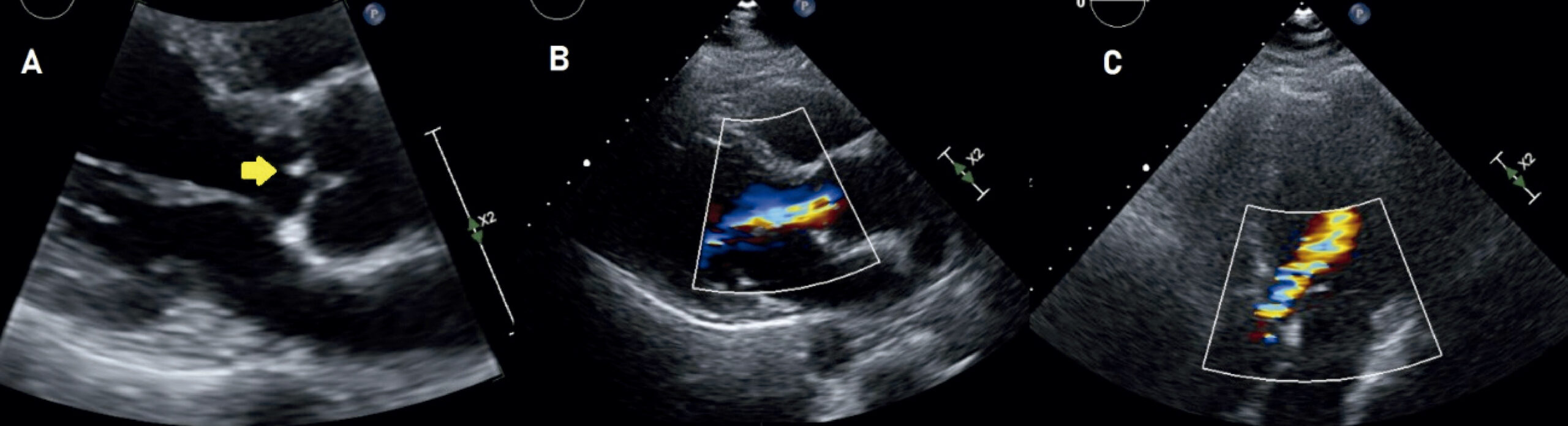
A 78-year-old woman with known ischemic cardiomyopathy underwent elective implantable cardioverter defibrillator (ICD) lead extraction and a new lead implantation. Within 2 hours post-procedure, she experienced expressive dysphasia and right hemiplegia, which was confirmed to be due to an ischemic stroke on a brain CT scan. Additionally, the patient developed resting hypoxemia with oxygen saturation of 87-88% on room air that only partially improved with high-flow oxygen.

Further investigation revealed a right-to-left shunt through a patent foramen ovale (PFO) on a trans-thoracic echocardiogram (TTE). Previous TTE examinations over the past 5 years did not show any valvular pathology or right-to-left shunt through the PFO. The patient was on direct oral anticoagulant therapy for atrial fibrillation, which was electively stopped 2 days before the procedure, and low molecular weight heparin was initiated as a bridging therapy.

[…]

  • Hypoxia
  • Patent Foramen Ovale
  • Stroke
Read Full Article
Creative Commons Attribution (CC BY) Creative Commons license
23/09/2024 DOI: 10.36660/abc.20240303i
Figure 1
ABCIC
Case Report

Aortic Valvulitis in Hypereosinophilic Syndrome: A Case Report

Mariano Gaston Bergier et al. Rocío Blanco Santiago Decotto Anibal Arias

Introduction

Hypereosinophilic syndromes are characterized by the sustained overproduction of eosinophils, which can infiltrate various organs and release toxins that damage tissues. Causes of increased eosinophils include 1) primary or neoplastic causes (e.g., stem cell, myeloid, or eosinophil neoplasia, and clonal disorders); 2) secondary or reactive causes (e.g., parasitic infections, solid tumors, and T-cell lymphomas); 3) idiopathic causes: part of specific syndromes (e.g., Churg-Strauss); and 4) hypereosinophilia of unknown significance, when there is no organic damage.

When specifically discussing rheumatic syndromes, the most common one is eosinophilic granulomatosis with polyangiitis, formerly known as Churg-Strauss disease. This vasculitis affects small and medium-sized arteries, primarily affecting the skin and lungs. However, it is a multisystem disorder that can affect kidneys, heart, and nervous system as well. This condition is often associated with chronic rhinosinusitis, asthma, and eosinophilia. ANCA antibodies are usually present, except in cases where the heart is involved. In such cases, ANCA antibodies are usually negative, but eosinophil counts remain elevated. Whenever possible, confirmatory diagnosis should be confirmed through an endomyocardial biopsy.,

[…]

  • Aortic Valve Disease
  • Hypereosinophilic Syndrome
  • Stroke
Read Full Article
Creative Commons Attribution (CC BY) Creative Commons license
20/09/2024 DOI: 10.36660/abcimg.20240055i Views 1
ABC
Editorial

Revisiting ICD Use in Chagas Cardiomyopathy: Current Evidence and Future Directions

André Carmo et al. Antônio Luiz Pinho Ribeiro

Chagas cardiomyopathy (ChC) is a chronic infectious heart disease that has recently been considered an infectious arrhythmogenic cardiomyopathy according to the HRS statement on this subject. After an acute phase, patients become chronically infected, displaying a wide range of presentations concerning heart disease, including heart failure, stroke, conduction abnormalities, atrial fibrillation, and ventricular arrhythmia. Sudden death is a mode of death of most patients with ChC, and implantable cardioverter-defibrillator (ICD) has been used as a preferred therapy, at least for secondary prevention, following recommendations similar to those of other cardiovascular diseases.

All information on the use of ICD in ChC comes from observational studies and, regarding death rates, two meta-analyses have evaluated this topic in different populations. The first meta-analysis, conducted by our group, found an annual mortality rate of 9.7% (95% CI: 5.7 to 13.7) in a population with ICD implanted exclusively for secondary prevention. The second meta-analysis, evaluating a mixed population of primary and secondary prevention, revealed a pooled annual all-cause mortality rate of 9.0%. These findings highlight the significant mortality risk in patients with ChC who have ICDs, emphasizing the importance of careful monitoring and management in this population.

[…]

  • Chagas Cardiomyopathy
  • Chagas disease
  • Defibrillators, Implantable / trends
  • Heart Failure
  • Stroke
Read Full Article
Creative Commons Attribution (CC BY) Creative Commons license
26/08/2024 DOI: 10.36660/abc.20240423i Views 1
Central Illustration
ABCIC
Review Article

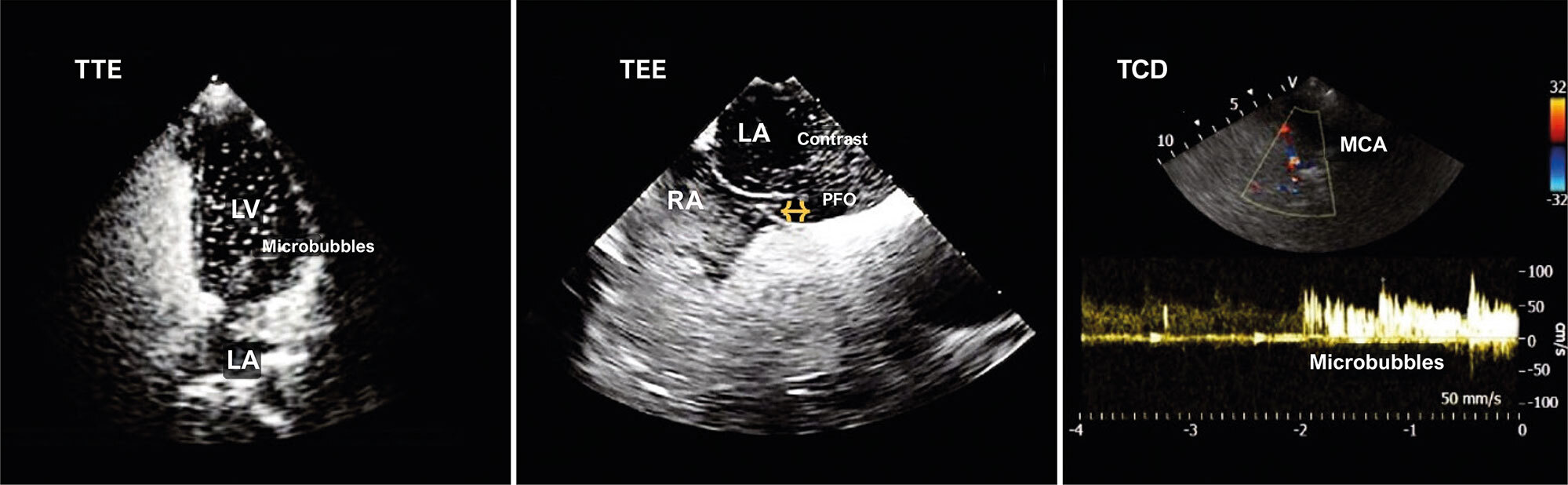
My Approach to Transcranial Doppler Combined With Transthoracic and Transesophageal Echocardiography to Investigate PFO

Gracielly Barros et al. Patrick Ventorim Costa

Abstract

This review article explores the combined use of Transcranial Doppler (TCD) with transthoracic (TTE) and transesophageal (TEE) echocardiography to investigate Patent Foramen Ovale (PFO), a condition found in approximately 25-27% of the adult population. PFO is a remnant of fetal circulation and the most common cause of interatrial shunt. It is associated with clinical complications such as platypnea-orthodeoxia syndrome, obstructive sleep apnea, migraine, and stroke.

PFO assessment is generally performed using TTE and TEE, but TCD, a highly sensitive and less used method, is also important. TCD indirectly detects shunts in awake patients and uses the microembolic signal (MES) grading score to classify shunt severity. This technique involves injecting a contrast solution into the antecubital vein during the Valsalva maneuver to detect intracardiac shunt by observing microbubble appearance in the first cardiac cycles.

The case report illustrates the effectiveness of TCD in the initial screening of a patient with suspected PFO using TTE, TCD and TEE. The conclusion highlights that TCD is a crucial diagnostic tool, particularly relevant for the therapeutic management of patients with cryptogenic stroke. Several scientific publications are referenced, providing a theoretical foundation for the combined use of TCD, TTE, and TEE in PFO investigation.

  • Foramen Ovale
  • Stroke
  • Transcranial Doppler Ultrasonography
  • Transesophageal echocardiography
Read Full Article
Creative Commons Attribution (CC BY) Creative Commons license
02/08/2024 DOI: 10.36660/abcimg.20240051i
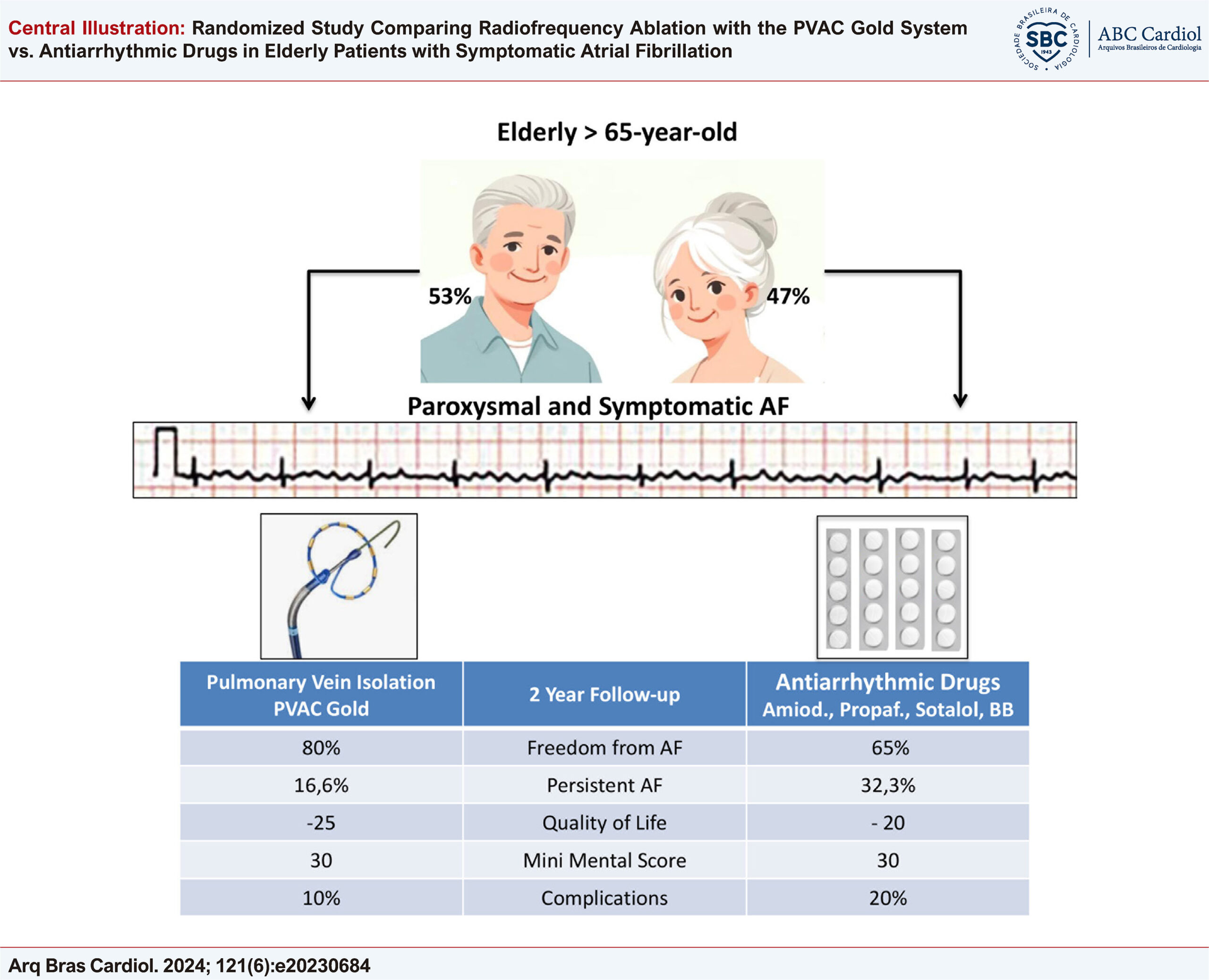
Randomized Study Comparing Radiofrequency Ablation with the PVAC Gold System vs. Antiarrhythmic Drugs in Elderly Patients with Symptomatic Atrial Fibrillation
ABC
Original Article

Randomized Study Comparing Radiofrequency Ablation with the PVAC Gold System vs. Antiarrhythmic Drugs in Elderly Patients with Symptomatic Atrial Fibrillation

Luiz Claudio Berhmann Martins et al. Cristiano F. Pisani Fabio K. Dorfman Francisco C. C. Darrieux … Tan C. Wu Alberto P. Ferraz Denise T. Hachul Claudio Campi de Castro Rogério Ruscitto do Prado Luciana V. F. Souza Luciana Sacilloto Gabrielle D. A. Pessente Cesar J. Grupi Muhieddine Omar Chokr Cesar H. Nomura Kátia Rodrigues de Oliveira Conrado P. Balbo Sissy L. Melo Pedro Veronese Mauricio I. Scanavacca

Abstract

Background

There are no randomized studies comparing the maintenance of sinus rhythm after catheter ablation (CA) concerning treatment with antiarrhythmic drugs (AA) in elderly patients with paroxysmal atrial fibrillation (AF).

Objectives

To compare the clinical results of pulmonary vein (PV) isolation with the second-generation PVAC Gold catheter against AA treatment in elderly people with recurrent symptomatic paroxysmal AF, refractory to at least one AA, and without structural heart disease.

Methods

Sixty patients with paroxysmal AF ≥ 65 years old were randomized to two forms of treatment: group 1: CA and group 2: AA drugs. The primary outcome was the AF recurrence-free rate after at least one year of follow-up. Secondary outcomes were: progression to persistent forms of AF, impact on quality of life (QOLF), and complications. The significance level adopted in the statistical analysis was 5% (p<0.05).

Results

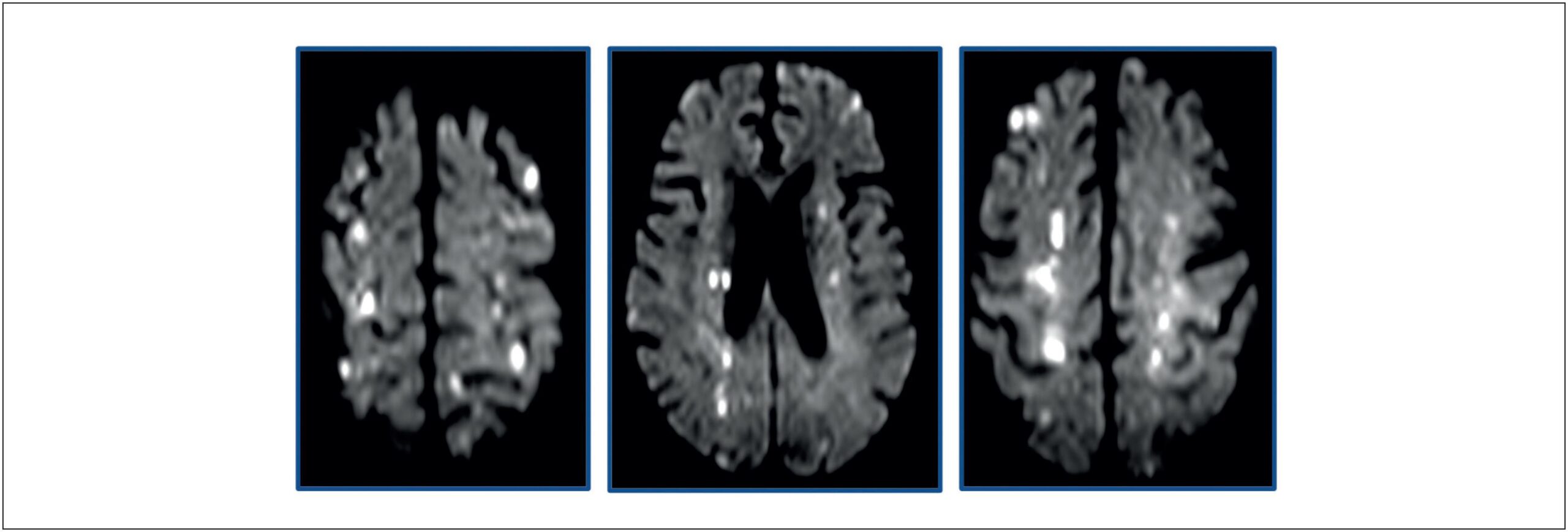
The AF recurrence-free rate was 80% (10% with amiodarone) in the CA group, after 1.3 procedures per patient and 65% in the AA group (60% with amiodarone), (p = 0.119) in an average follow-up of 719 days (Q1: 566; Q3: 730). The persistent AF free rate was 83.4% in the AC group and 67.7% in the AA group (p = 0.073) Both strategies showed an improvement in the AFQoL score during follow-up (p < 0.001), with no difference between the groups. Although without clinical repercussions or impact on the intellectual assessment test, 25% of patients in the CA group showed signs of cerebral embolization on brain MRI.

Conclusions

Both strategies for maintaining sinus rhythm promoted an improvement in the quality of life of elderly patients with symptomatic AF, with no statistical difference in the clinical outcomes. Additional studies using technologies with a better safety profile are needed to evaluate the benefits of CA in elderly patients with AF.

  • Anti-Arrhythmia Agents
  • Atrial Fibrillation
  • Catheter Ablation
  • Quality of life
  • Stroke
Read Full Article
Creative Commons Attribution (CC BY) Creative Commons license
02/08/2024 DOI: 10.36660/abc.20230684i Views 3
Aortic Arch Calcification Observed on Chest X-Ray May Serve as an Independent Predictor for Recurrent Stroke
ABC
Artigo Original

Aortic Arch Calcification Observed on Chest X-Ray May Serve as an Independent Predictor for Recurrent Stroke

Fahri Çakan et al. Asli Sert Sunal Adem Adar Orhan Onalan

Abstract

Background

Despite advances in diagnostic and treatment modalities, there is a need for predictive markers for recurrent strokes.

Objectives

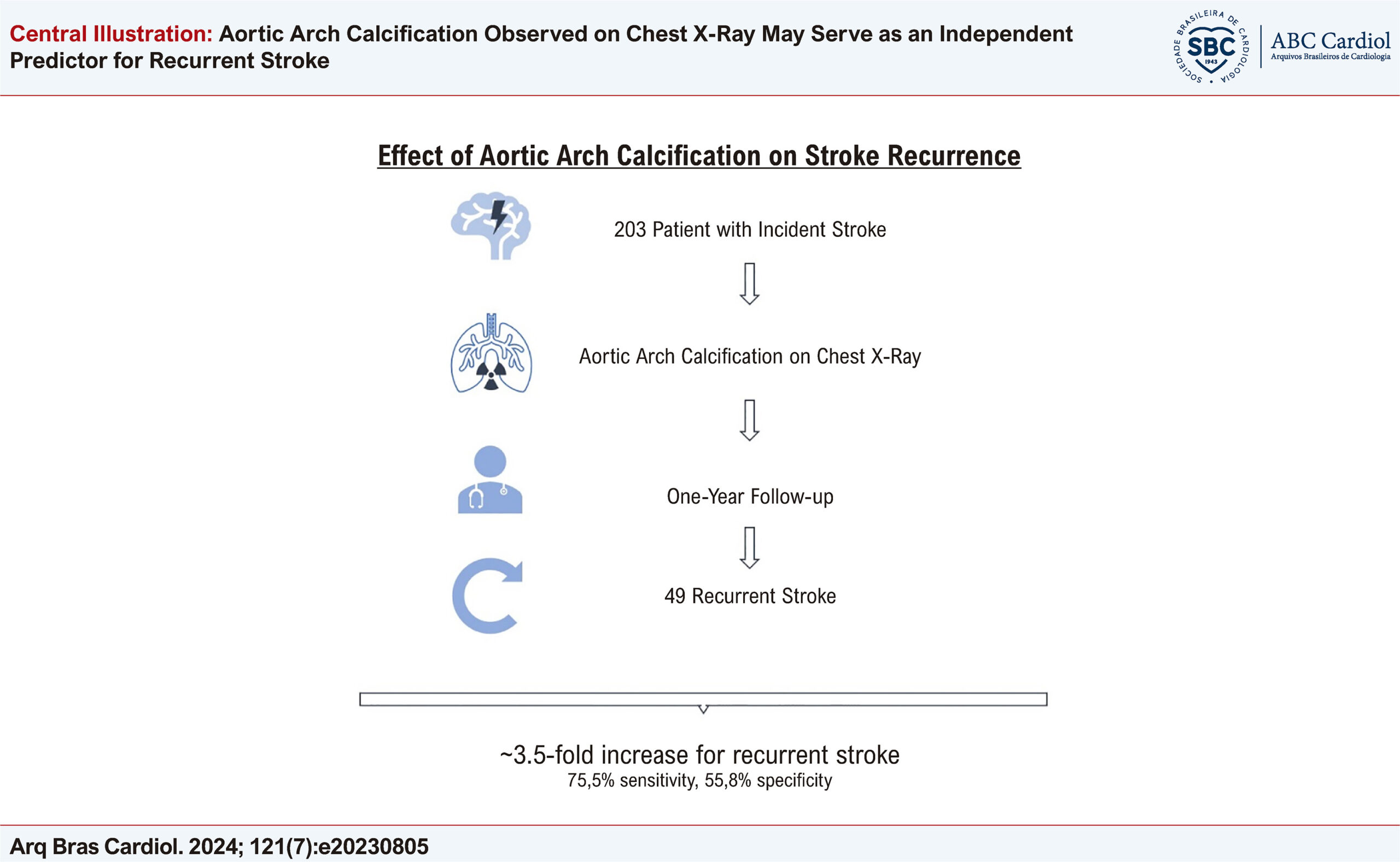
This study aimed to investigate the relationship between aortic arch calcification (AAC) and stroke recurrence in stroke patients during a one-year follow-up.

Methods

All stroke patients who experienced their first event were evaluated for participation in the study. Patients who experienced recurrent strokes during the one-year follow-up were recorded. AAC was assessed by chest radiography. Based on the occurrence of recurrent strokes the patients were divided into two groups. AAC was classified into four categories according to its degree, and the presence of AAC was included in the statistical analysis. The relationship between AAC and recurrent stroke was assessed using a receiver operating characteristic curve. A significance level of <0.05 was deemed acceptable for all statistical analyses.

Results

A total of 203 patients were included in the study (46.8% female, mean age 69±12.3). Recurrent stroke was detected in 49 patients. AAC, hypertension, and atrial fibrillation were more frequent in patients with recurrent stroke. Patients with recurrent stroke had a lower glomerular filtration rate and a higher red cell distribution width (RDW). In multivariate regression analysis, AAC (hazard ratio [HR], 3.544; 95% CI:1.653-7.598, p=0.001) and RDW (HR,1.214; 95% CI:1.053-1.400, p=0.008) were identified as independent predictors of recurrent stroke.

Conclusion

The presence of AAC (≥ grade 1) and RDW were found to be significantly associated with the development of recurrent stroke within one year. These findings may have prognostic significance in the follow-up of stroke patients.

  • Erythrocytes
  • Stroke
  • Thoracic aorta
Read Full Article
Creative Commons Attribution (CC BY) Creative Commons license
29/07/2024 DOI: 10.36660/abc.20230805i Views 2

Could not load more articles. Please try again.

How to cite this article

EndNote RIS

Electronic Document Format (Vancouver)

Rolim AAA, Carneiro TCAG, Campos F, Ferreira DP. Neurological Manifestations of Takayasu Arteritis: A Case Report and Literature Review. ABC Imagem Cardiovascular 2026;39(1):e202500110.

Electronic Document Format (ABNT)

Rolim, Amanda Antunes Arantes; Carneiro, Tainá Cândida de Almeida Gontijo; Campos, Flávia de; Ferreira, Dilson Palhares. Neurological Manifestations of Takayasu Arteritis: A Case Report and Literature Review. ABC Imagem Cardiovascular, v. 39, n. 1, e202500110, May. 2026.

Electronic Document Format (APA)

Rolim, A. A. A., Carneiro, T. C. A. G., Campos, F. , & Ferreira, D. P. (2026). Neurological Manifestations of Takayasu Arteritis: A Case Report and Literature Review. ABC Imagem Cardiovascular, 39(1), e202500110.

Electronic Document Format (ISO)

Rolim, Amanda Antunes Arantes and Carneiro, Tainá Cândida de Almeida Gontijo and Campos, Flávia de and Ferreira, Dilson Palhares. Neurological Manifestations of Takayasu Arteritis: A Case Report and Literature Review. ABC Imagem Cardiovascular [online]. 2026, vol. 39, n. 1, [cited 2026-10-14], e202500110. Available from: <https://journals.cardiol.br/en/article/neurological-manifestations-of-takayasu-arteritis-a-case-report-and-literature-review/>. ISSN 2318-8219

EndNote RIS

Electronic Document Format (Vancouver)

Lêu FA, Paixão GMM, Oliveira AC, Soares CPM, Gomes PR, Macfarlane P, Ribeiro ALP, et al. Atrial Cardiomyopathy Detected by Electrocardiogram: Association with Stroke in a Brazilian Electronic Cohort. Arquivos Brasileiros de Cardiologia 2026;123(3):e20250625.

Electronic Document Format (ABNT)

Lêu, Filipe Antunes de; Paixão, Gabriela Miana de Mattos; Oliveira, Ana Cecilia; Soares, Carla Paula Moreira; Gomes, Paulo R.; Macfarlane, Peter; Ribeiro, Antônio Luiz Pinho. Atrial Cardiomyopathy Detected by Electrocardiogram: Association with Stroke in a Brazilian Electronic Cohort. Arquivos Brasileiros de Cardiologia, v. 123, n. 3, e20250625, Apr. 2026.

Electronic Document Format (APA)

Lêu, F. A. , Paixão, G. M. M., Oliveira, A. C., Soares, C. P. M., Gomes, P. R., Macfarlane, P., & Ribeiro, A. L. P. (2026). Atrial Cardiomyopathy Detected by Electrocardiogram: Association with Stroke in a Brazilian Electronic Cohort. Arquivos Brasileiros de Cardiologia, 123(3), e20250625.

Electronic Document Format (ISO)

Lêu, Filipe Antunes de and Paixão, Gabriela Miana de Mattos and Oliveira, Ana Cecilia and Soares, Carla Paula Moreira and Gomes, Paulo R. and Macfarlane, Peter and Ribeiro, Antônio Luiz Pinho. Atrial Cardiomyopathy Detected by Electrocardiogram: Association with Stroke in a Brazilian Electronic Cohort. Arquivos Brasileiros de Cardiologia [online]. 2026, vol. 123, n. 3, [cited 2026-10-14], e20250625. Available from: <https://journals.cardiol.br/en/article/atrial-cardiomyopathy-detected-by-electrocardiogram-association-with-stroke-in-a-brazilian-electronic-cohort/>. ISSN 0066-782X

EndNote RIS

Electronic Document Format (Vancouver)

Salerno PRVO, Cotton A, Nascimento BR, Chen Z, Pereira GTR, Abizaid AA, Dallan LAP, et al. Forecasting Ischemic Heart Disease, Stroke, and Peripheral Artery Disease Mortality in Brazil Through 2040: A Bayesian Modeling Approach. Arquivos Brasileiros de Cardiologia 2026;122(11):e20250189.

Electronic Document Format (ABNT)

Salerno, Pedro Rafael Vieira de Oliveira; Cotton, Antoinette; Nascimento, Bruno R.; Chen, Zhuo; Pereira, Gabriel Tensol Rodrigues; Abizaid, Alexandre A.; Dallan, Luis Augusto Palma; Salerno, Pedro Rafael; Al-Kindi, Sadeer; Petermann-Rocha, Fanny; Deo, Salil V.. Forecasting Ischemic Heart Disease, Stroke, and Peripheral Artery Disease Mortality in Brazil Through 2040: A Bayesian Modeling Approach. Arquivos Brasileiros de Cardiologia, v. 122, n. 11, e20250189, Jan. 2026.

Electronic Document Format (APA)

Salerno, P. R. V. O., Cotton, A., Nascimento, B. R., Chen, Z., Pereira, G. T. R., Abizaid, A. A., Dallan, L. A. P., Salerno, P. R., Al-Kindi, S., Petermann-Rocha, F., & Deo, S. V. (2026). Forecasting Ischemic Heart Disease, Stroke, and Peripheral Artery Disease Mortality in Brazil Through 2040: A Bayesian Modeling Approach. Arquivos Brasileiros de Cardiologia, 122(11), e20250189.

Electronic Document Format (ISO)

Salerno, Pedro Rafael Vieira de Oliveira and Cotton, Antoinette and Nascimento, Bruno R. and Chen, Zhuo and Pereira, Gabriel Tensol Rodrigues and Abizaid, Alexandre A. and Dallan, Luis Augusto Palma and Salerno, Pedro Rafael and Al-Kindi, Sadeer and Petermann-Rocha, Fanny and Deo, Salil V.. Forecasting Ischemic Heart Disease, Stroke, and Peripheral Artery Disease Mortality in Brazil Through 2040: A Bayesian Modeling Approach. Arquivos Brasileiros de Cardiologia [online]. 2026, vol. 122, n. 11, [cited 2026-10-14], e20250189. Available from: <https://journals.cardiol.br/en/article/forecasting-ischemic-heart-disease-stroke-and-peripheral-artery-disease-mortality-in-brazil-through-2040-a-bayesian-modeling-approach/>. ISSN 0066-782X

EndNote RIS

Electronic Document Format (Vancouver)

Frota RS, Passos MD, Santos SN, Alves LM, Ferreira DP, França LS. Ischemic Stroke in a Young Adult: a diagnostic challenge. Exploring the association between Patent Foramen Ovale and Chiari Network. ABC Imagem Cardiovascular 2025;38(4):e20250080.

Electronic Document Format (ABNT)

Frota, Raissa Silva; Passos, Mauro de Deus; Santos, Simone Nascimento dos; Alves, Luciano Moreira; Ferreira, Dilson Palhares; França, Lilian Silva. Ischemic Stroke in a Young Adult: a diagnostic challenge. Exploring the association between Patent Foramen Ovale and Chiari Network. ABC Imagem Cardiovascular, v. 38, n. 4, e20250080, Dec. 2025.

Electronic Document Format (APA)

Frota, R. S., Passos, M. D., Santos, S. N. , Alves, L. M., Ferreira, D. P., & França, L. S. (2025). Ischemic Stroke in a Young Adult: a diagnostic challenge. Exploring the association between Patent Foramen Ovale and Chiari Network. ABC Imagem Cardiovascular, 38(4), e20250080.

Electronic Document Format (ISO)

Frota, Raissa Silva and Passos, Mauro de Deus and Santos, Simone Nascimento dos and Alves, Luciano Moreira and Ferreira, Dilson Palhares and França, Lilian Silva. Ischemic Stroke in a Young Adult: a diagnostic challenge. Exploring the association between Patent Foramen Ovale and Chiari Network. ABC Imagem Cardiovascular [online]. 2025, vol. 38, n. 4, [cited 2026-10-14], e20250080. Available from: <https://journals.cardiol.br/en/article/ischemic-stroke-in-a-young-adult-a-diagnostic-challenge-exploring-the-association-between-patent-foramen-ovale-and-chiari-network/>. ISSN 2318-8219

EndNote RIS

Electronic Document Format (Vancouver)

Kataoka N, Imamura T. How to Demonstrate the Prognostic Benefit of Aggressive Screening of Atrial Fibrillation. Arquivos Brasileiros de Cardiologia 2025;122(7):e20250138.

Electronic Document Format (ABNT)

Kataoka, Naoya; Imamura, Teruhiko. How to Demonstrate the Prognostic Benefit of Aggressive Screening of Atrial Fibrillation. Arquivos Brasileiros de Cardiologia, v. 122, n. 7, e20250138, Aug. 2025.

Electronic Document Format (APA)

Kataoka, N., & Imamura, T. (2025). How to Demonstrate the Prognostic Benefit of Aggressive Screening of Atrial Fibrillation. Arquivos Brasileiros de Cardiologia, 122(7), e20250138.

Electronic Document Format (ISO)

Kataoka, Naoya and Imamura, Teruhiko. How to Demonstrate the Prognostic Benefit of Aggressive Screening of Atrial Fibrillation. Arquivos Brasileiros de Cardiologia [online]. 2025, vol. 122, n. 7, [cited 2026-10-14], e20250138. Available from: <https://journals.cardiol.br/en/article/how-to-demonstrate-the-prognostic-benefit-of-aggressive-screening-of-atrial-fibrillation/>. ISSN 0066-782X

EndNote RIS

Electronic Document Format (Vancouver)

Soares CK, Silva RCR, Brasileiro Filho G, Gelape CL, Rosa Júnior JF, Passaglia LG. Whipple’s Disease as a Differential Diagnosis of Blood Culture-Negative Endocarditis: A Case Report. Arquivos Brasileiros de Cardiologia 2025;122(7):e20240207.

Electronic Document Format (ABNT)

Soares, Carolina Kuchenbecker; Silva, Rafaela Clara Resende da; Brasileiro Filho, Geraldo; Gelape, Claudio Leo; Rosa Júnior, Jésus Faria; Passaglia, Luiz Guilherme. Whipple’s Disease as a Differential Diagnosis of Blood Culture-Negative Endocarditis: A Case Report. Arquivos Brasileiros de Cardiologia, v. 122, n. 7, e20240207, Aug. 2025.

Electronic Document Format (APA)

Soares, C. K., Silva, R. C. R. , Brasileiro Filho, G., Gelape, C. L., Rosa Júnior, J. F., & Passaglia, L. G. (2025). Whipple’s Disease as a Differential Diagnosis of Blood Culture-Negative Endocarditis: A Case Report. Arquivos Brasileiros de Cardiologia, 122(7), e20240207.

Electronic Document Format (ISO)

Soares, Carolina Kuchenbecker and Silva, Rafaela Clara Resende da and Brasileiro Filho, Geraldo and Gelape, Claudio Leo and Rosa Júnior, Jésus Faria and Passaglia, Luiz Guilherme. Whipple’s Disease as a Differential Diagnosis of Blood Culture-Negative Endocarditis: A Case Report. Arquivos Brasileiros de Cardiologia [online]. 2025, vol. 122, n. 7, [cited 2026-10-14], e20240207. Available from: <https://journals.cardiol.br/en/article/whipples-disease-as-a-differential-diagnosis-of-blood-culture-negative-endocarditis-a-case-report/>. ISSN 0066-782X

EndNote RIS

Electronic Document Format (Vancouver)

Massaro AR. Challenges in Performing Real-World Evidence Studies in Low-Middle Income Countries: the EdoBRA Study. Arquivos Brasileiros de Cardiologia 2025;122(4):e20250353.

Electronic Document Format (ABNT)

Massaro, Ayrton Roberto. Challenges in Performing Real-World Evidence Studies in Low-Middle Income Countries: the EdoBRA Study. Arquivos Brasileiros de Cardiologia, v. 122, n. 4, e20250353, Jul. 2025.

Electronic Document Format (APA)

Massaro, A. R. (2025). Challenges in Performing Real-World Evidence Studies in Low-Middle Income Countries: the EdoBRA Study. Arquivos Brasileiros de Cardiologia, 122(4), e20250353.

Electronic Document Format (ISO)

Massaro, Ayrton Roberto. Challenges in Performing Real-World Evidence Studies in Low-Middle Income Countries: the EdoBRA Study. Arquivos Brasileiros de Cardiologia [online]. 2025, vol. 122, n. 4, [cited 2026-10-14], e20250353. Available from: <https://journals.cardiol.br/en/article/challenges-in-performing-real-world-evidence-studies-in-low-middle-income-countries-the-edobra-study/>. ISSN 0066-782X

EndNote RIS

Electronic Document Format (Vancouver)

Kataoka N, Imamura T. How to Improve Clinical Outcomes in Women with Atrial Fibrillation. Arquivos Brasileiros de Cardiologia 2025;122(6):e20250095.

Electronic Document Format (ABNT)

Kataoka, Naoya; Imamura, Teruhiko. How to Improve Clinical Outcomes in Women with Atrial Fibrillation. Arquivos Brasileiros de Cardiologia, v. 122, n. 6, e20250095, Jun. 2025.

Electronic Document Format (APA)

Kataoka, N., & Imamura, T. (2025). How to Improve Clinical Outcomes in Women with Atrial Fibrillation. Arquivos Brasileiros de Cardiologia, 122(6), e20250095.

Electronic Document Format (ISO)

Kataoka, Naoya and Imamura, Teruhiko. How to Improve Clinical Outcomes in Women with Atrial Fibrillation. Arquivos Brasileiros de Cardiologia [online]. 2025, vol. 122, n. 6, [cited 2026-10-14], e20250095. Available from: <https://journals.cardiol.br/en/article/how-to-improve-clinical-outcomes-in-women-with-atrial-fibrillation/>. ISSN 0066-782X

EndNote RIS

Electronic Document Format (Vancouver)

Inuzuka S, Correia MC, Costa MM, Costa TO, Vitorino PVO, Piza PVT, Frigieri G, et al. Non-Invasive Central Blood Pressure and Intracranial Waveform Assessment in Hypertensive Patients: A Cross-Sectional Study. Arquivos Brasileiros de Cardiologia 2025;122(5):e20240778.

Electronic Document Format (ABNT)

Inuzuka, Sayuri; Correia, Mikaelle Costa; Costa, Matheus Martins da; Costa, Thiago Oliveira; Vitorino, Priscila Valverde de Oliveria; Piza, Polyana Vulcano de Toledo; Frigieri, Gustavo; Sousa, Ana Luiza Lima; Coca, Antonio; Barroso, Weimar Kunz Sebba. Non-Invasive Central Blood Pressure and Intracranial Waveform Assessment in Hypertensive Patients: A Cross-Sectional Study. Arquivos Brasileiros de Cardiologia, v. 122, n. 5, e20240778, May. 2025.

Electronic Document Format (APA)

Inuzuka, S., Correia, M. C., Costa, M. M. , Costa, T. O., Vitorino, P. V. O., Piza, P. V. T., Frigieri, G., Sousa, A. L. L., Coca, A., & Barroso, W. K. S. (2025). Non-Invasive Central Blood Pressure and Intracranial Waveform Assessment in Hypertensive Patients: A Cross-Sectional Study. Arquivos Brasileiros de Cardiologia, 122(5), e20240778.

Electronic Document Format (ISO)

Inuzuka, Sayuri and Correia, Mikaelle Costa and Costa, Matheus Martins da and Costa, Thiago Oliveira and Vitorino, Priscila Valverde de Oliveria and Piza, Polyana Vulcano de Toledo and Frigieri, Gustavo and Sousa, Ana Luiza Lima and Coca, Antonio and Barroso, Weimar Kunz Sebba. Non-Invasive Central Blood Pressure and Intracranial Waveform Assessment in Hypertensive Patients: A Cross-Sectional Study. Arquivos Brasileiros de Cardiologia [online]. 2025, vol. 122, n. 5, [cited 2026-10-14], e20240778. Available from: <https://journals.cardiol.br/en/article/non-invasive-central-blood-pressure-and-intracranial-waveform-assessment-in-hypertensive-patients-a-cross-sectional-study/>. ISSN 0066-782X

EndNote RIS

Electronic Document Format (Vancouver)

Precoma DB, Silva RP, Passos LCS, Hoffman Filho CR, Silveira FS, Vasconcelos JTM, Zimmermann SL, et al. Effectiveness and Safety of Edoxaban in the Routine Clinical Care of Atrial Fibrillation Patients in Brazil: Prospective 1-Year Follow-Up Study – EdoBRA. Arquivos Brasileiros de Cardiologia 2025;122(4):e20240589.

Electronic Document Format (ABNT)

Precoma, Dalton Bertolim; Silva, Rafael Paletta da; Passos, Luiz Carlos Santana; Hoffman Filho, Conrado Roberto; Silveira, Fábio Serra; Vasconcelos, José Tarcísio Medeiros de; Zimmermann, Sérgio Luiz; Herdy, Artur Haddad; Ritter, Alessandra; Freitas-Alves, Daniely; Saraiva, José Francisco Kerr. Effectiveness and Safety of Edoxaban in the Routine Clinical Care of Atrial Fibrillation Patients in Brazil: Prospective 1-Year Follow-Up Study – EdoBRA. Arquivos Brasileiros de Cardiologia, v. 122, n. 4, e20240589, Apr. 2025.

Electronic Document Format (APA)

Precoma, D. B., Silva, R. P. , Passos, L. C. S., Hoffman Filho, C. R., Silveira, F. S., Vasconcelos, J. T. M. , Zimmermann, S. L., Herdy, A. H., Ritter, A., Freitas-Alves, D., & Saraiva, J. F. K. (2025). Effectiveness and Safety of Edoxaban in the Routine Clinical Care of Atrial Fibrillation Patients in Brazil: Prospective 1-Year Follow-Up Study – EdoBRA. Arquivos Brasileiros de Cardiologia, 122(4), e20240589.

Electronic Document Format (ISO)

Precoma, Dalton Bertolim and Silva, Rafael Paletta da and Passos, Luiz Carlos Santana and Hoffman Filho, Conrado Roberto and Silveira, Fábio Serra and Vasconcelos, José Tarcísio Medeiros de and Zimmermann, Sérgio Luiz and Herdy, Artur Haddad and Ritter, Alessandra and Freitas-Alves, Daniely and Saraiva, José Francisco Kerr. Effectiveness and Safety of Edoxaban in the Routine Clinical Care of Atrial Fibrillation Patients in Brazil: Prospective 1-Year Follow-Up Study – EdoBRA. Arquivos Brasileiros de Cardiologia [online]. 2025, vol. 122, n. 4, [cited 2026-10-14], e20240589. Available from: <https://journals.cardiol.br/en/article/effectiveness-and-safety-of-edoxaban-in-the-routine-clinical-care-of-atrial-fibrillation-patients-in-brazil-prospective-1-year-follow-up-study-edobra/>. ISSN 0066-782X

EndNote RIS

Electronic Document Format (Vancouver)

Sabedotti M, Selistre LS, Mezzomo A, Camazzola FE, Degrazia RC, Maggi BG, Voltolini S, et al. Percutaneous Patent Foramen Ovale Occlusion in Patients Over 60 Years of Age with History of Stroke. International Journal of Cardiovascular Sciences 2025;38:e20240160.

Electronic Document Format (ABNT)

Sabedotti, Marcelo; Selistre, Luciano da Silva; Mezzomo, Agda; Camazzola, Fabio Eduardo; Degrazia, Ramiro Caldas; Maggi, Bibiana Guimarães; Voltolini, Sara. Percutaneous Patent Foramen Ovale Occlusion in Patients Over 60 Years of Age with History of Stroke. International Journal of Cardiovascular Sciences, v. 38, e20240160, Apr. 2025.

Electronic Document Format (APA)

Sabedotti, M., Selistre, L. S., Mezzomo, A., Camazzola, F. E., Degrazia, R. C., Maggi, B. G., & Voltolini, S. (2025). Percutaneous Patent Foramen Ovale Occlusion in Patients Over 60 Years of Age with History of Stroke. International Journal of Cardiovascular Sciences, 38, e20240160.

Electronic Document Format (ISO)

Sabedotti, Marcelo and Selistre, Luciano da Silva and Mezzomo, Agda and Camazzola, Fabio Eduardo and Degrazia, Ramiro Caldas and Maggi, Bibiana Guimarães and Voltolini, Sara. Percutaneous Patent Foramen Ovale Occlusion in Patients Over 60 Years of Age with History of Stroke. International Journal of Cardiovascular Sciences [online]. 2025, vol. 38, [cited 2026-10-14], e20240160. Available from: <https://journals.cardiol.br/en/article/percutaneous-patent-foramen-ovale-occlusion-in-patients-over-60-years-of-age-with-history-of-stroke/>. ISSN 2359-4802

EndNote RIS

Electronic Document Format (Vancouver)

Liporace IL, Oliveira GBF, Alves LBO, Galassi NM, Jeronimo AD, Lopes FM, Lip GYH, et al. Incidence and Predictors of Clinical Outcomes in Patients with Valvular and Nonvalvular Atrial Fibrillation Using Vitamin K Antagonists. Arquivos Brasileiros de Cardiologia 2025;122(2):e20240147.

Electronic Document Format (ABNT)

Liporace, Idelzuita Leandro; Oliveira, Gustavo Bernardes F.; Alves, Lucas Bassolli de Oliveira; Galassi, Nadia Marchiori; Jeronimo, Andreia Dias; Lopes, Fernanda Maria; Lip, Gregory Y. H.; Avezum, Álvaro. Incidence and Predictors of Clinical Outcomes in Patients with Valvular and Nonvalvular Atrial Fibrillation Using Vitamin K Antagonists. Arquivos Brasileiros de Cardiologia, v. 122, n. 2, e20240147, Feb. 2025.

Electronic Document Format (APA)

Liporace, I. L., Oliveira, G. B. F., Alves, L. B. O., Galassi, N. M., Jeronimo, A. D., Lopes, F. M., Lip, G. Y. H., & Avezum, (2025). Incidence and Predictors of Clinical Outcomes in Patients with Valvular and Nonvalvular Atrial Fibrillation Using Vitamin K Antagonists. Arquivos Brasileiros de Cardiologia, 122(2), e20240147.

Electronic Document Format (ISO)

Liporace, Idelzuita Leandro and Oliveira, Gustavo Bernardes F. and Alves, Lucas Bassolli de Oliveira and Galassi, Nadia Marchiori and Jeronimo, Andreia Dias and Lopes, Fernanda Maria and Lip, Gregory Y. H. and Avezum, Álvaro. Incidence and Predictors of Clinical Outcomes in Patients with Valvular and Nonvalvular Atrial Fibrillation Using Vitamin K Antagonists. Arquivos Brasileiros de Cardiologia [online]. 2025, vol. 122, n. 2, [cited 2026-10-14], e20240147. Available from: <https://journals.cardiol.br/en/article/incidence-and-predictors-of-clinical-outcomes-in-patients-with-valvular-and-nonvalvular-atrial-fibrillation-using-vitamin-k-antagonists/>. ISSN 0066-782X

EndNote RIS

Electronic Document Format (Vancouver)

Almeida Junior M, Morais AFP, Murad Junior JA. Atrial Myxoma as a Rare Cause of Stroke: Case Report. ABC Imagem Cardiovascular 2025;38(1):e20240099.

Electronic Document Format (ABNT)

Almeida Junior, Maurício Ângelo de; Morais, Ana Flavia Parreira de; Murad Junior, Jamil Alli. Atrial Myxoma as a Rare Cause of Stroke: Case Report. ABC Imagem Cardiovascular, v. 38, n. 1, e20240099, Jan. 2025.

Electronic Document Format (APA)

Almeida Junior, M. , Morais, A. F. P. , & Murad Junior, J. A. (2025). Atrial Myxoma as a Rare Cause of Stroke: Case Report. ABC Imagem Cardiovascular, 38(1), e20240099.

Electronic Document Format (ISO)

Almeida Junior, Maurício Ângelo de and Morais, Ana Flavia Parreira de and Murad Junior, Jamil Alli. Atrial Myxoma as a Rare Cause of Stroke: Case Report. ABC Imagem Cardiovascular [online]. 2025, vol. 38, n. 1, [cited 2026-10-14], e20240099. Available from: <https://journals.cardiol.br/en/article/atrial-myxoma-as-a-rare-cause-of-stroke-case-report/>. ISSN 2318-8219

EndNote RIS

Electronic Document Format (Vancouver)

Kishk A, Abdeldayem ME, Khalil MA, Elbarbary M. Predicting the Propensity of Atrial Cardiopathy and Paroxysmal Atrial Fibrillation in Patients with Embolic Stroke of Undetermined Source (ESUS). Arquivos Brasileiros de Cardiologia 2025;122(1):e20240213.

Electronic Document Format (ABNT)

Kishk, Ahmed; Abdeldayem, Mohamed E.; Khalil, Mohamed A.; Elbarbary, Mohammed. Predicting the Propensity of Atrial Cardiopathy and Paroxysmal Atrial Fibrillation in Patients with Embolic Stroke of Undetermined Source (ESUS). Arquivos Brasileiros de Cardiologia, v. 122, n. 1, e20240213, Jan. 2025.

Electronic Document Format (APA)

Kishk, A., Abdeldayem, M. E., Khalil, M. A., & Elbarbary, M. (2025). Predicting the Propensity of Atrial Cardiopathy and Paroxysmal Atrial Fibrillation in Patients with Embolic Stroke of Undetermined Source (ESUS). Arquivos Brasileiros de Cardiologia, 122(1), e20240213.

Electronic Document Format (ISO)

Kishk, Ahmed and Abdeldayem, Mohamed E. and Khalil, Mohamed A. and Elbarbary, Mohammed. Predicting the Propensity of Atrial Cardiopathy and Paroxysmal Atrial Fibrillation in Patients with Embolic Stroke of Undetermined Source (ESUS). Arquivos Brasileiros de Cardiologia [online]. 2025, vol. 122, n. 1, [cited 2026-10-14], e20240213. Available from: <https://journals.cardiol.br/en/article/predicting-the-propensity-of-atrial-cardiopathy-and-paroxysmal-atrial-fibrillation-in-patients-with-embolic-stroke-of-undetermined-source-esus/>. ISSN 0066-782X

EndNote RIS

Electronic Document Format (Vancouver)

Santos SN. Top Vascular Ultrasound 2024: Carotid Plaque-RADS – A Novel Stroke Risk Classification System. ABC Imagem Cardiovascular 2024;37(4):e20240110.

Electronic Document Format (ABNT)

Santos, Simone Nascimento dos. Top Vascular Ultrasound 2024: Carotid Plaque-RADS – A Novel Stroke Risk Classification System. ABC Imagem Cardiovascular, v. 37, n. 4, e20240110, Dec. 2024.

Electronic Document Format (APA)

Santos, S. N. (2024). Top Vascular Ultrasound 2024: Carotid Plaque-RADS – A Novel Stroke Risk Classification System. ABC Imagem Cardiovascular, 37(4), e20240110.

Electronic Document Format (ISO)

Santos, Simone Nascimento dos. Top Vascular Ultrasound 2024: Carotid Plaque-RADS – A Novel Stroke Risk Classification System. ABC Imagem Cardiovascular [online]. 2024, vol. 37, n. 4, [cited 2026-10-14], e20240110. Available from: <https://journals.cardiol.br/en/article/top-vascular-ultrasound-2024-carotid-plaque-rads-a-novel-stroke-risk-classification-system/>. ISSN 2318-8219

EndNote RIS

Electronic Document Format (Vancouver)

Silva LDCS, Castanheira LYFA, Salim MDS, Rebouças ORPS, Viegas RFM. Epidemiological Profile and Comparison of Mortality Due to Stroke and Atrial Fibrillation in Brazil Over the Past 26 Years. International Journal of Cardiovascular Sciences 2024;37:e20240155.

Electronic Document Format (ABNT)

Silva, Leticia Da Costa Santana; Castanheira, Luana Yasmim Fernández Avelaneda; Salim, Maria Dalila Santos; Rebouças, Ohara Rumayane Paiva Santos; Viegas, Ruy Felipe Melo. Epidemiological Profile and Comparison of Mortality Due to Stroke and Atrial Fibrillation in Brazil Over the Past 26 Years. International Journal of Cardiovascular Sciences, v. 37, e20240155, Dec. 2024.

Electronic Document Format (APA)

Silva, L. D. C. S., Castanheira, L. Y. F. A., Salim, M. D. S., Rebouças, O. R. P. S., & Viegas, R. F. M. (2024). Epidemiological Profile and Comparison of Mortality Due to Stroke and Atrial Fibrillation in Brazil Over the Past 26 Years. International Journal of Cardiovascular Sciences, 37, e20240155.

Electronic Document Format (ISO)

Silva, Leticia Da Costa Santana and Castanheira, Luana Yasmim Fernández Avelaneda and Salim, Maria Dalila Santos and Rebouças, Ohara Rumayane Paiva Santos and Viegas, Ruy Felipe Melo. Epidemiological Profile and Comparison of Mortality Due to Stroke and Atrial Fibrillation in Brazil Over the Past 26 Years. International Journal of Cardiovascular Sciences [online]. 2024, vol. 37, [cited 2026-10-14], e20240155. Available from: <https://journals.cardiol.br/en/article/epidemiological-profile-and-comparison-of-mortality-due-to-stroke-and-atrial-fibrillation-in-brazil-over-the-past-26-years/>. ISSN 2359-4802

EndNote RIS

Electronic Document Format (Vancouver)

Elias Neto J, Gomes FLT. Women and Atrial Fibrillation: Is the Disparity in Anticoagulation Just a Question of Gender? In Search of the Brazilian Reality. Arquivos Brasileiros de Cardiologia 2024;121(9):e20240583.

Electronic Document Format (ABNT)

Elias Neto, Jorge; Gomes, Fernando Luiz Torres. Women and Atrial Fibrillation: Is the Disparity in Anticoagulation Just a Question of Gender? In Search of the Brazilian Reality. Arquivos Brasileiros de Cardiologia, v. 121, n. 9, e20240583, Nov. 2024.

Electronic Document Format (APA)

Elias Neto, J., & Gomes, F. L. T. (2024). Women and Atrial Fibrillation: Is the Disparity in Anticoagulation Just a Question of Gender? In Search of the Brazilian Reality. Arquivos Brasileiros de Cardiologia, 121(9), e20240583.

Electronic Document Format (ISO)

Elias Neto, Jorge and Gomes, Fernando Luiz Torres. Women and Atrial Fibrillation: Is the Disparity in Anticoagulation Just a Question of Gender? In Search of the Brazilian Reality. Arquivos Brasileiros de Cardiologia [online]. 2024, vol. 121, n. 9, [cited 2026-10-14], e20240583. Available from: <https://journals.cardiol.br/en/article/women-and-atrial-fibrillation-is-the-disparity-in-anticoagulation-just-a-question-of-gender-in-search-of-the-brazilian-reality/>. ISSN 0066-782X

EndNote RIS

Electronic Document Format (Vancouver)

Ribeiro J. A Fresh Glimpse on Chest X-Ray: Revealing Significance of Aortic Arch Calcifications for Stroke Recurrence. Arquivos Brasileiros de Cardiologia 2024;121(7):e20240404.

Electronic Document Format (ABNT)

Ribeiro, José. A Fresh Glimpse on Chest X-Ray: Revealing Significance of Aortic Arch Calcifications for Stroke Recurrence. Arquivos Brasileiros de Cardiologia, v. 121, n. 7, e20240404, Nov. 2024.

Electronic Document Format (APA)

Ribeiro, J. (2024). A Fresh Glimpse on Chest X-Ray: Revealing Significance of Aortic Arch Calcifications for Stroke Recurrence. Arquivos Brasileiros de Cardiologia, 121(7), e20240404.

Electronic Document Format (ISO)

Ribeiro, José. A Fresh Glimpse on Chest X-Ray: Revealing Significance of Aortic Arch Calcifications for Stroke Recurrence. Arquivos Brasileiros de Cardiologia [online]. 2024, vol. 121, n. 7, [cited 2026-10-14], e20240404. Available from: <https://journals.cardiol.br/en/article/a-fresh-glimpse-on-chest-x-ray-revealing-significance-of-aortic-arch-calcifications-for-stroke-recurrence/>. ISSN 0066-782X

EndNote RIS

Electronic Document Format (Vancouver)

Shah AH, Jenkins P, Schneider H. A Constellation of Stroke and Hypoxemia Post ICD Lead Extraction: Role of Patent Foramen Ovale. Arquivos Brasileiros de Cardiologia 2024;121(8):e20240303.

Electronic Document Format (ABNT)

Shah, Ashish H.; Jenkins, Petra; Schneider, Heiko. A Constellation of Stroke and Hypoxemia Post ICD Lead Extraction: Role of Patent Foramen Ovale. Arquivos Brasileiros de Cardiologia, v. 121, n. 8, e20240303, Sep. 2024.

Electronic Document Format (APA)

Shah, A. H., Jenkins, P., & Schneider, H. (2024). A Constellation of Stroke and Hypoxemia Post ICD Lead Extraction: Role of Patent Foramen Ovale. Arquivos Brasileiros de Cardiologia, 121(8), e20240303.

Electronic Document Format (ISO)

Shah, Ashish H. and Jenkins, Petra and Schneider, Heiko. A Constellation of Stroke and Hypoxemia Post ICD Lead Extraction: Role of Patent Foramen Ovale. Arquivos Brasileiros de Cardiologia [online]. 2024, vol. 121, n. 8, [cited 2026-10-14], e20240303. Available from: <https://journals.cardiol.br/en/article/a-constellation-of-stroke-and-hypoxemia-post-icd-lead-extraction-role-of-patent-foramen-ovale/>. ISSN 0066-782X

EndNote RIS

Electronic Document Format (Vancouver)

Bergier MG, Blanco R, Decotto S, Arias A. Aortic Valvulitis in Hypereosinophilic Syndrome: A Case Report. ABC Imagem Cardiovascular 2024;37(3):e20240055.

Electronic Document Format (ABNT)

Bergier, Mariano Gaston; Blanco, Rocío; Decotto, Santiago; Arias, Anibal. Aortic Valvulitis in Hypereosinophilic Syndrome: A Case Report. ABC Imagem Cardiovascular, v. 37, n. 3, e20240055, Sep. 2024.

Electronic Document Format (APA)

Bergier, M. G., Blanco, R., Decotto, S., & Arias, A. (2024). Aortic Valvulitis in Hypereosinophilic Syndrome: A Case Report. ABC Imagem Cardiovascular, 37(3), e20240055.

Electronic Document Format (ISO)

Bergier, Mariano Gaston and Blanco, Rocío and Decotto, Santiago and Arias, Anibal. Aortic Valvulitis in Hypereosinophilic Syndrome: A Case Report. ABC Imagem Cardiovascular [online]. 2024, vol. 37, n. 3, [cited 2026-10-14], e20240055. Available from: <https://journals.cardiol.br/en/article/aortic-valvulitis-in-hypereosinophilic-syndrome-a-case-report/>. ISSN 2318-8219

EndNote RIS

Electronic Document Format (Vancouver)

Carmo A, Ribeiro ALP. Revisiting ICD Use in Chagas Cardiomyopathy: Current Evidence and Future Directions. Arquivos Brasileiros de Cardiologia 2024;121(6):e20240423.

Electronic Document Format (ABNT)

Carmo, André; Ribeiro, Antônio Luiz Pinho. Revisiting ICD Use in Chagas Cardiomyopathy: Current Evidence and Future Directions. Arquivos Brasileiros de Cardiologia, v. 121, n. 6, e20240423, Aug. 2024.

Electronic Document Format (APA)

Carmo, A., & Ribeiro, A. L. P. (2024). Revisiting ICD Use in Chagas Cardiomyopathy: Current Evidence and Future Directions. Arquivos Brasileiros de Cardiologia, 121(6), e20240423.

Electronic Document Format (ISO)

Carmo, André and Ribeiro, Antônio Luiz Pinho. Revisiting ICD Use in Chagas Cardiomyopathy: Current Evidence and Future Directions. Arquivos Brasileiros de Cardiologia [online]. 2024, vol. 121, n. 6, [cited 2026-10-14], e20240423. Available from: <https://journals.cardiol.br/en/article/revisiting-icd-use-in-chagas-cardiomyopathy-current-evidence-and-future-directions/>. ISSN 0066-782X

EndNote RIS

Electronic Document Format (Vancouver)

Barros G, Costa PV. My Approach to Transcranial Doppler Combined With Transthoracic and Transesophageal Echocardiography to Investigate PFO. ABC Imagem Cardiovascular 2024;37(3):e20240051.

Electronic Document Format (ABNT)

Barros, Gracielly; Costa, Patrick Ventorim. My Approach to Transcranial Doppler Combined With Transthoracic and Transesophageal Echocardiography to Investigate PFO. ABC Imagem Cardiovascular, v. 37, n. 3, e20240051, Aug. 2024.

Electronic Document Format (APA)

Barros, G., & Costa, P. V. (2024). My Approach to Transcranial Doppler Combined With Transthoracic and Transesophageal Echocardiography to Investigate PFO. ABC Imagem Cardiovascular, 37(3), e20240051.

Electronic Document Format (ISO)

Barros, Gracielly and Costa, Patrick Ventorim. My Approach to Transcranial Doppler Combined With Transthoracic and Transesophageal Echocardiography to Investigate PFO. ABC Imagem Cardiovascular [online]. 2024, vol. 37, n. 3, [cited 2026-10-14], e20240051. Available from: <https://journals.cardiol.br/en/article/my-approach-to-transcranial-doppler-combined-with-transthoracic-and-transesophageal-echocardiography-to-investigate-pfo/>. ISSN 2318-8219

EndNote RIS

Electronic Document Format (Vancouver)

Martins LCB, Pisani CF, Dorfman FK, Darrieux FCC, Wu TC, Ferraz AP, Hachul DT, et al. Randomized Study Comparing Radiofrequency Ablation with the PVAC Gold System vs. Antiarrhythmic Drugs in Elderly Patients with Symptomatic Atrial Fibrillation. Arquivos Brasileiros de Cardiologia 2024;121(6):e20230684.

Electronic Document Format (ABNT)

Martins, Luiz Claudio Berhmann; Pisani, Cristiano F.; Dorfman, Fabio K.; Darrieux, Francisco C. C.; Wu, Tan C.; Ferraz, Alberto P.; Hachul, Denise T.; Castro, Claudio Campi de; Prado, Rogério Ruscitto do; Souza, Luciana V. F.; Sacilloto, Luciana; Pessente, Gabrielle D. A.; Grupi, Cesar J.; Chokr, Muhieddine Omar; Nomura, Cesar H.; Oliveira, Kátia Rodrigues de; Balbo, Conrado P.; Melo, Sissy L.; Veronese, Pedro; Scanavacca, Mauricio I.. Randomized Study Comparing Radiofrequency Ablation with the PVAC Gold System vs. Antiarrhythmic Drugs in Elderly Patients with Symptomatic Atrial Fibrillation. Arquivos Brasileiros de Cardiologia, v. 121, n. 6, e20230684, Aug. 2024.

Electronic Document Format (APA)

Martins, L. C. B., Pisani, C. F., Dorfman, F. K., Darrieux, F. C. C., Wu, T. C., Ferraz, A. P., Hachul, D. T., Castro, C. C. , Prado, R. R. , Souza, L. V. F., Sacilloto, L., Pessente, G. D. A., Grupi, C. J., Chokr, M. O., Nomura, C. H., Oliveira, K. R. , Balbo, C. P., Melo, S. L., Veronese, P., & Scanavacca, M. I. (2024). Randomized Study Comparing Radiofrequency Ablation with the PVAC Gold System vs. Antiarrhythmic Drugs in Elderly Patients with Symptomatic Atrial Fibrillation. Arquivos Brasileiros de Cardiologia, 121(6), e20230684.

Electronic Document Format (ISO)

Martins, Luiz Claudio Berhmann and Pisani, Cristiano F. and Dorfman, Fabio K. and Darrieux, Francisco C. C. and Wu, Tan C. and Ferraz, Alberto P. and Hachul, Denise T. and Castro, Claudio Campi de and Prado, Rogério Ruscitto do and Souza, Luciana V. F. and Sacilloto, Luciana and Pessente, Gabrielle D. A. and Grupi, Cesar J. and Chokr, Muhieddine Omar and Nomura, Cesar H. and Oliveira, Kátia Rodrigues de and Balbo, Conrado P. and Melo, Sissy L. and Veronese, Pedro and Scanavacca, Mauricio I.. Randomized Study Comparing Radiofrequency Ablation with the PVAC Gold System vs. Antiarrhythmic Drugs in Elderly Patients with Symptomatic Atrial Fibrillation. Arquivos Brasileiros de Cardiologia [online]. 2024, vol. 121, n. 6, [cited 2026-10-14], e20230684. Available from: <https://journals.cardiol.br/en/article/randomized-study-comparing-radiofrequency-ablation-with-the-pvac-gold-system-vs-antiarrhythmic-drugs-in-elderly-patients-with-symptomatic-atrial-fibrillation/>. ISSN 0066-782X

EndNote RIS

Electronic Document Format (Vancouver)

Çakan F, Sunal AS, Adar A, Onalan O. Aortic Arch Calcification Observed on Chest X-Ray May Serve as an Independent Predictor for Recurrent Stroke. Arquivos Brasileiros de Cardiologia 2024;121(7):e20230805.

Electronic Document Format (ABNT)

Çakan, Fahri; Sunal, Asli Sert; Adar, Adem; Onalan, Orhan. Aortic Arch Calcification Observed on Chest X-Ray May Serve as an Independent Predictor for Recurrent Stroke. Arquivos Brasileiros de Cardiologia, v. 121, n. 7, e20230805, Jul. 2024.

Electronic Document Format (APA)

Çakan, F., Sunal, A. S., Adar, A., & Onalan, O. (2024). Aortic Arch Calcification Observed on Chest X-Ray May Serve as an Independent Predictor for Recurrent Stroke. Arquivos Brasileiros de Cardiologia, 121(7), e20230805.

Electronic Document Format (ISO)

Çakan, Fahri and Sunal, Asli Sert and Adar, Adem and Onalan, Orhan. Aortic Arch Calcification Observed on Chest X-Ray May Serve as an Independent Predictor for Recurrent Stroke. Arquivos Brasileiros de Cardiologia [online]. 2024, vol. 121, n. 7, [cited 2026-10-14], e20230805. Available from: <https://journals.cardiol.br/en/article/aortic-arch-calcification-observed-on-chest-x-ray-may-serve-as-an-independent-predictor-for-recurrent-stroke/>. ISSN 0066-782X

  • About ABC Family
  • Internal Regulation
  • Editorial Board
  • Brazilian Society of Cardiology (SBC)

Issues

SBC Guidelines

  • Videos
  • Podcasts
  • News