ABC Family Arquivos Brasileiros de Cardiologia International Journal of Cardiovascular Sciences ABC Heart Failure & Cardiomyopathy ABC Imagem Cardiovascular
Português English
ABC Family
Português English
  • About
    • About ABC Family
    • Internal Regulation
    • Editorial Board
    • Brazilian Society of Cardiology (SBC)
  • Issues
  • SBC Guidelines
  • Content
    • Videos
    • Podcasts
    • News
  • About
    • About ABC Family
    • Internal Regulation
    • Editorial Board
    • Brazilian Society of Cardiology (SBC)
  • Issues
  • SBC Guidelines
  • Content
    • Videos
    • Podcasts
    • News

ABC Family

  • ABC Family
  • Arquivos Brasileiros de Cardiologia
  • International Journal of Cardiovascular Sciences
  • ABC Heart Failure & Cardiomyopathy
  • ABC Imagem Cardiovascular
Search in

No content found.

Journals
Ordering
Article types
Others

  1. Home
  2. Keyword: Vascular Calcification
ABC
Editorial

Osteoprotegerin: A Biomarker in Chronic Kidney Disease

Rui Póvoa

Biomarkers are biological indicators that can be quantified to assess normal or pathological biological processes and responses to various therapeutic interventions. They are found in various body fluids, such as blood, urine, or tissues, and help in the early diagnosis of some diseases, in addition to monitoring progression or evaluating the effectiveness of treatment. In addition to their importance in clinical diagnosis, they can estimate risk and prognosis. This is very well structured in processes whose inflammatory basis stands out in a multifactorial scenario, such as arterial hypertension, diabetes mellitus, dyslipidemia, and chronic kidney disease (CKD).,

CKD, which is a growing public health problem, is increasingly present in the cardiovascular (CV) disease scenario due to its high morbidity and mortality. It is at the evolutionary end of the CV continuum where the main risk factors (hypertension, diabetes, dyslipidemia) have not been adequately treated. In addition, patients with CKD are still at a higher CV risk due to the presence of these factors that often remain without adequate treatment.

[…]

  • Biomarkers
  • Chronic Kidney Disease
  • Osteoprotegerin
  • Vascular Calcification
Read Full Article
Creative Commons Attribution (CC BY) Creative Commons license
02/12/2024 DOI: 10.36660/abc.20240679i
Osteoprotegerin and Vascular Dysfunction in Patients with Stage 3 Chronic Kidney Disease and Those without Renal Dysfunction: A Case-Control Study
ABC
Original Article

Osteoprotegerin and Vascular Dysfunction in Patients with Stage 3 Chronic Kidney Disease and Those without Renal Dysfunction: A Case-Control Study

Thalita de Oliveira Matos et al. Priscila Valverde de Oliveira Vitorino Rogerio Orlow Átila de Oliveira Melo … Diogo da Silva Amorim Gleidson Junio Oliveira Sousa Vanda Jorgetti Ana Luiza Lima Sousa Rodrigo Bezerra Weimar Kunz Sebba Barroso

Abstract

Background

Osteoprotegerin (OPG) is a marker of vascular calcification and cardiovascular risk in patients with chronic kidney disease (CKD).

Objective

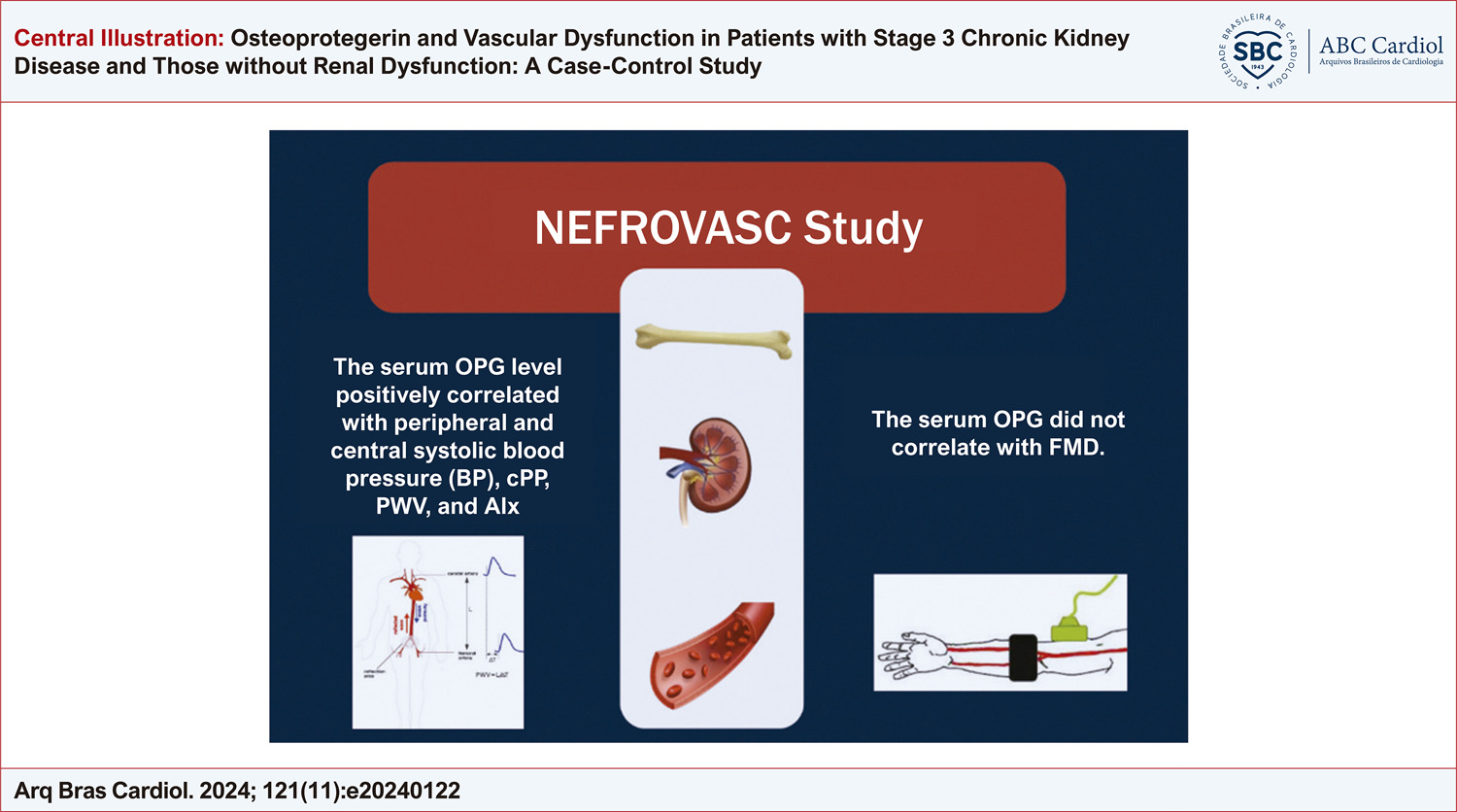
This study aimed to compare and correlate OPG values with flow-mediated dilation (FMD) and pulse wave velocity (PWV) measurements in patients in stage 3 CKD and those without renal dysfunction.

Methods

This case-control study was conducted in a specialized hypertension center in 2022. A total of 79 patients over 18 years of age participated in the study. The case group consisted of 30 patients with moderate renal dysfunction (CKD stage 3) and the control group included 49 individuals with glomerular filtration rate ≥ 60 mL/min/1.73 m2. The significance level adopted in the statistical analysis was 5%.

Results

Central pulse pressure (cPP), PWV, and augmentation index (AIx) were higher in patients with renal dysfunction. The serum OPG level positively correlated with peripheral and central systolic blood pressure, cPP, PWV, and AIx. Conversely, the serum OPG did not correlate with FMD.

Conclusions

OPG and PWV are possible biomarkers of vascular dysfunction that are altered in patients with moderate renal dysfunction. Despite limitations of this study, including that it was a case-control study conducted at a single center, it has the potential, as a proof of concept, to generate the hypothesis of OPG and PWV as biomarkers of early vascular damage in this population.

  • Cardiovascular Diseases
  • chronic renal insufficiency
  • Osteoprotegerin
  • Vascular Calcification
  • vascular endothelium
  • Vascular Stiffness
Read Full Article
Creative Commons Attribution (CC BY) Creative Commons license
25/11/2024 DOI: 10.36660/abc.20240122i Views 2
ABC
Letter to the Editor

Cost-Effectiveness of the Use of the Coronary Calcium Score in Primary Prevention as a Guide for the Therapeutic Decision

Cristian Rodrigues do Nascimento et al. Júlio Martinez Santos Rodrigo Mendes Johnnatas Mikael Lopes Pedro Pereira Tenório

To the Editor,

We read with great interest the article: “Cost-Effectiveness of Using the Coronary Calcium Score to Guide Therapeutic Decisions in Primary Prevention in the Brazilian Population” The study aimed to evaluate the cost-effectiveness of using the calcium score in therapeutic guidance for primary cardiovascular prevention. The analysis was based on population data from the “ Multi-Ethnic Study of Atherosclerosis (MESA),” a cohort of 6,814 participants from different study centers in the United States. The inferences made by the authors are important, especially when it comes to identifying factors related to pharmacoeconomics in the prevention of cardiovascular diseases. However, we identified that the procedures suggested using the calcium score (CE) to define the use or not of statins could lead to attrition bias, as there are clinical situations in which more imaging studies on the involvement of the vascular structure are necessary, especially the coronary arteries so that subsequent management can be defined.

[…]

  • Coronary Disease
  • Drug Therapy
  • Economics Pharmaceutica
  • Heart Disease Risk Factors
  • Vascular Calcification
Read Full Article
Creative Commons Attribution (CC BY) Creative Commons license
22/12/2023 DOI: 10.36660/abc.20230542
Determination of Vascular Age in Men Using the Coronary Calcium Score and its Impact on Restratification of Cardiovascular Risk
ABC
Original Article

Determination of Vascular Age in Men Using the Coronary Calcium Score and its Impact on Restratification of Cardiovascular Risk

Ismael Polli et al. Neide Maria Bruscato Protasio Lemos Da Luz Douglas Dal Más Freitas … Angélica Oliveira de Almeida Waldemar De Carli Emilio Hideyuki Moriguchi

Abstract

Background

Identifying asymptomatic individuals at risk of developing cardiovascular disease is one of the main goals of preventive cardiology. The coronary calcium score (CCS) makes it possible to estimate vascular age, which has shown to be more reliable than chronological age for determining cardiovascular risk.

Objectives

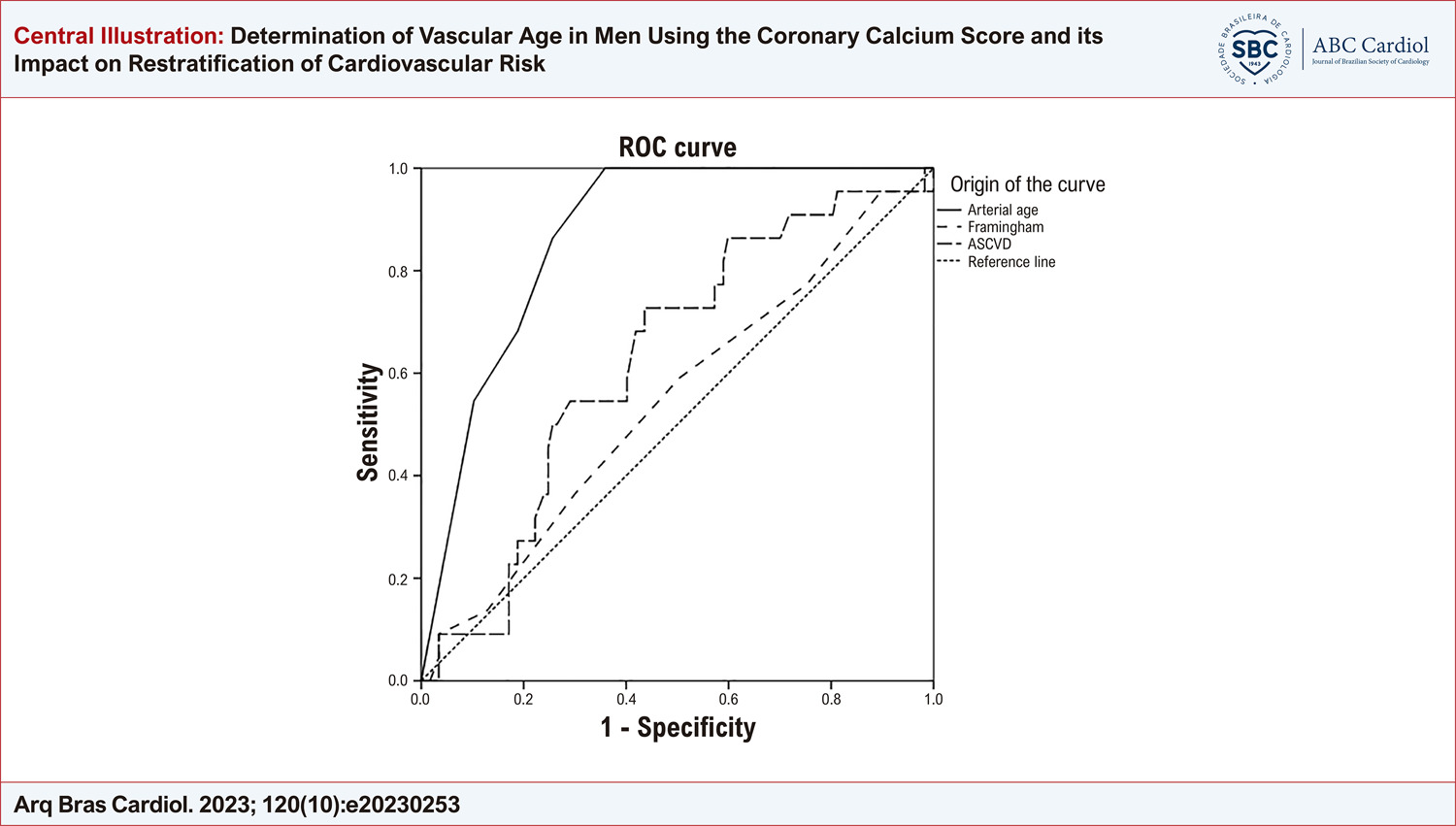
To reclassify cardiovascular risk based on arterial age and evaluate CCS progression during follow-up.

Methods

We included 150 asymptomatic men who underwent clinical and CCS evaluation in 2 evaluations with an interval of 7.6 years. We classified patients by traditional risk scores and arterial age. We evaluated which variables were associated with greater CCS progression during the period, considering a statistical significance level of 5% (p < 0.05).

Results

The use of arterial age in the stratification of cardiovascular risk in comparison with the Framingham risk score (FRS) reclassified 29% of individuals to a higher risk category and 37% to a lower risk category. Regarding the American Heart Association and American College of Cardiology score (ASCVD), 31% were reclassified as higher risk and 36% as lower risk. The initial classification by arterial age was directly related to the progression of CCS throughout follow-up (p < 0.001). This was not observed for the FRS (p = 0.862) or ASCVD (p = 0.153). The individual variables most associated with CCS progression were high systolic blood pressure and low HDL.

Conclusion

Cardiovascular risk stratification using arterial age showed a better association than the FRS and ASCVD in identifying individuals with higher risk of atherosclerosis progression.

  • Atherosclerosis
  • Cardiovascular Diseases
  • Vascular Calcification
Read Full Article
Creative Commons Attribution (CC BY) Creative Commons license
30/10/2023 DOI: 10.36660/abc.20230253
Figure 1
ABCIC
Original Article

Diagnostic Accuracy of the Coronary Calcium Score Acquired with Reduced Radiation Dose and Iterative Reconstruction

Daniela Rodrigues Carnaval et al. Adriano Liebl Miguel Morita Fernandes Silva Bruno Marques Sartori … Caio Nogara de Menezes Couto Gabriel Bergonse Garaluz da Silva Ítalo Gabriel Beltrame Vazzoler Vinícius Maksoud Medeiros Rodrigo Julio Cerci

Abstract

Background:

The calcium score is an imaging test used to evaluate cardiovascular risk by detecting coronary artery calcification (CAC). However, exposure to ionizing radiation during computed tomography (CT) has been a concern.

Objective:

The objective of this study was to evaluate radiation dose and the diagnostic quality of the calcium score using reduced tube voltage and iterative image reconstruction.

Methods:

This was a cross-sectional, observational study with patients over 18 years of age. Patients with previous coronary artery disease and patients who declined to participate were excluded. We acquired calcium score twice (120 kV and 100 kV) with different iterative reconstruction techniques. Two professionals interpreted the exams.

Results:

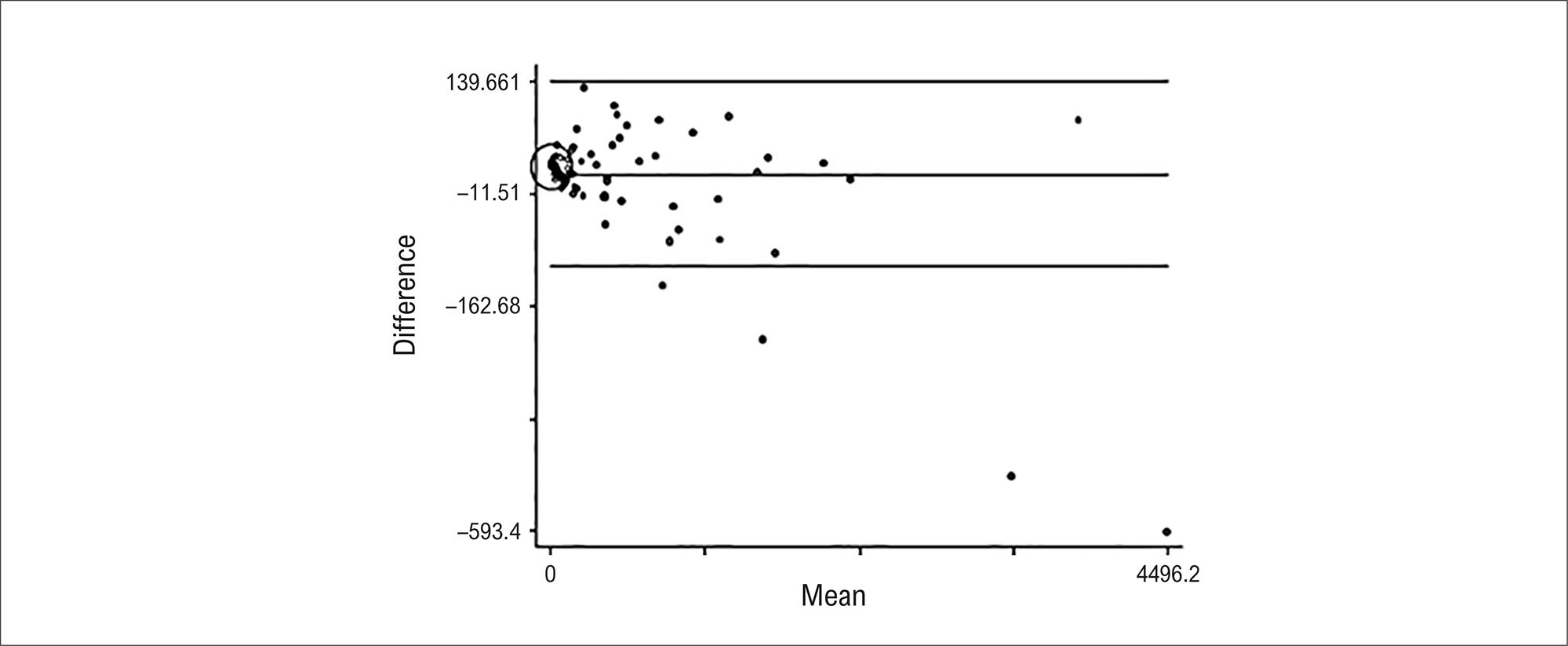
We evaluated 153 patients, and the reduction in radiation dose between acquisitions with 120 kV and 100 kV was 43%. The agreement of the degree of CAC between the different acquisitions was high, ranging from 93.9% to 96.2%. In Bland-Altman analysis, we observed a slight overestimation of the results in the acquisition with 100 kV compared to the acquisition with 120 kV.

Conclusion:

Calcium score acquired at 100 kV using Iterative Model Reconstruction (IMR) iterative reconstruction resulted in a significant reduction in radiation dose. Furthermore, agreement with acquisition at 120 kV was high, indicating that this approach may be a viable alternative to decrease radiation exposure during calcium score testing. However, it is important to underscore the slight overestimation of the results in the acquisition with 100 kV, which must be considered in the clinical interpretation.

  • Coronary Artery Disease
  • Radiation Dosage
  • Tomography
  • Vascular Calcification
Read Full Article
Creative Commons Attribution (CC BY) Creative Commons license
02/10/2023 DOI: 10.36660/abcimg.20230069i Views 1
ABCIC
Original Article

Incidental Tomographic Findings of Coronary Artery Calcifications: A Prevalence Study in Southern Brazil

Karen Rafaela Okaseski Scopel et al. Tássia Machado Medeiros Bibiana Natalia Porto Maicá Maria Carbonari Velho … Mariana Motta Dias da Silva Juliane Nascimento Mattos Guilherme Galante Heuser Eliane Roseli Winkelmann

Abstract

Introduction

Coronary artery calcifications (CAC) are shown to be a predictive factor of cardiovascular diseases. Computed tomography (CT) of the chest with a low-dose acquisition protocol is accurate in identifying CAC and provides incidental findings of these calcifications, which are commonly overlooked. This study will analyze the prevalence of incidental findings of calcification in coronary arteries in non-cardiac individuals undergoing chest CT.

Methods

Consecutive cross-sectional study of an analytical and descriptive nature. Individuals of both genders who underwent chest CT by referral, over 18 years of age and without heart disease were included. Data collection was carried out using medical records and a self-applied anamnesis form. The variables referring to the CAC and the extension of the impairment were obtained from the reassessment of the chest CT images available in the institution’s system. The exams were anonymized and evaluated by two experienced radiologists. P≤0.05 was considered statistically significant.

Results

397 exams were analyzed. A prevalence of calcifications was found in 176 (44%) of the cases. The existence of these coronary calcifications is related to age (p<0.001). Calcifications are related to gender (p = 0.03) with a higher odds ratio of development in men (odds ratio [OR] = 1.55). Smoking (p<0.001), sedentary lifestyle (p<0.001), systemic arterial hypertension (p<0.001), Diabetes Mellitus (p = 0.04), and dyslipidemia (p<0.001) showed a positive association.

Conclusion

The prevalence of incidental CAC findings was 44%; vary in greater numbers between mild and severe; higher odds ratio in males and increased prevalence with age. Therefore, chest CT proves to be an effective method to assess CAC, and together with the patient’s clinical history, it can be used to measure risk factors for CVD and intervene in the outcome of the condition.

  • Coronary Vessels
  • Incidental Findings
  • Tomography, X-Ray Computed
  • Vascular Calcification
Read Full Article
Creative Commons Attribution (CC BY) Creative Commons license
24/03/2023 DOI: 10.36660/abcimg.2023368i Views 2
ABC
Editorial

SAGE Score and Pulse Wave Velocity in Non-Hypertensive Individuals

Alfredo José Mansur

An important step of physical examination is the evaluation of arterial pulses. On inspection, palpation and auscultation we are able to study the characteristics of the arterial pulses – symmetry, rate, rhythm, rigidity of arterial wall (mainly in carotid arteries), pulse pressure, contour, velocity of ascension of the ulse wave, thrill, bruits and murmurs. Current day technology made possible to register graphically the pulse wave and to make serial evaluations of arterial rigidity by studying central and peripheral blood pressure, central and peripheral pulse pressure, pulse wave velocity e augmentation index. , An increase in arterial rigidity leads to increase in the pulse wave velocity and the interaction between the forward pulse wave with the backward reflexion is observed in the augmentation index. Anatomical and functional changes of the arteries is one of the mechanisms involved in senescence and may constitute per se a cardiovascular risk factor. Studies of arterial rigidity were performed in patients with arterial hypertension. Indeed, the study of arterial rigidity is also interesting in samples of individuals without hypertension.

In the study researchers reported a study devised to evaluate clinical (age, peripheral systolic arterial pressure) and metabolic (serum glucose, estimated glomerular filtration rate) characteristics in a previously published score (SAGE) relative to variables of arterial rigidity evaluated non-invasively in a sample of 100 participants with normal blood pressure (n=80) or pre-hypertensive (n=20) out of a large sample of 1594 patients; diagnosis of arterial hypertension (n=1349) was an exclusion criteria for this analysis. The maximal score value is 17. The distribution of the score in this study sample ranged between 0 and 3 (64% of the sample). Median of pulse wave velocity in this study sample was 7,3 m.seg-1. The increase in cut off value of pulse wave velocity (percentis 50% – 7,3 m.seg-1e 75% – 9,8 m.seg-1) was associated with an increase in positive and negative predictive values on the basis of scores SAGE observed in the study sample. In participants with pulse wave velocity higher than 10 m.seg-1the most frequent score was 7. The authors concluded that the SAGE score might be useful to screening non hypertensive subjects with higher risk of increase in arterial rigidity. Additional studies might be of help of therapeutic interventions in these clinical scenarios, including follow-up studies provided appropriate reproducibility of the measurements.

[…]

  • Aging/physiology
  • Carotid Arteries
  • Circadian Rhythm
  • Hypertension
  • Oxidative Stress
  • Pulse Wave Analysis/methods, trends
  • Risk Factors
  • Vascular Calcification
  • Vascular Stiffness
Read Full Article
Creative Commons Attribution (CC BY) Creative Commons license
27/02/2023 DOI: 10.36660/abc.20220881 Views 1
Figure 1
ABC
Research Letter

Torrent Guasp’s Helicoid Pattern Myocardial Calcification

Maria Marta Abraham-Foscolo et al. Rocío Blanco Juan Guido Chiabrando María Clara Llamedo … Diego Pérez de Arenaza Mariano L Falconi

Clinical case

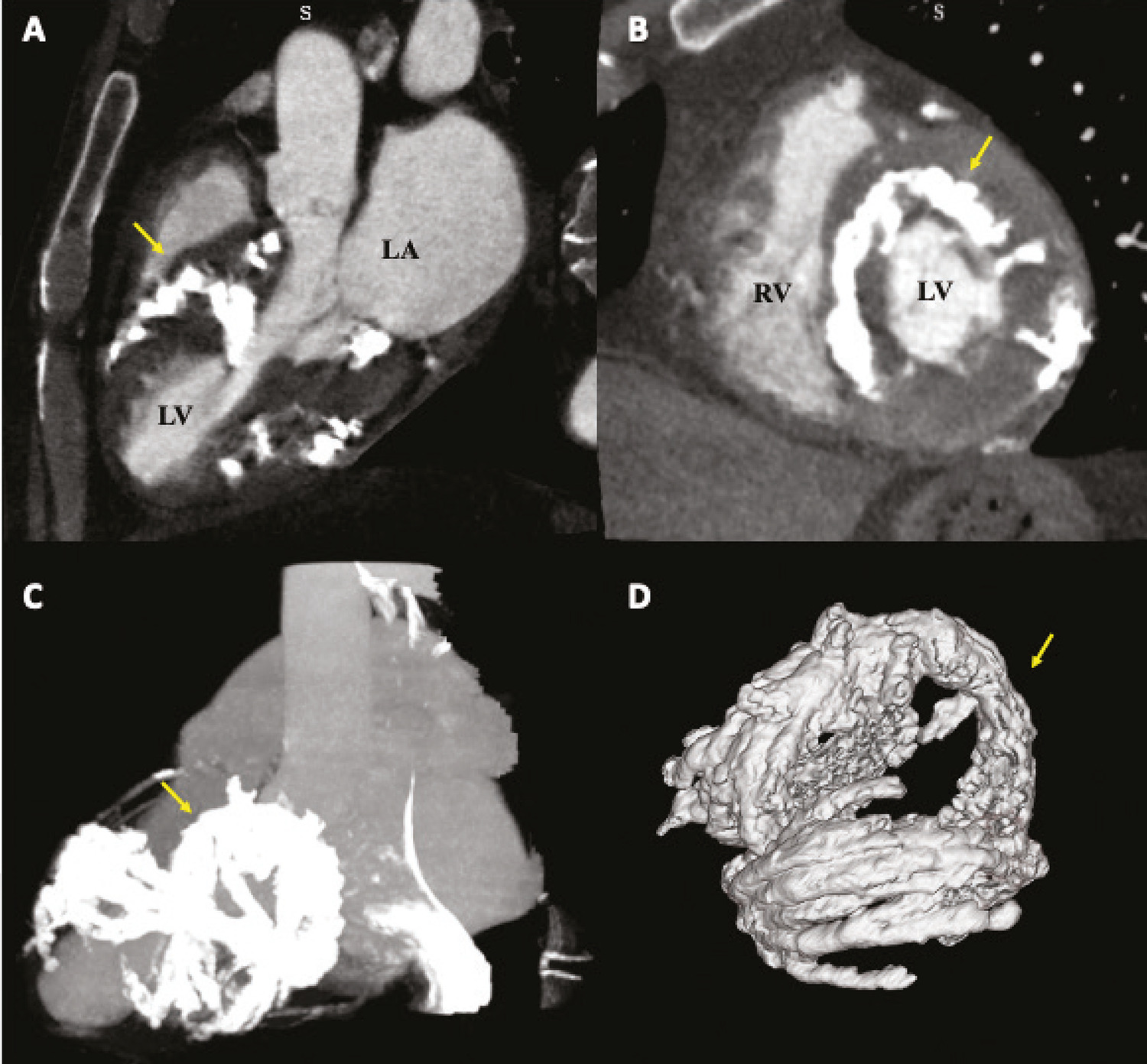
72-year-old male patient with a past medical history of arterial hypertension, non-insulin-dependent diabetes, active tobacco consumption and chronic stable angina (coronary angiography showed severe stenosis in small size obtuse marginal branch). He also had a history of alcohol consumption, pancreatic calcification and renal lithiasis, without a history of Cancer, Sepsis or Tuberculosis to justify these diffuse calcifications.

He presented to the outpatient cardiology clinic complaining of angina and dyspnea New York Heart Association (NYHA) class II. His electrocardiogram (ECG) showed sinus rhythm and suggested left ventricular hypertrophy (LVH) without signs of ischemia.

[…]

  • Cardiac Imaging Techniques
  • Heart Failure
  • Vascular Calcification
Read Full Article
Creative Commons Attribution (CC BY) Creative Commons license
13/05/2022 DOI: 10.36660/abc.20210370
ABC
Editorial

Biomarkers in Cardiovascular Disease: The Role of Fetuin-A

Luana U. Pagan et al. Mariana Gatto Paula F. Martinez Katashi Okoshi Marina P. Okoshi

Cardiovascular disease (CVD) represents a serious health public concern worldwide due to its high rates of morbidity and mortality. Extensive research has been performed in the search for biomarkers associated with CVD.,

Fetuin-A is a multifunctional glycoprotein, predominantly expressed in the liver, which modulates the function of several cells and systems, such as vascular calcification, systemic inflammatory response, bone metabolism, and insulin activity., In the last decade, researchers have evaluated the role of fetuin-A in the development and prognosis of patients with different CVDs. Lower plasma levels of fetuin-A were associated with a higher severity of coronary artery calcification and its plasma levels were lower in acute myocardial infarction patients than in healthy individuals. By contrast, Vörös et al. reported that individuals with a previous infarction have a significantly higher plasma concentration of fetuin-A than healthy controls. High concentrations of fetuin-A were also associated with a higher risk of ischemic stroke. These data show that the involvement of fetuin-A with CVD is not completely understood, as both lower and higher levels of fetuin-A were associated with a higher risk or presence of CVD. Thus, it is important to carry out studies that address this topic and highlight fetuin-A as a possible biomarker of CVD.

[…]

  • Cardiovascular Diseases, mortality
  • Fetuin-A
  • Inflammation
  • Myocardial Infarction
  • Prognosis
  • Stroke
  • Vascular Calcification
Read Full Article
Creative Commons Attribution (CC BY) Creative Commons license
21/02/2022 DOI: 10.36660/abc.20210980 Views 1
ABC
Editorial

Our Precious Calcium Score

Henrique Trad

Some things are strong, robust. In imaging in general, those are based on solid principles of physics that can resist the inequities of daily use. In computed tomography (CT), the main tissue densities are solid, measured in Hounsfield Units (HU), and some are really strong, calcium-strong, so to speak. Contrast resolution is an issue in CT imaging in general, mainly in the wide range of structures inside the water density spectrum. But the densities on both ends of the whole HU spectrum, i.e., air and fat on one side and bone and metal on the other, are depicted clearly. Also, they could be measured with a great deal of accuracy, and, as these images were mathematical in origin, there is a lot more than the eye can see that could be measured on a CT image, and there are several measurements that could be done on rather simple scans. But let’s revise this latter.

Measuring the amount of calcification in coronary arteries is rather old. It is termed coronary calcium score (CCS). It has been developed, tested and implemented, has had its clinical value shown, but still lacks consensus of use and insurance coverage in medical procedures around the world.– At first, it had to be done in electron beam tomography and then, with the new generation of CT scans. In this issue of Arquivos Brasileiros de Cardiologia, Souza et al. elegantly show how this CCS measurement has excellent correlation as done in the “usual” manner as well as from a standard chest CT. This was shown in the past, to a wide variety of scans and with good accuracy, some comparing with semiquantitative and visual methods, with a consensus of the Society of Cardiovascular Computed Tomography, including a recent great work from this same group of researchers. But now, crunching the numbers, the correlation is excellent, as has been shown by others before, and the suggestion is that we could accurately measure CCS, this important tool in coronary artery disease risk stratification, from a rather more common exam.

[…]

  • Calcium
  • Coronary Artery Disease
  • Plaque, Atherosclerotic
  • Propensity Score
  • Tomography, X-Ray/methods
  • Vascular Calcification
  • Vascular Stiffness
Read Full Article
Creative Commons Attribution (CC BY) Creative Commons license
28/09/2020 DOI: 10.36660/abc.20200854 Views 1
Figure 1
ABC
Original Article

Quantification of Calcified Coronary Plaques by Chest Computed Tomography: Correlation with the Calcium Score Technique

Vitor Frauches Souza et al. Alair Augusto Sarmet M. D. dos Santos Claudio Tinoco Mesquita Wolney de Andrade Martins … Gustavo Lemos Pelandre Edson Marchiori Marcelo Souto Nacif

Abstract

Background

Cardiovascular disease is the leading cause of mortality in the world. Parietal calcifications of the arteries may be visualized and quantified at initial and subclinical states by computed tomography (CT), and expressed as calcium score (CS). It is possible to estimate the prognosis of future cardiovascular events using this score.

Objectives

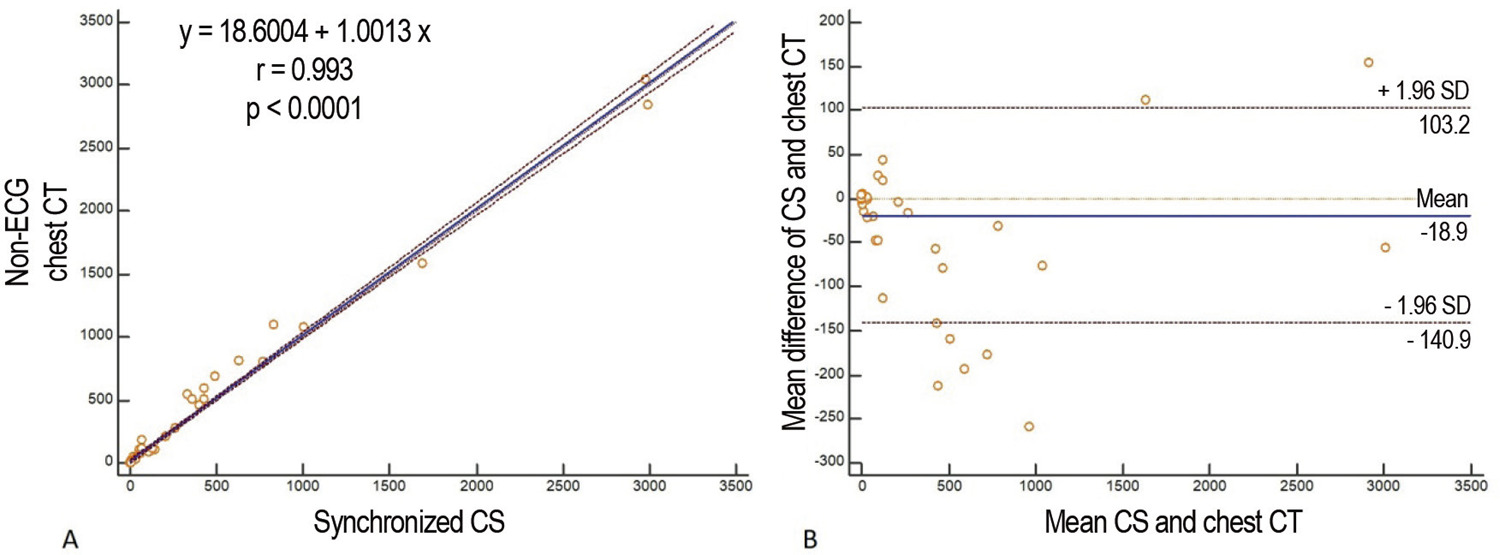
To correlate the detection and quantification of the CS obtained by chest CT with that obtained by electrocardiography (ECG)-synchronized cardiac computed tomography (the gold-standard).

Method

Cross-sectional, descriptive study of 73 consecutive patients in investigation for coronary artery disease who underwent cardiac CT between June 2013 and October 2014. Chest computed tomography and CS protocols were performed in a 64-channel TC scanner. P-values <0.05 were considered statistically significant.

Results

In the per-patient analysis, after logarithmic transformation, mean CS was 8.7 and 9.4 by the ECG-synchronized method and chest CT, respectively. The prevalence of disease was 49.3% (n=36), with a sensitivity of 97.2% and specificity of 100.0%. There was an excellent correlation between the methods (r= 0.993, p<0.001). In the per-segment analysis, after logarithmic transformation, mean CS was 3.0 and 3.2 by the ECG-synchronized method and chest CT, respectively. The prevalence of disease was 29.5% (n=86), with a sensitivity of 95.3% and specificity of 97.5%. There was an excellent correlation between the methods (r= 0.985, p<0.001).

Conclusion

ECG-synchronized CT is well correlated with the non-ECG-synchronized CT for CS determination, without statistical difference between the methods. (Arq Bras Cardiol. 2020; 115(3):493-500)

  • Coronary Artery Disease
  • Plaque,Atherosclerotic
  • Tomography, X-Ray/methods
  • Vascular Calcification
  • Vascular Stiffness
Read Full Article
Creative Commons Attribution (CC BY) Creative Commons license
28/09/2020 DOI: 10.36660/abc.20190235 Views 2
ABC
Editorial

Not Everything that Shines is Calcium

Ilan Gottlieb et al. Fernanda Erthal

Coronary calcification is involved in the pathophysiological process of atherosclerosis, particularly at later stages of the disease, as part of its healing process. In fact, calcification is not required for plaque development or progression, or luminal obstruction, or even for the development of cardiovascular events – these processes, in addition to plaque instability is commonly seen. Our group showed, in a randomized clinical trial on symptomatic patients, that 20% of vessels with complete obstructions in invasive angiography had no calcification according to calcium scoree, corroborating histopathological studies that demonstrated the absence of calcification in a considerable number of the coronary plaques evaluated. Understanding or the pathophysiology of coronary disease is essential to contextualize calcium score in population studies.

These studies, however, have shown some controversial results on the rates of cardiovascular events and obstructive lesions. The reason for this apparent divergence of results is the study population. Asymptomatic patients with zero calcium score are different from symptomatic ones without calcification, who in turn, are different from patients with history of early coronary disease, diabetics or smokers with zero calcium score.

[…]

  • Atherosclerosis / physiopathology
  • Coronary Artery Disease
  • Diabetes Mellitus
  • Heredity
  • Vascular Calcification
Read Full Article
Creative Commons Attribution (CC BY) Creative Commons license
01/05/2018 DOI: 10.5935/abc.20180084 Views 1
Figure 1
IJCS
Original Article

Correlation Between Cardiac Calcium Index and Coronary Artery Disease

Cintia Rocha Fortes de Sá et al. Ana Cristina Camarozano Wermelinger Daniane Rafael Rubens Zenóbio Darwich … Jerônimo Antonio Fortunato Junior Daniela de Castro Carmo Liz Andréa Villela Baroncini

Resumo

Introduction:

Valvular deposits of calcium quantified by transthoracic echocardiography are associated with the occurrence of systemic atherosclerotic disease, but its prognostic value and influence of associated cardiovascular risk factors have not been defined yet.

Objectives:

To correlate the valvular cardiac calcium index by transthoracic echocardiography with cardiovascular risk factors and presence of coronary artery disease (CAD).

Methods:

We selected 203 patients (61.2 ± 14.3 years; 57.6% females) who underwent transthoracic echocardiography with cardiac calcium index quantification. The presence or absence of CAD, hypertension, diabetes mellitus (DM), dyslipidemia, and smoking was assessed.

Results:

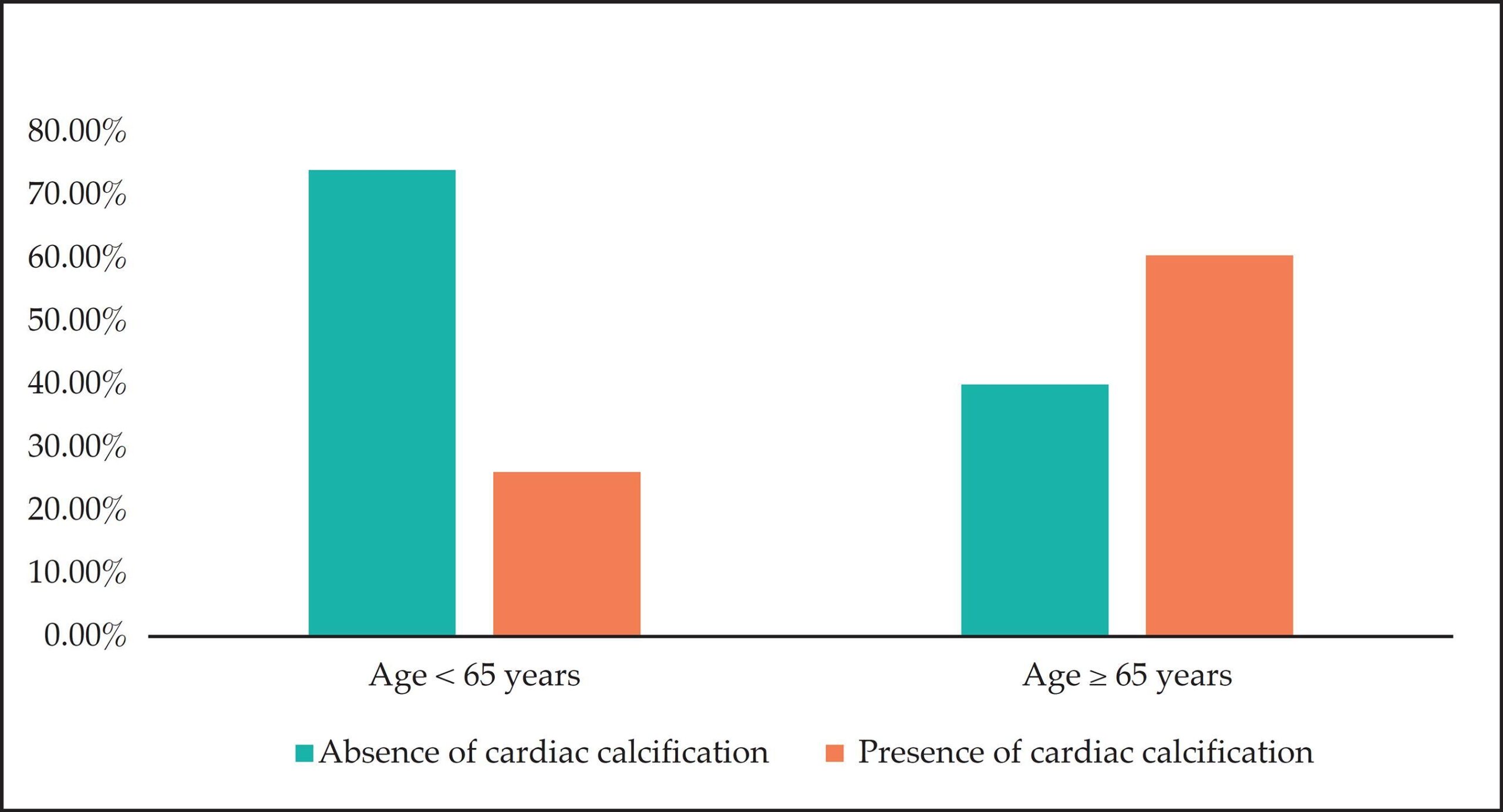
Age above 65 years (p < 0.001) and the presence of hypertension (p < 0.001) showed a significant correlation with the presence of cardiac calcification, whereas DM (p = 0.056) and CAD (p = 0.08) showed only a trend toward a correlation with calcification. Mitral valve calcification alone correlated significantly with age above 65 years (p 65 years (OR 1.05, 95%CI 1.02-1.08, p = 0.003) correlated significantly and independently with mitral valve calcification. Aortic valve calcification alone showed no correlation with the presence of CAD (p = 0.435), but correlated significantly with age above 65 years (p < 0.001) and hypertension (p < 0.001). On multivariate analysis, only age (OR 1.1, 95%CI 1.06-1.14, p < 0.001) remained independently and significantly correlated with aortic calcification.

Conclusion:

Age above 65 years and hypertension were independent risk factors for the presence of valvular cardiac calcification, with mitral valve calcification alone emerging as significantly and independently associated with the presence of CAD.

  • Calcium Channels
  • Coronary Artery Disease
  • Echocardiography/methods
  • Risk Factors
  • Vascular Calcification
Read Full Article
Creative Commons Attribution (CC BY) Creative Commons license
01/01/2017 DOI: 10.5935/2359-4802.20170038

How to cite this article

EndNote RIS

Electronic Document Format (Vancouver)

Póvoa R. Osteoprotegerin: A Biomarker in Chronic Kidney Disease. Arquivos Brasileiros de Cardiologia 2024;121(11):e20240679.

Electronic Document Format (ABNT)

Póvoa, Rui. Osteoprotegerin: A Biomarker in Chronic Kidney Disease. Arquivos Brasileiros de Cardiologia, v. 121, n. 11, e20240679, Dec. 2024.

Electronic Document Format (APA)

Póvoa, R. (2024). Osteoprotegerin: A Biomarker in Chronic Kidney Disease. Arquivos Brasileiros de Cardiologia, 121(11), e20240679.

Electronic Document Format (ISO)

Póvoa, Rui. Osteoprotegerin: A Biomarker in Chronic Kidney Disease. Arquivos Brasileiros de Cardiologia [online]. 2024, vol. 121, n. 11, [cited 2026-10-14], e20240679. Available from: <https://journals.cardiol.br/en/article/osteoprotegerin-a-biomarker-in-chronic-kidney-disease/>. ISSN 0066-782X

EndNote RIS

Electronic Document Format (Vancouver)

Matos TO, Vitorino PVO, Orlow R, Melo O, Amorim DS, Sousa GJO, Jorgetti V, et al. Osteoprotegerin and Vascular Dysfunction in Patients with Stage 3 Chronic Kidney Disease and Those without Renal Dysfunction: A Case-Control Study. Arquivos Brasileiros de Cardiologia 2024;121(11):e20240122.

Electronic Document Format (ABNT)

Matos, Thalita de Oliveira; Vitorino, Priscila Valverde de Oliveira; Orlow, Rogerio; Melo, Átila de Oliveira; Amorim, Diogo da Silva; Sousa, Gleidson Junio Oliveira; Jorgetti, Vanda; Sousa, Ana Luiza Lima; Bezerra, Rodrigo; Barroso, Weimar Kunz Sebba. Osteoprotegerin and Vascular Dysfunction in Patients with Stage 3 Chronic Kidney Disease and Those without Renal Dysfunction: A Case-Control Study. Arquivos Brasileiros de Cardiologia, v. 121, n. 11, e20240122, Nov. 2024.

Electronic Document Format (APA)

Matos, T. O., Vitorino, P. V. O., Orlow, R., Melo, O., Amorim, D. S., Sousa, G. J. O., Jorgetti, V., Sousa, A. L. L., Bezerra, R., & Barroso, W. K. S. (2024). Osteoprotegerin and Vascular Dysfunction in Patients with Stage 3 Chronic Kidney Disease and Those without Renal Dysfunction: A Case-Control Study. Arquivos Brasileiros de Cardiologia, 121(11), e20240122.

Electronic Document Format (ISO)

Matos, Thalita de Oliveira and Vitorino, Priscila Valverde de Oliveira and Orlow, Rogerio and Melo, Átila de Oliveira and Amorim, Diogo da Silva and Sousa, Gleidson Junio Oliveira and Jorgetti, Vanda and Sousa, Ana Luiza Lima and Bezerra, Rodrigo and Barroso, Weimar Kunz Sebba. Osteoprotegerin and Vascular Dysfunction in Patients with Stage 3 Chronic Kidney Disease and Those without Renal Dysfunction: A Case-Control Study. Arquivos Brasileiros de Cardiologia [online]. 2024, vol. 121, n. 11, [cited 2026-10-14], e20240122. Available from: <https://journals.cardiol.br/en/article/osteoprotegerin-and-vascular-dysfunction-in-patients-with-stage-3-chronic-kidney-disease-and-those-without-renal-dysfunction-a-case-control-study/>. ISSN 0066-782X

EndNote RIS

Electronic Document Format (Vancouver)

Nascimento CR, Santos JM, Mendes R, Lopes JM, Tenório PP. Cost-Effectiveness of the Use of the Coronary Calcium Score in Primary Prevention as a Guide for the Therapeutic Decision. Arquivos Brasileiros de Cardiologia 2023;120(11):e20230542.

Electronic Document Format (ABNT)

Nascimento, Cristian Rodrigues do; Santos, Júlio Martinez; Mendes, Rodrigo; Lopes, Johnnatas Mikael; Tenório, Pedro Pereira. Cost-Effectiveness of the Use of the Coronary Calcium Score in Primary Prevention as a Guide for the Therapeutic Decision. Arquivos Brasileiros de Cardiologia, v. 120, n. 11, e20230542, Dec. 2023.

Electronic Document Format (APA)

Nascimento, C. R. , Santos, J. M., Mendes, R., Lopes, J. M., & Tenório, P. P. (2023). Cost-Effectiveness of the Use of the Coronary Calcium Score in Primary Prevention as a Guide for the Therapeutic Decision. Arquivos Brasileiros de Cardiologia, 120(11), e20230542.

Electronic Document Format (ISO)

Nascimento, Cristian Rodrigues do and Santos, Júlio Martinez and Mendes, Rodrigo and Lopes, Johnnatas Mikael and Tenório, Pedro Pereira. Cost-Effectiveness of the Use of the Coronary Calcium Score in Primary Prevention as a Guide for the Therapeutic Decision. Arquivos Brasileiros de Cardiologia [online]. 2023, vol. 120, n. 11, [cited 2026-10-14], e20230542. Available from: <https://journals.cardiol.br/en/article/cost-effectiveness-of-the-use-of-the-coronary-calcium-score-in-primary-prevention-as-a-guide-for-the-therapeutic-decision/>. ISSN 0066-782X

EndNote RIS

Electronic Document Format (Vancouver)

Polli I, Bruscato NM, Luz PLD, Freitas DDM, Almeida AO, Carli WD, Moriguchi EH, et al. Determination of Vascular Age in Men Using the Coronary Calcium Score and its Impact on Restratification of Cardiovascular Risk. Arquivos Brasileiros de Cardiologia 2023;120(10):e20230253.

Electronic Document Format (ABNT)

Polli, Ismael; Bruscato, Neide Maria; Luz, Protasio Lemos Da; Freitas, Douglas Dal Más; Almeida, Angélica Oliveira de; Carli, Waldemar De; Moriguchi, Emilio Hideyuki. Determination of Vascular Age in Men Using the Coronary Calcium Score and its Impact on Restratification of Cardiovascular Risk. Arquivos Brasileiros de Cardiologia, v. 120, n. 10, e20230253, Oct. 2023.

Electronic Document Format (APA)

Polli, I., Bruscato, N. M., Luz, P. L. D., Freitas, D. D. M., Almeida, A. O. , Carli, W. D., & Moriguchi, E. H. (2023). Determination of Vascular Age in Men Using the Coronary Calcium Score and its Impact on Restratification of Cardiovascular Risk. Arquivos Brasileiros de Cardiologia, 120(10), e20230253.

Electronic Document Format (ISO)

Polli, Ismael and Bruscato, Neide Maria and Luz, Protasio Lemos Da and Freitas, Douglas Dal Más and Almeida, Angélica Oliveira de and Carli, Waldemar De and Moriguchi, Emilio Hideyuki. Determination of Vascular Age in Men Using the Coronary Calcium Score and its Impact on Restratification of Cardiovascular Risk. Arquivos Brasileiros de Cardiologia [online]. 2023, vol. 120, n. 10, [cited 2026-10-14], e20230253. Available from: <https://journals.cardiol.br/en/article/determination-of-vascular-age-in-men-using-the-coronary-calcium-score-and-its-impact-on-restratification-of-cardiovascular-risk/>. ISSN 0066-782X

EndNote RIS

Electronic Document Format (Vancouver)

Carnaval DR, Liebl A, Silva MMF, Sartori BM, Couto CNM, Silva GBG, Vazzoler GB, et al. Diagnostic Accuracy of the Coronary Calcium Score Acquired with Reduced Radiation Dose and Iterative Reconstruction. ABC Imagem Cardiovascular 2023;36(3):e20230069.

Electronic Document Format (ABNT)

Carnaval, Daniela Rodrigues; Liebl, Adriano; Silva, Miguel Morita Fernandes; Sartori, Bruno Marques; Couto, Caio Nogara de Menezes; Silva, Gabriel Bergonse Garaluz da; Vazzoler, Ítalo Gabriel Beltrame; Medeiros, Vinícius Maksoud; Cerci, Rodrigo Julio. Diagnostic Accuracy of the Coronary Calcium Score Acquired with Reduced Radiation Dose and Iterative Reconstruction. ABC Imagem Cardiovascular, v. 36, n. 3, e20230069, Oct. 2023.

Electronic Document Format (APA)

Carnaval, D. R., Liebl, A., Silva, M. M. F., Sartori, B. M., Couto, C. N. M., Silva, G. B. G. , Vazzoler, G. B., Medeiros, V. M., & Cerci, R. J. (2023). Diagnostic Accuracy of the Coronary Calcium Score Acquired with Reduced Radiation Dose and Iterative Reconstruction. ABC Imagem Cardiovascular, 36(3), e20230069.

Electronic Document Format (ISO)

Carnaval, Daniela Rodrigues and Liebl, Adriano and Silva, Miguel Morita Fernandes and Sartori, Bruno Marques and Couto, Caio Nogara de Menezes and Silva, Gabriel Bergonse Garaluz da and Vazzoler, Ítalo Gabriel Beltrame and Medeiros, Vinícius Maksoud and Cerci, Rodrigo Julio. Diagnostic Accuracy of the Coronary Calcium Score Acquired with Reduced Radiation Dose and Iterative Reconstruction. ABC Imagem Cardiovascular [online]. 2023, vol. 36, n. 3, [cited 2026-10-14], e20230069. Available from: <https://journals.cardiol.br/en/article/diagnostic-accuracy-of-the-coronary-calcium-score-acquired-with-reduced-radiation-dose-and-iterative-reconstruction/>. ISSN 2318-8219

EndNote RIS

Electronic Document Format (Vancouver)

Scopel KRO, Medeiros TM, Maicá BNP, Velho MC, Silva MMD, Mattos JN, Heuser GG, et al. Incidental Tomographic Findings of Coronary Artery Calcifications: A Prevalence Study in Southern Brazil. Arquivos Brasileiros de Cardiologia Imagem cardiovascular 2023;36(1):e368.

Electronic Document Format (ABNT)

Scopel, Karen Rafaela Okaseski; Medeiros, Tássia Machado; Maicá, Bibiana Natalia Porto; Velho, Maria Carbonari; Silva, Mariana Motta Dias da; Mattos, Juliane Nascimento; Heuser, Guilherme Galante; Winkelmann, Eliane Roseli. Incidental Tomographic Findings of Coronary Artery Calcifications: A Prevalence Study in Southern Brazil. Arquivos Brasileiros de Cardiologia Imagem cardiovascular, v. 36, n. 1, e368, Mar. 2023.

Electronic Document Format (APA)

Scopel, K. R. O., Medeiros, T. M., Maicá, B. N. P., Velho, M. C., Silva, M. M. D. , Mattos, J. N., Heuser, G. G., & Winkelmann, E. R. (2023). Incidental Tomographic Findings of Coronary Artery Calcifications: A Prevalence Study in Southern Brazil. Arquivos Brasileiros de Cardiologia Imagem cardiovascular, 36(1), e368.

Electronic Document Format (ISO)

Scopel, Karen Rafaela Okaseski and Medeiros, Tássia Machado and Maicá, Bibiana Natalia Porto and Velho, Maria Carbonari and Silva, Mariana Motta Dias da and Mattos, Juliane Nascimento and Heuser, Guilherme Galante and Winkelmann, Eliane Roseli. Incidental Tomographic Findings of Coronary Artery Calcifications: A Prevalence Study in Southern Brazil. Arquivos Brasileiros de Cardiologia Imagem cardiovascular [online]. 2023, vol. 36, n. 1, [cited 2026-10-14], e368. Available from: <https://journals.cardiol.br/en/article/incidental-tomographic-findings-of-coronary-artery-calcifications-a-prevalence-study-in-southern-brazil/>. ISSN 2318-8219

EndNote RIS

Electronic Document Format (Vancouver)

Mansur AJ. SAGE Score and Pulse Wave Velocity in Non-Hypertensive Individuals. Arquivos Brasileiros de Cardiologia 2023;120(2):e20220881.

Electronic Document Format (ABNT)

Mansur, Alfredo José. SAGE Score and Pulse Wave Velocity in Non-Hypertensive Individuals. Arquivos Brasileiros de Cardiologia, v. 120, n. 2, e20220881, Feb. 2023.

Electronic Document Format (APA)

Mansur, A. J. (2023). SAGE Score and Pulse Wave Velocity in Non-Hypertensive Individuals. Arquivos Brasileiros de Cardiologia, 120(2), e20220881.

Electronic Document Format (ISO)

Mansur, Alfredo José. SAGE Score and Pulse Wave Velocity in Non-Hypertensive Individuals. Arquivos Brasileiros de Cardiologia [online]. 2023, vol. 120, n. 2, [cited 2026-10-14], e20220881. Available from: <https://journals.cardiol.br/en/article/sage-score-and-pulse-wave-velocity-in-non-hypertensive-individuals/>. ISSN 0066-782X

EndNote RIS

Electronic Document Format (Vancouver)

Abraham-Foscolo MM, Blanco R, Chiabrando JG, Llamedo MC, Arenaza DP, Falconi ML. Torrent Guasp’s Helicoid Pattern Myocardial Calcification. Arquivos Brasileiros de Cardiologia 2022;118(5):992-5.

Electronic Document Format (ABNT)

Abraham-Foscolo, Maria Marta; Blanco, Rocío; Chiabrando, Juan Guido; Llamedo, María Clara; Arenaza, Diego Pérez de; Falconi, Mariano L. Torrent Guasp’s Helicoid Pattern Myocardial Calcification. Arquivos Brasileiros de Cardiologia, v. 118, n. 5, p. 992-995, May. 2022.

Electronic Document Format (APA)

Abraham-Foscolo, M. M., Blanco, R., Chiabrando, J. G., Llamedo, M. C., Arenaza, D. P. , & Falconi, M. L. (2022). Torrent Guasp’s Helicoid Pattern Myocardial Calcification. Arquivos Brasileiros de Cardiologia, 118(5), 992-995.

Electronic Document Format (ISO)

Abraham-Foscolo, Maria Marta and Blanco, Rocío and Chiabrando, Juan Guido and Llamedo, María Clara and Arenaza, Diego Pérez de and Falconi, Mariano L. Torrent Guasp’s Helicoid Pattern Myocardial Calcification. Arquivos Brasileiros de Cardiologia [online]. 2022, vol. 118, n. 5, [cited 2026-10-14], pp. 992-995. Available from: <https://journals.cardiol.br/en/article/torrent-guasps-helicoid-pattern-myocardial-calcification/>. ISSN 0066-782X

EndNote RIS

Electronic Document Format (Vancouver)

Pagan LU, Gatto M, Martinez PF, Okoshi K, Okoshi MP. Biomarkers in Cardiovascular Disease: The Role of Fetuin-A. Arquivos Brasileiros de Cardiologia 2022;118(1):22-3.

Electronic Document Format (ABNT)

Pagan, Luana U.; Gatto, Mariana; Martinez, Paula F.; Okoshi, Katashi; Okoshi, Marina P.. Biomarkers in Cardiovascular Disease: The Role of Fetuin-A. Arquivos Brasileiros de Cardiologia, v. 118, n. 1, p. 22-23, Feb. 2022.

Electronic Document Format (APA)

Pagan, L. U., Gatto, M., Martinez, P. F., Okoshi, K., & Okoshi, M. P. (2022). Biomarkers in Cardiovascular Disease: The Role of Fetuin-A. Arquivos Brasileiros de Cardiologia, 118(1), 22-23.

Electronic Document Format (ISO)

Pagan, Luana U. and Gatto, Mariana and Martinez, Paula F. and Okoshi, Katashi and Okoshi, Marina P.. Biomarkers in Cardiovascular Disease: The Role of Fetuin-A. Arquivos Brasileiros de Cardiologia [online]. 2022, vol. 118, n. 1, [cited 2026-10-14], pp. 22-23. Available from: <https://journals.cardiol.br/en/article/biomarkers-in-cardiovascular-disease-the-role-of-fetuin-a/>. ISSN 0066-782X

EndNote RIS

Electronic Document Format (Vancouver)

Trad H. Our Precious Calcium Score. Arquivos Brasileiros de Cardiologia 2020;115(3):501-2.

Electronic Document Format (ABNT)

Trad, Henrique. Our Precious Calcium Score. Arquivos Brasileiros de Cardiologia, v. 115, n. 3, p. 501-502, Sep. 2020.

Electronic Document Format (APA)

Trad, H. (2020). Our Precious Calcium Score. Arquivos Brasileiros de Cardiologia, 115(3), 501-502.

Electronic Document Format (ISO)

Trad, Henrique. Our Precious Calcium Score. Arquivos Brasileiros de Cardiologia [online]. 2020, vol. 115, n. 3, [cited 2026-10-14], pp. 501-502. Available from: <https://journals.cardiol.br/en/article/our-precious-calcium-score/>. ISSN 0066-782X

EndNote RIS

Electronic Document Format (Vancouver)

Souza VF, Santos AASMD, Mesquita CT, Martins WA, Pelandre GL, Marchiori E, Nacif MS, et al. Quantification of Calcified Coronary Plaques by Chest Computed Tomography: Correlation with the Calcium Score Technique. Arquivos Brasileiros de Cardiologia 2020;115(3):493-500.

Electronic Document Format (ABNT)

Souza, Vitor Frauches; Santos, Alair Augusto Sarmet M. D. dos; Mesquita, Claudio Tinoco; Martins, Wolney de Andrade; Pelandre, Gustavo Lemos; Marchiori, Edson; Nacif, Marcelo Souto. Quantification of Calcified Coronary Plaques by Chest Computed Tomography: Correlation with the Calcium Score Technique. Arquivos Brasileiros de Cardiologia, v. 115, n. 3, p. 493-500, Sep. 2020.

Electronic Document Format (APA)

Souza, V. F., Santos, A. A. S. M. D. , Mesquita, C. T., Martins, W. A., Pelandre, G. L., Marchiori, E., & Nacif, M. S. (2020). Quantification of Calcified Coronary Plaques by Chest Computed Tomography: Correlation with the Calcium Score Technique. Arquivos Brasileiros de Cardiologia, 115(3), 493-500.

Electronic Document Format (ISO)

Souza, Vitor Frauches and Santos, Alair Augusto Sarmet M. D. dos and Mesquita, Claudio Tinoco and Martins, Wolney de Andrade and Pelandre, Gustavo Lemos and Marchiori, Edson and Nacif, Marcelo Souto. Quantification of Calcified Coronary Plaques by Chest Computed Tomography: Correlation with the Calcium Score Technique. Arquivos Brasileiros de Cardiologia [online]. 2020, vol. 115, n. 3, [cited 2026-10-14], pp. 493-500. Available from: <https://journals.cardiol.br/en/article/quantification-of-calcified-coronary-plaques-by-chest-computed-tomography-correlation-with-the-calcium-score-technique/>. ISSN 0066-782X

EndNote RIS

Electronic Document Format (Vancouver)

Gottlieb I, Erthal F. Not Everything that Shines is Calcium. Arquivos Brasileiros de Cardiologia 2018;110(5):428-9.

Electronic Document Format (ABNT)

Gottlieb, Ilan; Erthal, Fernanda. Not Everything that Shines is Calcium. Arquivos Brasileiros de Cardiologia, v. 110, n. 5, p. 428-429, Apr. 2018.

Electronic Document Format (APA)

Gottlieb, I., & Erthal, F. (2018). Not Everything that Shines is Calcium. Arquivos Brasileiros de Cardiologia, 110(5), 428-429.

Electronic Document Format (ISO)

Gottlieb, Ilan and Erthal, Fernanda. Not Everything that Shines is Calcium. Arquivos Brasileiros de Cardiologia [online]. 2018, vol. 110, n. 5, [cited 2026-10-14], pp. 428-429. Available from: <https://journals.cardiol.br/en/article/not-everything-that-shines-is-calcium/>. ISSN 0066-782X

EndNote RIS

Electronic Document Format (Vancouver)

Sá CRF, Wermelinger ACC, Rafael D, Darwich RZ, Fortunato Junior JA, Carmo DC, Baroncini LAV, et al. Correlation Between Cardiac Calcium Index and Coronary Artery Disease. International Journal of Cardiovascular Sciences 2017;30(2):136-44.

Electronic Document Format (ABNT)

Sá, Cintia Rocha Fortes de; Wermelinger, Ana Cristina Camarozano; Rafael, Daniane; Darwich, Rubens Zenóbio; Fortunato Junior, Jerônimo Antonio; Carmo, Daniela de Castro; Baroncini, Liz Andréa Villela. Correlation Between Cardiac Calcium Index and Coronary Artery Disease. International Journal of Cardiovascular Sciences, v. 30, n. 2, p. 136-144, Dec. 2016.

Electronic Document Format (APA)

Sá, C. R. F. , Wermelinger, A. C. C., Rafael, D., Darwich, R. Z., Fortunato Junior, J. A., Carmo, D. C., & Baroncini, L. A. V. (2017). Correlation Between Cardiac Calcium Index and Coronary Artery Disease. International Journal of Cardiovascular Sciences, 30(2), 136-144.

Electronic Document Format (ISO)

Sá, Cintia Rocha Fortes de and Wermelinger, Ana Cristina Camarozano and Rafael, Daniane and Darwich, Rubens Zenóbio and Fortunato Junior, Jerônimo Antonio and Carmo, Daniela de Castro and Baroncini, Liz Andréa Villela. Correlation Between Cardiac Calcium Index and Coronary Artery Disease. International Journal of Cardiovascular Sciences [online]. 2017, vol. 30, n. 2, [cited 2026-10-14], pp. 136-144. Available from: <https://journals.cardiol.br/en/article/correlation-between-cardiac-calcium-index-and-coronary-artery-disease/>. ISSN 2359-4802

  • About ABC Family
  • Internal Regulation
  • Editorial Board
  • Brazilian Society of Cardiology (SBC)

Issues

SBC Guidelines

  • Videos
  • Podcasts
  • News