ABC Family Arquivos Brasileiros de Cardiologia International Journal of Cardiovascular Sciences ABC Heart Failure & Cardiomyopathy ABC Imagem Cardiovascular
Português English
ABC Family
Português English
  • About
    • About ABC Family
    • Internal Regulation
    • Editorial Board
    • Brazilian Society of Cardiology (SBC)
  • Issues
  • SBC Guidelines
  • Content
    • Videos
    • Podcasts
    • News
  • About
    • About ABC Family
    • Internal Regulation
    • Editorial Board
    • Brazilian Society of Cardiology (SBC)
  • Issues
  • SBC Guidelines
  • Content
    • Videos
    • Podcasts
    • News

ABC Family

  • ABC Family
  • Arquivos Brasileiros de Cardiologia
  • International Journal of Cardiovascular Sciences
  • ABC Heart Failure & Cardiomyopathy
  • ABC Imagem Cardiovascular
Search in

No content found.

Journals
Ordering
Article types
Others

  1. Home
  2. Keyword: Propensity Score
Figure 1
ABC
Image

A Stent Misplaced in the Septal Perforating Artery: Right Ventricular Fistula, Interventricular Septal Hematoma, and Right Ventricular Outflow Tract Obstruction

Melik Demir et al. Murat Gök Muhammet Gürdoğan Osman Kula … Fethi Emre Ustabaşıoğlu Kenan Yalta

Abstract

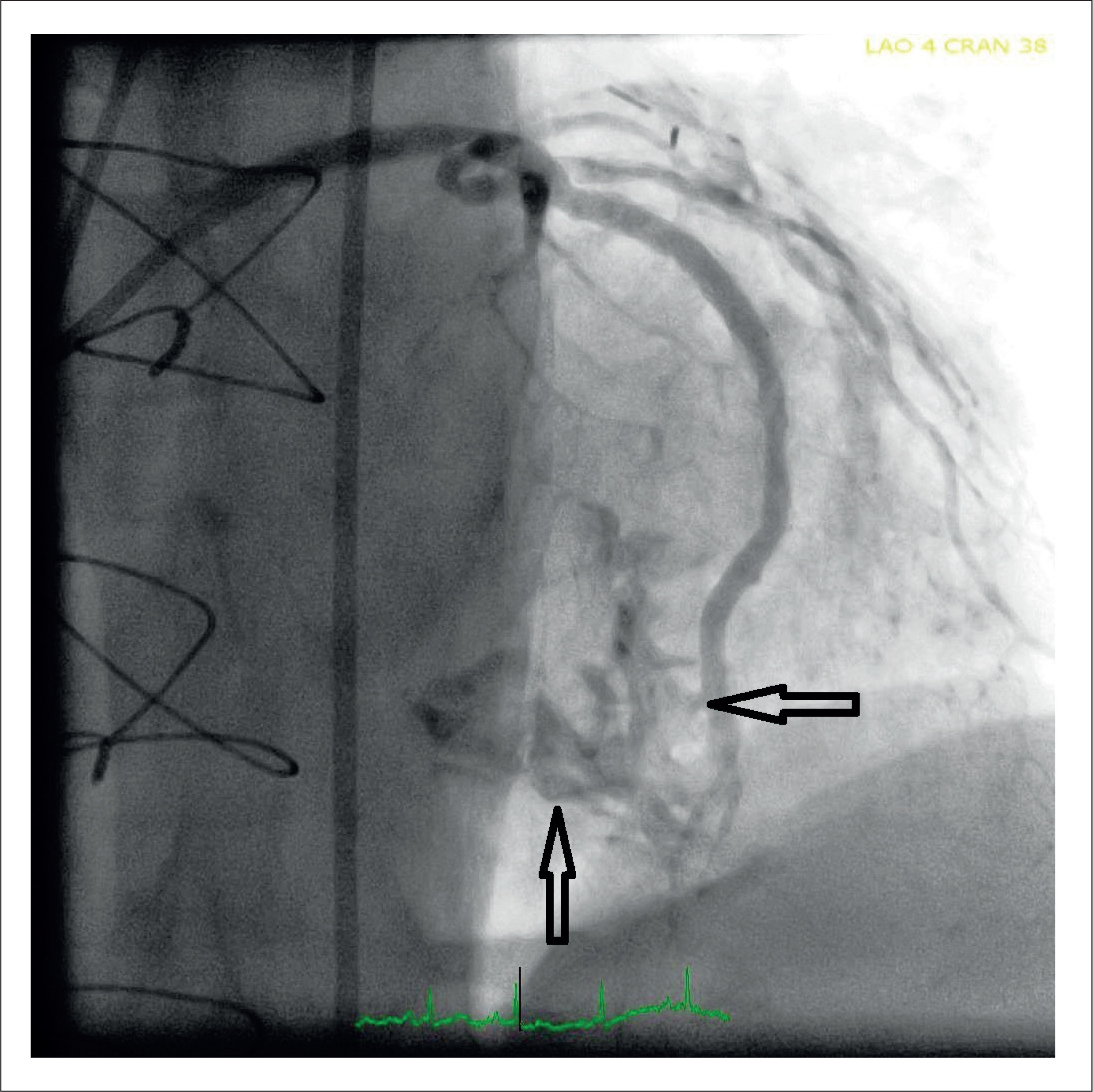
Coronary-cameral fistulas, though mostly regarded as congenital entities, have also been encountered as complications of major traumas and percutaneous coronary interventions (PCIs). On the other hand, interventricular septal (IVS) hematoma might potentially arise mostly during retrograde chronic total occlusion (CTO) interventions and has a benign course in this context. Herein, we describe a challenging PCI complication (and its management strategy) presenting with IVS hematoma, right ventricular fistula, and right ventricular outflow tract (RVOT) obstruction due to a misimplanted coronary stent in the septal perforating artery (SPA).

  • Embolization Therapeutc
  • Heart Septal Ventricular/complications
  • Propensity Score
  • Stents
  • Vascular Foistula
  • Ventricular Outflow Obstruction
Read Full Article
Creative Commons Attribution (CC BY) Creative Commons license
04/09/2023 DOI: 10.36660/abc.20220901
Figure 1
ABC
Original Article

A Simple Clinical Risk Score to Predict Post-Discharge Mortality in Chinese Patients Hospitalized with Heart Failure

Lei Wang et al. Li-Qin Wang Mo-Li Gu Liang Li … Chen Wang Yun-Feng Xia

Abstract

Background

Cardiovascular diseases are the leading causes of death in China. However, present efforts to identify the risk factors for death in patients hospitalized with heart failure (HF) are primarily focused on in-hospital mortality and 30-day mortality in the United States. Thus, a model similar to the model used for predicting the risk in patients considered for cardiovascular surgical procedures is needed to evaluate the risk of the patients admitted with a diagnosis of HF.

Objective

To identify variables that can predict post-discharge one-year HF mortality and develop a risk score to assess the risk of dying within one year.

Methods

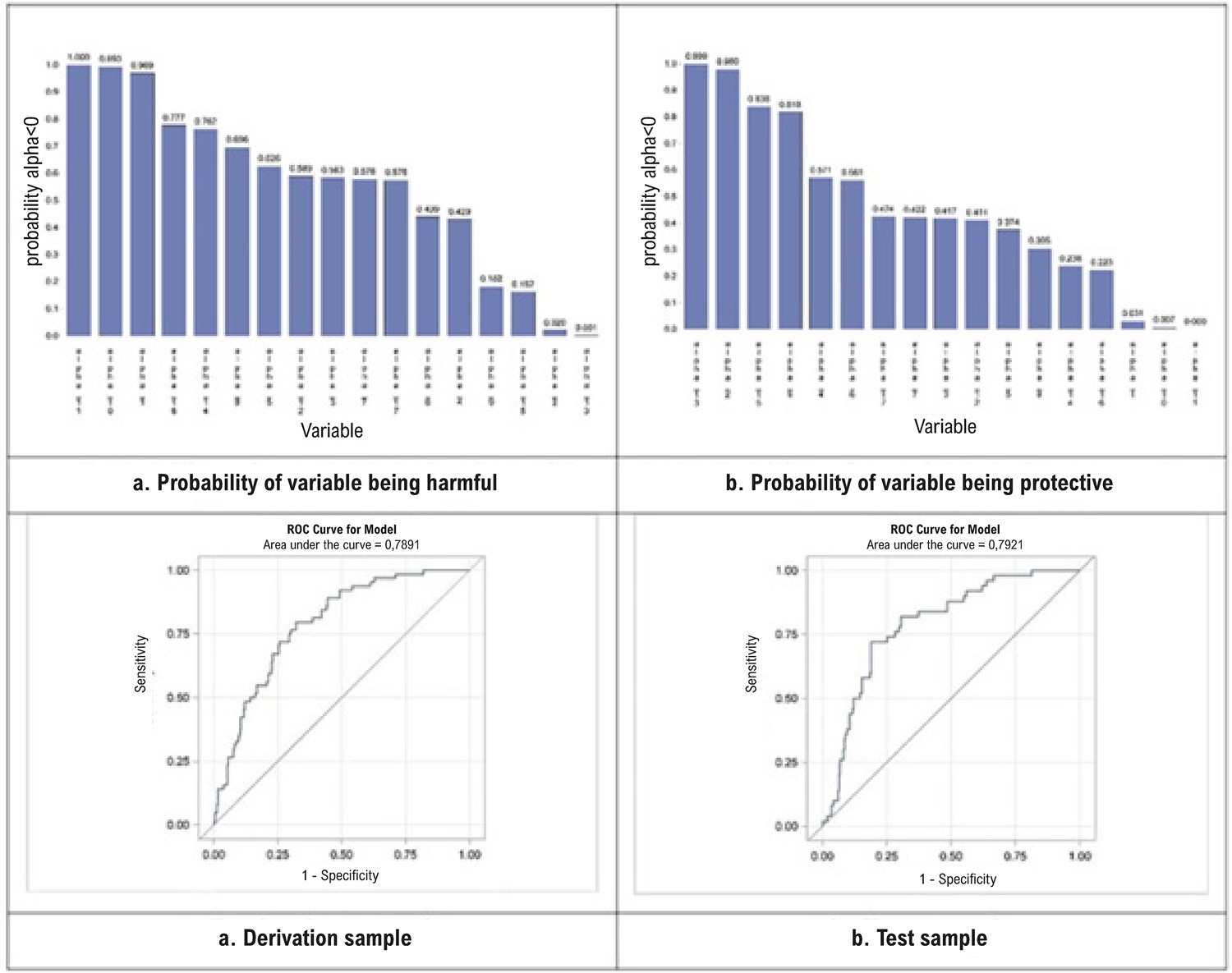
In the present study, 1,742 Chinese patients with HF were randomly divided into two groups: a derivation sample group and a test sample group. A Markov Chain Monte Carlo simulation method was used to identify variables that can predict the one-year post-discharge mortality. Variables with a frequency of >1% in the bivariate analysis and that were considered clinically meaningful were eligible for further modeling analyses. The posterior probability that a variable was statistically and significantly associated with the outcome was calculated as the total number of times that the variable’s 95% CI did not overlap with 1 (i.e., the reference point) divided by the total number of iterations. A variable with a probability of 0.9 or higher was considered a robust risk factor for predicting the outcome, and this was included in the final variable list. The level of statistical significance adopted was 5%.

Results

Five variables that could robustly predict the one-year post-discharge mortality were identified: age, female gender, New York Heart Association functional classification score >3, left atrial diameter, and body mass index. Both derivation and test models had a receiver operating curve area of 0.79. These selected variables were used to assess the one-year HF mortality risk score, and these were divided into three groups (low, moderate, and high). The high-risk group corresponds to nearly 86% of the deaths, while the moderate group corresponds to 12% of the deaths.

Conclusion

A simple 5-variable risk score can be used to assess the one-year post-discharge mortality of hospitalized Chinese patients with HF.

  • Epidemiology
  • Heart Failure
  • Mortality
  • Patient Discharge
  • Propensity Score
Read Full Article
Creative Commons Attribution (CC BY) Creative Commons license
13/08/2021 DOI: 10.36660/abc.20200435 Views 2
Figure 1
ABC
Original Article

Assessment of Peripheral Blood Mononuclear Cells Senescence and Endothelial Dysfunction among Adults with High Cardiovascular Risk

Vijay Raj et al. Soniya Charles Luxitaa Goenka Thilagavathi Ramamoorthy … Marimuthu C Emmanuel C Kanchana Mala Subramaniyan Kumarasamy Melvin George

Abstract

Background

Cardiovascular diseases (CVD) are one of the leading causes of mortality and morbidity worldwide. Biological aging has been associated with the occurrence of adverse cardiovascular outcomes; however, the underlying mechanism of this process remains unknown.

Objectives

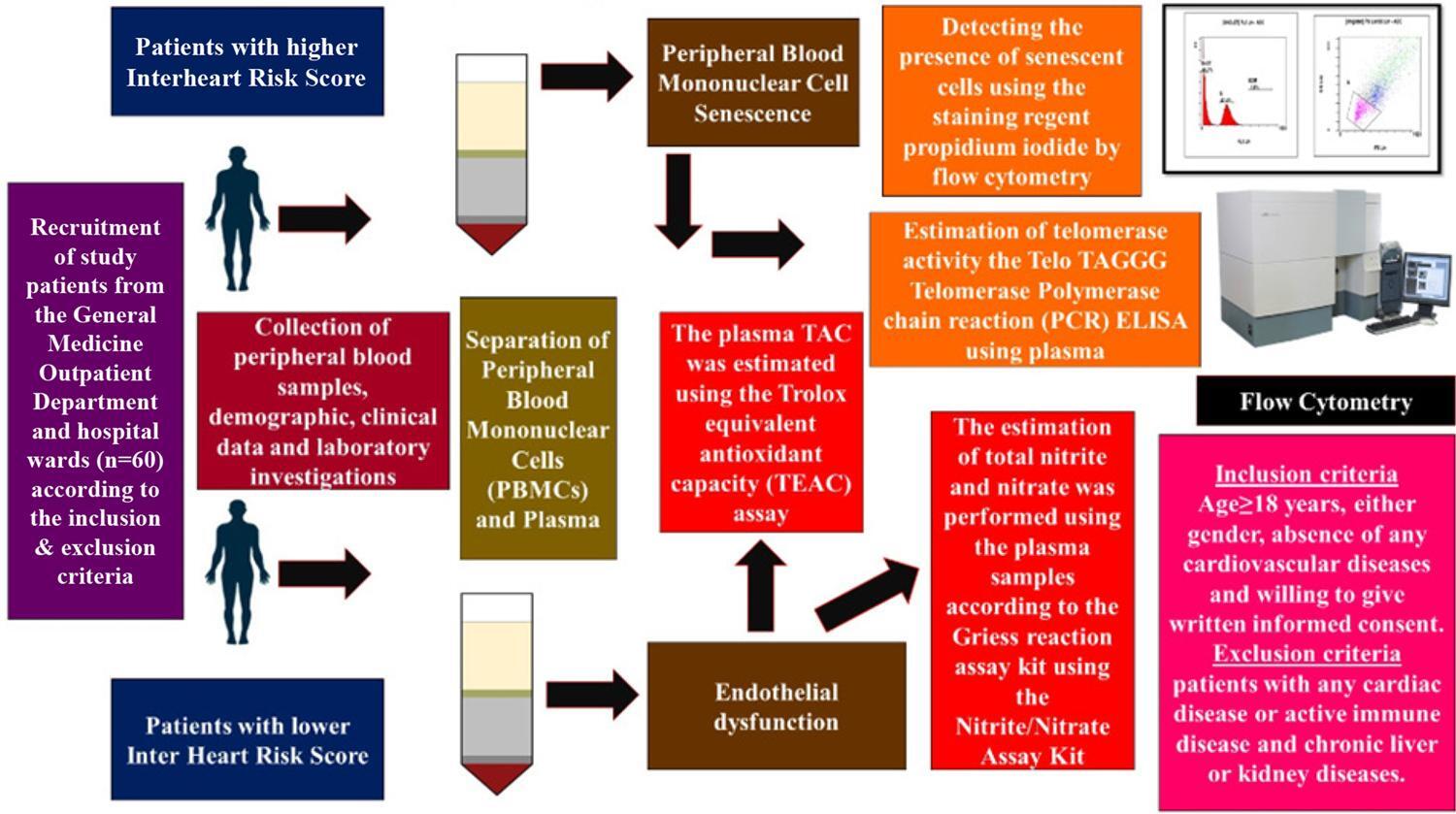
This study sought to evaluate if peripheral blood mononuclear cell (PBMC) senescence and endothelial biomarkers could influence cardiovascular (CV) risk and be suitable markers for the early detection of cardiovascular diseases in adults.

Methods

In this cross-sectional study patients free of CVD were classified as lower (n=32) and higher Interheart Risk (IHR) scores (n=28). PBMC senescence was assessed by estimating the telomerase activity (TA) and detecting the presence of senescent cells and endothelial dysfunction by estimating the concentration of nitrite and nitrate and of total antioxidant capacity (TAC). Statistical analysis was performed with SPSS version 16.0 (SPSS Inc., Chicago, IL). All p-values <0.05 were considered statistically significant.

Results

PBMC senescence 0.95 [p-value = 0.0001; 95% CI (0.874-1.026)] was a significant predictor of patients with higher IHR scores with a cut-off value of 21.65 with a sensitivity and specificity of 92% and 88% respectively. PBMC senescence, nitrite and nitrate and TA were found to be independently associated with high IHR scores.

Conclusion

PBMC senescence, TA and nitrite, and nitrate status are suitable measures to predict high cardiovascular risk in adults with CV risk. Nevertheless, long-term follow-up studies are needed to confirm these findings. (Arq Bras Cardiol. 2021; 116(1):37-47)

  • Biomarkers
  • Cardiovascular Diseases
  • Cell Aging
  • Endothelium
  • Propensity Score
  • Risk Factors
Read Full Article
Creative Commons Attribution (CC BY) Creative Commons license
03/02/2021 DOI: 10.36660/abc.20190409 Views 1
Figure 1
ABC
Original Article

Value of left atrial diameter with CHA2DS2-VASc score in predicting left atrial/left atrial appendage thrombosis in non-valvular atrial fibrillation

Yu Zhang et al. Yi-Qiang Yuan

Abstract

Background

Atrial fibrillation is the most common persistent arrhythmia, and is the main factor that leads to thromboembolism.

Objective

To investigate the value of left atrial diameter combined with CHA2DS2-VASc score in predicting left atrial/left atrial appendage thrombosis in non-valvular atrial fibrillation.

Methods

This is a retrospective study. 238 patients with non-valvular atrial fibrillation were selected and divided into two groups: thrombosis and non-thrombosis. CHA2DS2-VASc score was determined. P<0.05 was considered statistically significant.

Results

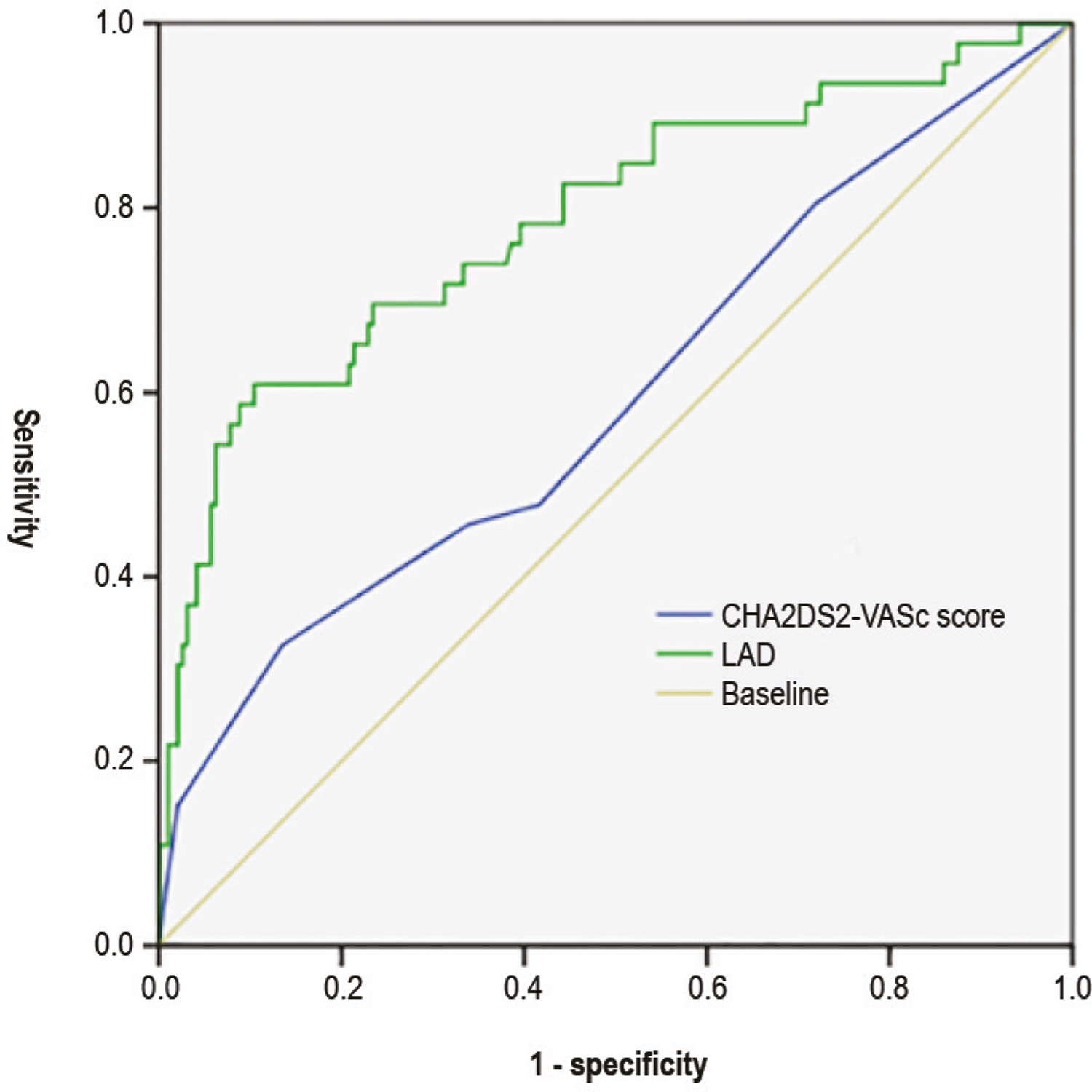
Multivariate logistic regression analysis revealed that the history of stroke/transient ischemic attack, vascular disease, CHA2DS2-VASc score, left atrial diameter (LAD), left ventricular end-diastolic dimension (LVEDD) and left ventricular ejection fraction (LVEF) were independent risk factors for left atrial/left atrial appendage thrombosis (p<0.05). Receiver operating characteristic curve analysis revealed that the area under the curve for the CHA2DS2-VASc score in predicting left atrial/left atrial appendage thrombosis was 0.593 when the CHA2DS2-VASc score was ≥3 points, and sensitivity and specificity were 86.5% and 32.6%, respectively, while the area under the curve for LAD in predicting left atrial/left atrial appendage thrombosis was 0.786 when LAD was ≥44.17 mm, and sensitivity and specificity were 89.6% and 60.9%, respectively. Among the different CHA2DS2-VASc groups, the incidence rate of left atrial/left atrial appendage thrombosis in patients with LAD ≥44.17 mm was higher than patients with LAD <44.17 mm (p<0.05).

Conclusion

CHA2DS2-VASc score and LAD are correlated with left atrial/left atrial appendage thrombosis in non-valvular atrial fibrillation. For patients with a CHA2DS2-VASc score of 0 or 1, when LAD is ≥44.17 mm, the risk for left atrial/left atrial appendage thrombosis remained high. (Arq Bras Cardiol. 2020; [online].ahead print, PP.0-0)

  • Atrial Appendage
  • Atrial Fibrillation Non Valvar
  • Heart Atria
  • Propensity Score
  • Risk Assessment
  • Stroke
Read Full Article
Creative Commons Attribution (CC BY) Creative Commons license
01/01/2021 DOI: 10.36660/abc.20190492 Views 1
ABC
Editorial

Our Precious Calcium Score

Henrique Trad

Some things are strong, robust. In imaging in general, those are based on solid principles of physics that can resist the inequities of daily use. In computed tomography (CT), the main tissue densities are solid, measured in Hounsfield Units (HU), and some are really strong, calcium-strong, so to speak. Contrast resolution is an issue in CT imaging in general, mainly in the wide range of structures inside the water density spectrum. But the densities on both ends of the whole HU spectrum, i.e., air and fat on one side and bone and metal on the other, are depicted clearly. Also, they could be measured with a great deal of accuracy, and, as these images were mathematical in origin, there is a lot more than the eye can see that could be measured on a CT image, and there are several measurements that could be done on rather simple scans. But let’s revise this latter.

Measuring the amount of calcification in coronary arteries is rather old. It is termed coronary calcium score (CCS). It has been developed, tested and implemented, has had its clinical value shown, but still lacks consensus of use and insurance coverage in medical procedures around the world.– At first, it had to be done in electron beam tomography and then, with the new generation of CT scans. In this issue of Arquivos Brasileiros de Cardiologia, Souza et al. elegantly show how this CCS measurement has excellent correlation as done in the “usual” manner as well as from a standard chest CT. This was shown in the past, to a wide variety of scans and with good accuracy, some comparing with semiquantitative and visual methods, with a consensus of the Society of Cardiovascular Computed Tomography, including a recent great work from this same group of researchers. But now, crunching the numbers, the correlation is excellent, as has been shown by others before, and the suggestion is that we could accurately measure CCS, this important tool in coronary artery disease risk stratification, from a rather more common exam.

[…]
  • Calcium
  • Coronary Artery Disease
  • Plaque, Atherosclerotic
  • Propensity Score
  • Tomography, X-Ray/methods
  • Vascular Calcification
  • Vascular Stiffness
Read Full Article
Creative Commons Attribution (CC BY) Creative Commons license
28/09/2020 DOI: 10.36660/abc.20200854 Views 1
ABC
Editorial

Comparison of HEART, TIMI and GRACE Scores for Predicting Major Adverse Cardiovascular Events in the Era of High-Sensitivity Assay for Troponin I

Gabriel Porto Soares

Diseases of the circulatory system predominate as the leading cause of death in the world; among cardiovascular diseases, ischemic heart diseases are the first group of causes. Ischemic heart disease (IHD) is the leading global cause of death, accounting for more than 9 million deaths in 2016, according to estimates from the World Health Organization (WHO). Mortality from IHD in Western countries has decreased dramatically over the past few decades, with a greater focus on primary prevention and better diagnosis and treatment of IHD. However, developing countries present new challenges for public health — this scenario is reproduced in Latin America. In this study, carried out in Colombia, the mortality rate from IHD was 150 deaths per 100,000 inhabitants in 2015, representing the main cause of deaths in that country.

Developing scores capable of predicting death from the diseases responsible for the largest share of deaths in the world has always been among the objectives of cardiologists. The question “How likely is this patient with acute IHD to die?” is made, whether consciously or not, every time there is a diagnostic possibility of acute myocardial infarction (AMI) with or without ST-segment elevation or unstable angina.

[…]

  • Acute coronary syndrome
  • Case-Control Studies
  • Probability
  • Propensity Score
  • Risk Factors
  • Troponin/adverse effects
Read Full Article
Creative Commons Attribution (CC BY) Creative Commons license
01/06/2020 DOI: 10.36660/abc.20200314
Figure 1
ABC
Original Article

Chemotherapy-Related Anatomical Coronary-Artery Disease in Lung Cancer Patients Evaluated by Coronary-Angiography SYNTAX Score

Qian Yang et al. Yundai Chen Hai Gao Jianzhong Zhang … Juan Zhang Mingjie Zhang Jing Jing Pingjun Zhu Hao Zhou Shunying Hu

Abstract

Background

Chemotherapy-related coronary artery disease (CAD) is becoming an emerging issue in clinic. However, the underlying mechanism of chemotherapy-related CAD remains unclear.

Objective

The study investigated the association between chemotherapy and atherosclerotic anatomical abnormalities of coronary arteries among lung cancer patients.

Methods

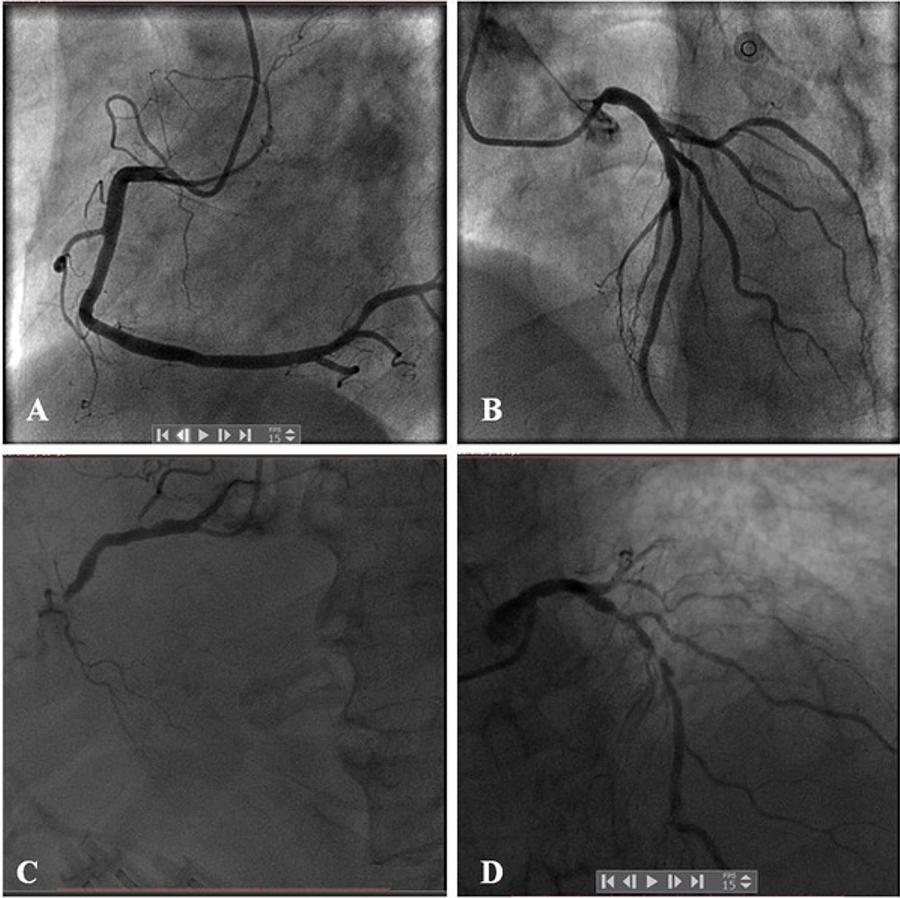
Patients undergoing coronary angiography (CAG) between 2010 and 2017, who previously had lung cancer, were examined. Risk factors associated with CAD and information about lung cancer were evaluated. We assessed coronary-artery abnormalities by SYNTAX score (SXscore) based on CAG. In logistic-regression analysis, we defined high SXscore (SXhigh) grade as positive if ≥22. Data were analyzed through descriptive statistics and regression analysis.

Results

A total of 94 patients were included in the study. The SXscore was higher in the chemotherapy group than in the non-chemotherapy group (25.25, IQR [4.50–30.00] vs. 16.50, IQR [ 5.00–22.00], p = 0.0195). The SXhigh rate was greater in the chemotherapy group than in the non-chemotherapy group (58.33% vs. 25.86; p = 0.0016). Both univariate (OR:4.013; 95% CI:1.655–9.731) and multivariate (OR:5.868; 95% CI:1.778–19.367) logistic-regression analysis revealed that chemotherapy increased the risk of greater SXhigh rates. Multivariate stepwise logistic-regression analysis showed the risk of more severe anatomical CAD is increased by chemotherapy as a whole by 5.323 times (95% CI: 2.002–14.152), and by platinum-based regimens by 5.850 times (95% CI: 2.027–16.879).

Conclusions

Chemotherapy is associated with anatomical complexity and severity of CAD, which might partly account for the higher risk of chemotherapy-related CAD among lung cancer patients. (Arq Bras Cardiol. 2020; [online].ahead print, PP.0-0)

  • Angioplasty/methods
  • Coronary Artery Disease/physiopathology
  • Lung Neoplasms/complications
  • Lung Neoplasms/drug therapy
  • Propensity Score
  • Risk Factors
  • Score Syntax
Read Full Article
Creative Commons Attribution (CC BY) Creative Commons license
30/03/2020 DOI: 10.36660/abc.20190201 Views 1
ABC
Editorial

Is ProACS Score Just another Risk Stratification Score, or is it Ready for Implementation in Clinical Practice?

Ana Teresa Timóteo

Since the first publication of Framingham Risk Score in late 1950’s, derived from data obtained in an observational study to investigate cardiovascular risk factors, several other risk scores were created around the globe and they have been increasingly popular particularly in the last 10-20 years in cardiovascular medicine. The objective of a risk score is to individualize the risk for an individual patient with the use of functional equations based on multiple risk factors. Patients at high risk should be submitted to specific interventions to improve outcome.

Despite this huge increase in risk scoring development, most have not been implemented in clinical practice. In fact, many models showed low predictive performance (as assessed by their calibration and discrimination) and some are poorly reported or were developed using inappropriate methods. For that reason, international guidelines were developed for adequate development and reporting of prediction models. For that objective to be fulfilled, it should include an adequate selection of the development cohort, adequate methodology for selection of variables and an adequate validation, both internal and external. In fact, external validation is particularly important because it tests the performance of a prediction model in a different independent patient cohort, where they usually perform less well. It can also allow comparison with other risk stratification tools. This step is essential for safe implementation in clinical practice.

[…]

  • Acute coronary syndrome
  • Cardiovascular Diseases
  • Probability
  • Prognosis
  • Propensity Score
  • Risk Factors
Read Full Article
Creative Commons Attribution (CC BY) Creative Commons license
08/08/2019 DOI: 10.5935/abc.20190122 Views 1
Figure 1
ABC
Original Article

Prognostic Value of TIMI Score versus GRACE Score in ST-segment Elevation Myocardial Infarction

Luis C. L. Correia et al. Guilherme Garcia Felipe Kalil Felipe Ferreira … Manuela Carvalhal Ruan Oliveira André Silva Isis Vasconcelos Caio Henri Márcia Noya-Rabelo

Background:

The TIMI Score for ST-segment elevation myocardial infarction (STEMI) was created and validated specifically for this clinical scenario, while the GRACE score is generic to any type of acute coronary syndrome.

Objective:

Between TIMI and GRACE scores, identify the one of better prognostic performance in patients with STEMI.

Methods:

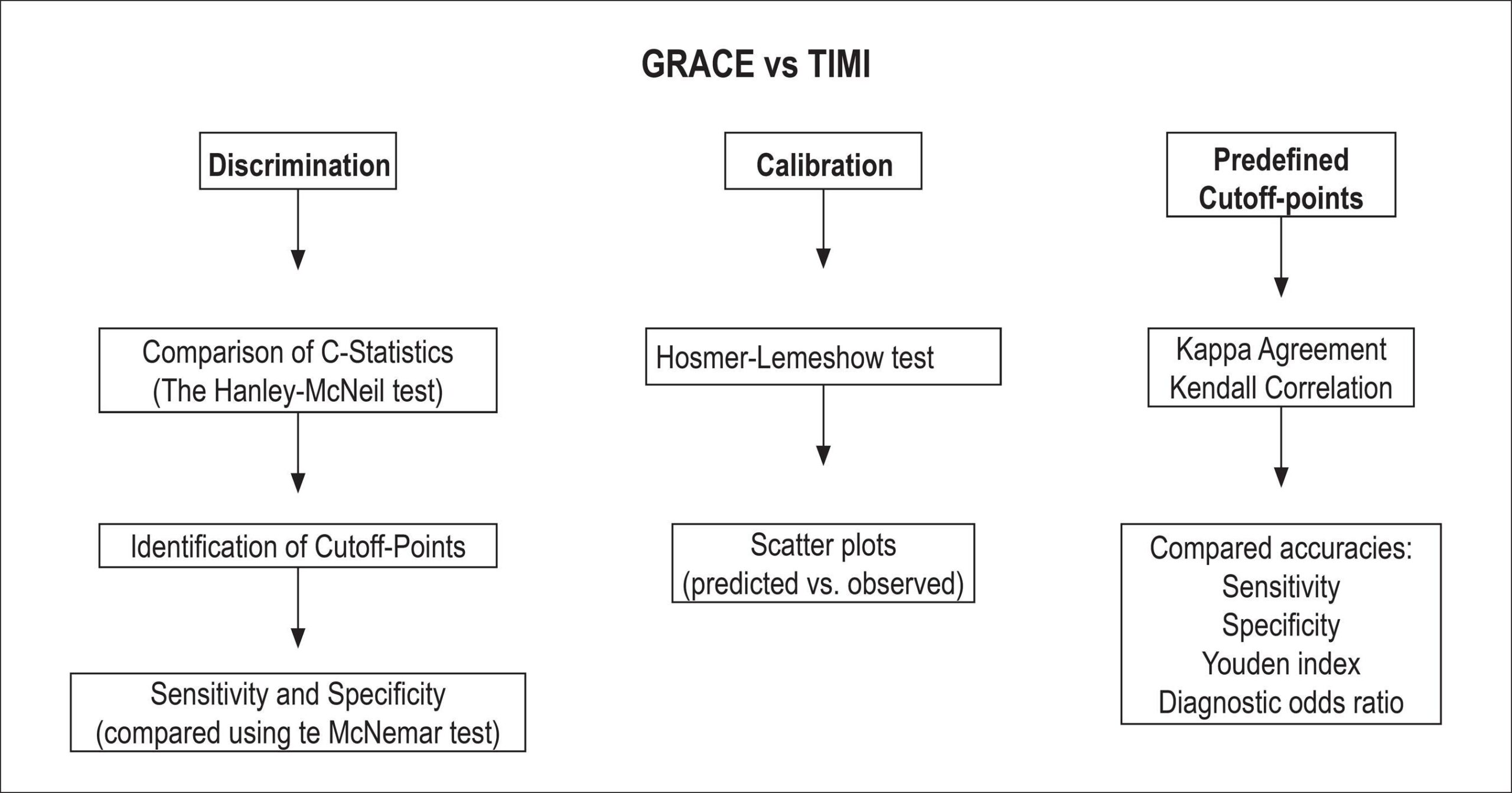
We included 152 individuals consecutively admitted for STEMI. The TIMI and GRACE scores were tested for their discriminatory ability (C-statistics) and calibration (Hosmer-Lemeshow) in relation to hospital death.

Results:

The TIMI score showed equal distribution of patients in the ranges of low, intermediate and high risk (39 %, 27 % and 34 %, respectively), as opposed to the GRACE Score that showed predominant distribution at low risk (80 %, 13 % and 7%, respectively). Case-fatality was 11%. The C-statistics of the TIMI score was 0.87 (95%CI = 0.76 to 0.98), similar to GRACE (0.87, 95%CI = 0.75 to 0.99) – p = 0.71. The TIMI score showed satisfactory calibration represented by χ2 = 1.4 (p = 0.92), well above the calibration of the GRACE score, which showed χ2 = 14 (p = 0.08). This calibration is reflected in the expected incidence ranges for low, intermediate and high risk, according to the TIMI score (0 %, 4.9 % and 25 %, respectively), differently to GRACE (2.4%, 25% and 73%), which featured middle range incidence inappropriately.

Conclusion:

Although the scores show similar discriminatory capacity for hospital death, the TIMI score had better calibration than GRACE. These findings need to be validated populations of different risk profiles.

  • Acute Coronary Syndrome / diagnosis
  • Comparative Study
  • Myocardial Infarction
  • Prognosis
  • Propensity Score
  • Risk Factors
Read Full Article
Creative Commons Attribution (CC BY) Creative Commons license
15/07/2014 DOI: 10.5935/abc.20140095 Views 1
Prospective validation of the dante pazzanese risk score in non-ST-segment elevation acute coronary syndrome
ABC
Artigo Original

Prospective validation of the dante pazzanese risk score in non-ST-segment elevation acute coronary syndrome

Elizabete Silva dos Santos et al. Luiz Minuzzo Roberta de Souza Ari Timerman

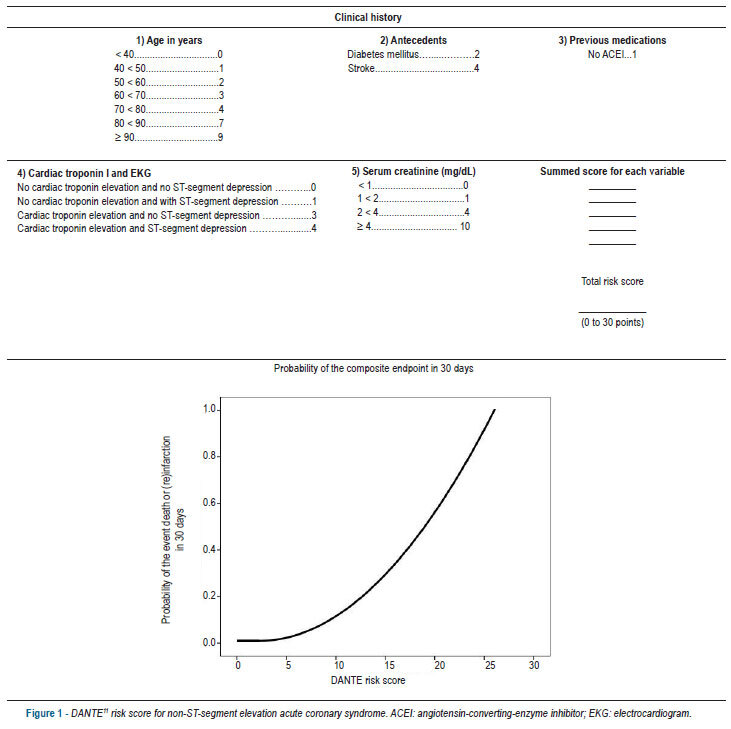
BACKGROUND: In non-ST-segment elevation acute coronary syndrome (ACS), the likelihood of adverse events should be estimated. Guidelines recommend risk stratification models for that purpose. The Dante Pazzanese risk score (DANTE score) is a simple risk stratification model composed with the following variables: age increase (0 to 9 points); history of diabetes mellitus (2 points) or stroke (4 points); no use of angiotensin-converting-enzyme inhibitor (1 point); creatinine elevation (0 to 10 points); combination of troponin elevation and ST-segment depression (0 to 4 points). OBJECTIVE: To validate the DANTE score in patients with non-ST-segment elevation ACS. METHODS: Prospective, observational study including 457 patients, from September 2009 to October 2010. The patients were grouped in risk categories according to the original model score as follows: very low; low; intermediate; and high. The predictive ability of the score was assessed by using C-statistics. RESULTS: The sample comprised 291 (63.7%) men, the mean age being 62.1 years (SD=11.04). The event death or (re)infarction in 30 days was observed in 17 patients (3.7%). Progressive increase in the proportion of events was observed as the score increased: very low risk = 0.0%; low risk = 3.9%; intermediate risk = 10.9%; high risk = 60.0%; p < 0.0001. C-statistics was 0.87 (95% CI: 0.81-0.94; p < 0.0001). CONCLUSION: DANTE score showed an excellent capacity to predict the specific events, and can be incorporated to the prognostic assessment of patients with non-ST-segment elevation ACS.

  • Acute coronary syndrome
  • Probability
  • Propensity Score
  • Risk
  • Validation Studies
Read Full Article
Creative Commons Attribution (CC BY) Creative Commons license
14/08/2013 DOI: 10.5935/abc.20130163 Views 1
Accuracy of the GRACE and TIMI scores in predicting the angiographic severity of acute coronary syndrome
ABC
Artigo Original

Accuracy of the GRACE and TIMI scores in predicting the angiographic severity of acute coronary syndrome

Carolina Esteves Barbosa et al. Mateus Viana Mariana Brito Michael Sabino … Guilherme Garcia Mayara Maraux Alexandre Costa Souza Márcia Noya-Rabelo J. Péricles Esteves Luis Cláudio Lemos Correia

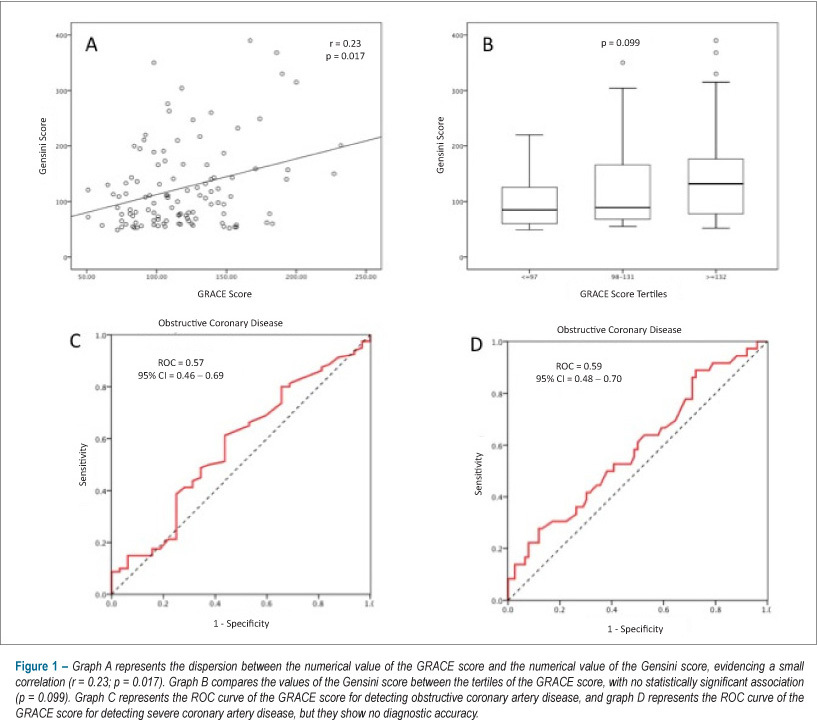
BACKGROUND: The accuracy of the GRACE and TIMI scores in predicting coronary disease extension in patients with non-ST-elevation acute coronary syndromes (ACS) has not been established. OBJECTIVE: To assess the hypothesis that the GRACE and TIMI risk scores satisfactorily predict coronary disease extension in patients withnon-ST-elevation ACS undergoing coronary angiography. METHODS: Individuals meeting the objective criteria for ACS and undergoing coronary angiography during hospitalization were consecutively assessed. Angiographic coronary disease was described as follows: quantification of coronary disease extension by using Gensini score; presence of any coronary artery obstruction (> 70% or > 50% when affecting left main coronary artery); and presence of severe disease (three-vessel disease or affecting the left main coronary artery). RESULTS: Of 112 patients assessed, a positive correlation of the Gensini score was observed with the GRACE (p = 0.017) and TIMI (p = 0.02) scores, but that association was weak (r = 0.23 and r = 0.27; respectively). The GRACE score could predict neither obstructive coronary disease (area under the ROC curve = 0.57; 95% CI = 0.46 – 0.69), nor severe coronary disease (ROC = 0.59; 95% CI = 0.48 – 0.70). The TIMI score proved to be a modest predictor of coronary disease (ROC = 0.65; 95% CI = 0.55 – 0.76) and of severe coronary disease (ROC = 0.66; 95% CI = 0.56 – 0.76). CONCLUSION: (1) There is a positive association between the values of the TIMI or GRACE scores and the extension of coronary artery disease in patients with ACS; (2) however, the degree of that association is not sufficient to make those scores accurate predictors of coronary angiography results.

  • Acute coronary syndrome
  • Coronary Angiography
  • Coronary Vessels
  • Propensity Score
Read Full Article
Creative Commons Attribution (CC BY) Creative Commons license
30/08/2012 DOI: 10.1590/S0066-782X2012005000080 Views 1
ABC
Point of view

Inclusion of the risk score in decision making of valvular heart disease

Ricardo Casalino et al. Max Grinberg

Clinical facts and numerical data support interpretations of quality of life and survival in patients with valvular heart disease. Such data are useful in decision making regarding the interruption of natural history and replacement by a hemodynamic post-correction history. Interdisciplinary competence and expertise are required to maximize the necessary and possible results. However, the ideal of recommendations to achieve the highest degree of therapeutic satisfaction by patients with valvular heart disease is influenced by a set of variables, related in part to the specifications of the patient, and part to the limitations of methods. The rationale of the risk score validated for multiple markers is the addition of quantitative accuracy to the clinical assessment based on the heterogeneity of individual experience and intuition. In this context, the use of risk scores to predict postoperative mortality are useful tools, easy to apply and that gives us objective data on the patient’s situation. None of the available tools (EuroSCORE, STS score and Ambler Score) used in healthcare has been validated has in our population.

  • Heart Valve Diseases
  • Probability
  • Propensity Score
  • Risk
Read Full Article
Creative Commons Attribution (CC BY) Creative Commons license
08/08/2012 DOI: 10.1590/S0066-782X2012000600018

How to cite this article

EndNote RIS

Electronic Document Format (Vancouver)

Demir M, Gök M, Gürdoğan M, Kula O, Ustabaşıoğlu FE, Yalta K. A Stent Misplaced in the Septal Perforating Artery: Right Ventricular Fistula, Interventricular Septal Hematoma, and Right Ventricular Outflow Tract Obstruction. Arquivos Brasileiros de Cardiologia 2023;120(8):e20220901.

Electronic Document Format (ABNT)

Demir, Melik; Gök, Murat; Gürdoğan, Muhammet; Kula, Osman; Ustabaşıoğlu, Fethi Emre; Yalta, Kenan. A Stent Misplaced in the Septal Perforating Artery: Right Ventricular Fistula, Interventricular Septal Hematoma, and Right Ventricular Outflow Tract Obstruction. Arquivos Brasileiros de Cardiologia, v. 120, n. 8, e20220901, Sep. 2023.

Electronic Document Format (APA)

Demir, M., Gök, M., Gürdoğan, M., Kula, O., Ustabaşıoğlu, F. E., & Yalta, K. (2023). A Stent Misplaced in the Septal Perforating Artery: Right Ventricular Fistula, Interventricular Septal Hematoma, and Right Ventricular Outflow Tract Obstruction. Arquivos Brasileiros de Cardiologia, 120(8), e20220901.

Electronic Document Format (ISO)

Demir, Melik and Gök, Murat and Gürdoğan, Muhammet and Kula, Osman and Ustabaşıoğlu, Fethi Emre and Yalta, Kenan. A Stent Misplaced in the Septal Perforating Artery: Right Ventricular Fistula, Interventricular Septal Hematoma, and Right Ventricular Outflow Tract Obstruction. Arquivos Brasileiros de Cardiologia [online]. 2023, vol. 120, n. 8, [cited 2026-10-14], e20220901. Available from: <https://journals.cardiol.br/en/article/a-stent-misplaced-in-the-septal-perforating-artery-right-ventricular-fistula-interventricular-septal-hematoma-and-right-ventricular-outflow-tract-obstruction/>. ISSN 0066-782X

EndNote RIS

Electronic Document Format (Vancouver)

Wang L, Wang L, Gu M, Li , Wang C, Xia Y. A Simple Clinical Risk Score to Predict Post-Discharge Mortality in Chinese Patients Hospitalized with Heart Failure. Arquivos Brasileiros de Cardiologia 2021;117(4):615-23.

Electronic Document Format (ABNT)

Wang, Lei; Wang, Li-Qin; Gu, Mo-Li; Li, ang; Wang, Chen; Xia, Yun-Feng. A Simple Clinical Risk Score to Predict Post-Discharge Mortality in Chinese Patients Hospitalized with Heart Failure. Arquivos Brasileiros de Cardiologia, v. 117, n. 4, p. 615-623, Aug. 2021.

Electronic Document Format (APA)

Wang, L., Wang, L., Gu, M., Li, , Wang, C., & Xia, Y. (2021). A Simple Clinical Risk Score to Predict Post-Discharge Mortality in Chinese Patients Hospitalized with Heart Failure. Arquivos Brasileiros de Cardiologia, 117(4), 615-623.

Electronic Document Format (ISO)

Wang, Lei and Wang, Li-Qin and Gu, Mo-Li and Li, ang and Wang, Chen and Xia, Yun-Feng. A Simple Clinical Risk Score to Predict Post-Discharge Mortality in Chinese Patients Hospitalized with Heart Failure. Arquivos Brasileiros de Cardiologia [online]. 2021, vol. 117, n. 4, [cited 2026-10-14], pp. 615-623. Available from: <https://journals.cardiol.br/en/article/a-simple-clinical-risk-score-to-predict-post-discharge-mortality-in-chinese-patients-hospitalized-with-heart-failure/>. ISSN 0066-782X

EndNote RIS

Electronic Document Format (Vancouver)

Raj V, Charles S, Goenka L, Ramamoorthy T, C M, C E, Mala K, et al. Assessment of Peripheral Blood Mononuclear Cells Senescence and Endothelial Dysfunction among Adults with High Cardiovascular Risk. Arquivos Brasileiros de Cardiologia 2021;116(1):37-4.

Electronic Document Format (ABNT)

Raj, Vijay; Charles, Soniya; Goenka, Luxitaa; Ramamoorthy, Thilagavathi; C, Marimuthu; C, Emmanuel; Mala, Kanchana; Kumarasamy, Subramaniyan; George, Melvin. Assessment of Peripheral Blood Mononuclear Cells Senescence and Endothelial Dysfunction among Adults with High Cardiovascular Risk. Arquivos Brasileiros de Cardiologia, v. 116, n. 1, p. 37-47, Feb. 2021.

Electronic Document Format (APA)

Raj, V., Charles, S., Goenka, L., Ramamoorthy, T., C, M., C, E., Mala, K., Kumarasamy, S., & George, M. (2021). Assessment of Peripheral Blood Mononuclear Cells Senescence and Endothelial Dysfunction among Adults with High Cardiovascular Risk. Arquivos Brasileiros de Cardiologia, 116(1), 37-47.

Electronic Document Format (ISO)

Raj, Vijay and Charles, Soniya and Goenka, Luxitaa and Ramamoorthy, Thilagavathi and C, Marimuthu and C, Emmanuel and Mala, Kanchana and Kumarasamy, Subramaniyan and George, Melvin. Assessment of Peripheral Blood Mononuclear Cells Senescence and Endothelial Dysfunction among Adults with High Cardiovascular Risk. Arquivos Brasileiros de Cardiologia [online]. 2021, vol. 116, n. 1, [cited 2026-10-14], pp. 37-47. Available from: <https://journals.cardiol.br/en/article/assessment-of-peripheral-blood-mononuclear-cells-senescence-and-endothelial-dysfunction-among-adults-with-high-cardiovascular-risk/>. ISSN 0066-782X

EndNote RIS

Electronic Document Format (Vancouver)

Zhang Y, Yuan Y. Value of left atrial diameter with CHA2DS2-VASc score in predicting left atrial/left atrial appendage thrombosis in non-valvular atrial fibrillation. Arquivos Brasileiros de Cardiologia 2021;116(2):325-31.

Electronic Document Format (ABNT)

Zhang, Yu; Yuan, Yi-Qiang. Value of left atrial diameter with CHA2DS2-VASc score in predicting left atrial/left atrial appendage thrombosis in non-valvular atrial fibrillation. Arquivos Brasileiros de Cardiologia, v. 116, n. 2, p. 325-331, Jan. 2021.

Electronic Document Format (APA)

Zhang, Y., & Yuan, Y. (2021). Value of left atrial diameter with CHA2DS2-VASc score in predicting left atrial/left atrial appendage thrombosis in non-valvular atrial fibrillation. Arquivos Brasileiros de Cardiologia, 116(2), 325-331.

Electronic Document Format (ISO)

Zhang, Yu and Yuan, Yi-Qiang. Value of left atrial diameter with CHA2DS2-VASc score in predicting left atrial/left atrial appendage thrombosis in non-valvular atrial fibrillation. Arquivos Brasileiros de Cardiologia [online]. 2021, vol. 116, n. 2, [cited 2026-10-14], pp. 325-331. Available from: <https://journals.cardiol.br/en/article/value-of-left-atrial-diameter-with-cha2ds2-vasc-score-in-predicting-left-atrial-left-atrial-appendage-thrombosis-in-non-valvular-atrial-fibrillation/>. ISSN 0066-782X

EndNote RIS

Electronic Document Format (Vancouver)

Trad H. Our Precious Calcium Score. Arquivos Brasileiros de Cardiologia 2020;115(3):501-2.

Electronic Document Format (ABNT)

Trad, Henrique. Our Precious Calcium Score. Arquivos Brasileiros de Cardiologia, v. 115, n. 3, p. 501-502, Sep. 2020.

Electronic Document Format (APA)

Trad, H. (2020). Our Precious Calcium Score. Arquivos Brasileiros de Cardiologia, 115(3), 501-502.

Electronic Document Format (ISO)

Trad, Henrique. Our Precious Calcium Score. Arquivos Brasileiros de Cardiologia [online]. 2020, vol. 115, n. 3, [cited 2026-10-14], pp. 501-502. Available from: <https://journals.cardiol.br/en/article/our-precious-calcium-score/>. ISSN 0066-782X

EndNote RIS

Electronic Document Format (Vancouver)

Soares GP. Comparison of HEART, TIMI and GRACE Scores for Predicting Major Adverse Cardiovascular Events in the Era of High-Sensitivity Assay for Troponin I. Arquivos Brasileiros de Cardiologia 2020;114(5):803-4.

Electronic Document Format (ABNT)

Soares, Gabriel Porto. Comparison of HEART, TIMI and GRACE Scores for Predicting Major Adverse Cardiovascular Events in the Era of High-Sensitivity Assay for Troponin I. Arquivos Brasileiros de Cardiologia, v. 114, n. 5, p. 803-804, May. 2020.

Electronic Document Format (APA)

Soares, G. P. (2020). Comparison of HEART, TIMI and GRACE Scores for Predicting Major Adverse Cardiovascular Events in the Era of High-Sensitivity Assay for Troponin I. Arquivos Brasileiros de Cardiologia, 114(5), 803-804.

Electronic Document Format (ISO)

Soares, Gabriel Porto. Comparison of HEART, TIMI and GRACE Scores for Predicting Major Adverse Cardiovascular Events in the Era of High-Sensitivity Assay for Troponin I. Arquivos Brasileiros de Cardiologia [online]. 2020, vol. 114, n. 5, [cited 2026-10-14], pp. 803-804. Available from: <https://journals.cardiol.br/en/article/comparison-of-heart-timi-and-grace-scores-for-predicting-major-adverse-cardiovascular-events-in-the-era-of-high-sensitivity-assay-for-troponin-i/>. ISSN 0066-782X

EndNote RIS

Electronic Document Format (Vancouver)

Yang Q, Chen Y, Gao H, Zhang J, Zhang J, Zhang M, Jing , et al. Chemotherapy-Related Anatomical Coronary-Artery Disease in Lung Cancer Patients Evaluated by Coronary-Angiography SYNTAX Score. Arquivos Brasileiros de Cardiologia 2020;114(6):1004-12.

Electronic Document Format (ABNT)

Yang, Qian; Chen, Yundai; Gao, Hai; Zhang, Jianzhong; Zhang, Juan; Zhang, Mingjie; Jing, ; Zhu, Pingjun; Zhou, Hao; Hu, Shunying. Chemotherapy-Related Anatomical Coronary-Artery Disease in Lung Cancer Patients Evaluated by Coronary-Angiography SYNTAX Score. Arquivos Brasileiros de Cardiologia, v. 114, n. 6, p. 1004-1012, Mar. 2020.

Electronic Document Format (APA)

Yang, Q., Chen, Y., Gao, H., Zhang, J., Zhang, J., Zhang, M., Jing, , Zhu, P., Zhou, H., & Hu, S. (2020). Chemotherapy-Related Anatomical Coronary-Artery Disease in Lung Cancer Patients Evaluated by Coronary-Angiography SYNTAX Score. Arquivos Brasileiros de Cardiologia, 114(6), 1004-1012.

Electronic Document Format (ISO)

Yang, Qian and Chen, Yundai and Gao, Hai and Zhang, Jianzhong and Zhang, Juan and Zhang, Mingjie and Jing and Zhu, Pingjun and Zhou, Hao and Hu, Shunying. Chemotherapy-Related Anatomical Coronary-Artery Disease in Lung Cancer Patients Evaluated by Coronary-Angiography SYNTAX Score. Arquivos Brasileiros de Cardiologia [online]. 2020, vol. 114, n. 6, [cited 2026-10-14], pp. 1004-1012. Available from: <https://journals.cardiol.br/en/article/chemotherapy-related-anatomical-coronary-artery-disease-in-lung-cancer-patients-evaluated-by-coronary-angiography-syntax-score/>. ISSN 0066-782X

EndNote RIS

Electronic Document Format (Vancouver)

Timóteo AT. Is ProACS Score Just another Risk Stratification Score, or is it Ready for Implementation in Clinical Practice?. Arquivos Brasileiros de Cardiologia 2019;113(1):31-2.

Electronic Document Format (ABNT)

Timóteo, Ana Teresa. Is ProACS Score Just another Risk Stratification Score, or is it Ready for Implementation in Clinical Practice?. Arquivos Brasileiros de Cardiologia, v. 113, n. 1, p. 31-32, Aug. 2019.

Electronic Document Format (APA)

Timóteo, A. T. (2019). Is ProACS Score Just another Risk Stratification Score, or is it Ready for Implementation in Clinical Practice?. Arquivos Brasileiros de Cardiologia, 113(1), 31-32.

Electronic Document Format (ISO)

Timóteo, Ana Teresa. Is ProACS Score Just another Risk Stratification Score, or is it Ready for Implementation in Clinical Practice?. Arquivos Brasileiros de Cardiologia [online]. 2019, vol. 113, n. 1, [cited 2026-10-14], pp. 31-32. Available from: <https://journals.cardiol.br/en/article/is-proacs-score-just-another-risk-stratification-score-or-is-it-ready-for-implementation-in-clinical-practice/>. ISSN 0066-782X

EndNote RIS

Electronic Document Format (Vancouver)

Correia LCL, Garcia G, Kalil F, Ferreira F, Carvalhal M, Oliveira R, Silva A, et al. Prognostic Value of TIMI Score versus GRACE Score in ST-segment Elevation Myocardial Infarction. Arquivos Brasileiros de Cardiologia 2014;103(2):98-106.

Electronic Document Format (ABNT)

Correia, Luis C. L.; Garcia, Guilherme; Kalil, Felipe; Ferreira, Felipe; Carvalhal, Manuela; Oliveira, Ruan; Silva, André; Vasconcelos, Isis; Henri, Caio; Noya-Rabelo, Márcia. Prognostic Value of TIMI Score versus GRACE Score in ST-segment Elevation Myocardial Infarction. Arquivos Brasileiros de Cardiologia, v. 103, n. 2, p. 98-106, Jul. 2014.

Electronic Document Format (APA)

Correia, L. C. L., Garcia, G., Kalil, F., Ferreira, F., Carvalhal, M., Oliveira, R., Silva, A., Vasconcelos, I., Henri, C., & Noya-Rabelo, M. (2014). Prognostic Value of TIMI Score versus GRACE Score in ST-segment Elevation Myocardial Infarction. Arquivos Brasileiros de Cardiologia, 103(2), 98-106.

Electronic Document Format (ISO)

Correia, Luis C. L. and Garcia, Guilherme and Kalil, Felipe and Ferreira, Felipe and Carvalhal, Manuela and Oliveira, Ruan and Silva, André and Vasconcelos, Isis and Henri, Caio and Noya-Rabelo, Márcia. Prognostic Value of TIMI Score versus GRACE Score in ST-segment Elevation Myocardial Infarction. Arquivos Brasileiros de Cardiologia [online]. 2014, vol. 103, n. 2, [cited 2026-10-14], pp. 98-106. Available from: <https://journals.cardiol.br/en/article/prognostic-value-of-timi-score-versus-grace-score-in-st-segment-elevation-myocardial-infarction/>. ISSN 0066-782X

EndNote RIS

Electronic Document Format (Vancouver)

Santos ES, Minuzzo L, Souza R, Timerman A. Prospective validation of the dante pazzanese risk score in non-ST-segment elevation acute coronary syndrome. Arquivos Brasileiros de Cardiologia 2013;101(3):197-204.

Electronic Document Format (ABNT)

Santos, Elizabete Silva dos; Minuzzo, Luiz; Souza, Roberta de; Timerman, Ari. Prospective validation of the dante pazzanese risk score in non-ST-segment elevation acute coronary syndrome. Arquivos Brasileiros de Cardiologia, v. 101, n. 3, p. 197-204, Aug. 2013.

Electronic Document Format (APA)

Santos, E. S. , Minuzzo, L., Souza, R. , & Timerman, A. (2013). Prospective validation of the dante pazzanese risk score in non-ST-segment elevation acute coronary syndrome. Arquivos Brasileiros de Cardiologia, 101(3), 197-204.

Electronic Document Format (ISO)

Santos, Elizabete Silva dos and Minuzzo, Luiz and Souza, Roberta de and Timerman, Ari. Prospective validation of the dante pazzanese risk score in non-ST-segment elevation acute coronary syndrome. Arquivos Brasileiros de Cardiologia [online]. 2013, vol. 101, n. 3, [cited 2026-10-14], pp. 197-204. Available from: <https://journals.cardiol.br/en/article/prospective-validation-of-the-dante-pazzanese-risk-score-in-non-st-segment-elevation-acute-coronary-syndrome/>. ISSN 0066-782X

EndNote RIS

Electronic Document Format (Vancouver)

Barbosa CE, Viana M, Brito M, Sabino M, Garcia G, Maraux M, Souza AC, et al. Accuracy of the GRACE and TIMI scores in predicting the angiographic severity of acute coronary syndrome. Arquivos Brasileiros de Cardiologia 2012;99(3):818-24.

Electronic Document Format (ABNT)

Barbosa, Carolina Esteves; Viana, Mateus; Brito, Mariana; Sabino, Michael; Garcia, Guilherme; Maraux, Mayara; Souza, Alexandre Costa; Noya-Rabelo, Márcia; Esteves, J. Péricles; Correia, Luis Cláudio Lemos. Accuracy of the GRACE and TIMI scores in predicting the angiographic severity of acute coronary syndrome. Arquivos Brasileiros de Cardiologia, v. 99, n. 3, p. 818-824, Aug. 2012.

Electronic Document Format (APA)

Barbosa, C. E., Viana, M., Brito, M., Sabino, M., Garcia, G., Maraux, M., Souza, A. C., Noya-Rabelo, M., Esteves, J. P., & Correia, L. C. L. (2012). Accuracy of the GRACE and TIMI scores in predicting the angiographic severity of acute coronary syndrome. Arquivos Brasileiros de Cardiologia, 99(3), 818-824.

Electronic Document Format (ISO)

Barbosa, Carolina Esteves and Viana, Mateus and Brito, Mariana and Sabino, Michael and Garcia, Guilherme and Maraux, Mayara and Souza, Alexandre Costa and Noya-Rabelo, Márcia and Esteves, J. Péricles and Correia, Luis Cláudio Lemos. Accuracy of the GRACE and TIMI scores in predicting the angiographic severity of acute coronary syndrome. Arquivos Brasileiros de Cardiologia [online]. 2012, vol. 99, n. 3, [cited 2026-10-14], pp. 818-824. Available from: <https://journals.cardiol.br/en/article/accuracy-of-the-grace-and-timi-scores-in-predicting-the-angiographic-severity-of-acute-coronary-syndrome/>. ISSN 0066-782X

EndNote RIS

Electronic Document Format (Vancouver)

Casalino R, Grinberg M. Inclusion of the risk score in decision making of valvular heart disease. Arquivos Brasileiros de Cardiologia 2012;98(6):e102-4.

Electronic Document Format (ABNT)

Casalino, Ricardo; Grinberg, Max. Inclusion of the risk score in decision making of valvular heart disease. Arquivos Brasileiros de Cardiologia, v. 98, n. 6, p. e102-e104, Aug. 2012.

Electronic Document Format (APA)

Casalino, R., & Grinberg, M. (2012). Inclusion of the risk score in decision making of valvular heart disease. Arquivos Brasileiros de Cardiologia, 98(6), e102-e104.

Electronic Document Format (ISO)

Casalino, Ricardo and Grinberg, Max. Inclusion of the risk score in decision making of valvular heart disease. Arquivos Brasileiros de Cardiologia [online]. 2012, vol. 98, n. 6, [cited 2026-10-14], pp. e102-e104. Available from: <https://journals.cardiol.br/en/article/inclusion-of-the-risk-score-in-decision-making-of-valvular-heart-disease/>. ISSN 0066-782X

  • About ABC Family
  • Internal Regulation
  • Editorial Board
  • Brazilian Society of Cardiology (SBC)

Issues

SBC Guidelines

  • Videos
  • Podcasts
  • News