ABC Family Arquivos Brasileiros de Cardiologia International Journal of Cardiovascular Sciences ABC Heart Failure & Cardiomyopathy ABC Imagem Cardiovascular
Português English
ABC Family
Português English
  • About
    • About ABC Family
    • Internal Regulation
    • Editorial Board
    • Brazilian Society of Cardiology (SBC)
  • Issues
  • SBC Guidelines
  • Content
    • Videos
    • Podcasts
    • News
  • About
    • About ABC Family
    • Internal Regulation
    • Editorial Board
    • Brazilian Society of Cardiology (SBC)
  • Issues
  • SBC Guidelines
  • Content
    • Videos
    • Podcasts
    • News

ABC Family

  • ABC Family
  • Arquivos Brasileiros de Cardiologia
  • International Journal of Cardiovascular Sciences
  • ABC Heart Failure & Cardiomyopathy
  • ABC Imagem Cardiovascular
Search in

No content found.

Journals
Ordering
Article types
Others

  1. Home
  2. Keyword: Heart Valve Prosthesis
Figure 1
ABCIC
Case Report

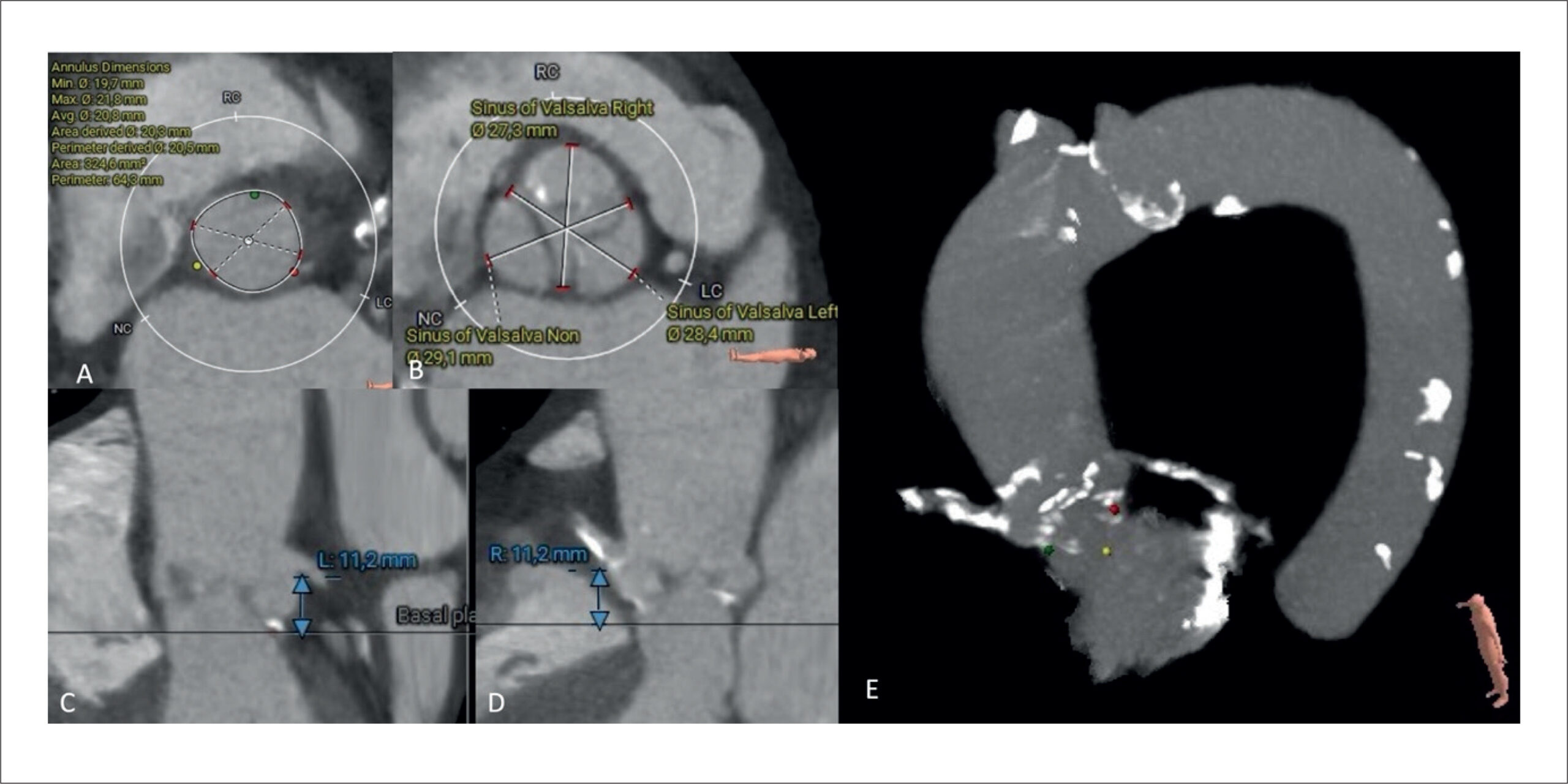
TAV-in-TAV for Acute Failure of a Transcatheter Aortic Valve in a High Surgical Risk Octogenarian Patient

Gustavo Carvalho et al. Maria Fernanda Miranda Carvalho Enio Eduardo Guérios Pedro Calegari … Cláudia Biondo Zanlorensi Fernando Silva Botelho Bruna O. Erbano Vinícius D. Vaz

Abstract

An 82-year-old patient with severe aortic valve stenosis and high risk for conventional surgery due to chronic renal dysfunction and restrictive lung disease underwent transfemoral transcatheter aortic valve implantation (TAVI) using a self-expanding Navitor® prosthesis (Abbott). Immediately after implantation, valve dysfunction was observed, characterized by inversion of the right coronary leaflet, resulting in severe acute prosthetic regurgitation and hemodynamic instability. Therefore, a 21.5 mm balloon-expandable Myval® prosthesis was also implanted (TAV-in-TAV). The critical condition was resolved with immediate hemodynamic recovery. This case demonstrates the efficacy and safety of TAV-in-TAV as a bailout intervention in acute prosthetic failure.

  • Aortic Valve Insufficiency
  • Aortic Valve Stenosis
  • Heart Valve Prosthesis
  • prostheses and implants
Read Full Article
Creative Commons Attribution (CC BY) Creative Commons license
10/07/2026 DOI: 10.36660/abcimg.20250111i
Figure 1
ABCIC
Case Report

Asymptomatic Non-Bacterial Thrombotic Endocarditis Leading to a Diagnosis of Pancreatic Cancer

Diego Chemello et al. Patricia Chagas Daniel Marques Barreiro Camila Sales Fagundes … Rafael Coelho Marcelo Dantas Tavares de Melo

Introduction

Non-bacterial thrombotic endocarditis (NBTE) is a phenomenon associated with sterile vegetations composed of fibrin and platelets aggregating on healthy heart valves. Most cases are diagnosed after death or in patients experiencing systemic embolization. Diagnosis relies on clinical suspicion and a compatible echocardiographic image. The correct treatment is long-term systemic anticoagulation to avoid arterial embolization, which often presents as multiple and recurrent ischemic strokes.

The first antemortem report of NBTE as the initial presentation of underlying pancreatic cancer was published in 2008. However, incidental diagnosis of uncomplicated NBTE that leads to a subsequent discovery of carcinoma is rare.

[…]

  • Aortic Valve Insufficiency
  • Heart Valve Prosthesis
  • Non-Infective Endocarditis
  • Pancreatic Neoplasms
Read Full Article
Creative Commons Attribution (CC BY) Creative Commons license
27/03/2025 DOI: 10.36660/abcimg.20240126i
Choosing a Valve Prosthesis for a Successful Pregnancy. The “Tip of the Iceberg” for a Disease of Complex Evolution
ABC
Original Article

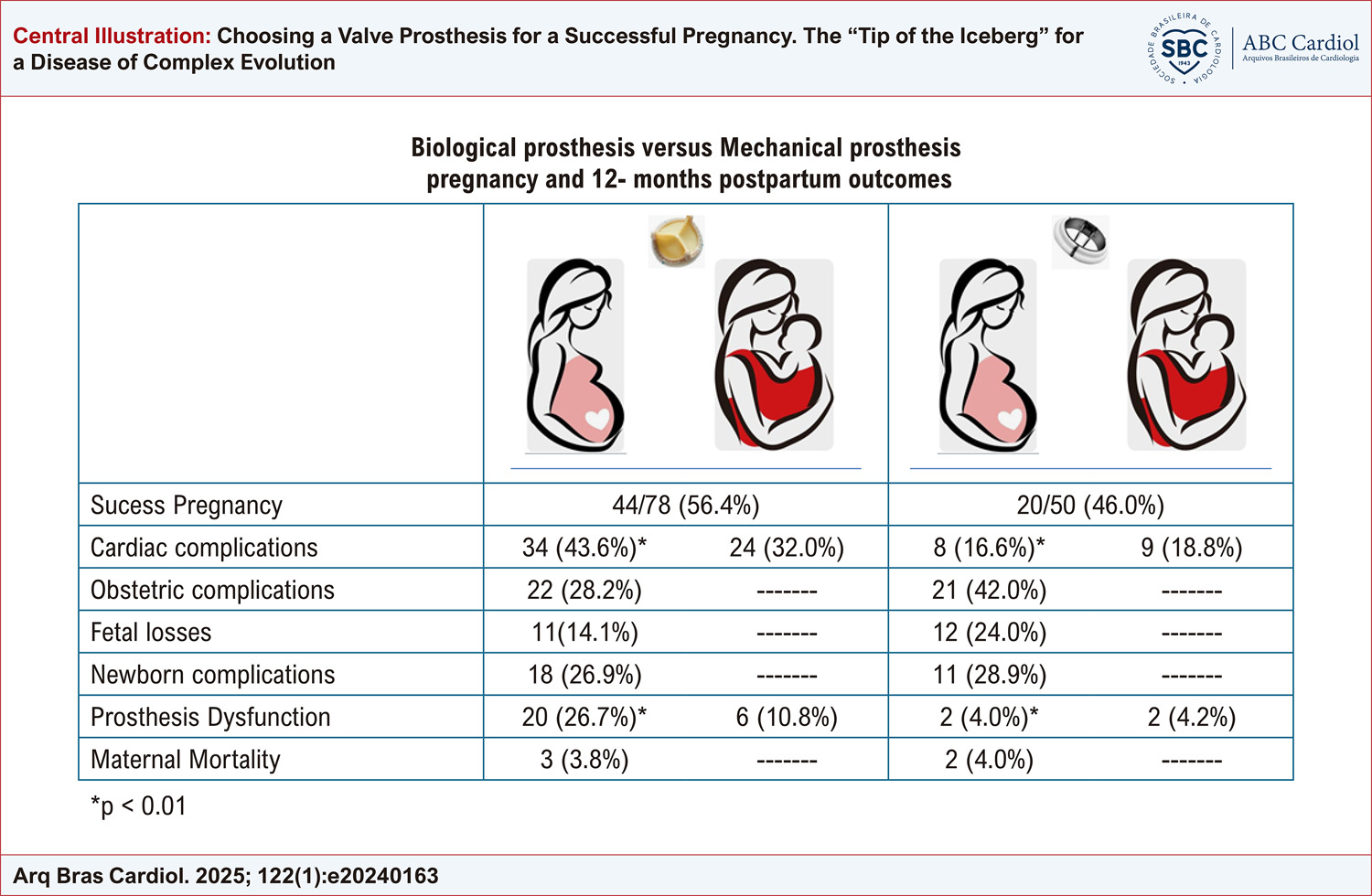
Choosing a Valve Prosthesis for a Successful Pregnancy. The “Tip of the Iceberg” for a Disease of Complex Evolution

Walkiria Samuel Avila et al. Daniel Vinicius Rodrigues Pinto Jessica Sol Brugnara Marilia Moro … Talita Carla Stratti Moreira Isabelle Borges Nana Miura Flávio Tarasoutchi

Abstract

Background

The choice of valve prosthesis in women planning a pregnancy is still controversial. The durability of biological prostheses and the characteristic thrombogenic of mechanical prostheses are limitations to the pregnancy’s successful Objectives: To study the pregnancy success rate after valve prosthesis implantation, and identify the variables related to maternal outcomes.

Methods

Prospective study with 78 pregnant women with bovine pericardial prosthesis (Group BP) and 50 with a mechanical prosthesis (Group MP), who received prior guidance on the risks of pregnancy. The pregnancy success rate was considered in the absence of complications cardiac, obstetric and/or fetal complications.

Results

Successful pregnancy was achieved in 64 (50.0%) patients, not differing between groups (BP 56.4% vs MP 40.0% – p=0.103). The BP group had a higher cardiac events rate and prosthesis dysfunction (43.6% vs 16.0% p<0.001; 26.9% vs 2.0% p<0.001). The frequency of fetal losses (14.1% vs 24.0% p=0.165) and obstetric complications (28.2% vs 42% p=0.127) were not different between the BP and MP groups. The pre-existence of heart failure (odds ratio 8.5; 95% CI [1.4; 50.7]; p=0.019), atrial fibrillation (odds ratio 16.7; 95% CI [5.7; 49 .1]; p<0.001) and dysfunction of the biological prosthesis (odds ratio 12.6; 95% CI [3.0; 52.7]; p=0.001) were the variables predicting complications and/or deaths

Conclusions

Patients with valve prostheses had low maternal-fetal success due to the complicating factors of valve disease, the limited structural survival of biological prostheses and the lack of anticoagulants to guarantee pregnancy. The choice of a prosthesis, whether biological or mechanical, should not be considered an isolated decision, but rather a consequence of a complex outcome of the heart disease.

  • Anticoagulants
  • Heart Valve Prosthesis
  • Maternal Death
  • Pregnancy
Read Full Article
Creative Commons Attribution (CC BY) Creative Commons license
28/02/2025 DOI: 10.36660/abc.20240163i Views 2
Figure 1
ABCIC
Image

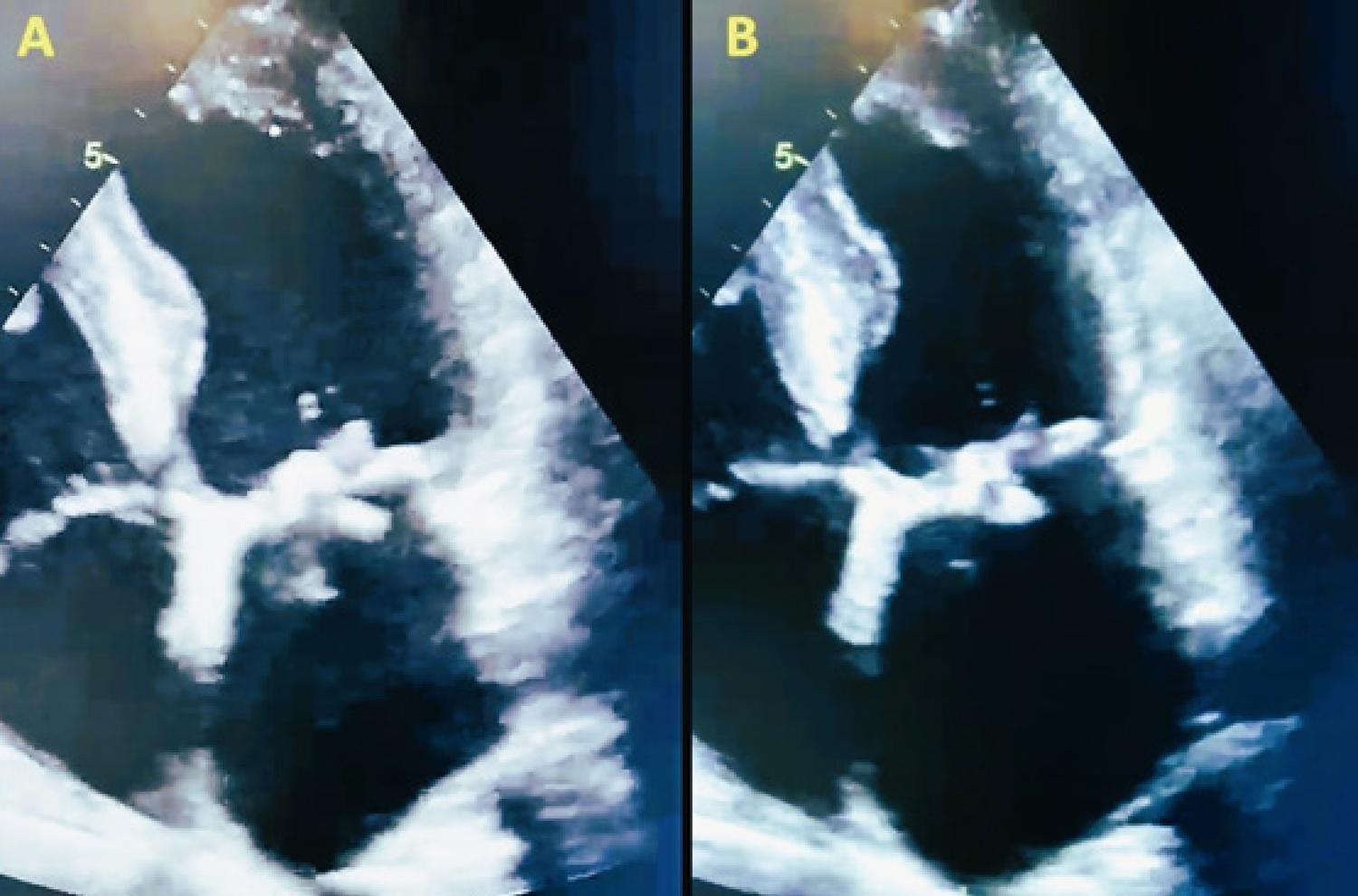
A Prosthetic Dysfunction Earlier Than Expected

Mariana Laranjeira et al. Maria Inês Bertão Rodolfo Pereira Olga Sousa

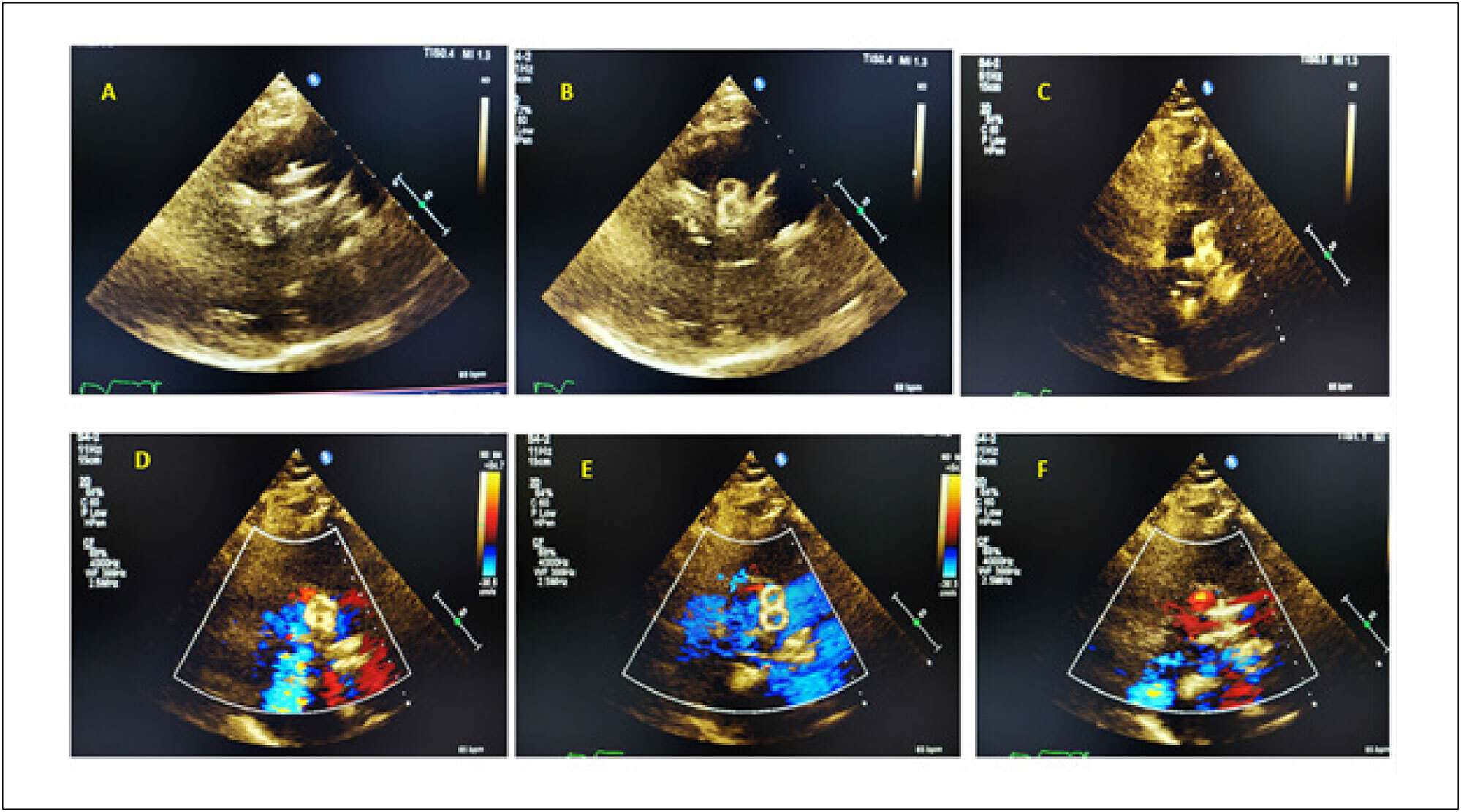
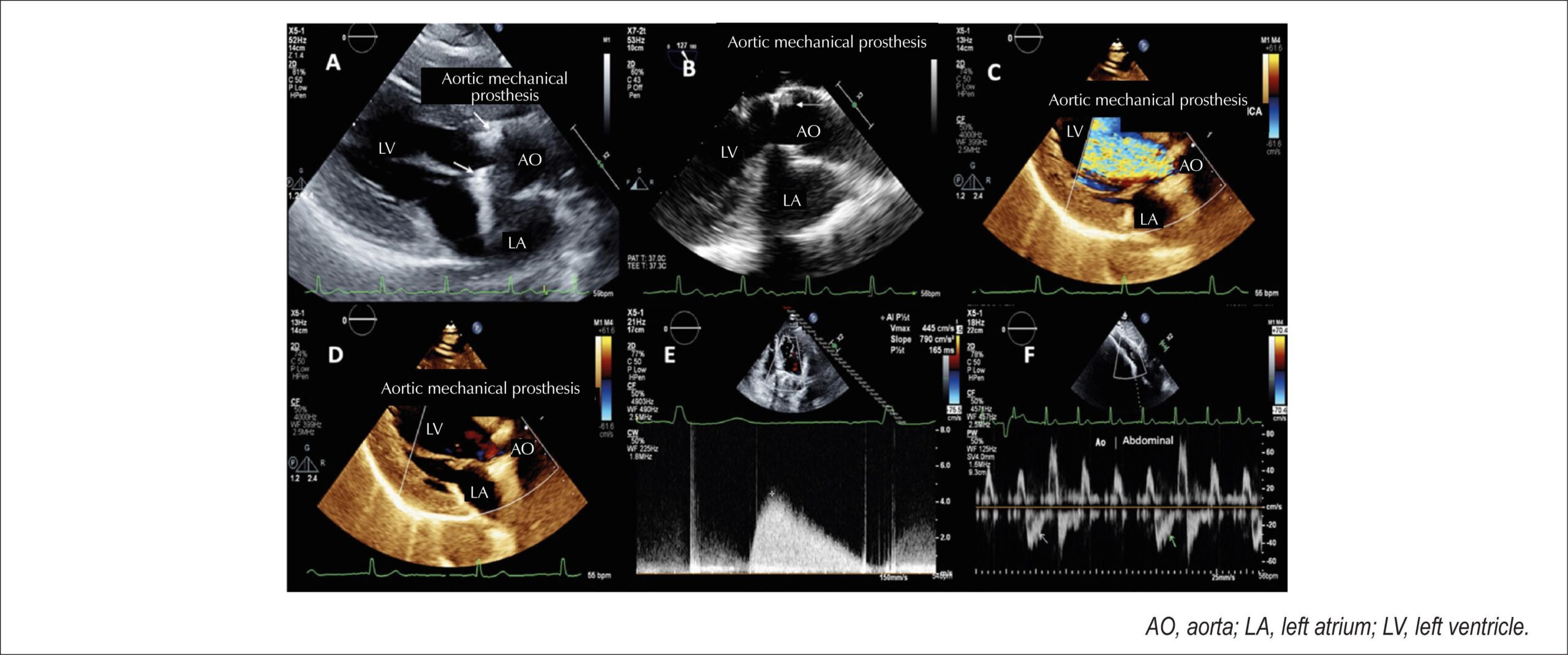
Prosthetic Heart Valves, despite their improvements over the last few decades, can be subject to complications and dysfunction. Mechanical prosthetic valves have an expected lifespan of approximately 10 to 20 years, with many lasting longer. For biological valves, the lifespan is generally shorter (5 to 15 years). However, the durability varies according to individual factors, valve type, and patient health. Although their greater durability, Mechanical Heart Valves are more pro-thrombotic than biological valves, and their dysfunction may be associated, for example, with thrombotic events and the formation of pannus. Pannus is an inflammatory tissue composed of inflammatory cells, fibroblasts, and blood vessels, and its presence can lead to dysfunction or other complications such as valve obstruction or endocarditis. The prevalence of pannus in cardiac valve prostheses varies depending on several factors, such as the type of prosthesis (biological or mechanical) and the patients’ clinical conditions. It is estimated that the formation of pannus occurs in about 1% to 5% of patients with valve prostheses, although it may be more common in biological ones. The annual rate of thrombus formation can reach 5.7-8%, being higher in tricuspid and mitral valve prostheses., A multimodality-based approach can provide useful data for differential diagnosis, complementing clinical assessment and offering an appropriate and optimized therapeutic approach. Valve dysfunction, in case of delayed diagnosis, can progress to cardiogenic shock. Valvular dysfunctions can be structural (valve dysfunction due to changes related to the valve itself) or non-structural (dysfunctions not related to the valve resulting in stenosis or regurgitation, which include the formation of pannus), which arises from the accumulation of fibrous tissue in the valve, causing its dysfunction. It forms less frequently than thrombi and its risk is higher in the mitral position compared to the tricuspid.

The authors present a case of mechanical mitral valve prosthesis dysfunction due to pannus. A Caucasian 43 years-old woman, with dyslipidaemia and hypertension with a history of infectious endocarditis of the mitral valve in 04/2022, presented with signs of infectious infiltration of both leaflets and severe mitral regurgitation. At this point, a cycle of antibiotic therapy was performed with ampicillin and flucloxacillin, with no agent being isolated (neither in blood cultures nor microbiological examination of the explanted valve). A double-disc mechanical valve prosthesis was implanted in the mitral position. The patients were hypocoagulated with a vitamin K antagonist (warfarin, with target INR levels of 2.5-3.5) and discharged from the hospital for outpatient follow-up.

[…]
  • General Surgery
  • Heart Valve Prosthesis
  • Pannus
  • Thrombosis
Read Full Article
Creative Commons Attribution (CC BY) Creative Commons license
27/02/2025 DOI: 10.36660/abcimg.20240078i
In-Hospital Outcomes in the Brazilian Registry of Transcatheter Aortic Valve Implantation – 14-Year Analysis
ABC
Original Article

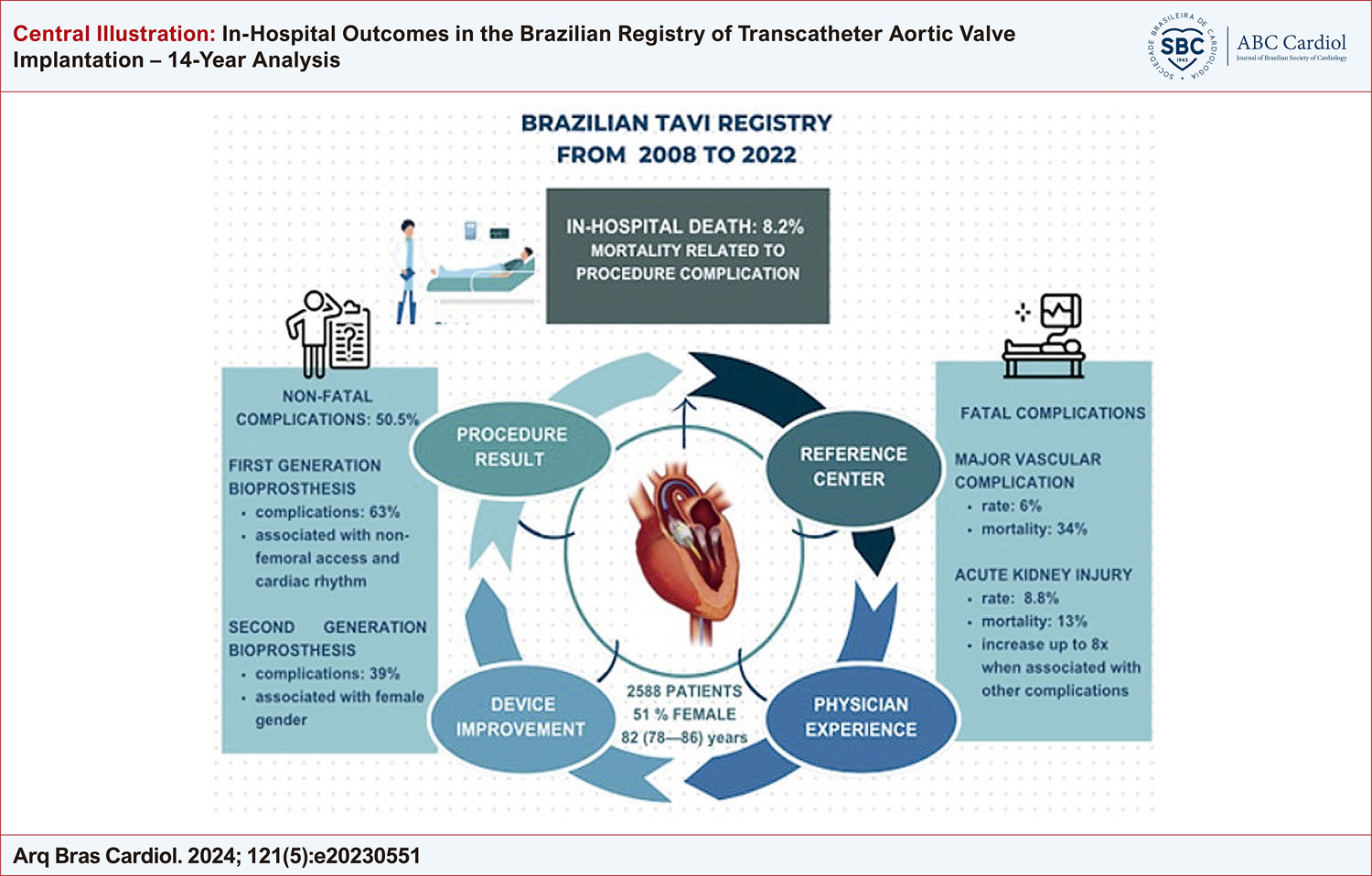
In-Hospital Outcomes in the Brazilian Registry of Transcatheter Aortic Valve Implantation – 14-Year Analysis

Maria Cristina Meira Ferreira et al. Viviana de Mello Guzzo Lemke Maria Sanali Moura de Oliveira Paiva Emilia Matos do Nascimento … Basílio de Bragança Pereira Gláucia Maria Moraes de Oliveira

Abstract

Background

Transcatheter aortic valve implantation (TAVI) has had an exponential increase of its indication, being incorporated into the Brazilian Unified Public Health System in 2022, thus requiring assessment of its use in Brazil.

Objeticve

To assess the factors associated with in-hospital mortality and non-fatal complications in both genders in the Brazilian Registry of Transcatheter Aortic Valve Implantation and New Technologies (RIBAC-NT) population.

Method

Analysis of the RIBAC-NT database from 2008 to 2022 was performed. Logistic models and machine learning were used for statistical assessment of the association between variables and outcomes. The software R was used and a 5% significance level, adopted.

Results

Analysis of 2588 patients (women, 51.2%; in-hospital death, 8.2%). Mortality was associated with procedural complications, of which major vascular complication (VC) and acute kidney injury (AKI) stood out (p<0.001). Major VC occurred in 6% of the patients, with 34% mortality; AKI occurred in 8.8%, with 13% mortality, which increased up to 8 times when AKI coexisted with other complications. Non-fatal complications occurred in 50.5% of all patients, affecting 63% of those with 1st generation (1G) bioprosthesis and 39% of those with 2nd generation (2G) bioprosthesis (p<0,001). Non-femoral access and heart rhythm influenced non-fatal complications in patients with 1G prostheses, while complications in patients with 2G prosthesis associated with the female gender (39.6% vs. 30.4%, p=0.003).

Conclusion

In-hospital mortality in the RIBAC-NT population was directly associated with procedural complications, mainly major VC and AKI. The occurrence of non-fatal complications differed according to gender and bioprosthesis type.

  • Aortic Valve Disease
  • Aortic Valve Stenosis
  • Heart Valve Prosthesis
  • Heart Valve Prosthesis Implantation
  • Transcatheter Aortic Valve Replacement
Read Full Article
Creative Commons Attribution (CC BY) Creative Commons license
14/10/2024 DOI: 10.36660/abc.20230551i
Figure 1
ABCIC
Review Article

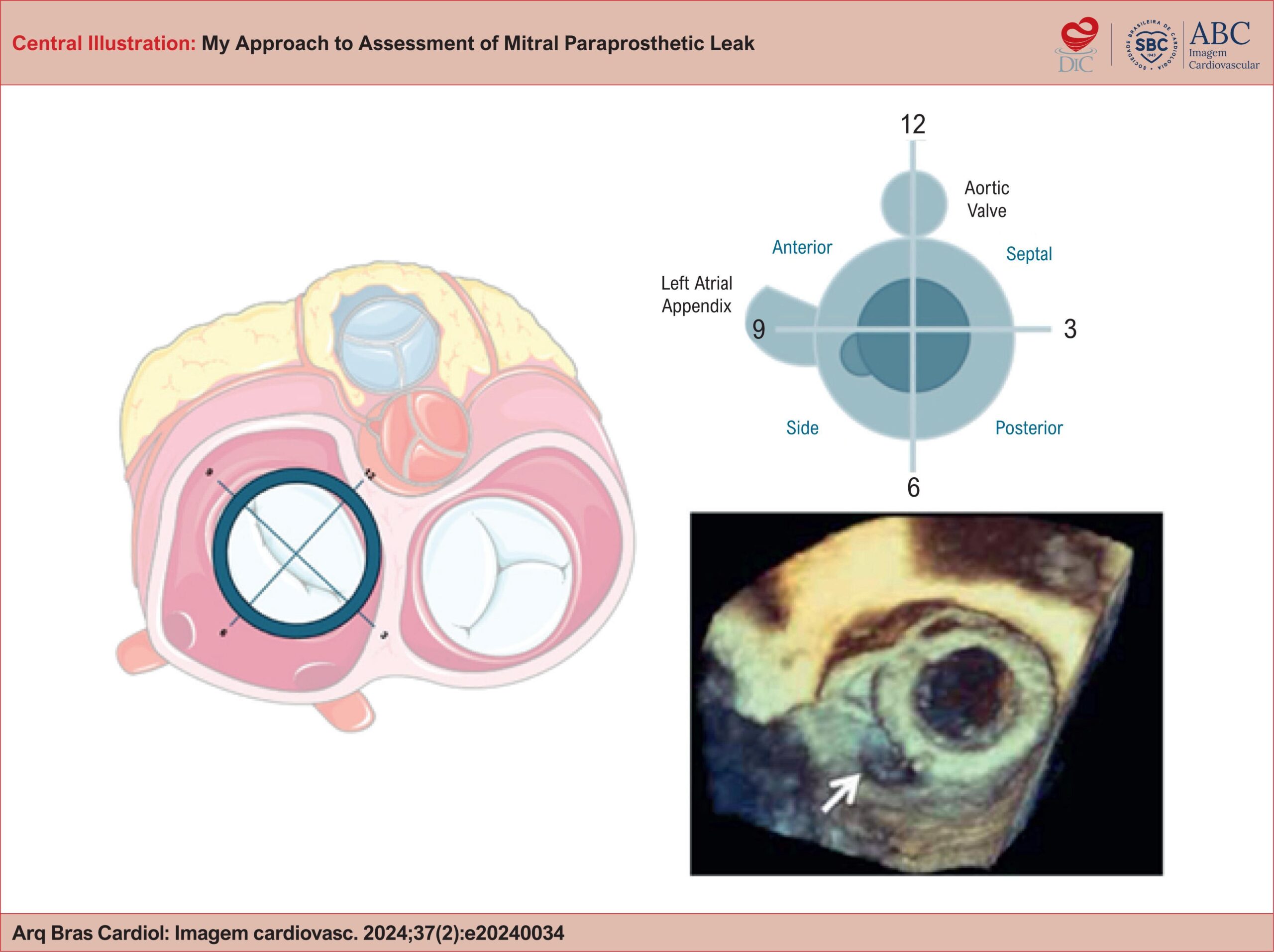
My Approach to Assessment of Mitral Paraprosthetic Leak

Tiago Bignoto

Abstract

Mitral paraprosthetic leak is a common, often asymptomatic condition. When presented with clinical manifestations such as heart failure and/or hemolysis, interventional treatment is indicated. The transcatheter approach has become increasingly popular, requiring careful planning using imaging methods, particularly echocardiography. Echocardiography is crucial for assessing the severity, location, size, shape, and number of leaks. Once these variables are determined, the treatment approach is planned, typically using the transseptal route. The optimal puncture site depends on various factors, with precise puncture location being paramount. Intraoperative echocardiographic evaluation is essential for procedure success, guiding device positioning and adjustments while also identifying any potential complications.

  • Heart Valve Diseases
  • Heart Valve Prosthesis
  • Mitral Valve
Read Full Article
Creative Commons Attribution (CC BY) Creative Commons license
06/06/2024 DOI: 10.36660/abcimg.20240034i Views 1
Figure 1
ABCIC
Case Report

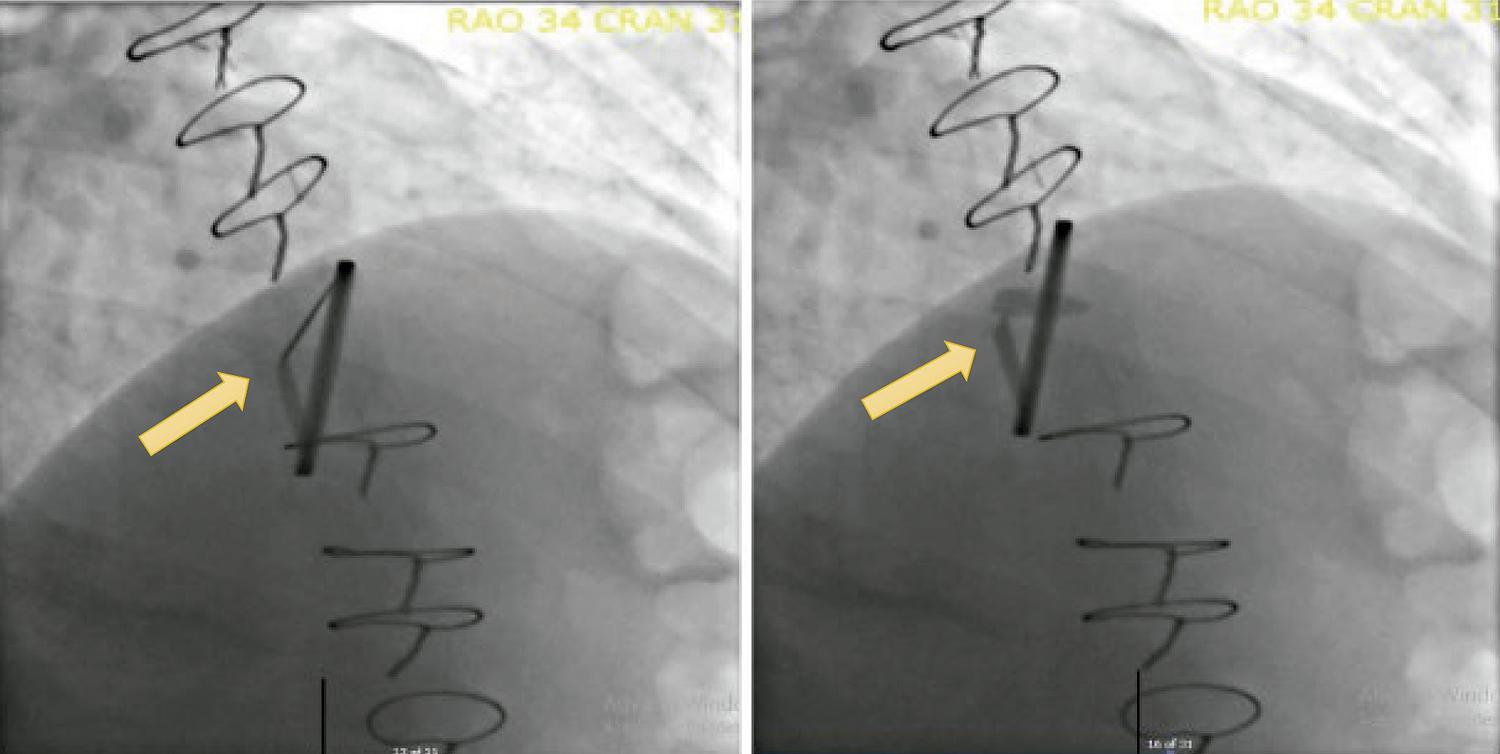
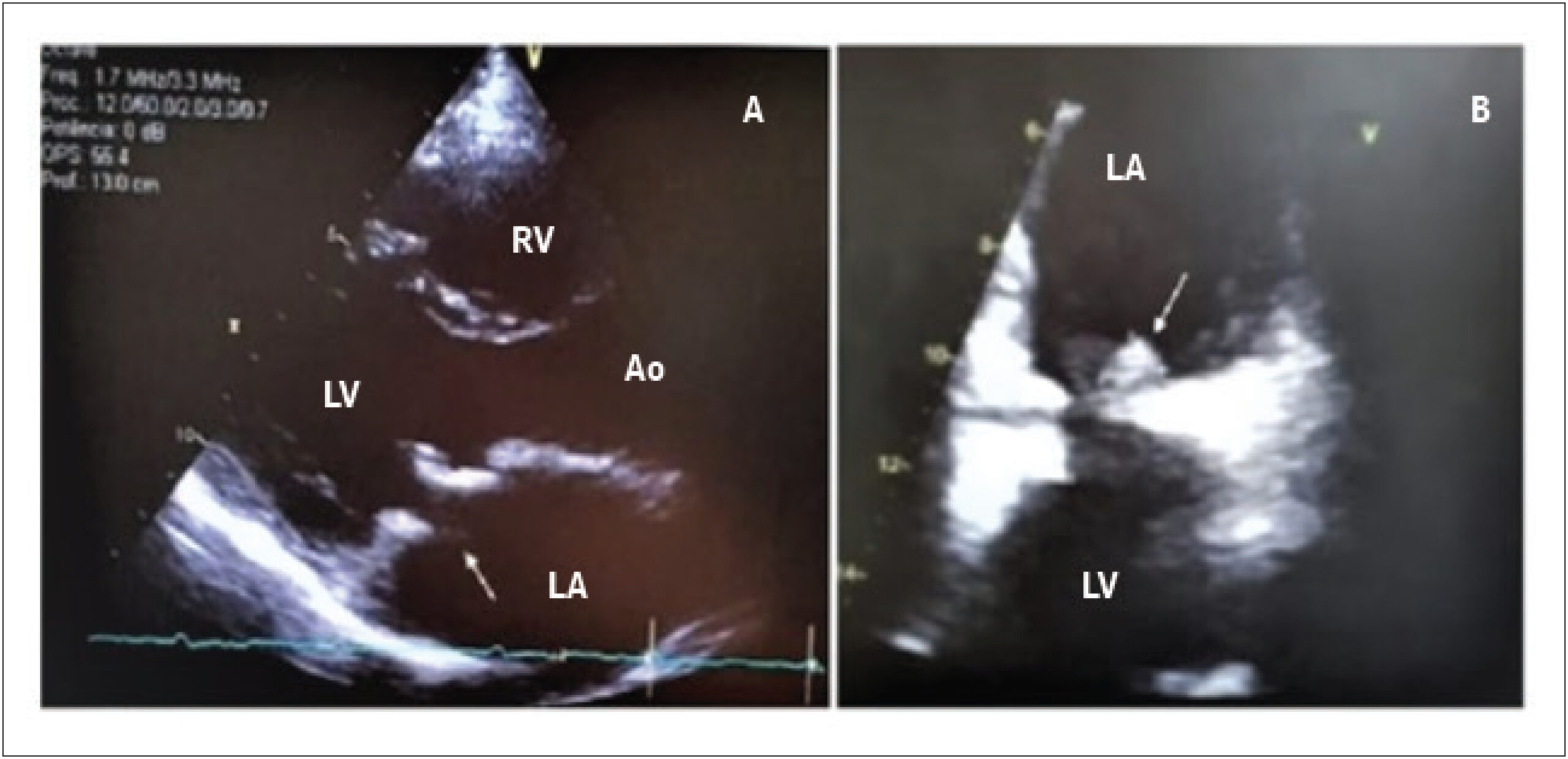
Ischemic Stroke in a Patient with Challenging Pseudoaneurysm in the Left Ventricular Outflow Tract

Saulo Rodrigo Cunha et al. Fernanda Pandolfo Fernando Colares Barros Eduardo Gatti Pianca Pedro Tregnago Barcellos

Introduction

Literature shows cases of cardiac neocavities, often associated with pseudoaneurysms resulting from traumatic injuries or fistulized periprosthetic abscesses involving the left ventricle (LV).

Cardiac pseudoaneurysms are typically complications of acute myocardial infarction but can also occur in the late postoperative period of valve surgery. Certain areas are particularly prone to the development of ascending aortic pseudoaneurysms. Generally, these events occur in sites where aortic cannulation and clamping take place, as well as in the areas of graft sutures.

[…]

  • False Aneurysm
  • Heart Valve Prosthesis
  • Stroke
Read Full Article
Creative Commons Attribution (CC BY) Creative Commons license
27/03/2024 DOI: 10.36660/abcimg.20240001i Views 2
Central Illustration
ABC
Review Article

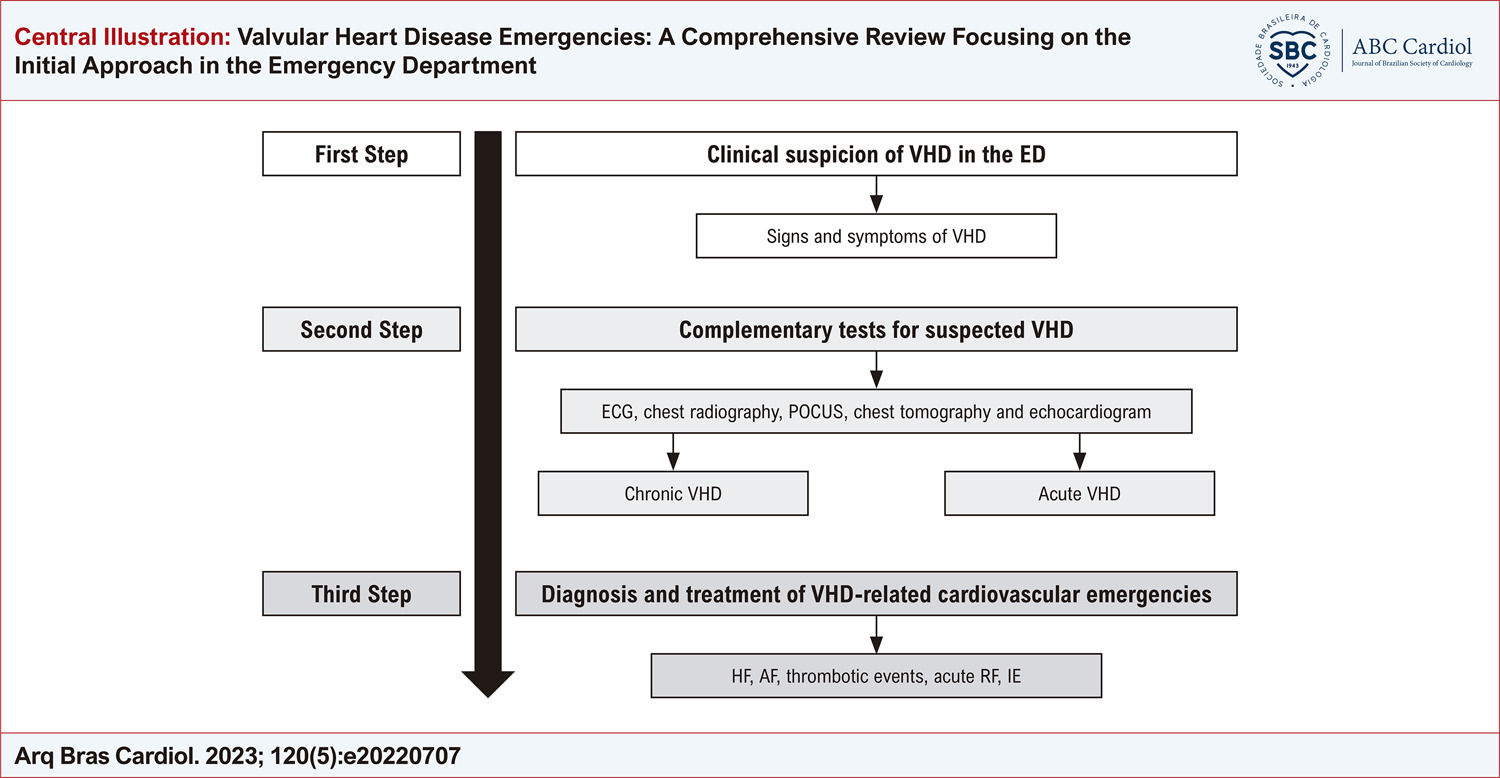
Valvular Heart Disease Emergencies: A Comprehensive Review Focusing on the Initial Approach in the Emergency Department

Tarso Augusto Duenhas Accorsi et al. Milena Ribeiro Paixão José Leão de Souza Júnior Marcus Vinicius Burato Gaz … Ricardo Galesso Cardoso Karen Francine Köhler Karine De Amicis Lima Flavio Tarasoutchi INTEGRATE Investigadores

Abstract

Valvular heart disease (VHD) is an increasing health problem worldwide. Patients with VHD may experience several cardiovascular-related emergencies. The management of these patients is a challenge in the emergency department, especially when the previous heart condition is unknown. Specific recommendations for the initial management are currently poor. This integrative review proposes an evidence-based three-step approach from bedside VHD suspicion to the initial treatment of the emergencies. The first step is the suspicion of underlying valvular condition based on signs and symptoms. The second step comprises the attempt to confirm the diagnosis and assessment of VHD severity with complementary tests. Finally, the third step addresses the diagnosis and treatment options for heart failure, atrial fibrillation, valvular thrombosis, acute rheumatic fever, and infective endocarditis. In addition, several images of complementary tests and summary tables are provided for physician support.

  • emergency medicine
  • Heart Valve Prosthesis
  • Heart valves
  • Valvular heart disease
Read Full Article
Creative Commons Attribution (CC BY) Creative Commons license
19/06/2023 DOI: 10.36660/abc.20220707 Views 1
Figure 1
ABC
Research Letter

Coxiella Burnetii Endocarditis: Can Positron Emission Tomography be an Alternative to Diagnosis?

Marjorie Hayashida Mizuta et al. Cristhian Espinoza Romero Santiago Castro Vintimilla Tatiana de Carvalho Andreucci Torres Leal … Paulo Rogério Soares Alexandre de Matos Soeiro

Introduction

Coxiella burnetii infective endocarditis (IE) represents a rarely reported zoonosis in Brazil. It is estimated that Coxiella burnetii is responsible for up to 5% of all IE cases worldwide. The disease affects mostly valvulopathy patients and immunocompromised subjects.

Different from the classical acute and sub-acute endocarditis, the clinical picture is frustrating, and, because this is an obligate intracellular microorganism, hemocultures (HMC) are predominantly negative, which makes the clinical suspicion more difficult.

[…]

  • Antibiotics/therapeutic use
  • Coxiella Burnetti
  • Echocardiography, Transesophageal/methods
  • Endocarditis
  • Heart Valve Prosthesis
  • Positron Emission Tomography Computed Tomography/methods
  • Q Fever
Read Full Article
Creative Commons Attribution (CC BY) Creative Commons license
10/06/2022 DOI: 10.36660/abc.20210421
Figure 1
ABCIC
Image

Intermittent Aortic Intraprosthetic Failure

Luciano H Melato et al. Daniela do Carmo Rassi Rogério G Furtado Ana Caroline R Oliveira

I

n

[…]

  • Echocardiography
  • Heart Valve Prosthesis
  • Prosthesis Failure
Read Full Article
Creative Commons Attribution (CC BY) Creative Commons license
30/03/2022 DOI: 10.47593/2675-312X/20223501eabc284 Views 1
ABCIC
Case Report

Dysfunctional Mitral Bioprosthesis Treated using Transapical Approach with Inovare Transcatheter Valve: A New Alternative to Conventional Surgery

Williams Roberto Lata Gacho et al. Jaime Paula Pessoa Linhares Filho Henrique Barbosa Ribeiro Roney Orismar Sampaio … José Onório Almeida Palma Fonseca Márcio Silva Miguel Lima

[…]

  • Bioprosthesis
  • Echocardiography, Doppler
  • Heart Valve Prosthesis
  • Mitral Valve Stenosis
  • Transcatheter Aortic Valve Replacement/trends
Read Full Article
Creative Commons Attribution (CC BY) Creative Commons license
04/02/2022 DOI: 10.5935/2318-8219.20180041 Views 1
ABCIC
Image

Pseudoaneurysm with Fistula in Metal Aortic Prosthesis and Tubular Prosthesis in Ascending Aorta: Contribution of 3D Echocardiography

Irving Gabriel Araújo Bispo et al. Vera Márcia L Gimenes Mercedes Maldonado Andrade

[…]

  • Aneurysm, False/diagnostic imaging
  • Aorta
  • Fistula
  • Heart Valve Prosthesis
  • Heart Valve Prosthesis Implantation
Read Full Article
Creative Commons Attribution (CC BY) Creative Commons license
20/01/2022 DOI: 10.5935/2318-8219.20170030 Views 1
Figure 1
ABC
Original Article

Late Outcomes of Aortic Valve Replacement with Bioprosthesis and Mechanical Prosthesis

Larissa Ventura Ribeiro Bruscky et al. Carlos Gun Auristela Isabel de Oliveira Ramos Alice Lemos Morais

Abstract

Background

Despite constant improvement and refinement of the prostheses, the decision between mechanical and biological valves for aortic valve replacement is still controversial.

Objective

To compare outcomes of aortic valve replacement with bioprosthesis and mechanical prosthesis.

Methods

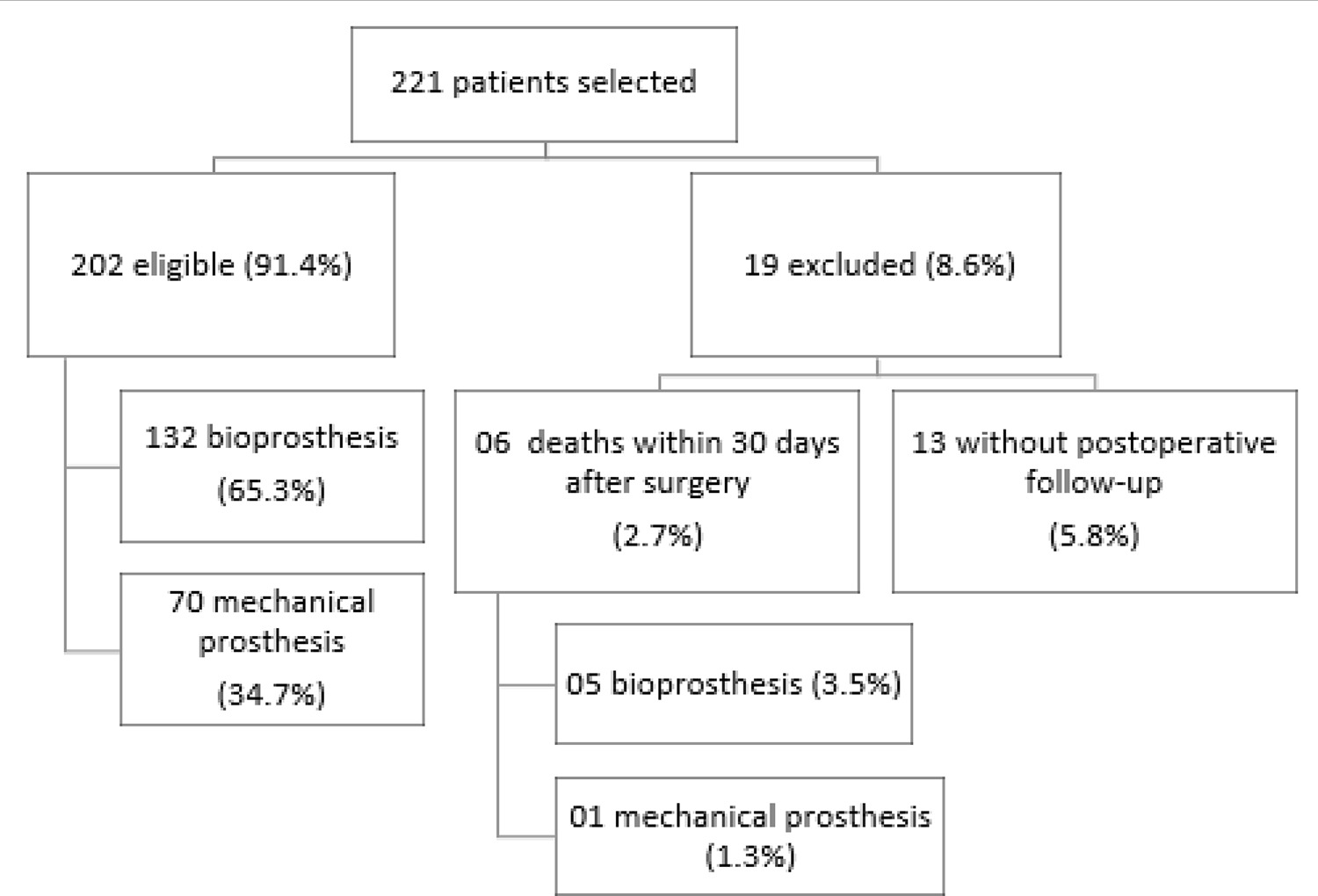
This was an observational, historical cohort study with review of medical records. A total of 202 patients who underwent heart valve replacement surgery between 2004 and 2008 were selected, with a mean follow-up of 10 years. The level of significance set at 5%.

Results

Mean age of patients was approximately 50 years; most patients were male (70%). Overall mortality- and reoperation-free survival was significantly higher in patients with mechanical prosthesis (HR=0.33; 95%CI=0.13-0.79; p=0.013). No difference was found in late mortality between the two groups. On the other hand, the risk of reoperation was significantly higher in patients with bioprosthesis than mechanical prosthesis (HR=0.062; 95%CI=0.008-0.457; p=0.006). The risk of composite adverse events – stroke, bleeding, endocarditis, thrombosis and paravalvular leak – was similar between the groups (HR=1.20; 95%CI= 0.74-1.93; p=0.44). The risk of bleeding was significantly higher in patients with mechanical prosthesis (HR=3.65; 95%CI= 1.43-9.29; p = 0.0064), although no case of fatal bleeding was reported.

Conclusion

No difference in 10-year mortality was found between the groups. The risk of reoperation significantly increases with the use of bioprosthesis, especially for patients younger than 30 years. Patients with mechanical prosthesis are at increased risk of nonfatal bleeding.

  • Aortic Valve
  • Bioprosthesis/trends
  • Heart Valve Prosthesis
  • Heart Valve Prosthesis Implantation/complications
  • Rheumatic Fever
Read Full Article
Creative Commons Attribution (CC BY) Creative Commons license
26/07/2021 DOI: 10.36660/abc.20200135 Views 1
ABC
Editorial

Mechanical Prosthesis X Biological Prosthesis: an Individualized and Shared Decision

João Ricardo C. Fernandes et al. Roney Orismar Sampaio

Surgical valve interventions are performed primarily in patients with severe valve heart disease, with associated symptoms and/or anatomical/hemodynamic consequences, and no contraindication to the procedure. The choice of prosthetic valve should be based on a shared decision-making process that must account for the trade-offs between durability (and the need for reintervention), bleeding, and thromboembolism.

The manuscript: “Late Outcomes of Aortic Valve Replacement with Bioprosthesis and Mechanical Prosthesis” is an observational retrospective study intended to evaluate the long-term follow-up of patients (n=202) who underwent aortic valve replacement, comparing biological (65.3%) and mechanical prostheses (34.7%). The patients were relatively young (mean age: 49 years), with predominantly degenerative aortic valve disease. On the other hand, 22% of the study population had rheumatic disease, the most prevalent etiology of valve disease in Brazil.

[…]

  • Aortic Valve
  • Bioprosthesis
  • Epidemiology
  • Heart Valve Prosthesis
  • Heart Valve Prosthesis Implantation/complications
  • Rheumatic Fever
Read Full Article
Creative Commons Attribution (CC BY) Creative Commons license
26/07/2021 DOI: 10.36660/abc.20210488 Views 2
ABC
Editorial

Managing Patients with Infectious Endocarditis and Neurological Complication — The Big Dilemma that Persists Until these Days

Claudio Querido Fortes et al. Natália Rodrigues Querido Fortes

Endocarditis is an extremely challenging disease, both regarding diagnosis and due to the diversity of its presentation, as well as its management, which requires an endocarditis team including professionals from different specialties. An infectious disease specialist, clinical microbiologist, cardiologist, cardiac surgeon, neurologist and imaging specialist are of the essence, and assistance from other specialists is also desirable depending on each case. Its incidence has been increasing in recent decades, especially due to population aging, the growing number of individuals undergoing renal replacement therapy, the higher frequency of patients with prosthetic valves and cardiac electrical devices and also due to the technological advances in invasive diagnostic and therapeutic methods, in addition to the current “epidemic” of recreational intravenous drugs, which have become a serious public health problem in some countries. Despite all the progress made in the diagnosis and treatment of endocarditis, its mortality remains alarmingly high. The persistence of this high mortality may be partially explained by the increase in the number of older fragile patients with multiple comorbidities and patients with prostheses.

The main objectives of the article “ Neurological Complications in Patients with Infective Endocarditis: Insights from a Tertiary Centre” are to evaluate the predictors of neurological complications in patients with infective endocarditis, the predictors of mortality in this group, and to compare the results of clinical treatment with a general practitioner and a surgeon, both among the study population, and stratifying the group of patients with neurological complications.

[…]

  • aging
  • Bacterial/complications
  • Embolization
  • Endocarditis
  • Heart Valve Prosthesis
  • Mortality
  • Neurologic, Complications
  • Pandemics/complications
  • Renal Insufficiency
Read Full Article
Creative Commons Attribution (CC BY) Creative Commons license
16/04/2021 DOI: 10.36660/abc.20210198 Views 1
Figure 1
ABC
Research Letter

Mechanical Aortic Prosthetic Thrombosis in a 65-Year-Old Woman with SARS-CoV-2 Infection

Marcos H. F. Jacob et al. Tatiana C.A.T. Leal Paulo Rogério Soares Alexandre de Matos Soeiro

Clinical data

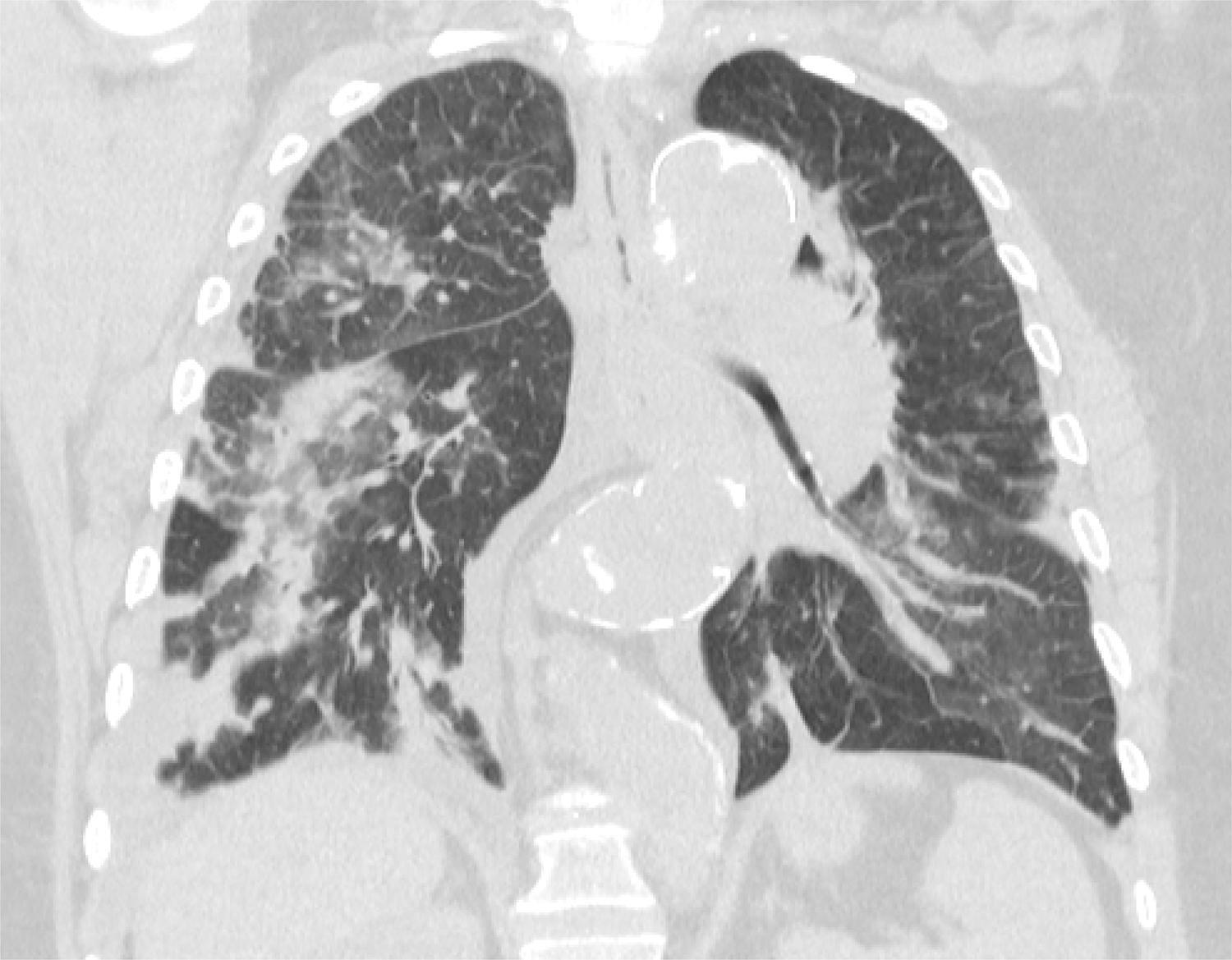
A 65-year-old female patient was hospitalized, initially due to an episode of melena. Anticoagulation was suspended, and upper gastrointestinal endoscopy was performed, without detecting bleeding. In 2005, she had late post-operative history of mechanical aortic prosthesis and Bentall and de Bono surgery due to Stanford A aortic dissection; she was a former tobacco user, with obesity and chronic atrial fibrillation under regular use of warfarin. The following day, she had an acute myocardial infarction with ST-segment elevation in the anterior wall; she was submitted to angioplasty with an anterior descending drug-eluting stent, and she received aspirin, clopidogrel 75 mg daily, and anticoagulation with enoxaparin 100 mg every 12 hours. On that occasion, she underwent transthoracic echocardiogram that demonstrated mild ventricular dysfunction (LVEF: 50%) and aortic prosthesis leaflets with preserved mobility; the peak systolic pressure gradient between the left ventricle and the aorta was 58 mmHg, with a mean of 33 mmHg. Two days later, she began to present anosmia, headache, subfebrile temperature, and hypoxemia, and diagnosis of SARS-CoV-2 was confirmed by oropharyngeal swab PCR. Seven days later, while still on full enoxaparin, the patient started presenting atypical chest pain associated with dyspnea. During physical examination, the patient’s overall condition was regular; she had dyspnea, without cyanosis. Pulse was present and full in all 4 limbs, and she had Glasgow score of 15, blood pressure 120/86 mmHg, heart rate 130 bpm, peripheral oximetry 97% while using a nasal oxygen catheter at 3 L/min, and capillary filling time of less than 3 seconds. Ictus cordis was in the left hemiclavicular line, at the level of the fifth intercostal space. She had normophonetic heart sounds, with moderate intensity ejective systolic murmur with metallic click in aortic focus. The patient’s liver was not palpable, and there were mild and sparking crackles in the pulmonary fields bilaterally.

[…]

  • Atrial Fibrillation
  • COVID-19
  • Diagnosis Imaging
  • Heart Valve Prosthesis
  • Myocardial Infarction
  • SARS-CoV-2
  • Thrombosis
Read Full Article
Creative Commons Attribution (CC BY) Creative Commons license
18/01/2021 DOI: 10.36660/abc.20200754
ABC
Editorial

Transseptal, Transcatheter Mitral Valve-In-Valve Replacement: Ready for Prime Time Treatment of Bioprosthetic Valve Failure in Brazil?

Dimytri Alexandre Alvim de Siqueira et al. Auristela Isabel de Oliveira Ramos Fausto Feres

Structural Bioprosthetic Valve Deterioration, Failure and Redo Valve Surgery

Bioprosthetic valves are the device of choice for older patients who require left heart valve replacement, and recent data indicate that bioprostheses are also increasingly used in patients less than 65 years of age who undergo aortic or mitral valve surgeries. Although numerous observational studies have shown excellent survival and freedom from valve-related complications, ultimately all bioprosthetic heart valves are prone to fail. The term structural valve deterioration (SVD) includes permanent, irreversible intrinsic changes of the valve (i.e. leaflet tears, calcification, pannus formation or fibrosis); other pathological causes of bioprosthetic valve dysfunction (i.e. thrombosis, endocarditis) are potentially reversible. When significant hemodynamic compromise (severe regurgitation or stenosis) ensues and/or there is a clinical event related to SVD (reintervention, death), the term bioprosthetic valve failure (BVF) is now suggested.

Redo surgical valve replacement is currently indicated for the majority of patients with bioprosthetic SVD. The risk of redo mitral surgery remains much higher than the risk of first mitral valve replacement (MVR). Advanced age, female gender, preoperative NYHA class, reduced left ventricular ejection fraction (LVEF), pulmonary hypertension and the number of prior operations have all been identified as predictors of mortality. Moreover, adhesions from previous surgery substantially increases bleeding complications. In a study with 260 patients enrolled in the European Redo Cardiac Operation Database (RECORD), in-hospital mortality was 9.2% after redo MVR. A high incidence of postoperative complications, such as low cardiac output syndrome (17.3%), need for circulatory support (9.2%), acute renal failure (16.5%) and need for transfusion (25%) was reported. Similarly, a contemporary study from the Society of Thoracic Surgery (STS) with 11,973 patients revealed that mitral reoperation (n=1096) was associated with higher operative mortality (11.1%) in comparison with the first MVR or repair (6.5%). Despite the paucity of data about redo MVR in Brazil, it is well-known that rheumatic heart disease with valvular involvement is the most frequent indication for cardiac valve surgery in young patients. Since BVF is influenced by age – in patients less than 40 years of age, for example, 15-year freedom from reoperation can be as low as 36%-, patients in our country require multiple reinterventions with increasing risks, substantial impact on their quality of life and costs to the healthcare system.

[…]

  • Aged
  • Diagnosis Imaging
  • Heart Valve Prosthesis
  • Mitral Valve Stenosis
  • Mitral Valve/physiopathology
  • Transcatheter Aortic Replacement/trends
Read Full Article
Creative Commons Attribution (CC BY) Creative Commons license
28/09/2020 DOI: 10.36660/abc.20200575 Views 1
Figure 1
IJCS
Case Report

Mitral Valve Replacement with Regent Aortic Valve in Severe Mitral Stenosis

Negin Yavari et al. Mina Ghorbanpour Landy Negar Omidi Mahmoud Shirzad Seyed Hossein Ahmadi Tafti

Introduction

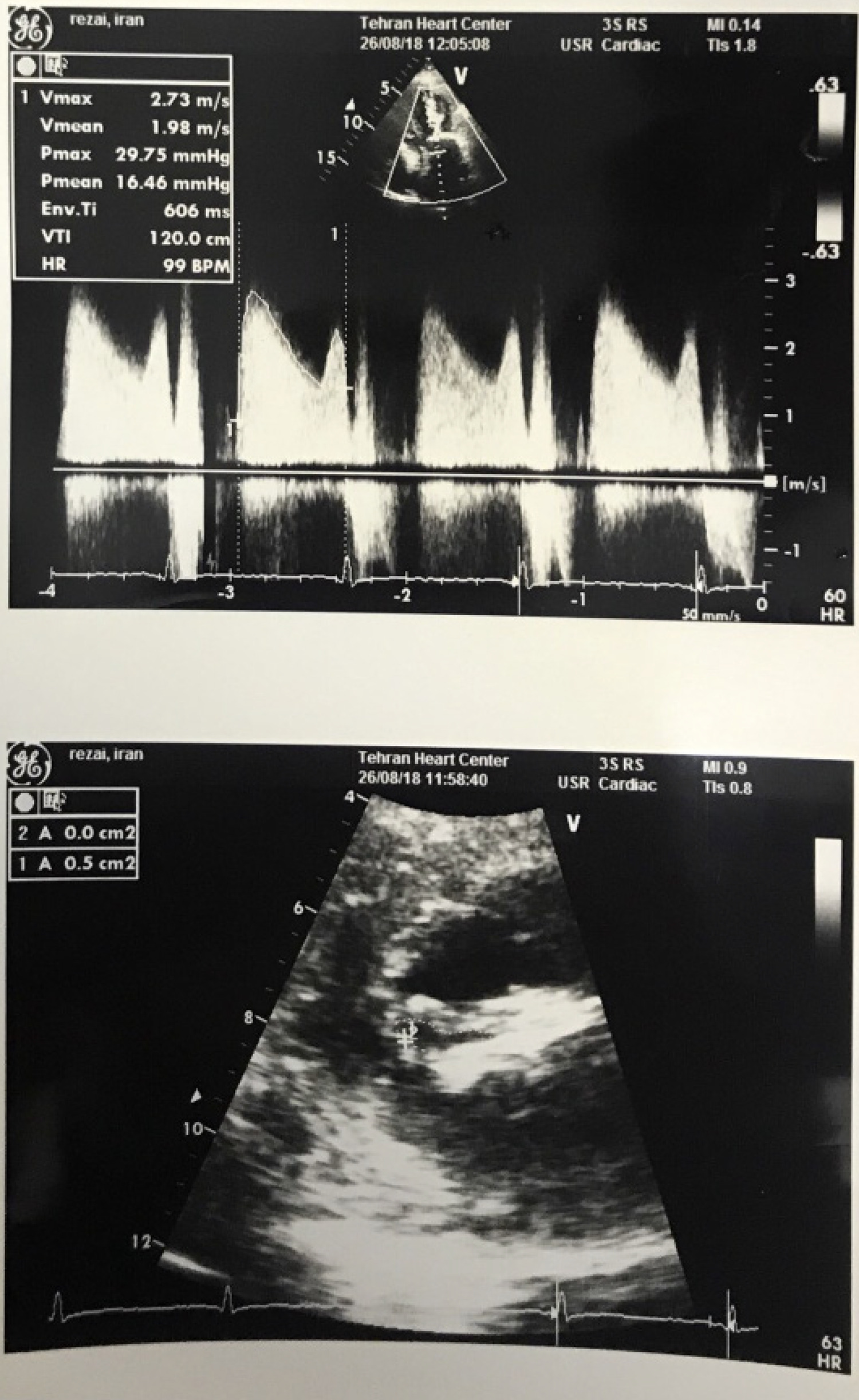
Mitral valve replacement (MVR) in the context of calcification of the mitral valve annulus (<25 millimeters diameter) is challenging, with an increased risk of postoperative complications. Mitral annular calcification is more common in elderly patients due to secondary aging and tissue degeneration. It can also be found in younger patients with connective tissue disorders and inflammatory conditions including the Marfan’s syndrome, rheumatoid arthritis, and rheumatic fever. Calcification of the mitral annulus has been associated with arrhythmias, heart block, stenosis, valve insufficiency, bacterial endocarditis, and arterial embolization. Although the condition is not common, calcified mitral annulus may been found in patients requiring surgery for mitral valve dysfunction. However, replacement of a calcified valve is challenging especially because of the difficulty in placing the sutures through the calcified annulus, increasing the risk of leakage, poor positioning and dehiscence. , For this reason, some studies have suggested the implantation of an aortic mechanical valve (St. Jude Medical prosthesis) in mitral position due to its smaller surface area. Advantages of the St. Jude Medical valve prosthesis over other mechanical prostheses include a reduced sewing cuff size and a reduced frame diameter to allow a greater orifice area for a given annular size. There is limited number of studies on this kind of replacement surgeries, and here we report a case of successful placement of a St. Jude Medical aortic valve prosthesis in a calcified mitral annulus without postoperative complication.

[…]

  • Calcinosis/complications
  • Heart Valve Prosthesis
  • Hypertrophy Left Ventricular
  • Mitral Valve/surgery
  • Rheumatic Heart Diseases/complications
  • Stenosil mitral valve/surgery
Read Full Article
Creative Commons Attribution (CC BY) Creative Commons license
15/07/2020 DOI: 10.36660/ijcs.20190198 Views 1
Figure 1
ABC
Viewpoint

Treatment of Aortic Stenosis in Elderly Individuals in Brazil: How Long Can We Wait?

Marcelo Antônio Cartaxo Queiroga Lopes et al. Bruno Ramos Nascimento Gláucia Maria Moraes de Oliveira

The growing life expectancy of the population is increasing the occurrence of diseases affecting the elderly age group, notably the non-rheumatic degenerative valvular diseases and, in particular, aortic stenosis, whose prevalence in elderly individuals older than 75 years has been estimated at 3 to 5%. This is the most common valvular heart disease among elderly individuals, and its severe form is associated with high morbidity and mortality. The life expectancy of patients with aortic stenosis presenting with heart failure and rhythm disturbances is estimated to be less than 2 years. The standard treatment for this disease is cardiac surgery with replacement of the aortic valve by a prosthesis. However, due to high surgical risk, especially in very elderly patients with associated comorbidities, cardiac surgery is contraindicated in about 30% of the cases or is performed with high morbidity and mortality rates according to preoperative scores. For these critically ill patients, a new, less invasive technique consisting of transcatheter aortic valve implantation (TAVI) of a bioprosthesis has been considered the therapeutic option of choice, initially tested in patients at very high surgical risk, but currently with evidence of noninferiority compared to open surgery in lower-risk individuals., The first TAVI procedure in the world was performed in France in 2002 by Professor Alain Cribier, and the method was pioneered in Brazil in 2008. Since then, a considerable number of patients has been treated. However, despite robust evidence of safety and efficacy, this therapy has still not been incorporated into the supplemental or public health care systems (Sistema Único de Saúde [SUS]) in the country.

Despite the fact that TAVI has already been evaluated and accepted in the health care systems of several countries with evidence of cost-effectiveness even in individuals at intermediate operative risk, the Ministry of Health, based on a position stand from the National Commission for Incorporation of Technologies in the SUS (Conitec), established in 2013, in response to a request by the Brazilian Society for Hemodynamics and of Interventional Cardiology (SBHCI) acting as the petitioner, considered that there was no convenience in incorporating this therapy in Brazil. Conitec, at the time, based on the opinion of a reviewer and disregarding the opinion of prestigious national universities presented in a public consultation on the subject, recommended against the incorporation of the procedure, justifying this decision on three points: a) TAVI would not be a safe and effective procedure due to an allegedly high incidence of stroke within the first 30 days after the procedure, b) the budgetary impact of incorporating TAVI into the SUS would approach 1 billion reais per year, and c) methodological inaccuracies could have affected the economic model presented by the petitioner and the PARTNER B study, which served as the main background for the incorporation of this procedure by all health technology assessment agencies in the world that have requested the incorporation of this technology.

[…]

  • Aged
  • aging
  • Heart Valve Prosthesis
  • Heart Valve Prosthesis Implantation
  • Life Expectancy
  • Stenosis Valve Aortic/surgery
  • Transcatheter Aortic Valve Replacement/trends
Read Full Article
Creative Commons Attribution (CC BY) Creative Commons license
20/03/2020 DOI: 10.36660/abc.2020003 Views 1
IJCS
Original Article

Bioprosthesis versus Mechanical Valve Heart Prosthesis: Assessment of Quality of Life

José Carlos Molero Junior et al. Rodrigo Daminello Raimundo, Joice Anaize Tonon do Amaral Luiz Carlos de Abreu João Roberto Breda

Abstract

Background:

The aim of this study was to evaluate the QoL of patients undergoing heart valve replacement using the SF-36 questionnaire, compare it between patients with mechanical prosthesis and patients with bioprosthesis, and correlate the results with sociodemographic variables.

Objective:

To assess the QoL of patients undergoing heart valve replacement and compare it between patients with bioprosthetic valves and patients with mechanical prosthetic valves.

Methods:

We included 36 consecutive patients (16 men) with a mean age of 51 years and six months, who underwent mitral or aortic valve replacement from September 2007 to December 2011. The study was conducted between March and May 2012 and involved the application of the SF-36 survey and a sociodemographic questionnaire. Statistical tests were performed, and data are expressed as absolute frequency and percentile, and median and interquartile range (P25 and P75) (Mann-Whitney test), considering a significance of 95%.

Results:

The average time of surgery was 32.5 months (8-61 months). Participants were asked about the practice of physical activity, and 41.7% were physically active. For the SF-36 domains, the highest scores were observed for the social domain whereas the lowest scores were found for mental health, with a mean of 89.25 and 54.44, respectively. In the statistical analysis, we found statistically higher values in emotional functional for patients with mechanical valve prosthesis (p = 0.0084).

Conclusion:

The QoL of the patients undergoing heart valve replacement improves considerably after the surgery, except for the mental health domain, probably due to the low practice of physical activity. The type of prosthesis seems not to influence the QoL or the patients in the late postoperative period.

  • Aortic Valve
  • Heart Valve Prosthesis
  • Mitral Valve
  • Quality of life
  • sickness impact profile
  • Stress, Psychological
Read Full Article
Creative Commons Attribution (CC BY) Creative Commons license
24/10/2019 DOI: 10.5935/2359-4802.20190074
ABC
Editorial

How to Choose the Right Valve Prosthesis for My Patient?

Roney Orismar Sampaio

The manuscript: “Comparison of Biological and Mechanical Prostheses for Heart Valve Surgery: Systematic Review of Randomized Controlled Trials” addresses a controversial issue. The authors conducted a meta-analysis of randomized trials involving long-term follow-up of patients requiring cardiac valve replacement revealing similar mortality among patients who underwent implantation of biological prostheses and those who underwent implantation of mechanical prosthesis. There were no significant differences in the risk of thromboembolism and endocarditis. However, the risk of bleeding was approximately one-third lower among patients treated with biological prostheses than those treated with mechanical prostheses. In contrast, the need for reoperation among patients treated with bioprostheses was at least three times greater than that of patients treated with mechanical prostheses.

The authors selected “randomized” trials to avoid evaluation bias. The trial is interesting, as it seeks to be faithful to randomized evaluations, which are very unusual in the literature on valve diseases, especially at the time when the trials were conducted.

[…]

  • Bioprosthesis, Metal on Metal Joint Prostheses
  • Heart Valve Prosthesis
  • Heart Valve Prosthesis Implantation/trends
Read Full Article
Creative Commons Attribution (CC BY) Creative Commons license
01/03/2019 DOI: 10.5935/abc.20190026 Views 1
Figure 1
ABC
Original Article

Comparison of Biological and Mechanical Prostheses for Heart Valve Surgery: A Systematic Review of Randomized Controlled Trials

Alberto Takeshi Kiyose et al. Erica Aranha Suzumura Lígia Laranjeira Anna Maria Buehler … José Amalth Espírito Santo Otavio Berwanger Antonio Carlos de Camargo Carvalho Angelo Amato de Paola Valdir Ambrósio Moises Alexandre Biasi Cavalcanti

Abstract

Background:

The choice of a mechanical (MP) or biological prosthesis (BP) for patients with valvular heart disease undergoing replacement is still not a consensus.

Objective:

We aimed to determine the clinical outcomes of MP or BP placement in those patients.

Methods:

We conducted a systematic review and meta-analysis of randomized controlled trials (RCTs) that compared biological prostheses and mechanical prostheses in patients with valvular heart diseases and assessed the outcomes. RCTs were searched in the MEDLINE, EMBASE, LILACS, CENTRAL, SCOPUS and Web of Science (from inception to November 2014) databases. Meta-analyses were performed using inverse variance with random effects models. The GRADE system was used to rate the quality of the evidence. A P-value lower than 0.05 was considered significant.

Results:

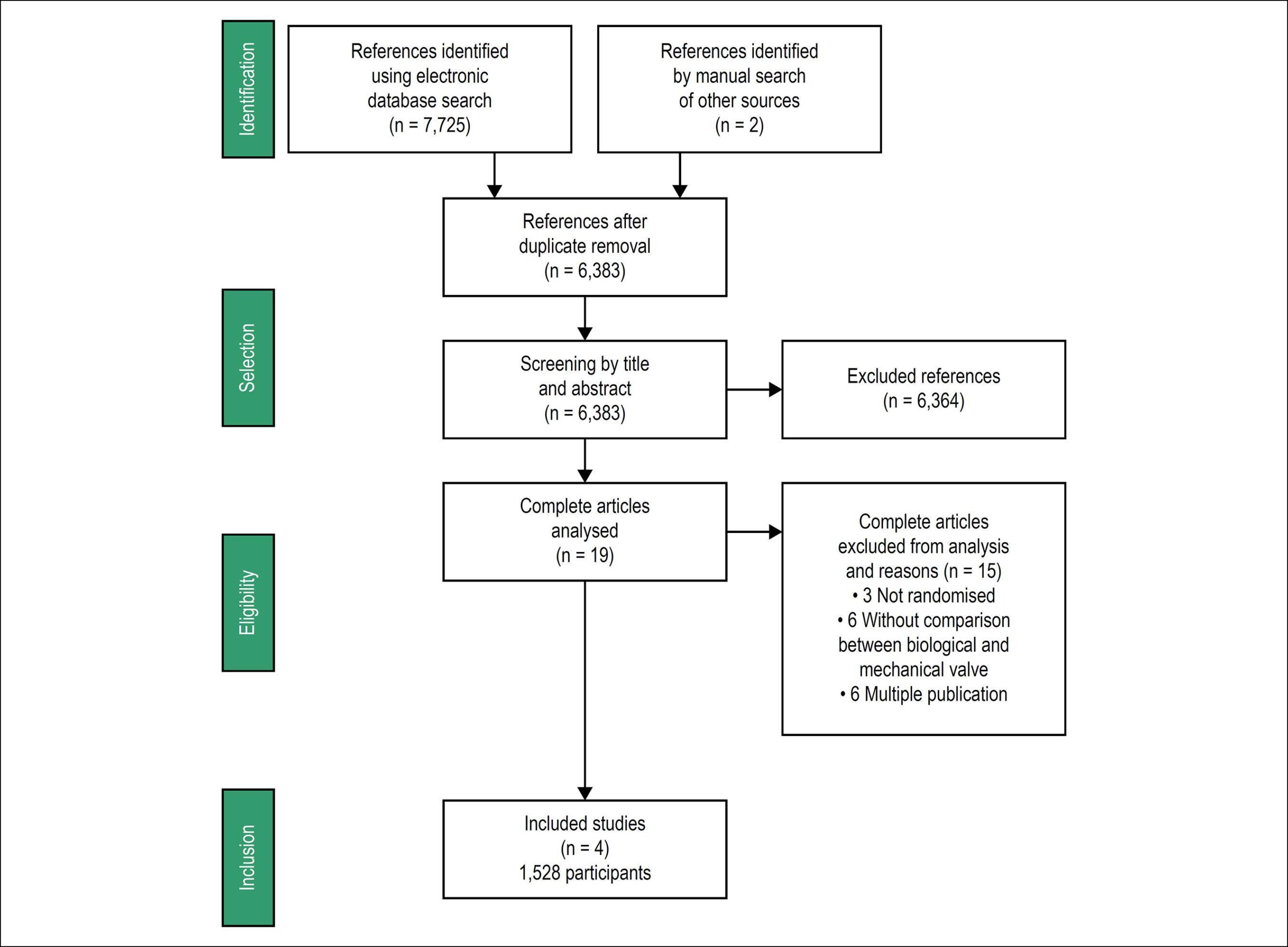
A total of four RCTs were included in the meta-analyses (1,528 patients) with follow up ranging from 2 to 20 years. Three used old generation mechanical and biological prostheses, and one used contemporary prostheses. No significant difference in mortality was found between BP and MP patients (risk ratio (RR = 1.07; 95% CI 0.99-1.15). The risk of bleeding was significantly lower in BP patients than MP patients (RR = 0.64; 95% CI 0.52-0.78); however, reoperations were significantly more frequent in BP patients (RR = 3.60; 95% CI 2.44-5.32). There were no statistically significant differences between BP and MP patients with respect to systemic arterial embolisms and infective endocarditis (RR = 0.93; 95% CI 0.66-1.31, RR = 1.21; CI95% 0.78-1.88, respectively). Results in the trials with modern and old prostheses were similar.

Conclusions:

The mortality rate and the risk of thromboembolic events and endocarditis were similar between BP and MP patients. The risk of bleeding was approximately one third lower for BP patients than for MP patients, while the risk of reoperations was more than three times higher for BP patients.

  • Bioprosthesis
  • Heart Valve Prosthesis
  • Heart Valve Prosthesis Implantation/trends
  • Metal-on-Metal Joint Prosthesis
  • Review
Read Full Article
Creative Commons Attribution (CC BY) Creative Commons license
07/01/2019 DOI: 10.5935/abc.20180272 Views 1
Figure 1
ABC
Anatomopathological Correlation

Case 5 / 2018 – Acute Respiratory Failure and Cardiogenic Shock in a Patient in the First Trimester of Pregnancy with Mechanical Mitral Valve Prosthesis Implant

Walkíria Samuel Ávila et al. Vinícius Araújo de Freitas Chagas Caldas Daniel Valente Batista Paulo Sampaio Gutierrez

Clinical aspects

The case reported is of a 36-year-old pregnant woman with repaired complex congenital heart disease, with a mechanical mitral valve prosthesis implanted 28 years before, paroxysmal atrial fibrillation, and a history of thromboembolism, a triad that characterizes a high thromboembolic risk.

Notwithstanding, the patient maintained the adequate anticoagulation goal (INR = 3) until the pregnancy diagnosis, when the anticoagulation regimen of warfarin was replaced by enoxaparin due to the risk of fetal warfarin syndrome, which occurs between the 6th and 12th weeks of gestation (characterized by nasal hypoplasia, dysplasia of the bony epiphyses, limb deformities, neurological and respiratory problems). However, there is less evidence of the erratic bioavailability and distribution of enoxaparin during pregnancy, although it constitutes a current challenge to define the best anticoagulation strategy in this population with high thromboembolic risk.

[…]

  • Heart Defects, Congenital
  • Heart Valve Prosthesis
  • Pregnancy
  • Respiratory Insufficiency
  • Shock, Cardiogenic
Read Full Article
Creative Commons Attribution (CC BY) Creative Commons license
01/10/2018 DOI: 10.5935/abc.20180205 Views 1
Figure 1
ABC
Case Report

Combined Mitral and Aortic Valvar Bioprosthesis Transcatheter Transapical Implant: First Description in Brazil

Roney Orismar Sampaio et al. Milena Ribeiro Paixão Thais Taveira Miranda Elinthon Tavares Veronese … José Honório de Almeida Palma Flávio Tarasoutchi

Introduction

From the earliest days of the heart surgery, the valves, when the reparation was not possible, were replaced by prosthetics using cardiopulmonary bypass. The good results of these procedures are well known. In the recent years, minimally invasive alternatives have been developed, aiming to make possible the treatment of individuals under high risk of complications and death caused by the conventional procedure. In 2002, the first transcatheter valvar implantation was made, which revolutionized the treatment of severe aortic stenosis. The equipment, techniques and skills have progressively evolved since then. More recently, from 2009, transcatheter mitral valvar implants for treatment of the prosthesis dysfunction (valve-in-valve) started to be performed. Currently, the transcatheter valvar implantation is one of the fields of greater development in cardiology.

[…]

  • Heart Valve Prosthesis
  • Heart Valve Prosthesis Implantation
  • Transcatheter Aortic Valve Replacement
Read Full Article
Creative Commons Attribution (CC BY) Creative Commons license
01/11/2017 DOI: 10.5935/abc.20170118 Views 1

Could not load more articles. Please try again.

How to cite this article

EndNote RIS

Electronic Document Format (Vancouver)

Carvalho G, Carvalho MFM, Guérios EE, Calegari P, Zanlorensi CB, Botelho FS, Erbano BO, et al. TAV-in-TAV for Acute Failure of a Transcatheter Aortic Valve in a High Surgical Risk Octogenarian Patient. ABC Imagem Cardiovascular 2026;39(2):e20250111.

Electronic Document Format (ABNT)

Carvalho, Gustavo; Carvalho, Maria Fernanda Miranda; Guérios, Enio Eduardo; Calegari, Pedro; Zanlorensi, Cláudia Biondo; Botelho, Fernando Silva; Erbano, Bruna O.; Vaz, Vinícius D.. TAV-in-TAV for Acute Failure of a Transcatheter Aortic Valve in a High Surgical Risk Octogenarian Patient. ABC Imagem Cardiovascular, v. 39, n. 2, e20250111, Jul. 2026.

Electronic Document Format (APA)

Carvalho, G., Carvalho, M. F. M., Guérios, E. E., Calegari, P., Zanlorensi, C. B., Botelho, F. S., Erbano, B. O., & Vaz, V. D. (2026). TAV-in-TAV for Acute Failure of a Transcatheter Aortic Valve in a High Surgical Risk Octogenarian Patient. ABC Imagem Cardiovascular, 39(2), e20250111.

Electronic Document Format (ISO)

Carvalho, Gustavo and Carvalho, Maria Fernanda Miranda and Guérios, Enio Eduardo and Calegari, Pedro and Zanlorensi, Cláudia Biondo and Botelho, Fernando Silva and Erbano, Bruna O. and Vaz, Vinícius D.. TAV-in-TAV for Acute Failure of a Transcatheter Aortic Valve in a High Surgical Risk Octogenarian Patient. ABC Imagem Cardiovascular [online]. 2026, vol. 39, n. 2, [cited 2026-10-14], e20250111. Available from: <https://journals.cardiol.br/en/article/tav-in-tav-for-acute-failure-of-a-transcatheter-aortic-valve-in-a-high-surgical-risk-octogenarian-patient/>. ISSN 2318-8219

EndNote RIS

Electronic Document Format (Vancouver)

Chemello D, Chagas P, Barreiro DM, Fagundes CS, Coelho R, Melo MDT. Asymptomatic Non-Bacterial Thrombotic Endocarditis Leading to a Diagnosis of Pancreatic Cancer. ABC Imagem Cardiovascular 2025;38(1):e20240126.

Electronic Document Format (ABNT)

Chemello, Diego; Chagas, Patricia; Barreiro, Daniel Marques; Fagundes, Camila Sales; Coelho, Rafael; Melo, Marcelo Dantas Tavares de. Asymptomatic Non-Bacterial Thrombotic Endocarditis Leading to a Diagnosis of Pancreatic Cancer. ABC Imagem Cardiovascular, v. 38, n. 1, e20240126, Mar. 2025.

Electronic Document Format (APA)

Chemello, D., Chagas, P., Barreiro, D. M., Fagundes, C. S., Coelho, R., & Melo, M. D. T. (2025). Asymptomatic Non-Bacterial Thrombotic Endocarditis Leading to a Diagnosis of Pancreatic Cancer. ABC Imagem Cardiovascular, 38(1), e20240126.

Electronic Document Format (ISO)

Chemello, Diego and Chagas, Patricia and Barreiro, Daniel Marques and Fagundes, Camila Sales and Coelho, Rafael and Melo, Marcelo Dantas Tavares de. Asymptomatic Non-Bacterial Thrombotic Endocarditis Leading to a Diagnosis of Pancreatic Cancer. ABC Imagem Cardiovascular [online]. 2025, vol. 38, n. 1, [cited 2026-10-14], e20240126. Available from: <https://journals.cardiol.br/en/article/asymptomatic-non-bacterial-thrombotic-endocarditis-leading-to-a-diagnosis-of-pancreatic-cancer/>. ISSN 2318-8219

EndNote RIS

Electronic Document Format (Vancouver)

Avila WS, Pinto DVR, Brugnara JS, Moro M, Moreira TCS, Borges I, Miura N, et al. Choosing a Valve Prosthesis for a Successful Pregnancy. The “Tip of the Iceberg” for a Disease of Complex Evolution. Arquivos Brasileiros de Cardiologia 2025;122(1):e20240163.

Electronic Document Format (ABNT)

Avila, Walkiria Samuel; Pinto, Daniel Vinicius Rodrigues; Brugnara, Jessica Sol; Moro, Marilia; Moreira, Talita Carla Stratti; Borges, Isabelle; Miura, Nana; Tarasoutchi, Flávio. Choosing a Valve Prosthesis for a Successful Pregnancy. The “Tip of the Iceberg” for a Disease of Complex Evolution. Arquivos Brasileiros de Cardiologia, v. 122, n. 1, e20240163, Feb. 2025.

Electronic Document Format (APA)

Avila, W. S., Pinto, D. V. R., Brugnara, J. S., Moro, M., Moreira, T. C. S., Borges, I., Miura, N., & Tarasoutchi, F. (2025). Choosing a Valve Prosthesis for a Successful Pregnancy. The “Tip of the Iceberg” for a Disease of Complex Evolution. Arquivos Brasileiros de Cardiologia, 122(1), e20240163.

Electronic Document Format (ISO)

Avila, Walkiria Samuel and Pinto, Daniel Vinicius Rodrigues and Brugnara, Jessica Sol and Moro, Marilia and Moreira, Talita Carla Stratti and Borges, Isabelle and Miura, Nana and Tarasoutchi, Flávio. Choosing a Valve Prosthesis for a Successful Pregnancy. The “Tip of the Iceberg” for a Disease of Complex Evolution. Arquivos Brasileiros de Cardiologia [online]. 2025, vol. 122, n. 1, [cited 2026-10-14], e20240163. Available from: <https://journals.cardiol.br/en/article/choosing-a-valve-prosthesis-for-a-successful-pregnancy-the-tip-of-the-iceberg-for-a-disease-of-complex-evolution/>. ISSN 0066-782X

EndNote RIS

Electronic Document Format (Vancouver)

Laranjeira M, Bertão MI, Pereira R, Sousa O. A Prosthetic Dysfunction Earlier Than Expected. ABC Imagem Cardiovascular 2025;38(1):e20240078.

Electronic Document Format (ABNT)

Laranjeira, Mariana; Bertão, Maria Inês; Pereira, Rodolfo; Sousa, Olga. A Prosthetic Dysfunction Earlier Than Expected. ABC Imagem Cardiovascular, v. 38, n. 1, e20240078, Feb. 2025.

Electronic Document Format (APA)

Laranjeira, M., Bertão, M. I., Pereira, R., & Sousa, O. (2025). A Prosthetic Dysfunction Earlier Than Expected. ABC Imagem Cardiovascular, 38(1), e20240078.

Electronic Document Format (ISO)

Laranjeira, Mariana and Bertão, Maria Inês and Pereira, Rodolfo and Sousa, Olga. A Prosthetic Dysfunction Earlier Than Expected. ABC Imagem Cardiovascular [online]. 2025, vol. 38, n. 1, [cited 2026-10-14], e20240078. Available from: <https://journals.cardiol.br/en/article/a-prosthetic-dysfunction-earlier-than-expected/>. ISSN 2318-8219

EndNote RIS

Electronic Document Format (Vancouver)

Ferreira MCM, Lemke VMG, Paiva MSMO, Nascimento EM, Pereira BB, Oliveira GMM. In-Hospital Outcomes in the Brazilian Registry of Transcatheter Aortic Valve Implantation – 14-Year Analysis. Arquivos Brasileiros de Cardiologia 2024;121(5):e20230551.

Electronic Document Format (ABNT)

Ferreira, Maria Cristina Meira; Lemke, Viviana de Mello Guzzo; Paiva, Maria Sanali Moura de Oliveira; Nascimento, Emilia Matos do; Pereira, Basílio de Bragança; Oliveira, Gláucia Maria Moraes de. In-Hospital Outcomes in the Brazilian Registry of Transcatheter Aortic Valve Implantation – 14-Year Analysis. Arquivos Brasileiros de Cardiologia, v. 121, n. 5, e20230551, Oct. 2024.

Electronic Document Format (APA)

Ferreira, M. C. M., Lemke, V. M. G., Paiva, M. S. M. O., Nascimento, E. M. , Pereira, B. B., & Oliveira, G. M. M. (2024). In-Hospital Outcomes in the Brazilian Registry of Transcatheter Aortic Valve Implantation – 14-Year Analysis. Arquivos Brasileiros de Cardiologia, 121(5), e20230551.

Electronic Document Format (ISO)

Ferreira, Maria Cristina Meira and Lemke, Viviana de Mello Guzzo and Paiva, Maria Sanali Moura de Oliveira and Nascimento, Emilia Matos do and Pereira, Basílio de Bragança and Oliveira, Gláucia Maria Moraes de. In-Hospital Outcomes in the Brazilian Registry of Transcatheter Aortic Valve Implantation – 14-Year Analysis. Arquivos Brasileiros de Cardiologia [online]. 2024, vol. 121, n. 5, [cited 2026-10-14], e20230551. Available from: <https://journals.cardiol.br/en/article/in-hospital-outcomes-in-the-brazilian-registry-of-transcatheter-aortic-valve-implantation-14-year-analysis/>. ISSN 0066-782X

EndNote RIS

Electronic Document Format (Vancouver)

Bignoto T. My Approach to Assessment of Mitral Paraprosthetic Leak. ABC Imagem Cardiovascular 2024;37(2):e20240034.

Electronic Document Format (ABNT)

Bignoto, Tiago. My Approach to Assessment of Mitral Paraprosthetic Leak. ABC Imagem Cardiovascular, v. 37, n. 2, e20240034, Jun. 2024.

Electronic Document Format (APA)

Bignoto, T. (2024). My Approach to Assessment of Mitral Paraprosthetic Leak. ABC Imagem Cardiovascular, 37(2), e20240034.

Electronic Document Format (ISO)

Bignoto, Tiago. My Approach to Assessment of Mitral Paraprosthetic Leak. ABC Imagem Cardiovascular [online]. 2024, vol. 37, n. 2, [cited 2026-10-14], e20240034. Available from: <https://journals.cardiol.br/en/article/my-approach-to-assessment-of-mitral-paraprosthetic-leak/>. ISSN 2318-8219

EndNote RIS

Electronic Document Format (Vancouver)

Cunha SR, Pandolfo F, Barros FC, Pianca EG, Barcellos PT. Ischemic Stroke in a Patient with Challenging Pseudoaneurysm in the Left Ventricular Outflow Tract. ABC Imagem Cardiovascular 2024;37(1):e20240001.

Electronic Document Format (ABNT)

Cunha, Saulo Rodrigo; Pandolfo, Fernanda; Barros, Fernando Colares; Pianca, Eduardo Gatti; Barcellos, Pedro Tregnago. Ischemic Stroke in a Patient with Challenging Pseudoaneurysm in the Left Ventricular Outflow Tract. ABC Imagem Cardiovascular, v. 37, n. 1, e20240001, Mar. 2024.

Electronic Document Format (APA)

Cunha, S. R., Pandolfo, F., Barros, F. C., Pianca, E. G., & Barcellos, P. T. (2024). Ischemic Stroke in a Patient with Challenging Pseudoaneurysm in the Left Ventricular Outflow Tract. ABC Imagem Cardiovascular, 37(1), e20240001.

Electronic Document Format (ISO)

Cunha, Saulo Rodrigo and Pandolfo, Fernanda and Barros, Fernando Colares and Pianca, Eduardo Gatti and Barcellos, Pedro Tregnago. Ischemic Stroke in a Patient with Challenging Pseudoaneurysm in the Left Ventricular Outflow Tract. ABC Imagem Cardiovascular [online]. 2024, vol. 37, n. 1, [cited 2026-10-14], e20240001. Available from: <https://journals.cardiol.br/en/article/ischemic-stroke-in-a-patient-with-challenging-pseudoaneurysm-in-the-left-ventricular-outflow-tract/>. ISSN 2318-8219

EndNote RIS

Electronic Document Format (Vancouver)

Accorsi TAD, Paixão MR, Souza Júnior JL, Gaz MVB, Cardoso RG, Köhler KF, Lima KDA, et al. Valvular Heart Disease Emergencies: A Comprehensive Review Focusing on the Initial Approach in the Emergency Department. Arquivos Brasileiros de Cardiologia 2023;120(5):e20220707.

Electronic Document Format (ABNT)

Accorsi, Tarso Augusto Duenhas; Paixão, Milena Ribeiro; Souza Júnior, José Leão de; Gaz, Marcus Vinicius Burato; Cardoso, Ricardo Galesso; Köhler, Karen Francine; Lima, Karine De Amicis; Tarasoutchi, Flavio; Investigadores, INTEGRATE. Valvular Heart Disease Emergencies: A Comprehensive Review Focusing on the Initial Approach in the Emergency Department. Arquivos Brasileiros de Cardiologia, v. 120, n. 5, e20220707, Jun. 2023.

Electronic Document Format (APA)

Accorsi, T. A. D., Paixão, M. R., Souza Júnior, J. L. , Gaz, M. V. B., Cardoso, R. G., Köhler, K. F., Lima, K. D. A., Tarasoutchi, F., & Investigadores, I. (2023). Valvular Heart Disease Emergencies: A Comprehensive Review Focusing on the Initial Approach in the Emergency Department. Arquivos Brasileiros de Cardiologia, 120(5), e20220707.

Electronic Document Format (ISO)

Accorsi, Tarso Augusto Duenhas and Paixão, Milena Ribeiro and Souza Júnior, José Leão de and Gaz, Marcus Vinicius Burato and Cardoso, Ricardo Galesso and Köhler, Karen Francine and Lima, Karine De Amicis and Tarasoutchi, Flavio and Investigadores, INTEGRATE. Valvular Heart Disease Emergencies: A Comprehensive Review Focusing on the Initial Approach in the Emergency Department. Arquivos Brasileiros de Cardiologia [online]. 2023, vol. 120, n. 5, [cited 2026-10-14], e20220707. Available from: <https://journals.cardiol.br/en/article/valvular-heart-disease-emergencies-a-comprehensive-review-focusing-on-the-initial-approach-in-the-emergency-department/>. ISSN 0066-782X

EndNote RIS

Electronic Document Format (Vancouver)

Mizuta MH, Romero CE, Vintimilla SC, Leal TCAT, Soares PR, Soeiro AM. Coxiella Burnetii Endocarditis: Can Positron Emission Tomography be an Alternative to Diagnosis?. Arquivos Brasileiros de Cardiologia 2022;118(6):1144-6.

Electronic Document Format (ABNT)

Mizuta, Marjorie Hayashida; Romero, Cristhian Espinoza; Vintimilla, Santiago Castro; Leal, Tatiana de Carvalho Andreucci Torres; Soares, Paulo Rogério; Soeiro, Alexandre de Matos. Coxiella Burnetii Endocarditis: Can Positron Emission Tomography be an Alternative to Diagnosis?. Arquivos Brasileiros de Cardiologia, v. 118, n. 6, p. 1144-1146, Jun. 2022.

Electronic Document Format (APA)

Mizuta, M. H., Romero, C. E., Vintimilla, S. C., Leal, T. C. A. T., Soares, P. R., & Soeiro, A. M. (2022). Coxiella Burnetii Endocarditis: Can Positron Emission Tomography be an Alternative to Diagnosis?. Arquivos Brasileiros de Cardiologia, 118(6), 1144-1146.

Electronic Document Format (ISO)

Mizuta, Marjorie Hayashida and Romero, Cristhian Espinoza and Vintimilla, Santiago Castro and Leal, Tatiana de Carvalho Andreucci Torres and Soares, Paulo Rogério and Soeiro, Alexandre de Matos. Coxiella Burnetii Endocarditis: Can Positron Emission Tomography be an Alternative to Diagnosis?. Arquivos Brasileiros de Cardiologia [online]. 2022, vol. 118, n. 6, [cited 2026-10-14], pp. 1144-1146. Available from: <https://journals.cardiol.br/en/article/coxiella-burnetii-endocarditis-can-positron-emission-tomography-be-an-alternative-to-diagnosis/>. ISSN 0066-782X

EndNote RIS

Electronic Document Format (Vancouver)

Melato LH, Rassi DC, Furtado RG, Oliveira ACR. Intermittent Aortic Intraprosthetic Failure. ABC Imagem Cardiovascular 2022;35(1):eabc284.

Electronic Document Format (ABNT)

Melato, Luciano H; Rassi, Daniela do Carmo; Furtado, Rogério G; Oliveira, Ana Caroline R. Intermittent Aortic Intraprosthetic Failure. ABC Imagem Cardiovascular, v. 35, n. 1, eabc284, Mar. 2022.

Electronic Document Format (APA)

Melato, L. H., Rassi, D. C., Furtado, R. G., & Oliveira, A. C. R. (2022). Intermittent Aortic Intraprosthetic Failure. ABC Imagem Cardiovascular, 35(1), eabc284.

Electronic Document Format (ISO)

Melato, Luciano H and Rassi, Daniela do Carmo and Furtado, Rogério G and Oliveira, Ana Caroline R. Intermittent Aortic Intraprosthetic Failure. ABC Imagem Cardiovascular [online]. 2022, vol. 35, n. 1, [cited 2026-10-14], eabc284. Available from: <https://journals.cardiol.br/en/article/intermittent-aortic-intraprosthetic-failure/>. ISSN 2318-8219

EndNote RIS

Electronic Document Format (Vancouver)

Gacho WRL, Linhares Filho JPP, Ribeiro HB, Sampaio RO, Fonseca JOAP, Lima MSM. Dysfunctional Mitral Bioprosthesis Treated using Transapical Approach with Inovare Transcatheter Valve: A New Alternative to Conventional Surgery. Arquivos Brasileiros de Cardiologia Imagem cardiovascular 2022;31(4):302-5.

Electronic Document Format (ABNT)

Gacho, Williams Roberto Lata; Linhares Filho, Jaime Paula Pessoa; Ribeiro, Henrique Barbosa; Sampaio, Roney Orismar; Fonseca, José Onório Almeida Palma; Lima, Márcio Silva Miguel. Dysfunctional Mitral Bioprosthesis Treated using Transapical Approach with Inovare Transcatheter Valve: A New Alternative to Conventional Surgery. Arquivos Brasileiros de Cardiologia Imagem cardiovascular, v. 31, n. 4, p. 302-305, Feb. 2022.

Electronic Document Format (APA)

Gacho, W. R. L., Linhares Filho, J. P. P., Ribeiro, H. B., Sampaio, R. O., Fonseca, J. O. A. P., & Lima, M. S. M. (2022). Dysfunctional Mitral Bioprosthesis Treated using Transapical Approach with Inovare Transcatheter Valve: A New Alternative to Conventional Surgery. Arquivos Brasileiros de Cardiologia Imagem cardiovascular, 31(4), 302-305.

Electronic Document Format (ISO)

Gacho, Williams Roberto Lata and Linhares Filho, Jaime Paula Pessoa and Ribeiro, Henrique Barbosa and Sampaio, Roney Orismar and Fonseca, José Onório Almeida Palma and Lima, Márcio Silva Miguel. Dysfunctional Mitral Bioprosthesis Treated using Transapical Approach with Inovare Transcatheter Valve: A New Alternative to Conventional Surgery. Arquivos Brasileiros de Cardiologia Imagem cardiovascular [online]. 2022, vol. 31, n. 4, [cited 2026-10-14], pp. 302-305. Available from: <https://journals.cardiol.br/en/article/dysfunctional-mitral-bioprosthesis-treated-using-transapical-approach-with-inovare-transcatheter-valve-a-new-alternative-to-conventional-surgery/>. ISSN 2318-8219

EndNote RIS

Electronic Document Format (Vancouver)

Bispo IGA, Gimenes VML, Andrade MM. Pseudoaneurysm with Fistula in Metal Aortic Prosthesis and Tubular Prosthesis in Ascending Aorta: Contribution of 3D Echocardiography. Arquivos Brasileiros de Cardiologia Imagem cardiovascular 2022;30(4):152-3.

Electronic Document Format (ABNT)

Bispo, Irving Gabriel Araújo; Gimenes, Vera Márcia L; Andrade, Mercedes Maldonado. Pseudoaneurysm with Fistula in Metal Aortic Prosthesis and Tubular Prosthesis in Ascending Aorta: Contribution of 3D Echocardiography. Arquivos Brasileiros de Cardiologia Imagem cardiovascular, v. 30, n. 4, p. 152-153, Jan. 2022.

Electronic Document Format (APA)

Bispo, I. G. A., Gimenes, V. M. L., & Andrade, M. M. (2022). Pseudoaneurysm with Fistula in Metal Aortic Prosthesis and Tubular Prosthesis in Ascending Aorta: Contribution of 3D Echocardiography. Arquivos Brasileiros de Cardiologia Imagem cardiovascular, 30(4), 152-153.

Electronic Document Format (ISO)

Bispo, Irving Gabriel Araújo and Gimenes, Vera Márcia L and Andrade, Mercedes Maldonado. Pseudoaneurysm with Fistula in Metal Aortic Prosthesis and Tubular Prosthesis in Ascending Aorta: Contribution of 3D Echocardiography. Arquivos Brasileiros de Cardiologia Imagem cardiovascular [online]. 2022, vol. 30, n. 4, [cited 2026-10-14], pp. 152-153. Available from: <https://journals.cardiol.br/en/article/pseudoaneurysm-with-fistula-in-metal-aortic-prosthesis-and-tubular-prosthesis-in-ascending-aorta-contribution-of-3d-echocardiography/>. ISSN 2318-8219

EndNote RIS

Electronic Document Format (Vancouver)

Bruscky LVR, Gun C, Ramos AIO, Morais AL. Late Outcomes of Aortic Valve Replacement with Bioprosthesis and Mechanical Prosthesis. Arquivos Brasileiros de Cardiologia 2021;117(1):28-36.

Electronic Document Format (ABNT)

Bruscky, Larissa Ventura Ribeiro; Gun, Carlos; Ramos, Auristela Isabel de Oliveira; Morais, Alice Lemos. Late Outcomes of Aortic Valve Replacement with Bioprosthesis and Mechanical Prosthesis. Arquivos Brasileiros de Cardiologia, v. 117, n. 1, p. 28-36, Jul. 2021.

Electronic Document Format (APA)

Bruscky, L. V. R., Gun, C., Ramos, A. I. O., & Morais, A. L. (2021). Late Outcomes of Aortic Valve Replacement with Bioprosthesis and Mechanical Prosthesis. Arquivos Brasileiros de Cardiologia, 117(1), 28-36.

Electronic Document Format (ISO)

Bruscky, Larissa Ventura Ribeiro and Gun, Carlos and Ramos, Auristela Isabel de Oliveira and Morais, Alice Lemos. Late Outcomes of Aortic Valve Replacement with Bioprosthesis and Mechanical Prosthesis. Arquivos Brasileiros de Cardiologia [online]. 2021, vol. 117, n. 1, [cited 2026-10-14], pp. 28-36. Available from: <https://journals.cardiol.br/en/article/late-outcomes-of-aortic-valve-replacement-with-bioprosthesis-and-mechanical-prosthesis/>. ISSN 0066-782X

EndNote RIS

Electronic Document Format (Vancouver)

Fernandes JRC, Sampaio RO. Mechanical Prosthesis X Biological Prosthesis: an Individualized and Shared Decision. Arquivos Brasileiros de Cardiologia 2021;117(1):37-8.

Electronic Document Format (ABNT)

Fernandes, João Ricardo C.; Sampaio, Roney Orismar. Mechanical Prosthesis X Biological Prosthesis: an Individualized and Shared Decision. Arquivos Brasileiros de Cardiologia, v. 117, n. 1, p. 37-38, Jul. 2021.

Electronic Document Format (APA)

Fernandes, J. R. C., & Sampaio, R. O. (2021). Mechanical Prosthesis X Biological Prosthesis: an Individualized and Shared Decision. Arquivos Brasileiros de Cardiologia, 117(1), 37-38.

Electronic Document Format (ISO)

Fernandes, João Ricardo C. and Sampaio, Roney Orismar. Mechanical Prosthesis X Biological Prosthesis: an Individualized and Shared Decision. Arquivos Brasileiros de Cardiologia [online]. 2021, vol. 117, n. 1, [cited 2026-10-14], pp. 37-38. Available from: <https://journals.cardiol.br/en/article/mechanical-prosthesis-x-biological-prosthesis-an-individualized-and-shared-decision/>. ISSN 0066-782X

EndNote RIS

Electronic Document Format (Vancouver)

Fortes CQ, Fortes NRQ. Managing Patients with Infectious Endocarditis and Neurological Complication — The Big Dilemma that Persists Until these Days. Arquivos Brasileiros de Cardiologia 2021;116(4):692-4.

Electronic Document Format (ABNT)

Fortes, Claudio Querido; Fortes, Natália Rodrigues Querido. Managing Patients with Infectious Endocarditis and Neurological Complication — The Big Dilemma that Persists Until these Days. Arquivos Brasileiros de Cardiologia, v. 116, n. 4, p. 692-694, Apr. 2021.

Electronic Document Format (APA)

Fortes, C. Q., & Fortes, N. R. Q. (2021). Managing Patients with Infectious Endocarditis and Neurological Complication — The Big Dilemma that Persists Until these Days. Arquivos Brasileiros de Cardiologia, 116(4), 692-694.

Electronic Document Format (ISO)

Fortes, Claudio Querido and Fortes, Natália Rodrigues Querido. Managing Patients with Infectious Endocarditis and Neurological Complication — The Big Dilemma that Persists Until these Days. Arquivos Brasileiros de Cardiologia [online]. 2021, vol. 116, n. 4, [cited 2026-10-14], pp. 692-694. Available from: <https://journals.cardiol.br/en/article/managing-patients-with-infectious-endocarditis-and-neurological-complication-the-big-dilemma-that-persists-until-these-days/>. ISSN 0066-782X

EndNote RIS

Electronic Document Format (Vancouver)

Jacob MHF, Leal TC, Soares PR, Soeiro AM. Mechanical Aortic Prosthetic Thrombosis in a 65-Year-Old Woman with SARS-CoV-2 Infection. Arquivos Brasileiros de Cardiologia 2021;115(6):1180-3.

Electronic Document Format (ABNT)

Jacob, Marcos H. F.; Leal, Tatiana C.A.T.; Soares, Paulo Rogério; Soeiro, Alexandre de Matos. Mechanical Aortic Prosthetic Thrombosis in a 65-Year-Old Woman with SARS-CoV-2 Infection. Arquivos Brasileiros de Cardiologia, v. 115, n. 6, p. 1180-1183, Jan. 2021.

Electronic Document Format (APA)

Jacob, M. H. F., Leal, T. C., Soares, P. R., & Soeiro, A. M. (2021). Mechanical Aortic Prosthetic Thrombosis in a 65-Year-Old Woman with SARS-CoV-2 Infection. Arquivos Brasileiros de Cardiologia, 115(6), 1180-1183.

Electronic Document Format (ISO)

Jacob, Marcos H. F. and Leal, Tatiana C.A.T. and Soares, Paulo Rogério and Soeiro, Alexandre de Matos. Mechanical Aortic Prosthetic Thrombosis in a 65-Year-Old Woman with SARS-CoV-2 Infection. Arquivos Brasileiros de Cardiologia [online]. 2021, vol. 115, n. 6, [cited 2026-10-14], pp. 1180-1183. Available from: <https://journals.cardiol.br/en/article/mechanical-aortic-prosthetic-thrombosis-in-a-65-year-old-woman-with-sars-cov-2-infection/>. ISSN 0066-782X

EndNote RIS

Electronic Document Format (Vancouver)

Siqueira DAA, Ramos AIO, Feres F. Transseptal, Transcatheter Mitral Valve-In-Valve Replacement: Ready for Prime Time Treatment of Bioprosthetic Valve Failure in Brazil?. Arquivos Brasileiros de Cardiologia 2020;115(3):525-7.

Electronic Document Format (ABNT)

Siqueira, Dimytri Alexandre Alvim de; Ramos, Auristela Isabel de Oliveira; Feres, Fausto. Transseptal, Transcatheter Mitral Valve-In-Valve Replacement: Ready for Prime Time Treatment of Bioprosthetic Valve Failure in Brazil?. Arquivos Brasileiros de Cardiologia, v. 115, n. 3, p. 525-527, Sep. 2020.

Electronic Document Format (APA)

Siqueira, D. A. A. , Ramos, A. I. O., & Feres, F. (2020). Transseptal, Transcatheter Mitral Valve-In-Valve Replacement: Ready for Prime Time Treatment of Bioprosthetic Valve Failure in Brazil?. Arquivos Brasileiros de Cardiologia, 115(3), 525-527.

Electronic Document Format (ISO)

Siqueira, Dimytri Alexandre Alvim de and Ramos, Auristela Isabel de Oliveira and Feres, Fausto. Transseptal, Transcatheter Mitral Valve-In-Valve Replacement: Ready for Prime Time Treatment of Bioprosthetic Valve Failure in Brazil?. Arquivos Brasileiros de Cardiologia [online]. 2020, vol. 115, n. 3, [cited 2026-10-14], pp. 525-527. Available from: <https://journals.cardiol.br/en/article/transseptal-transcatheter-mitral-valve-in-valve-replacement-ready-for-prime-time-treatment-of-bioprosthetic-valve-failure-in-brazil/>. ISSN 0066-782X

EndNote RIS

Electronic Document Format (Vancouver)

Yavari N, Landy MG, Omidi N, Shirzad M, Tafti SHA. Mitral Valve Replacement with Regent Aortic Valve in Severe Mitral Stenosis. International Journal of Cardiovascular Sciences 2020;34(1):103-6.

Electronic Document Format (ABNT)

Yavari, Negin; Landy, Mina Ghorbanpour; Omidi, Negar; Shirzad, Mahmoud; Tafti, Seyed Hossein Ahmadi. Mitral Valve Replacement with Regent Aortic Valve in Severe Mitral Stenosis. International Journal of Cardiovascular Sciences, v. 34, n. 1, p. 103-106, Jul. 2020.

Electronic Document Format (APA)

Yavari, N., Landy, M. G., Omidi, N., Shirzad, M., & Tafti, S. H. A. (2020). Mitral Valve Replacement with Regent Aortic Valve in Severe Mitral Stenosis. International Journal of Cardiovascular Sciences, 34(1), 103-106.

Electronic Document Format (ISO)

Yavari, Negin and Landy, Mina Ghorbanpour and Omidi, Negar and Shirzad, Mahmoud and Tafti, Seyed Hossein Ahmadi. Mitral Valve Replacement with Regent Aortic Valve in Severe Mitral Stenosis. International Journal of Cardiovascular Sciences [online]. 2020, vol. 34, n. 1, [cited 2026-10-14], pp. 103-106. Available from: <https://journals.cardiol.br/en/article/mitral-valve-replacement-with-regent-aortic-valve-in-severe-mitral-stenosis/>. ISSN 2359-4802

EndNote RIS

Electronic Document Format (Vancouver)

Lopes MACQ, Nascimento BR, Oliveira GMM. Treatment of Aortic Stenosis in Elderly Individuals in Brazil: How Long Can We Wait?. Arquivos Brasileiros de Cardiologia 2020;114(2):313-8.

Electronic Document Format (ABNT)

Lopes, Marcelo Antônio Cartaxo Queiroga; Nascimento, Bruno Ramos; Oliveira, Gláucia Maria Moraes de. Treatment of Aortic Stenosis in Elderly Individuals in Brazil: How Long Can We Wait?. Arquivos Brasileiros de Cardiologia, v. 114, n. 2, p. 313-318, Mar. 2020.

Electronic Document Format (APA)

Lopes, M. A. C. Q., Nascimento, B. R., & Oliveira, G. M. M. (2020). Treatment of Aortic Stenosis in Elderly Individuals in Brazil: How Long Can We Wait?. Arquivos Brasileiros de Cardiologia, 114(2), 313-318.

Electronic Document Format (ISO)

Lopes, Marcelo Antônio Cartaxo Queiroga and Nascimento, Bruno Ramos and Oliveira, Gláucia Maria Moraes de. Treatment of Aortic Stenosis in Elderly Individuals in Brazil: How Long Can We Wait?. Arquivos Brasileiros de Cardiologia [online]. 2020, vol. 114, n. 2, [cited 2026-10-14], pp. 313-318. Available from: <https://journals.cardiol.br/en/article/treatment-of-aortic-stenosis-in-elderly-individuals-in-brazil-how-long-can-we-wait/>. ISSN 0066-782X

EndNote RIS

Electronic Document Format (Vancouver)

Molero Junior JC, Raimundo RD, Amaral JAT, Abreu LC, Breda JR. Bioprosthesis versus Mechanical Valve Heart Prosthesis: Assessment of Quality of Life. International Journal of Cardiovascular Sciences 2019;33(1):36-42.

Electronic Document Format (ABNT)

Molero Junior, José Carlos; Raimundo, Rodrigo Daminello; Amaral, Joice Anaize Tonon do; Abreu, Luiz Carlos de; Breda, João Roberto. Bioprosthesis versus Mechanical Valve Heart Prosthesis: Assessment of Quality of Life. International Journal of Cardiovascular Sciences, v. 33, n. 1, p. 36-42, Oct. 2019.

Electronic Document Format (APA)

Molero Junior, J. C., Raimundo, R. D., Amaral, J. A. T. , Abreu, L. C. , & Breda, J. R. (2019). Bioprosthesis versus Mechanical Valve Heart Prosthesis: Assessment of Quality of Life. International Journal of Cardiovascular Sciences, 33(1), 36-42.

Electronic Document Format (ISO)

Molero Junior, José Carlos and Raimundo, Rodrigo Daminello and Amaral, Joice Anaize Tonon do and Abreu, Luiz Carlos de and Breda, João Roberto. Bioprosthesis versus Mechanical Valve Heart Prosthesis: Assessment of Quality of Life. International Journal of Cardiovascular Sciences [online]. 2019, vol. 33, n. 1, [cited 2026-10-14], pp. 36-42. Available from: <https://journals.cardiol.br/en/article/bioprosthesis-versus-mechanical-valve-heart-prosthesis-assessment-of-quality-of-life/>. ISSN 2359-4802

EndNote RIS

Electronic Document Format (Vancouver)

Sampaio RO. How to Choose the Right Valve Prosthesis for My Patient?. Arquivos Brasileiros de Cardiologia 2019;112(3):302-3.

Electronic Document Format (ABNT)

Sampaio, Roney Orismar. How to Choose the Right Valve Prosthesis for My Patient?. Arquivos Brasileiros de Cardiologia, v. 112, n. 3, p. 302-303, Feb. 2019.

Electronic Document Format (APA)

Sampaio, R. O. (2019). How to Choose the Right Valve Prosthesis for My Patient?. Arquivos Brasileiros de Cardiologia, 112(3), 302-303.

Electronic Document Format (ISO)

Sampaio, Roney Orismar. How to Choose the Right Valve Prosthesis for My Patient?. Arquivos Brasileiros de Cardiologia [online]. 2019, vol. 112, n. 3, [cited 2026-10-14], pp. 302-303. Available from: <https://journals.cardiol.br/en/article/how-to-choose-the-right-valve-prosthesis-for-my-patient/>. ISSN 0066-782X

EndNote RIS

Electronic Document Format (Vancouver)

Kiyose AT, Suzumura EA, Laranjeira L, Buehler AM, Santo JAE, Berwanger O, Carvalho ACC, et al. Comparison of Biological and Mechanical Prostheses for Heart Valve Surgery: A Systematic Review of Randomized Controlled Trials. Arquivos Brasileiros de Cardiologia 2019;112(3):292-301.

Electronic Document Format (ABNT)

Kiyose, Alberto Takeshi; Suzumura, Erica Aranha; Laranjeira, Lígia; Buehler, Anna Maria; Santo, José Amalth Espírito; Berwanger, Otavio; Carvalho, Antonio Carlos de Camargo; Paola, Angelo Amato de; Moises, Valdir Ambrósio; Cavalcanti, Alexandre Biasi. Comparison of Biological and Mechanical Prostheses for Heart Valve Surgery: A Systematic Review of Randomized Controlled Trials. Arquivos Brasileiros de Cardiologia, v. 112, n. 3, p. 292-301, Jan. 2019.

Electronic Document Format (APA)

Kiyose, A. T., Suzumura, E. A., Laranjeira, L., Buehler, A. M., Santo, J. A. E., Berwanger, O., Carvalho, A. C. C., Paola, A. A. , Moises, V. A., & Cavalcanti, A. B. (2019). Comparison of Biological and Mechanical Prostheses for Heart Valve Surgery: A Systematic Review of Randomized Controlled Trials. Arquivos Brasileiros de Cardiologia, 112(3), 292-301.

Electronic Document Format (ISO)

Kiyose, Alberto Takeshi and Suzumura, Erica Aranha and Laranjeira, Lígia and Buehler, Anna Maria and Santo, José Amalth Espírito and Berwanger, Otavio and Carvalho, Antonio Carlos de Camargo and Paola, Angelo Amato de and Moises, Valdir Ambrósio and Cavalcanti, Alexandre Biasi. Comparison of Biological and Mechanical Prostheses for Heart Valve Surgery: A Systematic Review of Randomized Controlled Trials. Arquivos Brasileiros de Cardiologia [online]. 2019, vol. 112, n. 3, [cited 2026-10-14], pp. 292-301. Available from: <https://journals.cardiol.br/en/article/comparison-of-biological-and-mechanical-prostheses-for-heart-valve-surgery-a-systematic-review-of-randomized-controlled-trials/>. ISSN 0066-782X

EndNote RIS

Electronic Document Format (Vancouver)

Ávila WS, Caldas VAFC, Batista DV, Gutierrez PS. Case 5 / 2018 – Acute Respiratory Failure and Cardiogenic Shock in a Patient in the First Trimester of Pregnancy with Mechanical Mitral Valve Prosthesis Implant. Arquivos Brasileiros de Cardiologia 2018;111(4):629-34.

Electronic Document Format (ABNT)

Ávila, Walkíria Samuel; Caldas, Vinícius Araújo de Freitas Chagas; Batista, Daniel Valente; Gutierrez, Paulo Sampaio. Case 5 / 2018 – Acute Respiratory Failure and Cardiogenic Shock in a Patient in the First Trimester of Pregnancy with Mechanical Mitral Valve Prosthesis Implant. Arquivos Brasileiros de Cardiologia, v. 111, n. 4, p. 629-634, Sep. 2018.

Electronic Document Format (APA)

Ávila, W. S., Caldas, V. A. F. C., Batista, D. V., & Gutierrez, P. S. (2018). Case 5 / 2018 – Acute Respiratory Failure and Cardiogenic Shock in a Patient in the First Trimester of Pregnancy with Mechanical Mitral Valve Prosthesis Implant. Arquivos Brasileiros de Cardiologia, 111(4), 629-634.

Electronic Document Format (ISO)

Ávila, Walkíria Samuel and Caldas, Vinícius Araújo de Freitas Chagas and Batista, Daniel Valente and Gutierrez, Paulo Sampaio. Case 5 / 2018 – Acute Respiratory Failure and Cardiogenic Shock in a Patient in the First Trimester of Pregnancy with Mechanical Mitral Valve Prosthesis Implant. Arquivos Brasileiros de Cardiologia [online]. 2018, vol. 111, n. 4, [cited 2026-10-14], pp. 629-634. Available from: <https://journals.cardiol.br/en/article/case-5-2018-acute-respiratory-failure-and-cardiogenic-shock-in-a-patient-in-the-first-trimester-of-pregnancy-with-mechanical-mitral-valve-prosthesis-implant/>. ISSN 0066-782X

EndNote RIS

Electronic Document Format (Vancouver)

Sampaio RO, Paixão MR, Miranda TT, Veronese ET, Palma JHA, Tarasoutchi F. Combined Mitral and Aortic Valvar Bioprosthesis Transcatheter Transapical Implant: First Description in Brazil. Arquivos Brasileiros de Cardiologia 2017;109(5):491-4.

Electronic Document Format (ABNT)

Sampaio, Roney Orismar; Paixão, Milena Ribeiro; Miranda, Thais Taveira; Veronese, Elinthon Tavares; Palma, José Honório de Almeida; Tarasoutchi, Flávio. Combined Mitral and Aortic Valvar Bioprosthesis Transcatheter Transapical Implant: First Description in Brazil. Arquivos Brasileiros de Cardiologia, v. 109, n. 5, p. 491-494, Oct. 2017.

Electronic Document Format (APA)

Sampaio, R. O., Paixão, M. R., Miranda, T. T., Veronese, E. T., Palma, J. H. A., & Tarasoutchi, F. (2017). Combined Mitral and Aortic Valvar Bioprosthesis Transcatheter Transapical Implant: First Description in Brazil. Arquivos Brasileiros de Cardiologia, 109(5), 491-494.

Electronic Document Format (ISO)

Sampaio, Roney Orismar and Paixão, Milena Ribeiro and Miranda, Thais Taveira and Veronese, Elinthon Tavares and Palma, José Honório de Almeida and Tarasoutchi, Flávio. Combined Mitral and Aortic Valvar Bioprosthesis Transcatheter Transapical Implant: First Description in Brazil. Arquivos Brasileiros de Cardiologia [online]. 2017, vol. 109, n. 5, [cited 2026-10-14], pp. 491-494. Available from: <https://journals.cardiol.br/en/article/combined-mitral-and-aortic-valvar-bioprosthesis-transcatheter-transapical-implant-first-description-in-brazil/>. ISSN 0066-782X

  • About ABC Family
  • Internal Regulation
  • Editorial Board
  • Brazilian Society of Cardiology (SBC)

Issues

SBC Guidelines

  • Videos
  • Podcasts
  • News