Cardiovascular Statistics – Brazil 2020
About these Statistics
Brazil is a continental country of extreme diversity regarding climate and environmental conditions, population density, economic development, and racial and cultural features. One of the 10 richest economies of the world, it is also one of the most unequal countries: according to the World Bank, Brazil ranks among the 10 countries with the highest Gini index, a measurement of inequality in income distribution ( ). Brazil has one of the largest public health systems with universal coverage, the SUS, which covers the whole Brazilian population, estimated at 210 million inhabitants in 2019 ( ), the year in which SUS was the exclusive health system for 76% of that population ( ). Indeed, SUS co-exists with a private health system that includes health plans and insurance, and private health professionals. Established by the Brazilian Constitution of 1988, the implementation and expansion of SUS have allowed Brazil to rapidly address the changing health needs of the population, with dramatic upscaling of health services coverage and increase in life expectancy in just 3 decades. , The Family Health Program, launched in 1994, is a leading initiative in the national strategy to reduce CVD mortality based on primary health care, covering almost 123 million individuals (63% of the Brazilian population) in 2015.However, despite its successes, the analysis of future scenarios suggests the urgent need to address lingering geographical inequalities, insufficient funding, and issues related to access to care and its quality. ,
[…]
Images
Image gallery fullscreen viewer
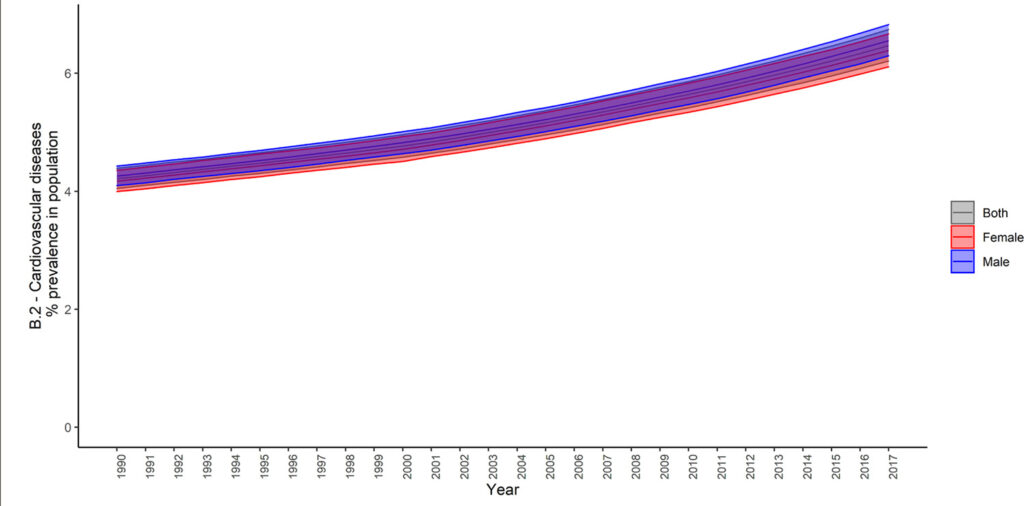
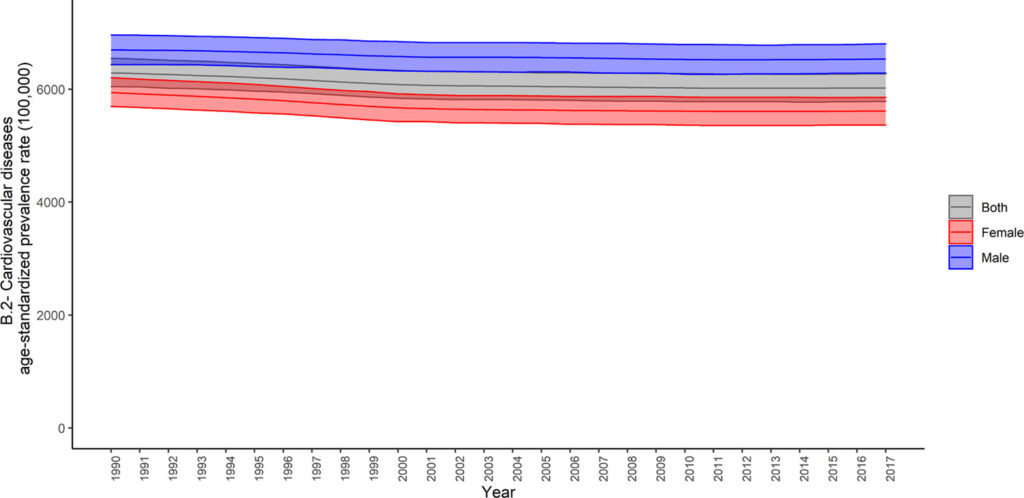
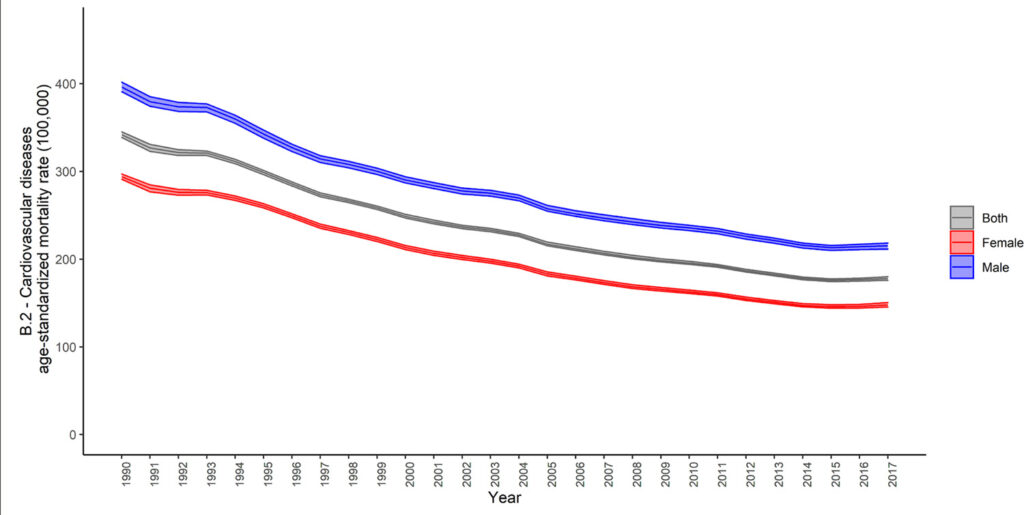
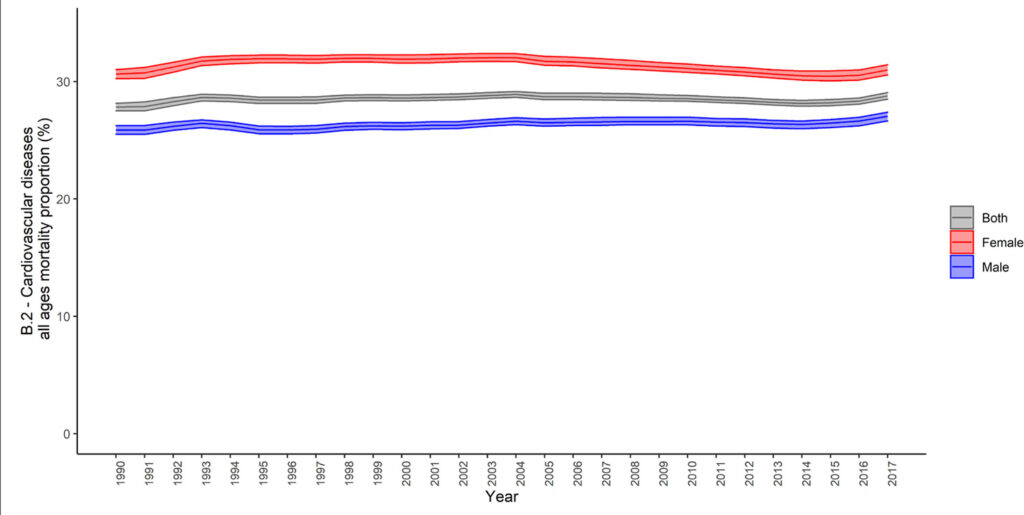
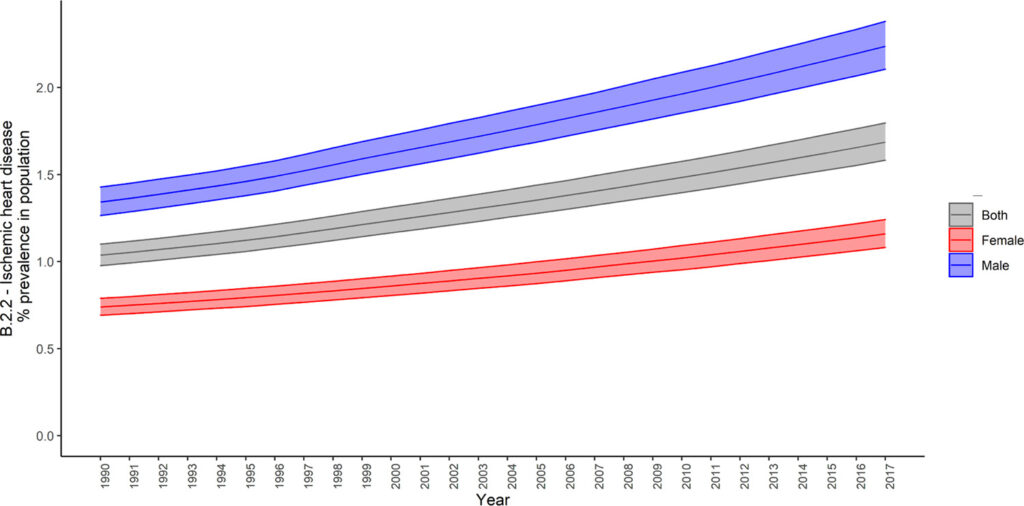
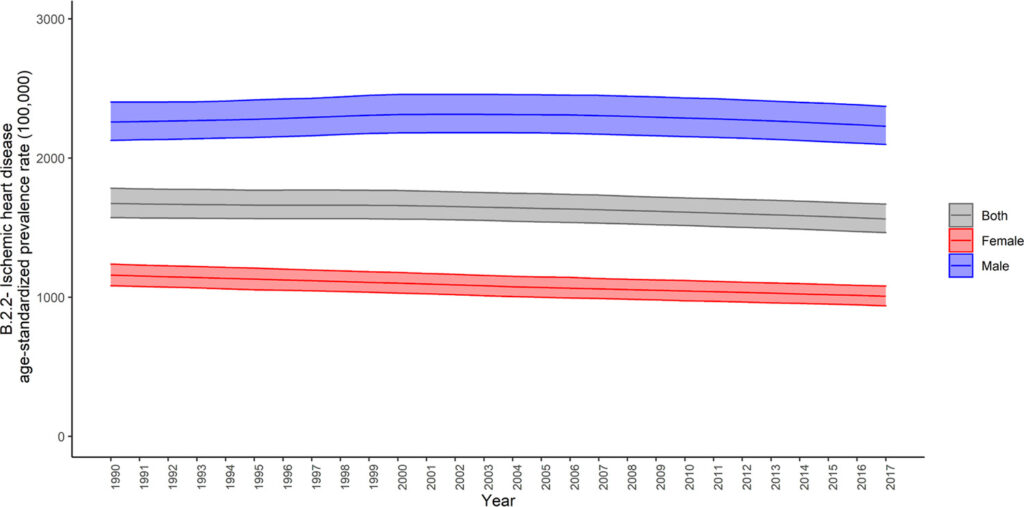
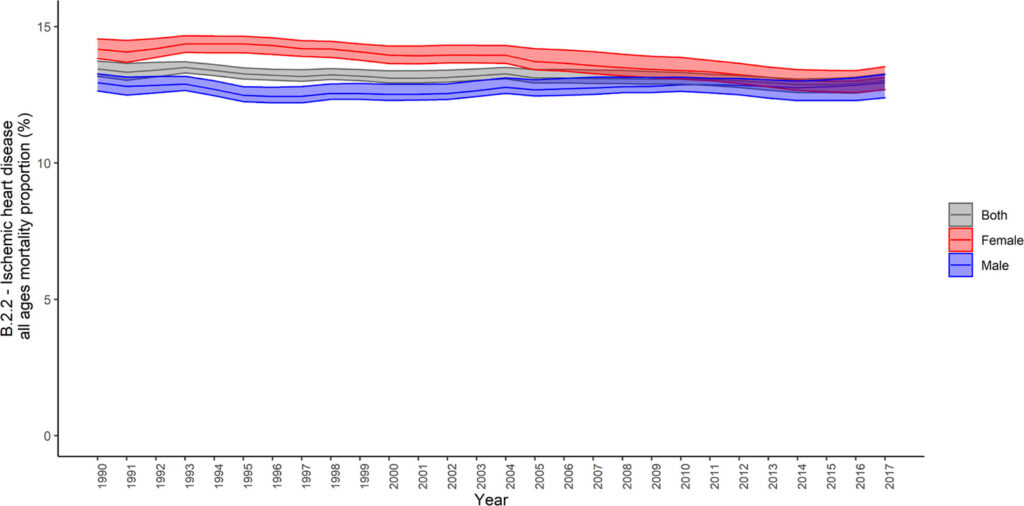
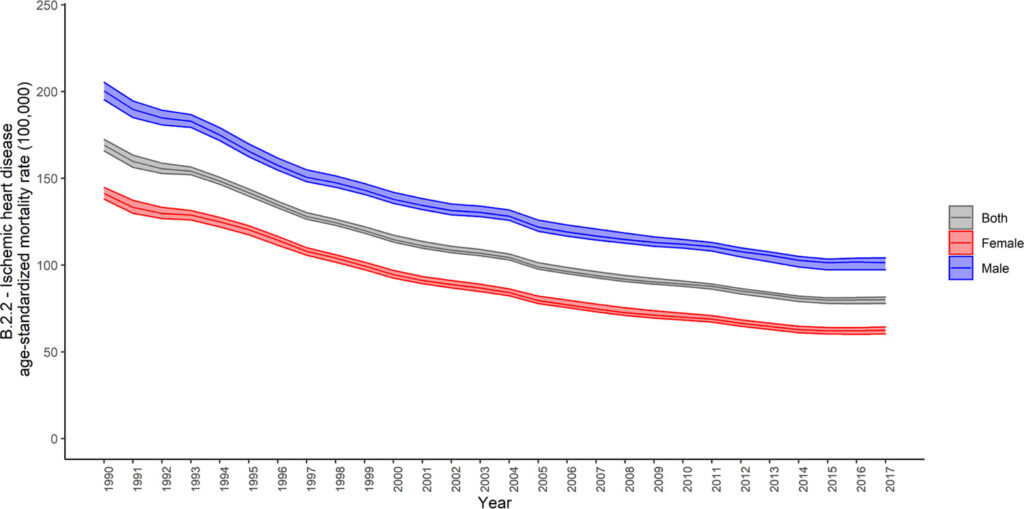
Comments are moderated by the editorial team before publication. Discussions should be evidence-based and use scientific language. Conflicts of interest should be declared.