ABC Family Arquivos Brasileiros de Cardiologia International Journal of Cardiovascular Sciences ABC Heart Failure & Cardiomyopathy ABC Imagem Cardiovascular
Português English
ABC Family
Português English
  • About
    • About ABC Family
    • Internal Regulation
    • Editorial Board
    • Brazilian Society of Cardiology (SBC)
  • Issues
  • SBC Guidelines
  • Content
    • Videos
    • Podcasts
    • News
  • About
    • About ABC Family
    • Internal Regulation
    • Editorial Board
    • Brazilian Society of Cardiology (SBC)
  • Issues
  • SBC Guidelines
  • Content
    • Videos
    • Podcasts
    • News

ABC Family

  • ABC Family
  • Arquivos Brasileiros de Cardiologia
  • International Journal of Cardiovascular Sciences
  • ABC Heart Failure & Cardiomyopathy
  • ABC Imagem Cardiovascular
Search in

No content found.

Journals
Ordering
Article types
Others

  1. Home
  2. Keyword: Primary Prevention
ABCIC
Editorial

Elevated Lipoprotein(a) in Patients Without Comorbidities: Which Imaging Tests Should be Ordered?

Eduardo Gomes Lima et al. Leticia Neves Solon Carvalho Tatiane Mascarenhas Santiago Emerich Eduardo Ferreira Amorim Fabiana Hanna Rached

The incorporation of lipoprotein(a) [Lp(a)] into contemporary cardiovascular risk assessment has introduced a practical question that is increasingly common in clinical practice: when faced with an elevated result, how should risk be reclassified and what management should be adopted, given that current guidelines recommend measuring Lp(a) at least once in adulthood and recognize it as a risk-modifying factor., However, the cardiovascular risk estimation proposed by these same guidelines — based on prognostic scores such as Predicting Risk of Cardiovascular Disease EVENTs – atherosclerotic cardiovascular disease (PREVENT-ASCVD), developed in 2023 by the American Heart Association — does not, a priori, account for the impact of elevated Lp(a) levels in its calculation. This creates a clinical scenario that is both concrete and challenging: the possibility that an asymptomatic patient, without traditional risk factors, may carry a biologically relevant risk factor that the score simply does not “see.” Thus arises the central question: what should be done when Lp(a) is elevated? In particular, should cardiovascular imaging be used to refine risk stratification?

A reasonable answer to these important questions requires an analysis of the biology and evidence that have propelled Lp(a) to its newly acquired prominence in the field of primary prevention in cardiology. Lp(a) is a particle similar to low-density lipoprotein (LDL), composed by an apolipoprotein B-100 molecule covalently bound to apolipoprotein(a), with levels predominantly determined by the LPA gene and relative stability throughout life., Its association with atherosclerotic cardiovascular disease is supported by epidemiological, genetic, and Mendelian randomization evidence, giving the particle a status stronger than that of a simple associative marker., Data from 450,000 patients demonstrate a strong linear correlation between elevated Lp(a) levels and atherosclerotic disease, with an approximate 11% increase in relative risk for every 50 nmol/L.

[…]
  • Atherosclerosis
  • Lipoprotein(a)
  • Primary Prevention
Read Full Article
Creative Commons Attribution (CC BY) Creative Commons license
31/07/2026 DOI: 10.36660/abcimg.20260053i Views 1
ABC
Editorial

Bridging Global Calls to Local Action: Advancing Cardiovascular Equity for Women in Brazil

Ariane Vieira Scarlatelli Macedo et al. Fernanda Souza de Carvalho Teresa Glynn Neil Johnson … Karen Padilla Cabrera Marlene Oliveira

The Global Burden of Disease 2023 highlights the catastrophic impact of cardiovascular disease, accounting for 19.2 million deaths worldwide in 2023. Women experience 20% higher post-myocardial infarction mortality, a greater prevalence of heart failure with preserved ejection fraction, and faster-rising metabolic risks (such as body mass index) compared with men. Critically, 79.6% of the global cardiovascular burden is attributable to modifiable risk factors – including high blood pressure, dyslipidemia, diet, and air pollution – yet age-standardized rates remain highest in low-income settings, where women are disproportionately affected.,

Evidence consistently shows that women face specific disadvantages across the cardiovascular care continuum.– They are more likely to experience late, missed, or misdiagnosed heart disease, driven by gaps in symptom recognition, male-centered diagnostic pathways, underrepresentation in research, and fragmented care., These systemic inequities contribute to delayed diagnosis and poorer treatment outcomes for women.

[…]

  • Cardiovascular Diseases
  • Health Equity
  • Health Status Disparities
  • Primary Prevention
  • Women
Read Full Article
Creative Commons Attribution (CC BY) Creative Commons license
11/05/2026 DOI: 10.36660/abc.20260110i Views 2
ABC
Editorial

Survival with ICD in Heart Failure: Truly Necessary or Just a Selection Bias?

Fernanda Almeida Andrade

Mortality predictors: The role of detailed clinical assessment

The importance of thorough medical consultations should be emphasized when evaluating these cases. Through anamnesis, potential mortality predictors can be identified, such as age, LVEF, BNP and/or NT-proBNP levels, coronary artery disease (CAD), diabetes mellitus, chronic kidney disease, baseline rhythm, HF-related hospitalizations, and NYHA >2 classification. The study by Başkurt et al. identified BNP > 508.5 pg/mL (ROC: S 69% and E 69%), LVEF 68.5 years (ROC: S 62% and E 62%), and hospitalization due to decompensation as independent predictors of all-cause mortality, whereas CAD was not an independent risk factor., Similar findings were reported in a study by Bilchick et al., which analyzed a large cohort (n = 45,000), demonstrating that critically ill patients with multiple comorbidities have a higher risk of adverse outcomes.

Therefore, the need for a risk score has been discussed and validated over time, with examples including the MADIT-II ICD Risk Stratification Score and the Seattle Heart Failure Score. However, important differences exist between them: the presence of associated cardiac resynchronization therapy (not included in the Seattle model), differences in the definition of severe arrhythmia and arrhythmic death (MADIT-ICD Benefit Score uses potentially fatal arrhythmias as a marker of arrhythmic death, whereas other studies distinguish between sudden and non-sudden death), and updated validation with contemporary cohorts. The MADIT-ICD Benefit Score, proposed in 2021, aims to improve risk stratification by assisting individualized clinical decision-making through the identification of primary ICD implantation candidates with the highest survival benefit, those whose predicted VT/VF risk surpasses the competing risk of non-arrhythmic mortality.

[…]

  • Heart Failure
  • Implantable Defibrillators
  • Primary Prevention
Read Full Article
Creative Commons Attribution (CC BY) Creative Commons license
14/04/2025 DOI: 10.36660/abc.20250142i
Clinical Outcomes and Mortality in Patients with Implantable Cardioverter-Defibrillator for Primary Prevention
ABC
Original Article

Clinical Outcomes and Mortality in Patients with Implantable Cardioverter-Defibrillator for Primary Prevention

Ahmet Anıl Başkurt et al. Sema Güneri Reşit Yiğit Yılancıoğlu Oğuzhan Ekrem Turan Emin Evren Özcan

Abstract

Background

Implantable cardioverter-defibrillator (ICD) is indicated for primary prevention in patients with left ventricular ejection fraction (LVEF) ≤ 35% and New York Heart Association class II or III heart failure despite 3 months of optimal medical therapy. However, studies that support this recommendation are over 20 years old, and they may not reflect modern heart failure patients’ characteristics.

Objectives

Retrospectively evaluate patients who received an ICD for primary prevention.

Methods

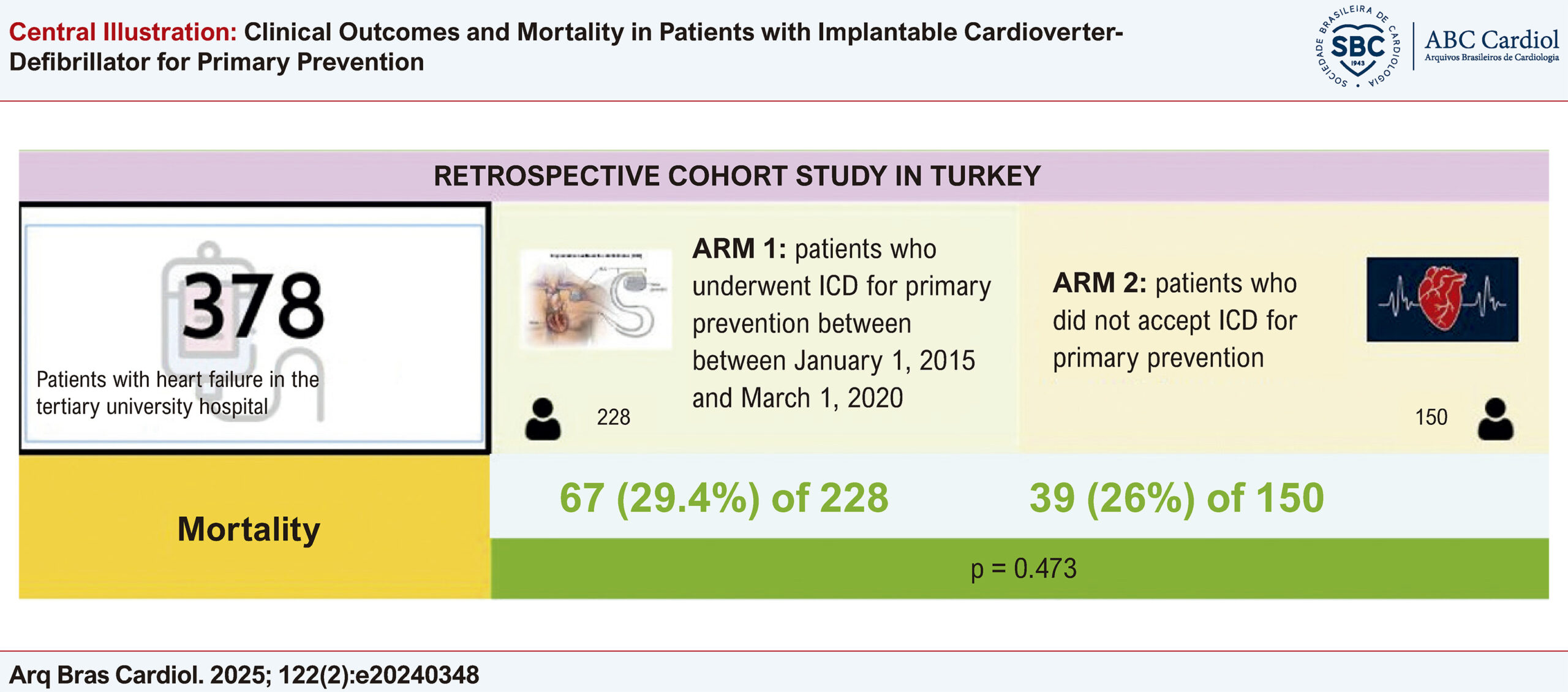
All-cause and sudden death rates were compared in patients who received ICD between January 1, 2015 and March 1, 2020 and those who did not accept ICD. Variables were analyzed at a 95% confidence interval, and p < 0.05 was considered as significant.

Results

When comparing mortality rates between patients with and without ICD, 67 of 228 patients (29.4%) in the ICD group and 39 of 150 patients (26%) in the control group died from all causes (p = 0.473). Age, LVEF, BNP value, and hospitalization were found to be independent predictors of all-cause mortality. Patients with BNP above 508.5, LVEF below 24.5%, and age over 68.5 years had a 25-fold increased all-cause mortality. Coronary artery disease was not found to be an independent risk factor. Survival in the control group was statistically significantly better in the first months. Although there was no statistical difference in the long term, survival was numerically better in the ICD arm. This could be attributed to the fact that ICD implantations were performed on patients with worse clinical conditions. The higher survival rate observed in patients with ICD may be due to the fact that they came in for device control and remained in follow-up.

Conclusions

With advances in the treatment of heart failure, ICD implantation should be performed in selected patients.

  • Heart Failure
  • Implantable Defibrillators
  • Primary Prevention
Read Full Article
Creative Commons Attribution (CC BY) Creative Commons license
28/02/2025 DOI: 10.36660/abc.20240348i Views 1
Cardiovascular Risk Scores among Asymptomatic Adults with Haemophilia
ABC
Original Article

Cardiovascular Risk Scores among Asymptomatic Adults with Haemophilia

Ricardo Mesquita Camelo et al. Camila Caram-Deelder Bruna Pontes Duarte Marilia Carolina Braga de Moura … Neuza Cavalcanti de Moraes Costa Iris Maciel Costa Ana Maria Vanderlei Tania Maria Rocha Guimarães Samantha Gouw Suely Meireles Rezende Johanna van der Bom

Abstract

Background

The mortality rate of Brazilian people with haemophilia (PwH) is decreasing, but the relative incidence of deaths associated with cardiovascular disease (CVD) is increasing.

Objectives

We aimed to describe the CVD risk score of PwH according to Pooled Cohort Equations Risk (PCER) Calculator tool and its treatment recommendations. We also compared the PCER estimates with the respective Framingham Risk Score (FRS).

Methods

This cross-sectional study included male PwH ≥ 40 years treated at the Comprehensive Haemophilia Treatment Centre of Pernambuco (Recife/Brazil). PwH with a previous CVD event or a low-density lipid cholesterol ≥ 5.0 mmol/L were excluded. Interviews, medical file reviews, and blood tests were performed. The PCER tool was used to estimate the CVD risk and compare it with the respective FRS. A p-value < 0.05 was accepted as statistically significant.

Results

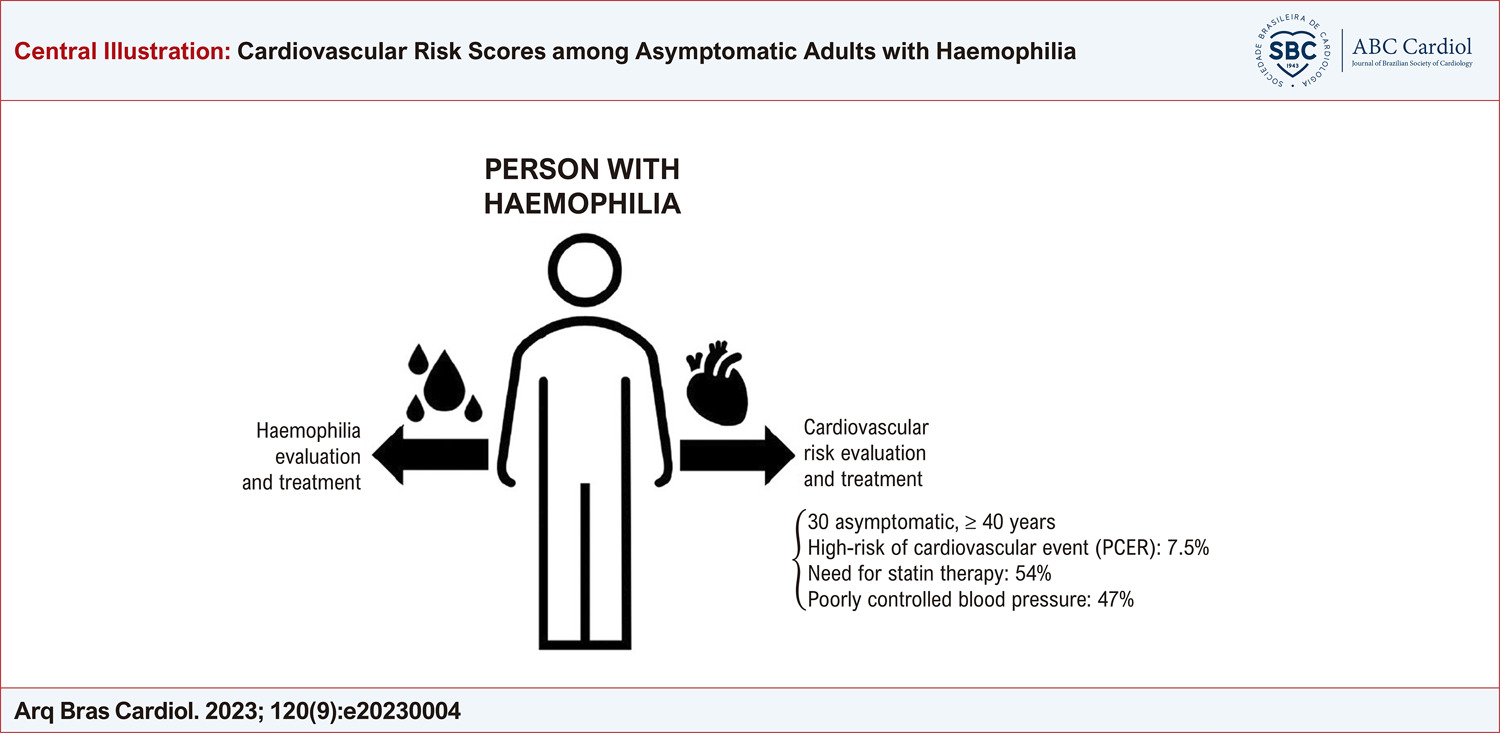
Thirty PwH were included. Median age was 51.5 [interquartile range-IQR; 46.0-59.5] years. The prevalence of obesity, systemic arterial hypertension, diabetes mellitus, hypertriglyceridaemia, hypercholesterolaemia, and hypoHDLaemia were 20%, 67%, 24%, 14%, 47%, and 23%, respectively. The median PCER score was 6.9% [IQR; 3.1-13.2], with 50% having a high risk (PCER ≥ 7.5%). Statin use was suggested for 54% of PwH. Blood pressure was poorly controlled in 47% of PwH. The agreement between PCER and FRS was 80% (κ = 0.60; p = 0.001).

Conclusions

Half of the male people with haemophilia aged 40 years or older had a 10-year high risk of developing CVD with strong recommendations to improve control of dyslipidaemia and blood pressure.

  • Heart Disease Risk Factors
  • Hemophilia A
  • Hemophilia B
  • Primary Prevention
Read Full Article
Creative Commons Attribution (CC BY) Creative Commons license
18/09/2023 DOI: 10.36660/abc.20230004 Views 2
Figure 1
ABC
Original Article

Cost-Effectiveness of Using the Coronary Artery Calcium Score in Guiding Therapeutic Decisions in Primary Prevention in the Brazilian Population

Raul Serra Valério et al. Giuliano Generoso Juliano Lara Fernandes Khurram Nasir … Jonathan C. Hong Marcio Sommer Bittencourt

Abstract

Background:

The use of the coronary artery calcium score to aid cardiovascular risk stratification may be a more cost-effective tool than the conventional strategy.

Objectives:

Evaluation of the cost-effectiveness of the use of the calcium score in therapeutic guidance for primary cardiovascular prevention.

Methods:

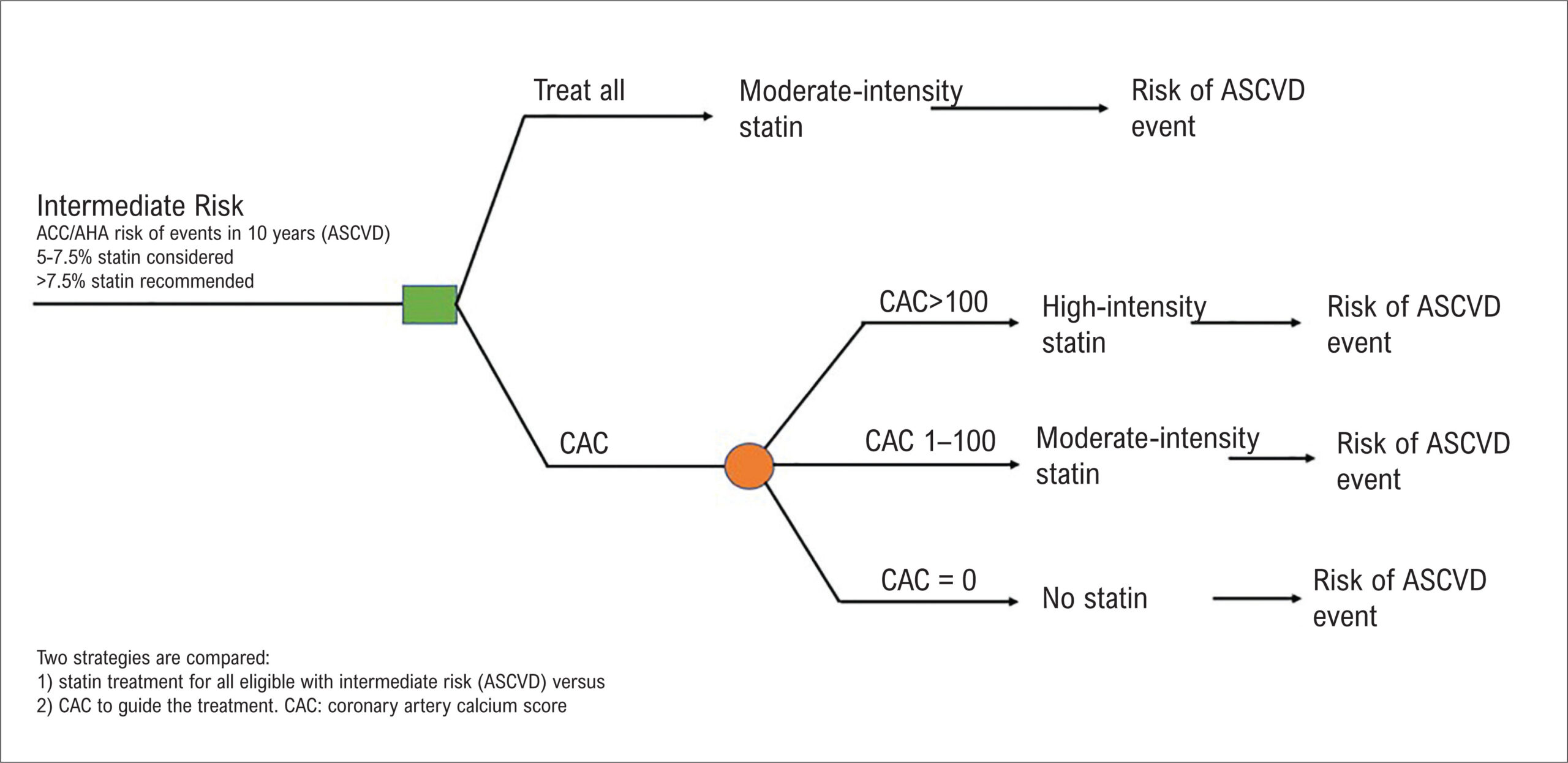
A microsimulation model to assess the clinical and economic consequences of atherosclerotic cardiovascular disease, comparing the prevention strategy using the calcium score and the conventional strategy.

Results:

The results obtained demonstrated a better cost-effectiveness of the therapeutic strategy guided by the calcium score, by reducing incremental costs and increasing quality-adjusted life years (QALY), which corresponds, in number, to improving the quality of life of the individual.

Conclusions:

The use of the coronary artery calcium score proved to be more cost-effective than the conventional strategy, both in terms of cost and QALY, in most of the scenarios studied.

  • Cardiac Imaging Techniques
  • Coronary Artery Calcium
  • Cost-Benefit Analysis
  • Primary Prevention
Read Full Article
Creative Commons Attribution (CC BY) Creative Commons license
10/06/2022 DOI: 10.36660/abc.20210347 Views 1
Figure 1
ABCHF
Review Article

Pharmacological Primary Prevention of Chemotherapy-Induced Cardiomyopathy: What is the Best Approach?

Mônica Samuel Avila et al. Deborah de Sá Pereira Belfort Mauro Rogério de Barros Wanderley Júnior

Introduction

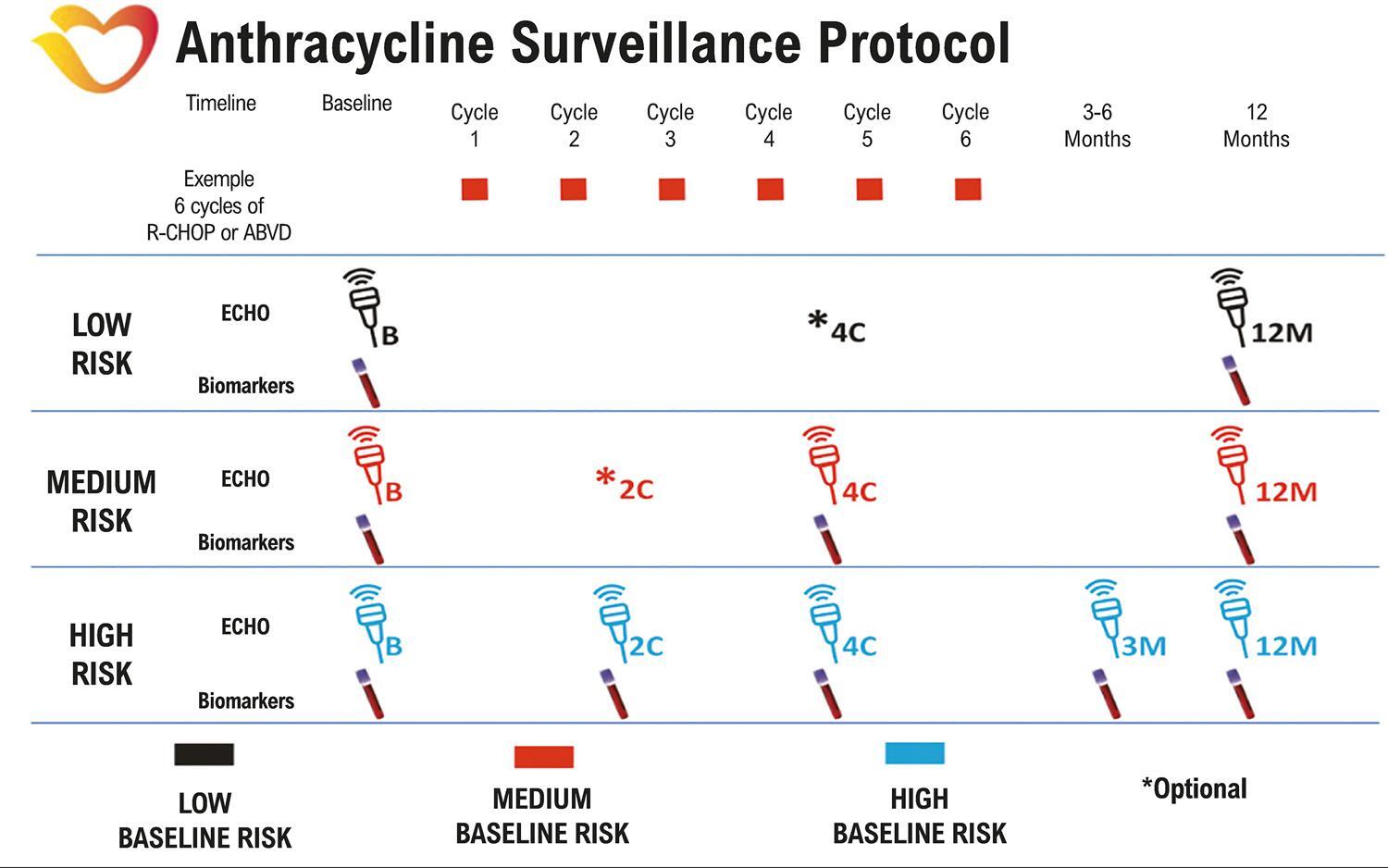
Advances in oncology, such as better access to health care system, earlier cancer diagnosis, and new chemotherapies, have led to longer survival of oncologic patients over the last decades. However, this population is vulnerable to cardiovascular drug-related adverse events like cardiomyopathy, which leads to heart failure and impairs survival and quality of life. , Among different classes of chemotherapeutic agents, anthracyclines (ANT) stand out as the most related to cardiomyopathy, which may affect cancer survivors in 9% of all cases.

The most widely recognized definition of cardiotoxicity is based on changes in left ventricular ejection fraction (LVEF). A decline of 10% to a value below 50% or a decline associated with heart failure symptoms during or after the use of a cardiotoxic agent suggests cardiotoxicity.

[…]

  • Cardiotoxicity
  • Heart Failure
  • Pharmaceutical Preparations
  • Primary Prevention
Read Full Article
Creative Commons Attribution (CC BY) Creative Commons license
12/04/2022 DOI: 10.36660/abchf.20220020 Views 1
Figure 1
ABC
Original Article

Cardiovascular Risk and Statin Eligibility in Primary Prevention: A Comparison between the Brazilian and the AHA/ACC Guidelines

Fernando H. Y. Cesena et al. Viviane A. Valente Raul D. Santos Márcio S. Bittencourt

Abstract

Background

Differences between the updated versions of the Brazilian Guideline on Dyslipidemias and the American Heart Association (AHA)/American College of Cardiology (ACC) Cholesterol Guideline regarding cardiovascular risk stratification and statin eligibility are unknown.

Objectives

To compare cardiovascular risk categorization and statin eligibility based on the Brazilian guideline with those based on the AHA/ACC guideline in primary prevention patients.

Methods

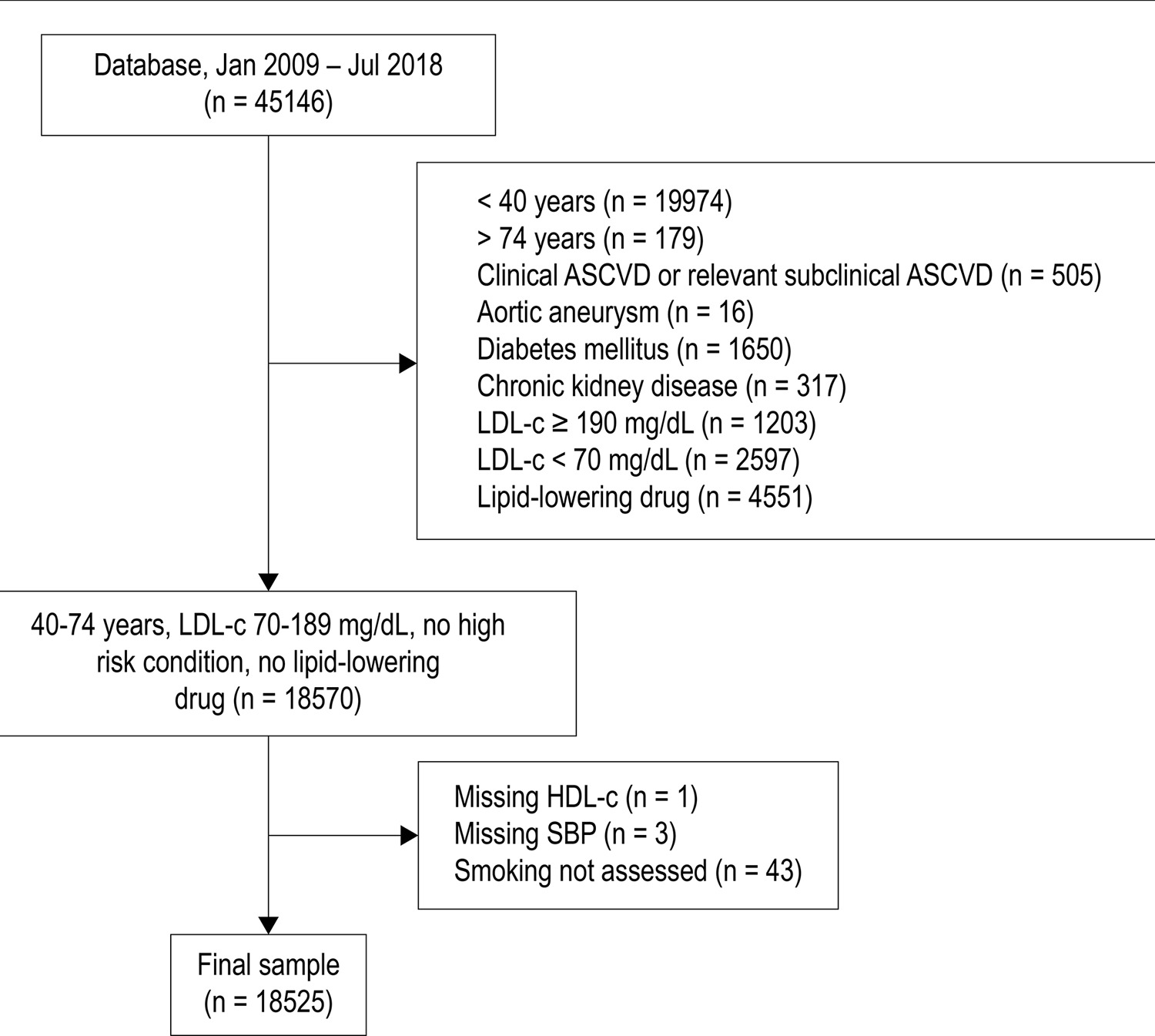
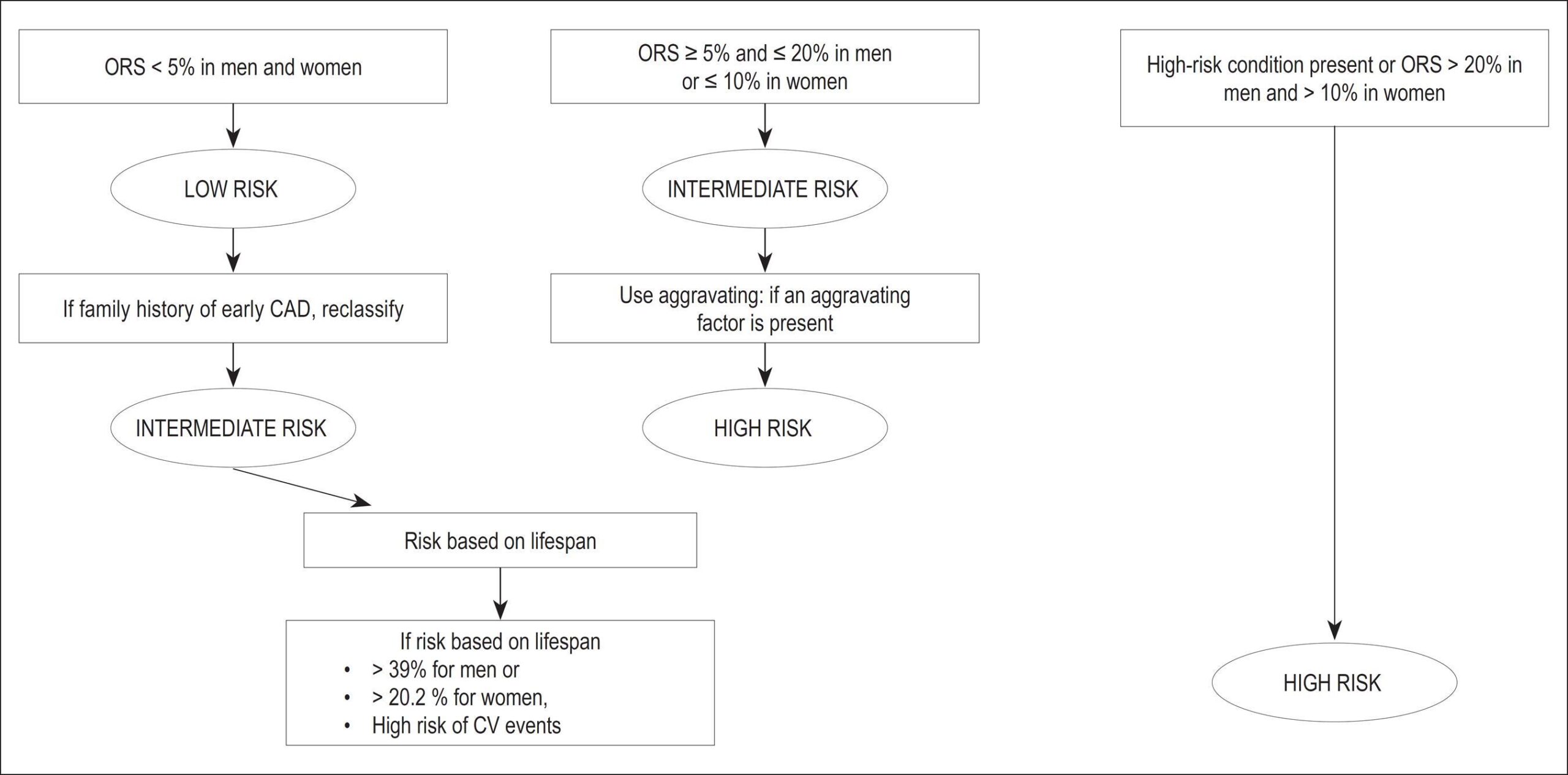
We retrospectively analyzed individuals aged 40-74 years without high-risk conditions, with LDL-c 70 to < 190 mg/dL, not on lipid-lowering drugs, who underwent routine clinical assessment. Cardiovascular risk was stratified according to the Brazilian and the AHA/ACC guidelines. Subjects were considered eligible for statin therapy if LDL-c was at least 30 mg/dL above the target for the cardiovascular risk (Brazilian guideline) or the 10-year atherosclerotic cardiovascular disease risk was ≥7.5% (AHA/ACC guideline). A p-value < 0.05 was considered statistically significant.

Results

The study sample consisted of 18,525 subjects (69% male, age 48 ± 6 years). Among subjects considered at intermediate or high risk by the Brazilian guideline, over 80% would be in a lower risk category by the AHA/ACC guideline. Among men, 45% and 16% would be statin eligible by the Brazilian and the AHA/ACC guidelines criteria, respectively (p < 0.001). Among women, the respective proportions would be 16% and 1% (p < 0.001). Eighty-two percent of women and 57% of men eligible for statins based on the Brazilian guideline criterion would not be eligible according to the AHA/ACC guideline criterion.

Conclusions

Compared with the AHA/ACC guideline, the Brazilian guideline classifies a larger proportion of primary prevention patients into higher-risk categories and substantially increases statin eligibility. (Arq Bras Cardiol. 2020; 115(3):440-449)

  • Atherosclerosis
  • Cardiovascular Diseases
  • Dyslipidemias
  • Hydroxymethylglutaryl-CoA Reductase Inhibitors / therapeutic use
  • Prevention and Control
  • Primary Prevention
  • Risk Factors
Read Full Article
Creative Commons Attribution (CC BY) Creative Commons license
28/09/2020 DOI: 10.36660/abc.20190519 Views 2
Figura 1
ABC
Special Article

I Cardiovascular Prevention Guideline of the Brazilian Society of Cardiology – Executive Summary

Antonio Felipe Simão et al. Dalton Bertolim Précoma Jadelson Pinheiro de Andrade Harry Correa Filho … José Francisco Kerr Saraiva Gláucia Maria Moraes de Oliveira

Introduction

Brazil currently faces a major health challenge: the pandemic scenario of cardiovascular morbidity and mortality. According to Brazilian Health Ministry data, 326,000 deaths due to cardiovascular diseases (CVD) occurred in 2010, corresponding to approximately 1,000 deaths/day, 200,000 deaths due exclusively to ischemic heart and cerebrovascular diseases, reflecting a gloomy scenario far from the minimally acceptable control.

This current scenario can be attributed to many reasons, such as the insufficiency and inadequacy of public health policies for CVD prevention, leading to the well-known lack of infrastructure in primary health care, hindering the fight against preventable affections, mainly in the neediest areas.

[…]

  • Cardiovascular Diseases / prevention & control
  • Cardiovascular Diseases/guidelines
  • Health Promotion
  • Primary Prevention
  • Risk Factors
  • Socioeconomic Factors
Read Full Article
Creative Commons Attribution (CC BY) Creative Commons license
01/05/2014 DOI: 10.5935/abc.20140067 Views 2
ABC
Artigo Original

Fat content of dairy products, eggs, margarines and oils: implications for atherosclerosis

Carlos Scherr et al. Jorge Pinto Ribeiro

BACKGROUND: For appropriate advising on a meal plan aimed at the prevention of ischemic heart disease, it is necessary to know the chemical composition of foods. OBJECTIVE: To analyze the composition of fats, fatty acids and cholesterol in some Brazilian specimens of edible oils, butters, margarines, dairy products and eggs, using the limits of a diet to prevent coronary artery disease. METHODS: We analyzed the composition of edible oils, butters, margarines, dairy products and eggs. The findings were used as recommended by the American Heart Association for a 1,800 calorie diet. RESULTS: Comparing the edible oils, the canola oil was found to be the best.Among the milks, the skimmed milk is most advisable one, but no advantages were found over the semi-skimmed milk. For the eggs, no differences were found in the types of milk found in the market. For cheeses, the “minas” cheese had the lowest content of cholesterol and saturated fat. Comparing margarine and butter, the former was found to be better when trans fats do not exceed the recommended levels. CONCLUSION: The composition of foods used in Brazil indicates that diets designed to enable primary and secondary prevention of ischemic heart disease can prioritize the use of semi-skimmed milk, sunflower oil, margarines with low content of trans fats and “minas” cheese.

  • Atherosclerosis
  • dairy products
  • fats
  • Food composition
  • Myocardial Ischemia
  • Primary Prevention
  • secondary
Read Full Article
Creative Commons Attribution (CC BY) Creative Commons license
25/06/2010 DOI: 10.1590/S0066-782X2010005000074 Views 1
Efficacy of lifestyle change psychological intervention in coronary risk reduction
ABC
Artigo Original

Efficacy of lifestyle change psychological intervention in coronary risk reduction

Rita Pugliese et al. Maria Tereza Zanella Sérgio Luís Blay Frida Plavinik … Marco Antonio Andrade Roberto Galvão

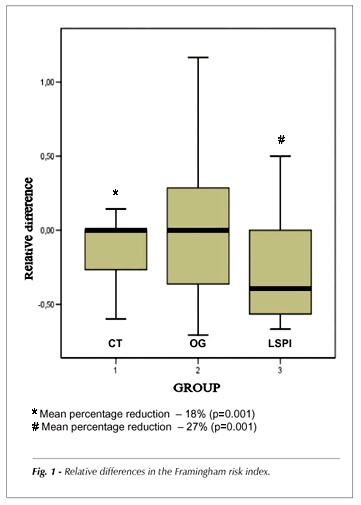
OBJECTIVE: To evaluate the efficacy of a program of lifestyle change through psychological intervention, combined with pharmacological therapy, for coronary risk reduction in uncontrolled hypertensive patients with overweight and dyslipidemia over 11 months of follow-up. METHODS: A randomized controlled trial with 74 patients assigned to three different treatment programs. One group (CT) only received conventional pharmacological treatment. Another group (OG) received pharmacological treatment and participated in a guidance program to control cardiovascular risk factors. A third group (LSPI) received pharmacological treatment and participated in a brief psychological intervention program for reduction of estresse levels and changing of eating behavior. The main measure was the Framingham risk index. RESULTS: CT patients presented an average reduction of 18% (p = 0.001) in coronary risk; OG patients elevated the risk by 0.8% (NS) and the LSPI group showed an average reduction of 27% on the Framingham risk index (p = 0.001). CONCLUSION: Pharmacological treatment combined with psychological intervention for reduction of estresse level and changing of eating behavior resulted in additional benefits in coronary risk reduction.

  • behavioral medicine
  • Dyslipidemias
  • Hypertension
  • Primary Prevention
  • Weight Loss
Read Full Article
Creative Commons Attribution (CC BY) Creative Commons license
18/04/2008 DOI: 10.1590/S0066-782X2007001600003 Views 1
ABC
Artigo Original

Framingham score for public transportation drivers in the dity of Teresina, Piauí

Maurício Batista Paes Landim et al. Edgar Guimarães Victor

OBJECTIVE: To estimate the absolute risk of the public transportation drivers in the city of Teresina, Piauí, to develop coronary heart disease over the course of ten years based on the Framingham risk score. METHODS: An observational, descriptive, cross-sectional study using the Framingham score was conducted with 107 public transportation drivers in the city of Teresina, Piauí, to assess level of risk and its association with the Framingham predictors that include: age, total cholesterol, HDL cholesterol, systolic blood pressure, diastolic blood pressure, diabetes mellitus and smoking. The significance test used was c². The prevalence rate was used as the association measurement. RESULTS: Mean risk was 5% and the greatest majority of the participants were situated in the low risk category (85.05%). Mean values for the variables were: 42 years of age, total cholesterol 200 mg%, HDL cholesterol 49 mg%, systolic blood pressure 130 mmHg and diastolic blood pressure 85 mmHg. The associations between diabetes mellitus, smoking and HDL cholesterol with level of risk were not statistically significant; however other variables had a great influence on the level of risk obtained. CONCLUSION: The mean absolute risk estimate for the public transportation drivers in the city of Teresina to develop coronary heart disease over the next ten years based on the Framingham score is low. The majority of the participants in the study (85.05%) were situated in the low risk category, that is, with a relative risk less than or equal to 10%.

  • Cardiovascular disease
  • coronary heart disease
  • Framingham score
  • level of risk
  • Primary Prevention
  • profession
Read Full Article
Creative Commons Attribution (CC BY) Creative Commons license
16/10/2006 DOI: 10.1590/S0066-782X2006001600014

How to cite this article

EndNote RIS

Electronic Document Format (Vancouver)

Lima EG, Carvalho LNS, Emerich TMS, Amorim EF, Rached FH. Elevated Lipoprotein(a) in Patients Without Comorbidities: Which Imaging Tests Should be Ordered?. ABC Imagem Cardiovascular 2026;39(2):e20260053.

Electronic Document Format (ABNT)

Lima, Eduardo Gomes; Carvalho, Leticia Neves Solon; Emerich, Tatiane Mascarenhas Santiago; Amorim, Eduardo Ferreira; Rached, Fabiana Hanna. Elevated Lipoprotein(a) in Patients Without Comorbidities: Which Imaging Tests Should be Ordered?. ABC Imagem Cardiovascular, v. 39, n. 2, e20260053, Jul. 2026.

Electronic Document Format (APA)

Lima, E. G., Carvalho, L. N. S., Emerich, T. M. S., Amorim, E. F., & Rached, F. H. (2026). Elevated Lipoprotein(a) in Patients Without Comorbidities: Which Imaging Tests Should be Ordered?. ABC Imagem Cardiovascular, 39(2), e20260053.

Electronic Document Format (ISO)

Lima, Eduardo Gomes and Carvalho, Leticia Neves Solon and Emerich, Tatiane Mascarenhas Santiago and Amorim, Eduardo Ferreira and Rached, Fabiana Hanna. Elevated Lipoprotein(a) in Patients Without Comorbidities: Which Imaging Tests Should be Ordered?. ABC Imagem Cardiovascular [online]. 2026, vol. 39, n. 2, [cited 2026-10-14], e20260053. Available from: <https://journals.cardiol.br/en/article/elevated-lipoproteina-in-patients-without-comorbidities-which-imaging-tests-should-be-ordered/>. ISSN 2318-8219

EndNote RIS

Electronic Document Format (Vancouver)

Macedo AVS, Carvalho FS, Glynn T, Johnson N, Cabrera KP, Oliveira M. Bridging Global Calls to Local Action: Advancing Cardiovascular Equity for Women in Brazil. Arquivos Brasileiros de Cardiologia 2026;123(3):e20260110.

Electronic Document Format (ABNT)

Macedo, Ariane Vieira Scarlatelli; Carvalho, Fernanda Souza de; Glynn, Teresa; Johnson, Neil; Cabrera, Karen Padilla; Oliveira, Marlene. Bridging Global Calls to Local Action: Advancing Cardiovascular Equity for Women in Brazil. Arquivos Brasileiros de Cardiologia, v. 123, n. 3, e20260110, May. 2026.

Electronic Document Format (APA)

Macedo, A. V. S., Carvalho, F. S. , Glynn, T., Johnson, N., Cabrera, K. P., & Oliveira, M. (2026). Bridging Global Calls to Local Action: Advancing Cardiovascular Equity for Women in Brazil. Arquivos Brasileiros de Cardiologia, 123(3), e20260110.

Electronic Document Format (ISO)

Macedo, Ariane Vieira Scarlatelli and Carvalho, Fernanda Souza de and Glynn, Teresa and Johnson, Neil and Cabrera, Karen Padilla and Oliveira, Marlene. Bridging Global Calls to Local Action: Advancing Cardiovascular Equity for Women in Brazil. Arquivos Brasileiros de Cardiologia [online]. 2026, vol. 123, n. 3, [cited 2026-10-14], e20260110. Available from: <https://journals.cardiol.br/en/article/bridging-global-calls-to-local-action-advancing-cardiovascular-equity-for-women-in-brazil/>. ISSN 0066-782X

EndNote RIS

Electronic Document Format (Vancouver)

Andrade FA. Survival with ICD in Heart Failure: Truly Necessary or Just a Selection Bias?. Arquivos Brasileiros de Cardiologia 2025;122(2):e20250142.

Electronic Document Format (ABNT)

Andrade, Fernanda Almeida. Survival with ICD in Heart Failure: Truly Necessary or Just a Selection Bias?. Arquivos Brasileiros de Cardiologia, v. 122, n. 2, e20250142, Apr. 2025.

Electronic Document Format (APA)

Andrade, F. A. (2025). Survival with ICD in Heart Failure: Truly Necessary or Just a Selection Bias?. Arquivos Brasileiros de Cardiologia, 122(2), e20250142.

Electronic Document Format (ISO)

Andrade, Fernanda Almeida. Survival with ICD in Heart Failure: Truly Necessary or Just a Selection Bias?. Arquivos Brasileiros de Cardiologia [online]. 2025, vol. 122, n. 2, [cited 2026-10-14], e20250142. Available from: <https://journals.cardiol.br/en/article/survival-with-icd-in-heart-failure-truly-necessary-or-just-a-selection-bias/>. ISSN 0066-782X

EndNote RIS

Electronic Document Format (Vancouver)

Başkurt AA, Güneri S, Yılancıoğlu RY, Turan OE, Özcan EE. Clinical Outcomes and Mortality in Patients with Implantable Cardioverter-Defibrillator for Primary Prevention. Arquivos Brasileiros de Cardiologia 2025;122(2):e20240348.

Electronic Document Format (ABNT)

Başkurt, Ahmet Anıl; Güneri, Sema; Yılancıoğlu, Reşit Yiğit; Turan, Oğuzhan Ekrem; Özcan, Emin Evren. Clinical Outcomes and Mortality in Patients with Implantable Cardioverter-Defibrillator for Primary Prevention. Arquivos Brasileiros de Cardiologia, v. 122, n. 2, e20240348, Feb. 2025.

Electronic Document Format (APA)

Başkurt, A. A., Güneri, S., Yılancıoğlu, R. Y., Turan, O. E., & Özcan, E. E. (2025). Clinical Outcomes and Mortality in Patients with Implantable Cardioverter-Defibrillator for Primary Prevention. Arquivos Brasileiros de Cardiologia, 122(2), e20240348.

Electronic Document Format (ISO)

Başkurt, Ahmet Anıl and Güneri, Sema and Yılancıoğlu, Reşit Yiğit and Turan, Oğuzhan Ekrem and Özcan, Emin Evren. Clinical Outcomes and Mortality in Patients with Implantable Cardioverter-Defibrillator for Primary Prevention. Arquivos Brasileiros de Cardiologia [online]. 2025, vol. 122, n. 2, [cited 2026-10-14], e20240348. Available from: <https://journals.cardiol.br/en/article/clinical-outcomes-and-mortality-in-patients-with-implantable-cardioverter-defibrillator-for-primary-prevention/>. ISSN 0066-782X

EndNote RIS

Electronic Document Format (Vancouver)

Camelo RM, Caram-Deelder C, Duarte BP, Moura MCB, Costa NCM, Costa IM, Vanderlei AM, et al. Cardiovascular Risk Scores among Asymptomatic Adults with Haemophilia. Arquivos Brasileiros de Cardiologia 2023;120(9):e20230004.

Electronic Document Format (ABNT)

Camelo, Ricardo Mesquita; Caram-Deelder, Camila; Duarte, Bruna Pontes; Moura, Marilia Carolina Braga de; Costa, Neuza Cavalcanti de Moraes; Costa, Iris Maciel; Vanderlei, Ana Maria; Guimarães, Tania Maria Rocha; Gouw, Samantha; Rezende, Suely Meireles; Bom, Johanna van der. Cardiovascular Risk Scores among Asymptomatic Adults with Haemophilia. Arquivos Brasileiros de Cardiologia, v. 120, n. 9, e20230004, Sep. 2023.

Electronic Document Format (APA)

Camelo, R. M., Caram-Deelder, C., Duarte, B. P., Moura, M. C. B. , Costa, N. C. M., Costa, I. M., Vanderlei, A. M., Guimarães, T. M. R., Gouw, S., Rezende, S. M., & Bom, J. (2023). Cardiovascular Risk Scores among Asymptomatic Adults with Haemophilia. Arquivos Brasileiros de Cardiologia, 120(9), e20230004.

Electronic Document Format (ISO)

Camelo, Ricardo Mesquita and Caram-Deelder, Camila and Duarte, Bruna Pontes and Moura, Marilia Carolina Braga de and Costa, Neuza Cavalcanti de Moraes and Costa, Iris Maciel and Vanderlei, Ana Maria and Guimarães, Tania Maria Rocha and Gouw, Samantha and Rezende, Suely Meireles and Bom, Johanna van der. Cardiovascular Risk Scores among Asymptomatic Adults with Haemophilia. Arquivos Brasileiros de Cardiologia [online]. 2023, vol. 120, n. 9, [cited 2026-10-14], e20230004. Available from: <https://journals.cardiol.br/en/article/cardiovascular-risk-scores-among-asymptomatic-adults-with-haemophilia/>. ISSN 0066-782X

EndNote RIS

Electronic Document Format (Vancouver)

Valério RS, Generoso G, Fernandes JL, Nasir K, Hong JC, Bittencourt MS. Cost-Effectiveness of Using the Coronary Artery Calcium Score in Guiding Therapeutic Decisions in Primary Prevention in the Brazilian Population. Arquivos Brasileiros de Cardiologia 2022;118(6):1126-31.

Electronic Document Format (ABNT)

Valério, Raul Serra; Generoso, Giuliano; Fernandes, Juliano Lara; Nasir, Khurram; Hong, Jonathan C.; Bittencourt, Marcio Sommer. Cost-Effectiveness of Using the Coronary Artery Calcium Score in Guiding Therapeutic Decisions in Primary Prevention in the Brazilian Population. Arquivos Brasileiros de Cardiologia, v. 118, n. 6, p. 1126-1131, Jun. 2022.

Electronic Document Format (APA)

Valério, R. S., Generoso, G., Fernandes, J. L., Nasir, K., Hong, J. C., & Bittencourt, M. S. (2022). Cost-Effectiveness of Using the Coronary Artery Calcium Score in Guiding Therapeutic Decisions in Primary Prevention in the Brazilian Population. Arquivos Brasileiros de Cardiologia, 118(6), 1126-1131.

Electronic Document Format (ISO)

Valério, Raul Serra and Generoso, Giuliano and Fernandes, Juliano Lara and Nasir, Khurram and Hong, Jonathan C. and Bittencourt, Marcio Sommer. Cost-Effectiveness of Using the Coronary Artery Calcium Score in Guiding Therapeutic Decisions in Primary Prevention in the Brazilian Population. Arquivos Brasileiros de Cardiologia [online]. 2022, vol. 118, n. 6, [cited 2026-10-14], pp. 1126-1131. Available from: <https://journals.cardiol.br/en/article/cost-effectiveness-of-using-the-coronary-artery-calcium-score-in-guiding-therapeutic-decisions-in-primary-prevention-in-the-brazilian-population/>. ISSN 0066-782X

EndNote RIS

Electronic Document Format (Vancouver)

Avila MS, Belfort DSP, Wanderley Júnior MRB. Pharmacological Primary Prevention of Chemotherapy-Induced Cardiomyopathy: What is the Best Approach?. ABC Heart Fail Cardiomyop 2022;2(1):99-107.

Electronic Document Format (ABNT)

Avila, Mônica Samuel; Belfort, Deborah de Sá Pereira; Wanderley Júnior, Mauro Rogério de Barros. Pharmacological Primary Prevention of Chemotherapy-Induced Cardiomyopathy: What is the Best Approach?. ABC Heart Fail Cardiomyop, v. 2, n. 1, p. 99-107, Apr. 2022.

Electronic Document Format (APA)

Avila, M. S., Belfort, D. S. P., & Wanderley Júnior, M. R. B. (2022). Pharmacological Primary Prevention of Chemotherapy-Induced Cardiomyopathy: What is the Best Approach?. ABC Heart Fail Cardiomyop, 2(1), 99-107.

Electronic Document Format (ISO)

Avila, Mônica Samuel and Belfort, Deborah de Sá Pereira and Wanderley Júnior, Mauro Rogério de Barros. Pharmacological Primary Prevention of Chemotherapy-Induced Cardiomyopathy: What is the Best Approach?. ABC Heart Fail Cardiomyop [online]. 2022, vol. 2, n. 1, [cited 2026-10-14], pp. 99-107. Available from: <https://journals.cardiol.br/en/article/pharmacological-primary-prevention-of-chemotherapy-induced-cardiomyopathy-what-is-the-best-approach/>

EndNote RIS

Electronic Document Format (Vancouver)

Cesena FHY, Valente VA, Santos RD, Bittencourt MS. Cardiovascular Risk and Statin Eligibility in Primary Prevention: A Comparison between the Brazilian and the AHA/ACC Guidelines. Arquivos Brasileiros de Cardiologia 2020;115(3):440-9.

Electronic Document Format (ABNT)

Cesena, Fernando H. Y.; Valente, Viviane A.; Santos, Raul D.; Bittencourt, Márcio S.. Cardiovascular Risk and Statin Eligibility in Primary Prevention: A Comparison between the Brazilian and the AHA/ACC Guidelines. Arquivos Brasileiros de Cardiologia, v. 115, n. 3, p. 440-449, Sep. 2020.

Electronic Document Format (APA)

Cesena, F. H. Y., Valente, V. A., Santos, R. D., & Bittencourt, M. S. (2020). Cardiovascular Risk and Statin Eligibility in Primary Prevention: A Comparison between the Brazilian and the AHA/ACC Guidelines. Arquivos Brasileiros de Cardiologia, 115(3), 440-449.

Electronic Document Format (ISO)

Cesena, Fernando H. Y. and Valente, Viviane A. and Santos, Raul D. and Bittencourt, Márcio S.. Cardiovascular Risk and Statin Eligibility in Primary Prevention: A Comparison between the Brazilian and the AHA/ACC Guidelines. Arquivos Brasileiros de Cardiologia [online]. 2020, vol. 115, n. 3, [cited 2026-10-14], pp. 440-449. Available from: <https://journals.cardiol.br/en/article/cardiovascular-risk-and-statin-eligibility-in-primary-prevention-a-comparison-between-the-brazilian-and-the-aha-acc-guidelines/>. ISSN 0066-782X

EndNote RIS

Electronic Document Format (Vancouver)

Simão AF, Précoma DB, Andrade JP, Correa Filho H, Saraiva JFK, Oliveira GMM. I Cardiovascular Prevention Guideline of the Brazilian Society of Cardiology – Executive Summary. Arquivos Brasileiros de Cardiologia 2014;102(5):420-31.

Electronic Document Format (ABNT)

Simão, Antonio Felipe; Précoma, Dalton Bertolim; Andrade, Jadelson Pinheiro de; Correa Filho, Harry; Saraiva, José Francisco Kerr; Oliveira, Gláucia Maria Moraes de. I Cardiovascular Prevention Guideline of the Brazilian Society of Cardiology – Executive Summary. Arquivos Brasileiros de Cardiologia, v. 102, n. 5, p. 420-431, Apr. 2014.

Electronic Document Format (APA)

Simão, A. F., Précoma, D. B., Andrade, J. P. , Correa Filho, H., Saraiva, J. F. K., & Oliveira, G. M. M. (2014). I Cardiovascular Prevention Guideline of the Brazilian Society of Cardiology – Executive Summary. Arquivos Brasileiros de Cardiologia, 102(5), 420-431.

Electronic Document Format (ISO)

Simão, Antonio Felipe and Précoma, Dalton Bertolim and Andrade, Jadelson Pinheiro de and Correa Filho, Harry and Saraiva, José Francisco Kerr and Oliveira, Gláucia Maria Moraes de. I Cardiovascular Prevention Guideline of the Brazilian Society of Cardiology – Executive Summary. Arquivos Brasileiros de Cardiologia [online]. 2014, vol. 102, n. 5, [cited 2026-10-14], pp. 420-431. Available from: <https://journals.cardiol.br/en/article/i-cardiovascular-prevention-guideline-of-the-brazilian-society-of-cardiology-executive-summary/>. ISSN 0066-782X

EndNote RIS

Electronic Document Format (Vancouver)

Scherr C, Ribeiro JP. Fat content of dairy products, eggs, margarines and oils: implications for atherosclerosis. Arquivos Brasileiros de Cardiologia 2010;95(1):55-60.

Electronic Document Format (ABNT)

Scherr, Carlos; Ribeiro, Jorge Pinto. Fat content of dairy products, eggs, margarines and oils: implications for atherosclerosis. Arquivos Brasileiros de Cardiologia, v. 95, n. 1, p. 55-60, Jun. 2010.

Electronic Document Format (APA)

Scherr, C., & Ribeiro, J. P. (2010). Fat content of dairy products, eggs, margarines and oils: implications for atherosclerosis. Arquivos Brasileiros de Cardiologia, 95(1), 55-60.

Electronic Document Format (ISO)

Scherr, Carlos and Ribeiro, Jorge Pinto. Fat content of dairy products, eggs, margarines and oils: implications for atherosclerosis. Arquivos Brasileiros de Cardiologia [online]. 2010, vol. 95, n. 1, [cited 2026-10-14], pp. 55-60. Available from: <https://journals.cardiol.br/en/article/fat-content-of-dairy-products-eggs-margarines-and-oils-implications-for-atherosclerosis/>. ISSN 0066-782X

EndNote RIS

Electronic Document Format (Vancouver)

Pugliese R, Zanella MT, Blay SL, Plavinik F, Andrade MA, Galvão R. Efficacy of lifestyle change psychological intervention in coronary risk reduction. Arquivos Brasileiros de Cardiologia 2008;89(4):225-30.

Electronic Document Format (ABNT)

Pugliese, Rita; Zanella, Maria Tereza; Blay, Sérgio Luís; Plavinik, Frida; Andrade, Marco Antonio; Galvão, Roberto. Efficacy of lifestyle change psychological intervention in coronary risk reduction. Arquivos Brasileiros de Cardiologia, v. 89, n. 4, p. 225-230, Apr. 2008.

Electronic Document Format (APA)

Pugliese, R., Zanella, M. T., Blay, S. L., Plavinik, F., Andrade, M. A., & Galvão, R. (2008). Efficacy of lifestyle change psychological intervention in coronary risk reduction. Arquivos Brasileiros de Cardiologia, 89(4), 225-230.

Electronic Document Format (ISO)

Pugliese, Rita and Zanella, Maria Tereza and Blay, Sérgio Luís and Plavinik, Frida and Andrade, Marco Antonio and Galvão, Roberto. Efficacy of lifestyle change psychological intervention in coronary risk reduction. Arquivos Brasileiros de Cardiologia [online]. 2008, vol. 89, n. 4, [cited 2026-10-14], pp. 225-230. Available from: <https://journals.cardiol.br/en/article/efficacy-of-lifestyle-change-psychological-intervention-in-coronary-risk-reduction/>. ISSN 0066-782X

EndNote RIS

Electronic Document Format (Vancouver)

Landim MBP, Victor EG. Framingham score for public transportation drivers in the dity of Teresina, Piauí. Arquivos Brasileiros de Cardiologia 2006;87(3):315-20.

Electronic Document Format (ABNT)

Landim, Maurício Batista Paes; Victor, Edgar Guimarães. Framingham score for public transportation drivers in the dity of Teresina, Piauí. Arquivos Brasileiros de Cardiologia, v. 87, n. 3, p. 315-320, Oct. 2006.

Electronic Document Format (APA)

Landim, M. B. P., & Victor, E. G. (2006). Framingham score for public transportation drivers in the dity of Teresina, Piauí. Arquivos Brasileiros de Cardiologia, 87(3), 315-320.

Electronic Document Format (ISO)

Landim, Maurício Batista Paes and Victor, Edgar Guimarães. Framingham score for public transportation drivers in the dity of Teresina, Piauí. Arquivos Brasileiros de Cardiologia [online]. 2006, vol. 87, n. 3, [cited 2026-10-14], pp. 315-320. Available from: <https://journals.cardiol.br/en/article/framingham-score-for-public-transportation-drivers-in-the-dity-of-teresina-piaui/>. ISSN 0066-782X

  • About ABC Family
  • Internal Regulation
  • Editorial Board
  • Brazilian Society of Cardiology (SBC)

Issues

SBC Guidelines

  • Videos
  • Podcasts
  • News