ABC Family Arquivos Brasileiros de Cardiologia International Journal of Cardiovascular Sciences ABC Heart Failure & Cardiomyopathy ABC Imagem Cardiovascular
Português English
ABC Family
Português English
  • About
    • About ABC Family
    • Internal Regulation
    • Editorial Board
    • Brazilian Society of Cardiology (SBC)
  • Issues
  • SBC Guidelines
  • Content
    • Videos
    • Podcasts
    • News
  • About
    • About ABC Family
    • Internal Regulation
    • Editorial Board
    • Brazilian Society of Cardiology (SBC)
  • Issues
  • SBC Guidelines
  • Content
    • Videos
    • Podcasts
    • News

ABC Family

  • ABC Family
  • Arquivos Brasileiros de Cardiologia
  • International Journal of Cardiovascular Sciences
  • ABC Heart Failure & Cardiomyopathy
  • ABC Imagem Cardiovascular
Search in

No content found.

Journals
Ordering
Article types
Others

  1. Home
  2. Keyword: Coronavirus
Figure 1
ABCHF
Original Article

Post-COVID-19 Syndrome and the Autonomic Repercussions on Cardiovascular Variables

Giulia Yuni Davanço et al. Matheus Figueiredo Torres Neif Murad Glaucia Luciano da Veiga … Pedro Henrique Alves Reis Juliana de Vasconcellos Barbosa Beatriz da Costa Aguiar Alves Thaís Moura Gascón Rodrigo Daminello Raimundo Fernando Luiz Affonso Fonseca

Abstract

Background:

The SARS-CoV-2 virus is responsible for the COVID-19 pandemic. Several adverse effects on the cardiovascular system were observed in patients hospitalized for COVID-19. SARS-CoV-2 infection added another possible arrhythmia-causing agent due to increased cytokines. It is believed that patients who have had COVID-19 are more prone to develop cardiovascular disease after infection. Heart rate variability (HRV) is an important marker of heart health, with lower values indicating a decrease in vagal heart rate control.

Objectives:

To analyze the autonomic modulation of the heart rate of patients with Post-COVID-19 Syndrome.

Methods:

Our study assessed 50 patients, of both sexes, with at least six months of recovery from COVID-19 and who were attended to in a cardiology outpatient clinic. The recording of RR intervals was performed with a portable heart rate monitor.

Results:

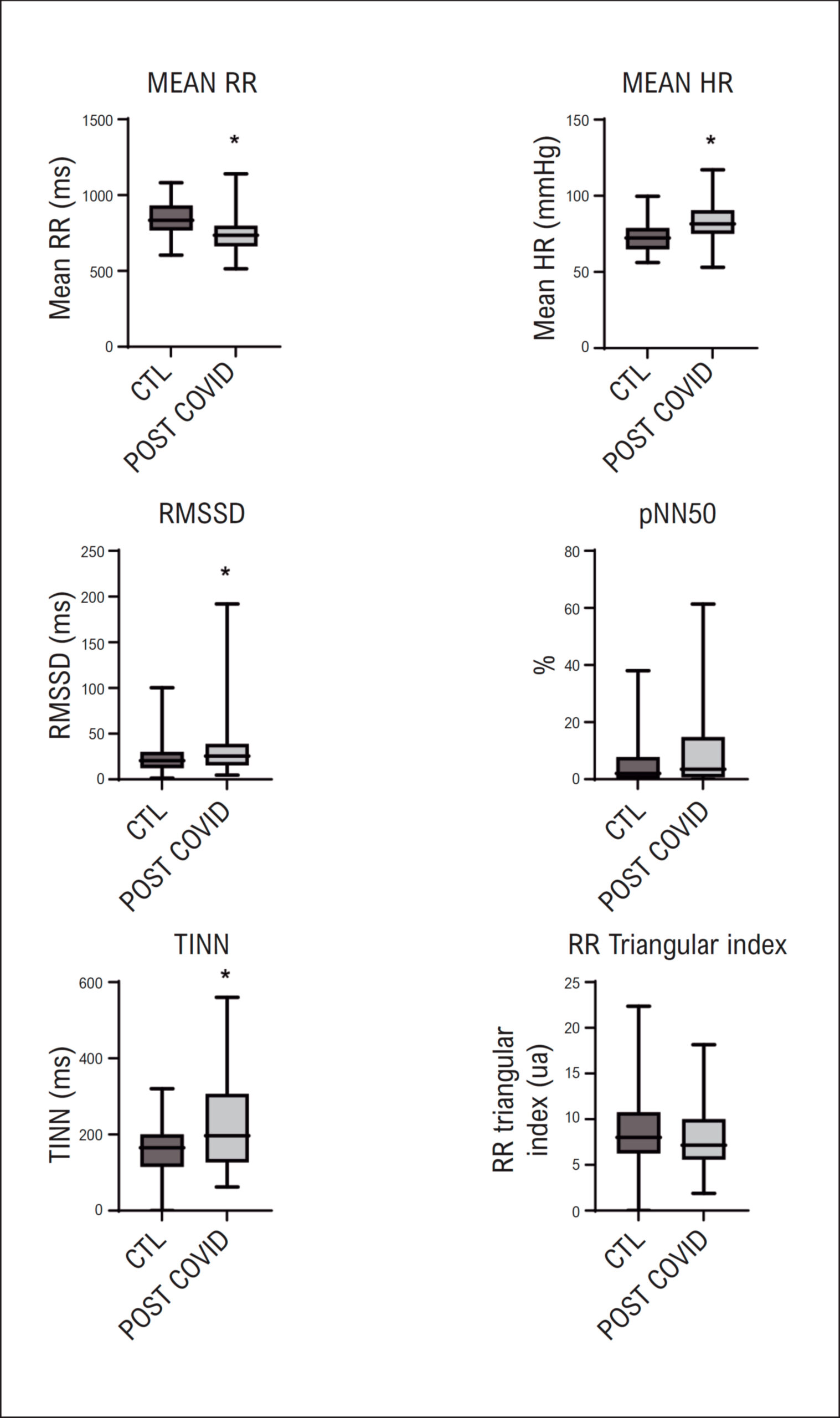
The values of the Root Mean Square of the Successive Differences (RMSSD) (36.3±35.7 ms, p=0.0363) and high frequency (HF) (446.3±632.2 ms2, p=0.0394) were higher in the post-COVID group when compared to the control group. In addition, TINN values (228.0±120.9 ms, p=0.009), LF/HF (3.8±3.8 a.u., p=0.1020), SD2 (40.1±19.3 a.u., p=0.005), and SD1/SD2 (2.2±1.0 a.u., p<0.0001) were lower in the post-COVID group.

Conclusion:

The present study showed an increase in parameters related to parasympathetic autonomic activity and its modulation. In addition, lower heart rate variability was observed in patients during a post-recovery period of COVID-19 when compared to a group that had not contracted the disease.
  • Autonomic Nervous System
  • Cardiovascular System
  • Coronavirus
  • Post-Acute COVID-19 Syndrome
Read Full Article
Creative Commons Attribution (CC BY) Creative Commons license
31/12/2023 DOI: 10.36660/abchf.20230056 Views 3
IJCS
Editorial

Cardiac Involvement in COVID-19: A Matter Close to the Heart, Beyond the Acute Illness

Gláucia Maria Moraes de Oliveira et al. Fausto J. Pinto

Human infection with the SARS-CoV-2 virus and COVID-19 have been ravaging the entire world since December 2019. As of February 17, 2023, records from the World Health Organization point to more than 756 million confirmed cases and approximately 6,845,000 deaths. In Brazil, until this date, approximately 36,961,000 cases have been reported, with about 698,000 deaths. Among the deaths, the main comorbidities reported are heart disease (40%), diabetes (28%), obesity (10%), neurological diseases (5%), kidney diseases (5%), and pneumopathies (5%). Furthermore, 70% of patients who died were 60 years old or older, and males were prevalent in 60% of the cases.

The impact on mortality is well documented in the acute phase of this disease. Moraes et al., in this systematic review of literature, consolidate the findings described as myocarditis, ventricular dysfunction, cardiogenic shock, takotsubo cardiomyopathy, and sudden cardiac death due to association with ventricular arrhythmias. However, other outcomes linked to more significant morbidity are still not completely understood. In other words, what can and what should we expect from recovered cases?

[…]

  • Cardiovascular disease
  • Coronavirus
  • COVID-19
  • Long COVID
  • Long term
  • Post-acute sequelae of COVID-19
Read Full Article
Creative Commons Attribution (CC BY) Creative Commons license
21/04/2023 DOI: 10.36660/ijcs.20230024 Views 2
ABC
Editorial

Exercise-Based Cardiac Rehabilitation (ECBR): New Frontiers in the Post-Novel Coronavirus

Rosane Maria Nery et al. Antonio Cardoso dos Santos Eduardo Lima Garcia

The coronavirus disease 2019 (COVID-19) pandemic, in addition to physical, emotional, and social repercussions, has generated important changes in non-pharmacological measures to aid in treating patients with heart disease, such as Exercise-Based Cardiac Rehabilitation (ECBR). The disability associated with the post-COVID-19 syndrome seems to have a considerable impact on health services, as the treatment of these patients implies a very high demand for care and a high economic cost.

Scientific evidence has shown a close association between sedentary behavior and the development and worsening of cardiovascular disease (CVD) and early mortality. Many of these deaths could be avoided or postponed with preventive care and therapeutic measures, where EBCR is a fundamental pillar.,

[…]

  • Cardiac Rehabilitation
  • Coronavirus
  • Covid-19/complications
  • Exercise Therapy
  • Pandemics
  • Physical activity
  • Recovery of function
Read Full Article
Creative Commons Attribution (CC BY) Creative Commons license
07/04/2023 DOI: 10.36660/abc.20230120
ABC
Editorial

Systematic Reviews and Meta-Analyses: Lighthouses in the Data Storm from the COVID-19 Pandemic

Henrique Turin Moreira et al. André Schmidt

Since recognizing the COVID-19 pandemic as a public health emergency, the global scientific community has driven efforts to understand the infection by the new coronavirus SARS-CoV-2. The World Health Organization soon proclaimed the need to fast-track research to reduce mortality and avoid crisis escalation. As a result, we now observe an extraordinary amount of data on COVID-19 obtained in a short time. Indeed, a search in the Pubmed database promptly reveals more than 164,000 papers on the disease in less than two and a half years, an unprecedented phenomenon in the medical literature. Putting this into perspective, this profusion of publications is numerically greater than papers identified by the term “myocardial infarction” in the last four decades.

Although this outstanding scientific advance has been crucial to fighting the pandemic, at the same time, it went along with a data storm with marked adverse effects. Health professionals had challenges searching, interpreting, and summarizing this dizzying volume of evidence. Conflicting results, typical of the twisted paths of science, were frequent causes of confusion and disagreement. In this setting, systematic reviews and meta-analyses can serve as lighthouses, guiding us to safer routes. They offer organized and integrated assessment of multiple data sources, thus allowing more robust estimates and reliable answers to clinical practice dilemmas.

[…]

  • Coronavirus
  • COVID-19
  • Meta-Analysis
  • Pandemics
  • Severe Acute Respiratory Syndrome
  • Systematic Reviews
Read Full Article
Creative Commons Attribution (CC BY) Creative Commons license
05/08/2022 DOI: 10.36660/abc.20220442 Views 1
Figure 1
ABCIC
Case Report

Late Presentation of COVID-19-Associated Transmural Myocardial Infarction with Non-Obstructive Coronary Atherosclerosis

Jaime Paula Pessoa Linhares Filho et al. Matheus Cardoso de Aragão João Bosco Breckenfeld Bastos Filho Ricardo Paulo de Souza Rocha … Fábio Holanda Lacerda Francisco de Assis Carvalho de Santana

Introduction

There has been an increased incidence of coronavirus-associated thromboembolic events during the coronavirus disease 2019 (COVID-19) pandemic. However, most cases presented with venous thrombotic events, mainly deep vein thrombosis and pulmonary thromboembolism, whereas arterial and coronary phenomena are rare.

Several pathophysiological factors can explain the relationship between COVID-19 infection and increased embolic phenomena. The main factors are increased inflammatory mediators, the release of prothrombotic factors, and endothelial dysfunction.,

[…]

  • Biomarkers
  • Coronavirus
  • COVID-19
  • Myocardial Infarction
  • Myocarditis
Read Full Article
Creative Commons Attribution (CC BY) Creative Commons license
13/06/2022 DOI: 10.47593/2675-312X/20223502eabc290 Views 3
ABC
Letter to the Editor

Prevalence and Associated Factors of SARS caused by Covid-19 in Adults and Aged People with Chronic Cardiovascular Disease: A Critical Analysis

Fernanda Gunha Ignácio et al. Fernanda Pinzon Ribeiro Aline Oenning Baggio Chaiana Esmeraldino Mendes Marcon

Dear Editor,

The study by Paiva et al. evaluated the incidence of patients infected with the COVID-19 virus, associated with cardiovascular diseases (CVD), in Brazil. It is concluded that the high prevalence of severe acute respiratory syndrome (SARS) in adults and in the elderly is related to sociodemographic and clinical characteristics, signs and symptoms. In view of that, the importance of primary health care is reiterated – in order to maintain regular medical visits aiming at controlling the disease and symptoms, while the presence of cardiovascular comorbidities increases in severe COVID-19 cases.

[…]

  • Cardiovascular disease
  • Coronavirus
  • COVID-19
  • Pandemic
  • Risk Factors
Read Full Article
Creative Commons Attribution (CC BY) Creative Commons license
29/04/2022 DOI: 10.36660/abc.20210807 Views 2
ABC
Original Article

The Impact of COVID-19 on Diagnosis of Heart Disease in Latin America an INCAPS COVID Sub-analysis

Rodrigo Julio Cerci et al. João Vicente Vitola Diana Paez Alejandro Zuluaga … Marcio Sommer Bittencourt Lilia M. Sierra-Galan Patricia Carrascosa Roxana Campisi Claudia Gutierrez-Villamil Amalia Peix Duane Chambers Mayra Sánches Velez Carla M. G. Alvarado Ana C. F. Ventura Alejandro Maldonado Alfredo P. Castanos Teresa C. Diaz Yariela Herrera Manuel C. Vasquez Ana A. Arrieta Fernando Mut Cole Hirschfeld Eli Malkovskiy Benjamin Goebel Yosef Cohen Michael Randazzo Leslee J. Shaw Michelle C. Williams Todd C. Villines Nathan Better Sharmila Dorbala Paolo Raggi Thomas N. B. Pascual Yaroslav Pynda Maurizio Dondi Andrew J. Einstein

Abstract

Background

The COVID-19 pandemic has disrupted the delivery of care for cardiovascular diseases in Latin America. However, the effect of the pandemic on the cardiac diagnostic procedure volumes has not been quantified.

Objective

To assess (1) the impact of COVID-19 on cardiac diagnostic volumes in Latin America and (2) determine its relationship with COVID-19 case incidence and social distancing measures.

Methods

The International Atomic Energy Agency conducted a worldwide survey assessing changes in cardiac diagnostic volumes resulting from COVID-19. Cardiac diagnostic volumes were obtained from participating sites for March and April 2020 and compared to March 2019. Social distancing data were collected from Google COVID-19 community mobility reports and COVID-19 incidence per country from the Our World in Data.

Results

Surveys were conducted in 194 centers performing cardiac diagnostic procedures, in 19 countries in Latin America. Procedure volumes decreased 36% from March 2019 to March 2020, and 82% from March 2019 to April 2020. The greatest decreases occurred in echocardiogram stress tests (91%), exercise treadmill tests (88%), and computed tomography calcium scores (87%), with slight variations between sub-regions of Latin America. Changes in social distancing patterns (p < 0.001) were more strongly associated with volume reduction than COVID-19 incidence (p = 0.003).

Conclusions

COVID-19 was associated with a significant reduction in cardiac diagnostic procedures in Latin America, which was more related to social distancing than to the COVID-19 incidence. Better balance and timing of social distancing measures and planning to maintain access to medical care is warranted during a pandemic surge, especially in regions with high cardiovascular mortality.

  • Cardiac Testing
  • Cardiovascular disease
  • Coronavirus
  • COVID-19
  • Global Health
Read Full Article
Creative Commons Attribution (CC BY) Creative Commons license
07/02/2022 DOI: 10.36660/abc.20210388 Views 2
Figure 1
ABC
Editorial

Cardiovascular Manifestations in the Pediatric Population with COVID-19, What is the Real Relevance?

Andressa Mussi Soares et al. Bernardo Mussi Soares

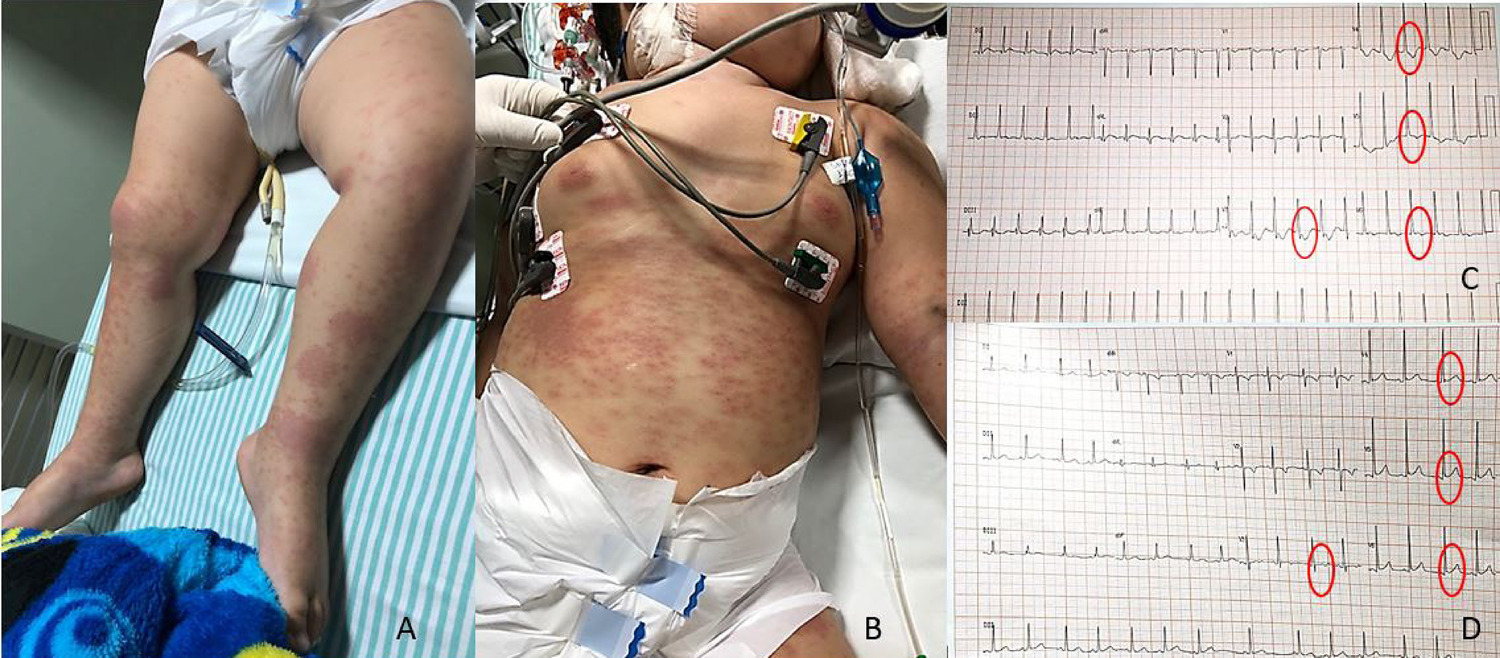
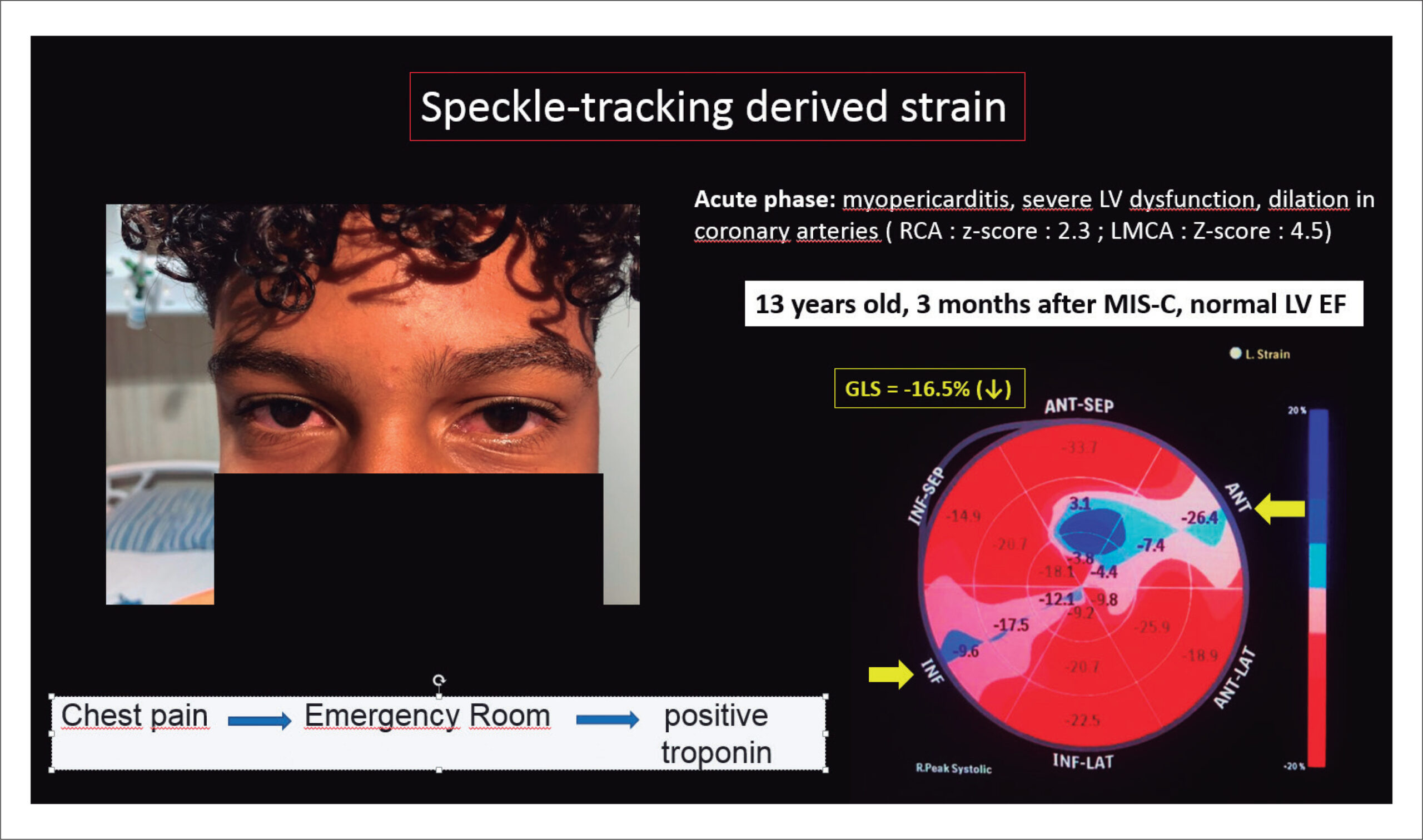
Although COVID-19 usually has mild manifestations in children, multisystem inflammatory syndrome (MIS) may occur in 0.6% of the cases. MIS in children (MIS-C), already well defined by the World Health Organization (WHO), is characterized by hyperinflammation with cytokine storm and high levels of myocardial injury markers, with involvement of one or more organs of the cardiac, renal, respiratory, gastrointestinal or neurological systems.

The combination of the timing of MIS-C cases with positive serology and negative PCR in most patients suggests that MIS-C is a post-infectious (up to six weeks after the insult), immune-mediated complication rather than of the acute infection. The pathophysiology of MIS-C is thought to be due to a hyperimmune response to the virus in a genetically susceptible child. The symptoms of MIS-C can overlap with those of Kawasaki disease, toxic shock syndrome, macrophage activation syndrome, bacterial sepsis, and cytokine release syndrome (“cytokine storm”). Cytokine storm is characterized by persistent fever, and markedly elevated inflammatory markers and pro-inflammatory cytokines such as interleukin. There increasing evidence on cardiovascular involvement in COVID-19 and MIS-C.,

[…]

  • Biomarkers
  • Cardiovascular Dseases
  • Child
  • Coronavirus
  • COVID-19
  • Echocardiography/methods
  • Inflammatory Syndrome
  • Strain
Read Full Article
Creative Commons Attribution (CC BY) Creative Commons license
22/11/2021 DOI: 10.36660/abc.20210835 Views 1
IJCS
Viewpoint

Physical Activity, Obesity, and COVID-19: What can we Expect from his Relationship?

Ciro Oliveira Queiroz et al. Ariani França Conceição Paulo Rodrigo Santos Aristides Leandro Silva Alves Rogério Tosta Almeida

The COVID-19 pandemic is a public health problem, whose first cases were found in Wuhan, China, in December, 2019, and which is currently present around the world. COVID-19 is caused by the new coronavirus (SARS-CoV-2), which shows a high potential of contamination. Its transmission occurs through droplets during unprotected proximity with an infected person and contact with contaminated environmental surfaces, which are the main systemic and respiratory symptoms. ,

To date, there is no pharmacological treatment that has proven to be effective, or a vaccine for the prevention or treatment of COVID-19. Thus, a non-pharmacological strategy of public health, which has shown effectiveness in the exponential control of the disease, is social distancing, which encompasses the isolation of cases, quarantine of contacts, and the voluntary practice of not going to crowed places. These measures have demonstrated that they can reduce mortality rates during the pandemic, and they have helped in governmental decision-making. ,

[…]

  • Coronavirus
  • COVID-19
  • Exercise
  • Obesity
Read Full Article
Creative Commons Attribution (CC BY) Creative Commons license
01/11/2021 DOI: 10.36660/ijcs.20200174 Views 2
Figure 1
IJCS
Editorial

What have we Learned about the Different COVID-19 Phenotypes in the Pediatric Population so Far?

Andressa Mussi Soares et al. Bernardo Mussi Soares

The understanding of SARS-CoV-2 related syndromes in the pediatric population needs to grow worldwide. In its severe presentation, COVID-19 is a systemic disease characterized by hyperinflammation, cytokine storm and increased myocardial injury markers. Cardiac involvement in seen in 20-30% of hospitalized adult patients and accounts for about 40% of deaths.

An intriguing aspect of the COVID-19 is the fact that most children and adolescents have mild or asymptomatic forms of the disease, perhaps related to a lower expression of virus receptors, recent exposure to other coronaviruses generating cross-protection, more developed innate immunity, among others. In fact, it is known that 40% of individuals under the age of 18 exposed to the virus get infected and that only 20-30% of children and adolescents infected with SARS-Cov-2 have symptoms.

[…]

  • Cardiomyopathies
  • Child
  • Coronavirus
  • COVID-19
  • Heart Failure
  • Kawasaki disease
  • Myocardial Stunning
  • Severe Acute Respiratory Syndrome
Read Full Article
Creative Commons Attribution (CC BY) Creative Commons license
15/09/2021 DOI: 10.36660/ijcs.20210198 Views 2
ABC
Letter to the Editor

Cardiovascular Imaging in COVID-19

Rujittika Mungmungpuntitpantip et al. Viroj Wiwanitkit

Dear Editor,

We would like to share ideas on the publication “Cardiovascular Imaging in Patients with COVID-19.” Grossman and Lima concluded that “nuclear cardiologists and nuclear medicine physicians must be aware of incidental findings in asymptomatic patients with COVID-19, and they should optimize MPI protocols, when the procedure is necessary.” The results in this study are concordant with a previous report from Asia. Imaging can help identify both heart and lung problems that might asymptomatically occur due to COVID-19 or a previous silent pathology. An important point is the differential diagnosis of the new lesion and the previous underlying pathology. In tropical countries, there might be a common pathology, such as tuberculosis, that results in difficulty in interpreting new heart and lung problems due to COVID-19. Since image interpretation depends mainly on the radiologist, it is necessary for radiologists to increase awareness and concern when interpreting clinical images during the COVID-19 pandemic.

[…]

  • Asymptomatic Patients
  • Cardiovascular Diseases
  • Coronavirus
  • COVID-19
  • Diagnostic Imaging
  • Lung Diseases
  • Pandemics
Read Full Article
Creative Commons Attribution (CC BY) Creative Commons license
06/09/2021 DOI: 10.36660/abc.20201356 Views 2
ABCHF
Brief Communication

Lessons Learned by a Multidisciplinary Heart Failure Clinic In The Midst Of A Pandemic

Jefferson Luís Vieira et al. Maria Gyslane Vasconcelos Sobral Raquel Sampaio Florêncio Viviane Moreira Alves … Glauber Gean Vasconcelos Germana Porto Linhares Almeida Laura Leite da Escóssia Marinho Juliana Rolim Fernandes Juan Alberto Cosquillo Mejia João David de Souza Neto

Abstract

In addition to the deaths caused by coronavirus disease (COVID-19), several countries also observed an increase in the overall number of cardiovascular deaths during the pandemics compared with the same period in previous years. The presence of heart failure (HF) in the context of COVID-19 identifies a subgroup with complex management and may represent both a risk factor for worse infection outcomes and a severe cardiovascular complication caused by the severe acute respiratory syndrome coronavirus 2 (SARS-CoV-2). Patients with advanced HF require regular rigorous multidisciplinary medical follow-up, performed ideally through face-to-face consultation. However, due to the reallocation of health care professionals and the implementation of measures of isolation and social distancing, telemedicine strategies have strengthened as important allies in the management of HF patients. In the present document, we report the brief experience of the unit of advanced HF and heart transplant of Hospital de Messejana, a reference center in the confrontation of COVID-19 in the state of Ceará, Brazil, with the primarily remote monitoring rather than face-to-face consultation from March to July 2020.

  • Coronavirus
  • Heart Failure
  • Telemedicine
Read Full Article
Creative Commons Attribution (CC BY) Creative Commons license
06/07/2021 DOI: 10.36660/abchf.20210012 Views 2
Figure 1
ABCIC
Case Report

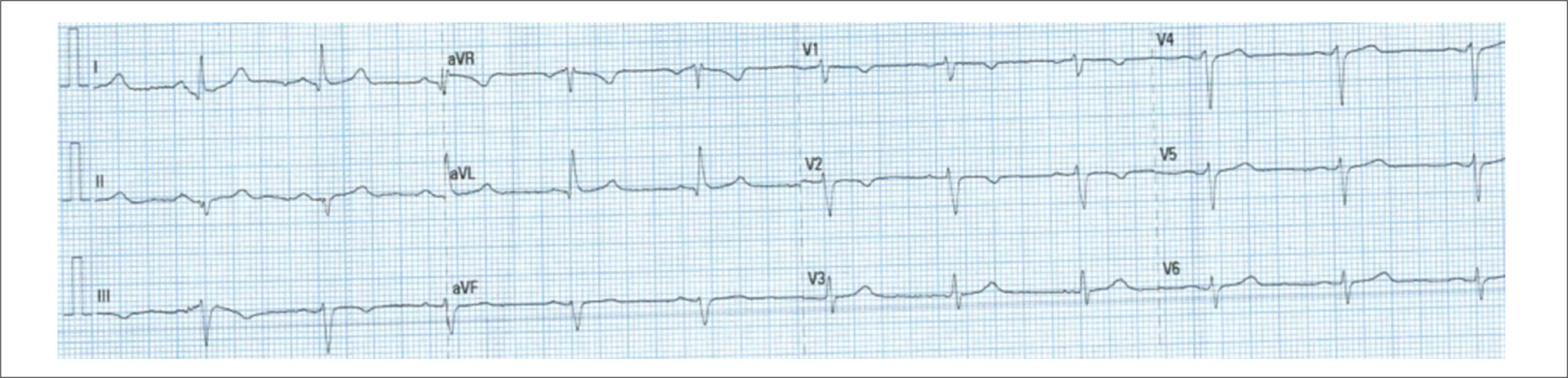
Coronavirus Myocarditis: Case Report

Aída Fernanda Batista Rocha et al. José Luiz Alves de Barros Marcelo Canejo Sá Ana Claudia Maria da Silva Longo … José Gildo de Moura Monteiro Júnior José Maria Del Castillo Carlos Antônio Mota Silveira

Introduction

The first cases of coronavirus 2019 disease (COVID-19) were described in Wuhan, China, in the end of December 2019. The identified pathogen was called severe acute respiratory syndrome coronavirus 2 (SARS-CoV-2), an RNA virus of the family Coronaviridae. Due to its rapid spread, the World Health Organization declared COVID-19 a pandemic on March 11, 2020. The main clinical presentation includes respiratory symptoms, such as fever, cough, myalgia, and dyspnea, that can progress to pneumonia or severe acute respiratory syndrome. Among many other disorders, myocardial injury is widely described in the literature, especially associated with influenza and parvovirus B-19, but more clarifications are necessary with SARS-CoV-2 about the pathophysiology involved in the intense viral replication with systemic inflammatory involvement.,

SARS-CoV-2 is not only a cause of viral pneumonia, it also has important implications for the cardiovascular system, especially in men with risk factors, including older age, diabetes, hypertension, and obesity. Cardiac injury was detected in 19.7% of cases; of the patients who died, 10.6% had coronary heart disease, 4.1% had heart failure, and 5.3% had cerebrovascular disease. High cytokine concentrations are detected in the systemic inflammatory phase of COVID-19, such as interleukin 6 (IL-6), associated with an increase in troponin and other inflammatory biomarkers (D-dimer, ferritin, C-reactive protein, lactic dehydrogenase, procalcitonin, and leukocyte count), causing cardiovascular system injury.– Of these disorders, myocarditis comprises approximately 7.2% of the cardiovascular complications related to the novel coronavirus. In this phase of disease progression, transthoracic echocardiography should be the method of choice to diagnose and monitor patients, improving the therapeutic management for providing hemodynamic data since patients with ventricular dysfunction are more likely to need mechanical ventilation, which consequently results in a worse prognosis.,

[…]

  • Coronavirus
  • COVID-19
  • Echocardiography
  • Hospitalization
  • Myocarditis
Read Full Article
Creative Commons Attribution (CC BY) Creative Commons license
16/06/2021 DOI: 10.47593/2675-312X/20213401eabc120
Figure 1
ABC
Research Letter

COVID-19 Chain of Survival 2020

Sergio Timerman et al. Helio Penna Guimarães Carlos Eduardo Rochitte Thatiane Facholi Polastri Marcelo Antônio Cartaxo Queiroga Lopes

Abstract

The term Chain of Survival provides a useful metaphor for the elements involved in the COVID-19 management. The 5 links of the COVID-19 Chain of Survival are:

A strong Chain of Survival can improve the chances of survival and recovery for victims of COVID-19.

[…]

  • Betacoronavirus, Evidence Based Medicine
  • Coronavirus
  • COVID-19
  • Medical Care
  • Survival
Read Full Article
Creative Commons Attribution (CC BY) Creative Commons license
01/03/2021 DOI: 10.36660/abc.20201171 Views 1
Figure 1
ABC
Research Letter

Statins and COVID-19: To Suspend or Not to Suspend? That is the Question!

Filipe Ferrari et al. Raul D. Santos

Introduction

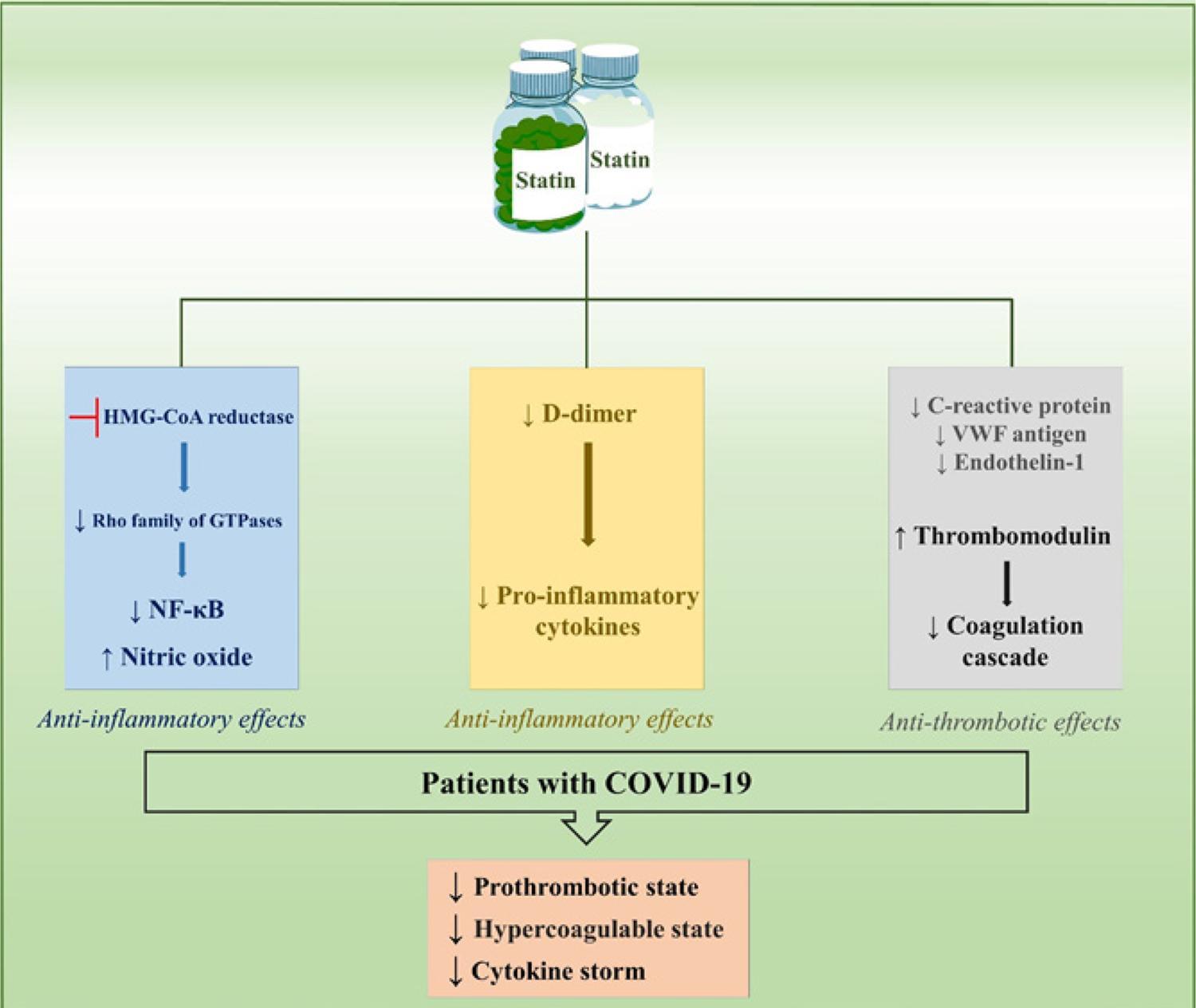
In the midst of so many uncertainties that permeate the new coronavirus disease 2019 (COVID-19), the evidence relating the presence of dyslipidemia to disease severity and consequent prognostic implications are still scarce. In May 2020, a retrospective Chinese study investigated the association between changes in cholesterol levels and prognosis in approximately 600 patients with COVID-19, who were paired by age and sex with healthy controls. First, it was observed that low-density lipoprotein cholesterol (LDL-C) and total cholesterol levels were significantly lower in patients with COVID-19. Second, there was a trend for LDL-C and total cholesterol levels to decrease as the severity of infection increased (mild, severe, and critical, respectively). In that study, high-density lipoprotein cholesterol (HDL-C) levels were also decreased in severe cases. Similar data were observed by Fan et al.,where levels of LDL-C were inversely associated with the severity of COVID-19. These data suggested a possible relation between low cholesterol levels and worsening of COVID-19 infection. In addition, experimental studies have shown that statins might increase the abundance of the angiotensin-converting enzyme 2 (ACE2), which could in part contribute to the entry of the virus into the cell and increase the risk of infectivity.

Based on these previous findings, it was hypothesized that use of lipid-lowering therapies like statins could aggravate COVID-19 infection. However, it is known that serum cholesterol levels may drop in patients with active viral or bacterial infections,, since LDL and HDL have a role in the immune system. On the other hand, hyperlipidemia can compromise the immune response and further exacerbate the inflammatory status of COVID-19 patients, increasing cardiovascular risk.So, the question that ensues is, should statins be suspended or not in patients with COVID-19?

[…]

  • Betacoronavirus
  • Cholesterol
  • Coronavirus
  • COVID-19
  • Dydroxymethylglutaryl-CoA Reductase Inhibitors
  • Dyslipidemias
  • Infection
  • Lipoproteins
  • Pandemics
Read Full Article
Creative Commons Attribution (CC BY) Creative Commons license
03/02/2021 DOI: 10.36660/abc.20200949 Views 2
Figure 1
ABC
Original Article

COVID-19 and Myocardial Injury in a Brazilian ICU: High Incidence and Higher Risk of In-Hospital Mortality

Jorge Henrique Paiter Nascimento et al. Rafael Lessa da Costa Luiz Fernando Nogueira Simvoulidis João Carlos de Pinho … Roberta Santos Pereira Andrea Dornelles Porto Eduardo Costa de Freiras Silva Liszt Palmeira Oliveira Max Rogerio Freitas Ramos Gláucia Maria Moraes de Oliveira

Abstract

Background

The incidence of myocardial injury (MI) in patients with COVID-19 in Brazil and the prognostic impact of MI have not been elucidated.

Objectives

To describe the incidence of MI in patients with COVID-19 in the intensive care unit (ICU) and to identify variables associated with its occurrence. The secondary objective was to assess high-sensitivity troponin I as a predictor of in-hospital mortality.

Methods

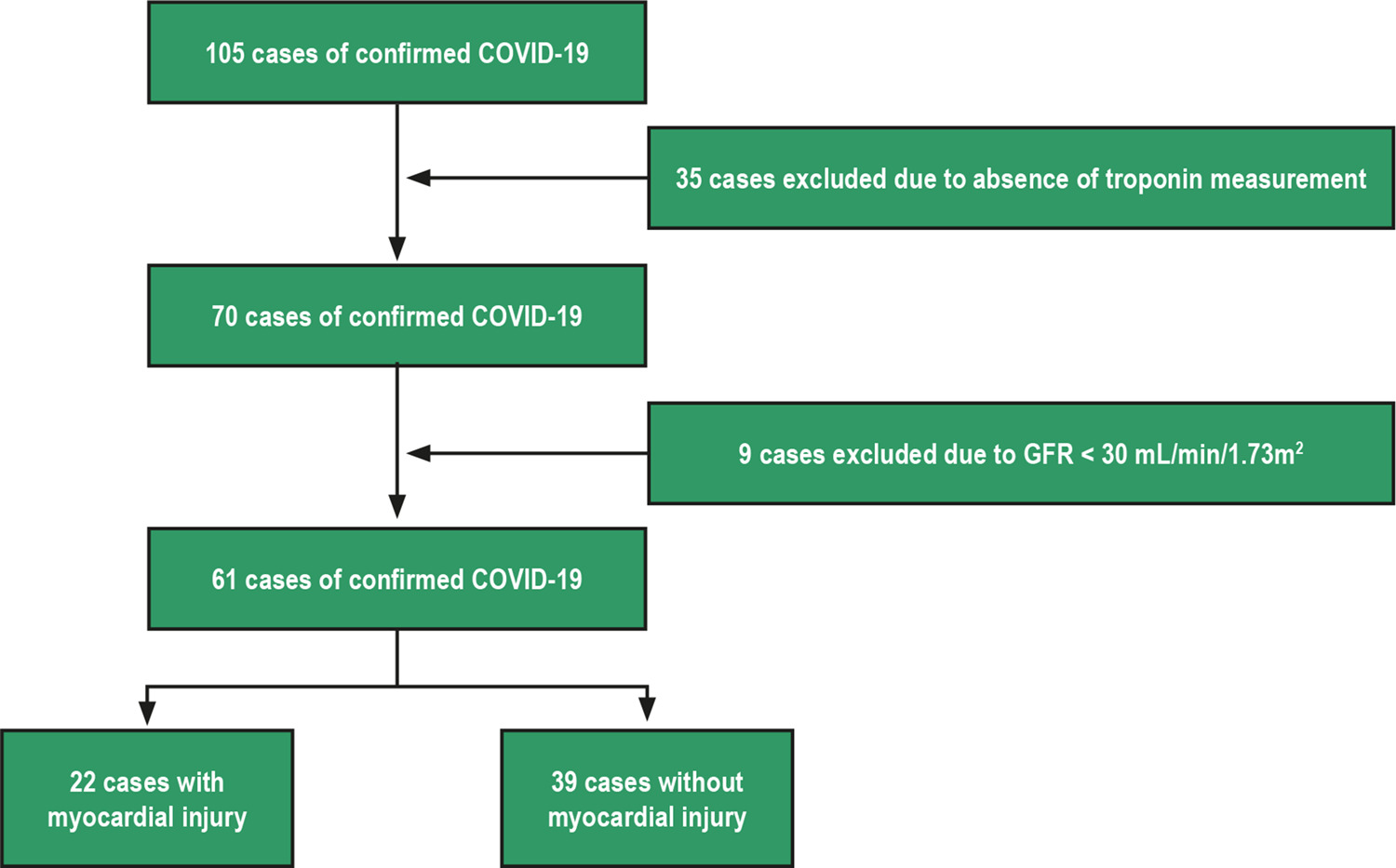
Retrospective, observational study conducted between March and April 2020 with cases of confirmed COVID-19 admitted to the ICU. Numerical variables were compared by using Student t test or Mann-Whitney U test. The chi-square test was used for categorical variables. Multivariate analysis was performed with variables associated with MI and p<0.2 to determine predictors of MI. The ROC curve was used to determine the troponin value capable of predicting higher in-hospital mortality. Survival functions were estimated by use of the Kaplan-Meier method from the cut-off point indicated in the ROC curve.

Results

This study assessed 61 patients (63.9% of the male sex, mean age of 66.1±15.5 years). Myocardial injury was present in 36% of the patients. Systemic arterial hypertension (HAS) [OR 1.198; 95%CI: 2.246-37.665] and body mass index (BMI) [OR 1.143; 95%CI: 1.013-1.289] were independent risk predictors. High-sensitivity troponin I >48.3 ng/mL, which was determined in the ROC curve, predicts higher in-hospital mortality [AUC 0.786; p48.3 ng/mL was lower than that in the group with values ≤48.3 ng/dL [20.3 x 43.5 days, respectively; p<0.05].

Conclusion

There was a high incidence of MI in severe COVID-19 with impact on higher in-hospital mortality. The independent risk predictors of MI were SAH and BMI. (Arq Bras Cardiol. 2020; [online].ahead print, PP.0-0)

  • Betacoronavirus
  • Coronavirus
  • COVID-19
  • Hospitalization
  • Infection
  • Morbidity
  • Myocardial Infarction
  • Myocarditis
  • SARS-CoV-2
Read Full Article
Creative Commons Attribution (CC BY) Creative Commons license
18/01/2021 DOI: 10.36660/abc.20200671 Views 1
ABC
Editorial

Ventricular Repolarization as a Tool to Monitor Electrical Activity of the Heart

Carlos Alberto Pastore

The centennial ECG is still an excellent tool to assess electrical activity of the heart. ECG has been renovated over the last decades to keep pace with evolution in other areas of knowledge, such as genetics, molecular biology and electrophysiology.

Our experience has demonstrated that, among the large diagnostic arsenal available to investigate heart diseases, the electrocardiogram, this simple, practical, remote and quick tool, is capable of accurately monitoring the extent and severity of cardiac involvement in various scenarios.

[…]

  • Betacoronavirus
  • Cardiac Arrhythmias
  • Coronavirus
  • Covid-19/complications
  • Embolism and Thrombosis
  • Pandemics
Read Full Article
Creative Commons Attribution (CC BY) Creative Commons license
07/12/2020 DOI: 10.36660/abc.20201009 Views 2
ABC
Research Letter

Actions Against Covid-19 in the Down Syndrome Population

Giorgia Castilho Russo et al. Nathalia Bernardes Natália Rezende Baraldi Denise Jeanine Berlinger Saraiva … Kátia De Angelis Carla Janice Baister Lantieri José Francisco Saraiva

The World Health Organization (WHO) declared, on January 30, 2020, that the outbreak of the new coronavirus disease (COVID-19) constituted a Public Health Emergency of International Importance — the organization’s highest alert level as per its International Health Regulations. On March 11, 2020, COVID-19 was declared a pandemic. The fact that the lethality of COVID-19 is associated with common comorbidities has caused great concern among professionals who work with people with Down Syndrome (DS). The prevalence of cardiovascular diseases in people with DS is 40-50%,, and they are also more prone to overweight and obesity; moreover, patients with DS present changes in airways that facilitate infection by the virus, which can worsen the effects of COVID-19. In addition, children with DS are more susceptible to infections due to changes in cytokines regulation, while adults frequently display increased proinflammatory biomarkers. These changes can impact the patients’ anatomical disorders and increase the incidence of chronic inflammatory conditions and mortality by sepsis.

Currently, the only recognized strategy to prevent infection by the severe acute respiratory syndrome coronavirus 2 (SARS-CoV-2) is avoiding exposure to the virus. Social isolation was advised by several Brazilian states with the aim of separating healthy people from those with suspected COVID-19, or who had contact with suspected or confirmed COVID-19 cases. It is worth noting that socialization is a very important aspect of the treatment of people with DS that contributes to a better quality of life and autonomy; therefore, social isolation represents a major challenge for this population.

[…]

  • Cardiovascular Diseases
  • Coronavirus
  • COVID-19
  • Cytokines
  • Diet, Healthy
  • Down Syndrome
  • Infections
  • Pandemics
  • Personal Autonomy
  • Public Health/organization and administration
  • Quality of life
Read Full Article
Creative Commons Attribution (CC BY) Creative Commons license
07/12/2020 DOI: 10.36660/abc.20200685 Views 2
Figure 1
ABC
Research Letter

COVID-19 Infection in a Cardiopatic Pregnant Woman

Lucianna Serfaty de Holanda et al. Laíses Vieira Maria Talita Campos Vitor Bruno Teixeira de Holanda … Ivy Almeida Cavalcante e Silva Daniel Serfaty Feliciano Mendes Vieira Junior

Introduction

Regarding the obstetric aspects of COVID-19 infection, one should consider that it is a recent disease, with no specific knowledge on the theme to draft medical care protocols. For this reason, various guidelines are based on its comparison with infections caused by other viruses (SARS-CoV, MERS-CoV, and H1N1); therefore, all information concerning current evidence on the issue is subject to change due to new discoveries.

Infections caused by SARS-CoV and MERS-CoV have tended to be regionally bound, but the few obstetric cases published in the literature point to the need for advanced medical support for pregnant women with severe involvements identified in maternal prognoses. All of these highlight the importance of care against the dissemination of the virus.–

[…]

  • Coronavirus
  • COVID-19
  • Heart Diseases/complications, Respiratory Insufficiency
  • Pregnancy / high-risk
  • Severe Acute Respiratory Syndrome
Read Full Article
Creative Commons Attribution (CC BY) Creative Commons license
07/12/2020 DOI: 10.36660/abc.20200517 Views 1
Figure 1
ABC
Review Article

Cancer and Cardiovascular Diseases during the COVID-19 Pandemic

Lucas Tokio Kawahara et al. Isabela Bispo Santos da Silva Costa Cecília Chie Sakaguchi Barros Gabriel Coelho de Almeida … Cristina Salvadori Bittar Stephanie Itala Rizk Laura Testa Camila Motta Venchiarutti Moniz Juliana Pereira Gláucia Maria Moraes de Oliveira Maria Del Pilar Estevez Diz Patricia Oliveira Guimarães Ibraim Masciarelli Pinto Roberto Kalil Filho Ludhmila Abrahão Hajjar Paulo M. Hoff

Abstract

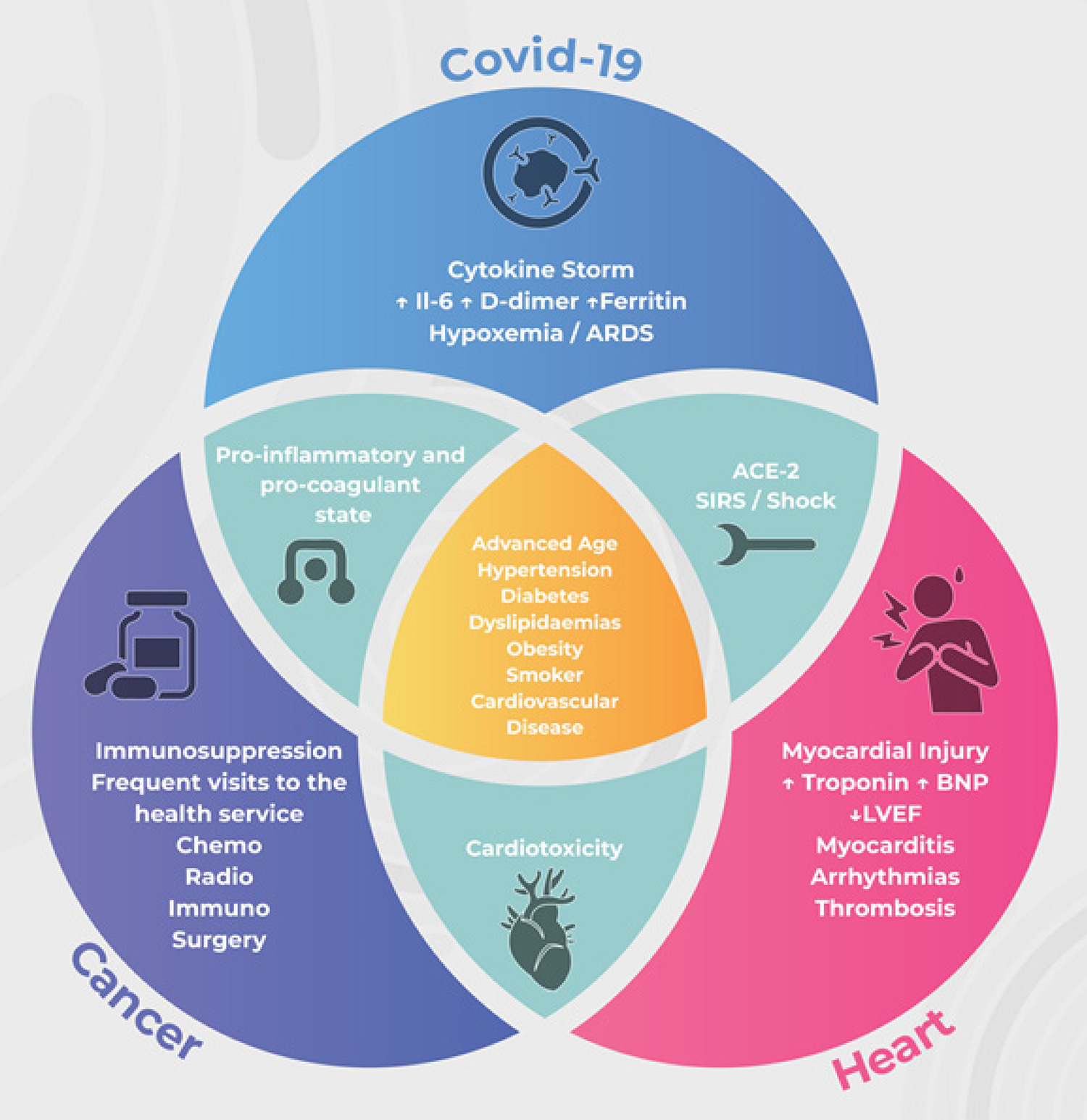
The challenges that the COVID-19 pandemic cretead to the healthcare system have made it necessary to adapt routines and services, with the objectives of controlling the spread of the virus and preserving health. Safe and correct management of patients in risks groups, such as elderly patients, patients with cardiovascular diseases, and patients with cancer, has become even more important. Thus, cardio-oncology has gained a new dimension, with the aim of adapting to patients’ needs during the pandemic by restructuring the system of care in a manner that offers quality and safety in healthcare.

  • Betacoronavirus/complications
  • Cardiovascular Diseases/complications
  • Coronavirus
  • COVID-19
  • Neoplasms / complications
  • Pandemics
  • SARS-CoV-19
  • Severe Acute Respiratory Syndrome/complications
Read Full Article
Creative Commons Attribution (CC BY) Creative Commons license
28/09/2020 DOI: 10.36660/abc.20200405 Views 1
ABC
Editorial

COVID-19 and Uncertainty: Lessons from the Frontline for Promoting Shared Decision Making

José Augusto Soares Barreto-Filho et al. André Veiga Luis Claudio Correia

COVID-19 has already become the largest and deadliest epidemic of the past hundred years. On a daily basis, healthcare professionals in the frontline are called upon to give answers and make decisions that directly affect the lives of infected patients, and scientists are summoned to the Herculean task of providing “effective medications” in record time for a recently discovered virus with devastating potential mortality. With a hitherto unseen avalanche of information, the debate on how to treat patients with COVID-19 has gone beyond the limits of the technical arena, taking on ideological and political aspects as well.

Science is based on facts. The fact is that we do not currently have an etiological treatment with proven efficacy and safety to combat SARS-CoV-2. At the moment, there are only promises in the pipeline. To exemplify, the most emblematic case of lack of rationality and scientific thinking is the polemic regarding chloroquine/hydroxychloroquine (CQ/HCQ) for treatment of COVID-19. CQ/HCQ is a drug that has been widely and successfully used in patients with malaria and systemic lupus erythematosus. Against COVID-19, the drug inhibits replication of SARS-CoV-2 in vitro , and it modulates the inflammatory cascade triggered by the virus. In vitro data demonstrate biological plausibility, but plausibility does not mean likelihood that a hypothesis is true. CQ/HCQ was, nevertheless, promoted to the category of “magic bullet” by a publication from France, whose methodology was characterized by high risk of bias and random error, meaning that it could not be defined as “scientific evidence.” This notwithstanding, the publication was overestimated, in an ideological manner, by the individuals who were least faithful to the precepts of the liturgy of science. Contaminated by this fallacy, feeling obligated to solve the pandemic magically, even presidents took on the role of drug advertisers, thus helping to viralize pseudoscience and amplify the false information problem.

[…]

  • Bioethics
  • Clinical Decision – Making
  • Coronavirus
  • COVID-19
  • Decision Making,Shared
  • Evidence-Based Medicine
  • Off Label Use
  • Pandemics
Read Full Article
Creative Commons Attribution (CC BY) Creative Commons license
28/08/2020 DOI: 10.36660/abc.20200582 Views 3
ABC
Brief Communication

Myocardial Injury Biomarkers and Cardiac Complications Associated with Mortality in Patients with COVID-19

Paulo Ricardo Martins-Filho et al. José Augusto Soares Barreto-Filho Victor Santana Santos

Abstract

Background

SARS-CoV-2 is an emerging RNA virus associated with a severe acute respiratory disease known as COVID-19. Although COVID-19 is predominantly a pulmonary disease, some patients have severe cardiovascular damage. We performed a quantitative evidence synthesis of clinical data, myocardial injury biomarkers, and cardiac complications associated with in-hospital death in patients with COVID-19.

Methods

We searched the databases PubMed, Embase, and Google Scholar to identify studies comparing clinical data, myocardial injury biomarkers, and cardiac complications between non-survivors and survivors of COVID-19. Effect sizes were reported as mean difference or standardized mean difference for continuous variables and risk ratio for dichotomous variables with 95% confidence intervals. A random effects model was used to pool the results.

Results

Six retrospective studies reporting data from 1,141 patients (832 survivors and 309 non-survivors) were included. We found that underlying cardiovascular conditions; elevation of high-sensitivity cardiac troponin I, N-terminal pro-B-type natriuretic peptide, and creatine kinase-MB; and cardiac complications were associated with increased risk of death for patients with SARS-CoV-2 infection.

Conclusions

The confirmation that underlying cardiovascular conditions, elevation of myocardial injury biomarkers during COVID-19 infection, and acute cardiovascular decompensation are predictors for mortality in SARS-CoV-2 infection must encourage new research to clarify potential mechanisms and test appropriate treatments. (Arq Bras Cardiol. 2020; 115(2):273-277)

  • Coronavirus
  • COVID-19
  • Mortality
  • SARS-CoV-2
Read Full Article
Creative Commons Attribution (CC BY) Creative Commons license
28/08/2020 DOI: 10.36660/abc.20200372 Views 1
Figure 1
ABC
Letter to the Editor

The Other Side of the Coin: Risks of Media Discussions of Scientific Medical Data During the COVID-19 Pandemic

Caio Julio Fernandes et al. Fernando Ganem Fabio Gravina Olivieri Marcelo Fadul Vilibor Alfredo Salim Helito

The COVID-19 declared by the WHO in March 2020 has brought about a series of changes in the population’s daily life. Social isolation measures, quarantine, and lockdown have been implemented in diverse countries around the world. The elevated number of cases, currently close to 4 million worldwide, with more than 250,000 deaths due to the disease, has led to great interest in pathology; on account of this, a revolution has occurred in the production and publication of medical data. Numerous scientific articles evaluating all aspects of COVID-19, from epidemiology to clinical presentation and potential therapeutic options, have become available to the medical community. In a little over 4 months, more than 10,000 articles have been published on this topic, and, in a never-before-seen manner, the leading medical journals have made them available in real time, free of charge.

This speed of production and this immense quantity of available data do not come without a price. Many of these articles were not submitted to adequate review of methodology; much less were they evaluated by their peers or refined over time. The need to understand COVID-19 and to search for better alternative therapies has led to an avalanche of questionable studies. The chaff has been mixed with the wheat, and medical recommendations have started to change at frightening speeds. Data with higher degrees of reliability and evidence, derived from randomized, placebo-controlled studies, are now considered too time-consuming. Case series and expert opinions have begun to guide clinical conduct, with a direct impact on clinical management of patients. Instead of indicating solutions, the flood of studies has become a problem and begun to cause confusion regarding clinical practice for managing patients with COVID-19.

[…]

  • Communicable Diseases
  • Coronavirus
  • COVID-19
  • Diagnostic, Differencial
  • Information Technology/trends
  • Pandemics
  • Quarantine
  • Respiratory Diseases
  • Social Isolation
  • Social Media
Read Full Article
Creative Commons Attribution (CC BY) Creative Commons license
28/08/2020 DOI: 10.36660/abc.20200449
Figure 1
ABC
Image

Myocardial Injury in COVID-19: a Challenge for Clinical Cardiologists

Roberto Cintra de Azevedo Aragão et al. Mariana Carvalho Alves Hellen Dutra Passos Luiz Flavio Galvão Gonçalves … Leonardo Baumworcel José Augusto Soares Barreto Filho

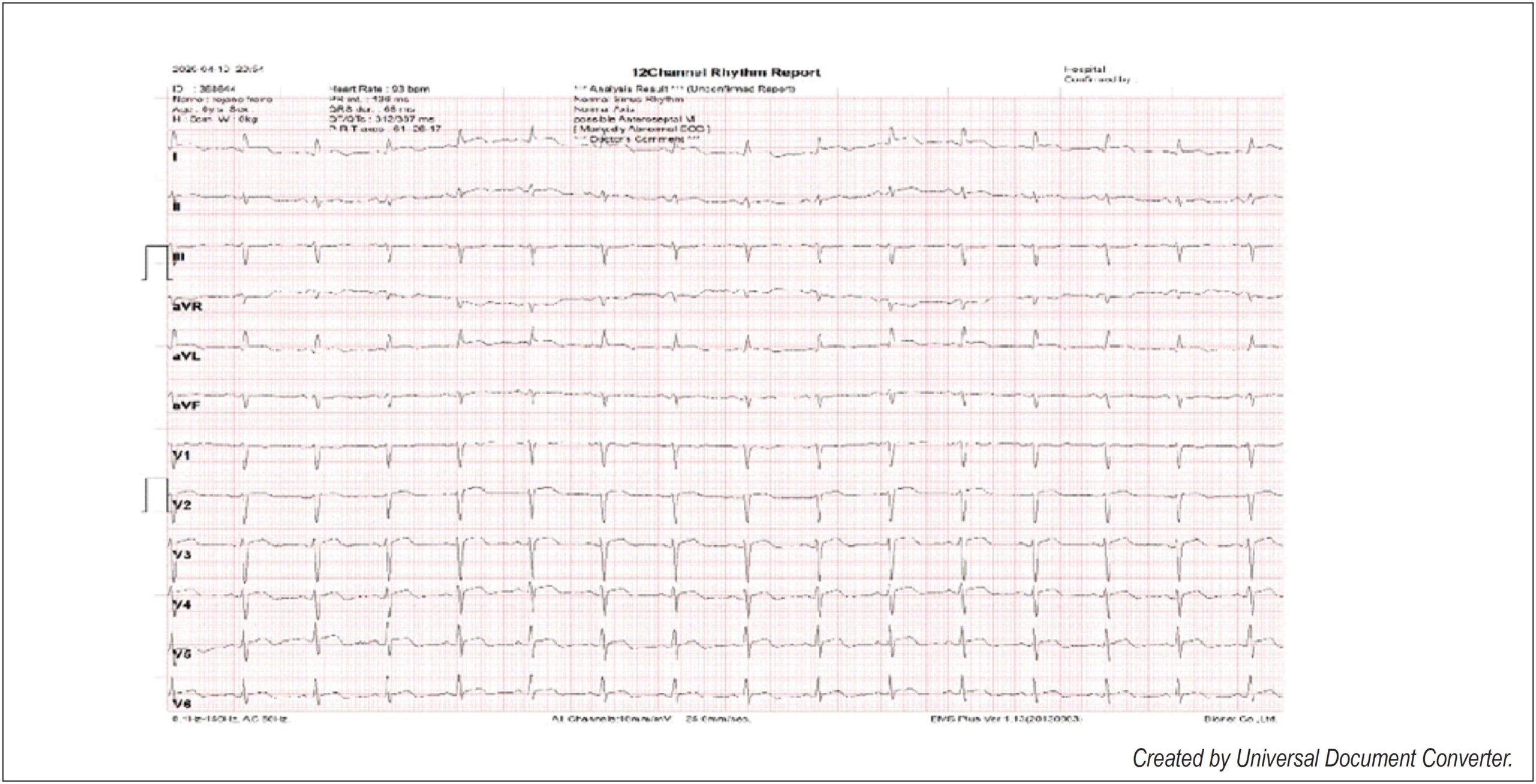
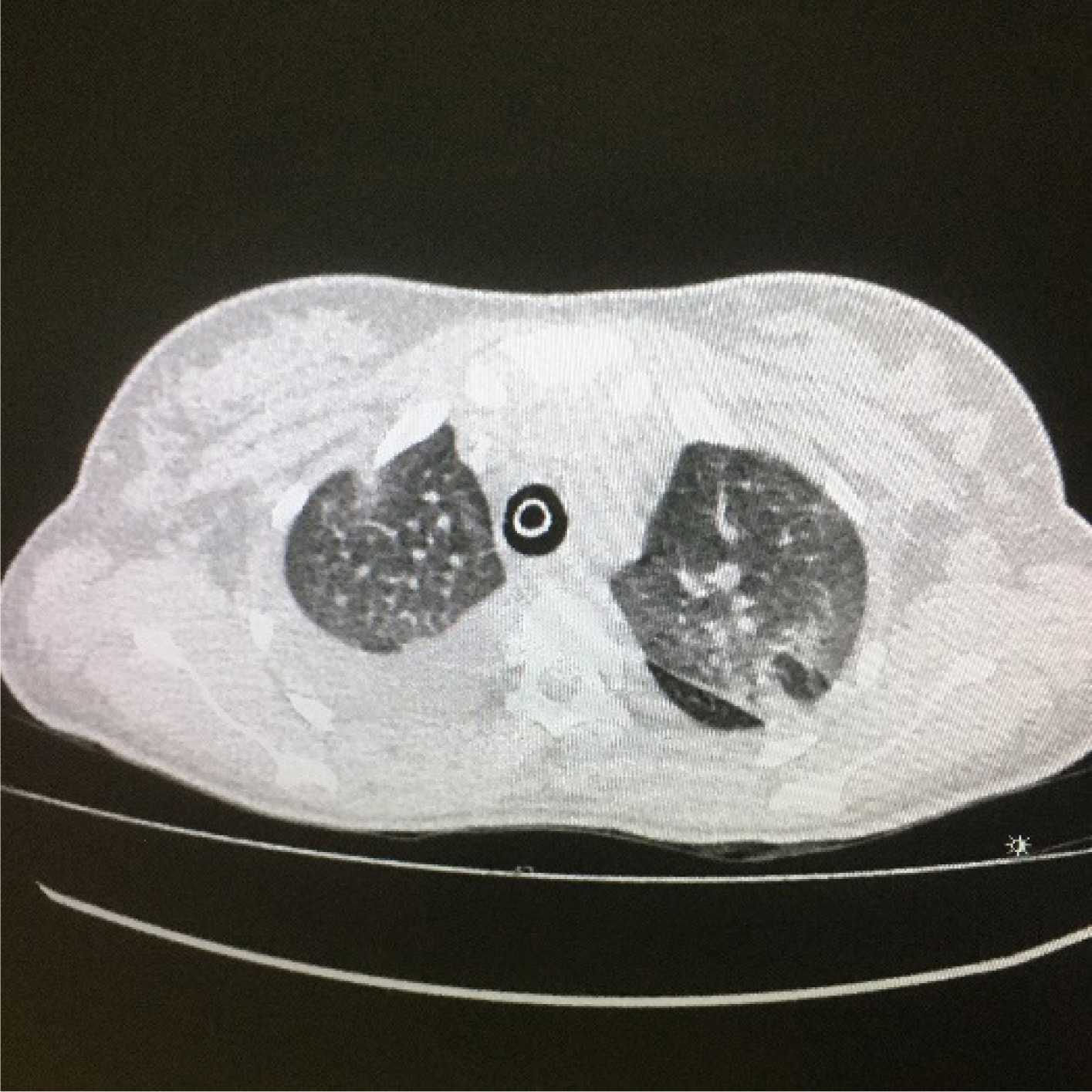
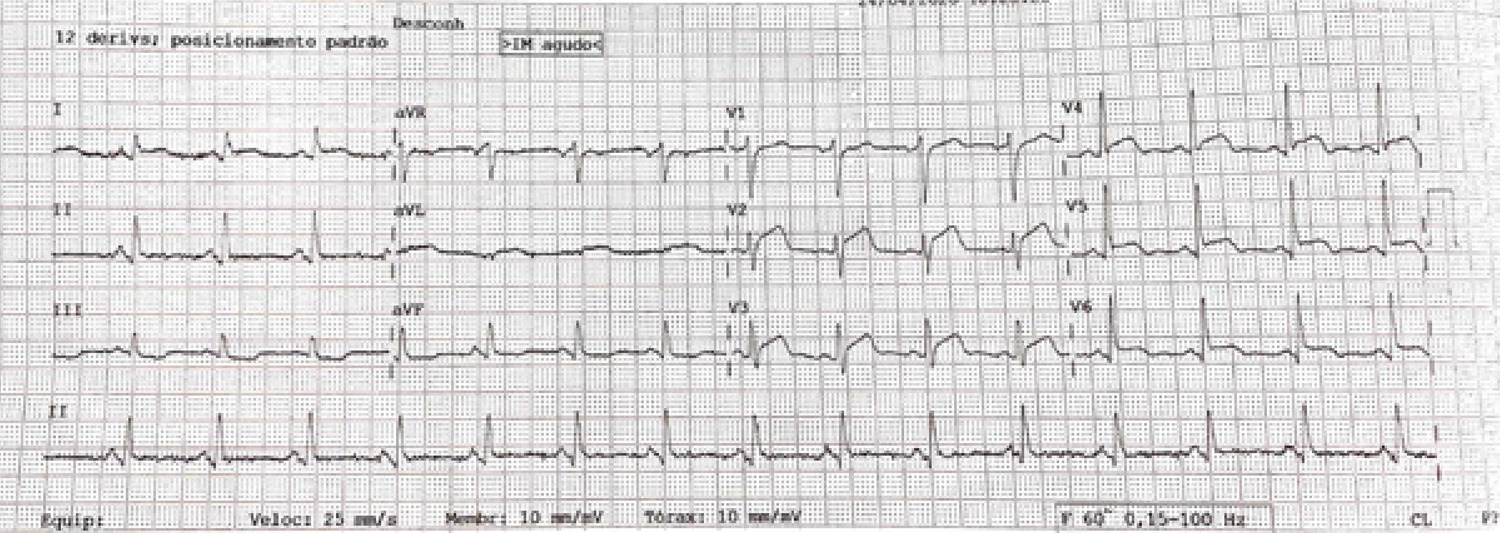
A 39-year-old male patient, with no previous comorbidities, was admitted to the emergency department presenting intense chest pain, associated with nausea, sweating, and mild respiratory distress. The pain was oppressive, and it radiated to both shoulders. The patient reported onset of asthenia, lack of appetite, and fever (38.9 ºC) 2 days prior, and he presented with polymorphic erythematous skin lesions on his back 1 day after admission.

Physical examination revealed the following: blood pressure = 140/100 mmHg, heart rate = 90 bpm, no fever, SpO2= 98% in room air, regular cardiac rhythm with 2 beats, no murmurs, clean lungs, good peripheral perfusion, and no edema.

[…]

  • Cardiac Injury
  • Cardiovascular Diseases
  • Chest Pain
  • Coronavirus
  • COVID-19
  • Myocarditis
  • Pandemic
Read Full Article
Creative Commons Attribution (CC BY) Creative Commons license
07/08/2020 DOI: 10.36660/abc.20200434 Views 1

Could not load more articles. Please try again.

How to cite this article

EndNote RIS

Electronic Document Format (Vancouver)

Davanço GY, Torres MF, Murad N, Veiga GL, Reis PHA, Barbosa JV, Alves BCA, et al. Post-COVID-19 Syndrome and the Autonomic Repercussions on Cardiovascular Variables. ABC Heart Fail Cardiomyop 2023;3(3):e20230056.

Electronic Document Format (ABNT)

Davanço, Giulia Yuni; Torres, Matheus Figueiredo; Murad, Neif; Veiga, Glaucia Luciano da; Reis, Pedro Henrique Alves; Barbosa, Juliana de Vasconcellos; Alves, Beatriz da Costa Aguiar; Gascón, Thaís Moura; Raimundo, Rodrigo Daminello; Fonseca, Fernando Luiz Affonso. Post-COVID-19 Syndrome and the Autonomic Repercussions on Cardiovascular Variables. ABC Heart Fail Cardiomyop, v. 3, n. 3, e20230056, Dec. 2023.

Electronic Document Format (APA)

Davanço, G. Y., Torres, M. F., Murad, N., Veiga, G. L. , Reis, P. H. A., Barbosa, J. V., Alves, B. C. A., Gascón, T. M., Raimundo, R. D., & Fonseca, F. L. A. (2023). Post-COVID-19 Syndrome and the Autonomic Repercussions on Cardiovascular Variables. ABC Heart Fail Cardiomyop, 3(3), e20230056.

Electronic Document Format (ISO)

Davanço, Giulia Yuni and Torres, Matheus Figueiredo and Murad, Neif and Veiga, Glaucia Luciano da and Reis, Pedro Henrique Alves and Barbosa, Juliana de Vasconcellos and Alves, Beatriz da Costa Aguiar and Gascón, Thaís Moura and Raimundo, Rodrigo Daminello and Fonseca, Fernando Luiz Affonso. Post-COVID-19 Syndrome and the Autonomic Repercussions on Cardiovascular Variables. ABC Heart Fail Cardiomyop [online]. 2023, vol. 3, n. 3, [cited 2026-10-14], e20230056. Available from: <https://journals.cardiol.br/en/article/post-covid-19-syndrome-and-the-autonomic-repercussions-on-cardiovascular-variables/>

EndNote RIS

Electronic Document Format (Vancouver)

Oliveira GMM, Pinto FJ. Cardiac Involvement in COVID-19: A Matter Close to the Heart, Beyond the Acute Illness. International Journal of Cardiovascular Sciences 2023;36:e20230024.

Electronic Document Format (ABNT)

Oliveira, Gláucia Maria Moraes de; Pinto, Fausto J.. Cardiac Involvement in COVID-19: A Matter Close to the Heart, Beyond the Acute Illness. International Journal of Cardiovascular Sciences, v. 36, e20230024, Apr. 2023.

Electronic Document Format (APA)

Oliveira, G. M. M. , & Pinto, F. J. (2023). Cardiac Involvement in COVID-19: A Matter Close to the Heart, Beyond the Acute Illness. International Journal of Cardiovascular Sciences, 36, e20230024.

Electronic Document Format (ISO)

Oliveira, Gláucia Maria Moraes de and Pinto, Fausto J.. Cardiac Involvement in COVID-19: A Matter Close to the Heart, Beyond the Acute Illness. International Journal of Cardiovascular Sciences [online]. 2023, vol. 36, [cited 2026-10-14], e20230024. Available from: <https://journals.cardiol.br/en/article/cardiac-involvement-in-covid-19-a-matter-close-to-the-heart-beyond-the-acute-illness/>. ISSN 2359-4802

EndNote RIS

Electronic Document Format (Vancouver)

Nery RM, Santos AC, Garcia EL. Exercise-Based Cardiac Rehabilitation (ECBR): New Frontiers in the Post-Novel Coronavirus. Arquivos Brasileiros de Cardiologia 2023;120(3):e20230120.

Electronic Document Format (ABNT)

Nery, Rosane Maria; Santos, Antonio Cardoso dos; Garcia, Eduardo Lima. Exercise-Based Cardiac Rehabilitation (ECBR): New Frontiers in the Post-Novel Coronavirus. Arquivos Brasileiros de Cardiologia, v. 120, n. 3, e20230120, Apr. 2023.

Electronic Document Format (APA)

Nery, R. M., Santos, A. C. , & Garcia, E. L. (2023). Exercise-Based Cardiac Rehabilitation (ECBR): New Frontiers in the Post-Novel Coronavirus. Arquivos Brasileiros de Cardiologia, 120(3), e20230120.

Electronic Document Format (ISO)

Nery, Rosane Maria and Santos, Antonio Cardoso dos and Garcia, Eduardo Lima. Exercise-Based Cardiac Rehabilitation (ECBR): New Frontiers in the Post-Novel Coronavirus. Arquivos Brasileiros de Cardiologia [online]. 2023, vol. 120, n. 3, [cited 2026-10-14], e20230120. Available from: <https://journals.cardiol.br/en/article/exercise-based-cardiac-rehabilitation-ecbr-new-frontiers-in-the-post-novel-coronavirus/>. ISSN 0066-782X

EndNote RIS

Electronic Document Format (Vancouver)

Moreira HT, Schmidt A. Systematic Reviews and Meta-Analyses: Lighthouses in the Data Storm from the COVID-19 Pandemic. Arquivos Brasileiros de Cardiologia 2022;119(2):280-1.

Electronic Document Format (ABNT)

Moreira, Henrique Turin; Schmidt, André. Systematic Reviews and Meta-Analyses: Lighthouses in the Data Storm from the COVID-19 Pandemic. Arquivos Brasileiros de Cardiologia, v. 119, n. 2, p. 280-281, Aug. 2022.

Electronic Document Format (APA)

Moreira, H. T., & Schmidt, A. (2022). Systematic Reviews and Meta-Analyses: Lighthouses in the Data Storm from the COVID-19 Pandemic. Arquivos Brasileiros de Cardiologia, 119(2), 280-281.

Electronic Document Format (ISO)

Moreira, Henrique Turin and Schmidt, André. Systematic Reviews and Meta-Analyses: Lighthouses in the Data Storm from the COVID-19 Pandemic. Arquivos Brasileiros de Cardiologia [online]. 2022, vol. 119, n. 2, [cited 2026-10-14], pp. 280-281. Available from: <https://journals.cardiol.br/en/article/systematic-reviews-and-meta-analyses-lighthouses-in-the-data-storm-from-the-covid-19-pandemic/>. ISSN 0066-782X

EndNote RIS

Electronic Document Format (Vancouver)

Linhares Filho JPP, Aragão MC, Bastos Filho JBB, Rocha RPS, Lacerda FH, Santana FAC. Late Presentation of COVID-19-Associated Transmural Myocardial Infarction with Non-Obstructive Coronary Atherosclerosis. ABC Imagem Cardiovascular 2022;35(2):eabc290.

Electronic Document Format (ABNT)

Linhares Filho, Jaime Paula Pessoa; Aragão, Matheus Cardoso de; Bastos Filho, João Bosco Breckenfeld; Rocha, Ricardo Paulo de Souza; Lacerda, Fábio Holanda; Santana, Francisco de Assis Carvalho de. Late Presentation of COVID-19-Associated Transmural Myocardial Infarction with Non-Obstructive Coronary Atherosclerosis. ABC Imagem Cardiovascular, v. 35, n. 2, eabc290, Jun. 2022.

Electronic Document Format (APA)

Linhares Filho, J. P. P., Aragão, M. C. , Bastos Filho, J. B. B., Rocha, R. P. S., Lacerda, F. H., & Santana, F. A. C. (2022). Late Presentation of COVID-19-Associated Transmural Myocardial Infarction with Non-Obstructive Coronary Atherosclerosis. ABC Imagem Cardiovascular, 35(2), eabc290.

Electronic Document Format (ISO)

Linhares Filho, Jaime Paula Pessoa and Aragão, Matheus Cardoso de and Bastos Filho, João Bosco Breckenfeld and Rocha, Ricardo Paulo de Souza and Lacerda, Fábio Holanda and Santana, Francisco de Assis Carvalho de. Late Presentation of COVID-19-Associated Transmural Myocardial Infarction with Non-Obstructive Coronary Atherosclerosis. ABC Imagem Cardiovascular [online]. 2022, vol. 35, n. 2, [cited 2026-10-14], eabc290. Available from: <https://journals.cardiol.br/en/article/late-presentation-of-covid-19-associated-transmural-myocardial-infarction-with-non-obstructive-coronary-atherosclerosis/>. ISSN 2318-8219

EndNote RIS

Electronic Document Format (Vancouver)

Ignácio FG, Ribeiro FP, Baggio AO, Marcon CEM. Prevalence and Associated Factors of SARS caused by Covid-19 in Adults and Aged People with Chronic Cardiovascular Disease: A Critical Analysis. Arquivos Brasileiros de Cardiologia 2022;118(4):787-8.

Electronic Document Format (ABNT)

Ignácio, Fernanda Gunha; Ribeiro, Fernanda Pinzon; Baggio, Aline Oenning; Marcon, Chaiana Esmeraldino Mendes. Prevalence and Associated Factors of SARS caused by Covid-19 in Adults and Aged People with Chronic Cardiovascular Disease: A Critical Analysis. Arquivos Brasileiros de Cardiologia, v. 118, n. 4, p. 787-788, Apr. 2022.

Electronic Document Format (APA)

Ignácio, F. G., Ribeiro, F. P., Baggio, A. O., & Marcon, C. E. M. (2022). Prevalence and Associated Factors of SARS caused by Covid-19 in Adults and Aged People with Chronic Cardiovascular Disease: A Critical Analysis. Arquivos Brasileiros de Cardiologia, 118(4), 787-788.

Electronic Document Format (ISO)

Ignácio, Fernanda Gunha and Ribeiro, Fernanda Pinzon and Baggio, Aline Oenning and Marcon, Chaiana Esmeraldino Mendes. Prevalence and Associated Factors of SARS caused by Covid-19 in Adults and Aged People with Chronic Cardiovascular Disease: A Critical Analysis. Arquivos Brasileiros de Cardiologia [online]. 2022, vol. 118, n. 4, [cited 2026-10-14], pp. 787-788. Available from: <https://journals.cardiol.br/en/article/prevalence-and-associated-factors-of-sars-caused-by-covid-19-in-adults-and-aged-people-with-chronic-cardiovascular-disease-a-critical-analysis/>. ISSN 0066-782X

EndNote RIS

Electronic Document Format (Vancouver)

Cerci RJ, Vitola JV, Paez D, Zuluaga A, Bittencourt MS, Sierra-Galan LM, Carrascosa P, et al. The Impact of COVID-19 on Diagnosis of Heart Disease in Latin America an INCAPS COVID Sub-analysis. Arquivos Brasileiros de Cardiologia 2022;118(4):745-53.

Electronic Document Format (ABNT)

Cerci, Rodrigo Julio; Vitola, João Vicente; Paez, Diana; Zuluaga, Alejandro; Bittencourt, Marcio Sommer; Sierra-Galan, Lilia M.; Carrascosa, Patricia; Campisi, Roxana; Gutierrez-Villamil, Claudia; Peix, Amalia; Chambers, Duane; Velez, Mayra Sánches; Alvarado, Carla M. G.; Ventura, Ana C. F.; Maldonado, Alejandro; Castanos, Alfredo P.; Diaz, Teresa C.; Herrera, Yariela; Vasquez, Manuel C.; Arrieta, Ana A.; Mut, Fernando; Hirschfeld, Cole; Malkovskiy, Eli; Goebel, Benjamin; Cohen, Yosef; Randazzo, Michael; Shaw, Leslee J.; Williams, Michelle C.; Villines, Todd C.; Better, Nathan; Dorbala, Sharmila; Raggi, Paolo; Pascual, Thomas N. B.; Pynda, Yaroslav; Dondi, Maurizio; Einstein, Andrew J.. The Impact of COVID-19 on Diagnosis of Heart Disease in Latin America an INCAPS COVID Sub-analysis. Arquivos Brasileiros de Cardiologia, v. 118, n. 4, p. 745-753, Feb. 2022.

Electronic Document Format (APA)

Cerci, R. J., Vitola, J. V., Paez, D., Zuluaga, A., Bittencourt, M. S., Sierra-Galan, L. M., Carrascosa, P., Campisi, R., Gutierrez-Villamil, C., Peix, A., Chambers, D., Velez, M. S., Alvarado, C. M. G., Ventura, A. C. F., Maldonado, A., Castanos, A. P., Diaz, T. C., Herrera, Y., Vasquez, M. C., Arrieta, A. A., Mut, F., Hirschfeld, C., Malkovskiy, E., Goebel, B., Cohen, Y., Randazzo, M., Shaw, L. J., Williams, M. C., Villines, T. C., Better, N., Dorbala, S., Raggi, P., Pascual, T. N. B., Pynda, Y., Dondi, M., & Einstein, A. J. (2022). The Impact of COVID-19 on Diagnosis of Heart Disease in Latin America an INCAPS COVID Sub-analysis. Arquivos Brasileiros de Cardiologia, 118(4), 745-753.

Electronic Document Format (ISO)

Cerci, Rodrigo Julio and Vitola, João Vicente and Paez, Diana and Zuluaga, Alejandro and Bittencourt, Marcio Sommer and Sierra-Galan, Lilia M. and Carrascosa, Patricia and Campisi, Roxana and Gutierrez-Villamil, Claudia and Peix, Amalia and Chambers, Duane and Velez, Mayra Sánches and Alvarado, Carla M. G. and Ventura, Ana C. F. and Maldonado, Alejandro and Castanos, Alfredo P. and Diaz, Teresa C. and Herrera, Yariela and Vasquez, Manuel C. and Arrieta, Ana A. and Mut, Fernando and Hirschfeld, Cole and Malkovskiy, Eli and Goebel, Benjamin and Cohen, Yosef and Randazzo, Michael and Shaw, Leslee J. and Williams, Michelle C. and Villines, Todd C. and Better, Nathan and Dorbala, Sharmila and Raggi, Paolo and Pascual, Thomas N. B. and Pynda, Yaroslav and Dondi, Maurizio and Einstein, Andrew J.. The Impact of COVID-19 on Diagnosis of Heart Disease in Latin America an INCAPS COVID Sub-analysis. Arquivos Brasileiros de Cardiologia [online]. 2022, vol. 118, n. 4, [cited 2026-10-14], pp. 745-753. Available from: <https://journals.cardiol.br/en/article/the-impact-of-covid-19-on-diagnosis-of-heart-disease-in-latin-america-an-incaps-covid-sub-analysis/>. ISSN 0066-782X

EndNote RIS

Electronic Document Format (Vancouver)

Soares AM, Soares BM. Cardiovascular Manifestations in the Pediatric Population with COVID-19, What is the Real Relevance?. Arquivos Brasileiros de Cardiologia 2021;117(5):965-7.

Electronic Document Format (ABNT)

Soares, Andressa Mussi; Soares, Bernardo Mussi. Cardiovascular Manifestations in the Pediatric Population with COVID-19, What is the Real Relevance?. Arquivos Brasileiros de Cardiologia, v. 117, n. 5, p. 965-967, Nov. 2021.

Electronic Document Format (APA)

Soares, A. M., & Soares, B. M. (2021). Cardiovascular Manifestations in the Pediatric Population with COVID-19, What is the Real Relevance?. Arquivos Brasileiros de Cardiologia, 117(5), 965-967.

Electronic Document Format (ISO)

Soares, Andressa Mussi and Soares, Bernardo Mussi. Cardiovascular Manifestations in the Pediatric Population with COVID-19, What is the Real Relevance?. Arquivos Brasileiros de Cardiologia [online]. 2021, vol. 117, n. 5, [cited 2026-10-14], pp. 965-967. Available from: <https://journals.cardiol.br/en/article/cardiovascular-manifestations-in-the-pediatric-population-with-covid-19-what-is-the-real-relevance/>. ISSN 0066-782X

EndNote RIS

Electronic Document Format (Vancouver)

Queiroz CO, Conceição AF, Aristides PRS, Alves LS, Almeida RT. Physical Activity, Obesity, and COVID-19: What can we Expect from his Relationship?. International Journal of Cardiovascular Sciences 2021;35(1):123-6.

Electronic Document Format (ABNT)

Queiroz, Ciro Oliveira; Conceição, Ariani França; Aristides, Paulo Rodrigo Santos; Alves, Leandro Silva; Almeida, Rogério Tosta. Physical Activity, Obesity, and COVID-19: What can we Expect from his Relationship?. International Journal of Cardiovascular Sciences, v. 35, n. 1, p. 123-126, Oct. 2021.

Electronic Document Format (APA)

Queiroz, C. O., Conceição, A. F., Aristides, P. R. S., Alves, L. S., & Almeida, R. T. (2021). Physical Activity, Obesity, and COVID-19: What can we Expect from his Relationship?. International Journal of Cardiovascular Sciences, 35(1), 123-126.

Electronic Document Format (ISO)

Queiroz, Ciro Oliveira and Conceição, Ariani França and Aristides, Paulo Rodrigo Santos and Alves, Leandro Silva and Almeida, Rogério Tosta. Physical Activity, Obesity, and COVID-19: What can we Expect from his Relationship?. International Journal of Cardiovascular Sciences [online]. 2021, vol. 35, n. 1, [cited 2026-10-14], pp. 123-126. Available from: <https://journals.cardiol.br/en/article/physical-activity-obesity-and-covid-19-what-can-we-expect-from-his-relationship/>. ISSN 2359-4802

EndNote RIS

Electronic Document Format (Vancouver)

Soares AM, Soares BM. What have we Learned about the Different COVID-19 Phenotypes in the Pediatric Population so Far?. International Journal of Cardiovascular Sciences 2021;34(5):570-4.

Electronic Document Format (ABNT)

Soares, Andressa Mussi; Soares, Bernardo Mussi. What have we Learned about the Different COVID-19 Phenotypes in the Pediatric Population so Far?. International Journal of Cardiovascular Sciences, v. 34, n. 5, p. 570-574, Sep. 2021.

Electronic Document Format (APA)

Soares, A. M., & Soares, B. M. (2021). What have we Learned about the Different COVID-19 Phenotypes in the Pediatric Population so Far?. International Journal of Cardiovascular Sciences, 34(5), 570-574.

Electronic Document Format (ISO)

Soares, Andressa Mussi and Soares, Bernardo Mussi. What have we Learned about the Different COVID-19 Phenotypes in the Pediatric Population so Far?. International Journal of Cardiovascular Sciences [online]. 2021, vol. 34, n. 5, [cited 2026-10-14], pp. 570-574. Available from: <https://journals.cardiol.br/en/article/what-have-we-learned-about-the-different-covid-19-phenotypes-in-the-pediatric-population-so-far/>. ISSN 2359-4802

EndNote RIS

Electronic Document Format (Vancouver)

Mungmungpuntitpantip R, Wiwanitkit V. Cardiovascular Imaging in COVID-19. Arquivos Brasileiros de Cardiologia 2021;117(2):415.

Electronic Document Format (ABNT)

Mungmungpuntitpantip, Rujittika; Wiwanitkit, Viroj. Cardiovascular Imaging in COVID-19. Arquivos Brasileiros de Cardiologia, v. 117, n. 2, p. 415-415, Sep. 2021.

Electronic Document Format (APA)

Mungmungpuntitpantip, R., & Wiwanitkit, V. (2021). Cardiovascular Imaging in COVID-19. Arquivos Brasileiros de Cardiologia, 117(2), 415-415.

Electronic Document Format (ISO)

Mungmungpuntitpantip, Rujittika and Wiwanitkit, Viroj. Cardiovascular Imaging in COVID-19. Arquivos Brasileiros de Cardiologia [online]. 2021, vol. 117, n. 2, [cited 2026-10-14], pp. 415-415. Available from: <https://journals.cardiol.br/en/article/cardiovascular-imaging-in-covid-19/>. ISSN 0066-782X

EndNote RIS

Electronic Document Format (Vancouver)

Vieira JL, Sobral MGV, Florêncio RS, Alves VM, Vasconcelos GG, Almeida GPL, Marinho LLE, et al. Lessons Learned by a Multidisciplinary Heart Failure Clinic In The Midst Of A Pandemic. ABC: Heart Failure & Cardiomyopathy 2021;1(1):67-9.

Electronic Document Format (ABNT)

Vieira, Jefferson Luís; Sobral, Maria Gyslane Vasconcelos; Florêncio, Raquel Sampaio; Alves, Viviane Moreira; Vasconcelos, Glauber Gean; Almeida, Germana Porto Linhares; Marinho, Laura Leite da Escóssia; Fernandes, Juliana Rolim; Mejia, Juan Alberto Cosquillo; Souza Neto, João David de. Lessons Learned by a Multidisciplinary Heart Failure Clinic In The Midst Of A Pandemic. ABC: Heart Failure & Cardiomyopathy, v. 1, n. 1, p. 67-69, Jul. 2021.

Electronic Document Format (APA)

Vieira, J. L., Sobral, M. G. V., Florêncio, R. S., Alves, V. M., Vasconcelos, G. G., Almeida, G. P. L., Marinho, L. L. E., Fernandes, J. R., Mejia, J. A. C., & Souza Neto, J. D. (2021). Lessons Learned by a Multidisciplinary Heart Failure Clinic In The Midst Of A Pandemic. ABC: Heart Failure & Cardiomyopathy, 1(1), 67-69.

Electronic Document Format (ISO)

Vieira, Jefferson Luís and Sobral, Maria Gyslane Vasconcelos and Florêncio, Raquel Sampaio and Alves, Viviane Moreira and Vasconcelos, Glauber Gean and Almeida, Germana Porto Linhares and Marinho, Laura Leite da Escóssia and Fernandes, Juliana Rolim and Mejia, Juan Alberto Cosquillo and Souza Neto, João David de. Lessons Learned by a Multidisciplinary Heart Failure Clinic In The Midst Of A Pandemic. ABC: Heart Failure & Cardiomyopathy [online]. 2021, vol. 1, n. 1, [cited 2026-10-14], pp. 67-69. Available from: <https://journals.cardiol.br/en/article/lessons-learned-by-a-multidisciplinary-heart-failure-clinic-in-the-midst-of-a-pandemic/>

EndNote RIS

Electronic Document Format (Vancouver)

Rocha AFB, Barros JLA, Sá MC, Longo ACMS, Monteiro Júnior JGM, Castillo JMD, Silveira CAM, et al. Coronavirus Myocarditis: Case Report. ABC Imagem Cardiovascular 2021;34(1):eabc120.

Electronic Document Format (ABNT)

Rocha, Aída Fernanda Batista; Barros, José Luiz Alves de; Sá, Marcelo Canejo; Longo, Ana Claudia Maria da Silva; Monteiro Júnior, José Gildo de Moura; Castillo, José Maria Del; Silveira, Carlos Antônio Mota. Coronavirus Myocarditis: Case Report. ABC Imagem Cardiovascular, v. 34, n. 1, eabc120, Jun. 2021.

Electronic Document Format (APA)

Rocha, A. F. B., Barros, J. L. A. , Sá, M. C., Longo, A. C. M. S., Monteiro Júnior, J. G. M., Castillo, J. M. D., & Silveira, C. A. M. (2021). Coronavirus Myocarditis: Case Report. ABC Imagem Cardiovascular, 34(1), eabc120.

Electronic Document Format (ISO)

Rocha, Aída Fernanda Batista and Barros, José Luiz Alves de and Sá, Marcelo Canejo and Longo, Ana Claudia Maria da Silva and Monteiro Júnior, José Gildo de Moura and Castillo, José Maria Del and Silveira, Carlos Antônio Mota. Coronavirus Myocarditis: Case Report. ABC Imagem Cardiovascular [online]. 2021, vol. 34, n. 1, [cited 2026-10-14], eabc120. Available from: <https://journals.cardiol.br/en/article/coronavirus-myocarditis-case-report/>. ISSN 2318-8219

EndNote RIS

Electronic Document Format (Vancouver)

Timerman S, Guimarães HP, Rochitte CE, Polastri TF, Lopes MACQ. COVID-19 Chain of Survival 2020. Arquivos Brasileiros de Cardiologia 2021;116(2):351-4.

Electronic Document Format (ABNT)

Timerman, Sergio; Guimarães, Helio Penna; Rochitte, Carlos Eduardo; Polastri, Thatiane Facholi; Lopes, Marcelo Antônio Cartaxo Queiroga. COVID-19 Chain of Survival 2020. Arquivos Brasileiros de Cardiologia, v. 116, n. 2, p. 351-354, Feb. 2021.

Electronic Document Format (APA)

Timerman, S., Guimarães, H. P., Rochitte, C. E., Polastri, T. F., & Lopes, M. A. C. Q. (2021). COVID-19 Chain of Survival 2020. Arquivos Brasileiros de Cardiologia, 116(2), 351-354.

Electronic Document Format (ISO)

Timerman, Sergio and Guimarães, Helio Penna and Rochitte, Carlos Eduardo and Polastri, Thatiane Facholi and Lopes, Marcelo Antônio Cartaxo Queiroga. COVID-19 Chain of Survival 2020. Arquivos Brasileiros de Cardiologia [online]. 2021, vol. 116, n. 2, [cited 2026-10-14], pp. 351-354. Available from: <https://journals.cardiol.br/en/article/covid-19-chain-of-survival-2020/>. ISSN 0066-782X

EndNote RIS

Electronic Document Format (Vancouver)

Ferrari F, Santos RD. Statins and COVID-19: To Suspend or Not to Suspend? That is the Question!. Arquivos Brasileiros de Cardiologia 2021;116(1):147-52.

Electronic Document Format (ABNT)

Ferrari, Filipe; Santos, Raul D.. Statins and COVID-19: To Suspend or Not to Suspend? That is the Question!. Arquivos Brasileiros de Cardiologia, v. 116, n. 1, p. 147-152, Feb. 2021.

Electronic Document Format (APA)

Ferrari, F., & Santos, R. D. (2021). Statins and COVID-19: To Suspend or Not to Suspend? That is the Question!. Arquivos Brasileiros de Cardiologia, 116(1), 147-152.

Electronic Document Format (ISO)

Ferrari, Filipe and Santos, Raul D.. Statins and COVID-19: To Suspend or Not to Suspend? That is the Question!. Arquivos Brasileiros de Cardiologia [online]. 2021, vol. 116, n. 1, [cited 2026-10-14], pp. 147-152. Available from: <https://journals.cardiol.br/en/article/statins-and-covid-19-to-suspend-or-not-to-suspend-that-is-the-question/>. ISSN 0066-782X

EndNote RIS

Electronic Document Format (Vancouver)

Nascimento JHP, Costa RL, Simvoulidis LFN, Pinho JC, Pereira RS, Porto AD, Silva ECF, et al. COVID-19 and Myocardial Injury in a Brazilian ICU: High Incidence and Higher Risk of In-Hospital Mortality. Arquivos Brasileiros de Cardiologia 2021;116(2):275-82.

Electronic Document Format (ABNT)

Nascimento, Jorge Henrique Paiter; Costa, Rafael Lessa da; Simvoulidis, Luiz Fernando Nogueira; Pinho, João Carlos de; Pereira, Roberta Santos; Porto, Andrea Dornelles; Silva, Eduardo Costa de Freiras; Oliveira, Liszt Palmeira; Ramos, Max Rogerio Freitas; Oliveira, Gláucia Maria Moraes de. COVID-19 and Myocardial Injury in a Brazilian ICU: High Incidence and Higher Risk of In-Hospital Mortality. Arquivos Brasileiros de Cardiologia, v. 116, n. 2, p. 275-282, Jan. 2021.

Electronic Document Format (APA)

Nascimento, J. H. P., Costa, R. L. , Simvoulidis, L. F. N., Pinho, J. C. , Pereira, R. S., Porto, A. D., Silva, E. C. F., Oliveira, L. P., Ramos, M. R. F., & Oliveira, G. M. M. (2021). COVID-19 and Myocardial Injury in a Brazilian ICU: High Incidence and Higher Risk of In-Hospital Mortality. Arquivos Brasileiros de Cardiologia, 116(2), 275-282.

Electronic Document Format (ISO)

Nascimento, Jorge Henrique Paiter and Costa, Rafael Lessa da and Simvoulidis, Luiz Fernando Nogueira and Pinho, João Carlos de and Pereira, Roberta Santos and Porto, Andrea Dornelles and Silva, Eduardo Costa de Freiras and Oliveira, Liszt Palmeira and Ramos, Max Rogerio Freitas and Oliveira, Gláucia Maria Moraes de. COVID-19 and Myocardial Injury in a Brazilian ICU: High Incidence and Higher Risk of In-Hospital Mortality. Arquivos Brasileiros de Cardiologia [online]. 2021, vol. 116, n. 2, [cited 2026-10-14], pp. 275-282. Available from: <https://journals.cardiol.br/en/article/covid-19-and-myocardial-injury-in-a-brazilian-icu-high-incidence-and-higher-risk-of-in-hospital-mortality/>. ISSN 0066-782X

EndNote RIS

Electronic Document Format (Vancouver)

Pastore CA. Ventricular Repolarization as a Tool to Monitor Electrical Activity of the Heart. Arquivos Brasileiros de Cardiologia 2020;115(5):914-5.

Electronic Document Format (ABNT)

Pastore, Carlos Alberto. Ventricular Repolarization as a Tool to Monitor Electrical Activity of the Heart. Arquivos Brasileiros de Cardiologia, v. 115, n. 5, p. 914-915, Dec. 2020.

Electronic Document Format (APA)

Pastore, C. A. (2020). Ventricular Repolarization as a Tool to Monitor Electrical Activity of the Heart. Arquivos Brasileiros de Cardiologia, 115(5), 914-915.

Electronic Document Format (ISO)

Pastore, Carlos Alberto. Ventricular Repolarization as a Tool to Monitor Electrical Activity of the Heart. Arquivos Brasileiros de Cardiologia [online]. 2020, vol. 115, n. 5, [cited 2026-10-14], pp. 914-915. Available from: <https://journals.cardiol.br/en/article/ventricular-repolarization-as-a-tool-to-monitor-electrical-activity-of-the-heart/>. ISSN 0066-782X

EndNote RIS

Electronic Document Format (Vancouver)

Russo GC, Bernardes N, Baraldi NR, Saraiva DJB, Angelis KD, Lantieri CJB, Saraiva JF, et al. Actions Against Covid-19 in the Down Syndrome Population. Arquivos Brasileiros de Cardiologia 2020;115(5):939-41.

Electronic Document Format (ABNT)

Russo, Giorgia Castilho; Bernardes, Nathalia; Baraldi, Natália Rezende; Saraiva, Denise Jeanine Berlinger; Angelis, Kátia De; Lantieri, Carla Janice Baister; Saraiva, José Francisco. Actions Against Covid-19 in the Down Syndrome Population. Arquivos Brasileiros de Cardiologia, v. 115, n. 5, p. 939-941, Dec. 2020.

Electronic Document Format (APA)

Russo, G. C., Bernardes, N., Baraldi, N. R., Saraiva, D. J. B., Angelis, K. D., Lantieri, C. J. B., & Saraiva, J. F. (2020). Actions Against Covid-19 in the Down Syndrome Population. Arquivos Brasileiros de Cardiologia, 115(5), 939-941.

Electronic Document Format (ISO)

Russo, Giorgia Castilho and Bernardes, Nathalia and Baraldi, Natália Rezende and Saraiva, Denise Jeanine Berlinger and Angelis, Kátia De and Lantieri, Carla Janice Baister and Saraiva, José Francisco. Actions Against Covid-19 in the Down Syndrome Population. Arquivos Brasileiros de Cardiologia [online]. 2020, vol. 115, n. 5, [cited 2026-10-14], pp. 939-941. Available from: <https://journals.cardiol.br/en/article/actions-against-covid-19-in-the-down-syndrome-population/>. ISSN 0066-782X

EndNote RIS

Electronic Document Format (Vancouver)

Holanda LS, Vieira L, Campos MT, Holanda VBT, Silva IAC, Serfaty D, Vieira Junior FM, et al. COVID-19 Infection in a Cardiopatic Pregnant Woman. Arquivos Brasileiros de Cardiologia 2020;115(5):936-8.

Electronic Document Format (ABNT)

Holanda, Lucianna Serfaty de; Vieira, Laíses; Campos, Maria Talita; Holanda, Vitor Bruno Teixeira de; Silva, Ivy Almeida Cavalcante e; Serfaty, Daniel; Vieira Junior, Feliciano Mendes. COVID-19 Infection in a Cardiopatic Pregnant Woman. Arquivos Brasileiros de Cardiologia, v. 115, n. 5, p. 936-938, Dec. 2020.

Electronic Document Format (APA)

Holanda, L. S. , Vieira, L., Campos, M. T., Holanda, V. B. T. , Silva, I. A. C. , Serfaty, D., & Vieira Junior, F. M. (2020). COVID-19 Infection in a Cardiopatic Pregnant Woman. Arquivos Brasileiros de Cardiologia, 115(5), 936-938.

Electronic Document Format (ISO)

Holanda, Lucianna Serfaty de and Vieira, Laíses and Campos, Maria Talita and Holanda, Vitor Bruno Teixeira de and Silva, Ivy Almeida Cavalcante e and Serfaty, Daniel and Vieira Junior, Feliciano Mendes. COVID-19 Infection in a Cardiopatic Pregnant Woman. Arquivos Brasileiros de Cardiologia [online]. 2020, vol. 115, n. 5, [cited 2026-10-14], pp. 936-938. Available from: <https://journals.cardiol.br/en/article/covid-19-infection-in-a-cardiopatic-pregnant-woman/>. ISSN 0066-782X

EndNote RIS

Electronic Document Format (Vancouver)

Kawahara LT, Costa IBSS, Barros CCS, Almeida GC, Bittar CS, Rizk SI, Testa L, et al. Cancer and Cardiovascular Diseases during the COVID-19 Pandemic. Arquivos Brasileiros de Cardiologia 2020;115(3):547-5.

Electronic Document Format (ABNT)

Kawahara, Lucas Tokio; Costa, Isabela Bispo Santos da Silva; Barros, Cecília Chie Sakaguchi; Almeida, Gabriel Coelho de; Bittar, Cristina Salvadori; Rizk, Stephanie Itala; Testa, Laura; Moniz, Camila Motta Venchiarutti; Pereira, Juliana; Oliveira, Gláucia Maria Moraes de; Diz, Maria Del Pilar Estevez; Guimarães, Patricia Oliveira; Pinto, Ibraim Masciarelli; Kalil Filho, Roberto; Hajjar, Ludhmila Abrahão; Hoff, Paulo M.. Cancer and Cardiovascular Diseases during the COVID-19 Pandemic. Arquivos Brasileiros de Cardiologia, v. 115, n. 3, p. 547-557, Sep. 2020.

Electronic Document Format (APA)

Kawahara, L. T., Costa, I. B. S. S., Barros, C. C. S., Almeida, G. C. , Bittar, C. S., Rizk, S. I., Testa, L., Moniz, C. M. V., Pereira, J., Oliveira, G. M. M. , Diz, M. D. P. E., Guimarães, P. O., Pinto, I. M., Kalil Filho, R., Hajjar, L. A., & Hoff, P. M. (2020). Cancer and Cardiovascular Diseases during the COVID-19 Pandemic. Arquivos Brasileiros de Cardiologia, 115(3), 547-557.

Electronic Document Format (ISO)

Kawahara, Lucas Tokio and Costa, Isabela Bispo Santos da Silva and Barros, Cecília Chie Sakaguchi and Almeida, Gabriel Coelho de and Bittar, Cristina Salvadori and Rizk, Stephanie Itala and Testa, Laura and Moniz, Camila Motta Venchiarutti and Pereira, Juliana and Oliveira, Gláucia Maria Moraes de and Diz, Maria Del Pilar Estevez and Guimarães, Patricia Oliveira and Pinto, Ibraim Masciarelli and Kalil Filho, Roberto and Hajjar, Ludhmila Abrahão and Hoff, Paulo M.. Cancer and Cardiovascular Diseases during the COVID-19 Pandemic. Arquivos Brasileiros de Cardiologia [online]. 2020, vol. 115, n. 3, [cited 2026-10-14], pp. 547-557. Available from: <https://journals.cardiol.br/en/article/cancer-and-cardiovascular-diseases-during-the-covid-19-pandemic/>. ISSN 0066-782X

EndNote RIS

Electronic Document Format (Vancouver)

Barreto-Filho JAS, Veiga A, Correia LC. COVID-19 and Uncertainty: Lessons from the Frontline for Promoting Shared Decision Making. Arquivos Brasileiros de Cardiologia 2020;115(2):149-51.

Electronic Document Format (ABNT)

Barreto-Filho, José Augusto Soares; Veiga, André; Correia, Luis Claudio. COVID-19 and Uncertainty: Lessons from the Frontline for Promoting Shared Decision Making. Arquivos Brasileiros de Cardiologia, v. 115, n. 2, p. 149-151, Aug. 2020.

Electronic Document Format (APA)

Barreto-Filho, J. A. S., Veiga, A., & Correia, L. C. (2020). COVID-19 and Uncertainty: Lessons from the Frontline for Promoting Shared Decision Making. Arquivos Brasileiros de Cardiologia, 115(2), 149-151.

Electronic Document Format (ISO)

Barreto-Filho, José Augusto Soares and Veiga, André and Correia, Luis Claudio. COVID-19 and Uncertainty: Lessons from the Frontline for Promoting Shared Decision Making. Arquivos Brasileiros de Cardiologia [online]. 2020, vol. 115, n. 2, [cited 2026-10-14], pp. 149-151. Available from: <https://journals.cardiol.br/en/article/covid-19-and-uncertainty-lessons-from-the-frontline-for-promoting-shared-decision-making/>. ISSN 0066-782X

EndNote RIS

Electronic Document Format (Vancouver)

Martins-Filho PR, Barreto-Filho JAS, Santos VS. Myocardial Injury Biomarkers and Cardiac Complications Associated with Mortality in Patients with COVID-19. Arquivos Brasileiros de Cardiologia 2020;115(2):273-7.

Electronic Document Format (ABNT)

Martins-Filho, Paulo Ricardo; Barreto-Filho, José Augusto Soares; Santos, Victor Santana. Myocardial Injury Biomarkers and Cardiac Complications Associated with Mortality in Patients with COVID-19. Arquivos Brasileiros de Cardiologia, v. 115, n. 2, p. 273-277, Aug. 2020.

Electronic Document Format (APA)

Martins-Filho, P. R., Barreto-Filho, J. A. S., & Santos, V. S. (2020). Myocardial Injury Biomarkers and Cardiac Complications Associated with Mortality in Patients with COVID-19. Arquivos Brasileiros de Cardiologia, 115(2), 273-277.

Electronic Document Format (ISO)

Martins-Filho, Paulo Ricardo and Barreto-Filho, José Augusto Soares and Santos, Victor Santana. Myocardial Injury Biomarkers and Cardiac Complications Associated with Mortality in Patients with COVID-19. Arquivos Brasileiros de Cardiologia [online]. 2020, vol. 115, n. 2, [cited 2026-10-14], pp. 273-277. Available from: <https://journals.cardiol.br/en/article/myocardial-injury-biomarkers-and-cardiac-complications-associated-with-mortality-in-patients-with-covid-19/>. ISSN 0066-782X

EndNote RIS

Electronic Document Format (Vancouver)

Fernandes CJ, Ganem F, Olivieri FG, Vilibor MF, Helito AS. The Other Side of the Coin: Risks of Media Discussions of Scientific Medical Data During the COVID-19 Pandemic. Arquivos Brasileiros de Cardiologia 2020;115(2):278-80.

Electronic Document Format (ABNT)

Fernandes, Caio Julio; Ganem, Fernando; Olivieri, Fabio Gravina; Vilibor, Marcelo Fadul; Helito, Alfredo Salim. The Other Side of the Coin: Risks of Media Discussions of Scientific Medical Data During the COVID-19 Pandemic. Arquivos Brasileiros de Cardiologia, v. 115, n. 2, p. 278-280, Aug. 2020.

Electronic Document Format (APA)

Fernandes, C. J., Ganem, F., Olivieri, F. G., Vilibor, M. F., & Helito, A. S. (2020). The Other Side of the Coin: Risks of Media Discussions of Scientific Medical Data During the COVID-19 Pandemic. Arquivos Brasileiros de Cardiologia, 115(2), 278-280.

Electronic Document Format (ISO)

Fernandes, Caio Julio and Ganem, Fernando and Olivieri, Fabio Gravina and Vilibor, Marcelo Fadul and Helito, Alfredo Salim. The Other Side of the Coin: Risks of Media Discussions of Scientific Medical Data During the COVID-19 Pandemic. Arquivos Brasileiros de Cardiologia [online]. 2020, vol. 115, n. 2, [cited 2026-10-14], pp. 278-280. Available from: <https://journals.cardiol.br/en/article/the-other-side-of-the-coin-risks-of-media-discussions-of-scientific-medical-data-during-the-covid-19-pandemic/>. ISSN 0066-782X

EndNote RIS

Electronic Document Format (Vancouver)

Aragão RCA, Alves MC, Passos HD, Gonçalves LFG, Baumworcel L, Barreto Filho JAS. Myocardial Injury in COVID-19: a Challenge for Clinical Cardiologists. Arquivos Brasileiros de Cardiologia 2020;115(1):139-41.

Electronic Document Format (ABNT)

Aragão, Roberto Cintra de Azevedo; Alves, Mariana Carvalho; Passos, Hellen Dutra; Gonçalves, Luiz Flavio Galvão; Baumworcel, Leonardo; Barreto Filho, José Augusto Soares. Myocardial Injury in COVID-19: a Challenge for Clinical Cardiologists. Arquivos Brasileiros de Cardiologia, v. 115, n. 1, p. 139-141, Aug. 2020.

Electronic Document Format (APA)

Aragão, R. C. A., Alves, M. C., Passos, H. D., Gonçalves, L. F. G., Baumworcel, L., & Barreto Filho, J. A. S. (2020). Myocardial Injury in COVID-19: a Challenge for Clinical Cardiologists. Arquivos Brasileiros de Cardiologia, 115(1), 139-141.

Electronic Document Format (ISO)

Aragão, Roberto Cintra de Azevedo and Alves, Mariana Carvalho and Passos, Hellen Dutra and Gonçalves, Luiz Flavio Galvão and Baumworcel, Leonardo and Barreto Filho, José Augusto Soares. Myocardial Injury in COVID-19: a Challenge for Clinical Cardiologists. Arquivos Brasileiros de Cardiologia [online]. 2020, vol. 115, n. 1, [cited 2026-10-14], pp. 139-141. Available from: <https://journals.cardiol.br/en/article/myocardial-injury-in-covid-19-a-challenge-for-clinical-cardiologists/>. ISSN 0066-782X

  • About ABC Family
  • Internal Regulation
  • Editorial Board
  • Brazilian Society of Cardiology (SBC)

Issues

SBC Guidelines

  • Videos
  • Podcasts
  • News