ABC Family Arquivos Brasileiros de Cardiologia International Journal of Cardiovascular Sciences ABC Heart Failure & Cardiomyopathy ABC Imagem Cardiovascular
Português English
ABC Family
Português English
  • About
    • About ABC Family
    • Internal Regulation
    • Editorial Board
    • Brazilian Society of Cardiology (SBC)
  • Issues
  • SBC Guidelines
  • Content
    • Videos
    • Podcasts
    • News
  • About
    • About ABC Family
    • Internal Regulation
    • Editorial Board
    • Brazilian Society of Cardiology (SBC)
  • Issues
  • SBC Guidelines
  • Content
    • Videos
    • Podcasts
    • News

ABC Family

  • ABC Family
  • Arquivos Brasileiros de Cardiologia
  • International Journal of Cardiovascular Sciences
  • ABC Heart Failure & Cardiomyopathy
  • ABC Imagem Cardiovascular
Search in

No content found.

Journals
Ordering
Article types
Others

  1. Home
  2. Keyword: Indicators of Morbidity and Mortality
Central Illustration
ABC
Original Article

Immediate Results after Multiple Arterial Grafts in Coronary Artery Bypass Graft Surgery in the São Paulo State: Cross Cohort Study

Raúl Armando Micalay Paredes et al. Gabrielle Barbosa Borgomoni Anny Kátia Puchalski Micalay José Carlos Arteaga Camacho … Luís Roberto Palma Dallan Luiz Augusto Ferreira Lisboa Luís Alberto de Oliveira Dallan Omar Asdrúbal Vilca Mejia Grupo de estudos REPLICCAR

Abstract

Background

The short-term results after using arterial grafts still raise questions and doubts for medical society.

Objective

To compare the immediate outcomes of patients undergoing single arterial graft versus multiple arterial grafts coronary artery bypass grafting surgery.

Methods

Cross-sectional cohort study in the São Paulo Registry of Cardiovascular Surgery II (REPLICCAR II). Perioperative data from 3122 patients were grouped by the number of arterial grafts used, and their outcomes were compared: reoperation, deep sternal wound infection (DSWI), stroke, acute kidney injury, prolonged intubation (>24 hours), short hospital stay (14 days), morbidity and mortality. Propensity Score Matching (PSM) matched 1062 patients, adjusted for the mortality risk.

Results

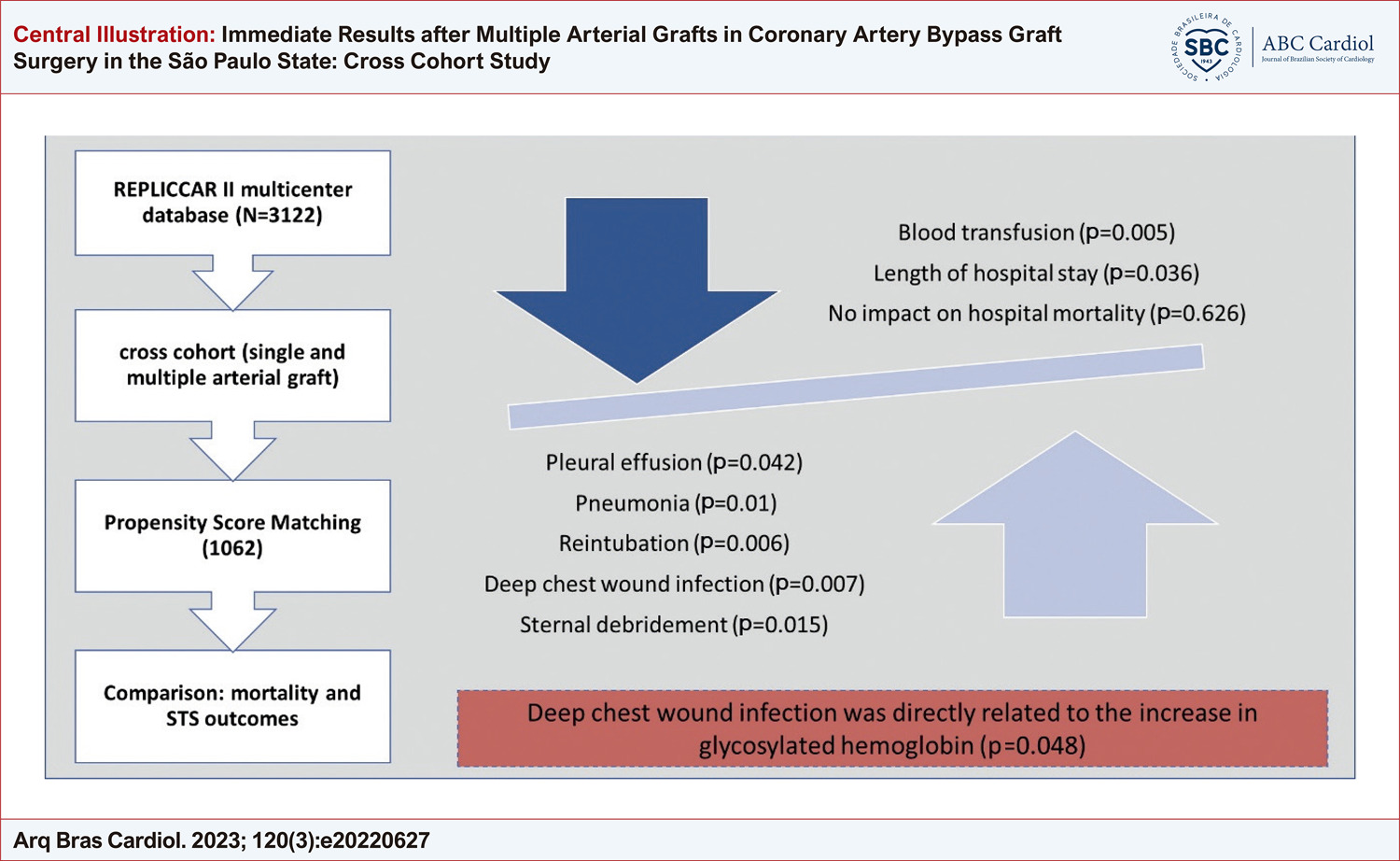
After PSM, the single arterial graft group showed patients with advanced age, more former smokers, hypertension, diabetes, stable angina, and previous myocardial infarction. In the multiple arterial grafts, there was a predominance of males, recent pneumonia, and urgent surgeries. After the procedure, there was a higher incidence of pleural effusion (p=0.042), pneumonia (p=0.01), reintubation (p=0.006), DSWI (p=0.007), and sternal debridement (p=0.015) in the multiple arterial grafts group, however, less need for blood transfusion (p=0.005), extremity infections (p=0.002) and shorter hospital stays (p=0.036). Bilateral use of the internal thoracic artery was not related to increased DSWI rate, but glycosylated hemoglobin >6.40% (p=0.048).

Conclusion

Patients undergoing the multiarterial technique had a higher incidence of pulmonary complications, and DSWI, where glycosylated hemoglobin ≥6.40%, had a greater influence on the infectious outcome than the choice of grafts.
  • Database
  • Glycated Hemoglobin A
  • Indicators of Morbidity and Mortality
  • Myocardial Revascularization
Read Full Article
Creative Commons Attribution (CC BY) Creative Commons license
17/03/2023 DOI: 10.36660/abc.20220627
Figure 1
ABC
Original Article

Performance of Severity Indices to Estimate Postoperative Complications of Myocardial Revascularization

Silvana Alves dos Santos Franzotti et al. Dyenily Alessi Sloboda Juliana Rosendo Silva Ellian Amorim Santos Souza … Jessica Zamora Reboreda Renata Eloah de Lucena Ferretti-Rebustini Lilia de Souza Nogueira

Abstract

Background

Patients in the postoperative period of myocardial revascularization (Coronary Artery Bypass Grafting – CABG) surgery admitted to the intensive care unit (ICU) are at risk of complications which increase the length of stay and morbidity and mortality. Therefore, early recognition of these risks is essential to optimize prevention strategies and a satisfactory clinical outcome.

Objective

To analyze the performance of severity indices in predicting complications in patients in the postoperative of CABG during the ICU stay.

Methods

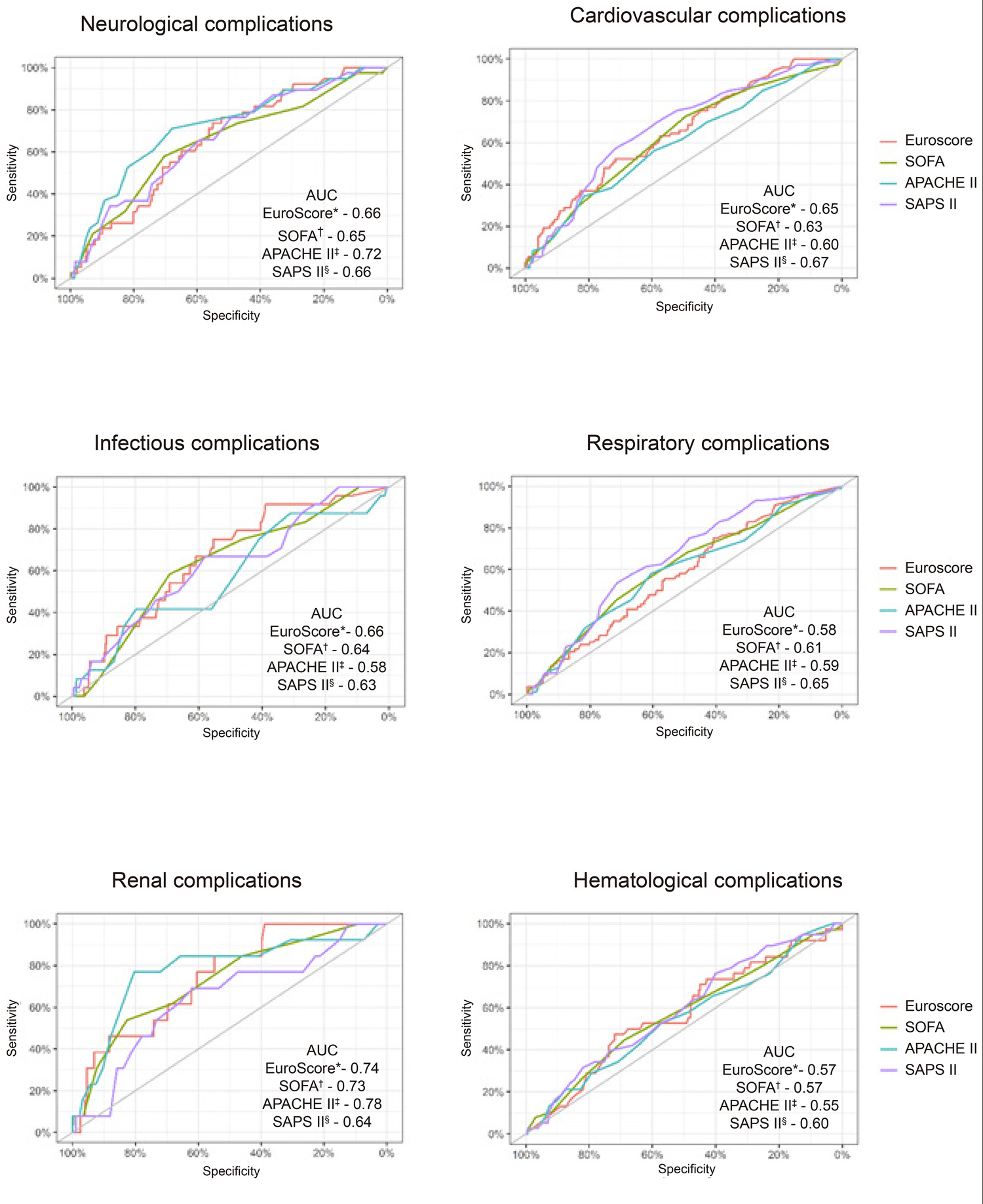
A cross-sectional study with retrospective analysis of electronic medical records of patients aged ≥ 18 years who underwent isolated CABG and were admitted to the ICU of a cardiology hospital in São Paulo, Brazil. The areas under the receiver operating characteristic curves (AUC) with a 95% confidence interval were analyzed to verify the accuracy of the European System for Cardiac Operative Risk Evaluation (EuroScore), Acute Physiology and Chronic Health Evaluation (APACHE II), Simplified Acute Physiology Score (SAPS II) and Sequential Organ Failure Assessment (SOFA) indices in predicting complications.

Results

The sample consisted of 366 patients (64.58 ± 9.42 years; 75.96% male). The complications identified were: respiratory (24.32%), cardiovascular (19.95%), neurological (10.38%), hematological (10.38%), infectious (6.56%) and renal (3.55%). APACHE II showed satisfactory performance for predicting neurological (AUC 0.72) and renal (AUC 0.78) complications.

Conclusion

APACHE II excelled in predicting neurological and renal complications. None of the indices performed well in predicting the other analyzed complications. Therefore, severity indices should not be used indiscriminately in order to predict all complications frequently presented by patients after CABG. (Arq Bras Cardiol. 2020; 115(3):452-459)

  • Cardiovascular Diseases/complications
  • Cardiovascular Diseases/surgery
  • Indicators of Morbidity and Mortality
  • Intensive Care Units
  • Myocardial Revascularization / complications
  • Postoperative Care
  • Severity of Illness Index
Read Full Article
Creative Commons Attribution (CC BY) Creative Commons license
28/09/2020 DOI: 10.36660/abc.20190120 Views 1
IJCS
Viewpoint

PARAGON-HF: Lessons Learned and Perspectives

José Francisco Kerr Saraiva et al. Isadora de Oliveira

An estimated 6.5 million Americans aged 20 and over have heart failure (HF) and projections show that the prevalence of HF will increase by 46% from 2012 to 2030, resulting in over 8 million people with HF.

Patients with HF can be stratified into different categories of left ventricular ejection fraction (LVEF), presenting different phenotypes in terms of demographics, clinical presentation, etiology and outcomes. The current classification comprises HF with reduced ejection fraction (EF) [EF ≤ 40% (HFrEF)], with intermediate EF [EF 40-50% (HFiEF), and preserved EF [EF ≥ 50% (HFpEF).,

[…]

  • Dysfunction Left Ventricular/abnormalities
  • Echocardiography/methods
  • Heart Failure/physiopathology
  • Indicators of Morbidity and Mortality
  • Neprilysin/therapeutic use
  • Risk Factors
  • Valsartan/therapeutic use
Read Full Article
Creative Commons Attribution (CC BY) Creative Commons license
17/04/2020 DOI: 10.36660/ijcs.20190222
Figure 1
IJCS
Editorial

Arterial Stiffness: The New Frontier in Hypertension and Cardiovascular Disease

Erika Maria Gonçalves Campana

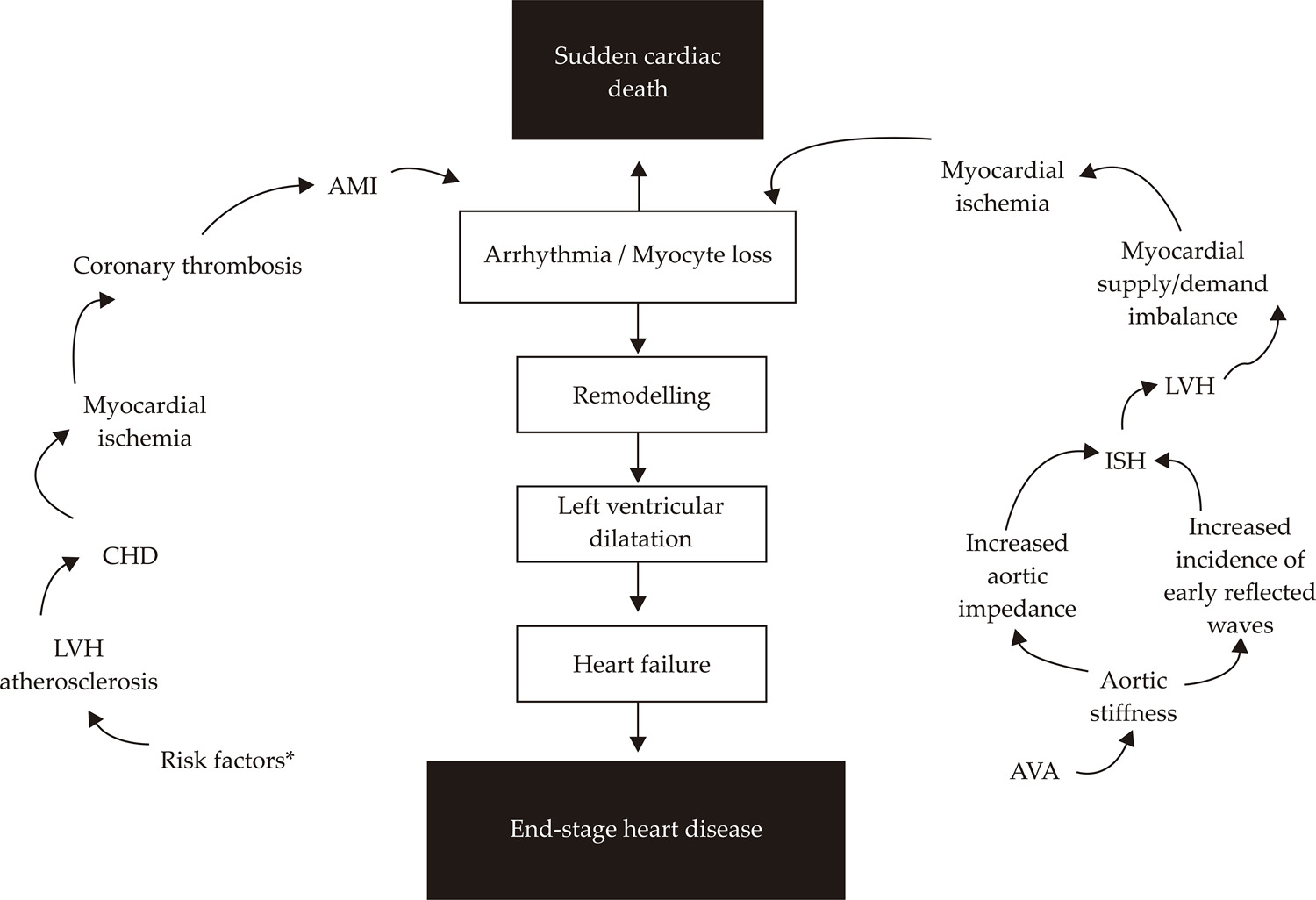
Vascular age is a reflection of cardiovascular and non-cardiovascular factors that contribute to accelerated vascular aging (AVA) and stiffness of large elastic arteries, leading to increased cardiovascular morbidity and mortality. Arterial stiffness has been regarded as an important biomarker in the assessment of subclinical atherosclerosis and cardiovascular risk.– The addition of pulse wave velocity (PWV) measurements to traditional risk factors has improved the prediction of the ten-year risk of cardiovascular diseases in 13% of individuals at intermediate risk.

In addition, the altered behavior of central hemodynamic parameters, such as central systolic blood pressure (cSBP) and the (heart rate-corrected) augmentation index (AI), is influenced by arterial stiffness and plays a crucial role in the interface between the traditional cardiovascular continuum vascular aging continuum, which represents the current view of the pathophysiology of cardiovascular diseases.– ()

[…]

  • Blood Pressure
  • Hypertension
  • Indicators of Morbidity and Mortality
  • Target Organs, Risk Factors
  • Vascular Stiffness
Read Full Article
Creative Commons Attribution (CC BY) Creative Commons license
03/04/2020 DOI: 10.36660/ijcs.20200023 Views 1
ABC
Letter to the Editor

How to Approach Elevated NT-pro BNP Level on Admission to Prevent Left Ventricular Aneurysm Following Acute ST-Segment Elevation Myocardial Infarction

Teruhiko Imamura

I have read with great interest the article written by Celebi and colleagues, demonstrating that elevated plasma N-terminal pro-B-type natriuretic peptide (NT-pro BNP) level on admission is a significant predictive biomarker of development of left ventricular aneurysm following acute ST-segment elevation myocardial infarction (STEMI) in the current era.

Their findings are straightforward and would lead us the next concerns. The first concern is reversibility of NT-pro BNP and its impact on post-STEMI outcomes. Is the reduction of NT-pro BNP following STEMI associated with a lower rate of left ventricular aneurysm formation?

[…]

  • Coronary Aneurysm/complications
  • Heart Failure/physiopathology
  • Indicators of Morbidity and Mortality
  • Natriuretic Peptide, B-Type
  • ST Elevation Myocardial Infarction
  • Stroke Volume
Read Full Article
Creative Commons Attribution (CC BY) Creative Commons license
20/03/2020 DOI: 10.36660/abc.20190773 Views 1
Figure 1
ABC
Original Article

The Usefulness of Admission Plasma NT-pro BNP Level to Predict Left Ventricular Aneurysm Formation after Acute ST-Segment Elevation Myocardial Infarction

Savas Celebi et al. Ozlem Ozcan Celebi Serkan Cetin Hande Ozcan Cetin … Mujgan Tek Serkan Gokaslan Basri Amasyali Berkten Berkalp Erdem Diker Sinan Aydogdu

Abstract

Background:

Left ventricular aneurysm (LVA) is an important complication of acute myocardial infarction. In this study, we investigated the role of N- Terminal pro B type natriuretic peptide level to predict the LVA development after acute ST-segment elevation myocardial infarction (STEMI).

Methods:

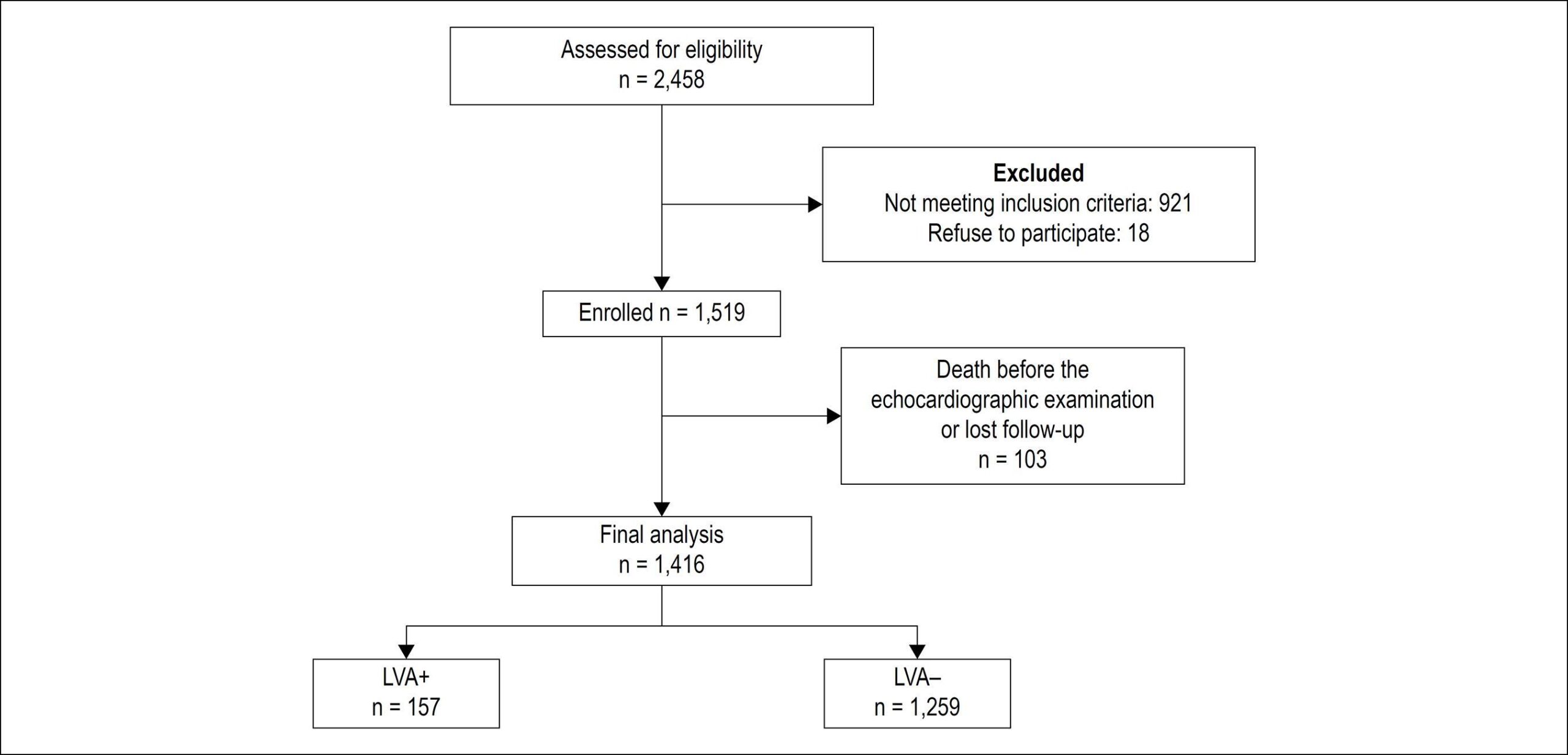
We prospectively enrolled 1519 consecutive patients with STEMI. Patients were divided into two groups according to LVA development within the six months after index myocardial infarction. Patients with or without LVAs were examined to determine if a significant relationship existed between the baseline N- Terminal pro B type natriuretic peptide values and clinical characteristics. A p-value < 0.05 was considered statistically significant.

Results:

LVA was detected in 157 patients (10.3%). The baseline N- Terminal pro- B type natriuretic peptide level was significantly higher in patients who developed LVA after acute MI (523.5 ± 231.1 pg/mL vs. 192.3 ± 176.6 pg/mL, respectively, p 65 y, smoking, Killip class > 2, previous coronary artery bypass graft, post-myocardial infarction heart failure, left ventricular ejection fraction 400 pg/mL at admission.

Conclusions:

Our findings indicate that plasma N- Terminal pro B type natriuretic peptide level at admission among other variables provides valuable predictive information regarding the development of LVA after acute STEMI.

  • Coronary Aneurysm/complications
  • Indicators of Morbidity and Mortality
  • Myocardial Infarction
  • Myocardial Revascularization
  • Stroke Volume
Read Full Article
Creative Commons Attribution (CC BY) Creative Commons license
28/10/2019 DOI: 10.5935/abc.20190226
ABC
Editorial

Hypertension: Pathophysiological Aspects, Psychosocial Stress and Food Preference

Heno Ferreira Lopes

Arterial hypertension is highly prevalent in developed and developing countries. Together with high blood glucose levels, hyperlipidemia, overweight and obesity, it is considered a consequence of behavioral risk factors such as physical inactivity, tobacco use, harmful alcohol use and inadequate diets. The cause of arterial hypertension in most of the cases (over 90%) is unknown. The activation of the sympathetic nervous system, the renin-angiotensin-aldosterone system and an abnormal pressure-natriuresis curve play an important role in the pathophysiology of hypertension. Oxidative stress has also been identified as an intermediate phenotype in the development of arterial hypertension. Experimental and epidemiological studies point to psychosocial stress as a possible trigger that causes the autonomic imbalance (increased sympathetic activity) in hypertensive patients. This autonomic imbalance can be observed even before the arterial hypertension onset in children born to hypertensive parents. In addition to psychosocial stress, an unhealthy diet contributes to the development of arterial hypertension and higher cardiovascular morbidity/mortality.

If, on the one hand, diet plays an important role in the pathophysiology of arterial hypertension, on the other hand, adopting a healthy diet can result in better blood pressure control. The DASH (Dietary Approach to Stop Hypertension) diet, mentioned in worldwide guidelines, was evaluated by Appel et al. and it was the first scientifically tested diet to result in a significant blood pressure reduction in hypertensive patients. The DASH diet consists of easily accessible foods such as vegetables, fruits, nuts, lean meat, and low-fat milk and dairy products. In a study of obese hypertensive patients, we tried to elucidate the possible mechanisms involved in blood pressure reduction after the consumption of the standard DASH diet. In this study we demonstrated that the consumption of a standard DASH diet results in improved antioxidant capacity, especially in obese hypertensive patients. Since oxidative stress plays a role in the pathophysiology of arterial hypertension, this is one of the possible mechanisms for reducing blood pressure in those individuals who consume the DASH diet foods in adequate proportion.

[…]

  • Diabetes Mellitus
  • Dyslipidemias
  • Healthy Diet
  • Hypertension
  • Indicators of Morbidity and Mortality
  • Obesity
  • Oxidative Stress
  • Sedentary Behavior
Read Full Article
Creative Commons Attribution (CC BY) Creative Commons license
10/10/2019 DOI: 10.5935/abc.20190202
Figure 1
ABC
Editorial

Overweight, the Cardiovascular Risk of the Century

Paulo César B. Veiga Jardim

The challenge of the century: overweight

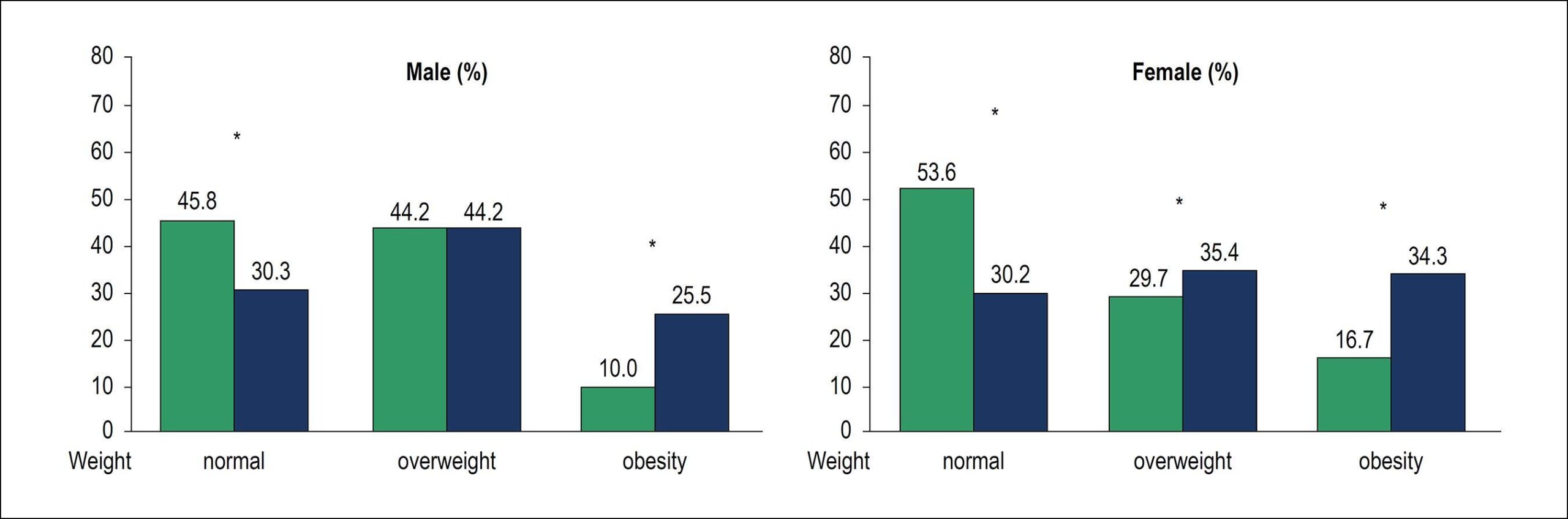
Published studies have shown that, worldwide, over the past 50 years, the population has increased in weight. A 2014 publication reported that between 1980 and 2013 individuals had an increase in body mass index above 25 kg/m2, which classifies them as overweight, from 28.8% to 36.9% among men and 29.8% to 38.0% among women. Worse than that, children and adolescents also had weight gain both in developed countries where, in 2013, 23.8% of boys and 22.6% of girls were overweight or obese, and in developing countries, where 12.9% of boys and 13.4% of girls were also overweight.

In 2016, another publication that evaluated the period from 1975 to 2014 also showed that obesity increased from 3.2% to 10.8% among men and from 6.4% to 14.9% among women. These studies estimate that if this trend continues, in 2025, the prevalence of obesity around the world will be greater than 18% among men and 21% among women.

[…]

  • Cardiovascular Diseases
  • Feeding Behavior/trends
  • Indicators of Morbidity and Mortality
  • Obesity
  • Overweight
  • Prevention & Control
  • Risk Factors
Read Full Article
Creative Commons Attribution (CC BY) Creative Commons license
02/09/2019 DOI: 10.5935/abc.20190171 Views 2
Figure 1
ABC
Review Article

Risk-Benefit Assessment of Carotid Revascularization

Pedro Piccaro de Oliveira et al. José Luiz da Costa Vieira Raphael Boesche Guimarães Eduardo Dytz Almeida … Simone Louise Savaris Vera Lucia Portal

Abstract

Severe carotid atherosclerotic disease is responsible for 14% of all strokes, which result in a high rate of morbidity and mortality. In recent years, advances in clinical treatment of cardiovascular diseases have resulted in a significant decrease in mortality due to these causes.

To review the main studies on carotid revascularization, evaluating the relationship between risks and benefits of this procedure.

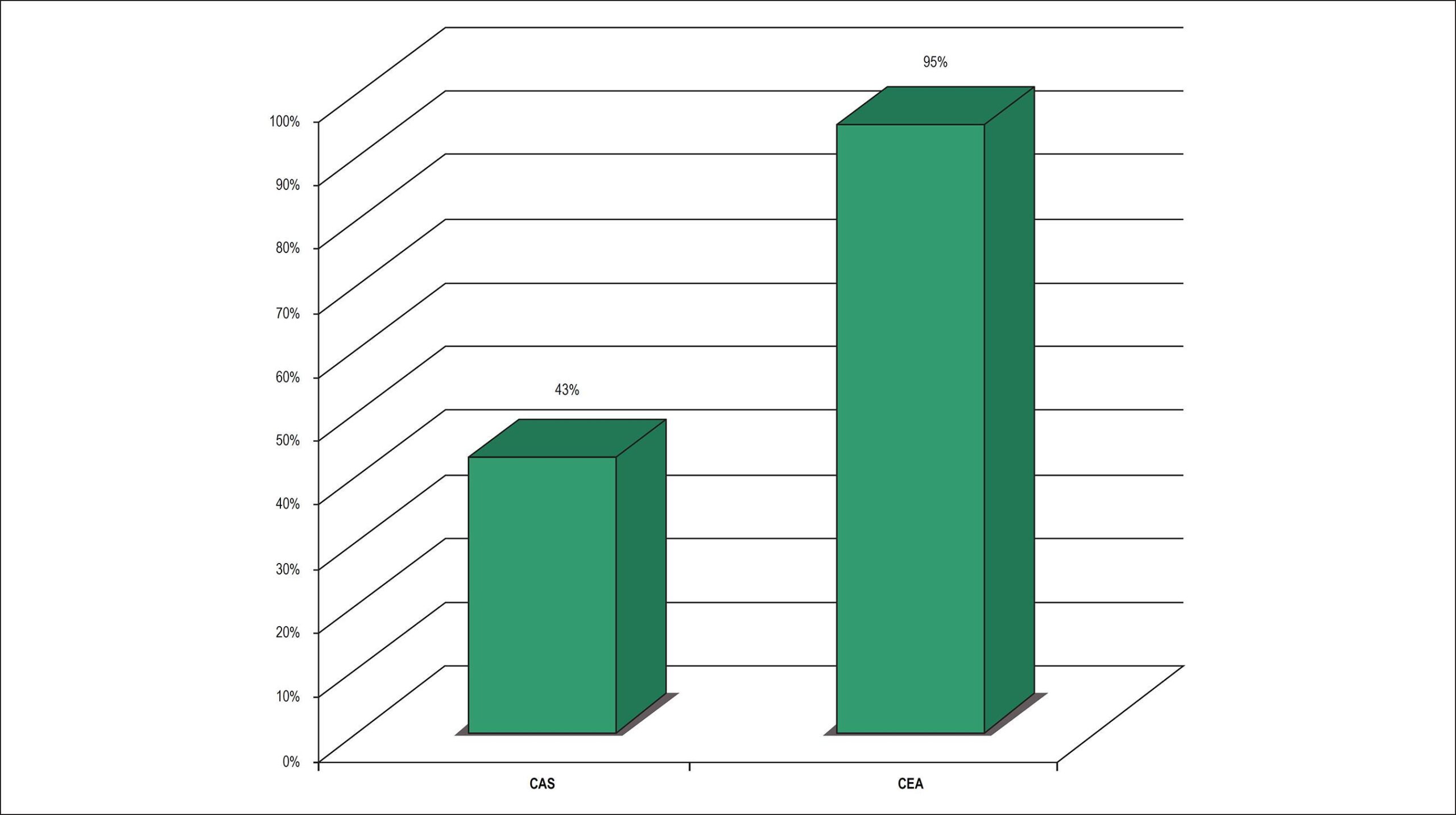
The data reviewed show that, for a net benefit, carotid intervention should only be performed in cases of a periprocedural risk of less than 6% in symptomatic patients. The medical therapy significantly reduced the revascularization net benefit ratio for stroke prevention in asymptomatic patients. Real life registries indicate that carotid stenting is associated with a greater periprocedural risk. The operator annual procedure volume and patient age has an important influence in the rate of stroke and death after carotid stenting. Symptomatic patients have a higher incidence of death and stroke after the procedure. Revascularization has the greatest benefit in the first weeks of the event.

There is a discrepancy in the scientific literature about carotid revascularization and/or clinical treatment, both in primary and secondary prevention of patients with carotid artery injury. The identification of patients who will really benefit is a dynamic process subject to constant review.

  • Atherosclerosis
  • Carotid Artery Diseases
  • Endarterectomy, Carotid
  • Indicators of Morbidity and Mortality
  • Risk Assessment
  • Stroke
Read Full Article
Creative Commons Attribution (CC BY) Creative Commons license
01/10/2018 DOI: 10.5935/abc.20180208 Views 2
ABC
Editorial

The Brazilian Society of Cardiology and Hypertension: It's Time for Action

Paulo César B. Veiga Jardim

The year is 2018 and the level of scientific knowledge is unquestionable.

In medicine in general, and in cardiology, in particular, advances in diagnoses are impressive, just as the therapeutic arsenal is extraordinary, either in clinical or surgical, conventional or alternative treatment.

[…]

  • Antihypertensive Agents/administration & dosage
  • Cardiovascular Diseases / prevention & control
  • Decision/policies
  • Hypertension/drug therapy
  • Hypertension/mortality
  • Hypertension/physiopathology
  • Indicators of Morbidity and Mortality
  • Practice Guidelines as Topic
Read Full Article
Creative Commons Attribution (CC BY) Creative Commons license
01/09/2018 DOI: 10.5935/abc.20180189 Views 1
ABC
Editorial

Secondary Dyslipidemia In Obese Children – Is There Evidence For Pharmacological Treatment?

Ana Cristina Sayuri Tanaka

Obesity is a condition that has progressively increased throughout the world, also affecting children and adolescents, leading to high costs for health systems. Pediatric obesity is associated with dyslipidemia, oxidative stress, insulin resistance, and endothelial dysfunction, cardiovascular risk factors and components of the metabolic syndrome, and leads to adverse consequences such as early mortality and physical morbidity in adulthood in the short and long term.

Obesity-related dyslipidemia consists of increased triglycerides and free fatty acids, and decreased HDL-c (high-density cholesterol), normal or slightly increased LDL-c (low-density cholesterol), and increased VLDL-c (cholesterol of very low density). Plasma apolipoprotein B (apo B) concentrations are also frequently increased, in part due to increased hepatic production of apo B-containing lipoproteins.,

[…]

  • Dyslipidemias
  • Heart Defects, Congenital
  • Indicators of Morbidity and Mortality
  • Metabolic Syndrome
  • Oxidative Stress
Read Full Article
Creative Commons Attribution (CC BY) Creative Commons license
01/09/2018 DOI: 10.5935/abc.20180187
Figure 1
ABC
Review Article

Antiplatelet Therapy in Breast Cancer Patients Using Hormonal Therapy: Myths, Evidence and Potentialities – Systematic Review

Andréa de Melo Leite et al. Ariane Vieira Scarlatelli Macedo Antonio José Lagoeiro Jorge Wolney de Andrade Martins

Abstract

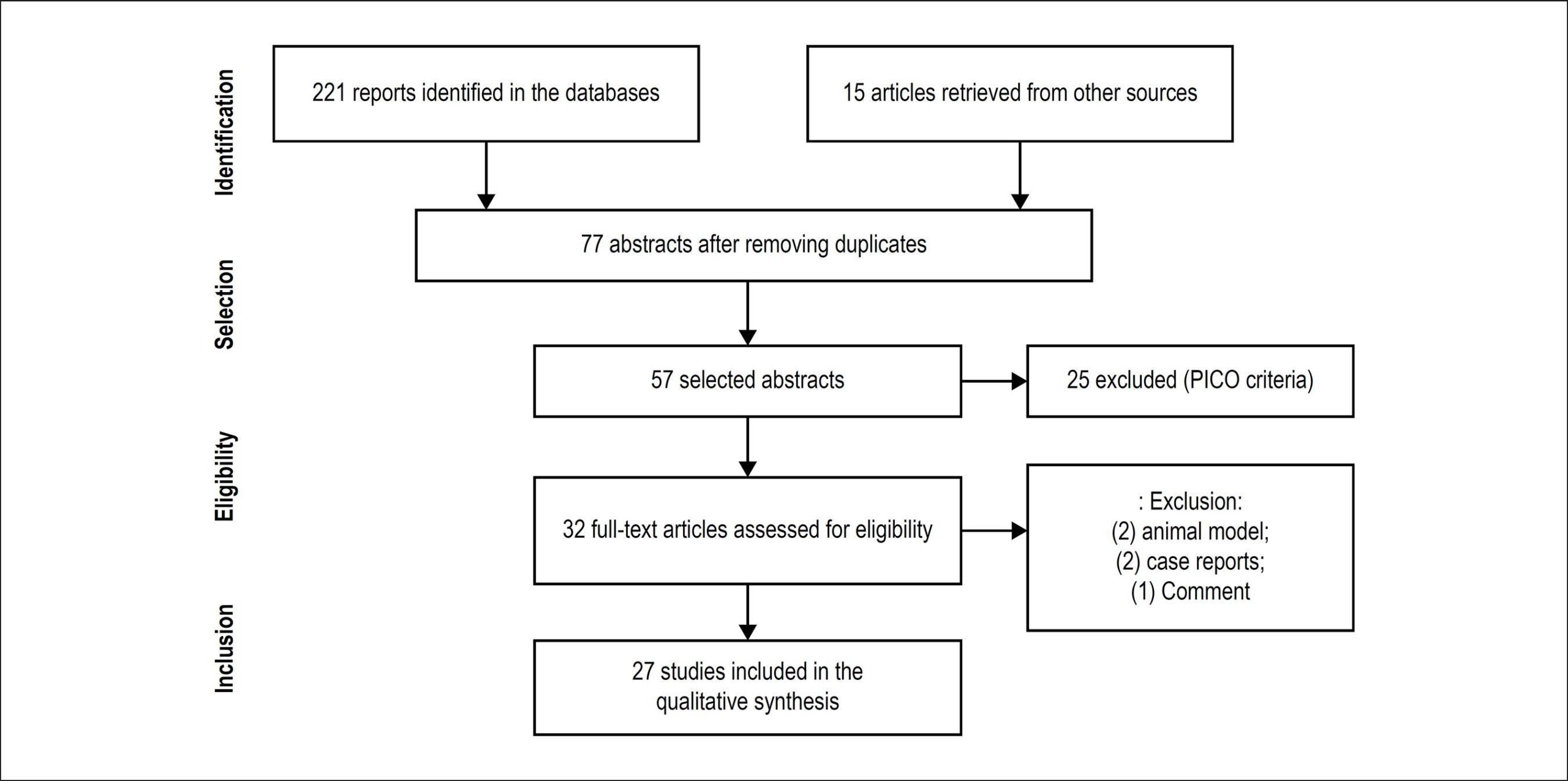
Breast cancer is the most frequently diagnosed tumor in women worldwide, with a significant impact on morbidity and mortality. Chemotherapy and hormone therapy have significantly reduced mortality; however, the adverse effects are significant. Aspirin has been incorporated into clinical practice for over 100 years at a low cost, making it particularly attractive as a potential agent in breast cancer prevention and as an adjunct treatment to endocrine therapy in the prophylaxis of cardiovascular complications. The objective of this study was to evaluate the role of aspirin in reducing the incidence of breast cancer and to evaluate the impact of its use on morbidity and mortality and reduction of cardiovascular events as adjuvant therapy during breast cancer treatment with selective estrogen receptor modulators. A systematic review was performed using the PRISMA methodology and PICO criteria, based on the MEDLINE, EMBASE and LILACS databases. The original articles of clinical trials, cohort, case-control studies and meta-analyses published from January 1998 to June 2017, were considered. Most studies showed an association between the use of selective estrogen receptor modulators and the increase in thromboembolic events. The studies suggest a protective effect of aspirin for cardiovascular events during its concomitant use with selective estrogen receptor modulators and in the prevention of breast cancer. This systematic review suggests that aspirin therapy combines the benefit of protection against cardiovascular events with the potential reduction in breast cancer risk, and that the evaluation of the benefits of the interaction of endocrine therapy with aspirin should be further investigated.

  • Aspirin
  • Breast Neoplasms/drug therapy
  • Cardiovascular Diseases / prevention & control
  • Indicators of Morbidity and Mortality
  • Raloxilene Hydrochloride
  • Selective Estrogen Receptor Modulators
  • Tamoxifen
Read Full Article
Creative Commons Attribution (CC BY) Creative Commons license
01/08/2018 DOI: 10.5935/abc.20180138
Figure 1
ABC
Original Article

Global Longitudinal Strain Accuracy for Cardiotoxicity Prediction in a Cohort of Breast Cancer Patients During Anthracycline and/or Trastuzumab Treatment

Eliza de Almeida Gripp et al. Gabriela Escudini de Oliveira Luiz Augusto Feijó Marcelo Iorio Garcia … Sergio Salles Xavier Andréa Silvestre de Sousa

Abstract

Background:

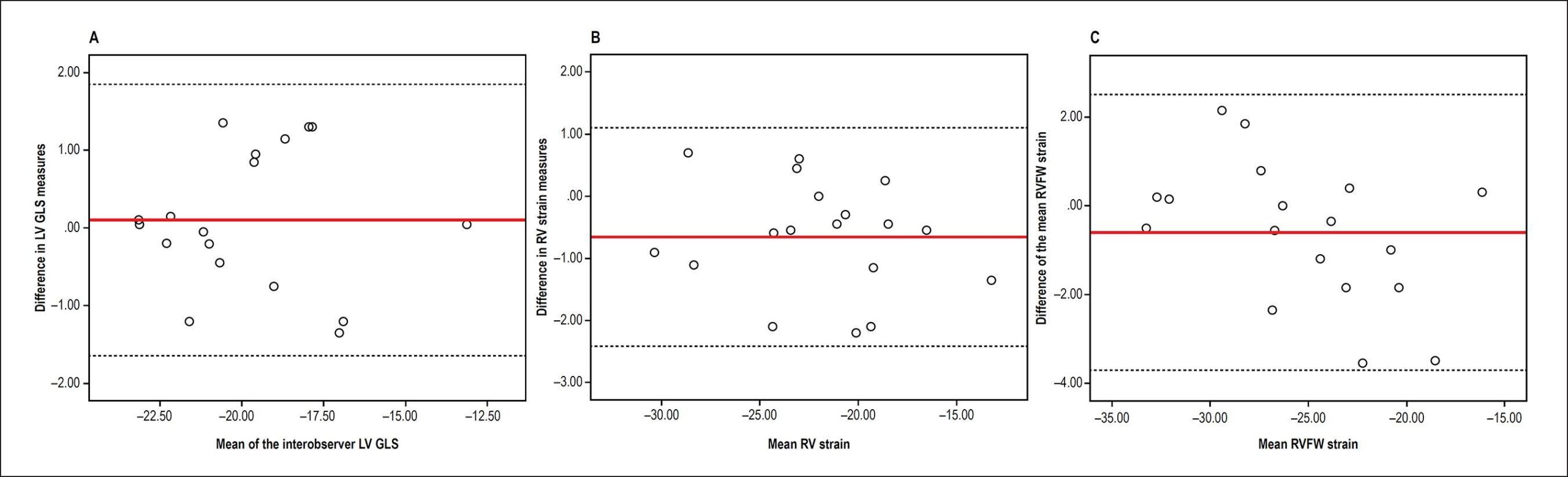
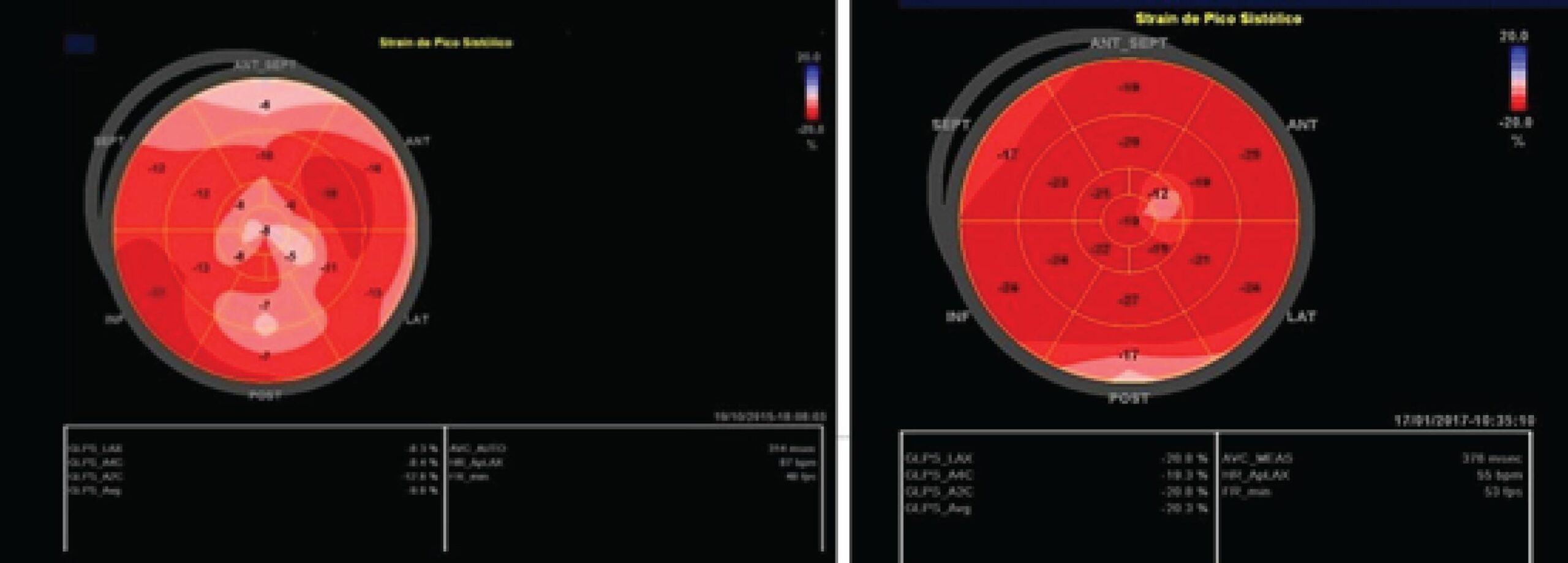
The high cardiotoxicity morbidity and mortality rates associated with the antineoplastic therapy for breast cancer could be reduced with the early use of cardioprotective drugs. However, the low sensitivity of left ventricular ejection fraction limits its use in that preventive strategy. New parameters, such as global longitudinal strain, are being used in the early detection of contractile function changes.

Objectives:

To assess the incidence of cardiotoxicity in patients treated for breast cancer, the independent factors associated with that event, and the ability of strain to identify it early.

Methods:

Prospective observational study of consecutive outpatients diagnosed with breast cancer, with no previous antineoplastic treatment and no ventricular dysfunction, who underwent anthracycline and/or trastuzumab therapy. The patients were quarterly evaluated on a 6- to 12-month follow-up by an observer blind to therapy. Cox regression was used to evaluate the association of cardiotoxicity with clinical, therapeutic and echocardiographic variables. A ROC curve was built to identify the strain cutoff point on the third month that could predict the ejection fraction reduction on the sixth month. For all tests, the statistical significance level adopted was p ≤ 0.05.

Results:

Of 49 women (mean age, 49.7 ± 12.2 years), cardiotoxicity was identified in 5 (10%) on the third (n = 2) and sixth (n = 3) months of follow-up. Strain was independently associated with the event (p = 0.004; HR = 2.77; 95%CI: 1.39-5.54), with a cutoff point for absolute value of -16.6 (AUC = 0.95; 95%CI: 0.87-1.0) or a cutoff point for percentage reduction of 14% (AUC = 0.97; 95%CI: 0.9-1.0).

Conclusion:

The 14% reduction in strain (absolute value of -16.6) allowed the early identification of patients who could develop anthracycline and/or trastuzumab-induced cardiotoxicity.

  • Breast Neoplasms/drug therapy
  • Cardiotoxicity
  • Indicators of Morbidity and Mortality
  • Stroke Volume
  • Trastuzumab
Read Full Article
Creative Commons Attribution (CC BY) Creative Commons license
01/02/2018 DOI: 10.5935/abc.20180021 Views 1
Figure 1
ABC
Viewpoint

Cognitive Deficit in Heart Failure and the Benefits of Aerobic Physical Activity

Maria Luíza de Medeiros Rêgo et al. Daniel Aranha Rego Cabral Eduardo Bodnariuc Fontes

Abstract

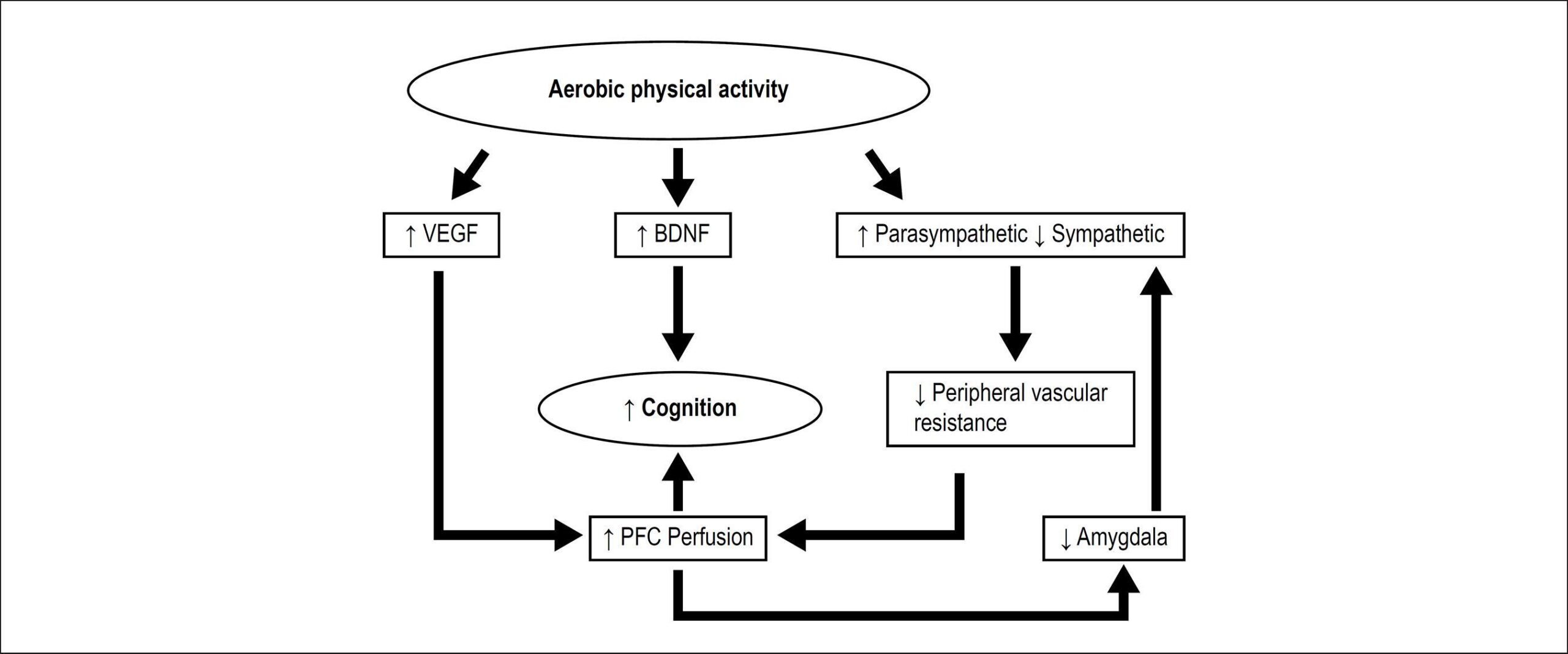
Heart Failure is a clinical syndrome prevalent throughout the world and a major contribution to mortality of cardiac patients in Brazil. In addition, this pathology is strongly related to cerebral dysfunction, with a high prevalence of cognitive impairment. Many mechanisms may be related to cognitive loss, such as cerebral hypoperfusion, atrophy and loss of gray matter of the brain, and dysfunction of the autonomic nervous system. The literature is clear regarding the benefits of aerobic physical activity in healthy populations in the modulation of the autonomic nervous system and in brain functions. Studies have shown that in the population of patients with heart failure, exercise is associated with an improvement in cognitive function, as well as in cardiac autonomic regulation. However, little emphasis has been given to the mechanisms by which aerobic physical activity can benefit brain functioning, the autonomic nervous system and result in better cognitive performance, particularly in patients with heart failure. Therefore, the present work presents the ways in which brain areas responsible for cognition also act in the modulation of the autonomic nervous system, and emphasizes its importance for the understanding of cognitive impairment in relation to the pathophysiology of heart failure. It is also described the way in which aerobic physical activity can promote benefits when it is integrated into the therapy, associated to a better prognosis of the clinical picture of these patients.

  • Cognition
  • Exercise
  • Heart Failure
  • Indicators of Morbidity and Mortality
Read Full Article
Creative Commons Attribution (CC BY) Creative Commons license
01/01/2018 DOI: 10.5935/abc.20180002
Figure 1
IJCS
Case Report

Hemochromatosis: Reversible Cause of Heart Failure

Cassia Pereira Kessler Iglesias et al. Paulo Vinicios Falcão Duarte Jacqueline Sampaio dos Santos Miranda Luana da Graça Machado Caio Ribeiro Alves Andrade

Introduction

GCW, age 33, presents acute heart failure (HF), amenorrhea and darkening of the skin. Three months after this initial situation, the patient is referred to a large cardiology centre and is submitted to HF screening, and the suspicion of hemochromatosis is promptly raised. This disease affects the heart in only 15% of cases. It has been shown that early recognition and intervention may change the prognosis. This is a diagnosis that should be considered in all cases of HF screening since it is easy to diagnose and its treatment can drastically change the prognosis of the disease.

Hereditary hemochromatosis (HH) is a genetic disease of iron metabolism characterized by increased intestinal absorption and progressive accumulation of it in different organs. HH is the most common autosomal disease in Caucasians, particularly those with Nordic or Celtic ancestors, affecting one in each 220-250 individuals. According to the mutations found, HH can be classified as: Hemochromatosis associated with HFE (classical hemochromatosis) and hemochromatosis not associated with HFE: Hereditary hemochromatosis due to mutation at the receptor 2 of transferrin-TfR2, juvenile hemochromatosis (hemojuvelin mutation – HJV gene and hepcidin mutation – HAMP gene), ferroportin disease and African iron overload. The vast majority (80-85%) of HH cases that have northern European ancestors are associated with HFE, while 10-15% of HH cases are not associated with HFE.

[…]

  • Heart Failure
  • Hemochromatosis / genetics
  • Indicators of Morbidity and Mortality
  • Iron Metabolism Disorders
  • Phlebotomy
Read Full Article
Creative Commons Attribution (CC BY) Creative Commons license
01/01/2018 DOI: 10.5935/2359-4802.20170095 Views 2
IJCS
Original Article

Correlation between Clinical and Educational Factors and Delayed Hospital Arrival in Myocardial Infarction

Andressa Sardá Maiochi Takagui et al. Daniel Medeiros Moreira Ana Teresa Glaser Carvalho Thays Fraga Duarte … Roberto Léo da Silva Tammuz Fattah

Abstract

Background:

Acute myocardial infarction is one of the main causes of morbidity and mortality in the world, and one of the factors with the greatest prognostic impact is early specialist care, but there are still many factors that delay patient’s arrival at the hospital.

Objective:

To correlate social, educational, cognitive and clinical factors with time to hospital arrival after the onset of acute myocardial infarction’s first symptoms.

Methods:

Time interval to search for medical care was measured by patient’s report of the onset of infarction’s first symptoms and hospital admission verified through electronic medical data of the emergency service. The correlation between delta-T and other variables was performed through Kendall’s correlation. Values of p < 0.05 were considered statistically significant.

Results:

There was no correlation between delta-T and scholarity, or between delta – T and Mini Mental State Examination performance, as well as no association between the presence of hypertension, diabetes mellitus, dyslipidemia, family history, sedentary lifestyle or smoking with arrival time at the hospital. Comparisons between delta-T and marital status were also not statistically significant. Transfer from another health service and city of origin were the most determinant delay factors in our population’s arrival at the hospital.

Conclusion:

The present study suggests that, in our population, educational, social and cognitive factors are not directly related to the delay in arriving at the hospital.

  • Chest Pain
  • Emergency Medical Services
  • Indicators of Morbidity and Mortality
  • Myocardial Infarction
  • Myocardial Ischemia
  • Risk Factors
Read Full Article
Creative Commons Attribution (CC BY) Creative Commons license
01/01/2018 DOI: 10.5935/2359-4802.20170093
Figure 1
ABC
Original Article

Incremental Prognostic Value of Conventional Echocardiography in Patients with Acutely Decompensated Heart Failure

Fabio Luis de Jesus Soares et al. Janine Magalhães Garcia de Oliveira Gabriel Neimann da Cunha Freire Lucas Carvalho Andrade … Marcia Maria Noya-Rabelo Luis Claudio Lemos Correia

Abstract

Background:

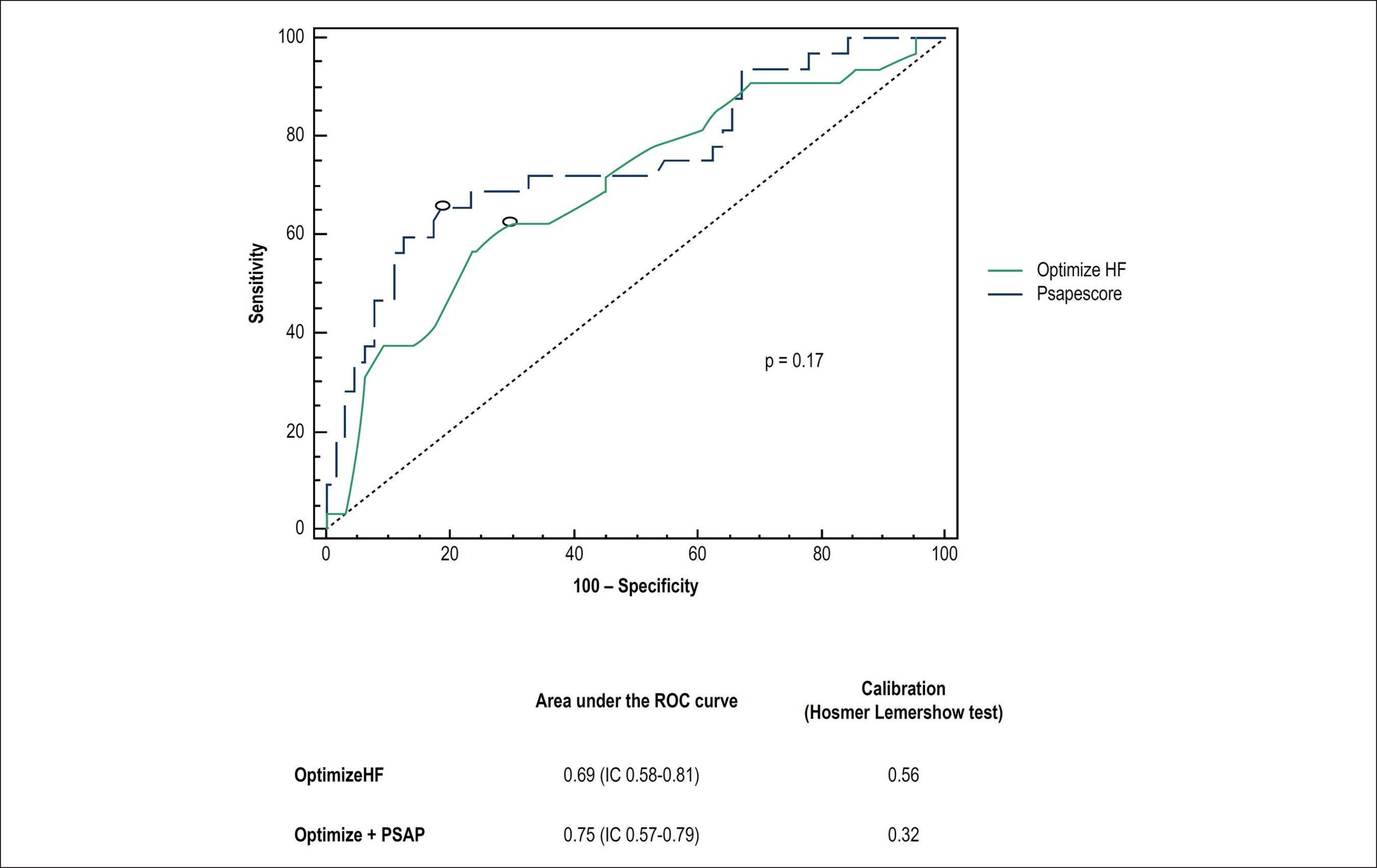
Acutely decompensated heart failure (ADHF) presents high morbidity and mortality in spite of therapeutic advance. Identifying factors of worst prognosis is important to improve assistance during the hospital phase and follow-up after discharge. The use of echocardiography for diagnosis and therapeutic guidance has been of great utility in clinical practice. However, it is not clear if it could also be useful for risk determination and classification in patients with ADHF and if it is capable of adding prognostic value to a clinical score (OPTIMIZE-HF).

Objective:

To identify the echocardiographic variables with independent prognostic value and to test their incremental value to a clinical score.

Methods:

Prospective cohort of patients consecutively admitted between January 2013 and January 2015, with diagnosis of acutely decompensated heart failure, followed up to 60 days after discharge. Inclusion criteria were raised plasma level of NT-proBNP (> 450 pg/ml for patients under 50 years of age or NT-proBNP > 900 pg/ml for patients over 50 years of age) and at least one of the signs and symptoms: dyspnea at rest, low cardiac output or signs of right-sided HF. The primary outcome was the composite of death and readmission for decompensated heart failure within 60 days.

Results:

Study participants included 110 individuals with average age of 68 ± 16 years, 55% male. The most frequent causes of decompensation (51%) were transgression of the diet and irregular use of medication. Reduced ejection fraction (<40%) was present in 47% of cases, and the NT-proBNP median was 3947 (IIQ = 2370 to 7000). In multivariate analysis, out of the 16 echocardiographic variables studied, only pulmonary artery systolic pressure remained as an independent predictor, but it did not significantly increment the C-statistic of the OPTMIZE-HF score.

Conclusion:

The addition of echocardiographic variables to the OPTIMIZE-HF score, with the exception of left ventricular ejection fraction, did not improve its prognostic accuracy concerning cardiovascular events (death or readmission) within 60 days

  • Echocardiography/methods
  • Heart Failure
  • Hypergravity
  • Indicators of Morbidity and Mortality
  • Prognosis
  • Reference Drugs
Read Full Article
Creative Commons Attribution (CC BY) Creative Commons license
27/11/2017 DOI: 10.5935/abc.20170173
Figure 1
ABC
Original Article

Do We Need to Personalize Renal Function Assessment in the Stratification of Patients Undergoing Cardiac Surgery?

Camila P. S. Arthur et al. Omar A. V. Mejia Diogo Osternack Marcelo Arruda Nakazone … Maxim Goncharov Luiz A. F. Lisboa Luís A. O. Dallan Pablo M. A. Pomerantzeff Fabio B. Jatene Grupo de Estudo REPLICCAR

Abstract

Background:

Renal dysfunction is an independent predictor of morbidity and mortality in cardiac surgery. For a better assessment of renal function, calculation of creatinine clearance (CC) may be necessary.

Objective:

To objectively evaluate whether CC is a better risk predictor than serum creatinine (SC) in patients undergoing cardiac surgery.

Methods:

Analysis of 3,285 patients registered in a prospective, consecutive and mandatory manner in the Sao Paulo Registry of Cardiovascular Surgery (REPLICCAR) between November 2013 and January 2015. Values of SC, CC (Cockcroft-Gault) and EuroSCORE II were obtained. Association analysis of SC and CC with morbidity and mortality was performed by calibration and discrimination tests. Independent multivariate models with SC and CC were generated by multiple logistic regression to predict morbidity and mortality following cardiac surgery.

Results:

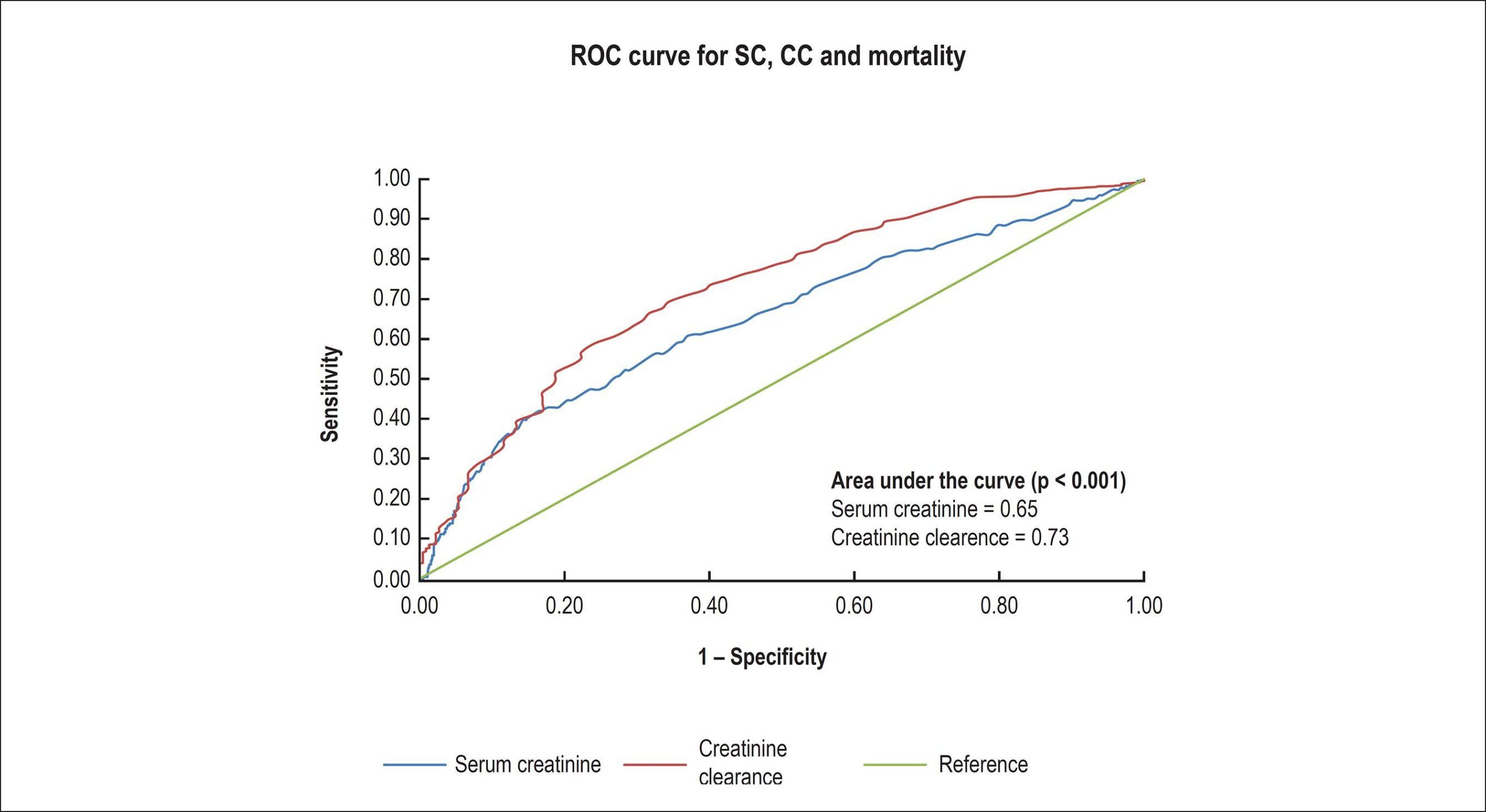
Despite the association between SC and mortality, it did not calibrate properly the risk groups. There was an association between CC and mortality with good calibration of risk groups. In mortality risk prediction, SC was uncalibrated with values > 1.35 mg /dL (p < 0.001). The ROC curve showed that CC is better than SC in predicting both morbidity and mortality risk. In the multivariate model without CC, SC was the only predictor of morbidity, whereas in the model without SC, CC was not only a mortality predictor, but also the only morbidity predictor.

Conclusion:

Compared with SC, CC is a better parameter of renal function in risk stratification of patients undergoing cardiac surgery.

  • Creatinine/analysis
  • Hospital Mortality
  • Indicators of Morbidity and Mortality
  • Myocardial Revascularization
  • Renal Insufficiency/prevention & control
  • Risk Factors
Read Full Article
Creative Commons Attribution (CC BY) Creative Commons license
04/09/2017 DOI: 10.5935/abc.20170129 Views 2
Figure 1
IJCS
Case Report

Use of Thrombolysis in PE Said to be of no High-Risk, which Presents Acute Cor Pulmonale

Nicolle Lopes Guenther et al. Nágela Simão Vinhosa Nunes Valdênia Pereira de Souza Ronaldo Vegni e Souza

Introduction

PE is a condition that is often difficult to recognize due to its varied clinical presentation, ranging from unclear symptoms to severe conditions that quickly leading the patient to shock and death. It is the third most common cardiovascular disease worldwide, of high mortality and morbidity, with an estimated incidence of 100-200 per 100,000 inhabitants, according to the Guidelines of the European Society of Cardiology.

There is a variety of related risk factors, including major orthopedic surgeries, traumas, prolonged immobilization, malignant neoplasia, spastic and flaccid paralysis, hormonal contraception, congestive heart failure, thrombophilia, obesity and pregnancy., However, PE can occur even in the absence of known risk factors.

[…]

  • Hypertension Pulmonary
  • Indicators of Morbidity and Mortality
  • Pulmonary embolism
  • Thromboembolism
  • Ventricular Dysfunction,Right
Read Full Article
Creative Commons Attribution (CC BY) Creative Commons license
01/01/2017 DOI: 10.5935/2359-4802.20170054
ABC
Revisão

Hypertension in Patients with Cancer

Vinicius Barbosa de Souza et al. Eduardo Nani Silva Mario Luiz Ribeiro Wolney de Andrade Martins

There is a known association between chemotherapy and radiotherapy for treatment of cancer patients and development or worsening of hypertension. The aim of this article is to review this association. A literature search was conducted for articles reporting this association on the databases PubMed, SciELO and LILACS between 1993 and 2013. There was a high coprevalence of hypertension and cancer, since both diseases share the same risk factors, such as sedentary lifestyle, obesity, smoking, unhealthy diet and alcohol abuse. The use of chemotherapy and adjuvant drugs effective in the treatment of cancer increased the survival rate of these patients and, consequently, increased the incidence of hypertension. We described the association between the use of angiogenesis inhibitors (bevacizumab, sorafenib and sunitinib), corticosteroids, erythropoietin and non-steroidal anti-inflammatory drugs with the development of hypertension. We also described the relationship between hypertension and carotid baroreceptor injury secondary to cervical radiotherapy. Morbidity and mortality increased in patients with cancer and hypertension without proper antihypertensive treatment. We concluded that there is need for early diagnosis, effective monitoring and treatment strategies for hypertension in cancer patients in order to reduce cardiovascular morbidity and mortality.

  • antihypertensive agents
  • Hypertension
  • Indicators of Morbidity and Mortality
  • Neoplasms / complications
  • Neoplasms / radiotherapy
  • Neoplasms/drug therapy
Read Full Article
Creative Commons Attribution (CC BY) Creative Commons license
27/02/2015 DOI: 10.5935/abc.20150011 Views 1
ABC
Original Article

Progression of Blood Pressure and Cardiovascular Outcomes in Hypertensive Patients in a Reference Center

Gilberto Campos Guimarães Filho et al. Ana Luiza Lima Sousa Thiago de Souza Veiga Jardim Weimar Sebba Barroso Souza Paulo César Brandão Veiga Jardim

Background:

Hypertension is a public health problem, considering its high prevalence, low control rate and cardiovascular complications.

Objective:

Evaluate the control of blood pressure (BP) and cardiovascular outcomes in patients enrolled at the Reference Center for Hypertension and Diabetes, located in a medium-sized city in the Midwest Region of Brazil.

Methods:

Population-based study comparing patients enrolled in the service at the time of their admission and after an average follow-up of five years. Participants were aged ≥18 years and were regularly monitored at the Center up to 6 months before data collection. We assessed demographic variables, BP, body mass index, risk factors, and cardiovascular outcomes.

Results:

We studied 1,298 individuals, predominantly women (60.9%), and with mean age of 56.7±13.1 years. Over time, there was a significant increase in physical inactivity, alcohol consumption, diabetes, dyslipidemia, and excessive weight. As for cardiovascular outcomes, we observed an increase in stroke and myocardial revascularization, and a lower frequency of chronic renal failure. During follow-up, there was significant improvement in the rate of BP control (from 29.6% to 39.6%; p = 0.001) and 72 deaths, 91.7% of which were due to cardiovascular diseases.

Conclusion:

Despite considerable improvements in the rate of BP control during follow-up, risk factors worsened and cardiovascular outcomes increased.

  • Arterial Pressure / physiopathology
  • Cardiovascular Diseases
  • Hypertension/complications
  • Indicators of Morbidity and Mortality
  • Risk Factors
Read Full Article
Creative Commons Attribution (CC BY) Creative Commons license
03/02/2015 DOI: 10.5935/abc.20150001 Views 1
ABC
Editorial

Behavioral Cardiology: Cardiology’s New Frontier of Action

Marcelo Katz et al. Mauricio Wajngarten

Cardiovascular diseases are the leading cause of morbidity and mortality around the world, and particularly in Brazil, despite advances in their diagnosis and treatment. It is speculated that these adverse events are due in part to the lack of patients’ adherence to medical (pharmacological and non-pharmacological) recommendations,. In this regard, the evaluation of adherence and, eventually, the identification of the causes of failure in adherence are recommended to be part of the cardiovascular anamnesis. In the study published by Oliveira-Filho et al in the Arquivos Brasileiros de Cardiologia entitled “Improving Post‑Discharge Medication Adherence in Patients with CVD: A Pilot Randomized Trial”, the topic of adherence is approached in a randomized clinical study conducted by the authors. In this study, 61 patients diagnosed with cardiovascular disease were, upon discharge from the hospital, randomized to receive an intervention focused on education and information, including dosage simplification, and based on a 4-item adherence scale versus standard treatment. The authors compared adherence outcomes at 1 and 12 months of follow up, as well as clinical outcomes (hospital readmission and death) in the follow-up period. The adherence rate was assessed with the 8-item therapeutic adherence scale by Morisky,. At 1-month follow-up, the adherence rate was significantly higher in the intervention group (83.3% versus 48.4%). During long-term follow-up, the adherence rate declined to a statistically non-significant difference between groups, but remained around 61% in the intervention group. As for readmissions and deaths, there was no significant difference between groups, although the study was not designed primarily to analyze these outcomes. However, we emphasize that taking into consideration the adherent patients regardless of allocation group, the rate of clinical outcomes was lower when compared with non-adherent patients. In a recent study, Castellano et al evaluated the polypill versus standard treatment in patients after acute myocardial infarction and observed an improvement in adherence rate, but not in cardiovascular outcomes. Dosage simplification, which was common to both studies, appears to be effective and may be a trend.

Methodologically well-planned and executed, the study by Oliveira-Filho et al provides lessons applicable to clinical practice and to the way physicians and health professionals interact with their patients. Patient education and simplification of dosage must be part of the strategy to improve patients’ adherence. In addition, the background of this study ultimately refers to behavior. In recent years, the term “behavioral cardiology” has been used to define a new frontier of action in cardiology and currently encompasses the relationship between mental and cardiovascular health, the influence of psychosocial factors on the incidence of cardiovascular diseases, and finally, behavioral aspects of the patients that determine higher or lower adherence to medical recommendations,. Several behavioral theories complement each other and seek to explore the different domains that govern the behavior of a patient before a risk factor or a disease. Similarly, there are several examples in the literature demonstrating that health interventions, at an individual or population level, have a higher chance of success when based on a combination of behavioral theories, with emphasis on the health belief model, the stages of change, social cognitive theory, self-efficacy and positive reinforcement. In all these theories, the issues of information and patient education are central.

[…]

  • Cardiovascular Diseases / trends
  • Indicators of Morbidity and Mortality
  • medication adherence
  • Treatment Outcome
Read Full Article
Creative Commons Attribution (CC BY) Creative Commons license
01/01/2015 DOI: 10.5935/abc.20150002 Views 1

How to cite this article

EndNote RIS

Electronic Document Format (Vancouver)

Paredes RAM, Borgomoni GB, Micalay AKP, Camacho JCA, Dallan LRP, Lisboa LAF, Dallan LAO, et al. Immediate Results after Multiple Arterial Grafts in Coronary Artery Bypass Graft Surgery in the São Paulo State: Cross Cohort Study. Arquivos Brasileiros de Cardiologia 2023;120(3):e20220627.

Electronic Document Format (ABNT)

Paredes, Raúl Armando Micalay; Borgomoni, Gabrielle Barbosa; Micalay, Anny Kátia Puchalski; Camacho, José Carlos Arteaga; Dallan, Luís Roberto Palma; Lisboa, Luiz Augusto Ferreira; Dallan, Luís Alberto de Oliveira; Mejia, Omar Asdrúbal Vilca; REPLICCAR, Grupo de estudos. Immediate Results after Multiple Arterial Grafts in Coronary Artery Bypass Graft Surgery in the São Paulo State: Cross Cohort Study. Arquivos Brasileiros de Cardiologia, v. 120, n. 3, e20220627, Mar. 2023.

Electronic Document Format (APA)

Paredes, R. A. M., Borgomoni, G. B., Micalay, A. K. P., Camacho, J. C. A., Dallan, L. R. P., Lisboa, L. A. F., Dallan, L. A. O., Mejia, O. A. V., & REPLICCAR, G. (2023). Immediate Results after Multiple Arterial Grafts in Coronary Artery Bypass Graft Surgery in the São Paulo State: Cross Cohort Study. Arquivos Brasileiros de Cardiologia, 120(3), e20220627.

Electronic Document Format (ISO)

Paredes, Raúl Armando Micalay and Borgomoni, Gabrielle Barbosa and Micalay, Anny Kátia Puchalski and Camacho, José Carlos Arteaga and Dallan, Luís Roberto Palma and Lisboa, Luiz Augusto Ferreira and Dallan, Luís Alberto de Oliveira and Mejia, Omar Asdrúbal Vilca and REPLICCAR, Grupo de estudos. Immediate Results after Multiple Arterial Grafts in Coronary Artery Bypass Graft Surgery in the São Paulo State: Cross Cohort Study. Arquivos Brasileiros de Cardiologia [online]. 2023, vol. 120, n. 3, [cited 2026-10-14], e20220627. Available from: <https://journals.cardiol.br/en/article/immediate-results-after-multiple-arterial-grafts-in-coronary-artery-bypass-graft-surgery-in-the-sao-paulo-state-cross-cohort-study/>. ISSN 0066-782X

EndNote RIS

Electronic Document Format (Vancouver)

Franzotti SAS, Sloboda DA, Silva JR, Souza EAS, Reboreda JZ, Ferretti-Rebustini REL, Nogueira LS, et al. Performance of Severity Indices to Estimate Postoperative Complications of Myocardial Revascularization. Arquivos Brasileiros de Cardiologia 2020;115(3):452-9.

Electronic Document Format (ABNT)

Franzotti, Silvana Alves dos Santos; Sloboda, Dyenily Alessi; Silva, Juliana Rosendo; Souza, Ellian Amorim Santos; Reboreda, Jessica Zamora; Ferretti-Rebustini, Renata Eloah de Lucena; Nogueira, Lilia de Souza. Performance of Severity Indices to Estimate Postoperative Complications of Myocardial Revascularization. Arquivos Brasileiros de Cardiologia, v. 115, n. 3, p. 452-459, Sep. 2020.

Electronic Document Format (APA)

Franzotti, S. A. S., Sloboda, D. A., Silva, J. R., Souza, E. A. S., Reboreda, J. Z., Ferretti-Rebustini, R. E. L., & Nogueira, L. S. (2020). Performance of Severity Indices to Estimate Postoperative Complications of Myocardial Revascularization. Arquivos Brasileiros de Cardiologia, 115(3), 452-459.

Electronic Document Format (ISO)

Franzotti, Silvana Alves dos Santos and Sloboda, Dyenily Alessi and Silva, Juliana Rosendo and Souza, Ellian Amorim Santos and Reboreda, Jessica Zamora and Ferretti-Rebustini, Renata Eloah de Lucena and Nogueira, Lilia de Souza. Performance of Severity Indices to Estimate Postoperative Complications of Myocardial Revascularization. Arquivos Brasileiros de Cardiologia [online]. 2020, vol. 115, n. 3, [cited 2026-10-14], pp. 452-459. Available from: <https://journals.cardiol.br/en/article/performance-of-severity-indices-to-estimate-postoperative-complications-of-myocardial-revascularization/>. ISSN 0066-782X

EndNote RIS

Electronic Document Format (Vancouver)

Saraiva JFK, Oliveira I. PARAGON-HF: Lessons Learned and Perspectives. International Journal of Cardiovascular Sciences 2020;33(3):278-81.

Electronic Document Format (ABNT)

Saraiva, José Francisco Kerr; Oliveira, Isadora de. PARAGON-HF: Lessons Learned and Perspectives. International Journal of Cardiovascular Sciences, v. 33, n. 3, p. 278-281, Apr. 2020.

Electronic Document Format (APA)

Saraiva, J. F. K., & Oliveira, I. (2020). PARAGON-HF: Lessons Learned and Perspectives. International Journal of Cardiovascular Sciences, 33(3), 278-281.

Electronic Document Format (ISO)

Saraiva, José Francisco Kerr and Oliveira, Isadora de. PARAGON-HF: Lessons Learned and Perspectives. International Journal of Cardiovascular Sciences [online]. 2020, vol. 33, n. 3, [cited 2026-10-14], pp. 278-281. Available from: <https://journals.cardiol.br/en/article/paragon-hf-lessons-learned-and-perspectives/>. ISSN 2359-4802

EndNote RIS

Electronic Document Format (Vancouver)

Campana EMG. Arterial Stiffness: The New Frontier in Hypertension and Cardiovascular Disease. International Journal of Cardiovascular Sciences 2020;33(2):143-4.

Electronic Document Format (ABNT)

Campana, Erika Maria Gonçalves. Arterial Stiffness: The New Frontier in Hypertension and Cardiovascular Disease. International Journal of Cardiovascular Sciences, v. 33, n. 2, p. 143-144, Apr. 2020.

Electronic Document Format (APA)

Campana, E. M. G. (2020). Arterial Stiffness: The New Frontier in Hypertension and Cardiovascular Disease. International Journal of Cardiovascular Sciences, 33(2), 143-144.

Electronic Document Format (ISO)

Campana, Erika Maria Gonçalves. Arterial Stiffness: The New Frontier in Hypertension and Cardiovascular Disease. International Journal of Cardiovascular Sciences [online]. 2020, vol. 33, n. 2, [cited 2026-10-14], pp. 143-144. Available from: <https://journals.cardiol.br/en/article/arterial-stiffness-the-new-frontier-in-hypertension-and-cardiovascular-disease/>. ISSN 2359-4802

EndNote RIS

Electronic Document Format (Vancouver)

Imamura T. How to Approach Elevated NT-pro BNP Level on Admission to Prevent Left Ventricular Aneurysm Following Acute ST-Segment Elevation Myocardial Infarction. Arquivos Brasileiros de Cardiologia 2020;114(2):323-4.

Electronic Document Format (ABNT)

Imamura, Teruhiko. How to Approach Elevated NT-pro BNP Level on Admission to Prevent Left Ventricular Aneurysm Following Acute ST-Segment Elevation Myocardial Infarction. Arquivos Brasileiros de Cardiologia, v. 114, n. 2, p. 323-324, Mar. 2020.

Electronic Document Format (APA)

Imamura, T. (2020). How to Approach Elevated NT-pro BNP Level on Admission to Prevent Left Ventricular Aneurysm Following Acute ST-Segment Elevation Myocardial Infarction. Arquivos Brasileiros de Cardiologia, 114(2), 323-324.

Electronic Document Format (ISO)

Imamura, Teruhiko. How to Approach Elevated NT-pro BNP Level on Admission to Prevent Left Ventricular Aneurysm Following Acute ST-Segment Elevation Myocardial Infarction. Arquivos Brasileiros de Cardiologia [online]. 2020, vol. 114, n. 2, [cited 2026-10-14], pp. 323-324. Available from: <https://journals.cardiol.br/en/article/how-to-approach-elevated-nt-pro-bnp-level-on-admission-to-prevent-left-ventricular-aneurysm-following-acute-st-segment-elevation-myocardial-infarction/>. ISSN 0066-782X

EndNote RIS

Electronic Document Format (Vancouver)

Celebi S, Celebi OO, Cetin S, Cetin HO, Tek M, Gokaslan S, Amasyali B, et al. The Usefulness of Admission Plasma NT-pro BNP Level to Predict Left Ventricular Aneurysm Formation after Acute ST-Segment Elevation Myocardial Infarction. Arquivos Brasileiros de Cardiologia 2019;113(6):1129-37.

Electronic Document Format (ABNT)

Celebi, Savas; Celebi, Ozlem Ozcan; Cetin, Serkan; Cetin, Hande Ozcan; Tek, Mujgan; Gokaslan, Serkan; Amasyali, Basri; Berkalp, Berkten; Diker, Erdem; Aydogdu, Sinan. The Usefulness of Admission Plasma NT-pro BNP Level to Predict Left Ventricular Aneurysm Formation after Acute ST-Segment Elevation Myocardial Infarction. Arquivos Brasileiros de Cardiologia, v. 113, n. 6, p. 1129-1137, Oct. 2019.

Electronic Document Format (APA)

Celebi, S., Celebi, O. O., Cetin, S., Cetin, H. O., Tek, M., Gokaslan, S., Amasyali, B., Berkalp, B., Diker, E., & Aydogdu, S. (2019). The Usefulness of Admission Plasma NT-pro BNP Level to Predict Left Ventricular Aneurysm Formation after Acute ST-Segment Elevation Myocardial Infarction. Arquivos Brasileiros de Cardiologia, 113(6), 1129-1137.

Electronic Document Format (ISO)

Celebi, Savas and Celebi, Ozlem Ozcan and Cetin, Serkan and Cetin, Hande Ozcan and Tek, Mujgan and Gokaslan, Serkan and Amasyali, Basri and Berkalp, Berkten and Diker, Erdem and Aydogdu, Sinan. The Usefulness of Admission Plasma NT-pro BNP Level to Predict Left Ventricular Aneurysm Formation after Acute ST-Segment Elevation Myocardial Infarction. Arquivos Brasileiros de Cardiologia [online]. 2019, vol. 113, n. 6, [cited 2026-10-14], pp. 1129-1137. Available from: <https://journals.cardiol.br/en/article/the-usefulness-of-admission-plasma-nt-pro-bnp-level-to-predict-left-ventricular-aneurysm-formation-after-acute-st-segment-elevation-myocardial-infarction/>. ISSN 0066-782X

EndNote RIS

Electronic Document Format (Vancouver)

Lopes HF. Hypertension: Pathophysiological Aspects, Psychosocial Stress and Food Preference. Arquivos Brasileiros de Cardiologia 2019;113(3):381-2.

Electronic Document Format (ABNT)

Lopes, Heno Ferreira. Hypertension: Pathophysiological Aspects, Psychosocial Stress and Food Preference. Arquivos Brasileiros de Cardiologia, v. 113, n. 3, p. 381-382, Oct. 2019.

Electronic Document Format (APA)

Lopes, H. F. (2019). Hypertension: Pathophysiological Aspects, Psychosocial Stress and Food Preference. Arquivos Brasileiros de Cardiologia, 113(3), 381-382.

Electronic Document Format (ISO)

Lopes, Heno Ferreira. Hypertension: Pathophysiological Aspects, Psychosocial Stress and Food Preference. Arquivos Brasileiros de Cardiologia [online]. 2019, vol. 113, n. 3, [cited 2026-10-14], pp. 381-382. Available from: <https://journals.cardiol.br/en/article/hypertension-pathophysiological-aspects-psychosocial-stress-and-food-preference/>. ISSN 0066-782X

EndNote RIS

Electronic Document Format (Vancouver)

Jardim PCBV. Overweight, the Cardiovascular Risk of the Century. Arquivos Brasileiros de Cardiologia 2019;113(2):185-7.

Electronic Document Format (ABNT)

Jardim, Paulo César B. Veiga. Overweight, the Cardiovascular Risk of the Century. Arquivos Brasileiros de Cardiologia, v. 113, n. 2, p. 185-187, Sep. 2019.

Electronic Document Format (APA)

Jardim, P. C. B. V. (2019). Overweight, the Cardiovascular Risk of the Century. Arquivos Brasileiros de Cardiologia, 113(2), 185-187.

Electronic Document Format (ISO)

Jardim, Paulo César B. Veiga. Overweight, the Cardiovascular Risk of the Century. Arquivos Brasileiros de Cardiologia [online]. 2019, vol. 113, n. 2, [cited 2026-10-14], pp. 185-187. Available from: <https://journals.cardiol.br/en/article/overweight-the-cardiovascular-risk-of-the-century/>. ISSN 0066-782X

EndNote RIS

Electronic Document Format (Vancouver)

Oliveira PP, Vieira JLC, Guimarães RB, Almeida ED, Savaris SL, Portal VL. Risk-Benefit Assessment of Carotid Revascularization. Arquivos Brasileiros de Cardiologia 2018;111(4):618-25.

Electronic Document Format (ABNT)

Oliveira, Pedro Piccaro de; Vieira, José Luiz da Costa; Guimarães, Raphael Boesche; Almeida, Eduardo Dytz; Savaris, Simone Louise; Portal, Vera Lucia. Risk-Benefit Assessment of Carotid Revascularization. Arquivos Brasileiros de Cardiologia, v. 111, n. 4, p. 618-625, Sep. 2018.

Electronic Document Format (APA)

Oliveira, P. P. , Vieira, J. L. C., Guimarães, R. B., Almeida, E. D., Savaris, S. L., & Portal, V. L. (2018). Risk-Benefit Assessment of Carotid Revascularization. Arquivos Brasileiros de Cardiologia, 111(4), 618-625.

Electronic Document Format (ISO)

Oliveira, Pedro Piccaro de and Vieira, José Luiz da Costa and Guimarães, Raphael Boesche and Almeida, Eduardo Dytz and Savaris, Simone Louise and Portal, Vera Lucia. Risk-Benefit Assessment of Carotid Revascularization. Arquivos Brasileiros de Cardiologia [online]. 2018, vol. 111, n. 4, [cited 2026-10-14], pp. 618-625. Available from: <https://journals.cardiol.br/en/article/risk-benefit-assessment-of-carotid-revascularization/>. ISSN 0066-782X

EndNote RIS

Electronic Document Format (Vancouver)

Jardim PCBV. The Brazilian Society of Cardiology and Hypertension: It’s Time for Action. Arquivos Brasileiros de Cardiologia 2018;111(3):343-4.

Electronic Document Format (ABNT)

Jardim, Paulo César B. Veiga. The Brazilian Society of Cardiology and Hypertension: It’s Time for Action. Arquivos Brasileiros de Cardiologia, v. 111, n. 3, p. 343-344, Aug. 2018.

Electronic Document Format (APA)

Jardim, P. C. B. V. (2018). The Brazilian Society of Cardiology and Hypertension: It’s Time for Action. Arquivos Brasileiros de Cardiologia, 111(3), 343-344.

Electronic Document Format (ISO)

Jardim, Paulo César B. Veiga. The Brazilian Society of Cardiology and Hypertension: It’s Time for Action. Arquivos Brasileiros de Cardiologia [online]. 2018, vol. 111, n. 3, [cited 2026-10-14], pp. 343-344. Available from: <https://journals.cardiol.br/en/article/the-brazilian-society-of-cardiology-and-hypertension-its-time-for-action/>. ISSN 0066-782X

EndNote RIS

Electronic Document Format (Vancouver)

Tanaka ACS. Secondary Dyslipidemia In Obese Children – Is There Evidence For Pharmacological Treatment?. Arquivos Brasileiros de Cardiologia 2018;111(3):362-3.

Electronic Document Format (ABNT)

Tanaka, Ana Cristina Sayuri. Secondary Dyslipidemia In Obese Children – Is There Evidence For Pharmacological Treatment?. Arquivos Brasileiros de Cardiologia, v. 111, n. 3, p. 362-363, Aug. 2018.

Electronic Document Format (APA)

Tanaka, A. C. S. (2018). Secondary Dyslipidemia In Obese Children – Is There Evidence For Pharmacological Treatment?. Arquivos Brasileiros de Cardiologia, 111(3), 362-363.

Electronic Document Format (ISO)

Tanaka, Ana Cristina Sayuri. Secondary Dyslipidemia In Obese Children – Is There Evidence For Pharmacological Treatment?. Arquivos Brasileiros de Cardiologia [online]. 2018, vol. 111, n. 3, [cited 2026-10-14], pp. 362-363. Available from: <https://journals.cardiol.br/en/article/secondary-dyslipidemia-in-obese-children-is-there-evidence-for-pharmacological-treatment-2/>. ISSN 0066-782X

EndNote RIS

Electronic Document Format (Vancouver)

Leite AM, Macedo AVS, Jorge AJL, Martins WA. Antiplatelet Therapy in Breast Cancer Patients Using Hormonal Therapy: Myths, Evidence and Potentialities – Systematic Review. Arquivos Brasileiros de Cardiologia 2018;111(2):205-12.

Electronic Document Format (ABNT)

Leite, Andréa de Melo; Macedo, Ariane Vieira Scarlatelli; Jorge, Antonio José Lagoeiro; Martins, Wolney de Andrade. Antiplatelet Therapy in Breast Cancer Patients Using Hormonal Therapy: Myths, Evidence and Potentialities – Systematic Review. Arquivos Brasileiros de Cardiologia, v. 111, n. 2, p. 205-212, Jul. 2018.

Electronic Document Format (APA)

Leite, A. M., Macedo, A. V. S., Jorge, A. J. L., & Martins, W. A. (2018). Antiplatelet Therapy in Breast Cancer Patients Using Hormonal Therapy: Myths, Evidence and Potentialities – Systematic Review. Arquivos Brasileiros de Cardiologia, 111(2), 205-212.

Electronic Document Format (ISO)

Leite, Andréa de Melo and Macedo, Ariane Vieira Scarlatelli and Jorge, Antonio José Lagoeiro and Martins, Wolney de Andrade. Antiplatelet Therapy in Breast Cancer Patients Using Hormonal Therapy: Myths, Evidence and Potentialities – Systematic Review. Arquivos Brasileiros de Cardiologia [online]. 2018, vol. 111, n. 2, [cited 2026-10-14], pp. 205-212. Available from: <https://journals.cardiol.br/en/article/antiplatelet-therapy-in-breast-cancer-patients-using-hormonal-therapy-myths-evidence-and-potentialities-systematic-review/>. ISSN 0066-782X

EndNote RIS

Electronic Document Format (Vancouver)

Gripp EA, Oliveira GE, Feijó LA, Garcia MI, Xavier SS, Sousa AS. Global Longitudinal Strain Accuracy for Cardiotoxicity Prediction in a Cohort of Breast Cancer Patients During Anthracycline and/or Trastuzumab Treatment. Arquivos Brasileiros de Cardiologia 2018;110(2):140-5.

Electronic Document Format (ABNT)

Gripp, Eliza de Almeida; Oliveira, Gabriela Escudini de; Feijó, Luiz Augusto; Garcia, Marcelo Iorio; Xavier, Sergio Salles; Sousa, Andréa Silvestre de. Global Longitudinal Strain Accuracy for Cardiotoxicity Prediction in a Cohort of Breast Cancer Patients During Anthracycline and/or Trastuzumab Treatment. Arquivos Brasileiros de Cardiologia, v. 110, n. 2, p. 140-150, Jan. 2018.

Electronic Document Format (APA)

Gripp, E. A., Oliveira, G. E. , Feijó, L. A., Garcia, M. I., Xavier, S. S., & Sousa, A. S. (2018). Global Longitudinal Strain Accuracy for Cardiotoxicity Prediction in a Cohort of Breast Cancer Patients During Anthracycline and/or Trastuzumab Treatment. Arquivos Brasileiros de Cardiologia, 110(2), 140-150.

Electronic Document Format (ISO)

Gripp, Eliza de Almeida and Oliveira, Gabriela Escudini de and Feijó, Luiz Augusto and Garcia, Marcelo Iorio and Xavier, Sergio Salles and Sousa, Andréa Silvestre de. Global Longitudinal Strain Accuracy for Cardiotoxicity Prediction in a Cohort of Breast Cancer Patients During Anthracycline and/or Trastuzumab Treatment. Arquivos Brasileiros de Cardiologia [online]. 2018, vol. 110, n. 2, [cited 2026-10-14], pp. 140-150. Available from: <https://journals.cardiol.br/en/article/global-longitudinal-strain-accuracy-for-cardiotoxicity-prediction-in-a-cohort-of-breast-cancer-patients-during-anthracycline-and-or-trastuzumab-treatment/>. ISSN 0066-782X

EndNote RIS

Electronic Document Format (Vancouver)

Rêgo MLM, Cabral DAR, Fontes EB. Cognitive Deficit in Heart Failure and the Benefits of Aerobic Physical Activity. Arquivos Brasileiros de Cardiologia 2018;110(1):91-4.

Electronic Document Format (ABNT)

Rêgo, Maria Luíza de Medeiros; Cabral, Daniel Aranha Rego; Fontes, Eduardo Bodnariuc. Cognitive Deficit in Heart Failure and the Benefits of Aerobic Physical Activity. Arquivos Brasileiros de Cardiologia, v. 110, n. 1, p. 91-94, Dec. 2017.

Electronic Document Format (APA)

Rêgo, M. L. M., Cabral, D. A. R., & Fontes, E. B. (2018). Cognitive Deficit in Heart Failure and the Benefits of Aerobic Physical Activity. Arquivos Brasileiros de Cardiologia, 110(1), 91-94.

Electronic Document Format (ISO)

Rêgo, Maria Luíza de Medeiros and Cabral, Daniel Aranha Rego and Fontes, Eduardo Bodnariuc. Cognitive Deficit in Heart Failure and the Benefits of Aerobic Physical Activity. Arquivos Brasileiros de Cardiologia [online]. 2018, vol. 110, n. 1, [cited 2026-10-14], pp. 91-94. Available from: <https://journals.cardiol.br/en/article/cognitive-deficit-in-heart-failure-and-the-benefits-of-aerobic-physical-activity/>. ISSN 0066-782X

EndNote RIS

Electronic Document Format (Vancouver)

Iglesias CPK, Duarte PVF, Miranda JSS, Machado LG, Andrade CRA. Hemochromatosis: Reversible Cause of Heart Failure. International Journal of Cardiovascular Sciences 2018;31(3):308-11.

Electronic Document Format (ABNT)

Iglesias, Cassia Pereira Kessler; Duarte, Paulo Vinicios Falcão; Miranda, Jacqueline Sampaio dos Santos; Machado, Luana da Graça; Andrade, Caio Ribeiro Alves. Hemochromatosis: Reversible Cause of Heart Failure. International Journal of Cardiovascular Sciences, v. 31, n. 3, p. 308-311, Dec. 2017.

Electronic Document Format (APA)

Iglesias, C. P. K., Duarte, P. V. F., Miranda, J. S. S., Machado, L. G., & Andrade, C. R. A. (2018). Hemochromatosis: Reversible Cause of Heart Failure. International Journal of Cardiovascular Sciences, 31(3), 308-311.

Electronic Document Format (ISO)

Iglesias, Cassia Pereira Kessler and Duarte, Paulo Vinicios Falcão and Miranda, Jacqueline Sampaio dos Santos and Machado, Luana da Graça and Andrade, Caio Ribeiro Alves. Hemochromatosis: Reversible Cause of Heart Failure. International Journal of Cardiovascular Sciences [online]. 2018, vol. 31, n. 3, [cited 2026-10-14], pp. 308-311. Available from: <https://journals.cardiol.br/en/article/hemochromatosis-reversible-cause-of-heart-failure/>. ISSN 2359-4802

EndNote RIS

Electronic Document Format (Vancouver)

Takagui ASM, Moreira DM, Carvalho ATG, Duarte TF, Silva RL, Fattah T. Correlation between Clinical and Educational Factors and Delayed Hospital Arrival in Myocardial Infarction. International Journal of Cardiovascular Sciences 2018;31(2):107-13.

Electronic Document Format (ABNT)

Takagui, Andressa Sardá Maiochi; Moreira, Daniel Medeiros; Carvalho, Ana Teresa Glaser; Duarte, Thays Fraga; Silva, Roberto Léo da; Fattah, Tammuz. Correlation between Clinical and Educational Factors and Delayed Hospital Arrival in Myocardial Infarction. International Journal of Cardiovascular Sciences, v. 31, n. 2, p. 107-113, Dec. 2017.

Electronic Document Format (APA)

Takagui, A. S. M., Moreira, D. M., Carvalho, A. T. G., Duarte, T. F., Silva, R. L. , & Fattah, T. (2018). Correlation between Clinical and Educational Factors and Delayed Hospital Arrival in Myocardial Infarction. International Journal of Cardiovascular Sciences, 31(2), 107-113.

Electronic Document Format (ISO)

Takagui, Andressa Sardá Maiochi and Moreira, Daniel Medeiros and Carvalho, Ana Teresa Glaser and Duarte, Thays Fraga and Silva, Roberto Léo da and Fattah, Tammuz. Correlation between Clinical and Educational Factors and Delayed Hospital Arrival in Myocardial Infarction. International Journal of Cardiovascular Sciences [online]. 2018, vol. 31, n. 2, [cited 2026-10-14], pp. 107-113. Available from: <https://journals.cardiol.br/en/article/correlation-between-clinical-and-educational-factors-and-delayed-hospital-arrival-in-myocardial-infarction/>. ISSN 2359-4802

EndNote RIS

Electronic Document Format (Vancouver)

Soares FLJ, Oliveira JMG, Freire GNC, Andrade LC, Noya-Rabelo MM, Correia LCL. Incremental Prognostic Value of Conventional Echocardiography in Patients with Acutely Decompensated Heart Failure. Arquivos Brasileiros de Cardiologia 2017;109(6):560-8.

Electronic Document Format (ABNT)

Soares, Fabio Luis de Jesus; Oliveira, Janine Magalhães Garcia de; Freire, Gabriel Neimann da Cunha; Andrade, Lucas Carvalho; Noya-Rabelo, Marcia Maria; Correia, Luis Claudio Lemos. Incremental Prognostic Value of Conventional Echocardiography in Patients with Acutely Decompensated Heart Failure. Arquivos Brasileiros de Cardiologia, v. 109, n. 6, p. 560-568, Nov. 2017.

Electronic Document Format (APA)

Soares, F. L. J., Oliveira, J. M. G. , Freire, G. N. C., Andrade, L. C., Noya-Rabelo, M. M., & Correia, L. C. L. (2017). Incremental Prognostic Value of Conventional Echocardiography in Patients with Acutely Decompensated Heart Failure. Arquivos Brasileiros de Cardiologia, 109(6), 560-568.

Electronic Document Format (ISO)

Soares, Fabio Luis de Jesus and Oliveira, Janine Magalhães Garcia de and Freire, Gabriel Neimann da Cunha and Andrade, Lucas Carvalho and Noya-Rabelo, Marcia Maria and Correia, Luis Claudio Lemos. Incremental Prognostic Value of Conventional Echocardiography in Patients with Acutely Decompensated Heart Failure. Arquivos Brasileiros de Cardiologia [online]. 2017, vol. 109, n. 6, [cited 2026-10-14], pp. 560-568. Available from: <https://journals.cardiol.br/en/article/incremental-prognostic-value-of-conventional-echocardiography-in-patients-with-acutely-decompensated-heart-failure/>. ISSN 0066-782X

EndNote RIS

Electronic Document Format (Vancouver)

Arthur CPS, Mejia OAV, Osternack D, Nakazone MA, Goncharov M, Lisboa LAF, Dallan LAO, et al. Do We Need to Personalize Renal Function Assessment in the Stratification of Patients Undergoing Cardiac Surgery?. Arquivos Brasileiros de Cardiologia 2017;109(4):290-8.

Electronic Document Format (ABNT)

Arthur, Camila P. S.; Mejia, Omar A. V.; Osternack, Diogo; Nakazone, Marcelo Arruda; Goncharov, Maxim; Lisboa, Luiz A. F.; Dallan, Luís A. O.; Pomerantzeff, Pablo M. A.; Jatene, Fabio B.; REPLICCAR, Grupo de Estudo. Do We Need to Personalize Renal Function Assessment in the Stratification of Patients Undergoing Cardiac Surgery?. Arquivos Brasileiros de Cardiologia, v. 109, n. 4, p. 290-298, Sep. 2017.

Electronic Document Format (APA)

Arthur, C. P. S., Mejia, O. A. V., Osternack, D., Nakazone, M. A., Goncharov, M., Lisboa, L. A. F., Dallan, L. A. O., Pomerantzeff, P. M. A., Jatene, F. B., & REPLICCAR, G. E. (2017). Do We Need to Personalize Renal Function Assessment in the Stratification of Patients Undergoing Cardiac Surgery?. Arquivos Brasileiros de Cardiologia, 109(4), 290-298.

Electronic Document Format (ISO)

Arthur, Camila P. S. and Mejia, Omar A. V. and Osternack, Diogo and Nakazone, Marcelo Arruda and Goncharov, Maxim and Lisboa, Luiz A. F. and Dallan, Luís A. O. and Pomerantzeff, Pablo M. A. and Jatene, Fabio B. and REPLICCAR, Grupo de Estudo. Do We Need to Personalize Renal Function Assessment in the Stratification of Patients Undergoing Cardiac Surgery?. Arquivos Brasileiros de Cardiologia [online]. 2017, vol. 109, n. 4, [cited 2026-10-14], pp. 290-298. Available from: <https://journals.cardiol.br/en/article/do-we-need-to-personalize-renal-function-assessment-in-the-stratification-of-patients-undergoing-cardiac-surgery/>. ISSN 0066-782X

EndNote RIS

Electronic Document Format (Vancouver)

Guenther NL, Nunes NSV, Souza VP, Souza RV. Use of Thrombolysis in PE Said to be of no High-Risk, which Presents Acute Cor Pulmonale. International Journal of Cardiovascular Sciences 2017;30(5):452-8.

Electronic Document Format (ABNT)

Guenther, Nicolle Lopes; Nunes, Nágela Simão Vinhosa; Souza, Valdênia Pereira de; Souza, Ronaldo Vegni e. Use of Thrombolysis in PE Said to be of no High-Risk, which Presents Acute Cor Pulmonale. International Journal of Cardiovascular Sciences, v. 30, n. 5, p. 452-458, Dec. 2016.

Electronic Document Format (APA)

Guenther, N. L., Nunes, N. S. V., Souza, V. P. , & Souza, R. V. (2017). Use of Thrombolysis in PE Said to be of no High-Risk, which Presents Acute Cor Pulmonale. International Journal of Cardiovascular Sciences, 30(5), 452-458.

Electronic Document Format (ISO)

Guenther, Nicolle Lopes and Nunes, Nágela Simão Vinhosa and Souza, Valdênia Pereira de and Souza, Ronaldo Vegni e. Use of Thrombolysis in PE Said to be of no High-Risk, which Presents Acute Cor Pulmonale. International Journal of Cardiovascular Sciences [online]. 2017, vol. 30, n. 5, [cited 2026-10-14], pp. 452-458. Available from: <https://journals.cardiol.br/en/article/use-of-thrombolysis-in-pe-said-to-be-of-no-high-risk-which-presents-acute-cor-pulmonale/>. ISSN 2359-4802

EndNote RIS

Electronic Document Format (Vancouver)

Souza VB, Silva EN, Ribeiro ML, Martins WA. Hypertension in Patients with Cancer. Arquivos Brasileiros de Cardiologia 2015;104(3):246-52.

Electronic Document Format (ABNT)

Souza, Vinicius Barbosa de; Silva, Eduardo Nani; Ribeiro, Mario Luiz; Martins, Wolney de Andrade. Hypertension in Patients with Cancer. Arquivos Brasileiros de Cardiologia, v. 104, n. 3, p. 246-252, Feb. 2015.

Electronic Document Format (APA)

Souza, V. B. , Silva, E. N., Ribeiro, M. L., & Martins, W. A. (2015). Hypertension in Patients with Cancer. Arquivos Brasileiros de Cardiologia, 104(3), 246-252.

Electronic Document Format (ISO)

Souza, Vinicius Barbosa de and Silva, Eduardo Nani and Ribeiro, Mario Luiz and Martins, Wolney de Andrade. Hypertension in Patients with Cancer. Arquivos Brasileiros de Cardiologia [online]. 2015, vol. 104, n. 3, [cited 2026-10-14], pp. 246-252. Available from: <https://journals.cardiol.br/en/article/hypertension-in-patients-with-cancer/>. ISSN 0066-782X

EndNote RIS

Electronic Document Format (Vancouver)

Guimarães Filho GC, Sousa ALL, Jardim TSV, Souza WSB, Jardim PCBV. Progression of Blood Pressure and Cardiovascular Outcomes in Hypertensive Patients in a Reference Center. Arquivos Brasileiros de Cardiologia 2015;104(4):292-8.

Electronic Document Format (ABNT)

Guimarães Filho, Gilberto Campos; Sousa, Ana Luiza Lima; Jardim, Thiago de Souza Veiga; Souza, Weimar Sebba Barroso; Jardim, Paulo César Brandão Veiga. Progression of Blood Pressure and Cardiovascular Outcomes in Hypertensive Patients in a Reference Center. Arquivos Brasileiros de Cardiologia, v. 104, n. 4, p. 292-298, Feb. 2015.

Electronic Document Format (APA)

Guimarães Filho, G. C., Sousa, A. L. L., Jardim, T. S. V., Souza, W. S. B., & Jardim, P. C. B. V. (2015). Progression of Blood Pressure and Cardiovascular Outcomes in Hypertensive Patients in a Reference Center. Arquivos Brasileiros de Cardiologia, 104(4), 292-298.

Electronic Document Format (ISO)

Guimarães Filho, Gilberto Campos and Sousa, Ana Luiza Lima and Jardim, Thiago de Souza Veiga and Souza, Weimar Sebba Barroso and Jardim, Paulo César Brandão Veiga. Progression of Blood Pressure and Cardiovascular Outcomes in Hypertensive Patients in a Reference Center. Arquivos Brasileiros de Cardiologia [online]. 2015, vol. 104, n. 4, [cited 2026-10-14], pp. 292-298. Available from: <https://journals.cardiol.br/en/article/progression-of-blood-pressure-and-cardiovascular-outcomes-in-hypertensive-patients-in-a-reference-center/>. ISSN 0066-782X

EndNote RIS

Electronic Document Format (Vancouver)

Katz M, Wajngarten M. Behavioral Cardiology: Cardiology’s New Frontier of Action. Arquivos Brasileiros de Cardiologia 2015;104(1):03-4.

Electronic Document Format (ABNT)

Katz, Marcelo; Wajngarten, Mauricio. Behavioral Cardiology: Cardiology’s New Frontier of Action. Arquivos Brasileiros de Cardiologia, v. 104, n. 1, p. 03-04, Dec. 2014.

Electronic Document Format (APA)

Katz, M., & Wajngarten, M. (2015). Behavioral Cardiology: Cardiology’s New Frontier of Action. Arquivos Brasileiros de Cardiologia, 104(1), 03-04.

Electronic Document Format (ISO)

Katz, Marcelo and Wajngarten, Mauricio. Behavioral Cardiology: Cardiology’s New Frontier of Action. Arquivos Brasileiros de Cardiologia [online]. 2015, vol. 104, n. 1, [cited 2026-10-14], pp. 03-04. Available from: <https://journals.cardiol.br/en/article/behavioral-cardiology-cardiologys-new-frontier-of-action/>. ISSN 0066-782X

  • About ABC Family
  • Internal Regulation
  • Editorial Board
  • Brazilian Society of Cardiology (SBC)

Issues

SBC Guidelines

  • Videos
  • Podcasts
  • News