ABC Family Arquivos Brasileiros de Cardiologia International Journal of Cardiovascular Sciences ABC Heart Failure & Cardiomyopathy ABC Imagem Cardiovascular
Português English
ABC Family
Português English
  • About
    • About ABC Family
    • Internal Regulation
    • Editorial Board
    • Brazilian Society of Cardiology (SBC)
  • Issues
  • SBC Guidelines
  • Content
    • Videos
    • Podcasts
    • News
  • About
    • About ABC Family
    • Internal Regulation
    • Editorial Board
    • Brazilian Society of Cardiology (SBC)
  • Issues
  • SBC Guidelines
  • Content
    • Videos
    • Podcasts
    • News

ABC Family

  • ABC Family
  • Arquivos Brasileiros de Cardiologia
  • International Journal of Cardiovascular Sciences
  • ABC Heart Failure & Cardiomyopathy
  • ABC Imagem Cardiovascular
Search in

No content found.

Journals
Ordering
Article types
Others

  1. Home
  2. Keyword: Coronary Disease
ABC
Special Article

Cardiovascular Statistics – Brazil 2026

Gláucia Maria Moraes de Oliveira et al. Luisa Campos Caldeira Brant Carisi Anne Polanczyk Deborah Carvalho Malta … Andreia Biolo Bruno Ramos Nascimento Maria de Fatima Marinho de Souza Andrea Rocha De Lorenzo Antonio Aurélio de Paiva Fagundes Júnior Arthur Gus Manfro Beatriz D. Schaan Christina Grüne de Souza e Silva Fábio Morato de Castilho Fernando Henpin Yue Cesena Gabriel Porto Soares Gesner Francisco Xavier Junior Jose Augusto Soares Barreto Filho Lucia Campos Pellanda Luciana Nicolau Aranha Luis Eduardo Paim Rohde Luiz Guilherme Passaglia Marcelo Martins Pinto-Filho M. Julia Machline-Carrion Marcio Sommer Bittencourt Octavio M. Pontes Neto Paolo Blanco Villela Paulo Henrique Godoy Renato Azeredo Teixeira Ricardo Stein Roney Orismar Sampaio Thais Rocha Salim Thomas A. Gaziano Pablo Perel Gregory A. Roth Antonio Luiz Pinho Ribeiro

Cardiovascular Statistics – Brazil was established to provide a periodic, comprehensive, evidence-based assessment of cardiovascular health in Brazil and to support clinical practice, research, public health planning, and policy development. Developed under the auspices of the Brazilian Society of Cardiology, the initiative brings together a multidisciplinary network of investigators from academic institutions across the country who are responsible for reviewing, analyzing, and interpreting data from multiple complementary sources. Since its first edition in 2020, Cardiovascular Statistics – Brazil has sought not only to quantify the burden of cardiovascular diseases (CVDs) and their risk factors but also to identify temporal trends, regional disparities, gaps in care, and emerging challenges for the Brazilian health system. The project is modeled on international initiatives such as the American Heart Association’s Heart Disease and Stroke Statistics Update, while incorporating data sources and perspectives that reflect Brazil’s unique epidemiological, demographic, and healthcare characteristics.

(…)

  • Atrial Fibrillation
  • Atrial flutter
  • Brazil
  • Cardiomyopathies
  • Cardiovascular Diseases
  • Cerebrovascular Disorders
  • chronic renal insufficiency
  • Congenital Heart Defects
  • Coronary Disease
  • Diabetes Mellitus
  • Diet
  • Dyslipidemias
  • Exercise
  • Heart Failure
  • Heart Valve Diseases
  • Hypertension
  • Obesity
  • Overweight
  • Statistics
  • Tobacco Use Disorder
Read Full Article
Creative Commons Attribution (CC BY) Creative Commons license
07/10/2026 DOI: 10.36660/abc.20260832i Views 1
Association of Plasma Osmolality with Cardiovascular Disease Risk: Evidence from the National Health and Nutrition Examination Survey Database
ABC
Original Article

Association of Plasma Osmolality with Cardiovascular Disease Risk: Evidence from the National Health and Nutrition Examination Survey Database

Feng Gao et al. Yicheng Shi Yi Chen Shu Lu

Abstract

Background

Cardiovascular disease (CVD) remains the world’s leading cause of death. Because of its substantial public health burden, further research is needed to define risk factors that are both modifiable and measurable.

Objective

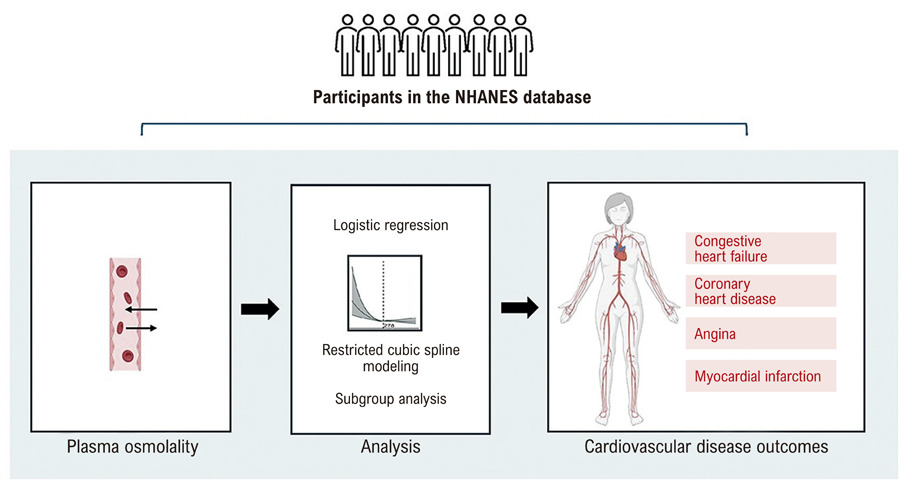
We examined the association between plasma osmolality (Osm) and CVDs — namely, heart failure, coronary heart disease, angina, and myocardial infarction — using data from the National Health and Nutrition Examination Survey (NHANES).

Methods

We analyzed nine NHANES cycles (1999-2018). Associations between Osm and CVD were assessed with weighted logistic regression. Odds ratios (ORs) and 95% CIs were estimated, and subgroup analyses were conducted. Restricted cubic spline (RCS) models were used to evaluate potential nonlinear relationships. Statistical significance was set at p < 0.05.

Results

Higher Osm was associated with increased odds of heart failure, coronary heart disease, angina, and myocardial infarction in unadjusted and partially adjusted models. After full adjustment, the associations remained significant for all outcomes except angina. RCS analyses indicated a significant U-shaped relationship for heart failure and angina across all models, with the lowest risk around 278 mmol/kg. Subgroup analyses were consistent with the primary results.

Conclusion

Increased Osm is significantly associated with CVD risk. Osm may serve as a useful biomarker for assessment and management of CVD risk in clinical practice, pending confirmation in prospective cohort studies.

  • Cardiovascular Diseases
  • Coronary Disease
  • Heart Failure
  • Myocardial Infarction
Read Full Article
Creative Commons Attribution (CC BY) Creative Commons license
09/01/2026 DOI: 10.36660/abc.20250176i Views 1
Figure 1
ABCIC
Case Report

Coronary Artery Dissection Following Pharmacologic Stress Echocardiography and the Follow-Up of Clinical Management: A Case Report

Thiago Artioli et al. Bruno Querido Marcondes Santos Denis Cárdenas Monteiro Layane Bonfante Batista … Matheus Zavaris Lorenzoni Hsu Gwo Jen Kelvyn Melo Vital Kelvin Henrique Vilalva

Introduction

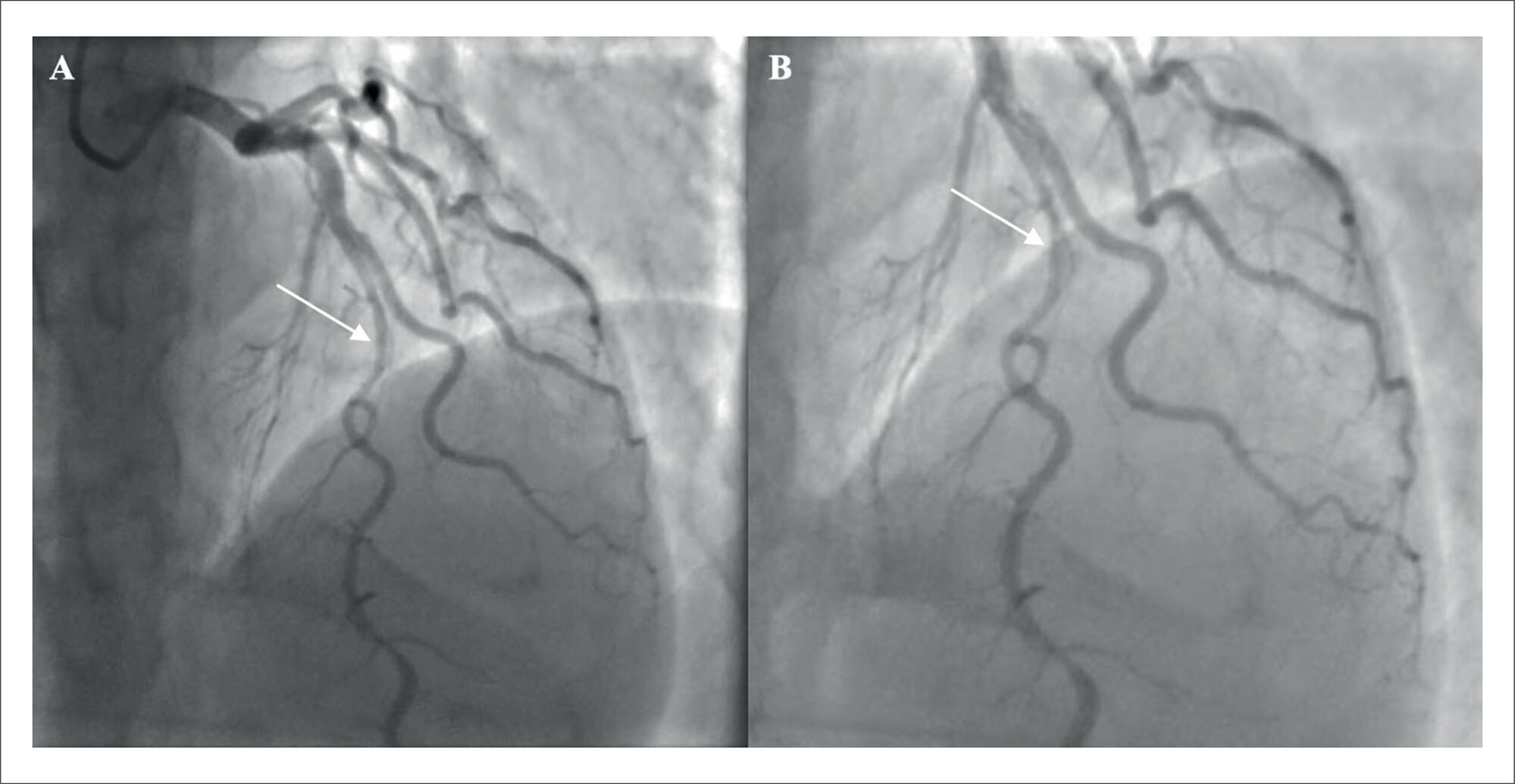
Spontaneous coronary artery dissection (SCAD) remains a diagnostic and therapeutic challenge in the evaluation of chest pain. Misinterpretation of symptom characteristics and failure to consider the patient’s epidemiological profile may lead to inappropriate diagnostic workups and treatment strategies. The case described herein represents only the second report with similar characteristics published in major medical databases. This case underscores the importance of considering uncommon causes of chest pain and acute coronary syndrome (ACS), while also providing a brief review of relevant literature. The report was prepared in accordance with the CAse REport (CARE) guidelines.

[…]

  • Blood Vessel Dissection
  • Case Reports
  • Coronary Disease
  • Stress echocardiography
Read Full Article
Creative Commons Attribution (CC BY) Creative Commons license
01/07/2025 DOI: 10.36660/abcimg.20250034i Views 2
ABC
Editorial

Addressing Gender Disparities in Cardiovascular Care: Guideline-Oriented PCI for Women and the Hua-Mulan Conundrum

Pedro Guimarães Silva et al. Henrique Barbosa Ribeiro

The burden of cardiovascular disease (CVD) is not evenly distributed across populations. While biological factors contribute to its prevalence, social, cultural, economic, environmental, and gender-related issues also play significant roles in shaping the unfavorable outcomes associated with ischemic heart disease (IHD). Despite significant advances in cardiovascular care and the advent of modern percutaneous coronary interventions (PCI), gender disparities in the diagnosis, treatment, and outcomes of CVD persist.

According to the Global Burden of Disease (GBD) Network’s 2019 report, CVD accounted for 35% of all female deaths globally, with the impact particularly pronounced in developing countries, where socioeconomic barriers hinder access to adequate healthcare. In Brazil, GBD data revealed that 12% of deaths were attributed to IHD, comprising 32.3% of total CVD-related deaths. Although recent years have seen some improvements, women continue to experience slightly higher IHD-related mortality rates (29.9%) compared to men (27.6%). These statistics underscore the urgent need for targeted strategies to address gender inequities and the broader determinants of health in managing CVD.,

[…]

  • Coronary Disease
  • Gender Equity
  • Percutaneous Coronary Intervention
  • Stents
Read Full Article
Creative Commons Attribution (CC BY) Creative Commons license
28/02/2025 DOI: 10.36660/abc.20240824i Views 2
Management of Chronic Coronary Syndromes in Resource-Constrained Settings in India: An Expert Opinion With a Proposed Algorithm
IJCS
Review Article

Management of Chronic Coronary Syndromes in Resource-Constrained Settings in India: An Expert Opinion With a Proposed Algorithm

Vijay Shah et al. Saumitra Ray Devanu Ghosh Roy Samir Kubba … Sarita Rao Jabir Abdullakutty K. P. Suresh Kumar

Abstract

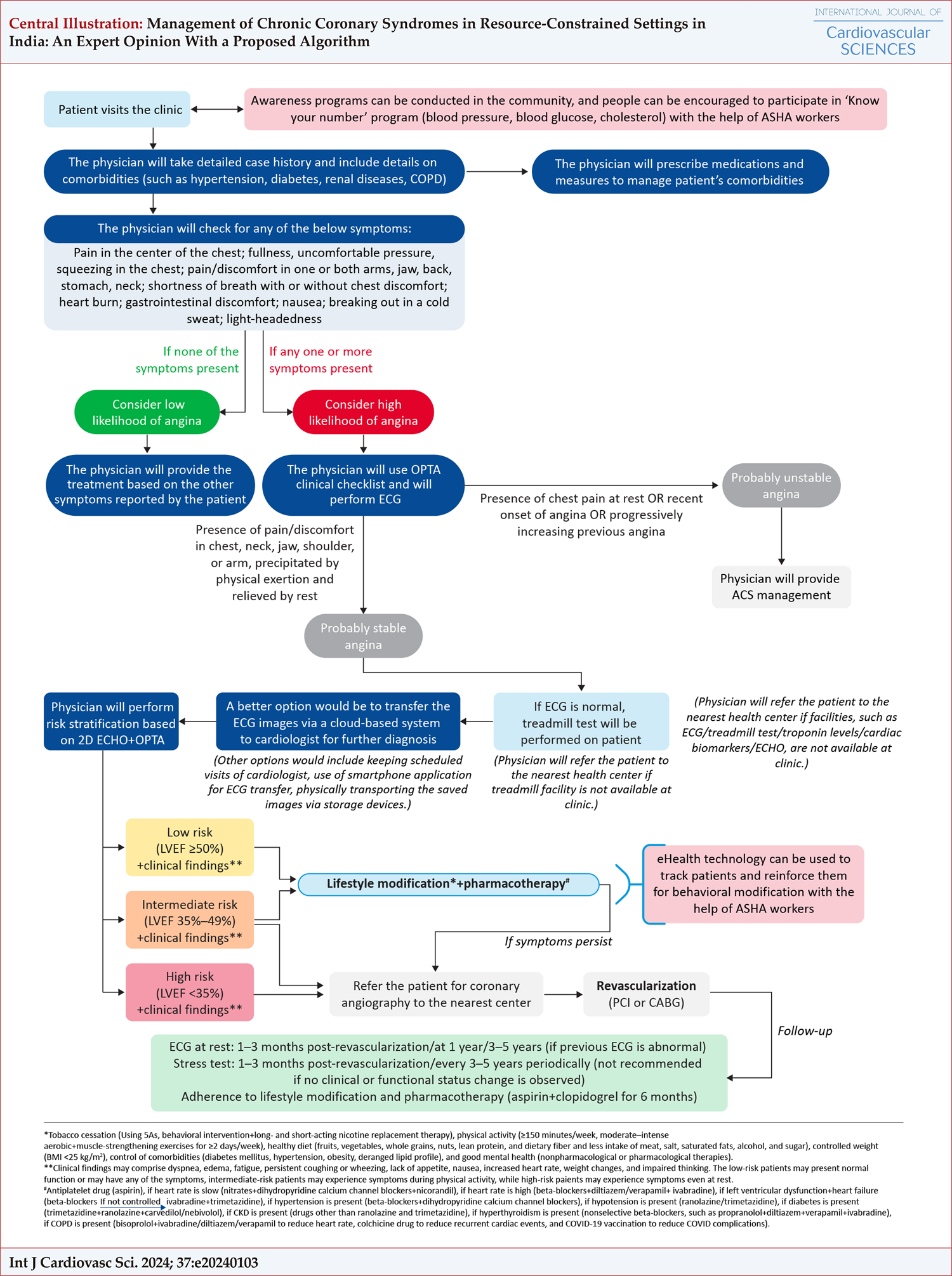
Cardiovascular diseases (CVDs) are associated with considerable morbidity and mortality across the world. The global financial burden caused by CVD emphasizes the importance of preventive strategies and appropriate management. Chronic coronary syndrome (CCS) is a new term recently introduced for stable coronary artery disease (CAD), which is associated with the highest cause-specific mortality in the Indian population. CCS adversely affects the quality of life (QoL) due to anxiety, fatigue, and prolonged disease course. Risk factor modification, adaptation to lifestyle changes, and pharmacotherapy are the optimal treatment options for CCS. Despite the guidelines proposed by numerous groups and societies, such as the European Society of Cardiology (ESC), the American College of Cardiology/American Heart Association (ACC/AHA), and the Taiwan Society of Cardiology, managing CCS in resource-limited situations remains challenging. Lack of awareness about CCS among patients and healthcare professionals (HCPs), limited resources, accessibility and affordability of lifesaving therapies, poor transport facilities for patients, and asymmetrical distribution are among the challenges identified. In India, the scenario of CCS is no different in rural areas and among urban poor populations due to resource constraints. The current expert opinion review based on 48 experts in the field of cardiology from eastern, western, northern, southern, and pan-India regions highlights the management of CCS in resource-constrained settings with a focus on diagnostic modalities, risk stratification, referral pathways, and medical management. Based on expert opinions and a thorough literature search, an algorithm for the management of patients with CCS in resource-constrained settings in India is also proposed.

  • Algorithms
  • Coronary Disease
  • Disease management
  • India
  • Resource-Limited Settings
Read Full Article
Creative Commons Attribution (CC BY) Creative Commons license
10/02/2025 DOI: 10.36660/ijcs.20240103 Views 1
Acute Coronary Syndrome in Brazil: Registration of Predisposing Factors and Population Profile in a National Public Reference Cardiological Institute
ABC
Original Article

Acute Coronary Syndrome in Brazil: Registration of Predisposing Factors and Population Profile in a National Public Reference Cardiological Institute

Kaliana Nascimento et al. Hugo Ribeiro Ramadan Bruno Mendonça Baccaro Vinicius Vaz de Sales Bicalho … Italo Menezes Ferreira Louis Nakayama Ohe Vitor Sobreira Souza Santos Fausto Feres Kleber Franchini Ari Timerman Diandro Marinho Mota

Abstract

Background

Acute coronary syndrome (ACS) is one of the leading causes of mortality worldwide. Knowing the predisposing factors is essential for preventing it.

Objectives

To describe the etiological and epidemiological characteristics of the population with ACS admitted to an emergency room in the State of São Paulo.

Methods

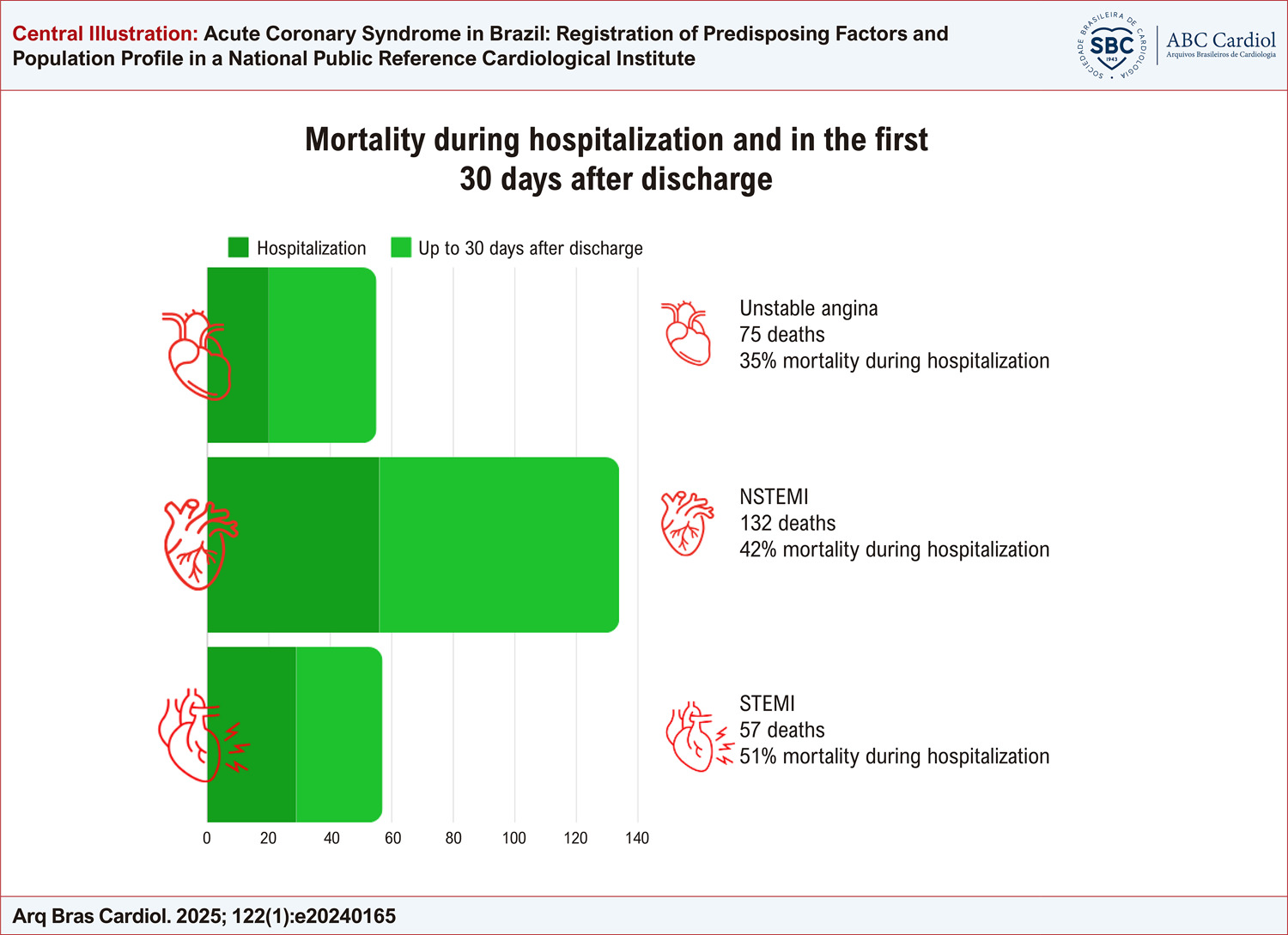
The prospective cohort study, based on electronic medical records from a public cardiology institute located in the state of São Paulo, Brazil, describes 5,580 patients hospitalized with ACS between August 2018 and October 2022. The main epidemiological characteristics, the association between confirmed ACS and risk scores, and adverse events during hospitalization and in the 30-day follow-up after hospital discharge were evaluated. The significance level was set at 5%.

Results

The main factors associated with ACS were hypertension (80.38%), obesity or overweight (72.47%), and previous coronary artery disease (CAD) (59.11%). In the GRACE score, 65.10% were considered low risk, while 81.34% in the TIMI and 71.16% in the HEART were identified as moderate risk. Catheterization represented 84.93% of the diagnostic methods. Clinical treatment was the strategy adopted in 46.47% of the cases. In the 30-day evolution, 3.10% presented major bleeding, 7.86% infarction/reinfarction, 5.55% stroke, and 2.53% evolved to death.

Conclusion

The results of the largest Brazilian ACS registry to date highlight the impact of potentially modifiable risk factors on the occurrence of ischemic events in the local population. The findings may contribute to the development of public policies aimed at preventing and controlling the burden of ischemic disease in the country.

  • Acute coronary syndrome
  • Cardiovascular Diseases
  • Coronary Disease
  • Myocardial Ischemia
Read Full Article
Creative Commons Attribution (CC BY) Creative Commons license
13/01/2025 DOI: 10.36660/abc.20240165i Views 1
Figure 1
ABC
Viewpoint

Angina Pectoris and Orbita 2 Trial: Reflections on the Future of Angina Treatment

Eduardo Bello Martins et al. Eduardo Gomes Lima Jaime Paula Pessoa Linhares Filho Henrique Trombini Pinesi … Fabio Grunspun Pitta Carlos Vicente Serrano Júnior

The ORBITA trial

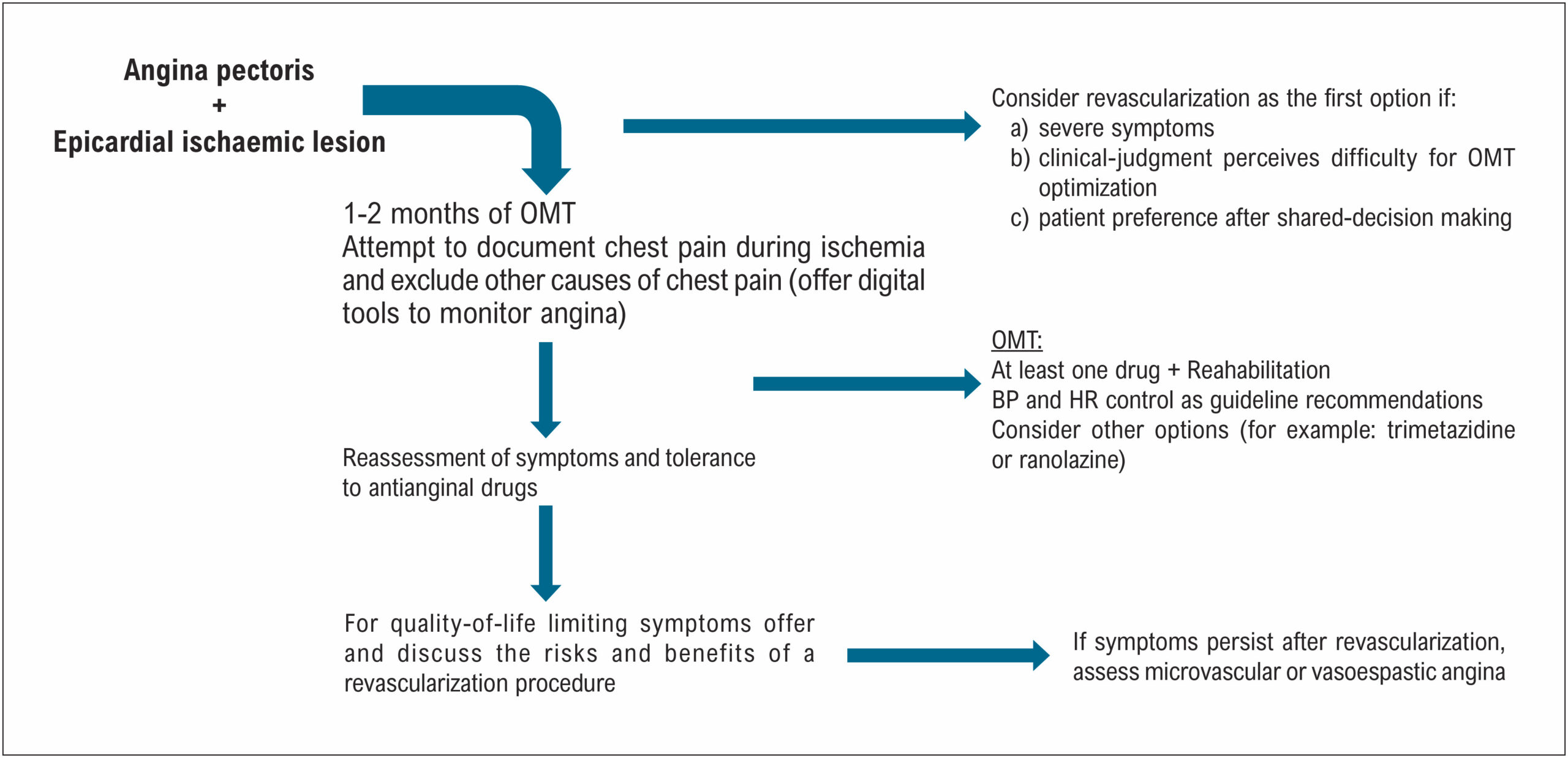
Although the above-mentioned studies have demonstrated some improvement in angina after myocardial revascularization, one of their major limitations is the open nature and a possible placebo effect. In this regard, the ORBITA study showed no benefit of PCI versus a placebo procedure on the primary end-point of an increase in exercise time. ORBITA was a well conducted study that demonstrated the possibility of a placebo component and lack of symptom improvement by PCI. However, several limitations could have influenced these results and have been discussed in the literature, such as the fact that it included patients with non-limiting symptoms, no ischemia in almost a quarter of the participants and short follow-up.

In 2023, the ORBITA 2 trial was finally published in NEJM and addressed for the first time the PCI as a monotherapy for angina relief at a placebo-controlled trial. It provides another piece of the puzzle of angina control and overcomes some of the first ORBITA limitations. ORBITA 2 was an investigator-initiated, multicenter, double-blind, randomized, placebo-controlled trial that was conducted at 14 sites in the United Kingdom and included 301 participants. Patients enrolled had angina or equivalent symptoms, anatomic evidence of severe coronary stenosis and objective evidence of ischemia based on noninvasive imaging or invasive coronary physiology testing. First, antianginal medications were discontinued (median number of antianginal drugs was only 1) and the participants were instructed to use a dedicated smartphone application to report the presence or absence of angina and the number of angina episodes daily. Patients also completed validated questionnaires on symptoms and quality of life. The Canadian Cardiovascular Society (CCS) functional classification was assessed, treadmill exercise test and dobutamine stress echocardiography were also performed. The patients then entered a two-week pre-randomization period during which they reported the number of episodes of angina daily, through the smartphone application. Patients were eligible to proceed to randomization if they reported at least one episode of angina during the symptom assessment phase.

[…]

  • Angina Pectoris
  • Coronary Disease
  • Myocardial Revascularization
Read Full Article
Creative Commons Attribution (CC BY) Creative Commons license
02/08/2024 DOI: 10.36660/abc.20230848i
Chart 1-1
ABC
Special Article

Cardiovascular Statistics – Brazil 2023

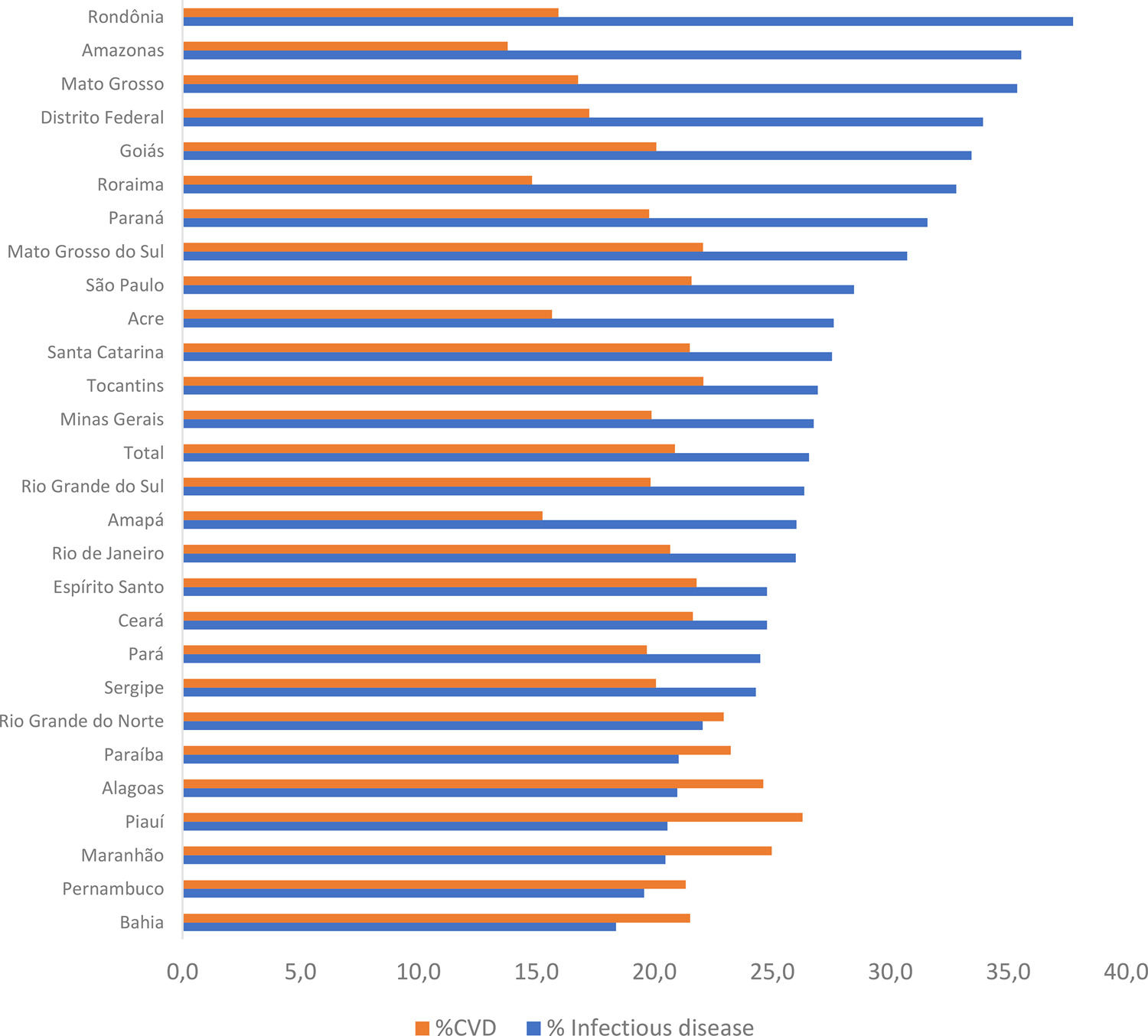
Gláucia Maria Moraes de Oliveira et al. Luisa Campos Caldeira Brant Carisi Anne Polanczyk Deborah Carvalho Malta … Andreia Biolo Bruno Ramos Nascimento Maria de Fatima Marinho de Souza Andrea Rocha De Lorenzo Antonio Aurélio de Paiva Fagundes Júnior Beatriz D. Schaan Christina Grüne de Souza e Silva Fábio Morato de Castilho Fernando Henpin Yue Cesena Gabriel Porto Soares Gesner Francisco Xavier Junior Jose Augusto Soares Barreto Filho Luiz Guilherme Passaglia Marcelo Martins Pinto Filho M. Julia Machline-Carrion Marcio Sommer Bittencourt Octavio M. Pontes Neto Paolo Blanco Villela Renato Azeredo Teixeira Ricardo Stein Roney Orismar Sampaio Thomaz A. Gaziano Pablo Perel Gregory A. Roth Antonio Luiz Pinho Ribeiro

ABOUT THESE STATISTICS

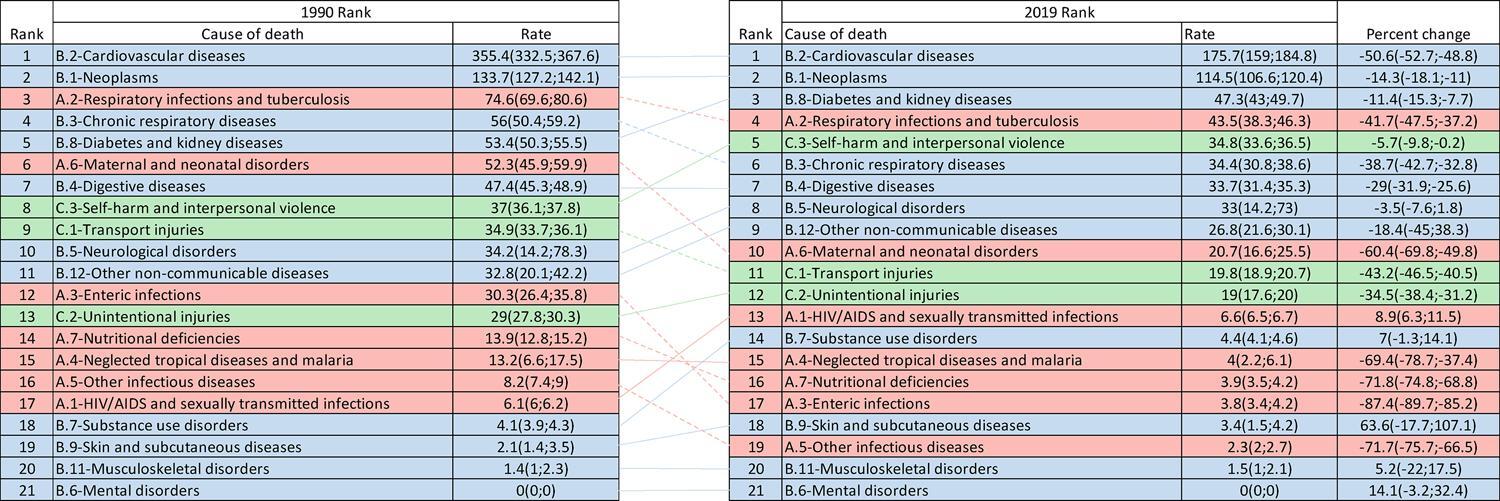
The publication Cardiovascular Statistics – Brazil aims to provide an annual compilation of data and research on the epidemiology of CVDs in Brazil. The report integrates official statistics from the Brazilian Ministry of Health and other governmental entities alongside data from the GBD project, coordinated by the IHME at the University of Washington. Additionally, it incorporates data derived from various sources and scientific studies, including cohorts and registries, that relate to CVDs and their associated risk factors. This publication is intended for a wide range of individuals, including researchers, clinicians, patients, healthcare policymakers, media professionals, the general public, and other interested parties seeking extensive national data about heart disease and stroke. Volunteer researchers from various Brazilian universities and research institutions carry out the project. The group is led by a five-member steering committee (ALPR, CAP, DCM, GMMO, and LCCB). The Brazilian Society of Cardiology fully supports this initiative, and the project receives collaborative support from the GBD Brazil Networkand an International Committee (GAR, PP, and TAG) from both the IHME/University of Washington (GAR) and the World Heart Federation (PP and TAG).

[…]

  • Atrial Fibrillation
  • Atrial flutter
  • Brazil
  • Cardiomyopathies
  • Cardiovascular Diseases
  • Cerebrovascular Disorders
  • Coronary Disease
  • Diabetes Mellitus
  • Dyslipidemias
  • Exercise
  • Heart Failure
  • Heart Valve Diseases
  • Hypertension
  • Obesity
  • Overweight
  • Statistics
  • Tobacco Use Disorder
Read Full Article
Creative Commons Attribution (CC BY) Creative Commons license
17/06/2024 DOI: 10.36660/abc.20240079 Views 1
Figure 1
ABC
Image

A Rare Coronary Anomaly in the Adult: Large-Caliber Arteriovenous Fistula

Pedro Garcia Brás et al. Duarte Cacela Rui Cerejo Rui Rodrigues

Case description

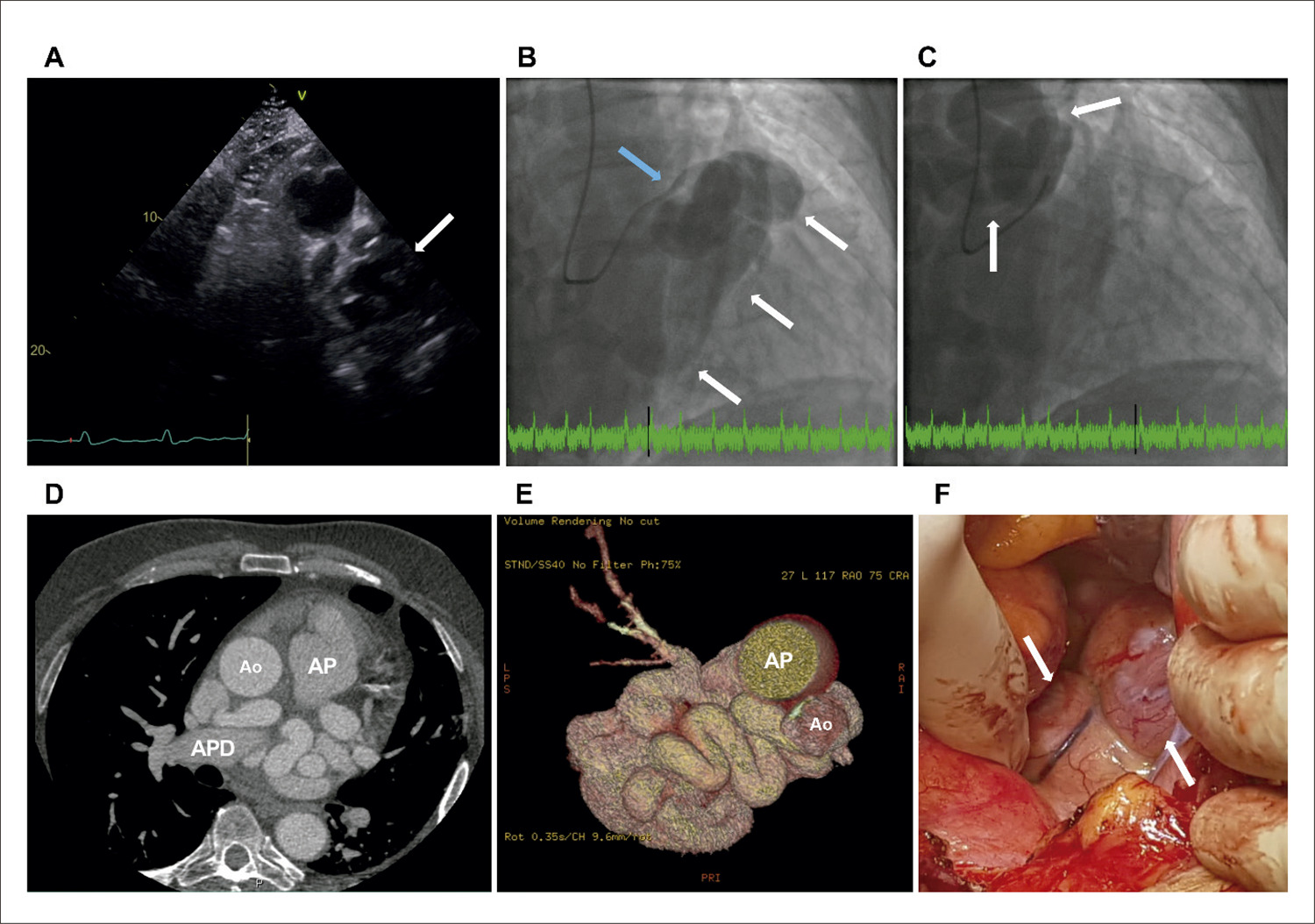
A 57-year-old Caucasian male patient with a past medical history of hypertension and pulmonary emphysema presented to the Cardiology outpatient clinic with exertional dyspnea, peripheral edema, orthopnea, and new-onset atrial fibrillation, with a III/VI continuous murmur, raising the possibility of an intrathoracic arteriovenous communication.

A transthoracic echocardiogram revealed a dilated left ventricle with mildly reduced global systolic function (ejection fraction of 44%), biatrial enlargement, and mild pericardial effusion. Notably, this study showed multiple ‘rosary-like’ folds (, , Supplementary Videos S1-S2) with color Doppler flow, revealing a possible coronary fistula. The Qp/Qs ratio was normal. ,

[…]

  • Arteriovenous Fistula
  • Computerized Tomography Coronary Angiogram
  • Coronary Angiography
  • Coronary Disease
  • Echocardiography
Read Full Article
Creative Commons Attribution (CC BY) Creative Commons license
26/02/2024 DOI: 10.36660/abc.20230307 Views 2
ABC
Letter to the Editor

Cost-Effectiveness of the Use of the Coronary Calcium Score in Primary Prevention as a Guide for the Therapeutic Decision

Cristian Rodrigues do Nascimento et al. Júlio Martinez Santos Rodrigo Mendes Johnnatas Mikael Lopes Pedro Pereira Tenório

To the Editor,

We read with great interest the article: “Cost-Effectiveness of Using the Coronary Calcium Score to Guide Therapeutic Decisions in Primary Prevention in the Brazilian Population” The study aimed to evaluate the cost-effectiveness of using the calcium score in therapeutic guidance for primary cardiovascular prevention. The analysis was based on population data from the “ Multi-Ethnic Study of Atherosclerosis (MESA),” a cohort of 6,814 participants from different study centers in the United States. The inferences made by the authors are important, especially when it comes to identifying factors related to pharmacoeconomics in the prevention of cardiovascular diseases. However, we identified that the procedures suggested using the calcium score (CE) to define the use or not of statins could lead to attrition bias, as there are clinical situations in which more imaging studies on the involvement of the vascular structure are necessary, especially the coronary arteries so that subsequent management can be defined.

[…]

  • Coronary Disease
  • Drug Therapy
  • Economics Pharmaceutica
  • Heart Disease Risk Factors
  • Vascular Calcification
Read Full Article
Creative Commons Attribution (CC BY) Creative Commons license
22/12/2023 DOI: 10.36660/abc.20230542
Incremental Determinants of The Combined Supine-Prone Protocol for Myocardial Perfusion Scintigraphy
ABCIC
Original Article

Incremental Determinants of The Combined Supine-Prone Protocol for Myocardial Perfusion Scintigraphy

Tiago Oliveira Costa et al. Mário de Seixas Rocha Gilson Feitosa Soares Filho Raphael Abegão de Camargo Cristiano Ricardo Bastos de Macedo

Abstract

Background:

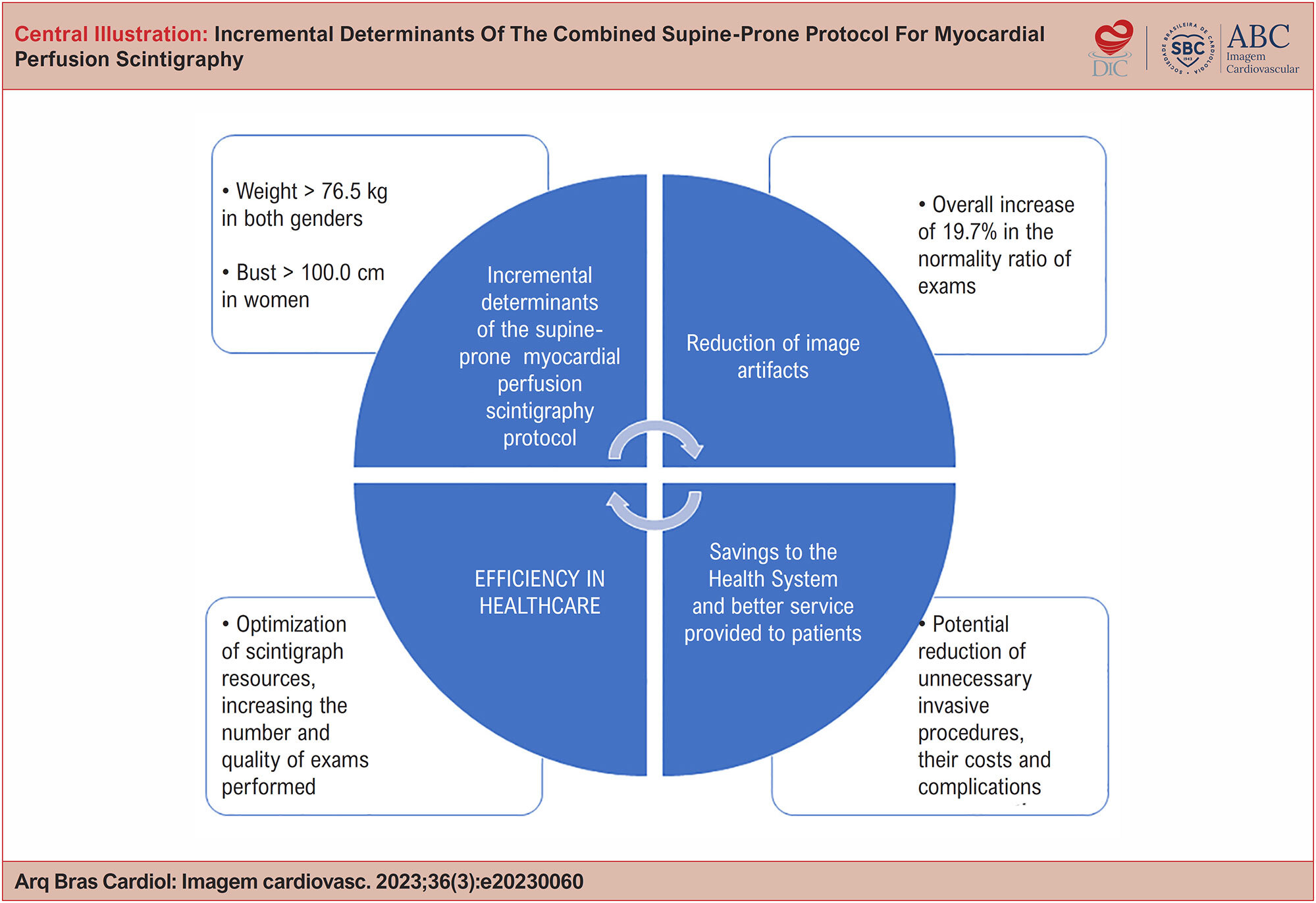
Myocardial perfusion scintigraphy is an important non-invasive method for diagnosing coronary artery disease, but it is not free from artifacts. Performing the combined supine-prone protocol can bring benefits to images with artifacts from the standard protocol in the supine position. The lack of unanimity in the implementation of the combined protocol may be related to the lack of objective data for the prior selection of patients.

Objective:

To evaluate which anthropometric profiles may be associated with a greater benefit in excluding artifacts for the optimized performance of the combined protocol.

Methods:

A cross-sectional and analytical study was carried out with 370 patients at the Nuclear Medicine Group Clinic between April and August 2022. The estimated level of statistical significance was 5%. Statistical analysis using binary logistic regression was used to evaluate the association between anthropometric data and the change in the initial test result after carrying out the combined protocol.

Results:

The combined protocol promoted a 19.7% increase in the normality ratio of the standard protocol. The variables weight, for both genders [OR = 1.02 (95% CI, 1.0002 – 1.04; p = 0.047)], and bust in women [OR = 1.06 (95% CI, 1. 01 – 1.11; p = 0.014)] represented incremental determinants with statistical significance. Weight greater than 76.5kg for both genders (S: 58.5%; E: 61.5%) and bust greater than 100.0 cm in women (S: 73.9%; E: 53.4%) were the best cutoff points in the receiver operating characteristic (ROC) curve.

Conclusion:

The optimized implementation of the combined protocol using the described weight and bust measurement criteria can promote greater efficiency in image acquisition.

  • Anthropometry
  • Coronary Disease
  • Myocardial Perfusion Imaging
  • Prone Position
  • Radionuclide Imaging
Read Full Article
Creative Commons Attribution (CC BY) Creative Commons license
02/10/2023 DOI: 10.36660/abcimg.20230060i Views 1
Figure 1
IJCS
Original Article

Home-based Virtual Reality Exercise Program During the Maintenance Stage of Cardiac Rehabilitation: A Randomized Controlled Trial

Ágata Vieira et al. Cristina Melo Andreia Noites Jorge Machado Joaquim Mendes

Abstract

Background:

Home-based virtual reality technology may become an alternative to cardiac rehabilitation.

Objectives:

To evaluate the effects of a specific, home-based exercise program, performed either through a virtual reality (Kinect) or a conventional format (booklet) in the maintenance stage of cardiac rehabilitation for six months on functional muscle strength of the lower limbs, physical activity and exercise tolerance.

Methodology:

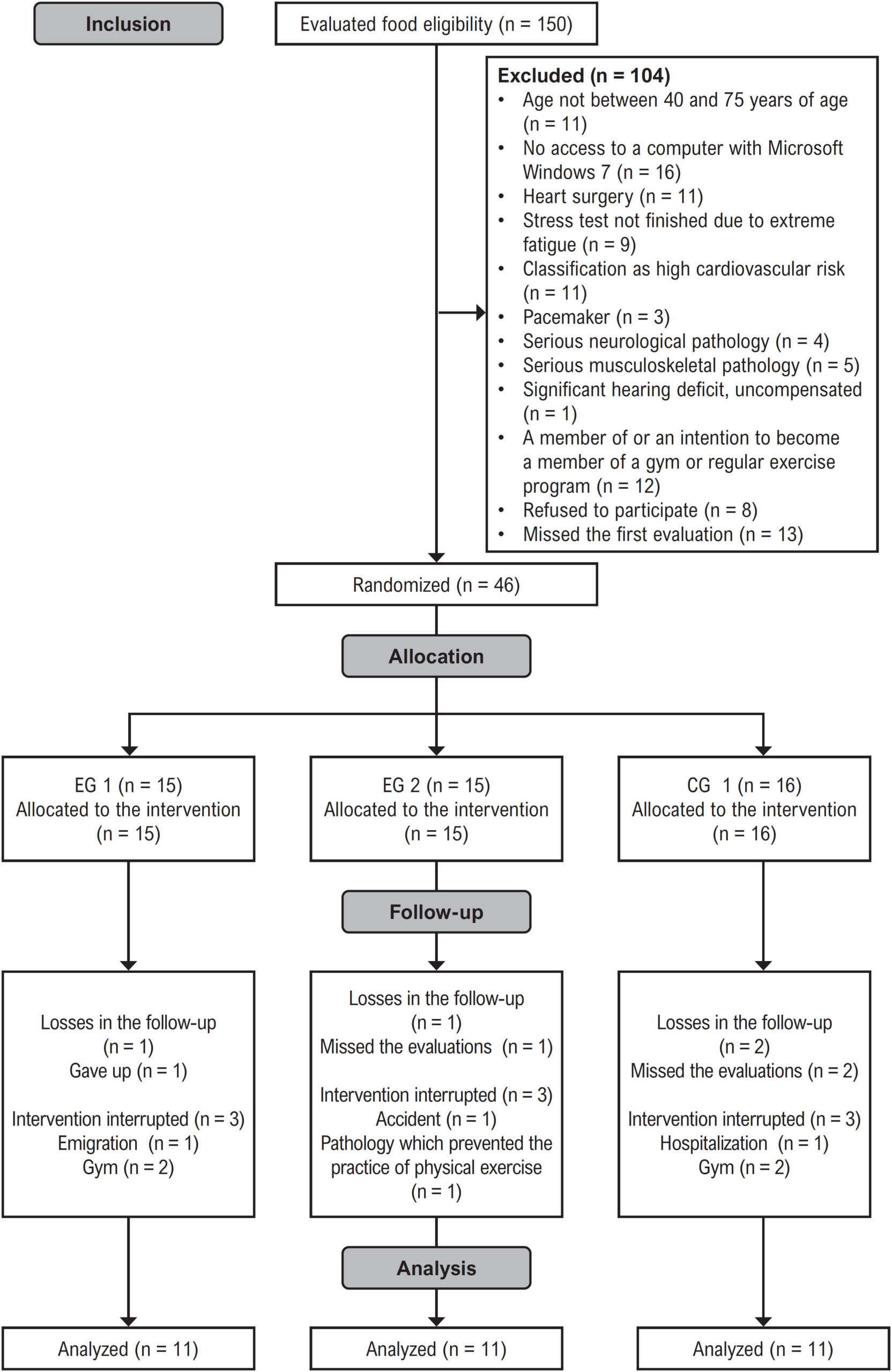
This is a randomized clinical trial (ClinicalTrials.gov — NCT02753829) with individuals with coronary artery disease from a hospital in Porto, Portugal, randomly allocated to an experimental group “1” (EG1; n = 11), submitted to a virtual reality exercise program (Kinect); an experimental group “2” (EG2; n = 11), submitted to an exercise program described in a booklet (conventional format); or a control group (CG) (n=11), submitted to routine care. Parameters of functional muscle strength of the lower limbs (sit-to-stand test), physical activity (accelerometer) and exercise tolerance (stress test) were assessed and compared between the groups. Descriptive and inferential statistics were applied, with 95% with a significance level of 0.05.

Results:

Significant improvements in functional muscle strength of the lower limbs were observed in EG1 compared to EG2, at three months (19.5 ± 7.7 versus 11.9 ± 4.7, p = 0.042), and at six months (23.0 ± 7.7 versus 14.6 ± 4.6, p = 0.027) of intervention.

Conclusions:

The program did not demonstrate superior results, in relation to the control group and among the different formats, in physical activity and effort tolerance. In relation to the functional muscle strength of the lower limbs, the virtual reality format showed significantly better results when compared to the conventional format only.

  • Cardiac Rehabilitation
  • Coronary Disease
  • Exercise
  • Technology
Read Full Article
Creative Commons Attribution (CC BY) Creative Commons license
28/08/2023 DOI: 10.36660/ijcs.20190177 Views 2
Central Illustration
IJCS
Original Article

Impact of the COVID-19 Outbreak on Coronary Artery Bypass Grafting in Brazil

Felipy de Almeida Machado et al. Rui M. S. Almeida

Abstract

Background

The COVID-19 pandemic has disrupted the routine of emergency centers around the world, including in Brazil, where the crisis has affected the volume of major cardiac surgeries such as coronary artery bypass grafting.

Objective

To analyze the impact of the COVID-19 pandemic on the number of surgical procedures for coronary artery bypass grafting in Brazil.

Methods

An ecological, cross-sectional, quantitative, and descriptive study was conducted. Data for the period from July 2018 to June 2019 and from July 2020 to June 2021 were collected from SIHSUS using DATASUS/Tabwin.

Results

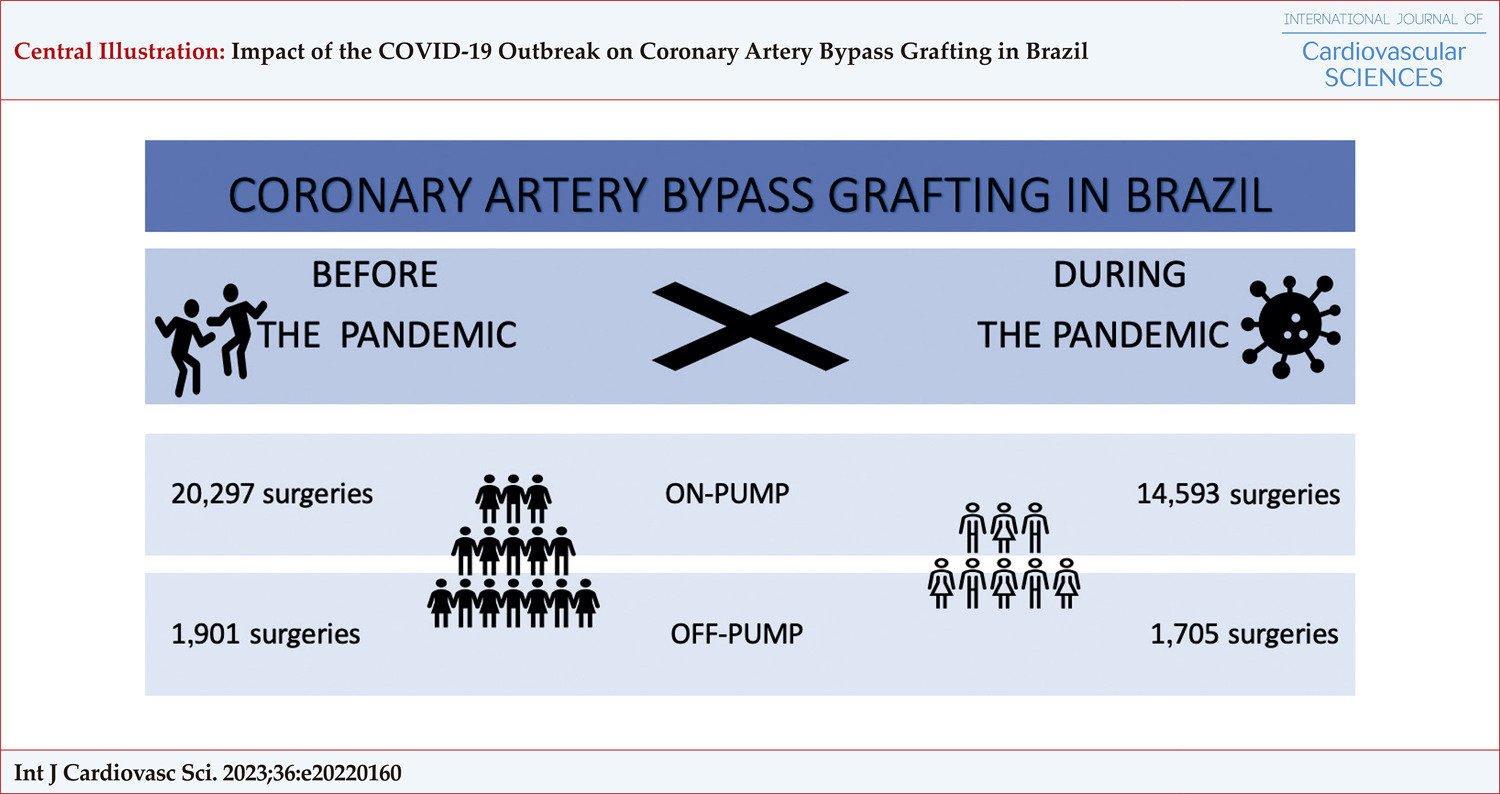
A global reduction of 26.58% was observed in the analyzed population, with on-pump coronary artery bypass grafting decreasing by 28.10%, and off-pump coronary artery bypass grafting reduced by only 10.31%.

Conclusion

During the pandemic, there was a 26.58% reduction in the number of surgical procedures for myocardial revascularization in Brazil.

  • Cardiovascular Surgical Procedures
  • Coronary Disease
  • COVID-19
  • Myocardial Revascularization
  • Public Health
Read Full Article
Creative Commons Attribution (CC BY) Creative Commons license
17/07/2023 DOI: 10.36660/ijcs.20220160 Views 2
Figure 1
IJCS
Review Article

Coronary Artery Disease in Women: Getting to Know Gender Related Disparities

Ana Gilabert-Garcia et al. Cristina Cristina Villarreal Guerrero Rodrigo Dagio-Cuéllar Jorge Luis Bermudez-Gonzalez … Arantza Marie Perez-Partida Joaquin Berarducci Javier Ivan Armenta-Moreno Jose Luna-Alvarez-Amezquita Juan Ignacio Straface Nilda Espinola-Zavaleta Erick Alexanderson

Abstract

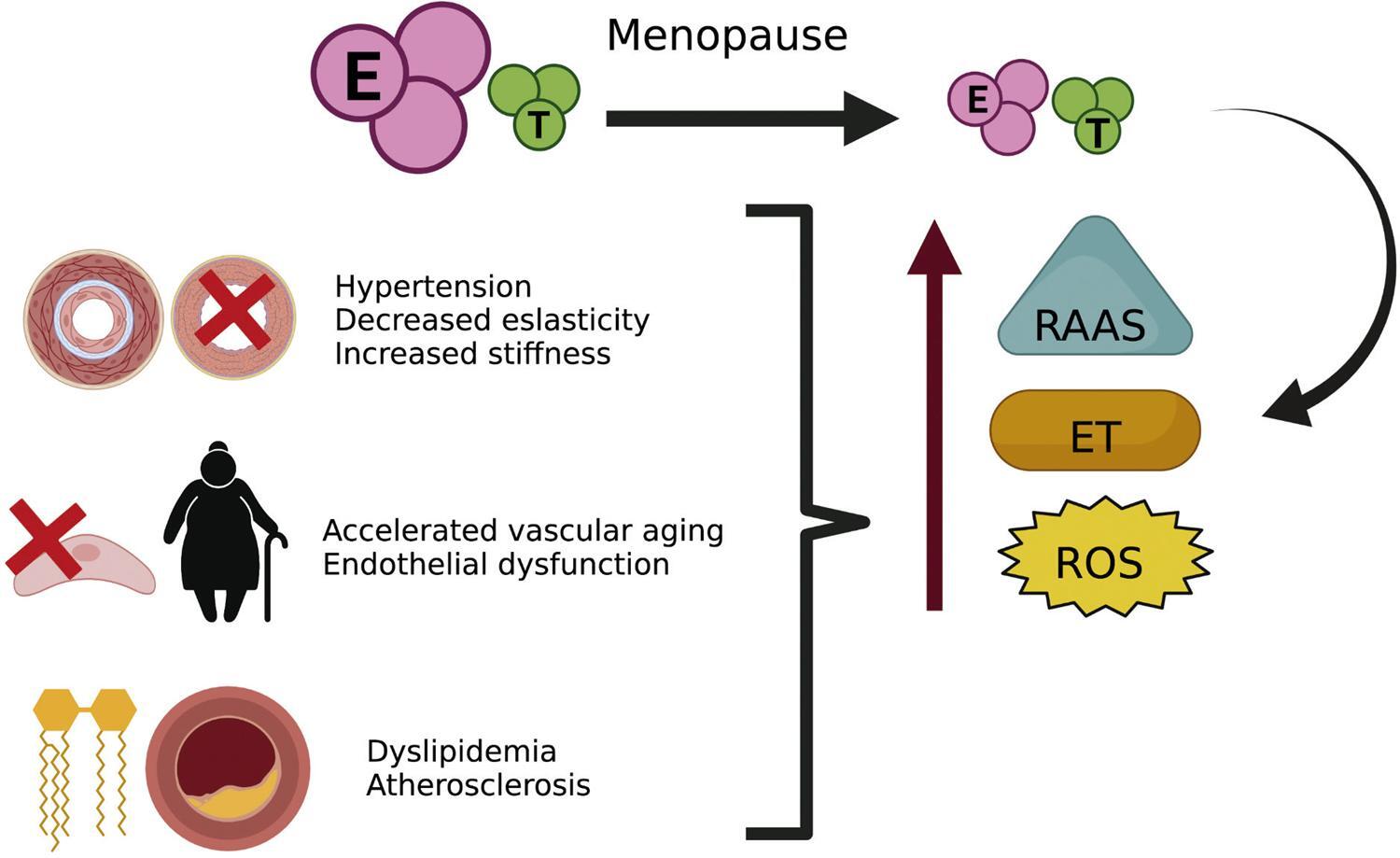
Coronary artery disease (CAD) and ischemic heart disease (IHD) are often indistinctly used terms. Both combined have generated, over the past years, concerns about sex disparities in their presentation. From an epidemiological perspective, females have several disadvantages regarding the prevention, diagnosis, and treatment of CAD. Most of the general cardiovascular risk factors affect women more frequently, or with a higher morbidity and mortality association. Besides, atypical manifestations of the disease and uncommon forms of CAD represent a diagnostic challenge for clinicians. Even if current treatments for CAD have no apparent sex bias, women representation in clinical trials and treatment patterns analyzed in clinical practice refuse this statement. Several disparities are caused by inevitable sex-particularities, but many of them are more social, cultural, and dogmatic beliefs that have to be addressed and overhaul.

  • Coronary Disease
  • Female
  • Risk Factors
Read Full Article
Creative Commons Attribution (CC BY) Creative Commons license
10/07/2023 DOI: 10.36660/ijcs.20220022 Views 1
Figure 1
ABCIC
Review Article

My Approach to Echocardiographic Evaluation after Pediatric Heart Transplantation to Control Rejection and/or Graft Vascular Disease

Adailson Wagner da Silva Siqueira et al. Mirela Frederico de Almeida

Abstract

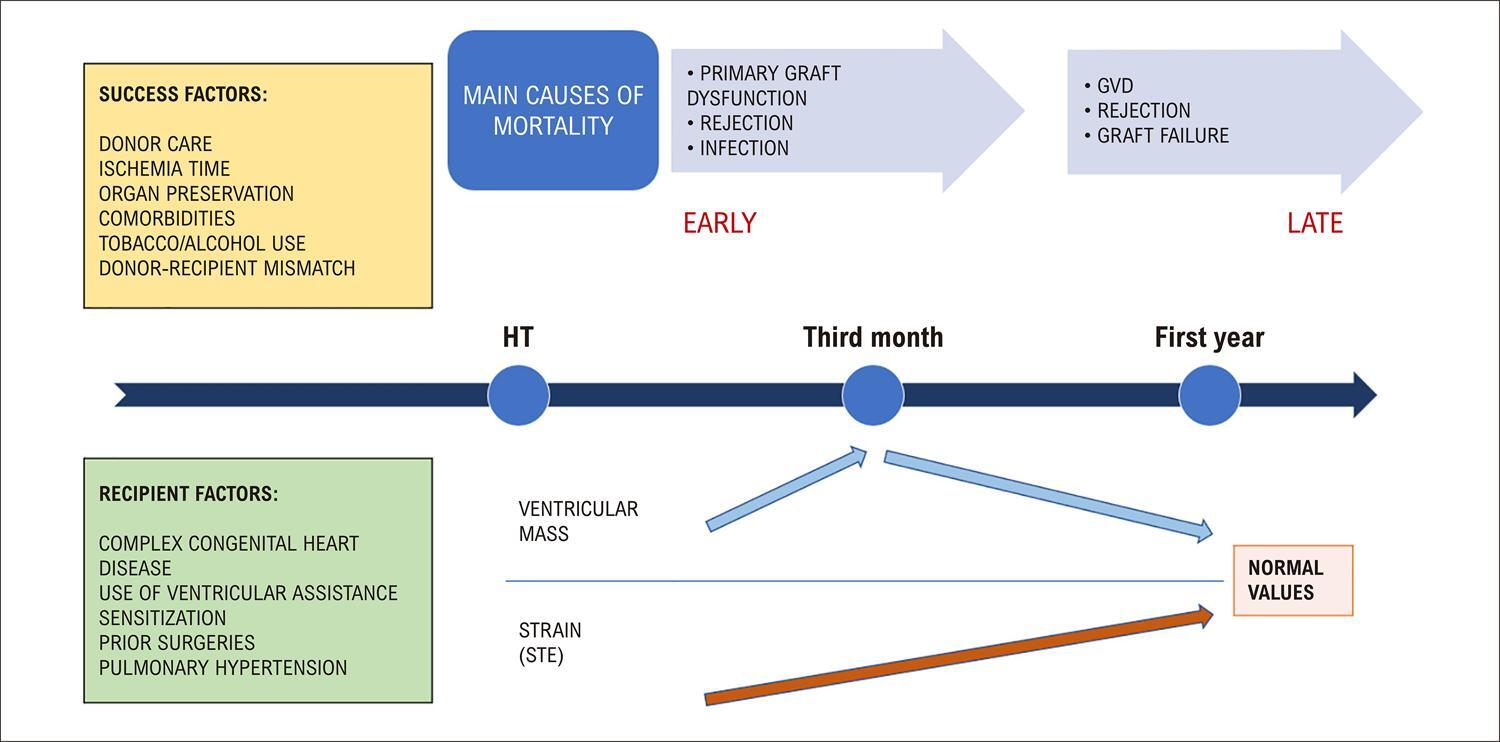
Pediatric heart transplantation is the definitive therapeutic option for patients with heart failure refractory to optimized clinical treatment, due either to cardiomyopathies or congenital heart disease. Morbidity and mortality remain concerning factors during evolution, and primary dysfunction, rejection, and graft vascular disease (GVD) are the main causes of death in the first 5 years after transplantation. As a surveillance method, transthoracic echocardiography has significant benefits in assisting diagnosis when there is clinical suspicion of rejection or GVD. The objective of this article is to present, in a clear and objective manner, which echocardiographic data assist pediatric cardiologists in follow-up of transplanted patients. The use of echocardiography, either through conventional tools or advanced methods, carefully focusing on different early and late post-cardiac transplantation phases, with information from current and comparative examination of evolution, mainly regarding tissue Doppler and longitudinal strain, can assist pediatric cardiologists in the decision to anticipate endomyocardial biopsy and coronary angiography (gold standard) for early diagnosis and immediate intervention, allowing greater graft durability.

  • Coronary Disease
  • Echocardiography
  • Heart Defects, Congenital
  • Heart Transplantation
Read Full Article
Creative Commons Attribution (CC BY) Creative Commons license
30/06/2023 DOI: 10.36660/abcimg.20230045i
Figure 1
ABCIC
Case Report

Takayasu’s Arteritis: Ascending Aortic Aneurysm and Coronary Artery Disease in a 19-year-old Young Adult

Iuri Betuel Gomes António et al. Adnaldo da Silveira Maia Janayna Rabelato Aloysio Abdo Silva Campos … Marilia Prudente Menezes Mário Issa

Abstract

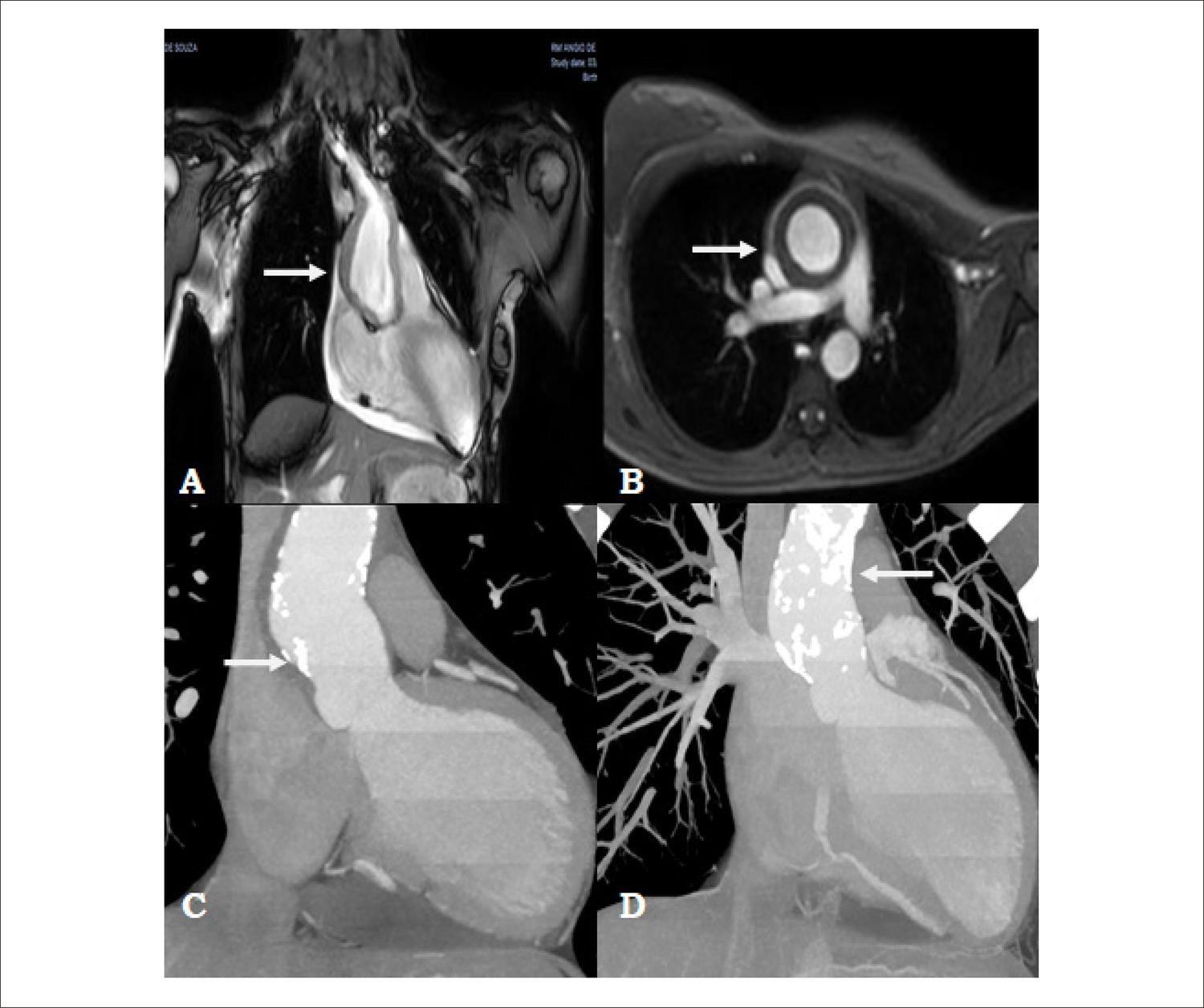
Takayasu’s Arteritis (TA) is a disease of multiple presentation, which can involve many different systems and mainly affects women in the first decades of life. The present case reports on a 19-year-old patient with TA, with a diagnosis of ascending aortic aneurysm and severe coronary artery disease in the right coronary artery (RCA) and left coronary trunk (LCT), who underwent an implant of a supracoronary Dacron graft in the ascending aorta and myocardial revascularization with a double internal thoracic artery. The patient evolved satisfactorily in post-op and is today undergoing clinical follow-up in our medical services.

  • Aneurysm
  • Coronary Disease
  • Takayasu Arteritis
Read Full Article
Creative Commons Attribution (CC BY) Creative Commons license
21/06/2023 DOI: 10.36660/abcimg.20230032i Views 1
Figure 1
ABC
Original Article

Decreased Serum Levels of Soluble Oncostatin M Receptor (sOSMR) and Glycoprotein 130 (sgp130) in Patients with Coronary Artery Disease

Vanessa Mylenna Florêncio de Carvalho et al. Priscilla Stela Santana de Oliveira Amanda Pinheiro Barros de Albuquerque Moacyr Jesus Barreto de Melo Rêgo … Michelle Melgarejo da Rosa Dinaldo Cavalcanti de Oliveira Michelly Cristiny Pereira Maira Galdino da Rocha Pitta

Abstract

Background

Oncostatin M (OSM) is a pleiotropic cytokine which, after arterial injury, has proven to be to be rapidly expressed.

Objectives

To correlate the serum levels of OSM, soluble OSM receptor (sOSMR), and soluble fraction of glycoprotein 130 (sgp130) in patients with coronary artery disease (CAD) with clinical parameters.

Methods

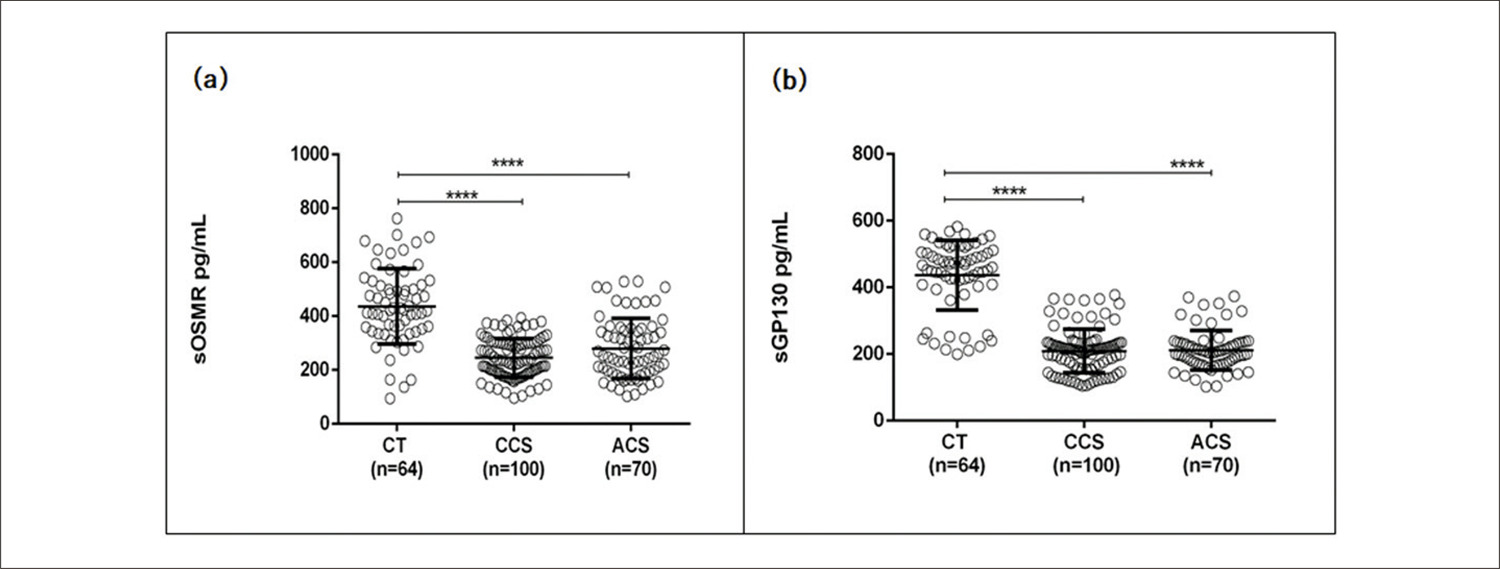
Levels of sOSMR and sgp130 were evaluated by ELISA and OSM by Western Blot, in patients with CCS (n=100), patients with ACS (n=70), and 64 control volunteers without clinical manifestations of the disease. P-values < 0.05 were considered to be statistically significant.

Results

CAD patients exhibited significantly lower levels of sOSMR and sgp130 and higher levels of OSM when compared to the controls (both p < 0.0001). Clinical analysis displayed, lower levels of sOSMR in men ([OR] = 2.05, p = 0.026), youth (OR = 1.68, p = 0.0272), hypertensives (OR = 2.19, p = 0.041), smokers (OR = 2.19, p = 0.017), patients that did not present dyslipidemia (OR = 2.32, p = 0.013), patients with Acute Myocardial Infarction [AMI] (OR = 3.01, p = 0.001) and patients not treated with statin (OR = 1.95, p = 0.031), antiplatelet agent (OR = 2.46, p = 0.005), inhibitors of calcium channels (OR = 3.15, p = 0.028), and antidiabetic drugs (OR = 2.97, p = 0.005). The levels of sOSMR were also correlated with gender, age, hypertension, and use of medications in multivariate analysis.

Conclusions

Our data suggest that the enhanced serum levels of OSM, and decreased levels of sOSMR and sGP130 in patients with cardiac injury may play an important role in the pathophysiological mechanism of the disease. Furthermore, lower levels of sOSMR were associated with gender, age, hypertension, and the use of medications.

  • Biomarkers
  • Coronary Disease
  • Glycoproteins
  • Immunity
  • Oncostatin M
Read Full Article
Creative Commons Attribution (CC BY) Creative Commons license
21/04/2023 DOI: 10.36660/abc.20220326 Views 2
ABC
Editorial

The “Value of 0”: Is There an Added Value in Using the Calcium Score in the Stratification of Symptomatic Individuals with a Zero Score?

Catarina Ferreira

Coronary calcium score (CCS) is a good marker of cardiovascular risk, with an independent prognostic value that is incremental over traditional clinical risk factors.– It is performed using non-contrast computed tomography with very low radiation exposure to patients.

Its use is now recommended in selected asymptomatic individuals to refine risk assessment and help initiate or prolong preventive pharmacotherapies.

[…]

  • Cardiac Imaging Techniques
  • Chest Pain
  • Computed Tomography
  • Coronary Calcium
  • Coronary Disease
  • X-Ray
Read Full Article
Creative Commons Attribution (CC BY) Creative Commons license
07/04/2023 DOI: 10.36660/abc.20230105 Views 2
Chart 1-1
ABC
Special Article

Cardiovascular Statistics – Brazil 2021

Gláucia Maria Moraes de Oliveira et al. Luisa Campos Caldeira Brant Carisi Anne Polanczyk Deborah Carvalho Malta … Andreia Biolo Bruno Ramos Nascimento Maria de Fatima Marinho de Souza Andrea Rocha De Lorenzo Antonio Aurélio de Paiva Fagundes Júnior Beatriz D. Schaan Fábio Morato de Castilho Fernando Henpin Yue Cesena Gabriel Porto Soares Gesner Francisco Xavier Junior Jose Augusto Soares Barreto Filho Luiz Guilherme Passaglia Marcelo Martins Pinto Filho M. Julia Machline-Carrion Marcio Sommer Bittencourt Octavio M. Pontes Neto Paolo Blanco Villela Renato Azeredo Teixeira Roney Orismar Sampaio Thomaz A. Gaziano Pablo Perel Gregory A. Roth Antonio Luiz Pinho Ribeiro

About these statistics

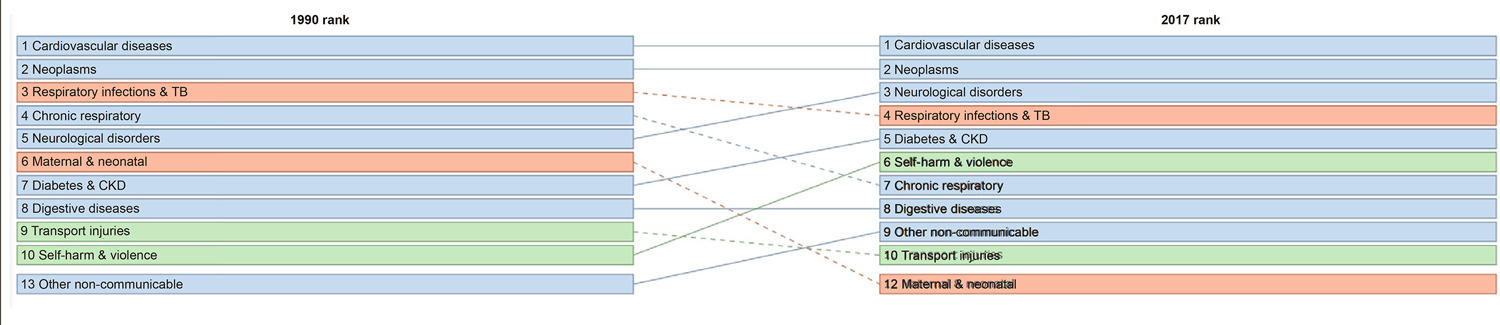
This is the 2021 edition of the Cardiovascular Statistics – Brazil , a multi-institutional effort to periodically provide updated information on the epidemiology of heart diseases and stroke in Brazil. The report incorporates official statistics provided by the Brazilian Ministry of Health and other government agencies, by the GBD project led by the IHME of the University of Washington, as well as data generated by other sources and scientific studies, such as cohorts and registries, on CVDs and their risk factors. The document is directed to researchers, clinicians, patients, healthcare policy makers, media professionals, the public, and others who seek comprehensive national data available on heart disease and stroke.

[…]

  • Atrial Fibrillation
  • Atrial flutter
  • Brazil
  • Cardiomyopathies
  • Cardiovascular Diseases
  • Coronary Disease
  • Heart Failure
  • Heart Valve Diseases
  • Statistics
Read Full Article
Creative Commons Attribution (CC BY) Creative Commons license
21/02/2022 DOI: 10.36660/abc.20211012 Views 1
ABCIC
Original Article

Fractional Flow Reserve by Tomography Diagnostic Performance in the Detection of Coronary Stenoses Hemodynamically Significant

Carlos Eduardo Elias dos Prazeres et al. Natália Boing Salvatti Hilka dos Santos Moraes de Carvalho Isaac Torquato Queiroz e Silva … Adriano Camargo de Castro Carneiro Tiago Augusto Magalhães Valéria de Melo Moreira Juliana Hiromi Silva Matsumoto Bello Carlos Eduardo Rochitte

Abstract

Background

Coronary computed tomography angiography is a noninvasive anatomic test for the diagnosis of coronary artery disease. The coronary fractional flow reserve is the gold standard method to determine if coronary stenosis is hemodynamically significant but requires an invasive procedure. Fractional flow reserve measurement by tomography is a new method to determine the hemodynamic significance of coronary luminal reduction.

Objective

To compare the accuracy of the invasive fractional flow reserve with the fractional flow reserve measurement by tomography.

Method

Patients submitted to invasive coronary computed tomography angiography and fractional flow reserve were included in the study. Flow-restricted stenosis was defined by fractional flow reserve measurement by tomography and fractional flow reserve ≤ 0.8, and anatomically significant coronary artery disease was defined as stenosis ≥ 50%. Diagnostic performance of fractional flow reserve measurement by tomography and stenosis by coronary computed tomography angiography was accessed with invasive fractional flow reserve as the gold standard.

Results

Among the patients, 33% had fractional flow reserve ≤0.8. There was no significant difference between the fractional flow reserve measurement by tomography and fractional flow reserve averages (0.87 versus 0.84; p = 0.4). The correlation between the values of the methods was r = 0.77, and concordance was moderate (k = 0.54). When fractional flow reserve ≤ 0.75 was analyzed, the concordance between the methods was absolute. The sensitivity, specificity, positive predictive value and negative predictive value of fractional flow reserve measurement by tomography were, respectively, 50%, 100%, 100% and 75%, for the threshold of 0.8. The mean difference between fractional flow reserve and fractional flow reserve measurement by tomography was -0.033 (95%CI -0.072-0.007), with concordance limits between -0.176 and -0.1111.

Conclusion

Fractional flow reserve measurement by tomography is a new method with high diagnostic performance in the detection of hemodynamically significant coronary stenoses and significantly elevates the specificity of the isolated coronary computed tomography angiography.

  • Coronary Disease
  • Diagnostic Imaging
  • Myocardial Ischemia
  • Tomography
Read Full Article
Creative Commons Attribution (CC BY) Creative Commons license
14/01/2022 DOI: 10.5935/2318-8219.20200037 Views 3
ABCIC
Case Report

Cardiac Arrest in Pacient with ALCAPA Syndrome. Case Report

Vivian Gamalho Pereira et al. Luis Alberto Batista Peres Flávio Luis Pereira

[…]

  • Cardiology
  • Congenital Abnormalities
  • Coronary Disease
Read Full Article
Creative Commons Attribution (CC BY) Creative Commons license
14/01/2022 DOI: 10.5935/2318-8219.20200014 Views 1
ABCIC
Point of view

Imaging Methods in the Assessment of Ischemic Heart Disease: Particularities in the Obese Patient

Tufi Dippe Júnior

[…]

  • Atherosclerosis
  • Coronary Disease
  • Diagnostic Imaging
  • Obesity
Read Full Article
Creative Commons Attribution (CC BY) Creative Commons license
14/01/2022 DOI: 10.5935/2318-8219.20200035 Views 1
Chart 1-1
ABC
Special Article

Cardiovascular Statistics – Brazil 2020

Gláucia Maria Moraes de Oliveira et al. Luisa Campos Caldeira Brant Carisi Anne Polanczyk Andreia Biolo … Bruno Ramos Nascimento Deborah Carvalho Malta Maria de Fatima Marinho de Souza Gabriel Porto Soares Gesner Francisco Xavier Junior M. Julia Machline-Carrion Marcio Sommer Bittencourt Octavio M. Pontes Neto Odilson Marcos Silvestre Renato Azeredo Teixeira Roney Orismar Sampaio Thomaz A. Gaziano Gregory A. Roth Antonio Luiz Pinho Ribeiro

About these Statistics

Brazil is a continental country of extreme diversity regarding climate and environmental conditions, population density, economic development, and racial and cultural features. One of the 10 richest economies of the world, it is also one of the most unequal countries: according to the World Bank, Brazil ranks among the 10 countries with the highest Gini index, a measurement of inequality in income distribution ( ). Brazil has one of the largest public health systems with universal coverage, the SUS, which covers the whole Brazilian population, estimated at 210 million inhabitants in 2019 ( ), the year in which SUS was the exclusive health system for 76% of that population ( ). Indeed, SUS co-exists with a private health system that includes health plans and insurance, and private health professionals. Established by the Brazilian Constitution of 1988, the implementation and expansion of SUS have allowed Brazil to rapidly address the changing health needs of the population, with dramatic upscaling of health services coverage and increase in life expectancy in just 3 decades. , The Family Health Program, launched in 1994, is a leading initiative in the national strategy to reduce CVD mortality based on primary health care, covering almost 123 million individuals (63% of the Brazilian population) in 2015.However, despite its successes, the analysis of future scenarios suggests the urgent need to address lingering geographical inequalities, insufficient funding, and issues related to access to care and its quality. ,

[…]

  • Atrial Fibrillation
  • Atrial flutter
  • Brazil
  • Cardiomyopathies Heart Failure
  • Cardiovascular Diseases
  • Coronary Disease
  • Heart Valve Diseases
  • Statistics
Read Full Article
Creative Commons Attribution (CC BY) Creative Commons license
28/09/2020 DOI: 10.36660/abc.20200812 Views 1
Figure 1
IJCS
Review Article

Inflammation in Cardiovascular Disease: From Basic Concepts to Clinical Application

David D. Waters

Abstract

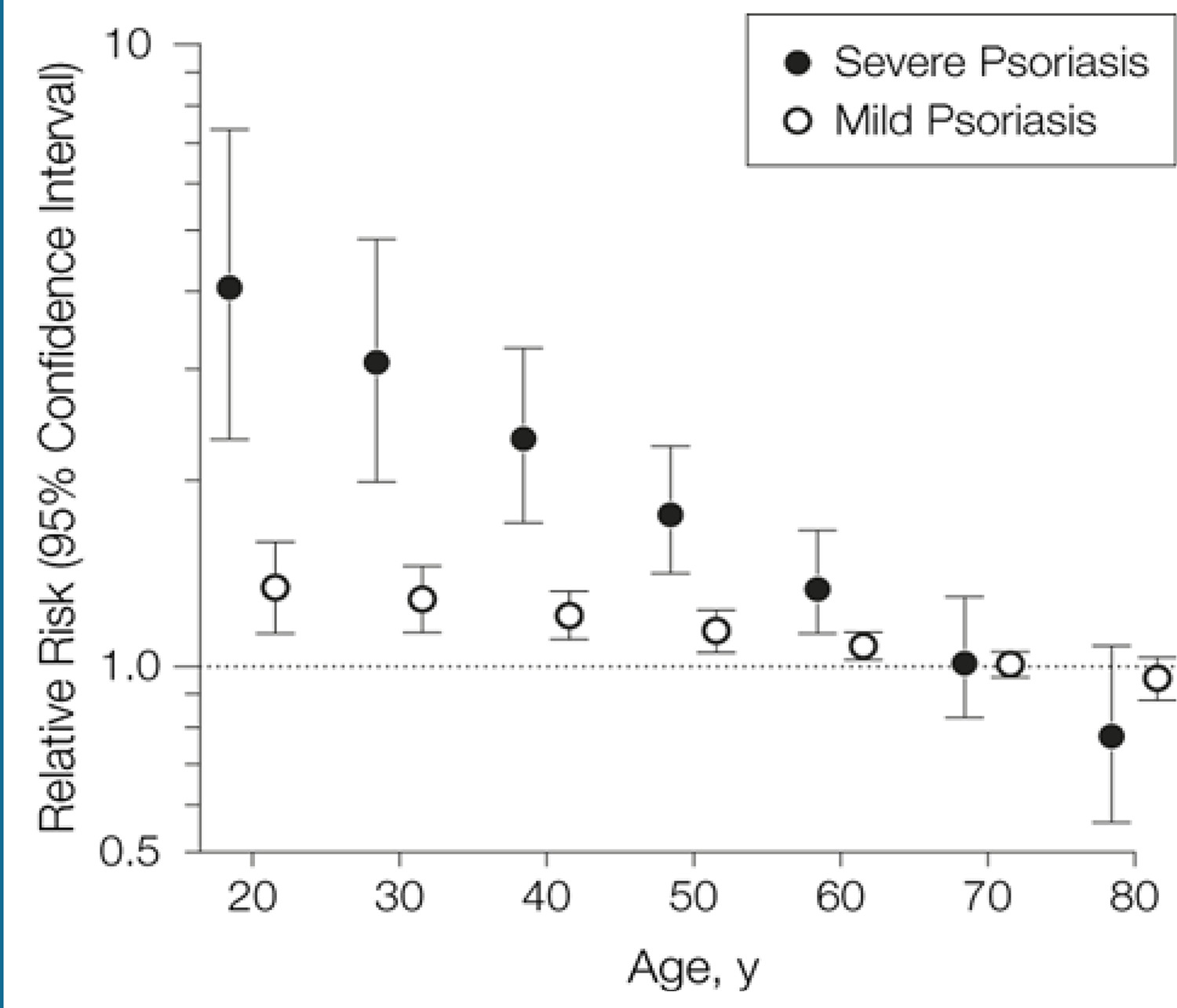
Although low-density lipoprotein cholesterol is central to the development and progression of atherosclerosis, the role of inflammation in the atherosclerotic process is becoming better understood and appreciated. Chronic inflammatory conditions such as rheumatoid arthritis, lupus, psoriasis, HIV infection, and inflammatory bowel disease have all been shown to be associated with an increased blood levels of inflammatory biomarkers and increased risk of cardiovascular events. Evidence from observational studies suggests that anti-inflammatory therapy decreases this risk in these conditions. Clinical trials of anti-inflammatory drugs in patients with coronary disease have yielded mixed results. Drugs that have failed in recent trials include the P38 MAP kinase inhibitor losmapimod, the phospholipase A2 inhibitors darapladib and varespladib, and methotrexate. Canakinumab, an interleukin-1β inhibitor, reduced cardiovascular events in patients with coronary disease in the Canakinumab Anti-inflammatory Thrombosis Outcome Study (CANTOS). Canakinumab increased the rate of fatal infections in CANTOS and is very expensive; it is thus unlikely to be widely used for risk reduction in cardiology. On the other hand, colchicine is a safe and inexpensive anti-inflammatory drug. In the Colchicine Cardiovascular Outcomes Trial (COLCOT), where patients within 30 days of a myocardial infarction were randomized to low-dose colchicine or placebo and followed for a median of almost 2 years, colchicine treatment was associated with a 23% reduction (p=0.02) in cardiovascular events. Newer studies with anti-inflammatory drugs have the potential to improve outcomes of patients with atherosclerosis, just as low-density lipoprotein cholesterol-lowering drugs have done over the past two decades.

  • Anti-Inflammatory Agents/therapeutic use
  • Arthritis, Rheumatoid
  • Canakinumab/therapeutic use
  • Cardiovascular Diseases
  • Colchicine/therapeutic use
  • Coronary Disease
  • Inflammation
  • Lipoproteins,LDL, Atherosclerosis
  • Risk Factors
Read Full Article
Creative Commons Attribution (CC BY) Creative Commons license
17/07/2020 DOI: 10.36660/ijcs.20200048 Views 1

Could not load more articles. Please try again.

How to cite this article

EndNote RIS

Electronic Document Format (Vancouver)

Oliveira GMM, Brant LCC, Polanczyk CA, Malta DC, Biolo A, Nascimento BR, Souza MFM, et al. Cardiovascular Statistics – Brazil 2026. Arquivos Brasileiros de Cardiologia 2026;:e20260832.

Electronic Document Format (ABNT)

Oliveira, Gláucia Maria Moraes de; Brant, Luisa Campos Caldeira; Polanczyk, Carisi Anne; Malta, Deborah Carvalho; Biolo, Andreia; Nascimento, Bruno Ramos; Souza, Maria de Fatima Marinho de; Lorenzo, Andrea Rocha De; Fagundes Júnior, Antonio Aurélio de Paiva; Manfro, Arthur Gus; Schaan, Beatriz D.; Silva, Christina Grüne de Souza e; Castilho, Fábio Morato de; Cesena, Fernando Henpin Yue; Soares, Gabriel Porto; Xavier Junior, Gesner Francisco; Barreto Filho, Jose Augusto Soares; Pellanda, Lucia Campos; Aranha, Luciana Nicolau; Rohde, Luis Eduardo Paim; Passaglia, Luiz Guilherme; Pinto-Filho, Marcelo Martins; Machline-Carrion, M. Julia; Bittencourt, Marcio Sommer; Pontes Neto, Octavio M.; Villela, Paolo Blanco; Godoy, Paulo Henrique; Teixeira, Renato Azeredo; Stein, Ricardo; Sampaio, Roney Orismar; Salim, Thais Rocha; Gaziano, Thomas A.; Perel, Pablo; Roth, Gregory A.; Ribeiro, Antonio Luiz Pinho. Cardiovascular Statistics – Brazil 2026. Arquivos Brasileiros de Cardiologia, e20260832, Oct. 2026.

Electronic Document Format (APA)

Oliveira, G. M. M. , Brant, L. C. C., Polanczyk, C. A., Malta, D. C., Biolo, A., Nascimento, B. R., Souza, M. F. M. , Lorenzo, A. R. D., Fagundes Júnior, A. A. P., Manfro, A. G., Schaan, B. D., Silva, C. G. S. , Castilho, F. M. , Cesena, F. H. Y., Soares, G. P., Xavier Junior, G. F., Barreto Filho, J. A. S., Pellanda, L. C., Aranha, L. N., Rohde, L. E. P., Passaglia, L. G., Pinto-Filho, M. M., Machline-Carrion, M. J., Bittencourt, M. S., Pontes Neto, O. M., Villela, P. B., Godoy, P. H., Teixeira, R. A., Stein, R., Sampaio, R. O., Salim, T. R., Gaziano, T. A., Perel, P., Roth, G. A., & Ribeiro, A. L. P. (2026). Cardiovascular Statistics – Brazil 2026. Arquivos Brasileiros de Cardiologia, , e20260832.

Electronic Document Format (ISO)

Oliveira, Gláucia Maria Moraes de and Brant, Luisa Campos Caldeira and Polanczyk, Carisi Anne and Malta, Deborah Carvalho and Biolo, Andreia and Nascimento, Bruno Ramos and Souza, Maria de Fatima Marinho de and Lorenzo, Andrea Rocha De and Fagundes Júnior, Antonio Aurélio de Paiva and Manfro, Arthur Gus and Schaan, Beatriz D. and Silva, Christina Grüne de Souza e and Castilho, Fábio Morato de and Cesena, Fernando Henpin Yue and Soares, Gabriel Porto and Xavier Junior, Gesner Francisco and Barreto Filho, Jose Augusto Soares and Pellanda, Lucia Campos and Aranha, Luciana Nicolau and Rohde, Luis Eduardo Paim and Passaglia, Luiz Guilherme and Pinto-Filho, Marcelo Martins and Machline-Carrion, M. Julia and Bittencourt, Marcio Sommer and Pontes Neto, Octavio M. and Villela, Paolo Blanco and Godoy, Paulo Henrique and Teixeira, Renato Azeredo and Stein, Ricardo and Sampaio, Roney Orismar and Salim, Thais Rocha and Gaziano, Thomas A. and Perel, Pablo and Roth, Gregory A. and Ribeiro, Antonio Luiz Pinho. Cardiovascular Statistics – Brazil 2026. Arquivos Brasileiros de Cardiologia [online]. 2026, [cited 2026-10-14], e20260832. Available from: <https://journals.cardiol.br/en/article/cardiovascular-statistics-brazil-2026/>. ISSN 0066-782X

EndNote RIS

Electronic Document Format (Vancouver)

Gao F, Shi Y, Chen Y, Lu S. Association of Plasma Osmolality with Cardiovascular Disease Risk: Evidence from the National Health and Nutrition Examination Survey Database. Arquivos Brasileiros de Cardiologia 2026;122(11):e20250176.

Electronic Document Format (ABNT)

Gao, Feng; Shi, Yicheng; Chen, Yi; Lu, Shu. Association of Plasma Osmolality with Cardiovascular Disease Risk: Evidence from the National Health and Nutrition Examination Survey Database. Arquivos Brasileiros de Cardiologia, v. 122, n. 11, e20250176, Jan. 2026.

Electronic Document Format (APA)

Gao, F., Shi, Y., Chen, Y., & Lu, S. (2026). Association of Plasma Osmolality with Cardiovascular Disease Risk: Evidence from the National Health and Nutrition Examination Survey Database. Arquivos Brasileiros de Cardiologia, 122(11), e20250176.

Electronic Document Format (ISO)

Gao, Feng and Shi, Yicheng and Chen, Yi and Lu, Shu. Association of Plasma Osmolality with Cardiovascular Disease Risk: Evidence from the National Health and Nutrition Examination Survey Database. Arquivos Brasileiros de Cardiologia [online]. 2026, vol. 122, n. 11, [cited 2026-10-14], e20250176. Available from: <https://journals.cardiol.br/en/article/association-of-plasma-osmolality-with-cardiovascular-disease-risk-evidence-from-the-national-health-and-nutrition-examination-survey-database/>. ISSN 0066-782X

EndNote RIS

Electronic Document Format (Vancouver)

Artioli T, Santos BQM, Monteiro DC, Batista LB, Lorenzoni MZ, Jen HG, Vital KM, et al. Coronary Artery Dissection Following Pharmacologic Stress Echocardiography and the Follow-Up of Clinical Management: A Case Report. ABC Imagem Cardiovascular 2025;38(2):e20250034.

Electronic Document Format (ABNT)

Artioli, Thiago; Santos, Bruno Querido Marcondes; Monteiro, Denis Cárdenas; Batista, Layane Bonfante; Lorenzoni, Matheus Zavaris; Jen, Hsu Gwo; Vital, Kelvyn Melo; Vilalva, Kelvin Henrique. Coronary Artery Dissection Following Pharmacologic Stress Echocardiography and the Follow-Up of Clinical Management: A Case Report. ABC Imagem Cardiovascular, v. 38, n. 2, e20250034, Jun. 2025.

Electronic Document Format (APA)

Artioli, T., Santos, B. Q. M., Monteiro, D. C., Batista, L. B., Lorenzoni, M. Z., Jen, H. G., Vital, K. M., & Vilalva, K. H. (2025). Coronary Artery Dissection Following Pharmacologic Stress Echocardiography and the Follow-Up of Clinical Management: A Case Report. ABC Imagem Cardiovascular, 38(2), e20250034.

Electronic Document Format (ISO)

Artioli, Thiago and Santos, Bruno Querido Marcondes and Monteiro, Denis Cárdenas and Batista, Layane Bonfante and Lorenzoni, Matheus Zavaris and Jen, Hsu Gwo and Vital, Kelvyn Melo and Vilalva, Kelvin Henrique. Coronary Artery Dissection Following Pharmacologic Stress Echocardiography and the Follow-Up of Clinical Management: A Case Report. ABC Imagem Cardiovascular [online]. 2025, vol. 38, n. 2, [cited 2026-10-14], e20250034. Available from: <https://journals.cardiol.br/en/article/coronary-artery-dissection-following-pharmacologic-stress-echocardiography-and-the-follow-up-of-clinical-management-a-case-report/>. ISSN 2318-8219

EndNote RIS

Electronic Document Format (Vancouver)

Silva PG, Ribeiro HB. Addressing Gender Disparities in Cardiovascular Care: Guideline-Oriented PCI for Women and the Hua-Mulan Conundrum. Arquivos Brasileiros de Cardiologia 2025;122(1):e20240824.

Electronic Document Format (ABNT)

Silva, Pedro Guimarães; Ribeiro, Henrique Barbosa. Addressing Gender Disparities in Cardiovascular Care: Guideline-Oriented PCI for Women and the Hua-Mulan Conundrum. Arquivos Brasileiros de Cardiologia, v. 122, n. 1, e20240824, Feb. 2025.

Electronic Document Format (APA)

Silva, P. G., & Ribeiro, H. B. (2025). Addressing Gender Disparities in Cardiovascular Care: Guideline-Oriented PCI for Women and the Hua-Mulan Conundrum. Arquivos Brasileiros de Cardiologia, 122(1), e20240824.

Electronic Document Format (ISO)

Silva, Pedro Guimarães and Ribeiro, Henrique Barbosa. Addressing Gender Disparities in Cardiovascular Care: Guideline-Oriented PCI for Women and the Hua-Mulan Conundrum. Arquivos Brasileiros de Cardiologia [online]. 2025, vol. 122, n. 1, [cited 2026-10-14], e20240824. Available from: <https://journals.cardiol.br/en/article/addressing-gender-disparities-in-cardiovascular-care-guideline-oriented-pci-for-women-and-the-hua-mulan-conundrum/>. ISSN 0066-782X

EndNote RIS

Electronic Document Format (Vancouver)

Shah V, Ray S, Roy DG, Kubba S, Rao S, Abdullakutty J, Kumar KPS, et al. Management of Chronic Coronary Syndromes in Resource-Constrained Settings in India: An Expert Opinion With a Proposed Algorithm. International Journal of Cardiovascular Sciences 2025;38:e20240103.

Electronic Document Format (ABNT)

Shah, Vijay; Ray, Saumitra; Roy, Devanu Ghosh; Kubba, Samir; Rao, Sarita; Abdullakutty, Jabir; Kumar, K. P. Suresh. Management of Chronic Coronary Syndromes in Resource-Constrained Settings in India: An Expert Opinion With a Proposed Algorithm. International Journal of Cardiovascular Sciences, v. 38, e20240103, Feb. 2025.

Electronic Document Format (APA)

Shah, V., Ray, S., Roy, D. G., Kubba, S., Rao, S., Abdullakutty, J., & Kumar, K. P. S. (2025). Management of Chronic Coronary Syndromes in Resource-Constrained Settings in India: An Expert Opinion With a Proposed Algorithm. International Journal of Cardiovascular Sciences, 38, e20240103.

Electronic Document Format (ISO)

Shah, Vijay and Ray, Saumitra and Roy, Devanu Ghosh and Kubba, Samir and Rao, Sarita and Abdullakutty, Jabir and Kumar, K. P. Suresh. Management of Chronic Coronary Syndromes in Resource-Constrained Settings in India: An Expert Opinion With a Proposed Algorithm. International Journal of Cardiovascular Sciences [online]. 2025, vol. 38, [cited 2026-10-14], e20240103. Available from: <https://journals.cardiol.br/en/article/management-of-chronic-coronary-syndromes-in-resource-constrained-settings-in-india-an-expert-opinion-with-a-proposed-algorithm/>. ISSN 2359-4802

EndNote RIS

Electronic Document Format (Vancouver)

Nascimento K, Ramadan HR, Baccaro BM, Bicalho VVS, Ferreira IM, Ohe LN, Santos VSS, et al. Acute Coronary Syndrome in Brazil: Registration of Predisposing Factors and Population Profile in a National Public Reference Cardiological Institute. Arquivos Brasileiros de Cardiologia 2025;122(1):e20240165.

Electronic Document Format (ABNT)

Nascimento, Kaliana; Ramadan, Hugo Ribeiro; Baccaro, Bruno Mendonça; Bicalho, Vinicius Vaz de Sales; Ferreira, Italo Menezes; Ohe, Louis Nakayama; Santos, Vitor Sobreira Souza; Feres, Fausto; Franchini, Kleber; Timerman, Ari; Mota, Diandro Marinho. Acute Coronary Syndrome in Brazil: Registration of Predisposing Factors and Population Profile in a National Public Reference Cardiological Institute. Arquivos Brasileiros de Cardiologia, v. 122, n. 1, e20240165, Jan. 2025.

Electronic Document Format (APA)

Nascimento, K., Ramadan, H. R., Baccaro, B. M., Bicalho, V. V. S., Ferreira, I. M., Ohe, L. N., Santos, V. S. S., Feres, F., Franchini, K., Timerman, A., & Mota, D. M. (2025). Acute Coronary Syndrome in Brazil: Registration of Predisposing Factors and Population Profile in a National Public Reference Cardiological Institute. Arquivos Brasileiros de Cardiologia, 122(1), e20240165.

Electronic Document Format (ISO)

Nascimento, Kaliana and Ramadan, Hugo Ribeiro and Baccaro, Bruno Mendonça and Bicalho, Vinicius Vaz de Sales and Ferreira, Italo Menezes and Ohe, Louis Nakayama and Santos, Vitor Sobreira Souza and Feres, Fausto and Franchini, Kleber and Timerman, Ari and Mota, Diandro Marinho. Acute Coronary Syndrome in Brazil: Registration of Predisposing Factors and Population Profile in a National Public Reference Cardiological Institute. Arquivos Brasileiros de Cardiologia [online]. 2025, vol. 122, n. 1, [cited 2026-10-14], e20240165. Available from: <https://journals.cardiol.br/en/article/acute-coronary-syndrome-in-brazil-registration-of-predisposing-factors-and-population-profile-in-a-national-public-reference-cardiological-institute/>. ISSN 0066-782X

EndNote RIS

Electronic Document Format (Vancouver)

Martins EB, Lima EG, Linhares Filho JPP, Pinesi HT, Pitta FG, Serrano Júnior CV. Angina Pectoris and Orbita 2 Trial: Reflections on the Future of Angina Treatment. Arquivos Brasileiros de Cardiologia 2024;121(6):e20230848.

Electronic Document Format (ABNT)

Martins, Eduardo Bello; Lima, Eduardo Gomes; Linhares Filho, Jaime Paula Pessoa; Pinesi, Henrique Trombini; Pitta, Fabio Grunspun; Serrano Júnior, Carlos Vicente. Angina Pectoris and Orbita 2 Trial: Reflections on the Future of Angina Treatment. Arquivos Brasileiros de Cardiologia, v. 121, n. 6, e20230848, Aug. 2024.

Electronic Document Format (APA)

Martins, E. B., Lima, E. G., Linhares Filho, J. P. P., Pinesi, H. T., Pitta, F. G., & Serrano Júnior, C. V. (2024). Angina Pectoris and Orbita 2 Trial: Reflections on the Future of Angina Treatment. Arquivos Brasileiros de Cardiologia, 121(6), e20230848.

Electronic Document Format (ISO)

Martins, Eduardo Bello and Lima, Eduardo Gomes and Linhares Filho, Jaime Paula Pessoa and Pinesi, Henrique Trombini and Pitta, Fabio Grunspun and Serrano Júnior, Carlos Vicente. Angina Pectoris and Orbita 2 Trial: Reflections on the Future of Angina Treatment. Arquivos Brasileiros de Cardiologia [online]. 2024, vol. 121, n. 6, [cited 2026-10-14], e20230848. Available from: <https://journals.cardiol.br/en/article/angina-pectoris-and-orbita-2-trial-reflections-on-the-future-of-angina-treatment/>. ISSN 0066-782X

EndNote RIS

Electronic Document Format (Vancouver)

Oliveira GMM, Brant LCC, Polanczyk CA, Malta DC, Biolo A, Nascimento BR, Souza MFM, et al. Cardiovascular Statistics – Brazil 2023. Arquivos Brasileiros de Cardiologia 2024;121(2):e20240079.

Electronic Document Format (ABNT)

Oliveira, Gláucia Maria Moraes de; Brant, Luisa Campos Caldeira; Polanczyk, Carisi Anne; Malta, Deborah Carvalho; Biolo, Andreia; Nascimento, Bruno Ramos; Souza, Maria de Fatima Marinho de; Lorenzo, Andrea Rocha De; Fagundes Júnior, Antonio Aurélio de Paiva; Schaan, Beatriz D.; Silva, Christina Grüne de Souza e; Castilho, Fábio Morato de; Cesena, Fernando Henpin Yue; Soares, Gabriel Porto; Xavier Junior, Gesner Francisco; Barreto Filho, Jose Augusto Soares; Passaglia, Luiz Guilherme; Pinto Filho, Marcelo Martins; Machline-Carrion, M. Julia; Bittencourt, Marcio Sommer; Pontes Neto, Octavio M.; Villela, Paolo Blanco; Teixeira, Renato Azeredo; Stein, Ricardo; Sampaio, Roney Orismar; Gaziano, Thomaz A.; Perel, Pablo; Roth, Gregory A.; Ribeiro, Antonio Luiz Pinho. Cardiovascular Statistics – Brazil 2023. Arquivos Brasileiros de Cardiologia, v. 121, n. 2, e20240079, Jun. 2024.

Electronic Document Format (APA)

Oliveira, G. M. M. , Brant, L. C. C., Polanczyk, C. A., Malta, D. C., Biolo, A., Nascimento, B. R., Souza, M. F. M. , Lorenzo, A. R. D., Fagundes Júnior, A. A. P., Schaan, B. D., Silva, C. G. S. , Castilho, F. M. , Cesena, F. H. Y., Soares, G. P., Xavier Junior, G. F., Barreto Filho, J. A. S., Passaglia, L. G., Pinto Filho, M. M., Machline-Carrion, M. J., Bittencourt, M. S., Pontes Neto, O. M., Villela, P. B., Teixeira, R. A., Stein, R., Sampaio, R. O., Gaziano, T. A., Perel, P., Roth, G. A., & Ribeiro, A. L. P. (2024). Cardiovascular Statistics – Brazil 2023. Arquivos Brasileiros de Cardiologia, 121(2), e20240079.

Electronic Document Format (ISO)

Oliveira, Gláucia Maria Moraes de and Brant, Luisa Campos Caldeira and Polanczyk, Carisi Anne and Malta, Deborah Carvalho and Biolo, Andreia and Nascimento, Bruno Ramos and Souza, Maria de Fatima Marinho de and Lorenzo, Andrea Rocha De and Fagundes Júnior, Antonio Aurélio de Paiva and Schaan, Beatriz D. and Silva, Christina Grüne de Souza e and Castilho, Fábio Morato de and Cesena, Fernando Henpin Yue and Soares, Gabriel Porto and Xavier Junior, Gesner Francisco and Barreto Filho, Jose Augusto Soares and Passaglia, Luiz Guilherme and Pinto Filho, Marcelo Martins and Machline-Carrion, M. Julia and Bittencourt, Marcio Sommer and Pontes Neto, Octavio M. and Villela, Paolo Blanco and Teixeira, Renato Azeredo and Stein, Ricardo and Sampaio, Roney Orismar and Gaziano, Thomaz A. and Perel, Pablo and Roth, Gregory A. and Ribeiro, Antonio Luiz Pinho. Cardiovascular Statistics – Brazil 2023. Arquivos Brasileiros de Cardiologia [online]. 2024, vol. 121, n. 2, [cited 2026-10-14], e20240079. Available from: <https://journals.cardiol.br/en/article/cardiovascular-statistics-brazil-2023/>. ISSN 0066-782X

EndNote RIS

Electronic Document Format (Vancouver)

Brás PG, Cacela D, Cerejo R, Rodrigues R. A Rare Coronary Anomaly in the Adult: Large-Caliber Arteriovenous Fistula. Arquivos Brasileiros de Cardiologia 2024;121(1):e2023037.

Electronic Document Format (ABNT)

Brás, Pedro Garcia; Cacela, Duarte; Cerejo, Rui; Rodrigues, Rui. A Rare Coronary Anomaly in the Adult: Large-Caliber Arteriovenous Fistula. Arquivos Brasileiros de Cardiologia, v. 121, n. 1, e2023037, Feb. 2024.

Electronic Document Format (APA)

Brás, P. G., Cacela, D., Cerejo, R., & Rodrigues, R. (2024). A Rare Coronary Anomaly in the Adult: Large-Caliber Arteriovenous Fistula. Arquivos Brasileiros de Cardiologia, 121(1), e2023037.

Electronic Document Format (ISO)

Brás, Pedro Garcia and Cacela, Duarte and Cerejo, Rui and Rodrigues, Rui. A Rare Coronary Anomaly in the Adult: Large-Caliber Arteriovenous Fistula. Arquivos Brasileiros de Cardiologia [online]. 2024, vol. 121, n. 1, [cited 2026-10-14], e2023037. Available from: <https://journals.cardiol.br/en/article/a-rare-coronary-anomaly-in-the-adult-large-caliber-arteriovenous-fistula/>. ISSN 0066-782X

EndNote RIS

Electronic Document Format (Vancouver)

Nascimento CR, Santos JM, Mendes R, Lopes JM, Tenório PP. Cost-Effectiveness of the Use of the Coronary Calcium Score in Primary Prevention as a Guide for the Therapeutic Decision. Arquivos Brasileiros de Cardiologia 2023;120(11):e20230542.

Electronic Document Format (ABNT)

Nascimento, Cristian Rodrigues do; Santos, Júlio Martinez; Mendes, Rodrigo; Lopes, Johnnatas Mikael; Tenório, Pedro Pereira. Cost-Effectiveness of the Use of the Coronary Calcium Score in Primary Prevention as a Guide for the Therapeutic Decision. Arquivos Brasileiros de Cardiologia, v. 120, n. 11, e20230542, Dec. 2023.

Electronic Document Format (APA)

Nascimento, C. R. , Santos, J. M., Mendes, R., Lopes, J. M., & Tenório, P. P. (2023). Cost-Effectiveness of the Use of the Coronary Calcium Score in Primary Prevention as a Guide for the Therapeutic Decision. Arquivos Brasileiros de Cardiologia, 120(11), e20230542.

Electronic Document Format (ISO)

Nascimento, Cristian Rodrigues do and Santos, Júlio Martinez and Mendes, Rodrigo and Lopes, Johnnatas Mikael and Tenório, Pedro Pereira. Cost-Effectiveness of the Use of the Coronary Calcium Score in Primary Prevention as a Guide for the Therapeutic Decision. Arquivos Brasileiros de Cardiologia [online]. 2023, vol. 120, n. 11, [cited 2026-10-14], e20230542. Available from: <https://journals.cardiol.br/en/article/cost-effectiveness-of-the-use-of-the-coronary-calcium-score-in-primary-prevention-as-a-guide-for-the-therapeutic-decision/>. ISSN 0066-782X

EndNote RIS

Electronic Document Format (Vancouver)

Costa TO, Rocha MS, Soares Filho GF, Camargo RA, Macedo CRB. Incremental Determinants of The Combined Supine-Prone Protocol for Myocardial Perfusion Scintigraphy. ABC Imagem Cardiovascular 2023;36(3):e20230060.

Electronic Document Format (ABNT)

Costa, Tiago Oliveira; Rocha, Mário de Seixas; Soares Filho, Gilson Feitosa; Camargo, Raphael Abegão de; Macedo, Cristiano Ricardo Bastos de. Incremental Determinants of The Combined Supine-Prone Protocol for Myocardial Perfusion Scintigraphy. ABC Imagem Cardiovascular, v. 36, n. 3, e20230060, Oct. 2023.

Electronic Document Format (APA)

Costa, T. O., Rocha, M. S., Soares Filho, G. F., Camargo, R. A. , & Macedo, C. R. B. (2023). Incremental Determinants of The Combined Supine-Prone Protocol for Myocardial Perfusion Scintigraphy. ABC Imagem Cardiovascular, 36(3), e20230060.

Electronic Document Format (ISO)

Costa, Tiago Oliveira and Rocha, Mário de Seixas and Soares Filho, Gilson Feitosa and Camargo, Raphael Abegão de and Macedo, Cristiano Ricardo Bastos de. Incremental Determinants of The Combined Supine-Prone Protocol for Myocardial Perfusion Scintigraphy. ABC Imagem Cardiovascular [online]. 2023, vol. 36, n. 3, [cited 2026-10-14], e20230060. Available from: <https://journals.cardiol.br/en/article/incremental-determinants-of-the-combined-supine-prone-protocol-for-myocardial-perfusion-scintigraphy/>. ISSN 2318-8219

EndNote RIS

Electronic Document Format (Vancouver)

Vieira , Melo C, Noites A, Machado J, Mendes J. Home-based Virtual Reality Exercise Program During the Maintenance Stage of Cardiac Rehabilitation: A Randomized Controlled Trial. International Journal of Cardiovascular Sciences 2023;36:e20190177.

Electronic Document Format (ABNT)

Vieira, Ágata; Melo, Cristina; Noites, Andreia; Machado, Jorge; Mendes, Joaquim. Home-based Virtual Reality Exercise Program During the Maintenance Stage of Cardiac Rehabilitation: A Randomized Controlled Trial. International Journal of Cardiovascular Sciences, v. 36, e20190177, Aug. 2023.

Electronic Document Format (APA)

Vieira, , Melo, C., Noites, A., Machado, J., & Mendes, J. (2023). Home-based Virtual Reality Exercise Program During the Maintenance Stage of Cardiac Rehabilitation: A Randomized Controlled Trial. International Journal of Cardiovascular Sciences, 36, e20190177.

Electronic Document Format (ISO)

Vieira, Ágata and Melo, Cristina and Noites, Andreia and Machado, Jorge and Mendes, Joaquim. Home-based Virtual Reality Exercise Program During the Maintenance Stage of Cardiac Rehabilitation: A Randomized Controlled Trial. International Journal of Cardiovascular Sciences [online]. 2023, vol. 36, [cited 2026-10-14], e20190177. Available from: <https://journals.cardiol.br/en/article/home-based-virtual-reality-exercise-program-during-the-maintenance-stage-of-cardiac-rehabilitation-a-randomized-controlled-trial/>. ISSN 2359-4802

EndNote RIS

Electronic Document Format (Vancouver)

Machado FA, Almeida RMS. Impact of the COVID-19 Outbreak on Coronary Artery Bypass Grafting in Brazil. International Journal of Cardiovascular Sciences 2023;36:e20220160.

Electronic Document Format (ABNT)

Machado, Felipy de Almeida; Almeida, Rui M. S.. Impact of the COVID-19 Outbreak on Coronary Artery Bypass Grafting in Brazil. International Journal of Cardiovascular Sciences, v. 36, e20220160, Jul. 2023.

Electronic Document Format (APA)

Machado, F. A., & Almeida, R. M. S. (2023). Impact of the COVID-19 Outbreak on Coronary Artery Bypass Grafting in Brazil. International Journal of Cardiovascular Sciences, 36, e20220160.

Electronic Document Format (ISO)

Machado, Felipy de Almeida and Almeida, Rui M. S.. Impact of the COVID-19 Outbreak on Coronary Artery Bypass Grafting in Brazil. International Journal of Cardiovascular Sciences [online]. 2023, vol. 36, [cited 2026-10-14], e20220160. Available from: <https://journals.cardiol.br/en/article/impact-of-the-covid-19-outbreak-on-coronary-artery-bypass-grafting-in-brazil/>. ISSN 2359-4802

EndNote RIS

Electronic Document Format (Vancouver)

Gilabert-Garcia A, Guerrero CCV, Dagio-Cuéllar R, Bermudez-Gonzalez JL, Perez-Partida AM, Berarducci J, Armenta-Moreno JI, et al. Coronary Artery Disease in Women: Getting to Know Gender Related Disparities. International Journal of Cardiovascular Sciences 2023;36:e20220022.

Electronic Document Format (ABNT)

Gilabert-Garcia, Ana; Guerrero, Cristina Cristina Villarreal; Dagio-Cuéllar, Rodrigo; Bermudez-Gonzalez, Jorge Luis; Perez-Partida, Arantza Marie; Berarducci, Joaquin; Armenta-Moreno, Javier Ivan; Luna-Alvarez-Amezquita, Jose; Straface, Juan Ignacio; Espinola-Zavaleta, Nilda; Alexanderson, Erick. Coronary Artery Disease in Women: Getting to Know Gender Related Disparities. International Journal of Cardiovascular Sciences, v. 36, e20220022, Jul. 2023.

Electronic Document Format (APA)

Gilabert-Garcia, A., Guerrero, C. C. V., Dagio-Cuéllar, R., Bermudez-Gonzalez, J. L., Perez-Partida, A. M., Berarducci, J., Armenta-Moreno, J. I., Luna-Alvarez-Amezquita, J., Straface, J. I., Espinola-Zavaleta, N., & Alexanderson, E. (2023). Coronary Artery Disease in Women: Getting to Know Gender Related Disparities. International Journal of Cardiovascular Sciences, 36, e20220022.

Electronic Document Format (ISO)

Gilabert-Garcia, Ana and Guerrero, Cristina Cristina Villarreal and Dagio-Cuéllar, Rodrigo and Bermudez-Gonzalez, Jorge Luis and Perez-Partida, Arantza Marie and Berarducci, Joaquin and Armenta-Moreno, Javier Ivan and Luna-Alvarez-Amezquita, Jose and Straface, Juan Ignacio and Espinola-Zavaleta, Nilda and Alexanderson, Erick. Coronary Artery Disease in Women: Getting to Know Gender Related Disparities. International Journal of Cardiovascular Sciences [online]. 2023, vol. 36, [cited 2026-10-14], e20220022. Available from: <https://journals.cardiol.br/en/article/coronary-artery-disease-in-women-getting-to-know-gender-related-disparities/>. ISSN 2359-4802

EndNote RIS

Electronic Document Format (Vancouver)

Siqueira AWS, Almeida MF. My Approach to Echocardiographic Evaluation after Pediatric Heart Transplantation to Control Rejection and/or Graft Vascular Disease. ABC Imagem Cardiovascular 2023;36(2):e20230045.

Electronic Document Format (ABNT)

Siqueira, Adailson Wagner da Silva; Almeida, Mirela Frederico de. My Approach to Echocardiographic Evaluation after Pediatric Heart Transplantation to Control Rejection and/or Graft Vascular Disease. ABC Imagem Cardiovascular, v. 36, n. 2, e20230045, Jun. 2023.

Electronic Document Format (APA)

Siqueira, A. W. S., & Almeida, M. F. (2023). My Approach to Echocardiographic Evaluation after Pediatric Heart Transplantation to Control Rejection and/or Graft Vascular Disease. ABC Imagem Cardiovascular, 36(2), e20230045.

Electronic Document Format (ISO)

Siqueira, Adailson Wagner da Silva and Almeida, Mirela Frederico de. My Approach to Echocardiographic Evaluation after Pediatric Heart Transplantation to Control Rejection and/or Graft Vascular Disease. ABC Imagem Cardiovascular [online]. 2023, vol. 36, n. 2, [cited 2026-10-14], e20230045. Available from: <https://journals.cardiol.br/en/article/my-approach-to-echocardiographic-evaluation-after-pediatric-heart-transplantation-to-control-rejection-and-or-graft-vascular-disease/>. ISSN 2318-8219

EndNote RIS

Electronic Document Format (Vancouver)

António IBG, Maia AS, Rabelato J, Campos AAS, Menezes MP, Issa M. Takayasu’s Arteritis: Ascending Aortic Aneurysm and Coronary Artery Disease in a 19-year-old Young Adult. ABC Imagem Cardiovascular 2023;36(2):e20230032.

Electronic Document Format (ABNT)

António, Iuri Betuel Gomes; Maia, Adnaldo da Silveira; Rabelato, Janayna; Campos, Aloysio Abdo Silva; Menezes, Marilia Prudente; Issa, Mário. Takayasu’s Arteritis: Ascending Aortic Aneurysm and Coronary Artery Disease in a 19-year-old Young Adult. ABC Imagem Cardiovascular, v. 36, n. 2, e20230032, Jun. 2023.

Electronic Document Format (APA)

António, I. B. G., Maia, A. S., Rabelato, J., Campos, A. A. S., Menezes, M. P., & Issa, M. (2023). Takayasu’s Arteritis: Ascending Aortic Aneurysm and Coronary Artery Disease in a 19-year-old Young Adult. ABC Imagem Cardiovascular, 36(2), e20230032.

Electronic Document Format (ISO)

António, Iuri Betuel Gomes and Maia, Adnaldo da Silveira and Rabelato, Janayna and Campos, Aloysio Abdo Silva and Menezes, Marilia Prudente and Issa, Mário. Takayasu’s Arteritis: Ascending Aortic Aneurysm and Coronary Artery Disease in a 19-year-old Young Adult. ABC Imagem Cardiovascular [online]. 2023, vol. 36, n. 2, [cited 2026-10-14], e20230032. Available from: <https://journals.cardiol.br/en/article/takayasus-arteritis-ascending-aortic-aneurysm-and-coronary-artery-disease-in-a-19-year-old-young-adult/>. ISSN 2318-8219

EndNote RIS

Electronic Document Format (Vancouver)

Carvalho VMF, Oliveira PSS, Albuquerque APB, Rêgo MJBM, Rosa MM, Oliveira DC, Pereira MC, et al. Decreased Serum Levels of Soluble Oncostatin M Receptor (sOSMR) and Glycoprotein 130 (sgp130) in Patients with Coronary Artery Disease. Arquivos Brasileiros de Cardiologia 2023;120(4):e20220326.

Electronic Document Format (ABNT)

Carvalho, Vanessa Mylenna Florêncio de; Oliveira, Priscilla Stela Santana de; Albuquerque, Amanda Pinheiro Barros de; Rêgo, Moacyr Jesus Barreto de Melo; Rosa, Michelle Melgarejo da; Oliveira, Dinaldo Cavalcanti de; Pereira, Michelly Cristiny; Pitta, Maira Galdino da Rocha. Decreased Serum Levels of Soluble Oncostatin M Receptor (sOSMR) and Glycoprotein 130 (sgp130) in Patients with Coronary Artery Disease. Arquivos Brasileiros de Cardiologia, v. 120, n. 4, e20220326, Apr. 2023.

Electronic Document Format (APA)

Carvalho, V. M. F. , Oliveira, P. S. S. , Albuquerque, A. P. B. , Rêgo, M. J. B. M., Rosa, M. M. , Oliveira, D. C. , Pereira, M. C., & Pitta, M. G. R. (2023). Decreased Serum Levels of Soluble Oncostatin M Receptor (sOSMR) and Glycoprotein 130 (sgp130) in Patients with Coronary Artery Disease. Arquivos Brasileiros de Cardiologia, 120(4), e20220326.

Electronic Document Format (ISO)

Carvalho, Vanessa Mylenna Florêncio de and Oliveira, Priscilla Stela Santana de and Albuquerque, Amanda Pinheiro Barros de and Rêgo, Moacyr Jesus Barreto de Melo and Rosa, Michelle Melgarejo da and Oliveira, Dinaldo Cavalcanti de and Pereira, Michelly Cristiny and Pitta, Maira Galdino da Rocha. Decreased Serum Levels of Soluble Oncostatin M Receptor (sOSMR) and Glycoprotein 130 (sgp130) in Patients with Coronary Artery Disease. Arquivos Brasileiros de Cardiologia [online]. 2023, vol. 120, n. 4, [cited 2026-10-14], e20220326. Available from: <https://journals.cardiol.br/en/article/decreased-serum-levels-of-soluble-oncostatin-m-receptor-sosmr-and-glycoprotein-130-sgp130-in-patients-with-coronary-artery-disease/>. ISSN 0066-782X

EndNote RIS

Electronic Document Format (Vancouver)

Ferreira C. The “Value of 0”: Is There an Added Value in Using the Calcium Score in the Stratification of Symptomatic Individuals with a Zero Score?. Arquivos Brasileiros de Cardiologia 2023;120(3):e20230105.

Electronic Document Format (ABNT)

Ferreira, Catarina. The “Value of 0”: Is There an Added Value in Using the Calcium Score in the Stratification of Symptomatic Individuals with a Zero Score?. Arquivos Brasileiros de Cardiologia, v. 120, n. 3, e20230105, Apr. 2023.

Electronic Document Format (APA)

Ferreira, C. (2023). The “Value of 0”: Is There an Added Value in Using the Calcium Score in the Stratification of Symptomatic Individuals with a Zero Score?. Arquivos Brasileiros de Cardiologia, 120(3), e20230105.

Electronic Document Format (ISO)

Ferreira, Catarina. The “Value of 0”: Is There an Added Value in Using the Calcium Score in the Stratification of Symptomatic Individuals with a Zero Score?. Arquivos Brasileiros de Cardiologia [online]. 2023, vol. 120, n. 3, [cited 2026-10-14], e20230105. Available from: <https://journals.cardiol.br/en/article/the-value-of-0-is-there-an-added-value-in-using-the-calcium-score-in-the-stratification-of-symptomatic-individuals-with-a-zero-score/>. ISSN 0066-782X

EndNote RIS

Electronic Document Format (Vancouver)

Oliveira GMM, Brant LCC, Polanczyk CA, Malta DC, Biolo A, Nascimento BR, Souza MFM, et al. Cardiovascular Statistics – Brazil 2021. Arquivos Brasileiros de Cardiologia 2022;118(1):115-373.

Electronic Document Format (ABNT)

Oliveira, Gláucia Maria Moraes de; Brant, Luisa Campos Caldeira; Polanczyk, Carisi Anne; Malta, Deborah Carvalho; Biolo, Andreia; Nascimento, Bruno Ramos; Souza, Maria de Fatima Marinho de; Lorenzo, Andrea Rocha De; Fagundes Júnior, Antonio Aurélio de Paiva; Schaan, Beatriz D.; Castilho, Fábio Morato de; Cesena, Fernando Henpin Yue; Soares, Gabriel Porto; Xavier Junior, Gesner Francisco; Barreto Filho, Jose Augusto Soares; Passaglia, Luiz Guilherme; Pinto Filho, Marcelo Martins; Machline-Carrion, M. Julia; Bittencourt, Marcio Sommer; Pontes Neto, Octavio M.; Villela, Paolo Blanco; Teixeira, Renato Azeredo; Sampaio, Roney Orismar; Gaziano, Thomaz A.; Perel, Pablo; Roth, Gregory A.; Ribeiro, Antonio Luiz Pinho. Cardiovascular Statistics – Brazil 2021. Arquivos Brasileiros de Cardiologia, v. 118, n. 1, p. 115-373, Feb. 2022.

Electronic Document Format (APA)

Oliveira, G. M. M. , Brant, L. C. C., Polanczyk, C. A., Malta, D. C., Biolo, A., Nascimento, B. R., Souza, M. F. M. , Lorenzo, A. R. D., Fagundes Júnior, A. A. P., Schaan, B. D., Castilho, F. M. , Cesena, F. H. Y., Soares, G. P., Xavier Junior, G. F., Barreto Filho, J. A. S., Passaglia, L. G., Pinto Filho, M. M., Machline-Carrion, M. J., Bittencourt, M. S., Pontes Neto, O. M., Villela, P. B., Teixeira, R. A., Sampaio, R. O., Gaziano, T. A., Perel, P., Roth, G. A., & Ribeiro, A. L. P. (2022). Cardiovascular Statistics – Brazil 2021. Arquivos Brasileiros de Cardiologia, 118(1), 115-373.

Electronic Document Format (ISO)

Oliveira, Gláucia Maria Moraes de and Brant, Luisa Campos Caldeira and Polanczyk, Carisi Anne and Malta, Deborah Carvalho and Biolo, Andreia and Nascimento, Bruno Ramos and Souza, Maria de Fatima Marinho de and Lorenzo, Andrea Rocha De and Fagundes Júnior, Antonio Aurélio de Paiva and Schaan, Beatriz D. and Castilho, Fábio Morato de and Cesena, Fernando Henpin Yue and Soares, Gabriel Porto and Xavier Junior, Gesner Francisco and Barreto Filho, Jose Augusto Soares and Passaglia, Luiz Guilherme and Pinto Filho, Marcelo Martins and Machline-Carrion, M. Julia and Bittencourt, Marcio Sommer and Pontes Neto, Octavio M. and Villela, Paolo Blanco and Teixeira, Renato Azeredo and Sampaio, Roney Orismar and Gaziano, Thomaz A. and Perel, Pablo and Roth, Gregory A. and Ribeiro, Antonio Luiz Pinho. Cardiovascular Statistics – Brazil 2021. Arquivos Brasileiros de Cardiologia [online]. 2022, vol. 118, n. 1, [cited 2026-10-14], pp. 115-373. Available from: <https://journals.cardiol.br/en/article/cardiovascular-statistics-brazil-2021/>. ISSN 0066-782X

EndNote RIS

Electronic Document Format (Vancouver)

Prazeres CEE, Salvatti NB, Carvalho HSM, Silva ITQ, Carneiro ACC, Magalhães TA, Moreira VM, et al. Fractional Flow Reserve by Tomography Diagnostic Performance in the Detection of Coronary Stenoses Hemodynamically Significant. Arquivos Brasileiros de Cardiologia Imagem cardiovascular 2022;33(3):1-7.

Electronic Document Format (ABNT)

Prazeres, Carlos Eduardo Elias dos; Salvatti, Natália Boing; Carvalho, Hilka dos Santos Moraes de; Silva, Isaac Torquato Queiroz e; Carneiro, Adriano Camargo de Castro; Magalhães, Tiago Augusto; Moreira, Valéria de Melo; Bello, Juliana Hiromi Silva Matsumoto; Rochitte, Carlos Eduardo. Fractional Flow Reserve by Tomography Diagnostic Performance in the Detection of Coronary Stenoses Hemodynamically Significant. Arquivos Brasileiros de Cardiologia Imagem cardiovascular, v. 33, n. 3, p. 1-7, Jan. 2022.

Electronic Document Format (APA)

Prazeres, C. E. E. , Salvatti, N. B., Carvalho, H. S. M. , Silva, I. T. Q. , Carneiro, A. C. C., Magalhães, T. A., Moreira, V. M., Bello, J. H. S. M., & Rochitte, C. E. (2022). Fractional Flow Reserve by Tomography Diagnostic Performance in the Detection of Coronary Stenoses Hemodynamically Significant. Arquivos Brasileiros de Cardiologia Imagem cardiovascular, 33(3), 1-7.

Electronic Document Format (ISO)

Prazeres, Carlos Eduardo Elias dos and Salvatti, Natália Boing and Carvalho, Hilka dos Santos Moraes de and Silva, Isaac Torquato Queiroz e and Carneiro, Adriano Camargo de Castro and Magalhães, Tiago Augusto and Moreira, Valéria de Melo and Bello, Juliana Hiromi Silva Matsumoto and Rochitte, Carlos Eduardo. Fractional Flow Reserve by Tomography Diagnostic Performance in the Detection of Coronary Stenoses Hemodynamically Significant. Arquivos Brasileiros de Cardiologia Imagem cardiovascular [online]. 2022, vol. 33, n. 3, [cited 2026-10-14], pp. 1-7. Available from: <https://journals.cardiol.br/en/article/fractional-flow-reserve-by-tomography-diagnostic-performance-in-the-detection-of-coronary-stenoses-hemodynamically-significant/>. ISSN 2318-8219

EndNote RIS

Electronic Document Format (Vancouver)

Pereira VG, Peres LAB, Pereira FL. Cardiac Arrest in Pacient with ALCAPA Syndrome. Case Report. Arquivos Brasileiros de Cardiologia Imagem cardiovascular 2022;33(1):1-3.

Electronic Document Format (ABNT)

Pereira, Vivian Gamalho; Peres, Luis Alberto Batista; Pereira, Flávio Luis. Cardiac Arrest in Pacient with ALCAPA Syndrome. Case Report. Arquivos Brasileiros de Cardiologia Imagem cardiovascular, v. 33, n. 1, p. 1-3, Jan. 2022.

Electronic Document Format (APA)

Pereira, V. G., Peres, L. A. B., & Pereira, F. L. (2022). Cardiac Arrest in Pacient with ALCAPA Syndrome. Case Report. Arquivos Brasileiros de Cardiologia Imagem cardiovascular, 33(1), 1-3.

Electronic Document Format (ISO)

Pereira, Vivian Gamalho and Peres, Luis Alberto Batista and Pereira, Flávio Luis. Cardiac Arrest in Pacient with ALCAPA Syndrome. Case Report. Arquivos Brasileiros de Cardiologia Imagem cardiovascular [online]. 2022, vol. 33, n. 1, [cited 2026-10-14], pp. 1-3. Available from: <https://journals.cardiol.br/en/article/cardiac-arrest-in-pacient-with-alcapa-syndrome-case-report/>. ISSN 2318-8219

EndNote RIS

Electronic Document Format (Vancouver)

Dippe Júnior T. Imaging Methods in the Assessment of Ischemic Heart Disease: Particularities in the Obese Patient. Arquivos Brasileiros de Cardiologia Imagem cardiovascular 2022;33(3):1-3.

Electronic Document Format (ABNT)

Dippe Júnior, Tufi. Imaging Methods in the Assessment of Ischemic Heart Disease: Particularities in the Obese Patient. Arquivos Brasileiros de Cardiologia Imagem cardiovascular, v. 33, n. 3, p. 1-3, Jan. 2022.

Electronic Document Format (APA)

Dippe Júnior, T. (2022). Imaging Methods in the Assessment of Ischemic Heart Disease: Particularities in the Obese Patient. Arquivos Brasileiros de Cardiologia Imagem cardiovascular, 33(3), 1-3.

Electronic Document Format (ISO)

Dippe Júnior, Tufi. Imaging Methods in the Assessment of Ischemic Heart Disease: Particularities in the Obese Patient. Arquivos Brasileiros de Cardiologia Imagem cardiovascular [online]. 2022, vol. 33, n. 3, [cited 2026-10-14], pp. 1-3. Available from: <https://journals.cardiol.br/en/article/imaging-methods-in-the-assessment-of-ischemic-heart-disease-particularities-in-the-obese-patient/>. ISSN 2318-8219

EndNote RIS

Electronic Document Format (Vancouver)

Oliveira GMM, Brant LCC, Polanczyk CA, Biolo A, Nascimento BR, Malta DC, Souza MFM, et al. Cardiovascular Statistics – Brazil 2020. Arquivos Brasileiros de Cardiologia 2020;115(3):308-439.

Electronic Document Format (ABNT)

Oliveira, Gláucia Maria Moraes de; Brant, Luisa Campos Caldeira; Polanczyk, Carisi Anne; Biolo, Andreia; Nascimento, Bruno Ramos; Malta, Deborah Carvalho; Souza, Maria de Fatima Marinho de; Soares, Gabriel Porto; Xavier Junior, Gesner Francisco; Machline-Carrion, M. Julia; Bittencourt, Marcio Sommer; Pontes Neto, Octavio M.; Silvestre, Odilson Marcos; Teixeira, Renato Azeredo; Sampaio, Roney Orismar; Gaziano, Thomaz A.; Roth, Gregory A.; Ribeiro, Antonio Luiz Pinho. Cardiovascular Statistics – Brazil 2020. Arquivos Brasileiros de Cardiologia, v. 115, n. 3, p. 308-439, Sep. 2020.

Electronic Document Format (APA)

Oliveira, G. M. M. , Brant, L. C. C., Polanczyk, C. A., Biolo, A., Nascimento, B. R., Malta, D. C., Souza, M. F. M. , Soares, G. P., Xavier Junior, G. F., Machline-Carrion, M. J., Bittencourt, M. S., Pontes Neto, O. M., Silvestre, O. M., Teixeira, R. A., Sampaio, R. O., Gaziano, T. A., Roth, G. A., & Ribeiro, A. L. P. (2020). Cardiovascular Statistics – Brazil 2020. Arquivos Brasileiros de Cardiologia, 115(3), 308-439.

Electronic Document Format (ISO)

Oliveira, Gláucia Maria Moraes de and Brant, Luisa Campos Caldeira and Polanczyk, Carisi Anne and Biolo, Andreia and Nascimento, Bruno Ramos and Malta, Deborah Carvalho and Souza, Maria de Fatima Marinho de and Soares, Gabriel Porto and Xavier Junior, Gesner Francisco and Machline-Carrion, M. Julia and Bittencourt, Marcio Sommer and Pontes Neto, Octavio M. and Silvestre, Odilson Marcos and Teixeira, Renato Azeredo and Sampaio, Roney Orismar and Gaziano, Thomaz A. and Roth, Gregory A. and Ribeiro, Antonio Luiz Pinho. Cardiovascular Statistics – Brazil 2020. Arquivos Brasileiros de Cardiologia [online]. 2020, vol. 115, n. 3, [cited 2026-10-14], pp. 308-439. Available from: <https://journals.cardiol.br/en/article/cardiovascular-statistics-brazil-2020/>. ISSN 0066-782X

EndNote RIS

Electronic Document Format (Vancouver)

Waters DD. Inflammation in Cardiovascular Disease: From Basic Concepts to Clinical Application. International Journal of Cardiovascular Sciences 2020;33(5):518-27.

Electronic Document Format (ABNT)

Waters, David D.. Inflammation in Cardiovascular Disease: From Basic Concepts to Clinical Application. International Journal of Cardiovascular Sciences, v. 33, n. 5, p. 518-527, Jul. 2020.

Electronic Document Format (APA)

Waters, D. D. (2020). Inflammation in Cardiovascular Disease: From Basic Concepts to Clinical Application. International Journal of Cardiovascular Sciences, 33(5), 518-527.

Electronic Document Format (ISO)

Waters, David D.. Inflammation in Cardiovascular Disease: From Basic Concepts to Clinical Application. International Journal of Cardiovascular Sciences [online]. 2020, vol. 33, n. 5, [cited 2026-10-14], pp. 518-527. Available from: <https://journals.cardiol.br/en/article/inflammation-in-cardiovascular-disease-from-basic-concepts-to-clinical-application/>. ISSN 2359-4802

  • About ABC Family
  • Internal Regulation
  • Editorial Board
  • Brazilian Society of Cardiology (SBC)

Issues

SBC Guidelines

  • Videos
  • Podcasts
  • News