ABC Family Arquivos Brasileiros de Cardiologia International Journal of Cardiovascular Sciences ABC Heart Failure & Cardiomyopathy ABC Imagem Cardiovascular
Português English
ABC Family
Português English
  • About
    • About ABC Family
    • Internal Regulation
    • Editorial Board
    • Brazilian Society of Cardiology (SBC)
  • Issues
  • SBC Guidelines
  • Content
    • Videos
    • Podcasts
    • News
  • About
    • About ABC Family
    • Internal Regulation
    • Editorial Board
    • Brazilian Society of Cardiology (SBC)
  • Issues
  • SBC Guidelines
  • Content
    • Videos
    • Podcasts
    • News

ABC Family

  • ABC Family
  • Arquivos Brasileiros de Cardiologia
  • International Journal of Cardiovascular Sciences
  • ABC Heart Failure & Cardiomyopathy
  • ABC Imagem Cardiovascular
Search in

No content found.

Journals
Ordering
Article types
Others

  1. Home
  2. Keyword: coronary circulation
Physiological Characterization of Coronary Endotypes: Potential Links with Myocardial Ischemia
ABC
Original Article

Physiological Characterization of Coronary Endotypes: Potential Links with Myocardial Ischemia

Lucía Matute-Blanco et al. Thalia Belmonte Kristian Rivera Marcos García-Guimaraes … Juan Casanova-Sandoval Iván D. Benítez Georgina Fuertes-Ferre Ainhoa Pérez Guerrero Raúl Millán Segovia Fernando Worner David De Gonzalo-Calvo Diego Fernández-Rodríguez

Abstract

Background

Comprehensive physiological characterization of coronary endotypes remains limited, especially in epicardial dysfunction.

Objectives

To describe hemodynamic profiles across the full spectrum of coronary endotypes and explore potential links with ischemia.

Methods

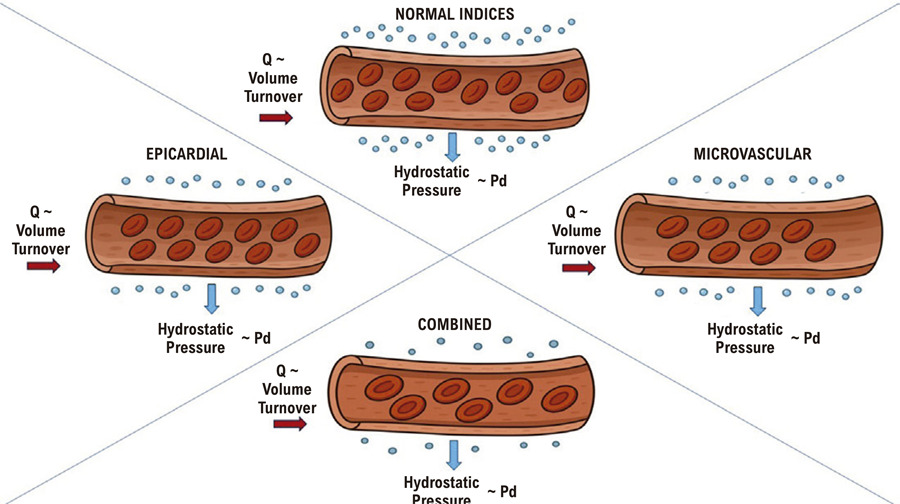
Patients with suspected chronic coronary syndromes who underwent invasive physiological assessment in the ANFIBIO Project (NCT05374694) were classified according to fractional flow reserve [(FFR)≤0.80] and index of microcirculatory resistance [(IMR)≥25] in the left anterior descending artery into four groups: normal indices, isolated epicardial, isolated microvascular, and combined dysfunction. Coronary pressure, flow, and resistance indices were compared between groups.

Results

A total of 130 patients were finally included. A gradual decrease in hyperemic coronary flow [(Qcor) in mL/min; normal indices: 387±192, isolated epicardial: 278±153, isolated microvascular: 130±41, combined: 96±33; p<0.001] and a progressive increase in total coronary resistance [(RTotal) in Wood units (WU); normal indices: 238±139, isolated epicardial: 373±167, isolated microvascular: 694±210, combined: 999±342; p<0.001] were observed as more compartments were involved. Also, epicardial dysfunction was primarily associated with reduced distal coronary pressure (Pd) and elevated epicardial resistance [(REpi) in WU; normal indices: 25±18, isolated epicardial: 145±113, isolated microvascular: 66±34, combined: 389±282; p<0.001], whereas microvascular dysfunction was characterized by preserved Pd but markedly decreased Qcor and increased microvascular resistance [(RMicro) in WU; normal indices: 213±124, isolated epicardial: 228±73, isolated microvascular: 628±195, combined: 610±137; p<0.001]. Combined dysfunction shares mechanisms of both epicardial and microvascular dysfunction.

Conclusions

Coronary endotypes exhibit distinct hemodynamic patterns with specific pressure- and flow-related ischemic mechanisms. Integrated physiological assessment is essential for accurate endotype characterization and personalized therapeutic strategies.
  • Coronary Artery Disease
  • coronary circulation
  • Myocardial Fractional Flow Reserve
Read Full Article
Creative Commons Attribution (CC BY) Creative Commons license
02/02/2026 DOI: 10.36660/abc.20250340i Views 1
ABC
Editorial

Functional RNA Applications in Cardiovascular Precision Medicine: Advances and Diagnostic Perspectives

Mariana Gatto et al. Gustavo Augusto Ferreira Mota Luana Urbano Pagan Marina Politi Okoshi

In recent years, advancements in diagnostic tools have revolutionized biomedical research, particularly in the identification and understanding of various diseases. High-precision technologies such as Next-Generation Sequencing (NGS), coupled with bioinformatics platforms, have enabled detailed analyses of genetic and transcriptomic profiles. This progress has facilitated the detection of genetic variants, molecular signatures, and gene expression patterns, thereby refining the diagnosis of complex diseases and unveiling novel therapeutic targets.

Among these technologies, RNA sequencing (RNA-Seq) —an NGS-based approach for sequencing and quantifying RNA transcripts—has emerged as a key tool. Transcripts can be classified into coding RNAs, such as messenger RNAs (mRNAs) that guide protein synthesis, and non-coding RNAs, including long non-coding RNAs (lncRNAs) and microRNAs (miRNAs), which play regulatory roles in gene expression.LncRNAs modulate transcriptional, epigenetic, and post-transcriptional activity of target genes, whereas miRNAs generally promote mRNA degradation or inhibit translation. The analysis of RNA expression and molecular interactions has broadened our understanding of gene regulatory networks, with promising applications in oncology, inflammatory diseases, and cardiovascular conditions.

[…]

  • coronary circulation
  • Diagnosis
  • RNA
Read Full Article
Creative Commons Attribution (CC BY) Creative Commons license
01/12/2025 DOI: 10.36660/abc.20250553i Views 3
Pathogenesis, Assessment, and Treatment of Coronary Microcirculation Dysfunction
ABC
Review Article

Pathogenesis, Assessment, and Treatment of Coronary Microcirculation Dysfunction

Bing Ji et al. Xue-Bo Liu

Abstract

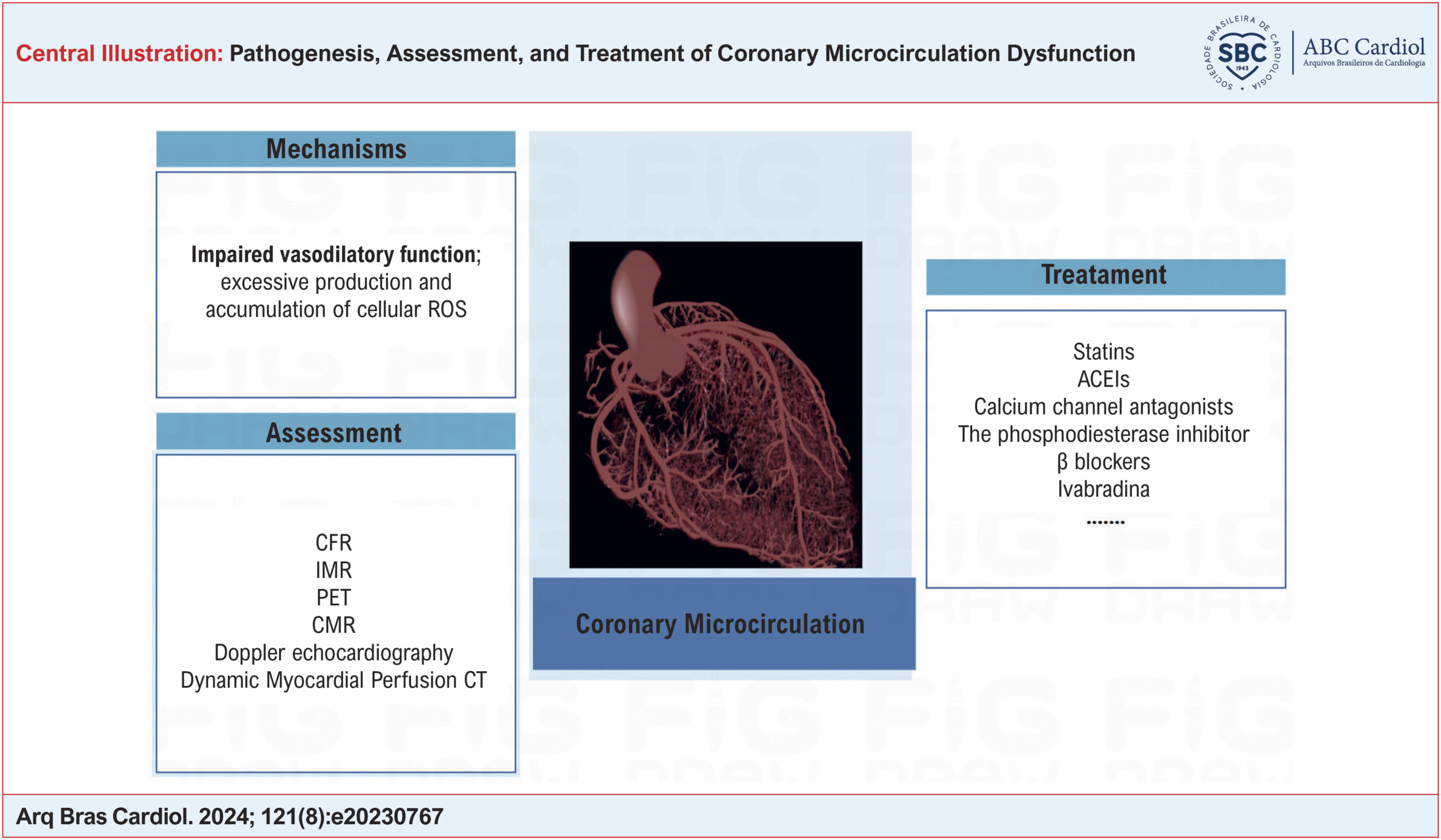
Cardiovascular disease is the predominant cause of mortality on a global scale. Research indicates that women exhibit a greater likelihood of presenting with non-obstructive coronary artery disease (CAD) when experiencing symptoms of myocardial ischemia in comparison to men. Additionally, women tend to experience a higher burden of symptoms relative to men, and despite the presence of ischemic heart disease, they are frequently reassured erroneously due to the absence of obstructive CAD. In cases of ischemic heart disease accompanied by symptoms of myocardial ischemia but lacking obstructive CAD, it is imperative to consider coronary microvascular dysfunction as a potential underlying cause. Coronary microvascular dysfunction, characterized by impaired coronary flow reserve resulting from functional and/or structural abnormalities in the microcirculation, is linked to adverse cardiovascular outcomes. Lifestyle modifications and the use of anti-atherosclerotic and anti-anginal medications may offer potential benefits, although further clinical trials are necessary to inform treatment strategies. This review aims to explore the prevalence, underlying mechanisms, diagnostic approaches, and therapeutic interventions for coronary microvascular dysfunction.

  • coronary circulation
  • Myocardial Fractional Flow Reserve
  • Therapeutics
Read Full Article
Creative Commons Attribution (CC BY) Creative Commons license
02/09/2024 DOI: 10.36660/abc.20230767i
ABC
Editorial

Coronary Arteries after Jatene Operation for Transposition of Great Arteries: The Role of CT Coronary Angiography on Follow-up

Antonio Joaquim Marinho-da-Silva

The correction of transposition of the great arteries (TGA) by the Jatene technique was one of the greatest achievements of cardiac surgery in congenital heart disease. By replacing the transposed arteries in their proper anatomical arrangement, this technique — atrial switch operation (ASO) – achieves a normal spatial arterial relationship. However, this new arrangement requires excision of the coronary artery buttons and their implantation in the new aorta. The difficulty of this step relates to the type of coronary origin and distance to the new insertion site.

Once this anatomical normalization step has been achieved, cardiac functional normalization is sought. The most common post-surgical complications are related to the complexity of associated anomalies (ventricular septal defect (VSD), coarctation of the aorta, valve stenosis, and others), suture sites of the neovessels, pulmonary ramification and dilation of the neoaorta, Not neglectable and object of concern, late complications of either congenital or acquired coronary circulation are well known. The actual incidence of such complications ranges from 0,8% to 27,5% according to reporting series and time of follow-up. ,

[…]

  • Aortic Stenosis, Subvalvular
  • Arterial Switch Operation
  • coronary circulation
  • Heart Defects, Congenital/surgery
  • Heart septal defects
  • Ventricular
Read Full Article
Creative Commons Attribution (CC BY) Creative Commons license
14/06/2021 DOI: 10.36660/abc.20210403 Views 1
Figure 1
ABC
Original Article

Evaluation of Coronary Circulation after Arterial Switch Operation

Mariana Nicoletti Ferreira Baldo et al. Henrique Simão Trad Tarcisio José da Silva Junior Paulo Henrique Manso

Abstract

Background

Coronary artery evaluation remains after arterial switch operation a clinical challenge.

Objective

This study aims to correlate anatomical changes diagnosed by cardiac computed tomography (CCT) with physiological alterations on clinical evaluation to diagnose coronary obstruction in late ASO patients.

Methods

This study included 61 consecutive patients with mean age of 9.4 years who underwent ASO. The patients were submitted to echocardiography, electrocardiography, cardiopulmonary exercise test, and cardiac computed tomography to evaluate functional capacity and coronary artery anatomy.

Results

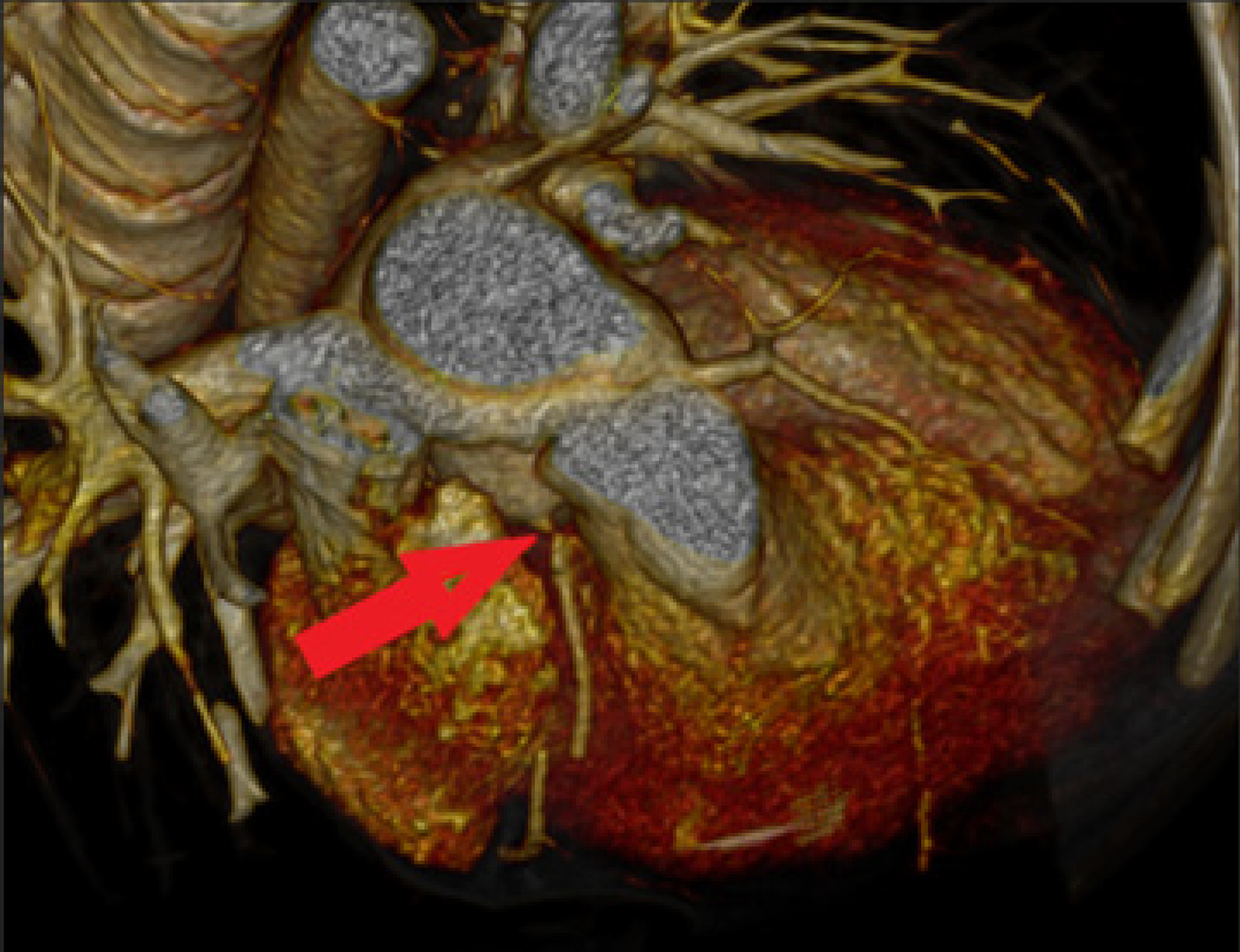
Cardiac computed tomography revealed that only 3.3% of the patients had coronary stenosis. These patients were asymptomatic, and no signs of myocardial ischemia were detected by the tests.

Conclusion

The incidence of coronary abnormalities in late ASO patients was 3.3% in our cohort. There is no clear guideline as to why, when, and how these patients should be screened or what to propose when a coronary obstruction is diagnosed in asymptomatic patients.

  • Arterial Switch Operation
  • coronary artery
  • coronary circulation
  • Diagnostic Imaging
  • Jatene's surgery
  • Tomography, X-Ray
Read Full Article
Creative Commons Attribution (CC BY) Creative Commons license
14/06/2021 DOI: 10.36660/abc.20200095
ABC
Editorial

Coronary Blood Flow Measurement in Conventional Coronary Angiograms by a New Method Based on Contrast Density Detection

Hector M. Garcia-Garcia et al. Pablo Blanco

From its inception, indirect coronary flow assessment by coronary angiography (CAG) has been reported in every catheterization laboratory note as it is regarded a prognostic tool particularly in the context of primary percutaneous coronary intervention. Thrombolysis in myocardial infarction (TIMI) flow grade system and, somewhat less often, corrected TIMI Frame Count (CTFC) are the two most commonly used scores to reflect the status of coronary blood flow (CBF). In this issue, Lopez-Hidalgo and Eblen-Zajjur report a new approach of quantitative angiographic measurement of CBF based on densitometric (DM) contrast detection in off-line CAG. To this aim, thirty patients were studied and divided into 2 groups: normal coronary blood flow (NF) and slow coronary blood flow (SF), according to the CTFC. The authors concluded that the new DM method was feasible and showed some capability to differentiate between normal flow (NF) and slow flow (SF) in patients with chest pain and normal coronary arteries.

The authors have devised a creative approach to indirect measurement of CBF, both quantitatively and objectively. This approach partly overcomes the limitations of the traditional TIMI and CTFC scores. For this reason, we would like to congratulate the authors on this novel report. Having said this, some points deserve further discussion. First, there was an attempt to define “normal” coronary flow. Using the study population, the cut-off was derived from CAG. One can never be sure whether these patients have actually normal CBF. Traditionally, non-invasive methods (such as Positron Emission Tomography and Cardiac Magnetic Resonance Imaging) and invasive methods (i.e. Doppler Wire and thermodilution) are considered the best approaches to measure CBF and standard normality values are known for each technology. In the report, the definition of “normal” values may be, at best, an approximated surrogate to the real CBF.

[…]

  • Contrast Sensitivity
  • Coronary Angiography/methods
  • coronary circulation
  • Regional Blood Flow Pulse
Read Full Article
Creative Commons Attribution (CC BY) Creative Commons license
28/09/2020 DOI: 10.36660/abc.20200936 Views 1
Figure 1
IJCS
Review Article

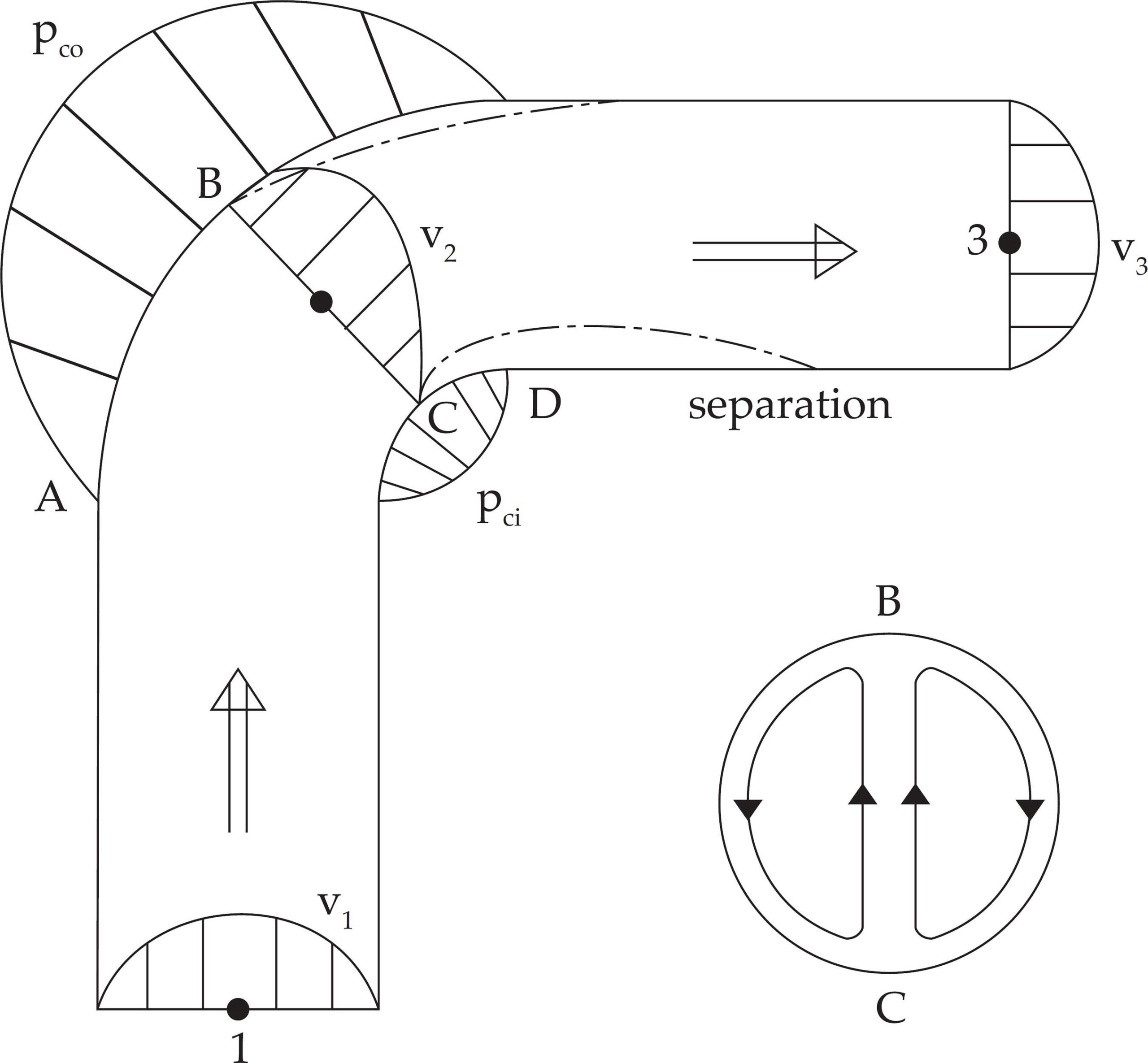
Coronary tortuosity and its role in myocardial ischemia in patients with no coronary obstructions

André Pereira Duque Estrada et al. Rosane de Oliveira Lopes Humberto Villacorta Junior

Abstract

The objective of this study is to make a review of the narrative of coronary artery tortuosity (CAT) approaching several situations in clinical practice where tortuosity can have a relevant role, and also evaluate if tortuosity can be related to the presence of myocardial ischemia in patients without coronary obstruction using scientific evidences in medical literature. Textbook of applied Physiology in Cardiology with study of coronary circulation, theoretical articles with studies of Hemodynamics, Fluid and Mechanical Dynamic, and experimental articles with simulation in computers were used as support to answer this last question.

  • aging
  • coronary circulation
  • Hypertension
  • Myocardial Ischemia
  • Vessels
Read Full Article
Creative Commons Attribution (CC BY) Creative Commons license
01/01/2017 DOI: 10.5935/2359-4802.20170014
ABC
Original Article

Anxiety, Depression, and General Psychological Distress in Patients with Coronary Slow Flow

Mehmet Baran Karataş et al. Ebru Şahan Kazım Serhan Özcan Yiğit Çanga … Barış Güngör Tolga Onuk Göktürk İpek Yasin Çakıllı Emre Arugaslan Osman Bolca

Abstract

Background:

The relationship between psychiatric illness and heart disease has been frequently discussed in the literature. The aim of the present study was to investigate the relationship between anxiety, depression and overall psychological distress, and coronary slow flow (CSF).

Methods:

In total, 44 patients with CSF and a control group of 50 patients with normal coronary arteries (NCA) were prospectively recruited. Clinical data, admission laboratory parameters, and echocardiographic and angiographic characteristics were recorded. Symptom Checklist 90 Revised (SCL-90-R), Beck Depression Inventory (BDI), and Beck Anxiety Inventory (BAI) scales were administered to each patient.

Results:

The groups were comparable with respect to age, sex, and atherosclerotic risk factors. In the CSF group, BAI score, BDI score, and general symptom index were significantly higher than controls (13 [18.7] vs. 7.5 [7], p = 0.01; 11 [14.7] vs. 6.5 [7], p = 0.01; 1.76 [0.81] vs. 1.1[0.24], p = 0.01; respectively). Patients with CSF in more than one vessel had the highest test scores. In univariate correlation analysis, mean thrombolysis in myocardial infarction (TIMI) frame counts were positively correlated with BAI (r = 0.56, p = 0.01), BDI (r = 0.47, p = 0.01), and general symptom index (r = 0.65, p = 0.01). The psychiatric tests were not correlated with risk factors for atherosclerosis.

Conclusion:

Our study revealed higher rates of depression, anxiety, and overall psychological distress in patients with CSF. This conclusion warrants further studies.

  • Anxiety Disorders
  • Coronary Artery Disease / psychology
  • coronary circulation
  • Depression
  • Stress, Psychological
Read Full Article
Creative Commons Attribution (CC BY) Creative Commons license
07/08/2015 DOI: 10.5935/abc.20150092
Figure 1
ABC
Case Report

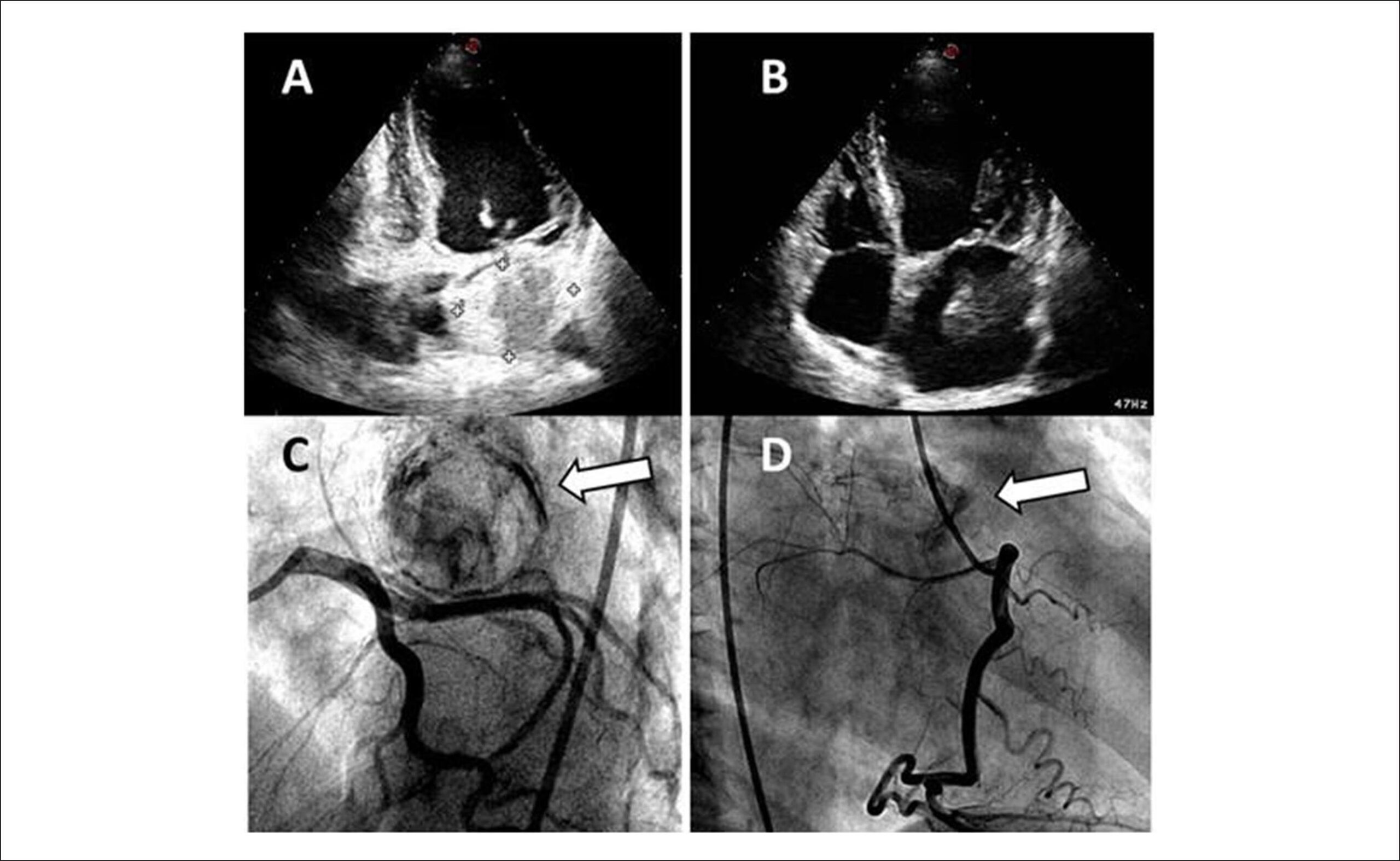
Giant Left Atrial Thrombus with Double Coronary Vascularization

Ciambelli Giuliano Serafino et al. Mariana Lins Baptista Vitor Emer Egypto Rosa Antonio Sérgio de Santis Andrade Lopes … Tarso Augusto Duenhas Accorsi Flávio Tarasoutchi

Introduction

Rheumatic valvular disease, especially mitral stenosis (MS) and atrial fibrillation (AF), are the main factors related to the formation of left atrial (LA) thrombi–. Its incidence can range from 16 to 64%, and the most affected site is the left atrial appendage,.

Systemic embolism is responsible for 10 to 45% of the complications, being the most frequent clinical presentation. Despite being rare, the mechanical mitral valve obstruction caused by thrombus may be considered as potentially severe, especially among those patients with previous MS. The clinical manifestations of this condition are variable, presenting from worsened functional class (NYHA) to cardiogenic shock.

[…]

  • coronary circulation
  • Heart Atria
  • Mitral Valve Stenosis / surgery
  • Myxoma/surgery
  • Thrombosis/surgery
Read Full Article
Creative Commons Attribution (CC BY) Creative Commons license
01/02/2015 DOI: 10.5935/abc.20140128
NT-Pro-BNP levels and their response to exercise in patients with slow coronary flow
ABC
Artigo Original

NT-Pro-BNP levels and their response to exercise in patients with slow coronary flow

Mustafa Yurtdaş et al. İsmail Türkay Özcan Ahmet Çamsar Dilek Çiçek … Lülüfer Tamer Veli Gökhan Cin Oben Döven Ali Sabri Seyis Mehmet Necdet Akkuş

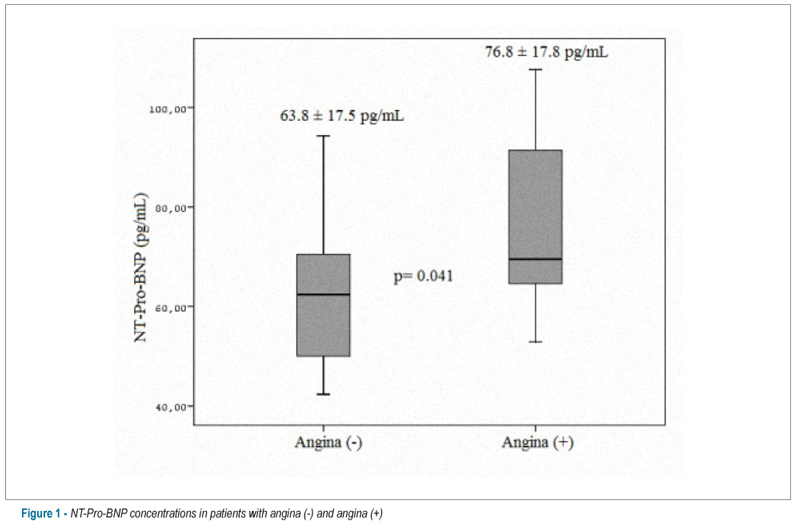
BACKGROUND: Natriuretic peptides are released by the heart in response to wall stress. OBJECTIVE: The NT-Pro-BNP concentrations in slow coronary flow (SCF) patients were assessed before and after the exercise test and compared with the values of healthy controls. METHODS: The study population was 34 patients with SCF [22 males (64.7%), aged 51.0±6.2 years], and 34 normal subjects with normal coronary arteries [21 males (61.8%), aged 53.2±6.6 years]. Coronary flow rates of all patients and control subjects were documented as Thrombolysis in Myocardial Infarction (TIMI) frame count. Blood samples were drawn at rest and after the exercise testing. RESULTS: The baseline NT-Pro-BNP concentrations of the SCF patients were higher than those of the control subjects (NT-Pro-BNP: 49.7±14.2 pg/mL vs. 25.3±4.6 pg/mL p<0.0001, respectively), and this difference increased after exercise test between the groups (NT-Pro-BNP: 69.5±18.6 pg/mL vs. 30.9±6.4 pg/mL p<0.0001). In SCF group after exercise, NT-Pro-BNP concentration in 15 patients with angina was higher than those without angina (76.8 ± 17.8 pg/mL vs. 63.8±17.5 pg/mL p=0.041). NT-Pro-BNP concentration in 11 patients with ST depression was also higher than those without ST depression (82.4 ± 17.3 pg/mL vs. 63.3 ± 16.1 pg/mL p=0.004). Median post-exercise increases in NT-Pro-BNP (Δ NT-Pro-BNP) were higher in the SCF group than in the control group (Δ NT-Pro-BNP: 19.8±7.7 pg/mL vs. 5.7±4.5 pg/mL p<0.0001). CONCLUSION: The results of this study suggest that there may be an important pathophysiologic link between the severity of SCF (microvascular or epicardial coronary artery dysfunction) and the level of circulating NT-Pro-BNP in SCF patients.

  • Angina Pectoris
  • coronary circulation
  • Exercise
  • Natriuretic Agents
Read Full Article
Creative Commons Attribution (CC BY) Creative Commons license
16/11/2012 DOI: 10.1590/S0066-782X2012005000102 Views 1
Amiodarone causes endothelium-dependent vasodilation in canine coronary arteries
ABC
Artigo Original

Amiodarone causes endothelium-dependent vasodilation in canine coronary arteries

Alfredo José Rodrigues et al. Paulo Roberto Barbosa Evora Ayako Maruo Hartzell V. Schaff

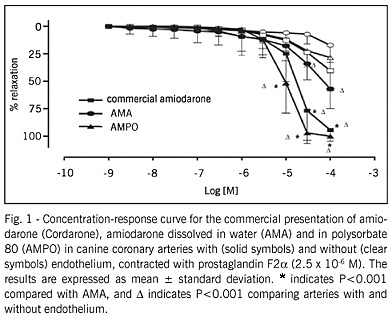
OBJECTIVE: To assess the vasodilating effects of amiodarone on canine coronary arteries by using solutions of amiodarone dissolved in polysorbate 80 or water. METHODS: Rings of coronary arteries, with or without intact endothelium, were immersed in Krebs solution and connected to a transducer for measuring the isometric force promoted by a vascular contraction. The arteries were exposed to increasing concentrations of polysorbate 80, amiodarone dissolved in water, amiodarone dissolved in polysorbate 80, and a commercial presentation of amiodarone (Cordarone). The experiments were conducted in the presence of the following enzymatic blockers: only indomethacin, Nw-nitro-L-arginine associated with indomethacin, and only Nw-nitro-L-arginine. RESULTS: Polysorbate 80 caused a small degree of nonendothelium-dependent relaxation. Cordarone, amiodarone dissolved in water, and amiodarone dissolved in polysorbate 80 caused endothelium-dependent relaxation, which was greater for amiodarone dissolved in polysorbate and for Cordarone. Only the association of indomethacin and Nw-nitro-L-arginine could eliminate the endothelium-dependent relaxation caused by amiodarone dissolved in polysorbate 80. CONCLUSION: The results obtained indicate that vasodilation promoted by amiodarone in canine coronary arteries is mainly caused by stimulation of the release of nitric oxide and cyclooxygenase-dependent relaxing endothelial factors.

  • Amiodarone
  • coronary circulation
  • cyclooxygenase
  • Endothelium
  • Nitric Oxide
Read Full Article
Creative Commons Attribution (CC BY) Creative Commons license
19/08/2005 DOI: 10.1590/S0066-782X2005000300011
The posterior ventricular branches of the coronary arteries in the human heart
ABC
Artigo Original

The posterior ventricular branches of the coronary arteries in the human heart

José Roberto Ortale et al. Luisa Carolina Borges Keiralla Luciana Sacilotto

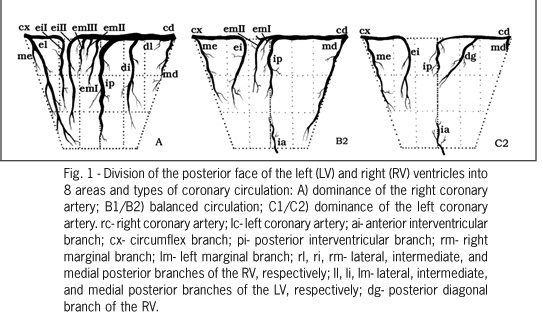
OBJECTIVE: To describe the trajectory of the posterior ventricular branches of the coronary arteries in the epicardial adipose tissue, and to propose a new criterion for analyzing the distribution of these branches, according to the traditional classification, to determine the predominance or balance of the coronary arteries in the arterial supply to the heart. METHODS: Forty hearts obtained from autopsies of adults were dissected and fixed in a formol solution. The posterior face of each ventricle was divided into 8 approximately equal areas for the morphological classification of the coronary circulation. The following 3 traditional types were considered: A) right dominance, B) balanced, and C) left dominance. The number, diameter, and terminal areas of the posterior ventricular branches in the epicardium were analyzed. RESULTS: The following branches and respective frequencies were found: left marginal branch – 100%; posterior left ventricular branches: lateral – 75%, intermediate – 82.5%, and medial – 87.5%; interventricular posterior branch – 95%; posterior right ventricular branch: medial – 40%, intermediate – 32.5%, and lateral – 40%; posterior diagonal branch of the right ventricle – 17.5%; right marginal branch – 95%. In regard to dominance, the following values were found: dominance of the right coronary artery – 62.5%; balanced type – 25%; and dominance of the left coronary artery – 12.5%. CONCLUSION: The method adopted allowed a more precise classification of the types of coronary artery distribution found. The right coronary artery dominance type was the most prevalent, followed by the balanced type and the left coronary artery dominance.

  • Anatomy
  • coronary circulation
  • Heart
Read Full Article
Creative Commons Attribution (CC BY) Creative Commons license
08/06/2004 DOI: 10.1590/S0066-782X2004000500009 Views 1

How to cite this article

EndNote RIS

Electronic Document Format (Vancouver)

Matute-Blanco L, Belmonte T, Rivera K, García-Guimaraes M, Casanova-Sandoval J, Benítez ID, Fuertes-Ferre G, et al. Physiological Characterization of Coronary Endotypes: Potential Links with Myocardial Ischemia. Arquivos Brasileiros de Cardiologia 2026;122(12):e20250340.

Electronic Document Format (ABNT)

Matute-Blanco, Lucía; Belmonte, Thalia; Rivera, Kristian; García-Guimaraes, Marcos; Casanova-Sandoval, Juan; Benítez, Iván D.; Fuertes-Ferre, Georgina; Guerrero, Ainhoa Pérez; Segovia, Raúl Millán; Worner, Fernando; Gonzalo-Calvo, David De; Fernández-Rodríguez, Diego. Physiological Characterization of Coronary Endotypes: Potential Links with Myocardial Ischemia. Arquivos Brasileiros de Cardiologia, v. 122, n. 12, e20250340, Feb. 2026.

Electronic Document Format (APA)

Matute-Blanco, L., Belmonte, T., Rivera, K., García-Guimaraes, M., Casanova-Sandoval, J., Benítez, I. D., Fuertes-Ferre, G., Guerrero, A. P., Segovia, R. M., Worner, F., Gonzalo-Calvo, D. D., & Fernández-Rodríguez, D. (2026). Physiological Characterization of Coronary Endotypes: Potential Links with Myocardial Ischemia. Arquivos Brasileiros de Cardiologia, 122(12), e20250340.

Electronic Document Format (ISO)

Matute-Blanco, Lucía and Belmonte, Thalia and Rivera, Kristian and García-Guimaraes, Marcos and Casanova-Sandoval, Juan and Benítez, Iván D. and Fuertes-Ferre, Georgina and Guerrero, Ainhoa Pérez and Segovia, Raúl Millán and Worner, Fernando and Gonzalo-Calvo, David De and Fernández-Rodríguez, Diego. Physiological Characterization of Coronary Endotypes: Potential Links with Myocardial Ischemia. Arquivos Brasileiros de Cardiologia [online]. 2026, vol. 122, n. 12, [cited 2026-10-14], e20250340. Available from: <https://journals.cardiol.br/en/article/physiological-characterization-of-coronary-endotypes-potential-links-with-myocardial-ischemia/>. ISSN 0066-782X

EndNote RIS

Electronic Document Format (Vancouver)

Gatto M, Mota GAF, Pagan LU, Okoshi MP. Functional RNA Applications in Cardiovascular Precision Medicine: Advances and Diagnostic Perspectives. Arquivos Brasileiros de Cardiologia 2025;122(9):e20250553.

Electronic Document Format (ABNT)

Gatto, Mariana; Mota, Gustavo Augusto Ferreira; Pagan, Luana Urbano; Okoshi, Marina Politi. Functional RNA Applications in Cardiovascular Precision Medicine: Advances and Diagnostic Perspectives. Arquivos Brasileiros de Cardiologia, v. 122, n. 9, e20250553, Nov. 2025.

Electronic Document Format (APA)

Gatto, M., Mota, G. A. F., Pagan, L. U., & Okoshi, M. P. (2025). Functional RNA Applications in Cardiovascular Precision Medicine: Advances and Diagnostic Perspectives. Arquivos Brasileiros de Cardiologia, 122(9), e20250553.

Electronic Document Format (ISO)

Gatto, Mariana and Mota, Gustavo Augusto Ferreira and Pagan, Luana Urbano and Okoshi, Marina Politi. Functional RNA Applications in Cardiovascular Precision Medicine: Advances and Diagnostic Perspectives. Arquivos Brasileiros de Cardiologia [online]. 2025, vol. 122, n. 9, [cited 2026-10-14], e20250553. Available from: <https://journals.cardiol.br/en/article/functional-rna-applications-in-cardiovascular-precision-medicine-advances-and-diagnostic-perspectives/>. ISSN 0066-782X

EndNote RIS

Electronic Document Format (Vancouver)

Ji B, Liu X. Pathogenesis, Assessment, and Treatment of Coronary Microcirculation Dysfunction. Arquivos Brasileiros de Cardiologia 2024;121(8):e20230767.

Electronic Document Format (ABNT)

Ji, Bing; Liu, Xue-Bo. Pathogenesis, Assessment, and Treatment of Coronary Microcirculation Dysfunction. Arquivos Brasileiros de Cardiologia, v. 121, n. 8, e20230767, Sep. 2024.

Electronic Document Format (APA)

Ji, B., & Liu, X. (2024). Pathogenesis, Assessment, and Treatment of Coronary Microcirculation Dysfunction. Arquivos Brasileiros de Cardiologia, 121(8), e20230767.

Electronic Document Format (ISO)

Ji, Bing and Liu, Xue-Bo. Pathogenesis, Assessment, and Treatment of Coronary Microcirculation Dysfunction. Arquivos Brasileiros de Cardiologia [online]. 2024, vol. 121, n. 8, [cited 2026-10-14], e20230767. Available from: <https://journals.cardiol.br/en/article/pathogenesis-assessment-and-treatment-of-coronary-microcirculation-dysfunction/>. ISSN 0066-782X

EndNote RIS

Electronic Document Format (Vancouver)

Marinho-da-Silva AJ. Coronary Arteries after Jatene Operation for Transposition of Great Arteries: The Role of CT Coronary Angiography on Follow-up. Arquivos Brasileiros de Cardiologia 2021;116(6):1117-8.

Electronic Document Format (ABNT)

Marinho-da-Silva, Antonio Joaquim. Coronary Arteries after Jatene Operation for Transposition of Great Arteries: The Role of CT Coronary Angiography on Follow-up. Arquivos Brasileiros de Cardiologia, v. 116, n. 6, p. 1117-1118, Jun. 2021.

Electronic Document Format (APA)

Marinho-da-Silva, A. J. (2021). Coronary Arteries after Jatene Operation for Transposition of Great Arteries: The Role of CT Coronary Angiography on Follow-up. Arquivos Brasileiros de Cardiologia, 116(6), 1117-1118.

Electronic Document Format (ISO)

Marinho-da-Silva, Antonio Joaquim. Coronary Arteries after Jatene Operation for Transposition of Great Arteries: The Role of CT Coronary Angiography on Follow-up. Arquivos Brasileiros de Cardiologia [online]. 2021, vol. 116, n. 6, [cited 2026-10-14], pp. 1117-1118. Available from: <https://journals.cardiol.br/en/article/coronary-arteries-after-jatene-operation-for-transposition-of-great-arteries-the-role-of-ct-coronary-angiography-on-follow-up/>. ISSN 0066-782X

EndNote RIS

Electronic Document Format (Vancouver)

Baldo MNF, Trad HS, Silva Junior TJ, Manso PH. Evaluation of Coronary Circulation after Arterial Switch Operation. Arquivos Brasileiros de Cardiologia 2021;116(6):1111-6.

Electronic Document Format (ABNT)

Baldo, Mariana Nicoletti Ferreira; Trad, Henrique Simão; Silva Junior, Tarcisio José da; Manso, Paulo Henrique. Evaluation of Coronary Circulation after Arterial Switch Operation. Arquivos Brasileiros de Cardiologia, v. 116, n. 6, p. 1111-1116, Jun. 2021.

Electronic Document Format (APA)

Baldo, M. N. F., Trad, H. S., Silva Junior, T. J. , & Manso, P. H. (2021). Evaluation of Coronary Circulation after Arterial Switch Operation. Arquivos Brasileiros de Cardiologia, 116(6), 1111-1116.

Electronic Document Format (ISO)

Baldo, Mariana Nicoletti Ferreira and Trad, Henrique Simão and Silva Junior, Tarcisio José da and Manso, Paulo Henrique. Evaluation of Coronary Circulation after Arterial Switch Operation. Arquivos Brasileiros de Cardiologia [online]. 2021, vol. 116, n. 6, [cited 2026-10-14], pp. 1111-1116. Available from: <https://journals.cardiol.br/en/article/evaluation-of-coronary-circulation-after-arterial-switch-operation/>. ISSN 0066-782X

EndNote RIS

Electronic Document Format (Vancouver)

Garcia-Garcia HM, Blanco P. Coronary Blood Flow Measurement in Conventional Coronary Angiograms by a New Method Based on Contrast Density Detection. Arquivos Brasileiros de Cardiologia 2020;115(3):513-4.

Electronic Document Format (ABNT)

Garcia-Garcia, Hector M.; Blanco, Pablo. Coronary Blood Flow Measurement in Conventional Coronary Angiograms by a New Method Based on Contrast Density Detection. Arquivos Brasileiros de Cardiologia, v. 115, n. 3, p. 513-514, Sep. 2020.

Electronic Document Format (APA)

Garcia-Garcia, H. M., & Blanco, P. (2020). Coronary Blood Flow Measurement in Conventional Coronary Angiograms by a New Method Based on Contrast Density Detection. Arquivos Brasileiros de Cardiologia, 115(3), 513-514.

Electronic Document Format (ISO)

Garcia-Garcia, Hector M. and Blanco, Pablo. Coronary Blood Flow Measurement in Conventional Coronary Angiograms by a New Method Based on Contrast Density Detection. Arquivos Brasileiros de Cardiologia [online]. 2020, vol. 115, n. 3, [cited 2026-10-14], pp. 513-514. Available from: <https://journals.cardiol.br/en/article/coronary-blood-flow-measurement-in-conventional-coronary-angiograms-by-a-new-method-based-on-contrast-density-detection/>. ISSN 0066-782X

EndNote RIS

Electronic Document Format (Vancouver)

Estrada APD, Lopes RO, Villacorta Junior H. Coronary tortuosity and its role in myocardial ischemia in patients with no coronary obstructions. International Journal of Cardiovascular Sciences 2017;30(2):163-70.

Electronic Document Format (ABNT)

Estrada, André Pereira Duque; Lopes, Rosane de Oliveira; Villacorta Junior, Humberto. Coronary tortuosity and its role in myocardial ischemia in patients with no coronary obstructions. International Journal of Cardiovascular Sciences, v. 30, n. 2, p. 163-170, Dec. 2016.

Electronic Document Format (APA)

Estrada, A. P. D., Lopes, R. O., & Villacorta Junior, H. (2017). Coronary tortuosity and its role in myocardial ischemia in patients with no coronary obstructions. International Journal of Cardiovascular Sciences, 30(2), 163-170.

Electronic Document Format (ISO)

Estrada, André Pereira Duque and Lopes, Rosane de Oliveira and Villacorta Junior, Humberto. Coronary tortuosity and its role in myocardial ischemia in patients with no coronary obstructions. International Journal of Cardiovascular Sciences [online]. 2017, vol. 30, n. 2, [cited 2026-10-14], pp. 163-170. Available from: <https://journals.cardiol.br/en/article/coronary-tortuosity-and-its-role-in-myocardial-ischemia-in-patients-with-no-coronary-obstructions/>. ISSN 2359-4802

EndNote RIS

Electronic Document Format (Vancouver)

Karataş MB, Şahan E, Özcan KS, Çanga Y, Güngör B, Onuk T, İpek G, et al. Anxiety, Depression, and General Psychological Distress in Patients with Coronary Slow Flow. Arquivos Brasileiros de Cardiologia 2015;105(4):362-70.

Electronic Document Format (ABNT)

Karataş, Mehmet Baran; Şahan, Ebru; Özcan, Kazım Serhan; Çanga, Yiğit; Güngör, Barış; Onuk, Tolga; İpek, Göktürk; Çakıllı, Yasin; Arugaslan, Emre; Bolca, Osman. Anxiety, Depression, and General Psychological Distress in Patients with Coronary Slow Flow. Arquivos Brasileiros de Cardiologia, v. 105, n. 4, p. 362-370, Aug. 2015.

Electronic Document Format (APA)

Karataş, M. B., Şahan, E., Özcan, K. S., Çanga, Y., Güngör, B., Onuk, T., İpek, G., Çakıllı, Y., Arugaslan, E., & Bolca, O. (2015). Anxiety, Depression, and General Psychological Distress in Patients with Coronary Slow Flow. Arquivos Brasileiros de Cardiologia, 105(4), 362-370.

Electronic Document Format (ISO)

Karataş, Mehmet Baran and Şahan, Ebru and Özcan, Kazım Serhan and Çanga, Yiğit and Güngör, Barış and Onuk, Tolga and İpek, Göktürk and Çakıllı, Yasin and Arugaslan, Emre and Bolca, Osman. Anxiety, Depression, and General Psychological Distress in Patients with Coronary Slow Flow. Arquivos Brasileiros de Cardiologia [online]. 2015, vol. 105, n. 4, [cited 2026-10-14], pp. 362-370. Available from: <https://journals.cardiol.br/en/article/anxiety-depression-and-general-psychological-distress-in-patients-with-coronary-slow-flow/>. ISSN 0066-782X

EndNote RIS

Electronic Document Format (Vancouver)

Serafino CG, Baptista ML, Rosa VEE, Lopes ASSA, Accorsi TAD, Tarasoutchi F. Giant Left Atrial Thrombus with Double Coronary Vascularization. Arquivos Brasileiros de Cardiologia 2015;104(2):e15-7.

Electronic Document Format (ABNT)

Serafino, Ciambelli Giuliano; Baptista, Mariana Lins; Rosa, Vitor Emer Egypto; Lopes, Antonio Sérgio de Santis Andrade; Accorsi, Tarso Augusto Duenhas; Tarasoutchi, Flávio. Giant Left Atrial Thrombus with Double Coronary Vascularization. Arquivos Brasileiros de Cardiologia, v. 104, n. 2, p. e15-e17, Jan. 2015.

Electronic Document Format (APA)

Serafino, C. G., Baptista, M. L., Rosa, V. E. E., Lopes, A. S. S. A., Accorsi, T. A. D., & Tarasoutchi, F. (2015). Giant Left Atrial Thrombus with Double Coronary Vascularization. Arquivos Brasileiros de Cardiologia, 104(2), e15-e17.

Electronic Document Format (ISO)

Serafino, Ciambelli Giuliano and Baptista, Mariana Lins and Rosa, Vitor Emer Egypto and Lopes, Antonio Sérgio de Santis Andrade and Accorsi, Tarso Augusto Duenhas and Tarasoutchi, Flávio. Giant Left Atrial Thrombus with Double Coronary Vascularization. Arquivos Brasileiros de Cardiologia [online]. 2015, vol. 104, n. 2, [cited 2026-10-14], pp. e15-e17. Available from: <https://journals.cardiol.br/en/article/giant-left-atrial-thrombus-with-double-coronary-vascularization/>. ISSN 0066-782X

EndNote RIS

Electronic Document Format (Vancouver)

Yurtdaş M, Özcan T, Çamsar A, Çiçek D, Tamer L, Cin VG, Döven O, et al. NT-Pro-BNP levels and their response to exercise in patients with slow coronary flow. Arquivos Brasileiros de Cardiologia 2012;99(6):1115-22.

Electronic Document Format (ABNT)

Yurtdaş, Mustafa; Özcan, İsmail Türkay; Çamsar, Ahmet; Çiçek, Dilek; Tamer, Lülüfer; Cin, Veli Gökhan; Döven, Oben; Seyis, Ali Sabri; Akkuş, Mehmet Necdet. NT-Pro-BNP levels and their response to exercise in patients with slow coronary flow. Arquivos Brasileiros de Cardiologia, v. 99, n. 6, p. 1115-1122, Nov. 2012.

Electronic Document Format (APA)

Yurtdaş, M., Özcan, T., Çamsar, A., Çiçek, D., Tamer, L., Cin, V. G., Döven, O., Seyis, A. S., & Akkuş, M. N. (2012). NT-Pro-BNP levels and their response to exercise in patients with slow coronary flow. Arquivos Brasileiros de Cardiologia, 99(6), 1115-1122.

Electronic Document Format (ISO)

Yurtdaş, Mustafa and Özcan, İsmail Türkay and Çamsar, Ahmet and Çiçek, Dilek and Tamer, Lülüfer and Cin, Veli Gökhan and Döven, Oben and Seyis, Ali Sabri and Akkuş, Mehmet Necdet. NT-Pro-BNP levels and their response to exercise in patients with slow coronary flow. Arquivos Brasileiros de Cardiologia [online]. 2012, vol. 99, n. 6, [cited 2026-10-14], pp. 1115-1122. Available from: <https://journals.cardiol.br/en/article/nt-pro-bnp-levels-and-their-response-to-exercise-in-patients-with-slow-coronary-flow/>. ISSN 0066-782X

EndNote RIS

Electronic Document Format (Vancouver)

Rodrigues AJ, Evora PRB, Maruo A, Schaff HV. Amiodarone causes endothelium-dependent vasodilation in canine coronary arteries. Arquivos Brasileiros de Cardiologia 2005;84(3):251-5.

Electronic Document Format (ABNT)

Rodrigues, Alfredo José; Evora, Paulo Roberto Barbosa; Maruo, Ayako; Schaff, Hartzell V.. Amiodarone causes endothelium-dependent vasodilation in canine coronary arteries. Arquivos Brasileiros de Cardiologia, v. 84, n. 3, p. 251-255, Aug. 2005.

Electronic Document Format (APA)

Rodrigues, A. J., Evora, P. R. B., Maruo, A., & Schaff, H. V. (2005). Amiodarone causes endothelium-dependent vasodilation in canine coronary arteries. Arquivos Brasileiros de Cardiologia, 84(3), 251-255.

Electronic Document Format (ISO)

Rodrigues, Alfredo José and Evora, Paulo Roberto Barbosa and Maruo, Ayako and Schaff, Hartzell V.. Amiodarone causes endothelium-dependent vasodilation in canine coronary arteries. Arquivos Brasileiros de Cardiologia [online]. 2005, vol. 84, n. 3, [cited 2026-10-14], pp. 251-255. Available from: <https://journals.cardiol.br/en/article/amiodarone-causes-endothelium-dependent-vasodilation-in-canine-coronary-arteries/>. ISSN 0066-782X

EndNote RIS

Electronic Document Format (Vancouver)

Ortale JR, Keiralla LCB, Sacilotto L. The posterior ventricular branches of the coronary arteries in the human heart. Arquivos Brasileiros de Cardiologia 2004;82(5):463-7.

Electronic Document Format (ABNT)

Ortale, José Roberto; Keiralla, Luisa Carolina Borges; Sacilotto, Luciana. The posterior ventricular branches of the coronary arteries in the human heart. Arquivos Brasileiros de Cardiologia, v. 82, n. 5, p. 463-467, Jun. 2004.

Electronic Document Format (APA)

Ortale, J. R., Keiralla, L. C. B., & Sacilotto, L. (2004). The posterior ventricular branches of the coronary arteries in the human heart. Arquivos Brasileiros de Cardiologia, 82(5), 463-467.

Electronic Document Format (ISO)

Ortale, José Roberto and Keiralla, Luisa Carolina Borges and Sacilotto, Luciana. The posterior ventricular branches of the coronary arteries in the human heart. Arquivos Brasileiros de Cardiologia [online]. 2004, vol. 82, n. 5, [cited 2026-10-14], pp. 463-467. Available from: <https://journals.cardiol.br/en/article/the-posterior-ventricular-branches-of-the-coronary-arteries-in-the-human-heart/>. ISSN 0066-782X

  • About ABC Family
  • Internal Regulation
  • Editorial Board
  • Brazilian Society of Cardiology (SBC)

Issues

SBC Guidelines

  • Videos
  • Podcasts
  • News