ABC Family Arquivos Brasileiros de Cardiologia International Journal of Cardiovascular Sciences ABC Heart Failure & Cardiomyopathy ABC Imagem Cardiovascular
Português English
ABC Family
Português English
  • About
    • About ABC Family
    • Internal Regulation
    • Editorial Board
    • Brazilian Society of Cardiology (SBC)
  • Issues
  • SBC Guidelines
  • Content
    • Videos
    • Podcasts
    • News
  • About
    • About ABC Family
    • Internal Regulation
    • Editorial Board
    • Brazilian Society of Cardiology (SBC)
  • Issues
  • SBC Guidelines
  • Content
    • Videos
    • Podcasts
    • News

ABC Family

  • ABC Family
  • Arquivos Brasileiros de Cardiologia
  • International Journal of Cardiovascular Sciences
  • ABC Heart Failure & Cardiomyopathy
  • ABC Imagem Cardiovascular
Search in

No content found.

Journals
Ordering
Article types
Others

  1. Home
  2. Keyword: Brazil
ABC
Special Article

Cardiovascular Statistics – Brazil 2026

Gláucia Maria Moraes de Oliveira et al. Luisa Campos Caldeira Brant Carisi Anne Polanczyk Deborah Carvalho Malta … Andreia Biolo Bruno Ramos Nascimento Maria de Fatima Marinho de Souza Andrea Rocha De Lorenzo Antonio Aurélio de Paiva Fagundes Júnior Arthur Gus Manfro Beatriz D. Schaan Christina Grüne de Souza e Silva Fábio Morato de Castilho Fernando Henpin Yue Cesena Gabriel Porto Soares Gesner Francisco Xavier Junior Jose Augusto Soares Barreto Filho Lucia Campos Pellanda Luciana Nicolau Aranha Luis Eduardo Paim Rohde Luiz Guilherme Passaglia Marcelo Martins Pinto-Filho M. Julia Machline-Carrion Marcio Sommer Bittencourt Octavio M. Pontes Neto Paolo Blanco Villela Paulo Henrique Godoy Renato Azeredo Teixeira Ricardo Stein Roney Orismar Sampaio Thais Rocha Salim Thomas A. Gaziano Pablo Perel Gregory A. Roth Antonio Luiz Pinho Ribeiro

Cardiovascular Statistics – Brazil was established to provide a periodic, comprehensive, evidence-based assessment of cardiovascular health in Brazil and to support clinical practice, research, public health planning, and policy development. Developed under the auspices of the Brazilian Society of Cardiology, the initiative brings together a multidisciplinary network of investigators from academic institutions across the country who are responsible for reviewing, analyzing, and interpreting data from multiple complementary sources. Since its first edition in 2020, Cardiovascular Statistics – Brazil has sought not only to quantify the burden of cardiovascular diseases (CVDs) and their risk factors but also to identify temporal trends, regional disparities, gaps in care, and emerging challenges for the Brazilian health system. The project is modeled on international initiatives such as the American Heart Association’s Heart Disease and Stroke Statistics Update, while incorporating data sources and perspectives that reflect Brazil’s unique epidemiological, demographic, and healthcare characteristics.

(…)

  • Atrial Fibrillation
  • Atrial flutter
  • Brazil
  • Cardiomyopathies
  • Cardiovascular Diseases
  • Cerebrovascular Disorders
  • chronic renal insufficiency
  • Congenital Heart Defects
  • Coronary Disease
  • Diabetes Mellitus
  • Diet
  • Dyslipidemias
  • Exercise
  • Heart Failure
  • Heart Valve Diseases
  • Hypertension
  • Obesity
  • Overweight
  • Statistics
  • Tobacco Use Disorder
Read Full Article
Creative Commons Attribution (CC BY) Creative Commons license
07/10/2026 DOI: 10.36660/abc.20260832i Views 1
ABC
Letter to the Editor

Treatment of Heart Failure in Brazil: Where Cost-Effectiveness Studies and Public Access Data to Therapies Meet

Henrique Iahnke Garbin et al. Fernando Luis Scolari Andreia Biolo

Heart failure (HF) remains a leading cause of hospitalization and cardiovascular mortality in Brazil. In recent years, new prognostically modifying pharmacological therapies have been shown to reduce cardiovascular mortality, HF hospitalizations, and improve quality of life. In this context, the availability of these therapies in the public health system becomes a determining factor in improving clinical outcomes at the population level. A recent systematic review on the cost-effectiveness of HF therapies in Brazil demonstrated that several pharmacological interventions, including mineralocorticoid receptor antagonists, sodium-glucose cotransporter 2 (SGLT2) inhibitors, and angiotensin-neprilysin receptor inhibitors, have high economic attractiveness in the national scenario. Dapagliflozin, for example, showed an incremental cost-effectiveness ratio of Int$ 9,000/QALY, and is considered cost-effective.

Interestingly, Brazilian population-based evidence reinforces the clinical impact of these strategies, supporting the cost-effectiveness study. One analysis evaluated the temporal evolution of cardiovascular mortality and hospitalizations for heart failure after the implementation of the public access program for dapagliflozin in Brazil. The policy was initially approved for patients with type 2 diabetes mellitus or established cardiovascular disease aged ≥ 65 years. The medication was also made available to patients ≥ 18 years with heart failure with reduced ejection fraction, type 2 diabetes mellitus, or chronic kidney disease, upon presentation of a specialized medication report. The population-based study demonstrated a reduction in cardiovascular mortality trends (a 6.6% reduction in 2022, 4.7% in 2023, and 5.9% in 2024 compared to 2017) and hospitalizations for heart failure (a 23.8% reduction in 2024 compared to 2017) after the availability and access to medication in patients aged ≥ 65 years.

[…]

  • Brazil
  • Cost-Effectiveness Analysis
  • Heart Failure
Read Full Article
Creative Commons Attribution (CC BY) Creative Commons license
21/09/2026 DOI: 10.36660/abc.20260314i Views 1
ABC
Editorial

Mortality from Cardiomyopathies in Brazil

André Rodrigues Durães

Cardiomyopathies represent a heterogeneous group of heart muscle diseases that, although individually less prevalent than coronary artery disease, impose a substantial burden of morbidity and mortality on a global scale. Data from the Global Burden of Disease (GBD) 2021 estimate that cardiomyopathies were responsible for approximately 1.2 million deaths worldwide, with an age-standardized mortality rate of 14.3 per 100,000 inhabitants, and more than 28 million disability-adjusted life years (DALYs) lost annually., Despite therapeutic advances in recent decades, the epidemiological trajectory of these conditions remains marked by profound regional inequalities, both between countries on different continents and within the same national territory. It is in this context that the study by Silva et al. offers a timely and necessary contribution by analyzing the epidemiological profile, as well as the spatiotemporal evolution of mortality from cardiomyopathies in Brazil between 2001 and 2021.

This is an important ecological epidemiological study that used data from the Mortality Information System (SIM) to examine more than 200,000 deaths from cardiomyopathies over a two-decade period. The average mortality rate was observed to be 6.66 per 100,000 inhabitants, reaching 7.64 per 100,000 in 2004 and falling to 4.15 per 100,000 in 2020. A significant annual reduction of 1.86% (p<0.05) was observed, and spatial analysis revealed clusters of high mortality, mainly in the Central-West, South, and Southeast regions.

[…]

  • Brazil
  • Cardiomyopathies
  • Mortality
Read Full Article
Creative Commons Attribution (CC BY) Creative Commons license
07/08/2026 DOI: 10.36660/abc.20260438i Views 2
ABC
Editorial

Prevalence in Evidence: Valvular Heart Diseases Dominating the Brazilian Scenario

Ana Teresa Timóteo

Valvular heart disease is a highly prevalent cardiovascular condition, estimated to affect more than 2% of the population, and is associated with increased mortality. However, most epidemiological studies are conducted in high-income countries, and we know that the characteristics vary according to the country and region of the world. In fact, degenerative valvular heart disease predominates in high-income countries, while rheumatic and infectious diseases are still very prevalent in lower-income countries. Socioeconomic conditions also have important implications for the diagnosis and treatment of this condition.

Data from the EURObservational Research Programme Valvular Heart Disease II (EORP-VHD II) Survey, with participants from 28 European countries and an average age of 71 years, reported aortic valve stenosis as the most frequent valvular disease, present in 41% of patients, followed at a distance by mitral regurgitation, aortic regurgitation, and mitral stenosis. Degenerative etiology was the most common, except for mitral stenosis, where rheumatic etiology predominated. This record reinforced the results of the initial EORP-VHD, conducted in 2001. The increase in aortic stenosis is likely a consequence of population aging, and the reduction in rheumatic mitral stenosis is a result of the decrease in rheumatic fever in Europe. Data recently published in the ATLAS of the European Society of Cardiology also highlight that valvular diseases continue to increase in prevalence and are responsible for thousands of deaths annually.

[…]

  • Brazil
  • Prevalence
  • Valvular heart disease
Read Full Article
Creative Commons Attribution (CC BY) Creative Commons license
03/08/2026 DOI: 10.36660/abc.20260464i Views 2
ABC
Letter to the Editor

Pulsed Field Ablation in Brazil: What the Registry Tells Us, and What It Does Not

Fatih Aydin

The article Brazilian Registry of Pulsed Field Catheter Ablation for the Treatment of Patients with Atrial Fibrillation, recently published in this journal by May et al., is a timely and genuinely important contribution. Documenting the initial 394 pulsed field ablation (PFA) procedures across 60 centers and 60 operators is no small task, and the authors deserve credit for organizing a voluntary, multicenter effort this early in the technology’s domestic adoption. The absence of major complications and the demonstration of a steep, short learning curve are reassuring findings for centers still considering whether to adopt PFA.

That said, a few aspects of the registry warrant further discussion.

[…]

  • Atrial Fibrillation
  • Brazil
Read Full Article
Creative Commons Attribution (CC BY) Creative Commons license
22/06/2026 DOI: 10.36660/abc.20260176i Views 2
IJCS
Letter to the Editor

Comments on "Assessment of Overweight/Obesity and Elevation of Blood Pressure in Schools in Rural and Urban Areas in the Backlands of Bahia – A Cross-Sectional Study"

Rubah Noor et al. Ritika Kumari

Dear Editor,

I recently came across the article titled “Assessment of Overweight/Obesity and Elevation of Blood Pressure in Schools in Rural and Urban Areas in the Backlands of Bahia – A Cross-Sectional Study,” and I felt compelled to write in. First and foremost, I want to commend the authors for tackling a subject that’s growing more urgent with each passing year. Childhood obesity and elevated blood pressure are emerging earlier and becoming more frequent across the globe, and this study makes a meaningful contribution by examining the problem in a region that’s often overlooked.

[…]

  • Blood Pressure
  • Brazil
  • Pediatric Obesity
  • Rural Health
  • Urban Health
Read Full Article
Creative Commons Attribution (CC BY) Creative Commons license
25/05/2026 DOI: 10.36660/ijcs.20250126 Views 2
Genetic and Clinical Characterization of a South-Brazilian Hypertrophic Cardiomyopathy Cohort
ABC
Original Article

Genetic and Clinical Characterization of a South-Brazilian Hypertrophic Cardiomyopathy Cohort

Thais Beuren et al. Fernando Scolari Fernanda Sperb-Ludwig Filipe Ferrari … Arthur Rossi Rafael Zawislak Peter van Tintelen Ricardo Stein

Abstract

Background

Hypertrophic cardiomyopathy (HCM) is the most common monogenic heart disease, characterized by genetic and phenotypic heterogeneity. Although extensively studied in North American and European populations, data from Brazil remain limited.

Objectives

To characterize the genetic and clinical profiles of a Southern Brazilian cohort of HCM patients and their relatives using massive parallel sequencing.

Methods

In this observational study, HCM patients and first-degree relatives were recruited from outpatient cardiology clinics. Clinical and imaging data were collected, and genetic analysis used a 100-gene panel. Variant pathogenicity was assessed according to American College of Medical Genetics and Genomics criteria, and statistical analyses were performed using R software.

Results

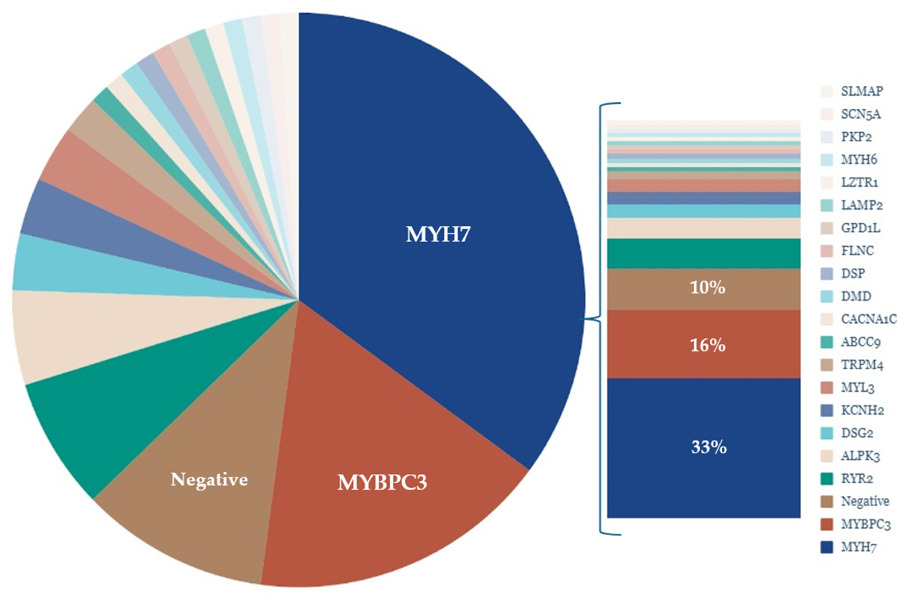
Eighty individuals were included in the final analysis (mean age: 49.2 ±18.5); 60% male; 40 index cases and 40 affected relatives). MYH7 and MYBPC3 were the most frequently related genes, with pathogenic / likely pathogenic variants (P/LP) identified in 33% and 16% of participants, respectively. No pathogenic TNNT2 variants were detected. Ninety percent of participants carried an identified variant (including variants of uncertain significance), with 68% harboring P/LP variants. MYH7 carriers exhibited a higher proportion of left ventricular outflow tract obstruction, whereas MYBPC3 carriers had a higher proportion of arrhythmic events and earlier diagnosis; however, these differences did not reach statistical significance and should be interpreted as exploratory. Clinical comparisons revealed regional differences, suggesting the potential impact of genetic diversity on the presentation of HCM in this part of Brazil.

Conclusions

This study offers the first detailed genetic and clinical characterization of a Brazilian HCM cohort using massive parallel sequencing. Our findings underscore the importance of genetic testing for diagnosis, risk stratification, and management.

  • Brazil
  • Genetic Testing
  • High-Throughput Nucleotide Sequencing
  • Hypertrophic Cardiomyopathy
Read Full Article
Creative Commons Attribution (CC BY) Creative Commons license
20/03/2026 DOI: 10.36660/abc.20250420i Views 1
ABC
Original Article

Brazilian Registry of Pulsed Field Catheter Ablation for the Treatment of Patients with Atrial Fibrillation

Bruna Miers May et al. Nilson Araujo Junior Silvia Helena Cardoso Boghossian Jacob Atie … Washington A. Maciel Carina Abigail Hardy Alexander Romeno Janner Dal Forno Eduardo B. Saad Claudio Munhoz Angelo Amato Vincenzo de Paola Mauricio Scanavacca Andre Zimerman José Tarcísio Medeiros de Vasconcelos André d’Avila

Abstract

Background:

Pulsed field ablation (PFA), a new catheter-based, non-thermal ablation technique, enhances the safety and efficacy of catheter ablation of atrial fibrillation (AF) compared to conventional thermal methods. While widely adopted in Europe and the United States, its application in Brazil is recent and remains undocumented.

Objective:

This study reports the initial multicenter Brazilian experience with the pulse field ablation to treat patients with AF, emphasizing its rapid adoption and short learning curve.

Methods:

A retrospective analysis of 394 consecutive procedures, performed by 60 operators across multiple Brazilian centers, was conducted. Data encompassed patient demographics, procedural metrics, imaging modalities, and ablation outcomes. A sub-analysis compared high-volume operators (n=139 procedures) with others (n=255). All statistical tests were two-tailed, with a p-value threshold of <0.05 for statistical significance.

Results:

Paroxysmal AF was predominant (62%), with pulmonary vein isolation (PVI) only as the primary lesion set in 54%. General anesthesia was near-universal (98%), and no major complications occurred. High-volume centers had significantly shorter procedure and ablation times (82 ± 27 vs. 131 ± 76 minutes; p<0.001 and 33 ± 14 vs. 50 ± 33 minutes; p<0.001, respectively), alongside fewer additional lesions after remapping (7% vs. 30%; p<0.001), suggesting a rapid learning curve.

Conclusion:

Pulsed field ablation demonstrates high acute efficacy, safety, and ease of adoption in Brazil, with a notably short learning curve, as evidenced by the efficiency of high-volume operators. Long-term outcome studies are warranted.

  • Atrial Fibrillation
  • Brazil
  • Catheter Ablation
Read Full Article
Creative Commons Attribution (CC BY) Creative Commons license
02/03/2026 DOI: 10.36660/abc.20250416i Views 1
Forecasting Ischemic Heart Disease, Stroke, and Peripheral Artery Disease Mortality in Brazil Through 2040: A Bayesian Modeling Approach
ABC
Original Article

Forecasting Ischemic Heart Disease, Stroke, and Peripheral Artery Disease Mortality in Brazil Through 2040: A Bayesian Modeling Approach

Pedro Rafael Vieira de Oliveira Salerno et al. Antoinette Cotton Bruno R. Nascimento Zhuo Chen … Gabriel Tensol Rodrigues Pereira Alexandre A. Abizaid Luis Augusto Palma Dallan Pedro Rafael Salerno Sadeer Al-Kindi Fanny Petermann-Rocha Salil V. Deo

Abstract

Background

Atherosclerotic cardiovascular disease — particularly ischemic heart disease (IHD), stroke, and peripheral artery disease (PAD) — is the leading cause of cardiovascular mortality in Brazil.

Objectives

This study aimed to project mortality trends for IHD, stroke, and PAD in Brazil through 2040.

Methods

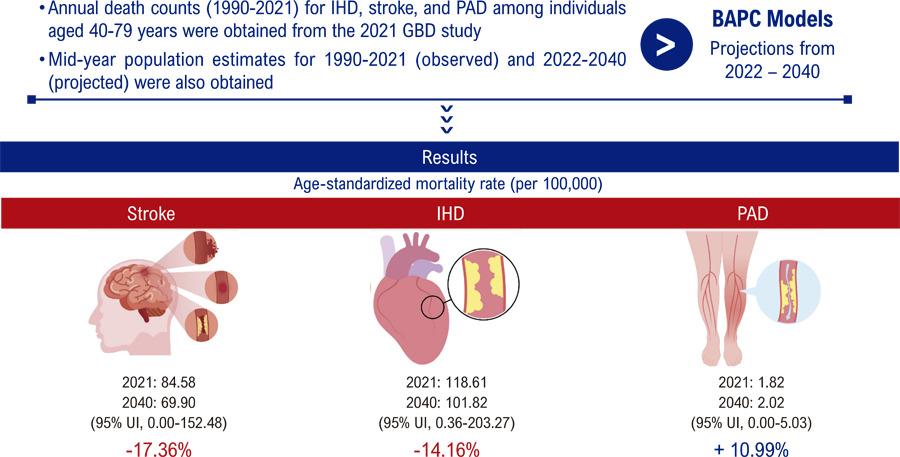
Annual death counts (1990-2021) for IHD, stroke, and PAD among individuals aged 40-79 years were obtained from the Global Burden of Disease (GBD) 2021 study. Mid-year population estimates for both observed (1990-2021) and projected (2022-2040) periods were used. Crude and age-standardized mortality rates were calculated. Bayesian age-period-cohort models were applied to project mortality rates from 2022 to 2040. Relative percentage changes and estimated annual percentage changes (EAPCs) were computed. Projections (per 100,000 population) are reported as medians with 95% uncertainty intervals (UIs), and EAPCs include bootstrap-derived confidence intervals (CIs).

Results

Between 1990 and 2040, Brazil’s population aged 40-79 years is projected to grow by 237.82%. The age-standardized mortality rate for IHD is expected to decline by 14.16% [from 118.61 in 2021 to 101.82 in 2040 (95% UI, 0.36-203.27)] (EAPC: -0.83% [95% CI, -0.84 to -0.83]); and for stroke by 17.36% [from 84.58 to 69.90 (95% UI, 0-152.48)] (EAPC: -1.07% [95% CI, -1.10 to -1.04]). In contrast, PAD mortality is projected to increase by 10.99% [from 1.82 to 2.02 (95% UI, 0-5.03)] (EAPC: 0.45% [95% CI, 0.30-0.59]). Additionally, sex-specific age-standardized mortality rates showed considerable variation. For IHD, rates are projected to decline by 25.31% among men (EAPC: -1.56% [95% CI, -1.57 to -1.55]), while increasing by 4.12% among women (EAPC: 0.14% [95% CI, 0.13-0.16]). Stroke mortality is expected to decrease by 30.00% in men (EAPC: -1.94% [95% CI, -1.96 to -1.91]) and by 4.52% in women (EAPC: -0.33% [95% CI, -0.37 to -0.29]). In contrast, PAD mortality is projected to rise by 14.64% in men (EAPC: 0.55% [95% CI, 0.38 to 0.71]) and by 21.92% in women (EAPC: 0.91% [95% CI, 0.78-1.02]).

Conclusion

While mortality rates for IHD and stroke are projected to decline, PAD mortality is expected to rise — particularly among women — highlighting the urgent need for sex-specific and disease-specific public health interventions.

  • Brazil
  • Mortality
  • Myocardial Ischemia
  • Peripheral Arterial Disease
  • Stroke
Read Full Article
Creative Commons Attribution (CC BY) Creative Commons license
16/01/2026 DOI: 10.36660/abc.20250189i Views 2
Temporal Trends in the Epidemiology of Acute Rheumatic Fever: A Nationwide Analysis from 2008 to 2022
ABC
Original Article

Temporal Trends in the Epidemiology of Acute Rheumatic Fever: A Nationwide Analysis from 2008 to 2022

Antonio Mutarelli et al. Larissa Armelin Alexandre Negrão Pantaleão Alleh Nogueira … Carla Jorge Machado José Luiz P Silva Jagdip Kang Walderez O. Dutra Maria C. P. Nunes

Abstract

Background

Acute rheumatic fever (ARF) remains a significant public health challenge, especially in low- and middle-income countries. It disproportionately affects non-white populations in underprivileged regions and may lead to rheumatic heart disease (RHD), which has high morbidity and mortality.

Objectives

Analyze hospitalizations and deaths related to ARF in Brazil between 2008 and 2022, highlighting regional and demographic inequalities.

Methods

We conducted a cross-sectional study analyzing hospitalization and mortality data caused by ARF from 2008 to 2022 in Brazil, collected through the Hospital Information System (SIH/SUS). Data were stratified by demographics, region, and hospital visit type (urgent or elective) and analyzed using generalized linear autoregressive moving average models to assess the impact of age, sex, and race. Statistical significance was set at p < 0.05.

Results

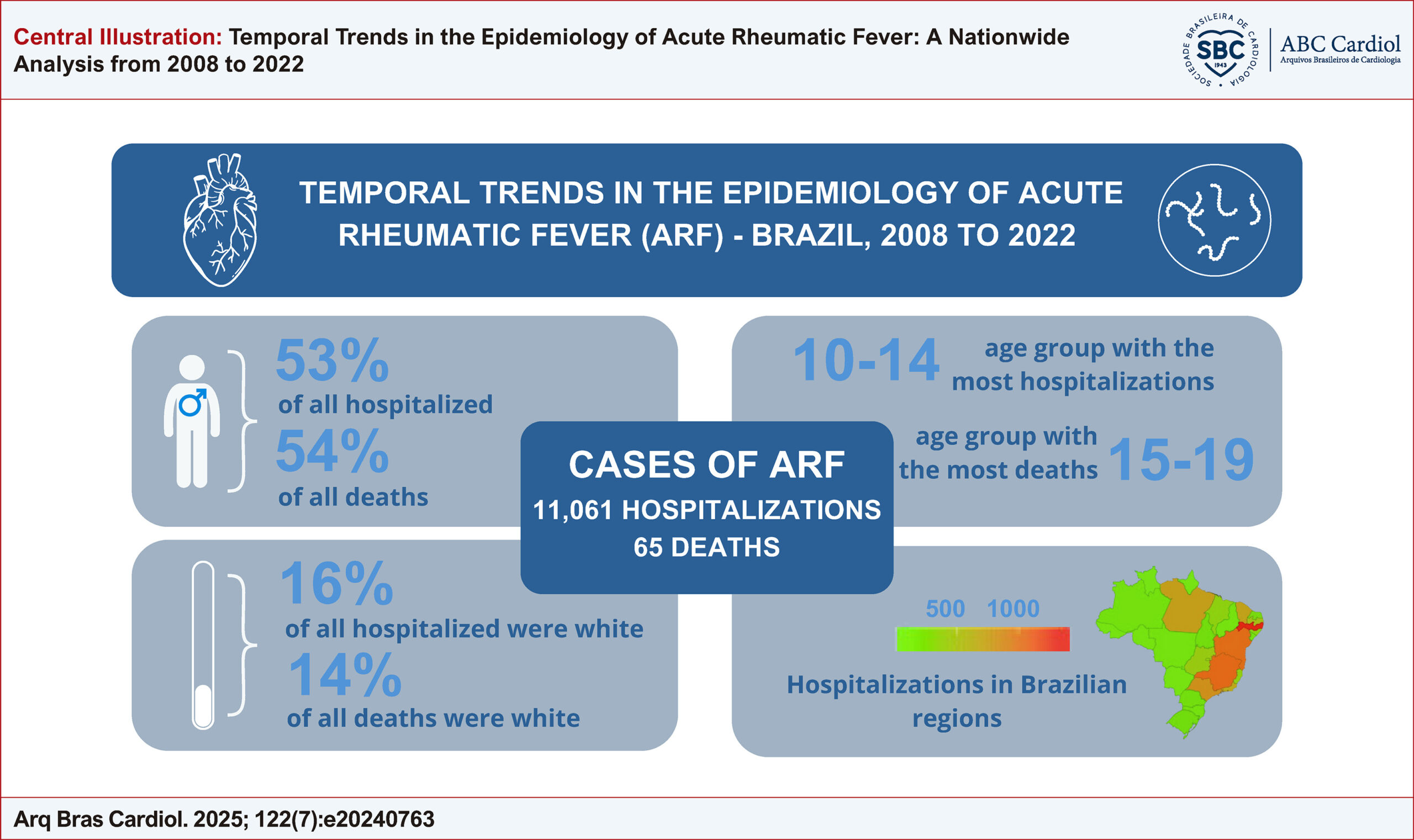
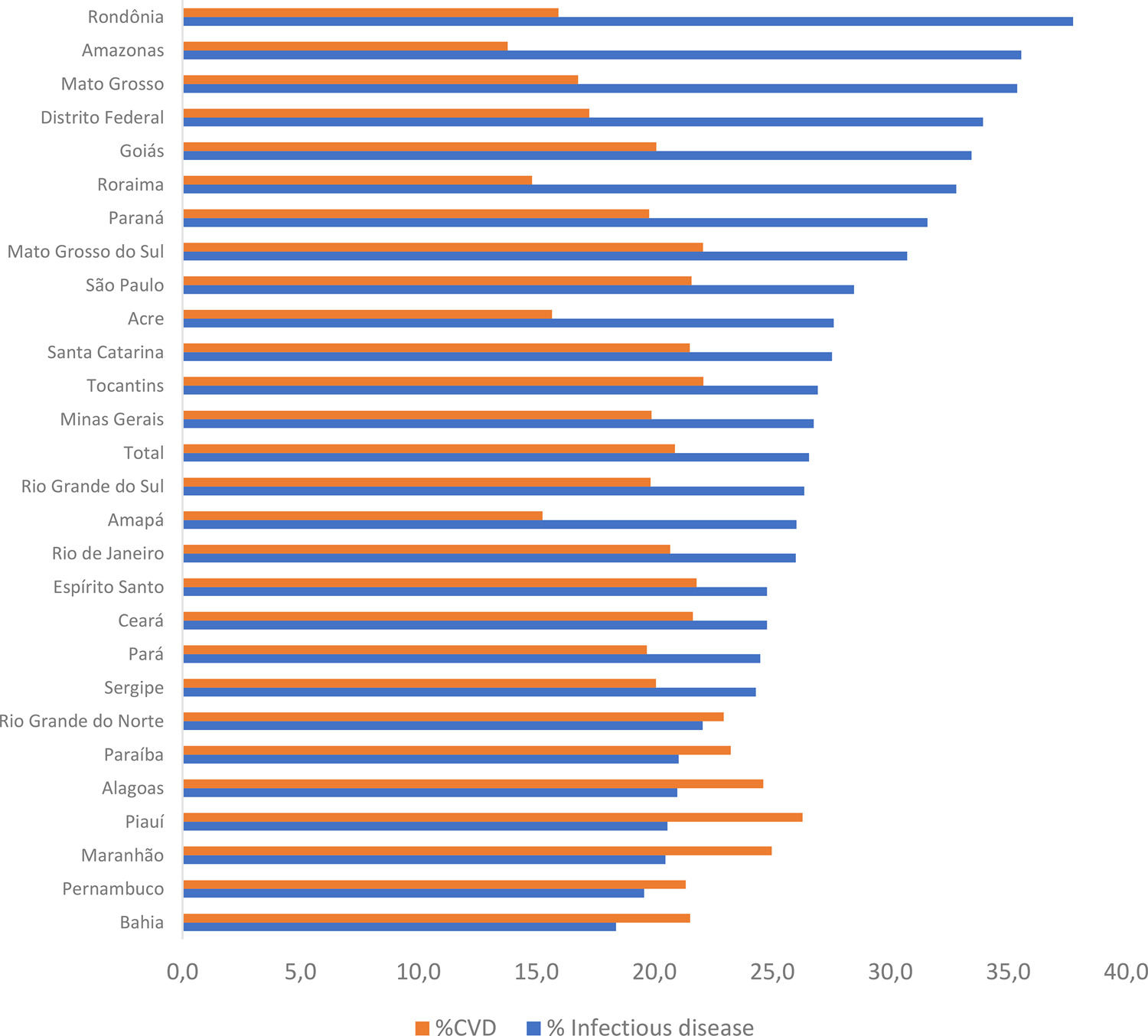
Of 11,061 hospitalizations and 65 deaths from ARF, 53% were male and 16% were white. The 10–14-year-old age group had the highest hospitalization rates, while the 15–19-year-old group had more deaths. Hospitalizations were higher among non-white individuals and concentrated in Brazil’s Northeast. Over time, ARF-related hospitalizations declined across all demographics, with a gradual convergence between male and female rates by 2022.

Conclusion

Our findings highlight a decline in ARF-related hospitalizations across regions and demographics, though disparities remain. There is no significant difference in ARF cases between men and women. The study highlights a correlation between socioeconomic factors and disease burden, with low-income groups experiencing a higher rate of ARF hospitalizations.

  • Acute Rheumatic Fever
  • Brazil
  • Epidemiology
  • Hospitalization
  • Prevalence
Read Full Article
Creative Commons Attribution (CC BY) Creative Commons license
15/08/2025 DOI: 10.36660/abc.20240763i
Figure 1
ABC
Original Article

Agreement between Framingham, Pooled Cohort Equations, and Globorisk-LAC in the Estimation of Cardiovascular Risk in Brazil, 2013

Leonardo Ferreira Fontenelle et al. Thiago Dias Sarti Gabriela Callo Quinte Ana Paula Santana Coelho Almeida José Geraldo Mill

Abstract

Background

The Framingham risk score and Pooled Cohort Equations (PCE) have never been recalibrated for the Brazilian population. In contrast, the Globorisk-LAC score was recently derived using a methodology analogous to the PCE and has been recalibrated for Latin American countries.

Objectives

To describe the agreement between the Framingham, PCE, and Globorisk-LAC scores in estimating the 10-year cardiovascular risk in the Brazilian population.

Methods

This cross-sectional study used the three scores to estimate cardiovascular risk in participants aged 40 to 74 years without a history of cardiovascular disease based on data from the 2013 National Health Survey (PNS). The agreement was estimated as (i) the percentage of participants in which the risk estimated by one score was between 0.80 and 1.25 times the risk estimated by another score and (ii) based on the Gwet’s agreement coefficient (AC1) according to risk categories (low, intermediate, and high).

Results

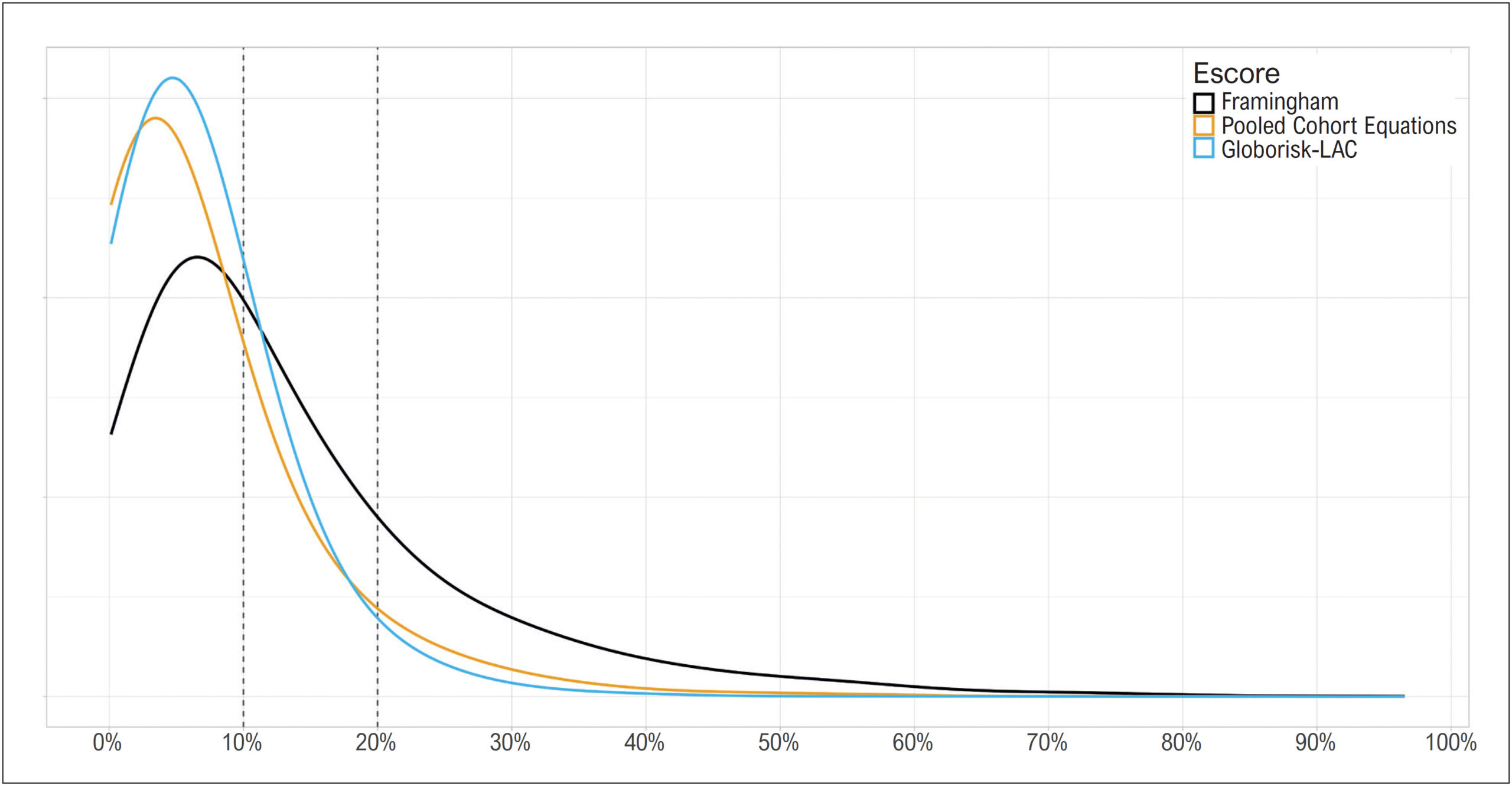
A total of 4,416 participants were included from 8,952 participants from the PNS with a laboratory component. The median (interquartile range) of the estimated 10-year cardiovascular risk was 9.2% (5.1 to 17.8) according to the Framingham, 3.6% (1.7 to 8.2) according to the PCE, and 4.7% (2.8 to 8.1) according to the Globorisk-LAC. The risk estimated using the Framingham agreed with the Globorisk-LAC and PCE in 6.4% and 1.8% of the cases, respectively, whereas the PCE and Globorisk-LAC agreed in 34.7% of the cases. When considering the risk stratification, the respective AC1 values were 0.454, 0.489, and 0.874.

Conclusions

The three cardiovascular risk scores showed low levels of agreement with each other. The reasons for this disagreement suggests that Globorisk-LAC is a strong candidate to replace the Framingham in the Brazilian guidelines for dyslipidemia.

  • Brazil
  • Heart Disease Risk Factors
  • Risk Assessment
Read Full Article
Creative Commons Attribution (CC BY) Creative Commons license
28/07/2025 DOI: 10.36660/abc.20240405i Views 2
Figure 1
IJCS
Original Article

Epidemiological Analysis of Emergency Hospitalizations in Brazil Due to Cardiovascular Diseases From 2013 to 2023

Yago Souza Luiz et al. Vitor Moreira Alvarenga Mikaela de Miranda Lopes Lara Gomes Silva

Abstract

Introduction:

Cardiovascular diseases (CVDs) remain among the leading causes of morbidity and mortality worldwide, posing a significant public health challenge. Thus, analyzing their prevalence over time is crucial.

Objective:

To perform an epidemiological analysis of emergency hospital admissions due to CVD in Brazil between 2013 and 2023.

Methods:

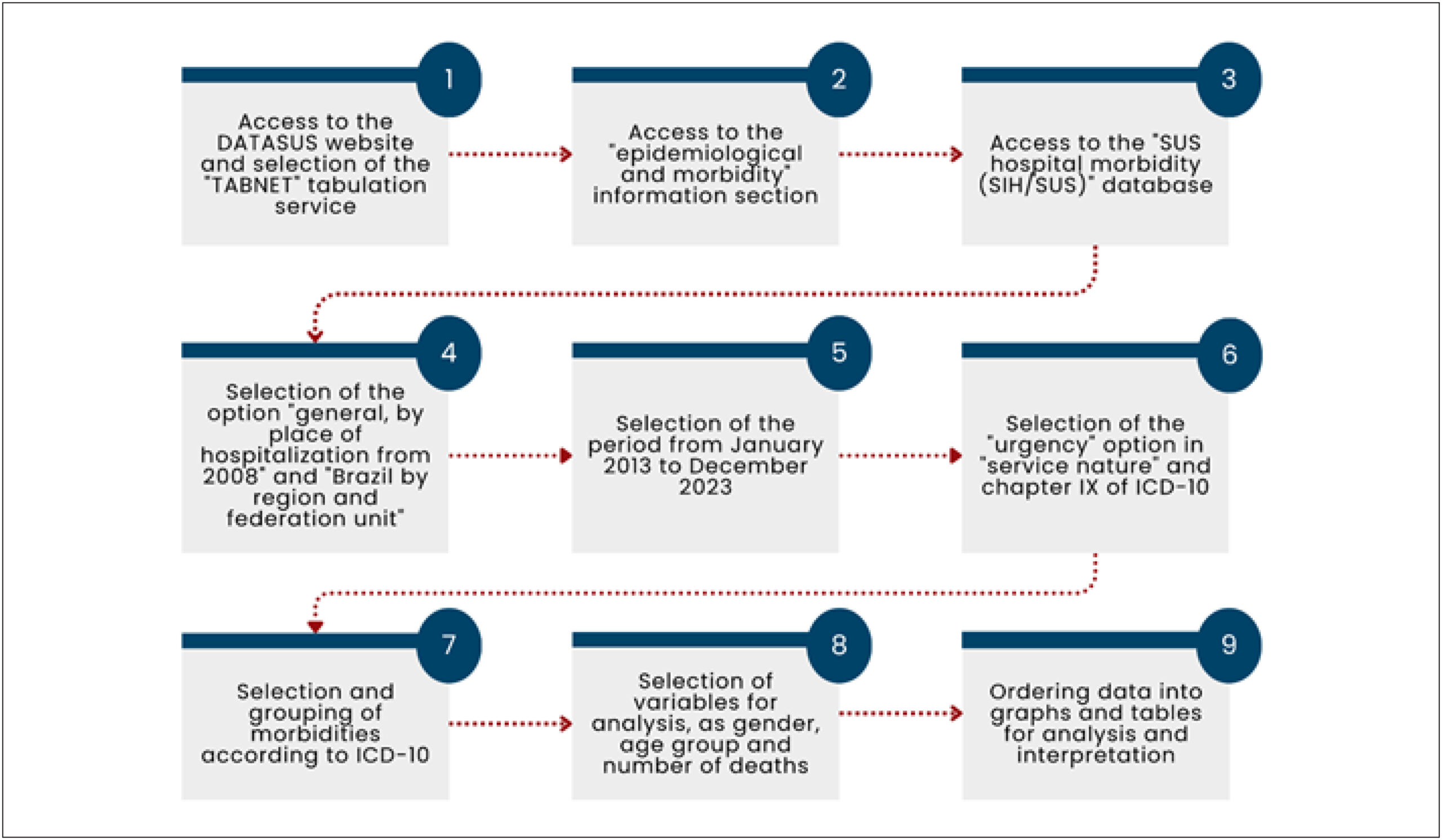
This is an ecological, descriptive study based on data from the DATASUS database. Cardiovascular morbidities classified by ICD-10, along with variables such as sex and age group, were selected for analysis. Data was collected in October 2024 and organized into graphs and tables.

Results:

From January 2013 to December 2023, 8,208,282 patients were admitted for emergency cardiovascular conditions, 53.7% of whom were male, with 26% aged between 60 and 69 years. A significant reduction in hospital admissions was observed in 2020 and 2021. Ischemic heart diseases were the most frequent cause of hospitalization, accounting for 29.72% of cases. A notable increase in mortality was recorded in 2021 and 2022, with higher mortality rates among male patients and those admitted for cerebrovascular diseases.

Conclusion:

The observed increase in hospitalizations is attributed to the demographic transition occurring in the country, while the sharp decline in 2020 and 2021 appears to be a consequence of COVID-19-related measures, which is a trend also observed in other countries. These findings underscore the importance of studying the epidemiology of CVD in Brazil and reinforce the need for public investment aimed at reducing their prevalence.

  • Brazil
  • Cardiovascular Diseases
  • Epidemiology
  • Hospitalization
Read Full Article
Creative Commons Attribution (CC BY) Creative Commons license
27/06/2025 DOI: 10.36660/ijcs.20240200 Views 2
Association between Passive Smoking and Hypertension: A Panel Study with 621.506 Adults from Brazil
ABC
Original Article

Association between Passive Smoking and Hypertension: A Panel Study with 621.506 Adults from Brazil

Vicente Gabriel Winck Mattos et al. Gustavo Ianzer Moraes Laís Werneck de Azevedo Júlia Oleiro Mandeco … Elizabet Saes-Silva Carine Nascimento da Silva Samuel Carvalho Dumith

Abstract

Background

Passive smoking, which affects a large number of people, may create a predisposition to cardiovascular disease in a manner similar to active smoking. However, this relationship is poorly explored in the scientific literature.

Objectives

This study aimed to investigate the association between passive smoking and hypertension in an adult population in Brazil.

Methods

This panel study utilized data on the Brazilian population collected through a VIGITEL survey conducted between 2009 and 2021. The data were analyzed using Poisson regression with a 95% confidence interval (95%CI).

Results

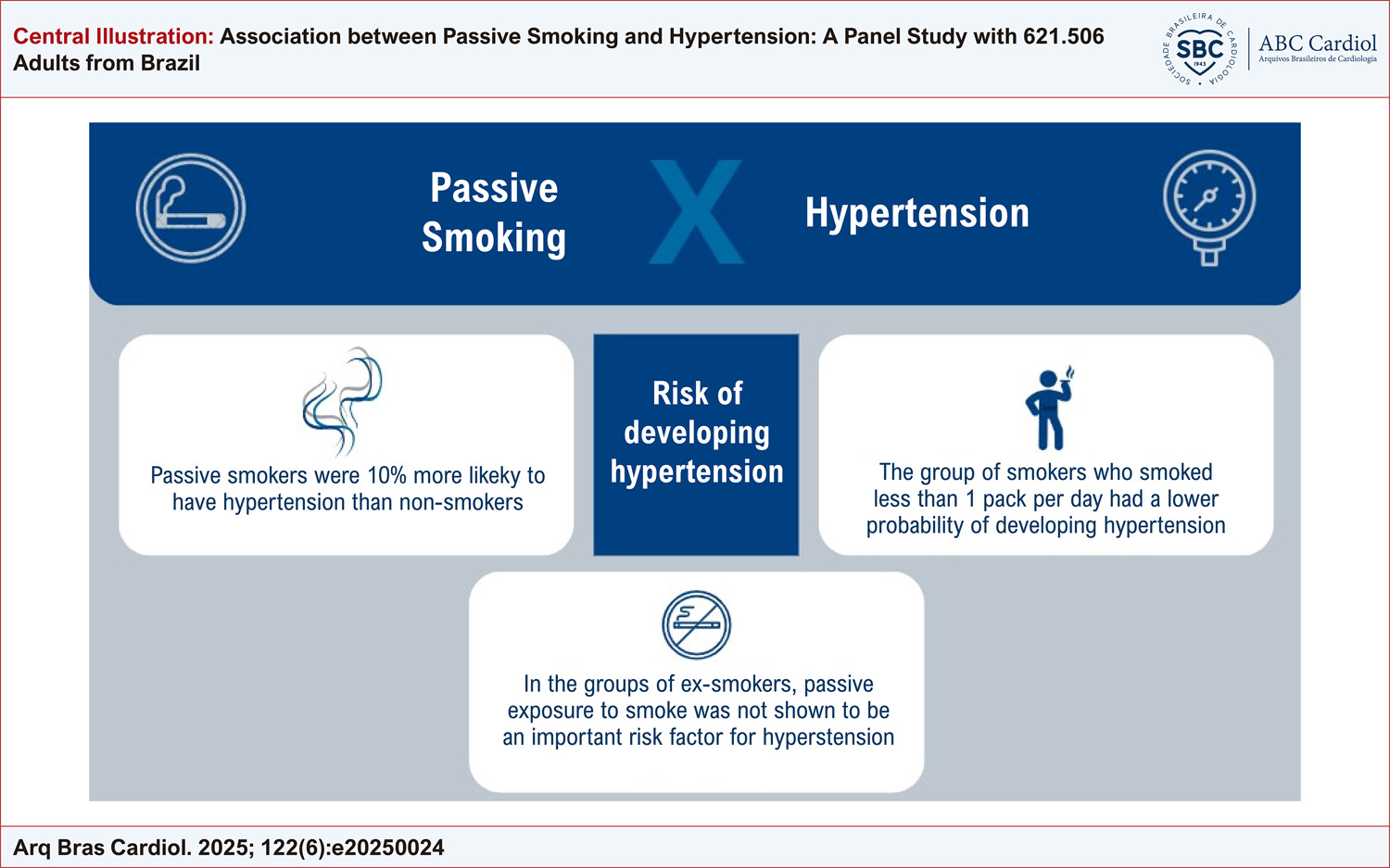
The prevalence of hypertension in our population was 24.9% (95%CI 24.6-25.1), and passive smoking was observed in 16.3% (95%CI 16.0-16.5). The adjusted analysis revealed that passive smoking leads to a high risk of hypertension (PR=1.10; 95%CI 1.07 to 1.14), which was surprisingly close to the risk among heavy smokers (>1 pack or 20 cigarettes a day) (PR 1.09; 95%CI 1.06 to 1.13). Another noteworthy finding was the higher prevalence of hypertension among former smokers, highlighting associations that are poorly explained in the literature.

Conclusion

A significant association was found between passive smoking and hypertension, demonstrating that passive smokers are as prone to developing hypertension as heavy smokers. Therefore, we recommend a meta-analysis to consolidate the evidence on this subject and strengthen our findings.

  • Brazil
  • Hypertension
  • Tobacco Smoke Pollution
Read Full Article
Creative Commons Attribution (CC BY) Creative Commons license
02/06/2025 DOI: 10.36660/abc.20250024i Views 2
ABC
Editorial

Southern Brazil Registry of Atrial Fibrillation (SBR-AF): Predictors of Atrial Arrhythmia Recurrence After First Catheter Ablation

Muhieddine Omar Chokr

Atrial fibrillation (AF) has established itself as a significant public health issue, affecting up to 4% of the population. Patients with AF experience increased mortality rates, stroke, and heart failure, as well as higher hospitalization rates and reduced quality of life.

Modern treatment of this arrhythmia involves managing cardiovascular risk factors, preventing cardioembolic events, and controlling heart rhythm. Among the therapeutic options, radiofrequency ablation has established itself as the therapy of choice, presenting the best results in the management of this clinical condition. In paroxysmal AF, triggers originating from the pulmonary veins are primarily responsible for initiating the arrhythmia. On the other hand, in the persistent form, different electrophysiological mechanisms are involved, making the invasive treatment strategy more complex as the disease progresses over time.

[…]

  • Atrial Fibrillation
  • Brazil
  • electrophysiology
  • Registries
Read Full Article
Creative Commons Attribution (CC BY) Creative Commons license
10/02/2025 DOI: 10.36660/abc.20240871i Views 1
ABC
Editorial

The Use of Twitter (X) by Brazilian Cardiologists: A Call to Action

Sergio Emanuel Kaiser

The prominently influential media outlet currently known as X (Formerly “Twitter”) was originally conceived as a microblogging platform intended to broadcast short status updates, amenable to immediate delivery to friends and followers. However, it has sparked a revolution in the way information is shared, opinions are expressed, and connections that are made in real-time. With its short-message format, the platform enables instant communication between individuals thousands of miles apart with just a few taps on a smartphone screen.

In the framework of machine-learning driven algorithms, highly emotional texts and images drive engagement, spread rapidly, and amplify visibility for embedded ads or sponsored messages. Profit expectations for the platform’s owners, therefore, rely on the efficiency of these algorithms to generate engagement, regardless of the accuracy and authenticity of the shared information. By 2023, sponsored (and tailored) ads accounted for 74% of the platform’s revenue.

[…]

  • Brazil
  • Cardiologists
  • Social Media
Read Full Article
Creative Commons Attribution (CC BY) Creative Commons license
20/01/2025 DOI: 10.36660/abc.20240711i
ABC
Editorial

Healing Hearts with Humor: The Potential of Laughter Therapy in Cardiac Rehabilitation

Cleidiane Andrade et al. Filipe Ferrari Ricardo Stein

Introduction

Laughter therapy, also known as humor therapy, utilizes laughter and enjoyment as tools to enhance physical and emotional well-being. This practice offers numerous benefits, including: (1) lowering cortisol levels, thereby reducing stress – a well-established cardiovascular risk factor; (2) improving blood circulation through the release of vasoactive substances; and (3) boosting mood, which helps to combat depression and anxiety – conditions commonly found in patients with cardiovascular diseases and which are also risk factors for the development of coronary artery disease (CAD).,

A study conducted in the USA involving 48 diabetic patients who had recently experienced a myocardial infarction divided these participants into two groups. One group received standard cardiac rehabilitation in addition to 30-minute daily humor sessions of their choice (intervention), while the other group received only standard rehabilitation (control). The findings revealed that the humor group experienced fewer arrhythmias, reduced levels of epinephrine and norepinephrine in both urine and plasma, a decreased need for nitroglycerin to manage angina, and fewer recurrent infarctions. Additionally, Miller et al. demonstrated that watching a comedy film significantly increases flow-mediated dilation in healthy individuals, whereas viewing stressful films tends to reduce this dilation. Furthermore, an open-label trial with 17 elderly participants who watched stand-up comedy once a week for 4 weeks reported reductions in heart rate and blood pressure, along with increased plasma serotonin levels. Further evidence suggests that patients with cardiovascular disease are less likely to laugh heartily. Moreover, the prevalence of heart disease among the elderly is 1.2 times higher in those who never laugh compared to those who laugh daily.

[…]

  • Brazil
  • Coronary Artery Disease
  • Laughter Therapy
Read Full Article
Creative Commons Attribution (CC BY) Creative Commons license
10/01/2025 DOI: 10.36660/abc.20240594i
ABC
Editorial

Heart Failure in Brazil: How Can We Improve its Natural History?

Filipe Ferrari et al. Arthur Proença Rossi Igor Rafael Miranda Ferreira Santander

Heart failure (HF) is a complex syndrome with high morbidity and mortality rates worldwide., Despite significant efforts, including several recent clinical trials involving tens of thousands of patients and various pharmacologic therapies,– reducing the burden of HF remains a challenge.

As of 2021, epidemiological data estimated that approximately 57 million people were affected by HF globally, and its prevalence is projected to rise by 34% in the coming decades. Patients hospitalized due to worsening HF are among the highest-risk groups, facing elevated rates of readmission and mortality, particularly during the vulnerable period shortly after discharge. The economic burden of HF is also significant; by 2030, HF-related costs in the U.S. are projected to exceed $70 billion annually.

[…]

  • Brazil
  • Heart Failure
  • Systolic Heart Failure
Read Full Article
Creative Commons Attribution (CC BY) Creative Commons license
02/12/2024 DOI: 10.36660/abc.20240644i Views 1
Figure 1
IJCS
Viewpoint

Disparities in Women's Cardiovascular Health in Brazil

Larissa Franco de Andrade et al. Paolo Blanco Villela Jose Lucas Peres Bichara Luiz Antonio Viegas de Miranda Bastos Glaucia Maria Moraes de Oliveira

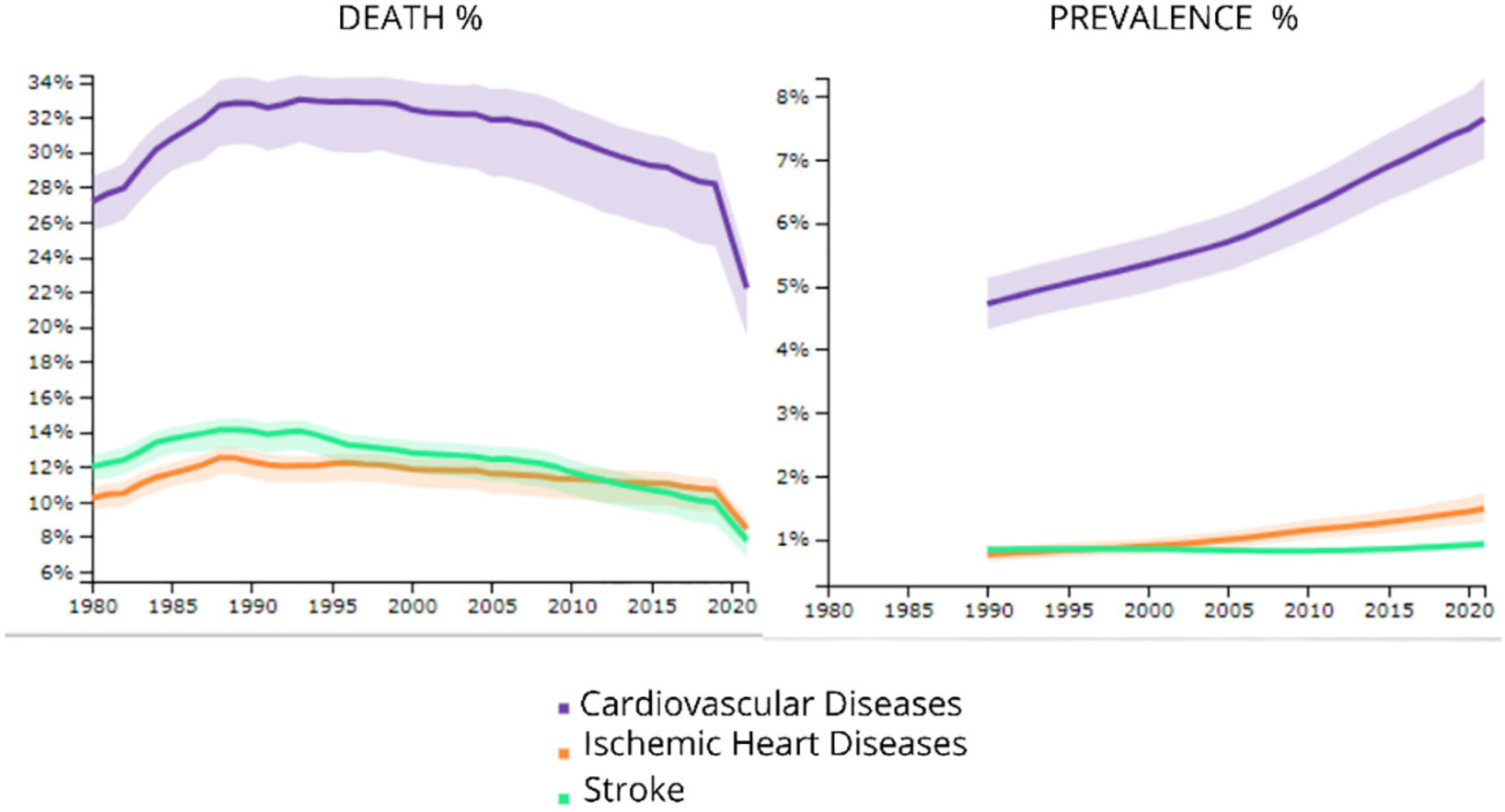
Cardiovascular diseases (CVD) are the leading cause of death in women worldwide, responsible for 30.4% of female deaths in 2021, according to the Global Burden Disease (GBD) study. In Brazil, between 1990 and 2020, CVD was the leading cause of death in the female population, represented mainly by ischemic heart disease (IHD) and stroke. In 2021, during the coronavirus pandemic period, COVID-19 was the major cause of death among Brazilian women, reaching 21.9% of total deaths, and the percentage of deaths attributed to IHD and CVD was 8.5% and 7.8%, respectively (). Additionally, from 1990 to 2021, proportional mortality from CVD was higher in females compared to males, with a similar percentage of deaths from IHD between the sexes and a higher percentage of deaths from stroke in women.

[…]

  • Brazil
  • Cardiovascular Health
  • Disparities
  • Women
Read Full Article
Creative Commons Attribution (CC BY) Creative Commons license
06/09/2024 DOI: 10.36660/ijcs.20240106 Views 2
ABC
Editorial

Unlocking Transcatheter Aortic Valve Replacement Expertise in Brazil: Lessons from National Data

Sofia Cabral

Procedural outcomes in cardiology, as in other fields in Medicine, are influenced by numerous factors, including patient characteristics, procedural intricacy, operator proficiency, available technological differentiation, and healthcare resources. Higher volume centers report better results for many procedures, though the extent of that benefit varies depending on the procedure’s complexity. The more complex the procedure the higher the relationship between experience and outcomes. Additionally, each procedure has its learning curve (LC), both at individual and group levels, which adds density to the assessment. From an academic standpoint, an LC defines the relationship between performance (learning) and practice (effort). In health training, this learning process typically follows a non-linear pattern initially marked by a steep slope as the basics of the procedure are acquired, followed by an inflection point where the learning rate decelerates. Eventually, it reaches an asymptotic expression, representing the plateau phase of high proficiency. Understanding how a procedure’s LC behaves is important because it provides valuable insights for scientific societies and healthcare regulatory authorities in defining the competency requirements for practitioners and assisting decision-makers in effective resource allocation. Most importantly, it plays a critical role in maintaining high standards of care.

In the field of cardiovascular interventions, the LC phenomenon has extensively been verified, from cardiac surgery to coronary percutaneous intervention, and more recently, transcatheter aortic valve replacement (TAVR).4-7 Despite conflicting results from different series, researchers have consistently recognized a pattern in the LC of TAVR. This pattern depicts an early phase where procedure efficiency and safety outcomes steeply increase with increasing experience, followed by flattening out and eventual consolidation phases.

[…]

  • Brazil
  • Learning Curve
  • Transcatheter Aortic Valve Replacement
Read Full Article
Creative Commons Attribution (CC BY) Creative Commons license
12/08/2024 DOI: 10.36660/abc.20240302i Views 1
Chart 1-1
ABC
Special Article

Cardiovascular Statistics – Brazil 2023

Gláucia Maria Moraes de Oliveira et al. Luisa Campos Caldeira Brant Carisi Anne Polanczyk Deborah Carvalho Malta … Andreia Biolo Bruno Ramos Nascimento Maria de Fatima Marinho de Souza Andrea Rocha De Lorenzo Antonio Aurélio de Paiva Fagundes Júnior Beatriz D. Schaan Christina Grüne de Souza e Silva Fábio Morato de Castilho Fernando Henpin Yue Cesena Gabriel Porto Soares Gesner Francisco Xavier Junior Jose Augusto Soares Barreto Filho Luiz Guilherme Passaglia Marcelo Martins Pinto Filho M. Julia Machline-Carrion Marcio Sommer Bittencourt Octavio M. Pontes Neto Paolo Blanco Villela Renato Azeredo Teixeira Ricardo Stein Roney Orismar Sampaio Thomaz A. Gaziano Pablo Perel Gregory A. Roth Antonio Luiz Pinho Ribeiro

ABOUT THESE STATISTICS

The publication Cardiovascular Statistics – Brazil aims to provide an annual compilation of data and research on the epidemiology of CVDs in Brazil. The report integrates official statistics from the Brazilian Ministry of Health and other governmental entities alongside data from the GBD project, coordinated by the IHME at the University of Washington. Additionally, it incorporates data derived from various sources and scientific studies, including cohorts and registries, that relate to CVDs and their associated risk factors. This publication is intended for a wide range of individuals, including researchers, clinicians, patients, healthcare policymakers, media professionals, the general public, and other interested parties seeking extensive national data about heart disease and stroke. Volunteer researchers from various Brazilian universities and research institutions carry out the project. The group is led by a five-member steering committee (ALPR, CAP, DCM, GMMO, and LCCB). The Brazilian Society of Cardiology fully supports this initiative, and the project receives collaborative support from the GBD Brazil Networkand an International Committee (GAR, PP, and TAG) from both the IHME/University of Washington (GAR) and the World Heart Federation (PP and TAG).

[…]

  • Atrial Fibrillation
  • Atrial flutter
  • Brazil
  • Cardiomyopathies
  • Cardiovascular Diseases
  • Cerebrovascular Disorders
  • Coronary Disease
  • Diabetes Mellitus
  • Dyslipidemias
  • Exercise
  • Heart Failure
  • Heart Valve Diseases
  • Hypertension
  • Obesity
  • Overweight
  • Statistics
  • Tobacco Use Disorder
Read Full Article
Creative Commons Attribution (CC BY) Creative Commons license
17/06/2024 DOI: 10.36660/abc.20240079 Views 1
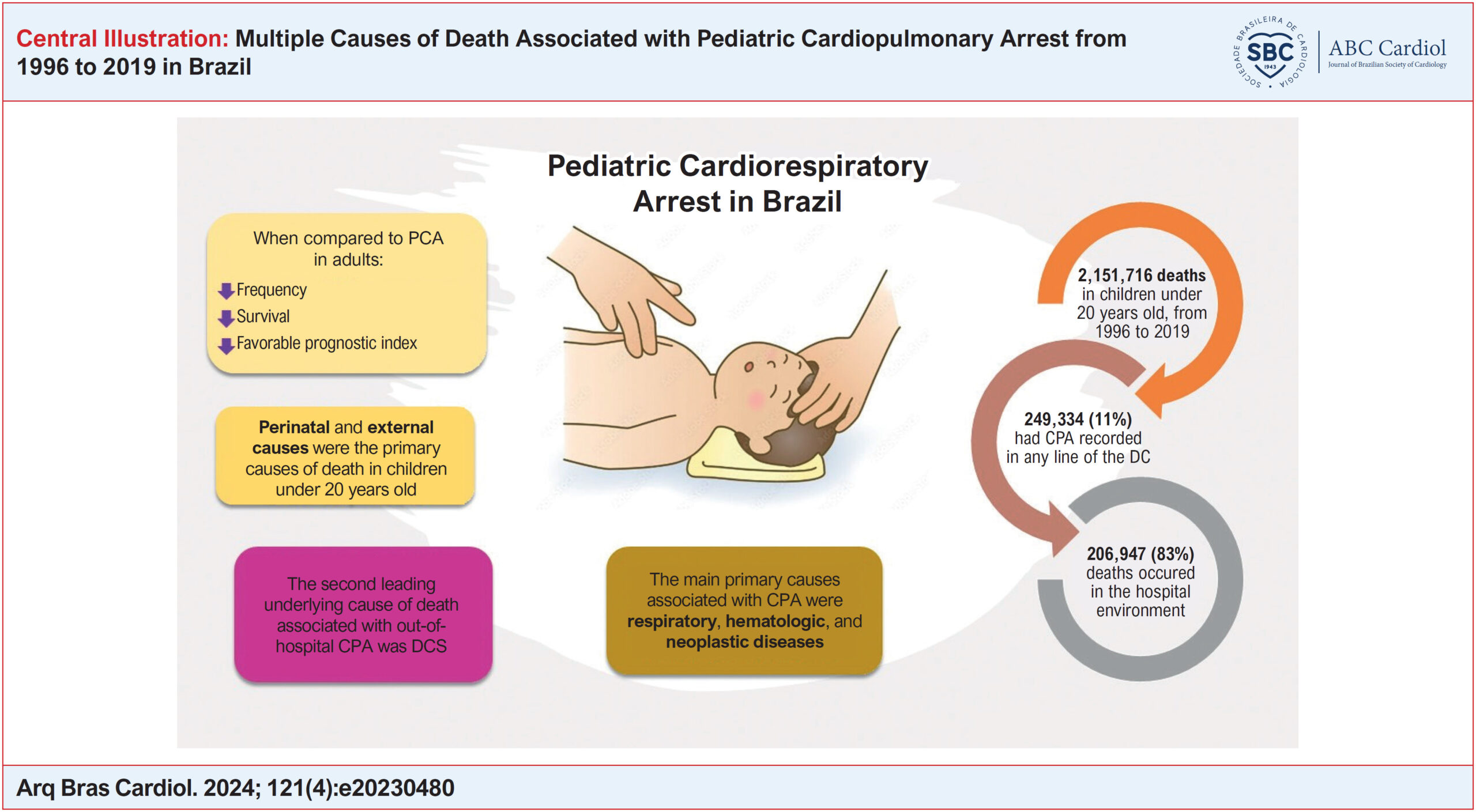
Multiple Causes of Death Associated with Pediatric Cardiopulmonary Arrest from 1996 to 2019 in Brazil
ABC
Original Article

Multiple Causes of Death Associated with Pediatric Cardiopulmonary Arrest from 1996 to 2019 in Brazil

Thayanne Mendes de Andrade et al. Mariara Lopes da Costa Marques Thaís Rocha Salim Glaucia Maria Moraes de Oliveira

Abstract

Background:

In pediatrics, cardiopulmonary arrest (CPA) is associated with high mortality and severe neurologic sequelae. Information on the causes and mechanisms of death below the age of 20 years could provide theoretical support for health improvement among children and adolescents.

Objectives:

To conduct a population analysis of mortality rates due to primary and multiple causes of death below the age of 20 years in both sexes from 1996 to 2019 in Brazil, and identify the frequency in which CPA was recorded in the death certificates (DCs) of these individuals and the locations where the deaths occurred, in order to promote strategies to improve the prevention of deaths.

Method:

Ecological time-series study of deaths below the age of 20 years from 1996 to 2019, evaluating the mortality rates (MRs) and proportional mortality (PM) by primary cause of death. We analyzed the percentages of CPA recorded in any line of the DC and the location where the deaths occurred. We calculated the MRs per 100,000 inhabitants and the PM by primary cause of death under the age of 20 years according to sex and age group, the percentages of death from primary causes by age group when CPA was described in any line of Parts I and II of the DC, and the percentage of deaths from primary causes according to their location of occurrence. We retrieved the data from DATASUS, IBGE, and SINASC.

Results:

From 1996 to 2019, there were 2,151,716 deaths below the age of 20 years in Brazil, yielding a mortality rate of 134.38 per 100,000 inhabitants. The death rate was highest among male neonates. Of all deaths, 249,334 (11.6%) had CPA recorded in any line of the DC. Specifically, CPA was recorded in 49,178 DCs between the ages of 1 and 4 years and in 88,116 of those between the ages of 29 and 365 days, corresponding, respectively, to 26% and 22% of the deaths in these age groups. These two age groups had the highest rates of CPA recorded in any line of the DC. The main primary causes of death when CPA was recorded in the sequence of death were respiratory, hematologic, and neoplastic diseases.

Conclusion:

Perinatal and external causes were the primary causes of death, with highest MRs under the age of 20 years in Brazil from 1996 to 2019. When multiple causes of death were considered, the main primary causes associated with CPA were respiratory, hematologic, and neoplastic diseases. Most deaths occurred in the hospital environment. Better understanding of the sequence of events in these deaths and improvements in teaching strategies in pediatric cardiopulmonary resuscitation are needed.

  • Brazil
  • Multiple Causes of Death
  • Pediatric Cardiopulmonary Arrest
Read Full Article
Creative Commons Attribution (CC BY) Creative Commons license
29/04/2024 DOI: 10.36660/abc.20230480
ABC
Editorial

Influence of Genetics on Hypertension Development

Thais Beuren

Primary hypertension is one of the most common diseases worldwide, estimated to affect 20% of females and 25% of males. It is a risk factor for half of the ten leading causes of death globally, including the ranking leader, cardiovascular disease, and right next to it, brain, and kidney disease. For a long time, major efforts have been made to unravel the mechanisms that contribute to this – mostly – silent but devastating condition. Some advocate that hypertension is not a disease but a syndrome; a condition with multiple etiological factors which have as common sign an elevated blood pressure. Amongst intrinsic and environmental factors related to primary hypertension, some are already well established, e.g., obesity, smoking, disbalance of the renin-angiotensin-aldosterone-system (RAAS), mental stress, etc. The role of genetics in this scenario, nevertheless, has a vague and complex-to-characterize influence on hypertension development. Despite several studies dedicated to enlighten the matter, its polygenic nature makes every case unique regarding the impact of each predisposing factor. Several polymorphisms in different genes were pointed to correlate with hypertension, including the G-protein β3 subunit (GNB3) C825T polymorphism (rs5443:C>T). Guanine nucleotide-binding proteins (G proteins) are expressed in most human tissues and function as transductors in intracellular signaling pathways, regulating a wide variety of physiological processes. The 825T allele was previously associated with hypertension and obesity; however, a few studies were controversial, and the frequencies of the T allele differed amongst different ethnicities (fT≈0,8 in black Africans, fT≈0,45 in Asians, and fT≈0,3 in whites).

The study by Agostini et al. aimed to characterize a sample of 155 hypertensive Brazilian individuals in order to assess the prevalence of the C825T polymorphism and correlate it with clinical features. Unlike most of the other studies, the group found no association between the genetic variant and hypertension. The identification and selection of hypertensive subjects were based solely on interview data from medical records (use or not of anti-hypertensive medication and register or lack of register of a previous diagnosis), which might have interfered with their findings. Also, it was shown previously that the frequency of the T allele between ethnicities is often not equal, as well as hypertension prevalence. Thus, even though the idea of genetically characterizing the Brazilian population as a unity can be interesting, the Brazilian population is one of the most heterogeneous in the globe. Therefore, looking at ethnical groups separately could have enriched the analysis. The metabolic profile was also compared between groups and found positive associations of hypertensive individuals presenting the polymorphism with higher levels of triglycerides, glucose, uric acid, and obesity, similar to previous reports. The elucidation of hypertension pathways is a very complex subject, especially regarding genetics, so every effort to identify predisposing factors adds a new valuable piece to this puzzle.

[…]

  • Brazil
  • Genetics
  • Hypertension
Read Full Article
Creative Commons Attribution (CC BY) Creative Commons license
04/03/2024 DOI: 10.36660/abc.20230755 Views 2
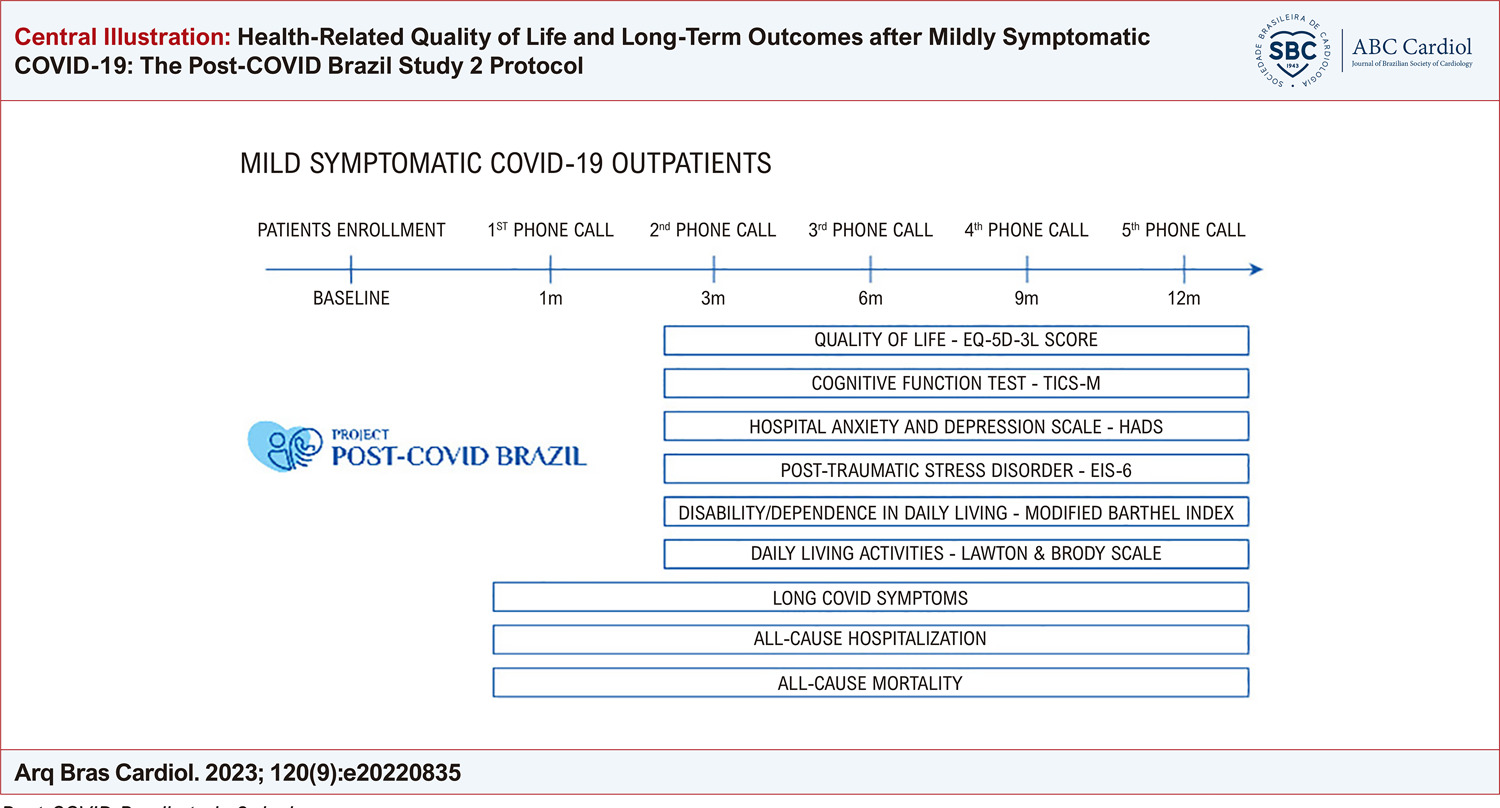
Health-Related Quality of Life and Long-Term Outcomes after Mildly Symptomatic COVID-19: The Post-COVID Brazil Study 2 Protocol
ABC
Original Article

Health-Related Quality of Life and Long-Term Outcomes after Mildly Symptomatic COVID-19: The Post-COVID Brazil Study 2 Protocol

Marciane Maria Rover et al. Geraldine Trott Fernando Luís Scolari Mariana Motta Dias da Silva … Denise de Souza Rosa da Rosa Minho dos Santos Ana Paula Aquistapase Dagnino Juliana de Mesquita Neto Gabriel Pozza Estivalete Amanda Christina Kozesinski-Nakatani Milena Soriano Marcolino Bruna Brandão Barreto Paulo Roberto Schvartzman Ana Carolina Peçanha Antonio Caroline Cabral Robinson Maicon Falavigna Andreia Biolo Carisi Anne Polanczyk Regis Goulart Rosa

Abstract

Background

The long-term effects of mild COVID-19 on physical, cognitive, and mental health are not yet well understood.

Objective

The purpose of this paper is to describe the protocol for the ongoing “Post-COVID Brazil” study 2, which aims to evaluate the factors associated with health-related quality of life and long-term cardiovascular and non-cardiovascular outcomes one year after a mild episode of symptomatic COVID-19.

Methods

The “Post-COVID Brazil” study 2 is a prospective multicenter study that plans to enroll 1047 patients (NCT05197647). Centralized, structured telephone interviews are conducted at 1, 3, 6, 9, and 12 months after COVID-19 diagnosis. The primary outcome is the health-related quality-of-life utility score, assessed using the EuroQol-5D-3L (EQ-5D-3L) questionnaire at 12 months. Secondary endpoints include the EQ-5D-3L at 3, 6, and 9 months, as well as all-cause mortality, major cardiovascular events, hospitalization, return to work or education, persistent symptoms, new disabilities in instrumental activities of daily living, cognitive impairment, anxiety, depression, and post-traumatic stress symptoms at 3, 6, 9, and 12 months after SARS-CoV-2 infection. A p-value < 0.05 will be considered statistically significant for all analyses.

Results

The primary endpoint will be presented as the overall frequency of the EQ-5D-3L domains 12 months after SARS-CoV-2 infection. Main analysis will explore the association of independent variables with the study outcomes.

Conclusion

The “Post-COVID Brazil” study 2 aims to clarify the impact of long COVID on the quality of life and cardiovascular and non-cardiovascular outcomes of Brazilian patients who have had mild COVID-19.

  • Brazil
  • COVID-19
  • SARS-CoV-2
  • Signs and Symptoms
Read Full Article
Creative Commons Attribution (CC BY) Creative Commons license
13/10/2023 DOI: 10.36660/abc.20220835 Views 1
ABC
Review Article

The Best Articles of 2022 in the Arquivos Brasileiros de Cardiologia and Revista Portuguesa de Cardiologia

Gláucia Maria Moraes de Oliveira et al. Ricardo Fontes-Carvalho Nuno Cardim Carlos Eduardo Rochitte

Introduction

Continuing a recent tradition, , the Revista Portuguesa de Cardiologia and Arquivos Brasileiros de Cardiologia are publishing a special article this year with the 10 best original articles published in each journal ( and ).

[…]

  • Brazil
  • Cardiovascular Diseases
  • Dissemination of Information
  • Impact factor
  • Technical Cooperation/trends
Read Full Article
Creative Commons Attribution (CC BY) Creative Commons license
07/08/2023 DOI: 10.36660/abc.20230342 Views 1

Could not load more articles. Please try again.

How to cite this article

EndNote RIS

Electronic Document Format (Vancouver)

Oliveira GMM, Brant LCC, Polanczyk CA, Malta DC, Biolo A, Nascimento BR, Souza MFM, et al. Cardiovascular Statistics – Brazil 2026. Arquivos Brasileiros de Cardiologia 2026;:e20260832.

Electronic Document Format (ABNT)

Oliveira, Gláucia Maria Moraes de; Brant, Luisa Campos Caldeira; Polanczyk, Carisi Anne; Malta, Deborah Carvalho; Biolo, Andreia; Nascimento, Bruno Ramos; Souza, Maria de Fatima Marinho de; Lorenzo, Andrea Rocha De; Fagundes Júnior, Antonio Aurélio de Paiva; Manfro, Arthur Gus; Schaan, Beatriz D.; Silva, Christina Grüne de Souza e; Castilho, Fábio Morato de; Cesena, Fernando Henpin Yue; Soares, Gabriel Porto; Xavier Junior, Gesner Francisco; Barreto Filho, Jose Augusto Soares; Pellanda, Lucia Campos; Aranha, Luciana Nicolau; Rohde, Luis Eduardo Paim; Passaglia, Luiz Guilherme; Pinto-Filho, Marcelo Martins; Machline-Carrion, M. Julia; Bittencourt, Marcio Sommer; Pontes Neto, Octavio M.; Villela, Paolo Blanco; Godoy, Paulo Henrique; Teixeira, Renato Azeredo; Stein, Ricardo; Sampaio, Roney Orismar; Salim, Thais Rocha; Gaziano, Thomas A.; Perel, Pablo; Roth, Gregory A.; Ribeiro, Antonio Luiz Pinho. Cardiovascular Statistics – Brazil 2026. Arquivos Brasileiros de Cardiologia, e20260832, Oct. 2026.

Electronic Document Format (APA)

Oliveira, G. M. M. , Brant, L. C. C., Polanczyk, C. A., Malta, D. C., Biolo, A., Nascimento, B. R., Souza, M. F. M. , Lorenzo, A. R. D., Fagundes Júnior, A. A. P., Manfro, A. G., Schaan, B. D., Silva, C. G. S. , Castilho, F. M. , Cesena, F. H. Y., Soares, G. P., Xavier Junior, G. F., Barreto Filho, J. A. S., Pellanda, L. C., Aranha, L. N., Rohde, L. E. P., Passaglia, L. G., Pinto-Filho, M. M., Machline-Carrion, M. J., Bittencourt, M. S., Pontes Neto, O. M., Villela, P. B., Godoy, P. H., Teixeira, R. A., Stein, R., Sampaio, R. O., Salim, T. R., Gaziano, T. A., Perel, P., Roth, G. A., & Ribeiro, A. L. P. (2026). Cardiovascular Statistics – Brazil 2026. Arquivos Brasileiros de Cardiologia, , e20260832.

Electronic Document Format (ISO)

Oliveira, Gláucia Maria Moraes de and Brant, Luisa Campos Caldeira and Polanczyk, Carisi Anne and Malta, Deborah Carvalho and Biolo, Andreia and Nascimento, Bruno Ramos and Souza, Maria de Fatima Marinho de and Lorenzo, Andrea Rocha De and Fagundes Júnior, Antonio Aurélio de Paiva and Manfro, Arthur Gus and Schaan, Beatriz D. and Silva, Christina Grüne de Souza e and Castilho, Fábio Morato de and Cesena, Fernando Henpin Yue and Soares, Gabriel Porto and Xavier Junior, Gesner Francisco and Barreto Filho, Jose Augusto Soares and Pellanda, Lucia Campos and Aranha, Luciana Nicolau and Rohde, Luis Eduardo Paim and Passaglia, Luiz Guilherme and Pinto-Filho, Marcelo Martins and Machline-Carrion, M. Julia and Bittencourt, Marcio Sommer and Pontes Neto, Octavio M. and Villela, Paolo Blanco and Godoy, Paulo Henrique and Teixeira, Renato Azeredo and Stein, Ricardo and Sampaio, Roney Orismar and Salim, Thais Rocha and Gaziano, Thomas A. and Perel, Pablo and Roth, Gregory A. and Ribeiro, Antonio Luiz Pinho. Cardiovascular Statistics – Brazil 2026. Arquivos Brasileiros de Cardiologia [online]. 2026, [cited 2026-10-14], e20260832. Available from: <https://journals.cardiol.br/en/article/cardiovascular-statistics-brazil-2026/>. ISSN 0066-782X

EndNote RIS

Electronic Document Format (Vancouver)

Garbin HI, Scolari FL, Biolo A. Treatment of Heart Failure in Brazil: Where Cost-Effectiveness Studies and Public Access Data to Therapies Meet. Arquivos Brasileiros de Cardiologia 2026;123(8):e20260314.

Electronic Document Format (ABNT)

Garbin, Henrique Iahnke; Scolari, Fernando Luis; Biolo, Andreia. Treatment of Heart Failure in Brazil: Where Cost-Effectiveness Studies and Public Access Data to Therapies Meet. Arquivos Brasileiros de Cardiologia, v. 123, n. 8, e20260314, Sep. 2026.

Electronic Document Format (APA)

Garbin, H. I., Scolari, F. L., & Biolo, A. (2026). Treatment of Heart Failure in Brazil: Where Cost-Effectiveness Studies and Public Access Data to Therapies Meet. Arquivos Brasileiros de Cardiologia, 123(8), e20260314.

Electronic Document Format (ISO)

Garbin, Henrique Iahnke and Scolari, Fernando Luis and Biolo, Andreia. Treatment of Heart Failure in Brazil: Where Cost-Effectiveness Studies and Public Access Data to Therapies Meet. Arquivos Brasileiros de Cardiologia [online]. 2026, vol. 123, n. 8, [cited 2026-10-14], e20260314. Available from: <https://journals.cardiol.br/en/article/treatment-of-heart-failure-in-brazil-where-cost-effectiveness-studies-and-public-access-data-to-therapies-meet/>. ISSN 0066-782X

EndNote RIS

Electronic Document Format (Vancouver)

Durães AR. Mortality from Cardiomyopathies in Brazil. Arquivos Brasileiros de Cardiologia 2026;123(6):e20260438.

Electronic Document Format (ABNT)

Durães, André Rodrigues. Mortality from Cardiomyopathies in Brazil. Arquivos Brasileiros de Cardiologia, v. 123, n. 6, e20260438, Aug. 2026.

Electronic Document Format (APA)

Durães, A. R. (2026). Mortality from Cardiomyopathies in Brazil. Arquivos Brasileiros de Cardiologia, 123(6), e20260438.

Electronic Document Format (ISO)

Durães, André Rodrigues. Mortality from Cardiomyopathies in Brazil. Arquivos Brasileiros de Cardiologia [online]. 2026, vol. 123, n. 6, [cited 2026-10-14], e20260438. Available from: <https://journals.cardiol.br/en/article/mortality-from-cardiomyopathies-in-brazil/>. ISSN 0066-782X

EndNote RIS

Electronic Document Format (Vancouver)

Timóteo AT. Prevalence in Evidence: Valvular Heart Diseases Dominating the Brazilian Scenario. Arquivos Brasileiros de Cardiologia 2026;123(6):e20260464.

Electronic Document Format (ABNT)

Timóteo, Ana Teresa. Prevalence in Evidence: Valvular Heart Diseases Dominating the Brazilian Scenario. Arquivos Brasileiros de Cardiologia, v. 123, n. 6, e20260464, Aug. 2026.

Electronic Document Format (APA)

Timóteo, A. T. (2026). Prevalence in Evidence: Valvular Heart Diseases Dominating the Brazilian Scenario. Arquivos Brasileiros de Cardiologia, 123(6), e20260464.

Electronic Document Format (ISO)

Timóteo, Ana Teresa. Prevalence in Evidence: Valvular Heart Diseases Dominating the Brazilian Scenario. Arquivos Brasileiros de Cardiologia [online]. 2026, vol. 123, n. 6, [cited 2026-10-14], e20260464. Available from: <https://journals.cardiol.br/en/article/prevalence-in-evidence-valvular-heart-diseases-dominating-the-brazilian-scenario/>. ISSN 0066-782X

EndNote RIS

Electronic Document Format (Vancouver)

Aydin F. Pulsed Field Ablation in Brazil: What the Registry Tells Us, and What It Does Not. Arquivos Brasileiros de Cardiologia 2026;123(5):e20260176.

Electronic Document Format (ABNT)

Aydin, Fatih. Pulsed Field Ablation in Brazil: What the Registry Tells Us, and What It Does Not. Arquivos Brasileiros de Cardiologia, v. 123, n. 5, e20260176, Jun. 2026.

Electronic Document Format (APA)

Aydin, F. (2026). Pulsed Field Ablation in Brazil: What the Registry Tells Us, and What It Does Not. Arquivos Brasileiros de Cardiologia, 123(5), e20260176.

Electronic Document Format (ISO)

Aydin, Fatih. Pulsed Field Ablation in Brazil: What the Registry Tells Us, and What It Does Not. Arquivos Brasileiros de Cardiologia [online]. 2026, vol. 123, n. 5, [cited 2026-10-14], e20260176. Available from: <https://journals.cardiol.br/en/article/pulsed-field-ablation-in-brazil-what-the-registry-tells-us-and-what-it-does-not/>. ISSN 0066-782X

EndNote RIS

Electronic Document Format (Vancouver)

Noor R, Kumari R. Comments on “Assessment of Overweight/Obesity and Elevation of Blood Pressure in Schools in Rural and Urban Areas in the Backlands of Bahia – A Cross-Sectional Study”. International Journal of Cardiovascular Sciences 2026;39:e20250126.

Electronic Document Format (ABNT)

Noor, Rubah; Kumari, Ritika. Comments on “Assessment of Overweight/Obesity and Elevation of Blood Pressure in Schools in Rural and Urban Areas in the Backlands of Bahia – A Cross-Sectional Study”. International Journal of Cardiovascular Sciences, v. 39, e20250126, May. 2026.

Electronic Document Format (APA)

Noor, R., & Kumari, R. (2026). Comments on “Assessment of Overweight/Obesity and Elevation of Blood Pressure in Schools in Rural and Urban Areas in the Backlands of Bahia – A Cross-Sectional Study”. International Journal of Cardiovascular Sciences, 39, e20250126.

Electronic Document Format (ISO)

Noor, Rubah and Kumari, Ritika. Comments on “Assessment of Overweight/Obesity and Elevation of Blood Pressure in Schools in Rural and Urban Areas in the Backlands of Bahia – A Cross-Sectional Study”. International Journal of Cardiovascular Sciences [online]. 2026, vol. 39, [cited 2026-10-14], e20250126. Available from: <https://journals.cardiol.br/en/article/comments-on-assessment-of-overweight-obesity-and-elevation-of-blood-pressure-in-schools-in-rural-and-urban-areas-in-the-backlands-of-bahia-a-cross-sectional-study/>. ISSN 2359-4802

EndNote RIS

Electronic Document Format (Vancouver)

Beuren T, Scolari F, Sperb-Ludwig F, Ferrari F, Rossi A, Zawislak R, Tintelen P, et al. Genetic and Clinical Characterization of a South-Brazilian Hypertrophic Cardiomyopathy Cohort. Arquivos Brasileiros de Cardiologia 2026;123(2):e20250420.

Electronic Document Format (ABNT)

Beuren, Thais; Scolari, Fernando; Sperb-Ludwig, Fernanda; Ferrari, Filipe; Rossi, Arthur; Zawislak, Rafael; Tintelen, Peter van; Stein, Ricardo. Genetic and Clinical Characterization of a South-Brazilian Hypertrophic Cardiomyopathy Cohort. Arquivos Brasileiros de Cardiologia, v. 123, n. 2, e20250420, Mar. 2026.

Electronic Document Format (APA)

Beuren, T., Scolari, F., Sperb-Ludwig, F., Ferrari, F., Rossi, A., Zawislak, R., Tintelen, P. , & Stein, R. (2026). Genetic and Clinical Characterization of a South-Brazilian Hypertrophic Cardiomyopathy Cohort. Arquivos Brasileiros de Cardiologia, 123(2), e20250420.

Electronic Document Format (ISO)

Beuren, Thais and Scolari, Fernando and Sperb-Ludwig, Fernanda and Ferrari, Filipe and Rossi, Arthur and Zawislak, Rafael and Tintelen, Peter van and Stein, Ricardo. Genetic and Clinical Characterization of a South-Brazilian Hypertrophic Cardiomyopathy Cohort. Arquivos Brasileiros de Cardiologia [online]. 2026, vol. 123, n. 2, [cited 2026-10-14], e20250420. Available from: <https://journals.cardiol.br/en/article/genetic-and-clinical-characterization-of-a-south-brazilian-hypertrophic-cardiomyopathy-cohort/>. ISSN 0066-782X

EndNote RIS

Electronic Document Format (Vancouver)

May BM, Araujo Junior N, Boghossian SHC, Atie J, Maciel WA, Hardy CA, Forno ARJD, et al. Brazilian Registry of Pulsed Field Catheter Ablation for the Treatment of Patients with Atrial Fibrillation. Arquivos Brasileiros de Cardiologia 2026;123(1):e20250416.

Electronic Document Format (ABNT)

May, Bruna Miers; Araujo Junior, Nilson; Boghossian, Silvia Helena Cardoso; Atie, Jacob; Maciel, Washington A.; Hardy, Carina Abigail; Forno, Alexander Romeno Janner Dal; Saad, Eduardo B.; Munhoz, Claudio; Paola, Angelo Amato Vincenzo de; Scanavacca, Mauricio; Zimerman, Andre; Vasconcelos, José Tarcísio Medeiros de; d’Avila, André. Brazilian Registry of Pulsed Field Catheter Ablation for the Treatment of Patients with Atrial Fibrillation. Arquivos Brasileiros de Cardiologia, v. 123, n. 1, e20250416, Mar. 2026.

Electronic Document Format (APA)

May, B. M., Araujo Junior, N., Boghossian, S. H. C., Atie, J., Maciel, W. A., Hardy, C. A., Forno, A. R. J. D., Saad, E. B., Munhoz, C., Paola, A. A. V. , Scanavacca, M., Zimerman, A., Vasconcelos, J. T. M. , & d’Avila, A. (2026). Brazilian Registry of Pulsed Field Catheter Ablation for the Treatment of Patients with Atrial Fibrillation. Arquivos Brasileiros de Cardiologia, 123(1), e20250416.

Electronic Document Format (ISO)

May, Bruna Miers and Araujo Junior, Nilson and Boghossian, Silvia Helena Cardoso and Atie, Jacob and Maciel, Washington A. and Hardy, Carina Abigail and Forno, Alexander Romeno Janner Dal and Saad, Eduardo B. and Munhoz, Claudio and Paola, Angelo Amato Vincenzo de and Scanavacca, Mauricio and Zimerman, Andre and Vasconcelos, José Tarcísio Medeiros de and d’Avila, André. Brazilian Registry of Pulsed Field Catheter Ablation for the Treatment of Patients with Atrial Fibrillation. Arquivos Brasileiros de Cardiologia [online]. 2026, vol. 123, n. 1, [cited 2026-10-14], e20250416. Available from: <https://journals.cardiol.br/en/article/brazilian-registry-of-pulsed-field-catheter-ablation-for-the-treatment-of-patients-with-atrial-fibrillation/>. ISSN 0066-782X

EndNote RIS

Electronic Document Format (Vancouver)

Salerno PRVO, Cotton A, Nascimento BR, Chen Z, Pereira GTR, Abizaid AA, Dallan LAP, et al. Forecasting Ischemic Heart Disease, Stroke, and Peripheral Artery Disease Mortality in Brazil Through 2040: A Bayesian Modeling Approach. Arquivos Brasileiros de Cardiologia 2026;122(11):e20250189.

Electronic Document Format (ABNT)

Salerno, Pedro Rafael Vieira de Oliveira; Cotton, Antoinette; Nascimento, Bruno R.; Chen, Zhuo; Pereira, Gabriel Tensol Rodrigues; Abizaid, Alexandre A.; Dallan, Luis Augusto Palma; Salerno, Pedro Rafael; Al-Kindi, Sadeer; Petermann-Rocha, Fanny; Deo, Salil V.. Forecasting Ischemic Heart Disease, Stroke, and Peripheral Artery Disease Mortality in Brazil Through 2040: A Bayesian Modeling Approach. Arquivos Brasileiros de Cardiologia, v. 122, n. 11, e20250189, Jan. 2026.

Electronic Document Format (APA)

Salerno, P. R. V. O., Cotton, A., Nascimento, B. R., Chen, Z., Pereira, G. T. R., Abizaid, A. A., Dallan, L. A. P., Salerno, P. R., Al-Kindi, S., Petermann-Rocha, F., & Deo, S. V. (2026). Forecasting Ischemic Heart Disease, Stroke, and Peripheral Artery Disease Mortality in Brazil Through 2040: A Bayesian Modeling Approach. Arquivos Brasileiros de Cardiologia, 122(11), e20250189.

Electronic Document Format (ISO)

Salerno, Pedro Rafael Vieira de Oliveira and Cotton, Antoinette and Nascimento, Bruno R. and Chen, Zhuo and Pereira, Gabriel Tensol Rodrigues and Abizaid, Alexandre A. and Dallan, Luis Augusto Palma and Salerno, Pedro Rafael and Al-Kindi, Sadeer and Petermann-Rocha, Fanny and Deo, Salil V.. Forecasting Ischemic Heart Disease, Stroke, and Peripheral Artery Disease Mortality in Brazil Through 2040: A Bayesian Modeling Approach. Arquivos Brasileiros de Cardiologia [online]. 2026, vol. 122, n. 11, [cited 2026-10-14], e20250189. Available from: <https://journals.cardiol.br/en/article/forecasting-ischemic-heart-disease-stroke-and-peripheral-artery-disease-mortality-in-brazil-through-2040-a-bayesian-modeling-approach/>. ISSN 0066-782X

EndNote RIS

Electronic Document Format (Vancouver)

Mutarelli A, Armelin L, Pantaleão AN, Nogueira A, Machado CJ, Silva JLP, Kang J, et al. Temporal Trends in the Epidemiology of Acute Rheumatic Fever: A Nationwide Analysis from 2008 to 2022. Arquivos Brasileiros de Cardiologia 2025;122(7):e20240763.

Electronic Document Format (ABNT)

Mutarelli, Antonio; Armelin, Larissa; Pantaleão, Alexandre Negrão; Nogueira, Alleh; Machado, Carla Jorge; Silva, José Luiz P; Kang, Jagdip; Dutra, Walderez O.; Nunes, Maria C. P.. Temporal Trends in the Epidemiology of Acute Rheumatic Fever: A Nationwide Analysis from 2008 to 2022. Arquivos Brasileiros de Cardiologia, v. 122, n. 7, e20240763, Aug. 2025.

Electronic Document Format (APA)

Mutarelli, A., Armelin, L., Pantaleão, A. N., Nogueira, A., Machado, C. J., Silva, J. L. P., Kang, J., Dutra, W. O., & Nunes, M. C. P. (2025). Temporal Trends in the Epidemiology of Acute Rheumatic Fever: A Nationwide Analysis from 2008 to 2022. Arquivos Brasileiros de Cardiologia, 122(7), e20240763.

Electronic Document Format (ISO)

Mutarelli, Antonio and Armelin, Larissa and Pantaleão, Alexandre Negrão and Nogueira, Alleh and Machado, Carla Jorge and Silva, José Luiz P and Kang, Jagdip and Dutra, Walderez O. and Nunes, Maria C. P.. Temporal Trends in the Epidemiology of Acute Rheumatic Fever: A Nationwide Analysis from 2008 to 2022. Arquivos Brasileiros de Cardiologia [online]. 2025, vol. 122, n. 7, [cited 2026-10-14], e20240763. Available from: <https://journals.cardiol.br/en/article/temporal-trends-in-the-epidemiology-of-acute-rheumatic-fever-a-nationwide-analysis-from-2008-to-2022/>. ISSN 0066-782X

EndNote RIS

Electronic Document Format (Vancouver)

Fontenelle LF, Sarti TD, Quinte GC, Almeida APSC, Mill JG. Agreement between Framingham, Pooled Cohort Equations, and Globorisk-LAC in the Estimation of Cardiovascular Risk in Brazil, 2013. Arquivos Brasileiros de Cardiologia 2025;122(6):e20240405.

Electronic Document Format (ABNT)

Fontenelle, Leonardo Ferreira; Sarti, Thiago Dias; Quinte, Gabriela Callo; Almeida, Ana Paula Santana Coelho; Mill, José Geraldo. Agreement between Framingham, Pooled Cohort Equations, and Globorisk-LAC in the Estimation of Cardiovascular Risk in Brazil, 2013. Arquivos Brasileiros de Cardiologia, v. 122, n. 6, e20240405, Jul. 2025.

Electronic Document Format (APA)

Fontenelle, L. F., Sarti, T. D., Quinte, G. C., Almeida, A. P. S. C., & Mill, J. G. (2025). Agreement between Framingham, Pooled Cohort Equations, and Globorisk-LAC in the Estimation of Cardiovascular Risk in Brazil, 2013. Arquivos Brasileiros de Cardiologia, 122(6), e20240405.

Electronic Document Format (ISO)

Fontenelle, Leonardo Ferreira and Sarti, Thiago Dias and Quinte, Gabriela Callo and Almeida, Ana Paula Santana Coelho and Mill, José Geraldo. Agreement between Framingham, Pooled Cohort Equations, and Globorisk-LAC in the Estimation of Cardiovascular Risk in Brazil, 2013. Arquivos Brasileiros de Cardiologia [online]. 2025, vol. 122, n. 6, [cited 2026-10-14], e20240405. Available from: <https://journals.cardiol.br/en/article/agreement-between-framingham-pooled-cohort-equations-and-globorisk-lac-in-the-estimation-of-cardiovascular-risk-in-brazil-2013/>. ISSN 0066-782X

EndNote RIS

Electronic Document Format (Vancouver)

Luiz YS, Alvarenga VM, Lopes MM, Silva LG. Epidemiological Analysis of Emergency Hospitalizations in Brazil Due to Cardiovascular Diseases From 2013 to 2023. International Journal of Cardiovascular Sciences 2025;38:e20240200.

Electronic Document Format (ABNT)

Luiz, Yago Souza; Alvarenga, Vitor Moreira; Lopes, Mikaela de Miranda; Silva, Lara Gomes. Epidemiological Analysis of Emergency Hospitalizations in Brazil Due to Cardiovascular Diseases From 2013 to 2023. International Journal of Cardiovascular Sciences, v. 38, e20240200, Jun. 2025.

Electronic Document Format (APA)

Luiz, Y. S., Alvarenga, V. M., Lopes, M. M., & Silva, L. G. (2025). Epidemiological Analysis of Emergency Hospitalizations in Brazil Due to Cardiovascular Diseases From 2013 to 2023. International Journal of Cardiovascular Sciences, 38, e20240200.

Electronic Document Format (ISO)

Luiz, Yago Souza and Alvarenga, Vitor Moreira and Lopes, Mikaela de Miranda and Silva, Lara Gomes. Epidemiological Analysis of Emergency Hospitalizations in Brazil Due to Cardiovascular Diseases From 2013 to 2023. International Journal of Cardiovascular Sciences [online]. 2025, vol. 38, [cited 2026-10-14], e20240200. Available from: <https://journals.cardiol.br/en/article/epidemiological-analysis-of-emergency-hospitalizations-in-brazil-due-to-cardiovascular-diseases-from-2013-to-2023/>. ISSN 2359-4802

EndNote RIS

Electronic Document Format (Vancouver)

Mattos VGW, Moraes GI, Azevedo LW, Mandeco JO, Saes-Silva E, Silva CN, Dumith SC, et al. Association between Passive Smoking and Hypertension: A Panel Study with 621.506 Adults from Brazil. Arquivos Brasileiros de Cardiologia 2025;122(6):e20250024.

Electronic Document Format (ABNT)

Mattos, Vicente Gabriel Winck; Moraes, Gustavo Ianzer; Azevedo, Laís Werneck de; Mandeco, Júlia Oleiro; Saes-Silva, Elizabet; Silva, Carine Nascimento da; Dumith, Samuel Carvalho. Association between Passive Smoking and Hypertension: A Panel Study with 621.506 Adults from Brazil. Arquivos Brasileiros de Cardiologia, v. 122, n. 6, e20250024, Jun. 2025.

Electronic Document Format (APA)

Mattos, V. G. W., Moraes, G. I., Azevedo, L. W. , Mandeco, J. O., Saes-Silva, E., Silva, C. N. , & Dumith, S. C. (2025). Association between Passive Smoking and Hypertension: A Panel Study with 621.506 Adults from Brazil. Arquivos Brasileiros de Cardiologia, 122(6), e20250024.

Electronic Document Format (ISO)

Mattos, Vicente Gabriel Winck and Moraes, Gustavo Ianzer and Azevedo, Laís Werneck de and Mandeco, Júlia Oleiro and Saes-Silva, Elizabet and Silva, Carine Nascimento da and Dumith, Samuel Carvalho. Association between Passive Smoking and Hypertension: A Panel Study with 621.506 Adults from Brazil. Arquivos Brasileiros de Cardiologia [online]. 2025, vol. 122, n. 6, [cited 2026-10-14], e20250024. Available from: <https://journals.cardiol.br/en/article/association-between-passive-smoking-and-hypertension-a-panel-study-with-621-506-adults-from-brazil/>. ISSN 0066-782X

EndNote RIS

Electronic Document Format (Vancouver)

Chokr MO. Southern Brazil Registry of Atrial Fibrillation (SBR-AF): Predictors of Atrial Arrhythmia Recurrence After First Catheter Ablation. Arquivos Brasileiros de Cardiologia 2025;122(1):e20240871.

Electronic Document Format (ABNT)

Chokr, Muhieddine Omar. Southern Brazil Registry of Atrial Fibrillation (SBR-AF): Predictors of Atrial Arrhythmia Recurrence After First Catheter Ablation. Arquivos Brasileiros de Cardiologia, v. 122, n. 1, e20240871, Feb. 2025.

Electronic Document Format (APA)

Chokr, M. O. (2025). Southern Brazil Registry of Atrial Fibrillation (SBR-AF): Predictors of Atrial Arrhythmia Recurrence After First Catheter Ablation. Arquivos Brasileiros de Cardiologia, 122(1), e20240871.

Electronic Document Format (ISO)

Chokr, Muhieddine Omar. Southern Brazil Registry of Atrial Fibrillation (SBR-AF): Predictors of Atrial Arrhythmia Recurrence After First Catheter Ablation. Arquivos Brasileiros de Cardiologia [online]. 2025, vol. 122, n. 1, [cited 2026-10-14], e20240871. Available from: <https://journals.cardiol.br/en/article/southern-brazil-registry-of-atrial-fibrillation-sbr-af-predictors-of-atrial-arrhythmia-recurrence-after-first-catheter-ablation/>. ISSN 0066-782X

EndNote RIS

Electronic Document Format (Vancouver)

Kaiser SE. The Use of Twitter (X) by Brazilian Cardiologists: A Call to Action. Arquivos Brasileiros de Cardiologia 2025;121(12):e20240711.

Electronic Document Format (ABNT)

Kaiser, Sergio Emanuel. The Use of Twitter (X) by Brazilian Cardiologists: A Call to Action. Arquivos Brasileiros de Cardiologia, v. 121, n. 12, e20240711, Jan. 2025.

Electronic Document Format (APA)

Kaiser, S. E. (2025). The Use of Twitter (X) by Brazilian Cardiologists: A Call to Action. Arquivos Brasileiros de Cardiologia, 121(12), e20240711.

Electronic Document Format (ISO)

Kaiser, Sergio Emanuel. The Use of Twitter (X) by Brazilian Cardiologists: A Call to Action. Arquivos Brasileiros de Cardiologia [online]. 2025, vol. 121, n. 12, [cited 2026-10-14], e20240711. Available from: <https://journals.cardiol.br/en/article/the-use-of-twitter-x-by-brazilian-cardiologists-a-call-to-action/>. ISSN 0066-782X

EndNote RIS

Electronic Document Format (Vancouver)

Andrade C, Ferrari F, Stein R. Healing Hearts with Humor: The Potential of Laughter Therapy in Cardiac Rehabilitation. Arquivos Brasileiros de Cardiologia 2025;121(11):e20240594.

Electronic Document Format (ABNT)

Andrade, Cleidiane; Ferrari, Filipe; Stein, Ricardo. Healing Hearts with Humor: The Potential of Laughter Therapy in Cardiac Rehabilitation. Arquivos Brasileiros de Cardiologia, v. 121, n. 11, e20240594, Jan. 2025.

Electronic Document Format (APA)

Andrade, C., Ferrari, F., & Stein, R. (2025). Healing Hearts with Humor: The Potential of Laughter Therapy in Cardiac Rehabilitation. Arquivos Brasileiros de Cardiologia, 121(11), e20240594.

Electronic Document Format (ISO)

Andrade, Cleidiane and Ferrari, Filipe and Stein, Ricardo. Healing Hearts with Humor: The Potential of Laughter Therapy in Cardiac Rehabilitation. Arquivos Brasileiros de Cardiologia [online]. 2025, vol. 121, n. 11, [cited 2026-10-14], e20240594. Available from: <https://journals.cardiol.br/en/article/healing-hearts-with-humor-the-potential-of-laughter-therapy-in-cardiac-rehabilitation/>. ISSN 0066-782X

EndNote RIS

Electronic Document Format (Vancouver)

Ferrari F, Rossi AP, Santander IRMF. Heart Failure in Brazil: How Can We Improve its Natural History?. Arquivos Brasileiros de Cardiologia 2024;121(10):e20240644.

Electronic Document Format (ABNT)

Ferrari, Filipe; Rossi, Arthur Proença; Santander, Igor Rafael Miranda Ferreira. Heart Failure in Brazil: How Can We Improve its Natural History?. Arquivos Brasileiros de Cardiologia, v. 121, n. 10, e20240644, Dec. 2024.

Electronic Document Format (APA)

Ferrari, F., Rossi, A. P., & Santander, I. R. M. F. (2024). Heart Failure in Brazil: How Can We Improve its Natural History?. Arquivos Brasileiros de Cardiologia, 121(10), e20240644.

Electronic Document Format (ISO)

Ferrari, Filipe and Rossi, Arthur Proença and Santander, Igor Rafael Miranda Ferreira. Heart Failure in Brazil: How Can We Improve its Natural History?. Arquivos Brasileiros de Cardiologia [online]. 2024, vol. 121, n. 10, [cited 2026-10-14], e20240644. Available from: <https://journals.cardiol.br/en/article/heart-failure-in-brazil-how-can-we-improve-its-natural-history/>. ISSN 0066-782X

EndNote RIS

Electronic Document Format (Vancouver)

Andrade LF, Villela PB, Bichara JLP, Bastos LAVM, Oliveira GMM. Disparities in Women’s Cardiovascular Health in Brazil. International Journal of Cardiovascular Sciences 2024;37:e20240106.

Electronic Document Format (ABNT)

Andrade, Larissa Franco de; Villela, Paolo Blanco; Bichara, Jose Lucas Peres; Bastos, Luiz Antonio Viegas de Miranda; Oliveira, Glaucia Maria Moraes de. Disparities in Women’s Cardiovascular Health in Brazil. International Journal of Cardiovascular Sciences, v. 37, e20240106, Sep. 2024.

Electronic Document Format (APA)

Andrade, L. F. , Villela, P. B., Bichara, J. L. P., Bastos, L. A. V. M., & Oliveira, G. M. M. (2024). Disparities in Women’s Cardiovascular Health in Brazil. International Journal of Cardiovascular Sciences, 37, e20240106.

Electronic Document Format (ISO)

Andrade, Larissa Franco de and Villela, Paolo Blanco and Bichara, Jose Lucas Peres and Bastos, Luiz Antonio Viegas de Miranda and Oliveira, Glaucia Maria Moraes de. Disparities in Women’s Cardiovascular Health in Brazil. International Journal of Cardiovascular Sciences [online]. 2024, vol. 37, [cited 2026-10-14], e20240106. Available from: <https://journals.cardiol.br/en/article/disparities-in-womens-cardiovascular-health-in-brazil/>. ISSN 2359-4802

EndNote RIS

Electronic Document Format (Vancouver)

Cabral S. Unlocking Transcatheter Aortic Valve Replacement Expertise in Brazil: Lessons from National Data. Arquivos Brasileiros de Cardiologia 2024;121(7):e20240302.

Electronic Document Format (ABNT)

Cabral, Sofia. Unlocking Transcatheter Aortic Valve Replacement Expertise in Brazil: Lessons from National Data. Arquivos Brasileiros de Cardiologia, v. 121, n. 7, e20240302, Aug. 2024.

Electronic Document Format (APA)

Cabral, S. (2024). Unlocking Transcatheter Aortic Valve Replacement Expertise in Brazil: Lessons from National Data. Arquivos Brasileiros de Cardiologia, 121(7), e20240302.

Electronic Document Format (ISO)

Cabral, Sofia. Unlocking Transcatheter Aortic Valve Replacement Expertise in Brazil: Lessons from National Data. Arquivos Brasileiros de Cardiologia [online]. 2024, vol. 121, n. 7, [cited 2026-10-14], e20240302. Available from: <https://journals.cardiol.br/en/article/unlocking-transcatheter-aortic-valve-replacement-expertise-in-brazil-lessons-from-national-data/>. ISSN 0066-782X

EndNote RIS

Electronic Document Format (Vancouver)

Oliveira GMM, Brant LCC, Polanczyk CA, Malta DC, Biolo A, Nascimento BR, Souza MFM, et al. Cardiovascular Statistics – Brazil 2023. Arquivos Brasileiros de Cardiologia 2024;121(2):e20240079.

Electronic Document Format (ABNT)

Oliveira, Gláucia Maria Moraes de; Brant, Luisa Campos Caldeira; Polanczyk, Carisi Anne; Malta, Deborah Carvalho; Biolo, Andreia; Nascimento, Bruno Ramos; Souza, Maria de Fatima Marinho de; Lorenzo, Andrea Rocha De; Fagundes Júnior, Antonio Aurélio de Paiva; Schaan, Beatriz D.; Silva, Christina Grüne de Souza e; Castilho, Fábio Morato de; Cesena, Fernando Henpin Yue; Soares, Gabriel Porto; Xavier Junior, Gesner Francisco; Barreto Filho, Jose Augusto Soares; Passaglia, Luiz Guilherme; Pinto Filho, Marcelo Martins; Machline-Carrion, M. Julia; Bittencourt, Marcio Sommer; Pontes Neto, Octavio M.; Villela, Paolo Blanco; Teixeira, Renato Azeredo; Stein, Ricardo; Sampaio, Roney Orismar; Gaziano, Thomaz A.; Perel, Pablo; Roth, Gregory A.; Ribeiro, Antonio Luiz Pinho. Cardiovascular Statistics – Brazil 2023. Arquivos Brasileiros de Cardiologia, v. 121, n. 2, e20240079, Jun. 2024.

Electronic Document Format (APA)

Oliveira, G. M. M. , Brant, L. C. C., Polanczyk, C. A., Malta, D. C., Biolo, A., Nascimento, B. R., Souza, M. F. M. , Lorenzo, A. R. D., Fagundes Júnior, A. A. P., Schaan, B. D., Silva, C. G. S. , Castilho, F. M. , Cesena, F. H. Y., Soares, G. P., Xavier Junior, G. F., Barreto Filho, J. A. S., Passaglia, L. G., Pinto Filho, M. M., Machline-Carrion, M. J., Bittencourt, M. S., Pontes Neto, O. M., Villela, P. B., Teixeira, R. A., Stein, R., Sampaio, R. O., Gaziano, T. A., Perel, P., Roth, G. A., & Ribeiro, A. L. P. (2024). Cardiovascular Statistics – Brazil 2023. Arquivos Brasileiros de Cardiologia, 121(2), e20240079.

Electronic Document Format (ISO)

Oliveira, Gláucia Maria Moraes de and Brant, Luisa Campos Caldeira and Polanczyk, Carisi Anne and Malta, Deborah Carvalho and Biolo, Andreia and Nascimento, Bruno Ramos and Souza, Maria de Fatima Marinho de and Lorenzo, Andrea Rocha De and Fagundes Júnior, Antonio Aurélio de Paiva and Schaan, Beatriz D. and Silva, Christina Grüne de Souza e and Castilho, Fábio Morato de and Cesena, Fernando Henpin Yue and Soares, Gabriel Porto and Xavier Junior, Gesner Francisco and Barreto Filho, Jose Augusto Soares and Passaglia, Luiz Guilherme and Pinto Filho, Marcelo Martins and Machline-Carrion, M. Julia and Bittencourt, Marcio Sommer and Pontes Neto, Octavio M. and Villela, Paolo Blanco and Teixeira, Renato Azeredo and Stein, Ricardo and Sampaio, Roney Orismar and Gaziano, Thomaz A. and Perel, Pablo and Roth, Gregory A. and Ribeiro, Antonio Luiz Pinho. Cardiovascular Statistics – Brazil 2023. Arquivos Brasileiros de Cardiologia [online]. 2024, vol. 121, n. 2, [cited 2026-10-14], e20240079. Available from: <https://journals.cardiol.br/en/article/cardiovascular-statistics-brazil-2023/>. ISSN 0066-782X

EndNote RIS

Electronic Document Format (Vancouver)

Andrade TM, Marques MLC, Salim TR, Oliveira GMM. Multiple Causes of Death Associated with Pediatric Cardiopulmonary Arrest from 1996 to 2019 in Brazil. Arquivos Brasileiros de Cardiologia 2024;121(4):e20230480.

Electronic Document Format (ABNT)

Andrade, Thayanne Mendes de; Marques, Mariara Lopes da Costa; Salim, Thaís Rocha; Oliveira, Glaucia Maria Moraes de. Multiple Causes of Death Associated with Pediatric Cardiopulmonary Arrest from 1996 to 2019 in Brazil. Arquivos Brasileiros de Cardiologia, v. 121, n. 4, e20230480, Apr. 2024.

Electronic Document Format (APA)

Andrade, T. M. , Marques, M. L. C., Salim, T. R., & Oliveira, G. M. M. (2024). Multiple Causes of Death Associated with Pediatric Cardiopulmonary Arrest from 1996 to 2019 in Brazil. Arquivos Brasileiros de Cardiologia, 121(4), e20230480.

Electronic Document Format (ISO)

Andrade, Thayanne Mendes de and Marques, Mariara Lopes da Costa and Salim, Thaís Rocha and Oliveira, Glaucia Maria Moraes de. Multiple Causes of Death Associated with Pediatric Cardiopulmonary Arrest from 1996 to 2019 in Brazil. Arquivos Brasileiros de Cardiologia [online]. 2024, vol. 121, n. 4, [cited 2026-10-14], e20230480. Available from: <https://journals.cardiol.br/en/article/multiple-causes-of-death-associated-with-pediatric-cardiopulmonary-arrest-from-1996-to-2019-in-brazil/>. ISSN 0066-782X

EndNote RIS

Electronic Document Format (Vancouver)

Beuren T. Influence of Genetics on Hypertension Development. Arquivos Brasileiros de Cardiologia 2024;120(12):e20230755.

Electronic Document Format (ABNT)

Beuren, Thais. Influence of Genetics on Hypertension Development. Arquivos Brasileiros de Cardiologia, v. 120, n. 12, e20230755, Mar. 2024.

Electronic Document Format (APA)

Beuren, T. (2024). Influence of Genetics on Hypertension Development. Arquivos Brasileiros de Cardiologia, 120(12), e20230755.

Electronic Document Format (ISO)

Beuren, Thais. Influence of Genetics on Hypertension Development. Arquivos Brasileiros de Cardiologia [online]. 2024, vol. 120, n. 12, [cited 2026-10-14], e20230755. Available from: <https://journals.cardiol.br/en/article/influence-of-genetics-on-hypertension-development/>. ISSN 0066-782X

EndNote RIS

Electronic Document Format (Vancouver)

Rover MM, Trott G, Scolari FL, Silva MMD, Souza D, Santos RRM, Dagnino APA, et al. Health-Related Quality of Life and Long-Term Outcomes after Mildly Symptomatic COVID-19: The Post-COVID Brazil Study 2 Protocol. Arquivos Brasileiros de Cardiologia 2023;120(9):e20220835.

Electronic Document Format (ABNT)

Rover, Marciane Maria; Trott, Geraldine; Scolari, Fernando Luís; Silva, Mariana Motta Dias da; Souza, Denise de; Santos, Rosa da Rosa Minho dos; Dagnino, Ana Paula Aquistapase; Mesquita Neto, Juliana de; Estivalete, Gabriel Pozza; Kozesinski-Nakatani, Amanda Christina; Marcolino, Milena Soriano; Barreto, Bruna Brandão; Schvartzman, Paulo Roberto; Antonio, Ana Carolina Peçanha; Robinson, Caroline Cabral; Falavigna, Maicon; Biolo, Andreia; Polanczyk, Carisi Anne; Rosa, Regis Goulart. Health-Related Quality of Life and Long-Term Outcomes after Mildly Symptomatic COVID-19: The Post-COVID Brazil Study 2 Protocol. Arquivos Brasileiros de Cardiologia, v. 120, n. 9, e20220835, Oct. 2023.

Electronic Document Format (APA)

Rover, M. M., Trott, G., Scolari, F. L., Silva, M. M. D. , Souza, D. , Santos, R. R. M. , Dagnino, A. P. A., Mesquita Neto, J. , Estivalete, G. P., Kozesinski-Nakatani, A. C., Marcolino, M. S., Barreto, B. B., Schvartzman, P. R., Antonio, A. C. P., Robinson, C. C., Falavigna, M., Biolo, A., Polanczyk, C. A., & Rosa, R. G. (2023). Health-Related Quality of Life and Long-Term Outcomes after Mildly Symptomatic COVID-19: The Post-COVID Brazil Study 2 Protocol. Arquivos Brasileiros de Cardiologia, 120(9), e20220835.

Electronic Document Format (ISO)

Rover, Marciane Maria and Trott, Geraldine and Scolari, Fernando Luís and Silva, Mariana Motta Dias da and Souza, Denise de and Santos, Rosa da Rosa Minho dos and Dagnino, Ana Paula Aquistapase and Mesquita Neto, Juliana de and Estivalete, Gabriel Pozza and Kozesinski-Nakatani, Amanda Christina and Marcolino, Milena Soriano and Barreto, Bruna Brandão and Schvartzman, Paulo Roberto and Antonio, Ana Carolina Peçanha and Robinson, Caroline Cabral and Falavigna, Maicon and Biolo, Andreia and Polanczyk, Carisi Anne and Rosa, Regis Goulart. Health-Related Quality of Life and Long-Term Outcomes after Mildly Symptomatic COVID-19: The Post-COVID Brazil Study 2 Protocol. Arquivos Brasileiros de Cardiologia [online]. 2023, vol. 120, n. 9, [cited 2026-10-14], e20220835. Available from: <https://journals.cardiol.br/en/article/health-related-quality-of-life-and-long-term-outcomes-after-mildly-symptomatic-covid-19-the-post-covid-brazil-study-2-protocol/>. ISSN 0066-782X

EndNote RIS

Electronic Document Format (Vancouver)

Oliveira GMM, Fontes-Carvalho R, Cardim N, Rochitte CE. The Best Articles of 2022 in the Arquivos Brasileiros de Cardiologia and Revista Portuguesa de Cardiologia. Arquivos Brasileiros de Cardiologia 2023;120(7):e20230342.

Electronic Document Format (ABNT)

Oliveira, Gláucia Maria Moraes de; Fontes-Carvalho, Ricardo; Cardim, Nuno; Rochitte, Carlos Eduardo. The Best Articles of 2022 in the Arquivos Brasileiros de Cardiologia and Revista Portuguesa de Cardiologia. Arquivos Brasileiros de Cardiologia, v. 120, n. 7, e20230342, Aug. 2023.

Electronic Document Format (APA)

Oliveira, G. M. M. , Fontes-Carvalho, R., Cardim, N., & Rochitte, C. E. (2023). The Best Articles of 2022 in the Arquivos Brasileiros de Cardiologia and Revista Portuguesa de Cardiologia. Arquivos Brasileiros de Cardiologia, 120(7), e20230342.

Electronic Document Format (ISO)

Oliveira, Gláucia Maria Moraes de and Fontes-Carvalho, Ricardo and Cardim, Nuno and Rochitte, Carlos Eduardo. The Best Articles of 2022 in the Arquivos Brasileiros de Cardiologia and Revista Portuguesa de Cardiologia. Arquivos Brasileiros de Cardiologia [online]. 2023, vol. 120, n. 7, [cited 2026-10-14], e20230342. Available from: <https://journals.cardiol.br/en/article/the-best-articles-of-2022-in-the-arquivos-brasileiros-de-cardiologia-and-revista-portuguesa-de-cardiologia/>. ISSN 0066-782X

  • About ABC Family
  • Internal Regulation
  • Editorial Board
  • Brazilian Society of Cardiology (SBC)

Issues

SBC Guidelines

  • Videos
  • Podcasts
  • News