ABC Family Arquivos Brasileiros de Cardiologia International Journal of Cardiovascular Sciences ABC Heart Failure & Cardiomyopathy ABC Imagem Cardiovascular
Português English
ABC Family
Português English
  • About
    • About ABC Family
    • Internal Regulation
    • Editorial Board
    • Brazilian Society of Cardiology (SBC)
  • Issues
  • SBC Guidelines
  • Content
    • Videos
    • Podcasts
    • News
  • About
    • About ABC Family
    • Internal Regulation
    • Editorial Board
    • Brazilian Society of Cardiology (SBC)
  • Issues
  • SBC Guidelines
  • Content
    • Videos
    • Podcasts
    • News

ABC Family

  • ABC Family
  • Arquivos Brasileiros de Cardiologia
  • International Journal of Cardiovascular Sciences
  • ABC Heart Failure & Cardiomyopathy
  • ABC Imagem Cardiovascular
Search in

No content found.

Journals
Ordering
Article types
Others

  1. Home
  2. Keyword: Prevention and Control
Figure 1
ABC
Editorial

The Environment and the Heart

Antonio Eduardo Monteiro de Almeida et al. Ricardo Stein

Our planet is facing an unprecedented crisis related to climate change and the loss of biodiversity, and there is evidence that this crisis has threatened the health of our ecosystems and communities, in addition to modifying the lifestyle of living beings on Earth. Moreover, multiple scientists have stated that “we have years rather than decades to fight this crisis.”

Since elementary school, we learn about the importance of oxygen for human life. It is estimated that 50% to 80% of the oxygen on Earth is produced in the oceans (“the planet’s lungs”), which is also the largest means of absorbing carbon, playing a fundamental role in regulating the global climate. , Forests and other ecosystems produce the rest of the oxygen we use. Going against the dichotomy of producing oxygen and absorbing carbon, the destruction of these environments increases the degree of pollution; the consequences are severe and can be even more detrimental.

[…]

  • Cardiovascular Diseases
  • Ecological Equilibrium/methods
  • Environment
  • Environmental, Pollution
  • Oxidative Stress
  • Prevention and Control
Read Full Article
Creative Commons Attribution (CC BY) Creative Commons license
17/07/2023 DOI: 10.36660/abc.20230119
IJCS
Original Article

Diet Quality and Associated Factors in Atherosclerotic Cardiovascular Disease Patients with and without Diabetes at a Specialized Outpatient Clinic in the City of Pelotas, Brazil

Fernanda Vighi Dobke et al. Aline Longo Bruna Luiza Paulina Ribas Bernardete Weber … Eduardo Gehling Bertoldi Lúcia Rota Borges Renata Torres Abib Bertacco

Abstract

Background

In most cases, atherosclerotic cardiovascular disease (ACVD) is preventable through primary prevention and control of traditional risk factors, such as smoking cessation, regular physical activity, and adherence to healthy dietary patterns. The assessment of diet quality of ACVD patients would be important for a dietary intervention.

Objectives

This study aimed to evaluate diet quality of ACVD patients and its association with clinical conditions.

Methods

This cross-sectional study was nested within a randomized clinical trial entitled “Programa Alimentar Cardioprotetor Brasileiro.” Baseline data of 80 patients from Pelotas, Brazil, were obtained. Food consumption was assessed using 24-h food recall and the Revised Diet Quality Index (IQD-R). Data on smoking status and comorbidities were reported by the patients during medical history taking. To analyze the associations between IQD-R and clinical variables, unpaired Student’s t-test or the analysis of variance was performed. The significance level was 5%.

Results

Most of the sample consisted of men (66.5%), elderly individuals (52.50%), patients with hypertension (78.75%), dyslipidemia (58.75%), and overweight (73.75%). The average IQD-R score was 56.7 ± 12.6 points. Better quality of diet was observed for patients with diabetes compared to those without diabetes (61.1 ± 11.8 versus 54.0 ± 12.6 points; p=0.014).

Conclusion

There is a need to improve diet quality of ACVD patients. Patients ACVD and diabetes had better diet quality compared to those without diabetes.

  • Atherosclerose
  • Cardiovascular Diseases, mortality
  • Diabetes Mellitus
  • Diet Surveys
  • Eating
  • Epidemiology
  • Hypertension
  • Prevention and Control
  • Risk Factors
Read Full Article
Creative Commons Attribution (CC BY) Creative Commons license
26/09/2022 DOI: 10.36660/ijcs.20200323 Views 2
ABC
Editorial

Overcoming Women’s Lifelong Hormonal Rollercoaster: A Turning Point for Cardiovascular Prevention

M. Julia Machline-Carrion

Although cardiovascular diseases (CVD), especially coronary artery disease and stroke, are the leading cause of death and disability in Brazil, both in women and men, , addressing cardiovascular (CV) prevention implies a comprehensive approach to the inherent differences related to sex. In this sense, understanding, for instance, the role of hypertension, a major risk factor for coronary artery disease and stroke in Brazilian women, in the context of this population’s specificities is key.

Hypertensive disorders, including pregnancy-induced hypertension (occurring in 6-7% of pregnancies) and preeclampsia/eclampsia (occurring in up to 10% of pregnancies), are important CV risk factors , that should be accounted for when assessing women’s CV risk.

[…]

  • Estrogen Replacement Therapy/adverse effects
  • Menopause
  • Prevention and Control
  • Progestins/adverse effects
  • Risk Factors
  • Women
Read Full Article
Creative Commons Attribution (CC BY) Creative Commons license
13/05/2022 DOI: 10.36660/abc.20220259
Figure 1
ABC
Original Article

Achievement of LDL-Cholesterol Goals after Acute Myocardial Infarction: Real-World Data from the City of Curitiba Public Health System

André Bernardi et al. Marcia Olandoski Lucas Olandoski Erbano Luiz Cesar Guarita-Souza … Cristina Pellegrino Baena José Rocha Faria-Neto

Abstract

Background

Reduction of LDL-cholesterol (LDL-c) levels is the cornerstone in risk reduction, but many high-risk patients are not achieving the recommended lipid goals, even in high-income countries.

Objective

To evaluate whether patients seen in the city of Curitiba public health system are reaching LDL-c goals after an acute myocardial infarction (AMI).

Methods

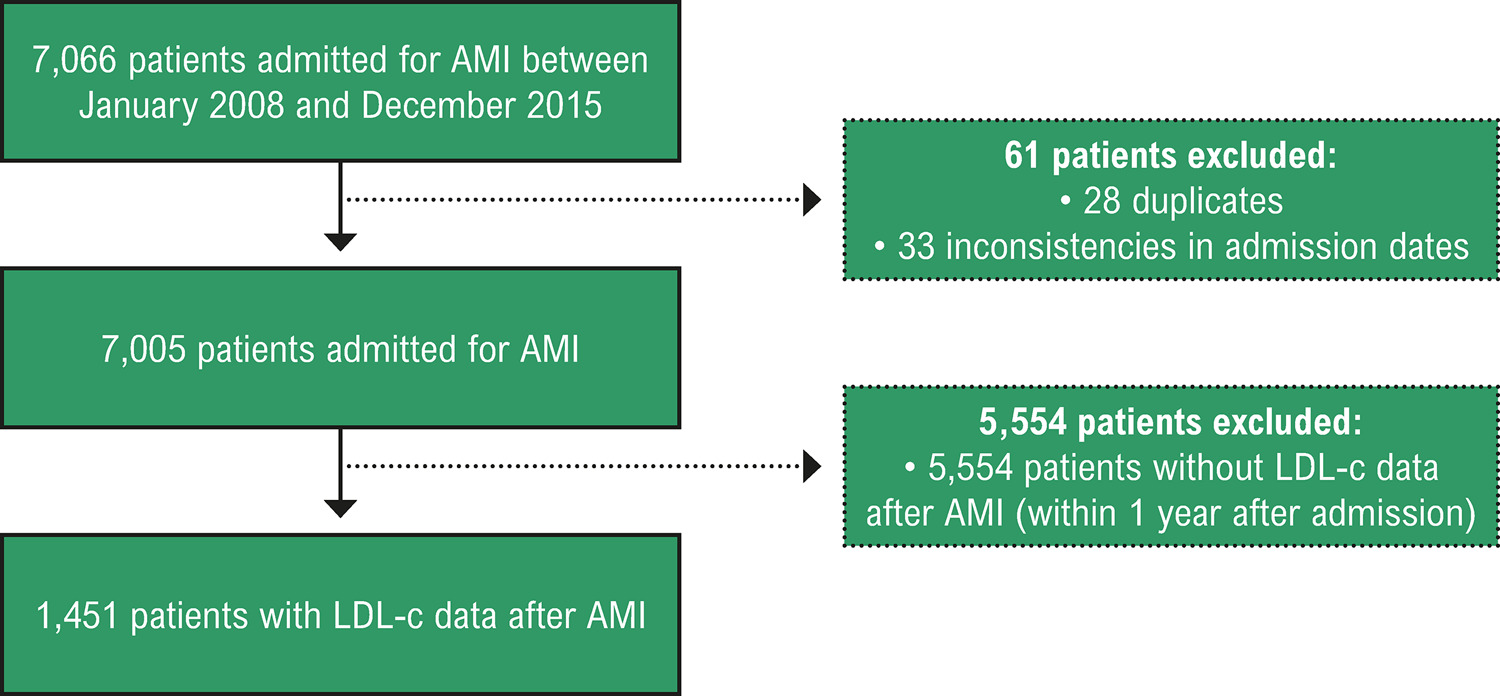
This retrospective cohort explored the data of patients admitted with AMI between 2008 and 2015 in public hospitals from the city of Curitiba. In order to evaluate the attainment of the LDL-c target, we have used the last value registered in the database for each patient up to 2016. For those who had at least one LDL-c registered in the year before AMI, percentage of reduction was calculated. The level of significance adopted for statistical analysis was p<0.05.

Results

Of 7,066 patients admitted for AMI, 1,451 were followed up in an out-patient setting and had at least one evaluation of LDL-c. Mean age was 60.8±11.4 years and 35.8%, 35.2%, 21.5%, and 7.4% of patients had LDL-c levels ≥100, 70–99, 50–69 and <50 mg/dL, respectively. Of these, 377 patients also had at least one LDL-c evaluation before the AMI. Mean LDL-c concentrations were 128.0 and 92.2 mg/dL before and after AMI, with a mean reduction of 24.3% (35.7 mg/dL). LDL-c levels were reduced by more than 50% in only 18.3% of the cases.

Conclusion

In the city of Curitiba public health system patients, after myocardial infarction, are not achieving adequate LDL-c levels after AMI.

  • Cardiovascular Diseases
  • Choleterol LDL
  • Diabetes Mellitus
  • Dyslipidemias
  • Epidemiology
  • Myocardial Infarction
  • Prevention and Control
  • Risk Factors
  • Secondary Prevention
Read Full Article
Creative Commons Attribution (CC BY) Creative Commons license
09/05/2022 DOI: 10.36660/abc.20210328 Views 2
Figure 1
IJCS
Review Article

Depression and Cardiovascular Disease in Women

Maria Alayde Mendonça Rivera et al. Ivan Romero Rivera Walkiria Avila Celi Marques-Santos … Francisco Assis Costa Carlos Romério Ferro Jose Maria Gonçalves Fernandes

Abstract

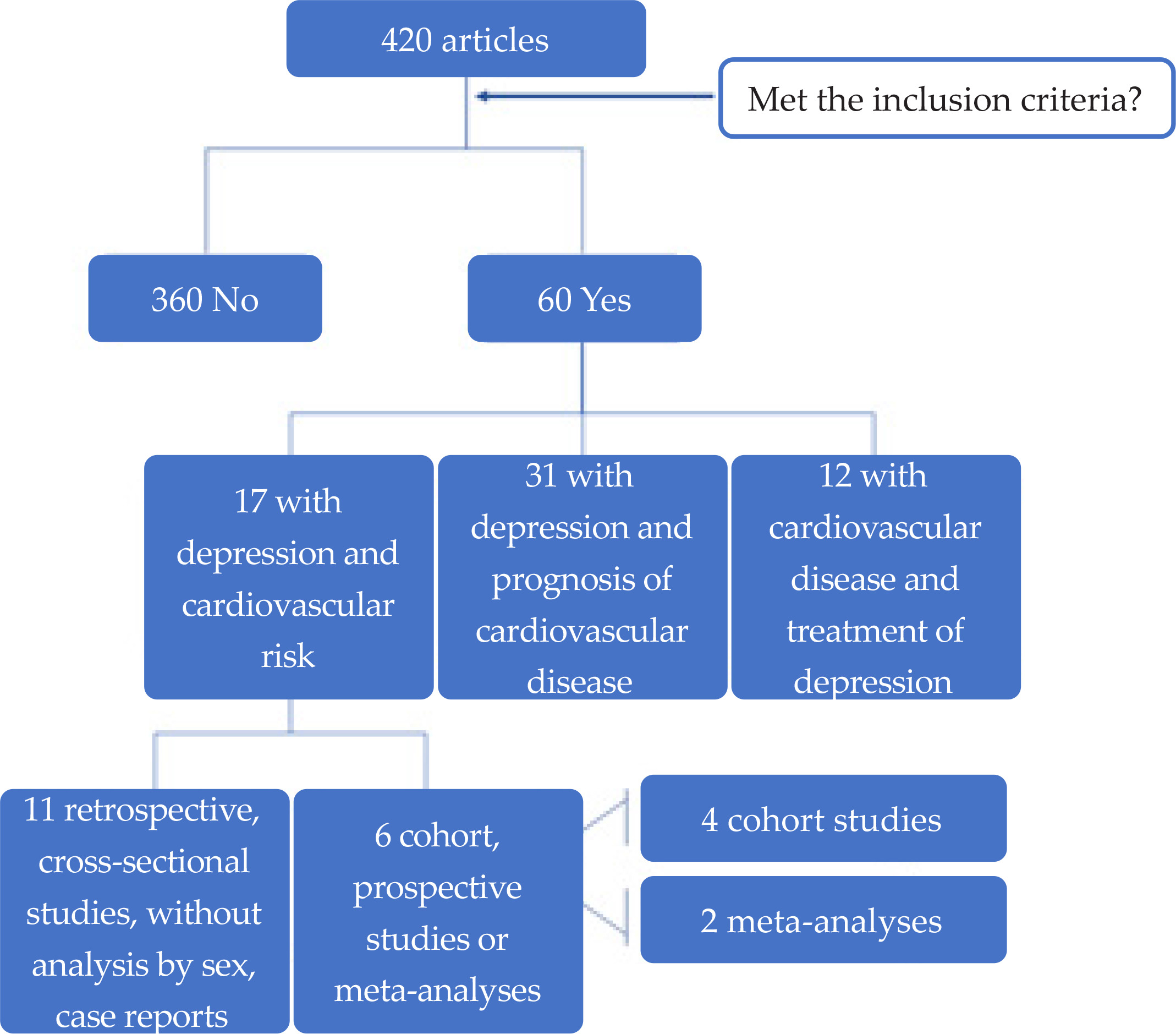
The prevalence of depression varies from 1 to 17% in different geographic regions, and its incidence is 70% higher in women than men. Today, depression affects more than 300 million people worldwide, affecting twice as many women from adolescence to adulthood. In addition to this earlier onset, depression in women tends to be more severe. Cardiovascular disease and depression are chronic diseases that have a major impact on cardiovascular and all-cause morbidity and mortality, with evidence of a two-way relationship between them, in which depression is a predictor of cardiovascular disease and vice versa. In females, the degree of illness and prognosis are more severe when both diseases are present, than when diagnosed alone. In patients with acute or chronic cardiovascular disease, especially women, a systematic screening for depression should be considered as a preventive strategy of cardiovascular events, aiming to reduce the risk of future events. There are still no clinical studies designed to assess the impact of antidepressant treatment on cardiovascular outcomes in women.

  • Cardiovascular Diseases
  • Coronary Artery Disease
  • Morbimortality/ prevalence
  • Prevention and Control
  • Risk Factors
  • Women
Read Full Article
Creative Commons Attribution (CC BY) Creative Commons license
25/02/2022 DOI: 10.36660/ijcs.20200416 Views 1
ABC
Editorial

Searching Naturally Occurring Compounds to Treat Hypertension

Diego Santos Souza et al. Danilo Roman-Campos

Cardiovascular diseases (CDs) are the major cause of death worldwide. Impressively, approximately 17.9 million people died from CDs in 2019, representing almost 32% of global deaths. Also, nearly three-quarters of deaths due to CDs occur in low- and middle-income countries, which is a risk factor for Brazilians. There are several underlying mechanisms involved in CDs, and hypertension is a significant contributor. Today, it is thought that about 1.28 billion adults aged 30-79 years have hypertension in the world. Furthermore, it has been estimated that 60–70% of hypertension in adults is attributable to obesity, associated with insulin resistance, dyslipidemia and metabolic syndrome. Also, almost 50% of adults with hypertension are unaware of its condition, and only 20% have hypertension under control.

According to the American College of Cardiology and the American Heart Association, Normal Blood pressure (BP) is considering when Systolic Blood Pressure (SBP) is <120 mm Hg and < 80 mm Hg for diastolic blood pressure (DBP). Elevated BP is considered when SBP is 120-129, and DBP is 140 mm Hg, respectively, or DBP is 80-89 mm Hg or >90 mm Hg, respectively. These values follow the most recent Brazilian guideline to diagnostic hypertension.

[…]

  • Biological Products
  • Cardiovascular Diseases
  • Diet
  • Hypertension
  • Mortality
  • Prevention and Control
  • Rats
  • Sauromatum Gluttatum/therapeutic use
Read Full Article
Creative Commons Attribution (CC BY) Creative Commons license
03/12/2021 DOI: 10.36660/abc.20210869 Views 1
ABC
Editorial

Assessment of Renal Function in Patients with Heart Failure

Alfredo Jose Mansur et al. Victor Sarli Issa

Heart failure is a systemic condition that may lead to impairment of many organ systems and physiological functions that may cause symptoms and may have a negative influence in the prognosis of the patients., Compromising renal function may be one of the ailments of patients with heart failure.,

Prevention, diagnosis and treatment of this complication are key issues in patient care; strategies of categorization of acute renal lesions have been developed and are helpful in clinical practice.

[…]

  • Diabetes Mellitus
  • Heart Failure/complications
  • Hypertension
  • Hypovolemia
  • Kidney Diseases/complications
  • Prevention and Control
  • Prognosis
  • Risk Factors
Read Full Article
Creative Commons Attribution (CC BY) Creative Commons license
06/09/2021 DOI: 10.36660/abc.20210467 Views 2
ABC
Letter to the Editor

Risk Stratification for Primary Prevention of Sudden Cardiac Death in Hypertrophic Cardiomyopathy

Styliani Vakrou et al. Charalampos Vlachopoulos Konstantinos A. Gatzoulis

Reply

Sudden cardiac death (SCD) is considered the most dramatic complication of hypertrophic cardiomyopathy (HCM) with an estimated annual incidence of 0.5–1%. Over the years, the ACC/AHA and the ESC have published consensus guidelines providing different approaches for SCD risk stratification based on independent clinical predictors. Despite the relatively low accuracy of these markers, current strategies are considered to have a reasonable discriminatory power for the recognition of high-risk patients. However, prognostic assessment is challenging in HCM, especially in low to moderate risk patients. SCD may arise in the absence of known risk factors and some approaches show conflicting results in different populations. Moreover, methodological discrepancies between the North American and the European guidelines may determine discordant levels of recommendation regarding implantable cardioverter defibrillator (ICD) in primary prevention. Therefore, risk stratification is still imprecise and requires further investigation.

The 2018 manuscript of Gatzoulis et al. reevaluates the role of electrophysiological study for prognostic assessment in a low to intermediate risk single-center HCM cohort stratified according to contemporary guidelines. The authors conclude that programmed ventricular stimulation (PVS) combined with current models add sensitivity and negative predictive value to risk stratification. Results are interesting but need to be confirmed in larger prospective trials. PVS has been downgraded to class III in current guidelines due to the low sensitivity and potential risks. Similarly, fractionation of right ventricle electrograms has been related to SCD but was not assimilated due to the invasive nature of the procedure, which may impact feasibility in some settings. Electrical instability is transitory in HCM and should be periodically evaluated such as other predictors with dynamic characteristics. , The guidelines recommend the reassessment of SCD risk during follow-up. Clinical and more easily acquired non-invasive approaches favor routine patient evaluation.

[…]

  • Defibrillators, Implantable
  • Hypertrophic Cardiomyopathy
  • Prevention and Control
  • Sudden Cardiac Death
  • Syncope
Read Full Article
Creative Commons Attribution (CC BY) Creative Commons license
26/07/2021 DOI: 10.36660/abc.20201339 Views 1
IJCS
Editorial

Mortality from Cardiovascular Disease in Bahia

Gilson Feitosa

The adoption of preventive measures against cardiovascular diseases based on greater knowledge and dissemination of information regarding the risk factors that determine their occurrence, has positively modified the incidence of these diseases, especially those of atherosclerotic or hypertensive nature. This is a worldwide record.

However, two factors must be considered: first, cardiovascular disease continues to be the main cause of death in the contemporary world, and second, this favorable reduction behavior is not seen evenly everywhere.

[…]

  • Atherosclerosis
  • Cardiovascular Diseases, mortality
  • Epidemiology
  • Hypertension
  • Prevention and Control
  • Risk Factors
Read Full Article
Creative Commons Attribution (CC BY) Creative Commons license
30/04/2021 DOI: 10.36660/ijcs.20200374 Views 1
ABC
Editorial

Rediscovering Brazil: How We Prevent and Treat Cardiovascular Disease

Letícia Rodrigues Costa et al. Eduardo Vasconcelos Passos Odilson Marcos Silvestre

In Brazil, cardiovascular diseases (CVD) represent 27% of total deaths. These are mainly due to coronary heart disease (32%), stroke (28%) and heart failure (18%). , Although CVD are the leading cause of death in all five Brazilian regions, the percentage of deaths from CVD is higher in the more developed regions, i.e., South and Southeast.

Preventing cardiovascular disease is preventing deaths from heart attack, stroke and heart failure. In addition to non-pharmacological measures, pharmacological measures are effective and should be applied following the stratification of cardiovascular risk and use of evidence-based drugs. Among subjects with high cardiovascular risk, i.e., those with the greatest chance of cardiovascular events in the next ten years, using pharmacological therapies saves lives. Optimized medical therapy promotes a 36% reduction in mortality, 27% reduction of death/myocardial infarction/stroke and improves the quality of life of patients with heart disease. However, despite the efficacy established and proven in clinical trials, in real life the adherence to therapy is low, even in developed countries, with about 40% of patients receiving optimized therapy after 5 years of diagnosis.

[…]

  • Cardiovascular Diseases / epidemiology
  • Cardiovascular Diseases, mortality
  • Cardiovascular Diseases/complications
  • Morbimortality
  • Myocardial Infarction
  • Prevention and Control
  • Risk Factors
  • Stroke
Read Full Article
Creative Commons Attribution (CC BY) Creative Commons license
03/02/2021 DOI: 10.36660/abc.20201295 Views 1
Figure 1
ABC
Original Article

Hospitalization for Acute Myocardial Infarction: A Population-Based Registry

Leonardo Alves et al. Carisi Anne Polanczyk

Abstract

Background:

ST-segment elevation myocardial infarction (STEMI) is one of the main clinical manifestations of ischemic heart disease. Population-based data are relevant to better understand the current epidemiology of this condition.

Objective:

To describe the incidence, therapeutic management, hospital clinical outcomes and cardiovascular events in the first year of follow-up of individuals hospitalized for STEMI.

Methods:

Population-based prospective cohort study with consecutive registries of hospitalization for STEMI in a city in southern Brazil from 2011 to 2014. It included patients with STEMI who presented acute myocardial ischemia symptoms in the last 72 hours. A p-value < 0.05 was considered significant.

Results:

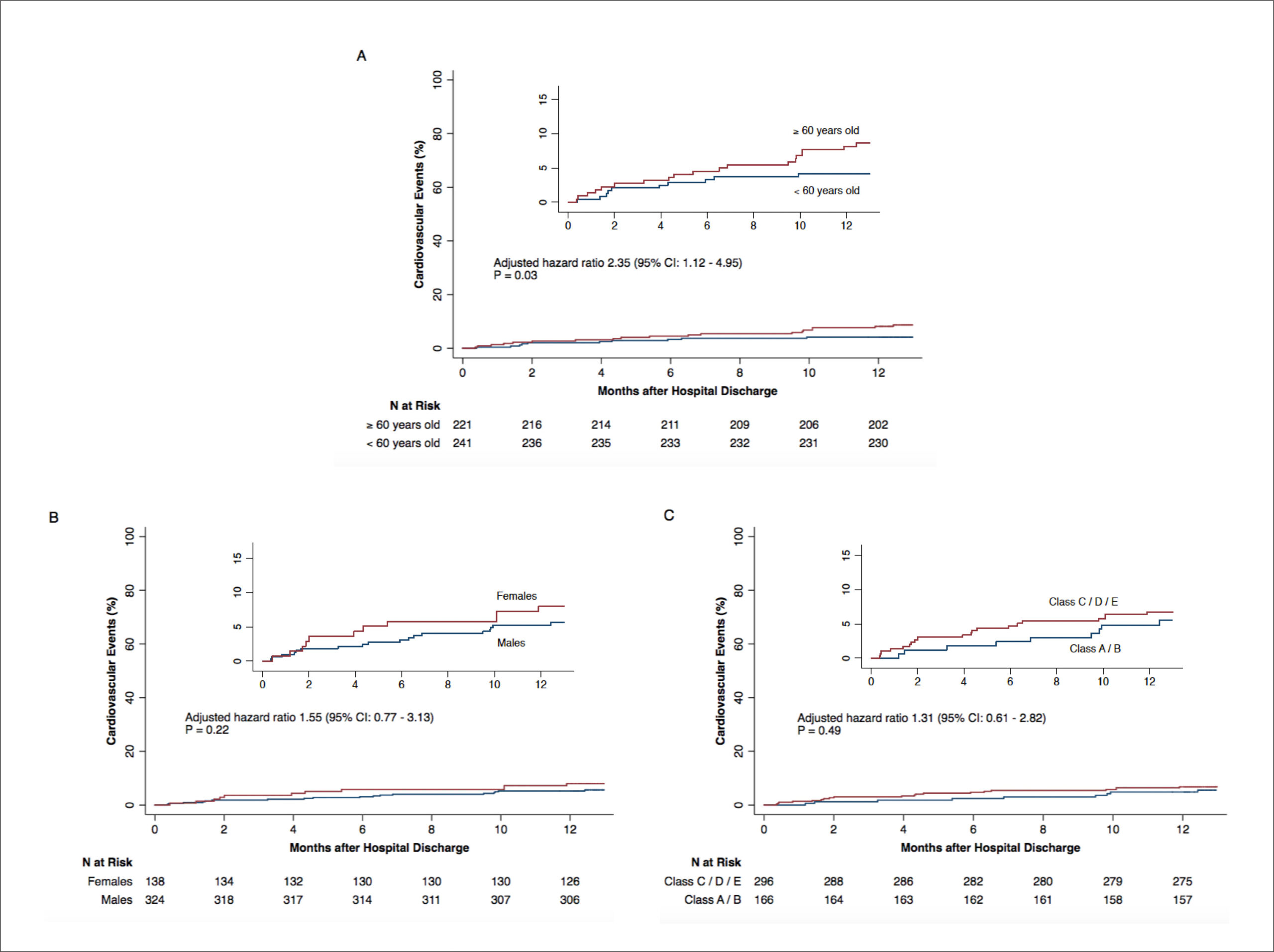
The annual incidence of STEMI hospitalizations was 108 cases per 100,000 inhabitants. Adjusted incidence was higher among older individuals (relative risk 64.9; 95% CI 26.9–156.9; p for linear trend < 0.001) and among men (relative risk 2.8; 95% CI 2.3–3.3; p < 0.001). There were 530 hospitalizations in the period under evaluation and the reperfusion rate reached 80.9%. Hospital mortality and the one-year follow-up cardiovascular event rate were, respectively, 8.9% and 6.1%. The oldest patients had higher hospital mortality (relative risk 3.72; 95% CI 1.57–8.82; p for linear trend = 0.002) and more one-year follow-up cardiovascular events (hazard ratio 2.35; 95% CI 1.12–4.95; p = 0.03).

Conclusion:

This study shows that both the therapeutic approach and hospital mortality are similar to the ones found in developed countries. However, the hospitalization rate was higher in these countries.

  • Epidemiology
  • Hospitalization
  • Myocardial/mortality
  • Percutaneous Coronary Intervention
  • Prevention and Control
  • Risk Factors
Read Full Article
Creative Commons Attribution (CC BY) Creative Commons license
07/12/2020 DOI: 10.36660/abc.20190573 Views 2
Figure 1
ABC
Original Article

Cardiovascular Risk and Statin Eligibility in Primary Prevention: A Comparison between the Brazilian and the AHA/ACC Guidelines

Fernando H. Y. Cesena et al. Viviane A. Valente Raul D. Santos Márcio S. Bittencourt

Abstract

Background

Differences between the updated versions of the Brazilian Guideline on Dyslipidemias and the American Heart Association (AHA)/American College of Cardiology (ACC) Cholesterol Guideline regarding cardiovascular risk stratification and statin eligibility are unknown.

Objectives

To compare cardiovascular risk categorization and statin eligibility based on the Brazilian guideline with those based on the AHA/ACC guideline in primary prevention patients.

Methods

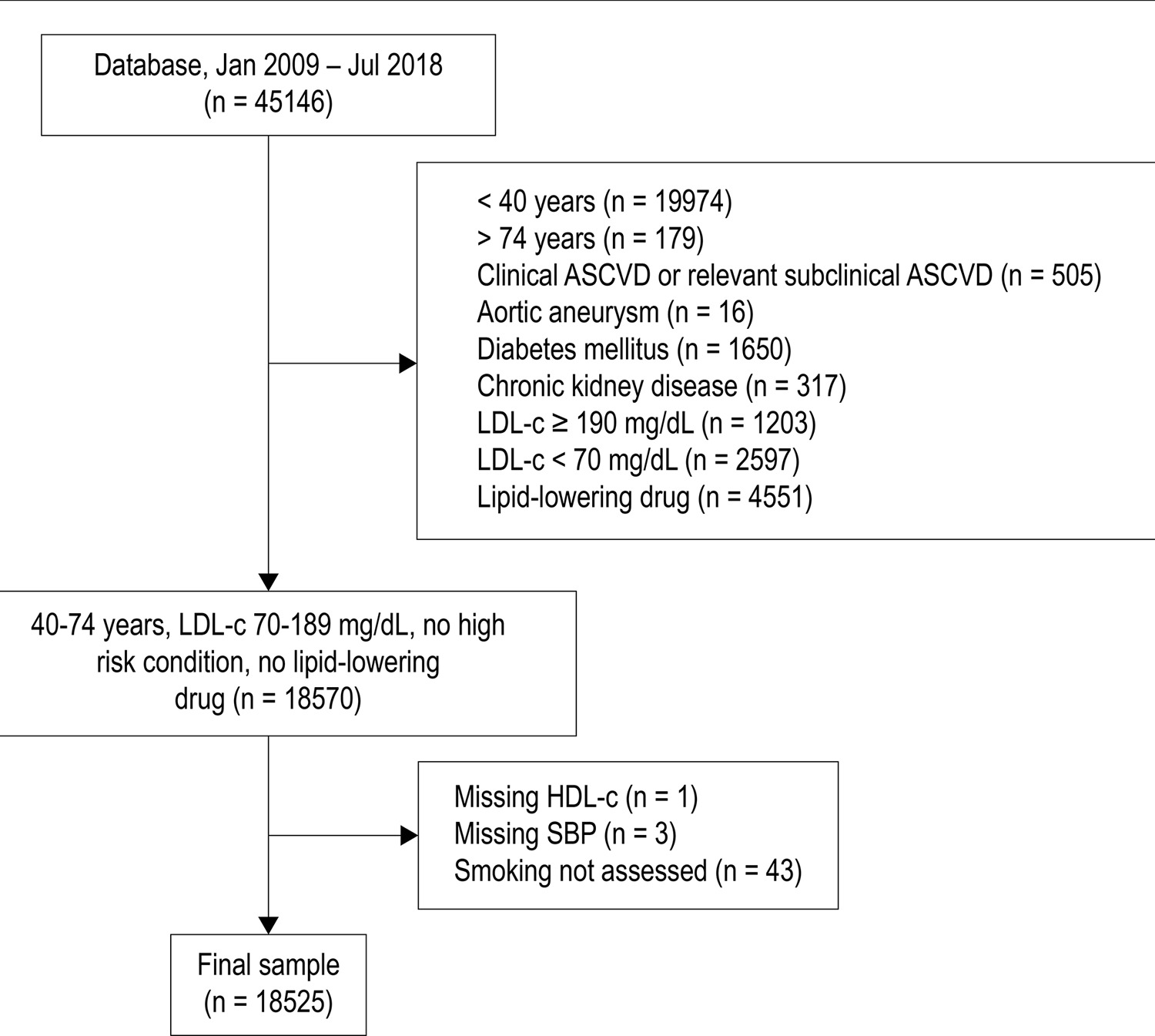
We retrospectively analyzed individuals aged 40-74 years without high-risk conditions, with LDL-c 70 to < 190 mg/dL, not on lipid-lowering drugs, who underwent routine clinical assessment. Cardiovascular risk was stratified according to the Brazilian and the AHA/ACC guidelines. Subjects were considered eligible for statin therapy if LDL-c was at least 30 mg/dL above the target for the cardiovascular risk (Brazilian guideline) or the 10-year atherosclerotic cardiovascular disease risk was ≥7.5% (AHA/ACC guideline). A p-value < 0.05 was considered statistically significant.

Results

The study sample consisted of 18,525 subjects (69% male, age 48 ± 6 years). Among subjects considered at intermediate or high risk by the Brazilian guideline, over 80% would be in a lower risk category by the AHA/ACC guideline. Among men, 45% and 16% would be statin eligible by the Brazilian and the AHA/ACC guidelines criteria, respectively (p < 0.001). Among women, the respective proportions would be 16% and 1% (p < 0.001). Eighty-two percent of women and 57% of men eligible for statins based on the Brazilian guideline criterion would not be eligible according to the AHA/ACC guideline criterion.

Conclusions

Compared with the AHA/ACC guideline, the Brazilian guideline classifies a larger proportion of primary prevention patients into higher-risk categories and substantially increases statin eligibility. (Arq Bras Cardiol. 2020; 115(3):440-449)

  • Atherosclerosis
  • Cardiovascular Diseases
  • Dyslipidemias
  • Hydroxymethylglutaryl-CoA Reductase Inhibitors / therapeutic use
  • Prevention and Control
  • Primary Prevention
  • Risk Factors
Read Full Article
Creative Commons Attribution (CC BY) Creative Commons license
28/09/2020 DOI: 10.36660/abc.20190519 Views 2
ABC
Editorial

Blood Pressure Control: The secret is…Team Work!

Andrea Pio-Abreu et al. Luciano F. Drager

Hypertension is one of the leading causes of cardiovascular death. Indeed, data from the Heart and Stroke Statistics showed that 45% of the cardiovascular mortality is potentially attributed to hypertension. This worrying scenario has not been changing in the last decades despite the availability of non-pharmacological interventions and the development of several anti-hypertensive classes that effectively contributed to blood pressure (BP) control. – The reasons for our low effectiveness in controlling BP at the population level are multiple, including the lack of organized public policies regulating salt consumption and increasing awareness, early detection, and effective treatment. Additional challenges include the asymptomatic characteristic of hypertension, therapeutic inertia, among others.

In this edition of the Arquivos Brasileiros de Cardiologia , Jardim et al. reported data from a retrospective study exploring a multidisciplinary team strategy in the rate of BP control (set at the traditional <140/90 mmHg). The authors evaluated demographic and clinical data of 1548 hypertensive patients from a specialized hypertension center who have been followed up regularly for 7.6 ± 7.1 years (mean age 62 years, 73.6% women). The multidisciplinary approach described by the authors consisted by the availability of nurses, nutritionists, occupational therapists, physical educators, psychologists and music therapists working in conjunction with the staff physicians (general practitioners, cardiologists, endocrinologists, and nephrologists). The maximal interval for medical outpatient visits was 3 months. According to the patients’ needs (determined by the clinical evaluation), the physicians scheduled visits to the professionals mentioned above in a flexible demand. In addition, educational and health promotion activities were performed every two weeks with patients. All this information was recorded on a standardized form. Using this strategy, the authors found that this multidisciplinary team approach was associated with an overall 68% BP control, being more prominent in those aged ≥60 years (OR 1.45; 95% CI [1.13-1.90]), and females (OR 1.36; 95% CI [1.09-1.88]). In contrast, patients with diabetes were associated with a lower probability of reaching the BP target compared to patients without diabetes. Interestingly, no significant differences in the number of anti-hypertensive drugs were observed in the groups who controlled or not BP. This finding suggests that the adherence of this multidisciplinary approach may vary as usually observed with any other intervention.

[…]

  • antihypertensive agents
  • Blood Pressure
  • Hypertension
  • medication adherence
  • Patient Care Team/trends
  • Prevention and Control
  • Risk Factors
Read Full Article
Creative Commons Attribution (CC BY) Creative Commons license
28/08/2020 DOI: 10.36660/abc.20200544 Views 1
ABC
Editorial

Why We Build Models – From Clinical Cardiology Practice to Infectious Disease Epidemics

Marcio Sommer Bittencourt

Francisco, 64 years old, comes to your office for a preventive health evaluation. He has a history of well-controlled hypertension and is otherwise well. His past medical history is unremarkable. No family history of cardiovascular disease or smoking and LDL-cholesterol (LDL-C) of 90 mg/dL. After discussing with the patient, you are unsure if this patient’s risk benefit profile would favor the use of statins. Instead of trusting your personal feelings, you decide to use the Framingham risk score (FRS) to decide if statins would be recommended. The calculated Framingham score is 8.1% and you decide not to initiate statins at this point.

One month later, Francisco returns to your office with typical angina on major exertion but has no signs of unstable disease. Once again, to avoid overconfidence on your initial impression, you decide to use the Diamond and Forrester (DF) chest pain prediction rule, which estimates the pretest probability of obstructive coronary artery disease (CAD). For a male at his age, the rule suggests a pretest probability of 94% (high probability), so you decide to request an invasive angiography in the outpatient setting.

[…]

  • Biomarkers
  • Cardiovascular Diseases
  • Coronavirus
  • COVID-19
  • Pandemics
  • Prevention and Control
  • Risk Assessment
  • Risk Factors
  • Risk reduction Behavior
Read Full Article
Creative Commons Attribution (CC BY) Creative Commons license
03/07/2020 DOI: 10.36660/abc.20200527 Views 1
IJCS
Editorial

Metabolic Syndrome

Elizabete Viana de Freitas et al. Kalil Lays Mohallem

Introduction

Metabolic Syndrome (MS) is a complex disorder characterized by a group of Risk Factors (RF), including changes in glycemic levels, insulin resistance, lipid profile, blood pressure levels and central obesity (visceral adipose tissue – VAT), which increase the incidence of cardiovascular diseases often associated with ageing.

It is estimated to affect over 20% of the global adult population, and women are at greater risk. Central (visceral) obesity is thought to be the predominant RF for MS, especially among overweight and low-educated elderly.

[…]

  • Diabetes Mellitus, Elderly
  • Dyslipidemias
  • Hypertension
  • Metabolic Syndrome
  • Obesity
  • Prevention and Control
  • Risk Factors
Read Full Article
Creative Commons Attribution (CC BY) Creative Commons license
29/05/2020 DOI: 10.36660/ijcs.20200085
ABC
Editorial

Physically Active Lifestyle as an Approach to Confronting COVID-19

Maycon Junior Ferreira et al. Maria Cláudia Irigoyen Fernanda Consolim-Colombo José Francisco Kerr Saraiva Kátia De Angelis

The rapid, uncontrollable spread of the new coronavirus (SARS-CoV-2) throughout the world, in conjunction with its severity, led the Director-General of the World Health Organization (WHO) to characterize the situation as a pandemic on March 11, 2020.1It is currently possible to observe increasingly intense efforts on the part of health organizations and public authorities with the aim of containing the progress and spread of SARS-CoV-2. SARS-CoV-2 has emerged as a new subtype of human severe acute respiratory syndrome (SARS-CoV) characterized by high transmission capacity and induction of severe respiratory infection. Recent studies have demonstrated a high prevalence of hypertension and diabetes in elderly patients affected by COVID-19 who died in Wuhan, China,2,3which was the epicenter of the SARS-CoV-2 outbreak; this suggests that these comorbidities are important risk factors for deterioration and worse prognosis of complications associated with COVID-19.

Considering the recommendations for social isolation currently imposed in different countries, it is fundamental to encourage the population to maintain a physically active lifestyle routine as a preventative health measure during this period of confronting the spread of the virus. During periods of confinement at home, the population tends to adopt a sedentary routine, which favors increased body weight gain, as well as the emergence of comorbidities associated with greater cardiovascular risk, such as obesity, increased blood pressure, and glucose intolerance, in addition to psychosocial disorders such as anxiety and depression. Sedentary behavior, whether sitting, watching TV, or spending time in front of electronic devices, has in fact been associated with increased body weight in children, adolescents, adults and elderly6as well as with a marked increase in the risk of cardiovascular mortality.7It has, on the contrary, been shown that the risk of developing cardiovascular diseases and mortality is reduced in individuals with physically active life habits, such as going on moderately intense walks.8It has furthermore been demonstrated that the risk of upper respiratory tract infection due to coronavirus is potentially greater in the presence of immune system deficiency.9In this sense, there is strong evidence in the literature that practicing physical exercise is a beneficial measure for improving immunity.10-12The American College of Sports Medicine has recently published a guide suggesting that moderately intense physical activity should be maintained during the period of quarantine due to SARS-CoV-2, emphasizing the importance of every minute of physical activity to health.13

[…]

  • Coronavirus-19
  • COVID-19
  • Exercise
  • Motor Activity
  • Prevention and Control
  • Risk Factors
  • Sedentarism
Read Full Article
Creative Commons Attribution (CC BY) Creative Commons license
09/04/2020 DOI: 10.36660/abc.20200235 Views 2
ABC
Editorial

Clinical Significance of Statistical Differences

Luiz Maurino Abreu

Diabetes is a serious chronic condition that occurs when your body cannot produce any or enough insulin or cannot effectively use the insulin it produces, resulting in high blood glucose levels. The so-called type 1 diabetes is caused by a set of genetic, environmental and autoimmune factors affecting insulin-producing pancreatic beta cells.

Elevated blood glucose levels even below the diagnostic threshold of diabetes are associated with complications with the greatest impact on morbidity and mortality among people with diabetes. Systematic reviews involving 102 prospective studies in diabetic patients indicate that the relative risk of cardiovascular disease (CVD) is between 1.6 and 2.6, greater in younger people and slightly higher in women.

[…]

  • Arrhythmias,Cardiac
  • Data Interpretation, Statistical
  • Diabetes Mellitus/complications, Risk Factors
  • Electrocardiography/methods
  • Prevention and Control
Read Full Article
Creative Commons Attribution (CC BY) Creative Commons license
20/03/2020 DOI: 10.36660/abc.20200006 Views 2
ABC
Original Article

Evaluation of Electrocardiographic Ventricular Depolarization and Repolarization Variables in Type 1 Diabetes Mellitus

Mehmet Inanır et al. Yilmaz Gunes Isa Sincer Emrah Erdal

Abstract

Background:

The risk of cardiovascular events and sudden death increases with type 1 diabetes mellitus (T1DM).

Objective:

To evaluate electrocardiographic markers of arrhythmias in T1DM patients.

Methods:

Electrocardiographic parameters reflecting ventricular depolarization and repolarization, namely, QT, QTc, QTd, QTdc, Tp-e, JT, and JTc intervals and Tp-e/QT and Tp-e/QTc ratios, of 46 patients diagnosed with T1DM were retrospectively analyzed and compared with 46 healthy age-, sex-, and body mass-matched controls. Correlations between T1DM duration, hemoglobin A1c (HbA1c), and ventricular repolarization variables were analyzed. P values lower than 0.05 were considered statistically significant.

Results:

Diabetes duration was 16.6 ± 7.1 years, and HbA1c was 10.81% ± 3.27% in the T1DM group. In comparison with the control group, heart rate, QTc, QTd, QTdc, Tp-e and JTc intervals, Tp-e/QT ratio (p < 0.001), and Tp-e/QTc ratio (p = 0.007) were significantly higher in T1DM patients. T1DM duration and HbA1c levels were significantly correlated with QTc, QTd, QTdc, Tp-e, and JTc intervals and Tp-e/QT and Tp-e/QTc ratios.

Conclusions:

In T1DM patients, potential electrocardiographic repolarization predictors were significantly increased in correlation with disease duration and HbA1c levels. These findings may contribute to the understanding of sudden cardiac death in patients with T1DM.

  • Arrhythmias Cardiac
  • Diabetes Complications
  • Electrocardiography/methods
  • Prevention and Control
  • Risk Factors
Read Full Article
Creative Commons Attribution (CC BY) Creative Commons license
20/03/2020 DOI: 10.36660/abc.20180343 Views 2
IJCS
Original Article

Evaluation of Cardiovascular Risk in Hypertensive Individuals Attending a Primary Health Care Center

Tiago Ricardo Moreira et al. Luana Vieira Toledo Érica Toledo Mendonça Renata Maria Colodette … Luciana Saraiva Silva Rosângela Minardi Mitre Cotta

Abstract

Background:

Cardiovascular risk (CVR) stratification has traditionally been used as a strategy for the prevention of cardiovascular diseases in asymptomatic people.

Objective:

To identify the CVR in hypertensive patients attending a primary health care center, using the Framingham risk score, and to evaluate possible associations and correlations with sociodemographic, clinical and laboratory variables not included in this score. This cross-sectional study was conducted with hypertensive patients treated in a primary health care center in Brazil (n = 166).

Methods:

Data collection, administration of questionnaires, anthropometric measurements and laboratory tests were performed from July to August 2013. Multiple linear regression was used in the analysis. A two-tailed p-value < 0.05 was considered significant.

Results:

High CVR was independently associated with male sex (B = 8.73; 95%CI: 6.27: 11.19), high serum levels of total cholesterol (B = 0.05; IC95%: 0.02: 0.08), number of drugs used (B = 0.55; 95%Ci: 0.12: 0.98) and a low glomerular filtration rate (GFR) (B = -0.11; 95%CI: -0.18 : -0.03).

Conclusion:

The results of this study reinforce the importance of continuous and longitudinal care practices directed to hypertensive patients aiming at early detection of risk factors and appropriate intervention to improve the prognosis of this population.

  • Cardiovascular Diseases, mortality
  • Hypertension
  • Life Style
  • Obesity
  • Prevention and Control
  • Risk Factors
  • Sedentarism
  • Treatment Adherence anf Compliance
Read Full Article
Creative Commons Attribution (CC BY) Creative Commons license
03/02/2020 DOI: 10.36660/ijcs.20180078 Views 1
IJCS
Original Article

Association between Central Obesity and Biochemical Markers of Cardiometabolic Risk in Elderly Attended in Geriatric Ambulatory – Lagarto/SE

Ana Caroline de Souza Almeida et al. Carolina Cunha de Oliveira Emanuelle Dias Costa Adenilda Queiroz S Deiró

Abstract

Backgroud:

Central obesity, especially visceral adipose tissue (VAT), represents a health risk due to its endocrine and metabolic capacity, contributing to the development of the atherogenic profile and strongly associating with cardiovascular morbimortality.

Objective:

To identify the association between central obesity and biochemical markers of cardiometabolic risk in elderly patients treated at a geriatric outpatient clinic in Lagarto-SE.

Method:

This is a cross-sectional study of 159 elderly people of both sexes. Central adiposity was considered an independent variable, identified by measuring the Waist Circumference (WC). Total Cholesterol (TC), LDL-c, HDL-c, non-HDL-c, triglycerides, glycemia and Castelli I and II indices were considered dependent variables. Pearson’s chi-square test was used to evaluate the association between central obesity and biochemical markers of cardiometabolic risk. Those with p < 0.20 were used in the bivariate regression analysis, adopting a 95% confidence interval.

Results:

Mean age was 70.9 ± 7.5 years. Central obesity was present in 43.2% of males and 56.8% of females (p = 0.002). There was statistically significant association between HDL-c, HDL-C and Castelli I Index and central obesity. Individuals with central obesity are 2.48 and 3.13 times more likely to develop changes in HDL-C and Castelli I index, respectively.

Conclusion:

There is an association between central obesity and biochemical markers of cardiometabolic risk in the elderly.

  • Cardiovascular Diseases
  • Diabetes Mellitus
  • Dyslipidemias
  • Elderly
  • Hypertension
  • Life Style
  • Metabolic Syndrome
  • Obesity
  • Prevention and Control
  • Risk Factors
Read Full Article
Creative Commons Attribution (CC BY) Creative Commons license
03/02/2020 DOI: 10.36660/ijcs.20190055
Figure 1
IJCS
Original Article

Internal Validation of a Risk Score for Prediction of Postoperative Atrial Fibrillation after Cardiac Surgery

Rafael de March Ronsoni et al. Tiago Luiz Luz Leiria Leonardo Martins Pires Marcelo Lapa Kruse … Edemar Pereira Rogerio Gomes da Silva Gustavo Glotz de Lima

Abstract

Background:

Postoperative atrial fibrillation (POAF) after cardiac surgery has great clinical and economic implications. Many attempts have been made to identify risk factors aiming at a better evaluation of prophylactic treatment strategies.

Objective:

To perform an internal validation of a risk score for POAF.

Methods:

A prospective cohort of 1,054 patients who underwent myocardial revascularization and/or valve surgery was included. The risk score model was developed in 448 patients, and its performance was tested in the remaining 606 patients. Variables with a significance level of 5% in the cohort were included and subjected to a multiple logistic regression model with backward selection. Performance statistics was performed using the c-statistic, the chi-square and the Hosmer-Lemeshow (HL) goodness-of-fit, Pearson’s correlation coefficient.

Results:

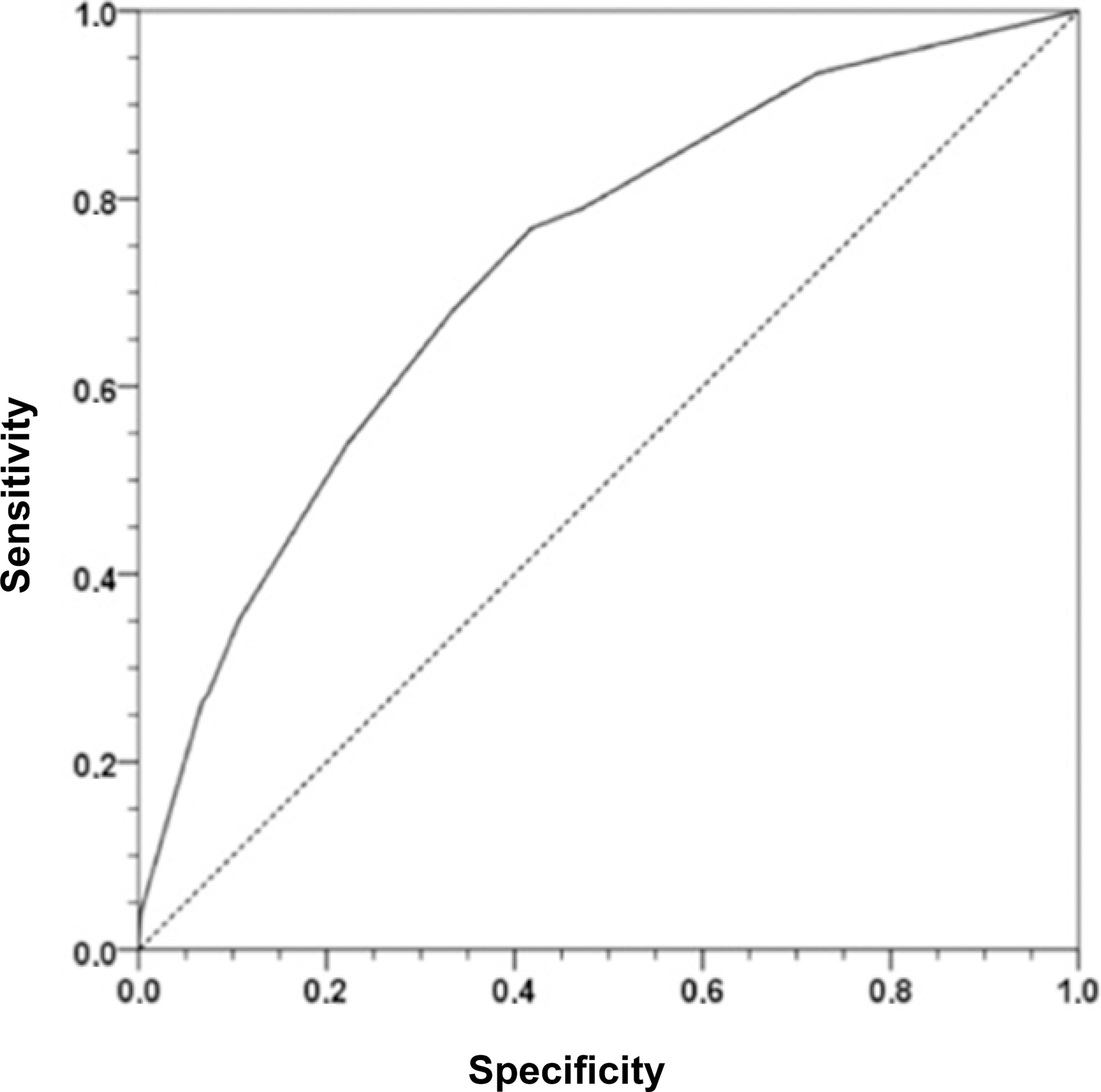
Four variables were considered predictors of outcome: age (≥ 70 years), mitral valve disease, the non-use or discontinuation of beta-blockers and a positive water balance (> 1,500 mL). The ROC curve was 0.76 (95% confidence interval [CI]: 0.72-0.79). The risk model showed a good ability according to the performance statistics – HL test x(2) = 0.93; p = 0.983 and r = 0.99 (Pearson’s coefficient). There was an increase in the frequency of POAF with the increase of the score: very low risk = 0.0%; low risk = 3.9%; intermediate risk = 10.9%; and high risk = 60.0%; p < 0.0001.

Conclusion:

The predictive variables of POAF allowed us to construct a simplified risk score. This scoring system showed good accuracy and can be used in routine clinical practice.

  • Atrial Fibrillation
  • Heart Valves/surgery
  • Myocardial Revascularization
  • Perioperative Care
  • Prevention and Control
  • risk score
Read Full Article
Creative Commons Attribution (CC BY) Creative Commons license
24/10/2019 DOI: 10.5935/2359-4802.20190085 Views 2
ABC
Editorial

Aspects of Non-Pharmacological Treatment in Peripheral Arterial Disease

Maria Janieire de N. Nunes Alves et al. Francis Ribeiro de Souza

Peripheral arterial disease (PAD) is one of the main atherosclerotic diseases in the elderly population which limits the performance of physical activity. Patients with PAD who have intermittent claudication may have gait impairment, which compromises daily living activities. In addition, these patients have other comorbidities that may increase cardiovascular risk., Regular exercise is a non-drug treatment recommended for the prevention and treatment of cardiovascular disease. On the other hand, maintaining adherence to a physical training program becomes a major challenge.

The present study exposes the physical activity pattern of patients with PAD and demonstrates the high rate of a sedentary lifestyle with aging. In fact, the disease itself leads to physical limitation, which in turn is also a worsening factor of the disease, since the recommendation of vigorous physical activity has therapeutic effects that contribute, in addition to the chronic use of arterial vasodilator drugs. In addition, chronic arterial vasodilation due to the use of medications may lead to reduced long-term peripheral flow, as arterial vasodilation promoted by medication further reduces perfusion pressure in the lower limb peripheral muscles and intensifies the low level of physical activity in patients with PAD, according to current physical activity recommendations.

[…]

  • Aged
  • Ankle Brachial Index
  • Exercise
  • Intermittent Claudication
  • Peripheral Arterial Disease/drug therapy
  • Peripheral Arterial Disease/physiopathology
  • Prevention and Control
Read Full Article
Creative Commons Attribution (CC BY) Creative Commons license
10/10/2019 DOI: 10.5935/abc.20190208 Views 1
Figure 1
ABC
Original Article

Ideal Cardiovascular Health and Job Strain: A Cross-Sectional Study from the Amazon Basin

Davi Dantas Muniz et al. Kamile Santos Siqueira Cristina Toledo Cornell Miguel Morita Fernandes-Silva … Pascoal Torres Muniz Odilson Marcos Silvestre

Abstract

Background:

Ideal Cardiovascular (CV) Health is characterized by four ideal lifestyle parameters and absence of cardiovascular risk factors. The prevalence of ideal CV health in the Amazon Basin and the influence of job strain on CV health in this setting are uncertain.

Objective:

To evaluate the prevalence of ideal CV health and its relationship with job strain in a secluded area from a developing country.

Methods:

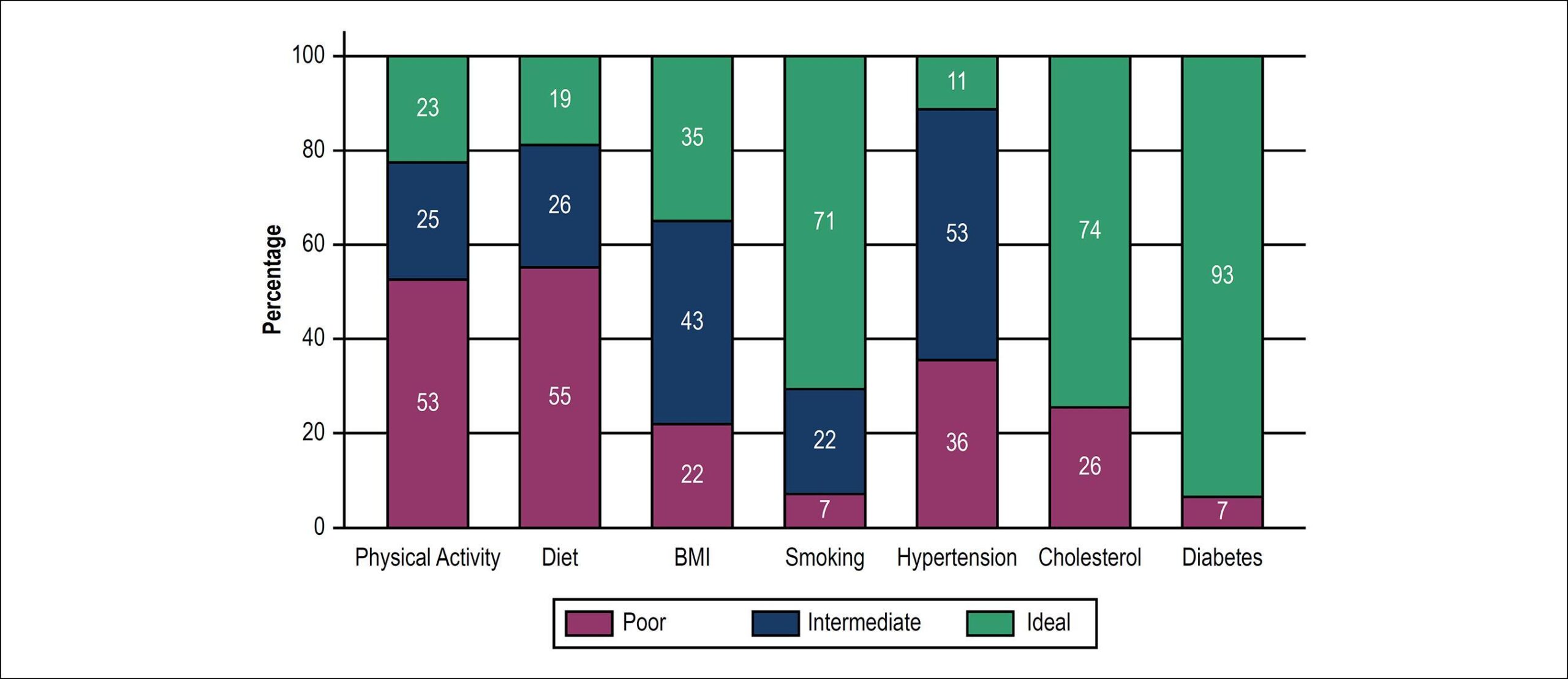
Job strain was evaluated in 478 employees from an university in the Amazon Basin by a questionnaire that classified participants as passive, active, low or high strain, according to the demand-control model. CV health was evaluated using the American Heart Association 7 health factors (diet, physical activity, body mass index (BMI), smoking, hypertension, diabetes and hypercholesterolemia). Participants were classified as having ideal, intermediate or poor CV health. The level of significance was set at p < 0.05.

Results:

The mean age was 44.3 ± 12 years, 65% were men, and 35% were faculty. No participant fulfilled the criteria for ideal CV health. Intermediate CV health was found in 44 (9%) and poor in 434 (91%) individuals. Considering low strain as a reference group, individuals classified as high strain, active and passive had a non-significant (p > 0.05) increase in the chances of having poor CV health. When adjusting for possible confounders, high job strain was associated with poor BMI (> 30 kg/m2), (OR 2.11, 95%CI 1.06-4.22; p = 0.034) and poor diet (OR 2.31, 95% CI 1.29-4.13; p = 0.005).

Conclusion:

Job strain was not associated with cardiovascular health, but high job strain was related to obesity and poor diet. Given the high prevalence of poor CV health and lack of participants with ideal CV health, policies focusing on health education and lifestyle interventions are paramount to this population.

  • Amazonian Ecosystem
  • Cardiovascular Diseases / epidemiology
  • Eating Disorders
  • Obesity
  • Prevention and Control
  • Risk Factors
  • Stress,Psychological
Read Full Article
Creative Commons Attribution (CC BY) Creative Commons license
07/01/2019 DOI: 10.5935/abc.20190005
ABC
Editorial

CADE-Q SV: Practical and Relevant in the Assessment of Patients with Cardiovascular Diseases regarding their Health Condition

Juliana Beust de Lima

Cardiovascular diseases (CVD) remain the leading cause of death worldwide. According to estimates by the World Health Organization (WHO), approximately 17.9 million individuals die per year due to this clinical condition. In Brazil, a registry of the Brazilian Society of Cardiology shows an increase in mortality over the years, affecting 383,961 individuals in 2017.

Considering the strong association of CVD with morbidity and mortality, as well as the impairment of functional capacity and quality of life shown by these patients, strategies aimed at minimizing these impairments and that can be shown to be cost-effective should be implemented. In this scenario, cardiovascular rehabilitation (CVR) is crucial and should be part of the overall treatment of CVD.

[…]

  • Cardiac Rehabilitation
  • Cardiovascular Diseases, mortality
  • Exercise
  • Health Education
  • physical fitness
  • Prevention and Control
  • Survey and Questionnaires
Read Full Article
Creative Commons Attribution (CC BY) Creative Commons license
01/12/2018 DOI: 10.5935/abc.20180236 Views 2

Could not load more articles. Please try again.

How to cite this article

EndNote RIS

Electronic Document Format (Vancouver)

Almeida AEM, Stein R. The Environment and the Heart. Arquivos Brasileiros de Cardiologia 2023;120(7):e20230119.

Electronic Document Format (ABNT)

Almeida, Antonio Eduardo Monteiro de; Stein, Ricardo. The Environment and the Heart. Arquivos Brasileiros de Cardiologia, v. 120, n. 7, e20230119, Jul. 2023.

Electronic Document Format (APA)

Almeida, A. E. M. , & Stein, R. (2023). The Environment and the Heart. Arquivos Brasileiros de Cardiologia, 120(7), e20230119.

Electronic Document Format (ISO)

Almeida, Antonio Eduardo Monteiro de and Stein, Ricardo. The Environment and the Heart. Arquivos Brasileiros de Cardiologia [online]. 2023, vol. 120, n. 7, [cited 2026-10-14], e20230119. Available from: <https://journals.cardiol.br/en/article/the-environment-and-the-heart/>. ISSN 0066-782X

EndNote RIS

Electronic Document Format (Vancouver)

Dobke FV, Longo A, Ribas BLP, Weber B, Bertoldi EG, Borges LR, Bertacco RTA, et al. Diet Quality and Associated Factors in Atherosclerotic Cardiovascular Disease Patients with and without Diabetes at a Specialized Outpatient Clinic in the City of Pelotas, Brazil. International Journal of Cardiovascular Sciences 2022;36:e20200323.

Electronic Document Format (ABNT)

Dobke, Fernanda Vighi; Longo, Aline; Ribas, Bruna Luiza Paulina; Weber, Bernardete; Bertoldi, Eduardo Gehling; Borges, Lúcia Rota; Bertacco, Renata Torres Abib. Diet Quality and Associated Factors in Atherosclerotic Cardiovascular Disease Patients with and without Diabetes at a Specialized Outpatient Clinic in the City of Pelotas, Brazil. International Journal of Cardiovascular Sciences, v. 36, e20200323, Sep. 2022.

Electronic Document Format (APA)

Dobke, F. V., Longo, A., Ribas, B. L. P., Weber, B., Bertoldi, E. G., Borges, L. R., & Bertacco, R. T. A. (2022). Diet Quality and Associated Factors in Atherosclerotic Cardiovascular Disease Patients with and without Diabetes at a Specialized Outpatient Clinic in the City of Pelotas, Brazil. International Journal of Cardiovascular Sciences, 36, e20200323.

Electronic Document Format (ISO)

Dobke, Fernanda Vighi and Longo, Aline and Ribas, Bruna Luiza Paulina and Weber, Bernardete and Bertoldi, Eduardo Gehling and Borges, Lúcia Rota and Bertacco, Renata Torres Abib. Diet Quality and Associated Factors in Atherosclerotic Cardiovascular Disease Patients with and without Diabetes at a Specialized Outpatient Clinic in the City of Pelotas, Brazil. International Journal of Cardiovascular Sciences [online]. 2022, vol. 36, [cited 2026-10-14], e20200323. Available from: <https://journals.cardiol.br/en/article/diet-quality-and-associated-factors-in-atherosclerotic-cardiovascular-disease-patients-with-and-without-diabetes-at-a-specialized-outpatient-clinic-in-the-city-of-pelotas-brazil/>. ISSN 2359-4802

EndNote RIS

Electronic Document Format (Vancouver)

Machline-Carrion MJ. Overcoming Women’s Lifelong Hormonal Rollercoaster: A Turning Point for Cardiovascular Prevention. Arquivos Brasileiros de Cardiologia 2022;118(5):914-5.

Electronic Document Format (ABNT)

Machline-Carrion, M. Julia. Overcoming Women’s Lifelong Hormonal Rollercoaster: A Turning Point for Cardiovascular Prevention. Arquivos Brasileiros de Cardiologia, v. 118, n. 5, p. 914-915, May. 2022.

Electronic Document Format (APA)

Machline-Carrion, M. J. (2022). Overcoming Women’s Lifelong Hormonal Rollercoaster: A Turning Point for Cardiovascular Prevention. Arquivos Brasileiros de Cardiologia, 118(5), 914-915.

Electronic Document Format (ISO)

Machline-Carrion, M. Julia. Overcoming Women’s Lifelong Hormonal Rollercoaster: A Turning Point for Cardiovascular Prevention. Arquivos Brasileiros de Cardiologia [online]. 2022, vol. 118, n. 5, [cited 2026-10-14], pp. 914-915. Available from: <https://journals.cardiol.br/en/article/overcoming-womens-lifelong-hormonal-rollercoaster-a-turning-point-for-cardiovascular-prevention/>. ISSN 0066-782X

EndNote RIS

Electronic Document Format (Vancouver)

Bernardi A, Olandoski M, Erbano LO, Guarita-Souza LC, Baena CP, Faria-Neto JR. Achievement of LDL-Cholesterol Goals after Acute Myocardial Infarction: Real-World Data from the City of Curitiba Public Health System. Arquivos Brasileiros de Cardiologia 2022;118(6):1018-25.

Electronic Document Format (ABNT)

Bernardi, André; Olandoski, Marcia; Erbano, Lucas Olandoski; Guarita-Souza, Luiz Cesar; Baena, Cristina Pellegrino; Faria-Neto, José Rocha. Achievement of LDL-Cholesterol Goals after Acute Myocardial Infarction: Real-World Data from the City of Curitiba Public Health System. Arquivos Brasileiros de Cardiologia, v. 118, n. 6, p. 1018-1025, May. 2022.

Electronic Document Format (APA)

Bernardi, A., Olandoski, M., Erbano, L. O., Guarita-Souza, L. C., Baena, C. P., & Faria-Neto, J. R. (2022). Achievement of LDL-Cholesterol Goals after Acute Myocardial Infarction: Real-World Data from the City of Curitiba Public Health System. Arquivos Brasileiros de Cardiologia, 118(6), 1018-1025.

Electronic Document Format (ISO)

Bernardi, André and Olandoski, Marcia and Erbano, Lucas Olandoski and Guarita-Souza, Luiz Cesar and Baena, Cristina Pellegrino and Faria-Neto, José Rocha. Achievement of LDL-Cholesterol Goals after Acute Myocardial Infarction: Real-World Data from the City of Curitiba Public Health System. Arquivos Brasileiros de Cardiologia [online]. 2022, vol. 118, n. 6, [cited 2026-10-14], pp. 1018-1025. Available from: <https://journals.cardiol.br/en/article/achievement-of-ldl-cholesterol-goals-after-acute-myocardial-infarction-real-world-data-from-the-city-of-curitiba-public-health-system/>. ISSN 0066-782X

EndNote RIS

Electronic Document Format (Vancouver)

Rivera MAM, Rivera IR, Avila W, Marques-Santos C, Costa FA, Ferro CR, Fernandes JMG, et al. Depression and Cardiovascular Disease in Women. International Journal of Cardiovascular Sciences 2022;35(4):537-45.

Electronic Document Format (ABNT)

Rivera, Maria Alayde Mendonça; Rivera, Ivan Romero; Avila, Walkiria; Marques-Santos, Celi; Costa, Francisco Assis; Ferro, Carlos Romério; Fernandes, Jose Maria Gonçalves. Depression and Cardiovascular Disease in Women. International Journal of Cardiovascular Sciences, v. 35, n. 4, p. 537-545, Feb. 2022.

Electronic Document Format (APA)

Rivera, M. A. M., Rivera, I. R., Avila, W., Marques-Santos, C., Costa, F. A., Ferro, C. R., & Fernandes, J. M. G. (2022). Depression and Cardiovascular Disease in Women. International Journal of Cardiovascular Sciences, 35(4), 537-545.

Electronic Document Format (ISO)

Rivera, Maria Alayde Mendonça and Rivera, Ivan Romero and Avila, Walkiria and Marques-Santos, Celi and Costa, Francisco Assis and Ferro, Carlos Romério and Fernandes, Jose Maria Gonçalves. Depression and Cardiovascular Disease in Women. International Journal of Cardiovascular Sciences [online]. 2022, vol. 35, n. 4, [cited 2026-10-14], pp. 537-545. Available from: <https://journals.cardiol.br/en/article/depression-and-cardiovascular-disease-in-women/>. ISSN 2359-4802

EndNote RIS

Electronic Document Format (Vancouver)

Souza DS, Roman-Campos D. Searching Naturally Occurring Compounds to Treat Hypertension. Arquivos Brasileiros de Cardiologia 2021;117(6):1104-5.

Electronic Document Format (ABNT)

Souza, Diego Santos; Roman-Campos, Danilo. Searching Naturally Occurring Compounds to Treat Hypertension. Arquivos Brasileiros de Cardiologia, v. 117, n. 6, p. 1104-1105, Dec. 2021.

Electronic Document Format (APA)

Souza, D. S., & Roman-Campos, D. (2021). Searching Naturally Occurring Compounds to Treat Hypertension. Arquivos Brasileiros de Cardiologia, 117(6), 1104-1105.

Electronic Document Format (ISO)

Souza, Diego Santos and Roman-Campos, Danilo. Searching Naturally Occurring Compounds to Treat Hypertension. Arquivos Brasileiros de Cardiologia [online]. 2021, vol. 117, n. 6, [cited 2026-10-14], pp. 1104-1105. Available from: <https://journals.cardiol.br/en/article/searching-naturally-occurring-compounds-to-treat-hypertension/>. ISSN 0066-782X

EndNote RIS

Electronic Document Format (Vancouver)

Mansur AJ, Issa VS. Assessment of Renal Function in Patients with Heart Failure. Arquivos Brasileiros de Cardiologia 2021;117(2):392-3.

Electronic Document Format (ABNT)

Mansur, Alfredo Jose; Issa, Victor Sarli. Assessment of Renal Function in Patients with Heart Failure. Arquivos Brasileiros de Cardiologia, v. 117, n. 2, p. 392-393, Sep. 2021.

Electronic Document Format (APA)

Mansur, A. J., & Issa, V. S. (2021). Assessment of Renal Function in Patients with Heart Failure. Arquivos Brasileiros de Cardiologia, 117(2), 392-393.

Electronic Document Format (ISO)

Mansur, Alfredo Jose and Issa, Victor Sarli. Assessment of Renal Function in Patients with Heart Failure. Arquivos Brasileiros de Cardiologia [online]. 2021, vol. 117, n. 2, [cited 2026-10-14], pp. 392-393. Available from: <https://journals.cardiol.br/en/article/assessment-of-renal-function-in-patients-with-heart-failure/>. ISSN 0066-782X

EndNote RIS

Electronic Document Format (Vancouver)

Vakrou S, Vlachopoulos C, Gatzoulis KA. Risk Stratification for Primary Prevention of Sudden Cardiac Death in Hypertrophic Cardiomyopathy. Arquivos Brasileiros de Cardiologia 2021;117(1):157-9.

Electronic Document Format (ABNT)

Vakrou, Styliani; Vlachopoulos, Charalampos; Gatzoulis, Konstantinos A.. Risk Stratification for Primary Prevention of Sudden Cardiac Death in Hypertrophic Cardiomyopathy. Arquivos Brasileiros de Cardiologia, v. 117, n. 1, p. 157-159, Jul. 2021.

Electronic Document Format (APA)

Vakrou, S., Vlachopoulos, C., & Gatzoulis, K. A. (2021). Risk Stratification for Primary Prevention of Sudden Cardiac Death in Hypertrophic Cardiomyopathy. Arquivos Brasileiros de Cardiologia, 117(1), 157-159.

Electronic Document Format (ISO)

Vakrou, Styliani and Vlachopoulos, Charalampos and Gatzoulis, Konstantinos A.. Risk Stratification for Primary Prevention of Sudden Cardiac Death in Hypertrophic Cardiomyopathy. Arquivos Brasileiros de Cardiologia [online]. 2021, vol. 117, n. 1, [cited 2026-10-14], pp. 157-159. Available from: <https://journals.cardiol.br/en/article/risk-stratification-for-primary-prevention-of-sudden-cardiac-death-in-hypertrophic-cardiomyopathy/>. ISSN 0066-782X

EndNote RIS

Electronic Document Format (Vancouver)

Feitosa G. Mortality from Cardiovascular Disease in Bahia. International Journal of Cardiovascular Sciences 2021;35(3):302-3.

Electronic Document Format (ABNT)

Feitosa, Gilson. Mortality from Cardiovascular Disease in Bahia. International Journal of Cardiovascular Sciences, v. 35, n. 3, p. 302-303, Apr. 2021.

Electronic Document Format (APA)

Feitosa, G. (2021). Mortality from Cardiovascular Disease in Bahia. International Journal of Cardiovascular Sciences, 35(3), 302-303.

Electronic Document Format (ISO)

Feitosa, Gilson. Mortality from Cardiovascular Disease in Bahia. International Journal of Cardiovascular Sciences [online]. 2021, vol. 35, n. 3, [cited 2026-10-14], pp. 302-303. Available from: <https://journals.cardiol.br/en/article/mortality-from-cardiovascular-disease-in-bahia/>. ISSN 2359-4802

EndNote RIS

Electronic Document Format (Vancouver)

Costa LR, Passos EV, Silvestre OM. Rediscovering Brazil: How We Prevent and Treat Cardiovascular Disease. Arquivos Brasileiros de Cardiologia 2021;116(1):117-8.

Electronic Document Format (ABNT)

Costa, Letícia Rodrigues; Passos, Eduardo Vasconcelos; Silvestre, Odilson Marcos. Rediscovering Brazil: How We Prevent and Treat Cardiovascular Disease. Arquivos Brasileiros de Cardiologia, v. 116, n. 1, p. 117-118, Feb. 2021.

Electronic Document Format (APA)

Costa, L. R., Passos, E. V., & Silvestre, O. M. (2021). Rediscovering Brazil: How We Prevent and Treat Cardiovascular Disease. Arquivos Brasileiros de Cardiologia, 116(1), 117-118.

Electronic Document Format (ISO)

Costa, Letícia Rodrigues and Passos, Eduardo Vasconcelos and Silvestre, Odilson Marcos. Rediscovering Brazil: How We Prevent and Treat Cardiovascular Disease. Arquivos Brasileiros de Cardiologia [online]. 2021, vol. 116, n. 1, [cited 2026-10-14], pp. 117-118. Available from: <https://journals.cardiol.br/en/article/rediscovering-brazil-how-we-prevent-and-treat-cardiovascular-disease/>. ISSN 0066-782X

EndNote RIS

Electronic Document Format (Vancouver)

Alves L, Polanczyk CA. Hospitalization for Acute Myocardial Infarction: A Population-Based Registry. Arquivos Brasileiros de Cardiologia 2020;115(5):916-24.

Electronic Document Format (ABNT)

Alves, Leonardo; Polanczyk, Carisi Anne. Hospitalization for Acute Myocardial Infarction: A Population-Based Registry. Arquivos Brasileiros de Cardiologia, v. 115, n. 5, p. 916-924, Dec. 2020.

Electronic Document Format (APA)

Alves, L., & Polanczyk, C. A. (2020). Hospitalization for Acute Myocardial Infarction: A Population-Based Registry. Arquivos Brasileiros de Cardiologia, 115(5), 916-924.

Electronic Document Format (ISO)

Alves, Leonardo and Polanczyk, Carisi Anne. Hospitalization for Acute Myocardial Infarction: A Population-Based Registry. Arquivos Brasileiros de Cardiologia [online]. 2020, vol. 115, n. 5, [cited 2026-10-14], pp. 916-924. Available from: <https://journals.cardiol.br/en/article/hospitalization-for-acute-myocardial-infarction-a-population-based-registry/>. ISSN 0066-782X

EndNote RIS

Electronic Document Format (Vancouver)

Cesena FHY, Valente VA, Santos RD, Bittencourt MS. Cardiovascular Risk and Statin Eligibility in Primary Prevention: A Comparison between the Brazilian and the AHA/ACC Guidelines. Arquivos Brasileiros de Cardiologia 2020;115(3):440-9.

Electronic Document Format (ABNT)

Cesena, Fernando H. Y.; Valente, Viviane A.; Santos, Raul D.; Bittencourt, Márcio S.. Cardiovascular Risk and Statin Eligibility in Primary Prevention: A Comparison between the Brazilian and the AHA/ACC Guidelines. Arquivos Brasileiros de Cardiologia, v. 115, n. 3, p. 440-449, Sep. 2020.

Electronic Document Format (APA)

Cesena, F. H. Y., Valente, V. A., Santos, R. D., & Bittencourt, M. S. (2020). Cardiovascular Risk and Statin Eligibility in Primary Prevention: A Comparison between the Brazilian and the AHA/ACC Guidelines. Arquivos Brasileiros de Cardiologia, 115(3), 440-449.

Electronic Document Format (ISO)

Cesena, Fernando H. Y. and Valente, Viviane A. and Santos, Raul D. and Bittencourt, Márcio S.. Cardiovascular Risk and Statin Eligibility in Primary Prevention: A Comparison between the Brazilian and the AHA/ACC Guidelines. Arquivos Brasileiros de Cardiologia [online]. 2020, vol. 115, n. 3, [cited 2026-10-14], pp. 440-449. Available from: <https://journals.cardiol.br/en/article/cardiovascular-risk-and-statin-eligibility-in-primary-prevention-a-comparison-between-the-brazilian-and-the-aha-acc-guidelines/>. ISSN 0066-782X

EndNote RIS

Electronic Document Format (Vancouver)

Pio-Abreu A, Drager LF. Blood Pressure Control: The secret is…Team Work!. Arquivos Brasileiros de Cardiologia 2020;115(2):182-3.

Electronic Document Format (ABNT)

Pio-Abreu, Andrea; Drager, Luciano F.. Blood Pressure Control: The secret is…Team Work!. Arquivos Brasileiros de Cardiologia, v. 115, n. 2, p. 182-183, Aug. 2020.

Electronic Document Format (APA)

Pio-Abreu, A., & Drager, L. F. (2020). Blood Pressure Control: The secret is…Team Work!. Arquivos Brasileiros de Cardiologia, 115(2), 182-183.

Electronic Document Format (ISO)

Pio-Abreu, Andrea and Drager, Luciano F.. Blood Pressure Control: The secret is…Team Work!. Arquivos Brasileiros de Cardiologia [online]. 2020, vol. 115, n. 2, [cited 2026-10-14], pp. 182-183. Available from: <https://journals.cardiol.br/en/article/blood-pressure-control-the-secret-isteam-work/>. ISSN 0066-782X

EndNote RIS

Electronic Document Format (Vancouver)

Bittencourt MS. Why We Build Models – From Clinical Cardiology Practice to Infectious Disease Epidemics. Arquivos Brasileiros de Cardiologia 2020;114(6):992-4.

Electronic Document Format (ABNT)

Bittencourt, Marcio Sommer. Why We Build Models – From Clinical Cardiology Practice to Infectious Disease Epidemics. Arquivos Brasileiros de Cardiologia, v. 114, n. 6, p. 992-994, Jul. 2020.

Electronic Document Format (APA)

Bittencourt, M. S. (2020). Why We Build Models – From Clinical Cardiology Practice to Infectious Disease Epidemics. Arquivos Brasileiros de Cardiologia, 114(6), 992-994.

Electronic Document Format (ISO)

Bittencourt, Marcio Sommer. Why We Build Models – From Clinical Cardiology Practice to Infectious Disease Epidemics. Arquivos Brasileiros de Cardiologia [online]. 2020, vol. 114, n. 6, [cited 2026-10-14], pp. 992-994. Available from: <https://journals.cardiol.br/en/article/why-we-build-models-from-clinical-cardiology-practice-to-infectious-disease-epidemics/>. ISSN 0066-782X

EndNote RIS

Electronic Document Format (Vancouver)

Freitas EV, Mohallem KL. Metabolic Syndrome. International Journal of Cardiovascular Sciences 2020;33(3):252-3.

Electronic Document Format (ABNT)

Freitas, Elizabete Viana de; Mohallem, Kalil Lays. Metabolic Syndrome. International Journal of Cardiovascular Sciences, v. 33, n. 3, p. 252-253, May. 2020.

Electronic Document Format (APA)

Freitas, E. V. , & Mohallem, K. L. (2020). Metabolic Syndrome. International Journal of Cardiovascular Sciences, 33(3), 252-253.

Electronic Document Format (ISO)

Freitas, Elizabete Viana de and Mohallem, Kalil Lays. Metabolic Syndrome. International Journal of Cardiovascular Sciences [online]. 2020, vol. 33, n. 3, [cited 2026-10-14], pp. 252-253. Available from: <https://journals.cardiol.br/en/article/metabolic-syndrome-2/>. ISSN 2359-4802

EndNote RIS

Electronic Document Format (Vancouver)

Ferreira MJ, Irigoyen MC, Consolim-Colombo F, Saraiva JFK, Angelis KD. Physically Active Lifestyle as an Approach to Confronting COVID-19. Arquivos Brasileiros de Cardiologia 2020;114(4):601-2.

Electronic Document Format (ABNT)

Ferreira, Maycon Junior; Irigoyen, Maria Cláudia; Consolim-Colombo, Fernanda; Saraiva, José Francisco Kerr; Angelis, Kátia De. Physically Active Lifestyle as an Approach to Confronting COVID-19. Arquivos Brasileiros de Cardiologia, v. 114, n. 4, p. 601-602, Apr. 2020.

Electronic Document Format (APA)

Ferreira, M. J., Irigoyen, M. C., Consolim-Colombo, F., Saraiva, J. F. K., & Angelis, K. D. (2020). Physically Active Lifestyle as an Approach to Confronting COVID-19. Arquivos Brasileiros de Cardiologia, 114(4), 601-602.

Electronic Document Format (ISO)

Ferreira, Maycon Junior and Irigoyen, Maria Cláudia and Consolim-Colombo, Fernanda and Saraiva, José Francisco Kerr and Angelis, Kátia De. Physically Active Lifestyle as an Approach to Confronting COVID-19. Arquivos Brasileiros de Cardiologia [online]. 2020, vol. 114, n. 4, [cited 2026-10-14], pp. 601-602. Available from: <https://journals.cardiol.br/en/article/physically-active-lifestyle-as-an-approach-to-confronting-covid-19/>. ISSN 0066-782X

EndNote RIS

Electronic Document Format (Vancouver)

Abreu LM. Clinical Significance of Statistical Differences. Arquivos Brasileiros de Cardiologia 2020;114(2):281-3.

Electronic Document Format (ABNT)

Abreu, Luiz Maurino. Clinical Significance of Statistical Differences. Arquivos Brasileiros de Cardiologia, v. 114, n. 2, p. 281-283, Mar. 2020.

Electronic Document Format (APA)

Abreu, L. M. (2020). Clinical Significance of Statistical Differences. Arquivos Brasileiros de Cardiologia, 114(2), 281-283.

Electronic Document Format (ISO)

Abreu, Luiz Maurino. Clinical Significance of Statistical Differences. Arquivos Brasileiros de Cardiologia [online]. 2020, vol. 114, n. 2, [cited 2026-10-14], pp. 281-283. Available from: <https://journals.cardiol.br/en/article/clinical-significance-of-statistical-differences/>. ISSN 0066-782X

EndNote RIS

Electronic Document Format (Vancouver)

Inanır M, Gunes Y, Sincer I, Erdal E. Evaluation of Electrocardiographic Ventricular Depolarization and Repolarization Variables in Type 1 Diabetes Mellitus. Arquivos Brasileiros de Cardiologia 2020;114(2):275-80.

Electronic Document Format (ABNT)

Inanır, Mehmet; Gunes, Yilmaz; Sincer, Isa; Erdal, Emrah. Evaluation of Electrocardiographic Ventricular Depolarization and Repolarization Variables in Type 1 Diabetes Mellitus. Arquivos Brasileiros de Cardiologia, v. 114, n. 2, p. 275-280, Mar. 2020.

Electronic Document Format (APA)

Inanır, M., Gunes, Y., Sincer, I., & Erdal, E. (2020). Evaluation of Electrocardiographic Ventricular Depolarization and Repolarization Variables in Type 1 Diabetes Mellitus. Arquivos Brasileiros de Cardiologia, 114(2), 275-280.

Electronic Document Format (ISO)

Inanır, Mehmet and Gunes, Yilmaz and Sincer, Isa and Erdal, Emrah. Evaluation of Electrocardiographic Ventricular Depolarization and Repolarization Variables in Type 1 Diabetes Mellitus. Arquivos Brasileiros de Cardiologia [online]. 2020, vol. 114, n. 2, [cited 2026-10-14], pp. 275-280. Available from: <https://journals.cardiol.br/en/article/evaluation-of-electrocardiographic-ventricular-depolarization-and-repolarization-variables-in-type-1-diabetes-mellitus/>. ISSN 0066-782X

EndNote RIS

Electronic Document Format (Vancouver)

Moreira TR, Toledo LV, Mendonça T, Colodette RM, Silva LS, Cotta RMM. Evaluation of Cardiovascular Risk in Hypertensive Individuals Attending a Primary Health Care Center. International Journal of Cardiovascular Sciences 2020;33(3):217-24.

Electronic Document Format (ABNT)

Moreira, Tiago Ricardo; Toledo, Luana Vieira; Mendonça, Érica Toledo; Colodette, Renata Maria; Silva, Luciana Saraiva; Cotta, Rosângela Minardi Mitre. Evaluation of Cardiovascular Risk in Hypertensive Individuals Attending a Primary Health Care Center. International Journal of Cardiovascular Sciences, v. 33, n. 3, p. 217-224, Feb. 2020.

Electronic Document Format (APA)

Moreira, T. R., Toledo, L. V., Mendonça, T., Colodette, R. M., Silva, L. S., & Cotta, R. M. M. (2020). Evaluation of Cardiovascular Risk in Hypertensive Individuals Attending a Primary Health Care Center. International Journal of Cardiovascular Sciences, 33(3), 217-224.

Electronic Document Format (ISO)

Moreira, Tiago Ricardo and Toledo, Luana Vieira and Mendonça, Érica Toledo and Colodette, Renata Maria and Silva, Luciana Saraiva and Cotta, Rosângela Minardi Mitre. Evaluation of Cardiovascular Risk in Hypertensive Individuals Attending a Primary Health Care Center. International Journal of Cardiovascular Sciences [online]. 2020, vol. 33, n. 3, [cited 2026-10-14], pp. 217-224. Available from: <https://journals.cardiol.br/en/article/evaluation-of-cardiovascular-risk-in-hypertensive-individuals-attending-a-primary-health-care-center/>. ISSN 2359-4802

EndNote RIS

Electronic Document Format (Vancouver)

Almeida ACS, Oliveira CC, Costa ED, Deiró AQS. Association between Central Obesity and Biochemical Markers of Cardiometabolic Risk in Elderly Attended in Geriatric Ambulatory – Lagarto/SE. International Journal of Cardiovascular Sciences 2020;33(3):245-51.

Electronic Document Format (ABNT)

Almeida, Ana Caroline de Souza; Oliveira, Carolina Cunha de; Costa, Emanuelle Dias; Deiró, Adenilda Queiroz S. Association between Central Obesity and Biochemical Markers of Cardiometabolic Risk in Elderly Attended in Geriatric Ambulatory – Lagarto/SE. International Journal of Cardiovascular Sciences, v. 33, n. 3, p. 245-251, Feb. 2020.

Electronic Document Format (APA)

Almeida, A. C. S., Oliveira, C. C. , Costa, E. D., & Deiró, A. Q. S. (2020). Association between Central Obesity and Biochemical Markers of Cardiometabolic Risk in Elderly Attended in Geriatric Ambulatory – Lagarto/SE. International Journal of Cardiovascular Sciences, 33(3), 245-251.

Electronic Document Format (ISO)

Almeida, Ana Caroline de Souza and Oliveira, Carolina Cunha de and Costa, Emanuelle Dias and Deiró, Adenilda Queiroz S. Association between Central Obesity and Biochemical Markers of Cardiometabolic Risk in Elderly Attended in Geriatric Ambulatory – Lagarto/SE. International Journal of Cardiovascular Sciences [online]. 2020, vol. 33, n. 3, [cited 2026-10-14], pp. 245-251. Available from: <https://journals.cardiol.br/en/article/association-between-central-obesity-and-biochemical-markers-of-cardiometabolic-risk-in-elderly-attended-in-geriatric-ambulatory-lagarto-se/>. ISSN 2359-4802

EndNote RIS

Electronic Document Format (Vancouver)

Ronsoni RM, Leiria TLL, Pires LM, Kruse ML, Pereira E, Silva RG, Lima GG, et al. Internal Validation of a Risk Score for Prediction of Postoperative Atrial Fibrillation after Cardiac Surgery. International Journal of Cardiovascular Sciences 2019;33(2):158-66.

Electronic Document Format (ABNT)

Ronsoni, Rafael de March; Leiria, Tiago Luiz Luz; Pires, Leonardo Martins; Kruse, Marcelo Lapa; Pereira, Edemar; Silva, Rogerio Gomes da; Lima, Gustavo Glotz de. Internal Validation of a Risk Score for Prediction of Postoperative Atrial Fibrillation after Cardiac Surgery. International Journal of Cardiovascular Sciences, v. 33, n. 2, p. 158-166, Oct. 2019.

Electronic Document Format (APA)

Ronsoni, R. M., Leiria, T. L. L., Pires, L. M., Kruse, M. L., Pereira, E., Silva, R. G. , & Lima, G. G. (2019). Internal Validation of a Risk Score for Prediction of Postoperative Atrial Fibrillation after Cardiac Surgery. International Journal of Cardiovascular Sciences, 33(2), 158-166.

Electronic Document Format (ISO)

Ronsoni, Rafael de March and Leiria, Tiago Luiz Luz and Pires, Leonardo Martins and Kruse, Marcelo Lapa and Pereira, Edemar and Silva, Rogerio Gomes da and Lima, Gustavo Glotz de. Internal Validation of a Risk Score for Prediction of Postoperative Atrial Fibrillation after Cardiac Surgery. International Journal of Cardiovascular Sciences [online]. 2019, vol. 33, n. 2, [cited 2026-10-14], pp. 158-166. Available from: <https://journals.cardiol.br/en/article/internal-validation-of-a-risk-score-for-prediction-of-postoperative-atrial-fibrillation-after-cardiac-surgery/>. ISSN 2359-4802

EndNote RIS

Electronic Document Format (Vancouver)

Alves MJNN, Souza FR. Aspects of Non-Pharmacological Treatment in Peripheral Arterial Disease. Arquivos Brasileiros de Cardiologia 2019;113(3):417-8.

Electronic Document Format (ABNT)

Alves, Maria Janieire de N. Nunes; Souza, Francis Ribeiro de. Aspects of Non-Pharmacological Treatment in Peripheral Arterial Disease. Arquivos Brasileiros de Cardiologia, v. 113, n. 3, p. 417-418, Oct. 2019.

Electronic Document Format (APA)

Alves, M. J. N. N., & Souza, F. R. (2019). Aspects of Non-Pharmacological Treatment in Peripheral Arterial Disease. Arquivos Brasileiros de Cardiologia, 113(3), 417-418.

Electronic Document Format (ISO)

Alves, Maria Janieire de N. Nunes and Souza, Francis Ribeiro de. Aspects of Non-Pharmacological Treatment in Peripheral Arterial Disease. Arquivos Brasileiros de Cardiologia [online]. 2019, vol. 113, n. 3, [cited 2026-10-14], pp. 417-418. Available from: <https://journals.cardiol.br/en/article/aspects-of-non-pharmacological-treatment-in-peripheral-arterial-disease/>. ISSN 0066-782X

EndNote RIS

Electronic Document Format (Vancouver)

Muniz DD, Siqueira KS, Cornell CT, Fernandes-Silva MM, Muniz PT, Silvestre OM. Ideal Cardiovascular Health and Job Strain: A Cross-Sectional Study from the Amazon Basin. Arquivos Brasileiros de Cardiologia 2019;112(3):260-8.

Electronic Document Format (ABNT)

Muniz, Davi Dantas; Siqueira, Kamile Santos; Cornell, Cristina Toledo; Fernandes-Silva, Miguel Morita; Muniz, Pascoal Torres; Silvestre, Odilson Marcos. Ideal Cardiovascular Health and Job Strain: A Cross-Sectional Study from the Amazon Basin. Arquivos Brasileiros de Cardiologia, v. 112, n. 3, p. 260-268, Jan. 2019.

Electronic Document Format (APA)

Muniz, D. D., Siqueira, K. S., Cornell, C. T., Fernandes-Silva, M. M., Muniz, P. T., & Silvestre, O. M. (2019). Ideal Cardiovascular Health and Job Strain: A Cross-Sectional Study from the Amazon Basin. Arquivos Brasileiros de Cardiologia, 112(3), 260-268.

Electronic Document Format (ISO)

Muniz, Davi Dantas and Siqueira, Kamile Santos and Cornell, Cristina Toledo and Fernandes-Silva, Miguel Morita and Muniz, Pascoal Torres and Silvestre, Odilson Marcos. Ideal Cardiovascular Health and Job Strain: A Cross-Sectional Study from the Amazon Basin. Arquivos Brasileiros de Cardiologia [online]. 2019, vol. 112, n. 3, [cited 2026-10-14], pp. 260-268. Available from: <https://journals.cardiol.br/en/article/ideal-cardiovascular-health-and-job-strain-a-cross-sectional-study-from-the-amazon-basin/>. ISSN 0066-782X

EndNote RIS

Electronic Document Format (Vancouver)

Lima JB. CADE-Q SV: Practical and Relevant in the Assessment of Patients with Cardiovascular Diseases regarding their Health Condition. Arquivos Brasileiros de Cardiologia 2018;111(6):850-1.

Electronic Document Format (ABNT)

Lima, Juliana Beust de. CADE-Q SV: Practical and Relevant in the Assessment of Patients with Cardiovascular Diseases regarding their Health Condition. Arquivos Brasileiros de Cardiologia, v. 111, n. 6, p. 850-851, Nov. 2018.

Electronic Document Format (APA)

Lima, J. B. (2018). CADE-Q SV: Practical and Relevant in the Assessment of Patients with Cardiovascular Diseases regarding their Health Condition. Arquivos Brasileiros de Cardiologia, 111(6), 850-851.

Electronic Document Format (ISO)

Lima, Juliana Beust de. CADE-Q SV: Practical and Relevant in the Assessment of Patients with Cardiovascular Diseases regarding their Health Condition. Arquivos Brasileiros de Cardiologia [online]. 2018, vol. 111, n. 6, [cited 2026-10-14], pp. 850-851. Available from: <https://journals.cardiol.br/en/article/cade-q-sv-practical-and-relevant-in-the-assessment-of-patients-with-cardiovascular-diseases-regarding-their-health-condition/>. ISSN 0066-782X

  • About ABC Family
  • Internal Regulation
  • Editorial Board
  • Brazilian Society of Cardiology (SBC)

Issues

SBC Guidelines

  • Videos
  • Podcasts
  • News