ABC Family Arquivos Brasileiros de Cardiologia International Journal of Cardiovascular Sciences ABC Heart Failure & Cardiomyopathy ABC Imagem Cardiovascular
Português English
ABC Family
Português English
  • About
    • About ABC Family
    • Internal Regulation
    • Editorial Board
    • Brazilian Society of Cardiology (SBC)
  • Issues
  • SBC Guidelines
  • Content
    • Videos
    • Podcasts
    • News
  • About
    • About ABC Family
    • Internal Regulation
    • Editorial Board
    • Brazilian Society of Cardiology (SBC)
  • Issues
  • SBC Guidelines
  • Content
    • Videos
    • Podcasts
    • News

ABC Family

  • ABC Family
  • Arquivos Brasileiros de Cardiologia
  • International Journal of Cardiovascular Sciences
  • ABC Heart Failure & Cardiomyopathy
  • ABC Imagem Cardiovascular
Search in

No content found.

Journals
Ordering
Article types
Others

  1. Home
  2. Keyword: Covid-19/complications
ABC
Editorial

Exercise-Based Cardiac Rehabilitation (ECBR): New Frontiers in the Post-Novel Coronavirus

Rosane Maria Nery et al. Antonio Cardoso dos Santos Eduardo Lima Garcia

The coronavirus disease 2019 (COVID-19) pandemic, in addition to physical, emotional, and social repercussions, has generated important changes in non-pharmacological measures to aid in treating patients with heart disease, such as Exercise-Based Cardiac Rehabilitation (ECBR). The disability associated with the post-COVID-19 syndrome seems to have a considerable impact on health services, as the treatment of these patients implies a very high demand for care and a high economic cost.

Scientific evidence has shown a close association between sedentary behavior and the development and worsening of cardiovascular disease (CVD) and early mortality. Many of these deaths could be avoided or postponed with preventive care and therapeutic measures, where EBCR is a fundamental pillar.,

[…]

  • Cardiac Rehabilitation
  • Coronavirus
  • Covid-19/complications
  • Exercise Therapy
  • Pandemics
  • Physical activity
  • Recovery of function
Read Full Article
Creative Commons Attribution (CC BY) Creative Commons license
07/04/2023 DOI: 10.36660/abc.20230120
ABC
Letter to the Editor

CHA2DS2-VASc Score: What More Can it Predict?

Adnaldo da Silveira Maia

Dear Editor,

Kalkan et al. assessed the predictive value of the congestive heart failure, hypertension, age, diabetes mellitus, prior stroke, vascular disease, age, sex category (CHA2DS2-VASc) score for residual SYNTAX score (rSS) among patients with ST-segment elevation acute myocardial infarction (STEMI). The study included 688 patients divided into a low rSS group (group 1; scores up to 8) and a high rSS group (group 2; scores above 8).

[…]

  • Atrial Fibrillation
  • Covid-19/complications
  • Data Interpretation, Statistical
  • Myocardial Revascularization
  • ST Elevation Myocardial Infarction
Read Full Article
Creative Commons Attribution (CC BY) Creative Commons license
07/04/2023 DOI: 10.36660/abc.20220672 Views 1
IJCS
Original Article

Clinical Aspects Of Hypertensive Patients With COVID-19 Hospitalized In A Campaign Hospital In Northeast Brazil

Luan George Xavier et al. Renato Sampaio Mello Neto Marcos Henrique de Oliveira Morais Pedro Jorge Cronemberger … Maria do Carmo Carvalho Martins Marta Rosal

Abstract

Background

In view of the absence of effective therapy for COVID-19, many studies have been conducted seeking to identify determining factors for the development of severe forms, aiming to direct efforts to avoid the worst outcomes in patients susceptible to severe conditions. One of the main comorbidities associated with complicated forms of the disease is systemic arterial hypertension (SAH).

Objective

To assess aspects of the clinical, demographic, laboratory, and radiological characteristics of hypertensive patients with COVID-19 to contribute to the knowledge of the relationship between the presence of this comorbidity and the severity of the disease.

Methods

A total of 380 patients with a diagnosis of acute SARS-CoV-2 infection hospitalized between June and August 2020 were included. Patients were divided into two groups according to the presence or absence of a previous diagnosis of hypertension. For comparison between groups, a significant difference was established if p < 0.05.

Results

Of the total of 380 patients, 202 (53.16%) had a clinical diagnosis of SAH. Hypertensive patients were significantly older (p < 0.01) and had more comorbidities (p < 0.01) than the non-hypertensive group. In laboratory tests, hypertensive patients had higher levels of blood glucose (p = 0.014), creatinine (p = 0.002), and urea (p = 0.003), while values for alanine aminotransferase (ALT) (p < 0.01), aspartate aminotransferase (AST) (p = 0.006), and sodium (p = 0.024) were lower. There was no difference between groups in radiographic parameters.

Conclusions

This study showed that, although the hypertensive group had some laboratory alterations that elicited severe disease, these patients did not have worse outcomes.

  • Aged
  • Comorbidities
  • Coronavirus/complications
  • Covid-19/complications
  • Epidemiology
  • Heart Failure
  • Hypertension
  • Pandemics
  • Public Health/research
  • Severe Acute Respiratory Syndrome
Read Full Article
Creative Commons Attribution (CC BY) Creative Commons license
03/04/2023 DOI: 10.36660/ijcs.20220033 Views 2
Figure 1
ABC
Research Letter

Left Ventricular Thrombosis and Pulmonary Thromboembolism in an Asymptomatic Covid-19 Patient

Natalia Lorenzo et al. Veronica Hernandez Alvaro Montes Fernando Rivero … Guillermo Reyes* Rio Aguilar

Research Letter

A 48-year-old-man presented to the emergency room with abdominal pain and vomiting of 12-hour duration. He had a history of porto-splenic venous thrombosis ten years before admission that was treated with 6 months of oral anticoagulation and felt to be due to moderate protein C deficiency, which was not confirmed in subsequent laboratory tests. Vital signs were normal, he was afebrile and no remarkable findings were found on physical examination except for pain on palpation in the left flank. The reverse transcriptase polymerase chain reaction (RT-PCR) test for COVID-19 was negative. Blood tests showed significant elevation of acute phase reactants (c-reactive protein: 138.3 mg/L, fibrinogen > 500mg/dL and leukocites 12.99 10^3/μL). Coagulation parameters where in normal range: phrotrombin time (PT) 12.1 seconds, partial thromboplastin time (PTT) 36.3 seconds, prothrombin activity (PA) 86%, international normalized ratio (INR) 1.08 and platelets 326.000/μL.

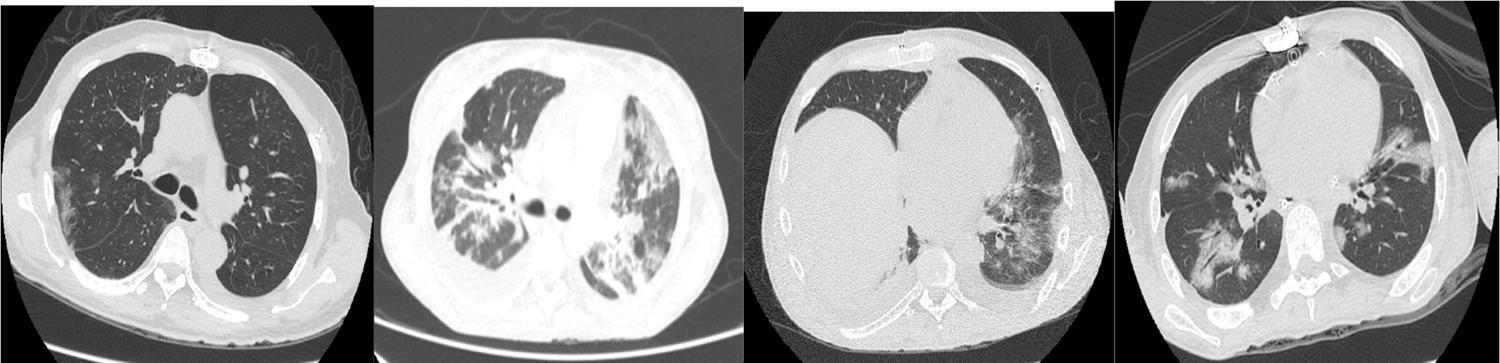
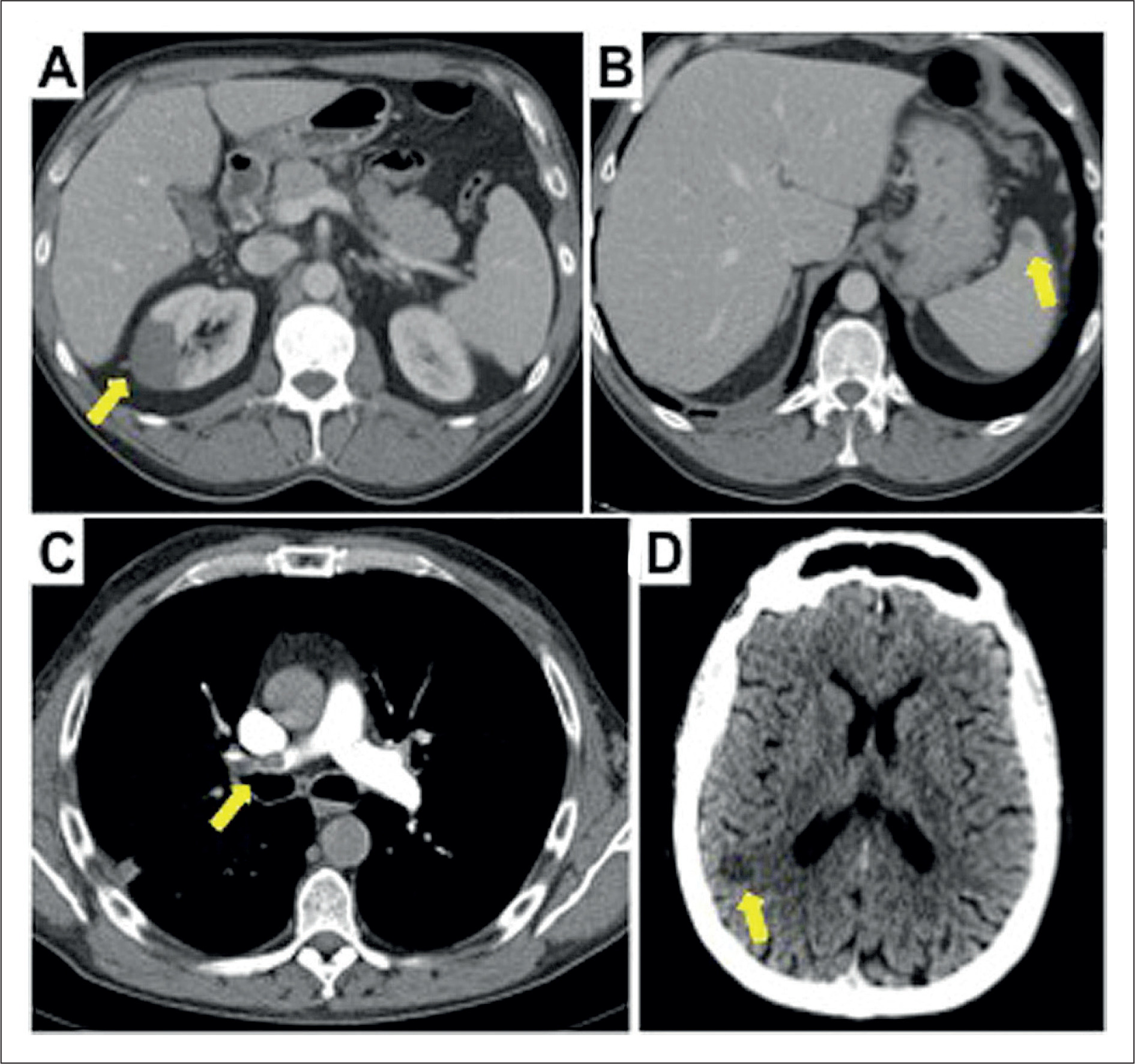
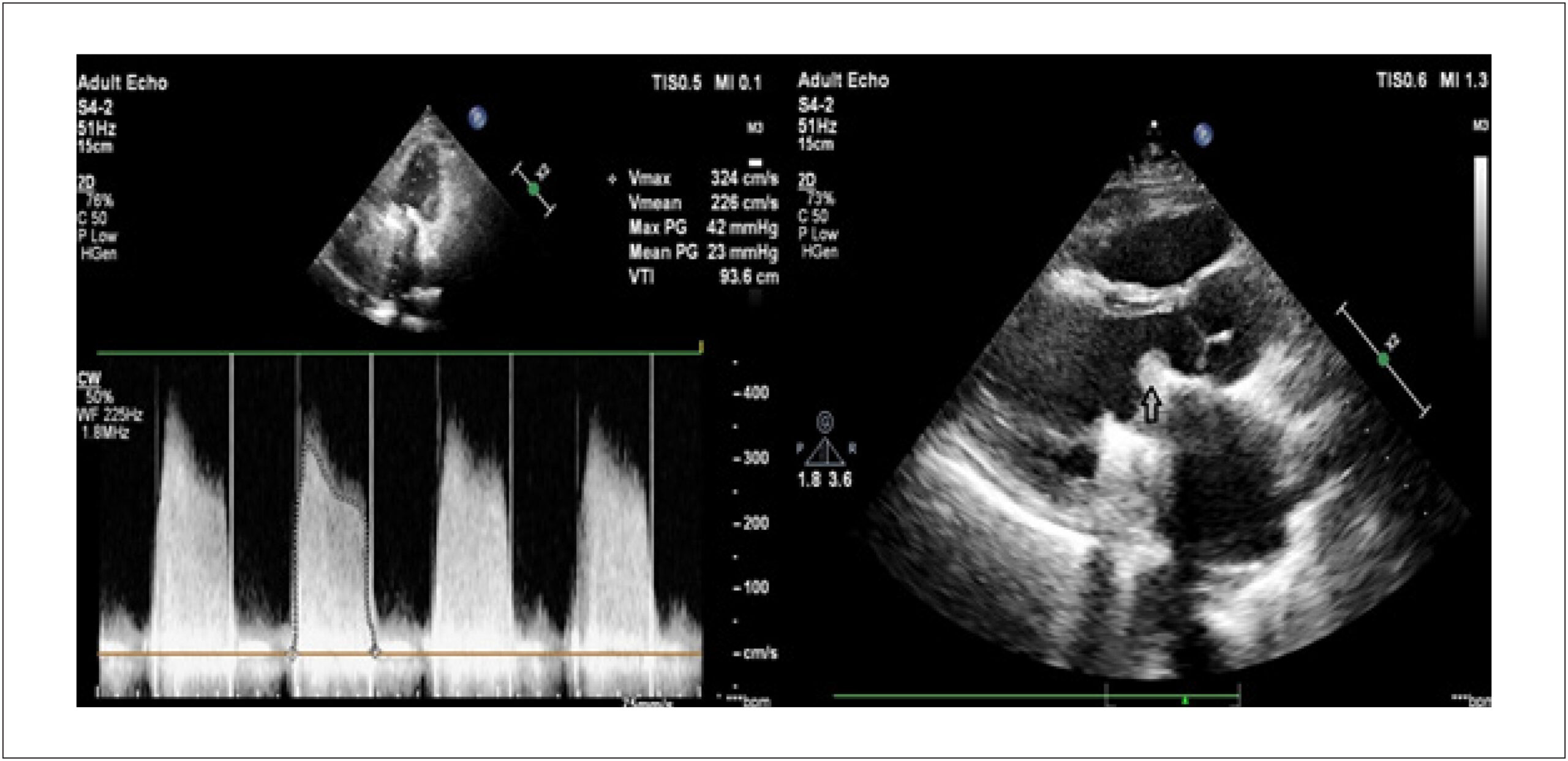
The abdominal ultrasound-scan did not show releant findings, so a computed tomography (CT) scan study was completed. CT abdominal scan found multiple infarcts in the right kidney () and isolated in spleen (), furthermore, a filling defect in the left ventricle was observed (). Transthoracic echocardiogram confirmed the presence of a pedunculated hyperechogenic and homogeneous mobile mass (3.1x2cm) with regular borders (, , ), anchored to the middle third of the septum of left ventricle (LV). Anatomy of LV was normal, with normal dimensions and normal ejection fraction without wall motion abnormalities.

[…]

  • Covid-19/complications
  • Diagnostic Imaging/methods
  • Infarction, Myocardial
  • Pulmonary embolism
  • SARS-CoV-2
  • Severe Acute Respiratory Syndrome/complications
  • Ventricular Dysfunction, Left
Read Full Article
Creative Commons Attribution (CC BY) Creative Commons license
19/12/2022 DOI: 10.36660/abc.20210590
ABC
Editorial

COVID-19 and Late Cardiovascular Manifestations – Building Up Evidence

Sofia Cabral

In early 2020, the world faced the outbreak of a new pandemic, Coronavirus Disease 2019 (COVID-19), caused by a novel coronavirus (SARS-CoV-2 virus). We soon discovered that while the respiratory tract was the prime target, many other organ systems might also be affected. COVID-19 cardiovascular (CV) manifestations are among the most common and feared and may manifest as myocardial injury, arrhythmias, acute coronary syndromes, heart failure, vascular dysfunction, and thromboembolic disease. Both pre-existing and comorbid cardiovascular disease and the concurrent presence of CV risk factors are harbingers of a poorer disease course and prognosis. Notably, acute CV involvement is a strong independent predictor of COVID-19 in-hospital mortality. The way in which the infection interacts with the CV system remains a subject of study, but apart from direct cell injury by the virus, the activation of inflammatory pathways is thought to play a key role. A comprehensive account of the pathophysiology of CV involvement in COVID-19 is beyond the scope of this commentary and has been extensively covered elsewhere.

While it is now clear that both cardiac and vascular dysregulations are to be expected during the active stage of the infection, concerns now focus on long-term residual CV abnormalities. Huang et al. reported that more than half of convalescent COVID-19 patients displayed signs of myocardial inflammation or fibrosis on cardiac magnetic resonance (CMR) imaging. Similarly, the meta-analysis by Kim et al. showed that nearly half of recovered COVID-19 patients exhibited one or more abnormal CMR results. Likewise, and somewhat unsurprisingly, the infection may also induce enduring vascular injury. In light of the tropism of SARS-CoV-2 for membrane-bound angiotensin-converting enzyme 2-expressing cells, it is no wonder that the vascular endothelium is a major player in the infection. Nonetheless, the effects of COVID-19 infection on vascular endothelium and the complex interplay between the two are still poorly understood. In essence, CV homeostasis is primarily dependent on the role of the endothelium. It regulates vascular tone, cell adhesion, thromboresistance, smooth muscle cell proliferation, and ultimately, vessel wall inflammation. Whenever the endothelium is activated, resulting in endothelial dysfunction, cell-signaling shifts from nitric oxide – mediated vasodilatory to vasoconstrictor redox processes. This can occur as a transient acute phenomenon, with little to no consequences, or as a sustained detrimental endothelium activation, eventually leading to a pro-atherogenic, pro-thrombotic milieu.

[…]

  • Covid-19/complications
  • Endothelium, Vascular
  • Flow Dilatation
  • Inflammation
  • Ultrasonography/methods
Read Full Article
Creative Commons Attribution (CC BY) Creative Commons license
05/08/2022 DOI: 10.36660/abc.20220435
Figure 1
ABC
Research Letter

Mechanical Mitral Valve Thrombosis in a Patient with COVID-19 Infection

Emre Aruğaslan et al. Yunus Çalapkulu Ender Örnek Mustafa Karanfil … Hüseyin Bayram Seref Alp Küçüker

Introduction

The novel coronavirus disease-2019 (COVID-19) caused by “Severe Acute Respiratory Syndrome Coronavirus-2” (SARS-CoV-2) became a global pandemic. Although respiratory involvement is the predominant presentation, current evidence has shown that COVID-19 is a multisystemic disease with coagulopathy and thromboembolic complications. Increased production of tissue factor and thrombin reduced fibrinolysis due to hyperinflammation are the proposed mechanisms of COVID-19 induced thrombosis.

We present a case of a COVID-19 infected patient with thrombosis of the mechanical mitral valve.

[…]

  • Blood Coagulation, Disorders/complications
  • Covid-19/complications
  • Infammation
  • Mitrakl Valvesurgery
  • Thrombosis
Read Full Article
Creative Commons Attribution (CC BY) Creative Commons license
10/06/2022 DOI: 10.36660/abc.20210581 Views 1
ABC
Original Article

Evaluation of Endothelial Dysfunction in COVID-19 With Flow-Mediated Dilatation

Asli Kurtar Mansiroglu et al. Hande Seymen Isa Sincer Yilmaz Gunes

Abstract

Background:

Inflammation is known to play a crucial role in many diseases, including COVID-19.

Objective:

Using flow-mediated dilatation (FMD), we aimed to assess the effects of inflammation on endothelial function in COVID-19 patients.

Methods:

This study was conducted with a total of 161 subjects, of whom 80 were diagnosed with COVID-19 within the last six months (comprising 48 women and 32 men with a mean age of 32.10 ± 5.87 years) and 81 were healthy controls (comprising 45 women and 36 men with a mean age of 30.51 ± 7.33 years). We analyzed the findings of transthoracic echocardiography and FMD in all subjects. All results were considered statistically significant at the level of p < 0.05.

Results:

The echocardiography and FMD of the COVID-19 group were performed 35 days (range: 25-178) after diagnosis. There was no statistically significant difference in echocardiographic parameters. Differently, FMD (%) was significantly higher in the control group (9.52 ± 5.98 vs. 12.01 ± 6.18, p=0.01). In multivariate analysis with the forward stepwise model, FMD was significantly different in the control group compared to the COVID-19 group (1.086 (1.026 – 1.149), p=0.04). A Spearman’s correlation test indicated that FMD (r=0.27, p=0.006) had a weak positive correlation with the presence of COVID-19.

Conclusion:

Our findings point to COVID-19-induced endothelial dysfunction, as assessed by FMD, in the early recovery phase.

  • Covid-19/complications
  • Diagnostic Imaging/methods
  • Echocardiography/methods
  • Endothelial, Cells/infection
  • Endothelium Vascular/injuries
  • Flow Dilatation
  • Myalgia
  • Olfaction Disorders
  • Taste Disorders
  • Ultrasonography/methods
Read Full Article
Creative Commons Attribution (CC BY) Creative Commons license
03/06/2022 DOI: 10.36660/abc.20210561 Views 1
Figure 1
ABC
Editorial

How Should We Investigate Cardiovascular Injury In Critically Ill COVID-19 Pediatric Patients In A Scenario Of Socioeconomic Vulnerability?

Gabriela Nunes Leal

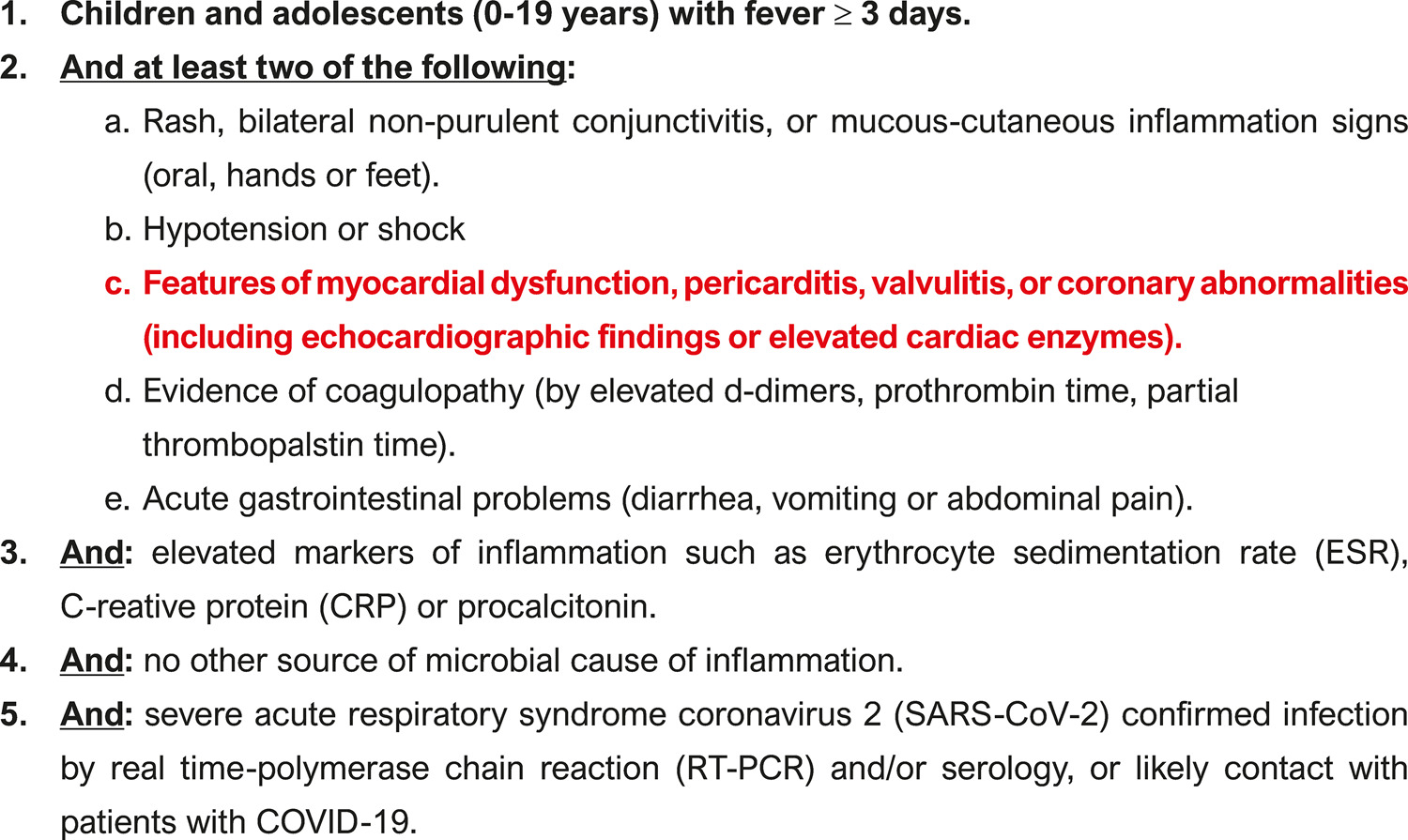
Literature published worldwide has extensively documented cardiovascular injury among COVID-19 critically ill patients. Cardiac involvement appears to be a prominent feature of the disease in adults, occurring in 20% to 30% of hospitalized patients and contributing to 40% of deaths. Children and adolescents are mostly spared by COVID-19, with few having severe symptoms and even fewer deaths. However, the description of the multisystem inflammatory syndrome in children (MIS-c) reinforced that, although rare, severe clinical presentation and death are possible in the pediatric population. Cardiovascular compromise in MIS-c associated with COVID-19 is frequent and is one of the World Health Organization (WHO) diagnostic criteria for this pathologic condition ( ). ,

[…]

  • Cardiovascular Diseases/complications
  • Children
  • Covid-19/complications
  • Hospitalization
  • Inflammation
  • Severe Acute Respiratory Syndrome
Read Full Article
Creative Commons Attribution (CC BY) Creative Commons license
13/05/2022 DOI: 10.36660/abc.20220254 Views 2
IJCS
Editorial

Cause or Consequence? What is the Relationship between Cardiac Injury and COVID-19 Severity?

Claudio Tinoco Mesquita

In most patients, coronavirus disease-2019 (COVID-19) causes minor respiratory symptoms or even no symptoms. SARS-CoV-2 infection can also cause extrapulmonary manifestations and complications. COVID-19 is more severe and fatal among patients with pre-existing cardiovascular risk factors or diseases. Increases in cardiac troponin (cTn) are indicative of myocardial injury and frequently found in patients with COVID-19. The Chinese Center for Disease Control and Prevention published a survey demonstrating that among patients diagnosed with COVID-19, 13% had hypertension, 5% had diabetes mellitus, and 4% had a history of cardiovascular disease. However, in this same cohort, among patients who had not survived, 40% had hypertension, 20% had diabetes, and 22% had pre-existing cardiovascular disease. Patients with cardiovascular disease had the highest case fatality rate (10.5%).

In this issue of the International Journal of Cardiovascular Sciences, Rocha et al. , studied 192 patients admitted with COVID-19 in a quaternary care cardiac hospital in Rio de Janeiro, Brazil. Mortality rate was 28%. Multivariate analysis demonstrated that elevated cTnI levels (OR=9.504; 95% CI=1.281–70.528; P=0.028) upon admission and the need for mechanical ventilation during hospitalization (OR=46.691; 95% CI=2.360–923.706; P=0.012) were independent predictors of death during hospitalization. The main limitations of the study are a sample from a single Brazilian metropolitan region and a short follow-up period. However, these limitations do not invalidate the main message of the study: the measurement of cardiac troponin at hospital admission may be useful for identification of high-risk patients infected by SARS-CoV-2.

[…]

  • Cardiovascular Diseases/complications
  • Covid-19/complications
  • Diabetes Mellitus
  • Hospitalization
  • Hypertension
  • Mortality
  • Risk Factors
  • SARS-CoV-2
  • Troponin I
Read Full Article
Creative Commons Attribution (CC BY) Creative Commons license
14/01/2022 DOI: 10.36660/ijcs.20210270 Views 1
Figure 1
ABC
Original Article

Association of Hypertension with Severity and Mortality in Hospitalized Patients with COVID-19 in Wuhan, China: A Single-centered, Retrospective Study

You-ping Deng et al. Wen Xie Tao Liu Shou-yi Wang … Mei-rong Wang Yu-xing Zan Xiao-bo Meng Yu-qing Deng Hai-rong Xiong Xue-dong Fu

Abstract

Background

Coronavirus disease 2019 (COVID-19), caused by the severe acute respiratory syndrome coronavirus 2 (SARS-CoV-2), has spread worldwide.

Objective

To investigate the association between hypertension and severity/mortality in hospitalized patients with COVID-19 in Wuhan, China.

Methods

A total of 337 patients diagnosed with COVID-19 at the Seventh Hospital of Wuhan City, from January 20 to February 25, 2020, were enrolled and analyzed in a retrospective, single-center case study. The significance level adopted in the statistical analysis was 0.05.

Results

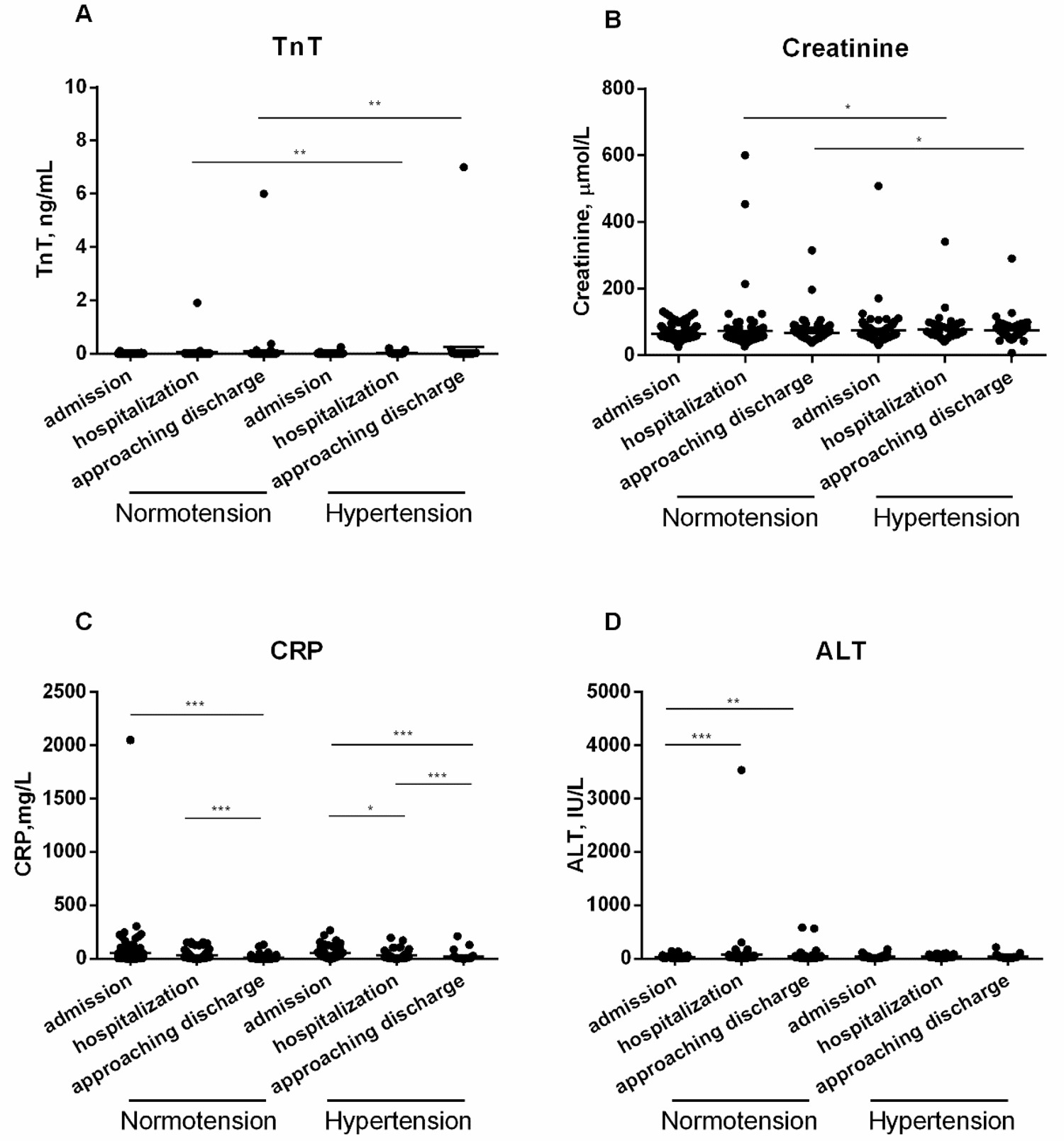
Of the 337 patients with confirmed diagnosis of COVID-19, 297 (87.8%) were discharged from the hospital and 40 patients (22.9%) died. The median age was 58 years (range, 18-91 years). There were 112 (33.2%) patients diagnosed with hypertension at admission (median age, 65.0 years [range, 38-91 years]; 67 [59.8%, 95%CI: 50.6%-69.0%] men, p=0.0209). Patients with hypertension presented a significantly higher portion of severe cases (69 [61.6%, 95%CI:52.5%-70.8%] vs. 117 [52.0%, 95%CI: 45.4%-58.6%] in severe patients and 23 [19.3%, 95%CI:12.9%-28.1%] vs. 27 [12.0%, 95%CI: 7.7%-16.3%] in critical patients, p=0.0014) and higher mortality rates (20 [17.9%, 95%CI: 10.7%-25.1%] vs. 20 [8.9%, 95%CI: 5.1%-12.6%, p=0.0202). Moreover, hypertensive patients presented abnormal levels of multiple indicators, such as lymphopenia, inflammation, heart, liver, kidney, and lung function at admission. The hypertension group still displayed higher levels of TnT and creatinine at approaching discharge.

Conclusion

Hypertension is strongly associated with severity or mortality of COVID-19. Aggressive treatment may be considered for COVID-19 patients with hypertension, especially regarding cardiac and kidney injury.

  • Betacoronavirus, Severe Acute Respiratoty Syndrome
  • Comorbidities
  • Covid-19/complications
  • Hypertension
  • Risk Factors
Read Full Article
Creative Commons Attribution (CC BY) Creative Commons license
16/07/2021 DOI: 10.36660/abc.20200733
Figure 1
IJCS
Case Report

Vascular Spectrum of Imaging Findings in COVID-19: Ischemic, Hemorrhagic, and Thromboembolic Complications

Pedro Neves Paiva de Castro et al. Lucia Antunes Chagas Eduardo Wajnberg Roberto Santos … Pedro Cougo Dequitier Carvalho Machado

Abstract

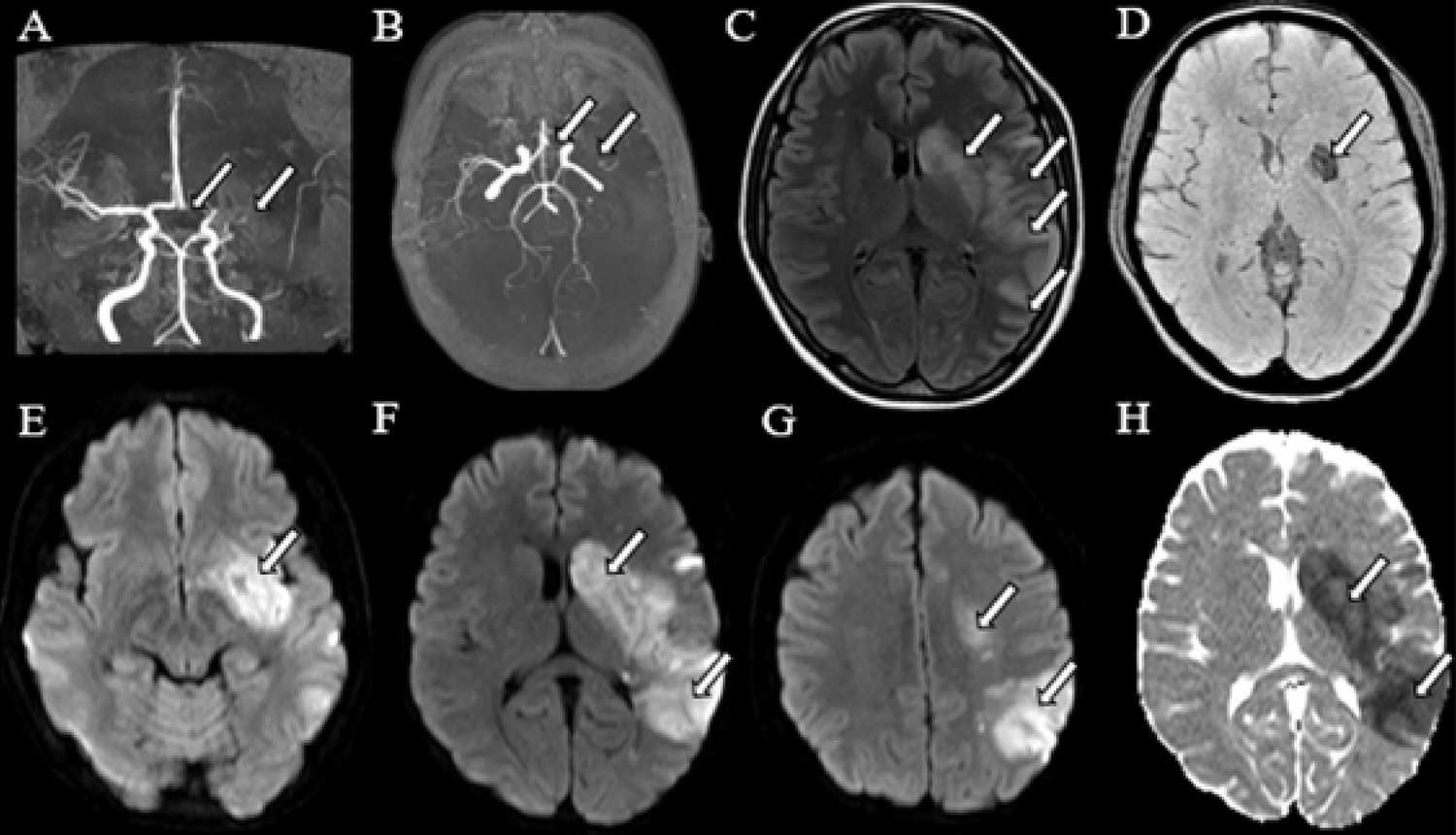
Ischemic strokes secondary to occlusion of large vessels have been described in patients with COVID-19. Also, venous thrombosis and pulmonary thromboembolism have been related to the disease. Vascular occlusion may be associated with a prothrombotic state due to COVID-19-related coagulopathy and endotheliopathy. Intracranial hemorrhagic lesions can additionally be seen in these patients. The causative mechanism of hemorrhage could be associated with anticoagulant therapy or factors such as coagulopathy and endotheliopathy. We report on cases of ischemic, thrombotic, and hemorrhagic complications in six patients diagnosed with SARS-CoV-2 infection. Chest computed tomography (CT) showed typical SARS-CoV-2 pneumonia findings in all the cases, which were all confirmed by either serology or reverse transcription polymerase chain reaction (RT-PCR) tests.

  • Covid-19/complications
  • Diagnostic Imaging/methods
  • Hemorrhage
  • Pneumonia
  • Spectrum Analysis/methods
  • Thromboembolism/complications
Read Full Article
Creative Commons Attribution (CC BY) Creative Commons license
23/06/2021 DOI: 10.36660/ijcs.20210009 Views 2
ABC
Letter to the Editor

Troponin-T and B-Type Natriuretic Peptide in COVID-19

Sora Yasri et al. Viroj Wiwanitkit

Dear Editor,

We would like to share ideas on the publication “Prognostic Value of Troponin-T and B-Type Natriuretic Peptide in Patients Hospitalized for COVID-19 [1].” Almeida Jr. et al. reported using Memory box as a tool to support grief and concluded that “In the first 24h of admission, TnT, but not BNP, was an independent marker of mortality or need for invasive mechanical ventilation.” In COVID-19, cardiac complication is possible and is common in severe infection. Myocardial involvement is a common cardiac problem and immunological myocarditis is an important severe manifestation of COVID-19. Therefore, troponin-T, which is a good biomarker for myocardial injury, might have good prognostic factor for severity of COVID-19. Nevertheless, it should be noted that renal problems can also induce troponin-T abnormality. If the patient has an underlying renal problem, the interpretation of troponin-T in COVID-19 patients must be careful.

[…]

  • Betacoronavirus
  • Biomarkers
  • Covid-19/complications
  • Hospitalization
  • Mortality
  • Myocarditis
  • Natriuretic B-Type
  • Troponi-T
Read Full Article
Creative Commons Attribution (CC BY) Creative Commons license
16/04/2021 DOI: 10.36660/abc.20201191 Views 1
Figure 1
ABC
Editorial

Out-Of-Hospital Cardiac Arrest during the Coronavirus Disease 2019 (COVID-19) Pandemic in Brazil: The Hidden Mortality

Claudio Tinoco Mesquita

Abstract

The world changed in just a few months after the emergence of the novel coronavirus disease 2019 (COVID-19), caused by a beta coronavirus named severe acute respiratory syndrome coronavirus 2 (SARS-CoV-2). COVID-19 was declared a pandemic by the World Health Organization (WHO) on March 11, 2020. Brazil currently has the world’s second-highest COVID-19 death toll, second only to the USA. The COVID-19 pandemic is spreading fast in the world with more than 181 countries affected. This editorial refers to the article published in Arquivos Brasileiros de Cardiologia: “Increase in home deaths due to cardiorespiratory arrest in times of COVID-19 pandemic.”1 Their main results show a gradual increase in the rate of out-of-hospital cardiac arrest during the Coronavirus disease 2019 (COVID-19) pandemic in the city of Belo Horizonte, Minas Gerais, Brazil. Their data demonstrate a proportional increase of 33% of home deaths in March 2020 compared to previous periods. Their study is the first Brazilian paper to demonstrate the same trend observed in other countries.

  • Betacoronavirus
  • Cardiovascular Diseases, Pneumopathies
  • Covid-19/complications
  • Heart Arrest
  • Mortality
  • Pandemics
  • Risk Factors, Elderly
Read Full Article
Creative Commons Attribution (CC BY) Creative Commons license
01/03/2021 DOI: 10.36660/abc.20210041 Views 1
Figure 1
ABC
Research Letter

COVID-19 in Early Postoperative Heart Transplantation – Initial Experience

Gustavo Pampolha Guerreiro et al. Lucas Molinari Veloso da Silveira Valdano Manuel Samuel Padovani Steffen … Fernando Bacal Fabio Antonio Gaiotto Fabio Biscegli Jatene

Introduction

The coronavirus disease (COVID-19) pandemic is rapidly increasing worldwide. Brazil is the country with the second highest number of cases, and it is considered South America’s epicenter.

Cardiovascular disease is known to be an important risk factor for infection susceptibility, illness severity, and poor prognosis in COVID-19. Heart transplantation (HT) recipients may have an increased risk due to their comorbidities; however, it has been theorized that immunosuppression might protect them from the cytokine storm responsible for worse outcomes., On the other hand, infection by severe acute respiratory syndrome coronavirus 2 (SARS-CoV-2) has been reported in HT patients with disease presentation similar to general population, questioning the theorized immunosuppression protective mechanism.–

[…]

  • Covid-19/complications
  • Heart Transplantation
  • Imunossupression
  • Pandemics
  • Risk Factors
  • Severe Acute Respiratory Syndrome
Read Full Article
Creative Commons Attribution (CC BY) Creative Commons license
03/02/2021 DOI: 10.36660/abc.20200868 Views 1
ABC
Original Article

Disease Severity Affects Ventricular Repolarization Parameters in Patients With COVID-19

Mevlut Koc et al. Hilmi Erdem Sumbul Erdinc Gulumsek Hasan Koca … Yurdaer Bulut Emre Karakoc Tuba Turunc Edip Bayrak Huseyin Ali Ozturk Muhammed Zubeyir Aslan Abdullah Orhan Demirtas Yahya Kemal Icen

Abstract

Background:

There is no study evaluating the Tpeak-Tend (Tpe) interval, Tpe/QT ratio, and Tpe/QTc ratio to assess cardiac arrhythmias in patients with COVID-19.

Objective:

We aimed to examine whether there is a change in QT, QTc, Tpe interval, Tpe/QT ratio, and Tpe/QTc ratio in patients with COVID-19.

Methods:

The study included 90 patients with COVID-19 infection and 30 age-and-sex-matched healthy controls. QT, QTc, Tpe interval, Tpe/QT ratio, and Tpe/QTc ratio were measured. The participants included in the study were divided into the following 4 groups: healthy controls (group I), patients with COVID-19 without pneumonia (group II), patients with COVID-19 and mild pneumonia (group III), and patients with COVID-19 and severe pneumonia (group IV). Statistical significance was set at p < 0.05.

Results:

It was found that baseline heart rate, presence of hypertension and diabetes, white blood cell count, blood urea nitrogen, creatinine, potassium, aspartate aminotransferase, alanine aminotransferase, NT-proBNP, high sensitive C reactive protein, D-dimer, hs-cTnI, Tpe, Tpe/QT, and Tpe/QTc increased from group I to group IV, and they were significantly higher in all patients in group IV (p < 0.05). Systolic-diastolic blood pressure, hemoglobin, and calcium levels were found to be lowest in group IV and significantly lower than in other groups (< 0.05). QT and QTc intervals were similar between groups. It was determined that increased heart rate, calcium, D-dimer, NT-proBNP and hs-CRP levels were significantly related to Tpe, Tpe/QT, and Tpe/QTc.

Conclusions:

In patients with COVID-19 and severe pneumonia, Tpe, Tpe/QT ratio, and Tpe/QTc ratio, which are among ventricular repolarization parameters, were found to be increased, without prolonged QT and QTc intervals. In this study, we cannot definitively conclude that the ECG changes observed are directly related to COVID-19 infection or inflammation, but rather associated with severe COVID-19 scenarios, which might involve other causes of inflammation and comorbidities. (Arq Bras Cardiol. 2020; 115(5):907-913)
  • Betacoronavirus, Cardiovascular Diseases
  • Comparative Study
  • Covid-19/complications
  • Diabetes Mellitus
  • Hypertension
  • Pneumonia
Read Full Article
Creative Commons Attribution (CC BY) Creative Commons license
07/12/2020 DOI: 10.36660/abc.20200482
ABC
Editorial

Ventricular Repolarization as a Tool to Monitor Electrical Activity of the Heart

Carlos Alberto Pastore

The centennial ECG is still an excellent tool to assess electrical activity of the heart. ECG has been renovated over the last decades to keep pace with evolution in other areas of knowledge, such as genetics, molecular biology and electrophysiology.

Our experience has demonstrated that, among the large diagnostic arsenal available to investigate heart diseases, the electrocardiogram, this simple, practical, remote and quick tool, is capable of accurately monitoring the extent and severity of cardiac involvement in various scenarios.

[…]

  • Betacoronavirus
  • Cardiac Arrhythmias
  • Coronavirus
  • Covid-19/complications
  • Embolism and Thrombosis
  • Pandemics
Read Full Article
Creative Commons Attribution (CC BY) Creative Commons license
07/12/2020 DOI: 10.36660/abc.20201009 Views 2
ABC
Editorial

Cardiac Troponin as a Predictor of Myocardial Injury and Mortality from COVID-19

Jorge Henrique Paiter Nascimento et al. Bruno Ferraz de Oliveira Gomes Gláucia Maria Moraes de Oliveira

In Brazil, until August 1, 2020, 2,707,877 cases of COVID-19 were diagnosed, with 93,563 deaths. the lethality rate for the country, in this period, was 3.5% with mortality variable mortality depending on the region studied. It is the lowest in the South (11.1 deaths/100,000 inhabitants) and the highest in the North (60.2 deaths/100,000 inhabitants). Up to 20% of infected individuals require hospitalization and, of these, about 25% need to be taken to an intensive care unit (ICU). In severe cases of COVID-19, intense inflammatory response and hypercoagulability enhanced by hypoxemia justify the main clinical and laboratory findings.

In this population, the presence of Myocardial Injury (MI) is not uncommon, and increased cardiac troponin (cTn)I behaves as a predictor of in-hospital mortality. There is also a possibility of direct injury by a virus that could generate myocarditis. A necropsy study that documented the presence of a virus in 61.5% did not observe the inflow of inflammatory cells in the myocardium in the acute phase, and the long-term consequence of this cardiac infection is not yet known. However, the incidence of MI in patients admitted for this disease in Brazil is little known, and its prognostic impact is still poorly elucidated. A multicenter study with cardiac biomarkers is hampered by different laboratory tests between institutions.

[…]

  • Betacoronavirus/complicações
  • Cardiomyopathy, Hypertrophic, Familial
  • Cardiovascular Diseases
  • Covid-19/complications
  • Hospitalization
  • Mortality
  • Troponin T
Read Full Article
Creative Commons Attribution (CC BY) Creative Commons license
23/10/2020 DOI: 10.36660/abc.20200862
Figure 1
IJCS
Viewpoint

Severe Cardiovascular Complications of COVID-19: a Challenge for the Physician

Nathalie Cristina Crivelari et al. Gisele Queiroz de Oliveira Clarice Hyesuk Lee Park Gregorio da Cruz Riemma … Isabela Bispo Santos da Silva Costa Marcus Vinícius Guimarães de Lacerda Glaucia Maria Moraes de Oliveira Francisco Carlos da Costa Darrieux Luciana Sacilotto Ludhmila Abrahão Hajjar

Introduction

Since December 31, 2019, when China reported the appearance of cases of acute respiratory failure caused by a new species of coronavirus, SARS-CoV-2, which causes the disease called COVID-19, almost 20 million cases were confirmed, causing 726 thousand deaths worldwide. In Brazil, on August 8th, 2020, there was approximately 3 million cases and 100 thousand death by the disease.

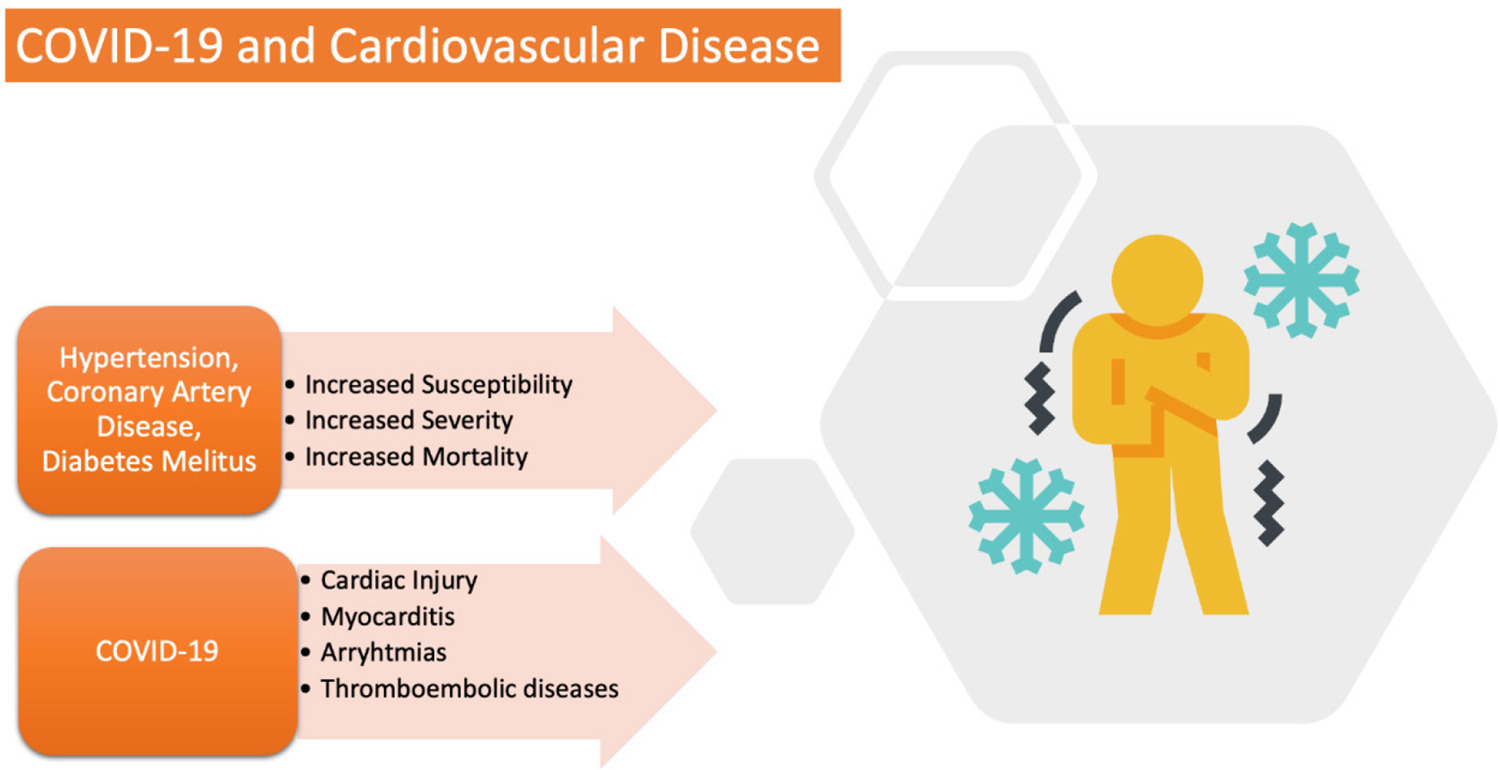
Its rapid spread, its high potential for hospitalization, and its high lethality, especially in the most fragile groups such as geriatric patients and those with comorbidities, particularly cardiovascular ones, make this pandemic a challenge never faced by modern medicine. To date, we have no specific medication that has effective and safe results for the treatment of COVID-19. The scientific community has sought to research drugs with therapeutic plausibility, and controlled and randomized studies are underway. Many therapeutic proposals are based on in vitro experiments. The medications used are described in case records, with no solid scientific evidence for their use, and with a high probability of causing damage due to their adverse effects alone or in combination.

[…]

  • Arrhythmias Cardiac
  • Azythromycin
  • Betacoronavirus
  • Cardiovascular Diseases/complications
  • Chloroquine
  • Covid-19/complications
  • Death, Sudden
  • Hydroxychloroquine
  • Pandemics
  • Stroke Volume
Read Full Article
Creative Commons Attribution (CC BY) Creative Commons license
09/10/2020 DOI: 10.36660/ijcs.20200125 Views 2
Figure 1
ABC
Research Letter

COVID-19 Infection in Heart Transplantation: Case Reports

Ligia Espinoso Schtruk et al. Jacqueline Miranda Vitor Salles Ana Sales … Luciana Lobbe Vaisnava Cavalcante Elisangela Reis Sharon Kugel Bruno Marques Gabrielle Carvalho Ruth Maia Filipe Oliveira dos Reis Danielle Rodrigues

Case Report

Case 1: 47-year-old male, Caucasian, with Chagas’ Disease, heart transplantation on 08/08/2012, without comorbidities, using tacrolimus (4 mg/day), sodium mycophenolate (1440 mg/day).

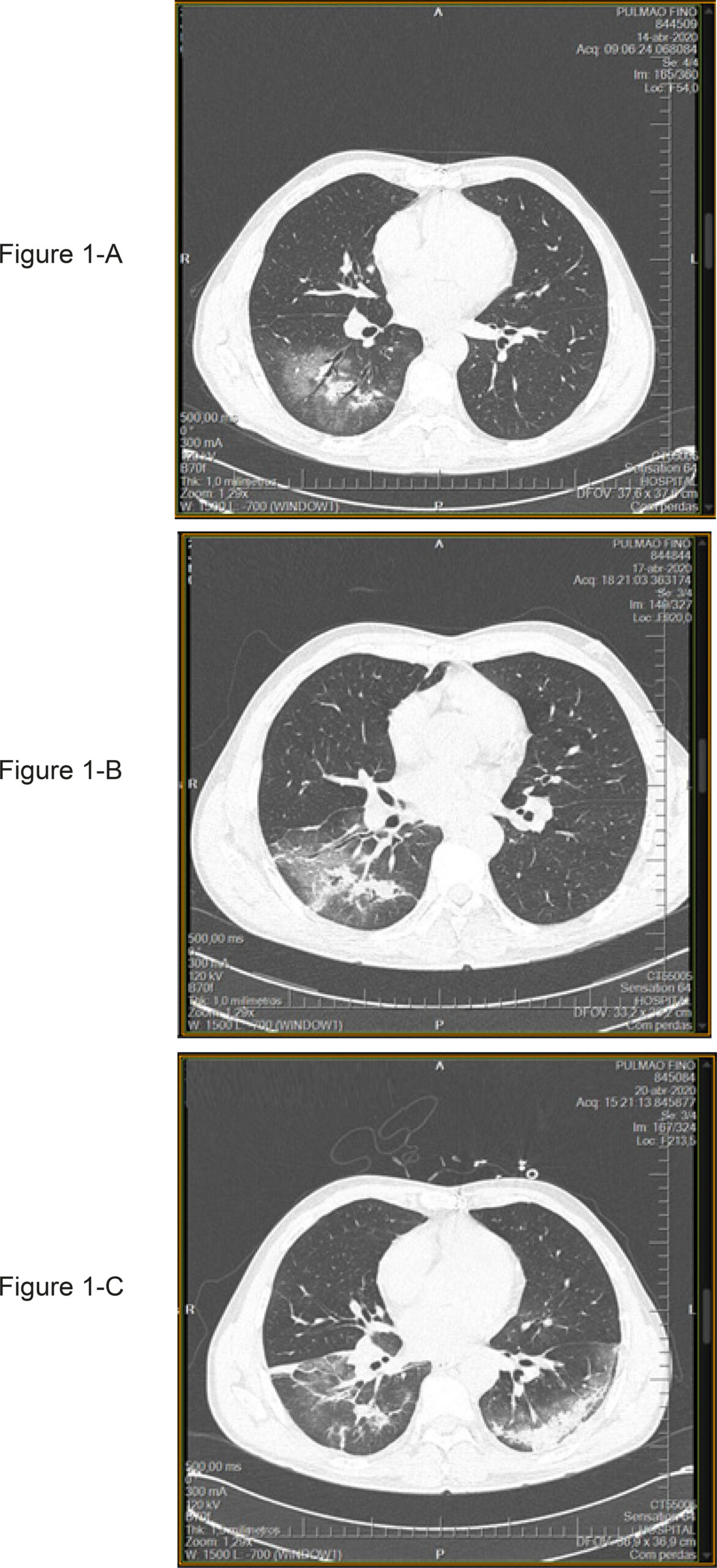
On 04/12/2020, he had myalgia, fever, headache, mild dyspnea, dry cough, diarrhea and anosmia. He lives in a community with confirmed cases of COVID-19. On 04/14/2020 (D3 of symptoms) he sought emergency care. Physical examination: feverish (axillary T: 38ºC), without hemodynamic instability (BP: 100 x 60 mmHg, HR: 60 bpm), borderline oxygen saturation (SpO2: 93%). Arterial blood gases showed mild hypoxia. Other exams are shown in . Chest computed tomography (CT) was performed on admission, and showed a bilateral ground-glass image, with a multilobar distribution, predominantly peripheral, with a crazy paving pattern, associated with foci and areas of consolidation, located in the lower lobes, <25% involvement (). Nasopharyngeal secretion was collected for RT-PCR SARS-COV2 test, which was positive. The patient was hospitalized. Sodium mycophenolate was suspended (thrombocytopenia/leukopenia), tacrolimus was maintained, and prophylactic anticoagulation prescription was started. On the 3rd day of hospitalization (D6 of symptoms), the patient remained clinically stable (94% SatO2), with fever and worsening of the radiological image, with consolidation in the right hemithorax, and intensification of the ground glass opacification in the left hemithorax (). Azithromycin (500 mg/d – 5 days) and Ceftriaxone (2 g/day- 7 days) were started. On the 6th day of hospitalization, the serum tacrolimus level was 4,3 ng/dL, and the dose was adjusted. On the 6th day of hospitalization (D9 of symptoms), the fever persisted. A CT scan showed disease progression, with impairment of <50% of the lung parenchyma (). Hydroxychloroquine was started (dose of 400 mg 12/12h 1st/day, 400mg/day- 4 days). On the 6th day of hospitalization, leukopenia/lymphopenia/thrombocytopenia improved, and mycophenolate sodium was reintroduced. On this date, an increase in D-dimer levels was observed (<500 ug/L to 2.270 ug/L). Vascular Doppler of lower limbs did not show any alterations. He was discharged on the 12th day of hospitalization, being asymptomatic. Laboratory tests are shown in .

[…]

  • Chagas disease
  • Comorbidity
  • Covid-19/complications
  • Heart Transplantation
  • Immunossupression
Read Full Article
Creative Commons Attribution (CC BY) Creative Commons license
28/09/2020 DOI: 10.36660/abc.20200554
Figure 1
IJCS
Viewpoint

Challenges in Pharmacological Management of Cardiovascular Diseases in Covid-19: do Benefits Outweigh Risks?

Samuel de Sousa Pedro et al. Fernanda Carla Ferreira de Brito Christianne Bretas Vieira Scaramello

Introduction

Cardiovascular diseases (CVD) are the main cause not only of global mortality but also of reduced quality of life. They cover ischemic heart disease, stroke, heart failure, peripheral artery disease, and various other heart and vascular conditions. In 2017, CVDs caused about 17.8 million deaths worldwide, corresponding to 330 million years of life lost and another 35.6 million years of life with disabilities. Almost 80% of deaths occur in low- and middle-income countries, such as Brazil, where the occurrence of CVDs and their risk factors are on the rise as a result of an ongoing epidemiological transition. In low-income countries CVDs greatly affect working-age populations, and the total economic loss resulting from this group of diseases is high, representing 2% of Gross Domestic Product. In addition, the disability caused by CVDs has economic consequences at multiple levels: individual, family, economic agents, public institutions, government, and society as a whole.

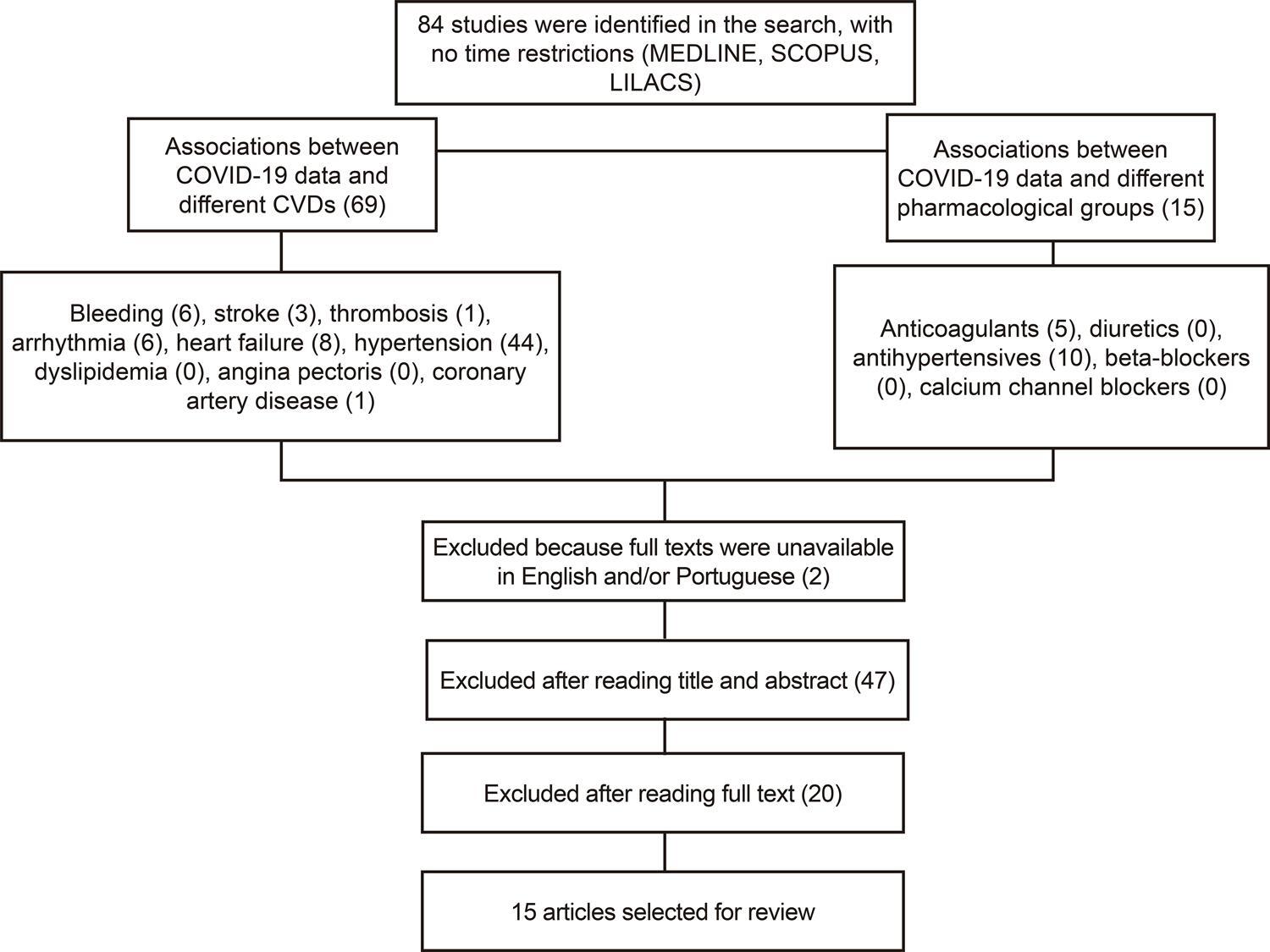
Recent studies also show that chronic conditions, such as CVD, increase the risk of aggravation and death associated with the new coronavirus 2019 disease (COVID-19), whose outbreak was characterized as a pandemic by the World Health Organization (WHO) in March 2020. The new coronavirus is a betacoronavirus called SARS-CoV-2 (Severe Acute Respiratory Syndrome coronavirus 2), phylogenetically identical to other coronaviruses capable of determining acute respiratory distress syndrome (ARDS), which is responsible for numerous deaths. The most common symptoms of COVID-19 include fever, cough, dyspnea, myalgia, fatigue, diarrhea, sore throat, chest pain, confusion, and lethargy. Acute and chronic cardiovascular complications have also been observed in the course of COVID-19, being attributed to several mechanisms, such as relative ischemia, systemic inflammation mediated by pathogens, with increased levels of several biomarkers. In this context, studies point to the relevance not only of chronic conditions, such as hypertension, but also of the age and immunological status of the host, characterizing a complex, multifactorial, and bidirectional model that can comprehend the drugs used to treat these pathologies.

[…]

  • Anticoagulants
  • Cardiovascular Diseases, mortality
  • Coronavirus/complications
  • Covid-19/complications
  • Dyspnea
  • Fever
  • Pandemics
  • SARS Severe Acute Respiratory Syndrome
Read Full Article
Creative Commons Attribution (CC BY) Creative Commons license
31/07/2020 DOI: 10.36660/ijcs.20200081

How to cite this article

EndNote RIS

Electronic Document Format (Vancouver)

Nery RM, Santos AC, Garcia EL. Exercise-Based Cardiac Rehabilitation (ECBR): New Frontiers in the Post-Novel Coronavirus. Arquivos Brasileiros de Cardiologia 2023;120(3):e20230120.

Electronic Document Format (ABNT)

Nery, Rosane Maria; Santos, Antonio Cardoso dos; Garcia, Eduardo Lima. Exercise-Based Cardiac Rehabilitation (ECBR): New Frontiers in the Post-Novel Coronavirus. Arquivos Brasileiros de Cardiologia, v. 120, n. 3, e20230120, Apr. 2023.

Electronic Document Format (APA)

Nery, R. M., Santos, A. C. , & Garcia, E. L. (2023). Exercise-Based Cardiac Rehabilitation (ECBR): New Frontiers in the Post-Novel Coronavirus. Arquivos Brasileiros de Cardiologia, 120(3), e20230120.

Electronic Document Format (ISO)

Nery, Rosane Maria and Santos, Antonio Cardoso dos and Garcia, Eduardo Lima. Exercise-Based Cardiac Rehabilitation (ECBR): New Frontiers in the Post-Novel Coronavirus. Arquivos Brasileiros de Cardiologia [online]. 2023, vol. 120, n. 3, [cited 2026-10-14], e20230120. Available from: <https://journals.cardiol.br/en/article/exercise-based-cardiac-rehabilitation-ecbr-new-frontiers-in-the-post-novel-coronavirus/>. ISSN 0066-782X

EndNote RIS

Electronic Document Format (Vancouver)

Maia AS. CHA2DS2-VASc Score: What More Can it Predict?. Arquivos Brasileiros de Cardiologia 2023;120(4):e20220672.

Electronic Document Format (ABNT)

Maia, Adnaldo da Silveira. CHA2DS2-VASc Score: What More Can it Predict?. Arquivos Brasileiros de Cardiologia, v. 120, n. 4, e20220672, Apr. 2023.

Electronic Document Format (APA)

Maia, A. S. (2023). CHA2DS2-VASc Score: What More Can it Predict?. Arquivos Brasileiros de Cardiologia, 120(4), e20220672.

Electronic Document Format (ISO)

Maia, Adnaldo da Silveira. CHA2DS2-VASc Score: What More Can it Predict?. Arquivos Brasileiros de Cardiologia [online]. 2023, vol. 120, n. 4, [cited 2026-10-14], e20220672. Available from: <https://journals.cardiol.br/en/article/cha2ds2-vasc-score-what-more-can-it-predict/>. ISSN 0066-782X

EndNote RIS

Electronic Document Format (Vancouver)

Xavier LG, Mello Neto RS, Morais MHO, Cronemberger PJ, Martins MCC, Rosal M. Clinical Aspects Of Hypertensive Patients With COVID-19 Hospitalized In A Campaign Hospital In Northeast Brazil. International Journal of Cardiovascular Sciences 2023;36:e20220033.

Electronic Document Format (ABNT)

Xavier, Luan George; Mello Neto, Renato Sampaio; Morais, Marcos Henrique de Oliveira; Cronemberger, Pedro Jorge; Martins, Maria do Carmo Carvalho; Rosal, Marta. Clinical Aspects Of Hypertensive Patients With COVID-19 Hospitalized In A Campaign Hospital In Northeast Brazil. International Journal of Cardiovascular Sciences, v. 36, e20220033, Apr. 2023.

Electronic Document Format (APA)

Xavier, L. G., Mello Neto, R. S., Morais, M. H. O., Cronemberger, P. J., Martins, M. C. C., & Rosal, M. (2023). Clinical Aspects Of Hypertensive Patients With COVID-19 Hospitalized In A Campaign Hospital In Northeast Brazil. International Journal of Cardiovascular Sciences, 36, e20220033.

Electronic Document Format (ISO)

Xavier, Luan George and Mello Neto, Renato Sampaio and Morais, Marcos Henrique de Oliveira and Cronemberger, Pedro Jorge and Martins, Maria do Carmo Carvalho and Rosal, Marta. Clinical Aspects Of Hypertensive Patients With COVID-19 Hospitalized In A Campaign Hospital In Northeast Brazil. International Journal of Cardiovascular Sciences [online]. 2023, vol. 36, [cited 2026-10-14], e20220033. Available from: <https://journals.cardiol.br/en/article/clinical-aspects-of-hypertensive-patients-with-covid-19-hospitalized-in-a-campaign-hospital-in-northeast-brazil/>. ISSN 2359-4802

EndNote RIS

Electronic Document Format (Vancouver)

Lorenzo N, Hernandez V, Montes A, Rivero F, Reyes* G, Aguilar R. Left Ventricular Thrombosis and Pulmonary Thromboembolism in an Asymptomatic Covid-19 Patient. Arquivos Brasileiros de Cardiologia 2022;119(6):996-8.

Electronic Document Format (ABNT)

Lorenzo, Natalia; Hernandez, Veronica; Montes, Alvaro; Rivero, Fernando; Reyes*, Guillermo; Aguilar, Rio. Left Ventricular Thrombosis and Pulmonary Thromboembolism in an Asymptomatic Covid-19 Patient. Arquivos Brasileiros de Cardiologia, v. 119, n. 6, p. 996-998, Dec. 2022.

Electronic Document Format (APA)

Lorenzo, N., Hernandez, V., Montes, A., Rivero, F., Reyes*, G., & Aguilar, R. (2022). Left Ventricular Thrombosis and Pulmonary Thromboembolism in an Asymptomatic Covid-19 Patient. Arquivos Brasileiros de Cardiologia, 119(6), 996-998.

Electronic Document Format (ISO)

Lorenzo, Natalia and Hernandez, Veronica and Montes, Alvaro and Rivero, Fernando and Reyes*, Guillermo and Aguilar, Rio. Left Ventricular Thrombosis and Pulmonary Thromboembolism in an Asymptomatic Covid-19 Patient. Arquivos Brasileiros de Cardiologia [online]. 2022, vol. 119, n. 6, [cited 2026-10-14], pp. 996-998. Available from: <https://journals.cardiol.br/en/article/left-ventricular-thrombosis-and-pulmonary-thromboembolism-in-an-asymptomatic-covid-19-patient/>. ISSN 0066-782X

EndNote RIS

Electronic Document Format (Vancouver)

Cabral S. COVID-19 and Late Cardiovascular Manifestations – Building Up Evidence. Arquivos Brasileiros de Cardiologia 2022;119(2):326-7.

Electronic Document Format (ABNT)

Cabral, Sofia. COVID-19 and Late Cardiovascular Manifestations – Building Up Evidence. Arquivos Brasileiros de Cardiologia, v. 119, n. 2, p. 326-327, Aug. 2022.

Electronic Document Format (APA)

Cabral, S. (2022). COVID-19 and Late Cardiovascular Manifestations – Building Up Evidence. Arquivos Brasileiros de Cardiologia, 119(2), 326-327.

Electronic Document Format (ISO)

Cabral, Sofia. COVID-19 and Late Cardiovascular Manifestations – Building Up Evidence. Arquivos Brasileiros de Cardiologia [online]. 2022, vol. 119, n. 2, [cited 2026-10-14], pp. 326-327. Available from: <https://journals.cardiol.br/en/article/covid-19-and-late-cardiovascular-manifestations-building-up-evidence/>. ISSN 0066-782X

EndNote RIS

Electronic Document Format (Vancouver)

Aruğaslan E, Çalapkulu Y, Örnek E, Karanfil M, Bayram H, Küçüker SA. Mechanical Mitral Valve Thrombosis in a Patient with COVID-19 Infection. Arquivos Brasileiros de Cardiologia 2022;118(6):1141-3.

Electronic Document Format (ABNT)

Aruğaslan, Emre; Çalapkulu, Yunus; Örnek, Ender; Karanfil, Mustafa; Bayram, Hüseyin; Küçüker, Seref Alp. Mechanical Mitral Valve Thrombosis in a Patient with COVID-19 Infection. Arquivos Brasileiros de Cardiologia, v. 118, n. 6, p. 1141-1143, Jun. 2022.

Electronic Document Format (APA)

Aruğaslan, E., Çalapkulu, Y., Örnek, E., Karanfil, M., Bayram, H., & Küçüker, S. A. (2022). Mechanical Mitral Valve Thrombosis in a Patient with COVID-19 Infection. Arquivos Brasileiros de Cardiologia, 118(6), 1141-1143.

Electronic Document Format (ISO)

Aruğaslan, Emre and Çalapkulu, Yunus and Örnek, Ender and Karanfil, Mustafa and Bayram, Hüseyin and Küçüker, Seref Alp. Mechanical Mitral Valve Thrombosis in a Patient with COVID-19 Infection. Arquivos Brasileiros de Cardiologia [online]. 2022, vol. 118, n. 6, [cited 2026-10-14], pp. 1141-1143. Available from: <https://journals.cardiol.br/en/article/mechanical-mitral-valve-thrombosis-in-a-patient-with-covid-19-infection/>. ISSN 0066-782X

EndNote RIS

Electronic Document Format (Vancouver)

Mansiroglu AK, Seymen H, Sincer I, Gunes Y. Evaluation of Endothelial Dysfunction in COVID-19 With Flow-Mediated Dilatation. Arquivos Brasileiros de Cardiologia 2022;119(2):319-25.

Electronic Document Format (ABNT)

Mansiroglu, Asli Kurtar; Seymen, Hande; Sincer, Isa; Gunes, Yilmaz. Evaluation of Endothelial Dysfunction in COVID-19 With Flow-Mediated Dilatation. Arquivos Brasileiros de Cardiologia, v. 119, n. 2, p. 319-325, Jun. 2022.

Electronic Document Format (APA)

Mansiroglu, A. K., Seymen, H., Sincer, I., & Gunes, Y. (2022). Evaluation of Endothelial Dysfunction in COVID-19 With Flow-Mediated Dilatation. Arquivos Brasileiros de Cardiologia, 119(2), 319-325.

Electronic Document Format (ISO)

Mansiroglu, Asli Kurtar and Seymen, Hande and Sincer, Isa and Gunes, Yilmaz. Evaluation of Endothelial Dysfunction in COVID-19 With Flow-Mediated Dilatation. Arquivos Brasileiros de Cardiologia [online]. 2022, vol. 119, n. 2, [cited 2026-10-14], pp. 319-325. Available from: <https://journals.cardiol.br/en/article/evaluation-of-endothelial-dysfunction-in-covid-19-with-flow-mediated-dilatation/>. ISSN 0066-782X

EndNote RIS

Electronic Document Format (Vancouver)

Leal GN. How Should We Investigate Cardiovascular Injury In Critically Ill COVID-19 Pediatric Patients In A Scenario Of Socioeconomic Vulnerability?. Arquivos Brasileiros de Cardiologia 2022;118(5):946-8.

Electronic Document Format (ABNT)

Leal, Gabriela Nunes. How Should We Investigate Cardiovascular Injury In Critically Ill COVID-19 Pediatric Patients In A Scenario Of Socioeconomic Vulnerability?. Arquivos Brasileiros de Cardiologia, v. 118, n. 5, p. 946-948, May. 2022.

Electronic Document Format (APA)

Leal, G. N. (2022). How Should We Investigate Cardiovascular Injury In Critically Ill COVID-19 Pediatric Patients In A Scenario Of Socioeconomic Vulnerability?. Arquivos Brasileiros de Cardiologia, 118(5), 946-948.

Electronic Document Format (ISO)

Leal, Gabriela Nunes. How Should We Investigate Cardiovascular Injury In Critically Ill COVID-19 Pediatric Patients In A Scenario Of Socioeconomic Vulnerability?. Arquivos Brasileiros de Cardiologia [online]. 2022, vol. 118, n. 5, [cited 2026-10-14], pp. 946-948. Available from: <https://journals.cardiol.br/en/article/how-should-we-investigate-cardiovascular-injury-in-critically-ill-covid-19-pediatric-patients-in-a-scenario-of-socioeconomic-vulnerability/>. ISSN 0066-782X

EndNote RIS

Electronic Document Format (Vancouver)

Mesquita CT. Cause or Consequence? What is the Relationship between Cardiac Injury and COVID-19 Severity?. International Journal of Cardiovascular Sciences 2022;35(1):65-7.

Electronic Document Format (ABNT)

Mesquita, Claudio Tinoco. Cause or Consequence? What is the Relationship between Cardiac Injury and COVID-19 Severity?. International Journal of Cardiovascular Sciences, v. 35, n. 1, p. 65-67, Jan. 2022.

Electronic Document Format (APA)

Mesquita, C. T. (2022). Cause or Consequence? What is the Relationship between Cardiac Injury and COVID-19 Severity?. International Journal of Cardiovascular Sciences, 35(1), 65-67.

Electronic Document Format (ISO)

Mesquita, Claudio Tinoco. Cause or Consequence? What is the Relationship between Cardiac Injury and COVID-19 Severity?. International Journal of Cardiovascular Sciences [online]. 2022, vol. 35, n. 1, [cited 2026-10-14], pp. 65-67. Available from: <https://journals.cardiol.br/en/article/cause-or-consequence-what-is-the-relationship-between-cardiac-injury-and-covid-19-severity/>. ISSN 2359-4802

EndNote RIS

Electronic Document Format (Vancouver)

Deng Y, Xie W, Liu T, Wang S, Wang M, Zan Y, Meng X, et al. Association of Hypertension with Severity and Mortality in Hospitalized Patients with COVID-19 in Wuhan, China: A Single-centered, Retrospective Study. Arquivos Brasileiros de Cardiologia 2021;117(5):911-2.

Electronic Document Format (ABNT)

Deng, You-ping; Xie, Wen; Liu, Tao; Wang, Shou-yi; Wang, Mei-rong; Zan, Yu-xing; Meng, Xiao-bo; Deng, Yu-qing; Xiong, Hai-rong; Fu, Xue-dong. Association of Hypertension with Severity and Mortality in Hospitalized Patients with COVID-19 in Wuhan, China: A Single-centered, Retrospective Study. Arquivos Brasileiros de Cardiologia, v. 117, n. 5, p. 911-921, Jul. 2021.

Electronic Document Format (APA)

Deng, Y., Xie, W., Liu, T., Wang, S., Wang, M., Zan, Y., Meng, X., Deng, Y., Xiong, H., & Fu, X. (2021). Association of Hypertension with Severity and Mortality in Hospitalized Patients with COVID-19 in Wuhan, China: A Single-centered, Retrospective Study. Arquivos Brasileiros de Cardiologia, 117(5), 911-921.

Electronic Document Format (ISO)

Deng, You-ping and Xie, Wen and Liu, Tao and Wang, Shou-yi and Wang, Mei-rong and Zan, Yu-xing and Meng, Xiao-bo and Deng, Yu-qing and Xiong, Hai-rong and Fu, Xue-dong. Association of Hypertension with Severity and Mortality in Hospitalized Patients with COVID-19 in Wuhan, China: A Single-centered, Retrospective Study. Arquivos Brasileiros de Cardiologia [online]. 2021, vol. 117, n. 5, [cited 2026-10-14], pp. 911-921. Available from: <https://journals.cardiol.br/en/article/association-of-hypertension-with-severity-and-mortality-in-hospitalized-patients-with-covid-19-in-wuhan-china-a-single-centered-retrospective-study/>. ISSN 0066-782X

EndNote RIS

Electronic Document Format (Vancouver)

Castro PNP, Chagas LA, Wajnberg E, Santos R, Cougo P, Machado DC. Vascular Spectrum of Imaging Findings in COVID-19: Ischemic, Hemorrhagic, and Thromboembolic Complications. International Journal of Cardiovascular Sciences 2021;35(4):546-5.

Electronic Document Format (ABNT)

Castro, Pedro Neves Paiva de; Chagas, Lucia Antunes; Wajnberg, Eduardo; Santos, Roberto; Cougo, Pedro; Machado, Dequitier Carvalho. Vascular Spectrum of Imaging Findings in COVID-19: Ischemic, Hemorrhagic, and Thromboembolic Complications. International Journal of Cardiovascular Sciences, v. 35, n. 4, p. 546-556, Jun. 2021.

Electronic Document Format (APA)

Castro, P. N. P. , Chagas, L. A., Wajnberg, E., Santos, R., Cougo, P., & Machado, D. C. (2021). Vascular Spectrum of Imaging Findings in COVID-19: Ischemic, Hemorrhagic, and Thromboembolic Complications. International Journal of Cardiovascular Sciences, 35(4), 546-556.

Electronic Document Format (ISO)

Castro, Pedro Neves Paiva de and Chagas, Lucia Antunes and Wajnberg, Eduardo and Santos, Roberto and Cougo, Pedro and Machado, Dequitier Carvalho. Vascular Spectrum of Imaging Findings in COVID-19: Ischemic, Hemorrhagic, and Thromboembolic Complications. International Journal of Cardiovascular Sciences [online]. 2021, vol. 35, n. 4, [cited 2026-10-14], pp. 546-556. Available from: <https://journals.cardiol.br/en/article/vascular-spectrum-of-imaging-findings-in-covid-19-ischemic-hemorrhagic-and-thromboembolic-complications/>. ISSN 2359-4802

EndNote RIS

Electronic Document Format (Vancouver)

Yasri S, Wiwanitkit V. Troponin-T and B-Type Natriuretic Peptide in COVID-19. Arquivos Brasileiros de Cardiologia 2021;116(4):854.

Electronic Document Format (ABNT)

Yasri, Sora; Wiwanitkit, Viroj. Troponin-T and B-Type Natriuretic Peptide in COVID-19. Arquivos Brasileiros de Cardiologia, v. 116, n. 4, p. 854-854, Apr. 2021.

Electronic Document Format (APA)

Yasri, S., & Wiwanitkit, V. (2021). Troponin-T and B-Type Natriuretic Peptide in COVID-19. Arquivos Brasileiros de Cardiologia, 116(4), 854-854.

Electronic Document Format (ISO)

Yasri, Sora and Wiwanitkit, Viroj. Troponin-T and B-Type Natriuretic Peptide in COVID-19. Arquivos Brasileiros de Cardiologia [online]. 2021, vol. 116, n. 4, [cited 2026-10-14], pp. 854-854. Available from: <https://journals.cardiol.br/en/article/troponin-t-and-b-type-natriuretic-peptide-in-covid-19/>. ISSN 0066-782X

EndNote RIS

Electronic Document Format (Vancouver)

Mesquita CT. Out-Of-Hospital Cardiac Arrest during the Coronavirus Disease 2019 (COVID-19) Pandemic in Brazil: The Hidden Mortality. Arquivos Brasileiros de Cardiologia 2021;116(2):272-4.

Electronic Document Format (ABNT)

Mesquita, Claudio Tinoco. Out-Of-Hospital Cardiac Arrest during the Coronavirus Disease 2019 (COVID-19) Pandemic in Brazil: The Hidden Mortality. Arquivos Brasileiros de Cardiologia, v. 116, n. 2, p. 272-274, Feb. 2021.

Electronic Document Format (APA)

Mesquita, C. T. (2021). Out-Of-Hospital Cardiac Arrest during the Coronavirus Disease 2019 (COVID-19) Pandemic in Brazil: The Hidden Mortality. Arquivos Brasileiros de Cardiologia, 116(2), 272-274.

Electronic Document Format (ISO)

Mesquita, Claudio Tinoco. Out-Of-Hospital Cardiac Arrest during the Coronavirus Disease 2019 (COVID-19) Pandemic in Brazil: The Hidden Mortality. Arquivos Brasileiros de Cardiologia [online]. 2021, vol. 116, n. 2, [cited 2026-10-14], pp. 272-274. Available from: <https://journals.cardiol.br/en/article/out-of-hospital-cardiac-arrest-during-the-coronavirus-disease-2019-covid-19-pandemic-in-brazil-the-hidden-mortality/>. ISSN 0066-782X

EndNote RIS

Electronic Document Format (Vancouver)

Guerreiro GP, Silveira LMV, Manuel V, Steffen SP, Bacal F, Gaiotto FA, Jatene FB, et al. COVID-19 in Early Postoperative Heart Transplantation – Initial Experience. Arquivos Brasileiros de Cardiologia 2021;116(1):144-6.

Electronic Document Format (ABNT)

Guerreiro, Gustavo Pampolha; Silveira, Lucas Molinari Veloso da; Manuel, Valdano; Steffen, Samuel Padovani; Bacal, Fernando; Gaiotto, Fabio Antonio; Jatene, Fabio Biscegli. COVID-19 in Early Postoperative Heart Transplantation – Initial Experience. Arquivos Brasileiros de Cardiologia, v. 116, n. 1, p. 144-146, Feb. 2021.

Electronic Document Format (APA)

Guerreiro, G. P., Silveira, L. M. V. , Manuel, V., Steffen, S. P., Bacal, F., Gaiotto, F. A., & Jatene, F. B. (2021). COVID-19 in Early Postoperative Heart Transplantation – Initial Experience. Arquivos Brasileiros de Cardiologia, 116(1), 144-146.

Electronic Document Format (ISO)

Guerreiro, Gustavo Pampolha and Silveira, Lucas Molinari Veloso da and Manuel, Valdano and Steffen, Samuel Padovani and Bacal, Fernando and Gaiotto, Fabio Antonio and Jatene, Fabio Biscegli. COVID-19 in Early Postoperative Heart Transplantation – Initial Experience. Arquivos Brasileiros de Cardiologia [online]. 2021, vol. 116, n. 1, [cited 2026-10-14], pp. 144-146. Available from: <https://journals.cardiol.br/en/article/covid-19-in-early-postoperative-heart-transplantation-initial-experience/>. ISSN 0066-782X

EndNote RIS

Electronic Document Format (Vancouver)

Koc M, Sumbul HE, Gulumsek E, Koca H, Bulut Y, Karakoc E, Turunc T, et al. Disease Severity Affects Ventricular Repolarization Parameters in Patients With COVID-19. Arquivos Brasileiros de Cardiologia 2020;115(5):907-13.

Electronic Document Format (ABNT)

Koc, Mevlut; Sumbul, Hilmi Erdem; Gulumsek, Erdinc; Koca, Hasan; Bulut, Yurdaer; Karakoc, Emre; Turunc, Tuba; Bayrak, Edip; Ozturk, Huseyin Ali; Aslan, Muhammed Zubeyir; Demirtas, Abdullah Orhan; Icen, Yahya Kemal. Disease Severity Affects Ventricular Repolarization Parameters in Patients With COVID-19. Arquivos Brasileiros de Cardiologia, v. 115, n. 5, p. 907-913, Dec. 2020.

Electronic Document Format (APA)

Koc, M., Sumbul, H. E., Gulumsek, E., Koca, H., Bulut, Y., Karakoc, E., Turunc, T., Bayrak, E., Ozturk, H. A., Aslan, M. Z., Demirtas, A. O., & Icen, Y. K. (2020). Disease Severity Affects Ventricular Repolarization Parameters in Patients With COVID-19. Arquivos Brasileiros de Cardiologia, 115(5), 907-913.

Electronic Document Format (ISO)

Koc, Mevlut and Sumbul, Hilmi Erdem and Gulumsek, Erdinc and Koca, Hasan and Bulut, Yurdaer and Karakoc, Emre and Turunc, Tuba and Bayrak, Edip and Ozturk, Huseyin Ali and Aslan, Muhammed Zubeyir and Demirtas, Abdullah Orhan and Icen, Yahya Kemal. Disease Severity Affects Ventricular Repolarization Parameters in Patients With COVID-19. Arquivos Brasileiros de Cardiologia [online]. 2020, vol. 115, n. 5, [cited 2026-10-14], pp. 907-913. Available from: <https://journals.cardiol.br/en/article/disease-severity-affects-ventricular-repolarization-parameters-in-patients-with-covid-19/>. ISSN 0066-782X

EndNote RIS

Electronic Document Format (Vancouver)

Pastore CA. Ventricular Repolarization as a Tool to Monitor Electrical Activity of the Heart. Arquivos Brasileiros de Cardiologia 2020;115(5):914-5.

Electronic Document Format (ABNT)

Pastore, Carlos Alberto. Ventricular Repolarization as a Tool to Monitor Electrical Activity of the Heart. Arquivos Brasileiros de Cardiologia, v. 115, n. 5, p. 914-915, Dec. 2020.

Electronic Document Format (APA)

Pastore, C. A. (2020). Ventricular Repolarization as a Tool to Monitor Electrical Activity of the Heart. Arquivos Brasileiros de Cardiologia, 115(5), 914-915.

Electronic Document Format (ISO)

Pastore, Carlos Alberto. Ventricular Repolarization as a Tool to Monitor Electrical Activity of the Heart. Arquivos Brasileiros de Cardiologia [online]. 2020, vol. 115, n. 5, [cited 2026-10-14], pp. 914-915. Available from: <https://journals.cardiol.br/en/article/ventricular-repolarization-as-a-tool-to-monitor-electrical-activity-of-the-heart/>. ISSN 0066-782X

EndNote RIS

Electronic Document Format (Vancouver)

Nascimento JHP, Gomes BFO, Oliveira GMM. Cardiac Troponin as a Predictor of Myocardial Injury and Mortality from COVID-19. Arquivos Brasileiros de Cardiologia 2020;115(4):667-8.

Electronic Document Format (ABNT)

Nascimento, Jorge Henrique Paiter; Gomes, Bruno Ferraz de Oliveira; Oliveira, Gláucia Maria Moraes de. Cardiac Troponin as a Predictor of Myocardial Injury and Mortality from COVID-19. Arquivos Brasileiros de Cardiologia, v. 115, n. 4, p. 667-668, Oct. 2020.

Electronic Document Format (APA)

Nascimento, J. H. P., Gomes, B. F. O., & Oliveira, G. M. M. (2020). Cardiac Troponin as a Predictor of Myocardial Injury and Mortality from COVID-19. Arquivos Brasileiros de Cardiologia, 115(4), 667-668.

Electronic Document Format (ISO)

Nascimento, Jorge Henrique Paiter and Gomes, Bruno Ferraz de Oliveira and Oliveira, Gláucia Maria Moraes de. Cardiac Troponin as a Predictor of Myocardial Injury and Mortality from COVID-19. Arquivos Brasileiros de Cardiologia [online]. 2020, vol. 115, n. 4, [cited 2026-10-14], pp. 667-668. Available from: <https://journals.cardiol.br/en/article/cardiac-troponin-as-a-predictor-of-myocardial-injury-and-mortality-from-covid-19/>. ISSN 0066-782X

EndNote RIS

Electronic Document Format (Vancouver)

Crivelari NC, Oliveira GQ, Park CHL, Riemma GC, Costa IBSS, Lacerda MVG, Oliveira GMM, et al. Severe Cardiovascular Complications of COVID-19: a Challenge for the Physician. International Journal of Cardiovascular Sciences 2020;33(5):572-81.

Electronic Document Format (ABNT)

Crivelari, Nathalie Cristina; Oliveira, Gisele Queiroz de; Park, Clarice Hyesuk Lee; Riemma, Gregorio da Cruz; Costa, Isabela Bispo Santos da Silva; Lacerda, Marcus Vinícius Guimarães de; Oliveira, Glaucia Maria Moraes de; Darrieux, Francisco Carlos da Costa; Sacilotto, Luciana; Hajjar, Ludhmila Abrahão. Severe Cardiovascular Complications of COVID-19: a Challenge for the Physician. International Journal of Cardiovascular Sciences, v. 33, n. 5, p. 572-581, Oct. 2020.

Electronic Document Format (APA)

Crivelari, N. C., Oliveira, G. Q. , Park, C. H. L., Riemma, G. C., Costa, I. B. S. S., Lacerda, M. V. G. , Oliveira, G. M. M. , Darrieux, F. C. C., Sacilotto, L., & Hajjar, L. A. (2020). Severe Cardiovascular Complications of COVID-19: a Challenge for the Physician. International Journal of Cardiovascular Sciences, 33(5), 572-581.

Electronic Document Format (ISO)

Crivelari, Nathalie Cristina and Oliveira, Gisele Queiroz de and Park, Clarice Hyesuk Lee and Riemma, Gregorio da Cruz and Costa, Isabela Bispo Santos da Silva and Lacerda, Marcus Vinícius Guimarães de and Oliveira, Glaucia Maria Moraes de and Darrieux, Francisco Carlos da Costa and Sacilotto, Luciana and Hajjar, Ludhmila Abrahão. Severe Cardiovascular Complications of COVID-19: a Challenge for the Physician. International Journal of Cardiovascular Sciences [online]. 2020, vol. 33, n. 5, [cited 2026-10-14], pp. 572-581. Available from: <https://journals.cardiol.br/en/article/severe-cardiovascular-complications-of-covid-19-a-challenge-for-the-physician/>. ISSN 2359-4802

EndNote RIS

Electronic Document Format (Vancouver)

Schtruk LE, Miranda J, Salles V, Sales A, Lobbe L, Cavalcante V, Reis E, et al. COVID-19 Infection in Heart Transplantation: Case Reports. Arquivos Brasileiros de Cardiologia 2020;115(3):574-8.

Electronic Document Format (ABNT)

Schtruk, Ligia Espinoso; Miranda, Jacqueline; Salles, Vitor; Sales, Ana; Lobbe, Luciana; Cavalcante, Vaisnava; Reis, Elisangela; Kugel, Sharon; Marques, Bruno; Carvalho, Gabrielle; Maia, Ruth; Reis, Filipe Oliveira dos; Rodrigues, Danielle. COVID-19 Infection in Heart Transplantation: Case Reports. Arquivos Brasileiros de Cardiologia, v. 115, n. 3, p. 574-578, Sep. 2020.

Electronic Document Format (APA)

Schtruk, L. E., Miranda, J., Salles, V., Sales, A., Lobbe, L., Cavalcante, V., Reis, E., Kugel, S., Marques, B., Carvalho, G., Maia, R., Reis, F. O. , & Rodrigues, D. (2020). COVID-19 Infection in Heart Transplantation: Case Reports. Arquivos Brasileiros de Cardiologia, 115(3), 574-578.

Electronic Document Format (ISO)

Schtruk, Ligia Espinoso and Miranda, Jacqueline and Salles, Vitor and Sales, Ana and Lobbe, Luciana and Cavalcante, Vaisnava and Reis, Elisangela and Kugel, Sharon and Marques, Bruno and Carvalho, Gabrielle and Maia, Ruth and Reis, Filipe Oliveira dos and Rodrigues, Danielle. COVID-19 Infection in Heart Transplantation: Case Reports. Arquivos Brasileiros de Cardiologia [online]. 2020, vol. 115, n. 3, [cited 2026-10-14], pp. 574-578. Available from: <https://journals.cardiol.br/en/article/covid-19-infection-in-heart-transplantation-case-reports/>. ISSN 0066-782X

EndNote RIS

Electronic Document Format (Vancouver)

Pedro SS, Brito FCF, Scaramello CBV. Challenges in Pharmacological Management of Cardiovascular Diseases in Covid-19: do Benefits Outweigh Risks?. International Journal of Cardiovascular Sciences 2020;33(4):404-11.

Electronic Document Format (ABNT)

Pedro, Samuel de Sousa; Brito, Fernanda Carla Ferreira de; Scaramello, Christianne Bretas Vieira. Challenges in Pharmacological Management of Cardiovascular Diseases in Covid-19: do Benefits Outweigh Risks?. International Journal of Cardiovascular Sciences, v. 33, n. 4, p. 404-411, Jul. 2020.

Electronic Document Format (APA)

Pedro, S. S., Brito, F. C. F. , & Scaramello, C. B. V. (2020). Challenges in Pharmacological Management of Cardiovascular Diseases in Covid-19: do Benefits Outweigh Risks?. International Journal of Cardiovascular Sciences, 33(4), 404-411.

Electronic Document Format (ISO)

Pedro, Samuel de Sousa and Brito, Fernanda Carla Ferreira de and Scaramello, Christianne Bretas Vieira. Challenges in Pharmacological Management of Cardiovascular Diseases in Covid-19: do Benefits Outweigh Risks?. International Journal of Cardiovascular Sciences [online]. 2020, vol. 33, n. 4, [cited 2026-10-14], pp. 404-411. Available from: <https://journals.cardiol.br/en/article/challenges-in-pharmacological-management-of-cardiovascular-diseases-in-covid-19-do-benefits-outweigh-risks/>. ISSN 2359-4802

  • About ABC Family
  • Internal Regulation
  • Editorial Board
  • Brazilian Society of Cardiology (SBC)

Issues

SBC Guidelines

  • Videos
  • Podcasts
  • News