
ABC Family Arquivos Brasileiros de Cardiologia International Journal of Cardiovascular Sciences ABC Heart Failure & Cardiomyopathy ABC Imagem Cardiovascular
Português English
ABC Family
Português English
  • About
    • About ABC Family
    • Internal Regulation
    • Editorial Board
    • Brazilian Society of Cardiology (SBC)
  • Issues
  • SBC Guidelines
  • Content
    • Videos
    • Podcasts
    • News
  • About
    • About ABC Family
    • Internal Regulation
    • Editorial Board
    • Brazilian Society of Cardiology (SBC)
  • Issues
  • SBC Guidelines
  • Content
    • Videos
    • Podcasts
    • News

ABC Family

  • ABC Family
  • Arquivos Brasileiros de Cardiologia
  • International Journal of Cardiovascular Sciences
  • ABC Heart Failure & Cardiomyopathy
  • ABC Imagem Cardiovascular
Search in

No content found.

Journals
Ordering
Article types
Others

  1. Home
  2. Keyword: Cardiovascular Diseases/complications
ABC
Editorial

The Adenosine System as a Target in the Search for a New Class of Antihypertensives

Roberto Jorge da Silva Franco

Cardiovascular (CV) complications are one of the main factors of early mortality in the current global scenario and have become a major challenge in the search to control their rise in both developing and developed countries. It has therefore become immensely important to look for different therapeutic possibilities and treatments for the growing burden of CV diseases. Adenosine receptors (AR) may be an innovative tool of choice in understanding the signaling mechanism that can lead to CV complications.

Adenosine mediation involves the activation of a family of four G protein-coupled AR: A1, A2A, A2B, and A3. A3AR is the only adenosine subtype to be overexpressed in inflammatory and cancer cells, thus making it a potential target for therapy. A3AR showed a dual nature under different pathophysiological conditions and could be protective/harmful in ischemic conditions, pro/anti-inflammatory, and pro/antitumor depending on the systems investigated. Until recently, the biggest and most intriguing challenge was understanding whether, and in which cases, selective A3 agonists or antagonists would be the best choice.

[…]

  • Adenosine
  • antihypertensive agents
  • Cardiovascular Diseases/complications
  • Hypertension
  • Mortality
Read Full Article
Creative Commons Attribution (CC BY) Creative Commons license
06/05/2024 DOI: 10.36660/abc.20240129 Views 1
ABC
Letter to the Editor

The Relationship between Uric Acid/Albumin Ratio and Carotid Intima-Media Thickness in Patients with Hypertension

Cristian Rodrigues do Nascimento et al. João Luis Matos Ribeiro Rodrigo Mendes Romero Henrique de Almeida Barbosa … Johnnatas Mikael Lopes Pedro Pereira Tenório

To the Editor,

We carefully read the article entitled: “The relationship between the uric acid/albumin ratio and the carotid intima-media thickness in patients with hypertension“, whose objective was to investigate the association of the uric acid/albumin ratio (UAR) and carotid intima-media thickness (CIMT) in hypertensive patients. Although the present study demonstrated a significant correlation between UAR and CIMT, with UAR showing greater discriminatory capacity for increased CIMT values than uric acid and albumin alone and than the other inflammatory markers analyzed in the study, such as the systemic immune inflammation index (III), the neutrophil/lymphocyte ratio (NLR), the platelet/lymphocyte ratio (PLR) and the C-reactive protein/albumin ratio (CAR), some aspects observed, when reading the article, are worthy of note.

[…]

  • Cardiovascular Diseases/complications
  • Carotid Intima-Media Thickness
  • Human Serum Albumin
  • Hypertension
  • uric acid
Read Full Article
Creative Commons Attribution (CC BY) Creative Commons license
08/03/2024 DOI: 10.36660/abc.20230691
ABC
Editorial

We Need to Talk about Social Determinants of Cardiovascular Health

Humberto Graner Moreira

In addition to traditional biological risk factors, several social determinants play a significant role in cardiovascular risk. The Social Determinants of Health (SDH) refer to the social, economic, cultural, ethnic, educational, and environmental conditions in which people live and how these conditions impact health. These determinants can encompass factors such as income, working conditions, access to health services, education, housing, transportation, support networks, and others.,

The relationship between socioeconomic factors and health began to be observed during the Industrial Revolution in Europe. One of the pioneers in this field was Rudolf Virchow, a German physician, and politician who, in the mid-nineteenth century, highlighted the impact of social conditions on health. He emphasized that addressing issues such as education, housing, and work was necessary to improve the population’s health. It is from Virchow the phrase “medicine is a social science, and politics is nothing but medicine on a large scale”.

[…]

  • Cardiovascular Diseases/complications
  • Community Health Services
  • Health Statistics
  • Mortality
  • Risk Factors
  • Socioeconomics Factors
Read Full Article
Creative Commons Attribution (CC BY) Creative Commons license
27/10/2023 DOI: 10.36660/abc.20230569 Views 1
IJCS
Editorial

Safety of Dental Anesthesia in ICD Recipients

Ricardo Alkmim Teixeira

Some anesthetic agents administered during general anesthesia can cause heart rhythm disorders, mainly associated with autonomic imbalance. Off-target cardiac sodium channel blockade is considered the canonical mechanism behind cardiotoxicity.

Lidocaine, the most common local anesthetic, produces a transient loss of sensory, motor, and autonomic function when the drug is injected or applied close to neural tissues; furthermore, it has a good safety margin before reaching toxic blood levels. However, care must be taken to keep track of the total dose given to minimize its systemic toxicity. In addition to direct nerve toxicity, systemic toxicity affecting the brain and/or cardiac muscle can also occur. Cardiovascular toxicity usually appears as tachycardia and hypertension; however, with increasing toxicity, bradycardia and hypotension can occur. Ventricular arrhythmias and cardiac arrest also have been described. Because of its potential effects upon the heart, it is also commonly used as an antiarrhythmic agent to depress ventricular arrhythmias in controlled doses.

[…]

  • Anesthesis,Dental
  • Anesthetics/adverse effects
  • Cardiac Arrhythmias
  • Cardiovascular Diseases/complications
  • Heart Rate
  • Hypertension
  • Lidocaine/complications
  • Tachycardia
Read Full Article
Creative Commons Attribution (CC BY) Creative Commons license
17/07/2023 DOI: 10.36660/ijcs.20230023
Figure 1
ABC
Research Letter

Heart Failure Mortality during COVID-19 Pandemic: Insights from a Cohort of Public Hospitals in Brazil

Miguel M. Fernandes-Silva et al. Eduardo Leal Adam Sabrina Bernardez-Pereira Suzana Alves Silva … Luiz Guilherme Passaglia Kleber Renato Ponzi Pereira Marco Antônio Vieira Guedes João David de Souza Neto Ângelo Amato Vincenzo de Paola Maria Alayde Mendonça Rivera Elmiro Santos Resende Denilson Campos de Albuquerque Fernando Bacal Antônio Luiz Pinho Ribeiro Louise Morgan Sidney C. Smith Jr Fábio Papa Taniguchi

Introduction

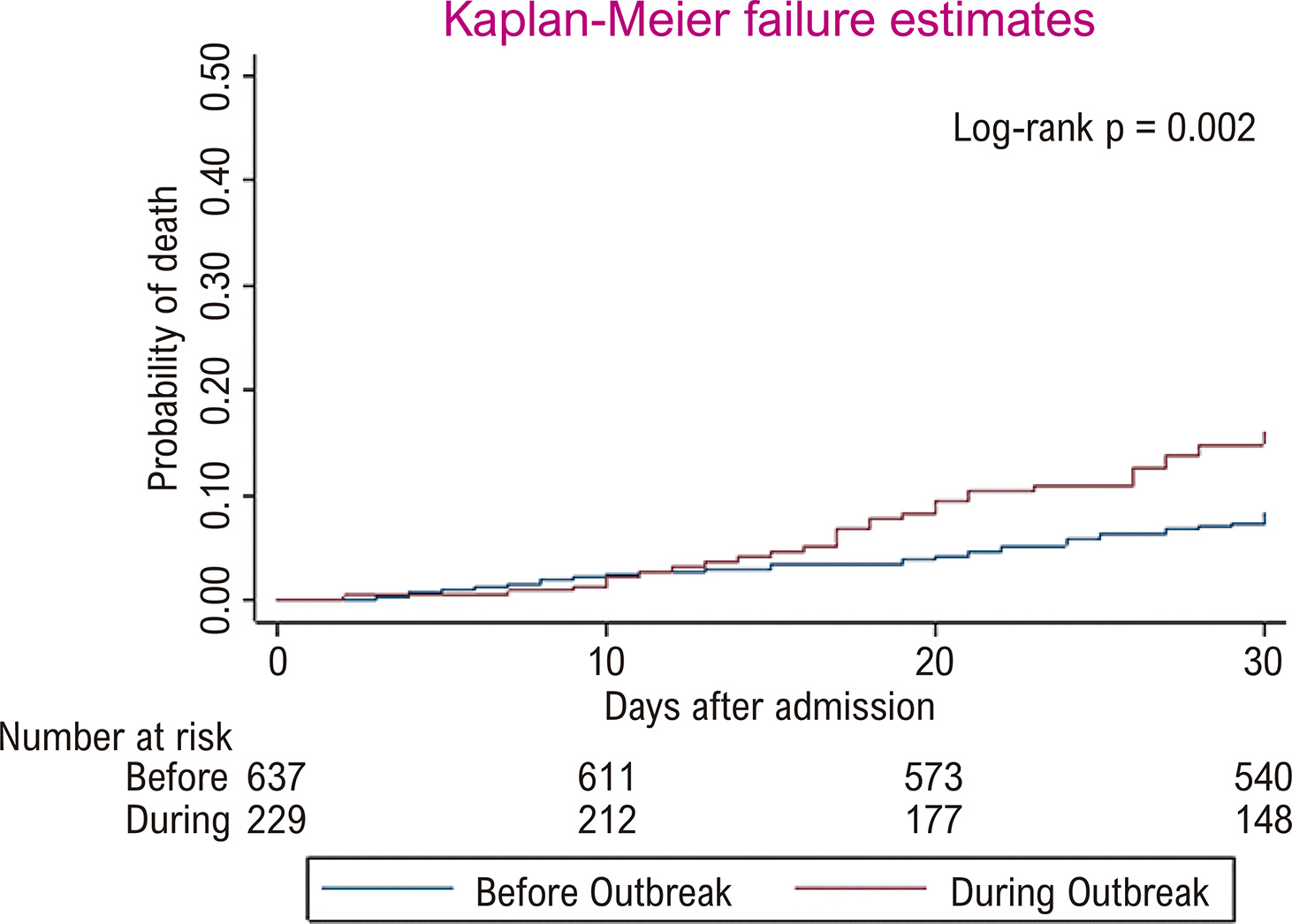
Brazil is one of the most hit countries by the pandemic caused by the novel coronavirus (Coronavirus Disease, COVID-19), with more than half million deaths in June, 2021, the world’s second-highest number of deaths. It has been reported that the COVID-19 outbreak has affected the delivery of care of patients without COVID-19 (non-COVID-19 patients), particularly patients with cardiovascular (CV) diseases, increasing the death toll from the pandemic. Studies have shown a reduction in hospitalizations in tandem with an increase mortality from CV diseases during the outbreak in many countries. – However, most of these reports focused on patients with acute coronary syndrome (ACS ) in developed countries, with few data on heart failure (HF) admissions, and the reasons for the worse mortality are not well understood. We evaluated the changes in severity, reasons for decompensation and 30-day mortality of patients admitted for HF in public hospitals included in the Best Practices in Cardiology (BPC) program in Brazil during the COVID-19 outbreak and compared with previous periods.

[…]

  • Cardiovascular Diseases/complications
  • COVID-19
  • Delivery of Health Care/methods
  • Heart Failure
  • Mortality
  • Pandemic
  • Public Hospitals
Read Full Article
Creative Commons Attribution (CC BY) Creative Commons license
06/09/2022 DOI: 10.36660/abc.20220080 Views 1
ABC
Editorial

Waist Circumference: A Parameter of Vascular Health

Erika Maria Gonçalves Campana et al. Andréa Araujo Brandão

Obesity plays a central role in chronic noncommunicable diseases due to its high prevalence and strong correlation with risk factors like hypertension, dyslipidemia, diabetes mellitus, and morbidity and mortality. In particular, abdominal obesity has been renowned as an emerging risk factor for an inflammatory and prothrombotic state, which is associated with an increased prevalence of hypertension and increased risk of cardiovascular (CV) events. These data are of utmost importance in the scenario of increasing prevalence of obesity not only in adults, but also among children and adolescents., Results of a study conducted in Rio de Janeiro showed an unfavorable relationship of elevated blood pressure (BP) and excess weight in adolescents with increased BP levels and anthropometric and metabolic variables in young adults.

Over the last years, the understanding of the CV continuum has grown, and CV disease has been seen in the context of vascular damage. In this sense, endothelial dysfunction, which results in atherosclerotic disease and its complications, involves the tunica media of large arteries, affected by an accelerated aging of the vessel, resulting in early arterial stiffness and arteriosclerosis, which in turn contributes to CV morbidity and mortality.–

[…]

  • Atherosclerosis
  • Blood Pressure
  • Cardiovascular Diseases/complications
  • Dyslipidemias
  • Outcome Assessment (Health Care)
  • Pulse Wave Analysis
  • Vascular Stiffness
  • Waist Circumference
Read Full Article
Creative Commons Attribution (CC BY) Creative Commons license
05/08/2022 DOI: 10.36660/abc.20220508
Figure 1
ABC
Original Article

Association between Atrioventricular Block and Mortality in Primary Care Patients: The CODE Study

Gabriela Miana de Mattos Paixão et al. Emilly M. Lima André B. Quadros Daniel P. R. Cabral … Renato R. Coelho Derick M. Oliveira Jamil de Souza Nascimento Paulo R. Gomes Antonio L. Ribeiro

Abstract

Background

Atrioventricular block (AVB) describes an impairment of conduction from the atria to the ventricles. Although the clinical course of AVB has been evaluated, the findings are from high-income countries and, therefore, cannot be extrapolated to the Latinx population.

Objective

Evaluate the association between AVB and mortality.

Methods

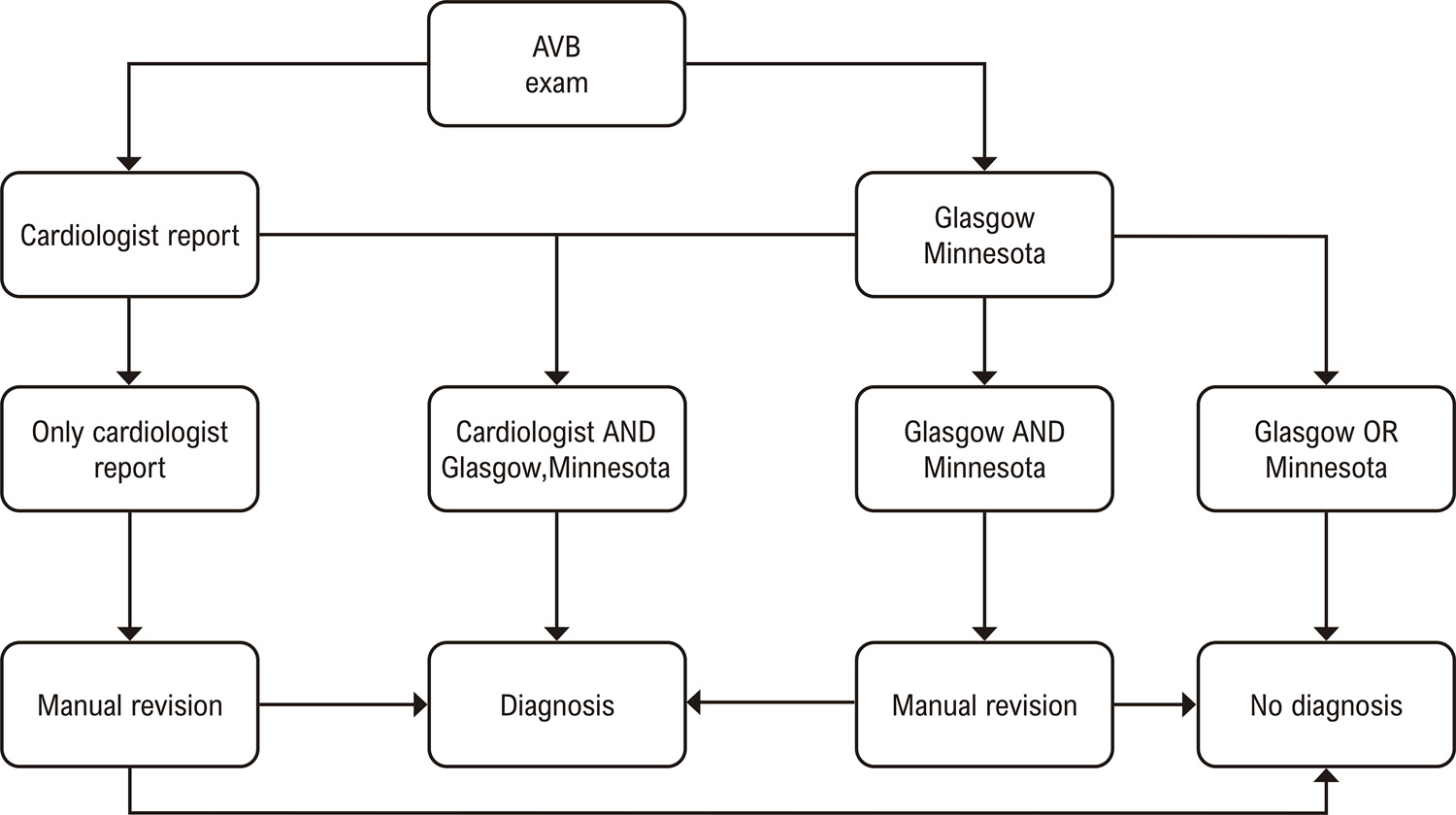
Patients from the CODE (Clinical Outcomes in Digital Electrocardiology) study, older than 16 years who underwent digital electrocardiogram (ECG) from 2010 to 2017 were included. ECGs were reported by cardiologists and by automated software. To assess the relationship between AVB and mortality, the log-normal model and the Kaplan-Meier curves were used with two-tailed p-values < 0.05 considered statistically significant.

Results

The study included 1,557,901 patients; 40.2% were men, and mean age was 51.7 (standard deviation ± 17.6) years. In a mean follow-up of 3.7 years, the mortality rate was 3.35%. The AVB prevalence was 1.38% (21,538). Patients with first-, second-, and third-degree AVB were associated with 24% (relative survival rate [RS] = 0.76; 95% confidence interval [CI]: 0.71-0.81; p < 0.001), 55% (RS = 0.45; 95% CI: 0.27-0.77; p = 0.01), and 64% (RS = 0.36; 95% CI: 0.26-0.49; p < 0.001) lower survival rate when compared to the control group, respectively. Patients with 2:1 AVB had 79% (RS = 0.21; 95% CI: 0.08-0.52; p = 0.005) lower survival rate than the control group. Only Mobitz type I was not associated with higher mortality (p = 0.27).

Conclusion

AVB was an independent risk factor for overall mortality, with the exception of Mobitz type I.

  • Atrioventricular Block/complications, Mortality
  • Atrioventricular Block/physiopathology
  • Cardiovascular Diseases/complications
  • Diagnostic Imaging
  • Electrocardiography/methods
Read Full Article
Creative Commons Attribution (CC BY) Creative Commons license
18/07/2022 DOI: 10.36660/abc.20210763
ABC
Editorial

How Can the Presence of Cardiovascular Diseases Impact Morbidity and Mortality in Patients with COVID-19?

Alexandre de Matos Soeiro

Since the pandemic’s beginning, the disease caused by the SARS-CoV-2 virus, called COVID-19, has shown itself to be a wide-spectrum and unpredictable condition, with patients being practically asymptomatic. In contrast, others had severe pulmonary involvement, the major cause of morbidity and mortality associated with the disease. –

At an early stage, COVID-19 was shown to have a broad and potentially alarming link to the cardiovascular system. Angiotensin-2-converting enzyme receptors have been shown to directly interface with viral pathogenesis and maybe the cellular gateway for type 2 pneumocytes, macrophages and cardiomyocytes. Thus, patients with cardiovascular diseases were more susceptible to severe forms of the disease. Hypertension, arrhythmias, cardiomyopathies and coronary artery disease were among the main comorbidities in critically ill patients with COVID-19. Patients with cardiovascular diseases (particularly those with hypertension) have a morbidity rate of up to 10.5% after infection with COVID-19. In the present study, we can observe a similar relationship. It was clear in this Brazilian series how the presence of atherosclerotic disease and traditional risk factors alone or together were capable of impacting mortality and prognosis. Although the study has a limited series, it includes only high-risk patients with a high rate of outcomes, allowing the evaluation of results to be consistent and following exactly the same line as the international literature.

[…]

  • Cardiovascular Diseases/complications
  • COVID-19
  • Hospital Mortality/trends
  • Pulmonary Heart Disease/mortality
  • Risk Factors
  • SARS-CoV-2
  • Troponin/adverse effects
Read Full Article
Creative Commons Attribution (CC BY) Creative Commons license
13/05/2022 DOI: 10.36660/abc.20220225
Figure 1
ABC
Original Article

Impact of High Cardiovascular Risk on Hospital Mortality in Intensive Care Patients Hospitalized for COVID-19

Bruno Ferraz de Oliveira Gomes et al. João Luiz Fernandes Petriz Iliana Regina Ribeiro Menezes Anny de Sousa Azevedo … Thiago Moreira Bastos da Silva Valdilene Lima Silva Leticia de Sousa Peres David Fernandes Pedro Pereira Giovanni Possamai Dutra Suzanna Andressa Morais de Paula Bárbara Ferreira da Silva Mendes Plinio Resende do Carmo Junior Basilio de Bragança Pereira Gláucia Maria Moraes de Oliveira

Abstract

Background

Some studies have shown a higher prevalence of deaths in patients with cardiovascular risk factors (CRF) during hospitalization for COVID-19.

Objectives

To assess the impact of high cardiovascular risk in patients hospitalized in intensive care for COVID-19

Methods

Retrospective study with patients admitted to an intensive care unit, with a diagnosis of COVID-19 confirmed by RT-PCR, and with at least one troponin measurement during hospitalization. The criteria for defining high cardiovascular risk (HCR) patients were: history of established cardiovascular disease (myocardial infarction, stroke, or peripheral arterial disease), diabetes, chronic kidney disease with clearance 65 years). The primary outcome of this study is all-cause in-hospital mortality. P<0.05 was considered significant.

Results

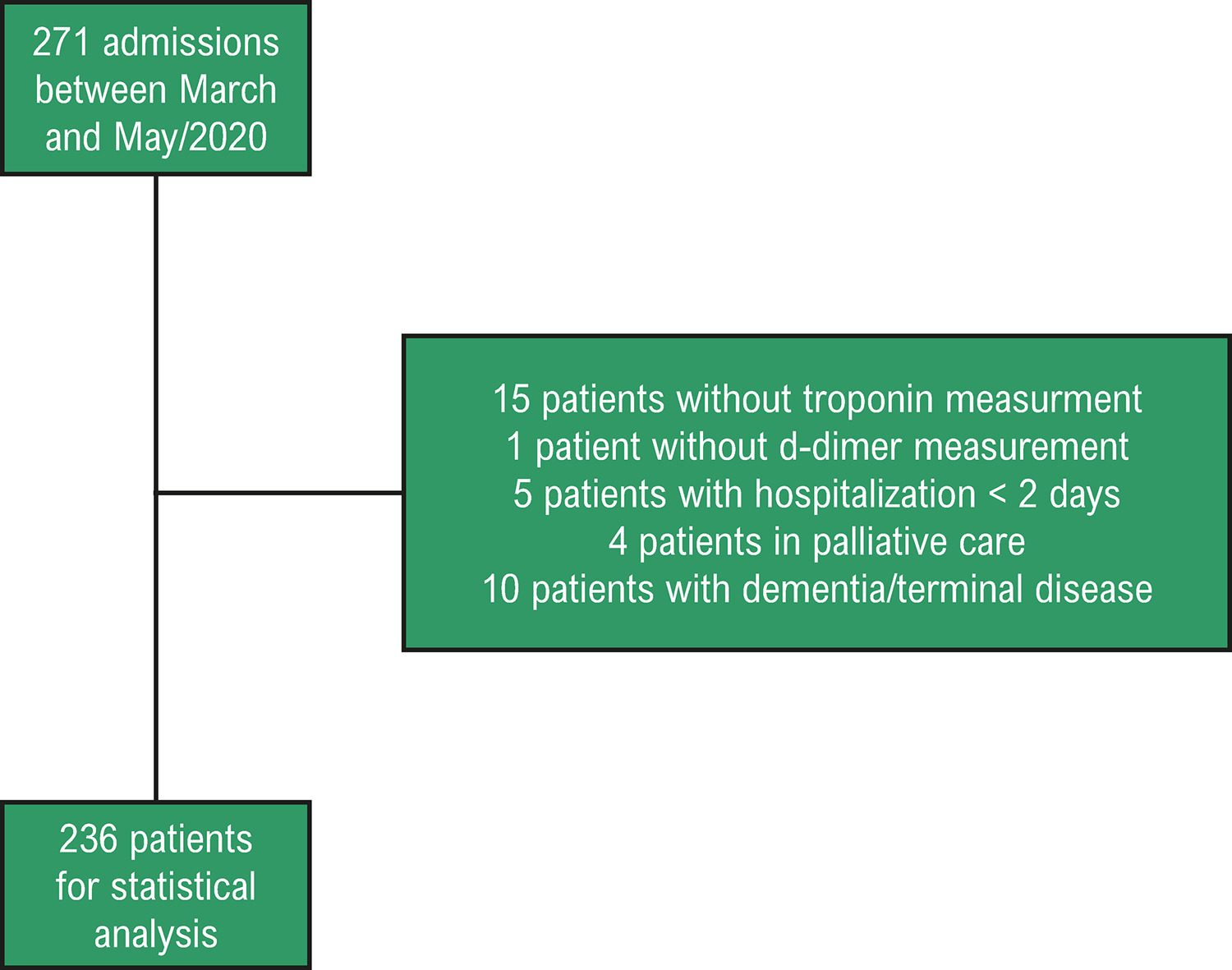
This study included 236 patients, mean age = 61.14±16.2 years, with 63.1% men, 55.5% hypertensive, and 33.1% diabetic; 47.4% of the patients also presented HCR. A significant increase in mortality was observed as the number of risk factors increased (0 FRC: 5.9%; 1 FRC: 17.5%; 2 FRC: 32.2% and ≥3 FRC: 41.2%; p=0.001). In the logistic regression adjusted for severity (SAPS3 score), the HCR and myocardial injury group had a higher occurrence of in-hospital mortality (OR 40.38; 95% CI 11.78-138.39). Patients without HCR but with myocardial injury also exhibited a significant association with the primary outcome (OR 16.7; 95% CI 4.45-62.74).

Conclusion

In patients hospitalized in intensive care for COVID-19, HCR impacts in-hospital mortality only in patients with myocardial injury.

  • Cardiovascular Diseases/complications
  • Cardiovascular risk
  • COVID-19
  • Inpatients
  • Intensive Care
  • Myocardial Injury
  • Ultrasensitivity Troponin
Read Full Article
Creative Commons Attribution (CC BY) Creative Commons license
13/05/2022 DOI: 10.36660/abc.20210349 Views 1
Figure 1
ABC
Editorial

How Should We Investigate Cardiovascular Injury In Critically Ill COVID-19 Pediatric Patients In A Scenario Of Socioeconomic Vulnerability?

Gabriela Nunes Leal

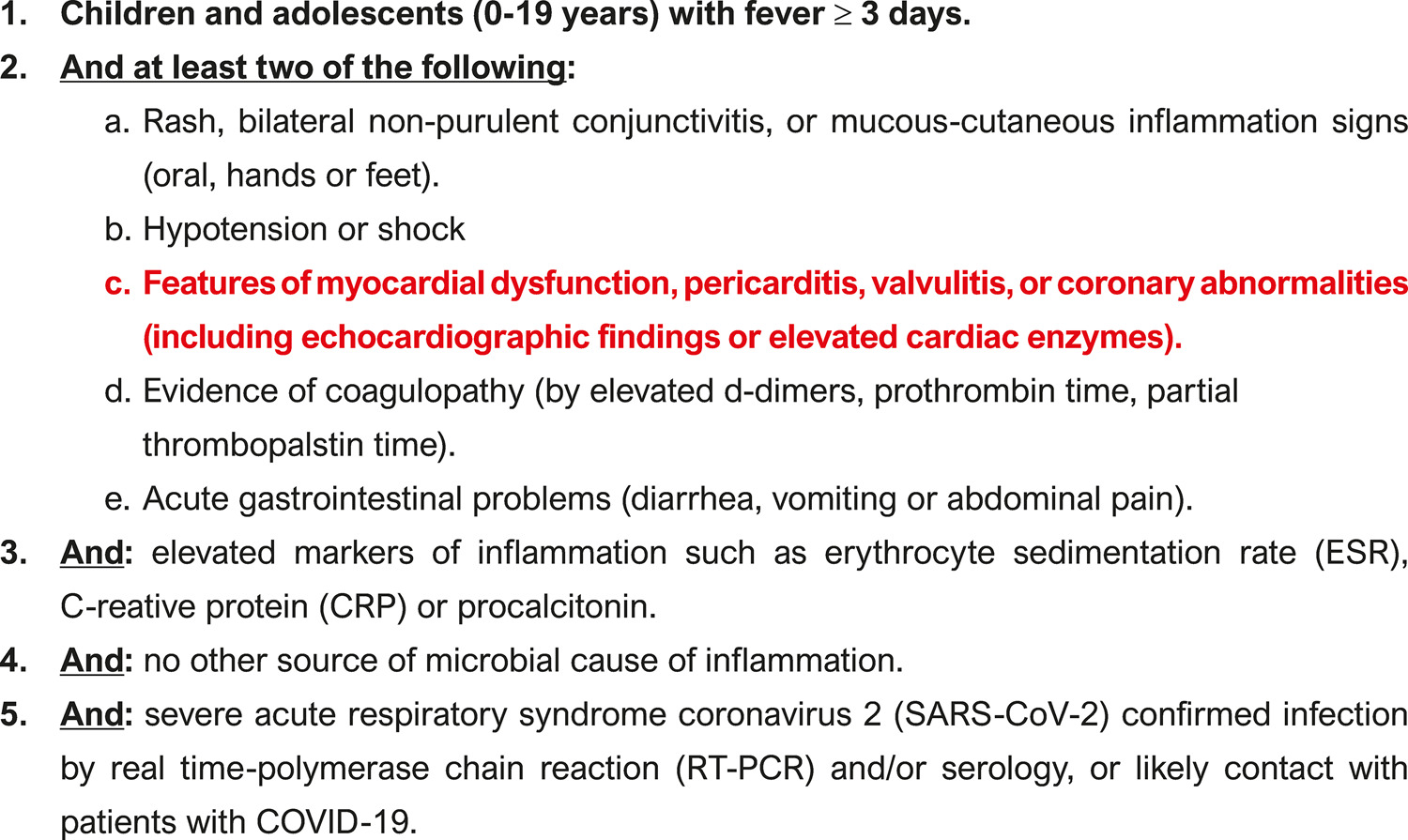
Literature published worldwide has extensively documented cardiovascular injury among COVID-19 critically ill patients. Cardiac involvement appears to be a prominent feature of the disease in adults, occurring in 20% to 30% of hospitalized patients and contributing to 40% of deaths. Children and adolescents are mostly spared by COVID-19, with few having severe symptoms and even fewer deaths. However, the description of the multisystem inflammatory syndrome in children (MIS-c) reinforced that, although rare, severe clinical presentation and death are possible in the pediatric population. Cardiovascular compromise in MIS-c associated with COVID-19 is frequent and is one of the World Health Organization (WHO) diagnostic criteria for this pathologic condition ( ). ,

[…]

  • Cardiovascular Diseases/complications
  • Children
  • Covid-19/complications
  • Hospitalization
  • Inflammation
  • Severe Acute Respiratory Syndrome
Read Full Article
Creative Commons Attribution (CC BY) Creative Commons license
13/05/2022 DOI: 10.36660/abc.20220254 Views 2
IJCS
Original Article

9p21 Locus Polymorphisms: Risk and Severity Factors of Coronary Artery Disease in Venezuelan Patients

Susana Blanco Sobrino et al. Eva Salazar Alcalá Asdrúbal Alfonzo Reyes Jesus Flores-Soler … Romina Leras Mirabal Yettana Luti Ingrid Márquez Mercedes Teresita Fernandez Mestre

Abstract

Background:

The 9p21 region is the most relevant locus associated with coronary heart disease in different populations. However, there are no studies that prove that this region is a risk factor in the Venezuelan population.

Objectives:

To analyze whether or not the 9p21 rs1333049 polymorphism is a risk factor for acute myocardial infarction (AMI) in Venezuelan patients, as well as to investigate its correlation with cardiovascular risk factors (CVRF), age of occurrence, type and severity of infarction, and the correlation of the rs10757274 polymorphism with severity of coronary artery disease.

Methods:

This was an association study, including 487 unrelated Venezuelan individuals, grouped in 354 patients with AMI and 133 controls. The rs1333049 and rs10757274 polymorphisms were determined using the polymerase chain reaction (PCR) technique with sequence-specific primers. The analysis of association was determined using the SNPStats tool. The continuous variable description and the correlations were performed using the SPSS statistical software. Significance was established at p<0.05.

Results:

A positive correlation was observed between the rs1333049 polymorphism and the presence of hypertension ( r: 0.145, p: 0.006), and between hypertension and heart infarction ( r: 0.318, p: <0.0001). A positive correlation was found between the rs10757274 polymorphism and the number of coronary vessels that presented obstructive lesions in patients aged ≤ 55 years ( r: 0.276, p: 0.0078).

Conclusion:

The rs1333049 polymorphism at the 9p21 locus is correlated with hypertension in Venezuelan patients, while the rs10757274 polymorphism is associated with the progression of coronary atherosclerosis, suggested by the correlation with the number of coronary vessels that presented significant obstructive lesions.

  • Atherosclerosis
  • Cardiovascular Diseases/complications
  • Chromosomes (9p21)/ genetics
  • Coronary Artery Disease
  • Epidemiology
  • Myocardial Infarction
  • Polymorphism/ genetics
Read Full Article
Creative Commons Attribution (CC BY) Creative Commons license
25/02/2022 DOI: 10.36660/ijcs.20200404 Views 2
IJCS
Editorial

Cause or Consequence? What is the Relationship between Cardiac Injury and COVID-19 Severity?

Claudio Tinoco Mesquita

In most patients, coronavirus disease-2019 (COVID-19) causes minor respiratory symptoms or even no symptoms. SARS-CoV-2 infection can also cause extrapulmonary manifestations and complications. COVID-19 is more severe and fatal among patients with pre-existing cardiovascular risk factors or diseases. Increases in cardiac troponin (cTn) are indicative of myocardial injury and frequently found in patients with COVID-19. The Chinese Center for Disease Control and Prevention published a survey demonstrating that among patients diagnosed with COVID-19, 13% had hypertension, 5% had diabetes mellitus, and 4% had a history of cardiovascular disease. However, in this same cohort, among patients who had not survived, 40% had hypertension, 20% had diabetes, and 22% had pre-existing cardiovascular disease. Patients with cardiovascular disease had the highest case fatality rate (10.5%).

In this issue of the International Journal of Cardiovascular Sciences, Rocha et al. , studied 192 patients admitted with COVID-19 in a quaternary care cardiac hospital in Rio de Janeiro, Brazil. Mortality rate was 28%. Multivariate analysis demonstrated that elevated cTnI levels (OR=9.504; 95% CI=1.281–70.528; P=0.028) upon admission and the need for mechanical ventilation during hospitalization (OR=46.691; 95% CI=2.360–923.706; P=0.012) were independent predictors of death during hospitalization. The main limitations of the study are a sample from a single Brazilian metropolitan region and a short follow-up period. However, these limitations do not invalidate the main message of the study: the measurement of cardiac troponin at hospital admission may be useful for identification of high-risk patients infected by SARS-CoV-2.

[…]

  • Cardiovascular Diseases/complications
  • Covid-19/complications
  • Diabetes Mellitus
  • Hospitalization
  • Hypertension
  • Mortality
  • Risk Factors
  • SARS-CoV-2
  • Troponin I
Read Full Article
Creative Commons Attribution (CC BY) Creative Commons license
14/01/2022 DOI: 10.36660/ijcs.20210270 Views 1
Figure 1
ABC
Research Letter

Echocardiographic Findings in Patients with COVID-19 with and without Previous Cardiovascular Disease

Silvio Henrique Barberato et al. Rafael Borsoi Fabio Roston Hudson Laerte Machado Miranda … Pedro Patriota Maria Estefania Otto Adenalva Lima de Souza Beck Anderson da Costa Armstrong João Marcos Bemfica Barbosa Ferreira Ana Cristina Camarozano Letícia Braga Paciello da Silva Marcos Valério Coimbra Resende Marcelo Luiz Campos Vieira Miguel Morita Fernandes-Silva

Introduction

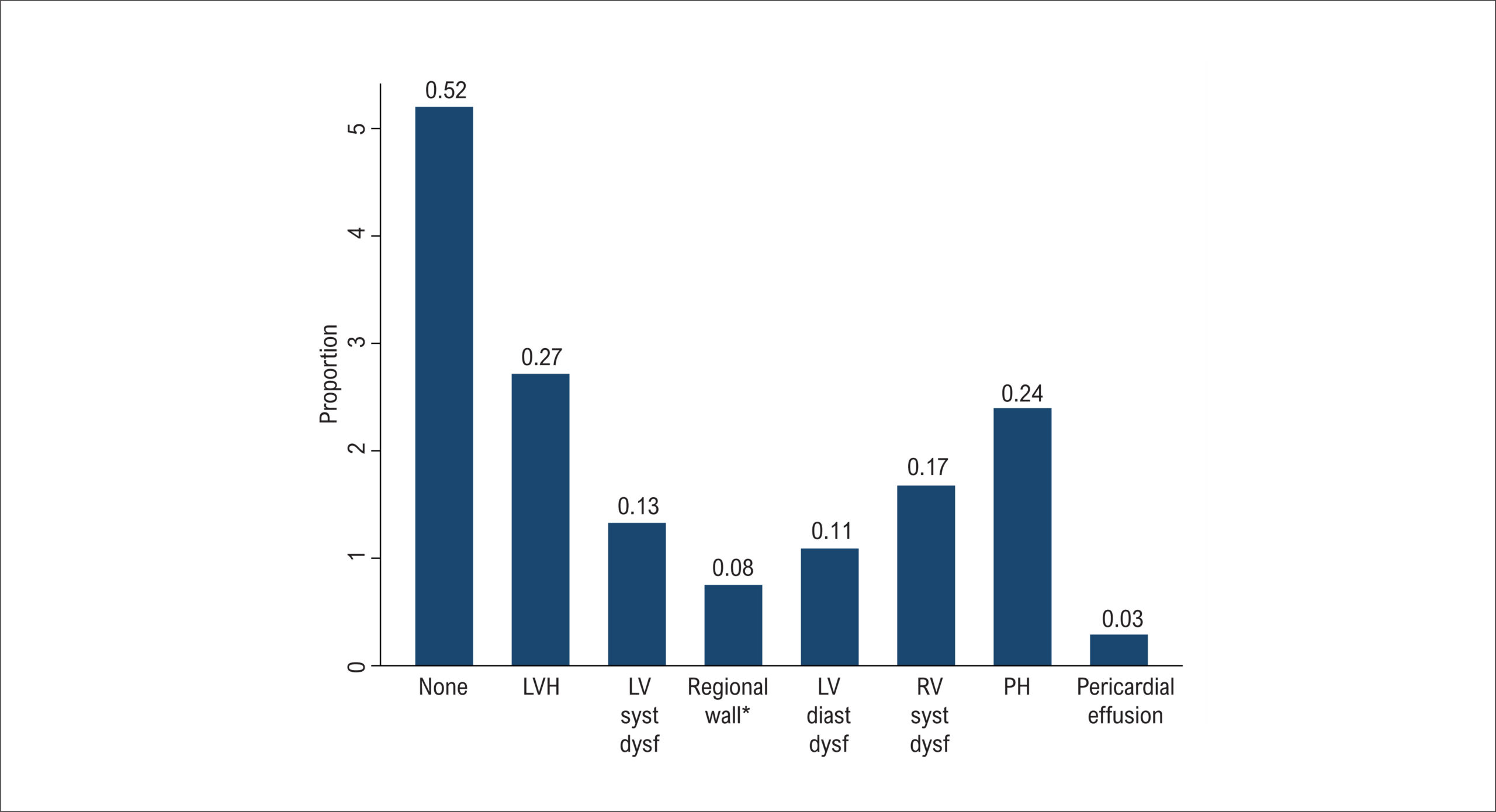
Coronavirus disease-2019 (COVID-19) caused by the severe acute respiratory syndrome coronavirus 2 (SARS-Cov-2) may result in severe respiratory distress and acute cardiac injury. Impaired cardiac function and/or prior cardiovascular disease (CVD) in patients with COVID-19 are associated with worse prognosis. Transthoracic echocardiography (TTE) has a central role in the management of patients, as it provides a crucial assessment of abnormalities in cardiac function and structure that impact on their prognosis and treatment. Studies have reported varied rates of left ventricular (LV) and right ventricular (RV) dysfunction, but it is unclear how often cardiac dysfunction result directly from COVID-19.– We described the prevalence of the main abnormal echocardiographic findings in hospitalized patients with COVID-19 with and without previous cardiovascular disease (CVD) through a real-world, multicenter collaborative study (Brazilian Echocardiography Registry during COVID-19 pandemic, or ECOVID).

[…]

  • Acute Respiratory Syndrome/complications SARS-CoV2/complications
  • Cardiac function
  • Cardiovascular Diseases/complications
  • Comorbidity
  • Coronavirus-19/complications
  • Heart Failure, Echocardiography/méthods
  • Mortality
  • Pandemics
Read Full Article
Creative Commons Attribution (CC BY) Creative Commons license
03/12/2021 DOI: 10.36660/abc.20201300 Views 2
Figure 1
IJCS
Case Report

Cardiac Manifestations Associated With Coronavirus Disease: A Case Report

Gabriela Ribeiro Prata Leite Barros et al. Raphaela Tereza Brigolin Garofo Bernardo Noya Alves de Abreu Adriano Camargo de Castro Carneiro André Luiz Esteves Mendonça

Abstract

This study presents a 47-year-old female patient, with a history of diabetes, who contracted SARS-CoV-2 and exhibited cardiovascular complications.

  • Arrhythmia Cardiac
  • Cardiovascular Diseases/complications
  • Myocardial Ischemia
  • Myocarditis
  • Pandemics
  • SARS-CoV-2, Betacoronavirus
  • Takotsubo Cardiomyopathy
Read Full Article
Creative Commons Attribution (CC BY) Creative Commons license
20/09/2021 DOI: 10.36660/ijcs.20210026 Views 1
ABC
Editorial

For which HIV Patients Aspirin and Statins are Good?

Théo Pezel et al. Layde R. Paim Otávio R. Coelho-Filho

While advances in antiretroviral treatment have revolutionized the prognosis of human immunodeficiency (HIV)-infected patients, cardiovascular complications remain the leading cause of death in these patients mainly due to an increased cardiovascular risk compared to the general population. Cardiovascular prevention programs have highlighted the importance of controlling traditional risk factors in risk evaluation strategies. However, HIV-infected individuals at low cardiovascular risk have a considerable residual cardiovascular risk for events that may justify additional preventive treatment. Indeed, compared with non-HIV-infected individuals, inflammation levels are higher in HIV-infected patients, even those with viral control, and this inflammation is an important factor in the genesis of atherosclerosis. Therefore, effective cardiovascular prevention strategies targeting HIV population are needed. In the therapeutic arsenal of cardiovascular prevention, aspirin and statins are the cornerstones of the management of HIV-infected patients. Both drugs have pleiotropic effects, including immunomodulatory, anti-thrombogenic, and anti-inflammatory effects, that improve endothelial function and prevent the progression of carotid thickening in these patients. However, the prescription of aspirin and statins in HIV-infected patients remains largely suboptimal, with only 50% of patients adequately treated. Although several studies have investigated the effects of statins and aspirin in decreasing inflammation, the results of these studies are contradictory.,

In this issue of the Arquivos Brasileiros de Cardiologia, Santos Jr et al. report the effect of the use of a combination of atorvastatin and aspirin for six months regarding the endothelial function improvement and carotid thickness in a cohort of 38 patients with HIV infection with viral control. Improvement in endothelial function was assessed using the brachial artery flow-mediated dilation. The authors have shown a relationship between treatment response and age; a stronger response was observed in individuals older than 40 years. This result may be explained by the fact that probably older individuals had a longer exposure to inflammation caused by HIV. Several studies have shown that these same patients also have a higher cardiovascular risk due to chronic inflammation. Therefore, this study supports the prescription of a combination of atorvastatin and aspirin for the primary prevention of cardiovascular events in HIV-infected patients, particularly for those over 40 years of age. In addition, some of the findings of this study suggest that HIV-positive women may have a better response to this drug combination than men. Considering that the currently used triple therapy has a significant effect on inflammation, a mechanism intrinsically linked to the progression of atherosclerosis could explain the greater response in women than in men.

[…]

  • Anti-HIV Agents/therapeutic use
  • Aspirin
  • Atherosclerosis
  • Cardiovascular Diseases/complications
  • Endothelium
  • HIV
  • HIV Infection
  • Mortality
  • Risk Factors
  • Statins
Read Full Article
Creative Commons Attribution (CC BY) Creative Commons license
06/09/2021 DOI: 10.36660/abc.20210560
Figure 1
IJCS
Case Report

Commotio Cordis Secondary to Aggression

Luisa Gonçalves et al. Inês Pires João Santos Joana Laranjeira Correia … Davide Moreira Inês Almeida

Case report

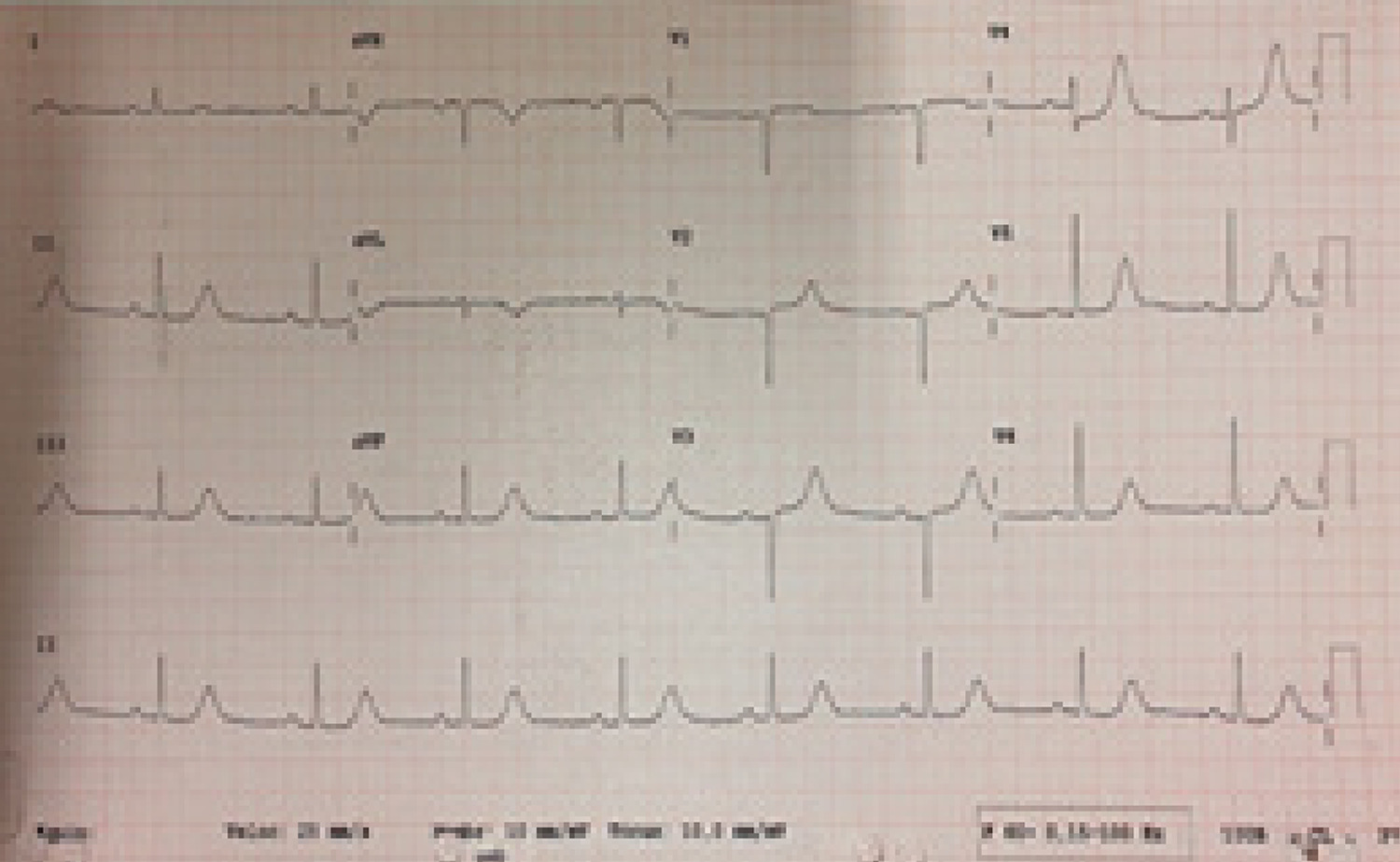
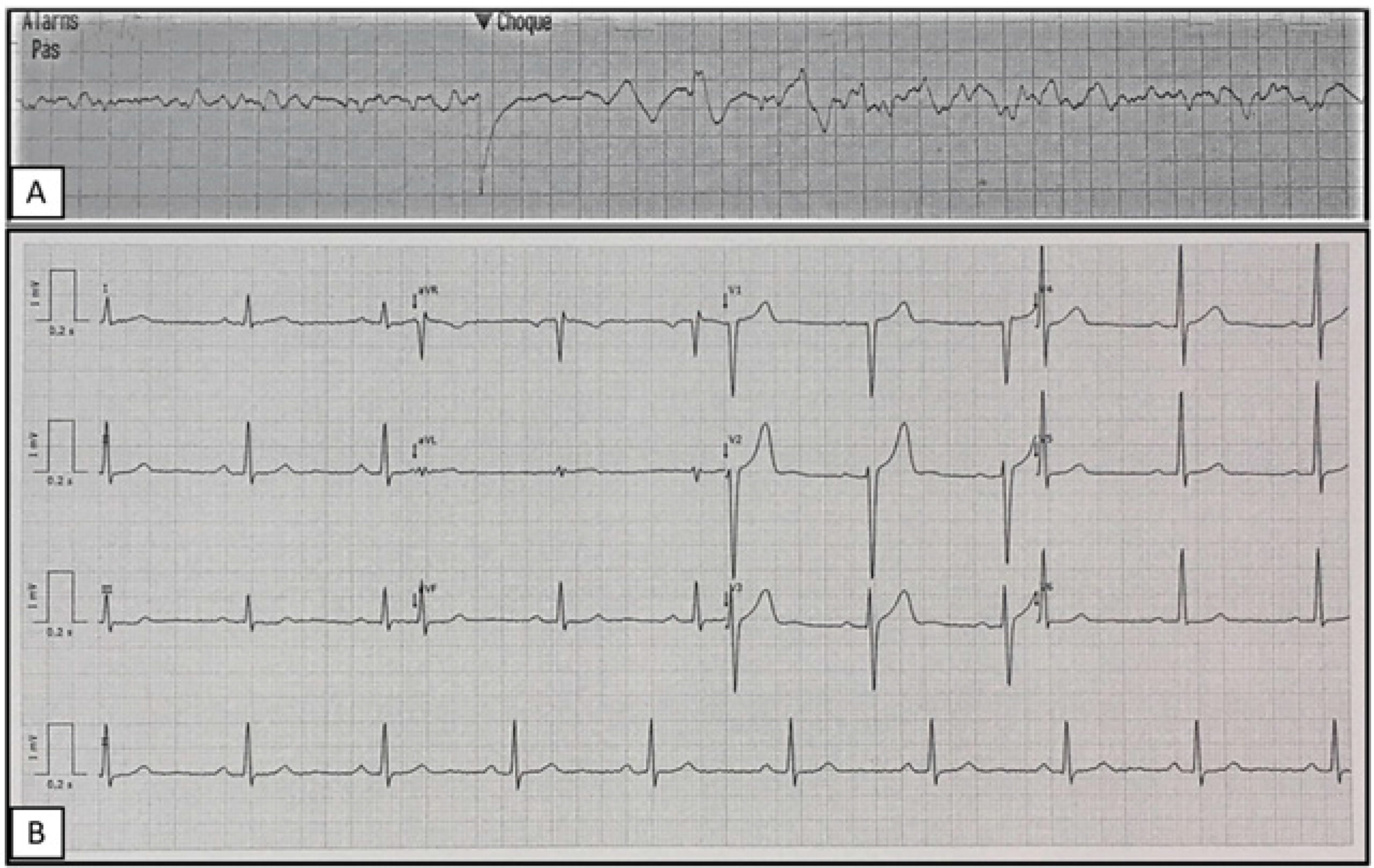
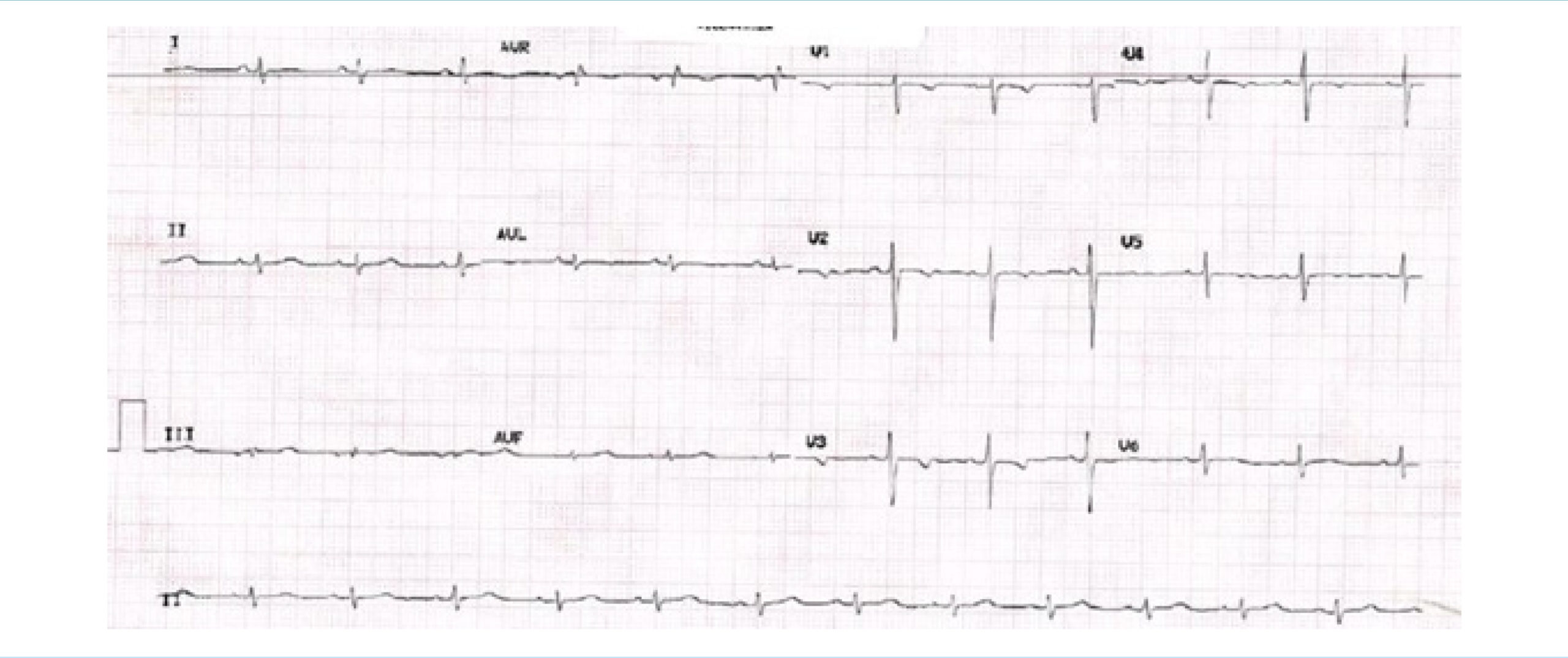
A 35-year-old man was admitted following a recovered cardiorespiratory arrest. He was attacked by another man with multiples blunts by a wood stick in the chest and head. An eyewitness statement indicated that the victim had lost consciousness and collapsed after being hit in the chest. He was in cardiac arrest, and a nearby healthcare professional provided first aid with cardiopulmonary resuscitation. The first electrocardiogram (ECG) rhythm strip, fifteen minutes later, identified ventricular fibrillation (VF) (). Sixteen electrical shocks were delivered, always with VF, before restoration of sinus rhythm and circulation. A 12-lead-ECG revealed sinus rhythm without ST deviations and a corrected QT interval of 414 msec. On admission, he was under ventilatory support, with a heart rate of 80 beats per minute, blood pressure of 121/70mmHg, and no signs of shock. There was no previously known medical condition, besides being an active smoker and a binge drinker, and no family history of early coronary disease, cardiomyopathy, or sudden death. He was under the influence of alcohol, as was confirmed by blood tests (blood alcohol level of 1.31g/L), and had a discretely elevated cardiac troponin-T of 0.9ng/ml (normal range, 0 to 0.08 ng/ml). The remaining analyzes, cranial and cervical CT scan, chest X-ray, and abdominal eco FAST were normal. An initial echocardiogram in the emergency department demonstrated normal-sized chambers and global ventricular systolic dysfunction explained by a prolonged cardiac arrest. He was admitted to the intensive care unit for post-resuscitation care with therapeutic hypothermia and temporary ventilatory support. At 48 hours of admission, there was a normalization of systolic function with a normal ejection fraction by echocardiogram (). Coronary angiography excluded coronary disease (). Serial electrocardiograms were not suggestive of an arrhythmogenic substrate (). The sudden cardiac arrest was assumed secondary to a commotio cordis (CC), and for this reason, the patient was not proposed for an implantable cardioverter-defibrillator (ICD). The clinical outcome was favorable, and the patient was discharged. He remained asymptomatic during three years of follow-up, with normal ECG, echocardiogram with strain-rate imaging, exercise stress test, and 24-hour-Holter. During mid-term follow-up, a cardiac magnetic resonance imaging (MRI) showed normal-sized chambers, global and regional function, and no myocardial edema or myocardial scar by late focal hyperenhancement (-).

[…]

  • Arrhythmias, Cardiac/complications
  • Atrioventricular block
  • Cardiovascular Diseases/complications
  • Commotio Cordis
  • Diagnosis, Dfferential
  • Heart Arrest
  • Ventricular Fibrillation
Read Full Article
Creative Commons Attribution (CC BY) Creative Commons license
09/08/2021 DOI: 10.36660/ijcs.20200356 Views 1
Figure 1
ABCHF
Editorial

Cardiovascular Burden of COVID-19 and the Post-Covid Era

Samuel D. Moscavitch et al. Jefferson L. Vieira Peter Libby

Why COVID-19 became an issue for cardiovascular specialists? SARS-CoV-2- related myocardial injury and myocarditis

Approximately 20-30% of hospitalized patients with COVID-19 have evidence of cardiac injury, as indicated by elevated levels of high-sensitivity troponins. The presence and magnitude of troponin elevation is associated with more severe disease and worse outcomes, even after adjusting for relevant risk factors. Myocardial injury portends a fatal outcome of COVID-19, while the prognosis of patients without myocardial injury, even with underlying cardiovascular disease, is more favorable.

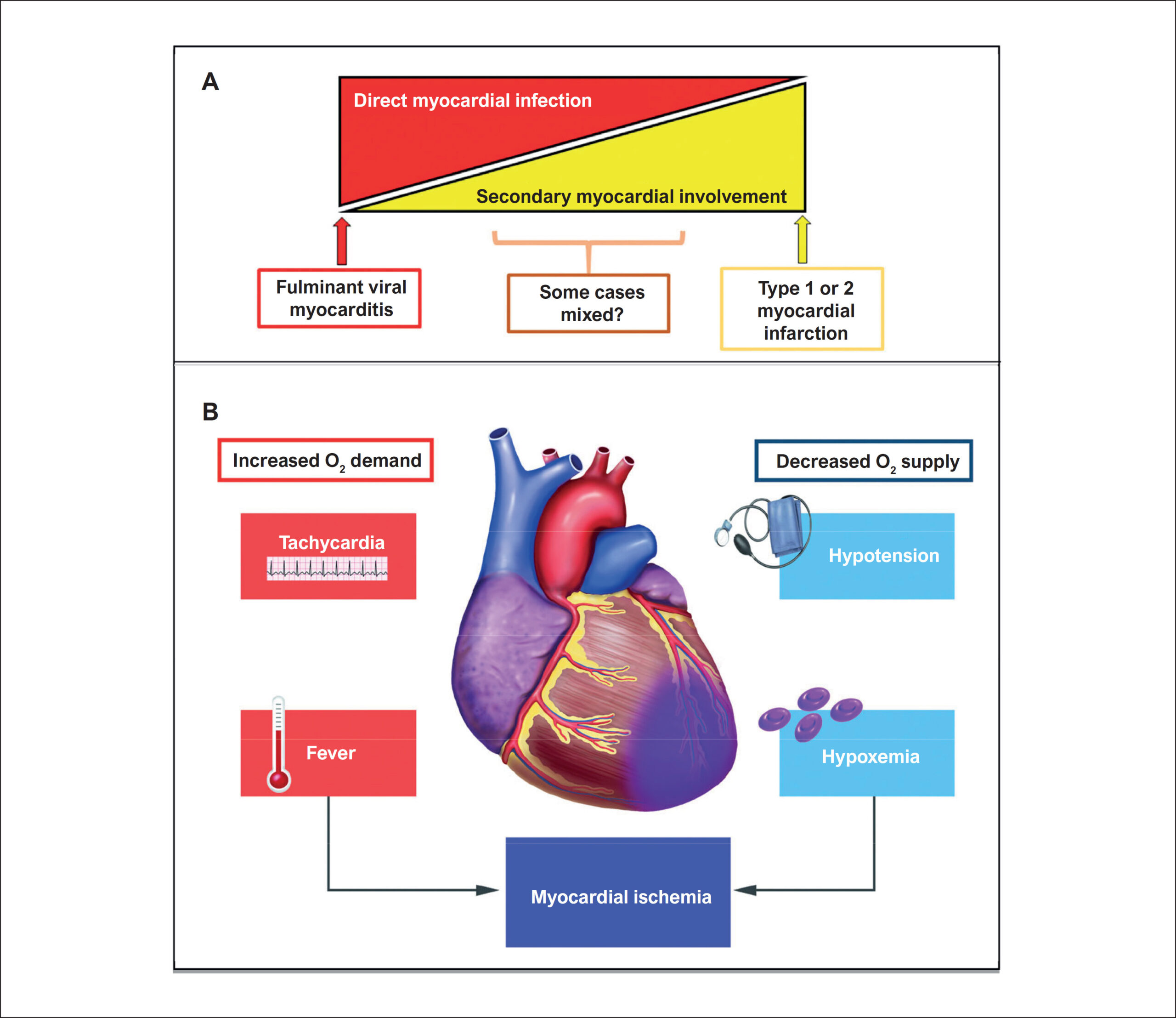
The pathophysiology of SARS-CoV-2-induced myocardial injury remains a topic of active research. COVID-19 can unfavorably affect the balance between myocardial oxygen supply and demand, as with other overwhelming viral or bacterial infections (). Fever, metabolic stress, sympathetic activation, and tachycardia increase the energy expenditure and oxygen consumption of the myocardium., This imbalance can provoke type 2 (or “demand” type) myocardial infarction. Hypoxia from respiratory impairment can favor the production of reactive oxygen species and oxidative stress, acidosis, mitochondrial damage, and cell death.,, Other mechanisms of myocardial injury during COVID-19 include ischemia from microvascular thrombi and toxic levels of cytokines. Cardiac damage due to direct SARS-CoV-2 infection of cardiac myocytes appears uncommon.– Indeed, the pericytes, smooth-muscle like cells that surround microvessels, express high levels of the receptor for SARS-CoV-2, angiotensin converting enzyme 2 (ACE2), while cardiac myocytes themselves have few, if any, of these portals of entry used by the virus.

[…]

  • Betacoronavirus/complications
  • Cardiovascular Diseases/complications
  • Coronavirus-19
  • COVID-19
  • Pandemics
  • SARS-19
  • Syndrome Respiratory Acute Gravis
Read Full Article
Creative Commons Attribution (CC BY) Creative Commons license
06/07/2021 DOI: 10.36660/abchf.20210001 Views 2
Linear and Nonlinear Heart Rate Variability Analysis in Gonadal Dysgenesis (Swyer Syndrome): A Case Report
IJCS
Case Report

Linear and Nonlinear Heart Rate Variability Analysis in Gonadal Dysgenesis (Swyer Syndrome): A Case Report

Valdelias Xavier Pereira et al. Tatiana Dias de Carvalho Marcos Antonio Marinovic Junior Alex Rey Norberto … José Maria Soares Júnior Vitor Engrácia Valenti Isabel Cristina Esposito Sorpreso

Abstract

Swyer syndrome is one of the disorders of sexual differentiation. Previous studies have demonstrated increased sympathetic activity with heart rate variability (HRV) analysis with decreasing estradiol levels. One patient presented a pure 46, XY gonadal dysgenesis with female phenotype. Cardiac autonomic modulation was assessed through HRV analysis while at rest. This research analyzed linear and nonlinear indexes. HRV analysis showed reduced parasympathetic and global modulation with an apparent increase in sympathetic tone and a loss of HR fractal dynamics toward correlated behavior, characterized by low entropy and high determinism of time series.

  • Amenorrhea
  • Autonomic Nervous System
  • Cardiovascular Diseases/complications
  • Estrogen
  • Gonadectomy
  • Heart Rate
  • Replacement Therapy
Read Full Article
Creative Commons Attribution (CC BY) Creative Commons license
12/05/2021 DOI: 10.36660/ijcs.20200002
Figure 1
IJCS
Original Article

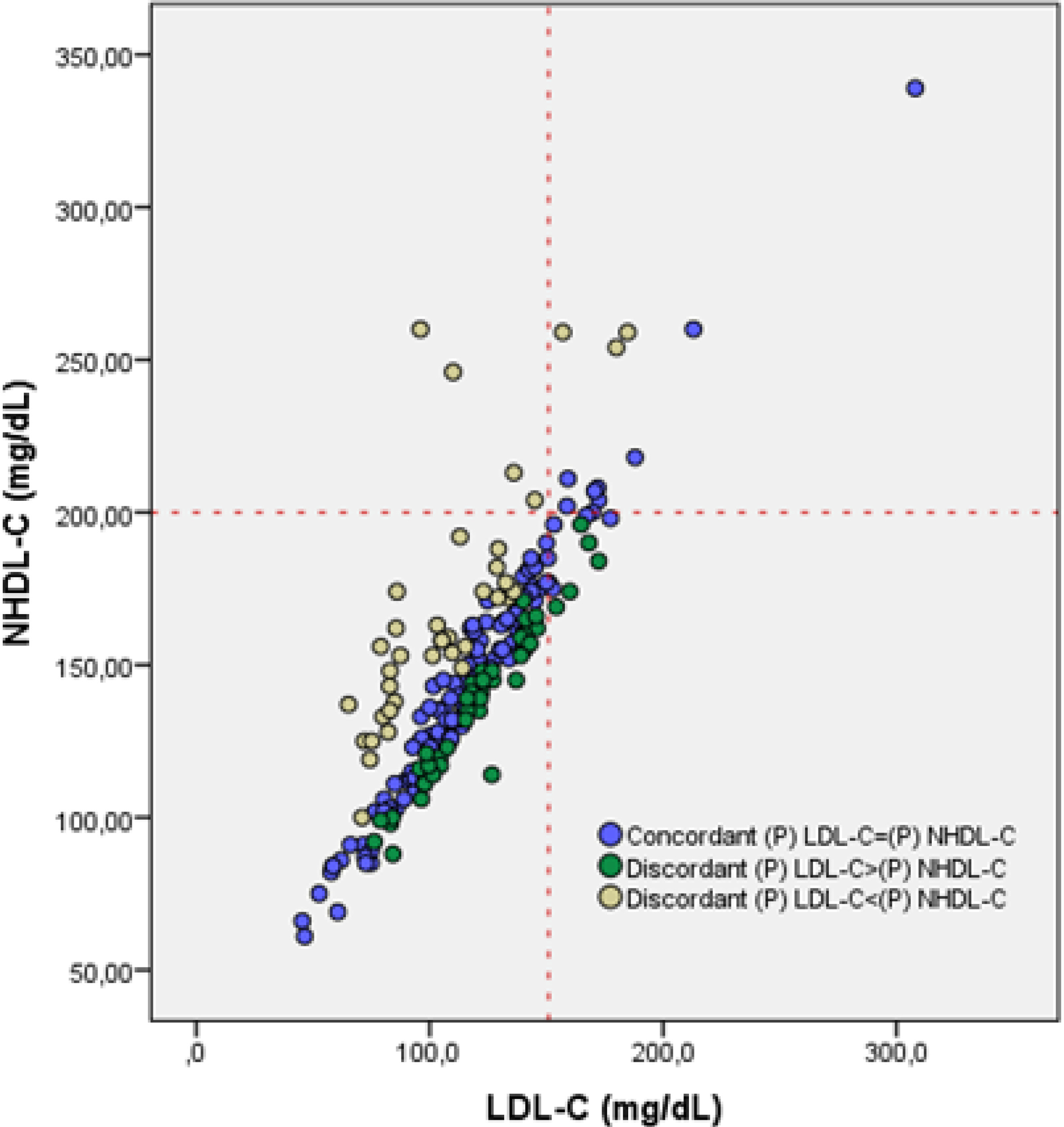
Relationship between Discordance of Low-Density Lipoprotein and Non-High-Density Lipoprotein Cholesterol and Risk Stratification in Acute Myocardial Infarction

Murat Eren et al. Ozge Kurmus Turgay Aslan Kursat Akbuga Hatice Tolunay

Abstract

Background:

Sizeable proportion of patients have discordant low-density lipoprotein cholesterol (LDL-C) and non-high density lipoprotein cholesterol (NHDL-C). It has been shown that discordance of LDL-C and NHDL-C either underestimates or overestimates coronary risk.

Objectıve:

We assessed whether this discordance has an impact on GRACE and TIMI risk scores in patients with acute myocardial infarction (AMI).

Methods:

We retrospectively evaluated the data of 198 consecutive patients with AMI. Fasting serum lipid profiles were recorded, GRACE and TIMI scores were calculated. Patients were divided into 3 groups according to LDL-C and NHDL-C percentiles: Discordant group: LDL-CNHDL-C (n=48). GRACE and TIMI scores, mortality and cardiovascular events (heart failure, non-fatal myocardial infarction and angina) at sixth month were compared between these three groups. Differences between these groups were analyzed with One-way ANOVA or Kruskal-Wallis rank test, and with chi-square for percentages. Also, post hoc LSD or Conover-Iman’s non-parametric multiple comparison test were used. A p value <0.05 was accepted as statistically significant.

Results:

TIMI risk score didn’t differ between discordant or concordant groups. Mean GRACE (death) and GRACE (death and MI) scores were higher in group with LDL-CNHDL-C (p=0.029 and 0.008, respectively). Cardiovascular events and mortality at sixth month were not different among groups (p=0.473 and p=0.176, respectively).

Conclusion:

GRACE score was higher in discordant group with LDL-C<NHDL-C, but there is no difference regarding TIMI scores between discordant and concordant groups in AMI patients.

  • Atherosclerosis
  • Cardiovascular Diseases/complications
  • Cholesteroç-HDL
  • Low Density Lipoprotein Receptor –Related Protein
  • Triglycerides
Read Full Article
Creative Commons Attribution (CC BY) Creative Commons license
12/05/2021 DOI: 10.36660/ijcs.20200172 Views 1
Beyond Atherothrombotic Disease in Acute Coronary Syndrome
IJCS
Case Report

Beyond Atherothrombotic Disease in Acute Coronary Syndrome

Mayra Alejandra Mora et al. Manuela Molano-Perez Cristian Orlando Becerra-Gonzalez Kenny Buitrago-Toro … Silvana Jimenez-Salazar Carlos Ortiz

Abstract

Half of the global population over 20 years of age will be affected by cardiovascular disease. Cardiovascular events in young people is challenging. Spontaneous coronary artery dissection is a non-traumatic and non-iatrogenic separation of the coronary arterial wall and is an uncommon and underdiagnosed cause of acute myocardial infarction predominately found in young women. Medical management has been more widely accepted, with percutaneous and surgery treatment reserved for precise indications. Optimal control of individual risk factors is essential in order to avoid recurrences.

  • Acute coronary syndrome
  • Cardiovascular Diseases/complications
  • Coronary Thrombosis
  • Dissection
  • Percutaneous Coronary Intervention
  • Pregnancy Complications
  • Young Adult
Read Full Article
Creative Commons Attribution (CC BY) Creative Commons license
12/05/2021 DOI: 10.36660/ijcs.20200052 Views 1
ABC
Editorial

New Perspectives in the Treatment of Hypertension

Heno F. Lopes

Arterial hypertension is by far the biggest risk factor for cardiovascular diseases. Thiocyanates, barbiturates, bromides and bismuth were tested in the treatment of arterial hypertension in the early 1940s. The use of these drugs was discontinued because they were proven ineffective and had several side effects. In the mid-1950s, ganglion blockers such as hexamethonium, pentolinium, mecamylamine and peripherally acting sympatholytic substances (guanethidine) were tested as treatment of arterial hypertension and were shown effective in reducing blood pressure, but little tolerated. New drugs were introduced to treat hypertension in the 1950s, including diuretics.

In 1956, in an observational study, Moser and Magaulay followed up 106 hypertensive patients who received rauwolfia, hydralazine, reserpine, mecamylamine and chlorothiazide as treatment for arterial hypertension, alone or in combination. The dose of chlorothiazide used in this study ranged from 0.5 to 1.5 grams and the combination of chlorothiazide resulted in better control of blood pressure. Since that observational study by Moser and Magaulay to the present day, several studies related to the pharmacological treatment of hypertension have been carried out. The first randomized, placebo-controlled study conducted on the treatment of arterial hypertension was the Veterans Administration (VA), published in 1967. It is worth noting that the study inclusion criterion for active versus placebo treatment was diastolic pressure between 115 and 129 mmHg. After the publication of the VA-I study in 1967 and the VA-II in 1970, several randomized controlled studies addressing the treatment of arterial hypertension were carried out. The initial focus of treatment for arterial hypertension was renal sodium excretion, as renal disorders were initially thought to be the main cause of hypertension. Subsequently, the pathophysiological mechanisms of hypertension were elucidated and the therapy was directed to the main pathophysiological mechanisms. The activation of the sympathetic nervous system as an important pathophysiological mechanism of hypertension had already been perceived in the 1950s, and various forms of sympathetic nervous system block and even sympathectomy were then attempted. Beginning in the 1980s, with the introduction of the microneurography and the norepinephrine spillover technique, the importance of activation of the sympathetic nervous system in the pathophysiology of hypertension was even more evident., Although poorly tolerated, central and peripheral adrenergic blockers have always been part of the treatment of arterial hypertension. The activation of the renin-angiotensin aldosterone system (RAS) and the altered natriuresis pressure curve are two other important mechanisms in the pathophysiology of arterial hypertension. Currently, the use of diuretics to correct the altered natriuresis pressure curve and inhibitors of the renin-angiotensin aldosterone system, which act at different sites, has been routine in the treatment of arterial hypertension.

[…]

  • Blood Pressure
  • Cardiovascular Diseases/complications
  • Diuretics/therapeutic use
  • Drug Therapy/trends
  • Hypertension/trends
Read Full Article
Creative Commons Attribution (CC BY) Creative Commons license
23/04/2021 DOI: 10.36660/abc.20201164
IJCS
Editorial

Home-Based Resistance Training in Heart Diseases: Don't Stop the Music, your Muscles are still Listening

Gabriel Dias Rodrigues et al. Pedro Paulo da Silva Soares

Cardiovascular diseases (CVDs) are a well-known cause of death and physical incapacity worldwide. Heart failure (HF) is a common disease resulting from multiple etiologies that contribute to decreasing physical capacity and quality of life (QOL)., Not long ago physical exercises were discouraged in CVDs, but evidence-based exercise programs augment QOL, reduce mortality and hospital readmission in HF2. Strength training is an important component of a cardiac rehabilitation program due to its close relationship with improvements in functional capacity reverberating in activities of daily living and QOL.

Unfortunately, supervised-rehabilitation programs in fitness centers are not widely available for the majority of patients with heart disease. Nevertheless, home-based rehabilitation programs could be more accessible to most patients, because of its relatively low cost and feasibility. Especially during COVID-19 pandemic lockdown, many opportunities to exercise were suspended, including cardiac rehabilitation services and community health programs. Also, social distancing increased sedentarism numbers and several position statements have encouraged people to stay active at home, trying to reverse or counterbalance the additional impact of social distance on physical inactivity., In a practical perspective, resistance training is conventionally performed through free weights or weight machines that usually require extensive physical space and outside facilities (i.e., gym or rehabilitation centers). Thus, resistance exercises, in particular, are not easily adopted at home and could be omitted from home-based cardiac rehabilitation. To underscore, a question that must be made: How patients remain strong at home?

[…]

  • Betacoronavirus
  • Cardiac Rehabilitaion
  • Cardiovascular Diseases/complications
  • COVID-19
  • Heart Failure
  • Music
  • Resistance Training
  • Social Distance
Read Full Article
Creative Commons Attribution (CC BY) Creative Commons license
12/03/2021 DOI: 10.36660/ijcs.20210034 Views 2
Figure 1
ABC
Original Article

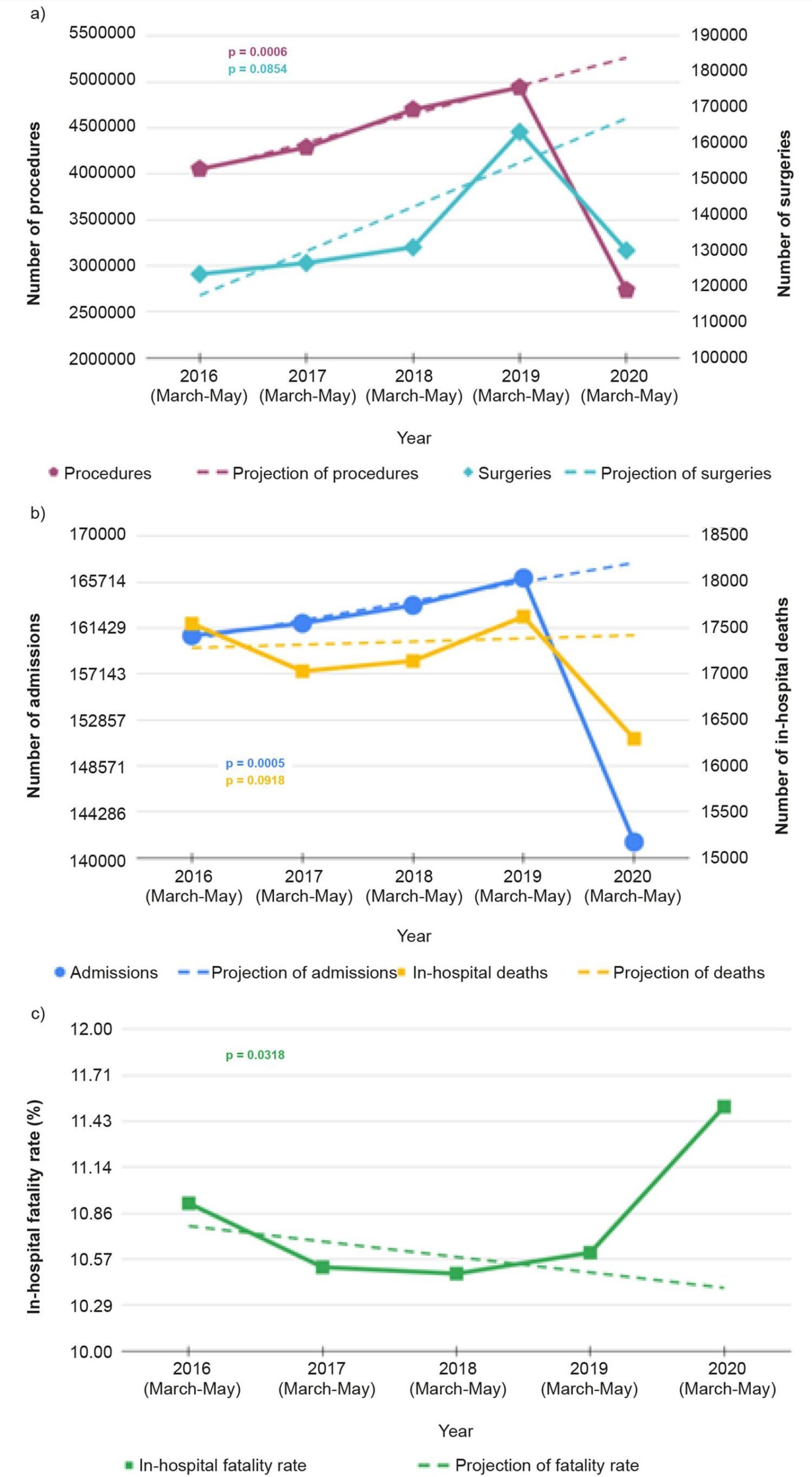
Reduction in Hospitalization and Increase in Mortality Due to Cardiovascular Diseases during the COVID-19 Pandemic in Brazil

Paulo Garcia Normando et al. José de Arimatéia Araujo-Filho Gabriela de Alcântara Fonseca Rodrigo Elton Ferreira Rodrigues … Victor Agripino Oliveira Ludhmila Abrahão Hajjar André Luiz Cerqueira Almeida Edimar Alcides Bocchi Vera Maria Cury Salemi Marcelo Melo

Abstract

Background

In the COVID-19 pandemic, the increase in the incidence of cardiovascular diseases (CVD) and mortality from them has been recognized worldwide. In Brazil, the impact of COVID-19 on CVD must be evaluated.

Objectives

To assess the impact of the current pandemic on the numbers of hospital admissions (HA), in-hospital deaths (ID), and in-hospital fatality (IF) from CVD by use of national epidemiological data from the Brazilian Unified Public Health System.

Methods

Time-series observational study using comparative analysis of the HA, ID, and IF due to CVD recorded from January to May 2020, having as reference the values registered in the same period from 2016 to 2019 and the values projected by linear regression methods for 2020. The statistical significance level applied was 0.05.

Results

Compared to the same period in 2019, there was a 15% decrease in the HA rate and a 9% decrease in the total ID due to CVD between March and May 2020, followed by a 9% increase in the IF rate due to CVD, especially among patients aged 20-59 years. The HA and IF rates registered in 2020 differed significantly from the projected trend for 2020 (p = 0.0005 and 0.0318, respectively).

Conclusions

During the first months of the pandemic, there were a decline in HA and an increase in IF due to CVD in Brazil. These data might have resulted from the inadequate planning of the CVD management during the pandemic. Thus, immediate actions are required to change this scenario. (Arq Bras Cardiol. 2021; [online].ahead print, PP.0-0)

  • Betacoronavirus
  • Cardiovascular Diseases/complications
  • Comorbidities
  • COVID-19
  • Epidemiology
  • Hospitalization
  • Mortality
  • Pandemics
  • Unified Health System
Read Full Article
Creative Commons Attribution (CC BY) Creative Commons license
08/02/2021 DOI: 10.36660/abc.20200821 Views 2
ABC
Editorial

Rediscovering Brazil: How We Prevent and Treat Cardiovascular Disease

Letícia Rodrigues Costa et al. Eduardo Vasconcelos Passos Odilson Marcos Silvestre

In Brazil, cardiovascular diseases (CVD) represent 27% of total deaths. These are mainly due to coronary heart disease (32%), stroke (28%) and heart failure (18%). , Although CVD are the leading cause of death in all five Brazilian regions, the percentage of deaths from CVD is higher in the more developed regions, i.e., South and Southeast.

Preventing cardiovascular disease is preventing deaths from heart attack, stroke and heart failure. In addition to non-pharmacological measures, pharmacological measures are effective and should be applied following the stratification of cardiovascular risk and use of evidence-based drugs. Among subjects with high cardiovascular risk, i.e., those with the greatest chance of cardiovascular events in the next ten years, using pharmacological therapies saves lives. Optimized medical therapy promotes a 36% reduction in mortality, 27% reduction of death/myocardial infarction/stroke and improves the quality of life of patients with heart disease. However, despite the efficacy established and proven in clinical trials, in real life the adherence to therapy is low, even in developed countries, with about 40% of patients receiving optimized therapy after 5 years of diagnosis.

[…]

  • Cardiovascular Diseases / epidemiology
  • Cardiovascular Diseases, mortality
  • Cardiovascular Diseases/complications
  • Morbimortality
  • Myocardial Infarction
  • Prevention and Control
  • Risk Factors
  • Stroke
Read Full Article
Creative Commons Attribution (CC BY) Creative Commons license
03/02/2021 DOI: 10.36660/abc.20201295 Views 1

Could not load more articles. Please try again.

How to cite this article

EndNote RIS

Electronic Document Format (Vancouver)

Franco RJS. The Adenosine System as a Target in the Search for a New Class of Antihypertensives. Arquivos Brasileiros de Cardiologia 2024;121(2):e20240129.

Electronic Document Format (ABNT)

Franco, Roberto Jorge da Silva. The Adenosine System as a Target in the Search for a New Class of Antihypertensives. Arquivos Brasileiros de Cardiologia, v. 121, n. 2, e20240129, May. 2024.

Electronic Document Format (APA)

Franco, R. J. S. (2024). The Adenosine System as a Target in the Search for a New Class of Antihypertensives. Arquivos Brasileiros de Cardiologia, 121(2), e20240129.

Electronic Document Format (ISO)

Franco, Roberto Jorge da Silva. The Adenosine System as a Target in the Search for a New Class of Antihypertensives. Arquivos Brasileiros de Cardiologia [online]. 2024, vol. 121, n. 2, [cited 2026-10-14], e20240129. Available from: <https://journals.cardiol.br/en/article/the-adenosine-system-as-a-target-in-the-search-for-a-new-class-of-antihypertensives/>. ISSN 0066-782X

EndNote RIS

Electronic Document Format (Vancouver)

Nascimento CR, Ribeiro JLM, Mendes R, Barbosa RHA, Lopes JM, Tenório PP. The Relationship between Uric Acid/Albumin Ratio and Carotid Intima-Media Thickness in Patients with Hypertension. Arquivos Brasileiros de Cardiologia 2024;121(1):e20230691.

Electronic Document Format (ABNT)

Nascimento, Cristian Rodrigues do; Ribeiro, João Luis Matos; Mendes, Rodrigo; Barbosa, Romero Henrique de Almeida; Lopes, Johnnatas Mikael; Tenório, Pedro Pereira. The Relationship between Uric Acid/Albumin Ratio and Carotid Intima-Media Thickness in Patients with Hypertension. Arquivos Brasileiros de Cardiologia, v. 121, n. 1, e20230691, Mar. 2024.

Electronic Document Format (APA)

Nascimento, C. R. , Ribeiro, J. L. M., Mendes, R., Barbosa, R. H. A., Lopes, J. M., & Tenório, P. P. (2024). The Relationship between Uric Acid/Albumin Ratio and Carotid Intima-Media Thickness in Patients with Hypertension. Arquivos Brasileiros de Cardiologia, 121(1), e20230691.

Electronic Document Format (ISO)

Nascimento, Cristian Rodrigues do and Ribeiro, João Luis Matos and Mendes, Rodrigo and Barbosa, Romero Henrique de Almeida and Lopes, Johnnatas Mikael and Tenório, Pedro Pereira. The Relationship between Uric Acid/Albumin Ratio and Carotid Intima-Media Thickness in Patients with Hypertension. Arquivos Brasileiros de Cardiologia [online]. 2024, vol. 121, n. 1, [cited 2026-10-14], e20230691. Available from: <https://journals.cardiol.br/en/article/the-relationship-between-uric-acid-albumin-ratio-and-carotid-intima-media-thickness-in-patients-with-hypertension/>. ISSN 0066-782X

EndNote RIS

Electronic Document Format (Vancouver)

Moreira HG. We Need to Talk about Social Determinants of Cardiovascular Health. Arquivos Brasileiros de Cardiologia 2023;120(8):e20230569.

Electronic Document Format (ABNT)

Moreira, Humberto Graner. We Need to Talk about Social Determinants of Cardiovascular Health. Arquivos Brasileiros de Cardiologia, v. 120, n. 8, e20230569, Oct. 2023.

Electronic Document Format (APA)

Moreira, H. G. (2023). We Need to Talk about Social Determinants of Cardiovascular Health. Arquivos Brasileiros de Cardiologia, 120(8), e20230569.

Electronic Document Format (ISO)

Moreira, Humberto Graner. We Need to Talk about Social Determinants of Cardiovascular Health. Arquivos Brasileiros de Cardiologia [online]. 2023, vol. 120, n. 8, [cited 2026-10-14], e20230569. Available from: <https://journals.cardiol.br/en/article/we-need-to-talk-about-social-determinants-of-cardiovascular-health/>. ISSN 0066-782X

EndNote RIS

Electronic Document Format (Vancouver)

Teixeira RA. Safety of Dental Anesthesia in ICD Recipients. International Journal of Cardiovascular Sciences 2023;36:e20230023.

Electronic Document Format (ABNT)

Teixeira, Ricardo Alkmim. Safety of Dental Anesthesia in ICD Recipients. International Journal of Cardiovascular Sciences, v. 36, e20230023, Jul. 2023.

Electronic Document Format (APA)

Teixeira, R. A. (2023). Safety of Dental Anesthesia in ICD Recipients. International Journal of Cardiovascular Sciences, 36, e20230023.

Electronic Document Format (ISO)

Teixeira, Ricardo Alkmim. Safety of Dental Anesthesia in ICD Recipients. International Journal of Cardiovascular Sciences [online]. 2023, vol. 36, [cited 2026-10-14], e20230023. Available from: <https://journals.cardiol.br/en/article/safety-of-dental-anesthesia-in-icd-recipients/>. ISSN 2359-4802

EndNote RIS

Electronic Document Format (Vancouver)

Fernandes-Silva MM, Adam EL, Bernardez-Pereira S, Silva SA, Passaglia LG, Pereira KRP, Guedes MAV, et al. Heart Failure Mortality during COVID-19 Pandemic: Insights from a Cohort of Public Hospitals in Brazil. Arquivos Brasileiros de Cardiologia 2022;119(5):804-8.

Electronic Document Format (ABNT)

Fernandes-Silva, Miguel M.; Adam, Eduardo Leal; Bernardez-Pereira, Sabrina; Silva, Suzana Alves; Passaglia, Luiz Guilherme; Pereira, Kleber Renato Ponzi; Guedes, Marco Antônio Vieira; Souza Neto, João David de; Paola, Ângelo Amato Vincenzo de; Rivera, Maria Alayde Mendonça; Resende, Elmiro Santos; Albuquerque, Denilson Campos de; Bacal, Fernando; Ribeiro, Antônio Luiz Pinho; Morgan, Louise; Smith Jr, Sidney C.; Taniguchi, Fábio Papa. Heart Failure Mortality during COVID-19 Pandemic: Insights from a Cohort of Public Hospitals in Brazil. Arquivos Brasileiros de Cardiologia, v. 119, n. 5, p. 804-808, Sep. 2022.

Electronic Document Format (APA)

Fernandes-Silva, M. M., Adam, E. L., Bernardez-Pereira, S., Silva, S. A., Passaglia, L. G., Pereira, K. R. P., Guedes, M. A. V., Souza Neto, J. D. , Paola, A. V. , Rivera, M. A. M., Resende, E. S., Albuquerque, D. C. , Bacal, F., Ribeiro, A. L. P., Morgan, L., Smith Jr, S. C., & Taniguchi, F. P. (2022). Heart Failure Mortality during COVID-19 Pandemic: Insights from a Cohort of Public Hospitals in Brazil. Arquivos Brasileiros de Cardiologia, 119(5), 804-808.

Electronic Document Format (ISO)

Fernandes-Silva, Miguel M. and Adam, Eduardo Leal and Bernardez-Pereira, Sabrina and Silva, Suzana Alves and Passaglia, Luiz Guilherme and Pereira, Kleber Renato Ponzi and Guedes, Marco Antônio Vieira and Souza Neto, João David de and Paola, Ângelo Amato Vincenzo de and Rivera, Maria Alayde Mendonça and Resende, Elmiro Santos and Albuquerque, Denilson Campos de and Bacal, Fernando and Ribeiro, Antônio Luiz Pinho and Morgan, Louise and Smith Jr, Sidney C. and Taniguchi, Fábio Papa. Heart Failure Mortality during COVID-19 Pandemic: Insights from a Cohort of Public Hospitals in Brazil. Arquivos Brasileiros de Cardiologia [online]. 2022, vol. 119, n. 5, [cited 2026-10-14], pp. 804-808. Available from: <https://journals.cardiol.br/en/article/heart-failure-mortality-during-covid-19-pandemic-insights-from-a-cohort-of-public-hospitals-in-brazil/>. ISSN 0066-782X

EndNote RIS

Electronic Document Format (Vancouver)

Campana EMG, Brandão AA. Waist Circumference: A Parameter of Vascular Health. Arquivos Brasileiros de Cardiologia 2022;119(2):265-6.

Electronic Document Format (ABNT)

Campana, Erika Maria Gonçalves; Brandão, Andréa Araujo. Waist Circumference: A Parameter of Vascular Health. Arquivos Brasileiros de Cardiologia, v. 119, n. 2, p. 265-266, Aug. 2022.

Electronic Document Format (APA)

Campana, E. M. G., & Brandão, A. A. (2022). Waist Circumference: A Parameter of Vascular Health. Arquivos Brasileiros de Cardiologia, 119(2), 265-266.

Electronic Document Format (ISO)

Campana, Erika Maria Gonçalves and Brandão, Andréa Araujo. Waist Circumference: A Parameter of Vascular Health. Arquivos Brasileiros de Cardiologia [online]. 2022, vol. 119, n. 2, [cited 2026-10-14], pp. 265-266. Available from: <https://journals.cardiol.br/en/article/waist-circumference-a-parameter-of-vascular-health/>. ISSN 0066-782X

EndNote RIS

Electronic Document Format (Vancouver)

Paixão GMM, Lima EM, Quadros AB, Cabral DPR, Coelho RR, Oliveira DM, Nascimento JS, et al. Association between Atrioventricular Block and Mortality in Primary Care Patients: The CODE Study. Arquivos Brasileiros de Cardiologia 2022;119(4):564-71.

Electronic Document Format (ABNT)

Paixão, Gabriela Miana de Mattos; Lima, Emilly M.; Quadros, André B.; Cabral, Daniel P. R.; Coelho, Renato R.; Oliveira, Derick M.; Nascimento, Jamil de Souza; Gomes, Paulo R.; Ribeiro, Antonio L.. Association between Atrioventricular Block and Mortality in Primary Care Patients: The CODE Study. Arquivos Brasileiros de Cardiologia, v. 119, n. 4, p. 564-571, Jul. 2022.

Electronic Document Format (APA)

Paixão, G. M. M., Lima, E. M., Quadros, A. B., Cabral, D. P. R., Coelho, R. R., Oliveira, D. M., Nascimento, J. S., Gomes, P. R., & Ribeiro, A. L. (2022). Association between Atrioventricular Block and Mortality in Primary Care Patients: The CODE Study. Arquivos Brasileiros de Cardiologia, 119(4), 564-571.

Electronic Document Format (ISO)

Paixão, Gabriela Miana de Mattos and Lima, Emilly M. and Quadros, André B. and Cabral, Daniel P. R. and Coelho, Renato R. and Oliveira, Derick M. and Nascimento, Jamil de Souza and Gomes, Paulo R. and Ribeiro, Antonio L.. Association between Atrioventricular Block and Mortality in Primary Care Patients: The CODE Study. Arquivos Brasileiros de Cardiologia [online]. 2022, vol. 119, n. 4, [cited 2026-10-14], pp. 564-571. Available from: <https://journals.cardiol.br/en/article/association-between-atrioventricular-block-and-mortality-in-primary-care-patients-the-code-study/>. ISSN 0066-782X

EndNote RIS

Electronic Document Format (Vancouver)

Soeiro AM. How Can the Presence of Cardiovascular Diseases Impact Morbidity and Mortality in Patients with COVID-19?. Arquivos Brasileiros de Cardiologia 2022;118(5):935-6.

Electronic Document Format (ABNT)

Soeiro, Alexandre de Matos. How Can the Presence of Cardiovascular Diseases Impact Morbidity and Mortality in Patients with COVID-19?. Arquivos Brasileiros de Cardiologia, v. 118, n. 5, p. 935-936, May. 2022.

Electronic Document Format (APA)

Soeiro, A. M. (2022). How Can the Presence of Cardiovascular Diseases Impact Morbidity and Mortality in Patients with COVID-19?. Arquivos Brasileiros de Cardiologia, 118(5), 935-936.

Electronic Document Format (ISO)

Soeiro, Alexandre de Matos. How Can the Presence of Cardiovascular Diseases Impact Morbidity and Mortality in Patients with COVID-19?. Arquivos Brasileiros de Cardiologia [online]. 2022, vol. 118, n. 5, [cited 2026-10-14], pp. 935-936. Available from: <https://journals.cardiol.br/en/article/how-can-the-presence-of-cardiovascular-diseases-impact-morbidity-and-mortality-in-patients-with-covid-19/>. ISSN 0066-782X

EndNote RIS

Electronic Document Format (Vancouver)

Gomes BFO, Petriz JLF, Menezes IRR, Azevedo AS, Silva TMB, Silva VL, Peres LS, et al. Impact of High Cardiovascular Risk on Hospital Mortality in Intensive Care Patients Hospitalized for COVID-19. Arquivos Brasileiros de Cardiologia 2022;118(5):927-34.

Electronic Document Format (ABNT)

Gomes, Bruno Ferraz de Oliveira; Petriz, João Luiz Fernandes; Menezes, Iliana Regina Ribeiro; Azevedo, Anny de Sousa; Silva, Thiago Moreira Bastos da; Silva, Valdilene Lima; Peres, Leticia de Sousa; Pereira, David Fernandes Pedro; Dutra, Giovanni Possamai; Paula, Suzanna Andressa Morais de; Mendes, Bárbara Ferreira da Silva; Carmo Junior, Plinio Resende do; Pereira, Basilio de Bragança; Oliveira, Gláucia Maria Moraes de. Impact of High Cardiovascular Risk on Hospital Mortality in Intensive Care Patients Hospitalized for COVID-19. Arquivos Brasileiros de Cardiologia, v. 118, n. 5, p. 927-934, May. 2022.

Electronic Document Format (APA)

Gomes, B. F. O., Petriz, J. L. F., Menezes, I. R. R., Azevedo, A. S., Silva, T. M. B. , Silva, V. L., Peres, L. S., Pereira, D. F. P., Dutra, G. P., Paula, S. A. M. , Mendes, B. F. S., Carmo Junior, P. R. , Pereira, B. B., & Oliveira, G. M. M. (2022). Impact of High Cardiovascular Risk on Hospital Mortality in Intensive Care Patients Hospitalized for COVID-19. Arquivos Brasileiros de Cardiologia, 118(5), 927-934.

Electronic Document Format (ISO)

Gomes, Bruno Ferraz de Oliveira and Petriz, João Luiz Fernandes and Menezes, Iliana Regina Ribeiro and Azevedo, Anny de Sousa and Silva, Thiago Moreira Bastos da and Silva, Valdilene Lima and Peres, Leticia de Sousa and Pereira, David Fernandes Pedro and Dutra, Giovanni Possamai and Paula, Suzanna Andressa Morais de and Mendes, Bárbara Ferreira da Silva and Carmo Junior, Plinio Resende do and Pereira, Basilio de Bragança and Oliveira, Gláucia Maria Moraes de. Impact of High Cardiovascular Risk on Hospital Mortality in Intensive Care Patients Hospitalized for COVID-19. Arquivos Brasileiros de Cardiologia [online]. 2022, vol. 118, n. 5, [cited 2026-10-14], pp. 927-934. Available from: <https://journals.cardiol.br/en/article/impact-of-high-cardiovascular-risk-on-hospital-mortality-in-intensive-care-patients-hospitalized-for-covid-19/>. ISSN 0066-782X

EndNote RIS

Electronic Document Format (Vancouver)

Leal GN. How Should We Investigate Cardiovascular Injury In Critically Ill COVID-19 Pediatric Patients In A Scenario Of Socioeconomic Vulnerability?. Arquivos Brasileiros de Cardiologia 2022;118(5):946-8.

Electronic Document Format (ABNT)

Leal, Gabriela Nunes. How Should We Investigate Cardiovascular Injury In Critically Ill COVID-19 Pediatric Patients In A Scenario Of Socioeconomic Vulnerability?. Arquivos Brasileiros de Cardiologia, v. 118, n. 5, p. 946-948, May. 2022.

Electronic Document Format (APA)

Leal, G. N. (2022). How Should We Investigate Cardiovascular Injury In Critically Ill COVID-19 Pediatric Patients In A Scenario Of Socioeconomic Vulnerability?. Arquivos Brasileiros de Cardiologia, 118(5), 946-948.

Electronic Document Format (ISO)

Leal, Gabriela Nunes. How Should We Investigate Cardiovascular Injury In Critically Ill COVID-19 Pediatric Patients In A Scenario Of Socioeconomic Vulnerability?. Arquivos Brasileiros de Cardiologia [online]. 2022, vol. 118, n. 5, [cited 2026-10-14], pp. 946-948. Available from: <https://journals.cardiol.br/en/article/how-should-we-investigate-cardiovascular-injury-in-critically-ill-covid-19-pediatric-patients-in-a-scenario-of-socioeconomic-vulnerability/>. ISSN 0066-782X

EndNote RIS

Electronic Document Format (Vancouver)

Sobrino SB, Alcalá ES, Reyes AA, Flores-Soler J, Mirabal RL, Luti Y, Márquez I, et al. 9p21 Locus Polymorphisms: Risk and Severity Factors of Coronary Artery Disease in Venezuelan Patients. International Journal of Cardiovascular Sciences 2022;35(4):434-43.

Electronic Document Format (ABNT)

Sobrino, Susana Blanco; Alcalá, Eva Salazar; Reyes, Asdrúbal Alfonzo; Flores-Soler, Jesus; Mirabal, Romina Leras; Luti, Yettana; Márquez, Ingrid; Mestre, Mercedes Teresita Fernandez. 9p21 Locus Polymorphisms: Risk and Severity Factors of Coronary Artery Disease in Venezuelan Patients. International Journal of Cardiovascular Sciences, v. 35, n. 4, p. 434-443, Feb. 2022.

Electronic Document Format (APA)

Sobrino, S. B., Alcalá, E. S., Reyes, A. A., Flores-Soler, J., Mirabal, R. L., Luti, Y., Márquez, I., & Mestre, M. T. F. (2022). 9p21 Locus Polymorphisms: Risk and Severity Factors of Coronary Artery Disease in Venezuelan Patients. International Journal of Cardiovascular Sciences, 35(4), 434-443.

Electronic Document Format (ISO)

Sobrino, Susana Blanco and Alcalá, Eva Salazar and Reyes, Asdrúbal Alfonzo and Flores-Soler, Jesus and Mirabal, Romina Leras and Luti, Yettana and Márquez, Ingrid and Mestre, Mercedes Teresita Fernandez. 9p21 Locus Polymorphisms: Risk and Severity Factors of Coronary Artery Disease in Venezuelan Patients. International Journal of Cardiovascular Sciences [online]. 2022, vol. 35, n. 4, [cited 2026-10-14], pp. 434-443. Available from: <https://journals.cardiol.br/en/article/9p21-locus-polymorphisms-risk-and-severity-factors-of-coronary-artery-disease-in-venezuelan-patients/>. ISSN 2359-4802

EndNote RIS

Electronic Document Format (Vancouver)

Mesquita CT. Cause or Consequence? What is the Relationship between Cardiac Injury and COVID-19 Severity?. International Journal of Cardiovascular Sciences 2022;35(1):65-7.

Electronic Document Format (ABNT)

Mesquita, Claudio Tinoco. Cause or Consequence? What is the Relationship between Cardiac Injury and COVID-19 Severity?. International Journal of Cardiovascular Sciences, v. 35, n. 1, p. 65-67, Jan. 2022.

Electronic Document Format (APA)

Mesquita, C. T. (2022). Cause or Consequence? What is the Relationship between Cardiac Injury and COVID-19 Severity?. International Journal of Cardiovascular Sciences, 35(1), 65-67.

Electronic Document Format (ISO)

Mesquita, Claudio Tinoco. Cause or Consequence? What is the Relationship between Cardiac Injury and COVID-19 Severity?. International Journal of Cardiovascular Sciences [online]. 2022, vol. 35, n. 1, [cited 2026-10-14], pp. 65-67. Available from: <https://journals.cardiol.br/en/article/cause-or-consequence-what-is-the-relationship-between-cardiac-injury-and-covid-19-severity/>. ISSN 2359-4802

EndNote RIS

Electronic Document Format (Vancouver)

Barberato SH, Borsoi R, Roston F, Miranda HLM, Patriota P, Otto ME, Beck ALS, et al. Echocardiographic Findings in Patients with COVID-19 with and without Previous Cardiovascular Disease. Arquivos Brasileiros de Cardiologia 2021;117(6):1207-11.

Electronic Document Format (ABNT)

Barberato, Silvio Henrique; Borsoi, Rafael; Roston, Fabio; Miranda, Hudson Laerte Machado; Patriota, Pedro; Otto, Maria Estefania; Beck, Adenalva Lima de Souza; Armstrong, Anderson da Costa; Ferreira, João Marcos Bemfica Barbosa; Camarozano, Ana Cristina; Silva, Letícia Braga Paciello da; Resende, Marcos Valério Coimbra; Vieira, Marcelo Luiz Campos; Fernandes-Silva, Miguel Morita. Echocardiographic Findings in Patients with COVID-19 with and without Previous Cardiovascular Disease. Arquivos Brasileiros de Cardiologia, v. 117, n. 6, p. 1207-1211, Dec. 2021.

Electronic Document Format (APA)

Barberato, S. H., Borsoi, R., Roston, F., Miranda, H. L. M., Patriota, P., Otto, M. E., Beck, A. L. S., Armstrong, A. C., Ferreira, J. M. B. B., Camarozano, A. C., Silva, L. B. P. , Resende, M. V. C., Vieira, M. L. C., & Fernandes-Silva, M. M. (2021). Echocardiographic Findings in Patients with COVID-19 with and without Previous Cardiovascular Disease. Arquivos Brasileiros de Cardiologia, 117(6), 1207-1211.

Electronic Document Format (ISO)

Barberato, Silvio Henrique and Borsoi, Rafael and Roston, Fabio and Miranda, Hudson Laerte Machado and Patriota, Pedro and Otto, Maria Estefania and Beck, Adenalva Lima de Souza and Armstrong, Anderson da Costa and Ferreira, João Marcos Bemfica Barbosa and Camarozano, Ana Cristina and Silva, Letícia Braga Paciello da and Resende, Marcos Valério Coimbra and Vieira, Marcelo Luiz Campos and Fernandes-Silva, Miguel Morita. Echocardiographic Findings in Patients with COVID-19 with and without Previous Cardiovascular Disease. Arquivos Brasileiros de Cardiologia [online]. 2021, vol. 117, n. 6, [cited 2026-10-14], pp. 1207-1211. Available from: <https://journals.cardiol.br/en/article/echocardiographic-findings-in-patients-with-covid-19-with-and-without-previous-cardiovascular-disease/>. ISSN 0066-782X

EndNote RIS

Electronic Document Format (Vancouver)

Barros GRPL, Garofo RTB, Abreu BNA, Carneiro ACC, Mendonça ALE. Cardiac Manifestations Associated With Coronavirus Disease: A Case Report. International Journal of Cardiovascular Sciences 2021;36:e20210026.

Electronic Document Format (ABNT)

Barros, Gabriela Ribeiro Prata Leite; Garofo, Raphaela Tereza Brigolin; Abreu, Bernardo Noya Alves de; Carneiro, Adriano Camargo de Castro; Mendonça, André Luiz Esteves. Cardiac Manifestations Associated With Coronavirus Disease: A Case Report. International Journal of Cardiovascular Sciences, v. 36, e20210026, Sep. 2021.

Electronic Document Format (APA)

Barros, G. R. P. L., Garofo, R. T. B., Abreu, B. N. A. , Carneiro, A. C. C., & Mendonça, A. L. E. (2021). Cardiac Manifestations Associated With Coronavirus Disease: A Case Report. International Journal of Cardiovascular Sciences, 36, e20210026.

Electronic Document Format (ISO)

Barros, Gabriela Ribeiro Prata Leite and Garofo, Raphaela Tereza Brigolin and Abreu, Bernardo Noya Alves de and Carneiro, Adriano Camargo de Castro and Mendonça, André Luiz Esteves. Cardiac Manifestations Associated With Coronavirus Disease: A Case Report. International Journal of Cardiovascular Sciences [online]. 2021, vol. 36, [cited 2026-10-14], e20210026. Available from: <https://journals.cardiol.br/en/article/cardiac-manifestations-associated-with-coronavirus-disease-a-case-report/>. ISSN 2359-4802

EndNote RIS

Electronic Document Format (Vancouver)

Pezel T, Paim LR, Coelho-Filho OR. For which HIV Patients Aspirin and Statins are Good?. Arquivos Brasileiros de Cardiologia 2021;117(2):376-7.

Electronic Document Format (ABNT)

Pezel, Théo; Paim, Layde R.; Coelho-Filho, Otávio R.. For which HIV Patients Aspirin and Statins are Good?. Arquivos Brasileiros de Cardiologia, v. 117, n. 2, p. 376-377, Sep. 2021.

Electronic Document Format (APA)

Pezel, T., Paim, L. R., & Coelho-Filho, O. R. (2021). For which HIV Patients Aspirin and Statins are Good?. Arquivos Brasileiros de Cardiologia, 117(2), 376-377.

Electronic Document Format (ISO)

Pezel, Théo and Paim, Layde R. and Coelho-Filho, Otávio R.. For which HIV Patients Aspirin and Statins are Good?. Arquivos Brasileiros de Cardiologia [online]. 2021, vol. 117, n. 2, [cited 2026-10-14], pp. 376-377. Available from: <https://journals.cardiol.br/en/article/for-which-hiv-patients-aspirin-and-statins-are-good/>. ISSN 0066-782X

EndNote RIS

Electronic Document Format (Vancouver)

Gonçalves L, Pires I, Santos J, Correia JL, Moreira D, Almeida I. Commotio Cordis Secondary to Aggression. International Journal of Cardiovascular Sciences 2021;35(2):293-6.

Electronic Document Format (ABNT)

Gonçalves, Luisa; Pires, Inês; Santos, João; Correia, Joana Laranjeira; Moreira, Davide; Almeida, Inês. Commotio Cordis Secondary to Aggression. International Journal of Cardiovascular Sciences, v. 35, n. 2, p. 293-296, Aug. 2021.

Electronic Document Format (APA)

Gonçalves, L., Pires, I., Santos, J., Correia, J. L., Moreira, D., & Almeida, I. (2021). Commotio Cordis Secondary to Aggression. International Journal of Cardiovascular Sciences, 35(2), 293-296.

Electronic Document Format (ISO)

Gonçalves, Luisa and Pires, Inês and Santos, João and Correia, Joana Laranjeira and Moreira, Davide and Almeida, Inês. Commotio Cordis Secondary to Aggression. International Journal of Cardiovascular Sciences [online]. 2021, vol. 35, n. 2, [cited 2026-10-14], pp. 293-296. Available from: <https://journals.cardiol.br/en/article/commotio-cordis-secondary-to-aggression/>. ISSN 2359-4802

EndNote RIS

Electronic Document Format (Vancouver)

Moscavitch SD, Vieira JL, Libby P. Cardiovascular Burden of COVID-19 and the Post-Covid Era. ABC: Heart Failure & Cardiomyopathy 2021;1(1):1-10.

Electronic Document Format (ABNT)

Moscavitch, Samuel D.; Vieira, Jefferson L.; Libby, Peter. Cardiovascular Burden of COVID-19 and the Post-Covid Era. ABC: Heart Failure & Cardiomyopathy, v. 1, n. 1, p. 1-10, Jul. 2021.

Electronic Document Format (APA)

Moscavitch, S. D., Vieira, J. L., & Libby, P. (2021). Cardiovascular Burden of COVID-19 and the Post-Covid Era. ABC: Heart Failure & Cardiomyopathy, 1(1), 1-10.

Electronic Document Format (ISO)

Moscavitch, Samuel D. and Vieira, Jefferson L. and Libby, Peter. Cardiovascular Burden of COVID-19 and the Post-Covid Era. ABC: Heart Failure & Cardiomyopathy [online]. 2021, vol. 1, n. 1, [cited 2026-10-14], pp. 1-10. Available from: <https://journals.cardiol.br/en/article/cardiovascular-burden-of-covid-19-and-the-post-covid-era/>

EndNote RIS

Electronic Document Format (Vancouver)

Pereira VX, Carvalho TD, Marinovic Junior MA, Norberto AR, Soares Júnior JM, Valenti VE, Sorpreso ICE, et al. Linear and Nonlinear Heart Rate Variability Analysis in Gonadal Dysgenesis (Swyer Syndrome): A Case Report. International Journal of Cardiovascular Sciences 2021;34(4):486-9.

Electronic Document Format (ABNT)

Pereira, Valdelias Xavier; Carvalho, Tatiana Dias de; Marinovic Junior, Marcos Antonio; Norberto, Alex Rey; Soares Júnior, José Maria; Valenti, Vitor Engrácia; Sorpreso, Isabel Cristina Esposito. Linear and Nonlinear Heart Rate Variability Analysis in Gonadal Dysgenesis (Swyer Syndrome): A Case Report. International Journal of Cardiovascular Sciences, v. 34, n. 4, p. 486-489, May. 2021.

Electronic Document Format (APA)

Pereira, V. X., Carvalho, T. D. , Marinovic Junior, M. A., Norberto, A. R., Soares Júnior, J. M., Valenti, V. E., & Sorpreso, I. C. E. (2021). Linear and Nonlinear Heart Rate Variability Analysis in Gonadal Dysgenesis (Swyer Syndrome): A Case Report. International Journal of Cardiovascular Sciences, 34(4), 486-489.

Electronic Document Format (ISO)

Pereira, Valdelias Xavier and Carvalho, Tatiana Dias de and Marinovic Junior, Marcos Antonio and Norberto, Alex Rey and Soares Júnior, José Maria and Valenti, Vitor Engrácia and Sorpreso, Isabel Cristina Esposito. Linear and Nonlinear Heart Rate Variability Analysis in Gonadal Dysgenesis (Swyer Syndrome): A Case Report. International Journal of Cardiovascular Sciences [online]. 2021, vol. 34, n. 4, [cited 2026-10-14], pp. 486-489. Available from: <https://journals.cardiol.br/en/article/linear-and-nonlinear-heart-rate-variability-analysis-in-gonadal-dysgenesis-swyer-syndrome-a-case-report/>. ISSN 2359-4802

EndNote RIS

Electronic Document Format (Vancouver)

Eren M, Kurmus O, Aslan T, Akbuga K, Tolunay H. Relationship between Discordance of Low-Density Lipoprotein and Non-High-Density Lipoprotein Cholesterol and Risk Stratification in Acute Myocardial Infarction. International Journal of Cardiovascular Sciences 2021;34(5):550-6.

Electronic Document Format (ABNT)

Eren, Murat; Kurmus, Ozge; Aslan, Turgay; Akbuga, Kursat; Tolunay, Hatice. Relationship between Discordance of Low-Density Lipoprotein and Non-High-Density Lipoprotein Cholesterol and Risk Stratification in Acute Myocardial Infarction. International Journal of Cardiovascular Sciences, v. 34, n. 5, p. 550-556, May. 2021.

Electronic Document Format (APA)

Eren, M., Kurmus, O., Aslan, T., Akbuga, K., & Tolunay, H. (2021). Relationship between Discordance of Low-Density Lipoprotein and Non-High-Density Lipoprotein Cholesterol and Risk Stratification in Acute Myocardial Infarction. International Journal of Cardiovascular Sciences, 34(5), 550-556.

Electronic Document Format (ISO)

Eren, Murat and Kurmus, Ozge and Aslan, Turgay and Akbuga, Kursat and Tolunay, Hatice. Relationship between Discordance of Low-Density Lipoprotein and Non-High-Density Lipoprotein Cholesterol and Risk Stratification in Acute Myocardial Infarction. International Journal of Cardiovascular Sciences [online]. 2021, vol. 34, n. 5, [cited 2026-10-14], pp. 550-556. Available from: <https://journals.cardiol.br/en/article/relationship-between-discordance-of-low-density-lipoprotein-and-non-high-density-lipoprotein-cholesterol-and-risk-stratification-in-acute-myocardial-infarction/>. ISSN 2359-4802

EndNote RIS

Electronic Document Format (Vancouver)

Mora MA, Molano-Perez M, Becerra-Gonzalez CO, Buitrago-Toro K, Jimenez-Salazar S, Ortiz C. Beyond Atherothrombotic Disease in Acute Coronary Syndrome. International Journal of Cardiovascular Sciences 2021;34(4):494-7.

Electronic Document Format (ABNT)

Mora, Mayra Alejandra; Molano-Perez, Manuela; Becerra-Gonzalez, Cristian Orlando; Buitrago-Toro, Kenny; Jimenez-Salazar, Silvana; Ortiz, Carlos. Beyond Atherothrombotic Disease in Acute Coronary Syndrome. International Journal of Cardiovascular Sciences, v. 34, n. 4, p. 494-497, May. 2021.

Electronic Document Format (APA)

Mora, M. A., Molano-Perez, M., Becerra-Gonzalez, C. O., Buitrago-Toro, K., Jimenez-Salazar, S., & Ortiz, C. (2021). Beyond Atherothrombotic Disease in Acute Coronary Syndrome. International Journal of Cardiovascular Sciences, 34(4), 494-497.

Electronic Document Format (ISO)

Mora, Mayra Alejandra and Molano-Perez, Manuela and Becerra-Gonzalez, Cristian Orlando and Buitrago-Toro, Kenny and Jimenez-Salazar, Silvana and Ortiz, Carlos. Beyond Atherothrombotic Disease in Acute Coronary Syndrome. International Journal of Cardiovascular Sciences [online]. 2021, vol. 34, n. 4, [cited 2026-10-14], pp. 494-497. Available from: <https://journals.cardiol.br/en/article/beyond-atherothrombotic-disease-in-acute-coronary-syndrome/>. ISSN 2359-4802

EndNote RIS

Electronic Document Format (Vancouver)

Lopes HF. New Perspectives in the Treatment of Hypertension. Arquivos Brasileiros de Cardiologia 2021;116(3):452-3.

Electronic Document Format (ABNT)

Lopes, Heno F.. New Perspectives in the Treatment of Hypertension. Arquivos Brasileiros de Cardiologia, v. 116, n. 3, p. 452-453, Apr. 2021.

Electronic Document Format (APA)

Lopes, H. F. (2021). New Perspectives in the Treatment of Hypertension. Arquivos Brasileiros de Cardiologia, 116(3), 452-453.

Electronic Document Format (ISO)

Lopes, Heno F.. New Perspectives in the Treatment of Hypertension. Arquivos Brasileiros de Cardiologia [online]. 2021, vol. 116, n. 3, [cited 2026-10-14], pp. 452-453. Available from: <https://journals.cardiol.br/en/article/new-perspectives-in-the-treatment-of-hypertension/>. ISSN 0066-782X

EndNote RIS

Electronic Document Format (Vancouver)

Rodrigues GD, Soares PPS. Home-Based Resistance Training in Heart Diseases: Don’t Stop the Music, your Muscles are still Listening. International Journal of Cardiovascular Sciences 2021;34(2):157-8.

Electronic Document Format (ABNT)

Rodrigues, Gabriel Dias; Soares, Pedro Paulo da Silva. Home-Based Resistance Training in Heart Diseases: Don’t Stop the Music, your Muscles are still Listening. International Journal of Cardiovascular Sciences, v. 34, n. 2, p. 157-158, Mar. 2021.

Electronic Document Format (APA)

Rodrigues, G. D., & Soares, P. P. S. (2021). Home-Based Resistance Training in Heart Diseases: Don’t Stop the Music, your Muscles are still Listening. International Journal of Cardiovascular Sciences, 34(2), 157-158.

Electronic Document Format (ISO)

Rodrigues, Gabriel Dias and Soares, Pedro Paulo da Silva. Home-Based Resistance Training in Heart Diseases: Don’t Stop the Music, your Muscles are still Listening. International Journal of Cardiovascular Sciences [online]. 2021, vol. 34, n. 2, [cited 2026-10-14], pp. 157-158. Available from: <https://journals.cardiol.br/en/article/home-based-resistance-training-in-heart-diseases-dont-stop-the-music-your-muscles-are-still-listening/>. ISSN 2359-4802

EndNote RIS

Electronic Document Format (Vancouver)

Normando PG, Araujo-Filho JA, Fonseca GA, Rodrigues REF, Oliveira VA, Hajjar LA, Almeida ALC, et al. Reduction in Hospitalization and Increase in Mortality Due to Cardiovascular Diseases during the COVID-19 Pandemic in Brazil. Arquivos Brasileiros de Cardiologia 2021;116(3):371-80.

Electronic Document Format (ABNT)

Normando, Paulo Garcia; Araujo-Filho, José de Arimatéia; Fonseca, Gabriela de Alcântara; Rodrigues, Rodrigo Elton Ferreira; Oliveira, Victor Agripino; Hajjar, Ludhmila Abrahão; Almeida, André Luiz Cerqueira; Bocchi, Edimar Alcides; Salemi, Vera Maria Cury; Melo, Marcelo. Reduction in Hospitalization and Increase in Mortality Due to Cardiovascular Diseases during the COVID-19 Pandemic in Brazil. Arquivos Brasileiros de Cardiologia, v. 116, n. 3, p. 371-380, Feb. 2021.

Electronic Document Format (APA)

Normando, P. G., Araujo-Filho, J. A., Fonseca, G. A., Rodrigues, R. E. F., Oliveira, V. A., Hajjar, L. A., Almeida, A. L. C., Bocchi, E. A., Salemi, V. M. C., & Melo, M. (2021). Reduction in Hospitalization and Increase in Mortality Due to Cardiovascular Diseases during the COVID-19 Pandemic in Brazil. Arquivos Brasileiros de Cardiologia, 116(3), 371-380.

Electronic Document Format (ISO)

Normando, Paulo Garcia and Araujo-Filho, José de Arimatéia and Fonseca, Gabriela de Alcântara and Rodrigues, Rodrigo Elton Ferreira and Oliveira, Victor Agripino and Hajjar, Ludhmila Abrahão and Almeida, André Luiz Cerqueira and Bocchi, Edimar Alcides and Salemi, Vera Maria Cury and Melo, Marcelo. Reduction in Hospitalization and Increase in Mortality Due to Cardiovascular Diseases during the COVID-19 Pandemic in Brazil. Arquivos Brasileiros de Cardiologia [online]. 2021, vol. 116, n. 3, [cited 2026-10-14], pp. 371-380. Available from: <https://journals.cardiol.br/en/article/reduction-in-hospitalization-and-increase-in-mortality-due-to-cardiovascular-diseases-during-the-covid-19-pandemic-in-brazil/>. ISSN 0066-782X

EndNote RIS

Electronic Document Format (Vancouver)

Costa LR, Passos EV, Silvestre OM. Rediscovering Brazil: How We Prevent and Treat Cardiovascular Disease. Arquivos Brasileiros de Cardiologia 2021;116(1):117-8.

Electronic Document Format (ABNT)

Costa, Letícia Rodrigues; Passos, Eduardo Vasconcelos; Silvestre, Odilson Marcos. Rediscovering Brazil: How We Prevent and Treat Cardiovascular Disease. Arquivos Brasileiros de Cardiologia, v. 116, n. 1, p. 117-118, Feb. 2021.

Electronic Document Format (APA)

Costa, L. R., Passos, E. V., & Silvestre, O. M. (2021). Rediscovering Brazil: How We Prevent and Treat Cardiovascular Disease. Arquivos Brasileiros de Cardiologia, 116(1), 117-118.

Electronic Document Format (ISO)

Costa, Letícia Rodrigues and Passos, Eduardo Vasconcelos and Silvestre, Odilson Marcos. Rediscovering Brazil: How We Prevent and Treat Cardiovascular Disease. Arquivos Brasileiros de Cardiologia [online]. 2021, vol. 116, n. 1, [cited 2026-10-14], pp. 117-118. Available from: <https://journals.cardiol.br/en/article/rediscovering-brazil-how-we-prevent-and-treat-cardiovascular-disease/>. ISSN 0066-782X

  • About ABC Family
  • Internal Regulation
  • Editorial Board
  • Brazilian Society of Cardiology (SBC)

Issues

SBC Guidelines

  • Videos
  • Podcasts
  • News