ABC Family Arquivos Brasileiros de Cardiologia International Journal of Cardiovascular Sciences ABC Heart Failure & Cardiomyopathy ABC Imagem Cardiovascular
Português English
ABC Family
Português English
  • About
    • About ABC Family
    • Internal Regulation
    • Editorial Board
    • Brazilian Society of Cardiology (SBC)
  • Issues
  • SBC Guidelines
  • Content
    • Videos
    • Podcasts
    • News
  • About
    • About ABC Family
    • Internal Regulation
    • Editorial Board
    • Brazilian Society of Cardiology (SBC)
  • Issues
  • SBC Guidelines
  • Content
    • Videos
    • Podcasts
    • News

ABC Family

  • ABC Family
  • Arquivos Brasileiros de Cardiologia
  • International Journal of Cardiovascular Sciences
  • ABC Heart Failure & Cardiomyopathy
  • ABC Imagem Cardiovascular
Search in

No content found.

Journals
Ordering
Article types
Others

  1. Home
  2. Keyword: Stable Angina
Figure 1
IJCS
Editorial

Recognizing the reality of cardiovascular diseases

Rodrigo Gopar-Nieto

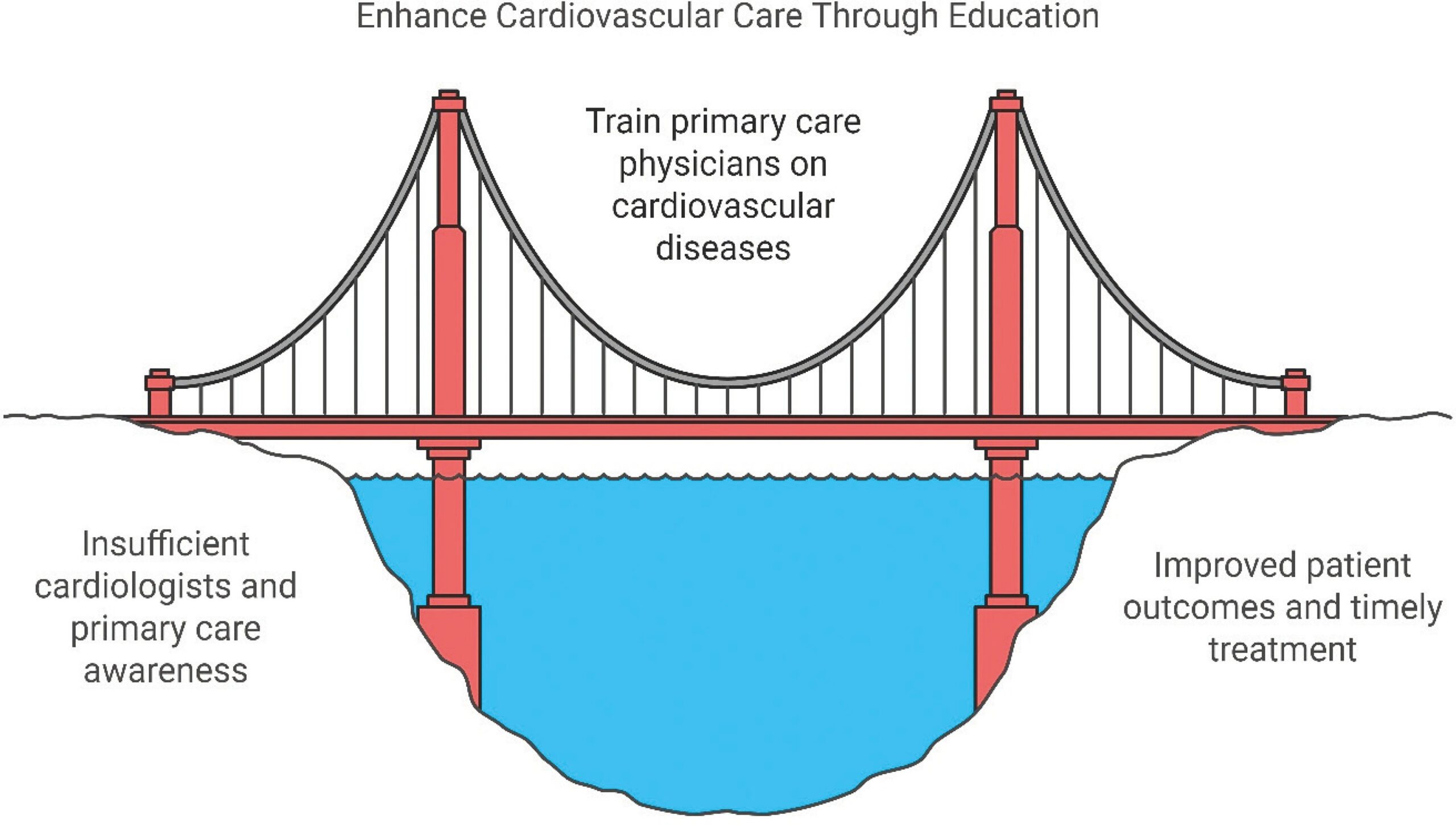
The vast majority of cardiovascular research emphasizes the high burden of heart diseases and the preponderance of these diseases in mortality., Efforts to learn how major cardiovascular diseases are managed have been led by the countries with the greatest economic power. However, a large part of the world’s population has been forgotten, because the realities of life in developing countries make it impossible to apply all the recommendations. As a result, adverse cardiovascular outcomes remain common, reducing quality of life and life expectancy. In the following paragraphs, I will comment on chronic coronary syndromes, specifically on the efforts made by physicians in India to adapt the management of this disease to their resources and situation.

The underlying pathophysiology of chronic coronary syndromes is myocardial ischemia caused by alterations in coronary flow, mostly due to atherosclerosis, and they are part of a continuum in which atheromatous plaques can become complicated and unstable, causing acute coronary syndromes. To speak of chronic coronary syndromes is not only to refer to a phenomenon at the coronary level but also to consider the associated risk factors. The most common risk factors are hypertension, diabetes, dyslipidemia, smoking, and physical inactivity. However, other non-conventional factors such as exposure to pollutants, social deprivation, occupational stress, hormonal changes, environmental noise, and the area of the world in which we live must also be emphasized. All these phenomena can cause alterations in coronary flow, either by atheroma plaque or by alteration of the microcirculation. For the diagnosis of these diseases, many studies are required, such as electrocardiograms, echocardiograms, cardiac scintigraphy, magnetic resonance imaging, coronary artery tomography, or invasive coronary angiography. Initial treatment is medical, but in many cases, a revascularization strategy will be necessary, either by surgery or percutaneous coronary intervention.

[…]

  • Cardiovascular disease
  • Myocardial Infarction
  • Stable Angina
Read Full Article
Creative Commons Attribution (CC BY) Creative Commons license
03/03/2025 DOI: 10.36660/ijcs.20240234 Views 1
ABC
Editorial

It is Time for Coronary Computed Tomography Angiography to be Incorporated into the SUS

Nilson Tavares Poppi

In the evaluation of patients with stable coronary artery disease (CAD), also called chronic coronary syndrome (CCS), complementary tests are used both for diagnostic and prognostic purposes. , Anatomical (coronary angiography and coronary CT angiography) and functional (exercise testing, stress echocardiography, rest and stress myocardial perfusion imaging by scintigraphy, magnetic resonance, and positron emission tomography) tests are available. Coronary angiography, the gold standard, is invasive and therefore, indicated for clinically more severe patients, or those with poor prognostic findings in non-invasive testing, when myocardial revascularization is considered or planned.

The choice for the most appropriate diagnostic test is an important and challenging issue for the cardiologist in the clinical evaluation of CCS. The first step in this decision-making process is the assessment of the pre-test probability (PTP) of CAD. As recommended by the current SCC guidelines, , patients classified as having high PTP should receive medical therapy and undergo testing for prognostic information. The patients with low PTP should be assessed for an alternative diagnosis more likely than CAD. Patients with PTP calculated between 15-85% are in the intermediate range, where the complementary tests are more useful and important for CAD diagnosis. In addition to diagnostic accuracy and PTP, the selection of a non-invasive test depends on the clinical characteristics of patients, local expertise, and the availability of tests. In Brazil, it is estimated that up to 80% of the population depends exclusively on medical care provided by the public health system (SUS). In this context of managing economic resources, physicians and health managers should focus on the most cost-effective options for the diagnosis of CAD.

[…]

  • Computed Tomography Angiography
  • Coronary Artery Disease
  • Cost-Benefit Analysis
  • Diagnostic Imaging/methods
  • Stable Angina
  • Unified Health System
Read Full Article
Creative Commons Attribution (CC BY) Creative Commons license
18/03/2022 DOI: 10.36660/abc.20220033 Views 1
Figure 1
ABC
Original Article

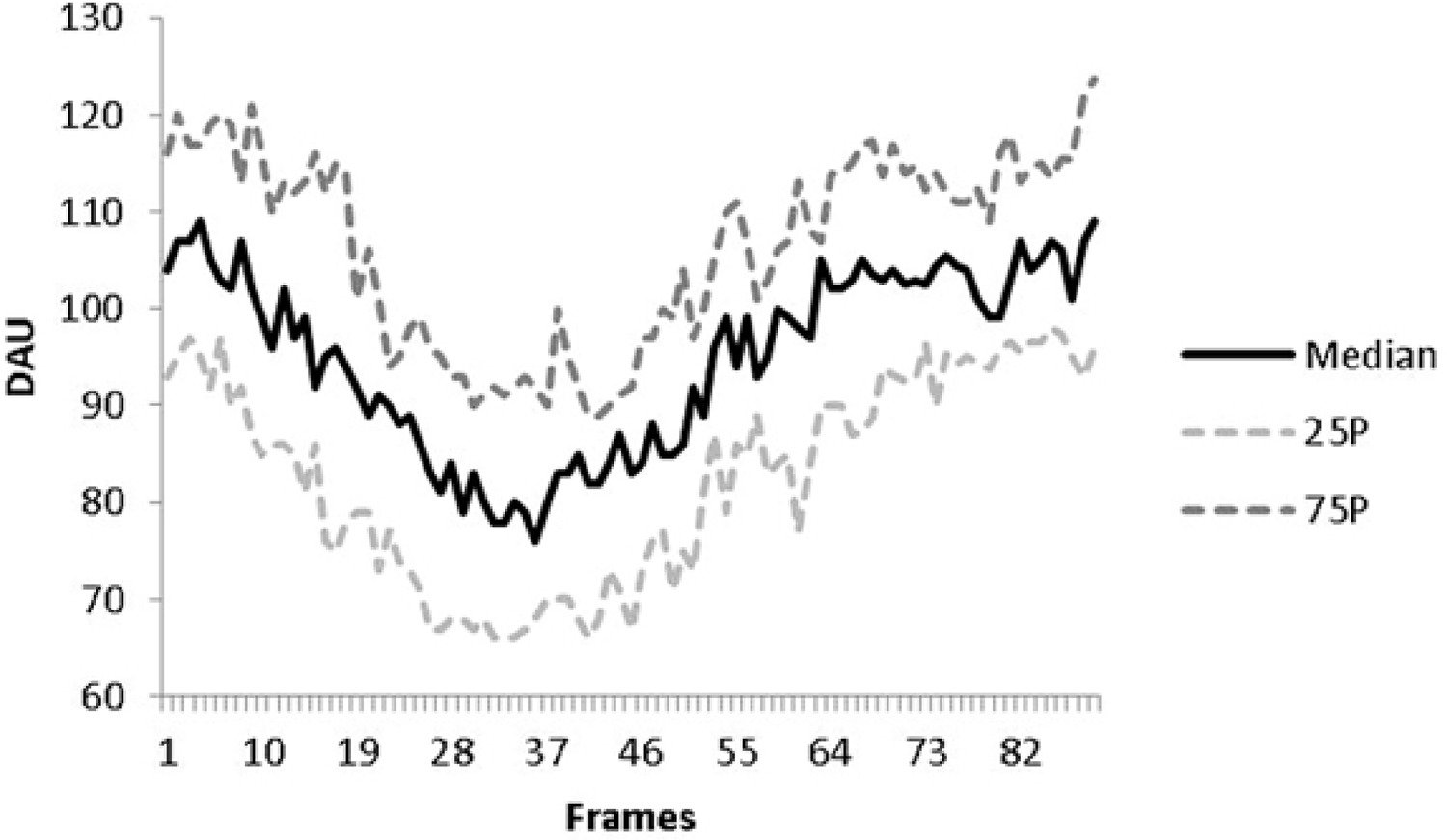
Coronary Blood Flow Measurement in Conventional Coronary Angiograms by a New Method Based on Contrast Density Detection. A Physiological Insight

Miguel Lopez-Hidalgo et al. Antonio Eblen-Zajjur

Abstract

Background

TIMI flow grade and corrected TIMI frame count (CTFC) are widely used methods to evaluate angiographic coronary blood flow. Measurement of coronary blood flow (CBF) on standard coronary angiography (CAG) has aroused great interest recently, trying to combine the CTFC concept with new methods for post-angioplasty and for cardiac syndrome X assessment. Additionally, coronary slow flow it is now considered a major criterion for microvascular angina.

Objective

Explore a new approach of quantitative angiographic measurement of CBF based on densitometric contrast detection in CAG off-line, using an accessible software to obtain a more precise and reliable CBF assessment.

Methods

Thirty patients were studied and divided in 2 groups, normal coronary blood flow (NF) and slow coronary blood flow (SF), according to CTFC definition. The DM was applied to the study sample to differentiate between NF and SF. Non-parametric statistics was used to assess differences between groups at p<0.05.

Results

The DM normal reference value obtained for coronary blood flow was 9 [5–10] frames. NF vs SF group were compared and expressed as median [interquartile range], for the left anterior descending: 10 [7-11] vs 21 [8-33];p= 0.016; circumflex: 9 [4-13] vs 14 [11-30]; p= 0.012 and right coronary artery: 5 [3-11] vs 13 [8-26]; p=0.009.

Conclusion

The DM showed the feasibility of measuring coronary blood flow with precision, consistency and reproducible in a standard coronary angiogram, showing the additional capability to differentiate between NF and SF in chest pain patients with normal coronary arteries. (Arq Bras Cardiol. 2020; 115(3):503-512)

  • Blood Circulation/physiopathology
  • Cardiac syndrome X
  • Coronary Angiography/methods
  • Coronary Artery Disease
  • Microvascular Angina
  • Stable Angina
Read Full Article
Creative Commons Attribution (CC BY) Creative Commons license
28/09/2020 DOI: 10.36660/abc.20180283
Inflammatory markers of atherosclerotic plaque stabilization after acute coronary event - temporal trends
ABC
Artigo Original

Inflammatory markers of atherosclerotic plaque stabilization after acute coronary event – temporal trends

Osana Maria Coelho Costa Mouco et al. José Carlos Nicolau Tatiana da Rocha e Souza Lilia Nigro Maia José Antônio Franchini Ramires

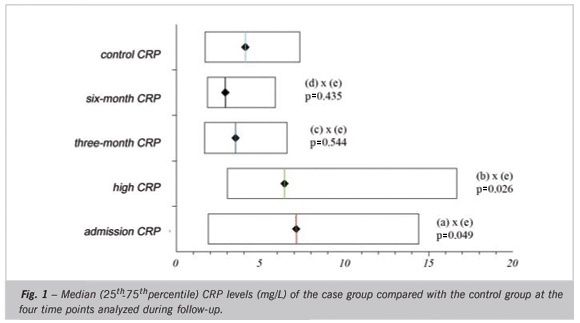
OBJECTIVE: To evaluate the length of time required for atherosclerotic plaque stabilization in acute coronary syndromes (ACS), using inflammatory markers. METHODS: In this prospective study, C-reactive protein (CRP), fibrinogen, factor VIIIc, interleukin-6 (IL-6), and tumor necrosis factor-alpha (TNF-alpha) levels were measured on admission, at discharge, and three and six months post-discharge in 40 patients with non-ST-segment elevation ACS (NSTE-ACS) and 40 healthy subjects. RESULTS: C-reactive protein levels were significantly higher on admission and at discharge, but not at three and six months post-discharge, compared with the control group. Fibrinogen levels remained unchanged, except at six months, when they were significantly lower than in the control group. Factor VIII-c did not differ from that of the control group on admission, but it was significantly higher at discharge, with no differences at three and six months. Interleukin-6 levels were significantly higher than in the control group in all time points. However, they declined significantly between discharge and three months. In no time point was TNF-alpha significantly different from that of the control group. Only IL-6 correlated significantly and independently with future cardiovascular events. CONCLUSION: With respect to CRP and factor VIIIc, plaque stabilization is suggested in up to three months; IL-6 analysis suggests stabilization as from the third month, although it remained higher than that of the control group for up to six months. Only IL-6 showed prognostic value for further events within a year.

  • inflammatory markers
  • non-ST-segment elevation myocardial infarction
  • Stable Angina
Read Full Article
Creative Commons Attribution (CC BY) Creative Commons license
28/07/2006 DOI: 10.1590/S0066-782X2006001400005 Views 1

How to cite this article

EndNote RIS

Electronic Document Format (Vancouver)

Gopar-Nieto R. Recognizing the reality of cardiovascular diseases. International Journal of Cardiovascular Sciences 2025;38:e20240234.

Electronic Document Format (ABNT)

Gopar-Nieto, Rodrigo. Recognizing the reality of cardiovascular diseases. International Journal of Cardiovascular Sciences, v. 38, e20240234, Mar. 2025.

Electronic Document Format (APA)

Gopar-Nieto, R. (2025). Recognizing the reality of cardiovascular diseases. International Journal of Cardiovascular Sciences, 38, e20240234.

Electronic Document Format (ISO)

Gopar-Nieto, Rodrigo. Recognizing the reality of cardiovascular diseases. International Journal of Cardiovascular Sciences [online]. 2025, vol. 38, [cited 2026-10-14], e20240234. Available from: <https://journals.cardiol.br/en/article/recognizing-the-reality-of-cardiovascular-diseases/>. ISSN 2359-4802

EndNote RIS

Electronic Document Format (Vancouver)

Poppi NT. It is Time for Coronary Computed Tomography Angiography to be Incorporated into the SUS. Arquivos Brasileiros de Cardiologia 2022;118(3):586-7.

Electronic Document Format (ABNT)

Poppi, Nilson Tavares. It is Time for Coronary Computed Tomography Angiography to be Incorporated into the SUS. Arquivos Brasileiros de Cardiologia, v. 118, n. 3, p. 586-587, Mar. 2022.

Electronic Document Format (APA)

Poppi, N. T. (2022). It is Time for Coronary Computed Tomography Angiography to be Incorporated into the SUS. Arquivos Brasileiros de Cardiologia, 118(3), 586-587.

Electronic Document Format (ISO)

Poppi, Nilson Tavares. It is Time for Coronary Computed Tomography Angiography to be Incorporated into the SUS. Arquivos Brasileiros de Cardiologia [online]. 2022, vol. 118, n. 3, [cited 2026-10-14], pp. 586-587. Available from: <https://journals.cardiol.br/en/article/it-is-time-for-coronary-computed-tomography-angiography-to-be-incorporated-into-the-sus/>. ISSN 0066-782X

EndNote RIS

Electronic Document Format (Vancouver)

Lopez-Hidalgo M, Eblen-Zajjur A. Coronary Blood Flow Measurement in Conventional Coronary Angiograms by a New Method Based on Contrast Density Detection. A Physiological Insight. Arquivos Brasileiros de Cardiologia 2020;115(3):503-12.

Electronic Document Format (ABNT)

Lopez-Hidalgo, Miguel; Eblen-Zajjur, Antonio. Coronary Blood Flow Measurement in Conventional Coronary Angiograms by a New Method Based on Contrast Density Detection. A Physiological Insight. Arquivos Brasileiros de Cardiologia, v. 115, n. 3, p. 503-512, Sep. 2020.

Electronic Document Format (APA)

Lopez-Hidalgo, M., & Eblen-Zajjur, A. (2020). Coronary Blood Flow Measurement in Conventional Coronary Angiograms by a New Method Based on Contrast Density Detection. A Physiological Insight. Arquivos Brasileiros de Cardiologia, 115(3), 503-512.

Electronic Document Format (ISO)

Lopez-Hidalgo, Miguel and Eblen-Zajjur, Antonio. Coronary Blood Flow Measurement in Conventional Coronary Angiograms by a New Method Based on Contrast Density Detection. A Physiological Insight. Arquivos Brasileiros de Cardiologia [online]. 2020, vol. 115, n. 3, [cited 2026-10-14], pp. 503-512. Available from: <https://journals.cardiol.br/en/article/coronary-blood-flow-measurement-in-conventional-coronary-angiograms-by-a-new-method-based-on-contrast-density-detection-a-physiological-insight/>. ISSN 0066-782X

EndNote RIS

Electronic Document Format (Vancouver)

Mouco OMCC, Nicolau JC, Souza TR, Maia LN, Ramires JAF. Inflammatory markers of atherosclerotic plaque stabilization after acute coronary event – temporal trends. Arquivos Brasileiros de Cardiologia 2006;87(1):28-36.

Electronic Document Format (ABNT)

Mouco, Osana Maria Coelho Costa; Nicolau, José Carlos; Souza, Tatiana da Rocha e; Maia, Lilia Nigro; Ramires, José Antônio Franchini. Inflammatory markers of atherosclerotic plaque stabilization after acute coronary event – temporal trends. Arquivos Brasileiros de Cardiologia, v. 87, n. 1, p. 28-36, Jul. 2006.

Electronic Document Format (APA)

Mouco, O. M. C. C., Nicolau, J. C., Souza, T. R. , Maia, L. N., & Ramires, J. A. F. (2006). Inflammatory markers of atherosclerotic plaque stabilization after acute coronary event – temporal trends. Arquivos Brasileiros de Cardiologia, 87(1), 28-36.

Electronic Document Format (ISO)

Mouco, Osana Maria Coelho Costa and Nicolau, José Carlos and Souza, Tatiana da Rocha e and Maia, Lilia Nigro and Ramires, José Antônio Franchini. Inflammatory markers of atherosclerotic plaque stabilization after acute coronary event – temporal trends. Arquivos Brasileiros de Cardiologia [online]. 2006, vol. 87, n. 1, [cited 2026-10-14], pp. 28-36. Available from: <https://journals.cardiol.br/en/article/inflammatory-markers-of-atherosclerotic-plaque-stabilization-after-acute-coronary-event-temporal-trends/>. ISSN 0066-782X

  • About ABC Family
  • Internal Regulation
  • Editorial Board
  • Brazilian Society of Cardiology (SBC)

Issues

SBC Guidelines

  • Videos
  • Podcasts
  • News