ABC Family Arquivos Brasileiros de Cardiologia International Journal of Cardiovascular Sciences ABC Heart Failure & Cardiomyopathy ABC Imagem Cardiovascular
Português English
ABC Family
Português English
  • About
    • About ABC Family
    • Internal Regulation
    • Editorial Board
    • Brazilian Society of Cardiology (SBC)
  • Issues
  • SBC Guidelines
  • Content
    • Videos
    • Podcasts
    • News
  • About
    • About ABC Family
    • Internal Regulation
    • Editorial Board
    • Brazilian Society of Cardiology (SBC)
  • Issues
  • SBC Guidelines
  • Content
    • Videos
    • Podcasts
    • News

ABC Family

  • ABC Family
  • Arquivos Brasileiros de Cardiologia
  • International Journal of Cardiovascular Sciences
  • ABC Heart Failure & Cardiomyopathy
  • ABC Imagem Cardiovascular
Search in

No content found.

Journals
Ordering
Article types
Others

  1. Home
  2. Keyword: Coronavirus-19
Figure 1
ABC
Research Letter

Acute Myocarditis Following mRNA COVID-19 Vaccine

Daniel A. Gomes et al. Rita R. Santos Pedro Freitas Mariana S. Paiva … Jorge Ferreira Marisa Trabulo

Introduction

Vaccination is one of the most important breakthroughs of modern medicine and constitute a major advance in the prevention of infectious diseases.Overall, vaccines are effective and have an excellent general safety profile.In fact, reports of severe adverse effects following vaccination are extremely rare and idiosyncratic.

As the vaccine’s mechanism of action is based on the host immune response, a close relationship with autoimmunity cannot be disregarded.Cases of immunologic reactogenicity, such as Guillain-Barré syndrome and acute myocarditis following vaccination have been previously reported.,

[…]

  • Coronavirus-19
  • COVID-19
  • Diagnostic Imaging
  • Immunogenicity Vaccine
  • Molecular Mimicry
  • Myocarditis
  • Vaccine/adverse effects
Read Full Article
Creative Commons Attribution (CC BY) Creative Commons license
29/04/2022 DOI: 10.36660/abc.20210469 Views 1
Figure 1
ABC
Research Letter

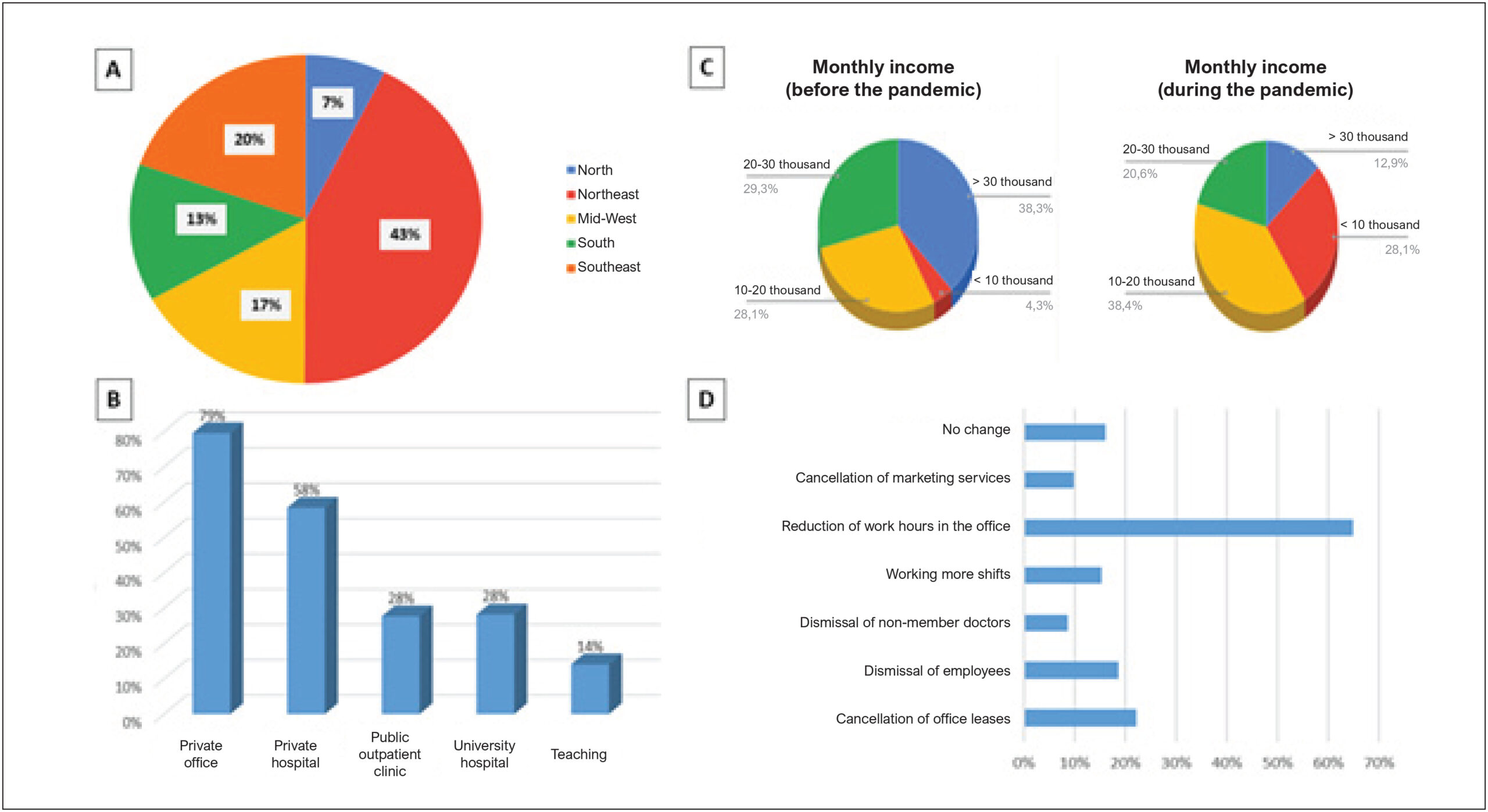
Impact of COVID-19 on the Life of Brazilian Cardiologists and Cardiovascular Surgeons

Andre Luiz Cerqueira Almeida et al. Marcelo Melo Rodrigo Elton Ferreira Rodrigues Luis Fábio Botelho … Paulo André Abreu Almeida Silvio Henrique Barberato

Introduction

The COVID-19 (from the English coronavirus disease) pandemic has had a strong impact on cardiology services. The number of visits and cardiac interventions has decreased in many parts of the world in recent months., However, despite increasing pressure and burden on the healthcare system, the provision of care has continued, particularly because patients with pre-existing cardiovascular disease are at high risk of COVID-19 infection, complications, and primary cardiac manifestations.

In addition, effects of the COVID-19 have affected the society and in particularly healthcare professionals in terms of physical and mental health consequences, financial disturbances, and changes in quality of life.– Therefore, the COVID-19 pandemic has affected many aspects of the work and life of health care providers.,,

[…]

  • Cardiologists
  • Cardiovascular Diseases
  • Coronavirus-19
  • COVID-19
  • Epidemiology
  • Health Personnel
  • Health Systems
  • Infection/complications
  • Pandemics
  • Risk Factors
  • Sedentary Behavior
  • Surgeons
Read Full Article
Creative Commons Attribution (CC BY) Creative Commons license
22/11/2021 DOI: 10.36660/abc.20201231 Views 1
Figure 1
ABC
Brief Communication

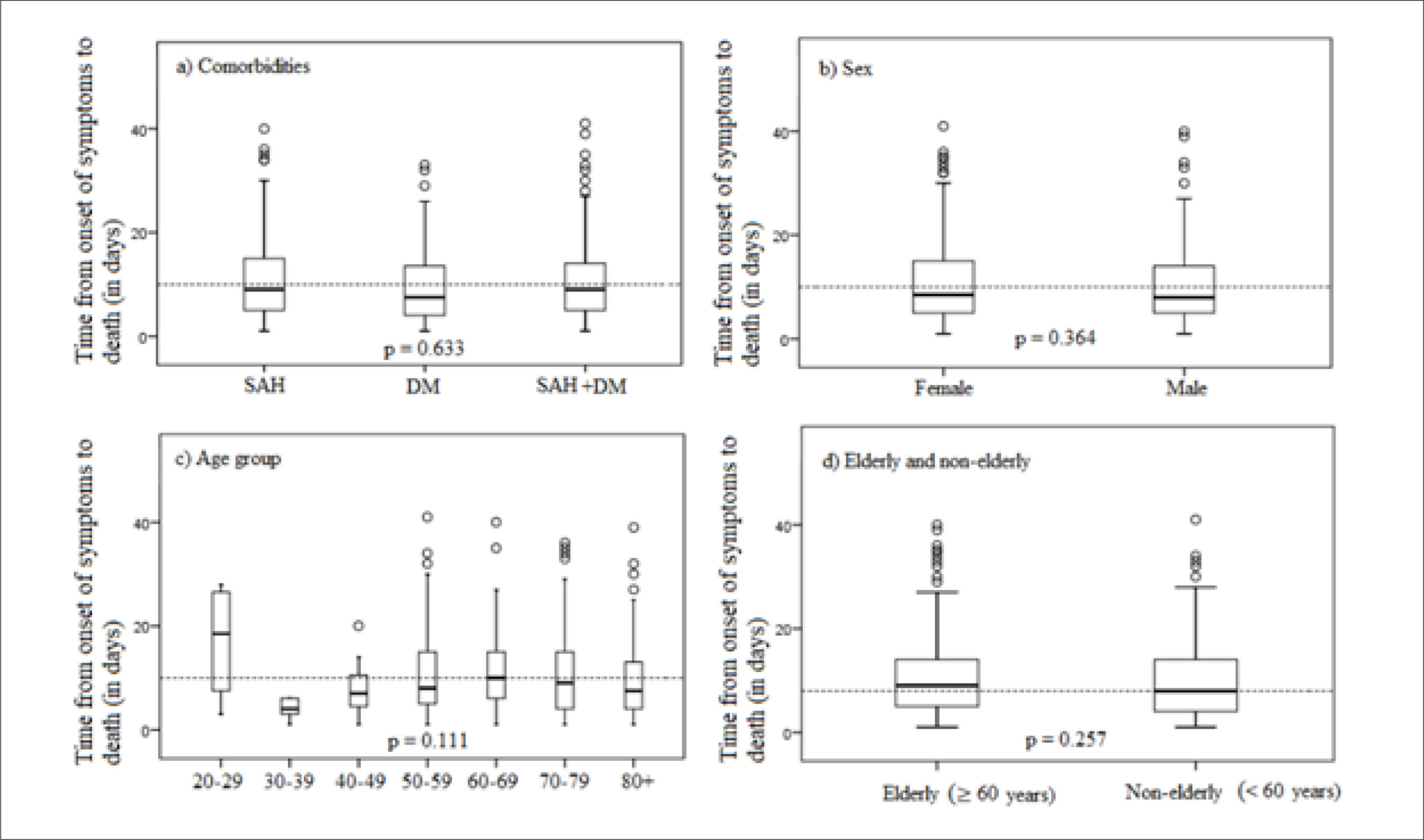
Prevalence of Systemic Arterial Hypertension and Diabetes Mellitus in Individuals with COVID-19: A Retrospective Study of Deaths in Pernambuco, Brazil

Lucas Gomes Santos et al. Jussara Almeida de Oliveira Baggio Thiago Cavalcanti Leal Francisco A. Costa … Tânia Rita Moreno de Oliveira Fernandes Regicley Vieira da Silva Anderson Armstrong Rodrigo Feliciano Carmo Carlos Dornels Freire de Souza

Introduction

In December 2019, health authorities in Hubei province, in the People’s Republic of China, identified and reported to the World Health Organization (WHO) an outbreak of pneumonia with an unknown etiological agent. In early January, the SARS-CoV-2 virus (Severe Acute Respiratory Syndrome Coronavirus 2) was identified and the disease was called COVID-19 (Coronavirus Disease 2019).

On August 4, 2020, the disease has infected 18,316,072 people and caused the death of 694,715. The USA, Brazil and India occupy the first positions in number of infected people. In Brazil, the first case was confirmed on February 26th in the city of São Paulo. Between the first case and August 4, 2020, the country had 2,750,249 people infected and 94,665 deaths.

[…]

  • Aged
  • Coronavirus-19
  • Diabetes Mellitus/complications
  • Hypertension/complications
  • Pandemics
  • Prevalence
  • Risk Factors/prevention and control
  • SARS-CoV-19
Read Full Article
Creative Commons Attribution (CC BY) Creative Commons license
06/09/2021 DOI: 10.36660/abc.20200885 Views 1
Figure 1
ABC
Research Letter

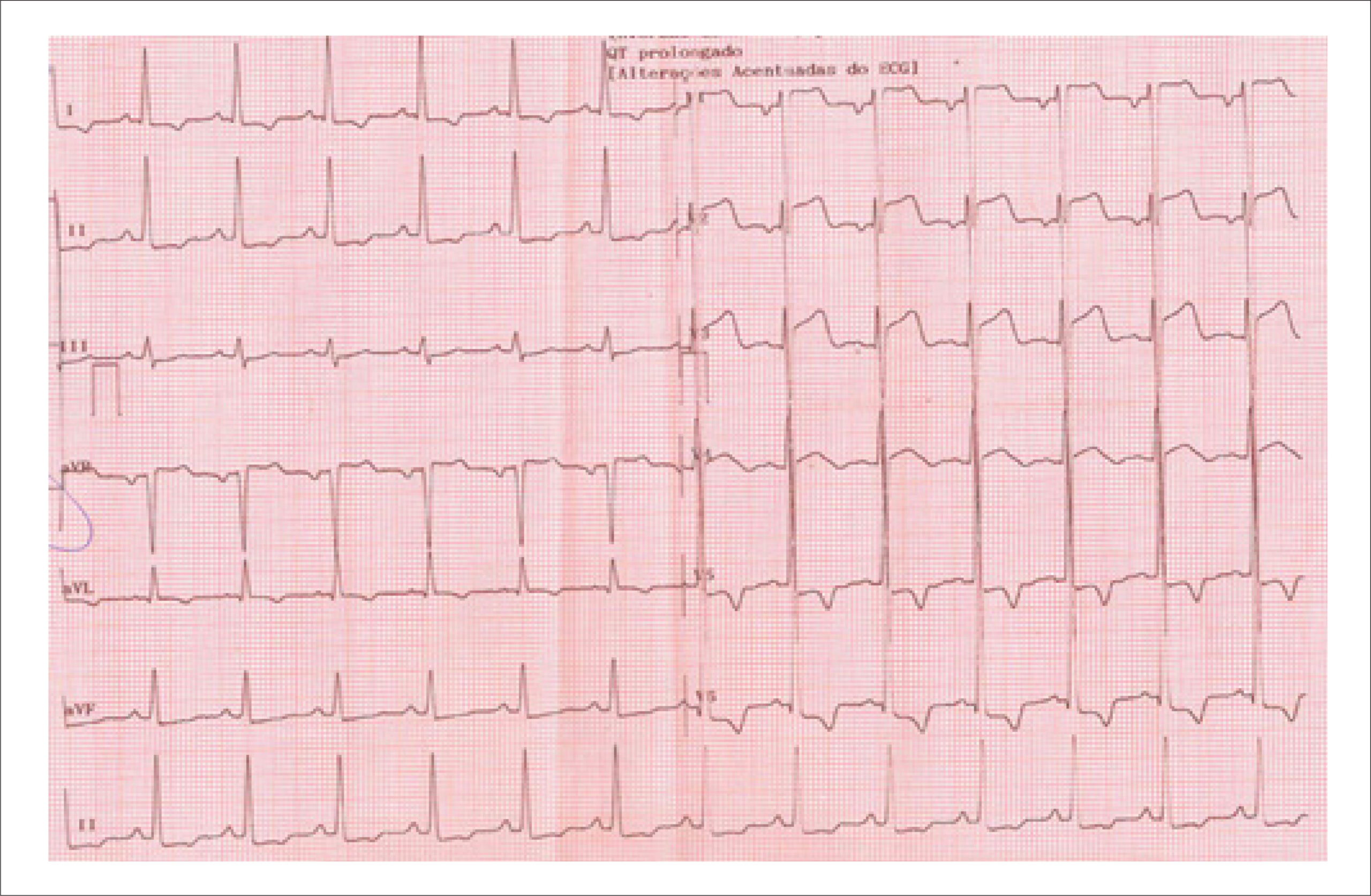
SARS-CoV-2 and Myocardical Injury with ST-Elevation without Coronary Disease

Carolina Ragonetti et al. Enzo Oku Martinazzo Felipe Montesano Fazionato Guilherme Osório Guimarães Ferreira … Milena Piccolo Santana Camila Hartmann

Introduction

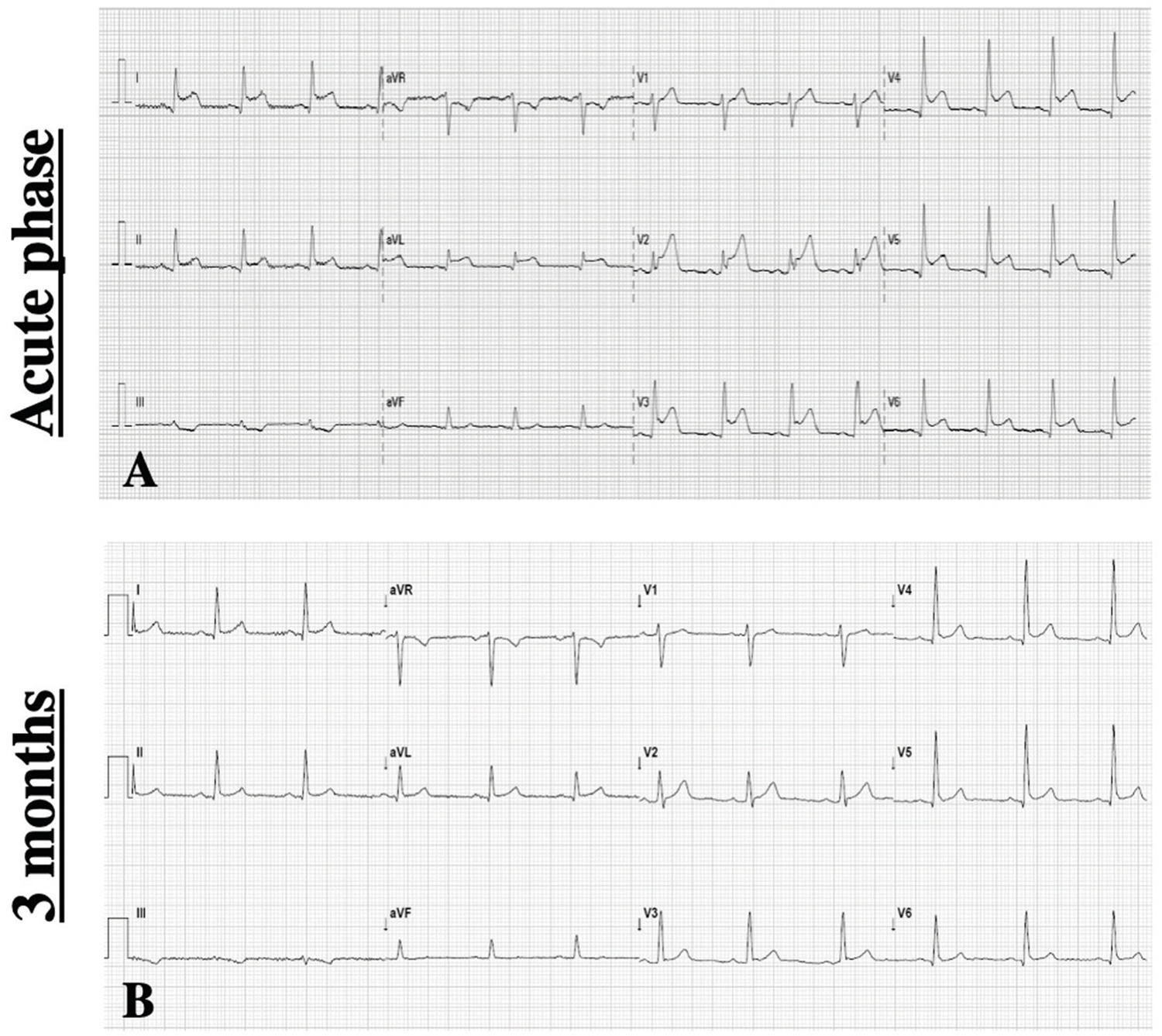
Throughout the SARS-CoV-2 pandemic, there have been reports of infection leading to acute myocardial injury, causing worse clinical outcomes. The manifestations can include troponin elevation, imaging exam abnormalities and electrocardiographic changes. Accordingly, ST-segment elevation (STE) acute myocardial injury has been observed in some patients. However, despite the electrocardiogram (ECG) ischemic changes, complementary exams may not show any obstruction, excluding coronary occlusion as the cause of the injury.

[…]

  • Coronary Angiography/methods
  • Coronavirus-19
  • Electrocardiography/methods
  • Myocarditis/complications
  • Pandemics
  • SARS-CoV-2
  • Takotsubo Cardiomyopathy
Read Full Article
Creative Commons Attribution (CC BY) Creative Commons license
06/09/2021 DOI: 10.36660/abc.20201268 Views 2
Figure 1
ABC
Case Report

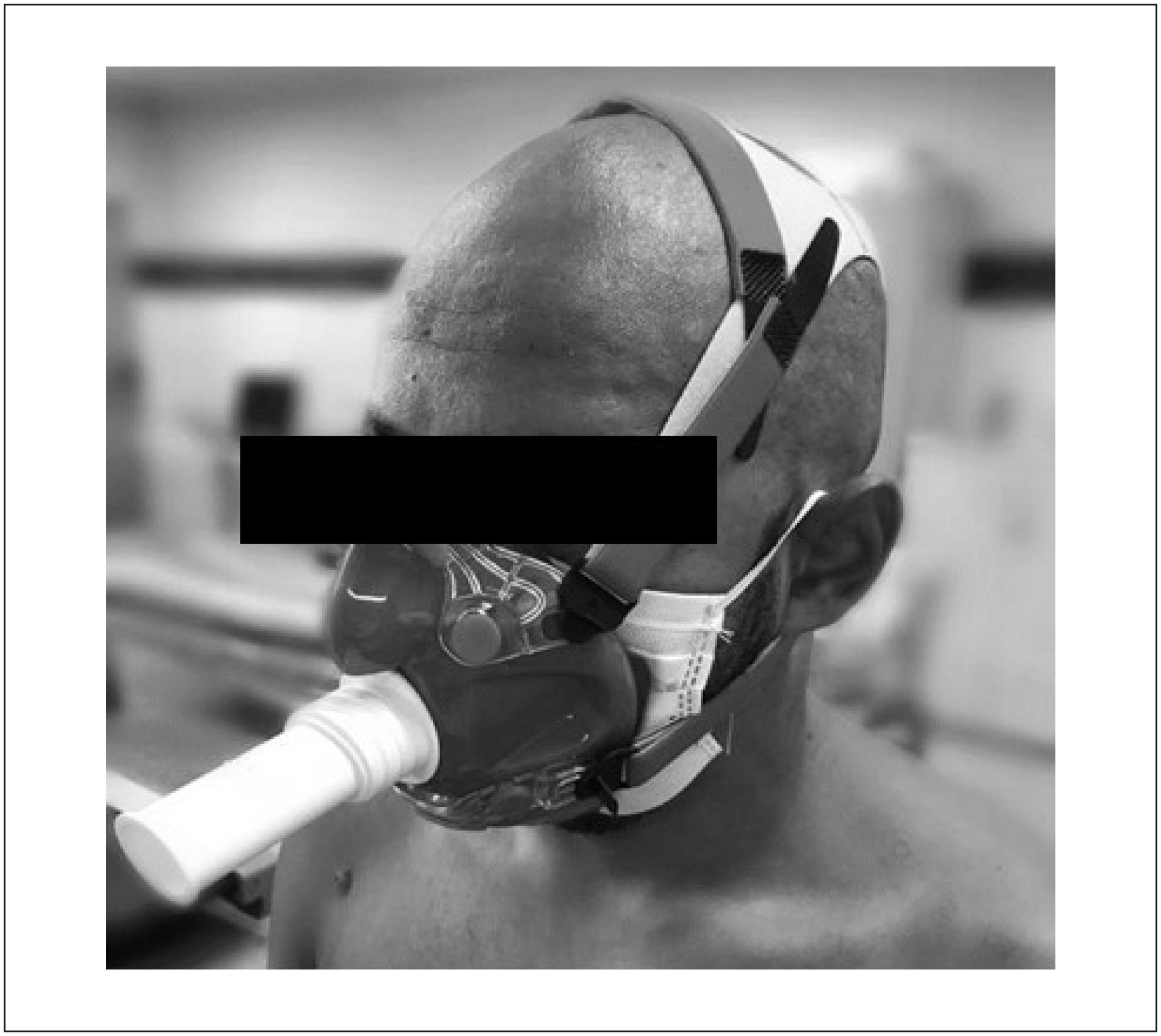
The Effect of Respiratory Protective Surgical Mask on Physiological Markers of Endurance Performance in a Recreational Runner

Danilo Marcelo Leite do Prado et al. Valmir Oliveira Silvino Ewerton Gomes Vieira Bruno Viana Rosa … Acácio Salvador Veras e Silva Marcos Antonio Pereira dos Santos

Introduction

The advent of the Coronavirus 19 (COVID-19) pandemic, which has quickly spread worldwide, has raised the attention regarding the use of respiratory protective face masks (PFM) not only by healthcare personnel, but also the general population. In this context, wearing a PFM during physical exercise in an external environment can reduce COVID-19 infection risks. On the other hand, the use of PFM can increase the subjective perception of breathing difficulty through the formation of microclimates inside the face mask (i.e., temperature and humidity) and airflow restriction.

In recent years, the number of amateur runners has significantly increased among many populations around the world, as running can be performed with minimal equipment, and by a broad variety of people. Interestingly, during endurance exercise, the adaptability of the cardiorespiratory system is of paramount importance, as it increases both convective and diffusive oxygen transport, thus enabling the body to meet the demands for oxygen, substrate delivery, and carbon dioxide removal. Moreover, the so-called physiological markers of endurance performance, such as ventilatory anaerobic threshold, respiratory compensation point, running economy, and maximal oxygen uptake, also seem to be important in determining absolute exercise intensity (i.e., pace, power output).

[…]

  • Coronavirus-19
  • Coronavirus-19 Infection
  • Exercise
  • Facial Mask
  • Oxygen Consumption
  • Pandemics
  • Physical activity
  • Population Education
  • Resistance Performance
  • Respiratory Protective Devices
Read Full Article
Creative Commons Attribution (CC BY) Creative Commons license
19/07/2021 DOI: 10.36660/abc.20200792 Views 1
Figure 1
ABCHF
Editorial

Cardiovascular Burden of COVID-19 and the Post-Covid Era

Samuel D. Moscavitch et al. Jefferson L. Vieira Peter Libby

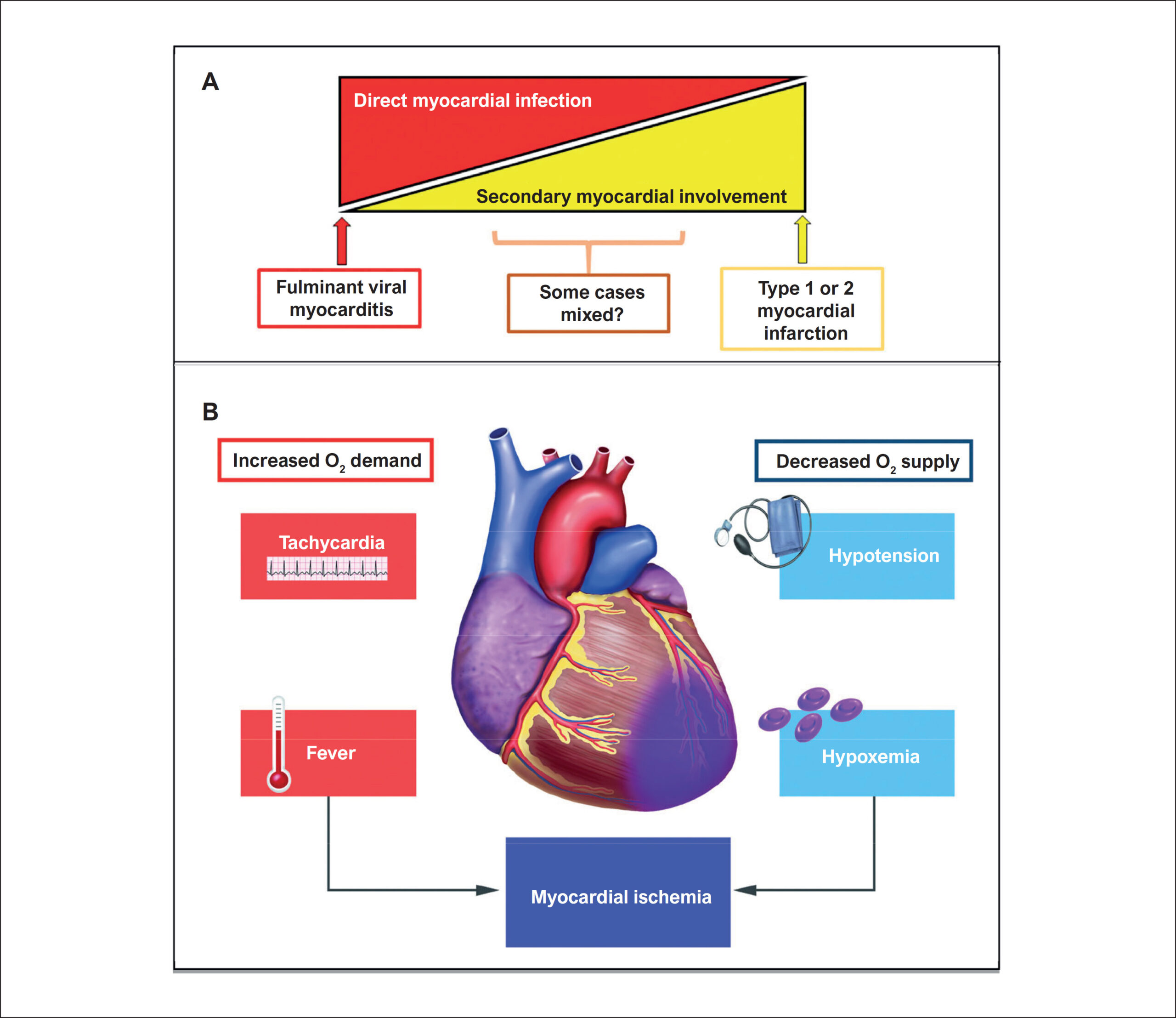
Why COVID-19 became an issue for cardiovascular specialists? SARS-CoV-2- related myocardial injury and myocarditis

Approximately 20-30% of hospitalized patients with COVID-19 have evidence of cardiac injury, as indicated by elevated levels of high-sensitivity troponins. The presence and magnitude of troponin elevation is associated with more severe disease and worse outcomes, even after adjusting for relevant risk factors. Myocardial injury portends a fatal outcome of COVID-19, while the prognosis of patients without myocardial injury, even with underlying cardiovascular disease, is more favorable.

The pathophysiology of SARS-CoV-2-induced myocardial injury remains a topic of active research. COVID-19 can unfavorably affect the balance between myocardial oxygen supply and demand, as with other overwhelming viral or bacterial infections (). Fever, metabolic stress, sympathetic activation, and tachycardia increase the energy expenditure and oxygen consumption of the myocardium., This imbalance can provoke type 2 (or “demand” type) myocardial infarction. Hypoxia from respiratory impairment can favor the production of reactive oxygen species and oxidative stress, acidosis, mitochondrial damage, and cell death.,, Other mechanisms of myocardial injury during COVID-19 include ischemia from microvascular thrombi and toxic levels of cytokines. Cardiac damage due to direct SARS-CoV-2 infection of cardiac myocytes appears uncommon.– Indeed, the pericytes, smooth-muscle like cells that surround microvessels, express high levels of the receptor for SARS-CoV-2, angiotensin converting enzyme 2 (ACE2), while cardiac myocytes themselves have few, if any, of these portals of entry used by the virus.

[…]

  • Betacoronavirus/complications
  • Cardiovascular Diseases/complications
  • Coronavirus-19
  • COVID-19
  • Pandemics
  • SARS-19
  • Syndrome Respiratory Acute Gravis
Read Full Article
Creative Commons Attribution (CC BY) Creative Commons license
06/07/2021 DOI: 10.36660/abchf.20210001 Views 2
Figure 1
IJCS
Viewpoint

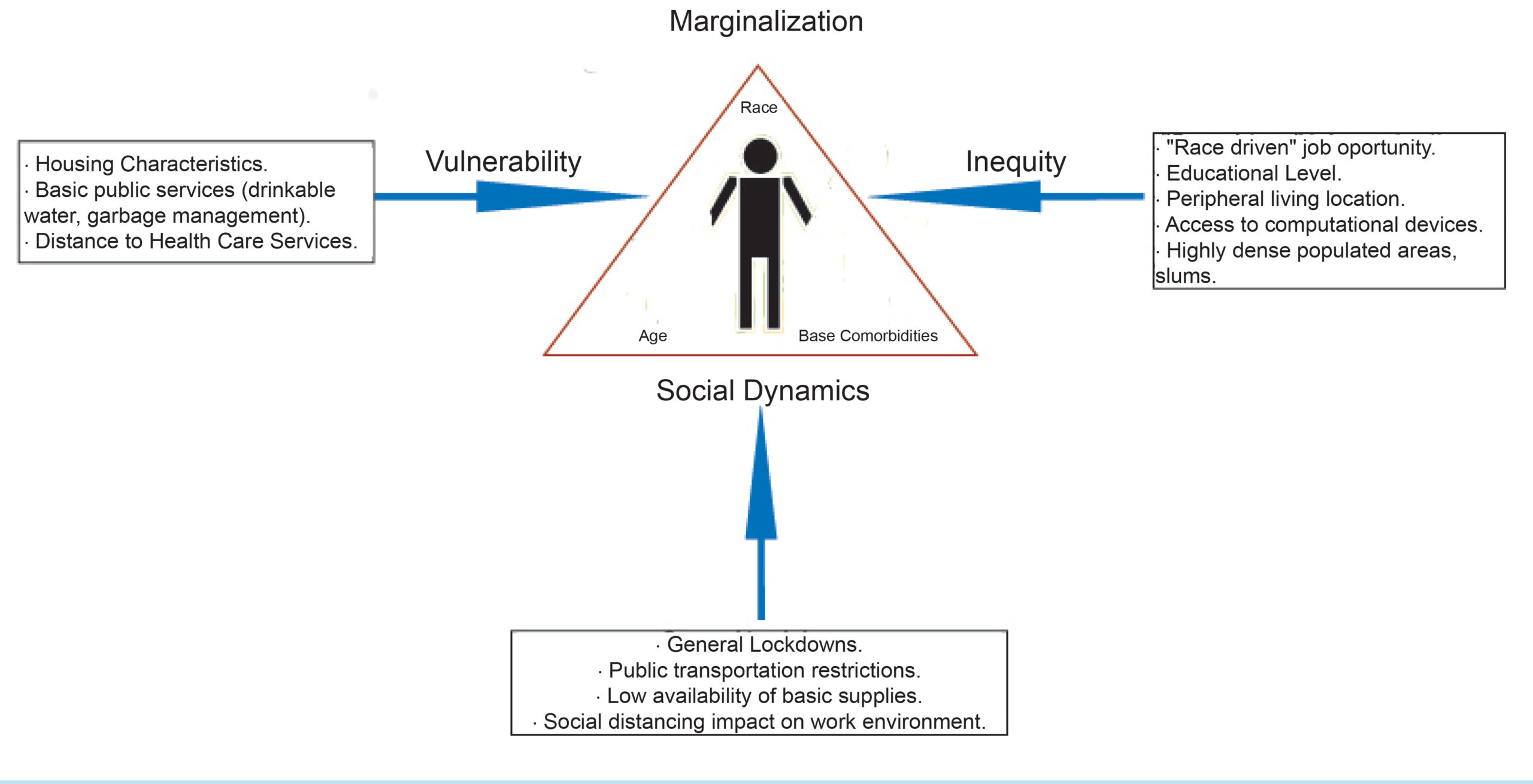
Marginalization, Vulnerability and Economic Dynamics in COVID-19

Andres Felipe Valencia Rendon et al. Isabela Mendes Volschan Manoella de Novais Pereira Alessandra de Freitas Pimentel … Wagner Lima Monteiro Gláucia Maria Moraes de Oliveira

Abstract

COVID-19, caused by the coronavirus family SARS-CoV-2 and declared a pandemic in March 2020, continues to spread. Its enormous and unprecedented impact on our society has evidenced the huge social inequity of our modern society, in which the most vulnerable individuals have been pushed into even worse socioeconomic situations, struggling to survive.

As the pandemic continues, we witness the huge suffering of the most marginalized populations around the globe, even in developed, high-income latitudes, such as North America and Europe. That is even worse in low-income regions, such as Brazil, where the public healthcare infrastructure had already been struggling before the pandemic.

Cities with even more evident social inequity have been impacted the most, leaving the most socioeconomically disadvantaged ones, such as slum residents and black people, continuously inflating the statistics of COVID-19 sufferers.

Poverty, marginalization, and inequity have been well-known risk factors for morbidity and mortality from other diseases. However, COVID-19 has deepened our society’s wound. It is up to us to heal it up. If we really care for the others and want to survive as a species, we must fight social inequity.

  • Brazil
  • Coronavirus-19
  • COVID-19
  • Disaster Vulnerability
  • Ethnicity and Health
  • Population Dynamics
  • poverty
  • Social Marginalization
Read Full Article
Creative Commons Attribution (CC BY) Creative Commons license
03/05/2021 DOI: 10.36660/ijcs.20210029 Views 1
Figure 1
ABC
Case Report

Pulmonary Thromboembolism in a Young Patient with Asymptomatic COVID-19

Nicolas H. Borges et al. Thiago M. Godoy Marcos Roberto Curcio Pereira Rebecca B. Stocco … Viviane Maria de Carvalho Hessel Dias Cristina Pellegrino Baena Gustavo Lenci Marques

Case presentation

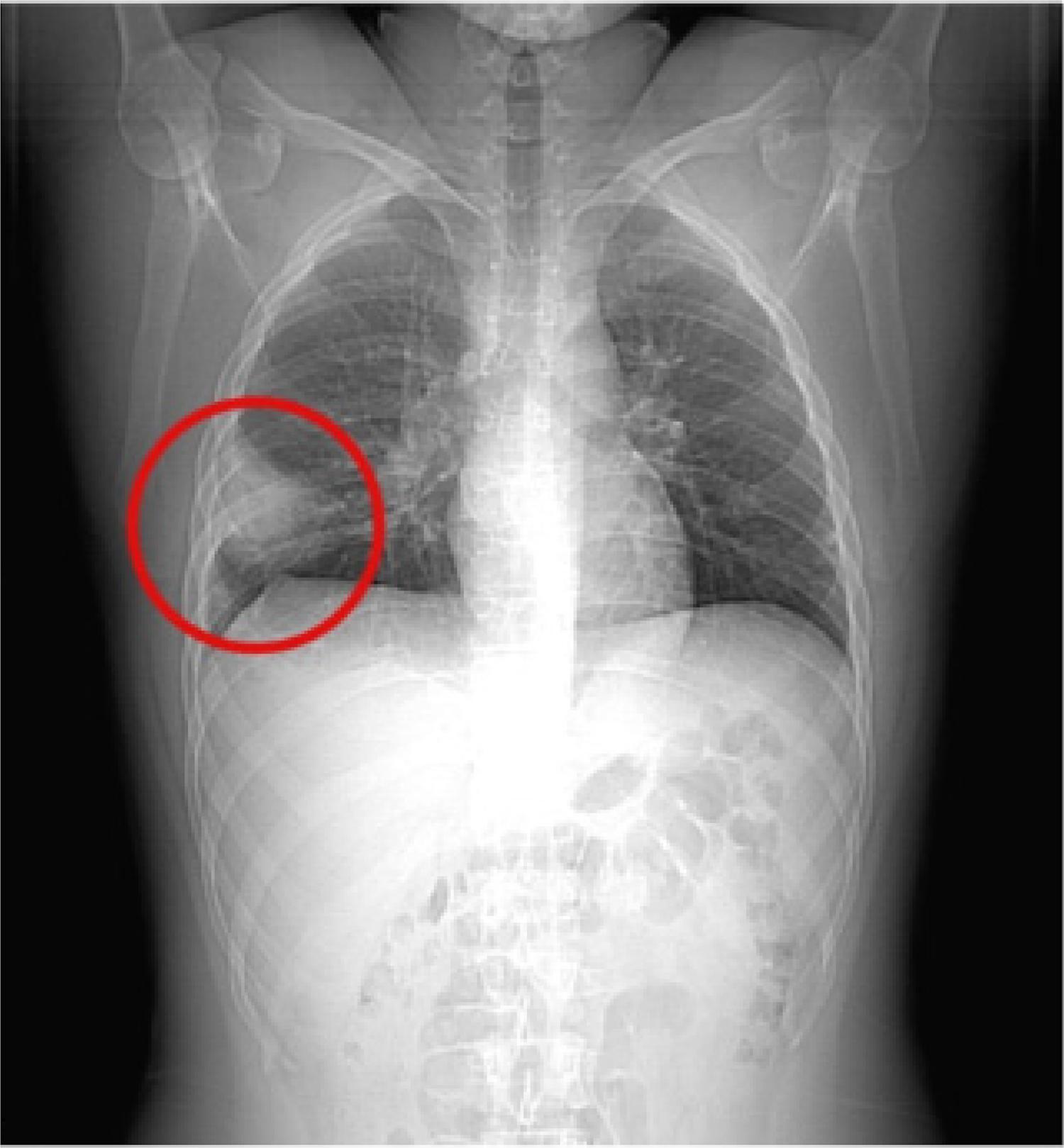
A male patient, 22 years old, with no previous comorbidities and medication use was referred to our hospital on 06/24/2020. Without symptoms, on 06/12/2020 he was diagnosed with COVID-19 after a PCR screening test required at his company and remained in bed rest during most of his isolation. He continued asymptomatic for 11 days; however, on 06/24/2020, he was admitted to the emergency department with ventilatory-dependent pain in the right hemithorax. Vital signs revealed hypertension (132/78 mmHg), tachycardia (127 bpm), hypoxia (SpO2of 90% at ambient air), and fever (38.7 °C). On physical examination, attention was drawn to the decrease in breath sounds in the right hemithorax during pulmonary auscultation. Padua and Wells risk stratification scores were applied, and the criteria indicated a low risk (3 points) and a moderated risk (6 points), respectively. D-dimer (6.652 μg/L), C-Reactive Protein (94 mg/L) and Troponin (119 pg/mL) were among the laboratory tests performed. A computed tomography (CT) scan of the chest was requested ( ), which demonstrated the presence of Hampton’s hump, a pleural-based opacification in the lung most commonly due to pulmonary embolism. Moreover, consolidative pulmonary opacities and peripheral ground-glass areas, both multifocal and bilateral, associated with septal thickening, with a small area of consolidation in between, more accentuated in the right lower lobe and with moderate pulmonary involvement (25-50%) were also found. On 06/25/2020, a computed tomography pulmonary angiogram (CTPA) was also requested ( ), which demonstrated filling defects in the pulmonary arteries bilaterally, extending to its upper, middle and lingual branches, compatible with massive acute pulmonary thromboembolism. The patient was transferred on 06/25/2020 to the Intensive Care Unit (ICU), hemodynamically stable, and then nasal swab and oropharynx material collection for SARS-CoV-2 was requested, which came back with a positive diagnosis on 06/26/2020. Therapy was started with Ceftriaxone (2g daily), Azithromycin (500mg daily), Dexamethasone (6mg daily) and Oseltamivir (75mg daily), associated with Enoxaparin (80mg full dose) as prophylaxis for venous thrombosis. The patient showed progressive improvement. He was discharged from the ICU to the infirmary on 06/28/2020 and on 06/29/2020 he was discharged from the hospital, using Rivaroxaban (15mg BID), being referred for future outpatient reassessment. After the discharge, tests were requested to investigate thrombophilia, including: Functional Protein S, Functional Protein C, Homocysteine, Leiden Factor V, Prothrombin gene mutation, Antithrombin III, Lupus Anticoagulant and Anticardiolipin IgM. The increase in Antithrombin III (999%), the weak presence of Lupus Anticoagulant (1.43) and undetermined IgM Anticardiolipin levels stand out. In addition, echocardiography and Doppler ultrasonography of the lower limbs were requested, which were both within normal standards, ruling out possible signs of thrombosis, either recent or late.

[…]
  • Carrier State
  • Coronavirus-19
  • COVID-19
  • Pulmonary Thromboembolism
  • SARS-CoV-2
  • Virchow’s Triad
  • young
Read Full Article
Creative Commons Attribution (CC BY) Creative Commons license
18/01/2021 DOI: 10.36660/abc.20200957 Views 1
ABC
Research Letter

Pericardial Affections in Patients with COVID-19: A Possible Cause of Hemodynamic Deterioration

Fábio Fernandes et al. Felix José Alvarez Ramires Fábio Danziato Fernandes Marcus Vinicius Simões … Evandro Tinoco Mesquita Charles Mady

Introduction

The clinical course of the SARS-CoV-2 infection is characterized by respiratory symptoms, fever, cough, sore throat, fatigue, and complications related to the acute respiratory distress syndrome. However, some patients with initially mild symptoms can present clinical deterioration approximately one week after onset of the symptoms.

The acute progression of COVID-19 can be divided into 3 different phases: early infection, pulmonary phase, and hyperinflammation, and significant overlaps between these phases can occur.

[…]

  • Betacoronavirus/complications
  • Cardiovascular Complications
  • Coronavirus-19
  • COVID-19
  • Hypoxia
  • Keywords
  • Pandemics
  • SARS-CoV-2
  • Systemic, Inflammation
  • Thrombosis
Read Full Article
Creative Commons Attribution (CC BY) Creative Commons license
28/09/2020 DOI: 10.36660/abc.20200474 Views 1
ABC
Editorial

Physically Active Lifestyle as an Approach to Confronting COVID-19

Maycon Junior Ferreira et al. Maria Cláudia Irigoyen Fernanda Consolim-Colombo José Francisco Kerr Saraiva Kátia De Angelis

The rapid, uncontrollable spread of the new coronavirus (SARS-CoV-2) throughout the world, in conjunction with its severity, led the Director-General of the World Health Organization (WHO) to characterize the situation as a pandemic on March 11, 2020.1It is currently possible to observe increasingly intense efforts on the part of health organizations and public authorities with the aim of containing the progress and spread of SARS-CoV-2. SARS-CoV-2 has emerged as a new subtype of human severe acute respiratory syndrome (SARS-CoV) characterized by high transmission capacity and induction of severe respiratory infection. Recent studies have demonstrated a high prevalence of hypertension and diabetes in elderly patients affected by COVID-19 who died in Wuhan, China,2,3which was the epicenter of the SARS-CoV-2 outbreak; this suggests that these comorbidities are important risk factors for deterioration and worse prognosis of complications associated with COVID-19.

Considering the recommendations for social isolation currently imposed in different countries, it is fundamental to encourage the population to maintain a physically active lifestyle routine as a preventative health measure during this period of confronting the spread of the virus. During periods of confinement at home, the population tends to adopt a sedentary routine, which favors increased body weight gain, as well as the emergence of comorbidities associated with greater cardiovascular risk, such as obesity, increased blood pressure, and glucose intolerance, in addition to psychosocial disorders such as anxiety and depression. Sedentary behavior, whether sitting, watching TV, or spending time in front of electronic devices, has in fact been associated with increased body weight in children, adolescents, adults and elderly6as well as with a marked increase in the risk of cardiovascular mortality.7It has, on the contrary, been shown that the risk of developing cardiovascular diseases and mortality is reduced in individuals with physically active life habits, such as going on moderately intense walks.8It has furthermore been demonstrated that the risk of upper respiratory tract infection due to coronavirus is potentially greater in the presence of immune system deficiency.9In this sense, there is strong evidence in the literature that practicing physical exercise is a beneficial measure for improving immunity.10-12The American College of Sports Medicine has recently published a guide suggesting that moderately intense physical activity should be maintained during the period of quarantine due to SARS-CoV-2, emphasizing the importance of every minute of physical activity to health.13

[…]

  • Coronavirus-19
  • COVID-19
  • Exercise
  • Motor Activity
  • Prevention and Control
  • Risk Factors
  • Sedentarism
Read Full Article
Creative Commons Attribution (CC BY) Creative Commons license
09/04/2020 DOI: 10.36660/abc.20200235 Views 2

How to cite this article

EndNote RIS

Electronic Document Format (Vancouver)

Gomes DA, Santos RR, Freitas P, Paiva MS, Ferreira J, Trabulo M. Acute Myocarditis Following mRNA COVID-19 Vaccine. Arquivos Brasileiros de Cardiologia 2022;118(4):783-6.

Electronic Document Format (ABNT)

Gomes, Daniel A.; Santos, Rita R.; Freitas, Pedro; Paiva, Mariana S.; Ferreira, Jorge; Trabulo, Marisa. Acute Myocarditis Following mRNA COVID-19 Vaccine. Arquivos Brasileiros de Cardiologia, v. 118, n. 4, p. 783-786, Apr. 2022.

Electronic Document Format (APA)

Gomes, D. A., Santos, R. R., Freitas, P., Paiva, M. S., Ferreira, J., & Trabulo, M. (2022). Acute Myocarditis Following mRNA COVID-19 Vaccine. Arquivos Brasileiros de Cardiologia, 118(4), 783-786.

Electronic Document Format (ISO)

Gomes, Daniel A. and Santos, Rita R. and Freitas, Pedro and Paiva, Mariana S. and Ferreira, Jorge and Trabulo, Marisa. Acute Myocarditis Following mRNA COVID-19 Vaccine. Arquivos Brasileiros de Cardiologia [online]. 2022, vol. 118, n. 4, [cited 2026-10-14], pp. 783-786. Available from: <https://journals.cardiol.br/en/article/acute-myocarditis-following-mrna-covid-19-vaccine/>. ISSN 0066-782X

EndNote RIS

Electronic Document Format (Vancouver)

Almeida ALC, Melo M, Rodrigues REF, Botelho LF, Almeida PAA, Barberato SH. Impact of COVID-19 on the Life of Brazilian Cardiologists and Cardiovascular Surgeons. Arquivos Brasileiros de Cardiologia 2021;117(5):1048-55.

Electronic Document Format (ABNT)

Almeida, Andre Luiz Cerqueira; Melo, Marcelo; Rodrigues, Rodrigo Elton Ferreira; Botelho, Luis Fábio; Almeida, Paulo André Abreu; Barberato, Silvio Henrique. Impact of COVID-19 on the Life of Brazilian Cardiologists and Cardiovascular Surgeons. Arquivos Brasileiros de Cardiologia, v. 117, n. 5, p. 1048-1055, Nov. 2021.

Electronic Document Format (APA)

Almeida, A. L. C., Melo, M., Rodrigues, R. E. F., Botelho, L. F., Almeida, P. A. A., & Barberato, S. H. (2021). Impact of COVID-19 on the Life of Brazilian Cardiologists and Cardiovascular Surgeons. Arquivos Brasileiros de Cardiologia, 117(5), 1048-1055.

Electronic Document Format (ISO)

Almeida, Andre Luiz Cerqueira and Melo, Marcelo and Rodrigues, Rodrigo Elton Ferreira and Botelho, Luis Fábio and Almeida, Paulo André Abreu and Barberato, Silvio Henrique. Impact of COVID-19 on the Life of Brazilian Cardiologists and Cardiovascular Surgeons. Arquivos Brasileiros de Cardiologia [online]. 2021, vol. 117, n. 5, [cited 2026-10-14], pp. 1048-1055. Available from: <https://journals.cardiol.br/en/article/impact-of-covid-19-on-the-life-of-brazilian-cardiologists-and-cardiovascular-surgeons/>. ISSN 0066-782X

EndNote RIS

Electronic Document Format (Vancouver)

Santos LG, Baggio JAO, Leal TC, Costa FA, Fernandes TRMO, Silva RV, Armstrong A, et al. Prevalence of Systemic Arterial Hypertension and Diabetes Mellitus in Individuals with COVID-19: A Retrospective Study of Deaths in Pernambuco, Brazil. Arquivos Brasileiros de Cardiologia 2021;117(2):416-22.

Electronic Document Format (ABNT)

Santos, Lucas Gomes; Baggio, Jussara Almeida de Oliveira; Leal, Thiago Cavalcanti; Costa, Francisco A.; Fernandes, Tânia Rita Moreno de Oliveira; Silva, Regicley Vieira da; Armstrong, Anderson; Carmo, Rodrigo Feliciano; Souza, Carlos Dornels Freire de. Prevalence of Systemic Arterial Hypertension and Diabetes Mellitus in Individuals with COVID-19: A Retrospective Study of Deaths in Pernambuco, Brazil. Arquivos Brasileiros de Cardiologia, v. 117, n. 2, p. 416-422, Sep. 2021.

Electronic Document Format (APA)

Santos, L. G., Baggio, J. A. O., Leal, T. C., Costa, F. A., Fernandes, T. R. M. O., Silva, R. V. , Armstrong, A., Carmo, R. F., & Souza, C. D. F. (2021). Prevalence of Systemic Arterial Hypertension and Diabetes Mellitus in Individuals with COVID-19: A Retrospective Study of Deaths in Pernambuco, Brazil. Arquivos Brasileiros de Cardiologia, 117(2), 416-422.

Electronic Document Format (ISO)

Santos, Lucas Gomes and Baggio, Jussara Almeida de Oliveira and Leal, Thiago Cavalcanti and Costa, Francisco A. and Fernandes, Tânia Rita Moreno de Oliveira and Silva, Regicley Vieira da and Armstrong, Anderson and Carmo, Rodrigo Feliciano and Souza, Carlos Dornels Freire de. Prevalence of Systemic Arterial Hypertension and Diabetes Mellitus in Individuals with COVID-19: A Retrospective Study of Deaths in Pernambuco, Brazil. Arquivos Brasileiros de Cardiologia [online]. 2021, vol. 117, n. 2, [cited 2026-10-14], pp. 416-422. Available from: <https://journals.cardiol.br/en/article/prevalence-of-systemic-arterial-hypertension-and-diabetes-mellitus-in-individuals-with-covid-19-a-retrospective-study-of-deaths-in-pernambuco-brazil/>. ISSN 0066-782X

EndNote RIS

Electronic Document Format (Vancouver)

Ragonetti C, Martinazzo EO, Fazionato FM, Ferreira GOG, Santana MP, Hartmann C. SARS-CoV-2 and Myocardical Injury with ST-Elevation without Coronary Disease. Arquivos Brasileiros de Cardiologia 2021;117(2):411-4.

Electronic Document Format (ABNT)

Ragonetti, Carolina; Martinazzo, Enzo Oku; Fazionato, Felipe Montesano; Ferreira, Guilherme Osório Guimarães; Santana, Milena Piccolo; Hartmann, Camila. SARS-CoV-2 and Myocardical Injury with ST-Elevation without Coronary Disease. Arquivos Brasileiros de Cardiologia, v. 117, n. 2, p. 411-414, Sep. 2021.

Electronic Document Format (APA)

Ragonetti, C., Martinazzo, E. O., Fazionato, F. M., Ferreira, G. O. G., Santana, M. P., & Hartmann, C. (2021). SARS-CoV-2 and Myocardical Injury with ST-Elevation without Coronary Disease. Arquivos Brasileiros de Cardiologia, 117(2), 411-414.

Electronic Document Format (ISO)

Ragonetti, Carolina and Martinazzo, Enzo Oku and Fazionato, Felipe Montesano and Ferreira, Guilherme Osório Guimarães and Santana, Milena Piccolo and Hartmann, Camila. SARS-CoV-2 and Myocardical Injury with ST-Elevation without Coronary Disease. Arquivos Brasileiros de Cardiologia [online]. 2021, vol. 117, n. 2, [cited 2026-10-14], pp. 411-414. Available from: <https://journals.cardiol.br/en/article/sars-cov-2-and-myocardical-injury-with-st-elevation-without-coronary-disease/>. ISSN 0066-782X

EndNote RIS

Electronic Document Format (Vancouver)

Prado DML, Silvino VO, Vieira EG, Rosa BV, Silva ASV, Santos MAP. The Effect of Respiratory Protective Surgical Mask on Physiological Markers of Endurance Performance in a Recreational Runner. Arquivos Brasileiros de Cardiologia 2021;117(1 suppl 1):23-8.

Electronic Document Format (ABNT)

Prado, Danilo Marcelo Leite do; Silvino, Valmir Oliveira; Vieira, Ewerton Gomes; Rosa, Bruno Viana; Silva, Acácio Salvador Veras e; Santos, Marcos Antonio Pereira dos. The Effect of Respiratory Protective Surgical Mask on Physiological Markers of Endurance Performance in a Recreational Runner. Arquivos Brasileiros de Cardiologia, v. 117, n. 1 suppl 1, p. 23-28, Jul. 2021.

Electronic Document Format (APA)

Prado, D. M. L. , Silvino, V. O., Vieira, E. G., Rosa, B. V., Silva, A. S. V. , & Santos, M. A. P. (2021). The Effect of Respiratory Protective Surgical Mask on Physiological Markers of Endurance Performance in a Recreational Runner. Arquivos Brasileiros de Cardiologia, 117(1 suppl 1), 23-28.

Electronic Document Format (ISO)

Prado, Danilo Marcelo Leite do and Silvino, Valmir Oliveira and Vieira, Ewerton Gomes and Rosa, Bruno Viana and Silva, Acácio Salvador Veras e and Santos, Marcos Antonio Pereira dos. The Effect of Respiratory Protective Surgical Mask on Physiological Markers of Endurance Performance in a Recreational Runner. Arquivos Brasileiros de Cardiologia [online]. 2021, vol. 117, n. 1 suppl 1, [cited 2026-10-14], pp. 23-28. Available from: <https://journals.cardiol.br/en/article/the-effect-of-respiratory-protective-surgical-mask-on-physiological-markers-of-endurance-performance-in-a-recreational-runner/>. ISSN 0066-782X

EndNote RIS

Electronic Document Format (Vancouver)

Moscavitch SD, Vieira JL, Libby P. Cardiovascular Burden of COVID-19 and the Post-Covid Era. ABC: Heart Failure & Cardiomyopathy 2021;1(1):1-10.

Electronic Document Format (ABNT)

Moscavitch, Samuel D.; Vieira, Jefferson L.; Libby, Peter. Cardiovascular Burden of COVID-19 and the Post-Covid Era. ABC: Heart Failure & Cardiomyopathy, v. 1, n. 1, p. 1-10, Jul. 2021.

Electronic Document Format (APA)

Moscavitch, S. D., Vieira, J. L., & Libby, P. (2021). Cardiovascular Burden of COVID-19 and the Post-Covid Era. ABC: Heart Failure & Cardiomyopathy, 1(1), 1-10.

Electronic Document Format (ISO)

Moscavitch, Samuel D. and Vieira, Jefferson L. and Libby, Peter. Cardiovascular Burden of COVID-19 and the Post-Covid Era. ABC: Heart Failure & Cardiomyopathy [online]. 2021, vol. 1, n. 1, [cited 2026-10-14], pp. 1-10. Available from: <https://journals.cardiol.br/en/article/cardiovascular-burden-of-covid-19-and-the-post-covid-era/>

EndNote RIS

Electronic Document Format (Vancouver)

Rendon AFV, Volschan IM, Pereira MN, Pimentel AF, Monteiro WL, Oliveira GMM. Marginalization, Vulnerability and Economic Dynamics in COVID-19. International Journal of Cardiovascular Sciences 2021;34(3):319-23.

Electronic Document Format (ABNT)

Rendon, Andres Felipe Valencia; Volschan, Isabela Mendes; Pereira, Manoella de Novais; Pimentel, Alessandra de Freitas; Monteiro, Wagner Lima; Oliveira, Gláucia Maria Moraes de. Marginalization, Vulnerability and Economic Dynamics in COVID-19. International Journal of Cardiovascular Sciences, v. 34, n. 3, p. 319-323, May. 2021.

Electronic Document Format (APA)

Rendon, A. F. V., Volschan, I. M., Pereira, M. N., Pimentel, A. F., Monteiro, W. L., & Oliveira, G. M. M. (2021). Marginalization, Vulnerability and Economic Dynamics in COVID-19. International Journal of Cardiovascular Sciences, 34(3), 319-323.

Electronic Document Format (ISO)

Rendon, Andres Felipe Valencia and Volschan, Isabela Mendes and Pereira, Manoella de Novais and Pimentel, Alessandra de Freitas and Monteiro, Wagner Lima and Oliveira, Gláucia Maria Moraes de. Marginalization, Vulnerability and Economic Dynamics in COVID-19. International Journal of Cardiovascular Sciences [online]. 2021, vol. 34, n. 3, [cited 2026-10-14], pp. 319-323. Available from: <https://journals.cardiol.br/en/article/marginalization-vulnerability-and-economic-dynamics-in-covid-19/>. ISSN 2359-4802

EndNote RIS

Electronic Document Format (Vancouver)

Borges NH, Godoy TM, Pereira MRC, Stocco RB, Dias VMCH, Baena CP, Marques GL, et al. Pulmonary Thromboembolism in a Young Patient with Asymptomatic COVID-19. Arquivos Brasileiros de Cardiologia 2021;115(6):1205-7.

Electronic Document Format (ABNT)

Borges, Nicolas H.; Godoy, Thiago M.; Pereira, Marcos Roberto Curcio; Stocco, Rebecca B.; Dias, Viviane Maria de Carvalho Hessel; Baena, Cristina Pellegrino; Marques, Gustavo Lenci. Pulmonary Thromboembolism in a Young Patient with Asymptomatic COVID-19. Arquivos Brasileiros de Cardiologia, v. 115, n. 6, p. 1205-1207, Jan. 2021.

Electronic Document Format (APA)

Borges, N. H., Godoy, T. M., Pereira, M. R. C., Stocco, R. B., Dias, V. M. C. H., Baena, C. P., & Marques, G. L. (2021). Pulmonary Thromboembolism in a Young Patient with Asymptomatic COVID-19. Arquivos Brasileiros de Cardiologia, 115(6), 1205-1207.

Electronic Document Format (ISO)

Borges, Nicolas H. and Godoy, Thiago M. and Pereira, Marcos Roberto Curcio and Stocco, Rebecca B. and Dias, Viviane Maria de Carvalho Hessel and Baena, Cristina Pellegrino and Marques, Gustavo Lenci. Pulmonary Thromboembolism in a Young Patient with Asymptomatic COVID-19. Arquivos Brasileiros de Cardiologia [online]. 2021, vol. 115, n. 6, [cited 2026-10-14], pp. 1205-1207. Available from: <https://journals.cardiol.br/en/article/pulmonary-thromboembolism-in-a-young-patient-with-asymptomatic-covid-19/>. ISSN 0066-782X

EndNote RIS

Electronic Document Format (Vancouver)

Fernandes F, Ramires FJA, Fernandes FD, Simões MV, Mesquita ET, Mady C. Pericardial Affections in Patients with COVID-19: A Possible Cause of Hemodynamic Deterioration. Arquivos Brasileiros de Cardiologia 2020;115(3):569-73.

Electronic Document Format (ABNT)

Fernandes, Fábio; Ramires, Felix José Alvarez; Fernandes, Fábio Danziato; Simões, Marcus Vinicius; Mesquita, Evandro Tinoco; Mady, Charles. Pericardial Affections in Patients with COVID-19: A Possible Cause of Hemodynamic Deterioration. Arquivos Brasileiros de Cardiologia, v. 115, n. 3, p. 569-573, Sep. 2020.

Electronic Document Format (APA)

Fernandes, F., Ramires, F. J. A., Fernandes, F. D., Simões, M. V., Mesquita, E. T., & Mady, C. (2020). Pericardial Affections in Patients with COVID-19: A Possible Cause of Hemodynamic Deterioration. Arquivos Brasileiros de Cardiologia, 115(3), 569-573.

Electronic Document Format (ISO)

Fernandes, Fábio and Ramires, Felix José Alvarez and Fernandes, Fábio Danziato and Simões, Marcus Vinicius and Mesquita, Evandro Tinoco and Mady, Charles. Pericardial Affections in Patients with COVID-19: A Possible Cause of Hemodynamic Deterioration. Arquivos Brasileiros de Cardiologia [online]. 2020, vol. 115, n. 3, [cited 2026-10-14], pp. 569-573. Available from: <https://journals.cardiol.br/en/article/pericardial-affections-in-patients-with-covid-19-a-possible-cause-of-hemodynamic-deterioration/>. ISSN 0066-782X

EndNote RIS

Electronic Document Format (Vancouver)

Ferreira MJ, Irigoyen MC, Consolim-Colombo F, Saraiva JFK, Angelis KD. Physically Active Lifestyle as an Approach to Confronting COVID-19. Arquivos Brasileiros de Cardiologia 2020;114(4):601-2.

Electronic Document Format (ABNT)

Ferreira, Maycon Junior; Irigoyen, Maria Cláudia; Consolim-Colombo, Fernanda; Saraiva, José Francisco Kerr; Angelis, Kátia De. Physically Active Lifestyle as an Approach to Confronting COVID-19. Arquivos Brasileiros de Cardiologia, v. 114, n. 4, p. 601-602, Apr. 2020.

Electronic Document Format (APA)

Ferreira, M. J., Irigoyen, M. C., Consolim-Colombo, F., Saraiva, J. F. K., & Angelis, K. D. (2020). Physically Active Lifestyle as an Approach to Confronting COVID-19. Arquivos Brasileiros de Cardiologia, 114(4), 601-602.

Electronic Document Format (ISO)

Ferreira, Maycon Junior and Irigoyen, Maria Cláudia and Consolim-Colombo, Fernanda and Saraiva, José Francisco Kerr and Angelis, Kátia De. Physically Active Lifestyle as an Approach to Confronting COVID-19. Arquivos Brasileiros de Cardiologia [online]. 2020, vol. 114, n. 4, [cited 2026-10-14], pp. 601-602. Available from: <https://journals.cardiol.br/en/article/physically-active-lifestyle-as-an-approach-to-confronting-covid-19/>. ISSN 0066-782X

  • About ABC Family
  • Internal Regulation
  • Editorial Board
  • Brazilian Society of Cardiology (SBC)

Issues

SBC Guidelines

  • Videos
  • Podcasts
  • News