ABC Family Arquivos Brasileiros de Cardiologia International Journal of Cardiovascular Sciences ABC Heart Failure & Cardiomyopathy ABC Imagem Cardiovascular
Português English
ABC Family
Português English
  • About
    • About ABC Family
    • Internal Regulation
    • Editorial Board
    • Brazilian Society of Cardiology (SBC)
  • Issues
  • SBC Guidelines
  • Content
    • Videos
    • Podcasts
    • News
  • About
    • About ABC Family
    • Internal Regulation
    • Editorial Board
    • Brazilian Society of Cardiology (SBC)
  • Issues
  • SBC Guidelines
  • Content
    • Videos
    • Podcasts
    • News

ABC Family

  • ABC Family
  • Arquivos Brasileiros de Cardiologia
  • International Journal of Cardiovascular Sciences
  • ABC Heart Failure & Cardiomyopathy
  • ABC Imagem Cardiovascular
Search in

No content found.

Journals
Ordering
Article types
Others

  1. Home
  2. Keyword: Hyperlipoproteinemia Type II
Figure 1
IJCS
Case Report

Early Cascade Screening and Lipid-Lowering Therapy in Childhood: Challenges in the Management of Familial Hypercholesterolemia

Juliana Simões Zanotti et al. Eduardo Tomaz Quartero Martim Renato Jorge Alves

Abstract

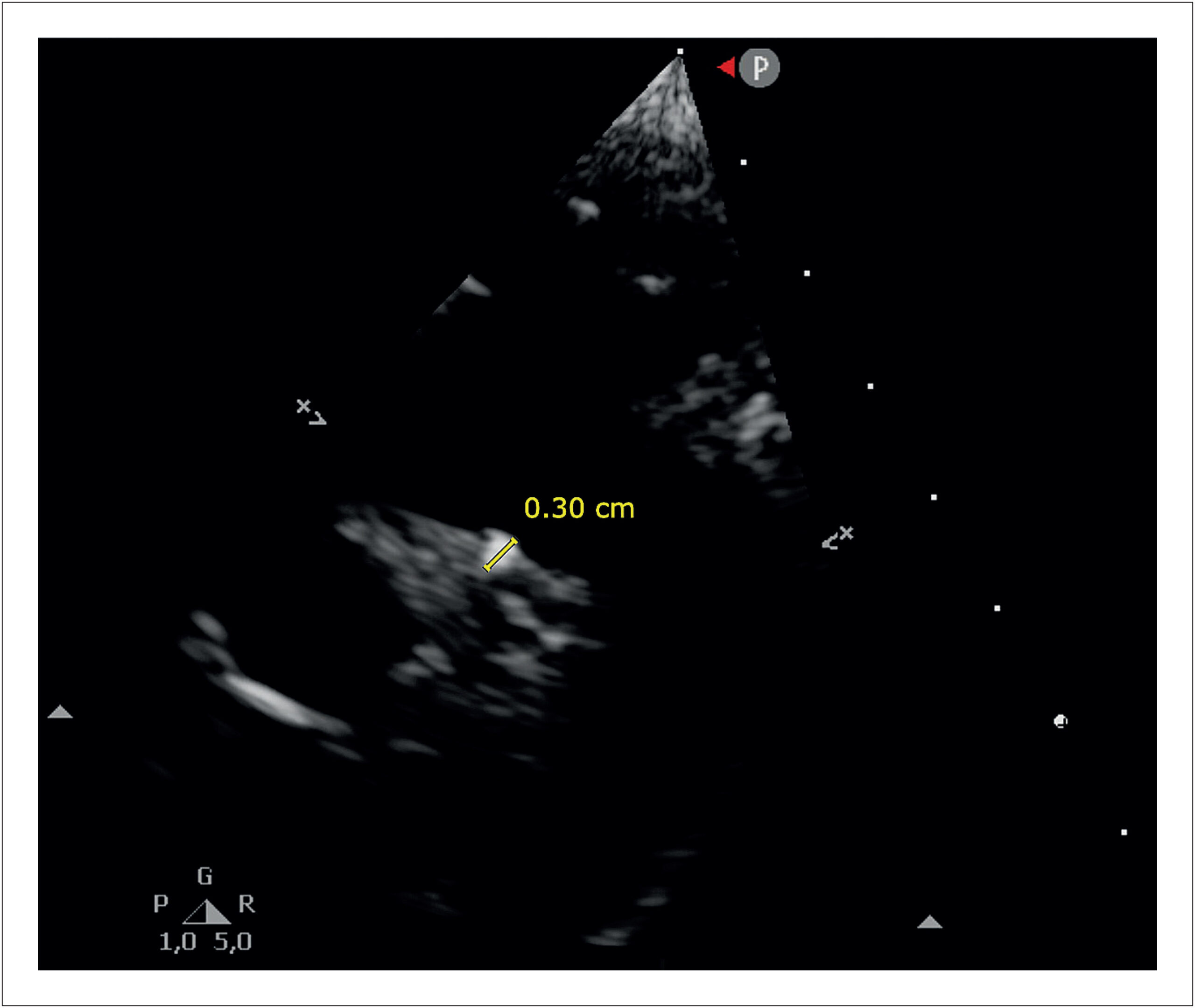
This case highlights the importance of cascade screening for the early diagnosis of Familial Hypercholesterolemia (FH) in children. Early identification at the age of five enabled the timely initiation of lipid-lowering therapy and underscored the need for individualized treatment based on atherosclerotic risk. Despite a substantial reduction in LDL-C levels, the patient remained above recommended therapeutic targets, emphasizing the need for ongoing monitoring and treatment intensification. The detection of subclinical atherosclerosis further reinforces the importance of continuous cardiovascular surveillance. A comprehensive management strategy combining cascade screening, family-based risk assessment, and early intervention is essential to reduce long-term cardiovascular risk and improve clinical outcomes.

  • Atherosclerosis
  • Hyperlipoproteinemia Type II
  • LDL Lipoproteins
Read Full Article
Creative Commons Attribution (CC BY) Creative Commons license
07/09/2026 DOI: 10.36660/ijcs.20260095
ABC
Editorial

The Unknown Risk of Familial Hypercholesterolemia in the Development of Atherosclerotic Cardiovascular Disease

Elizabeth do Nascimento et al. José Luiz de Brito Alves

Cardiovascular diseases (CVD) are recognized as the main causes of death in adulthood in the world., A number of factors, such as smoking, arterial hypertension, obesity, metabolic syndrome and hypercholesterolemia have been described as important risk factors in the development of CVD and premature death. Hypercholesterolemia can be classified as primary or secondary in origin. Primary hypercholesterolemia is due to genetically determined defects in lipid or lipoprotein metabolism; secondary hypercholesterolemia can be caused by inadequate lifestyle, diseases or medications.

Familial hypercholesterolemia (FH) is an autosomal-dominant disorder characterized by mutations in genes in the encoding of proteins involved in low-density lipoprotein (LDL) metabolism that occur in the presence of high plasma cholesterol and LDL levels associated with clinical signs of tendon xanthoma. FH is responsible for approximately 10% of cardiovascular events in people under 50 years of age.– In FH, mutations may be present in the LDL receptor gene, in the gene-encoding Apoprotein B-100 or in autosomal recessive LDLRAP1 gene and in autosomal dominant familial hypercholesterolemia (HCHOLA3) variant of the PCSK9 gene. These mutations lead to an impairment in the apoprotein-receptor interaction and result in high plasma cholesterol, high LDL levels and risk of development of atherosclerotic disease.,

[…]

  • Atherosclerosis
  • Cardiovascular Diseases, mortality
  • Early diagnosis
  • Hyperlipoproteinemia Type II
  • Lipid Metabolism Disorders
  • Risk Factors
Read Full Article
Creative Commons Attribution (CC BY) Creative Commons license
16/04/2021 DOI: 10.36660/abc.20210168 Views 1
Figure 1
ABC
Original Article

Cardiovascular Risk Misperception and Low Awareness of Familial Hypercholesterolemia in Individuals with Severe Hypercholesterolemia

Raul D. Santos et al. Carolina Pereira Fernando Cesena Antonio Gabriele Laurinavicius … Viviane Tabone Marcio Sommer Bittencourt

Abstract

Background

Individuals with severe hypercholesterolemia are at a high risk of developing atherosclerotic cardiovascular disease (ASCVD). Many of them have familial hypercholesterolemia (FH).

Objectives

To assess from a patient perspective the degree of awareness about severe hypercholesterolemia, especially FH, ASCVD risk perception, cascade screening performance, and treatment of individuals participating in a routine health evaluation program.

Methods

From a database of 70,000 Brazilian individuals evaluated between 2006 and 2016, 1,987 (2.8%) met the inclusion criteria (age ≥ 18 years and LDL-C ≥ 190 mg/dL or ≥ 160 mg/dL, respectively, if not in use of statins or on statin therapy). Two-hundred individuals were randomly invited to complete an extensive questionnaire. FH was diagnosed if suspected by the attending physician.

Results

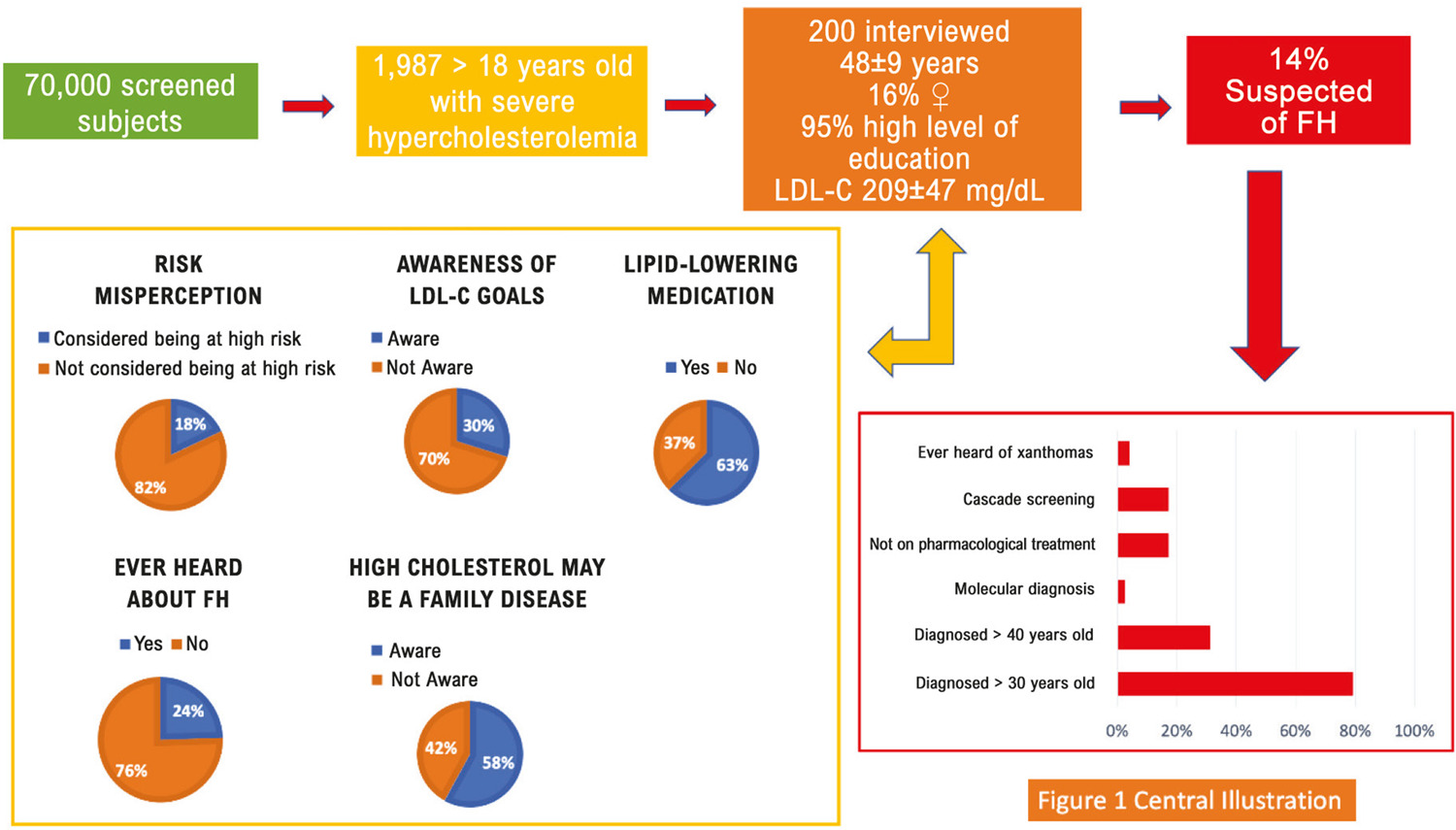
Although 97% of the sample (age 48±9 years; 16% women; 95% college/university education; 88% primary prevention; LDL-C 209±47 mg/dL) had severe hypercholesterolemia, only 18% and 29.5% believed to be at high ASCVD risk and reported knowledge of their recommended LDL-C goal, respectively. Fifty-eight percent reported being informed that high cholesterol could be a family disease, 24.5% (n = 49) had ever heard about FH, and merely 14% (n = 29) had been previously identified as suspected of having FH (age at FH diagnosis 35±12 years; 79% and 31% diagnosed, respectively, > 30 and > 40 years old). Only 2.5% underwent genetic tests, 17% underwent cascade screening, and 17% were not in use of pharmacological treatment.

Conclusions

An important gap in risk perception, cholesterol management, and aspects related to FH was encountered in individuals with severe hypercholesterolemia. (Arq Bras Cardiol. 2021; [online].ahead print, PP.0-0)

  • Atherosclerosis
  • Hypercholesterolemia Risk Factors
  • Hyperlipoproteinemia Type II
  • Mass Screening
Read Full Article
Creative Commons Attribution (CC BY) Creative Commons license
08/02/2021 DOI: 10.36660/abc.20190516 Views 2
ABC
Brief Communication

Compound Heterozygous Familial Hypercholesterolemia Caused by LDLR Variants

Heloisa Pamplona-Cunha et al. Marcela Freitas Medeiros Thaís Cristine Marques Sincero Isabela de Carlos Back Edson Luiz da Silva

Abstract

Familial hypercholesterolemia (FH) is a genetic disease caused by a primary defect in the LDL-receptor gene. Distinct variants in the same gene characterize a compound heterozygote, but little is known about the phenotypes of the carriers. Therefore, herein, we describe the cascade screening of a Brazilian family with this characteristic. The index case, a 36-year-old male, had a total cholesterol level of 360 mg/dL (9.3 mmol/L) and LDL-c value of 259 mg/dL (6.7 mmol/L), in addition to Achilles tendon xanthomas, obesity and prehypertension. Genotyping identified the variants 661G>A, 670G>A, 682G>A in exon 4 and 919G>A in exon 6. The same variant in exon 4 was found in the index case’s son (7-y), who also had hypercholesterolemia and xanthomas, while the index case’s daughter (9-y) had the variant in exon 6 and hyperlipidemia, without xanthomas. In summary, this report allows for a better insight into the molecular basis of FH in Brazil, a multi-racial country where a heterogeneous population is expected.

  • Atherosclerosis
  • Compound Heterozygous
  • Familial hypercholesterolemia
  • Genetic Cascade Screening
  • Genotyping
  • Hyperlipoproteinemia Type II
Read Full Article
Creative Commons Attribution (CC BY) Creative Commons license
28/09/2020 DOI: 10.36660/abc.20190582
Figure 1
ABC
Viewpoint

Indications of PCSK9 Inhibitors for Patients at High and Very High Cardiovascular Risk

Paulo Eduardo Ballvé Behr et al. Emilio Hideyuki Moriguchi Iran Castro Luiz Carlos Bodanese … Oscar Pereira Dutra Paulo Ernesto Leães Pedro Pimentel Filho

LDL-C as a risk factor

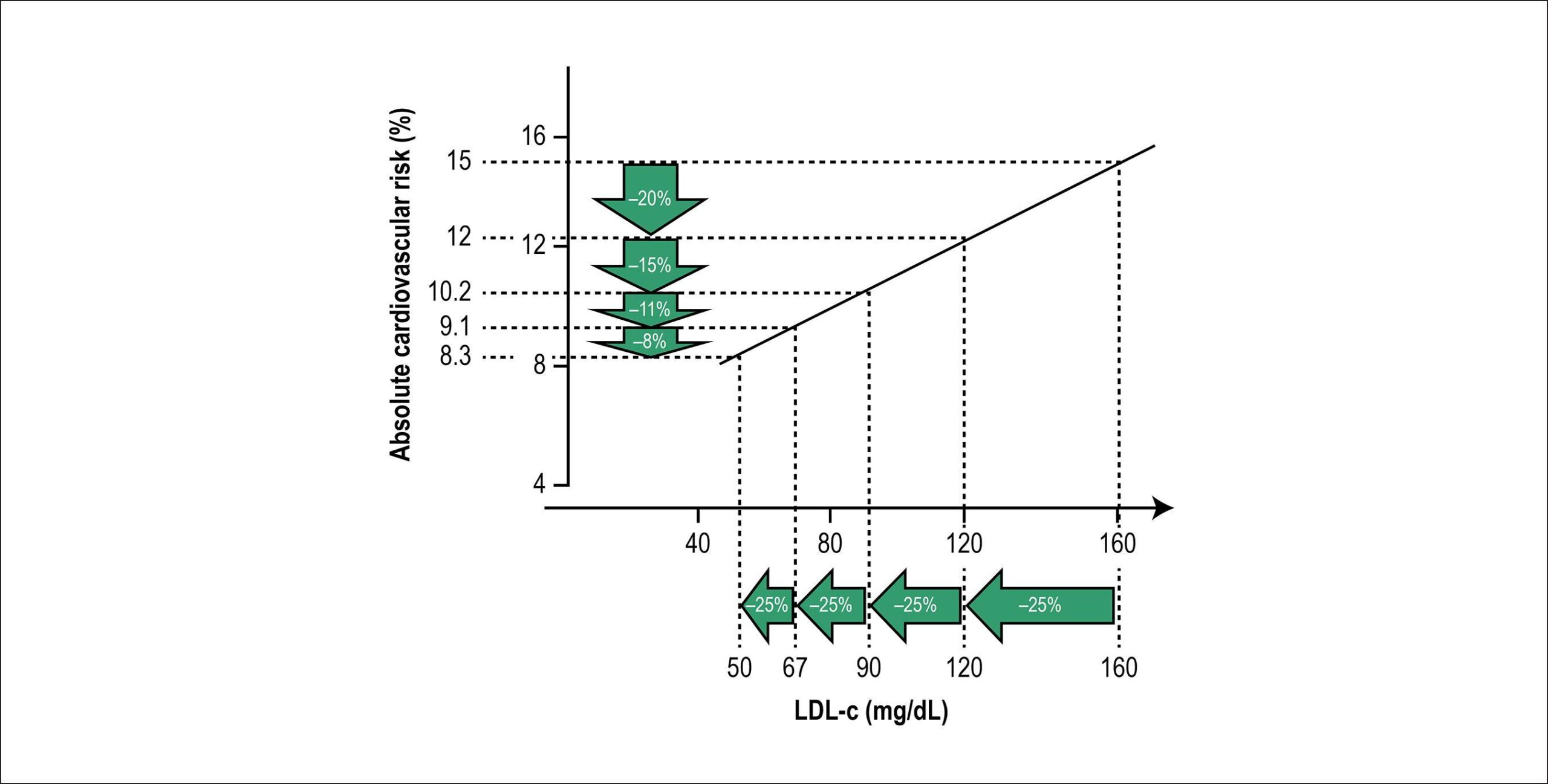
The causality of plasma LDL-C levels and reduced LDL-C uptake mediated by the LDL-C receptor in the pathophysiology of CVD has been very consistently established. For patients at very high risk for premature events, such as those with familial hypercholesterolemia (FH), an elevated LDL-C level is an extremely prevalent risk factor.

[…]

  • Cardiovascular Diseases, mortality
  • Cardiovascular Diseases/complications
  • Coronary Artery Disease
  • Ezetimibe, Simvastatin Drug Combination
  • Hyperlipoproteinemia Type II
  • Proprotein Convertase 9
Read Full Article
Creative Commons Attribution (CC BY) Creative Commons license
01/07/2018 DOI: 10.5935/abc.20180133 Views 1
ABC
Original Article

Clinical, Anthropometric and Biochemical Characteristics of Patients with or without Genetically Confirmed Familial Hypercholesterolemia

Andrea De Lorenzo et al. Juliana Duarte Lopes da Silva Cinthia E. James Alexandre C. Pereira Annie Seixas Bello Moreira

Abstract

Background:

Familial hypercholesterolemia (FH) is a common autosomal dominant disorder, characterized by a high level of low-density lipoprotein cholesterol (LDL-C) and a high risk of premature cardiovascular disease.

Objective:

To evaluate clinical and anthropometric characteristics of patients with the familiar hypercholesterolemia (FH) phenotype, with or without genetic confirmation of FH.

Methods:

Forty-five patients with LDL-C > 190 mg/dl were genotyped for six FH-related genes: LDLR, APOB, PCSK9, LDLRAP1, LIPA and APOE. Patients who tested positive for any of these mutations were considered to have genetically confirmed FH. The FH phenotype was classified according to the Dutch Lipid Clinic Network criteria.

Results:

Comparing patients with genetically confirmed FH to those without it, the former had a higher clinical score for FH, more often had xanthelasma and had higher LDL-C and apo B levels. There were significant correlations between LDL-C and the clinical point score for FH (R = 0.382, p = 0.037) and between LDL-C and body fat (R = 0.461, p = 0.01). However, patients with mutations did not have any correlation between LDL-C and other variables, while for those without a mutation, there was a correlation between LDL-C and the clinical point score.

Conclusions:

LDL-C correlated with the clinical point score and with body fat, both in the overall patient population and in patients without the genetic confirmation of FH. In those with genetically confirmed FH, there were no correlations between LDL-C and other clinical or biochemical variables in patients.

  • Body Weights and Measurements, LDL Lipoproteins, Dyslipidemias, Mutation, Phenotype
  • Hyperlipoproteinemia Type II
Read Full Article
Creative Commons Attribution (CC BY) Creative Commons license
01/02/2018 DOI: 10.5935/abc.20180005 Views 1
Figure 1
IJCS
Case Report

Familial Hypercholesterolemia: the Importance of Early Diagnosis and Management

Ana Flavia Cassini Cunha et al. Iliana Ribeiro

Introduction

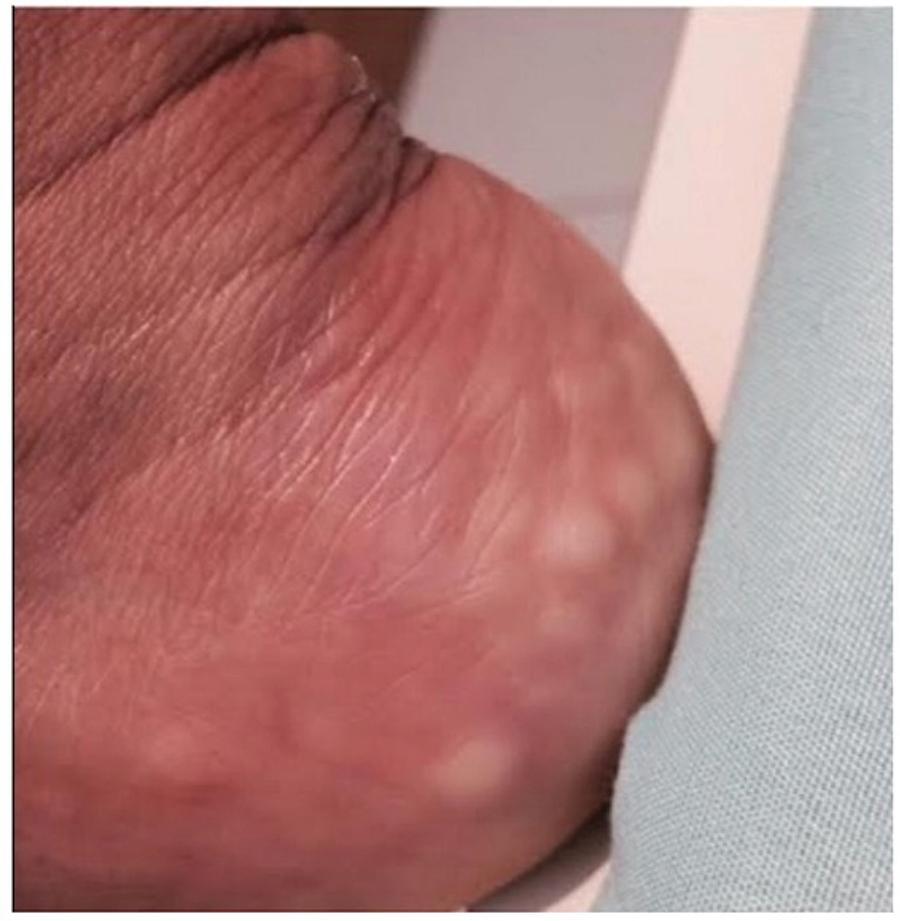
Familial Hypercholesterolemia (FH) is an autosomal dominant hereditary disease, a genetic disease of lipoprotein metabolism, mainly due to a defect in the LDLR gene encoding the LDL receptor.– The diagnosis is established by clinical and laboratory criteria and should always be a diagnostic hypothesis in patients with low-density lipoprotein cholesterol (LDLc) levels greater than 190 mg/dL; and can be confirmed by genetic tests that determine the mutation., Some diagnostic criteria have been proposed in an attempt to standardize and formalize the diagnosis of FH, such as the Dutch Lipid Clinic Network (Dutch MEDPED). This calculates a patient score based on anamnesis data and physical and laboratory tests such as elevated rates of LDLc; characteristics such as tendinous xanthomas and corneal arch; family history of hypercholesterolemia and/or early coronary artery disease (man < 55 years and woman < 60 years) and identification of genetic mutations., The score determines the probability of an FH diagnosis as possible, probable or definitive FH. The most common mutation related to FH is in the gene encoding the LDL receptor, resulting in LDL receptors with functional reductions in their ability to remove LDLc from the circulation. There are two distinct phenotypes: the homozygous form, where two defective genes are inherited and LDL receptors have no functionality; a rare form,1 in 1 million individuals and in this case are observed LDL levels > 650 mg/dL; and the heterozygous form, where a gene defective to the LDL receptor is inherited from one parent and a normal gene from the other. The absence of a functional gene causes an increase in the plasma level of LDLc; most frequently affects 1 in 500 individuals with LDL levels > 200 mg/dL. The homozygous form tends to present cardiovascular involvement already in childhood. The mutation may also be secondary to defects in the APOB gene encoding apolipoprotein B100, or by functional gain mutations in the pro-protein convertase subutilisin/kexin type 9 (PCSK) gene. -9).,, In patients with heterozygous FH the LDL particles circulate longer, being more subject to oxidation and chemical transformations that result in high uptake of LDL modified by macrophages, triggering pro-atherogenic mechanisms, causing atherosclerosis, coronary artery disease and arterial disease peripheral. The nutritional therapies, medication, and regular physical exercises help to control LDL levels and to prevent cardiovascular disease.– It is recommended to reduce the intake of foods rich in cholesterol and saturated fatty acids.– Pharmacological therapy is performed with high-potency statins, such as Atorvastatin (10-80 mg) and Rosuvastatin (10-40mg), in order to obtain a reduction of more than 50% of the baseline level. In patients with intolerant to statin therapy, other hypolipidemic agents, such as ezetimibe, niacin or cholestyramine may be used; and may be also combined with each others in patients who are poorly responding to single statin therapy., Drug therapy should be individually prescribed and maintained in the long term, with regular medical follow-up always evaluating liver (TGO/TGP) and muscular (CPK) enzymes., Lipid profile screening is recommended in all individuals over 10 years of age and in all first degree relatives of individuals diagnosed as having FH. In the presence of risk factors, clinical signs of FH or atherosclerotic disease, the lipid profile should be considered from 02 years old on.

In this report, we describe the case of a patient in the fourth decade of life with Familial Hypercholesterolemia, who was successfully treated with high-potency statin.

[…]

  • Ankle Brachial Index
  • Atherosclerosis
  • Hyperlipoproteinemia Type II
  • Peripheral Arterial Disease
Read Full Article
Creative Commons Attribution (CC BY) Creative Commons license
01/01/2017 DOI: 10.5935/2359-4802.20170077
ABC
Viewpoint

Genetics of Dyslipidemia

Diego García-Giustiniani et al. Ricardo Stein

Genes Associated with Alterations in LDL-C Levels

[…]

  • Dyslipidemias / diagnosis
  • Dyslipidemias/genetics
  • Hyperlipoproteinemia Type II
Read Full Article
Creative Commons Attribution (CC BY) Creative Commons license
01/05/2016 DOI: 10.5935/abc.20160074 Views 2

How to cite this article

EndNote RIS

Electronic Document Format (Vancouver)

Zanotti JS, Martim ETQ, Alves RJ. Early Cascade Screening and Lipid-Lowering Therapy in Childhood: Challenges in the Management of Familial Hypercholesterolemia. International Journal of Cardiovascular Sciences 2026;39:e20260095.

Electronic Document Format (ABNT)

Zanotti, Juliana Simões; Martim, Eduardo Tomaz Quartero; Alves, Renato Jorge. Early Cascade Screening and Lipid-Lowering Therapy in Childhood: Challenges in the Management of Familial Hypercholesterolemia. International Journal of Cardiovascular Sciences, v. 39, e20260095, Sep. 2026.

Electronic Document Format (APA)

Zanotti, J. S., Martim, E. T. Q., & Alves, R. J. (2026). Early Cascade Screening and Lipid-Lowering Therapy in Childhood: Challenges in the Management of Familial Hypercholesterolemia. International Journal of Cardiovascular Sciences, 39, e20260095.

Electronic Document Format (ISO)

Zanotti, Juliana Simões and Martim, Eduardo Tomaz Quartero and Alves, Renato Jorge. Early Cascade Screening and Lipid-Lowering Therapy in Childhood: Challenges in the Management of Familial Hypercholesterolemia. International Journal of Cardiovascular Sciences [online]. 2026, vol. 39, [cited 2026-10-14], e20260095. Available from: <https://journals.cardiol.br/en/article/early-cascade-screening-and-lipid-lowering-therapy-in-childhood-challenges-in-the-management-of-familial-hypercholesterolemia/>. ISSN 2359-4802

EndNote RIS

Electronic Document Format (Vancouver)

Nascimento E, Alves JLB. The Unknown Risk of Familial Hypercholesterolemia in the Development of Atherosclerotic Cardiovascular Disease. Arquivos Brasileiros de Cardiologia 2021;116(4):713-4.

Electronic Document Format (ABNT)

Nascimento, Elizabeth do; Alves, José Luiz de Brito. The Unknown Risk of Familial Hypercholesterolemia in the Development of Atherosclerotic Cardiovascular Disease. Arquivos Brasileiros de Cardiologia, v. 116, n. 4, p. 713-714, Apr. 2021.

Electronic Document Format (APA)

Nascimento, E. , & Alves, J. L. B. (2021). The Unknown Risk of Familial Hypercholesterolemia in the Development of Atherosclerotic Cardiovascular Disease. Arquivos Brasileiros de Cardiologia, 116(4), 713-714.

Electronic Document Format (ISO)

Nascimento, Elizabeth do and Alves, José Luiz de Brito. The Unknown Risk of Familial Hypercholesterolemia in the Development of Atherosclerotic Cardiovascular Disease. Arquivos Brasileiros de Cardiologia [online]. 2021, vol. 116, n. 4, [cited 2026-10-14], pp. 713-714. Available from: <https://journals.cardiol.br/en/article/the-unknown-risk-of-familial-hypercholesterolemia-in-the-development-of-atherosclerotic-cardiovascular-disease/>. ISSN 0066-782X

EndNote RIS

Electronic Document Format (Vancouver)

Santos RD, Pereira C, Cesena F, Laurinavicius AG, Tabone V, Bittencourt MS. Cardiovascular Risk Misperception and Low Awareness of Familial Hypercholesterolemia in Individuals with Severe Hypercholesterolemia. Arquivos Brasileiros de Cardiologia 2021;116(4):706-12.

Electronic Document Format (ABNT)

Santos, Raul D.; Pereira, Carolina; Cesena, Fernando; Laurinavicius, Antonio Gabriele; Tabone, Viviane; Bittencourt, Marcio Sommer. Cardiovascular Risk Misperception and Low Awareness of Familial Hypercholesterolemia in Individuals with Severe Hypercholesterolemia. Arquivos Brasileiros de Cardiologia, v. 116, n. 4, p. 706-712, Feb. 2021.

Electronic Document Format (APA)

Santos, R. D., Pereira, C., Cesena, F., Laurinavicius, A. G., Tabone, V., & Bittencourt, M. S. (2021). Cardiovascular Risk Misperception and Low Awareness of Familial Hypercholesterolemia in Individuals with Severe Hypercholesterolemia. Arquivos Brasileiros de Cardiologia, 116(4), 706-712.

Electronic Document Format (ISO)

Santos, Raul D. and Pereira, Carolina and Cesena, Fernando and Laurinavicius, Antonio Gabriele and Tabone, Viviane and Bittencourt, Marcio Sommer. Cardiovascular Risk Misperception and Low Awareness of Familial Hypercholesterolemia in Individuals with Severe Hypercholesterolemia. Arquivos Brasileiros de Cardiologia [online]. 2021, vol. 116, n. 4, [cited 2026-10-14], pp. 706-712. Available from: <https://journals.cardiol.br/en/article/cardiovascular-risk-misperception-and-low-awareness-of-familial-hypercholesterolemia-in-individuals-with-severe-hypercholesterolemia/>. ISSN 0066-782X

EndNote RIS

Electronic Document Format (Vancouver)

Pamplona-Cunha H, Medeiros MF, Sincero TCM, Back IC, Silva EL. Compound Heterozygous Familial Hypercholesterolemia Caused by LDLR Variants. Arquivos Brasileiros de Cardiologia 2020;115(3):587-9.

Electronic Document Format (ABNT)

Pamplona-Cunha, Heloisa; Medeiros, Marcela Freitas; Sincero, Thaís Cristine Marques; Back, Isabela de Carlos; Silva, Edson Luiz da. Compound Heterozygous Familial Hypercholesterolemia Caused by LDLR Variants. Arquivos Brasileiros de Cardiologia, v. 115, n. 3, p. 587-589, Sep. 2020.

Electronic Document Format (APA)

Pamplona-Cunha, H., Medeiros, M. F., Sincero, T. C. M., Back, I. C., & Silva, E. L. (2020). Compound Heterozygous Familial Hypercholesterolemia Caused by LDLR Variants. Arquivos Brasileiros de Cardiologia, 115(3), 587-589.

Electronic Document Format (ISO)

Pamplona-Cunha, Heloisa and Medeiros, Marcela Freitas and Sincero, Thaís Cristine Marques and Back, Isabela de Carlos and Silva, Edson Luiz da. Compound Heterozygous Familial Hypercholesterolemia Caused by LDLR Variants. Arquivos Brasileiros de Cardiologia [online]. 2020, vol. 115, n. 3, [cited 2026-10-14], pp. 587-589. Available from: <https://journals.cardiol.br/en/article/compound-heterozygous-familial-hypercholesterolemia-caused-by-ldlr-variants/>. ISSN 0066-782X

EndNote RIS

Electronic Document Format (Vancouver)

Behr PEB, Moriguchi EH, Castro I, Bodanese LC, Dutra OP, Leães PE, Pimentel Filho P, et al. Indications of PCSK9 Inhibitors for Patients at High and Very High Cardiovascular Risk. Arquivos Brasileiros de Cardiologia 2018;111(1):104-8.

Electronic Document Format (ABNT)

Behr, Paulo Eduardo Ballvé; Moriguchi, Emilio Hideyuki; Castro, Iran; Bodanese, Luiz Carlos; Dutra, Oscar Pereira; Leães, Paulo Ernesto; Pimentel Filho, Pedro. Indications of PCSK9 Inhibitors for Patients at High and Very High Cardiovascular Risk. Arquivos Brasileiros de Cardiologia, v. 111, n. 1, p. 104-108, Jun. 2018.

Electronic Document Format (APA)

Behr, P. E. B., Moriguchi, E. H., Castro, I., Bodanese, L. C., Dutra, O. P., Leães, P. E., & Pimentel Filho, P. (2018). Indications of PCSK9 Inhibitors for Patients at High and Very High Cardiovascular Risk. Arquivos Brasileiros de Cardiologia, 111(1), 104-108.

Electronic Document Format (ISO)

Behr, Paulo Eduardo Ballvé and Moriguchi, Emilio Hideyuki and Castro, Iran and Bodanese, Luiz Carlos and Dutra, Oscar Pereira and Leães, Paulo Ernesto and Pimentel Filho, Pedro. Indications of PCSK9 Inhibitors for Patients at High and Very High Cardiovascular Risk. Arquivos Brasileiros de Cardiologia [online]. 2018, vol. 111, n. 1, [cited 2026-10-14], pp. 104-108. Available from: <https://journals.cardiol.br/en/article/indications-of-pcsk9-inhibitors-for-patients-at-high-and-very-high-cardiovascular-risk/>. ISSN 0066-782X

EndNote RIS

Electronic Document Format (Vancouver)

Lorenzo AD, Silva JDL, James CE, Pereira AC, Moreira ASB. Clinical, Anthropometric and Biochemical Characteristics of Patients with or without Genetically Confirmed Familial Hypercholesterolemia. Arquivos Brasileiros de Cardiologia 2018;110(2):119-23.

Electronic Document Format (ABNT)

Lorenzo, Andrea De; Silva, Juliana Duarte Lopes da; James, Cinthia E.; Pereira, Alexandre C.; Moreira, Annie Seixas Bello. Clinical, Anthropometric and Biochemical Characteristics of Patients with or without Genetically Confirmed Familial Hypercholesterolemia. Arquivos Brasileiros de Cardiologia, v. 110, n. 2, p. 119-123, Jan. 2018.

Electronic Document Format (APA)

Lorenzo, A. D., Silva, J. D. L. , James, C. E., Pereira, A. C., & Moreira, A. S. B. (2018). Clinical, Anthropometric and Biochemical Characteristics of Patients with or without Genetically Confirmed Familial Hypercholesterolemia. Arquivos Brasileiros de Cardiologia, 110(2), 119-123.

Electronic Document Format (ISO)

Lorenzo, Andrea De and Silva, Juliana Duarte Lopes da and James, Cinthia E. and Pereira, Alexandre C. and Moreira, Annie Seixas Bello. Clinical, Anthropometric and Biochemical Characteristics of Patients with or without Genetically Confirmed Familial Hypercholesterolemia. Arquivos Brasileiros de Cardiologia [online]. 2018, vol. 110, n. 2, [cited 2026-10-14], pp. 119-123. Available from: <https://journals.cardiol.br/en/article/clinical-anthropometric-and-biochemical-characteristics-of-patients-with-or-without-genetically-confirmed-familial-hypercholesterolemia/>. ISSN 0066-782X

EndNote RIS

Electronic Document Format (Vancouver)

Cunha AFC, Ribeiro I. Familial Hypercholesterolemia: the Importance of Early Diagnosis and Management. International Journal of Cardiovascular Sciences 2017;30(6):550-3.

Electronic Document Format (ABNT)

Cunha, Ana Flavia Cassini; Ribeiro, Iliana. Familial Hypercholesterolemia: the Importance of Early Diagnosis and Management. International Journal of Cardiovascular Sciences, v. 30, n. 6, p. 550-553, Dec. 2016.

Electronic Document Format (APA)

Cunha, A. F. C., & Ribeiro, I. (2017). Familial Hypercholesterolemia: the Importance of Early Diagnosis and Management. International Journal of Cardiovascular Sciences, 30(6), 550-553.

Electronic Document Format (ISO)

Cunha, Ana Flavia Cassini and Ribeiro, Iliana. Familial Hypercholesterolemia: the Importance of Early Diagnosis and Management. International Journal of Cardiovascular Sciences [online]. 2017, vol. 30, n. 6, [cited 2026-10-14], pp. 550-553. Available from: <https://journals.cardiol.br/en/article/familial-hypercholesterolemia-the-importance-of-early-diagnosis-and-management/>. ISSN 2359-4802

EndNote RIS

Electronic Document Format (Vancouver)

García-Giustiniani D, Stein R. Genetics of Dyslipidemia. Arquivos Brasileiros de Cardiologia 2016;106(5):434-8.

Electronic Document Format (ABNT)

García-Giustiniani, Diego; Stein, Ricardo. Genetics of Dyslipidemia. Arquivos Brasileiros de Cardiologia, v. 106, n. 5, p. 434-438, Apr. 2016.

Electronic Document Format (APA)

García-Giustiniani, D., & Stein, R. (2016). Genetics of Dyslipidemia. Arquivos Brasileiros de Cardiologia, 106(5), 434-438.

Electronic Document Format (ISO)

García-Giustiniani, Diego and Stein, Ricardo. Genetics of Dyslipidemia. Arquivos Brasileiros de Cardiologia [online]. 2016, vol. 106, n. 5, [cited 2026-10-14], pp. 434-438. Available from: <https://journals.cardiol.br/en/article/genetics-of-dyslipidemia/>. ISSN 0066-782X

  • About ABC Family
  • Internal Regulation
  • Editorial Board
  • Brazilian Society of Cardiology (SBC)

Issues

SBC Guidelines

  • Videos
  • Podcasts
  • News