ABC Family Arquivos Brasileiros de Cardiologia International Journal of Cardiovascular Sciences ABC Heart Failure & Cardiomyopathy ABC Imagem Cardiovascular
Português English
ABC Family
Português English
  • About
    • About ABC Family
    • Internal Regulation
    • Editorial Board
    • Brazilian Society of Cardiology (SBC)
  • Issues
  • SBC Guidelines
  • Content
    • Videos
    • Podcasts
    • News
  • About
    • About ABC Family
    • Internal Regulation
    • Editorial Board
    • Brazilian Society of Cardiology (SBC)
  • Issues
  • SBC Guidelines
  • Content
    • Videos
    • Podcasts
    • News

ABC Family

  • ABC Family
  • Arquivos Brasileiros de Cardiologia
  • International Journal of Cardiovascular Sciences
  • ABC Heart Failure & Cardiomyopathy
  • ABC Imagem Cardiovascular
Search in

No content found.

Journals
Ordering
Article types
Others

  1. Home
  2. Keyword: Cardiovascular Diseases/prevention and control
IJCS
Editorial

The Present and Future of the Cardioprotective Food Model for the Brazilian Population

Thais de Rezende Bessa Guerra

In recent decades, researchers have found important changes in the health pattern and food consumption of the Brazilian population. These changes have been associated with chronic non-communicable diseases, especially cardiovascular disease.

The Global Burden of Disease Study (2019), which analyzed data on chronic non-communicable diseases in 204 countries and territories between 1990 and 2019, estimated that cardiovascular disease, which is attributable to modifiable risk factors such as cholesterol level, is the main health care burden worldwide. High LDL cholesterol and its associated mortality remain a major threat to public health. The report recommends that national health systems focus on new approaches that can reverse these trends, since there is an urgent need to implement effective policies and interventions to achieve a 30% reduction in premature mortality from non-communicable diseases.

[…]

  • Cardiotonic Agents/administration and dosage
  • Cardiovascular Diseases/prevention and control
  • Diet
  • Diet, Food and Nutrition/habits
  • Epidemiology
  • Public Health
  • Quality of life
Read Full Article
Creative Commons Attribution (CC BY) Creative Commons license
10/03/2023 DOI: 10.36660/ijcs.20210254 Views 1
ABC
Editorial

Cost-Effectiveness of Using the Coronary Calcium Score to Guide Therapeutic Decisions in Primary Prevention in the Brazilian Population

Ilan Gottlieb

Cardiovascular diseases (CVD) statistics never fail to impress even the most hardened and experienced physician. One-third of deaths worldwide are still due to cardiovascular causes (85% of those are myocardial infarction and stroke), and 75% occur in mid-to-low income countries., Half the people who died of myocardial infarction never had symptoms before the tragic event, and most never had the diagnosis of coronary artery disease. Despite our best efforts, the prevalence of ischemic heart disease (IHD) has been steadily rising for the last 30 years worldwide due to population aging, but even if we standardize by age, the prevalence has been stable, and notwithstanding fallen. This fact highlights the importance of lifestyle changes that allow for a healthier heart and the need to focus on implementing existing cost-effective policies and interventions.

Coronary calcification is almost always a marker of atherosclerosis. The coronary calcium score (CCS) is a number that quantifies coronary calcification as a surrogate for total coronary atherosclerotic burden. Even though calcification results from plaque healing, higher-risk plaques tend to have proportionately greater non-calcified components; CCS has been proven to be a strong predictor of CVD and IHD events in multiple large, solid, population-based studies.

[…]

  • Atherosclerosis
  • Cardiovascular Diseases/prevention and control
  • Coronary Artery Disease
  • Cost-Benefit Analysis
  • Myocardial Infarction
  • Plaque, Atherosclerotic
  • Risk Factors
  • Statins
  • Stroke
Read Full Article
Creative Commons Attribution (CC BY) Creative Commons license
10/06/2022 DOI: 10.36660/abc.20220293 Views 2
IJCS
Viewpoint

Physical Activity and Cardiovascular Health: Practical Strategies to Reduce Sedentary Time in Adult Population

Karolinny Borinelli de Aquino Moura et al. Simone Savaris Janice Debastiani Juliana Beust de Lima

Introduction

Cardiovascular disease (CVD) is highly prevalent worldwide and is the main cause of death in the general population. The practice of physical activity (PA) has emerged as a primary prevention strategy for CVD, with the potential to control risk factors, and promote a better quality of life and longer survival.

However, despite the scientifically proven benefits, and formal recommendations for the practice of PA for adults, ( ), published data on the world population are alarming. Recent estimates indicate that one in four (27.5%) adults worldwide and almost half of the population in Brazil do not follow the recommendations made by the World Health Organization (WHO). Additionally to physical inactivity, the growing prevalence of sedentary behavior is a current concern ( ).

[…]

  • Activity Physical
  • Adult
  • Cardiovascular Diseases/prevention and control
  • Exercise
  • Health Promotion
  • Quality of life
  • Sedentary Behavior
Read Full Article
Creative Commons Attribution (CC BY) Creative Commons license
01/11/2021 DOI: 10.36660/ijcs.20200318 Views 2
ABC
Editorial

Cardiovascular Disease Prevention in Adolescence: New Possibilities

Mariana Xavier e Silva

It is currently known that the atherosclerosis process starts in childhood. Thus, in order to decrease the number of cardiovascular events in the adult population, it was necessary to establish strategies aimed at preventing the development of risk factors in children. Of these, obesity is one of the most accountable elements. Obesity and its consequences, especially in adolescents, has been an increasingly frequent reality in cardiologists’ offices. Studies have shown that a high body mass index means a greater probability of developing chronic diseases, including, and among them, atherosclerosis, systemic arterial hypertension, diabetes mellitus, dyslipidemia, metabolic syndrome and comorbidities, such as obstructive sleep apnea., These risk factors, also during growth and development, tend to join and act in favor of cardiovascular disease.

Overweight and obesity in children and adolescents are indeed a matter of concern. A close look shows that, in the last twenty years, their proportion has greatly increased in several countries.,, Adolescence is characterized by significant changes in body composition, especially during puberty. The follow-up and monitoring are essential since weight, body fat and lean mass are predictive characteristics of the development of cardiovascular risk factors in adult life., This age group, within this scenario, has a five-fold greater risk of excessive adiposity in the future, thus becoming a marker of increased cardiometabolic risk.

[…]

  • Adolescent
  • Atherosclerosis
  • Cardiovascular Diseases / trends
  • Cardiovascular Diseases/prevention and control
  • Childhood
  • Risk Factors
Read Full Article
Creative Commons Attribution (CC BY) Creative Commons license
16/04/2021 DOI: 10.36660/abc.20200556 Views 2
ABC
Original Article

Recent Trends in Cardiovascular Mortality in Rio de Janeiro State Health Regions and Capital

Maria Luiza Garcia Rosa et al. Claudio Tinoco Mesquita Lucas Zanetti de Albuquerque Willian Douglas de Souza Silva … Vinicius de Padua Vieira Alves Roger Freitas Ramirez Jordan Ricardo Cardoso de Matos Ana Luisa Guedes de França e Silva Erito Marques de Souza Filho

Abstract

Background:

Cardiovascular disease (CVD) mortality, after several decades of decrease, has shown a tendency towards the stabilization in some countries, including Brazil and Rio de Janeiro state. This new tendency was not further analyzed by gender, age group and region of the Rio de Janeiro state.

Objective:

To analyze the trends of premature and late mortality from CVD, ischemic heart disease (IHD) and cerebrovascular disease (CBVD) by gender in the city of Rio de Janeiro (capital) and the health regions of Rio de Janeiro state (from 1996 to 2016.

Methods:

Data on deaths and the population were obtained from DATASUS/MS. The rates were compensated by ill-defined codes, corrected by Ill-Defined Cardiovascular codes and gender and age-adjusted by the direct method (reference population – population of the state of Rio de Janeiro – 2000 census). The Joinpoint Trend Analysis Software was employed.

Results:

IHD mortality stabilized or even increased for at least 50% of the analyzed areas (EAPC≥0). No change was observed. in the “North” and “Northwest” regions For CBVD, just one region showed stability regarding mortality (EAPC close to 0). For the other regions, the rate continued to decrease (APC<0) until 2016.

Conclusion:

These results observed in Rio de Janeiro are possibly appropriate to various Brazilian regions and demonstrate that a serious public health response is needed to address lifestyle behaviors. Primary care physicians should also be familiar with the unfavorable tendency in coronary heart disease among younger adults in recent years and actively screen for risk factors for cardiovascular disease, paying special attention to women.

  • Cardiovascular Diseases/prevention and control
  • Cerebrovascular Diseases/prevention and control
  • Disease Prevention
  • Epidemiology
  • Life Style
  • Risk Factors
Read Full Article
Creative Commons Attribution (CC BY) Creative Commons license
16/04/2021 DOI: 10.36660/abc.20190742 Views 1
IJCS
Editorial

Association between the Average Ratio of Platelet Volume and the Presence of Mural Thrombus in Post-Myocardial Infarction

Fernando Augusto Alves da Costa

Cardiovascular disease is a serious public health problem, responsible for 31% of all deaths worldwide. Population growth, urbanization and the lack of proper policies to control modifiable risk factors lead to an increased number in cases. Associated with this, we have new factors such as stress, pollution, income, unemployment, among others, which, associated with classical factors, increase the speed of atherosclerosis development. Acute ischemic syndromes are some of the worst consequences of the evolution of atherosclerosis, with mortality rates varying according to the type of infarction, place of care and the healthcare resources available.

Among the types of infarction, those with ST segment elevation (STEMI), particularly in the anterior wall, present peculiarities in their natural history, and may lead to complications, such as sudden death, heart failure and embolic events, usually due to the formation of apical thrombus (AT) in the left ventricle.

[…]

  • Atherosclerosis
  • Cardiovascular Diseases/prevention and control
  • Mortality
  • Public Health Program
  • Risk Factors
  • ST Elevation Myocardial Infarction
  • Stress
  • Thrombosis
Read Full Article
Creative Commons Attribution (CC BY) Creative Commons license
09/10/2020 DOI: 10.36660/ijcs.20200263 Views 1
ABC
Editorial

Changes in Our Times and in Cholesterol Targets

Tania Leme da Rocha Martinez

Since the 80s, many approaches have emerged regarding the interpretation of cholesterol levels in clinical practice.

There have even been medical meetings with titles such as: “Cholesterol: Myth or Truth”?

[…]

  • Cardiovascular Diseases/prevention and control
  • Cholesterol, LDL
  • Hydroxymethylglutaryl-CoA Reductase Inhibitors
  • Risk Factors
Read Full Article
Creative Commons Attribution (CC BY) Creative Commons license
28/09/2020 DOI: 10.36660/abc.20200670 Views 1
Figure 1
ABC
Case Report

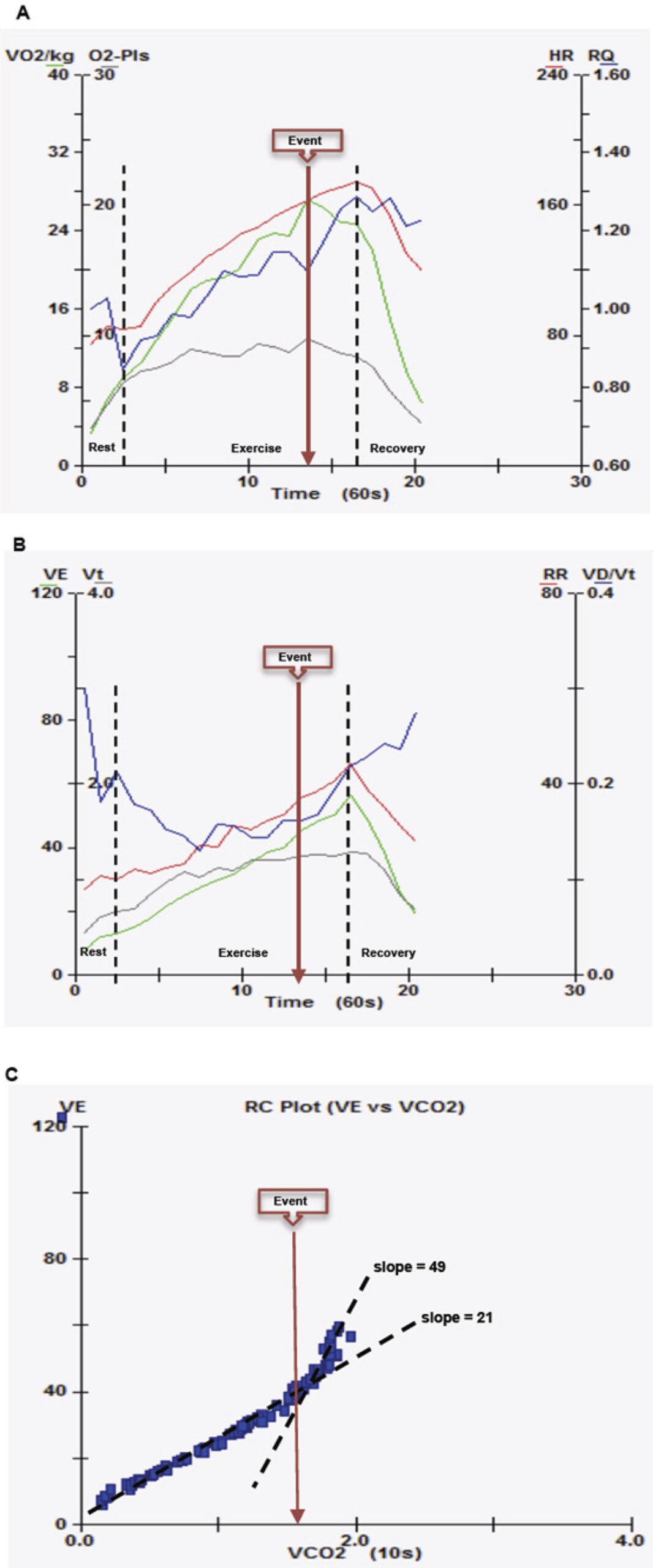
Idiopathic Left-Bundle Branch Block and Unexplained Symptom At Exercise: A Case Report

Guilherme Veiga Guimarães et al. Edimar Alcides Bocchi

Introduction

The presence of a left bundle branch block (LBBB) in the apparent absence of any other heart disease raises questions and concerns about the stratification of the risk of subsequent cardiovascular events or symptoms. – The detection of LBBB in asymptomatic adults, including athletes, is estimated to range between 0.1% and 0.8%, which is more likely to represent a structural heart disease rather than a physiological response to exercise. – On the other hand, some studies have shown that the mortality risk of patients with LBBB and heart disease varies between 2.4% and 11% per year.

Although several studies have suggested that exercise-induced LBBB is usually associated with cardiovascular disease and, particularly, coronary artery disease, there are contrasting studies showing an association between exercise-induced LBBB and normal coronary arteries. , , However, exercise-related cardiovascular adverse effects in LBBB with normal resting cardiac function remains poorly defined.

[…]

  • Bundle Branch Block
  • Cardiovascular Diseases/prevention and control
  • Exercise
  • Oxygen Consumption/physiology
  • Physical activity
Read Full Article
Creative Commons Attribution (CC BY) Creative Commons license
14/09/2020 DOI: 10.36660/abc.20190363 Views 1
Figure 1
ABC
Original Article

Prognostic Contrast between Anatomical and Clinical Models Regarding Fatal and Non-Fatal Outcomes in Acute Coronary Syndromes

Mateus S. Viana et al. Vitor C. A. Correia Felipe M. Ferreira Yasmin F. Lacerda … Gabriela O. Bagano Leticia L. Fonseca Lara Q. Kertzman Milton V. Melo Marcia M. Noya-Rabelo Luis C L Correia

Abstract

Background

Recurrent ischemic events are mediated by atherosclerotic plaque instability, whereas death after an ischemic event results from gravity of insult and ability of the organism to adapt. The distinct nature of those types of events may respond for different prediction properties of clinical and anatomical information regarding type of outcome.

Objective

To identify prognostic properties of clinical and anatomical data in respect of fatal and non-fatal outcomes of patients hospitalized with acute coronary syndromes (ACS).

Methods

Patients consecutively admitted with ACS who underwent coronary angiography were recruited. The SYNTAX score was utilized as an anatomic model and the GRACE score as a clinical model. The predictive capacity of those scores was separately evaluated for prediction of non-fatal ischemic outcomes (infarction and refractory angina) and cardiovascular death during hospitalization. It was considered as significant a p-value <0,05.

Results

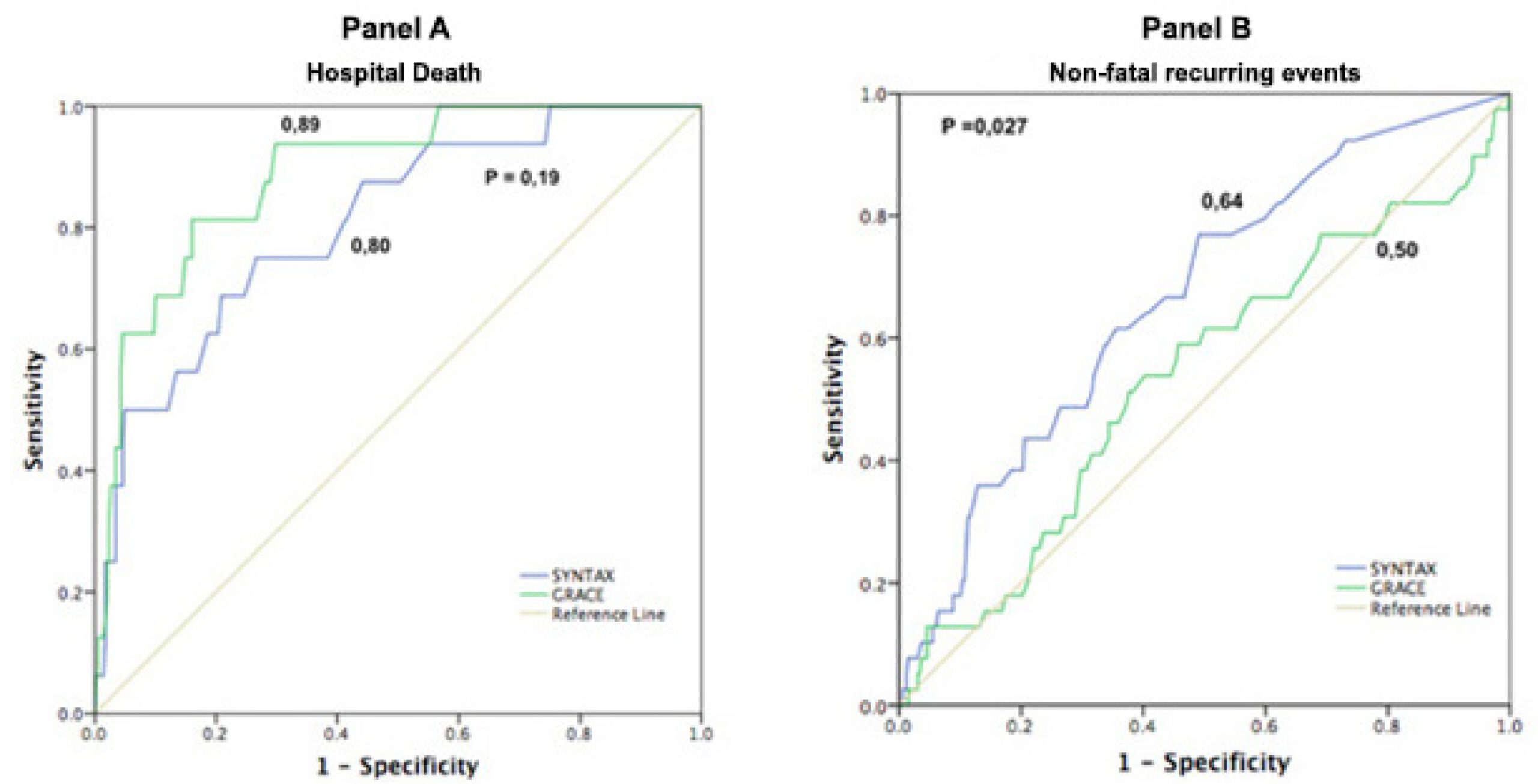
EAmong 365 people, cardiovascular death was observed in 4,4% and incidence of non-fatal ischemic outcomes in 11%. For cardiovascular death, SYNTAX and GRACE score presented similar C-statistic of 0,80 (95% IC: 0,70 – 0,92) and 0,89 (95% IC 0,81 – 0,96), respectively – p = 0,19. As for non-fatal ischemic outcomes, the SYNTAX score presented a moderate predictive value (C-statistic = 0,64; 95%IC 0,55 – 0,73), whereas the GRACE score did not presented association with this type of outcome (C-statistic = 0,50; 95%IC 0,40-0,61) – p = 0,027.

Conclusion

Clinical and anatomic models similarly predict cardiovascular death in ACS. However, recurrence of coronary instability is better predicted by anatomic variables than clinical data. (Arq Bras Cardiol. 2020; [online].ahead print, PP.0-0)

  • Acute Coronary Syndrome/physiopathology
  • Atherosclerosis
  • Cardiovascular Diseases/prevention and control
  • Hospitalization
  • Mortality
  • Myocardial Infarction
  • Prognosis
Read Full Article
Creative Commons Attribution (CC BY) Creative Commons license
28/08/2020 DOI: 10.36660/abc.20190062 Views 2
IJCS
Original Article

Carotid Intima and Media Thickness Correlation with Central Blood Pressure Measurements by Tonometric and Oscillometric Methods: A Proof of Concept

Weimar Kunz Sebba Barroso et al. Milena de Andrade Melo Priscila Valverde Vitorino Claudia Gonçalves … João Alexandre Berigó Ana Carolina Arantes Jeeziane Rezende Thiago Veiga Jardim Ana Luiza Lima Souza Paulo César Veiga Jardim

Abstract

Background

The early detection of vascular damage in subclinical stages of hypertensive disease may be the key point in the prevention of cardiovascular outcomes.

Objectives

to correlate parameters of structural vascular damage (measurement of the carotid intima-media thickness) with parameters of functional vascular damage (central hemodynamic measurements) in pre-hypertensive and hypertensive patients taking up to two classes of anti-hypertensive drugs.

Methods

This was a cross-sectional descriptive study conducted with a convenience sample of patients attending the Liga de Hipertensão Arterial , a multidisciplinary program for the diagnosis and treatment of systemic hypertension, of the Federal university of Goias. Patients with arrythmia, diabetes, previous cardiovascular or cerebrovascular diseases, and end-stage diseases were excluded. Carotid Doppler test, measurements of peripheral and central blood pressure by applanation tonometry (Sphygmocor®) and oscillometry (Mobil-O-Graph®) were performed. The t-test was used for comparisons and the Pearson correlation test for correlations, considering a p<0.05 statistically significant.

Results

twenty patients (12 women) were evaluated, mean age 53.8 ± 14.3 years. Higher values of central pulse pressure (42.9±13.9 vs. 34.7±9.6, p=0.01) and pulse wave velocity (PWV) (9.0±1.9 vs. 7.9±1.5, p=0.01) were obtained by applanation tonometry compared with oscillometry. No difference between the methods was observed for the other measures. A significant correlation was found between carotid artery intima-media thickness (CA-IMT) and PWV (r=0.659; p=0.002) by the oscillometric test, but not with applanation tonometry. No correlation was found between central hemodynamic variables and the presence of carotid artery plaques.

Conclusion

PWV, estimated by oscillometry, was the only central hemodynamic parameter that correlated significantly with CA-IMT in pre-hypertensive and hypertensive patients at low cardiovascular risk. International Journal of Cardiovascular Sciences. 2020; [online].ahead print, PP.0-0

  • Blood Pressure
  • Cardiovascular Diseases/prevention and control
  • Carotid Intima-Media Thickness
  • Hypertension
  • Manometry/ methods
  • Oscillometry/methods
  • Vascular Stiffness
Read Full Article
Creative Commons Attribution (CC BY) Creative Commons license
28/08/2020 DOI: 10.36660/ijcs.20190117 Views 1
Figure 1
ABC
Review Article

Cardiovascular Imaging and Interventional Procedures in Patients with Novel Coronavirus Infection

Isabela Bispo Santos da Silva Costa et al. Carlos Eduardo Rochitte Carlos M. Campos Silvio Henrique Barberato … Gláucia Maria Moraes de Oliveira Marcelo Antônio Cartaxo Queiroga Lopes Cesar Higa Nomura Alexandre A. Abizaid Giovanni Cerri Roberto Kalil Filho Ludhmila Abrahão Hajjar

Abstract

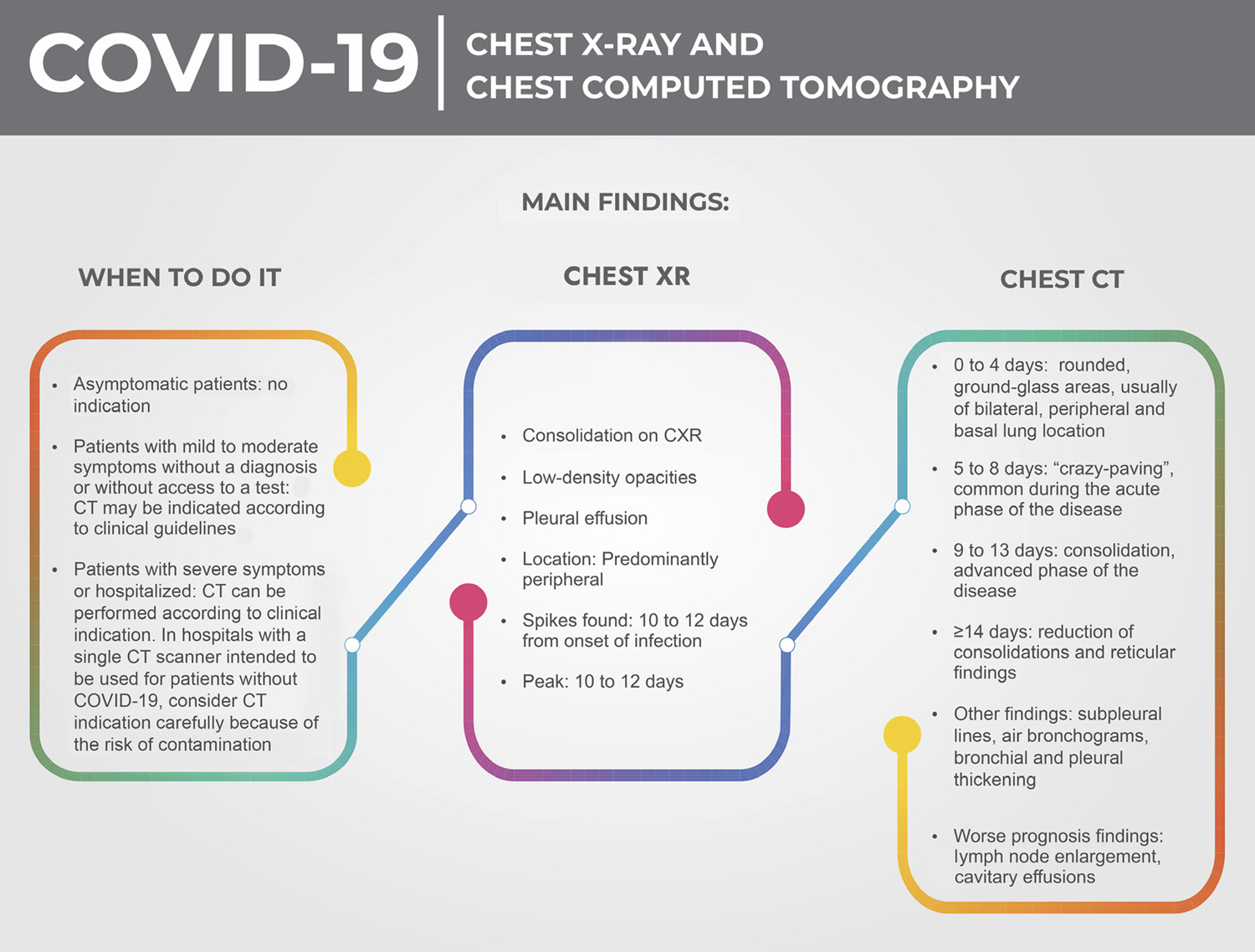
The coronavirus disease 2019 (COVID-19) pandemic is a huge challenge to the health system because of the exponential increase in the number of individuals affected. The rational use of resources and correct and judicious indication for imaging exams and interventional procedures are necessary, prioritizing patient, healthcare personnel, and environmental safety. This review was aimed at guiding health professionals in safely and effectively performing imaging exams and interventional procedures.

  • Cardiovascular Diseases/prevention and control
  • Communicable Diseases, Emergency
  • Coronavirus
  • COVID-19
  • Diagnostic Imaging
  • Diagnostic Techniques and Procedures
  • Medical Examination/methods
  • Pandemics
Read Full Article
Creative Commons Attribution (CC BY) Creative Commons license
07/08/2020 DOI: 10.36660/abc.20200370
Figure 1
IJCS
Original Article

Treatment Eligibility and Therapeutic Responses of an Ecuadorian Population at High Cardiovascular Risk Based on the ATP III Guidelines

Isabel Hernández et al. Andrea Estrella Jorge Salazar Yan Duarte … Edmundo Torres Camilo López Santiago Terán Alejandra Mendoza Enrique Terán

Abstract

Background

The Adult Treatment Panel III (ATPIII) guidelines aim to reduce cardiovascular morbidity and mortality. In Ecuador, 20% of people have high LDL cholesterol levels, and 39% have high triglyceride levels.

Objective

To analyze lipid-lowering regimens in Ecuadorian patients and determine the achievement rate of the ATPIII goals for lipid profile.

Methods

Using a retrospective analysis, 385 subjects older than 30 years, who received pharmacological treatment for dyslipidemia for at least three months was randomly selected from institutions at two large cities in Ecuador. Data were collected from patients’ medical records and analyzed by chi-square test or paired t-test; p-values less than 0.05 were considered significant.

Results

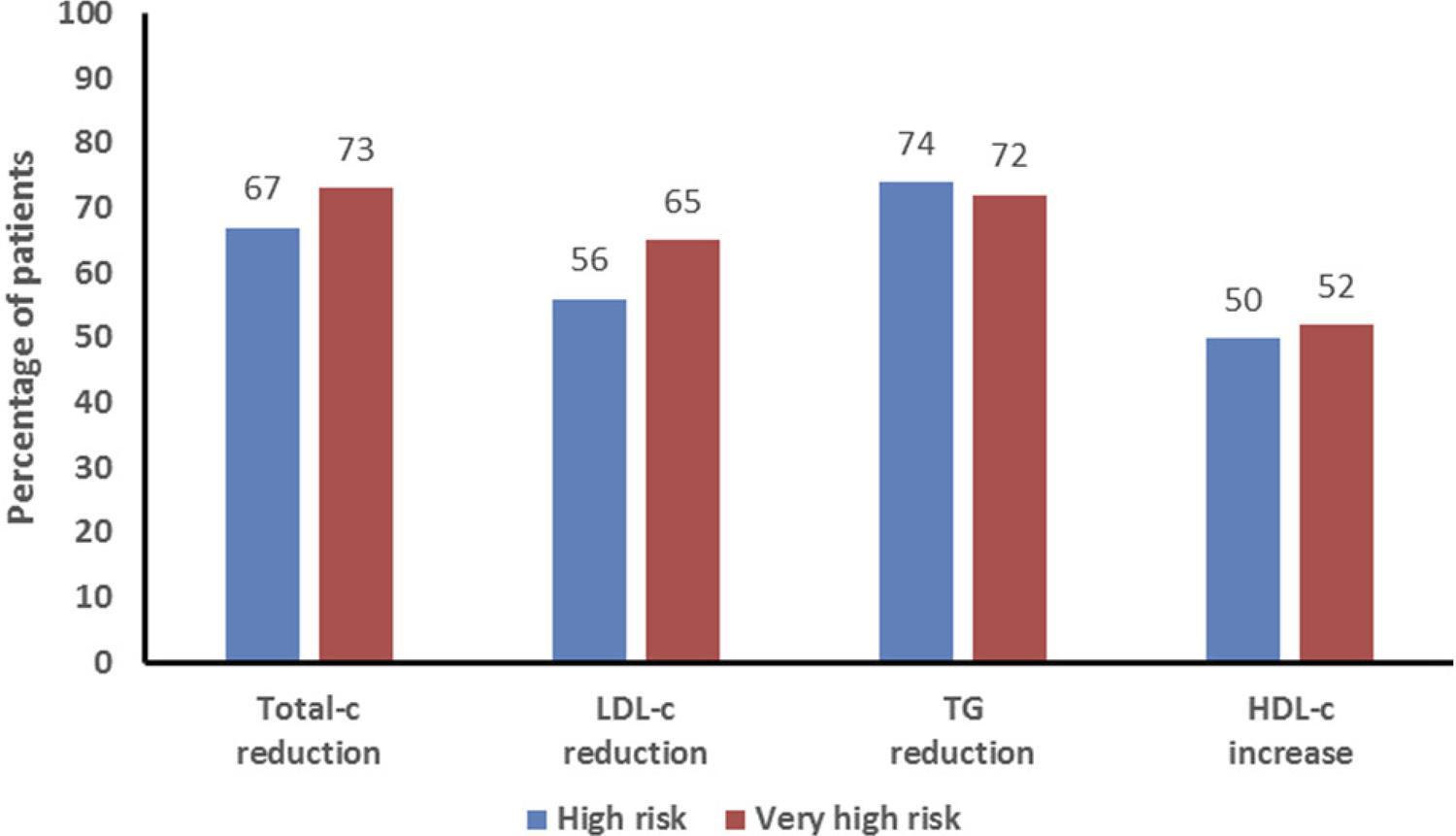
Baseline total cholesterol values were above 200 mg/dL in 75% of subjects, LDL-c values above 129 mg/dL in 83% of subjects and triglycerides values above 150 mg/dL in 79% of subjects. Most (n = 253, 95.8%) patients at very high cardiovascular risk were taking statins, 50% of them atorvastatin. Considering the ATPIII guidelines’ goals, only 24 subjects (19%) at high CV risk achieved an LDL-c < 100 mg/dl, while a significantly lower percentage (p = 0.04) of patients at very high risk reached an LDL-c < 70mg/dl (11%; n = 30).

Conclusion

These data indicate a low rate of compliance with the ATPIII guidelines, independent of the medication used or duration of the treatment. This may be attributed to the prescription of low doses of medication and a therapy targeting isolated lipid fractions rather than a complete lipid profile. (Int J Cardiovasc Sci. 2020; 33(4):371-376)

  • Cardiovascular Diseases/prevention and control
  • Cholesterol
  • dyslipidemia
  • Lifestyle
  • Patient Compliance
  • Sedentarism
  • Tabaquism
  • Triglicerides
Read Full Article
Creative Commons Attribution (CC BY) Creative Commons license
07/08/2020 DOI: 10.36660/ijcs.20190010 Views 1
IJCS
Editorial

Are we Improving Adherence to Cardiovascular Guidelines?

Luciana Nicolau Aranha et al. Gláucia Maria Moraes de Oliveira

Chronic noncommunicable diseases (NCDs) comprise the world’s leading group of causes of death, accounting for premature deaths, loss of quality of life, and adverse economic and social impacts. They represent about 70% of global deaths, close to 38 million deaths annually, significantly exceeding deaths from external causes and infectious diseases, such as COVID-19. Almost 45% of the deaths, more than 17 million, occur as a result of cardiovascular disease (CVD). The same happens in Brazil, where 72% of the deaths are due to NCDs, and about 30%, to CVD.

Dyslipidemia is a significant risk factor for CVD, particularly coronary artery disease (CAD) and stroke. Prospective and long-term epidemiological studies have shown that individuals with healthier lifestyles and fewer risk factors for CAD could improve their life expectancy by decreasing cardiovascular morbidity and mortality. The Framingham Offspring Study, which followed 3501 participants from 1987 to 2011, has demonstrated that low levels of high-density lipoprotein (HDL) or high levels of low-density lipoprotein (LDL) and triglycerides, alone or in any combination, are associated with increased risk for CVDs. Therefore, intervention measures are necessary to reduce morbidity and mortality, as well as the cost of hospitalization due to those diseases. In addition, improving the quality of life and health of the population is essential.

[…]

  • Cardiovascular Diseases/complications, Mortality
  • Cardiovascular Diseases/prevention and control
  • COVID-19
  • Dyslipidemias
  • Hydroxymethylglutaryl-CoA Reductase Inhibition/therapeutic use
  • Life Style
  • Patient Compliance
  • Tabagism
  • Triglycerides
Read Full Article
Creative Commons Attribution (CC BY) Creative Commons license
31/07/2020 DOI: 10.36660/ijcs.20200131 Views 1
Graph 1
IJCS
Original Article

Reliability between Cardiovascular Risk Assessment Tools: A Pilot Study

Rodrigo Conill Marasciulo et al. Ana Maria Nunes de Faria Stamm Guilherme Thomé Garcia Antônio Carlos Estima Marasciulo … Ariel Córdova Rosa Alexandre Augusto de Costa Remor Cristian Battistella

Abstract

Background

The prevention of cardiovascular disease (CVD) is important in clinical practice due to its high morbidity and mortality. Different guidelines have recommended the use of different cardiovascular risk assessment tools, which may have implications on therapeutic decisions.

Objective

To evaluate the agreement rate between the Framingham risk score (FRS) and the Systematic Coronary Risk Evaluation (SCORE) tool on CVD risk assessment in disease-free subjects.

Methods

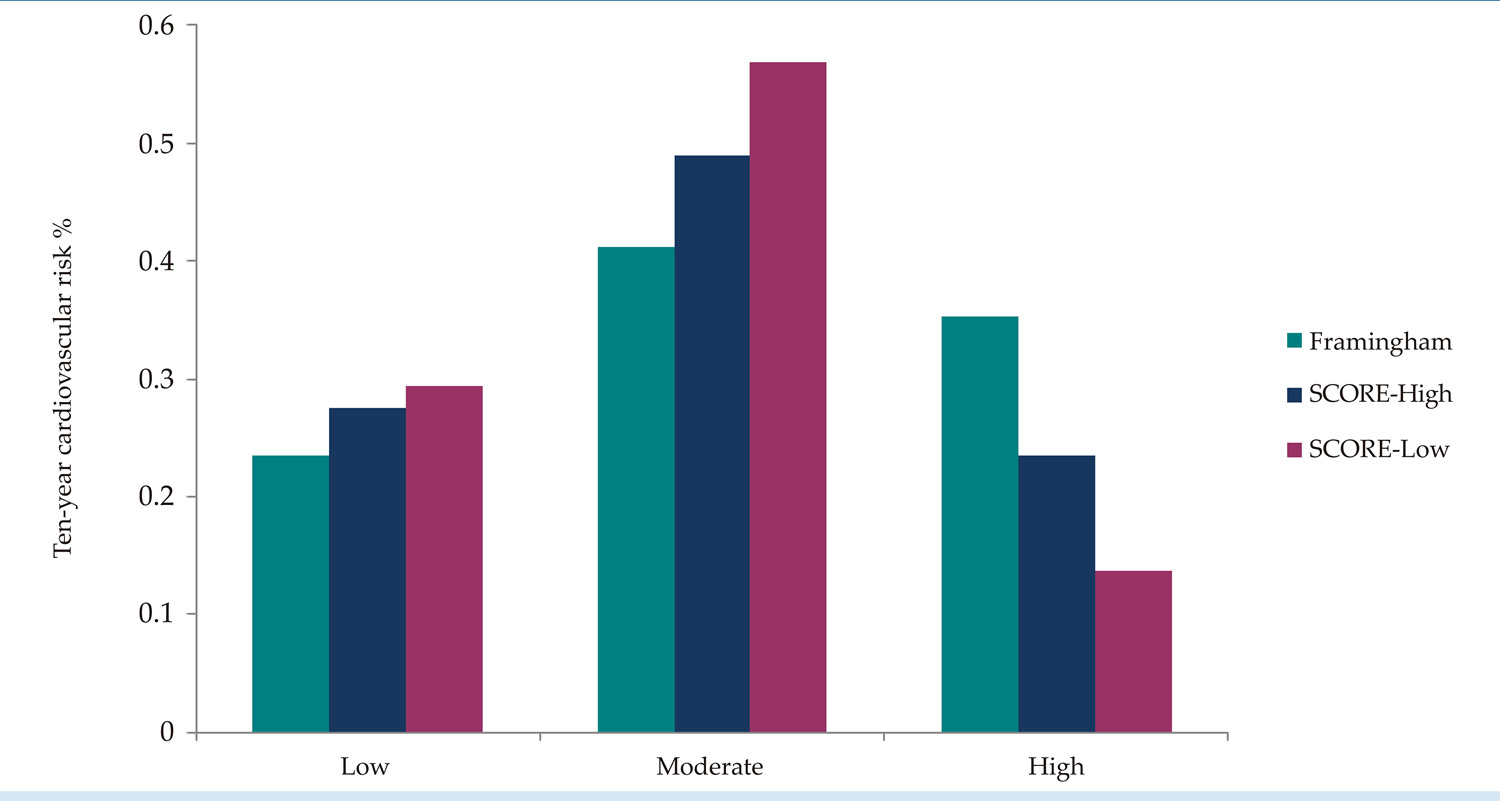
Cross-sectional study with a sample of 51 subjects treated at the outpatient clinic of a university hospital in Brazil between January 2014 and January 2015. The FRS and two versions of the European SCORE (SCORE-High and SCORE-Low) were used to assess CVD risk; patients were classified as low/moderate risk (< 20% and <5%, respectively) or high risk (≥ 20% and ≥5%, respectively). The agreement rate was evaluated using kappa statistics, a test for interrater reliability that ranges from -1 to 1, and results above 0.6 represent a high agreement rate.

Results

The FRS classified a higher proportion of subjects as high risk for CVD (35.3% [18/51] vs. 23.5% [12/51] with the SCORE-High and 13.7% [7/51] with SCORE-Low). However, there was a high agreement rate between FRS and SCORE-High (k=0.628). The agreement between FRS and SCORE-Low was poor (k=0.352).

Conclusions

There was a high agreement rate between FRS and SCORE-High in cardiovascular risk assessment in the study sample. (Int J Cardiovasc Sci. 2020; [online].ahead print, PP.0-0)

  • Cardiovascular Diseases/prevention and control
  • Cross-Sectional Studies
  • diabetes
  • Hypertension
  • Morbidity
  • Mortality
  • Risk Assessment
  • Risk Factors
Read Full Article
Creative Commons Attribution (CC BY) Creative Commons license
07/07/2020 DOI: 10.36660/ijcs.20190157 Views 1
IJCS
Editorial

The Importance of Cardiovascular Risk in Primary Healthcare

Erika Maria Gonçalves Campana et al. Rafael Santos Costa

Cardiovascular Diseases (CVDs) are the leading cause of death in Brazil and worldwide, determining increased morbidity and disability-adjusted life years. The implementation of health policies, among them, encouraging healthy lifestyle habits and providing access to primary and secondary CVD prevention measures, associated with the treatment of cardiovascular (CV) events are essential to control CVD in all countries, including Brazil.

Arterial hypertension (AH) has a high prevalence in Brazil. It varies according with the population studied and the assessment method used. It is often associated with metabolic disorders, functional and/or structural changes in target organs, being worsened by the presence of other risk factors (RF), such as dyslipidemia, abdominal obesity, glucose intolerance and diabetes mellitus (DM).

[…]

  • Cardiovascular Diseases, mortality
  • Cardiovascular Diseases/prevention and control
  • Hypertension
  • Life Style
  • Obesity
  • Risk Factors
  • Treatment Adherence
Read Full Article
Creative Commons Attribution (CC BY) Creative Commons license
29/05/2020 DOI: 10.36660/ijcs.20200074 Views 2
Figure 1
IJCS
Review Article

New 2018 ACC/AHA Guidelines on Cholesterol Management: Key Changes and Implications

Marcio Bittencourt et al. Giuliano Generoso

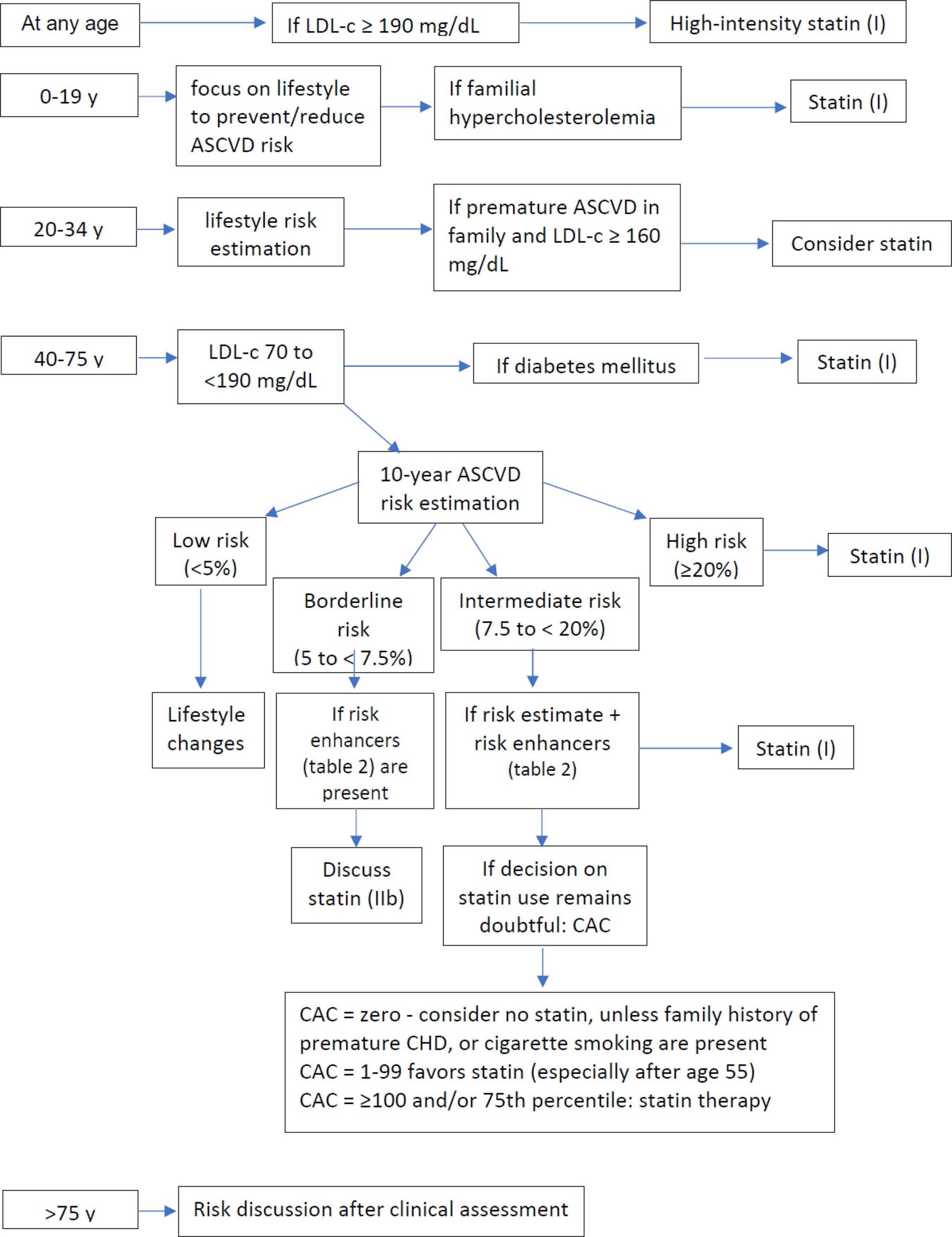
During the American Heart Association (AHA)’s scientific sessions held in November 2018, the new ultisociety Guideline on the Management of Blood Cholesterol was presented to the cardiology community emphasizing some previous key recommendations and new concepts in atherosclerotic cardiovascular disease (ASCVD) prevention. The main updates of these guidelines are:

[…]

  • Cardiovascular Diseases/prevention and control
  • Cholesterol, Dietary
  • Diet, Atherogenic
  • Lifestyle Physical, Activity
  • Weight Loss
Read Full Article
Creative Commons Attribution (CC BY) Creative Commons license
28/11/2019 DOI: 10.36660/ijcs.20190088 Views 2
IJCS
Editorial

The Truth is that Doctors do not Prescribe Physical Activities

Lorena Christine A. Albuquerque et al. Nabil Ghorayeb

Considering the well-established health benefits of regular physical activity, doctors have a primary role in counseling, encouragement, and education. In fact, they should be proactive in promoting health. Multiple published manuscripts attempted to link the doctors’ level of physical activity to the encouragement of their patients’ physical activity. Sufficient evidence has been provided that medical advice alone does not lead to sustained changes in the behavior of their patients.

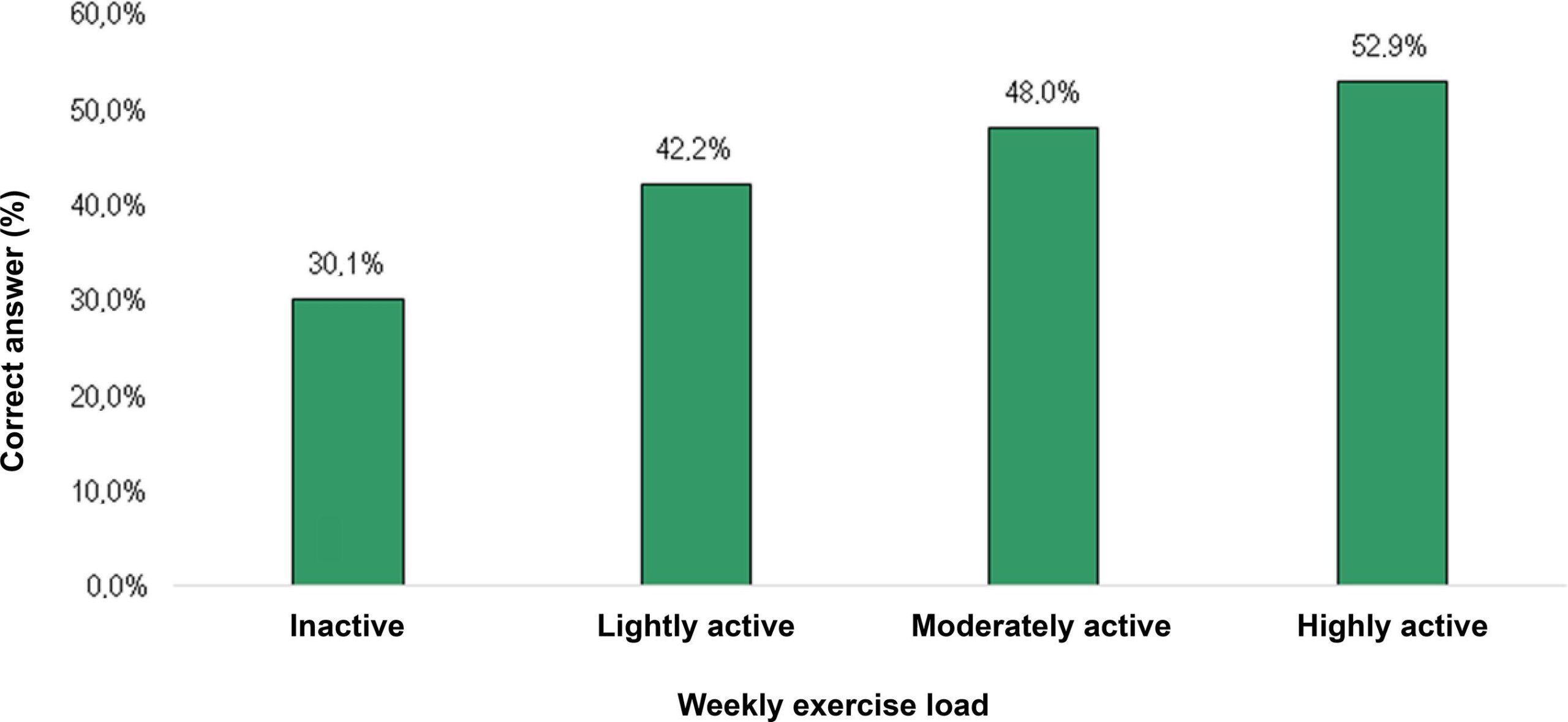
There was statistical significance in the manuscript that we analyzed, by Meira DT, et al.: “Talk the Talk and Walk the Walk! Association between Weekly Exercise Load and Knowledge about Recommendations for Fighting Inactivity”, demonstrating a linear association between the amount of physical exercise recommended per week and the knowledge of the WHO recommendations against a sedentary lifestyle among the health professionals attending the Conference of the Society of Cardiology of Rio de Janeiro in 2017.

[…]

  • Cardiovascular Diseases/prevention and control
  • Exercise
  • Quality of Life, Risk Factors/Prevention and Control
  • Sports
  • Sports Medicine/Trends
Read Full Article
Creative Commons Attribution (CC BY) Creative Commons license
03/10/2019 DOI: 10.5935/2359-4802.20190076
ABC
Special Article

Brazilian Society of Cardiology – The Women’s Letter

Glaucia Maria Moraes de Oliveira et al. Fátima Elizabeth Fonseca de Oliveira Negri Nadine Oliveira Clausell Maria da Consolação V. Moreira … Olga Ferreira de Souza Ariane Vieira Scarlatelli Macedo Barbara Campos Abreu Marino Carisi Anne Polanczyk Carla Janice Baister Lantieri Celi Marques-Santos Cláudia Maria Vilas Freire Deborah Christina Nercolini Fatima Cristina Monteiro Pedroti Imara Correia de Queiroz Barbosa Magaly Arrais dos Santos Maria Christiane Valéria Braga Braile Maria Sanali Moura de Oliveira Paiva Marianna Deway Andrade Dracoulakis Narriane Chaves Holanda Patricia Toscano Rocha Rolim Roberta Tavares Barreto Teixeira Sandra Mattos Sheyla Cristina Tonheiro Ferro da Silva Simone Cristina Soares Brandão Viviana de Mello Guzzo Lemke Marcelo Antônio Cartaxo Queiroga Lopes

Objective

The primary objective of this document is to stimulate improvements in women’s health conditions in Brazil, with a focus on cardiovascular disease (CVD), which is responsible for 17.5 million premature deaths yearly worldwide. This number is predicted to increase to 23 million by 2030. CVD are responsible for one third of all deaths in Brazil, with similarities between men and postmenopausal women. These data assume even greater importance when we consider that 80% of premature deaths could have been avoided by controlling four risk factors: tobacco use, inappropriate diet, physical inactivity, and harmful alcohol use.

This document further aims to create a permanent discussion group that will play a leadership role in Brazilian healthcare policies, providing administrators with an overall view of the relevance of CVD to women so that they may establish strategic actions to reduce the prevalence of risk factors and improve diagnosis and therapeutic approach, thus reducing mortality and morbidity.

[…]

  • Cardiovascular Diseases/prevention and control
  • Demography
  • Education, Medical
  • Management Quality Circles
  • Medicine/trends
  • Prevalence
  • Risk Factors
  • Societies, Medical
  • Women
Read Full Article
Creative Commons Attribution (CC BY) Creative Commons license
15/07/2019 DOI: 10.5935/abc.20190111 Views 1
ABC
Editorial

The Radiological Exposure from the Perspective of the Interventional Cardiologist

Pedro Beraldo de Andrade et al. André Labrunie

The interventional cardiology represents an area in constant development and it has advanced considerably in the treatment of both congenital and acquired cardiovascular diseases. It has a safe and effective role in the correction of septal and shunt congenital abnormalities, valve diseases, especially the percutaneous treatment of the aortic stenosis in patients with high or intermediate, surgical risk and, more recently, it has also moved towards the mitral and tricuspid apparatuses.,

The percutaneous coronary intervention has stood out in the treatment of lesions of the left main coronary artery and multivessel coronary artery disease, in the absence of high anatomical complexity, reaching now the frontier of chronic occlusions with consistent results.

[…]

  • Cardiology, Interventional/trends
  • Cardiovascular Diseases/prevention and control
  • Heart Defects, Congenital
  • Percutaneous Coronay Intervention
  • Radiation Exposure/adverse effects
Read Full Article
Creative Commons Attribution (CC BY) Creative Commons license
15/04/2019 DOI: 10.5935/abc.20190052 Views 1
Figure 1
IJCS
Original Article

Talk the talk and walk the walk! Association between Weekly Exercise Load and Knowledge about Recommendations for Fighting Innactivity

Diogo Thadeu Meira et al. Leonardo Giglio Gonçalves Luiz Henrique Araújo Matheus Gasparini … Bernardo Souza Cunha Amanda Monteiro Michele Heringer Christiane Prado Andre Volschan Fabrício Braga da Silva

Abstract

Background:

The World Health Organization (WHO) recommends as a weekly “target dose” of exercise 150 minutes of moderate exercise or 75 minutes of intense exercise. Public health policies have prioritized the practice of exercise as a strategy for disease prevention and health promotion, with health professionals as their main promoters.

Objective:

To assess the interaction between the amount of exercise per week and the knowledge about recommendations for fighting a sedentary lifestyle among health care professionals attending a congress of cardiology.

Methods:

Participants of the 2017 Rio de Janeiro Society of Cardiology Congress were interviewed. Knowledge about the World Health Organization (WHO) recommendations for fighting a sedentary lifestyle was assessed by asking participants the question: “How much weekly exercise is recommended by the WHO?” Responders were stratified by the weekly exercise load reported. A multivariate logistic model was created to determine independent predictors of knowledge.

Results:

A total of 426 participants were interviewed (45.5% men, median age 31 years, 37.8% physicians, 65.8% of the physicians were cardiologists). The overall knowledge level was 44.6%; 38.1%, 52.7% and 56.6% among non-physicians, non-cardiologists and cardiologists, respectively (p = 0.002). Of all participants, 21.8% were inactive, 15% were lightly active, 34.7% moderately active and 28.4% highly active, and the percentage of individuals who gave a correct answer to the question on exercise recommendations was 30.1%, 42%, 48% and 52.9% respectively (p < 0.0001). In the multivariate analysis, being highly active (OR = 2.25, IC95%, 1.238 – 4.089), moderately active (OR = 1.93, IC 95% 1.105 – 3.39) and being a cardiologist (OR = 2.01, IC 95% 1.243 – 3,267) were predictors of knowledge.

Conclusions:

There was a linear association between exercise level and knowledge about the WHO recommendations on exercise. Policies to stimulate the practice of exercise among health professionals can positively impact campaigns for reducing sedentary lifestyle in the general population.

  • Cardiovascular Diseases/prevention and control
  • Exercise
  • Health Promotion, Preventive Medicine
  • physical fitness
  • Sports
  • Sports Medicine/Trends
Read Full Article
Creative Commons Attribution (CC BY) Creative Commons license
01/04/2019 DOI: 10.5935/2359-4802.20190023 Views 1
ABC
Review Article

The Year in Cardiology 2018: ABC Cardiol and RPC at a glance

Ricardo Fontes-Carvalho et al. Glaucia Maria Moraes de Oliveira Lino Gonçalves Carlos Eduardo Rochitte

Coronary artery disease

In 2018, Rev Port Cardiol reported the 15-year results of the Portuguese Registry of Acute Coronary Syndromes (PorACS). This is a multi-center, continuous, and ongoing registry which has already involved more than 45,000 events, from 45 centers. It is one of the largest national registries in this field, which is only exceeded by the SWEDEHEART and the MINAP registries. This article provides very important information about the epidemiology and evolution of ACS treatment. First, it demonstrates that the clinical profile of ACS patients changed little over the years, and the proportion of ST-elevation myocardial infarction (STEMI) remained stable (45%). More importantly, over the years, there has been a major improvement in the overall quality of ACS care. For example, more than 85% of STEMI patients in Portugal now receive reperfusion therapy, which is mainly performed by primary PCI (only 5.2% underwent thrombolysis). This improvement in ACS care led to a remarkable reduction of in-hospital mortality, which decreased from 6.7% in 2002 to 2.5% in 2016. Therefore, the cardiovascular community must be acknowledged for this striking achievement. Nevertheless, the work is not finished, and this study also shows important gaps in ACS care that should be addressed. Unfortunately, time-to-reperfusion has not improved sufficiently, and there is an urgent need to improve both the “patient-delay” and “system-delay” times.

In another interesting article published in 2018, Pereira H. et al. evaluated the determinants of this “patient-delay” time in the Portuguese health system in 994 patients with suspected STEMI. Although most healthcare systems focus their performance measures in the evaluation of “door-to-balloon times”, it is important to understand and address the reasons for this “patient-delay time”, which means the time from symptom onset to the first medical contact. The investigators observed that patient-delay time was too long (about 120 minutes) and identified five predictors of increased patient-delay: 1) age > 75 years; 2) symptom onset between 0:00 and 8:00 a.m.; 3) attending a primary care unit before first medical contact; 4) not calling the national medical emergency number; and 5) self-transport to the emergency department. Therefore, this article provides important information to plan more effective patient-directed campaigns that can decrease patient-delay time and improve STEMI management and prognosis.

[…]

  • Cardiomyopathies
  • Cardiovascular Diseases / epidemiology
  • Cardiovascular Diseases/prevention and control
  • Heart Valve Diseases
  • Periodicals/trends
  • Scientific and Technical Activities/trends
Read Full Article
Creative Commons Attribution (CC BY) Creative Commons license
01/02/2019 DOI: 10.5935/abc.20190015 Views 1
Figure 1
IJCS
Original Article

Antioxidant and Vasodilatory Action of Grape Juices Produced in Different Regions of Brazil

José Britto Junior et al. Karla Carneiro Siqueira Leite Eric de Souza Gil Matheus Lavorenti Rocha

Abstract

Background:

Grapes and its derivatives (wines and juices) are rich in polyphenols that have high antioxidant and vasodilator capacity. These biological activities may vary in the juices marketed and produced in different regions of Brazil.

Objectives:

To determine the antioxidant and vasorelaxant effects of grape juice samples produced in different regions of Brazil.

Methods:

The content of phenolic compounds and antioxidant capacity were evaluated by the methods of Folin-Ciocalteau, DPPH, ABTS and a new electroanalytical approach (differential pulse voltammetry – DPV). Vasodilator effects were analyzed in isolated aorta from rats in an organ bath.

Results:

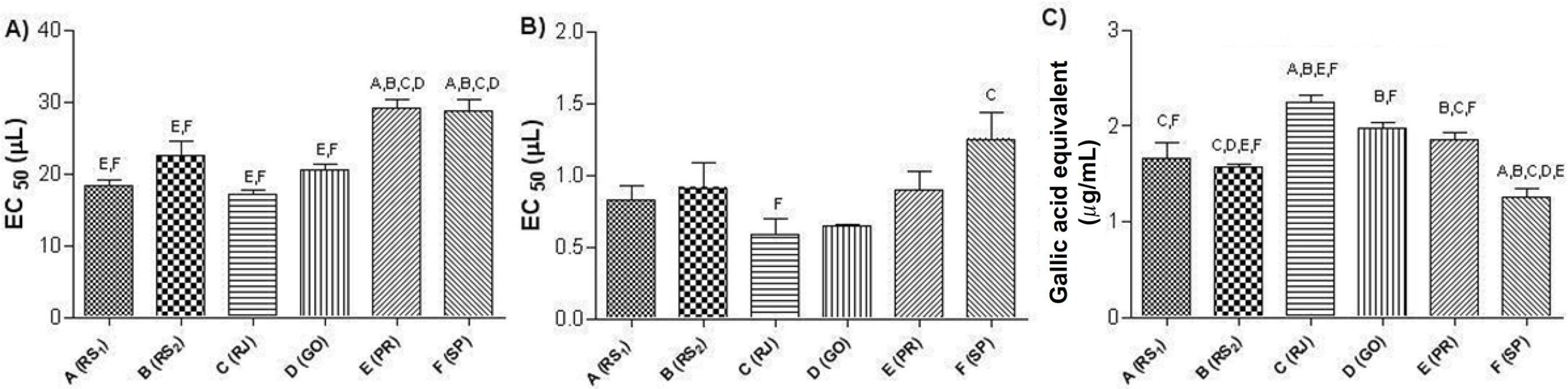
The samples from RJ and SP presented respectively the higher and lower phenolic content and also antioxidant capacity by the methods used (ABTS and DPPH). The results of the electrochemical index corroborate to the other tests, with the best results to RJ (21.69 ± 3.15 µA/V) and worse to the SP sample (11.30 ± 0.52 µA/V). In the vascular reactivity studies, the relaxation induced by each sample presented more distinct differences, following the order: RJ (87.9 ± 4.8%) > RS1 (71.6 ± 8.6%) > GO (56.2 ± 7.2%) > SP (39.9 ± 7.8%) > PR (39.4 ± 9.5%) > RS2 (19.5 ± 6.2%). Inhibition of endothelial NO practically abolished (p < 0.001) the relaxation for all samples, except one.

Conclusion:

The phenolic content and antioxidant capacity vary greatly among samples. The results obtained for the order of antioxidant activity were: RJ > RS1 > GO > RS2 > PR > SP. The juices were able to induce vascular relaxation at quite varied levels, and the RJ sample the most effective. The L-NAME practically blocked all samples except one (RS2).

  • Antioxidants/pharmacology
  • Cardiovascular Diseases/prevention and control
  • Epidemiology
  • Fruit and Vegetable Juices/analysis
  • Neoplasms/prevention and control
  • Sucos
  • Vasodilatador Agents/analysis
  • Vasodilatation
  • Vitis
Read Full Article
Creative Commons Attribution (CC BY) Creative Commons license
21/01/2019 DOI: 10.5935/2359-4802.20180097
ABC
Editorial

Coronary Artery Calcium – From Screening to a Personalized Shared Decision-Making Tool: The New American Prevention Guidelines

Marcio Sommer Bittencourt et al. Michael J. Blaha Khurram Nasir

The United States (US) National Cholesterol Education Program (NCEP) formed the Adult Treatment Panel (ATP) in 1985 with the aim to educate clinician and provide guideline recommendations for the treatment of dyslipidemias. In its first 1998 recommendations, the approach to primary prevention of cardiovascular disease included LDL-cholesterol (LDL-C) reduction in individuals with more than two risk factors and LDL-C levels above 160mg/dL and optional treatment in those with “borderline” LDL-C levels between 130 – 159 mg/dL. In its second version, in 1994, a category of secondary prevention with a target LDL-C below 100mg/dL was introduced. In 2001 the third version of the document, ATP-III introduced the concept of “optimal” LDL-C < 100mg/dL and introduced the use of the 10-year Framingham risk score (FRS) for the estimation of risk to define the intensity of treatment and target LDL-C levels, and an update of this document introduced a more aggressive LDL-C < 70 mg/dL target for those at extremely high risk. The ATP-III also mentions coronary artery calcium (CAC) as an “emerging risk factor”, stating it could be of value for additional risk stratification, predominantly in intermediate risk groups. Interestingly, at this point the recommendations were that CAC could be of use in individuals with multiple risk factors or older individuals in whom “traditional risk factors lose some of their predictive power”. In both cases CAC was proposed as a tool to screen for individuals at an even higher than expected risk, though the ATP-III clearly advised against the widespread use of CAC as a screening tool.

After the update of ATP-III there was a considerable gap before the publication of the 2013 ACC/AHA Blood Cholesterol guidelines, and a completely new approach towards the selection of candidates for treatment of LDL-C was taken. First, this document updated the equations for calculating 10-year cardiovascular risk (the Framingham Risk Score only predicted risk of coronary heart disease). Second, it identified higher risk groups which should be treated irrespective of risk (LDL-C > 190 mg/dL, diabetics). Third, it proposed a much broader recommendation of statin use for primary prevention including all individuals with LDL-C > 70 mg/dL and a calculated atherosclerotic cardiovascular disease risk > 5% in 10 years. This broader approach has been criticized by many , as it resulted in a substantial increase in the number of individuals in whom statins would be recommended, including treatment recommendations of lower risk individuals due to overestimation of risk derived from the risk assessment tool. This document also gave CAC a class IIb indication for a selective use in individuals fitting the vague description “in whom the decision to start treatment was unclear”. In this document additional markers of risk included CAC, high sensitivity C-reactive protein, ankle braquial index, family history of premature cardiovascular disease or individuals with LDL-C > 160 mg/dL – and all were given similar IIb recommendations with little to differentiate their predictive power. As recommended in ATP-III, the use of those markers was as an additional screening tool to identify individuals with a higher risk for more aggressive treatment, though no clear recommendation on its use was provided.

[…]

  • Calcium Score
  • Cardiovascular Diseases/prevention and control
  • Cholesterol,LDL
  • Decision Making
  • Dyslipidemias/prevention and control
  • Health Care/Public Health)
  • Risk Factors
Read Full Article
Creative Commons Attribution (CC BY) Creative Commons license
01/01/2019 DOI: 10.5935/abc.20190008 Views 1
Figure 1
IJCS
Editorial

Relationship between Social Factors and Cardiovascular Diseases

Claudio Tinoco Mesquita

For decades, western countries have witnessed cardiovascular diseases leading the statistics for cause of death. In Brazil, diseases of the circulatory system (DCS) represent a major cause of death, accounting, in 2011, for 28.6% of all mortality causes.

[…]

  • Cardiovascular Diseases / epidemiology
  • Cardiovascular Diseases, mortality
  • Cardiovascular Diseases/prevention and control
  • Myocardial Ischemia
  • Risk Factors
  • Socioeconomic Factors
Read Full Article
Creative Commons Attribution (CC BY) Creative Commons license
01/01/2018 DOI: 10.5935/2359-4802.20180007

Could not load more articles. Please try again.

How to cite this article

EndNote RIS

Electronic Document Format (Vancouver)

Guerra TRB. The Present and Future of the Cardioprotective Food Model for the Brazilian Population. International Journal of Cardiovascular Sciences 2023;34(6):632-3.

Electronic Document Format (ABNT)

Guerra, Thais de Rezende Bessa. The Present and Future of the Cardioprotective Food Model for the Brazilian Population. International Journal of Cardiovascular Sciences, v. 34, n. 6, p. 632-633, Mar. 2023.

Electronic Document Format (APA)

Guerra, T. R. B. (2023). The Present and Future of the Cardioprotective Food Model for the Brazilian Population. International Journal of Cardiovascular Sciences, 34(6), 632-633.

Electronic Document Format (ISO)

Guerra, Thais de Rezende Bessa. The Present and Future of the Cardioprotective Food Model for the Brazilian Population. International Journal of Cardiovascular Sciences [online]. 2023, vol. 34, n. 6, [cited 2026-10-14], pp. 632-633. Available from: <https://journals.cardiol.br/en/article/the-present-and-future-of-the-cardioprotective-food-model-for-the-brazilian-population/>. ISSN 2359-4802

EndNote RIS

Electronic Document Format (Vancouver)

Gottlieb I. Cost-Effectiveness of Using the Coronary Calcium Score to Guide Therapeutic Decisions in Primary Prevention in the Brazilian Population. Arquivos Brasileiros de Cardiologia 2022;118(6):1132-3.

Electronic Document Format (ABNT)

Gottlieb, Ilan. Cost-Effectiveness of Using the Coronary Calcium Score to Guide Therapeutic Decisions in Primary Prevention in the Brazilian Population. Arquivos Brasileiros de Cardiologia, v. 118, n. 6, p. 1132-1133, Jun. 2022.

Electronic Document Format (APA)

Gottlieb, I. (2022). Cost-Effectiveness of Using the Coronary Calcium Score to Guide Therapeutic Decisions in Primary Prevention in the Brazilian Population. Arquivos Brasileiros de Cardiologia, 118(6), 1132-1133.

Electronic Document Format (ISO)

Gottlieb, Ilan. Cost-Effectiveness of Using the Coronary Calcium Score to Guide Therapeutic Decisions in Primary Prevention in the Brazilian Population. Arquivos Brasileiros de Cardiologia [online]. 2022, vol. 118, n. 6, [cited 2026-10-14], pp. 1132-1133. Available from: <https://journals.cardiol.br/en/article/cost-effectiveness-of-using-the-coronary-calcium-score-to-guide-therapeutic-decisions-in-primary-prevention-in-the-brazilian-population/>. ISSN 0066-782X

EndNote RIS

Electronic Document Format (Vancouver)

Moura KBA, Savaris S, Debastiani J, Lima JB. Physical Activity and Cardiovascular Health: Practical Strategies to Reduce Sedentary Time in Adult Population. International Journal of Cardiovascular Sciences 2021;35(2):283-6.

Electronic Document Format (ABNT)

Moura, Karolinny Borinelli de Aquino; Savaris, Simone; Debastiani, Janice; Lima, Juliana Beust de. Physical Activity and Cardiovascular Health: Practical Strategies to Reduce Sedentary Time in Adult Population. International Journal of Cardiovascular Sciences, v. 35, n. 2, p. 283-286, Oct. 2021.

Electronic Document Format (APA)

Moura, K. B. A., Savaris, S., Debastiani, J., & Lima, J. B. (2021). Physical Activity and Cardiovascular Health: Practical Strategies to Reduce Sedentary Time in Adult Population. International Journal of Cardiovascular Sciences, 35(2), 283-286.

Electronic Document Format (ISO)

Moura, Karolinny Borinelli de Aquino and Savaris, Simone and Debastiani, Janice and Lima, Juliana Beust de. Physical Activity and Cardiovascular Health: Practical Strategies to Reduce Sedentary Time in Adult Population. International Journal of Cardiovascular Sciences [online]. 2021, vol. 35, n. 2, [cited 2026-10-14], pp. 283-286. Available from: <https://journals.cardiol.br/en/article/physical-activity-and-cardiovascular-health-practical-strategies-to-reduce-sedentary-time-in-adult-population/>. ISSN 2359-4802

EndNote RIS

Electronic Document Format (Vancouver)

Silva MX. Cardiovascular Disease Prevention in Adolescence: New Possibilities. Arquivos Brasileiros de Cardiologia 2021;116(4):804-5.

Electronic Document Format (ABNT)

Silva, Mariana Xavier e. Cardiovascular Disease Prevention in Adolescence: New Possibilities. Arquivos Brasileiros de Cardiologia, v. 116, n. 4, p. 804-805, Apr. 2021.

Electronic Document Format (APA)

Silva, M. X. (2021). Cardiovascular Disease Prevention in Adolescence: New Possibilities. Arquivos Brasileiros de Cardiologia, 116(4), 804-805.

Electronic Document Format (ISO)

Silva, Mariana Xavier e. Cardiovascular Disease Prevention in Adolescence: New Possibilities. Arquivos Brasileiros de Cardiologia [online]. 2021, vol. 116, n. 4, [cited 2026-10-14], pp. 804-805. Available from: <https://journals.cardiol.br/en/article/cardiovascular-disease-prevention-in-adolescence-new-possibilities/>. ISSN 0066-782X

EndNote RIS

Electronic Document Format (Vancouver)

Rosa MLG, Mesquita CT, Albuquerque LZ, Silva WDS, Alves VPV, Jordan RFR, Matos RC, et al. Recent Trends in Cardiovascular Mortality in Rio de Janeiro State Health Regions and Capital. Arquivos Brasileiros de Cardiologia 2021;116(4):763-71.

Electronic Document Format (ABNT)

Rosa, Maria Luiza Garcia; Mesquita, Claudio Tinoco; Albuquerque, Lucas Zanetti de; Silva, Willian Douglas de Souza; Alves, Vinicius de Padua Vieira; Jordan, Roger Freitas Ramirez; Matos, Ricardo Cardoso de; Silva, Ana Luisa Guedes de França e; Souza Filho, Erito Marques de. Recent Trends in Cardiovascular Mortality in Rio de Janeiro State Health Regions and Capital. Arquivos Brasileiros de Cardiologia, v. 116, n. 4, p. 763-771, Apr. 2021.

Electronic Document Format (APA)

Rosa, M. L. G., Mesquita, C. T., Albuquerque, L. Z. , Silva, W. D. S., Alves, V. P. V., Jordan, R. F. R., Matos, R. C. , Silva, A. L. G. F. , & Souza Filho, E. M. (2021). Recent Trends in Cardiovascular Mortality in Rio de Janeiro State Health Regions and Capital. Arquivos Brasileiros de Cardiologia, 116(4), 763-771.

Electronic Document Format (ISO)

Rosa, Maria Luiza Garcia and Mesquita, Claudio Tinoco and Albuquerque, Lucas Zanetti de and Silva, Willian Douglas de Souza and Alves, Vinicius de Padua Vieira and Jordan, Roger Freitas Ramirez and Matos, Ricardo Cardoso de and Silva, Ana Luisa Guedes de França e and Souza Filho, Erito Marques de. Recent Trends in Cardiovascular Mortality in Rio de Janeiro State Health Regions and Capital. Arquivos Brasileiros de Cardiologia [online]. 2021, vol. 116, n. 4, [cited 2026-10-14], pp. 763-771. Available from: <https://journals.cardiol.br/en/article/recent-trends-in-cardiovascular-mortality-in-rio-de-janeiro-state-health-regions-and-capital/>. ISSN 0066-782X

EndNote RIS

Electronic Document Format (Vancouver)

Costa FAA. Association between the Average Ratio of Platelet Volume and the Presence of Mural Thrombus in Post-Myocardial Infarction. International Journal of Cardiovascular Sciences 2020;33(5):516-7.

Electronic Document Format (ABNT)

Costa, Fernando Augusto Alves da. Association between the Average Ratio of Platelet Volume and the Presence of Mural Thrombus in Post-Myocardial Infarction. International Journal of Cardiovascular Sciences, v. 33, n. 5, p. 516-517, Oct. 2020.

Electronic Document Format (APA)

Costa, F. A. A. (2020). Association between the Average Ratio of Platelet Volume and the Presence of Mural Thrombus in Post-Myocardial Infarction. International Journal of Cardiovascular Sciences, 33(5), 516-517.

Electronic Document Format (ISO)

Costa, Fernando Augusto Alves da. Association between the Average Ratio of Platelet Volume and the Presence of Mural Thrombus in Post-Myocardial Infarction. International Journal of Cardiovascular Sciences [online]. 2020, vol. 33, n. 5, [cited 2026-10-14], pp. 516-517. Available from: <https://journals.cardiol.br/en/article/association-between-the-average-ratio-of-platelet-volume-and-the-presence-of-mural-thrombus-in-post-myocardial-infarction/>. ISSN 2359-4802

EndNote RIS

Electronic Document Format (Vancouver)

Martinez TLR. Changes in Our Times and in Cholesterol Targets. Arquivos Brasileiros de Cardiologia 2020;115(3):450-1.

Electronic Document Format (ABNT)

Martinez, Tania Leme da Rocha. Changes in Our Times and in Cholesterol Targets. Arquivos Brasileiros de Cardiologia, v. 115, n. 3, p. 450-451, Sep. 2020.

Electronic Document Format (APA)

Martinez, T. L. R. (2020). Changes in Our Times and in Cholesterol Targets. Arquivos Brasileiros de Cardiologia, 115(3), 450-451.

Electronic Document Format (ISO)

Martinez, Tania Leme da Rocha. Changes in Our Times and in Cholesterol Targets. Arquivos Brasileiros de Cardiologia [online]. 2020, vol. 115, n. 3, [cited 2026-10-14], pp. 450-451. Available from: <https://journals.cardiol.br/en/article/changes-in-our-times-and-in-cholesterol-targets/>. ISSN 0066-782X

EndNote RIS

Electronic Document Format (Vancouver)

Guimarães GV, Bocchi EA. Idiopathic Left-Bundle Branch Block and Unexplained Symptom At Exercise: A Case Report. Arquivos Brasileiros de Cardiologia 2020;115(1 suppl 1):10-3.

Electronic Document Format (ABNT)

Guimarães, Guilherme Veiga; Bocchi, Edimar Alcides. Idiopathic Left-Bundle Branch Block and Unexplained Symptom At Exercise: A Case Report. Arquivos Brasileiros de Cardiologia, v. 115, n. 1 suppl 1, p. 10-13, Sep. 2020.

Electronic Document Format (APA)

Guimarães, G. V., & Bocchi, E. A. (2020). Idiopathic Left-Bundle Branch Block and Unexplained Symptom At Exercise: A Case Report. Arquivos Brasileiros de Cardiologia, 115(1 suppl 1), 10-13.

Electronic Document Format (ISO)

Guimarães, Guilherme Veiga and Bocchi, Edimar Alcides. Idiopathic Left-Bundle Branch Block and Unexplained Symptom At Exercise: A Case Report. Arquivos Brasileiros de Cardiologia [online]. 2020, vol. 115, n. 1 suppl 1, [cited 2026-10-14], pp. 10-13. Available from: <https://journals.cardiol.br/en/article/idiopathic-left-bundle-branch-block-and-unexplained-symptom-at-exercise-a-case-report/>. ISSN 0066-782X

EndNote RIS

Electronic Document Format (Vancouver)

Viana MS, Correia VCA, Ferreira FM, Lacerda YF, Bagano GO, Fonseca LL, Kertzman LQ, et al. Prognostic Contrast between Anatomical and Clinical Models Regarding Fatal and Non-Fatal Outcomes in Acute Coronary Syndromes. Arquivos Brasileiros de Cardiologia 2020;115(2):219-25.

Electronic Document Format (ABNT)

Viana, Mateus S.; Correia, Vitor C. A.; Ferreira, Felipe M.; Lacerda, Yasmin F.; Bagano, Gabriela O.; Fonseca, Leticia L.; Kertzman, Lara Q.; Melo, Milton V.; Noya-Rabelo, Marcia M.; Correia, Luis C L. Prognostic Contrast between Anatomical and Clinical Models Regarding Fatal and Non-Fatal Outcomes in Acute Coronary Syndromes. Arquivos Brasileiros de Cardiologia, v. 115, n. 2, p. 219-225, Aug. 2020.

Electronic Document Format (APA)

Viana, M. S., Correia, V. C. A., Ferreira, F. M., Lacerda, Y. F., Bagano, G. O., Fonseca, L. L., Kertzman, L. Q., Melo, M. V., Noya-Rabelo, M. M., & Correia, L. C. L. (2020). Prognostic Contrast between Anatomical and Clinical Models Regarding Fatal and Non-Fatal Outcomes in Acute Coronary Syndromes. Arquivos Brasileiros de Cardiologia, 115(2), 219-225.

Electronic Document Format (ISO)

Viana, Mateus S. and Correia, Vitor C. A. and Ferreira, Felipe M. and Lacerda, Yasmin F. and Bagano, Gabriela O. and Fonseca, Leticia L. and Kertzman, Lara Q. and Melo, Milton V. and Noya-Rabelo, Marcia M. and Correia, Luis C L. Prognostic Contrast between Anatomical and Clinical Models Regarding Fatal and Non-Fatal Outcomes in Acute Coronary Syndromes. Arquivos Brasileiros de Cardiologia [online]. 2020, vol. 115, n. 2, [cited 2026-10-14], pp. 219-225. Available from: <https://journals.cardiol.br/en/article/prognostic-contrast-between-anatomical-and-clinical-models-regarding-fatal-and-non-fatal-outcomes-in-acute-coronary-syndromes/>. ISSN 0066-782X

EndNote RIS

Electronic Document Format (Vancouver)

Barroso WKS, Melo MA, Vitorino PV, Gonçalves C, Berigó JA, Arantes AC, Rezende J, et al. Carotid Intima and Media Thickness Correlation with Central Blood Pressure Measurements by Tonometric and Oscillometric Methods: A Proof of Concept. International Journal of Cardiovascular Sciences 2020;34(1):22-9.

Electronic Document Format (ABNT)

Barroso, Weimar Kunz Sebba; Melo, Milena de Andrade; Vitorino, Priscila Valverde; Gonçalves, Claudia; Berigó, João Alexandre; Arantes, Ana Carolina; Rezende, Jeeziane; Jardim, Thiago Veiga; Souza, Ana Luiza Lima; Jardim, Paulo César Veiga. Carotid Intima and Media Thickness Correlation with Central Blood Pressure Measurements by Tonometric and Oscillometric Methods: A Proof of Concept. International Journal of Cardiovascular Sciences, v. 34, n. 1, p. 22-29, Aug. 2020.

Electronic Document Format (APA)

Barroso, W. K. S., Melo, M. A., Vitorino, P. V., Gonçalves, C., Berigó, J. A., Arantes, A. C., Rezende, J., Jardim, T. V., Souza, A. L. L., & Jardim, P. C. V. (2020). Carotid Intima and Media Thickness Correlation with Central Blood Pressure Measurements by Tonometric and Oscillometric Methods: A Proof of Concept. International Journal of Cardiovascular Sciences, 34(1), 22-29.

Electronic Document Format (ISO)

Barroso, Weimar Kunz Sebba and Melo, Milena de Andrade and Vitorino, Priscila Valverde and Gonçalves, Claudia and Berigó, João Alexandre and Arantes, Ana Carolina and Rezende, Jeeziane and Jardim, Thiago Veiga and Souza, Ana Luiza Lima and Jardim, Paulo César Veiga. Carotid Intima and Media Thickness Correlation with Central Blood Pressure Measurements by Tonometric and Oscillometric Methods: A Proof of Concept. International Journal of Cardiovascular Sciences [online]. 2020, vol. 34, n. 1, [cited 2026-10-14], pp. 22-29. Available from: <https://journals.cardiol.br/en/article/carotid-intima-and-media-thickness-correlation-with-central-blood-pressure-measurements-by-tonometric-and-oscillometric-methods-a-proof-of-concept/>. ISSN 2359-4802

EndNote RIS

Electronic Document Format (Vancouver)

Costa IBSS, Rochitte CE, Campos CM, Barberato SH, Oliveira GMM, Lopes MACQ, Nomura CH, et al. Cardiovascular Imaging and Interventional Procedures in Patients with Novel Coronavirus Infection. Arquivos Brasileiros de Cardiologia 2020;115(1):111-26.

Electronic Document Format (ABNT)

Costa, Isabela Bispo Santos da Silva; Rochitte, Carlos Eduardo; Campos, Carlos M.; Barberato, Silvio Henrique; Oliveira, Gláucia Maria Moraes de; Lopes, Marcelo Antônio Cartaxo Queiroga; Nomura, Cesar Higa; Abizaid, Alexandre A.; Cerri, Giovanni; Kalil Filho, Roberto; Hajjar, Ludhmila Abrahão. Cardiovascular Imaging and Interventional Procedures in Patients with Novel Coronavirus Infection. Arquivos Brasileiros de Cardiologia, v. 115, n. 1, p. 111-126, Aug. 2020.

Electronic Document Format (APA)

Costa, I. B. S. S., Rochitte, C. E., Campos, C. M., Barberato, S. H., Oliveira, G. M. M. , Lopes, M. A. C. Q., Nomura, C. H., Abizaid, A. A., Cerri, G., Kalil Filho, R., & Hajjar, L. A. (2020). Cardiovascular Imaging and Interventional Procedures in Patients with Novel Coronavirus Infection. Arquivos Brasileiros de Cardiologia, 115(1), 111-126.

Electronic Document Format (ISO)

Costa, Isabela Bispo Santos da Silva and Rochitte, Carlos Eduardo and Campos, Carlos M. and Barberato, Silvio Henrique and Oliveira, Gláucia Maria Moraes de and Lopes, Marcelo Antônio Cartaxo Queiroga and Nomura, Cesar Higa and Abizaid, Alexandre A. and Cerri, Giovanni and Kalil Filho, Roberto and Hajjar, Ludhmila Abrahão. Cardiovascular Imaging and Interventional Procedures in Patients with Novel Coronavirus Infection. Arquivos Brasileiros de Cardiologia [online]. 2020, vol. 115, n. 1, [cited 2026-10-14], pp. 111-126. Available from: <https://journals.cardiol.br/en/article/cardiovascular-imaging-and-interventional-procedures-in-patients-with-novel-coronavirus-infection/>. ISSN 0066-782X

EndNote RIS

Electronic Document Format (Vancouver)

Hernández I, Estrella A, Salazar J, Duarte Y, Torres E, López C, Terán S, et al. Treatment Eligibility and Therapeutic Responses of an Ecuadorian Population at High Cardiovascular Risk Based on the ATP III Guidelines. International Journal of Cardiovascular Sciences 2020;33(4):371-6.

Electronic Document Format (ABNT)

Hernández, Isabel; Estrella, Andrea; Salazar, Jorge; Duarte, Yan; Torres, Edmundo; López, Camilo; Terán, Santiago; Mendoza, Alejandra; Terán, Enrique. Treatment Eligibility and Therapeutic Responses of an Ecuadorian Population at High Cardiovascular Risk Based on the ATP III Guidelines. International Journal of Cardiovascular Sciences, v. 33, n. 4, p. 371-376, Aug. 2020.

Electronic Document Format (APA)

Hernández, I., Estrella, A., Salazar, J., Duarte, Y., Torres, E., López, C., Terán, S., Mendoza, A., & Terán, E. (2020). Treatment Eligibility and Therapeutic Responses of an Ecuadorian Population at High Cardiovascular Risk Based on the ATP III Guidelines. International Journal of Cardiovascular Sciences, 33(4), 371-376.

Electronic Document Format (ISO)

Hernández, Isabel and Estrella, Andrea and Salazar, Jorge and Duarte, Yan and Torres, Edmundo and López, Camilo and Terán, Santiago and Mendoza, Alejandra and Terán, Enrique. Treatment Eligibility and Therapeutic Responses of an Ecuadorian Population at High Cardiovascular Risk Based on the ATP III Guidelines. International Journal of Cardiovascular Sciences [online]. 2020, vol. 33, n. 4, [cited 2026-10-14], pp. 371-376. Available from: <https://journals.cardiol.br/en/article/treatment-eligibility-and-therapeutic-responses-of-an-ecuadorian-population-at-high-cardiovascular-risk-based-on-the-atp-iii-guidelines/>. ISSN 2359-4802

EndNote RIS

Electronic Document Format (Vancouver)

Aranha LN, Oliveira GMM. Are we Improving Adherence to Cardiovascular Guidelines?. International Journal of Cardiovascular Sciences 2020;33(4):377-9.

Electronic Document Format (ABNT)

Aranha, Luciana Nicolau; Oliveira, Gláucia Maria Moraes de. Are we Improving Adherence to Cardiovascular Guidelines?. International Journal of Cardiovascular Sciences, v. 33, n. 4, p. 377-379, Jul. 2020.

Electronic Document Format (APA)

Aranha, L. N., & Oliveira, G. M. M. (2020). Are we Improving Adherence to Cardiovascular Guidelines?. International Journal of Cardiovascular Sciences, 33(4), 377-379.

Electronic Document Format (ISO)

Aranha, Luciana Nicolau and Oliveira, Gláucia Maria Moraes de. Are we Improving Adherence to Cardiovascular Guidelines?. International Journal of Cardiovascular Sciences [online]. 2020, vol. 33, n. 4, [cited 2026-10-14], pp. 377-379. Available from: <https://journals.cardiol.br/en/article/are-we-improving-adherence-to-cardiovascular-guidelines/>. ISSN 2359-4802

EndNote RIS

Electronic Document Format (Vancouver)

Marasciulo RC, Stamm AMNF, Garcia GT, Marasciulo ACE, Rosa AC, Remor AAC, Battistella C, et al. Reliability between Cardiovascular Risk Assessment Tools: A Pilot Study. International Journal of Cardiovascular Sciences 2020;33(6):618-26.

Electronic Document Format (ABNT)

Marasciulo, Rodrigo Conill; Stamm, Ana Maria Nunes de Faria; Garcia, Guilherme Thomé; Marasciulo, Antônio Carlos Estima; Rosa, Ariel Córdova; Remor, Alexandre Augusto de Costa; Battistella, Cristian. Reliability between Cardiovascular Risk Assessment Tools: A Pilot Study. International Journal of Cardiovascular Sciences, v. 33, n. 6, p. 618-626, Jul. 2020.

Electronic Document Format (APA)

Marasciulo, R. C., Stamm, A. M. N. F., Garcia, G. T., Marasciulo, A. C. E., Rosa, A. C., Remor, A. A. C., & Battistella, C. (2020). Reliability between Cardiovascular Risk Assessment Tools: A Pilot Study. International Journal of Cardiovascular Sciences, 33(6), 618-626.

Electronic Document Format (ISO)

Marasciulo, Rodrigo Conill and Stamm, Ana Maria Nunes de Faria and Garcia, Guilherme Thomé and Marasciulo, Antônio Carlos Estima and Rosa, Ariel Córdova and Remor, Alexandre Augusto de Costa and Battistella, Cristian. Reliability between Cardiovascular Risk Assessment Tools: A Pilot Study. International Journal of Cardiovascular Sciences [online]. 2020, vol. 33, n. 6, [cited 2026-10-14], pp. 618-626. Available from: <https://journals.cardiol.br/en/article/reliability-between-cardiovascular-risk-assessment-tools-a-pilot-study/>. ISSN 2359-4802

EndNote RIS

Electronic Document Format (Vancouver)

Campana EMG, Costa RS. The Importance of Cardiovascular Risk in Primary Healthcare. International Journal of Cardiovascular Sciences 2020;33(3):225-6.

Electronic Document Format (ABNT)

Campana, Erika Maria Gonçalves; Costa, Rafael Santos. The Importance of Cardiovascular Risk in Primary Healthcare. International Journal of Cardiovascular Sciences, v. 33, n. 3, p. 225-226, May. 2020.

Electronic Document Format (APA)

Campana, E. M. G., & Costa, R. S. (2020). The Importance of Cardiovascular Risk in Primary Healthcare. International Journal of Cardiovascular Sciences, 33(3), 225-226.

Electronic Document Format (ISO)

Campana, Erika Maria Gonçalves and Costa, Rafael Santos. The Importance of Cardiovascular Risk in Primary Healthcare. International Journal of Cardiovascular Sciences [online]. 2020, vol. 33, n. 3, [cited 2026-10-14], pp. 225-226. Available from: <https://journals.cardiol.br/en/article/the-importance-of-cardiovascular-risk-in-primary-healthcare/>. ISSN 2359-4802

EndNote RIS

Electronic Document Format (Vancouver)

Bittencourt M, Generoso G. New 2018 ACC/AHA Guidelines on Cholesterol Management: Key Changes and Implications. International Journal of Cardiovascular Sciences 2019;32(6):635-8.

Electronic Document Format (ABNT)

Bittencourt, Marcio; Generoso, Giuliano. New 2018 ACC/AHA Guidelines on Cholesterol Management: Key Changes and Implications. International Journal of Cardiovascular Sciences, v. 32, n. 6, p. 635-638, Nov. 2019.

Electronic Document Format (APA)

Bittencourt, M., & Generoso, G. (2019). New 2018 ACC/AHA Guidelines on Cholesterol Management: Key Changes and Implications. International Journal of Cardiovascular Sciences, 32(6), 635-638.

Electronic Document Format (ISO)

Bittencourt, Marcio and Generoso, Giuliano. New 2018 ACC/AHA Guidelines on Cholesterol Management: Key Changes and Implications. International Journal of Cardiovascular Sciences [online]. 2019, vol. 32, n. 6, [cited 2026-10-14], pp. 635-638. Available from: <https://journals.cardiol.br/en/article/new-2018-acc-aha-guidelines-on-cholesterol-management-key-changes-and-implications/>. ISSN 2359-4802

EndNote RIS

Electronic Document Format (Vancouver)

Albuquerque LCA, Ghorayeb N. The Truth is that Doctors do not Prescribe Physical Activities. International Journal of Cardiovascular Sciences 2019;32(5):481-2.

Electronic Document Format (ABNT)

Albuquerque, Lorena Christine A.; Ghorayeb, Nabil. The Truth is that Doctors do not Prescribe Physical Activities. International Journal of Cardiovascular Sciences, v. 32, n. 5, p. 481-482, Oct. 2019.

Electronic Document Format (APA)

Albuquerque, L. C. A., & Ghorayeb, N. (2019). The Truth is that Doctors do not Prescribe Physical Activities. International Journal of Cardiovascular Sciences, 32(5), 481-482.

Electronic Document Format (ISO)

Albuquerque, Lorena Christine A. and Ghorayeb, Nabil. The Truth is that Doctors do not Prescribe Physical Activities. International Journal of Cardiovascular Sciences [online]. 2019, vol. 32, n. 5, [cited 2026-10-14], pp. 481-482. Available from: <https://journals.cardiol.br/en/article/the-truth-is-that-doctors-do-not-prescribe-physical-activities/>. ISSN 2359-4802

EndNote RIS

Electronic Document Format (Vancouver)

Oliveira GMM, Negri FEFO, Clausell NO, Moreira MCV, Souza OF, Macedo AVS, Marino BCA, et al. Brazilian Society of Cardiology – The Women’s Letter. Arquivos Brasileiros de Cardiologia 2019;112(6):713-4.

Electronic Document Format (ABNT)

Oliveira, Glaucia Maria Moraes de; Negri, Fátima Elizabeth Fonseca de Oliveira; Clausell, Nadine Oliveira; Moreira, Maria da Consolação V.; Souza, Olga Ferreira de; Macedo, Ariane Vieira Scarlatelli; Marino, Barbara Campos Abreu; Polanczyk, Carisi Anne; Lantieri, Carla Janice Baister; Marques-Santos, Celi; Freire, Cláudia Maria Vilas; Nercolini, Deborah Christina; Pedroti, Fatima Cristina Monteiro; Barbosa, Imara Correia de Queiroz; Santos, Magaly Arrais dos; Braile, Maria Christiane Valéria Braga; Paiva, Maria Sanali Moura de Oliveira; Dracoulakis, Marianna Deway Andrade; Holanda, Narriane Chaves; Rolim, Patricia Toscano Rocha; Teixeira, Roberta Tavares Barreto; Mattos, Sandra; Silva, Sheyla Cristina Tonheiro Ferro da; Brandão, Simone Cristina Soares; Lemke, Viviana de Mello Guzzo; Lopes, Marcelo Antônio Cartaxo Queiroga. Brazilian Society of Cardiology – The Women’s Letter. Arquivos Brasileiros de Cardiologia, v. 112, n. 6, p. 713-714, Jul. 2019.

Electronic Document Format (APA)

Oliveira, G. M. M. , Negri, F. E. F. O., Clausell, N. O., Moreira, M. C. V., Souza, O. F. , Macedo, A. V. S., Marino, B. C. A., Polanczyk, C. A., Lantieri, C. J. B., Marques-Santos, C., Freire, C. M. V., Nercolini, D. C., Pedroti, F. C. M., Barbosa, I. C. Q., Santos, M. A. , Braile, M. C. V. B., Paiva, M. S. M. O., Dracoulakis, M. D. A., Holanda, N. C., Rolim, P. T. R., Teixeira, R. T. B., Mattos, S., Silva, S. C. T. F. , Brandão, S. C. S., Lemke, V. M. G., & Lopes, M. A. C. Q. (2019). Brazilian Society of Cardiology – The Women’s Letter. Arquivos Brasileiros de Cardiologia, 112(6), 713-714.

Electronic Document Format (ISO)

Oliveira, Glaucia Maria Moraes de and Negri, Fátima Elizabeth Fonseca de Oliveira and Clausell, Nadine Oliveira and Moreira, Maria da Consolação V. and Souza, Olga Ferreira de and Macedo, Ariane Vieira Scarlatelli and Marino, Barbara Campos Abreu and Polanczyk, Carisi Anne and Lantieri, Carla Janice Baister and Marques-Santos, Celi and Freire, Cláudia Maria Vilas and Nercolini, Deborah Christina and Pedroti, Fatima Cristina Monteiro and Barbosa, Imara Correia de Queiroz and Santos, Magaly Arrais dos and Braile, Maria Christiane Valéria Braga and Paiva, Maria Sanali Moura de Oliveira and Dracoulakis, Marianna Deway Andrade and Holanda, Narriane Chaves and Rolim, Patricia Toscano Rocha and Teixeira, Roberta Tavares Barreto and Mattos, Sandra and Silva, Sheyla Cristina Tonheiro Ferro da and Brandão, Simone Cristina Soares and Lemke, Viviana de Mello Guzzo and Lopes, Marcelo Antônio Cartaxo Queiroga. Brazilian Society of Cardiology – The Women’s Letter. Arquivos Brasileiros de Cardiologia [online]. 2019, vol. 112, n. 6, [cited 2026-10-14], pp. 713-714. Available from: <https://journals.cardiol.br/en/article/brazilian-society-of-cardiology-the-womens-letter/>. ISSN 0066-782X

EndNote RIS

Electronic Document Format (Vancouver)

Andrade PB, Labrunie A. The Radiological Exposure from the Perspective of the Interventional Cardiologist. Arquivos Brasileiros de Cardiologia 2019;112(4):400-1.

Electronic Document Format (ABNT)

Andrade, Pedro Beraldo de; Labrunie, André. The Radiological Exposure from the Perspective of the Interventional Cardiologist. Arquivos Brasileiros de Cardiologia, v. 112, n. 4, p. 400-401, Apr. 2019.

Electronic Document Format (APA)

Andrade, P. B. , & Labrunie, A. (2019). The Radiological Exposure from the Perspective of the Interventional Cardiologist. Arquivos Brasileiros de Cardiologia, 112(4), 400-401.

Electronic Document Format (ISO)

Andrade, Pedro Beraldo de and Labrunie, André. The Radiological Exposure from the Perspective of the Interventional Cardiologist. Arquivos Brasileiros de Cardiologia [online]. 2019, vol. 112, n. 4, [cited 2026-10-14], pp. 400-401. Available from: <https://journals.cardiol.br/en/article/the-radiological-exposure-from-the-perspective-of-the-interventional-cardiologist/>. ISSN 0066-782X

EndNote RIS

Electronic Document Format (Vancouver)

Meira DT, Gonçalves LG, Araújo LH, Gasparini M, Cunha BS, Monteiro A, Heringer M, et al. Talk the talk and walk the walk! Association between Weekly Exercise Load and Knowledge about Recommendations for Fighting Innactivity. International Journal of Cardiovascular Sciences 2019;32(5):473-80.

Electronic Document Format (ABNT)

Meira, Diogo Thadeu; Gonçalves, Leonardo Giglio; Araújo, Luiz Henrique; Gasparini, Matheus; Cunha, Bernardo Souza; Monteiro, Amanda; Heringer, Michele; Prado, Christiane; Volschan, Andre; Silva, Fabrício Braga da. Talk the talk and walk the walk! Association between Weekly Exercise Load and Knowledge about Recommendations for Fighting Innactivity. International Journal of Cardiovascular Sciences, v. 32, n. 5, p. 473-480, Mar. 2019.

Electronic Document Format (APA)

Meira, D. T., Gonçalves, L. G., Araújo, L. H., Gasparini, M., Cunha, B. S., Monteiro, A., Heringer, M., Prado, C., Volschan, A., & Silva, F. B. (2019). Talk the talk and walk the walk! Association between Weekly Exercise Load and Knowledge about Recommendations for Fighting Innactivity. International Journal of Cardiovascular Sciences, 32(5), 473-480.

Electronic Document Format (ISO)

Meira, Diogo Thadeu and Gonçalves, Leonardo Giglio and Araújo, Luiz Henrique and Gasparini, Matheus and Cunha, Bernardo Souza and Monteiro, Amanda and Heringer, Michele and Prado, Christiane and Volschan, Andre and Silva, Fabrício Braga da. Talk the talk and walk the walk! Association between Weekly Exercise Load and Knowledge about Recommendations for Fighting Innactivity. International Journal of Cardiovascular Sciences [online]. 2019, vol. 32, n. 5, [cited 2026-10-14], pp. 473-480. Available from: <https://journals.cardiol.br/en/article/talk-the-talk-and-walk-the-walk-association-between-weekly-exercise-load-and-knowledge-about-recommendations-for-fighting-innactivity/>. ISSN 2359-4802

EndNote RIS

Electronic Document Format (Vancouver)

Fontes-Carvalho R, Oliveira GMM, Gonçalves L, Rochitte CE. The Year in Cardiology 2018: ABC Cardiol and RPC at a glance. Arquivos Brasileiros de Cardiologia 2019;112(2):193-200.

Electronic Document Format (ABNT)

Fontes-Carvalho, Ricardo; Oliveira, Glaucia Maria Moraes de; Gonçalves, Lino; Rochitte, Carlos Eduardo. The Year in Cardiology 2018: ABC Cardiol and RPC at a glance. Arquivos Brasileiros de Cardiologia, v. 112, n. 2, p. 193-200, Jan. 2019.

Electronic Document Format (APA)

Fontes-Carvalho, R., Oliveira, G. M. M. , Gonçalves, L., & Rochitte, C. E. (2019). The Year in Cardiology 2018: ABC Cardiol and RPC at a glance. Arquivos Brasileiros de Cardiologia, 112(2), 193-200.

Electronic Document Format (ISO)

Fontes-Carvalho, Ricardo and Oliveira, Glaucia Maria Moraes de and Gonçalves, Lino and Rochitte, Carlos Eduardo. The Year in Cardiology 2018: ABC Cardiol and RPC at a glance. Arquivos Brasileiros de Cardiologia [online]. 2019, vol. 112, n. 2, [cited 2026-10-14], pp. 193-200. Available from: <https://journals.cardiol.br/en/article/the-year-in-cardiology-2018-abc-cardiol-and-rpc-at-a-glance/>. ISSN 0066-782X

EndNote RIS

Electronic Document Format (Vancouver)

Britto Junior J, Leite KCS, Gil ES, Rocha ML. Antioxidant and Vasodilatory Action of Grape Juices Produced in Different Regions of Brazil. International Journal of Cardiovascular Sciences 2019;32(3):238-46.

Electronic Document Format (ABNT)

Britto Junior, José; Leite, Karla Carneiro Siqueira; Gil, Eric de Souza; Rocha, Matheus Lavorenti. Antioxidant and Vasodilatory Action of Grape Juices Produced in Different Regions of Brazil. International Journal of Cardiovascular Sciences, v. 32, n. 3, p. 238-246, Jan. 2019.

Electronic Document Format (APA)

Britto Junior, J., Leite, K. C. S., Gil, E. S., & Rocha, M. L. (2019). Antioxidant and Vasodilatory Action of Grape Juices Produced in Different Regions of Brazil. International Journal of Cardiovascular Sciences, 32(3), 238-246.

Electronic Document Format (ISO)

Britto Junior, José and Leite, Karla Carneiro Siqueira and Gil, Eric de Souza and Rocha, Matheus Lavorenti. Antioxidant and Vasodilatory Action of Grape Juices Produced in Different Regions of Brazil. International Journal of Cardiovascular Sciences [online]. 2019, vol. 32, n. 3, [cited 2026-10-14], pp. 238-246. Available from: <https://journals.cardiol.br/en/article/antioxidant-and-vasodilatory-action-of-grape-juices-produced-in-different-regions-of-brazil/>. ISSN 2359-4802

EndNote RIS

Electronic Document Format (Vancouver)

Bittencourt MS, Blaha MJ, Nasir K. Coronary Artery Calcium – From Screening to a Personalized Shared Decision-Making Tool: The New American Prevention Guidelines. Arquivos Brasileiros de Cardiologia 2019;112(1):1-2.

Electronic Document Format (ABNT)

Bittencourt, Marcio Sommer; Blaha, Michael J.; Nasir, Khurram. Coronary Artery Calcium – From Screening to a Personalized Shared Decision-Making Tool: The New American Prevention Guidelines. Arquivos Brasileiros de Cardiologia, v. 112, n. 1, p. 1-2, Dec. 2018.

Electronic Document Format (APA)

Bittencourt, M. S., Blaha, M. J., & Nasir, K. (2019). Coronary Artery Calcium – From Screening to a Personalized Shared Decision-Making Tool: The New American Prevention Guidelines. Arquivos Brasileiros de Cardiologia, 112(1), 1-2.

Electronic Document Format (ISO)

Bittencourt, Marcio Sommer and Blaha, Michael J. and Nasir, Khurram. Coronary Artery Calcium – From Screening to a Personalized Shared Decision-Making Tool: The New American Prevention Guidelines. Arquivos Brasileiros de Cardiologia [online]. 2019, vol. 112, n. 1, [cited 2026-10-14], pp. 1-2. Available from: <https://journals.cardiol.br/en/article/coronary-artery-calcium-from-screening-to-a-personalized-shared-decision-making-tool-the-new-american-prevention-guidelines/>. ISSN 0066-782X

EndNote RIS

Electronic Document Format (Vancouver)

Mesquita CT. Relationship between Social Factors and Cardiovascular Diseases. International Journal of Cardiovascular Sciences 2018;31(2):87-9.

Electronic Document Format (ABNT)

Mesquita, Claudio Tinoco. Relationship between Social Factors and Cardiovascular Diseases. International Journal of Cardiovascular Sciences, v. 31, n. 2, p. 87-89, Dec. 2017.

Electronic Document Format (APA)

Mesquita, C. T. (2018). Relationship between Social Factors and Cardiovascular Diseases. International Journal of Cardiovascular Sciences, 31(2), 87-89.

Electronic Document Format (ISO)

Mesquita, Claudio Tinoco. Relationship between Social Factors and Cardiovascular Diseases. International Journal of Cardiovascular Sciences [online]. 2018, vol. 31, n. 2, [cited 2026-10-14], pp. 87-89. Available from: <https://journals.cardiol.br/en/article/relationship-between-social-factors-and-cardiovascular-diseases/>. ISSN 2359-4802

  • About ABC Family
  • Internal Regulation
  • Editorial Board
  • Brazilian Society of Cardiology (SBC)

Issues

SBC Guidelines

  • Videos
  • Podcasts
  • News