ABC Family Arquivos Brasileiros de Cardiologia International Journal of Cardiovascular Sciences ABC Heart Failure & Cardiomyopathy ABC Imagem Cardiovascular
Português English
ABC Family
Português English
  • About
    • About ABC Family
    • Internal Regulation
    • Editorial Board
    • Brazilian Society of Cardiology (SBC)
  • Issues
  • SBC Guidelines
  • Content
    • Videos
    • Podcasts
    • News
  • About
    • About ABC Family
    • Internal Regulation
    • Editorial Board
    • Brazilian Society of Cardiology (SBC)
  • Issues
  • SBC Guidelines
  • Content
    • Videos
    • Podcasts
    • News

ABC Family

  • ABC Family
  • Arquivos Brasileiros de Cardiologia
  • International Journal of Cardiovascular Sciences
  • ABC Heart Failure & Cardiomyopathy
  • ABC Imagem Cardiovascular
Search in

No content found.

Journals
Ordering
Article types
Others

  1. Home
  2. Keyword: Intensive Care Units
Protocol For Weaning From Mechanical Ventilation in Patients Undergoing Coronary Artery Bypass Grafting: Cohort Study
IJCS
Original Article

Protocol For Weaning From Mechanical Ventilation in Patients Undergoing Coronary Artery Bypass Grafting: Cohort Study

André Luiz Lisboa Cordeiro et al. Wallace Fernando de Souza Lopes Tainara Conceição de Jesus Ana Julia Gomes de Oliveira … Ana Cecília de Oliveira Coutinho André Raimundo França Guimarães

Abstract

Background:

Patients with heart disease often require mechanical ventilation (MV). Although weaning protocols may reduce the duration of MV, the literature presents contradictory findings regarding their effectiveness, and there is a lack of studies specifically involving cardiac patients.

Objective:

To evaluate whether a weaning protocol reduces the duration of MV compared with weaning based on clinical judgment in cardiac patients.

Methods:

A retrospective cohort study was conducted with patients undergoing myocardial revascularization. They were randomly assigned to either the protocol-driven (intervention) group or the conventional weaning group. Weaning time, MV duration, and length of stay in the Intensive Care Unit (ICU) were assessed. Comparisons between groups were performed using the unpaired Student’s t-test. A p-value <0.05 was considered statistically significant.

Results:

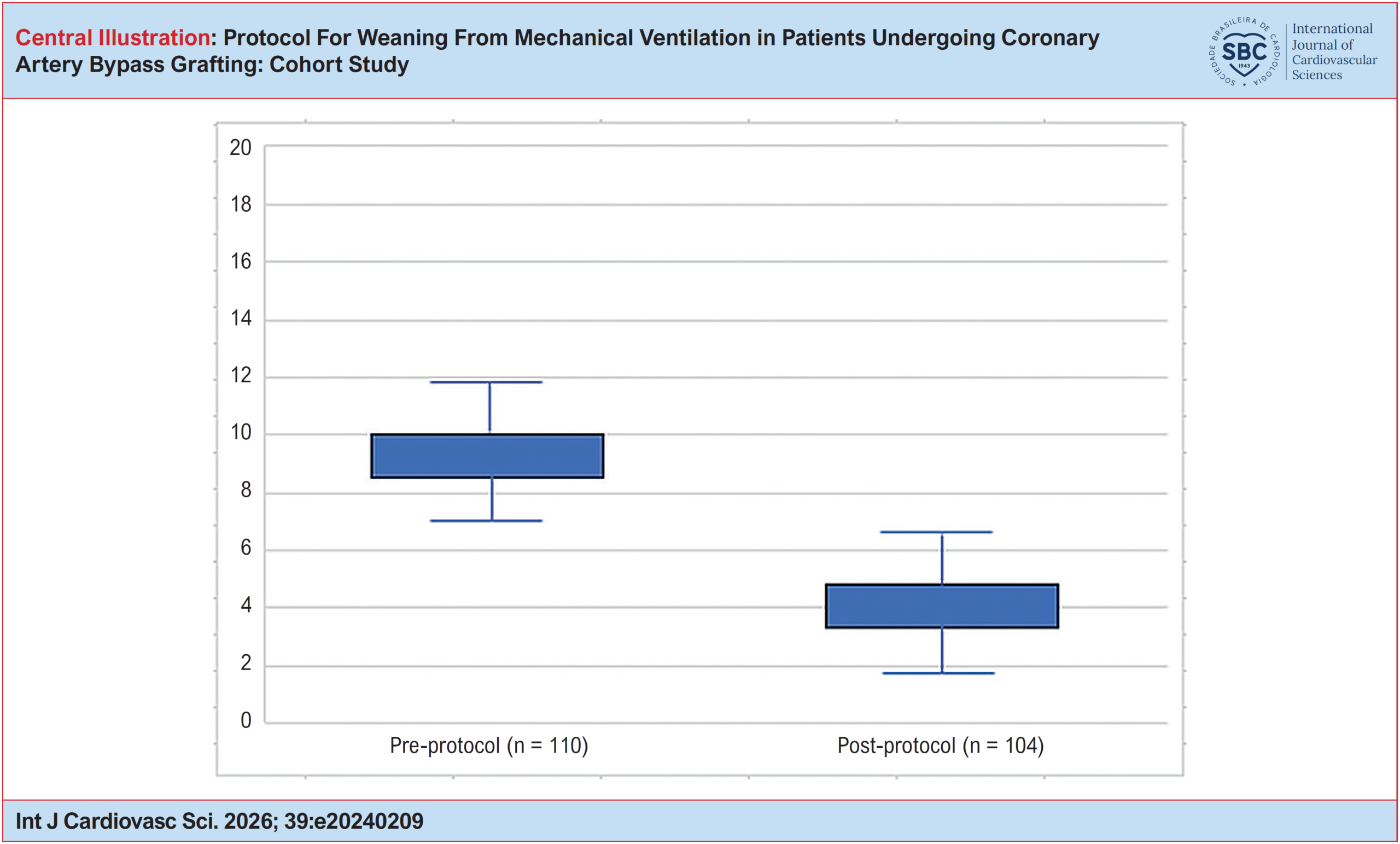
A total of 214 patients were evaluated. The mean duration of MV was shorter in the intervention group (4 vs. 9 hours, p < 0.001). The mean ICU length of stay was 2 vs. 5 days in the intervention and control groups, respectively (p = 0.02).

Conclusion:

The findings suggest that protocol-guided weaning may be associated with reductions in weaning time, duration of MV, and ICU length of stay, raising the hypothesis of a potential clinical benefit that warrants further investigation in future studies.
  • Artificial Respiration
  • Clinical Protocols
  • Intensive Care Units
Read Full Article
Creative Commons Attribution (CC BY) Creative Commons license
07/09/2026 DOI: 10.36660/ijcs.20240209 Views 1
Applicability of SAPS 3 and APACHE II Scores in a Cardiac Intensive Care Unit: A Prospective Study
IJCS
Original Article

Applicability of SAPS 3 and APACHE II Scores in a Cardiac Intensive Care Unit: A Prospective Study

Rafael Petri Pinheiro et al. Leonardo Castro Luna Vanessa dos Reis von Doellinger Marcelo Goulart Correia … Bernardo Tura Stephan Lachtermacher

Abstract

Background

Prognostic scores such as the Simplified Acute Physiology Score (SAPS) and the Acute Physiology and Chronic Health Evaluation (APACHE) are essential for assessing performance and predicting mortality in Intensive Care Units (ICUs).

Objectives

To evaluate the performance of SAPS 3 (including the Latin America [LA] and Brazil [BR] versions) and APACHE II in predicting mortality in a cardiac intensive care unit (CICU).

Methods

Prospective cohort of patients admitted between June 2022 and May 2024, followed until discharge or death. Data were extracted from electronic medical records. The relationship between observed and predicted mortality was calculated using the Standardized Mortality Ratio (SMR), and discrimination was assessed by the Receiver Operating Characteristic (ROC) curve.

Results

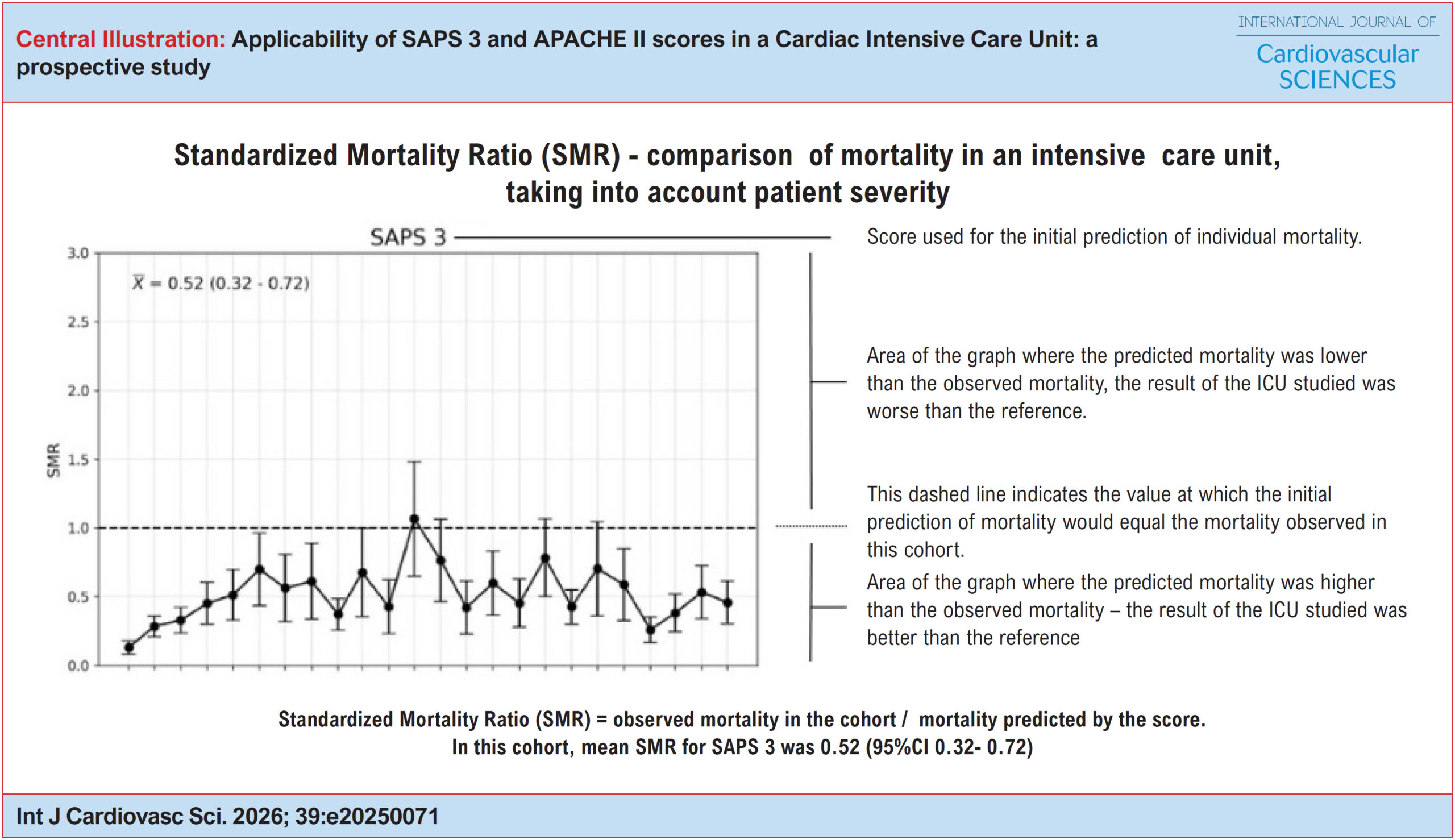
A total of 573 patients were included, 288 (50%) with three or more comorbidities, median age 63 years [IQR: 53–72], and 344 (60%) male. Cardiovascular diseases accounted for 76% of admissions. Overall mortality was 15%. Mean SMR values were: 0.52 (95% CI: 0.32–0.72) for SAPS 3; 0.40 (95% CI: 0.26–0.54) for SAPS 3 Latin America (AL); 0.79 (95% CI: 0.41–1.16) for SAPS 3 Brazil (BR); and 0.86 (95% CI: 0.42–1.29) for APACHE II. The analysis of the area under the curve (AUC) was 0.805 for SAPS 3 and its adapted versions, and 0.704 for APACHE II.

Conclusions

SAPS 3, particularly SAPS 3 Brazil (BR), demonstrated greater accuracy than APACHE II. Despite mortality being above the national average, the SMR indicated that observed mortality was lower than predicted, suggesting good care performance in the unit.

  • APACHE
  • Cardiology
  • Hospital Mortality
  • Intensive Care Units
  • Simplified Acute Physiology Score
Read Full Article
Creative Commons Attribution (CC BY) Creative Commons license
27/04/2026 DOI: 10.36660/ijcs.20250071 Views 1
Figure 1
ABCIC
Original Article

Assessment of Interrater Reliability in Point-of-Care Ultrasound for Assessing Congestion in Cardiovascular Intensive Care

Marina Petersen Saadi et al. Guilherme Pinheiro Machado Gustavo Paes Silvano João Pedro da Rosa Barbato … Renato Ferraz Almeida Fernando Luis Scolari Guilherme Heiden Telo Anderson Donelli da Silveira

Abstract

Background:

The assessment of congestion is critical for managing patients with cardiovascular conditions, including heart failure (HF). Traditional methods often lack sensitivity, whereas point-of-care ultrasound (POCUS) provides an objective bedside alternative.

Objective:

To evaluate the interrater reliability (IRR) of key POCUS variables used to assess hemodynamic, pulmonary, and venous congestion.

Methods:

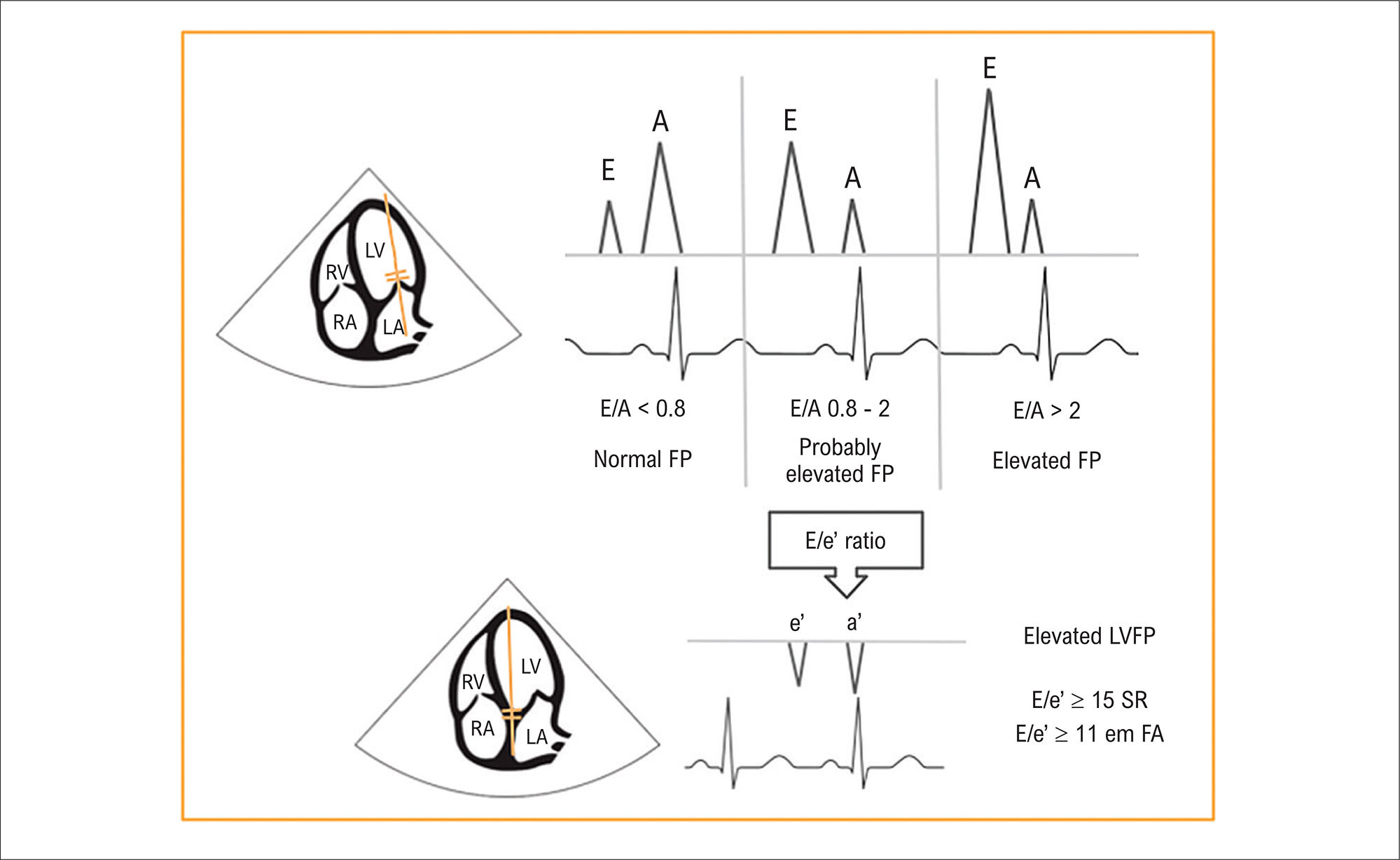
This single-center, prospective study was conducted from January to June 2023 in a cardiovascular intensive care unit (CICU) in Brazil. Adult patients underwent standardized POCUS examinations. Three trained investigators independently assessed lung ultrasound (LUS) (B-lines), left ventricular filling pressures (LVFP) (E/A and E/e′ ratios), inferior vena cava (IVC) measurements, hepatic and portal vein Doppler flow, and modified Venous Excess Ultrasound (mVExUS) Score. IRR was analyzed using intraclass correlation coefficient (ICC).

Results:

A total of 23 patients were included, with a median age of 65 years, each undergoing three independent POCUS examinations (69 total assessments). LUS and IVC measurements showed excellent IRR (ICC 0.903). Hepatic and portal vein flows demonstrated good IRR (ICCs 0.808 and 0.796, respectively). mVExUS grading achieved the highest IRR (ICC 0.957). The E wave showed excellent IRR (ICC 0.934), while the A wave and e′ velocity had lower IRRs (0.512 and 0.399, respectively). E/e′ and E/A ratios demonstrated moderate-to-good IRR (ICCs 0.662 and 0.852, respectively). The median exam duration was 10 minutes.

Conclusion:

POCUS variables demonstrated high reproducibility, particularly for LUS and mVExUS. The reproducibility of LUS and mVExUS was higher than that of LVFP parameters, suggesting they may be more reliable than traditional measures such as E/e′. These findings support the use of POCUS for standardized assessment of congestion. Further studies are needed to validate its prognostic value.

  • Heart Failure
  • Intensive Care Units
  • Ultrasonics
  • VExUs, modified VExUS
Read Full Article
Creative Commons Attribution (CC BY) Creative Commons license
27/06/2025 DOI: 10.36660/abcimg.20250022i Views 2
Figure 1
ABC
Original Article

Performance of Severity Indices to Estimate Postoperative Complications of Myocardial Revascularization

Silvana Alves dos Santos Franzotti et al. Dyenily Alessi Sloboda Juliana Rosendo Silva Ellian Amorim Santos Souza … Jessica Zamora Reboreda Renata Eloah de Lucena Ferretti-Rebustini Lilia de Souza Nogueira

Abstract

Background

Patients in the postoperative period of myocardial revascularization (Coronary Artery Bypass Grafting – CABG) surgery admitted to the intensive care unit (ICU) are at risk of complications which increase the length of stay and morbidity and mortality. Therefore, early recognition of these risks is essential to optimize prevention strategies and a satisfactory clinical outcome.

Objective

To analyze the performance of severity indices in predicting complications in patients in the postoperative of CABG during the ICU stay.

Methods

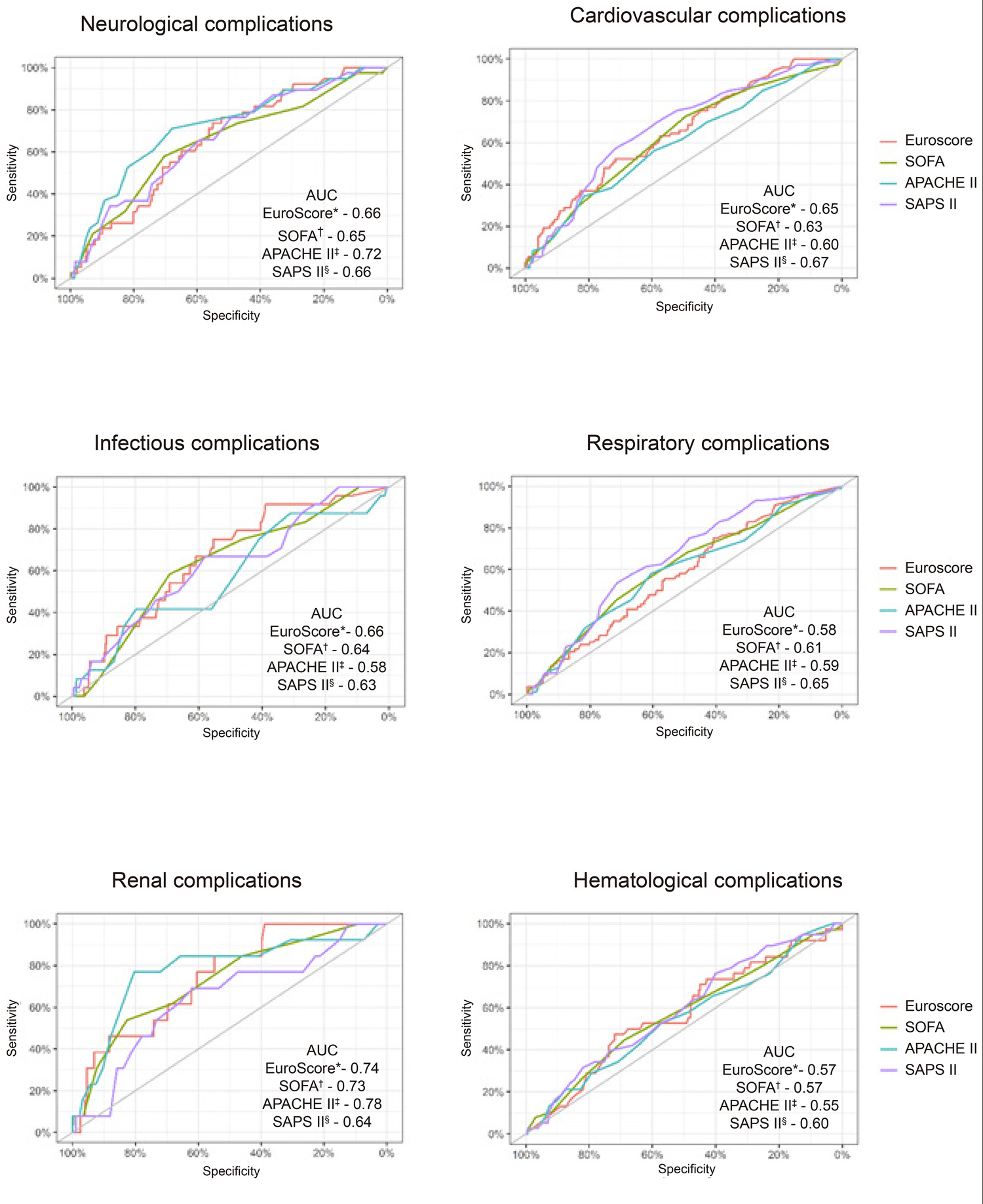
A cross-sectional study with retrospective analysis of electronic medical records of patients aged ≥ 18 years who underwent isolated CABG and were admitted to the ICU of a cardiology hospital in São Paulo, Brazil. The areas under the receiver operating characteristic curves (AUC) with a 95% confidence interval were analyzed to verify the accuracy of the European System for Cardiac Operative Risk Evaluation (EuroScore), Acute Physiology and Chronic Health Evaluation (APACHE II), Simplified Acute Physiology Score (SAPS II) and Sequential Organ Failure Assessment (SOFA) indices in predicting complications.

Results

The sample consisted of 366 patients (64.58 ± 9.42 years; 75.96% male). The complications identified were: respiratory (24.32%), cardiovascular (19.95%), neurological (10.38%), hematological (10.38%), infectious (6.56%) and renal (3.55%). APACHE II showed satisfactory performance for predicting neurological (AUC 0.72) and renal (AUC 0.78) complications.

Conclusion

APACHE II excelled in predicting neurological and renal complications. None of the indices performed well in predicting the other analyzed complications. Therefore, severity indices should not be used indiscriminately in order to predict all complications frequently presented by patients after CABG. (Arq Bras Cardiol. 2020; 115(3):452-459)

  • Cardiovascular Diseases/complications
  • Cardiovascular Diseases/surgery
  • Indicators of Morbidity and Mortality
  • Intensive Care Units
  • Myocardial Revascularization / complications
  • Postoperative Care
  • Severity of Illness Index
Read Full Article
Creative Commons Attribution (CC BY) Creative Commons license
28/09/2020 DOI: 10.36660/abc.20190120 Views 1
IJCS
Editorial

Risk Factors for Mortality in Pediatric Cardiac Intensive Care Unit

Cristiane Martins et al. Bruna M. N. Gama

Congenital heart defect commonly requires care in pediatric intensive care unit (PICU). They are a heterogeneous group of disorders with an annual incidence of 25,757 new cases in Brazil, 12 cases per 1,000 inhabitants . In this paper, Guimarães et al., published a cross-sectional study to describe the epidemiology of patients admitted to PICU from a tertiary hospital in Brazil. In this editorial, we review recent progress in understanding the risk factors for mortality in PICU. The editorial was produced by searching Pubmed and Scielo, using the terms “PICU”, “RACHS”, “CHD”, and “mortality”.

Congenital heart defects (CHD) are serious and common conditions that have a significant impact on morbidity, mortality and healthcare costs in both children and adults. It is estimated that at least 32,000 infants in the United States will be affected each year by CHD. Of these, approximately 25%, or 2.4 per 1,000 live births require invasive treatment in the first year of life. While advances in treatment in the last decades have decreased infant mortality, they have also led to an increase in the number of children and adults with CHD. Despite these advances and developments in interventional and surgical techniques, heart disease in children remains an important cause of morbidity and mortality.

[…]

  • Aortic Coarctation
  • Arterial Switch Operation
  • Heart Defects Congenital/mortality
  • Heart Septal Defects, Ventricular
  • Hospitalization
  • Intensive Care Units
  • Mordity
  • Risk Factors
Read Full Article
Creative Commons Attribution (CC BY) Creative Commons license
31/07/2020 DOI: 10.36660/ijcs.20200130 Views 1
Figure 1
ABC
Original Article

Comparative Analysis between Transferred and Self-Referred STEMI Patients Undergoing Primary Angioplasty

Maurício Balk et al. Henrique Basso Gomes Alexandre Schaan de Quadros Marco Aurélio Lumertz Saffi Tiago Luiz Luz Leiria

Abstract

Background:

Studies have shown the benefits of rapid reperfusion therapy in acute myocardial infarction. However, there are still delays during transport of patients to primary angioplasty.

Objective:

To evaluate whether there is a difference in total ischemic time between patients transferred from other hospitals compared to self-referred patients in our institution.

Methods:

Historical cohort study including patients with acute myocardial infarction treated between April 2014 and September 2015. Patients were divided into transferred patients (group A) and self-referred patients (group B). Clinical characteristics of the patients were obtained from our electronic database and the transfer time was estimated based on the time the e-mail requesting patient’s transference was received by the emergency department.

Results:

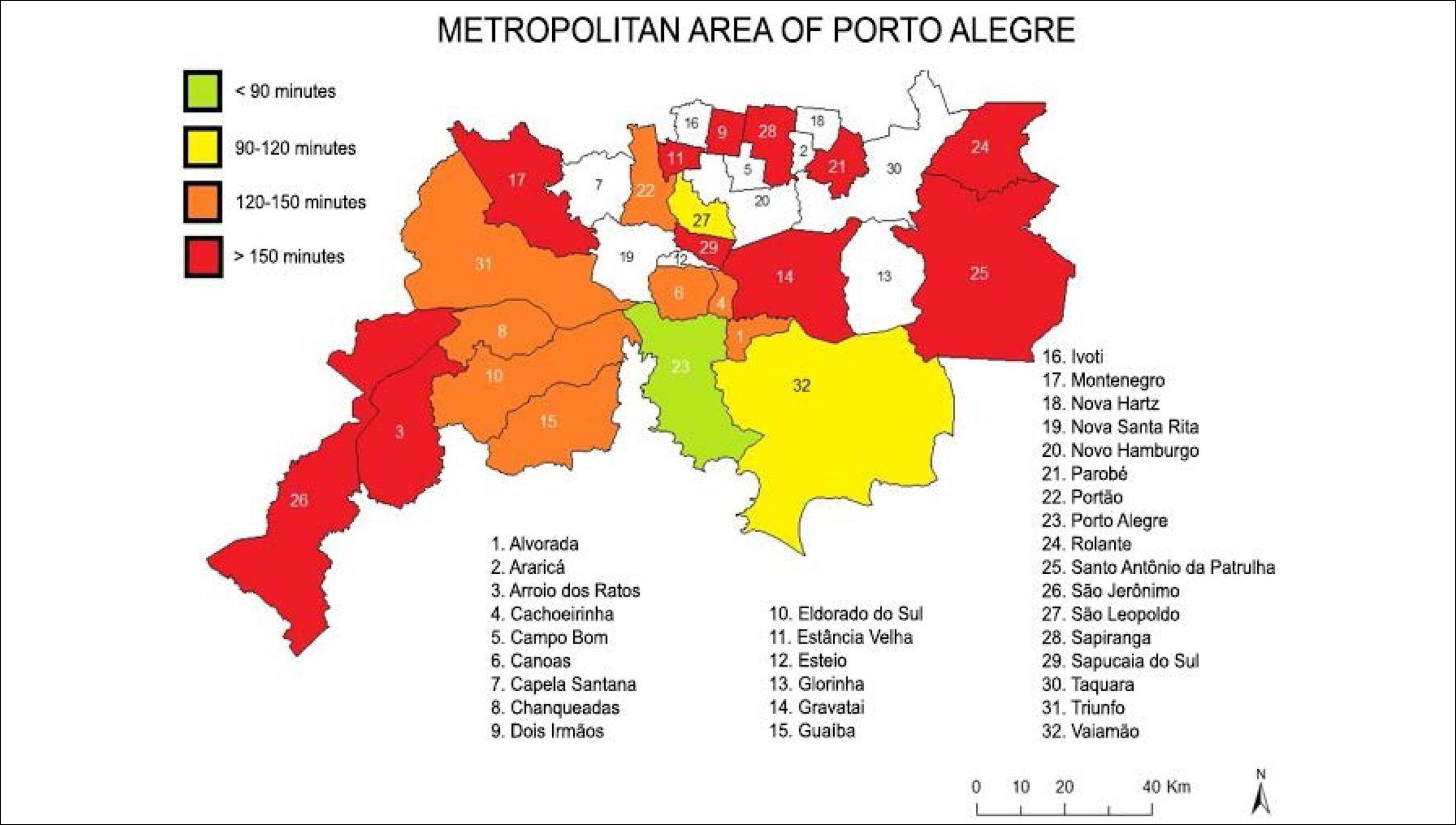
The sample included 621 patients, 215 in group A and 406 in group B. Population characteristics were similar in both groups. Time from symptom onset to arrival at the emergency department was significantly longer in group A (385 minutes vs. 307 minutes for group B, p < 0.001) with a transfer delay of 147 minutes. There was a significant relationship between the travel distance and increased transport time (R = 0.55, p < 0.001). However, no difference in mortality was found between the groups.

Conclusion:

In patients transferred from other cities for treatment of infarction, transfer time was longer than that recommended, especially in longer travel distances.

  • Angioplasty, Balloon, Coronary/methods
  • Fibrinolytic Agents
  • Intensive Care Units
  • Myocardial Reperfusion/methods
  • ST Elevation Myocardial Infarction/complications
Read Full Article
Creative Commons Attribution (CC BY) Creative Commons license
15/04/2019 DOI: 10.5935/abc.20190014 Views 1
Implementation of the myocardial infarction system of care in city of Belo Horizonte, Brazil
ABC
Artigo Original

Implementation of the myocardial infarction system of care in city of Belo Horizonte, Brazil

Milena Soriano Marcolino et al. Luisa Campos Caldeira Brant Janaina Guimarães de Araujo Bruno Ramos Nascimento … Luiz Ricardo de Ataide Castro Paula Martins Lucas Lodi-Junqueira Antonio Luiz Ribeiro

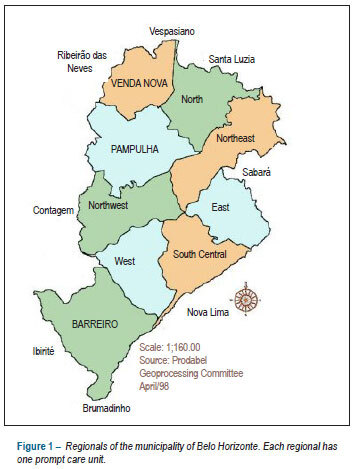
BACKGROUND:The creation of an acute myocardial infarction (AMI) management systems is aimed at optimizing the management of patients from early diagnosis to proper and timely treatment. OBJECTIVE: To assess the implantation of an AMI management system in the municipality of Belo Horizonte, state of Minas Gerais, and its impact on in-hospital mortality due to AMI. METHODS: The AMI management system was implanted in the municipality of Belo Horizonte between 2010 and 2011, aiming at increasing the access of patients of the public health system to the treatment recommended by the existing guidelines. The teams at the prompt care units were trained, and the system of tele-electrocardiography was implanted in those units. The primary outcomes of this retrospective observational study were the number of admissions and in-hospital mortality due to AMI, from 2009 to 2011. RESULTS: In the period studied, 294 professionals were trained and 563 electrocardiograms (ECGs) transmitted from prompt care units to coronary units. A significant reduction was observed in the in-hospital mortality rate (12.3% in 2009 versus 7.1% in 2011, p < 0.001), while the number of admissions due to AMI remained stable. The mean cost of admission increased (mean R$ 2,480.00 versus R$ 3,501.00; p < 0.001), the proportion of admissions including intensive care unit stay increased (32.4% in 2009 versus 66.1% in 2011; p < 0.001), and the number of patients admitted to tertiary hospitals increased (47.0% versus 69.6%; p < 0.001). CONCLUSION: The AMI management system implantation increased the access of the population to proper treatment, thus reducing in-hospital mortality due to AMI.

  • Emergency Medical Services
  • Intensive Care Units
  • Myocardial Infarction
Read Full Article
Creative Commons Attribution (CC BY) Creative Commons license
02/04/2013 DOI: 10.5935/abc.20130054 Views 1
ABC
Research Article

Impact of renal failure on in-hospital outcomes after coronary artery bypass surgery

Roberto Ramos Barbosa et al. Priscila Feitoza Cestari Julhano Tiago Capeletti Gustavo Magnus T. L. S. R. Peres … Tania L. Pozzo Ibañez Patrícia Viana da Silva Jorge A. Farran Vivian Lerner Amato Pedro Silvio Farsky

BACKGROUND: Chronic kidney disease (CKD) is a predictor of increased mortality in patients undergoing coronary artery bypass surgery (CABG). OBJECTIVE: To evaluate the characteristics and predictors of increased mortality in the CKD population submitted to CABG. To compare in-hospital outcomes between patients with and without CKD, and with and without development of acute renal failure (ARF). METHODS: Retrospective analysis of a prospective database of all isolated CABG performed in a single public tertiary hospital from 1999 to 2007. CKD was considered when creatinine > 1.5 mg/dl. Clinical characteristics, mortality and post-operative complications were evaluated according to renal function. RESULTS: Of 3,890 patients, 362 (9.3%) had CKD. This population was older, presented grater prevalence of hypertension, left ventricular dysfunction, previous stroke, peripheral vascular disease and three-vessel disease. In-hospital outcomes revealed greater incidence of stroke (5.5% vs 2.1%), atrial fibrillation (16 vs 8.3%), low cardiac ouput syndrome (14.4% vs 8.5%), longer stay in intensive care unit (4.04 vs 2.83 days), and greater mortality (10.5% vs 3.8%). Logistic regression: female gender, smoking, diabetes and peripheral vascular disease were associated with higher in-hospital mortality within the CKD group. Patients who did not develop post-operative ARF presented 3.5% mortality; non-dialytic ARF: 35.4%; dialytic ARF: 66.7% mortality. Mortality was directly related to the stage of CKD, according to glomerular filtration rate. CONCLUSION: CKD patients submitted to CABG represent a high risk population, with increased incidence of complications and mortality. Post-operative ARF is a strong in-hospital mortality predictor. Glomerular filtration rate was inversely related to mortality.

  • Intensive Care Units
  • lenght of stay
  • Morbidity
  • Myocardial Revascularization
  • Prognostic
  • Renal Insufficiency, Chronic
Read Full Article
Creative Commons Attribution (CC BY) Creative Commons license
17/06/2011 DOI: 10.1590/S0066-782X2011005000075 Views 2

How to cite this article

EndNote RIS

Electronic Document Format (Vancouver)

Cordeiro ALL, Lopes WFS, Jesus TC, Oliveira AJG, Coutinho ACO, Guimarães ARF. Protocol For Weaning From Mechanical Ventilation in Patients Undergoing Coronary Artery Bypass Grafting: Cohort Study. International Journal of Cardiovascular Sciences 2026;39:e20240209.

Electronic Document Format (ABNT)

Cordeiro, André Luiz Lisboa; Lopes, Wallace Fernando de Souza; Jesus, Tainara Conceição de; Oliveira, Ana Julia Gomes de; Coutinho, Ana Cecília de Oliveira; Guimarães, André Raimundo França. Protocol For Weaning From Mechanical Ventilation in Patients Undergoing Coronary Artery Bypass Grafting: Cohort Study. International Journal of Cardiovascular Sciences, v. 39, e20240209, Sep. 2026.

Electronic Document Format (APA)

Cordeiro, A. L. L., Lopes, W. F. S., Jesus, T. C. , Oliveira, A. J. G. , Coutinho, A. C. O., & Guimarães, A. R. F. (2026). Protocol For Weaning From Mechanical Ventilation in Patients Undergoing Coronary Artery Bypass Grafting: Cohort Study. International Journal of Cardiovascular Sciences, 39, e20240209.

Electronic Document Format (ISO)

Cordeiro, André Luiz Lisboa and Lopes, Wallace Fernando de Souza and Jesus, Tainara Conceição de and Oliveira, Ana Julia Gomes de and Coutinho, Ana Cecília de Oliveira and Guimarães, André Raimundo França. Protocol For Weaning From Mechanical Ventilation in Patients Undergoing Coronary Artery Bypass Grafting: Cohort Study. International Journal of Cardiovascular Sciences [online]. 2026, vol. 39, [cited 2026-10-15], e20240209. Available from: <https://journals.cardiol.br/en/article/protocol-for-weaning-from-mechanical-ventilation-in-patients-undergoing-coronary-artery-bypass-grafting-cohort-study/>. ISSN 2359-4802

EndNote RIS

Electronic Document Format (Vancouver)

Pinheiro RP, Luna LC, Doellinger VR, Correia MG, Tura B, Lachtermacher S. Applicability of SAPS 3 and APACHE II Scores in a Cardiac Intensive Care Unit: A Prospective Study. International Journal of Cardiovascular Sciences 2026;39:e20250071.

Electronic Document Format (ABNT)

Pinheiro, Rafael Petri; Luna, Leonardo Castro; Doellinger, Vanessa dos Reis von; Correia, Marcelo Goulart; Tura, Bernardo; Lachtermacher, Stephan. Applicability of SAPS 3 and APACHE II Scores in a Cardiac Intensive Care Unit: A Prospective Study. International Journal of Cardiovascular Sciences, v. 39, e20250071, Apr. 2026.

Electronic Document Format (APA)

Pinheiro, R. P., Luna, L. C., Doellinger, V. R. , Correia, M. G., Tura, B., & Lachtermacher, S. (2026). Applicability of SAPS 3 and APACHE II Scores in a Cardiac Intensive Care Unit: A Prospective Study. International Journal of Cardiovascular Sciences, 39, e20250071.

Electronic Document Format (ISO)

Pinheiro, Rafael Petri and Luna, Leonardo Castro and Doellinger, Vanessa dos Reis von and Correia, Marcelo Goulart and Tura, Bernardo and Lachtermacher, Stephan. Applicability of SAPS 3 and APACHE II Scores in a Cardiac Intensive Care Unit: A Prospective Study. International Journal of Cardiovascular Sciences [online]. 2026, vol. 39, [cited 2026-10-15], e20250071. Available from: <https://journals.cardiol.br/en/article/applicability-of-saps-3-and-apache-ii-scores-in-a-cardiac-intensive-care-unit-a-prospective-study/>. ISSN 2359-4802

EndNote RIS

Electronic Document Format (Vancouver)

Saadi MP, Machado GP, Silvano GP, Barbato JPR, Almeida RF, Scolari FL, Telo GH, et al. Assessment of Interrater Reliability in Point-of-Care Ultrasound for Assessing Congestion in Cardiovascular Intensive Care. ABC Imagem Cardiovascular 2025;38(2):e20250022.

Electronic Document Format (ABNT)

Saadi, Marina Petersen; Machado, Guilherme Pinheiro; Silvano, Gustavo Paes; Barbato, João Pedro da Rosa; Almeida, Renato Ferraz; Scolari, Fernando Luis; Telo, Guilherme Heiden; Silveira, Anderson Donelli da. Assessment of Interrater Reliability in Point-of-Care Ultrasound for Assessing Congestion in Cardiovascular Intensive Care. ABC Imagem Cardiovascular, v. 38, n. 2, e20250022, Jun. 2025.

Electronic Document Format (APA)

Saadi, M. P., Machado, G. P., Silvano, G. P., Barbato, J. P. R., Almeida, R. F., Scolari, F. L., Telo, G. H., & Silveira, A. D. (2025). Assessment of Interrater Reliability in Point-of-Care Ultrasound for Assessing Congestion in Cardiovascular Intensive Care. ABC Imagem Cardiovascular, 38(2), e20250022.

Electronic Document Format (ISO)

Saadi, Marina Petersen and Machado, Guilherme Pinheiro and Silvano, Gustavo Paes and Barbato, João Pedro da Rosa and Almeida, Renato Ferraz and Scolari, Fernando Luis and Telo, Guilherme Heiden and Silveira, Anderson Donelli da. Assessment of Interrater Reliability in Point-of-Care Ultrasound for Assessing Congestion in Cardiovascular Intensive Care. ABC Imagem Cardiovascular [online]. 2025, vol. 38, n. 2, [cited 2026-10-15], e20250022. Available from: <https://journals.cardiol.br/en/article/assessment-of-interrater-reliability-in-point-of-care-ultrasound-for-assessing-congestion-in-cardiovascular-intensive-care/>. ISSN 2318-8219

EndNote RIS

Electronic Document Format (Vancouver)

Franzotti SAS, Sloboda DA, Silva JR, Souza EAS, Reboreda JZ, Ferretti-Rebustini REL, Nogueira LS, et al. Performance of Severity Indices to Estimate Postoperative Complications of Myocardial Revascularization. Arquivos Brasileiros de Cardiologia 2020;115(3):452-9.

Electronic Document Format (ABNT)

Franzotti, Silvana Alves dos Santos; Sloboda, Dyenily Alessi; Silva, Juliana Rosendo; Souza, Ellian Amorim Santos; Reboreda, Jessica Zamora; Ferretti-Rebustini, Renata Eloah de Lucena; Nogueira, Lilia de Souza. Performance of Severity Indices to Estimate Postoperative Complications of Myocardial Revascularization. Arquivos Brasileiros de Cardiologia, v. 115, n. 3, p. 452-459, Sep. 2020.

Electronic Document Format (APA)

Franzotti, S. A. S., Sloboda, D. A., Silva, J. R., Souza, E. A. S., Reboreda, J. Z., Ferretti-Rebustini, R. E. L., & Nogueira, L. S. (2020). Performance of Severity Indices to Estimate Postoperative Complications of Myocardial Revascularization. Arquivos Brasileiros de Cardiologia, 115(3), 452-459.

Electronic Document Format (ISO)

Franzotti, Silvana Alves dos Santos and Sloboda, Dyenily Alessi and Silva, Juliana Rosendo and Souza, Ellian Amorim Santos and Reboreda, Jessica Zamora and Ferretti-Rebustini, Renata Eloah de Lucena and Nogueira, Lilia de Souza. Performance of Severity Indices to Estimate Postoperative Complications of Myocardial Revascularization. Arquivos Brasileiros de Cardiologia [online]. 2020, vol. 115, n. 3, [cited 2026-10-15], pp. 452-459. Available from: <https://journals.cardiol.br/en/article/performance-of-severity-indices-to-estimate-postoperative-complications-of-myocardial-revascularization/>. ISSN 0066-782X

EndNote RIS

Electronic Document Format (Vancouver)

Martins C, Gama BMN. Risk Factors for Mortality in Pediatric Cardiac Intensive Care Unit. International Journal of Cardiovascular Sciences 2020;33(4):337-9.

Electronic Document Format (ABNT)

Martins, Cristiane; Gama, Bruna M. N.. Risk Factors for Mortality in Pediatric Cardiac Intensive Care Unit. International Journal of Cardiovascular Sciences, v. 33, n. 4, p. 337-339, Jul. 2020.

Electronic Document Format (APA)

Martins, C., & Gama, B. M. N. (2020). Risk Factors for Mortality in Pediatric Cardiac Intensive Care Unit. International Journal of Cardiovascular Sciences, 33(4), 337-339.

Electronic Document Format (ISO)

Martins, Cristiane and Gama, Bruna M. N.. Risk Factors for Mortality in Pediatric Cardiac Intensive Care Unit. International Journal of Cardiovascular Sciences [online]. 2020, vol. 33, n. 4, [cited 2026-10-15], pp. 337-339. Available from: <https://journals.cardiol.br/en/article/risk-factors-for-mortality-in-pediatric-cardiac-intensive-care-unit/>. ISSN 2359-4802

EndNote RIS

Electronic Document Format (Vancouver)

Balk M, Gomes HB, Quadros AS, Saffi MAL, Leiria TLL. Comparative Analysis between Transferred and Self-Referred STEMI Patients Undergoing Primary Angioplasty. Arquivos Brasileiros de Cardiologia 2019;112(4):402-7.

Electronic Document Format (ABNT)

Balk, Maurício; Gomes, Henrique Basso; Quadros, Alexandre Schaan de; Saffi, Marco Aurélio Lumertz; Leiria, Tiago Luiz Luz. Comparative Analysis between Transferred and Self-Referred STEMI Patients Undergoing Primary Angioplasty. Arquivos Brasileiros de Cardiologia, v. 112, n. 4, p. 402-407, Apr. 2019.

Electronic Document Format (APA)

Balk, M., Gomes, H. B., Quadros, A. S. , Saffi, M. A. L., & Leiria, T. L. L. (2019). Comparative Analysis between Transferred and Self-Referred STEMI Patients Undergoing Primary Angioplasty. Arquivos Brasileiros de Cardiologia, 112(4), 402-407.

Electronic Document Format (ISO)

Balk, Maurício and Gomes, Henrique Basso and Quadros, Alexandre Schaan de and Saffi, Marco Aurélio Lumertz and Leiria, Tiago Luiz Luz. Comparative Analysis between Transferred and Self-Referred STEMI Patients Undergoing Primary Angioplasty. Arquivos Brasileiros de Cardiologia [online]. 2019, vol. 112, n. 4, [cited 2026-10-15], pp. 402-407. Available from: <https://journals.cardiol.br/en/article/comparative-analysis-between-transferred-and-self-referred-stemi-patients-undergoing-primary-angioplasty/>. ISSN 0066-782X

EndNote RIS

Electronic Document Format (Vancouver)

Marcolino MS, Brant LCC, Araujo JG, Nascimento BR, Castro LRA, Martins P, Lodi-Junqueira L, et al. Implementation of the myocardial infarction system of care in city of Belo Horizonte, Brazil. Arquivos Brasileiros de Cardiologia 2013;100(4):307-14.

Electronic Document Format (ABNT)

Marcolino, Milena Soriano; Brant, Luisa Campos Caldeira; Araujo, Janaina Guimarães de; Nascimento, Bruno Ramos; Castro, Luiz Ricardo de Ataide; Martins, Paula; Lodi-Junqueira, Lucas; Ribeiro, Antonio Luiz. Implementation of the myocardial infarction system of care in city of Belo Horizonte, Brazil. Arquivos Brasileiros de Cardiologia, v. 100, n. 4, p. 307-314, Apr. 2013.

Electronic Document Format (APA)

Marcolino, M. S., Brant, L. C. C., Araujo, J. G. , Nascimento, B. R., Castro, L. R. A., Martins, P., Lodi-Junqueira, L., & Ribeiro, A. L. (2013). Implementation of the myocardial infarction system of care in city of Belo Horizonte, Brazil. Arquivos Brasileiros de Cardiologia, 100(4), 307-314.

Electronic Document Format (ISO)

Marcolino, Milena Soriano and Brant, Luisa Campos Caldeira and Araujo, Janaina Guimarães de and Nascimento, Bruno Ramos and Castro, Luiz Ricardo de Ataide and Martins, Paula and Lodi-Junqueira, Lucas and Ribeiro, Antonio Luiz. Implementation of the myocardial infarction system of care in city of Belo Horizonte, Brazil. Arquivos Brasileiros de Cardiologia [online]. 2013, vol. 100, n. 4, [cited 2026-10-15], pp. 307-314. Available from: <https://journals.cardiol.br/en/article/implementation-of-the-myocardial-infarction-system-of-care-in-city-of-belo-horizonte-brazil/>. ISSN 0066-782X

EndNote RIS

Electronic Document Format (Vancouver)

Barbosa RR, Cestari PF, Capeletti JT, Peres GMTLSR, Ibañez TLP, Silva PV, Farran JA, et al. Impact of renal failure on in-hospital outcomes after coronary artery bypass surgery. Arquivos Brasileiros de Cardiologia 2011;97(3):249-53.

Electronic Document Format (ABNT)

Barbosa, Roberto Ramos; Cestari, Priscila Feitoza; Capeletti, Julhano Tiago; Peres, Gustavo Magnus T. L. S. R.; Ibañez, Tania L. Pozzo; Silva, Patrícia Viana da; Farran, Jorge A.; Amato, Vivian Lerner; Farsky, Pedro Silvio. Impact of renal failure on in-hospital outcomes after coronary artery bypass surgery. Arquivos Brasileiros de Cardiologia, v. 97, n. 3, p. 249-253, Jun. 2011.

Electronic Document Format (APA)

Barbosa, R. R., Cestari, P. F., Capeletti, J. T., Peres, G. M. T. L. S. R., Ibañez, T. L. P., Silva, P. V. , Farran, J. A., Amato, V. L., & Farsky, P. S. (2011). Impact of renal failure on in-hospital outcomes after coronary artery bypass surgery. Arquivos Brasileiros de Cardiologia, 97(3), 249-253.

Electronic Document Format (ISO)

Barbosa, Roberto Ramos and Cestari, Priscila Feitoza and Capeletti, Julhano Tiago and Peres, Gustavo Magnus T. L. S. R. and Ibañez, Tania L. Pozzo and Silva, Patrícia Viana da and Farran, Jorge A. and Amato, Vivian Lerner and Farsky, Pedro Silvio. Impact of renal failure on in-hospital outcomes after coronary artery bypass surgery. Arquivos Brasileiros de Cardiologia [online]. 2011, vol. 97, n. 3, [cited 2026-10-15], pp. 249-253. Available from: <https://journals.cardiol.br/en/article/impact-of-renal-failure-on-in-hospital-outcomes-after-coronary-artery-bypass-surgery/>. ISSN 0066-782X

  • About ABC Family
  • Internal Regulation
  • Editorial Board
  • Brazilian Society of Cardiology (SBC)

Issues

SBC Guidelines

  • Videos
  • Podcasts
  • News