ABC Family Arquivos Brasileiros de Cardiologia International Journal of Cardiovascular Sciences ABC Heart Failure & Cardiomyopathy ABC Imagem Cardiovascular
Português English
ABC Family
Português English
  • About
    • About ABC Family
    • Internal Regulation
    • Editorial Board
    • Brazilian Society of Cardiology (SBC)
  • Issues
  • SBC Guidelines
  • Content
    • Videos
    • Podcasts
    • News
  • About
    • About ABC Family
    • Internal Regulation
    • Editorial Board
    • Brazilian Society of Cardiology (SBC)
  • Issues
  • SBC Guidelines
  • Content
    • Videos
    • Podcasts
    • News

ABC Family

  • ABC Family
  • Arquivos Brasileiros de Cardiologia
  • International Journal of Cardiovascular Sciences
  • ABC Heart Failure & Cardiomyopathy
  • ABC Imagem Cardiovascular
Search in

No content found.

Journals
Ordering
Article types
Others

  1. Home
  2. Keyword: Risk Factors
IJCS
Viewpoint

Asymptomatic Patients With Suspected Coronary Artery Disease: What Are Clinicians Afraid Of?

Antônio Sérgio Cordeiro da Rocha et al. Dany Kruczan

Introduction

In contemporary practice, myocardial revascularization, particularly Percutaneous Coronary Intervention (PCI), is frequently performed in asymptomatic individuals with suspected Coronary Artery Disease (CAD). This occurs despite robust evidence from Randomized Clinical Trials (RCTs) over the past two decades demonstrating that, in patients with Chronic Coronary Syndromes (CCS), neither PCI nor Coronary Artery Bypass Grafting (CABG) reduces mortality when compared with Guideline-directed Medical Therapy (GDMT). In selected populations, revascularization confers symptomatic relief, particularly among patients with frequent angina, but without prognostic advantage.

The persistence of invasive strategies in asymptomatic patients appears to be driven largely by two cognitive biases: the “oculostenotic reflex”, the impulse to correct angiographically visible stenoses, and the “oculoischemic reflex”, the perceived need to revascularize documented ischemia irrespective of symptoms. Both are rooted in the fear that untreated coronary obstructions inevitably herald sudden cardiac death or Acute Myocardial Infarction (AMI).,

[…]

  • Acute coronary syndrome
  • Coronary Artery Disease
  • Percutaneous Coronary Intervention
  • Risk Factors
Read Full Article
Creative Commons Attribution (CC BY) Creative Commons license
21/08/2026 DOI: 10.36660/ijcs.20250075 Views 2
Treatment Adherence and Cardiometabolic Goals in Patients with Coronary Artery Disease in the North Region of Brazil
IJCS
Original Article

Treatment Adherence and Cardiometabolic Goals in Patients with Coronary Artery Disease in the North Region of Brazil

Fernando Maia Coutinho et al. Talles L. Pereira Nogueira Dilma do Socorro Moraes de Souza Lucianna Serfaty de Holanda … Vitor Bruno Teixeira de Holanda Michele N. Assad Rafael M. Coutinho Ana Flávia Oliveira de Souza Márcio César Ribeiro Marvão Thiago da Silva Paulo

Abstract

Background:

Patients with coronary artery disease (CAD) are categorized by cardiovascular risk depending on associated risk factors and events, requiring more rigorous treatment goals.

Objective:

To investigate treatment adherence, using the Morisky–Green test, and achievement of metabolic goals at a tertiary public hospital in Belém, Pará, Brazil.

Methods:

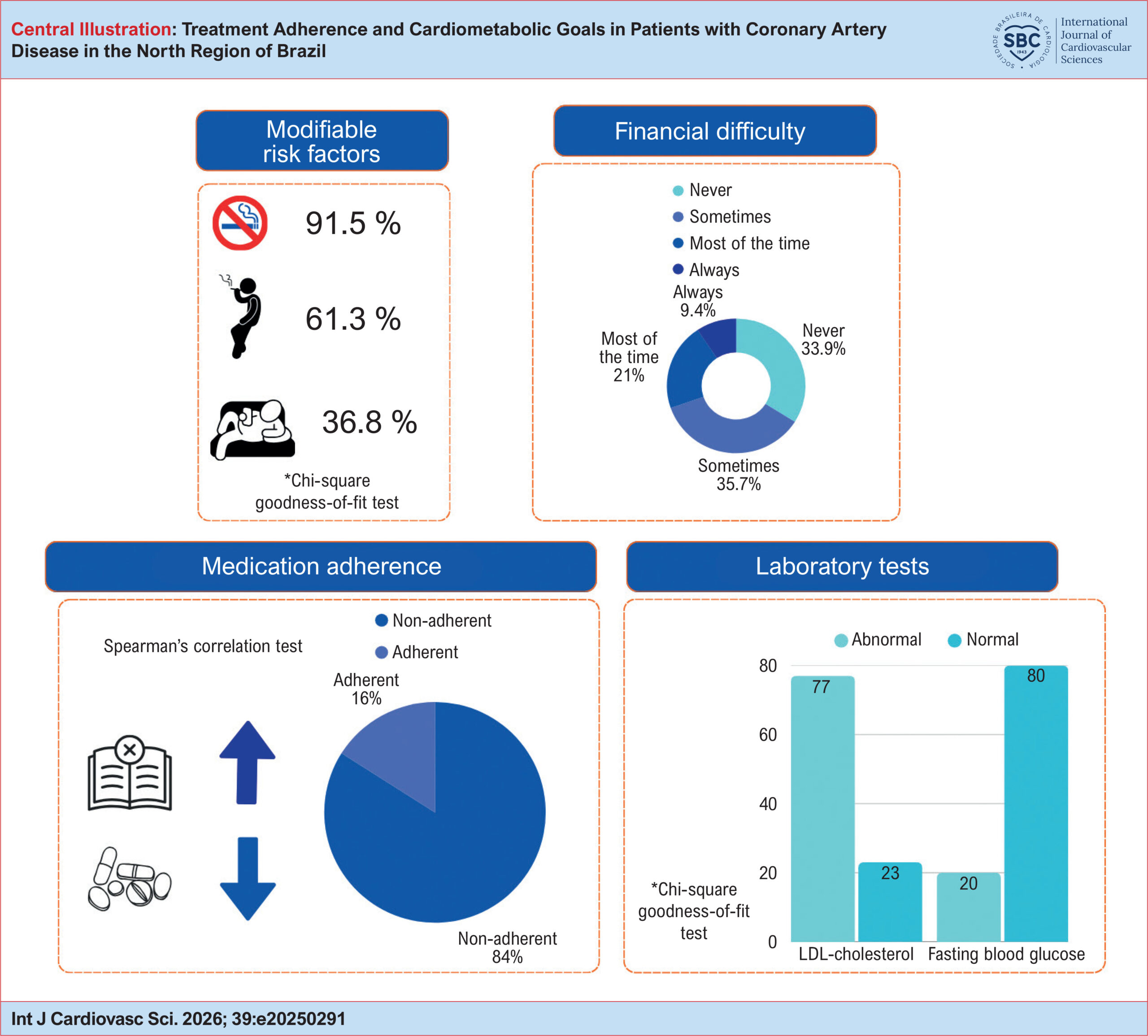
This observational, cross-sectional, and analytical study was conducted with a sample of 106 patients with CAD at very high cardiovascular risk, treated in the outpatient clinic of a tertiary care hospital. The following data were collected over a 4-month period: demographic information, medication adherence (Morisky–Green test), modifiable risk factors, and laboratory parameters (lipids, blood glucose, blood pressure, heart rate, and abdominal circumference). Associations were assessed using chi-square test or G test, and correlations were analyzed using Spearman’s test, adopting a significance level of 5% (p < 0.05).

Results:

Treatment adherence analysis showed an adherence rate of 16.0%. Low-density lipoprotein (LDL) -cholesterol levels were above the target of 50 mg/dL in 72.6% of patients, and normal blood glucose was achieved in 75.5%. Education level was the only epidemiological variable associated with therapeutic non-adherence (p = 0.0130). Regarding financial aspects, only 9.4% reported persistent difficulty in purchasing medications; among those reporting difficulty, high-potency statins were the most frequently cited (58.6%).

Conclusions:

Education level was shown to be a determining factor in understanding treatment, impacting adherence. Laboratory tests revealed significant deficiencies in lipid control, reinforcing the need for clinical optimization. Difficulties in accessing statins and low medication adherence underscore the importance of educational interventions and multidisciplinary approaches for better management of CAD.

  • Coronary Artery Disease
  • Risk Factors
  • Treatment Adherence and Compliance
Read Full Article
Creative Commons Attribution (CC BY) Creative Commons license
07/08/2026 DOI: 10.36660/ijcs.20250291
IJCS
Original Article

Epidemiological Profile of Arterial Hypertension in the Municipality of Rio de Janeiro, Brazil, 2011 and 2019

Catia Martins Cristina Oliveira et al. Anna Carolina Pinho da Silva Bianca Ramos Marins Silva Ana Clara Campos

Abstract

Background:

Cardiovascular diseases are currently the leading global cause of morbidity and premature mortality. High blood pressure is one of the precursors to the disease, which, when undetected, can lead to other serious complications such as thrombosis, acute myocardial infarction, and stroke.

Objective:

To analyze the profile of hypertension and associated factors in the municipality of Rio de Janeiro in the years 2011 and 2019.

Method:

This is a population-based cross-sectional study that used data from the Vigitel telephone survey implemented by the Ministry of Health. The eligible population was that of the municipality of Rio de Janeiro, aged eighteen or older, in 2011 and 2019. To analyze the association between the outcome and the independent variables, multivariate logistic regression was used, estimating the Odds Ratio and its respective 95% confidence intervals.

Results:

The predominant sociodemographic profile remained similar in 2011 and 2019: a majority of women, 18-39 years, and with 9-12 years of schooling. Education level in 2011 appeared as a protective factor among individuals with 12 or more years of schooling (OR: 0.64, 95% CI: 0.43; 0.97). Obese individuals had a 2.81- and 2.96-times greater chance, in 2011 and 2019, respectively, of reporting hypertension, compared to non-obese individuals.

Conclusion:

The study highlights the need to expand the healthcare network to implement more effective strategies that consider the determinants of hypertension in order to achieve a greater impact on the management and control of the disease.

  • Delivery of Health Care
  • Health Surveys
  • Hypertension
  • Risk Factors
Read Full Article
Creative Commons Attribution (CC BY) Creative Commons license
03/08/2026 DOI: 10.36660/ijcs.20240165
Exploring Risk Factors, Comorbidities, and Multiple Drug Therapy in Coronary Artery Disease Patients
IJCS
Original Article

Exploring Risk Factors, Comorbidities, and Multiple Drug Therapy in Coronary Artery Disease Patients

Ketan Inamdar et al. Harshada Kajave Akash Shete Jayant Pawar … Anmaria Thomas Madhur Kulkarni

Abstract

Background:

Coronary artery disease (CAD) continues to be a predominant global cause of morbidity and mortality, with rising prevalence in developing nations like India, emphasizing the need to address risk factors, multimorbidity, and polypharmacy to implement effective lifestyle interventions and drug therapies to enhance patient outcomes.

Objectives:

To evaluate the risk factors, comorbidities, and multiple drug therapy patterns among patients diagnosed with CAD in a tertiary care setting.

Methods:

This prospective observational study used medical records to collect data on demographics, comorbidities, lifestyle factors, and medications. Descriptive statistics summarized findings, and Chi-square tests assessed associations between gender, risk factors, and CAD. The significance level adopted in the statistical analysis was 5%.

Results:

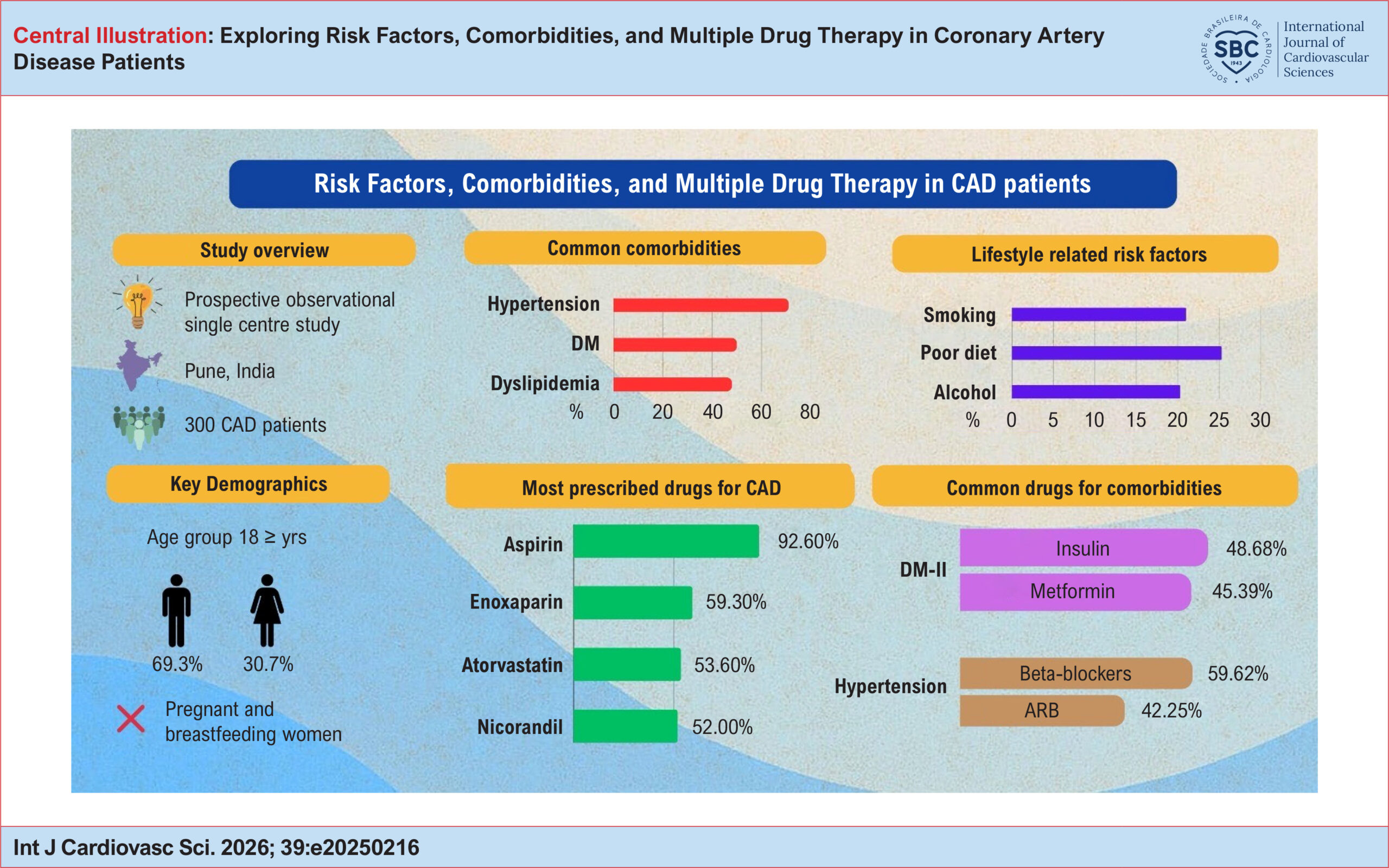
Out of 300 patients enrolled, 69.3% were male, and the highest disease prevalence was noted in the 66–75 age group. Hypertension was the most common comorbidity (71%), followed by diabetes mellitus (DM) (50%). Poor diet was the leading lifestyle risk factor (25.3%), followed by smoking (21%). A significant association existed between gender and CAD type (p = 0.002), with females showing higher angina prevalence and males showing more myocardial infarction (MI). For CAD management, aspirin (92.6%) and enoxaparin (59.3%) were most frequently prescribed, followed by atorvastatin (53.6%) and nicorandil (52%). For comorbidity management, beta-blockers (59.6%) and insulin (48.7%) were commonly prescribed. Increased use of ticagrelor and dapagliflozin was observed, indicating a greater alignment with evidence-based guideline recommendations.

Conclusion:

This study highlights the burden of multimorbidity and polypharmacy among CAD patients in India, emphasizing the need for individualized, evidence-based therapy.

  • Comorbidity
  • Coronary Artery Disease
  • Polypharmacy
  • Risk Factors
Read Full Article
Creative Commons Attribution (CC BY) Creative Commons license
24/07/2026 DOI: 10.36660/ijcs.20250216 Views 1
ABC
Letter to the Editor

Hypertension in Indigenous Populations: Diagnostic Challenges and Nuances of the Epidemiological Transition

Letícia Lemos Belo et al. Maria Clara Gomes Pontes Thalisson Gonçalves Almeida Tales Gabriel Ferro de Oliveira Pedro Pereira Tenório

Dear editor,

We are submitting this letter to offer our considerations on the relevant article entitled: “Prevalence of Systemic Arterial Hypertension and Associated Factors in Indigenous People Attended at a Specialized Outpatient Clinic in Southern Brazil”. The study addresses a critical gap in the epidemiological knowledge of the native populations of the Southern region, offering valuable insight into the epidemiological transition affecting them. The work stands out for its social and technical importance in filling a data void on indigenous people in Southern Brazil, a group that faces unique challenges in accessing healthcare and preserving their culture.

[…]

  • Health of Indigenous Peoples
  • Health Profile
  • Hypertension
  • Indigenous Peoples
  • Risk Factors
Read Full Article
Creative Commons Attribution (CC BY) Creative Commons license
20/07/2026 DOI: 10.36660/abc.20260138i Views 2
Figure 1
ABC
Editorial

Permanent Artificial Cardiac Pacemaker in the Treatment of Bradyarrhythmias Caused by Chagas Disease

Roberto Costa

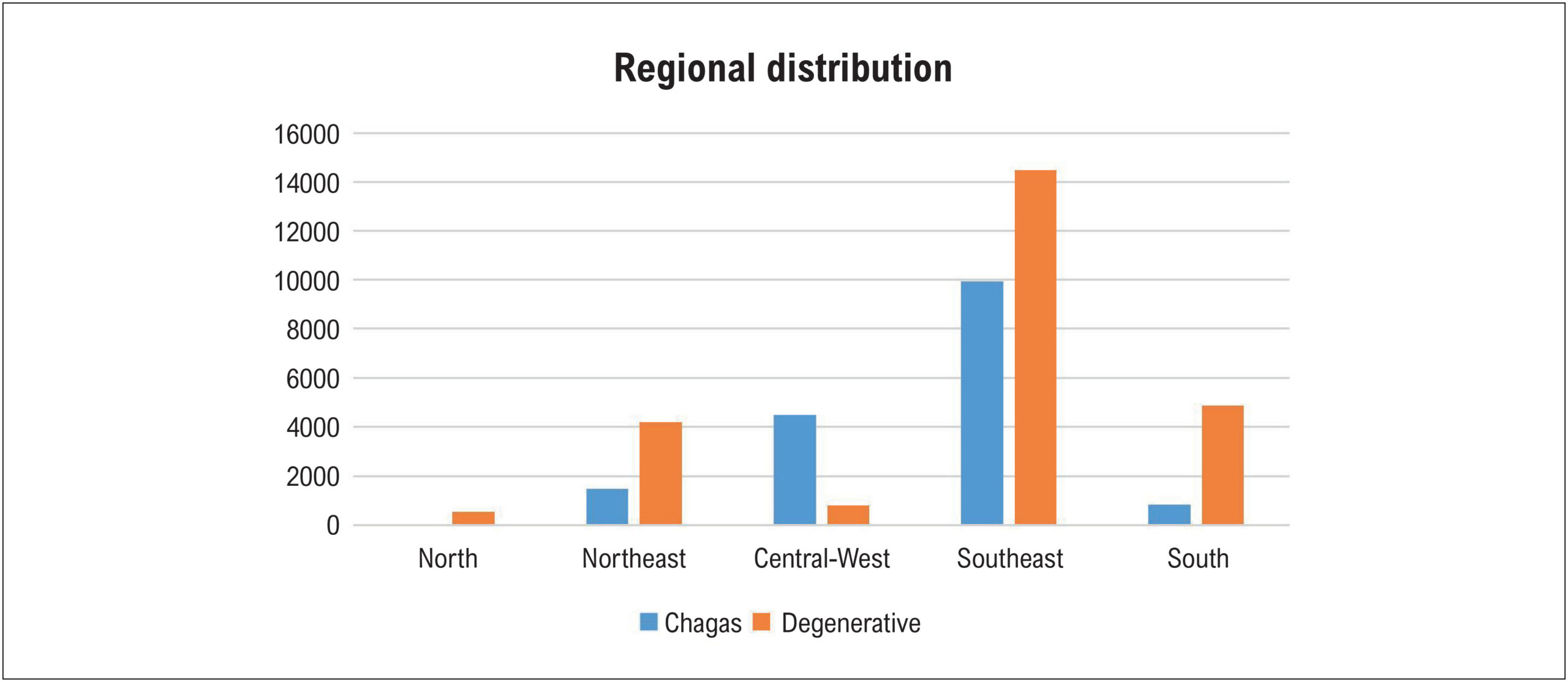
Government programs aimed at eliminating vector-borne transmission of Chagas disease have had a strong impact on the prevalence of cardiac bradyarrhythmias secondary to this etiology and, consequently, on the number of pacemaker implants performed in Brazil.– Data from the Brazilian Pacemaker Registry show that in 1995, of the 6,542 initial pacemaker implants reported, 30.2% were related to patients with Chagas disease. The proportion of patients with Chagas disease, however, decreased over time, and seven years later, when the 2002 data were presented, of the 11,347 initial implants reported, Chagas disease was reported as the etiology in 25.0% of cases. The total figures for the first 10 years of this century showed that Chagas disease accounted for 17.8% of initial pacemaker implants, falling to 11.7% in the latest publication of data from the Brazilian Pacemaker Registry, referring to the period from 2009 to 2014. Among the initial implants of conventional pacemakers performed at the Heart Institute-HC-FMUSP in the last six years (01/01/2020 to 31/12/2025), of the 2689 patients operated on, only 236 (8.8%) had Chagas disease as the etiology of their bradyarrhythmia, according to clinical and demographic data of consecutive patients undergoing procedures for implantation of electronic cardiac devices from 01/01/2020 to 31/12/2025 at Incor-HC-FMUSP.

A comparative analysis of the demographic and clinical data of 25,648 individuals with Chagas disease and 31,984 with degenerative heart disease who underwent conventional pacemaker implantation between 1995 and 2003 showed similarities between these two groups of individuals regarding sex distribution, with 47.8% women among those with Chagas disease and 48.5% in the degenerative disease group (p=0.186). On the other hand, a significant difference was observed when evaluating the average age of these two populations, with 58.6 ± 15.3 years for Chagas disease and 73.5 ± 12.6 for the degenerative disease group (p=0.001).

[…]

  • Artificial Pacemaker
  • Chagas disease
  • Mortality
  • Prevalence
  • Risk Factors
Read Full Article
Creative Commons Attribution (CC BY) Creative Commons license
05/06/2026 DOI: 10.36660/abc.20260180i Views 1
Figure 1
ABC
Editorial

Association between Cardiac Metabolic Patterns in Oncological PET/CT and Cardiovascular Risk Factors. Contribution to the Early Investigation of Cardiotoxicity

Paola Emanuela Poggio Smanio

Introduction

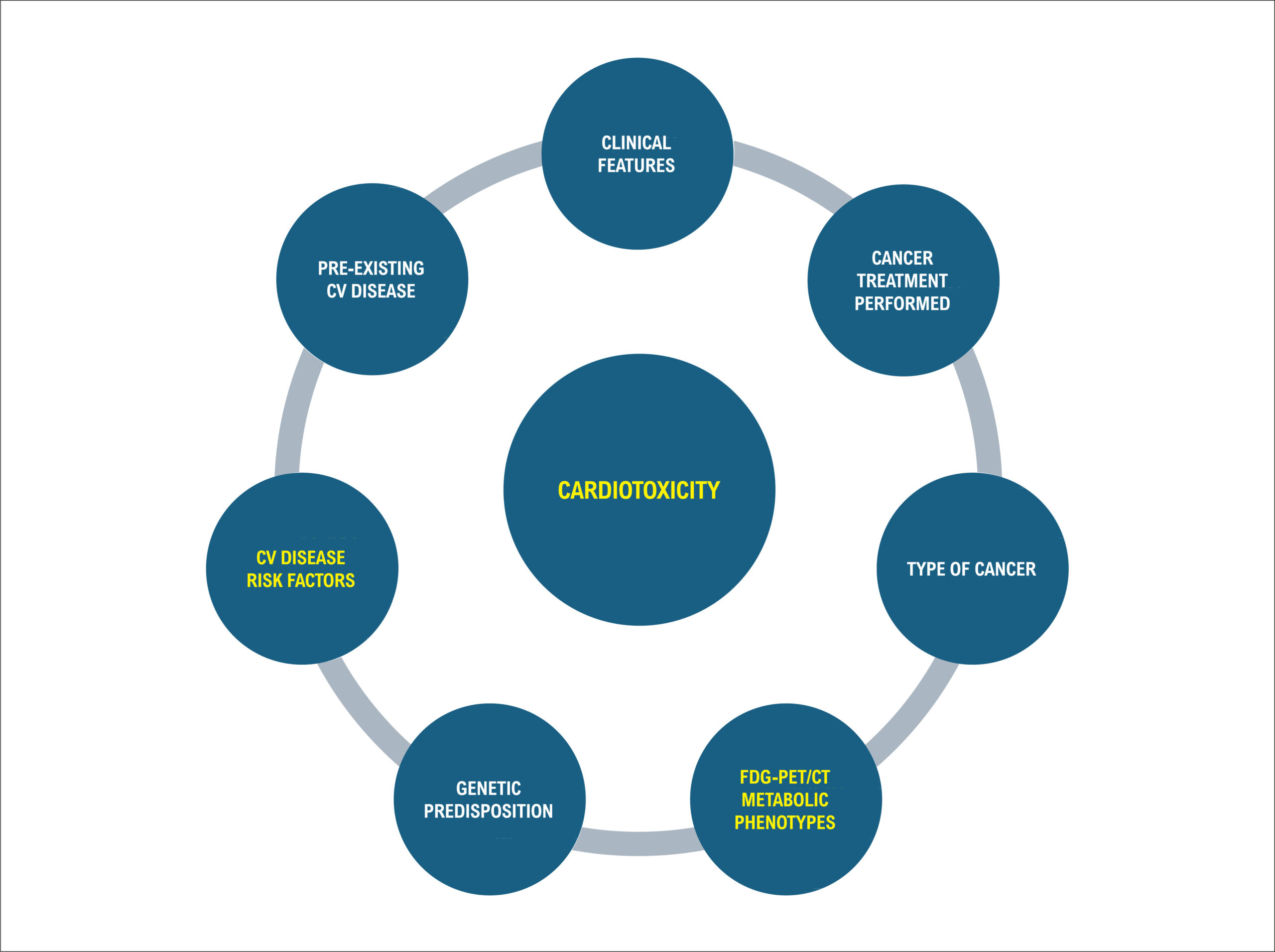
The advancement of cancer therapies in recent decades has radically transformed the prognosis of various types of cancer, significantly improving patient survival. However, this progress has brought a significant increase in cardiovascular (CV) complications.

In this scenario, cardio-oncology has established itself as an essential field, requiring diagnostic strategies with ever-increasing accuracy in the early identification of cardiological impairments, even in the subclinical phase, in addition to the implementation of appropriate monitoring and control plans.

[…]

  • Cardiotoxicity
  • Medical Oncology
  • Positron Emission Tomography-Computed Tomography
  • Risk Factors
Read Full Article
Creative Commons Attribution (CC BY) Creative Commons license
15/05/2026 DOI: 10.36660/abc.20260107i Views 2
ABC
Letter to the Editor

Use of Atherogenic Indices as Assessment Methods of Clinical Atherosclerotic Diseases

Muhammed Seyithanoğlu

To the Editor,

The recent publication by Araujo et al. provides valuable insight into the relationship between atherosclerosis and the atherogenic index of plasma (AIP), Castelli Risk Index I (CRI-I), and Castelli Risk Index II (CRI-II). Their results, showing elevated index values in patients with atherosclerotic disease compared with controls, underscore the potential role of these lipid-derived ratios as practical and inexpensive predictors of cardiovascular risk within a Brazilian population.

[…]

  • Atherosclerosis
  • Cardiovascular Diseases
  • HDL, Cholesterol
  • Risk Factors
  • Sex Characteristics
Read Full Article
Creative Commons Attribution (CC BY) Creative Commons license
15/05/2026 DOI: 10.36660/abc.20250691i Views 2
Figure 1
IJCS
Editorial

The Relationship Between Obesity and the Risk of Systemic Arterial Hypertension in Children and Adolescents: Lessons Learned

John Jairo Araujo

One out of five children around the world is overweight or obese. This is shown in the meta-analysis published by Zhang X et al. in 2024, which included 2,033 studies from 154 different countries or regions. Although the prevalence of childhood obesity varies between global regions, it is evident that its incidence is growing significantly. According to the latest United Nations International Children’s Emergency Fund (UNICEF) and World Bank estimates, 33.6% of children and adolescents 5-19 years old are affected by overweight or obesity, as are 8% of children under the age of five. Recently, Muyulema SL et al. published the results of global childhood overweight and obesity trends over the last 20 years. In this study, they analyzed 194 countries around the world, showing that the global prevalence of childhood overweight and obesity increased from 5.4% to 5.7% between 2000 and 2022.

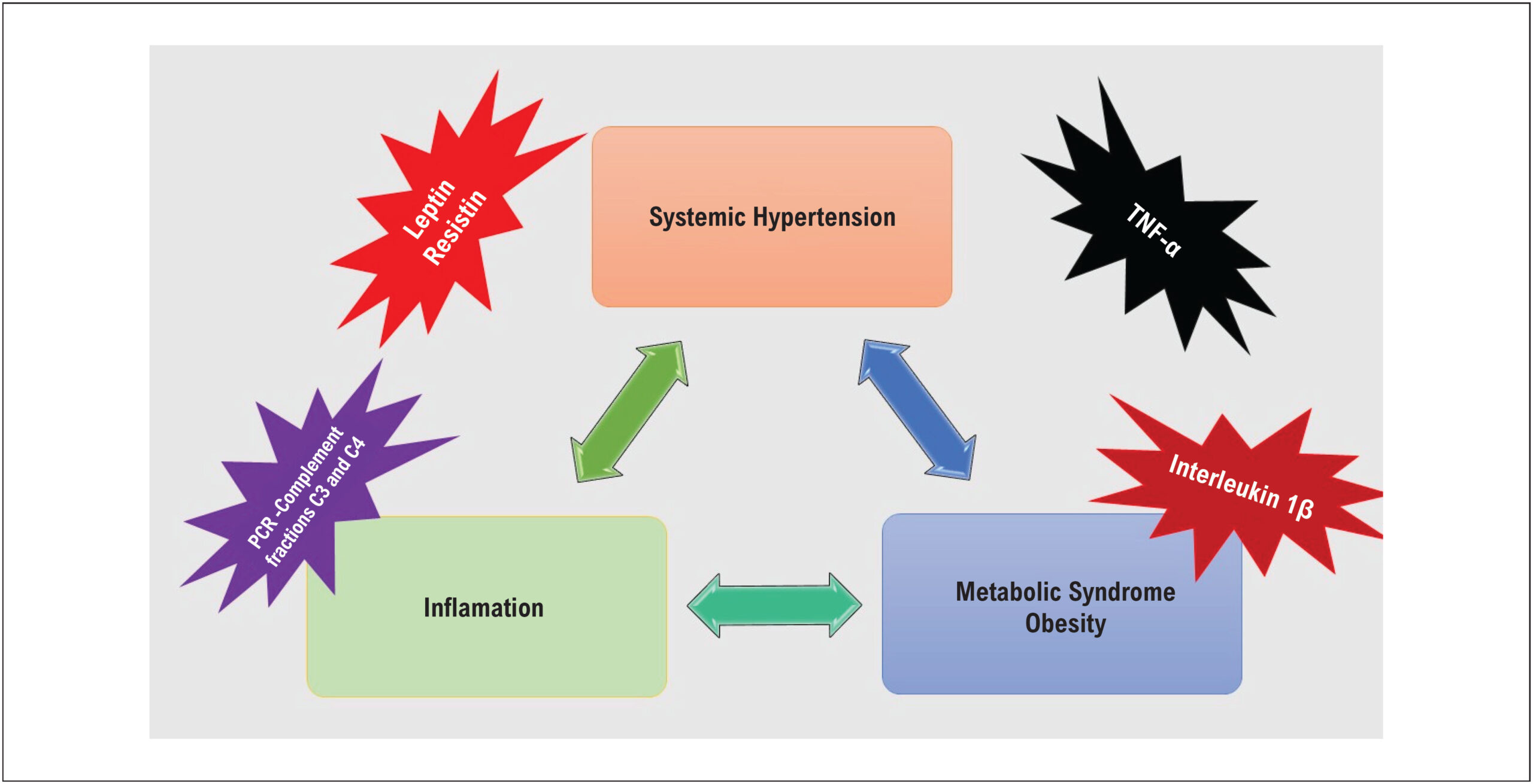
Inflammation, Metabolic Syndrome and Systemic Hypertension: “a dangerous and synergistic triad”: Metabolic Syndrome (MS) has been well defined in adults, and includes various conditions like Systemic Arterial Hypertension (SAH), elevated fasting blood sugar levels (greater than 100 mg/dl) or type 2 diabetes mellitus, low HDL cholesterol levels (less than 40 mg/dl in men or 50 mg/dl in women), high triglyceride concentrations (greater than 150 mg/dl), and a waist circumference greater than 101 cm (men) or 90 cm (women). It is not clearly defined in children, due to the imprecision of the various factors that compose it and the changes in different stages of life. However, risk factors like obesity, increased waist circumference (increased visceral fat), insulin resistance, and, in certain cases, lipid profile abnormalities, are compatible with MS, especially in children over the age of 10.

[…]

  • Child
  • Hypertension
  • Obesity
  • Risk Factors
Read Full Article
Creative Commons Attribution (CC BY) Creative Commons license
27/04/2026 DOI: 10.36660/ijcs.20250178 Views 2
Obstructive Sleep Apnea as a Risk Factor for Ischemic Heart Disease
IJCS
Original Article

Obstructive Sleep Apnea as a Risk Factor for Ischemic Heart Disease

Soham Samajpaty et al. Alexander Konstantinovich Zhuravlov Emilianovich Dmitrii Ilin Yuriy Sergeivich

Abstract

Background:

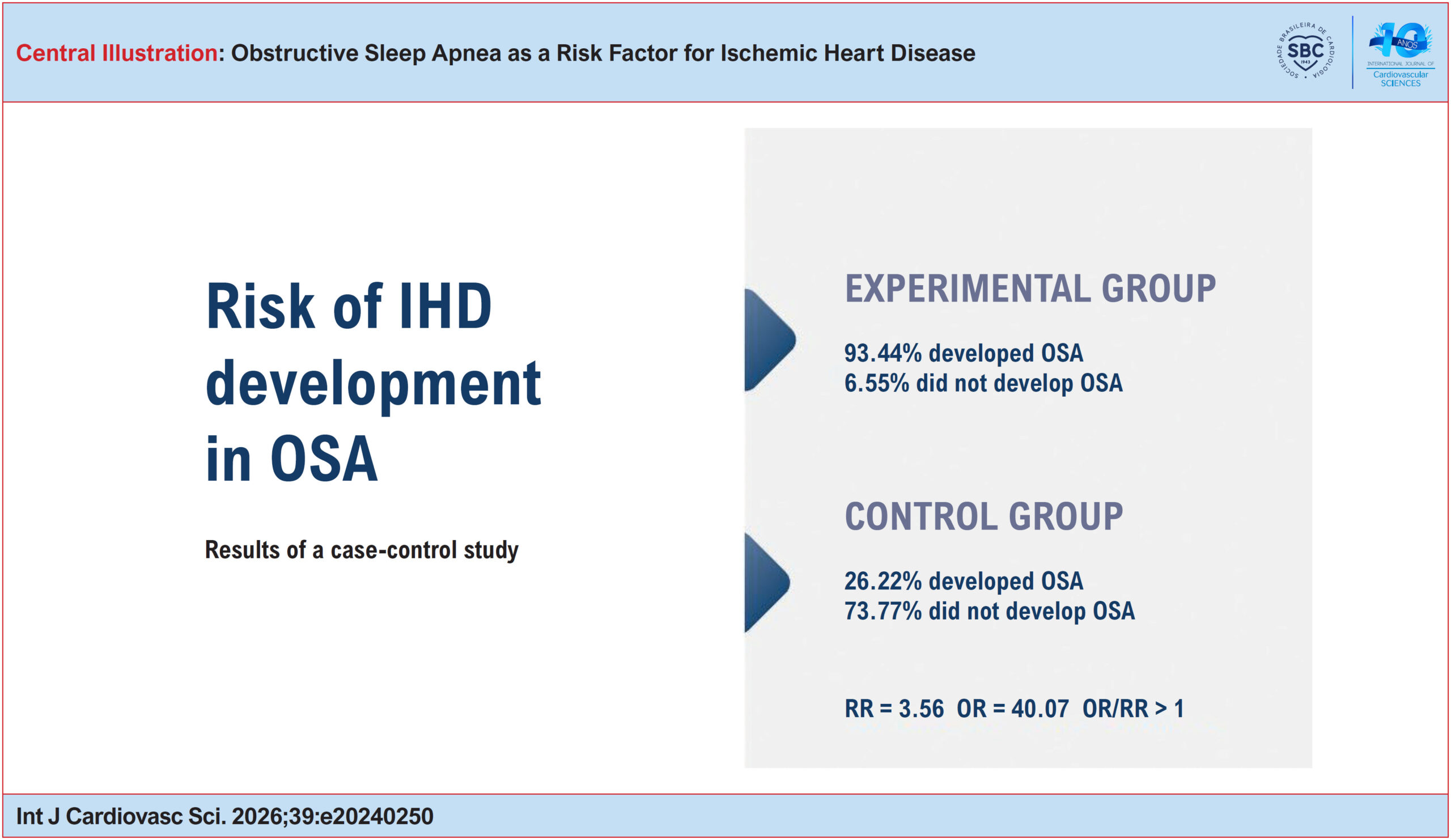
Obstructive sleep apnea (OSA) is increasingly recognized as a potential risk factor for ischemic heart disease (IHD), but its role remains underexplored. This study investigated the association between OSA and IHD using a case-control design.

Objectives:

The objective of this study was to establish OSA as a risk factor for developing IHD.

Methods:

A total of 122 participants were recruited and categorized into two groups: patients with a recent history of IHD (< 7 days) (wIHD group, n = 61) and controls without IHD but with hypertension (cIHD group, n = 61). The STOP-Bang questionnaire was used to assess OSA risk, and statistical analyses, including odds ratio (OR), relative risk (RR), and attributable risk (AR), were performed. A significance level of 0.05 was adopted for all statistical analyses.

Results:

Patients in the wIHD group had significantly higher STOP-Bang scores than the control group (p 1). The level of statistical significance was found to be 0.05.

Conclusion:

This study identifies OSA as an important risk factor for IHD, supporting the need for routine OSA screening in cardiovascular risk assessment. Larger studies are needed to further explore this relationship

  • Case-Control Studies
  • Myocardial Ischemia
  • Obstructive Sleep Apnea
  • Risk Factors
Read Full Article
Creative Commons Attribution (CC BY) Creative Commons license
13/03/2026 DOI: 10.36660/ijcs.20240250 Views 2
Figure 1
ABC
Original Article

Impact of Low Testosterone and SHBG Levels on Heart Failure Risk: A Systematic Review and Meta-Analysis

Thiago Artioli et al. Layane Bonfante Batista Kleber Franchini José Nunes de Alencar

Abstract

Background

Studies suggest a possible link between low levels of testosterone and sex hormone binding globulin (SHBG) and adverse cardiovascular outcomes; however, this relationship remains poorly defined.

Objectives

This systematic review aimed to evaluate the predictive value of baseline levels of testosterone, dihydrotestosterone (DHT), and SHBG for the incidence of heart failure (HF), providing deeper insight into the hormonal influence on HF risk.

Methods

We conducted a comprehensive search of the MEDLINE, Scopus, and Web of Science databases to identify cohort and nested case-control studies that measured hormone levels in adults without prior HF. Risk of bias was assessed using the ROBINS-E tool. Pooled hazard ratios (HRs) and odds ratios (ORs) were estimated using bivariate random-effects models. A statistical significance level of 0.05 was applied to all analyses.

Results

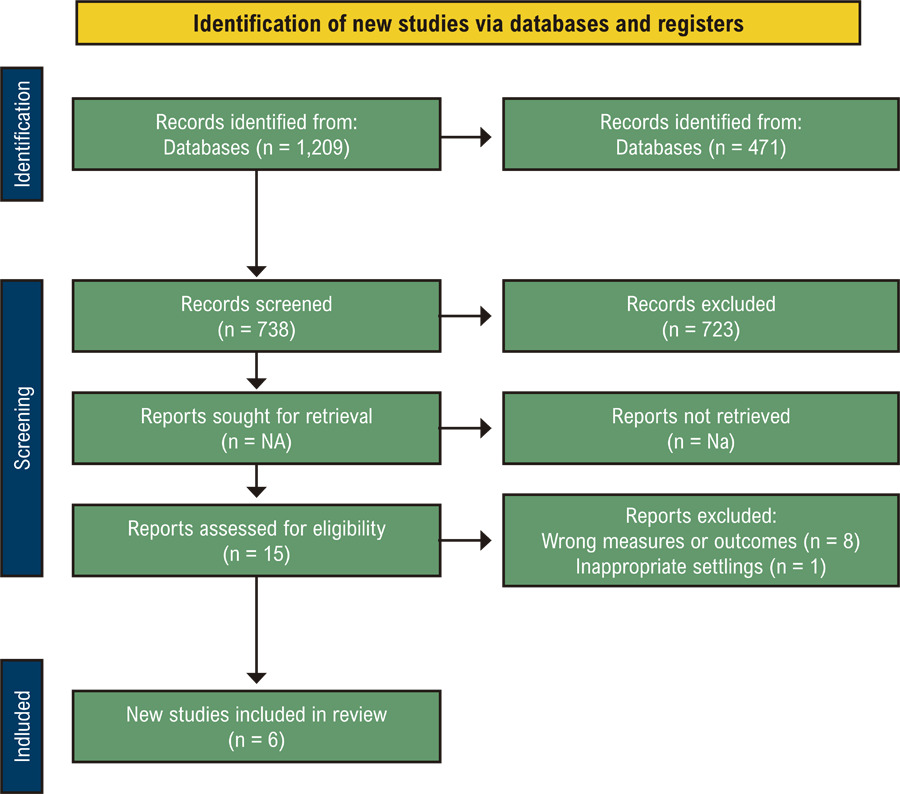
Out of 1,209 articles screened, 738 remained after deduplication. Six studies, including 233,474 participants (11,663 women), met the inclusion criteria. A one standard deviation decrease in testosterone levels was modestly associated with an increased risk of HF in men (HR 1.10, 95% CI: 1.03-1.17), but not in women (HR 1.05, 95% CI: 0.98-1.16). Comparisons across quartiles or quintiles did not reveal significant associations, and SHBG levels were not significant predictors of HF risk. Bayesian analysis provided weak evidence for the association (Bayes factor = 0.99).

Conclusions

This meta-analysis suggests that low testosterone levels are modestly associated with an increased risk of HF in men, highlighting a potentially important yet underexplored aspect of cardiovascular health. The heterogeneity in study designs and population characteristics, combined with the weak associations observed, underscores the need for further rigorous investigation. Well-designed randomized controlled trials are essential to confirm these findings and to elucidate the underlying biological mechanisms.

  • Biomarkers
  • Heart Failure
  • Risk Factors
  • Testosterone
Read Full Article
Creative Commons Attribution (CC BY) Creative Commons license
14/11/2025 DOI: 10.36660/abc.20250244i Views 2
Clinical and Laboratory Predictors for the Development of Heart Valve Diseases in Chronic Kidney Disease: A Systematic Review
ABC
Original Article

Clinical and Laboratory Predictors for the Development of Heart Valve Diseases in Chronic Kidney Disease: A Systematic Review

Hayala Machado Cavalcante Conceição et al. Ana Luísa Vaz Valois Erick Magalhães Silva Ramos Ana Marice Ladeia

Abstract

Background:

Chronic kidney disease (CKD) is associated with a higher prevalence of valvular diseases and increased mortality from cardiovascular causes. Factors that influence the genesis of cardiac valve calcification (CVC) in these patients are not well-defined.

Objective:

To determine the risk factors for valvular calcification in patients with CKD.

Methods:

Systematic review based on PRISMA, which included observational studies evaluating the association of clinical and laboratory data with CVC in patients with CKD, undergoing or not hemodialysis or peritoneal dialysis. Articles were retrieved from databases (MEDLINE; SCIELO; CENTRAL; EMBASE; LILACS/BVS) and selected blindly by two authors; discrepancies were resolved by a third author. Data collection and synthesis were carried out by the main author. The assessment of methodological quality and risk of bias was based on STROBE and Newcastle-Ottawa guidelines.

Results:

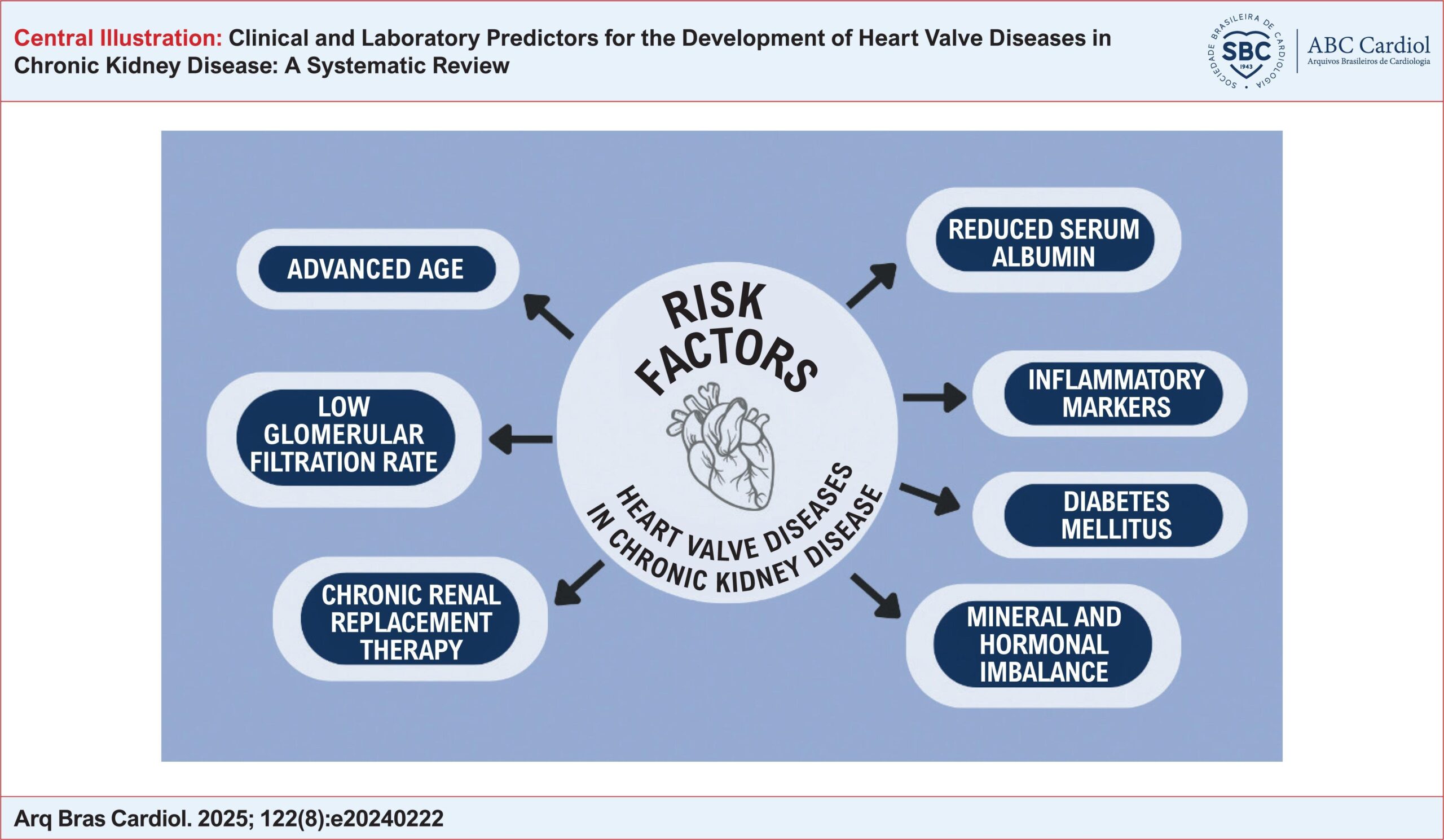
A total of 783 studies were identified, of which 20 were included, encompassing 13,314 patients from 10 countries. The factors most strongly associated with CVC were age >55 years, glomerular filtration rate <53 mL/min/1.73m2, renal replacement therapy (RRT) >20 months, hypoalbuminemia, C-reactive protein (CRP), serum levels of IL-6, TNF-α, parathyroid hormone, hyperphosphatemia, hypercalcemia, Ca × P product, and FGF-23 resulting from secondary hyperparathyroidism. Both mitral and aortic valves were studied, and no differences were observed between hemodialysis and peritoneal dialysis.

Conclusion:

Age, RRT, chronic inflammation, and secondary hyperparathyroidism promote calcium and phosphate deposition in the valves, making CKD patients more susceptible to CVC) Monitoring these parameters provides opportunities for prevention and treatment.

  • chronic renal insufficiency
  • Heart Valve Diseases
  • Risk Factors
Read Full Article
Creative Commons Attribution (CC BY) Creative Commons license
08/09/2025 DOI: 10.36660/abc.20240222i Views 2
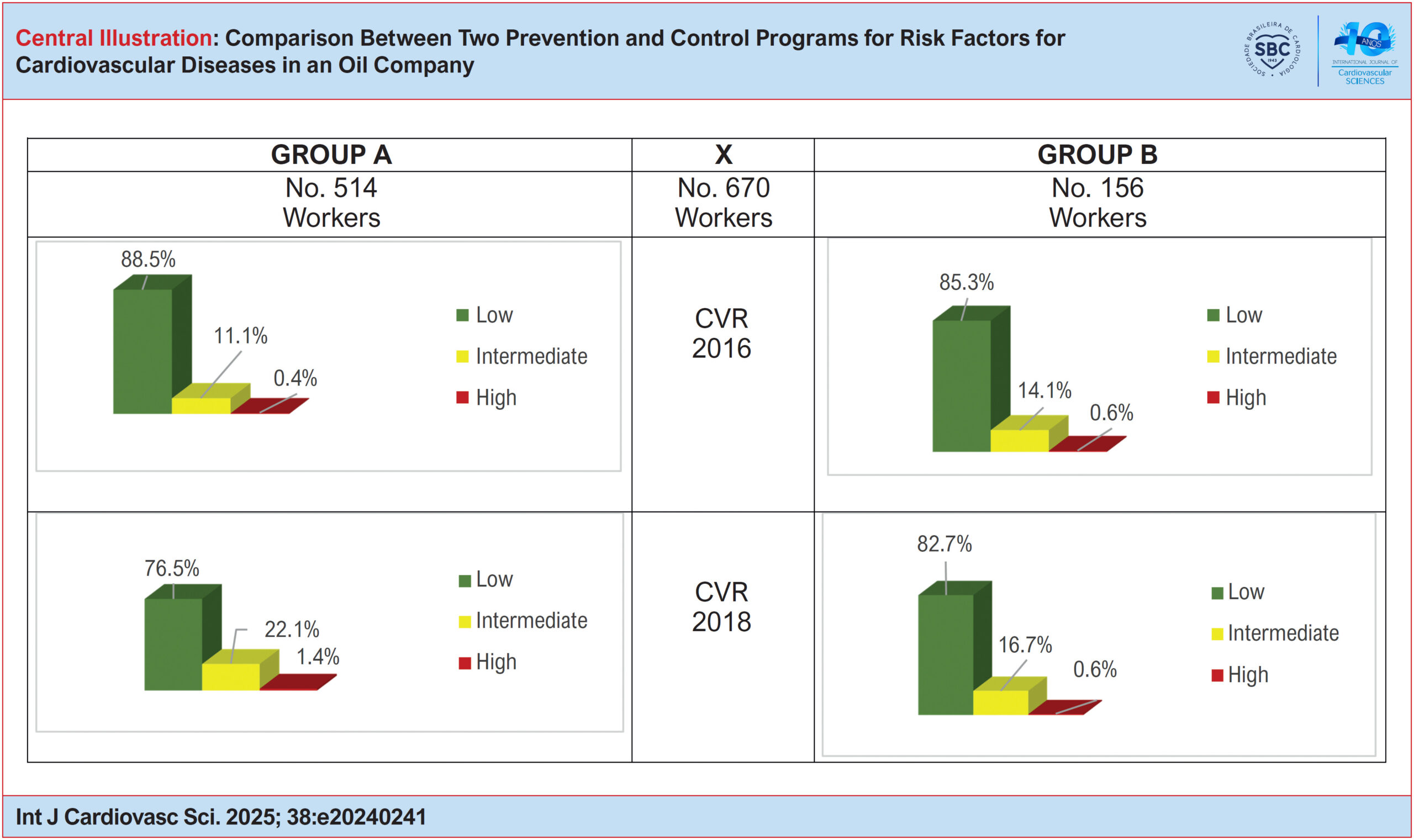
Comparison Between Two Prevention and Control Programs for Risk Factors for Cardiovascular Diseases in an Oil Company
IJCS
Original Article

Comparison Between Two Prevention and Control Programs for Risk Factors for Cardiovascular Diseases in an Oil Company

Maria Lúcia Ribeiro Rocha et al. Ana Marice Teixeira Ladeia

Abstract

Background:

Cardiovascular diseases (CVDs) are the leading cause of death in the world, and companies can implement prevention and control actions aimed at reducing risk factors among their workers.

Objectives:

To verify whether the result of model A of a CVD prevention and control program was superior to model B in reducing the cardiovascular risk (CVR) of individuals from an oil company.

Methods:

Retrospective evaluation of secondary data from a restricted and fixed cohort of 670 workers, from 01/01/2016 to 12/31/2018. The workers were divided by program model into Group A (514) and Group B (156). The 2016 CVR was compared with that of 2018, within and between groups, as well as the mean and prevalence of risk factors for CVD. Statistical analysis was set at a significance level of 5%.

Results:

Group A improved the level of physical activity (PAL), consumption of fruits and vegetables, and consumption of alcohol, but the “high” CVR increased from 0.4% in 2016 to 1.4% in 2018 (p<0.01). In Group B there was no change in the workers’ health profile, but the percentage of individuals with "intermediate" CVR increased from 14.1% to 16.7% (p=0.01).

Conclusions:

The actions developed by the company had a positive impact on the way of life of workers covered by the model A program; however, they were not sufficient to reduce CVR in this group.

  • Cardiovascular Diseases
  • Health Promotion
  • Occupational Health
  • Risk Factors
Read Full Article
Creative Commons Attribution (CC BY) Creative Commons license
29/08/2025 DOI: 10.36660/ijcs.20240241 Views 2
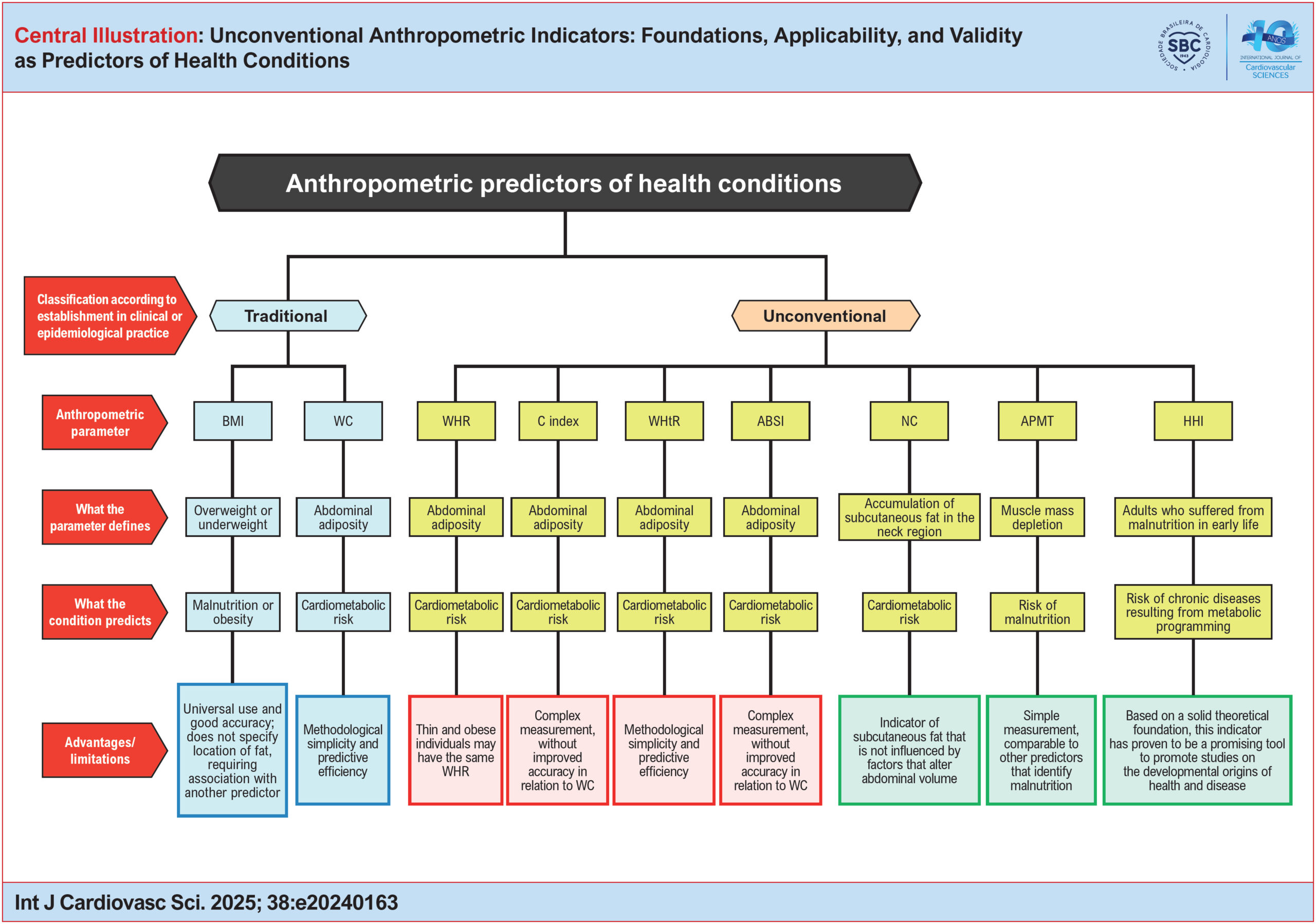
Unconventional Anthropometric Indicators: Foundations, Applicability, and Validity as Predictors of Health Conditions
IJCS
Review Article

Unconventional Anthropometric Indicators: Foundations, Applicability, and Validity as Predictors of Health Conditions

Haroldo da Silva Ferreira et al. Antonio Fernando Silva Xavier Júnior Élison Ruan da Silva Almeida Tainá Cardoso Caminha-Uchôa … Andressa Bruna Batista de Verçoza Hitalo de Moraes Vieira

Abstract

Several anthropometric parameters have been proposed as indicators of health conditions. Some have achieved wide acceptance and applicability. Others, although grounded in solid theoretical frameworks and demonstrating good diagnostic validity, have not gained the same level of recognition. These are referred to here as “unconventional anthropometric indicators”. This article aims to provide a descriptive and conceptual synthesis of these measures, addressing their nuances and applicability. It is a narrative review that discusses the following indicators: Head-to-height index (HHI), Waist-to-Height Ratio (WHtR), Conicity Index (C-Index), Waist-to-Hip Ratio (WHR), A Body Shape Index (ABSI), Neck Circumference (NC), and Adductor Pollicis Muscle Thickness (APMT). WHtR, C-Index, WHR, and ABSI are based on the identification of abdominal fat accumulation and its association with cardiometabolic risks. However, for this purpose, waist circumference stands out due to its methodological simplicity and predictive effectiveness. NC is an indicator of subcutaneous fat, whose excess increases disease risk and is not influenced by factors that alter abdominal volume. APMT identifies muscle depletion and is comparable to other anthropometric predictors of malnutrition risk. HHI was proposed to identify individuals who experienced undernutrition early in life. Grounded in a robust theoretical foundation, it is a promising tool for advancing research on the Developmental Origins of Health and Disease (DOHaD). The indicators analyzed are valuable for monitoring cardiometabolic risk factors, each with its unique characteristics. Understanding these particularities is essential for selecting the most appropriate indicators for different contexts, thus enabling more effective interventions.

  • Anthropometry
  • Cardiometabolic Risk Factors
  • Nutrition Assessment
  • Public Health Surveillance
  • Risk Factors
Read Full Article
Creative Commons Attribution (CC BY) Creative Commons license
27/06/2025 DOI: 10.36660/ijcs.20240163 Views 3
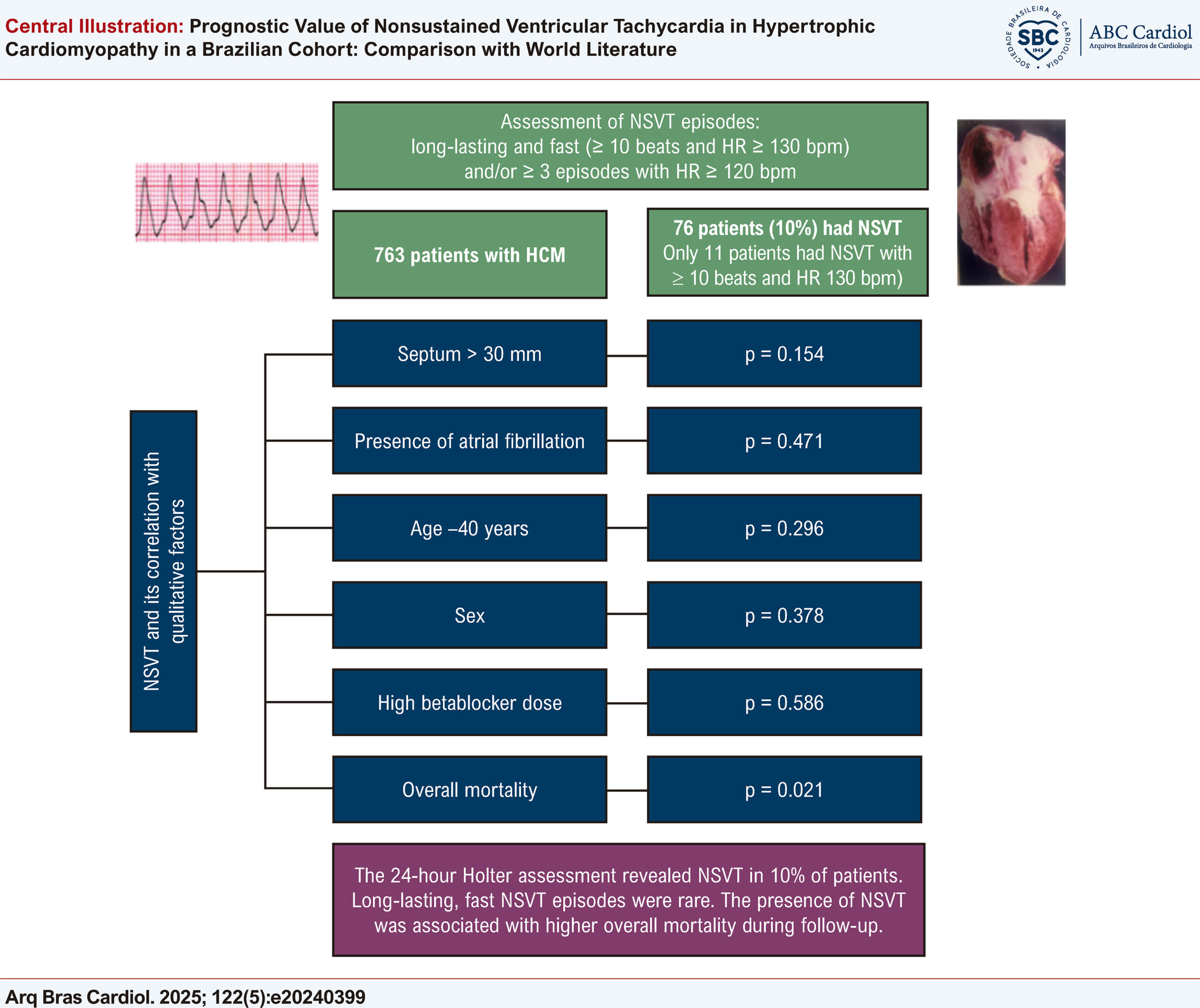
Prognostic Value of Nonsustained Ventricular Tachycardia in Hypertrophic Cardiomyopathy in a Brazilian Cohort: Comparison with World Literature
ABC
Original Article

Prognostic Value of Nonsustained Ventricular Tachycardia in Hypertrophic Cardiomyopathy in a Brazilian Cohort: Comparison with World Literature

Diego Araújo Silva et al. Edmundo Arteaga-Fernandez Viviane Tiemi Hotta Charles Mady … Barbara Ianni Felix Ramires Luciano Nastari Fábio Fernandes Juliano Novaes Cardoso

Abstract

Background

In hypertrophic cardiomyopathy (HCM), there is a well-known association between nonsustained ventricular tachycardia (NSVT) and the risk of sudden death.

Objectives

To assess the incidence of NSVT using 24-hour Holter monitoring in patients with HCM in a Brazilian cohort and correlate it with its characteristics and progression.

Methods

This retrospective study of patients with HCM used 24-hour Holter monitoring to assess the presence of long-lasting, fast NSVT (≥ 10 beats and heart rate ≥ 130 bpm) or the presence of at least 3 episodes of NSVT with ≥ 3 beats and heart rate ≥ 120 bpm. Continuous variables were shown as arithmetic means and standard deviations, and categorical variables were shown as absolute and relative frequencies. P < 0.05 was considered significant.

Results

We included 763 patients, 53.5% of whom were male. Their mean age was 52.6 years ± 16.7. NSVT was found in 10% (76 patients). Only 11 (1.4%) of them had NSVT with ≥ 10 beats and heart rate ≥ 130 bpm. There was no difference in the relationship between NSVT and sex, septum > 30 mm, age ≥ 40 years, betablocker dose, and presence of atrial fibrillation. In the group with NSVT, 15-year all-cause mortality was observed in 26.3%, compared to 15.9% in the group without NSVT (p = 0.021).

Conclusions

The presence of NSVT on 24-hour Holter monitoring occurred in 10% of patients. Long-lasting, fast NSVT was rare. The presence of NSVT was associated with higher overall mortality during follow-up.

  • Hypertrophic Cardiomyopathy
  • Risk Factors
  • Ventricular tachycardia
Read Full Article
Creative Commons Attribution (CC BY) Creative Commons license
26/05/2025 DOI: 10.36660/abc.20240399i Views 1
IJCS
Editorial

Obstructive Sleep Apnea in Acute Myocardial Infarction: A Prognostic Risk Factor beyond Traditional Players?

Carlos Wollmann et al. Luciano F. Drager

The high prevalence of obstructive sleep apnea (OSA) and its worrisome association with various cardiovascular diseases, particularly ischemic heart disease, demand our attention. This common sleep disordered breathing, characterized by partial or complete upper airway obstructions during sleep, profoundly impacts overall health., In the cardiovascular context, intermittent hypoxia, sleep fragmentation, and intrathoracic pressure swings promoted by repeated respiratory events during sleep promote several potentially deleterious phenomena, including increased sympathetic activity, blood pressure fluctuations, chronic systemic inflammation, reactive oxygen species production, and endothelial dysfunction.– These factors create a fertile ground for the development and progression of atherosclerosis,, significantly increasing the likelihood of ischemic events if the condition remains undetected and untreated., However, the relationship between OSA and acute myocardial infarction (AMI) is complex. Patients with OSA often share risk factors that also increase AMI risk, notably age, male sex, and obesity. While some evidence suggests an independent role for OSA in the cardiovascular risk, its contribution remains controversial in high-risk patients with multiple comorbidities. Further research in this area is therefore warranted in order to provide additional insights.

In this issue of the International Journal of Cardiovascular Sciences, Carrijo et al. explore the complex relationship between OSA and traditional risk factors in 145 patients with ST-segment elevation myocardial infarction (STEMI). The authors used employed the widely used STOP-BANG questionnaire to assess OSA risk. The initial results were consistent with previous literature: a high frequency (58.6%) of patients exhibited a high risk for OSA. This highlights the urgent need for increased attention to this comorbidity, particularly in this specific patient population. In the multivariate analysis, the authors found an independent association of OSA with both male sex and hypertension in these patients. The presence of hypertension in OSA patients is not coincidental. Some of the aforementioned mechanisms associated with OSA directly contribute to elevated blood pressure, thereby increasing cardiovascular risk.,

[…]

  • Myocardial Infarction
  • Obstructive Sleep Apnea
  • Prognosis
  • Risk Factors
  • Sleep
Read Full Article
Creative Commons Attribution (CC BY) Creative Commons license
08/05/2025 DOI: 10.36660/ijcs.20250032 Views 2
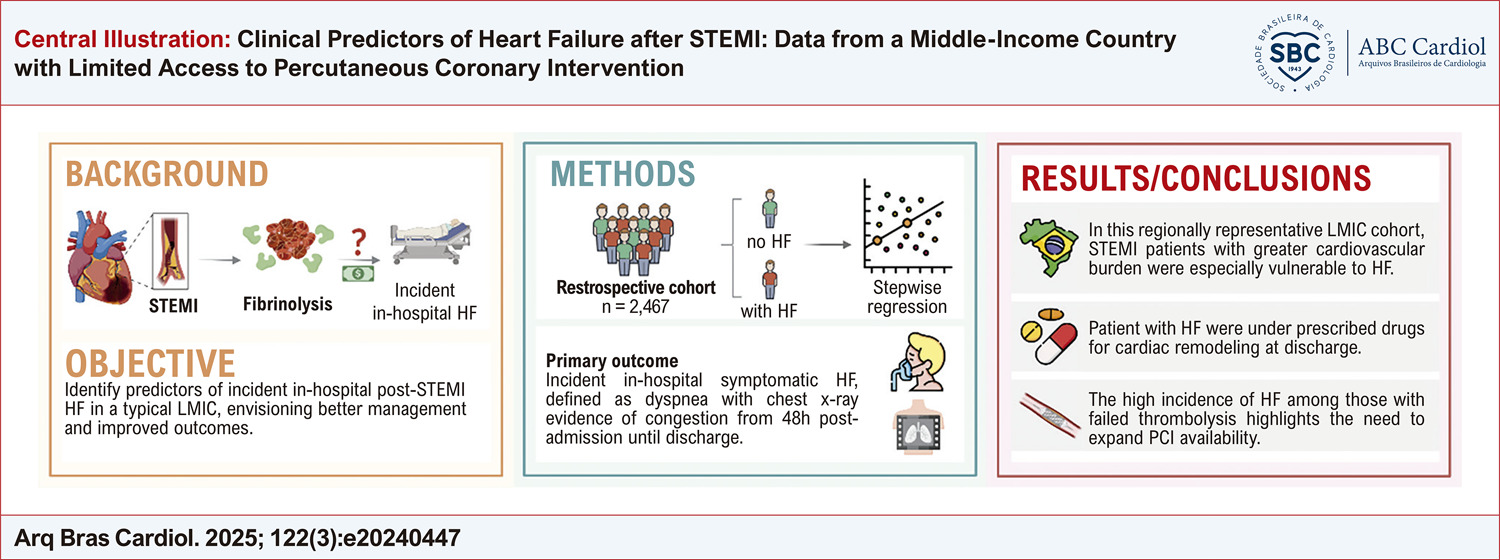
Clinical Predictors of Heart Failure after STEMI: Data from a Middle-Income Country with Limited Access to Percutaneous Coronary Intervention
ABC
Original Article

Clinical Predictors of Heart Failure after STEMI: Data from a Middle-Income Country with Limited Access to Percutaneous Coronary Intervention

Vinícius C. Fiusa et al. Andrea D. Stephanus Victor F. Couto Gustavo A. Alexim … Thaiene M. M. Severino Ana Claudia C. Nogueira Adriana J. B. A. Guimarães Alexandre Anderson S. M. Soares Elizabeth Bilevicius Vivian Batista Alessandra Staffico Andrei C. Sposito Luiz Sérgio F. de Carvalho

Abstract

Background

Heart failure (HF) is a common complication of ST-elevation myocardial infarction (STEMI) in low- and middle-income countries (LMICs), where cardiovascular mortality is disproportionately high. Primary percutaneous coronary intervention (PCI) has reduced post-STEMI HF incidence in high-income countries. However, access to this standard of care is poor in LMICs, and data in these settings remain scarce

Objective

To identify predictors of HF following STEMI in a LMIC with limited access to PCI, aiming at better management and outcomes.

Methods

This retrospective cohort study analyzed 2,467 STEMI patients admitted to two Brazilian public hospitals between January/2015 and February/2020. All participants received pharmacological thrombolysis and underwent coronarography within 48h post-admission. The primary outcome was symptomatic HF, defined as dyspnea with chest X-ray evidence of congestion, from 48h post-admission until discharge. Stepwise binary logistic regression was used to identify HF predictors. Significance was defined as p-values<0.05.

Results

The population was 61.9% male, mean age was 58.3±12.6 years, and 39.9% developed post-STEMI HF. HF was more common among older men with cardiovascular-kidney-metabolic (CKM) disease, larger infarcts, and left anterior descending artery involvement. Medications were often underprescribed at discharge, especially aldosterone antagonists (11.0%). HF was notably more frequent among individuals with failed thrombolysis (47.0%).

Conclusions

This regionally representative cohort from a LMIC with limited access to PCI showed that older men with CKM disease are particularly vulnerable to post-STEMI HF, and that HF pharmacotherapy at discharge needs optimization. The high HF incidence among patients with failed thrombolysis highlights the need to expand PCI availability.

  • Heart Failure
  • Pharmacological Thrombolysis
  • Risk Factors
  • ST Elevation Myocardial Infarction
Read Full Article
Creative Commons Attribution (CC BY) Creative Commons license
07/04/2025 DOI: 10.36660/abc.20240447i Views 1
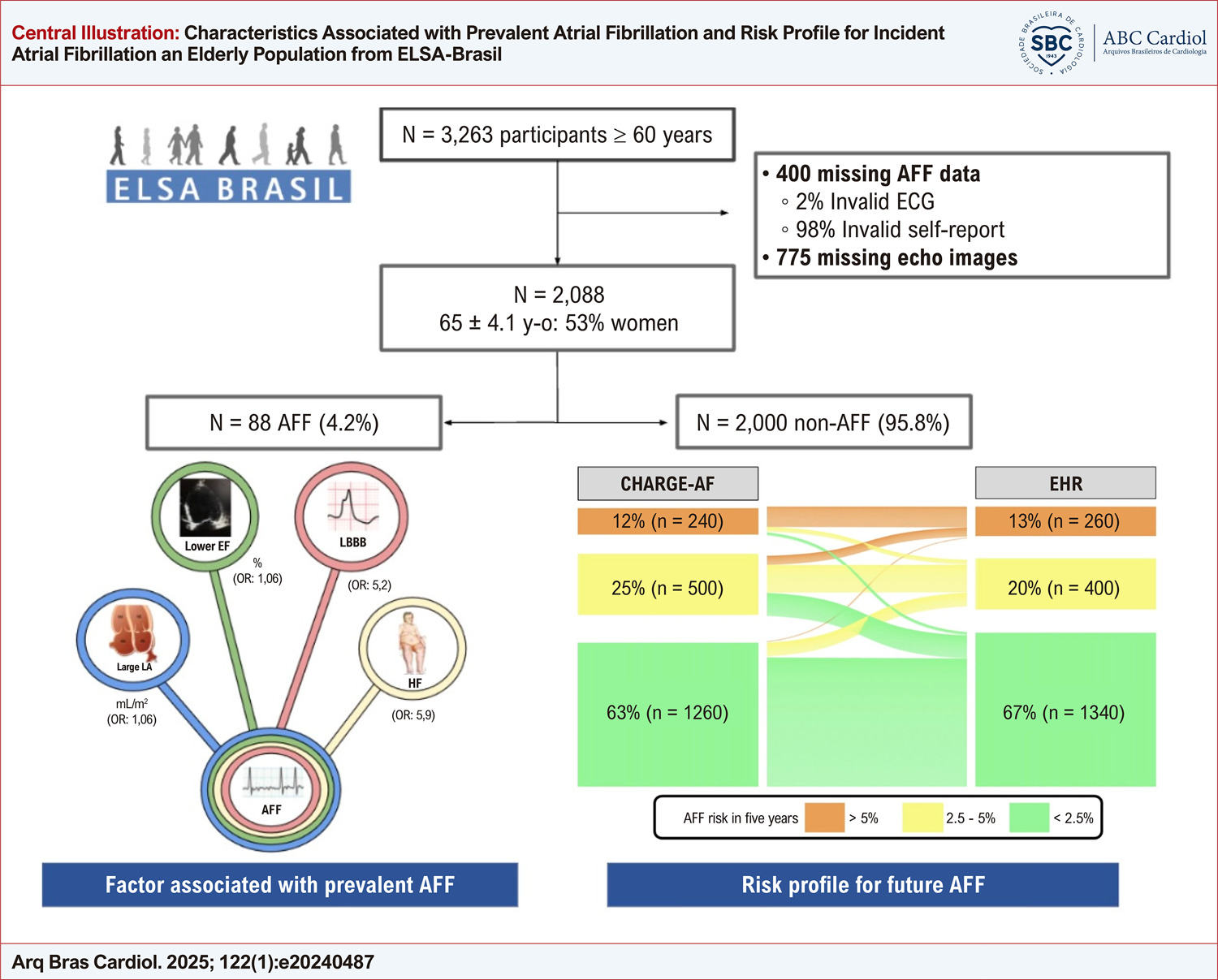
Characteristics Associated with Prevalent Atrial Fibrillation and Risk Profile for Incident Atrial Fibrillation an Elderly Population from ELSA-Brasil
ABC
Original Article

Characteristics Associated with Prevalent Atrial Fibrillation and Risk Profile for Incident Atrial Fibrillation an Elderly Population from ELSA-Brasil

Bernardo Boccalon et al. Murilo Foppa Luisa C.C Brant Marcelo M. Pinto-Filho … Antonio L. Ribeiro Bruce B. Duncan Angela Barreto Santiago Santos

Abstract

Background

Atrial fibrillation (AF) is an arrhythmia causing significant symptoms and raising the risk of complications.

Objectives

To evaluate the association of clinical, electrocardiographic, and echocardiographic parameters with prevalent atrial fibrillation or flutter (AFF) and assess the risk profile for incident AFF using the AF prediction scores CHARGE-AF and EHR in an elderly population from a developing country.

Methods

We included all participants in ELSA-Brasil aged 60 and over whose diagnosis of AFF could be defined through self-report or electrocardiogram and who had echocardiography performed at the study’s baseline. For statistical analysis, results with p values < 0.05 were considered statistically significant.

Results

Among the 2,088 participants (65 ± 4.1 years; 53% women), 88 (4.2%) had AFF. Those with AFF were older and had higher rates of heart failure (HF), previous myocardial infarction, left bundle branch block (LBBB), prolonged QT interval, supraventricular extrasystoles, and sinus bradycardia. They also had larger left atrial and left ventricular dimensions, and lower left ventricular ejection fraction (LVEF). Multivariable analysis showed that HF, LBBB, larger left atrium, and lower LVEF were independently associated with AFF. The 5-year risk for incident AFF was low ( 5%) in 12% of individuals according to the CHARGE-AF score, and low in 67% and high in 13% according to the EHR.

Conclusion

AFF was found in 4.2% of this older Brazilian cohort. AFF was linked to HF history, LBBB, left atrial dilation, and reduced LVEF. Additionally, 12% to 13% of patients in sinus rhythm were at high risk for AFF. Monitoring clinical, electrocardiographic, and echocardiographic parameters can aid in early identification of high-risk individuals.

  • Aged
  • Atrial Fibrillation
  • Epidemiology
  • Risk Factors
Read Full Article
Creative Commons Attribution (CC BY) Creative Commons license
17/03/2025 DOI: 10.36660/abc.20240487i Views 1
Impact of Digital Technology Intervention on Medication Compliance, Modification of Risk Factors, and Clinical Outcome in Patients With Acute Coronary Syndrome: A Follow-Up Study
IJCS
Original Article

Impact of Digital Technology Intervention on Medication Compliance, Modification of Risk Factors, and Clinical Outcome in Patients With Acute Coronary Syndrome: A Follow-Up Study

C. J Devaraju et al. S Sunil Kumar K. S. Sadananda K Vinay Kumar … Veena Nanjappa K. S. Rajith K. S. Ravindranath

Abstract

Background

Coronary artery disease (CAD) is prevalent worldwide, presenting significant morbidity and mortality. Despite the advances in the management of CAD, the primary focus continues to be risk factor reduction, lifestyle changes, and medication adherence, all of which contribute considerably to favorable outcomes. Long-term CAD outcomes tend to be poor, especially in developing countries, due to medication non-compliance, a lack of education, and appropriate measures for the modification of risk factors.

Objectives

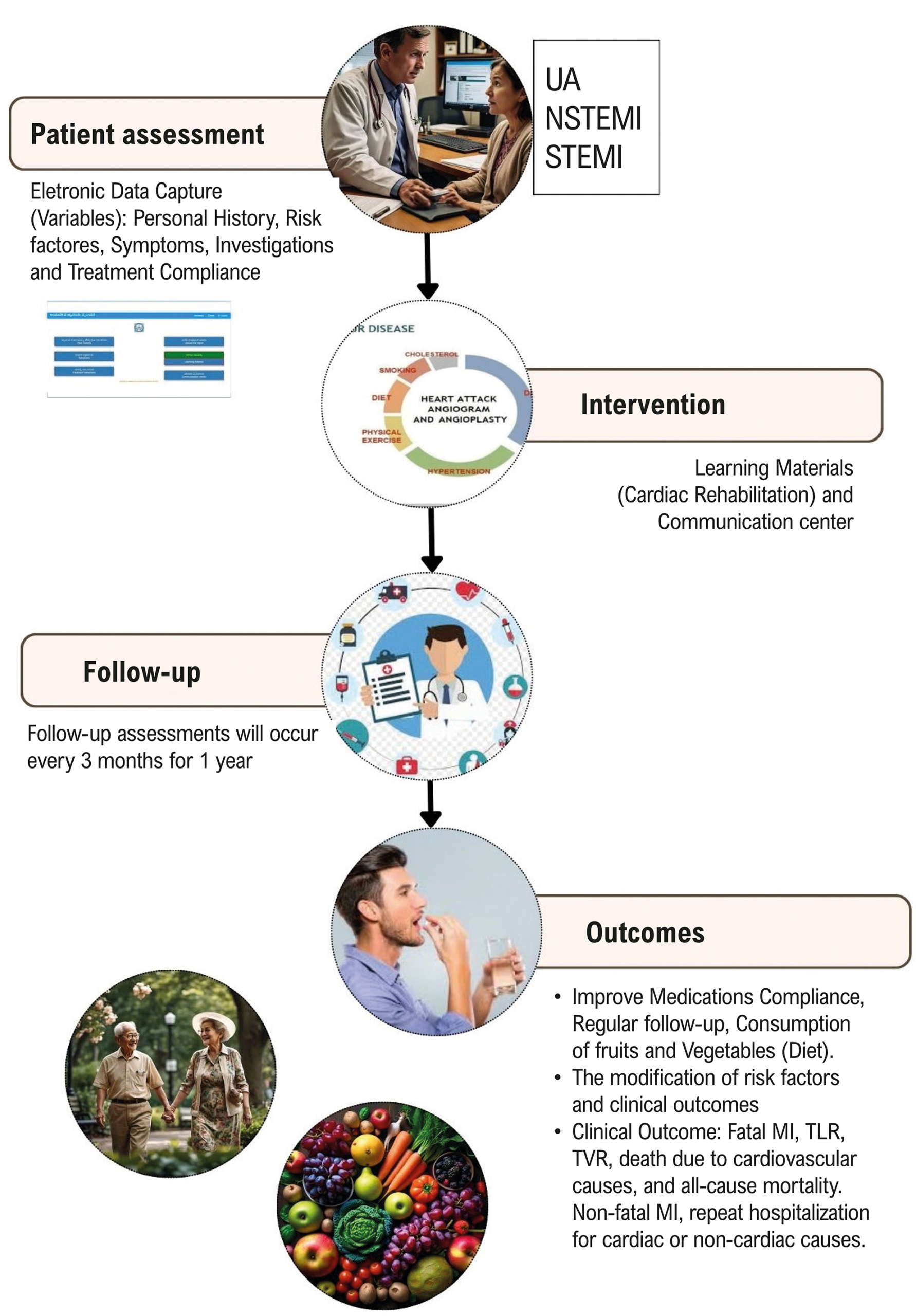
The present study aims to investigate the use of digital technology in assessing medication compliance, modifying risk factors, and evaluating clinical outcomes in patients with acute coronary syndrome (ACS).

Methods

A prospective, randomized study will be conducted with patients diagnosed with ACS at the Sri Jayadeva Institute of Cardiovascular Disease and Research, Mysore, and JSS Medical College, Mysore, India. A total of 522 patients will be randomized in a 1:1 ratio into either the digital intervention group or the control group. Digital technology registration will be completed during hospitalization, with guidance from the research team. Follow-up assessments will occur every three months for one year. Statistical analysis will be conducted at a 5% significance level. Categorical variables will be analyzed using the Z test for proportions or the Chi-square test, while continuous variables will be assessed using the independent sample t-test.

Results

The results will be presented after data collection and statistical analysis. This study aims to focus on clinical outcomes in patients with ACS, highlighting the importance of lifestyle modification, adherence to medications, and modifications of risk factors by digital technology, bridging the gap between patients and healthcare providers.

Conclusions

We intend for the outcomes of this study to produce an initiative for larger randomized control trials regarding web application in the management of ACS. Favorable outcomes could significantly impact the management of ACS, and web applications can be recommended as part of a routine standard of care established by societal guidelines.

  • Acute coronary syndrome
  • digital health
  • digital technology
  • Risk Factors
Read Full Article
Creative Commons Attribution (CC BY) Creative Commons license
03/03/2025 DOI: 10.36660/ijcs.20240127 Views 1
Associated Factors to the Risk of Obstructive Sleep Apnea in the Acute Phase of Myocardial Infarction
IJCS
Original Article

Associated Factors to the Risk of Obstructive Sleep Apnea in the Acute Phase of Myocardial Infarction

Ludmylla da Silva Soares Carrijo et al. Patricia Magnabosco Maria Beatriz Guimarães Raponi Maria Angélica Melo e Oliveira … Suely Amorim de Araújo Luiz Claudio Martins Valéria Nasser Figueiredo

Abstract

Background

Obstructive sleep apnea (OSA) promotes endothelial dysfunction and systemic inflammation, and it is associated with shorter long-term survival and unfavorable clinical outcomes in patients with ST-segment elevation myocardial infarction (STEMI).

Objectives

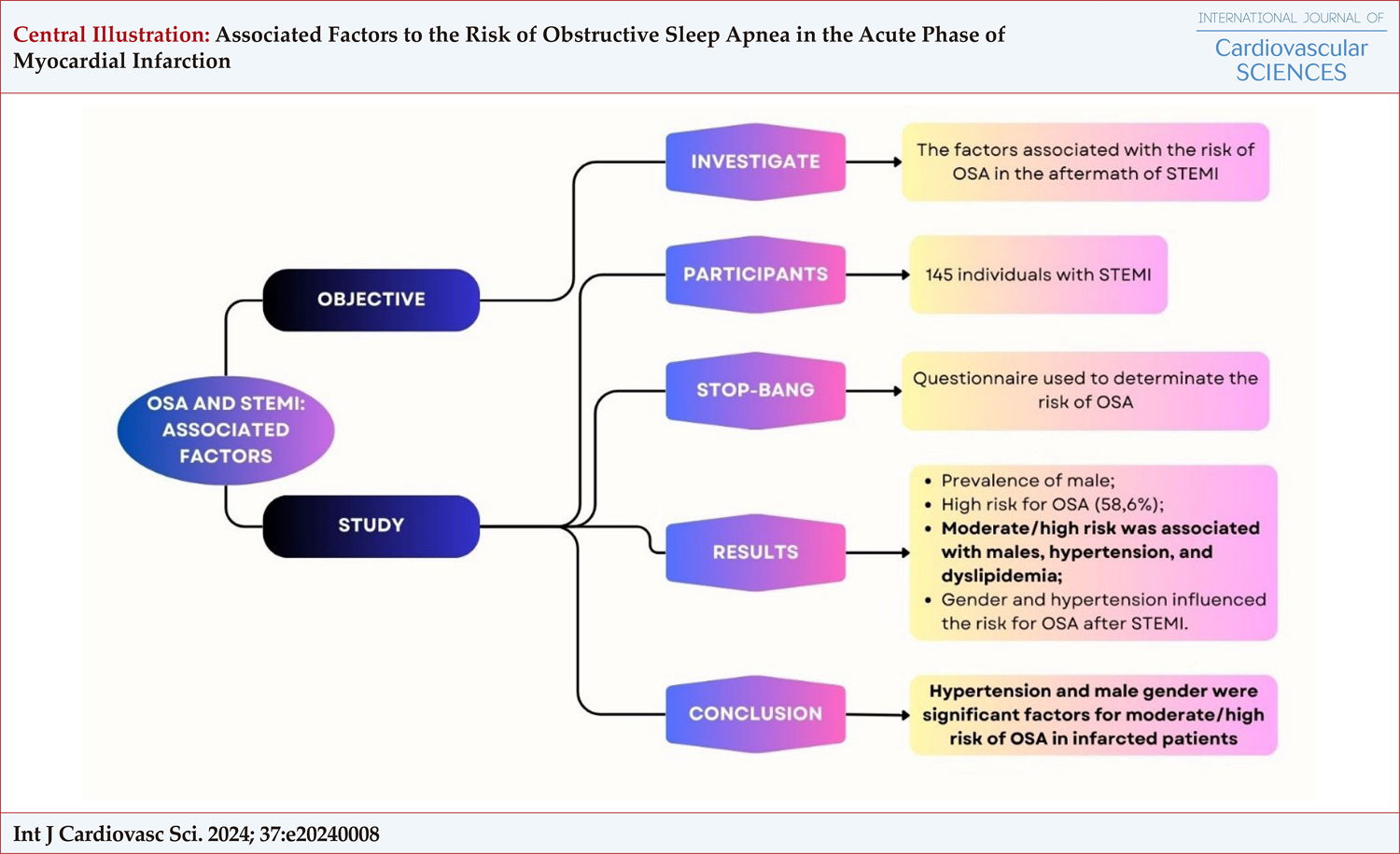
To investigate the factors associated with the risk of OSA in the aftermath of STEMI.

Methods

A cross-sectional, quantitative study conducted with 145 individuals with STEMI in a large Brazilian teaching hospital. Anthropometric measurements were performed in addition to collecting sociodemographic/clinical data and lifestyle habits. The STOP-BANG questionnaire was used to determine the risk of OSA. The results were analyzed using descriptive statistics, association tests, and logistic regression. A significance level of 5% was adopted for the statistical analysis.

Results

The mean age of the participants was 62 ± 12 years, with a predominance of males (71%), white individuals (57.2%), and those at high risk of OSA (58.6%). Moderate to high risk of OSA was associated with male gender, hypertension, and dyslipidemia. Gender (HR = 6.13, 95% CI [1.88, 20.03], p = 0.003) and hypertension (HR = 4.31, 95% CI [1.27, 14.63], p = 0.019) were factors influencing the risk of OSA after acute myocardial infarction.

Conclusions

Hypertension and male gender were significant factors for a moderate/high risk of OSA in infarcted patients.

  • Myocardial Infarction
  • Obstructive Sleep Apnea
  • Risk Factors
Read Full Article
Creative Commons Attribution (CC BY) Creative Commons license
10/02/2025 DOI: 10.36660/ijcs.20240008 Views 1
Outcomes of Guideline-Recommended Percutaneous Coronary Intervention in Women with Obstructive Coronary Artery Disease: A Longitudinal Cohort Study
ABC
Original Article

Outcomes of Guideline-Recommended Percutaneous Coronary Intervention in Women with Obstructive Coronary Artery Disease: A Longitudinal Cohort Study

Tacianne Rolemberg Braga Delamain et al. José Henrique Herrmann Delamain Sergio Luiz Navarro Braga Ricardo Costa … Dimytri Alexandre Alvim de Siqueira Fausto Feres Marinella Patrizia Centemero

Abstract

Background

Previous studies have shown that women with coronary artery disease (CAD) are less likely to undergo angiography and have less favorable outcomes after percutaneous coronary intervention (PCI).

Objectives

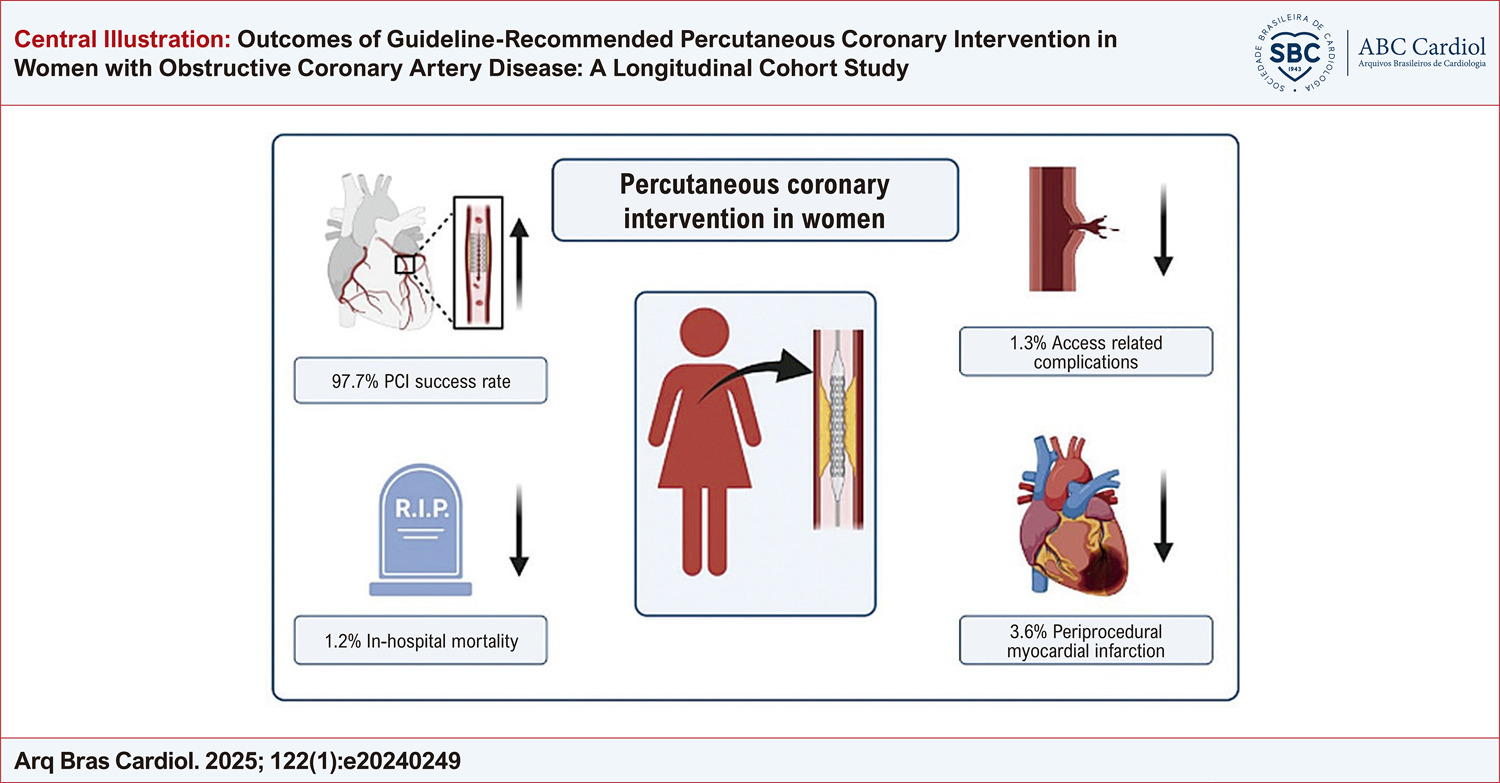
Assess the outcomes of women with acute coronary syndrome (ACS) and stable CAD (lesion>50%) treated with contemporary PCI using DES.

Methods

Observational, longitudinal cohort study with prospective follow-up included all female patients ≥ 18 years admitted at a tertiary public cardiovascular center in Brazil from January 2019 to December 2020. The level of significance adopted in the statistical analysis was 5%.

Results

1146 women (average age 65 years) underwent guideline-recommended PCI. Risk factors were frequent (hypertension: 88%, dyslipidemia: 85%, diabetes: 47.5%), and 69% were admitted due to ACS. Radial access was used in 59% of patients; 1516 vessels were treated with 1725 stents implanted (1.5 stents/patient). PCI was successful in 97.7%, in-hospital death occurred in 1.2%, peri-procedural MI in 3.6%, and TIA in 0.4%. Predictors of in-hospital major adverse cardiac and cerebrovascular events (MACCE): previous stroke (OR: 2.97; CI: 1.06-7.15; p= 0.023), CKD (OR: 3.11; CI: 1.49-6.20; p= 0.002), and at least one procedural failure during PCI (OR: 10.2; CI: 1.17-5.9; p<0.001). The average follow-up was 576.2 days in 1047 patients. All-cause mortality occurred in 5.3%, cardiac death in 3.5%, recurrent ACS in 8%, and additional revascularization procedures in 5.5%. The predictors for MACCE during FU were hospital admission for ACS for the index PCI (OR: 1.58; HR: 1.06-2.35; p=0.023) and the presence of MACCE during hospitalization (OR: 6.66; HR: 2.42- 18.3; p< 0.001).

Conclusion

In this pioneering study involving 1146 patients treated by contemporary PCI and followed for almost 2 years, we obtained very encouraging in-hospital and mid-term results.

  • Coronary Artery Disease
  • Percutaneous Coronary Intervention
  • Risk Factors
  • Women
Read Full Article
Creative Commons Attribution (CC BY) Creative Commons license
03/02/2025 DOI: 10.36660/abc.20240249i Views 1
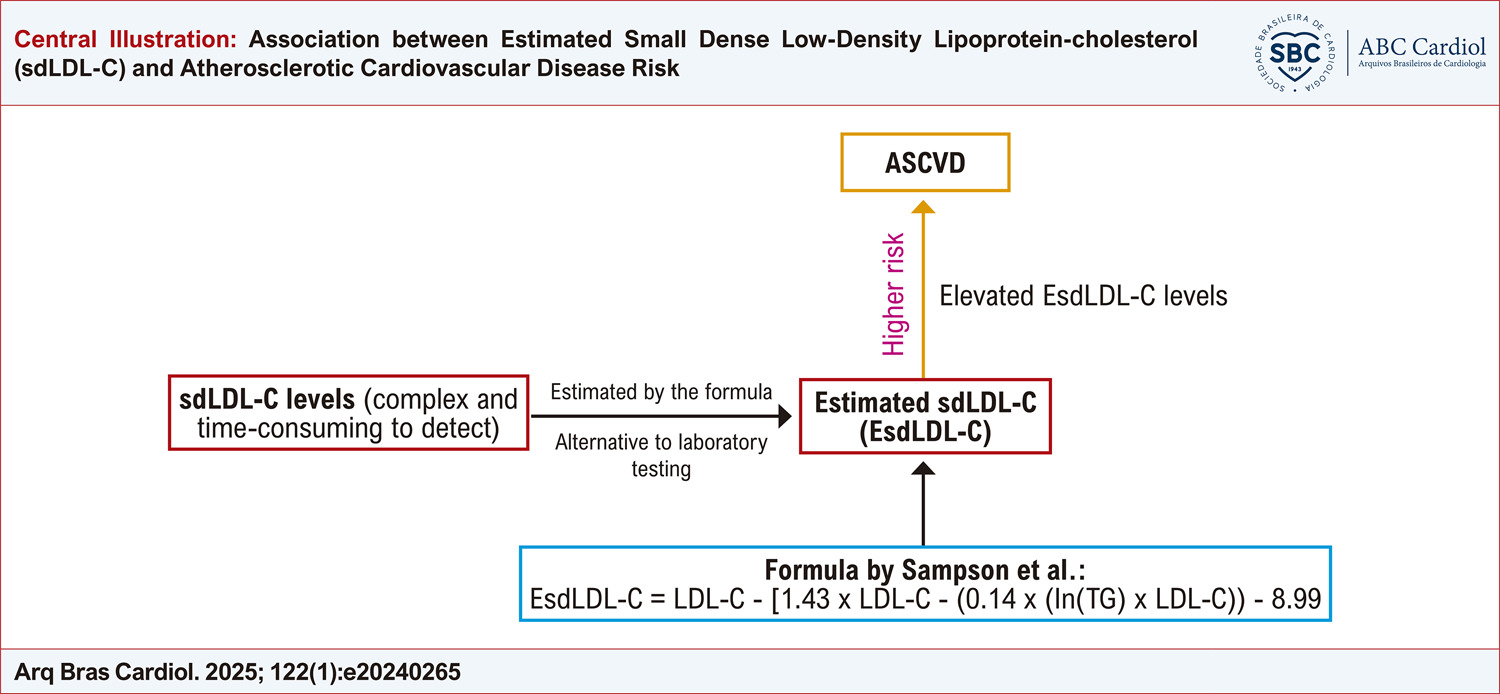
Association between Estimated Small Dense Low-Density Lipoprotein-cholesterol (sdLDL-C) and Atherosclerotic Cardiovascular Disease Risk
ABC
Original Article

Association between Estimated Small Dense Low-Density Lipoprotein-cholesterol (sdLDL-C) and Atherosclerotic Cardiovascular Disease Risk

Shutang Zhang et al. Jinjie Du Peng Wang Min Lei … Canye Zhong Yang Ou Zhen Sun

Abstract

Background

A new formula for estimating small, dense, low-density lipoprotein cholesterol (sdLDL-C) based on the results of the standard lipid panel is proposed.

Objectives

To assess the association between estimated sdLDL-C (EsdLDL-C) and atherosclerotic cardiovascular disease (ASCVD) risk.

Methods

A total of 12,192 participants from the Korea National Health and Nutrition Examination Survey (KNHANES) database between 2010 and 2020 were included in this cross-sectional study. EsdLDL-C was calculated as EsdLDL-C= LDL-C – [1.43 × LDL-C – (0.14 × (ln (TG) × LDL-C)) – 8.99]. Logistic regression analyses were utilized to assess the association between EsdLDL-C and ASCVD risk. Subgroup analyses were performed based on age, body mass index (BMI), hypertension, and diabetes. An odds ratio (OR) with a 95% confidence interval (CI) was used for evaluation. P<0.05 was considered statistically significant.

Results

Among 12,192 participants, 1,239 (10.16%) had ASCVD. The mean sdLDL-C of participants was estimated to be 42.43±14.75 mg/dL using the formula. Elevated EsdLDL-C levels (OR=1.33; 95%CI, 1.06-1.66) were associated with an increased risk of ASCVD. Subgroup analyses found that there may be an interaction between EsdLDL-C (Pinteraction= 0.001) or non-HDL-C (Pinteraction= 0.015) and hypertension on ASCVD risk.

Conclusions

Elevated estimated sdLDL-C levels were associated with the risk of ASCVD, and estimated sdLDL-C might be an alternative to sdLDL-C measurement for ASCVD risk assessment.

  • Atherosclerosis
  • Lipoproteins
  • Risk Factors
Read Full Article
Creative Commons Attribution (CC BY) Creative Commons license
03/02/2025 DOI: 10.36660/abc.20240265i Views 2
Figure 1
ABC
Brief Communication

Heart Rate Reduction after Effort Test Is Higher in Physically Active Adults without Familial Cardiovascular Risk Factor

Larissa de Almeida Dourado et al. Paulo Magno Martins Dourado Jaciara Gomes de Oliveira Evandra Maria da Silva … João Paulo de Almeida Dourado Pedro Gabriel Senger Braga

Abstract

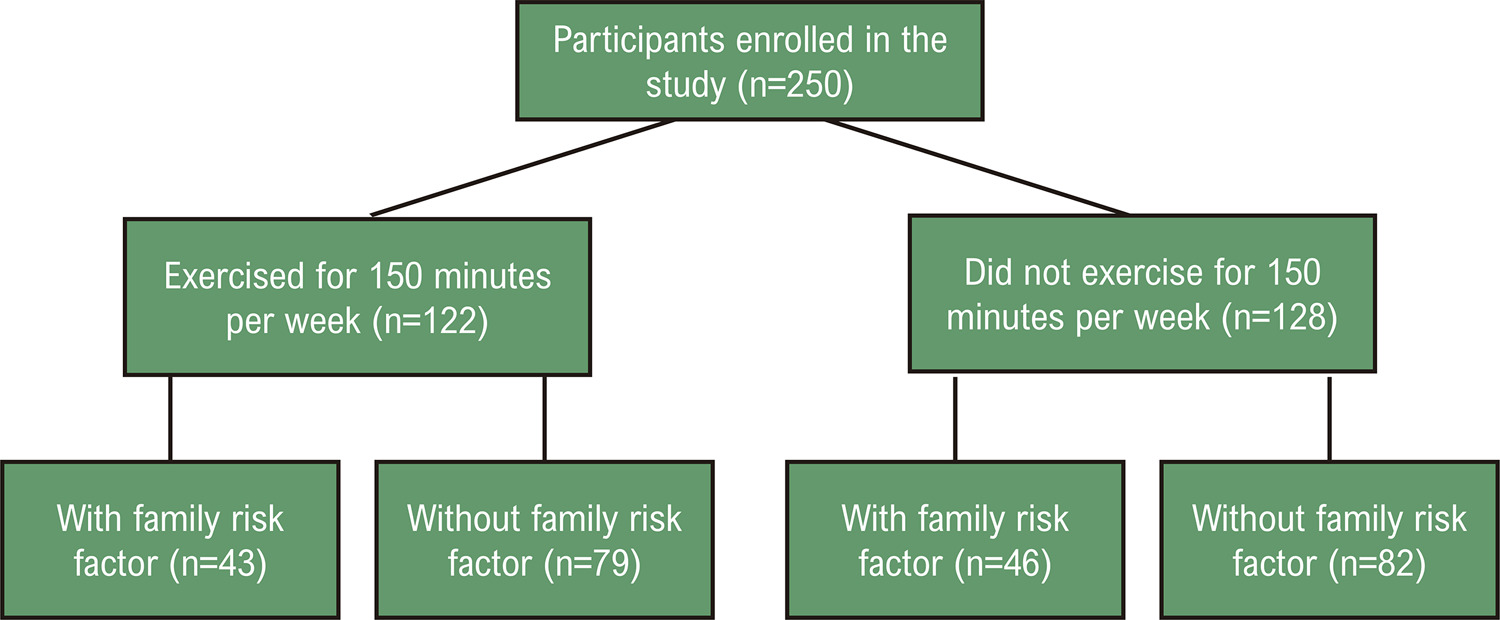
The objective of this study is to investigate the influence of physical activity on heart rate (HR) recovery, after treadmill exercise testing, in asymptomatic adults, with and without familial risk factors (FR) for cardiovascular disease. Two hundred and fifty (250) adults of both sexes aged 18 to 59 years were included in the study. None of the participants had a history of cardiovascular disease or used medications for chronic diseases. All individuals underwent exercise testing using the Ellestad protocol. Delta values were calculated by subtracting peak HR from HR in the first, second, fourth, and sixth minutes of recovery. The family history of cardiovascular disease and physical activity were documented. For statistical analysis, ANOVA was performed, followed by Bonferroni or Kruskall-Wallis multiple comparisons, followed by Dunn’s multiple comparisons. The delta values at the first, second, fourth, and sixth minutes of recovery were lower in individuals who did not engage in physical activity and had no family cardiovascular risk factor, compared to those who were physically active and had no family risk factor. No differences in delta values were observed between physically active individuals with cardiovascular risk factors and physically inactive individuals with a family history at the time points studied. In individuals without a family risk factor, physical activity appears to enhance autonomic control, increasing the capacity to reduce HR after exercise. However, this effect was not evident in those with a family risk factor, as physical activity did not impact recovery HR.

  • Autonomic Nervous System
  • Autonomic Nervous System Diseases
  • Exercise
  • Heart Rate
  • Risk Factors
Read Full Article
Creative Commons Attribution (CC BY) Creative Commons license
03/02/2025 DOI: 10.36660/abc.20240435i Views 1
ABC
Editorial

Aiming for Health Equity: Why Does Diversity in Brazilian Medical Research Matter?

Christina Grüne de Souza e Silva

Over 35 years ago, Brazilian citizens earned their constitutional right to health. Guided by the fundamental principles of universality and equity, health access and actions provided by the Brazilian Unified Health System (Sistema Único de Saúde – SUS) are ever-since responsibilities of the State and should be, therefore, guaranteed by economic and social policies.

Since its creation, SUS has experienced significant improvements in disease prevention and health promotion. A dramatic drop in infant mortality and a significant increase in life expectancy are a couple of major outcomes that reflect the expansion in Brazilians’ population access to comprehensive health care. However, disparities across geographical regions and income groups persist, especially for vulnerable populations such as the quilombolas.

[…]

  • Diabetes Mellitus
  • Health Policy
  • Obesity
  • Risk Factors
  • Social Vulnerability
Read Full Article
Creative Commons Attribution (CC BY) Creative Commons license
13/01/2025 DOI: 10.36660/abc.20240731i Views 2

Could not load more articles. Please try again.

How to cite this article

EndNote RIS

Electronic Document Format (Vancouver)

Rocha ASC, Kruczan D. Asymptomatic Patients With Suspected Coronary Artery Disease: What Are Clinicians Afraid Of?. International Journal of Cardiovascular Sciences 2026;39:e20250075.

Electronic Document Format (ABNT)

Rocha, Antônio Sérgio Cordeiro da; Kruczan, Dany. Asymptomatic Patients With Suspected Coronary Artery Disease: What Are Clinicians Afraid Of?. International Journal of Cardiovascular Sciences, v. 39, e20250075, Aug. 2026.

Electronic Document Format (APA)

Rocha, A. S. C. , & Kruczan, D. (2026). Asymptomatic Patients With Suspected Coronary Artery Disease: What Are Clinicians Afraid Of?. International Journal of Cardiovascular Sciences, 39, e20250075.

Electronic Document Format (ISO)

Rocha, Antônio Sérgio Cordeiro da and Kruczan, Dany. Asymptomatic Patients With Suspected Coronary Artery Disease: What Are Clinicians Afraid Of?. International Journal of Cardiovascular Sciences [online]. 2026, vol. 39, [cited 2026-10-14], e20250075. Available from: <https://journals.cardiol.br/en/article/asymptomatic-patients-with-suspected-coronary-artery-disease-what-are-clinicians-afraid-of/>. ISSN 2359-4802

EndNote RIS

Electronic Document Format (Vancouver)

Coutinho FM, Nogueira TLP, Souza DSM, Holanda LS, Holanda VBT, Assad MN, Coutinho RM, et al. Treatment Adherence and Cardiometabolic Goals in Patients with Coronary Artery Disease in the North Region of Brazil. International Journal of Cardiovascular Sciences 2026;39:e20250291.

Electronic Document Format (ABNT)

Coutinho, Fernando Maia; Nogueira, Talles L. Pereira; Souza, Dilma do Socorro Moraes de; Holanda, Lucianna Serfaty de; Holanda, Vitor Bruno Teixeira de; Assad, Michele N.; Coutinho, Rafael M.; Souza, Ana Flávia Oliveira de; Marvão, Márcio César Ribeiro; Paulo, Thiago da Silva. Treatment Adherence and Cardiometabolic Goals in Patients with Coronary Artery Disease in the North Region of Brazil. International Journal of Cardiovascular Sciences, v. 39, e20250291, Aug. 2026.

Electronic Document Format (APA)

Coutinho, F. M., Nogueira, T. L. P., Souza, D. S. M. , Holanda, L. S. , Holanda, V. B. T. , Assad, M. N., Coutinho, R. M., Souza, A. F. O. , Marvão, M. C. R., & Paulo, T. S. (2026). Treatment Adherence and Cardiometabolic Goals in Patients with Coronary Artery Disease in the North Region of Brazil. International Journal of Cardiovascular Sciences, 39, e20250291.

Electronic Document Format (ISO)

Coutinho, Fernando Maia and Nogueira, Talles L. Pereira and Souza, Dilma do Socorro Moraes de and Holanda, Lucianna Serfaty de and Holanda, Vitor Bruno Teixeira de and Assad, Michele N. and Coutinho, Rafael M. and Souza, Ana Flávia Oliveira de and Marvão, Márcio César Ribeiro and Paulo, Thiago da Silva. Treatment Adherence and Cardiometabolic Goals in Patients with Coronary Artery Disease in the North Region of Brazil. International Journal of Cardiovascular Sciences [online]. 2026, vol. 39, [cited 2026-10-14], e20250291. Available from: <https://journals.cardiol.br/en/article/treatment-adherence-and-cardiometabolic-goals-in-patients-with-coronary-artery-disease-in-the-north-region-of-brazil/>. ISSN 2359-4802

EndNote RIS

Electronic Document Format (Vancouver)

Oliveira CMC, Silva ACP, Silva BRM, Campos AC. Epidemiological Profile of Arterial Hypertension in the Municipality of Rio de Janeiro, Brazil, 2011 and 2019. International Journal of Cardiovascular Sciences 2026;39:e20240165.

Electronic Document Format (ABNT)

Oliveira, Catia Martins Cristina; Silva, Anna Carolina Pinho da; Silva, Bianca Ramos Marins; Campos, Ana Clara. Epidemiological Profile of Arterial Hypertension in the Municipality of Rio de Janeiro, Brazil, 2011 and 2019. International Journal of Cardiovascular Sciences, v. 39, e20240165, Aug. 2026.

Electronic Document Format (APA)

Oliveira, C. M. C., Silva, A. C. P. , Silva, B. R. M., & Campos, A. C. (2026). Epidemiological Profile of Arterial Hypertension in the Municipality of Rio de Janeiro, Brazil, 2011 and 2019. International Journal of Cardiovascular Sciences, 39, e20240165.

Electronic Document Format (ISO)

Oliveira, Catia Martins Cristina and Silva, Anna Carolina Pinho da and Silva, Bianca Ramos Marins and Campos, Ana Clara. Epidemiological Profile of Arterial Hypertension in the Municipality of Rio de Janeiro, Brazil, 2011 and 2019. International Journal of Cardiovascular Sciences [online]. 2026, vol. 39, [cited 2026-10-14], e20240165. Available from: <https://journals.cardiol.br/en/article/epidemiological-profile-of-arterial-hypertension-in-the-municipality-of-rio-de-janeiro-brazil-2011-and-2019/>. ISSN 2359-4802

EndNote RIS

Electronic Document Format (Vancouver)

Inamdar K, Kajave H, Shete A, Pawar J, Thomas A, Kulkarni M. Exploring Risk Factors, Comorbidities, and Multiple Drug Therapy in Coronary Artery Disease Patients. International Journal of Cardiovascular Sciences 2026;39:e20250216.

Electronic Document Format (ABNT)

Inamdar, Ketan; Kajave, Harshada; Shete, Akash; Pawar, Jayant; Thomas, Anmaria; Kulkarni, Madhur. Exploring Risk Factors, Comorbidities, and Multiple Drug Therapy in Coronary Artery Disease Patients. International Journal of Cardiovascular Sciences, v. 39, e20250216, Jul. 2026.

Electronic Document Format (APA)

Inamdar, K., Kajave, H., Shete, A., Pawar, J., Thomas, A., & Kulkarni, M. (2026). Exploring Risk Factors, Comorbidities, and Multiple Drug Therapy in Coronary Artery Disease Patients. International Journal of Cardiovascular Sciences, 39, e20250216.

Electronic Document Format (ISO)

Inamdar, Ketan and Kajave, Harshada and Shete, Akash and Pawar, Jayant and Thomas, Anmaria and Kulkarni, Madhur. Exploring Risk Factors, Comorbidities, and Multiple Drug Therapy in Coronary Artery Disease Patients. International Journal of Cardiovascular Sciences [online]. 2026, vol. 39, [cited 2026-10-14], e20250216. Available from: <https://journals.cardiol.br/en/article/exploring-risk-factors-comorbidities-and-multiple-drug-therapy-in-coronary-artery-disease-patients/>. ISSN 2359-4802

EndNote RIS

Electronic Document Format (Vancouver)

Belo LL, Pontes MCG, Almeida TG, Oliveira TGF, Tenório PP. Hypertension in Indigenous Populations: Diagnostic Challenges and Nuances of the Epidemiological Transition. Arquivos Brasileiros de Cardiologia 2026;123(5):e20260138.

Electronic Document Format (ABNT)

Belo, Letícia Lemos; Pontes, Maria Clara Gomes; Almeida, Thalisson Gonçalves; Oliveira, Tales Gabriel Ferro de; Tenório, Pedro Pereira. Hypertension in Indigenous Populations: Diagnostic Challenges and Nuances of the Epidemiological Transition. Arquivos Brasileiros de Cardiologia, v. 123, n. 5, e20260138, Jul. 2026.

Electronic Document Format (APA)

Belo, L. L., Pontes, M. C. G., Almeida, T. G., Oliveira, T. G. F. , & Tenório, P. P. (2026). Hypertension in Indigenous Populations: Diagnostic Challenges and Nuances of the Epidemiological Transition. Arquivos Brasileiros de Cardiologia, 123(5), e20260138.

Electronic Document Format (ISO)

Belo, Letícia Lemos and Pontes, Maria Clara Gomes and Almeida, Thalisson Gonçalves and Oliveira, Tales Gabriel Ferro de and Tenório, Pedro Pereira. Hypertension in Indigenous Populations: Diagnostic Challenges and Nuances of the Epidemiological Transition. Arquivos Brasileiros de Cardiologia [online]. 2026, vol. 123, n. 5, [cited 2026-10-14], e20260138. Available from: <https://journals.cardiol.br/en/article/hypertension-in-indigenous-populations-diagnostic-challenges-and-nuances-of-the-epidemiological-transition/>. ISSN 0066-782X

EndNote RIS

Electronic Document Format (Vancouver)

Costa R. Permanent Artificial Cardiac Pacemaker in the Treatment of Bradyarrhythmias Caused by Chagas Disease. Arquivos Brasileiros de Cardiologia 2026;123(2):e20260180.

Electronic Document Format (ABNT)

Costa, Roberto. Permanent Artificial Cardiac Pacemaker in the Treatment of Bradyarrhythmias Caused by Chagas Disease. Arquivos Brasileiros de Cardiologia, v. 123, n. 2, e20260180, Jun. 2026.

Electronic Document Format (APA)

Costa, R. (2026). Permanent Artificial Cardiac Pacemaker in the Treatment of Bradyarrhythmias Caused by Chagas Disease. Arquivos Brasileiros de Cardiologia, 123(2), e20260180.

Electronic Document Format (ISO)

Costa, Roberto. Permanent Artificial Cardiac Pacemaker in the Treatment of Bradyarrhythmias Caused by Chagas Disease. Arquivos Brasileiros de Cardiologia [online]. 2026, vol. 123, n. 2, [cited 2026-10-14], e20260180. Available from: <https://journals.cardiol.br/en/article/permanent-artificial-cardiac-pacemaker-in-the-treatment-of-bradyarrhythmias-caused-by-chagas-disease/>. ISSN 0066-782X

EndNote RIS

Electronic Document Format (Vancouver)

Smanio PEP. Association between Cardiac Metabolic Patterns in Oncological PET/CT and Cardiovascular Risk Factors. Contribution to the Early Investigation of Cardiotoxicity. Arquivos Brasileiros de Cardiologia 2026;123(1):e20260107.

Electronic Document Format (ABNT)

Smanio, Paola Emanuela Poggio. Association between Cardiac Metabolic Patterns in Oncological PET/CT and Cardiovascular Risk Factors. Contribution to the Early Investigation of Cardiotoxicity. Arquivos Brasileiros de Cardiologia, v. 123, n. 1, e20260107, May. 2026.

Electronic Document Format (APA)

Smanio, P. E. P. (2026). Association between Cardiac Metabolic Patterns in Oncological PET/CT and Cardiovascular Risk Factors. Contribution to the Early Investigation of Cardiotoxicity. Arquivos Brasileiros de Cardiologia, 123(1), e20260107.

Electronic Document Format (ISO)

Smanio, Paola Emanuela Poggio. Association between Cardiac Metabolic Patterns in Oncological PET/CT and Cardiovascular Risk Factors. Contribution to the Early Investigation of Cardiotoxicity. Arquivos Brasileiros de Cardiologia [online]. 2026, vol. 123, n. 1, [cited 2026-10-14], e20260107. Available from: <https://journals.cardiol.br/en/article/association-between-cardiac-metabolic-patterns-in-oncological-pet-ct-and-cardiovascular-risk-factors-contribution-to-the-early-investigation-of-cardiotoxicity/>. ISSN 0066-782X

EndNote RIS

Electronic Document Format (Vancouver)

Seyithanoğlu M. Use of Atherogenic Indices as Assessment Methods of Clinical Atherosclerotic Diseases. Arquivos Brasileiros de Cardiologia 2026;123(3):e20250691.

Electronic Document Format (ABNT)

Seyithanoğlu, Muhammed. Use of Atherogenic Indices as Assessment Methods of Clinical Atherosclerotic Diseases. Arquivos Brasileiros de Cardiologia, v. 123, n. 3, e20250691, May. 2026.

Electronic Document Format (APA)

Seyithanoğlu, M. (2026). Use of Atherogenic Indices as Assessment Methods of Clinical Atherosclerotic Diseases. Arquivos Brasileiros de Cardiologia, 123(3), e20250691.

Electronic Document Format (ISO)

Seyithanoğlu, Muhammed. Use of Atherogenic Indices as Assessment Methods of Clinical Atherosclerotic Diseases. Arquivos Brasileiros de Cardiologia [online]. 2026, vol. 123, n. 3, [cited 2026-10-14], e20250691. Available from: <https://journals.cardiol.br/en/article/use-of-atherogenic-indices-as-assessment-methods-of-clinical-atherosclerotic-diseases-2/>. ISSN 0066-782X

EndNote RIS

Electronic Document Format (Vancouver)

Araujo JJ. The Relationship Between Obesity and the Risk of Systemic Arterial Hypertension in Children and Adolescents: Lessons Learned. International Journal of Cardiovascular Sciences 2026;39:e20250178.

Electronic Document Format (ABNT)

Araujo, John Jairo. The Relationship Between Obesity and the Risk of Systemic Arterial Hypertension in Children and Adolescents: Lessons Learned. International Journal of Cardiovascular Sciences, v. 39, e20250178, Apr. 2026.

Electronic Document Format (APA)

Araujo, J. J. (2026). The Relationship Between Obesity and the Risk of Systemic Arterial Hypertension in Children and Adolescents: Lessons Learned. International Journal of Cardiovascular Sciences, 39, e20250178.

Electronic Document Format (ISO)

Araujo, John Jairo. The Relationship Between Obesity and the Risk of Systemic Arterial Hypertension in Children and Adolescents: Lessons Learned. International Journal of Cardiovascular Sciences [online]. 2026, vol. 39, [cited 2026-10-14], e20250178. Available from: <https://journals.cardiol.br/en/article/the-relationship-between-obesity-and-the-risk-of-systemic-arterial-hypertension-in-children-and-adolescents-lessons-learned/>. ISSN 2359-4802

EndNote RIS

Electronic Document Format (Vancouver)

Samajpaty S, Zhuravlov AK, Dmitrii E, Sergeivich IY. Obstructive Sleep Apnea as a Risk Factor for Ischemic Heart Disease. International Journal of Cardiovascular Sciences 2026;39:e20240250.

Electronic Document Format (ABNT)

Samajpaty, Soham; Zhuravlov, Alexander Konstantinovich; Dmitrii, Emilianovich; Sergeivich, Ilin Yuriy. Obstructive Sleep Apnea as a Risk Factor for Ischemic Heart Disease. International Journal of Cardiovascular Sciences, v. 39, e20240250, Mar. 2026.

Electronic Document Format (APA)

Samajpaty, S., Zhuravlov, A. K., Dmitrii, E., & Sergeivich, I. Y. (2026). Obstructive Sleep Apnea as a Risk Factor for Ischemic Heart Disease. International Journal of Cardiovascular Sciences, 39, e20240250.

Electronic Document Format (ISO)

Samajpaty, Soham and Zhuravlov, Alexander Konstantinovich and Dmitrii, Emilianovich and Sergeivich, Ilin Yuriy. Obstructive Sleep Apnea as a Risk Factor for Ischemic Heart Disease. International Journal of Cardiovascular Sciences [online]. 2026, vol. 39, [cited 2026-10-14], e20240250. Available from: <https://journals.cardiol.br/en/article/obstructive-sleep-apnea-as-a-risk-factor-for-ischemic-heart-disease/>. ISSN 2359-4802

EndNote RIS

Electronic Document Format (Vancouver)

Artioli T, Batista LB, Franchini K, Alencar JN. Impact of Low Testosterone and SHBG Levels on Heart Failure Risk: A Systematic Review and Meta-Analysis. Arquivos Brasileiros de Cardiologia 2025;122(10):e20250244.

Electronic Document Format (ABNT)

Artioli, Thiago; Batista, Layane Bonfante; Franchini, Kleber; Alencar, José Nunes de. Impact of Low Testosterone and SHBG Levels on Heart Failure Risk: A Systematic Review and Meta-Analysis. Arquivos Brasileiros de Cardiologia, v. 122, n. 10, e20250244, Nov. 2025.

Electronic Document Format (APA)

Artioli, T., Batista, L. B., Franchini, K., & Alencar, J. N. (2025). Impact of Low Testosterone and SHBG Levels on Heart Failure Risk: A Systematic Review and Meta-Analysis. Arquivos Brasileiros de Cardiologia, 122(10), e20250244.

Electronic Document Format (ISO)

Artioli, Thiago and Batista, Layane Bonfante and Franchini, Kleber and Alencar, José Nunes de. Impact of Low Testosterone and SHBG Levels on Heart Failure Risk: A Systematic Review and Meta-Analysis. Arquivos Brasileiros de Cardiologia [online]. 2025, vol. 122, n. 10, [cited 2026-10-14], e20250244. Available from: <https://journals.cardiol.br/en/article/impact-of-low-testosterone-and-shbg-levels-on-heart-failure-risk-a-systematic-review-and-meta-analysis/>. ISSN 0066-782X

EndNote RIS

Electronic Document Format (Vancouver)

Conceição HMC, Valois ALV, Ramos EMS, Ladeia AM. Clinical and Laboratory Predictors for the Development of Heart Valve Diseases in Chronic Kidney Disease: A Systematic Review. Arquivos Brasileiros de Cardiologia 2025;122(8):e20240222.

Electronic Document Format (ABNT)

Conceição, Hayala Machado Cavalcante; Valois, Ana Luísa Vaz; Ramos, Erick Magalhães Silva; Ladeia, Ana Marice. Clinical and Laboratory Predictors for the Development of Heart Valve Diseases in Chronic Kidney Disease: A Systematic Review. Arquivos Brasileiros de Cardiologia, v. 122, n. 8, e20240222, Sep. 2025.

Electronic Document Format (APA)

Conceição, H. M. C., Valois, A. L. V., Ramos, E. M. S., & Ladeia, A. M. (2025). Clinical and Laboratory Predictors for the Development of Heart Valve Diseases in Chronic Kidney Disease: A Systematic Review. Arquivos Brasileiros de Cardiologia, 122(8), e20240222.

Electronic Document Format (ISO)

Conceição, Hayala Machado Cavalcante and Valois, Ana Luísa Vaz and Ramos, Erick Magalhães Silva and Ladeia, Ana Marice. Clinical and Laboratory Predictors for the Development of Heart Valve Diseases in Chronic Kidney Disease: A Systematic Review. Arquivos Brasileiros de Cardiologia [online]. 2025, vol. 122, n. 8, [cited 2026-10-14], e20240222. Available from: <https://journals.cardiol.br/en/article/clinical-and-laboratory-predictors-for-the-development-of-heart-valve-diseases-in-chronic-kidney-disease-a-systematic-review/>. ISSN 0066-782X

EndNote RIS

Electronic Document Format (Vancouver)

Rocha MLR, Ladeia AMT. Comparison Between Two Prevention and Control Programs for Risk Factors for Cardiovascular Diseases in an Oil Company. International Journal of Cardiovascular Sciences 2025;38:e20240241.

Electronic Document Format (ABNT)

Rocha, Maria Lúcia Ribeiro; Ladeia, Ana Marice Teixeira. Comparison Between Two Prevention and Control Programs for Risk Factors for Cardiovascular Diseases in an Oil Company. International Journal of Cardiovascular Sciences, v. 38, e20240241, Aug. 2025.

Electronic Document Format (APA)

Rocha, M. L. R., & Ladeia, A. M. T. (2025). Comparison Between Two Prevention and Control Programs for Risk Factors for Cardiovascular Diseases in an Oil Company. International Journal of Cardiovascular Sciences, 38, e20240241.

Electronic Document Format (ISO)

Rocha, Maria Lúcia Ribeiro and Ladeia, Ana Marice Teixeira. Comparison Between Two Prevention and Control Programs for Risk Factors for Cardiovascular Diseases in an Oil Company. International Journal of Cardiovascular Sciences [online]. 2025, vol. 38, [cited 2026-10-14], e20240241. Available from: <https://journals.cardiol.br/en/article/comparison-between-two-prevention-and-control-programs-for-risk-factors-for-cardiovascular-diseases-in-an-oil-company/>. ISSN 2359-4802

EndNote RIS

Electronic Document Format (Vancouver)

Ferreira HS, Xavier Júnior AFS, Almeida RS, Caminha-Uchôa TC, Verçoza ABB, Vieira HM. Unconventional Anthropometric Indicators: Foundations, Applicability, and Validity as Predictors of Health Conditions. International Journal of Cardiovascular Sciences 2025;38:e20240163.

Electronic Document Format (ABNT)

Ferreira, Haroldo da Silva; Xavier Júnior, Antonio Fernando Silva; Almeida, Élison Ruan da Silva; Caminha-Uchôa, Tainá Cardoso; Verçoza, Andressa Bruna Batista de; Vieira, Hitalo de Moraes. Unconventional Anthropometric Indicators: Foundations, Applicability, and Validity as Predictors of Health Conditions. International Journal of Cardiovascular Sciences, v. 38, e20240163, Jun. 2025.

Electronic Document Format (APA)

Ferreira, H. S., Xavier Júnior, A. F. S., Almeida, R. S., Caminha-Uchôa, T. C., Verçoza, A. B. B. , & Vieira, H. M. (2025). Unconventional Anthropometric Indicators: Foundations, Applicability, and Validity as Predictors of Health Conditions. International Journal of Cardiovascular Sciences, 38, e20240163.

Electronic Document Format (ISO)

Ferreira, Haroldo da Silva and Xavier Júnior, Antonio Fernando Silva and Almeida, Élison Ruan da Silva and Caminha-Uchôa, Tainá Cardoso and Verçoza, Andressa Bruna Batista de and Vieira, Hitalo de Moraes. Unconventional Anthropometric Indicators: Foundations, Applicability, and Validity as Predictors of Health Conditions. International Journal of Cardiovascular Sciences [online]. 2025, vol. 38, [cited 2026-10-14], e20240163. Available from: <https://journals.cardiol.br/en/article/unconventional-anthropometric-indicators-foundations-applicability-and-validity-as-predictors-of-health-conditions/>. ISSN 2359-4802

EndNote RIS

Electronic Document Format (Vancouver)

Silva DA, Arteaga-Fernandez E, Hotta VT, Mady C, Ianni B, Ramires F, Nastari L, et al. Prognostic Value of Nonsustained Ventricular Tachycardia in Hypertrophic Cardiomyopathy in a Brazilian Cohort: Comparison with World Literature. Arquivos Brasileiros de Cardiologia 2025;122(5):e20240399.

Electronic Document Format (ABNT)

Silva, Diego Araújo; Arteaga-Fernandez, Edmundo; Hotta, Viviane Tiemi; Mady, Charles; Ianni, Barbara; Ramires, Felix; Nastari, Luciano; Fernandes, Fábio; Cardoso, Juliano Novaes. Prognostic Value of Nonsustained Ventricular Tachycardia in Hypertrophic Cardiomyopathy in a Brazilian Cohort: Comparison with World Literature. Arquivos Brasileiros de Cardiologia, v. 122, n. 5, e20240399, May. 2025.

Electronic Document Format (APA)

Silva, D. A., Arteaga-Fernandez, E., Hotta, V. T., Mady, C., Ianni, B., Ramires, F., Nastari, L., Fernandes, F., & Cardoso, J. N. (2025). Prognostic Value of Nonsustained Ventricular Tachycardia in Hypertrophic Cardiomyopathy in a Brazilian Cohort: Comparison with World Literature. Arquivos Brasileiros de Cardiologia, 122(5), e20240399.

Electronic Document Format (ISO)

Silva, Diego Araújo and Arteaga-Fernandez, Edmundo and Hotta, Viviane Tiemi and Mady, Charles and Ianni, Barbara and Ramires, Felix and Nastari, Luciano and Fernandes, Fábio and Cardoso, Juliano Novaes. Prognostic Value of Nonsustained Ventricular Tachycardia in Hypertrophic Cardiomyopathy in a Brazilian Cohort: Comparison with World Literature. Arquivos Brasileiros de Cardiologia [online]. 2025, vol. 122, n. 5, [cited 2026-10-14], e20240399. Available from: <https://journals.cardiol.br/en/article/prognostic-value-of-nonsustained-ventricular-tachycardia-in-hypertrophic-cardiomyopathy-in-a-brazilian-cohort-comparison-with-world-literature/>. ISSN 0066-782X

EndNote RIS

Electronic Document Format (Vancouver)

Wollmann C, Drager LF. Obstructive Sleep Apnea in Acute Myocardial Infarction: A Prognostic Risk Factor beyond Traditional Players?. International Journal of Cardiovascular Sciences 2025;38:e20250032.

Electronic Document Format (ABNT)

Wollmann, Carlos; Drager, Luciano F.. Obstructive Sleep Apnea in Acute Myocardial Infarction: A Prognostic Risk Factor beyond Traditional Players?. International Journal of Cardiovascular Sciences, v. 38, e20250032, May. 2025.

Electronic Document Format (APA)

Wollmann, C., & Drager, L. F. (2025). Obstructive Sleep Apnea in Acute Myocardial Infarction: A Prognostic Risk Factor beyond Traditional Players?. International Journal of Cardiovascular Sciences, 38, e20250032.

Electronic Document Format (ISO)

Wollmann, Carlos and Drager, Luciano F.. Obstructive Sleep Apnea in Acute Myocardial Infarction: A Prognostic Risk Factor beyond Traditional Players?. International Journal of Cardiovascular Sciences [online]. 2025, vol. 38, [cited 2026-10-14], e20250032. Available from: <https://journals.cardiol.br/en/article/obstructive-sleep-apnea-in-acute-myocardial-infarction-a-prognostic-risk-factor-beyond-traditional-players/>. ISSN 2359-4802

EndNote RIS

Electronic Document Format (Vancouver)

Fiusa VC, Stephanus AD, Couto VF, Alexim GA, Severino TMM, Nogueira ACC, Guimarães AJBA, et al. Clinical Predictors of Heart Failure after STEMI: Data from a Middle-Income Country with Limited Access to Percutaneous Coronary Intervention. Arquivos Brasileiros de Cardiologia 2025;122(3):e20240447.

Electronic Document Format (ABNT)

Fiusa, Vinícius C.; Stephanus, Andrea D.; Couto, Victor F.; Alexim, Gustavo A.; Severino, Thaiene M. M.; Nogueira, Ana Claudia C.; Guimarães, Adriana J. B. A.; Soares, Alexandre Anderson S. M.; Bilevicius, Elizabeth; Batista, Vivian; Staffico, Alessandra; Sposito, Andrei C.; Carvalho, Luiz Sérgio F. de. Clinical Predictors of Heart Failure after STEMI: Data from a Middle-Income Country with Limited Access to Percutaneous Coronary Intervention. Arquivos Brasileiros de Cardiologia, v. 122, n. 3, e20240447, Apr. 2025.

Electronic Document Format (APA)

Fiusa, V. C., Stephanus, A. D., Couto, V. F., Alexim, G. A., Severino, T. M. M., Nogueira, A. C. C., Guimarães, A. J. B. A., Soares, A. A. S. M., Bilevicius, E., Batista, V., Staffico, A., Sposito, A. C., & Carvalho, L. S. F. (2025). Clinical Predictors of Heart Failure after STEMI: Data from a Middle-Income Country with Limited Access to Percutaneous Coronary Intervention. Arquivos Brasileiros de Cardiologia, 122(3), e20240447.

Electronic Document Format (ISO)

Fiusa, Vinícius C. and Stephanus, Andrea D. and Couto, Victor F. and Alexim, Gustavo A. and Severino, Thaiene M. M. and Nogueira, Ana Claudia C. and Guimarães, Adriana J. B. A. and Soares, Alexandre Anderson S. M. and Bilevicius, Elizabeth and Batista, Vivian and Staffico, Alessandra and Sposito, Andrei C. and Carvalho, Luiz Sérgio F. de. Clinical Predictors of Heart Failure after STEMI: Data from a Middle-Income Country with Limited Access to Percutaneous Coronary Intervention. Arquivos Brasileiros de Cardiologia [online]. 2025, vol. 122, n. 3, [cited 2026-10-14], e20240447. Available from: <https://journals.cardiol.br/en/article/clinical-predictors-of-heart-failure-after-stemi-data-from-a-middle-income-country-with-limited-access-to-percutaneous-coronary-intervention/>. ISSN 0066-782X

EndNote RIS

Electronic Document Format (Vancouver)

Boccalon B, Foppa M, Brant LC, Pinto-Filho MM, Ribeiro AL, Duncan BB, Santos ABS, et al. Characteristics Associated with Prevalent Atrial Fibrillation and Risk Profile for Incident Atrial Fibrillation an Elderly Population from ELSA-Brasil. Arquivos Brasileiros de Cardiologia 2025;122(1):e20240487.

Electronic Document Format (ABNT)

Boccalon, Bernardo; Foppa, Murilo; Brant, Luisa C.C; Pinto-Filho, Marcelo M.; Ribeiro, Antonio L.; Duncan, Bruce B.; Santos, Angela Barreto Santiago. Characteristics Associated with Prevalent Atrial Fibrillation and Risk Profile for Incident Atrial Fibrillation an Elderly Population from ELSA-Brasil. Arquivos Brasileiros de Cardiologia, v. 122, n. 1, e20240487, Mar. 2025.

Electronic Document Format (APA)

Boccalon, B., Foppa, M., Brant, L. C., Pinto-Filho, M. M., Ribeiro, A. L., Duncan, B. B., & Santos, A. B. S. (2025). Characteristics Associated with Prevalent Atrial Fibrillation and Risk Profile for Incident Atrial Fibrillation an Elderly Population from ELSA-Brasil. Arquivos Brasileiros de Cardiologia, 122(1), e20240487.

Electronic Document Format (ISO)

Boccalon, Bernardo and Foppa, Murilo and Brant, Luisa C.C and Pinto-Filho, Marcelo M. and Ribeiro, Antonio L. and Duncan, Bruce B. and Santos, Angela Barreto Santiago. Characteristics Associated with Prevalent Atrial Fibrillation and Risk Profile for Incident Atrial Fibrillation an Elderly Population from ELSA-Brasil. Arquivos Brasileiros de Cardiologia [online]. 2025, vol. 122, n. 1, [cited 2026-10-14], e20240487. Available from: <https://journals.cardiol.br/en/article/characteristics-associated-with-prevalent-atrial-fibrillation-and-risk-profile-for-incident-atrial-fibrillation-an-elderly-population-from-elsa-brasil/>. ISSN 0066-782X

EndNote RIS

Electronic Document Format (Vancouver)

Devaraju CJ, Kumar SS, Sadananda KS, Kumar KV, Nanjappa V, Rajith KS, Ravindranath KS, et al. Impact of Digital Technology Intervention on Medication Compliance, Modification of Risk Factors, and Clinical Outcome in Patients With Acute Coronary Syndrome: A Follow-Up Study. International Journal of Cardiovascular Sciences 2025;38:e20240127.

Electronic Document Format (ABNT)

Devaraju, C. J; Kumar, S Sunil; Sadananda, K. S.; Kumar, K Vinay; Nanjappa, Veena; Rajith, K. S.; Ravindranath, K. S.. Impact of Digital Technology Intervention on Medication Compliance, Modification of Risk Factors, and Clinical Outcome in Patients With Acute Coronary Syndrome: A Follow-Up Study. International Journal of Cardiovascular Sciences, v. 38, e20240127, Mar. 2025.

Electronic Document Format (APA)

Devaraju, C. J., Kumar, S. S., Sadananda, K. S., Kumar, K. V., Nanjappa, V., Rajith, K. S., & Ravindranath, K. S. (2025). Impact of Digital Technology Intervention on Medication Compliance, Modification of Risk Factors, and Clinical Outcome in Patients With Acute Coronary Syndrome: A Follow-Up Study. International Journal of Cardiovascular Sciences, 38, e20240127.

Electronic Document Format (ISO)

Devaraju, C. J and Kumar, S Sunil and Sadananda, K. S. and Kumar, K Vinay and Nanjappa, Veena and Rajith, K. S. and Ravindranath, K. S.. Impact of Digital Technology Intervention on Medication Compliance, Modification of Risk Factors, and Clinical Outcome in Patients With Acute Coronary Syndrome: A Follow-Up Study. International Journal of Cardiovascular Sciences [online]. 2025, vol. 38, [cited 2026-10-14], e20240127. Available from: <https://journals.cardiol.br/en/article/impact-of-digital-technology-intervention-on-medication-compliance-modification-of-risk-factors-and-clinical-outcome-in-patients-with-acute-coronary-syndrome-a-follow-up-study/>. ISSN 2359-4802

EndNote RIS

Electronic Document Format (Vancouver)

Carrijo LSS, Magnabosco P, Raponi MBG, Oliveira MAM, Araújo SA, Martins LC, Figueiredo VN, et al. Associated Factors to the Risk of Obstructive Sleep Apnea in the Acute Phase of Myocardial Infarction. International Journal of Cardiovascular Sciences 2025;38:e20240008.

Electronic Document Format (ABNT)

Carrijo, Ludmylla da Silva Soares; Magnabosco, Patricia; Raponi, Maria Beatriz Guimarães; Oliveira, Maria Angélica Melo e; Araújo, Suely Amorim de; Martins, Luiz Claudio; Figueiredo, Valéria Nasser. Associated Factors to the Risk of Obstructive Sleep Apnea in the Acute Phase of Myocardial Infarction. International Journal of Cardiovascular Sciences, v. 38, e20240008, Feb. 2025.

Electronic Document Format (APA)

Carrijo, L. S. S., Magnabosco, P., Raponi, M. B. G., Oliveira, M. A. M. , Araújo, S. A. , Martins, L. C., & Figueiredo, V. N. (2025). Associated Factors to the Risk of Obstructive Sleep Apnea in the Acute Phase of Myocardial Infarction. International Journal of Cardiovascular Sciences, 38, e20240008.

Electronic Document Format (ISO)

Carrijo, Ludmylla da Silva Soares and Magnabosco, Patricia and Raponi, Maria Beatriz Guimarães and Oliveira, Maria Angélica Melo e and Araújo, Suely Amorim de and Martins, Luiz Claudio and Figueiredo, Valéria Nasser. Associated Factors to the Risk of Obstructive Sleep Apnea in the Acute Phase of Myocardial Infarction. International Journal of Cardiovascular Sciences [online]. 2025, vol. 38, [cited 2026-10-14], e20240008. Available from: <https://journals.cardiol.br/en/article/associated-factors-to-the-risk-of-obstructive-sleep-apnea-in-the-acute-phase-of-myocardial-infarction/>. ISSN 2359-4802

EndNote RIS

Electronic Document Format (Vancouver)

Delamain TRB, Delamain JHH, Braga SLN, Costa R, Siqueira DAA, Feres F, Centemero MP, et al. Outcomes of Guideline-Recommended Percutaneous Coronary Intervention in Women with Obstructive Coronary Artery Disease: A Longitudinal Cohort Study. Arquivos Brasileiros de Cardiologia 2025;122(1):e20240249.

Electronic Document Format (ABNT)

Delamain, Tacianne Rolemberg Braga; Delamain, José Henrique Herrmann; Braga, Sergio Luiz Navarro; Costa, Ricardo; Siqueira, Dimytri Alexandre Alvim de; Feres, Fausto; Centemero, Marinella Patrizia. Outcomes of Guideline-Recommended Percutaneous Coronary Intervention in Women with Obstructive Coronary Artery Disease: A Longitudinal Cohort Study. Arquivos Brasileiros de Cardiologia, v. 122, n. 1, e20240249, Feb. 2025.

Electronic Document Format (APA)

Delamain, T. R. B., Delamain, J. H. H., Braga, S. L. N., Costa, R., Siqueira, D. A. A. , Feres, F., & Centemero, M. P. (2025). Outcomes of Guideline-Recommended Percutaneous Coronary Intervention in Women with Obstructive Coronary Artery Disease: A Longitudinal Cohort Study. Arquivos Brasileiros de Cardiologia, 122(1), e20240249.

Electronic Document Format (ISO)

Delamain, Tacianne Rolemberg Braga and Delamain, José Henrique Herrmann and Braga, Sergio Luiz Navarro and Costa, Ricardo and Siqueira, Dimytri Alexandre Alvim de and Feres, Fausto and Centemero, Marinella Patrizia. Outcomes of Guideline-Recommended Percutaneous Coronary Intervention in Women with Obstructive Coronary Artery Disease: A Longitudinal Cohort Study. Arquivos Brasileiros de Cardiologia [online]. 2025, vol. 122, n. 1, [cited 2026-10-14], e20240249. Available from: <https://journals.cardiol.br/en/article/outcomes-of-guideline-recommended-percutaneous-coronary-intervention-in-women-with-obstructive-coronary-artery-disease-a-longitudinal-cohort-study/>. ISSN 0066-782X

EndNote RIS

Electronic Document Format (Vancouver)

Zhang S, Du J, Wang P, Lei M, Zhong C, Ou Y, Sun Z, et al. Association between Estimated Small Dense Low-Density Lipoprotein-cholesterol (sdLDL-C) and Atherosclerotic Cardiovascular Disease Risk. Arquivos Brasileiros de Cardiologia 2025;122(1):e20240265.

Electronic Document Format (ABNT)

Zhang, Shutang; Du, Jinjie; Wang, Peng; Lei, Min; Zhong, Canye; Ou, Yang; Sun, Zhen. Association between Estimated Small Dense Low-Density Lipoprotein-cholesterol (sdLDL-C) and Atherosclerotic Cardiovascular Disease Risk. Arquivos Brasileiros de Cardiologia, v. 122, n. 1, e20240265, Feb. 2025.

Electronic Document Format (APA)

Zhang, S., Du, J., Wang, P., Lei, M., Zhong, C., Ou, Y., & Sun, Z. (2025). Association between Estimated Small Dense Low-Density Lipoprotein-cholesterol (sdLDL-C) and Atherosclerotic Cardiovascular Disease Risk. Arquivos Brasileiros de Cardiologia, 122(1), e20240265.

Electronic Document Format (ISO)

Zhang, Shutang and Du, Jinjie and Wang, Peng and Lei, Min and Zhong, Canye and Ou, Yang and Sun, Zhen. Association between Estimated Small Dense Low-Density Lipoprotein-cholesterol (sdLDL-C) and Atherosclerotic Cardiovascular Disease Risk. Arquivos Brasileiros de Cardiologia [online]. 2025, vol. 122, n. 1, [cited 2026-10-14], e20240265. Available from: <https://journals.cardiol.br/en/article/association-between-estimated-small-dense-low-density-lipoprotein-cholesterol-sdldl-c-and-atherosclerotic-cardiovascular-disease-risk/>. ISSN 0066-782X

EndNote RIS

Electronic Document Format (Vancouver)

Dourado LA, Dourado PMM, Oliveira JG, Silva EM, Dourado JPA, Braga PGS. Heart Rate Reduction after Effort Test Is Higher in Physically Active Adults without Familial Cardiovascular Risk Factor. Arquivos Brasileiros de Cardiologia 2025;122(1):e20240435.

Electronic Document Format (ABNT)

Dourado, Larissa de Almeida; Dourado, Paulo Magno Martins; Oliveira, Jaciara Gomes de; Silva, Evandra Maria da; Dourado, João Paulo de Almeida; Braga, Pedro Gabriel Senger. Heart Rate Reduction after Effort Test Is Higher in Physically Active Adults without Familial Cardiovascular Risk Factor. Arquivos Brasileiros de Cardiologia, v. 122, n. 1, e20240435, Feb. 2025.

Electronic Document Format (APA)

Dourado, L. A., Dourado, P. M. M., Oliveira, J. G. , Silva, E. M. , Dourado, J. P. A., & Braga, P. G. S. (2025). Heart Rate Reduction after Effort Test Is Higher in Physically Active Adults without Familial Cardiovascular Risk Factor. Arquivos Brasileiros de Cardiologia, 122(1), e20240435.

Electronic Document Format (ISO)

Dourado, Larissa de Almeida and Dourado, Paulo Magno Martins and Oliveira, Jaciara Gomes de and Silva, Evandra Maria da and Dourado, João Paulo de Almeida and Braga, Pedro Gabriel Senger. Heart Rate Reduction after Effort Test Is Higher in Physically Active Adults without Familial Cardiovascular Risk Factor. Arquivos Brasileiros de Cardiologia [online]. 2025, vol. 122, n. 1, [cited 2026-10-14], e20240435. Available from: <https://journals.cardiol.br/en/article/heart-rate-reduction-after-effort-test-is-higher-in-physically-active-adults-without-familial-cardiovascular-risk-factor/>. ISSN 0066-782X

EndNote RIS

Electronic Document Format (Vancouver)

Silva CGS. Aiming for Health Equity: Why Does Diversity in Brazilian Medical Research Matter?. Arquivos Brasileiros de Cardiologia 2025;121(11):e20240731.

Electronic Document Format (ABNT)

Silva, Christina Grüne de Souza e. Aiming for Health Equity: Why Does Diversity in Brazilian Medical Research Matter?. Arquivos Brasileiros de Cardiologia, v. 121, n. 11, e20240731, Jan. 2025.

Electronic Document Format (APA)

Silva, C. G. S. (2025). Aiming for Health Equity: Why Does Diversity in Brazilian Medical Research Matter?. Arquivos Brasileiros de Cardiologia, 121(11), e20240731.

Electronic Document Format (ISO)

Silva, Christina Grüne de Souza e. Aiming for Health Equity: Why Does Diversity in Brazilian Medical Research Matter?. Arquivos Brasileiros de Cardiologia [online]. 2025, vol. 121, n. 11, [cited 2026-10-14], e20240731. Available from: <https://journals.cardiol.br/en/article/aiming-for-health-equity-why-does-diversity-in-brazilian-medical-research-matter/>. ISSN 0066-782X

  • About ABC Family
  • Internal Regulation
  • Editorial Board
  • Brazilian Society of Cardiology (SBC)

Issues

SBC Guidelines

  • Videos
  • Podcasts
  • News