ABC Family Arquivos Brasileiros de Cardiologia International Journal of Cardiovascular Sciences ABC Heart Failure & Cardiomyopathy ABC Imagem Cardiovascular
Português English
ABC Family
Português English
  • About
    • About ABC Family
    • Internal Regulation
    • Editorial Board
    • Brazilian Society of Cardiology (SBC)
  • Issues
  • SBC Guidelines
  • Content
    • Videos
    • Podcasts
    • News
  • About
    • About ABC Family
    • Internal Regulation
    • Editorial Board
    • Brazilian Society of Cardiology (SBC)
  • Issues
  • SBC Guidelines
  • Content
    • Videos
    • Podcasts
    • News

ABC Family

  • ABC Family
  • Arquivos Brasileiros de Cardiologia
  • International Journal of Cardiovascular Sciences
  • ABC Heart Failure & Cardiomyopathy
  • ABC Imagem Cardiovascular
Search in

No content found.

Journals
Ordering
Article types
Others

  1. Home
  2. Keyword: Vascular Remodeling
ABC
Editorial

Nitrite Supplementation Attenuates Vascular Stiffness Independently of Physical Exercise

Alex Yuiti Ogura et al. Claudiane Maria Barbosa Silvio Assis de Oliveira-Junior

Exercise training is considered one of the most efficient non-pharmacological measures for reducing blood pressure and increasing the redox state in blood vessel walls. Indeed, regular exercise training can cause endothelial relaxation by increasing nitric oxide (NO) levels, with or without a reduction in the amount of reactive oxygen species (ROS). Excessive production and/or accumulation of ROS can result in redox imbalance, with decreased NO bioavailability and consequent endothelial dysfunction., In this regard, reduced NO release is one of the critical factors for the development of systemic arterial hypertension.,

Importantly, NO is a diatomic gaseous signaling molecule that is water-soluble and can freely pass through the cell membrane. This peptide is essential in the regulation of several physiological actions in the body, being of utmost importance for vasodilation, immune response, neurotransmission, apoptosis, and genetic regulation. When released, NO diffuses from endothelial cells to vascular smooth muscle cells, promoting relaxation and vasodilation. Through this mechanism, NO can reduce vascular peripheral resistance and, consequently, decrease blood pressure. In the endogenous context, NO production results from the oxidation and cleavage of the guanidine group of L-arginine, with the release of NO and L-citrulline. Then, free NO is easily transformed into nitrite and nitrate, the current products are later recycled into NO and other forms of nitrogen oxidation, through the nitrate/nitrite/NO pathway.

[…]
  • Exercise
  • Nitrites
  • Vascular Remodeling
  • Vascular Stiffness
Read Full Article
Creative Commons Attribution (CC BY) Creative Commons license
14/02/2025 DOI: 10.36660/abc.20240836i Views 1
Figure 1
ABC
Review Article

Vascular Aging and Arterial Stiffness

Adriana Camargo Oliveira et al. Pedro Miguel Guimarães Marques Cunha Priscila Valverde de Oliveria Vitorino Ana Luiza Lima Souza … Gilcimar Divino Deus Audes Feitosa Eduardo Costa Duarte Barbosa Marco Mota Gomes Paulo Cesar B. Veiga Jardim Weimar Kunz Sebba Barroso

Abstract

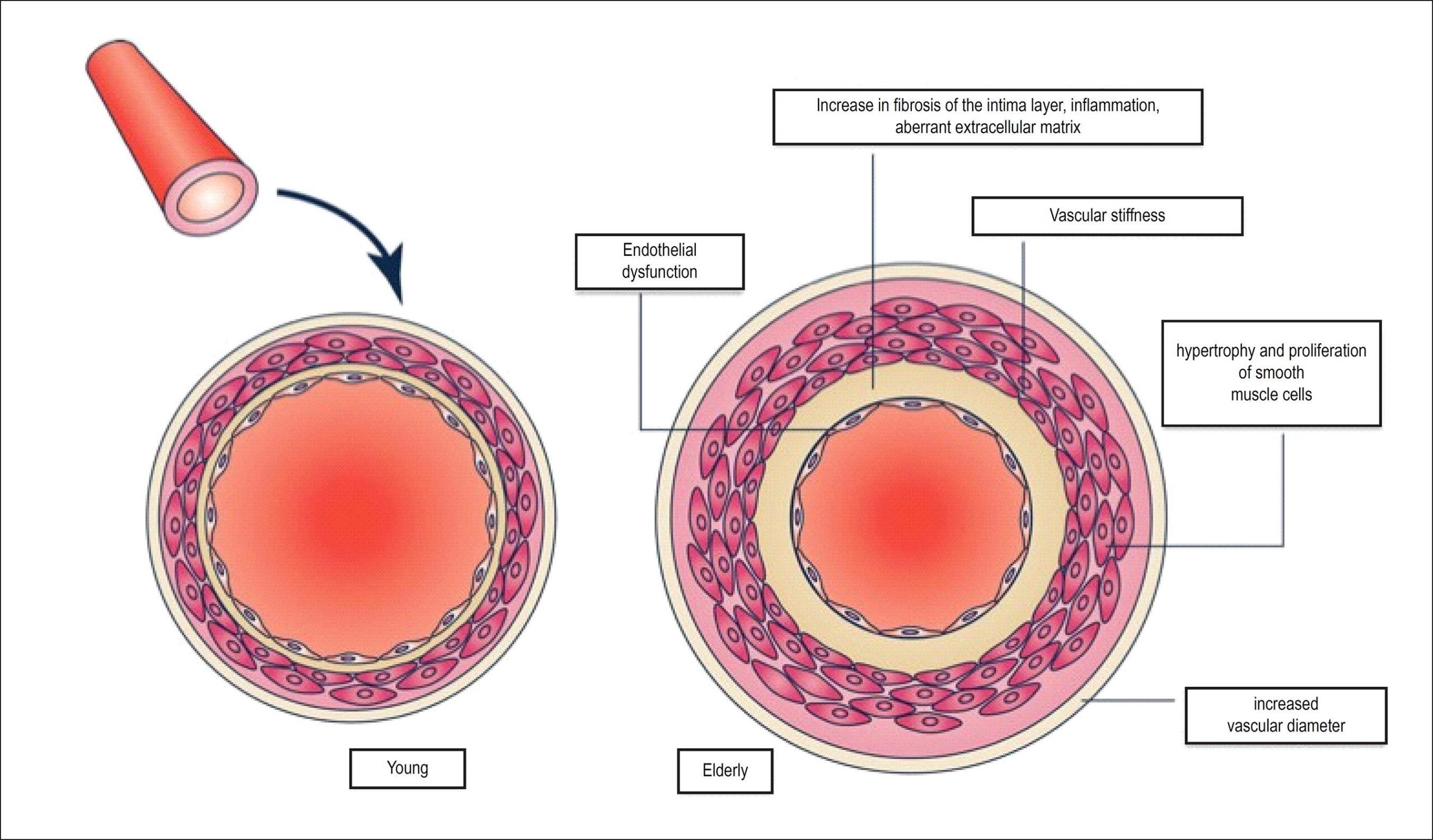
Biological aging occurs as a result of the interaction between genetics, chronological age and external factors. It is the basis for new concepts of vascular aging, whose progression is determined by the difference between biological and chronological age. From the structural point of view, the effects of vascular aging are more evident in the tunica media of large elastic arteries, marked by increased arterial stiffness, lumen dilation and wall thickness. These effects are described in the continuum of cardiovascular aging (proposed by Dzau in 2010), in which the progressive steps of microvasculature lesions of the heart, kidney and brain are initiated from the aging process. The increase of arterial stiffness can be detected by several non-invasive methods. Cardiovascular events have been traditionally described using scores that combine conventional risk factors for atherosclerosis. In the classic cardiovascular continuum (Dzau, 2006), to determine the exact contribution of each risk factor is challenging; however, since arterial stiffness reflects both early and cumulative damage of these cardiovascular risk factors, it is an indicator of the actual damage to the arterial wall. This article provides a general overview of pathophysiological mechanisms, arterial structural changes, and hemodynamic consequences of arterial stiffness; non-invasive methods for the assessment of arterial stiffness and of central blood pressure; the cardiovascular aging continuum, and the application of arterial stiffness in cardiovascular risk stratification.

  • Heart Disease Risk Factors
  • Hypertension
  • Pulse Wave Analysis
  • Vascular Remodeling
  • Vascular Stiffness
Read Full Article
Creative Commons Attribution (CC BY) Creative Commons license
21/10/2022 DOI: 10.36660/abc.20210708 Views 2
Figure 1
ABC
Original Article

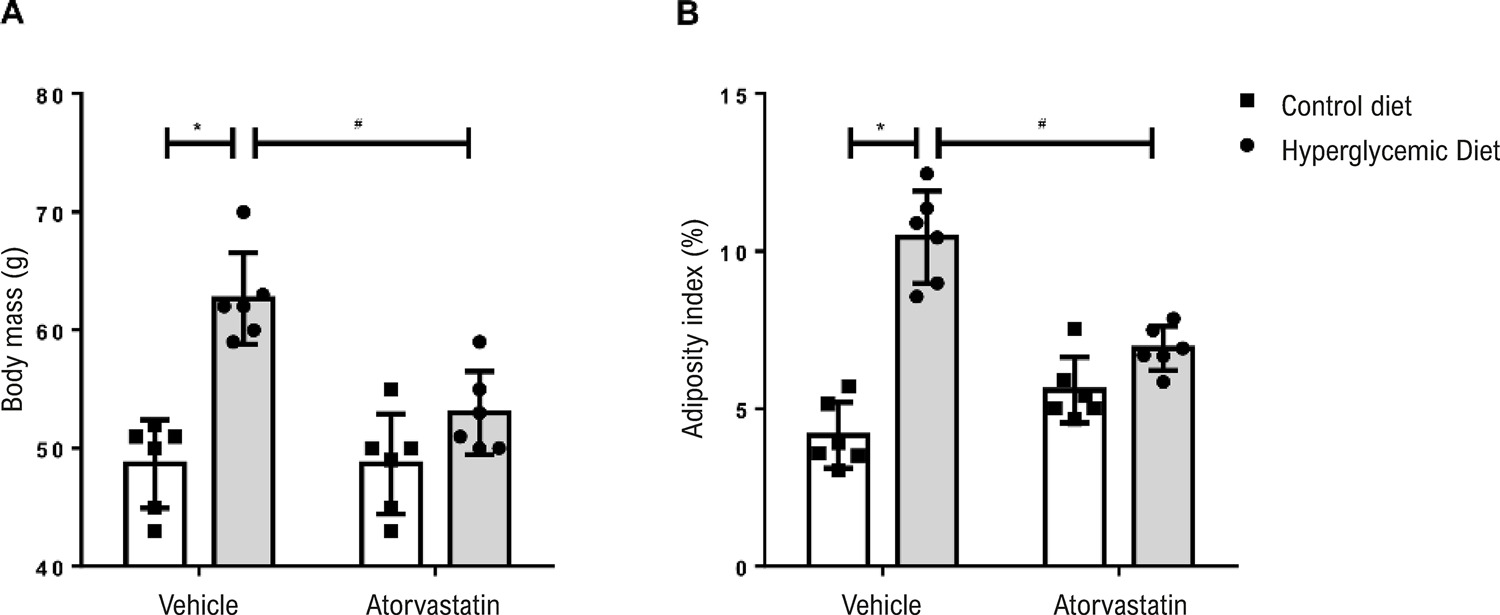
Atorvastatin Attenuates Vascular Remodeling in Mice with Metabolic Syndrome

Karine Ferreira da Silva Carvalho et al. Amanda Araújo Marques Ferreira Nayara Carvalho Barbosa Juliano Vilela Alves Rafael Menezes da Costa

Abstract

Background

Metabolic syndrome is characterized by an array of comorbidities. During this syndrome, structural changes are observed in the cardiovascular system, especially vascular remodeling. One of the predisposing causes for these changes is chronic inflammation resulting from changes in the structure and composition of perivascular adipose tissue. Atorvastatin is effective in the treatment of dyslipidemias. However, its pleiotropic effects have not been completely understood. We hypothesize that metabolic syndrome may lead to vascular remodeling and that atorvastatin therapy may be able to attenuate this condition.

Objectives

To assess the effects of atorvastatin therapy on vascular remodeling in an experimental model of metabolic syndrome.

Methods

Swiss mice received a control diet or a hyperglicemic diet for 18 weeks. After 14 weeks of diet, mice were treated with vehicle or atorvastatin (20mg/kg) during for 4 weeks. Nutritional and metabolic profiles were assessed by biochemical tests; moreover, a histological assessment of aorta structure was conducted, and cytokine levels were determined by the immunoenzyme assay. The acceptable level of significance for the results was set at p<0.05.

Results

Hyperglicemic diet promoted the development of metabolic syndrome. It indeed culminated in hypertrophic remodeling of vascular smooth muscle and perivascular adipose tissue. Furthermore, there were increases in the levels of circulating TNF-α and IL-6 and in the perivascular adipose tissue. Atorvastatin therapy significantly reduced metabolic damages, vascular remodeling, and cytokine levels.

Conclusion

Atorvastatin attenuate metabolic damages associated with metabolic syndrome induced by hyperglycemic diet, in addition to attenuating vascular remodeling; both effects are associated with reduced levels of pro-inflammatory cytokines.

  • Atorvastatin
  • Dietary Carbohydrates
  • Dyslipidemias
  • Inflammation
  • Metabolic Syndrome
  • Mice
  • Vascular Remodeling
Read Full Article
Creative Commons Attribution (CC BY) Creative Commons license
18/06/2021 DOI: 10.36660/abc.20200322
Figure 1
ABC
Original Article

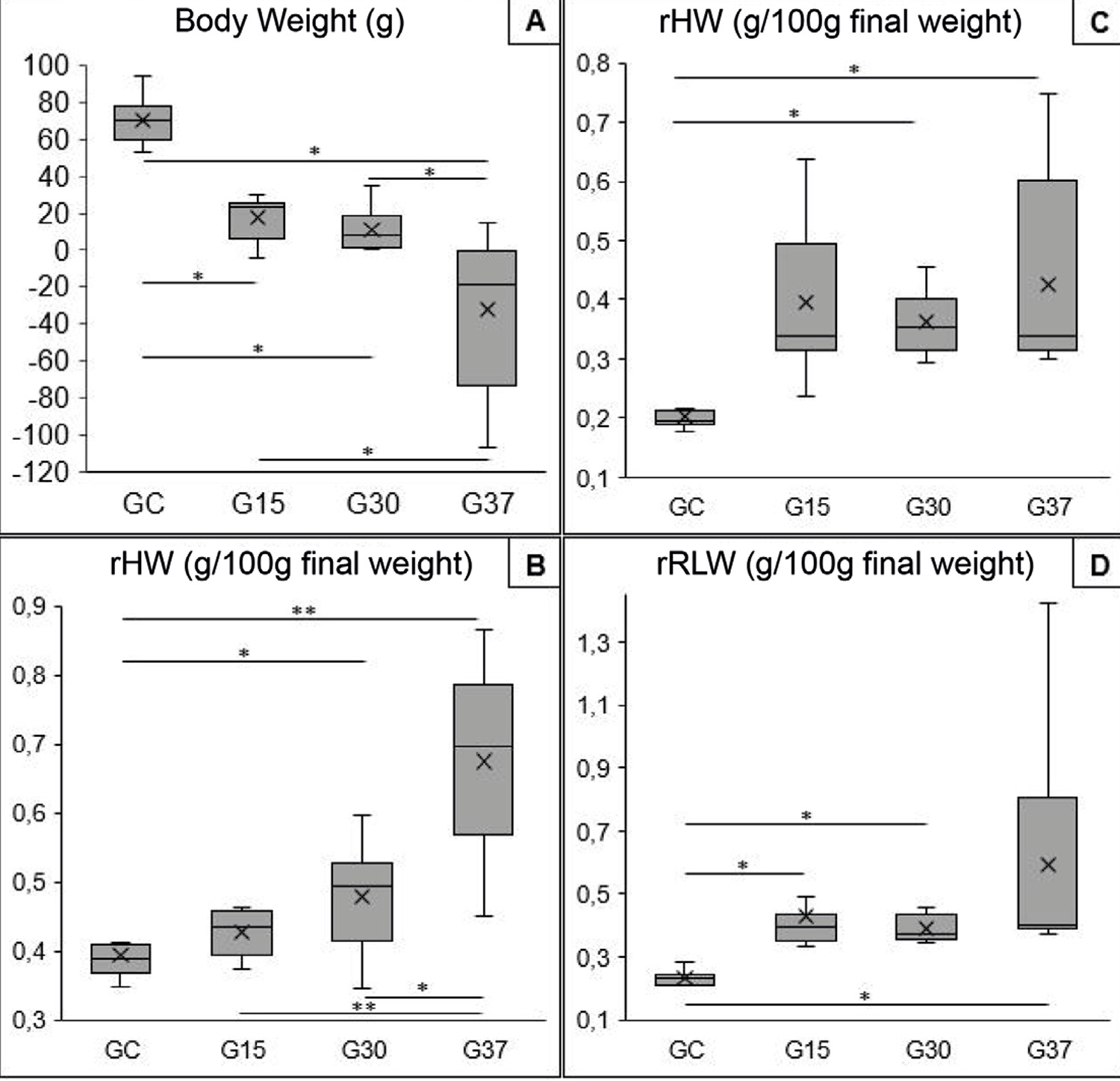
Plexiform Lesions in an Experimental Model of Monocrotalin-Induced Pulmonary Arterial Hypertension

Douglas Mesadri Gewehr et al. Gabriela Rodrigues Salgueiro Lucia de Noronha Fernando Bermudez Kubrusly … Luiz Fernando Kubrusly Gabriel Antonio Coltro Paola Cardoso Preto Andressa de Souza Bertoldi Heloisa Iacomo Vieira

Abstract

Background

The monocrotaline (MCT)-induced pulmonary arterial hypertension model is one of the most reproduced today, presenting as a limitation the absence of plexiform lesions, typical manifestations of the severe disease in humans.

Objective

To evaluate the severity of MCT-induced pulmonary arteriopathy by pathological findings of lung and heart tissue samples, clinical course and 37-day survival.

Methods

Fifty male Wistar rats were divided into one of the four groups – control (CG) (n = 10) and three intervention (MCT) groups. The MCT groups received intraperitoneal injection (60 mg/kg) of MCT and remained exposed to the substance for 15 days (G15, n = 10), 30 days (G30, n = 10) and 37 days (G37, n = 20). At the end of each period, the animals were sacrificed, and pulmonary and cardiac tissues were collected for anatomopathological and morphometric analysis. The Kruskal-Wallis test was used, considering a level of significance of 5%.

Results

In the lungs of MCT animals, lesions related to pulmonary arteriopathy were found, including muscularization of the arterioles, hypertrophy of the middle layer and concentric neointimal lesions. Complex lesions were observed in MCT groups, described as plexiform and plexiform-like lesions. Right ventricular hypertrophy was evidenced by increased thickness and diameter of the cardiomyocytes and a significant increase in the right ventricular wall thickness (p <0.0000).

Conclusion

The MCT model was able to generate moderate-severe pulmonary arteriopathy associated with secondary right ventricular hypertrophy. The 37-day survival rate was 50%. To our knowledge, this study was the first to note the presence of complex vascular lesions, similar to those observed in patients with severe pulmonary arterial hypertension, in an isolated MCT model. (Arq Bras Cardiol. 2020; 115(3):480-490)

  • Monocrotaline
  • Neointimal
  • Pulmonary Hypertension
  • Right Ventricular Hypertrophy
  • Vascular Remodeling
Read Full Article
Creative Commons Attribution (CC BY) Creative Commons license
28/09/2020 DOI: 10.36660/abc.20190306 Views 2
Figure 1
ABC
Review Article

Vascular Aging and Arterial Stiffness

Luana de Rezende Mikael et al. Anelise Machado Gomes de Paiva Marco Mota Gomes Ana Luiza Lima Sousa … Paulo César Brandão Veiga Jardim Priscila Valverde de Oliveira Vitorino Maicon Borges Euzébio Wátila de Moura Sousa Weimar Kunz Sebba Barroso

Abstract

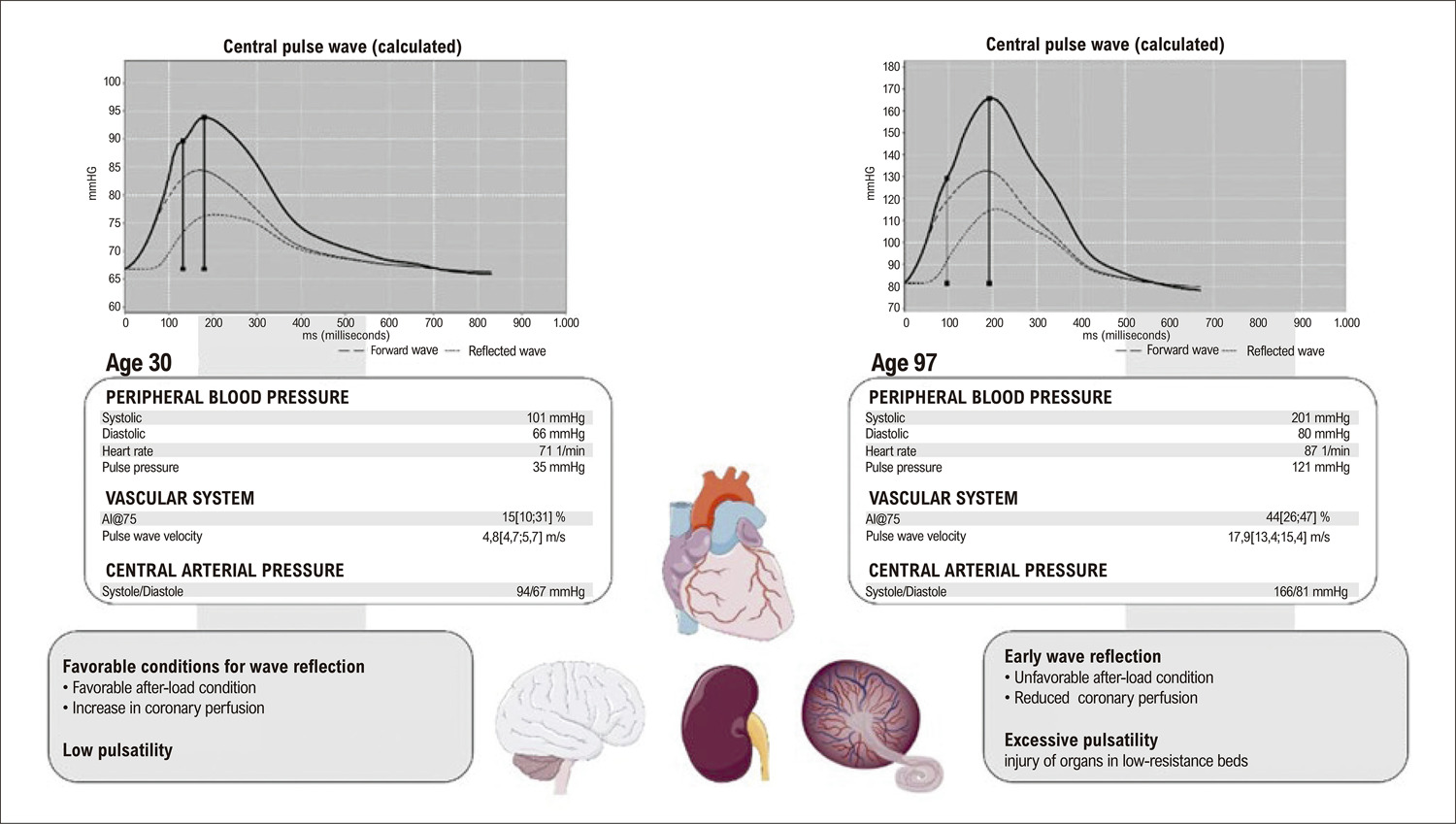
Cardiovascular diseases (CVD) account annually for almost one third of all deaths worldwide. Among the CVD, systemic arterial hypertension (SAH) is related to more than half of those outcomes. Type 2 diabetes mellitus is an independent risk factor for SAH because it causes functional and structural damage to the arterial wall, leading to stiffness. Several studies have related oxidative stress, production of free radicals, and neuroendocrine and genetic changes to the physiopathogenesis of vascular aging. Indirect ways to analyze that aging process have been widely studied, pulse wave velocity (PWV) being considered gold standard to assess arterial stiffness, because there is large epidemiological evidence of its predictive value for cardiovascular events, and it requires little technical knowledge to be performed. A pulse wave is generated during each cardiac contraction and travels along the arterial bed until finding peripheral resistance or any bifurcation point, determining the appearance of a reflected wave. In young individuals, arteries tend to be more elastic, therefore, the reflected wave occurs later in the cardiac cycle, reaching the heart during diastole. In older individuals, however, the reflected wave occurs earlier, reaching the heart during systole. Because PWV is an important biomarker of vascular damage, highly valuable in determining the patient’s global cardiovascular risk, we chose to review the articles on vascular aging in the context of cardiovascular risk factors and the tools available to the early identification of that damage.

  • Blood Pressure
  • Hypertension
  • Pulse Wave Analysis
  • Vascular Remodeling
  • Vascular Stiffness
Read Full Article
Creative Commons Attribution (CC BY) Creative Commons license
29/06/2017 DOI: 10.5935/abc.20170091 Views 2
ABC
Review Article

Cardiac Regeneration using Growth Factors: Advances and Challenges

Juliana de Souza Rebouças et al. Nereide Stela Santos-Magalhães Fabio Rocha Formiga

Abstract

Myocardial infarction is the most significant manifestation of ischemic heart disease and is associated with high morbidity and mortality. Novel strategies targeting at regenerating the injured myocardium have been investigated, including gene therapy, cell therapy, and the use of growth factors. Growth factor therapy has aroused interest in cardiovascular medicine because of the regeneration mechanisms induced by these biomolecules, including angiogenesis, extracellular matrix remodeling, cardiomyocyte proliferation, stem-cell recruitment, and others. Together, these mechanisms promote myocardial repair and improvement of the cardiac function. This review aims to address the strategic role of growth factor therapy in cardiac regeneration, considering its innovative and multifactorial character in myocardial repair after ischemic injury. Different issues will be discussed, with emphasis on the regeneration mechanisms as a potential therapeutic resource mediated by growth factors, and the challenges to make these proteins therapeutically viable in the field of cardiology and regenerative medicine.

  • Cell and Tissue-Based Therapy
  • Intercellular Signaling Peptides and Proteins
  • Myocardial Infarction
  • Myocardial Ischemia
  • Vascular Remodeling
Read Full Article
Creative Commons Attribution (CC BY) Creative Commons license
27/06/2016 DOI: 10.5935/abc.20160097
Figure 1
ABC
Original Article

A Novel Algorithm to Quantify Coronary Remodeling Using Inferred Normal Dimensions

Breno A. A. Falcão et al. João Luiz A. A. Falcão Gustavo R. Morais Rafael C. Silva … Augusto C. Lopes Paulo R. Soares José Mariani Jr Roberto Kalil-Filho Elazer R. Edelman Pedro A. Lemos

Background:

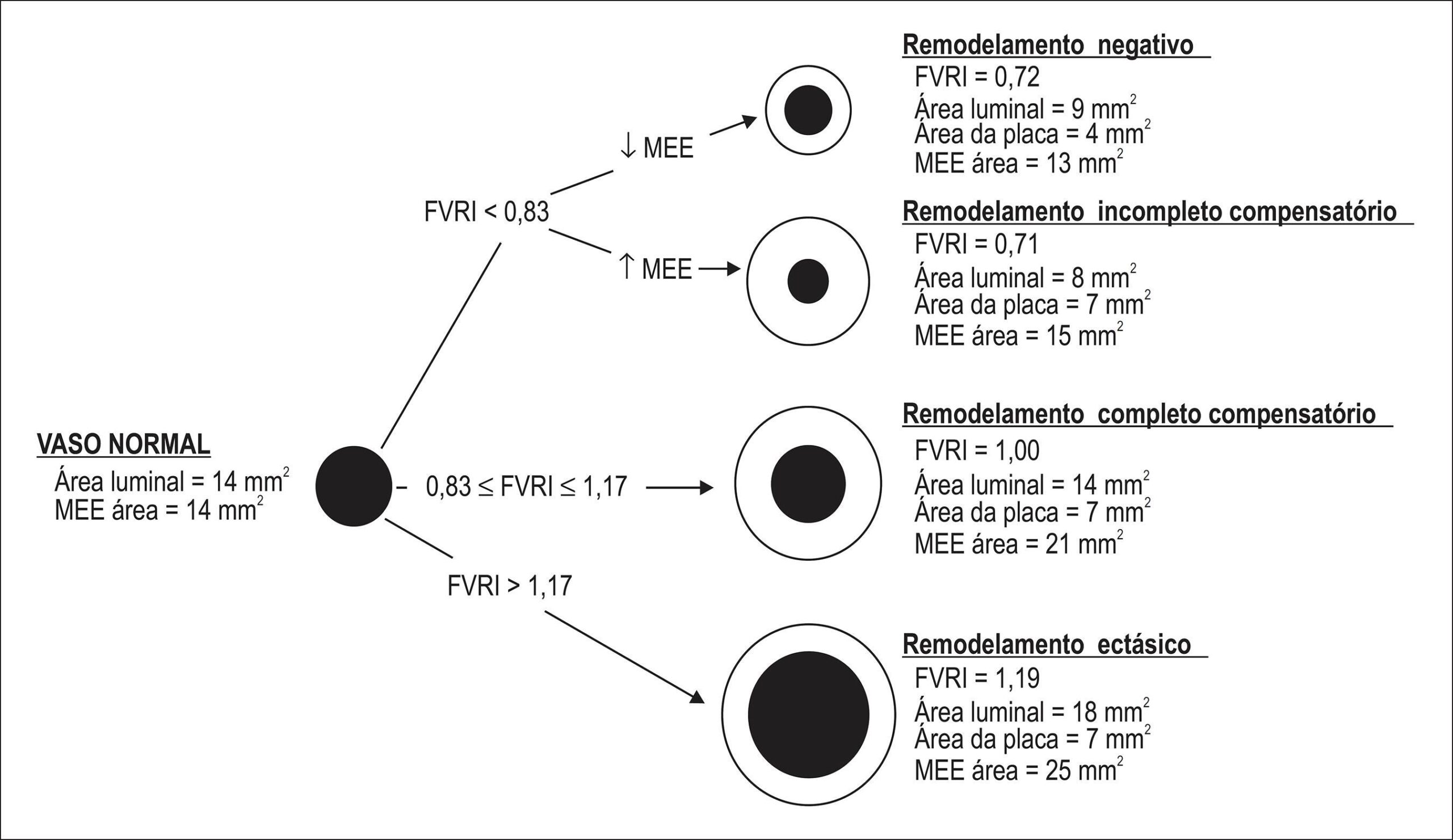
Vascular remodeling, the dynamic dimensional change in face of stress, can assume different directions as well as magnitudes in atherosclerotic disease. Classical measurements rely on reference to segments at a distance, risking inappropriate comparison between dislike vessel portions.

Objective:

to explore a new method for quantifying vessel remodeling, based on the comparison between a given target segment and its inferred normal dimensions.

Methods:

Geometric parameters and plaque composition were determined in 67 patients using three-vessel intravascular ultrasound with virtual histology (IVUS-VH). Coronary vessel remodeling at cross-section (n = 27.639) and lesion (n = 618) levels was assessed using classical metrics and a novel analytic algorithm based on the fractional vessel remodeling index (FVRI), which quantifies the total change in arterial wall dimensions related to the estimated normal dimension of the vessel. A prediction model was built to estimate the normal dimension of the vessel for calculation of FVRI.

Results:

According to the new algorithm, “Ectatic” remodeling pattern was least common, “Complete compensatory” remodeling was present in approximately half of the instances, and “Negative” and “Incomplete compensatory” remodeling types were detected in the remaining. Compared to a traditional diagnostic scheme, FVRI-based classification seemed to better discriminate plaque composition by IVUS-VH.

Conclusion:

Quantitative assessment of coronary remodeling using target segment dimensions offers a promising approach to evaluate the vessel response to plaque growth/regression.

  • Atherosclerosis / physiopathology
  • Coronary Artery Diseases
  • Neovascularization, Pathologic
  • Ultrasonography
  • Vascular Remodeling
Read Full Article
Creative Commons Attribution (CC BY) Creative Commons license
18/08/2015 DOI: 10.5935/abc.20150098 Views 4

How to cite this article

EndNote RIS

Electronic Document Format (Vancouver)

Ogura AY, Barbosa CM, Oliveira-Junior SA. Nitrite Supplementation Attenuates Vascular Stiffness Independently of Physical Exercise. Arquivos Brasileiros de Cardiologia 2025;121(12):e20240836.

Electronic Document Format (ABNT)

Ogura, Alex Yuiti; Barbosa, Claudiane Maria; Oliveira-Junior, Silvio Assis de. Nitrite Supplementation Attenuates Vascular Stiffness Independently of Physical Exercise. Arquivos Brasileiros de Cardiologia, v. 121, n. 12, e20240836, Feb. 2025.

Electronic Document Format (APA)

Ogura, A. Y., Barbosa, C. M., & Oliveira-Junior, S. A. (2025). Nitrite Supplementation Attenuates Vascular Stiffness Independently of Physical Exercise. Arquivos Brasileiros de Cardiologia, 121(12), e20240836.

Electronic Document Format (ISO)

Ogura, Alex Yuiti and Barbosa, Claudiane Maria and Oliveira-Junior, Silvio Assis de. Nitrite Supplementation Attenuates Vascular Stiffness Independently of Physical Exercise. Arquivos Brasileiros de Cardiologia [online]. 2025, vol. 121, n. 12, [cited 2026-10-14], e20240836. Available from: <https://journals.cardiol.br/en/article/nitrite-supplementation-attenuates-vascular-stiffness-independently-of-physical-exercise/>. ISSN 0066-782X

EndNote RIS

Electronic Document Format (Vancouver)

Oliveira AC, Cunha PMGM, Vitorino PVO, Souza ALL, Deus GD, Feitosa A, Barbosa ECD, et al. Vascular Aging and Arterial Stiffness. Arquivos Brasileiros de Cardiologia 2022;119(4):604-15.

Electronic Document Format (ABNT)

Oliveira, Adriana Camargo; Cunha, Pedro Miguel Guimarães Marques; Vitorino, Priscila Valverde de Oliveria; Souza, Ana Luiza Lima; Deus, Gilcimar Divino; Feitosa, Audes; Barbosa, Eduardo Costa Duarte; Gomes, Marco Mota; Jardim, Paulo Cesar B. Veiga; Barroso, Weimar Kunz Sebba. Vascular Aging and Arterial Stiffness. Arquivos Brasileiros de Cardiologia, v. 119, n. 4, p. 604-615, Oct. 2022.

Electronic Document Format (APA)

Oliveira, A. C., Cunha, P. M. G. M., Vitorino, P. V. O., Souza, A. L. L., Deus, G. D., Feitosa, A., Barbosa, E. C. D., Gomes, M. M., Jardim, P. C. B. V., & Barroso, W. K. S. (2022). Vascular Aging and Arterial Stiffness. Arquivos Brasileiros de Cardiologia, 119(4), 604-615.

Electronic Document Format (ISO)

Oliveira, Adriana Camargo and Cunha, Pedro Miguel Guimarães Marques and Vitorino, Priscila Valverde de Oliveria and Souza, Ana Luiza Lima and Deus, Gilcimar Divino and Feitosa, Audes and Barbosa, Eduardo Costa Duarte and Gomes, Marco Mota and Jardim, Paulo Cesar B. Veiga and Barroso, Weimar Kunz Sebba. Vascular Aging and Arterial Stiffness. Arquivos Brasileiros de Cardiologia [online]. 2022, vol. 119, n. 4, [cited 2026-10-14], pp. 604-615. Available from: <https://journals.cardiol.br/en/article/vascular-aging-and-arterial-stiffness-2/>. ISSN 0066-782X

EndNote RIS

Electronic Document Format (Vancouver)

Carvalho KFS, Ferreira AAM, Barbosa NC, Alves JV, Costa RM. Atorvastatin Attenuates Vascular Remodeling in Mice with Metabolic Syndrome. Arquivos Brasileiros de Cardiologia 2021;117(4):737-4.

Electronic Document Format (ABNT)

Carvalho, Karine Ferreira da Silva; Ferreira, Amanda Araújo Marques; Barbosa, Nayara Carvalho; Alves, Juliano Vilela; Costa, Rafael Menezes da. Atorvastatin Attenuates Vascular Remodeling in Mice with Metabolic Syndrome. Arquivos Brasileiros de Cardiologia, v. 117, n. 4, p. 737-747, Jun. 2021.

Electronic Document Format (APA)

Carvalho, K. F. S., Ferreira, A. A. M., Barbosa, N. C., Alves, J. V., & Costa, R. M. (2021). Atorvastatin Attenuates Vascular Remodeling in Mice with Metabolic Syndrome. Arquivos Brasileiros de Cardiologia, 117(4), 737-747.

Electronic Document Format (ISO)

Carvalho, Karine Ferreira da Silva and Ferreira, Amanda Araújo Marques and Barbosa, Nayara Carvalho and Alves, Juliano Vilela and Costa, Rafael Menezes da. Atorvastatin Attenuates Vascular Remodeling in Mice with Metabolic Syndrome. Arquivos Brasileiros de Cardiologia [online]. 2021, vol. 117, n. 4, [cited 2026-10-14], pp. 737-747. Available from: <https://journals.cardiol.br/en/article/atorvastatin-attenuates-vascular-remodeling-in-mice-with-metabolic-syndrome/>. ISSN 0066-782X

EndNote RIS

Electronic Document Format (Vancouver)

Gewehr DM, Salgueiro GR, Noronha L, Kubrusly FB, Kubrusly LF, Coltro GA, Preto PC, et al. Plexiform Lesions in an Experimental Model of Monocrotalin-Induced Pulmonary Arterial Hypertension. Arquivos Brasileiros de Cardiologia 2020;115(3):480-9.

Electronic Document Format (ABNT)

Gewehr, Douglas Mesadri; Salgueiro, Gabriela Rodrigues; Noronha, Lucia de; Kubrusly, Fernando Bermudez; Kubrusly, Luiz Fernando; Coltro, Gabriel Antonio; Preto, Paola Cardoso; Bertoldi, Andressa de Souza; Vieira, Heloisa Iacomo. Plexiform Lesions in an Experimental Model of Monocrotalin-Induced Pulmonary Arterial Hypertension. Arquivos Brasileiros de Cardiologia, v. 115, n. 3, p. 480-490, Sep. 2020.

Electronic Document Format (APA)

Gewehr, D. M., Salgueiro, G. R., Noronha, L. , Kubrusly, F. B., Kubrusly, L. F., Coltro, G. A., Preto, P. C., Bertoldi, A. S., & Vieira, H. I. (2020). Plexiform Lesions in an Experimental Model of Monocrotalin-Induced Pulmonary Arterial Hypertension. Arquivos Brasileiros de Cardiologia, 115(3), 480-490.

Electronic Document Format (ISO)

Gewehr, Douglas Mesadri and Salgueiro, Gabriela Rodrigues and Noronha, Lucia de and Kubrusly, Fernando Bermudez and Kubrusly, Luiz Fernando and Coltro, Gabriel Antonio and Preto, Paola Cardoso and Bertoldi, Andressa de Souza and Vieira, Heloisa Iacomo. Plexiform Lesions in an Experimental Model of Monocrotalin-Induced Pulmonary Arterial Hypertension. Arquivos Brasileiros de Cardiologia [online]. 2020, vol. 115, n. 3, [cited 2026-10-14], pp. 480-490. Available from: <https://journals.cardiol.br/en/article/plexiform-lesions-in-an-experimental-model-of-monocrotalin-induced-pulmonary-arterial-hypertension/>. ISSN 0066-782X

EndNote RIS

Electronic Document Format (Vancouver)

Mikael LR, Paiva AMG, Gomes MM, Sousa ALL, Jardim PCBV, Vitorino PVO, Euzébio MB, et al. Vascular Aging and Arterial Stiffness. Arquivos Brasileiros de Cardiologia 2017;109(3):253-8.

Electronic Document Format (ABNT)

Mikael, Luana de Rezende; Paiva, Anelise Machado Gomes de; Gomes, Marco Mota; Sousa, Ana Luiza Lima; Jardim, Paulo César Brandão Veiga; Vitorino, Priscila Valverde de Oliveira; Euzébio, Maicon Borges; Sousa, Wátila de Moura; Barroso, Weimar Kunz Sebba. Vascular Aging and Arterial Stiffness. Arquivos Brasileiros de Cardiologia, v. 109, n. 3, p. 253-258, Jun. 2017.

Electronic Document Format (APA)

Mikael, L. R., Paiva, A. M. G. , Gomes, M. M., Sousa, A. L. L., Jardim, P. C. B. V., Vitorino, P. V. O., Euzébio, M. B., Sousa, W. M., & Barroso, W. K. S. (2017). Vascular Aging and Arterial Stiffness. Arquivos Brasileiros de Cardiologia, 109(3), 253-258.

Electronic Document Format (ISO)

Mikael, Luana de Rezende and Paiva, Anelise Machado Gomes de and Gomes, Marco Mota and Sousa, Ana Luiza Lima and Jardim, Paulo César Brandão Veiga and Vitorino, Priscila Valverde de Oliveira and Euzébio, Maicon Borges and Sousa, Wátila de Moura and Barroso, Weimar Kunz Sebba. Vascular Aging and Arterial Stiffness. Arquivos Brasileiros de Cardiologia [online]. 2017, vol. 109, n. 3, [cited 2026-10-14], pp. 253-258. Available from: <https://journals.cardiol.br/article/vascular-aging-and-arterial-stiffness/>. ISSN 0066-782X

EndNote RIS

Electronic Document Format (Vancouver)

Rebouças JS, Santos-Magalhães NS, Formiga FR. Cardiac Regeneration using Growth Factors: Advances and Challenges. Arquivos Brasileiros de Cardiologia 2016;107(3):271-5.

Electronic Document Format (ABNT)

Rebouças, Juliana de Souza; Santos-Magalhães, Nereide Stela; Formiga, Fabio Rocha. Cardiac Regeneration using Growth Factors: Advances and Challenges. Arquivos Brasileiros de Cardiologia, v. 107, n. 3, p. 271-275, Jun. 2016.

Electronic Document Format (APA)

Rebouças, J. S., Santos-Magalhães, N. S., & Formiga, F. R. (2016). Cardiac Regeneration using Growth Factors: Advances and Challenges. Arquivos Brasileiros de Cardiologia, 107(3), 271-275.

Electronic Document Format (ISO)

Rebouças, Juliana de Souza and Santos-Magalhães, Nereide Stela and Formiga, Fabio Rocha. Cardiac Regeneration using Growth Factors: Advances and Challenges. Arquivos Brasileiros de Cardiologia [online]. 2016, vol. 107, n. 3, [cited 2026-10-14], pp. 271-275. Available from: <https://journals.cardiol.br/en/article/cardiac-regeneration-using-growth-factors-advances-and-challenges/>. ISSN 0066-782X

EndNote RIS

Electronic Document Format (Vancouver)

Falcão BAA, Falcão JLAA, Morais GR, Silva RC, Lopes AC, Soares PR, Mariani Jr J, et al. A Novel Algorithm to Quantify Coronary Remodeling Using Inferred Normal Dimensions. Arquivos Brasileiros de Cardiologia 2015;105(4):390-8.

Electronic Document Format (ABNT)

Falcão, Breno A. A.; Falcão, João Luiz A. A.; Morais, Gustavo R.; Silva, Rafael C.; Lopes, Augusto C.; Soares, Paulo R.; Mariani Jr, José; Kalil-Filho, Roberto; Edelman, Elazer R.; Lemos, Pedro A.. A Novel Algorithm to Quantify Coronary Remodeling Using Inferred Normal Dimensions. Arquivos Brasileiros de Cardiologia, v. 105, n. 4, p. 390-398, Aug. 2015.

Electronic Document Format (APA)

Falcão, B. A. A., Falcão, J. L. A. A., Morais, G. R., Silva, R. C., Lopes, A. C., Soares, P. R., Mariani Jr, J., Kalil-Filho, R., Edelman, E. R., & Lemos, P. A. (2015). A Novel Algorithm to Quantify Coronary Remodeling Using Inferred Normal Dimensions. Arquivos Brasileiros de Cardiologia, 105(4), 390-398.

Electronic Document Format (ISO)

Falcão, Breno A. A. and Falcão, João Luiz A. A. and Morais, Gustavo R. and Silva, Rafael C. and Lopes, Augusto C. and Soares, Paulo R. and Mariani Jr, José and Kalil-Filho, Roberto and Edelman, Elazer R. and Lemos, Pedro A.. A Novel Algorithm to Quantify Coronary Remodeling Using Inferred Normal Dimensions. Arquivos Brasileiros de Cardiologia [online]. 2015, vol. 105, n. 4, [cited 2026-10-14], pp. 390-398. Available from: <https://journals.cardiol.br/en/article/a-novel-algorithm-to-quantify-coronary-remodeling-using-inferred-normal-dimensions/>. ISSN 0066-782X

  • About ABC Family
  • Internal Regulation
  • Editorial Board
  • Brazilian Society of Cardiology (SBC)

Issues

SBC Guidelines

  • Videos
  • Podcasts
  • News