ABC Family Arquivos Brasileiros de Cardiologia International Journal of Cardiovascular Sciences ABC Heart Failure & Cardiomyopathy ABC Imagem Cardiovascular
Português English
ABC Family
Português English
  • About
    • About ABC Family
    • Internal Regulation
    • Editorial Board
    • Brazilian Society of Cardiology (SBC)
  • Issues
  • SBC Guidelines
  • Content
    • Videos
    • Podcasts
    • News
  • About
    • About ABC Family
    • Internal Regulation
    • Editorial Board
    • Brazilian Society of Cardiology (SBC)
  • Issues
  • SBC Guidelines
  • Content
    • Videos
    • Podcasts
    • News

ABC Family

  • ABC Family
  • Arquivos Brasileiros de Cardiologia
  • International Journal of Cardiovascular Sciences
  • ABC Heart Failure & Cardiomyopathy
  • ABC Imagem Cardiovascular
Search in

No content found.

Journals
Ordering
Article types
Others

  1. Home
  2. Keyword: Coronary Angiography/methods
ABC
Editorial

Brazilian Interventional Cardiology and Chronic Coronary Occlusions: Where Are We?

José Mariani Junior

The coronary atherosclerotic disease has several facets of clinical presentation; chronic coronary occlusion (CCO) is one that produces total obstruction of the lumen of the vessel, known or presumed for three months or more. It is present in 16-18% of patients with significant coronary disease.

Percutaneous treatment of this type of lesion is almost as old as the first coronary angioplasty performed by Andreas Gruntzig in 1979. Martin Kaltenbach first performed it in Frankfurt in the late 1970s and by Geoffrey Hartzler in Kansas City in the following decades., Since then, the growing and spectacular incorporation of technology into medicine, especially in Interventional Cardiology, associated with the knowledge and expertise of new techniques dedicated to complex coronary interventions, which include CCO, have allowed great, safe, and effective advances in the approach to these lesions.

[…]

  • Coronary Angiography/methods
  • Coronary Occlusion/mortality
  • Coronary Occlusion/therapy
  • Diagnostic Imaging/methods
  • Drug-Eluting Stents
  • Ultrasonography,Interventional/methods
Read Full Article
Creative Commons Attribution (CC BY) Creative Commons license
01/05/2023 DOI: 10.36660/abc.20230172
Figure 1
ABC
Image

Intracavitary Right Coronary Artery: An Incidental Finding with Potential Implications for Invasive Cardiac Procedures

Sara Cristina da Silva Borges et al. Catarina Isabel Ribeiro Carvalho Miguel Eduardo Teixeira Moz Gonçalves Ana Isabel Santos Baptista José Ilídio Moreira

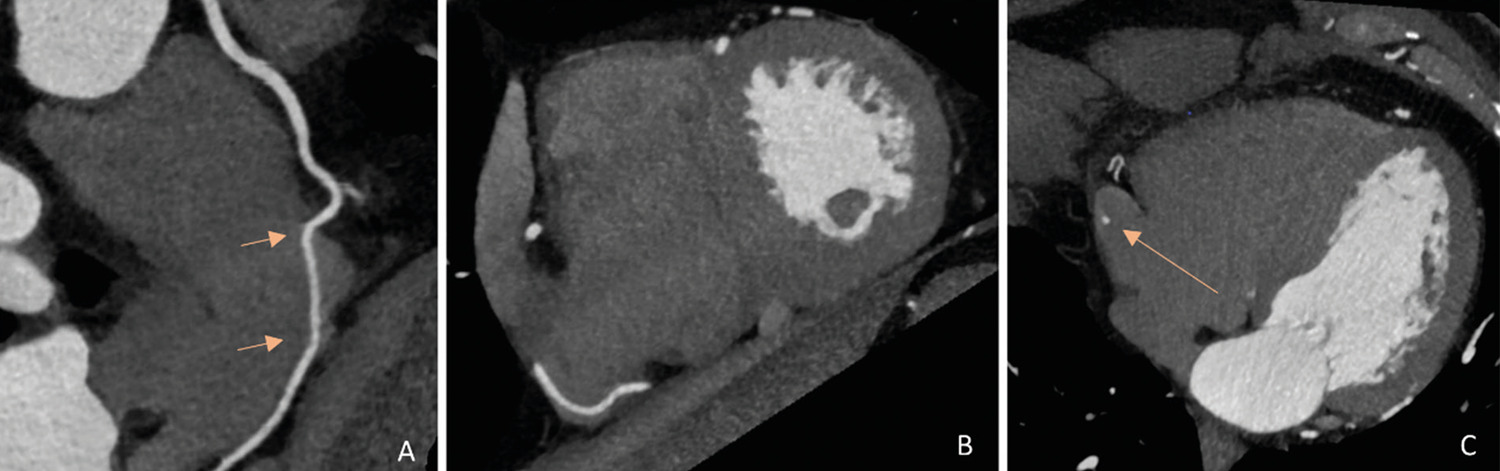
A 66-year-old man with a history of palpitations suggestive of paroxysmal supraventricular tachycardia was referred for CT angiography (CTA) for exertional dyspnea etiology investigation. ECG-gated cardiac CT was performed using the 64-slices dual-source Somatom Go Scanner.

CTA showed the normal origin of the right and left main coronary arteries, and there was no evidence of obstructive coronary artery disease. The proximal right coronary artery (RCA) had a normal epicardial course, but mid-RCA was noted to penetrate the right atrial wall for a 30 mm course within the right atrium, exiting to its usual course in the posterior atrioventricular groove, as demonstrated via the multiplanar reconstruction CT images at maximum intensity projection ( ) as well as 3-dimensional reconstructions ( ).

[…]

  • Anomalous Intracaitary /diagnosis
  • Cardiovascular Abnormalities
  • Coronary Angiography/methods
  • Coronary Vessel Anomalies
  • Tomography, X Ray-Computed/methods
Read Full Article
Creative Commons Attribution (CC BY) Creative Commons license
13/05/2022 DOI: 10.36660/abc.20210819 Views 1
ABC
Original Article

Factors That Impact the Decision to Perform Left Ventriculography in Coronary Artery Disease

Claudia de Castro Lima Santos et al. Ricardo Peixoto Oliveira Joberto Sena Adriano Dourado Oliveira … Marcelo Gottschald Ferreira Ademar Santos Filho Heitor Guissoni José Carlos Brito Gilson Soares Feitosa Gilson Soares Feitosa-Filho

Abstract

Background

Left ventriculography is an invasive method for assessment of left ventricular systolic function. Since the advent of noninvasive methods, its use has been questioned, as it carries some risk to the patient.

Objective

To assess which factors are independently associated with the decision to perform ventriculography in patients with coronary artery disease.

Methods

Analytical, retrospective, database review study of electronic medical records comparing 21 predefined variables of interest among patients undergoing coronary angiography. P-values <0.05 were considered significant.

Results

We evaluated 600 consecutive patients undergoing coronary angiography. Left ventriculography was performed in the majority of cases (54%). After multivariate analysis, patients with chronic coronary syndrome (OR 1.72; 95% CI: 1.20–2.46; p < 0.01) were more likely to undergo the procedure. Patients with known ventricular function (OR 0.58; 95% CI: 0.40–0.85; p < 0.01); those with a history of CABG (OR 0.31; 95% CI: 0.14–0.69; p < 0.01) or hypertension (OR 0.58; 95% CI: 0.36–0.94; p = 0.02); and those with higher creatinine levels (OR 0.42; 95% CI: 0.26–0.69; p < 0.01) had greater odds of not undergoing ventriculography.

Conclusions

In patients undergoing coronary angiography, a diagnosis of chronic coronary syndrome was independently associated with greater likelihood of left ventriculography, while having previously determined ventricular function, a history of hypertension or CABG, and higher creatinine levels were associated with a decreased likelihood of undergoing this procedure.

  • Cardiovascular Diseases
  • Coronary Angiography/methods
  • Coronary Artery Disease
  • Hypertension
  • Myocardial Revascularization/surgery
  • Ventricular Function, Left
  • Ventriculography/methods
Read Full Article
Creative Commons Attribution (CC BY) Creative Commons license
18/03/2022 DOI: 10.36660/abc.20200217 Views 3
ABC
Original Article

Association between the Severity of Coronary Artery Disease and Lung Cancer: A Pilot Cross-Sectional Study

Mingzhuang Sun et al. Qian Yang Meng Li Jing Jing … Hao Zhou Yundai Chen Shunying Hu

Abstract

Background

The direct relationship between coronary artery disease (CAD) and lung cancer is not well known.

Objective

To investigate the association between the anatomical severity of CAD and lung cancer.

Methods

Three-hundred study patients, including 75 recently diagnosed lung cancer patients and 225 matched non-cancer patients, underwent coronary angiography during hospitalization without previous percutaneous coronary intervention (PCI) or coronary artery bypass grafting (CABG). The SYNTAX score (SXscore) was used to assess the severity of CAD. A high SXscore (SXhigh) grade was defined as SXscore > 15 (the highest quartile of the SXscore). The Cochran-Armitage test for trend was used to assess the distribution of patients’ SXscores. Logistic regression analysis was used to assess the association between the severity of CAD and lung cancer. P-values were set when significance level was 5%.

Results

The distribution trend of patients’ SXscore by quartiles was different between lung cancer patients and control patients (from the lowest to the highest quartile: 20.0%, 20.0%, 24.0%, 36.0% vs. 26.7%, 26.2%, 25.8%, 21.3%, p=0.022). The SX high rate was higher in lung cancer patients than in control patients (36.0% vs. 21.3%, p=0.011).The highest quartile of the SXscore showed higher risk of lung cancer in comparison to the lowest quartile (OR: 2,250, 95%CI: 1,077 to 4,699 ; P-trend= 0.016). After adjustment, patients in the highest quartile of the SXscore had higher risk of lung cancer (OR: 2,149, 95%CI: 1,008 to 4,584; P-trend= 0.028). Patients with high SXscore (> 15) had 1,985 times more chances of having lung cancer (95%CI: 1,105–3,563, P= 0.022).

Conclusions

The anatomical severity of CAD is associated with the risk of lung cancer, which indicates that a thorough lung cancer screening may be significant among severe CAD patients.

  • Coronary Angiography/methods
  • Coronary Artery Disease / complications
  • Lung Neoplasms/complications
  • Percutaneous Coronary Intervention/methods
  • Severity of Illness Index
Read Full Article
Creative Commons Attribution (CC BY) Creative Commons license
07/03/2022 DOI: 10.36660/abc.20200478
ABC
Editorial

Neoplasms and the Evaluation of Risk of Cardiovascular Disease

Cristina Salvadori Bittar

Cardiovascular disease (CVD) and neoplasms are currently the two leading causes of mortality in Brazil and in the world. Both the incidence of cancer and neoplasms increase with age, with 77% of cancer cases being diagnosed in patients older than 55 and, concomitantly, the cardiovascular risk is also higher in male patients older than 55 and women older than 65. In Brazil, in 2016, CVDs had the highest rates of mortality and disability-adjusted years of life lost, in both sexes.

Due to the great impact of the two most prevalent diseases that emerge in parallel and interact with each other, it is important to consider how to manage these two diseases individually and from a population point of view. In addition, few studies have explored the population of individuals with a double burden of these diseases.

[…]

  • Coronary Angiography/methods
  • Coronary Artery Disease / complications
  • Lung Neoplasms/complications
  • Percutaneous Coronary Intervention/methods
  • Severity of Illness Index
Read Full Article
Creative Commons Attribution (CC BY) Creative Commons license
07/03/2022 DOI: 10.36660/abc.20220007
Figure 1
ABC
Research Letter

SARS-CoV-2 and Myocardical Injury with ST-Elevation without Coronary Disease

Carolina Ragonetti et al. Enzo Oku Martinazzo Felipe Montesano Fazionato Guilherme Osório Guimarães Ferreira … Milena Piccolo Santana Camila Hartmann

Introduction

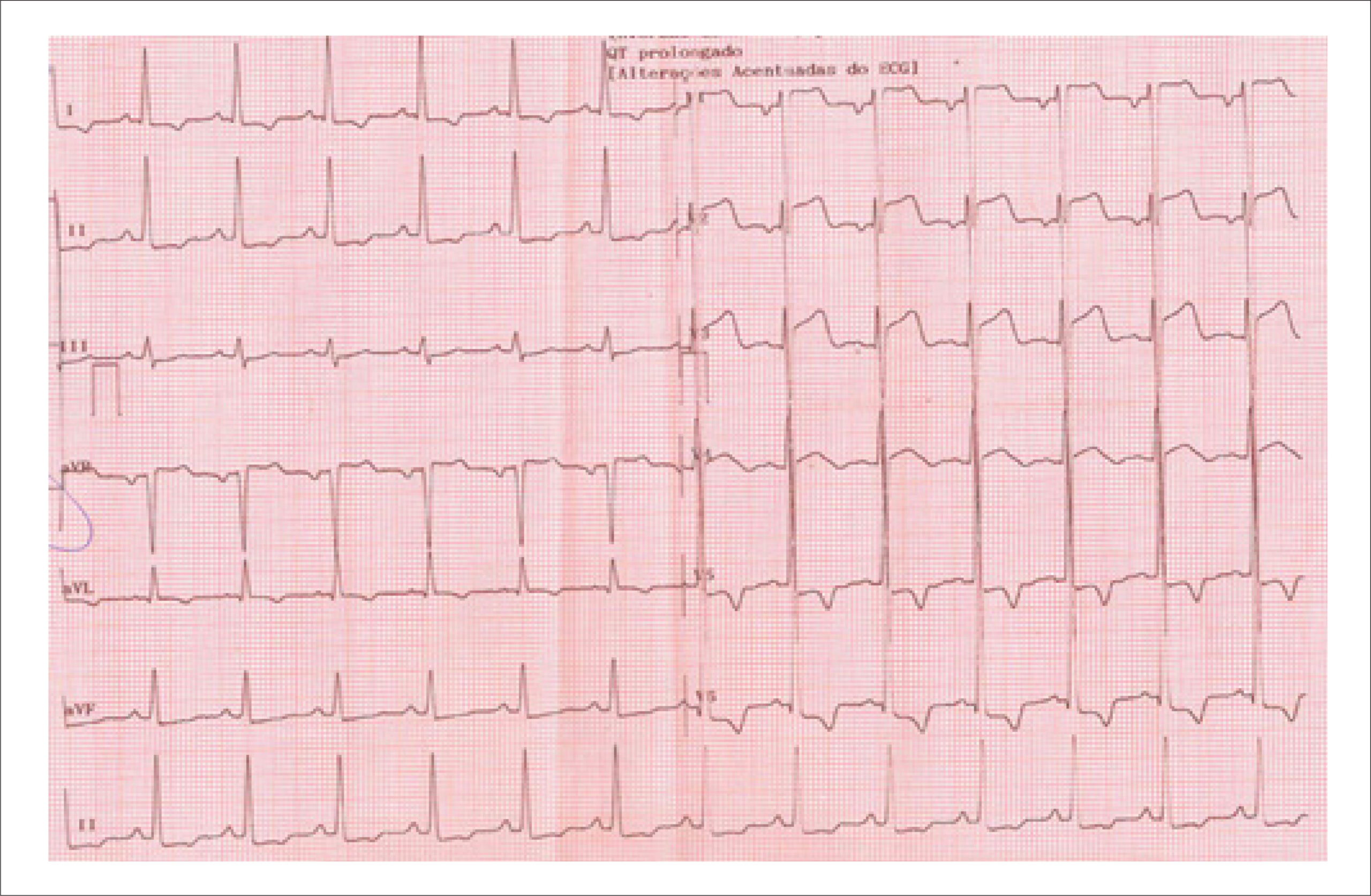
Throughout the SARS-CoV-2 pandemic, there have been reports of infection leading to acute myocardial injury, causing worse clinical outcomes. The manifestations can include troponin elevation, imaging exam abnormalities and electrocardiographic changes. Accordingly, ST-segment elevation (STE) acute myocardial injury has been observed in some patients. However, despite the electrocardiogram (ECG) ischemic changes, complementary exams may not show any obstruction, excluding coronary occlusion as the cause of the injury.

[…]

  • Coronary Angiography/methods
  • Coronavirus-19
  • Electrocardiography/methods
  • Myocarditis/complications
  • Pandemics
  • SARS-CoV-2
  • Takotsubo Cardiomyopathy
Read Full Article
Creative Commons Attribution (CC BY) Creative Commons license
06/09/2021 DOI: 10.36660/abc.20201268 Views 2
ABC
Editorial

Coronary Artery Fistulae

Dario Buccheri

Abstract

Coronary artery fistula is a rare anatomic abnormality of the coronary arteries that affects 0.002% of the general population and represents 14% of all anomalies of coronary arteries. Its clinical relevance focuses mainly on the mechanism of the coronary steal phenomenon, causing myocardial functional ischemia, even in the absence of stenosis; therefore, angina and effort dyspnea are common symptoms. The suggested diagnostic approach is driven by patients’ symptoms, and it consists of a number of instrumental examinations like ECG, treadmill test, echocardiography, computed tomography scan, cardiac magnetic resonance, and coronary angiography. If it is not an incidental finding, coronary angiography is required in view of optimal therapeutic planning. Small fistulae are usually asymptomatic, and prognosis is excellent if they are managed medically with clinical follow-up and echocardiography every 2 to 5 years. Large/giant, symptomatic fistulae, on the contrary, should undergo invasive closure, via either transcatheter approach or surgical ligation, whose results are equivalent at long-term follow-up. Antibiotic prophylaxis for prevention of bacterial endocarditis is recommended in all patients with coronary artery fistulae who undergo dental, gastrointestinal, or urological procedures. Life-long follow-up is always essential to ensure that the patient does not undergo progression of the disease or further cardiac complications.

  • Anti-Bacterial Agents/therapeutic use
  • Arterio-arterial fistula/diagnostic imaging
  • Arterio-arterial fistula/surgery
  • Closure Techniques/trends
  • Coronary Angiography/methods
  • Myocardial Ischemia
Read Full Article
Creative Commons Attribution (CC BY) Creative Commons license
26/07/2021 DOI: 10.36660/abc.20210501
Figure 1
ABC
Research Letter

Three-Dimensional-Printed Heart Prototype for Application in Pediatric Cardiology: An Initial Experiment

Maíra Levorato Basso et al. Alessandra Möbius Gebran Julia Dullius Oliveira Katrin Möbius Gebran … Letícia Carlota Bonatto Maria Cecília Knoll Farah

Introduction

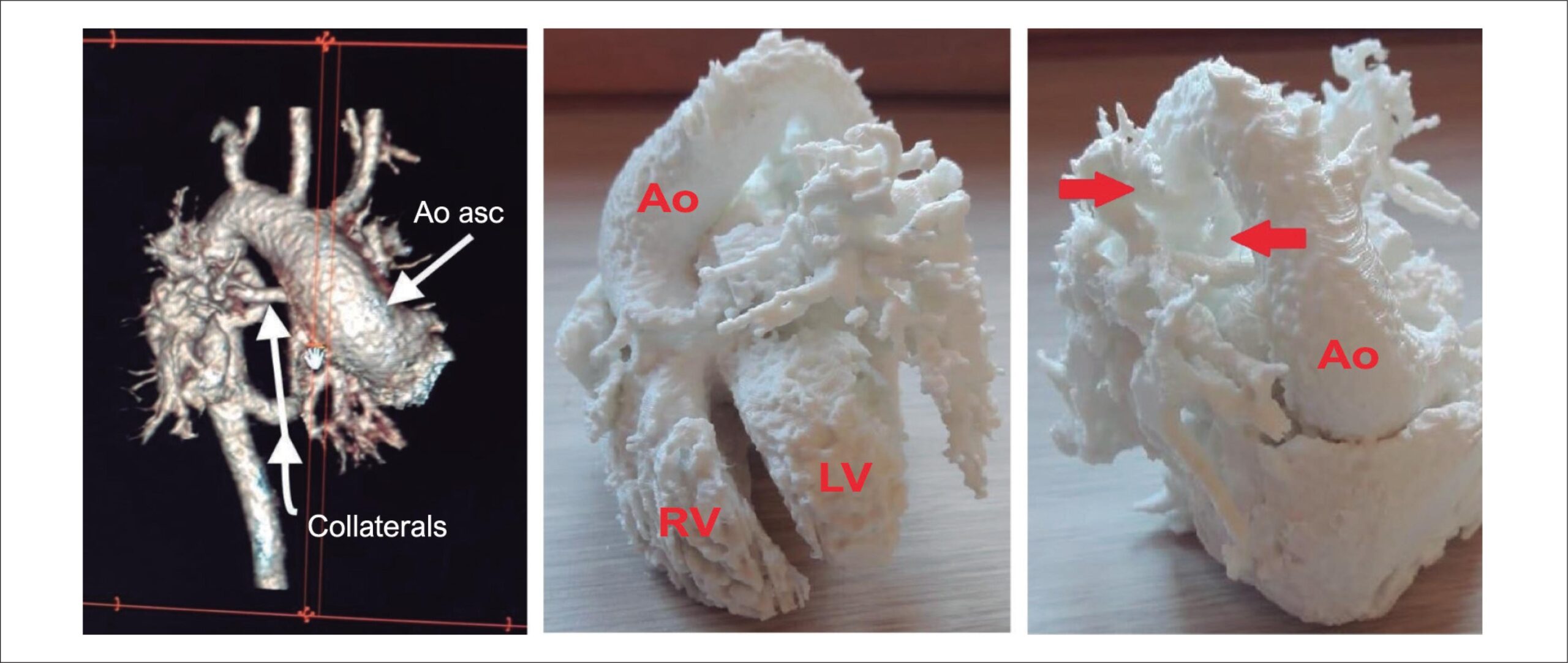
Three-dimensional (3D) prototyping technology is developing rapidly in medicine, and recent studies have shown its important applicability in pediatric cardiology.

Clinicians and surgeons use two-dimensional technologies, such as echocardiography, computed tomography (CT) angiography, and magnetic resonance imaging, to characterize structures and understand complex diseases. Because these images are often projected and extended on a flat screen, they may not represent the actual size of the structures, depth perception, or the proximity between them.

[…]

  • Coronary Angiography/methods
  • Heart Defects, Congenital
  • PrintingThree-Dimensional/trends
  • TomographyX-Ray Computed/methods
Read Full Article
Creative Commons Attribution (CC BY) Creative Commons license
23/04/2021 DOI: 10.36660/abc.20200086 Views 1
Figure 1
ABC
Original Article

Coronary Blood Flow Measurement in Conventional Coronary Angiograms by a New Method Based on Contrast Density Detection. A Physiological Insight

Miguel Lopez-Hidalgo et al. Antonio Eblen-Zajjur

Abstract

Background

TIMI flow grade and corrected TIMI frame count (CTFC) are widely used methods to evaluate angiographic coronary blood flow. Measurement of coronary blood flow (CBF) on standard coronary angiography (CAG) has aroused great interest recently, trying to combine the CTFC concept with new methods for post-angioplasty and for cardiac syndrome X assessment. Additionally, coronary slow flow it is now considered a major criterion for microvascular angina.

Objective

Explore a new approach of quantitative angiographic measurement of CBF based on densitometric contrast detection in CAG off-line, using an accessible software to obtain a more precise and reliable CBF assessment.

Methods

Thirty patients were studied and divided in 2 groups, normal coronary blood flow (NF) and slow coronary blood flow (SF), according to CTFC definition. The DM was applied to the study sample to differentiate between NF and SF. Non-parametric statistics was used to assess differences between groups at p<0.05.

Results

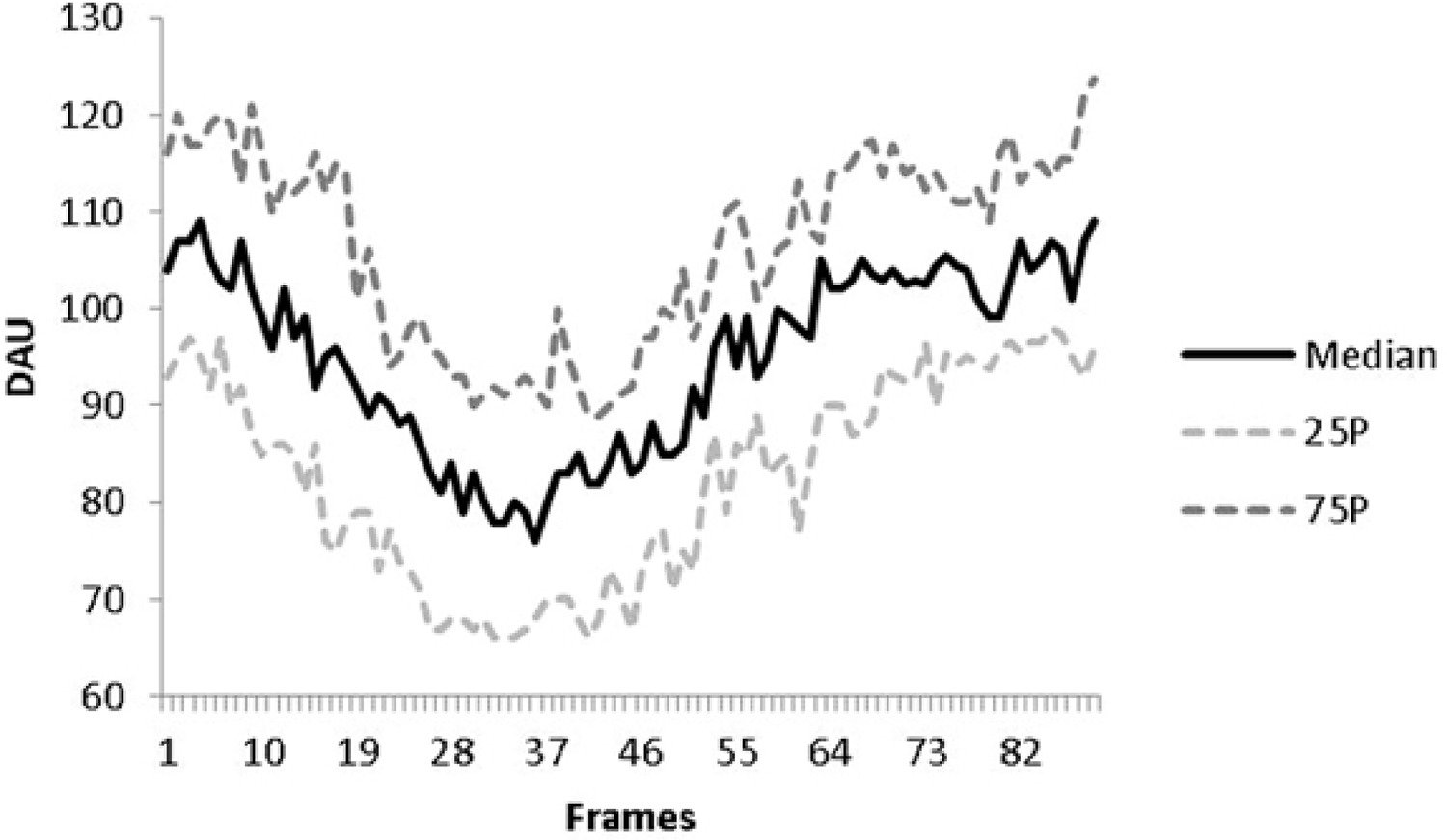
The DM normal reference value obtained for coronary blood flow was 9 [5–10] frames. NF vs SF group were compared and expressed as median [interquartile range], for the left anterior descending: 10 [7-11] vs 21 [8-33];p= 0.016; circumflex: 9 [4-13] vs 14 [11-30]; p= 0.012 and right coronary artery: 5 [3-11] vs 13 [8-26]; p=0.009.

Conclusion

The DM showed the feasibility of measuring coronary blood flow with precision, consistency and reproducible in a standard coronary angiogram, showing the additional capability to differentiate between NF and SF in chest pain patients with normal coronary arteries. (Arq Bras Cardiol. 2020; 115(3):503-512)

  • Blood Circulation/physiopathology
  • Cardiac syndrome X
  • Coronary Angiography/methods
  • Coronary Artery Disease
  • Microvascular Angina
  • Stable Angina
Read Full Article
Creative Commons Attribution (CC BY) Creative Commons license
28/09/2020 DOI: 10.36660/abc.20180283
ABC
Editorial

Coronary Blood Flow Measurement in Conventional Coronary Angiograms by a New Method Based on Contrast Density Detection

Hector M. Garcia-Garcia et al. Pablo Blanco

From its inception, indirect coronary flow assessment by coronary angiography (CAG) has been reported in every catheterization laboratory note as it is regarded a prognostic tool particularly in the context of primary percutaneous coronary intervention. Thrombolysis in myocardial infarction (TIMI) flow grade system and, somewhat less often, corrected TIMI Frame Count (CTFC) are the two most commonly used scores to reflect the status of coronary blood flow (CBF). In this issue, Lopez-Hidalgo and Eblen-Zajjur report a new approach of quantitative angiographic measurement of CBF based on densitometric (DM) contrast detection in off-line CAG. To this aim, thirty patients were studied and divided into 2 groups: normal coronary blood flow (NF) and slow coronary blood flow (SF), according to the CTFC. The authors concluded that the new DM method was feasible and showed some capability to differentiate between normal flow (NF) and slow flow (SF) in patients with chest pain and normal coronary arteries.

The authors have devised a creative approach to indirect measurement of CBF, both quantitatively and objectively. This approach partly overcomes the limitations of the traditional TIMI and CTFC scores. For this reason, we would like to congratulate the authors on this novel report. Having said this, some points deserve further discussion. First, there was an attempt to define “normal” coronary flow. Using the study population, the cut-off was derived from CAG. One can never be sure whether these patients have actually normal CBF. Traditionally, non-invasive methods (such as Positron Emission Tomography and Cardiac Magnetic Resonance Imaging) and invasive methods (i.e. Doppler Wire and thermodilution) are considered the best approaches to measure CBF and standard normality values are known for each technology. In the report, the definition of “normal” values may be, at best, an approximated surrogate to the real CBF.

[…]

  • Contrast Sensitivity
  • Coronary Angiography/methods
  • coronary circulation
  • Regional Blood Flow Pulse
Read Full Article
Creative Commons Attribution (CC BY) Creative Commons license
28/09/2020 DOI: 10.36660/abc.20200936 Views 1
IJCS
Viewpoint

Invasive Coronary Physiological Assessment in Symptomatic Middle-Aged Endurance Athletes

Omar M. Issa et al. J. Sawalla Guseh Ignacio Inglessis Aaron L. Baggish

Abstract

Despite the health benefits of routine exercise, coronary artery disease (CAD) is common among older competitive athletes and is an important cause of sudden cardiac death. Athletes with suspected or confirmed CAD routinely undergo conventional coronary angiography involving the performance of invasive coronary physiological assessment using the fractional flow reserve (FFR) or the instantaneous-wave free ratio (iFR). Data defining the role of invasive coronary physiological assessment, while robust in general clinical populations, are untested among older competitive athletes with CAD. The paper discusses the challenges and uncertainties surrounding the use of the FFR and iFR in this unique population with an emphasis on the need for future work to better define this approach.

  • Adult
  • Athletes
  • Circuit Based Exercise/mortality
  • Coronary Angiography/methods
  • Coronary Artery Disease
  • Fractional Flow Reserve
  • Myocardial
  • physical fitness
Read Full Article
Creative Commons Attribution (CC BY) Creative Commons license
12/08/2019 DOI: 10.5935/2359-4802.20190063
Figure 1
IJCS
Original Article

Relationship between Obesity and Coronary Artery Disease Defined by Coronary Computed Tomography Angiography

Lara Luiza Silvello Pereira et al. Gisele Marochi de Moraes Adriano Camargo de Castro Carneiro Valéria de Melo Moreira … Juliana Hiromi Silva Matsumoto Bello Carlos Eduardo Elias dos Prazeres Carlos Eduardo Rochitte Tiago Magalhaes

Abstract

Background:

Although associated with traditional cardiovascular risk factors, it is unclear whether obesity alone is associated with coronary artery disease (CAD).

Objective:

To investigate the role of obesity as a risk factor for CAD, defined by coronary computed tomography angiography (CCTA).

Methods:

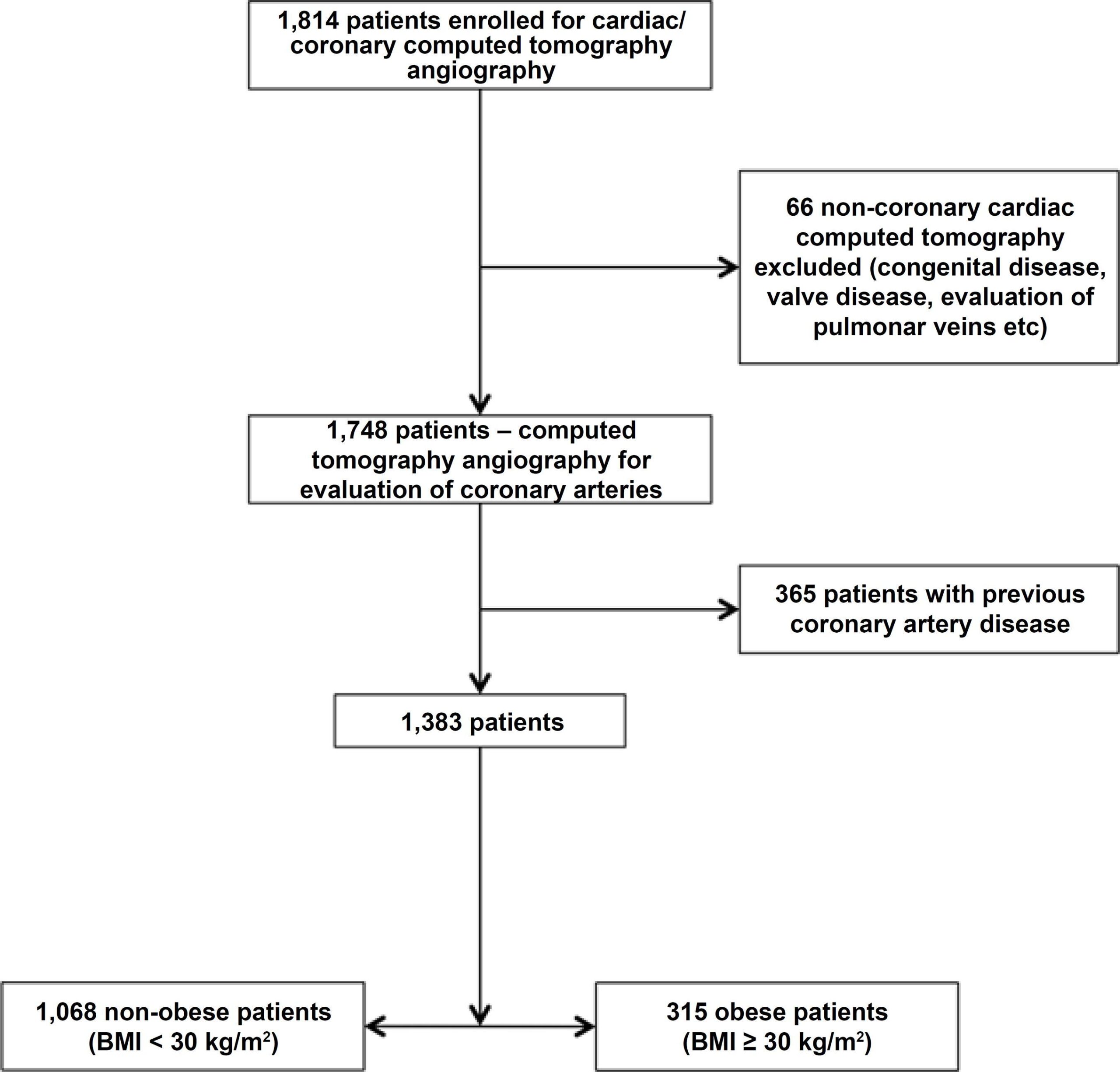
This study retrospectively included 1,814 patients referred for CCTA in a hospital in São Paulo, from August 2010 to July 2012. CAD was identified by coronary calcium score and presence of coronary stenosis > 50%. Images were analyzed by two specialists, and the coronary findings were compared between obese and non-obese groups. A multivariate analysis model was used to assess obesity as an independent variable for the occurrence of obstructive CAD.

Results:

Among the study population, mean age was 58.5 +/- 11.5 years, 22.8% were obese (BMI = 30 kg/m2) and 66.3% were male. The prevalence of obstructive CAD was 18.4% in both groups. Obese patients had higher median calcium score compared to non-obese subjects (14.7 vs. 1.4, respectively, p = 0.019). In the multivariate analysis, obesity was not an independent factor for obstructive CAD (coefficient = -0.035, p = 0.102).

Conclusion:

Although no differences were observed in the prevalence of obstructive CAD between obese and non-obese individuals, coronary calcium scores were significantly in lower the latter group.

  • body mass index
  • Coronary Angiography/methods
  • Coronary Artery Disease
  • Dyslipidemias
  • Obesity
  • Prevalence
  • Risk Factors
  • Tomography/métodos
Read Full Article
Creative Commons Attribution (CC BY) Creative Commons license
01/04/2019 DOI: 10.5935/2359-4802.20190029 Views 1
Figure 1
ABC
Original Article

Fractional Flow Reserve-Guided Strategy in Acute Coronary Syndrome. A Systematic Review and Meta-Analysis

José Luís Martins et al. Vera Afreixo José Santos Lino Gonçalves

Abstract

Background:

There are limited data on the prognosis of deferral of lesion treatment in patients with acute coronary syndrome (ACS) based on fractional flow reserve (FFR).

Objectives:

To provide a systematic review of the current evidence on the prognosis of deferred lesions in ACS patients compared with deferred lesions in non-ACS patients, on the basis of FFR.

Methods:

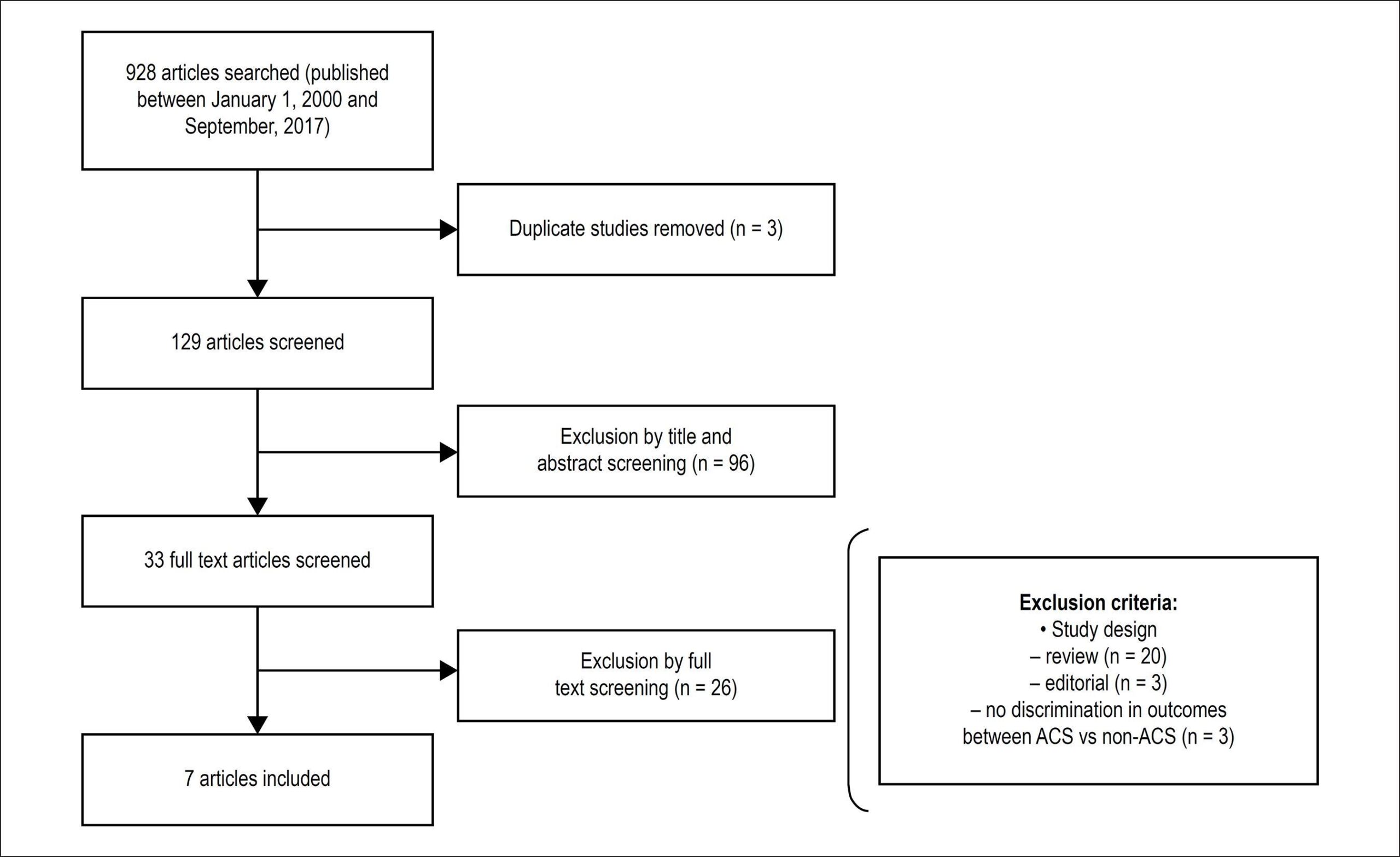
We searched Medline, EMBASE, and the Cochrane Library for studies published between January 2000 and September 2017 that compared prognosis of deferred revascularization of lesions on the basis of FFR in ACS patients compared with non-ACS patients. We conducted a pooled relative risk meta-analysis of four primary outcomes: mortality, cardiovascular (CV) mortality, myocardial infarction (MI) and target-vessel revascularization (TVR).

Results:

We identified 7 studies that included a total of 5,107 patients. A pooled meta-analysis showed no significant difference in mortality (relative risk [RR] = 1.44; 95% CI, 0.9-2.4), CV mortality (RR = 1.29; 95% CI = 0.4-4.3) and TVR (RR = 1.46; 95% CI = 0.9-2.3) after deferral of revascularization based on FFR between ACS and non-ACS patients. Such deferral was associated with significant additional risk of MI (RR = 1.83; 95% CI = 1.4-2.4) in ACS patients.

Conclusion:

The prognostic value of FFR in ACS setting is not as good as in stable patients. The results demonstrate an increased risk of MI but not of mortality, CV mortality, and TVR in ACS patients.

  • Acute Coronary Syndrome/physiopathology
  • Coronary Angiography/methods
  • Fractional Flow Reserve Myocardial/physiology
  • Microvessels
  • Percutaneous Coronary Intervention/methods
  • Reproducibility of Results
  • Vascular Resistance
Read Full Article
Creative Commons Attribution (CC BY) Creative Commons license
21/09/2018 DOI: 10.5935/abc.20180170 Views 1

How to cite this article

EndNote RIS

Electronic Document Format (Vancouver)

Mariani Junior J. Brazilian Interventional Cardiology and Chronic Coronary Occlusions: Where Are We?. Arquivos Brasileiros de Cardiologia 2023;120(4):e20230172.

Electronic Document Format (ABNT)

Mariani Junior, José. Brazilian Interventional Cardiology and Chronic Coronary Occlusions: Where Are We?. Arquivos Brasileiros de Cardiologia, v. 120, n. 4, e20230172, Apr. 2023.

Electronic Document Format (APA)

Mariani Junior, J. (2023). Brazilian Interventional Cardiology and Chronic Coronary Occlusions: Where Are We?. Arquivos Brasileiros de Cardiologia, 120(4), e20230172.

Electronic Document Format (ISO)

Mariani Junior, José. Brazilian Interventional Cardiology and Chronic Coronary Occlusions: Where Are We?. Arquivos Brasileiros de Cardiologia [online]. 2023, vol. 120, n. 4, [cited 2026-10-14], e20230172. Available from: <https://journals.cardiol.br/en/article/brazilian-interventional-cardiology-and-chronic-coronary-occlusions-where-are-we/>. ISSN 0066-782X

EndNote RIS

Electronic Document Format (Vancouver)

Borges SCS, Carvalho CIR, Gonçalves METM, Baptista AIS, Moreira JI. Intracavitary Right Coronary Artery: An Incidental Finding with Potential Implications for Invasive Cardiac Procedures. Arquivos Brasileiros de Cardiologia 2022;118(5):1000-1.

Electronic Document Format (ABNT)

Borges, Sara Cristina da Silva; Carvalho, Catarina Isabel Ribeiro; Gonçalves, Miguel Eduardo Teixeira Moz; Baptista, Ana Isabel Santos; Moreira, José Ilídio. Intracavitary Right Coronary Artery: An Incidental Finding with Potential Implications for Invasive Cardiac Procedures. Arquivos Brasileiros de Cardiologia, v. 118, n. 5, p. 1000-1001, May. 2022.

Electronic Document Format (APA)

Borges, S. C. S., Carvalho, C. I. R., Gonçalves, M. E. T. M., Baptista, A. I. S., & Moreira, J. I. (2022). Intracavitary Right Coronary Artery: An Incidental Finding with Potential Implications for Invasive Cardiac Procedures. Arquivos Brasileiros de Cardiologia, 118(5), 1000-1001.

Electronic Document Format (ISO)

Borges, Sara Cristina da Silva and Carvalho, Catarina Isabel Ribeiro and Gonçalves, Miguel Eduardo Teixeira Moz and Baptista, Ana Isabel Santos and Moreira, José Ilídio. Intracavitary Right Coronary Artery: An Incidental Finding with Potential Implications for Invasive Cardiac Procedures. Arquivos Brasileiros de Cardiologia [online]. 2022, vol. 118, n. 5, [cited 2026-10-14], pp. 1000-1001. Available from: <https://journals.cardiol.br/en/article/intracavitary-right-coronary-artery-an-incidental-finding-with-potential-implications-for-invasive-cardiac-procedures/>. ISSN 0066-782X

EndNote RIS

Electronic Document Format (Vancouver)

Santos CCL, Oliveira RP, Sena J, Oliveira AD, Ferreira MG, Santos Filho A, Guissoni H, et al. Factors That Impact the Decision to Perform Left Ventriculography in Coronary Artery Disease. Arquivos Brasileiros de Cardiologia 2022;118(3):607-13.

Electronic Document Format (ABNT)

Santos, Claudia de Castro Lima; Oliveira, Ricardo Peixoto; Sena, Joberto; Oliveira, Adriano Dourado; Ferreira, Marcelo Gottschald; Santos Filho, Ademar; Guissoni, Heitor; Brito, José Carlos; Feitosa, Gilson Soares; Feitosa-Filho, Gilson Soares. Factors That Impact the Decision to Perform Left Ventriculography in Coronary Artery Disease. Arquivos Brasileiros de Cardiologia, v. 118, n. 3, p. 607-613, Mar. 2022.

Electronic Document Format (APA)

Santos, C. C. L., Oliveira, R. P., Sena, J., Oliveira, A. D., Ferreira, M. G., Santos Filho, A., Guissoni, H., Brito, J. C., Feitosa, G. S., & Feitosa-Filho, G. S. (2022). Factors That Impact the Decision to Perform Left Ventriculography in Coronary Artery Disease. Arquivos Brasileiros de Cardiologia, 118(3), 607-613.

Electronic Document Format (ISO)

Santos, Claudia de Castro Lima and Oliveira, Ricardo Peixoto and Sena, Joberto and Oliveira, Adriano Dourado and Ferreira, Marcelo Gottschald and Santos Filho, Ademar and Guissoni, Heitor and Brito, José Carlos and Feitosa, Gilson Soares and Feitosa-Filho, Gilson Soares. Factors That Impact the Decision to Perform Left Ventriculography in Coronary Artery Disease. Arquivos Brasileiros de Cardiologia [online]. 2022, vol. 118, n. 3, [cited 2026-10-14], pp. 607-613. Available from: <https://journals.cardiol.br/en/article/factors-that-impact-the-decision-to-perform-left-ventriculography-in-coronary-artery-disease/>. ISSN 0066-782X

EndNote RIS

Electronic Document Format (Vancouver)

Sun M, Yang Q, Li M, Jing , Zhou H, Chen Y, Hu S, et al. Association between the Severity of Coronary Artery Disease and Lung Cancer: A Pilot Cross-Sectional Study. Arquivos Brasileiros de Cardiologia 2022;118(2):478-85.

Electronic Document Format (ABNT)

Sun, Mingzhuang; Yang, Qian; Li, Meng; Jing, ; Zhou, Hao; Chen, Yundai; Hu, Shunying. Association between the Severity of Coronary Artery Disease and Lung Cancer: A Pilot Cross-Sectional Study. Arquivos Brasileiros de Cardiologia, v. 118, n. 2, p. 478-485, Mar. 2022.

Electronic Document Format (APA)

Sun, M., Yang, Q., Li, M., Jing, , Zhou, H., Chen, Y., & Hu, S. (2022). Association between the Severity of Coronary Artery Disease and Lung Cancer: A Pilot Cross-Sectional Study. Arquivos Brasileiros de Cardiologia, 118(2), 478-485.

Electronic Document Format (ISO)

Sun, Mingzhuang and Yang, Qian and Li, Meng and Jing and Zhou, Hao and Chen, Yundai and Hu, Shunying. Association between the Severity of Coronary Artery Disease and Lung Cancer: A Pilot Cross-Sectional Study. Arquivos Brasileiros de Cardiologia [online]. 2022, vol. 118, n. 2, [cited 2026-10-14], pp. 478-485. Available from: <https://journals.cardiol.br/en/article/association-between-the-severity-of-coronary-artery-disease-and-lung-cancer-a-pilot-cross-sectional-study/>. ISSN 0066-782X

EndNote RIS

Electronic Document Format (Vancouver)

Bittar CS. Neoplasms and the Evaluation of Risk of Cardiovascular Disease. Arquivos Brasileiros de Cardiologia 2022;118(2):486-7.

Electronic Document Format (ABNT)

Bittar, Cristina Salvadori. Neoplasms and the Evaluation of Risk of Cardiovascular Disease. Arquivos Brasileiros de Cardiologia, v. 118, n. 2, p. 486-487, Mar. 2022.

Electronic Document Format (APA)

Bittar, C. S. (2022). Neoplasms and the Evaluation of Risk of Cardiovascular Disease. Arquivos Brasileiros de Cardiologia, 118(2), 486-487.

Electronic Document Format (ISO)

Bittar, Cristina Salvadori. Neoplasms and the Evaluation of Risk of Cardiovascular Disease. Arquivos Brasileiros de Cardiologia [online]. 2022, vol. 118, n. 2, [cited 2026-10-14], pp. 486-487. Available from: <https://journals.cardiol.br/en/article/neoplasms-and-the-evaluation-of-risk-of-cardiovascular-disease/>. ISSN 0066-782X

EndNote RIS

Electronic Document Format (Vancouver)

Ragonetti C, Martinazzo EO, Fazionato FM, Ferreira GOG, Santana MP, Hartmann C. SARS-CoV-2 and Myocardical Injury with ST-Elevation without Coronary Disease. Arquivos Brasileiros de Cardiologia 2021;117(2):411-4.

Electronic Document Format (ABNT)

Ragonetti, Carolina; Martinazzo, Enzo Oku; Fazionato, Felipe Montesano; Ferreira, Guilherme Osório Guimarães; Santana, Milena Piccolo; Hartmann, Camila. SARS-CoV-2 and Myocardical Injury with ST-Elevation without Coronary Disease. Arquivos Brasileiros de Cardiologia, v. 117, n. 2, p. 411-414, Sep. 2021.

Electronic Document Format (APA)

Ragonetti, C., Martinazzo, E. O., Fazionato, F. M., Ferreira, G. O. G., Santana, M. P., & Hartmann, C. (2021). SARS-CoV-2 and Myocardical Injury with ST-Elevation without Coronary Disease. Arquivos Brasileiros de Cardiologia, 117(2), 411-414.

Electronic Document Format (ISO)

Ragonetti, Carolina and Martinazzo, Enzo Oku and Fazionato, Felipe Montesano and Ferreira, Guilherme Osório Guimarães and Santana, Milena Piccolo and Hartmann, Camila. SARS-CoV-2 and Myocardical Injury with ST-Elevation without Coronary Disease. Arquivos Brasileiros de Cardiologia [online]. 2021, vol. 117, n. 2, [cited 2026-10-14], pp. 411-414. Available from: <https://journals.cardiol.br/en/article/sars-cov-2-and-myocardical-injury-with-st-elevation-without-coronary-disease/>. ISSN 0066-782X

EndNote RIS

Electronic Document Format (Vancouver)

Buccheri D. Coronary Artery Fistulae. Arquivos Brasileiros de Cardiologia 2021;117(1):89-90.

Electronic Document Format (ABNT)

Buccheri, Dario. Coronary Artery Fistulae. Arquivos Brasileiros de Cardiologia, v. 117, n. 1, p. 89-90, Jul. 2021.

Electronic Document Format (APA)

Buccheri, D. (2021). Coronary Artery Fistulae. Arquivos Brasileiros de Cardiologia, 117(1), 89-90.

Electronic Document Format (ISO)

Buccheri, Dario. Coronary Artery Fistulae. Arquivos Brasileiros de Cardiologia [online]. 2021, vol. 117, n. 1, [cited 2026-10-14], pp. 89-90. Available from: <https://journals.cardiol.br/en/article/coronary-artery-fistulae/>. ISSN 0066-782X

EndNote RIS

Electronic Document Format (Vancouver)

Basso ML, Gebran AM, Oliveira JD, Gebran KM, Bonatto LC, Farah MCK. Three-Dimensional-Printed Heart Prototype for Application in Pediatric Cardiology: An Initial Experiment. Arquivos Brasileiros de Cardiologia 2021;116(3):507-9.

Electronic Document Format (ABNT)

Basso, Maíra Levorato; Gebran, Alessandra Möbius; Oliveira, Julia Dullius; Gebran, Katrin Möbius; Bonatto, Letícia Carlota; Farah, Maria Cecília Knoll. Three-Dimensional-Printed Heart Prototype for Application in Pediatric Cardiology: An Initial Experiment. Arquivos Brasileiros de Cardiologia, v. 116, n. 3, p. 507-509, Apr. 2021.

Electronic Document Format (APA)

Basso, M. L., Gebran, A. M., Oliveira, J. D., Gebran, K. M., Bonatto, L. C., & Farah, M. C. K. (2021). Three-Dimensional-Printed Heart Prototype for Application in Pediatric Cardiology: An Initial Experiment. Arquivos Brasileiros de Cardiologia, 116(3), 507-509.

Electronic Document Format (ISO)

Basso, Maíra Levorato and Gebran, Alessandra Möbius and Oliveira, Julia Dullius and Gebran, Katrin Möbius and Bonatto, Letícia Carlota and Farah, Maria Cecília Knoll. Three-Dimensional-Printed Heart Prototype for Application in Pediatric Cardiology: An Initial Experiment. Arquivos Brasileiros de Cardiologia [online]. 2021, vol. 116, n. 3, [cited 2026-10-14], pp. 507-509. Available from: <https://journals.cardiol.br/en/article/three-dimensional-printed-heart-prototype-for-application-in-pediatric-cardiology-an-initial-experiment/>. ISSN 0066-782X

EndNote RIS

Electronic Document Format (Vancouver)

Lopez-Hidalgo M, Eblen-Zajjur A. Coronary Blood Flow Measurement in Conventional Coronary Angiograms by a New Method Based on Contrast Density Detection. A Physiological Insight. Arquivos Brasileiros de Cardiologia 2020;115(3):503-12.

Electronic Document Format (ABNT)

Lopez-Hidalgo, Miguel; Eblen-Zajjur, Antonio. Coronary Blood Flow Measurement in Conventional Coronary Angiograms by a New Method Based on Contrast Density Detection. A Physiological Insight. Arquivos Brasileiros de Cardiologia, v. 115, n. 3, p. 503-512, Sep. 2020.

Electronic Document Format (APA)

Lopez-Hidalgo, M., & Eblen-Zajjur, A. (2020). Coronary Blood Flow Measurement in Conventional Coronary Angiograms by a New Method Based on Contrast Density Detection. A Physiological Insight. Arquivos Brasileiros de Cardiologia, 115(3), 503-512.

Electronic Document Format (ISO)

Lopez-Hidalgo, Miguel and Eblen-Zajjur, Antonio. Coronary Blood Flow Measurement in Conventional Coronary Angiograms by a New Method Based on Contrast Density Detection. A Physiological Insight. Arquivos Brasileiros de Cardiologia [online]. 2020, vol. 115, n. 3, [cited 2026-10-14], pp. 503-512. Available from: <https://journals.cardiol.br/en/article/coronary-blood-flow-measurement-in-conventional-coronary-angiograms-by-a-new-method-based-on-contrast-density-detection-a-physiological-insight/>. ISSN 0066-782X

EndNote RIS

Electronic Document Format (Vancouver)

Garcia-Garcia HM, Blanco P. Coronary Blood Flow Measurement in Conventional Coronary Angiograms by a New Method Based on Contrast Density Detection. Arquivos Brasileiros de Cardiologia 2020;115(3):513-4.

Electronic Document Format (ABNT)

Garcia-Garcia, Hector M.; Blanco, Pablo. Coronary Blood Flow Measurement in Conventional Coronary Angiograms by a New Method Based on Contrast Density Detection. Arquivos Brasileiros de Cardiologia, v. 115, n. 3, p. 513-514, Sep. 2020.

Electronic Document Format (APA)

Garcia-Garcia, H. M., & Blanco, P. (2020). Coronary Blood Flow Measurement in Conventional Coronary Angiograms by a New Method Based on Contrast Density Detection. Arquivos Brasileiros de Cardiologia, 115(3), 513-514.

Electronic Document Format (ISO)

Garcia-Garcia, Hector M. and Blanco, Pablo. Coronary Blood Flow Measurement in Conventional Coronary Angiograms by a New Method Based on Contrast Density Detection. Arquivos Brasileiros de Cardiologia [online]. 2020, vol. 115, n. 3, [cited 2026-10-14], pp. 513-514. Available from: <https://journals.cardiol.br/en/article/coronary-blood-flow-measurement-in-conventional-coronary-angiograms-by-a-new-method-based-on-contrast-density-detection/>. ISSN 0066-782X

EndNote RIS

Electronic Document Format (Vancouver)

Issa OM, Guseh JS, Inglessis I, Baggish AL. Invasive Coronary Physiological Assessment in Symptomatic Middle-Aged Endurance Athletes. International Journal of Cardiovascular Sciences 2019;32(4):326-30.

Electronic Document Format (ABNT)

Issa, Omar M.; Guseh, J. Sawalla; Inglessis, Ignacio; Baggish, Aaron L.. Invasive Coronary Physiological Assessment in Symptomatic Middle-Aged Endurance Athletes. International Journal of Cardiovascular Sciences, v. 32, n. 4, p. 326-330, Aug. 2019.

Electronic Document Format (APA)

Issa, O. M., Guseh, J. S., Inglessis, I., & Baggish, A. L. (2019). Invasive Coronary Physiological Assessment in Symptomatic Middle-Aged Endurance Athletes. International Journal of Cardiovascular Sciences, 32(4), 326-330.

Electronic Document Format (ISO)

Issa, Omar M. and Guseh, J. Sawalla and Inglessis, Ignacio and Baggish, Aaron L.. Invasive Coronary Physiological Assessment in Symptomatic Middle-Aged Endurance Athletes. International Journal of Cardiovascular Sciences [online]. 2019, vol. 32, n. 4, [cited 2026-10-14], pp. 326-330. Available from: <https://journals.cardiol.br/en/article/invasive-coronary-physiological-assessment-in-symptomatic-middle-aged-endurance-athletes/>. ISSN 2359-4802

EndNote RIS

Electronic Document Format (Vancouver)

Pereira LLS, Moraes GM, Carneiro ACC, Moreira VM, Bello JHSM, Prazeres CEE, Rochitte CE, et al. Relationship between Obesity and Coronary Artery Disease Defined by Coronary Computed Tomography Angiography. International Journal of Cardiovascular Sciences 2019;33(1):57-64.

Electronic Document Format (ABNT)

Pereira, Lara Luiza Silvello; Moraes, Gisele Marochi de; Carneiro, Adriano Camargo de Castro; Moreira, Valéria de Melo; Bello, Juliana Hiromi Silva Matsumoto; Prazeres, Carlos Eduardo Elias dos; Rochitte, Carlos Eduardo; Magalhaes, Tiago. Relationship between Obesity and Coronary Artery Disease Defined by Coronary Computed Tomography Angiography. International Journal of Cardiovascular Sciences, v. 33, n. 1, p. 57-64, Mar. 2019.

Electronic Document Format (APA)

Pereira, L. L. S., Moraes, G. M. , Carneiro, A. C. C., Moreira, V. M., Bello, J. H. S. M., Prazeres, C. E. E. , Rochitte, C. E., & Magalhaes, T. (2019). Relationship between Obesity and Coronary Artery Disease Defined by Coronary Computed Tomography Angiography. International Journal of Cardiovascular Sciences, 33(1), 57-64.

Electronic Document Format (ISO)

Pereira, Lara Luiza Silvello and Moraes, Gisele Marochi de and Carneiro, Adriano Camargo de Castro and Moreira, Valéria de Melo and Bello, Juliana Hiromi Silva Matsumoto and Prazeres, Carlos Eduardo Elias dos and Rochitte, Carlos Eduardo and Magalhaes, Tiago. Relationship between Obesity and Coronary Artery Disease Defined by Coronary Computed Tomography Angiography. International Journal of Cardiovascular Sciences [online]. 2019, vol. 33, n. 1, [cited 2026-10-14], pp. 57-64. Available from: <https://journals.cardiol.br/en/article/relationship-between-obesity-and-coronary-artery-disease-defined-by-coronary-computed-tomography-angiography/>. ISSN 2359-4802

EndNote RIS

Electronic Document Format (Vancouver)

Martins JL, Afreixo V, Santos J, Gonçalves L. Fractional Flow Reserve-Guided Strategy in Acute Coronary Syndrome. A Systematic Review and Meta-Analysis. Arquivos Brasileiros de Cardiologia 2018;111(4):542-50.

Electronic Document Format (ABNT)

Martins, José Luís; Afreixo, Vera; Santos, José; Gonçalves, Lino. Fractional Flow Reserve-Guided Strategy in Acute Coronary Syndrome. A Systematic Review and Meta-Analysis. Arquivos Brasileiros de Cardiologia, v. 111, n. 4, p. 542-550, Sep. 2018.

Electronic Document Format (APA)

Martins, J. L., Afreixo, V., Santos, J., & Gonçalves, L. (2018). Fractional Flow Reserve-Guided Strategy in Acute Coronary Syndrome. A Systematic Review and Meta-Analysis. Arquivos Brasileiros de Cardiologia, 111(4), 542-550.

Electronic Document Format (ISO)

Martins, José Luís and Afreixo, Vera and Santos, José and Gonçalves, Lino. Fractional Flow Reserve-Guided Strategy in Acute Coronary Syndrome. A Systematic Review and Meta-Analysis. Arquivos Brasileiros de Cardiologia [online]. 2018, vol. 111, n. 4, [cited 2026-10-14], pp. 542-550. Available from: <https://journals.cardiol.br/en/article/fractional-flow-reserve-guided-strategy-in-acute-coronary-syndrome-a-systematic-review-and-meta-analysis/>. ISSN 0066-782X

  • About ABC Family
  • Internal Regulation
  • Editorial Board
  • Brazilian Society of Cardiology (SBC)

Issues

SBC Guidelines

  • Videos
  • Podcasts
  • News