ABC Family Arquivos Brasileiros de Cardiologia International Journal of Cardiovascular Sciences ABC Heart Failure & Cardiomyopathy ABC Imagem Cardiovascular
Português English
ABC Family
Português English
  • About
    • About ABC Family
    • Internal Regulation
    • Editorial Board
    • Brazilian Society of Cardiology (SBC)
  • Issues
  • SBC Guidelines
  • Content
    • Videos
    • Podcasts
    • News
  • About
    • About ABC Family
    • Internal Regulation
    • Editorial Board
    • Brazilian Society of Cardiology (SBC)
  • Issues
  • SBC Guidelines
  • Content
    • Videos
    • Podcasts
    • News

ABC Family

  • ABC Family
  • Arquivos Brasileiros de Cardiologia
  • International Journal of Cardiovascular Sciences
  • ABC Heart Failure & Cardiomyopathy
  • ABC Imagem Cardiovascular
Search in

No content found.

Journals
Ordering
Article types
Others

  1. Home
  2. Keyword: Pandemics
Characteristics of ST-Elevation Myocardial Infarction during the SARS-CoV-2 Outbreak
IJCS
Original Article

Characteristics of ST-Elevation Myocardial Infarction during the SARS-CoV-2 Outbreak

Guilherme Pinheiro Machado et al. Gustavo Neves de Araujo Rafael Beltrame André Luiz Theobald … Matheus de Souza Niches Julia Fagundes Fracasso Victoria Milan Julia Luchese Custodio Camila Porto Cardoso Pedro Henrique Torres Tietz Giulia Bonatto Reichert Marcia Moura Schmidt Alexandre Schaan de Quadros Marco Vugman Wainstein

Abstract

Background

The SARS-CoV-2 outbreak has led to radical transformation in social, economic, and healthcare systems. This may lead to profound indirect consequences on clinical presentation and management of patients with ST-segment–elevation myocardial infarction.

Objectives

The objective of this study was to describe the characteristics, management, and outcomes of patients admitted with acute myocardial infarction with ST-segment elevation (STEMI), in two tertiary reference hospitals during the SARS-CoV-2 outbreak and compare them with patients admitted in the previous year.

Methods

We analyzed data from a multicenter STEMI registry from reference centers in the South Region of Brazil from March 2019 to May 2021. The beginning of the COVID-19 outbreak was considered to be March 2020 and compared to the same period in 2019. Only patients with STEMI submitted to primary percutaneous coronary intervention (PCI) were included in the analysis. Mortality rates were compared with chi-square test. All hypothesis tests had a two-sided significance level of 5%.

Results

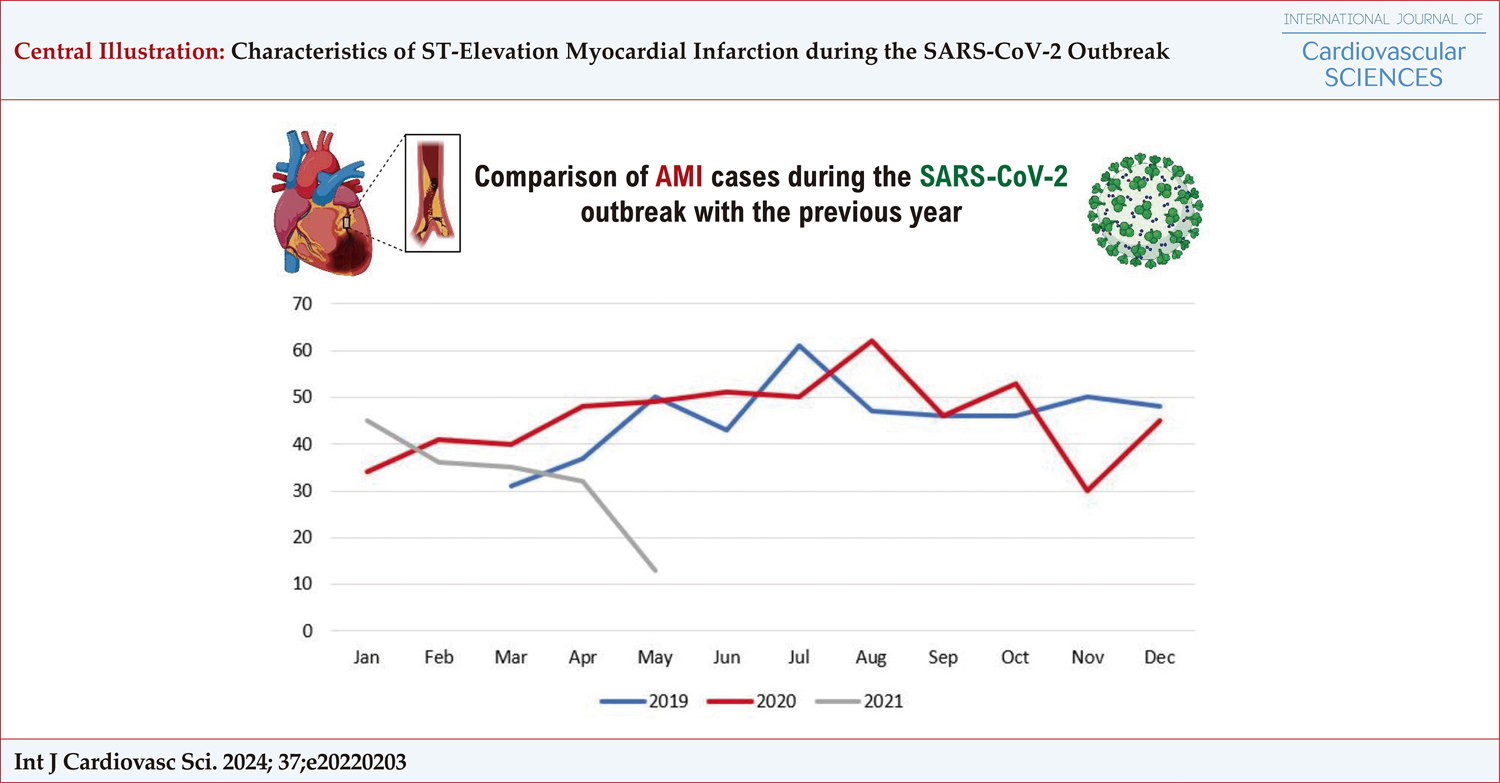
A total of 1169 patients admitted with STEMI were enrolled in our registry, 635 of whom were admitted during the pandemic period. The mean age of our sample was 61.6 (± 12.4) years, and 66.7% of patients were male. Pain-to-door time and door-to-balloon time were longer during the pandemic period. However, there was no difference in mortality rates or major adverse cardiovascular outcomes (MACE).

Conclusions

We observed a stable incidence of STEMI cases in our registry during the SARS-CoV-2 outbreak with higher pain-to-door time and door-to-balloon time, without any influence on mortality rates however.
  • COVID-19
  • Mortality
  • Myocardial Infarction
  • Pandemics
  • Percutaneous Coronary Intervention
Read Full Article
Creative Commons Attribution (CC BY) Creative Commons license
09/02/2024 DOI: 10.36660/ijcs.20220203 Views 2
ABC
Editorial

Our Patients Deserve More

Roberto Muniz Ferreira

Clinical decision-making implies that multiple options are possible for any given medical situation. Fortunately, science is constantly evolving and will continue to do so incrementally. Thus, physicians should routinely analyze previous outcomes of similar circumstances to increase the probability of selecting the most appropriate alternative. Discerning data that may assist in decision-making from inconsistent scientific information is a fundamental requirement of evidence-based medicine (EBM).

For over 40 years, EBM has been the cornerstone of clinical practice, improving the efficacy and safety involved with medical decisions, according to the most current scientific knowledge. Nevertheless, publications do not always adhere to validated methodological concepts and may rely solely on non-scientific motivations. When personal beliefs overshadow medical science, it invariably occurs to the detriment of patient care. Conversely, EBM provides a systematic and organized method to appraise scientific information in various medical literature forms.

[…]

  • Azithromycine
  • Betacoronavirus
  • Coronavirus infections
  • COVID-19
  • Evidence-Based Medicine
  • Hydroxychloroquine
  • Pandemics
Read Full Article
Creative Commons Attribution (CC BY) Creative Commons license
20/10/2023 DOI: 10.36660/abc.20230626 Views 1
ABC
Editorial

Exercise-Based Cardiac Rehabilitation (ECBR): New Frontiers in the Post-Novel Coronavirus

Rosane Maria Nery et al. Antonio Cardoso dos Santos Eduardo Lima Garcia

The coronavirus disease 2019 (COVID-19) pandemic, in addition to physical, emotional, and social repercussions, has generated important changes in non-pharmacological measures to aid in treating patients with heart disease, such as Exercise-Based Cardiac Rehabilitation (ECBR). The disability associated with the post-COVID-19 syndrome seems to have a considerable impact on health services, as the treatment of these patients implies a very high demand for care and a high economic cost.

Scientific evidence has shown a close association between sedentary behavior and the development and worsening of cardiovascular disease (CVD) and early mortality. Many of these deaths could be avoided or postponed with preventive care and therapeutic measures, where EBCR is a fundamental pillar.,

[…]

  • Cardiac Rehabilitation
  • Coronavirus
  • Covid-19/complications
  • Exercise Therapy
  • Pandemics
  • Physical activity
  • Recovery of function
Read Full Article
Creative Commons Attribution (CC BY) Creative Commons license
07/04/2023 DOI: 10.36660/abc.20230120
IJCS
Original Article

Clinical Aspects Of Hypertensive Patients With COVID-19 Hospitalized In A Campaign Hospital In Northeast Brazil

Luan George Xavier et al. Renato Sampaio Mello Neto Marcos Henrique de Oliveira Morais Pedro Jorge Cronemberger … Maria do Carmo Carvalho Martins Marta Rosal

Abstract

Background

In view of the absence of effective therapy for COVID-19, many studies have been conducted seeking to identify determining factors for the development of severe forms, aiming to direct efforts to avoid the worst outcomes in patients susceptible to severe conditions. One of the main comorbidities associated with complicated forms of the disease is systemic arterial hypertension (SAH).

Objective

To assess aspects of the clinical, demographic, laboratory, and radiological characteristics of hypertensive patients with COVID-19 to contribute to the knowledge of the relationship between the presence of this comorbidity and the severity of the disease.

Methods

A total of 380 patients with a diagnosis of acute SARS-CoV-2 infection hospitalized between June and August 2020 were included. Patients were divided into two groups according to the presence or absence of a previous diagnosis of hypertension. For comparison between groups, a significant difference was established if p < 0.05.

Results

Of the total of 380 patients, 202 (53.16%) had a clinical diagnosis of SAH. Hypertensive patients were significantly older (p < 0.01) and had more comorbidities (p < 0.01) than the non-hypertensive group. In laboratory tests, hypertensive patients had higher levels of blood glucose (p = 0.014), creatinine (p = 0.002), and urea (p = 0.003), while values for alanine aminotransferase (ALT) (p < 0.01), aspartate aminotransferase (AST) (p = 0.006), and sodium (p = 0.024) were lower. There was no difference between groups in radiographic parameters.

Conclusions

This study showed that, although the hypertensive group had some laboratory alterations that elicited severe disease, these patients did not have worse outcomes.

  • Aged
  • Comorbidities
  • Coronavirus/complications
  • Covid-19/complications
  • Epidemiology
  • Heart Failure
  • Hypertension
  • Pandemics
  • Public Health/research
  • Severe Acute Respiratory Syndrome
Read Full Article
Creative Commons Attribution (CC BY) Creative Commons license
03/04/2023 DOI: 10.36660/ijcs.20220033 Views 2
ABC
Editorial

Cardiopulmonary Exercise Testing in Post-COVID-19 Patients: New Insights Into the Exercise Intolerance

Marina Petersen Saadi et al. Anderson Donelli da Silveira

COVID-19 has affected thousands of people worldwide, and a considerable percentage of those complain of persistent exercise limitation, unrelated to the disease`s severity and persisting even months after the infection.,It is well known that the severe form of COVID-19 predominantly involves the respiratory system, presenting with acute respiratory distress syndrome. One could speculate that the persistent functional limitation seen after infection may originate in the respiratory system, a fact reinforced by studies that showed ventilatory limitation in spirometry after hospital discharge.,

Cardiopulmonary Exercise Test (CPET) allows a complete assessment of the cardiorespiratory system. It is the gold standard exam to define prognosis in several heart and lung diseases and can discriminate the underlying mechanisms associated with reduced functional capacity.,

[…]

  • Exercise Test
  • Lung Diseases
  • lung volume measurements
  • Pandemics
  • Physical activity
  • Post-Covid-19/complications
  • Respiratory Distress Syndrome Adult/rehabilitation
  • Spirometry/methods
Read Full Article
Creative Commons Attribution (CC BY) Creative Commons license
20/03/2023 DOI: 10.36660/abc.20230058 Views 1
IJCS
Editorial

Small Exercise Breaks can Save your Brain from Prolonged Sitting

Eliza Prodel

A sedentary lifestyle is one of the major risk factors for the development of cardiovascular diseases. For instance, in 2019, stroke was the second-leading cause of death, as well as the primary cause of death and disability combined in the world. Active commuting to work is one strategy to decrease sedentary time and its impact, and the COVID-19 pandemic has changed work and daily routines worldwide. Moreover, the necessary social distancing has led to increased sedentary time, especially for those who are engaged in office desk work .

Acute prolonged sitting seems to lead to transient impairment of the endothelial function in the healthy population, whether this phenomenon is related to cardiovascular or cerebrovascular events is unknown. Nonetheless, prolonged sitting impairs the cerebrovascular function. , Conversely, exercise breaks from prolonged sitting seem to restore the endothelial and cerebrovascular function. Therefore, active breaks from prolonged sitting could be a good strategy to mitigate the effects of sedentary time. However, the ideal duration and intensity need further investigation. Additionally, the difficulty to implement exercise breaks as a daily routine for office workers must be considered.

[…]

  • Cerebrovascular Circulation
  • COVID-19
  • Exercise
  • Lifestyle
  • Pandemics
  • Physical activity
  • Sedentarism
  • Stroke, Risk Factors
Read Full Article
Creative Commons Attribution (CC BY) Creative Commons license
10/03/2023 DOI: 10.36660/ijcs.20210248 Views 1
ABC
Editorial

Systematic Reviews and Meta-Analyses: Lighthouses in the Data Storm from the COVID-19 Pandemic

Henrique Turin Moreira et al. André Schmidt

Since recognizing the COVID-19 pandemic as a public health emergency, the global scientific community has driven efforts to understand the infection by the new coronavirus SARS-CoV-2. The World Health Organization soon proclaimed the need to fast-track research to reduce mortality and avoid crisis escalation. As a result, we now observe an extraordinary amount of data on COVID-19 obtained in a short time. Indeed, a search in the Pubmed database promptly reveals more than 164,000 papers on the disease in less than two and a half years, an unprecedented phenomenon in the medical literature. Putting this into perspective, this profusion of publications is numerically greater than papers identified by the term “myocardial infarction” in the last four decades.

Although this outstanding scientific advance has been crucial to fighting the pandemic, at the same time, it went along with a data storm with marked adverse effects. Health professionals had challenges searching, interpreting, and summarizing this dizzying volume of evidence. Conflicting results, typical of the twisted paths of science, were frequent causes of confusion and disagreement. In this setting, systematic reviews and meta-analyses can serve as lighthouses, guiding us to safer routes. They offer organized and integrated assessment of multiple data sources, thus allowing more robust estimates and reliable answers to clinical practice dilemmas.

[…]

  • Coronavirus
  • COVID-19
  • Meta-Analysis
  • Pandemics
  • Severe Acute Respiratory Syndrome
  • Systematic Reviews
Read Full Article
Creative Commons Attribution (CC BY) Creative Commons license
05/08/2022 DOI: 10.36660/abc.20220442 Views 1
ABC
Editorial

Much More Than Just Women: Wonder Women

Marcia Koike et al. Luciana Aikawa

The impact of the SARS-Cov2 pandemic hit the world quickly and overwhelmingly and highlighted the heroes of the white cover: healthcare professionals. It took more than two years of uninterrupted work, facing various challenges and external and internal conflicts to preserve the patient’s life, colleagues, their families and themselves. A complicated scenario, not only due to the overload of professional demand but also the scientific lack of knowledge of what we were facing. Scientists worldwide have joined forces to disseminate scientific evidence, and, at the same time, medical societies have mobilized to optimize care procedures with protection for active professionals.

Stress and Burnout syndrome are part of occupational diseases in health professionals. However, the particular scenario of Covid-19 has shown that although it is not easy to be on the front lines in the fight against SARS-CoV2, nurses and doctors demonstrated high stress and exhaustion in studies, so behavioral/collective strategies can help.– This mini-editorial is dedicated to female doctors.

[…]

  • Betacoronavirus
  • COVID-19
  • Efficiency
  • Epidemiology
  • Health Occupations
  • Life Style
  • Medical Profissional
  • Medicals
  • Pandemics
  • Professional Practice
  • SARS-CoV2
  • Staff Development/ethics
  • Women/psychology
Read Full Article
Creative Commons Attribution (CC BY) Creative Commons license
05/08/2022 DOI: 10.36660/abc.20220443 Views 1
ABC
Editorial

Confinement and Cardiovascular Diagnosis in a Pandemic Season: The Difficult Balance on the Razor’s Edge

Nuno Bettencourt

The COVID-19 pandemic has had a strong impact on healthcare delivery worldwide. Cardiovascular diseases, including their acute forms, were no exception. In the first weeks of the pandemic, at the end of the first quarter of 2020, there was a clear reduction in resources to health services, both in scheduled care and in admissions for acute coronary syndromes, with a strong impact on the immediate prognosis and with future consequences not fully documented.,

In addition to the direct impact of the virus on the myocardium, which causes considerable morbidity and mortality,– there is also a reduction in access to health care – which occurred both as a result of a massive channeling of resources from the different health systems to the fighting the pandemic, as well as the population’s fear of resorting to these services during the pandemic – is having an important impact on the diagnosis and treatment of cardiovascular disease. Although the real dimension of this impact on the prognosis of patients with and without COVID has not yet been established, its importance likely exceeds the effects directly determined by the pandemic.

[…]

  • Cardiovascular Diseases/physiopathology
  • COVID-19
  • Health Status Disparities
  • Medical Care/methods
  • Needs Assessment/statistics & numerical data
  • Pandemics
  • Research/trends
Read Full Article
Creative Commons Attribution (CC BY) Creative Commons license
29/04/2022 DOI: 10.36660/abc.20220192 Views 1
Figure 1
ABC
Research Letter

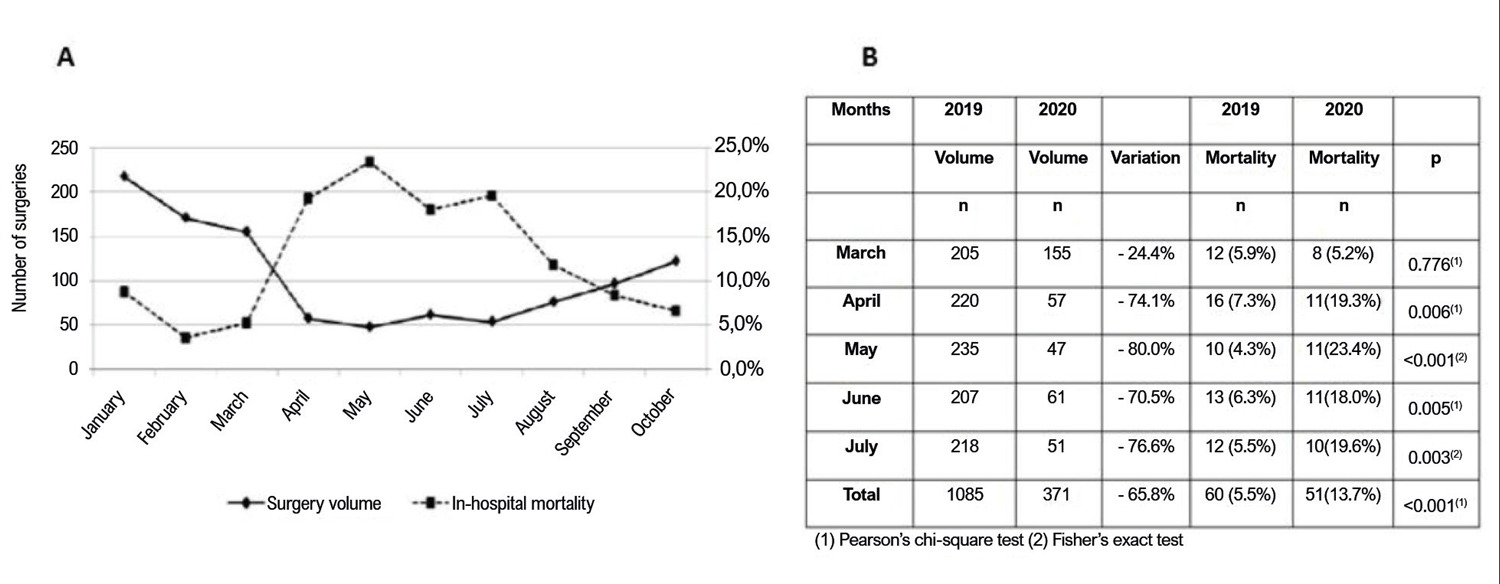
Impact of the First Wave of the COVID-19 Pandemic on Cardiovascular Surgery in Brazil: Analysis of a Tertiary Reference Center

Luiz Augusto Lisboa et al. Omar Asdrúbal Vilca Mejia Elisandra Trevisan Arita Gustavo Pampolha Guerreiro … Lucas Molinari Veloso da Silveira Carlos Manuel de Almeida Brandão Ricardo Ribeiro Dias Luís Roberto Palma Dallan Leonardo Miana Luiz F. Caneo Marcelo Biscegli Jatene Luís Alberto Oliveira Dallan Fabio Biscegli Jatene

Introduction

The novel viral respiratory infection caused by coronavirus disease 2019 (COVID-19), initially known as 2019-nCoV, emerged in late December 2019 in Wuhan, China and quickly spread throughout Asia, Europe, and USA, characterizing the situation as a pandemic. In May 2020, the World Health Organization declared Brazil a new epicenter of the coronavirus pandemic.

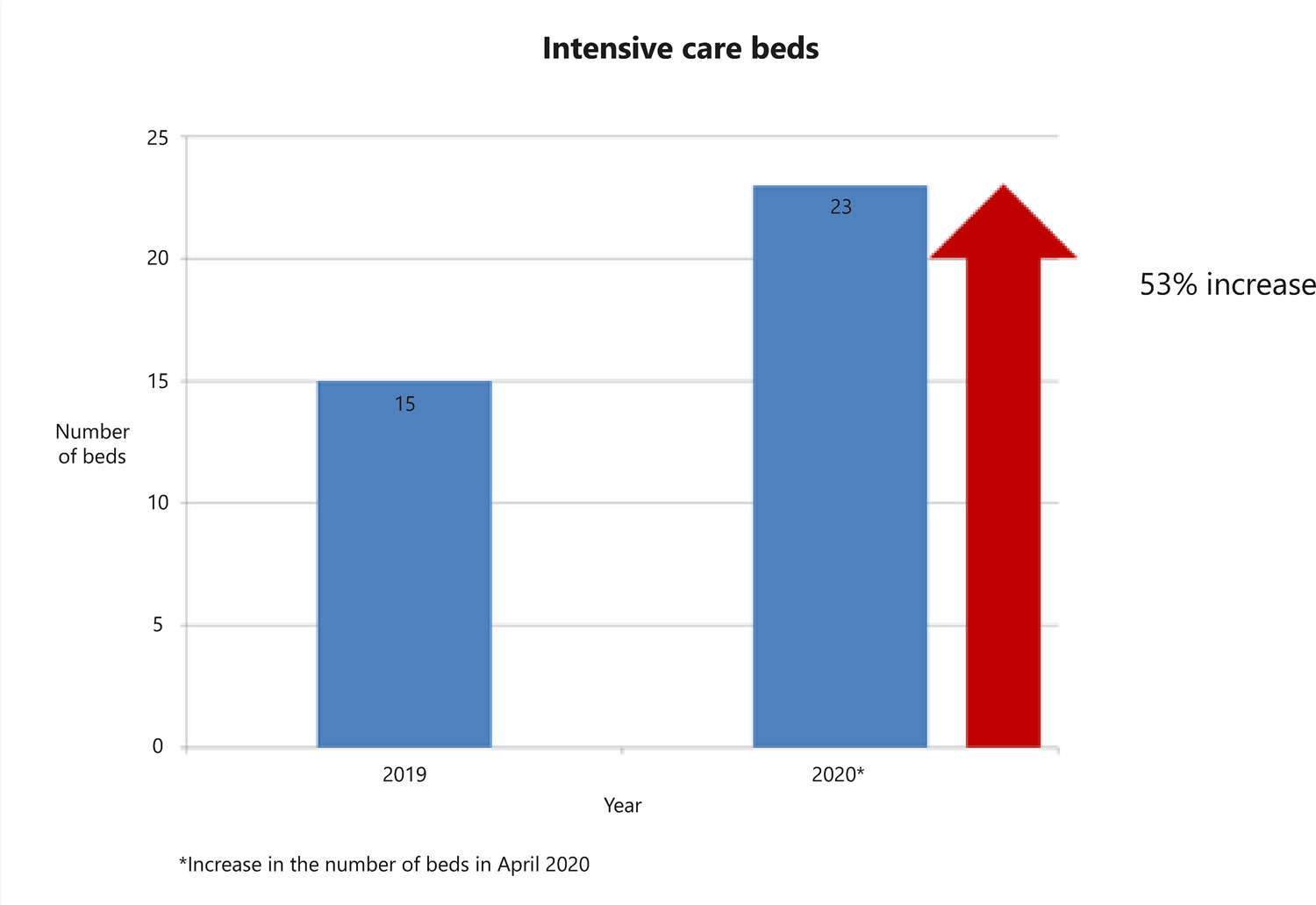
With the alarming levels of spread and severity of COVID-19, major disruptions in routine hospital services have occurred, as hospitals adjust in order to increase the capacity to care for patients with SARS-CoV-2. In this context, elective surgeries were postponed in order to optimize health resources and staffing issues and to protect patients from in-hospital viral transmission.

[…]

  • COVID-19
  • Elective Surgical Procedures
  • Heart Defects, Congenital/surgery
  • Hospitalization
  • Mortality
  • Pandemics
  • Tertiary Healthcare/trends
  • Thoracic Surgery
Read Full Article
Creative Commons Attribution (CC BY) Creative Commons license
18/03/2022 DOI: 10.36660/abc.20210235 Views 1
Figure 1
ABC
Research Letter

Echocardiographic Findings in Patients with COVID-19 with and without Previous Cardiovascular Disease

Silvio Henrique Barberato et al. Rafael Borsoi Fabio Roston Hudson Laerte Machado Miranda … Pedro Patriota Maria Estefania Otto Adenalva Lima de Souza Beck Anderson da Costa Armstrong João Marcos Bemfica Barbosa Ferreira Ana Cristina Camarozano Letícia Braga Paciello da Silva Marcos Valério Coimbra Resende Marcelo Luiz Campos Vieira Miguel Morita Fernandes-Silva

Introduction

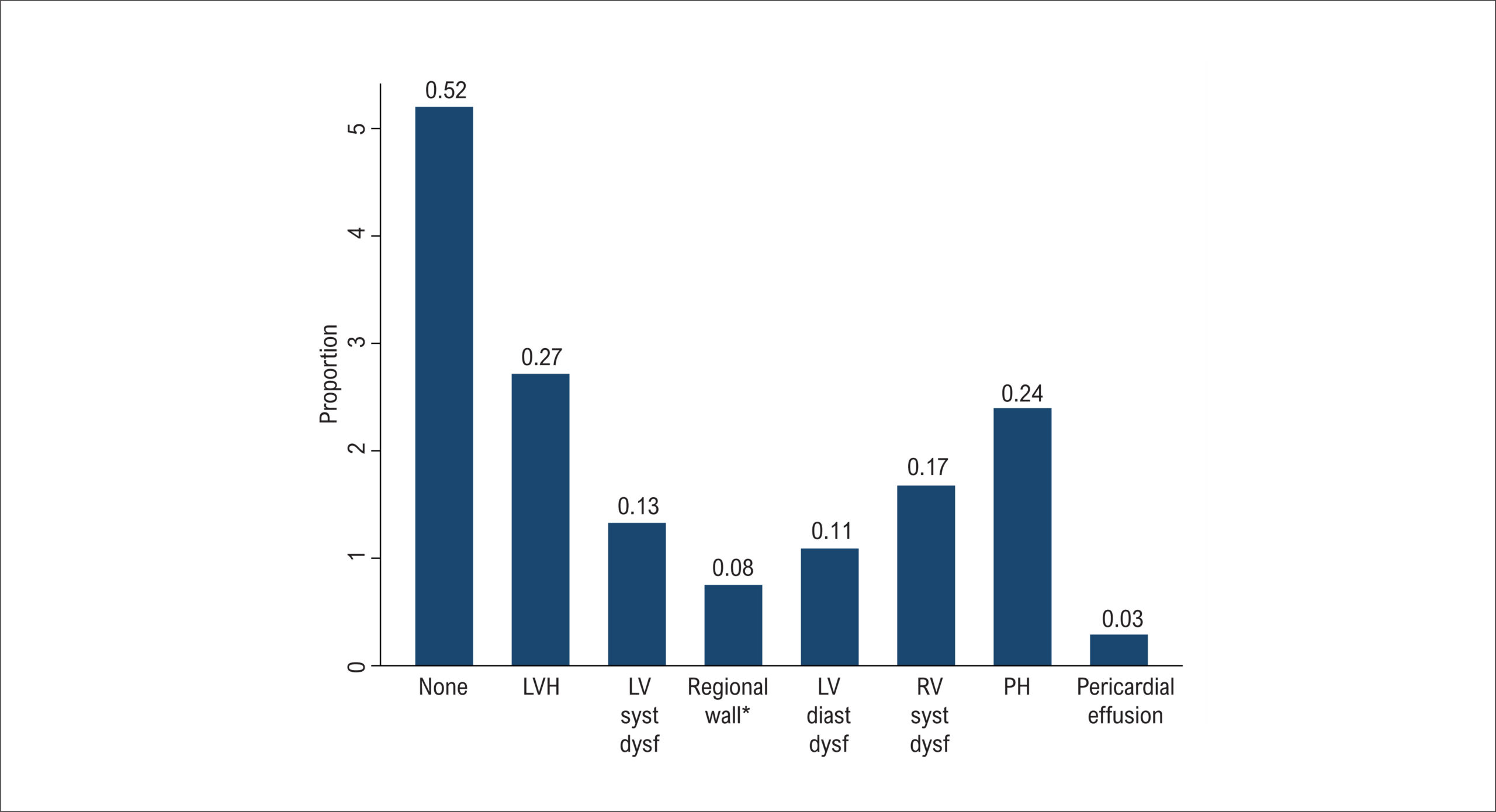
Coronavirus disease-2019 (COVID-19) caused by the severe acute respiratory syndrome coronavirus 2 (SARS-Cov-2) may result in severe respiratory distress and acute cardiac injury. Impaired cardiac function and/or prior cardiovascular disease (CVD) in patients with COVID-19 are associated with worse prognosis. Transthoracic echocardiography (TTE) has a central role in the management of patients, as it provides a crucial assessment of abnormalities in cardiac function and structure that impact on their prognosis and treatment. Studies have reported varied rates of left ventricular (LV) and right ventricular (RV) dysfunction, but it is unclear how often cardiac dysfunction result directly from COVID-19.– We described the prevalence of the main abnormal echocardiographic findings in hospitalized patients with COVID-19 with and without previous cardiovascular disease (CVD) through a real-world, multicenter collaborative study (Brazilian Echocardiography Registry during COVID-19 pandemic, or ECOVID).

[…]

  • Acute Respiratory Syndrome/complications SARS-CoV2/complications
  • Cardiac function
  • Cardiovascular Diseases/complications
  • Comorbidity
  • Coronavirus-19/complications
  • Heart Failure, Echocardiography/méthods
  • Mortality
  • Pandemics
Read Full Article
Creative Commons Attribution (CC BY) Creative Commons license
03/12/2021 DOI: 10.36660/abc.20201300 Views 2
ABC
Editorial

Cardiac Arrhythmias and COVID-19: Side-By-Side in the Pandemic

Bruno Moreira dos Santos et al. Luciana Sacilotto

The current pandemic caused by the new coronavirus (SARS-CoV-2), which was first detected in Wuhan, China, in December 2019, has changed healthcare services worldwide. According to recent reports of the World Health Organization, there are more than 224 million cases of COVID-19 in the world, with deaths surpassing 4.6 million. The exponential increase in the number of cases has caused an impact on healthcare demand, and data on COVID-19 and its treatment have been constantly updated.

Although the respiratory system is the most affected by the SARS-CoV-2, other systems are commonly involved, including the cardiovascular system, leading to myocardial injury and arrythmias.,

[…]

  • Arrhythmias Cardiac
  • COVID-19
  • Pandemics
Read Full Article
Creative Commons Attribution (CC BY) Creative Commons license
22/11/2021 DOI: 10.36660/abc.20210810 Views 1
ABC
Editorial

The High Pressure of Fighting the COVID-19 Pandemic

Isabela Bispo Santos da Silva Costa et al. Hugo Bizetto Zampa

Although we have been facing the challenges posed by the new coronavirus for almost two years, we still have a long way to go. The rapid and easy spread of the virus not only worries the population and scientific society as a whole but also exposes the fragility of the Brazilian public health system. The numbers speak for themselves – the exorbitant rates of infected people and, consequently, the number of deaths made us question the handling of this health crisis.

In this scenario, elderly individuals with comorbidities such as hypertension, diabetes, obesity and coronary artery disease were the ones who suffered most from COVID-19. The virus in the body leads to extensive endothelial dysfunction, mediated by inflammatory cytokines and thrombogenic factors, disseminated microvascular lesions and serious complications, such as pulmonary and systemic embolism, myocardial injury and renal dysfunction. These manifestations proved to be potentially fatal, especially in the group listed here, mainly due to the concomitant presence of cardiovascular diseases (CVD).

[…]

  • Aged
  • Betacoronavirus
  • Cardiovascular Diseases
  • Comorbidities
  • COVID-19
  • Hospitalization
  • Hypertension
  • Pandemics
Read Full Article
Creative Commons Attribution (CC BY) Creative Commons license
22/11/2021 DOI: 10.36660/abc.20210811 Views 1
Figure 1
ABC
Research Letter

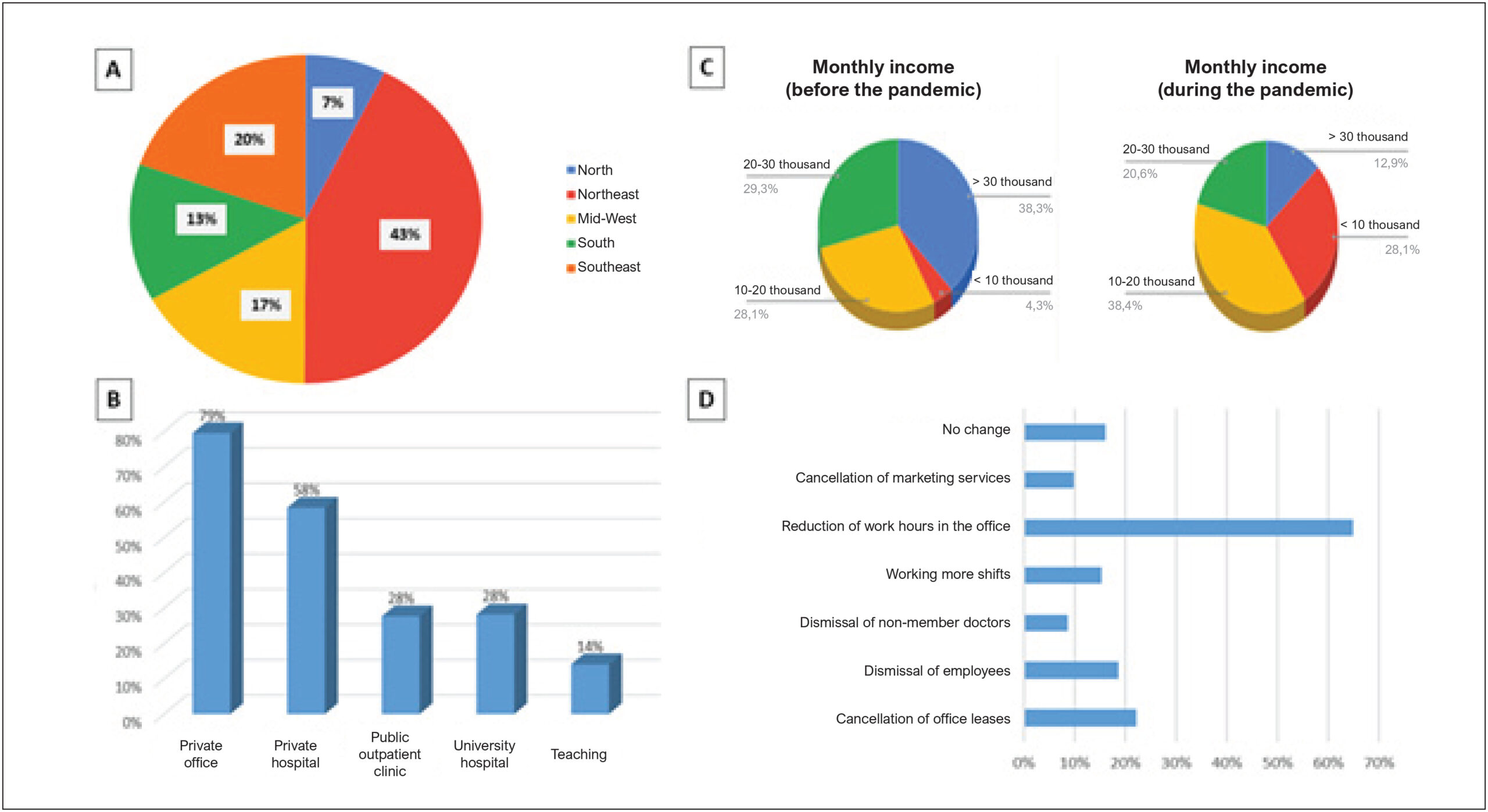
Impact of COVID-19 on the Life of Brazilian Cardiologists and Cardiovascular Surgeons

Andre Luiz Cerqueira Almeida et al. Marcelo Melo Rodrigo Elton Ferreira Rodrigues Luis Fábio Botelho … Paulo André Abreu Almeida Silvio Henrique Barberato

Introduction

The COVID-19 (from the English coronavirus disease) pandemic has had a strong impact on cardiology services. The number of visits and cardiac interventions has decreased in many parts of the world in recent months., However, despite increasing pressure and burden on the healthcare system, the provision of care has continued, particularly because patients with pre-existing cardiovascular disease are at high risk of COVID-19 infection, complications, and primary cardiac manifestations.

In addition, effects of the COVID-19 have affected the society and in particularly healthcare professionals in terms of physical and mental health consequences, financial disturbances, and changes in quality of life.– Therefore, the COVID-19 pandemic has affected many aspects of the work and life of health care providers.,,

[…]

  • Cardiologists
  • Cardiovascular Diseases
  • Coronavirus-19
  • COVID-19
  • Epidemiology
  • Health Personnel
  • Health Systems
  • Infection/complications
  • Pandemics
  • Risk Factors
  • Sedentary Behavior
  • Surgeons
Read Full Article
Creative Commons Attribution (CC BY) Creative Commons license
22/11/2021 DOI: 10.36660/abc.20201231 Views 1
ABC
Editorial

A Key Strategy to Predict Cardiovascular Diseases: A Combination of Anthropometric Indices

José Bruno Nunes Ferreira Silva

The obesity pandemic is one of the most pressing health concerns of the 21stcentury. Prevalent even among developed and developing countries, this disease has been related to cardiovascular events, dyslipidemia, type 2 diabetes, sleep disorders, and cancer. It has recently been considered a risk factor for critical illness in coronavirus disease-2019 (COVID-19) pandemic. ,

In Brazil, the National Health Survey , in partnership with the Ministry of Health, found that obesity has gradually increased over the last 17 years in adult women (14.5% to 30.2%) and men (9.6% to 22.8%). Its prevalence has more than doubled between 2003 and 2019. A collaborative effort between the government, public health officers, and medical staff is needed to manage the complex and multifactorial obesity issue.

[…]

  • Anthropometry
  • Cardiovascular Diseases
  • Obesity
  • Pandemics
  • Risk Factors
Read Full Article
Creative Commons Attribution (CC BY) Creative Commons license
25/10/2021 DOI: 10.36660/abc.20210716 Views 1
Figure 1
IJCS
Case Report

Cardiac Manifestations Associated With Coronavirus Disease: A Case Report

Gabriela Ribeiro Prata Leite Barros et al. Raphaela Tereza Brigolin Garofo Bernardo Noya Alves de Abreu Adriano Camargo de Castro Carneiro André Luiz Esteves Mendonça

Abstract

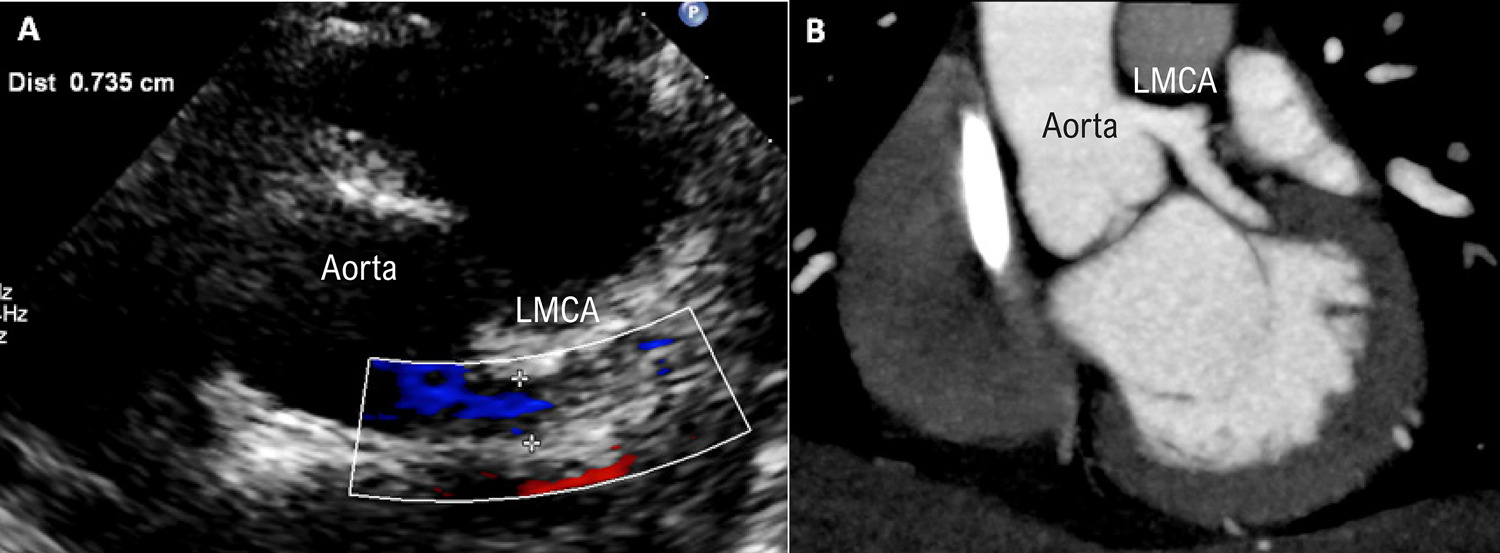
This study presents a 47-year-old female patient, with a history of diabetes, who contracted SARS-CoV-2 and exhibited cardiovascular complications.

  • Arrhythmia Cardiac
  • Cardiovascular Diseases/complications
  • Myocardial Ischemia
  • Myocarditis
  • Pandemics
  • SARS-CoV-2, Betacoronavirus
  • Takotsubo Cardiomyopathy
Read Full Article
Creative Commons Attribution (CC BY) Creative Commons license
20/09/2021 DOI: 10.36660/ijcs.20210026 Views 1
ABC
Letter to the Editor

Cardiovascular Imaging in COVID-19

Rujittika Mungmungpuntitpantip et al. Viroj Wiwanitkit

Dear Editor,

We would like to share ideas on the publication “Cardiovascular Imaging in Patients with COVID-19.” Grossman and Lima concluded that “nuclear cardiologists and nuclear medicine physicians must be aware of incidental findings in asymptomatic patients with COVID-19, and they should optimize MPI protocols, when the procedure is necessary.” The results in this study are concordant with a previous report from Asia. Imaging can help identify both heart and lung problems that might asymptomatically occur due to COVID-19 or a previous silent pathology. An important point is the differential diagnosis of the new lesion and the previous underlying pathology. In tropical countries, there might be a common pathology, such as tuberculosis, that results in difficulty in interpreting new heart and lung problems due to COVID-19. Since image interpretation depends mainly on the radiologist, it is necessary for radiologists to increase awareness and concern when interpreting clinical images during the COVID-19 pandemic.

[…]

  • Asymptomatic Patients
  • Cardiovascular Diseases
  • Coronavirus
  • COVID-19
  • Diagnostic Imaging
  • Lung Diseases
  • Pandemics
Read Full Article
Creative Commons Attribution (CC BY) Creative Commons license
06/09/2021 DOI: 10.36660/abc.20201356 Views 2
Figure 1
ABC
Research Letter

SARS-CoV-2 and Myocardical Injury with ST-Elevation without Coronary Disease

Carolina Ragonetti et al. Enzo Oku Martinazzo Felipe Montesano Fazionato Guilherme Osório Guimarães Ferreira … Milena Piccolo Santana Camila Hartmann

Introduction

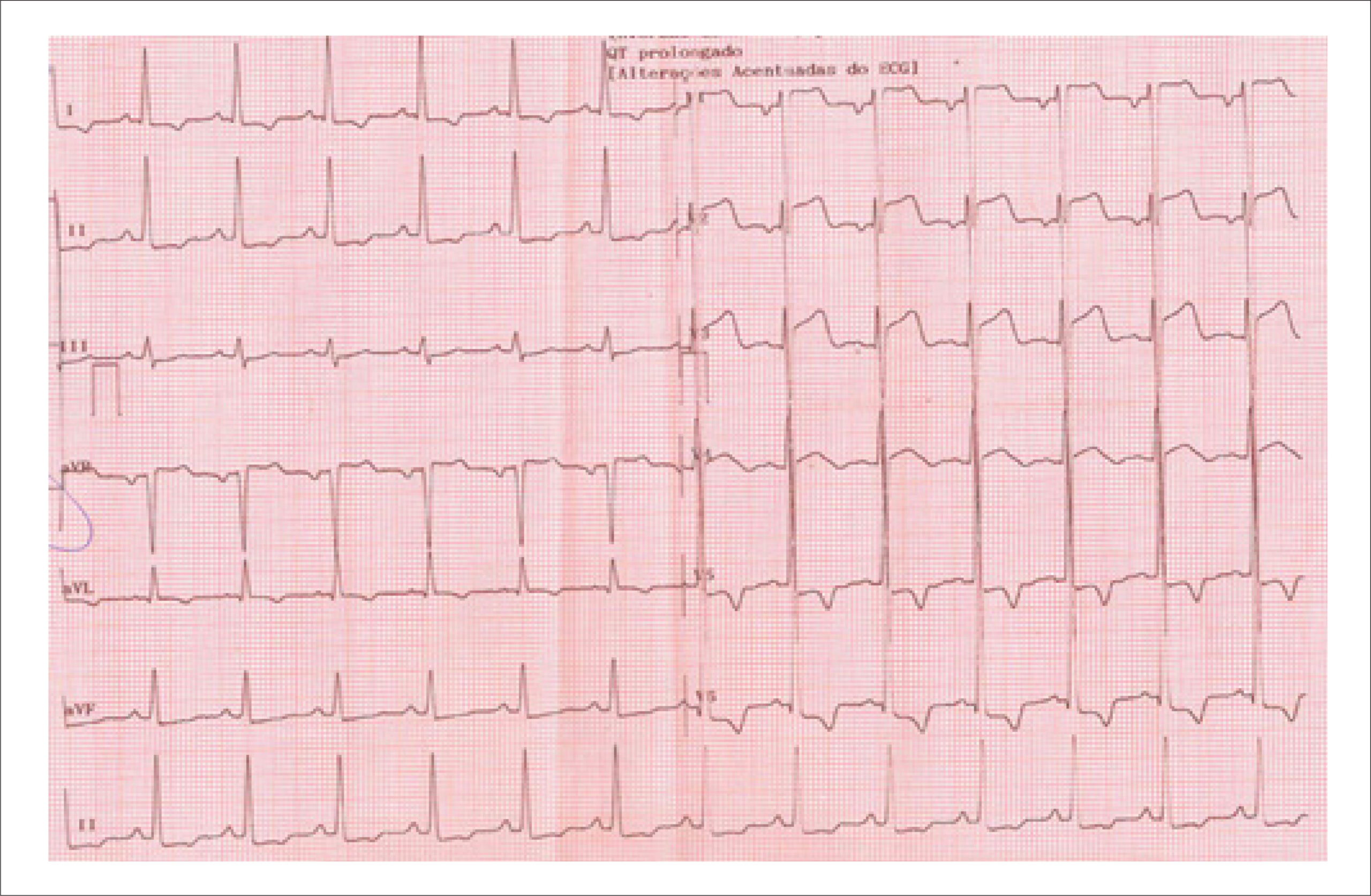
Throughout the SARS-CoV-2 pandemic, there have been reports of infection leading to acute myocardial injury, causing worse clinical outcomes. The manifestations can include troponin elevation, imaging exam abnormalities and electrocardiographic changes. Accordingly, ST-segment elevation (STE) acute myocardial injury has been observed in some patients. However, despite the electrocardiogram (ECG) ischemic changes, complementary exams may not show any obstruction, excluding coronary occlusion as the cause of the injury.

[…]

  • Coronary Angiography/methods
  • Coronavirus-19
  • Electrocardiography/methods
  • Myocarditis/complications
  • Pandemics
  • SARS-CoV-2
  • Takotsubo Cardiomyopathy
Read Full Article
Creative Commons Attribution (CC BY) Creative Commons license
06/09/2021 DOI: 10.36660/abc.20201268 Views 2
Figure 1
ABC
Brief Communication

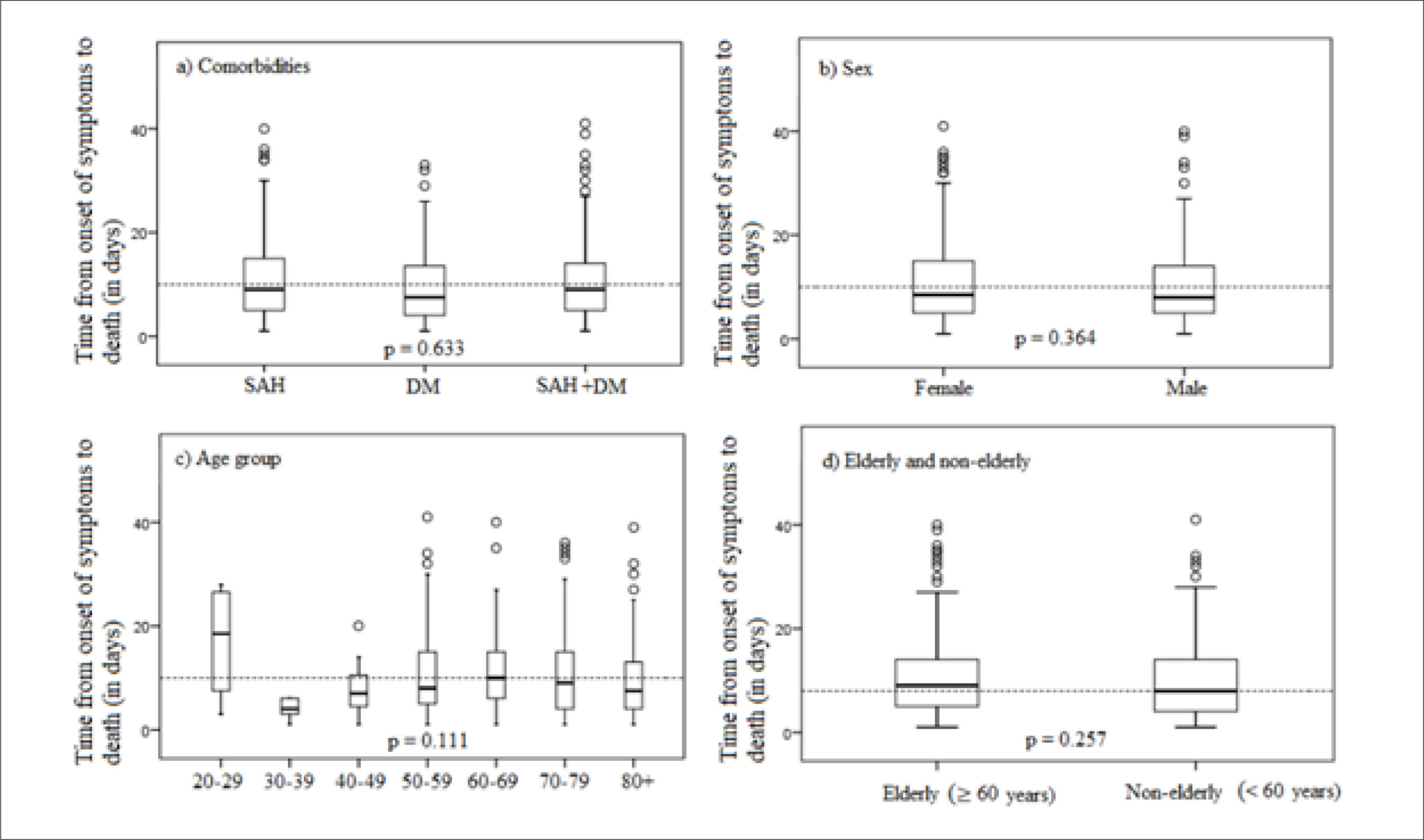
Prevalence of Systemic Arterial Hypertension and Diabetes Mellitus in Individuals with COVID-19: A Retrospective Study of Deaths in Pernambuco, Brazil

Lucas Gomes Santos et al. Jussara Almeida de Oliveira Baggio Thiago Cavalcanti Leal Francisco A. Costa … Tânia Rita Moreno de Oliveira Fernandes Regicley Vieira da Silva Anderson Armstrong Rodrigo Feliciano Carmo Carlos Dornels Freire de Souza

Introduction

In December 2019, health authorities in Hubei province, in the People’s Republic of China, identified and reported to the World Health Organization (WHO) an outbreak of pneumonia with an unknown etiological agent. In early January, the SARS-CoV-2 virus (Severe Acute Respiratory Syndrome Coronavirus 2) was identified and the disease was called COVID-19 (Coronavirus Disease 2019).

On August 4, 2020, the disease has infected 18,316,072 people and caused the death of 694,715. The USA, Brazil and India occupy the first positions in number of infected people. In Brazil, the first case was confirmed on February 26th in the city of São Paulo. Between the first case and August 4, 2020, the country had 2,750,249 people infected and 94,665 deaths.

[…]

  • Aged
  • Coronavirus-19
  • Diabetes Mellitus/complications
  • Hypertension/complications
  • Pandemics
  • Prevalence
  • Risk Factors/prevention and control
  • SARS-CoV-19
Read Full Article
Creative Commons Attribution (CC BY) Creative Commons license
06/09/2021 DOI: 10.36660/abc.20200885 Views 1
Figure 1
ABC
Case Report

The Effect of Respiratory Protective Surgical Mask on Physiological Markers of Endurance Performance in a Recreational Runner

Danilo Marcelo Leite do Prado et al. Valmir Oliveira Silvino Ewerton Gomes Vieira Bruno Viana Rosa … Acácio Salvador Veras e Silva Marcos Antonio Pereira dos Santos

Introduction

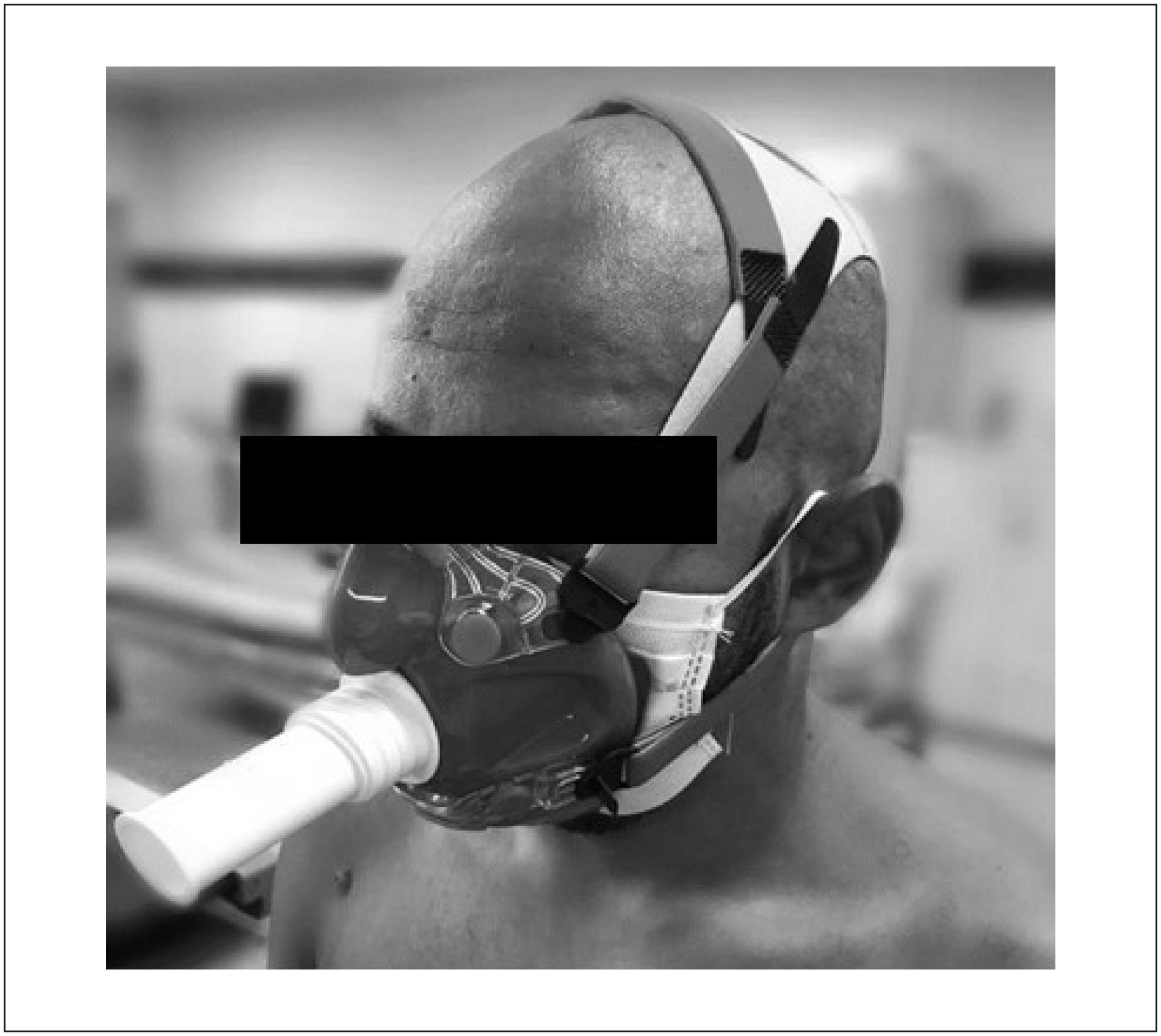
The advent of the Coronavirus 19 (COVID-19) pandemic, which has quickly spread worldwide, has raised the attention regarding the use of respiratory protective face masks (PFM) not only by healthcare personnel, but also the general population. In this context, wearing a PFM during physical exercise in an external environment can reduce COVID-19 infection risks. On the other hand, the use of PFM can increase the subjective perception of breathing difficulty through the formation of microclimates inside the face mask (i.e., temperature and humidity) and airflow restriction.

In recent years, the number of amateur runners has significantly increased among many populations around the world, as running can be performed with minimal equipment, and by a broad variety of people. Interestingly, during endurance exercise, the adaptability of the cardiorespiratory system is of paramount importance, as it increases both convective and diffusive oxygen transport, thus enabling the body to meet the demands for oxygen, substrate delivery, and carbon dioxide removal. Moreover, the so-called physiological markers of endurance performance, such as ventilatory anaerobic threshold, respiratory compensation point, running economy, and maximal oxygen uptake, also seem to be important in determining absolute exercise intensity (i.e., pace, power output).

[…]

  • Coronavirus-19
  • Coronavirus-19 Infection
  • Exercise
  • Facial Mask
  • Oxygen Consumption
  • Pandemics
  • Physical activity
  • Population Education
  • Resistance Performance
  • Respiratory Protective Devices
Read Full Article
Creative Commons Attribution (CC BY) Creative Commons license
19/07/2021 DOI: 10.36660/abc.20200792 Views 1
Figure 1
ABCHF
Editorial

Cardiovascular Burden of COVID-19 and the Post-Covid Era

Samuel D. Moscavitch et al. Jefferson L. Vieira Peter Libby

Why COVID-19 became an issue for cardiovascular specialists? SARS-CoV-2- related myocardial injury and myocarditis

Approximately 20-30% of hospitalized patients with COVID-19 have evidence of cardiac injury, as indicated by elevated levels of high-sensitivity troponins. The presence and magnitude of troponin elevation is associated with more severe disease and worse outcomes, even after adjusting for relevant risk factors. Myocardial injury portends a fatal outcome of COVID-19, while the prognosis of patients without myocardial injury, even with underlying cardiovascular disease, is more favorable.

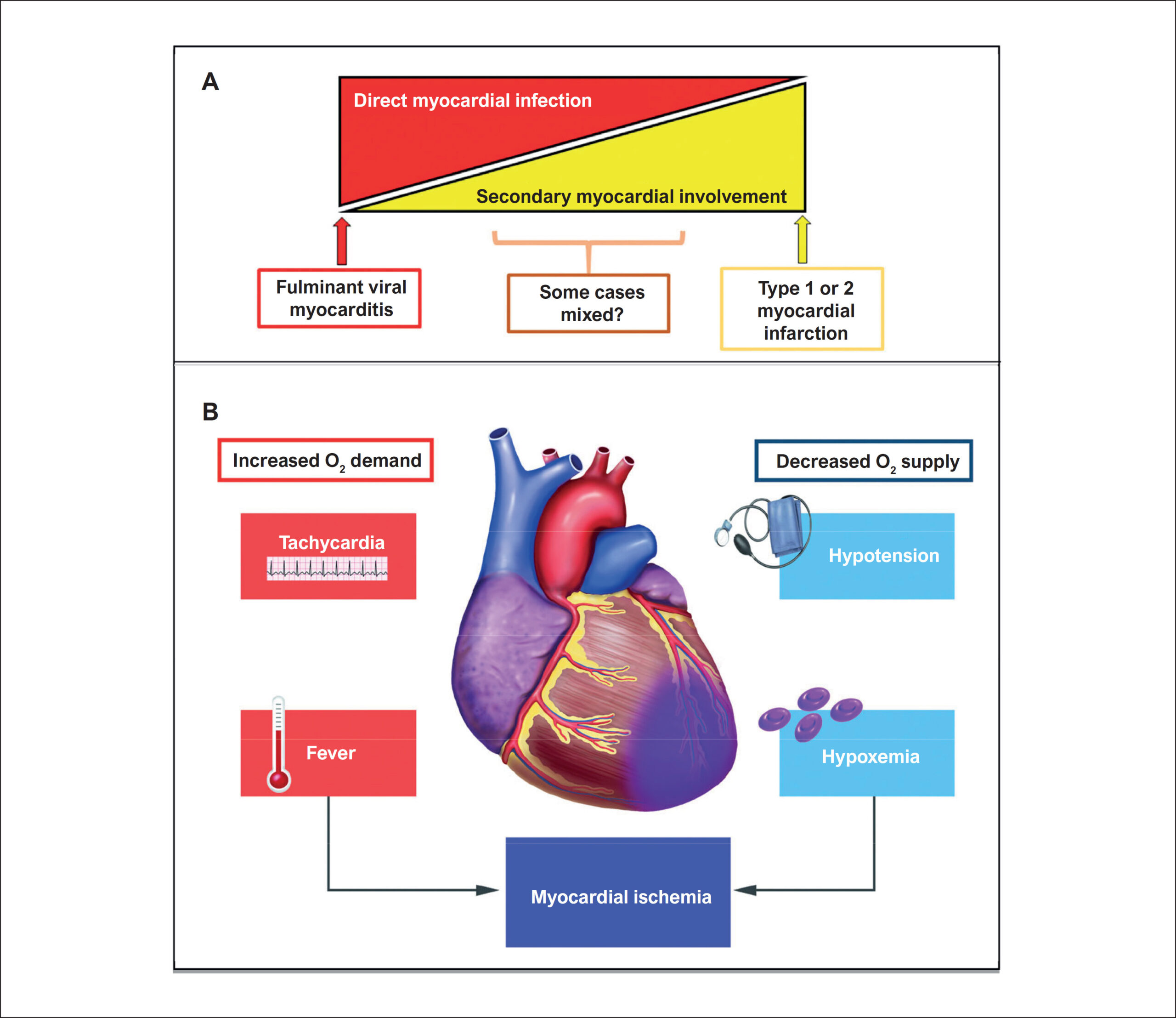
The pathophysiology of SARS-CoV-2-induced myocardial injury remains a topic of active research. COVID-19 can unfavorably affect the balance between myocardial oxygen supply and demand, as with other overwhelming viral or bacterial infections (). Fever, metabolic stress, sympathetic activation, and tachycardia increase the energy expenditure and oxygen consumption of the myocardium., This imbalance can provoke type 2 (or “demand” type) myocardial infarction. Hypoxia from respiratory impairment can favor the production of reactive oxygen species and oxidative stress, acidosis, mitochondrial damage, and cell death.,, Other mechanisms of myocardial injury during COVID-19 include ischemia from microvascular thrombi and toxic levels of cytokines. Cardiac damage due to direct SARS-CoV-2 infection of cardiac myocytes appears uncommon.– Indeed, the pericytes, smooth-muscle like cells that surround microvessels, express high levels of the receptor for SARS-CoV-2, angiotensin converting enzyme 2 (ACE2), while cardiac myocytes themselves have few, if any, of these portals of entry used by the virus.

[…]

  • Betacoronavirus/complications
  • Cardiovascular Diseases/complications
  • Coronavirus-19
  • COVID-19
  • Pandemics
  • SARS-19
  • Syndrome Respiratory Acute Gravis
Read Full Article
Creative Commons Attribution (CC BY) Creative Commons license
06/07/2021 DOI: 10.36660/abchf.20210001 Views 2
IJCS
Review Article

Kawasaki-Like Disease, a New Phenotype in Sars-CoV-2?

Beatriz Sordi Chara et al. Júlia Machado Rickli Caroline Figueiredo da Silva Gabriela Pomaleski … Rafael de March Ronsoni Marcus Vinícius Magno Gonçalves

Abstract

The coronavirus disease (COVID-19), that assumed pandemic proportions in March 2020, mainly affects the respiratory tract, causing severe interstitial pneumonia in adults. Worldwide data indicate that COVID-19 tends to be more benign in children, which is evidenced by a high incidence of asymptomatic or mild upper airways’ infection cases in this population. However, recent studies have been associating Kawasaki-like symptoms as a nonclassical presentation of coronavirus disease in pediatrics. It is suggested that the intense cytokine cascade, promoted by the SARS-CoV-2 infection, can trigger a multisystem inflammatory response as an atypical Kawasaki form in genetically predisposed individuals. In this context, patients may develop more severe clinical features with a greater predisposition to myocardial involvement, Macrophage Activation Syndrome, and Kawasaki Disease Shock Syndrome. Despite critical conditions, patients usually respond to conventional treatment of Kawasaki Disease with intravenous immunoglobulin. This article intends to provide an approach to the association between Kawasaki-Like Syndrome and COVID-19.

  • Betacoronavirus
  • COVID-19
  • Mucocutaneous Lymph Node Syndrome
  • Pandemics
  • Phenotype
  • Respiratory System/complications
Read Full Article
Creative Commons Attribution (CC BY) Creative Commons license
23/06/2021 DOI: 10.36660/ijcs.20200186
Figure 1
ABC
Original Article

The Heart of Pediatric Patients with COVID-19: New Insights from a Systematic Echocardiographic Study in a Tertiary Hospital in Brazil

Maria de Fátima Rodrigues Diniz et al. Maira Freire Cardoso Karen Saori Shiraishi Sawamura Carolina Rocha Brito Menezes … Alessandro Cavalcanti Lianza Maria Fernanda Badue Pereira Nadia Litvinov Juliana Ferreira Ferranti Silvana Forsait Andreia Watanabe Sylvia Costa Lima Farhat Nadia Emi Aikawa Lucia Maria Arruda Campos Artur Figueiredo Delgado Magda Carneiro-Sampaio Werther Brunow de Carvalho Clovis Artur Silva Gabriela Nunes Leal

Abstract

Background

COVID-19 pandemic represents a huge burden to the health system in the world. Although pediatric COVID-19 patients have been relatively spared compared with adults, recent reports showed an increasing number of critically ill patients with multisystemic inflammatory syndrome in children (MIS-c), with marked cardiovascular impairment. Nevertheless, little is known about the relationship between cardiac abnormalities and inflammatory and coagulation biomarkers.

Objectives

to investigate echocardiographic abnormalities in pediatric patients with COVID-19 admitted to tertiary hospital.

Methods

this was a retrospective longitudinal study, based on the review of medical records and echocardiograms of patients (0-19 years) admitted to a tertiary hospital between March 30 and June 30, 2020. For statistical analysis, the significance level was set at 5% (p < 0.05).

Results

Forty-eight patients were enrolled, 73% with preexisting diseases, 20 (41.7%) with MIS-c. Median age was 7.5 (0-18.6) years; 27 (56.2%) were male. Median duration of hospitalization was 15.4 (2-92) days and seven (14.6%) patients died. A total of 70 echocardiograms were performed; 66.7% patients were scanned only once and 33.3% multiple times. Twenty-three (48%) patients showed echocardiographic abnormalities: eight (16.6%) left ventricle (LV) systolic dysfunction, six (12.5%) right ventricle (RV) systolic dysfunction and 12 (25%) coronary dilatation (Z-score>+2.5). Echocardiographic abnormalities were significantly associated with MIS-c, admission to the pediatric intensive care unit, multiple organ dysfunction, ventilatory/vasoactive support, and death (p<0.05). Significantly higher d-dimer (ng/mL) levels were detected in patients with LV dysfunction [16733(4157-115668) vs. 2406.5(190-95040)], RV dysfunction [25769(3422-115668) vs. 2803.5(190-95040)] and coronary artery dilation [9652.5(921-115668) vs. 2724(190- 95040)] (p<0.05).

Conclusion

Echocardiographic abnormalities in COVID-19 pediatric patients were frequent and associated with worse clinical outcomes. Exacerbation of the inflammation and coagulation pathways may play an important role in cardiovascular injury in those patients.

  • Betacoronavirus
  • Biomarkers
  • Child
  • COVID-19
  • Echocardiography/methods
  • Heart Failure
  • Inflammation
  • Pandemics
Read Full Article
Creative Commons Attribution (CC BY) Creative Commons license
18/06/2021 DOI: 10.36660/abc.20200920 Views 2
Figure 1
IJCS
Original Article

Emergency Department Visits and Deaths from Cardiovascular Diseases at a Referral Center for Cardiology During the COVID-19 Pandemic

Luis Sérgio Carvalho Luciano et al. Luiz Eduardo Koenig São Thiago Isabela de Carlos Back Leandro Waldrich … Luiza Di Bernardi de São Thiago Amabile Rodrigues Alves Beatriz Campos Comelli Mariane Janning Santos Luiz Carlos Giuliano

Abstract

Background

The COVID-19 pandemic has imposed measures of social distancing and, during this time, there has been an elevation in cardiovascular mortality rates and a decrease in the number of emergency visits.

Objectives

To assess and compare in-hospital mortality for cardiovascular diseases and emergency department visits during the COVID-19 pandemic and the same period in 2019.

Methods

Retrospective, single-center study that evaluated emergency visits and in-hospital deaths between March 16, 2020 and June 16, 2020, when the steepest fall in the number of emergency admissions for COVID-19 was registered. These data were compared with the emergency visits and in-hospital deaths between March 16 and June 16, 2019. We analyzed the total number of deaths, and cardiovascular deaths. The level of significance was set at p < 0.05.

Results

There was a 35% decrease in the number of emergency visits and an increase in the ratio of the number of deaths to the number of emergency visits in 2020. The increase in the ratio of the number of all-cause deaths to the number of emergency visits was 45.6% and the increase in the ratio of the number of cardiovascular deaths to the number of emergency visits was 62.1%. None of the patients who died in the study period in 2020 tested positive for COVID-19.

Conclusion

In-hospital mortality for cardiovascular diseases increased proportionally to the number of emergency visits during the COVID-19-imposed social distancing compared with the same period in 2019. (Int J Cardiovasc Sci. 2020; [online].ahead print, PP.0-0)

  • Betacoronavirus/complications
  • Cardiovascular Diseases
  • COVID-19
  • Emergency Service, Hospitalar
  • Hospitalization
  • Hospitals, Packaged
  • Pandemics
  • Visitors to Patients
Read Full Article
Creative Commons Attribution (CC BY) Creative Commons license
09/06/2021 DOI: 10.36660/ijcs.20200267 Views 1

Could not load more articles. Please try again.

How to cite this article

EndNote RIS

Electronic Document Format (Vancouver)

Machado GP, Araujo GN, Beltrame R, Theobald AL, Niches MS, Fracasso JF, Milan V, et al. Characteristics of ST-Elevation Myocardial Infarction during the SARS-CoV-2 Outbreak. International Journal of Cardiovascular Sciences 2024;37:e20220203.

Electronic Document Format (ABNT)

Machado, Guilherme Pinheiro; Araujo, Gustavo Neves de; Beltrame, Rafael; Theobald, André Luiz; Niches, Matheus de Souza; Fracasso, Julia Fagundes; Milan, Victoria; Custodio, Julia Luchese; Cardoso, Camila Porto; Tietz, Pedro Henrique Torres; Reichert, Giulia Bonatto; Schmidt, Marcia Moura; Quadros, Alexandre Schaan de; Wainstein, Marco Vugman. Characteristics of ST-Elevation Myocardial Infarction during the SARS-CoV-2 Outbreak. International Journal of Cardiovascular Sciences, v. 37, e20220203, Feb. 2024.

Electronic Document Format (APA)

Machado, G. P., Araujo, G. N. , Beltrame, R., Theobald, A. L., Niches, M. S., Fracasso, J. F., Milan, V., Custodio, J. L., Cardoso, C. P., Tietz, P. H. T., Reichert, G. B., Schmidt, M. M., Quadros, A. S. , & Wainstein, M. V. (2024). Characteristics of ST-Elevation Myocardial Infarction during the SARS-CoV-2 Outbreak. International Journal of Cardiovascular Sciences, 37, e20220203.

Electronic Document Format (ISO)

Machado, Guilherme Pinheiro and Araujo, Gustavo Neves de and Beltrame, Rafael and Theobald, André Luiz and Niches, Matheus de Souza and Fracasso, Julia Fagundes and Milan, Victoria and Custodio, Julia Luchese and Cardoso, Camila Porto and Tietz, Pedro Henrique Torres and Reichert, Giulia Bonatto and Schmidt, Marcia Moura and Quadros, Alexandre Schaan de and Wainstein, Marco Vugman. Characteristics of ST-Elevation Myocardial Infarction during the SARS-CoV-2 Outbreak. International Journal of Cardiovascular Sciences [online]. 2024, vol. 37, [cited 2026-10-14], e20220203. Available from: <https://journals.cardiol.br/en/article/characteristics-of-st-elevation-myocardial-infarction-during-the-sars-cov-2-outbreak/>. ISSN 2359-4802

EndNote RIS

Electronic Document Format (Vancouver)

Ferreira RM. Our Patients Deserve More. Arquivos Brasileiros de Cardiologia 2023;120(9):e20230626.

Electronic Document Format (ABNT)

Ferreira, Roberto Muniz. Our Patients Deserve More. Arquivos Brasileiros de Cardiologia, v. 120, n. 9, e20230626, Oct. 2023.

Electronic Document Format (APA)

Ferreira, R. M. (2023). Our Patients Deserve More. Arquivos Brasileiros de Cardiologia, 120(9), e20230626.

Electronic Document Format (ISO)

Ferreira, Roberto Muniz. Our Patients Deserve More. Arquivos Brasileiros de Cardiologia [online]. 2023, vol. 120, n. 9, [cited 2026-10-14], e20230626. Available from: <https://journals.cardiol.br/en/article/our-patients-deserve-more/>. ISSN 0066-782X

EndNote RIS

Electronic Document Format (Vancouver)

Nery RM, Santos AC, Garcia EL. Exercise-Based Cardiac Rehabilitation (ECBR): New Frontiers in the Post-Novel Coronavirus. Arquivos Brasileiros de Cardiologia 2023;120(3):e20230120.

Electronic Document Format (ABNT)

Nery, Rosane Maria; Santos, Antonio Cardoso dos; Garcia, Eduardo Lima. Exercise-Based Cardiac Rehabilitation (ECBR): New Frontiers in the Post-Novel Coronavirus. Arquivos Brasileiros de Cardiologia, v. 120, n. 3, e20230120, Apr. 2023.

Electronic Document Format (APA)

Nery, R. M., Santos, A. C. , & Garcia, E. L. (2023). Exercise-Based Cardiac Rehabilitation (ECBR): New Frontiers in the Post-Novel Coronavirus. Arquivos Brasileiros de Cardiologia, 120(3), e20230120.

Electronic Document Format (ISO)

Nery, Rosane Maria and Santos, Antonio Cardoso dos and Garcia, Eduardo Lima. Exercise-Based Cardiac Rehabilitation (ECBR): New Frontiers in the Post-Novel Coronavirus. Arquivos Brasileiros de Cardiologia [online]. 2023, vol. 120, n. 3, [cited 2026-10-14], e20230120. Available from: <https://journals.cardiol.br/en/article/exercise-based-cardiac-rehabilitation-ecbr-new-frontiers-in-the-post-novel-coronavirus/>. ISSN 0066-782X

EndNote RIS

Electronic Document Format (Vancouver)

Xavier LG, Mello Neto RS, Morais MHO, Cronemberger PJ, Martins MCC, Rosal M. Clinical Aspects Of Hypertensive Patients With COVID-19 Hospitalized In A Campaign Hospital In Northeast Brazil. International Journal of Cardiovascular Sciences 2023;36:e20220033.

Electronic Document Format (ABNT)

Xavier, Luan George; Mello Neto, Renato Sampaio; Morais, Marcos Henrique de Oliveira; Cronemberger, Pedro Jorge; Martins, Maria do Carmo Carvalho; Rosal, Marta. Clinical Aspects Of Hypertensive Patients With COVID-19 Hospitalized In A Campaign Hospital In Northeast Brazil. International Journal of Cardiovascular Sciences, v. 36, e20220033, Apr. 2023.

Electronic Document Format (APA)

Xavier, L. G., Mello Neto, R. S., Morais, M. H. O., Cronemberger, P. J., Martins, M. C. C., & Rosal, M. (2023). Clinical Aspects Of Hypertensive Patients With COVID-19 Hospitalized In A Campaign Hospital In Northeast Brazil. International Journal of Cardiovascular Sciences, 36, e20220033.

Electronic Document Format (ISO)

Xavier, Luan George and Mello Neto, Renato Sampaio and Morais, Marcos Henrique de Oliveira and Cronemberger, Pedro Jorge and Martins, Maria do Carmo Carvalho and Rosal, Marta. Clinical Aspects Of Hypertensive Patients With COVID-19 Hospitalized In A Campaign Hospital In Northeast Brazil. International Journal of Cardiovascular Sciences [online]. 2023, vol. 36, [cited 2026-10-14], e20220033. Available from: <https://journals.cardiol.br/en/article/clinical-aspects-of-hypertensive-patients-with-covid-19-hospitalized-in-a-campaign-hospital-in-northeast-brazil/>. ISSN 2359-4802

EndNote RIS

Electronic Document Format (Vancouver)

Saadi MP, Silveira AD. Cardiopulmonary Exercise Testing in Post-COVID-19 Patients: New Insights Into the Exercise Intolerance. Arquivos Brasileiros de Cardiologia 2023;120(2):e20230058.

Electronic Document Format (ABNT)

Saadi, Marina Petersen; Silveira, Anderson Donelli da. Cardiopulmonary Exercise Testing in Post-COVID-19 Patients: New Insights Into the Exercise Intolerance. Arquivos Brasileiros de Cardiologia, v. 120, n. 2, e20230058, Mar. 2023.

Electronic Document Format (APA)

Saadi, M. P., & Silveira, A. D. (2023). Cardiopulmonary Exercise Testing in Post-COVID-19 Patients: New Insights Into the Exercise Intolerance. Arquivos Brasileiros de Cardiologia, 120(2), e20230058.

Electronic Document Format (ISO)

Saadi, Marina Petersen and Silveira, Anderson Donelli da. Cardiopulmonary Exercise Testing in Post-COVID-19 Patients: New Insights Into the Exercise Intolerance. Arquivos Brasileiros de Cardiologia [online]. 2023, vol. 120, n. 2, [cited 2026-10-14], e20230058. Available from: <https://journals.cardiol.br/en/article/cardiopulmonary-exercise-testing-in-post-covid-19-patients-new-insights-into-the-exercise-intolerance/>. ISSN 0066-782X

EndNote RIS

Electronic Document Format (Vancouver)

Prodel E. Small Exercise Breaks can Save your Brain from Prolonged Sitting. International Journal of Cardiovascular Sciences 2023;34(6):654-5.

Electronic Document Format (ABNT)

Prodel, Eliza. Small Exercise Breaks can Save your Brain from Prolonged Sitting. International Journal of Cardiovascular Sciences, v. 34, n. 6, p. 654-655, Mar. 2023.

Electronic Document Format (APA)

Prodel, E. (2023). Small Exercise Breaks can Save your Brain from Prolonged Sitting. International Journal of Cardiovascular Sciences, 34(6), 654-655.

Electronic Document Format (ISO)

Prodel, Eliza. Small Exercise Breaks can Save your Brain from Prolonged Sitting. International Journal of Cardiovascular Sciences [online]. 2023, vol. 34, n. 6, [cited 2026-10-14], pp. 654-655. Available from: <https://journals.cardiol.br/en/article/small-exercise-breaks-can-save-your-brain-from-prolonged-sitting/>. ISSN 2359-4802

EndNote RIS

Electronic Document Format (Vancouver)

Moreira HT, Schmidt A. Systematic Reviews and Meta-Analyses: Lighthouses in the Data Storm from the COVID-19 Pandemic. Arquivos Brasileiros de Cardiologia 2022;119(2):280-1.

Electronic Document Format (ABNT)

Moreira, Henrique Turin; Schmidt, André. Systematic Reviews and Meta-Analyses: Lighthouses in the Data Storm from the COVID-19 Pandemic. Arquivos Brasileiros de Cardiologia, v. 119, n. 2, p. 280-281, Aug. 2022.

Electronic Document Format (APA)

Moreira, H. T., & Schmidt, A. (2022). Systematic Reviews and Meta-Analyses: Lighthouses in the Data Storm from the COVID-19 Pandemic. Arquivos Brasileiros de Cardiologia, 119(2), 280-281.

Electronic Document Format (ISO)

Moreira, Henrique Turin and Schmidt, André. Systematic Reviews and Meta-Analyses: Lighthouses in the Data Storm from the COVID-19 Pandemic. Arquivos Brasileiros de Cardiologia [online]. 2022, vol. 119, n. 2, [cited 2026-10-14], pp. 280-281. Available from: <https://journals.cardiol.br/en/article/systematic-reviews-and-meta-analyses-lighthouses-in-the-data-storm-from-the-covid-19-pandemic/>. ISSN 0066-782X

EndNote RIS

Electronic Document Format (Vancouver)

Koike M, Aikawa L. Much More Than Just Women: Wonder Women. Arquivos Brasileiros de Cardiologia 2022;119(2):317-8.

Electronic Document Format (ABNT)

Koike, Marcia; Aikawa, Luciana. Much More Than Just Women: Wonder Women. Arquivos Brasileiros de Cardiologia, v. 119, n. 2, p. 317-318, Aug. 2022.

Electronic Document Format (APA)

Koike, M., & Aikawa, L. (2022). Much More Than Just Women: Wonder Women. Arquivos Brasileiros de Cardiologia, 119(2), 317-318.

Electronic Document Format (ISO)

Koike, Marcia and Aikawa, Luciana. Much More Than Just Women: Wonder Women. Arquivos Brasileiros de Cardiologia [online]. 2022, vol. 119, n. 2, [cited 2026-10-14], pp. 317-318. Available from: <https://journals.cardiol.br/en/article/much-more-than-just-women-wonder-women/>. ISSN 0066-782X

EndNote RIS

Electronic Document Format (Vancouver)

Bettencourt N. Confinement and Cardiovascular Diagnosis in a Pandemic Season: The Difficult Balance on the Razor’s Edge. Arquivos Brasileiros de Cardiologia 2022;118(4):754-5.

Electronic Document Format (ABNT)

Bettencourt, Nuno. Confinement and Cardiovascular Diagnosis in a Pandemic Season: The Difficult Balance on the Razor’s Edge. Arquivos Brasileiros de Cardiologia, v. 118, n. 4, p. 754-755, Apr. 2022.

Electronic Document Format (APA)

Bettencourt, N. (2022). Confinement and Cardiovascular Diagnosis in a Pandemic Season: The Difficult Balance on the Razor’s Edge. Arquivos Brasileiros de Cardiologia, 118(4), 754-755.

Electronic Document Format (ISO)

Bettencourt, Nuno. Confinement and Cardiovascular Diagnosis in a Pandemic Season: The Difficult Balance on the Razor’s Edge. Arquivos Brasileiros de Cardiologia [online]. 2022, vol. 118, n. 4, [cited 2026-10-14], pp. 754-755. Available from: <https://journals.cardiol.br/en/article/confinement-and-cardiovascular-diagnosis-in-a-pandemic-season-the-difficult-balance-on-the-razors-edge/>. ISSN 0066-782X

EndNote RIS

Electronic Document Format (Vancouver)

Lisboa LA, Mejia OAV, Arita ET, Guerreiro GP, Silveira LMV, Brandão CMA, Dias RR, et al. Impact of the First Wave of the COVID-19 Pandemic on Cardiovascular Surgery in Brazil: Analysis of a Tertiary Reference Center. Arquivos Brasileiros de Cardiologia 2022;118(3):663-6.

Electronic Document Format (ABNT)

Lisboa, Luiz Augusto; Mejia, Omar Asdrúbal Vilca; Arita, Elisandra Trevisan; Guerreiro, Gustavo Pampolha; Silveira, Lucas Molinari Veloso da; Brandão, Carlos Manuel de Almeida; Dias, Ricardo Ribeiro; Dallan, Luís Roberto Palma; Miana, Leonardo; Caneo, Luiz F.; Jatene, Marcelo Biscegli; Dallan, Luís Alberto Oliveira; Jatene, Fabio Biscegli. Impact of the First Wave of the COVID-19 Pandemic on Cardiovascular Surgery in Brazil: Analysis of a Tertiary Reference Center. Arquivos Brasileiros de Cardiologia, v. 118, n. 3, p. 663-666, Mar. 2022.

Electronic Document Format (APA)

Lisboa, L. A., Mejia, O. A. V., Arita, E. T., Guerreiro, G. P., Silveira, L. M. V. , Brandão, C. M. A., Dias, R. R., Dallan, L. R. P., Miana, L., Caneo, L. F., Jatene, M. B., Dallan, L. A. O., & Jatene, F. B. (2022). Impact of the First Wave of the COVID-19 Pandemic on Cardiovascular Surgery in Brazil: Analysis of a Tertiary Reference Center. Arquivos Brasileiros de Cardiologia, 118(3), 663-666.

Electronic Document Format (ISO)

Lisboa, Luiz Augusto and Mejia, Omar Asdrúbal Vilca and Arita, Elisandra Trevisan and Guerreiro, Gustavo Pampolha and Silveira, Lucas Molinari Veloso da and Brandão, Carlos Manuel de Almeida and Dias, Ricardo Ribeiro and Dallan, Luís Roberto Palma and Miana, Leonardo and Caneo, Luiz F. and Jatene, Marcelo Biscegli and Dallan, Luís Alberto Oliveira and Jatene, Fabio Biscegli. Impact of the First Wave of the COVID-19 Pandemic on Cardiovascular Surgery in Brazil: Analysis of a Tertiary Reference Center. Arquivos Brasileiros de Cardiologia [online]. 2022, vol. 118, n. 3, [cited 2026-10-14], pp. 663-666. Available from: <https://journals.cardiol.br/en/article/impact-of-the-first-wave-of-the-covid-19-pandemic-on-cardiovascular-surgery-in-brazil-analysis-of-a-tertiary-reference-center/>. ISSN 0066-782X

EndNote RIS

Electronic Document Format (Vancouver)

Barberato SH, Borsoi R, Roston F, Miranda HLM, Patriota P, Otto ME, Beck ALS, et al. Echocardiographic Findings in Patients with COVID-19 with and without Previous Cardiovascular Disease. Arquivos Brasileiros de Cardiologia 2021;117(6):1207-11.

Electronic Document Format (ABNT)

Barberato, Silvio Henrique; Borsoi, Rafael; Roston, Fabio; Miranda, Hudson Laerte Machado; Patriota, Pedro; Otto, Maria Estefania; Beck, Adenalva Lima de Souza; Armstrong, Anderson da Costa; Ferreira, João Marcos Bemfica Barbosa; Camarozano, Ana Cristina; Silva, Letícia Braga Paciello da; Resende, Marcos Valério Coimbra; Vieira, Marcelo Luiz Campos; Fernandes-Silva, Miguel Morita. Echocardiographic Findings in Patients with COVID-19 with and without Previous Cardiovascular Disease. Arquivos Brasileiros de Cardiologia, v. 117, n. 6, p. 1207-1211, Dec. 2021.

Electronic Document Format (APA)

Barberato, S. H., Borsoi, R., Roston, F., Miranda, H. L. M., Patriota, P., Otto, M. E., Beck, A. L. S., Armstrong, A. C., Ferreira, J. M. B. B., Camarozano, A. C., Silva, L. B. P. , Resende, M. V. C., Vieira, M. L. C., & Fernandes-Silva, M. M. (2021). Echocardiographic Findings in Patients with COVID-19 with and without Previous Cardiovascular Disease. Arquivos Brasileiros de Cardiologia, 117(6), 1207-1211.

Electronic Document Format (ISO)

Barberato, Silvio Henrique and Borsoi, Rafael and Roston, Fabio and Miranda, Hudson Laerte Machado and Patriota, Pedro and Otto, Maria Estefania and Beck, Adenalva Lima de Souza and Armstrong, Anderson da Costa and Ferreira, João Marcos Bemfica Barbosa and Camarozano, Ana Cristina and Silva, Letícia Braga Paciello da and Resende, Marcos Valério Coimbra and Vieira, Marcelo Luiz Campos and Fernandes-Silva, Miguel Morita. Echocardiographic Findings in Patients with COVID-19 with and without Previous Cardiovascular Disease. Arquivos Brasileiros de Cardiologia [online]. 2021, vol. 117, n. 6, [cited 2026-10-14], pp. 1207-1211. Available from: <https://journals.cardiol.br/en/article/echocardiographic-findings-in-patients-with-covid-19-with-and-without-previous-cardiovascular-disease/>. ISSN 0066-782X

EndNote RIS

Electronic Document Format (Vancouver)

Santos BM, Sacilotto L. Cardiac Arrhythmias and COVID-19: Side-By-Side in the Pandemic. Arquivos Brasileiros de Cardiologia 2021;117(5):1016-7.

Electronic Document Format (ABNT)

Santos, Bruno Moreira dos; Sacilotto, Luciana. Cardiac Arrhythmias and COVID-19: Side-By-Side in the Pandemic. Arquivos Brasileiros de Cardiologia, v. 117, n. 5, p. 1016-1017, Nov. 2021.

Electronic Document Format (APA)

Santos, B. M. , & Sacilotto, L. (2021). Cardiac Arrhythmias and COVID-19: Side-By-Side in the Pandemic. Arquivos Brasileiros de Cardiologia, 117(5), 1016-1017.

Electronic Document Format (ISO)

Santos, Bruno Moreira dos and Sacilotto, Luciana. Cardiac Arrhythmias and COVID-19: Side-By-Side in the Pandemic. Arquivos Brasileiros de Cardiologia [online]. 2021, vol. 117, n. 5, [cited 2026-10-14], pp. 1016-1017. Available from: <https://journals.cardiol.br/en/article/cardiac-arrhythmias-and-covid-19-side-by-side-in-the-pandemic/>. ISSN 0066-782X

EndNote RIS

Electronic Document Format (Vancouver)

Costa IBSS, Zampa HB. The High Pressure of Fighting the COVID-19 Pandemic. Arquivos Brasileiros de Cardiologia 2021;117(5):922-3.

Electronic Document Format (ABNT)

Costa, Isabela Bispo Santos da Silva; Zampa, Hugo Bizetto. The High Pressure of Fighting the COVID-19 Pandemic. Arquivos Brasileiros de Cardiologia, v. 117, n. 5, p. 922-923, Nov. 2021.

Electronic Document Format (APA)

Costa, I. B. S. S., & Zampa, H. B. (2021). The High Pressure of Fighting the COVID-19 Pandemic. Arquivos Brasileiros de Cardiologia, 117(5), 922-923.

Electronic Document Format (ISO)

Costa, Isabela Bispo Santos da Silva and Zampa, Hugo Bizetto. The High Pressure of Fighting the COVID-19 Pandemic. Arquivos Brasileiros de Cardiologia [online]. 2021, vol. 117, n. 5, [cited 2026-10-14], pp. 922-923. Available from: <https://journals.cardiol.br/en/article/the-high-pressure-of-fighting-the-covid-19-pandemic/>. ISSN 0066-782X

EndNote RIS

Electronic Document Format (Vancouver)

Almeida ALC, Melo M, Rodrigues REF, Botelho LF, Almeida PAA, Barberato SH. Impact of COVID-19 on the Life of Brazilian Cardiologists and Cardiovascular Surgeons. Arquivos Brasileiros de Cardiologia 2021;117(5):1048-55.

Electronic Document Format (ABNT)

Almeida, Andre Luiz Cerqueira; Melo, Marcelo; Rodrigues, Rodrigo Elton Ferreira; Botelho, Luis Fábio; Almeida, Paulo André Abreu; Barberato, Silvio Henrique. Impact of COVID-19 on the Life of Brazilian Cardiologists and Cardiovascular Surgeons. Arquivos Brasileiros de Cardiologia, v. 117, n. 5, p. 1048-1055, Nov. 2021.

Electronic Document Format (APA)

Almeida, A. L. C., Melo, M., Rodrigues, R. E. F., Botelho, L. F., Almeida, P. A. A., & Barberato, S. H. (2021). Impact of COVID-19 on the Life of Brazilian Cardiologists and Cardiovascular Surgeons. Arquivos Brasileiros de Cardiologia, 117(5), 1048-1055.

Electronic Document Format (ISO)

Almeida, Andre Luiz Cerqueira and Melo, Marcelo and Rodrigues, Rodrigo Elton Ferreira and Botelho, Luis Fábio and Almeida, Paulo André Abreu and Barberato, Silvio Henrique. Impact of COVID-19 on the Life of Brazilian Cardiologists and Cardiovascular Surgeons. Arquivos Brasileiros de Cardiologia [online]. 2021, vol. 117, n. 5, [cited 2026-10-14], pp. 1048-1055. Available from: <https://journals.cardiol.br/en/article/impact-of-covid-19-on-the-life-of-brazilian-cardiologists-and-cardiovascular-surgeons/>. ISSN 0066-782X

EndNote RIS

Electronic Document Format (Vancouver)

Silva JBNF. A Key Strategy to Predict Cardiovascular Diseases: A Combination of Anthropometric Indices. Arquivos Brasileiros de Cardiologia 2021;117(4):713-4.

Electronic Document Format (ABNT)

Silva, José Bruno Nunes Ferreira. A Key Strategy to Predict Cardiovascular Diseases: A Combination of Anthropometric Indices. Arquivos Brasileiros de Cardiologia, v. 117, n. 4, p. 713-714, Oct. 2021.

Electronic Document Format (APA)

Silva, J. B. N. F. (2021). A Key Strategy to Predict Cardiovascular Diseases: A Combination of Anthropometric Indices. Arquivos Brasileiros de Cardiologia, 117(4), 713-714.

Electronic Document Format (ISO)

Silva, José Bruno Nunes Ferreira. A Key Strategy to Predict Cardiovascular Diseases: A Combination of Anthropometric Indices. Arquivos Brasileiros de Cardiologia [online]. 2021, vol. 117, n. 4, [cited 2026-10-14], pp. 713-714. Available from: <https://journals.cardiol.br/en/article/a-key-strategy-to-predict-cardiovascular-diseases-a-combination-of-anthropometric-indices/>. ISSN 0066-782X

EndNote RIS

Electronic Document Format (Vancouver)

Barros GRPL, Garofo RTB, Abreu BNA, Carneiro ACC, Mendonça ALE. Cardiac Manifestations Associated With Coronavirus Disease: A Case Report. International Journal of Cardiovascular Sciences 2021;36:e20210026.

Electronic Document Format (ABNT)

Barros, Gabriela Ribeiro Prata Leite; Garofo, Raphaela Tereza Brigolin; Abreu, Bernardo Noya Alves de; Carneiro, Adriano Camargo de Castro; Mendonça, André Luiz Esteves. Cardiac Manifestations Associated With Coronavirus Disease: A Case Report. International Journal of Cardiovascular Sciences, v. 36, e20210026, Sep. 2021.

Electronic Document Format (APA)

Barros, G. R. P. L., Garofo, R. T. B., Abreu, B. N. A. , Carneiro, A. C. C., & Mendonça, A. L. E. (2021). Cardiac Manifestations Associated With Coronavirus Disease: A Case Report. International Journal of Cardiovascular Sciences, 36, e20210026.

Electronic Document Format (ISO)

Barros, Gabriela Ribeiro Prata Leite and Garofo, Raphaela Tereza Brigolin and Abreu, Bernardo Noya Alves de and Carneiro, Adriano Camargo de Castro and Mendonça, André Luiz Esteves. Cardiac Manifestations Associated With Coronavirus Disease: A Case Report. International Journal of Cardiovascular Sciences [online]. 2021, vol. 36, [cited 2026-10-14], e20210026. Available from: <https://journals.cardiol.br/en/article/cardiac-manifestations-associated-with-coronavirus-disease-a-case-report/>. ISSN 2359-4802

EndNote RIS

Electronic Document Format (Vancouver)

Mungmungpuntitpantip R, Wiwanitkit V. Cardiovascular Imaging in COVID-19. Arquivos Brasileiros de Cardiologia 2021;117(2):415.

Electronic Document Format (ABNT)

Mungmungpuntitpantip, Rujittika; Wiwanitkit, Viroj. Cardiovascular Imaging in COVID-19. Arquivos Brasileiros de Cardiologia, v. 117, n. 2, p. 415-415, Sep. 2021.

Electronic Document Format (APA)

Mungmungpuntitpantip, R., & Wiwanitkit, V. (2021). Cardiovascular Imaging in COVID-19. Arquivos Brasileiros de Cardiologia, 117(2), 415-415.

Electronic Document Format (ISO)

Mungmungpuntitpantip, Rujittika and Wiwanitkit, Viroj. Cardiovascular Imaging in COVID-19. Arquivos Brasileiros de Cardiologia [online]. 2021, vol. 117, n. 2, [cited 2026-10-14], pp. 415-415. Available from: <https://journals.cardiol.br/en/article/cardiovascular-imaging-in-covid-19/>. ISSN 0066-782X

EndNote RIS

Electronic Document Format (Vancouver)

Ragonetti C, Martinazzo EO, Fazionato FM, Ferreira GOG, Santana MP, Hartmann C. SARS-CoV-2 and Myocardical Injury with ST-Elevation without Coronary Disease. Arquivos Brasileiros de Cardiologia 2021;117(2):411-4.

Electronic Document Format (ABNT)

Ragonetti, Carolina; Martinazzo, Enzo Oku; Fazionato, Felipe Montesano; Ferreira, Guilherme Osório Guimarães; Santana, Milena Piccolo; Hartmann, Camila. SARS-CoV-2 and Myocardical Injury with ST-Elevation without Coronary Disease. Arquivos Brasileiros de Cardiologia, v. 117, n. 2, p. 411-414, Sep. 2021.

Electronic Document Format (APA)

Ragonetti, C., Martinazzo, E. O., Fazionato, F. M., Ferreira, G. O. G., Santana, M. P., & Hartmann, C. (2021). SARS-CoV-2 and Myocardical Injury with ST-Elevation without Coronary Disease. Arquivos Brasileiros de Cardiologia, 117(2), 411-414.

Electronic Document Format (ISO)

Ragonetti, Carolina and Martinazzo, Enzo Oku and Fazionato, Felipe Montesano and Ferreira, Guilherme Osório Guimarães and Santana, Milena Piccolo and Hartmann, Camila. SARS-CoV-2 and Myocardical Injury with ST-Elevation without Coronary Disease. Arquivos Brasileiros de Cardiologia [online]. 2021, vol. 117, n. 2, [cited 2026-10-14], pp. 411-414. Available from: <https://journals.cardiol.br/en/article/sars-cov-2-and-myocardical-injury-with-st-elevation-without-coronary-disease/>. ISSN 0066-782X

EndNote RIS

Electronic Document Format (Vancouver)

Santos LG, Baggio JAO, Leal TC, Costa FA, Fernandes TRMO, Silva RV, Armstrong A, et al. Prevalence of Systemic Arterial Hypertension and Diabetes Mellitus in Individuals with COVID-19: A Retrospective Study of Deaths in Pernambuco, Brazil. Arquivos Brasileiros de Cardiologia 2021;117(2):416-22.

Electronic Document Format (ABNT)

Santos, Lucas Gomes; Baggio, Jussara Almeida de Oliveira; Leal, Thiago Cavalcanti; Costa, Francisco A.; Fernandes, Tânia Rita Moreno de Oliveira; Silva, Regicley Vieira da; Armstrong, Anderson; Carmo, Rodrigo Feliciano; Souza, Carlos Dornels Freire de. Prevalence of Systemic Arterial Hypertension and Diabetes Mellitus in Individuals with COVID-19: A Retrospective Study of Deaths in Pernambuco, Brazil. Arquivos Brasileiros de Cardiologia, v. 117, n. 2, p. 416-422, Sep. 2021.

Electronic Document Format (APA)

Santos, L. G., Baggio, J. A. O., Leal, T. C., Costa, F. A., Fernandes, T. R. M. O., Silva, R. V. , Armstrong, A., Carmo, R. F., & Souza, C. D. F. (2021). Prevalence of Systemic Arterial Hypertension and Diabetes Mellitus in Individuals with COVID-19: A Retrospective Study of Deaths in Pernambuco, Brazil. Arquivos Brasileiros de Cardiologia, 117(2), 416-422.

Electronic Document Format (ISO)

Santos, Lucas Gomes and Baggio, Jussara Almeida de Oliveira and Leal, Thiago Cavalcanti and Costa, Francisco A. and Fernandes, Tânia Rita Moreno de Oliveira and Silva, Regicley Vieira da and Armstrong, Anderson and Carmo, Rodrigo Feliciano and Souza, Carlos Dornels Freire de. Prevalence of Systemic Arterial Hypertension and Diabetes Mellitus in Individuals with COVID-19: A Retrospective Study of Deaths in Pernambuco, Brazil. Arquivos Brasileiros de Cardiologia [online]. 2021, vol. 117, n. 2, [cited 2026-10-14], pp. 416-422. Available from: <https://journals.cardiol.br/en/article/prevalence-of-systemic-arterial-hypertension-and-diabetes-mellitus-in-individuals-with-covid-19-a-retrospective-study-of-deaths-in-pernambuco-brazil/>. ISSN 0066-782X

EndNote RIS

Electronic Document Format (Vancouver)

Prado DML, Silvino VO, Vieira EG, Rosa BV, Silva ASV, Santos MAP. The Effect of Respiratory Protective Surgical Mask on Physiological Markers of Endurance Performance in a Recreational Runner. Arquivos Brasileiros de Cardiologia 2021;117(1 suppl 1):23-8.

Electronic Document Format (ABNT)

Prado, Danilo Marcelo Leite do; Silvino, Valmir Oliveira; Vieira, Ewerton Gomes; Rosa, Bruno Viana; Silva, Acácio Salvador Veras e; Santos, Marcos Antonio Pereira dos. The Effect of Respiratory Protective Surgical Mask on Physiological Markers of Endurance Performance in a Recreational Runner. Arquivos Brasileiros de Cardiologia, v. 117, n. 1 suppl 1, p. 23-28, Jul. 2021.

Electronic Document Format (APA)

Prado, D. M. L. , Silvino, V. O., Vieira, E. G., Rosa, B. V., Silva, A. S. V. , & Santos, M. A. P. (2021). The Effect of Respiratory Protective Surgical Mask on Physiological Markers of Endurance Performance in a Recreational Runner. Arquivos Brasileiros de Cardiologia, 117(1 suppl 1), 23-28.

Electronic Document Format (ISO)

Prado, Danilo Marcelo Leite do and Silvino, Valmir Oliveira and Vieira, Ewerton Gomes and Rosa, Bruno Viana and Silva, Acácio Salvador Veras e and Santos, Marcos Antonio Pereira dos. The Effect of Respiratory Protective Surgical Mask on Physiological Markers of Endurance Performance in a Recreational Runner. Arquivos Brasileiros de Cardiologia [online]. 2021, vol. 117, n. 1 suppl 1, [cited 2026-10-14], pp. 23-28. Available from: <https://journals.cardiol.br/en/article/the-effect-of-respiratory-protective-surgical-mask-on-physiological-markers-of-endurance-performance-in-a-recreational-runner/>. ISSN 0066-782X

EndNote RIS

Electronic Document Format (Vancouver)

Moscavitch SD, Vieira JL, Libby P. Cardiovascular Burden of COVID-19 and the Post-Covid Era. ABC: Heart Failure & Cardiomyopathy 2021;1(1):1-10.

Electronic Document Format (ABNT)

Moscavitch, Samuel D.; Vieira, Jefferson L.; Libby, Peter. Cardiovascular Burden of COVID-19 and the Post-Covid Era. ABC: Heart Failure & Cardiomyopathy, v. 1, n. 1, p. 1-10, Jul. 2021.

Electronic Document Format (APA)

Moscavitch, S. D., Vieira, J. L., & Libby, P. (2021). Cardiovascular Burden of COVID-19 and the Post-Covid Era. ABC: Heart Failure & Cardiomyopathy, 1(1), 1-10.

Electronic Document Format (ISO)

Moscavitch, Samuel D. and Vieira, Jefferson L. and Libby, Peter. Cardiovascular Burden of COVID-19 and the Post-Covid Era. ABC: Heart Failure & Cardiomyopathy [online]. 2021, vol. 1, n. 1, [cited 2026-10-14], pp. 1-10. Available from: <https://journals.cardiol.br/en/article/cardiovascular-burden-of-covid-19-and-the-post-covid-era/>

EndNote RIS

Electronic Document Format (Vancouver)

Chara BS, Rickli JM, Silva CF, Pomaleski G, Ronsoni RM, Gonçalves MVM. Kawasaki-Like Disease, a New Phenotype in Sars-CoV-2?. International Journal of Cardiovascular Sciences 2021;34(5):566-9.

Electronic Document Format (ABNT)

Chara, Beatriz Sordi; Rickli, Júlia Machado; Silva, Caroline Figueiredo da; Pomaleski, Gabriela; Ronsoni, Rafael de March; Gonçalves, Marcus Vinícius Magno. Kawasaki-Like Disease, a New Phenotype in Sars-CoV-2?. International Journal of Cardiovascular Sciences, v. 34, n. 5, p. 566-569, Jun. 2021.

Electronic Document Format (APA)

Chara, B. S., Rickli, J. M., Silva, C. F. , Pomaleski, G., Ronsoni, R. M., & Gonçalves, M. V. M. (2021). Kawasaki-Like Disease, a New Phenotype in Sars-CoV-2?. International Journal of Cardiovascular Sciences, 34(5), 566-569.

Electronic Document Format (ISO)

Chara, Beatriz Sordi and Rickli, Júlia Machado and Silva, Caroline Figueiredo da and Pomaleski, Gabriela and Ronsoni, Rafael de March and Gonçalves, Marcus Vinícius Magno. Kawasaki-Like Disease, a New Phenotype in Sars-CoV-2?. International Journal of Cardiovascular Sciences [online]. 2021, vol. 34, n. 5, [cited 2026-10-14], pp. 566-569. Available from: <https://journals.cardiol.br/en/article/kawasaki-like-disease-a-new-phenotype-in-sars-cov-2/>. ISSN 2359-4802

EndNote RIS

Electronic Document Format (Vancouver)

Diniz MFR, Cardoso MF, Sawamura KSS, Menezes CRB, Lianza AC, Pereira MFB, Litvinov N, et al. The Heart of Pediatric Patients with COVID-19: New Insights from a Systematic Echocardiographic Study in a Tertiary Hospital in Brazil. Arquivos Brasileiros de Cardiologia 2021;117(5):954-6.

Electronic Document Format (ABNT)

Diniz, Maria de Fátima Rodrigues; Cardoso, Maira Freire; Sawamura, Karen Saori Shiraishi; Menezes, Carolina Rocha Brito; Lianza, Alessandro Cavalcanti; Pereira, Maria Fernanda Badue; Litvinov, Nadia; Ferranti, Juliana Ferreira; Forsait, Silvana; Watanabe, Andreia; Farhat, Sylvia Costa Lima; Aikawa, Nadia Emi; Campos, Lucia Maria Arruda; Delgado, Artur Figueiredo; Carneiro-Sampaio, Magda; Carvalho, Werther Brunow de; Silva, Clovis Artur; Leal, Gabriela Nunes. The Heart of Pediatric Patients with COVID-19: New Insights from a Systematic Echocardiographic Study in a Tertiary Hospital in Brazil. Arquivos Brasileiros de Cardiologia, v. 117, n. 5, p. 954-964, Jun. 2021.

Electronic Document Format (APA)

Diniz, M. F. R., Cardoso, M. F., Sawamura, K. S. S., Menezes, C. R. B., Lianza, A. C., Pereira, M. F. B., Litvinov, N., Ferranti, J. F., Forsait, S., Watanabe, A., Farhat, S. C. L., Aikawa, N. E., Campos, L. M. A., Delgado, A. F., Carneiro-Sampaio, M., Carvalho, W. B. , Silva, C. A., & Leal, G. N. (2021). The Heart of Pediatric Patients with COVID-19: New Insights from a Systematic Echocardiographic Study in a Tertiary Hospital in Brazil. Arquivos Brasileiros de Cardiologia, 117(5), 954-964.

Electronic Document Format (ISO)

Diniz, Maria de Fátima Rodrigues and Cardoso, Maira Freire and Sawamura, Karen Saori Shiraishi and Menezes, Carolina Rocha Brito and Lianza, Alessandro Cavalcanti and Pereira, Maria Fernanda Badue and Litvinov, Nadia and Ferranti, Juliana Ferreira and Forsait, Silvana and Watanabe, Andreia and Farhat, Sylvia Costa Lima and Aikawa, Nadia Emi and Campos, Lucia Maria Arruda and Delgado, Artur Figueiredo and Carneiro-Sampaio, Magda and Carvalho, Werther Brunow de and Silva, Clovis Artur and Leal, Gabriela Nunes. The Heart of Pediatric Patients with COVID-19: New Insights from a Systematic Echocardiographic Study in a Tertiary Hospital in Brazil. Arquivos Brasileiros de Cardiologia [online]. 2021, vol. 117, n. 5, [cited 2026-10-14], pp. 954-964. Available from: <https://journals.cardiol.br/en/article/the-heart-of-pediatric-patients-with-covid-19-new-insights-from-a-systematic-echocardiographic-study-in-a-tertiary-hospital-in-brazil/>. ISSN 0066-782X

EndNote RIS

Electronic Document Format (Vancouver)

Luciano LSC, Thiago LEKS, Back IC, Waldrich L, Thiago LDBS, Alves AR, Comelli BC, et al. Emergency Department Visits and Deaths from Cardiovascular Diseases at a Referral Center for Cardiology During the COVID-19 Pandemic. International Journal of Cardiovascular Sciences 2021;35(1):80-7.

Electronic Document Format (ABNT)

Luciano, Luis Sérgio Carvalho; Thiago, Luiz Eduardo Koenig São; Back, Isabela de Carlos; Waldrich, Leandro; Thiago, Luiza Di Bernardi de São; Alves, Amabile Rodrigues; Comelli, Beatriz Campos; Santos, Mariane Janning; Giuliano, Luiz Carlos. Emergency Department Visits and Deaths from Cardiovascular Diseases at a Referral Center for Cardiology During the COVID-19 Pandemic. International Journal of Cardiovascular Sciences, v. 35, n. 1, p. 80-87, Jun. 2021.

Electronic Document Format (APA)

Luciano, L. S. C., Thiago, L. E. K. S., Back, I. C., Waldrich, L., Thiago, L. D. B. S., Alves, A. R., Comelli, B. C., Santos, M. J., & Giuliano, L. C. (2021). Emergency Department Visits and Deaths from Cardiovascular Diseases at a Referral Center for Cardiology During the COVID-19 Pandemic. International Journal of Cardiovascular Sciences, 35(1), 80-87.

Electronic Document Format (ISO)

Luciano, Luis Sérgio Carvalho and Thiago, Luiz Eduardo Koenig São and Back, Isabela de Carlos and Waldrich, Leandro and Thiago, Luiza Di Bernardi de São and Alves, Amabile Rodrigues and Comelli, Beatriz Campos and Santos, Mariane Janning and Giuliano, Luiz Carlos. Emergency Department Visits and Deaths from Cardiovascular Diseases at a Referral Center for Cardiology During the COVID-19 Pandemic. International Journal of Cardiovascular Sciences [online]. 2021, vol. 35, n. 1, [cited 2026-10-14], pp. 80-87. Available from: <https://journals.cardiol.br/en/article/emergency-department-visits-and-deaths-from-cardiovascular-diseases-at-a-referral-center-for-cardiology-during-the-covid-19-pandemic/>. ISSN 2359-4802

  • About ABC Family
  • Internal Regulation
  • Editorial Board
  • Brazilian Society of Cardiology (SBC)

Issues

SBC Guidelines

  • Videos
  • Podcasts
  • News