ABC Family Arquivos Brasileiros de Cardiologia International Journal of Cardiovascular Sciences ABC Heart Failure & Cardiomyopathy ABC Imagem Cardiovascular
Português English
ABC Family
Português English
  • About
    • About ABC Family
    • Internal Regulation
    • Editorial Board
    • Brazilian Society of Cardiology (SBC)
  • Issues
  • SBC Guidelines
  • Content
    • Videos
    • Podcasts
    • News
  • About
    • About ABC Family
    • Internal Regulation
    • Editorial Board
    • Brazilian Society of Cardiology (SBC)
  • Issues
  • SBC Guidelines
  • Content
    • Videos
    • Podcasts
    • News

ABC Family

  • ABC Family
  • Arquivos Brasileiros de Cardiologia
  • International Journal of Cardiovascular Sciences
  • ABC Heart Failure & Cardiomyopathy
  • ABC Imagem Cardiovascular
Search in

No content found.

Journals
Ordering
Article types
Others

  1. Home
  2. Keyword: Postoperative Care
Relationship between Static Lung Compliance and Extubation Failure in Postoperative Cardiac Surgery Patients
ABC
Original Article

Relationship between Static Lung Compliance and Extubation Failure in Postoperative Cardiac Surgery Patients

Thais Bento Rudge Ramos et al. Luciana Castilho Figueiredo Luiz Claudio Martins Antonio Luis Eiras Falcão … Lígia dos Santos Roceto Ratti Orlando Petrucci Desanka Dragosavac

Abstract

Background:

Static lung compliance, which is seriously affected during surgery, can lead to respiratory failure and extubation failure, which is little explored in the decision to extubate after cardiac surgery.

Objective:

To evaluate static lung compliance in the postoperative period of cardiac surgery and relate its possible reduction to cases of extubation failure in patients submitted to the fast-track method of extubation.

Methods:

Patients undergoing cardiac surgery using cardiopulmonary bypass (CPB) at a state university hospital admitted to the ICU under sedation and residual block were included. Their static lung compliance was assessed on the mechanical ventilator using software that uses least squares fitting (LSF) for measurement. Within 48 hours of extubation, the patients were observed for the need for reintubation due to respiratory failure. The level of significance adopted for the statistical tests was 5%, i.e., p<0.05.

Results:

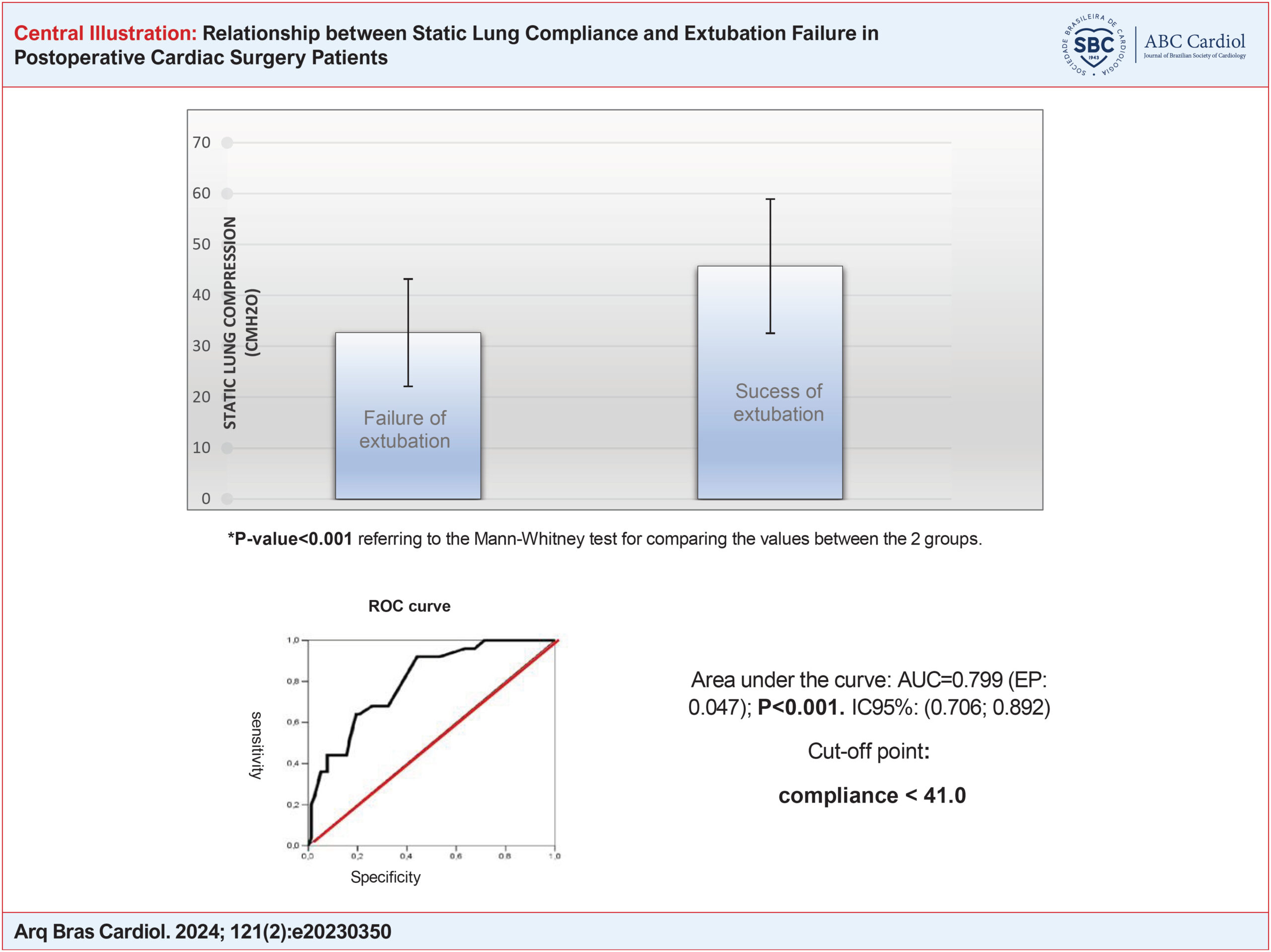
77 patients (75.49%) achieved successful extubation and 25 (24.51%) failed extubation. Patients who failed extubation had lower static lung compliance compared to those who succeeded (p<0.001). We identified the cut-off point for compliance through analysis of the Receiver Operating Characteristic Curve (ROC), with the cut-off point being compliance <41ml/cmH2O associated with a higher probability of extubation failure (p<0.001). In the multiple regression analysis, the influence of lung compliance (divided by the ROC curve cut-off point) was found to be 9.1 times greater for patients with compliance <41ml/cmH2O (p< 0.003).

Conclusions:

Static lung compliance <41ml/cmH2O is a factor that compromises the success of extubation in the postoperative period of cardiac surgery.
  • Lung Compliance
  • Postoperative Care
  • Thoracic Surgery
Read Full Article
Creative Commons Attribution (CC BY) Creative Commons license
23/02/2024 DOI: 10.36660/abc.20230350
Figure 1
IJCS
Original Article

Transfusion of Blood Products in the Postoperative of Cardiac Surgery

Antonieta Moraes et al. Juliana Neves Giordani Cristiane Tavares Borges Pauline Eloise Mariani … Laura Maggi da Costa Leonardo Hennig Bridi Ari Tadeu Lirio dos Santos Renato Kalil

Abstract

Background:

The indiscriminate use of blood transfusion in surgery has been associated with increased risk of infection and increased length of hospital stay.

Objective:

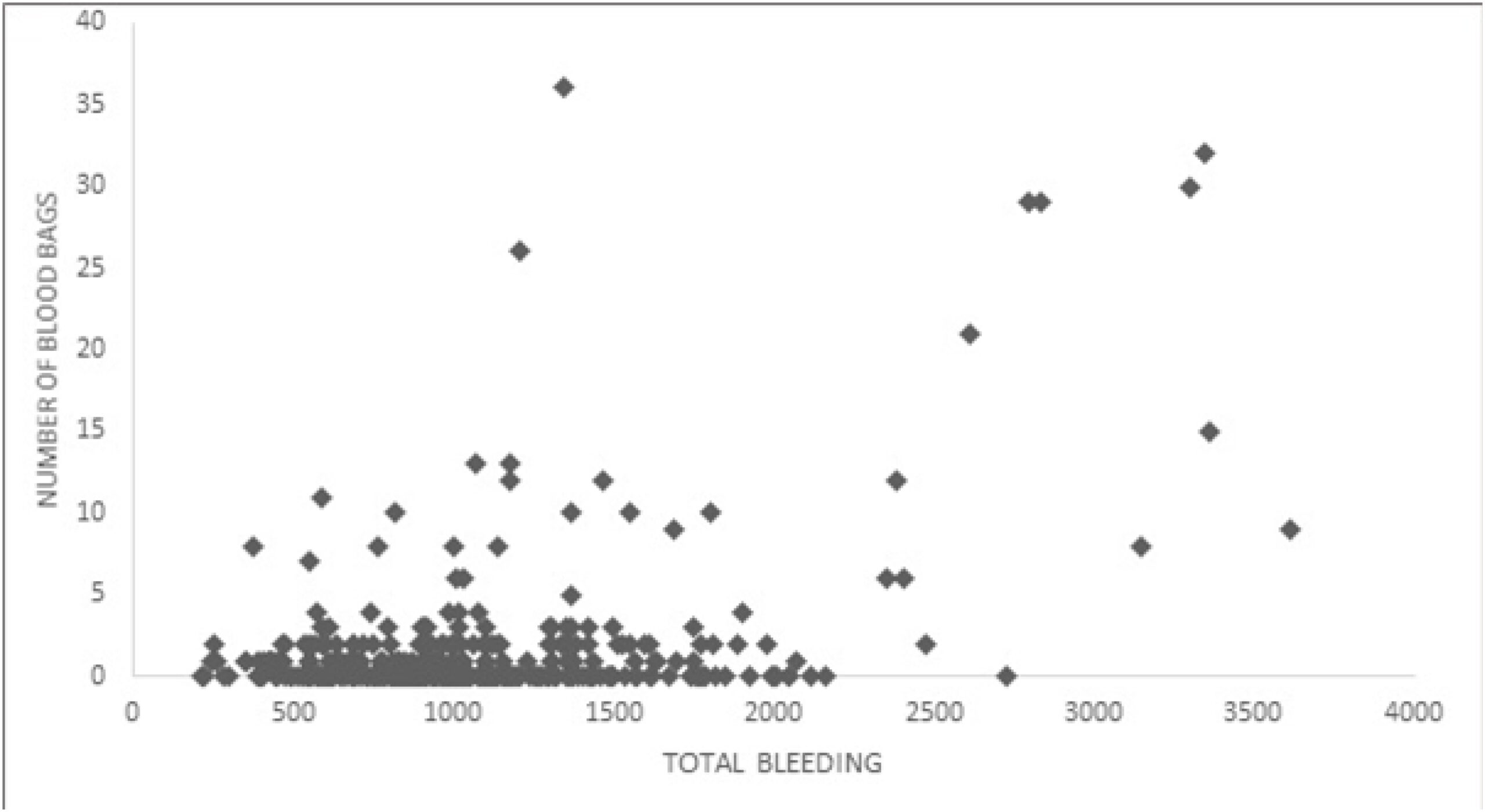
To identify the average amount of bleeding and rates of transfusion of blood products in the postoperative period of patients undergoing cardiac surgery in a cardiology center.

Methods:

Medical records of patients who underwent myocardial revascularization surgery and/or heart valve replacement with use of cardiopulmonary bypass (CPB) were analyzed. Perioperative data such as CPB time, hematocrit and hemoglobin values were collected after surgery. The amount of bleeding (mL), blood transfusion (IU), clinical complications and time of hospitalization were also recorded. The correlation between bleeding in the postoperative period and blood transfusion was performed using the Spearman correlation. A p < 0.05 was considered statistically significant.

Results:

A total of 423 patients undergoing coronary artery bypass grafting (51.5%) or heart valve replacement (33.6%) were included. During the first 24 hours, the average bleeding volume was 353.3 ± 268.3 mL. Transfusion of blood products was required in 40.1% of cases, most frequently (70.6%) in the immediate postoperative period. Red blood cell concentrate was the most frequently used product (22.9% and 60%).

Conclusion:

The occurrence of bleeding in the cases was low, and when transfusion of blood components was indicated, red blood cell concentrates were the most widely used component. (Int J Cardiovasc Sci. 2021; [online].ahead print, PP.0-0)

  • Blood Transfusion/methods
  • Cardiac Surgery
  • Postoperative Care
  • Transfusion Reaction/complications
Read Full Article
Creative Commons Attribution (CC BY) Creative Commons license
30/04/2021 DOI: 10.36660/ijcs.20190192 Views 1
ABC
Original Article

Current Impact of Cardiopulmonary Bypass in Coronary Artery Bypass Grafting in São Paulo State

Gabrielle Barbosa Borgomoni et al. Omar Asdrúbal Vilca Mejia Bianca Maria Maglia Orlandi Maxim Goncharov … Luiz Augusto Ferreira Lisboa Pedro Henrique Conte Marco Antonio Praca Oliveira Alfredo Inácio Fiorelli Orlando Petrucci Junior Marcos Grandim Tiveron Luís Alberto de Oliveira Dallan Fabio Biscegli Jatene

Abstract

Background

Previous results on the use of cardiopulmonary bypass (CPB) have generated difficulties in choosing the best treatment for each patient undergoing myocardial revascularization surgery (CABG) in the current context.

Objective

Evaluate the current impact of CPB in CABG in São Paulo State.

Methods

A total of 2905 patients who underwent CABG were consecutively analyzed in 11 São Paulo State centers belonging to the São Paulo Registry of Cardiovascular Surgery (REPLICCAR) I. Perioperative and follow-up data were included online by trained specialists in each hospital. Associations of the perioperative variables with the type of procedure and with the outcomes were analyzed. The study outcomes were morbidity and operative mortality. The expected mortality was calculated using EuroSCORE II (ESII). The values of p <5% were considered significant.

Results

There were no significant differences concerning the patients’ age between the groups (p=0.081). 72.9% of the patients were males. Of the patients, 542 underwent surgery without CPB (18.7%). Of the preoperative characteristics, patients with previous myocardial infarction (p=0.005) and ventricular dysfunction (p=0.031) underwent surgery with CPB. However, emergency or New York Heart Association (NYHA) class IV patients underwent surgery without CPB (p<0.001). The ESII value was similar in both groups (p=0.427). In CABG without CPB, the radial graft was preferred (p<0.001), and in CABG with CPB the right mammary artery was the preferred one (p<0.001). In the postoperative period, CPB use was associated with reoperation for bleeding (p=0.012).

Conclusion

Currently in the REPLICCAR, reoperation for bleeding was the only outcome associated with the use of CPB in CABG. (Arq Bras Cardiol. 2020; 115(4):595-601)

  • Epidemiology
  • Extracorporeal Circulation
  • Hospital Mortality
  • Morbidity
  • Myocardial Revascularization
  • Postoperative Care
  • Risk Factors
Read Full Article
Creative Commons Attribution (CC BY) Creative Commons license
23/10/2020 DOI: 10.36660/abc.20190145 Views 1
Figure 1
ABC
Original Article

Performance of Severity Indices to Estimate Postoperative Complications of Myocardial Revascularization

Silvana Alves dos Santos Franzotti et al. Dyenily Alessi Sloboda Juliana Rosendo Silva Ellian Amorim Santos Souza … Jessica Zamora Reboreda Renata Eloah de Lucena Ferretti-Rebustini Lilia de Souza Nogueira

Abstract

Background

Patients in the postoperative period of myocardial revascularization (Coronary Artery Bypass Grafting – CABG) surgery admitted to the intensive care unit (ICU) are at risk of complications which increase the length of stay and morbidity and mortality. Therefore, early recognition of these risks is essential to optimize prevention strategies and a satisfactory clinical outcome.

Objective

To analyze the performance of severity indices in predicting complications in patients in the postoperative of CABG during the ICU stay.

Methods

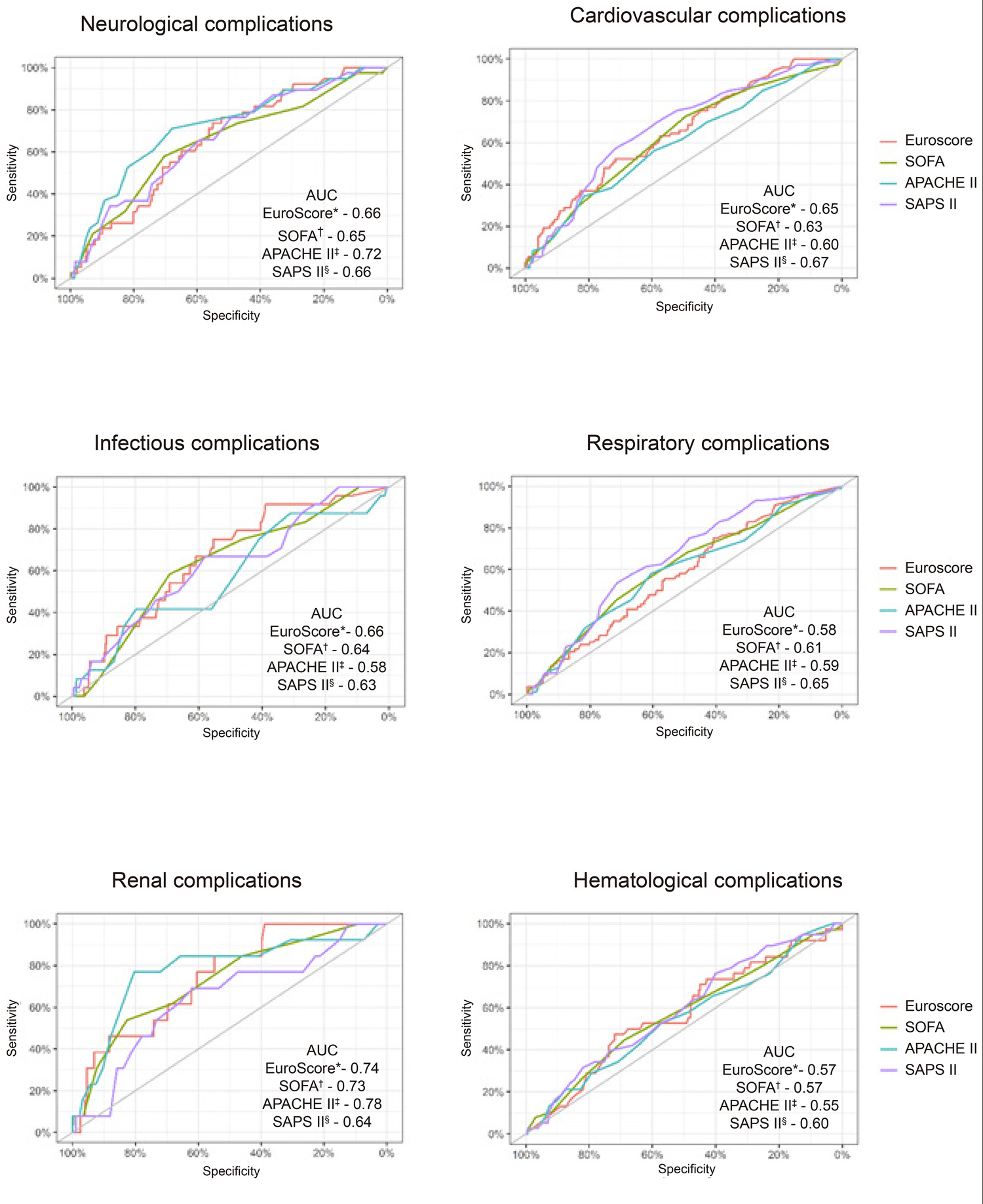
A cross-sectional study with retrospective analysis of electronic medical records of patients aged ≥ 18 years who underwent isolated CABG and were admitted to the ICU of a cardiology hospital in São Paulo, Brazil. The areas under the receiver operating characteristic curves (AUC) with a 95% confidence interval were analyzed to verify the accuracy of the European System for Cardiac Operative Risk Evaluation (EuroScore), Acute Physiology and Chronic Health Evaluation (APACHE II), Simplified Acute Physiology Score (SAPS II) and Sequential Organ Failure Assessment (SOFA) indices in predicting complications.

Results

The sample consisted of 366 patients (64.58 ± 9.42 years; 75.96% male). The complications identified were: respiratory (24.32%), cardiovascular (19.95%), neurological (10.38%), hematological (10.38%), infectious (6.56%) and renal (3.55%). APACHE II showed satisfactory performance for predicting neurological (AUC 0.72) and renal (AUC 0.78) complications.

Conclusion

APACHE II excelled in predicting neurological and renal complications. None of the indices performed well in predicting the other analyzed complications. Therefore, severity indices should not be used indiscriminately in order to predict all complications frequently presented by patients after CABG. (Arq Bras Cardiol. 2020; 115(3):452-459)

  • Cardiovascular Diseases/complications
  • Cardiovascular Diseases/surgery
  • Indicators of Morbidity and Mortality
  • Intensive Care Units
  • Myocardial Revascularization / complications
  • Postoperative Care
  • Severity of Illness Index
Read Full Article
Creative Commons Attribution (CC BY) Creative Commons license
28/09/2020 DOI: 10.36660/abc.20190120 Views 1
Figure 1
IJCS
Original Article

Correlation between Surgical Risk Scales with Respiratory Muscle Strength and Functional Independence in Patients Submitted to Coronary Artery Bypass Grafting

André Luiz Lisboa Cordeiro et al. Átila Darlan Queiroz de Brito Graziele Freitas Almeida Leilane Souza Jesus … Flávia de Araújo Oliveira Janinne Lima da Silva André Raimundo França Guimarães Roberto Moreno Barros

Abstract

Background

The European Heart Surgery Risk Assessment System (EuroSCORE) and InsCor have been used to predict complications of cardiac surgery. However, their application to predict lung function and functionality is still uncertain.

Objective

To correlate surgical risk scales with functional independence and pulmonary function in patients undergoing coronary artery bypass grafting.

Methods

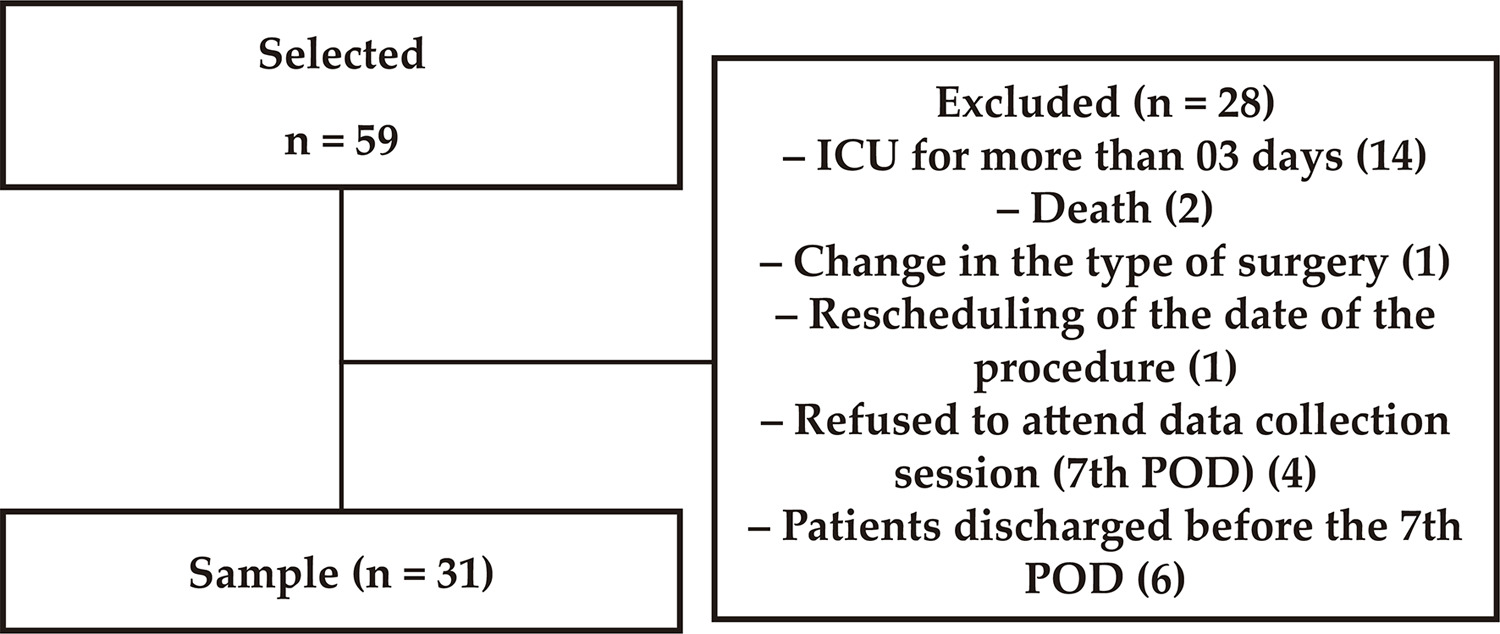
This was a prospective cohort study. In the preoperative period, the two surgical scales were applied, the maximal inspiratory pressure (MIP), maximal expiratory pressure (MEP), and peak expiratory flow (PEF) were measured, and functionality was assessed using the functional independence measure (FIM). On the seventh postoperative day, the pulmonary function and functionality variables were reevaluated, compared with the preoperative values (delta) and correlated with the risk scales. Correlations of pulmonary function, functional independence and muscle strength variables with the surgical scales were made by Pearson correlation test. The significance level adopted was 5%.

Results

Thirty-one patients were studied; most were male (77%), with a mean age of 56±8 years. Mean EuroSCORE was 2.3±0.5 and mean InsCOR was 1.2±0.5. MIP, MEP, and PEF reduced 30% (p<0.001), 33% (p<0.001) and 10% (p=0.23), respectively. The EuroSCORE correlated with MIP (r-0.78; p = 0.02) and FIM (r-0.79; p <0.01), and the InsCor correlated with MIP (r-0.77), MEP (r-0.73) and MIF (r-0.89; p=0.02).

Conclusion

The EuroSCORE showed a strong negative correlation with MIP and FIM, while InsCor had a strong negative correlation with MIP, MEP and FIM. (Int J Cardiovasc Sci. 2020; [online].ahead print, PP.0-0)

  • Cardiovascular Diseases, mortality
  • Muscle Stremght
  • Myocardial Revascularization
  • Physical Therapy Speciality
  • Postoperative Care
  • Pre-Operative Care
  • Respiratory Pressures
  • Risk Assessment
Read Full Article
Creative Commons Attribution (CC BY) Creative Commons license
15/07/2020 DOI: 10.36660/ijcs.20190161 Views 1
Figure 1
ABC
Anatomopathological Correlation

Case 1/2020 – A 56 Year-Old Woman Developed Heart Failure after a Presumed Diagnosis of Acute Myocardial Infarction and Mitral Valve Regurgitation with Rupture of Chordae Tendineae

Desiderio Favarato et al. Luiz Alberto Benvenuti

Clinical aspects

A 55-year-old patient with arterial hypertension and heart failure for one year and with chest pain, had a cardiorespiratory arrest five months before, developed heart failure and mitral regurgitation due to mitral valve prolapse and rupture of chordae tendineae.

The diagnostic impression is that heart failure due to mitral valve disease preceded the episode of precordial pain and severe dyspnea.

[…]

  • Heart Failure/physiopathology
  • Mitral Valve Prolapse/surgery
  • Myocardial Infarction
  • Postoperative Care
  • Renal Insufficiency
  • Sepsis
  • Shock, Cardiogenic
Read Full Article
Creative Commons Attribution (CC BY) Creative Commons license
18/05/2020 DOI: 10.36660/abc.20200024
IJCS
Editorial

Pain after Cardiac Surgery

Tirone E. David

Most cardiac operations are performed via median sternotomy and cardiopulmonary bypass. Both thoracic incision and cardiopulmonary bypass cause major disturbances in the homeostasis of the patient. Disruption of the tissues by the incision initiates an immediate neurological reaction perceived as pain and an intense biochemical and cellular response to repair the wound. Cardiopulmonary bypass causes far more serious systemic changes in homeostasis than pain, and that is probably the main reason why cardiac surgery is behind other surgical specialties in the development of minimally invasive procedures. Pain associated with surgical incision is largely self-limited and resolves with time and, luckily, so do the changes caused by cardiopulmonary bypass. Obviously, surgical incisions that cause less tissue damage are associated with lower degrees of pain and metabolic disturbance than larger and more traumatic incisions.

In this issue of the International Journal of Cardiovascular Sciences, Silva and colleagues, from the University of Fortaleza, Brazil, report a comparative study on postoperative pain following conventional median sternotomy and right mini-thoracotomy. The study has limitations because of the sample size (there were only 17 patients in each arm), the endpoint of the study was largely subjective, and patients were not randomized. However, as one would expect, both groups of patients complained of pain in the first three days but fewer patients with mini-thoracotomy complained of pain by the seventh postoperative day. In addition, mini-thoracotomy was associated with pain of lower intensity, fewer sites, and shorter duration than median sternotomy.

[…]

  • Cardiovascular Surgical Procedures
  • Minimally Invasive Surgical Procedures
  • Postoperative Care
  • Sternotomy
Read Full Article
Creative Commons Attribution (CC BY) Creative Commons license
17/02/2020 DOI: 10.36660/ijcs.20190188 Views 1
Figure 1
ABC
Original Article

Determinants of Aortic Prosthesis Mismatch in a Brazilian Public Health System Hospital: Big Patients or Small Prosthesis?

Maria Estefania Otto et al. Fernando Antibas Atik Marcelo do Nascimento Moreira Luiz Carlos Madruga Ribeiro … Bianca Corrêa Rocha de Mello Joyce Gomes Elias Lima Maiara Sanchez Ribeiro Ana Carolina Pereira Matos Domingues Reyna Pinheiro Calzada Armindo Jreige Jr. Larissa Lucas Schloicka Philippe Pibarot

Abstract

Background:

Prosthesis-patient mismatch (PPM) is associated with worse outcomes.

Objective:

Determine the frequency and evaluate preoperatory variables independently associated with severe PPM in a tertiary hospital focused on Public Health Care.

Methods:

A total of 316 patients submitted to aortic valve replacement, who had echocardiography performed within the first 30 days after surgery, were retrospectively analyzed. The indexed effective orifice area (iEOA) of the prosthesis was used to classify the patients into three groups, according to PPM, considering body mass index (BMI): severe PPM (iEOA) < 0.65 cm2/m2), mild to moderate PPM (iEOA, 0.65 cm2/m2 – 0.85 cm2/m2) and without PPM (iEOA > 0.85 cm2/m2) for a BMI < 30 kg/m2 and severe PPM (iEOA) < 0.55 cm2/m2), mild to moderate (iEOA, 0.55 cm2/m2– 0.70 cm2/m2) and without PPM (iEOA > 0.7 cm2/m2) for a BMI > 30 kg/m2. Statistical significance was considered when p < 0.05.

Results:

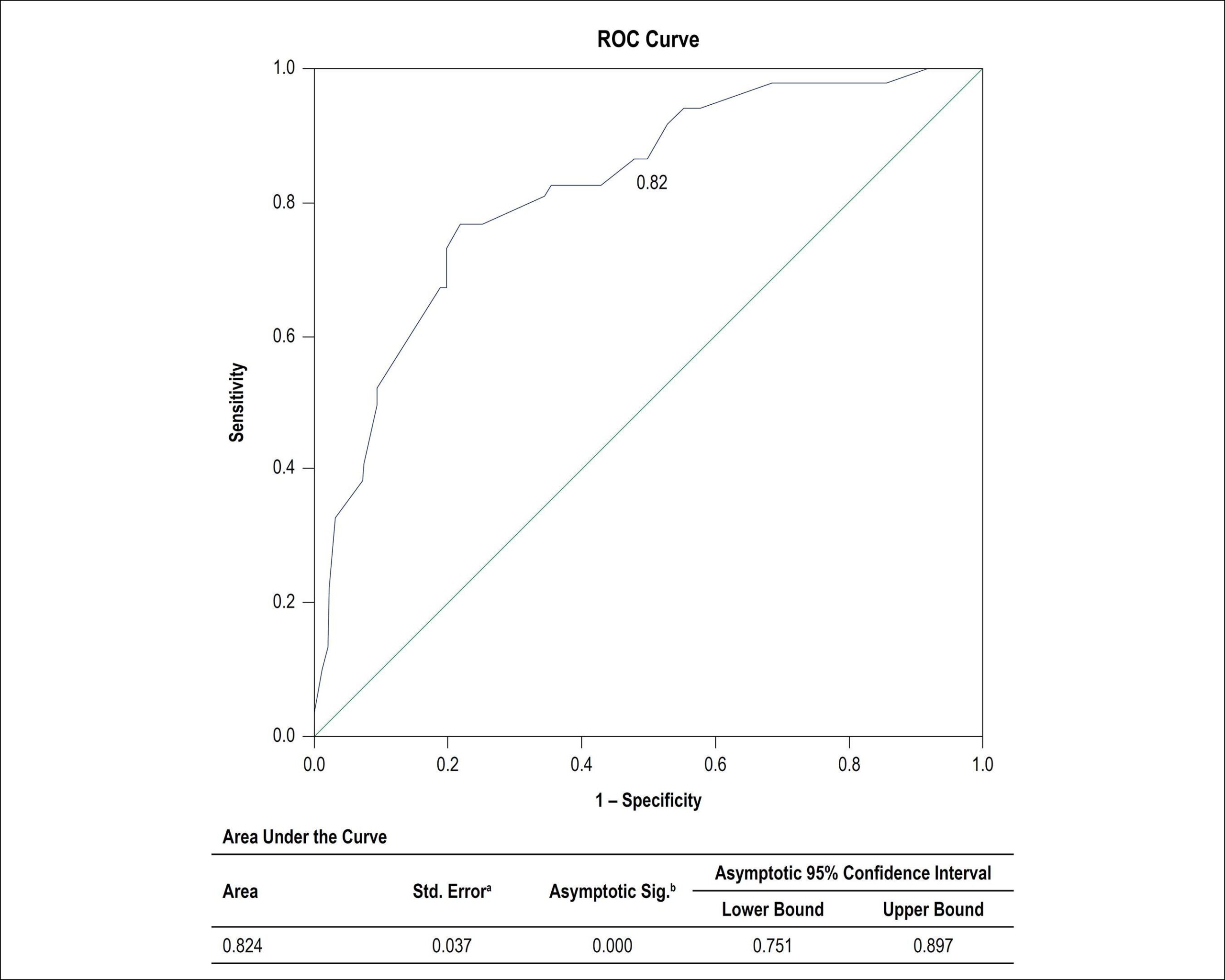
iEOA was obtained in 176 patients. The frequency of severe and moderate PPM was 33.4% and 36.2%, respectively. Severe PPM patients were younger and had larger BMI, but smaller left ventricular outflow tract diameter (LVOTD). The independent variables used to predict severe PPM were male gender, BMI > 25 kg/m2, age < 60 years, LVOTD < 21 mm, and rheumatic etiology with an area under the ROC curve of 0.82.

Conclusion:

The frequency of severe PPM is high in a Brazilian population representative of the Public Health System, and it is possible to predict PPM from preoperative variables such as rheumatic valvular disease, gender, BMI, age and LVOTD.

  • body mass index
  • Echocardiography/methods
  • Heart Valve Prosthesis/surgery
  • Postoperative Care
  • Preoperative Care
  • Size Perception
Read Full Article
Creative Commons Attribution (CC BY) Creative Commons license
28/10/2019 DOI: 10.5935/abc.20190231
Figure 1
IJCS
Original Article

Minimally Invasive Cardiac Surgery versus Sternotomy – Pain Investigation

Juliana Fernandes Silva et al. Marcela Paula Cavalcante Roger Benevides Montenegro Romulo Lira … Emanuel Carvalho Mel Josue Viana Castro

Abstract

Background:

Treatment of postoperative (PO) pain is essential after surgery, as it contributes to a faster rehabilitation. Assessment of PO pain after minimally invasive (MI) surgery has not been regularly addressed, especially when compared with median sternotomy (MS).

Objective:

This study aims to evaluate the intensity of thoracic pain in the PO period in patients subjected to MI surgery and MS.

Methods:

This study compared the intensity of thoracic pain in 34 patients subjected to minimally invasive (MI; n = 17) and median sternotomy (MS; n = 17) from June 2015 to June 2016. The intensity and sites of pain in the PO period, assessed using the visual numeric pain scale, and the need for pain medications were analyzed using the Student’s t-test and the z test, with confidence level of 95% (p < 0.05).

Results:

Almost all patients reported pain on the third PO day (MS = 94.1% and MI = 88.2%; p = 0.5410). On the seventh PO day, there were significantly more patients free of pain in the group of patients subjected to the MI procedure (MS = 94.1% and MI = 64.7%; p = 0.0341). also, these patients reported fewer pain sites (3rd PO day: MS = 3.2 ± 1.5; MI = 1.5 ± 1.2; p = 0.001; 7th PO day: MS = 3.1 ± 1.4; MI = 0.9 ± 0.9; p = 0.000). Patients undergoing MS reported higher pain intensity and longer lasting pain (3rd PO: MS = 4.8 ± 2.2; MI = 3.0 ± 1.6; 7th PO: MS = 5.3 ± 2.0; MI = 1.2 ± 1.3; p = 0.001), with no difference in pain intensity between the third and the seventh PO days (p = 0.4931). In addition, patients subjected to MI procedure had a significant decrease in pain intensity from the third to the seventh PO days (p = 0.001).

Conclusion:

According to these results, we concluded that a MI procedure leads to lower intensity of pain in the PO period (from the third PO day on) when compared to a MS; also, patients undergoing MI patients reported fewer pain sites.

  • Cardiovascular Surgical Procedures
  • Minimally Invasive Surgical Procedures
  • Postoperative Care
  • Sternotomy
Read Full Article
Creative Commons Attribution (CC BY) Creative Commons license
19/08/2019 DOI: 10.5935/2359-4802.20190048 Views 1
Figure 1
IJCS
Original Article

Association of Respiratory Mechanics with Oxygenation and Duration of Mechanical Ventilation After Cardiac Surgery

André Luiz Lisboa Cordeiro et al. Livia Freire de Lima Oliveira Thaynã Caribé Queiroz Verena Lourranne Lima de Santana … Thiago Araújo de Melo André Raimundo Guimarães Bruno Prata Martinez

Abstract

Background:

Mechanical ventilation (MV) and extracorporeal circulation (ECC) are associated with a decline in pulmonary mechanics that may affect gas exchange.

Objective:

To evaluate the impact of pulmonary mechanics on MV duration and gas exchange in the postoperative period of cardiac surgery.
Methods:

This was a cohort study in patients undergoing cardiac surgery. All patients underwent evaluation of pulmonary mechanics (static compliance and airway resistance) and arterial blood gas analysis upon admission to the intensive care unit (ICU) and were followed up until extubation and hospital discharge.

Results:

The study included 50 patients (46 women, 52%) with a mean age of 57.5 ± 13.5 years. The MV duration was 7.7 ± 3.0 hours, static compliance was 35.5 ± 9.1 cm H2O, resistance was 6.0 ± 2.3 cm H2O, mean length of ICU stay was 2.9 ± 1.1 days, and oxygenation index was 228.0 ± 33.4 mmHg. No significant correlation was found between MV duration and static compliance (p = 0.73), but a strong correlation was found between static compliance and gas exchange (r = 0.8 and p < 0.001).

Conclusion:

Pulmonary mechanics have a strong correlation with gas exchange and a weak correlation with MV duration after cardiac surgery.

  • Cardiac Surgical Procedures
  • Oxygenation
  • Postoperative Care
  • Respiration, artificial
  • Thoracic Surgery
Read Full Article
Creative Commons Attribution (CC BY) Creative Commons license
01/01/2018 DOI: 10.5935/2359-4802.20180018 Views 1
IJCS
Original Article

Expansion Pulmonary Therapy in Blood Oxygenation and Lactate Serum Level in Postoperative Cardiac Surgery

Silvana Souza Oliveira et al. Mansueto Neto Roque Aras Junior

Abstract

Background:

Cardiovascular and pulmonary complications often occur in the immediate post- surgery period and may be prevented and/or treated with lung expansion techniques.

Objective:

To evaluate the efficacy of lung expansion techniques in serum arterial lactate levels and oxygenation in patients in this surgical recovery phase.

Method:

A prospective and analytical study was carried out in postoperative cardiac surgery patients, hemodynamically stable. Measurements of artery lactate levels and partial pressure of oxygen were obtained from arterial blood samples drawn before and after lung expansion techniques, including alveolar recruiting maneuver and intermittent positive pressure breathing.

Results:

40 patients with average age of 51.1 ± 14.9 years, 55% female, were included. It is possible to observe the statistically significant difference (p < 0.05) in the comparison between values of baseline and post-operative arterial lactate, oxygen level, oxygen saturation/fraction of inspired oxygen in both procedures. In relation to the outcome of oxygen blood pressure, only the group on intermittent positive pressure breathing achieved significant improvement.

Conclusion:

The lung expansion techniques used have contributed with the reduction of lactate level, improvement in oxygenation and oxygen saturation in this population, but did not alter intensive care unit length of stay.

  • L-Lactate Dehydrogenase
  • Oxygen Level
  • Oxygenation
  • physical therapy modalities
  • Postoperative Care
  • Thoracic Surgery
Read Full Article
Creative Commons Attribution (CC BY) Creative Commons license
01/01/2018 DOI: 10.5935/2359-4802.20170092 Views 1
ABC
Original Article

Comparison of Two Central Venous Pressure Control Strategies to Prevent Atrial Fibrillation After Coronary Artery Bypass Grafting

Mario Augusto Cray da Costa et al. Wesley Lirani Ana Caroline Wippich Luana Lopes … Eduardo de Souza Tolentino Beatriz Zampar Marcelo Derbli Schafranski

Abstract

Background:

Atrial fibrillation (AF) takes place in 10-40% of patients undergoing coronary artery bypass grafting (CABG), and increases cardiovascular mortality. Enlargement of atrial chambers is associated with increased AF incidence, so patients with higher central venous pressure (CVP) are expected to have larger atrial distension, which increases AF incidence.

Objective:

To compare post-CABG AF incidence, following two CVP control strategies.

Methods:

Interventional, randomized, controlled clinical study. The sample comprised 140 patients undergoing CABG between 2011 and 2015. They were randomized into two groups, G15 and G20, with CVP maintained ≤ 15 cmH2O and ≤ 20 cmH2O, respectively.

Results:

70 patients were included in each group. The AF incidence in G15 was 8.57%, and in G20, 22.86%, with absolute risk reduction of 14.28%, and number needed to treat (NNT) of 7 (p = 0.03). Mortality (G15 = 5.71%; G20 = 11.42%; p = 0.07), hospital length of stay (G15 = 7.14 days; G20 = 8.21 days; p = 0.36), number of grafts (median: G15 = 3, G2 = 2; p = 0.22) and cardiopulmonary bypass use (G15 = 67.10%; G20 = 55.70%; p = 0.22) were statistically similar. Age (p = 0.04) and hospital length of stay (p = 0.001) were significantly higher in patients who developed AF in both groups.

Conclusion:

Keeping CVP low in the first 72 post-CABG hours reduces the relative risk of AF, and may be useful to prevent AF after CABG.

  • Atrial Fibrillation/prevention
  • Central Venous Pressure
  • Myocardial Revascularization
  • Postoperative Care
Read Full Article
Creative Commons Attribution (CC BY) Creative Commons license
01/04/2017 DOI: 10.5935/abc.20170044
ABC
Original Article

Experience of ECMO in Primary Graft Dysfunction after Orthotopic Heart Transplantation

Elson Borges Lima et al. Claudio Ribeiro da Cunha Vitor Salvatore Barzilai Marcelo Botelho Ulhoa … Maria Regina de Barros Camila Scatolin Moraes Letycia Chagas Fortaleza Nubia Wellerson Vieira Fernando Antibas Atik

Background:

Primary graft dysfunction is the main cause of early mortality after heart transplantation. Mechanical circulatory support has been used to treat this syndrome.

Objective:

Describe the experience with extracorporeal membrane oxygenation to treat post-transplant primary cardiac graft dysfunction.

Methods:

Between January 2007 and December 2013, a total of 71 orthotopic heart transplantations were performed in patients with advanced heart failure. Eleven (15.5%) of these patients who presented primary graft dysfunction constituted the population of this study. Primary graft dysfunction manifested in our population as failure to wean from cardiopulmonary bypass in six (54.5%) patients, severe hemodynamic instability in the immediate postoperative period with severe cardiac dysfunction in three (27.3%), and cardiac arrest (18.2%). The average ischemia time was 151 ± 82 minutes. Once the diagnosis of primary graft dysfunction was established, we installed a mechanical circulatory support to stabilize the severe hemodynamic condition of the patients and followed their progression longitudinally.

Results:

The average duration of extracorporeal membrane oxygenation support was 76 ± 47.4 hours (range 32 to 144 hours). Weaning with cardiac recovery was successful in nine (81.8%) patients. However, two patients who presented cardiac recovery did not survive to hospital discharge.

Conclusion:

Mechanical circulatory support with central extracorporeal membrane oxygenation promoted cardiac recovery within a few days in most patients.

  • Extracorporeal Membrane Oxygenation / methods
  • Heart Transplantation
  • Postoperative Care
  • Primary Graft Dysfunction / physiopathology
Read Full Article
Creative Commons Attribution (CC BY) Creative Commons license
21/07/2015 DOI: 10.5935/abc.20150082
Figure 1
ABC
Original Article

Impact of Intensive Physiotherapy on Cognitive Function after Coronary Artery Bypass Graft Surgery

Elder dos Santos Cavalcante et al. Rosmeiri Magario César Augusto Conforti Gerson Cipriano Júnior … Ross Arena Antonio Carlos C. Carvalho Enio Buffolo Bráulio Luna Filho

Background:

Coronary artery bypass graft (CABG) is a standard surgical option for patients with diffuse and significant arterial plaque. This procedure, however, is not free of postoperative complications, especially pulmonary and cognitive disorders.

Objective:

This study aimed at comparing the impact of two different physiotherapy treatment approaches on pulmonary and cognitive function of patients undergoing CABG.

Methods:

Neuropsychological and pulmonary function tests were applied, prior to and following CABG, to 39 patients randomized into two groups as follows: Group 1 (control) – 20 patients underwent one physiotherapy session daily; and Group 2 (intensive physiotherapy) – 19 patients underwent three physiotherapy sessions daily during the recovery phase at the hospital. Non-paired and paired Student t tests were used to compare continuous variables. Variables without normal distribution were compared between groups by using Mann-Whitney test, and, within the same group at different times, by using Wilcoxon test. The chi-square test assessed differences of categorical variables. Statistical tests with a p value ≤ 0.05 were considered significant.

Results:

Changes in pulmonary function were not significantly different between the groups. However, while Group 2 patients showed no decline in their neurocognitive function, Group 1 patients showed a decline in their cognitive functions (P ≤ 0.01).

Conclusion:

Those results highlight the importance of physiotherapy after CABG and support the implementation of multiple sessions per day, providing patients with better psychosocial conditions and less morbidity.

  • Myocardial Revascularization / rehabilitation
  • Physical Therapy Speciality
  • Postoperative Care
Read Full Article
Creative Commons Attribution (CC BY) Creative Commons license
28/10/2014 DOI: 10.5935/abc.20140161 Views 1
Chronic and regular use of statin prevents atrial fibrillation in period after cardiac surgery
ABC
Artigo Original

Chronic and regular use of statin prevents atrial fibrillation in period after cardiac surgery

Renato Jorge Alves et al. Rodrigo Noronha Campos Kenji Nakiri

BACKGROND: Atrial fibrillation is a common complication after cardiac surgery. The previous use of statins may reduce the incidence of this arrhythmia. OBJECTIVE: To evaluate whether the chronic and regular use of statins, for a period of six months, prevents atrial fibrillation after elective cardiac surgery. METHODS: A study carried out with 107 patients that underwent cardiac surgery, including 66% of males and their mean age was 60.4 years (25 to 84). We evaluated the presence of atrial fibrillation among patients that used statins or not on a regular basis in the preoperative period. We excluded patients with urgent heart surgery, kidney failure, inflammatory diseases, previous atrial fibrillation, patients with thyroid disease and those using a permanent pacemaker. RESULTS: In the postoperative period, atrial fibrillation was present in 42 patients (39%) of the sample, including 11 (26%) people that had used statins on a regular basis in the preoperative period and 31 (74%) who had not. It was possible to observe that, in 22% of the patients that were using statin, there was no development of atrial fibrillation, while 45% of those who did not take statin had arrhythmia (ρ = 0.02). In the isolated myocardial revascularization, 47% of the patients that did not take statin and 23% of those that took statin developed atrial fibrillation ( ρ = 0.02). There was no statistically significant difference in the analysis of groups with or without statin for the presence of risk factors for the development of atrial fibrillation (ρ = 0.34). CONCLUSION: The regular use of statin, for six months or more in the preoperative period, reduced the incidence of atrial fibrillation after elective cardiac surgery.

  • Arrhythmias Cardiac
  • Atrial Fibrillation
  • hydroxymethylglutaryl-CoA reductases inhibitors
  • Postoperative Care
  • Thoracic Surgery
Read Full Article
Creative Commons Attribution (CC BY) Creative Commons license
24/09/2010 DOI: 10.1590/S0066-782X2010005000129 Views 1
B-type natriuretic peptide is predictive of postoperative events in orthopedic surgery
ABC
Artigo Original

B-type natriuretic peptide is predictive of postoperative events in orthopedic surgery

Humberto Villacorta Junior et al. Isabela Simões de Castro Marise Godinho Camila Mattos … Rogério Visconti Maurício Saud Mônica Novais Cláudia Murad Fernanda Nogueira

BACKGROND: Clinical assessment is not always sufficient to predict postoperative (PO) cardiac complications. B-type natriuretic peptide (BNP) has an important prognostic value in patients with heart failure. Its value as a predictor of events in orthopedic surgeries has not yet been tested. OBJECTIVE: To assess the value of BNP in predicting cardiac complications in the PO period of orthopedic surgeries. METHODS: A total of 208 patients undergoing surgical treatment of femur fracture and hip or knee arthroplasty were prospectively evaluated. Of these, 149 (71.6%) were women and the mean age was 72.6 ± 8.8 years. In the preoperative period, the patients underwent conventional clinical assessment and their surgical risk was estimated according to the American Society of Anesthesiologists’ (ASA) classification. BNP was determined in the preoperative period, and its ability to predict PO cardiac events (death; acute myocardial infarction; unstable angina; atrial fibrillation; ventricular tachycardia; or heart failure) was analyzed using multivariate logistic regression analysis. RESULTS: Seventeen patients (8.0%) experienced cardiac events. Median BNP was significantly higher in these patients in comparison to those without cardiac events (93 [interquartile range 73-424] vs 26.6 [13.2-53.1], p = 0.0001). BNP was the main independent predictor of events (p = 0.01). The ASA classification was not an independent predictor. Analysis of the ROC curve demonstrated that for a cut-off point of 60pg/mL, BNP showed sensitivity of 76.0% and specificity of 79.0% in the prediction of events, with an area under the curve of 83.0%. CONCLUSION: BNP is an independent predictor of PO cardiac events in orthopedic surgeries.

  • Natriuretic Peptide, B-Type
  • orthopedic procedures
  • Orthopedics
  • Postoperative Care
Read Full Article
Creative Commons Attribution (CC BY) Creative Commons license
24/09/2010 DOI: 10.1590/S0066-782X2010005000131 Views 1
ABC
Artigo Original

Sepsis in the postoperative period of cardiac surgery: problem description

Dinaldo Cavalcanti de Oliveira et al. João Bosco de Oliveira Filho Rogério Ferreira Silva Simone Soares Moura … Diego Janstk Silva Enilton Sergio Tabosa do Egito Stevan Krieger Martins Luis Carlos Bento Souza Adib Domingos Jatene Leopoldo Soares Piegas

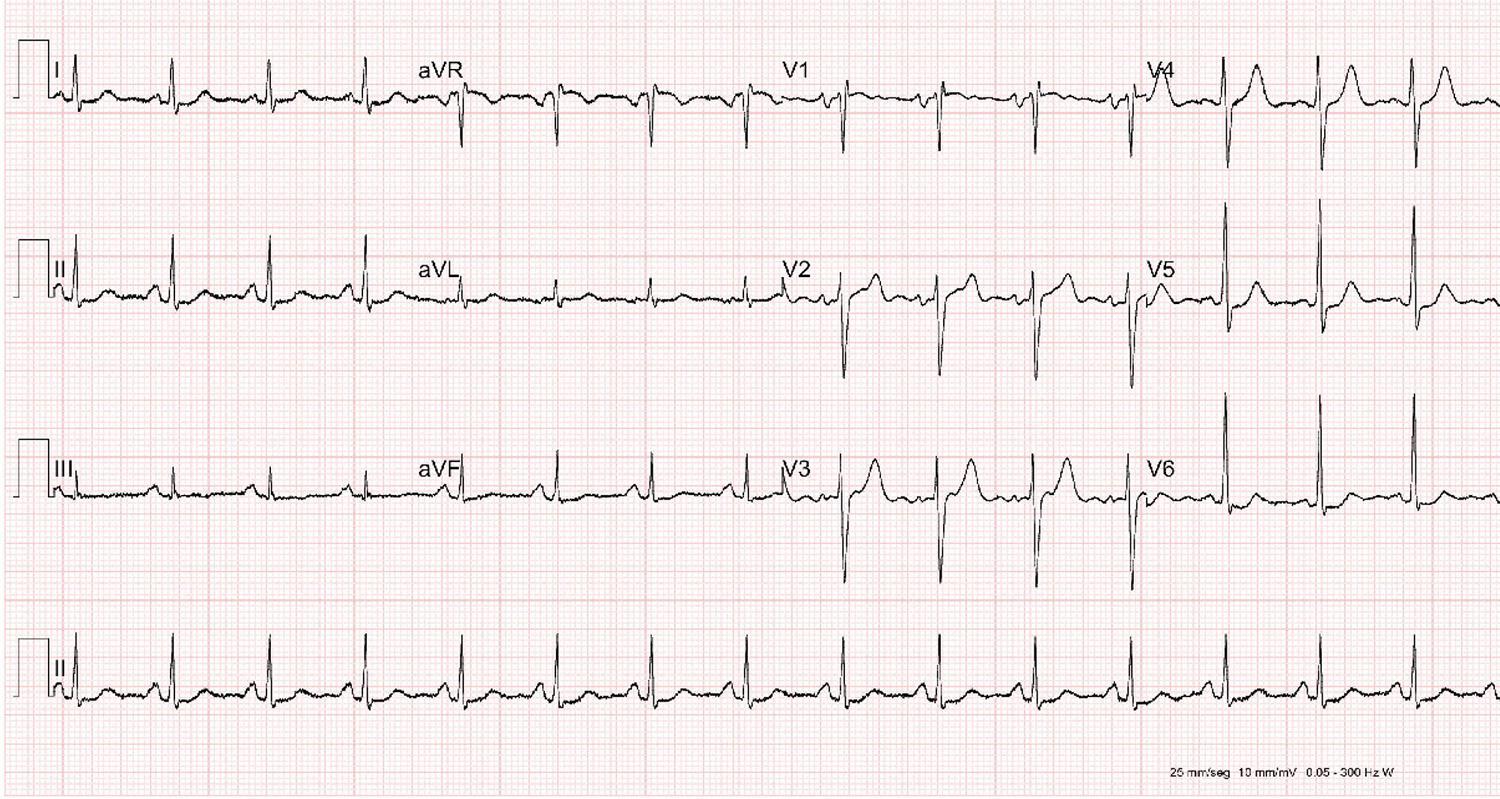
BACKGROUND: In spite of the advances in sepsis diagnosis and treatment in the last years, the morbidity and mortality are still high. OBJECTIVE: To assess the prevalence, in-hospital evolution and prognosis of patients that presented sepsis in the postoperative period of cardiac surgery. METHODS: This is a prospective study that included patients (n = 7,332) submitted to cardiac surgery (valvular or coronary) between January 1995 and December 2007. The classic criteria of sepsis diagnosis were used to identify the patients that developed such condition and the preoperative comorbidities, in-hospital evolution and prognosis were evaluated. RESULTS: Sepsis occurred in 29 patients (prevalence = 0.39%). There was a predominance of the male when compared to the female sex (79% vs. 21%). Mean age was 69 ± 6.5 years. The main preoperative comorbidities were: systemic arterial hypertension (79%), dyslipidemia (48%) and family history of coronary artery disease (38%). The mean Apache score was 18 ± 7, whereas the Sofa score was 14.2 ± 3.8. The primary infectious focus was pulmonary in 19 patients (55%). There were 19 positive cultures and the mean IV hydration during the first 24 hours was 1,016 ± 803 ml. The main complications were acute renal failure (65%), low cardiac output syndrome (55%) and malignant ventricular arrhythmia (55%). Mortality was 79% (23 patients). CONCLUSION: The occurrence of sepsis after cardiac surgery was a rare event; however, its occurrence showed catastrophic clinical outcomes. The high morbidity and mortality showed the need to improve treatment, aiming at patients’ better clinical evolution.
  • Heart
  • Postoperative Care
  • Sepsis
  • Thoracic Surgery
Read Full Article
Creative Commons Attribution (CC BY) Creative Commons license
28/04/2010 DOI: 10.1590/S0066-782X2010000300012 Views 1
Postoperative atrial fibrillation after cardiac surgery
ABC
Review Article

Postoperative atrial fibrillation after cardiac surgery

Carlos Romério Costa Ferro et al. Dinaldo Cavalcanti de Oliveira Fabiana Piech Nunes Leopoldo Soares Piegas

Atrial fibrillation (AF) is an arrhythmia frequently seen in the postoperative period of cardiac surgery. In this context, it is associated with the presence of comorbidities, longer length of hospital stay, and higher costs related to surgery. The mechanisms involved in the genesis of AF in the postoperative period of cardiac surgery (AFPO) are different from those causing paroxysmal AF. Knowledge of these mechanisms permits the use of efficient measures to reduce the incidence of this arrhythmia. According to recommendations of the literature, treatment is efficient and safe, because the rates of reversion to sinus rhythm are high and complications are reduced, and it is not associated with a high frequency of side effects.
  • Arrhythmia
  • Atrial Fibrillation
  • Postoperative Care
  • Thoracic Surgery
Read Full Article
Creative Commons Attribution (CC BY) Creative Commons license
13/10/2009 DOI: 10.1590/S0066-782X2009000700011 Views 1
Postoperative atrial fibrillation after cardiac surgery: who should receive chemoprophylaxis?
ABC
Review Article

Postoperative atrial fibrillation after cardiac surgery: who should receive chemoprophylaxis?

Glaucylara Reis Geovanini et al. Renato Jorge Alves Gisele de Brito Gabriel A. S. Miguel … Valéria A. Glauser Kenji Nakiri

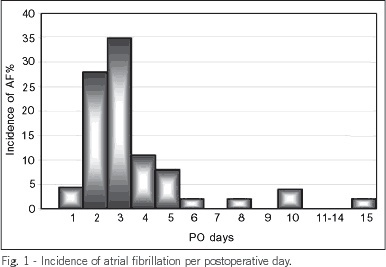
To evaluate arrhythmogenic risk factors associated with greater incidence of postoperative atrial fibrillation (POAF) in patients undergoing cardiac surgery (CABG and/or valvular surgery) in order to identify those more prone to the development of this arrhythmia for possible chemoprophylaxis. Sixty-six patients who underwent elective cardiac surgery were assessed. The following risk factors for the development of POAF were correlated: advanced age, valvular heart disease (VHD), left atrial (LA) enlargement, left ventricular dysfunction (LVD), electrolyte imbalance (EI), previous CABG, prior use and withdrawal of beta-blockers (BB) and/or digitalis 24 hours before surgery). The incidence of AF was high (47%) in our study, most frequently on the first postoperative day. Sixty-four percent of the study sample was male, and the mean age was 62 years. Among patients with two or less risk factors for AF, only 24% developed arrhythmia, while the presence of three or more risk factors was associated with increased incidence of postoperative AF (69%), (p = 0.04). Age > 65 years (58% of the patients) was the most prevalent risk factor, followed by LA enlargement in 45% (p = 0.001), and VHD in 38% (p = 0.02). The presence of three or more risk factors increases significantly the incidence of this arrhythmia in the postoperative period after cardiac surgery. Among the primary risk factors are advanced age, left atrial enlargement, and valvular heart disease.

  • arrhytmia
  • Atrial Fibrillation
  • Postoperative Care
  • Risk Factors
  • Thoracic Surgery
Read Full Article
Creative Commons Attribution (CC BY) Creative Commons license
23/06/2009 DOI: 10.1590/S0066-782X2009000400013
Effects of an inspiratory muscle rehabilitation program in the postoperative period of cardiac surgery
ABC
Artigo Original

Effects of an inspiratory muscle rehabilitation program in the postoperative period of cardiac surgery

Paulo Eduardo Gomes Ferreira et al. Alfredo José Rodrigues Paulo Roberto Barboza Évora

BACKGROUND: Respiratory muscles are affected after cardiac surgeries. OBJECTIVE: To verify whether the preoperative conditioning of the inspiratory muscles might help to decrease postoperative respiratory dysfunction. METHODS: Thirty volunteers of both genders and with a minimum age of 50 years, while waiting for myocardial revascularization and/or cardiac valve surgery, were randomly assigned to two groups. Fifteen patients were included in a domiciliary program of at least 2 weeks of preoperative training of the inspiratory muscles, using a device with a load corresponding to 40% of the maximum inspiratory pressure. The other 15 patients received general advice and did not train the inspiratory muscle. Spirometry, before and after the training program, as well as the evolution of the arterial blood gases and of the maximum inspiratory and expiratory pressure, before and after the operation were evaluated in both group. The clinical outcomes of the two groups were also compared. RESULTS: We observed that inspiratory muscle training increased the forced vital capacity, the maximum voluntary ventilation and the ratio between the forced expired volume during the first second and the forced vital capacity. The evolution of the arterial blood gases and of the maximum inspiratory and expiratory pressures before and after the operation was similar in both groups, with the outcomes also being similar. CONCLUSION: We concluded that our domiciliary program of inspiratory muscle training was safe and improved the forced vital capacity and the maximum voluntary ventilation, although the clinical benefits of this program were not clearly demonstrable in the present study.

  • physical therapy modalities
  • Postoperative Care
  • Rehabilitation
  • Respiratory Muscles
  • Thoracic Surgery
Read Full Article
Creative Commons Attribution (CC BY) Creative Commons license
23/06/2009 DOI: 10.1590/S0066-782X2009000400005 Views 2
The effects of intermittent positive pressure and incentive spirometry in the postoperative of myocardial revascularization
ABC
Artigo Original

The effects of intermittent positive pressure and incentive spirometry in the postoperative of myocardial revascularization

Walmir Romanini et al. Andrea Pires Muller Katherine Athayde Teixeira de Carvalho Marcia Olandoski … José Rocha Faria-Neto Felipe Luiz Mendes Evandro Antonio Sardetto Francisco Diniz Afonso da Costa Luiz César Guarita-Souza

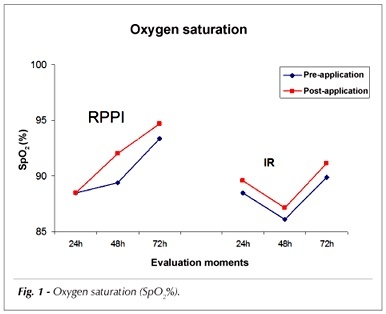
BACKGROUND: Pulmonary complications are important causes of morbidity and fatalities among patients subject to cardiac surgery. The respiratory physiotherapy has been aiding in the recovery of these patient ones. OBJECTIVE: To evaluate the physiotherapeutic effect of intermittent positive pressure breathing (IPPB) and incentive spirometry (IS) in patients submitted to myocardial revascularization surgery. METHODS: Forty patients were divided in two groups: one was submitted to IPPB (n=20) and the other to IS (n=20). The patients were evaluated at the preoperative period and 24, 48 and 72 hours postoperatively, with the resources being applied in the postoperative period. The following parameters were analyzed: oxygen saturation (SpO2), respiratory frequency (RF), minute volume (MV), current volume (CV), maximum inspiratory pressure (Ip max) and maximum expiratory pressure (Ep max). RESULTS: The groups were considered homogeneous regarding the demographic and clinical variables. In the group submitted to IPPB, an increase in SpO2 was observed 48 (p=0.007) and 72 h (p=0.0001) after surgery, when compared to the IS group. As for the RF, MV and CV variables, there were no statistically significant differences between the groups. The group submitted to IS showed a significant increase in the Epmax 24 (p=0.02) and 48 (p=0.01) h after surgery. CONCLUSION: Aiming at reversing hypoxemia earlier, IPPB showed to be more efficient when compared to IS; however, IS was more effective in improving respiratory muscle strength.

  • Myocardial Revascularization
  • physical therapy
  • Postoperative Care
  • respiratory physical therapy
Read Full Article
Creative Commons Attribution (CC BY) Creative Commons license
05/09/2007 DOI: 10.1590/S0066-782X2007001400006
Prevention of atrial fibrillation with moderate doses of amiodarone in the postoperative period of cardiac surgery is safe and effective in patients with high risk for developing this arrhythmia
ABC
Artigo Original

Prevention of atrial fibrillation with moderate doses of amiodarone in the postoperative period of cardiac surgery is safe and effective in patients with high risk for developing this arrhythmia

Renato Jorge Alves et al. Glaucylara Reis Geovanini Gisele de Brito Gabriel A. S. Miguel … Valéria A. Glauser Kenji Nakiri

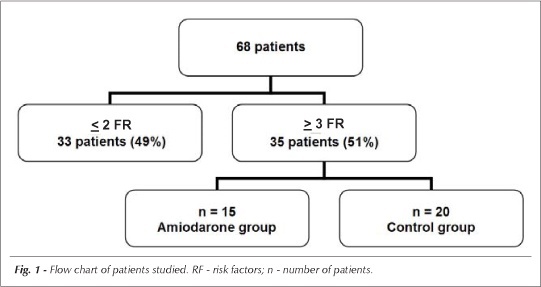
OBJECTIVE: To assess if prophylaxis with moderate doses of amiodarone in the postoperative period of cardiac surgery (coronary artery bypass grafting and/or valve surgery), reduces the incidence of atrial fibrillation in patients with high risk for developing this arrhythmia. METHODS: A randomized and prospective clinical study involving 68 patients who underwent elective cardiac surgery. Mean age was 64 years and 59% of participants were males. Patients with three or more risk factors for atrial fibrillation, according to the literature, were randomized into two groups to receive or not prophylaxis with amiodarone in the first postoperative day. The dose administered ranged from 600 mg/day to 900 mg/day, intravenously, on the first postoperative day, followed by 400 mg/day orally until hospital discharge or until completing seven days. The other patients, who presented two or fewer risk factors, were followed up until hospital discharge. All patients were evaluated by means of cardiac and/or electrocardiographic monitoring. RESULTS: In the group treated with amiodarone, 7% of patients presented atrial fibrillation, whereas in the control group 70% of patients developed arrhythmia. Among the non-randomized individuals (with two or fewer risk factors), only 24% presented atrial fibrillation. CONCLUSION: The prophylactic use of amiodarone was effective in the prevention of atrial fibrillation in patients with three or more risk factors for this arrhythmia. This treatment can be useful to reduce stay at the Intensive Care Unit and, consequently, the complications originating from longer hospitalization.

  • Amiodarone
  • Atrial Fibrillation
  • Postoperative Care
  • Thoracic Surgery
Read Full Article
Creative Commons Attribution (CC BY) Creative Commons license
28/08/2007 DOI: 10.1590/S0066-782X2007001300005
Risk factors, morbidity, and mortality associated with atrial fibrillation in the postoperative period of cardiac surgery
ABC
Artigo Original

Risk factors, morbidity, and mortality associated with atrial fibrillation in the postoperative period of cardiac surgery

Rogério Gomes da Silva et al. Gustavo Glotz de Lima Andréia Laranjeira Altamiro Reis da Costa … Edemar Pereira Rubem Rodrigues

OBJECTIVE: To determine the incidence of atrial fibrillation in the postoperative period of cardiac surgery, its impact on morbidity, mortality, and hospital stay, and to analyze the risk factors in the pre, trans, and postoperative periods. METHOD: Contemporary cohort study with 158 adult patients undergoing cardiac surgery, of whom those with atrial fibrillation in the preoperative period were excluded. The patients were assessed with continuous cardiac monitoring and daily electrocardiograms. Any episode of irregular rhythm with the presence of f waves of variable morphology and amplitude was considered atrial fibrillation. RESULTS: The general incidence of atrial fibrillation was 28.5%, being 21.6% for revascularized patients and 44.3% for those undergoing valvular repair. Factors independently associated with atrial fibrillation were left heart failure in the preoperative period (p=0.05; RC=2.2), total fluid balance (p=0.01; RC=1.0), duration of surgery (p=0.03; RC=1.01) [and other associated factors, age > 70 years, aortic valvular disease, psychomotor agitation, length of installation of the drains, pulmonary congestion and respiratory insufficiency in the postoperative period]. The use of beta-blockers (p=0.01; RC=0.3) was a protective factor. Atrial fibrillation in the postoperative period was associated with an increase in the length of hospital stay (16.9±12.3 days versus 9.2±4.0 days, p<0.001) and a greater incidence of stroke or postoperative death (p=0.02). CONCLUSION: The incidence of atrial fibrillation in the postoperative period of cardiac surgery was high and caused a significant increase in morbidity, mortality, and the length of hospital stay. Among the independent risk factors, excessive fluid balance is significant. The use of beta-blockers was identified as a protective factor.

  • Arrhythmias
  • Atrial Fibrillation
  • Cardiac Surgery
  • Postoperative Care
  • Risk Factors
Read Full Article
Creative Commons Attribution (CC BY) Creative Commons license
17/08/2004 DOI: 10.1590/S0066-782X2004001400002 Views 1

How to cite this article

EndNote RIS

Electronic Document Format (Vancouver)

Ramos TBR, Figueiredo LC, Martins LC, Falcão ALE, Ratti LSR, Petrucci O, Dragosavac D, et al. Relationship between Static Lung Compliance and Extubation Failure in Postoperative Cardiac Surgery Patients. Arquivos Brasileiros de Cardiologia 2024;121(2):e20230350.

Electronic Document Format (ABNT)

Ramos, Thais Bento Rudge; Figueiredo, Luciana Castilho; Martins, Luiz Claudio; Falcão, Antonio Luis Eiras; Ratti, Lígia dos Santos Roceto; Petrucci, Orlando; Dragosavac, Desanka. Relationship between Static Lung Compliance and Extubation Failure in Postoperative Cardiac Surgery Patients. Arquivos Brasileiros de Cardiologia, v. 121, n. 2, e20230350, Feb. 2024.

Electronic Document Format (APA)

Ramos, T. B. R., Figueiredo, L. C., Martins, L. C., Falcão, A. L. E., Ratti, L. S. R., Petrucci, O., & Dragosavac, D. (2024). Relationship between Static Lung Compliance and Extubation Failure in Postoperative Cardiac Surgery Patients. Arquivos Brasileiros de Cardiologia, 121(2), e20230350.

Electronic Document Format (ISO)

Ramos, Thais Bento Rudge and Figueiredo, Luciana Castilho and Martins, Luiz Claudio and Falcão, Antonio Luis Eiras and Ratti, Lígia dos Santos Roceto and Petrucci, Orlando and Dragosavac, Desanka. Relationship between Static Lung Compliance and Extubation Failure in Postoperative Cardiac Surgery Patients. Arquivos Brasileiros de Cardiologia [online]. 2024, vol. 121, n. 2, [cited 2026-10-14], e20230350. Available from: <https://journals.cardiol.br/en/article/relationship-between-static-lung-compliance-and-extubation-failure-in-postoperative-cardiac-surgery-patients/>. ISSN 0066-782X

EndNote RIS

Electronic Document Format (Vancouver)

Moraes A, Giordani JN, Borges CT, Mariani PE, Costa LM, Bridi LH, Santos ATL, et al. Transfusion of Blood Products in the Postoperative of Cardiac Surgery. International Journal of Cardiovascular Sciences 2021;34(5):499-505.

Electronic Document Format (ABNT)

Moraes, Antonieta; Giordani, Juliana Neves; Borges, Cristiane Tavares; Mariani, Pauline Eloise; Costa, Laura Maggi da; Bridi, Leonardo Hennig; Santos, Ari Tadeu Lirio dos; Kalil, Renato. Transfusion of Blood Products in the Postoperative of Cardiac Surgery. International Journal of Cardiovascular Sciences, v. 34, n. 5, p. 499-505, Apr. 2021.

Electronic Document Format (APA)

Moraes, A., Giordani, J. N., Borges, C. T., Mariani, P. E., Costa, L. M. , Bridi, L. H., Santos, A. T. L. , & Kalil, R. (2021). Transfusion of Blood Products in the Postoperative of Cardiac Surgery. International Journal of Cardiovascular Sciences, 34(5), 499-505.

Electronic Document Format (ISO)

Moraes, Antonieta and Giordani, Juliana Neves and Borges, Cristiane Tavares and Mariani, Pauline Eloise and Costa, Laura Maggi da and Bridi, Leonardo Hennig and Santos, Ari Tadeu Lirio dos and Kalil, Renato. Transfusion of Blood Products in the Postoperative of Cardiac Surgery. International Journal of Cardiovascular Sciences [online]. 2021, vol. 34, n. 5, [cited 2026-10-14], pp. 499-505. Available from: <https://journals.cardiol.br/en/article/transfusion-of-blood-products-in-the-postoperative-of-cardiac-surgery/>. ISSN 2359-4802

EndNote RIS

Electronic Document Format (Vancouver)

Borgomoni GB, Mejia OAV, Orlandi BMM, Goncharov M, Lisboa LAF, Conte PH, Oliveira MAP, et al. Current Impact of Cardiopulmonary Bypass in Coronary Artery Bypass Grafting in São Paulo State. Arquivos Brasileiros de Cardiologia 2020;115(4):595-601.

Electronic Document Format (ABNT)

Borgomoni, Gabrielle Barbosa; Mejia, Omar Asdrúbal Vilca; Orlandi, Bianca Maria Maglia; Goncharov, Maxim; Lisboa, Luiz Augusto Ferreira; Conte, Pedro Henrique; Oliveira, Marco Antonio Praca; Fiorelli, Alfredo Inácio; Petrucci Junior, Orlando; Tiveron, Marcos Grandim; Dallan, Luís Alberto de Oliveira; Jatene, Fabio Biscegli. Current Impact of Cardiopulmonary Bypass in Coronary Artery Bypass Grafting in São Paulo State. Arquivos Brasileiros de Cardiologia, v. 115, n. 4, p. 595-601, Oct. 2020.

Electronic Document Format (APA)

Borgomoni, G. B., Mejia, O. A. V., Orlandi, B. M. M., Goncharov, M., Lisboa, L. A. F., Conte, P. H., Oliveira, M. A. P., Fiorelli, A. I., Petrucci Junior, O., Tiveron, M. G., Dallan, L. A. O., & Jatene, F. B. (2020). Current Impact of Cardiopulmonary Bypass in Coronary Artery Bypass Grafting in São Paulo State. Arquivos Brasileiros de Cardiologia, 115(4), 595-601.

Electronic Document Format (ISO)

Borgomoni, Gabrielle Barbosa and Mejia, Omar Asdrúbal Vilca and Orlandi, Bianca Maria Maglia and Goncharov, Maxim and Lisboa, Luiz Augusto Ferreira and Conte, Pedro Henrique and Oliveira, Marco Antonio Praca and Fiorelli, Alfredo Inácio and Petrucci Junior, Orlando and Tiveron, Marcos Grandim and Dallan, Luís Alberto de Oliveira and Jatene, Fabio Biscegli. Current Impact of Cardiopulmonary Bypass in Coronary Artery Bypass Grafting in São Paulo State. Arquivos Brasileiros de Cardiologia [online]. 2020, vol. 115, n. 4, [cited 2026-10-14], pp. 595-601. Available from: <https://journals.cardiol.br/en/article/current-impact-of-cardiopulmonary-bypass-in-coronary-artery-bypass-grafting-in-sao-paulo-state/>. ISSN 0066-782X

EndNote RIS

Electronic Document Format (Vancouver)

Franzotti SAS, Sloboda DA, Silva JR, Souza EAS, Reboreda JZ, Ferretti-Rebustini REL, Nogueira LS, et al. Performance of Severity Indices to Estimate Postoperative Complications of Myocardial Revascularization. Arquivos Brasileiros de Cardiologia 2020;115(3):452-9.

Electronic Document Format (ABNT)

Franzotti, Silvana Alves dos Santos; Sloboda, Dyenily Alessi; Silva, Juliana Rosendo; Souza, Ellian Amorim Santos; Reboreda, Jessica Zamora; Ferretti-Rebustini, Renata Eloah de Lucena; Nogueira, Lilia de Souza. Performance of Severity Indices to Estimate Postoperative Complications of Myocardial Revascularization. Arquivos Brasileiros de Cardiologia, v. 115, n. 3, p. 452-459, Sep. 2020.

Electronic Document Format (APA)

Franzotti, S. A. S., Sloboda, D. A., Silva, J. R., Souza, E. A. S., Reboreda, J. Z., Ferretti-Rebustini, R. E. L., & Nogueira, L. S. (2020). Performance of Severity Indices to Estimate Postoperative Complications of Myocardial Revascularization. Arquivos Brasileiros de Cardiologia, 115(3), 452-459.

Electronic Document Format (ISO)

Franzotti, Silvana Alves dos Santos and Sloboda, Dyenily Alessi and Silva, Juliana Rosendo and Souza, Ellian Amorim Santos and Reboreda, Jessica Zamora and Ferretti-Rebustini, Renata Eloah de Lucena and Nogueira, Lilia de Souza. Performance of Severity Indices to Estimate Postoperative Complications of Myocardial Revascularization. Arquivos Brasileiros de Cardiologia [online]. 2020, vol. 115, n. 3, [cited 2026-10-14], pp. 452-459. Available from: <https://journals.cardiol.br/en/article/performance-of-severity-indices-to-estimate-postoperative-complications-of-myocardial-revascularization/>. ISSN 0066-782X

EndNote RIS

Electronic Document Format (Vancouver)

Cordeiro ALL, Brito DQ, Almeida GF, Jesus LS, Oliveira FA, Silva JL, Guimarães ARF, et al. Correlation between Surgical Risk Scales with Respiratory Muscle Strength and Functional Independence in Patients Submitted to Coronary Artery Bypass Grafting. International Journal of Cardiovascular Sciences 2020;34(1):60-6.

Electronic Document Format (ABNT)

Cordeiro, André Luiz Lisboa; Brito, Átila Darlan Queiroz de; Almeida, Graziele Freitas; Jesus, Leilane Souza; Oliveira, Flávia de Araújo; Silva, Janinne Lima da; Guimarães, André Raimundo França; Barros, Roberto Moreno. Correlation between Surgical Risk Scales with Respiratory Muscle Strength and Functional Independence in Patients Submitted to Coronary Artery Bypass Grafting. International Journal of Cardiovascular Sciences, v. 34, n. 1, p. 60-66, Jul. 2020.

Electronic Document Format (APA)

Cordeiro, A. L. L., Brito, D. Q. , Almeida, G. F., Jesus, L. S., Oliveira, F. A., Silva, J. L. , Guimarães, A. R. F., & Barros, R. M. (2020). Correlation between Surgical Risk Scales with Respiratory Muscle Strength and Functional Independence in Patients Submitted to Coronary Artery Bypass Grafting. International Journal of Cardiovascular Sciences, 34(1), 60-66.

Electronic Document Format (ISO)

Cordeiro, André Luiz Lisboa and Brito, Átila Darlan Queiroz de and Almeida, Graziele Freitas and Jesus, Leilane Souza and Oliveira, Flávia de Araújo and Silva, Janinne Lima da and Guimarães, André Raimundo França and Barros, Roberto Moreno. Correlation between Surgical Risk Scales with Respiratory Muscle Strength and Functional Independence in Patients Submitted to Coronary Artery Bypass Grafting. International Journal of Cardiovascular Sciences [online]. 2020, vol. 34, n. 1, [cited 2026-10-14], pp. 60-66. Available from: <https://journals.cardiol.br/en/article/correlation-between-surgical-risk-scales-with-respiratory-muscle-strength-and-functional-independence-in-patients-submitted-to-coronary-artery-bypass-grafting/>. ISSN 2359-4802

EndNote RIS

Electronic Document Format (Vancouver)

Favarato D, Benvenuti LA. Case 1/2020 – A 56 Year-Old Woman Developed Heart Failure after a Presumed Diagnosis of Acute Myocardial Infarction and Mitral Valve Regurgitation with Rupture of Chordae Tendineae. Arquivos Brasileiros de Cardiologia 2020;114(4 suppl 1):47-56.

Electronic Document Format (ABNT)

Favarato, Desiderio; Benvenuti, Luiz Alberto. Case 1/2020 – A 56 Year-Old Woman Developed Heart Failure after a Presumed Diagnosis of Acute Myocardial Infarction and Mitral Valve Regurgitation with Rupture of Chordae Tendineae. Arquivos Brasileiros de Cardiologia, v. 114, n. 4 suppl 1, p. 47-56, May. 2020.

Electronic Document Format (APA)

Favarato, D., & Benvenuti, L. A. (2020). Case 1/2020 – A 56 Year-Old Woman Developed Heart Failure after a Presumed Diagnosis of Acute Myocardial Infarction and Mitral Valve Regurgitation with Rupture of Chordae Tendineae. Arquivos Brasileiros de Cardiologia, 114(4 suppl 1), 47-56.

Electronic Document Format (ISO)

Favarato, Desiderio and Benvenuti, Luiz Alberto. Case 1/2020 – A 56 Year-Old Woman Developed Heart Failure after a Presumed Diagnosis of Acute Myocardial Infarction and Mitral Valve Regurgitation with Rupture of Chordae Tendineae. Arquivos Brasileiros de Cardiologia [online]. 2020, vol. 114, n. 4 suppl 1, [cited 2026-10-14], pp. 47-56. Available from: <https://journals.cardiol.br/en/article/case-1-2020-a-56-year-old-woman-developed-heart-failure-after-a-presumed-diagnosis-of-acute-myocardial-infarction-and-mitral-valve-regurgitation-with-rupture-of-chordae-tendineae/>. ISSN 0066-782X

EndNote RIS

Electronic Document Format (Vancouver)

David TE. Pain after Cardiac Surgery. International Journal of Cardiovascular Sciences 2020;33(1):22-3.

Electronic Document Format (ABNT)

David, Tirone E.. Pain after Cardiac Surgery. International Journal of Cardiovascular Sciences, v. 33, n. 1, p. 22-23, Feb. 2020.

Electronic Document Format (APA)

David, T. E. (2020). Pain after Cardiac Surgery. International Journal of Cardiovascular Sciences, 33(1), 22-23.

Electronic Document Format (ISO)

David, Tirone E.. Pain after Cardiac Surgery. International Journal of Cardiovascular Sciences [online]. 2020, vol. 33, n. 1, [cited 2026-10-14], pp. 22-23. Available from: <https://journals.cardiol.br/en/article/pain-after-cardiac-surgery/>. ISSN 2359-4802

EndNote RIS

Electronic Document Format (Vancouver)

Otto ME, Atik FA, Moreira MN, Ribeiro LCM, Mello BCR, Lima JGE, Ribeiro MS, et al. Determinants of Aortic Prosthesis Mismatch in a Brazilian Public Health System Hospital: Big Patients or Small Prosthesis?. Arquivos Brasileiros de Cardiologia 2019;114(1):12-2.

Electronic Document Format (ABNT)

Otto, Maria Estefania; Atik, Fernando Antibas; Moreira, Marcelo do Nascimento; Ribeiro, Luiz Carlos Madruga; Mello, Bianca Corrêa Rocha de; Lima, Joyce Gomes Elias; Ribeiro, Maiara Sanchez; Domingues, Ana Carolina Pereira Matos; Calzada, Reyna Pinheiro; Jreige Jr., Armindo; Schloicka, Larissa Lucas; Pibarot, Philippe. Determinants of Aortic Prosthesis Mismatch in a Brazilian Public Health System Hospital: Big Patients or Small Prosthesis?. Arquivos Brasileiros de Cardiologia, v. 114, n. 1, p. 12-22, Oct. 2019.

Electronic Document Format (APA)

Otto, M. E., Atik, F. A., Moreira, M. N., Ribeiro, L. C. M., Mello, B. C. R. , Lima, J. G. E., Ribeiro, M. S., Domingues, A. C. P. M., Calzada, R. P., Jreige Jr., A., Schloicka, L. L., & Pibarot, P. (2019). Determinants of Aortic Prosthesis Mismatch in a Brazilian Public Health System Hospital: Big Patients or Small Prosthesis?. Arquivos Brasileiros de Cardiologia, 114(1), 12-22.

Electronic Document Format (ISO)

Otto, Maria Estefania and Atik, Fernando Antibas and Moreira, Marcelo do Nascimento and Ribeiro, Luiz Carlos Madruga and Mello, Bianca Corrêa Rocha de and Lima, Joyce Gomes Elias and Ribeiro, Maiara Sanchez and Domingues, Ana Carolina Pereira Matos and Calzada, Reyna Pinheiro and Jreige Jr., Armindo and Schloicka, Larissa Lucas and Pibarot, Philippe. Determinants of Aortic Prosthesis Mismatch in a Brazilian Public Health System Hospital: Big Patients or Small Prosthesis?. Arquivos Brasileiros de Cardiologia [online]. 2019, vol. 114, n. 1, [cited 2026-10-14], pp. 12-22. Available from: <https://journals.cardiol.br/en/article/determinants-of-aortic-prosthesis-mismatch-in-a-brazilian-public-health-system-hospital-big-patients-or-small-prosthesis/>. ISSN 0066-782X

EndNote RIS

Electronic Document Format (Vancouver)

Silva JF, Cavalcante MP, Montenegro RB, Lira R, Mel EC, Castro JV. Minimally Invasive Cardiac Surgery versus Sternotomy – Pain Investigation. International Journal of Cardiovascular Sciences 2019;33(1):24-33.

Electronic Document Format (ABNT)

Silva, Juliana Fernandes; Cavalcante, Marcela Paula; Montenegro, Roger Benevides; Lira, Romulo; Mel, Emanuel Carvalho; Castro, Josue Viana. Minimally Invasive Cardiac Surgery versus Sternotomy – Pain Investigation. International Journal of Cardiovascular Sciences, v. 33, n. 1, p. 24-33, Aug. 2019.

Electronic Document Format (APA)

Silva, J. F., Cavalcante, M. P., Montenegro, R. B., Lira, R., Mel, E. C., & Castro, J. V. (2019). Minimally Invasive Cardiac Surgery versus Sternotomy – Pain Investigation. International Journal of Cardiovascular Sciences, 33(1), 24-33.

Electronic Document Format (ISO)

Silva, Juliana Fernandes and Cavalcante, Marcela Paula and Montenegro, Roger Benevides and Lira, Romulo and Mel, Emanuel Carvalho and Castro, Josue Viana. Minimally Invasive Cardiac Surgery versus Sternotomy – Pain Investigation. International Journal of Cardiovascular Sciences [online]. 2019, vol. 33, n. 1, [cited 2026-10-14], pp. 24-33. Available from: <https://journals.cardiol.br/en/article/minimally-invasive-cardiac-surgery-versus-sternotomy-pain-investigation/>. ISSN 2359-4802

EndNote RIS

Electronic Document Format (Vancouver)

Cordeiro ALL, Oliveira LFL, Queiroz TC, Santana VLL, Melo TA, Guimarães AR, Martinez BP, et al. Association of Respiratory Mechanics with Oxygenation and Duration of Mechanical Ventilation After Cardiac Surgery. International Journal of Cardiovascular Sciences 2018;31(3):244-9.

Electronic Document Format (ABNT)

Cordeiro, André Luiz Lisboa; Oliveira, Livia Freire de Lima; Queiroz, Thaynã Caribé; Santana, Verena Lourranne Lima de; Melo, Thiago Araújo de; Guimarães, André Raimundo; Martinez, Bruno Prata. Association of Respiratory Mechanics with Oxygenation and Duration of Mechanical Ventilation After Cardiac Surgery. International Journal of Cardiovascular Sciences, v. 31, n. 3, p. 244-249, Dec. 2017.

Electronic Document Format (APA)

Cordeiro, A. L. L., Oliveira, L. F. L., Queiroz, T. C., Santana, V. L. L. , Melo, T. A. , Guimarães, A. R., & Martinez, B. P. (2018). Association of Respiratory Mechanics with Oxygenation and Duration of Mechanical Ventilation After Cardiac Surgery. International Journal of Cardiovascular Sciences, 31(3), 244-249.

Electronic Document Format (ISO)

Cordeiro, André Luiz Lisboa and Oliveira, Livia Freire de Lima and Queiroz, Thaynã Caribé and Santana, Verena Lourranne Lima de and Melo, Thiago Araújo de and Guimarães, André Raimundo and Martinez, Bruno Prata. Association of Respiratory Mechanics with Oxygenation and Duration of Mechanical Ventilation After Cardiac Surgery. International Journal of Cardiovascular Sciences [online]. 2018, vol. 31, n. 3, [cited 2026-10-14], pp. 244-249. Available from: <https://journals.cardiol.br/en/article/association-of-respiratory-mechanics-with-oxygenation-and-duration-of-mechanical-ventilation-after-cardiac-surgery/>. ISSN 2359-4802

EndNote RIS

Electronic Document Format (Vancouver)

Oliveira SS, Mansueto Neto , Aras Junior R. Expansion Pulmonary Therapy in Blood Oxygenation and Lactate Serum Level in Postoperative Cardiac Surgery. International Journal of Cardiovascular Sciences 2018;31(1):63-70.

Electronic Document Format (ABNT)

Oliveira, Silvana Souza; Mansueto Neto, ; Aras Junior, Roque. Expansion Pulmonary Therapy in Blood Oxygenation and Lactate Serum Level in Postoperative Cardiac Surgery. International Journal of Cardiovascular Sciences, v. 31, n. 1, p. 63-70, Dec. 2017.

Electronic Document Format (APA)

Oliveira, S. S., Mansueto Neto, , & Aras Junior, R. (2018). Expansion Pulmonary Therapy in Blood Oxygenation and Lactate Serum Level in Postoperative Cardiac Surgery. International Journal of Cardiovascular Sciences, 31(1), 63-70.

Electronic Document Format (ISO)

Oliveira, Silvana Souza and Mansueto Neto and Aras Junior, Roque. Expansion Pulmonary Therapy in Blood Oxygenation and Lactate Serum Level in Postoperative Cardiac Surgery. International Journal of Cardiovascular Sciences [online]. 2018, vol. 31, n. 1, [cited 2026-10-14], pp. 63-70. Available from: <https://journals.cardiol.br/en/article/expansion-pulmonary-therapy-in-blood-oxygenation-and-lactate-serum-level-in-postoperative-cardiac-surgery/>. ISSN 2359-4802

EndNote RIS

Electronic Document Format (Vancouver)

Costa MAC, Lirani W, Wippich AC, Lopes L, Tolentino ES, Zampar B, Schafranski MD, et al. Comparison of Two Central Venous Pressure Control Strategies to Prevent Atrial Fibrillation After Coronary Artery Bypass Grafting. Arquivos Brasileiros de Cardiologia 2017;108(4):297-303.

Electronic Document Format (ABNT)

Costa, Mario Augusto Cray da; Lirani, Wesley; Wippich, Ana Caroline; Lopes, Luana; Tolentino, Eduardo de Souza; Zampar, Beatriz; Schafranski, Marcelo Derbli. Comparison of Two Central Venous Pressure Control Strategies to Prevent Atrial Fibrillation After Coronary Artery Bypass Grafting. Arquivos Brasileiros de Cardiologia, v. 108, n. 4, p. 297-303, Mar. 2017.

Electronic Document Format (APA)

Costa, M. A. C. , Lirani, W., Wippich, A. C., Lopes, L., Tolentino, E. S., Zampar, B., & Schafranski, M. D. (2017). Comparison of Two Central Venous Pressure Control Strategies to Prevent Atrial Fibrillation After Coronary Artery Bypass Grafting. Arquivos Brasileiros de Cardiologia, 108(4), 297-303.

Electronic Document Format (ISO)

Costa, Mario Augusto Cray da and Lirani, Wesley and Wippich, Ana Caroline and Lopes, Luana and Tolentino, Eduardo de Souza and Zampar, Beatriz and Schafranski, Marcelo Derbli. Comparison of Two Central Venous Pressure Control Strategies to Prevent Atrial Fibrillation After Coronary Artery Bypass Grafting. Arquivos Brasileiros de Cardiologia [online]. 2017, vol. 108, n. 4, [cited 2026-10-14], pp. 297-303. Available from: <https://journals.cardiol.br/en/article/comparison-of-two-central-venous-pressure-control-strategies-to-prevent-atrial-fibrillation-after-coronary-artery-bypass-grafting/>. ISSN 0066-782X

EndNote RIS

Electronic Document Format (Vancouver)

Lima EB, Cunha CR, Barzilai VS, Ulhoa MB, Barros MR, Moraes CS, Fortaleza LC, et al. Experience of ECMO in Primary Graft Dysfunction after Orthotopic Heart Transplantation. Arquivos Brasileiros de Cardiologia 2015;105(3):285-91.

Electronic Document Format (ABNT)

Lima, Elson Borges; Cunha, Claudio Ribeiro da; Barzilai, Vitor Salvatore; Ulhoa, Marcelo Botelho; Barros, Maria Regina de; Moraes, Camila Scatolin; Fortaleza, Letycia Chagas; Vieira, Nubia Wellerson; Atik, Fernando Antibas. Experience of ECMO in Primary Graft Dysfunction after Orthotopic Heart Transplantation. Arquivos Brasileiros de Cardiologia, v. 105, n. 3, p. 285-291, Jul. 2015.

Electronic Document Format (APA)

Lima, E. B., Cunha, C. R. , Barzilai, V. S., Ulhoa, M. B., Barros, M. R. , Moraes, C. S., Fortaleza, L. C., Vieira, N. W., & Atik, F. A. (2015). Experience of ECMO in Primary Graft Dysfunction after Orthotopic Heart Transplantation. Arquivos Brasileiros de Cardiologia, 105(3), 285-291.

Electronic Document Format (ISO)

Lima, Elson Borges and Cunha, Claudio Ribeiro da and Barzilai, Vitor Salvatore and Ulhoa, Marcelo Botelho and Barros, Maria Regina de and Moraes, Camila Scatolin and Fortaleza, Letycia Chagas and Vieira, Nubia Wellerson and Atik, Fernando Antibas. Experience of ECMO in Primary Graft Dysfunction after Orthotopic Heart Transplantation. Arquivos Brasileiros de Cardiologia [online]. 2015, vol. 105, n. 3, [cited 2026-10-14], pp. 285-291. Available from: <https://journals.cardiol.br/en/article/experience-of-ecmo-in-primary-graft-dysfunction-after-orthotopic-heart-transplantation/>. ISSN 0066-782X

EndNote RIS

Electronic Document Format (Vancouver)

Cavalcante ES, Magario R, Conforti CA, Cipriano Júnior G, Arena R, Carvalho ACC, Buffolo E, et al. Impact of Intensive Physiotherapy on Cognitive Function after Coronary Artery Bypass Graft Surgery. Arquivos Brasileiros de Cardiologia 2014;103(5):391-7.

Electronic Document Format (ABNT)

Cavalcante, Elder dos Santos; Magario, Rosmeiri; Conforti, César Augusto; Cipriano Júnior, Gerson; Arena, Ross; Carvalho, Antonio Carlos C.; Buffolo, Enio; Luna Filho, Bráulio. Impact of Intensive Physiotherapy on Cognitive Function after Coronary Artery Bypass Graft Surgery. Arquivos Brasileiros de Cardiologia, v. 103, n. 5, p. 391-397, Oct. 2014.

Electronic Document Format (APA)

Cavalcante, E. S., Magario, R., Conforti, C. A., Cipriano Júnior, G., Arena, R., Carvalho, A. C. C., Buffolo, E., & Luna Filho, B. (2014). Impact of Intensive Physiotherapy on Cognitive Function after Coronary Artery Bypass Graft Surgery. Arquivos Brasileiros de Cardiologia, 103(5), 391-397.

Electronic Document Format (ISO)

Cavalcante, Elder dos Santos and Magario, Rosmeiri and Conforti, César Augusto and Cipriano Júnior, Gerson and Arena, Ross and Carvalho, Antonio Carlos C. and Buffolo, Enio and Luna Filho, Bráulio. Impact of Intensive Physiotherapy on Cognitive Function after Coronary Artery Bypass Graft Surgery. Arquivos Brasileiros de Cardiologia [online]. 2014, vol. 103, n. 5, [cited 2026-10-14], pp. 391-397. Available from: <https://journals.cardiol.br/en/article/impact-of-intensive-physiotherapy-on-cognitive-function-after-coronary-artery-bypass-graft-surgery/>. ISSN 0066-782X

EndNote RIS

Electronic Document Format (Vancouver)

Alves RJ, Campos RN, Nakiri K. Chronic and regular use of statin prevents atrial fibrillation in period after cardiac surgery. Arquivos Brasileiros de Cardiologia 2010;95(5):614-20.

Electronic Document Format (ABNT)

Alves, Renato Jorge; Campos, Rodrigo Noronha; Nakiri, Kenji. Chronic and regular use of statin prevents atrial fibrillation in period after cardiac surgery. Arquivos Brasileiros de Cardiologia, v. 95, n. 5, p. 614-620, Sep. 2010.

Electronic Document Format (APA)

Alves, R. J., Campos, R. N., & Nakiri, K. (2010). Chronic and regular use of statin prevents atrial fibrillation in period after cardiac surgery. Arquivos Brasileiros de Cardiologia, 95(5), 614-620.

Electronic Document Format (ISO)

Alves, Renato Jorge and Campos, Rodrigo Noronha and Nakiri, Kenji. Chronic and regular use of statin prevents atrial fibrillation in period after cardiac surgery. Arquivos Brasileiros de Cardiologia [online]. 2010, vol. 95, n. 5, [cited 2026-10-14], pp. 614-620. Available from: <https://journals.cardiol.br/en/article/chronic-and-regular-use-of-statin-prevents-atrial-fibrillation-in-period-after-cardiac-surgery/>. ISSN 0066-782X

EndNote RIS

Electronic Document Format (Vancouver)

Villacorta Junior H, Castro IS, Godinho M, Mattos C, Visconti R, Saud M, Novais M, et al. B-type natriuretic peptide is predictive of postoperative events in orthopedic surgery. Arquivos Brasileiros de Cardiologia 2010;95(6):743-8.

Electronic Document Format (ABNT)

Villacorta Junior, Humberto; Castro, Isabela Simões de; Godinho, Marise; Mattos, Camila; Visconti, Rogério; Saud, Maurício; Novais, Mônica; Murad, Cláudia; Nogueira, Fernanda. B-type natriuretic peptide is predictive of postoperative events in orthopedic surgery. Arquivos Brasileiros de Cardiologia, v. 95, n. 6, p. 743-748, Sep. 2010.

Electronic Document Format (APA)

Villacorta Junior, H., Castro, I. S. , Godinho, M., Mattos, C., Visconti, R., Saud, M., Novais, M., Murad, C., & Nogueira, F. (2010). B-type natriuretic peptide is predictive of postoperative events in orthopedic surgery. Arquivos Brasileiros de Cardiologia, 95(6), 743-748.

Electronic Document Format (ISO)

Villacorta Junior, Humberto and Castro, Isabela Simões de and Godinho, Marise and Mattos, Camila and Visconti, Rogério and Saud, Maurício and Novais, Mônica and Murad, Cláudia and Nogueira, Fernanda. B-type natriuretic peptide is predictive of postoperative events in orthopedic surgery. Arquivos Brasileiros de Cardiologia [online]. 2010, vol. 95, n. 6, [cited 2026-10-14], pp. 743-748. Available from: <https://journals.cardiol.br/en/article/b-type-natriuretic-peptide-is-predictive-of-postoperative-events-in-orthopedic-surgery/>. ISSN 0066-782X

EndNote RIS

Electronic Document Format (Vancouver)

Oliveira DC, Oliveira Filho JB, Silva RF, Moura SS, Silva DJ, Egito EST, Martins SK, et al. Sepsis in the postoperative period of cardiac surgery: problem description. Arquivos Brasileiros de Cardiologia 2010;94(3):352-6.

Electronic Document Format (ABNT)

Oliveira, Dinaldo Cavalcanti de; Oliveira Filho, João Bosco de; Silva, Rogério Ferreira; Moura, Simone Soares; Silva, Diego Janstk; Egito, Enilton Sergio Tabosa do; Martins, Stevan Krieger; Souza, Luis Carlos Bento; Jatene, Adib Domingos; Piegas, Leopoldo Soares. Sepsis in the postoperative period of cardiac surgery: problem description. Arquivos Brasileiros de Cardiologia, v. 94, n. 3, p. 352-356, Apr. 2010.

Electronic Document Format (APA)

Oliveira, D. C. , Oliveira Filho, J. B. , Silva, R. F., Moura, S. S., Silva, D. J., Egito, E. S. T. , Martins, S. K., Souza, L. C. B., Jatene, A. D., & Piegas, L. S. (2010). Sepsis in the postoperative period of cardiac surgery: problem description. Arquivos Brasileiros de Cardiologia, 94(3), 352-356.

Electronic Document Format (ISO)

Oliveira, Dinaldo Cavalcanti de and Oliveira Filho, João Bosco de and Silva, Rogério Ferreira and Moura, Simone Soares and Silva, Diego Janstk and Egito, Enilton Sergio Tabosa do and Martins, Stevan Krieger and Souza, Luis Carlos Bento and Jatene, Adib Domingos and Piegas, Leopoldo Soares. Sepsis in the postoperative period of cardiac surgery: problem description. Arquivos Brasileiros de Cardiologia [online]. 2010, vol. 94, n. 3, [cited 2026-10-14], pp. 352-356. Available from: <https://journals.cardiol.br/en/article/sepsis-in-the-postoperative-period-of-cardiac-surgery-problem-description/>. ISSN 0066-782X

EndNote RIS

Electronic Document Format (Vancouver)

Ferro CRC, Oliveira DC, Nunes FP, Piegas LS. Postoperative atrial fibrillation after cardiac surgery. Arquivos Brasileiros de Cardiologia 2009;93(1):59-63.

Electronic Document Format (ABNT)

Ferro, Carlos Romério Costa; Oliveira, Dinaldo Cavalcanti de; Nunes, Fabiana Piech; Piegas, Leopoldo Soares. Postoperative atrial fibrillation after cardiac surgery. Arquivos Brasileiros de Cardiologia, v. 93, n. 1, p. 59-63, Oct. 2009.

Electronic Document Format (APA)

Ferro, C. R. C., Oliveira, D. C. , Nunes, F. P., & Piegas, L. S. (2009). Postoperative atrial fibrillation after cardiac surgery. Arquivos Brasileiros de Cardiologia, 93(1), 59-63.

Electronic Document Format (ISO)

Ferro, Carlos Romério Costa and Oliveira, Dinaldo Cavalcanti de and Nunes, Fabiana Piech and Piegas, Leopoldo Soares. Postoperative atrial fibrillation after cardiac surgery. Arquivos Brasileiros de Cardiologia [online]. 2009, vol. 93, n. 1, [cited 2026-10-14], pp. 59-63. Available from: <https://journals.cardiol.br/en/article/postoperative-atrial-fibrillation-after-cardiac-surgery/>. ISSN 0066-782X

EndNote RIS

Electronic Document Format (Vancouver)

Geovanini GR, Alves RJ, Brito G, Miguel GAS, Glauser VA, Nakiri K. Postoperative atrial fibrillation after cardiac surgery: who should receive chemoprophylaxis?. Arquivos Brasileiros de Cardiologia 2009;92(4):326-30.

Electronic Document Format (ABNT)

Geovanini, Glaucylara Reis; Alves, Renato Jorge; Brito, Gisele de; Miguel, Gabriel A. S.; Glauser, Valéria A.; Nakiri, Kenji. Postoperative atrial fibrillation after cardiac surgery: who should receive chemoprophylaxis?. Arquivos Brasileiros de Cardiologia, v. 92, n. 4, p. 326-330, Jun. 2009.

Electronic Document Format (APA)

Geovanini, G. R., Alves, R. J., Brito, G. , Miguel, G. A. S., Glauser, V. A., & Nakiri, K. (2009). Postoperative atrial fibrillation after cardiac surgery: who should receive chemoprophylaxis?. Arquivos Brasileiros de Cardiologia, 92(4), 326-330.

Electronic Document Format (ISO)

Geovanini, Glaucylara Reis and Alves, Renato Jorge and Brito, Gisele de and Miguel, Gabriel A. S. and Glauser, Valéria A. and Nakiri, Kenji. Postoperative atrial fibrillation after cardiac surgery: who should receive chemoprophylaxis?. Arquivos Brasileiros de Cardiologia [online]. 2009, vol. 92, n. 4, [cited 2026-10-14], pp. 326-330. Available from: <https://journals.cardiol.br/en/article/postoperative-atrial-fibrillation-after-cardiac-surgery-who-should-receive-chemoprophylaxis/>. ISSN 0066-782X

EndNote RIS

Electronic Document Format (Vancouver)

Ferreira PEG, Rodrigues AJ, Évora PRB. Effects of an inspiratory muscle rehabilitation program in the postoperative period of cardiac surgery. Arquivos Brasileiros de Cardiologia 2009;92(4):275-82.
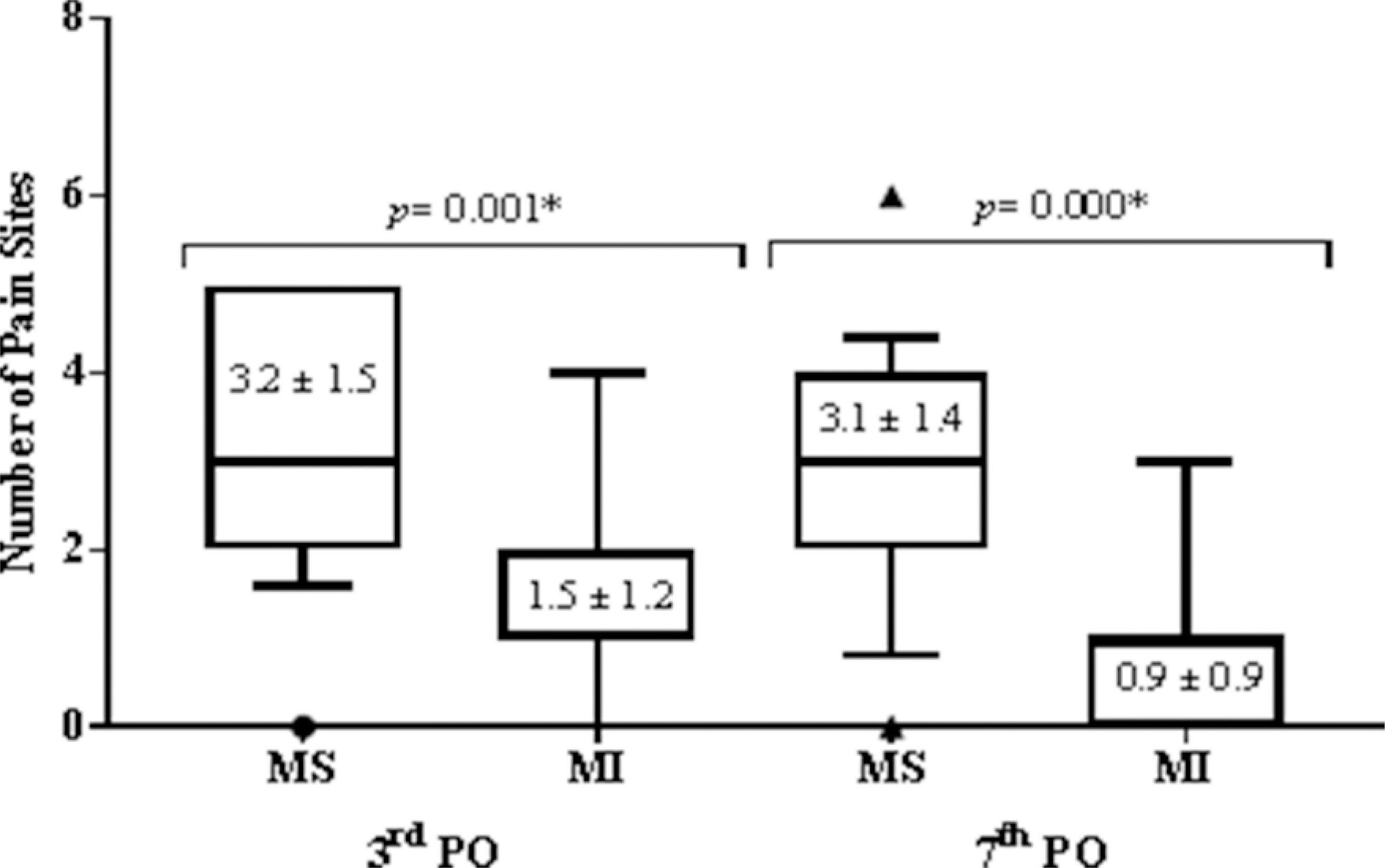
Electronic Document Format (ABNT)

Ferreira, Paulo Eduardo Gomes; Rodrigues, Alfredo José; Évora, Paulo Roberto Barboza. Effects of an inspiratory muscle rehabilitation program in the postoperative period of cardiac surgery. Arquivos Brasileiros de Cardiologia, v. 92, n. 4, p. 275-282, Jun. 2009.
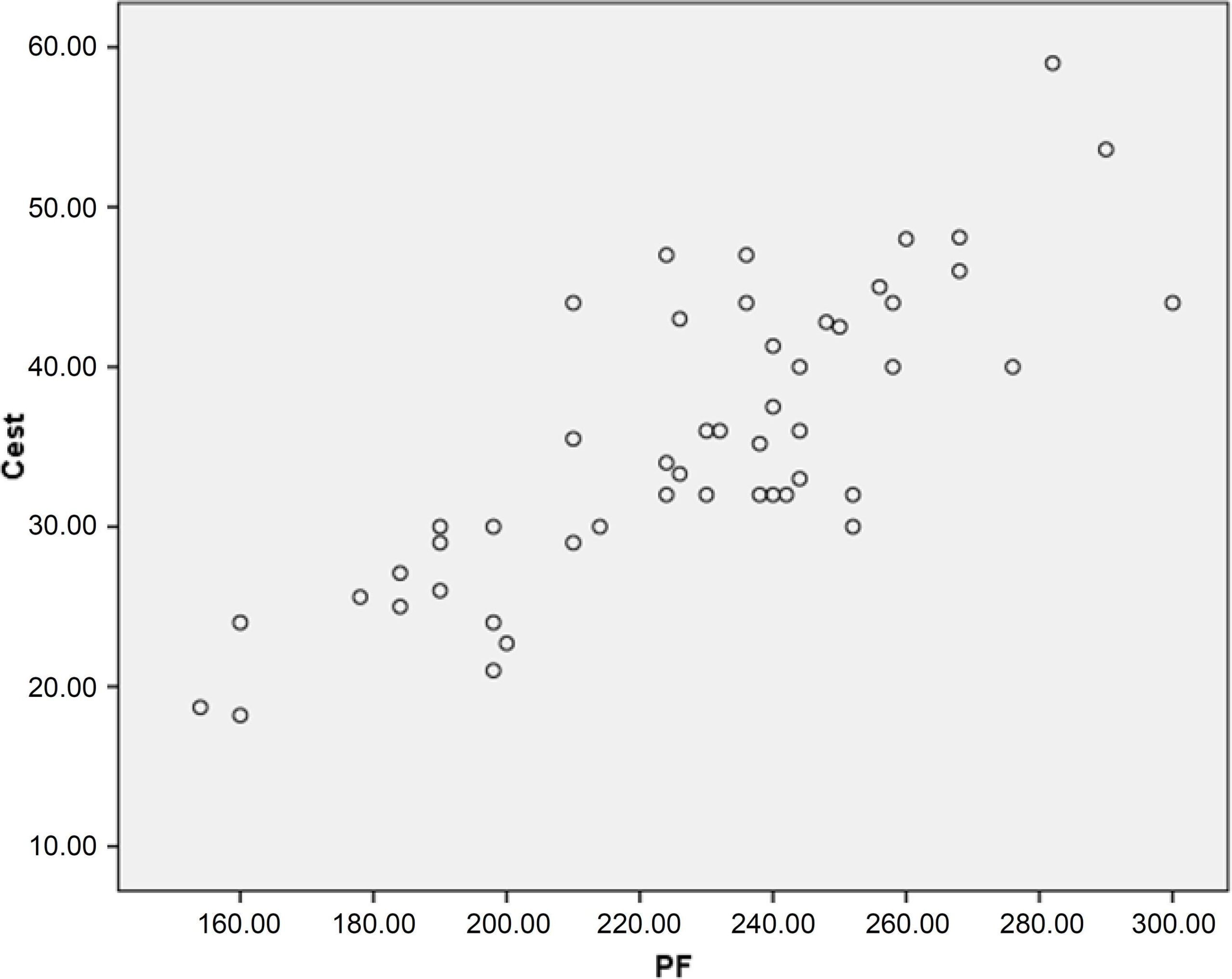
Electronic Document Format (APA)

Ferreira, P. E. G., Rodrigues, A. J., & Évora, P. R. B. (2009). Effects of an inspiratory muscle rehabilitation program in the postoperative period of cardiac surgery. Arquivos Brasileiros de Cardiologia, 92(4), 275-282.
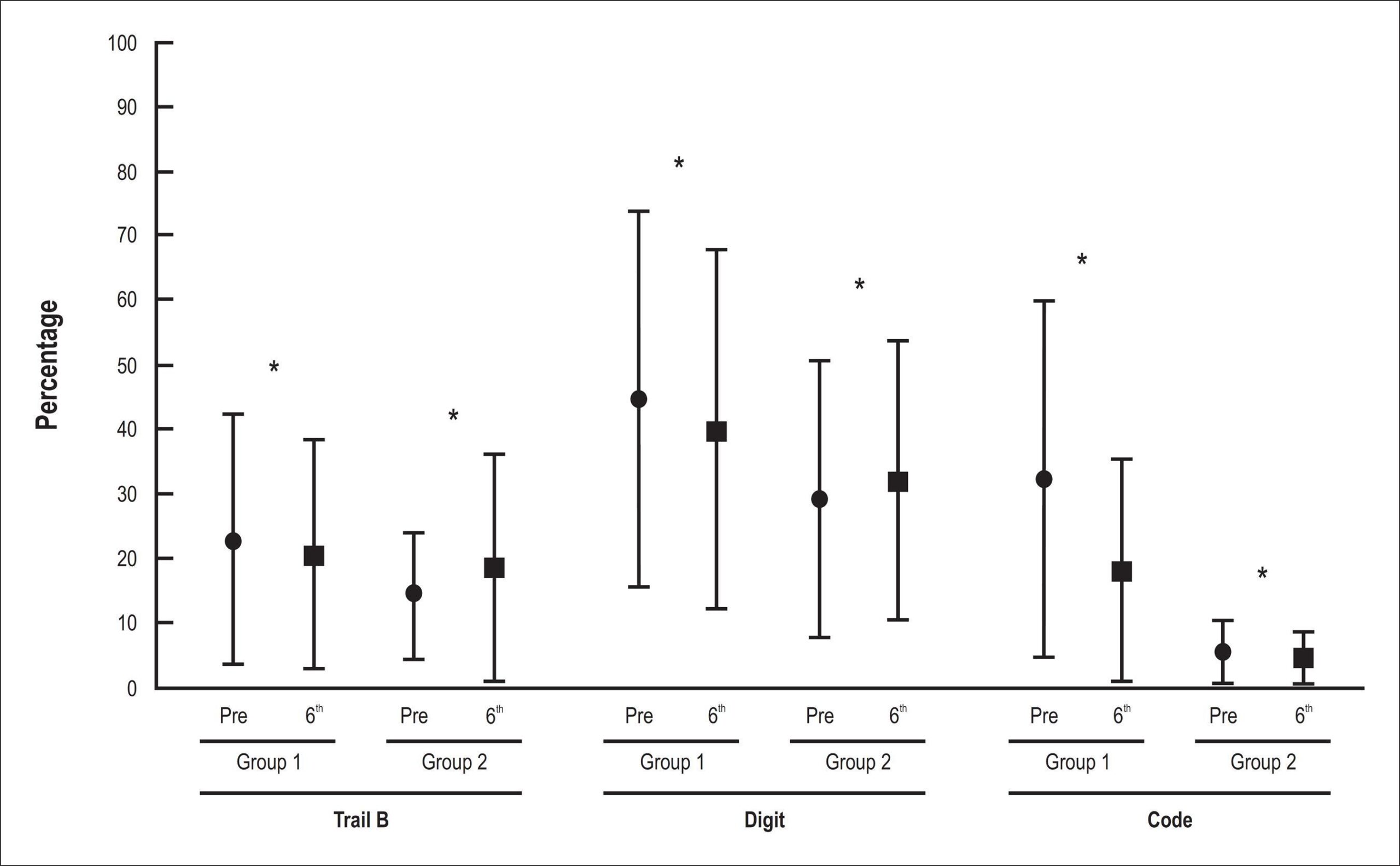
Electronic Document Format (ISO)

Ferreira, Paulo Eduardo Gomes and Rodrigues, Alfredo José and Évora, Paulo Roberto Barboza. Effects of an inspiratory muscle rehabilitation program in the postoperative period of cardiac surgery. Arquivos Brasileiros de Cardiologia [online]. 2009, vol. 92, n. 4, [cited 2026-10-14], pp. 275-282. Available from: <https://journals.cardiol.br/en/article/effects-of-an-inspiratory-muscle-rehabilitation-program-in-the-postoperative-period-of-cardiac-surgery/>. ISSN 0066-782X
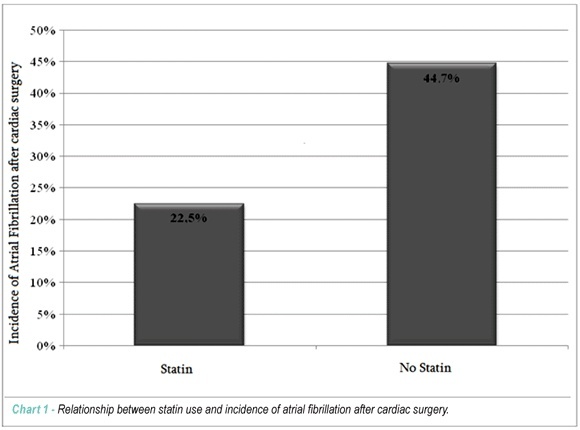
EndNote RIS

Electronic Document Format (Vancouver)

Romanini W, Muller AP, Carvalho KAT, Olandoski M, Faria-Neto JR, Mendes FL, Sardetto EA, et al. The effects of intermittent positive pressure and incentive spirometry in the postoperative of myocardial revascularization. Arquivos Brasileiros de Cardiologia 2007;89(2):105-10.

Electronic Document Format (ABNT)

Romanini, Walmir; Muller, Andrea Pires; Carvalho, Katherine Athayde Teixeira de; Olandoski, Marcia; Faria-Neto, José Rocha; Mendes, Felipe Luiz; Sardetto, Evandro Antonio; Costa, Francisco Diniz Afonso da; Guarita-Souza, Luiz César. The effects of intermittent positive pressure and incentive spirometry in the postoperative of myocardial revascularization. Arquivos Brasileiros de Cardiologia, v. 89, n. 2, p. 105-110, Sep. 2007.

Electronic Document Format (APA)

Romanini, W., Muller, A. P., Carvalho, K. A. T. , Olandoski, M., Faria-Neto, J. R., Mendes, F. L., Sardetto, E. A., Costa, F. D. A. , & Guarita-Souza, L. C. (2007). The effects of intermittent positive pressure and incentive spirometry in the postoperative of myocardial revascularization. Arquivos Brasileiros de Cardiologia, 89(2), 105-110.

Electronic Document Format (ISO)

Romanini, Walmir and Muller, Andrea Pires and Carvalho, Katherine Athayde Teixeira de and Olandoski, Marcia and Faria-Neto, José Rocha and Mendes, Felipe Luiz and Sardetto, Evandro Antonio and Costa, Francisco Diniz Afonso da and Guarita-Souza, Luiz César. The effects of intermittent positive pressure and incentive spirometry in the postoperative of myocardial revascularization. Arquivos Brasileiros de Cardiologia [online]. 2007, vol. 89, n. 2, [cited 2026-10-14], pp. 105-110. Available from: <https://journals.cardiol.br/en/article/the-effects-of-intermittent-positive-pressure-and-incentive-spirometry-in-the-postoperative-of-myocardial-revascularization/>. ISSN 0066-782X

EndNote RIS

Electronic Document Format (Vancouver)

Alves RJ, Geovanini GR, Brito G, Miguel GAS, Glauser VA, Nakiri K. Prevention of atrial fibrillation with moderate doses of amiodarone in the postoperative period of cardiac surgery is safe and effective in patients with high risk for developing this arrhythmia. Arquivos Brasileiros de Cardiologia 2007;89(1):22-7.

Electronic Document Format (ABNT)

Alves, Renato Jorge; Geovanini, Glaucylara Reis; Brito, Gisele de; Miguel, Gabriel A. S.; Glauser, Valéria A.; Nakiri, Kenji. Prevention of atrial fibrillation with moderate doses of amiodarone in the postoperative period of cardiac surgery is safe and effective in patients with high risk for developing this arrhythmia. Arquivos Brasileiros de Cardiologia, v. 89, n. 1, p. 22-27, Aug. 2007.

Electronic Document Format (APA)

Alves, R. J., Geovanini, G. R., Brito, G. , Miguel, G. A. S., Glauser, V. A., & Nakiri, K. (2007). Prevention of atrial fibrillation with moderate doses of amiodarone in the postoperative period of cardiac surgery is safe and effective in patients with high risk for developing this arrhythmia. Arquivos Brasileiros de Cardiologia, 89(1), 22-27.

Electronic Document Format (ISO)

Alves, Renato Jorge and Geovanini, Glaucylara Reis and Brito, Gisele de and Miguel, Gabriel A. S. and Glauser, Valéria A. and Nakiri, Kenji. Prevention of atrial fibrillation with moderate doses of amiodarone in the postoperative period of cardiac surgery is safe and effective in patients with high risk for developing this arrhythmia. Arquivos Brasileiros de Cardiologia [online]. 2007, vol. 89, n. 1, [cited 2026-10-14], pp. 22-27. Available from: <https://journals.cardiol.br/en/article/prevention-of-atrial-fibrillation-with-moderate-doses-of-amiodarone-in-the-postoperative-period-of-cardiac-surgery-is-safe-and-effective-in-patients-with-high-risk-for-developing-this-arrhythmia/>. ISSN 0066-782X

EndNote RIS

Electronic Document Format (Vancouver)

Silva RG, Lima GG, Laranjeira A, Costa AR, Pereira E, Rodrigues R. Risk factors, morbidity, and mortality associated with atrial fibrillation in the postoperative period of cardiac surgery. Arquivos Brasileiros de Cardiologia 2004;83(2):99-104.
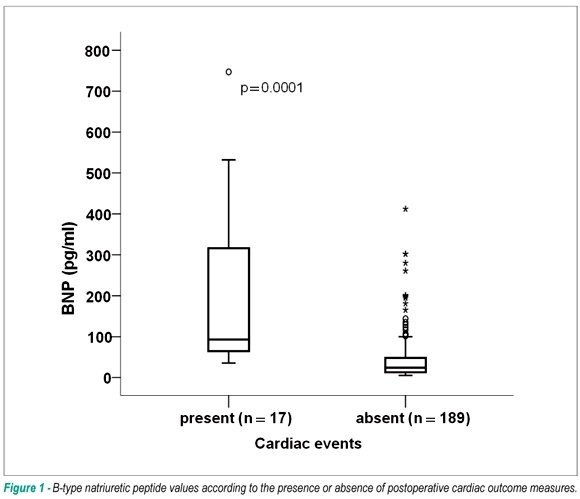
Electronic Document Format (ABNT)

Silva, Rogério Gomes da; Lima, Gustavo Glotz de; Laranjeira, Andréia; Costa, Altamiro Reis da; Pereira, Edemar; Rodrigues, Rubem. Risk factors, morbidity, and mortality associated with atrial fibrillation in the postoperative period of cardiac surgery. Arquivos Brasileiros de Cardiologia, v. 83, n. 2, p. 99-104, Aug. 2004.
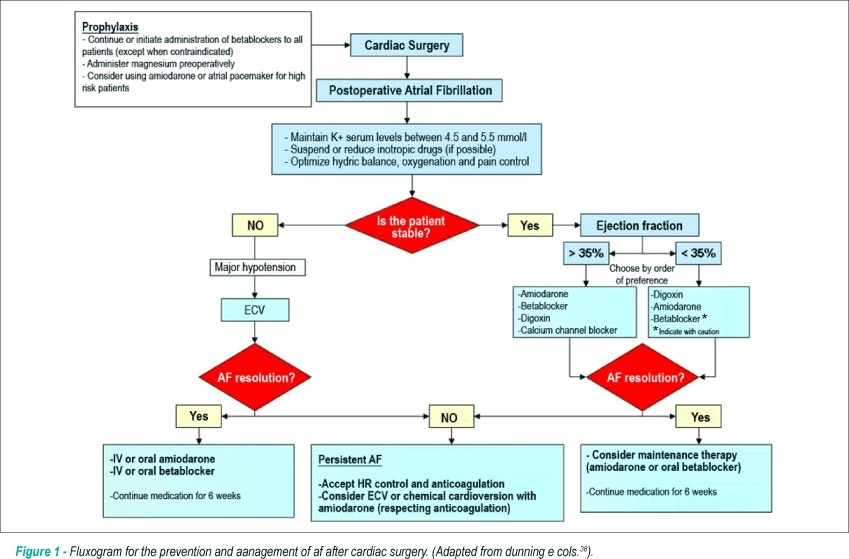
Electronic Document Format (APA)

Silva, R. G. , Lima, G. G. , Laranjeira, A., Costa, A. R. , Pereira, E., & Rodrigues, R. (2004). Risk factors, morbidity, and mortality associated with atrial fibrillation in the postoperative period of cardiac surgery. Arquivos Brasileiros de Cardiologia, 83(2), 99-104.
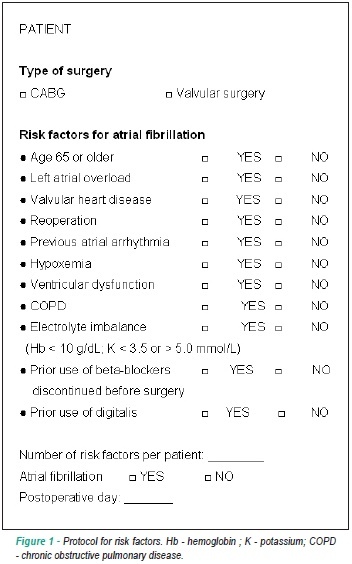
Electronic Document Format (ISO)

Silva, Rogério Gomes da and Lima, Gustavo Glotz de and Laranjeira, Andréia and Costa, Altamiro Reis da and Pereira, Edemar and Rodrigues, Rubem. Risk factors, morbidity, and mortality associated with atrial fibrillation in the postoperative period of cardiac surgery. Arquivos Brasileiros de Cardiologia [online]. 2004, vol. 83, n. 2, [cited 2026-10-14], pp. 99-104. Available from: <https://journals.cardiol.br/en/article/risk-factors-morbidity-and-mortality-associated-with-atrial-fibrillation-in-the-postoperative-period-of-cardiac-surgery/>. ISSN 0066-782X
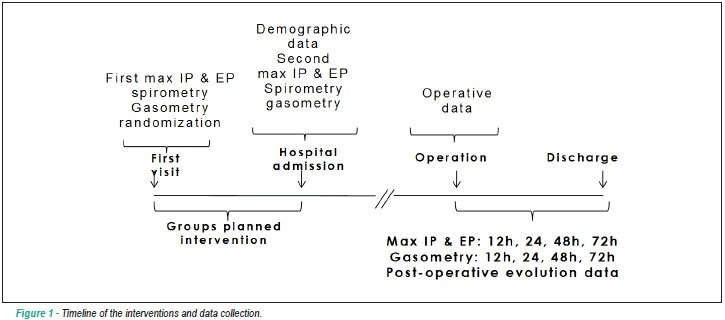
  • About ABC Family
  • Internal Regulation
  • Editorial Board
  • Brazilian Society of Cardiology (SBC)

Issues

SBC Guidelines

  • Videos
  • Podcasts
  • News