Exploring Risk Factors, Comorbidities, and Multiple Drug Therapy in Coronary Artery Disease Patients
Ketan Inamdar et al. Harshada Kajave Akash Shete Jayant Pawar … Anmaria Thomas Madhur Kulkarni
Abstract
Background:
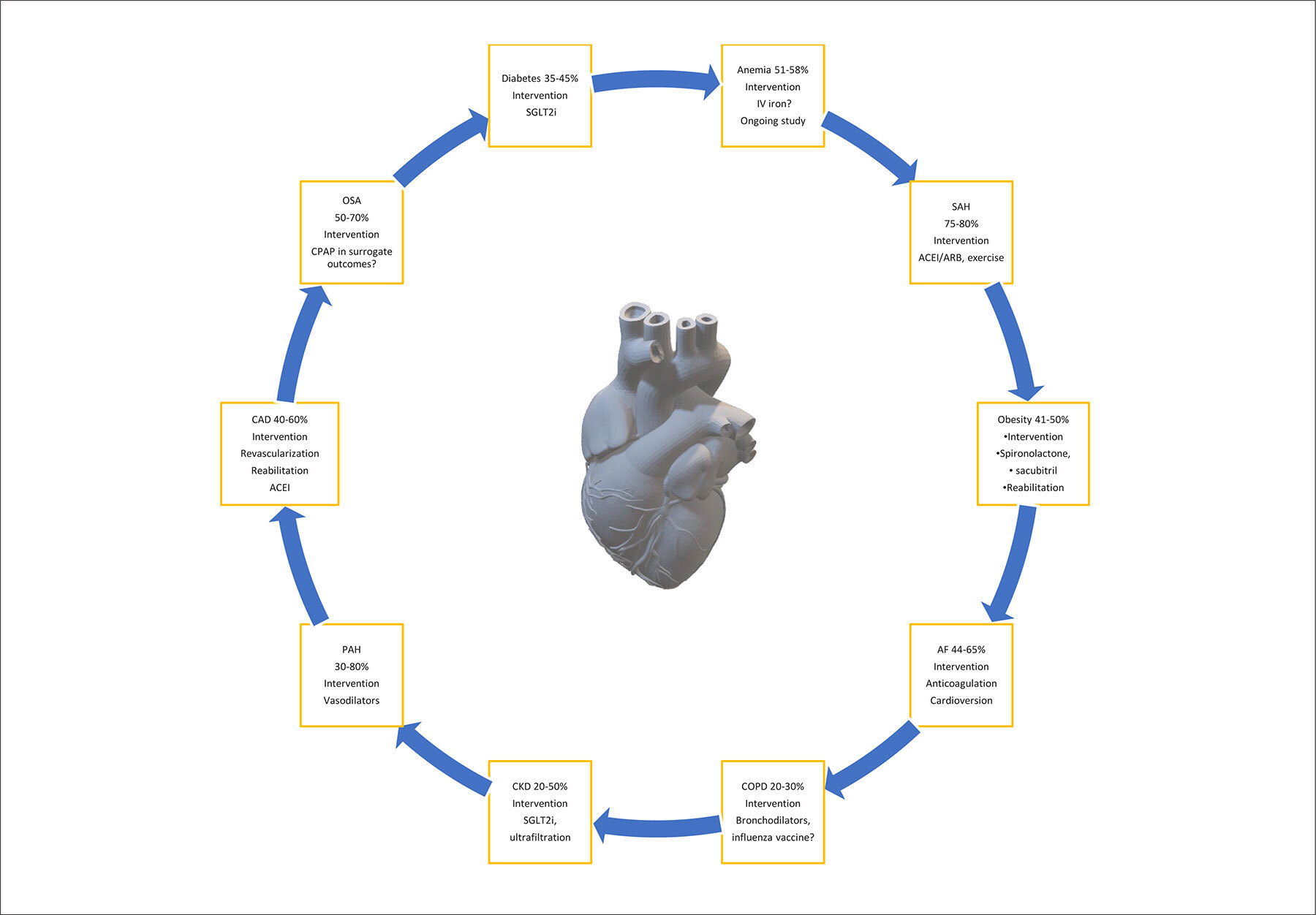
Coronary artery disease (CAD) continues to be a predominant global cause of morbidity and mortality, with rising prevalence in developing nations like India, emphasizing the need to address risk factors, multimorbidity, and polypharmacy to implement effective lifestyle interventions and drug therapies to enhance patient outcomes.
Objectives:
To evaluate the risk factors, comorbidities, and multiple drug therapy patterns among patients diagnosed with CAD in a tertiary care setting.
Methods:
This prospective observational study used medical records to collect data on demographics, comorbidities, lifestyle factors, and medications. Descriptive statistics summarized findings, and Chi-square tests assessed associations between gender, risk factors, and CAD. The significance level adopted in the statistical analysis was 5%.
Results:
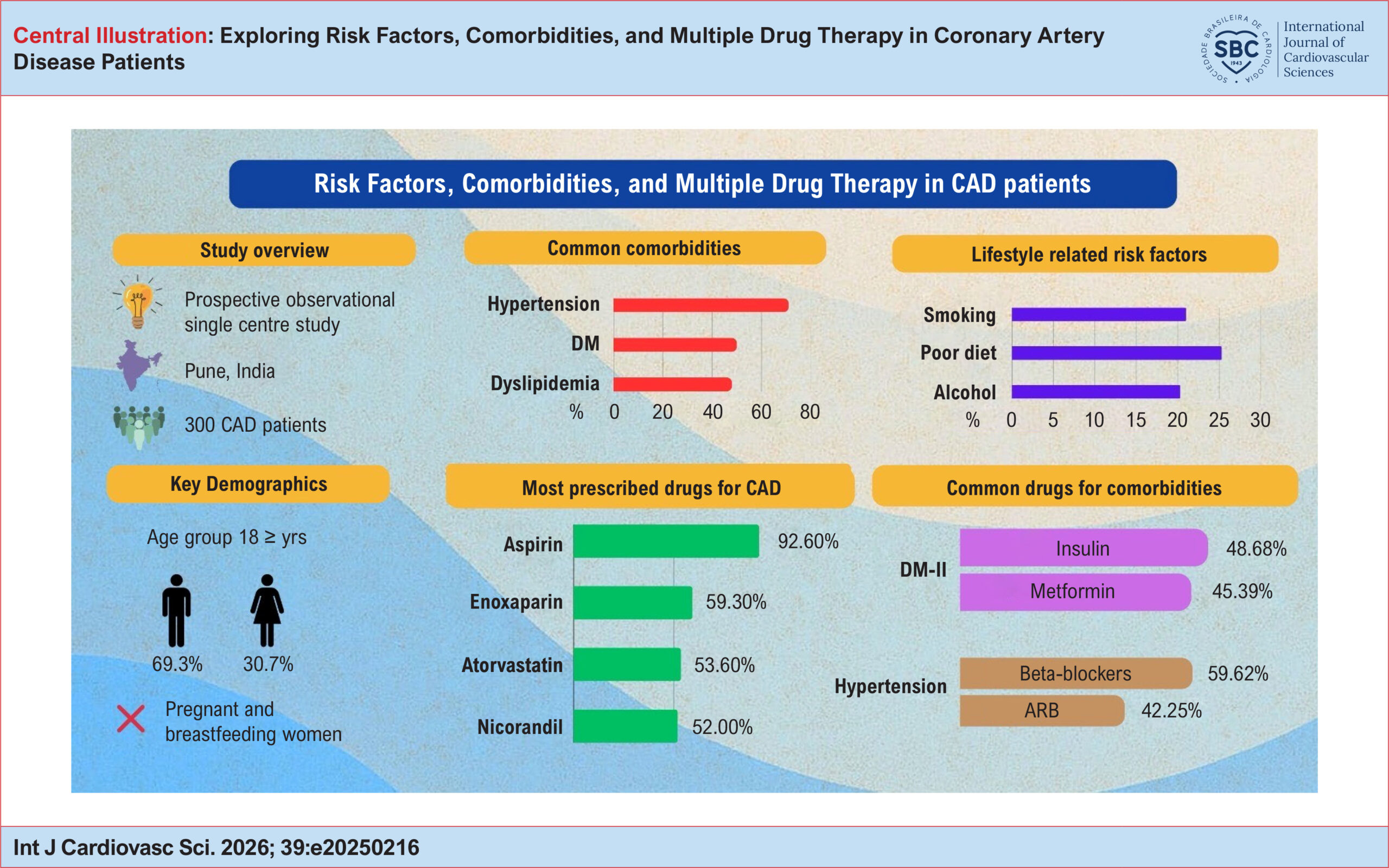
Out of 300 patients enrolled, 69.3% were male, and the highest disease prevalence was noted in the 66–75 age group. Hypertension was the most common comorbidity (71%), followed by diabetes mellitus (DM) (50%). Poor diet was the leading lifestyle risk factor (25.3%), followed by smoking (21%). A significant association existed between gender and CAD type (p = 0.002), with females showing higher angina prevalence and males showing more myocardial infarction (MI). For CAD management, aspirin (92.6%) and enoxaparin (59.3%) were most frequently prescribed, followed by atorvastatin (53.6%) and nicorandil (52%). For comorbidity management, beta-blockers (59.6%) and insulin (48.7%) were commonly prescribed. Increased use of ticagrelor and dapagliflozin was observed, indicating a greater alignment with evidence-based guideline recommendations.
Conclusion:
This study highlights the burden of multimorbidity and polypharmacy among CAD patients in India, emphasizing the need for individualized, evidence-based therapy.