ABC Family Arquivos Brasileiros de Cardiologia International Journal of Cardiovascular Sciences ABC Heart Failure & Cardiomyopathy ABC Imagem Cardiovascular
Português English
ABC Family
Português English
  • About
    • About ABC Family
    • Internal Regulation
    • Editorial Board
    • Brazilian Society of Cardiology (SBC)
  • Issues
  • SBC Guidelines
  • Content
    • Videos
    • Podcasts
    • News
  • About
    • About ABC Family
    • Internal Regulation
    • Editorial Board
    • Brazilian Society of Cardiology (SBC)
  • Issues
  • SBC Guidelines
  • Content
    • Videos
    • Podcasts
    • News

ABC Family

  • ABC Family
  • Arquivos Brasileiros de Cardiologia
  • International Journal of Cardiovascular Sciences
  • ABC Heart Failure & Cardiomyopathy
  • ABC Imagem Cardiovascular
Search in

No content found.

Journals
Ordering
Article types
Others

  1. Home
  2. Keyword: Vascular Resistance
ABC
Editorial

No Reflow in Acute Coronary Syndromes: An Old Foe or a New Frontier?

Stefano Garzon

According to the World Health Organization (WHO), ischemic heart disease is the leading cause of death worldwide, accounting for 16% of the world’s deaths in 2019. However, due to continuous evolution in medical treatment and revascularization techniques, a steady decline in death rates in acute coronary syndromes (ACS) has been observed in recent years.

Currently, percutaneous coronary intervention (PCI) is the gold-standard treatment for ST-elevation myocardial infarction (STEMI) and a mainstay therapeutic option for non-STEMI ACS and stable coronary artery disease. Nonetheless, and particularly in STEMI patients, PCI can be very challenging at times. One of the most dreaded events during PCI in STEMI is the phenomenon commonly referred as “no-reflow”, an impaired myocardial perfusion secondary to microvascular obstruction without angiographic evidence of coronary obstruction(6). Initially described in animal models,, it was also recognized in humans in the following decades,, being first described after PCI for STEMI by Feld in 1992. Its occurrence is related to poorer short- and long-term outcomes following PCI,, and it is present in more than 20% of patients undergoing primary PCI for STEMI.

[…]

  • Cardiovascular Diseases, mortality
  • Coronary Artery Disease
  • Myocardial Infarction
  • Myocardial Ischemic
  • percutaneous coronary interventions
  • Risk Factors
  • Vascular Resistance
Read Full Article
Creative Commons Attribution (CC BY) Creative Commons license
17/05/2021 DOI: 10.36660/abc.20210118 Views 1
Figure 1
ABC
Original Article

Long-Term Clinical and Hemodynamic Outcomes after Heart Transplantation in Patients Pre-Treated with Sildenafil

Sofia Lázaro Mendes et al. Nadia Moreira Manuel Batista Ana Rita Ferreira … Ana Vera Marinho David Prieto Rui Baptista Susana Costa Fatima Franco Mariano Pego Manuel de Jesus Antunes

Abstract

Background

Elevated pulmonary vascular resistance remains a major problem for heart transplant (HT) candidate selection.

Objective

This study sought at assess the effect of pre-HT sildenafil administration in patients with fixed pulmonary hypertension.

Methods

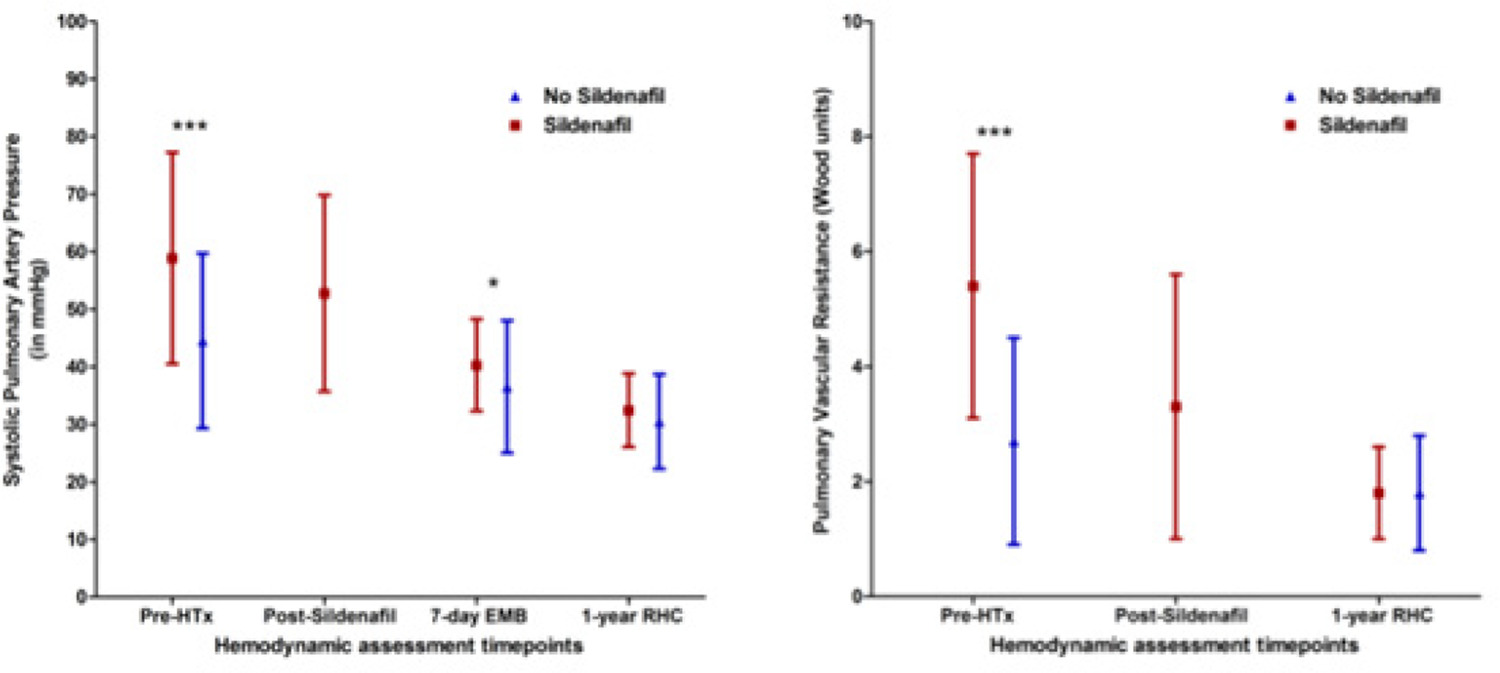
This retrospective, single-center study included 300 consecutive, HT candidates treated between 2003 and 2013, in which 95 patients had fixed PH, and of these, 30 patients were treated with sildenafil and eventually received a transplant, forming Group A. Group B included 205 patients without PH who underwent HT. Pulmonary hemodynamics were evaluated before HT, as well as 1 week after and 1 year after HT. Survival was compared between the groups. In this study, a p value < 0.05 was considered statistically significant.

Results

After treatment with sildenafil but before HT, PVR (-39%) and sPAP (-10%) decreased significantly. sPAP decreased after HT in both groups, but it remained significantly higher in group A vs. group B (40.3 ± 8.0 mmHg vs 36.5 ± 11.5 mmHg, p=0.022). One year after HT, sPAP was 32.4 ± 6.3 mmHg in group A vs 30.5 ± 8.2 mmHg in group B (p=0.274). The survival rate after HT at 30 days (97% in group A versus 96% in group B), at 6 months (87% versus 93%) and at one year (80% vs 91%) were not statistically significant (Log-rank p=0.063). After this first year, the attrition rate was similar among both groups (conditional survival after 1 year, Log-rank p=0.321).

Conclusion

In patients with severe PH pre-treated with sildenafil, early post-operative hemodynamics and prognosis are numerically worse than in patients without PH, but after 1 year, the medium to long-term mortality proved to be similar. (Arq Bras Cardiol. 2021; 116(2):219-226)

  • Heart Transplantation
  • Hypertension Pulmonary
  • Phosphodiesterase 5 Inhibitors
  • Sildenafil Citrate
  • Vascular Resistance
  • Ventricular Dysfunction Right
Read Full Article
Creative Commons Attribution (CC BY) Creative Commons license
01/03/2021 DOI: 10.36660/abc.20190047
ABC
Editorial

Plexiform Lesions in Pulmonary Arterial Hypertension: Are we Getting Closer to Manage with More Patience and Rigor?

Hugo Hyung Bok Yoo

Pulmonary arterial hypertension (PAH) is a progressive and a life-threatening condition characterized by high pulmonary blood pressure, remodeling of small pulmonary blood vessels and increased vascular resistance leading to right heart failure. According to the 6th World Symposium on Pulmonary Hypertension, PAH is defined by concomitant elevation of three parameters: mean pulmonary arterial pressure (mPAP) > 20 mmHg; pulmonary arterial wedge pressure (PAWP) ≤15 mm Hg; pulmonary vascular resistance (PVR) ≥ 3 Wood Units.

The right heart failure is due to a persistent remodeling that gradually obstructs and obliterates the peripheral pulmonary arteries that causes vasoconstriction and increases right ventricle afterload. Many efforts have been made to treat PAH. However, there are still few successful and promising pharmacological treatments for this devasting disease, as a consequence, PAH-related survival remains disappointing. Thus, several researches on pulmonary hypertension pathophysiology have focused on a better comprehension of the angioproliferation process and plexiform lesions. The role of increased blood flow in the pulmonary vascular bed is considered one of the main triggering factors to the development of pulmonary vascular remodeling.–

[…]

  • Heart Failure
  • Hypoxia
  • Pulmonary Arterial Hypertension/pysiopathology
  • Rodentia
  • Vascular Resistance
Read Full Article
Creative Commons Attribution (CC BY) Creative Commons license
28/09/2020 DOI: 10.36660/abc.20200832 Views 2
Figure 1
ABC
Original Article

Fractional Flow Reserve-Guided Strategy in Acute Coronary Syndrome. A Systematic Review and Meta-Analysis

José Luís Martins et al. Vera Afreixo José Santos Lino Gonçalves

Abstract

Background:

There are limited data on the prognosis of deferral of lesion treatment in patients with acute coronary syndrome (ACS) based on fractional flow reserve (FFR).

Objectives:

To provide a systematic review of the current evidence on the prognosis of deferred lesions in ACS patients compared with deferred lesions in non-ACS patients, on the basis of FFR.

Methods:

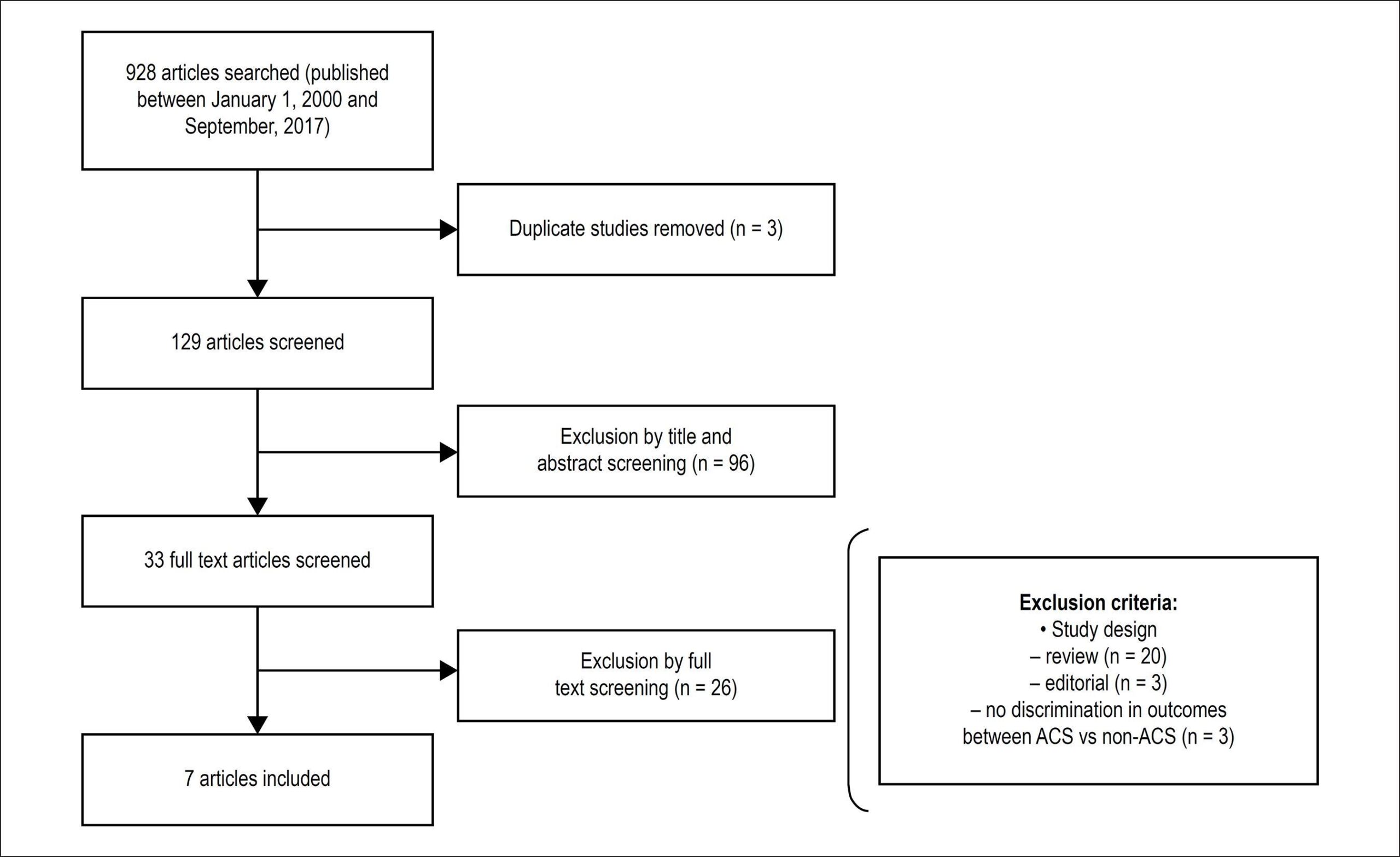
We searched Medline, EMBASE, and the Cochrane Library for studies published between January 2000 and September 2017 that compared prognosis of deferred revascularization of lesions on the basis of FFR in ACS patients compared with non-ACS patients. We conducted a pooled relative risk meta-analysis of four primary outcomes: mortality, cardiovascular (CV) mortality, myocardial infarction (MI) and target-vessel revascularization (TVR).

Results:

We identified 7 studies that included a total of 5,107 patients. A pooled meta-analysis showed no significant difference in mortality (relative risk [RR] = 1.44; 95% CI, 0.9-2.4), CV mortality (RR = 1.29; 95% CI = 0.4-4.3) and TVR (RR = 1.46; 95% CI = 0.9-2.3) after deferral of revascularization based on FFR between ACS and non-ACS patients. Such deferral was associated with significant additional risk of MI (RR = 1.83; 95% CI = 1.4-2.4) in ACS patients.

Conclusion:

The prognostic value of FFR in ACS setting is not as good as in stable patients. The results demonstrate an increased risk of MI but not of mortality, CV mortality, and TVR in ACS patients.

  • Acute Coronary Syndrome/physiopathology
  • Coronary Angiography/methods
  • Fractional Flow Reserve Myocardial/physiology
  • Microvessels
  • Percutaneous Coronary Intervention/methods
  • Reproducibility of Results
  • Vascular Resistance
Read Full Article
Creative Commons Attribution (CC BY) Creative Commons license
21/09/2018 DOI: 10.5935/abc.20180170 Views 1
Figure 1
ABC
Original Article

Exercise Training Attenuates Sympathetic Activity and Improves Morphometry of Splenic Arterioles in Spontaneously Hipertensive Rats

Marina de Paiva Lemos et al. Gustavo Ribeiro da Mota Moacir Marocolo Carla Cristina de Sordi … Rosângela Soares Chriguer Octávio Barbosa Neto

Abstract

Background:

Alterations in the structure of resistance vessels contribute to elevated systemic vascular resistance in hypertension and are linked to sympathetic hyperactivity and related lesions in target organs.

Objective:

To assess the effects of exercise training on hemodynamic and autonomic parameters, as well as splenic arteriolar damages in male Wistar Kyoto (WKY) and Spontaneously Hypertensive Rats (SHR).

Methods:

Normotensive sedentary (WKYS) and trained (WKYT) rats, and hypertensive sedentary (SHRS) and trained (SHRT) rats were included in this study. After 9 weeks of experimental protocol (swimming training or sedentary control), arterial pressure (AP) and heart rate (HR) were recorded in freely moving rats. We assessed the autonomic control of the heart by sympathetic and vagal autonomic blockade. Morphometric analyses of arterioles were performed in spleen tissues. The statistical significance level was set at p < 0.05.

Results:

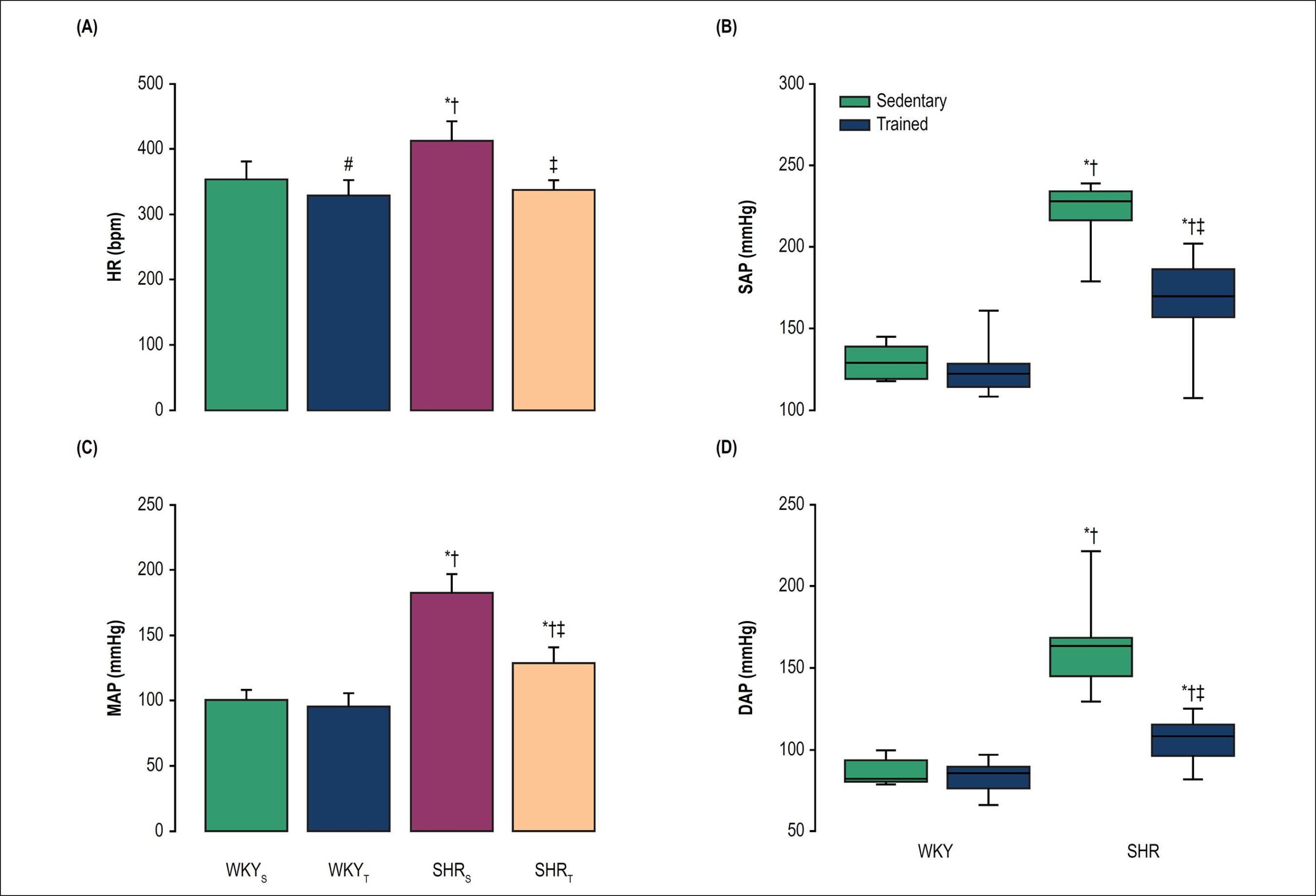
Resting bradycardia was observed in both trained groups (WKYT: 328.0 ± 7.3 bpm; SHRT: 337.0 ± 5.2 bpm) compared with their respective sedentary groups (WKYS: 353.2 ± 8.5 bpm; SHRS: 412.1 ± 10.4 bpm; p < 0.001). Exercise training attenuated mean AP only in SHRT (125.9 ± 6.2 mmHg) vs. SHRS (182.5 ± 4.2 mmHg, p < 0.001). The WKYT showed a higher vagal effect (∆HR: 79.0 ± 2.3 bpm) compared with WKYS (∆HR: 67.4 ± 1.7 bpm; p < 0.05). Chronic exercise decreased sympathetic effects on SHRT (∆HR: -62.8 ± 2.8 bpm) in comparison with SHRS (∆HR: -99.8 ± 9.2 bpm; p = 0.005). The wall thickness of splenic arterioles in SHR was reduced by training (332.1 ± 16.0 µm2 in SHRT vs. 502.7 ± 36.3 µm2 in SHRS; p < 0.05).

Conclusions:

Exercise training attenuates sympathetic activity and AP in SHR, which may be contributing to the morphological improvement of the splenic arterioles.

  • Arterioles
  • Exercise
  • Hypertension
  • Physical Exertion
  • Rats
  • Vascular Resistance
Read Full Article
Creative Commons Attribution (CC BY) Creative Commons license
01/03/2018 DOI: 10.5935/abc.20180053 Views 1
ABC
Original Article

Peripheral Vascular Resistance Impairment during Isometric Physical Exercise in Normotensive Offspring of Hypertensive Parents

Natália Portela et al. Josária Ferraz Amaral Pedro Augusto de Carvalho Mira Livia Victorino de Souza … Daniel Godoy Martinez Mateus Camaroti Laterza

Abstract

Background:

A family history of hypertension is associated with vascular and autonomic abnormalities, as well as an impaired neurohemodynamic response to exercise.

Objective:

To test the hypothesis that normotensive individuals with a family history of hypertension present an impaired peripheral vascular resistance response to exercise.

Methods:

The study included 37 normotensive volunteers of both sexes who were sedentary, eutrophic, and nonsmokers, comprising 23 with (FH+; 24 ± 3 years) and 14 without (FH-; 27 ± 5 years) a family history of hypertension. Blood pressure, heart rate (DIXTAL®), forearm blood flow (Hokanson®), and peripheral vascular resistance were simultaneously measured for 3 minutes during rest and, subsequently, for 3 minutes during an isometric exercise at 30% of maximal voluntary contraction (Jamar®).

Results:

At rest, the FH+ and FH- groups present similar mean blood pressure (83 ± 7 versus 83 ± 5 mmHg, p = 0.96), heart rate (69 ± 8 bpm versus 66 ± 7 bpm, p = 0.18), forearm blood flow (3 ± 1 mL/min/100 mL versus 2.7 ± 1 mL/min/100 mL, p = 0.16), and peripheral vascular resistance (30 ± 9 units versus 34±9 units, p = 0.21), respectively. Both groups showed a significant and similar increase in mean blood pressure (∆ = 15 ± 7 mmHg versus 14 ± 7 mmHg, p = 0.86), heart rate (∆ = 12 ± 8 bpm versus 13 ± 7 bpm, p = 0.86), and forearm blood flow (∆ = 0.8 ± 1.2 mL/min/100 mL versus 1.4 ± 1.1 mL/min/100 mL, p = 0.25), respectively, during exercise. However, individuals in the FH+ group showed no reduction in peripheral vascular resistance during exercise, which was observed in the FH- group (∆ = -0.4 ± 8.6 units versus -7.2 ± 6.3 units, p = 0.03).

Conclusion:

Normotensive individuals with a family history of hypertension present an impaired peripheral vascular resistance response to exercise.

  • Exercise
  • Heredity
  • Hypertension
  • Patient Selection
  • Vascular Resistance
Read Full Article
Creative Commons Attribution (CC BY) Creative Commons license
10/07/2017 DOI: 10.5935/abc.20170096 Views 1
Figure 1
ABC
Original Article

Reduced Systolic Volume: Main Pathophysiological Mechanism in Patients with Orthostatic Intolerance?

Maria Zildany P. Távora-Mehta et al. Niraj Mehta Adriano Magajevski Larissa de Oliveira … Débora Lee Smith Maluf Letícia Concato Eduardo Doubrawa Márcio Rogério Ortiz Cláudio L. Pereira da Cunha

Abstract

Background:

Orthostatic intolerance patients’ pathophysiological mechanism is still obscure, contributing to the difficulty in their clinical management.

Objective:

To investigate hemodynamic changes during tilt test in individuals with orthostatic intolerance symptoms, including syncope or near syncope.

Methods:

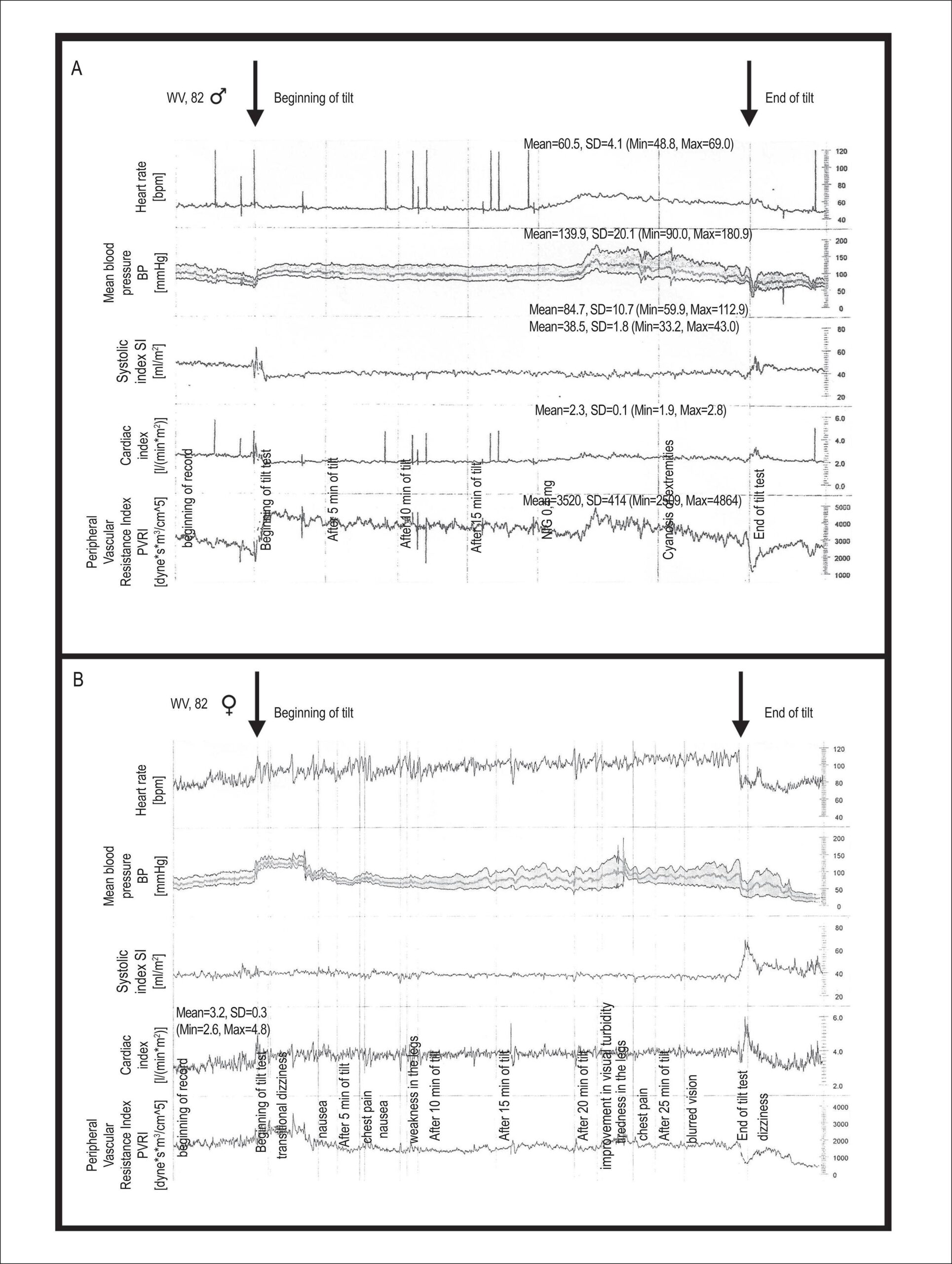
Sixty-one patients who underwent tilt test at – 70° in the phase without vasodilators were divided into two groups. For data analysis, only the first 20 minutes of tilting were considered. Group I was made up of 33 patients who had an increase of total peripheral vascular resistance (TPVR) during orthostatic position; and Group II was made up of 28 patients with a decrease in TPVR (characterizing insufficient peripheral vascular resistance). The control group consisted of 24 healthy asymptomatic individuals. Hemodynamic parameters were obtained by a non-invasive hemodynamic monitor in three different moments (supine position, tilt 10′ and tilt 20′) adjusted for age.

Results:

In the supine position, systolic volume (SV) was significantly reduced in both Group II and I in comparison to the control group, respectively (66.4 ±14.9 ml vs. 81.8±14.8 ml vs. 101.5±24.2 ml; p<0.05). TPVR, however, was higher in Group II in comparison to Group I and controls, respectively (1750.5± 442 dyne.s/cm5 vs.1424±404 dyne.s/cm5 vs. 974.4±230 dyne.s/cm5; p<0.05). In the orthostatic position, at 10', there was repetition of findings, with lower absolute values of SV compared to controls (64.1±14.0 ml vs 65.5±11.3 ml vs 82.8±15.6 ml; p<0.05). TPVR, on the other hand, showed a relative drop in Group II, in comparison to Group I.

Conclusion:

Reduced SV was consistently observed in the groups of patients with orthostatic intolerance in comparison to the control group. Two different responses to tilt test were observed: one group with elevated TPVR and another with a relative drop in TPVR, possibly suggesting a more severe failure of compensation mechanisms.

  • Orthostatic Intolerance/physiopathology
  • Postural Orthostatic Tachycardia Syndrome/physiopathology
  • Stroke Volume
  • Vascular Resistance
Read Full Article
Creative Commons Attribution (CC BY) Creative Commons license
01/10/2016 DOI: 10.5935/abc.20160135
Figure 1
ABC
Original Article

Prognostic Value of Pulmonary Vascular Resistance by Magnetic Resonance in Systolic Heart Failure

Óscar Fabregat-Andrés et al. Jordi Estornell-Erill Francisco Ridocci-Soriano José Leandro Pérez-Boscá … Pilar García-González Rafael Payá-Serrano Salvador Morell Julio Cortijo

Abstract

Background:

Pulmonary hypertension is associated with poor prognosis in heart failure. However, non-invasive diagnosis is still challenging in clinical practice.

Objective:

We sought to assess the prognostic utility of non-invasive estimation of pulmonary vascular resistances (PVR) by cardiovascular magnetic resonance to predict adverse cardiovascular outcomes in heart failure with reduced ejection fraction (HFrEF).

Methods:

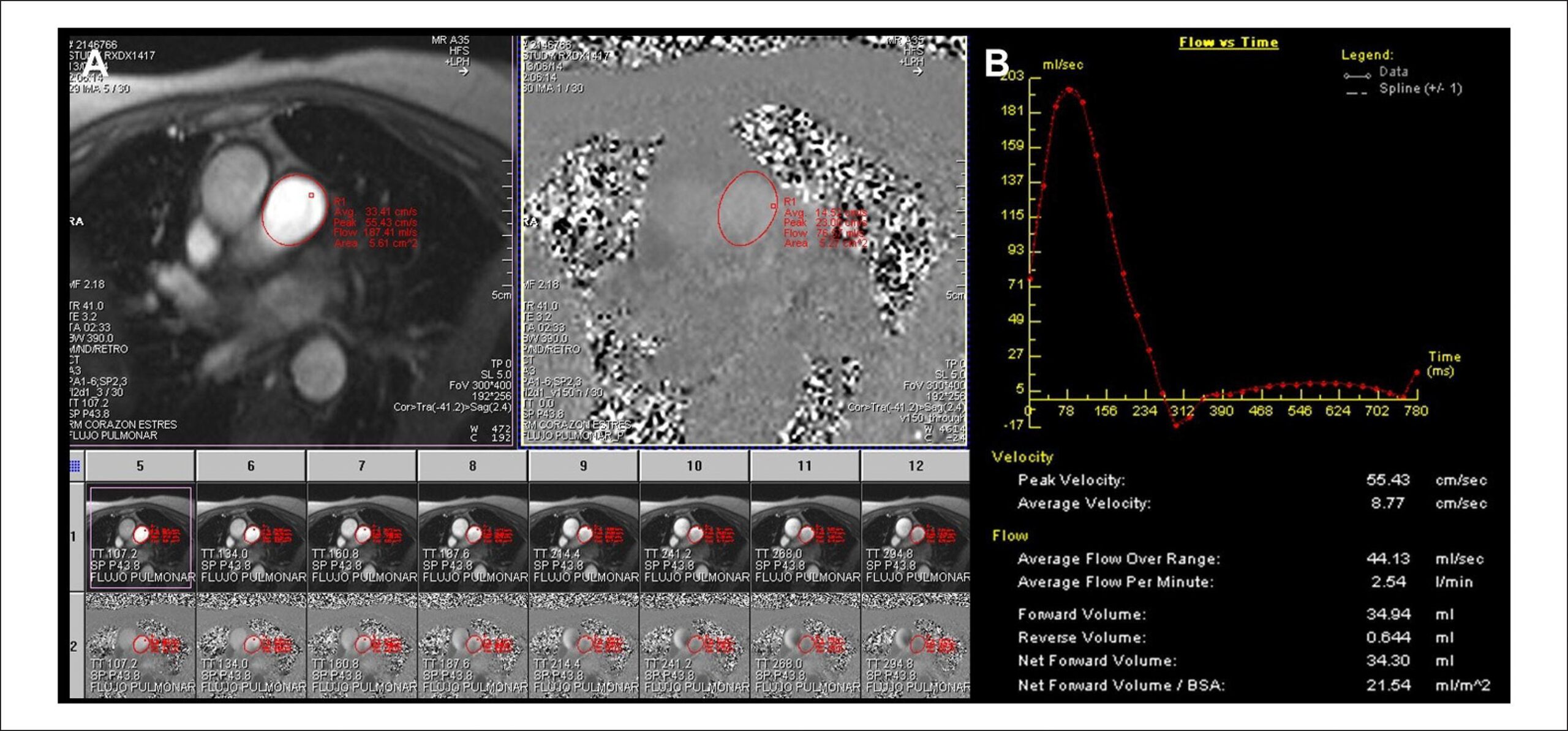
Prospective registry of patients with left ventricular ejection fraction (LVEF) < 40% and recently admitted for decompensated heart failure during three years. PVRwere calculated based on right ventricular ejection fraction and average velocity of the pulmonary artery estimated during cardiac magnetic resonance. Readmission for heart failure and all-cause mortality were considered as adverse events at follow-up.

Results:

105 patients (average LVEF 26.0 ±7.7%, ischemic etiology 43%) were included. Patients with adverse events at long-term follow-up had higher values of PVR (6.93 ± 1.9 vs. 4.6 ± 1.7estimated Wood Units (eWu), p < 0.001). In multivariate Cox regression analysis, PVR ≥ 5 eWu(cutoff value according to ROC curve) was independently associated with increased risk of adverse events at 9 months follow-up (HR2.98; 95% CI 1.12-7.88; p < 0.03).

Conclusions:

In patients with HFrEF, the presence of PVR ≥ 5.0 Wu is associated with significantly worse clinical outcome at follow-up. Non-invasive estimation of PVR by cardiac magnetic resonance might be useful for risk stratification in HFrEF, irrespective of etiology, presence of late gadolinium enhancement or LVEF.

  • Heart Failure
  • Hypertension Pulmonary
  • Magnetic Resonance Spectroscopy
  • Prognosis
  • Vascular Resistance
Read Full Article
Creative Commons Attribution (CC BY) Creative Commons license
02/02/2016 DOI: 10.5935/abc.20160020
Figure 1
ABC
Original Article

Lowering Pulmonary Wedge Pressure after Heart Transplant: Pulmonary Compliance and Resistance Effect

Nádia Moreira et al. Rui Baptista Susana Costa Fátima Franco … Mariano Pêgo Manuel Antunes

Abstract

Background:

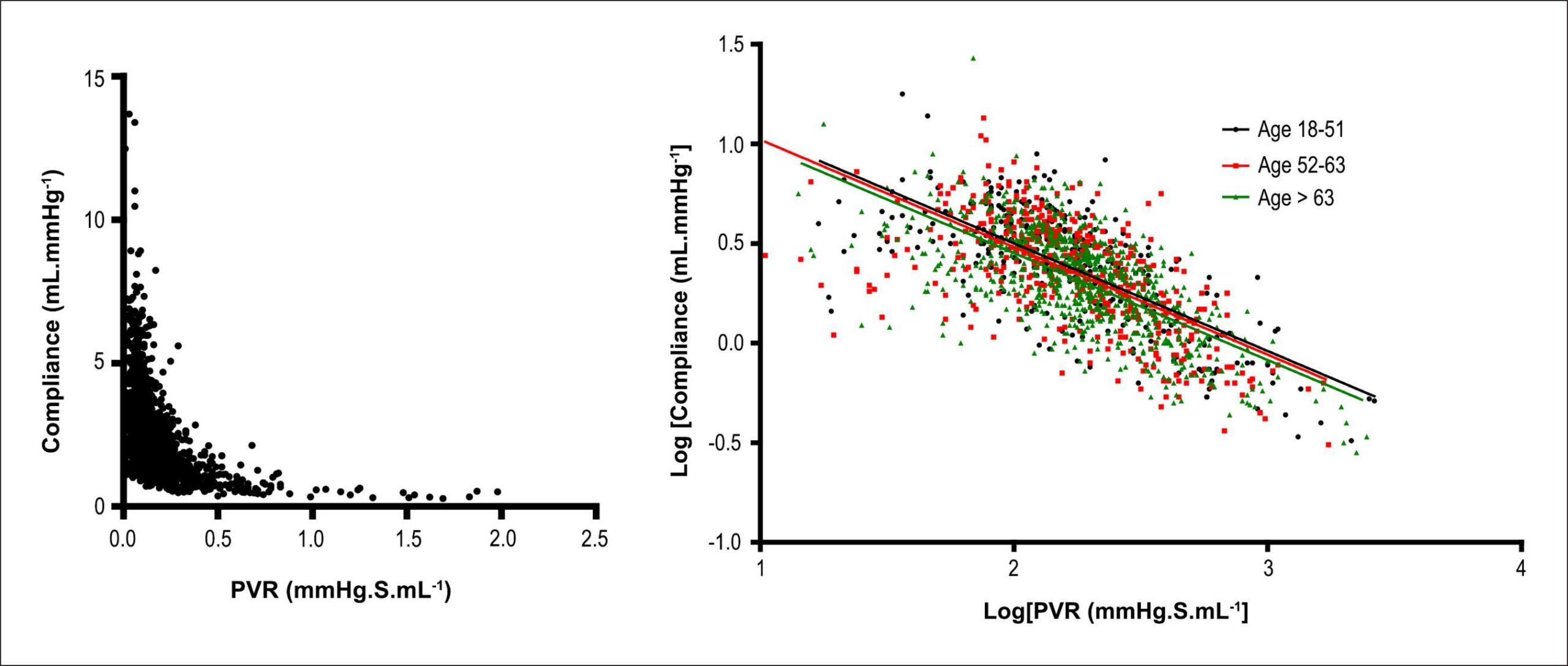
Right ventricular (RV) afterload is an important risk factor for post-heart transplantation (HTx) mortality, and it results from the interaction between pulmonary vascular resistance (PVR) and pulmonary compliance (CPA). Their product, the RC time, is believed to be constant. An exception is observed in pulmonary hypertension because of elevated left ventricular (LV) filling pressures.

Objective:

Using HTx as a model for chronic lowering of LV filling pressures, our aim was to assess the variations in RV afterload components after transplantation.

Methods:

We retrospectively studied 159 patients with right heart catheterization before and after HTx. The effect of Htx on hemodynamic variables was assessed.

Results:

Most of the patients were male (76%), and the mean age was 53 ± 12 years. HTx had a significant effect on the hemodynamics, with normalization of the LV and RV filling pressures and a significant increase in cardiac output and heart rate (HR). The PVR decreased by 56% and CPA increased by 86%. The RC time did not change significantly, instead of increasing secondary to pulmonary wedge pressure (PWP) normalization after HTx as expected. The expected increase in RC time with PWP lowering was offset by the increase in HR (because of autonomic denervation of the heart). This effect was independent from the decrease of PWP.

Conclusion:

The RC time remained unchanged after HTx, notwithstanding the fact that pulmonary capillary wedge pressure significantly decreased. An increased HR may have an important effect on RC time and RV afterload. Studying these interactions may be of value to the assessment of HTx candidates and explaining early RV failure after HTx.

  • Heart Transplantation
  • Lung Compliance
  • Pulmonary Wedge Pressure / physiology
  • Vascular Resistance
Read Full Article
Creative Commons Attribution (CC BY) Creative Commons license
31/07/2015 DOI: 10.5935/abc.20150083
ABC
Artigo Original

Hemodynamic profile of severity at pulmonary vasoreactivity test in schistosomiasis patients

Flávio A. A. Japyassú et al. Adriano A. Mendes Ângela P. Bandeira Flávio R. A. Oliveira Dário Sobral Filho

BACKGROUND: The pulmonary vasoreactivity rate of Schistosomal Pulmonary Artery Hypertension (SPAH) is not known. Hemodynamic data obtained by cardiac catheterization are associated with the most commonly used clinical criteria of severity. OBJECTIVE: To estimate the percentage of positive vasoreactivity to nitric oxide in schistosomal pulmonary arterial hypertension and verify the association of hemodynamic parameters with WHO functional classification and the six-minute walk test in these patients. METHODS: A total of 84 patients with schistosomal pulmonary hypertension were selected from a database, who had been submitted to the right and left cardiac catheterization and pulmonary vasoreactivity test with nitric oxide. Data on WHO functional classification and six-minute walk test were collected for comparison with invasive data. RESULTS: Of the 84 patients with SPAH, 3 (3.5%) had positive criteria for pulmonary vasoreactivity. The increase in pulmonary vascular resistance was significantly associated with lower exercise capacity measured by the six-minute walk test (p = 0.045) and greater symptom severity by higher functional classifications (WHO class III/IV) (p = 0.013). The decrease in oxygen saturation in the pulmonary artery was significantly associated with higher functional classifications (p = 0.041). CONCLUSION: The pulmonary response rate to the vasodilation test of schistosomiasis patients is below the values found for idiopathic pulmonary hypertension. Pulmonary vascular resistance and oxygen saturation in the pulmonary artery are hemodynamic data that can be used as markers of severity in schistosomal pulmonary hypertension.

  • Pulmonary Artery
  • Pulmonary Hypertension
  • Schistosomiasis
  • Vascular Resistance
  • walking
Read Full Article
Creative Commons Attribution (CC BY) Creative Commons license
26/07/2012 DOI: 10.1590/S0066-782X2012005000071 Views 1

How to cite this article

EndNote RIS

Electronic Document Format (Vancouver)

Garzon S. No Reflow in Acute Coronary Syndromes: An Old Foe or a New Frontier?. Arquivos Brasileiros de Cardiologia 2021;116(5):968-9.

Electronic Document Format (ABNT)

Garzon, Stefano. No Reflow in Acute Coronary Syndromes: An Old Foe or a New Frontier?. Arquivos Brasileiros de Cardiologia, v. 116, n. 5, p. 968-969, May. 2021.

Electronic Document Format (APA)

Garzon, S. (2021). No Reflow in Acute Coronary Syndromes: An Old Foe or a New Frontier?. Arquivos Brasileiros de Cardiologia, 116(5), 968-969.

Electronic Document Format (ISO)

Garzon, Stefano. No Reflow in Acute Coronary Syndromes: An Old Foe or a New Frontier?. Arquivos Brasileiros de Cardiologia [online]. 2021, vol. 116, n. 5, [cited 2026-10-14], pp. 968-969. Available from: <https://journals.cardiol.br/en/article/no-reflow-in-acute-coronary-syndromes-an-old-foe-or-a-new-frontier/>. ISSN 0066-782X

EndNote RIS

Electronic Document Format (Vancouver)

Mendes SL, Moreira N, Batista M, Ferreira AR, Marinho AV, Prieto D, Baptista R, et al. Long-Term Clinical and Hemodynamic Outcomes after Heart Transplantation in Patients Pre-Treated with Sildenafil. Arquivos Brasileiros de Cardiologia 2021;116(2):219-26.

Electronic Document Format (ABNT)

Mendes, Sofia Lázaro; Moreira, Nadia; Batista, Manuel; Ferreira, Ana Rita; Marinho, Ana Vera; Prieto, David; Baptista, Rui; Costa, Susana; Franco, Fatima; Pego, Mariano; Antunes, Manuel de Jesus. Long-Term Clinical and Hemodynamic Outcomes after Heart Transplantation in Patients Pre-Treated with Sildenafil. Arquivos Brasileiros de Cardiologia, v. 116, n. 2, p. 219-226, Feb. 2021.

Electronic Document Format (APA)

Mendes, S. L., Moreira, N., Batista, M., Ferreira, A. R., Marinho, A. V., Prieto, D., Baptista, R., Costa, S., Franco, F., Pego, M., & Antunes, M. J. (2021). Long-Term Clinical and Hemodynamic Outcomes after Heart Transplantation in Patients Pre-Treated with Sildenafil. Arquivos Brasileiros de Cardiologia, 116(2), 219-226.

Electronic Document Format (ISO)

Mendes, Sofia Lázaro and Moreira, Nadia and Batista, Manuel and Ferreira, Ana Rita and Marinho, Ana Vera and Prieto, David and Baptista, Rui and Costa, Susana and Franco, Fatima and Pego, Mariano and Antunes, Manuel de Jesus. Long-Term Clinical and Hemodynamic Outcomes after Heart Transplantation in Patients Pre-Treated with Sildenafil. Arquivos Brasileiros de Cardiologia [online]. 2021, vol. 116, n. 2, [cited 2026-10-14], pp. 219-226. Available from: <https://journals.cardiol.br/en/article/long-term-clinical-and-hemodynamic-outcomes-after-heart-transplantation-in-patients-pre-treated-with-sildenafil/>. ISSN 0066-782X

EndNote RIS

Electronic Document Format (Vancouver)

Yoo HHB. Plexiform Lesions in Pulmonary Arterial Hypertension: Are we Getting Closer to Manage with More Patience and Rigor?. Arquivos Brasileiros de Cardiologia 2020;115(3):491-2.

Electronic Document Format (ABNT)

Yoo, Hugo Hyung Bok. Plexiform Lesions in Pulmonary Arterial Hypertension: Are we Getting Closer to Manage with More Patience and Rigor?. Arquivos Brasileiros de Cardiologia, v. 115, n. 3, p. 491-492, Sep. 2020.

Electronic Document Format (APA)

Yoo, H. H. B. (2020). Plexiform Lesions in Pulmonary Arterial Hypertension: Are we Getting Closer to Manage with More Patience and Rigor?. Arquivos Brasileiros de Cardiologia, 115(3), 491-492.

Electronic Document Format (ISO)

Yoo, Hugo Hyung Bok. Plexiform Lesions in Pulmonary Arterial Hypertension: Are we Getting Closer to Manage with More Patience and Rigor?. Arquivos Brasileiros de Cardiologia [online]. 2020, vol. 115, n. 3, [cited 2026-10-14], pp. 491-492. Available from: <https://journals.cardiol.br/en/article/plexiform-lesions-in-pulmonary-arterial-hypertension-are-we-getting-closer-to-manage-with-more-patience-and-rigor/>. ISSN 0066-782X

EndNote RIS

Electronic Document Format (Vancouver)

Martins JL, Afreixo V, Santos J, Gonçalves L. Fractional Flow Reserve-Guided Strategy in Acute Coronary Syndrome. A Systematic Review and Meta-Analysis. Arquivos Brasileiros de Cardiologia 2018;111(4):542-50.

Electronic Document Format (ABNT)

Martins, José Luís; Afreixo, Vera; Santos, José; Gonçalves, Lino. Fractional Flow Reserve-Guided Strategy in Acute Coronary Syndrome. A Systematic Review and Meta-Analysis. Arquivos Brasileiros de Cardiologia, v. 111, n. 4, p. 542-550, Sep. 2018.

Electronic Document Format (APA)

Martins, J. L., Afreixo, V., Santos, J., & Gonçalves, L. (2018). Fractional Flow Reserve-Guided Strategy in Acute Coronary Syndrome. A Systematic Review and Meta-Analysis. Arquivos Brasileiros de Cardiologia, 111(4), 542-550.

Electronic Document Format (ISO)

Martins, José Luís and Afreixo, Vera and Santos, José and Gonçalves, Lino. Fractional Flow Reserve-Guided Strategy in Acute Coronary Syndrome. A Systematic Review and Meta-Analysis. Arquivos Brasileiros de Cardiologia [online]. 2018, vol. 111, n. 4, [cited 2026-10-14], pp. 542-550. Available from: <https://journals.cardiol.br/en/article/fractional-flow-reserve-guided-strategy-in-acute-coronary-syndrome-a-systematic-review-and-meta-analysis/>. ISSN 0066-782X

EndNote RIS

Electronic Document Format (Vancouver)

Lemos MP, Mota GR, Marocolo M, Sordi CC, Chriguer RS, Barbosa Neto O. Exercise Training Attenuates Sympathetic Activity and Improves Morphometry of Splenic Arterioles in Spontaneously Hipertensive Rats. Arquivos Brasileiros de Cardiologia 2018;110(3):263-9.

Electronic Document Format (ABNT)

Lemos, Marina de Paiva; Mota, Gustavo Ribeiro da; Marocolo, Moacir; Sordi, Carla Cristina de; Chriguer, Rosângela Soares; Barbosa Neto, Octávio. Exercise Training Attenuates Sympathetic Activity and Improves Morphometry of Splenic Arterioles in Spontaneously Hipertensive Rats. Arquivos Brasileiros de Cardiologia, v. 110, n. 3, p. 263-269, Feb. 2018.

Electronic Document Format (APA)

Lemos, M. P., Mota, G. R. , Marocolo, M., Sordi, C. C. , Chriguer, R. S., & Barbosa Neto, O. (2018). Exercise Training Attenuates Sympathetic Activity and Improves Morphometry of Splenic Arterioles in Spontaneously Hipertensive Rats. Arquivos Brasileiros de Cardiologia, 110(3), 263-269.

Electronic Document Format (ISO)

Lemos, Marina de Paiva and Mota, Gustavo Ribeiro da and Marocolo, Moacir and Sordi, Carla Cristina de and Chriguer, Rosângela Soares and Barbosa Neto, Octávio. Exercise Training Attenuates Sympathetic Activity and Improves Morphometry of Splenic Arterioles in Spontaneously Hipertensive Rats. Arquivos Brasileiros de Cardiologia [online]. 2018, vol. 110, n. 3, [cited 2026-10-14], pp. 263-269. Available from: <https://journals.cardiol.br/en/article/exercise-training-attenuates-sympathetic-activity-and-improves-morphometry-of-splenic-arterioles-in-spontaneously-hipertensive-rats/>. ISSN 0066-782X

EndNote RIS

Electronic Document Format (Vancouver)

Portela N, Amaral JF, Mira PAC, Souza LV, Martinez DG, Laterza MC. Peripheral Vascular Resistance Impairment during Isometric Physical Exercise in Normotensive Offspring of Hypertensive Parents. Arquivos Brasileiros de Cardiologia 2017;109(2):110-6.

Electronic Document Format (ABNT)

Portela, Natália; Amaral, Josária Ferraz; Mira, Pedro Augusto de Carvalho; Souza, Livia Victorino de; Martinez, Daniel Godoy; Laterza, Mateus Camaroti. Peripheral Vascular Resistance Impairment during Isometric Physical Exercise in Normotensive Offspring of Hypertensive Parents. Arquivos Brasileiros de Cardiologia, v. 109, n. 2, p. 110-116, Jul. 2017.

Electronic Document Format (APA)

Portela, N., Amaral, J. F., Mira, P. A. C., Souza, L. V. , Martinez, D. G., & Laterza, M. C. (2017). Peripheral Vascular Resistance Impairment during Isometric Physical Exercise in Normotensive Offspring of Hypertensive Parents. Arquivos Brasileiros de Cardiologia, 109(2), 110-116.

Electronic Document Format (ISO)

Portela, Natália and Amaral, Josária Ferraz and Mira, Pedro Augusto de Carvalho and Souza, Livia Victorino de and Martinez, Daniel Godoy and Laterza, Mateus Camaroti. Peripheral Vascular Resistance Impairment during Isometric Physical Exercise in Normotensive Offspring of Hypertensive Parents. Arquivos Brasileiros de Cardiologia [online]. 2017, vol. 109, n. 2, [cited 2026-10-14], pp. 110-116. Available from: <https://journals.cardiol.br/en/article/peripheral-vascular-resistance-impairment-during-isometric-physical-exercise-in-normotensive-offspring-of-hypertensive-parents/>. ISSN 0066-782X

EndNote RIS

Electronic Document Format (Vancouver)

Távora-Mehta MZP, Mehta N, Magajevski A, Oliveira L, Maluf DLS, Concato L, Doubrawa E, et al. Reduced Systolic Volume: Main Pathophysiological Mechanism in Patients with Orthostatic Intolerance?. Arquivos Brasileiros de Cardiologia 2016;107(4):354-6.

Electronic Document Format (ABNT)

Távora-Mehta, Maria Zildany P.; Mehta, Niraj; Magajevski, Adriano; Oliveira, Larissa de; Maluf, Débora Lee Smith; Concato, Letícia; Doubrawa, Eduardo; Ortiz, Márcio Rogério; Cunha, Cláudio L. Pereira da. Reduced Systolic Volume: Main Pathophysiological Mechanism in Patients with Orthostatic Intolerance?. Arquivos Brasileiros de Cardiologia, v. 107, n. 4, p. 354-364, Sep. 2016.

Electronic Document Format (APA)

Távora-Mehta, M. Z. P., Mehta, N., Magajevski, A., Oliveira, L. , Maluf, D. L. S., Concato, L., Doubrawa, E., Ortiz, M. R., & Cunha, C. L. P. (2016). Reduced Systolic Volume: Main Pathophysiological Mechanism in Patients with Orthostatic Intolerance?. Arquivos Brasileiros de Cardiologia, 107(4), 354-364.

Electronic Document Format (ISO)

Távora-Mehta, Maria Zildany P. and Mehta, Niraj and Magajevski, Adriano and Oliveira, Larissa de and Maluf, Débora Lee Smith and Concato, Letícia and Doubrawa, Eduardo and Ortiz, Márcio Rogério and Cunha, Cláudio L. Pereira da. Reduced Systolic Volume: Main Pathophysiological Mechanism in Patients with Orthostatic Intolerance?. Arquivos Brasileiros de Cardiologia [online]. 2016, vol. 107, n. 4, [cited 2026-10-14], pp. 354-364. Available from: <https://journals.cardiol.br/en/article/reduced-systolic-volume-main-pathophysiological-mechanism-in-patients-with-orthostatic-intolerance/>. ISSN 0066-782X

EndNote RIS

Electronic Document Format (Vancouver)

Fabregat-Andrés , Estornell-Erill J, Ridocci-Soriano F, Pérez-Boscá JL, García-González P, Payá-Serrano R, Morell S, et al. Prognostic Value of Pulmonary Vascular Resistance by Magnetic Resonance in Systolic Heart Failure. Arquivos Brasileiros de Cardiologia 2016;106(3):226-35.

Electronic Document Format (ABNT)

Fabregat-Andrés, Óscar; Estornell-Erill, Jordi; Ridocci-Soriano, Francisco; Pérez-Boscá, José Leandro; García-González, Pilar; Payá-Serrano, Rafael; Morell, Salvador; Cortijo, Julio. Prognostic Value of Pulmonary Vascular Resistance by Magnetic Resonance in Systolic Heart Failure. Arquivos Brasileiros de Cardiologia, v. 106, n. 3, p. 226-235, Feb. 2016.

Electronic Document Format (APA)

Fabregat-Andrés, , Estornell-Erill, J., Ridocci-Soriano, F., Pérez-Boscá, J. L., García-González, P., Payá-Serrano, R., Morell, S., & Cortijo, J. (2016). Prognostic Value of Pulmonary Vascular Resistance by Magnetic Resonance in Systolic Heart Failure. Arquivos Brasileiros de Cardiologia, 106(3), 226-235.

Electronic Document Format (ISO)

Fabregat-Andrés, Óscar and Estornell-Erill, Jordi and Ridocci-Soriano, Francisco and Pérez-Boscá, José Leandro and García-González, Pilar and Payá-Serrano, Rafael and Morell, Salvador and Cortijo, Julio. Prognostic Value of Pulmonary Vascular Resistance by Magnetic Resonance in Systolic Heart Failure. Arquivos Brasileiros de Cardiologia [online]. 2016, vol. 106, n. 3, [cited 2026-10-14], pp. 226-235. Available from: <https://journals.cardiol.br/en/article/prognostic-value-of-pulmonary-vascular-resistance-by-magnetic-resonance-in-systolic-heart-failure/>. ISSN 0066-782X

EndNote RIS

Electronic Document Format (Vancouver)

Moreira N, Baptista R, Costa S, Franco F, Pêgo M, Antunes M. Lowering Pulmonary Wedge Pressure after Heart Transplant: Pulmonary Compliance and Resistance Effect. Arquivos Brasileiros de Cardiologia 2015;105(3):292-300.

Electronic Document Format (ABNT)

Moreira, Nádia; Baptista, Rui; Costa, Susana; Franco, Fátima; Pêgo, Mariano; Antunes, Manuel. Lowering Pulmonary Wedge Pressure after Heart Transplant: Pulmonary Compliance and Resistance Effect. Arquivos Brasileiros de Cardiologia, v. 105, n. 3, p. 292-300, Jul. 2015.

Electronic Document Format (APA)

Moreira, N., Baptista, R., Costa, S., Franco, F., Pêgo, M., & Antunes, M. (2015). Lowering Pulmonary Wedge Pressure after Heart Transplant: Pulmonary Compliance and Resistance Effect. Arquivos Brasileiros de Cardiologia, 105(3), 292-300.

Electronic Document Format (ISO)

Moreira, Nádia and Baptista, Rui and Costa, Susana and Franco, Fátima and Pêgo, Mariano and Antunes, Manuel. Lowering Pulmonary Wedge Pressure after Heart Transplant: Pulmonary Compliance and Resistance Effect. Arquivos Brasileiros de Cardiologia [online]. 2015, vol. 105, n. 3, [cited 2026-10-14], pp. 292-300. Available from: <https://journals.cardiol.br/en/article/lowering-pulmonary-wedge-pressure-after-heart-transplant-pulmonary-compliance-and-resistance-effect/>. ISSN 0066-782X

EndNote RIS

Electronic Document Format (Vancouver)

Japyassú FAA, Mendes AA, Bandeira P, Oliveira FRA, Sobral Filho D. Hemodynamic profile of severity at pulmonary vasoreactivity test in schistosomiasis patients. Arquivos Brasileiros de Cardiologia 2012;99(3):789-96.

Electronic Document Format (ABNT)

Japyassú, Flávio A. A.; Mendes, Adriano A.; Bandeira, Ângela P.; Oliveira, Flávio R. A.; Sobral Filho, Dário. Hemodynamic profile of severity at pulmonary vasoreactivity test in schistosomiasis patients. Arquivos Brasileiros de Cardiologia, v. 99, n. 3, p. 789-796, Jul. 2012.

Electronic Document Format (APA)

Japyassú, F. A. A., Mendes, A. A., Bandeira, P., Oliveira, F. R. A., & Sobral Filho, D. (2012). Hemodynamic profile of severity at pulmonary vasoreactivity test in schistosomiasis patients. Arquivos Brasileiros de Cardiologia, 99(3), 789-796.

Electronic Document Format (ISO)

Japyassú, Flávio A. A. and Mendes, Adriano A. and Bandeira, Ângela P. and Oliveira, Flávio R. A. and Sobral Filho, Dário. Hemodynamic profile of severity at pulmonary vasoreactivity test in schistosomiasis patients. Arquivos Brasileiros de Cardiologia [online]. 2012, vol. 99, n. 3, [cited 2026-10-14], pp. 789-796. Available from: <https://journals.cardiol.br/en/article/hemodynamic-profile-of-severity-at-pulmonary-vasoreactivity-test-in-schistosomiasis-patients/>. ISSN 0066-782X

  • About ABC Family
  • Internal Regulation
  • Editorial Board
  • Brazilian Society of Cardiology (SBC)

Issues

SBC Guidelines

  • Videos
  • Podcasts
  • News