| ABC
ABC Family Arquivos Brasileiros de Cardiologia International Journal of Cardiovascular Sciences ABC Heart Failure & Cardiomyopathy ABC Imagem Cardiovascular
Português English
ABC Family | ABC
Português English
  • About
    • About the Journal
    • Internal Regulation
    • Editors Section
    • Editorial Board
    • History
    • SBC Award
  • Instructions to Authors
    • Guidelines for Publication
    • Editorial Policy
    • Ethics Policy
    • Policy on the Use of Artificial Intelligence
    • Mandatory Publication Form
    • Publication Fee
  • Issues
  • SBC Guidelines
  • Abstracts
    • How to Publish an Abstract Supplement?
    • Supplements from the Brazilian Congress of Cardiology
  • About
    • About the Journal
    • Internal Regulation
    • Editors Section
    • Editorial Board
    • History
    • SBC Award
  • Instructions to Authors
    • Guidelines for Publication
    • Editorial Policy
    • Ethics Policy
    • Policy on the Use of Artificial Intelligence
    • Mandatory Publication Form
    • Publication Fee
  • Issues
  • SBC Guidelines
  • Abstracts
    • How to Publish an Abstract Supplement?
    • Supplements from the Brazilian Congress of Cardiology

ABC Family

  • ABC Family
  • Arquivos Brasileiros de Cardiologia
  • International Journal of Cardiovascular Sciences
  • ABC Heart Failure & Cardiomyopathy
  • ABC Imagem Cardiovascular
Search in

No content found.

Journals
Ordering
Article types
Others

  1. Home
  2. ABC
  3. Issues
  4. 2020, Volume 114, Number 4
Editorial

Time to Include Balance Training in the Cardiac Rehabilitation Programs of Patients with Heart Failure with Preserved Ejection Fraction

Fernando Ribeiro

The burden of heart failure exerts a significant personal, social and economic impact not only on patients and their families but also on society (including health care systems). Heart failure is a chronic, progressive condition affecting a huge amount of individuals worldwide (>37.7 million cases estimated in 2010). It is characterized by typical symptoms (e.g. breathlessness and fatigue) that may be accompanied by signs (e.g. peripheral edema) caused by cardiac abnormalities – structural and/or functional –, resulting in reduced cardiac output and/or elevated intracardiac pressures at rest or during stress. Heart failure has been categorized in heart failure with preserved (HFpEF), mid-range (HFmrEF) and reduced ejection fraction (HFrEF) according to the left ventricular ejection fraction.

Heart failure with preserved ejection fraction has become an increasingly recognized phenotype; despite being primarily considered a condition that affects old-age individuals, it represents approximately half of all cases of heart failure. , Despite the available pharmacological and device therapies, heart failure patients’ prognosis, quality of life, and 5-year survival remain poor and similar across all heart failure categories. –

[…]

  • Cardiac Output
  • Cardiac Rehabilitation
  • Heart Failure/physiopathology
  • Hospitalization
  • Stroke Volume
Read Full Article
Creative Commons Attribution (CC BY) Creative Commons license
29/05/2020 DOI: 10.36660/abc.20200157
Figure 1
Original Article

Ser49Gly Beta1-Adrenergic Receptor Genetic Polymorphism as a Death Predictor in Brazilian Patients with Heart Failure

Felipe Neves de Albuquerque et al. Andrea Araujo Brandão Dayse Aparecida Silva Ricardo Mourilhe Rocha … Marcelo Imbroinise Bittencourt Ana Luiza Ferreira Sales Pedro Pimenta de Mello Spineti Gustavo Salgado Duque Lucas Rangel de Souza Azevedo Roberto Pozzan Bernardo Rangel Tura Denilson Campos de Albuquerque

Abstract

Background

The role of Ser49Gly beta1-adrenergic receptor genetic polymorphism (ADBR1-GP-Ser49Gly) as a predictor of death in heart failure (HF) is not established for the Brazilian population.

Objectives

To evaluate the association between ADBR1-GP-Ser49Gly and clinical outcomes in individuals with HF with reduced ejection fraction.

Methods

Secondary analysis of medical records of 178 patients and genotypes of GPRβ1-Ser49Gly variants, classified as Ser-Ser, Ser-Gly and Gly-Gly. To evaluate their association with clinical outcome. A significance level of 5% was adopted.

Results

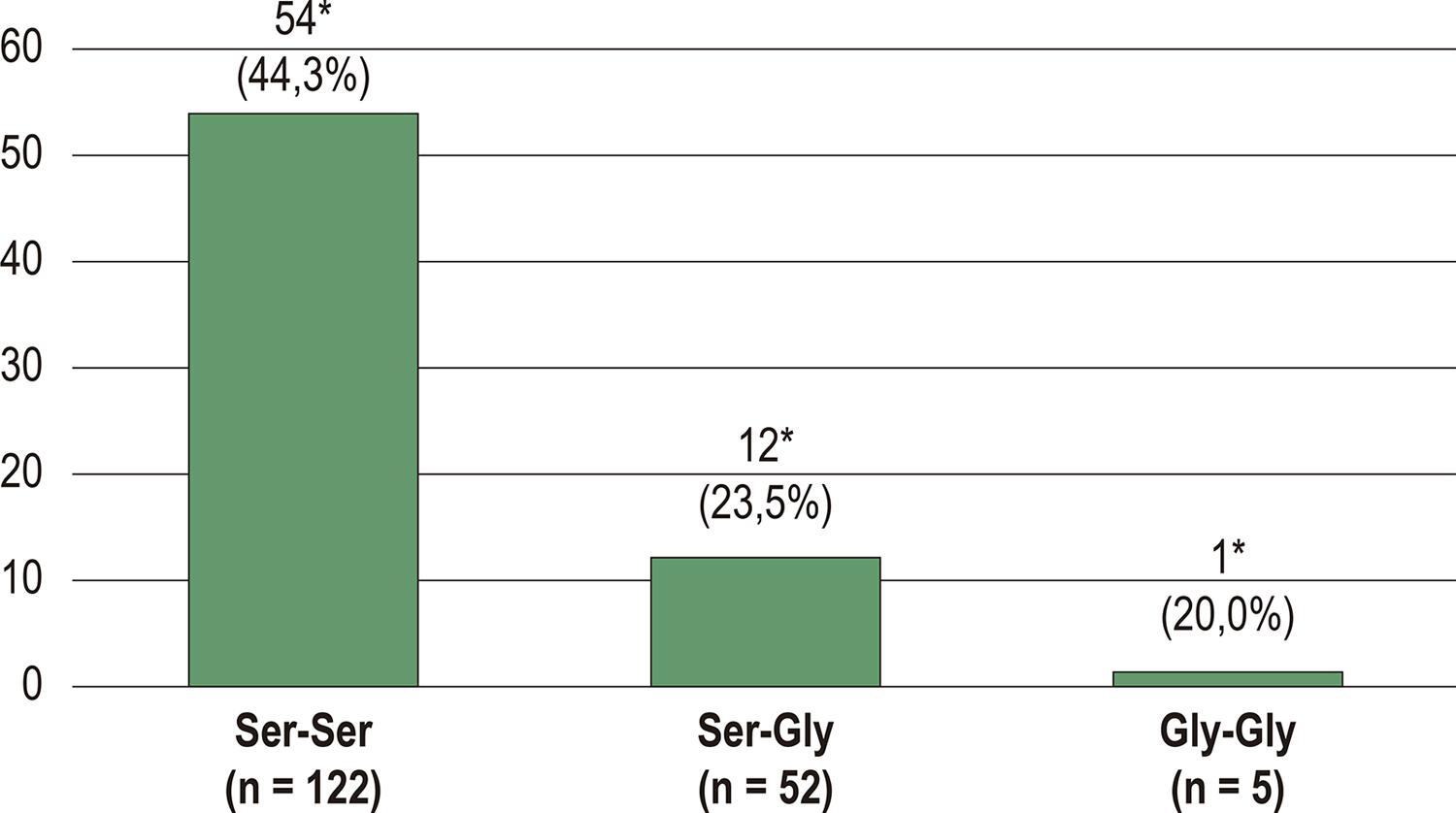
Cohort means were: clinical follow-up 6.7 years, age 63.5 years, 64.6% of men and 55.1% of whites. HF etiologies were predominantly ischemic (31.5%), idiopathic (23.6%) and hypertensive (15.7%). The genetic profile was distributed as follows: 122 Ser-Ser (68.5%), 52 Ser-Gly (28.7%) and 5 Gly-Gly (2.8%). There was a significant association between these genotypes and mean NYHA functional class at the end of follow-up (p = 0.014) with Gly-Gly being associated with less advanced NYHA. In relation to the clinical outcomes, there was a significant association (p = 0.026) between mortality and GPRβ1-Ser49Gly: the number of deaths in patients with Ser-Gly (12) or Gly-Gly (1) was lower than in those with Ser-Ser (54). The Gly allele had an independent protective effect maintained after multivariate analysis and was associated with a reduction of 63% in the risk of death (p = 0.03; Odds Ratio 0.37 – CI 0.15–0.91).

Conclusion

The presence of β1-AR-GP Gly-Gly was associated with better clinical outcome evaluated by NYHA functional class and was a predictor of lower risk of mortality, regardless of other factors, in a 6.7-year of follow-up. (Arq Bras Cardiol. 2020; 114(4):613-615)

  • Cardiotoxicity
  • cardiovascular Dieases
  • Epidemiology
  • Epinephrine/therapeutic use
  • Heart Failure / mortality
  • Hospitalization
  • Polymorfism, Geetic
  • Receptors,Adreneic, beta
Read Full Article
Creative Commons Attribution (CC BY) Creative Commons license
29/05/2020 DOI: 10.36660/abc.20190187
Editorial

Is Grace Risk Score the Holy Grail in Risk Stratification or Can We Improve it Even Further with Additional Biomarkers?

Ana Teresa Timóteo

B-type natriuretic peptide (BNP) has been recognized as a very useful marker for the detection of acute and chronic left ventricular dysfunction, both systolic and diastolic, that can be present in the context of sudden and prolonged myocardial ischemia. , These are the first steps in the ischemic cascade, leading to cell necrosis. For that reason, natriuretic peptides are usually elevated in the context of acute coronary syndromes.

Myocardial ischemia, even in the absence of left ventricular dysfunction, augments cardiac BNP gene expression, increasing plasma NT-proBNP concentrations. , BNP kinetics usually peaks at 16 hours of symptom’s onset in ST-elevation myocardial infarction and a second peak is usually observed by the fifth day. We can speculate that the first peak might be associated with ischemia and the second peak to left ventricular dysfunction associated with cell necrosis and early remodelling.

[…]

  • Acute coronary syndrome
  • Biomarkers
  • Brain
  • Factor, Natriuretic Atrial
  • Heart Failure
  • Mortality
  • Natriuretic Peptide
  • Ventricular Dysfunction, Left
Read Full Article
Creative Commons Attribution (CC BY) Creative Commons license
29/05/2020 DOI: 10.36660/abc.20200171 Views 3
Editorial

Heart Transplantation and the “The Secret Chamber”: How Echocardiographic Assessment of the Right Ventricle Can Reveal Acute Cell Rejection

Henrique Turin Moreira et al. Minna Moreira Dias Romano

Although heart transplantation (Tx) has achieved great technical and scientific evolution in recent decades, acute cell rejection (ACR) still represents an important threat to patients submitted to this procedure. Acute rejection screening protocols associated with early immunosuppressive therapy are essential for Tx success. However, endomyocardial biopsy, although expensive and invasive, is still a reference method for the screening of ACR.

ACR is related to incipient damage in myocardial function, which may not be detected by conventional echocardiographic techniques for myocardial function analysis. Myocardial deformation, analyzed by the speckle tracking technique, is able to detect incipient myocardial dysfunction in several pathologies, among them, ACR after cardiac Tx.

[…]

  • Cellular Acute Rejection
  • Echocardiography/methods
  • endomyocardial biopsy
  • Graft Rejection
  • Heart Transplantation
Read Full Article
Creative Commons Attribution (CC BY) Creative Commons license
29/05/2020 DOI: 10.36660/abc.20200177
Figure 1
Viewpoint

Internet Search Trends and Regional Mortality Tendencies: The Case of Oral Anticoagulants and Stroke

Roberto Muniz Ferreira et al. Ísis da Capela Pinheiro João Roquette Fleury da Rocha

Introduction

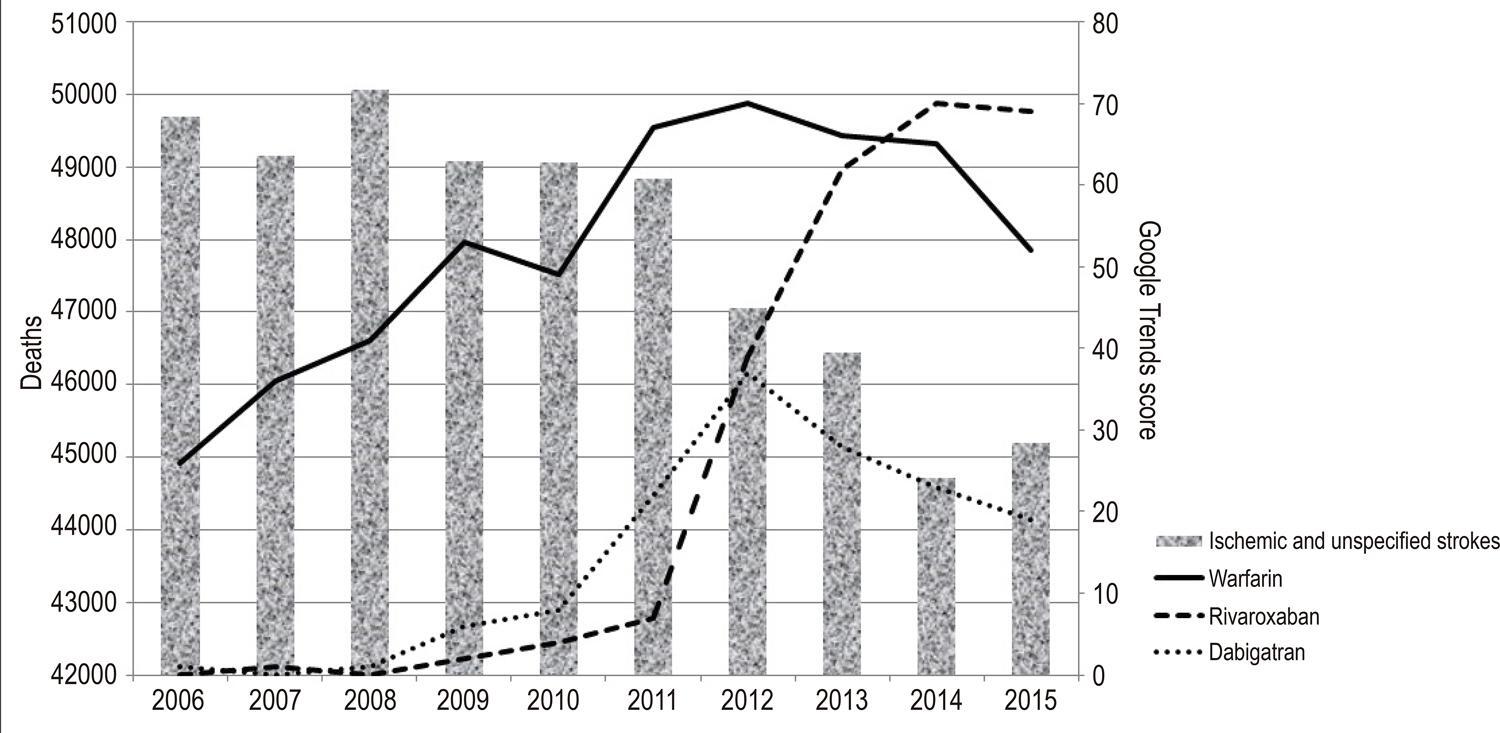
Multiple studies have found that up to 30% of ischemic strokes are associated with atrial fibrillation (AF), especially in the elderly population. , Although the embolic risk varies according to clinical characteristics and comorbidities, anticoagulant therapy has consistently shown to reduce stroke rates by approximately 70%. However, previous studies demonstrated that treatment rates with warfarin were low, even in patients at high risk for embolic events. Despite evidence from various publications demonstrating the effectiveness and safety of vitamin K antagonists, their complex pharmacokinetics and the need for continuous monitoring and frequent dose adjustments were the main explanations for low adherence.

Over the last 10 years, four direct oral anticoagulants (DOAC) have become available to prevent embolic events in patients with non-valvular AF: dabigatran, rivaroxaban, apixaban and edoxaban. In August 2011, dabigatran was the first DOAC approved in Brazil for stroke prevention, followed by rivaroxaban four months later. Two years later, apixaban was also introduced in the Brazilian market and only in February 2018 edoxaban became available. When compared to warfarin, multiple trials have suggested that DOACs are non-inferior in preventing ischemic strokes and possibly superior in reducing mortality, perhaps due to fewer intracranial hemorrhages. In addition to waive the need for laboratory monitoring, they have more predictable pharmacokinetics and a lower incidence of drug-to-drug interactions. Recent studies have demonstrated an increase in anticoagulation prescription rates among physicians since DOACs have become clinically available.

[…]

  • Anticoagulants / therapeutic use
  • Dabigatran
  • Mortality/trends
  • Myocardial Ischemia/prevention and control
  • Pharmaceutical Services, Online/trends
  • Rivaroxaban
  • Stroke/prevention and control
  • Varfarin
Read Full Article
Creative Commons Attribution (CC BY) Creative Commons license
29/05/2020 DOI: 10.36660/abc.20190768
Figure 1
Review Article

Artificial Intelligence in Cardiology: Concepts, Tools and Challenges – “The Horse is the One Who Runs, You Must Be the Jockey”

Erito Marques de Souza Filho et al. Fernando de Amorim Fernandes Celine Lacerda de Abreu Soares Flavio Luiz Seixas … Alair Augusto Sarmet M.D. dos Santos Ronaldo Altenburg Gismondi Evandro Tinoco Mesquita Claudio Tinoco Mesquita

Abstract

The recent advances at hardware level and the increasing requirement of personalization of care associated with the urgent needs of value creation for the patients has helped Artificial Intelligence (AI) to promote a significant paradigm shift in the most diverse areas of medical knowledge, particularly in Cardiology, for its ability to support decision-making and improve diagnostic and prognostic performance. In this context, the present work does a non-systematic review of the main papers published on AI in Cardiology, focusing on its main applications, potential impacts and challenges.

  • Artificial Intelligence/trends
  • Cardiovascular Diseases
  • Clinical Decision – Making
  • Computer Systems/trends
  • Machine Learning/trends
Read Full Article
Creative Commons Attribution (CC BY) Creative Commons license
29/05/2020 DOI: 10.36660/abc.20180431
Original Article

Role of Interleukin-18 and the Thrombus Precursor Protein in Coronary Artery Disease

Carlos Scherr et al. Denilson Campos de Albuquerque Roberto Pozzan Kezia Ataide … Talita Ludmila Fernanda Blanco Claudio Martins Mangia

Abstract

Background

Coronary failure is the leading cause of death worldwide and identifying patients at higher risk for coronary artery disease (CAD) is a challenge.

Objectives

To test the biomarkers interleukin 18 (IL-18) and thrombus precursor protein (TpP), involved in atherogenesis, to aid in the early assessment of CAD.

Methods

This was a cross-sectional cohort of 119 patients, stratified into three groups: Group I – acute coronary syndrome (39); Group II – chronic CAD (40) and Group III – control, without coronary lesion, but who might have risk factors for CAD (40). Statistical analysis was performed using the statistical program SPSS (Statistical Package for the Social Sciences) for Windows ,version 17.0 of 2008. The significance level was set at 0.05 or 5% (p <0.05), with a 95% confidence interval. Chi-square test (χ2), Analysis of variance (ANOVA), and Tukey’s test were used.

Results

The mean age was 60.36 ± 9.64 years; there was a prevalence of females in Group III (65.0% p = 0.002), but without statistical significance for the means of IL-18 and TpP. The means of IL-18 and TpP were increased in Group I when compared to the other groups; IL-18 = 1325.44 ± 1860.13 ng/dL, p = 0.002; TpP = 35.86 ± 28.36 µg / mL, p <0.001). When compared two-by-two, it was observed that Group I had higher mean IL-18 and TpP values than Group II (IL-18 = 353.81 ± 273.65 ng / dL; TpP = 25.66 ± 12, 17 µg / mL) and Group III (IL-18 = 633.25 ± 993.93 ng / dL; TpP = 18.00 ± 8.45 µg / mL).

Conclusion

There was an increase in these biomarkers in acute CAD, suggesting a relationship with the atherosclerotic plaque instability process, but not with the chronic phase. (Arq Bras Cardiol. 2020; 114(4):692-698)

  • Acute Coronary Syndrome/prevention and control
  • Biomarkers
  • Cardiovascular Diseases, mortality
  • Coronary Artery Diseases
  • Interleukin-18
Read Full Article
Creative Commons Attribution (CC BY) Creative Commons license
29/05/2020 DOI: 10.36660/abc.20190176 Views 1
Figure 1
Original Article

Controlled Study of Central Hemodynamic Changes in Inspiratory Exercise with Different Loads in Heart Failure

Luana de Decco Marchese et al. Sergio Chermont Danielle Warol Lucia Brandão de Oliveira … Sabrina Bernardez Pereira Mônica Quintão Evandro Tinoco Mesquita

Abstract

Background

Inspiratory muscle weakness contributes to exercise intolerance and decreased quality of life in patients with heart failure. Studies with inspiratory muscle training show improvement in inspiratory muscle strength, functional capacity and quality of life. However, little is known about the central hemodynamic response (CHR) during inspiratory exercise (IE).

Objective

To evaluate CHR in a single IE session with different loads (placebo, 30% and 60%) in heart failure.

Methods

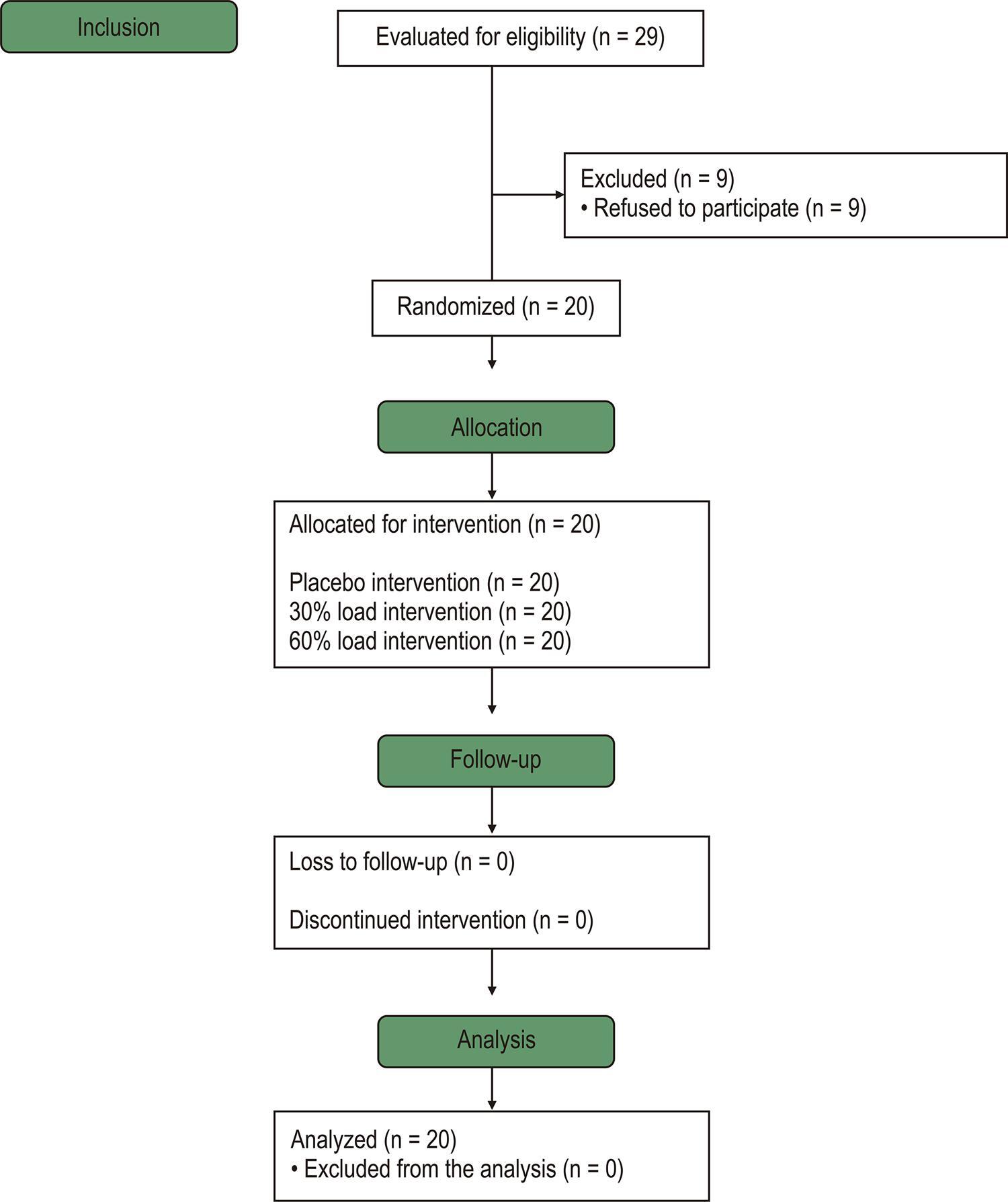
Randomized placebo-controlled clinical trial in patients with heart failure with reduced ejection fraction, functional class II and III. Twenty patients aged 65 ± 11 years completed a single session of inspiratory exercise, in 3 cycles of 15 minutes, with a 1-hour washout, involving loads of 30% (C30), 60% (C60) and placebo, using a linear load resistor (PowerBreathe Light). The noninvasive hemodynamic study was performed by cardiothoracic bioimpedance (Niccomo™ CardioScreen®). Statistical analysis was performed with Student’s t-test and Pearson’s correlation, and P≤0.05 was considered significant.

Results

An increase in heart rate (HR) was observed with C30 (64 ± 15 vs 69 ± 15 bpm; p = 0.005) and C60 (67 ± 14 vs 73 ± 14 bpm, p = 0.002). A decrease was observed in systolic volume (SV) with C30 (73 ± 26 vs 64 ± 20 ml; p = 0.004). Cardiac output (CO), on its turn, increased only with C60 (4.6 ± 1.5 vs 5.3 ± 1.7 l/min; p = -0.001).

Conclusion

When using the 60% load, in a single IE session, changes in CHR were observed. HR and CD increased, as did the Borg scales and subjective sensation of dyspnea. The 30% load reduced the SV. (Arq Bras Cardiol. 2020; 114(4):656-663)

  • Breathing Exercises
  • Exercise Movement Techniques
  • Exercise Therapy
  • Fatigue Syndrome, Chronic
  • Heart Failure
  • Hemodynamics
  • Muscle Weaknerss
  • Quality of life
Read Full Article
Creative Commons Attribution (CC BY) Creative Commons license
29/05/2020 DOI: 10.36660/abc.20180375 Views 1
Editorial

Is Magnetic Resonance Imaging Already an Appropriate Method for Evaluating Patients after Atrial Fibrillation Catheter Ablation?

Cristiano F. Pisani et al. Mauricio Scanavacca

For a long time, lack of knowledge regarding the physiopathology of atrial fibrillation (AF) limited the development of interventional techniques for treating it. Demonstrations that paroxysmal AF was triggered by extrasystoles and tachycardias mainly originating from inside the pulmonary veins ushered in a new era for treatment of AF. Since then, electrical isolation of the pulmonary veins has been the standard treatment for AF. Among specialists, achieving lasting electrical isolation of the pulmonary veins has been the main technical challenge, which has gradually been overcome in recent years with the implementation of new technology for more effective ablation, given that reconnections or previously isolated veins are the main cause of recurrences observed in these patients.

The challenge has been greater in patients with persistent AF, owing to its more complex physiopathology, which involves additional mechanisms that are little known, in addition to the pulmonary venous foci. It is known that metabolic alterations induced by excessive atrial work during repeated episodes of AF initially induce atrial electrical remodeling, characterized by functional and transient changes in ion channels of cell membranes that modulate atrial electrical activity, thus facilitating the appearance of trigger foci in other regions of the atria and conditions that favor increased persistence of AF.

[…]

  • Atria Premature Complexes
  • Atrial Fibrillation
  • Catheter Ablation
  • Gadolinium
  • Magnetic Resonance Spectroscopy/ methods
Read Full Article
Creative Commons Attribution (CC BY) Creative Commons license
29/05/2020 DOI: 10.36660/abc.20200204 Views 2
Editorial

Galectin-3 in Chronic Constrictive Pericarditis: Accurate Information for the Good Doctor

Wolney de Andrade Martins

Galectin-3 (Gal-3), which is now known as a new biomarker, has traveled the rigorous scientific pathway from discovery to validation. Experimental and clinical studies described its elevation in several situations, such as tumors, renal failure and heart failure. Its administration caused myocardial fibrosis and heart failure (HF). Its genetic suppression or inhibition prevented fibrosis and remodeling, that is, the cause-and-effect relationship had been proven. Elevated levels of Gal-3 show a worse prognosis, as they predict sudden death. Galectin-3 was an independent predictor in the short and medium term of hospitalizations and of mortality in patients with HF, especially those with heart failure with preserved ejection fraction (HFpEF).

The biomarker can assist the clinician in their diagnostic dilemmas, in assessing the prognosis and even guiding the therapy. The HFpEF is an example of condition where all help is welcome. Multiple comorbidities, less typical conditions, especially in the elderly and obese, can be confusing. HFpEF is one of the situations where Gal-3 can greatly assist in diagnostic confirmation.

[…]

  • Biomarkers
  • Cardiomyopathy, Restrictive
  • Galectin 3
  • Inflammation
  • Pericarditis, Constrictive
  • Pericardium
Read Full Article
Creative Commons Attribution (CC BY) Creative Commons license
29/05/2020 DOI: 10.36660/abc.20200163 Views 2
Figure 1
Original Article

Galectin-3 Levels in Patients with Chronic Constrictive Pericarditis

Fábio Fernandes et al. Dirceu Thiago Pessoa de Melo Felix José Alvarez Ramires Ester Cerdeira Sabino … Carlos Henrique Valente Moreira Luiz Alberto Benvenutti Viviane Tiemi Hotta Ana Luiza Carrari Sayegh Francis Ribeiro de Souza Ricardo Ribeiro Dias Charles Mady

Abstract

Background

Galectin-3 (Gal-3) is a proinflammatory, profibrotic molecule implicated in the pathogenesis of heart failure. The role of Gal-3 in patients with chronic constrictive pericarditis (CCP) is not clear.

Objective

The aim of this study was to assess plasma Gal-3 in patients with CCP and correlate it with clinical, functional and histologic parameters.

Methods

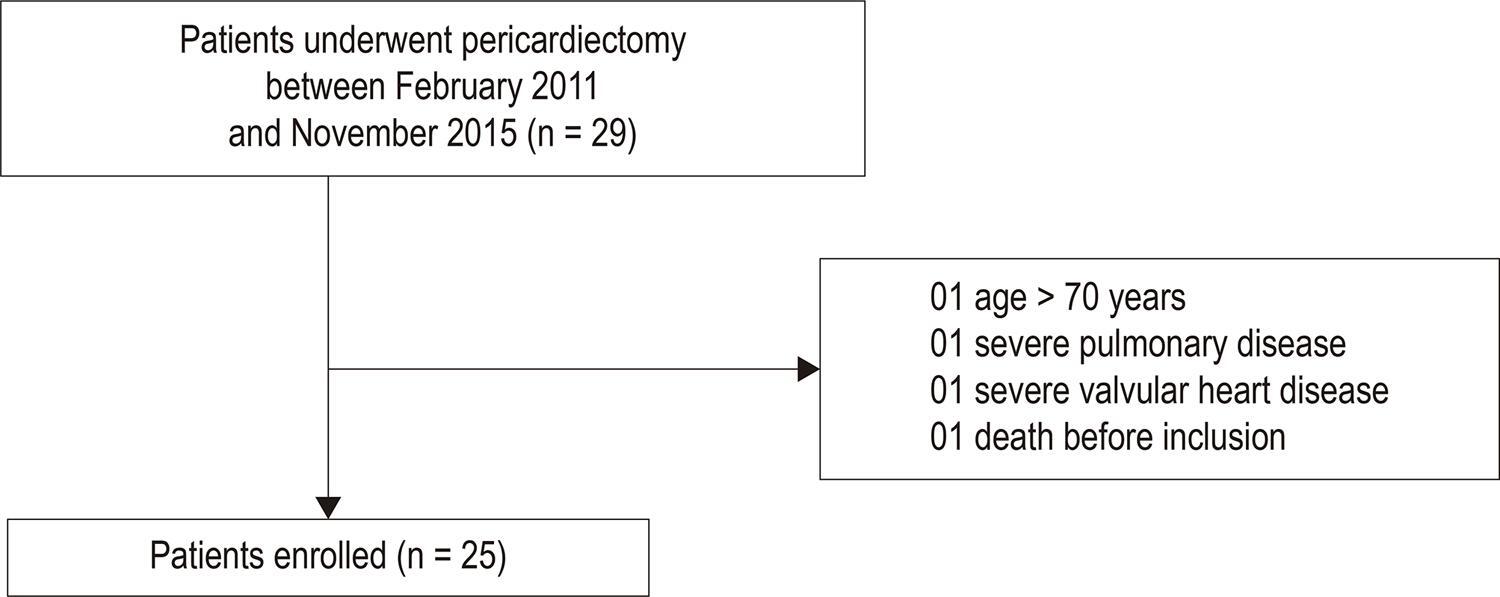
We prospectively evaluated 25 symptomatic patients with CCP referred for pericardiectomy and 21 healthy controls. Patients underwent clinical assessment, Gal-3 and B-type natriuretic peptide (BNP) measurements, echocardiography, cardiac magnetic resonance imaging and cardiopulmonary exercise test (CPET) at baseline. Six months after pericardiectomy CPET was repeated. An alpha error < 5% was considered statistically significant, with a confidence interval of 95%.

Results

Twenty-five patients with a median age of 45 years were included. Etiology was mainly idiopathic (n = 19, 76%); and 14 (56%) patients had NYHA functional class III/IV. Median BNP and Gal-3 were 143 (89-209) pg/dL and 14.8 (9.7-17.2) ng/mL, respectively. Gal-3 levels were not significantly higher in CCP patients than in control (p = 0.22). There were no significant correlations of Gal-3 with BNP, echocardiographic and cardiac magnetic resonance measures and histological findings. After pericardiectomy, it was found a statistically significant correlation between Gal-3 and the CPTE measures test duration (r = –0.79; p < 0.001) and exercise time (r = –0.79; p < 0.001).

Conclusions

Patients with CCP had normal levels of Gal-3 as compared to the controls. Gal-3 did not correlate with morphological and functional measures before pericardiectomy. However, the associations between Gal-3 and exercise intolerance after pericardiectomy may suggest a role of Gal-3 in prognosis prediction after pericardiectomy. (Arq Bras Cardiol. 2020; 114(4):683-689)

  • Cell Diferentiation
  • Fibrosis
  • Galectin 3
  • Pericardiectomy/methods
  • Pericardite Constrictive/surgery
Read Full Article
Creative Commons Attribution (CC BY) Creative Commons license
29/05/2020 DOI: 10.36660/abc.20190152
Editorial

Atherosclerosis and Inflammation: Still a Long Way to Go

Ricardo Wang et al. Bruno Ramos Nascimento Fernando Carvalho Neuenschwander

Short Editorial related to the article: Role of Interleukin-18 and the Thrombus Precursor Protein in Coronary Artery Disease.

Ever since the initial works by Russell Ross on the importance of inflammation in the development, instability and rupture of the atherosclerotic plaque, which can result in acute coronary syndrome (ACS) or stroke, there has been an increase in publications on the activation pathways, expansion and perpetuation of the inflammatory process, which goes beyond the simple pathophysiological understanding, but mainly in finding specific treatment opportunities, aiming to reduce the so-called “residual risk” (cardiovascular events that occur in patients even when LDL cholesterol levels are within the therapeutic goals). It is estimated that approximately 100,000 new cases of acute myocardial infarction occur each year in Brazil, according to data from DATASUS. If we consider mortality rates of 5-10%, it is expected that approximately 90,000 patients per year will go to secondary prevention. If all patients receive a maximum statin dose, even so, approximately 40%2 will still have a residual risk of events, i.e., 36,000 patients will be at high risk for new cardiovascular events.

[…]

  • Atherosclerosis / physiopathology
  • Coronary Artery Disease
  • Inflammation
  • Interleukin-18
  • Thrombosis
Read Full Article
Creative Commons Attribution (CC BY) Creative Commons license
29/05/2020 DOI: 10.36660/abc.20200219
Figure 1
Editorial

How Do We Know a Change is an Improvement? The (Not So) New Scientific Knowledge Every Physician Should Learn, Master and Lead

Alexandre Siciliano Colafranceschi

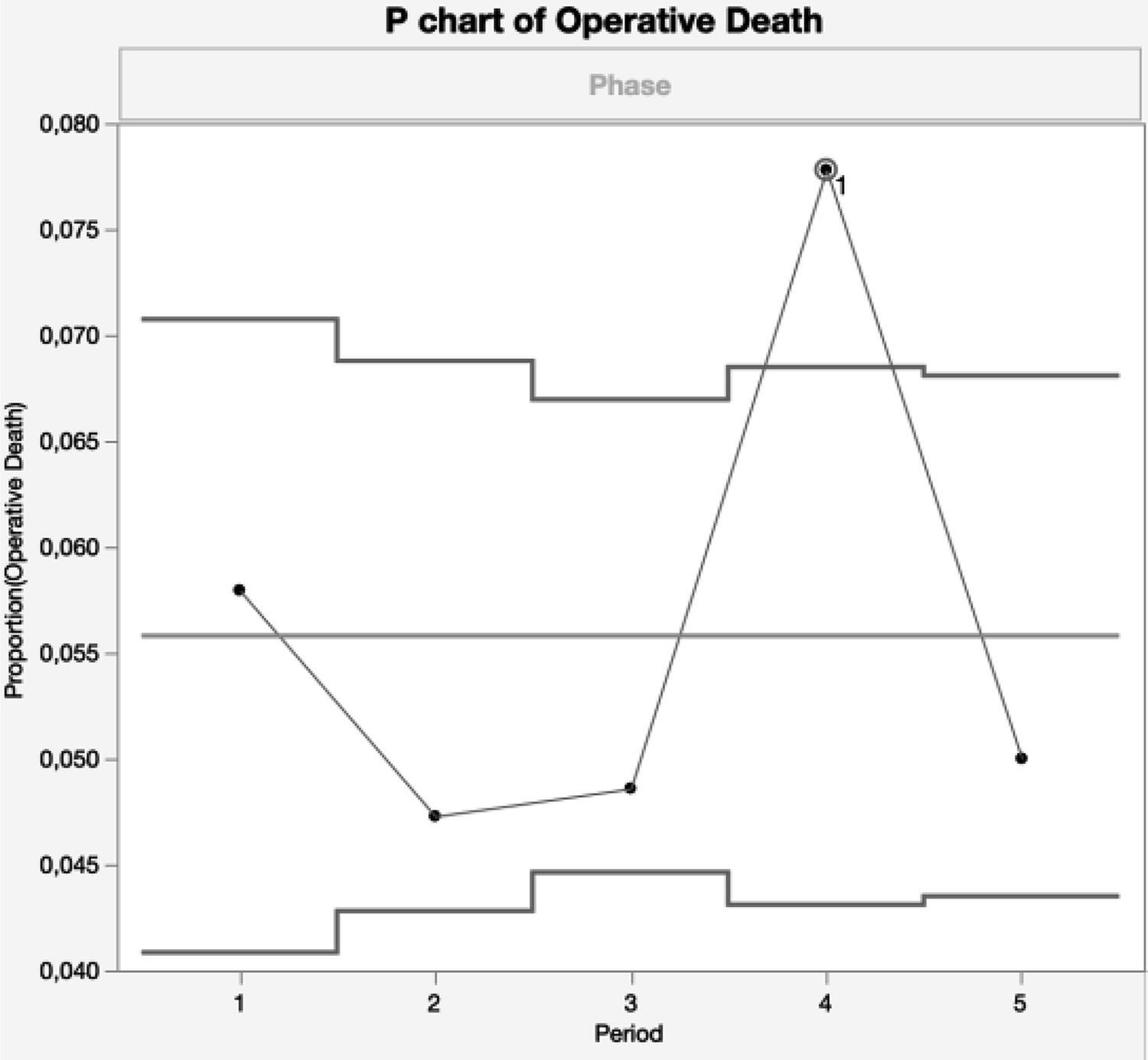
Cardiothoracic surgeons have a rich history of quality improvement and a strong ethos of transparency and innovation allowing for the rapid diffusion of standards, techniques, and benchmarks worldwide. Nationally, few medical specialties have contributed as much to the development of knowledge as the Brazilian cardiac surgery. From the hard work developed during decades by pioneering surgeons such as Euryclides Zerbini and Adib Jatene to the most contemporaneous leaders in the field, the Instituto do Coração do Hospital das Clínicas da Faculdade de Medicina da Universidade de São Paulo – InCor – is definitely at the heart of this journey. In this issue of Arquivos Brasileiros de Cardiologia the work by Mejia et al. has the merit of taking into account the evolution of the number of cardiovascular surgeries performed at InCor during a 35-year period. The total number is a remarkable one: over 100,000 open heart procedures were analyzed. After all, the mean number of procedures/year is 2,964, – or more than 11 procedures per workday. It is noteworthy the fact that the total number of procedures has been increasing, especially due to an increase in valvular operations and the correction of congenital cardiopathies. Also, of note, there is a 7% decrease in coronary artery bypass graft surgery volume in the most recent period studied.

Besides describing the volume of disease-specific open-heart surgical procedures throughout five different periods of time over the 35 years of data, another objective of the study by Mejia et al. was to evaluate the impact of the actions taken from a continuous quality improvement program on mortality from cardiovascular surgery. It is not clear, however, how the periods of time were selected for the analyses.

[…]

  • Cardiovascular Surgical Procedures/trends
  • Database
  • Hospital Mortality
  • Patient Safety
  • Quality Improvement
Read Full Article
Creative Commons Attribution (CC BY) Creative Commons license
29/05/2020 DOI: 10.36660/abc.20200249
Figure 1
Image

Evolved Inferior Wall Myocardial Infarction with Left Ventricular Pseudoaneurysm: A Diagnostic Dilemma

Sónia Gomes Coelho et al. Clara F. Jorge Pedro B. Carlos Anne Delgado Leopoldina Vicente

Introduction

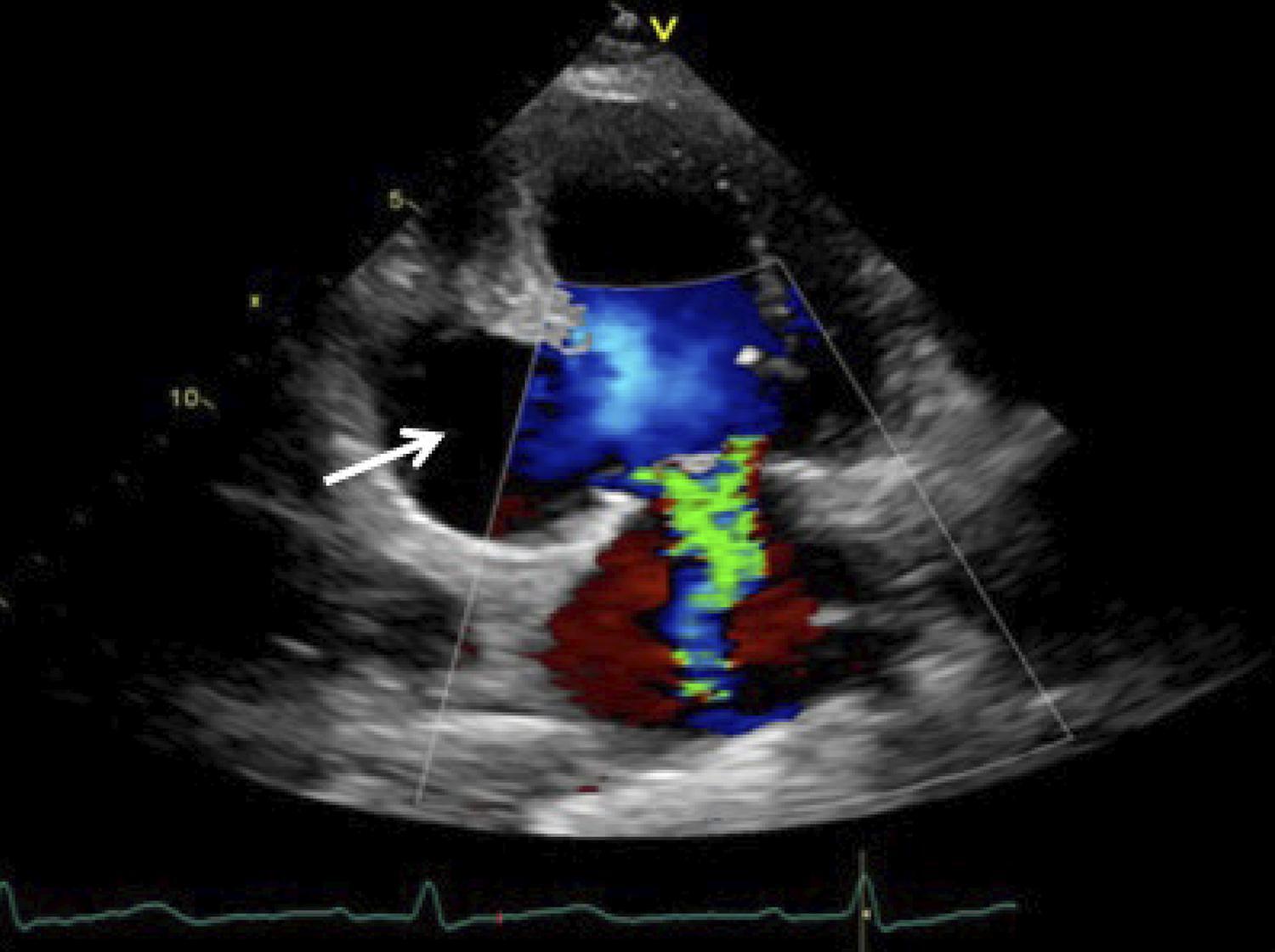
The left ventricular (LV) pseudoaneurysm (PA) is a rare mechanical complication of acute myocardial infarction (AMI). It results from myocardial rupture, in which the hemorrhagic process is contained by the adherent pericardium. It occurs most commonly in the inferior and posterior ventricular wall, since the rupture of the anterior ventricular wall usually leads to cardiac tamponade and immediate death, while the inferior-posterior face of the heart rests on the diaphragm, facilitating the ventricular cavity containment by the pericardium. – Imaging methods are crucial to establish the diagnosis. Transthoracic (TTE) and transesophageal echocardiography (TEE) allow the definitive diagnosis in 26% and 75% of cases, respectively. , Cardiac magnetic resonance (CMR) imaging is useful in the differential diagnosis of LV PA and aneurysm, with a reported sensitivity of 100%. The presence of late pericardial enhancement in the CMR is highly suggestive of LV PA, which may represent the effect of the passage of blood into the pericardial space at the time of myocardial rupture, with subsequent pericardial inflammation and fibrosis. , ,

[…]

  • Echocardiography/methods
  • Heart Rupture
  • Magnetic Resonance Spectroscopy/ methods
  • Myocardial Infarction/complications
  • Pseudoaneurysm
Read Full Article
Creative Commons Attribution (CC BY) Creative Commons license
29/05/2020 DOI: 10.36660/abc.20200029
Original Article

Absence of Nocturnal Fall in Blood Pressure Detected by Ambulatory Blood Pressure Monitoring in Acute Chagas Disease Patients with Oral Infection

Dilma do S. M. de Souza et al. Céres Larissa Barbosa de Oliveira Brenda Gonçalves Maciel Maria Tereza Figueiredo … Henrique Tria Bianco Francisco A. H. Fonseca Maria Cristina Izar Rui M. S. Póvoa

Abstract

Background

The involvement of the autonomic nervous system is one of the mechanisms proposed to explain the progression of myocardial lesion in Chagas disease. Evidences have shown changes in sympathetic and parasympathetic nervous system since the acute phase of the disease, and studies to clarify the pathophysiological and prognostic value of these changes are needed.

Objetives

To assess blood pressure profile by ambulatory blood pressure monitoring (ABPM) in normotensive patients with acute Chagas disease (ACD) without apparent cardiac damage, and the influence of the infection on nocturnal blood pressure fall.

Methods

ABPM was performed with 54 patients with ACD and a control group composed of 54 age- and sex-matched normotensive individuals. The alpha level of significance (type I error rate) was set at 5%.

Results

In the total of 54 patients, 74.0% did not show nocturnal fall in systolic blood pressure, 53.7% did not show nocturnal fall in diastolic blood pressure, and lack of both nocturnal fall in SBP and DBP was observed in 51.8% (*p<0.05). In 12.9% of patients, there was an increase in SBP and in 18.5% increase in DBP (p<0.05).

Conclusions

In patients with acute Chagas disease, a significant absence of the physiological fall in both systolic and diastolic blood pressure was observed during sleep, and some of the patients showed nocturnal increase in these parameters. These findings suggest autonomic changes in the acute phase of Chagas disease. (Arq Bras Cardiol. 2020; 114(4):711-715)

  • Autonomic Nervous System/physiology
  • Blood Pressure / physiology
  • Blood Pressure Monitoring, Ambulatory/methods
  • Chagas Disease/physiopathology
  • Hypertension
Read Full Article
Creative Commons Attribution (CC BY) Creative Commons license
29/05/2020 DOI: 10.36660/abc.20190143 Views 2
Original Article

Dynamic Balance and Mobility Explain Quality of Life in HFpEF, Outperforming All the Other Physical Fitness Components

Cristine Schmidt et al. Mário Santos Lucimere Bohn Bruno Miguel Delgado … Daniel Moreira-Gonçalves Adelino Leite-Moreira José Oliveira

Abstract

Background

Physical fitness is an important determinant of quality of life (QoL) in heart failure with preserved ejection fraction (HFpEF) patients. However, how the different physical fitness components correlate with the specific dimensions of QoL in HFpEF patients remains unknown.

Objective

To evaluate the association between different physical fitness components and QoL dimensions in HFpEF patients, and, assess which physical fitness components were independently associated to QoL.

Methods

Patients with HFpEF were assessed for physical fitness [dynamic balance and mobility (8-foot-up-and go test), upper body strength (handgrip), cardiorespiratory fitness (CRF) (6-minute-walking test) and body composition (body mass index)] and for QoL (Minnesota Living With Heart Failure Questionnaire). Partial correlation was used to verify the association between physical fitness components and QoL dimensions. The determination of independent predictors in QoL dimensions was assessed through stepwise multivariate linear regression analysis. Statistical significance was set at p<0.05.

Results

Both CRF and dynamic balance and mobility are significantly associated with the total score and physical dimensions of QoL (p<0.05), but only dynamic balance and mobility were concomitantly associated with the emotional dimension (r=0.597; p=0.004). Dynamic balance and mobility were independently associated with total score (β=0.651; r2=0.424; p=0.001), physical (β=0.570; r2=0.324; p=0.04) and emotional (β=0.611; r2=0.373 p=0.002) dimensions of QoL.

Conclusion

Our data suggests that dynamic balance and mobility better assess QoL than CRF, which is commonly measured in clinical practice. Whether interventions specifically targeting dynamic balance and mobility have different impacts on QoL remains unknown. (Arq Bras Cardiol. 2020; 114(4):701-707)

  • Body Composition
  • Breathing Exercises
  • Heart Failure/physiopathology
  • physical fitness
  • Quality of life
  • Work-Life Balance/methods
Read Full Article
Creative Commons Attribution (CC BY) Creative Commons license
29/05/2020 DOI: 10.36660/abc.20190080
Figure 1
Statement

Luso-Brazilian Position Statement on Hypertensive Emergencies – 2020

José Fernando Vilela-Martin et al. Juan Carlos Yugar-Toledo Manuel de Carvalho Rodrigues Weimar Kunz Sebba Barroso … Luís Carlos Bronze S. Carvalho Francisco José Torres González Celso Amodeo Vitor Manuel Margarido Paixão Dias Fernando Carvalho Moreira Pinto Luís Filipe Reis Martins Marcus Vinícius Bolívar Malachias Paulo Cesar Veiga Jardim Dilma do Socorro Moraes de Souza Oswaldo Passarelli Júnior Eduardo Costa Duarte Barbosa Jorge Junqueira Polonia Rui Manoel dos Santos Póvoa

Content

1. Definition, Epidemiology, and Classification of Hypertensive Emergencies 738

2. Pathophysiological Aspects of Hypertensive Emergency 739

[…]

Read Full Article
Creative Commons Attribution (CC BY) Creative Commons license
29/05/2020 DOI: 10.36660/abc.20190731 Views 2
Figure 1
Brief Communication

Inotropic and Antiarrhythmic Transmural Actions of Ranolazine in a Cellular Model of Type 3 Long QT Syndrome

Victor Martins Miranda et al. Samuel Santos Beserra Danilo Roman-Campos

Abstract

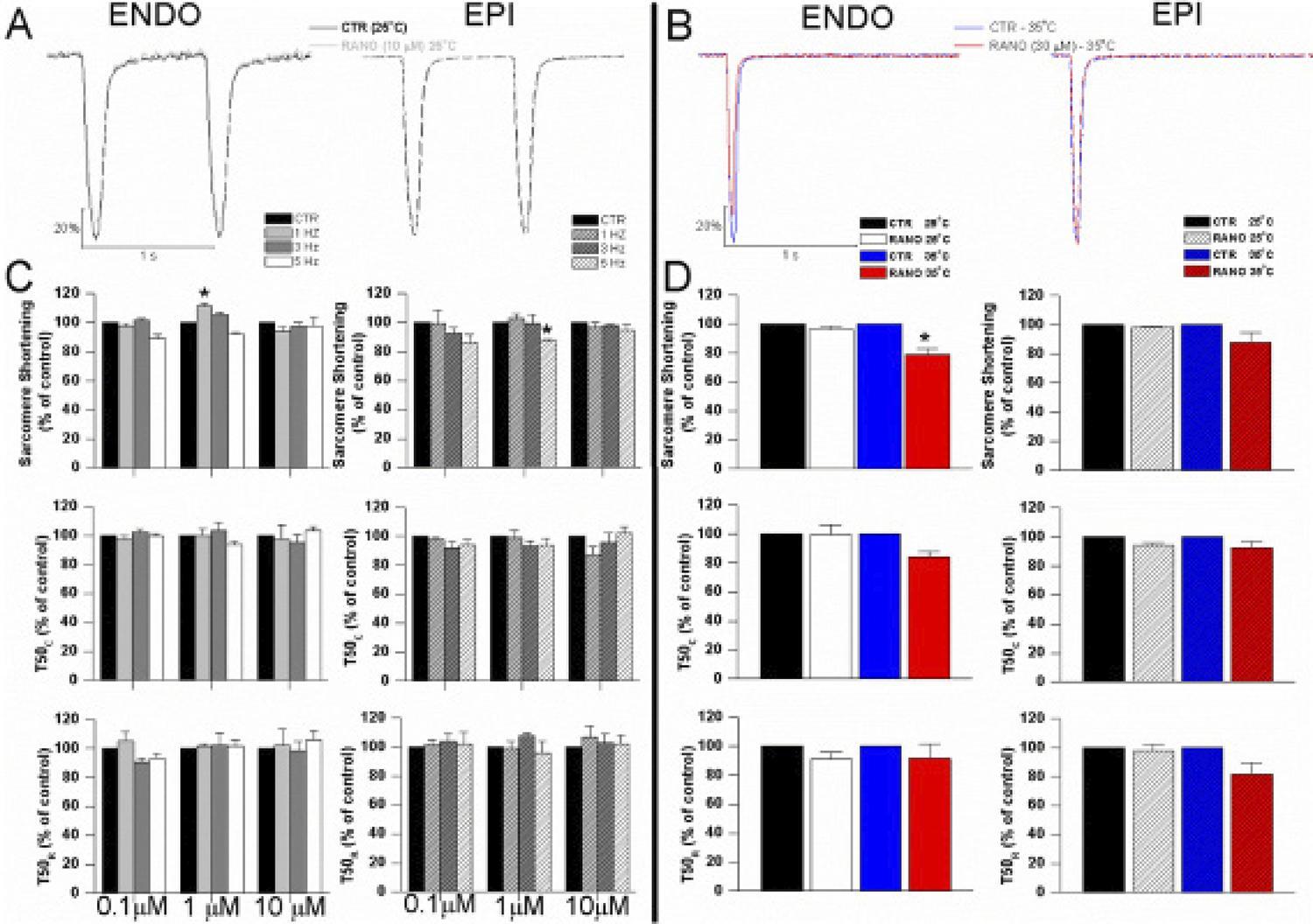
Ranolazine (RANO) prevents cardiac arrhythmia by blocking the late sodium current (INaL). A transmural gradient of Nav1.5 is found in the left ventricular wall of the heart. Thus, we investigated the effects of RANO in healthy cardiomyocytes and in a cellular model of type 3 long QT syndrome (LQT3). We used isolated endocardium (ENDO) and epicardium (EPI) cells and a video edge detection system and fluorescence microscopy to monitor calcium transients. RANO (0.1, 1, 10 and 30 uM, at 25oC) at a range of pacing frequencies showed a minor impact on both cell types, but RANO at 30uM and 35oC for ENDO cells attenuated sarcomere shortening by~21%. Next, to mimic LQT3, we exposed ENDO and EPI cells to anemone toxin II (ATX-II), which augments INaL. Cellular arrhythmias induced by ATX-II were abrogated by RANO (30 µM) at 35oC. Based on our results we can conclude that RANO has a minor impact on sarcomere shortening of healthy ENDO and EPI cells and it abrogates arrhythmias induced by INaLto a similar level in ENDO and EPI cells.

  • Arrhythmias
  • ATX-II
  • Contraction
  • Late Sodium current
  • Ranolazine
  • Type 3 Long QT Syndrome
Read Full Article
Creative Commons Attribution (CC BY) Creative Commons license
29/05/2020 DOI: 10.36660/abc.20190220
Figure 1
Editorial

Nocturnal Blood Pressure Dipping and the Autonomic Nervous System

Fernando Antonio de Almeida

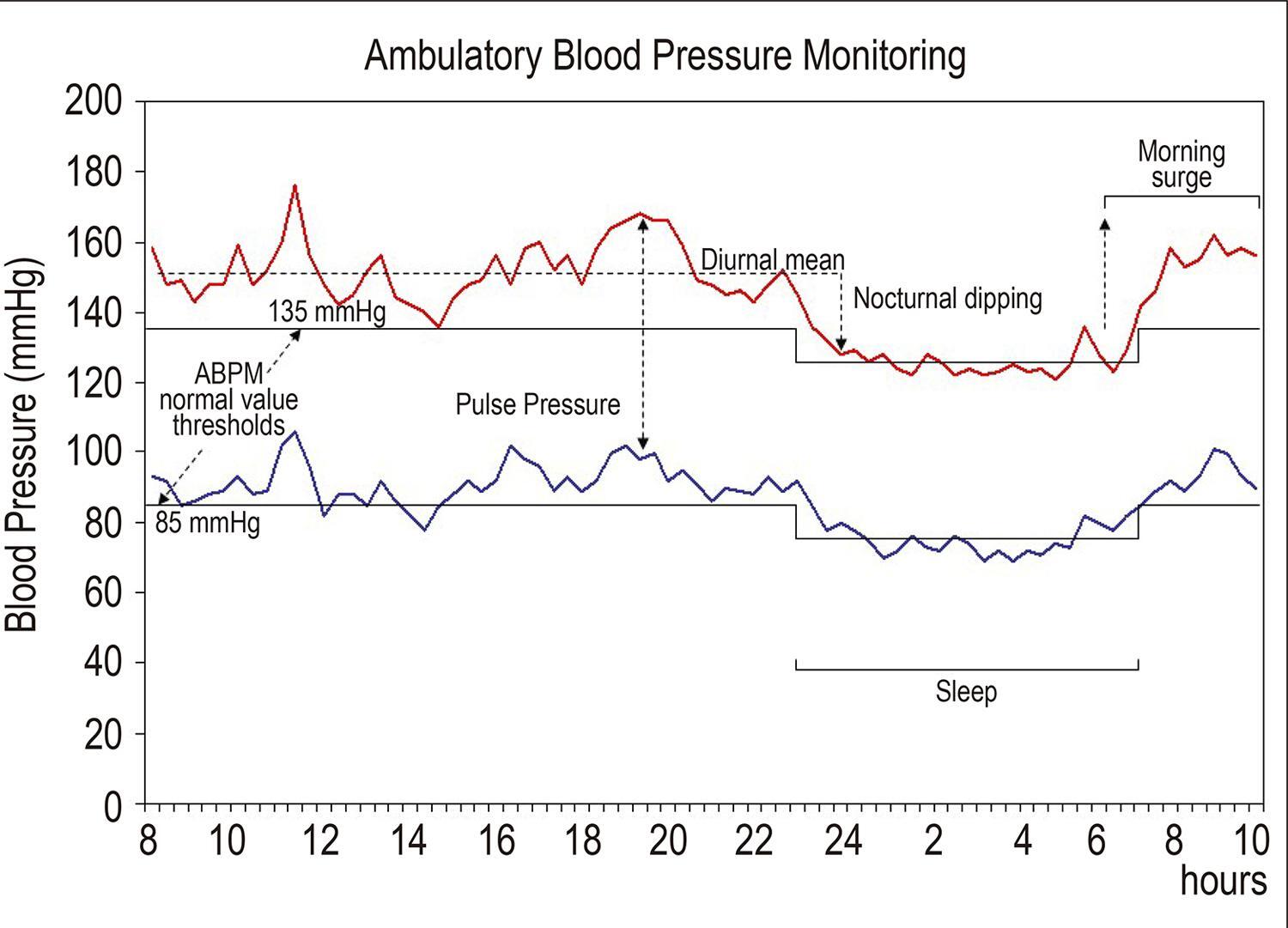
Blood Pressure (BP) is continuously controlled by complex mechanisms involving the structural characteristics of the arterial system, the autonomic nervous system (sympathetic and parasympathetic) integrated with the baroreceptor and chemoreceptor systems, the circulating volume and several vasoconstrictor and vasodilator hormone systems with systemic and local actions. The integration of these systems ensures that the blood pressure undergoes minimal variations in small intervals, but if we consider the whole day, there are times, such as during sleep and when getting up in the morning, when there are more intense variations in blood pressure, always around mean values. Ambulatory blood pressure monitoring (ABPM) allows this phenomenon to be recorded in clinical practice.

shows the ABPM graphical record of a person with arterial hypertension, indicating the main parameters evaluated in this exam. One of the most important phenomena that can be assessed by ABPM is the physiological BP dipping during sleep. This physiological behavior of BP during sleep occurs because many vasoconstrictor mechanisms are “disarmed” in this condition; among them, the autonomic nervous system is one of the most important. A direct consequence of this modulatory effect of the autonomic nervous system is that, in diseases or clinical conditions in which the system is affected, the absence of this modulatory effect is expressed by the absence of BP dipping during sleep. In some cases, there may even be an increase in BP during sleep. This is the classic example of individuals with diabetes mellitus with autonomic neuropathy. – These individuals frequently have postural hypotension, elevated BP at bedtime and absence of BP dipping during sleep. , , , The absence of BP dipping during sleep implies a higher pressure load on the circulatory system and increases the risk of cardiovascular events in the long-term. , There are other clinical conditions associated with the absence of BP dipping during sleep, but this is not the case of this discussion.

[…]

  • Autonomic Nervous System
  • Blood Pressure
  • Blood Pressure Monitoring, Ambulatory
  • Chagas disease
  • Diabetes Mellitus
  • Sleep
Read Full Article
Creative Commons Attribution (CC BY) Creative Commons license
29/05/2020 DOI: 10.36660/abc.20200280 Views 1
Editorial

Short Editorial: Ser49Gly Beta1-adrenergic Receptor Genetic Polymorphism as a Death Predictor in Brazilian Patients with Heart Failure

Antonio Carlos Pereira-Barretto

Heart failure (HF) is a disease that develops into high morbidity/mortality. However, not all patients have a bad evolution. Symptomatic patients and those who require hospitalization for treatment comprise the group with the worst prognosis. Symptom intensity has shown to be a good predictor of prognosis. However, in less symptomatic patients, we have a much more limited capacity to identify those who will have a worse evolution.

In the article “Ser49Gly Beta1-adrenergic Receptor Genetic Polymorphism as a Death Predictor in Brazilian Patients with Heart Failure”, published in this issue, the authors discuss a current topic, in which they show that patient evolution is, at least in part, related to their genetic profile, and that this profile determines the intensity of HF and symptom development.

[…]

  • Adrenergic beta-1
  • Adrenergic beta-2
  • Genetic,Polymorphism
  • Heart Failure / mortality
  • Heart Failure/physiopathology
  • Prognosis
  • Receptor Agonists
  • Sympathetic Nervous System
Read Full Article
Creative Commons Attribution (CC BY) Creative Commons license
29/05/2020 DOI: 10.36660/abc.20200183 Views 1
Editorial

Inspiratory Muscle Training at Different Intensities in Heart Failure: Are There Differences in Central Hemodynamic Changes?

Lucas Helal et al. Filipe Ferrari

Inspiratory muscle training in heart failure

There is robust evidence suggesting that the weakness of inspiratory muscles is one of the main factors that lead to low exercise tolerance in patients with HF. , In fact, randomized clinical trials have shown several benefits of IMT in patients with this syndrome, namely: significant improvement in oxygen uptake efficiency, functional capacity and quality of life scores. These results were confirmed by meta-analyses, such as that carried out by Smart et al. When compared to the control group, patients undergoing IMT achieved an important improvement in maximum oxygen consumption (VO2max): 1.83 mL.kg-1.min-1(95%CI, 1.33 for 2.32 mL.kg-1.min-1, p <0.00001), as well as in the 6-minute walking test: 34.35 m (95%CI, 22.45 to 46.24 m, p <0.00001). In turn, inspiratory muscle strength seems to have a significant correlation with VO2max, which is an independent predictor of survival in individuals with HF. IMT should therefore be an integral part of these patients’ care whenever possible.

In this issue of the Arquivos Brasileiros de Cardiologia , a randomized, placebo-controlled trial evaluated the implications of an acute session of different intensities of IMT on the central hemodynamic response (CHR) of individuals with HF, using a non-invasive monitoring method. For this purpose, 20 patients with reduced ejection fraction (37.2% ± 6.3%), a mean age of 65 years, and the vast majority in New York Heart Association (NYHA) functional class II were included in the study. The IMT protocol consisted of 3 sessions lasting 15 minutes each. All participants underwent the training with an intensity of 30% and 60% of maximum inspiratory pressure (MIP), in addition to sham intervention (placebo), with a 1-hour washout between them. It was observed that CHR behaved in a heterogeneous way between intensities. For instance, there was an increase in heart rate with intensities of 30% and 60% of MIP (64 ± 15 to 69 ± 15 beats per minute; and 67 ± 14 to 73 ± 14 beats per minute, respectively). Regarding stroke volume, there was a tendency to decrease with a 30% load of MIP (73 ± 26 mL to 64 ± 20 mL). The cardiac output increased only in the group with the highest intensity (4.6 ± 1.5 L / min to 5.3 ± 1.7 L / min), a behavior that was similar in relation to the systolic blood pressure response. In fact, the increase in cardiac output observed at the highest applied intensity can be partially explained by the increase in heart rate in this group. These findings should not be ignored, since patients with HF tend to have impaired blood flow to the active muscles, secondary to reductions in cardiac output and peripheral vasodilator capacity. These changes are harmful, causing important intolerance to effort, being associated with reduced vasodilator capacity and increased sympathetic stimulation, common in these individuals.

[…]

  • Cardiac Output
  • Heart Failure
  • Heart Rate
  • Hemodynamic Monitoring/methods
  • Maximal Respiratory Pressures
  • Stroke Volume
Read Full Article
Creative Commons Attribution (CC BY) Creative Commons license
29/05/2020 DOI: 10.36660/abc.20200162 Views 1
Editorial

Short Editorial: Hydrotherapy Reduces Arterial Stiffness in Pregnant Women with Chronic Hypertension

Celso Amodeo

Increased pulse pressure is associated with aging. This is mainly caused by increased systolic pressure, but also by decreased diastolic pressure. Diastolic blood pressure below 50 mmHg has been related to increased cardiovascular risk.

With the development of devices that allow the indirect estimation of central pressure from the aortic root and analysis of arterial stiffness (another marker of cardiovascular risk), many studies have shown that changes in vascular dynamics are detected earlier using central measurements compared with peripheral blood pressure measurements.

[…]

  • Blood Pressure
  • Hydrotherapy/methods
  • Hypertension
  • Pre-Eclampsia
  • Pregnant Women/complicações
  • Pulse Wave Analysis
  • Vascular Stiffness
Read Full Article
Creative Commons Attribution (CC BY) Creative Commons license
29/05/2020 DOI: 10.36660/abc.20200251 Views 1
Editorial

Physically Active Lifestyle as an Approach to Confronting COVID-19

Maycon Junior Ferreira et al. Maria Cláudia Irigoyen Fernanda Consolim-Colombo José Francisco Kerr Saraiva Kátia De Angelis

The rapid, uncontrollable spread of the new coronavirus (SARS-CoV-2) throughout the world, in conjunction with its severity, led the Director-General of the World Health Organization (WHO) to characterize the situation as a pandemic on March 11, 2020.1It is currently possible to observe increasingly intense efforts on the part of health organizations and public authorities with the aim of containing the progress and spread of SARS-CoV-2. SARS-CoV-2 has emerged as a new subtype of human severe acute respiratory syndrome (SARS-CoV) characterized by high transmission capacity and induction of severe respiratory infection. Recent studies have demonstrated a high prevalence of hypertension and diabetes in elderly patients affected by COVID-19 who died in Wuhan, China,2,3which was the epicenter of the SARS-CoV-2 outbreak; this suggests that these comorbidities are important risk factors for deterioration and worse prognosis of complications associated with COVID-19.

Considering the recommendations for social isolation currently imposed in different countries, it is fundamental to encourage the population to maintain a physically active lifestyle routine as a preventative health measure during this period of confronting the spread of the virus. During periods of confinement at home, the population tends to adopt a sedentary routine, which favors increased body weight gain, as well as the emergence of comorbidities associated with greater cardiovascular risk, such as obesity, increased blood pressure, and glucose intolerance, in addition to psychosocial disorders such as anxiety and depression. Sedentary behavior, whether sitting, watching TV, or spending time in front of electronic devices, has in fact been associated with increased body weight in children, adolescents, adults and elderly6as well as with a marked increase in the risk of cardiovascular mortality.7It has, on the contrary, been shown that the risk of developing cardiovascular diseases and mortality is reduced in individuals with physically active life habits, such as going on moderately intense walks.8It has furthermore been demonstrated that the risk of upper respiratory tract infection due to coronavirus is potentially greater in the presence of immune system deficiency.9In this sense, there is strong evidence in the literature that practicing physical exercise is a beneficial measure for improving immunity.10-12The American College of Sports Medicine has recently published a guide suggesting that moderately intense physical activity should be maintained during the period of quarantine due to SARS-CoV-2, emphasizing the importance of every minute of physical activity to health.13

[…]

  • Coronavirus-19
  • COVID-19
  • Exercise
  • Motor Activity
  • Prevention and Control
  • Risk Factors
  • Sedentarism
Read Full Article
Creative Commons Attribution (CC BY) Creative Commons license
09/04/2020 DOI: 10.36660/abc.20200235 Views 2
Figure 1
Editorial

COVID-19 and the Heart

Tânia Mara Varejão Strabelli et al. David Everson Uip

We have been living with the new coronavirus pandemic since March 11, 2020. Initially, on January 1, 2020, the World Health Organization (WHO) declared the new coronavirus infection a global emergency and proceeded to name the disease COVID-19. The Coronavirus Study Group of the International Committee on Taxonomy of Viruses proposed the adoption of the name SARS-Cov-2. Genomic sequencing and phylogenetic analysis have indicated that it is a betacoronavirus from the same subgenus as the severe acute respiratory syndrome (SARS) that caused an epidemic in China in 2003 and the Middle East respiratory syndrome (MERS) that caused the same condition in the Middle East in 2012. It has 96.2% genetic identity with betaCoV/bat/Yunnan, a virus isolated in bats. The structure of the virus’s cell-binding receptor gene is very similar to that of the SARS coronavirus, and the virus appears to use the same angiotensive-converting enzyme 2 (ACE2) receptor to enter the cell.

The clinical picture of COVID-19 is similar to that of other respiratory viruses, namely, fever, generally dry cough, fatigue, and, in severer cases (5%), dyspnea, pulmonary bleeding, severe lymphopenia, and renal failure. Symptoms are mild in 80% of cases. Diagnosis of symptomatic cases should be confirmed by testing for the virus via polymerase chain reaction (PCR) of a nasal swab.

[…]

  • betaCoV/bat/Yunnan/complications
  • Coronavirus-19/complications
  • Diabetes Mellitus
  • Dyspnea
  • Fever
  • Hypertension
  • Respiration Disorders
  • Risk Factors
  • Severe Acute Respiratory Syndrome
Read Full Article
Creative Commons Attribution (CC BY) Creative Commons license
30/03/2020 DOI: 10.36660/abc.20200209

Could not load more articles. Please try again.

How to cite this article

EndNote RIS

Electronic Document Format (Vancouver)

Ribeiro F. Time to Include Balance Training in the Cardiac Rehabilitation Programs of Patients with Heart Failure with Preserved Ejection Fraction. Arquivos Brasileiros de Cardiologia 2020;114(4):708-10.

Electronic Document Format (ABNT)

Ribeiro, Fernando. Time to Include Balance Training in the Cardiac Rehabilitation Programs of Patients with Heart Failure with Preserved Ejection Fraction. Arquivos Brasileiros de Cardiologia, v. 114, n. 4, p. 708-710, May. 2020.

Electronic Document Format (APA)

Ribeiro, F. (2020). Time to Include Balance Training in the Cardiac Rehabilitation Programs of Patients with Heart Failure with Preserved Ejection Fraction. Arquivos Brasileiros de Cardiologia, 114(4), 708-710.

Electronic Document Format (ISO)

Ribeiro, Fernando. Time to Include Balance Training in the Cardiac Rehabilitation Programs of Patients with Heart Failure with Preserved Ejection Fraction. Arquivos Brasileiros de Cardiologia [online]. 2020, vol. 114, n. 4, [cited 2026-10-15], pp. 708-710. Available from: <https://journals.cardiol.br/en/article/time-to-include-balance-training-in-the-cardiac-rehabilitation-programs-of-patients-with-heart-failure-with-preserved-ejection-fraction/>. ISSN 0066-782X

EndNote RIS

Electronic Document Format (Vancouver)

Albuquerque FN, Brandão AA, Silva DA, Rocha RM, Bittencourt MI, Sales ALF, Spineti PPM, et al. Ser49Gly Beta1-Adrenergic Receptor Genetic Polymorphism as a Death Predictor in Brazilian Patients with Heart Failure. Arquivos Brasileiros de Cardiologia 2020;114(4):616-24.

Electronic Document Format (ABNT)

Albuquerque, Felipe Neves de; Brandão, Andrea Araujo; Silva, Dayse Aparecida; Rocha, Ricardo Mourilhe; Bittencourt, Marcelo Imbroinise; Sales, Ana Luiza Ferreira; Spineti, Pedro Pimenta de Mello; Duque, Gustavo Salgado; Azevedo, Lucas Rangel de Souza; Pozzan, Roberto; Tura, Bernardo Rangel; Albuquerque, Denilson Campos de. Ser49Gly Beta1-Adrenergic Receptor Genetic Polymorphism as a Death Predictor in Brazilian Patients with Heart Failure. Arquivos Brasileiros de Cardiologia, v. 114, n. 4, p. 616-624, May. 2020.

Electronic Document Format (APA)

Albuquerque, F. N. , Brandão, A. A., Silva, D. A., Rocha, R. M., Bittencourt, M. I., Sales, A. L. F., Spineti, P. P. M., Duque, G. S., Azevedo, L. R. S., Pozzan, R., Tura, B. R., & Albuquerque, D. C. (2020). Ser49Gly Beta1-Adrenergic Receptor Genetic Polymorphism as a Death Predictor in Brazilian Patients with Heart Failure. Arquivos Brasileiros de Cardiologia, 114(4), 616-624.

Electronic Document Format (ISO)

Albuquerque, Felipe Neves de and Brandão, Andrea Araujo and Silva, Dayse Aparecida and Rocha, Ricardo Mourilhe and Bittencourt, Marcelo Imbroinise and Sales, Ana Luiza Ferreira and Spineti, Pedro Pimenta de Mello and Duque, Gustavo Salgado and Azevedo, Lucas Rangel de Souza and Pozzan, Roberto and Tura, Bernardo Rangel and Albuquerque, Denilson Campos de. Ser49Gly Beta1-Adrenergic Receptor Genetic Polymorphism as a Death Predictor in Brazilian Patients with Heart Failure. Arquivos Brasileiros de Cardiologia [online]. 2020, vol. 114, n. 4, [cited 2026-10-15], pp. 616-624. Available from: <https://journals.cardiol.br/en/article/ser49gly-beta1-adrenergic-receptor-genetic-polymorphism-as-a-death-predictor-in-brazilian-patients-with-heart-failure/>. ISSN 0066-782X

EndNote RIS

Electronic Document Format (Vancouver)

Timóteo AT. Is Grace Risk Score the Holy Grail in Risk Stratification or Can We Improve it Even Further with Additional Biomarkers?. Arquivos Brasileiros de Cardiologia 2020;114(4):673-4.

Electronic Document Format (ABNT)

Timóteo, Ana Teresa. Is Grace Risk Score the Holy Grail in Risk Stratification or Can We Improve it Even Further with Additional Biomarkers?. Arquivos Brasileiros de Cardiologia, v. 114, n. 4, p. 673-674, May. 2020.

Electronic Document Format (APA)

Timóteo, A. T. (2020). Is Grace Risk Score the Holy Grail in Risk Stratification or Can We Improve it Even Further with Additional Biomarkers?. Arquivos Brasileiros de Cardiologia, 114(4), 673-674.

Electronic Document Format (ISO)

Timóteo, Ana Teresa. Is Grace Risk Score the Holy Grail in Risk Stratification or Can We Improve it Even Further with Additional Biomarkers?. Arquivos Brasileiros de Cardiologia [online]. 2020, vol. 114, n. 4, [cited 2026-10-15], pp. 673-674. Available from: <https://journals.cardiol.br/en/article/is-grace-risk-score-the-holy-grail-in-risk-stratification-or-can-we-improve-it-even-further-with-additional-biomarkers/>. ISSN 0066-782X

EndNote RIS

Electronic Document Format (Vancouver)

Moreira HT, Romano MMD. Heart Transplantation and the “The Secret Chamber”: How Echocardiographic Assessment of the Right Ventricle Can Reveal Acute Cell Rejection. Arquivos Brasileiros de Cardiologia 2020;114(4):645-6.

Electronic Document Format (ABNT)

Moreira, Henrique Turin; Romano, Minna Moreira Dias. Heart Transplantation and the “The Secret Chamber”: How Echocardiographic Assessment of the Right Ventricle Can Reveal Acute Cell Rejection. Arquivos Brasileiros de Cardiologia, v. 114, n. 4, p. 645-646, May. 2020.

Electronic Document Format (APA)

Moreira, H. T., & Romano, M. M. D. (2020). Heart Transplantation and the “The Secret Chamber”: How Echocardiographic Assessment of the Right Ventricle Can Reveal Acute Cell Rejection. Arquivos Brasileiros de Cardiologia, 114(4), 645-646.

Electronic Document Format (ISO)

Moreira, Henrique Turin and Romano, Minna Moreira Dias. Heart Transplantation and the “The Secret Chamber”: How Echocardiographic Assessment of the Right Ventricle Can Reveal Acute Cell Rejection. Arquivos Brasileiros de Cardiologia [online]. 2020, vol. 114, n. 4, [cited 2026-10-15], pp. 645-646. Available from: <https://journals.cardiol.br/en/article/heart-transplantation-and-the-the-secret-chamber-how-echocardiographic-assessment-of-the-right-ventricle-can-reveal-acute-cell-rejection/>. ISSN 0066-782X

EndNote RIS

Electronic Document Format (Vancouver)

Ferreira RM, Pinheiro C, Rocha JRF. Internet Search Trends and Regional Mortality Tendencies: The Case of Oral Anticoagulants and Stroke. Arquivos Brasileiros de Cardiologia 2020;114(4):726-9.

Electronic Document Format (ABNT)

Ferreira, Roberto Muniz; Pinheiro, Ísis da Capela; Rocha, João Roquette Fleury da. Internet Search Trends and Regional Mortality Tendencies: The Case of Oral Anticoagulants and Stroke. Arquivos Brasileiros de Cardiologia, v. 114, n. 4, p. 726-729, May. 2020.

Electronic Document Format (APA)

Ferreira, R. M., Pinheiro, C., & Rocha, J. R. F. (2020). Internet Search Trends and Regional Mortality Tendencies: The Case of Oral Anticoagulants and Stroke. Arquivos Brasileiros de Cardiologia, 114(4), 726-729.

Electronic Document Format (ISO)

Ferreira, Roberto Muniz and Pinheiro, Ísis da Capela and Rocha, João Roquette Fleury da. Internet Search Trends and Regional Mortality Tendencies: The Case of Oral Anticoagulants and Stroke. Arquivos Brasileiros de Cardiologia [online]. 2020, vol. 114, n. 4, [cited 2026-10-15], pp. 726-729. Available from: <https://journals.cardiol.br/en/article/internet-search-trends-and-regional-mortality-tendencies-the-case-of-oral-anticoagulants-and-stroke/>. ISSN 0066-782X

EndNote RIS

Electronic Document Format (Vancouver)

Souza Filho EM, Fernandes FA, Soares CLA, Seixas FL, Santos AASM, Gismondi RA, Mesquita ET, et al. Artificial Intelligence in Cardiology: Concepts, Tools and Challenges – “The Horse is the One Who Runs, You Must Be the Jockey”. Arquivos Brasileiros de Cardiologia 2020;114(4):718-25.

Electronic Document Format (ABNT)

Souza Filho, Erito Marques de; Fernandes, Fernando de Amorim; Soares, Celine Lacerda de Abreu; Seixas, Flavio Luiz; Santos, Alair Augusto Sarmet M.D. dos; Gismondi, Ronaldo Altenburg; Mesquita, Evandro Tinoco; Mesquita, Claudio Tinoco. Artificial Intelligence in Cardiology: Concepts, Tools and Challenges – “The Horse is the One Who Runs, You Must Be the Jockey”. Arquivos Brasileiros de Cardiologia, v. 114, n. 4, p. 718-725, May. 2020.

Electronic Document Format (APA)

Souza Filho, E. M. , Fernandes, F. A., Soares, C. L. A., Seixas, F. L., Santos, A. A. S. M. , Gismondi, R. A., Mesquita, E. T., & Mesquita, C. T. (2020). Artificial Intelligence in Cardiology: Concepts, Tools and Challenges – “The Horse is the One Who Runs, You Must Be the Jockey”. Arquivos Brasileiros de Cardiologia, 114(4), 718-725.

Electronic Document Format (ISO)

Souza Filho, Erito Marques de and Fernandes, Fernando de Amorim and Soares, Celine Lacerda de Abreu and Seixas, Flavio Luiz and Santos, Alair Augusto Sarmet M.D. dos and Gismondi, Ronaldo Altenburg and Mesquita, Evandro Tinoco and Mesquita, Claudio Tinoco. Artificial Intelligence in Cardiology: Concepts, Tools and Challenges – “The Horse is the One Who Runs, You Must Be the Jockey”. Arquivos Brasileiros de Cardiologia [online]. 2020, vol. 114, n. 4, [cited 2026-10-15], pp. 718-725. Available from: <https://journals.cardiol.br/en/article/artificial-intelligence-in-cardiology-concepts-tools-and-challenges-the-horse-is-the-one-who-runs-you-must-be-the-jockey/>. ISSN 0066-782X

EndNote RIS

Electronic Document Format (Vancouver)

Scherr C, Albuquerque DC, Pozzan R, Ataide K, Ludmila T, Blanco F, Mangia CM, et al. Role of Interleukin-18 and the Thrombus Precursor Protein in Coronary Artery Disease. Arquivos Brasileiros de Cardiologia 2020;114(4):692-8.

Electronic Document Format (ABNT)

Scherr, Carlos; Albuquerque, Denilson Campos de; Pozzan, Roberto; Ataide, Kezia; Ludmila, Talita; Blanco, Fernanda; Mangia, Claudio Martins. Role of Interleukin-18 and the Thrombus Precursor Protein in Coronary Artery Disease. Arquivos Brasileiros de Cardiologia, v. 114, n. 4, p. 692-698, May. 2020.

Electronic Document Format (APA)

Scherr, C., Albuquerque, D. C. , Pozzan, R., Ataide, K., Ludmila, T., Blanco, F., & Mangia, C. M. (2020). Role of Interleukin-18 and the Thrombus Precursor Protein in Coronary Artery Disease. Arquivos Brasileiros de Cardiologia, 114(4), 692-698.

Electronic Document Format (ISO)

Scherr, Carlos and Albuquerque, Denilson Campos de and Pozzan, Roberto and Ataide, Kezia and Ludmila, Talita and Blanco, Fernanda and Mangia, Claudio Martins. Role of Interleukin-18 and the Thrombus Precursor Protein in Coronary Artery Disease. Arquivos Brasileiros de Cardiologia [online]. 2020, vol. 114, n. 4, [cited 2026-10-15], pp. 692-698. Available from: <https://journals.cardiol.br/en/article/role-of-interleukin-18-and-the-thrombus-precursor-protein-in-coronary-artery-disease/>. ISSN 0066-782X

EndNote RIS

Electronic Document Format (Vancouver)

Marchese LD, Chermont S, Warol D, Oliveira LB, Pereira SB, Quintão M, Mesquita ET, et al. Controlled Study of Central Hemodynamic Changes in Inspiratory Exercise with Different Loads in Heart Failure. Arquivos Brasileiros de Cardiologia 2020;114(4):656-63.

Electronic Document Format (ABNT)

Marchese, Luana de Decco; Chermont, Sergio; Warol, Danielle; Oliveira, Lucia Brandão de; Pereira, Sabrina Bernardez; Quintão, Mônica; Mesquita, Evandro Tinoco. Controlled Study of Central Hemodynamic Changes in Inspiratory Exercise with Different Loads in Heart Failure. Arquivos Brasileiros de Cardiologia, v. 114, n. 4, p. 656-663, May. 2020.

Electronic Document Format (APA)

Marchese, L. D., Chermont, S., Warol, D., Oliveira, L. B. , Pereira, S. B., Quintão, M., & Mesquita, E. T. (2020). Controlled Study of Central Hemodynamic Changes in Inspiratory Exercise with Different Loads in Heart Failure. Arquivos Brasileiros de Cardiologia, 114(4), 656-663.

Electronic Document Format (ISO)

Marchese, Luana de Decco and Chermont, Sergio and Warol, Danielle and Oliveira, Lucia Brandão de and Pereira, Sabrina Bernardez and Quintão, Mônica and Mesquita, Evandro Tinoco. Controlled Study of Central Hemodynamic Changes in Inspiratory Exercise with Different Loads in Heart Failure. Arquivos Brasileiros de Cardiologia [online]. 2020, vol. 114, n. 4, [cited 2026-10-15], pp. 656-663. Available from: <https://journals.cardiol.br/en/article/controlled-study-of-central-hemodynamic-changes-in-inspiratory-exercise-with-different-loads-in-heart-failure/>. ISSN 0066-782X

EndNote RIS

Electronic Document Format (Vancouver)

Pisani CF, Scanavacca M. Is Magnetic Resonance Imaging Already an Appropriate Method for Evaluating Patients after Atrial Fibrillation Catheter Ablation?. Arquivos Brasileiros de Cardiologia 2020;114(4):636-7.

Electronic Document Format (ABNT)

Pisani, Cristiano F.; Scanavacca, Mauricio. Is Magnetic Resonance Imaging Already an Appropriate Method for Evaluating Patients after Atrial Fibrillation Catheter Ablation?. Arquivos Brasileiros de Cardiologia, v. 114, n. 4, p. 636-637, May. 2020.

Electronic Document Format (APA)

Pisani, C. F., & Scanavacca, M. (2020). Is Magnetic Resonance Imaging Already an Appropriate Method for Evaluating Patients after Atrial Fibrillation Catheter Ablation?. Arquivos Brasileiros de Cardiologia, 114(4), 636-637.

Electronic Document Format (ISO)

Pisani, Cristiano F. and Scanavacca, Mauricio. Is Magnetic Resonance Imaging Already an Appropriate Method for Evaluating Patients after Atrial Fibrillation Catheter Ablation?. Arquivos Brasileiros de Cardiologia [online]. 2020, vol. 114, n. 4, [cited 2026-10-15], pp. 636-637. Available from: <https://journals.cardiol.br/en/article/is-magnetic-resonance-imaging-already-an-appropriate-method-for-evaluating-patients-after-atrial-fibrillation-catheter-ablation/>. ISSN 0066-782X

EndNote RIS

Electronic Document Format (Vancouver)

Martins WA. Galectin-3 in Chronic Constrictive Pericarditis: Accurate Information for the Good Doctor. Arquivos Brasileiros de Cardiologia 2020;114(4):690-1.

Electronic Document Format (ABNT)

Martins, Wolney de Andrade. Galectin-3 in Chronic Constrictive Pericarditis: Accurate Information for the Good Doctor. Arquivos Brasileiros de Cardiologia, v. 114, n. 4, p. 690-691, May. 2020.

Electronic Document Format (APA)

Martins, W. A. (2020). Galectin-3 in Chronic Constrictive Pericarditis: Accurate Information for the Good Doctor. Arquivos Brasileiros de Cardiologia, 114(4), 690-691.

Electronic Document Format (ISO)

Martins, Wolney de Andrade. Galectin-3 in Chronic Constrictive Pericarditis: Accurate Information for the Good Doctor. Arquivos Brasileiros de Cardiologia [online]. 2020, vol. 114, n. 4, [cited 2026-10-15], pp. 690-691. Available from: <https://journals.cardiol.br/en/article/galectin-3-in-chronic-constrictive-pericarditis-accurate-information-for-the-good-doctor/>. ISSN 0066-782X

EndNote RIS

Electronic Document Format (Vancouver)

Fernandes F, Melo DTP, Ramires FJA, Sabino EC, Moreira CHV, Benvenutti LA, Hotta VT, et al. Galectin-3 Levels in Patients with Chronic Constrictive Pericarditis. Arquivos Brasileiros de Cardiologia 2020;114(4):683-9.

Electronic Document Format (ABNT)

Fernandes, Fábio; Melo, Dirceu Thiago Pessoa de; Ramires, Felix José Alvarez; Sabino, Ester Cerdeira; Moreira, Carlos Henrique Valente; Benvenutti, Luiz Alberto; Hotta, Viviane Tiemi; Sayegh, Ana Luiza Carrari; Souza, Francis Ribeiro de; Dias, Ricardo Ribeiro; Mady, Charles. Galectin-3 Levels in Patients with Chronic Constrictive Pericarditis. Arquivos Brasileiros de Cardiologia, v. 114, n. 4, p. 683-689, May. 2020.

Electronic Document Format (APA)

Fernandes, F., Melo, D. T. P. , Ramires, F. J. A., Sabino, E. C., Moreira, C. H. V., Benvenutti, L. A., Hotta, V. T., Sayegh, A. L. C., Souza, F. R. , Dias, R. R., & Mady, C. (2020). Galectin-3 Levels in Patients with Chronic Constrictive Pericarditis. Arquivos Brasileiros de Cardiologia, 114(4), 683-689.

Electronic Document Format (ISO)

Fernandes, Fábio and Melo, Dirceu Thiago Pessoa de and Ramires, Felix José Alvarez and Sabino, Ester Cerdeira and Moreira, Carlos Henrique Valente and Benvenutti, Luiz Alberto and Hotta, Viviane Tiemi and Sayegh, Ana Luiza Carrari and Souza, Francis Ribeiro de and Dias, Ricardo Ribeiro and Mady, Charles. Galectin-3 Levels in Patients with Chronic Constrictive Pericarditis. Arquivos Brasileiros de Cardiologia [online]. 2020, vol. 114, n. 4, [cited 2026-10-15], pp. 683-689. Available from: <https://journals.cardiol.br/en/article/galectin-3-levels-in-patients-with-chronic-constrictive-pericarditis/>. ISSN 0066-782X

EndNote RIS

Electronic Document Format (Vancouver)

Wang R, Nascimento BR, Neuenschwander FC. Atherosclerosis and Inflammation: Still a Long Way to Go. Arquivos Brasileiros de Cardiologia 2020;114(4):699-700.

Electronic Document Format (ABNT)

Wang, Ricardo; Nascimento, Bruno Ramos; Neuenschwander, Fernando Carvalho. Atherosclerosis and Inflammation: Still a Long Way to Go. Arquivos Brasileiros de Cardiologia, v. 114, n. 4, p. 699-700, May. 2020.

Electronic Document Format (APA)

Wang, R., Nascimento, B. R., & Neuenschwander, F. C. (2020). Atherosclerosis and Inflammation: Still a Long Way to Go. Arquivos Brasileiros de Cardiologia, 114(4), 699-700.

Electronic Document Format (ISO)

Wang, Ricardo and Nascimento, Bruno Ramos and Neuenschwander, Fernando Carvalho. Atherosclerosis and Inflammation: Still a Long Way to Go. Arquivos Brasileiros de Cardiologia [online]. 2020, vol. 114, n. 4, [cited 2026-10-15], pp. 699-700. Available from: <https://journals.cardiol.br/en/article/atherosclerosis-and-inflammation-still-a-long-way-to-go/>. ISSN 0066-782X

EndNote RIS

Electronic Document Format (Vancouver)

Colafranceschi AS. How Do We Know a Change is an Improvement? The (Not So) New Scientific Knowledge Every Physician Should Learn, Master and Lead. Arquivos Brasileiros de Cardiologia 2020;114(4):613-5.

Electronic Document Format (ABNT)

Colafranceschi, Alexandre Siciliano. How Do We Know a Change is an Improvement? The (Not So) New Scientific Knowledge Every Physician Should Learn, Master and Lead. Arquivos Brasileiros de Cardiologia, v. 114, n. 4, p. 613-615, May. 2020.

Electronic Document Format (APA)

Colafranceschi, A. S. (2020). How Do We Know a Change is an Improvement? The (Not So) New Scientific Knowledge Every Physician Should Learn, Master and Lead. Arquivos Brasileiros de Cardiologia, 114(4), 613-615.

Electronic Document Format (ISO)

Colafranceschi, Alexandre Siciliano. How Do We Know a Change is an Improvement? The (Not So) New Scientific Knowledge Every Physician Should Learn, Master and Lead. Arquivos Brasileiros de Cardiologia [online]. 2020, vol. 114, n. 4, [cited 2026-10-15], pp. 613-615. Available from: <https://journals.cardiol.br/en/article/how-do-we-know-a-change-is-an-improvement-the-not-so-new-scientific-knowledge-every-physician-should-learn-master-and-lead/>. ISSN 0066-782X

EndNote RIS

Electronic Document Format (Vancouver)

Coelho SG, Jorge CF, Carlos PB, Delgado A, Vicente L. Evolved Inferior Wall Myocardial Infarction with Left Ventricular Pseudoaneurysm: A Diagnostic Dilemma. Arquivos Brasileiros de Cardiologia 2020;114(4):730-1.

Electronic Document Format (ABNT)

Coelho, Sónia Gomes; Jorge, Clara F.; Carlos, Pedro B.; Delgado, Anne; Vicente, Leopoldina. Evolved Inferior Wall Myocardial Infarction with Left Ventricular Pseudoaneurysm: A Diagnostic Dilemma. Arquivos Brasileiros de Cardiologia, v. 114, n. 4, p. 730-731, May. 2020.

Electronic Document Format (APA)

Coelho, S. G., Jorge, C. F., Carlos, P. B., Delgado, A., & Vicente, L. (2020). Evolved Inferior Wall Myocardial Infarction with Left Ventricular Pseudoaneurysm: A Diagnostic Dilemma. Arquivos Brasileiros de Cardiologia, 114(4), 730-731.

Electronic Document Format (ISO)

Coelho, Sónia Gomes and Jorge, Clara F. and Carlos, Pedro B. and Delgado, Anne and Vicente, Leopoldina. Evolved Inferior Wall Myocardial Infarction with Left Ventricular Pseudoaneurysm: A Diagnostic Dilemma. Arquivos Brasileiros de Cardiologia [online]. 2020, vol. 114, n. 4, [cited 2026-10-15], pp. 730-731. Available from: <https://journals.cardiol.br/en/article/evolved-inferior-wall-myocardial-infarction-with-left-ventricular-pseudoaneurysm-a-diagnostic-dilemma/>. ISSN 0066-782X

EndNote RIS

Electronic Document Format (Vancouver)

Souza DSM, Oliveira CLB, Maciel BG, Figueiredo MT, Bianco HT, Fonseca FAH, Izar MC, et al. Absence of Nocturnal Fall in Blood Pressure Detected by Ambulatory Blood Pressure Monitoring in Acute Chagas Disease Patients with Oral Infection. Arquivos Brasileiros de Cardiologia 2020;114(4):711-5.

Electronic Document Format (ABNT)

Souza, Dilma do S. M. de; Oliveira, Céres Larissa Barbosa de; Maciel, Brenda Gonçalves; Figueiredo, Maria Tereza; Bianco, Henrique Tria; Fonseca, Francisco A. H.; Izar, Maria Cristina; Póvoa, Rui M. S.. Absence of Nocturnal Fall in Blood Pressure Detected by Ambulatory Blood Pressure Monitoring in Acute Chagas Disease Patients with Oral Infection. Arquivos Brasileiros de Cardiologia, v. 114, n. 4, p. 711-715, May. 2020.

Electronic Document Format (APA)

Souza, D. S. M. , Oliveira, C. L. B. , Maciel, B. G., Figueiredo, M. T., Bianco, H. T., Fonseca, F. A. H., Izar, M. C., & Póvoa, R. M. S. (2020). Absence of Nocturnal Fall in Blood Pressure Detected by Ambulatory Blood Pressure Monitoring in Acute Chagas Disease Patients with Oral Infection. Arquivos Brasileiros de Cardiologia, 114(4), 711-715.

Electronic Document Format (ISO)

Souza, Dilma do S. M. de and Oliveira, Céres Larissa Barbosa de and Maciel, Brenda Gonçalves and Figueiredo, Maria Tereza and Bianco, Henrique Tria and Fonseca, Francisco A. H. and Izar, Maria Cristina and Póvoa, Rui M. S.. Absence of Nocturnal Fall in Blood Pressure Detected by Ambulatory Blood Pressure Monitoring in Acute Chagas Disease Patients with Oral Infection. Arquivos Brasileiros de Cardiologia [online]. 2020, vol. 114, n. 4, [cited 2026-10-15], pp. 711-715. Available from: <https://journals.cardiol.br/en/article/absence-of-nocturnal-fall-in-blood-pressure-detected-by-ambulatory-blood-pressure-monitoring-in-acute-chagas-disease-patients-with-oral-infection/>. ISSN 0066-782X

EndNote RIS

Electronic Document Format (Vancouver)

Schmidt C, Santos M, Bohn L, Delgado BM, Moreira-Gonçalves D, Leite-Moreira A, Oliveira J, et al. Dynamic Balance and Mobility Explain Quality of Life in HFpEF, Outperforming All the Other Physical Fitness Components. Arquivos Brasileiros de Cardiologia 2020;114(4):701-7.

Electronic Document Format (ABNT)

Schmidt, Cristine; Santos, Mário; Bohn, Lucimere; Delgado, Bruno Miguel; Moreira-Gonçalves, Daniel; Leite-Moreira, Adelino; Oliveira, José. Dynamic Balance and Mobility Explain Quality of Life in HFpEF, Outperforming All the Other Physical Fitness Components. Arquivos Brasileiros de Cardiologia, v. 114, n. 4, p. 701-707, May. 2020.

Electronic Document Format (APA)

Schmidt, C., Santos, M., Bohn, L., Delgado, B. M., Moreira-Gonçalves, D., Leite-Moreira, A., & Oliveira, J. (2020). Dynamic Balance and Mobility Explain Quality of Life in HFpEF, Outperforming All the Other Physical Fitness Components. Arquivos Brasileiros de Cardiologia, 114(4), 701-707.

Electronic Document Format (ISO)

Schmidt, Cristine and Santos, Mário and Bohn, Lucimere and Delgado, Bruno Miguel and Moreira-Gonçalves, Daniel and Leite-Moreira, Adelino and Oliveira, José. Dynamic Balance and Mobility Explain Quality of Life in HFpEF, Outperforming All the Other Physical Fitness Components. Arquivos Brasileiros de Cardiologia [online]. 2020, vol. 114, n. 4, [cited 2026-10-15], pp. 701-707. Available from: <https://journals.cardiol.br/en/article/dynamic-balance-and-mobility-explain-quality-of-life-in-hfpef-outperforming-all-the-other-physical-fitness-components/>. ISSN 0066-782X

EndNote RIS

Electronic Document Format (Vancouver)

Vilela-Martin JF, Yugar-Toledo JC, Rodrigues MC, Barroso WKS, Carvalho LCBS, González FJT, Amodeo C, et al. Luso-Brazilian Position Statement on Hypertensive Emergencies – 2020. Arquivos Brasileiros de Cardiologia 2020;114(4):736-51.

Electronic Document Format (ABNT)

Vilela-Martin, José Fernando; Yugar-Toledo, Juan Carlos; Rodrigues, Manuel de Carvalho; Barroso, Weimar Kunz Sebba; Carvalho, Luís Carlos Bronze S.; González, Francisco José Torres; Amodeo, Celso; Dias, Vitor Manuel Margarido Paixão; Pinto, Fernando Carvalho Moreira; Martins, Luís Filipe Reis; Malachias, Marcus Vinícius Bolívar; Jardim, Paulo Cesar Veiga; Souza, Dilma do Socorro Moraes de; Passarelli Júnior, Oswaldo; Barbosa, Eduardo Costa Duarte; Polonia, Jorge Junqueira; Póvoa, Rui Manoel dos Santos. Luso-Brazilian Position Statement on Hypertensive Emergencies – 2020. Arquivos Brasileiros de Cardiologia, v. 114, n. 4, p. 736-751, May. 2020.

Electronic Document Format (APA)

Vilela-Martin, J. F., Yugar-Toledo, J. C., Rodrigues, M. C., Barroso, W. K. S., Carvalho, L. C. B. S., González, F. J. T., Amodeo, C., Dias, V. M. M. P., Pinto, F. C. M., Martins, L. F. R., Malachias, M. V. B., Jardim, P. C. V., Souza, D. S. M. , Passarelli Júnior, O., Barbosa, E. C. D., Polonia, J. J., & Póvoa, R. M. S. (2020). Luso-Brazilian Position Statement on Hypertensive Emergencies – 2020. Arquivos Brasileiros de Cardiologia, 114(4), 736-751.

Electronic Document Format (ISO)

Vilela-Martin, José Fernando and Yugar-Toledo, Juan Carlos and Rodrigues, Manuel de Carvalho and Barroso, Weimar Kunz Sebba and Carvalho, Luís Carlos Bronze S. and González, Francisco José Torres and Amodeo, Celso and Dias, Vitor Manuel Margarido Paixão and Pinto, Fernando Carvalho Moreira and Martins, Luís Filipe Reis and Malachias, Marcus Vinícius Bolívar and Jardim, Paulo Cesar Veiga and Souza, Dilma do Socorro Moraes de and Passarelli Júnior, Oswaldo and Barbosa, Eduardo Costa Duarte and Polonia, Jorge Junqueira and Póvoa, Rui Manoel dos Santos. Luso-Brazilian Position Statement on Hypertensive Emergencies – 2020. Arquivos Brasileiros de Cardiologia [online]. 2020, vol. 114, n. 4, [cited 2026-10-15], pp. 736-751. Available from: <https://journals.cardiol.br/en/article/luso-brazilian-position-statement-on-hypertensive-emergencies-2020/>. ISSN 0066-782X

EndNote RIS

Electronic Document Format (Vancouver)

Miranda VM, Beserra SS, Roman-Campos D. Inotropic and Antiarrhythmic Transmural Actions of Ranolazine in a Cellular Model of Type 3 Long QT Syndrome. Arquivos Brasileiros de Cardiologia 2020;114(4):732-5.

Electronic Document Format (ABNT)

Miranda, Victor Martins; Beserra, Samuel Santos; Roman-Campos, Danilo. Inotropic and Antiarrhythmic Transmural Actions of Ranolazine in a Cellular Model of Type 3 Long QT Syndrome. Arquivos Brasileiros de Cardiologia, v. 114, n. 4, p. 732-735, May. 2020.

Electronic Document Format (APA)

Miranda, V. M., Beserra, S. S., & Roman-Campos, D. (2020). Inotropic and Antiarrhythmic Transmural Actions of Ranolazine in a Cellular Model of Type 3 Long QT Syndrome. Arquivos Brasileiros de Cardiologia, 114(4), 732-735.

Electronic Document Format (ISO)

Miranda, Victor Martins and Beserra, Samuel Santos and Roman-Campos, Danilo. Inotropic and Antiarrhythmic Transmural Actions of Ranolazine in a Cellular Model of Type 3 Long QT Syndrome. Arquivos Brasileiros de Cardiologia [online]. 2020, vol. 114, n. 4, [cited 2026-10-15], pp. 732-735. Available from: <https://journals.cardiol.br/en/article/inotropic-and-antiarrhythmic-transmural-actions-of-ranolazine-in-a-cellular-model-of-type-3-long-qt-syndrome/>. ISSN 0066-782X

EndNote RIS

Electronic Document Format (Vancouver)

Almeida FA. Nocturnal Blood Pressure Dipping and the Autonomic Nervous System. Arquivos Brasileiros de Cardiologia 2020;114(4):716-7.

Electronic Document Format (ABNT)

Almeida, Fernando Antonio de. Nocturnal Blood Pressure Dipping and the Autonomic Nervous System. Arquivos Brasileiros de Cardiologia, v. 114, n. 4, p. 716-717, May. 2020.

Electronic Document Format (APA)

Almeida, F. A. (2020). Nocturnal Blood Pressure Dipping and the Autonomic Nervous System. Arquivos Brasileiros de Cardiologia, 114(4), 716-717.

Electronic Document Format (ISO)

Almeida, Fernando Antonio de. Nocturnal Blood Pressure Dipping and the Autonomic Nervous System. Arquivos Brasileiros de Cardiologia [online]. 2020, vol. 114, n. 4, [cited 2026-10-15], pp. 716-717. Available from: <https://journals.cardiol.br/en/article/nocturnal-blood-pressure-dipping-and-the-autonomic-nervous-system/>. ISSN 0066-782X

EndNote RIS

Electronic Document Format (Vancouver)

Pereira-Barretto AC. Short Editorial: Ser49Gly Beta1-adrenergic Receptor Genetic Polymorphism as a Death Predictor in Brazilian Patients with Heart Failure. Arquivos Brasileiros de Cardiologia 2020;114(4):625-6.

Electronic Document Format (ABNT)

Pereira-Barretto, Antonio Carlos. Short Editorial: Ser49Gly Beta1-adrenergic Receptor Genetic Polymorphism as a Death Predictor in Brazilian Patients with Heart Failure. Arquivos Brasileiros de Cardiologia, v. 114, n. 4, p. 625-626, May. 2020.

Electronic Document Format (APA)

Pereira-Barretto, A. C. (2020). Short Editorial: Ser49Gly Beta1-adrenergic Receptor Genetic Polymorphism as a Death Predictor in Brazilian Patients with Heart Failure. Arquivos Brasileiros de Cardiologia, 114(4), 625-626.

Electronic Document Format (ISO)

Pereira-Barretto, Antonio Carlos. Short Editorial: Ser49Gly Beta1-adrenergic Receptor Genetic Polymorphism as a Death Predictor in Brazilian Patients with Heart Failure. Arquivos Brasileiros de Cardiologia [online]. 2020, vol. 114, n. 4, [cited 2026-10-15], pp. 625-626. Available from: <https://journals.cardiol.br/en/article/short-editorial-ser49gly-beta1-adrenergic-receptor-genetic-polymorphism-as-a-death-predictor-in-brazilian-patients-with-heart-failure/>. ISSN 0066-782X

EndNote RIS

Electronic Document Format (Vancouver)

Helal L, Ferrari F. Inspiratory Muscle Training at Different Intensities in Heart Failure: Are There Differences in Central Hemodynamic Changes?. Arquivos Brasileiros de Cardiologia 2020;114(4):664-5.

Electronic Document Format (ABNT)

Helal, Lucas; Ferrari, Filipe. Inspiratory Muscle Training at Different Intensities in Heart Failure: Are There Differences in Central Hemodynamic Changes?. Arquivos Brasileiros de Cardiologia, v. 114, n. 4, p. 664-665, May. 2020.

Electronic Document Format (APA)

Helal, L., & Ferrari, F. (2020). Inspiratory Muscle Training at Different Intensities in Heart Failure: Are There Differences in Central Hemodynamic Changes?. Arquivos Brasileiros de Cardiologia, 114(4), 664-665.

Electronic Document Format (ISO)

Helal, Lucas and Ferrari, Filipe. Inspiratory Muscle Training at Different Intensities in Heart Failure: Are There Differences in Central Hemodynamic Changes?. Arquivos Brasileiros de Cardiologia [online]. 2020, vol. 114, n. 4, [cited 2026-10-15], pp. 664-665. Available from: <https://journals.cardiol.br/en/article/inspiratory-muscle-training-at-different-intensities-in-heart-failure-are-there-differences-in-central-hemodynamic-changes/>. ISSN 0066-782X

EndNote RIS

Electronic Document Format (Vancouver)

Amodeo C. Short Editorial: Hydrotherapy Reduces Arterial Stiffness in Pregnant Women with Chronic Hypertension. Arquivos Brasileiros de Cardiologia 2020;114(4):655.

Electronic Document Format (ABNT)

Amodeo, Celso. Short Editorial: Hydrotherapy Reduces Arterial Stiffness in Pregnant Women with Chronic Hypertension. Arquivos Brasileiros de Cardiologia, v. 114, n. 4, p. 655-655, May. 2020.

Electronic Document Format (APA)

Amodeo, C. (2020). Short Editorial: Hydrotherapy Reduces Arterial Stiffness in Pregnant Women with Chronic Hypertension. Arquivos Brasileiros de Cardiologia, 114(4), 655-655.

Electronic Document Format (ISO)

Amodeo, Celso. Short Editorial: Hydrotherapy Reduces Arterial Stiffness in Pregnant Women with Chronic Hypertension. Arquivos Brasileiros de Cardiologia [online]. 2020, vol. 114, n. 4, [cited 2026-10-15], pp. 655-655. Available from: <https://journals.cardiol.br/en/article/short-editorial-hydrotherapy-reduces-arterial-stiffness-in-pregnant-women-with-chronic-hypertension/>. ISSN 0066-782X

EndNote RIS

Electronic Document Format (Vancouver)

Ferreira MJ, Irigoyen MC, Consolim-Colombo F, Saraiva JFK, Angelis KD. Physically Active Lifestyle as an Approach to Confronting COVID-19. Arquivos Brasileiros de Cardiologia 2020;114(4):601-2.

Electronic Document Format (ABNT)

Ferreira, Maycon Junior; Irigoyen, Maria Cláudia; Consolim-Colombo, Fernanda; Saraiva, José Francisco Kerr; Angelis, Kátia De. Physically Active Lifestyle as an Approach to Confronting COVID-19. Arquivos Brasileiros de Cardiologia, v. 114, n. 4, p. 601-602, Apr. 2020.

Electronic Document Format (APA)

Ferreira, M. J., Irigoyen, M. C., Consolim-Colombo, F., Saraiva, J. F. K., & Angelis, K. D. (2020). Physically Active Lifestyle as an Approach to Confronting COVID-19. Arquivos Brasileiros de Cardiologia, 114(4), 601-602.

Electronic Document Format (ISO)

Ferreira, Maycon Junior and Irigoyen, Maria Cláudia and Consolim-Colombo, Fernanda and Saraiva, José Francisco Kerr and Angelis, Kátia De. Physically Active Lifestyle as an Approach to Confronting COVID-19. Arquivos Brasileiros de Cardiologia [online]. 2020, vol. 114, n. 4, [cited 2026-10-15], pp. 601-602. Available from: <https://journals.cardiol.br/en/article/physically-active-lifestyle-as-an-approach-to-confronting-covid-19/>. ISSN 0066-782X

EndNote RIS

Electronic Document Format (Vancouver)

Strabelli TMV, Uip DE. COVID-19 and the Heart. Arquivos Brasileiros de Cardiologia 2020;114(4):598-600.

Electronic Document Format (ABNT)

Strabelli, Tânia Mara Varejão; Uip, David Everson. COVID-19 and the Heart. Arquivos Brasileiros de Cardiologia, v. 114, n. 4, p. 598-600, Mar. 2020.

Electronic Document Format (APA)

Strabelli, T. M. V., & Uip, D. E. (2020). COVID-19 and the Heart. Arquivos Brasileiros de Cardiologia, 114(4), 598-600.

Electronic Document Format (ISO)

Strabelli, Tânia Mara Varejão and Uip, David Everson. COVID-19 and the Heart. Arquivos Brasileiros de Cardiologia [online]. 2020, vol. 114, n. 4, [cited 2026-10-15], pp. 598-600. Available from: <https://journals.cardiol.br/en/article/covid-19-and-the-heart/>. ISSN 0066-782X

Sede – Rio de Janeiro
Av. Marechal Câmara, 160
3º andar – Sala: 330 – Centro
Rio de Janeiro – CEP: 20020-907
Tel.: (55 +21) 3478-2700
ou (21) 99386-3961
E-mail: revista@cardiol.br

Sede – São Paulo
Alameda Santos, 705 – 11º andar
Cerqueira César | São Paulo
CEP: 01419-001
Tel.: (55 +11) 3411-5500
E-mail: revista@cardiol.br

  • About the Journal
  • Internal Regulation
  • Editors Section
  • Editorial Board
  • History
  • SBC Award

  • Guidelines for Publication
  • Editorial Policy
  • Ethics Policy
  • Policy on the Use of Artificial Intelligence
  • Mandatory Publication Form
  • Publication Fee

Issues

SBC Guidelines

  • How to Publish an Abstract Supplement?
  • Supplements from the Brazilian Congress of Cardiology