ABC Family Arquivos Brasileiros de Cardiologia International Journal of Cardiovascular Sciences ABC Heart Failure & Cardiomyopathy ABC Imagem Cardiovascular
Português English
ABC Family
Português English
  • About
    • About ABC Family
    • Internal Regulation
    • Editorial Board
    • Brazilian Society of Cardiology (SBC)
  • Issues
  • SBC Guidelines
  • Content
    • Videos
    • Podcasts
    • News
  • About
    • About ABC Family
    • Internal Regulation
    • Editorial Board
    • Brazilian Society of Cardiology (SBC)
  • Issues
  • SBC Guidelines
  • Content
    • Videos
    • Podcasts
    • News

ABC Family

  • ABC Family
  • Arquivos Brasileiros de Cardiologia
  • International Journal of Cardiovascular Sciences
  • ABC Heart Failure & Cardiomyopathy
  • ABC Imagem Cardiovascular
Search in

No content found.

Journals
Ordering
Article types
Others

  1. Home
  2. Keyword: Atherosclerosis / physiopathology
ABC
Editorial

From Atheroma to Atherogenic Index, Secular Evidence

Dalton Bertolim Precoma et al. Guilherme Luiz da Rocha

The discovery of atherosclerosis was first described by the Austrian paleontologist Johan N. Nepomuk Czemark when he observed great calcified plaques in the ascending thoracic artery in mummies. Other fellow researchers had similar findings, but one particular case gained attention. Murphy et al., in 2003, using computer tomography, revealed in a 5300-year-old mummy atherosclerotic plaques in the aorta, coronaries, carotids, and iliac arteries.

In early 1900, a significant number of studies about atherosclerosis were published. Highlight for Alexander I. Ignatowski, who published in 1908 a pioneer study associating high total cholesterol (TC) foods with enhanced atherosclerosis in an animal model. In 1910, Adolf Windaus, who would win a Nobel prize in chemistry in 1928, demonstrated that the atherosclerotic plaques had 25 times more cholesterol than a normal artery wall.

[…]
  • Atheroma
  • Atherosclerosis / physiopathology
  • Coenzyme A
  • Plaque, Atherosclerosis
  • Risk Factors
  • Tomography, X-Ray Cmputed/methods
  • Vascular System Injuries
Read Full Article
Creative Commons Attribution (CC BY) Creative Commons license
04/03/2024 DOI: 10.36660/abc.20230819 Views 1
ABC
Editorial

Influence of the Immune System on Cardiovascular Disease

Mariana Gatto et al. Gustavo Augusto Ferreira Mota Marina Politi Okoshi

The immune system reacts to stimuli such as foreign molecules and tissue damage. Inflammation is an innate physiological response of the organism to tissue injuries triggered by physical, chemical, and biological agents such as infection, trauma, toxin, and tissue necrosis. Once started, the process only ends with the elimination or neutralization of the aggressor agent and the regeneration of the damaged tissue.

The inflammatory process results from complex reactions triggered by molecular and biochemical events involving immune cells, connective tissue cells, inflammatory molecules, and blood vessels. , In acute inflammation, resident cells and immune cells present in the injured tissue release histamines, chemokines, interleukins (IL), and tumor necrosis factor-α (TNF-α) that increase vascular permeability allowing tissue infiltration of fluids and immune cells such as monocytes and neutrophils. Consequently, pathogens, necrotic cells, and cellular debris are eliminated. Finally, inflammatory pathways are inhibited with tissue repair or replacement by fibrosis.

[…]

  • Atherosclerosis / physiopathology
  • Heart Failure
  • Hipertension
  • Immune System
  • Mortality
  • Myocardial Infarction
Read Full Article
Creative Commons Attribution (CC BY) Creative Commons license
11/08/2023 DOI: 10.36660/abc.20230398 Views 2
ABC
Editorial

Absence of Atherosclerosis in Chagas’ Disease: The Role of Trypanosoma Cruzi Transialidase

Maria de Lourdes Higuchi

The paper Lower Prevalence and Severity of Coronary Atherosclerosis in Chronic Chagas’ Disease by Coronary Computed Tomography Angiographyreveals a very important data: patients with Chagas disease have much lower atherosclerosis compared with a carefully matched population of individuals without Chagas disease. Analyzing 43 patients prospectively, 93% of Chagas disease patients had absence of coronary artery disease (CAD) plaques, 7% mild to moderate obstruction and zero cases of severe obstruction. It endorses our previous pathological datain few autopsy hearts, confirming that Chagas disease patients do not have atherosclerosis. Why they do not present atherosclerosis?

The main enzyme produced by Trypanosoma cruzi ( T. cruzi ) is trans-sialidase. It removes syalic acid from the tissue to the circulation. Microbiota has been associated with the development of atherosclerosis.Mycoplasma is known to grow in cholesterol-rich media and in our previous study we observed large amounts of mycoplasmas in fat atheroma.Many infectious agents such as mycoplasma and viruses such as SARS CoV-2 uses the syalic acid to enter the host cell, the transialidase from T. cruzi may remove mycoplasmas from the atheroma plaques, preventing development of atheroma.We created a nutricosmetic associating the enzyme transialidase and natural antioxidant nanoparticles and decreased experimental atherosclerosis in rabbits. ,

[…]

  • Atherosclerosis / physiopathology
  • Chagas Disease/physiopathology
  • Computed Tomography/methods
  • Diagnostic Imaging/methods
Read Full Article
Creative Commons Attribution (CC BY) Creative Commons license
06/01/2021 DOI: 10.36660/abc.20201229 Views 1
ABC
Editorial

Atherosclerosis and Inflammation: Still a Long Way to Go

Ricardo Wang et al. Bruno Ramos Nascimento Fernando Carvalho Neuenschwander

Short Editorial related to the article: Role of Interleukin-18 and the Thrombus Precursor Protein in Coronary Artery Disease.

Ever since the initial works by Russell Ross on the importance of inflammation in the development, instability and rupture of the atherosclerotic plaque, which can result in acute coronary syndrome (ACS) or stroke, there has been an increase in publications on the activation pathways, expansion and perpetuation of the inflammatory process, which goes beyond the simple pathophysiological understanding, but mainly in finding specific treatment opportunities, aiming to reduce the so-called “residual risk” (cardiovascular events that occur in patients even when LDL cholesterol levels are within the therapeutic goals). It is estimated that approximately 100,000 new cases of acute myocardial infarction occur each year in Brazil, according to data from DATASUS. If we consider mortality rates of 5-10%, it is expected that approximately 90,000 patients per year will go to secondary prevention. If all patients receive a maximum statin dose, even so, approximately 40%2 will still have a residual risk of events, i.e., 36,000 patients will be at high risk for new cardiovascular events.

[…]

  • Atherosclerosis / physiopathology
  • Coronary Artery Disease
  • Inflammation
  • Interleukin-18
  • Thrombosis
Read Full Article
Creative Commons Attribution (CC BY) Creative Commons license
29/05/2020 DOI: 10.36660/abc.20200219
ABC
Editorial

Atherosclerosis, Inflammation, and Genetics – And you Thought it Was Just LDL-cholesterol

Luis Henrique Wolff Gowdak

As the twentieth century unfolded, based on numerous epidemiological observations and intervention trials, cardiovascular risk factors were identified and targeted with the aim of decreasing cardiovascular disease burden worldwide. Along the centuries, changes in human eating patterns, a progressive decrease in physical activity, and a higher prevalence of obesity, all of which are contributing factors to the alarming rates of diabetes, hypertension, and hypercholesterolemia we see in our daily practice, have led us to assume that atherosclerosis-related disorders (myocardial infarction, ischemic cardiomyopathy, stroke, and peripheral artery disease) are an inevitable consequence of the evolutionary process we have to face in present times. However, due to advances in noninvasive imaging of the vascular system, atherosclerotic lesions in the aorta and coronary and carotid arteries happen to be found in mummies from ancient Egypt, whose estimated mean age at the time of death was only 45 years.

If the so-called “classical risk factors” were less prevalent in ancient times, different, non-traditional factors must have played a significant role in the development and progression of atherosclerosis. Microbial and parasitic inflammatory burdens that were likely present in ancient cultures inherently lacking modern hygiene and antimicrobials could have evoked a chronic inflammatory status. Given that patients with today’s chronic systemic inflammatory diseases, including human immunodeficiency virus infection, systemic lupus erythematosus, and rheumatoid arthritis experience early-onset atherosclerosis and coronary events, is it possible that the chronic inflammatory load secondary to infection resulted in atherosclerosis in ancient times? Moreover, atherosclerosis is a complex, multifactorial biological process, and, as such, it is also subject to gene-environment interplay; therefore, although the contribution of today’s classical risk factors to the development of atherosclerosis is inquestionable, their role in the appearance of atherosclerotic lesions in the vascular tree involves not only inflammation and activation of the immune system but also genetic factors that facilitate or oppose the formation of lipid accumulation in the arterial wall.

[…]

  • Atherosclerosis / physiopathology
  • Coronary Artery Disease / history
  • Inflammation
  • Mortality and Morbidity
  • Polymorphism, Genetic
  • Risk Factors
Read Full Article
Creative Commons Attribution (CC BY) Creative Commons license
20/03/2020 DOI: 10.36660/abc.20200038 Views 1
Figure 1
IJCS
Review Article

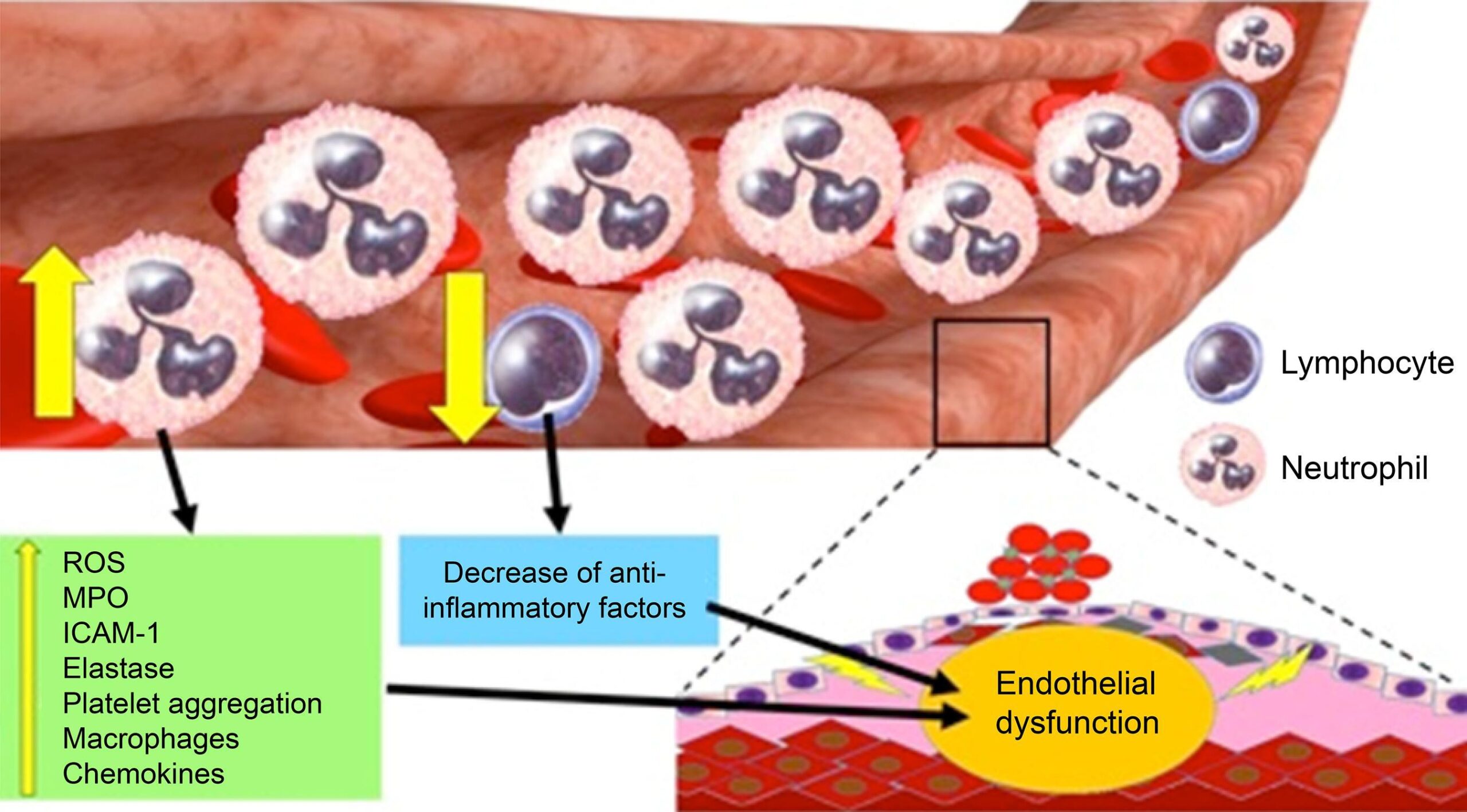
Neutrophil-Lymphocyte Ratio in Cardiovascular Disease Risk Assessment

Heitor Oliveira Santos et al. Luiz Fernando Moreira Izidoro

Abstract

The development of cardiovascular diseases with atherosclerotic origin is associated with a severe inflammatory process. Neutrophils and lymphocytes are cells sensitive to this type of disorder and their ratio, known as the NLR (neutrophil/lymphocyte ratio), has shown to be useful in clinical practice. The aim of this study was to assess the role of NLR in cardiovascular disease risk assessment. We carried out a literature review in the PubMed databases searching for articles published between 2001 to 2017 and found that NLR is in fact a useful marker for cardiovascular disease. Using NLR in patients at cardiovascular risk would be useful to delineate the prognosis of patients with this disease pattern.

  • Atherosclerosis / physiopathology
  • Biomarkers
  • Cardiovascular Diseases/physiopathology
  • Inflammation
  • Leukocyte Count
  • Neutrophils
Read Full Article
Creative Commons Attribution (CC BY) Creative Commons license
02/07/2018 DOI: 10.5935/2359-4802.20180038 Views 1
ABC
Editorial

Not Everything that Shines is Calcium

Ilan Gottlieb et al. Fernanda Erthal

Coronary calcification is involved in the pathophysiological process of atherosclerosis, particularly at later stages of the disease, as part of its healing process. In fact, calcification is not required for plaque development or progression, or luminal obstruction, or even for the development of cardiovascular events – these processes, in addition to plaque instability is commonly seen. Our group showed, in a randomized clinical trial on symptomatic patients, that 20% of vessels with complete obstructions in invasive angiography had no calcification according to calcium scoree, corroborating histopathological studies that demonstrated the absence of calcification in a considerable number of the coronary plaques evaluated. Understanding or the pathophysiology of coronary disease is essential to contextualize calcium score in population studies.

These studies, however, have shown some controversial results on the rates of cardiovascular events and obstructive lesions. The reason for this apparent divergence of results is the study population. Asymptomatic patients with zero calcium score are different from symptomatic ones without calcification, who in turn, are different from patients with history of early coronary disease, diabetics or smokers with zero calcium score.

[…]

  • Atherosclerosis / physiopathology
  • Coronary Artery Disease
  • Diabetes Mellitus
  • Heredity
  • Vascular Calcification
Read Full Article
Creative Commons Attribution (CC BY) Creative Commons license
01/05/2018 DOI: 10.5935/abc.20180084 Views 1
ABC
Editorial

The Interface between Osteoporosis and Atherosclerosis in Postmenopausal Women

Neuza H. M. Lopes

In recent years, the association between osteoporosis and atherosclerotic disease has been described, regardless of patients’ age, and highlighted epidemiologic and pathophysiologic similarities between arterial wall calcification and osteogenesis., Cross-sectional, prospective studies have pointed out significant negative association between cardiovascular mortality and low bone mass, osteoporotic fractures, vascular calcification, extension of coronary artery disease and abdominal aortic injury.– Concomitant occurrence of both diseases seems to result from common pathophysiologic and molecular mechanisms between these conditions. However, it is still controversial whether a low bone mass is caused by arterial calcification or vice-versa, or whether these conditions only have the same pathophysiological mechanism.

Risk factors for osteoporosis and atherosclerotic disease include estrogen, parathyroid hormone, homocysteine and vitamin K deficiency, lipid oxidation products, inflammatory process, vitamin D excess, molecular pathways involved in both bone and vascular mineralization, and similar mechanisms of calcification involving vascular and bone structures. Arterial calcification is found in more than 90% of atherosclerotic lesions. The process starts with formation of vesicles in the endothelial matrix, followed by proliferation and mineralization of the arterial intima-media wall, similarly to the bone tissue. Many bone remodeling regulators have been described in calcified atherosclerotic lesions, including osteocalcin, hydroxyapatite crystals, osteopontin, bone morphogenetic protein 2 osteoprotegerin, sclerostin, dickkopf factor (DKK), leptin, oxidized lipids and calcium sensor-related factor.

[…]

  • Atherosclerosis / physiopathology
  • Bone Diseases, Metabolic
  • Osteoporosis / physiopathology
  • Postmenopause
  • Women
Read Full Article
Creative Commons Attribution (CC BY) Creative Commons license
01/03/2018 DOI: 10.5935/abc.20180050 Views 1
Figure 1
ABC
Original Article

A Novel Algorithm to Quantify Coronary Remodeling Using Inferred Normal Dimensions

Breno A. A. Falcão et al. João Luiz A. A. Falcão Gustavo R. Morais Rafael C. Silva … Augusto C. Lopes Paulo R. Soares José Mariani Jr Roberto Kalil-Filho Elazer R. Edelman Pedro A. Lemos

Background:

Vascular remodeling, the dynamic dimensional change in face of stress, can assume different directions as well as magnitudes in atherosclerotic disease. Classical measurements rely on reference to segments at a distance, risking inappropriate comparison between dislike vessel portions.

Objective:

to explore a new method for quantifying vessel remodeling, based on the comparison between a given target segment and its inferred normal dimensions.

Methods:

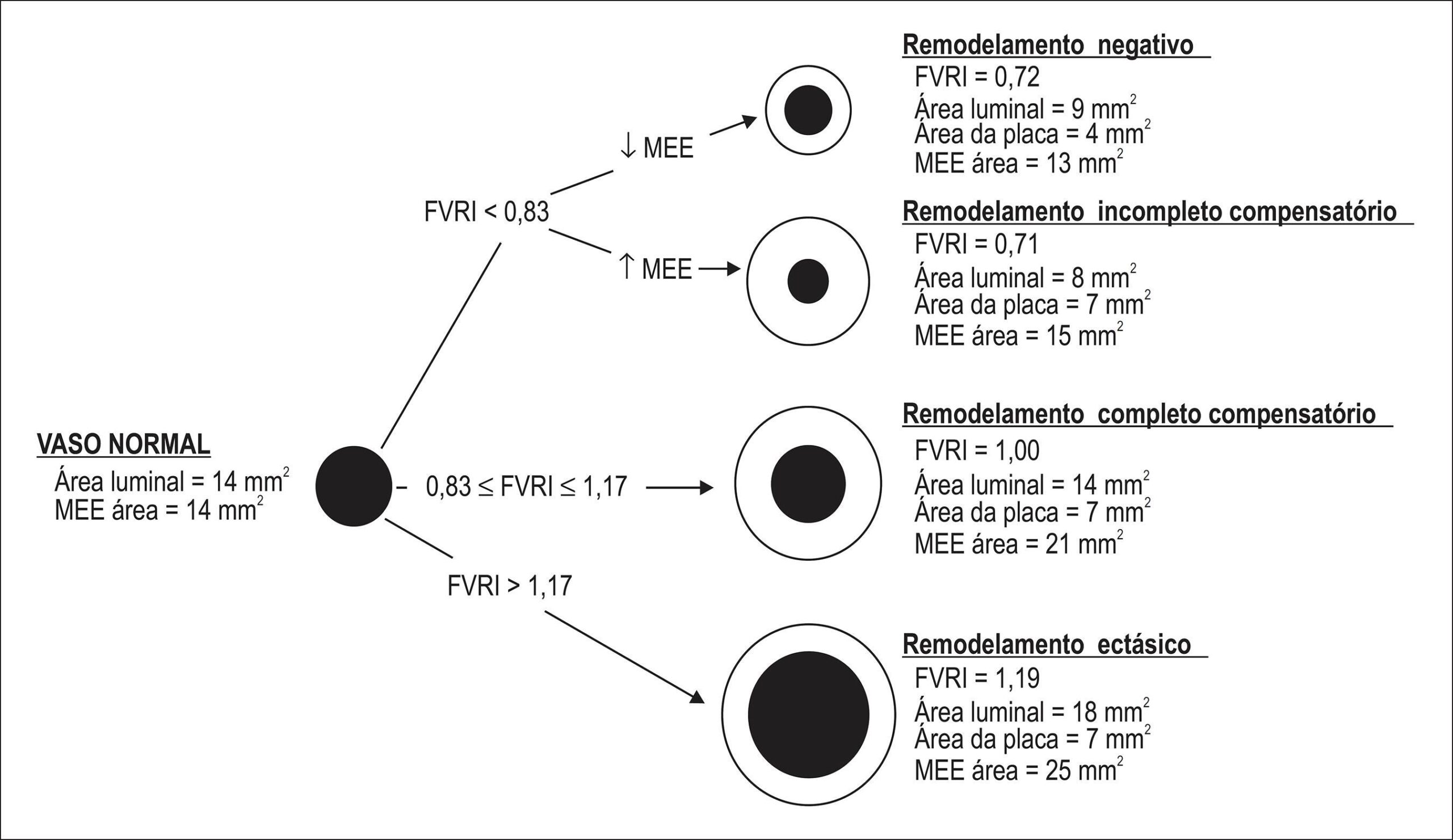
Geometric parameters and plaque composition were determined in 67 patients using three-vessel intravascular ultrasound with virtual histology (IVUS-VH). Coronary vessel remodeling at cross-section (n = 27.639) and lesion (n = 618) levels was assessed using classical metrics and a novel analytic algorithm based on the fractional vessel remodeling index (FVRI), which quantifies the total change in arterial wall dimensions related to the estimated normal dimension of the vessel. A prediction model was built to estimate the normal dimension of the vessel for calculation of FVRI.

Results:

According to the new algorithm, “Ectatic” remodeling pattern was least common, “Complete compensatory” remodeling was present in approximately half of the instances, and “Negative” and “Incomplete compensatory” remodeling types were detected in the remaining. Compared to a traditional diagnostic scheme, FVRI-based classification seemed to better discriminate plaque composition by IVUS-VH.

Conclusion:

Quantitative assessment of coronary remodeling using target segment dimensions offers a promising approach to evaluate the vessel response to plaque growth/regression.

  • Atherosclerosis / physiopathology
  • Coronary Artery Diseases
  • Neovascularization, Pathologic
  • Ultrasonography
  • Vascular Remodeling
Read Full Article
Creative Commons Attribution (CC BY) Creative Commons license
18/08/2015 DOI: 10.5935/abc.20150098 Views 4
Chart 1
ABC
Original Article

Changes in Medical Management after Coronary CT Angiography

Vânia Mairi Naue et al. Gabriel Camargo Letícia Roberto Sabioni Ronaldo de Souza Leão Lima … Maria Eduarda Derenne Andréa Rocha de Lorenzo Monica Di Calafiori Freire Clério Francisco Azevedo Filho Elmiro Santos Resende Ilan Gottlieb

Abstract

Introduction:

Coronary computed tomography angiography (CCTA) allows for non-invasive coronary artery disease (CAD) phenotyping. There are still some uncertainties regarding the impact this knowledge has on the clinical care of patients.

Objective:

To determine whether CAD phenotyping by CCTA influences clinical decision making by the prescription of cardiovascular drugs and their impact on non-LDL cholesterol (NLDLC) levels.

Methods:

We analysed consecutive patients from 2008 to 2011 submitted to CCTA without previous diagnosis of CAD that had two serial measures of NLDLC, one up to 3 months before CCTA and the second from 3 to 6 months after.

Results:

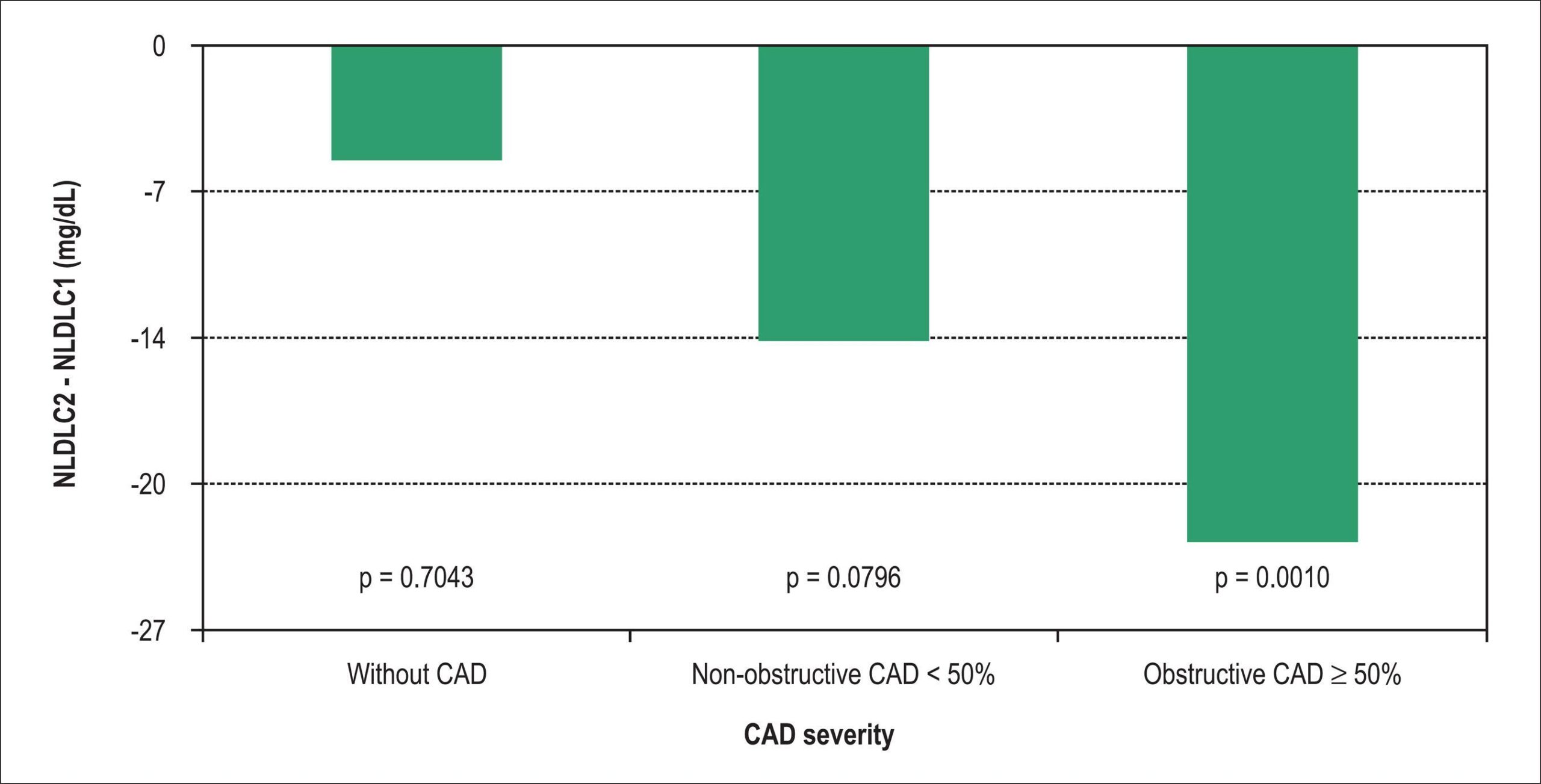
A total of 97 patients were included, of which 69% were men, mean age 64 ± 12 years. CCTA revealed that 18 (18%) patients had no CAD, 38 (39%) had non-obstructive (< 50%) lesions and 41 (42%) had at least one obstructive ≥ 50% lesion. NLDLC was similar at baseline between the grups (138 ± 52 mg/dL vs. 135 ± 42 mg/dL vs. 131 ± 44 mg/dL, respectively, p = 0.32). We found significative reduction in NLDLC among patients with obstrctive lesions (-18%, p = 0.001). We also found a positive relationship between clinical treatment intensification with aspirin and cholesterol reducing drugs and the severity of CAD.

Conclusion:

Our data suggest that CCTA results were used for cardiovascular clinical treatment titration, with especial intensification seen in patients with obstructive ≥50% CAD.

  • Atherosclerosis / physiopathology
  • Coronary Artery Disease
  • Diagnostic Imaging
  • Therapeutics
Read Full Article
Creative Commons Attribution (CC BY) Creative Commons license
07/08/2015 DOI: 10.5935/abc.20150088 Views 1
Figure 1
ABC
Original Article

Association between LDL-C, Non HDL-C, and Apolipoprotein B Levels with Coronary Plaque Regression

Walter Masson et al. Daniel Siniawski Martín Lobo Graciela Molinero … Mariano Giorgi Melina Huerín

Background:

Previous reports have inferred a linear relationship between LDL-C and changes in coronary plaque volume (CPV) measured by intravascular ultrasound. However, these publications included a small number of studies and did not explore other lipid markers.

Objective:

To assess the association between changes in lipid markers and regression of CPV using published data.

Methods:

We collected data from the control, placebo and intervention arms in studies that compared the effect of lipidlowering treatments on CPV, and from the placebo and control arms in studies that tested drugs that did not affect lipids. Baseline and final measurements of plaque volume, expressed in mm3, were extracted and the percentage changes after the interventions were calculated. Performing three linear regression analyses, we assessed the relationship between percentage and absolute changes in lipid markers and percentage variations in CPV.

Results:

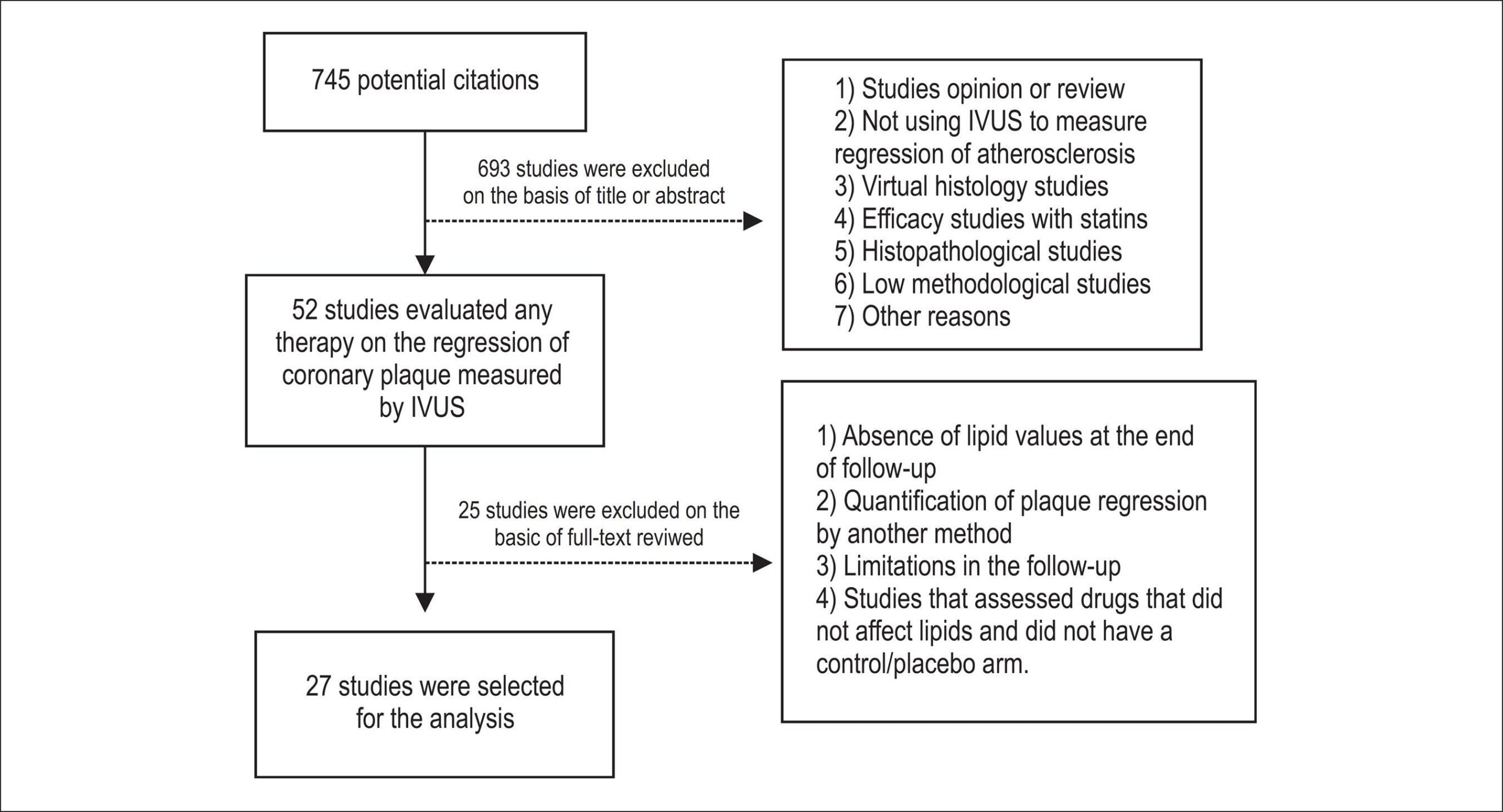
Twenty-seven studies were selected. Correlations between percentage changes in LDL-C, non-HDL-C, and apolipoprotein B (ApoB) and percentage changes in CPV were moderate (r = 0.48, r = 0.47, and r = 0.44, respectively). Correlations between absolute differences in LDL-C, non‑HDL-C, and ApoB with percentage differences in CPV were stronger (r = 0.57, r = 0.52, and r = 0.79). The linear regression model showed a statistically significant association between a reduction in lipid markers and regression of plaque volume.

Conclusion:

A significant association between changes in different atherogenic particles and regression of CPV was observed. The absolute reduction in ApoB showed the strongest correlation with coronary plaque regression.

  • Apolipoprotein B/ therapeutic use
  • Atherosclerosis / physiopathology
  • Cardiovascular Diseases
  • Cholesterol, LDL
  • Lipoproteins, LDL
Read Full Article
Creative Commons Attribution (CC BY) Creative Commons license
19/05/2015 DOI: 10.5935/abc.20150050 Views 1
Figure 1
ABC
Artigo Original

Blood Pressure in Adolescence, Adipokines and Inflammation in Young Adults. The Rio de Janeiro Study

Erika Maria Gonçalves Campana et al. Andréa Araujo Brandão Roberto Pozzan Maria Eliane Campos Magalhães … Flávia Lopes Fonseca Oswaldo Luiz Pizzi Elizabete Viana de Freitas Ayrton Pires Brandão

Background:

The impact of blood pressure (BP) during adolescence on other cardiovascular risk factors in young adults is important for the primary prevention.

Objective:

To evaluate BP, anthropometric indexes, metabolic and inflammatory profiles in young individuals stratified by their BP behavior recorded for 18 years.

Methods:

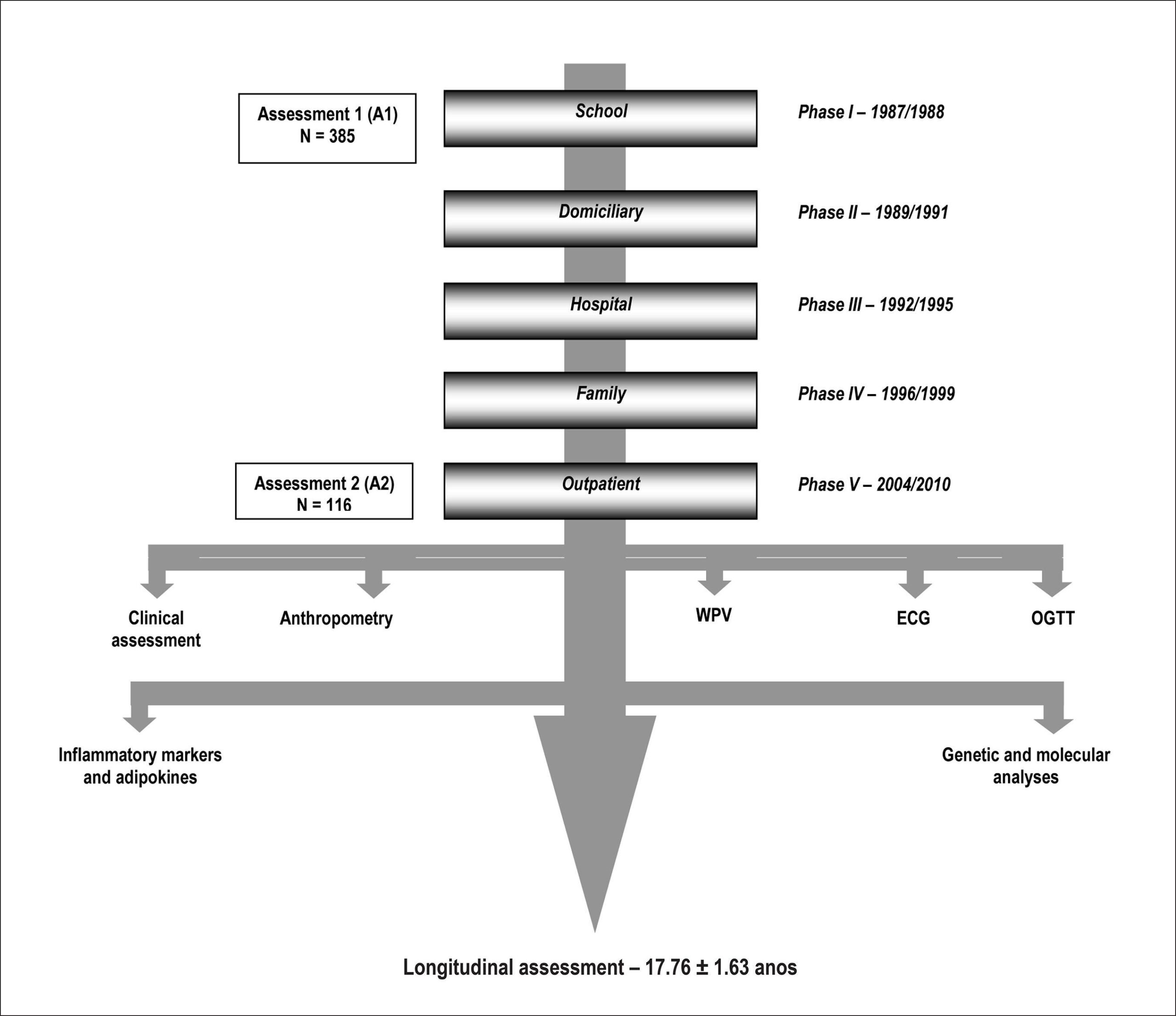
A total of 116 individuals, of whom 63 were males, from the Rio de Janeiro study (follow-up of 17.76 ± 1.63 years), were assessed at two moments: A1 (12.40 ± 1.49 years) and A2 (30.09 ± 2.01 years). The 116 individuals were divided into two groups: GN (n = 71), of participants with normal BP at A1; and GH (n = 45), of those with abnormal BP at A1. BP, weight, height and body mass index (BMI) were measured at A1 and A2. At A2, abdominal circumference (AC) and laboratory, metabolic and inflammatory variables were included.

Results:

1) No difference was observed between the groups as regards age and gender; 2) At A2, GH showed higher mean weight, BMI, BP, insulin, HOMA-IR (p < 0.001), leptin (p < 0.02), apolipoprotein B100 and A1 (p < 0.02), apolipoprotein B100 / apolipoprotein A1 ratio (p < 0.010); and higher prevalences of overweight/obesity (p < 0.001), of increased AC (p < 0.001) and of hypertension (p < 0.02); 3) No difference was observed between the groups as regards the inflammatory variables; 4) There was a positive correlation of BP at A1 with BP, BMI, insulin, leptin and HOMA-IR at A2 (p < 0.05).

Conclusion:

BP in adolescence was associated with higher values of BP, and anthropometric and metabolic variables in young adulthood, but not with inflammatory variables.

  • Adipokines
  • Atherosclerosis / physiopathology
  • Blood Pressure
  • Inflammation
  • Young Adult
Read Full Article
Creative Commons Attribution (CC BY) Creative Commons license
22/11/2013 DOI: 10.5935/abc.20130226 Views 1

How to cite this article

EndNote RIS

Electronic Document Format (Vancouver)

Precoma DB, Rocha GL. From Atheroma to Atherogenic Index, Secular Evidence. Arquivos Brasileiros de Cardiologia 2024;120(12):e20230819.

Electronic Document Format (ABNT)

Precoma, Dalton Bertolim; Rocha, Guilherme Luiz da. From Atheroma to Atherogenic Index, Secular Evidence. Arquivos Brasileiros de Cardiologia, v. 120, n. 12, e20230819, Mar. 2024.

Electronic Document Format (APA)

Precoma, D. B., & Rocha, G. L. (2024). From Atheroma to Atherogenic Index, Secular Evidence. Arquivos Brasileiros de Cardiologia, 120(12), e20230819.

Electronic Document Format (ISO)

Precoma, Dalton Bertolim and Rocha, Guilherme Luiz da. From Atheroma to Atherogenic Index, Secular Evidence. Arquivos Brasileiros de Cardiologia [online]. 2024, vol. 120, n. 12, [cited 2026-10-14], e20230819. Available from: <https://journals.cardiol.br/en/article/from-atheroma-to-atherogenic-index-secular-evidence/>. ISSN 0066-782X

EndNote RIS

Electronic Document Format (Vancouver)

Gatto M, Mota GAF, Okoshi MP. Influence of the Immune System on Cardiovascular Disease. Arquivos Brasileiros de Cardiologia 2023;120(8):e20230398.

Electronic Document Format (ABNT)

Gatto, Mariana; Mota, Gustavo Augusto Ferreira; Okoshi, Marina Politi. Influence of the Immune System on Cardiovascular Disease. Arquivos Brasileiros de Cardiologia, v. 120, n. 8, e20230398, Aug. 2023.

Electronic Document Format (APA)

Gatto, M., Mota, G. A. F., & Okoshi, M. P. (2023). Influence of the Immune System on Cardiovascular Disease. Arquivos Brasileiros de Cardiologia, 120(8), e20230398.

Electronic Document Format (ISO)

Gatto, Mariana and Mota, Gustavo Augusto Ferreira and Okoshi, Marina Politi. Influence of the Immune System on Cardiovascular Disease. Arquivos Brasileiros de Cardiologia [online]. 2023, vol. 120, n. 8, [cited 2026-10-14], e20230398. Available from: <https://journals.cardiol.br/en/article/influence-of-the-immune-system-on-cardiovascular-disease/>. ISSN 0066-782X

EndNote RIS

Electronic Document Format (Vancouver)

Higuchi ML. Absence of Atherosclerosis in Chagas’ Disease: The Role of Trypanosoma Cruzi Transialidase. Arquivos Brasileiros de Cardiologia 2021;115(6):1061-2.

Electronic Document Format (ABNT)

Higuchi, Maria de Lourdes. Absence of Atherosclerosis in Chagas’ Disease: The Role of Trypanosoma Cruzi Transialidase. Arquivos Brasileiros de Cardiologia, v. 115, n. 6, p. 1061-1062, Jan. 2021.

Electronic Document Format (APA)

Higuchi, M. L. (2021). Absence of Atherosclerosis in Chagas’ Disease: The Role of Trypanosoma Cruzi Transialidase. Arquivos Brasileiros de Cardiologia, 115(6), 1061-1062.

Electronic Document Format (ISO)

Higuchi, Maria de Lourdes. Absence of Atherosclerosis in Chagas’ Disease: The Role of Trypanosoma Cruzi Transialidase. Arquivos Brasileiros de Cardiologia [online]. 2021, vol. 115, n. 6, [cited 2026-10-14], pp. 1061-1062. Available from: <https://journals.cardiol.br/en/article/absence-of-atherosclerosis-in-chagas-disease-the-role-of-trypanosoma-cruzi-transialidase/>. ISSN 0066-782X

EndNote RIS

Electronic Document Format (Vancouver)

Wang R, Nascimento BR, Neuenschwander FC. Atherosclerosis and Inflammation: Still a Long Way to Go. Arquivos Brasileiros de Cardiologia 2020;114(4):699-700.

Electronic Document Format (ABNT)

Wang, Ricardo; Nascimento, Bruno Ramos; Neuenschwander, Fernando Carvalho. Atherosclerosis and Inflammation: Still a Long Way to Go. Arquivos Brasileiros de Cardiologia, v. 114, n. 4, p. 699-700, May. 2020.

Electronic Document Format (APA)

Wang, R., Nascimento, B. R., & Neuenschwander, F. C. (2020). Atherosclerosis and Inflammation: Still a Long Way to Go. Arquivos Brasileiros de Cardiologia, 114(4), 699-700.

Electronic Document Format (ISO)

Wang, Ricardo and Nascimento, Bruno Ramos and Neuenschwander, Fernando Carvalho. Atherosclerosis and Inflammation: Still a Long Way to Go. Arquivos Brasileiros de Cardiologia [online]. 2020, vol. 114, n. 4, [cited 2026-10-14], pp. 699-700. Available from: <https://journals.cardiol.br/en/article/atherosclerosis-and-inflammation-still-a-long-way-to-go/>. ISSN 0066-782X

EndNote RIS

Electronic Document Format (Vancouver)

Gowdak LHW. Atherosclerosis, Inflammation, and Genetics – And you Thought it Was Just LDL-cholesterol. Arquivos Brasileiros de Cardiologia 2020;114(2):273-4.

Electronic Document Format (ABNT)

Gowdak, Luis Henrique Wolff. Atherosclerosis, Inflammation, and Genetics – And you Thought it Was Just LDL-cholesterol. Arquivos Brasileiros de Cardiologia, v. 114, n. 2, p. 273-274, Mar. 2020.

Electronic Document Format (APA)

Gowdak, L. H. W. (2020). Atherosclerosis, Inflammation, and Genetics – And you Thought it Was Just LDL-cholesterol. Arquivos Brasileiros de Cardiologia, 114(2), 273-274.

Electronic Document Format (ISO)

Gowdak, Luis Henrique Wolff. Atherosclerosis, Inflammation, and Genetics – And you Thought it Was Just LDL-cholesterol. Arquivos Brasileiros de Cardiologia [online]. 2020, vol. 114, n. 2, [cited 2026-10-14], pp. 273-274. Available from: <https://journals.cardiol.br/en/article/atherosclerosis-inflammation-and-genetics-and-you-thought-it-was-just-ldl-cholesterol/>. ISSN 0066-782X

EndNote RIS

Electronic Document Format (Vancouver)

Santos HO, Izidoro LFM. Neutrophil-Lymphocyte Ratio in Cardiovascular Disease Risk Assessment. International Journal of Cardiovascular Sciences 2018;31(5):532-7.

Electronic Document Format (ABNT)

Santos, Heitor Oliveira; Izidoro, Luiz Fernando Moreira. Neutrophil-Lymphocyte Ratio in Cardiovascular Disease Risk Assessment. International Journal of Cardiovascular Sciences, v. 31, n. 5, p. 532-537, Jul. 2018.

Electronic Document Format (APA)

Santos, H. O., & Izidoro, L. F. M. (2018). Neutrophil-Lymphocyte Ratio in Cardiovascular Disease Risk Assessment. International Journal of Cardiovascular Sciences, 31(5), 532-537.

Electronic Document Format (ISO)

Santos, Heitor Oliveira and Izidoro, Luiz Fernando Moreira. Neutrophil-Lymphocyte Ratio in Cardiovascular Disease Risk Assessment. International Journal of Cardiovascular Sciences [online]. 2018, vol. 31, n. 5, [cited 2026-10-14], pp. 532-537. Available from: <https://journals.cardiol.br/en/article/neutrophil-lymphocyte-ratio-in-cardiovascular-disease-risk-assessment/>. ISSN 2359-4802

EndNote RIS

Electronic Document Format (Vancouver)

Gottlieb I, Erthal F. Not Everything that Shines is Calcium. Arquivos Brasileiros de Cardiologia 2018;110(5):428-9.

Electronic Document Format (ABNT)

Gottlieb, Ilan; Erthal, Fernanda. Not Everything that Shines is Calcium. Arquivos Brasileiros de Cardiologia, v. 110, n. 5, p. 428-429, Apr. 2018.

Electronic Document Format (APA)

Gottlieb, I., & Erthal, F. (2018). Not Everything that Shines is Calcium. Arquivos Brasileiros de Cardiologia, 110(5), 428-429.

Electronic Document Format (ISO)

Gottlieb, Ilan and Erthal, Fernanda. Not Everything that Shines is Calcium. Arquivos Brasileiros de Cardiologia [online]. 2018, vol. 110, n. 5, [cited 2026-10-14], pp. 428-429. Available from: <https://journals.cardiol.br/en/article/not-everything-that-shines-is-calcium/>. ISSN 0066-782X

EndNote RIS

Electronic Document Format (Vancouver)

Lopes NHM. The Interface between Osteoporosis and Atherosclerosis in Postmenopausal Women. Arquivos Brasileiros de Cardiologia 2018;110(3):217-8.

Electronic Document Format (ABNT)

Lopes, Neuza H. M.. The Interface between Osteoporosis and Atherosclerosis in Postmenopausal Women. Arquivos Brasileiros de Cardiologia, v. 110, n. 3, p. 217-218, Feb. 2018.

Electronic Document Format (APA)

Lopes, N. H. M. (2018). The Interface between Osteoporosis and Atherosclerosis in Postmenopausal Women. Arquivos Brasileiros de Cardiologia, 110(3), 217-218.

Electronic Document Format (ISO)

Lopes, Neuza H. M.. The Interface between Osteoporosis and Atherosclerosis in Postmenopausal Women. Arquivos Brasileiros de Cardiologia [online]. 2018, vol. 110, n. 3, [cited 2026-10-14], pp. 217-218. Available from: <https://journals.cardiol.br/en/article/the-interface-between-osteoporosis-and-atherosclerosis-in-postmenopausal-women/>. ISSN 0066-782X

EndNote RIS

Electronic Document Format (Vancouver)

Falcão BAA, Falcão JLAA, Morais GR, Silva RC, Lopes AC, Soares PR, Mariani Jr J, et al. A Novel Algorithm to Quantify Coronary Remodeling Using Inferred Normal Dimensions. Arquivos Brasileiros de Cardiologia 2015;105(4):390-8.

Electronic Document Format (ABNT)

Falcão, Breno A. A.; Falcão, João Luiz A. A.; Morais, Gustavo R.; Silva, Rafael C.; Lopes, Augusto C.; Soares, Paulo R.; Mariani Jr, José; Kalil-Filho, Roberto; Edelman, Elazer R.; Lemos, Pedro A.. A Novel Algorithm to Quantify Coronary Remodeling Using Inferred Normal Dimensions. Arquivos Brasileiros de Cardiologia, v. 105, n. 4, p. 390-398, Aug. 2015.

Electronic Document Format (APA)

Falcão, B. A. A., Falcão, J. L. A. A., Morais, G. R., Silva, R. C., Lopes, A. C., Soares, P. R., Mariani Jr, J., Kalil-Filho, R., Edelman, E. R., & Lemos, P. A. (2015). A Novel Algorithm to Quantify Coronary Remodeling Using Inferred Normal Dimensions. Arquivos Brasileiros de Cardiologia, 105(4), 390-398.

Electronic Document Format (ISO)

Falcão, Breno A. A. and Falcão, João Luiz A. A. and Morais, Gustavo R. and Silva, Rafael C. and Lopes, Augusto C. and Soares, Paulo R. and Mariani Jr, José and Kalil-Filho, Roberto and Edelman, Elazer R. and Lemos, Pedro A.. A Novel Algorithm to Quantify Coronary Remodeling Using Inferred Normal Dimensions. Arquivos Brasileiros de Cardiologia [online]. 2015, vol. 105, n. 4, [cited 2026-10-14], pp. 390-398. Available from: <https://journals.cardiol.br/en/article/a-novel-algorithm-to-quantify-coronary-remodeling-using-inferred-normal-dimensions/>. ISSN 0066-782X

EndNote RIS

Electronic Document Format (Vancouver)

Naue VM, Camargo G, Sabioni LR, Lima RSL, Derenne ME, Lorenzo AR, Freire MDC, et al. Changes in Medical Management after Coronary CT Angiography. Arquivos Brasileiros de Cardiologia 2015;105(4):410-7.

Electronic Document Format (ABNT)

Naue, Vânia Mairi; Camargo, Gabriel; Sabioni, Letícia Roberto; Lima, Ronaldo de Souza Leão; Derenne, Maria Eduarda; Lorenzo, Andréa Rocha de; Freire, Monica Di Calafiori; Azevedo Filho, Clério Francisco; Resende, Elmiro Santos; Gottlieb, Ilan. Changes in Medical Management after Coronary CT Angiography. Arquivos Brasileiros de Cardiologia, v. 105, n. 4, p. 410-417, Aug. 2015.

Electronic Document Format (APA)

Naue, V. M., Camargo, G., Sabioni, L. R., Lima, R. S. L., Derenne, M. E., Lorenzo, A. R. , Freire, M. D. C., Azevedo Filho, C. F., Resende, E. S., & Gottlieb, I. (2015). Changes in Medical Management after Coronary CT Angiography. Arquivos Brasileiros de Cardiologia, 105(4), 410-417.

Electronic Document Format (ISO)

Naue, Vânia Mairi and Camargo, Gabriel and Sabioni, Letícia Roberto and Lima, Ronaldo de Souza Leão and Derenne, Maria Eduarda and Lorenzo, Andréa Rocha de and Freire, Monica Di Calafiori and Azevedo Filho, Clério Francisco and Resende, Elmiro Santos and Gottlieb, Ilan. Changes in Medical Management after Coronary CT Angiography. Arquivos Brasileiros de Cardiologia [online]. 2015, vol. 105, n. 4, [cited 2026-10-14], pp. 410-417. Available from: <https://journals.cardiol.br/en/article/changes-in-medical-management-after-coronary-ct-angiography/>. ISSN 0066-782X

EndNote RIS

Electronic Document Format (Vancouver)

Masson W, Siniawski D, Lobo M, Molinero G, Giorgi M, Huerín M. Association between LDL-C, Non HDL-C, and Apolipoprotein B Levels with Coronary Plaque Regression. Arquivos Brasileiros de Cardiologia 2015;105(1):11-9.

Electronic Document Format (ABNT)

Masson, Walter; Siniawski, Daniel; Lobo, Martín; Molinero, Graciela; Giorgi, Mariano; Huerín, Melina. Association between LDL-C, Non HDL-C, and Apolipoprotein B Levels with Coronary Plaque Regression. Arquivos Brasileiros de Cardiologia, v. 105, n. 1, p. 11-19, May. 2015.

Electronic Document Format (APA)

Masson, W., Siniawski, D., Lobo, M., Molinero, G., Giorgi, M., & Huerín, M. (2015). Association between LDL-C, Non HDL-C, and Apolipoprotein B Levels with Coronary Plaque Regression. Arquivos Brasileiros de Cardiologia, 105(1), 11-19.

Electronic Document Format (ISO)

Masson, Walter and Siniawski, Daniel and Lobo, Martín and Molinero, Graciela and Giorgi, Mariano and Huerín, Melina. Association between LDL-C, Non HDL-C, and Apolipoprotein B Levels with Coronary Plaque Regression. Arquivos Brasileiros de Cardiologia [online]. 2015, vol. 105, n. 1, [cited 2026-10-14], pp. 11-19. Available from: <https://journals.cardiol.br/en/article/association-between-ldl-c-non-hdl-c-and-apolipoprotein-b-levels-with-coronary-plaque-regression/>. ISSN 0066-782X

EndNote RIS

Electronic Document Format (Vancouver)

Campana EMG, Brandão AA, Pozzan R, Magalhães MEC, Fonseca FL, Pizzi OL, Freitas EV, et al. Blood Pressure in Adolescence, Adipokines and Inflammation in Young Adults. The Rio de Janeiro Study. Arquivos Brasileiros de Cardiologia 2013;102(1):60-9.

Electronic Document Format (ABNT)

Campana, Erika Maria Gonçalves; Brandão, Andréa Araujo; Pozzan, Roberto; Magalhães, Maria Eliane Campos; Fonseca, Flávia Lopes; Pizzi, Oswaldo Luiz; Freitas, Elizabete Viana de; Brandão, Ayrton Pires. Blood Pressure in Adolescence, Adipokines and Inflammation in Young Adults. The Rio de Janeiro Study. Arquivos Brasileiros de Cardiologia, v. 102, n. 1, p. 60-69, Nov. 2013.

Electronic Document Format (APA)

Campana, E. M. G., Brandão, A. A., Pozzan, R., Magalhães, M. E. C., Fonseca, F. L., Pizzi, O. L., Freitas, E. V. , & Brandão, A. P. (2013). Blood Pressure in Adolescence, Adipokines and Inflammation in Young Adults. The Rio de Janeiro Study. Arquivos Brasileiros de Cardiologia, 102(1), 60-69.

Electronic Document Format (ISO)

Campana, Erika Maria Gonçalves and Brandão, Andréa Araujo and Pozzan, Roberto and Magalhães, Maria Eliane Campos and Fonseca, Flávia Lopes and Pizzi, Oswaldo Luiz and Freitas, Elizabete Viana de and Brandão, Ayrton Pires. Blood Pressure in Adolescence, Adipokines and Inflammation in Young Adults. The Rio de Janeiro Study. Arquivos Brasileiros de Cardiologia [online]. 2013, vol. 102, n. 1, [cited 2026-10-14], pp. 60-69. Available from: <https://journals.cardiol.br/en/article/blood-pressure-in-adolescence-adipokines-and-inflammation-in-young-adults-the-rio-de-janeiro-study/>. ISSN 0066-782X

  • About ABC Family
  • Internal Regulation
  • Editorial Board
  • Brazilian Society of Cardiology (SBC)

Issues

SBC Guidelines

  • Videos
  • Podcasts
  • News