ABC Family Arquivos Brasileiros de Cardiologia International Journal of Cardiovascular Sciences ABC Heart Failure & Cardiomyopathy ABC Imagem Cardiovascular
Português English
ABC Family
Português English
  • About
    • About ABC Family
    • Internal Regulation
    • Editorial Board
    • Brazilian Society of Cardiology (SBC)
  • Issues
  • SBC Guidelines
  • Content
    • Videos
    • Podcasts
    • News
  • About
    • About ABC Family
    • Internal Regulation
    • Editorial Board
    • Brazilian Society of Cardiology (SBC)
  • Issues
  • SBC Guidelines
  • Content
    • Videos
    • Podcasts
    • News

ABC Family

  • ABC Family
  • Arquivos Brasileiros de Cardiologia
  • International Journal of Cardiovascular Sciences
  • ABC Heart Failure & Cardiomyopathy
  • ABC Imagem Cardiovascular
Search in

No content found.

Journals
Ordering
Article types
Others

  1. Home
  2. Keyword: Inflammation
HALP Score as a Novel Marker Associated with Coronary Collateral Circulation in Patients with Chronic Total Occlusion
ABC
Original Article

HALP Score as a Novel Marker Associated with Coronary Collateral Circulation in Patients with Chronic Total Occlusion

Hasan Akkaya et al. Muhammet Öztürk

Abstract

Background

Coronary collateral circulation (CCC) is a key determinant of myocardial viability and prognosis in patients with chronic total occlusion (CTO). The hemoglobin, albumin, lymphocyte, and platelet (HALP) score reflects nutritional status, immune competence, and systemic inflammation.

Objectives

To investigate the association between HALP score and CCC in patients with CTO.

Methods

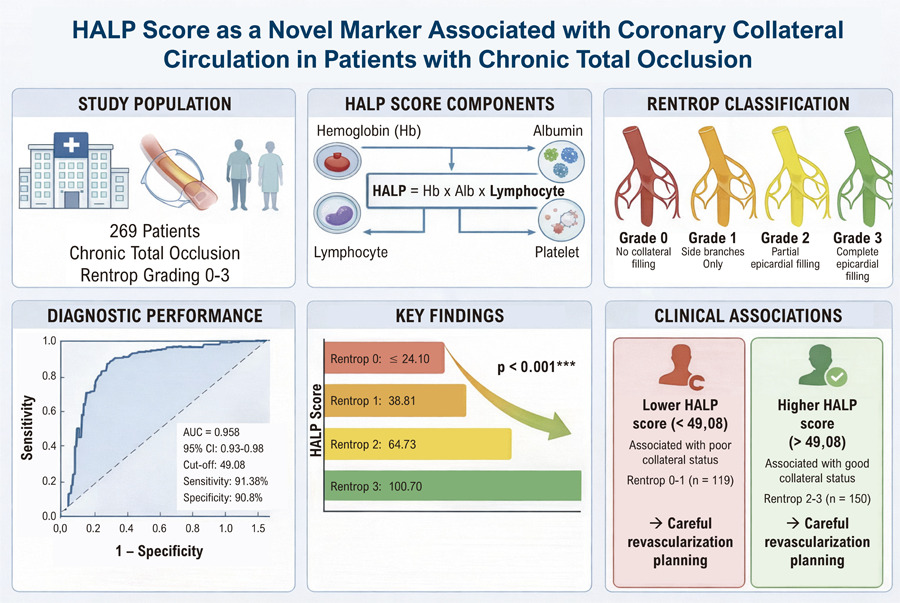
This retrospective, single-center study included 269 patients with chronic coronary syndrome and angiographically confirmed CTO. Patients were classified according to Rentrop grades and dichotomized into poor CCC (Rentrop 0–1; n=119) and good CCC (Rentrop 2–3; n=150). HALP score, inflammatory markers, atherogenic indices, and angiographic scores were compared between groups. Multivariate logistic regression and receiver operating characteristic (ROC) analyses were performed. A p-value <0.05 was considered statistically significant.

Results

HALP score increased significantly across Rentrop grades (p<0.001) and was higher in patients with good CCC than in those with poor CCC (75.52±13.91 vs. 35.10±11.29; p<0.001). In multivariable analysis, HALP score (OR:0.88, 95% CI: 0.83–0.93; p49.08 (91.3% sensitivity, 90.8% specificity). Atherogenic lipid indices were not significantly associated with CCC.

Conclusions

HALP score is an independent and readily available marker associated with CCC in CTO patients and may serve as a practical tool for risk stratification, highlighting the importance of inflammatory, nutritional, and immune pathways in collateral development.

  • Collateral Circulation
  • Coronary Occlusion
  • Inflammation
  • Prognosis
Read Full Article
Creative Commons Attribution (CC BY) Creative Commons license
17/08/2026 DOI: 10.36660/abc.20260206i Views 1
ABC
Editorial

Beyond Lesion Complexity: Do We Need a New Score for Chronic Total Occlusions?

Pedro Beraldo de Andrade et al. Thyago Furquim

The Hemoglobin, Albumin, Lymphocyte, and Platelet (HALP) score is an index that combines readily available laboratory parameters and reflects an individual’s inflammatory and nutritional status. Traditionally used in oncologic and inflammatory diseases, it has recently emerged as a prognostic marker in various cardiovascular conditions, including acute coronary syndromes, heart failure, and non-valvular atrial fibrillation. Lower HALP values have been associated with a pro-inflammatory state, impaired hematologic homeostasis, and poorer nutritional status.

These factors may adversely affect vascular remodeling processes, leading to pathological angiogenesis. In this context, Akkaya and Öztürk retrospectively analyzed 269 patients with chronic total coronary occlusion identified by coronary angiography and demonstrated that the HALP score exhibited excellent discriminatory performance for the detection of well-developed collateral circulation. As reported in the current issue of the Arquivos Brasileiros de Cardiologia, the HALP score was significantly higher in patients with prominent collateral circulation compared with those with poorly developed collaterals (75.5 ± 13.9 vs. 35.1 ± 11.3; p < 0.001), and was an independent predictor of this angiographic finding (OR: 0.88; 95% CI: 0.83–0.93; p 49.08, yielding a sensitivity of 91.3% and a specificity of 90.8%. In a similar study, Süleymanoğlu et al. retrospectively evaluated 240 patients with chronic total coronary occlusion and confirmed that the HALP score was positively associated with collateral circulation quality, as assessed by the Werner classification, remaining a strong independent predictor in multivariable analysis.

[…]

  • Collateral Circulation
  • Coronary Occlusion
  • Inflammation
Read Full Article
Creative Commons Attribution (CC BY) Creative Commons license
17/08/2026 DOI: 10.36660/abc.20260506i Views 2
Association Between Inflammatory Hematologic Indices and Acute Coronary Syndrome Phenotypes
IJCS
Original Article

Association Between Inflammatory Hematologic Indices and Acute Coronary Syndrome Phenotypes

Fabiele de Lima Righi et al. Gustavo Sugai Paula Araujo Renato Jorge Alves

Abstract

Background:

The systemic immune-inflammation index (SII) and the systemic inflammation response index (SIRI) are inflammatory biomarkers derived from neutrophil (N), platelet (P), lymphocyte (L), and monocyte (M) counts. These indices have been associated with prognostic value in patients with coronary artery disease (CAD) and may contribute to risk stratification in acute coronary syndrome (ACS).

Objectives:

To evaluate the independent association between inflammatory hematologic indices and ACS phenotypes and to explore their relationship with cardiovascular risk factors.

Methods:

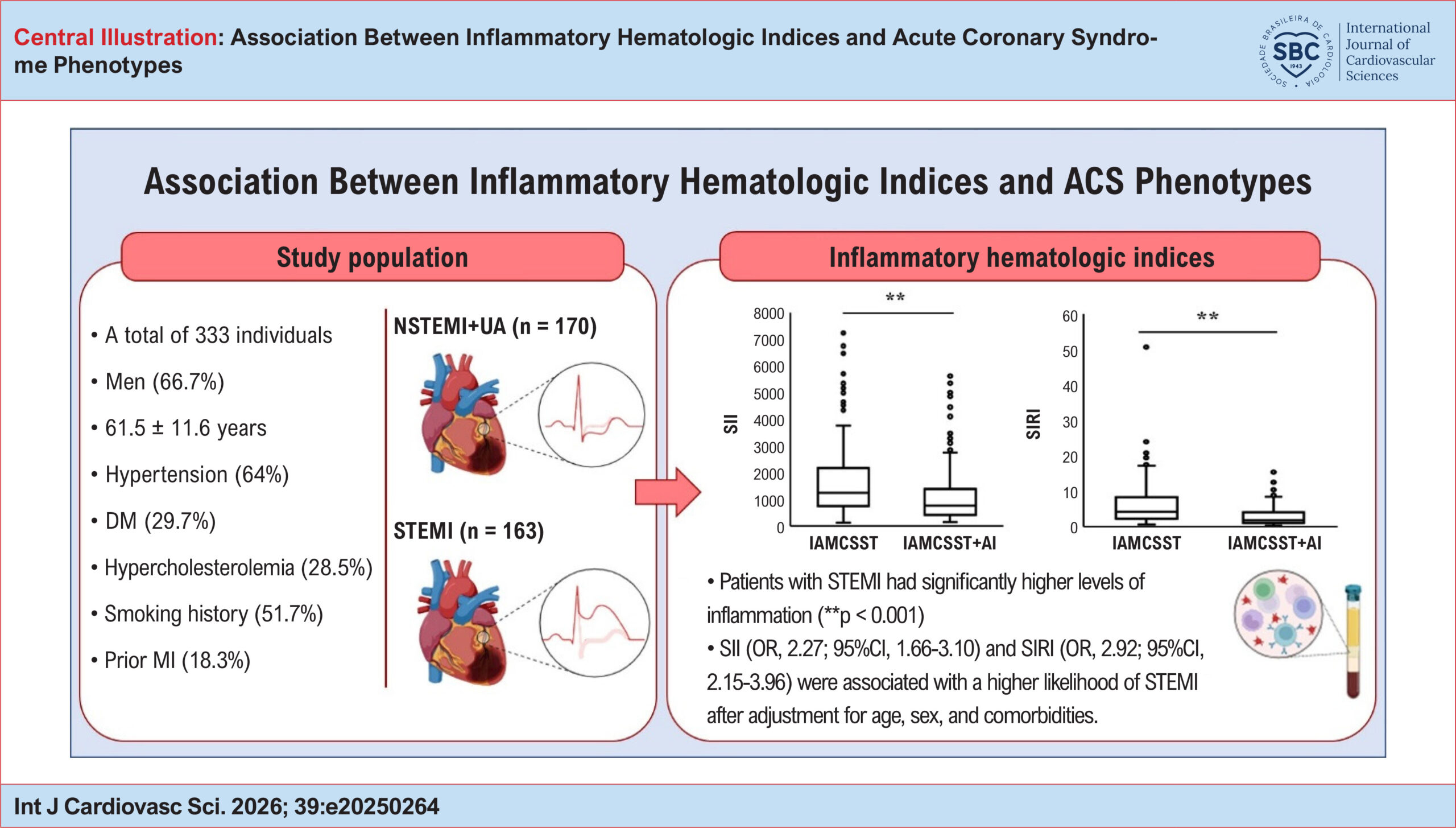
This retrospective study analyzed data collected from medical records between July 2022 and July 2023, including 333 patients aged ≥ 18 years of both sexes diagnosed with ACS and admitted to the emergency department of a public hospital in the state of São Paulo, Brazil. Sample was divided into two groups: i) ST-segment elevation myocardial infarction (STEMI) and ii) non-ST-segment elevation myocardial infarction plus unstable angina (NSTEMI+UA). SII was calculated as N × P / L and SIRI as N × M / L. The association between inflammatory indices and ACS phenotypes was assessed using multivariable logistic regression models. Statistical significance was set at 5%.

Results:

Higher values of the inflammatory indices SII (odds ratio [OR], 2.27; 95%CI, 1.66-3.10) and SIRI (OR, 2.92; 95%CI, 2.15-3.96), as well as a history of smoking, were independently associated with a higher likelihood of STEMI diagnosis. Additionally, the STEMI group showed significantly higher values of SII, SIRI, MLR, NLR, and PLR compared with the NSTEMI+UA group.

Conclusions:

Higher SII and SIRI values were independently associated with STEMI diagnosis, which suggests these indices may reflect differences in the inflammatory profile across ACS phenotypes.

  • Acute coronary syndrome
  • Biomarcadores
  • Coronary Artery Disease
  • Inflammation
Read Full Article
Creative Commons Attribution (CC BY) Creative Commons license
07/08/2026 DOI: 10.36660/ijcs.20250264 Views 1
Low-Dose Colchicine for Secondary Prevention: A Systematic Review and Meta-Analysis of Randomized Clinical Trials
IJCS
Original Article

Low-Dose Colchicine for Secondary Prevention: A Systematic Review and Meta-Analysis of Randomized Clinical Trials

Rita Barbosa Sousa et al. Joana Certo Pereira João Presume Daniel A. Gomes … Afonso Félix de Oliveira Jorge Ferreira

Introduction

Inflammation is recognized as a probable causal factor in recurrence of atherosclerotic events, making it a promising therapeutic target., Plasma C-reactive protein, a marker of systemic inflammation, has been shown to predict the risk of cardiovascular events regardless of cholesterol and other traditional risk factors., In the Antiinflammatory Therapy with Canakinumab for Atherosclerotic Disease (CANTOS) trial, inhibition of interleukin-1β demonstrated a reduction in cardiovascular events. Afterwards, colchicine, an inexpensive anti-inflammatory drug, emerged as a promising treatment to target residual inflammatory risk. Its primary mechanism involves inhibiting the NLRP3 inflammasome, which plays a crucial role in atherosclerosis-associated inflammation by producing pro-inflammatory cytokines like interleukin-1β.

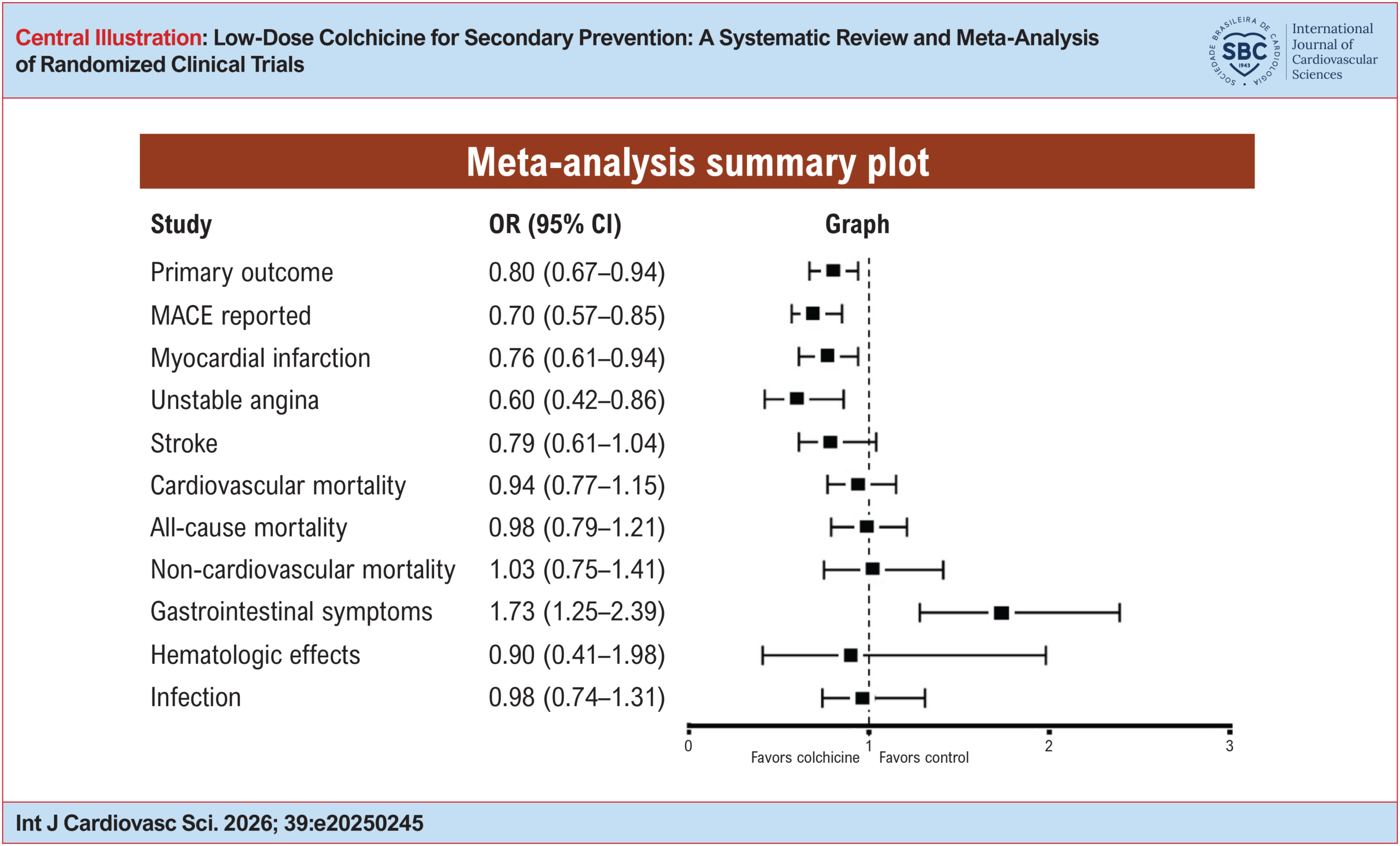
The Efficacy and Safety of Low-Dose Colchicine after Myocardial Infarction (COLCOT) and the Colchicine in Patients with Chronic Coronary Disease (LoDoCo2) trials demonstrated a reduction in major adverse cardiovascular events (MACE)., A meta-analysis of these two major trials and several smaller randomized controlled trials (RCTs) concluded that colchicine reduces MACE, myocardial infarction (MI), coronary revascularization, and stroke in secondary prevention, although it did not improve cardiovascular mortality. Consequently, colchicine is now recommended for secondary prevention by European guidelines for managing acute and chronic coronary syndromes and by American guidelines for chronic coronary disease.–

[…]

  • Atherosclerosis
  • Colchicine
  • Inflammation
Read Full Article
Creative Commons Attribution (CC BY) Creative Commons license
27/07/2026 DOI: 10.36660/ijcs.20250245 Views 1
Investigating the Causal Role of Inflammatory Cytokines in the Development of Cardiovascular, Kidney, and Metabolic Diseases
ABC
Original Article

Investigating the Causal Role of Inflammatory Cytokines in the Development of Cardiovascular, Kidney, and Metabolic Diseases

Mengjin Hu et al. Zhaoting Gong Xiaosong Li Chunlin Yin

Abstract

Background

Observational studies have linked inflammatory cytokines to cardiometabolic disorders; however, whether these associations reflect causal effects across interconnected organ systems remains unclear.

Objectives

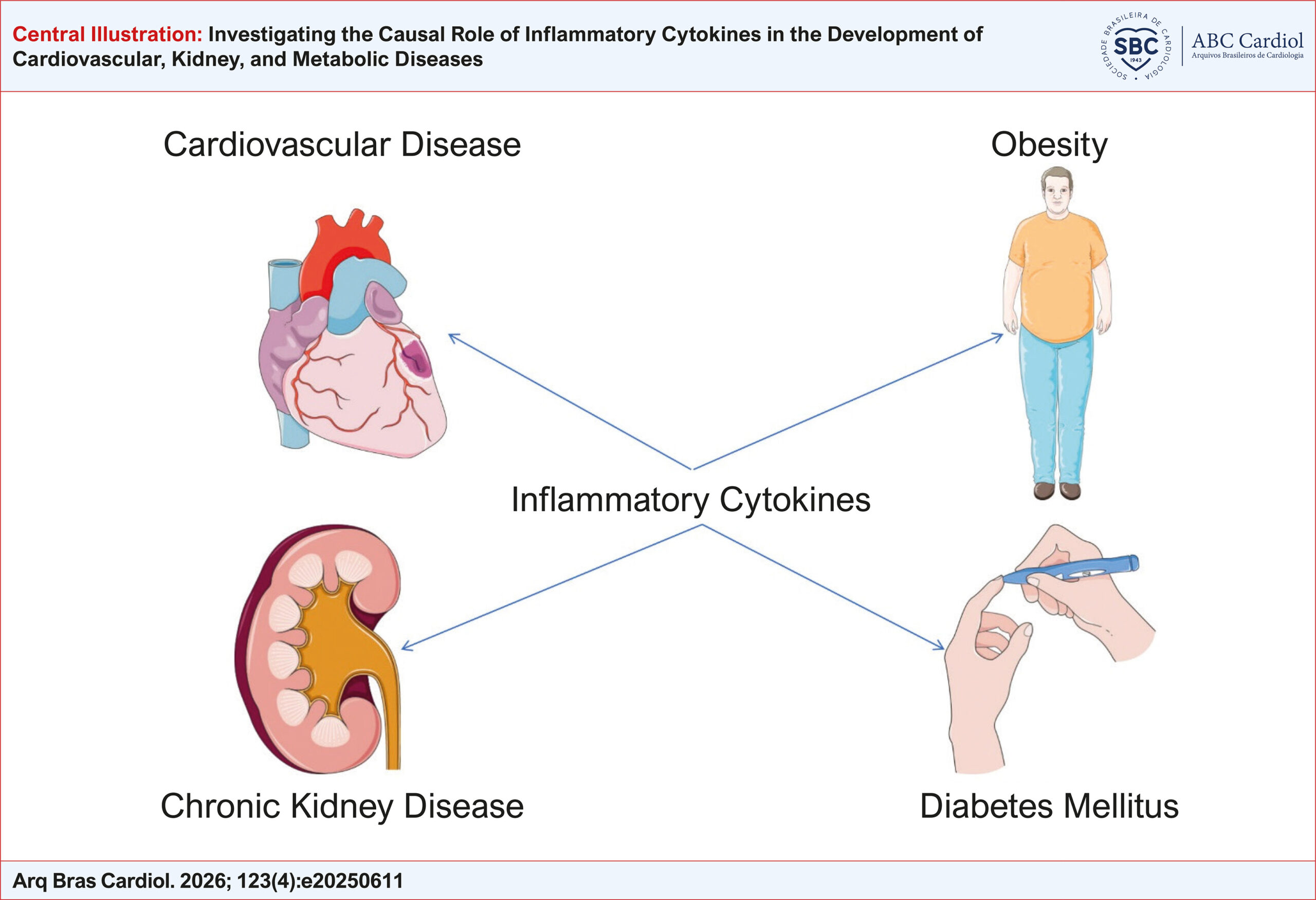
This Mendelian randomization (MR) study investigates causality between 91 inflammatory cytokines and multiorgan dysfunction across cardiovascular, kidney, and metabolic systems in the cardiovascular-kidney-metabolic (CKM) syndrome era.

Methods

Genetic instruments associated with 91 inflammatory cytokines were obtained from the Olink Target Inflammation panel across 11 European-ancestry cohorts. The inverse variance weighting (IVW) method was considered as the main analysis, complemented by sensitivity analyses including MR-Egger and weighted median methods.

Results

Genetically predicted levels of inflammatory cytokines showed widespread causal associations across CKM-related traits. Specifically, 31 cytokines were associated with cardiovascular outcomes, 26 with kidney traits, 10 with obesity-related traits, and 21 with diabetes-related traits, yielding a total of 60 cytokines with at least one significant association. Notably, FGF5 and IL6 emerged as paradoxical regulators, exerting opposing effects across different organ systems, while MCSF was consistently identified as a pan-vascular risk amplifier for cardiovascular diseases.

Conclusions

This comprehensive MR analysis reveals substantial causal heterogeneity in inflammatory cytokine effects across cardiovascular, kidney, and metabolic systems. These findings highlight the clinical importance of tissue- and context-specific inflammatory modulation, supporting the development of precision therapeutic strategies for CKM syndrome.

  • Cardiovascular Diseases
  • chronic renal insufficiency
  • Cytokines
  • Inflammation
  • Interleukin-6
  • Mendelian Randomization Analysis
Read Full Article
Creative Commons Attribution (CC BY) Creative Commons license
06/07/2026 DOI: 10.36660/abc.20250611i Views 2
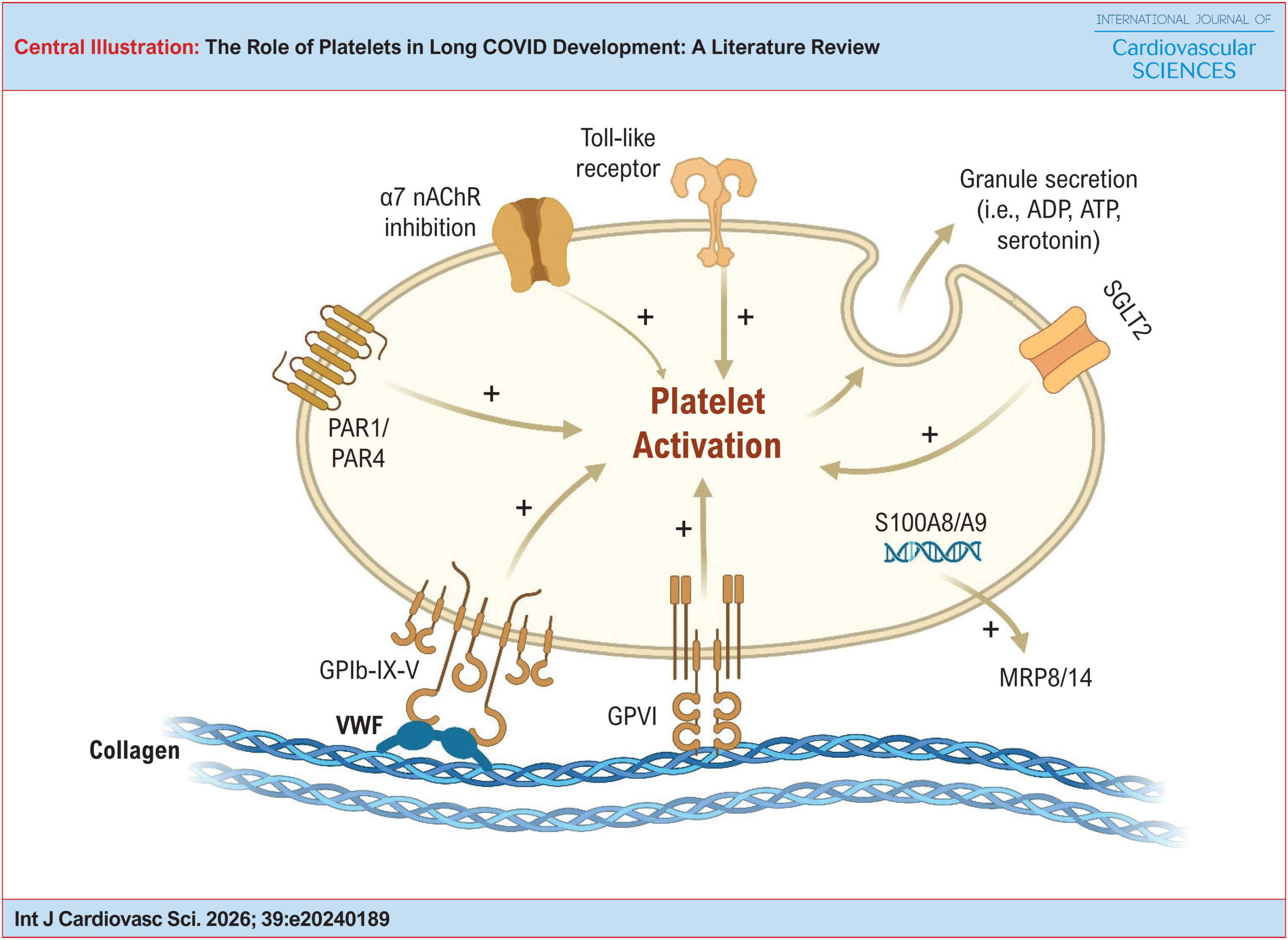
The Role of Platelets in Long COVID Development: A Literature Review
IJCS
Review Article

The Role of Platelets in Long COVID Development: A Literature Review

Gabriel Ferreira Lima et al. Lucas Miossi Amanda Gonçalves Jesus Silva Olivia Barros Pedreira Novais Fernanda Carla Ferreira Brito

Abstract

At its peak during the pandemic, coronavirus disease 2019 profoundly impacted global populations and introduced numerous post-infection complications, collectively referred to as long coronavirus disease. The mechanisms underlying the syndrome’s chronicity are multifaceted; however, a notable aspect of long coronavirus disease pathophysiology is its intricate association with platelets. The chronic inflammatory response triggered by severe acute respiratory syndrome coronavirus 2 is closely related to platelet activity, wherein inflammatory molecules bind to specific platelet receptors, inducing the release of platelet granules containing procoagulant and proinflammatory molecules. Consequently, there is a marked elevation in coagulation-related proteins, fostering the development of abnormal microthrombi and a dysfunctional fibrinolytic system. All these changes are indicative of an imbalance in coagulation regulation. Therefore, investigating pharmacological targets linked to this process is crucial for syndrome management, aiming to enhance the quality of life for affected individuals. This review aimed to highlight the importance of platelet function and activity in the pathophysiology of long coronavirus disease, as well as to identify molecular targets directly related to long coronavirus disease or coronavirus disease 2019–related disturbances in platelet homeostasis.

  • Blood Platelets
  • Inflammation
  • Post-Acute COVID-19 Syndrome
  • SARS-CoV-2
  • Thrombosis
Read Full Article
Creative Commons Attribution (CC BY) Creative Commons license
01/06/2026 DOI: 10.36660/ijcs.20240189
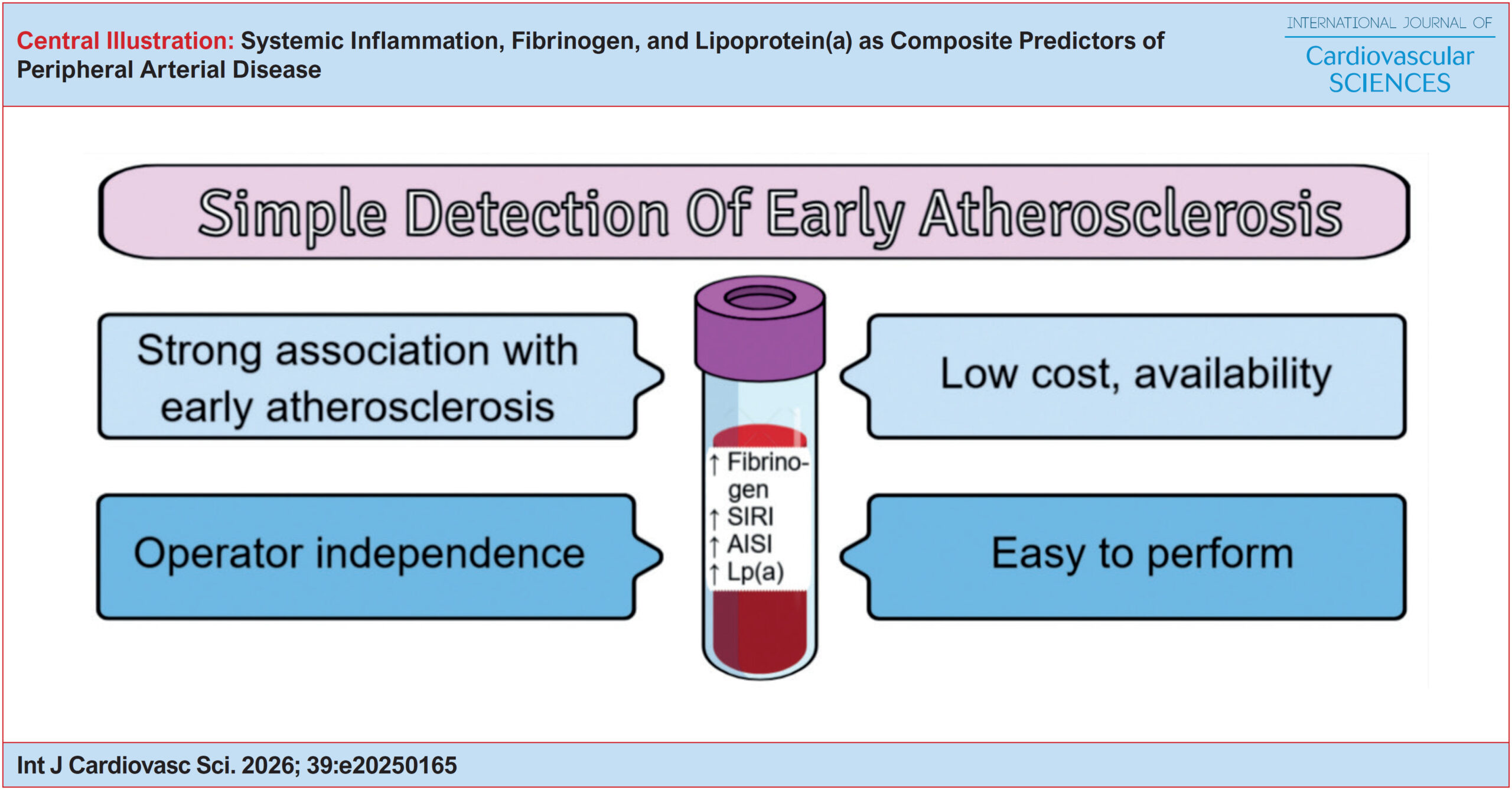
Systemic Inflammation, Fibrinogen, and Lipoprotein(a) as Composite Predictors of Peripheral Arterial Disease
IJCS
Original Article

Systemic Inflammation, Fibrinogen, and Lipoprotein(a) as Composite Predictors of Peripheral Arterial Disease

Alim Namitokov et al. Karina Karabakhtsieva Irina Gilevich

Abstract

Background:

Early detection of peripheral atherosclerosis remains a clinical challenge, especially in asymptomatic individuals. This study aimed to evaluate the predictive value of systemic inflammatory indices and lipid-related biomarkers for early atherosclerosis.

Objectives:

To investigate the diagnostic value of systemic inflammation indices, fibrinogen, and lipoprotein(a) as individual biomarkers and as a combined predictive model for early peripheral arterial disease.

Methods:

A prospective case-control study was conducted in 54 individuals: 20 patients diagnosed with early peripheral atherosclerosis (<55 years) and 34 healthy controls. Laboratory data included complete blood count, lipid profile, fibrinogen, lipoprotein(a), angiopoietin-like protein 3 (ANGPTL3), and Lp-PLA2. Inflammatory indices, including NLR, PLR, SII, SIRI, AISI, and MLR, were calculated. Logistic regression and ROC analysis were performed. A two-sided p-value < 0.05 was considered statistically significant.

Results:

SIRI (1.70 vs. 0.93, p = 0.0039) and AISI (431.6 vs. 236.4, p = 0.0128) were significantly higher in the atherosclerosis group. Fibrinogen showed the most robust association (5.46 vs. 3.71 g/L, p < 0.00001). Lp(a) alone was not statistically different between groups but improved the multivariate model (AUC 0.85 vs. 0.82). The final model, including age, inflammatory indices, LDL, Lp (a), and fibrinogen, achieved an AUC of 0.91.

Conclusion:

Systemic inflammation and fibrinogen levels are strongly associated with early atherosclerosis. Their combination with lipoprotein(a) enhances diagnostic performance, offering a simple, cost-effective strategy for early vascular risk assessment.

  • Atherosclerosis
  • Biomarkers
  • Fibrinogen
  • Inflammation
  • Lipoprotein(a)
  • Peripheral Arterial Disease
Read Full Article
Creative Commons Attribution (CC BY) Creative Commons license
25/05/2026 DOI: 10.36660/ijcs.20250165 Views 2
Figure 1
ABCIC
Editorial

Nuclear Cardiology: From Consolidation to Integration

Simone Cristina Soares Brandão

Introduction

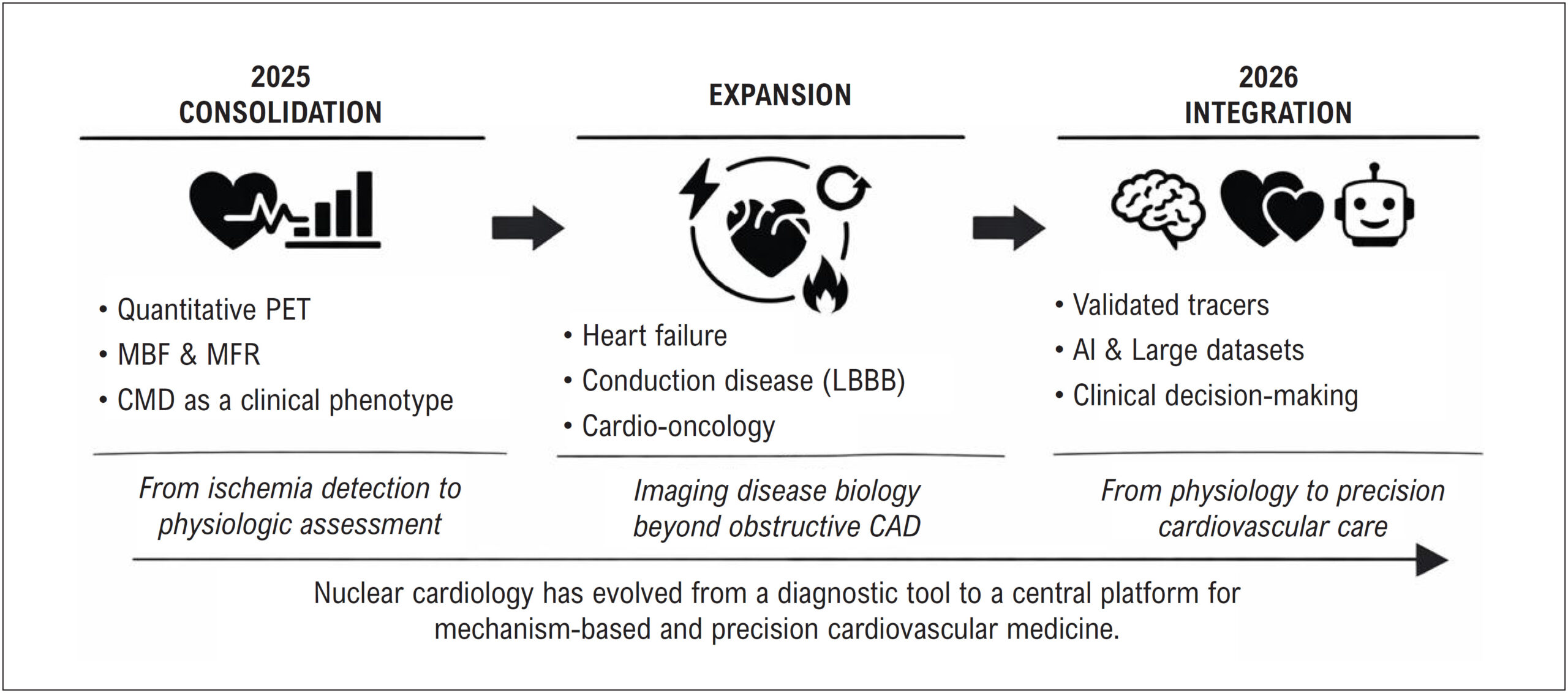
Over the past decade, nuclear cardiology has undergone a profound transformation.– What was once primarily a diagnostic tool focused on ischemia detection has evolved into a comprehensive platform for physiological understanding, risk stratification, and precision cardiovascular care.,- In this context, the field has shifted from simply identifying disease to elucidating its underlying mechanisms, echoing Marie Curie’s insight that “nothing in life is to be feared, it is only to be understood.”

The year 2025 did not stand out for isolated disruptive discoveries, but rather for something equally important: clinical consolidation.,, During this period, previously emerging concepts matured into actionable clinical paradigms, allowing the field to move from promise to practice.,

[…]

  • Inflammation
  • Positron-Emission Tomography
  • Precision Medicine
Read Full Article
Creative Commons Attribution (CC BY) Creative Commons license
25/05/2026 DOI: 10.36660/abcimg.20260007i Views 1
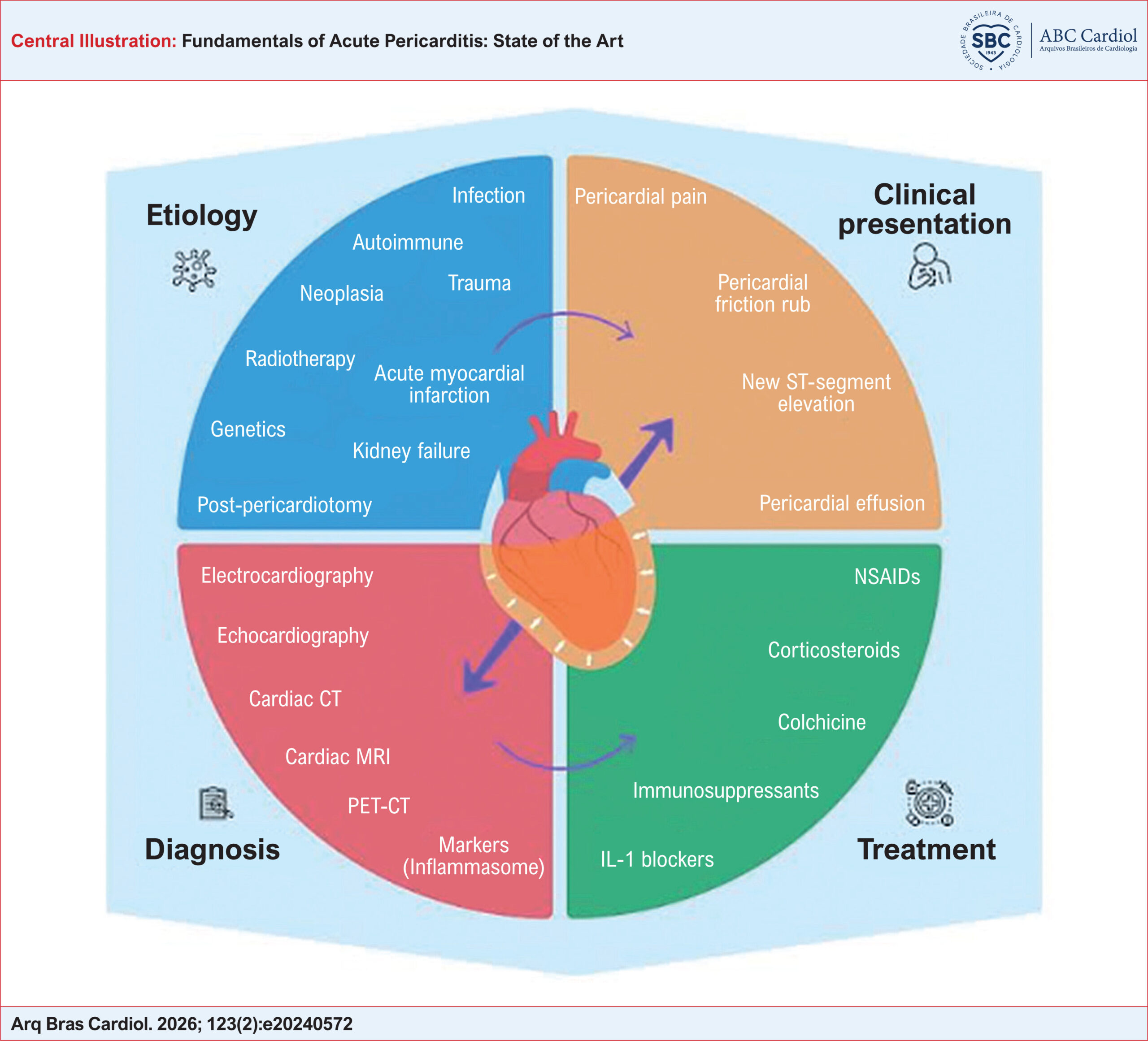
Fundamentals of Acute Pericarditis: State of the Art
ABC
Review Article

Fundamentals of Acute Pericarditis: State of the Art

Gabriel de Moraes Mangas et al. Jose Gregorio Valero Rodriguez João Alexandre Ranzeiro de Bragança dos Santos Flavia Nunes Benicio de Souza … Luis Felipe Leite da Silva Giovane Leal de Azevedo Junior Alberto Chivaca Neusa Perina de Jesus Jessen Ângelo Oliveira Evandro Tinoco Mesquita

Abstract

Acute pericarditis is an inflammation of the pericardium, the lining that surrounds the heart. It is the most common inflammatory heart condition. The disease frequently affects young adults and can manifest with varying severity. Pericarditis can have diverse causes, including viral infections, autoimmune diseases, post-infarction conditions, and, more recently, SARS-CoV-2 infections or COVID-19 vaccines. In developing countries, especially in Africa, tuberculosis is the leading cause of pericarditis, often associated with HIV. Diagnosis is based on clinical criteria, such as chest pain and electrocardiographic changes, and it can be supported by imaging studies such as echocardiography, cardiac magnetic resonance imaging, and computed tomography. Identification of etiology is crucial to personalized treatment, although the specific cause is often unidentified. New research has highlighted the role of the NLRP3 inflammasome in the pathophysiology of pericarditis, which may pave the way for new therapies. Furthermore, technological advancements and artificial intelligence are discussed as promising tools to improve the management of pericarditis.

  • Acute Pericarditis
  • Artificial Intelligence
  • Diagnosis
  • Inflammation
  • Treatment
Read Full Article
Creative Commons Attribution (CC BY) Creative Commons license
17/04/2026 DOI: 10.36660/abc.20240572i Views 3
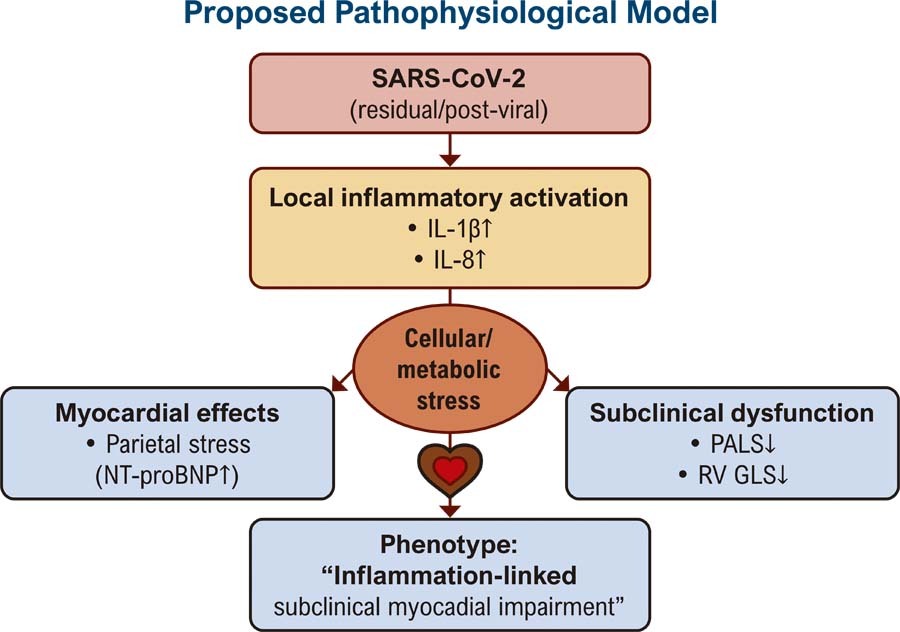
Local Inflammation May Underlie Cardiac Damage in Post-COVID-19 Period
ABCHF
Original Article

Local Inflammation May Underlie Cardiac Damage in Post-COVID-19 Period

Marcio Roberto Moraes de Carvalho et al. Natalia Fonseca Rosário Alice Ramos Carla Rodrigues do Amaral Azevedo … Mario Luiz Ribeiro Guilherme Schittine Bezerra Lomba Evelyn Maciel de Oliveira Rachel V. O’Neill de Souza Mauro Jorge Cabral Castro Jocemir Ronaldo Lugon

Abstract

Background

Some patients experience subclinical cardiovascular dysfunction after COVID-19, possibly driven by persistent inflammatory mechanisms that remain incompletely understood. NT-proBNP and GDF-15 have been proposed as biomarkers of myocardial stress and inflammation in this context.

Objectives

To investigate associations between NT-proBNP, GDF-15, inflammatory cytokines, and echocardiographic parameters in patients with Post-COVID-19 Condition (PCC).

Methods

This cross-sectional study included 78 adults followed in a university hospital cohort. Participants were stratified into elevated NT-proBNP (n = 39) and normal NT-proBNP (n = 39) groups. Clinical, laboratory, and echocardiographic variables were assessed, including PALS and RV-GLS. Serum GDF-15 and cytokines were quantified using a multiplex bead assay. ROC curve analysis evaluated the predictive value of GDF-15 for elevated NT-proBNP.

Results

Participants with elevated NT-proBNP had reduced PALS (28.5% vs. 36.7%; p < 0.05), and higher GDF-15 (median 368 vs. 219 pg/mL) and IL-1β levels (2.47 vs. 0.94 pg/mL; p < 0.05). GDF-15 ≥ 519 pg/mL predicted elevated NT-proBNP (AUC = 0.65). Individuals with elevated GDF-15 also showed worse RV-GLS (20.2% vs. 26.9%; p < 0.05) and higher IL-8 levels (p < 0.05).

Conclusions

NT-proBNP, GDF-15, and IL-1β identify subclinical myocardial dysfunction in PCC, supporting a pathophysiological model centered on persistent inflammation and early myocardial remodeling, distinct from classic ischemic pathways.

  • COVID-19
  • Echocardiography
  • Growth differentiation factor 15
  • Inflammation
Read Full Article
Creative Commons Attribution (CC BY) Creative Commons license
31/12/2025 DOI: 10.36660/abchf.20250037i Views 1
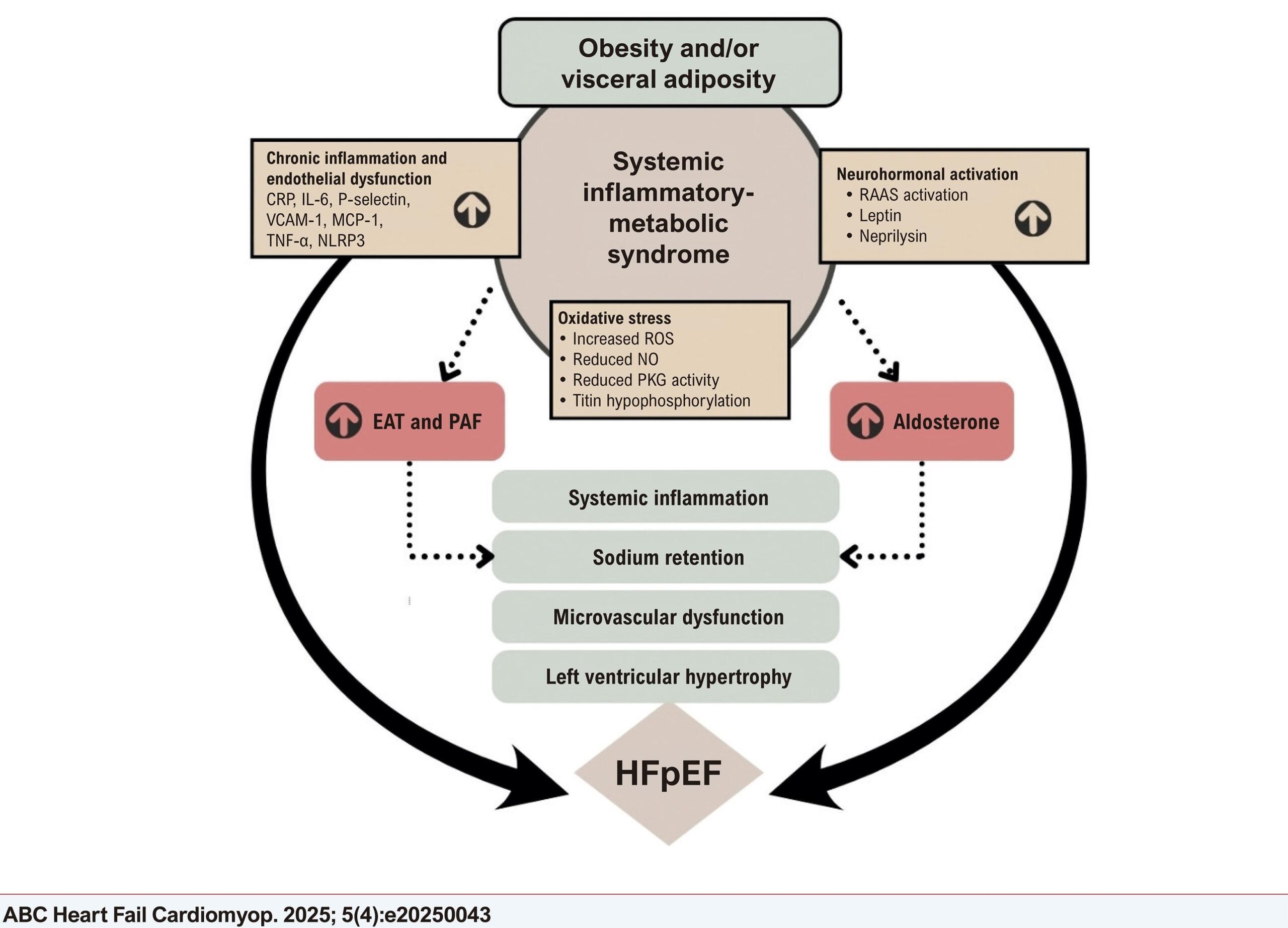
Central Illustration
ABCHF
Review Article

Heart Failure with Preserved Ejection Fraction Beyond the Myocardium: Systemic Inflammation as the Central Axis of Pathophysiology

Mylena Miki Lopes Ideta et al. Camile Miyuki Ishikawa Nihei Paulo Henrique Brites Moreira Ana Karyn Ehrenfried de Freitas

Abstract

Heart failure (HF) with preserved ejection fraction (HFpEF) is currently the most prevalent subtype of HF, particularly among older women with multiple metabolic comorbidities. Despite recent therapeutic advances, its pathophysiology remains incompletely understood and markedly heterogeneous. In 2025, Milton Packer proposed a new conceptual framework: the adipokine hypothesis. According to this hypothesis, HFpEF is a condition primarily driven by the expansion and dysfunction of visceral adipose tissue. This remodeling of adipose tissue results in altered secretion of adipokines, which are biologically active molecules with endocrine and paracrine effects on the heart, kidneys, and vascular system. The imbalance between cardioprotective and proinflammatory adipokines promotes systemic inflammation, sodium retention, volume overload, myocardial hypertrophy, and fibrosis, ultimately leading to diastolic dysfunction and exercise intolerance, which are hallmarks of HFpEF. This article reviews the main pathophysiological foundations of this hypothesis as well as the experimental and clinical evidence and therapeutic implications, which propose a unifying paradigm for understanding and managing HFpEF.

  • Adipokines
  • Adiponectin
  • Heart Failure
  • Inflammation
  • Obesity
Read Full Article
Creative Commons Attribution (CC BY) Creative Commons license
31/12/2025 DOI: 10.36660/abchf.20250043i Views 1
Figure 1
ABC
Editorial

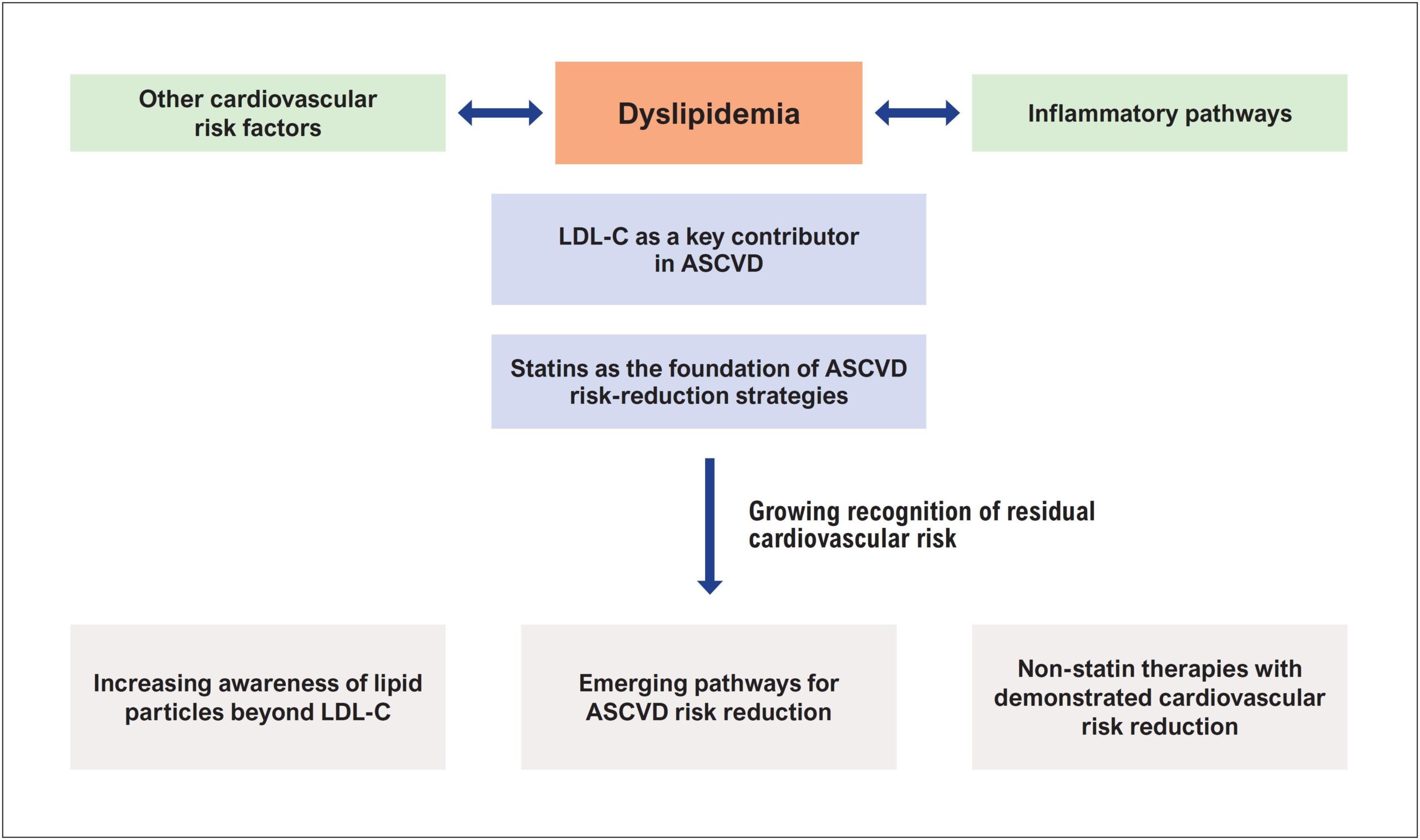
From Cholesterol Metabolism to Comprehensive Lipid Management and Crosstalk of Inflammation: Expanding the Frontiers of Cardiovascular Prevention

Eduardo Vilela et al. Nuno Bettencourt

Lipids and cardiovascular disease (CVD)

Lipid metabolism involves a wide range of complex pathways that play key roles in both normal physiology and disease. Lipids are essential for maintaining cell membrane integrity and supporting energy balance and metabolic homeostasis. Among them, cholesterol has drawn particular attention for its strong association with CVD.–

While cholesterol is vital for several physiological functions — such as those related to nervous system structure and steroid hormone production — its role in the development of CVD has also been extensively studied., CVD, and particularly atherosclerotic CVD (ASCVD), remains a leading global health burden, and advances in our understanding of lipid metabolism have significantly shaped prevention strategies over the past decades.,,

[…]

  • Cholesterol
  • Heart Disease Risk Factors
  • Inflammation
Read Full Article
Creative Commons Attribution (CC BY) Creative Commons license
26/09/2025 DOI: 10.36660/abc.20250386i Views 2
ABC
Editorial

Inflammation and Contrast-Induced Nephropathy: The Emerging Role of the Glucose-to-Lymphocyte Ratio

Rafaela Andrade Penalva Freitas

The interplay between systemic inflammation, glucose metabolism, and cardiovascular outcomes has been extensively explored in the literature, with significant implications for clinical practice. The article titled “Association between Glucose/lymphocytes Ratio and ContrastInduced Acute Kidney Injury in Patients with Myocardial Infarction without Diabetes Mellitus” provides a valuable contribution by investigating the glucose-to-lymphocyte ratio (GLR) as an independent predictor of contrast-induced acute kidney injury (CI-AKI) in patients with ST-elevation myocardial infarction (STEMI) undergoing primary percutaneous coronary intervention (PCI). This editorial examines the study’s findings, contextualizes their significance, and discusses clinical implications and future research.

CI-AKI is a significant iatrogenic complication following procedures involving iodinated contrast media, with reported incidence rates ranging from 5% to 20% in STEMI populations. This condition is associated with worse outcomes, including higher mortality and progression to chronic kidney disease., Factors such as systemic inflammation and metabolic stress, often exacerbated in the context of acute myocardial infarction (AMI), play critical roles in the pathogenesis of CI-AKI., The study introduces the GLR as a composite biomarker that integrates information on glucose metabolism and inflammatory response, offering an innovative approach to risk stratification.

[…]

  • Inflammation
  • Kidney, Diseases
  • Myocardial Infarction
Read Full Article
Creative Commons Attribution (CC BY) Creative Commons license
19/09/2025 DOI: 10.36660/abc.20250424i Views 1
Relationship Between the Naples Prognostic Score and Saphenous Vein Graft Disease after Coronary Artery Bypass Grafting Surgery
ABC
Original Article

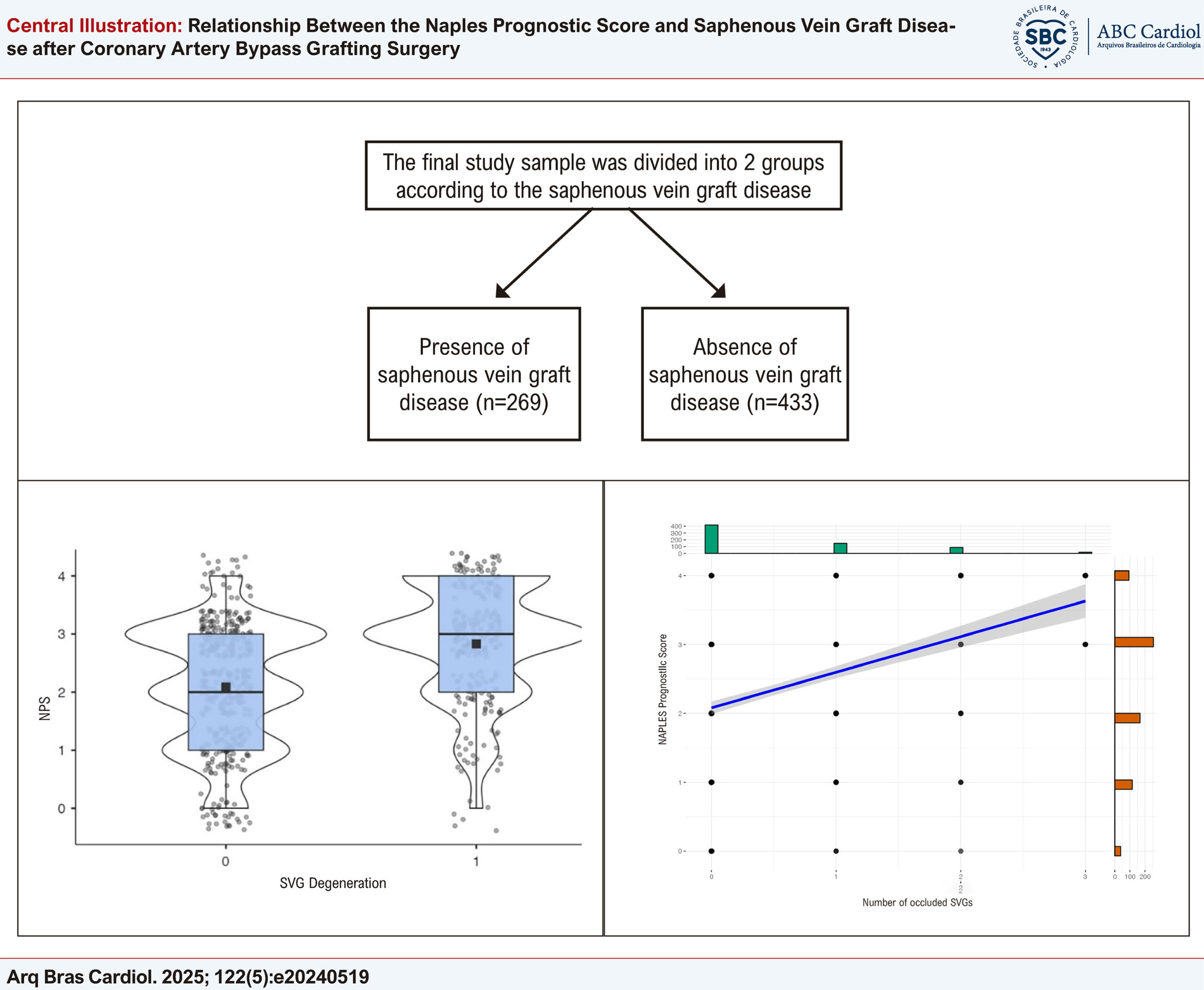
Relationship Between the Naples Prognostic Score and Saphenous Vein Graft Disease after Coronary Artery Bypass Grafting Surgery

Ahmet Karaduman et al. Cemalettin Yılmaz Muhammet Mucahit Tiryaki İsmail Balaban … Mustafa Ferhat Keten Tuba Unkun Servet İzci Suleyman Çağan Efe Elnur Alizade

Abstract

Background

Saphenous vein graft (SVG) patency remains a challenge in cases of coronary artery disease following coronary artery bypass grafting (CABG) surgery. The Naples prognostic score (NPS) constitutes a novel scoring system designed to assess both nutritional status and inflammation.

Objectives

Our study aimed to explore the association between the NPS and SVG disease in patients with a previous history of CABG surgery.

Methods

A total of 702 patients who had undergone CABG surgery and underwent coronary angiography were reviewed retrospectively. SVG disease was defined as the presence of ≥50% stenosis in at least one SVG. Patients were categorized into two groups based on the presence or absence of SVG disease. Values of p<0.05 were accepted as statistically significant.

Results

The study population consisted of 702 patients, with 269 (38.3%) having degenerative SVGs and 433 (61.7%) without degenerative SVGs. The NPS was higher in the group with saphenous vein degeneration and emerged as a significant predictor of SVG disease (OR: 1.596, 95% CI: 1.198-2.125, p=0.001). Additionally, hypertension (OR: 2.344, 95% CI: 1.137-4.833, p=0.02), chronic kidney disease (OR: 3.337, 95% CI: 1.554-7.168, p=0.002), statin usage (OR: 0.434, 95% CI: 0.239-0.789, p=0.006), time interval since CABG (OR: 1.138, 95% CI: 1.213-1.432, p<0.001), and number of SVGs (OR: 2.708, 95% CI: 1.902-3.855, p<0.001) were significant predictors of SVG disease.

Conclusion

The NPS, a useful tool for assessing inflammation and nutritional status, could provide valuable information about the patency of SVGs following CABG surgery. Patients with elevated NPS after CABG should undergo careful monitoring for the development of SVG disease.

  • Atherosclerosis
  • Inflammation
  • Myocardial Revascularization
  • Saphenous Vein
Read Full Article
Creative Commons Attribution (CC BY) Creative Commons license
02/06/2025 DOI: 10.36660/abc.20240519i Views 2
Figure 1
IJCS
Editorial

What Can Inflammatory Markers Tell Us About Tachycardia in Children?

Irving Gabriel Araújo Bispo et al. Eloisa Faggiani Santos Ana Beatriz Aparecida Rocha Millene Gonzalez Manente Marina Guerriero Morata

The supraventricular tachycardia (SVT) can be described as an irregular heart rhythm with an increased heart rate originating above the bundle of His. The heart rate is > 100 bpm. This condition can be particularly distressing for children and their families.

The incidence estimate of SVT in children is inaccurate because symptoms are usually nonspecific, such as sweating, pallor, apathy, inappetence, and tachycardia. Furthermore, spontaneous resolution can occur in some cases. Nonetheless, studies estimate that in children without congenital heart pathologies, the incidence is 24.4 per 100,000 live births. Still, the incidence is lower than in adults, and SVT emergencies are rare.

[…]

  • Echocardiography
  • Inflammation
  • Tachycardia
Read Full Article
Creative Commons Attribution (CC BY) Creative Commons license
11/04/2025 DOI: 10.36660/ijcs.20250024
The Relationship Between Inflammatory Markers and Supraventricular Tachycardia in Children
IJCS
Original Article

The Relationship Between Inflammatory Markers and Supraventricular Tachycardia in Children

Sevval Durgut et al. Hikmet Kıztanır Yasin Yıldız

Abstract

Background

Supraventricular tachycardia (SVT) is a common arrhythmia in pediatric patients. Emerging evidence suggests a link between systemic inflammation and cardiovascular diseases.

Objectives

This study aims to investigate the relationship between the monocyte/lymphocyte ratio (MLR) and neutrophil/lymphocyte ratio (NLR) with SVT in pediatric patients. Methods: We conducted a retrospective study at Rize Education and Research Hospital’s Pediatric Health and Diseases Department, including 33 patients diagnosed with SVT and 33 control subjects without sinus tachycardia. Hemogram (CBC) parameters, electrocardiography (ECG), and echocardiography (ECHO) were evaluated. NLR and MLR were calculated. The unpaired t-test is designed to compare the means of continuous variables between two groups, while the Mann-Whitney U test was applied for data not following a normal distribution. Correlations between values were analyzed through Pearson correlation. A significance level of p <0.05 was accepted.

Results

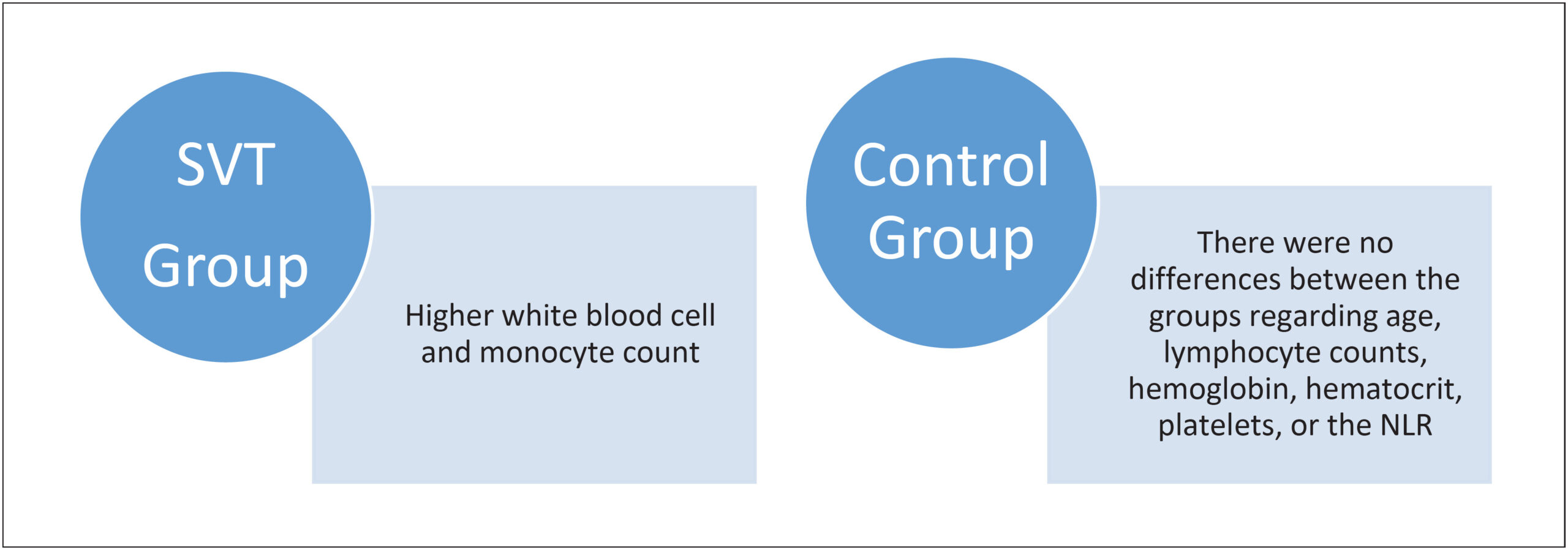
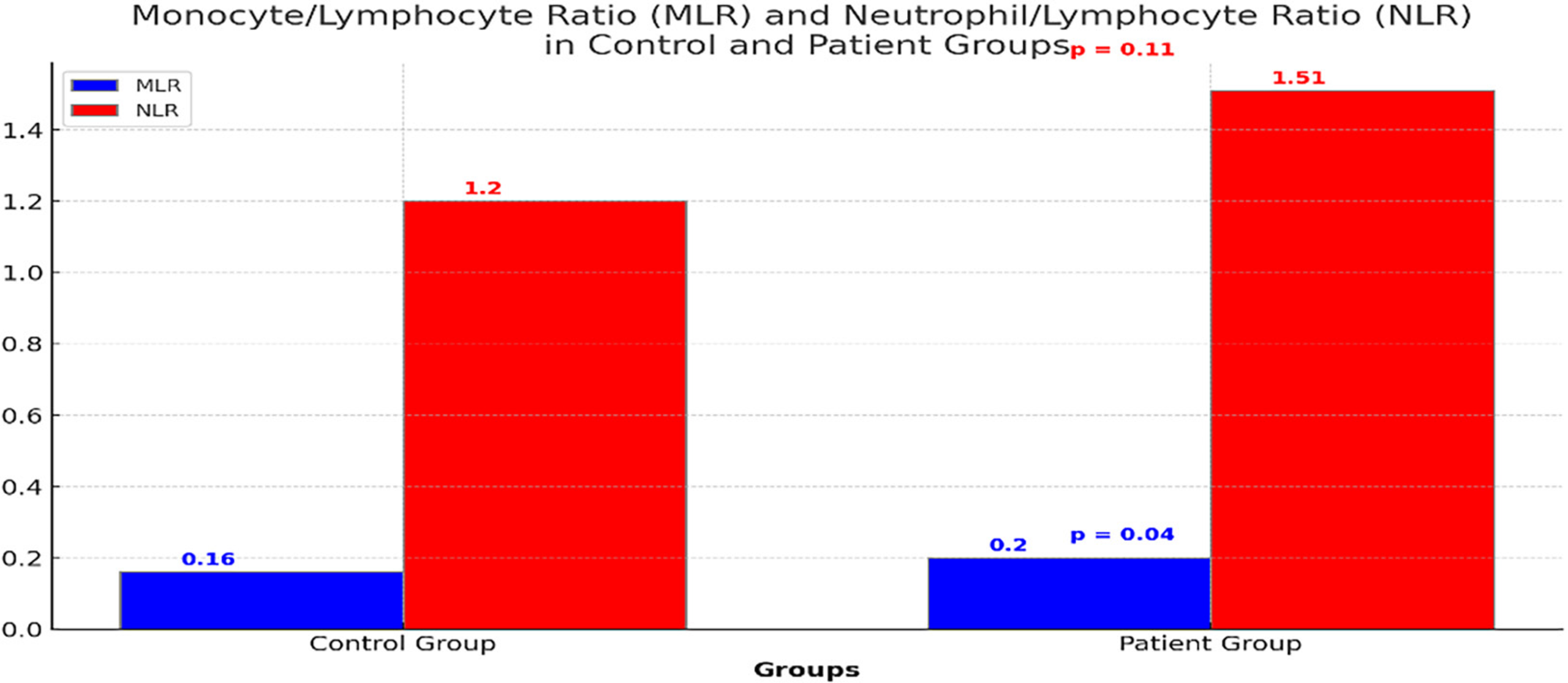
There was no significant difference between the groups in terms of age, lymphocyte count, hemoglobin, hematocrit, platelet count, and NLR. However, leukocyte count, monocyte count, and MLR showed significant differences (p<0.05). The SVT group had higher MLR values compared to the control group.

Conclusions

Our study found that MLR was significantly higher in pediatric patients with SVT compared to controls, suggesting a potential role of inflammation in SVT pathogenesis. Further large-scale, prospective, and multicenter studies are needed to confirm these findings and clarify the relationship between inflammation markers and SVT.

  • Biomarkers
  • Cardiovascular Diseases
  • Child
  • Inflammation
  • Supraventricular Tachycardia
Read Full Article
Creative Commons Attribution (CC BY) Creative Commons license
28/02/2025 DOI: 10.36660/ijcs.20240151 Views 1
Systemic Inflammatory Indices as New Biomarkers for Hemodynamically Significant Ductus Arteriosus
ABC
Original Article

Systemic Inflammatory Indices as New Biomarkers for Hemodynamically Significant Ductus Arteriosus

Ufuk Cakir et al. Cuneyt Tayman

Abstract

Background

Increased oxygen tension and decreased prostaglandin levels cause ductal closure. The diagnostic role of systemic inflammatory indices in hemodynamically significant ductus arteriosus (hsPDA) in premature infants is unknown.

Objectives

We aimed to evaluate the role of systemic inflammatory indices in the predictivity of hsPDA.

Methods

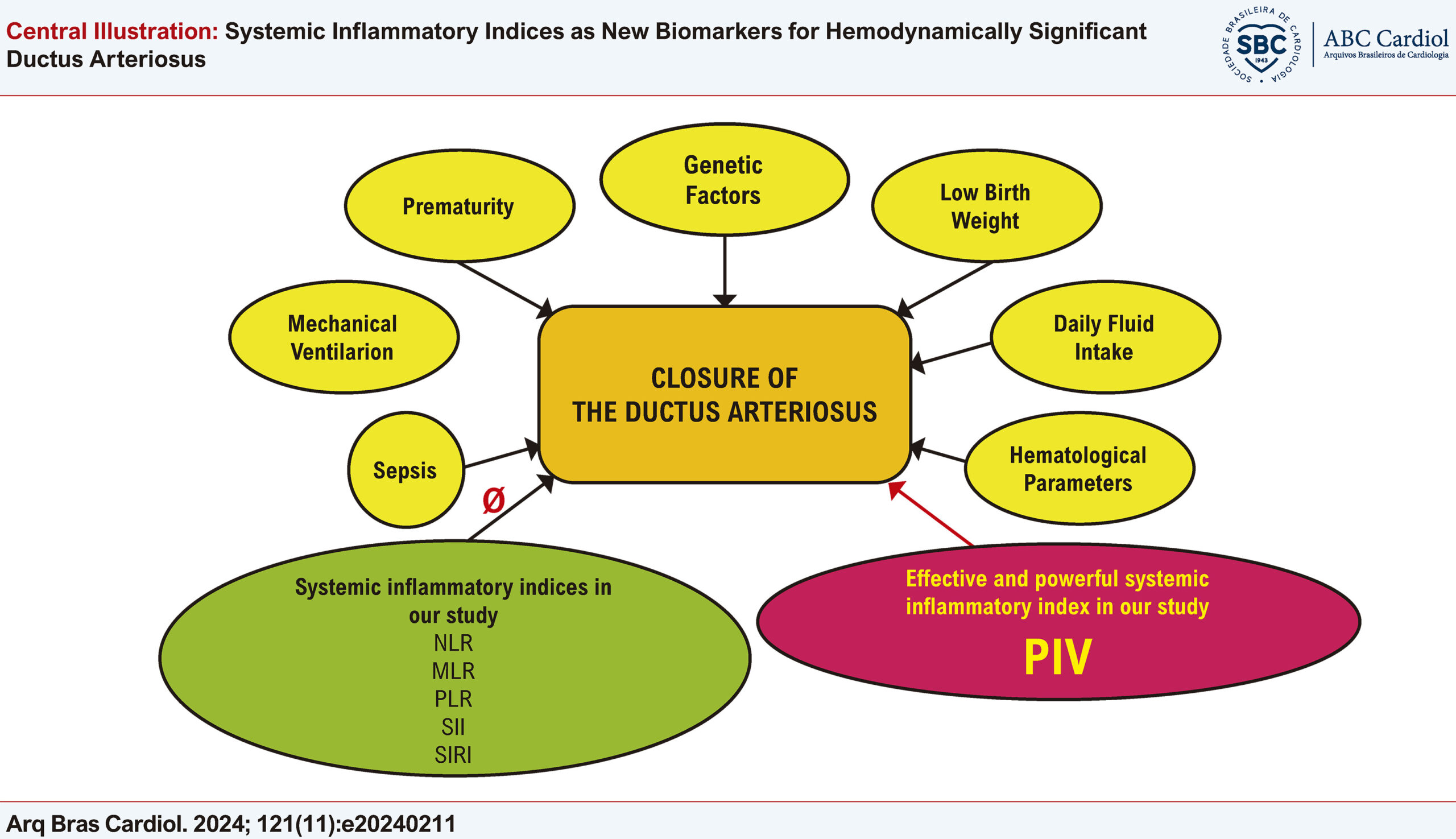
Premature infants with gestational weeks (GW) of <32 weeks were evaluated retrospectively. Systemic inflammatory indices neutrophil-lymphocyte ratio (NLR), monocyte-lymphocyte ratio (MLR), platelet-lymphocyte ratio (PLR), systemic immune-inflammation index (SII), pan-immune- inflammation value (PIV), and systemic inflammation response index (SIRI) were calculated. Systemic inflammatory indices were compared between hsPDA and non-hsPDA groups. A p <0.05 was considered as statistically significant.

Results

A total of 1228 patients were included in the study, including 447 patients in the hsPDA group and 781 patients in the non-hsPDA group. The PIV value [median (Q1 – Q3): 5.18 (2.38-10.42)] in the hsPDA group was statistically significantly higher than the PIV value [median (Q1 – Q3): 3.52 (1.41-6.45)] in the non-hsPDA group (p8.66. After even multiple logistic regression analyses, PIV was shown to be a significant parameter for the diagnosis of hsPDA (OR 1.972, 95% CI 1.114-3.011. p=0.001).

Conclusions

A high PIV value may be a quickly used indicator with low-cost, simple, and easily accessible for the early diagnosis of hsPDA.

  • Ductus Arteriosus
  • Inflammation
  • Newborn Infant
  • Premature Infant
Read Full Article
Creative Commons Attribution (CC BY) Creative Commons license
02/12/2024 DOI: 10.36660/abc.20240211i Views 1
IJCS
Editorial

COVID-19 and History of Coronary Artery Bypass Surgery

María del Carmen Lacy-Niebla et al. Alfonso Buendia-Hernandez

In this study conducted in Brazil, a group of patients with a history of coronary artery bypass surgery with or without COVID-19 disease was analyzed to determine if their quality of life significantly changed after infection. They observed that patients with a history of COVID-19 infection had a worse quality of life during the four years of follow-up. No significant differences were found in the incidence of acute myocardial infarction, cerebral vascular events or thromboembolism, which is surprising and differs from what was expected.

On March 11, 2019, the World Health Organization declared the COVID-19 disease a pandemic. From that moment on, we believed that COVID-19 mainly affected the respiratory system and that in approximately 20% of patients, the disease was very serious with a high mortality rate. Over time we learned that COVID-19 is a multisystem inflammatory disease that is associated with cardiovascular manifestations. About half of patients hospitalized for COVID-19 have cardiovascular conditions that include coronary heart disease or a history of cerebral ischemic event, and 15-20% of them have complications like myocardial ischemia, heart failure, arrhythmias and dysautonomia.– Patients with previous cardiovascular disease may become unstable when COVID-19 occurs, mainly due to a decrease in myocardial reserve and increase in oxygen consumption and metabolic demands.

[…]

  • Coronary Artery Bypass
  • COVID-19
  • Inflammation
Read Full Article
Creative Commons Attribution (CC BY) Creative Commons license
22/11/2024 DOI: 10.36660/ijcs.20240179 Views 1
Causal Relationship between Television Viewing Time, Cardiovascular Diseases, and Potential Mechanisms
ABC
Original Article

Causal Relationship between Television Viewing Time, Cardiovascular Diseases, and Potential Mechanisms

Mengjin Hu et al. Boyu Li Jinggang Xia Chunlin Yin Yuejin Yang

Abstract

Background:

As the predominant leisure-time sedentary behavior, television viewing was documented to increase cardiovascular diseases in observational studies, yet the causal relationship and potential mechanisms remain to be determined.

Objectives:

To systematically investigate the causal relationship between television viewing time, cardiovascular diseases, and potential mechanisms.

Methods:

We conducted a two-sample Mendelian randomization (MR) analysis to estimate causal associations with cardiovascular diseases and biomarkers of cardiometabolic risk. The random inverse-variance weighted method was used as the primary estimate. To account for multiple comparisons, a Bonferroni correction p value for cardiovascular diseases and biomarkers of cardiometabolic risk was 0.0045 and 0.0024, respectively.

Results:

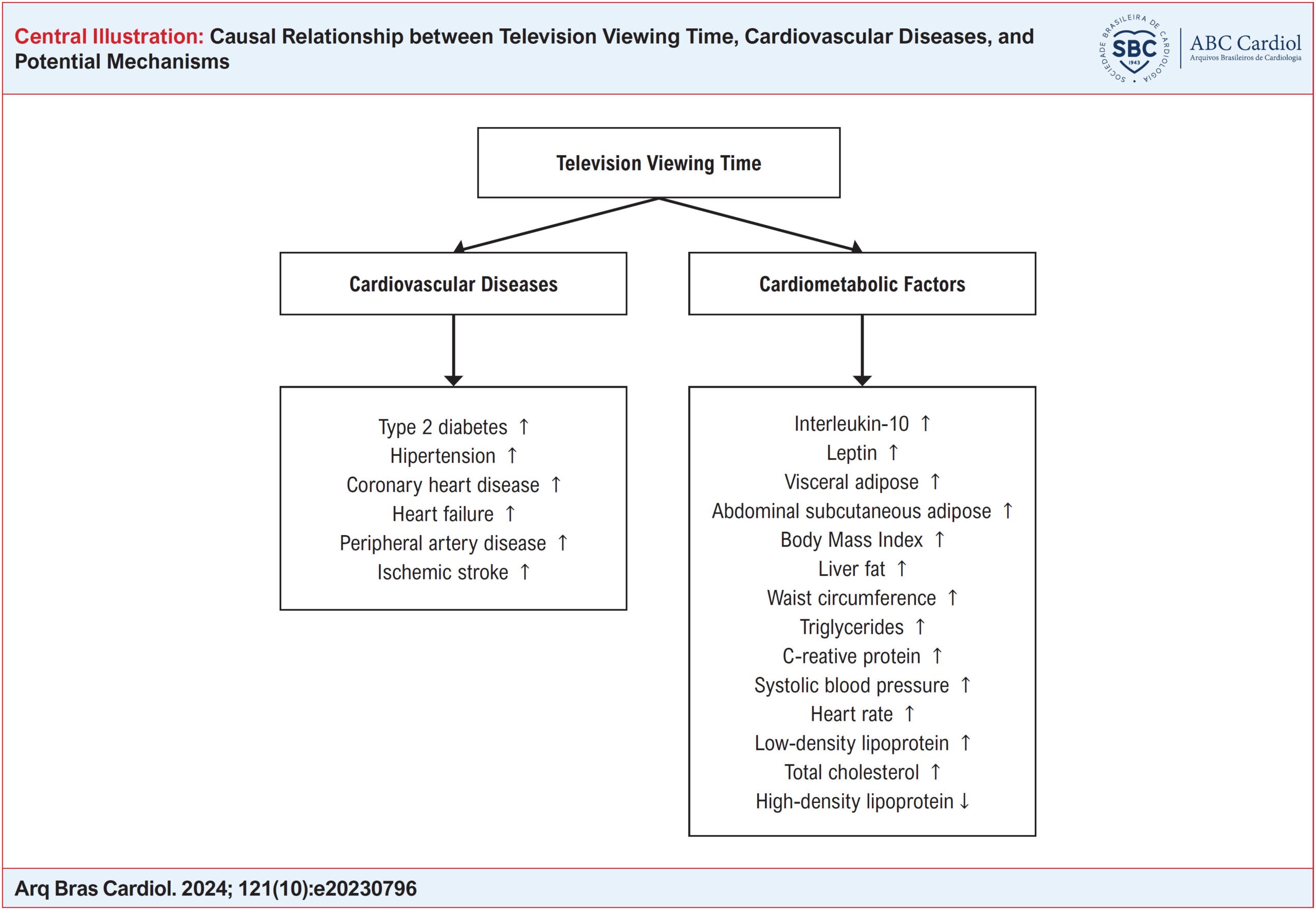
Genetically instrumented television viewing time was associated with higher risks of type 2 diabetes (odd ratio [OR]=2.51; 95% confidence interval [CI]: 1.89-3.33; p<0.00001), hypertension (OR=2.11; 95% CI: 1.67-2.66; p<0.00001), coronary heart disease (OR=1.53; 95% CI: 1.23-1.91; p=0.00015), and heart failure (OR=1.42; 95% CI: 1.18-1.70; p=0.00017). Suggestive evidence of harmful associations was also observed for peripheral artery disease (OR=1.58; 95% CI: 1.07-2.34; p=0.02253) and ischemic stroke (OR=1.34; 95% CI: 1.10-1.63; p=0.00328). Biomarkers of cardiometabolic risk, including interleukin 10, leptin, visceral adipose, abdominal subcutaneous adipose, liver fat, body mass index, waist circumference, triglycerides, and C-reactive protein, were increased. Systolic blood pressure, heart rate, low-density lipoprotein, and total cholesterol were potentially increased while high-density lipoprotein was decreased. However, television viewing time had no effect on venous thromboembolism or pulmonary embolism.

Conclusion:

Television viewing time was causally associated with increased risks of cardiovascular diseases, which may be explained by metabolic and inflammatory mechanisms.

  • Cardiometabolic Risk Factors
  • Cardiovascular Diseases
  • Inflammation
  • Mendelian Randomization Analysis
  • television
Read Full Article
Creative Commons Attribution (CC BY) Creative Commons license
28/10/2024 DOI: 10.36660/abc.20230796i Views 1
ABC
Editorial

Chronic Chagasic Cardiomyopathy: Influence of Physical Exercise

Gustavo Augusto Ferreira Mota et al. Mariana Gatto Vitor Loureiro da Silva Paula Felippe Martinez Marina Politi Okoshi

Chronic Chagas cardiomyopathy results from infection with Trypanosoma cruzi, transmitted by triatomine insects. The disease, endemic in Latin America, affects millions of individuals worldwide. In recent decades, the increase in migration has elevated the number of infected people in non-endemic regions from Europe and the United States. Chagas disease remains a neglected disease, characterized by difficulty in early diagnosis and poorly understood pathogenesis.

T. cruzi infects cardiomyocytes, immune cells, and fibroblasts, activating an inflammatory response that can reduce the parasite load and cause the death of infected cells. The parasite induces the production of chemokines and cytokines that increase the microbicidal capacity of macrophages and stimulate nitric oxide synthases and the production of reactive oxygen species. CD4 and CD8 T lymphocytes also participate in the inflammatory response with the production of IFN-γ and degranulation of cytotoxic T lymphocytes that lysis compromised cells.

[…]

  • Cardiomyopathies
  • Chagas disease
  • Exercise
  • Functional Status
  • Inflammation
  • Myocardial Perfusion Imaging
Read Full Article
Creative Commons Attribution (CC BY) Creative Commons license
27/09/2024 DOI: 10.36660/abc.20240507i Views 1
ABC
Editorial

Inflammation and Atrial Fibrillation: An Exclusive Association or an Accomplice to the Cardiovascular Continuum of Additional Risk Factors?

Francisco Darrieux

The role of systemic inflammation in promoting cardiovascular diseases has attracted the attention of several researchers. Inflammation can be protective as also being part of the response to infection and injury, playing a role in the defense and healing processes. However, the inflammatory response can persist beyond the original threat leading to chronic inflammation, adverse tissue remodeling, and disease.,

The inflammation relationship in the occurrence of AF has been a recurring issue for more than 20 years., There is increasing evidence suggesting a direct link between systemic or local inflammation and the development of AF. Local cardiac inflammatory conditions, including pericarditis and myocarditis, also increase the incidence of AF, as well as severe coronavirus disease cases. Some studies have demonstrated a link between inflammatory biomarkers and AF, but one of the limitations of these studies is that generally use a single biomarker, resulting in heterogenous findings.,

[…]

  • Atrial Fibrillation
  • Inflammation
  • Mechanism
Read Full Article
Creative Commons Attribution (CC BY) Creative Commons license
19/08/2024 DOI: 10.36660/abc.20240382i Views 1
Figure 1
ABC
Editorial

Inflammation and Prognosis in Acute Heart Failure: Is There a Role for Pan-Immune-Inflammation Value?

Humberto Villacorta

Heart failure (HF) is a major health problem, with high morbidity and mortality rates. Patients with HF are frequently hospitalized. Inflammation plays a role in the pathophysiology of HF and several cytokines, such as tumor necrosis factor (TNF), transforming growth factor-ß (TGF-ß), and interleukins 6 and 1, are elevated in HF. In acute decompensated HF (ADHF) the triggers of this inflammatory cascade are secondary to neurohormonal activation and oxidative stress, but in addition, there is evidence for elevated bacterial or endotoxin translocation, due to gut edema or relative hypoperfusion., The measurement of cytokines is not appropriate for day-to-day clinical practice and C-reactive protein (CRP),, another biomarker of inflammation, is usually chosen to assess inflammation. However, a more robust and convenient marker is warranted.

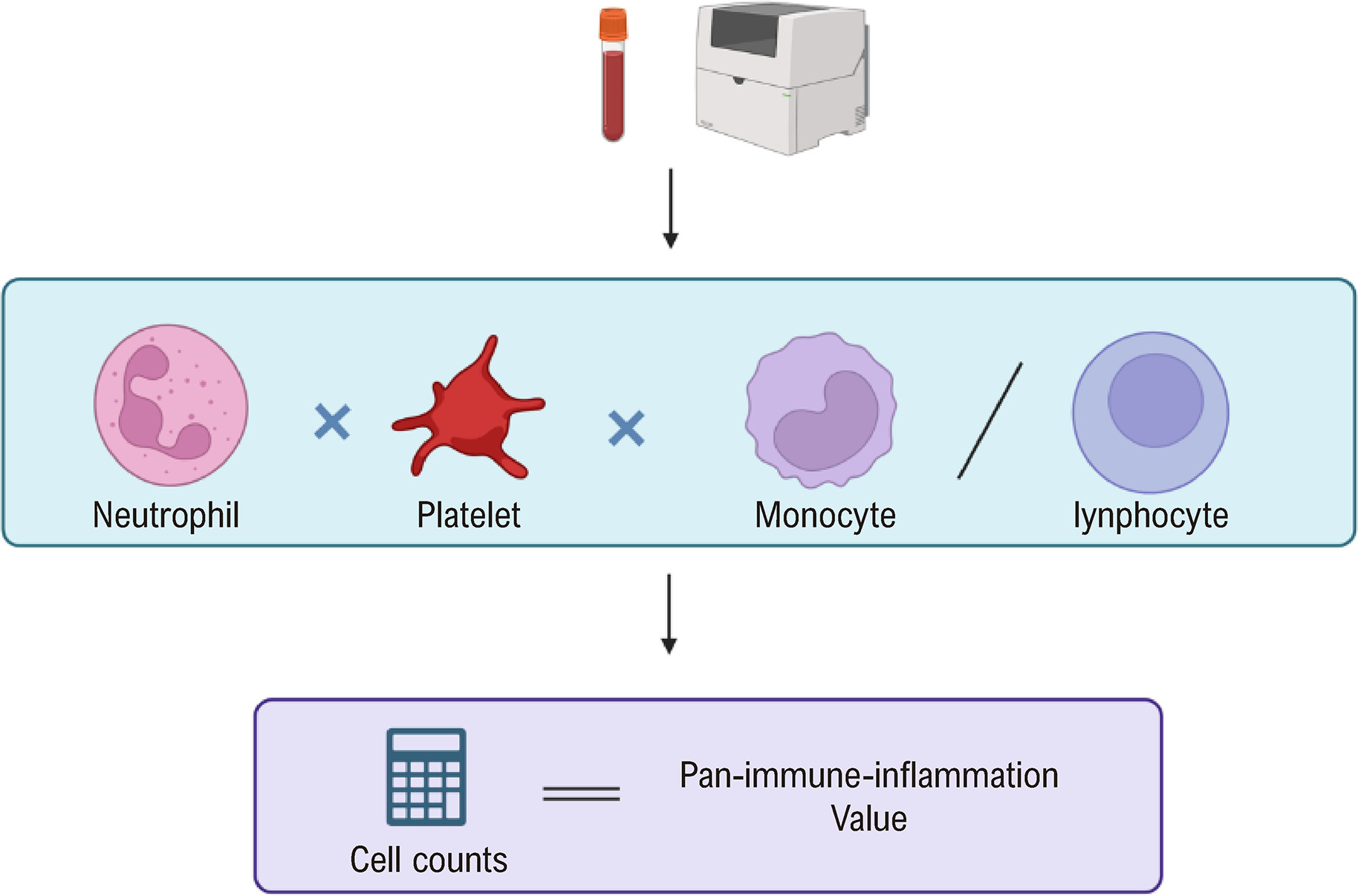
A new marker of inflammation has been recently introduced. Pan-immune-inflammation value (PIV) is calculated from peripheral blood immune-inflammatory components, including neutrophil, platelet, monocyte, and lymphocyte counts, as shown in . PIV has been shown to be prognostic in some cardiovascular disorders and also in non-cardiovascular diseases, such as cancer and advanced renal disease.–

[…]

  • Biomarkers
  • Endotoxins
  • Heart Failure
  • Hospitalization
  • Inflammation
  • Prognosis
Read Full Article
Creative Commons Attribution (CC BY) Creative Commons license
02/08/2024 DOI: 10.36660/abc.20240286i
Inflammation Burden and Atrial Fibrillation Burden: A Bidirectional Relationship
ABC
Original Article

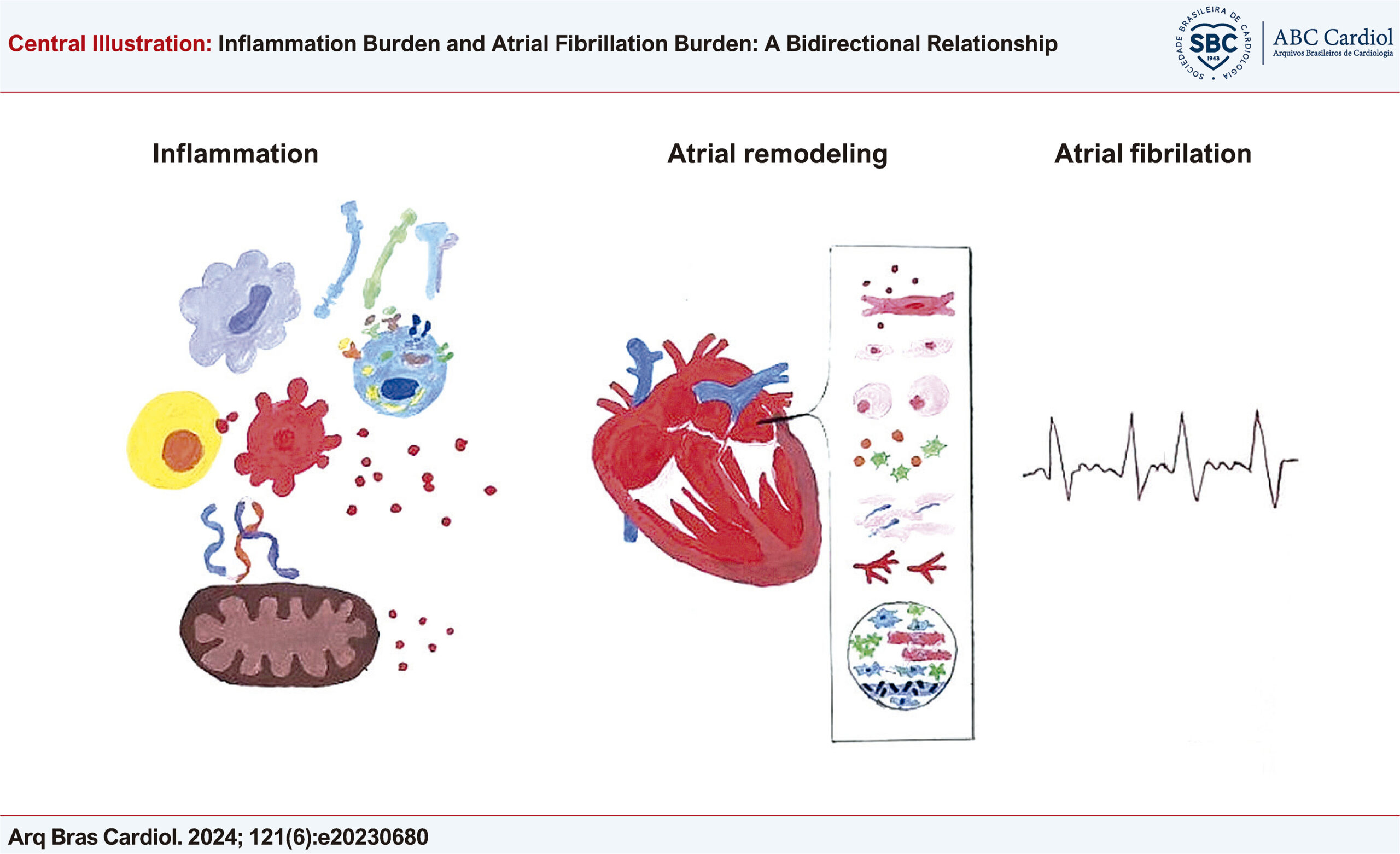
Inflammation Burden and Atrial Fibrillation Burden: A Bidirectional Relationship

Abdulrahman Naser et al. Samet Sayilan Oya Güven Büşra Güvendi Şengör … Atakan Biçici Yücel Uzun Ahmet Ekmekçi Alev Kılıçgedik

Abstract

Background

Atrial fibrillation (AF) burden is defined as the proportion of time the patient remains in AF over a given period of time; thus, it is theoretically highest in permanent AF and lowest in paroxysmal AF. Inflammation is associated with the initiation and maintenance of AF. However, the relationship between systemic immune-inflammation index (SII) and AF burden is unknown.

Objective

In the present study, we investigated the relationship between SII and AF burden.

Methods

The present study is a cross-sectional analysis of 453 patients (252 females and 201 males, aged 44 to 94 years) with AF (138 with paroxysmal AF and 315 with permanent AF) who visited the cardiology outpatient clinic between October 2022 and June 2023. SII was calculated as (neutrophils × platelets/lymphocytes). The predictive role of SII and other inflammatory markers in the likelihood of AF pattern was evaluated by logistic regression analyses, and p value < 0.05 was considered statistically significant.

Results

Age, diastolic blood pressure, heart rate, diabetes mellitus, neutrophil, platelet-to-lymphocyte ratio, neutrophil-to-lymphocyte ratio, SII, C-reactive protein, red blood cell distribution width, hemoglobin A1c, and left atrial diameter were significantly higher in the permanent AF group. According to the logistic regression analysis, age (p = 0.038), diabetes mellitus (p = 0.024), red blood cell distribution width (p = 0.023), C-reactive protein (p = 0.010), SII (p = 0.001), and left atrial diameter (p < 0.001) significantly contributed to the prediction of the likelihood of permanent AF.

Conclusion

SII is independently associated with the AF burden. Prospective studies are needed to determine whether SII may be useful in identifying patients at high risk for AF progression.

  • Atrial Fibrillation
  • Inflammation
  • Systemic Immune-inflammation Index
Read Full Article
Creative Commons Attribution (CC BY) Creative Commons license
15/07/2024 DOI: 10.36660/abc.20230680i Views 1
ABC
Editorial

Inflammation and No-Reflow: Can it be a Game-Changer?

Ana Teresa Timóteo

No-reflow (NR) is a possible complication during percutaneous coronary intervention (PCI), particularly in the context of ST-segment elevation myocardial infarction (STEMI). It is highly dynamic in nature, develops gradually (over hours) following coronary blood flow restoration, and persists over days to weeks depending on severity, duration, and extent of myocardial ischemia and application of therapeutic measures aiming to prevent or alleviate ischemia/reperfusion injury. NR impacts negatively on the benefits provided by reperfusion therapy and contributes to poor clinical outcomes.,

The main pathophysiological mechanism of NR is microvascular obstruction developing as a consequence of myocardial ischemia, distal embolization, and reperfusion-related injury. The frequency of NR after primary PCI differs widely depending on the sensitivity of the tools used for diagnosis and the timing of examination. Coronary angiography is the most convenient, but it underestimates the true frequency of NR. Cardiac magnetic resonance (CMR) imaging is the most sensitive method in the clinical setting, providing information on the presence, localization, and extent of microvascular obstruction. With CMR, microvascular obstruction is diagnosed in up to 95% of patients with STEMI and restored TIMI flow grade 3, and in 57% of patients with STEMI within 7 days after primary PCI. Other techniques, such as ST-segment resolution and catheter-based coronary physiology tests are less sensitive or technically demanding.

[…]

  • Inflammation
  • No-Reflow Phenomenon
  • Percutaneous Coronary Intervention
Read Full Article
Creative Commons Attribution (CC BY) Creative Commons license
17/06/2024 DOI: 10.36660/abc.20240119i

Could not load more articles. Please try again.

How to cite this article

EndNote RIS

Electronic Document Format (Vancouver)

Akkaya H, Öztürk M. HALP Score as a Novel Marker Associated with Coronary Collateral Circulation in Patients with Chronic Total Occlusion. Arquivos Brasileiros de Cardiologia 2026;123(7):e20260206.

Electronic Document Format (ABNT)

Akkaya, Hasan; Öztürk, Muhammet. HALP Score as a Novel Marker Associated with Coronary Collateral Circulation in Patients with Chronic Total Occlusion. Arquivos Brasileiros de Cardiologia, v. 123, n. 7, e20260206, Aug. 2026.

Electronic Document Format (APA)

Akkaya, H., & Öztürk, M. (2026). HALP Score as a Novel Marker Associated with Coronary Collateral Circulation in Patients with Chronic Total Occlusion. Arquivos Brasileiros de Cardiologia, 123(7), e20260206.

Electronic Document Format (ISO)

Akkaya, Hasan and Öztürk, Muhammet. HALP Score as a Novel Marker Associated with Coronary Collateral Circulation in Patients with Chronic Total Occlusion. Arquivos Brasileiros de Cardiologia [online]. 2026, vol. 123, n. 7, [cited 2026-10-14], e20260206. Available from: <https://journals.cardiol.br/en/article/halp-score-as-a-novel-marker-associated-with-coronary-collateral-circulation-in-patients-with-chronic-total-occlusion/>. ISSN 0066-782X

EndNote RIS

Electronic Document Format (Vancouver)

Andrade PB, Furquim T. Beyond Lesion Complexity: Do We Need a New Score for Chronic Total Occlusions?. Arquivos Brasileiros de Cardiologia 2026;123(7):e20260506.

Electronic Document Format (ABNT)

Andrade, Pedro Beraldo de; Furquim, Thyago. Beyond Lesion Complexity: Do We Need a New Score for Chronic Total Occlusions?. Arquivos Brasileiros de Cardiologia, v. 123, n. 7, e20260506, Aug. 2026.

Electronic Document Format (APA)

Andrade, P. B. , & Furquim, T. (2026). Beyond Lesion Complexity: Do We Need a New Score for Chronic Total Occlusions?. Arquivos Brasileiros de Cardiologia, 123(7), e20260506.

Electronic Document Format (ISO)

Andrade, Pedro Beraldo de and Furquim, Thyago. Beyond Lesion Complexity: Do We Need a New Score for Chronic Total Occlusions?. Arquivos Brasileiros de Cardiologia [online]. 2026, vol. 123, n. 7, [cited 2026-10-14], e20260506. Available from: <https://journals.cardiol.br/en/article/beyond-lesion-complexity-do-we-need-a-new-score-for-chronic-total-occlusions/>. ISSN 0066-782X

EndNote RIS

Electronic Document Format (Vancouver)

Righi FL, Sugai G, Araujo P, Alves RJ. Association Between Inflammatory Hematologic Indices and Acute Coronary Syndrome Phenotypes. International Journal of Cardiovascular Sciences 2026;39:e20250264.

Electronic Document Format (ABNT)

Righi, Fabiele de Lima; Sugai, Gustavo; Araujo, Paula; Alves, Renato Jorge. Association Between Inflammatory Hematologic Indices and Acute Coronary Syndrome Phenotypes. International Journal of Cardiovascular Sciences, v. 39, e20250264, Aug. 2026.

Electronic Document Format (APA)

Righi, F. L., Sugai, G., Araujo, P., & Alves, R. J. (2026). Association Between Inflammatory Hematologic Indices and Acute Coronary Syndrome Phenotypes. International Journal of Cardiovascular Sciences, 39, e20250264.

Electronic Document Format (ISO)

Righi, Fabiele de Lima and Sugai, Gustavo and Araujo, Paula and Alves, Renato Jorge. Association Between Inflammatory Hematologic Indices and Acute Coronary Syndrome Phenotypes. International Journal of Cardiovascular Sciences [online]. 2026, vol. 39, [cited 2026-10-14], e20250264. Available from: <https://journals.cardiol.br/en/article/association-between-inflammatory-hematologic-indices-and-acute-coronary-syndrome-phenotypes/>. ISSN 2359-4802

EndNote RIS

Electronic Document Format (Vancouver)

Sousa RB, Pereira JC, Presume J, Gomes DA, Oliveira AF, Ferreira J. Low-Dose Colchicine for Secondary Prevention: A Systematic Review and Meta-Analysis of Randomized Clinical Trials. International Journal of Cardiovascular Sciences 2026;39:e20250245.

Electronic Document Format (ABNT)

Sousa, Rita Barbosa; Pereira, Joana Certo; Presume, João; Gomes, Daniel A.; Oliveira, Afonso Félix de; Ferreira, Jorge. Low-Dose Colchicine for Secondary Prevention: A Systematic Review and Meta-Analysis of Randomized Clinical Trials. International Journal of Cardiovascular Sciences, v. 39, e20250245, Jul. 2026.

Electronic Document Format (APA)

Sousa, R. B., Pereira, J. C., Presume, J., Gomes, D. A., Oliveira, A. F. , & Ferreira, J. (2026). Low-Dose Colchicine for Secondary Prevention: A Systematic Review and Meta-Analysis of Randomized Clinical Trials. International Journal of Cardiovascular Sciences, 39, e20250245.

Electronic Document Format (ISO)

Sousa, Rita Barbosa and Pereira, Joana Certo and Presume, João and Gomes, Daniel A. and Oliveira, Afonso Félix de and Ferreira, Jorge. Low-Dose Colchicine for Secondary Prevention: A Systematic Review and Meta-Analysis of Randomized Clinical Trials. International Journal of Cardiovascular Sciences [online]. 2026, vol. 39, [cited 2026-10-14], e20250245. Available from: <https://journals.cardiol.br/en/article/low-dose-colchicine-for-secondary-prevention-a-systematic-review-and-meta-analysis-of-randomized-clinical-trials/>. ISSN 2359-4802

EndNote RIS

Electronic Document Format (Vancouver)

Hu M, Gong Z, Li X, Yin C. Investigating the Causal Role of Inflammatory Cytokines in the Development of Cardiovascular, Kidney, and Metabolic Diseases. Arquivos Brasileiros de Cardiologia 2026;123(4):e20250611.

Electronic Document Format (ABNT)

Hu, Mengjin; Gong, Zhaoting; Li, Xiaosong; Yin, Chunlin. Investigating the Causal Role of Inflammatory Cytokines in the Development of Cardiovascular, Kidney, and Metabolic Diseases. Arquivos Brasileiros de Cardiologia, v. 123, n. 4, e20250611, Jul. 2026.

Electronic Document Format (APA)

Hu, M., Gong, Z., Li, X., & Yin, C. (2026). Investigating the Causal Role of Inflammatory Cytokines in the Development of Cardiovascular, Kidney, and Metabolic Diseases. Arquivos Brasileiros de Cardiologia, 123(4), e20250611.

Electronic Document Format (ISO)

Hu, Mengjin and Gong, Zhaoting and Li, Xiaosong and Yin, Chunlin. Investigating the Causal Role of Inflammatory Cytokines in the Development of Cardiovascular, Kidney, and Metabolic Diseases. Arquivos Brasileiros de Cardiologia [online]. 2026, vol. 123, n. 4, [cited 2026-10-14], e20250611. Available from: <https://journals.cardiol.br/en/article/investigating-the-causal-role-of-inflammatory-cytokines-in-the-development-of-cardiovascular-kidney-and-metabolic-diseases/>. ISSN 0066-782X

EndNote RIS

Electronic Document Format (Vancouver)

Lima GF, Miossi L, Silva AGJ, Novais OBP, Brito FCF. The Role of Platelets in Long COVID Development: A Literature Review. International Journal of Cardiovascular Sciences 2026;39:e20240189.

Electronic Document Format (ABNT)

Lima, Gabriel Ferreira; Miossi, Lucas; Silva, Amanda Gonçalves Jesus; Novais, Olivia Barros Pedreira; Brito, Fernanda Carla Ferreira. The Role of Platelets in Long COVID Development: A Literature Review. International Journal of Cardiovascular Sciences, v. 39, e20240189, May. 2026.

Electronic Document Format (APA)

Lima, G. F., Miossi, L., Silva, A. G. J., Novais, O. B. P., & Brito, F. C. F. (2026). The Role of Platelets in Long COVID Development: A Literature Review. International Journal of Cardiovascular Sciences, 39, e20240189.

Electronic Document Format (ISO)

Lima, Gabriel Ferreira and Miossi, Lucas and Silva, Amanda Gonçalves Jesus and Novais, Olivia Barros Pedreira and Brito, Fernanda Carla Ferreira. The Role of Platelets in Long COVID Development: A Literature Review. International Journal of Cardiovascular Sciences [online]. 2026, vol. 39, [cited 2026-10-14], e20240189. Available from: <https://journals.cardiol.br/en/article/the-role-of-platelets-in-long-covid-development-a-literature-review/>. ISSN 2359-4802

EndNote RIS

Electronic Document Format (Vancouver)

Namitokov A, Karabakhtsieva K, Gilevich I. Systemic Inflammation, Fibrinogen, and Lipoprotein(a) as Composite Predictors of Peripheral Arterial Disease. International Journal of Cardiovascular Sciences 2026;39:e20250165.

Electronic Document Format (ABNT)

Namitokov, Alim; Karabakhtsieva, Karina; Gilevich, Irina. Systemic Inflammation, Fibrinogen, and Lipoprotein(a) as Composite Predictors of Peripheral Arterial Disease. International Journal of Cardiovascular Sciences, v. 39, e20250165, May. 2026.

Electronic Document Format (APA)

Namitokov, A., Karabakhtsieva, K., & Gilevich, I. (2026). Systemic Inflammation, Fibrinogen, and Lipoprotein(a) as Composite Predictors of Peripheral Arterial Disease. International Journal of Cardiovascular Sciences, 39, e20250165.

Electronic Document Format (ISO)

Namitokov, Alim and Karabakhtsieva, Karina and Gilevich, Irina. Systemic Inflammation, Fibrinogen, and Lipoprotein(a) as Composite Predictors of Peripheral Arterial Disease. International Journal of Cardiovascular Sciences [online]. 2026, vol. 39, [cited 2026-10-14], e20250165. Available from: <https://journals.cardiol.br/en/article/systemic-inflammation-fibrinogen-and-lipoproteina-as-composite-predictors-of-peripheral-arterial-disease/>. ISSN 2359-4802

EndNote RIS

Electronic Document Format (Vancouver)

Brandão SCS. Nuclear Cardiology: From Consolidation to Integration. ABC Imagem Cardiovascular 2026;39(1):e20260007.

Electronic Document Format (ABNT)

Brandão, Simone Cristina Soares. Nuclear Cardiology: From Consolidation to Integration. ABC Imagem Cardiovascular, v. 39, n. 1, e20260007, May. 2026.

Electronic Document Format (APA)

Brandão, S. C. S. (2026). Nuclear Cardiology: From Consolidation to Integration. ABC Imagem Cardiovascular, 39(1), e20260007.

Electronic Document Format (ISO)

Brandão, Simone Cristina Soares. Nuclear Cardiology: From Consolidation to Integration. ABC Imagem Cardiovascular [online]. 2026, vol. 39, n. 1, [cited 2026-10-14], e20260007. Available from: <https://journals.cardiol.br/en/article/nuclear-cardiology-from-consolidation-to-integration/>. ISSN 2318-8219

EndNote RIS

Electronic Document Format (Vancouver)

Mangas GM, Rodriguez JGV, Santos JARB, Souza FNB, Silva LFL, Azevedo Junior GL, Chivaca A, et al. Fundamentals of Acute Pericarditis: State of the Art. Arquivos Brasileiros de Cardiologia 2026;123(2):e20240572.

Electronic Document Format (ABNT)

Mangas, Gabriel de Moraes; Rodriguez, Jose Gregorio Valero; Santos, João Alexandre Ranzeiro de Bragança dos; Souza, Flavia Nunes Benicio de; Silva, Luis Felipe Leite da; Azevedo Junior, Giovane Leal de; Chivaca, Alberto; Jessen, Neusa Perina de Jesus; Oliveira, Ângelo; Mesquita, Evandro Tinoco. Fundamentals of Acute Pericarditis: State of the Art. Arquivos Brasileiros de Cardiologia, v. 123, n. 2, e20240572, Apr. 2026.

Electronic Document Format (APA)

Mangas, G. M., Rodriguez, J. G. V., Santos, J. A. R. B. , Souza, F. N. B. , Silva, L. F. L. , Azevedo Junior, G. L. , Chivaca, A., Jessen, N. P. J., Oliveira, , & Mesquita, E. T. (2026). Fundamentals of Acute Pericarditis: State of the Art. Arquivos Brasileiros de Cardiologia, 123(2), e20240572.

Electronic Document Format (ISO)

Mangas, Gabriel de Moraes and Rodriguez, Jose Gregorio Valero and Santos, João Alexandre Ranzeiro de Bragança dos and Souza, Flavia Nunes Benicio de and Silva, Luis Felipe Leite da and Azevedo Junior, Giovane Leal de and Chivaca, Alberto and Jessen, Neusa Perina de Jesus and Oliveira, Ângelo and Mesquita, Evandro Tinoco. Fundamentals of Acute Pericarditis: State of the Art. Arquivos Brasileiros de Cardiologia [online]. 2026, vol. 123, n. 2, [cited 2026-10-14], e20240572. Available from: <https://journals.cardiol.br/en/article/fundamentals-of-acute-pericarditis-state-of-the-art/>. ISSN 0066-782X

EndNote RIS

Electronic Document Format (Vancouver)

Carvalho MRM, Rosário NF, Ramos A, Azevedo CRA, Ribeiro ML, Lomba GSB, Oliveira EM, et al. Local Inflammation May Underlie Cardiac Damage in Post-COVID-19 Period. ABC Heart Fail Cardiomyop 2025;5(3):e20250037.

Electronic Document Format (ABNT)

Carvalho, Marcio Roberto Moraes de; Rosário, Natalia Fonseca; Ramos, Alice; Azevedo, Carla Rodrigues do Amaral; Ribeiro, Mario Luiz; Lomba, Guilherme Schittine Bezerra; Oliveira, Evelyn Maciel de; Souza, Rachel V. O’Neill de; Castro, Mauro Jorge Cabral; Lugon, Jocemir Ronaldo. Local Inflammation May Underlie Cardiac Damage in Post-COVID-19 Period. ABC Heart Fail Cardiomyop, v. 5, n. 3, e20250037, Dec. 2025.

Electronic Document Format (APA)

Carvalho, M. R. M. , Rosário, N. F., Ramos, A., Azevedo, C. R. A., Ribeiro, M. L., Lomba, G. S. B., Oliveira, E. M. , Souza, R. V. O. , Castro, M. J. C., & Lugon, J. R. (2025). Local Inflammation May Underlie Cardiac Damage in Post-COVID-19 Period. ABC Heart Fail Cardiomyop, 5(3), e20250037.

Electronic Document Format (ISO)

Carvalho, Marcio Roberto Moraes de and Rosário, Natalia Fonseca and Ramos, Alice and Azevedo, Carla Rodrigues do Amaral and Ribeiro, Mario Luiz and Lomba, Guilherme Schittine Bezerra and Oliveira, Evelyn Maciel de and Souza, Rachel V. O’Neill de and Castro, Mauro Jorge Cabral and Lugon, Jocemir Ronaldo. Local Inflammation May Underlie Cardiac Damage in Post-COVID-19 Period. ABC Heart Fail Cardiomyop [online]. 2025, vol. 5, n. 3, [cited 2026-10-14], e20250037. Available from: <https://journals.cardiol.br/en/article/local-inflammation-may-underlie-cardiac-damage-in-post-covid-19-period/>

EndNote RIS

Electronic Document Format (Vancouver)

Ideta MML, Nihei CMI, Moreira PHB, Freitas AKE. Heart Failure with Preserved Ejection Fraction Beyond the Myocardium: Systemic Inflammation as the Central Axis of Pathophysiology. ABC Heart Fail Cardiomyop 2025;5(4):e20250043.

Electronic Document Format (ABNT)

Ideta, Mylena Miki Lopes; Nihei, Camile Miyuki Ishikawa; Moreira, Paulo Henrique Brites; Freitas, Ana Karyn Ehrenfried de. Heart Failure with Preserved Ejection Fraction Beyond the Myocardium: Systemic Inflammation as the Central Axis of Pathophysiology. ABC Heart Fail Cardiomyop, v. 5, n. 4, e20250043, Dec. 2025.

Electronic Document Format (APA)

Ideta, M. M. L., Nihei, C. M. I., Moreira, P. H. B., & Freitas, A. K. E. (2025). Heart Failure with Preserved Ejection Fraction Beyond the Myocardium: Systemic Inflammation as the Central Axis of Pathophysiology. ABC Heart Fail Cardiomyop, 5(4), e20250043.

Electronic Document Format (ISO)

Ideta, Mylena Miki Lopes and Nihei, Camile Miyuki Ishikawa and Moreira, Paulo Henrique Brites and Freitas, Ana Karyn Ehrenfried de. Heart Failure with Preserved Ejection Fraction Beyond the Myocardium: Systemic Inflammation as the Central Axis of Pathophysiology. ABC Heart Fail Cardiomyop [online]. 2025, vol. 5, n. 4, [cited 2026-10-14], e20250043. Available from: <https://journals.cardiol.br/en/article/heart-failure-with-preserved-ejection-fraction-beyond-the-myocardium-systemic-inflammation-as-the-central-axis-of-pathophysiology/>

EndNote RIS

Electronic Document Format (Vancouver)

Vilela E, Bettencourt N. From Cholesterol Metabolism to Comprehensive Lipid Management and Crosstalk of Inflammation: Expanding the Frontiers of Cardiovascular Prevention. Arquivos Brasileiros de Cardiologia 2025;122(7):e20250386.

Electronic Document Format (ABNT)

Vilela, Eduardo; Bettencourt, Nuno. From Cholesterol Metabolism to Comprehensive Lipid Management and Crosstalk of Inflammation: Expanding the Frontiers of Cardiovascular Prevention. Arquivos Brasileiros de Cardiologia, v. 122, n. 7, e20250386, Sep. 2025.

Electronic Document Format (APA)

Vilela, E., & Bettencourt, N. (2025). From Cholesterol Metabolism to Comprehensive Lipid Management and Crosstalk of Inflammation: Expanding the Frontiers of Cardiovascular Prevention. Arquivos Brasileiros de Cardiologia, 122(7), e20250386.

Electronic Document Format (ISO)

Vilela, Eduardo and Bettencourt, Nuno. From Cholesterol Metabolism to Comprehensive Lipid Management and Crosstalk of Inflammation: Expanding the Frontiers of Cardiovascular Prevention. Arquivos Brasileiros de Cardiologia [online]. 2025, vol. 122, n. 7, [cited 2026-10-14], e20250386. Available from: <https://journals.cardiol.br/en/article/from-cholesterol-metabolism-to-comprehensive-lipid-management-and-crosstalk-of-inflammation-expanding-the-frontiers-of-cardiovascular-prevention/>. ISSN 0066-782X

EndNote RIS

Electronic Document Format (Vancouver)

Freitas RAP. Inflammation and Contrast-Induced Nephropathy: The Emerging Role of the Glucose-to-Lymphocyte Ratio. Arquivos Brasileiros de Cardiologia 2025;122(8):e20250424.

Electronic Document Format (ABNT)

Freitas, Rafaela Andrade Penalva. Inflammation and Contrast-Induced Nephropathy: The Emerging Role of the Glucose-to-Lymphocyte Ratio. Arquivos Brasileiros de Cardiologia, v. 122, n. 8, e20250424, Sep. 2025.

Electronic Document Format (APA)

Freitas, R. A. P. (2025). Inflammation and Contrast-Induced Nephropathy: The Emerging Role of the Glucose-to-Lymphocyte Ratio. Arquivos Brasileiros de Cardiologia, 122(8), e20250424.

Electronic Document Format (ISO)

Freitas, Rafaela Andrade Penalva. Inflammation and Contrast-Induced Nephropathy: The Emerging Role of the Glucose-to-Lymphocyte Ratio. Arquivos Brasileiros de Cardiologia [online]. 2025, vol. 122, n. 8, [cited 2026-10-14], e20250424. Available from: <https://journals.cardiol.br/en/article/inflammation-and-contrast-induced-nephropathy-the-emerging-role-of-the-glucose-to-lymphocyte-ratio/>. ISSN 0066-782X

EndNote RIS

Electronic Document Format (Vancouver)

Karaduman A, Yılmaz C, Tiryaki MM, Balaban , Keten MF, Unkun T, İzci S, et al. Relationship Between the Naples Prognostic Score and Saphenous Vein Graft Disease after Coronary Artery Bypass Grafting Surgery. Arquivos Brasileiros de Cardiologia 2025;122(5):e20240519.

Electronic Document Format (ABNT)

Karaduman, Ahmet; Yılmaz, Cemalettin; Tiryaki, Muhammet Mucahit; Balaban, İsmail; Keten, Mustafa Ferhat; Unkun, Tuba; İzci, Servet; Efe, Suleyman Çağan; Alizade, Elnur. Relationship Between the Naples Prognostic Score and Saphenous Vein Graft Disease after Coronary Artery Bypass Grafting Surgery. Arquivos Brasileiros de Cardiologia, v. 122, n. 5, e20240519, Jun. 2025.

Electronic Document Format (APA)

Karaduman, A., Yılmaz, C., Tiryaki, M. M., Balaban, , Keten, M. F., Unkun, T., İzci, S., Efe, S. , & Alizade, E. (2025). Relationship Between the Naples Prognostic Score and Saphenous Vein Graft Disease after Coronary Artery Bypass Grafting Surgery. Arquivos Brasileiros de Cardiologia, 122(5), e20240519.

Electronic Document Format (ISO)

Karaduman, Ahmet and Yılmaz, Cemalettin and Tiryaki, Muhammet Mucahit and Balaban, İsmail and Keten, Mustafa Ferhat and Unkun, Tuba and İzci, Servet and Efe, Suleyman Çağan and Alizade, Elnur. Relationship Between the Naples Prognostic Score and Saphenous Vein Graft Disease after Coronary Artery Bypass Grafting Surgery. Arquivos Brasileiros de Cardiologia [online]. 2025, vol. 122, n. 5, [cited 2026-10-14], e20240519. Available from: <https://journals.cardiol.br/en/article/relationship-between-the-naples-prognostic-score-and-saphenous-vein-graft-disease-after-coronary-artery-bypass-grafting-surgery/>. ISSN 0066-782X

EndNote RIS

Electronic Document Format (Vancouver)

Bispo IGA, Santos EF, Rocha ABA, Manente MG, Morata MG. What Can Inflammatory Markers Tell Us About Tachycardia in Children?. International Journal of Cardiovascular Sciences 2025;38:e20250024.

Electronic Document Format (ABNT)

Bispo, Irving Gabriel Araújo; Santos, Eloisa Faggiani; Rocha, Ana Beatriz Aparecida; Manente, Millene Gonzalez; Morata, Marina Guerriero. What Can Inflammatory Markers Tell Us About Tachycardia in Children?. International Journal of Cardiovascular Sciences, v. 38, e20250024, Apr. 2025.

Electronic Document Format (APA)

Bispo, I. G. A., Santos, E. F., Rocha, A. B. A., Manente, M. G., & Morata, M. G. (2025). What Can Inflammatory Markers Tell Us About Tachycardia in Children?. International Journal of Cardiovascular Sciences, 38, e20250024.

Electronic Document Format (ISO)

Bispo, Irving Gabriel Araújo and Santos, Eloisa Faggiani and Rocha, Ana Beatriz Aparecida and Manente, Millene Gonzalez and Morata, Marina Guerriero. What Can Inflammatory Markers Tell Us About Tachycardia in Children?. International Journal of Cardiovascular Sciences [online]. 2025, vol. 38, [cited 2026-10-14], e20250024. Available from: <https://journals.cardiol.br/en/article/what-can-inflammatory-markers-tell-us-about-tachycardia-in-children/>. ISSN 2359-4802

EndNote RIS

Electronic Document Format (Vancouver)

Durgut S, Kıztanır H, Yıldız Y. The Relationship Between Inflammatory Markers and Supraventricular Tachycardia in Children. International Journal of Cardiovascular Sciences 2025;38:e20240151.

Electronic Document Format (ABNT)

Durgut, Sevval; Kıztanır, Hikmet; Yıldız, Yasin. The Relationship Between Inflammatory Markers and Supraventricular Tachycardia in Children. International Journal of Cardiovascular Sciences, v. 38, e20240151, Feb. 2025.

Electronic Document Format (APA)

Durgut, S., Kıztanır, H., & Yıldız, Y. (2025). The Relationship Between Inflammatory Markers and Supraventricular Tachycardia in Children. International Journal of Cardiovascular Sciences, 38, e20240151.

Electronic Document Format (ISO)

Durgut, Sevval and Kıztanır, Hikmet and Yıldız, Yasin. The Relationship Between Inflammatory Markers and Supraventricular Tachycardia in Children. International Journal of Cardiovascular Sciences [online]. 2025, vol. 38, [cited 2026-10-14], e20240151. Available from: <https://journals.cardiol.br/en/article/the-relationship-between-inflammatory-markers-and-supraventricular-tachycardia-in-children/>. ISSN 2359-4802

EndNote RIS

Electronic Document Format (Vancouver)

Cakir U, Tayman C. Systemic Inflammatory Indices as New Biomarkers for Hemodynamically Significant Ductus Arteriosus. Arquivos Brasileiros de Cardiologia 2024;121(11):e20240211.

Electronic Document Format (ABNT)

Cakir, Ufuk; Tayman, Cuneyt. Systemic Inflammatory Indices as New Biomarkers for Hemodynamically Significant Ductus Arteriosus. Arquivos Brasileiros de Cardiologia, v. 121, n. 11, e20240211, Dec. 2024.

Electronic Document Format (APA)

Cakir, U., & Tayman, C. (2024). Systemic Inflammatory Indices as New Biomarkers for Hemodynamically Significant Ductus Arteriosus. Arquivos Brasileiros de Cardiologia, 121(11), e20240211.

Electronic Document Format (ISO)

Cakir, Ufuk and Tayman, Cuneyt. Systemic Inflammatory Indices as New Biomarkers for Hemodynamically Significant Ductus Arteriosus. Arquivos Brasileiros de Cardiologia [online]. 2024, vol. 121, n. 11, [cited 2026-10-14], e20240211. Available from: <https://journals.cardiol.br/en/article/systemic-inflammatory-indices-as-new-biomarkers-for-hemodynamically-significant-ductus-arteriosus/>. ISSN 0066-782X

EndNote RIS

Electronic Document Format (Vancouver)

Lacy-Niebla MC, Buendia-Hernandez A. COVID-19 and History of Coronary Artery Bypass Surgery. International Journal of Cardiovascular Sciences 2024;37:e20240179.

Electronic Document Format (ABNT)

Lacy-Niebla, María del Carmen; Buendia-Hernandez, Alfonso. COVID-19 and History of Coronary Artery Bypass Surgery. International Journal of Cardiovascular Sciences, v. 37, e20240179, Nov. 2024.

Electronic Document Format (APA)

Lacy-Niebla, M. C., & Buendia-Hernandez, A. (2024). COVID-19 and History of Coronary Artery Bypass Surgery. International Journal of Cardiovascular Sciences, 37, e20240179.

Electronic Document Format (ISO)

Lacy-Niebla, María del Carmen and Buendia-Hernandez, Alfonso. COVID-19 and History of Coronary Artery Bypass Surgery. International Journal of Cardiovascular Sciences [online]. 2024, vol. 37, [cited 2026-10-14], e20240179. Available from: <https://journals.cardiol.br/en/article/covid-19-and-history-of-coronary-artery-bypass-surgery/>. ISSN 2359-4802

EndNote RIS

Electronic Document Format (Vancouver)

Hu M, Li B, Xia J, Yin C, Yang Y. Causal Relationship between Television Viewing Time, Cardiovascular Diseases, and Potential Mechanisms. Arquivos Brasileiros de Cardiologia 2024;121(10):e20230796.

Electronic Document Format (ABNT)

Hu, Mengjin; Li, Boyu; Xia, Jinggang; Yin, Chunlin; Yang, Yuejin. Causal Relationship between Television Viewing Time, Cardiovascular Diseases, and Potential Mechanisms. Arquivos Brasileiros de Cardiologia, v. 121, n. 10, e20230796, Oct. 2024.

Electronic Document Format (APA)

Hu, M., Li, B., Xia, J., Yin, C., & Yang, Y. (2024). Causal Relationship between Television Viewing Time, Cardiovascular Diseases, and Potential Mechanisms. Arquivos Brasileiros de Cardiologia, 121(10), e20230796.

Electronic Document Format (ISO)

Hu, Mengjin and Li, Boyu and Xia, Jinggang and Yin, Chunlin and Yang, Yuejin. Causal Relationship between Television Viewing Time, Cardiovascular Diseases, and Potential Mechanisms. Arquivos Brasileiros de Cardiologia [online]. 2024, vol. 121, n. 10, [cited 2026-10-14], e20230796. Available from: <https://journals.cardiol.br/en/article/causal-relationship-between-television-viewing-time-cardiovascular-diseases-and-potential-mechanisms/>. ISSN 0066-782X

EndNote RIS

Electronic Document Format (Vancouver)

Mota GAF, Gatto M, Silva VL, Martinez PF, Okoshi MP. Chronic Chagasic Cardiomyopathy: Influence of Physical Exercise. Arquivos Brasileiros de Cardiologia 2024;121(8):e20240507.

Electronic Document Format (ABNT)

Mota, Gustavo Augusto Ferreira; Gatto, Mariana; Silva, Vitor Loureiro da; Martinez, Paula Felippe; Okoshi, Marina Politi. Chronic Chagasic Cardiomyopathy: Influence of Physical Exercise. Arquivos Brasileiros de Cardiologia, v. 121, n. 8, e20240507, Sep. 2024.

Electronic Document Format (APA)

Mota, G. A. F., Gatto, M., Silva, V. L. , Martinez, P. F., & Okoshi, M. P. (2024). Chronic Chagasic Cardiomyopathy: Influence of Physical Exercise. Arquivos Brasileiros de Cardiologia, 121(8), e20240507.

Electronic Document Format (ISO)

Mota, Gustavo Augusto Ferreira and Gatto, Mariana and Silva, Vitor Loureiro da and Martinez, Paula Felippe and Okoshi, Marina Politi. Chronic Chagasic Cardiomyopathy: Influence of Physical Exercise. Arquivos Brasileiros de Cardiologia [online]. 2024, vol. 121, n. 8, [cited 2026-10-14], e20240507. Available from: <https://journals.cardiol.br/en/article/chronic-chagasic-cardiomyopathy-influence-of-physical-exercise/>. ISSN 0066-782X

EndNote RIS

Electronic Document Format (Vancouver)

Darrieux F. Inflammation and Atrial Fibrillation: An Exclusive Association or an Accomplice to the Cardiovascular Continuum of Additional Risk Factors?. Arquivos Brasileiros de Cardiologia 2024;121(6):e20240382.

Electronic Document Format (ABNT)

Darrieux, Francisco. Inflammation and Atrial Fibrillation: An Exclusive Association or an Accomplice to the Cardiovascular Continuum of Additional Risk Factors?. Arquivos Brasileiros de Cardiologia, v. 121, n. 6, e20240382, Aug. 2024.

Electronic Document Format (APA)

Darrieux, F. (2024). Inflammation and Atrial Fibrillation: An Exclusive Association or an Accomplice to the Cardiovascular Continuum of Additional Risk Factors?. Arquivos Brasileiros de Cardiologia, 121(6), e20240382.

Electronic Document Format (ISO)

Darrieux, Francisco. Inflammation and Atrial Fibrillation: An Exclusive Association or an Accomplice to the Cardiovascular Continuum of Additional Risk Factors?. Arquivos Brasileiros de Cardiologia [online]. 2024, vol. 121, n. 6, [cited 2026-10-14], e20240382. Available from: <https://journals.cardiol.br/en/article/inflammation-and-atrial-fibrillation-an-exclusive-association-or-an-accomplice-to-the-cardiovascular-continuum-of-additional-risk-factors/>. ISSN 0066-782X

EndNote RIS

Electronic Document Format (Vancouver)

Villacorta H. Inflammation and Prognosis in Acute Heart Failure: Is There a Role for Pan-Immune-Inflammation Value?. Arquivos Brasileiros de Cardiologia 2024;121(6):e20240286.

Electronic Document Format (ABNT)

Villacorta, Humberto. Inflammation and Prognosis in Acute Heart Failure: Is There a Role for Pan-Immune-Inflammation Value?. Arquivos Brasileiros de Cardiologia, v. 121, n. 6, e20240286, Aug. 2024.

Electronic Document Format (APA)

Villacorta, H. (2024). Inflammation and Prognosis in Acute Heart Failure: Is There a Role for Pan-Immune-Inflammation Value?. Arquivos Brasileiros de Cardiologia, 121(6), e20240286.

Electronic Document Format (ISO)

Villacorta, Humberto. Inflammation and Prognosis in Acute Heart Failure: Is There a Role for Pan-Immune-Inflammation Value?. Arquivos Brasileiros de Cardiologia [online]. 2024, vol. 121, n. 6, [cited 2026-10-14], e20240286. Available from: <https://journals.cardiol.br/en/article/inflammation-and-prognosis-in-acute-heart-failure-is-there-a-role-for-pan-immune-inflammation-value/>. ISSN 0066-782X

EndNote RIS

Electronic Document Format (Vancouver)

Naser A, Sayilan S, Güven O, Şengör BG, Biçici A, Uzun Y, Ekmekçi A, et al. Inflammation Burden and Atrial Fibrillation Burden: A Bidirectional Relationship. Arquivos Brasileiros de Cardiologia 2024;121(6):e20230680.

Electronic Document Format (ABNT)

Naser, Abdulrahman; Sayilan, Samet; Güven, Oya; Şengör, Büşra Güvendi; Biçici, Atakan; Uzun, Yücel; Ekmekçi, Ahmet; Kılıçgedik, Alev. Inflammation Burden and Atrial Fibrillation Burden: A Bidirectional Relationship. Arquivos Brasileiros de Cardiologia, v. 121, n. 6, e20230680, Jul. 2024.

Electronic Document Format (APA)

Naser, A., Sayilan, S., Güven, O., Şengör, B. G., Biçici, A., Uzun, Y., Ekmekçi, A., & Kılıçgedik, A. (2024). Inflammation Burden and Atrial Fibrillation Burden: A Bidirectional Relationship. Arquivos Brasileiros de Cardiologia, 121(6), e20230680.

Electronic Document Format (ISO)

Naser, Abdulrahman and Sayilan, Samet and Güven, Oya and Şengör, Büşra Güvendi and Biçici, Atakan and Uzun, Yücel and Ekmekçi, Ahmet and Kılıçgedik, Alev. Inflammation Burden and Atrial Fibrillation Burden: A Bidirectional Relationship. Arquivos Brasileiros de Cardiologia [online]. 2024, vol. 121, n. 6, [cited 2026-10-14], e20230680. Available from: <https://journals.cardiol.br/en/article/inflammation-burden-and-atrial-fibrillation-burden-a-bidirectional-relationship/>. ISSN 0066-782X

EndNote RIS

Electronic Document Format (Vancouver)

Timóteo AT. Inflammation and No-Reflow: Can it be a Game-Changer?. Arquivos Brasileiros de Cardiologia 2024;121(5):e20240119.

Electronic Document Format (ABNT)

Timóteo, Ana Teresa. Inflammation and No-Reflow: Can it be a Game-Changer?. Arquivos Brasileiros de Cardiologia, v. 121, n. 5, e20240119, Jun. 2024.

Electronic Document Format (APA)

Timóteo, A. T. (2024). Inflammation and No-Reflow: Can it be a Game-Changer?. Arquivos Brasileiros de Cardiologia, 121(5), e20240119.

Electronic Document Format (ISO)

Timóteo, Ana Teresa. Inflammation and No-Reflow: Can it be a Game-Changer?. Arquivos Brasileiros de Cardiologia [online]. 2024, vol. 121, n. 5, [cited 2026-10-14], e20240119. Available from: <https://journals.cardiol.br/en/article/inflammation-and-no-reflow-can-it-be-a-game-changer/>. ISSN 0066-782X

  • About ABC Family
  • Internal Regulation
  • Editorial Board
  • Brazilian Society of Cardiology (SBC)

Issues

SBC Guidelines

  • Videos
  • Podcasts
  • News