ABC Family Arquivos Brasileiros de Cardiologia International Journal of Cardiovascular Sciences ABC Heart Failure & Cardiomyopathy ABC Imagem Cardiovascular
Português English
ABC Family
Português English
  • About
    • About ABC Family
    • Internal Regulation
    • Editorial Board
    • Brazilian Society of Cardiology (SBC)
  • Issues
  • SBC Guidelines
  • Content
    • Videos
    • Podcasts
    • News
  • About
    • About ABC Family
    • Internal Regulation
    • Editorial Board
    • Brazilian Society of Cardiology (SBC)
  • Issues
  • SBC Guidelines
  • Content
    • Videos
    • Podcasts
    • News

ABC Family

  • ABC Family
  • Arquivos Brasileiros de Cardiologia
  • International Journal of Cardiovascular Sciences
  • ABC Heart Failure & Cardiomyopathy
  • ABC Imagem Cardiovascular
Search in

No content found.

Journals
Ordering
Article types
Others

  1. Home
  2. Keyword: Quality of life
Home-Based Vs. Usual and Center-Based Cardiac Rehabilitation: Effects on Aerobic Fitness and Quality of Life
IJCS
Review Article

Home-Based Vs. Usual and Center-Based Cardiac Rehabilitation: Effects on Aerobic Fitness and Quality of Life

Cauã Teixeira Mota et al. Claudia Lucia de Moraes Forjaz

Abstract

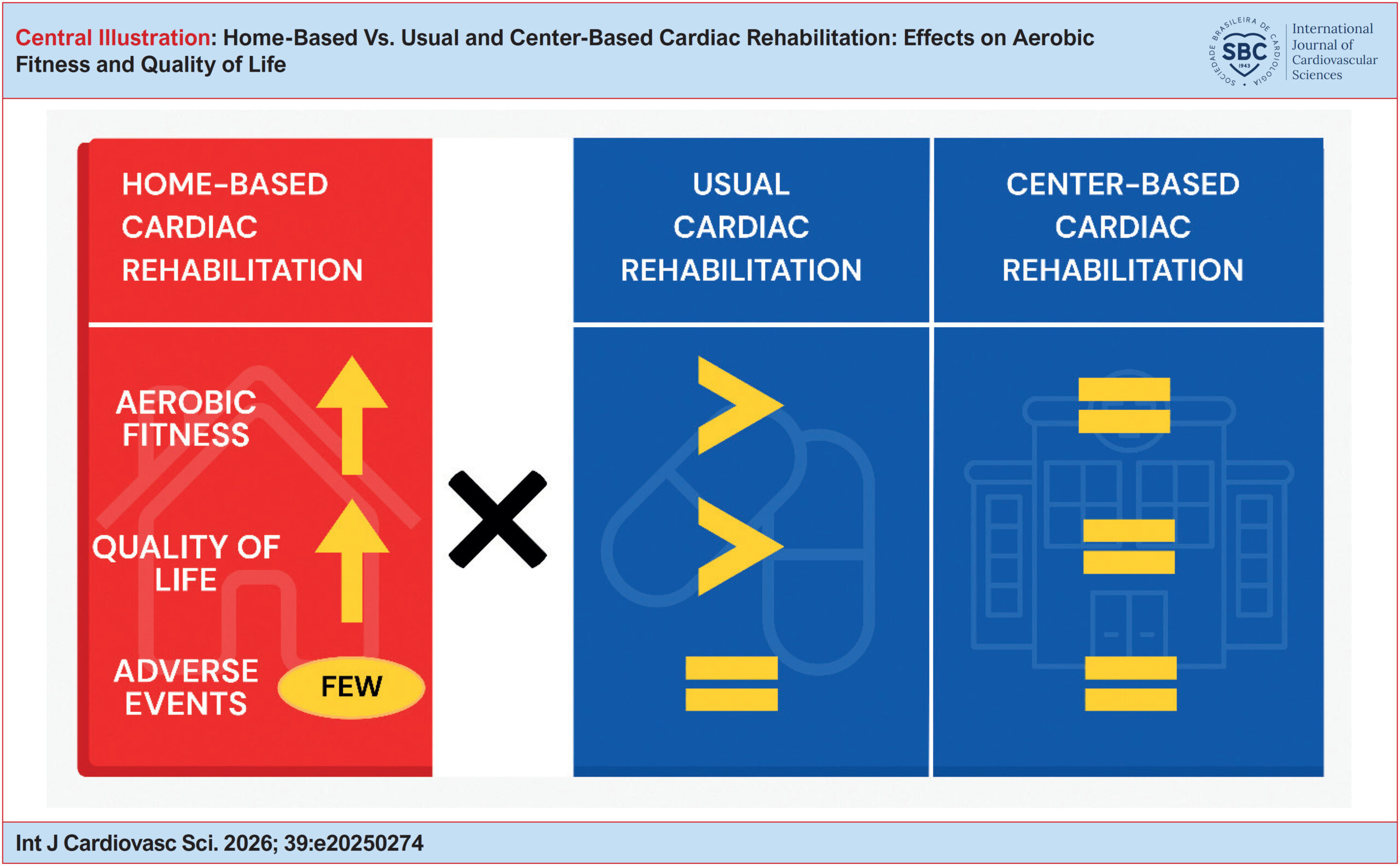
Home-based cardiac rehabilitation has been proposed as an alternative to expand access to treatment for patients with cardiovascular diseases. This systematic review evaluated the effects of home-based cardiac rehabilitation, with emphasis on physical exercise, on aerobic fitness, quality of life, and adverse events compared with usual cardiac rehabilitation and center-based cardiac rehabilitation. A literature search was conducted in the PubMed database, including only randomized controlled clinical trials involving adults and older adults with coronary artery disease or heart failure. Twenty-three studies conducted in different countries were identified; however, none was performed in Brazil. The total sample comprised 2,298 participants, of whom 24% were women. All studies implemented aerobic training, either alone or combined with resistance training, and the vast majority maintained remote contact with participants every one to two weeks. Comparisons between pre- and post-intervention outcomes showed that home-based cardiac rehabilitation improved aerobic fitness and/or quality of life in 22 studies, with greater improvements than those observed with usual cardiac rehabilitation and outcomes comparable to those achieved with center-based cardiac rehabilitation. Furthermore, the incidence of adverse events was low and similar across the three rehabilitation models. Overall, home-based cardiac rehabilitation improves aerobic fitness and quality of life more effectively than usual cardiac rehabilitation and provides benefits comparable to those of center-based cardiac rehabilitation without increasing the risk of adverse events, supporting its use in the treatment of cardiovascular diseases. Nevertheless, the absence of studies conducted in Brazil highlights the need for further research on this rehabilitation model in the Brazilian context.

  • Cardiac Rehabilitation
  • Exercise
  • Quality of life
Read Full Article
Creative Commons Attribution (CC BY) Creative Commons license
21/08/2026 DOI: 10.36660/ijcs.20250274 Views 2
Central Illustration
ABCHF
Review Article

Palliative Care in Patients with Advanced Heart Failure: An Integrative Review

Irving Gabriel Araújo Bispo et al. Clara Verrone da Silva Gabriela Tobias Gonçalves Pereira Victoria Paulino de Mello Lopez

Abstract

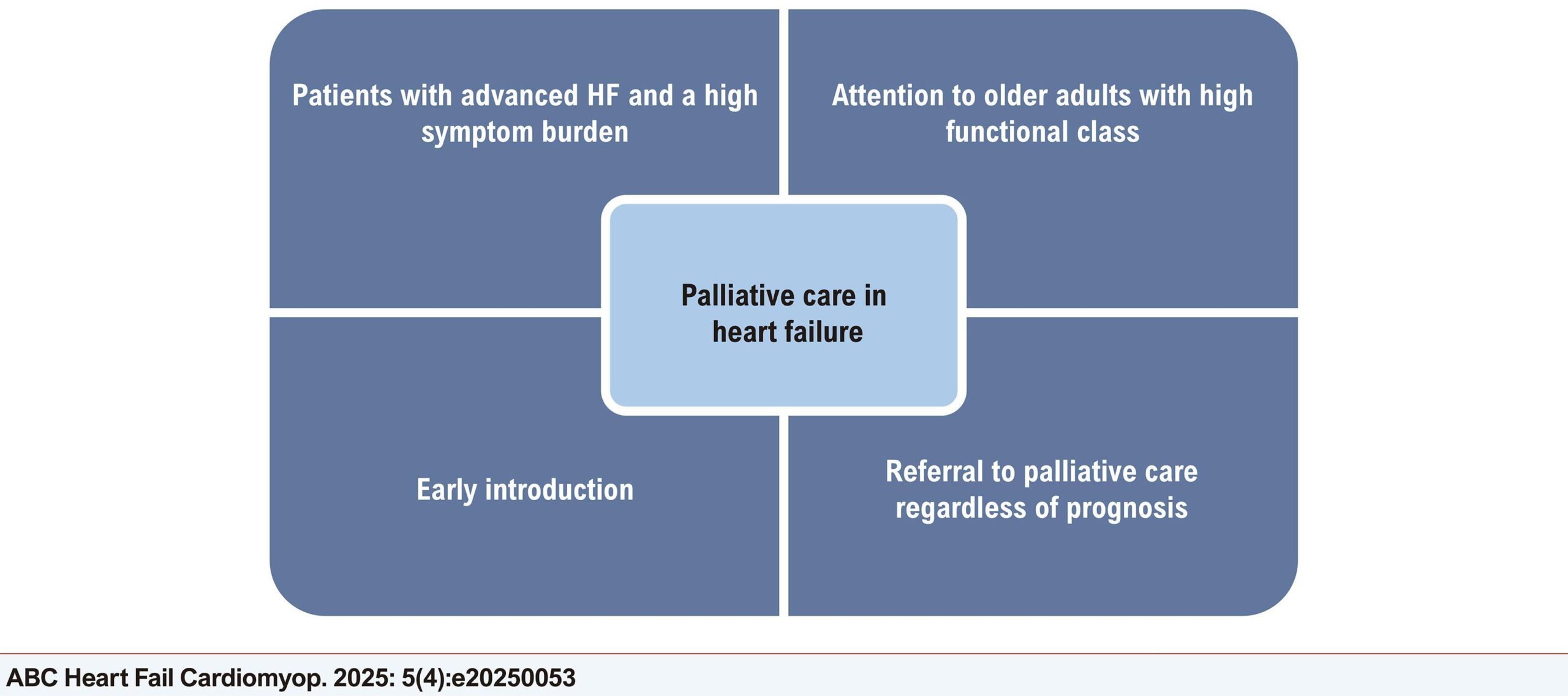
The term advanced heart failure (HF) defines a profile of patients with severe symptoms, recurrent decompensations, and cardiac dysfunction despite optimized therapy. The clinical course of advanced HF is difficult to predict, and identifying the appropriate moment for integrating palliative care (PC) remains a challenge. To conduct an integrative review on the incorporation of palliative care in patients with advanced HF, highlighting the main differences in quality-of-life outcomes based on the most recent clinical studies. The topic was defined and the guiding question formulated according to the PICO model. A systematic search was performed for studies in Portuguese, Spanish, and English in the PubMed, LILACS, and SciELO databases, published in the last five years. The descriptors used were “heart failure,” “palliative care,” and “elderly patient.” A total of 54 articles were identified; after applying the inclusion and exclusion criteria, 9 studies were selected. Patients with advanced HF present a high symptom burden (pain, dyspnea, fatigue, anxiety, and depression). Early introduction of PC, ideally at critical points in the disease trajectory, enables symptom relief, reduced hospitalizations, and improved communication between families and healthcare teams. Early integration of palliative care should be understood as an essential strategy in the management of advanced heart failure. We emphasize the substantial gap that persists in the early introduction of palliative care in advanced HF, which requires coordinated, multidisciplinary action. It is essential that healthcare teams and public policies recognize PC as a fundamental and humanized component of advanced HF treatment, ensuring maximum comfort, dignity, and well-being for patients.

  • Heart Failure
  • Palliative Care
  • Quality of life
Read Full Article
Creative Commons Attribution (CC BY) Creative Commons license
30/07/2026 DOI: 10.36660/abchf.20250053i Views 3
Major Depressive Disorder and Quality of Life in Patients With Coronary Artery Disease Assessed by Myocardial Perfusion Imaging
ABCIC
Original Article

Major Depressive Disorder and Quality of Life in Patients With Coronary Artery Disease Assessed by Myocardial Perfusion Imaging

Guilherme Gonçais Lopes Almeida et al. Gustavo B. Barbirato Valéria de Queiroz Pagnin Daniel Pagnin Cláudio Tinoco Mesquita

Abstract

Background:

Major depressive disorder (MDD) may negatively influence cardiovascular prognosis, increasing the morbidity and mortality of patients with coronary artery disease (CAD). Thus, the psychometric assessment of these individuals may contribute to understanding how mental health impacts the pathophysiology of myocardial ischemia.

Objective:

To evaluate the prevalence of MDD in patients with CAD undergoing stress and rest myocardial perfusion imaging (MPI) using the psychometric instrument Patient Health Questionnaire-9 (PHQ-9). As secondary objectives, to correlate quality of life (QoL) data obtained using the 12-Item Short Form Survey (SF-12) and Positive and Negative Affect Schedule (PANAS) instruments with the presence or absence of myocardial ischemia detected by MPI.

Methods:

The SF-12, PHQ-9, and PANAS questionnaires were administered to 120 consecutive patients referred for MPI for CAD evaluation. The prevalence of MDD was assessed, and the results were correlated with MPI findings and QoL scale scores.

Results:

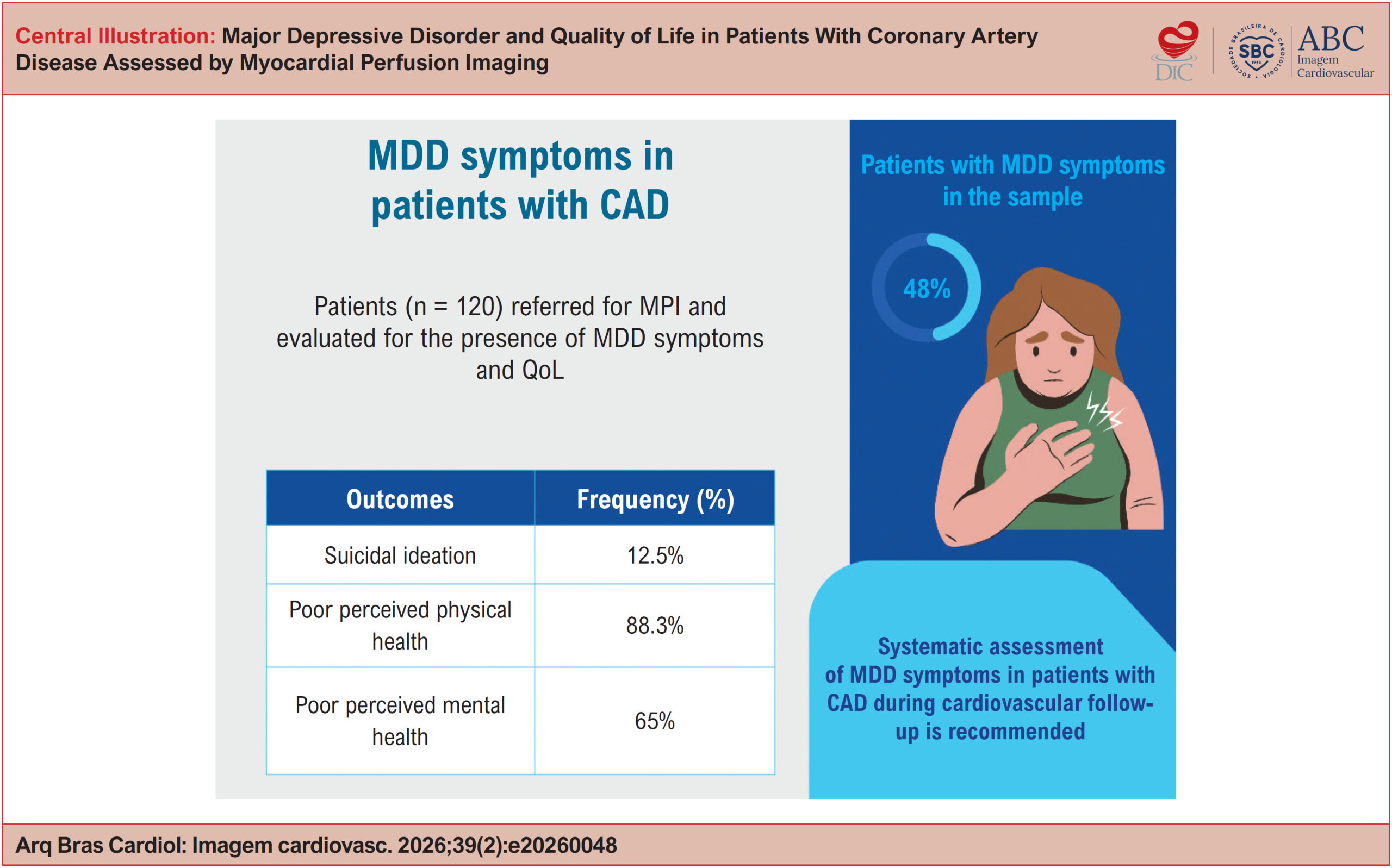
A high prevalence of MDD was identified (58 cases; 48.3%), with no association with risk factors, age, or MPI findings. A significant rate of suicidal ideation was observed among the evaluated patients (15 cases; 12.5%), in addition to reduced QoL in 88.3% of patients (n = 106), with scores below 50 on the physical SF-12, and in 65% (n = 78), with scores below 50 on the mental SF-12, indicating poor perceived mental health.

Conclusion:

These findings reinforce the need for a multidisciplinary approach in the management of patients with suspected CAD, including systematic mental health assessment, given the opportunities to improve outcomes during patient interactions with the health care system.

  • Major Depressive Disorder
  • Myocardial Ischemia
  • Quality of life
Read Full Article
Creative Commons Attribution (CC BY) Creative Commons license
24/07/2026 DOI: 10.36660/abcimg.20260048i Views 1
Central Illustration
ABCHF
Original Article

Guideline-Directed Medical Therapy, Clinical Outcomes, and Quality of Life in Heart Failure: Insights from a Multicenter International Consortium for Health Outcomes Measurement-Based Brazilian Cohort

Suzana Alves Silva et al. Keila Amaral Sabrina Bernardez-Pereira Marcelo Franken … Daisa Mesquita Escobosa Carolina Ivo Leandro Menezes Alves da Costa Fabio Gomes da Conceição Laine Lisboa Thays Naomy Rizzi Bárbara Reis Tamburim Luciana Alves Lopes Siomara Tavares Fernandes Yamaguti Luiz Antonio Nasi Juçara Maccari Arthur Pille Jonas Michel Wolf Andre Volschan Marcelo Westerlund Montera Silvia Moreira Ayub Ferreira Luiz Francisco Cardoso Roberta Saretta Teresa Cristina D. C. Nascimento Olívia Margarido Camila Oliveira Evelyn Tiburzio Ary Ribeiro

Abstract

Background

Real-world evidence integrating clinical outcomes and patient-reported measures in heart failure with reduced ejection fraction (HFrEF) remains scarce in middle-income countries. Standardized outcome measurement frameworks may enable more consistent evaluation of care quality and treatment effectiveness.

Objective

To assess the association of guideline-directed medical therapy (GDMT) with clinical outcomes and patient-reported quality of life (QoL) in patients with HFrEF within 1 year after index hospitalization, using the International Consortium for Health Outcomes Measurement standard set in a multicenter Brazilian cohort.

Methods

This prospective cohort study included adults hospitalized for decompensated HFrEF (ejection fraction ≤ 40%) across six private tertiary hospitals in Brazil. Clinical and patient-reported outcomes were collected using standardized instruments, including the Kansas City Cardiomyopathy Questionnaire-12 (KCCQ-12) and the Patient Health Questionnaire-2 (PHQ-2).

Results

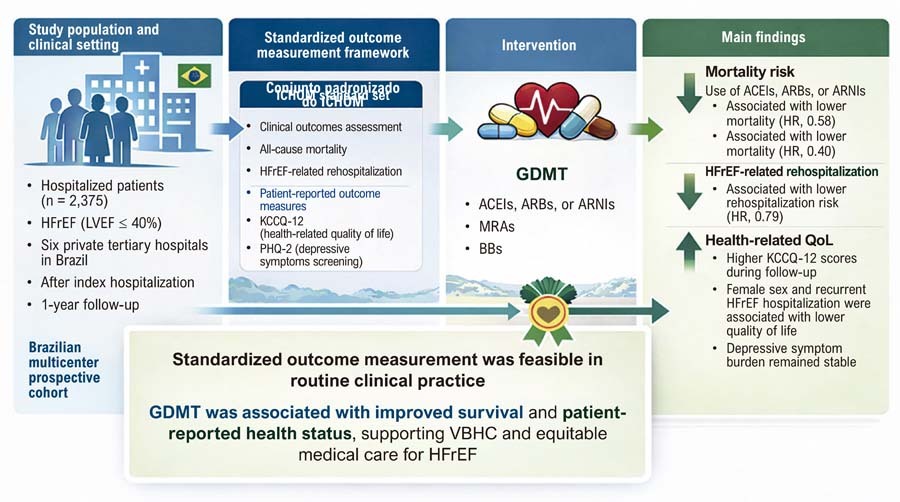
A total of 2,375 patients were included (mean age, 75.9 ± 13.6 years; 69% male). During a median follow-up of 369 days, 26.1% died and 34.6% experienced heart failure-related rehospitalization. Older age was associated with higher risks of mortality and rehospitalization (p ≤ 0.003). Use of angiotensin-converting enzyme inhibitors, angiotensin receptor blockers, or angiotensin receptor-neprilysin inhibitors was associated with lower mortality (hazard ratio [HR], 0.58; p = 0.001), whereas beta-blockers showed a strong protective effect (HR, 0.40; p < 0.001). Mineralocorticoid receptor antagonists were associated with lower rehospitalization rates (HR, 0.79; p = 0.032). GDMT was associated with higher KCCQ-12 scores throughout follow-up (p < 0.05). Women and patients with recurrent rehospitalizations reported lower QoL (p < 0.02). PHQ-2 scores remained low and stable over time.

Conclusion

Standardized outcome measurement is feasible in real-world HFrEF care. GDMT was associated with improved survival and QoL, supporting more equitable and value-based management of HFrEF.

  • Patient Reported Outcome Measures
  • Quality of life
  • Systolic Heart Failure
Read Full Article
Creative Commons Attribution (CC BY) Creative Commons license
22/07/2026 DOI: 10.36660/abchf.20260001i Views 1
Figure 1
ABC
Brief Communication

Physical Activity Levels and Quality of Life in Outpatients with Cardiac Arrhythmias and Preserved Left Ventricular Function: Understanding Their Profile

Savia Christina Pereira Bueno et al. Patrícia Alves Oliveira Márya Pagotti Luciana Sacilotto … Gabrielle D’Arezzo Pessente Pedro Gabriel Senger Braga Aline L. Souza Alexandra Regia Dantas Brigido Carlos E. Negrão Francisco C. C. Darrieux Mauricio Scanavacca

Abstract

Cardiac arrhythmias are heterogeneous conditions that may limit physical activity (PA) and impair quality of life (QoL).

To describe levels of PA and perceived barriers as well as to assess their associations with arrhythmia phenotype and QoL in tertiary care outpatients with preserved left ventricular (LV) function.

This pilot cross-sectional study enrolled adults with documented arrhythmias and LV ejection fraction (LVEF) ≥ 50%. PA was assessed using the International Physical Activity Questionnaire (IPAQ) short form, and QoL using the 12- Item Short Form Survey (SF-12). Arrhythmias were classified as supraventricular tachycardia (SVT), atrial fibrillation (AF) and/or atrial tachycardia (AT) (including atrial flutter when applicable), ventricular, inherited, or multiple. Associations were analyzed using chi-square tests, multinomial regression, and linear regression models.

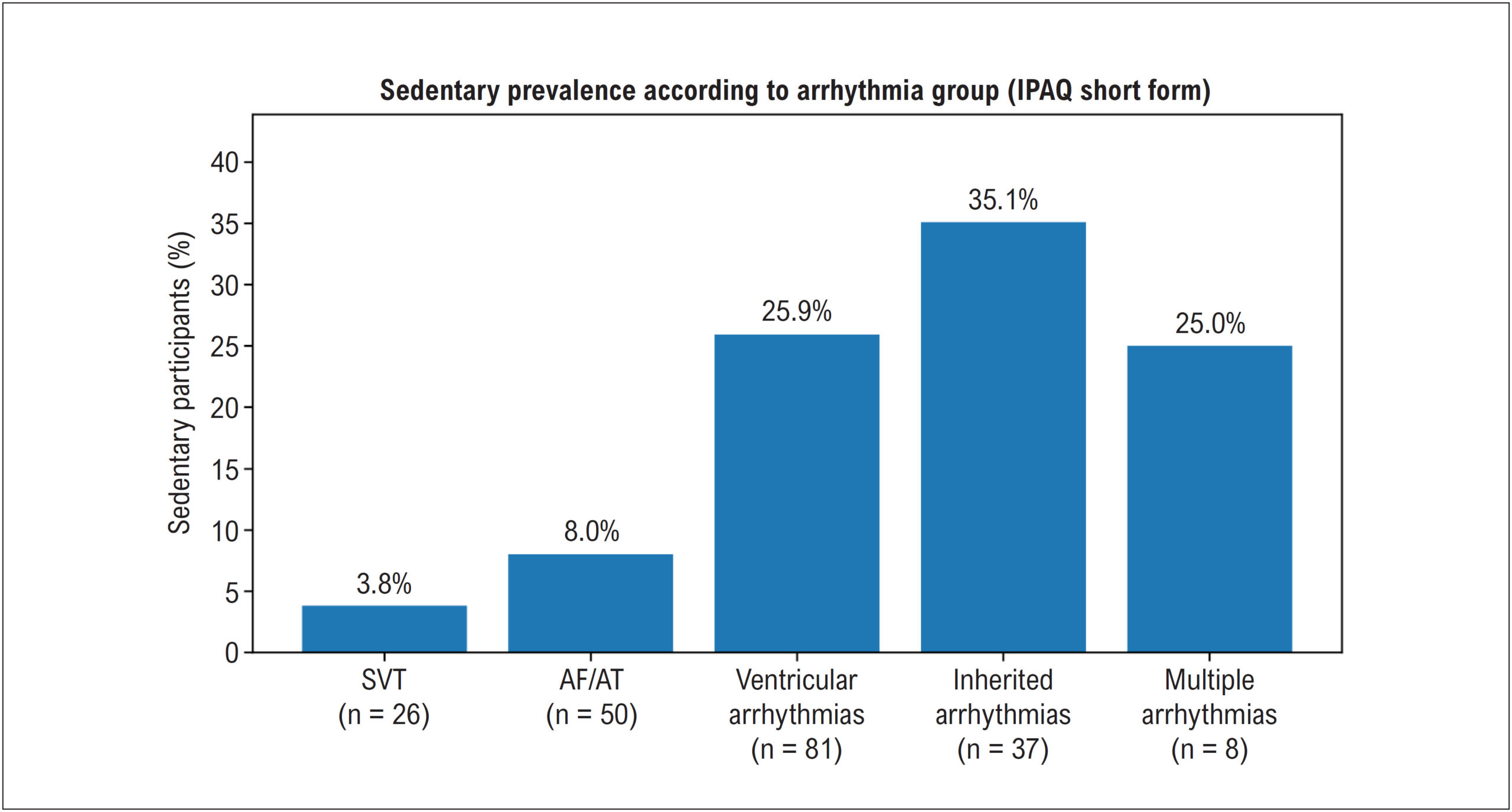
Among 202 participants (mean age 50.5 ± 15.3 years; 58.9% men), 20.3% were sedentary and 45.6% were active or very active. The prevalence of sedentary behavior was higher among patients with ventricular arrhythmias (25.9%), inherited arrhythmias (35.1%), and multiple arrhythmias (25.0%) compared with those with SVT (3.8%) and AF/AT (8.0%) (p = 0.043). In adjusted models, active or very active PA showed a trend toward higher SF-12 physical component scores (p = 0.08), whereas mental component scores were primarily influenced by symptom status and sex.

In this tertiary outpatient cohort with arrhythmias and preserved LVEF, physical inactivity clustered among higher-risk phenotypes and was frequently associated with potentially modifiable barriers, including medical advice and lack of time. Higher levels of PA tended to be associated with better physical health status, supporting individualized, risk-based counseling and supervised strategies to safely promote PA in patients with arrhythmias.

  • Cardiac Arrhythmias
  • Exercise
  • Quality of life
Read Full Article
Creative Commons Attribution (CC BY) Creative Commons license
20/07/2026 DOI: 10.36660/abc.20250831i Views 1
Examining the Role of Exercise Training in Enhancing Life for Adult Congenital Heart Disease: Systematic Review
ABC
Original Article

Examining the Role of Exercise Training in Enhancing Life for Adult Congenital Heart Disease: Systematic Review

Tugba Siyah et al. Naciye Vardar Yagli Ilker Ertugrul Hayrettin Hakan Aykan Melda Saglam

Abstract

Background

Current guidelines advise exercise for most congenital heart disease patients (CHD). However, physical activity remains low in CHD individuals, with limited research on exercise’s effects in adults.

Objectives

The aim of this study is to evaluate the safety and efficacy of exercise training on exercise capacity and quality of life in adult congenital heart disease (ACHD) patients.

Methods

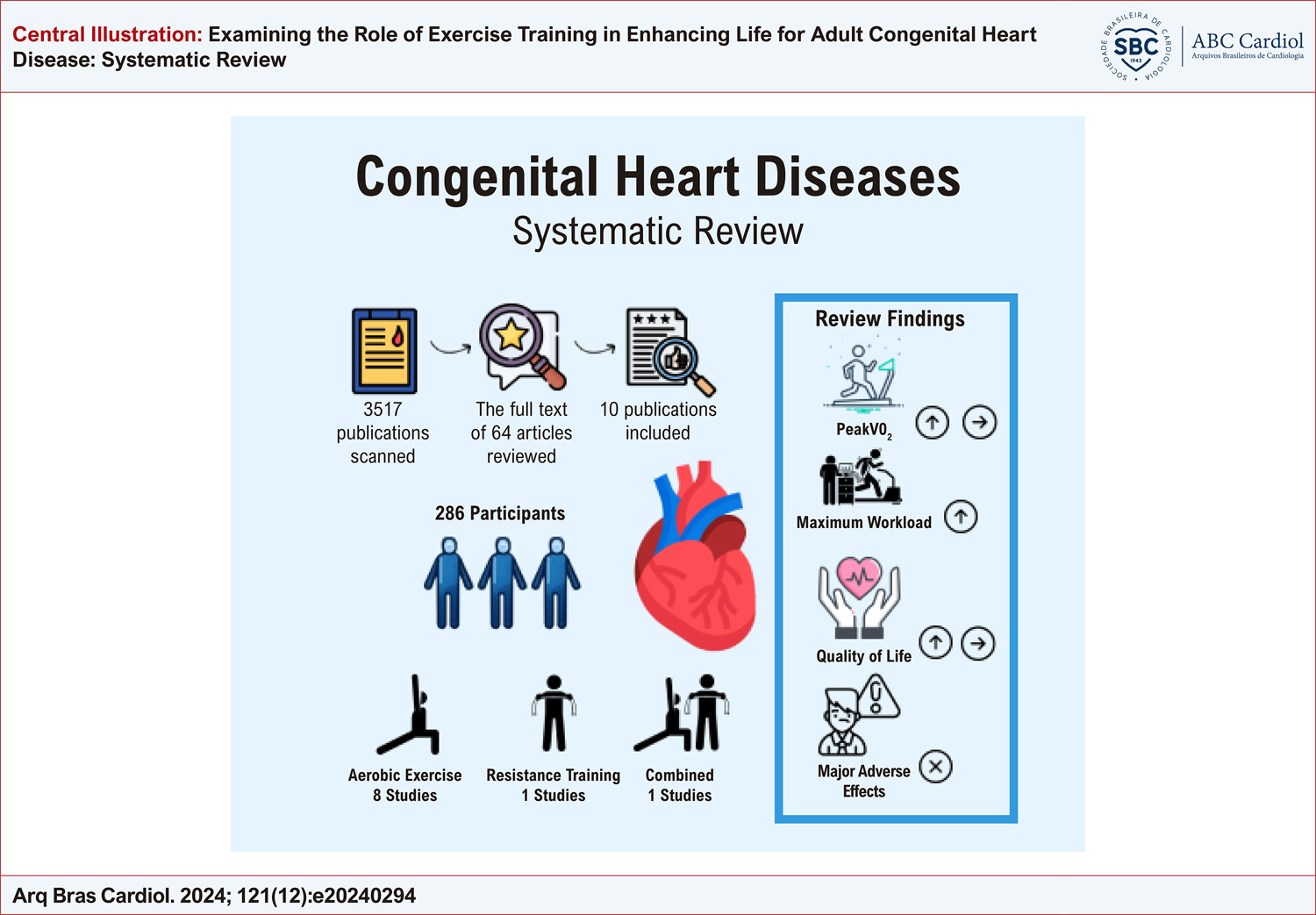
We searched PubMed/Medline, Cochrane Library, Web of Science, and Scopus through December 2022 for randomized controlled trials assessing aerobic and resistance training effects on exercise capacity and quality of life in ACHD. Out of 3,517 citations, ten eligible articles were included.

Results

Meta-analysis of the included randomized controlled trials (286 participants) found no significant change in peak oxygen consumption or quality of life in ACHD with exercise training (pooled mean difference = 0.33 ml/kg/min [95% CI, -0.88 to 1.54 ml/kg/min]; p = 0.60; I2= 3%). However, the increase in maximum workload was significant (pooled mean difference = 8.86 watts [95% CI, 0.78 to 16.93], p = 0.03, I2 = 0%).

Conclusions

Our review confirms that exercise training increases the maximum workload in ACHD patients. However, the lack of a standardized protocol among exercise interventions in this population may have contributed to the absence of a significant change in peak VO2 and quality of life observed in the conducted studies. The heterogeneity of exercise programs could be a contributing factor to the inconsistency of the results. In this context, the implementation of standardized exercise protocols in future research, particularly with larger sample sizes, is crucial to enhance the comparability of outcomes. Well-designed randomized controlled trials studying structured exercise training in ACHD patients will provide clearer insights.

  • Congenital Heart Defects
  • Endurance Training
  • Exercise
  • Quality of life
Read Full Article
Creative Commons Attribution (CC BY) Creative Commons license
13/12/2024 DOI: 10.36660/abc.20240294i Views 1
Figure 1
IJCS
Original Article

Quality of Life Assessment of Patients Infected With COVID-19 and Prior Coronary Artery Bypass Graft Surgery in Brazil: Four Years Follow-up

Adnaldo da Silveira Maia et al. Matheus Maia Adnaldo Lucas da Silveira Maia Magaly Arrais dos Santos

Abstract

Background

The COVID-19 pandemic has been a worldwide challenge. In patients with coronary artery disease (CAD), previously submitted to coronary artery bypass graft surgery (CABG), such impact should be analyzed.

Objectives

Evaluate the impact on quality of life of COVID-19 infection in patients with prior CABG.

Methods

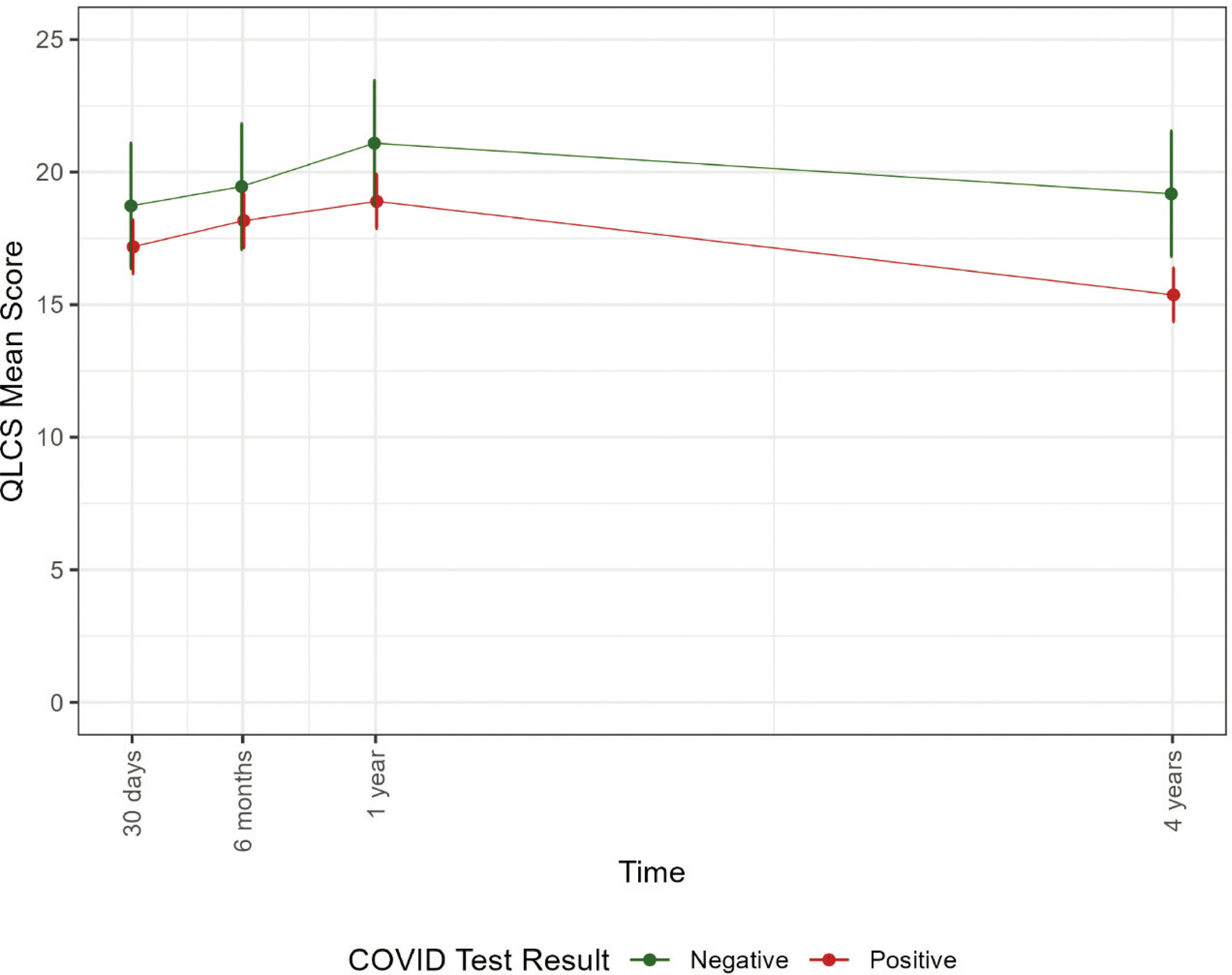
Patients undergoing isolated CABG between July 2016 and July 2017 were enrolled. This is an observational, cross-sectional, prospective study. Patients were divided into two groups: Group (COVID-19) and Group (No-COVID), for analysis of variables. The World Health Organization’s (WHO) definitions of confirmed cases were used to define the diagnosis of COVID-19 infection. Quality of life was assessed using the Quality of Life in Cardiovascular Surgery (QLCS) questionnaire, applied 30 days, 6 months, 1 year, and 4 years after surgery. The primary endpoint was improvement in quality of life at 4 years after CABG. The local ethics committee approved the study. Continuous variables were described by their means and standard deviations (SD). Categorical variables were described using absolute or relative frequencies. The items that make up the quality of life questionnaire were added together to calculate the score. A linear mixed model was used to assess the effect of time on the score. The significance level adopted was 5%. The analyses were carried out using R software, version 4.2.1.

Results

The total sample consisted of 434 patients who underwent isolated CABG; the mean age was 63 years, with a prevalence of males (71%). Among the patients followed up at the 4-year follow-up (115), 60 (52%) were positive according to the WHO’s definitions. After multiple comparisons, there was a statistical difference in quality of life in all periods (P<0.001). Between patients with and without COVID-19, a statistical difference was observed at 1 and 4 years (p = 0.0039).

Conclusion

Patients who underwent CABG and had a history of COVID-19 infection experienced worsening quality of life within 4 years. There was no difference between groups regarding new acute myocardial infarction (AMI), stroke, or hospitalization.

  • COVID-19
  • Myocardial Revascularization
  • Quality of life
Read Full Article
Creative Commons Attribution (CC BY) Creative Commons license
26/08/2024 DOI: 10.36660/ijcs.20230171 Views 1
Randomized Study Comparing Radiofrequency Ablation with the PVAC Gold System vs. Antiarrhythmic Drugs in Elderly Patients with Symptomatic Atrial Fibrillation
ABC
Original Article

Randomized Study Comparing Radiofrequency Ablation with the PVAC Gold System vs. Antiarrhythmic Drugs in Elderly Patients with Symptomatic Atrial Fibrillation

Luiz Claudio Berhmann Martins et al. Cristiano F. Pisani Fabio K. Dorfman Francisco C. C. Darrieux … Tan C. Wu Alberto P. Ferraz Denise T. Hachul Claudio Campi de Castro Rogério Ruscitto do Prado Luciana V. F. Souza Luciana Sacilloto Gabrielle D. A. Pessente Cesar J. Grupi Muhieddine Omar Chokr Cesar H. Nomura Kátia Rodrigues de Oliveira Conrado P. Balbo Sissy L. Melo Pedro Veronese Mauricio I. Scanavacca

Abstract

Background

There are no randomized studies comparing the maintenance of sinus rhythm after catheter ablation (CA) concerning treatment with antiarrhythmic drugs (AA) in elderly patients with paroxysmal atrial fibrillation (AF).

Objectives

To compare the clinical results of pulmonary vein (PV) isolation with the second-generation PVAC Gold catheter against AA treatment in elderly people with recurrent symptomatic paroxysmal AF, refractory to at least one AA, and without structural heart disease.

Methods

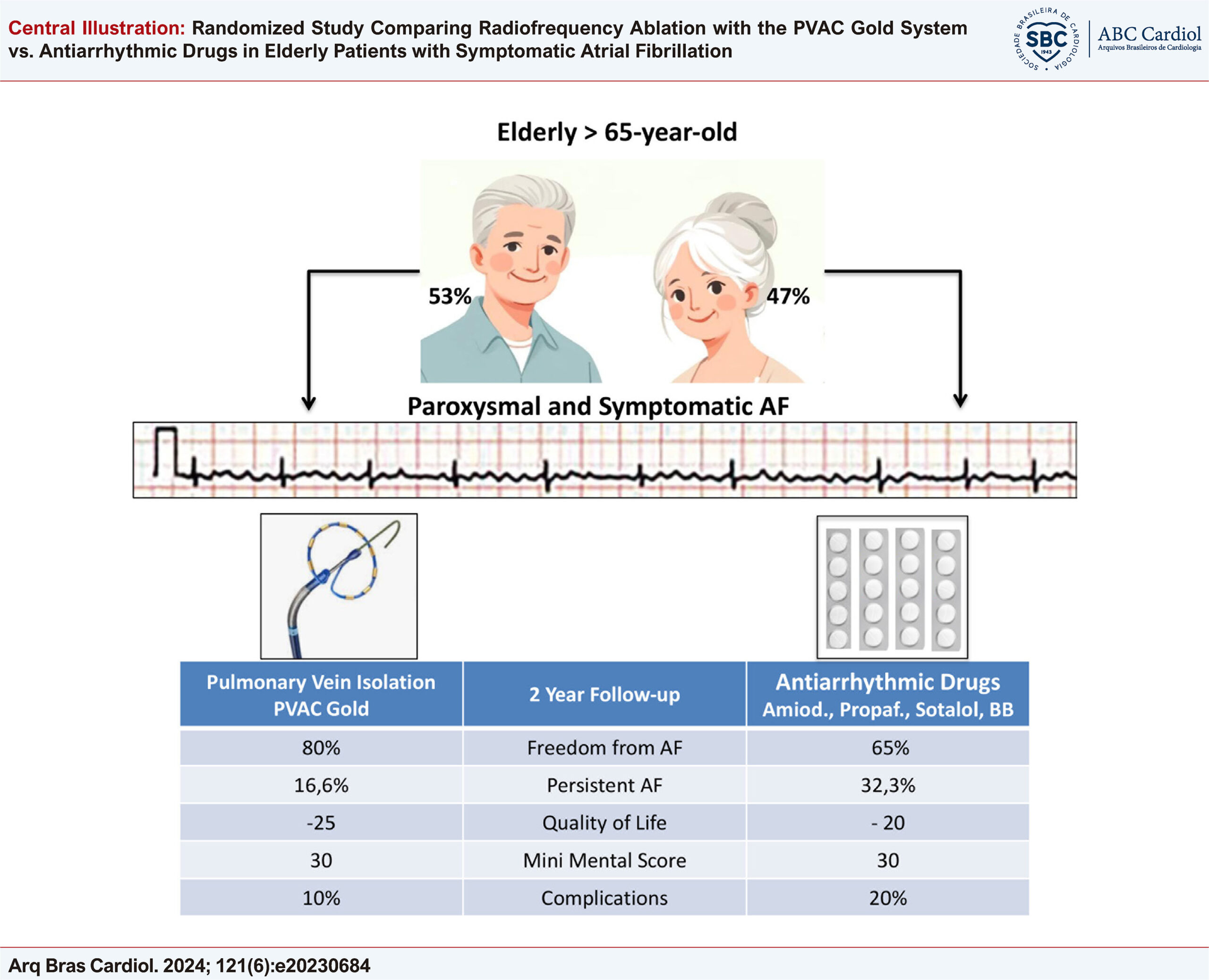
Sixty patients with paroxysmal AF ≥ 65 years old were randomized to two forms of treatment: group 1: CA and group 2: AA drugs. The primary outcome was the AF recurrence-free rate after at least one year of follow-up. Secondary outcomes were: progression to persistent forms of AF, impact on quality of life (QOLF), and complications. The significance level adopted in the statistical analysis was 5% (p<0.05).

Results

The AF recurrence-free rate was 80% (10% with amiodarone) in the CA group, after 1.3 procedures per patient and 65% in the AA group (60% with amiodarone), (p = 0.119) in an average follow-up of 719 days (Q1: 566; Q3: 730). The persistent AF free rate was 83.4% in the AC group and 67.7% in the AA group (p = 0.073) Both strategies showed an improvement in the AFQoL score during follow-up (p < 0.001), with no difference between the groups. Although without clinical repercussions or impact on the intellectual assessment test, 25% of patients in the CA group showed signs of cerebral embolization on brain MRI.

Conclusions

Both strategies for maintaining sinus rhythm promoted an improvement in the quality of life of elderly patients with symptomatic AF, with no statistical difference in the clinical outcomes. Additional studies using technologies with a better safety profile are needed to evaluate the benefits of CA in elderly patients with AF.

  • Anti-Arrhythmia Agents
  • Atrial Fibrillation
  • Catheter Ablation
  • Quality of life
  • Stroke
Read Full Article
Creative Commons Attribution (CC BY) Creative Commons license
02/08/2024 DOI: 10.36660/abc.20230684i Views 3
Figure 1
IJCS
Editorial

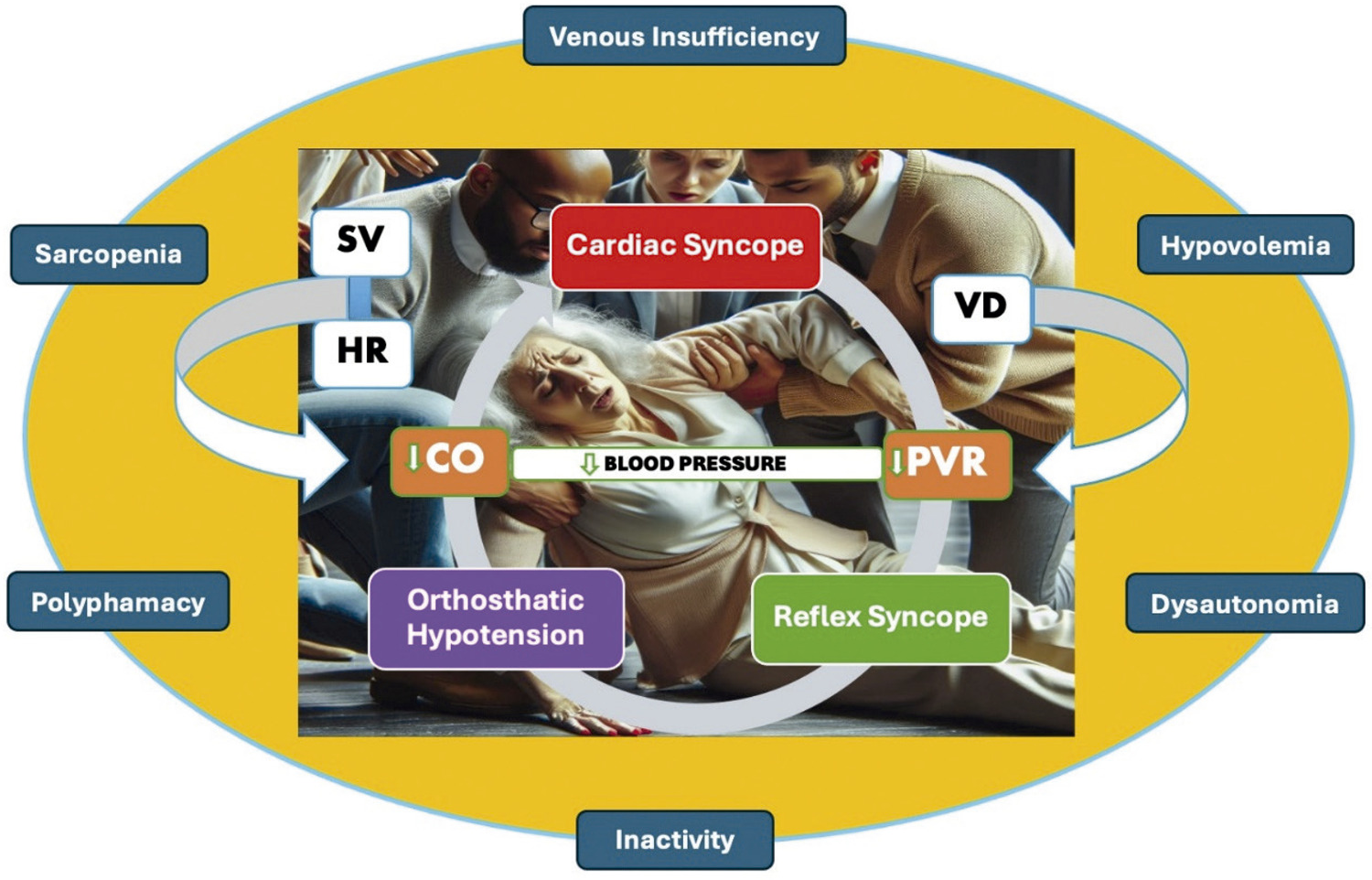
Assessment of Quality of Life after Diagnosis of Reflex Syncope: A Subjective Outcome of Great Clinical Importance with Multifactorial Cause

Nágela Nunes et al. Alfredo de Souza Bomfim

Syncope, a clinical syndrome characterized by transient loss of consciousness (TLOC), is defined by specific elements, namely: sudden onset and rapid recovery, loss of postural tone, full recovery of consciousness, amnesia of the event, nonresponsiveness, and a typical event duration of up to 5 minutes (usually lasting seconds). The pathophysiology of syncope involves global cerebral hypoperfusion, primarily due to a drop in blood pressure (BP), with various factors contributing individually or in combination to syncope (). Even brief periods of cessation of cerebral blood flow (6–8 s) or a systolic BP of 50–60 mmHg at the level of the heart (equivalent to 30–45 mmHg at the level of the brain in the upright position) can lead to TLOC. Pathophysiological mechanisms may include a decrease in peripheral vascular resistance, cardiac output, or a decrease in both. The etiology of syncope is didactically classified into three types: 1) orthostatic hypotension (OH); 2) reflex syncope (also termed vasovagal or neurally mediated syncope); and 3) cardiac syncope.

[…]

  • Artificial Pacemaker
  • Quality of life
  • Vasovagal Syncope
Read Full Article
Creative Commons Attribution (CC BY) Creative Commons license
05/07/2024 DOI: 10.36660/ijcs.20240076 Views 1
ABC
Editorial

Impact of the Implantable Cardioverter Defibrillator on the Lives of its Patients

Silas dos Santos Galvão Filho

The first ICD implant in humans occurred in 1980, followed by the incorporation of this device into the therapeutic arsenal of cardiology in the early 1990s, it was one of the greatest advances in the treatment of cardiac arrhythmias. Being the therapy of choice with evidence of efficacy for a large number of patients at risk of sudden cardiac death from non-reversible causes, ICDs have some peculiarities that can impact the daily lives of their carriers. Initially, ICDs were huge devices, only capable of being implanted at the abdominal level, with their electrodes and reeds for delivering the shock implanted directly into the heart through thoracotomy. At that time, the impact of these devices on the lives of their users was great, from aesthetics to the large number of inappropriate shocks, caused by still precarious algorithms for discriminating the arrhythmia to be treated: ventricular tachycardia (VT) or ventricular fibrillation (VF), in addition to the first programs that were still inadequate. In our initial experience with ICDs in the late 1980s and early 1990s, we had many acceptance problems, with some patients even requesting to remove the device after experiencing repeated shocks. With the spectacular evolution they have undergone, ICDs have incorporated all technological advances, improving their diagnostic performance in the release of therapies and now having dimensions slightly larger than pacemakers, allowing device implants at the thoracic level, with fully transvenous electrodes through minimally invasive surgery, eliminating thoracotomy. Despite these advances, a considerable number of patients continue to report an impact on their quality of life. This is mainly due to one aspect: the ICD is the only implantable electronic cardiac device whose normal therapeutic functioning is perceived by the patient, with sensations described by the vast majority as very unpleasant, especially shock therapy, the worst situation being when repeated shocks occur. The improvement of diagnostic algorithms for tachyarrhythmias, and greater knowledge of device programming, have considerably reduced inappropriate shocks, however, appropriate shocks, even repetitive shocks known as electrical storms, continue to occur,, as they correspond to the normal functioning of the device in reversing cardiac arrest due to VF, or potentially malignant arrhythmia such as VT. Fortunately, today these serious episodes are much less frequent and can be treated through medication and/or interventional procedures such as catheter ablation.

The article “Predictors of Quality of Life, Anxiety and Acceptance in Patients with Implantable Cardioverter-Defibrillator” evaluated these aspects in a reasonable number of patients undergoing the first implantation or replacement of an ICD generator, showing that around a quarter of the patients presented some kind of negative impact. It also showed that being 60 years old or older, the absence of atrial fibrillation (AF), and being female were predictors of better results. This information is important and deserves some consideration: 1- Having improved considerably over the years, ICD still negatively impacts the lives of a relatively important number of its sufferers. This encourages the technological improvement of devices, optimizing therapies, in addition to better approach and psychological preparation of the patient pre-operatively. 2- The worse results of younger patients can be explained by the feeling of great limitation of activities imposed on those with ICDs, however, these limitations are due more to the underlying heart disease than to the device itself. In some cases, without major changes in cardiological function, even impactful professional sporting activities can be allowed,, as in the case of two football players who played in the last World Cup with ICD. 3- In the case of people with AF, this arrhythmia, which is often symptomatic, is not infrequently related to heart disease with worse cardiological function, which increases limitations. Furthermore, AF may be responsible for inappropriate shocks, which can be avoided with adequate programming. 4- Regarding the fact that women present better results despite the aesthetic problems that these devices can cause, this is probably due to greater tolerance to therapies and a better understanding of the possible limitations of their activities, as they have an ICD.

[…]

  • Arrhythmias Cardiac
  • Death, Sudden, Cardiac
  • Defibrillators, Implantable / trends
  • Quality of life
  • sickness impact profile
Read Full Article
Creative Commons Attribution (CC BY) Creative Commons license
05/07/2024 DOI: 10.36660/abc.20240196i Views 2
VExUS Score at Discharge as a Predictor of Readmission in Patients with Acute Decompensated Heart Failure: A Cohort Study
ABC
Original Article

VExUS Score at Discharge as a Predictor of Readmission in Patients with Acute Decompensated Heart Failure: A Cohort Study

Paulo Maciel Rinaldi et al. Marcos Frata Rihl Márcio Manozzo Boniatti

Abstract

Background

Residual venous congestion is a major contributor to readmission of patients with heart failure, and the venous excess ultrasound (VExUS) score is a potentially useful tool to evaluate systemic congestion.

Objectives

To investigate the association between VExUS score before hospital discharge among patients with heart failure and the risk of readmission due to acute decompensated heart failure (ADHF) within 90 days after discharge.

Methods

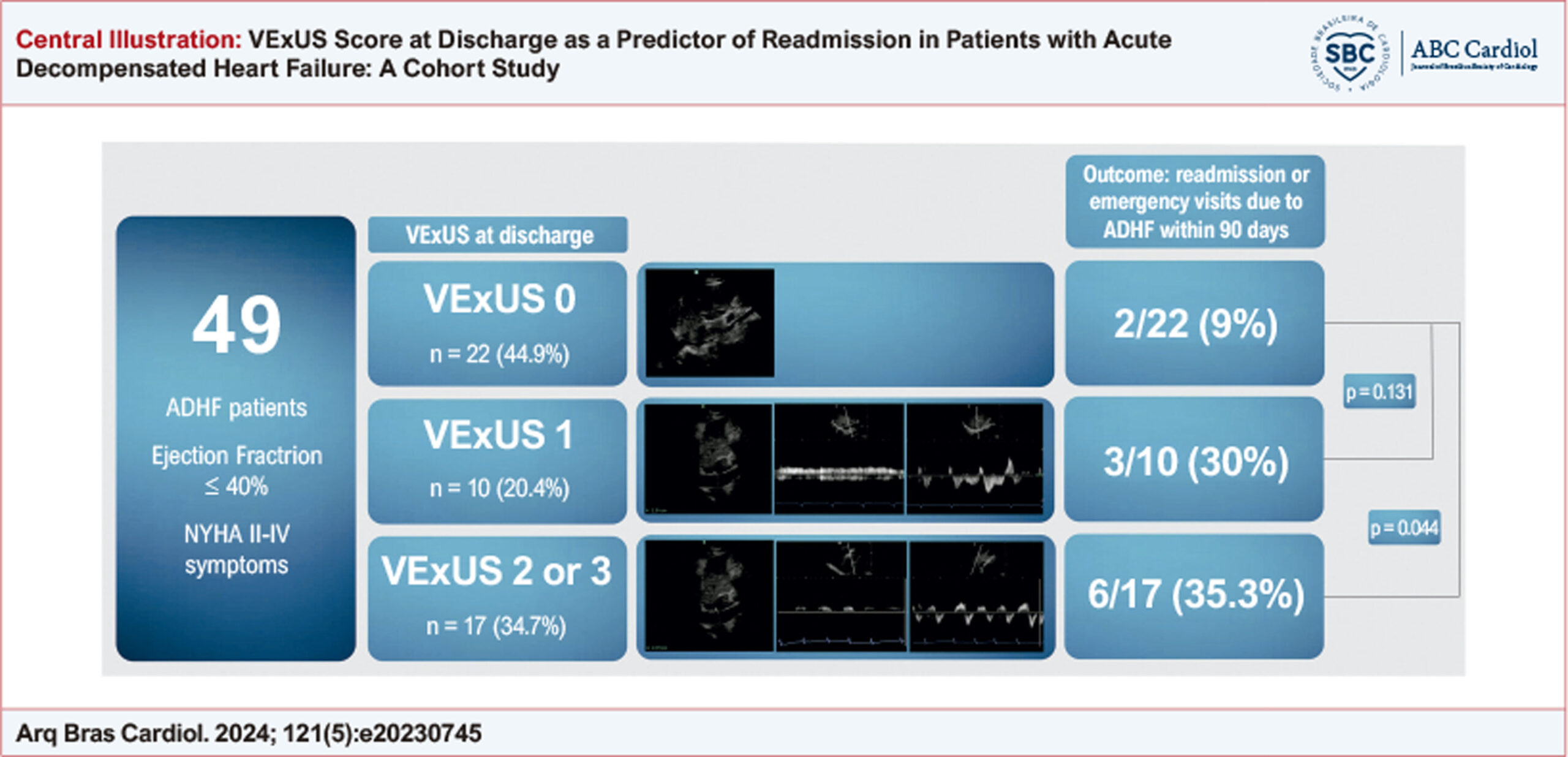
This prospective cohort study enrolled adults with signs and symptoms of ADHF, left ventricular ejection fraction of 40% or below (heart failure with reduced ejection fraction), New York Heart Association functional class II to IV symptoms, and clinical evidence of venous congestion necessitating intravenous diuretics. Just prior to discharge, we conducted VExUS score evaluation. The primary outcome was a composite endpoint of readmission or emergency visits due to ADHF within 90 days following hospital discharge. Statistical significance was set at p < 0.05.

Results

The cohort comprised 49 individuals, 11 (22.4%) of whom experienced the primary outcome. At discharge, 34.7% of participants had VExUS score 2 or 3. Patients with VExUS 2 and 3 had a higher proportion of the primary outcome when compared with patients with VExUS of 0 (35.3% versus 9%, p = 0.044).

Conclusions

A significant proportion of patients with heart failure with reduced ejection fraction admitted for ADHF presented clinical and ultrasound signs of residual congestion at discharge. Patients with VExUS score of 2 or 3 at the time of hospital discharge were found to be at higher risk of readmissions or emergency visits due to ADHF after 90 days.

  • Heart Failure
  • Patient Readmission
  • Quality of life
Read Full Article
Creative Commons Attribution (CC BY) Creative Commons license
17/06/2024 DOI: 10.36660/abc.20230745i
Predictors of Quality of Life, Anxiety and Acceptance in Patients with Implantable Cardioverter-Defibrillator
ABC
Original Article

Predictors of Quality of Life, Anxiety and Acceptance in Patients with Implantable Cardioverter-Defibrillator

Laisa Arruda Silva et al. Katia Regina Silva Sarah Caroline Martins Saucedo Roberto Costa

Abstract

Background

An implantable cardioverter-defibrillator (ICD) can cause high levels of anxiety and depression, resulting in negative effects on quality of life.

Objectives

To evaluate the quality of life, anxiety, and acceptance of the ICD using standardized measurement instruments and identify predictors of better responses for each of the outcomes studied.

Method

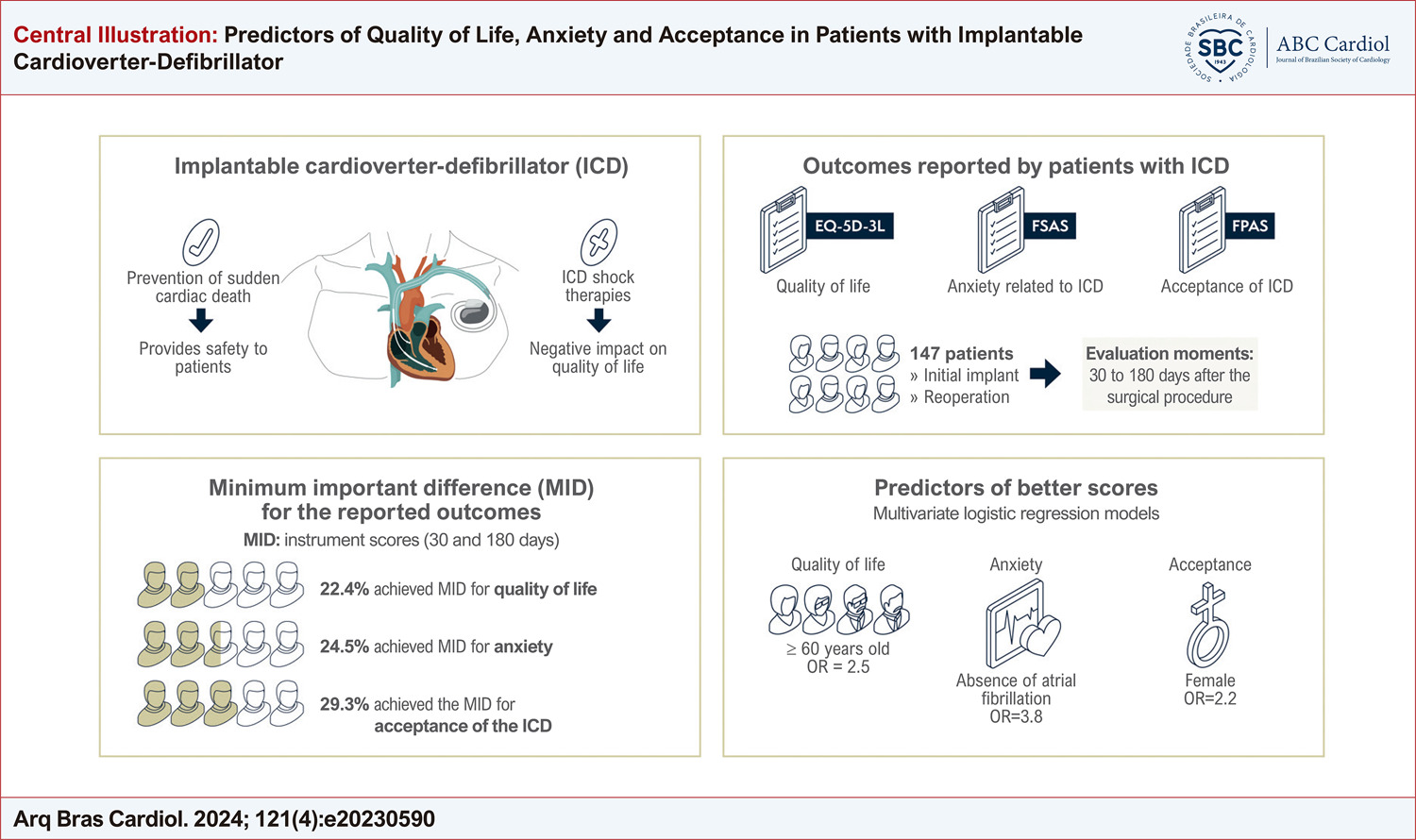
This is a prospective cohort study with patients undergoing initial ICD implantation or reoperation to maintain the device. The study outcomes included quality of life, anxiety, and acceptance of the ICD. The change in scores (30 and 180 days) was assessed using the minimal important difference (MID). Univariate analysis and the multivariate logistic regression model were used to identify predictors of better responses, adopting a significance level of 5%.

Results

A total of 147 patients were included between January/2020 to June/2021, with a mean age of 55.3 ± 13.4 years and a predominance of males (72.1%). The MID for quality of life, anxiety, and ICD acceptance were observed in 33 (22.4%), 36 (24.5%) and 43 (29.3%) patients, respectively. Age equal to or greater than 60 years (OR=2.5; 95%CI=1.14-5.53; p=0.022), absence of atrial fibrillation (OR=3.8; 95%CI=1.26-11.63; p=0.017) and female gender (OR=2.2; 95%CI=1.02-4.97; p=0.045) were independent predictors of better responses to quality of life, anxiety and acceptance of the ICD, respectively.

Conclusion

The identification of predictors for better quality of life scores, anxiety, and acceptance of the device can support the implementation of specific care for patients with a greater chance of presenting unfavorable results.

  • Anxiety
  • Implantable Defibrillators
  • Quality of life
Read Full Article
Creative Commons Attribution (CC BY) Creative Commons license
26/04/2024 DOI: 10.36660/abc.20230590i Views 1
Figure 1
IJCS
Original Article

Quality of Life After Diagnosis of Neurally Mediated Reflex Syncope by Tilt Test

Claudia Madeira Miranda et al. Rose Mary Ferreira Lisboa da Silva Edson Del Amore Filho Izabela Maria Azeredo Nascimento Pedro Santos Carvalho

Abstract

Background:

Vasovagal syncope (VVS) results in impaired quality of life (QoL). The response during the head-up tilt test (HUTT) influences QoL and recurrence.

Objectives:

To analyze the influence of the type of HUTT response on QoL in patients with VVS and recurrence of events after the exam.

Methods:

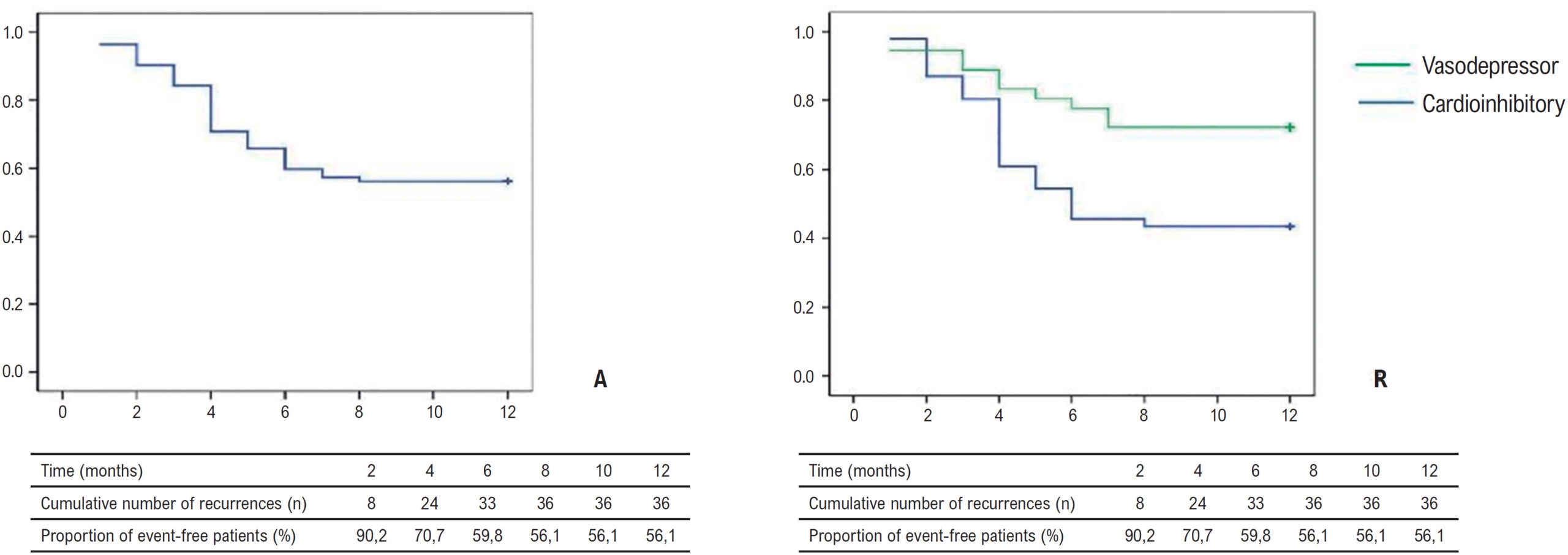
The SF-36 and Impact of Syncope on Quality of Life (ISQL) questionnaires were applied over 12 months after the HUTT. Unpaired Student’s t test was used for differences between 2 groups of quantitative data with normal distribution. The recurrence of syncope episodes was analyzed using a Kaplan-Meier curve, and the log-rank test was applied to compare the curves regarding responses to the HUTT. Statistical significance was set at p value < 0.05.

Results:

We analyzed 82 patients (43.7 years old), 69% with previous recurrence (2.8 prior episodes). Cardioinhibitory response occurred in 46 patients; vasodepressor response occurred in 36, and 85.4% of patients received non-pharmacological treatment after the HUTT. During clinical follow-up, 43.9% had recurrence, mainly young patients (35.7 years; p = 0.002). On the SF-36, the best score was in functional capacity in men (p = 0.04) and patients without prior trauma (p = 0.001). There were lower limitations due to pain in patients without prior trauma (p = 0.003) and patients without prodromes (p = 0.009). On the ISQL, there were better mean scores in men (p = 0.002) and in patients without prior trauma (p = 0.02). Patients with cardioinhibitory response had better SF-36 and ISQL scores (p < 0.001). There was greater VVS recurrence in the cardioinhibitory response group (log-rank p = 0.011; hazard ratio: 8.48; 95% confidence interval: 7.59 to 9.3) from the second to the fourth month, with stabilization in the eighth month after the HUTT, when compared to patients with vasodepressor response.

Conclusion:

The majority of patients with VVS reproduced during the HUTT under non-pharmacological treatment did not report worsening of QoL during clinical follow-up. Worse QoL was observed in non-young patients and in patients with vasodepressor response, and it was not influenced by recurrence after the HUTT.

  • Physical Examination
  • Quality of life
  • Syncope
Read Full Article
Creative Commons Attribution (CC BY) Creative Commons license
05/04/2024 DOI: 10.36660/ijcs.20230017 Views 1
Figure 1
IJCS
Original Article

Sociodemographic, Clinical Condition, and Functional Aerobic Capacity in Patients With Heart Failure With Varying Ventricular Ejection Fraction

Jhonatan Betancourt Peña et al. Iago Portela Pino Maria Jose Martinez Patino

Abstract

Background

Recently, a new heart failure (HF) classification was made considering the left ventricular ejection fraction (LVEF) phenotype. Comprehensive assessments of the groups are required to guide patient management.

Objective

To determine the differences in sociodemographic, clinical, functional aerobic capacity, and health-related quality of life (HRQOL) variables in patients with HF classified with different LVEFs and to explore the correlations between the variables.

Methods

This work is a cross-sectional descriptive and correlational study. Three groups of patients with HF (LVEF≥50%, LVEF<40%, and LVEF40-49%) were compared. Sociodemographic, clinical variables and functional aerobic capacity with Sit to Stand (STS), 6-minute walk test (6MWT), Duke Activity Status Index (DASI), Minnesota Living with HF Questionnaire (MLFHQ), and Patient Health Questionnaire 9 (PHQ-9) were considered. The Chi-square test, one-way analysis of variance (ANOVA) test, and Spearman's correlation were used for statistical analysis. The statistical significance level was set at 5%.

Results

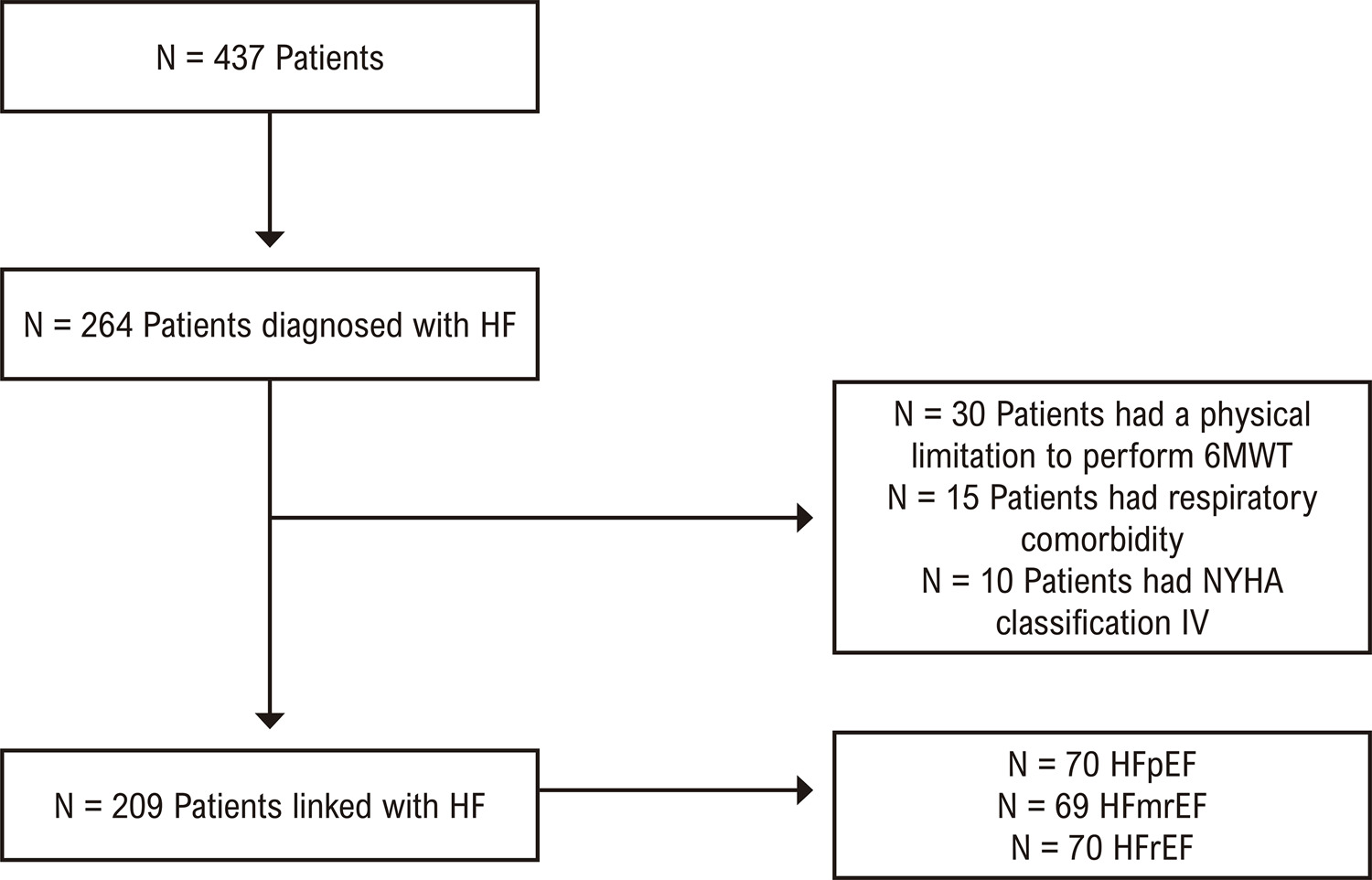
A total of 209 patients were admitted with a diagnosis of HF, with a more significant number of men. Marital status was a predominantly stable union in the HF with preserved ejection fraction (HFpEF) and HF with mid-range ejection fraction (HFmrEF) groups. A sedentary lifestyle was lower in the HF with reduced ejection fraction (HFrEF) group 59 (84.3%), p-value = 0.033, and the angina pectoris was higher in the HFpEF 30 (42.9%). Systolic blood pressure at the end of the 6MWT evidenced a higher score in HFpEF 132.0±17.25 concerning HFrEF 128.0±16.57, p-value=0.043. The fat percentage was higher in HFpEF 30.20±8.80 regarding the HFmrEF group 26.51±7.60, p-value = 0.028.

Conclusion

There were significant differences according to the LVEF classification in marital status, angina symptoms, fat percentage, and blood pressure at rest.

  • Exercise Tests
  • Heart Failure
  • Left Ventricular Function
  • Quality of life
  • Socioeconomic Factors
Read Full Article
Creative Commons Attribution (CC BY) Creative Commons license
08/03/2024 DOI: 10.36660/ijcs.20230079 Views 1
Long-term Health-Related Quality of Life and Outcomes after Hospitalization for COVID-19 in Brazil: Post-COVID Brazil 1 Study Protocol
ABC
Original Article

Long-term Health-Related Quality of Life and Outcomes after Hospitalization for COVID-19 in Brazil: Post-COVID Brazil 1 Study Protocol

Geraldine Trott et al. Fernando Luis Scolari Marciane Maria Rover Mariana Motta Dias da Silva … Denise de Souza Rosa da Rosa Minho dos Santos Raíne Fogliati de Carli Schardosim Gabriela Soares Rech Juliana de Mesquita Neto Gabriel Pozza Estivalete Hellen Jordan Martins Freitas Carolina Rothmann Itaqui Amanda Christina Kozesinski-Nakatani Andreia Biolo Milena Soriano Marcolino Bruna Brandão Barreto Paulo Roberto Schvartzman Ana Carolina Peçanha Antonio Caroline Cabral Robinson Maicon Falavigna Carisi Anne Polanczyk Regis Goulart Rosa

Abstract

Background

The long-term impact of hospitalization for COVID-19 on patients’ physical, mental, and cognitive health still needs further assessment.

Objectives

This study aims to evaluate factors associated with quality of life and cardiovascular and non-cardiovascular outcomes 12 months after hospitalization for COVID-19.

Methods

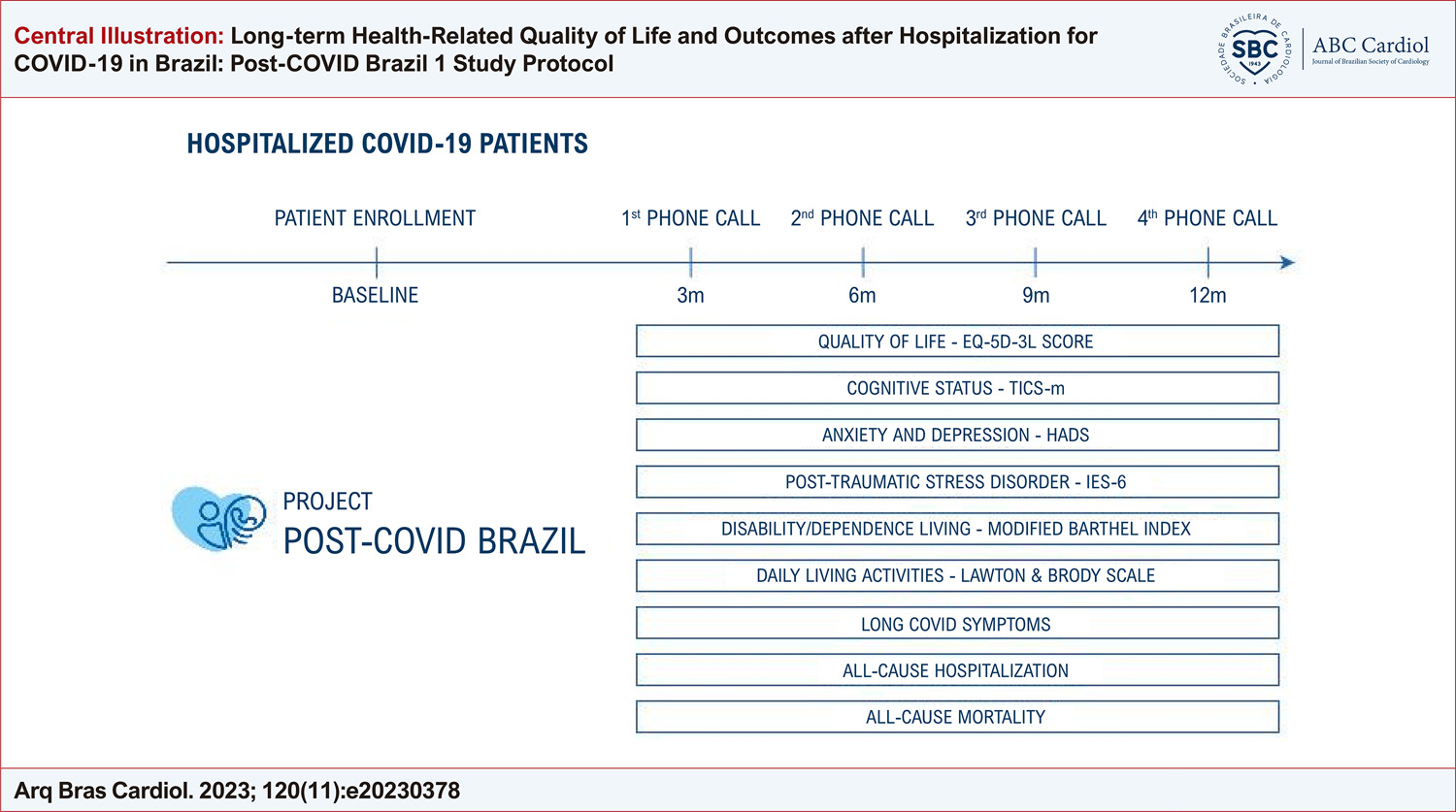
This prospective multicenter study intends to enroll 611 patients hospitalized due to COVID-19 (NCT05165979). Centralized telephone interviews are scheduled to occur at three, six, nine, and 12 months after hospital discharge. The primary endpoint is defined as the health-related quality-of-life utility score assessed by the EuroQol-5D-3L (EQ-5D-3L) questionnaire at 12 months. Secondary endpoints are defined as the EQ-5D-3L at three, six and nine months, return to work or education, persistent symptoms, new disabilities in instrumental activities of daily living, cognitive impairment, anxiety, depression, and post-traumatic stress symptoms, major cardiovascular events, rehospitalization, as well as all-cause mortality at 3, 6, 9, and 12 months after SARS-CoV-2 infection. A p-value <0.05 will be assumed as statistically significant for all analyses.

Results

The primary endpoint will be presented as the frequency of the EQ-5D-3L score 12 months after COVID-19 hospitalization. A sub-analysis to identify possible associations of independent variables with study outcomes will be presented.

Conclusions

This study will determine the impact of COVID-19 on the quality of life and cardiovascular and non-cardiovascular outcomes of hospitalized patients 12 months after discharge providing insights to the public health system in Brazil.

  • Post-Acute COVID-19 Syndrome
  • Quality of life
  • Time
Read Full Article
Creative Commons Attribution (CC BY) Creative Commons license
20/11/2023 DOI: 10.36660/abc.20230378 Views 1
IJCS
Editorial

Quality of Life Assessment in Patients With ST-Elevation Myocardial Infarction (STEMI): An Opportunity to Improve the Quality of Care That Should Not Be Missed

Ana Teresa Timóteo

In chronic diseases, the Quality of Life (QoL) is one of the most important patient-reported outcomes. Cardiovascular diseases are the main cause of death worldwide and ischemic heart disease represents an important health burden. In a large population-based cohort, individuals with self-reported previous myocardial infarction (MI) presented worse self-perceived health statuses in all domains, particularly in mobility and anxiety / depression. However, QoL was not independently associated with MI but instead was associated with age, sex and number of comorbidities, which were significantly higher in patients with prior MI. In this study, long-term QoL was more impaired in men, as compared to women. Nevertheless, in population-based cohorts, we have many possible pitfalls, considering that a diagnosis of MI and other chronic diseases is self-reported; therefore, it is impossible to confirm this diagnosis. It is also impossible to differentiate between ST-elevation MI (STEMI) and non-STEMI, and it is rarely possible to assess the QoL at the same point in time after MI. In fact, we can expect QoL to be much different in the first few months after MI when compared with the QoL several years later.

A more structured study was performed in Australia, in which the QoL was assessed at earlier time points (4 weeks and 6 months). The study sample consisted primarily of males (representing more than 75%), but with a mean age similar to previous studies in MI populations. Health-related QoL improved at 6 months following primary percutaneous coronary intervention for physical and mental health. All aspects of cardiac-specific health status had improved (physical limitation, anginal frequency, treatment satisfaction, and QoL), except for angina stability. Patients aged ≥ 70 years had poorer physical QoL and physical limitations, but better mental QoL at both time points. However, patients were from a specific remote geographic region and were included in 2010 and 2011. Therefore, this did not represent a contemporary sample of patients, and it does not reflect current treatment standards. All in all, those results are not comparable with current populations of STEMI patients from different regions around the world.

[…]

  • Myocardial Infarction
  • Quality of life
  • ST Elevation Myocardial Infarction
  • STEMI
Read Full Article
Creative Commons Attribution (CC BY) Creative Commons license
13/11/2023 DOI: 10.36660/ijcs.20230136 Views 1
Effect on the Quality of Life of Patients with Heart Failure and Reduced/Preserved Ejection Fraction Using Sacubitril/Valsartan
ABC
Original Article

Effect on the Quality of Life of Patients with Heart Failure and Reduced/Preserved Ejection Fraction Using Sacubitril/Valsartan

Yuanrui Huang et al. Xu Wu Xingyu Li Zhengzhong Liu Yunyi Li

Abstract

Background:

Heart failure (HF) management has markedly improved, but a clinically meaningful improvement in functional capacity and quality of life is perhaps more important for patients than living longer.

Objective:

This study aimed to review the improvement in quality of life with sacubitril/valsartan in patients with HF and reduced/preserved ejection fraction (EF) from prospective clinical trials.

Methods:

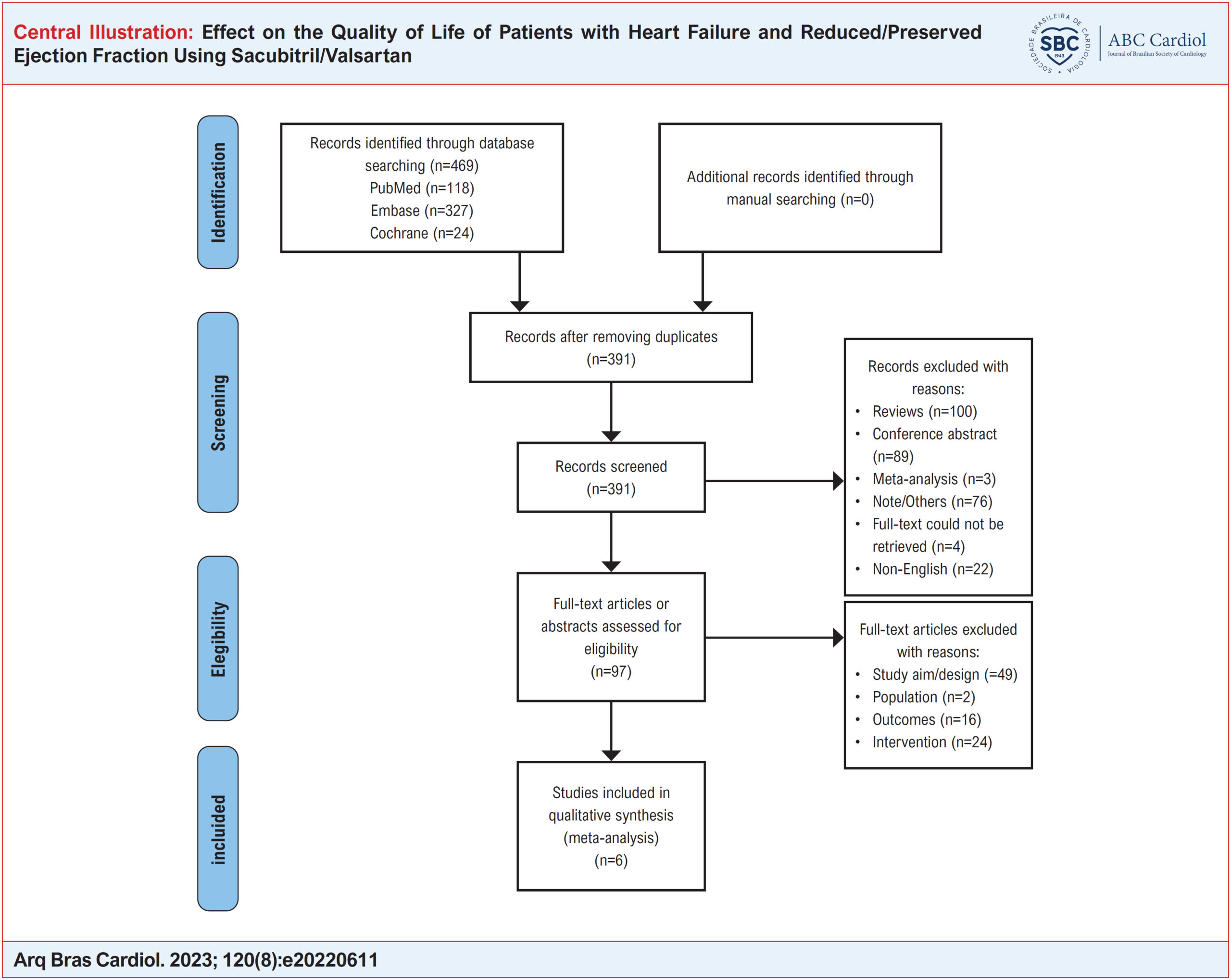
PubMed, Embase, and the Cochrane Library were searched for randomized controlled trials (RCTs) and prospective cohort studies published from inception to July 2021. A total of 6 clinical trials and 16854 patients with HF were included. The primary outcome was the change from baseline in KCCQ clinical summary score. The secondary outcomes were scores in other domains of KCCQ, the occurrence of serious adverse events (AEs), and overall mortality. P-values <0.05 were considered statistically significant.

Results:

Treatment of sacubitril/valsartan showed significantly higher KCCQ-CSS compared to the control (WMD=0.975, 95% CI: 0.885, 1.064, p<0.001; I2=94.8%, pheterogeneity<0.001). A significant decrease in the mortality rate was observed in the sacubitril/valsartan group compared to the control group (RR=0.895, 95%CI:0.831, 0.965, p=0.004; I2=43.6%, pheterogeneity=0.150). Nevertheless, no significant reduction in the occurrence of serious AEs was found among HF patients treated with sacubitril/valsartan compared to the control group (RR=0.950, 95%CI: 0.879, 1.027, p<0.001; I2=68.1%, pheterogeneity=0.024).

Conclusions:

Our study demonstrated that sacubitril/valsartan might significantly improve the HRQL compared to other treatments according to the results in KCCQ-CSS and some subdomains in the KCCQ index during the follow-up in patients with HF.

  • Heart Failure
  • Meta-Analysis
  • Quality of life
  • Valsartan
Read Full Article
Creative Commons Attribution (CC BY) Creative Commons license
10/11/2023 DOI: 10.36660/abc.20220611 Views 1
ABC
Editorial

Aerobic Exercise Prescription: The Talk Test Rises Over the 6-Minute Walk Test

Márcio Garcia Menezes et al. Vitor Augusto Fronza Leandro Franzoni

Cardiovascular diseases (CVDs) represent a concerning reality, leading to a high morbidity and mortality rate in many countries, with a global total of 18 million deaths. Moreover, these conditions pose substantial economic and social burdens.–

Cardiovascular rehabilitation holds significant promise in benefiting patients with CVDs, with aerobic exercises (AE) as pivotal allies in improving cardiorespiratory fitness, muscular endurance, cardiovascular function, and overall quality of life.– According to the Sociedade Brasileira de Cardiologia, the general recommendation for engaging in physical exercise is 150 minutes per week, distributed across three to five sessions. One of the foremost objectives in cardiovascular rehabilitation is to enhance cardiorespiratory fitness through the incorporation of AE., Furthermore, the judicious practice of physical activity aims to mitigate hypertension, the risk of cardiovascular events, and overall mortality in cardiovascular patients.–

[…]

  • Cardiorespiratory Fitness
  • Cardiovascular Rehabilitation
  • Physical Endurance
  • Quality of life
  • Walk Test
Read Full Article
Creative Commons Attribution (CC BY) Creative Commons license
27/10/2023 DOI: 10.36660/abc.20230636
ABC
Editorial

Physical Activity and Quality of Life in Children with Congenital Heart Diseases: A Public Health Issue

Silvana Vertematti

Physical activity is both a form of expression for children and a means for promoting their development. The fun derived from engaging in this activity is one of the main factors for promoting the social inclusion of children, in addition to ensuring their continued ability to perform movements. The physical, physiological, psychological, and social dividends physical activity brings to children and adolescents are unequivocal.

Physical activity is defined as any bodily movement produced by skeletal muscles and resulting in energy expenditure. Physical exercise is a planned physical activity. It is structured within a sports and social context, involves logical and organized repetitions, and is designed to maintain physical fitness. Fitness, in turn, is characterized by a set of physical attributes related to improving the child’s health and performance and can be measured by specific physical tests conducted by trained professionals.

[…]

  • Cardiovascular Diseases
  • Children
  • Congenital
  • Heart Defects
  • Physical activity
  • Public Health
  • Quality of life
Read Full Article
Creative Commons Attribution (CC BY) Creative Commons license
23/10/2023 DOI: 10.36660/abc.20230634 Views 1
Activities of Daily Living, Physical Activity, Physical Fitness and Quality of Life in Children with Congenital Heart Disease: A Case-Control Study
ABC
Original Article

Activities of Daily Living, Physical Activity, Physical Fitness and Quality of Life in Children with Congenital Heart Disease: A Case-Control Study

Berfin Kişin et al. Sema Savci Buse Ozcan Kahraman Aylin Tanriverdi … Hazer Erçan Bozyer Halise Zeynep Genç Mustafa Kir

Abstract

Background

Despite reports of reduced physical fitness in children with congenital heart disease (CHD), no specific performance evaluations for activities of daily living have been conducted.

Objectives

The aim was to compare the activities of daily living, quality of life, posture, physical fitness and physical activity levels of children with CHD with healthy controls (HC).

Methods

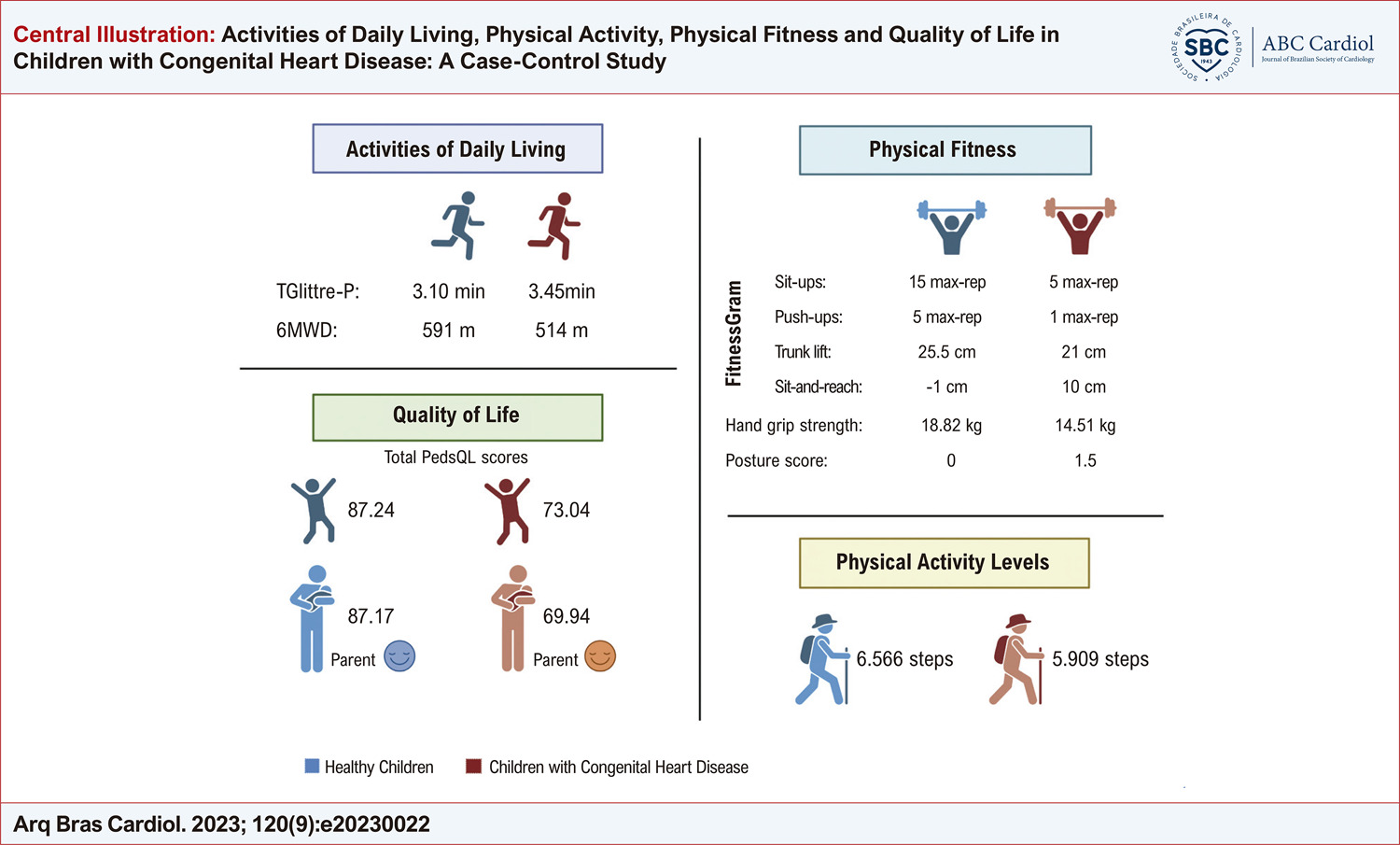
The study included 30 children aged 6-14 diagnosed with moderate or severe CHD and 30 age-sex-matched HC. The sociodemographic and clinical data of the participants were recorded. All participants went through several tests, namely the TGlittre-P test for activities of daily living, the 6-minute walk test (6MWT) for functional capacity, the Fitnessgram test battery for physical fitness, the hand dynamometer for measuring grip strength, the pedometer for measuring physical activity, and both the child and parents reported the Pediatric Quality of Life Inventory (PedsQL) for evaluating the quality of life, in addition to posture analyses. Values of p < 0.05 were considered statistically significant.

Results

Individuals with CHD had a longer TGlittre-P test completion time and a shorter 6MWT distance than HC (TGlittre-P: CHD 3.45 [3.24-4.02]min vs. HC 3.10 [2.57-3.23]min, 6MWT: CHD 514.00 [412.50-566.00]m vs. HC 591.50 [533.00-631.00]m). For the CHD group, sit-ups, push-ups, trunk lift, and sit-and-reach test scores within the Fitnessgram battery, grip strength, posture, and quality of life scores were lower than those for the HC group. Physical activity levels were similar in the groups.

Conclusions

The performance of activities of daily living, functional capacity, physical fitness, posture, and quality of life of children with moderate and severe CHD were affected compared to healthy peers.

  • Activities of Daily Living
  • Case-Control Studies
  • Heart Defects, Congenital
  • Motor Activity
  • physical fitness
  • Quality of life
Read Full Article
Creative Commons Attribution (CC BY) Creative Commons license
13/10/2023 DOI: 10.36660/abc.20230022 Views 2
ABC
Editorial

Sacubitril/Valsartan: A Breakthrough in Heart Failure Management – Addressing Quality of Life and Mortality

Allan K. N. Alencar

Heart failure (HF) remains a major global cause of mortality, morbidity, and hospitalizations. Over the past two decades, the management of chronic HF has seen significant improvements with the introduction of novel diagnostic procedures and pharmacological therapies. However, achieving a clinically significant improvement in functional capacity and quality of life (QoL) might be more important to patients than simply prolonging life. HF negatively affects health-related quality of life (HRQoL) in physical, mental, and social domains. Consequently, HF patients experience impaired QoL even when compared to individuals with other debilitating chronic conditions. In contemporary times, many HF patients value the enhancement of HRQoL through treatment as highly as extending their lifespan.

This editorial discusses the findings of a recently published work that aims to review the improvement in quality of life with sacubitril/valsartan in HF patients with reduced or preserved ejection fraction (HFrEF/HFpEF) based on prospective clinical trials. The authors conducted a systematic literature search in PubMed, Embase, and the Cochrane Library for randomized clinical trials (RCTs) and prospective cohort studies published until July 2021. A total of six clinical trials and 16,854 HF patients were included in the analysis. The primary outcome was the change from baseline in the Kansas City Cardiomyopathy Questionnaire-Clinical Summary Score (KCCQ-CSS). Secondary outcomes included scores in other domains of the KCCQ, occurrence of serious adverse events (SAEs), and overall mortality.

[…]

  • Heart Failure
  • Meta-Analysis
  • Mortality
  • Quality of life
  • Sacubitril/Valsartan/drug therapy
  • systematic review
Read Full Article
Creative Commons Attribution (CC BY) Creative Commons license
25/09/2023 DOI: 10.36660/abc.20230530
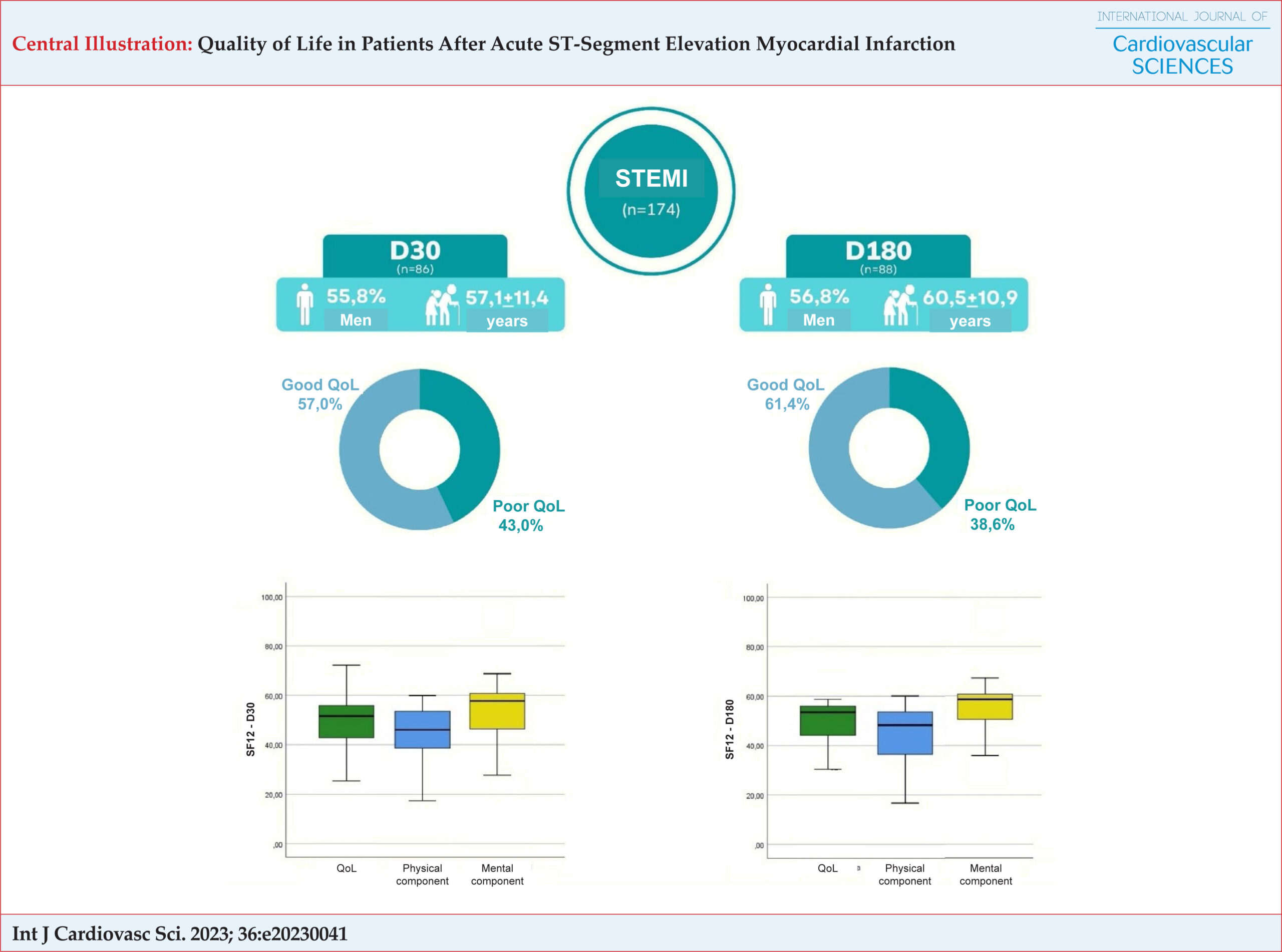
Quality of Life in Patients After Acute ST-Segment Elevation Myocardial Infarction
IJCS
Original Article

Quality of Life in Patients After Acute ST-Segment Elevation Myocardial Infarction

Bárbara de Matos Santos et al. Itana Samara Santana Guimarães Katia de Miranda Avena Ivan de Mattos Paiva Filho Pollianna de Souza Roriz

Abstract

Background:

ST-segment elevation myocardial infarction (STEMI) is the acute coronary syndrome with the highest severity and mortality. It can affect physical health and well-being of patients, and consequently their quality of life (QoL).

Objective:

To describe the QoL of patients at 30 days and 180 days after STEMI, focusing on sex differences and repercussions on physical and mental dimensions.

Methods:

Observational study with 174 STEMI patients included in the study on STEMI conducted in the city of Salvador, Brazil (PERSISST). The QoL of patients at 30 days (D30) and 180 days (D180) after the coronary event was assessed using the 12-item short form health survey (SF-12). Physical and mental components of QoL were calculated using the SF-12 OrthoToolKit. Descriptive analysis of data was made using the IBM SPSS software, version 25.0.

Results:

Mean age of participants at D30 and D180 was 57.1±11.4 years and 60.5±10.9 years, respectively, with a higher prevalence of men (55.8% and 56.8%). In general, patients had a poor QoL at both time points (scores 49.1±8.9 and 49.9±8.4, respectively). Analysis by sex, however, showed that men had a good QoL at both 30D (score 51.8±7.4) and 180 D (score 51.3±7.7), whereas a poor QoL was found among women at these time points (45.7±9.6 and 48.1±9.0, respectively). Men showed higher physical and mental health scale scores than women at both D30 and D180, and there was a greater impairment of the physical component in both sexes.

Conclusion:

Patients had poor QoL at 30 days and 180 days after STEMI, with a greater impairment of the physical component and a worse QoL perception among women than men at both time points.

  • Coronary Artery Disease
  • Quality of life
  • ST Elevation Myocardial Infarction
Read Full Article
Creative Commons Attribution (CC BY) Creative Commons license
15/09/2023 DOI: 10.36660/ijcs.20230041 Views 1
Figure 1
IJCS
Original Article

Adherence and Quality of Life in Non-Valvular Atrial Fibrillation With Direct Oral Anticoagulants Versus Vitamin K Antagonists: A Systematic Review

Vanelise Zortea et al. Karine Duarte Curvello Diogo Pilger Antonios Douros … Lisiane Freitas Leal Tatiana da Silva Sempé Tatiane da Silva Dal Pizzol

Abstract

Background

Direct anticoagulants (DOACs) and vitamin K antagonists (VKAs) differ in pharmacokinetic characteristics, intensity of required laboratory monitoring, and costs. These differences could affect patients’ adherence to treatment and quality of life (QoL).

Objective

To assess whether patients with non-valvular atrial fibrillation (AF) using DOACs have better treatment adherence and QoL when compared to patients using VKAs.

Methods

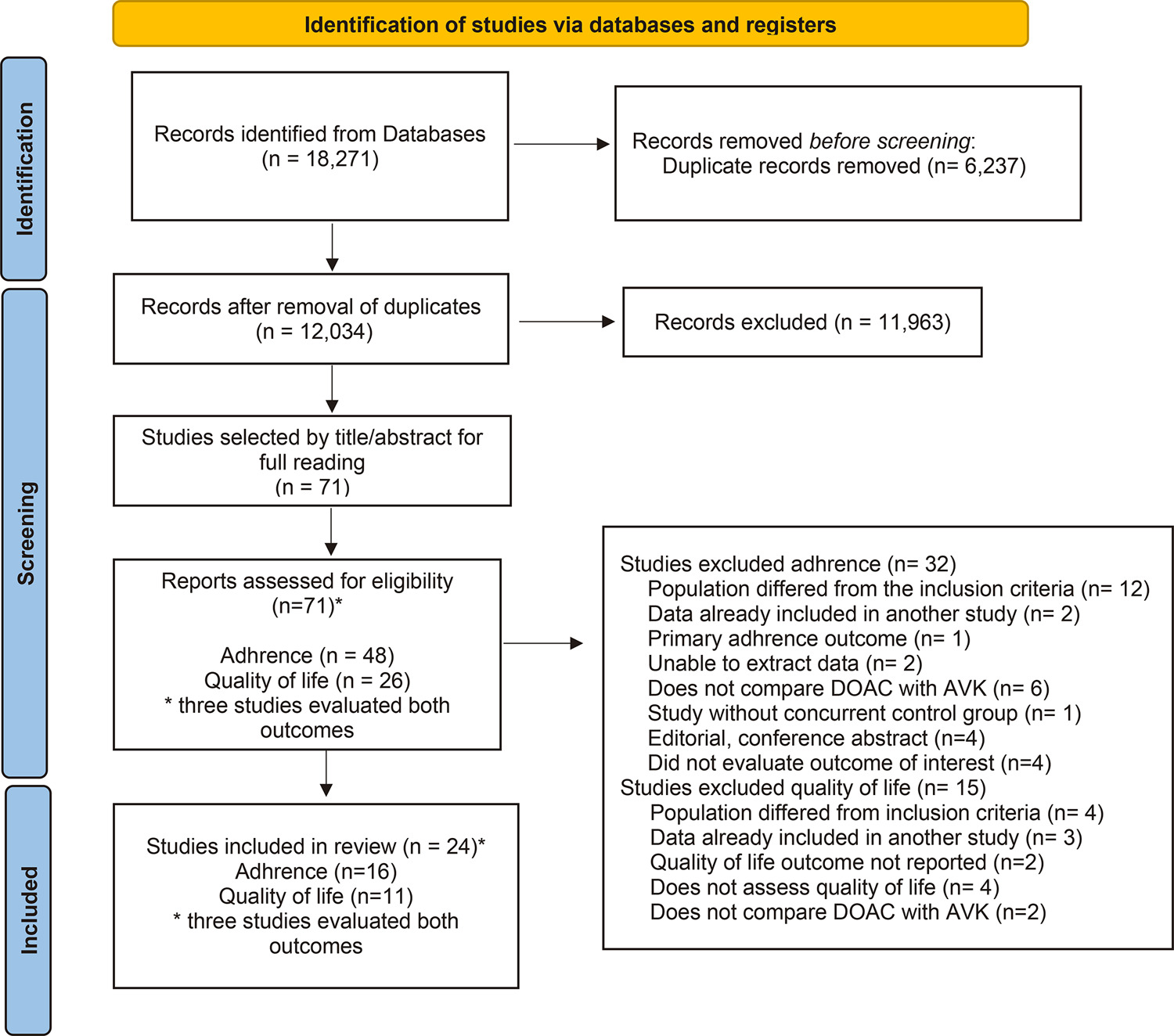
We conducted a systematic review in Medline, Embase, LILACS, SciELO, CINAHL, and Cochrane Central, until June 9, 2021. We included studies that estimated and compared treatment adherence and QoL between DOACs and VKAs in adults with non-valvular AF. The methodological quality of the studies was assessed using the Joanna Briggs Institute (JBI) tools. The protocol was registered in the PROSPERO (CRD 42020165238).

Results

Sixteen studies, including 122,458 patients with non-valvular AF, evaluated adherence, and eleven studies, including 5,687 patients, assessed QoL. A variety of methods was used to measure adherence. Eleven studies showed no difference in adherence between DOACs and VKAs, while three studies favored VKAs over DOACs and two studies favored DOACs over VKAs. QoL was measured by specific (n = 3) or generic questionnaires (n = 8); results favored DOACs over VKAs in four studies, while in the other seven studies the results showed no difference between the groups. Meta-analyses were not performed due to high methodological heterogeneity among studies.

Conclusions

Available evidence regarding treatment adherence and QoL with DOACs and VKAs is characterized by methodological heterogeneity and conflicting findings.

  • Anticoagulants
  • Atrial Fibrillation
  • medication adherence
  • Quality of life
  • systematic review
Read Full Article
Creative Commons Attribution (CC BY) Creative Commons license
17/07/2023 DOI: 10.36660/ijcs.20220115 Views 1
IJCS
Editorial

Editorial: Effects of Physical Exercise on Left Ventricular Function in Type 2 Diabetes Mellitus: A Systematic Review

Gustavo Oliveira da Silva et al. Marilia de Almeida Correia Raphael Mendes Ritti-Dias

Diabetes mellitus is characterized by a group of metabolic disorders marked by high blood glucose levels. Over 90% of people with diabetes have type 2 diabetes (T2DM). The prevalence of T2DM has been increasing over the last decades worldwide, making it a serious global health concern. T2DM leads to an increased risk of the development of several health problems that result in high medical costs, poor quality of life, and higher mortality rates. More specifically, high blood glucose levels can eventually cause overall vascular harm that can affect the heart, eyes, kidneys, and nerves leading to serious complications. The vascular impairments of T2DM are amid the gravest consequences of the disease. Atherosclerosis is the main cause of the lower life expectancy in T2DM, with diabetic nephropathy and retinopathy being the leading factors responsible for end-stage renal disease and blindness. The risk of cardiovascular events is increased in patients with T2DM in comparison to nondiabetic subjects. In patients with cardiovascular diseases, such as peripheral arterial disease, T2DM is associated with a worse clinical and functional profile.

Heart failure (HF) has been shown to be a frequent cardiovascular complication in T2DM patients. There is a high number of T2DM in patients with the two most common forms of HF: impaired systolic left ventricular function and HF with preserved ejection fraction. Patients with T2DM have a high risk to develop HF, and T2DM patients with HF have a mortality rate four times greater than T2DM patients without HF., Therefore, T2DM has been recognized as an independent risk factor for HF leading to the establishment of the term ‘diabetic cardiomyopathy’, that is defined as a myocardial disease in T2DM patients, not related to hypertension, coronary artery disease or other cardiac diseases.,

[…]

  • Diabetes Mellitus, Diagnostic,Imaging/methods
  • Quality of life
  • Socioeconomic Factors
  • Ventricular Function,Left/physiology
Read Full Article
Creative Commons Attribution (CC BY) Creative Commons license
03/04/2023 DOI: 10.36660/ijcs.20230022 Views 1

Could not load more articles. Please try again.

How to cite this article

EndNote RIS

Electronic Document Format (Vancouver)

Mota CT, Forjaz CLM. Home-Based Vs. Usual and Center-Based Cardiac Rehabilitation: Effects on Aerobic Fitness and Quality of Life. International Journal of Cardiovascular Sciences 2026;39:e20250274.

Electronic Document Format (ABNT)

Mota, Cauã Teixeira; Forjaz, Claudia Lucia de Moraes. Home-Based Vs. Usual and Center-Based Cardiac Rehabilitation: Effects on Aerobic Fitness and Quality of Life. International Journal of Cardiovascular Sciences, v. 39, e20250274, Aug. 2026.

Electronic Document Format (APA)

Mota, C. T., & Forjaz, C. L. M. (2026). Home-Based Vs. Usual and Center-Based Cardiac Rehabilitation: Effects on Aerobic Fitness and Quality of Life. International Journal of Cardiovascular Sciences, 39, e20250274.

Electronic Document Format (ISO)

Mota, Cauã Teixeira and Forjaz, Claudia Lucia de Moraes. Home-Based Vs. Usual and Center-Based Cardiac Rehabilitation: Effects on Aerobic Fitness and Quality of Life. International Journal of Cardiovascular Sciences [online]. 2026, vol. 39, [cited 2026-10-14], e20250274. Available from: <https://journals.cardiol.br/en/article/home-based-vs-usual-and-center-based-cardiac-rehabilitation-effects-on-aerobic-fitness-and-quality-of-life/>. ISSN 2359-4802

EndNote RIS

Electronic Document Format (Vancouver)

Bispo IGA, Silva CV, Pereira GTG, Lopez VPM. Palliative Care in Patients with Advanced Heart Failure: An Integrative Review. ABC Heart Fail Cardiomyop 2026;5(4):e20250053.

Electronic Document Format (ABNT)

Bispo, Irving Gabriel Araújo; Silva, Clara Verrone da; Pereira, Gabriela Tobias Gonçalves; Lopez, Victoria Paulino de Mello. Palliative Care in Patients with Advanced Heart Failure: An Integrative Review. ABC Heart Fail Cardiomyop, v. 5, n. 4, e20250053, Jul. 2026.

Electronic Document Format (APA)

Bispo, I. G. A., Silva, C. V. , Pereira, G. T. G., & Lopez, V. P. M. (2026). Palliative Care in Patients with Advanced Heart Failure: An Integrative Review. ABC Heart Fail Cardiomyop, 5(4), e20250053.

Electronic Document Format (ISO)

Bispo, Irving Gabriel Araújo and Silva, Clara Verrone da and Pereira, Gabriela Tobias Gonçalves and Lopez, Victoria Paulino de Mello. Palliative Care in Patients with Advanced Heart Failure: An Integrative Review. ABC Heart Fail Cardiomyop [online]. 2026, vol. 5, n. 4, [cited 2026-10-14], e20250053. Available from: <https://journals.cardiol.br/en/article/palliative-care-in-patients-with-advanced-heart-failure-an-integrative-review/>

EndNote RIS

Electronic Document Format (Vancouver)

Almeida GGL, Barbirato GB, Pagnin VQ, Pagnin D, Mesquita CT. Major Depressive Disorder and Quality of Life in Patients With Coronary Artery Disease Assessed by Myocardial Perfusion Imaging. ABC Imagem Cardiovascular 2026;39(2):e20260048.

Electronic Document Format (ABNT)

Almeida, Guilherme Gonçais Lopes; Barbirato, Gustavo B.; Pagnin, Valéria de Queiroz; Pagnin, Daniel; Mesquita, Cláudio Tinoco. Major Depressive Disorder and Quality of Life in Patients With Coronary Artery Disease Assessed by Myocardial Perfusion Imaging. ABC Imagem Cardiovascular, v. 39, n. 2, e20260048, Jul. 2026.

Electronic Document Format (APA)

Almeida, G. G. L., Barbirato, G. B., Pagnin, V. Q., Pagnin, D., & Mesquita, C. T. (2026). Major Depressive Disorder and Quality of Life in Patients With Coronary Artery Disease Assessed by Myocardial Perfusion Imaging. ABC Imagem Cardiovascular, 39(2), e20260048.

Electronic Document Format (ISO)

Almeida, Guilherme Gonçais Lopes and Barbirato, Gustavo B. and Pagnin, Valéria de Queiroz and Pagnin, Daniel and Mesquita, Cláudio Tinoco. Major Depressive Disorder and Quality of Life in Patients With Coronary Artery Disease Assessed by Myocardial Perfusion Imaging. ABC Imagem Cardiovascular [online]. 2026, vol. 39, n. 2, [cited 2026-10-14], e20260048. Available from: <https://journals.cardiol.br/en/article/major-depressive-disorder-and-quality-of-life-in-patients-with-coronary-artery-disease-assessed-by-myocardial-perfusion-imaging/>. ISSN 2318-8219

EndNote RIS

Electronic Document Format (Vancouver)

Silva SA, Amaral K, Bernardez-Pereira S, Franken M, Escobosa DM, Ivo C, Costa LMA, et al. Guideline-Directed Medical Therapy, Clinical Outcomes, and Quality of Life in Heart Failure: Insights from a Multicenter International Consortium for Health Outcomes Measurement-Based Brazilian Cohort. ABC Heart Fail Cardiomyop 2026;6:e20260001.

Electronic Document Format (ABNT)

Silva, Suzana Alves; Amaral, Keila; Bernardez-Pereira, Sabrina; Franken, Marcelo; Escobosa, Daisa Mesquita; Ivo, Carolina; Costa, Leandro Menezes Alves da; Conceição, Fabio Gomes da; Lisboa, Laine; Rizzi, Thays Naomy; Tamburim, Bárbara Reis; Lopes, Luciana Alves; Yamaguti, Siomara Tavares Fernandes; Nasi, Luiz Antonio; Maccari, Juçara; Pille, Arthur; Wolf, Jonas Michel; Volschan, Andre; Montera, Marcelo Westerlund; Ferreira, Silvia Moreira Ayub; Cardoso, Luiz Francisco; Saretta, Roberta; Nascimento, Teresa Cristina D. C.; Margarido, Olívia; Oliveira, Camila; Tiburzio, Evelyn; Ribeiro, Ary. Guideline-Directed Medical Therapy, Clinical Outcomes, and Quality of Life in Heart Failure: Insights from a Multicenter International Consortium for Health Outcomes Measurement-Based Brazilian Cohort. ABC Heart Fail Cardiomyop, v. 6, e20260001, Jul. 2026.

Electronic Document Format (APA)

Silva, S. A., Amaral, K., Bernardez-Pereira, S., Franken, M., Escobosa, D. M., Ivo, C., Costa, L. M. A. , Conceição, F. G. , Lisboa, L., Rizzi, T. N., Tamburim, B. R., Lopes, L. A., Yamaguti, S. T. F., Nasi, L. A., Maccari, J., Pille, A., Wolf, J. M., Volschan, A., Montera, M. W., Ferreira, S. M. A., Cardoso, L. F., Saretta, R., Nascimento, T. C. D. C., Margarido, O., Oliveira, C., Tiburzio, E., & Ribeiro, A. (2026). Guideline-Directed Medical Therapy, Clinical Outcomes, and Quality of Life in Heart Failure: Insights from a Multicenter International Consortium for Health Outcomes Measurement-Based Brazilian Cohort. ABC Heart Fail Cardiomyop, 6, e20260001.

Electronic Document Format (ISO)

Silva, Suzana Alves and Amaral, Keila and Bernardez-Pereira, Sabrina and Franken, Marcelo and Escobosa, Daisa Mesquita and Ivo, Carolina and Costa, Leandro Menezes Alves da and Conceição, Fabio Gomes da and Lisboa, Laine and Rizzi, Thays Naomy and Tamburim, Bárbara Reis and Lopes, Luciana Alves and Yamaguti, Siomara Tavares Fernandes and Nasi, Luiz Antonio and Maccari, Juçara and Pille, Arthur and Wolf, Jonas Michel and Volschan, Andre and Montera, Marcelo Westerlund and Ferreira, Silvia Moreira Ayub and Cardoso, Luiz Francisco and Saretta, Roberta and Nascimento, Teresa Cristina D. C. and Margarido, Olívia and Oliveira, Camila and Tiburzio, Evelyn and Ribeiro, Ary. Guideline-Directed Medical Therapy, Clinical Outcomes, and Quality of Life in Heart Failure: Insights from a Multicenter International Consortium for Health Outcomes Measurement-Based Brazilian Cohort. ABC Heart Fail Cardiomyop [online]. 2026, vol. 6, [cited 2026-10-14], e20260001. Available from: <https://journals.cardiol.br/en/article/guideline-directed-medical-therapy-clinical-outcomes-and-quality-of-life-in-heart-failure-insights-from-a-multicenter-international-consortium-for-health-outcomes-measurement-based-brazilian-cohort/>

EndNote RIS

Electronic Document Format (Vancouver)

Bueno SCP, Oliveira PA, Pagotti M, Sacilotto L, Pessente GD, Braga PGS, Souza AL, et al. Physical Activity Levels and Quality of Life in Outpatients with Cardiac Arrhythmias and Preserved Left Ventricular Function: Understanding Their Profile. Arquivos Brasileiros de Cardiologia 2026;123(5):e20250831.

Electronic Document Format (ABNT)

Bueno, Savia Christina Pereira; Oliveira, Patrícia Alves; Pagotti, Márya; Sacilotto, Luciana; Pessente, Gabrielle D’Arezzo; Braga, Pedro Gabriel Senger; Souza, Aline L.; Brigido, Alexandra Regia Dantas; Negrão, Carlos E.; Darrieux, Francisco C. C.; Scanavacca, Mauricio. Physical Activity Levels and Quality of Life in Outpatients with Cardiac Arrhythmias and Preserved Left Ventricular Function: Understanding Their Profile. Arquivos Brasileiros de Cardiologia, v. 123, n. 5, e20250831, Jul. 2026.

Electronic Document Format (APA)

Bueno, S. C. P., Oliveira, P. A., Pagotti, M., Sacilotto, L., Pessente, G. D., Braga, P. G. S., Souza, A. L., Brigido, A. R. D., Negrão, C. E., Darrieux, F. C. C., & Scanavacca, M. (2026). Physical Activity Levels and Quality of Life in Outpatients with Cardiac Arrhythmias and Preserved Left Ventricular Function: Understanding Their Profile. Arquivos Brasileiros de Cardiologia, 123(5), e20250831.

Electronic Document Format (ISO)

Bueno, Savia Christina Pereira and Oliveira, Patrícia Alves and Pagotti, Márya and Sacilotto, Luciana and Pessente, Gabrielle D’Arezzo and Braga, Pedro Gabriel Senger and Souza, Aline L. and Brigido, Alexandra Regia Dantas and Negrão, Carlos E. and Darrieux, Francisco C. C. and Scanavacca, Mauricio. Physical Activity Levels and Quality of Life in Outpatients with Cardiac Arrhythmias and Preserved Left Ventricular Function: Understanding Their Profile. Arquivos Brasileiros de Cardiologia [online]. 2026, vol. 123, n. 5, [cited 2026-10-14], e20250831. Available from: <https://journals.cardiol.br/en/article/physical-activity-levels-and-quality-of-life-in-outpatients-with-cardiac-arrhythmias-and-preserved-left-ventricular-function-understanding-their-profile/>. ISSN 0066-782X

EndNote RIS

Electronic Document Format (Vancouver)

Siyah T, Yagli NV, Ertugrul I, Aykan HH, Saglam M. Examining the Role of Exercise Training in Enhancing Life for Adult Congenital Heart Disease: Systematic Review. Arquivos Brasileiros de Cardiologia 2024;121(12):e20240294.

Electronic Document Format (ABNT)

Siyah, Tugba; Yagli, Naciye Vardar; Ertugrul, Ilker; Aykan, Hayrettin Hakan; Saglam, Melda. Examining the Role of Exercise Training in Enhancing Life for Adult Congenital Heart Disease: Systematic Review. Arquivos Brasileiros de Cardiologia, v. 121, n. 12, e20240294, Dec. 2024.

Electronic Document Format (APA)

Siyah, T., Yagli, N. V., Ertugrul, I., Aykan, H. H., & Saglam, M. (2024). Examining the Role of Exercise Training in Enhancing Life for Adult Congenital Heart Disease: Systematic Review. Arquivos Brasileiros de Cardiologia, 121(12), e20240294.

Electronic Document Format (ISO)

Siyah, Tugba and Yagli, Naciye Vardar and Ertugrul, Ilker and Aykan, Hayrettin Hakan and Saglam, Melda. Examining the Role of Exercise Training in Enhancing Life for Adult Congenital Heart Disease: Systematic Review. Arquivos Brasileiros de Cardiologia [online]. 2024, vol. 121, n. 12, [cited 2026-10-14], e20240294. Available from: <https://journals.cardiol.br/en/article/examining-the-role-of-exercise-training-in-enhancing-life-for-adult-congenital-heart-disease-systematic-review/>. ISSN 0066-782X

EndNote RIS

Electronic Document Format (Vancouver)

Maia AS, Maia M, Maia ALS, Santos MA. Quality of Life Assessment of Patients Infected With COVID-19 and Prior Coronary Artery Bypass Graft Surgery in Brazil: Four Years Follow-up. International Journal of Cardiovascular Sciences 2024;37:e20230171.

Electronic Document Format (ABNT)

Maia, Adnaldo da Silveira; Maia, Matheus; Maia, Adnaldo Lucas da Silveira; Santos, Magaly Arrais dos. Quality of Life Assessment of Patients Infected With COVID-19 and Prior Coronary Artery Bypass Graft Surgery in Brazil: Four Years Follow-up. International Journal of Cardiovascular Sciences, v. 37, e20230171, Aug. 2024.

Electronic Document Format (APA)

Maia, A. S., Maia, M., Maia, A. L. S., & Santos, M. A. (2024). Quality of Life Assessment of Patients Infected With COVID-19 and Prior Coronary Artery Bypass Graft Surgery in Brazil: Four Years Follow-up. International Journal of Cardiovascular Sciences, 37, e20230171.

Electronic Document Format (ISO)

Maia, Adnaldo da Silveira and Maia, Matheus and Maia, Adnaldo Lucas da Silveira and Santos, Magaly Arrais dos. Quality of Life Assessment of Patients Infected With COVID-19 and Prior Coronary Artery Bypass Graft Surgery in Brazil: Four Years Follow-up. International Journal of Cardiovascular Sciences [online]. 2024, vol. 37, [cited 2026-10-14], e20230171. Available from: <https://journals.cardiol.br/en/article/quality-of-life-assessment-of-patients-infected-with-covid-19-and-prior-coronary-artery-bypass-graft-surgery-in-brazil-four-years-follow-up/>. ISSN 2359-4802

EndNote RIS

Electronic Document Format (Vancouver)

Martins LCB, Pisani CF, Dorfman FK, Darrieux FCC, Wu TC, Ferraz AP, Hachul DT, et al. Randomized Study Comparing Radiofrequency Ablation with the PVAC Gold System vs. Antiarrhythmic Drugs in Elderly Patients with Symptomatic Atrial Fibrillation. Arquivos Brasileiros de Cardiologia 2024;121(6):e20230684.

Electronic Document Format (ABNT)

Martins, Luiz Claudio Berhmann; Pisani, Cristiano F.; Dorfman, Fabio K.; Darrieux, Francisco C. C.; Wu, Tan C.; Ferraz, Alberto P.; Hachul, Denise T.; Castro, Claudio Campi de; Prado, Rogério Ruscitto do; Souza, Luciana V. F.; Sacilloto, Luciana; Pessente, Gabrielle D. A.; Grupi, Cesar J.; Chokr, Muhieddine Omar; Nomura, Cesar H.; Oliveira, Kátia Rodrigues de; Balbo, Conrado P.; Melo, Sissy L.; Veronese, Pedro; Scanavacca, Mauricio I.. Randomized Study Comparing Radiofrequency Ablation with the PVAC Gold System vs. Antiarrhythmic Drugs in Elderly Patients with Symptomatic Atrial Fibrillation. Arquivos Brasileiros de Cardiologia, v. 121, n. 6, e20230684, Aug. 2024.

Electronic Document Format (APA)

Martins, L. C. B., Pisani, C. F., Dorfman, F. K., Darrieux, F. C. C., Wu, T. C., Ferraz, A. P., Hachul, D. T., Castro, C. C. , Prado, R. R. , Souza, L. V. F., Sacilloto, L., Pessente, G. D. A., Grupi, C. J., Chokr, M. O., Nomura, C. H., Oliveira, K. R. , Balbo, C. P., Melo, S. L., Veronese, P., & Scanavacca, M. I. (2024). Randomized Study Comparing Radiofrequency Ablation with the PVAC Gold System vs. Antiarrhythmic Drugs in Elderly Patients with Symptomatic Atrial Fibrillation. Arquivos Brasileiros de Cardiologia, 121(6), e20230684.

Electronic Document Format (ISO)

Martins, Luiz Claudio Berhmann and Pisani, Cristiano F. and Dorfman, Fabio K. and Darrieux, Francisco C. C. and Wu, Tan C. and Ferraz, Alberto P. and Hachul, Denise T. and Castro, Claudio Campi de and Prado, Rogério Ruscitto do and Souza, Luciana V. F. and Sacilloto, Luciana and Pessente, Gabrielle D. A. and Grupi, Cesar J. and Chokr, Muhieddine Omar and Nomura, Cesar H. and Oliveira, Kátia Rodrigues de and Balbo, Conrado P. and Melo, Sissy L. and Veronese, Pedro and Scanavacca, Mauricio I.. Randomized Study Comparing Radiofrequency Ablation with the PVAC Gold System vs. Antiarrhythmic Drugs in Elderly Patients with Symptomatic Atrial Fibrillation. Arquivos Brasileiros de Cardiologia [online]. 2024, vol. 121, n. 6, [cited 2026-10-14], e20230684. Available from: <https://journals.cardiol.br/en/article/randomized-study-comparing-radiofrequency-ablation-with-the-pvac-gold-system-vs-antiarrhythmic-drugs-in-elderly-patients-with-symptomatic-atrial-fibrillation/>. ISSN 0066-782X

EndNote RIS

Electronic Document Format (Vancouver)

Nunes N, Bomfim AS. Assessment of Quality of Life after Diagnosis of Reflex Syncope: A Subjective Outcome of Great Clinical Importance with Multifactorial Cause. International Journal of Cardiovascular Sciences 2024;37:e20240076.

Electronic Document Format (ABNT)

Nunes, Nágela; Bomfim, Alfredo de Souza. Assessment of Quality of Life after Diagnosis of Reflex Syncope: A Subjective Outcome of Great Clinical Importance with Multifactorial Cause. International Journal of Cardiovascular Sciences, v. 37, e20240076, Jul. 2024.

Electronic Document Format (APA)

Nunes, N., & Bomfim, A. S. (2024). Assessment of Quality of Life after Diagnosis of Reflex Syncope: A Subjective Outcome of Great Clinical Importance with Multifactorial Cause. International Journal of Cardiovascular Sciences, 37, e20240076.

Electronic Document Format (ISO)

Nunes, Nágela and Bomfim, Alfredo de Souza. Assessment of Quality of Life after Diagnosis of Reflex Syncope: A Subjective Outcome of Great Clinical Importance with Multifactorial Cause. International Journal of Cardiovascular Sciences [online]. 2024, vol. 37, [cited 2026-10-14], e20240076. Available from: <https://journals.cardiol.br/en/article/assessment-of-quality-of-life-after-diagnosis-of-reflex-syncope-a-subjective-outcome-of-great-clinical-importance-with-multifactorial-cause/>. ISSN 2359-4802

EndNote RIS

Electronic Document Format (Vancouver)

Galvão Filho SS. Impact of the Implantable Cardioverter Defibrillator on the Lives of its Patients. Arquivos Brasileiros de Cardiologia 2024;121(4):e20240196.

Electronic Document Format (ABNT)

Galvão Filho, Silas dos Santos. Impact of the Implantable Cardioverter Defibrillator on the Lives of its Patients. Arquivos Brasileiros de Cardiologia, v. 121, n. 4, e20240196, Jul. 2024.

Electronic Document Format (APA)

Galvão Filho, S. S. (2024). Impact of the Implantable Cardioverter Defibrillator on the Lives of its Patients. Arquivos Brasileiros de Cardiologia, 121(4), e20240196.

Electronic Document Format (ISO)

Galvão Filho, Silas dos Santos. Impact of the Implantable Cardioverter Defibrillator on the Lives of its Patients. Arquivos Brasileiros de Cardiologia [online]. 2024, vol. 121, n. 4, [cited 2026-10-14], e20240196. Available from: <https://journals.cardiol.br/en/article/impact-of-the-implantable-cardioverter-defibrillator-on-the-lives-of-its-patients/>. ISSN 0066-782X

EndNote RIS

Electronic Document Format (Vancouver)

Rinaldi PM, Rihl MF, Boniatti MM. VExUS Score at Discharge as a Predictor of Readmission in Patients with Acute Decompensated Heart Failure: A Cohort Study. Arquivos Brasileiros de Cardiologia 2024;121(5):e20230745.

Electronic Document Format (ABNT)

Rinaldi, Paulo Maciel; Rihl, Marcos Frata; Boniatti, Márcio Manozzo. VExUS Score at Discharge as a Predictor of Readmission in Patients with Acute Decompensated Heart Failure: A Cohort Study. Arquivos Brasileiros de Cardiologia, v. 121, n. 5, e20230745, Jun. 2024.

Electronic Document Format (APA)

Rinaldi, P. M., Rihl, M. F., & Boniatti, M. M. (2024). VExUS Score at Discharge as a Predictor of Readmission in Patients with Acute Decompensated Heart Failure: A Cohort Study. Arquivos Brasileiros de Cardiologia, 121(5), e20230745.

Electronic Document Format (ISO)

Rinaldi, Paulo Maciel and Rihl, Marcos Frata and Boniatti, Márcio Manozzo. VExUS Score at Discharge as a Predictor of Readmission in Patients with Acute Decompensated Heart Failure: A Cohort Study. Arquivos Brasileiros de Cardiologia [online]. 2024, vol. 121, n. 5, [cited 2026-10-14], e20230745. Available from: <https://journals.cardiol.br/en/article/vexus-score-at-discharge-as-a-predictor-of-readmission-in-patients-with-acute-decompensated-heart-failure-a-cohort-study/>. ISSN 0066-782X

EndNote RIS

Electronic Document Format (Vancouver)

Silva LA, Silva KR, Saucedo SCM, Costa R. Predictors of Quality of Life, Anxiety and Acceptance in Patients with Implantable Cardioverter-Defibrillator. Arquivos Brasileiros de Cardiologia 2024;121(4):e20230590.

Electronic Document Format (ABNT)

Silva, Laisa Arruda; Silva, Katia Regina; Saucedo, Sarah Caroline Martins; Costa, Roberto. Predictors of Quality of Life, Anxiety and Acceptance in Patients with Implantable Cardioverter-Defibrillator. Arquivos Brasileiros de Cardiologia, v. 121, n. 4, e20230590, Apr. 2024.

Electronic Document Format (APA)

Silva, L. A., Silva, K. R., Saucedo, S. C. M., & Costa, R. (2024). Predictors of Quality of Life, Anxiety and Acceptance in Patients with Implantable Cardioverter-Defibrillator. Arquivos Brasileiros de Cardiologia, 121(4), e20230590.

Electronic Document Format (ISO)

Silva, Laisa Arruda and Silva, Katia Regina and Saucedo, Sarah Caroline Martins and Costa, Roberto. Predictors of Quality of Life, Anxiety and Acceptance in Patients with Implantable Cardioverter-Defibrillator. Arquivos Brasileiros de Cardiologia [online]. 2024, vol. 121, n. 4, [cited 2026-10-14], e20230590. Available from: <https://journals.cardiol.br/en/article/predictors-of-quality-of-life-anxiety-and-acceptance-in-patients-with-implantable-cardioverter-defibrillator/>. ISSN 0066-782X

EndNote RIS

Electronic Document Format (Vancouver)

Miranda CM, Silva RMFL, Amore Filho ED, Nascimento IMA, Carvalho PS. Quality of Life After Diagnosis of Neurally Mediated Reflex Syncope by Tilt Test. International Journal of Cardiovascular Sciences 2024;37:e20230017.

Electronic Document Format (ABNT)

Miranda, Claudia Madeira; Silva, Rose Mary Ferreira Lisboa da; Amore Filho, Edson Del; Nascimento, Izabela Maria Azeredo; Carvalho, Pedro Santos. Quality of Life After Diagnosis of Neurally Mediated Reflex Syncope by Tilt Test. International Journal of Cardiovascular Sciences, v. 37, e20230017, Apr. 2024.

Electronic Document Format (APA)

Miranda, C. M., Silva, R. M. F. L. , Amore Filho, E. D., Nascimento, I. M. A., & Carvalho, P. S. (2024). Quality of Life After Diagnosis of Neurally Mediated Reflex Syncope by Tilt Test. International Journal of Cardiovascular Sciences, 37, e20230017.

Electronic Document Format (ISO)

Miranda, Claudia Madeira and Silva, Rose Mary Ferreira Lisboa da and Amore Filho, Edson Del and Nascimento, Izabela Maria Azeredo and Carvalho, Pedro Santos. Quality of Life After Diagnosis of Neurally Mediated Reflex Syncope by Tilt Test. International Journal of Cardiovascular Sciences [online]. 2024, vol. 37, [cited 2026-10-14], e20230017. Available from: <https://journals.cardiol.br/en/article/quality-of-life-after-diagnosis-of-neurally-mediated-reflex-syncope-by-tilt-test/>. ISSN 2359-4802

EndNote RIS

Electronic Document Format (Vancouver)

Peña JB, Pino IP, Patino MJM. Sociodemographic, Clinical Condition, and Functional Aerobic Capacity in Patients With Heart Failure With Varying Ventricular Ejection Fraction. International Journal of Cardiovascular Sciences 2024;37:e20230079.

Electronic Document Format (ABNT)

Peña, Jhonatan Betancourt; Pino, Iago Portela; Patino, Maria Jose Martinez. Sociodemographic, Clinical Condition, and Functional Aerobic Capacity in Patients With Heart Failure With Varying Ventricular Ejection Fraction. International Journal of Cardiovascular Sciences, v. 37, e20230079, Mar. 2024.

Electronic Document Format (APA)

Peña, J. B., Pino, I. P., & Patino, M. J. M. (2024). Sociodemographic, Clinical Condition, and Functional Aerobic Capacity in Patients With Heart Failure With Varying Ventricular Ejection Fraction. International Journal of Cardiovascular Sciences, 37, e20230079.

Electronic Document Format (ISO)

Peña, Jhonatan Betancourt and Pino, Iago Portela and Patino, Maria Jose Martinez. Sociodemographic, Clinical Condition, and Functional Aerobic Capacity in Patients With Heart Failure With Varying Ventricular Ejection Fraction. International Journal of Cardiovascular Sciences [online]. 2024, vol. 37, [cited 2026-10-14], e20230079. Available from: <https://journals.cardiol.br/en/article/sociodemographic-clinical-condition-and-functional-aerobic-capacity-in-patients-with-heart-failure-with-varying-ventricular-ejection-fraction/>. ISSN 2359-4802

EndNote RIS

Electronic Document Format (Vancouver)

Trott G, Scolari FL, Rover MM, Silva MMD, Souza D, Santos RRM, Schardosim RFC, et al. Long-term Health-Related Quality of Life and Outcomes after Hospitalization for COVID-19 in Brazil: Post-COVID Brazil 1 Study Protocol. Arquivos Brasileiros de Cardiologia 2023;120(11):e20230378.

Electronic Document Format (ABNT)

Trott, Geraldine; Scolari, Fernando Luis; Rover, Marciane Maria; Silva, Mariana Motta Dias da; Souza, Denise de; Santos, Rosa da Rosa Minho dos; Schardosim, Raíne Fogliati de Carli; Rech, Gabriela Soares; Mesquita Neto, Juliana de; Estivalete, Gabriel Pozza; Freitas, Hellen Jordan Martins; Itaqui, Carolina Rothmann; Kozesinski-Nakatani, Amanda Christina; Biolo, Andreia; Marcolino, Milena Soriano; Barreto, Bruna Brandão; Schvartzman, Paulo Roberto; Antonio, Ana Carolina Peçanha; Robinson, Caroline Cabral; Falavigna, Maicon; Polanczyk, Carisi Anne; Rosa, Regis Goulart. Long-term Health-Related Quality of Life and Outcomes after Hospitalization for COVID-19 in Brazil: Post-COVID Brazil 1 Study Protocol. Arquivos Brasileiros de Cardiologia, v. 120, n. 11, e20230378, Nov. 2023.

Electronic Document Format (APA)

Trott, G., Scolari, F. L., Rover, M. M., Silva, M. M. D. , Souza, D. , Santos, R. R. M. , Schardosim, R. F. C., Rech, G. S., Mesquita Neto, J. , Estivalete, G. P., Freitas, H. J. M., Itaqui, C. R., Kozesinski-Nakatani, A. C., Biolo, A., Marcolino, M. S., Barreto, B. B., Schvartzman, P. R., Antonio, A. C. P., Robinson, C. C., Falavigna, M., Polanczyk, C. A., & Rosa, R. G. (2023). Long-term Health-Related Quality of Life and Outcomes after Hospitalization for COVID-19 in Brazil: Post-COVID Brazil 1 Study Protocol. Arquivos Brasileiros de Cardiologia, 120(11), e20230378.

Electronic Document Format (ISO)

Trott, Geraldine and Scolari, Fernando Luis and Rover, Marciane Maria and Silva, Mariana Motta Dias da and Souza, Denise de and Santos, Rosa da Rosa Minho dos and Schardosim, Raíne Fogliati de Carli and Rech, Gabriela Soares and Mesquita Neto, Juliana de and Estivalete, Gabriel Pozza and Freitas, Hellen Jordan Martins and Itaqui, Carolina Rothmann and Kozesinski-Nakatani, Amanda Christina and Biolo, Andreia and Marcolino, Milena Soriano and Barreto, Bruna Brandão and Schvartzman, Paulo Roberto and Antonio, Ana Carolina Peçanha and Robinson, Caroline Cabral and Falavigna, Maicon and Polanczyk, Carisi Anne and Rosa, Regis Goulart. Long-term Health-Related Quality of Life and Outcomes after Hospitalization for COVID-19 in Brazil: Post-COVID Brazil 1 Study Protocol. Arquivos Brasileiros de Cardiologia [online]. 2023, vol. 120, n. 11, [cited 2026-10-14], e20230378. Available from: <https://journals.cardiol.br/en/article/long-term-health-related-quality-of-life-and-outcomes-after-hospitalization-for-covid-19-in-brazil-post-covid-brazil-1-study-protocol/>. ISSN 0066-782X

EndNote RIS

Electronic Document Format (Vancouver)

Timóteo AT. Quality of Life Assessment in Patients With ST-Elevation Myocardial Infarction (STEMI): An Opportunity to Improve the Quality of Care That Should Not Be Missed. International Journal of Cardiovascular Sciences 2023;36:e20230136.

Electronic Document Format (ABNT)

Timóteo, Ana Teresa. Quality of Life Assessment in Patients With ST-Elevation Myocardial Infarction (STEMI): An Opportunity to Improve the Quality of Care That Should Not Be Missed. International Journal of Cardiovascular Sciences, v. 36, e20230136, Nov. 2023.

Electronic Document Format (APA)

Timóteo, A. T. (2023). Quality of Life Assessment in Patients With ST-Elevation Myocardial Infarction (STEMI): An Opportunity to Improve the Quality of Care That Should Not Be Missed. International Journal of Cardiovascular Sciences, 36, e20230136.

Electronic Document Format (ISO)

Timóteo, Ana Teresa. Quality of Life Assessment in Patients With ST-Elevation Myocardial Infarction (STEMI): An Opportunity to Improve the Quality of Care That Should Not Be Missed. International Journal of Cardiovascular Sciences [online]. 2023, vol. 36, [cited 2026-10-14], e20230136. Available from: <https://journals.cardiol.br/en/article/quality-of-life-assessment-in-patients-with-st-elevation-myocardial-infarction-stemi-an-opportunity-to-improve-the-quality-of-care-that-should-not-be-missed/>. ISSN 2359-4802

EndNote RIS

Electronic Document Format (Vancouver)

Huang Y, Wu X, Li X, Liu Z, Li Y. Effect on the Quality of Life of Patients with Heart Failure and Reduced/Preserved Ejection Fraction Using Sacubitril/Valsartan. Arquivos Brasileiros de Cardiologia 2023;120(8):e20220611.

Electronic Document Format (ABNT)

Huang, Yuanrui; Wu, Xu; Li, Xingyu; Liu, Zhengzhong; Li, Yunyi. Effect on the Quality of Life of Patients with Heart Failure and Reduced/Preserved Ejection Fraction Using Sacubitril/Valsartan. Arquivos Brasileiros de Cardiologia, v. 120, n. 8, e20220611, Nov. 2023.

Electronic Document Format (APA)

Huang, Y., Wu, X., Li, X., Liu, Z., & Li, Y. (2023). Effect on the Quality of Life of Patients with Heart Failure and Reduced/Preserved Ejection Fraction Using Sacubitril/Valsartan. Arquivos Brasileiros de Cardiologia, 120(8), e20220611.

Electronic Document Format (ISO)

Huang, Yuanrui and Wu, Xu and Li, Xingyu and Liu, Zhengzhong and Li, Yunyi. Effect on the Quality of Life of Patients with Heart Failure and Reduced/Preserved Ejection Fraction Using Sacubitril/Valsartan. Arquivos Brasileiros de Cardiologia [online]. 2023, vol. 120, n. 8, [cited 2026-10-14], e20220611. Available from: <https://journals.cardiol.br/en/article/effect-on-the-quality-of-life-of-patients-with-heart-failure-and-reduced-preserved-ejection-fraction-using-sacubitril-valsartan/>. ISSN 0066-782X

EndNote RIS

Electronic Document Format (Vancouver)

Menezes MG, Fronza VA, Franzoni L. Aerobic Exercise Prescription: The Talk Test Rises Over the 6-Minute Walk Test. Arquivos Brasileiros de Cardiologia 2023;120(9):e20230636.

Electronic Document Format (ABNT)

Menezes, Márcio Garcia; Fronza, Vitor Augusto; Franzoni, Leandro. Aerobic Exercise Prescription: The Talk Test Rises Over the 6-Minute Walk Test. Arquivos Brasileiros de Cardiologia, v. 120, n. 9, e20230636, Oct. 2023.

Electronic Document Format (APA)

Menezes, M. G., Fronza, V. A., & Franzoni, L. (2023). Aerobic Exercise Prescription: The Talk Test Rises Over the 6-Minute Walk Test. Arquivos Brasileiros de Cardiologia, 120(9), e20230636.

Electronic Document Format (ISO)

Menezes, Márcio Garcia and Fronza, Vitor Augusto and Franzoni, Leandro. Aerobic Exercise Prescription: The Talk Test Rises Over the 6-Minute Walk Test. Arquivos Brasileiros de Cardiologia [online]. 2023, vol. 120, n. 9, [cited 2026-10-14], e20230636. Available from: <https://journals.cardiol.br/en/article/aerobic-exercise-prescription-the-talk-test-rises-over-the-6-minute-walk-test/>. ISSN 0066-782X

EndNote RIS

Electronic Document Format (Vancouver)

Vertematti S. Physical Activity and Quality of Life in Children with Congenital Heart Diseases: A Public Health Issue. Arquivos Brasileiros de Cardiologia 2023;120(9):e20230634.

Electronic Document Format (ABNT)

Vertematti, Silvana. Physical Activity and Quality of Life in Children with Congenital Heart Diseases: A Public Health Issue. Arquivos Brasileiros de Cardiologia, v. 120, n. 9, e20230634, Oct. 2023.

Electronic Document Format (APA)

Vertematti, S. (2023). Physical Activity and Quality of Life in Children with Congenital Heart Diseases: A Public Health Issue. Arquivos Brasileiros de Cardiologia, 120(9), e20230634.

Electronic Document Format (ISO)

Vertematti, Silvana. Physical Activity and Quality of Life in Children with Congenital Heart Diseases: A Public Health Issue. Arquivos Brasileiros de Cardiologia [online]. 2023, vol. 120, n. 9, [cited 2026-10-14], e20230634. Available from: <https://journals.cardiol.br/en/article/physical-activity-and-quality-of-life-in-children-with-congenital-heart-diseases-a-public-health-issue/>. ISSN 0066-782X

EndNote RIS

Electronic Document Format (Vancouver)

Kişin B, Savci S, Kahraman BO, Tanriverdi A, Bozyer HE, Genç HZ, Kir M, et al. Activities of Daily Living, Physical Activity, Physical Fitness and Quality of Life in Children with Congenital Heart Disease: A Case-Control Study. Arquivos Brasileiros de Cardiologia 2023;120(9):e20230022.

Electronic Document Format (ABNT)

Kişin, Berfin; Savci, Sema; Kahraman, Buse Ozcan; Tanriverdi, Aylin; Bozyer, Hazer Erçan; Genç, Halise Zeynep; Kir, Mustafa. Activities of Daily Living, Physical Activity, Physical Fitness and Quality of Life in Children with Congenital Heart Disease: A Case-Control Study. Arquivos Brasileiros de Cardiologia, v. 120, n. 9, e20230022, Oct. 2023.

Electronic Document Format (APA)

Kişin, B., Savci, S., Kahraman, B. O., Tanriverdi, A., Bozyer, H. E., Genç, H. Z., & Kir, M. (2023). Activities of Daily Living, Physical Activity, Physical Fitness and Quality of Life in Children with Congenital Heart Disease: A Case-Control Study. Arquivos Brasileiros de Cardiologia, 120(9), e20230022.

Electronic Document Format (ISO)

Kişin, Berfin and Savci, Sema and Kahraman, Buse Ozcan and Tanriverdi, Aylin and Bozyer, Hazer Erçan and Genç, Halise Zeynep and Kir, Mustafa. Activities of Daily Living, Physical Activity, Physical Fitness and Quality of Life in Children with Congenital Heart Disease: A Case-Control Study. Arquivos Brasileiros de Cardiologia [online]. 2023, vol. 120, n. 9, [cited 2026-10-14], e20230022. Available from: <https://journals.cardiol.br/en/article/activities-of-daily-living-physical-activity-physical-fitness-and-quality-of-life-in-children-with-congenital-heart-disease-a-case-control-study/>. ISSN 0066-782X

EndNote RIS

Electronic Document Format (Vancouver)

Alencar AKN. Sacubitril/Valsartan: A Breakthrough in Heart Failure Management – Addressing Quality of Life and Mortality. Arquivos Brasileiros de Cardiologia 2023;120(8):e20230530.

Electronic Document Format (ABNT)

Alencar, Allan K. N.. Sacubitril/Valsartan: A Breakthrough in Heart Failure Management – Addressing Quality of Life and Mortality. Arquivos Brasileiros de Cardiologia, v. 120, n. 8, e20230530, Sep. 2023.

Electronic Document Format (APA)

Alencar, A. K. N. (2023). Sacubitril/Valsartan: A Breakthrough in Heart Failure Management – Addressing Quality of Life and Mortality. Arquivos Brasileiros de Cardiologia, 120(8), e20230530.

Electronic Document Format (ISO)

Alencar, Allan K. N.. Sacubitril/Valsartan: A Breakthrough in Heart Failure Management – Addressing Quality of Life and Mortality. Arquivos Brasileiros de Cardiologia [online]. 2023, vol. 120, n. 8, [cited 2026-10-14], e20230530. Available from: <https://journals.cardiol.br/en/article/sacubitril-valsartan-a-breakthrough-in-heart-failure-management-addressing-quality-of-life-and-mortality/>. ISSN 0066-782X

EndNote RIS

Electronic Document Format (Vancouver)

Santos BM, Guimarães ISS, Avena KM, Paiva Filho IM, Roriz PS. Quality of Life in Patients After Acute ST-Segment Elevation Myocardial Infarction. International Journal of Cardiovascular Sciences 2023;36:e20230041.

Electronic Document Format (ABNT)

Santos, Bárbara de Matos; Guimarães, Itana Samara Santana; Avena, Katia de Miranda; Paiva Filho, Ivan de Mattos; Roriz, Pollianna de Souza. Quality of Life in Patients After Acute ST-Segment Elevation Myocardial Infarction. International Journal of Cardiovascular Sciences, v. 36, e20230041, Sep. 2023.

Electronic Document Format (APA)

Santos, B. M., Guimarães, I. S. S., Avena, K. M., Paiva Filho, I. M., & Roriz, P. S. (2023). Quality of Life in Patients After Acute ST-Segment Elevation Myocardial Infarction. International Journal of Cardiovascular Sciences, 36, e20230041.

Electronic Document Format (ISO)

Santos, Bárbara de Matos and Guimarães, Itana Samara Santana and Avena, Katia de Miranda and Paiva Filho, Ivan de Mattos and Roriz, Pollianna de Souza. Quality of Life in Patients After Acute ST-Segment Elevation Myocardial Infarction. International Journal of Cardiovascular Sciences [online]. 2023, vol. 36, [cited 2026-10-14], e20230041. Available from: <https://journals.cardiol.br/en/article/quality-of-life-in-patients-after-acute-st-segment-elevation-myocardial-infarction/>. ISSN 2359-4802

EndNote RIS

Electronic Document Format (Vancouver)

Zortea V, Curvello KD, Pilger D, Douros A, Leal LF, Sempé TS, Pizzol TSD, et al. Adherence and Quality of Life in Non-Valvular Atrial Fibrillation With Direct Oral Anticoagulants Versus Vitamin K Antagonists: A Systematic Review. International Journal of Cardiovascular Sciences 2023;36:e20220115.

Electronic Document Format (ABNT)

Zortea, Vanelise; Curvello, Karine Duarte; Pilger, Diogo; Douros, Antonios; Leal, Lisiane Freitas; Sempé, Tatiana da Silva; Pizzol, Tatiane da Silva Dal. Adherence and Quality of Life in Non-Valvular Atrial Fibrillation With Direct Oral Anticoagulants Versus Vitamin K Antagonists: A Systematic Review. International Journal of Cardiovascular Sciences, v. 36, e20220115, Jul. 2023.

Electronic Document Format (APA)

Zortea, V., Curvello, K. D., Pilger, D., Douros, A., Leal, L. F., Sempé, T. S., & Pizzol, T. S. D. (2023). Adherence and Quality of Life in Non-Valvular Atrial Fibrillation With Direct Oral Anticoagulants Versus Vitamin K Antagonists: A Systematic Review. International Journal of Cardiovascular Sciences, 36, e20220115.

Electronic Document Format (ISO)

Zortea, Vanelise and Curvello, Karine Duarte and Pilger, Diogo and Douros, Antonios and Leal, Lisiane Freitas and Sempé, Tatiana da Silva and Pizzol, Tatiane da Silva Dal. Adherence and Quality of Life in Non-Valvular Atrial Fibrillation With Direct Oral Anticoagulants Versus Vitamin K Antagonists: A Systematic Review. International Journal of Cardiovascular Sciences [online]. 2023, vol. 36, [cited 2026-10-14], e20220115. Available from: <https://journals.cardiol.br/en/article/adherence-and-quality-of-life-in-non-valvular-atrial-fibrillation-with-direct-oral-anticoagulants-versus-vitamin-k-antagonists-a-systematic-review/>. ISSN 2359-4802

EndNote RIS

Electronic Document Format (Vancouver)

Silva GO, Correia MA, Ritti-Dias RM. Editorial: Effects of Physical Exercise on Left Ventricular Function in Type 2 Diabetes Mellitus: A Systematic Review. International Journal of Cardiovascular Sciences 2023;36:e20230022.

Electronic Document Format (ABNT)

Silva, Gustavo Oliveira da; Correia, Marilia de Almeida; Ritti-Dias, Raphael Mendes. Editorial: Effects of Physical Exercise on Left Ventricular Function in Type 2 Diabetes Mellitus: A Systematic Review. International Journal of Cardiovascular Sciences, v. 36, e20230022, Apr. 2023.

Electronic Document Format (APA)

Silva, G. O. , Correia, M. A., & Ritti-Dias, R. M. (2023). Editorial: Effects of Physical Exercise on Left Ventricular Function in Type 2 Diabetes Mellitus: A Systematic Review. International Journal of Cardiovascular Sciences, 36, e20230022.

Electronic Document Format (ISO)

Silva, Gustavo Oliveira da and Correia, Marilia de Almeida and Ritti-Dias, Raphael Mendes. Editorial: Effects of Physical Exercise on Left Ventricular Function in Type 2 Diabetes Mellitus: A Systematic Review. International Journal of Cardiovascular Sciences [online]. 2023, vol. 36, [cited 2026-10-14], e20230022. Available from: <https://journals.cardiol.br/en/article/editorial-effects-of-physical-exercise-on-left-ventricular-function-in-type-2-diabetes-mellitus-a-systematic-review/>. ISSN 2359-4802

  • About ABC Family
  • Internal Regulation
  • Editorial Board
  • Brazilian Society of Cardiology (SBC)

Issues

SBC Guidelines

  • Videos
  • Podcasts
  • News