ABC Family Arquivos Brasileiros de Cardiologia International Journal of Cardiovascular Sciences ABC Heart Failure & Cardiomyopathy ABC Imagem Cardiovascular
Português English
ABC Family
Português English
  • About
    • About ABC Family
    • Internal Regulation
    • Editorial Board
    • Brazilian Society of Cardiology (SBC)
  • Issues
  • SBC Guidelines
  • Content
    • Videos
    • Podcasts
    • News
  • About
    • About ABC Family
    • Internal Regulation
    • Editorial Board
    • Brazilian Society of Cardiology (SBC)
  • Issues
  • SBC Guidelines
  • Content
    • Videos
    • Podcasts
    • News

ABC Family

  • ABC Family
  • Arquivos Brasileiros de Cardiologia
  • International Journal of Cardiovascular Sciences
  • ABC Heart Failure & Cardiomyopathy
  • ABC Imagem Cardiovascular
Search in

No content found.

Journals
Ordering
Article types
Others

  1. Home
  2. Keyword: Sedentarism
IJCS
Editorial

Small Exercise Breaks can Save your Brain from Prolonged Sitting

Eliza Prodel

A sedentary lifestyle is one of the major risk factors for the development of cardiovascular diseases. For instance, in 2019, stroke was the second-leading cause of death, as well as the primary cause of death and disability combined in the world. Active commuting to work is one strategy to decrease sedentary time and its impact, and the COVID-19 pandemic has changed work and daily routines worldwide. Moreover, the necessary social distancing has led to increased sedentary time, especially for those who are engaged in office desk work .

Acute prolonged sitting seems to lead to transient impairment of the endothelial function in the healthy population, whether this phenomenon is related to cardiovascular or cerebrovascular events is unknown. Nonetheless, prolonged sitting impairs the cerebrovascular function. , Conversely, exercise breaks from prolonged sitting seem to restore the endothelial and cerebrovascular function. Therefore, active breaks from prolonged sitting could be a good strategy to mitigate the effects of sedentary time. However, the ideal duration and intensity need further investigation. Additionally, the difficulty to implement exercise breaks as a daily routine for office workers must be considered.

[…]

  • Cerebrovascular Circulation
  • COVID-19
  • Exercise
  • Lifestyle
  • Pandemics
  • Physical activity
  • Sedentarism
  • Stroke, Risk Factors
Read Full Article
Creative Commons Attribution (CC BY) Creative Commons license
10/03/2023 DOI: 10.36660/ijcs.20210248 Views 1
IJCS
Editorial

Weight Excess: The Great Villain in the Development of Hypertension in Adolescents

Erika Maria Gonçalves Campana et al. Maria Eliane Campos Magalhães Andréa Araujo Brandão

The relationship between arterial hypertension (AH) and excess weight in young populations is well established. This association involves several conditions including hyperinsulinemia, altered adipokine profile, elevated markers of subclinical inflammation, and inadequate habits, including physical inactivity. –

In a study – conducted in the city of Rio de Janeiro, Brazil, an increased body mass index in adolescents was correlated with a higher prevalence of elevated blood pressure (BP) and higher risk of developing AH at young adult age. From a longitudinal perspective, an interesting aspect in the assessment of cardiovascular risk factors is the tracking effect, in which children and adolescents with altered clinical and metabolic parameters (BP, body mass index and cholesterol levels) are likely to maintain an abnormal profile of these variables throughout life and become adults at increased cardiovascular risk. – This fact highlights the continuous, unfavorable impact of persistent obesity from childhood to adulthood on cardiovascular risk factors.

[…]

  • Adolescents
  • Exercise
  • Hypertension
  • Obesity
  • Physical activity
  • Quality of life
  • Risk Factors
  • Sedentarism
Read Full Article
Creative Commons Attribution (CC BY) Creative Commons license
10/03/2023 DOI: 10.36660/ijcs.20210249 Views 1
IJCS
Editorial

Why is Physical Activity Important to Study in Childhood and Adolescence?

Klebia Castello Branco et al. Isabela de Carlos Back

One of the most important concerns of pediatrician in this pandemic/post-pandemic period is the damage caused by COVID-19 on children’s daily habits, especially physical activity. Children and teenagers were kept indoors during these 2 years, living their lives through digital interactions and becoming forcefully sedentary.

Studies conducted worldwide have shown that the average daily screen time of children and adolescents was greater than 2 hours a day, with the vast majority of them having a higher time than that recommended for any age.

[…]

  • Adolescent
  • Child
  • Exercise/ Physical Activity
  • Lifestyle
  • Screen Time
  • Sedentarism
Read Full Article
Creative Commons Attribution (CC BY) Creative Commons license
04/09/2022 DOI: 10.36660/ijcs.20220064 Views 1
ABC
Original Article

Simple Echocardiographic Parameters are Strong Predictors of the Cardiovascular Risk in Asymptomatic Individuals: Elsa-Brasil Cohort

Luciana Pereira Fernandes et al. Maria da Conceição Chagas de Almeida Sheila Alvim de Matos Ana Clara Paixão Campos … Edmundo José Nassri Câmara Murilo Foppa Antônio Luiz Pinho Ribeiro Sandhi Maria Barreto Roque Aras Júnior

Abstract

Background

Several studies have evaluated echocardiographic abnormalities as predictors of cardiovascular risk; however, none have associated the global cardiovascular risk with echocardiographic abnormalities in the Brazilian population.

Objective

This study evaluates the association between the global cardiovascular risk (ASCVD score) and three echocardiographic abnormalities: left ventricular hypertrophy (LVH), left ventricular diastolic dysfunction (LVDD), and increased left atrium (LA) volume.

Methods

The study population was composed of participants from ELSA-Brasil who underwent echocardiography between 2008 and 2010 (n = 2973). They were asymptomatic and had no history of cardiovascular disease. The ASCVD score was calculated in two periods: 2008-2010 and 2012-2014. Prevalence ratios (PR) were estimated with 95% confidence intervals (CI).

Results

There is an association between echocardiographic abnormalities and high global cardiovascular risk (ASCVD score ≥ 7.5) in both study periods, separately. The combined global risk (low risk in the first period and high risk in the second period) was significantly associated only with LVDD (PR = 3.68, CI 95% 2.63–5.15) and LVH (PR = 2.20, 95% CI 1.62–3.00).

Conclusion

Echocardiographic abnormalities (LVDD, LVH, and increased LA volume) are independent predictors of cardiovascular risk in Brazilian adults.

  • Atherosclerosis
  • Cardiovascular Diseases
  • Diagnostic Imaging
  • Echocardiography/methods
  • Left Atrial Volume
  • Left Ventricular Diastolic Dysfunction
  • Risk Factors
  • Sedentarism
Read Full Article
Creative Commons Attribution (CC BY) Creative Commons license
13/05/2022 DOI: 10.36660/abc.20210101
ABC
Editorial

Hypertension in Adolescence, a Direct Relationship to Obesity and Insulin Resistance

Mario Fritsch Neves

Hypertension is the main modifiable risk factor for developing cardiovascular diseases, and its occurrence at an earlier age favors accelerated vascular aging in the following years. The increase in blood pressure in adolescence does not usually occur in isolation and is associated with other risk factors such as excessive salt intake, reduced physical activity, and, especially, overweight/obesity., Considering that a high-fat percentage in childhood and adolescence has early adverse effects on blood pressure, adequate body fat measurements can determine more accurate markers of higher adiposity and predictors of the incidence of hypertension in younger individuals.

Major advances in technology are present in adolescents’ daily lives and generally favor physical inactivity and weight gain, which are directly related to blood pressure levels. In addition to a sedentary lifestyle strongly associated with hypertension in adolescence, physical exercise plays a protective role, reducing blood pressure by several mechanisms. A cross-sectional study with children and adolescents aged 11 to 17 years showed the association of male gender and central obesity with hypertension in these students. On the other hand, the same study pointed to moderate and vigorous physical activities as an effective way to prevent the increase in diastolic blood pressure in young people of this age.

[…]

  • Adolescent
  • Epidemiology
  • Hypertension
  • Insulin Resistance
  • Obesity
  • Risk Factors
  • Sedentarism
Read Full Article
Creative Commons Attribution (CC BY) Creative Commons license
29/04/2022 DOI: 10.36660/abc.20220188 Views 1
ABC
Editorial

Food Intake among the Diabetic and Non-Diabetic Elderly Population in Brazil

Mariana de Souza Dorna

With the growth in the general population and, consequently, in the elderly population, concerns about mental health and the quality of life of these individuals have also risen. Data from the International Diabetes Federation (IDF) suggest that, in 2019, approximately 463 million adults (20-79 years of age) have received a diabetes mellitus (DM) diagnosis. Among them, 1 in every 5 are elderly individuals. – According to the IDF, Brazil ranks 5thin relation to the number of people diagnosed with DM.

A sedentary lifestyle and an unbalanced diet are among the main factors for the development of DM. Nonetheless, epidemiological studies, which search for associations between food consumption and DM, are limited. By contrast, eating standards based on the consumption of ultraprocessed foods and the greater intake of fresh fruits and vegetables has proven to be effective in both the prevention and management of chronic non-communicable diseases (NCDs). This diet standard, known as “Mediterranean”, is gaining ground, as it promotes healthy lifestyles and a high regard for seasonal foods.

[…]

  • Aged
  • Diabetes Mellitus
  • Diet Mediterranean, Risk Factors
  • Elderly Population
  • Epidemiology
  • Feeding
  • Fruits
  • Sedentarism
  • Vegetables
Read Full Article
Creative Commons Attribution (CC BY) Creative Commons license
07/03/2022 DOI: 10.36660/abc.20211001 Views 1
ABC
Editorial

Pre-Hypertension in Adolescents: A New Old Issue

Katya Rigatto

As there is no doubt that the risk of hypertension is proportional to the increase in blood pressure (BP) and has no specific threshold, the higher the pressure, the higher the risk. In this context, the identification of individuals with increased cardiovascular risk in the subclinical asymptomatic stage is of paramount importance in the future to improve patients’ quality of life and reduce the costs and burden of health services.

From the first attempt to measure the arterial pulse, performed by Santorio Sanctorius (1561 – 1636), to Riva-Rocci, who put an end to the search for a simple clinical method for BP assessment, BP control has gained more and more prominence among clinicians and researchers. Consequently, BP values considered to be normal have gradually become lower and lower.

[…]

  • Adolescents
  • Arterial Pressure
  • Early Medical Intervention/trends
  • Hypertension
  • Prehypertension
  • Quality of life
  • Risk Factors
  • Sedentarism
Read Full Article
Creative Commons Attribution (CC BY) Creative Commons license
25/10/2021 DOI: 10.36660/abc.20210702 Views 1
ABC
Editorial

Chronological Age or Biological Age, Mainly a Matter of Lifestyle

Paulo César B. Veiga Jardim et al. Thiago de Souza Veiga Jardim

Despite the significant global socioeconomic disparities, the world’s population has grown exponentially, and the average life continues to increase significantly.–

If at the beginning of the 19th century, life expectancy in Europe was around 35 years, at present, only the African continent has populations with an average life expectancy of fewer than 60 years.–

[…]

  • Aged
  • body mass index
  • Genetics
  • Healthy Aging
  • Life Style
  • Obesity
  • Sedentarism
  • Spirituality
  • Stress
  • Vascular Stiffness
Read Full Article
Creative Commons Attribution (CC BY) Creative Commons license
20/09/2021 DOI: 10.36660/abc.20210732
Figure 1
ABC
Original Article

Breaks in Sedentary Time and Cardiometabolic Markers in Adolescents

Natália Maria Mesquita de Lima Quirino et al. Alcides Prazeres Filho Arthur Oliveira Barbosa Gerfeson Mendonça José Cazuza de Farias Júnior

Abstract

Background:

The interruption of the time spent in sedentary behavior (breaks) has been associated with better levels of cardiometabolic indicators in the adult population, but in adolescents, further investigations are still needed to confirm these findings.

Objectives:

To analyze the association of the number of breaks per day in sedentary behaviors with cardiometabolic markers and whether it was moderated by nutritional status and excessive time on sedentary behavior in adolescents.

Methods:

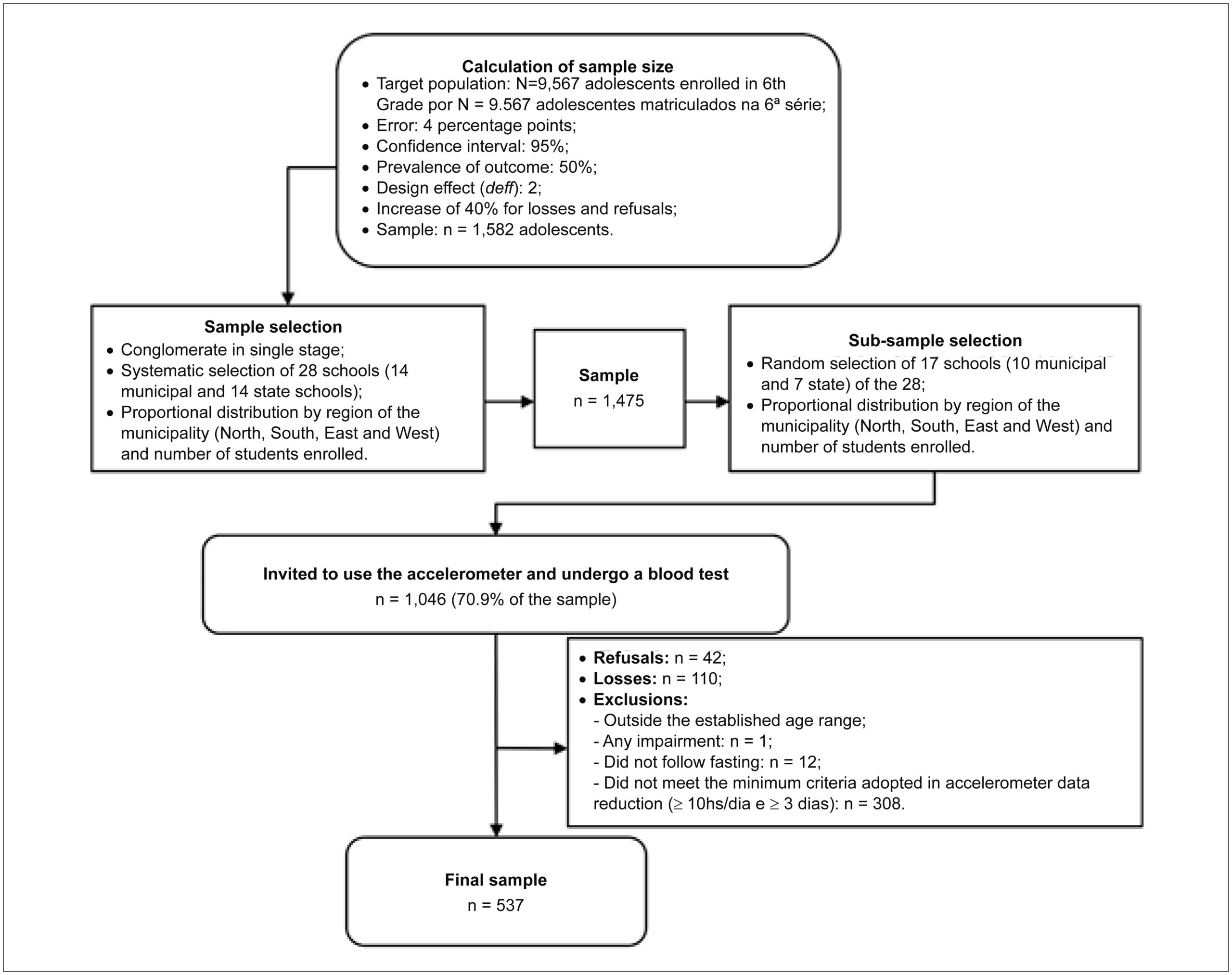
This is a cross-sectional study of 537 adolescents (52.3% girls), aged between 10 and 14 years, enrolled in public schools in the city of João Pessoa, Paraíba state, Brazil. The number of daily breaks (>100 counts/minutes) in sedentary time was measured by Actigraph GT3X+ accelerometers. The following cardiometabolic markers were analyzed: systolic and diastolic blood pressure (mmHg), fasting blood glucose levels, total cholesterol, triglycerides, HDL-c, LDL-c (all in mg/dL) and body mass index (BMI) (kg/m). Linear regression was used to analyze the association between the number of breaks and cardiometabolic markers and whether this association was moderated by nutritional status and excessive time in sedentary behavior. The significance level of p<0.05 was adopted for all analyses.

Results:

The number of daily breaks was negatively associated with BMI (boys – ß = −0.083; 95%CI: −0.132; −0.034 and girls – ß = −0.115; 95%CI: −0.169; −0.061), but not with the remaining cardiometabolic markers. The number of breaks per day was negatively associated with BMI (ß = −0.069; 95% CI: −0.102; −0.035), but not with the other cardiometabolic markers and this association was not moderated by the adolescents’ nutritional status (p=0.221), or by excessive time in sedentary behavior (p=0.176).

Conclusions:

Including breaks in sedentary time seems to contribute to lower BMI values in adolescents.

  • Adiposity
  • Adolescent
  • Blood Arterial
  • Cardiometabolic Markers
  • Cholesterol
  • Glucose
  • Sedentarism
  • Sedentary Behavior
  • Triglycerides
Read Full Article
Creative Commons Attribution (CC BY) Creative Commons license
06/09/2021 DOI: 10.36660/abc.20200047
ABC
Editorial

Is Adolescents' Cardiometabolic Health Affected by Prolonged Periods of Inactivity?

Andrea Wendt

The current literature regarding physical activity (PA) and sedentary behavior (SB) highlights the negative effect of considerable amounts of time spent in activities such as sitting, TV viewing, computer use, and some work and study activities on cardiovascular health. SB may be defined as any waking behavior characterized by an energy expenditure ≤ 1.5 metabolic equivalents while in a sitting, reclining, or lying posture., Thus, SB is not the absence or low level of PA, but it can coexist with it. In this sense, a recent review showed an interaction between SB and PA, providing evidence that individuals with higher time spent in SB presented a higher risk of cardiovascular mortality. However, estimates have been less consistent in individuals with higher PA levels.

The literature cites a series of possible mechanisms for SB effects, independent of PA, on metabolic and cardiovascular outcomes. One of these mechanisms is the decrease in enzymatic activity responsible for HDL production and the capture of triglycerides in the blood chain due to sustained inactivity in sitting, reclining, or lying posture. In this regard, strategies reducing the time spent in SB or interrupting sustained inactivity have been studied. Some of these approaches focus on standing up for a while or a short period of movement between periods of sitting time (breaks in SB). A meta-analysis with adults found a positive effect of breaks in SB on adiposity control and glycemia. In addition, an experimental study showed that 1-to-2–minute breaks in sedentary work activities every half an hour resulted in small-to-moderate declines in total cholesterol, triglycerides, and fasting blood glucose.

[…]

  • Adolescent, Cholesterol
  • body mass index
  • Cardiovascular Diseases/physiopathology
  • Epidemiology
  • Metabolic Diseases
  • Motor Activity
  • Sedentarism
  • Triglycerides
Read Full Article
Creative Commons Attribution (CC BY) Creative Commons license
06/09/2021 DOI: 10.36660/abc.20210479
IJCS
Brief Communication

Increased Maximal Expiratory Pressure, Abdominal and Thoracic Respiratory Expansibility in Healthy Yoga Practitioners Compared to Healthy Sedentary Individuals

Cláudia Fetter et al. Liliane Appratto de Souza Daniela Ravizzoni Dartora Andressa Schein … Bruna Eibel Karina Casali Maria Cláudia Irigoyen

Abstract

Background

Increasing thoracic expansion is effective at reducing blood pressure in hypertensive subjects. Yoga prescribes many respiratory techniques with a growing number of practitioners. However, very little is known whether sedentary or yoga practitioners show measurable differences in their respiratory patterns.

Objective

This study aims to demonstrate differences between healthy sedentary individuals and healthy yoga practitioners regarding maximal respiratory pressures and thoracic and abdominal respiratory expansibility.

Methods

Maximal inspiratory and expiratory pressures (MIP and MEP, respectively) were evaluated by manovacuometry, while respiratory expansion was assessed by the cirtometry of abdominal (CA), thoracic xiphoidal (CTX), and thoracic axillary (CTA) circumferences at rest (end expiratory moment) and at full inspiration in healthy sedentary individuals (SED) and yoga practitioners (YOGA). A delta derived from rest and full inspiration measures (ΔCA, ΔCTX, and ΔCTA, respectively), followed by a percentage of each item (ΔCA/CA, ΔCTX/CTX, and ΔCTA/CTA) was then calculated. Groups were compared by means of an unpaired Student’s t-test, with a significance level p < 0.05.

Results

All respiratory expansion measures were significantly higher in in the YOGA group. A significantly higher MEP (cmH2O) was also detected in yoga practitioners: SED 89.3 ± 19.3 and YOGA 114.7 ± 24.8 ( p = 0.007), along with decreased heart rate at rest (bpm): SED 84±6 and YOGA 74±15 ( p = 0.001).

Conclusions

Yoga practitioners have shown greater thoracic and abdominal expansion and increased MEP, when compared to healthy sedentary individuals, as well as significantly lower heart rates at rest and body mass index (BMI). However, whether or not these findings are related to respiratory patterns is uncertain.

  • Blood Pressure
  • Breathing Exercises
  • Heart Rate
  • Maximal Respiratory Pressures
  • Sedentarism
  • Yoga
Read Full Article
Creative Commons Attribution (CC BY) Creative Commons license
07/07/2021 DOI: 10.36660/ijcs.20200030 Views 1
ABC
Editorial

Blood Pressure in Children. The Key Role of Physical Activity and Body Fatness

César A. Agostinis-Sobrinho et al. Katiane Vilan

High blood pressure is the leading global risk factor for chronic kidney disease and cardiovascular diseases and is the leading cause of premature death worldwide. The number of adults with high blood pressure increased from 594 million in 1975 to 1.13 billion in 2015. The World Health Organization (WHO) estimates 1 in 4 men and 1 in 5 women had hypertension and that by 2025, 1.56 billion adults will be living with hypertension.

Childhood raised blood pressure is becoming more common in the general pediatric population, representing a considerable public health challenge worldwide. Studies have suggested that childhood high blood pressure seems to track from childhood to adulthood and is associated with detrimental lifelong cardiovascular events. However, raised blood pressure is one of the most important preventable contributors to disease and death and is considered to be one of the major modifiable risk factors for cardiovascular disease with roots in childhood., Studies indicate that high blood pressure levels during childhood are a multifactorial condition. Genetics, age, gender, ethnicity, overweight/obesity, sodium and potassium intake, physical inactivity, and socioeconomic factors have been named as the main risk factors for hypertension.

[…]

  • Blood Arterial
  • Child
  • Exercise
  • Hypertension/heredity
  • Obesity
  • Overweight
  • Physical activity
  • Public Health
  • Risk Factors
  • Sedentarism
Read Full Article
Creative Commons Attribution (CC BY) Creative Commons license
17/05/2021 DOI: 10.36660/abc.20210117 Views 2
IJCS
Editorial

A Burden of Physical Inactivity in School-Age Students: The Early Beginning of Cardiometabolic Risk

Pedro Paulo da Silva Soares et al. Gabriel Dias Rodrigues

It is well-known that sedentarism has a close association with the risk of cardiovascular and metabolic diseases. The physical inactivity lifestyle contributes to the prevalence of obesity and hypertension in children, highlighting a big health problem since most individuals who were hypertensive and obese in childhood/adolescence become hypertensive and obese adults. On the other hand, physical exercise is a frontline non-pharmacological strategy to control and treat hypertension, as well as to prevent obesity, which should be encouraged among children/adolescents to reduce cardiometabolic risk in adulthood. In this context, the mapping of risk factors associated with hypertension at the early age should be considered a primary step to plan public policies for disease prevention and health promotion, reducing the burden on healthcare resources. Both obesity and high blood pressure have multifactorial causes, among them low levels of physical activity in adults, children, and adolescents. It is of utmost relevance to investigate the prevalence of physical activity levels in scholars, mainly in a country such as Brazil, with enormous disparities among regions.

In the current issue of the International Journal of Cardiovascular Sciences, Azevêdo et al. investigated physical activity levels, as well as the anthropometric and cardiovascular profile in school-age students attending public schools in the state of Sergipe, northeast of Brazil. The study reported high rates of physical inactivity for both boys and girls, and increased blood pressure in overweight school-age students. Regarding anthropometric profiles, intriguing data showed a high prevalence of low body weight in the age group from 16 to 17 years for both sexes. In contrast, a previous study found a high prevalence of overweight/obesity in school-age students in a city of the Brazilian South region, suggesting a discrepancy between the Brazilian South and Northeast regions that must be considered for Brazilian public policies in health promoting at the primary care level. From a practical perspective, physical education classes, as well as the public schools’ pedagogic programs, must work together for health promoting and health education, and physical activity should be encouraged to prevent cardiovascular risk starting from childhood to adult life.

[…]

  • Adolecents
  • Exercise
  • Metabolic Diseases
  • Physical activity
  • Public Health
  • Risk Factors
  • Sedentarism
  • students
Read Full Article
Creative Commons Attribution (CC BY) Creative Commons license
03/05/2021 DOI: 10.36660/ijcs.20210100 Views 2
ABC
Editorial

A Collaboration to Stop Smoking

Ricardo Vivacqua Cardoso Costa

The association between smoking and physical inactivity is an essential expression of morbidity and mortality in wide age groups.

The present study enhances the recognized risks of smoking, correlating it to the quality of sleep, and autonomic dysfunctions with levels of physical activity. Parameters considered as risk factors for cardiovascular pathologies. It is worth mentioning the accurate methodology contributing to the legitimacy of this study. In the most active group (p> 50), higher values of skeletal muscle mass were observed, related to better performance and influencing the reflex metabolite. Statistical treatment demonstrated significant correlations between smoking, sleep quality, and autonomic dysfunction. We believe that a higher number of candidates for the study can obtain stronger associations. We suggest, as a continuation of this study, to evaluate the recovery of heart rate in the first minute of post-exercise recovery, an indicator of parasympathetic autonomic adaptation of prognostic value in cardiovascular diseases. Also, a better quantification of physical activity that characterizes active or non-active behavior is also valid. The current bibliography deserves mention, with about 16% of authors from our country.

[…]

  • Arrhythmias Cardiac/physiopathology
  • Atrial Fibrillation/physiopathology
  • Combined Modality Therapy
  • Obesity
  • Risk Factors
  • Sedentarism
Read Full Article
Creative Commons Attribution (CC BY) Creative Commons license
03/02/2021 DOI: 10.36660/abc.20200458 Views 1
Figure 1
ABC
Review Article

Atrial Fibrillation (Part 1): Pathophysiology, Risk Factors, and Therapeutic Basis

Fatima Dumas Cintra et al. Marcio Jansen de Oliveira Figueiredo

Abstract

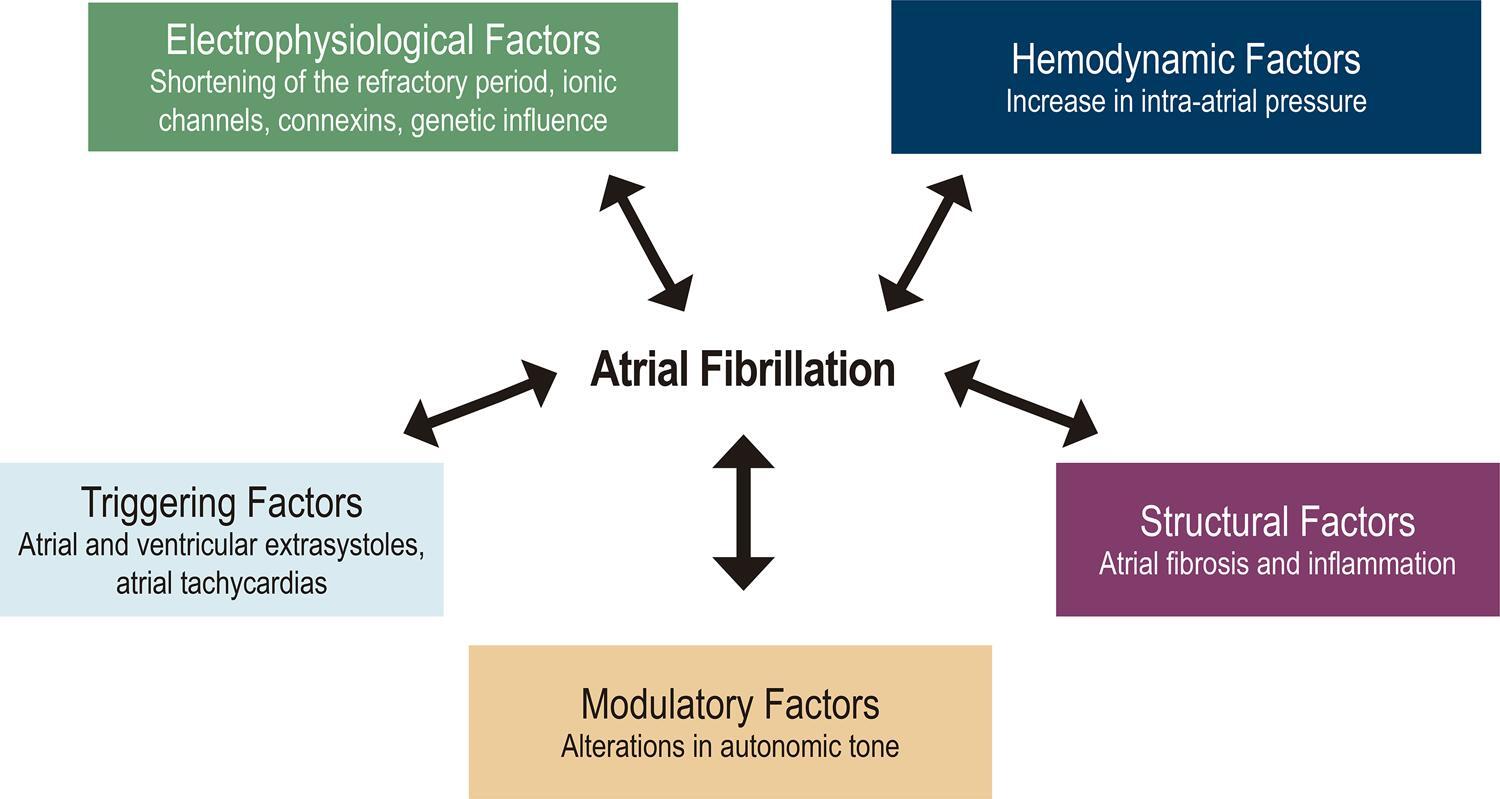
Atrial fibrillation is the most common sustained arrhythmia in clinical practice, with a preference for older age groups. Considering population ageing, the projections for the next decades are alarming. In addition to its epidemiological importance, atrial fibrillation is evidenced by its clinical repercussions, including thromboembolic phenomena, hospitalizations, and a higher mortality rate. Its pathophysiological mechanism is complex and involves an association of hemodynamic, structural, electrophysiological, and autonomic factors. Since the 1990s, the Framingham study of multivariate analyses has demonstrated that hypertension, diabetes, heart failure, and valvular disease are independent predictors of this rhythm abnormality along with age. However, various other risk factors have been recently implicated in an increase of atrial fibrillation cases, such as sedentary behavior, obesity, sleep disorders, tobacco use, and excessive alcohol use. Moreover, changes in quality of life indicate a reduction in atrial fibrillation recurrence, thus representing a new strategy for excellence in the treatment of this cardiac arrhythmia. Therapeutic management involves a broad knowledge of the patient’s health state and habits, comprehending 4 main pillars: lifestyle changes and rigorous treatment of risk factors; prevention of thromboembolic events; rate control; and rhythm control. Due to the dimension of factors involved in the care of patients with atrial fibrillation, integrated actions performed by interprofessional teams are associated with the best clinical results.

  • Arrhythmias Cardiac/physiopathology
  • Atrial Fibrillation/physiopathology
  • Combined Modality Therapy
  • Obesity
  • Risk Factors
  • Sedentarism
Read Full Article
Creative Commons Attribution (CC BY) Creative Commons license
03/02/2021 DOI: 10.36660/abc.20200485 Views 3
IJCS
Original Article

Physical Activity Level, Anthropometric and Cardiovascular Profile Among Students in Sergipe State Attending Public Schools

Luan Morais Azevêdo et al. Lucas Souza Santos Emerson Pardono Jeeser Alves Almeida Aldemir Smith Menezes

Abstract

Background

Cardiovascular diseases are the leading cause of mortality among adults. Evidence has shown that sedentary behaviors are the main preventable outcome, however, many sedentary children also become sedentary adults. Therefore, identifying potential risk factors as early as possible contributes to therapeutic success.

Objective

To achieve an anthropometric and cardiovascular mapping of school-age students from Sergipe State, Brazil.

Methods

A school-based cross-sectional study with a representative sample from public schools in the state of Sergipe (n= 4700). Anthropometric and blood pressure measurements were performed, and the Global School-based Student Health Survey was used to assess the physical activity level. An independent samples t-test was performed for all comparisons, and significance was established at 5% (p<0.05).

Results

Despite showing mean blood pressure values within reasonable limits (SBP = 114.1±12.4 mm Hg and DBP = 66.3±8.1 mm Hg), school-age students did not comply with global recommendations for health promotion. It was also observed a high rate of low body weight (42.6%), suggesting dietary compromises, which can interfere with the development of this population. In addition, only 7.3% of students met the minimum physical activity criteria proposed for maintaining their health status.

Conclusion

The findings of the present study emphasize the importance of maintaining Physical Education classes as an essential curricular component, since they provide several health benefits and ensure that this population reaches the minimum daily recommendations, preventing diseases in adult life. (Int J Cardiovasc Sci. 2020; [online].ahead print, PP.0-0)

  • Adolecents
  • Anthropometry
  • Epidemiology
  • Exercise
  • Hypertension
  • Prevalence
  • Public Schools
  • Risk Factors
  • Sedentarism
  • students
Read Full Article
Creative Commons Attribution (CC BY) Creative Commons license
08/01/2021 DOI: 10.36660/ijcs.20200050
ABC
Editorial

Oxygen Consumption and Cardiorespiratory Fitness. The Difference between Chronological and Biological Age

Artur Haddad Herdy et al. Amberson Vieira Assis

Oxygen is undoubtedly one of the main elements for the life of an aerobic organism. Animals with more complex structures, including humans, developed oxidative metabolism in the evolutionary process as the main source of energy production. Therefore, our ability to consume and use oxygen represents our main power plant and is closely associated with our vitality. Its measurement should undoubtedly be considered as another vital sign. When assessing athletes or people with severe pathologies, oxygen consumption (VO2) is an important marker of performance or survival. VO2 also defines essential therapies in critically-ill patients with CHF. In a series of 715 patients referred for heart transplantation, the event-free survival, such as death and transplantation in one year, was 87% with VO2 > 14, 77% between 10.1 and 14, and 65% when VO2 ≤ 10 mL/kg.min., On the other hand, values above 20 mL/kg.min are considered to have a better prognosis and may continue with the pharmacological therapy.

Recently, in the current coronavirus-19 pandemic (Sars-CoV-2), the value of arterial oxygen levels showed to be an important tool in the assessment of the severity of these patients. In the initial cases of lung injury, patients were relatively well, despite oxygen desaturation, which is not very responsive to oxygen therapy, in a clear gap between the severity of hypoxemia and symptoms, which has been described as “Happy hypoxemia”. The early monitoring of oxygen saturation since the home phase allowed the anticipation of the dyspnea onset, which already represents an indication of the advanced stage of pulmonary impairment and the imminent need for oxygen supplementation and/or invasive ventilation.

[…]

  • Endurance Training
  • Exercise
  • Healthy Lifestyle
  • Motor Activity
  • Myocardial Ischemia/prevention and control
  • Physical Endurance
  • Sedentarism
  • Social Class
Read Full Article
Creative Commons Attribution (CC BY) Creative Commons license
18/09/2020 DOI: 10.36660/abc.20200648
Figure 1
ABC
Original Article

Blood Pressure Control and Associated Factors in a Real-World Team-Based Care Center

Thiago Veiga Jardim et al. Ana Luiza Lima Souza Weimar Kunz Sebba Barroso Paulo Cesar B. Veiga Jardim

Abstract

Background

Although team-based care is recommended for patients with hypertension, results of this intervention in a real-world setting are missing in the literature.

Objective

To report the results of a real-world long-term team-based care for hypertensive patients we conducted this study.

Methods

Data of hypertensive patients attending a multidisciplinary treatment center located in the Midwest region of Brazil in June 2017 with at least two follow-up visits were retrospectively assessed. Anthropometric, blood pressure (BP), follow-up time, pharmacological treatment, diabetes and lifestyle data were collected from the last visit to the service. BP values < 140 x 90 mmHg in non-diabetics and < 130 x 80 mmHg in diabetics were considered controlled. A logistic regression model was built to identify variables independently associated to BP control. Significance level adopted p < 0.05.

Results

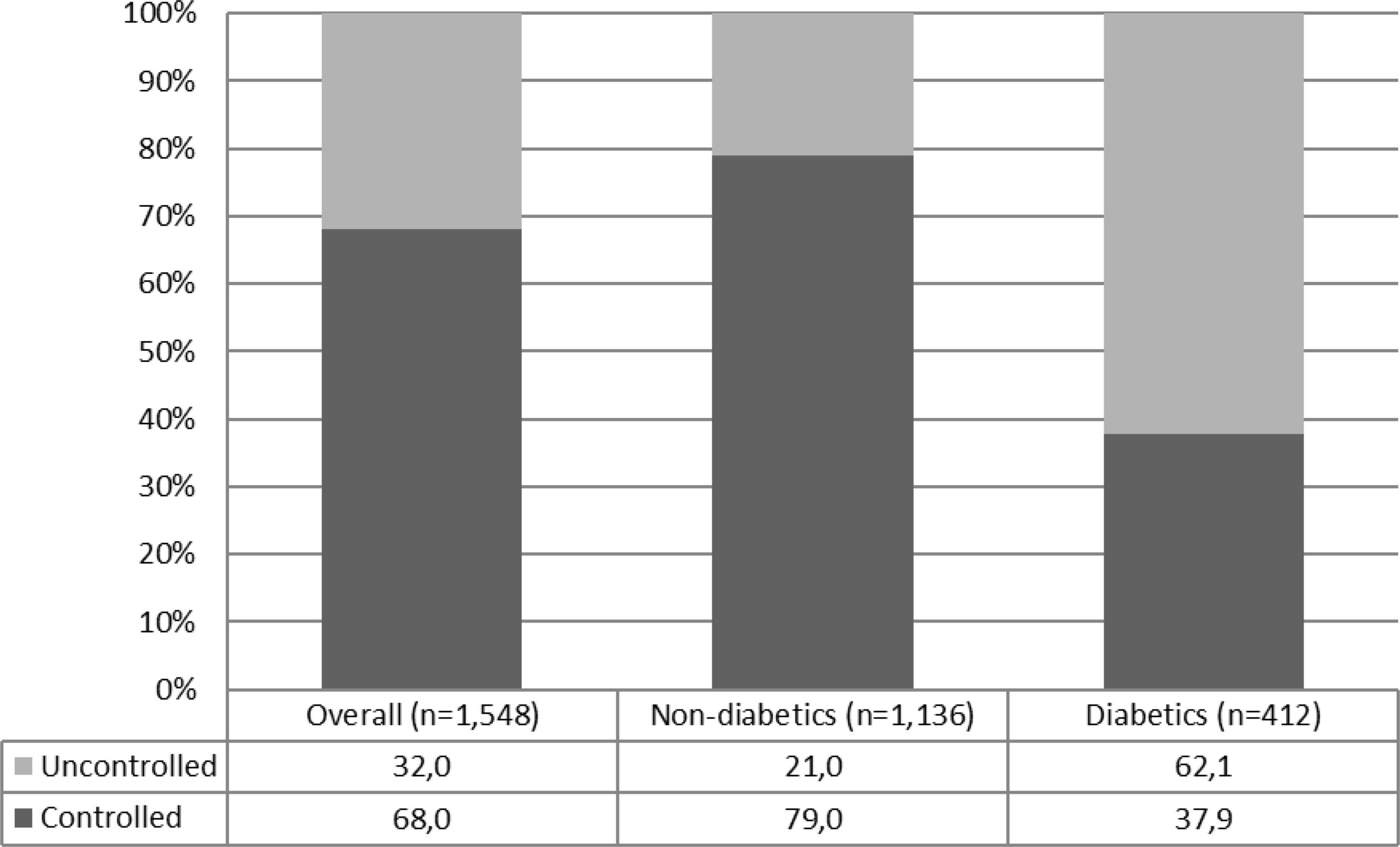
A total of 1,548 patients were included, with a mean follow-up time of 7.6 ± 7.1 years. Most patients were female (73.6%; n=1,139) with a mean age of 61.8 ±12.8 years. BP control rates in all the sample, and in non-diabetics and diabetics were 68%, 79%, and 37.9%, respectively. Diabetes was inversely associated with BP control (OR 0.16; 95%CI 0.12-0.20; p<0.001) while age ≥ 60 years (OR 1.48; 95%CI 1.15-1.91; p=0.003) and female sex (OR 1.38; 95%CI 1.05-1.82; p=0.020) were directly associated.

Conclusions

A BP control rate around 70% was found in patients attending a multidisciplinary team care center for hypertension. Focus on patients with diabetes, younger than 60 years and males should be given to further improve these results. (Arq Bras Cardiol. 2020; 115(2):174-181)

  • Blood Pressure/prevention and control
  • Exercise
  • Hypertension
  • Life Style
  • Obesity
  • Sedentarism
  • Treatment Adherence and Compliance
Read Full Article
Creative Commons Attribution (CC BY) Creative Commons license
28/08/2020 DOI: 10.36660/abc.20180384 Views 1
ABC
Editorial

Atrioventricular Conduction System Disorders and Potential Risks of Arrhythmic Events in Endurance Athletes

Carlos Alberto Cordeiro Hossri

Short Editorial related to the article: Assessing Dynamic Atrioventricular Conduction Time to RR-interval Coupling in Athletes and Sedentary Subjects

Some disorders found on electrocardiograms are commonly seen in endurance or high-performance athletes and often have characteristics that are similar to those observed in elderly individuals or in those with cardiovascular disease. –

[…]

  • Arrhythmias Cardiac
  • Eletrocardiography/methods
  • Keywords: Athletes
  • physical fitness
  • Resistance Training
  • Sedentarism
  • Ventricular Function
  • Ventricular Remodeling
Read Full Article
Creative Commons Attribution (CC BY) Creative Commons license
07/08/2020 DOI: 10.36660/abc.20200668
Figure 1
IJCS
Original Article

Treatment Eligibility and Therapeutic Responses of an Ecuadorian Population at High Cardiovascular Risk Based on the ATP III Guidelines

Isabel Hernández et al. Andrea Estrella Jorge Salazar Yan Duarte … Edmundo Torres Camilo López Santiago Terán Alejandra Mendoza Enrique Terán

Abstract

Background

The Adult Treatment Panel III (ATPIII) guidelines aim to reduce cardiovascular morbidity and mortality. In Ecuador, 20% of people have high LDL cholesterol levels, and 39% have high triglyceride levels.

Objective

To analyze lipid-lowering regimens in Ecuadorian patients and determine the achievement rate of the ATPIII goals for lipid profile.

Methods

Using a retrospective analysis, 385 subjects older than 30 years, who received pharmacological treatment for dyslipidemia for at least three months was randomly selected from institutions at two large cities in Ecuador. Data were collected from patients’ medical records and analyzed by chi-square test or paired t-test; p-values less than 0.05 were considered significant.

Results

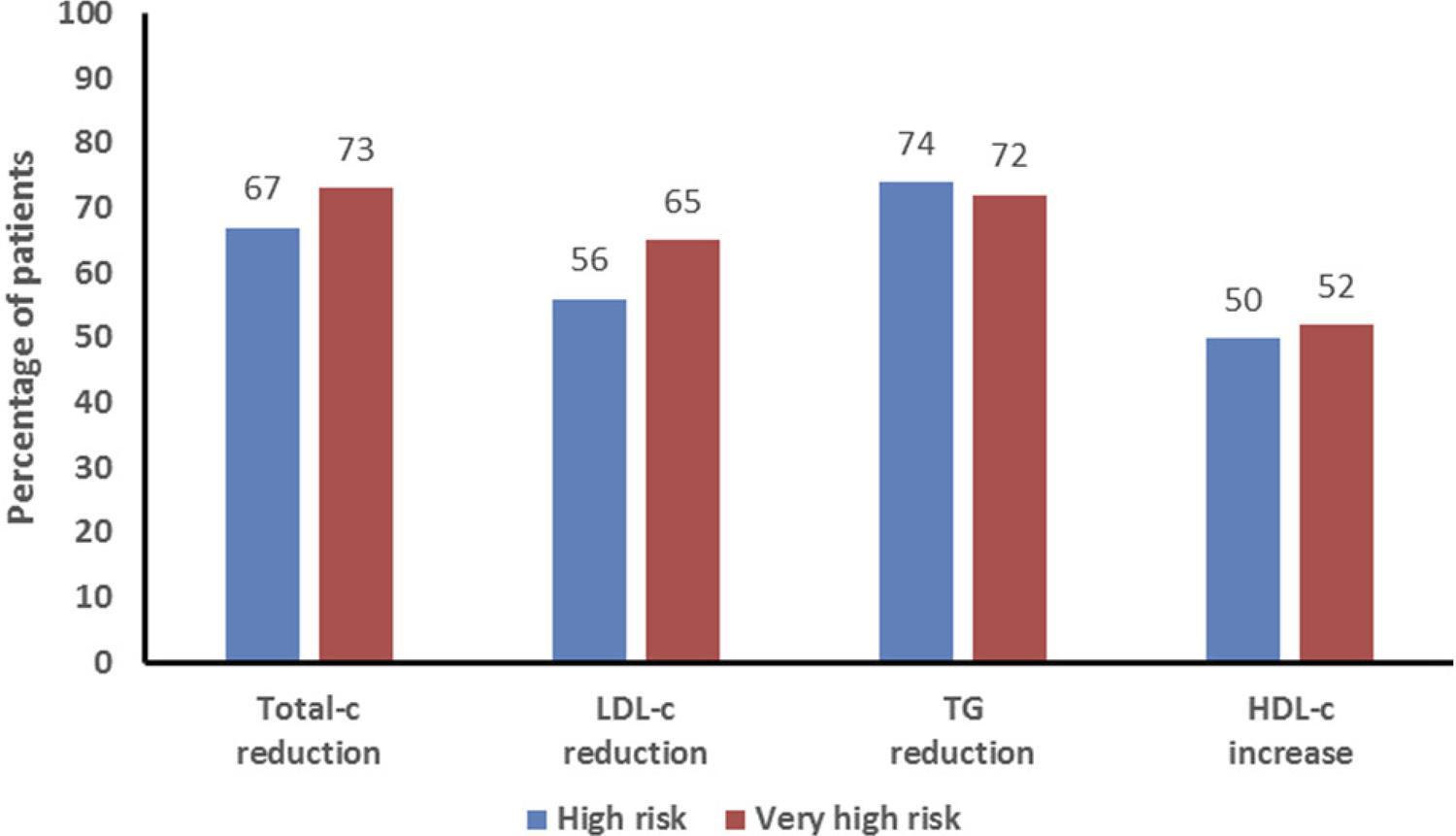
Baseline total cholesterol values were above 200 mg/dL in 75% of subjects, LDL-c values above 129 mg/dL in 83% of subjects and triglycerides values above 150 mg/dL in 79% of subjects. Most (n = 253, 95.8%) patients at very high cardiovascular risk were taking statins, 50% of them atorvastatin. Considering the ATPIII guidelines’ goals, only 24 subjects (19%) at high CV risk achieved an LDL-c < 100 mg/dl, while a significantly lower percentage (p = 0.04) of patients at very high risk reached an LDL-c < 70mg/dl (11%; n = 30).

Conclusion

These data indicate a low rate of compliance with the ATPIII guidelines, independent of the medication used or duration of the treatment. This may be attributed to the prescription of low doses of medication and a therapy targeting isolated lipid fractions rather than a complete lipid profile. (Int J Cardiovasc Sci. 2020; 33(4):371-376)

  • Cardiovascular Diseases/prevention and control
  • Cholesterol
  • dyslipidemia
  • Lifestyle
  • Patient Compliance
  • Sedentarism
  • Tabaquism
  • Triglicerides
Read Full Article
Creative Commons Attribution (CC BY) Creative Commons license
07/08/2020 DOI: 10.36660/ijcs.20190010 Views 1
ABC
Editorial

Physical Activity in the Present Can Be the Recipe to Avoid the Ills of Obesity and Hypertension in the Future

Roberto Jorge da Silva Franco

Short Editorial related to the article: Hypertensive Measures In Schoolchildren: Risk Of Central Obesity And Protective Effect Of Moderate-To-Vigorous Physical Activity

Arterial hypertension is one of the most important causes of premature death in the world. Nearly one billion are affected and it is estimated that by 2025, 1.5 billion adults will be living with AH. Fortunately, AH is a major modifiable risk factor for cardiovascular diseases with roots in childhood making both the development of the disease and death to be preventable.

[…]

  • Adolecents
  • Adult
  • Cardiovascular Diseases, mortality
  • Hypertension
  • Obesity
  • Physical,Activity
  • Risk Factors
  • Sedentarism
Read Full Article
Creative Commons Attribution (CC BY) Creative Commons license
07/08/2020 DOI: 10.36660/abc.20200483 Views 1
IJCS
Viewpoint

Should Physical Activity Be Considered Essential During the COVID-19 Pandemic?

Francisco José Gondim Pitanga et al. Carmem Cristina Beck Cristiano Penas Seara Pitanga

Introduction

The novel coronavirus (COVID-19) disease, considered a pandemic by the World Health Organization (WHO), which until April 13, 2020, had 1,776,867 confirmed cases with 111,828 deaths worldwide, led the Ministry of Health of Brazil to prepare a manual with several actions to prevent the spread of the disease. Among these actions, social distancing is recommended, instructing people to remain at home. In addition, many heads of state and municipal executive power across Brazil have issued decrees proposing the closure of several spaces, including gyms, clinics, clubs, and other public and private spaces for physical activity. These actions caused the Brazilian population to have difficulties to continue the practice of physical activity.

On the other hand, since the beginning of the pandemic, some studies have been published in different parts of the world, calling attention to the importance of continuing to practice physical activity. For example, in the city of Wuhan in China, the initial epicenter of the disease, people were recommended to practice physical activity even at home. In a recent study focused on elderly people, outdoor physical activity and also exercising at home were suggested as therapy to combat the physical and mental consequences of quarantine due to the Covid-19 pandemic. In addition, according to a recent position of the American College of Sports Medicine, people should continue to stay physically active while at home during the pandemic.

[…]

  • Coronavirus
  • COVID-19
  • Exercise
  • Leisure Activities
  • Pandemics
  • Physical activity
  • Psychological Phenomena
  • Sedentarism
Read Full Article
Creative Commons Attribution (CC BY) Creative Commons license
05/06/2020 DOI: 10.36660/ijcs.20200072 Views 2
ABC
Viewpoint

Physical Exercise in Patients with Heart Disease and in the General Population in Times of Coronavirus

Ricardo Stein

I will begin this text without speaking about exercise. I want to emphasize that individuals with chronic diseases, such as hypertension, heart failure, different types of myocardiopathy, and some forms of arrhythmia are at an increased risk of fatal outcomes after contracting SARS-COV-2 and developing the infection denominated COVID-19. In the same manner, those who have undergone mechanical or surgical revascularization, individuals with prosthetic valves (whether biological or metallic), pacemakers, implanted defibrillators, or other devices, as well as those with some forms of congenital heart disease are also part of a higher risk group.

First point: The patients described above are definitely at a higher risk and they are part of the risk group regardless of age.*

[…]

  • Cardiovascular Diseases
  • Coronavirus
  • COVID-19
  • Exercise
  • Healthy Diet
  • Life Style
  • Physical activity
  • Residence
  • Risk Factors
  • Sedentarism
Read Full Article
Creative Commons Attribution (CC BY) Creative Commons license
11/05/2020 DOI: 10.36660/abc.20200281 Views 1
Figure 1
ABC
Original Article

Assessing Dynamic Atrioventricular Conduction Time to RR-interval Coupling in Athletes and Sedentary Subjects

Paulo Roberto Benchimol-Barbosa et al. Olivassé Nasario Junior Jurandir Nadal

Abstract

Background

Atrioventricular conduction time ( AVCT ) is influenced by autonomic input and subject to physiological remodeling.

Objective

To evaluate beat-by-beat AVCT and RR-interval variability in athletes and healthy sedentary subjects.

Methods

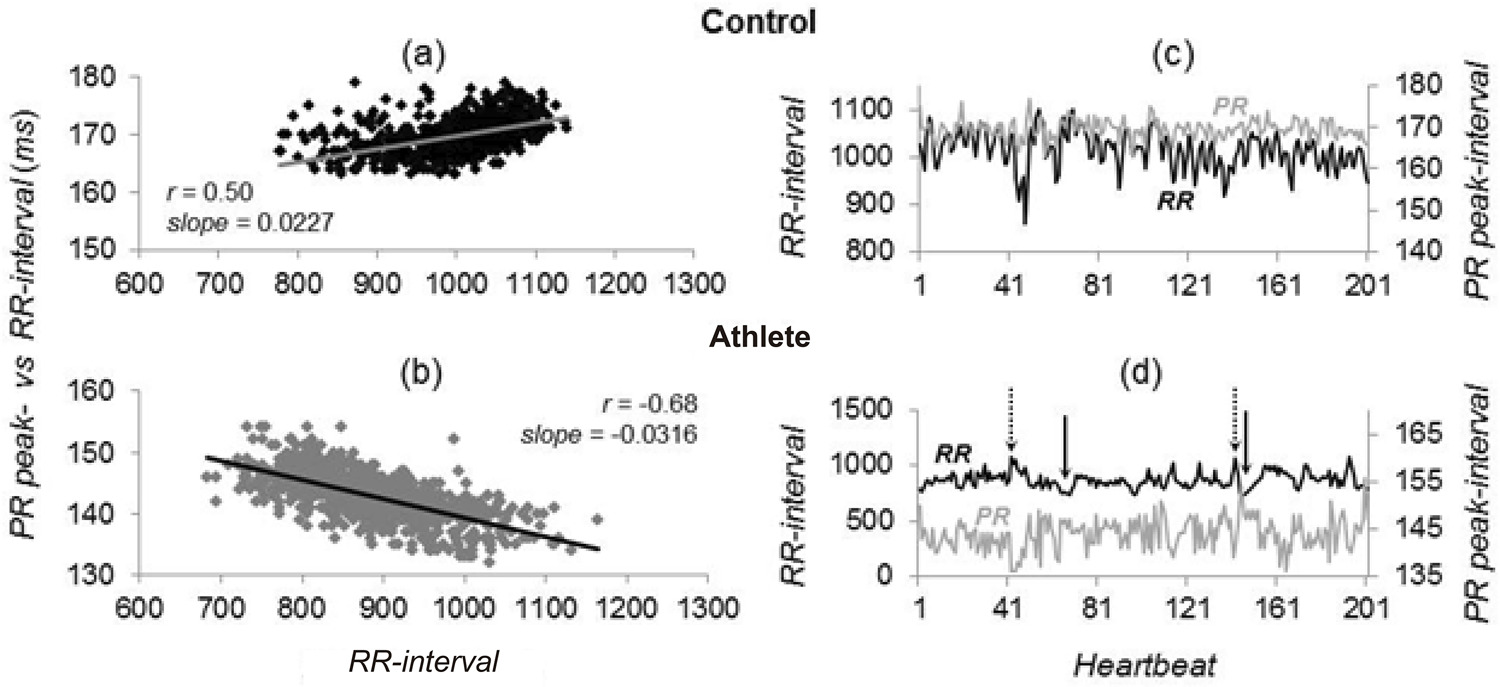
Twenty adults, including 10 healthy sedentary (Controls) and 10 elite long-distance runners (Athletes), age, weight and height-adjusted, underwent maximal metabolic equivalent (MET) assessment, and 15-min supine resting ECG recording seven days later. The interval between P-wave and R-wave peaks defined the AVCT . Mean (M) and standard deviation (SD) of consecutive RR-intervals (RR) and coupled AVCT were calculated, as well as regression lines of RR vs. AVCT (RR-AVCT) . Concordant AV conduction was defined as positive RR-AVCT slope and discordant otherwise. A multivariate linear regression model was developed to explain MET based on AVCT and RR-interval variability parameters. Significance-level: 5 %.

Results

In Athletes, M-RR and SD-RR values were higher than in Controls, whereas M-AVCT and SD-AVCT were not. RR-AVCT slopes were, respectively, 0.038 ± 0.022 and 0.0034 ± 0.017 (p < 0.05). Using a cut-off value of 0.0044 (AUC 0.92 ± 0.07; p < 0.001), RR-AVCT slope showed 100% specificity and 80% sensitivity. In a multivariate model, SD-RR and RR-AVCT slope were independent explanatory variables of MET (F-ratio: 17.2; p < 0.001), showing 100% specificity and 90% sensitivity (AUC 0.99 ± 0.02; p < 0.001).

Conclusion

In elite runners, AVCT to RR -interval dynamic coupling shows spontaneous discordant AV conduction, characterized by negative AVCT vs. RR -interval regression line slope. RR -intervals standard deviation and AVCT vs. RR -interval regression line slope are independent explanatory variables of MET (Arq Bras Cardiol. 2020; [online].ahead print, PP.0-0)

  • Adults
  • Athletes
  • Electrocardiography/methods
  • Heart Ventricles
  • physical fitness
  • Resistance Training
  • Sedentarism
  • Ventricular Function
  • Ventricular Remodeling
Read Full Article
Creative Commons Attribution (CC BY) Creative Commons license
08/05/2020 DOI: 10.36660/abc.20190281

Could not load more articles. Please try again.

How to cite this article

EndNote RIS

Electronic Document Format (Vancouver)

Prodel E. Small Exercise Breaks can Save your Brain from Prolonged Sitting. International Journal of Cardiovascular Sciences 2023;34(6):654-5.

Electronic Document Format (ABNT)

Prodel, Eliza. Small Exercise Breaks can Save your Brain from Prolonged Sitting. International Journal of Cardiovascular Sciences, v. 34, n. 6, p. 654-655, Mar. 2023.

Electronic Document Format (APA)

Prodel, E. (2023). Small Exercise Breaks can Save your Brain from Prolonged Sitting. International Journal of Cardiovascular Sciences, 34(6), 654-655.

Electronic Document Format (ISO)

Prodel, Eliza. Small Exercise Breaks can Save your Brain from Prolonged Sitting. International Journal of Cardiovascular Sciences [online]. 2023, vol. 34, n. 6, [cited 2026-10-14], pp. 654-655. Available from: <https://journals.cardiol.br/en/article/small-exercise-breaks-can-save-your-brain-from-prolonged-sitting/>. ISSN 2359-4802

EndNote RIS

Electronic Document Format (Vancouver)

Campana EMG, Magalhães MEC, Brandão AA. Weight Excess: The Great Villain in the Development of Hypertension in Adolescents. International Journal of Cardiovascular Sciences 2023;34(6):617-9.

Electronic Document Format (ABNT)

Campana, Erika Maria Gonçalves; Magalhães, Maria Eliane Campos; Brandão, Andréa Araujo. Weight Excess: The Great Villain in the Development of Hypertension in Adolescents. International Journal of Cardiovascular Sciences, v. 34, n. 6, p. 617-619, Mar. 2023.

Electronic Document Format (APA)

Campana, E. M. G., Magalhães, M. E. C., & Brandão, A. A. (2023). Weight Excess: The Great Villain in the Development of Hypertension in Adolescents. International Journal of Cardiovascular Sciences, 34(6), 617-619.

Electronic Document Format (ISO)

Campana, Erika Maria Gonçalves and Magalhães, Maria Eliane Campos and Brandão, Andréa Araujo. Weight Excess: The Great Villain in the Development of Hypertension in Adolescents. International Journal of Cardiovascular Sciences [online]. 2023, vol. 34, n. 6, [cited 2026-10-14], pp. 617-619. Available from: <https://journals.cardiol.br/en/article/weight-excess-the-great-villain-in-the-development-of-hypertension-in-adolescents/>. ISSN 2359-4802

EndNote RIS

Electronic Document Format (Vancouver)

Branco KC, Back IC. Why is Physical Activity Important to Study in Childhood and Adolescence?. International Journal of Cardiovascular Sciences 2022;35(3):316-7.

Electronic Document Format (ABNT)

Branco, Klebia Castello; Back, Isabela de Carlos. Why is Physical Activity Important to Study in Childhood and Adolescence?. International Journal of Cardiovascular Sciences, v. 35, n. 3, p. 316-317, Nov. 2021.

Electronic Document Format (APA)

Branco, K. C., & Back, I. C. (2022). Why is Physical Activity Important to Study in Childhood and Adolescence?. International Journal of Cardiovascular Sciences, 35(3), 316-317.

Electronic Document Format (ISO)

Branco, Klebia Castello and Back, Isabela de Carlos. Why is Physical Activity Important to Study in Childhood and Adolescence?. International Journal of Cardiovascular Sciences [online]. 2022, vol. 35, n. 3, [cited 2026-10-14], pp. 316-317. Available from: <https://journals.cardiol.br/en/article/why-is-physical-activity-important-to-study-in-childhood-and-adolescence/>. ISSN 2359-4802

EndNote RIS

Electronic Document Format (Vancouver)

Fernandes LP, Almeida MCC, Matos SA, Campos ACP, Câmara EJN, Foppa M, Ribeiro ALP, et al. Simple Echocardiographic Parameters are Strong Predictors of the Cardiovascular Risk in Asymptomatic Individuals: Elsa-Brasil Cohort. Arquivos Brasileiros de Cardiologia 2022;118(5):916-24.

Electronic Document Format (ABNT)

Fernandes, Luciana Pereira; Almeida, Maria da Conceição Chagas de; Matos, Sheila Alvim de; Campos, Ana Clara Paixão; Câmara, Edmundo José Nassri; Foppa, Murilo; Ribeiro, Antônio Luiz Pinho; Barreto, Sandhi Maria; Aras Júnior, Roque. Simple Echocardiographic Parameters are Strong Predictors of the Cardiovascular Risk in Asymptomatic Individuals: Elsa-Brasil Cohort. Arquivos Brasileiros de Cardiologia, v. 118, n. 5, p. 916-924, May. 2022.

Electronic Document Format (APA)

Fernandes, L. P., Almeida, M. C. C. , Matos, S. A. , Campos, A. C. P., Câmara, E. J. N., Foppa, M., Ribeiro, A. L. P., Barreto, S. M., & Aras Júnior, R. (2022). Simple Echocardiographic Parameters are Strong Predictors of the Cardiovascular Risk in Asymptomatic Individuals: Elsa-Brasil Cohort. Arquivos Brasileiros de Cardiologia, 118(5), 916-924.

Electronic Document Format (ISO)

Fernandes, Luciana Pereira and Almeida, Maria da Conceição Chagas de and Matos, Sheila Alvim de and Campos, Ana Clara Paixão and Câmara, Edmundo José Nassri and Foppa, Murilo and Ribeiro, Antônio Luiz Pinho and Barreto, Sandhi Maria and Aras Júnior, Roque. Simple Echocardiographic Parameters are Strong Predictors of the Cardiovascular Risk in Asymptomatic Individuals: Elsa-Brasil Cohort. Arquivos Brasileiros de Cardiologia [online]. 2022, vol. 118, n. 5, [cited 2026-10-14], pp. 916-924. Available from: <https://journals.cardiol.br/en/article/simple-echocardiographic-parameters-are-strong-predictors-of-the-cardiovascular-risk-in-asymptomatic-individuals-elsa-brasil-cohort/>. ISSN 0066-782X

EndNote RIS

Electronic Document Format (Vancouver)

Neves MF. Hypertension in Adolescence, a Direct Relationship to Obesity and Insulin Resistance. Arquivos Brasileiros de Cardiologia 2022;118(4):727-9.

Electronic Document Format (ABNT)

Neves, Mario Fritsch. Hypertension in Adolescence, a Direct Relationship to Obesity and Insulin Resistance. Arquivos Brasileiros de Cardiologia, v. 118, n. 4, p. 727-729, Apr. 2022.

Electronic Document Format (APA)

Neves, M. F. (2022). Hypertension in Adolescence, a Direct Relationship to Obesity and Insulin Resistance. Arquivos Brasileiros de Cardiologia, 118(4), 727-729.

Electronic Document Format (ISO)

Neves, Mario Fritsch. Hypertension in Adolescence, a Direct Relationship to Obesity and Insulin Resistance. Arquivos Brasileiros de Cardiologia [online]. 2022, vol. 118, n. 4, [cited 2026-10-14], pp. 727-729. Available from: <https://journals.cardiol.br/en/article/hypertension-in-adolescence-a-direct-relationship-to-obesity-and-insulin-resistance/>. ISSN 0066-782X

EndNote RIS

Electronic Document Format (Vancouver)

Dorna MS. Food Intake among the Diabetic and Non-Diabetic Elderly Population in Brazil. Arquivos Brasileiros de Cardiologia 2022;118(2):398-9.

Electronic Document Format (ABNT)

Dorna, Mariana de Souza. Food Intake among the Diabetic and Non-Diabetic Elderly Population in Brazil. Arquivos Brasileiros de Cardiologia, v. 118, n. 2, p. 398-399, Mar. 2022.

Electronic Document Format (APA)

Dorna, M. S. (2022). Food Intake among the Diabetic and Non-Diabetic Elderly Population in Brazil. Arquivos Brasileiros de Cardiologia, 118(2), 398-399.

Electronic Document Format (ISO)

Dorna, Mariana de Souza. Food Intake among the Diabetic and Non-Diabetic Elderly Population in Brazil. Arquivos Brasileiros de Cardiologia [online]. 2022, vol. 118, n. 2, [cited 2026-10-14], pp. 398-399. Available from: <https://journals.cardiol.br/en/article/food-intake-among-the-diabetic-and-non-diabetic-elderly-population-in-brazil/>. ISSN 0066-782X

EndNote RIS

Electronic Document Format (Vancouver)

Rigatto K. Pre-Hypertension in Adolescents: A New Old Issue. Arquivos Brasileiros de Cardiologia 2021;117(4):655-6.

Electronic Document Format (ABNT)

Rigatto, Katya. Pre-Hypertension in Adolescents: A New Old Issue. Arquivos Brasileiros de Cardiologia, v. 117, n. 4, p. 655-656, Oct. 2021.

Electronic Document Format (APA)

Rigatto, K. (2021). Pre-Hypertension in Adolescents: A New Old Issue. Arquivos Brasileiros de Cardiologia, 117(4), 655-656.

Electronic Document Format (ISO)

Rigatto, Katya. Pre-Hypertension in Adolescents: A New Old Issue. Arquivos Brasileiros de Cardiologia [online]. 2021, vol. 117, n. 4, [cited 2026-10-14], pp. 655-656. Available from: <https://journals.cardiol.br/en/article/pre-hypertension-in-adolescents-a-new-old-issue/>. ISSN 0066-782X

EndNote RIS

Electronic Document Format (Vancouver)

Jardim PCBV, Jardim TSV. Chronological Age or Biological Age, Mainly a Matter of Lifestyle. Arquivos Brasileiros de Cardiologia 2021;117(3):463-4.

Electronic Document Format (ABNT)

Jardim, Paulo César B. Veiga; Jardim, Thiago de Souza Veiga. Chronological Age or Biological Age, Mainly a Matter of Lifestyle. Arquivos Brasileiros de Cardiologia, v. 117, n. 3, p. 463-464, Sep. 2021.

Electronic Document Format (APA)

Jardim, P. C. B. V., & Jardim, T. S. V. (2021). Chronological Age or Biological Age, Mainly a Matter of Lifestyle. Arquivos Brasileiros de Cardiologia, 117(3), 463-464.

Electronic Document Format (ISO)

Jardim, Paulo César B. Veiga and Jardim, Thiago de Souza Veiga. Chronological Age or Biological Age, Mainly a Matter of Lifestyle. Arquivos Brasileiros de Cardiologia [online]. 2021, vol. 117, n. 3, [cited 2026-10-14], pp. 463-464. Available from: <https://journals.cardiol.br/en/article/chronological-age-or-biological-age-mainly-a-matter-of-lifestyle/>. ISSN 0066-782X

EndNote RIS

Electronic Document Format (Vancouver)

Quirino NMML, Prazeres Filho A, Barbosa AO, Mendonça G, Farias Júnior JC. Breaks in Sedentary Time and Cardiometabolic Markers in Adolescents. Arquivos Brasileiros de Cardiologia 2021;117(2):352-6.

Electronic Document Format (ABNT)

Quirino, Natália Maria Mesquita de Lima; Prazeres Filho, Alcides; Barbosa, Arthur Oliveira; Mendonça, Gerfeson; Farias Júnior, José Cazuza de. Breaks in Sedentary Time and Cardiometabolic Markers in Adolescents. Arquivos Brasileiros de Cardiologia, v. 117, n. 2, p. 352-362, Sep. 2021.

Electronic Document Format (APA)

Quirino, N. M. M. L., Prazeres Filho, A., Barbosa, A. O., Mendonça, G., & Farias Júnior, J. C. (2021). Breaks in Sedentary Time and Cardiometabolic Markers in Adolescents. Arquivos Brasileiros de Cardiologia, 117(2), 352-362.

Electronic Document Format (ISO)

Quirino, Natália Maria Mesquita de Lima and Prazeres Filho, Alcides and Barbosa, Arthur Oliveira and Mendonça, Gerfeson and Farias Júnior, José Cazuza de. Breaks in Sedentary Time and Cardiometabolic Markers in Adolescents. Arquivos Brasileiros de Cardiologia [online]. 2021, vol. 117, n. 2, [cited 2026-10-14], pp. 352-362. Available from: <https://journals.cardiol.br/en/article/breaks-in-sedentary-time-and-cardiometabolic-markers-in-adolescents/>. ISSN 0066-782X

EndNote RIS

Electronic Document Format (Vancouver)

Wendt A. Is Adolescents’ Cardiometabolic Health Affected by Prolonged Periods of Inactivity?. Arquivos Brasileiros de Cardiologia 2021;117(2):363-4.

Electronic Document Format (ABNT)

Wendt, Andrea. Is Adolescents’ Cardiometabolic Health Affected by Prolonged Periods of Inactivity?. Arquivos Brasileiros de Cardiologia, v. 117, n. 2, p. 363-364, Sep. 2021.

Electronic Document Format (APA)

Wendt, A. (2021). Is Adolescents’ Cardiometabolic Health Affected by Prolonged Periods of Inactivity?. Arquivos Brasileiros de Cardiologia, 117(2), 363-364.

Electronic Document Format (ISO)

Wendt, Andrea. Is Adolescents’ Cardiometabolic Health Affected by Prolonged Periods of Inactivity?. Arquivos Brasileiros de Cardiologia [online]. 2021, vol. 117, n. 2, [cited 2026-10-14], pp. 363-364. Available from: <https://journals.cardiol.br/en/article/is-adolescents-cardiometabolic-health-affected-by-prolonged-periods-of-inactivity/>. ISSN 0066-782X

EndNote RIS

Electronic Document Format (Vancouver)

Fetter C, Souza LA, Dartora DR, Schein A, Eibel B, Casali K, Irigoyen MC, et al. Increased Maximal Expiratory Pressure, Abdominal and Thoracic Respiratory Expansibility in Healthy Yoga Practitioners Compared to Healthy Sedentary Individuals. International Journal of Cardiovascular Sciences 2021;34(6):728-31.

Electronic Document Format (ABNT)

Fetter, Cláudia; Souza, Liliane Appratto de; Dartora, Daniela Ravizzoni; Schein, Andressa; Eibel, Bruna; Casali, Karina; Irigoyen, Maria Cláudia. Increased Maximal Expiratory Pressure, Abdominal and Thoracic Respiratory Expansibility in Healthy Yoga Practitioners Compared to Healthy Sedentary Individuals. International Journal of Cardiovascular Sciences, v. 34, n. 6, p. 728-731, Jul. 2021.

Electronic Document Format (APA)

Fetter, C., Souza, L. A. , Dartora, D. R., Schein, A., Eibel, B., Casali, K., & Irigoyen, M. C. (2021). Increased Maximal Expiratory Pressure, Abdominal and Thoracic Respiratory Expansibility in Healthy Yoga Practitioners Compared to Healthy Sedentary Individuals. International Journal of Cardiovascular Sciences, 34(6), 728-731.

Electronic Document Format (ISO)

Fetter, Cláudia and Souza, Liliane Appratto de and Dartora, Daniela Ravizzoni and Schein, Andressa and Eibel, Bruna and Casali, Karina and Irigoyen, Maria Cláudia. Increased Maximal Expiratory Pressure, Abdominal and Thoracic Respiratory Expansibility in Healthy Yoga Practitioners Compared to Healthy Sedentary Individuals. International Journal of Cardiovascular Sciences [online]. 2021, vol. 34, n. 6, [cited 2026-10-14], pp. 728-731. Available from: <https://journals.cardiol.br/en/article/increased-maximal-expiratory-pressure-abdominal-and-thoracic-respiratory-expansibility-in-healthy-yoga-practitioners-compared-to-healthy-sedentary-individuals/>. ISSN 2359-4802

EndNote RIS

Electronic Document Format (Vancouver)

Agostinis-Sobrinho CA, Vilan K. Blood Pressure in Children. The Key Role of Physical Activity and Body Fatness. Arquivos Brasileiros de Cardiologia 2021;116(5):957-8.

Electronic Document Format (ABNT)

Agostinis-Sobrinho, César A.; Vilan, Katiane. Blood Pressure in Children. The Key Role of Physical Activity and Body Fatness. Arquivos Brasileiros de Cardiologia, v. 116, n. 5, p. 957-958, May. 2021.

Electronic Document Format (APA)

Agostinis-Sobrinho, C. A., & Vilan, K. (2021). Blood Pressure in Children. The Key Role of Physical Activity and Body Fatness. Arquivos Brasileiros de Cardiologia, 116(5), 957-958.

Electronic Document Format (ISO)

Agostinis-Sobrinho, César A. and Vilan, Katiane. Blood Pressure in Children. The Key Role of Physical Activity and Body Fatness. Arquivos Brasileiros de Cardiologia [online]. 2021, vol. 116, n. 5, [cited 2026-10-14], pp. 957-958. Available from: <https://journals.cardiol.br/en/article/blood-pressure-in-children-the-key-role-of-physical-activity-and-body-fatness/>. ISSN 0066-782X

EndNote RIS

Electronic Document Format (Vancouver)

Soares PPS, Rodrigues GD. A Burden of Physical Inactivity in School-Age Students: The Early Beginning of Cardiometabolic Risk. International Journal of Cardiovascular Sciences 2021;34(3):262-3.

Electronic Document Format (ABNT)

Soares, Pedro Paulo da Silva; Rodrigues, Gabriel Dias. A Burden of Physical Inactivity in School-Age Students: The Early Beginning of Cardiometabolic Risk. International Journal of Cardiovascular Sciences, v. 34, n. 3, p. 262-263, May. 2021.

Electronic Document Format (APA)

Soares, P. P. S., & Rodrigues, G. D. (2021). A Burden of Physical Inactivity in School-Age Students: The Early Beginning of Cardiometabolic Risk. International Journal of Cardiovascular Sciences, 34(3), 262-263.

Electronic Document Format (ISO)

Soares, Pedro Paulo da Silva and Rodrigues, Gabriel Dias. A Burden of Physical Inactivity in School-Age Students: The Early Beginning of Cardiometabolic Risk. International Journal of Cardiovascular Sciences [online]. 2021, vol. 34, n. 3, [cited 2026-10-14], pp. 262-263. Available from: <https://journals.cardiol.br/en/article/a-burden-of-physical-inactivity-in-school-age-students-the-early-beginning-of-cardiometabolic-risk/>. ISSN 2359-4802

EndNote RIS

Electronic Document Format (Vancouver)

Costa RVC. A Collaboration to Stop Smoking. Arquivos Brasileiros de Cardiologia 2021;116(1):36.

Electronic Document Format (ABNT)

Costa, Ricardo Vivacqua Cardoso. A Collaboration to Stop Smoking. Arquivos Brasileiros de Cardiologia, v. 116, n. 1, p. 36-36, Feb. 2021.

Electronic Document Format (APA)

Costa, R. V. C. (2021). A Collaboration to Stop Smoking. Arquivos Brasileiros de Cardiologia, 116(1), 36-36.

Electronic Document Format (ISO)

Costa, Ricardo Vivacqua Cardoso. A Collaboration to Stop Smoking. Arquivos Brasileiros de Cardiologia [online]. 2021, vol. 116, n. 1, [cited 2026-10-14], pp. 36-36. Available from: <https://journals.cardiol.br/en/article/a-collaboration-to-stop-smoking/>. ISSN 0066-782X

EndNote RIS

Electronic Document Format (Vancouver)

Cintra FD, Figueiredo MJO. Atrial Fibrillation (Part 1): Pathophysiology, Risk Factors, and Therapeutic Basis. Arquivos Brasileiros de Cardiologia 2021;116(1):129-3.

Electronic Document Format (ABNT)

Cintra, Fatima Dumas; Figueiredo, Marcio Jansen de Oliveira. Atrial Fibrillation (Part 1): Pathophysiology, Risk Factors, and Therapeutic Basis. Arquivos Brasileiros de Cardiologia, v. 116, n. 1, p. 129-139, Feb. 2021.

Electronic Document Format (APA)

Cintra, F. D., & Figueiredo, M. J. O. (2021). Atrial Fibrillation (Part 1): Pathophysiology, Risk Factors, and Therapeutic Basis. Arquivos Brasileiros de Cardiologia, 116(1), 129-139.

Electronic Document Format (ISO)

Cintra, Fatima Dumas and Figueiredo, Marcio Jansen de Oliveira. Atrial Fibrillation (Part 1): Pathophysiology, Risk Factors, and Therapeutic Basis. Arquivos Brasileiros de Cardiologia [online]. 2021, vol. 116, n. 1, [cited 2026-10-14], pp. 129-139. Available from: <https://journals.cardiol.br/en/article/atrial-fibrillation-part-1-pathophysiology-risk-factors-and-therapeutic-basis/>. ISSN 0066-782X

EndNote RIS

Electronic Document Format (Vancouver)

Azevêdo LM, Santos LS, Pardono E, Almeida JA, Menezes AS. Physical Activity Level, Anthropometric and Cardiovascular Profile Among Students in Sergipe State Attending Public Schools. International Journal of Cardiovascular Sciences 2021;34(3):255-61.

Electronic Document Format (ABNT)

Azevêdo, Luan Morais; Santos, Lucas Souza; Pardono, Emerson; Almeida, Jeeser Alves; Menezes, Aldemir Smith. Physical Activity Level, Anthropometric and Cardiovascular Profile Among Students in Sergipe State Attending Public Schools. International Journal of Cardiovascular Sciences, v. 34, n. 3, p. 255-261, Jan. 2021.

Electronic Document Format (APA)

Azevêdo, L. M., Santos, L. S., Pardono, E., Almeida, J. A., & Menezes, A. S. (2021). Physical Activity Level, Anthropometric and Cardiovascular Profile Among Students in Sergipe State Attending Public Schools. International Journal of Cardiovascular Sciences, 34(3), 255-261.

Electronic Document Format (ISO)

Azevêdo, Luan Morais and Santos, Lucas Souza and Pardono, Emerson and Almeida, Jeeser Alves and Menezes, Aldemir Smith. Physical Activity Level, Anthropometric and Cardiovascular Profile Among Students in Sergipe State Attending Public Schools. International Journal of Cardiovascular Sciences [online]. 2021, vol. 34, n. 3, [cited 2026-10-14], pp. 255-261. Available from: <https://journals.cardiol.br/en/article/physical-activity-level-anthropometric-and-cardiovascular-profile-among-students-in-sergipe-state-attending-public-schools/>. ISSN 2359-4802

EndNote RIS

Electronic Document Format (Vancouver)

Herdy AH, Assis AV. Oxygen Consumption and Cardiorespiratory Fitness. The Difference between Chronological and Biological Age. Arquivos Brasileiros de Cardiologia 2020;115(3):478-9.

Electronic Document Format (ABNT)

Herdy, Artur Haddad; Assis, Amberson Vieira. Oxygen Consumption and Cardiorespiratory Fitness. The Difference between Chronological and Biological Age. Arquivos Brasileiros de Cardiologia, v. 115, n. 3, p. 478-479, Sep. 2020.

Electronic Document Format (APA)

Herdy, A. H., & Assis, A. V. (2020). Oxygen Consumption and Cardiorespiratory Fitness. The Difference between Chronological and Biological Age. Arquivos Brasileiros de Cardiologia, 115(3), 478-479.

Electronic Document Format (ISO)

Herdy, Artur Haddad and Assis, Amberson Vieira. Oxygen Consumption and Cardiorespiratory Fitness. The Difference between Chronological and Biological Age. Arquivos Brasileiros de Cardiologia [online]. 2020, vol. 115, n. 3, [cited 2026-10-14], pp. 478-479. Available from: <https://journals.cardiol.br/en/article/oxygen-consumption-and-cardiorespiratory-fitness-the-difference-between-chronological-and-biological-age/>. ISSN 0066-782X

EndNote RIS

Electronic Document Format (Vancouver)

Jardim TV, Souza ALL, Barroso WKS, Jardim PCBV. Blood Pressure Control and Associated Factors in a Real-World Team-Based Care Center. Arquivos Brasileiros de Cardiologia 2020;115(2):174-81.

Electronic Document Format (ABNT)

Jardim, Thiago Veiga; Souza, Ana Luiza Lima; Barroso, Weimar Kunz Sebba; Jardim, Paulo Cesar B. Veiga. Blood Pressure Control and Associated Factors in a Real-World Team-Based Care Center. Arquivos Brasileiros de Cardiologia, v. 115, n. 2, p. 174-181, Aug. 2020.

Electronic Document Format (APA)

Jardim, T. V., Souza, A. L. L., Barroso, W. K. S., & Jardim, P. C. B. V. (2020). Blood Pressure Control and Associated Factors in a Real-World Team-Based Care Center. Arquivos Brasileiros de Cardiologia, 115(2), 174-181.

Electronic Document Format (ISO)

Jardim, Thiago Veiga and Souza, Ana Luiza Lima and Barroso, Weimar Kunz Sebba and Jardim, Paulo Cesar B. Veiga. Blood Pressure Control and Associated Factors in a Real-World Team-Based Care Center. Arquivos Brasileiros de Cardiologia [online]. 2020, vol. 115, n. 2, [cited 2026-10-14], pp. 174-181. Available from: <https://journals.cardiol.br/en/article/blood-pressure-control-and-associated-factors-in-a-real-world-team-based-care-center/>. ISSN 0066-782X

EndNote RIS

Electronic Document Format (Vancouver)

Hossri CAC. Atrioventricular Conduction System Disorders and Potential Risks of Arrhythmic Events in Endurance Athletes. Arquivos Brasileiros de Cardiologia 2020;115(1):78-9.

Electronic Document Format (ABNT)

Hossri, Carlos Alberto Cordeiro. Atrioventricular Conduction System Disorders and Potential Risks of Arrhythmic Events in Endurance Athletes. Arquivos Brasileiros de Cardiologia, v. 115, n. 1, p. 78-79, Aug. 2020.

Electronic Document Format (APA)

Hossri, C. A. C. (2020). Atrioventricular Conduction System Disorders and Potential Risks of Arrhythmic Events in Endurance Athletes. Arquivos Brasileiros de Cardiologia, 115(1), 78-79.

Electronic Document Format (ISO)

Hossri, Carlos Alberto Cordeiro. Atrioventricular Conduction System Disorders and Potential Risks of Arrhythmic Events in Endurance Athletes. Arquivos Brasileiros de Cardiologia [online]. 2020, vol. 115, n. 1, [cited 2026-10-14], pp. 78-79. Available from: <https://journals.cardiol.br/en/article/atrioventricular-conduction-system-disorders-and-potential-risks-of-arrhythmic-events-in-endurance-athletes/>. ISSN 0066-782X

EndNote RIS

Electronic Document Format (Vancouver)

Hernández I, Estrella A, Salazar J, Duarte Y, Torres E, López C, Terán S, et al. Treatment Eligibility and Therapeutic Responses of an Ecuadorian Population at High Cardiovascular Risk Based on the ATP III Guidelines. International Journal of Cardiovascular Sciences 2020;33(4):371-6.

Electronic Document Format (ABNT)

Hernández, Isabel; Estrella, Andrea; Salazar, Jorge; Duarte, Yan; Torres, Edmundo; López, Camilo; Terán, Santiago; Mendoza, Alejandra; Terán, Enrique. Treatment Eligibility and Therapeutic Responses of an Ecuadorian Population at High Cardiovascular Risk Based on the ATP III Guidelines. International Journal of Cardiovascular Sciences, v. 33, n. 4, p. 371-376, Aug. 2020.

Electronic Document Format (APA)

Hernández, I., Estrella, A., Salazar, J., Duarte, Y., Torres, E., López, C., Terán, S., Mendoza, A., & Terán, E. (2020). Treatment Eligibility and Therapeutic Responses of an Ecuadorian Population at High Cardiovascular Risk Based on the ATP III Guidelines. International Journal of Cardiovascular Sciences, 33(4), 371-376.

Electronic Document Format (ISO)

Hernández, Isabel and Estrella, Andrea and Salazar, Jorge and Duarte, Yan and Torres, Edmundo and López, Camilo and Terán, Santiago and Mendoza, Alejandra and Terán, Enrique. Treatment Eligibility and Therapeutic Responses of an Ecuadorian Population at High Cardiovascular Risk Based on the ATP III Guidelines. International Journal of Cardiovascular Sciences [online]. 2020, vol. 33, n. 4, [cited 2026-10-14], pp. 371-376. Available from: <https://journals.cardiol.br/en/article/treatment-eligibility-and-therapeutic-responses-of-an-ecuadorian-population-at-high-cardiovascular-risk-based-on-the-atp-iii-guidelines/>. ISSN 2359-4802

EndNote RIS

Electronic Document Format (Vancouver)

Franco RJS. Physical Activity in the Present Can Be the Recipe to Avoid the Ills of Obesity and Hypertension in the Future. Arquivos Brasileiros de Cardiologia 2020;115(1):50-1.

Electronic Document Format (ABNT)

Franco, Roberto Jorge da Silva. Physical Activity in the Present Can Be the Recipe to Avoid the Ills of Obesity and Hypertension in the Future. Arquivos Brasileiros de Cardiologia, v. 115, n. 1, p. 50-51, Aug. 2020.

Electronic Document Format (APA)

Franco, R. J. S. (2020). Physical Activity in the Present Can Be the Recipe to Avoid the Ills of Obesity and Hypertension in the Future. Arquivos Brasileiros de Cardiologia, 115(1), 50-51.

Electronic Document Format (ISO)

Franco, Roberto Jorge da Silva. Physical Activity in the Present Can Be the Recipe to Avoid the Ills of Obesity and Hypertension in the Future. Arquivos Brasileiros de Cardiologia [online]. 2020, vol. 115, n. 1, [cited 2026-10-14], pp. 50-51. Available from: <https://journals.cardiol.br/en/article/physical-activity-in-the-present-can-be-the-recipe-to-avoid-the-ills-of-obesity-and-hypertension-in-the-future/>. ISSN 0066-782X

EndNote RIS

Electronic Document Format (Vancouver)

Pitanga FJG, Beck CC, Pitanga CPS. Should Physical Activity Be Considered Essential During the COVID-19 Pandemic?. International Journal of Cardiovascular Sciences 2020;33(4):401-3.

Electronic Document Format (ABNT)

Pitanga, Francisco José Gondim; Beck, Carmem Cristina; Pitanga, Cristiano Penas Seara. Should Physical Activity Be Considered Essential During the COVID-19 Pandemic?. International Journal of Cardiovascular Sciences, v. 33, n. 4, p. 401-403, Jun. 2020.

Electronic Document Format (APA)

Pitanga, F. J. G., Beck, C. C., & Pitanga, C. P. S. (2020). Should Physical Activity Be Considered Essential During the COVID-19 Pandemic?. International Journal of Cardiovascular Sciences, 33(4), 401-403.

Electronic Document Format (ISO)

Pitanga, Francisco José Gondim and Beck, Carmem Cristina and Pitanga, Cristiano Penas Seara. Should Physical Activity Be Considered Essential During the COVID-19 Pandemic?. International Journal of Cardiovascular Sciences [online]. 2020, vol. 33, n. 4, [cited 2026-10-14], pp. 401-403. Available from: <https://journals.cardiol.br/en/article/should-physical-activity-be-considered-essential-during-the-covid-19-pandemic/>. ISSN 2359-4802

EndNote RIS

Electronic Document Format (Vancouver)

Stein R. Physical Exercise in Patients with Heart Disease and in the General Population in Times of Coronavirus. Arquivos Brasileiros de Cardiologia 2020;114(5):827-8.

Electronic Document Format (ABNT)

Stein, Ricardo. Physical Exercise in Patients with Heart Disease and in the General Population in Times of Coronavirus. Arquivos Brasileiros de Cardiologia, v. 114, n. 5, p. 827-828, May. 2020.

Electronic Document Format (APA)

Stein, R. (2020). Physical Exercise in Patients with Heart Disease and in the General Population in Times of Coronavirus. Arquivos Brasileiros de Cardiologia, 114(5), 827-828.

Electronic Document Format (ISO)

Stein, Ricardo. Physical Exercise in Patients with Heart Disease and in the General Population in Times of Coronavirus. Arquivos Brasileiros de Cardiologia [online]. 2020, vol. 114, n. 5, [cited 2026-10-14], pp. 827-828. Available from: <https://journals.cardiol.br/en/article/physical-exercise-in-patients-with-heart-disease-and-in-the-general-population-in-times-of-coronavirus/>. ISSN 0066-782X

EndNote RIS

Electronic Document Format (Vancouver)

Benchimol-Barbosa PR, Nasario Junior O, Nadal J. Assessing Dynamic Atrioventricular Conduction Time to RR-interval Coupling in Athletes and Sedentary Subjects. Arquivos Brasileiros de Cardiologia 2020;115(1):71-7.

Electronic Document Format (ABNT)

Benchimol-Barbosa, Paulo Roberto; Nasario Junior, Olivassé; Nadal, Jurandir. Assessing Dynamic Atrioventricular Conduction Time to RR-interval Coupling in Athletes and Sedentary Subjects. Arquivos Brasileiros de Cardiologia, v. 115, n. 1, p. 71-77, May. 2020.

Electronic Document Format (APA)

Benchimol-Barbosa, P. R., Nasario Junior, O., & Nadal, J. (2020). Assessing Dynamic Atrioventricular Conduction Time to RR-interval Coupling in Athletes and Sedentary Subjects. Arquivos Brasileiros de Cardiologia, 115(1), 71-77.

Electronic Document Format (ISO)

Benchimol-Barbosa, Paulo Roberto and Nasario Junior, Olivassé and Nadal, Jurandir. Assessing Dynamic Atrioventricular Conduction Time to RR-interval Coupling in Athletes and Sedentary Subjects. Arquivos Brasileiros de Cardiologia [online]. 2020, vol. 115, n. 1, [cited 2026-10-14], pp. 71-77. Available from: <https://journals.cardiol.br/en/article/assessing-dynamic-atrioventricular-conduction-time-to-rr-interval-coupling-in-athletes-and-sedentary-subjects/>. ISSN 0066-782X

  • About ABC Family
  • Internal Regulation
  • Editorial Board
  • Brazilian Society of Cardiology (SBC)

Issues

SBC Guidelines

  • Videos
  • Podcasts
  • News