ABC Family Arquivos Brasileiros de Cardiologia International Journal of Cardiovascular Sciences ABC Heart Failure & Cardiomyopathy ABC Imagem Cardiovascular
Português English
ABC Family
Português English
  • About
    • About ABC Family
    • Internal Regulation
    • Editorial Board
    • Brazilian Society of Cardiology (SBC)
  • Issues
  • SBC Guidelines
  • Content
    • Videos
    • Podcasts
    • News
  • About
    • About ABC Family
    • Internal Regulation
    • Editorial Board
    • Brazilian Society of Cardiology (SBC)
  • Issues
  • SBC Guidelines
  • Content
    • Videos
    • Podcasts
    • News

ABC Family

  • ABC Family
  • Arquivos Brasileiros de Cardiologia
  • International Journal of Cardiovascular Sciences
  • ABC Heart Failure & Cardiomyopathy
  • ABC Imagem Cardiovascular
Search in

No content found.

Journals
Ordering
Article types
Others

  1. Home
  2. Keyword: Hemodynamics
ABC
Original Article

Persistent Right Ventricular Dysfunction and Hemodynamic Evolution Predict In-Hospital Deterioration in Intermediate-High- and High-Risk Pulmonary Embolism

Miguel A. Quintana et al. Joaquín Perea Ricardo Villarreal Mauricio Soto … Marildes Castro Rafael Cortês Patricio Sanhueza Iván Saavedra Yhaquelina Quispe Roger Tenezaca Roberto Colque Alexandra Arias Alex Rivera Toquica Manuel Álvarez Ysmenia D. Pérez Paola Morejón Karina G. Fernández Adriana Mogollón Marcelo Cardona Gonzalo Emanuel Pérez Arnaldo López-Ruiz

Abstract

Background

Risk stratification in acute pulmonary embolism (PE) is based primarily on findings obtained at hospital admission. However, whether serial assessment of right ventricular (RV) dysfunction and hemodynamic changes provides incremental prognostic value beyond the initial risk stratification remains uncertain.

Objectives

To evaluate longitudinal clinical and imaging variables associated with adverse in-hospital outcomes in patients with intermediate-high- and high-risk acute PE.

Methods

This prospective registry included patients with intermediate-high- and high-risk acute PE. The primary composite endpoint comprised in-hospital mortality, invasive mechanical ventilation, persistent shock or hypotension, and extracorporeal membrane oxygenation. Longitudinal variables were assessed 24-72 hours after admission. All statistical tests were two-tailed, and a p-value < 0.05 was considered statistically significant. Multivariable logistic regression models were constructed, and discriminative performance was evaluated using the area under the receiver operating characteristic curve (AUC-ROC). A prespecified missing-data analysis was performed to assess the availability of follow-up computed tomography pulmonary angiography (CTPA).

Results

The primary composite endpoint occurred in 21.2% of the 151 patients, with an in-hospital mortality rate of 9.3%. Persistent RV dysfunction on follow-up CTPA (χ2 = 15.48; p < 0.001) and follow-up systolic blood pressure (SBP; p < 0.001) were the strongest individual predictors of adverse outcomes. In the longitudinal multivariable model (n = 60), persistent RV dysfunction on follow-up CTPA (OR 9.70; 95%CI, 1.96-47.89; p = 0.005) and follow-up SBP (OR 0.90; 95%CI, 0.83-0.96; p = 0.003) remained independent predictors. The model demonstrated excellent discrimination (AUC-ROC = 0.874) and adequate calibration. The missing-data analysis showed that patients without follow-up CTPA were more severely ill at baseline, consistent with a missing not at random mechanism.

Conclusions

Reassessment of established risk markers during hospitalization may improve identification of patients who remain at high risk despite initial risk classification and treatment. Persistent RV dysfunction and lower follow-up SBP were independently associated with adverse in-hospital outcomes, which supports the use of dynamic risk stratification in acute PE.
  • Cardiogenic shock
  • Hemodynamics
  • Logistic Models
  • Prognosis
  • Pulmonary embolism
  • Reperfusion
  • Right Ventricular Dysfunction
  • Thrombectomy
Read Full Article
Creative Commons Attribution (CC BY) Creative Commons license
18/09/2026 DOI: 10.36660/abc.20260468i Views 3
Arterial Stiffness, Clinical-Functional Outcomes, and Quality of Life in Post-COVID-19 Patients: A Cross-Sectional Study
ABC
Original Article

Arterial Stiffness, Clinical-Functional Outcomes, and Quality of Life in Post-COVID-19 Patients: A Cross-Sectional Study

Bruna Cavon Luna et al. Ana Cristina Lamezon Emilton Lima Junior Lêda Maria Rabelo Silvia Valderramas

Abstract

Background

Arterial remodeling leading to increased arterial stiffness involves mechanisms such as oxidative stress, reactive oxygen species production, neuroendocrine alterations, and genetic predisposition. These processes are also involved in the pathophysiology of COVID-19. However, the relationship between arterial stiffness, hemodynamic parameters, and clinical-functional outcomes in post-COVID-19 patients has not yet been adequately investigated.

Objectives

To investigate arterial stiffness, central and peripheral hemodynamic parameters, functional performance, quality of life, fatigue, dyspnea, and sleep quality in post-COVID-19 patients.

Methods

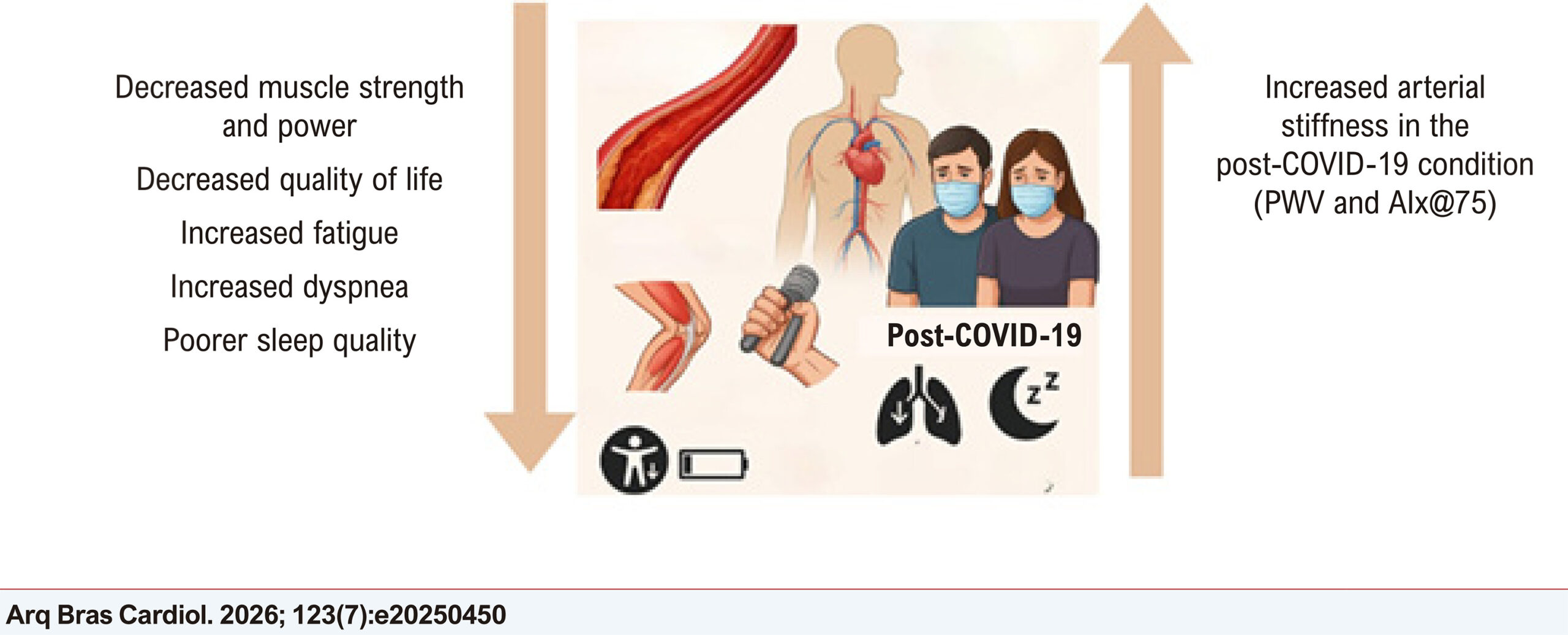
This cross-sectional study was conducted with individuals in the post-COVID-19 group (PCG) and matched individuals in the control group (n = 32). Arterial stiffness was assessed using pulse wave velocity (PWV) and the augmentation index corrected to a heart rate of 75 bpm (AIx@75). Functional performance was evaluated using the five-times sit-to-stand test, handgrip strength, quality of life (assessed with the 12-Item Short Form Survey), fatigue (assessed with the Brazilian version of the Fatigue Severity Scale), dyspnea (assessed with the modified Medical Research Council scale), and sleep quality.

Results

The PCG showed higher PWV values (Δ = 0.80 m/s; 95%CI, 0.08 to 1.52; p = 0.03) and AIx@75 (Δ = 8.34; 95%CI, 2.02 to 14.66; p = 0.01) as well as higher levels of central and peripheral blood pressure. Worse functional performance was observed (Δ = 4.39 s; 95%CI, 2.70 to 6.08; p < 0.01), along with poorer quality of life in the physical component (Δ = −9.35; 95%CI, −12.45 to −6.25; p < 0.01). Fatigue, dyspnea, and sleep quality outcomes were also significantly worse in the PCG. In the adjusted analysis, PWV was independently associated with age and systolic blood pressure, but not with post-COVID-19 status.

Conclusion

Post-COVID-19 patients exhibit greater arterial stiffness, hemodynamic alterations, and poorer clinical-functional performance. However, arterial stiffness appears to be predominantly determined by hemodynamic factors and aging rather than by post-COVID-19 status independently, suggesting that the observed functional impairment results from multifactorial mechanisms.

  • COVID-19
  • Hemodynamics
  • Physical Functional Performance
  • Vascular Stiffness
Read Full Article
Creative Commons Attribution (CC BY) Creative Commons license
03/08/2026 DOI: 10.36660/abc.20250450i Views 1
Figure 1
ABCIC
Editorial

Left Atrium Reservoir Strain and Cardiovascular Hemodynamics: the Hidden Truths Reveal Far More Than What is Readily Apparent

Renato A. Hortegal et al. David Le Bihan Rodrigo Barretto Wilson Mathias Jr

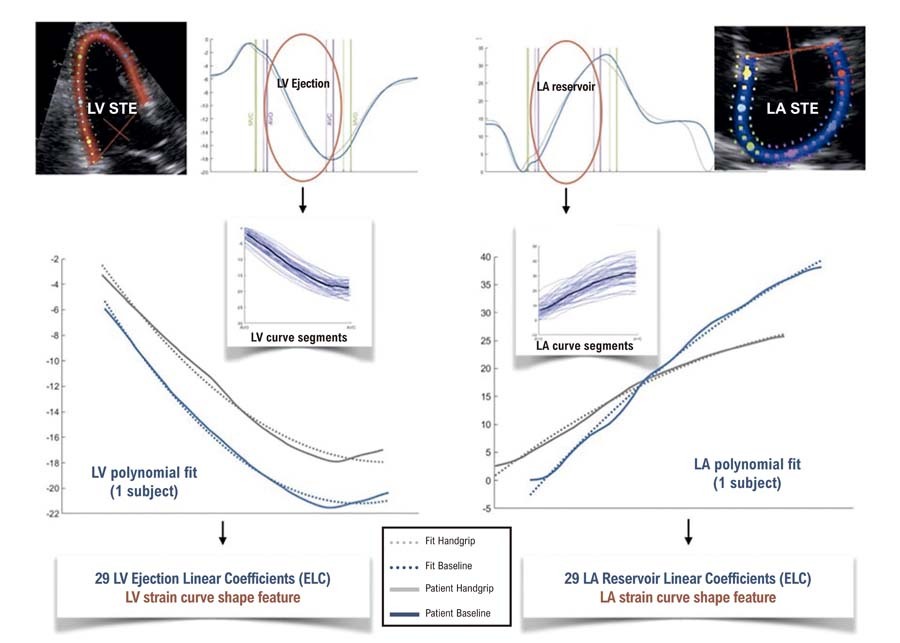
Over the past 15 years, Speckle-tracking Echocardiography has evolved into a robust technique for assessing both global and regional myocardial function. Among its expanding applications, Left Atrial (LA) strain, particularly in the reservoir phase, has emerged as a clinically relevant parameter. A reduced Left Atrial Strain reservoir (LASr) has been independently associated with elevated Left Ventricular (LV) filling pressures, recurrence of atrial fibrillation, heart failure hospitalizations, and overall cardiovascular mortality., Reflecting this growing body of evidence, LASr has been formally incorporated into clinical practice in the recently published “Recommendations for the Evaluation of Left Ventricular Diastolic Function by Echocardiography and for Heart Failure With Preserved Ejection Fraction Diagnosis: An Update From the American Society of Echocardiography.”

Despite this, the complexity of LA mechanics has largely followed an oversimplified approach: it is often treated as a surrogate marker of filling pressures, evaluated in isolation and interpreted using fixed cut-off values, without integrating the hemodynamic and mechanical context in which the atrium operates. While such an approach has facilitated its clinical adoption, it may obscure important physiological nuances and lead to misinterpretation in complex scenarios.

[…]

  • Atrial Function
  • Echocardiography
  • Heart Atria
  • Hemodynamics
Read Full Article
Creative Commons Attribution (CC BY) Creative Commons license
16/12/2025 DOI: 10.36660/abc.20250068i Views 2
ABC
Letter to the Editor

How to Incorporate Remote Dielectric Sensing System and Lung Ultrasound in Patients with Acute Congestive Heart Failure

Toshihide Izumida et al. Teruhiko Imamura

To Editor

Accurate assessment of pulmonary congestion is pivotal for the optimal management of congestive heart failure. The remote dielectric sensing (ReDS) system represents a recently developed non-invasive technology designed to quantify lung fluid volume without requiring specialized expertise. Kobalava et al. demonstrated a moderate correlation between the ReDS system and lung ultrasound. However, several concerns warrant further discussion.

[…]

  • Heart Failure
  • Hemodynamics
  • Lung
Read Full Article
Creative Commons Attribution (CC BY) Creative Commons license
09/05/2025 DOI: 10.36660/abc.20250053i Views 1
Central Illustration
ABCIC
Review Article

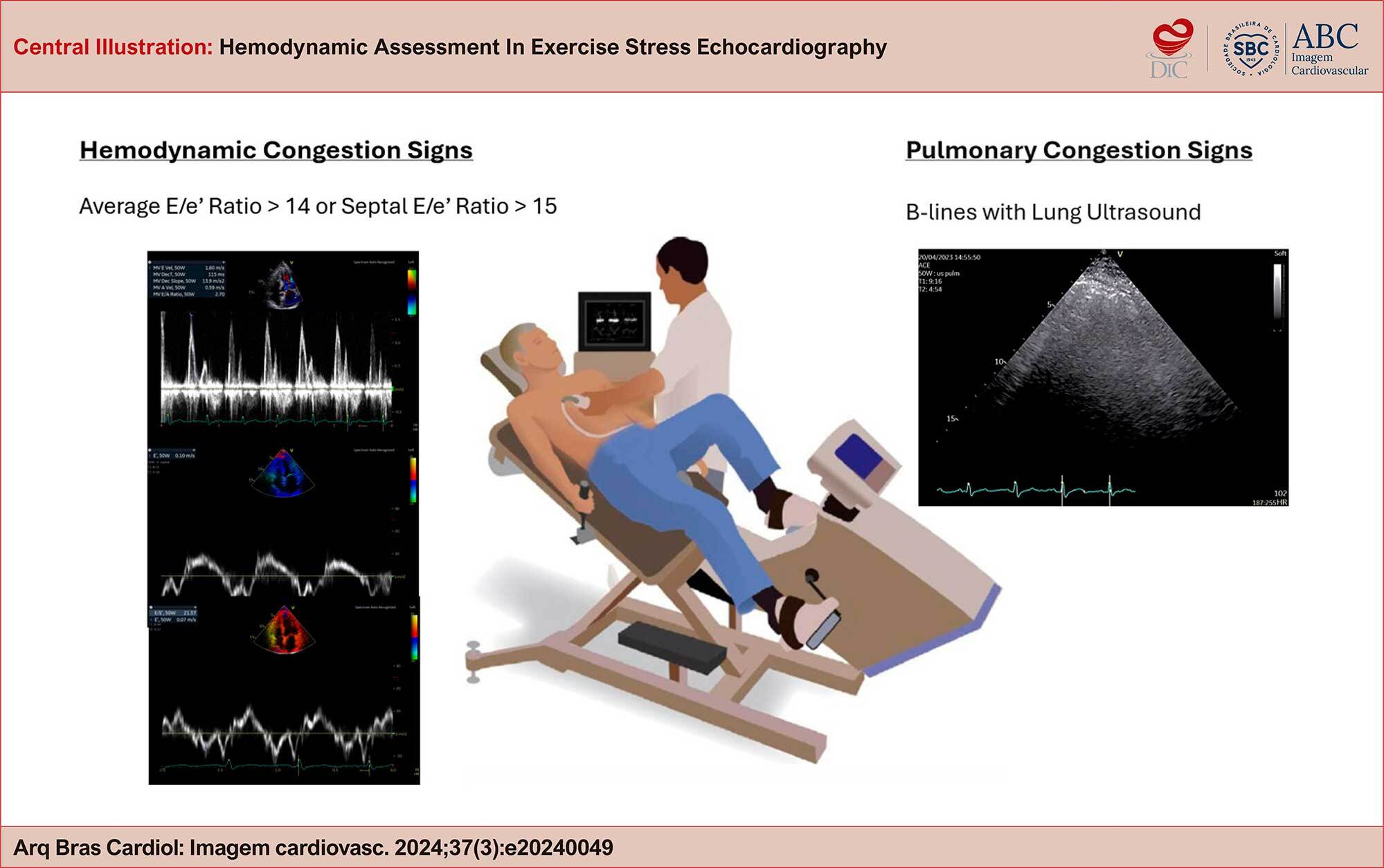
Hemodynamic Assessment In Exercise Stress Echocardiography

Andrea de Andrade Vilela et al. Maria Estefania Otto Gustavo Nishida Jorge Eduardo Assef

Abstract

Cycle ergometer stress echocardiography is an important technique to provides information of cardiac chambers dynamics and cardiovascular hemodynamics during exercise. This method identifies patients who present hemodynamic congestion during exertion, assessment of different causes of dyspnea, through the analysis of diastolic filling pressures and pulmonary artery systolic pressure. Recently, with the incorporation of lung ultrasound, it was possible to add the pulmonary congestion parameter with the identification of the appearance of “B” lines during the exam, increasing the sensivity of the protocol.

However, Cycle ergometer stress echocardiography is still little used in our country. This reality is probably due, in part, to the need for appropriate training of the medical and nursing staff; in addition to the lack of knowledge of the method among the medical community, which rarely requests this test for hemodynamic assessment and research into exertional dyspnea. Therefore, the objective of this document is not only to disseminate the method, but also to describe in a practical and didactic way the step-by-step hemodynamic evaluation of the echocardiogram with physical stress on a Cycle ergometer. We suggest a protocol that is easy to apply and capable of distinguishing between the findings of patients with normal hemodynamics and those with an inappropriate hemodynamic response to physical effort. Additionally, two clinical cases are reported with multiple images and hemodynamic changes, with a description of the correct interpretation of the findings to better understand the method and its diagnostic capacity.

  • Diastolic stress
  • Echocardiopraphy
  • Exercise stress echocardiography
  • Hemodynamics
Read Full Article
Creative Commons Attribution (CC BY) Creative Commons license
27/08/2024 DOI: 10.36660/abcimg.20240049i Views 1
Effects of Vitamin D Supplementation on Central Hemodynamic Parameters and Autonomic Nervous System in Obese or Overweight Individuals
ABC
Original Article

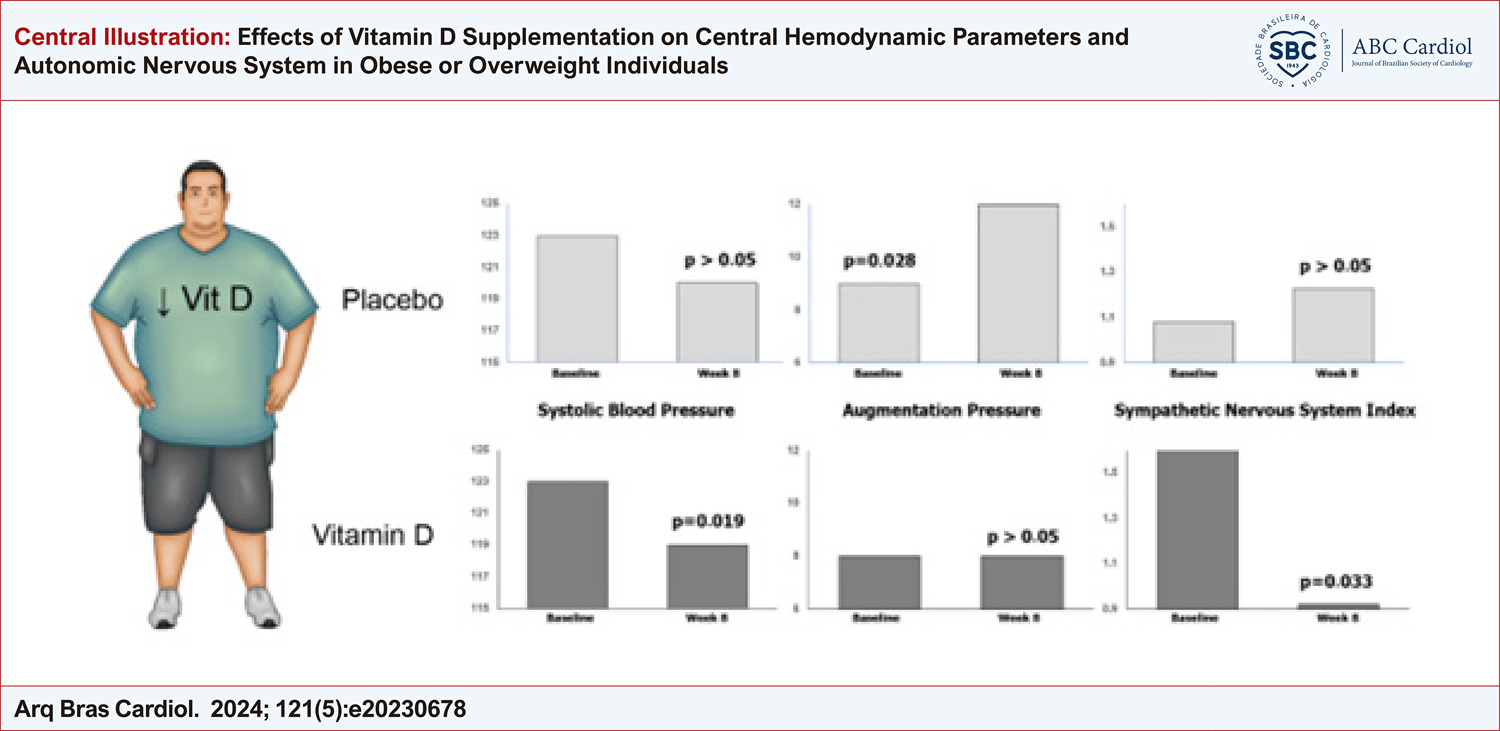
Effects of Vitamin D Supplementation on Central Hemodynamic Parameters and Autonomic Nervous System in Obese or Overweight Individuals

Adriana C. C. Faria et al. Caroline Lyra Moreira Michelle Rabello da Cunha Samanta Mattos … Wille Oigman Mario Fritsch Neves

Abstract

Background

Previous studies have been inconsistent in demonstrating beneficial cardiovascular effects of vitamin D supplementation.

Objective

To evaluate the effects of vitamin D3 supplementation on central hemodynamic parameters and autonomic activity in obese/overweight individuals with low vitamin D levels (<30ng/dl).

Methods

Adults 40-65 years old with body mass index ≥25<40 kg/m2 were enrolled in this prospective, randomized, double-blind clinical trial (NCT 05689632). Central hemodynamics was assessed using the oscillometric method (Mobil-O-Graph®), and heart rate variability using a Polar heart rate monitor (Kubios® software). Patients (n=53) received a placebo in the control group (CO, n=25) or vitamin D3 (VD, n=28) 7000 IU/day, and were evaluated before (W0) and after 8 weeks (W8) with a significance level of 0.05.

Results

The groups were homogeneous regarding age (51±6 vs 52±6 years, p=0.509) and vitamin D levels (22.8±4.9 vs 21.7±4.5ng/ml, p=0.590). At W8, the VD group had significantly higher levels of vitamin D (22.5 vs 35.6ng/ml, p0.05). VD group showed an increase in the parasympathetic nervous system index (PNSi) (-0.64±0.94 vs -0.16±1.10, p=0.028) and the R-R interval (866±138 vs 924±161 ms, p= 0.026).

Conclusion

In this sample, eight weeks of daily vitamin D supplementation resulted in an improvement in blood pressure levels and autonomic balance.

  • Autonomic Nervous System
  • Hemodynamics
  • Vitamin D
Read Full Article
Creative Commons Attribution (CC BY) Creative Commons license
13/05/2024 DOI: 10.36660/abc.20230678i Views 1
Non-Invasive Assessment of Cardiodynamics by Impedance Cardiography during the Six-Minute Walk Test in Patients with Heart Failure
ABC
Original Article

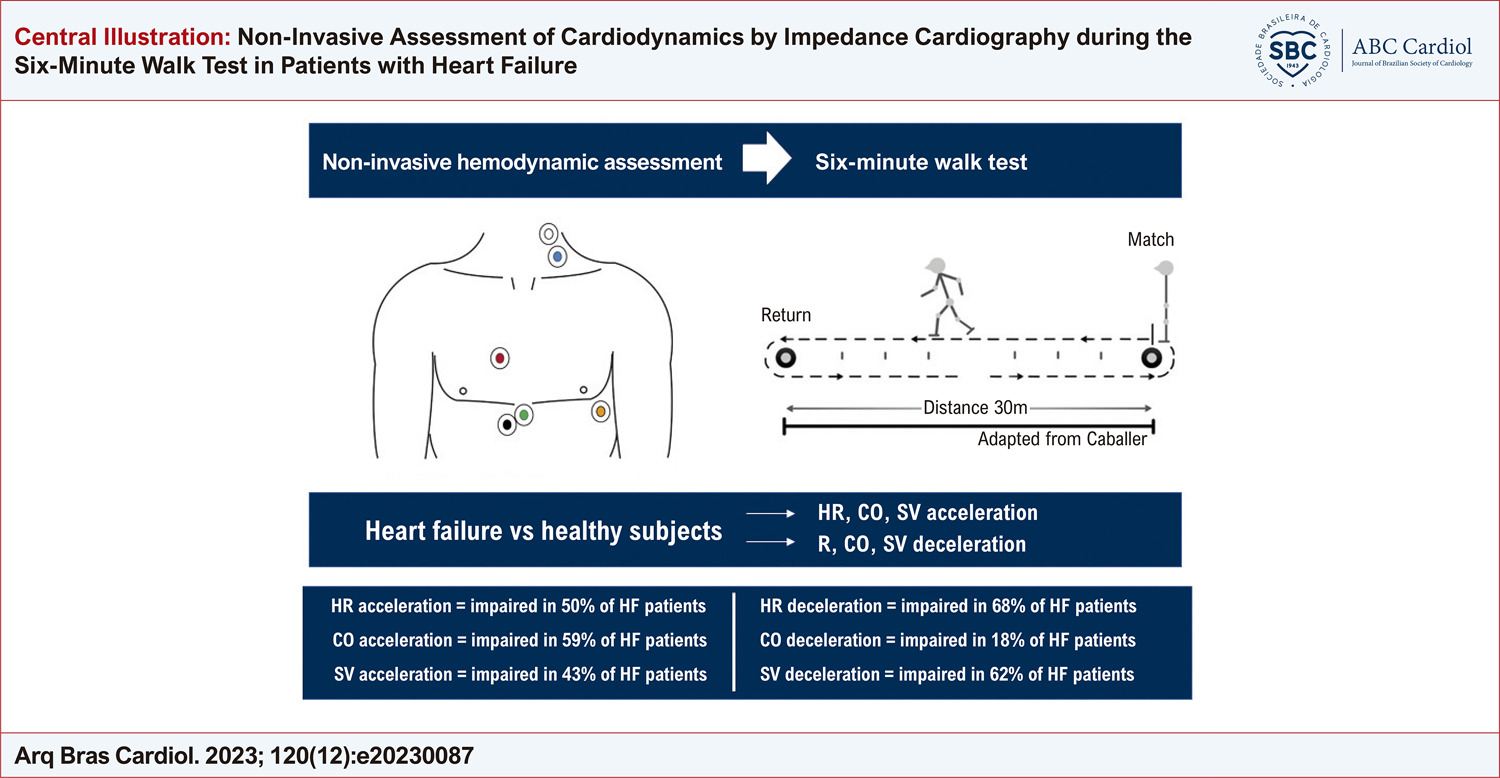
Non-Invasive Assessment of Cardiodynamics by Impedance Cardiography during the Six-Minute Walk Test in Patients with Heart Failure

Leandro Franzoni et al. Rafael Cechet de Oliveira Diego Busin Douglas Jean Preussler Turella … Rochelle Rocha Costa Marco Aurélio Lumertz Saffi Anderson Donelli da Silveira Ricardo Stein

Abstract

Background

The six-minute walk test (6MWT) is commonly used to evaluate heart failure (HF) patients. However, several clinical factors can influence the distance walked in the test. Signal-morphology impedance cardiography (SM-ICG) is a useful tool to noninvasively assess hemodynamics.

Objective

This study aimed to compare cardiac output (CO), heart rate (HR), and stroke volume (SV) acceleration and deceleration responses to 6MWT in individuals with HF and reduced ejection fraction (HFrEF) and healthy controls.

Methods

This is a cross-sectional observational study. CO, HR, SV and cardiac index (CI) were evaluated before, during, and after the 6MWT assessed by SM-ICG. The level of significance adopted in the statistical analysis was 5%.

Results

Twenty-seven participants were included (13 HFrEF and 14 healthy controls). CO and HR acceleration significantly differed between groups (p<0.01; p=0.039, respectively). We found significant differences in SV, CO and CI between groups (p<0.01). Linear regression showed an impaired SV contribution to CO change in HFrEF group (22.9% versus 57.4%).

Conclusion

The main finding of the study was that individuals with HFrEF showed lower CO and HR acceleration values during the submaximal exercise test compared to healthy controls. This may indicate an imbalance in the autonomic response to exercise in this condition.

  • Exercise Tolerance
  • Hemodynamics
  • Impedance Cardiography
Read Full Article
Creative Commons Attribution (CC BY) Creative Commons license
05/01/2024 DOI: 10.36660/abc.20230087
Figure 1
ABC
Review Article

Effects of High-Intensity Interval Training on Central Blood Pressure: A Systematic Review and Meta-Analysis

Gustavo Henrique de Oliveira et al. Rogério Toshiro Passos Okawa Caroline Ferraz Simões João Carlos Locatelli … Victor Hugo de Souza Mendes Higor Barbosa Reck Wendell Arthur Lopes

Abstract

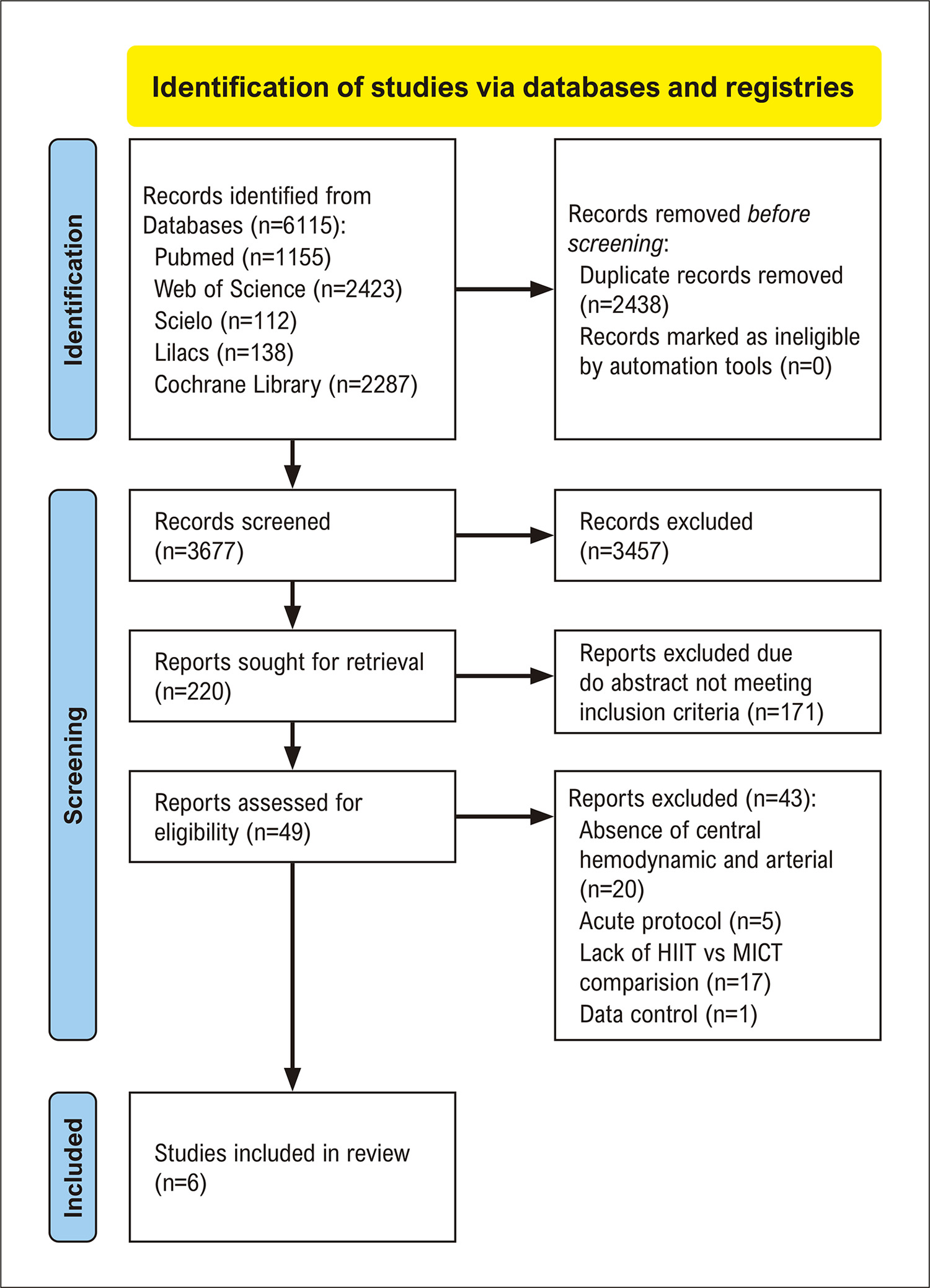
Central blood pressure (cBP) is considered an independent predictor of organ damage, cardiovascular events and all-cause mortality. Evidence has shown that high intensity interval training (HIIT) is superior to moderate-intensity continuous training (MICT) for improving cardiorespiratory fitness and vascular function. However, the effects of these aerobic training modalities on cBP have not yet been properly reviewed.This meta-analysis aims to investigate to effects of HIIT versus MICT on cBP.We conducted a meta-analysis of randomized controlled trials that compared HIIT versus MICT on cBP. Primary outcomes were measures of central systolic blood pressure (cSBP) and central diastolic blood pressure (cDBP). Peripheral systolic blood pressure (pSBP) and diastolic blood pressure (pDBP), pulse wave velocity (PWV) and maximal oxygen uptake (VO2max) were analyzed as second outcomes. Meta-analysis of mean differences (MD) was conducted using the random effects model.Our study included 163 patients enrolled in six trials. We found that HIIT was superior to MICT in reducing the cSBP (MD = -3.12 mmHg, 95% CI: -4.75 to -1.50, p = 0.0002) and SBP (MD = -2.67 mmHg, 95% CI: -5.18 to -0.16, p = 0.04), and increasing VO2max(MD = 2.49 mL/kg/min, 95% CI: 1.25 to 3.73, p = 0.001). However, no significant differences were reported for cDBP, DBP and PWV.HIIT was superior to MICT in reducing the cSBP, which suggests its potential role as a non-pharmacological therapy for high blood pressure.

  • Blood Pressure
  • Endurance Training
  • Hemodynamics
  • High-Intensity Interval Training
  • Vascular Stiffness
Read Full Article
Creative Commons Attribution (CC BY) Creative Commons license
21/04/2023 DOI: 10.36660/abc.20220398 Views 1
Figure 1
ABCIC
Case Report

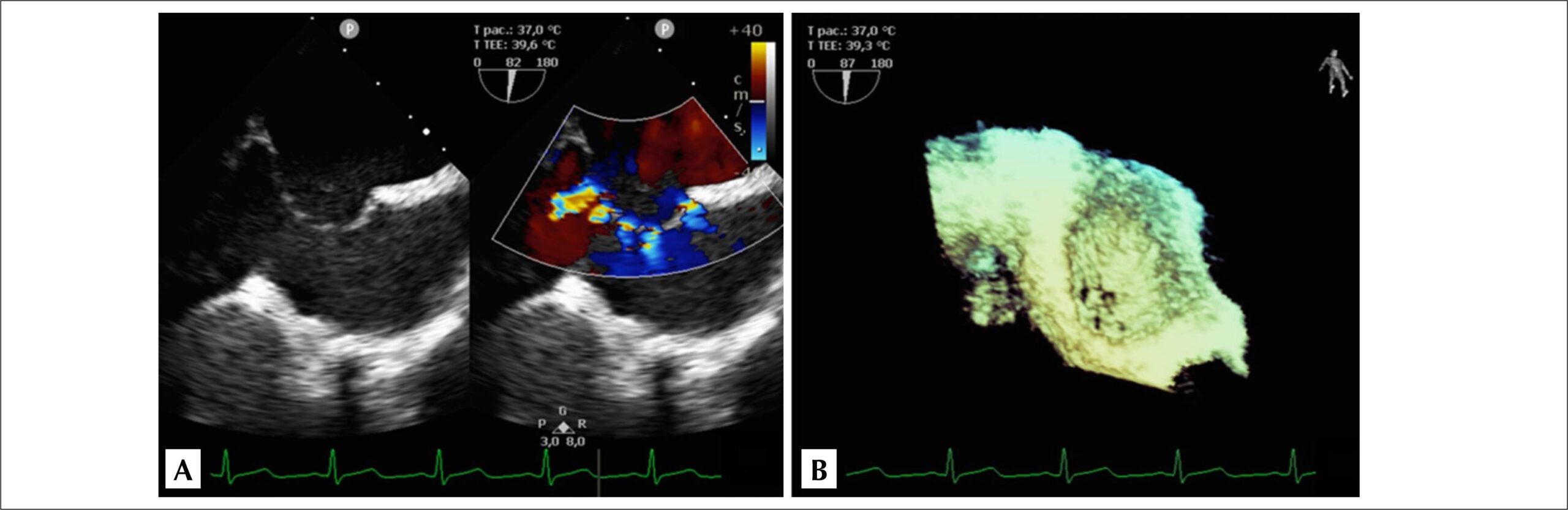
Percutaneous Closure of Multiple Atrial Septal Defects with Hemodynamic Repercussions: Report of Two Cases in First-Degree Related Adult Patients

Débora Freire Ribeiro Rocha et al. Henrique Lima Guimarães Maurício Prudente Lopes João Batista Masson Silva Giulliano Gardenghi

Introduction

Atrial septal defects (ASD) account for 7–10% of congenital heart anomalies., ASD are classified as three anatomical types: ostium secundum (OS) (70% of cases), ostium primum (15–20% of cases), and sinus venosus (5–10% of cases) defects. OS involves the fossa ovalis region and results from poor embryological development of septum secundum or excessive absorption of septum primum resulting in the lack of a septum in the fossa ovalis.

Affected patients are usually asymptomatic. Exercise intolerance in the form of dyspnea or fatigue is the most common initial presentation. Echocardiography is a fundamental tool in the diagnosis and management of patients with ASD. Transthoracic echocardiography (TTE) identifies ASD type and size, shunt direction, and the presence of anomalous sinus venous drainage. Three-dimensional transesophageal echocardiography (3DTEE) details the morphology and anatomical relationships of the atrial septum, providing fundamental information for choosing treatment.,

[…]

  • Echocardiography
  • Heart Septal Defects, Atrial
  • Hemodynamics
Read Full Article
Creative Commons Attribution (CC BY) Creative Commons license
01/12/2022 DOI: 10.47593/2675-312X/20223504eabc345i
ABCHF
Case Report

Management of Patients with Advanced Heart Failure According to Hemodynamic Parameters

Carlos Aurélio dos Santos Aragão et al. Daniella Motta da Costa Dan Mônica Samuel Ávila

Introduction

Heart failure (HF) is characterized by progressive functional or structural worsening of the myocardium. Despite significant therapeutic advances that have improved survival and quality of life, HF still has high morbidity and mortality rates. Patients with HF may progress with refractory disease, whose gold standard treatment is heart transplantation (HT).,

The assessment of pulmonary hemodynamics is indicated for HT candidates. The presence of fixed pulmonary hypertension (PH) is a contraindication for HT because it promotes right ventricular (RV) dysfunction in the graft, reducing post-HT survival. In addition, the assessment of hemodynamic parameters helps in bedside therapeutic management, including in the setting of PH, favoring HT indication., We report a successful case of optimal bedside therapy guided by invasive hemodynamic parameters.

[…]

  • Advanced Heart Failure
  • Hemodynamics
  • Management
Read Full Article
Creative Commons Attribution (CC BY) Creative Commons license
29/06/2022 DOI: 10.36660/abchf.20220048 Views 2
Figure 1
ABC
Original Article

Computational Fluid Dynamics to Assess the Future Risk of Ascending Aortic Aneurysms

Gabriela de C. Almeida et al. Bruno Alvares de Azevedo Gomes Fabiula Schwartz de Azevedo Karim Kalaun … Ivan Ibanez Pedro S. Teixeira Ilan Gottlieb Marcelo M. Melo Glaucia Maria Moraes de Oliveira Angela O. Nieckele

Abstract

Background

A methodology to identify patients with ascending aortic aneurysm (AsAA) under high risk for aortic growth is not completely defined

Objetive

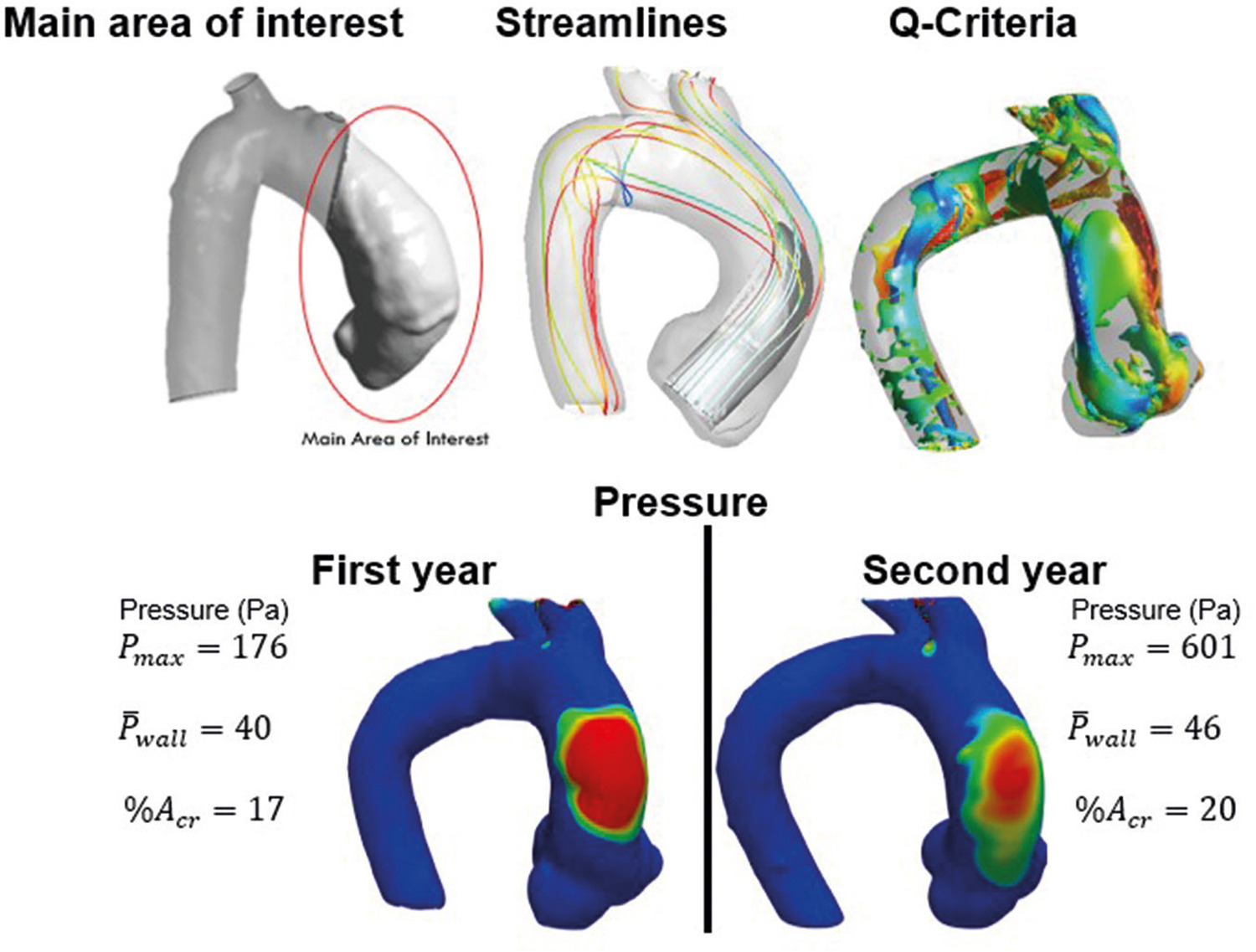
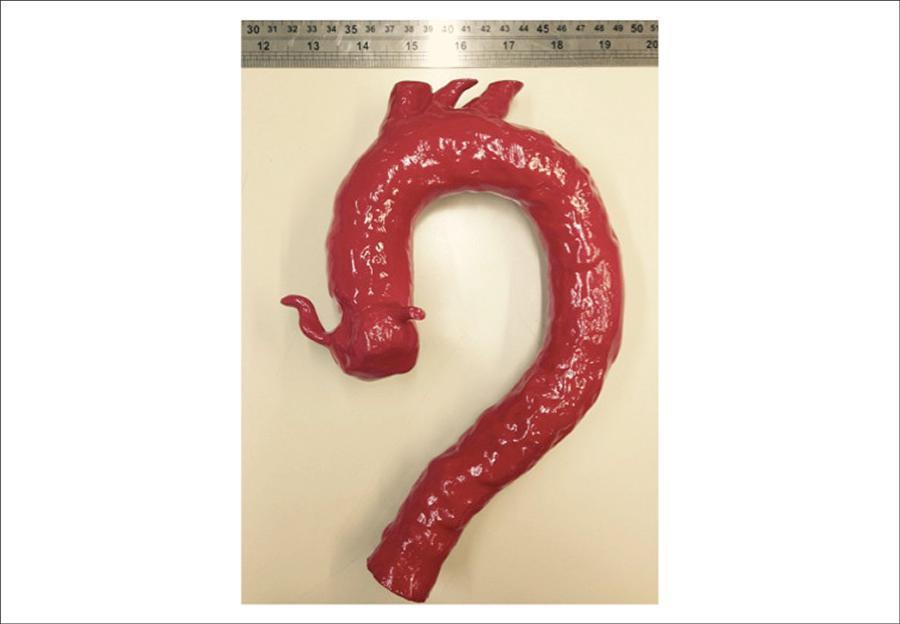
This research seeks to numerically characterize the aortic blood flow by relating the resulting mechanical stress distribution with AsAA growth.

Methods

Analytical, observational, single-center study in which a computational fluid dynamics (CFD) protocol was applied to aortic computed tomography angiogram (CTA) images of patients with AsAA. Two CTA exams taken at a minimum interval of one year were obtained. From the CTA-gathered images, three-dimensional models were built, and clinical data were registered. Study of velocity field and coherent structures (vortices) was performed aiming to relate them to the presence or absence of aneurysm growth, as well as comparing them to the patients’ clinical data. The Kolmogorov-Smirnov test was used to evaluate the normality of the distribution, and the non-parametric Wilcoxon signed-rank test, for non-normal distribution, was used to compare the paired data of the aortic angles. Statistical significance was set at 5%.

Results

The incident jet in the aortic wall generated recirculation areas in the posterior region of the jet, inducing complex vortices formation in the group with aneurysm growth, leading to an average pressure increase in the ascending aortic wall between exams. In the group without aneurysm growth, the average pressure decreased.

Conclusion

This pilot study showed that CFD based on CTA may in the near future be a tool to help identify flow patterns associated with AsAA remodeling process.

  • Aortic Aneurysm
  • Hemodynamics
  • Patient-Specific Modeling
  • thoracic
Read Full Article
Creative Commons Attribution (CC BY) Creative Commons license
07/03/2022 DOI: 10.36660/abc.20200926 Views 1
Figure 1
ABCIC
Systematic Review

Inferior Vena Cava Ultrasound for Assessing Volume Status and Fluid Responsiveness in Critically ill Patients: A Systematic Review

Djalma Gomes Xavier Filho et al. Akeme Laissa Novais Coutinho Romero Henrique de Almeida Barbosa Matheus Rodrigues Lopes Adirlene Pontes de Oliveira Tenório

Abstract

Background:

The assessment of intravascular volume and fluid responsiveness is challenging in the management of critically ill patients. Diagnostic methods of hemodynamic monitoring must be safe, reproducible, and practical.

Objective:

To describe the applicability of ultrasound indices of the inferior vena cava in the assessment of intravascular volume and prediction of fluid responsiveness in critically ill patients.

Method:

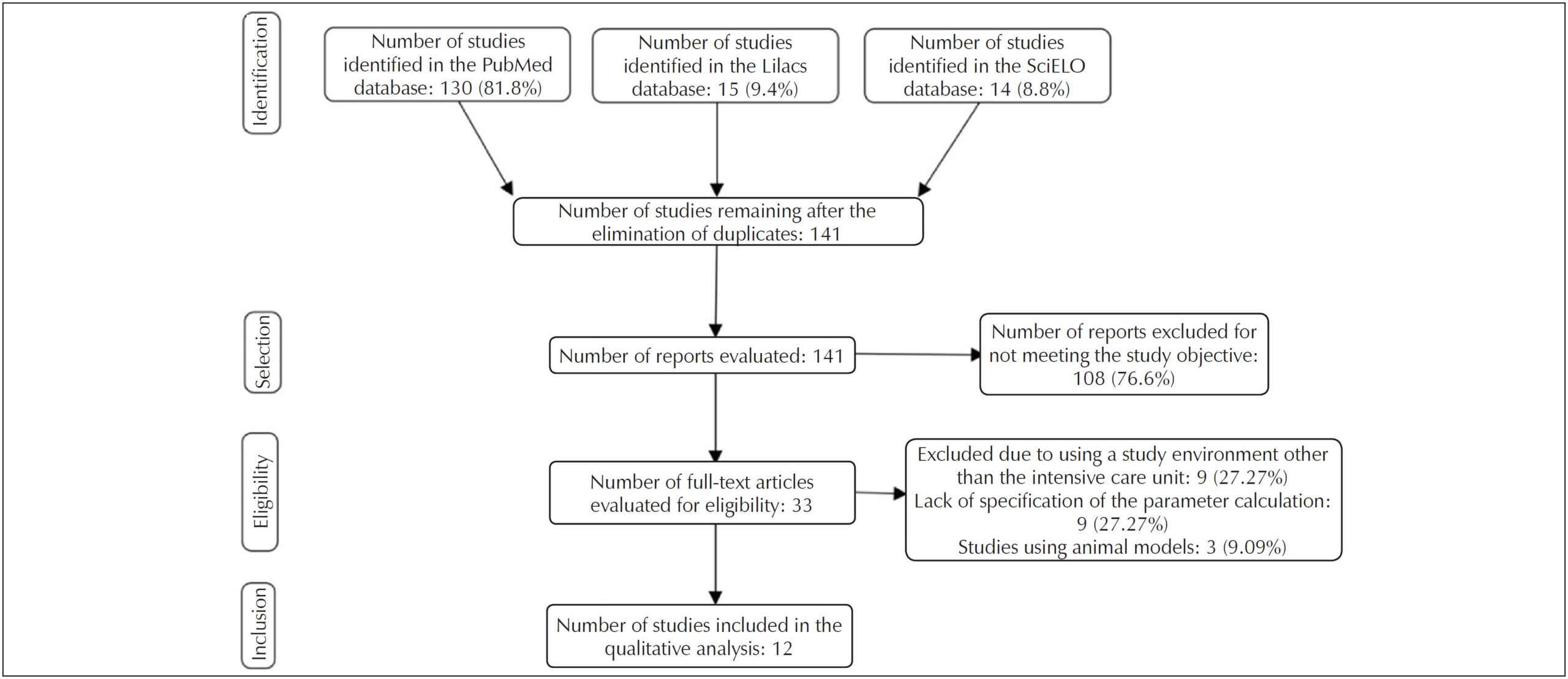
A systematic review performed of the PubMed®, Latin American and Caribbean Health Sciences Literature, and Scientific Electronic Library Online databases for articles published in the previous five years. The descriptors used were “inferior vena cava,” “ultrasonography,” “fluid responsiveness,” and “volume status.”

Results:

The search identified 13 relevant articles. The collapsibility index of the inferior vena cava was 25%–50% as the cutoff point for defining hypovolemia and showed applicability in predicting fluid responsiveness in patients breathing spontaneously with cutoff points of 25%–57%. In mechanical ventilation scenarios, the distensibility index of the inferior vena cava was more effective at predicting fluid responsiveness than the other measurements with variation of 10.2%–20.5%. The inferior vena cava/aorta diameter index was especially useful in the pediatric population for defining intravascular volume; however, in adults, there were many divergences in its applicability.

Conclusion:

The assessment of intravascular volume and fluid responsiveness through ultrasound indices of the inferior vena cava is applicable and safe for diagnosing and monitoring hemodynamic instability. However, studies of value standardization are necessary due to divergences in the cutoff points used in each index.

  • Hemodynamics
  • Inferior vena cava
  • Intensive Care Unit
  • Organism fluid status
  • Ultrasonography
Read Full Article
Creative Commons Attribution (CC BY) Creative Commons license
26/11/2021 DOI: 10.47593/2675-312X/20213403eabc193 Views 2
Figure 1
IJCS
Review Article

Aromatherapy in Patients with Cardiovascular Diseases: A Systematic Review

Lissandra de Souza Lopes et al. Daiana Bündchen Felipe Cardozo Modesto Monica Quintão … Sergio Chermont Ana Carla Dantas Cavalcanti Evandro Tinoco Mesquita

Abstract

Background

Aromatherapy consists in the use of volatile aromatic compounds of plant essential oils. Application methods include massage, baths, and mainly inhalation. Lavender essential oil is considered the most effective treatment for emotional disorders, such as stress and anxiety, due to its anxiolytic and sedative agents, which are known to interfere with physiological cardiovascular reactions.

Objectives

To investigate the effects of aromatherapy using lavender essential oil on hemodynamic responses and emotional aspects of patients with cardiovascular diseases.

Methods

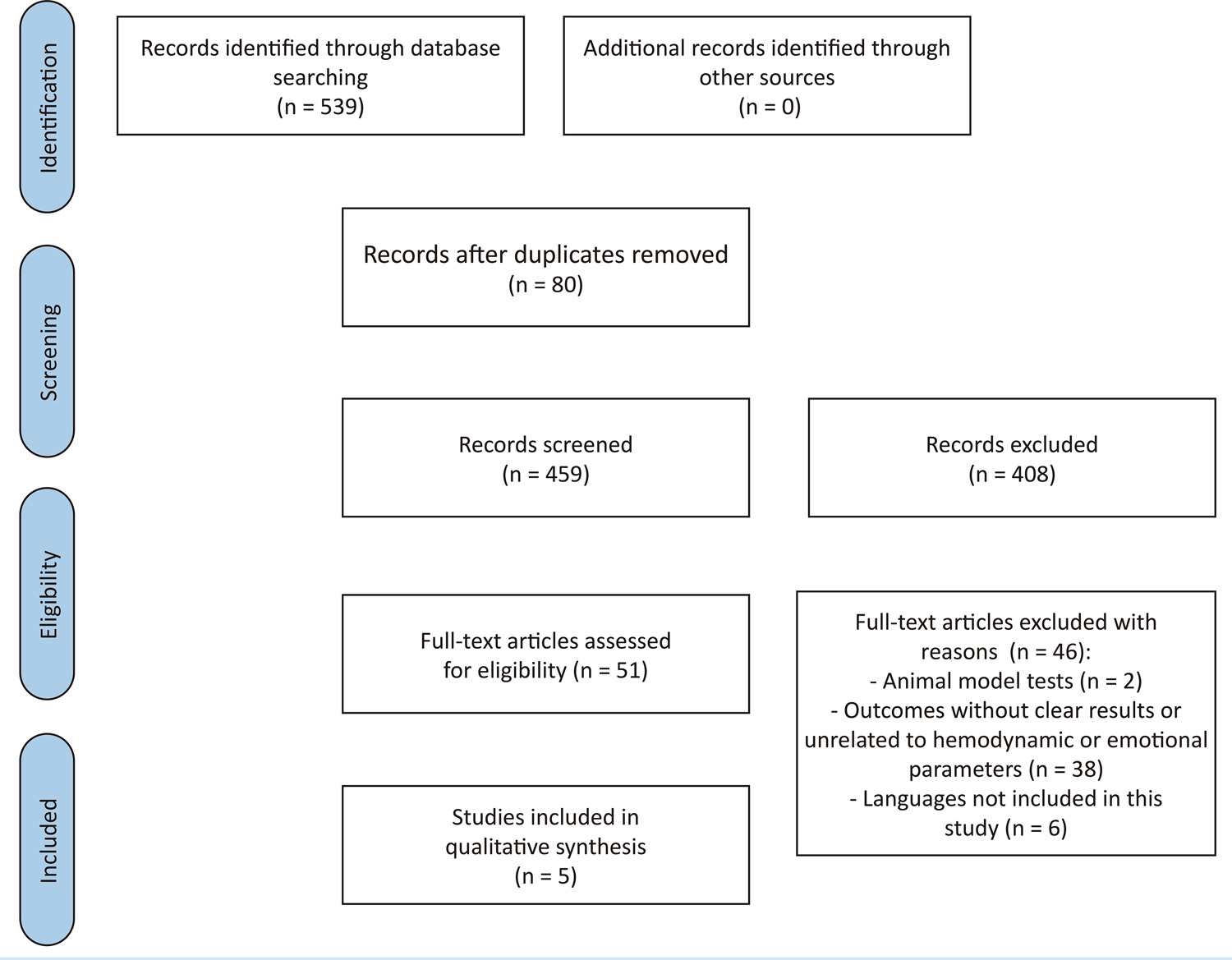
A systematic review was conducted using Embase, Bireme, MEDLINE, PEDro, and Scopus electronic databases. Randomized clinical trials that evaluated hemodynamic and emotional outcomes using interventions with lavender essential oil in patients with cardiovascular diseases were selected. Of 539 studies initially identified, 51 were read in full and only 5 were eligible for inclusion.

Results

Reductions were demonstrated in hemodynamic responses, such as systolic and diastolic blood pressure, mean arterial pressure, and heart rate, as well as a decrease in anxiety, depression, stress, and fatigue compared with the control group. Statistical significance was set at p<0.05. Conclusion: Aromatherapy with the use of lavender essential oil provided benefits to hemodynamic parameters, such as anxiety, stress, depression, and fatigue levels, in patients with cardiovascular diseases. (Int J Cardiovasc Sci. 2020; [online].ahead print, PP.0-0)

  • Anxiety
  • Aromatherapy
  • Cardiovascular Diseases
  • Hemodynamics
  • Lavandula
  • systematic review
Read Full Article
Creative Commons Attribution (CC BY) Creative Commons license
23/11/2020 DOI: 10.36660/ijcs.20190086 Views 1
ABC
Editorial

Computational Analysis of Fluid Dynamics in the Transcatheter Aortic Valve Replacement

Marco A. Gutierrez

Transcatheter aortic valve replacement (TAVR), a minimally invasive heart surgery, was introduced by Cribier et al. as an alternative to the traditional open-heart surgery in the treatment of individuals with severe aortic valve stenosis and at high surgical risk due to advanced age or the presence of multiple comorbidities. After the first pioneering efforts, the advent of innovative prosthetic valves, and more technologically refined approaches and devices, the use of TAVR for patients with intermediate surgical risk has been a worldwide trend. However, variation in the prosthetic valve positioning and orientation post TAVR procedure can produce significant changes in the aortic hemodynamics and the corresponding stresses in the vessel wall.

Within the aorta, there are two categories of vessel wall stress. The first category of stress is the result of the friction between the moving blood and the vessel wall, which is proportional to the blood speed, moving away from the intimate layer of the vessel wall. This kind of stress is known as wall shear stress (WSS). The second category of stress is due to the variation in pulse pressure generated during the cardiac cycle. In this category, there are circumferential, axial and radial stress transferred to all vessel wall layers. With advancing age, the aorta enlarges, the arch changes shape from a near-perfect semicircle, and the vessel generally becomes more tortuous. Moreover, the change in the natural curvature of the aorta introduces secondary flow dynamics and flow asymmetry, which directly influence WSS distribution and magnitude over the vessel wall.

[…]

  • Flow Mechanics
  • Hemodynamics
  • Regional Flood Flow
  • Transcatheter Aortic Valve Replacement/methods
Read Full Article
Creative Commons Attribution (CC BY) Creative Commons license
23/10/2020 DOI: 10.36660/abc.20201002
Figure 1
ABC
Original Article

Controlled Study of Central Hemodynamic Changes in Inspiratory Exercise with Different Loads in Heart Failure

Luana de Decco Marchese et al. Sergio Chermont Danielle Warol Lucia Brandão de Oliveira … Sabrina Bernardez Pereira Mônica Quintão Evandro Tinoco Mesquita

Abstract

Background

Inspiratory muscle weakness contributes to exercise intolerance and decreased quality of life in patients with heart failure. Studies with inspiratory muscle training show improvement in inspiratory muscle strength, functional capacity and quality of life. However, little is known about the central hemodynamic response (CHR) during inspiratory exercise (IE).

Objective

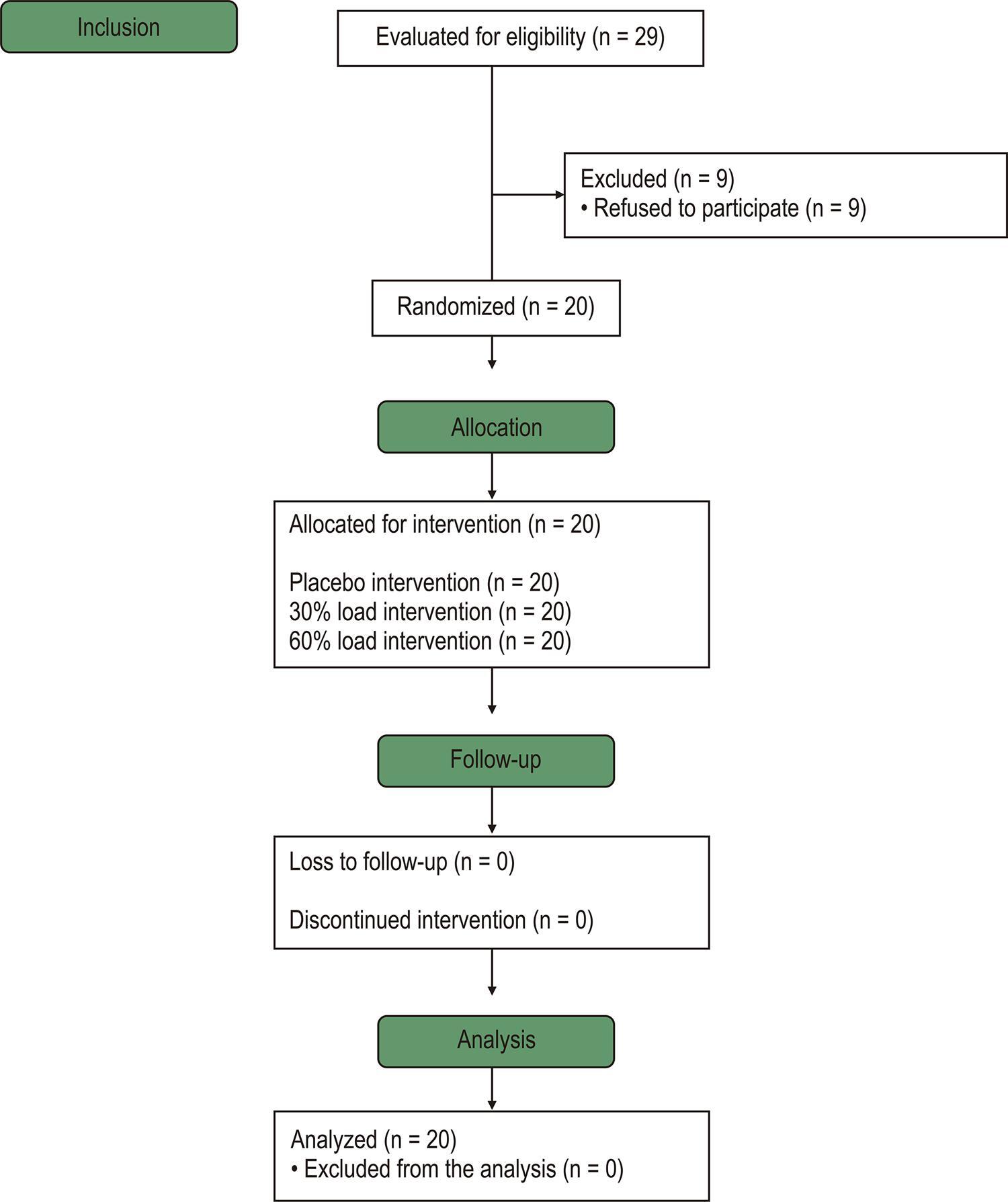
To evaluate CHR in a single IE session with different loads (placebo, 30% and 60%) in heart failure.

Methods

Randomized placebo-controlled clinical trial in patients with heart failure with reduced ejection fraction, functional class II and III. Twenty patients aged 65 ± 11 years completed a single session of inspiratory exercise, in 3 cycles of 15 minutes, with a 1-hour washout, involving loads of 30% (C30), 60% (C60) and placebo, using a linear load resistor (PowerBreathe Light). The noninvasive hemodynamic study was performed by cardiothoracic bioimpedance (Niccomo™ CardioScreen®). Statistical analysis was performed with Student’s t-test and Pearson’s correlation, and P≤0.05 was considered significant.

Results

An increase in heart rate (HR) was observed with C30 (64 ± 15 vs 69 ± 15 bpm; p = 0.005) and C60 (67 ± 14 vs 73 ± 14 bpm, p = 0.002). A decrease was observed in systolic volume (SV) with C30 (73 ± 26 vs 64 ± 20 ml; p = 0.004). Cardiac output (CO), on its turn, increased only with C60 (4.6 ± 1.5 vs 5.3 ± 1.7 l/min; p = -0.001).

Conclusion

When using the 60% load, in a single IE session, changes in CHR were observed. HR and CD increased, as did the Borg scales and subjective sensation of dyspnea. The 30% load reduced the SV. (Arq Bras Cardiol. 2020; 114(4):656-663)

  • Breathing Exercises
  • Exercise Movement Techniques
  • Exercise Therapy
  • Fatigue Syndrome, Chronic
  • Heart Failure
  • Hemodynamics
  • Muscle Weaknerss
  • Quality of life
Read Full Article
Creative Commons Attribution (CC BY) Creative Commons license
29/05/2020 DOI: 10.36660/abc.20180375 Views 1
Figure 1
ABC
Original Article

Prevalence of Lens Opacity in Interventional Cardiologists and Professional Working in the Hemodynamics in Brazil

Adriano Henrique Pereira Barbosa et al. Regina Bitelli Medeiros Adriana Maria Rodrigues Corpa Fabiana Shinzato Higa … Marco Túlio de Souza Patrícia Lopes Barbosa Antônio Carlos Moreira Alexandre Shaan de Quadros Viviana de Mello Guzzo Lemke Marcelo José de Carvalho Cantarelli

Abstract

Background:

Posterior subcapsular cataract is a tissue reaction commonly found among professionals exposed to ionizing radiation.

Objective:

To assess the prevalence of cataract in professionals working in hemodynamics in Brazil.

Methods:

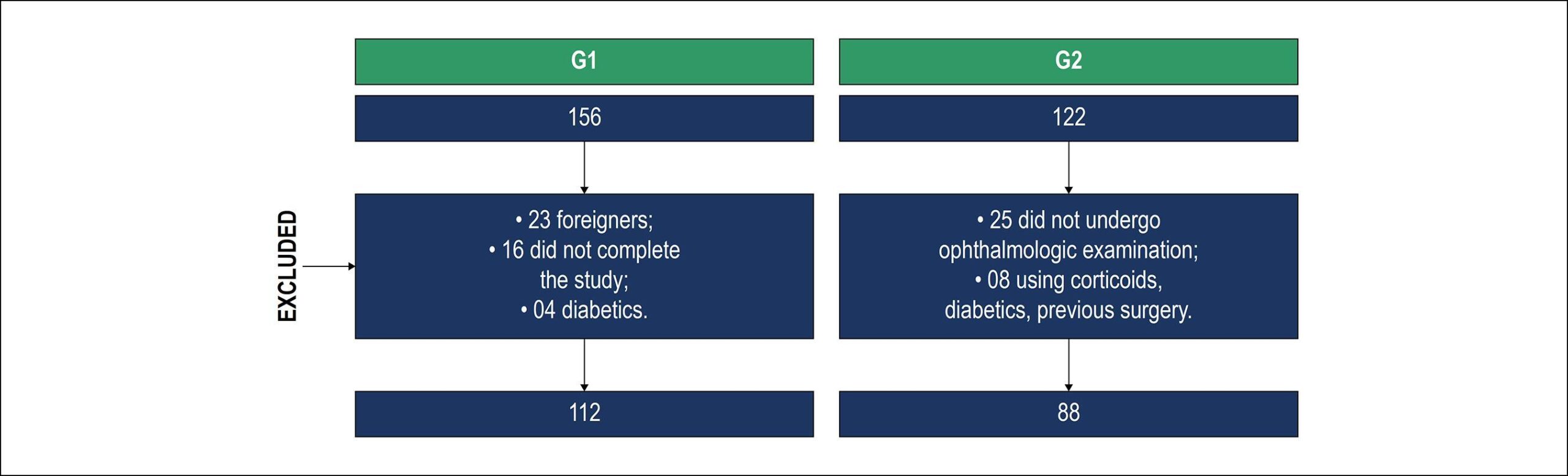
Professionals exposed to ionizing radiation (group 1, G1) underwent slit lamp examination with a biomicroscope for lens examination and compared with non-exposed subjects (group 2, G2). Ophthalmologic findings were described and classified by opacity degree and localization using the Lens Opacities Classification System III. Both groups answered a questionnaire on work and health conditions to investigate the presence of risk factors for cataract. The level of significance was set at 5% (p < 0.05).

Results:

A total of 112 volunteers of G1, mean age of 44.95 (±10.23) years, and 88 volunteers of G2, mean age of 48.07 (±12.18) years were evaluated; 75.2% of G1 and 85.2% of G2 were physicians. Statistical analysis between G1 and G2 showed a prevalence of posterior subcapsular cataract of 13% and 2% in G1 and G2, respectively (0.0081). Considering physicians only, 38% of G1 and 15% of G2 had cataract, with the prevalence of posterior subcapsular cataract of 13% and 3%, respectively (p = 0.0176). Among non-physicians, no difference was found in the prevalence of cataract (by types).

Conclusions:

Cataract was more prevalent in professionals exposed to ionizing radiation, with posterior subcapsular cataract the most frequent finding.

  • Cardiologists
  • Cataract/surgery
  • Hemodynamics
  • Occupational Risks
  • Radiation,Ionizing
  • Radiation,Protection
Read Full Article
Creative Commons Attribution (CC BY) Creative Commons license
21/02/2019 DOI: 10.5935/abc.20190028
Figure 1
IJCS
Review Article

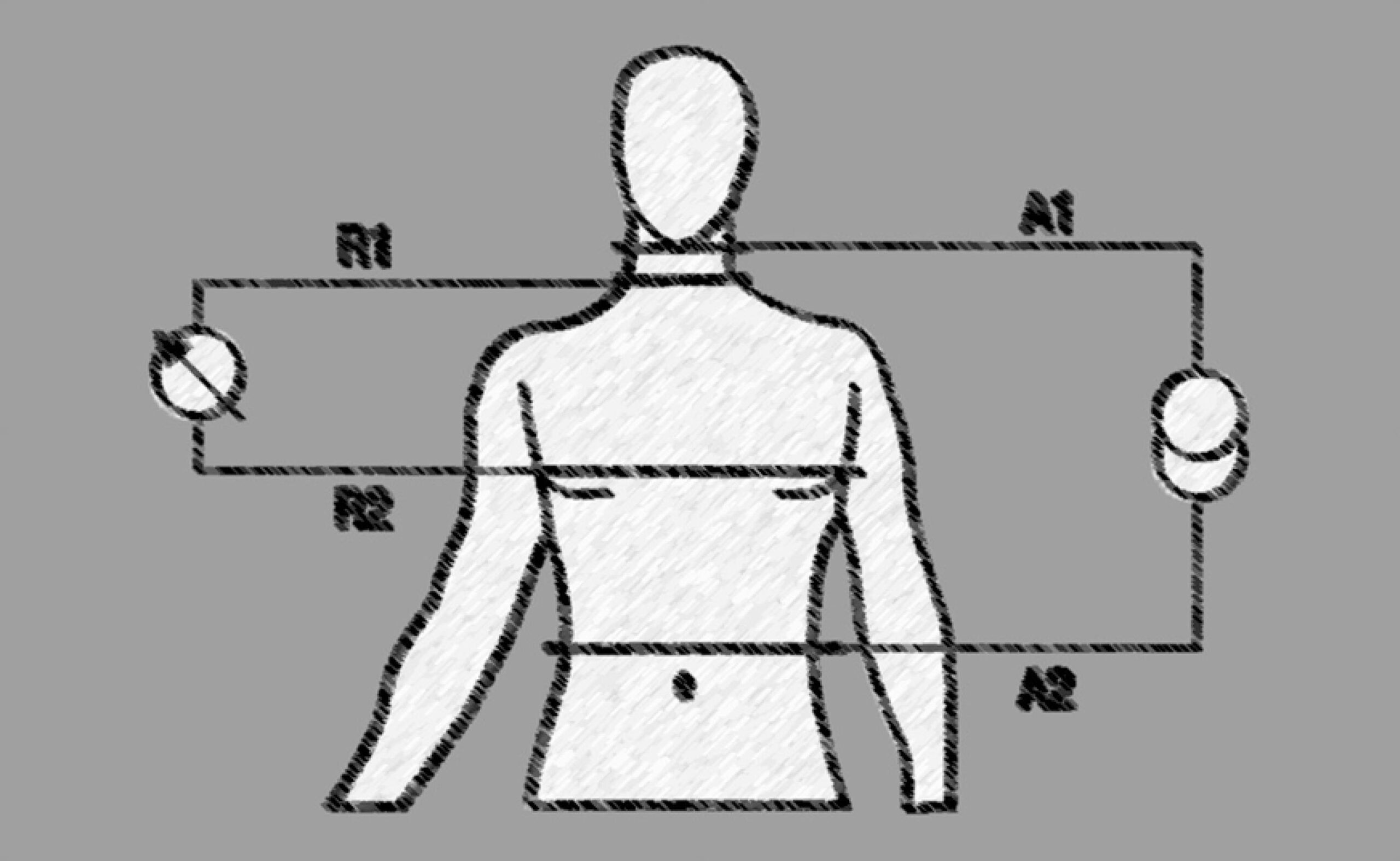
Impedance Cardiography in the Evaluation of Patients with Arterial Hypertension

Rodrigo Nazário Leão et al. Pedro Marques Da Silva

Abstract

Arterial hypertension is responsible for high morbidity and mortality. Despite increasing awareness of the consequences of uncontrolled hypertension and the publication of several recommendations and guidelines, blood pressure control rates are suboptimal, and approximately half of the patients do not reach the targets. Defined as an increase in blood pressure, hypertension is characterized by hemodynamic abnormalities in cardiac output, systemic vascular resistance, or arterial compliance. Therefore, the approach to arterial hypertension can be improved by the knowledge of the hemodynamics underlying the blood pressure increase. Impedance Cardiography has emerged as a new strategy to customize therapy and monitor patients aiming to improve blood pressure control according to the hemodynamic profile, rather than a blind intensive care approach. This is a review of impedance cardiography evidence, its benefits, actual and future applications in the approach and management of arterial hypertension.

  • Blood Pressure
  • cardiography, impedance
  • Hemodynamics
  • Hypertension/physiopathology
Read Full Article
Creative Commons Attribution (CC BY) Creative Commons license
01/01/2019 DOI: 10.5935/2359-4802.20180048 Views 1
IJCS
Original Article

Hemodynamic, Metabolic and Ventilatory Responses to Exercise in Adults with Congenital Heart Disease

Pablo Marino Corrêa Nascimento et al. Daniel Arkader Kopiler Fernando Cesar de Castro e Souza Maria Carolina Terra Cola … Marina Pereira Coelho Gabriella de Oliveira Lopes Eduardo Tibiriçá

Abstract

Background:

Congenital heart disease in adults shares some features with heart failure (HF), including exercise intolerance, ventilatory inefficiency, inflammatory and neurohormonal activation, cardiac arrhythmias and myocardial fibrosis. Over the last years, cardiopulmonary exercise test has gained importance in the diagnostic and prognostic evaluation of congenital heart diseases, as has already occurred in HF.

Objective:

To describe the behavior of hemodynamic, metabolic and ventilatory parameters in response to exercise in adults with congenital heart disease.

Methods:

Observational cross-sectional study evaluating 31 adults with congenital acyanotic or cyanotic heart disease, treated clinically, surgically or percutaneously, referred for cardiopulmonary exercise test. A descriptive analysis of the data was performed.

Results:

Patients aged 35.7 ± 14.2 years were included. Oxygen consumption (VO2) was 44.86 ± 18.01% of predicted at peak exercise and 36.92 ± 12.93% of predicted maximal VO2 at anaerobic threshold. We found an oxygen uptake efficiency slope (OUES) of 1.49 ± 0.89 (61.43 ± 26.63% of predicted), oxygen pulse of 58.90 ± 22.24% and increment in systolic arterial pressure during exercise was 31.42 ± 21.60 mmHg.

Conclusion:

Adults with congenital heart disease had similar responses to heart failure patients during exercise – reduced aerobic capacity, ventilatory inefficiency for oxygen consumption and limited inotropic response to exercise, characterized by reduced oxygen pulse and small increase in systolic arterial pressure.

  • Adults
  • cyanosis
  • Exercise
  • Exercise Test
  • Heart Defects, Congenital
  • Hemodynamics
  • Metabolism
Read Full Article
Creative Commons Attribution (CC BY) Creative Commons license
01/01/2019 DOI: 10.5935/2359-4802.20180073
Figure 1
ABC
Original Article

Natriuretic Peptide and Clinical Evaluation in the Diagnosis of Heart Failure Hemodynamic Profile: Comparison with Tissue Doppler Echocardiography

Gustavo Luiz Gouvêa de Almeida Junior et al. Nadine Clausell Marcelo Iorio Garcia Roberto Esporcatte … Fernando Oswaldo Dias Rangel Ricardo Mourilhe Rocha Luis Beck-da-Silva Fabricio Braga da Silva Paula de Castro Carvalho Gorgulho Sergio Salles Xavier

Abstract

Background:

Physical examination and B-type natriuretic peptide (BNP) have been used to estimate hemodynamics and tailor therapy of acute decompensated heart failure (ADHF) patients. However, correlation between these parameters and left ventricular filling pressures is controversial.

Objective:

This study was designed to evaluate the diagnostic accuracy of physical examination, chest radiography (CR) and BNP in estimating left atrial pressure (LAP) as assessed by tissue Doppler echocardiogram.

Methods:

Patients admitted with ADHF were prospectively assessed. Diagnostic characteristics of physical signs of heart failure, CR and BNP in predicting elevation (> 15 mm Hg) of LAP, alone or combined, were calculated. Spearman test was used to analyze the correlation between non-normal distribution variables. The level of significance was 5%.

Results:

Forty-three patients were included, with mean age of 69.9 ± 11.1years, left ventricular ejection fraction of 25 ± 8.0%, and BNP of 1057 ± 1024.21 pg/mL. Individually, all clinical, CR or BNP parameters had a poor performance in predicting LAP ≥ 15 mm Hg. A clinical score of congestion had the poorest performance [area under the receiver operating characteristic curve (AUC) 0.53], followed by clinical score + CR (AUC 0.60), clinical score + CR + BNP > 400 pg/mL (AUC 0.62), and clinical score + CR + BNP > 1000 pg/mL (AUC 0.66).

Conclusion:

Physical examination, CR and BNP had a poor performance in predicting a LAP ≥ 15 mm Hg. Using these parameters alone or in combination may lead to inaccurate estimation of hemodynamics.

  • Echocardiography, Doppler
  • Heart Failure
  • Hemodynamics
  • Natriuretic Peptide, Brain
  • Ventricular Function, Left
Read Full Article
Creative Commons Attribution (CC BY) Creative Commons license
01/03/2018 DOI: 10.5935/abc.20180046 Views 1
Chart 1
IJCS
Review Article

Accuracy of Impedance Cardiography in Acute Myocardial Infarction: A Literature Review

Lucelia dos Santos Silva et al. Fernanda Faria Reis Monyque Evelyn Santos Silva Dalmo Valerio Machado de Lima

Introduction

Hemodynamic monitoring of individuals with acute myocardial infarction, for evaluation of progression and prognosis of the patient’s clinical picture, has been studied for years.

The Swan-Ganz catheter is an invasive hemodynamic monitoring measurement, indicated for clinical situations, such as acute heart failure (e.g. acute myocardial infarction, complicated by progressive hypotension or cardiogenic shock); mechanical complications of acute myocardial infarction; right ventricular infarction; refractory congestive heart failure; pulmonary hypertension.

[…]

  • cardiography, impedance
  • Data Accuracy
  • Electric Impedance
  • Hemodynamics
  • Myocardial Infarction/physiopathology
Read Full Article
Creative Commons Attribution (CC BY) Creative Commons license
01/01/2018 DOI: 10.5935/2359-4802.20180008 Views 1
Figure 1
ABC
Original Article

Influence of the tilt angle of Percutaneous Aortic Prosthesis on Velocity and Shear Stress Fields

Bruno Alvares de Azevedo Gomes et al. Gabriel Cordeiro Camargo Jorge Roberto Lopes dos Santos Luis Fernando Alzuguir Azevedo … Ângela Ourivio Nieckele Aristarco Gonçalves Siqueira-Filho Glaucia Maria Moraes de Oliveira

Abstract

Background:

Due to the nature of the percutaneous prosthesis deployment process, a variation in its final position is expected. Prosthetic valve placement will define the spatial location of its effective orifice in relation to the aortic annulus. The blood flow pattern in the ascending aorta is related to the aortic remodeling process, and depends on the spatial location of the effective orifice. The hemodynamic effect of small variations in the angle of inclination of the effective orifice has not been studied in detail.

Objective:

To implement an in vitro simulation to characterize the hydrodynamic blood flow pattern associated with small variations in the effective orifice inclination.

Methods:

A three-dimensional aortic phantom was constructed, reproducing the anatomy of one patient submitted to percutaneous aortic valve implantation. Flow analysis was performed by use of the Particle Image Velocimetry technique. The flow pattern in the ascending aorta was characterized for six flow rate levels. In addition, six angles of inclination of the effective orifice were assessed.

Results:

The effective orifice at the -4° and -2° angles directed the main flow towards the anterior wall of the aortic model, inducing asymmetric and high shear stress in that region. However, the effective orifice at the +3° and +5° angles mimics the physiological pattern, centralizing the main flow and promoting a symmetric distribution of shear stress.

Conclusion:

The measurements performed suggest that small changes in the angle of inclination of the percutaneous prosthesis aid in the generation of a physiological hemodynamic pattern, and can contribute to reduce aortic remodeling.

  • Heart Valve Prosthesis Implantation
  • Hemodynamics
  • Regional Blood Flow
  • Shear Stress
Read Full Article
Creative Commons Attribution (CC BY) Creative Commons license
07/08/2017 DOI: 10.5935/abc.20170115 Views 1
Graph 1
ABC
Original Article

Hemodynamic Effects of Noninvasive Ventilation in Patients with Venocapillary Pulmonary Hypertension

André Moreira Bento et al. Luiz Francisco Cardoso Flávio Tarasoutchi Roney Orismar Sampaio … Luiz Junya Kajita Pedro Alves Lemos Neto

Background:

The hemodynamic effects of noninvasive ventilation with positive pressure in patients with pulmonary hypertension without left ventricular dysfunction are not clearly established.

Objectives:

Analyze the impact of increasing airway pressure with continuous positive airway pressure on hemodynamic parameters and, in particular, on cardiac output in patients with variable degrees of pulmonary hypertension.

Methods:

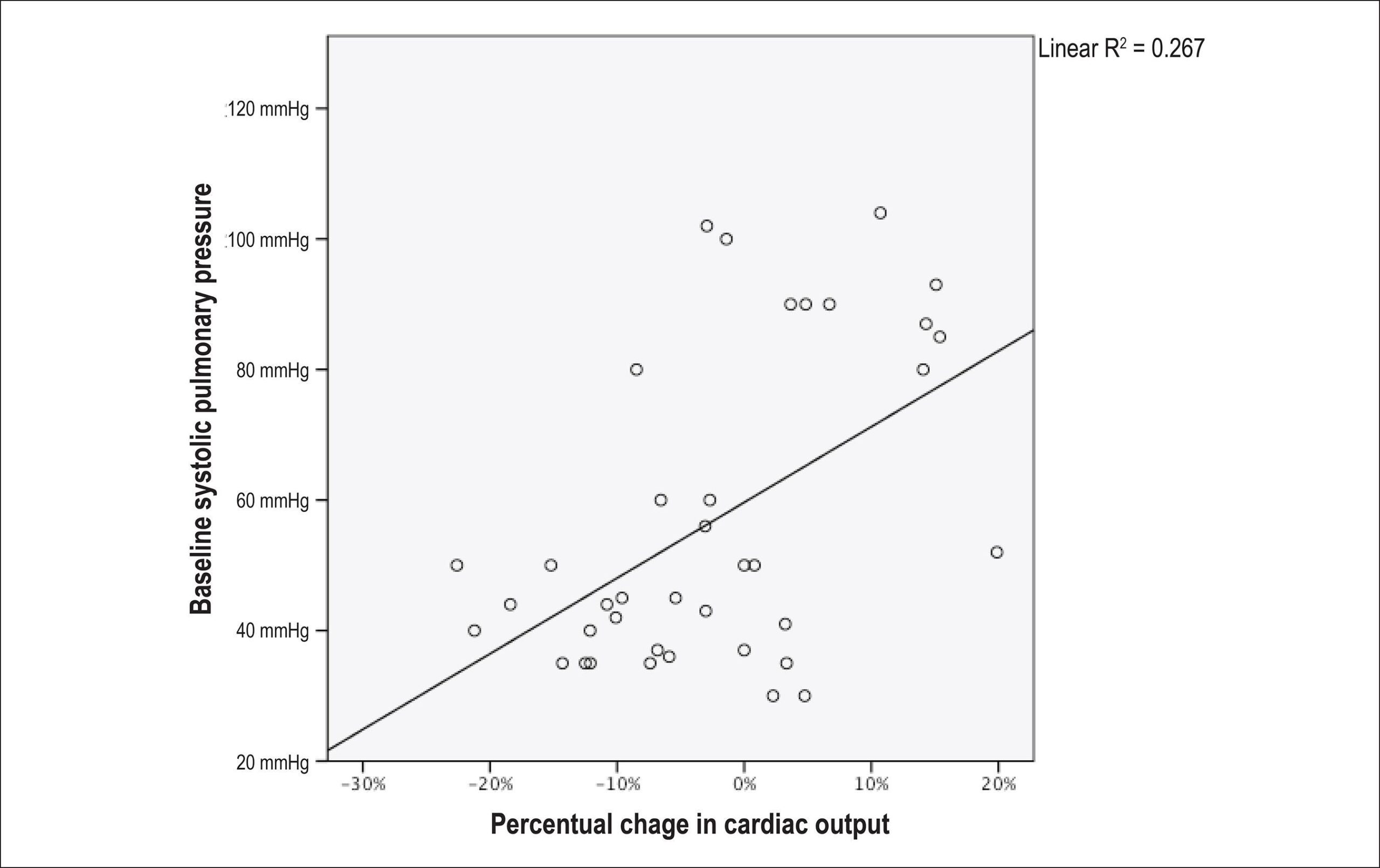
The study included 38 patients with pulmonary hypertension caused by mitral stenosis without left ventricular dysfunction or other significant valvulopathy. The hemodynamic state of these patients was analyzed in three conditions: baseline, after continuous positive pressure of 7 cmH2O and, finally, after pressure of 14 cmH2O.

Results:

The population was composed of predominantly young and female individuals with significant elevation in pulmonary arterial pressure (mean systolic pressure of 57 mmHg). Of all variables analyzed, only the right atrial pressure changed across the analyzed moments (from the baseline condition to the pressure of 14 cmH2O there was a change from 8 ± 4 mmHg to 11 ± 3 mmHg, respectively, p = 0.031). Even though there was no variation in mean cardiac output, increased values in pulmonary artery pressure were associated with increased cardiac output. There was no harmful effect or other clinical instability associated with use application of airway pressure.

Conclusion:

In patients with venocapillary pulmonary hypertension without left ventricular dysfunction, cardiac output response was directly associated with the degree of pulmonary hypertension. The application of noninvasive ventilation did not cause complications directly related to the ventilation systems.

  • Heart Failure
  • Hemodynamics
  • Hypertension
  • Noninvasive Ventilation
  • Pulmonary
Read Full Article
Creative Commons Attribution (CC BY) Creative Commons license
10/10/2014 DOI: 10.5935/abc.20140147
Hemodynamic assessment in heart failure: role of physical examination and noninvasive methods
ABC
Atualização

Hemodynamic assessment in heart failure: role of physical examination and noninvasive methods

Gustavo Luiz Almeida Junior et al. Sérgio Salles Xavier Marcelo Iorio Garcia Nadine Clausell

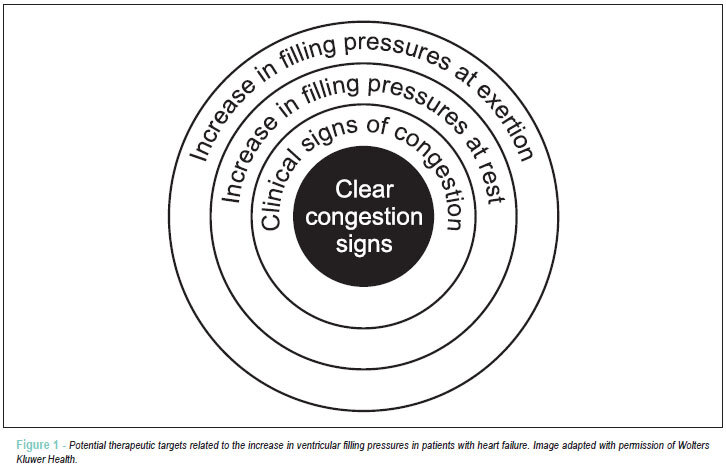
Among the cardiovascular diseases, heart failure (HF) has a high rate of hospitalization, morbidity and mortality, consuming vast resources of the public health system in Brazil and other countries. The correct determination of the filling pressures of the left ventricle by noninvasive or invasive assessment is critical to the proper treatment of patients with decompensated chronic HF, considering that congestion is the main determinant of symptoms and hospitalization. Physical examination has shown to be inadequate to predict the hemodynamic pattern. Several studies have suggested that agreement on physical findings by different physicians is small and that, ultimately, adaptive physiological alterations in chronic HF mask important aspects of the physical examination. As the clinical assessment fails to predict hemodynamic aspects and because the use of Swan-Ganz catheter is not routinely recommended for this purpose in patients with HF, noninvasive hemodynamic assessment methods, such as BNP, echocardiography and cardiographic bioimpedance, are being increasingly used. The present study intends to carry out, for the clinician, a review of the role of each of these tools when defining the hemodynamic status of patients with decompensated heart failure, aiming at a more rational and individualized treatment.

  • cardiography, impedance
  • Heart Failure
  • Hemodynamics
  • radiography, thoracic
Read Full Article
Creative Commons Attribution (CC BY) Creative Commons license
08/02/2012 DOI: 10.1590/S0066-782X2012000100020

How to cite this article

EndNote RIS

Electronic Document Format (Vancouver)

Quintana MA, Perea J, Villarreal R, Soto M, Castro M, Cortês R, Sanhueza P, et al. Persistent Right Ventricular Dysfunction and Hemodynamic Evolution Predict In-Hospital Deterioration in Intermediate-High- and High-Risk Pulmonary Embolism. Arquivos Brasileiros de Cardiologia 2026;123(7):e20260468.

Electronic Document Format (ABNT)

Quintana, Miguel A.; Perea, Joaquín; Villarreal, Ricardo; Soto, Mauricio; Castro, Marildes; Cortês, Rafael; Sanhueza, Patricio; Saavedra, Iván; Quispe, Yhaquelina; Tenezaca, Roger; Colque, Roberto; Arias, Alexandra; Toquica, Alex Rivera; Álvarez, Manuel; Pérez, Ysmenia D.; Morejón, Paola; Fernández, Karina G.; Mogollón, Adriana; Cardona, Marcelo; Pérez, Gonzalo Emanuel; López-Ruiz, Arnaldo. Persistent Right Ventricular Dysfunction and Hemodynamic Evolution Predict In-Hospital Deterioration in Intermediate-High- and High-Risk Pulmonary Embolism. Arquivos Brasileiros de Cardiologia, v. 123, n. 7, e20260468, Sep. 2026.

Electronic Document Format (APA)

Quintana, M. A., Perea, J., Villarreal, R., Soto, M., Castro, M., Cortês, R., Sanhueza, P., Saavedra, I., Quispe, Y., Tenezaca, R., Colque, R., Arias, A., Toquica, A. R., Álvarez, M., Pérez, Y. D., Morejón, P., Fernández, K. G., Mogollón, A., Cardona, M., Pérez, G. E., & López-Ruiz, A. (2026). Persistent Right Ventricular Dysfunction and Hemodynamic Evolution Predict In-Hospital Deterioration in Intermediate-High- and High-Risk Pulmonary Embolism. Arquivos Brasileiros de Cardiologia, 123(7), e20260468.

Electronic Document Format (ISO)

Quintana, Miguel A. and Perea, Joaquín and Villarreal, Ricardo and Soto, Mauricio and Castro, Marildes and Cortês, Rafael and Sanhueza, Patricio and Saavedra, Iván and Quispe, Yhaquelina and Tenezaca, Roger and Colque, Roberto and Arias, Alexandra and Toquica, Alex Rivera and Álvarez, Manuel and Pérez, Ysmenia D. and Morejón, Paola and Fernández, Karina G. and Mogollón, Adriana and Cardona, Marcelo and Pérez, Gonzalo Emanuel and López-Ruiz, Arnaldo. Persistent Right Ventricular Dysfunction and Hemodynamic Evolution Predict In-Hospital Deterioration in Intermediate-High- and High-Risk Pulmonary Embolism. Arquivos Brasileiros de Cardiologia [online]. 2026, vol. 123, n. 7, [cited 2026-10-14], e20260468. Available from: <https://journals.cardiol.br/en/article/persistent-right-ventricular-dysfunction-and-hemodynamic-evolution-predict-in-hospital-deterioration-in-intermediate-high-and-high-risk-pulmonary-embolism/>. ISSN 0066-782X

EndNote RIS

Electronic Document Format (Vancouver)

Luna BC, Lamezon AC, Lima Junior E, Rabelo LM, Valderramas S. Arterial Stiffness, Clinical-Functional Outcomes, and Quality of Life in Post-COVID-19 Patients: A Cross-Sectional Study. Arquivos Brasileiros de Cardiologia 2026;123(7):e20250450.

Electronic Document Format (ABNT)

Luna, Bruna Cavon; Lamezon, Ana Cristina; Lima Junior, Emilton; Rabelo, Lêda Maria; Valderramas, Silvia. Arterial Stiffness, Clinical-Functional Outcomes, and Quality of Life in Post-COVID-19 Patients: A Cross-Sectional Study. Arquivos Brasileiros de Cardiologia, v. 123, n. 7, e20250450, Aug. 2026.

Electronic Document Format (APA)

Luna, B. C., Lamezon, A. C., Lima Junior, E., Rabelo, L. M., & Valderramas, S. (2026). Arterial Stiffness, Clinical-Functional Outcomes, and Quality of Life in Post-COVID-19 Patients: A Cross-Sectional Study. Arquivos Brasileiros de Cardiologia, 123(7), e20250450.

Electronic Document Format (ISO)

Luna, Bruna Cavon and Lamezon, Ana Cristina and Lima Junior, Emilton and Rabelo, Lêda Maria and Valderramas, Silvia. Arterial Stiffness, Clinical-Functional Outcomes, and Quality of Life in Post-COVID-19 Patients: A Cross-Sectional Study. Arquivos Brasileiros de Cardiologia [online]. 2026, vol. 123, n. 7, [cited 2026-10-14], e20250450. Available from: <https://journals.cardiol.br/en/article/arterial-stiffness-clinical-functional-outcomes-and-quality-of-life-in-post-covid-19-patients-a-cross-sectional-study/>. ISSN 0066-782X

EndNote RIS

Electronic Document Format (Vancouver)

Hortegal RA, Bihan DL, Barretto R, Mathias Jr W. Left Atrium Reservoir Strain and Cardiovascular Hemodynamics: the Hidden Truths Reveal Far More Than What is Readily Apparent. ABC Imagem Cardiovascular 2025;38(3):e20250068.

Electronic Document Format (ABNT)

Hortegal, Renato A.; Bihan, David Le; Barretto, Rodrigo; Mathias Jr, Wilson. Left Atrium Reservoir Strain and Cardiovascular Hemodynamics: the Hidden Truths Reveal Far More Than What is Readily Apparent. ABC Imagem Cardiovascular, v. 38, n. 3, e20250068, Dec. 2025.

Electronic Document Format (APA)

Hortegal, R. A., Bihan, D. L., Barretto, R., & Mathias Jr, W. (2025). Left Atrium Reservoir Strain and Cardiovascular Hemodynamics: the Hidden Truths Reveal Far More Than What is Readily Apparent. ABC Imagem Cardiovascular, 38(3), e20250068.

Electronic Document Format (ISO)

Hortegal, Renato A. and Bihan, David Le and Barretto, Rodrigo and Mathias Jr, Wilson. Left Atrium Reservoir Strain and Cardiovascular Hemodynamics: the Hidden Truths Reveal Far More Than What is Readily Apparent. ABC Imagem Cardiovascular [online]. 2025, vol. 38, n. 3, [cited 2026-10-14], e20250068. Available from: <https://journals.cardiol.br/en/article/left-atrium-reservoir-strain-and-cardiovascular-hemodynamics-the-hidden-truths-reveal-far-more-than-what-is-readily-apparent/>. ISSN 2318-8219

EndNote RIS

Electronic Document Format (Vancouver)

Izumida T, Imamura T. How to Incorporate Remote Dielectric Sensing System and Lung Ultrasound in Patients with Acute Congestive Heart Failure. Arquivos Brasileiros de Cardiologia 2025;122(4):e20250053.

Electronic Document Format (ABNT)

Izumida, Toshihide; Imamura, Teruhiko. How to Incorporate Remote Dielectric Sensing System and Lung Ultrasound in Patients with Acute Congestive Heart Failure. Arquivos Brasileiros de Cardiologia, v. 122, n. 4, e20250053, May. 2025.

Electronic Document Format (APA)

Izumida, T., & Imamura, T. (2025). How to Incorporate Remote Dielectric Sensing System and Lung Ultrasound in Patients with Acute Congestive Heart Failure. Arquivos Brasileiros de Cardiologia, 122(4), e20250053.

Electronic Document Format (ISO)

Izumida, Toshihide and Imamura, Teruhiko. How to Incorporate Remote Dielectric Sensing System and Lung Ultrasound in Patients with Acute Congestive Heart Failure. Arquivos Brasileiros de Cardiologia [online]. 2025, vol. 122, n. 4, [cited 2026-10-14], e20250053. Available from: <https://journals.cardiol.br/en/article/how-to-incorporate-remote-dielectric-sensing-system-and-lung-ultrasound-in-patients-with-acute-congestive-heart-failure/>. ISSN 0066-782X

EndNote RIS

Electronic Document Format (Vancouver)

Vilela AA, Otto ME, Nishida G, Assef JE. Hemodynamic Assessment In Exercise Stress Echocardiography. ABC Imagem Cardiovascular 2024;37(3):e20240049.

Electronic Document Format (ABNT)

Vilela, Andrea de Andrade; Otto, Maria Estefania; Nishida, Gustavo; Assef, Jorge Eduardo. Hemodynamic Assessment In Exercise Stress Echocardiography. ABC Imagem Cardiovascular, v. 37, n. 3, e20240049, Aug. 2024.

Electronic Document Format (APA)

Vilela, A. A., Otto, M. E., Nishida, G., & Assef, J. E. (2024). Hemodynamic Assessment In Exercise Stress Echocardiography. ABC Imagem Cardiovascular, 37(3), e20240049.

Electronic Document Format (ISO)

Vilela, Andrea de Andrade and Otto, Maria Estefania and Nishida, Gustavo and Assef, Jorge Eduardo. Hemodynamic Assessment In Exercise Stress Echocardiography. ABC Imagem Cardiovascular [online]. 2024, vol. 37, n. 3, [cited 2026-10-14], e20240049. Available from: <https://journals.cardiol.br/en/article/hemodynamic-assessment-in-exercise-stress-echocardiography/>. ISSN 2318-8219

EndNote RIS

Electronic Document Format (Vancouver)

Faria ACC, Moreira CL, Cunha MR, Mattos S, Oigman W, Neves MF. Effects of Vitamin D Supplementation on Central Hemodynamic Parameters and Autonomic Nervous System in Obese or Overweight Individuals. Arquivos Brasileiros de Cardiologia 2024;121(5):e20230678.

Electronic Document Format (ABNT)

Faria, Adriana C. C.; Moreira, Caroline Lyra; Cunha, Michelle Rabello da; Mattos, Samanta; Oigman, Wille; Neves, Mario Fritsch. Effects of Vitamin D Supplementation on Central Hemodynamic Parameters and Autonomic Nervous System in Obese or Overweight Individuals. Arquivos Brasileiros de Cardiologia, v. 121, n. 5, e20230678, May. 2024.

Electronic Document Format (APA)

Faria, A. C. C., Moreira, C. L., Cunha, M. R. , Mattos, S., Oigman, W., & Neves, M. F. (2024). Effects of Vitamin D Supplementation on Central Hemodynamic Parameters and Autonomic Nervous System in Obese or Overweight Individuals. Arquivos Brasileiros de Cardiologia, 121(5), e20230678.

Electronic Document Format (ISO)

Faria, Adriana C. C. and Moreira, Caroline Lyra and Cunha, Michelle Rabello da and Mattos, Samanta and Oigman, Wille and Neves, Mario Fritsch. Effects of Vitamin D Supplementation on Central Hemodynamic Parameters and Autonomic Nervous System in Obese or Overweight Individuals. Arquivos Brasileiros de Cardiologia [online]. 2024, vol. 121, n. 5, [cited 2026-10-14], e20230678. Available from: <https://journals.cardiol.br/en/article/effects-of-vitamin-d-supplementation-on-central-hemodynamic-parameters-and-autonomic-nervous-system-in-obese-or-overweight-individuals/>. ISSN 0066-782X

EndNote RIS

Electronic Document Format (Vancouver)

Franzoni L, Oliveira RC, Busin D, Turella DJP, Costa RR, Saffi MAL, Silveira AD, et al. Non-Invasive Assessment of Cardiodynamics by Impedance Cardiography during the Six-Minute Walk Test in Patients with Heart Failure. Arquivos Brasileiros de Cardiologia 2024;120(12):e20230087.

Electronic Document Format (ABNT)

Franzoni, Leandro; Oliveira, Rafael Cechet de; Busin, Diego; Turella, Douglas Jean Preussler; Costa, Rochelle Rocha; Saffi, Marco Aurélio Lumertz; Silveira, Anderson Donelli da; Stein, Ricardo. Non-Invasive Assessment of Cardiodynamics by Impedance Cardiography during the Six-Minute Walk Test in Patients with Heart Failure. Arquivos Brasileiros de Cardiologia, v. 120, n. 12, e20230087, Jan. 2024.

Electronic Document Format (APA)

Franzoni, L., Oliveira, R. C. , Busin, D., Turella, D. J. P., Costa, R. R., Saffi, M. A. L., Silveira, A. D. , & Stein, R. (2024). Non-Invasive Assessment of Cardiodynamics by Impedance Cardiography during the Six-Minute Walk Test in Patients with Heart Failure. Arquivos Brasileiros de Cardiologia, 120(12), e20230087.

Electronic Document Format (ISO)

Franzoni, Leandro and Oliveira, Rafael Cechet de and Busin, Diego and Turella, Douglas Jean Preussler and Costa, Rochelle Rocha and Saffi, Marco Aurélio Lumertz and Silveira, Anderson Donelli da and Stein, Ricardo. Non-Invasive Assessment of Cardiodynamics by Impedance Cardiography during the Six-Minute Walk Test in Patients with Heart Failure. Arquivos Brasileiros de Cardiologia [online]. 2024, vol. 120, n. 12, [cited 2026-10-14], e20230087. Available from: <https://journals.cardiol.br/en/article/non-invasive-assessment-of-cardiodynamics-by-impedance-cardiography-during-the-six-minute-walk-test-in-patients-with-heart-failure/>. ISSN 0066-782X

EndNote RIS

Electronic Document Format (Vancouver)

Oliveira GH, Okawa RTP, Simões CF, Locatelli JC, Mendes VHS, Reck HB, Lopes WA, et al. Effects of High-Intensity Interval Training on Central Blood Pressure: A Systematic Review and Meta-Analysis. Arquivos Brasileiros de Cardiologia 2023;120(4):e20220398.

Electronic Document Format (ABNT)

Oliveira, Gustavo Henrique de; Okawa, Rogério Toshiro Passos; Simões, Caroline Ferraz; Locatelli, João Carlos; Mendes, Victor Hugo de Souza; Reck, Higor Barbosa; Lopes, Wendell Arthur. Effects of High-Intensity Interval Training on Central Blood Pressure: A Systematic Review and Meta-Analysis. Arquivos Brasileiros de Cardiologia, v. 120, n. 4, e20220398, Apr. 2023.

Electronic Document Format (APA)

Oliveira, G. H. , Okawa, R. T. P., Simões, C. F., Locatelli, J. C., Mendes, V. H. S., Reck, H. B., & Lopes, W. A. (2023). Effects of High-Intensity Interval Training on Central Blood Pressure: A Systematic Review and Meta-Analysis. Arquivos Brasileiros de Cardiologia, 120(4), e20220398.

Electronic Document Format (ISO)

Oliveira, Gustavo Henrique de and Okawa, Rogério Toshiro Passos and Simões, Caroline Ferraz and Locatelli, João Carlos and Mendes, Victor Hugo de Souza and Reck, Higor Barbosa and Lopes, Wendell Arthur. Effects of High-Intensity Interval Training on Central Blood Pressure: A Systematic Review and Meta-Analysis. Arquivos Brasileiros de Cardiologia [online]. 2023, vol. 120, n. 4, [cited 2026-10-14], e20220398. Available from: <https://journals.cardiol.br/en/article/effects-of-high-intensity-interval-training-on-central-blood-pressure-a-systematic-review-and-meta-analysis/>. ISSN 0066-782X

EndNote RIS

Electronic Document Format (Vancouver)

Rocha DFR, Guimarães HL, Lopes MP, Silva JBM, Gardenghi G. Percutaneous Closure of Multiple Atrial Septal Defects with Hemodynamic Repercussions: Report of Two Cases in First-Degree Related Adult Patients. ABC Imagem Cardiovascular 2022;35(4):eabc345.

Electronic Document Format (ABNT)

Rocha, Débora Freire Ribeiro; Guimarães, Henrique Lima; Lopes, Maurício Prudente; Silva, João Batista Masson; Gardenghi, Giulliano. Percutaneous Closure of Multiple Atrial Septal Defects with Hemodynamic Repercussions: Report of Two Cases in First-Degree Related Adult Patients. ABC Imagem Cardiovascular, v. 35, n. 4, eabc345, Nov. 2022.

Electronic Document Format (APA)

Rocha, D. F. R., Guimarães, H. L., Lopes, M. P., Silva, J. B. M., & Gardenghi, G. (2022). Percutaneous Closure of Multiple Atrial Septal Defects with Hemodynamic Repercussions: Report of Two Cases in First-Degree Related Adult Patients. ABC Imagem Cardiovascular, 35(4), eabc345.

Electronic Document Format (ISO)

Rocha, Débora Freire Ribeiro and Guimarães, Henrique Lima and Lopes, Maurício Prudente and Silva, João Batista Masson and Gardenghi, Giulliano. Percutaneous Closure of Multiple Atrial Septal Defects with Hemodynamic Repercussions: Report of Two Cases in First-Degree Related Adult Patients. ABC Imagem Cardiovascular [online]. 2022, vol. 35, n. 4, [cited 2026-10-14], eabc345. Available from: <https://journals.cardiol.br/en/article/percutaneous-closure-of-multiple-atrial-septal-defects-with-hemodynamic-repercussions-report-of-two-cases-in-first-degree-related-adult-patients/>. ISSN 2318-8219

EndNote RIS

Electronic Document Format (Vancouver)

Aragão CAS, Dan MC, Ávila MS. Management of Patients with Advanced Heart Failure According to Hemodynamic Parameters. ABC: Heart Failure & Cardiomyopathy 2022;2(2):234-6.

Electronic Document Format (ABNT)

Aragão, Carlos Aurélio dos Santos; Dan, iella Motta da Costa; Ávila, Mônica Samuel. Management of Patients with Advanced Heart Failure According to Hemodynamic Parameters. ABC: Heart Failure & Cardiomyopathy, v. 2, n. 2, p. 234-236, Jun. 2022.

Electronic Document Format (APA)

Aragão, C. A. S., Dan, M. C., & Ávila, M. S. (2022). Management of Patients with Advanced Heart Failure According to Hemodynamic Parameters. ABC: Heart Failure & Cardiomyopathy, 2(2), 234-236.

Electronic Document Format (ISO)

Aragão, Carlos Aurélio dos Santos and Dan, iella Motta da Costa and Ávila, Mônica Samuel. Management of Patients with Advanced Heart Failure According to Hemodynamic Parameters. ABC: Heart Failure & Cardiomyopathy [online]. 2022, vol. 2, n. 2, [cited 2026-10-14], pp. 234-236. Available from: <https://journals.cardiol.br/en/article/management-of-patients-with-advanced-heart-failure-according-to-hemodynamic-parameters/>

EndNote RIS

Electronic Document Format (Vancouver)

Almeida GC, Gomes BAA, Azevedo FS, Kalaun K, Ibanez I, Teixeira PS, Gottlieb I, et al. Computational Fluid Dynamics to Assess the Future Risk of Ascending Aortic Aneurysms. Arquivos Brasileiros de Cardiologia 2022;118(2):448-60.

Electronic Document Format (ABNT)

Almeida, Gabriela de C.; Gomes, Bruno Alvares de Azevedo; Azevedo, Fabiula Schwartz de; Kalaun, Karim; Ibanez, Ivan; Teixeira, Pedro S.; Gottlieb, Ilan; Melo, Marcelo M.; Oliveira, Glaucia Maria Moraes de; Nieckele, Angela O.. Computational Fluid Dynamics to Assess the Future Risk of Ascending Aortic Aneurysms. Arquivos Brasileiros de Cardiologia, v. 118, n. 2, p. 448-460, Mar. 2022.

Electronic Document Format (APA)

Almeida, G. C., Gomes, B. A. A., Azevedo, F. S. , Kalaun, K., Ibanez, I., Teixeira, P. S., Gottlieb, I., Melo, M. M., Oliveira, G. M. M. , & Nieckele, A. O. (2022). Computational Fluid Dynamics to Assess the Future Risk of Ascending Aortic Aneurysms. Arquivos Brasileiros de Cardiologia, 118(2), 448-460.

Electronic Document Format (ISO)

Almeida, Gabriela de C. and Gomes, Bruno Alvares de Azevedo and Azevedo, Fabiula Schwartz de and Kalaun, Karim and Ibanez, Ivan and Teixeira, Pedro S. and Gottlieb, Ilan and Melo, Marcelo M. and Oliveira, Glaucia Maria Moraes de and Nieckele, Angela O.. Computational Fluid Dynamics to Assess the Future Risk of Ascending Aortic Aneurysms. Arquivos Brasileiros de Cardiologia [online]. 2022, vol. 118, n. 2, [cited 2026-10-14], pp. 448-460. Available from: <https://journals.cardiol.br/en/article/computational-fluid-dynamics-to-assess-the-future-risk-of-ascending-aortic-aneurysms/>. ISSN 0066-782X

EndNote RIS

Electronic Document Format (Vancouver)

Xavier Filho DG, Coutinho ALN, Barbosa RHA, Lopes MR, Tenório APO. Inferior Vena Cava Ultrasound for Assessing Volume Status and Fluid Responsiveness in Critically ill Patients: A Systematic Review. ABC Imagem Cardiovascular 2021;34(3):eabc193.

Electronic Document Format (ABNT)

Xavier Filho, Djalma Gomes; Coutinho, Akeme Laissa Novais; Barbosa, Romero Henrique de Almeida; Lopes, Matheus Rodrigues; Tenório, Adirlene Pontes de Oliveira. Inferior Vena Cava Ultrasound for Assessing Volume Status and Fluid Responsiveness in Critically ill Patients: A Systematic Review. ABC Imagem Cardiovascular, v. 34, n. 3, eabc193, Nov. 2021.

Electronic Document Format (APA)

Xavier Filho, D. G., Coutinho, A. L. N., Barbosa, R. H. A., Lopes, M. R., & Tenório, A. P. O. (2021). Inferior Vena Cava Ultrasound for Assessing Volume Status and Fluid Responsiveness in Critically ill Patients: A Systematic Review. ABC Imagem Cardiovascular, 34(3), eabc193.

Electronic Document Format (ISO)

Xavier Filho, Djalma Gomes and Coutinho, Akeme Laissa Novais and Barbosa, Romero Henrique de Almeida and Lopes, Matheus Rodrigues and Tenório, Adirlene Pontes de Oliveira. Inferior Vena Cava Ultrasound for Assessing Volume Status and Fluid Responsiveness in Critically ill Patients: A Systematic Review. ABC Imagem Cardiovascular [online]. 2021, vol. 34, n. 3, [cited 2026-10-14], eabc193. Available from: <https://journals.cardiol.br/en/article/inferior-vena-cava-ultrasound-for-assessing-volume-status-and-fluid-responsiveness-in-critically-ill-patients-a-systematic-review/>. ISSN 2318-8219

EndNote RIS

Electronic Document Format (Vancouver)

Lopes LS, Bündchen D, Modesto FC, Quintão M, Chermont S, Cavalcanti ACD, Mesquita ET, et al. Aromatherapy in Patients with Cardiovascular Diseases: A Systematic Review. International Journal of Cardiovascular Sciences 2020;34(1):74-80.

Electronic Document Format (ABNT)

Lopes, Lissandra de Souza; Bündchen, Daiana; Modesto, Felipe Cardozo; Quintão, Monica; Chermont, Sergio; Cavalcanti, Ana Carla Dantas; Mesquita, Evandro Tinoco. Aromatherapy in Patients with Cardiovascular Diseases: A Systematic Review. International Journal of Cardiovascular Sciences, v. 34, n. 1, p. 74-80, Nov. 2020.

Electronic Document Format (APA)

Lopes, L. S., Bündchen, D., Modesto, F. C., Quintão, M., Chermont, S., Cavalcanti, A. C. D., & Mesquita, E. T. (2020). Aromatherapy in Patients with Cardiovascular Diseases: A Systematic Review. International Journal of Cardiovascular Sciences, 34(1), 74-80.

Electronic Document Format (ISO)

Lopes, Lissandra de Souza and Bündchen, Daiana and Modesto, Felipe Cardozo and Quintão, Monica and Chermont, Sergio and Cavalcanti, Ana Carla Dantas and Mesquita, Evandro Tinoco. Aromatherapy in Patients with Cardiovascular Diseases: A Systematic Review. International Journal of Cardiovascular Sciences [online]. 2020, vol. 34, n. 1, [cited 2026-10-14], pp. 74-80. Available from: <https://journals.cardiol.br/en/article/aromatherapy-in-patients-with-cardiovascular-diseases-a-systematic-review/>. ISSN 2359-4802

EndNote RIS

Electronic Document Format (Vancouver)

Gutierrez MA. Computational Analysis of Fluid Dynamics in the Transcatheter Aortic Valve Replacement. Arquivos Brasileiros de Cardiologia 2020;115(4):688-9.

Electronic Document Format (ABNT)

Gutierrez, Marco A.. Computational Analysis of Fluid Dynamics in the Transcatheter Aortic Valve Replacement. Arquivos Brasileiros de Cardiologia, v. 115, n. 4, p. 688-689, Oct. 2020.

Electronic Document Format (APA)

Gutierrez, M. A. (2020). Computational Analysis of Fluid Dynamics in the Transcatheter Aortic Valve Replacement. Arquivos Brasileiros de Cardiologia, 115(4), 688-689.

Electronic Document Format (ISO)

Gutierrez, Marco A.. Computational Analysis of Fluid Dynamics in the Transcatheter Aortic Valve Replacement. Arquivos Brasileiros de Cardiologia [online]. 2020, vol. 115, n. 4, [cited 2026-10-14], pp. 688-689. Available from: <https://journals.cardiol.br/en/article/computational-analysis-of-fluid-dynamics-in-the-transcatheter-aortic-valve-replacement/>. ISSN 0066-782X

EndNote RIS

Electronic Document Format (Vancouver)

Marchese LD, Chermont S, Warol D, Oliveira LB, Pereira SB, Quintão M, Mesquita ET, et al. Controlled Study of Central Hemodynamic Changes in Inspiratory Exercise with Different Loads in Heart Failure. Arquivos Brasileiros de Cardiologia 2020;114(4):656-63.

Electronic Document Format (ABNT)

Marchese, Luana de Decco; Chermont, Sergio; Warol, Danielle; Oliveira, Lucia Brandão de; Pereira, Sabrina Bernardez; Quintão, Mônica; Mesquita, Evandro Tinoco. Controlled Study of Central Hemodynamic Changes in Inspiratory Exercise with Different Loads in Heart Failure. Arquivos Brasileiros de Cardiologia, v. 114, n. 4, p. 656-663, May. 2020.

Electronic Document Format (APA)

Marchese, L. D., Chermont, S., Warol, D., Oliveira, L. B. , Pereira, S. B., Quintão, M., & Mesquita, E. T. (2020). Controlled Study of Central Hemodynamic Changes in Inspiratory Exercise with Different Loads in Heart Failure. Arquivos Brasileiros de Cardiologia, 114(4), 656-663.

Electronic Document Format (ISO)

Marchese, Luana de Decco and Chermont, Sergio and Warol, Danielle and Oliveira, Lucia Brandão de and Pereira, Sabrina Bernardez and Quintão, Mônica and Mesquita, Evandro Tinoco. Controlled Study of Central Hemodynamic Changes in Inspiratory Exercise with Different Loads in Heart Failure. Arquivos Brasileiros de Cardiologia [online]. 2020, vol. 114, n. 4, [cited 2026-10-14], pp. 656-663. Available from: <https://journals.cardiol.br/en/article/controlled-study-of-central-hemodynamic-changes-in-inspiratory-exercise-with-different-loads-in-heart-failure/>. ISSN 0066-782X

EndNote RIS

Electronic Document Format (Vancouver)

Barbosa AHP, Medeiros RB, Corpa AMR, Higa FS, Souza MT, Barbosa PL, Moreira AC, et al. Prevalence of Lens Opacity in Interventional Cardiologists and Professional Working in the Hemodynamics in Brazil. Arquivos Brasileiros de Cardiologia 2019;112(4):392-9.

Electronic Document Format (ABNT)

Barbosa, Adriano Henrique Pereira; Medeiros, Regina Bitelli; Corpa, Adriana Maria Rodrigues; Higa, Fabiana Shinzato; Souza, Marco Túlio de; Barbosa, Patrícia Lopes; Moreira, Antônio Carlos; Quadros, Alexandre Shaan de; Lemke, Viviana de Mello Guzzo; Cantarelli, Marcelo José de Carvalho. Prevalence of Lens Opacity in Interventional Cardiologists and Professional Working in the Hemodynamics in Brazil. Arquivos Brasileiros de Cardiologia, v. 112, n. 4, p. 392-399, Feb. 2019.

Electronic Document Format (APA)

Barbosa, A. H. P., Medeiros, R. B., Corpa, A. M. R., Higa, F. S., Souza, M. T. , Barbosa, P. L., Moreira, A. C., Quadros, A. S. , Lemke, V. M. G., & Cantarelli, M. J. C. (2019). Prevalence of Lens Opacity in Interventional Cardiologists and Professional Working in the Hemodynamics in Brazil. Arquivos Brasileiros de Cardiologia, 112(4), 392-399.

Electronic Document Format (ISO)

Barbosa, Adriano Henrique Pereira and Medeiros, Regina Bitelli and Corpa, Adriana Maria Rodrigues and Higa, Fabiana Shinzato and Souza, Marco Túlio de and Barbosa, Patrícia Lopes and Moreira, Antônio Carlos and Quadros, Alexandre Shaan de and Lemke, Viviana de Mello Guzzo and Cantarelli, Marcelo José de Carvalho. Prevalence of Lens Opacity in Interventional Cardiologists and Professional Working in the Hemodynamics in Brazil. Arquivos Brasileiros de Cardiologia [online]. 2019, vol. 112, n. 4, [cited 2026-10-14], pp. 392-399. Available from: <https://journals.cardiol.br/en/article/prevalence-of-lens-opacity-in-interventional-cardiologists-and-professional-working-in-the-hemodynamics-in-brazil/>. ISSN 0066-782X

EndNote RIS

Electronic Document Format (Vancouver)

Leão RN, Silva PMD. Impedance Cardiography in the Evaluation of Patients with Arterial Hypertension. International Journal of Cardiovascular Sciences 2019;32(1):61-9.

Electronic Document Format (ABNT)

Leão, Rodrigo Nazário; Silva, Pedro Marques Da. Impedance Cardiography in the Evaluation of Patients with Arterial Hypertension. International Journal of Cardiovascular Sciences, v. 32, n. 1, p. 61-69, Dec. 2018.

Electronic Document Format (APA)

Leão, R. N., & Silva, P. M. D. (2019). Impedance Cardiography in the Evaluation of Patients with Arterial Hypertension. International Journal of Cardiovascular Sciences, 32(1), 61-69.

Electronic Document Format (ISO)

Leão, Rodrigo Nazário and Silva, Pedro Marques Da. Impedance Cardiography in the Evaluation of Patients with Arterial Hypertension. International Journal of Cardiovascular Sciences [online]. 2019, vol. 32, n. 1, [cited 2026-10-14], pp. 61-69. Available from: <https://journals.cardiol.br/en/article/impedance-cardiography-in-the-evaluation-of-patients-with-arterial-hypertension/>. ISSN 2359-4802

EndNote RIS

Electronic Document Format (Vancouver)

Nascimento PMC, Kopiler DA, Souza FCC, Cola MCT, Coelho MP, Lopes GO, Tibiriçá E, et al. Hemodynamic, Metabolic and Ventilatory Responses to Exercise in Adults with Congenital Heart Disease. International Journal of Cardiovascular Sciences 2019;32(1):41-7.

Electronic Document Format (ABNT)

Nascimento, Pablo Marino Corrêa; Kopiler, Daniel Arkader; Souza, Fernando Cesar de Castro e; Cola, Maria Carolina Terra; Coelho, Marina Pereira; Lopes, Gabriella de Oliveira; Tibiriçá, Eduardo. Hemodynamic, Metabolic and Ventilatory Responses to Exercise in Adults with Congenital Heart Disease. International Journal of Cardiovascular Sciences, v. 32, n. 1, p. 41-47, Dec. 2018.

Electronic Document Format (APA)

Nascimento, P. M. C., Kopiler, D. A., Souza, F. C. C. , Cola, M. C. T., Coelho, M. P., Lopes, G. O., & Tibiriçá, E. (2019). Hemodynamic, Metabolic and Ventilatory Responses to Exercise in Adults with Congenital Heart Disease. International Journal of Cardiovascular Sciences, 32(1), 41-47.

Electronic Document Format (ISO)

Nascimento, Pablo Marino Corrêa and Kopiler, Daniel Arkader and Souza, Fernando Cesar de Castro e and Cola, Maria Carolina Terra and Coelho, Marina Pereira and Lopes, Gabriella de Oliveira and Tibiriçá, Eduardo. Hemodynamic, Metabolic and Ventilatory Responses to Exercise in Adults with Congenital Heart Disease. International Journal of Cardiovascular Sciences [online]. 2019, vol. 32, n. 1, [cited 2026-10-14], pp. 41-47. Available from: <https://journals.cardiol.br/en/article/hemodynamic-metabolic-and-ventilatory-responses-to-exercise-in-adults-with-congenital-heart-disease/>. ISSN 2359-4802

EndNote RIS

Electronic Document Format (Vancouver)

Almeida Junior GLG, Clausell N, Garcia MI, Esporcatte R, Rangel FOD, Rocha RM, Beck-da-Silva L, et al. Natriuretic Peptide and Clinical Evaluation in the Diagnosis of Heart Failure Hemodynamic Profile: Comparison with Tissue Doppler Echocardiography. Arquivos Brasileiros de Cardiologia 2018;110(3):270-7.

Electronic Document Format (ABNT)

Almeida Junior, Gustavo Luiz Gouvêa de; Clausell, Nadine; Garcia, Marcelo Iorio; Esporcatte, Roberto; Rangel, Fernando Oswaldo Dias; Rocha, Ricardo Mourilhe; Beck-da-Silva, Luis; Silva, Fabricio Braga da; Gorgulho, Paula de Castro Carvalho; Xavier, Sergio Salles. Natriuretic Peptide and Clinical Evaluation in the Diagnosis of Heart Failure Hemodynamic Profile: Comparison with Tissue Doppler Echocardiography. Arquivos Brasileiros de Cardiologia, v. 110, n. 3, p. 270-277, Feb. 2018.

Electronic Document Format (APA)

Almeida Junior, G. L. G. , Clausell, N., Garcia, M. I., Esporcatte, R., Rangel, F. O. D., Rocha, R. M., Beck-da-Silva, L., Silva, F. B. , Gorgulho, P. C. C., & Xavier, S. S. (2018). Natriuretic Peptide and Clinical Evaluation in the Diagnosis of Heart Failure Hemodynamic Profile: Comparison with Tissue Doppler Echocardiography. Arquivos Brasileiros de Cardiologia, 110(3), 270-277.

Electronic Document Format (ISO)

Almeida Junior, Gustavo Luiz Gouvêa de and Clausell, Nadine and Garcia, Marcelo Iorio and Esporcatte, Roberto and Rangel, Fernando Oswaldo Dias and Rocha, Ricardo Mourilhe and Beck-da-Silva, Luis and Silva, Fabricio Braga da and Gorgulho, Paula de Castro Carvalho and Xavier, Sergio Salles. Natriuretic Peptide and Clinical Evaluation in the Diagnosis of Heart Failure Hemodynamic Profile: Comparison with Tissue Doppler Echocardiography. Arquivos Brasileiros de Cardiologia [online]. 2018, vol. 110, n. 3, [cited 2026-10-14], pp. 270-277. Available from: <https://journals.cardiol.br/en/article/natriuretic-peptide-and-clinical-evaluation-in-the-diagnosis-of-heart-failure-hemodynamic-profile-comparison-with-tissue-doppler-echocardiography/>. ISSN 0066-782X

EndNote RIS

Electronic Document Format (Vancouver)

Silva LS, Reis FF, Silva MES, Lima DVM. Accuracy of Impedance Cardiography in Acute Myocardial Infarction: A Literature Review. International Journal of Cardiovascular Sciences 2018;31(3):282-9.

Electronic Document Format (ABNT)

Silva, Lucelia dos Santos; Reis, Fernanda Faria; Silva, Monyque Evelyn Santos; Lima, Dalmo Valerio Machado de. Accuracy of Impedance Cardiography in Acute Myocardial Infarction: A Literature Review. International Journal of Cardiovascular Sciences, v. 31, n. 3, p. 282-289, Dec. 2017.

Electronic Document Format (APA)

Silva, L. S., Reis, F. F., Silva, M. E. S., & Lima, D. V. M. (2018). Accuracy of Impedance Cardiography in Acute Myocardial Infarction: A Literature Review. International Journal of Cardiovascular Sciences, 31(3), 282-289.

Electronic Document Format (ISO)

Silva, Lucelia dos Santos and Reis, Fernanda Faria and Silva, Monyque Evelyn Santos and Lima, Dalmo Valerio Machado de. Accuracy of Impedance Cardiography in Acute Myocardial Infarction: A Literature Review. International Journal of Cardiovascular Sciences [online]. 2018, vol. 31, n. 3, [cited 2026-10-14], pp. 282-289. Available from: <https://journals.cardiol.br/en/article/accuracy-of-impedance-cardiography-in-acute-myocardial-infarction-a-literature-review/>. ISSN 2359-4802

EndNote RIS

Electronic Document Format (Vancouver)

Gomes BAA, Camargo GC, Santos JRL, Azevedo LFA, Nieckele O, Siqueira-Filho AG, Oliveira GMM, et al. Influence of the tilt angle of Percutaneous Aortic Prosthesis on Velocity and Shear Stress Fields. Arquivos Brasileiros de Cardiologia 2017;109(3):231-40.

Electronic Document Format (ABNT)

Gomes, Bruno Alvares de Azevedo; Camargo, Gabriel Cordeiro; Santos, Jorge Roberto Lopes dos; Azevedo, Luis Fernando Alzuguir; Nieckele, Ângela Ourivio; Siqueira-Filho, Aristarco Gonçalves; Oliveira, Glaucia Maria Moraes de. Influence of the tilt angle of Percutaneous Aortic Prosthesis on Velocity and Shear Stress Fields. Arquivos Brasileiros de Cardiologia, v. 109, n. 3, p. 231-240, Aug. 2017.

Electronic Document Format (APA)

Gomes, B. A. A., Camargo, G. C., Santos, J. R. L. , Azevedo, L. F. A., Nieckele, O., Siqueira-Filho, A. G., & Oliveira, G. M. M. (2017). Influence of the tilt angle of Percutaneous Aortic Prosthesis on Velocity and Shear Stress Fields. Arquivos Brasileiros de Cardiologia, 109(3), 231-240.

Electronic Document Format (ISO)

Gomes, Bruno Alvares de Azevedo and Camargo, Gabriel Cordeiro and Santos, Jorge Roberto Lopes dos and Azevedo, Luis Fernando Alzuguir and Nieckele, Ângela Ourivio and Siqueira-Filho, Aristarco Gonçalves and Oliveira, Glaucia Maria Moraes de. Influence of the tilt angle of Percutaneous Aortic Prosthesis on Velocity and Shear Stress Fields. Arquivos Brasileiros de Cardiologia [online]. 2017, vol. 109, n. 3, [cited 2026-10-14], pp. 231-240. Available from: <https://journals.cardiol.br/en/article/influence-of-the-tilt-angle-of-percutaneous-aortic-prosthesis-on-velocity-and-shear-stress-fields/>. ISSN 0066-782X

EndNote RIS

Electronic Document Format (Vancouver)

Bento AM, Cardoso LF, Tarasoutchi F, Sampaio RO, Kajita LJ, Lemos Neto PA. Hemodynamic Effects of Noninvasive Ventilation in Patients with Venocapillary Pulmonary Hypertension. Arquivos Brasileiros de Cardiologia 2014;103(5):410-7.

Electronic Document Format (ABNT)

Bento, André Moreira; Cardoso, Luiz Francisco; Tarasoutchi, Flávio; Sampaio, Roney Orismar; Kajita, Luiz Junya; Lemos Neto, Pedro Alves. Hemodynamic Effects of Noninvasive Ventilation in Patients with Venocapillary Pulmonary Hypertension. Arquivos Brasileiros de Cardiologia, v. 103, n. 5, p. 410-417, Oct. 2014.

Electronic Document Format (APA)

Bento, A. M., Cardoso, L. F., Tarasoutchi, F., Sampaio, R. O., Kajita, L. J., & Lemos Neto, P. A. (2014). Hemodynamic Effects of Noninvasive Ventilation in Patients with Venocapillary Pulmonary Hypertension. Arquivos Brasileiros de Cardiologia, 103(5), 410-417.

Electronic Document Format (ISO)

Bento, André Moreira and Cardoso, Luiz Francisco and Tarasoutchi, Flávio and Sampaio, Roney Orismar and Kajita, Luiz Junya and Lemos Neto, Pedro Alves. Hemodynamic Effects of Noninvasive Ventilation in Patients with Venocapillary Pulmonary Hypertension. Arquivos Brasileiros de Cardiologia [online]. 2014, vol. 103, n. 5, [cited 2026-10-14], pp. 410-417. Available from: <https://journals.cardiol.br/en/article/hemodynamic-effects-of-noninvasive-ventilation-in-patients-with-venocapillary-pulmonary-hypertension/>. ISSN 0066-782X

EndNote RIS

Electronic Document Format (Vancouver)

Almeida Junior GL, Xavier SS, Garcia MI, Clausell N. Hemodynamic assessment in heart failure: role of physical examination and noninvasive methods. Arquivos Brasileiros de Cardiologia 2012;98(1):e15-21.

Electronic Document Format (ABNT)

Almeida Junior, Gustavo Luiz; Xavier, Sérgio Salles; Garcia, Marcelo Iorio; Clausell, Nadine. Hemodynamic assessment in heart failure: role of physical examination and noninvasive methods. Arquivos Brasileiros de Cardiologia, v. 98, n. 1, p. e15-e21, Feb. 2012.

Electronic Document Format (APA)

Almeida Junior, G. L., Xavier, S. S., Garcia, M. I., & Clausell, N. (2012). Hemodynamic assessment in heart failure: role of physical examination and noninvasive methods. Arquivos Brasileiros de Cardiologia, 98(1), e15-e21.

Electronic Document Format (ISO)

Almeida Junior, Gustavo Luiz and Xavier, Sérgio Salles and Garcia, Marcelo Iorio and Clausell, Nadine. Hemodynamic assessment in heart failure: role of physical examination and noninvasive methods. Arquivos Brasileiros de Cardiologia [online]. 2012, vol. 98, n. 1, [cited 2026-10-14], pp. e15-e21. Available from: <https://journals.cardiol.br/en/article/hemodynamic-assessment-in-heart-failure-role-of-physical-examination-and-noninvasive-methods/>. ISSN 0066-782X

  • About ABC Family
  • Internal Regulation
  • Editorial Board
  • Brazilian Society of Cardiology (SBC)

Issues

SBC Guidelines

  • Videos
  • Podcasts
  • News