ABC Family Arquivos Brasileiros de Cardiologia International Journal of Cardiovascular Sciences ABC Heart Failure & Cardiomyopathy ABC Imagem Cardiovascular
Português English
ABC Family
Português English
  • About
    • About ABC Family
    • Internal Regulation
    • Editorial Board
    • Brazilian Society of Cardiology (SBC)
  • Issues
  • SBC Guidelines
  • Content
    • Videos
    • Podcasts
    • News
  • About
    • About ABC Family
    • Internal Regulation
    • Editorial Board
    • Brazilian Society of Cardiology (SBC)
  • Issues
  • SBC Guidelines
  • Content
    • Videos
    • Podcasts
    • News

ABC Family

  • ABC Family
  • Arquivos Brasileiros de Cardiologia
  • International Journal of Cardiovascular Sciences
  • ABC Heart Failure & Cardiomyopathy
  • ABC Imagem Cardiovascular
Search in

No content found.

Journals
Ordering
Article types
Others

  1. Home
  2. Keyword: Biomarkers
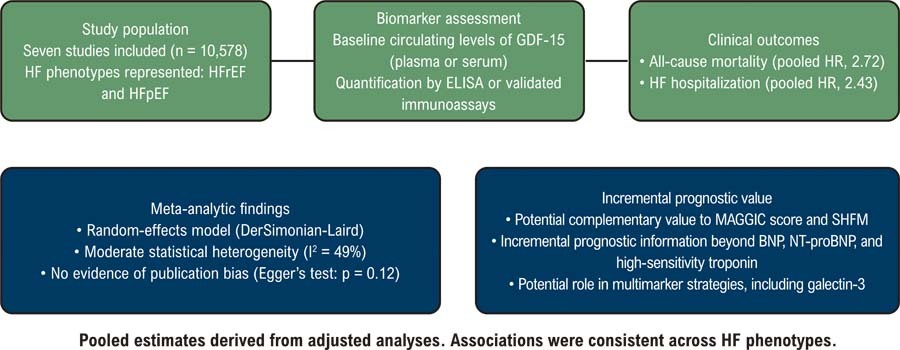
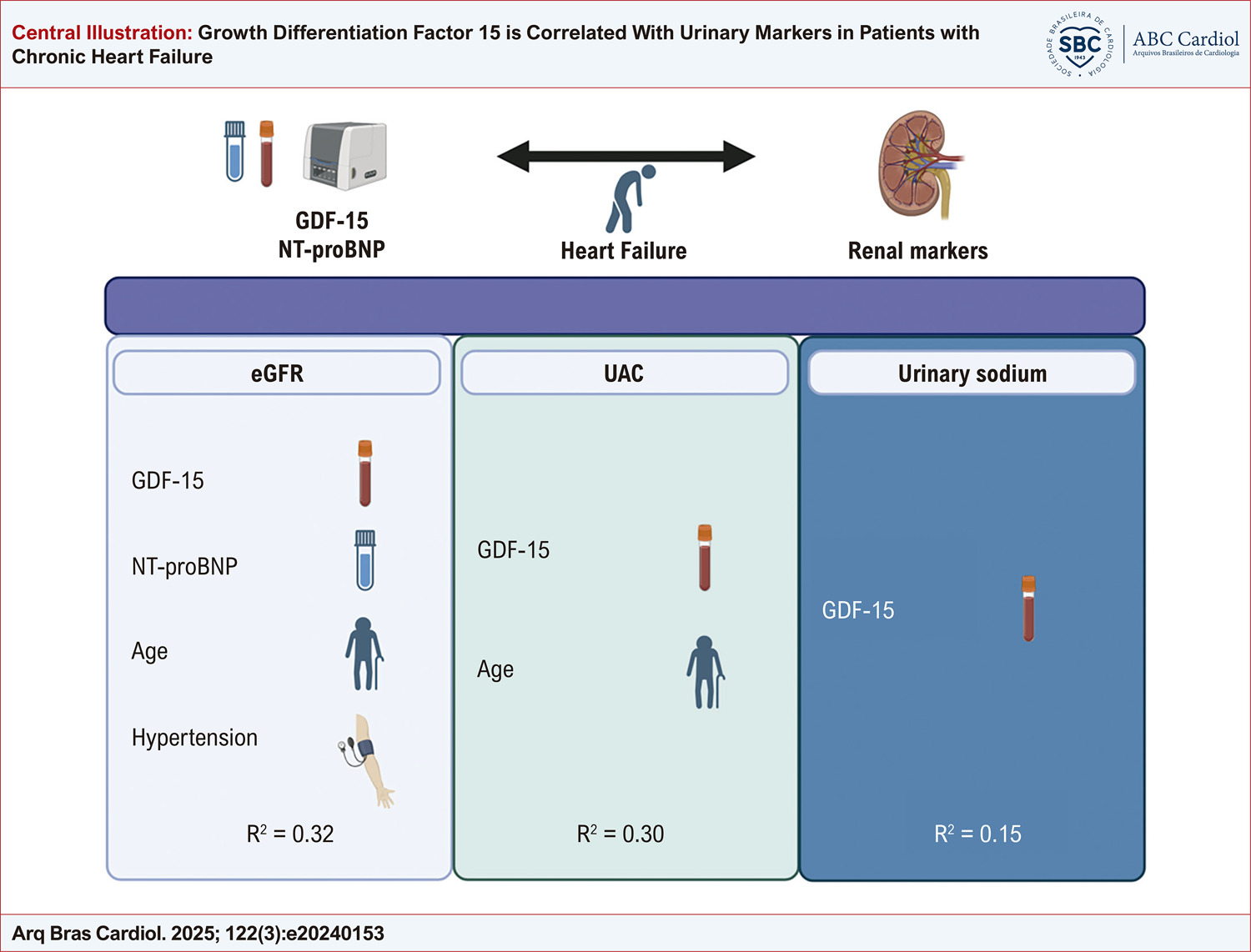
Central Illustration
ABCHF
Original Article

Prognostic Value of Growth Differentiation Factor-15 in Heart Failure: A Systematic Review with Meta-Analysis

Lorena dos Santos Marreto Rimolo et al. Humberto Villacorta

Abstract

Background

Growth differentiation factor-15 (GDF-15) has emerged as a promising biomarker in heart failure (HF), reflecting multiple pathophysiological mechanisms, including inflammation, oxidative stress, and cardiac remodeling. However, evidence regarding its prognostic value remains inconsistent.

Objective

To systematically evaluate the association between circulating levels of GDF-15 and adverse clinical outcomes, including all-cause mortality and HF hospitalization.

Methods

A systematic review was conducted in accordance with Preferred Reporting Items for Systematic Reviews and Meta-Analyses 2020 guidelines. PubMed, Embase, Cochrane Library, and Web of Science were searched through April 2025. Studies reporting baseline levels of GDF-15 and adjusted hazard ratios (HRs) for mortality and/or HF hospitalization were included. Pooled HRs were calculated using a random-effects model (DerSimonian and Laird method). Statistical heterogeneity was assessed using Higgins’ I2 statistic, and publication bias was evaluated using Egger’s test.

Results

Seven studies (n = 10,578 patients [mean age, 67 ± 11 years; 58% male]) met the inclusion criteria. Increased levels of GDF-15 were significantly associated with increased all-cause mortality (pooled HR, 2.72; 95% CI, 1.55-4.17; p < 0.001; I2 = 49%) and HF hospitalization (HR, 2.43; 95% CI, 1.79-3.30; p < 0.001). Subgroup analyses demonstrated consistent associations across different HF phenotypes. Funnel plot assessment and Egger’s test (p = 0.12) showed no evidence of publication bias.

Conclusions

Higher circulating levels of GDF-15 are independently associated with increased risks of mortality and HF hospitalization. Incorporating GDF-15 into multimarker prognostic models may improve risk stratification and support earlier, more individualized management strategies in HF.

  • Biomarkers
  • Growth differentiation factor 15
  • Heart Failure
  • Prognosis
Read Full Article
Creative Commons Attribution (CC BY) Creative Commons license
22/07/2026 DOI: 10.36660/abchf.20260006i Views 1
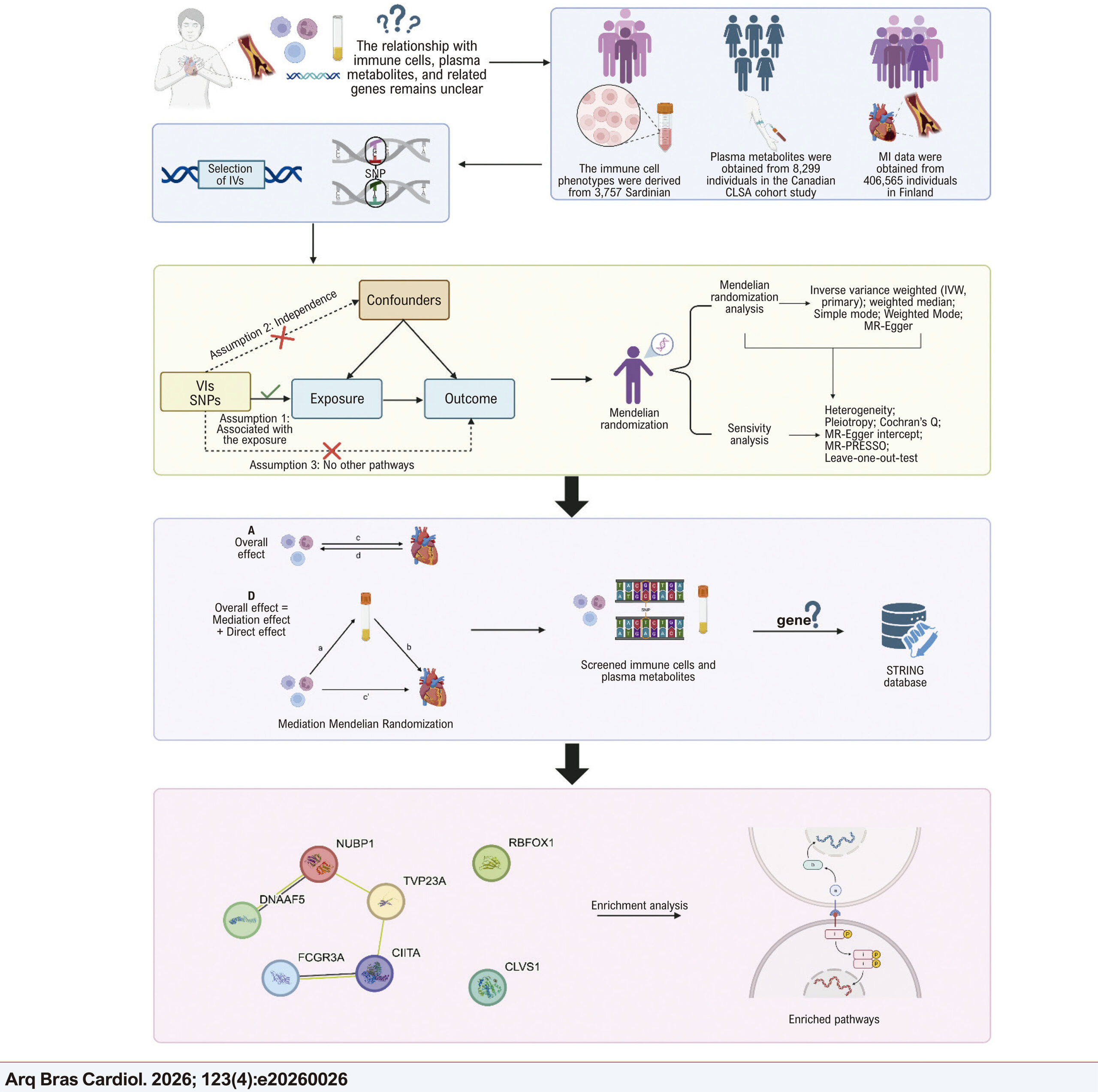
The Causal Association between Plasma Metabolites-Mediated Immune Cells and Myocardial Infarction: A Mendelian Randomization Study
ABC
Original Article

The Causal Association between Plasma Metabolites-Mediated Immune Cells and Myocardial Infarction: A Mendelian Randomization Study

Yue Liu et al. Xing Chen Yingzhi Liu Yvwen Lu … Yun Zhu Lingli Chen Jie Li

Abstract

Background

blaMyocardial infarction (MI), as an acute cardiovascular event, has been shown in previous studies to be associated with immune responses and metabolites. However, the causal relationship between immune cells and MI, as well as the mediating role of plasma metabolites, has not been clearly confirmed.

Objectives

Systematic analysis of the causal association between 731 immune cells and MI, as well as the mediating roles of 1400 plasma metabolites.

Methods

Bidirectional Mendelian randomization (MR) analysis was used to explore the causal relationship between immune cells and MI, and one-step and two-step mediation analyses were performed to identify plasma metabolites. The analysis methods included inverse variance weighted (p<0.05), weighted median (p<0.05), simple mode (p<0.05), weighted mode (p<0.05), MR-Egger regression (p0.05) and MR-PRESSO (p>0.05) to assess the reliability of the results. SNPs associated with immune cells and metabolites were subjected to gene selection using the STRING database, followed by enrichment analysis.

Results

A total of 44 immune cells were identified to have a causal association with MI (p<0.05), among which HLA DR on Dendritic Cell (ebi-a-GCST90002106) showed the strongest significance (p0.05). Plasma metabolites, including Deoxycholic acid glucuronide levels, Phosphate to N-acetylneuraminate ratio, and Glycosyl ceramide, played a mediating role in immune cells and MI, with mediation effects of 7.0%, 4.6%, and 6.6%, respectively. STRING database analysis identified eight key genes and one signaling pathway that potentially link the immune phenotypes and the three metabolites (p< 0.05).

Conclusions

This study identified a causal relationship between immune cells and MI. The metabolites Deoxycholic acid glucuronide levels, Phosphate to N-acetylneuraminate ratio, and Glycosyl ceramide played a partial mediating role in this causal relationship.

  • Biomarkers
  • Mendelian Randomization Analysis
  • Myocardial Infarction
Read Full Article
Creative Commons Attribution (CC BY) Creative Commons license
29/05/2026 DOI: 10.36660/abc.20250026i Views 2
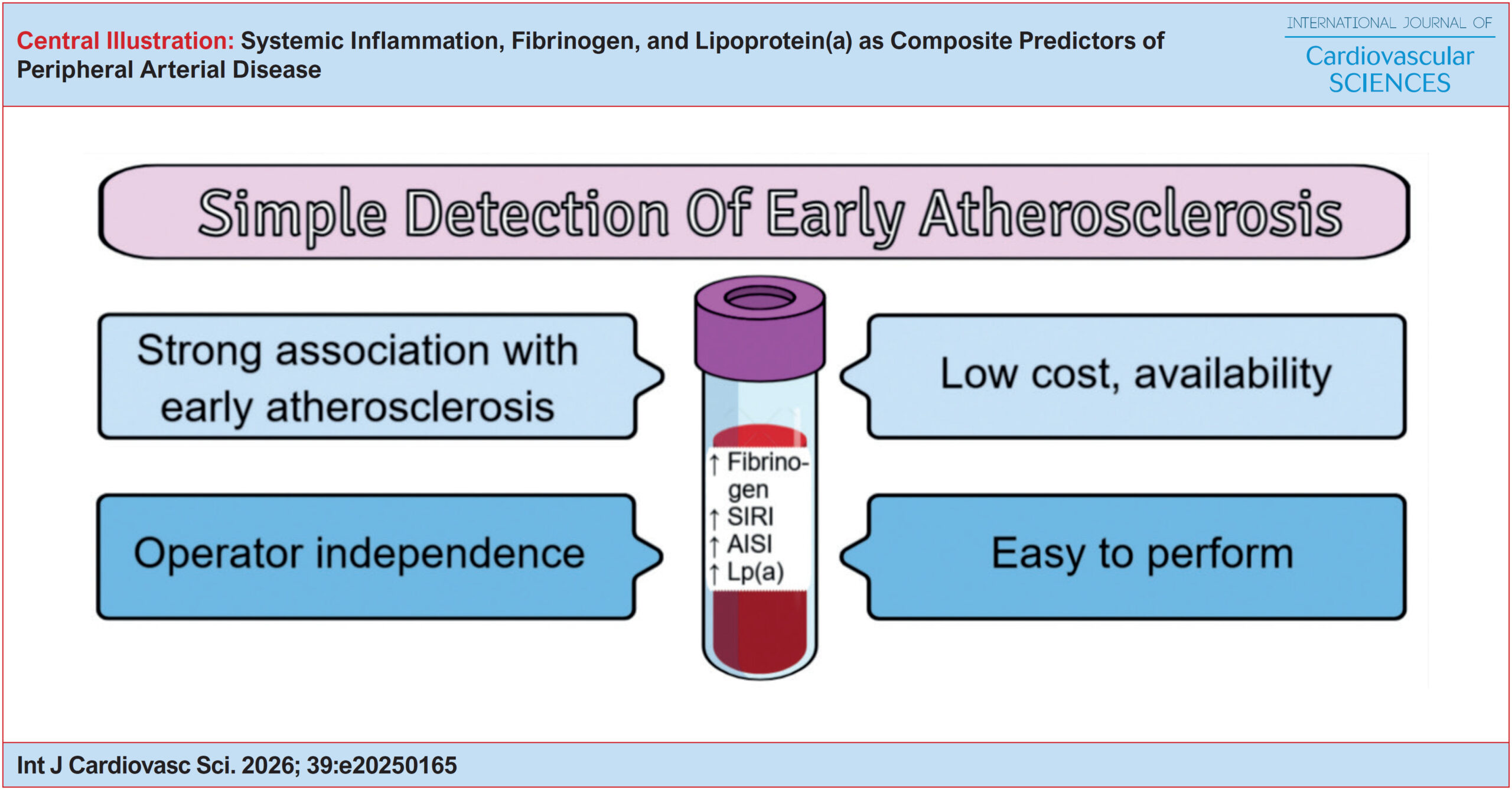
Systemic Inflammation, Fibrinogen, and Lipoprotein(a) as Composite Predictors of Peripheral Arterial Disease
IJCS
Original Article

Systemic Inflammation, Fibrinogen, and Lipoprotein(a) as Composite Predictors of Peripheral Arterial Disease

Alim Namitokov et al. Karina Karabakhtsieva Irina Gilevich

Abstract

Background:

Early detection of peripheral atherosclerosis remains a clinical challenge, especially in asymptomatic individuals. This study aimed to evaluate the predictive value of systemic inflammatory indices and lipid-related biomarkers for early atherosclerosis.

Objectives:

To investigate the diagnostic value of systemic inflammation indices, fibrinogen, and lipoprotein(a) as individual biomarkers and as a combined predictive model for early peripheral arterial disease.

Methods:

A prospective case-control study was conducted in 54 individuals: 20 patients diagnosed with early peripheral atherosclerosis (<55 years) and 34 healthy controls. Laboratory data included complete blood count, lipid profile, fibrinogen, lipoprotein(a), angiopoietin-like protein 3 (ANGPTL3), and Lp-PLA2. Inflammatory indices, including NLR, PLR, SII, SIRI, AISI, and MLR, were calculated. Logistic regression and ROC analysis were performed. A two-sided p-value < 0.05 was considered statistically significant.

Results:

SIRI (1.70 vs. 0.93, p = 0.0039) and AISI (431.6 vs. 236.4, p = 0.0128) were significantly higher in the atherosclerosis group. Fibrinogen showed the most robust association (5.46 vs. 3.71 g/L, p < 0.00001). Lp(a) alone was not statistically different between groups but improved the multivariate model (AUC 0.85 vs. 0.82). The final model, including age, inflammatory indices, LDL, Lp (a), and fibrinogen, achieved an AUC of 0.91.

Conclusion:

Systemic inflammation and fibrinogen levels are strongly associated with early atherosclerosis. Their combination with lipoprotein(a) enhances diagnostic performance, offering a simple, cost-effective strategy for early vascular risk assessment.

  • Atherosclerosis
  • Biomarkers
  • Fibrinogen
  • Inflammation
  • Lipoprotein(a)
  • Peripheral Arterial Disease
Read Full Article
Creative Commons Attribution (CC BY) Creative Commons license
25/05/2026 DOI: 10.36660/ijcs.20250165 Views 2
Figure 1
ABC
Research Letter

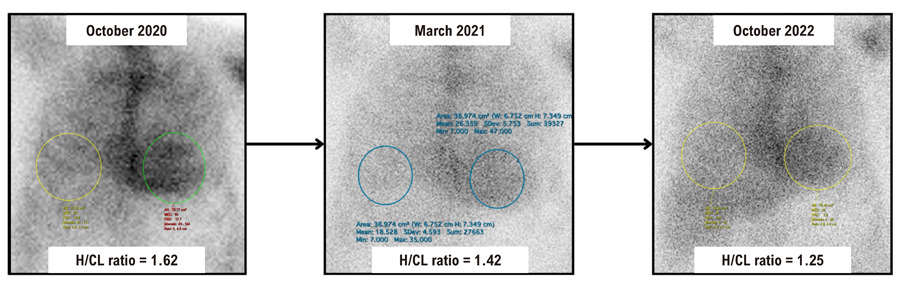
Biomarker–Imaging Dissociation in Wild-Type Cardiac Amyloidosis after Treatment with Patisiran

Claudio Tinoco Mesquita et al. Davi Shunji Yahiro Roberta Pereira dos Santos Coelho Giovane Leal de Azevedo Junior … Beatriz Robert Moreira Régina Limongi de Figueiredo Eliza Gripp Diane Xavier Ávila

Introduction

Amyloidosis is a progressive and complex disease caused by the extracellular deposition of insoluble fibrillar proteins in organs and tissues. Among the different types of amyloidosis, cardiac amyloidosis poses unique challenges due to its direct impact on cardiac function, structure, and electrical conduction. This condition can lead to restrictive cardiomyopathy, resulting in heart failure, arrhythmias, and other potentially life-threatening complications. Transthyretin amyloidosis (ATTR) is one of the more common forms of cardiac amyloidosis, occurring in both hereditary and non-hereditary forms. The hereditary form is caused by genetic mutations, whereas the non-hereditary form, known as wild-type transthyretin amyloidosis (ATTRwt), predominantly affects older adults and does not involve genetic mutations.

Recent therapeutic advances in the treatment of amyloidosis, particularly cardiac ATTRwt, have opened promising avenues for reducing amyloid burden in affected patients. Patisiran, an RNA interference (RNAi)-based therapy, targets the hepatic synthesis of transthyretin, thereby lowering circulating transthyretin protein levels available to form amyloid deposits in tissues. This mechanism represents a major advance because it directly reduces the source of the pathology rather than merely managing symptoms.

[…]

  • Amyloidosis
  • Biomarkers
  • Echocardiography
Read Full Article
Creative Commons Attribution (CC BY) Creative Commons license
11/05/2026 DOI: 10.36660/abc.20240757i Views 2
ABC
Editorial

Serum Levels of sCD40L, CCL3, and NT-proBNP in Elderly Patients Admitted to the Hospital with HF

Maria da Gloria Cruvinel Horta et al. Marcus Carvalho Borin

The authors investigated the serum levels of sCD40L (soluble CD40 Ligand), the pro-inflammatory chemokine CCL3, and N-terminal pro b-type natriuretic peptide (NT-proBNP) in elderly patients admitted to the hospital with HF. The study explored whether screening these biomarkers individually or in combination can serve as a diagnostic tool for HF associated with VTELL. The presence of thrombi was determined through venous ultrasound of the lower limbs during hospital admission. Evaluating 200 patients divided into groups with and without thrombosis, the researchers found that the groups presented similar characteristics, with the exception of lipoprotein levels, which were significantly higher in the thrombosis group. The combined analysis of NT-proBNP, sCD40L, and CCL3 yielded a sensitivity of 62.00% and a specificity of 91.00%. This associated analysis proved superior to the individual performance of each biomarker, utilizing thresholds of 264.93 pg/mL for NT-proBNP, 7.07 ng/mL for sCD40L, and 28.96 ng/L for CCL3, thereby highlighting the diagnostic value of the combination for this specific patient profile.

The relevance of these findings is supported by existing literature, such as the work published by Haller et al., which investigated incremental prognostic outcomes of NT-proBNP plus other biomarkers for risk stratification in patients with atrial fibrillation. Their findings suggested that future use of multiple biomarkers could help distinguish between higher and lower risk levels in complex cardiac patients. Similarly, Folsom et al. conducted a six-year longitudinal follow-up through the “Atherosclerosis Risk in Communities” study, evaluating serial measurements of NT-proBNP. Their data showed that patients with an NT-proBNP increase from 100 to ≥100 pg/mL presented a 1.4 times increased risk for venous thromboembolism compared to those with stable, lower concentrations. When levels were consistently ≥100 pg/mL, the risk rose to 1.6 times. This suggests that rising NT-proBNP levels serve as an indicator of imminent cardiac vulnerability, predisposing patients to thromboembolic events.

[…]

  • Biomarkers
  • Heart Failure
  • Venous Thrombosis
Read Full Article
Creative Commons Attribution (CC BY) Creative Commons license
20/03/2026 DOI: 10.36660/abc.20260035i Views 3
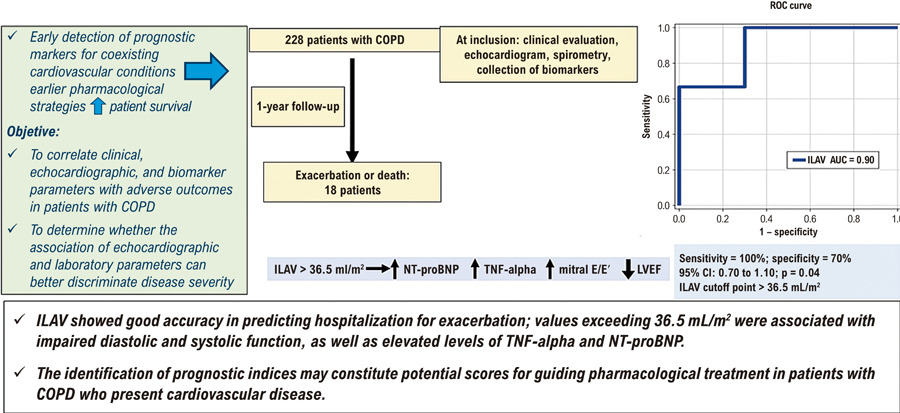
The Role of Indexed Left Atrial Volume in Detecting Adverse Outcomes in Patients with Chronic Obstructive Pulmonary Disease: A Cohort Study
ABC
Original Article

The Role of Indexed Left Atrial Volume in Detecting Adverse Outcomes in Patients with Chronic Obstructive Pulmonary Disease: A Cohort Study

Maria Clara C. Sposito et al. Leticia A. Branco Jaqueline Bianchi Fernanda O. Duarte … Krissia F. Godoy Joice M. A. Rodolpho Bruna Dias de Lima Fragelli Renan S. Marinho Stella Maris Firmino Audrey Borghi Silva Fernanda Freitas Anibal Meliza Goi Roscani

Abstract

Background

Chronic obstructive pulmonary disease (COPD) is a progressive disease with high mortality, and understanding the predictors of adverse outcomes can aid in developing individualized therapeutic approaches and in making decisions regarding hospital or intensive care unit admissions.

Objective

To assess the epidemiological and laboratory profiles of patients with COPD and to correlate clinical, echocardiographic, and biomarker variables with unfavorable outcomes due to exacerbation.

Method

This was a prospective study involving patients with COPD who underwent clinical evaluation, spirometry, transthoracic echocardiography, and laboratory tests. Patients were followed for 1 year to monitor for unfavorable outcomes. The significance level considered for all analyses was p < 0.05.

Results

A total of 228 patients were included, with the mean age of 71 ± 9 years. The majority of patients were male (58%), and smoking (72%), hypertension (66%), and GOLD B (55%) were predominant. Indexed left atrial volume (ILAV) demonstrated good accuracy in detecting hospitalization for exacerbation, with a cutoff point of 36.5 ml/m2, yielding 100% sensitivity and 70% specificity. Patients with ILAV > 36.5 ml/m2 exhibited worsening diastolic and systolic function, as indicated by mitral E wave peak velocity in the rapid filling phase/E′ velocity of displacement of the septal or lateral mitral annulus in the rapid filling phase (E/E′) (p = 0.02) and left ventricle ejection fraction (p = 0.01), along with elevated levels of tumor necrosis factor alpha (p = 0.05) and NT-proBNP (p = 0.03).

Conclusion

ILAV may be a reliable marker for predicting unfavorable outcomes in patients with COPD. Individualized strategies should be implemented to improve disease severity and cardiovascular function.

  • Biomarkers
  • Prognosis
  • Pulmonary Emphysema
Read Full Article
Creative Commons Attribution (CC BY) Creative Commons license
19/12/2025 DOI: 10.36660/abc.20250131i Views 1
Figure 1
ABC
Original Article

Impact of Low Testosterone and SHBG Levels on Heart Failure Risk: A Systematic Review and Meta-Analysis

Thiago Artioli et al. Layane Bonfante Batista Kleber Franchini José Nunes de Alencar

Abstract

Background

Studies suggest a possible link between low levels of testosterone and sex hormone binding globulin (SHBG) and adverse cardiovascular outcomes; however, this relationship remains poorly defined.

Objectives

This systematic review aimed to evaluate the predictive value of baseline levels of testosterone, dihydrotestosterone (DHT), and SHBG for the incidence of heart failure (HF), providing deeper insight into the hormonal influence on HF risk.

Methods

We conducted a comprehensive search of the MEDLINE, Scopus, and Web of Science databases to identify cohort and nested case-control studies that measured hormone levels in adults without prior HF. Risk of bias was assessed using the ROBINS-E tool. Pooled hazard ratios (HRs) and odds ratios (ORs) were estimated using bivariate random-effects models. A statistical significance level of 0.05 was applied to all analyses.

Results

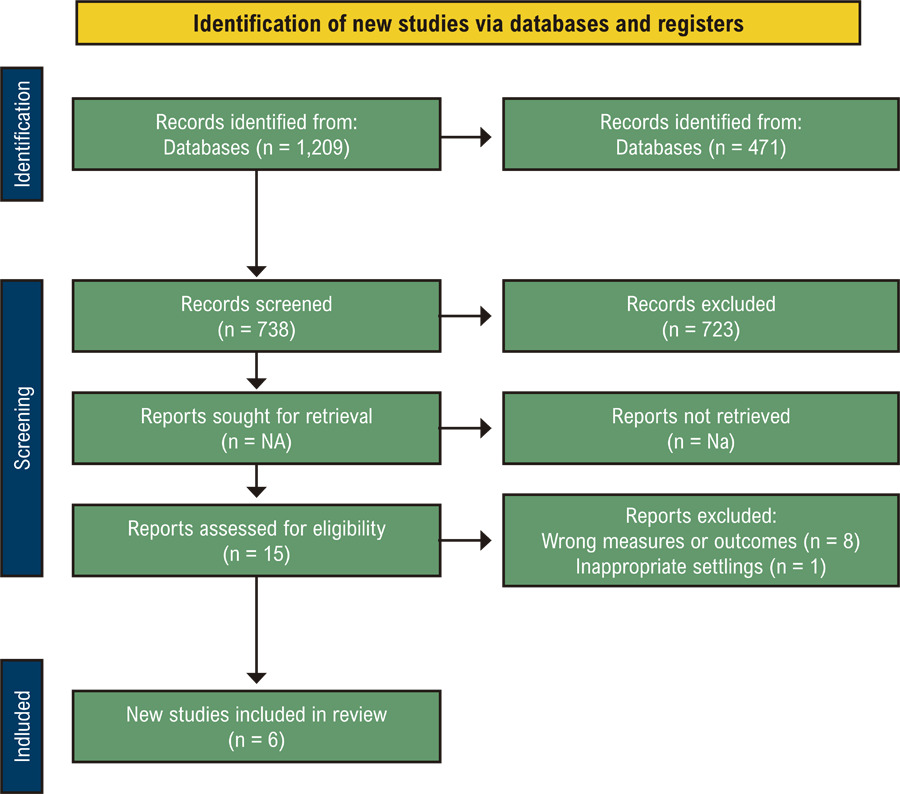
Out of 1,209 articles screened, 738 remained after deduplication. Six studies, including 233,474 participants (11,663 women), met the inclusion criteria. A one standard deviation decrease in testosterone levels was modestly associated with an increased risk of HF in men (HR 1.10, 95% CI: 1.03-1.17), but not in women (HR 1.05, 95% CI: 0.98-1.16). Comparisons across quartiles or quintiles did not reveal significant associations, and SHBG levels were not significant predictors of HF risk. Bayesian analysis provided weak evidence for the association (Bayes factor = 0.99).

Conclusions

This meta-analysis suggests that low testosterone levels are modestly associated with an increased risk of HF in men, highlighting a potentially important yet underexplored aspect of cardiovascular health. The heterogeneity in study designs and population characteristics, combined with the weak associations observed, underscores the need for further rigorous investigation. Well-designed randomized controlled trials are essential to confirm these findings and to elucidate the underlying biological mechanisms.

  • Biomarkers
  • Heart Failure
  • Risk Factors
  • Testosterone
Read Full Article
Creative Commons Attribution (CC BY) Creative Commons license
14/11/2025 DOI: 10.36660/abc.20250244i Views 2
Figure 1
IJCS
Editorial

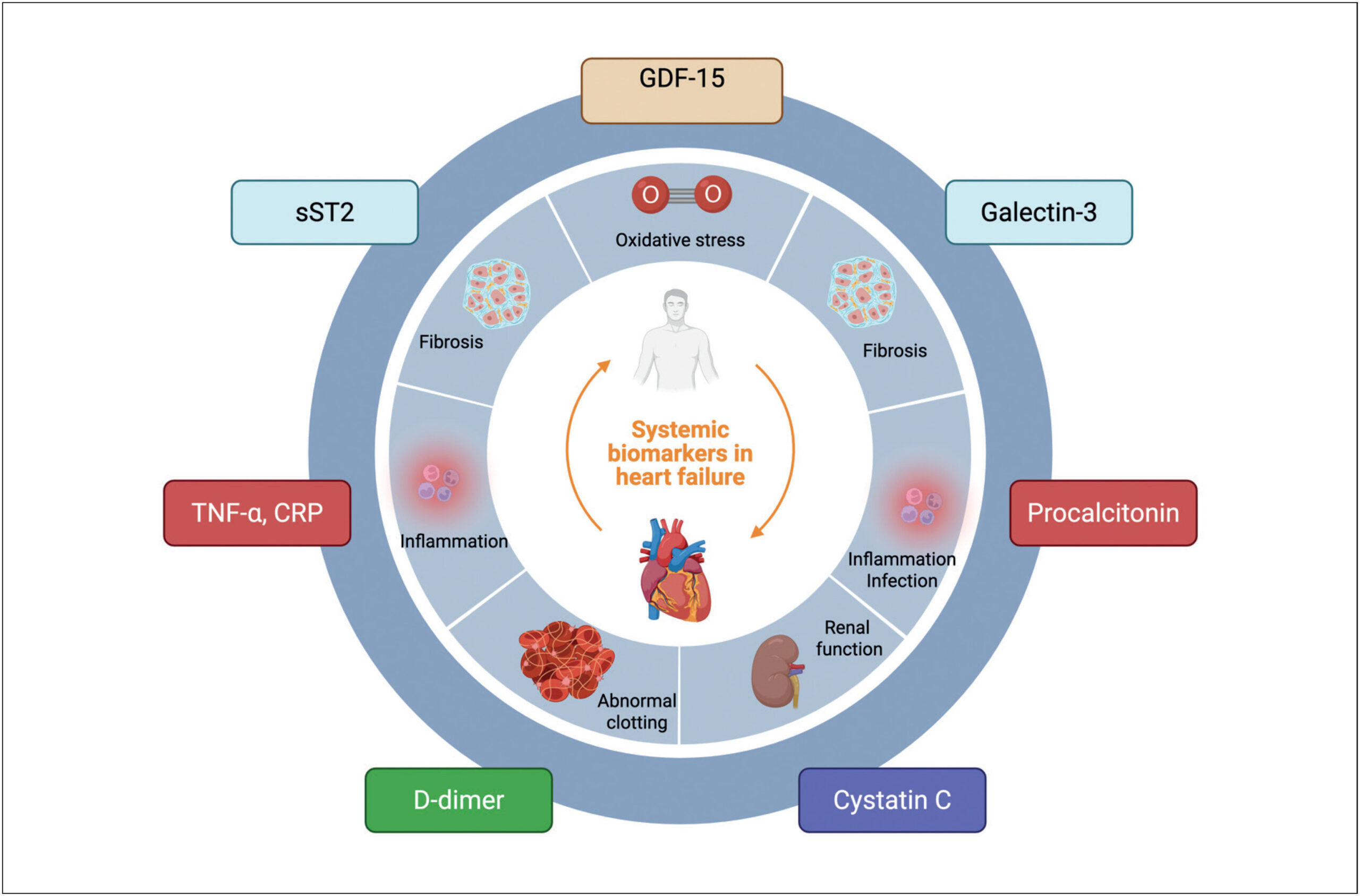
Systemic Biomarkers in Heart Failure: To Measure or Not to Measure?

Humberto Villacorta

Heart failure (HF) is an aggressive disease with unfavorable prognosis if not treated properly. Even after optimal medical treatment, some patients may remain at high risk for clinical events. As such, it is important to identify patients at risk of death or hospitalization. Biomarkers have been used to establish prognosis in HF, and natriuretic peptides (NP) are considered the gold standard biomarker in HF, not only for diagnosis but also for prognosis.

NP are cardiac biomarkers, produced by the heart ventricles in response to wall stretch. However, several systemic biomarkers, reflecting different pathways, have been shown to be elevated in HF with the potential to add information on top of NP ().– Nevertheless, these biomarkers have not been strongly recommended in HF guidelines because their utility in aiding decision-making is unclear.

[…]

  • Biomarkers
  • Heart Failure
  • Infections
  • Prognosis
  • Thrombosis
Read Full Article
Creative Commons Attribution (CC BY) Creative Commons license
27/06/2025 DOI: 10.36660/ijcs.20250084
Growth Differentiation Factor 15 is Correlated With Urinary Markers in Patients with Chronic Heart Failure
ABC
Original Article

Growth Differentiation Factor 15 is Correlated With Urinary Markers in Patients with Chronic Heart Failure

Gustavo Rodolfo Moreira et al. Diane Xavier Ávila Angelo Michele Di Candia Victoria Depes Scaramussa Humberto Villacorta

Abstract

Background

There is a lack in identifying heart failure (HF) patients with an increased risk of hospitalization and death. Growth differentiation factor 15 (GDF-15), a biomarker associated with inflammation and oxidative stress, emerges as a candidate associated with cardiovascular and renal disease. The low estimated glomerular filter rate (eGFR), low urinary sodium (UNa), and the high ratio of albumin to creatinine are renal markers already associated with a high risk of hospitalization and mortality.

Objective

To evaluate the relationship between GDF-15 and renal markers in patients with chronic HF.

Method

We enrolled 87 consecutive patients with symptomatic HF with reduced left ventricular ejection fraction (LVEF < 40%), mildly reduced LVEF (40–49%) or an improved LVEF (50% but previously < 50%) in a university hospital. We compared the associations of GDF-15 and NT-proBNP with renal markers using correlation tests and multiple regression analysis at the significance level of 5%.

Results

GDF-15 and NT-proBNP had weak to moderate negative correlations with UNa (r=-0.362, p=0.007; r=-0.334, p=0.014, respectively) and eGFR (r=-0.385, p=0.0002; r=-0.346, p=0.001, respectively). GDF-15, age, hypertension and NT-proBNP were independently associated with eGFR in multiple regression analysis (overall R2=0.32). GDF-15 (positive) and age (negative) were independently associated with UAC (overall, R2=0.30). Only GDF-15 was independently associated with UNa (R2=0.45).

Conclusions

In these chronic patients with HF, GDF-15 is better correlated with markers of renal dysfunction than NT-proBNP. Since the prognostic value of renal markers is well established, these findings reinforce the prognostic role of GDF-15 in chronic HF.

  • Biomarkers
  • Cardio-Renal Syndrome
  • GDF-15
  • Heart Failure
  • Kidney Function Tests
Read Full Article
Creative Commons Attribution (CC BY) Creative Commons license
04/04/2025 DOI: 10.36660/abc.20240153i Views 2
The Relationship Between Inflammatory Markers and Supraventricular Tachycardia in Children
IJCS
Original Article

The Relationship Between Inflammatory Markers and Supraventricular Tachycardia in Children

Sevval Durgut et al. Hikmet Kıztanır Yasin Yıldız

Abstract

Background

Supraventricular tachycardia (SVT) is a common arrhythmia in pediatric patients. Emerging evidence suggests a link between systemic inflammation and cardiovascular diseases.

Objectives

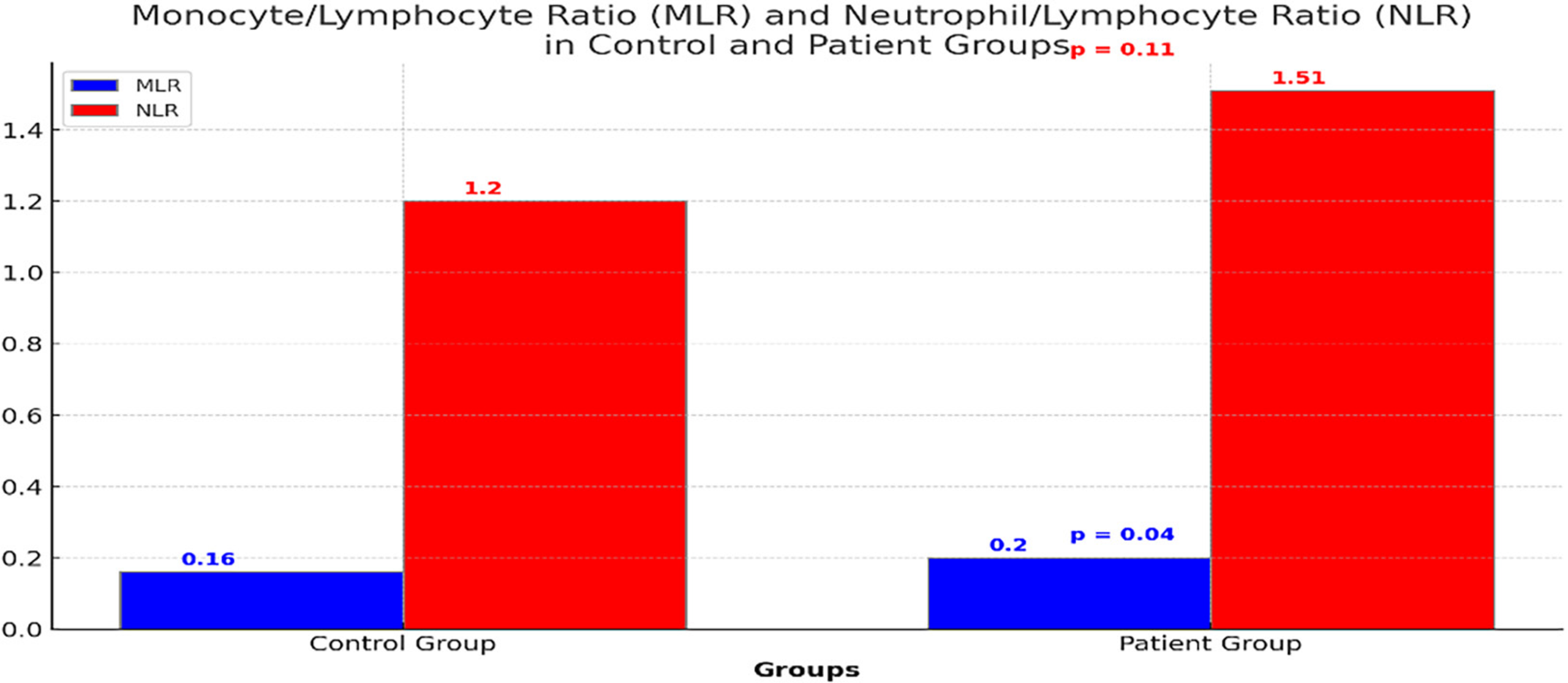
This study aims to investigate the relationship between the monocyte/lymphocyte ratio (MLR) and neutrophil/lymphocyte ratio (NLR) with SVT in pediatric patients. Methods: We conducted a retrospective study at Rize Education and Research Hospital’s Pediatric Health and Diseases Department, including 33 patients diagnosed with SVT and 33 control subjects without sinus tachycardia. Hemogram (CBC) parameters, electrocardiography (ECG), and echocardiography (ECHO) were evaluated. NLR and MLR were calculated. The unpaired t-test is designed to compare the means of continuous variables between two groups, while the Mann-Whitney U test was applied for data not following a normal distribution. Correlations between values were analyzed through Pearson correlation. A significance level of p <0.05 was accepted.

Results

There was no significant difference between the groups in terms of age, lymphocyte count, hemoglobin, hematocrit, platelet count, and NLR. However, leukocyte count, monocyte count, and MLR showed significant differences (p<0.05). The SVT group had higher MLR values compared to the control group.

Conclusions

Our study found that MLR was significantly higher in pediatric patients with SVT compared to controls, suggesting a potential role of inflammation in SVT pathogenesis. Further large-scale, prospective, and multicenter studies are needed to confirm these findings and clarify the relationship between inflammation markers and SVT.

  • Biomarkers
  • Cardiovascular Diseases
  • Child
  • Inflammation
  • Supraventricular Tachycardia
Read Full Article
Creative Commons Attribution (CC BY) Creative Commons license
28/02/2025 DOI: 10.36660/ijcs.20240151 Views 1
ABC
Editorial

Challenges and Perspectives of Cardiac Fibrosis Biomarkers: From Diagnosis to Clinical Application

Priscila Portugal dos Santos et al. Ricardo Luiz Damatto

As reported by Cheng-Mei et al. myocardial fibrosis is present in various cardiac diseases and can negatively impact the heart. It plays a central role in cardiac dysfunction and failure across different pathologies, serving as a strong predictor of poor clinical outcomes and mortality. However, it is essential to recognize that fibrosis is a complex and heterogeneous process, which can sometimes play a beneficial role, such as after a myocardial infarction. In this context, fibrosis acts as a reparative mechanism, replacing dead cardiomyocytes with scar tissue. This initial fibrotic response is crucial to prevent cardiac rupture, a severe and often fatal complication and one of the leading causes of death in patients with acute myocardial infarction.

Cardiac fibrosis is characterized by the excessive accumulation of extracellular matrix (ECM) components, especially collagens, within the myocardium. Understanding this process involves more than just collagen quantity; the characterization of fibrosis also considers collagen quality, the ratio of different fiber types, and the degree of collagen cross-linking. Type I collagen, which predominates in cardiac and vascular ECM, contributes to tissue strength and stiffness due to its thick, dense structure. Type III collagen, being more flexible, aids in ECM compliance. Thus, myocardial elasticity is determined by the ratio of type I to type III collagen fibers., Moreover, the degree of covalent cross-linking among the constituent microfibrils is critical to collagen fiber rigidity, increasing their resistance to degradation and significantly contributing to tissue stiffening., Therefore, a comprehensive understanding of cardiac fibrosis, aimed at developing new therapies and diagnostic methods, requires evaluating collagen quantity, quality, and cross-linking levels.

[…]

  • Biomarkers
  • collagen
  • Endomyocardial Fibrosis
  • Extracellular Matrix
Read Full Article
Creative Commons Attribution (CC BY) Creative Commons license
10/02/2025 DOI: 10.36660/abc.20240735i Views 2
Potential Biomarkers in Myocardial Fibrosis: A Bioinformatic Analysis
ABC
Original Article

Potential Biomarkers in Myocardial Fibrosis: A Bioinformatic Analysis

Wang Cheng-Mei et al. Gang Luo Ping Liu Wei Ren Sijin Yang

Abstract

Background

Myocardial fibrosis (MF) occurs throughout the onset and progression of cardiovascular disease, and early diagnosis of MF is beneficial for improving cardiac function, but there is a lack of research on early biomarkers of MF.

Objectives

Utilizing bioinformatics techniques, we identified potential biomarkers for MF.

Methods

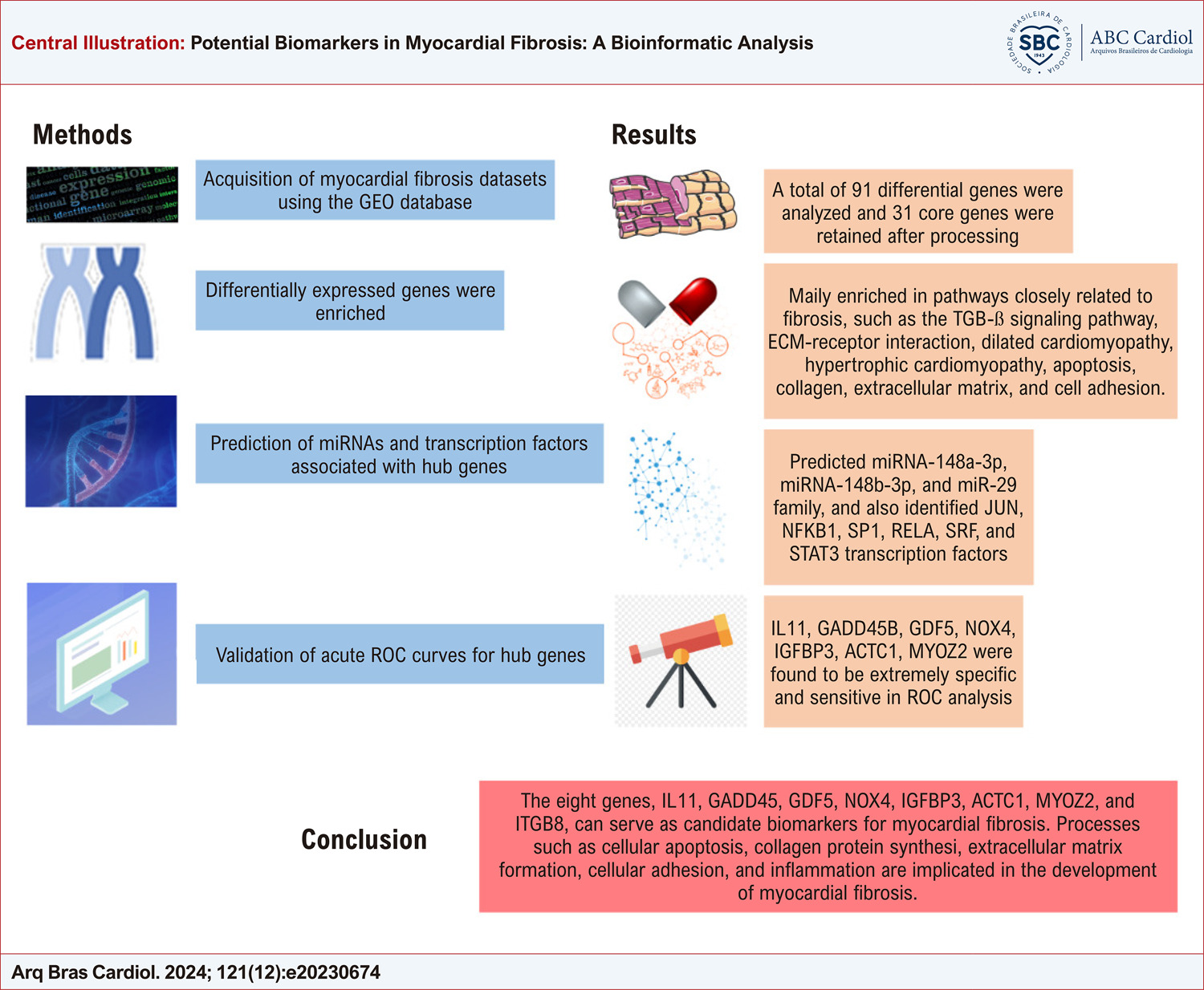
Datasets related to MF were sourced from the GEO database. After processing the data, differentially expressed genes were screened. Differentially expressed genes were enriched, and subsequently, protein-protein interaction (PPI) was performed to analyze the differential genes. The associated miRNAs and transcription factors were predicted for these core genes. Finally, ROC validation was performed on the core genes to determine their specificity and sensitivity as potential biomarkers. The level of significance adopted was 5% (p < 0.05).

Results

A total of 91 differentially expressed genes were identified, and PPI analysis yielded 31 central genes. Enrichment analysis showed that apoptosis, collagen, extracellular matrix, cell adhesion, and inflammation were involved in MF. One hundred and forty-two potential miRNAs were identified. the transcription factors JUN, NF-κB1, SP1, RELA, serum response factor (SRF), and STAT3 were enriched in most of the core targets. Ultimately, IL11, GADD45B, GDF5, NOX4, IGFBP3, ACTC1, MYOZ2, and ITGB8 had higher diagnostic accuracy and sensitivity in predicting MF based on ROC curve analysis.

Conclusion

Eight genes, IL11, GADD45B, GDF5, NOX4, IGFBP3, ACTC1, MYOZ2, and ITGB8, can serve as candidate biomarkers for MF. Processes such as cellular apoptosis, collagen protein synthesis, extracellular matrix formation, cellular adhesion, and inflammation are implicated in the development of MF.

  • Biomarkers
  • Fibrosis Endomiocárdica
  • MicroRNAs
Read Full Article
Creative Commons Attribution (CC BY) Creative Commons license
13/12/2024 DOI: 10.36660/abc.20230674i Views 1
ABC
Editorial

Serum Glycogen Synthase 3 Beta Levels: A Promissory Marker for Patients with Heart Failure

Claudia Aznar Alesso et al. João Queda Dania Mohty Vera Maria Cury Salemi

Heart failure (HF) involves systemic inflammation and metabolic alterations. The prevalence is rising due to improvements in HF treatments and longer life expectancy in the population. Also, the diagnostic approach of patients with HF has markedly increased with the development of new algorithms to promote earlier diagnosis.

Careful use of biomarkers might help to refine the diagnosis and management and further improve the prognosis of HF patients. The term “biomarker” (from biological marker) was coined in 1989 to identify a measurable and quantifiable biological parameter used to assess the health and physiology of patients in terms of disease risk and diagnosis. Since Braunwald’s first studies in the 1950s on C-reactive protein (CRP) in HF, hundreds of molecules have been studied, but only B-type natriuretic peptide (BNP) and N-terminal pro–B-type natriuretic peptide come close to the characteristics of ideal HF biomarker. However, relying on easily measurable congestion biomarkers such as BNPs misses approximately one-third of all affected patients. It may be disproportionately high for patients with renal failure, pulmonary hypertension, pulmonary embolism, and chronic hypoxia.–

[…]

  • Biomarkers
  • Diagnosis
  • Glycogen
  • Heart Failure
  • Prognosis
Read Full Article
Creative Commons Attribution (CC BY) Creative Commons license
09/12/2024 DOI: 10.36660/abc.20240684i Views 2
ABC
Editorial

Osteoprotegerin: A Biomarker in Chronic Kidney Disease

Rui Póvoa

Biomarkers are biological indicators that can be quantified to assess normal or pathological biological processes and responses to various therapeutic interventions. They are found in various body fluids, such as blood, urine, or tissues, and help in the early diagnosis of some diseases, in addition to monitoring progression or evaluating the effectiveness of treatment. In addition to their importance in clinical diagnosis, they can estimate risk and prognosis. This is very well structured in processes whose inflammatory basis stands out in a multifactorial scenario, such as arterial hypertension, diabetes mellitus, dyslipidemia, and chronic kidney disease (CKD).,

CKD, which is a growing public health problem, is increasingly present in the cardiovascular (CV) disease scenario due to its high morbidity and mortality. It is at the evolutionary end of the CV continuum where the main risk factors (hypertension, diabetes, dyslipidemia) have not been adequately treated. In addition, patients with CKD are still at a higher CV risk due to the presence of these factors that often remain without adequate treatment.

[…]

  • Biomarkers
  • Chronic Kidney Disease
  • Osteoprotegerin
  • Vascular Calcification
Read Full Article
Creative Commons Attribution (CC BY) Creative Commons license
02/12/2024 DOI: 10.36660/abc.20240679i
Figure 1
ABC
Research Letter

Predictive Value of Cardiac Biomarkers on Delayed Graft Function in Renal Transplant Patients

Rodrigo Pinheiro Amantéa et al. Virgílio da Rocha Olsen Laura Caroline Tavares Hastenteufel Flávia K. Borges … Roberto Ceratti Manfro Lívia Adams Goldraich Nadine Clausell

Introduction

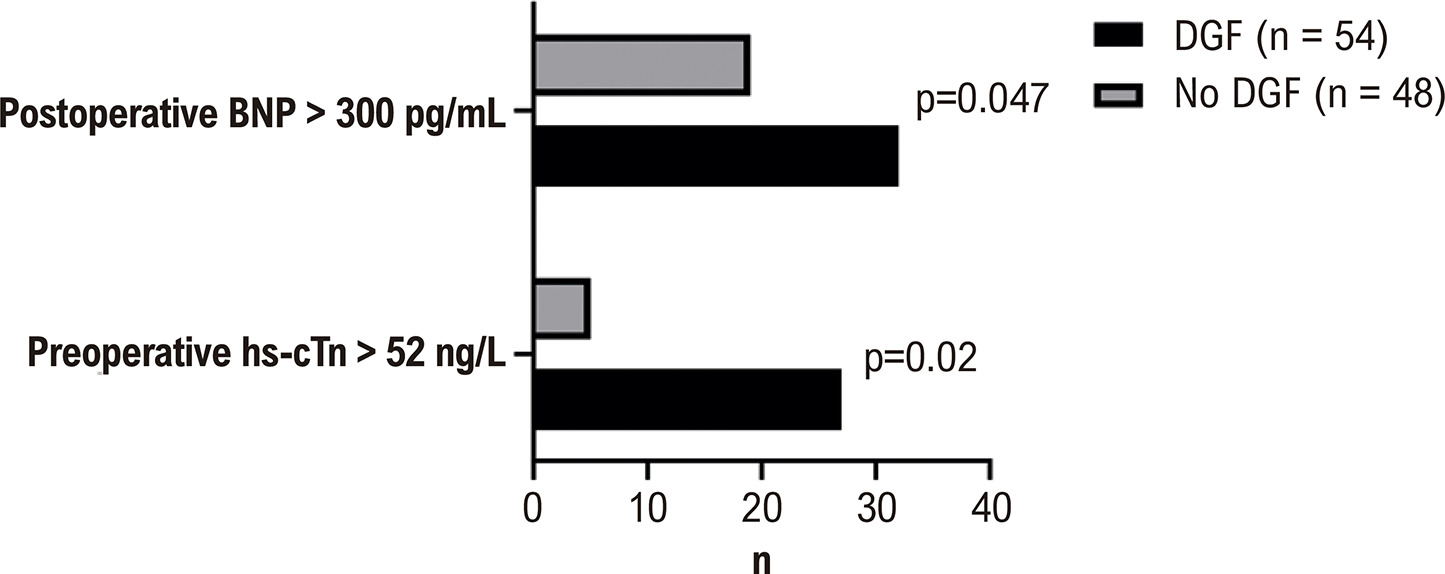
Cardiovascular (CV) disease is the leading cause of death among adult kidney transplant recipients, accounting for 25% of deaths in patients with functioning grafts. Cardiac biomarkers, in particular, brain natriuretic peptide (BNP) and cardiac troponin (cTn), are the most studied biomarkers for predicting the risk of major adverse cardiovascular events (MACE) in end-stage kidney disease and kidney transplant.,

Myocardial injury after non-cardiac surgery (MINS) is a new clinical entity with relevant clinical and prognostic implications. It is defined as ischemic myocardial injury until 30 days after non-cardiac surgery and is independently associated with increased mortality. PJ Devereaux et al. evaluated the cohort of the VISION study, which involved the assessment of perioperative cTn and BNP on more than 20.000 patients, but without a representative number of renal transplant patients.

[…]

  • Biomarkers
  • Kidney Transplantation
  • Perioperative Care
Read Full Article
Creative Commons Attribution (CC BY) Creative Commons license
25/11/2024 DOI: 10.36660/abc.20230858i
Figure 1
ABC
Editorial

Advanced Heart Failure and Onset of New Prognostic Markers: Where are We?

Meliza Goi Roscani

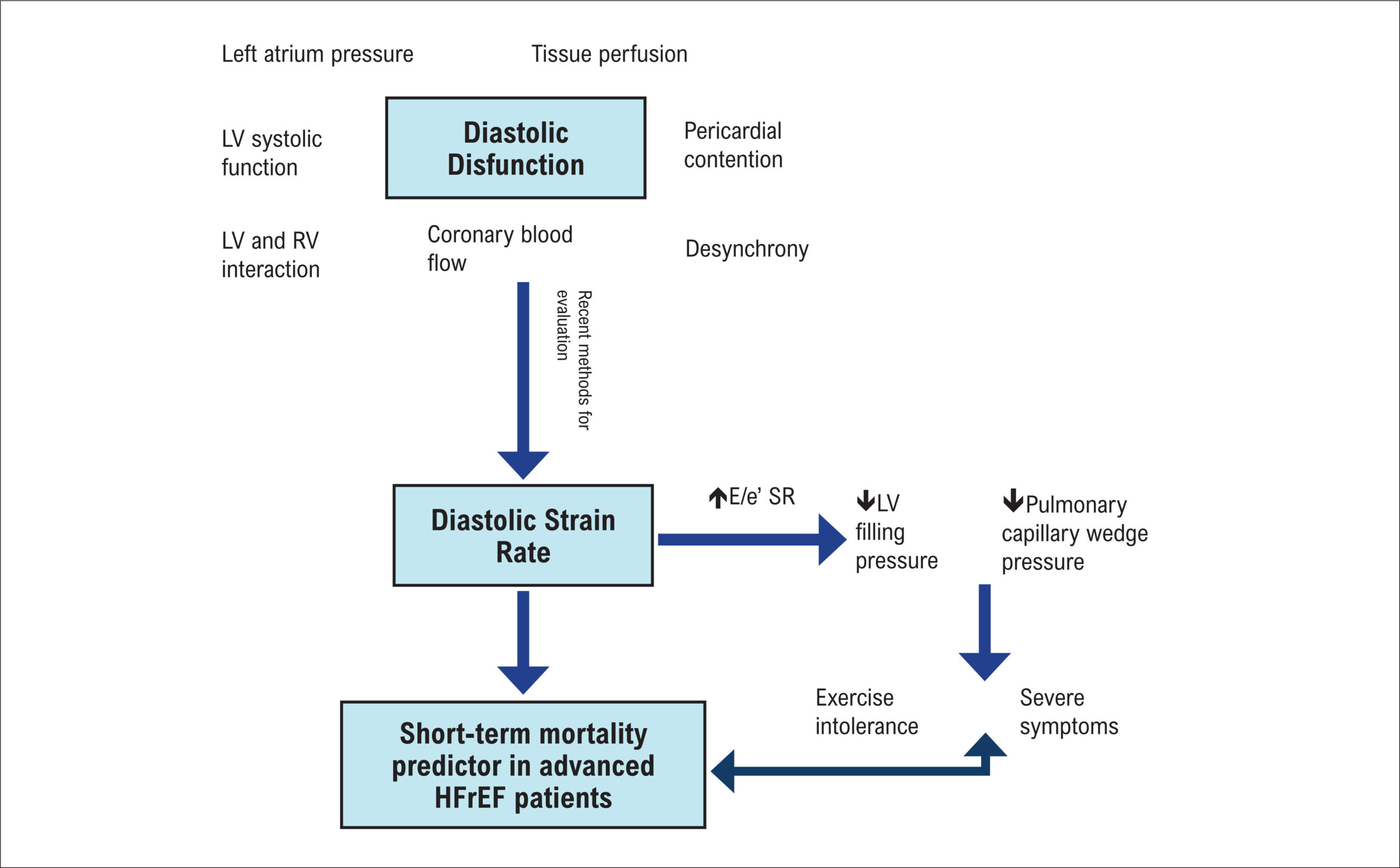
Advanced heart failure (HF) is a complex syndrome characterized by the presence of severe and persistent symptoms of HF, important cardiac dysfunction, episodes of pulmonary or systemic congestion requiring high-dose of intravenous diuretics, episodes of low output requiring inotropes or vasoactive drugs, malignant arrhythmias, hospitalization in the past 12 months or severe impairment of exercise capacity. The utility of multiple markers that have good accuracy in the detection of worse prognosis are increasingly being explored in the literature. Brain natriuretic peptide (BNP) and NT-proBNP are considered biomarkers prognostic indicators in HF and can help to identify patients with more severity of disease.

Recently, the onset of new echocardiographic markers appears to play an important role in detecting patients with more severe progression of this syndrome. Various parameters derived from the innovative speckle tracking echocardiography (STE) technique are of great value in the diagnostic and prognostic of several pathologies.–

[…]

  • Biomarkers
  • Heart Failure
  • Prognosis
  • Stroke Volume
Read Full Article
Creative Commons Attribution (CC BY) Creative Commons license
23/09/2024 DOI: 10.36660/abc.20240453i
IJCS
Viewpoint

Biomarkers and Mononuclear Inflammatory Activity in COVID-19 Survivors

Marcio Carvalho et al. Antonio Lagoeiro

Introduction

COVID-19 has globally impacted 522 million people and caused 6 million deaths, despite the administration of 12 billion vaccine doses. Beyond respiratory effects, the virus has led to complications in the cardiovascular, hematological, and nervous systems, potentially resulting in organ dysfunction and death. Individuals with pre-existing medical conditions such as hypertension, diabetes mellitus, coronary artery disease, heart failure, and chronic kidney disease are associated with worse prognoses. Increased long-term mortality risk is observed, especially in the elderly population, regardless of the acute phase severity.

COVID-19 affects multiple organs beyond the lungs, including various cardiovascular diseases such as myocarditis, acute myocardial infarction, stress cardiomyopathy, arterial and venous thromboembolism, pericarditis, and arrhythmias. The pathophysiological mechanisms include systemic inflammation (cytokine storm), coagulopathy, direct viral invasion, hypoxemia, electrolyte imbalance, and fever.

[…]

  • Biomarkers
  • Cardiovascular Diseases
  • COVID-19
Read Full Article
Creative Commons Attribution (CC BY) Creative Commons license
16/09/2024 DOI: 10.36660/ijcs.20240016 Views 2
ABC
Editorial

Can Pre-Ablation Serum Biomarkers be Used to Predict Arrhythmia Recurrence after Ablation Index-Guided Atrial Fibrillation Ablation?

Muhieddine Omar Chokr

Invasive treatment of atrial fibrillation (AF) has been established as the most effective treatment in controlling and curing this arrhythmia. In most cases, triggers originating from the pulmonary veins are responsible for triggering AF in its paroxysmal form. In its persistent form, different electrophysiological mechanisms are involved. The longer the evolution time, the more complex the invasive treatment strategy becomes. Despite the technological evolution with different electroanatomical mapping systems and the formation of increasingly effective radiofrequency lesions in the atrium wall, recurrences remain a challenge to be avoided.

Creating long-lasting ablation lesions during pulmonary vein isolation for AF is of critical importance to prevent late vein reconnection. Such reconnection is responsible for the vast majority of arrhythmia recurrences in patients with paroxysmal AF. Despite technological improvements, the proportion of veins that remain chronically isolated after radiofrequency ablation is still disappointingly low. This has led to great interest in producing more effective ablation lesions.

[…]

  • Atrial Fibrillation
  • Biomarkers
  • Catheter Ablation
Read Full Article
Creative Commons Attribution (CC BY) Creative Commons license
12/08/2024 DOI: 10.36660/abc.20240355i Views 1
Figure 1
ABC
Editorial

Inflammation and Prognosis in Acute Heart Failure: Is There a Role for Pan-Immune-Inflammation Value?

Humberto Villacorta

Heart failure (HF) is a major health problem, with high morbidity and mortality rates. Patients with HF are frequently hospitalized. Inflammation plays a role in the pathophysiology of HF and several cytokines, such as tumor necrosis factor (TNF), transforming growth factor-ß (TGF-ß), and interleukins 6 and 1, are elevated in HF. In acute decompensated HF (ADHF) the triggers of this inflammatory cascade are secondary to neurohormonal activation and oxidative stress, but in addition, there is evidence for elevated bacterial or endotoxin translocation, due to gut edema or relative hypoperfusion., The measurement of cytokines is not appropriate for day-to-day clinical practice and C-reactive protein (CRP),, another biomarker of inflammation, is usually chosen to assess inflammation. However, a more robust and convenient marker is warranted.

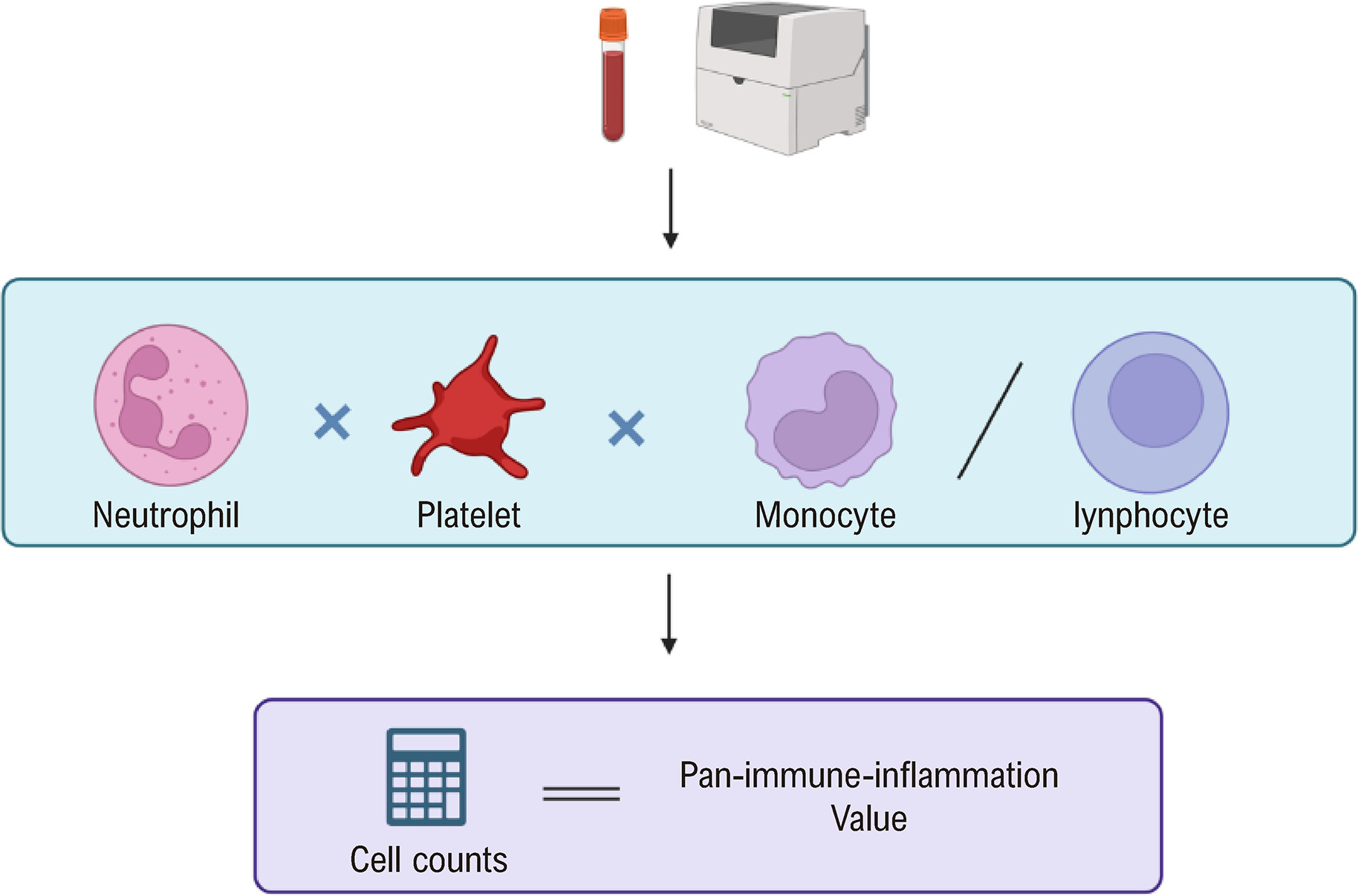
A new marker of inflammation has been recently introduced. Pan-immune-inflammation value (PIV) is calculated from peripheral blood immune-inflammatory components, including neutrophil, platelet, monocyte, and lymphocyte counts, as shown in . PIV has been shown to be prognostic in some cardiovascular disorders and also in non-cardiovascular diseases, such as cancer and advanced renal disease.–

[…]

  • Biomarkers
  • Endotoxins
  • Heart Failure
  • Hospitalization
  • Inflammation
  • Prognosis
Read Full Article
Creative Commons Attribution (CC BY) Creative Commons license
02/08/2024 DOI: 10.36660/abc.20240286i
Long-Term Effects of Pulmonary Valve Implantation and Prosthesis Evolution in Patients with Repaired Tetralogy of Fallot
ABC
Original Article

Long-Term Effects of Pulmonary Valve Implantation and Prosthesis Evolution in Patients with Repaired Tetralogy of Fallot

Luiz Fernando Caneo et al. Aida Luiza Ribeiro Turquetto Matheus Negri Boschiero Luciana Patrick Amato … Walther Yoshiharu Ishikawa Fabiana Padilha Hodas Melissa Ganeko Ligeiro Daniela Regina Agostinho Leonardo Augusto Miana Carla Tanamati Rilvani Cavalcante Gonçalves Juliano Gomes Penha Maria Raquel Brigoni Massoti Marcelo Biscegli Jatene Fabio Biscegli Jatene

Abstract

Background

Pulmonary valve regurgitation is a significant long-term complication in patients with tetralogy of Fallot (TOF).

Objective

This study aims to investigate the effects of pulmonary valve implantation (PVI) on the anatomy and function of the right ventricle (RV) and the long-term evolution of the implanted prosthesis in the pulmonary position.

Methods

A single-center retrospective cohort analysis was performed in 56 consecutive patients with TOF who underwent PVI. The study included patients of both sexes, aged ≥ 12 years, and involved assessing clinical and surgical data, pre- and post-operative cardiovascular magnetic resonance imaging, and echocardiogram data more than 1 year after PVI.

Results

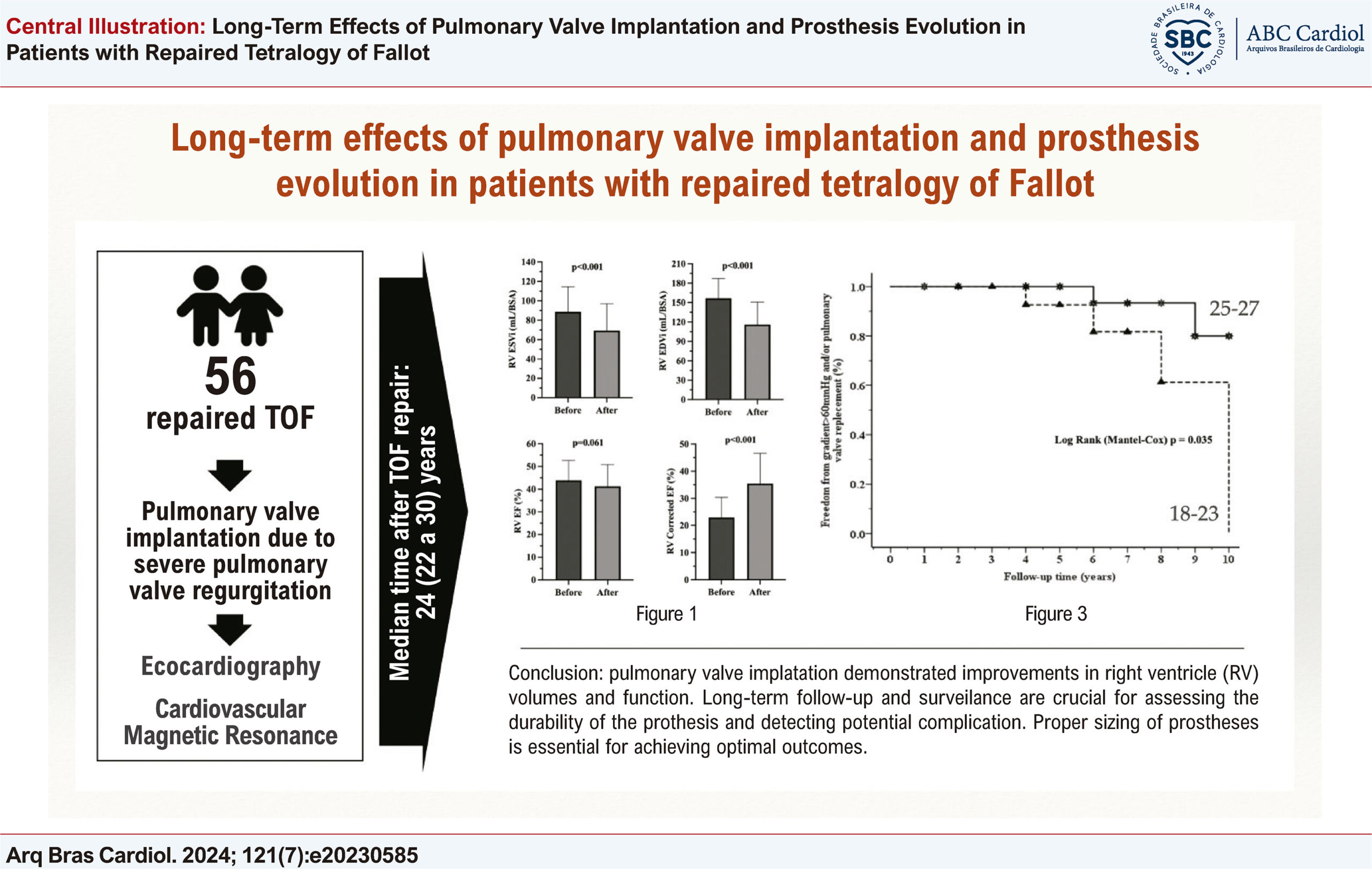
After PVI, there was a significant decrease in RV end-systolic volume indexed by body surface area (BSA), from 89 mL/BSA to 69 mL/BSA (p < 0.001) and indexed RV end-diastolic volume, from 157 mL/BSA to 116 mL/BSA (p < 0.001). Moreover, there was an increase in corrected RV ejection fraction [] from 23% to 35% (p 60 mmHg compared to larger prostheses (sizes 25 to 27; p = 0.029; confidence interval: 1.18 to 17.8).

Conclusion

As expected, PVI demonstrated improvements in RV volumes and function. Long-term follow-up and surveillance are crucial for assessing the durability of the prosthesis and detecting potential complications. Proper sizing of prostheses is essential for improved prosthesis longevity.

  • Biomarkers
  • Genetic Risk Score
  • Right Ventricular Function
  • Tetralogy of Fallot
Read Full Article
Creative Commons Attribution (CC BY) Creative Commons license
26/07/2024 DOI: 10.36660/abc.20230585i Views 1
Association of Pan Immune-Inflammation Value with Long Term Outcomes of Acute Decompensated Heart Failure
ABC
Original Article

Association of Pan Immune-Inflammation Value with Long Term Outcomes of Acute Decompensated Heart Failure

Bektas Murat et al. Selda Murat Mehmet Eren Altınbas Halit Emre Yalvac … Fatih Enes Durmaz Kadir Ugur Mert Yüksel Cavusoglu

Abstract

Background

Although there have been significant improvements in the treatment of heart failure (HF) in recent decades, its prognosis remains poor. Although there are many biomarkers that can help predict the prognosis of patients with HF, there is a need for simpler, cheaper, and more easily available biomarkers.

Objective

To evaluate the predictive value of pan-immune-inflammation value (PIV) in patients with acute decompensated HF.

Methods

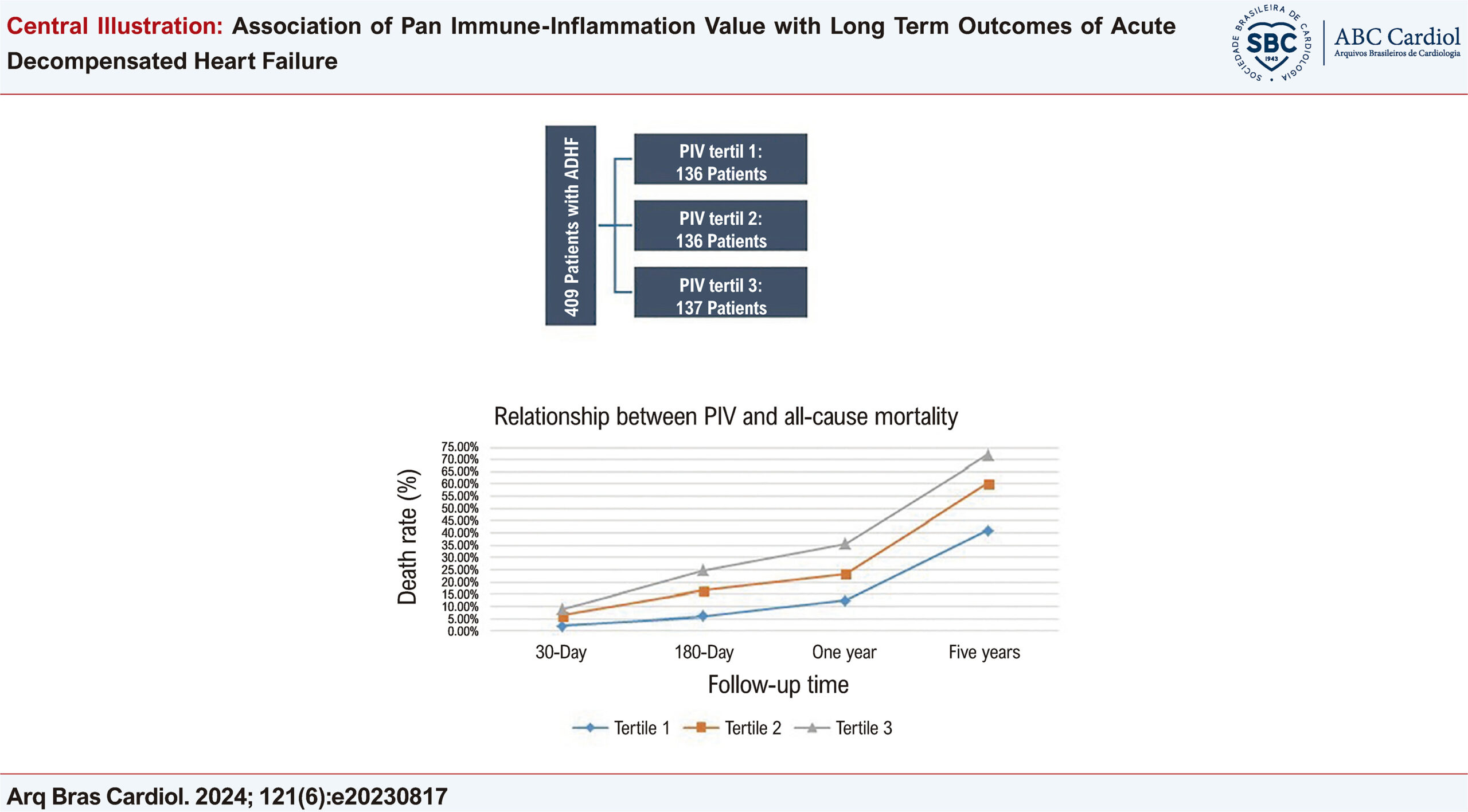
We analyzed 409 patients with HF with reduced ejection fraction who were hospitalized for acute decompensated HF. Patients were divided into 3 groups according to tertiles of PIV: tertile 1 (PIV < 357.25), tertile 2 (PIV ≥ 357.25 and < 834.55), and tertile 3 (PIV ≥ 834.55). P values < 0.05 were considered statistically significant. Kaplan-Meier curves and Cox proportional hazards regression models were used to evaluate the association between PIV and all-cause mortality. The primary outcome was 5-year all-cause mortality, and the secondary outcomes were in-hospital 30 days,, 180-day, and 1-year all-cause mortality.

Results

We showed that higher PIV value was associated with both primary and secondary outcomes. The Kaplan-Meier curve showed that patients with higher PIV values had an increased risk of short- and long-term all-cause mortality (log-rank p < 0.001). In the multivariate analysis, PIV was identified as an independent predictor of long-term all-cause mortality in patients with acute decompensated HF, and we observed a 1.96-fold increase in the hazard of an event (odds ratio: 1.96, 95% confidence interval: 1.330 to 2.908, p = 0.001).

Conclusions

Our study showed that the novel biomarker PIV can be used as a predictor of prognosis in patients with acute decompensated HF.

  • Biomarkers
  • Mortality
  • Systolic Heart Failure
Read Full Article
Creative Commons Attribution (CC BY) Creative Commons license
15/07/2024 DOI: 10.36660/abc.20230817i Views 1
Can Pre-Ablation Biomarkers Be Used to Predict Arrhythmia Recurrence after Ablation Index-Guided Atrial Fibrillation Ablation?
ABC
Original Article

Can Pre-Ablation Biomarkers Be Used to Predict Arrhythmia Recurrence after Ablation Index-Guided Atrial Fibrillation Ablation?

Andreia Palma et al. Pedro A. Sousa Carolina Saleiro Sérgio Barra … Natália António Luis Adão João Primo Ana Lebreiro Paulo Fonseca Luís Elvas Lino Gonçalves

Abstract

Background:

Ablation Index (AI) software has allowed better atrial fibrillation (AF) ablation results, but recurrence rates remain significant. Specific serum biomarkers have been associated with this recurrence.

Objectives:

To evaluate whether certain biomarkers could be used (either individually or combined) to predict arrhythmia recurrence after AI-guided AF ablation.

Methods:

Prospective multicenter observational study of consecutive patients referred for AF ablation from January 2018 to March 2021. Hemoglobin, brain natriuretic peptide (BNP), C-reactive protein, high sensitivity cardiac troponin I, creatinine clearance, thyroid-stimulating hormone (TSH) and free thyroxine (FT4) were assessed for their ability to predict arrhythmia recurrence during follow-up. Statistical significance was accepted for p values of<0.05.

Results:

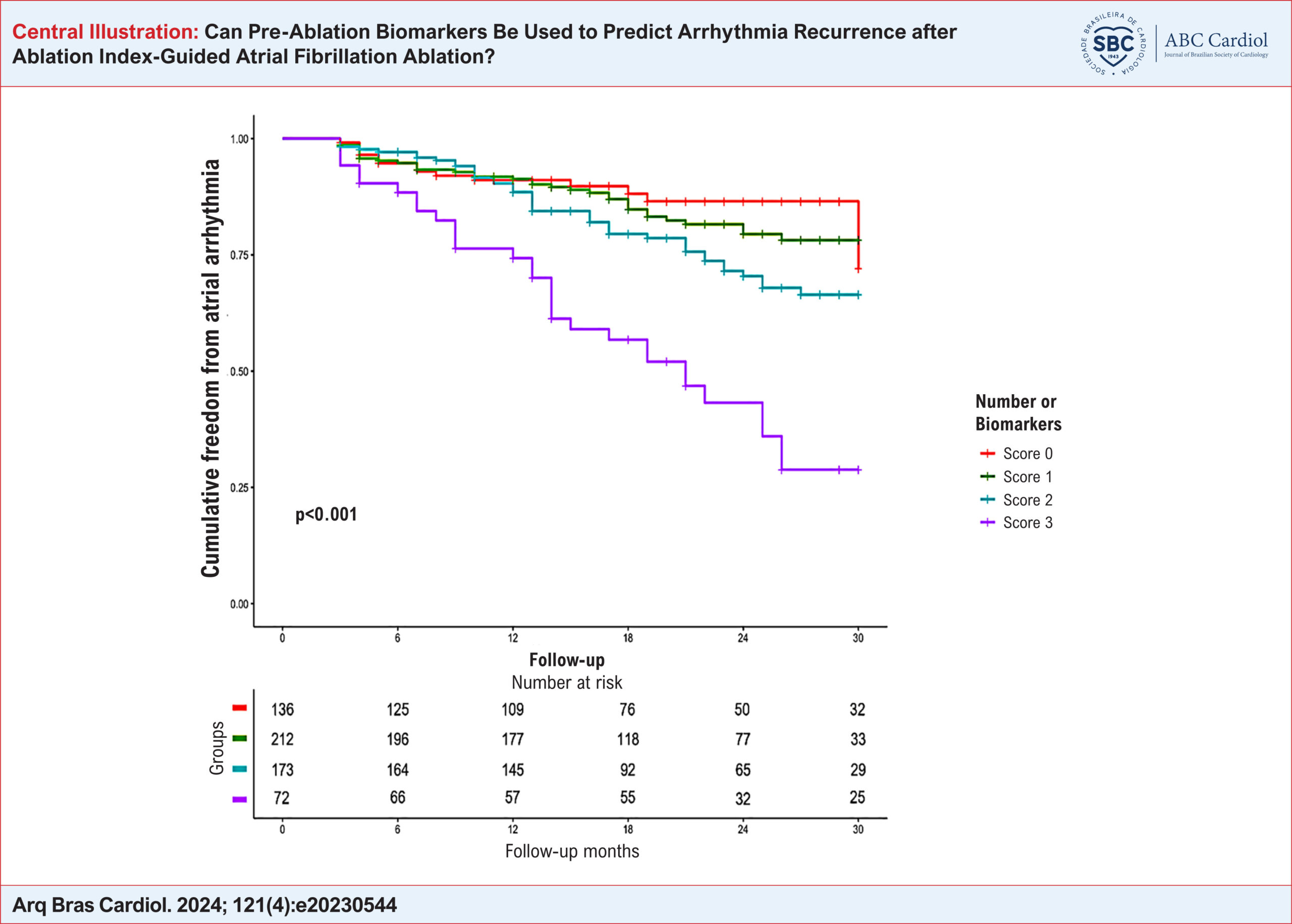
A total of 593 patients were included – 412 patients with paroxysmal AF and 181 with persistent AF. After a mean follow-up of 24±6 months, overall single-procedure freedom from atrial arrhythmia was 76.4%. Individually, all biomarkers had no or only modest predictive power for recurrence. However, a TSH value >1.8 μUI/mL (HR=1.82 [95% CI, 1.89-2.80], p=0.006) was an independent predictor of arrhythmia recurrence. When assessing TSH, FT4 and BNP values in combination, each additional “abnormal” biomarker value was associated with a lower freedom from arrhythmia recurrence (87.1 % for no biomarker vs. 83.5% for one vs. 75.1% for two vs. 43.3% for three biomarkers, p<0.001). Patients with three “abnormal” biomarkers had a threefold higher risk of AF recurrence compared with no “abnormal” biomarker (HR=2.88 [95% CI, 1.39-5.17], p=0.003).

Conclusions:

When used in combination, abnormal TSH, FT4 and BNP values can be a useful tool for predicting arrhythmia recurrence after AI-guided AF ablation.

  • Atrial Fibrillation
  • Biomarkers
  • Cardiac Arrhythmias
  • Catheter Ablation
Read Full Article
Creative Commons Attribution (CC BY) Creative Commons license
29/04/2024 DOI: 10.36660/abc.20230544i Views 1
Figure 1
ABC
Editorial

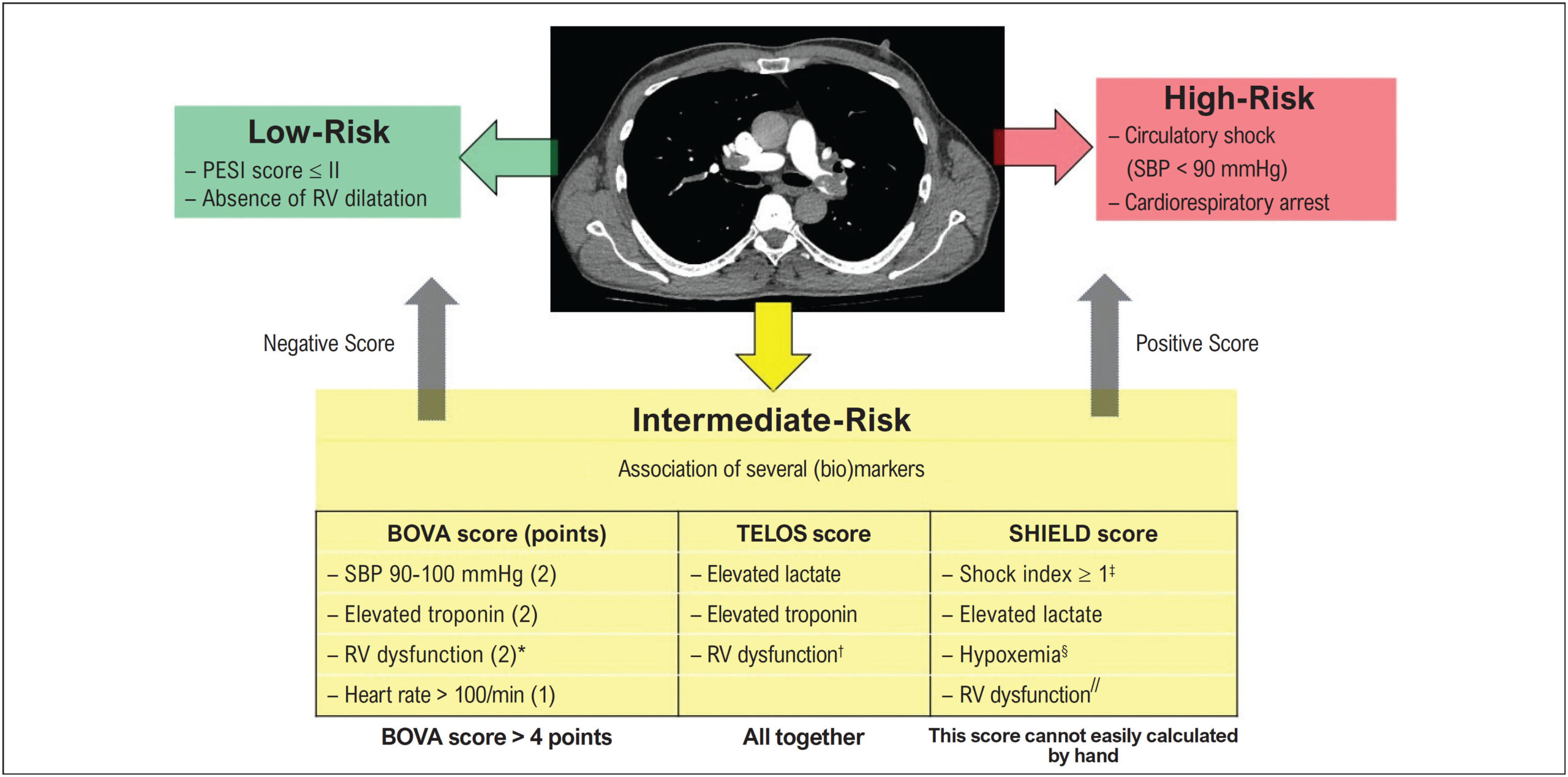
Focus on Intermediate-Risk Acute Pulmonary Embolism. Is the Combination of Biomarkers the Solution?

Carlos Henrique Miranda

The incidence of acute pulmonary embolism (APE) has been increasing over time throughout the world, including in Brazil. This behavior is probably secondary to the aging of the population associated with increased prevalence and better prognosis related to cancer.

The clinical presentation of APE has two extremes that are easy to identify. A high-risk group, around 4% of patients, which is characterized by circulatory shock or cardiorespiratory arrest, with a high mortality rate. In this group, treatment with thrombolytics is well-established.

[…]

  • Biomarkers
  • Echocardiography
  • Pulmonary embolism
Read Full Article
Creative Commons Attribution (CC BY) Creative Commons license
26/04/2024 DOI: 10.36660/abc.20240075 Views 1
Identification of Potential Crucial Biomarkers in STEMI Through Integrated Bioinformatic Analysis
ABC
Artigo Original

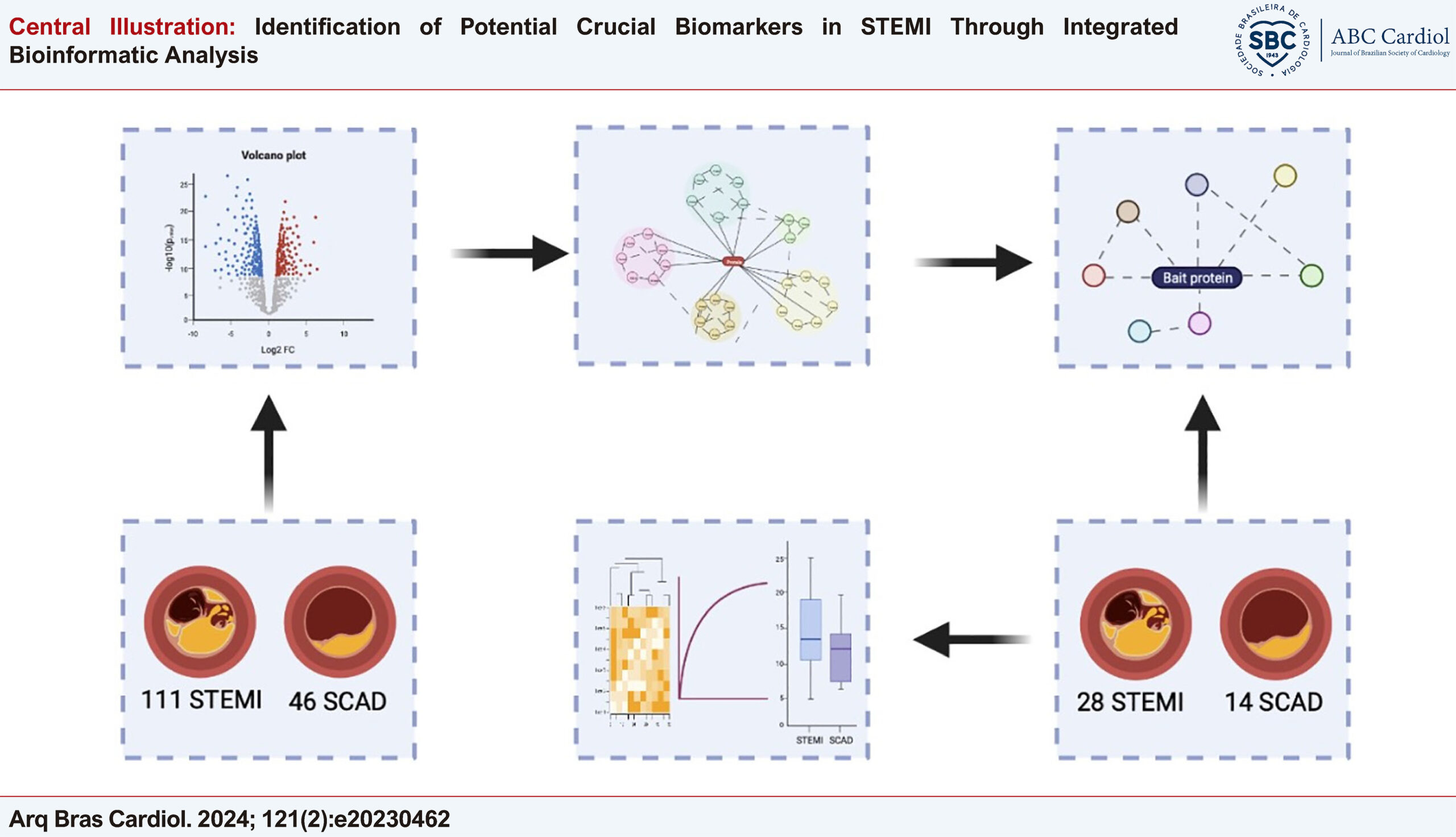
Identification of Potential Crucial Biomarkers in STEMI Through Integrated Bioinformatic Analysis

Li-Zhi Zhao et al. Yi Liang Ting Yin Hui-Ling Liao Bo Liang

Abstract

Background

ST-segment elevation myocardial infarction (STEMI) is one of the leading causes of fatal cardiovascular diseases, which have been the prime cause of mortality worldwide. Diagnosis in the early phase would benefit clinical intervention and prognosis, but the exploration of the biomarkers of STEMI is still lacking.

Objectives

In this study, we conducted a bioinformatics analysis to identify potential crucial biomarkers in the progress of STEMI.

Methods

We obtained GSE59867 for STEMI and stable coronary artery disease (SCAD) patients. Differentially expressed genes (DEGs) were screened with the threshold of |log2fold change| > 0.5 and p <0.05. Based on these genes, we conducted enrichment analysis to explore the potential relevance between genes and to screen hub genes. Subsequently, hub genes were analyzed to detect related miRNAs and DAVID to detect transcription factors for further analysis. Finally, GSE62646 was utilized to assess DEGs specificity, with genes demonstrating AUC results exceeding 75%, indicating their potential as candidate biomarkers.

Results

133 DEGs between SCAD and STEMI were obtained. Then, the PPI network of DEGs was constructed using String and Cytoscape, and further analysis determined hub genes and 6 molecular complexes. Functional enrichment analysis of the DEGs suggests that pathways related to inflammation, metabolism, and immunity play a pivotal role in the progression from SCAD to STEMI. Besides, related-miRNAs were predicted, has-miR-124, has-miR-130a/b, and has-miR-301a/b regulated the expression of the largest number of genes. Meanwhile, Transcription factors analysis indicate that EVI1, AML1, GATA1, and PPARG are the most enriched gene. Finally, ROC curves demonstrate that MS4A3, KLRC4, KLRD1, AQP9, and CD14 exhibit both high sensitivity and specificity in predicting STEMI.

Conclusions

This study revealed that immunity, metabolism, and inflammation are involved in the development of STEMI derived from SCAD, and 6 genes, including MS4A3, KLRC4, KLRD1, AQP9, CD14, and CCR1, could be employed as candidate biomarkers to STEMI.

  • Biomarkers
  • Computational Biology
  • Coronary Artery Disease
  • ST Elevation Myocardial Infarction
Read Full Article
Creative Commons Attribution (CC BY) Creative Commons license
05/04/2024 DOI: 10.36660/abc.20230462 Views 1

Could not load more articles. Please try again.

How to cite this article

EndNote RIS

Electronic Document Format (Vancouver)

Rimolo LSM, Villacorta H. Prognostic Value of Growth Differentiation Factor-15 in Heart Failure: A Systematic Review with Meta-Analysis. ABC Heart Fail Cardiomyop 2026;6:e20260006.

Electronic Document Format (ABNT)

Rimolo, Lorena dos Santos Marreto; Villacorta, Humberto. Prognostic Value of Growth Differentiation Factor-15 in Heart Failure: A Systematic Review with Meta-Analysis. ABC Heart Fail Cardiomyop, v. 6, e20260006, Jul. 2026.

Electronic Document Format (APA)

Rimolo, L. S. M., & Villacorta, H. (2026). Prognostic Value of Growth Differentiation Factor-15 in Heart Failure: A Systematic Review with Meta-Analysis. ABC Heart Fail Cardiomyop, 6, e20260006.

Electronic Document Format (ISO)

Rimolo, Lorena dos Santos Marreto and Villacorta, Humberto. Prognostic Value of Growth Differentiation Factor-15 in Heart Failure: A Systematic Review with Meta-Analysis. ABC Heart Fail Cardiomyop [online]. 2026, vol. 6, [cited 2026-10-15], e20260006. Available from: <https://journals.cardiol.br/en/article/prognostic-value-of-growth-differentiation-factor-15-in-heart-failure-a-systematic-review-with-meta-analysis/>

EndNote RIS

Electronic Document Format (Vancouver)

Liu Y, Chen X, Liu Y, Lu Y, Zhu Y, Chen L, Li J, et al. The Causal Association between Plasma Metabolites-Mediated Immune Cells and Myocardial Infarction: A Mendelian Randomization Study. Arquivos Brasileiros de Cardiologia 2026;123(4):e20260026.

Electronic Document Format (ABNT)

Liu, Yue; Chen, Xing; Liu, Yingzhi; Lu, Yvwen; Zhu, Yun; Chen, Lingli; Li, Jie. The Causal Association between Plasma Metabolites-Mediated Immune Cells and Myocardial Infarction: A Mendelian Randomization Study. Arquivos Brasileiros de Cardiologia, v. 123, n. 4, e20260026, May. 2026.

Electronic Document Format (APA)

Liu, Y., Chen, X., Liu, Y., Lu, Y., Zhu, Y., Chen, L., & Li, J. (2026). The Causal Association between Plasma Metabolites-Mediated Immune Cells and Myocardial Infarction: A Mendelian Randomization Study. Arquivos Brasileiros de Cardiologia, 123(4), e20260026.

Electronic Document Format (ISO)

Liu, Yue and Chen, Xing and Liu, Yingzhi and Lu, Yvwen and Zhu, Yun and Chen, Lingli and Li, Jie. The Causal Association between Plasma Metabolites-Mediated Immune Cells and Myocardial Infarction: A Mendelian Randomization Study. Arquivos Brasileiros de Cardiologia [online]. 2026, vol. 123, n. 4, [cited 2026-10-15], e20260026. Available from: <https://journals.cardiol.br/en/article/the-causal-association-between-plasma-metabolites-mediated-immune-cells-and-myocardial-infarction-a-mendelian-randomization-study/>. ISSN 0066-782X

EndNote RIS

Electronic Document Format (Vancouver)

Namitokov A, Karabakhtsieva K, Gilevich I. Systemic Inflammation, Fibrinogen, and Lipoprotein(a) as Composite Predictors of Peripheral Arterial Disease. International Journal of Cardiovascular Sciences 2026;39:e20250165.

Electronic Document Format (ABNT)

Namitokov, Alim; Karabakhtsieva, Karina; Gilevich, Irina. Systemic Inflammation, Fibrinogen, and Lipoprotein(a) as Composite Predictors of Peripheral Arterial Disease. International Journal of Cardiovascular Sciences, v. 39, e20250165, May. 2026.

Electronic Document Format (APA)

Namitokov, A., Karabakhtsieva, K., & Gilevich, I. (2026). Systemic Inflammation, Fibrinogen, and Lipoprotein(a) as Composite Predictors of Peripheral Arterial Disease. International Journal of Cardiovascular Sciences, 39, e20250165.

Electronic Document Format (ISO)

Namitokov, Alim and Karabakhtsieva, Karina and Gilevich, Irina. Systemic Inflammation, Fibrinogen, and Lipoprotein(a) as Composite Predictors of Peripheral Arterial Disease. International Journal of Cardiovascular Sciences [online]. 2026, vol. 39, [cited 2026-10-15], e20250165. Available from: <https://journals.cardiol.br/en/article/systemic-inflammation-fibrinogen-and-lipoproteina-as-composite-predictors-of-peripheral-arterial-disease/>. ISSN 2359-4802

EndNote RIS

Electronic Document Format (Vancouver)

Mesquita CT, Yahiro DS, Coelho RPS, Azevedo Junior GL, Moreira BR, Figueiredo RL, Gripp E, et al. Biomarker–Imaging Dissociation in Wild-Type Cardiac Amyloidosis after Treatment with Patisiran. Arquivos Brasileiros de Cardiologia 2026;123(3):e20240757.

Electronic Document Format (ABNT)

Mesquita, Claudio Tinoco; Yahiro, Davi Shunji; Coelho, Roberta Pereira dos Santos; Azevedo Junior, Giovane Leal de; Moreira, Beatriz Robert; Figueiredo, Régina Limongi de; Gripp, Eliza; Ávila, Diane Xavier. Biomarker–Imaging Dissociation in Wild-Type Cardiac Amyloidosis after Treatment with Patisiran. Arquivos Brasileiros de Cardiologia, v. 123, n. 3, e20240757, May. 2026.

Electronic Document Format (APA)

Mesquita, C. T., Yahiro, D. S., Coelho, R. P. S., Azevedo Junior, G. L. , Moreira, B. R., Figueiredo, R. L. , Gripp, E., & Ávila, D. X. (2026). Biomarker–Imaging Dissociation in Wild-Type Cardiac Amyloidosis after Treatment with Patisiran. Arquivos Brasileiros de Cardiologia, 123(3), e20240757.

Electronic Document Format (ISO)

Mesquita, Claudio Tinoco and Yahiro, Davi Shunji and Coelho, Roberta Pereira dos Santos and Azevedo Junior, Giovane Leal de and Moreira, Beatriz Robert and Figueiredo, Régina Limongi de and Gripp, Eliza and Ávila, Diane Xavier. Biomarker–Imaging Dissociation in Wild-Type Cardiac Amyloidosis after Treatment with Patisiran. Arquivos Brasileiros de Cardiologia [online]. 2026, vol. 123, n. 3, [cited 2026-10-15], e20240757. Available from: <https://journals.cardiol.br/en/article/biomarker-imaging-dissociation-in-wild-type-cardiac-amyloidosis-after-treatment-with-patisiran/>. ISSN 0066-782X

EndNote RIS

Electronic Document Format (Vancouver)

Horta MGC, Borin MC. Serum Levels of sCD40L, CCL3, and NT-proBNP in Elderly Patients Admitted to the Hospital with HF. Arquivos Brasileiros de Cardiologia 2026;123(1):e20260035.

Electronic Document Format (ABNT)

Horta, Maria da Gloria Cruvinel; Borin, Marcus Carvalho. Serum Levels of sCD40L, CCL3, and NT-proBNP in Elderly Patients Admitted to the Hospital with HF. Arquivos Brasileiros de Cardiologia, v. 123, n. 1, e20260035, Mar. 2026.

Electronic Document Format (APA)

Horta, M. G. C., & Borin, M. C. (2026). Serum Levels of sCD40L, CCL3, and NT-proBNP in Elderly Patients Admitted to the Hospital with HF. Arquivos Brasileiros de Cardiologia, 123(1), e20260035.

Electronic Document Format (ISO)

Horta, Maria da Gloria Cruvinel and Borin, Marcus Carvalho. Serum Levels of sCD40L, CCL3, and NT-proBNP in Elderly Patients Admitted to the Hospital with HF. Arquivos Brasileiros de Cardiologia [online]. 2026, vol. 123, n. 1, [cited 2026-10-15], e20260035. Available from: <https://journals.cardiol.br/en/article/serum-levels-of-scd40l-ccl3-and-nt-probnp-in-elderly-patients-admitted-to-the-hospital-with-hf/>. ISSN 0066-782X

EndNote RIS

Electronic Document Format (Vancouver)

Sposito MCC, Branco LA, Bianchi J, Duarte FO, Godoy KF, Rodolpho JMA, Fragelli BDL, et al. The Role of Indexed Left Atrial Volume in Detecting Adverse Outcomes in Patients with Chronic Obstructive Pulmonary Disease: A Cohort Study. Arquivos Brasileiros de Cardiologia 2025;122(10):e20250131.

Electronic Document Format (ABNT)

Sposito, Maria Clara C.; Branco, Leticia A.; Bianchi, Jaqueline; Duarte, Fernanda O.; Godoy, Krissia F.; Rodolpho, Joice M. A.; Fragelli, Bruna Dias de Lima; Marinho, Renan S.; Firmino, Stella Maris; Silva, Audrey Borghi; Anibal, Fernanda Freitas; Roscani, Meliza Goi. The Role of Indexed Left Atrial Volume in Detecting Adverse Outcomes in Patients with Chronic Obstructive Pulmonary Disease: A Cohort Study. Arquivos Brasileiros de Cardiologia, v. 122, n. 10, e20250131, Dec. 2025.

Electronic Document Format (APA)

Sposito, M. C. C., Branco, L. A., Bianchi, J., Duarte, F. O., Godoy, K. F., Rodolpho, J. M. A., Fragelli, B. D. L., Marinho, R. S., Firmino, S. M., Silva, A. B., Anibal, F. F., & Roscani, M. G. (2025). The Role of Indexed Left Atrial Volume in Detecting Adverse Outcomes in Patients with Chronic Obstructive Pulmonary Disease: A Cohort Study. Arquivos Brasileiros de Cardiologia, 122(10), e20250131.

Electronic Document Format (ISO)

Sposito, Maria Clara C. and Branco, Leticia A. and Bianchi, Jaqueline and Duarte, Fernanda O. and Godoy, Krissia F. and Rodolpho, Joice M. A. and Fragelli, Bruna Dias de Lima and Marinho, Renan S. and Firmino, Stella Maris and Silva, Audrey Borghi and Anibal, Fernanda Freitas and Roscani, Meliza Goi. The Role of Indexed Left Atrial Volume in Detecting Adverse Outcomes in Patients with Chronic Obstructive Pulmonary Disease: A Cohort Study. Arquivos Brasileiros de Cardiologia [online]. 2025, vol. 122, n. 10, [cited 2026-10-15], e20250131. Available from: <https://journals.cardiol.br/en/article/the-role-of-indexed-left-atrial-volume-in-detecting-adverse-outcomes-in-patients-with-chronic-obstructive-pulmonary-disease-a-cohort-study/>. ISSN 0066-782X

EndNote RIS

Electronic Document Format (Vancouver)

Artioli T, Batista LB, Franchini K, Alencar JN. Impact of Low Testosterone and SHBG Levels on Heart Failure Risk: A Systematic Review and Meta-Analysis. Arquivos Brasileiros de Cardiologia 2025;122(10):e20250244.

Electronic Document Format (ABNT)

Artioli, Thiago; Batista, Layane Bonfante; Franchini, Kleber; Alencar, José Nunes de. Impact of Low Testosterone and SHBG Levels on Heart Failure Risk: A Systematic Review and Meta-Analysis. Arquivos Brasileiros de Cardiologia, v. 122, n. 10, e20250244, Nov. 2025.

Electronic Document Format (APA)

Artioli, T., Batista, L. B., Franchini, K., & Alencar, J. N. (2025). Impact of Low Testosterone and SHBG Levels on Heart Failure Risk: A Systematic Review and Meta-Analysis. Arquivos Brasileiros de Cardiologia, 122(10), e20250244.

Electronic Document Format (ISO)

Artioli, Thiago and Batista, Layane Bonfante and Franchini, Kleber and Alencar, José Nunes de. Impact of Low Testosterone and SHBG Levels on Heart Failure Risk: A Systematic Review and Meta-Analysis. Arquivos Brasileiros de Cardiologia [online]. 2025, vol. 122, n. 10, [cited 2026-10-15], e20250244. Available from: <https://journals.cardiol.br/en/article/impact-of-low-testosterone-and-shbg-levels-on-heart-failure-risk-a-systematic-review-and-meta-analysis/>. ISSN 0066-782X

EndNote RIS

Electronic Document Format (Vancouver)

Villacorta H. Systemic Biomarkers in Heart Failure: To Measure or Not to Measure?. International Journal of Cardiovascular Sciences 2025;38:e20250084.

Electronic Document Format (ABNT)

Villacorta, Humberto. Systemic Biomarkers in Heart Failure: To Measure or Not to Measure?. International Journal of Cardiovascular Sciences, v. 38, e20250084, Jun. 2025.

Electronic Document Format (APA)

Villacorta, H. (2025). Systemic Biomarkers in Heart Failure: To Measure or Not to Measure?. International Journal of Cardiovascular Sciences, 38, e20250084.

Electronic Document Format (ISO)

Villacorta, Humberto. Systemic Biomarkers in Heart Failure: To Measure or Not to Measure?. International Journal of Cardiovascular Sciences [online]. 2025, vol. 38, [cited 2026-10-15], e20250084. Available from: <https://journals.cardiol.br/en/article/systemic-biomarkers-in-heart-failure-to-measure-or-not-to-measure/>. ISSN 2359-4802

EndNote RIS

Electronic Document Format (Vancouver)

Moreira GR, Ávila DX, Candia AMD, Scaramussa VD, Villacorta H. Growth Differentiation Factor 15 is Correlated With Urinary Markers in Patients with Chronic Heart Failure. Arquivos Brasileiros de Cardiologia 2025;122(3):e20240153.

Electronic Document Format (ABNT)

Moreira, Gustavo Rodolfo; Ávila, Diane Xavier; Candia, Angelo Michele Di; Scaramussa, Victoria Depes; Villacorta, Humberto. Growth Differentiation Factor 15 is Correlated With Urinary Markers in Patients with Chronic Heart Failure. Arquivos Brasileiros de Cardiologia, v. 122, n. 3, e20240153, Apr. 2025.

Electronic Document Format (APA)

Moreira, G. R., Ávila, D. X., Candia, A. M. D., Scaramussa, V. D., & Villacorta, H. (2025). Growth Differentiation Factor 15 is Correlated With Urinary Markers in Patients with Chronic Heart Failure. Arquivos Brasileiros de Cardiologia, 122(3), e20240153.

Electronic Document Format (ISO)

Moreira, Gustavo Rodolfo and Ávila, Diane Xavier and Candia, Angelo Michele Di and Scaramussa, Victoria Depes and Villacorta, Humberto. Growth Differentiation Factor 15 is Correlated With Urinary Markers in Patients with Chronic Heart Failure. Arquivos Brasileiros de Cardiologia [online]. 2025, vol. 122, n. 3, [cited 2026-10-15], e20240153. Available from: <https://journals.cardiol.br/en/article/growth-differentiation-factor-15-is-correlated-with-urinary-markers-in-patients-with-chronic-heart-failure/>. ISSN 0066-782X

EndNote RIS

Electronic Document Format (Vancouver)

Durgut S, Kıztanır H, Yıldız Y. The Relationship Between Inflammatory Markers and Supraventricular Tachycardia in Children. International Journal of Cardiovascular Sciences 2025;38:e20240151.

Electronic Document Format (ABNT)

Durgut, Sevval; Kıztanır, Hikmet; Yıldız, Yasin. The Relationship Between Inflammatory Markers and Supraventricular Tachycardia in Children. International Journal of Cardiovascular Sciences, v. 38, e20240151, Feb. 2025.

Electronic Document Format (APA)

Durgut, S., Kıztanır, H., & Yıldız, Y. (2025). The Relationship Between Inflammatory Markers and Supraventricular Tachycardia in Children. International Journal of Cardiovascular Sciences, 38, e20240151.

Electronic Document Format (ISO)

Durgut, Sevval and Kıztanır, Hikmet and Yıldız, Yasin. The Relationship Between Inflammatory Markers and Supraventricular Tachycardia in Children. International Journal of Cardiovascular Sciences [online]. 2025, vol. 38, [cited 2026-10-15], e20240151. Available from: <https://journals.cardiol.br/en/article/the-relationship-between-inflammatory-markers-and-supraventricular-tachycardia-in-children/>. ISSN 2359-4802

EndNote RIS

Electronic Document Format (Vancouver)

Santos PP, Damatto RL. Challenges and Perspectives of Cardiac Fibrosis Biomarkers: From Diagnosis to Clinical Application. Arquivos Brasileiros de Cardiologia 2025;121(12):e20240735.

Electronic Document Format (ABNT)

Santos, Priscila Portugal dos; Damatto, Ricardo Luiz. Challenges and Perspectives of Cardiac Fibrosis Biomarkers: From Diagnosis to Clinical Application. Arquivos Brasileiros de Cardiologia, v. 121, n. 12, e20240735, Feb. 2025.

Electronic Document Format (APA)

Santos, P. P. , & Damatto, R. L. (2025). Challenges and Perspectives of Cardiac Fibrosis Biomarkers: From Diagnosis to Clinical Application. Arquivos Brasileiros de Cardiologia, 121(12), e20240735.

Electronic Document Format (ISO)

Santos, Priscila Portugal dos and Damatto, Ricardo Luiz. Challenges and Perspectives of Cardiac Fibrosis Biomarkers: From Diagnosis to Clinical Application. Arquivos Brasileiros de Cardiologia [online]. 2025, vol. 121, n. 12, [cited 2026-10-15], e20240735. Available from: <https://journals.cardiol.br/en/article/challenges-and-perspectives-of-cardiac-fibrosis-biomarkers-from-diagnosis-to-clinical-application/>. ISSN 0066-782X

EndNote RIS

Electronic Document Format (Vancouver)

Cheng-Mei W, Luo G, Liu P, Ren W, Yang S. Potential Biomarkers in Myocardial Fibrosis: A Bioinformatic Analysis. Arquivos Brasileiros de Cardiologia 2024;121(12):e20230674.

Electronic Document Format (ABNT)

Cheng-Mei, Wang; Luo, Gang; Liu, Ping; Ren, Wei; Yang, Sijin. Potential Biomarkers in Myocardial Fibrosis: A Bioinformatic Analysis. Arquivos Brasileiros de Cardiologia, v. 121, n. 12, e20230674, Dec. 2024.

Electronic Document Format (APA)

Cheng-Mei, W., Luo, G., Liu, P., Ren, W., & Yang, S. (2024). Potential Biomarkers in Myocardial Fibrosis: A Bioinformatic Analysis. Arquivos Brasileiros de Cardiologia, 121(12), e20230674.

Electronic Document Format (ISO)

Cheng-Mei, Wang and Luo, Gang and Liu, Ping and Ren, Wei and Yang, Sijin. Potential Biomarkers in Myocardial Fibrosis: A Bioinformatic Analysis. Arquivos Brasileiros de Cardiologia [online]. 2024, vol. 121, n. 12, [cited 2026-10-15], e20230674. Available from: <https://journals.cardiol.br/en/article/potential-biomarkers-in-myocardial-fibrosis-a-bioinformatic-analysis/>. ISSN 0066-782X

EndNote RIS

Electronic Document Format (Vancouver)

Alesso CA, Queda J, Mohty D, Salemi VMC. Serum Glycogen Synthase 3 Beta Levels: A Promissory Marker for Patients with Heart Failure. Arquivos Brasileiros de Cardiologia 2024;121(11):e20240684.

Electronic Document Format (ABNT)

Alesso, Claudia Aznar; Queda, João; Mohty, Dania; Salemi, Vera Maria Cury. Serum Glycogen Synthase 3 Beta Levels: A Promissory Marker for Patients with Heart Failure. Arquivos Brasileiros de Cardiologia, v. 121, n. 11, e20240684, Dec. 2024.

Electronic Document Format (APA)

Alesso, C. A., Queda, J., Mohty, D., & Salemi, V. M. C. (2024). Serum Glycogen Synthase 3 Beta Levels: A Promissory Marker for Patients with Heart Failure. Arquivos Brasileiros de Cardiologia, 121(11), e20240684.

Electronic Document Format (ISO)

Alesso, Claudia Aznar and Queda, João and Mohty, Dania and Salemi, Vera Maria Cury. Serum Glycogen Synthase 3 Beta Levels: A Promissory Marker for Patients with Heart Failure. Arquivos Brasileiros de Cardiologia [online]. 2024, vol. 121, n. 11, [cited 2026-10-15], e20240684. Available from: <https://journals.cardiol.br/en/article/serum-glycogen-synthase-3-beta-levels-a-promissory-marker-for-patients-with-heart-failure/>. ISSN 0066-782X

EndNote RIS

Electronic Document Format (Vancouver)

Póvoa R. Osteoprotegerin: A Biomarker in Chronic Kidney Disease. Arquivos Brasileiros de Cardiologia 2024;121(11):e20240679.

Electronic Document Format (ABNT)

Póvoa, Rui. Osteoprotegerin: A Biomarker in Chronic Kidney Disease. Arquivos Brasileiros de Cardiologia, v. 121, n. 11, e20240679, Dec. 2024.

Electronic Document Format (APA)

Póvoa, R. (2024). Osteoprotegerin: A Biomarker in Chronic Kidney Disease. Arquivos Brasileiros de Cardiologia, 121(11), e20240679.

Electronic Document Format (ISO)

Póvoa, Rui. Osteoprotegerin: A Biomarker in Chronic Kidney Disease. Arquivos Brasileiros de Cardiologia [online]. 2024, vol. 121, n. 11, [cited 2026-10-15], e20240679. Available from: <https://journals.cardiol.br/en/article/osteoprotegerin-a-biomarker-in-chronic-kidney-disease/>. ISSN 0066-782X

EndNote RIS

Electronic Document Format (Vancouver)

Amantéa RP, Olsen VR, Hastenteufel LCT, Borges FK, Manfro RC, Goldraich LA, Clausell N, et al. Predictive Value of Cardiac Biomarkers on Delayed Graft Function in Renal Transplant Patients. Arquivos Brasileiros de Cardiologia 2024;121(11):e20230858.

Electronic Document Format (ABNT)

Amantéa, Rodrigo Pinheiro; Olsen, Virgílio da Rocha; Hastenteufel, Laura Caroline Tavares; Borges, Flávia K.; Manfro, Roberto Ceratti; Goldraich, Lívia Adams; Clausell, Nadine. Predictive Value of Cardiac Biomarkers on Delayed Graft Function in Renal Transplant Patients. Arquivos Brasileiros de Cardiologia, v. 121, n. 11, e20230858, Nov. 2024.

Electronic Document Format (APA)

Amantéa, R. P., Olsen, V. R., Hastenteufel, L. C. T., Borges, F. K., Manfro, R. C., Goldraich, L. A., & Clausell, N. (2024). Predictive Value of Cardiac Biomarkers on Delayed Graft Function in Renal Transplant Patients. Arquivos Brasileiros de Cardiologia, 121(11), e20230858.

Electronic Document Format (ISO)

Amantéa, Rodrigo Pinheiro and Olsen, Virgílio da Rocha and Hastenteufel, Laura Caroline Tavares and Borges, Flávia K. and Manfro, Roberto Ceratti and Goldraich, Lívia Adams and Clausell, Nadine. Predictive Value of Cardiac Biomarkers on Delayed Graft Function in Renal Transplant Patients. Arquivos Brasileiros de Cardiologia [online]. 2024, vol. 121, n. 11, [cited 2026-10-15], e20230858. Available from: <https://journals.cardiol.br/en/article/predictive-value-of-cardiac-biomarkers-on-delayed-graft-function-in-renal-transplant-patients/>. ISSN 0066-782X

EndNote RIS

Electronic Document Format (Vancouver)

Roscani MG. Advanced Heart Failure and Onset of New Prognostic Markers: Where are We?. Arquivos Brasileiros de Cardiologia 2024;121(8):e20240453.

Electronic Document Format (ABNT)

Roscani, Meliza Goi. Advanced Heart Failure and Onset of New Prognostic Markers: Where are We?. Arquivos Brasileiros de Cardiologia, v. 121, n. 8, e20240453, Sep. 2024.

Electronic Document Format (APA)

Roscani, M. G. (2024). Advanced Heart Failure and Onset of New Prognostic Markers: Where are We?. Arquivos Brasileiros de Cardiologia, 121(8), e20240453.

Electronic Document Format (ISO)

Roscani, Meliza Goi. Advanced Heart Failure and Onset of New Prognostic Markers: Where are We?. Arquivos Brasileiros de Cardiologia [online]. 2024, vol. 121, n. 8, [cited 2026-10-15], e20240453. Available from: <https://journals.cardiol.br/en/article/advanced-heart-failure-and-onset-of-new-prognostic-markers-where-are-we/>. ISSN 0066-782X

EndNote RIS

Electronic Document Format (Vancouver)

Carvalho M, Lagoeiro A. Biomarkers and Mononuclear Inflammatory Activity in COVID-19 Survivors. International Journal of Cardiovascular Sciences 2024;37:e20240016.

Electronic Document Format (ABNT)

Carvalho, Marcio; Lagoeiro, Antonio. Biomarkers and Mononuclear Inflammatory Activity in COVID-19 Survivors. International Journal of Cardiovascular Sciences, v. 37, e20240016, Sep. 2024.

Electronic Document Format (APA)

Carvalho, M., & Lagoeiro, A. (2024). Biomarkers and Mononuclear Inflammatory Activity in COVID-19 Survivors. International Journal of Cardiovascular Sciences, 37, e20240016.

Electronic Document Format (ISO)

Carvalho, Marcio and Lagoeiro, Antonio. Biomarkers and Mononuclear Inflammatory Activity in COVID-19 Survivors. International Journal of Cardiovascular Sciences [online]. 2024, vol. 37, [cited 2026-10-15], e20240016. Available from: <https://journals.cardiol.br/en/article/biomarkers-and-mononuclear-inflammatory-activity-in-covid-19-survivors/>. ISSN 2359-4802

EndNote RIS

Electronic Document Format (Vancouver)

Chokr MO. Can Pre-Ablation Serum Biomarkers be Used to Predict Arrhythmia Recurrence after Ablation Index-Guided Atrial Fibrillation Ablation?. Arquivos Brasileiros de Cardiologia 2024;121(4):e20240355.

Electronic Document Format (ABNT)

Chokr, Muhieddine Omar. Can Pre-Ablation Serum Biomarkers be Used to Predict Arrhythmia Recurrence after Ablation Index-Guided Atrial Fibrillation Ablation?. Arquivos Brasileiros de Cardiologia, v. 121, n. 4, e20240355, Aug. 2024.

Electronic Document Format (APA)

Chokr, M. O. (2024). Can Pre-Ablation Serum Biomarkers be Used to Predict Arrhythmia Recurrence after Ablation Index-Guided Atrial Fibrillation Ablation?. Arquivos Brasileiros de Cardiologia, 121(4), e20240355.

Electronic Document Format (ISO)

Chokr, Muhieddine Omar. Can Pre-Ablation Serum Biomarkers be Used to Predict Arrhythmia Recurrence after Ablation Index-Guided Atrial Fibrillation Ablation?. Arquivos Brasileiros de Cardiologia [online]. 2024, vol. 121, n. 4, [cited 2026-10-15], e20240355. Available from: <https://journals.cardiol.br/en/article/can-pre-ablation-serum-biomarkers-be-used-to-predict-arrhythmia-recurrence-after-ablation-index-guided-atrial-fibrillation-ablation/>. ISSN 0066-782X

EndNote RIS

Electronic Document Format (Vancouver)

Villacorta H. Inflammation and Prognosis in Acute Heart Failure: Is There a Role for Pan-Immune-Inflammation Value?. Arquivos Brasileiros de Cardiologia 2024;121(6):e20240286.

Electronic Document Format (ABNT)

Villacorta, Humberto. Inflammation and Prognosis in Acute Heart Failure: Is There a Role for Pan-Immune-Inflammation Value?. Arquivos Brasileiros de Cardiologia, v. 121, n. 6, e20240286, Aug. 2024.

Electronic Document Format (APA)

Villacorta, H. (2024). Inflammation and Prognosis in Acute Heart Failure: Is There a Role for Pan-Immune-Inflammation Value?. Arquivos Brasileiros de Cardiologia, 121(6), e20240286.

Electronic Document Format (ISO)

Villacorta, Humberto. Inflammation and Prognosis in Acute Heart Failure: Is There a Role for Pan-Immune-Inflammation Value?. Arquivos Brasileiros de Cardiologia [online]. 2024, vol. 121, n. 6, [cited 2026-10-15], e20240286. Available from: <https://journals.cardiol.br/en/article/inflammation-and-prognosis-in-acute-heart-failure-is-there-a-role-for-pan-immune-inflammation-value/>. ISSN 0066-782X

EndNote RIS

Electronic Document Format (Vancouver)

Caneo LF, Turquetto ALR, Boschiero MN, Amato LP, Ishikawa WY, Hodas FP, Ligeiro MG, et al. Long-Term Effects of Pulmonary Valve Implantation and Prosthesis Evolution in Patients with Repaired Tetralogy of Fallot. Arquivos Brasileiros de Cardiologia 2024;121(7):e20230585.

Electronic Document Format (ABNT)

Caneo, Luiz Fernando; Turquetto, Aida Luiza Ribeiro; Boschiero, Matheus Negri; Amato, Luciana Patrick; Ishikawa, Walther Yoshiharu; Hodas, Fabiana Padilha; Ligeiro, Melissa Ganeko; Agostinho, Daniela Regina; Miana, Leonardo Augusto; Tanamati, Carla; Gonçalves, Rilvani Cavalcante; Penha, Juliano Gomes; Massoti, Maria Raquel Brigoni; Jatene, Marcelo Biscegli; Jatene, Fabio Biscegli. Long-Term Effects of Pulmonary Valve Implantation and Prosthesis Evolution in Patients with Repaired Tetralogy of Fallot. Arquivos Brasileiros de Cardiologia, v. 121, n. 7, e20230585, Jul. 2024.

Electronic Document Format (APA)

Caneo, L. F., Turquetto, A. L. R., Boschiero, M. N., Amato, L. P., Ishikawa, W. Y., Hodas, F. P., Ligeiro, M. G., Agostinho, D. R., Miana, L. A., Tanamati, C., Gonçalves, R. C., Penha, J. G., Massoti, M. R. B., Jatene, M. B., & Jatene, F. B. (2024). Long-Term Effects of Pulmonary Valve Implantation and Prosthesis Evolution in Patients with Repaired Tetralogy of Fallot. Arquivos Brasileiros de Cardiologia, 121(7), e20230585.

Electronic Document Format (ISO)

Caneo, Luiz Fernando and Turquetto, Aida Luiza Ribeiro and Boschiero, Matheus Negri and Amato, Luciana Patrick and Ishikawa, Walther Yoshiharu and Hodas, Fabiana Padilha and Ligeiro, Melissa Ganeko and Agostinho, Daniela Regina and Miana, Leonardo Augusto and Tanamati, Carla and Gonçalves, Rilvani Cavalcante and Penha, Juliano Gomes and Massoti, Maria Raquel Brigoni and Jatene, Marcelo Biscegli and Jatene, Fabio Biscegli. Long-Term Effects of Pulmonary Valve Implantation and Prosthesis Evolution in Patients with Repaired Tetralogy of Fallot. Arquivos Brasileiros de Cardiologia [online]. 2024, vol. 121, n. 7, [cited 2026-10-15], e20230585. Available from: <https://journals.cardiol.br/en/article/long-term-effects-of-pulmonary-valve-implantation-and-prosthesis-evolution-in-patients-with-repaired-tetralogy-of-fallot/>. ISSN 0066-782X

EndNote RIS

Electronic Document Format (Vancouver)

Murat B, Murat S, Altınbas ME, Yalvac HE, Durmaz FE, Mert KU, Cavusoglu Y, et al. Association of Pan Immune-Inflammation Value with Long Term Outcomes of Acute Decompensated Heart Failure. Arquivos Brasileiros de Cardiologia 2024;121(6):e20230817.

Electronic Document Format (ABNT)

Murat, Bektas; Murat, Selda; Altınbas, Mehmet Eren; Yalvac, Halit Emre; Durmaz, Fatih Enes; Mert, Kadir Ugur; Cavusoglu, Yüksel. Association of Pan Immune-Inflammation Value with Long Term Outcomes of Acute Decompensated Heart Failure. Arquivos Brasileiros de Cardiologia, v. 121, n. 6, e20230817, Jul. 2024.

Electronic Document Format (APA)

Murat, B., Murat, S., Altınbas, M. E., Yalvac, H. E., Durmaz, F. E., Mert, K. U., & Cavusoglu, Y. (2024). Association of Pan Immune-Inflammation Value with Long Term Outcomes of Acute Decompensated Heart Failure. Arquivos Brasileiros de Cardiologia, 121(6), e20230817.

Electronic Document Format (ISO)

Murat, Bektas and Murat, Selda and Altınbas, Mehmet Eren and Yalvac, Halit Emre and Durmaz, Fatih Enes and Mert, Kadir Ugur and Cavusoglu, Yüksel. Association of Pan Immune-Inflammation Value with Long Term Outcomes of Acute Decompensated Heart Failure. Arquivos Brasileiros de Cardiologia [online]. 2024, vol. 121, n. 6, [cited 2026-10-15], e20230817. Available from: <https://journals.cardiol.br/en/article/association-of-pan-immune-inflammation-value-with-long-term-outcomes-of-acute-decompensated-heart-failure/>. ISSN 0066-782X

EndNote RIS

Electronic Document Format (Vancouver)

Palma A, Sousa PA, Saleiro C, Barra S, António N, Adão L, Primo J, et al. Can Pre-Ablation Biomarkers Be Used to Predict Arrhythmia Recurrence after Ablation Index-Guided Atrial Fibrillation Ablation?. Arquivos Brasileiros de Cardiologia 2024;121(4):e20230544.

Electronic Document Format (ABNT)

Palma, Andreia; Sousa, Pedro A.; Saleiro, Carolina; Barra, Sérgio; António, Natália; Adão, Luis; Primo, João; Lebreiro, Ana; Fonseca, Paulo; Elvas, Luís; Gonçalves, Lino. Can Pre-Ablation Biomarkers Be Used to Predict Arrhythmia Recurrence after Ablation Index-Guided Atrial Fibrillation Ablation?. Arquivos Brasileiros de Cardiologia, v. 121, n. 4, e20230544, Apr. 2024.

Electronic Document Format (APA)

Palma, A., Sousa, P. A., Saleiro, C., Barra, S., António, N., Adão, L., Primo, J., Lebreiro, A., Fonseca, P., Elvas, L., & Gonçalves, L. (2024). Can Pre-Ablation Biomarkers Be Used to Predict Arrhythmia Recurrence after Ablation Index-Guided Atrial Fibrillation Ablation?. Arquivos Brasileiros de Cardiologia, 121(4), e20230544.

Electronic Document Format (ISO)

Palma, Andreia and Sousa, Pedro A. and Saleiro, Carolina and Barra, Sérgio and António, Natália and Adão, Luis and Primo, João and Lebreiro, Ana and Fonseca, Paulo and Elvas, Luís and Gonçalves, Lino. Can Pre-Ablation Biomarkers Be Used to Predict Arrhythmia Recurrence after Ablation Index-Guided Atrial Fibrillation Ablation?. Arquivos Brasileiros de Cardiologia [online]. 2024, vol. 121, n. 4, [cited 2026-10-15], e20230544. Available from: <https://journals.cardiol.br/en/article/can-pre-ablation-biomarkers-be-used-to-predict-arrhythmia-recurrence-after-ablation-index-guided-atrial-fibrillation-ablation/>. ISSN 0066-782X

EndNote RIS

Electronic Document Format (Vancouver)

Miranda CH. Focus on Intermediate-Risk Acute Pulmonary Embolism. Is the Combination of Biomarkers the Solution?. Arquivos Brasileiros de Cardiologia 2024;121(2):e20240075.

Electronic Document Format (ABNT)

Miranda, Carlos Henrique. Focus on Intermediate-Risk Acute Pulmonary Embolism. Is the Combination of Biomarkers the Solution?. Arquivos Brasileiros de Cardiologia, v. 121, n. 2, e20240075, Apr. 2024.

Electronic Document Format (APA)

Miranda, C. H. (2024). Focus on Intermediate-Risk Acute Pulmonary Embolism. Is the Combination of Biomarkers the Solution?. Arquivos Brasileiros de Cardiologia, 121(2), e20240075.

Electronic Document Format (ISO)

Miranda, Carlos Henrique. Focus on Intermediate-Risk Acute Pulmonary Embolism. Is the Combination of Biomarkers the Solution?. Arquivos Brasileiros de Cardiologia [online]. 2024, vol. 121, n. 2, [cited 2026-10-15], e20240075. Available from: <https://journals.cardiol.br/en/article/focus-on-intermediate-risk-acute-pulmonary-embolism-is-the-combination-of-biomarkers-the-solution/>. ISSN 0066-782X

EndNote RIS

Electronic Document Format (Vancouver)

Zhao L, Liang Y, Yin T, Liao H, Liang B. Identification of Potential Crucial Biomarkers in STEMI Through Integrated Bioinformatic Analysis. Arquivos Brasileiros de Cardiologia 2024;121(2):e20230462.

Electronic Document Format (ABNT)

Zhao, Li-Zhi; Liang, Yi; Yin, Ting; Liao, Hui-Ling; Liang, Bo. Identification of Potential Crucial Biomarkers in STEMI Through Integrated Bioinformatic Analysis. Arquivos Brasileiros de Cardiologia, v. 121, n. 2, e20230462, Apr. 2024.

Electronic Document Format (APA)

Zhao, L., Liang, Y., Yin, T., Liao, H., & Liang, B. (2024). Identification of Potential Crucial Biomarkers in STEMI Through Integrated Bioinformatic Analysis. Arquivos Brasileiros de Cardiologia, 121(2), e20230462.

Electronic Document Format (ISO)

Zhao, Li-Zhi and Liang, Yi and Yin, Ting and Liao, Hui-Ling and Liang, Bo. Identification of Potential Crucial Biomarkers in STEMI Through Integrated Bioinformatic Analysis. Arquivos Brasileiros de Cardiologia [online]. 2024, vol. 121, n. 2, [cited 2026-10-15], e20230462. Available from: <https://journals.cardiol.br/en/article/identification-of-potential-crucial-biomarkers-in-stemi-through-integrated-bioinformatic-analysis/>. ISSN 0066-782X

  • About ABC Family
  • Internal Regulation
  • Editorial Board
  • Brazilian Society of Cardiology (SBC)

Issues

SBC Guidelines

  • Videos
  • Podcasts
  • News