ABC Family Arquivos Brasileiros de Cardiologia International Journal of Cardiovascular Sciences ABC Heart Failure & Cardiomyopathy ABC Imagem Cardiovascular
Português English
ABC Family
Português English
  • About
    • About ABC Family
    • Internal Regulation
    • Editorial Board
    • Brazilian Society of Cardiology (SBC)
  • Issues
  • SBC Guidelines
  • Content
    • Videos
    • Podcasts
    • News
  • About
    • About ABC Family
    • Internal Regulation
    • Editorial Board
    • Brazilian Society of Cardiology (SBC)
  • Issues
  • SBC Guidelines
  • Content
    • Videos
    • Podcasts
    • News

ABC Family

  • ABC Family
  • Arquivos Brasileiros de Cardiologia
  • International Journal of Cardiovascular Sciences
  • ABC Heart Failure & Cardiomyopathy
  • ABC Imagem Cardiovascular
Search in

No content found.

Journals
Ordering
Article types
Others

  1. Home
  2. Keyword: Exercise Therapy
ABC
Editorial

Exercise-Based Cardiac Rehabilitation (ECBR): New Frontiers in the Post-Novel Coronavirus

Rosane Maria Nery et al. Antonio Cardoso dos Santos Eduardo Lima Garcia

The coronavirus disease 2019 (COVID-19) pandemic, in addition to physical, emotional, and social repercussions, has generated important changes in non-pharmacological measures to aid in treating patients with heart disease, such as Exercise-Based Cardiac Rehabilitation (ECBR). The disability associated with the post-COVID-19 syndrome seems to have a considerable impact on health services, as the treatment of these patients implies a very high demand for care and a high economic cost.

Scientific evidence has shown a close association between sedentary behavior and the development and worsening of cardiovascular disease (CVD) and early mortality. Many of these deaths could be avoided or postponed with preventive care and therapeutic measures, where EBCR is a fundamental pillar.,

[…]

  • Cardiac Rehabilitation
  • Coronavirus
  • Covid-19/complications
  • Exercise Therapy
  • Pandemics
  • Physical activity
  • Recovery of function
Read Full Article
Creative Commons Attribution (CC BY) Creative Commons license
07/04/2023 DOI: 10.36660/abc.20230120
Figure 1
ABC
Original Article

Clinical Implementation of Different Strategies for Exercise-Based Rehabilitation in Kidney and Liver Transplant Recipients: A Pilot Study

Paula A. B. Ribeiro et al. Mathieu Gradassi Sarah-Maude Martin Jonathan Leenknegt … Mathilde Baudet VyVan Le Marie-Pascale Pomey Agnes Räkel François Tournoux

Abstract

Background:

Cardiovascular disease is among the leading causes of death in solid organ transplant recipients with a functional graft. Although these patients could theoretically benefit from exercise-based rehabilitation (EBR) programs, their implementation is a challenge.

Objective:

We present our initial experience on different delivery modes of a pilot EBR program in kidney and liver transplant recipients.

Methods:

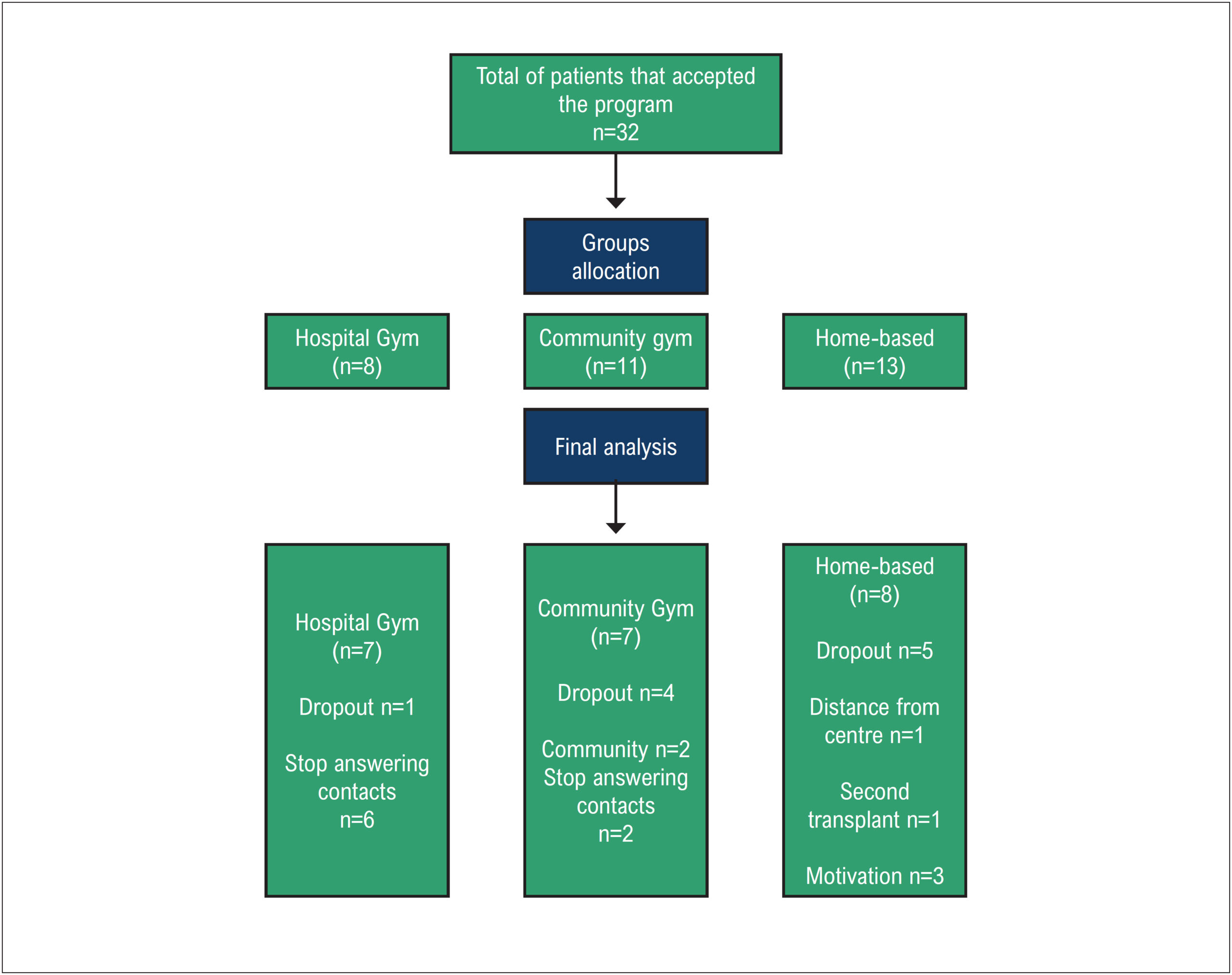
Thirty-two kidney or liver transplant recipients were invited for a 6-month EBR program delivered at the hospital gym, community gym or at home, according to the patient’s preference. The significance level adopted was 5%.

Results:

Ten patients (31%) did not complete their program. Among the 22 who did, 7 trained at the hospital gym, 7 at the community gym, and 8 at home. The overall effect was an 11.4% increase in maximum METs (Hedges’ effect size g = 0.39). The hospital gym group had an increase in METs of 25.5% (g= 0.58, medium effect size) versus 10% (g= 0.25), and 6.5% (g= 0.20) for the community gym and home groups, respectively. There was a beneficial effect on systolic and diastolic blood pressures, greater for the hospital gym (g= 0.51 and 0.40) and community gym (g= 0.60 and 1.15) groups than for the patients training at home (g= 0.07 and 0.10). No significant adverse event was reported during the follow-up.

Conclusion:

EBR programs in kidney and liver transplant recipients should be encouraged, even if they are delivered outside a hospital gym, since they are safe with positive effects on exercise capacity and cardiovascular risk factors.

  • Exercise
  • Exercise Movement Techniques
  • Exercise Therapy
  • Kidney Transplantation
  • Liver Transplantation
  • Physical Conditioning Human
Read Full Article
Creative Commons Attribution (CC BY) Creative Commons license
05/08/2022 DOI: 10.36660/abc.20210159 Views 2
Figure 1
IJCS
Original Article

Hypertension and Different Levels of Body Mass Index and Cardiorespiratory Fitness Amongst Adolescents

Cleiton Bertollo et al. Claúdia Daniela Barbian Letícia de Borba Schneiders João Francisco de Castro Silveira … Bruna Dahmer Vogt Elza Daniel de Mello Leandro Tibiriçá Burgos James Philip Hobkirk Cézane Priscila Reuter

Abstract

Background

Hypertension is an increasingly common problem in adolescents; amongst the associated factors, physical inactivity and obesity are increasing the risk of developing cardiovascular diseases.

Objective

To verify whether there is an association between higher blood pressure levels amongst adolescents with the relationship between different levels of body mass index (BMI) and cardiorespiratory fitness (CRF).

Method

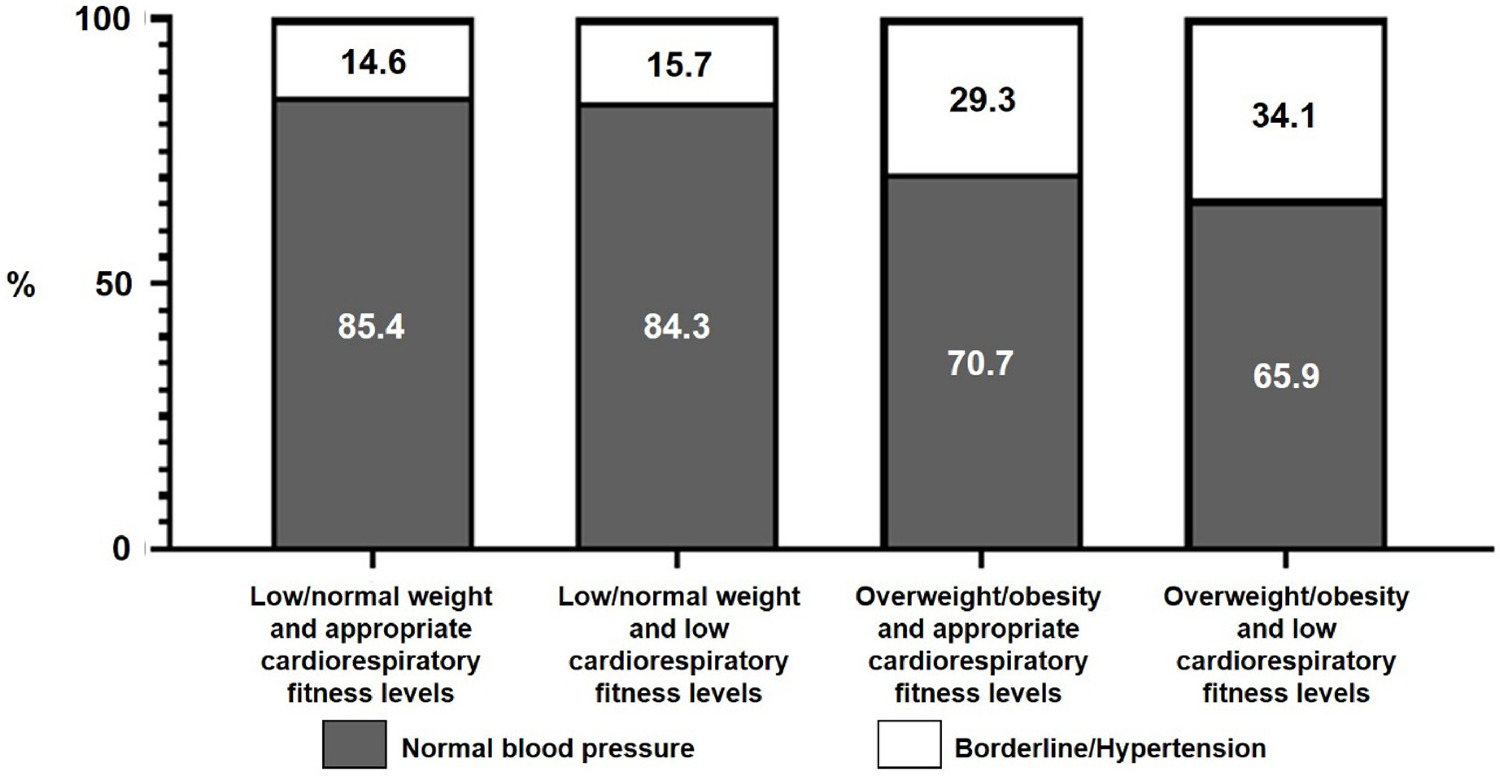
Cross-sectional study consisting of 860 adolescents. Higher blood pressure (BP) was considered as borderline and hypertension as the classification. BMI was categorized as low-normal weight and overweight-obesity. The CRF was assessed by a nine-minute run/walk test and classified into low or appropriate levels (less and more favorable to health, respectively). Later, BMI and CRF were grouped into one categorical variable: (I) low/normal weight and appropriate CRF levels; (II) low/normal weight and low CRF levels; (III) overweight/obesity and appropriate CRF levels; and (IV) overweight/obesity and low CRF levels. Data were analyzed using Poisson regression, through the prevalence ratio (PR) and 95% confidence intervals (CI). The p-values of p <0.05 were considered significant.

Results

Adolescents with overweight/obesity and low CRF levels had a 22% higher BP prevalence. Moreover, children with overweight/obesity, but with appropriate CRF levels, have a 15% higher BP prevalence.

Conclusion

Adolescents with overweight/obesity had a higher prevalence of BP, regardless of CRF levels. It is suggested that maintaining normal BMI is a protective factor for less favorable BP.

  • Blood Pressure, Adolescent, Cardiorespiratory Fitness
  • body mass index
  • Exercise
  • Exercise Therapy
  • Hypertension
  • Obesity
Read Full Article
Creative Commons Attribution (CC BY) Creative Commons license
20/09/2021 DOI: 10.36660/ijcs.20200038 Views 2
Figure 1
IJCS
Original Article

Continuous Aerobic Training and High Intensity Interval Training Increase Exercise Tolerance in Heart Failure Patients: A Retrospective Study

Diego Busin et al. Alexandre M. Lehnen Olga S. Tairova Eduardo P. Comparsi … Daniela Carneiro Micael Potter Luís F. Deresz Pedro Dal Lago Ramiro B. Nunes

Abstract

Background:

Conventional aerobic training is the first choice in cardiac rehabilitation for patients with chronic heart failure (CHF). However, high-intensity interval training (HIIT) may be an alternative, although it has little evidence.

Objectives:

To evaluate the effect of continuous aerobic training (CAT) or HIIT on exercise tolerance in CHF patients.

Methods:

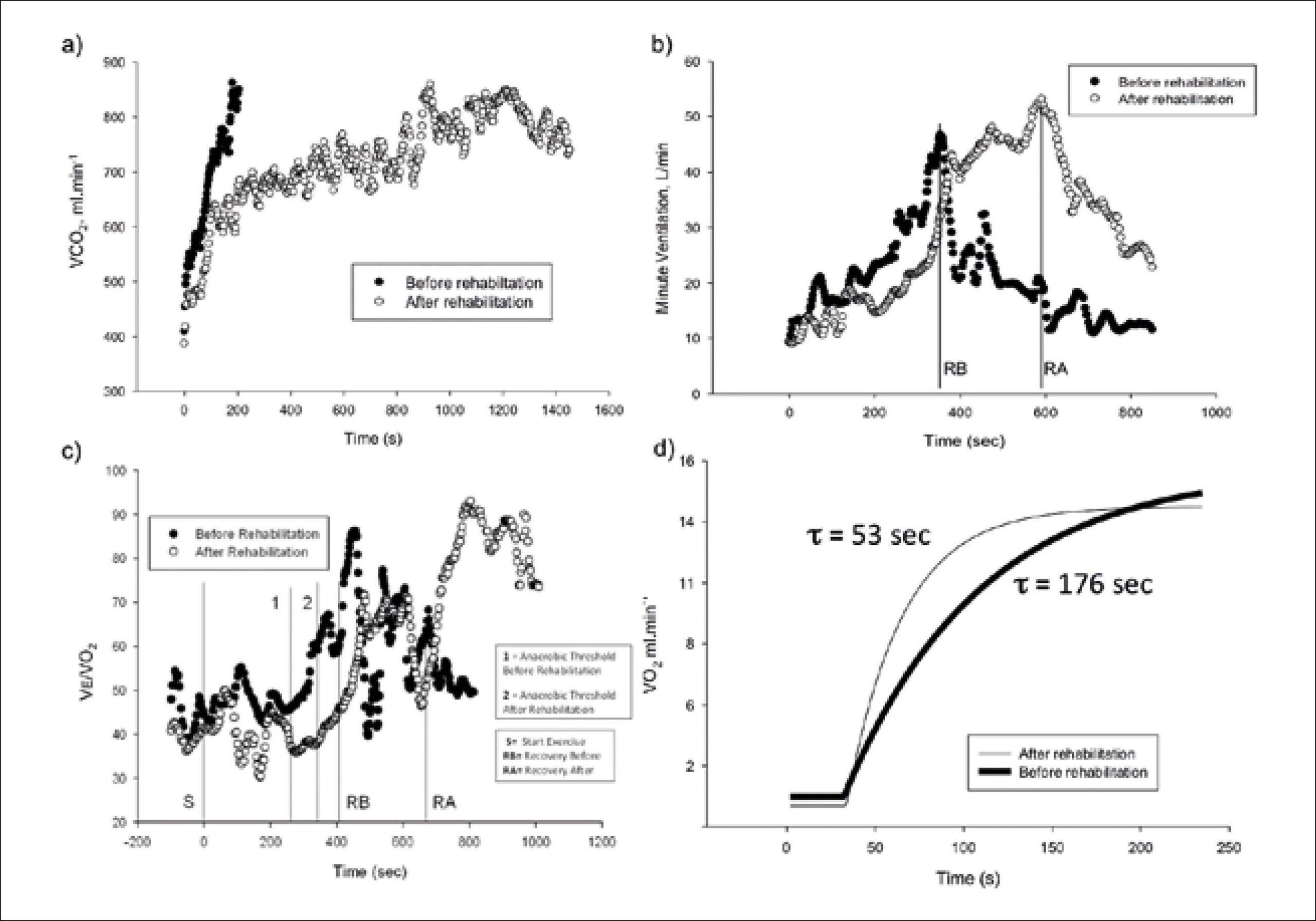
Retrospective study with 30 patients, of both genders, members of a 10-week CAT or HIIT program. The control group (CON) consisted of patients who did not participate voluntarily in the program. Peak oxygen uptake (VO2peak), thresholds (LV1 and LV2), and ventilatory efficiency in the production of dioxide (VE/VCO2 slope), oxygen uptake efficiency (OUES), and VO2 recovery kinetics were analyzed. A two-way or repeated measures ANOVA was used, followed by Fisher’s post-hoc test (p<0.05).

Results:

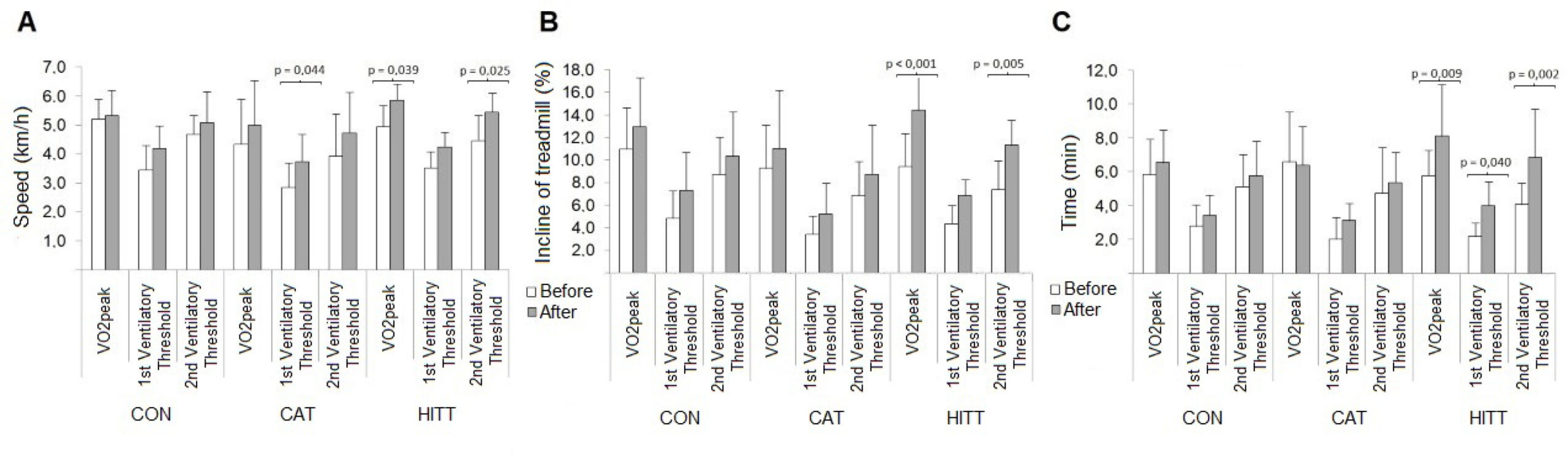
After 10 weeks of training, the CAT group increased the treadmill speed at LV1 (p=0.040), while the HIIT increased both the speed (p=0.030) and incline of the treadmill (p<0.001) for VO2peak and LV2, as well as the total time of the cardiopulmonary test. The VE/VCO2 slope was lower than that predicted for CAT (p=0.003) and HIIT (p=0.008). There was no change in VO2peak, recovery of heart rate (HR), and VO2, VE/VCO2, and OUES in both groups.

Conclusions:

After 10 weeks, both CAT and HIIT increased the tolerance to physical exercise. However, HIIT showed improvement in more parameters, differently from CAT.

  • Exercise Movement Techniques
  • Exercise Physical Exertion
  • Exercise Therapy
  • Heart Failure
  • Rehabilitation
Read Full Article
Creative Commons Attribution (CC BY) Creative Commons license
12/05/2021 DOI: 10.36660/ijcs.20200124 Views 1
ABC
Editorial

High-intensity Interval Training versus Continuous Exercise: Is There a Difference Regarding the Magnitude of Blood Pressure Reduction?

Filipe Ferrari et al. Vítor Magnus Martins

Short Editorial related to the article Acute Effect of Interval vs. Continuous Exercise on Blood Pressure: Systematic Review and Meta-Analysis

Systemic arterial hypertension (SAH) is strongly associated with adverse cardiovascular events, including heart failure, ischemic heart disease and cerebrovascular diseases.With a high prevalence worldwide, SAH is commonly associated with risk factors such as family history, obesity, high sodium intake and physical inactivity. Therefore, it is estimated that countries such as the United States and England have 1/3 of hypertensive individuals.In Brazil, specifically in 2016, a prevalence rate > 32% of SAH (36 million) was reported in adult individuals, being > 60% in the elderly. SAH contributed, directly or indirectly, to 50% of deaths from cardiovascular diseases.

[…]

  • Arterial Pressure
  • Exercise
  • Exercise Therapy
  • Heart Failure
  • Hypertension
  • Life Style
  • Post-Exercise Hypotension
  • Risk Factors
Read Full Article
Creative Commons Attribution (CC BY) Creative Commons license
07/08/2020 DOI: 10.36660/abc.20200261 Views 1
Figure 3
ABC
Original Article

Acute Effect of Interval vs. Continuous Exercise on Blood Pressure: Systematic Review and Meta-Analysis

Raphael José Perrier-Melo et al. Eduardo Caldas Costa Breno Quintella Farah Manoel da Cunha Costa

Abstract

Background

Continuous aerobic exercise (CE) is one of the main non-pharmacological recommendations for hypertension prevention and treatment. CE is safe and effective to reduce blood pressure chronically, as well as in the first few hours after its performance, a phenomenon known as post-exercise hypotension (PEH). Interval exercise (IE) also results in PEH.

Objective

This systematic review and meta-analysis sought to compare the magnitude of PEH between CE and IE in adults.

Methods

A systematic review of studies published in journals indexed in the PubMed, Web of Knowledge, Scopus and CENTRAL databases was performed until March 2020, which compared the magnitude of PEH between CE and IE. PEH was defined as between 45-60 minutes post-exercise. The differences between groups on blood pressure were analyzed using the random effects model. Data were reported as weighted mean difference (WMD) and 95% confidence interval (CI). A p-value <0.05 was considered statistically significant. The TESTEX scale (0-15) was used to verify the methodological quality of the studies.

Results

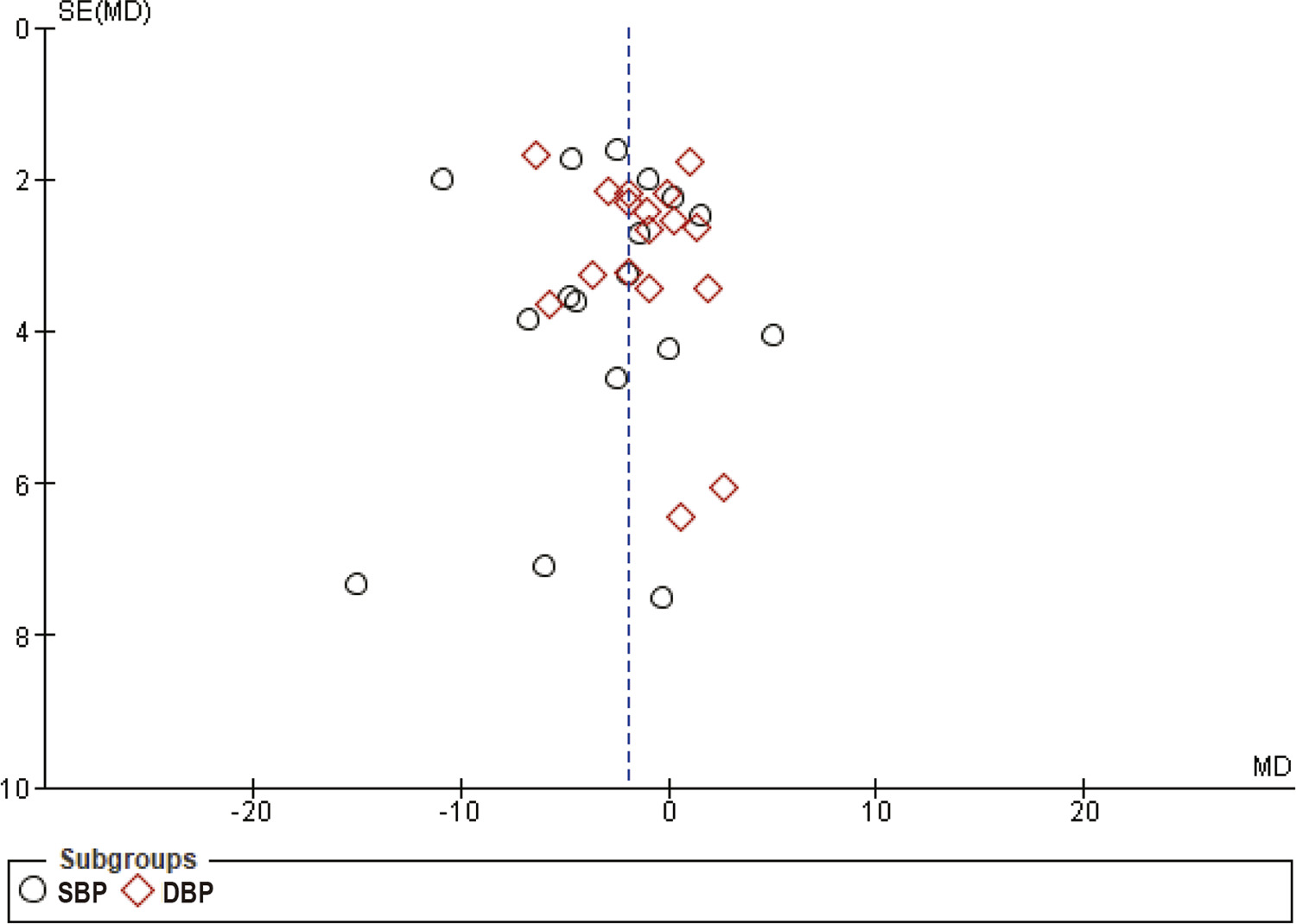
The IE showed a higher magnitude of PEH on systolic blood pressure (WMD: -2.93 mmHg [95% CI: -4.96, -0.90], p = 0.005, I2 = 50%) and diastolic blood pressure (WMD: -1,73 mmHg [IC95%: 2,94, -0,51], p= 0.005, I2= 0%) when compared to CE (12 studies, 196 participants). The scores of the studies on the TEXTEX scale varied from 10 to 11 points.

Conclusions

The IE resulted in a higher magnitude of PEH when compared to CE between 45 and 60 minutes post-exercise. The absence of adverse event data during IE and CE in the studies prevents comparisons of the safety of these strategies. (Arq Bras Cardiol. 2020; 115(1):5-14)

  • Blood Pressure
  • Exercise
  • Exercise Therapy
  • Hypertension
  • Post-Exercise Hypotension
  • Review
Read Full Article
Creative Commons Attribution (CC BY) Creative Commons license
07/08/2020 DOI: 10.36660/abc.20190107 Views 3
Figure 1
ABC
Original Article

Controlled Study of Central Hemodynamic Changes in Inspiratory Exercise with Different Loads in Heart Failure

Luana de Decco Marchese et al. Sergio Chermont Danielle Warol Lucia Brandão de Oliveira … Sabrina Bernardez Pereira Mônica Quintão Evandro Tinoco Mesquita

Abstract

Background

Inspiratory muscle weakness contributes to exercise intolerance and decreased quality of life in patients with heart failure. Studies with inspiratory muscle training show improvement in inspiratory muscle strength, functional capacity and quality of life. However, little is known about the central hemodynamic response (CHR) during inspiratory exercise (IE).

Objective

To evaluate CHR in a single IE session with different loads (placebo, 30% and 60%) in heart failure.

Methods

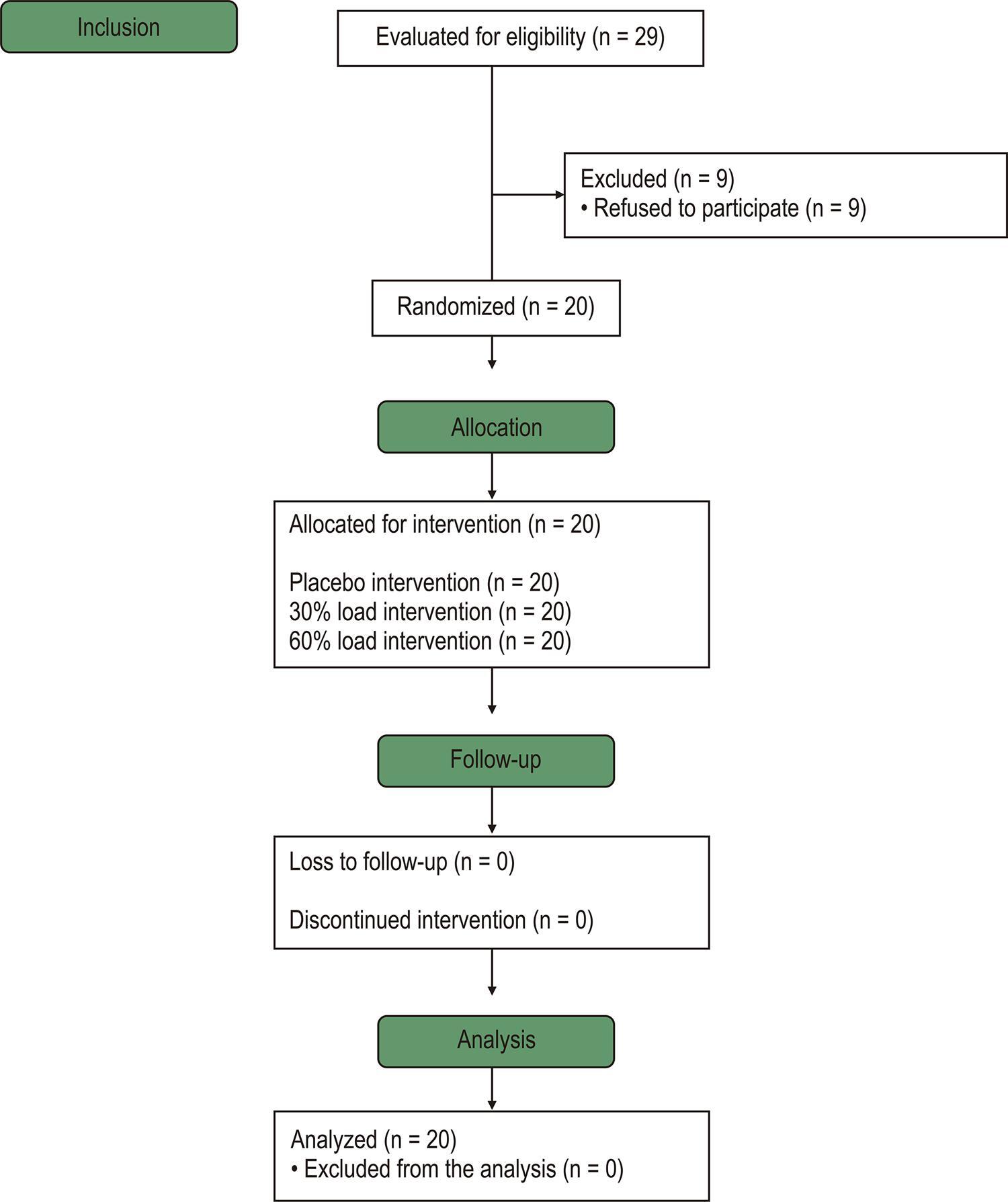
Randomized placebo-controlled clinical trial in patients with heart failure with reduced ejection fraction, functional class II and III. Twenty patients aged 65 ± 11 years completed a single session of inspiratory exercise, in 3 cycles of 15 minutes, with a 1-hour washout, involving loads of 30% (C30), 60% (C60) and placebo, using a linear load resistor (PowerBreathe Light). The noninvasive hemodynamic study was performed by cardiothoracic bioimpedance (Niccomo™ CardioScreen®). Statistical analysis was performed with Student’s t-test and Pearson’s correlation, and P≤0.05 was considered significant.

Results

An increase in heart rate (HR) was observed with C30 (64 ± 15 vs 69 ± 15 bpm; p = 0.005) and C60 (67 ± 14 vs 73 ± 14 bpm, p = 0.002). A decrease was observed in systolic volume (SV) with C30 (73 ± 26 vs 64 ± 20 ml; p = 0.004). Cardiac output (CO), on its turn, increased only with C60 (4.6 ± 1.5 vs 5.3 ± 1.7 l/min; p = -0.001).

Conclusion

When using the 60% load, in a single IE session, changes in CHR were observed. HR and CD increased, as did the Borg scales and subjective sensation of dyspnea. The 30% load reduced the SV. (Arq Bras Cardiol. 2020; 114(4):656-663)

  • Breathing Exercises
  • Exercise Movement Techniques
  • Exercise Therapy
  • Fatigue Syndrome, Chronic
  • Heart Failure
  • Hemodynamics
  • Muscle Weaknerss
  • Quality of life
Read Full Article
Creative Commons Attribution (CC BY) Creative Commons license
29/05/2020 DOI: 10.36660/abc.20180375 Views 1
Figure 1
IJCS
Original Article

CLINIMEX Aerobic Fitness Questionnaire: Proposal and Validation

Claudio Gil S. Araújo et al. Claudia Lucia Castro João Felipe Franca Christina Grüne de Souza e Silva

Abstract

Background:

Cardiorespiratory (aerobic) fitness is strongly and directly related to major health outcomes, including all-cause mortality. Maximum oxygen uptake (VO2max), directly measured by maximal cardiopulmonary exercise test (CPET), represents the subject’s aerobic fitness. However, as CPET is not always available, aerobic fitness estimation tools are necessary.

Objectives:

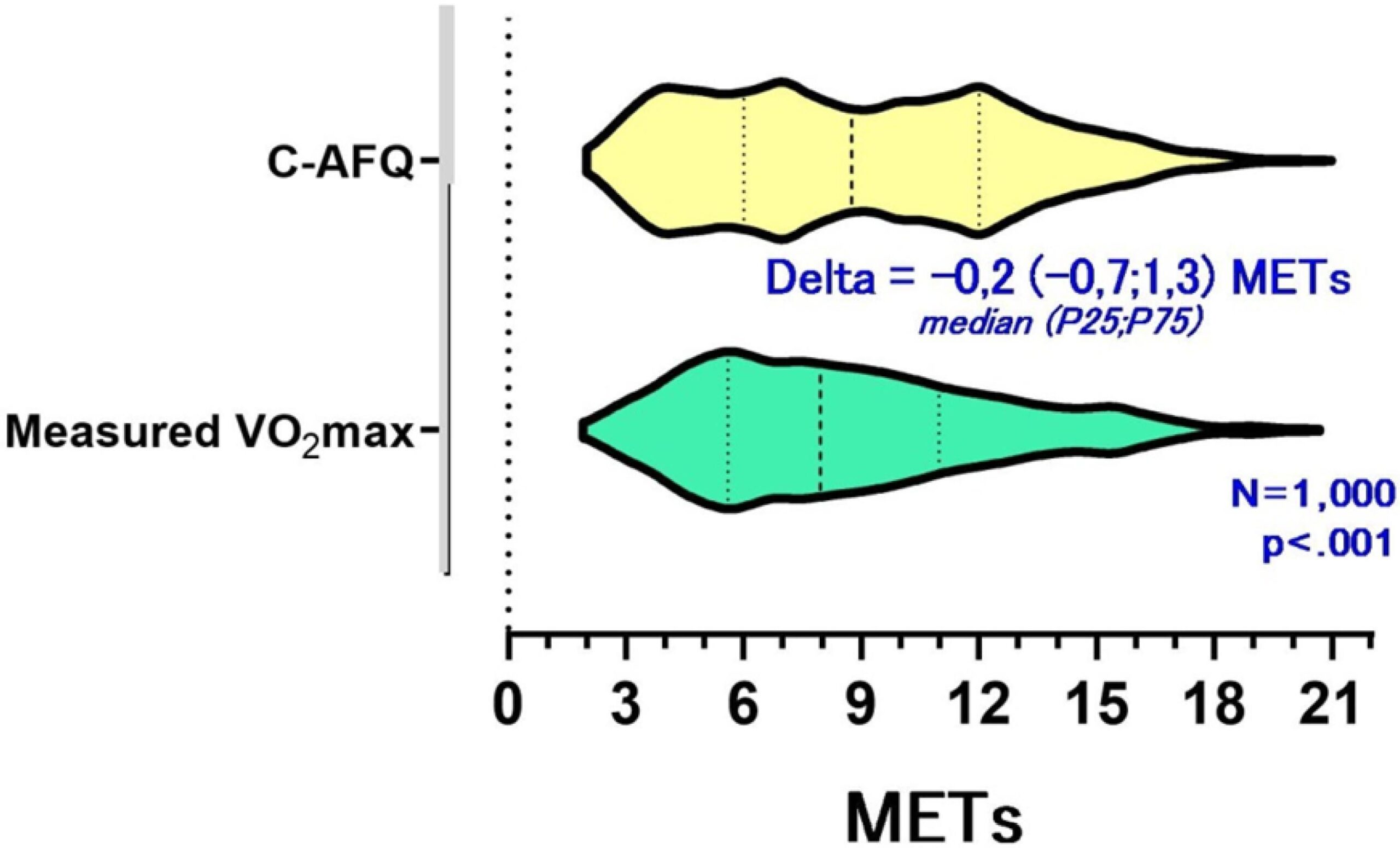
a) to propose the CLINIMEX Aerobic Fitness Questionnaire (C-AFQ); b) to validate C-AFQ against measured VO2max; and c) to analyze the influence of some potentially relevant variables on the error of estimate.

Methods:

We prospectively studied 1,000 healthy and unhealthy subjects (68.6% men) aged from 14 to 96 years that underwent a CPET. The two-step C-AFQ describes physical activities with corresponding values in metabolic equivalents (METs) – ranging from 0.9 to 21 METs.

Results:

Application of C-AFQ took less than two minutes. Linear regression analysis indicated a very strong association between estimated (C-AFQ) and measured (CPET) maximal METs – r2 = 0.83 (Sy.x = 1.63; p < .001) – with median difference of only 0.2 METs between both values and interquartile range (percentiles 25 and 75) of 2 METs. The difference between estimated and measured METs was not influenced by age, sex, body mass index, clinical condition, ß-blocker use or sitting-rising test scores.

Conclusion:

C-AFQ is a simple and valid tool for estimating aerobic fitness when CPET is unavailable and it is also useful in planning individual ramp protocols. However, individual error of estimate is quite high, so C-AFQ should not be considered a perfect substitute for CPET’s measured VO2max.

  • Breathing Exercises
  • Exercise
  • Exercise Test
  • Exercise Therapy
  • Health Impact
  • Surveys and Questionnaires
  • Validation Studies
Read Full Article
Creative Commons Attribution (CC BY) Creative Commons license
12/08/2019 DOI: 10.5935/2359-4802.20190064 Views 1
Figure 1
IJCS
Original Article

Physical Activity and Incidence of Atrial Fibrillation – Systematic Review and Meta-Analysis

Daniel Carlos Garlipp et al. Raphael Boesche Guimaraes Simone Louise Savaris Clovis Froemming Junior … Oscar Dutra Tiago Luiz Luz Leiria

Abstract

Background:

The relationship between exercise and atrial fibrillation (AF) is controversial.

Objectives:

To analyze the effects of physical activity on the incidence of atrial fibrillation using systematic review and meta-analysis.

Methods:

Systematic review and meta-analysis of studies that relate physical exercise and atrial fibrillation. The following databases were searched: PubMed, BVS Saúde and Cochrane. The following descriptors were used: “atrial fibrillation”, “exercise”, “physical activity” and “exercise therapy”. All prospective, retrospective, cross-sectional and cohort studies were investigated. All statistical analyzes were provided using Review Manager 5.3 to provide the mean difference (MD) and relative risk (RR) ratio with 95% confidence intervals (95% CI). The statistical method of heterogeneity index was used to assess heterogeneity. Level of significance was 5%.

Results:

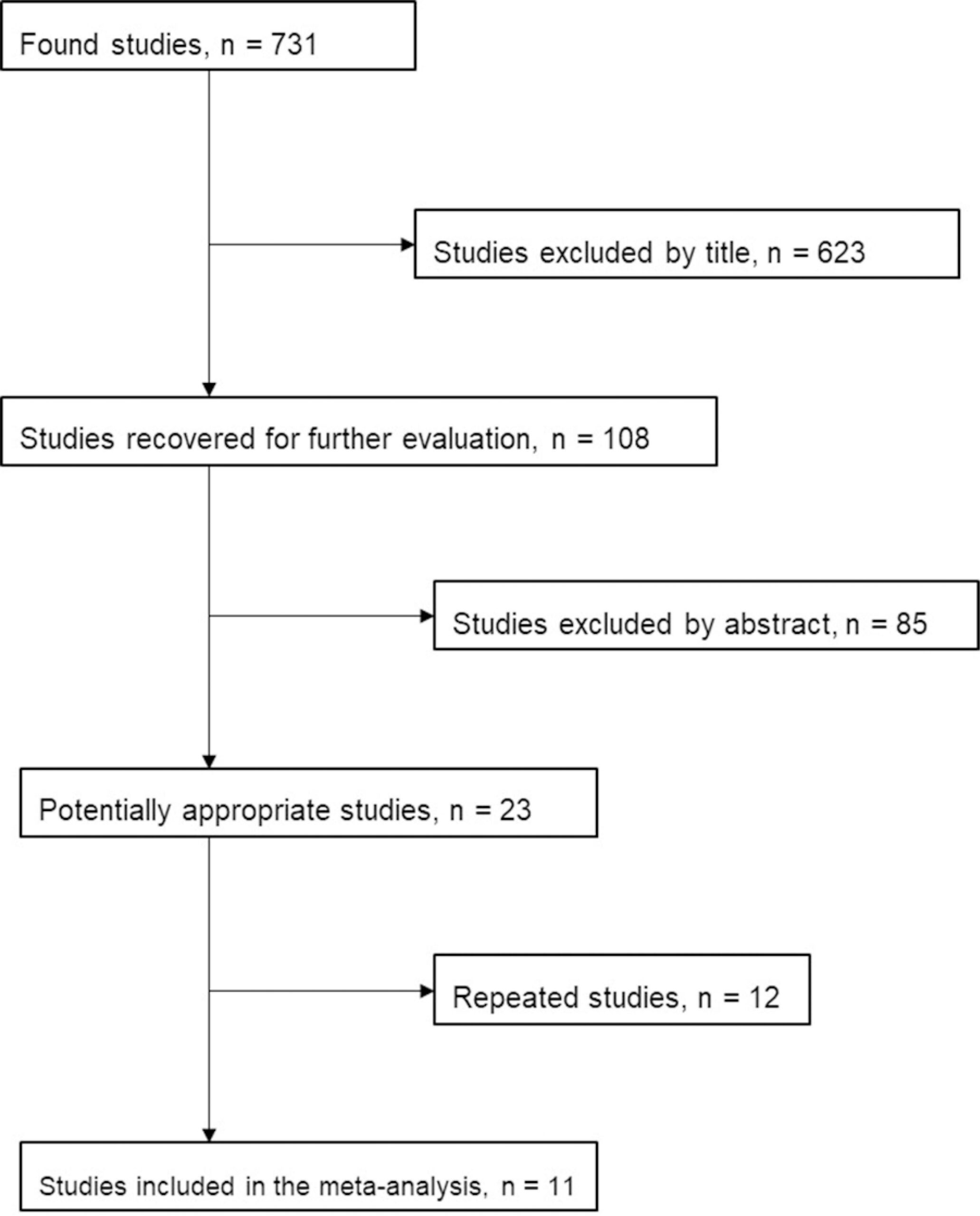
Combined analysis of 11 studies totaling 276,323 participants aged between 12 and 90 years did not suggest a significant increase in AF in individuals submitted to physical exercise (RR = 0.914, 95% CI = 0.833-1.003, heterogeneity: p < 0.001).

Conclusions:

Physical exercise, lato sensu, without stratification by intensity, sex or age does not seem to be associated with an increase of atrial fibrillation.

  • Asthma
  • Atrial Fibrillation
  • Cardiorespiratory Fitness
  • Exercise
  • Exercise Therapy
  • Meta-Analysis as Topic
  • Review
Read Full Article
Creative Commons Attribution (CC BY) Creative Commons license
12/08/2019 DOI: 10.5935/2359-4802.20190055 Views 2
IJCS
Viewpoint

Exercise, Sports & Cardiovascular Health: Relevant Questions and Answers

Claudio Gil Araujo et al. Barry Franklin Jari Laukkanen Jonathan Myers … Josef Niebauer Jurgen Scharhag Philip J. Millar

Introduction

Currently, it is quite common for a clinical cardiologist to be questioned about exercise and sports, topics that are rarely discussed during formal medical education. In this regard, there is a clear need to access high-quality data and evidence-based information to give patients and family members the best advice.

Aiming to present the state-of-the art scientific information on the topic, we have invited several experts from different countries, all of them “knowledge-producers” in exercise and sports cardiology, to contribute with their expertise by answering specific and relevant questions in the matter. The answers were limited to about 250 words and they were asked to preferentially refer to their own publications.

[…]

  • Exercise
  • Exercise Movement Techniques
  • Exercise Therapy
  • Hypertension
  • Muscle Strenght
  • Preventive Health Care
  • Sports
Read Full Article
Creative Commons Attribution (CC BY) Creative Commons license
12/08/2019 DOI: 10.5935/2359-4802.20190060
Figure 1
IJCS
Review Article

Measuring Heart Rate During Exercise: From Artery Palpation to Monitors and Apps

Marcos Almeida et al. Altamiro Bottino Plínio Ramos Claudio Gil Araujo

Abstract

The use of technology has increased tremendously, by means of more reliable, smaller, more accessible and specially more user-friendly devices, which provide a wider range of features, and promote significant benefits for the population and health professionals. It is in this context that monitors and apps for heart rate (HR) measurement have emerged. HR is a clinical vital sign of diagnostic and prognostic importance. In response to body movement, HR tends to increase, in a direct relationship with the intensity of exercise. HR was primarily measured by the count of arterial pulse, and recently, HR can be precisely measured by monitors, bracelets and smartphone apps capable to perform real-time measurements and storage of data. This paper aimed to make a brief and updated review on the theme, providing a broader view of advantages and limitations of these resources for HR measurement in exercise. HR monitors and apps use basically two types of technology, optical sensor (photoplethysmography) and electrical signal from the heart. In general, these devices have shown good accuracy in measuring HR and HR variability at rest, but there are differences between brands and models considering the type, mode and intensity of exercise. HR measurements by monitors and smartphone apps are simple, accessible and may help cardiologists in the monitoring of the intensity of aerobic exercise, focusing on health promotion and on primary and secondary prevention of cardiovascular diseases.

  • Exercise
  • Exercise Therapy
  • Fitness Trackers
  • Heart Rate, Palpation
  • Monitoring, Physiologic
Read Full Article
Creative Commons Attribution (CC BY) Creative Commons license
12/08/2019 DOI: 10.5935/2359-4802.20190061 Views 2
Jorge Pinto Ribeiro: a True Icon of Exercise Physiology and Cardiology
IJCS
Brief Communication

Jorge Pinto Ribeiro: a True Icon of Exercise Physiology and Cardiology

Ricardo Stein

The initiative to make an edition dedicated to a certain area of knowledge in a scientific journal is always a major challenge full of hard work. Original articles, reviews and / or special cases in the field are expected and the best experts in the subject are those that the editor hopes to be able to count. This edition of the International Journal of Cardiology Science, headed by Dr. Claúdio Gil Soares de Araújo, is focused on physical exercise and its pages contain different articles on the matter. Probably, I was invited to contribute because I work and publish in the sports and exercise cardiology field, besides the fact that I am the Associate-Editor for exercise and rehabilitation of the Arquivos Brasileiros de Cardiologia. By the way, when the invitation letter arrived, I immediately accepted it, but wondered what my ideal contribution might be. Thus, over five days I glimpsed different possibilities, until one early morning, while running an insight came: Jorge Pinto Ribeiro!!! Nothing is fairer to remember than a professor and scientist with more than 150 publications, at least half of them in the exercise physiology/cardiology area. So, with the support of the International Journal of Cardiology Science Editors I was able to go through a few lines with a sense of affection and sadness, as long as many years have passed since this cardiology “giant” passed way. It is amazing to mention that, despite the hiatus of more than 6 years since his death, he continues to publish: at least three articles with his name can be found at Pubmed in the year 2018… and two, in this Edition!!! Well, but who was the Jorge Pinto Ribeiro I met? The differential started with the name. At least for me an affirmative name. A name that always sounded strong, announcing that behind these 17 letters, Jorge Pinto Ribeiro, came a winner. No, actually, he was a champion. A champion at home, at work, at leisure, a blessed champion with unified qualities in a rare individual, a true winner. A man who was always offering the hand to help others on their achievements. Yes, he was the owner of this name, a person who at the height of his 57 years, in the distant year of 2012, left us. Indeed, after a Herculean fight against a rare disease, the flame of his intense and successful life was extinguished. Actually, his early departure left an enormous emptiness and deep longing in relatives, friends, colleagues, students and patients. However, we who know him well always remember his energy, his production, his life as a husband, father, brother, doctor, teacher… as a friend!!! Is evident, he was a man who lived the life. In short, as a brilliant cardiologist and one of the most talented scientists in exercise physiology/cardiology ever, Jorge Pinto Ribeiro certainly is reading the International Journal of Cardiology Science pages delighted and smiling.

Ricardo “Pinto Ribeiro” Stein

[…]
  • Cardiac Rehabilitation/trends
  • Exercise Therapy
  • Exercise/physiology
  • Sports/trends
Read Full Article
Creative Commons Attribution (CC BY) Creative Commons license
12/08/2019 DOI: 10.5935/2359-4802.20190046 Views 1
IJCS
Editorial

Continuous Aerobic and High-Intensity Interval Exercise: Which one Produces greater Post-Exercise Hypotension?

André L. Teixeira and Lauro C. Vianna

Exercise training is a key recommendation for maintenance of a healthy life style. It is well established that regular physical exercise provides innumerous physiological and psychological benefits not only to young healthy subjects, but also individuals with diabetes, heart failure, Parkinson disease, multiple sclerosis, claudication, autonomic failure, hypertension, among others. A well-documented physiological response to exercise is called post-exercise hypotension (PEH), in which a single bout of exercise leads to a decrease in arterial blood pressure. The first study showing PEH was published in 1898 by Dr. L. Hill. Thereafter, several authors confirmed these results showing that a single bout of exercise can reduce arterial blood pressure below pre-exercise values. However, one question that remains to be answered is which exercise modality produces greater PEH?

Previous studies have shown that continuous aerobic (CONT) exercise, high-intensity interval (HIIE) training, isometric exercise and resistance-based exercise can lead to a PEH. Studies comparing CONT and HIIE showed that the magnitude of PEH was slightly superior following HIIE compared with CONT exercise., However, in these studies, the exercise protocols were not matched by volume. This is important because longer exercise duration and higher-intensity exercise results in greater decreases in arterial blood pressure and longer PEH duration when compared with a short bout of low-intensity exercise.,

[…]

  • Blood Pressure
  • Exercise Therapy
  • Hypertension/diagnosis
  • Hypertension/physiopathology
  • Hypertension/therapy, Physical Endurance
  • Time Factors
  • Treatment Outcome
Read Full Article
Creative Commons Attribution (CC BY) Creative Commons license
01/01/2019 DOI: 10.5935/2359-4802.20180104
ABC
Editorial

High Intensity Exercises in Heart Failure with Preserved Ejection Fraction

Artur Haddad Herdy et al. Magnus Benetti

Introduction

Heart failure with preserved ejection fraction (HFpEF) comprises several pathologies that present with variable degrees of dyspnea, high filling pressures, structural or diastolic alterations and great limitation to exercise. HFpEF can represent up to 50% of cases of hospital admissions due to decompensated heart failure (HF).

Hypertension and obesity are conditions frequently associated with HFpEF and the adequate management of these two pathologies are essential for the treatment of this syndrome. One of the main characteristics of patients with HFpEF is the intolerance to exercise at different degrees and through diverse mechanisms.

[…]

  • Breating Exercises
  • Exercise
  • Exercise Therapy
  • Heart Failure
  • Obesity
  • Stroke Volume
Read Full Article
Creative Commons Attribution (CC BY) Creative Commons license
01/11/2018 DOI: 10.5935/abc.20180225 Views 1
ABC
Editorial

Endothelial Function and Physical Exercise

Luana Urbano Pagan et al. Mariana Janini Gomes Marina Politi Okoshi

The endothelium is considered an active and dynamic tissue with important properties such as maintenance of blood circulation, regulation of vascular tone, microvascular permeability, signaling, and vascular angiogenesis and inflammatory response. The endothelium allows the connection among components of the circulation and body systems. Endothelial cells produce and, depending on the stimulus received, release factors that lead to vascular smooth muscle cells contraction or relaxation. Vascular tone control by the endothelium is modulated by the production and release of mediators such as nitric oxide, prostacyclins, prostaglandins, thromboxane, angiotensin II, endothelin-1 and reactive oxygen species. Under physiological conditions, these factors are balanced. Imbalance in the production of substances by the endothelium leads to triggering and progression of several conditions and diseases such as ischemia, thrombosis, atherosclerosis, arterial hypertension, inflammation and tumor growth., Therefore, vascular endothelial dysfunction is an important pathophysiological factor in human diseases.

Endothelial dysfunction is mainly characterized by changes in endothelial actions involving the reduction of vasodilation and the induction of a pro-inflammatory or prothrombotic state. Due to its clinical importance, endothelial dysfunction is considered an independent predictor of cardiovascular risk. In addition, it can also be observed in non-cardiovascular diseases, such as rheumatic and autoimmune diseases.

[…]

  • Cardiovascular Diseases
  • Endothelium, Vascular / physiopathology
  • Exercise Therapy
  • Nitric Oxide
  • Rats
  • Vascular Tonus
Read Full Article
Creative Commons Attribution (CC BY) Creative Commons license
01/10/2018 DOI: 10.5935/abc.20180211 Views 1
ABC
Editorial

Hypertension and Exercise: A Search for Mechanisms

Bertha F. Polegato et al. Sergio A. R. de Paiva

Arterial hypertension is a chronic disease that affects approximately 40% of the population, with higher incidence at older ages. Arterial hypertension is a risk factor for other cardiovascular diseases, such as heart failure, stroke, atherosclerosis and also chronic renal disease. It is estimated that more than 50% of deaths from coronary diseases and stroke occur in hypertensive patients; for this reason, hypertension produces high costs in health and constitutes a public health problem. In this context, the development of nonpharmacological therapies is a cost-effective strategy with few side effects, that helps in the prevention of comorbidities, such as diabetes and obesity, and increases the cardiovascular risk of the patient. Among nonpharmacological strategies, physical exercise deserves consideration.

Rodrigues et al., in the study published in this issue of Arquivos Brasileiros de Cardiologia, evaluated the effect of moderate aerobic exercise on a treadmill in spontaneously hypertensive rats. The animals ran at 18-22m/min for 60 minutes, five times a week, for eight weeks. The study confirmed the anti-hypertensive effects of aerobic exercise, as already reported previously. More recently, other types of exercise in addition to aerobic training, such as resistance and interval training, have been shown to be promising in preventing hypertension. Prescription of physical exercise for the treatment and prevention of hypertension is well established, and more recent guidelines for the treatment of hypertension strongly recommend exercise as a therapeutic option.,

[…]

  • Exercise
  • Exercise Therapy
  • Hypertension / prevention & control
  • Hypertension/physiopathology
  • MicroRNAs/genetics
  • Molecular Targeted Therapy
Read Full Article
Creative Commons Attribution (CC BY) Creative Commons license
01/08/2018 DOI: 10.5935/abc.20180146 Views 1
IJCS
Original Article

Influence of Pulmonary Rehabilitation on Clinical Characteristics in Patients with Chronic Heart Failure and Chronic Obstructive Pulmonary Disease

Ganna S. Smyrnova et al. Tetiana M. Babkina Gennadii G. Taradin Mykola T. Vatutin

Abstract

Background:

The improvement of treatment strategies in patients with chronic obstructive pulmonary disease (COPD) and especially with comorbid pathology should provide rational conversion of standard schemes of therapy and rehabilitation in accordance with their clinical, pathogenic, functional and economic feasibility.

Objective:

To assess the influence of pulmonary rehabilitation on clinical characteristics in patients with chronic heart failure (CHF) and concomitant COPD.

Methods:

The study included 102 patients with CHF and concomitant COPD (males, 62%; mean age, 68.2 ± 4.5 years). All patients were divided into two groups: control group (CG) (n = 54), received only standard therapy of CHF and COPD; and intervention group (IG) (n = 48) were additionally taught the full yogic breathing as a program of pulmonary rehabilitation. Calculation of points by clinical evaluation scale (CES), assessment of CHF functional class (FC) (NYHA) and 6-minute walk test (6MWT – with the evaluation of dyspnea by the Borg scale) were performed in all patients on admission to the department and at discharge. Significant association was defined by p value < 0.05.

Results:

At baseline, there were no significant differences in clinical characteristics of the patients and studied parameters between the groups. At discharge both groups showed significant reduction of dyspnea by the Borg scale (in CG: from 7.2 ± 0.8 points to 5.2 ± 0.3; in IG: from 7.4 ± 0.6 points to 3.2 ± 0.4), the number of points by CES (in CG: from 10.8 ± 0.3 points to 7.2 ± 0.4; in IG: from 10.7 ± 0.6 points to 5.9 ± 0.6). Increase in exercise tolerance (by the distance of 6MWT) was observed in both groups (in CG: from 215 ± 24 m to 275 ± 22 m; in IG: from 219 ± 21 m to 308 ± 24 m). The changes were more significant in IG compared to CG. We observed the prominent decrease in CHF FC and length of hospital stay in IG.

Conclusions:

Application of full yogic breathing as the program of pulmonary rehabilitation in addition to standard therapy of the patients with CHF and COPD is associated with a significant decrease in CHF FC, an increase in exercise tolerance and a reduced length of hospital stay.

  • Cardiac Insufficiency / physiopathology
  • Exercise Therapy
  • Oxygen Consumption
  • Pulmonary Disease, Chronic Obstructive / rehabilitation
Read Full Article
Creative Commons Attribution (CC BY) Creative Commons license
30/07/2018 DOI: 10.5935/2359-4802.20180051
Figure 1
IJCS
Original Article

Superior Cardiovascular Effect of the Periodized Model for Prescribed Exercises as Compared to the Conventional one in Coronary Diseases

Rafael Michel de Macedo et al. Ana Carolina Brandt de Macedo Jose R. Faria-Neto Costantino R. Costantini … Costantino O. Costantini Marcia Olandoski Flavio Sebastião Neto Rafael P. da Silveira Katherine A. Teixeira de Carvalho Luiz Cesar Guarita-Souza

Abstract

Background:

Physical exercise improves the survival and quality of life of coronary patients, but the ideal way of prescribing these exercises is still controversial.

Objective:

To create a new periodized model for the prescription of exercises for coronary patients and compare it with a conventional model.

Methods:

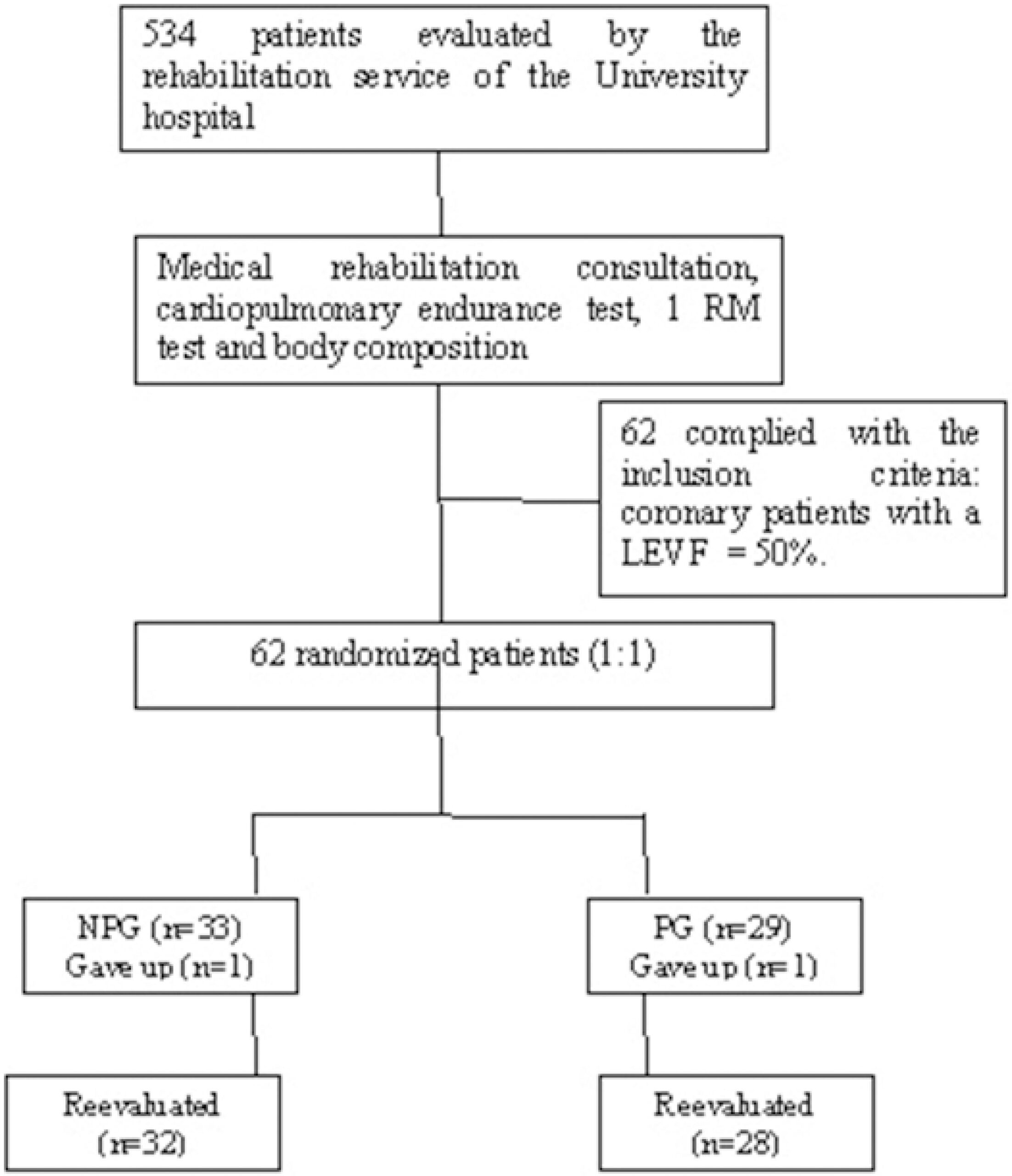
62 coronary patients under pharmacological treatment were randomized into two groups: conventional (NPG, n = 33) and periodized (PG, n = 29) training. The two groups were submitted to the same exercises during the 36 sessions making up the program, but prescribed in different ways. All patients underwent an evaluation consisting of: medical admission consultancy, cardiopulmonary endurance testing, 1 maximum repetition test (1MR) and body composition evaluation.

Results:

The VO2 peak improved in both groups, although more effectively in the PG (4% against 1.7%, p < 0.001). In addition, the functional capacity of this group improved by 13%, and there was a significant reduction in the percent body fat (2.1%, p < 0.005) and body weight (1.9 kg, p < 0.005). The muscle strength of both groups improved as diagnosed by the 1RM test for six different muscle groups (quadriceps, hamstrings, brachial biceps, brachial triceps, pectoral and large dorsal), and showed no significant difference between the groups, evidencing that the two models had the same efficiency.

Conclusions:

The present study showed that periodization of the training of cardiac patients can improve their cardiorespiratory capacity and reduce the percent body fat more effectively than the conventional one.

  • Coronary Artery Disease/physiopathology
  • Exercise
  • Exercise Movement Techniques
  • Exercise Therapy
  • Percutaneous Coronary Intervention
Read Full Article
Creative Commons Attribution (CC BY) Creative Commons license
01/01/2018 DOI: 10.5935/2359-4802.20180036 Views 2
Figure 1
ABC
Case Report

Multiple Benefits of Rehabilitation in a Patient with Heart and Renal Failure

Carlos Alberto Cordeiro Hossri et al. Fernando José Pinho Queiroga Júnior Vitor Oliveira Carvalho Carlos Roberto Ribeiro Carvalho Andre Luis Pereira Albuquerque

Introduction

Heart failure is associated with high mortality and significantly reduced exercise capacity in many cases, despite medical treatment. Patients may present also renal failure, one of the most important comorbidities, which contributes even more to a poor prognosis, especially in patients who are already attending dialysis sessions . Reduction of renal function occurs in approximately 25% of patients with chronic heart failure, regardless the severity of left ventricular dysfunction .

Exercise training is formally recommended as a safe non-pharmacological intervention in stable heart failure ,. Nevertheless, many patients in severe stage are extremely symptomatic and consider themselves as incapable to attend an exerce training program. The association of heart failure and renal failure in use of continuous ambulatory peritoneal dialysis makes this attendance even more complicated. The physicians also are insecure and resistant to recommend cardiopulmonary rehabilitation for a patient with such important impairment.

[…]

  • Exercise
  • Exercise Therapy
  • Heart failure / rehabilitation
  • Renal Insufficiency / rehabilitation
Read Full Article
Creative Commons Attribution (CC BY) Creative Commons license
01/11/2014 DOI: 10.5935/abc.20140127 Views 1
Figure 1
ABC
Review Article

Effects of Yoga in Patients with Chronic Heart Failure: A Meta-Analysis

Mansueto Gomes-Neto et al. Erenaldo Sousa Rodrigues-Jr Walderi Monteiro Silva-Jr Vitor Oliveira Carvalho

The use of yoga as an effective cardiac rehabilitation in patients with chronic heart failure (CHF) remains controversial.

We performed a meta-analysis to examine the effects of yoga on exercise capacity and health-related quality of life (HRQOL) in patients with CHF. Methods: We searched MEDLINE, Cochrane Central Register of Controlled Trials, Excerpta Medica database, LILACS, Physiotherapy Evidence Database, The Scientific Electronic Library Online, and Cumulative Index to Nursing and Allied Health (from the earliest date available to December 2013) for randomized controlled trials (RCTs) examining the effects of yoga versus exercise and/or of yoga versus control on exercise capacity (peakVO2) and quality-of-life (HRQOL) in CHF. Two reviewers selected studies independently. Weighted mean differences (WMDs) and 95% confidence intervals (CIs) were calculated, and heterogeneity was assessed using the I2 test.

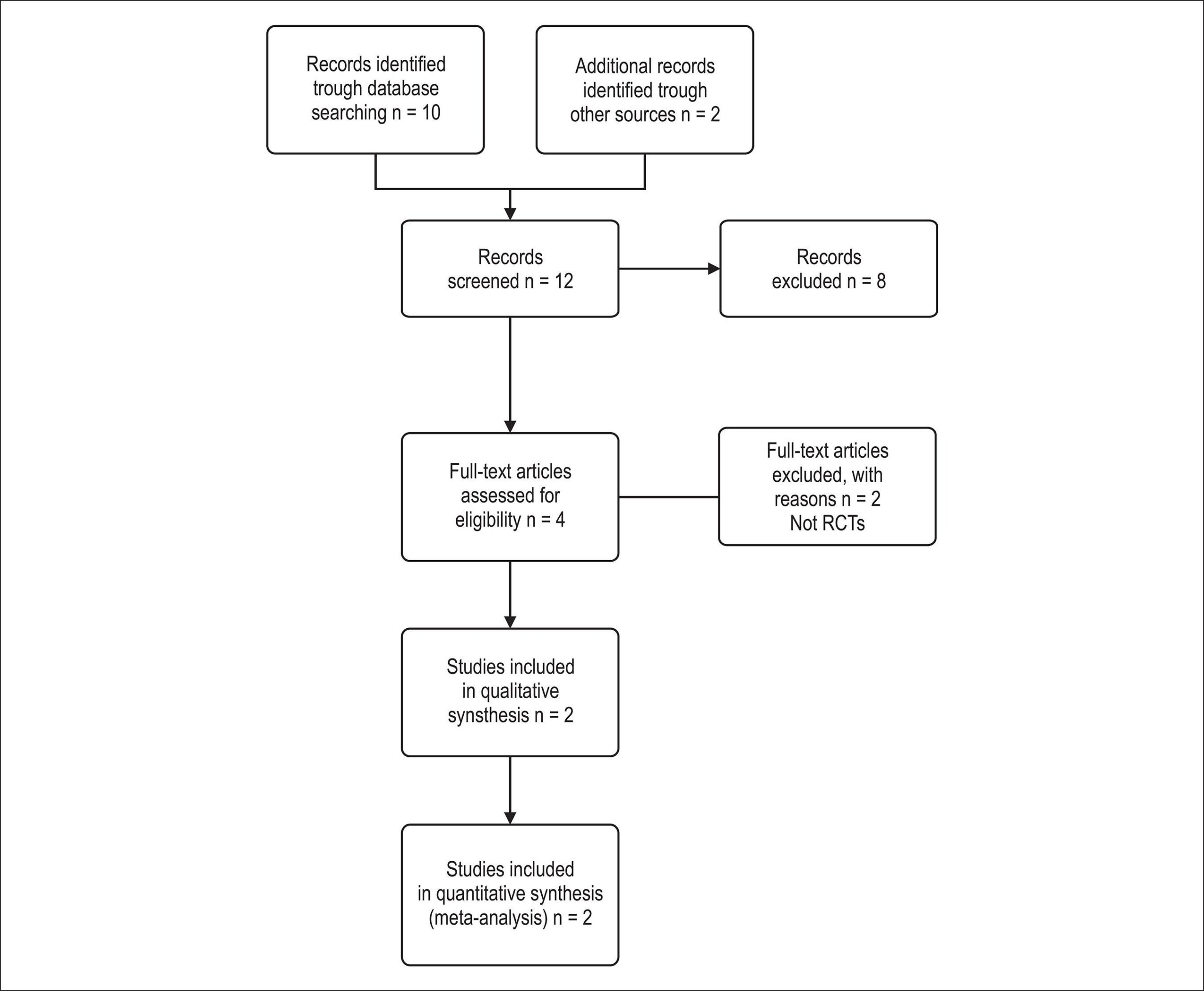
Two studies met the selection criteria (total: 30 yoga and 29 control patients). The results suggested that yoga compared with control had a positive impact on peak VO2 and HRQOL. Peak VO2, WMD (3.87 95% CI: 1.95 to 5.80), and global HRQOL standardized mean differences (-12.46 95% CI: -22.49 to -2.43) improved in the yoga group compared to the control group.

Yoga enhances peak VO2 and HRQOL in patients with CHF and could be considered for inclusion in cardiac rehabilitation programs. Larger RCTs are required to further investigate the effects of yoga in patients with CHF.

  • Complementary Therapies/utilization
  • Exercise Therapy
  • Heart Failure
  • Meta-Analysis
  • Yoga
Read Full Article
Creative Commons Attribution (CC BY) Creative Commons license
10/10/2014 DOI: 10.5935/abc.20140149
ABC
Artigo Original

Evaluation of prescription of exercise, for rehabilitation of coronary artery disease patients by myocardial scintigraphy

Romeu S. Meneghelo et al. Hélio M. Magalhães Paola E. P. Smanio Angela R. C. N. Fuchs … Almir S. Ferraz Rica D. D. Buchler Susimeire Buglia Luiz E. Mastrocolla Anneliese F. Thom

BACKGROUND: It is advisable that the intensity of the exercises for rehabilitation of patients with coronary artery disease does not cause myocardial ischemia. OBJECTIVE: Compare the capacity of myocardial tomographic scintigraphy with the electrocardiogram capacity in ischemia detection during rehabilitation session. METHODS: Twenty six patients with coronary artery disease, undergoing the rehabilitation program and with previous scintigraphy, with transient hypo-uptake have been administered a new injection of MIBI-Tc-99m during a training session when they were also monitored with dynamic electrocardiography. The rest scintigraphies, after ergometric treadmill test and rehabilitation session, were assessed in a semi-quantitative way using scores from 0 to 4 to classify each one of the chosen segments (0 = normal; 1 = discrete hypo-uptake; 2 = moderate; 3 = intense; 4 = lack of uptake). RESULTS: The means of the total scores found were: at rest = 12.9; after treadmill test = 19.3; after rehabilitation session = 15.1. There were statistically significant differences among them. An individual assessment showed that in 14 cases (53.8 %) hypo-uptake to some degree was identified during rehabilitation and in 12 cases (46.6%) it was not. Monitoring with the Holter system didn’t show in any of the cases a ST segment depression equal or greater than 1mm. CONCLUSION: The exercises prescribed for patients with coronary artery disease, according to recommendations found in the literature, may trigger myocardial ischemia, assessed by scintigraphy during a rehabilitation session.

  • Coronary Disease
  • Exercise Therapy
  • Myocardial Ischemia
  • Radionuclide Imaging
  • Technetium
Read Full Article
Creative Commons Attribution (CC BY) Creative Commons license
11/11/2008 DOI: 10.1590/S0066-782X2008001600007 Views 1

How to cite this article

EndNote RIS

Electronic Document Format (Vancouver)

Nery RM, Santos AC, Garcia EL. Exercise-Based Cardiac Rehabilitation (ECBR): New Frontiers in the Post-Novel Coronavirus. Arquivos Brasileiros de Cardiologia 2023;120(3):e20230120.

Electronic Document Format (ABNT)

Nery, Rosane Maria; Santos, Antonio Cardoso dos; Garcia, Eduardo Lima. Exercise-Based Cardiac Rehabilitation (ECBR): New Frontiers in the Post-Novel Coronavirus. Arquivos Brasileiros de Cardiologia, v. 120, n. 3, e20230120, Apr. 2023.

Electronic Document Format (APA)

Nery, R. M., Santos, A. C. , & Garcia, E. L. (2023). Exercise-Based Cardiac Rehabilitation (ECBR): New Frontiers in the Post-Novel Coronavirus. Arquivos Brasileiros de Cardiologia, 120(3), e20230120.

Electronic Document Format (ISO)

Nery, Rosane Maria and Santos, Antonio Cardoso dos and Garcia, Eduardo Lima. Exercise-Based Cardiac Rehabilitation (ECBR): New Frontiers in the Post-Novel Coronavirus. Arquivos Brasileiros de Cardiologia [online]. 2023, vol. 120, n. 3, [cited 2026-10-15], e20230120. Available from: <https://journals.cardiol.br/en/article/exercise-based-cardiac-rehabilitation-ecbr-new-frontiers-in-the-post-novel-coronavirus/>. ISSN 0066-782X

EndNote RIS

Electronic Document Format (Vancouver)

Ribeiro PAB, Gradassi M, Martin S, Leenknegt J, Baudet M, Le V, Pomey M, et al. Clinical Implementation of Different Strategies for Exercise-Based Rehabilitation in Kidney and Liver Transplant Recipients: A Pilot Study. Arquivos Brasileiros de Cardiologia 2022;119(2):246-54.

Electronic Document Format (ABNT)

Ribeiro, Paula A. B.; Gradassi, Mathieu; Martin, Sarah-Maude; Leenknegt, Jonathan; Baudet, Mathilde; Le, VyVan; Pomey, Marie-Pascale; Räkel, Agnes; Tournoux, François. Clinical Implementation of Different Strategies for Exercise-Based Rehabilitation in Kidney and Liver Transplant Recipients: A Pilot Study. Arquivos Brasileiros de Cardiologia, v. 119, n. 2, p. 246-254, Aug. 2022.

Electronic Document Format (APA)

Ribeiro, P. A. B., Gradassi, M., Martin, S., Leenknegt, J., Baudet, M., Le, V., Pomey, M., Räkel, A., & Tournoux, F. (2022). Clinical Implementation of Different Strategies for Exercise-Based Rehabilitation in Kidney and Liver Transplant Recipients: A Pilot Study. Arquivos Brasileiros de Cardiologia, 119(2), 246-254.

Electronic Document Format (ISO)

Ribeiro, Paula A. B. and Gradassi, Mathieu and Martin, Sarah-Maude and Leenknegt, Jonathan and Baudet, Mathilde and Le, VyVan and Pomey, Marie-Pascale and Räkel, Agnes and Tournoux, François. Clinical Implementation of Different Strategies for Exercise-Based Rehabilitation in Kidney and Liver Transplant Recipients: A Pilot Study. Arquivos Brasileiros de Cardiologia [online]. 2022, vol. 119, n. 2, [cited 2026-10-15], pp. 246-254. Available from: <https://journals.cardiol.br/en/article/clinical-implementation-of-different-strategies-for-exercise-based-rehabilitation-in-kidney-and-liver-transplant-recipients-a-pilot-study/>. ISSN 0066-782X

EndNote RIS

Electronic Document Format (Vancouver)

Bertollo C, Barbian CD, Schneiders LB, Silveira JFC, Vogt BD, Mello ED, Burgos LT, et al. Hypertension and Different Levels of Body Mass Index and Cardiorespiratory Fitness Amongst Adolescents. International Journal of Cardiovascular Sciences 2021;34(6):610-6.

Electronic Document Format (ABNT)

Bertollo, Cleiton; Barbian, Claúdia Daniela; Schneiders, Letícia de Borba; Silveira, João Francisco de Castro; Vogt, Bruna Dahmer; Mello, Elza Daniel de; Burgos, Leandro Tibiriçá; Hobkirk, James Philip; Reuter, Cézane Priscila. Hypertension and Different Levels of Body Mass Index and Cardiorespiratory Fitness Amongst Adolescents. International Journal of Cardiovascular Sciences, v. 34, n. 6, p. 610-616, Sep. 2021.

Electronic Document Format (APA)

Bertollo, C., Barbian, C. D., Schneiders, L. B., Silveira, J. F. C., Vogt, B. D., Mello, E. D. , Burgos, L. T., Hobkirk, J. P., & Reuter, C. P. (2021). Hypertension and Different Levels of Body Mass Index and Cardiorespiratory Fitness Amongst Adolescents. International Journal of Cardiovascular Sciences, 34(6), 610-616.

Electronic Document Format (ISO)

Bertollo, Cleiton and Barbian, Claúdia Daniela and Schneiders, Letícia de Borba and Silveira, João Francisco de Castro and Vogt, Bruna Dahmer and Mello, Elza Daniel de and Burgos, Leandro Tibiriçá and Hobkirk, James Philip and Reuter, Cézane Priscila. Hypertension and Different Levels of Body Mass Index and Cardiorespiratory Fitness Amongst Adolescents. International Journal of Cardiovascular Sciences [online]. 2021, vol. 34, n. 6, [cited 2026-10-15], pp. 610-616. Available from: <https://journals.cardiol.br/en/article/hypertension-and-different-levels-of-body-mass-index-and-cardiorespiratory-fitness-amongst-adolescents/>. ISSN 2359-4802

EndNote RIS

Electronic Document Format (Vancouver)

Busin D, Lehnen AM, Tairova OS, Comparsi EP, Carneiro D, Potter M, Deresz LF, et al. Continuous Aerobic Training and High Intensity Interval Training Increase Exercise Tolerance in Heart Failure Patients: A Retrospective Study. International Journal of Cardiovascular Sciences 2021;34(5):508-14.

Electronic Document Format (ABNT)

Busin, Diego; Lehnen, Alexandre M.; Tairova, Olga S.; Comparsi, Eduardo P.; Carneiro, Daniela; Potter, Micael; Deresz, Luís F.; Lago, Pedro Dal; Nunes, Ramiro B.. Continuous Aerobic Training and High Intensity Interval Training Increase Exercise Tolerance in Heart Failure Patients: A Retrospective Study. International Journal of Cardiovascular Sciences, v. 34, n. 5, p. 508-514, May. 2021.

Electronic Document Format (APA)

Busin, D., Lehnen, A. M., Tairova, O. S., Comparsi, E. P., Carneiro, D., Potter, M., Deresz, L. F., Lago, P. D., & Nunes, R. B. (2021). Continuous Aerobic Training and High Intensity Interval Training Increase Exercise Tolerance in Heart Failure Patients: A Retrospective Study. International Journal of Cardiovascular Sciences, 34(5), 508-514.

Electronic Document Format (ISO)

Busin, Diego and Lehnen, Alexandre M. and Tairova, Olga S. and Comparsi, Eduardo P. and Carneiro, Daniela and Potter, Micael and Deresz, Luís F. and Lago, Pedro Dal and Nunes, Ramiro B.. Continuous Aerobic Training and High Intensity Interval Training Increase Exercise Tolerance in Heart Failure Patients: A Retrospective Study. International Journal of Cardiovascular Sciences [online]. 2021, vol. 34, n. 5, [cited 2026-10-15], pp. 508-514. Available from: <https://journals.cardiol.br/en/article/continuous-aerobic-training-and-high-intensity-interval-training-increase-exercise-tolerance-in-heart-failure-patients-a-retrospective-study/>. ISSN 2359-4802

EndNote RIS

Electronic Document Format (Vancouver)

Ferrari F, Martins VM. High-intensity Interval Training versus Continuous Exercise: Is There a Difference Regarding the Magnitude of Blood Pressure Reduction?. Arquivos Brasileiros de Cardiologia 2020;115(1):15-6.

Electronic Document Format (ABNT)

Ferrari, Filipe; Martins, Vítor Magnus. High-intensity Interval Training versus Continuous Exercise: Is There a Difference Regarding the Magnitude of Blood Pressure Reduction?. Arquivos Brasileiros de Cardiologia, v. 115, n. 1, p. 15-16, Aug. 2020.

Electronic Document Format (APA)

Ferrari, F., & Martins, V. M. (2020). High-intensity Interval Training versus Continuous Exercise: Is There a Difference Regarding the Magnitude of Blood Pressure Reduction?. Arquivos Brasileiros de Cardiologia, 115(1), 15-16.

Electronic Document Format (ISO)

Ferrari, Filipe and Martins, Vítor Magnus. High-intensity Interval Training versus Continuous Exercise: Is There a Difference Regarding the Magnitude of Blood Pressure Reduction?. Arquivos Brasileiros de Cardiologia [online]. 2020, vol. 115, n. 1, [cited 2026-10-15], pp. 15-16. Available from: <https://journals.cardiol.br/en/article/high-intensity-interval-training-versus-continuous-exercise-is-there-a-difference-regarding-the-magnitude-of-blood-pressure-reduction/>. ISSN 0066-782X

EndNote RIS

Electronic Document Format (Vancouver)

Perrier-Melo RJ, Costa EC, Farah BQ, Costa MC. Acute Effect of Interval vs. Continuous Exercise on Blood Pressure: Systematic Review and Meta-Analysis. Arquivos Brasileiros de Cardiologia 2020;115(1):5-14.

Electronic Document Format (ABNT)

Perrier-Melo, Raphael José; Costa, Eduardo Caldas; Farah, Breno Quintella; Costa, Manoel da Cunha. Acute Effect of Interval vs. Continuous Exercise on Blood Pressure: Systematic Review and Meta-Analysis. Arquivos Brasileiros de Cardiologia, v. 115, n. 1, p. 5-14, Aug. 2020.

Electronic Document Format (APA)

Perrier-Melo, R. J., Costa, E. C., Farah, B. Q., & Costa, M. C. (2020). Acute Effect of Interval vs. Continuous Exercise on Blood Pressure: Systematic Review and Meta-Analysis. Arquivos Brasileiros de Cardiologia, 115(1), 5-14.

Electronic Document Format (ISO)

Perrier-Melo, Raphael José and Costa, Eduardo Caldas and Farah, Breno Quintella and Costa, Manoel da Cunha. Acute Effect of Interval vs. Continuous Exercise on Blood Pressure: Systematic Review and Meta-Analysis. Arquivos Brasileiros de Cardiologia [online]. 2020, vol. 115, n. 1, [cited 2026-10-15], pp. 5-14. Available from: <https://journals.cardiol.br/en/article/acute-effect-of-interval-vs-continuous-exercise-on-blood-pressure-systematic-review-and-meta-analysis/>. ISSN 0066-782X

EndNote RIS

Electronic Document Format (Vancouver)

Marchese LD, Chermont S, Warol D, Oliveira LB, Pereira SB, Quintão M, Mesquita ET, et al. Controlled Study of Central Hemodynamic Changes in Inspiratory Exercise with Different Loads in Heart Failure. Arquivos Brasileiros de Cardiologia 2020;114(4):656-63.

Electronic Document Format (ABNT)

Marchese, Luana de Decco; Chermont, Sergio; Warol, Danielle; Oliveira, Lucia Brandão de; Pereira, Sabrina Bernardez; Quintão, Mônica; Mesquita, Evandro Tinoco. Controlled Study of Central Hemodynamic Changes in Inspiratory Exercise with Different Loads in Heart Failure. Arquivos Brasileiros de Cardiologia, v. 114, n. 4, p. 656-663, May. 2020.

Electronic Document Format (APA)

Marchese, L. D., Chermont, S., Warol, D., Oliveira, L. B. , Pereira, S. B., Quintão, M., & Mesquita, E. T. (2020). Controlled Study of Central Hemodynamic Changes in Inspiratory Exercise with Different Loads in Heart Failure. Arquivos Brasileiros de Cardiologia, 114(4), 656-663.

Electronic Document Format (ISO)

Marchese, Luana de Decco and Chermont, Sergio and Warol, Danielle and Oliveira, Lucia Brandão de and Pereira, Sabrina Bernardez and Quintão, Mônica and Mesquita, Evandro Tinoco. Controlled Study of Central Hemodynamic Changes in Inspiratory Exercise with Different Loads in Heart Failure. Arquivos Brasileiros de Cardiologia [online]. 2020, vol. 114, n. 4, [cited 2026-10-15], pp. 656-663. Available from: <https://journals.cardiol.br/en/article/controlled-study-of-central-hemodynamic-changes-in-inspiratory-exercise-with-different-loads-in-heart-failure/>. ISSN 0066-782X

EndNote RIS

Electronic Document Format (Vancouver)

Araújo CGS, Castro CL, Franca JF, Silva CGS. CLINIMEX Aerobic Fitness Questionnaire: Proposal and Validation. International Journal of Cardiovascular Sciences 2019;32(4):331-42.

Electronic Document Format (ABNT)

Araújo, Claudio Gil S.; Castro, Claudia Lucia; Franca, João Felipe; Silva, Christina Grüne de Souza e. CLINIMEX Aerobic Fitness Questionnaire: Proposal and Validation. International Journal of Cardiovascular Sciences, v. 32, n. 4, p. 331-342, Aug. 2019.

Electronic Document Format (APA)

Araújo, C. G. S., Castro, C. L., Franca, J. F., & Silva, C. G. S. (2019). CLINIMEX Aerobic Fitness Questionnaire: Proposal and Validation. International Journal of Cardiovascular Sciences, 32(4), 331-342.

Electronic Document Format (ISO)

Araújo, Claudio Gil S. and Castro, Claudia Lucia and Franca, João Felipe and Silva, Christina Grüne de Souza e. CLINIMEX Aerobic Fitness Questionnaire: Proposal and Validation. International Journal of Cardiovascular Sciences [online]. 2019, vol. 32, n. 4, [cited 2026-10-15], pp. 331-342. Available from: <https://journals.cardiol.br/en/article/clinimex-aerobic-fitness-questionnaire-proposal-and-validation/>. ISSN 2359-4802

EndNote RIS

Electronic Document Format (Vancouver)

Garlipp DC, Guimaraes RB, Savaris SL, Froemming Junior C, Dutra O, Leiria TLL. Physical Activity and Incidence of Atrial Fibrillation – Systematic Review and Meta-Analysis. International Journal of Cardiovascular Sciences 2019;32(4):384-90.

Electronic Document Format (ABNT)

Garlipp, Daniel Carlos; Guimaraes, Raphael Boesche; Savaris, Simone Louise; Froemming Junior, Clovis; Dutra, Oscar; Leiria, Tiago Luiz Luz. Physical Activity and Incidence of Atrial Fibrillation – Systematic Review and Meta-Analysis. International Journal of Cardiovascular Sciences, v. 32, n. 4, p. 384-390, Aug. 2019.

Electronic Document Format (APA)

Garlipp, D. C., Guimaraes, R. B., Savaris, S. L., Froemming Junior, C., Dutra, O., & Leiria, T. L. L. (2019). Physical Activity and Incidence of Atrial Fibrillation – Systematic Review and Meta-Analysis. International Journal of Cardiovascular Sciences, 32(4), 384-390.

Electronic Document Format (ISO)

Garlipp, Daniel Carlos and Guimaraes, Raphael Boesche and Savaris, Simone Louise and Froemming Junior, Clovis and Dutra, Oscar and Leiria, Tiago Luiz Luz. Physical Activity and Incidence of Atrial Fibrillation – Systematic Review and Meta-Analysis. International Journal of Cardiovascular Sciences [online]. 2019, vol. 32, n. 4, [cited 2026-10-15], pp. 384-390. Available from: <https://journals.cardiol.br/en/article/physical-activity-and-incidence-of-atrial-fibrillation-systematic-review-and-meta-analysis/>. ISSN 2359-4802

EndNote RIS

Electronic Document Format (Vancouver)

Araujo CG, Franklin B, Laukkanen J, Myers J, Niebauer J, Scharhag J, Millar PJ, et al. Exercise, Sports & Cardiovascular Health: Relevant Questions and Answers. International Journal of Cardiovascular Sciences 2019;32(4):319-25.

Electronic Document Format (ABNT)

Araujo, Claudio Gil; Franklin, Barry; Laukkanen, Jari; Myers, Jonathan; Niebauer, Josef; Scharhag, Jurgen; Millar, Philip J.. Exercise, Sports & Cardiovascular Health: Relevant Questions and Answers. International Journal of Cardiovascular Sciences, v. 32, n. 4, p. 319-325, Aug. 2019.

Electronic Document Format (APA)

Araujo, C. G., Franklin, B., Laukkanen, J., Myers, J., Niebauer, J., Scharhag, J., & Millar, P. J. (2019). Exercise, Sports & Cardiovascular Health: Relevant Questions and Answers. International Journal of Cardiovascular Sciences, 32(4), 319-325.

Electronic Document Format (ISO)

Araujo, Claudio Gil and Franklin, Barry and Laukkanen, Jari and Myers, Jonathan and Niebauer, Josef and Scharhag, Jurgen and Millar, Philip J.. Exercise, Sports & Cardiovascular Health: Relevant Questions and Answers. International Journal of Cardiovascular Sciences [online]. 2019, vol. 32, n. 4, [cited 2026-10-15], pp. 319-325. Available from: <https://journals.cardiol.br/en/article/exercise-sports-cardiovascular-health-relevant-questions-and-answers/>. ISSN 2359-4802

EndNote RIS

Electronic Document Format (Vancouver)

Almeida M, Bottino A, Ramos P, Araujo CG. Measuring Heart Rate During Exercise: From Artery Palpation to Monitors and Apps. International Journal of Cardiovascular Sciences 2019;32(4):396-407.

Electronic Document Format (ABNT)

Almeida, Marcos; Bottino, Altamiro; Ramos, Plínio; Araujo, Claudio Gil. Measuring Heart Rate During Exercise: From Artery Palpation to Monitors and Apps. International Journal of Cardiovascular Sciences, v. 32, n. 4, p. 396-407, Aug. 2019.

Electronic Document Format (APA)

Almeida, M., Bottino, A., Ramos, P., & Araujo, C. G. (2019). Measuring Heart Rate During Exercise: From Artery Palpation to Monitors and Apps. International Journal of Cardiovascular Sciences, 32(4), 396-407.

Electronic Document Format (ISO)

Almeida, Marcos and Bottino, Altamiro and Ramos, Plínio and Araujo, Claudio Gil. Measuring Heart Rate During Exercise: From Artery Palpation to Monitors and Apps. International Journal of Cardiovascular Sciences [online]. 2019, vol. 32, n. 4, [cited 2026-10-15], pp. 396-407. Available from: <https://journals.cardiol.br/en/article/measuring-heart-rate-during-exercise-from-artery-palpation-to-monitors-and-apps/>. ISSN 2359-4802

EndNote RIS

Electronic Document Format (Vancouver)

Stein R. Jorge Pinto Ribeiro: a True Icon of Exercise Physiology and Cardiology. International Journal of Cardiovascular Sciences 2019;32(4):317-8.

Electronic Document Format (ABNT)

Stein, Ricardo. Jorge Pinto Ribeiro: a True Icon of Exercise Physiology and Cardiology. International Journal of Cardiovascular Sciences, v. 32, n. 4, p. 317-318, Aug. 2019.

Electronic Document Format (APA)

Stein, R. (2019). Jorge Pinto Ribeiro: a True Icon of Exercise Physiology and Cardiology. International Journal of Cardiovascular Sciences, 32(4), 317-318.

Electronic Document Format (ISO)

Stein, Ricardo. Jorge Pinto Ribeiro: a True Icon of Exercise Physiology and Cardiology. International Journal of Cardiovascular Sciences [online]. 2019, vol. 32, n. 4, [cited 2026-10-15], pp. 317-318. Available from: <https://journals.cardiol.br/en/article/jorge-pinto-ribeiro-a-true-icon-of-exercise-physiology-and-cardiology/>. ISSN 2359-4802

EndNote RIS

Electronic Document Format (Vancouver)

Vianna ALTLC. Continuous Aerobic and High-Intensity Interval Exercise: Which one Produces greater Post-Exercise Hypotension?. International Journal of Cardiovascular Sciences 2019;32(1):1-2.

Electronic Document Format (ABNT)

Vianna, André L. Teixeira and Lauro C.. Continuous Aerobic and High-Intensity Interval Exercise: Which one Produces greater Post-Exercise Hypotension?. International Journal of Cardiovascular Sciences, v. 32, n. 1, p. 1-2, Dec. 2018.

Electronic Document Format (APA)

Vianna, A. L. T. L. C. (2019). Continuous Aerobic and High-Intensity Interval Exercise: Which one Produces greater Post-Exercise Hypotension?. International Journal of Cardiovascular Sciences, 32(1), 1-2.

Electronic Document Format (ISO)

Vianna, André L. Teixeira and Lauro C.. Continuous Aerobic and High-Intensity Interval Exercise: Which one Produces greater Post-Exercise Hypotension?. International Journal of Cardiovascular Sciences [online]. 2019, vol. 32, n. 1, [cited 2026-10-15], pp. 1-2. Available from: <https://journals.cardiol.br/en/article/continuous-aerobic-and-high-intensity-interval-exercise-which-one-produces-greater-post-exercise-hypotension/>. ISSN 2359-4802

EndNote RIS

Electronic Document Format (Vancouver)

Herdy AH, Benetti M. High Intensity Exercises in Heart Failure with Preserved Ejection Fraction. Arquivos Brasileiros de Cardiologia 2018;111(5):708-9.

Electronic Document Format (ABNT)

Herdy, Artur Haddad; Benetti, Magnus. High Intensity Exercises in Heart Failure with Preserved Ejection Fraction. Arquivos Brasileiros de Cardiologia, v. 111, n. 5, p. 708-709, Oct. 2018.

Electronic Document Format (APA)

Herdy, A. H., & Benetti, M. (2018). High Intensity Exercises in Heart Failure with Preserved Ejection Fraction. Arquivos Brasileiros de Cardiologia, 111(5), 708-709.

Electronic Document Format (ISO)

Herdy, Artur Haddad and Benetti, Magnus. High Intensity Exercises in Heart Failure with Preserved Ejection Fraction. Arquivos Brasileiros de Cardiologia [online]. 2018, vol. 111, n. 5, [cited 2026-10-15], pp. 708-709. Available from: <https://journals.cardiol.br/en/article/high-intensity-exercises-in-heart-failure-with-preserved-ejection-fraction/>. ISSN 0066-782X

EndNote RIS

Electronic Document Format (Vancouver)

Pagan LU, Gomes MJ, Okoshi MP. Endothelial Function and Physical Exercise. Arquivos Brasileiros de Cardiologia 2018;111(4):540-1.

Electronic Document Format (ABNT)

Pagan, Luana Urbano; Gomes, Mariana Janini; Okoshi, Marina Politi. Endothelial Function and Physical Exercise. Arquivos Brasileiros de Cardiologia, v. 111, n. 4, p. 540-541, Sep. 2018.

Electronic Document Format (APA)

Pagan, L. U., Gomes, M. J., & Okoshi, M. P. (2018). Endothelial Function and Physical Exercise. Arquivos Brasileiros de Cardiologia, 111(4), 540-541.

Electronic Document Format (ISO)

Pagan, Luana Urbano and Gomes, Mariana Janini and Okoshi, Marina Politi. Endothelial Function and Physical Exercise. Arquivos Brasileiros de Cardiologia [online]. 2018, vol. 111, n. 4, [cited 2026-10-15], pp. 540-541. Available from: <https://journals.cardiol.br/en/article/endothelial-function-and-physical-exercise/>. ISSN 0066-782X

EndNote RIS

Electronic Document Format (Vancouver)

Polegato BF, Paiva SAR. Hypertension and Exercise: A Search for Mechanisms. Arquivos Brasileiros de Cardiologia 2018;111(2):180-1.

Electronic Document Format (ABNT)

Polegato, Bertha F.; Paiva, Sergio A. R. de. Hypertension and Exercise: A Search for Mechanisms. Arquivos Brasileiros de Cardiologia, v. 111, n. 2, p. 180-181, Jul. 2018.

Electronic Document Format (APA)

Polegato, B. F., & Paiva, S. A. R. (2018). Hypertension and Exercise: A Search for Mechanisms. Arquivos Brasileiros de Cardiologia, 111(2), 180-181.

Electronic Document Format (ISO)

Polegato, Bertha F. and Paiva, Sergio A. R. de. Hypertension and Exercise: A Search for Mechanisms. Arquivos Brasileiros de Cardiologia [online]. 2018, vol. 111, n. 2, [cited 2026-10-15], pp. 180-181. Available from: <https://journals.cardiol.br/en/article/hypertension-and-exercise-a-search-for-mechanisms/>. ISSN 0066-782X

EndNote RIS

Electronic Document Format (Vancouver)

Smyrnova GS, Babkina TM, Taradin GG, Vatutin MT. Influence of Pulmonary Rehabilitation on Clinical Characteristics in Patients with Chronic Heart Failure and Chronic Obstructive Pulmonary Disease. International Journal of Cardiovascular Sciences 2018;31(5):499-504.

Electronic Document Format (ABNT)

Smyrnova, Ganna S.; Babkina, Tetiana M.; Taradin, Gennadii G.; Vatutin, Mykola T.. Influence of Pulmonary Rehabilitation on Clinical Characteristics in Patients with Chronic Heart Failure and Chronic Obstructive Pulmonary Disease. International Journal of Cardiovascular Sciences, v. 31, n. 5, p. 499-504, Jul. 2018.

Electronic Document Format (APA)

Smyrnova, G. S., Babkina, T. M., Taradin, G. G., & Vatutin, M. T. (2018). Influence of Pulmonary Rehabilitation on Clinical Characteristics in Patients with Chronic Heart Failure and Chronic Obstructive Pulmonary Disease. International Journal of Cardiovascular Sciences, 31(5), 499-504.

Electronic Document Format (ISO)

Smyrnova, Ganna S. and Babkina, Tetiana M. and Taradin, Gennadii G. and Vatutin, Mykola T.. Influence of Pulmonary Rehabilitation on Clinical Characteristics in Patients with Chronic Heart Failure and Chronic Obstructive Pulmonary Disease. International Journal of Cardiovascular Sciences [online]. 2018, vol. 31, n. 5, [cited 2026-10-15], pp. 499-504. Available from: <https://journals.cardiol.br/en/article/influence-of-pulmonary-rehabilitation-on-clinical-characteristics-in-patients-with-chronic-heart-failure-and-chronic-obstructive-pulmonary-disease/>. ISSN 2359-4802

EndNote RIS

Electronic Document Format (Vancouver)

Macedo RM, Macedo ACB, Faria-Neto JR, Costantini CR, Costantini CO, Olandoski M, Sebastião Neto F, et al. Superior Cardiovascular Effect of the Periodized Model for Prescribed Exercises as Compared to the Conventional one in Coronary Diseases. International Journal of Cardiovascular Sciences 2018;31(4):393-404.

Electronic Document Format (ABNT)

Macedo, Rafael Michel de; Macedo, Ana Carolina Brandt de; Faria-Neto, Jose R.; Costantini, Costantino R.; Costantini, Costantino O.; Olandoski, Marcia; Sebastião Neto, Flavio; Silveira, Rafael P. da; Carvalho, Katherine A. Teixeira de; Guarita-Souza, Luiz Cesar. Superior Cardiovascular Effect of the Periodized Model for Prescribed Exercises as Compared to the Conventional one in Coronary Diseases. International Journal of Cardiovascular Sciences, v. 31, n. 4, p. 393-404, Dec. 2017.

Electronic Document Format (APA)

Macedo, R. M. , Macedo, A. C. B. , Faria-Neto, J. R., Costantini, C. R., Costantini, C. O., Olandoski, M., Sebastião Neto, F., Silveira, R. P. , Carvalho, K. A. T. , & Guarita-Souza, L. C. (2018). Superior Cardiovascular Effect of the Periodized Model for Prescribed Exercises as Compared to the Conventional one in Coronary Diseases. International Journal of Cardiovascular Sciences, 31(4), 393-404.

Electronic Document Format (ISO)

Macedo, Rafael Michel de and Macedo, Ana Carolina Brandt de and Faria-Neto, Jose R. and Costantini, Costantino R. and Costantini, Costantino O. and Olandoski, Marcia and Sebastião Neto, Flavio and Silveira, Rafael P. da and Carvalho, Katherine A. Teixeira de and Guarita-Souza, Luiz Cesar. Superior Cardiovascular Effect of the Periodized Model for Prescribed Exercises as Compared to the Conventional one in Coronary Diseases. International Journal of Cardiovascular Sciences [online]. 2018, vol. 31, n. 4, [cited 2026-10-15], pp. 393-404. Available from: <https://journals.cardiol.br/en/article/superior-cardiovascular-effect-of-the-periodized-model-for-prescribed-exercises-as-compared-to-the-conventional-one-in-coronary-diseases/>. ISSN 2359-4802

EndNote RIS

Electronic Document Format (Vancouver)

Hossri CAC, Queiroga Júnior FJP, Carvalho VO, Carvalho CRR, Albuquerque ALP. Multiple Benefits of Rehabilitation in a Patient with Heart and Renal Failure. Arquivos Brasileiros de Cardiologia 2014;103(5):e68.

Electronic Document Format (ABNT)

Hossri, Carlos Alberto Cordeiro; Queiroga Júnior, Fernando José Pinho; Carvalho, Vitor Oliveira; Carvalho, Carlos Roberto Ribeiro; Albuquerque, Andre Luis Pereira. Multiple Benefits of Rehabilitation in a Patient with Heart and Renal Failure. Arquivos Brasileiros de Cardiologia, v. 103, n. 5, e68, Oct. 2014.

Electronic Document Format (APA)

Hossri, C. A. C., Queiroga Júnior, F. J. P., Carvalho, V. O., Carvalho, C. R. R., & Albuquerque, A. L. P. (2014). Multiple Benefits of Rehabilitation in a Patient with Heart and Renal Failure. Arquivos Brasileiros de Cardiologia, 103(5), e68.

Electronic Document Format (ISO)

Hossri, Carlos Alberto Cordeiro and Queiroga Júnior, Fernando José Pinho and Carvalho, Vitor Oliveira and Carvalho, Carlos Roberto Ribeiro and Albuquerque, Andre Luis Pereira. Multiple Benefits of Rehabilitation in a Patient with Heart and Renal Failure. Arquivos Brasileiros de Cardiologia [online]. 2014, vol. 103, n. 5, [cited 2026-10-15], e68. Available from: <https://journals.cardiol.br/en/article/multiple-benefits-of-rehabilitation-in-a-patient-with-heart-and-renal-failure/>. ISSN 0066-782X

EndNote RIS

Electronic Document Format (Vancouver)

Gomes-Neto M, Rodrigues-Jr ES, Silva-Jr WM, Carvalho VO. Effects of Yoga in Patients with Chronic Heart Failure: A Meta-Analysis. Arquivos Brasileiros de Cardiologia 2014;103(5):433-9.

Electronic Document Format (ABNT)

Gomes-Neto, Mansueto; Rodrigues-Jr, Erenaldo Sousa; Silva-Jr, Walderi Monteiro; Carvalho, Vitor Oliveira. Effects of Yoga in Patients with Chronic Heart Failure: A Meta-Analysis. Arquivos Brasileiros de Cardiologia, v. 103, n. 5, p. 433-439, Oct. 2014.

Electronic Document Format (APA)

Gomes-Neto, M., Rodrigues-Jr, E. S., Silva-Jr, W. M., & Carvalho, V. O. (2014). Effects of Yoga in Patients with Chronic Heart Failure: A Meta-Analysis. Arquivos Brasileiros de Cardiologia, 103(5), 433-439.

Electronic Document Format (ISO)

Gomes-Neto, Mansueto and Rodrigues-Jr, Erenaldo Sousa and Silva-Jr, Walderi Monteiro and Carvalho, Vitor Oliveira. Effects of Yoga in Patients with Chronic Heart Failure: A Meta-Analysis. Arquivos Brasileiros de Cardiologia [online]. 2014, vol. 103, n. 5, [cited 2026-10-15], pp. 433-439. Available from: <https://journals.cardiol.br/en/article/effects-of-yoga-in-patients-with-chronic-heart-failure-a-meta-analysis/>. ISSN 0066-782X

EndNote RIS

Electronic Document Format (Vancouver)

Meneghelo RS, Magalhães HM, Smanio PEP, Fuchs ARCN, Ferraz AS, Buchler RDD, Buglia S, et al. Evaluation of prescription of exercise, for rehabilitation of coronary artery disease patients by myocardial scintigraphy. Arquivos Brasileiros de Cardiologia 2008;91(4):245-51.

Electronic Document Format (ABNT)

Meneghelo, Romeu S.; Magalhães, Hélio M.; Smanio, Paola E. P.; Fuchs, Angela R. C. N.; Ferraz, Almir S.; Buchler, Rica D. D.; Buglia, Susimeire; Mastrocolla, Luiz E.; Thom, Anneliese F.. Evaluation of prescription of exercise, for rehabilitation of coronary artery disease patients by myocardial scintigraphy. Arquivos Brasileiros de Cardiologia, v. 91, n. 4, p. 245-251, Nov. 2008.

Electronic Document Format (APA)

Meneghelo, R. S., Magalhães, H. M., Smanio, P. E. P., Fuchs, A. R. C. N., Ferraz, A. S., Buchler, R. D. D., Buglia, S., Mastrocolla, L. E., & Thom, A. F. (2008). Evaluation of prescription of exercise, for rehabilitation of coronary artery disease patients by myocardial scintigraphy. Arquivos Brasileiros de Cardiologia, 91(4), 245-251.

Electronic Document Format (ISO)

Meneghelo, Romeu S. and Magalhães, Hélio M. and Smanio, Paola E. P. and Fuchs, Angela R. C. N. and Ferraz, Almir S. and Buchler, Rica D. D. and Buglia, Susimeire and Mastrocolla, Luiz E. and Thom, Anneliese F.. Evaluation of prescription of exercise, for rehabilitation of coronary artery disease patients by myocardial scintigraphy. Arquivos Brasileiros de Cardiologia [online]. 2008, vol. 91, n. 4, [cited 2026-10-15], pp. 245-251. Available from: <https://journals.cardiol.br/en/article/evaluation-of-prescription-of-exercise-for-rehabilitation-of-coronary-artery-disease-patients-by-myocardial-scintigraphy/>. ISSN 0066-782X

  • About ABC Family
  • Internal Regulation
  • Editorial Board
  • Brazilian Society of Cardiology (SBC)

Issues

SBC Guidelines

  • Videos
  • Podcasts
  • News