ABC Family Arquivos Brasileiros de Cardiologia International Journal of Cardiovascular Sciences ABC Heart Failure & Cardiomyopathy ABC Imagem Cardiovascular
Português English
ABC Family
Português English
  • About
    • About ABC Family
    • Internal Regulation
    • Editorial Board
    • Brazilian Society of Cardiology (SBC)
  • Issues
  • SBC Guidelines
  • Content
    • Videos
    • Podcasts
    • News
  • About
    • About ABC Family
    • Internal Regulation
    • Editorial Board
    • Brazilian Society of Cardiology (SBC)
  • Issues
  • SBC Guidelines
  • Content
    • Videos
    • Podcasts
    • News

ABC Family

  • ABC Family
  • Arquivos Brasileiros de Cardiologia
  • International Journal of Cardiovascular Sciences
  • ABC Heart Failure & Cardiomyopathy
  • ABC Imagem Cardiovascular
Search in

No content found.

Journals
Ordering
Article types
Others

  1. Home
  2. Keyword: Pericardium
Figure 1
ABC
Research Letter

Idiopathic Primary Chylopericardium

Camila Helena Ruffo et al. Alfredo Aurélio Marinho Rosa Filho Guilherme Lima Favaro Juliana Sayuri Maia Hirose … Raissa Matias Lewinter Natan Melillo Leonardo Izzo Silva Ramez Anbar Murilo Martins Coelho Giuliano Generoso

Introduction

Chylopericardium is a rare entity, defined by the accumulation of chyle in the pericardial space, characterized by a high concentration of triglycerides and lymphocyte predominance. It was first described in 1954, and since then, this condition has remained infrequent, with most evidence coming from case reports and small series, which hinders early recognition and standardization of management.

The main causes include congenital lymphangiectasia, iatrogenic injury after cardiac or thoracic surgery, neoplasms, trauma, infection, radiation, pulmonary hypertension, subclavian vein thrombosis, and primary or idiopathic causes. Primary chylopericardium has a variable incidence in the literature and is a diagnosis of exclusion.

[…]
  • Diagnostic Imaging
  • Pericardial Effusion
  • Pericardium
Read Full Article
Creative Commons Attribution (CC BY) Creative Commons license
18/09/2026 DOI: 10.36660/abc.20260066i Views 1
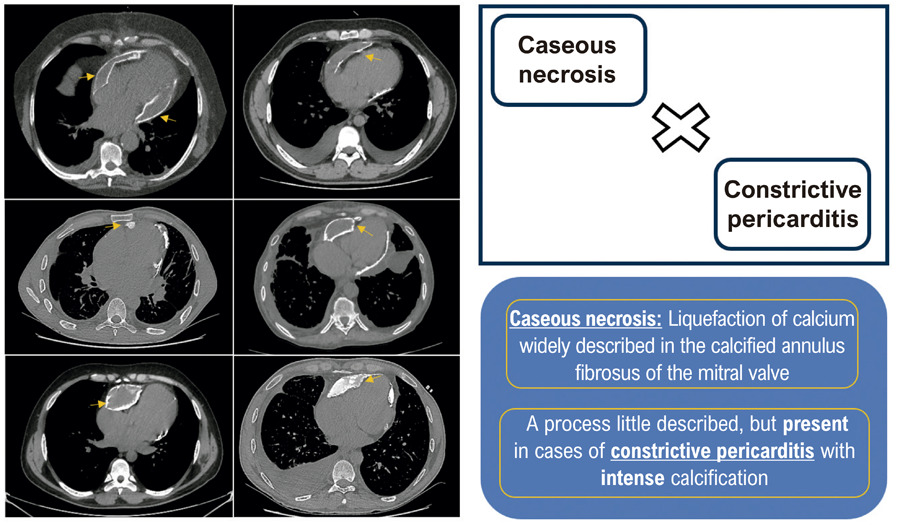
Constrictive Pericarditis with Caseous Necrosis: A Rare and Underrecognized Presentation
ABC
Brief Communication

Constrictive Pericarditis with Caseous Necrosis: A Rare and Underrecognized Presentation

Plínio José Whitaker Wolf et al. Edileide Barros Correia Marcos de Oliveira Vasconcellos Larissa Ventura Ribeiro Bruscky … Ana Cristina de Souza Murta Yoná Afonso Francisco Eduardo Mikio Sassaki Sara Regina Alcalde Domingos Natan Alevato Donadon Gerson Miranda Raphael Rossi Victor Bemfica de Mello Mattos Fernanda de Brito Fortuna

Abstract

Caseous necrosis of the mitral valve is the term used to describe the liquefaction of calcium present in its fibrous ring and the consequent formation of a pseudotumor with a thick, pasty content within. Although rare, this degenerative process has been widely described in the context of the mitral valve; however, it is little known in the context of constrictive pericarditis. We describe a series of seven cases that presented with constrictive pericarditis associated with caseous necrosis. Of the seven patients, six were male, with a mean age of 42±14 years, all in functional class III/IV, with clinical signs related to restrictive syndrome. Chest tomography showed intense pericardial calcification with caseous necrosis, confirmed by pericardiectomy.

  • Constrictive pericarditis
  • Heart Failure
  • Pericardium
Read Full Article
Creative Commons Attribution (CC BY) Creative Commons license
19/12/2025 DOI: 10.36660/abc.20250163i Views 1
Central Illustration
ABCIC
Review Article

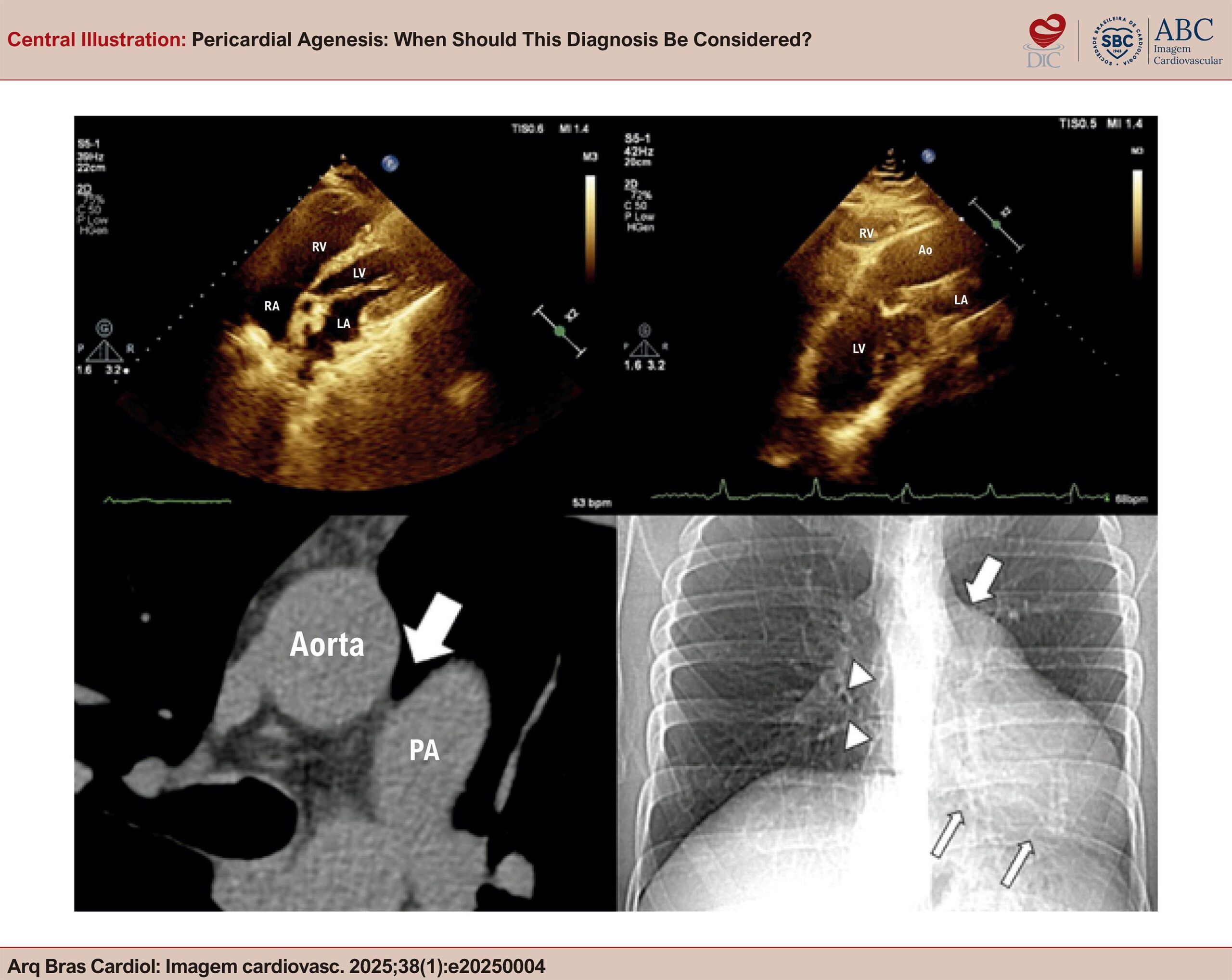
Pericardial Agenesis: When Should This Diagnosis Be Considered?

Bruna Barbosa Chagas de Almeida et al. Bruna Zanforlin Jácome Bernardo Nascimento Lourenço Alessandro Zakhia de Seixas … Juliana Serafim da Silveira Eliza de Almeida Gripp

Abstract

Pericardial agenesis (PA) is a rare condition characterized by the partial or complete absence of the pericardium. The consequences associated with this condition can be quite serious. Therefore, understanding the peculiarities of this disease is essential for accurate diagnosis and treatment.

  • Magnetic Resonance Imaging
  • Pericarditis
  • Pericardium
  • X-Ray Computed Tomography
Read Full Article
Creative Commons Attribution (CC BY) Creative Commons license
27/03/2025 DOI: 10.36660/abcimg.20250004i Views 1
Figure 1
ABCHF
Case Report

Right Heart Failure Caused by Pericardial Mass: Case Report

Isabelle Padilha et al. Bárbara Cristina Amaro Rocha Gizana Carvalho Faria Keila Kristina Kusdra … Alyne Marció Maria Eduarda Andreatta Gilvan Magalhães Pinto Evandro de Campos Albino Rodrigo de Moura Joaquim

Case presentation

A 40-year-old male patient sought emergency care due to intensification of chronic epigastric pain on moderate exertion, without irradiation, and unrelated to food.

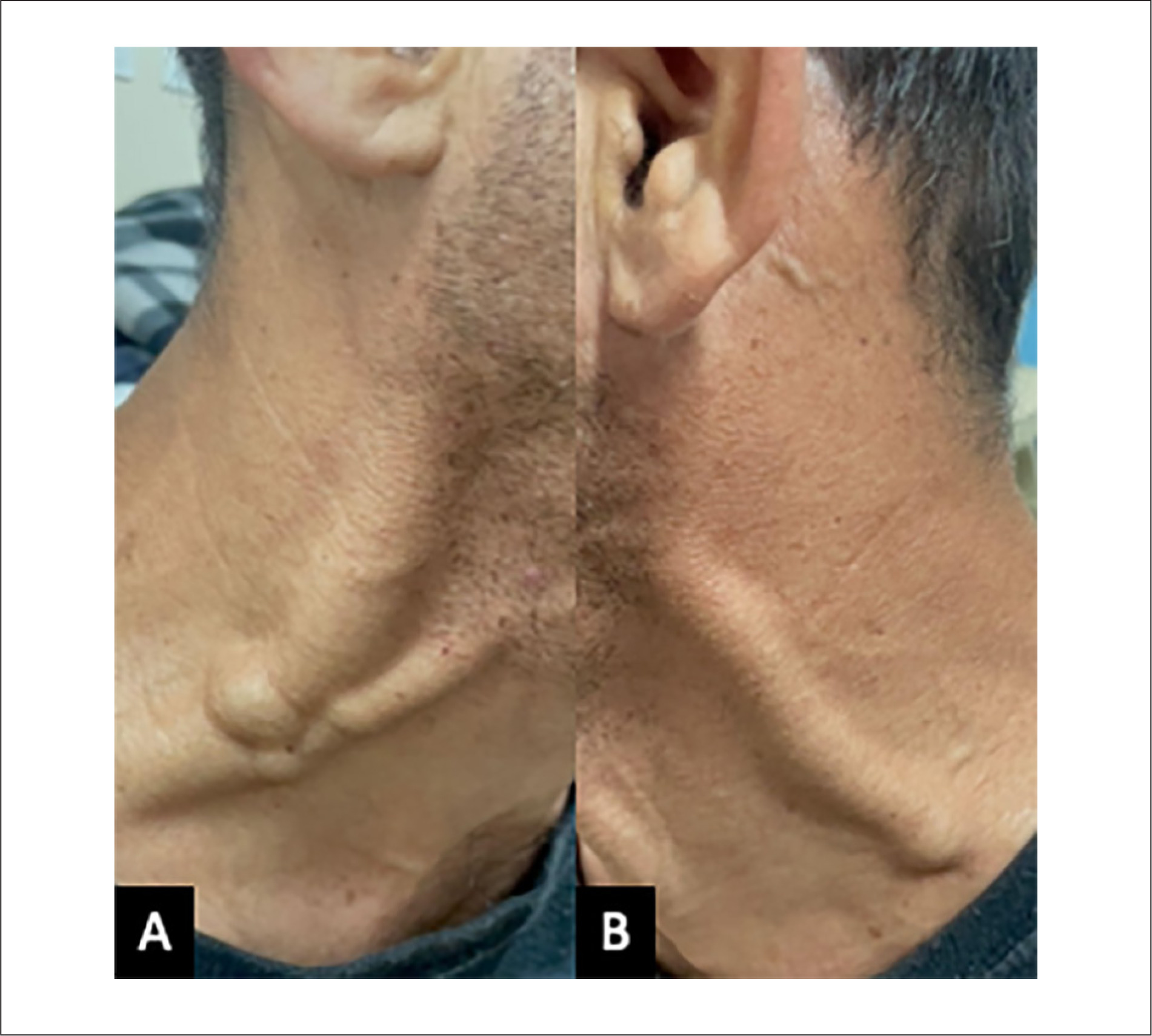
On physical examination, vitals, blood pressure 129/81 mmHg, pulse rate 88 beats per minute, respiratory rate 20 breaths per minute, oxygen saturation 98%. He presented significant bilateral jugular distension (), irregular heart rhythm, and midsystolic click at the low left sternal border, pulmonary auscultation had vesicular murmurs present bilaterally without other adventitious sounds, flaccid abdomen, painful on palpation of the epigastrium and right hypochondrium, without hepatic augmentation and symmetrical edema in lower limbs ++/4. Initial evaluation demonstrated those signs were of right heart failure.

[…]

  • Constrictive pericarditis
  • Heart Failure
  • Pericardium
Read Full Article
Creative Commons Attribution (CC BY) Creative Commons license
31/08/2024 DOI: 10.36660/abchf.20240006i Views 1
Figure 1
ABCIC
Case Report

Asymptomatic Pericardial Cyst: A Case Report and Brief Review of its Management

Matheus Rodrigues Barbosa et al. Henrique Turin Moreira Gustavo Jardim Volpe Danilo Tadao Wada … Minna Moreira Dias Romano Andre Schmidt

Discussion

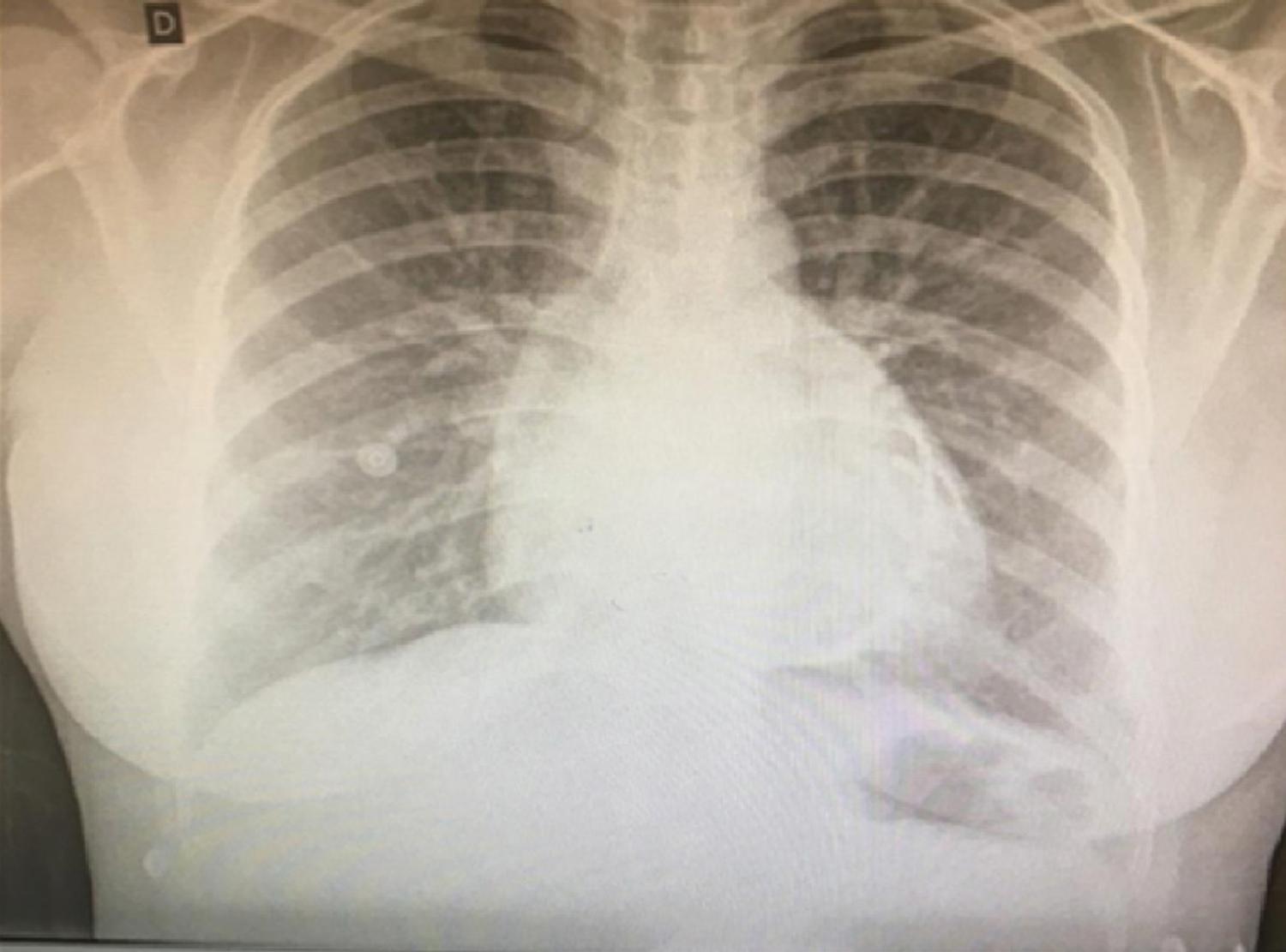
Pericardial cyst is an uncommon clinical entity, with an estimated incidence of 1/100,000 to 1/10,000 autopsies. Its etiology is not yet completely understood, but it is believed to be due to an abnormal development of the pericardium during embryogenesis. It is necessary to differentiate the cyst from the pericardial diverticulum, which possibly have the same origin but, in the latter, there is communication with the pericardial cavity. Most cases are asymptomatic, even with large dimensions, and the lesion is often discovered incidentally during imaging exams or heart surgery. When symptomatic, the clinical presentation is variable and may include cardiorespiratory symptoms, such as chest pain, dyspnea, cough, sudden cardiac death or signs of cardiac tamponade.

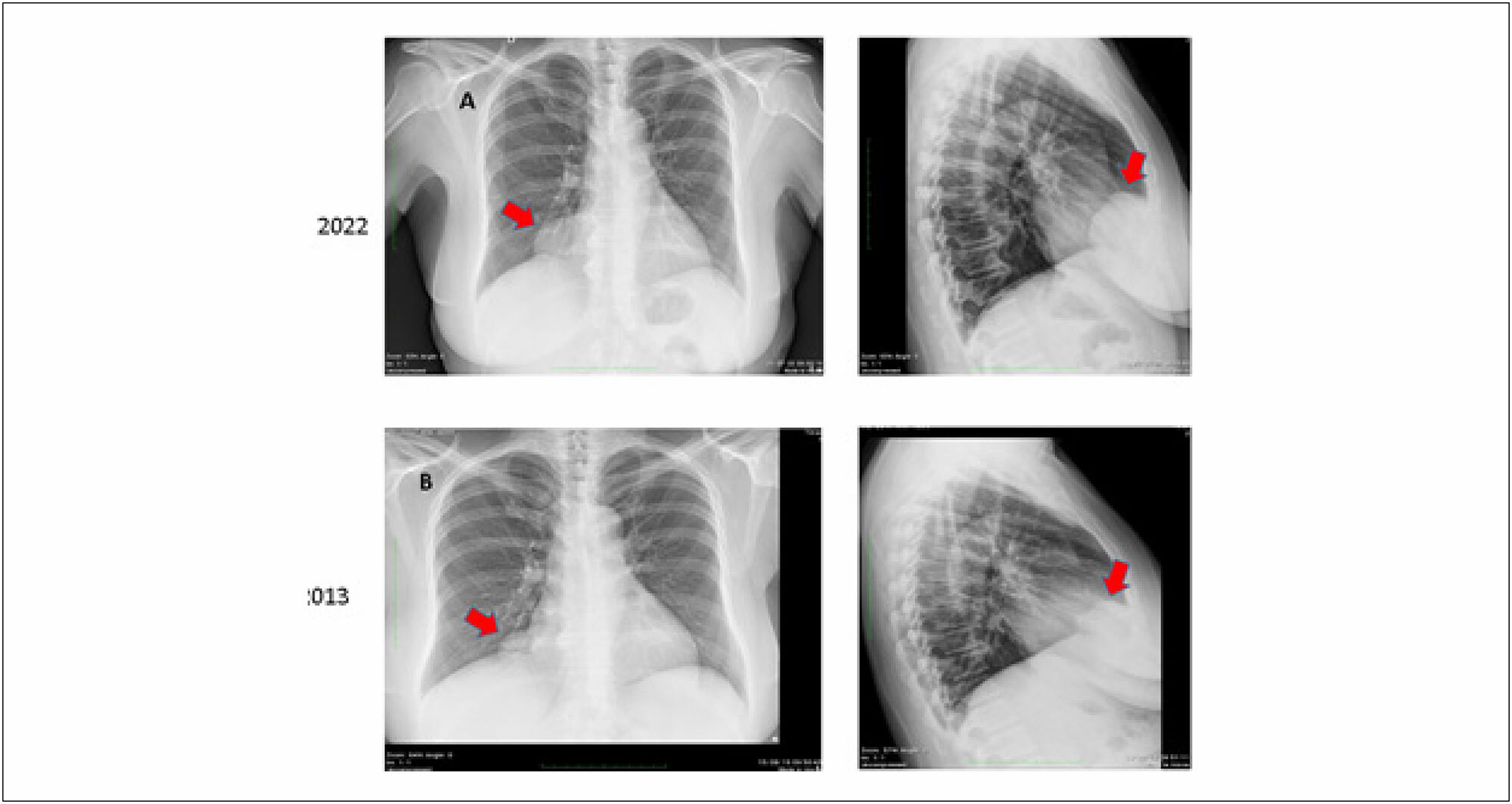
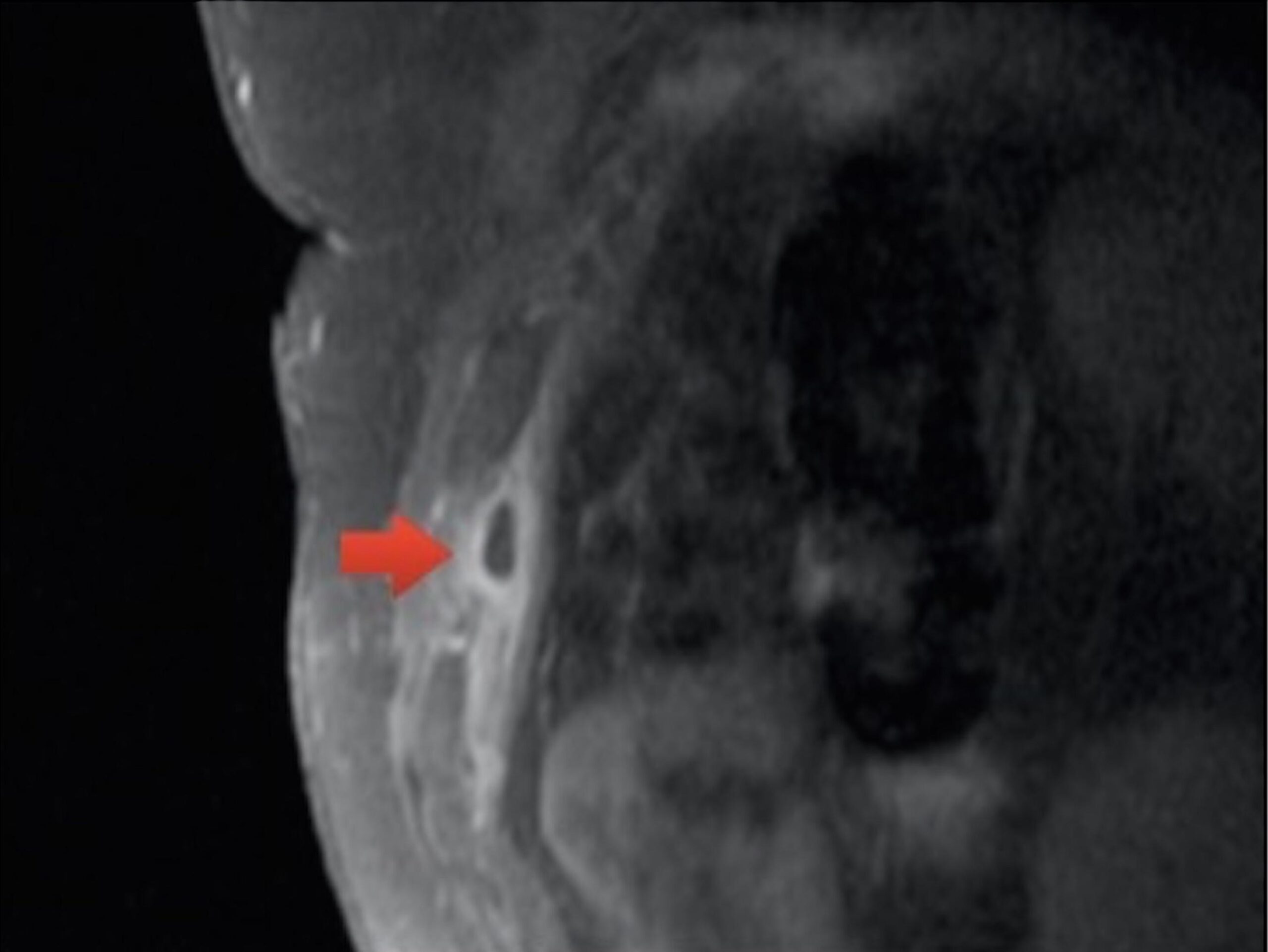
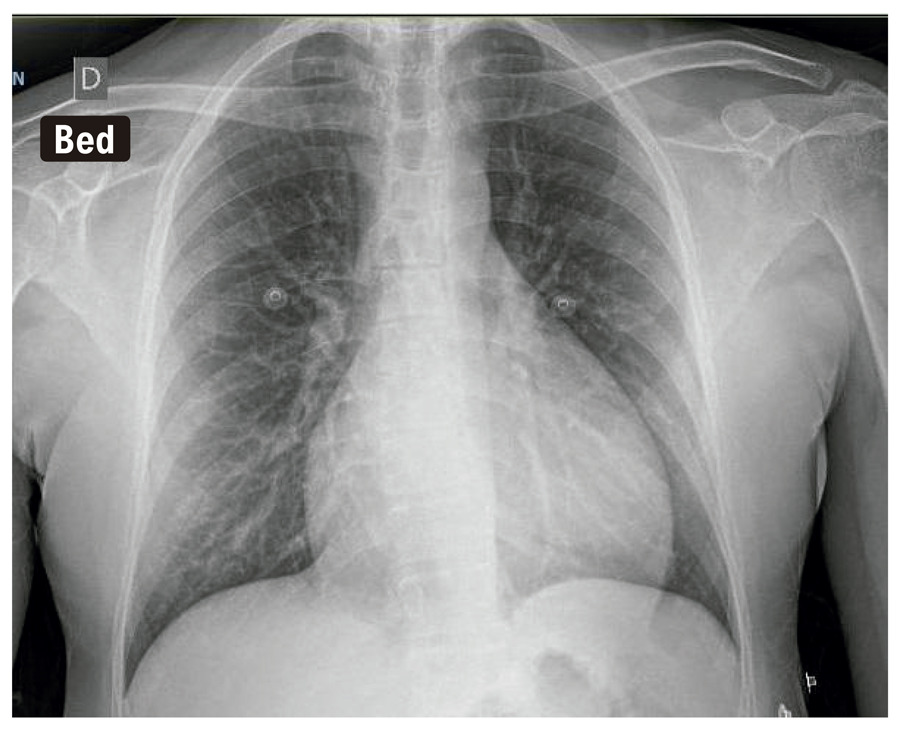
The diagnosis of pericardial cyst is initially suspected by the incidental performance of a chest x-ray, which shows the mass attached to the cardiac silhouette. Doppler echocardiography, computed tomography and cardiac MRI allow the diagnosis to be confirmed, notably the last two. Chest x-ray may reveal a mediastinal mass or an area of increased density. Computed tomography (CT) scans and cardiac MRIs provide more detailed information about the location, size, and characteristics of the cyst. Transthoracic echocardiography can be useful in evaluating cardiac function and the presence of cyst-related complications, such as cardiac compression. Differential diagnosis should include neoplasms and, more rarely, migratory hydatid cysts, which may be single.

[…]

  • Case Reports
  • Mediastinal Cyst
  • Pericardium
Read Full Article
Creative Commons Attribution (CC BY) Creative Commons license
21/12/2023 DOI: 10.36660/abcimg.20230080i Views 2
The Relationship Between Carcinoembryonic Antigen and Epicardial Adipose Tissue
IJCS
Original Article

The Relationship Between Carcinoembryonic Antigen and Epicardial Adipose Tissue

Abdulrahman Naser et al. Khagani Isgandarov Tolga Sinan Güvenç İbrahim Demir … Murat Kirişci Ahmet Ekmekçi Müslüm Şahin

Abstract

Background:

Inflammation, which is associated with an unhealthy lifestyle, plays a critical role in the development of both cardiometabolic diseases (CMD) and cancer. Carcinoembryonic antigen (CEA) is a tumor marker which also has proinflammatory properties. Recent studies have reported CEA to be associated with atherosclerosis, metabolic syndrome, and visceral adiposity. Epicardial adipose tissue (EAT) can exhibit highly inflammatory and pathogenic properties, and is a known risk factor for CMD. However, its relationship with CEA is still unknown.

Objectives:

This study aimed to investigate the possible association of CEA with EAT.

Methods:

A total of 134 Caucasian (males = 56, females = 78) individuals, aged (22-83 years), who were admitted for routine health control, were enrolled in this cross-sectional study. CEA was measured with chemiluminescent microparticle immunoassay (CMIA). EAT was measured by transthoracic echocardiography, and the visceral fat rating (VFR) was assessed by a body composition analyzing machine. The p-value <0.05 was considered statistically significant.

Results:

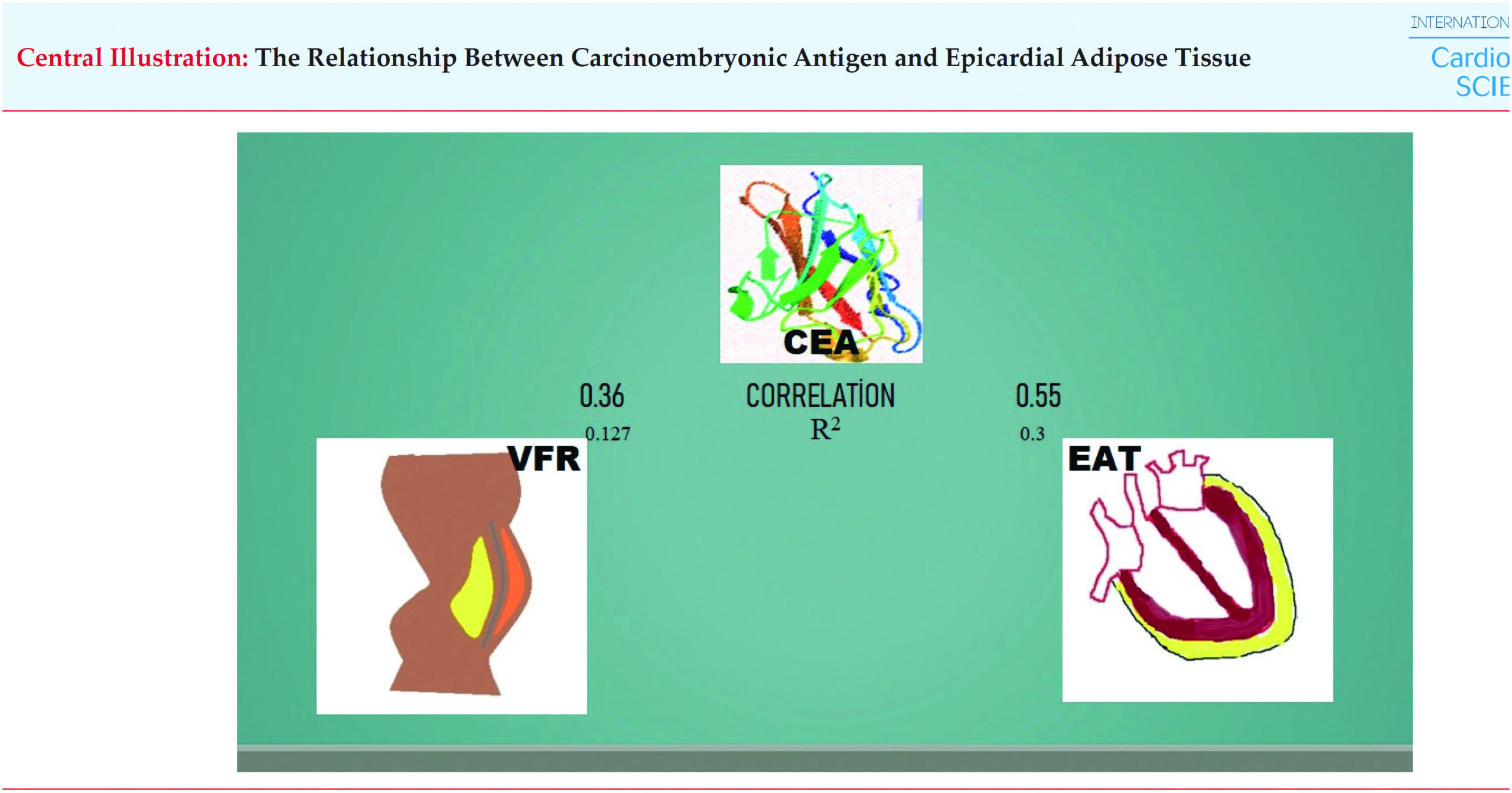
CEA levels were categorized as tertiles: T1, 0.5-1.04; T2, 1.06–1.69; and T3, ≥1.7 ng/ml. The mean age, weight, VFR, EAT, and fasting glucose, as well as the median of systolic blood pressure (SBP), creatinine, and AST increased with the increasing CEA tertiles. CEA was significantly associated with EAT (r = 0.55, P<0.001) and VFR (r = 0.36, P<0.001). Multivariate linear regression analysis confirmed that gender, age, and EAT were the significant independent variables associated with CEA.

Conclusion:

Individuals with increased EAT have higher levels of CEA, suggesting that this biomarker is most likely produced by EAT; however, additional investigations are required to improve the present work.

  • Carcinoembryonic Antigen
  • Epicardial adipose tissue
  • Inflammation
  • Pericardium
Read Full Article
Creative Commons Attribution (CC BY) Creative Commons license
27/11/2023 DOI: 10.36660/ijcs.20220222 Views 1
ABC
Editorial

Etiology of Pericardial Disease – Seek It, or You Shall not Find It!

Alexandre Siciliano Colafranceschi et al. Sofia Vega Colafranceschi

The pericardial sac consists of fibroelastic layers, known as the visceral and parietal layers, separated by the pericardial cavity. This cavity typically contains 15 to 50 ml of a plasma-derived ultrafiltrate in healthy individuals. Pericardial diseases are relatively common in clinical practice, presenting either in isolation or as a part of systemic disorders.

The causes of these diseases vary and are intricate, but the pericardium typically responds with inflammation of its layers and potential increased production of pericardial fluid. Persistent inflammation may lead to a stiffened and calcified pericardium, often thickened, with possible progression to pericardial constriction. In some instances, acute pericardial inflammation dominates the clinical presentation, rendering excess pericardial fluid less relevant. In contrast, in other cases, the accumulation of fluid and its clinical consequences, such as cardiac tamponade and constrictive pericarditis, take center stage. Congenital abnormalities like the absence of the pericardium and pericardial cysts are generally rare and asymptomatic. Despite the non-essential nature of the pericardium for normal cardiac function, diseased pericardium, presenting as acute or recurrent pericarditis, pericardial effusion, cardiac tamponade, and pericardial constriction, can pose significant challenges in management and even become life-threatening.

[…]

  • Cardiovascular Diseases
  • Diagnosis
  • Pericardium
Read Full Article
Creative Commons Attribution (CC BY) Creative Commons license
24/11/2023 DOI: 10.36660/abc.20230704 Views 1
ABC
Editorial

Is it Time to Revisit Fractional Flow Reserve Thresholds?

Fernando Mendes Sant’Anna et al. Lucas Bonacossa Sant’Anna Sérgio Lívio Menezes Couceiro

Intracoronary physiological assessment is established as a valuable strategy to identify flow-limiting epicardial stenoses in patients with coronary artery disease (CAD) and to determine an indication for percutaneous coronary interventions (PCI).

It had been previously assumed that once the flow-limiting disease was confirmed with a pressure guidewire measurement, PCI guided by angiography should lead to effective restoration of vessel conductance. However, studies with physiological post-PCI evaluation based on fractional flow reserve (FFR) and non-hyperemic pressure ratios (NHPR) demonstrate that this supposition is not correct and that relying on angiographic guidance alone can be associated with suboptimal functional results post-PCI in many cases. , Moreover, it is well known that post-PCI FFR is a strong predictor of outcomes, and the lower the post-stent FFR, the worse the clinical follow-up.

[…]

  • Constriction Pathoçogic
  • Coronary Artery Disease, Percutaneous Coronary Intervention
  • Drug-Eluting Stents
  • Fractional Flow Reserve, Myocardial
  • Pericardium
Read Full Article
Creative Commons Attribution (CC BY) Creative Commons license
17/07/2023 DOI: 10.36660/abc.20230363
ABCIC
Review Article

My Approach to Echocardiographic Assessment for Constrictive Pericarditis

Débora Freire Ribeiro Rocha et al. Ana Caroline Reinaldo de Oliveira Verena Nunes e Silva João Batista Masson Silva

Abstract

  • Constrictive pericarditis
  • Heart Failure
  • Pericardium
Read Full Article
Creative Commons Attribution (CC BY) Creative Commons license
06/03/2023 DOI: 10.36660/abcimg.2022366i Views 2
Figura 1
ABCIC
Case Report

Importance of Imaging Methods for Diagnosing Constrictive Pericarditis Versus Restrictive Cardiomyopathy

Débora Pereira Galvêas Negri et al. Patrick Ventorim Costa Mateus Oliveira Potratz Carina Massariol Belinassi Fernando Luiz Torres Gomes

Introduction

Constrictive pericarditis (CP) is a challenging differential diagnosis of chest pain in a cardiac emergency. This is the case report of a patient who presented with a seven-day history of chest pain for whom the possibility of calcified pericarditis was suggested due to changes on chest X-ray. After referral to a specialized cardiology service, transthoracic echocardiography (TTE) and cardiac magnetic resonance (CMR) showed that the case was compatible with CP, which required surgical management. From chest X-ray to CMR, all imaging tests proved crucial for confirming the suspected diagnosis and defining the treatment.

[…]

  • Constrictive pericarditis
  • Echocardiography
  • Pericardium
Read Full Article
Creative Commons Attribution (CC BY) Creative Commons license
25/03/2022 DOI: 10.47593/2675-312X/20213404eabc213 Views 1
Figure 1
IJCS
Original Article

Epicardial Fat Tissue Thickness and Omentin in Patients with Atrial Fibrillation

Ibrahim Etem Dural et al. Ersel Onrat Sefa Çelik Serkan Gokaslan … Ayhan Vurmaz Sadık Volkan Emren Zafer Yalım Alaeddin Avşar

Abstract

Background:

Although electrical and structural remodeling has been recognized to be important in the pathophysiology of atrial fibrillation, the mechanisms underlying remodeling process are unknown. There has been increasing interest in the involvement of inflammatory molecules and adipokines released from the epicardial fat tissue in the pathophysiology of atrial fibrillation.

Objectives:

In our study, we aimed to investigate the relationship of atrial fibrillation with increased epicardial adipose tissue, inflammatory molecules released from this tissue and omentin.

Methods:

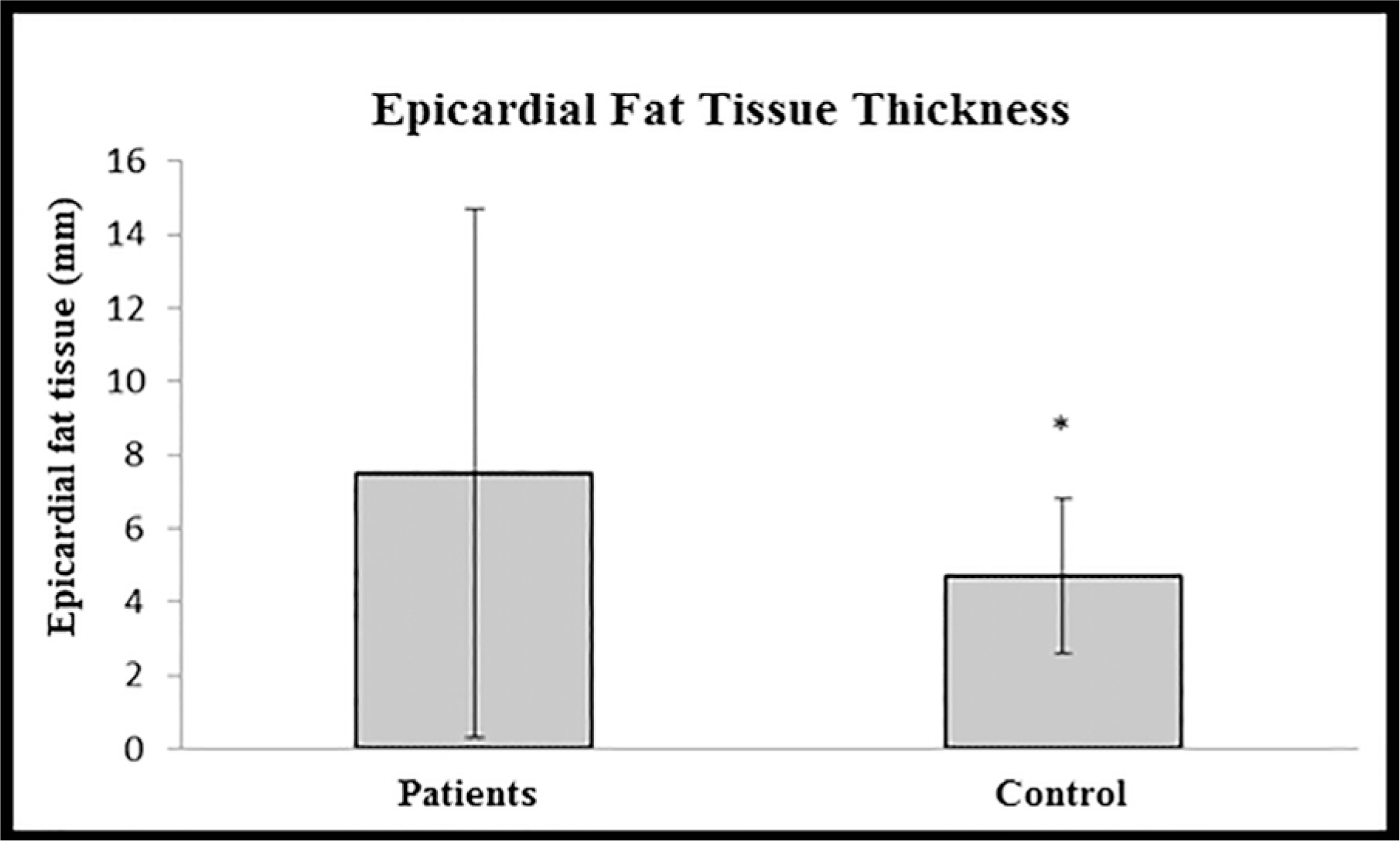
Thirty-six patients who were followed up with a diagnosis of permanent AF at the cardiology outpatient clinic 33 individuals without atrial fibrillation (controls) were included in the study. Epicardial adipose tissue thickness of patients was measured by echocardiography. Serum omentin, IL 6, IL 1 beta, TNF alpha and CRP levels were measured. Man-Whitney U test was performed for comparisons and significance was established at 5% (p<0.05).

Results:

Epicardial adipose tissue thickness was significantly greater in the patient group (6mm [4-5.5]) than controls (4mm [3-5.5]) (p <0.001). No significant difference was found in the concentrations of omentin or inflammatory molecules between the groups.

Conclusion:

No relationship was found between atrial fibrillation and serum levels or omentin or inflammatory markers. A relationship between epicardial adipose tissue thickness measured by echocardiography and atrial fibrillation was determined.

  • Adipose Tissue
  • Atrial Fibrillation
  • Inflammation
  • Intelectin 1
  • Molecules
  • Omentin
  • Pericardium
Read Full Article
Creative Commons Attribution (CC BY) Creative Commons license
11/02/2022 DOI: 10.36660/ijcs.20200242 Views 1
ABCIC
Image

Giant Benign Pericardial Cyst

Sónia Canadas et al. Rita Fernandes Luísa Gonçalves Inês Almeida Ana Vera-Cruz

[…]

  • Complications
  • Magnetic Resonance Imaging
  • Pericardium
Read Full Article
Creative Commons Attribution (CC BY) Creative Commons license
14/01/2022 DOI: 10.5935/2318-8219.20200042
Figure 1
IJCS
Original Article

Pericardial Effusion and Cardiac Tamponade: Etiology and Evolution in the Contemporary Era

Claudio Martins de Queiroz et al. Juliano Cardoso Felix Ramires Barbara Ianni … Viviane Tiemi Hotta Charles Mady Paula de Cassia Buck Ricardo Ribeiro Dias Luciano Nastari Fábio Fernandes

Abstract

Background:

Pericardial effusion is a relatively common finding and can progress to cardiac tamponade; etiological diagnosis is important for guiding treatment decisions. With advances in medicine and improvement in the social context, the most frequent etiological causes have changed.

Objectives:

To evaluate the clinical and laboratory characteristics, etiology, and clinical course of patients with pericardial effusion and cardiac tamponade.

Materials and methods:

Patients with pericardial effusion classified as small ( 20 mm) were included. Data from the clinical history, physical examination, laboratory tests, and complementary tests were evaluated in patients with pericardial effusion and cardiac tamponade. The significance level was set at 5%.

Results:

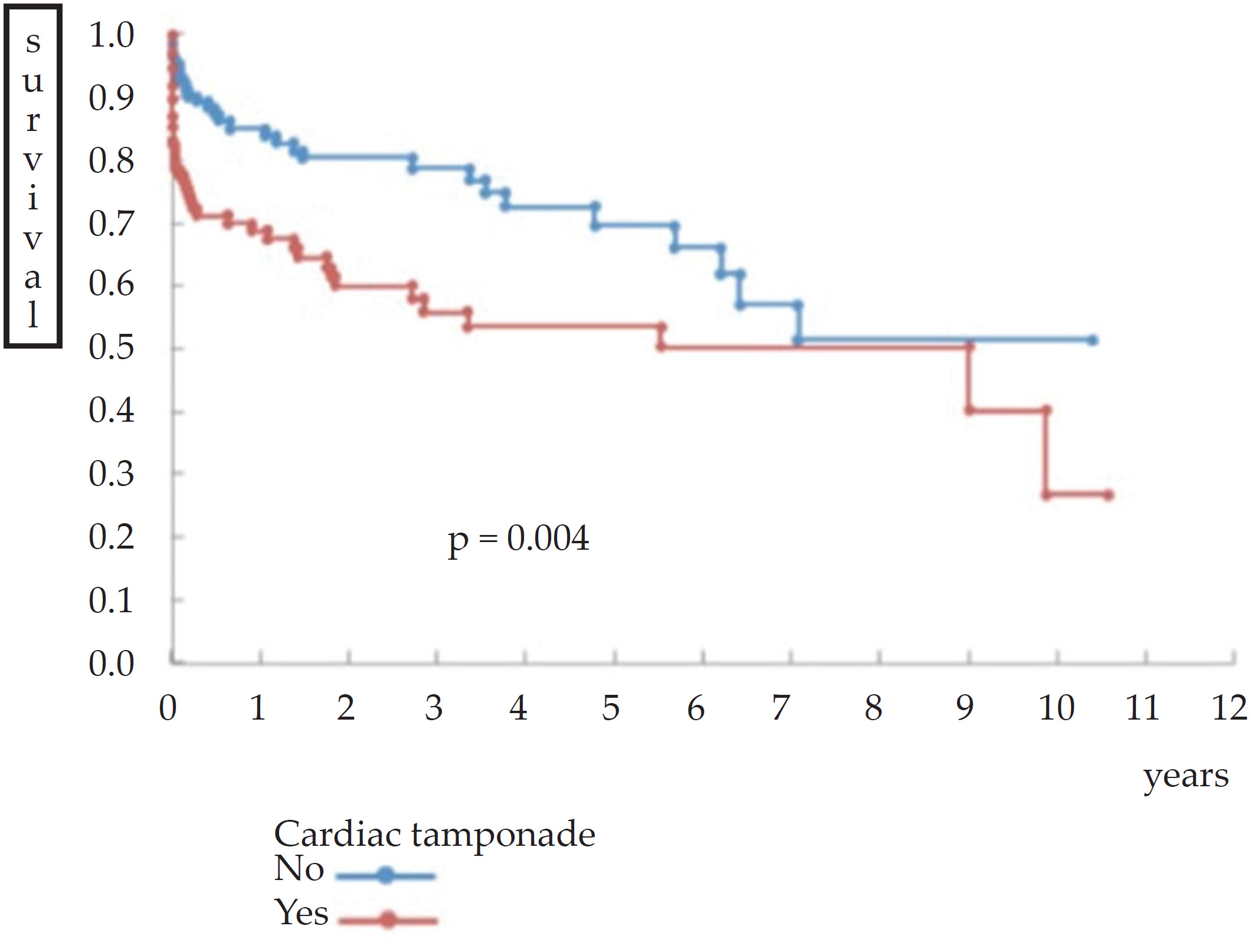
A total of 254 patients with a mean age of 53.09 ± 17.9 years were evaluated, 51.2% of whom were female. A total of 40.4% had significant pericardial effusion (> 20 mm). Pericardial tamponade occurred in 44.1% of patients. Among pericardial effusion patients without tamponade, the most frequent etiologies were: idiopathic (44.4%) and postsurgical (17.6%), while among those with tamponade, the most frequent etiologies were postsurgical (21.4%) and postprocedural (19.6%). The mean follow-up time was 2.2 years. Mortality was 42% and 23.2 in those with and without tamponade, respectively (p=0.001).

Conclusions:

There is an etiological difference between pericardial effusion patients with and without cardiac tamponade. An idiopathic etiology is more common among those without tamponade, while postinterventional/postsurgical is more common among those with tamponade. The tamponade group had a higher mortality rate.

  • Cardiac Tamponade/ therapy
  • Pericardial Effusion/ therapy
  • Pericarditis
  • Pericardium
Read Full Article
Creative Commons Attribution (CC BY) Creative Commons license
01/11/2021 DOI: 10.36660/ijcs.20200247
Figure 1
ABCIC
Image

Echocardiographic Image of Primary Mediastinal Sarcoma with Pericardial Invasion

Keyla Patrícia Barbosa Melo et al. Rafael José Coelho Maia Betty Janny Maia Siqueira Mozart Lacerda Siqueira Campos Araújo Ana Carolina Borges de Miranda Souza

Primary mediastinal sarcoma is rare, corresponding to less than 1% of all soft tissue sarcomas and less than 10% of all primary mediastinal tumors.

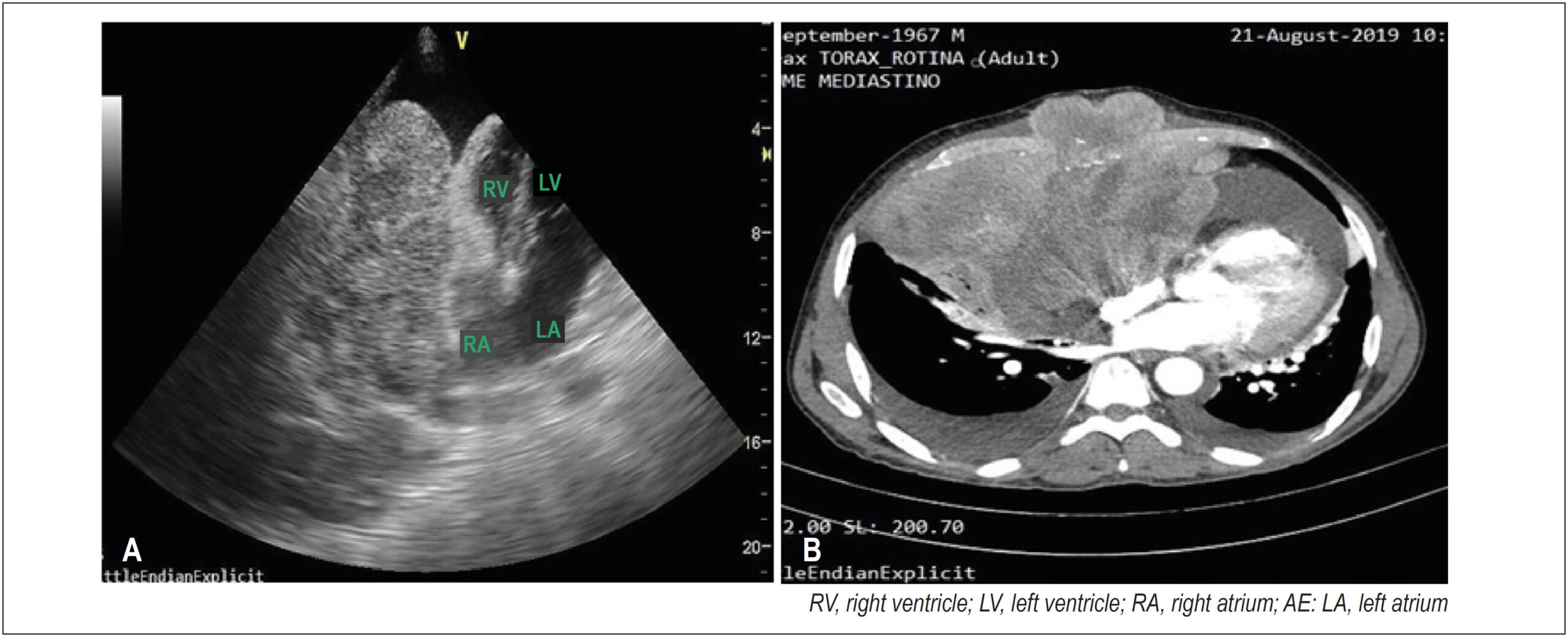
A 52-year-old man with signs and symptoms of cardiac tamponade underwent echocardiography of the right ventricle, which revealed significant pericardial effusion and an extensive heterogeneous mediastinal mass measuring approximately 15 × 8 cm in the pericardial space in close contact with the right chambers and causing diastolic collapse. The diagnostic hypothesis was a pericardial or mediastinal neoplastic process invading the pericardium. Subsequently, an immunohistochemical study confirmed a high-grade fusiform/pleomorphic cell sarcoma.

[…]

  • Echocardiography
  • Mediastinal neoplasms
  • Pericardium
  • Sarcoma
Read Full Article
Creative Commons Attribution (CC BY) Creative Commons license
16/06/2021 DOI: 10.47593/2675-312X/20213401eabc139
IJCS
Editorial

Epicardial Fat Thickness: a Promising Cardiovascular Risk Factor that Requires in-Depth Studies

Roberto M. Saraiva et al. Andréa Rodrigues da Costa

This issue of the International Journal of Cardiovascular Sciences presents a paper by Castanheira et al. that addresses epicardial fat (EF) thickness in an elderly Portuguese population. They describe the mean values of EF thickness and its correlation with anthropometric, echocardiographic, and clinical variables in these individuals.

EF is the visceral adipose tissue located between the myocardium and the visceral pericardium, and commonly found in the atrioventricular and interventricular grooves. EF has several physiological roles, including local effects on the heart, in a paracrine manner.– EF can be measured non-invasively by echocardiography, and the measurement of EF thickness by 2D echocardiography has been proposed as a surrogate for visceral fat, since it is easier to perform as compared with direct measures such as computed tomography and magnetic resonance imaging (MRI). In addition, a significant correlation between EF and visceral fat measurements by MRI was demonstrated.

[…]

  • Adipose Tissue
  • Aged
  • Anthropometry
  • Echocardiography/methods
  • Metabolic Syndrome
  • Pericardium
  • Portugal/epidemiology
Read Full Article
Creative Commons Attribution (CC BY) Creative Commons license
12/03/2021 DOI: 10.36660/ijcs.20200363 Views 1
ABC
Letter to the Editor

Epicardial Adipose Tissue: A New Cardiovascular Imaging Parameter Deeply Connected with Cardiovascular Diseases

Eduardo Thadeu de Oliveira Correia et al. Letícia Mara dos Santos Barbetta

Dear Editor,

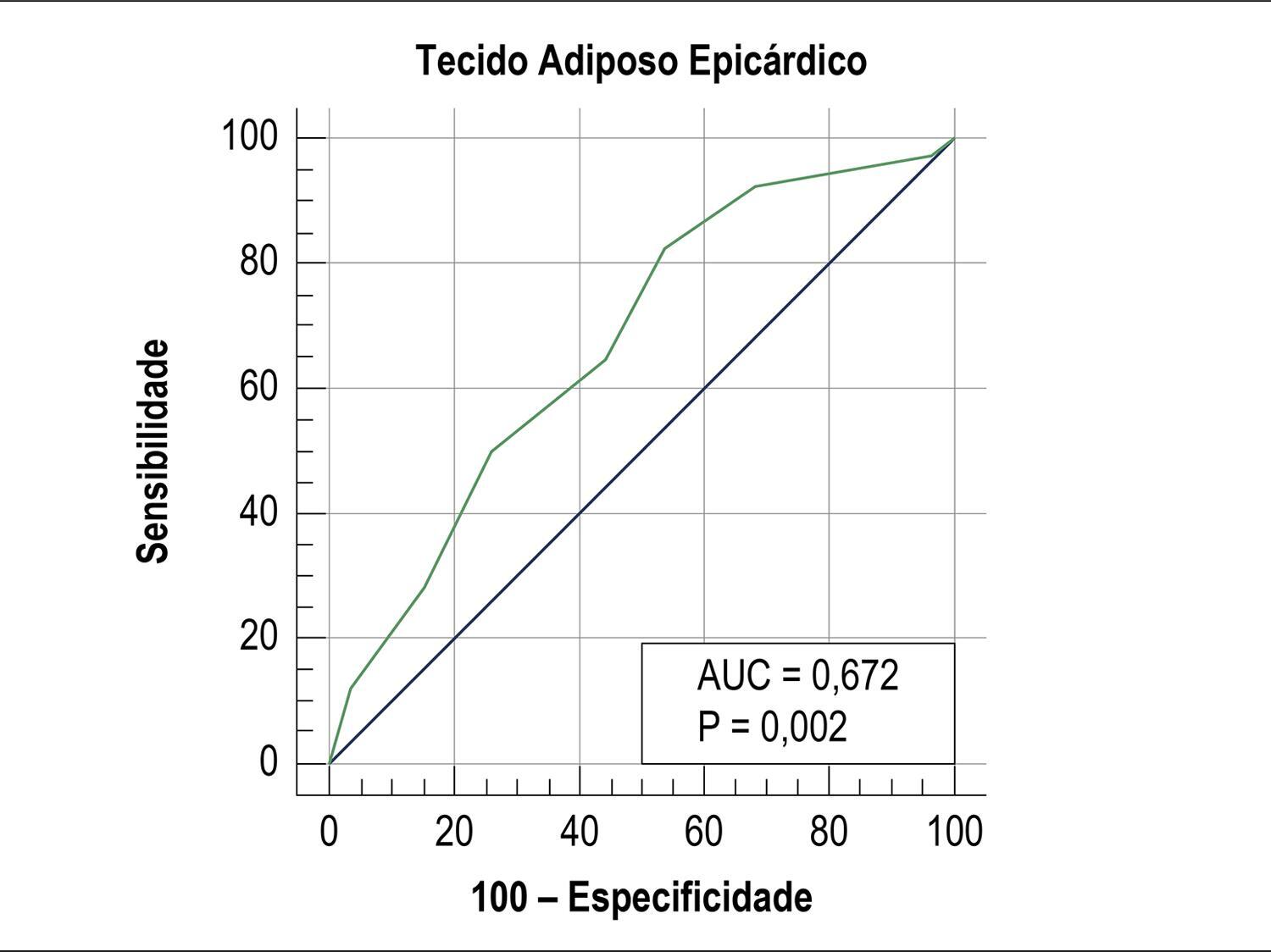
We read with great interest the article entitled “The Relationship Between Epicardial Adipose Tissue and Insulin Resistance in Obese Children”. In that paper, the authors performed tissue doppler echocardiography to evaluate epicardial adipose tissue (EAT) thickness, electromechanical delay (EMD) and other standard measurements in 94 obese pediatric patients. Patients with Homeostatic Model Assessment for Insulin Resistance (HOMA-IR) greater than the 90th percentile in an age and sex-specific percentile curve were labeled as having insulin resistance (IR). This study found that the group with IR had significant higher thickness of EAT than patients included without IR (7.15 vs. 5.5 mm, p<0.004, respectively) and inter and intra-atrial EMD was prolonged in the IR group compared to the non-IR group (p3.85 mm could predict IR with 92.5% specificity and 68.5% sensitivity (p=0.002). The study then concluded that EAT could be used to identify IR among children, as it is stated that EAT is a cheap and accessible parameter that could be easily measured with echocardiography.

[…]

  • Adipose Tissue
  • Child
  • Echocardiography/methods
  • Insulin Resistance
  • Obesity
  • Pericardium
Read Full Article
Creative Commons Attribution (CC BY) Creative Commons license
07/12/2020 DOI: 10.36660/abc.20200309
ABC
Editorial

Galectin-3 in Chronic Constrictive Pericarditis: Accurate Information for the Good Doctor

Wolney de Andrade Martins

Galectin-3 (Gal-3), which is now known as a new biomarker, has traveled the rigorous scientific pathway from discovery to validation. Experimental and clinical studies described its elevation in several situations, such as tumors, renal failure and heart failure. Its administration caused myocardial fibrosis and heart failure (HF). Its genetic suppression or inhibition prevented fibrosis and remodeling, that is, the cause-and-effect relationship had been proven. Elevated levels of Gal-3 show a worse prognosis, as they predict sudden death. Galectin-3 was an independent predictor in the short and medium term of hospitalizations and of mortality in patients with HF, especially those with heart failure with preserved ejection fraction (HFpEF).

The biomarker can assist the clinician in their diagnostic dilemmas, in assessing the prognosis and even guiding the therapy. The HFpEF is an example of condition where all help is welcome. Multiple comorbidities, less typical conditions, especially in the elderly and obese, can be confusing. HFpEF is one of the situations where Gal-3 can greatly assist in diagnostic confirmation.

[…]

  • Biomarkers
  • Cardiomyopathy, Restrictive
  • Galectin 3
  • Inflammation
  • Pericarditis, Constrictive
  • Pericardium
Read Full Article
Creative Commons Attribution (CC BY) Creative Commons license
29/05/2020 DOI: 10.36660/abc.20200163 Views 2
Figure 1
ABC
Original Article

The Relationship Between Epicardial Adipose Tissue and Insulin Resistance in Obese Children

Hatice Güneş et al. Hakan Güneş Fatih Temiz

Abstract

Background

Insulin resistance (IR) is an important disorder in obese children because it is closely related to cardiovascular diseases. Epicardial adipose tissue (EAT) plays a role in the development of IR due to secreted bioactive molecules, and the inflammatory process of these molecules may cause atrial electromechanical delay (EMD).

Objective

The objective of our study was to determine the relationship between EAT and EMD with IR in obese children.

Methods

Ninety-four obese patients were included in the study. IR was calculated using the Homeostatic Model Assessment for Insulin Resistance (HOMA-IR) and defined as HOMA-IR greater than the 90thpercentile in an age- and sex-specific percentile curve. Patients were divided into two groups according to their IR. All patients underwent echocardiographic examinations. Statistical significance was set to a two-sided p-value < 0.05.

Results

EAT was significantly higher in the IR group (p 3.85 mm, with 92.5% specificity and 68.5% sensitivity (p = 0.002). In the multivariate logistic regression model, EAT (OR = 1.256, 95% CI: 1.016–1.53, p = 0.035) was also associated with IR after adjustment for variables found to be statistically significant in univariate analysis. Inter- and intra-atrial EMD was significantly prolonged in the IR group compared to the group without IR (p < 0.010; p = 0.032 respectively). Conclusion: In our study, we revealed that EAT was positively correlated with IR and was an independent predictor of IR. (Arq Bras Cardiol. 2020; [online].ahead print, PP.0-0)

  • Adipose Tissue
  • Child
  • Echocardiography/methods
  • Insulin Resistance
  • Obesity
  • Pericardium
Read Full Article
Creative Commons Attribution (CC BY) Creative Commons license
13/03/2020 DOI: 10.36660/abc.20190197
ABC
Editorial

Decellularization of Human Pericardium with Potential Application in Regenerative Medicine

Estela de Oliveira Lima et al. Adriana Camargo Ferrasi Andreas Kaasi

Regenerative medicine is an interdisciplinary branch of the biomedical sciences that is showing, through the transposition of basic research into the clinic, great potential for therapeutic application, and the field is consequently becoming an important frontman for Translational Medicine. The essence of regenerative medicine consists of the repair or replacement of tissues and organs in which there is structural and functional deficiency. With a view of achieving this objective, several approaches have been proposed, including therapies that include genes, cells, biologic and synthetic scaffolds, which may or may not take part of a tissue engineering strategy. When dealing with synthetic scaffolds, it is possible to manipulate and control structural and mechanical properties, nonetheless, it is not possible to guarantee the same functional capacity as natural tissue. In addition, one of the great challenges is minimizing the risk of immunogenic reactions triggered by the repair scaffold’s composition. Owing to the challenges associated with the reestablishment on a functional and structural level of the cell microenvironment, the interest in scaffolds based on natural extracellular matrix (ECM) has increased considerably.

With a view of obtaining a biomaterial closely approximating tissues or organs having suffered damage, be it structural or functional, yet at the same time presenting safety from an immunological point of view, a new technology for clinical applications of ECM has been proposed – the decellularization of tissues and organs from human or animal donors. This technology makes use of physical, chemical and/or biochemical methods to eliminate cells from the target tissue/organ, be it xenogeneic or allogeneic, whose antigens represent an elevated risk of immunogenic reaction. The process seeks to ensure immunologic safety and the preservation of basic structural and functional components of the ECM, such as proteins, collagen and glycosaminoglycans (GAGs). The end product is a three-dimensional ECM scaffold with analogous shape to the original tissue, with preserved ultrastructural architecture and with greater biocompatibility and potential of tissue regeneration when compared to synthetic scaffolds.

[…]

  • Biocompatible Materials
  • Cells
  • Heart Valves/surgery
  • Pericardium
  • Regenerative Medicine
  • Tissue Scaffolds
  • Translational Medical Research
Read Full Article
Creative Commons Attribution (CC BY) Creative Commons license
08/08/2019 DOI: 10.5935/abc.20190130
Figure 1
ABC
Original Article

Characterization of Decellularized Human Pericardium for Tissue Engineering and Regenerative Medicine Applications

Luciana Wollmann et al. Paula Suss João Mendonça Cesar Luzia … Andressa Schittini George Willian Xavier da Rosa Francisco Costa Felipe F. Tuon

Abstract

Background:

Pericardium tissue allograft can be used for surgical repair in several procedures. One of the tissue engineering strategies is the process of decellularization. This process decreases immunogenic response, but it may modify the natural extracellular matrix composition and behavior.

Objective:

The aim of this study was to evaluate the effectiveness of cell removal, maintenance of extracellular matrix properties and mechanical integrity of decellularized human pericardium using a low concentration solution of sodium dodecyl sulfate.

Methods:

Decellularization was performed with sodium dodecyl sulfate and ethylenediaminetetraacetic acid. Histological analysis, DNA quantification, evaluation of glycosaminoglycans and collagen were performed. Biomechanical assay was performed using tensile test to compare the decellularization effects on tissue properties of tensile strength, elongation and elastic modulus. P < 0.05 was considered significant.

Results:

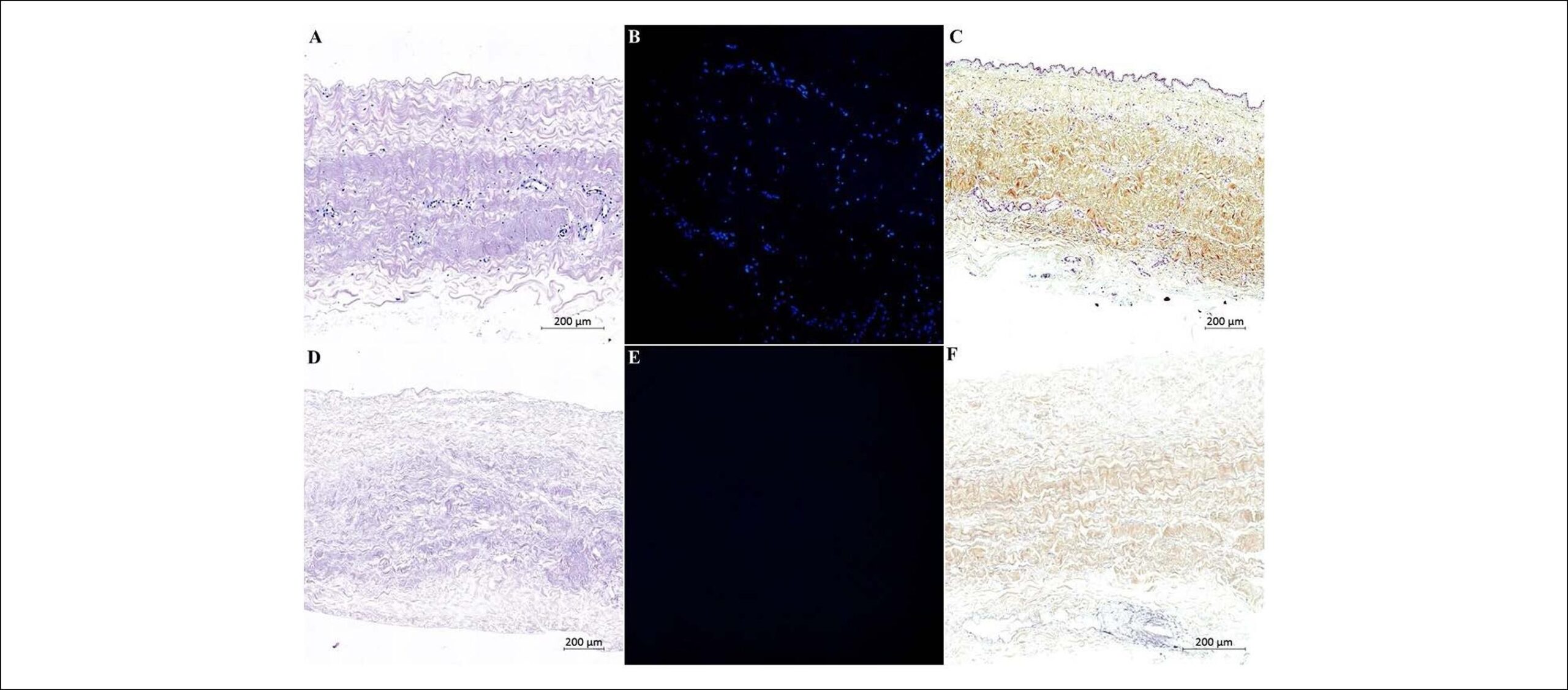
There was reduction in visible nuclei present in pericardium tissue after decellularization, but it retained collagen and elastin bundles similar to fresh pericardium. The DNA contents of the decellularized pericardium were significantly reduced to less than 511.23 ± 120.4 ng per mg of dry weight (p < 0.001). The biomechanical assay showed no significant difference for fresh or decellularized tissue.

Conclusion:

The decellularization process reduces cell content as well as extracellular matrix components without changing its biomechanical properties.

  • Cell Separation
  • Glycosaminoglycans
  • Pericardium
  • Tissue Banks
  • Tissue Engineering/trends
Read Full Article
Creative Commons Attribution (CC BY) Creative Commons license
27/06/2019 DOI: 10.5935/abc.20190094 Views 1
Figure 1
IJCS
Case Report

Epipericardial Fat Necrosis. An Important Differential Diagnosis of Chest Pain

Núbia Bernardes Carvalho et al. Natália de Paula Lopes e Silva Pedro Paulo Nunes Pereira André Volani Morganti … Sinval Lins Silva André Silva Rodrigues

Introduction

Epipericardial fat necrosis (EPFN) is a rare, benign, and self-limiting condition, first described in 1957 by Jackson et al. Currently, there are only 33 cases described in the literature.–

The pathophysiology of the disease remains uncertain. Likely predisposing factors include torsion of the vascular pedicle of adipose tissue, structural alterations that make the tissue more vulnerable and obesity, which, like the Valsalva maneuver, can lead to increased capillary pressure, causing hemorrhage into the adipose tissue. There are also reports of association with chest trauma or infections.

[…]

  • Chest Pain
  • Dyspnea
  • Fat Necrosis / physiopathology
  • Obesity
  • Pericardium
Read Full Article
Creative Commons Attribution (CC BY) Creative Commons license
01/01/2017 DOI: 10.5935/2359-4802.20170012 Views 1
ABC
Letter to the Editor

The Relation between Epicardial Fat Thickness and Prognostic Risk Scores

Sevket Balta et al. Cengiz Ozturk Turgay Celik

Dear Editor,

We read the article “The Relationship between GRACE Score and Epicardial Fat Thickness(EFT) in non-STEMI Patients” by Gul et al. The authors concluded that end-systolic and end-diastolic EFTs were found to be increased in the higher GRACE group.

[…]

  • Acute Coronary Syndrome / complications
  • Adipose Tissue
  • Echocardiography
  • Pericardium
  • Score GRACE
Read Full Article
Creative Commons Attribution (CC BY) Creative Commons license
01/12/2016 DOI: 10.5935/abc.20160185
ABC
Letter to the Editor

Measurement of Epicardial Fat Thickness by Echocardiography Presents Challenges

Mustafa Gulgun et al. Fatih Alparslan Genç

To the Editor,

It was with great interest that we read the paper by Kaplan et al. entitled ”Evaluation of Electrocardiographic T-peak to T-end Interval in Subjects with Increased Epicardial Fat Tissue Thickness” published on Arquivos Brasileiros de Cardiologia in December 2015. They aimed to investigate the relationship between epicardial adipose tissue (EFT) and ventricular repolarization. They demonstrated some ventricular repolarization abnormalities on electrocardiography in patients with higher EFT thickness. We would like to thank Kaplan et al. for their great effort in this study, and share some of our thoughts.

[…]

  • Adipose Tissue
  • Arrhythmias Cardiac
  • Echocardiography
  • Electrocardiography
  • Magnetic Resonance Imaging / trends
  • Pericardium
  • Reference Values
Read Full Article
Creative Commons Attribution (CC BY) Creative Commons license
01/11/2016 DOI: 10.5935/abc.20160167
ABC
Letter to the Editor

The Relationship between GRACE Score and Epicardial Fat Thickness in non-STEMI Patients

Levent Cerit

To the Editor,

I have read the article entitled “The Relationship between GRACE Score and Epicardial Fat Thickness in non-STEMI Patients” by Gul et al. with great interest. The investigators reported that the GRACE score (GS) showed a positive correlation with end-systolic Epicardial Fat Thickness (EFT) and end-diastolic EFT, and also statistical evaluations demonstrated a better correlation between the GS and end-diastolic EFT compared to end-systolic EFT.

[…]

  • Acute coronary syndrome
  • Adipose Tissue
  • Echocardiography
  • Grace Score
  • Pericardium
Read Full Article
Creative Commons Attribution (CC BY) Creative Commons license
01/08/2016 DOI: 10.5935/abc.20160123

Could not load more articles. Please try again.

How to cite this article

EndNote RIS

Electronic Document Format (Vancouver)

Ruffo CH, Rosa Filho AAM, Favaro GL, Hirose JSM, Lewinter RM, Melillo N, Silva LI, et al. Idiopathic Primary Chylopericardium. Arquivos Brasileiros de Cardiologia 2026;123(7):e20260062.

Electronic Document Format (ABNT)

Ruffo, Camila Helena; Rosa Filho, Alfredo Aurélio Marinho; Favaro, Guilherme Lima; Hirose, Juliana Sayuri Maia; Lewinter, Raissa Matias; Melillo, Natan; Silva, Leonardo Izzo; Anbar, Ramez; Coelho, Murilo Martins; Generoso, Giuliano. Idiopathic Primary Chylopericardium. Arquivos Brasileiros de Cardiologia, v. 123, n. 7, e20260062, Sep. 2026.

Electronic Document Format (APA)

Ruffo, C. H., Rosa Filho, A. A. M., Favaro, G. L., Hirose, J. S. M., Lewinter, R. M., Melillo, N., Silva, L. I., Anbar, R., Coelho, M. M., & Generoso, G. (2026). Idiopathic Primary Chylopericardium. Arquivos Brasileiros de Cardiologia, 123(7), e20260062.

Electronic Document Format (ISO)

Ruffo, Camila Helena and Rosa Filho, Alfredo Aurélio Marinho and Favaro, Guilherme Lima and Hirose, Juliana Sayuri Maia and Lewinter, Raissa Matias and Melillo, Natan and Silva, Leonardo Izzo and Anbar, Ramez and Coelho, Murilo Martins and Generoso, Giuliano. Idiopathic Primary Chylopericardium. Arquivos Brasileiros de Cardiologia [online]. 2026, vol. 123, n. 7, [cited 2026-10-14], e20260062. Available from: <https://journals.cardiol.br/en/article/idiopathic-primary-chylopericardium/>. ISSN 0066-782X

EndNote RIS

Electronic Document Format (Vancouver)

Wolf PJW, Correia EB, Vasconcellos MO, Bruscky LVR, Murta ACS, Francisco YA, Sassaki EM, et al. Constrictive Pericarditis with Caseous Necrosis: A Rare and Underrecognized Presentation. Arquivos Brasileiros de Cardiologia 2025;122(10):e20250163.

Electronic Document Format (ABNT)

Wolf, Plínio José Whitaker; Correia, Edileide Barros; Vasconcellos, Marcos de Oliveira; Bruscky, Larissa Ventura Ribeiro; Murta, Ana Cristina de Souza; Francisco, Yoná Afonso; Sassaki, Eduardo Mikio; Domingos, Sara Regina Alcalde; Donadon, Natan Alevato; Miranda, Gerson; Rossi, Raphael; Mattos, Victor Bemfica de Mello; Fortuna, Fernanda de Brito. Constrictive Pericarditis with Caseous Necrosis: A Rare and Underrecognized Presentation. Arquivos Brasileiros de Cardiologia, v. 122, n. 10, e20250163, Dec. 2025.

Electronic Document Format (APA)

Wolf, P. J. W., Correia, E. B., Vasconcellos, M. O., Bruscky, L. V. R., Murta, A. C. S., Francisco, Y. A., Sassaki, E. M., Domingos, S. R. A., Donadon, N. A., Miranda, G., Rossi, R., Mattos, V. B. M., & Fortuna, F. B. (2025). Constrictive Pericarditis with Caseous Necrosis: A Rare and Underrecognized Presentation. Arquivos Brasileiros de Cardiologia, 122(10), e20250163.

Electronic Document Format (ISO)

Wolf, Plínio José Whitaker and Correia, Edileide Barros and Vasconcellos, Marcos de Oliveira and Bruscky, Larissa Ventura Ribeiro and Murta, Ana Cristina de Souza and Francisco, Yoná Afonso and Sassaki, Eduardo Mikio and Domingos, Sara Regina Alcalde and Donadon, Natan Alevato and Miranda, Gerson and Rossi, Raphael and Mattos, Victor Bemfica de Mello and Fortuna, Fernanda de Brito. Constrictive Pericarditis with Caseous Necrosis: A Rare and Underrecognized Presentation. Arquivos Brasileiros de Cardiologia [online]. 2025, vol. 122, n. 10, [cited 2026-10-14], e20250163. Available from: <https://journals.cardiol.br/en/article/constrictive-pericarditis-with-caseous-necrosis-a-rare-and-underrecognized-presentation/>. ISSN 0066-782X

EndNote RIS

Electronic Document Format (Vancouver)

Almeida BBC, Jácome BZ, Lourenço BN, Seixas AZ, Silveira JS, Gripp EA. Pericardial Agenesis: When Should This Diagnosis Be Considered?. ABC Imagem Cardiovascular 2025;38(1):e20250004.

Electronic Document Format (ABNT)

Almeida, Bruna Barbosa Chagas de; Jácome, Bruna Zanforlin; Lourenço, Bernardo Nascimento; Seixas, Alessandro Zakhia de; Silveira, Juliana Serafim da; Gripp, Eliza de Almeida. Pericardial Agenesis: When Should This Diagnosis Be Considered?. ABC Imagem Cardiovascular, v. 38, n. 1, e20250004, Mar. 2025.

Electronic Document Format (APA)

Almeida, B. B. C. , Jácome, B. Z., Lourenço, B. N., Seixas, A. Z. , Silveira, J. S. , & Gripp, E. A. (2025). Pericardial Agenesis: When Should This Diagnosis Be Considered?. ABC Imagem Cardiovascular, 38(1), e20250004.

Electronic Document Format (ISO)

Almeida, Bruna Barbosa Chagas de and Jácome, Bruna Zanforlin and Lourenço, Bernardo Nascimento and Seixas, Alessandro Zakhia de and Silveira, Juliana Serafim da and Gripp, Eliza de Almeida. Pericardial Agenesis: When Should This Diagnosis Be Considered?. ABC Imagem Cardiovascular [online]. 2025, vol. 38, n. 1, [cited 2026-10-14], e20250004. Available from: <https://journals.cardiol.br/en/article/pericardial-agenesis-when-should-this-diagnosis-be-considered/>. ISSN 2318-8219

EndNote RIS

Electronic Document Format (Vancouver)

Padilha I, Rocha BCA, Faria GC, Kusdra KK, Marció A, Andreatta ME, Pinto GM, et al. Right Heart Failure Caused by Pericardial Mass: Case Report. ABC Heart Fail Cardiomyop 2024;4(2):e20240006.

Electronic Document Format (ABNT)

Padilha, Isabelle; Rocha, Bárbara Cristina Amaro; Faria, Gizana Carvalho; Kusdra, Keila Kristina; Marció, Alyne; Andreatta, Maria Eduarda; Pinto, Gilvan Magalhães; Albino, Evandro de Campos; Joaquim, Rodrigo de Moura. Right Heart Failure Caused by Pericardial Mass: Case Report. ABC Heart Fail Cardiomyop, v. 4, n. 2, e20240006, Nov. 2023.

Electronic Document Format (APA)

Padilha, I., Rocha, B. C. A., Faria, G. C., Kusdra, K. K., Marció, A., Andreatta, M. E., Pinto, G. M., Albino, E. C., & Joaquim, R. M. (2024). Right Heart Failure Caused by Pericardial Mass: Case Report. ABC Heart Fail Cardiomyop, 4(2), e20240006.

Electronic Document Format (ISO)

Padilha, Isabelle and Rocha, Bárbara Cristina Amaro and Faria, Gizana Carvalho and Kusdra, Keila Kristina and Marció, Alyne and Andreatta, Maria Eduarda and Pinto, Gilvan Magalhães and Albino, Evandro de Campos and Joaquim, Rodrigo de Moura. Right Heart Failure Caused by Pericardial Mass: Case Report. ABC Heart Fail Cardiomyop [online]. 2024, vol. 4, n. 2, [cited 2026-10-14], e20240006. Available from: <https://journals.cardiol.br/en/article/right-heart-failure-caused-by-pericardial-mass-case-report/>

EndNote RIS

Electronic Document Format (Vancouver)

Barbosa MR, Moreira HT, Volpe GJ, Wada DT, Romano MMD, Schmidt A. Asymptomatic Pericardial Cyst: A Case Report and Brief Review of its Management. ABC Imagem Cardiovascular 2023;36(4):e20230080.

Electronic Document Format (ABNT)

Barbosa, Matheus Rodrigues; Moreira, Henrique Turin; Volpe, Gustavo Jardim; Wada, Danilo Tadao; Romano, Minna Moreira Dias; Schmidt, Andre. Asymptomatic Pericardial Cyst: A Case Report and Brief Review of its Management. ABC Imagem Cardiovascular, v. 36, n. 4, e20230080, Dec. 2023.

Electronic Document Format (APA)

Barbosa, M. R., Moreira, H. T., Volpe, G. J., Wada, D. T., Romano, M. M. D., & Schmidt, A. (2023). Asymptomatic Pericardial Cyst: A Case Report and Brief Review of its Management. ABC Imagem Cardiovascular, 36(4), e20230080.

Electronic Document Format (ISO)

Barbosa, Matheus Rodrigues and Moreira, Henrique Turin and Volpe, Gustavo Jardim and Wada, Danilo Tadao and Romano, Minna Moreira Dias and Schmidt, Andre. Asymptomatic Pericardial Cyst: A Case Report and Brief Review of its Management. ABC Imagem Cardiovascular [online]. 2023, vol. 36, n. 4, [cited 2026-10-14], e20230080. Available from: <https://journals.cardiol.br/en/article/asymptomatic-pericardial-cyst-a-case-report-and-brief-review-of-its-management/>. ISSN 2318-8219

EndNote RIS

Electronic Document Format (Vancouver)

Naser A, Isgandarov K, Güvenç TS, Demir , Kirişci M, Ekmekçi A, Şahin M, et al. The Relationship Between Carcinoembryonic Antigen and Epicardial Adipose Tissue. International Journal of Cardiovascular Sciences 2023;36:e20220222.

Electronic Document Format (ABNT)

Naser, Abdulrahman; Isgandarov, Khagani; Güvenç, Tolga Sinan; Demir, İbrahim; Kirişci, Murat; Ekmekçi, Ahmet; Şahin, Müslüm. The Relationship Between Carcinoembryonic Antigen and Epicardial Adipose Tissue. International Journal of Cardiovascular Sciences, v. 36, e20220222, Nov. 2023.

Electronic Document Format (APA)

Naser, A., Isgandarov, K., Güvenç, T. S., Demir, , Kirişci, M., Ekmekçi, A., & Şahin, M. (2023). The Relationship Between Carcinoembryonic Antigen and Epicardial Adipose Tissue. International Journal of Cardiovascular Sciences, 36, e20220222.

Electronic Document Format (ISO)

Naser, Abdulrahman and Isgandarov, Khagani and Güvenç, Tolga Sinan and Demir, İbrahim and Kirişci, Murat and Ekmekçi, Ahmet and Şahin, Müslüm. The Relationship Between Carcinoembryonic Antigen and Epicardial Adipose Tissue. International Journal of Cardiovascular Sciences [online]. 2023, vol. 36, [cited 2026-10-14], e20220222. Available from: <https://journals.cardiol.br/en/article/the-relationship-between-carcinoembryonic-antigen-and-epicardial-adipose-tissue/>. ISSN 2359-4802

EndNote RIS

Electronic Document Format (Vancouver)

Colafranceschi AS, Colafranceschi SV. Etiology of Pericardial Disease – Seek It, or You Shall not Find It!. Arquivos Brasileiros de Cardiologia 2023;120(10):e20230704.

Electronic Document Format (ABNT)

Colafranceschi, Alexandre Siciliano; Colafranceschi, Sofia Vega. Etiology of Pericardial Disease – Seek It, or You Shall not Find It!. Arquivos Brasileiros de Cardiologia, v. 120, n. 10, e20230704, Nov. 2023.

Electronic Document Format (APA)

Colafranceschi, A. S., & Colafranceschi, S. V. (2023). Etiology of Pericardial Disease – Seek It, or You Shall not Find It!. Arquivos Brasileiros de Cardiologia, 120(10), e20230704.

Electronic Document Format (ISO)

Colafranceschi, Alexandre Siciliano and Colafranceschi, Sofia Vega. Etiology of Pericardial Disease – Seek It, or You Shall not Find It!. Arquivos Brasileiros de Cardiologia [online]. 2023, vol. 120, n. 10, [cited 2026-10-14], e20230704. Available from: <https://journals.cardiol.br/en/article/etiology-of-pericardial-disease-seek-it-or-you-shall-not-find-it/>. ISSN 0066-782X

EndNote RIS

Electronic Document Format (Vancouver)

Sant’Anna FM, Sant’Anna LB, Couceiro SLM. Is it Time to Revisit Fractional Flow Reserve Thresholds?. Arquivos Brasileiros de Cardiologia 2023;120(6):e20230363.

Electronic Document Format (ABNT)

Sant’Anna, Fernando Mendes; Sant’Anna, Lucas Bonacossa; Couceiro, Sérgio Lívio Menezes. Is it Time to Revisit Fractional Flow Reserve Thresholds?. Arquivos Brasileiros de Cardiologia, v. 120, n. 6, e20230363, Jul. 2023.

Electronic Document Format (APA)

Sant’Anna, F. M., Sant’Anna, L. B., & Couceiro, S. L. M. (2023). Is it Time to Revisit Fractional Flow Reserve Thresholds?. Arquivos Brasileiros de Cardiologia, 120(6), e20230363.

Electronic Document Format (ISO)

Sant’Anna, Fernando Mendes and Sant’Anna, Lucas Bonacossa and Couceiro, Sérgio Lívio Menezes. Is it Time to Revisit Fractional Flow Reserve Thresholds?. Arquivos Brasileiros de Cardiologia [online]. 2023, vol. 120, n. 6, [cited 2026-10-14], e20230363. Available from: <https://journals.cardiol.br/en/article/is-it-time-to-revisit-fractional-flow-reserve-thresholds/>. ISSN 0066-782X

EndNote RIS

Electronic Document Format (Vancouver)

Rocha DFR, Oliveira ACR, Silva VN, Silva JBM. My Approach to Echocardiographic Assessment for Constrictive Pericarditis. ABC Imagem Cardiovascular 2023;36(1):e366.

Electronic Document Format (ABNT)

Rocha, Débora Freire Ribeiro; Oliveira, Ana Caroline Reinaldo de; Silva, Verena Nunes e; Silva, João Batista Masson. My Approach to Echocardiographic Assessment for Constrictive Pericarditis. ABC Imagem Cardiovascular, v. 36, n. 1, e366, Mar. 2023.

Electronic Document Format (APA)

Rocha, D. F. R., Oliveira, A. C. R. , Silva, V. N. , & Silva, J. B. M. (2023). My Approach to Echocardiographic Assessment for Constrictive Pericarditis. ABC Imagem Cardiovascular, 36(1), e366.

Electronic Document Format (ISO)

Rocha, Débora Freire Ribeiro and Oliveira, Ana Caroline Reinaldo de and Silva, Verena Nunes e and Silva, João Batista Masson. My Approach to Echocardiographic Assessment for Constrictive Pericarditis. ABC Imagem Cardiovascular [online]. 2023, vol. 36, n. 1, [cited 2026-10-14], e366. Available from: <https://journals.cardiol.br/en/article/my-approach-to-echocardiographic-assessment-for-constrictive-pericarditis/>. ISSN 2318-8219

EndNote RIS

Electronic Document Format (Vancouver)

Negri DPG, Costa PV, Potratz MO, Belinassi CM, Gomes FLT. Importance of Imaging Methods for Diagnosing Constrictive Pericarditis Versus Restrictive Cardiomyopathy. Arquivos Brasileiros de Cardiologia Imagem cardiovascular 2022;34(4):eabc213.

Electronic Document Format (ABNT)

Negri, Débora Pereira Galvêas; Costa, Patrick Ventorim; Potratz, Mateus Oliveira; Belinassi, Carina Massariol; Gomes, Fernando Luiz Torres. Importance of Imaging Methods for Diagnosing Constrictive Pericarditis Versus Restrictive Cardiomyopathy. Arquivos Brasileiros de Cardiologia Imagem cardiovascular, v. 34, n. 4, eabc213, Mar. 2022.

Electronic Document Format (APA)

Negri, D. P. G., Costa, P. V., Potratz, M. O., Belinassi, C. M., & Gomes, F. L. T. (2022). Importance of Imaging Methods for Diagnosing Constrictive Pericarditis Versus Restrictive Cardiomyopathy. Arquivos Brasileiros de Cardiologia Imagem cardiovascular, 34(4), eabc213.

Electronic Document Format (ISO)

Negri, Débora Pereira Galvêas and Costa, Patrick Ventorim and Potratz, Mateus Oliveira and Belinassi, Carina Massariol and Gomes, Fernando Luiz Torres. Importance of Imaging Methods for Diagnosing Constrictive Pericarditis Versus Restrictive Cardiomyopathy. Arquivos Brasileiros de Cardiologia Imagem cardiovascular [online]. 2022, vol. 34, n. 4, [cited 2026-10-14], eabc213. Available from: <https://journals.cardiol.br/en/article/importance-of-imaging-methods-for-diagnosing-constrictive-pericarditis-versus-restrictive-cardiomyopathy/>. ISSN 2318-8219

EndNote RIS

Electronic Document Format (Vancouver)

Dural IE, Onrat E, Çelik S, Gokaslan S, Vurmaz A, Emren SV, Yalım Z, et al. Epicardial Fat Tissue Thickness and Omentin in Patients with Atrial Fibrillation. International Journal of Cardiovascular Sciences 2022;35(4):530-6.

Electronic Document Format (ABNT)

Dural, Ibrahim Etem; Onrat, Ersel; Çelik, Sefa; Gokaslan, Serkan; Vurmaz, Ayhan; Emren, Sadık Volkan; Yalım, Zafer; Avşar, Alaeddin. Epicardial Fat Tissue Thickness and Omentin in Patients with Atrial Fibrillation. International Journal of Cardiovascular Sciences, v. 35, n. 4, p. 530-536, Feb. 2022.

Electronic Document Format (APA)

Dural, I. E., Onrat, E., Çelik, S., Gokaslan, S., Vurmaz, A., Emren, S. V., Yalım, Z., & Avşar, A. (2022). Epicardial Fat Tissue Thickness and Omentin in Patients with Atrial Fibrillation. International Journal of Cardiovascular Sciences, 35(4), 530-536.

Electronic Document Format (ISO)

Dural, Ibrahim Etem and Onrat, Ersel and Çelik, Sefa and Gokaslan, Serkan and Vurmaz, Ayhan and Emren, Sadık Volkan and Yalım, Zafer and Avşar, Alaeddin. Epicardial Fat Tissue Thickness and Omentin in Patients with Atrial Fibrillation. International Journal of Cardiovascular Sciences [online]. 2022, vol. 35, n. 4, [cited 2026-10-14], pp. 530-536. Available from: <https://journals.cardiol.br/en/article/epicardial-fat-tissue-thickness-and-omentin-in-patients-with-atrial-fibrillation/>. ISSN 2359-4802

EndNote RIS

Electronic Document Format (Vancouver)

Canadas S, Fernandes R, Gonçalves L, Almeida I, Vera-Cruz A. Giant Benign Pericardial Cyst. Arquivos Brasileiros de Cardiologia Imagem cardiovascular 2022;33(3):1-2.

Electronic Document Format (ABNT)

Canadas, Sónia; Fernandes, Rita; Gonçalves, Luísa; Almeida, Inês; Vera-Cruz, Ana. Giant Benign Pericardial Cyst. Arquivos Brasileiros de Cardiologia Imagem cardiovascular, v. 33, n. 3, p. 1-2, Jan. 2022.

Electronic Document Format (APA)

Canadas, S., Fernandes, R., Gonçalves, L., Almeida, I., & Vera-Cruz, A. (2022). Giant Benign Pericardial Cyst. Arquivos Brasileiros de Cardiologia Imagem cardiovascular, 33(3), 1-2.

Electronic Document Format (ISO)

Canadas, Sónia and Fernandes, Rita and Gonçalves, Luísa and Almeida, Inês and Vera-Cruz, Ana. Giant Benign Pericardial Cyst. Arquivos Brasileiros de Cardiologia Imagem cardiovascular [online]. 2022, vol. 33, n. 3, [cited 2026-10-14], pp. 1-2. Available from: <https://journals.cardiol.br/en/article/giant-benign-pericardial-cyst/>. ISSN 2318-8219

EndNote RIS

Electronic Document Format (Vancouver)

Queiroz CM, Cardoso J, Ramires F, Ianni B, Hotta VT, Mady C, Buck PC, et al. Pericardial Effusion and Cardiac Tamponade: Etiology and Evolution in the Contemporary Era. International Journal of Cardiovascular Sciences 2021;34(5 Supl 1):24-31.

Electronic Document Format (ABNT)

Queiroz, Claudio Martins de; Cardoso, Juliano; Ramires, Felix; Ianni, Barbara; Hotta, Viviane Tiemi; Mady, Charles; Buck, Paula de Cassia; Dias, Ricardo Ribeiro; Nastari, Luciano; Fernandes, Fábio. Pericardial Effusion and Cardiac Tamponade: Etiology and Evolution in the Contemporary Era. International Journal of Cardiovascular Sciences, v. 34, n. 5 Supl 1, p. 24-31, Oct. 2021.

Electronic Document Format (APA)

Queiroz, C. M. , Cardoso, J., Ramires, F., Ianni, B., Hotta, V. T., Mady, C., Buck, P. C., Dias, R. R., Nastari, L., & Fernandes, F. (2021). Pericardial Effusion and Cardiac Tamponade: Etiology and Evolution in the Contemporary Era. International Journal of Cardiovascular Sciences, 34(5 Supl 1), 24-31.

Electronic Document Format (ISO)

Queiroz, Claudio Martins de and Cardoso, Juliano and Ramires, Felix and Ianni, Barbara and Hotta, Viviane Tiemi and Mady, Charles and Buck, Paula de Cassia and Dias, Ricardo Ribeiro and Nastari, Luciano and Fernandes, Fábio. Pericardial Effusion and Cardiac Tamponade: Etiology and Evolution in the Contemporary Era. International Journal of Cardiovascular Sciences [online]. 2021, vol. 34, n. 5 Supl 1, [cited 2026-10-14], pp. 24-31. Available from: <https://journals.cardiol.br/en/article/pericardial-effusion-and-cardiac-tamponade-etiology-and-evolution-in-the-contemporary-era/>. ISSN 2359-4802

EndNote RIS

Electronic Document Format (Vancouver)

Melo KPB, Maia RJC, Siqueira BJM, Araújo MLSC, Souza ACBM. Echocardiographic Image of Primary Mediastinal Sarcoma with Pericardial Invasion. ABC Imagem Cardiovascular 2021;34(1):eabc139.

Electronic Document Format (ABNT)

Melo, Keyla Patrícia Barbosa; Maia, Rafael José Coelho; Siqueira, Betty Janny Maia; Araújo, Mozart Lacerda Siqueira Campos; Souza, Ana Carolina Borges de Miranda. Echocardiographic Image of Primary Mediastinal Sarcoma with Pericardial Invasion. ABC Imagem Cardiovascular, v. 34, n. 1, eabc139, Jun. 2021.

Electronic Document Format (APA)

Melo, K. P. B., Maia, R. J. C., Siqueira, B. J. M., Araújo, M. L. S. C., & Souza, A. C. B. M. (2021). Echocardiographic Image of Primary Mediastinal Sarcoma with Pericardial Invasion. ABC Imagem Cardiovascular, 34(1), eabc139.

Electronic Document Format (ISO)

Melo, Keyla Patrícia Barbosa and Maia, Rafael José Coelho and Siqueira, Betty Janny Maia and Araújo, Mozart Lacerda Siqueira Campos and Souza, Ana Carolina Borges de Miranda. Echocardiographic Image of Primary Mediastinal Sarcoma with Pericardial Invasion. ABC Imagem Cardiovascular [online]. 2021, vol. 34, n. 1, [cited 2026-10-14], eabc139. Available from: <https://journals.cardiol.br/en/article/echocardiographic-image-of-primary-mediastinal-sarcoma-with-pericardial-invasion/>. ISSN 2318-8219

EndNote RIS

Electronic Document Format (Vancouver)

Saraiva RM, Costa AR. Epicardial Fat Thickness: a Promising Cardiovascular Risk Factor that Requires in-Depth Studies. International Journal of Cardiovascular Sciences 2021;34(2):147-8.

Electronic Document Format (ABNT)

Saraiva, Roberto M.; Costa, Andréa Rodrigues da. Epicardial Fat Thickness: a Promising Cardiovascular Risk Factor that Requires in-Depth Studies. International Journal of Cardiovascular Sciences, v. 34, n. 2, p. 147-148, Mar. 2021.

Electronic Document Format (APA)

Saraiva, R. M., & Costa, A. R. (2021). Epicardial Fat Thickness: a Promising Cardiovascular Risk Factor that Requires in-Depth Studies. International Journal of Cardiovascular Sciences, 34(2), 147-148.

Electronic Document Format (ISO)

Saraiva, Roberto M. and Costa, Andréa Rodrigues da. Epicardial Fat Thickness: a Promising Cardiovascular Risk Factor that Requires in-Depth Studies. International Journal of Cardiovascular Sciences [online]. 2021, vol. 34, n. 2, [cited 2026-10-14], pp. 147-148. Available from: <https://journals.cardiol.br/en/article/epicardial-fat-thickness-a-promising-cardiovascular-risk-factor-that-requires-in-depth-studies/>. ISSN 2359-4802

EndNote RIS

Electronic Document Format (Vancouver)

Correia ETO, Barbetta LMS. Epicardial Adipose Tissue: A New Cardiovascular Imaging Parameter Deeply Connected with Cardiovascular Diseases. Arquivos Brasileiros de Cardiologia 2020;115(5):971-2.

Electronic Document Format (ABNT)

Correia, Eduardo Thadeu de Oliveira; Barbetta, Letícia Mara dos Santos. Epicardial Adipose Tissue: A New Cardiovascular Imaging Parameter Deeply Connected with Cardiovascular Diseases. Arquivos Brasileiros de Cardiologia, v. 115, n. 5, p. 971-972, Dec. 2020.

Electronic Document Format (APA)

Correia, E. T. O., & Barbetta, L. M. S. (2020). Epicardial Adipose Tissue: A New Cardiovascular Imaging Parameter Deeply Connected with Cardiovascular Diseases. Arquivos Brasileiros de Cardiologia, 115(5), 971-972.

Electronic Document Format (ISO)

Correia, Eduardo Thadeu de Oliveira and Barbetta, Letícia Mara dos Santos. Epicardial Adipose Tissue: A New Cardiovascular Imaging Parameter Deeply Connected with Cardiovascular Diseases. Arquivos Brasileiros de Cardiologia [online]. 2020, vol. 115, n. 5, [cited 2026-10-14], pp. 971-972. Available from: <https://journals.cardiol.br/en/article/epicardial-adipose-tissue-a-new-cardiovascular-imaging-parameter-deeply-connected-with-cardiovascular-diseases/>. ISSN 0066-782X

EndNote RIS

Electronic Document Format (Vancouver)

Martins WA. Galectin-3 in Chronic Constrictive Pericarditis: Accurate Information for the Good Doctor. Arquivos Brasileiros de Cardiologia 2020;114(4):690-1.

Electronic Document Format (ABNT)

Martins, Wolney de Andrade. Galectin-3 in Chronic Constrictive Pericarditis: Accurate Information for the Good Doctor. Arquivos Brasileiros de Cardiologia, v. 114, n. 4, p. 690-691, May. 2020.

Electronic Document Format (APA)

Martins, W. A. (2020). Galectin-3 in Chronic Constrictive Pericarditis: Accurate Information for the Good Doctor. Arquivos Brasileiros de Cardiologia, 114(4), 690-691.

Electronic Document Format (ISO)

Martins, Wolney de Andrade. Galectin-3 in Chronic Constrictive Pericarditis: Accurate Information for the Good Doctor. Arquivos Brasileiros de Cardiologia [online]. 2020, vol. 114, n. 4, [cited 2026-10-14], pp. 690-691. Available from: <https://journals.cardiol.br/en/article/galectin-3-in-chronic-constrictive-pericarditis-accurate-information-for-the-good-doctor/>. ISSN 0066-782X

EndNote RIS

Electronic Document Format (Vancouver)

Güneş H, Güneş H, Temiz F. The Relationship Between Epicardial Adipose Tissue and Insulin Resistance in Obese Children. Arquivos Brasileiros de Cardiologia 2020;114(4):675-82.

Electronic Document Format (ABNT)

Güneş, Hatice; Güneş, Hakan; Temiz, Fatih. The Relationship Between Epicardial Adipose Tissue and Insulin Resistance in Obese Children. Arquivos Brasileiros de Cardiologia, v. 114, n. 4, p. 675-682, Mar. 2020.

Electronic Document Format (APA)

Güneş, H., Güneş, H., & Temiz, F. (2020). The Relationship Between Epicardial Adipose Tissue and Insulin Resistance in Obese Children. Arquivos Brasileiros de Cardiologia, 114(4), 675-682.

Electronic Document Format (ISO)

Güneş, Hatice and Güneş, Hakan and Temiz, Fatih. The Relationship Between Epicardial Adipose Tissue and Insulin Resistance in Obese Children. Arquivos Brasileiros de Cardiologia [online]. 2020, vol. 114, n. 4, [cited 2026-10-14], pp. 675-682. Available from: <https://journals.cardiol.br/en/article/the-relationship-between-epicardial-adipose-tissue-and-insulin-resistance-in-obese-children/>. ISSN 0066-782X

EndNote RIS

Electronic Document Format (Vancouver)

Lima EO, Ferrasi AC, Kaasi A. Decellularization of Human Pericardium with Potential Application in Regenerative Medicine. Arquivos Brasileiros de Cardiologia 2019;113(1):18-9.

Electronic Document Format (ABNT)

Lima, Estela de Oliveira; Ferrasi, Adriana Camargo; Kaasi, Andreas. Decellularization of Human Pericardium with Potential Application in Regenerative Medicine. Arquivos Brasileiros de Cardiologia, v. 113, n. 1, p. 18-19, Aug. 2019.

Electronic Document Format (APA)

Lima, E. O., Ferrasi, A. C., & Kaasi, A. (2019). Decellularization of Human Pericardium with Potential Application in Regenerative Medicine. Arquivos Brasileiros de Cardiologia, 113(1), 18-19.

Electronic Document Format (ISO)

Lima, Estela de Oliveira and Ferrasi, Adriana Camargo and Kaasi, Andreas. Decellularization of Human Pericardium with Potential Application in Regenerative Medicine. Arquivos Brasileiros de Cardiologia [online]. 2019, vol. 113, n. 1, [cited 2026-10-14], pp. 18-19. Available from: <https://journals.cardiol.br/en/article/decellularization-of-human-pericardium-with-potential-application-in-regenerative-medicine/>. ISSN 0066-782X

EndNote RIS

Electronic Document Format (Vancouver)

Wollmann L, Suss P, Mendonça J, Luzia C, Schittini A, Rosa GWX, Costa F, et al. Characterization of Decellularized Human Pericardium for Tissue Engineering and Regenerative Medicine Applications. Arquivos Brasileiros de Cardiologia 2019;113(1):11-7.

Electronic Document Format (ABNT)

Wollmann, Luciana; Suss, Paula; Mendonça, João; Luzia, Cesar; Schittini, Andressa; Rosa, George Willian Xavier da; Costa, Francisco; Tuon, Felipe F.. Characterization of Decellularized Human Pericardium for Tissue Engineering and Regenerative Medicine Applications. Arquivos Brasileiros de Cardiologia, v. 113, n. 1, p. 11-17, Jun. 2019.

Electronic Document Format (APA)

Wollmann, L., Suss, P., Mendonça, J., Luzia, C., Schittini, A., Rosa, G. W. X. , Costa, F., & Tuon, F. F. (2019). Characterization of Decellularized Human Pericardium for Tissue Engineering and Regenerative Medicine Applications. Arquivos Brasileiros de Cardiologia, 113(1), 11-17.

Electronic Document Format (ISO)

Wollmann, Luciana and Suss, Paula and Mendonça, João and Luzia, Cesar and Schittini, Andressa and Rosa, George Willian Xavier da and Costa, Francisco and Tuon, Felipe F.. Characterization of Decellularized Human Pericardium for Tissue Engineering and Regenerative Medicine Applications. Arquivos Brasileiros de Cardiologia [online]. 2019, vol. 113, n. 1, [cited 2026-10-14], pp. 11-17. Available from: <https://journals.cardiol.br/en/article/characterization-of-decellularized-human-pericardium-for-tissue-engineering-and-regenerative-medicine-applications/>. ISSN 0066-782X

EndNote RIS

Electronic Document Format (Vancouver)

Carvalho NB, Silva NPL, Pereira PPN, Morganti AV, Silva SL, Rodrigues AS. Epipericardial Fat Necrosis. An Important Differential Diagnosis of Chest Pain. International Journal of Cardiovascular Sciences 2017;30(1):91-4.

Electronic Document Format (ABNT)

Carvalho, Núbia Bernardes; Silva, Natália de Paula Lopes e; Pereira, Pedro Paulo Nunes; Morganti, André Volani; Silva, Sinval Lins; Rodrigues, André Silva. Epipericardial Fat Necrosis. An Important Differential Diagnosis of Chest Pain. International Journal of Cardiovascular Sciences, v. 30, n. 1, p. 91-94, Dec. 2016.

Electronic Document Format (APA)

Carvalho, N. B., Silva, N. P. L. , Pereira, P. P. N., Morganti, A. V., Silva, S. L., & Rodrigues, A. S. (2017). Epipericardial Fat Necrosis. An Important Differential Diagnosis of Chest Pain. International Journal of Cardiovascular Sciences, 30(1), 91-94.

Electronic Document Format (ISO)

Carvalho, Núbia Bernardes and Silva, Natália de Paula Lopes e and Pereira, Pedro Paulo Nunes and Morganti, André Volani and Silva, Sinval Lins and Rodrigues, André Silva. Epipericardial Fat Necrosis. An Important Differential Diagnosis of Chest Pain. International Journal of Cardiovascular Sciences [online]. 2017, vol. 30, n. 1, [cited 2026-10-14], pp. 91-94. Available from: <https://journals.cardiol.br/en/article/epipericardial-fat-necrosis-an-important-differential-diagnosis-of-chest-pain/>. ISSN 2359-4802

EndNote RIS

Electronic Document Format (Vancouver)

Balta S, Ozturk C, Celik T. The Relation between Epicardial Fat Thickness and Prognostic Risk Scores. Arquivos Brasileiros de Cardiologia 2016;107(6):607.

Electronic Document Format (ABNT)

Balta, Sevket; Ozturk, Cengiz; Celik, Turgay. The Relation between Epicardial Fat Thickness and Prognostic Risk Scores. Arquivos Brasileiros de Cardiologia, v. 107, n. 6, p. 607-607, Nov. 2016.

Electronic Document Format (APA)

Balta, S., Ozturk, C., & Celik, T. (2016). The Relation between Epicardial Fat Thickness and Prognostic Risk Scores. Arquivos Brasileiros de Cardiologia, 107(6), 607-607.

Electronic Document Format (ISO)

Balta, Sevket and Ozturk, Cengiz and Celik, Turgay. The Relation between Epicardial Fat Thickness and Prognostic Risk Scores. Arquivos Brasileiros de Cardiologia [online]. 2016, vol. 107, n. 6, [cited 2026-10-14], pp. 607-607. Available from: <https://journals.cardiol.br/en/article/the-relation-between-epicardial-fat-thickness-and-prognostic-risk-scores/>. ISSN 0066-782X

EndNote RIS

Electronic Document Format (Vancouver)

Gulgun M, Genç FA. Measurement of Epicardial Fat Thickness by Echocardiography Presents Challenges. Arquivos Brasileiros de Cardiologia 2016;107(5):497-8.

Electronic Document Format (ABNT)

Gulgun, Mustafa; Genç, Fatih Alparslan. Measurement of Epicardial Fat Thickness by Echocardiography Presents Challenges. Arquivos Brasileiros de Cardiologia, v. 107, n. 5, p. 497-498, Oct. 2016.

Electronic Document Format (APA)

Gulgun, M., & Genç, F. A. (2016). Measurement of Epicardial Fat Thickness by Echocardiography Presents Challenges. Arquivos Brasileiros de Cardiologia, 107(5), 497-498.

Electronic Document Format (ISO)

Gulgun, Mustafa and Genç, Fatih Alparslan. Measurement of Epicardial Fat Thickness by Echocardiography Presents Challenges. Arquivos Brasileiros de Cardiologia [online]. 2016, vol. 107, n. 5, [cited 2026-10-14], pp. 497-498. Available from: <https://journals.cardiol.br/en/article/measurement-of-epicardial-fat-thickness-by-echocardiography-presents-challenges/>. ISSN 0066-782X

EndNote RIS

Electronic Document Format (Vancouver)

Cerit L. The Relationship between GRACE Score and Epicardial Fat Thickness in non-STEMI Patients. Arquivos Brasileiros de Cardiologia 2016;107(2):189-90.

Electronic Document Format (ABNT)

Cerit, Levent. The Relationship between GRACE Score and Epicardial Fat Thickness in non-STEMI Patients. Arquivos Brasileiros de Cardiologia, v. 107, n. 2, p. 189-190, Jul. 2016.

Electronic Document Format (APA)

Cerit, L. (2016). The Relationship between GRACE Score and Epicardial Fat Thickness in non-STEMI Patients. Arquivos Brasileiros de Cardiologia, 107(2), 189-190.

Electronic Document Format (ISO)

Cerit, Levent. The Relationship between GRACE Score and Epicardial Fat Thickness in non-STEMI Patients. Arquivos Brasileiros de Cardiologia [online]. 2016, vol. 107, n. 2, [cited 2026-10-14], pp. 189-190. Available from: <https://journals.cardiol.br/en/article/the-relationship-between-grace-score-and-epicardial-fat-thickness-in-non-stemi-patients/>. ISSN 0066-782X

  • About ABC Family
  • Internal Regulation
  • Editorial Board
  • Brazilian Society of Cardiology (SBC)

Issues

SBC Guidelines

  • Videos
  • Podcasts
  • News