ABC Family Arquivos Brasileiros de Cardiologia International Journal of Cardiovascular Sciences ABC Heart Failure & Cardiomyopathy ABC Imagem Cardiovascular
Português English
ABC Family
Português English
  • About
    • About ABC Family
    • Internal Regulation
    • Editorial Board
    • Brazilian Society of Cardiology (SBC)
  • Issues
  • SBC Guidelines
  • Content
    • Videos
    • Podcasts
    • News
  • About
    • About ABC Family
    • Internal Regulation
    • Editorial Board
    • Brazilian Society of Cardiology (SBC)
  • Issues
  • SBC Guidelines
  • Content
    • Videos
    • Podcasts
    • News

ABC Family

  • ABC Family
  • Arquivos Brasileiros de Cardiologia
  • International Journal of Cardiovascular Sciences
  • ABC Heart Failure & Cardiomyopathy
  • ABC Imagem Cardiovascular
Search in

No content found.

Journals
Ordering
Article types
Others

  1. Home
  2. Keyword: Motor Activity
Activities of Daily Living, Physical Activity, Physical Fitness and Quality of Life in Children with Congenital Heart Disease: A Case-Control Study
ABC
Original Article

Activities of Daily Living, Physical Activity, Physical Fitness and Quality of Life in Children with Congenital Heart Disease: A Case-Control Study

Berfin Kişin et al. Sema Savci Buse Ozcan Kahraman Aylin Tanriverdi … Hazer Erçan Bozyer Halise Zeynep Genç Mustafa Kir

Abstract

Background

Despite reports of reduced physical fitness in children with congenital heart disease (CHD), no specific performance evaluations for activities of daily living have been conducted.

Objectives

The aim was to compare the activities of daily living, quality of life, posture, physical fitness and physical activity levels of children with CHD with healthy controls (HC).

Methods

The study included 30 children aged 6-14 diagnosed with moderate or severe CHD and 30 age-sex-matched HC. The sociodemographic and clinical data of the participants were recorded. All participants went through several tests, namely the TGlittre-P test for activities of daily living, the 6-minute walk test (6MWT) for functional capacity, the Fitnessgram test battery for physical fitness, the hand dynamometer for measuring grip strength, the pedometer for measuring physical activity, and both the child and parents reported the Pediatric Quality of Life Inventory (PedsQL) for evaluating the quality of life, in addition to posture analyses. Values of p < 0.05 were considered statistically significant.

Results

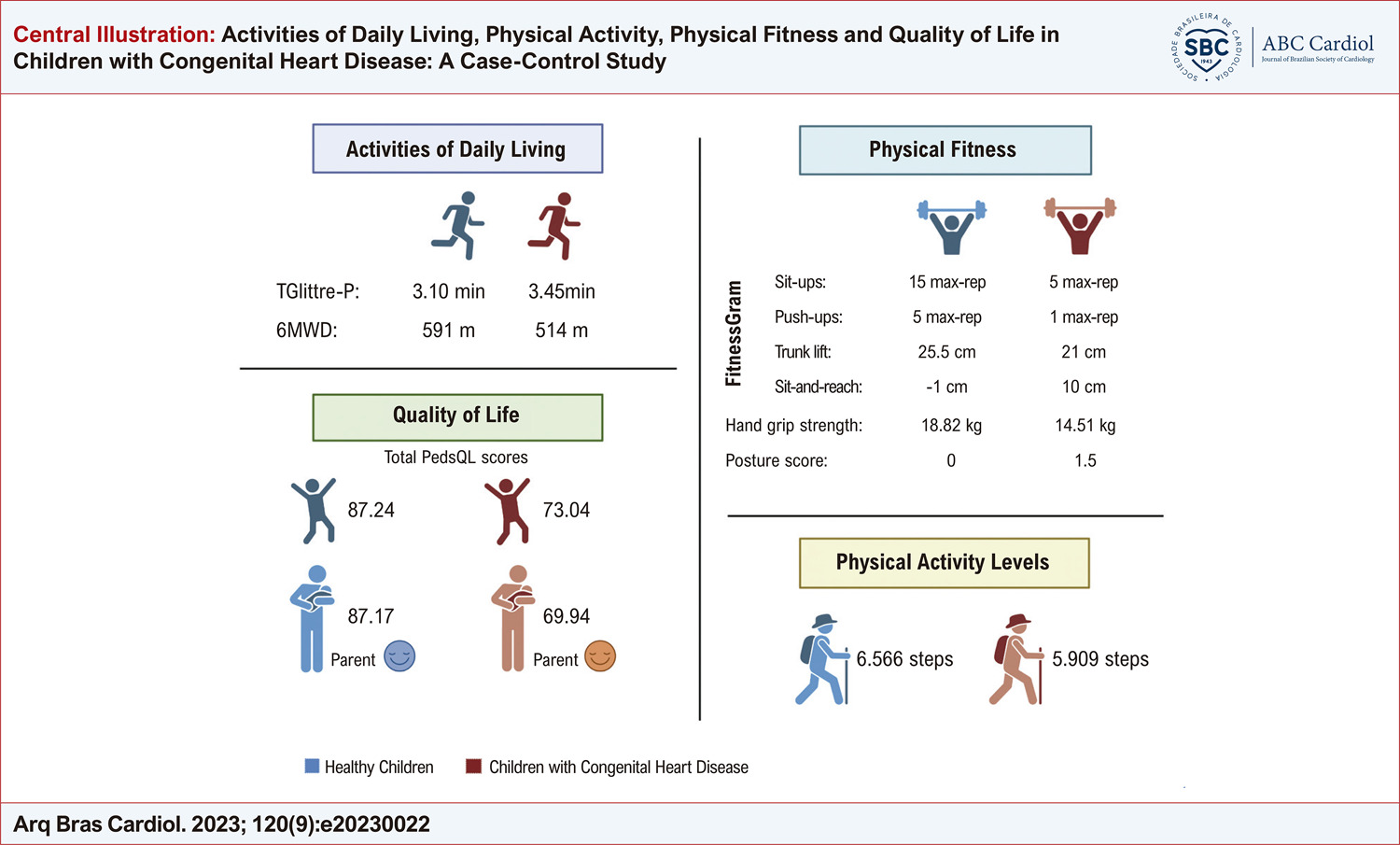
Individuals with CHD had a longer TGlittre-P test completion time and a shorter 6MWT distance than HC (TGlittre-P: CHD 3.45 [3.24-4.02]min vs. HC 3.10 [2.57-3.23]min, 6MWT: CHD 514.00 [412.50-566.00]m vs. HC 591.50 [533.00-631.00]m). For the CHD group, sit-ups, push-ups, trunk lift, and sit-and-reach test scores within the Fitnessgram battery, grip strength, posture, and quality of life scores were lower than those for the HC group. Physical activity levels were similar in the groups.

Conclusions

The performance of activities of daily living, functional capacity, physical fitness, posture, and quality of life of children with moderate and severe CHD were affected compared to healthy peers.
  • Activities of Daily Living
  • Case-Control Studies
  • Heart Defects, Congenital
  • Motor Activity
  • physical fitness
  • Quality of life
Read Full Article
Creative Commons Attribution (CC BY) Creative Commons license
13/10/2023 DOI: 10.36660/abc.20230022 Views 2
ABC
Editorial

Is Adolescents' Cardiometabolic Health Affected by Prolonged Periods of Inactivity?

Andrea Wendt

The current literature regarding physical activity (PA) and sedentary behavior (SB) highlights the negative effect of considerable amounts of time spent in activities such as sitting, TV viewing, computer use, and some work and study activities on cardiovascular health. SB may be defined as any waking behavior characterized by an energy expenditure ≤ 1.5 metabolic equivalents while in a sitting, reclining, or lying posture., Thus, SB is not the absence or low level of PA, but it can coexist with it. In this sense, a recent review showed an interaction between SB and PA, providing evidence that individuals with higher time spent in SB presented a higher risk of cardiovascular mortality. However, estimates have been less consistent in individuals with higher PA levels.

The literature cites a series of possible mechanisms for SB effects, independent of PA, on metabolic and cardiovascular outcomes. One of these mechanisms is the decrease in enzymatic activity responsible for HDL production and the capture of triglycerides in the blood chain due to sustained inactivity in sitting, reclining, or lying posture. In this regard, strategies reducing the time spent in SB or interrupting sustained inactivity have been studied. Some of these approaches focus on standing up for a while or a short period of movement between periods of sitting time (breaks in SB). A meta-analysis with adults found a positive effect of breaks in SB on adiposity control and glycemia. In addition, an experimental study showed that 1-to-2–minute breaks in sedentary work activities every half an hour resulted in small-to-moderate declines in total cholesterol, triglycerides, and fasting blood glucose.

[…]

  • Adolescent, Cholesterol
  • body mass index
  • Cardiovascular Diseases/physiopathology
  • Epidemiology
  • Metabolic Diseases
  • Motor Activity
  • Sedentarism
  • Triglycerides
Read Full Article
Creative Commons Attribution (CC BY) Creative Commons license
06/09/2021 DOI: 10.36660/abc.20210479
ABC
Editorial

The Paradox of Exercise Intensity in Preventing Cardiovascular Events in Peripheral Arterial Occlusive Disease

Pablo de Souza et al. Cássio Perfete

Peripheral arterial disease (PAD) is characterized by narrowing of the arteries of the lower limbs due to atherosclerotic involvement. Its clinical manifestations go far beyond just a reduction in blood flow, leading to chronic ischemia. Current evidence shows that endothelial dysfunction, oxidative stress, arterial stiffness and inflammation also lead to functional impairment, consequently to patient decline.

All these factors end up impacting the quality of life of individuals, as it reduces their walking resistance, with intermittent claudication (IC) as the main symptom. Last but not least, we have also found progressive damage to muscle fibers caused by this chronic ischemia, further worsening the dysfunction of the skeletal muscle and metabolic morphology of the limb. This ends up creating an important barrier to the practice of physical activity, perpetuating and increasing the risk of cardiovascular events.–

[…]

  • Coronary Artery Disease
  • Exercise
  • Intermittent Claudication
  • Motor Activity
  • Rehabilitation
  • Risk Factors
  • walking
Read Full Article
Creative Commons Attribution (CC BY) Creative Commons license
06/09/2021 DOI: 10.36660/abc.20210595 Views 2
ABC
Original Article

Blood Pressure in Children: Association with Anthropometric Indicators, Body Composition, Cardiorespiratory Fitness and Physical Activity

Gisele Pinheiro et al. Júlio Mello Adroaldo Gaya Anelise Reis Gaya

Abstract

Background:

Evidence points to anthropometric and fitness variables as associated factors with children’s blood pressure. Analysing these factors in a single context is a relevant possibility of identifying the weight that each factor can present for the development of arterial hypertension.

Objective:

Identify the possible associations between anthropometric measurements, body composition, moderate-vigorous physical activity (MVPA) and cardiorespiratory fitness (CRF) with blood pressure in children.

Methods:

Correlational study with a quantitative approach. Sample: 215 schoolchildren aged 6-12 years selected by convenience criteria of a public school in Porto Alegre, Brazil. Blood pressure was measured with a digital sphygmomanometer. For data treatment, the values of systolic and diastolic blood pressure were standardized (Z score) and added. The variables tested as predictors were: MVPA; body fat percentage (BF%); Body Mass Index (BMI); waist-height ratio (WHTR); maturity-offset and CRF. After checking the normality parameters, the crude and adjusted associations (for sex, age and maturity-offset) were tested with linear regression equations. For the analyses, p <0.05 was considered.

Results:

Three different models indicated the best sets of factors associated with standardized blood pressure. Model 1 (R2 = 0.21) consisted of the variables WHTR (β = 9.702) and MVPA (β = −0.021). Model 2 (R2 = 0.19) was composed of the variables BMI (β = 0.156) and MVPA (β = −0.021). Model 3 (R2 = 0.18) included the variables BF% (β = 0.063) and CRF (β = −0.004).

Conclusion:

Blood pressure in children is predicted by the body variables BF%, BMI and WHTR, in addition, it is negatively associated with MVPA and CRF.

  • Anthropometry
  • Blood Pressure
  • Body Composition
  • Child
  • Exercise
  • Motor Activity
  • physical fitness
Read Full Article
Creative Commons Attribution (CC BY) Creative Commons license
17/05/2021 DOI: 10.36660/abc.20190520 Views 1
Figure 1
IJCS
Original Article

Athletes Health during Pandemic Times: Hospitalization Rates and Variables Related to COVID-19 Prevalence among Endurance Athletes

Fabricio Braga da Silva et al. Beatriz Fonseca Fernanda Domecg Marcelo Riccio Facio … Christiane Prado Leandro Toledo Walter Tuche

Abstract

Background

The SARS-COV2 pandemic has deeply affected the availability for training and competing for recreational and professional athletes. However, to date, the disease’s course among the athletic population has not been *studied .

Objectives

To compare the observed and expected rates of hospitalization for COVID-19 and to establish relationships between demographics and sportive characteristics of an athletic sample, and the COVID-19 infection rate.

Material and Methods

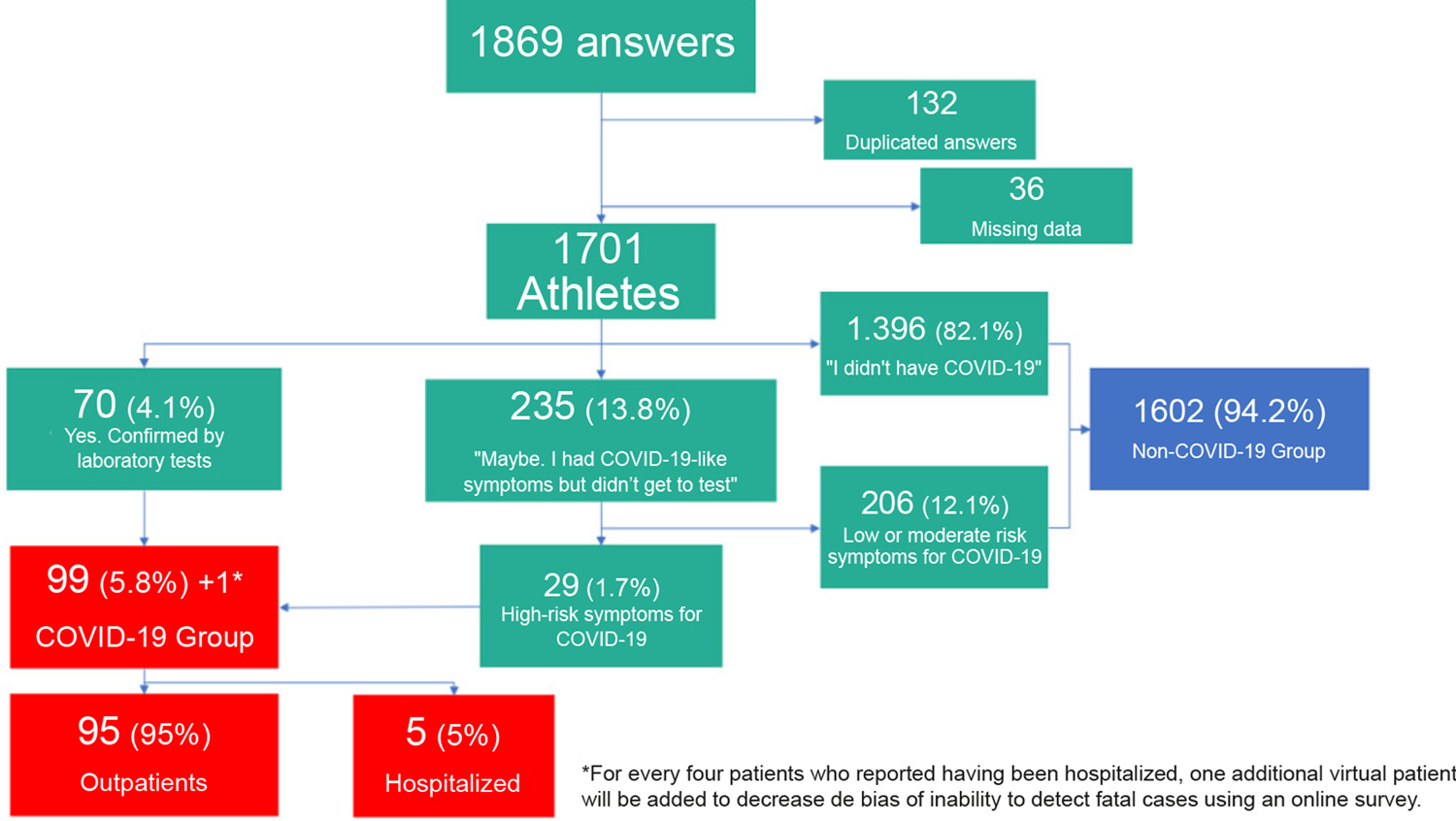
This study uses cross-sectional data sampling through an online questionnaire to collect data from recreational and professional athletes. Based on self-reports, athletes were grouped in COVID-19 and Non-COVID-19 cases. To decrease detection bias for each four patients who reported being hospitalized, one additional virtual patient was added to the sample. The observed rate of hospitalization (ORH) was compared with age expected rate of hospitalization (ERH) from the literature data. A multivariate model (MM) was developed to establish independent relationships between the prevalence of COVID-19 cases and the variables mentioned above. The statistical significance level was defined for a p-value<0.05.

Results

Answers from 1,701 individuals were analyzed. The COVID-19 group was comprised of 99 (5.8%) individuals, four of whom reported having been hospitalized. ORH and ERH were respectively of 5.0% and 18.1% (p=0.001). In the MM female gender (OR=2.02, 95% CI 1.28 to 3.19), cycling (OR=2.91, 95% CI 1.58 to 5.39), swimming (OR=2.97, 95% CI 1.14 to 7.74), and triathlon (OR=2.10, 95% CI 1.13 to 3.91) were independently associated with a COVID-19 prevalence.

Conclusion

Self-reported rates of hospitalization for COVID-19 among athletes were much lower than expected. The prevalence of positive cases of COVID-19 was independently higher for cyclists, triathletes, and swimmers than for runners.

  • Betacoronavirus, SARS-COV-2, Athletes
  • COVID-19
  • Exercise
  • Hospitalization
  • Motor Activity
Read Full Article
Creative Commons Attribution (CC BY) Creative Commons license
26/02/2021 DOI: 10.36660/ijcs.20200208 Views 1
ABC
Editorial

Oxygen Consumption and Cardiorespiratory Fitness. The Difference between Chronological and Biological Age

Artur Haddad Herdy et al. Amberson Vieira Assis

Oxygen is undoubtedly one of the main elements for the life of an aerobic organism. Animals with more complex structures, including humans, developed oxidative metabolism in the evolutionary process as the main source of energy production. Therefore, our ability to consume and use oxygen represents our main power plant and is closely associated with our vitality. Its measurement should undoubtedly be considered as another vital sign. When assessing athletes or people with severe pathologies, oxygen consumption (VO2) is an important marker of performance or survival. VO2 also defines essential therapies in critically-ill patients with CHF. In a series of 715 patients referred for heart transplantation, the event-free survival, such as death and transplantation in one year, was 87% with VO2 > 14, 77% between 10.1 and 14, and 65% when VO2 ≤ 10 mL/kg.min., On the other hand, values above 20 mL/kg.min are considered to have a better prognosis and may continue with the pharmacological therapy.

Recently, in the current coronavirus-19 pandemic (Sars-CoV-2), the value of arterial oxygen levels showed to be an important tool in the assessment of the severity of these patients. In the initial cases of lung injury, patients were relatively well, despite oxygen desaturation, which is not very responsive to oxygen therapy, in a clear gap between the severity of hypoxemia and symptoms, which has been described as “Happy hypoxemia”. The early monitoring of oxygen saturation since the home phase allowed the anticipation of the dyspnea onset, which already represents an indication of the advanced stage of pulmonary impairment and the imminent need for oxygen supplementation and/or invasive ventilation.

[…]

  • Endurance Training
  • Exercise
  • Healthy Lifestyle
  • Motor Activity
  • Myocardial Ischemia/prevention and control
  • Physical Endurance
  • Sedentarism
  • Social Class
Read Full Article
Creative Commons Attribution (CC BY) Creative Commons license
18/09/2020 DOI: 10.36660/abc.20200648
IJCS
Letter to the Editor

Declaring Physical Activity as ‘Essential’ During the COVID-19 Pandemic May not be a Good Measure

Rogério Tosta Almeida et al. Ciro Oliveira Queiroz Estela M. L. Aquino

Dear Editor,

We congratulate the authors on the viewpoint entitled “Should Physical Activity Be Considered Essential During the COVID-19 Pandemic?”, and we are thankful for the opportunity to provide some contributions on this current and relevant topic.

[…]

  • Betacoronavirus
  • COVID-19
  • Exercise
  • Mental Health
  • Motor Activity
  • Pandemics
  • Social Distancing
  • Sports
Read Full Article
Creative Commons Attribution (CC BY) Creative Commons license
28/08/2020 DOI: 10.36660/ijcs.20200165 Views 1
ABC
Original Article

Hypertension in Workers: The Role of Physical Activity and its Different Dimensions

Uelito Everaldo Souza Ribeiro Junior et al. Rita de Cassia Pereira Fernandes

Abstract

Background

Physical activity, each type in its own manner, whether occupational, domestic or leisure, can play a significant role regarding high blood pressure (HBP). However, practicing physical activity only at leisure time, or in specific situations, can be insufficient to achieve the effective control of HBP.

Objective

To analyze the isolated and cumulative effect of different types of physical activity and the prevalence of HBP among workers.

Methods

A cross-sectional study with 1,070 Urban Cleaning and Footwear Industry workers in Bahia, who answered a survey, conducted by an interviewer on sociodemographic, occupational, lifestyle and hypertensive morbidity aspects. Weight, height, waist circumference and blood pressure were measured. Case of HBP: Systolic blood pressure ≥140 or diastolic blood pressure ≥90, or regular treatment for HBP. The occupational, domestic and leisure aspects of Physical Activity were studied. A multivariate analysis with Cox Regression was performed for cross-sectional studies.

Results

The prevalence of HBP was 24%, being 37% among workers aged between 35-44 years, and 51% among workers aged between 45-54 years. The multivariate model showed that workers who were active in one form of physical activity only or no forms had 62% higher BP levels and that these levels were 25% higher among workers who were active in two out of three physical activity forms. Being a male, being older (> 31 years old) and being overweight were characteristics associated with HBP, with prevalence ratios of 1.62, 2.10 and 2.26, respectively.

Conclusions

There was a cumulative effect of the form of physical activity on the occurrence of HBP. Classifying active subjects at work or at home as inactive persons by relying only on the leisure form can lead to methodological errors. (Arq Bras Cardiol. 2020; 114(5):755-761)

  • Anthropometry
  • Hypertension
  • Life Style
  • Motor Activity
  • Physical Exerton
  • Socioeconomic Factors
  • Urban Cleaning Service
  • Work
  • Workers
Read Full Article
Creative Commons Attribution (CC BY) Creative Commons license
01/06/2020 DOI: 10.36660/abc.20190065 Views 1
ABC
Editorial

Physically Active Lifestyle as an Approach to Confronting COVID-19

Maycon Junior Ferreira et al. Maria Cláudia Irigoyen Fernanda Consolim-Colombo José Francisco Kerr Saraiva Kátia De Angelis

The rapid, uncontrollable spread of the new coronavirus (SARS-CoV-2) throughout the world, in conjunction with its severity, led the Director-General of the World Health Organization (WHO) to characterize the situation as a pandemic on March 11, 2020.1It is currently possible to observe increasingly intense efforts on the part of health organizations and public authorities with the aim of containing the progress and spread of SARS-CoV-2. SARS-CoV-2 has emerged as a new subtype of human severe acute respiratory syndrome (SARS-CoV) characterized by high transmission capacity and induction of severe respiratory infection. Recent studies have demonstrated a high prevalence of hypertension and diabetes in elderly patients affected by COVID-19 who died in Wuhan, China,2,3which was the epicenter of the SARS-CoV-2 outbreak; this suggests that these comorbidities are important risk factors for deterioration and worse prognosis of complications associated with COVID-19.

Considering the recommendations for social isolation currently imposed in different countries, it is fundamental to encourage the population to maintain a physically active lifestyle routine as a preventative health measure during this period of confronting the spread of the virus. During periods of confinement at home, the population tends to adopt a sedentary routine, which favors increased body weight gain, as well as the emergence of comorbidities associated with greater cardiovascular risk, such as obesity, increased blood pressure, and glucose intolerance, in addition to psychosocial disorders such as anxiety and depression. Sedentary behavior, whether sitting, watching TV, or spending time in front of electronic devices, has in fact been associated with increased body weight in children, adolescents, adults and elderly6as well as with a marked increase in the risk of cardiovascular mortality.7It has, on the contrary, been shown that the risk of developing cardiovascular diseases and mortality is reduced in individuals with physically active life habits, such as going on moderately intense walks.8It has furthermore been demonstrated that the risk of upper respiratory tract infection due to coronavirus is potentially greater in the presence of immune system deficiency.9In this sense, there is strong evidence in the literature that practicing physical exercise is a beneficial measure for improving immunity.10-12The American College of Sports Medicine has recently published a guide suggesting that moderately intense physical activity should be maintained during the period of quarantine due to SARS-CoV-2, emphasizing the importance of every minute of physical activity to health.13

[…]

  • Coronavirus-19
  • COVID-19
  • Exercise
  • Motor Activity
  • Prevention and Control
  • Risk Factors
  • Sedentarism
Read Full Article
Creative Commons Attribution (CC BY) Creative Commons license
09/04/2020 DOI: 10.36660/abc.20200235 Views 2
Figure 1
ABC
Original Article

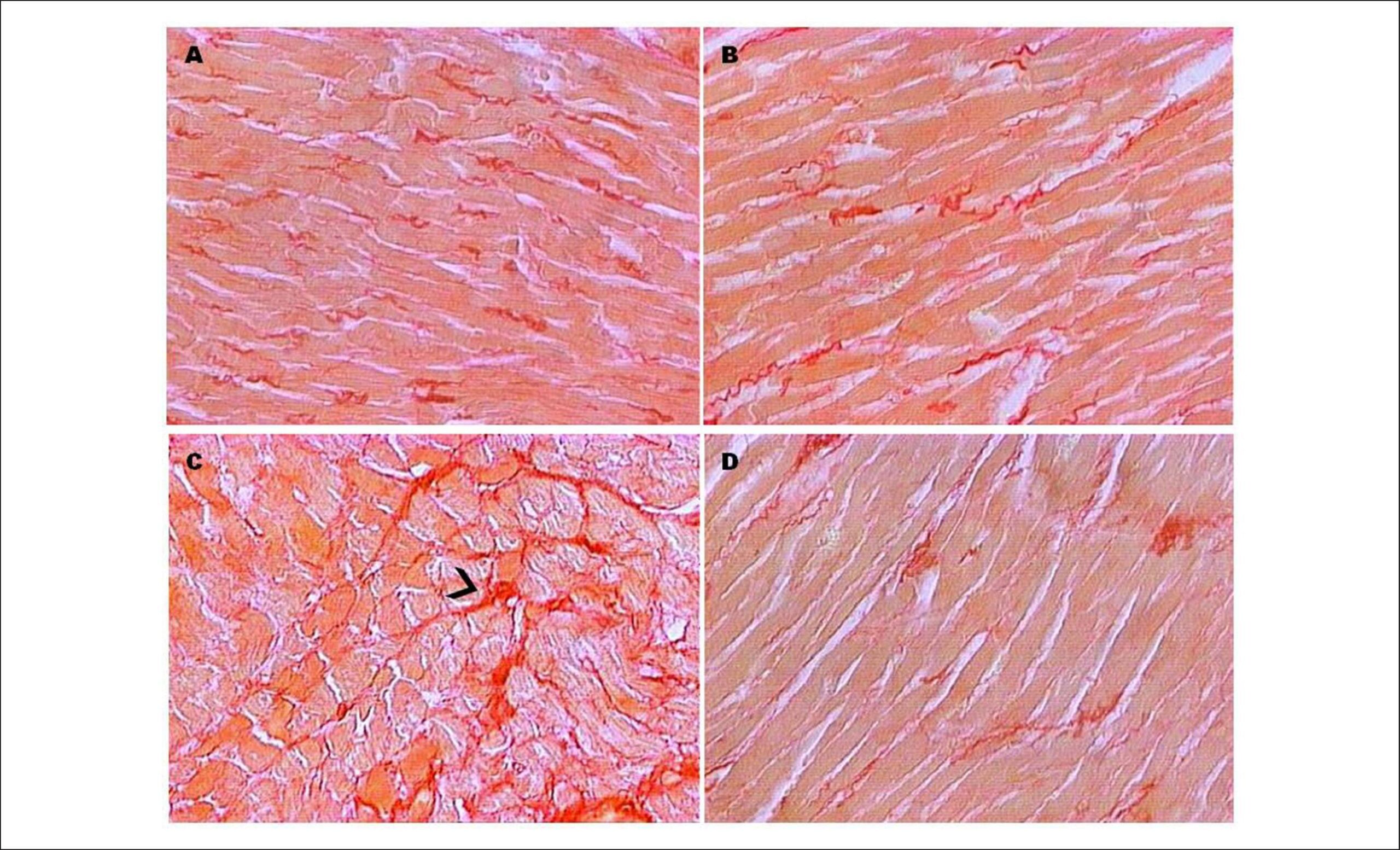
Effects of Physical Training on the Myocardium of Oxariectomized LDLr Knockout Mice: MMP 2/9, Collagen I/III, Inflammation and Oxidative Stress

Ledimar Brianezi et al. Elisabete Ornelas Flávia de Sousa Gehrke Fernando Luiz Affonso Fonseca … Beatriz da Costa Aguiar Alves Luiz Vinicius de Alcantara Sousa Jessica Souza Laura Beatriz Mesiano Maifrino

Abstract

Background:

The emergence of coronary heart disease is increased with menopause, physical inactivity and with dyslipidemia. Physical training is known to promote the improvement of cardiovascular functions.

Objective:

To investigate the effects of aerobic physical training on the left ventricle in ovariectomized LDL knockout mice.

Methods:

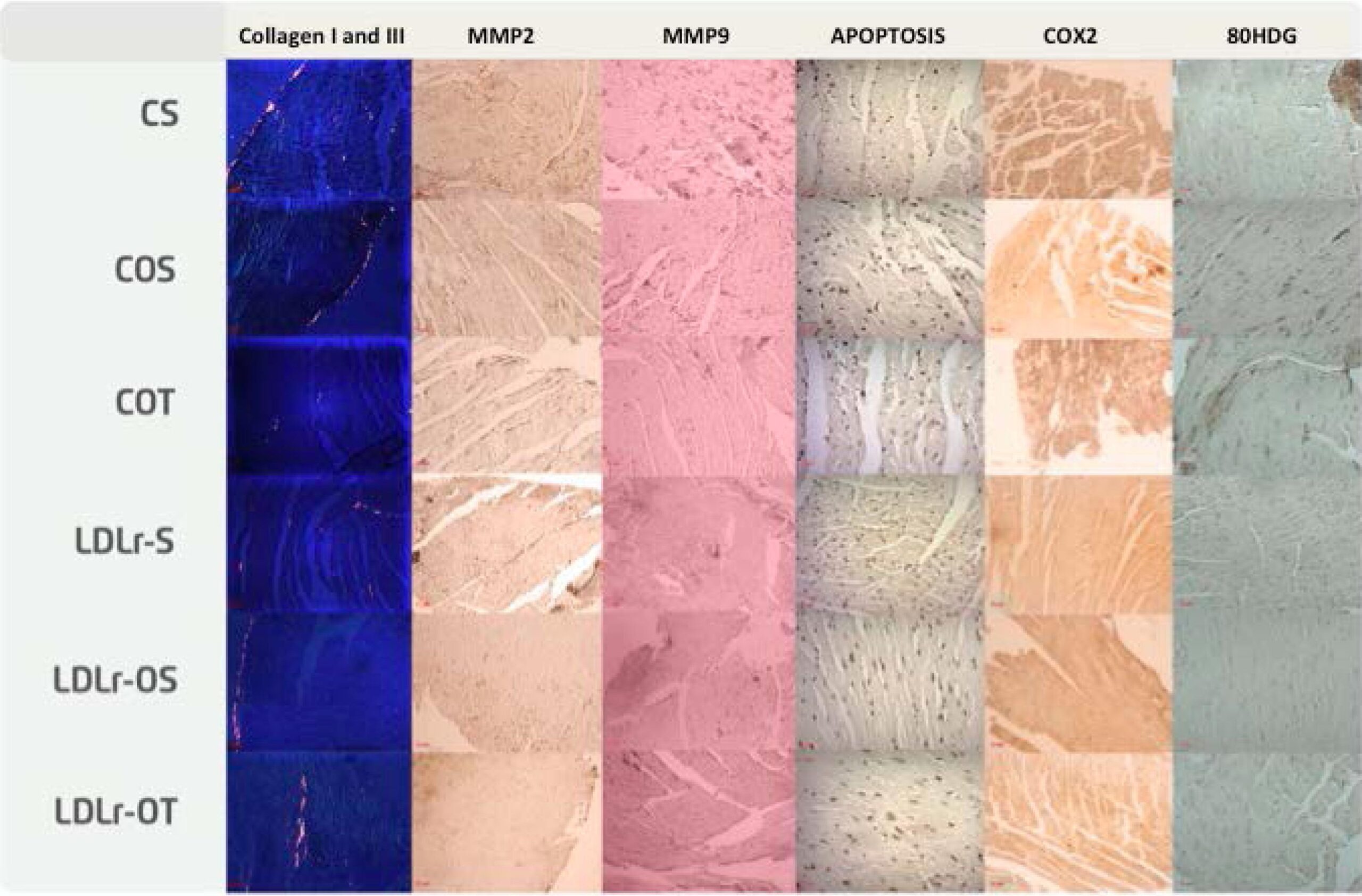
Thirty animals were divided into 6 groups (n = 5): Sedentary non-ovariectomized control; Sedentary ovariectomized control; Trained ovariectomized control; Sedentary non-ovariectomized LDL-knockout, sedentary ovariectomized LDL-knockout and trained ovariectomized LDL-knockout. We analyzed the average parameters of apparent density of collagen fibers types I and III, and metalloproteinase type 2 and type 9, were considered significant p < 0.05.

Results:

The results showed that the proposed exercise protocol altered the volume of type I collagen fibers, altered collagen remodeling parameters (MMP-2), and also reduced the 8-hydroxy-2’-deoxyguanosine (8OHdG) oxidative stress parameter.

Conclusion:

Moderate intensity aerobic training acts on collagen fiber volume, on collagen remodeling with the reduction of oxidative stress in the left ventricles of ovariectomized LDL-knockout mice.

  • collagen
  • Coronary Artery Disease
  • Dyslipidemias
  • Exercise
  • Inflammation
  • Menopause
  • Mice
  • Motor Activity
  • Oxidative Stress
Read Full Article
Creative Commons Attribution (CC BY) Creative Commons license
21/10/2019 DOI: 10.5935/abc.20190223 Views 1
Figure 1
ABC
Original Article

Physical Activity Levels in Peripheral Artery Disease Patients

Aline Mendes Gerage et al. Marilia de Almeida Correia Paulo Mesquita Longano de Oliveira Aline Cabral Palmeira … Wagner Jorge Ribeiro Domingues Antônio Eduardo Zeratti Pedro Puech-Leão Nelson Wolosker Raphael Mendes Ritti-Dias Gabriel Grizzo Cucato

Abstract

Background:

Increases in daily physical activity levels is recommended for patients with peripheral artery disease (PAD). However, despite this recommendation, little is known about the physical activity patterns of PAD patients.

Objective:

To describe the physical activity patterns of patients with symptomatic peripheral artery (PAD) disease.

Methods:

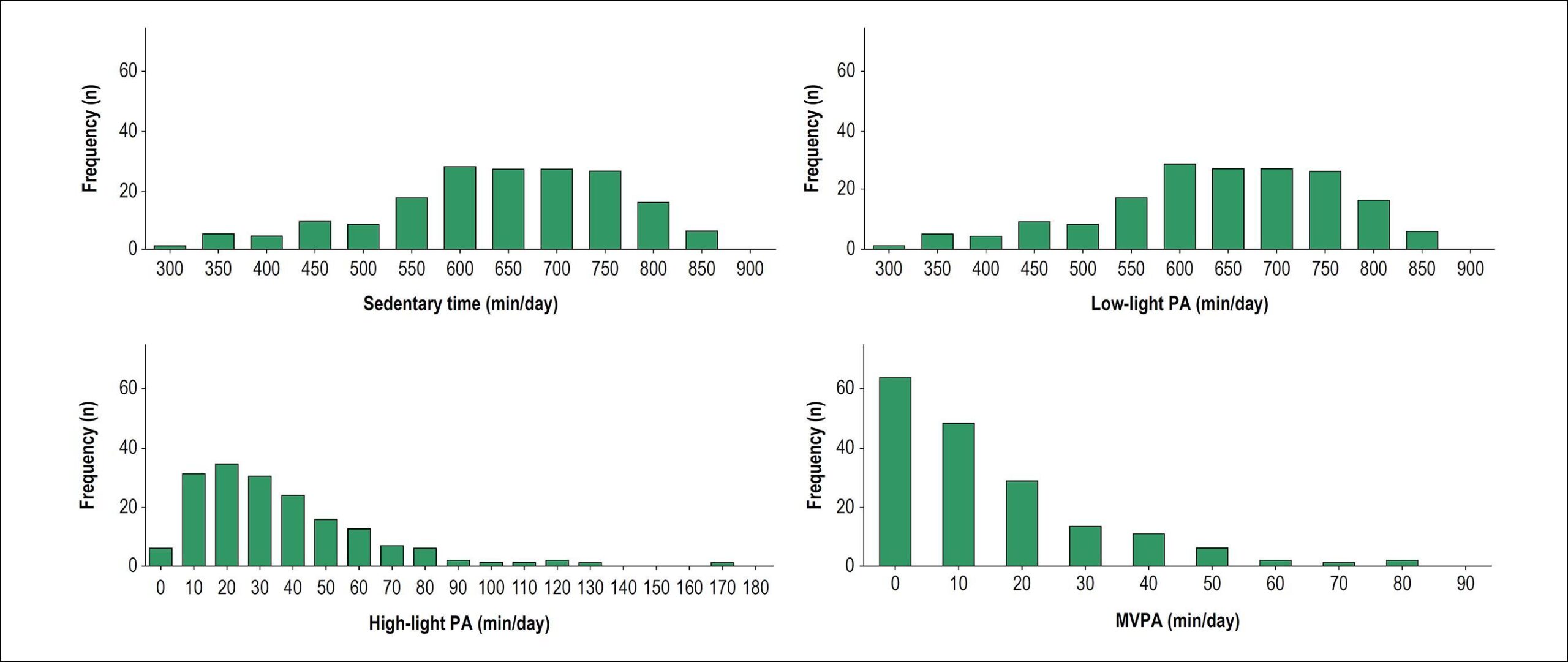
This cross-sectional study included 174 PAD patients with intermittent claudication symptoms. Patients were submitted to clinical, hemodynamic and functional evaluations. Physical activity was objectively measured by an accelerometer, and the time spent in sedentary, low-light, high-light and moderate-vigorous physical activities (MVPA) were obtained. Descriptive analysis was performed to summarize patient data and binary logistic regression was used to test the crude and adjusted associations between adherence to physical activity recommendation and sociodemographic and clinical factors. For all the statistical analyses, significance was accepted at p < 0.05.

Results:

Patients spent in average of 640 ± 121 min/day, 269 ± 94 min/day, 36 ± 27 min/day and 15 ± 16 min/day in sedentary, low-light, high-light and MVPA, respectively. The prevalence of patients who achieved physical activity recommendations was 3.4%. After adjustment for confounders, a significant inverse association was observed between adherence to physical activity recommendation and age (OR = 0.925; p = 0.004), while time of disease, ankle brachial index and total walking distance were not associated with this adherence criteria (p > 0.05).

Conclusion:

The patterns of physical activity of PAD patients are characterized by a large amount of time spent in sedentary behaviors and a low engagement in MVPA. Younger patients, regardless of the clinical and functional factors, were more likely to meet the current physical activity recommendations.

  • Exercise
  • Intermittent Claudication
  • Motor Activity
  • Peripheral Arterial Disease
  • Waling
Read Full Article
Creative Commons Attribution (CC BY) Creative Commons license
29/07/2019 DOI: 10.5935/abc.20190142 Views 2
Figure 1
ABC
Original Article

Playful Interventions Increase Knowledge about Healthy Habits and Cardiovascular Risk Factors in Children: The CARDIOKIDS Randomized Study

Fátima H. Cecchetto et al. Daniela B. Pena Lucia C. Pellanda

Abstract

Background:

Childhood obesity is an important health problem worldwide. In this context, there is a need for the development and evaluation of innovative educational interventions targeting prevention and formation of health habits.

Objectives:

To ascertain the impact of ludic workshops on children’s knowledge, self-care, and body weight.

Methods:

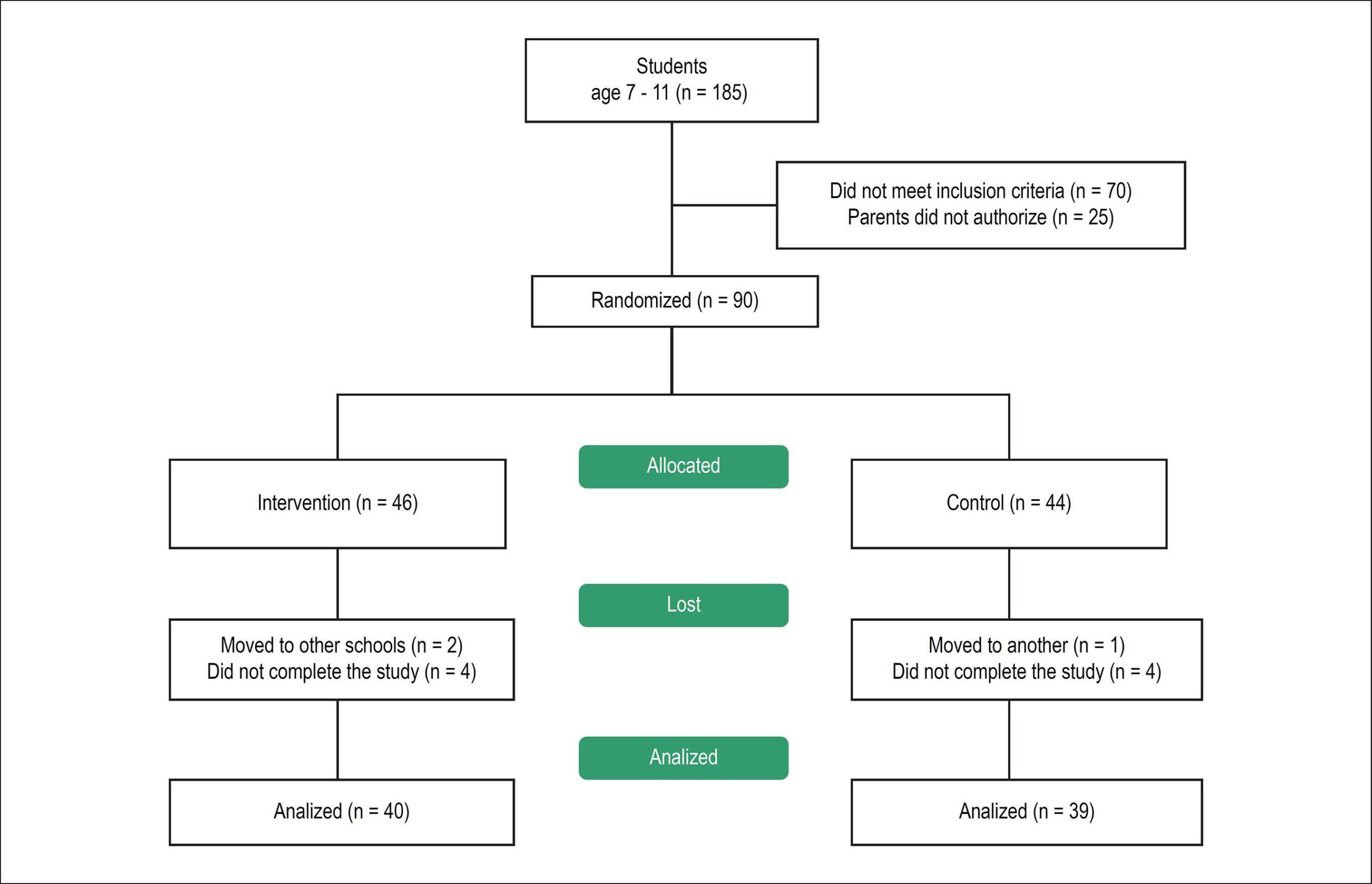
This was a randomized, clinical study with 79 students aged 7-11 years, conducted from March to November 2012. Anthropometric measurements were collected and two questionnaires (Typical Day of Physical Activities and Food Intake, in Portuguese, and the CARDIOKIDS, a questionnaire of knowledge about cardiovascular risk factors) were applied at baseline, at the end of intervention, and three months thereafter. The intervention consisted of eight playful workshops, which involved the presentation of a play.

Results:

Seventy-nine students were randomized to the intervention (n = 40) or the control group (n = 39). Mean age was 10.0 ± 1.1 years. After eight weeks, the intervention group showed significant improvement in the knowledge score (p < 0.001). There was an increase in physical activity scores in both groups, but with no difference between the groups at the end of intervention (p = 0.209). A reduction in the BMI percentile was observed in the intervention group, but there was no significant statistical difference between the two groups after the intervention.

Conclusions:

Playful interventions may improve knowledge and physical activity levels in children and, when combined with other strategies, may be beneficial to prevent child obesity and improve self-care.

  • Child
  • Games, Recreational
  • Knowledge
  • Motor Activity
  • Pediatric Obesity
  • Randomized Controlled Trial as Topic
Read Full Article
Creative Commons Attribution (CC BY) Creative Commons license
20/07/2017 DOI: 10.5935/abc.20170107 Views 1
Figure 1
ABC
Original Article

Healthy School, Happy School: Design and Protocol for a Randomized Clinical Trial Designed to Prevent Weight Gain in Children

Daniela Schneid Schuh et al. Maíra Ribas Goulart Sandra Mari Barbiero Caroline D’Azevedo Sica … Raphael Borges David William Moraes Lucia Campos Pellanda

Abstract

Background:

Schools have become a key figure for the promotion of health and obesity interventions, bringing the development of critical awareness to the construction and promotion of a healthy diet, physical activity, and the monitoring of the nutritional status in childhood and adolescence.

Objectives:

To describe a study protocol to evaluate the effectiveness of an intervention designed to improve knowledge of food choices in the school environment.

Methods:

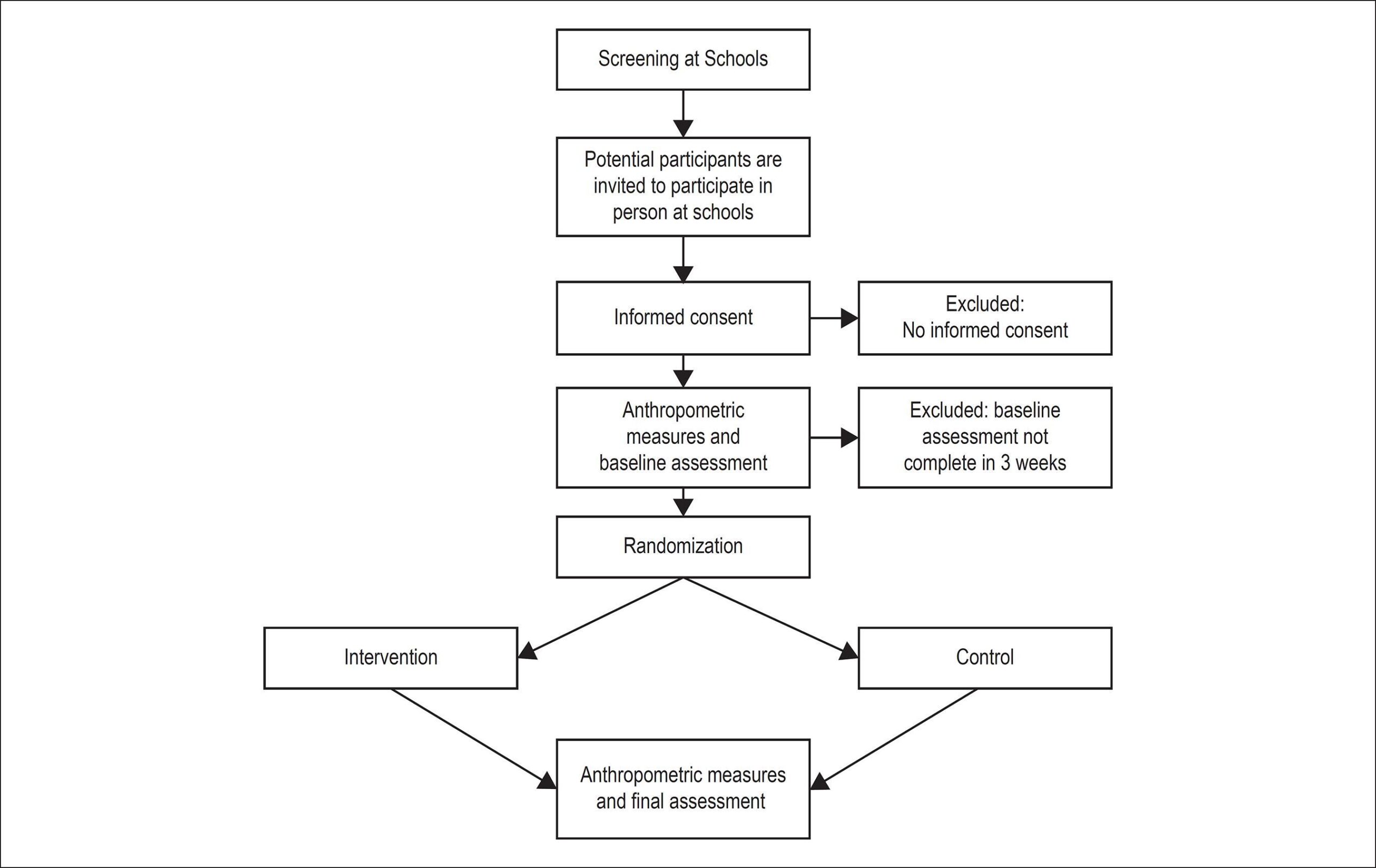
This is a cluster-randomized, parallel, two-arm study conducted in public elementary and middle schools in Brazil. Participants will be children and adolescents between the ages of 5 and 15 years, from both genders. The interventions will be focusing on changes in lifestyle, physical activities and nutritional education. Intervention activities will occur monthly in the school’s multimedia room or sports court. The control group arm will receive usual recommendations by the school. The primary outcome variable will be anthropometric measures, such as body mass index percentiles and levels of physical activity by the International Physical Activity Questionnaire.

Results:

We expect that after the study children will increase the ingestion of fresh food, reduce excessive consumption of sugary and processed foods, and reduce the hours of sedentary activities.

Conclusion:

The purpose of starting the dietary intervention at this stage of life is to develop a knowledge that will enable for healthy choices, providing opportunities for a better future for this population.

  • Body weight
  • Diet, Food and Nutrition
  • Health Behavior
  • Health Promotion
  • Motor Activity
  • Obesity
  • Prevention & Control
  • Schools
Read Full Article
Creative Commons Attribution (CC BY) Creative Commons license
01/06/2017 DOI: 10.5935/abc.20170072 Views 1
Figure 1
ABC
Original Article

Physical Activity and Lipid Profile in the ELSA- Brasil Study

Raquel Caroline da Silva et al. Maria de Fátima Haueisen Sander Diniz Sheila Alvim Pedro Guatimosim Vidigal … Ligia Maria Giongo Fedeli Sandhi Maria Barreto

Abstract

Background:

Regular physical activity (PA) induces desirable changes in plasma levels of high- and low-density lipoproteins (HDL and LDL, respectively) and triglycerides (TG), important risk factors for cardiometabolic diseases. However, doubts whether intensity and duration have equivalent benefits remain.

Objective:

To assess the association of PA intensity and duration with HDL, LDL and TG levels.

Methods:

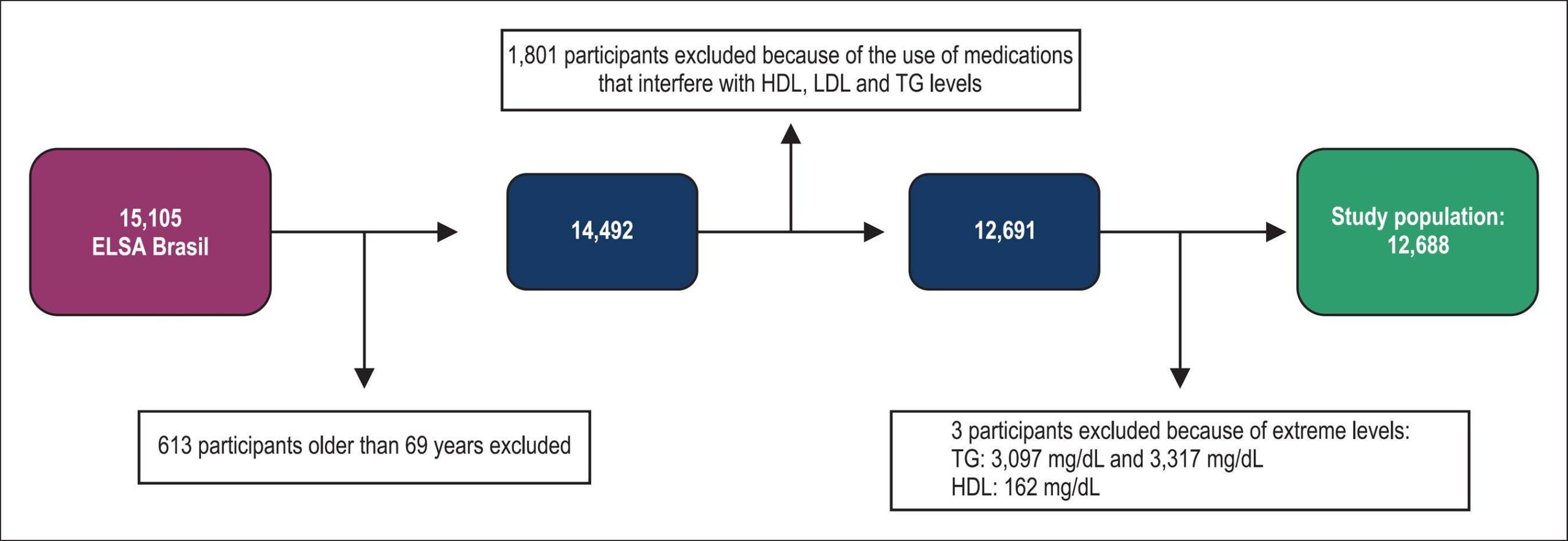
Cross-sectional study with 12,688 participants from the Brazilian Longitudinal Study of Adult Health (ELSA-Brasil) baseline, who were not on lipid-lowering medication. After adjustment for important covariates, multiple linear regression was used to assess the association of PA intensity and duration with HDL, LDL and TG (natural logarithm) levels.

Results:

Both moderate and vigorous PA and PA practice ≥ 150 min/week were significantly associated with higher HDL and lower TG levels. Vigorous PA was associated with lower LDL only on univariate analysis. After adjustments, moderate and vigorous PA increased mean HDL level by 0.89 mg/dL and 1.71 mg/dL, respectively, and reduced TG geometric mean by 0.98 mg/dL and 0.93 mg/dL, respectively. PA practice ≥ 150 min/week increased mean HDL level by 1.05 mg/dL, and decreased TG geometric mean by 0.98 mg/dL.

Conclusion:

Our findings reinforce the benefits of both PA parameters studied on HDL and TG levels, with a slight advantage for vigorous PA as compared to the recommendation based only on PA duration.

  • Cardiovascular Diseases
  • Cholesterol
  • Health Profile
  • Hypercholesterolemia
  • Motor Activity
  • Triglycerides
Read Full Article
Creative Commons Attribution (CC BY) Creative Commons license
23/06/2016 DOI: 10.5935/abc.20160091 Views 2
Figure 1
ABC
Original Article

Effects of Growth Hormone on Cardiac Remodeling During Resistance Training in Rats

Adriana Junqueira et al. Antônio Carlos Cicogna Letícia Estevam Engel Maiara Almeida Aldá … Loreta Casquel de Tomasi Rogério Giuffrida Inês Cristina Giometti Ana Paula Coelho Figueira Freire Andreo Fernando Aguiar Francis Lopes Pacagnelli

Abstract

Background:

Although the beneficial effects of resistance training (RT) on the cardiovascular system are well established, few studies have investigated the effects of the chronic growth hormone (GH) administration on cardiac remodeling during an RT program.

Objective:

To evaluate the effects of GH on the morphological features of cardiac remodeling and Ca2+ transport gene expression in rats submitted to RT.

Methods:

Male Wistar rats were divided into 4 groups (n = 7 per group): control (CT), GH, RT and RT with GH (RTGH). The dose of GH was 0.2 IU/kg every other day for 30 days. The RT model used was the vertical jump in water (4 sets of 10 jumps, 3 bouts/wk) for 30 consecutive days. After the experimental period, the following variables were analyzed: final body weight (FBW), left ventricular weight (LVW), LVW/FBW ratio, cardiomyocyte cross-sectional area (CSA), collagen fraction, creatine kinase muscle-brain fraction (CK-MB) and gene expressions of SERCA2a, phospholamban (PLB) and ryanodine (RyR).

Results:

There was no significant (p > 0.05) difference among groups for FBW, LVW, LVW/FBW ratio, cardiomyocyte CSA, and SERCA2a, PLB and RyR gene expressions. The RT group showed a significant (p < 0.05) increase in collagen fraction compared to the other groups. Additionally, the trained groups (RT and RTGH) had greater CK-MB levels compared to the untrained groups (CT and GH).

Conclusion:

GH may attenuate the negative effects of RT on cardiac remodeling by counteracting the increased collagen synthesis, without affecting the gene expression that regulates cardiac Ca2+ transport.

  • Exercise
  • Growth Hormone
  • Motor Activity
  • Rats
  • Ventricular Remodeling
Read Full Article
Creative Commons Attribution (CC BY) Creative Commons license
08/12/2015 DOI: 10.5935/abc.20160003 Views 1
Figure 1
ABC
Review Article

Impact of Physical Activity Interventions on Blood Pressure in Brazilian Populations

Vivian Freitas Rezende Bento et al. Flávia Barbizan Albino Karen Fernandes de Moura Gustavo Jorge Maftum … Mauro de Castro dos Santos Luiz César Guarita-Souza José Rocha Faria Neto Cristina Pellegrino Baena

Background:

High blood pressure is associated with cardiovascular disease, which is the leading cause of mortality in the Brazilian population. Lifestyle changes, including physical activity, are important for lowering blood pressure levels and decreasing the costs associated with outcomes.

Objective:

Assess the impact of physical activity interventions on blood pressure in Brazilian individuals.

Methods:

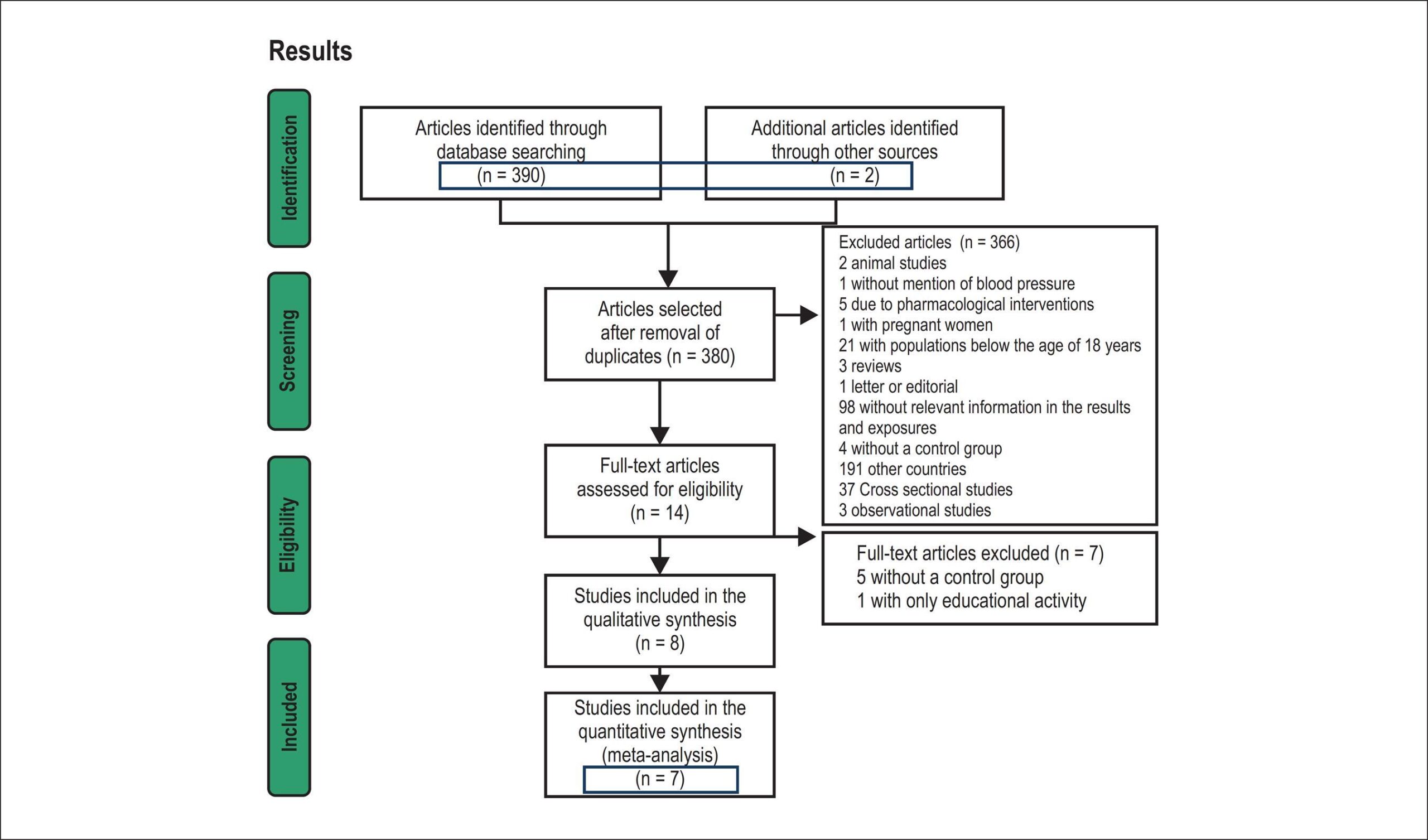
Meta-analysis and systematic review of studies published until May 2014, retrieved from several health sciences databases. Seven studies with 493 participants were included. The analysis included parallel studies of physical activity interventions in adult populations in Brazil with a description of blood pressure (mmHg) before and after the intervention in the control and intervention groups.

Results:

Of 390 retrieved studies, eight matched the proposed inclusion criteria for the systematic review and seven randomized clinical trials were included in the meta-analysis. Physical activity interventions included aerobic and resistance exercises. There was a reduction of -10.09 (95% CI: -18.76 to -1.43 mmHg) in the systolic and -7.47 (95% CI: -11.30 to -3.63 mmHg) in the diastolic blood pressure.

Conclusions:

Available evidence on the effects of physical activity on blood pressure in the Brazilian population shows a homogeneous and significant effect at both systolic and diastolic blood pressures. However, the strength of the included studies was low and the methodological quality was also low and/or regular. Larger studies with more rigorous methodology are necessary to build robust evidence.

  • Assessment of Health Impact
  • Blood Pressure
  • Epidemiology
  • Motor Activity
Read Full Article
Creative Commons Attribution (CC BY) Creative Commons license
19/05/2015 DOI: 10.5935/abc.20150048 Views 1
Prevalence of dyslipidemia in individuals physically active during childhood, adolescence and adult age
ABC
Artigo Original

Prevalence of dyslipidemia in individuals physically active during childhood, adolescence and adult age

Rômulo Araújo Fernandes et al. Diego Giulliano Destro Christofaro Juliano Casonatto Jamile Sanches Codogno … Eduardo Quieroti Rodrigues Mauro Leandro Cardoso Sandra Satie Kawaguti Angelina Zanesco

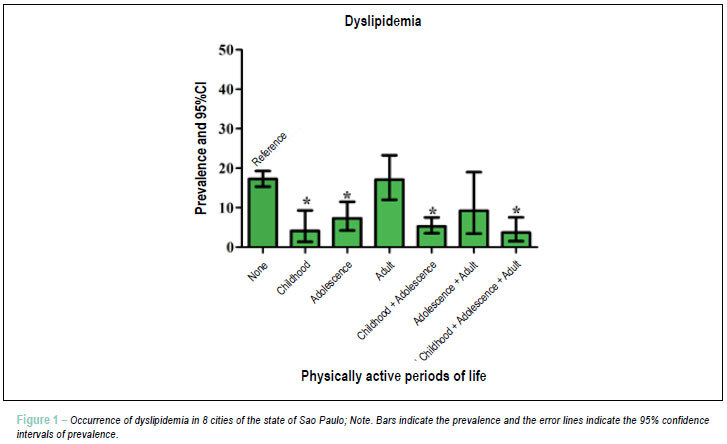
BACKGROUND: The prevalence of dyslipidemia is increasing in many parts of Brazil, but it is yet unclear how much exercise is needed to attain beneficial effects on plasma lipoprotein levels. OBJECTIVE: The study analyzed eight cities of the state of São Paulo, the association between the continued practice of physical exercise throughout life and the occurrence of dyslipidemia in adulthood. METHODS: Cross-sectional study involving 2,720 adults, of both sexes, living in eight cities of the state of São Paulo. Through household interviews, the presence of dyslipidemia was self-reported and physical exercise practice was assessed in childhood (7-10 years), adolescence (11-17 years) and adulthood (leisure activities). In the statistical analysis, multivariate models were created using binary logistic regression. RESULTS: The prevalence of dyslipidemia was 12.2% (95%CI: 11.1% -13.5%) and there was no difference between cities (p = 0.443). Women (p = 0.001) and obese individuals (p = 0.001) had a higher rate of dyslipidemia. Current practice of physical exercise was not associated with the presence of dyslipidemia ([> 180 minutes per week] p = 0.165); however, physical exercise, both in childhood (p = 0.001) and adolescence (p = 0.001) was associated with a lower incidence of the disease. Physically active adults in all three stages of life were 65% less likely to report dyslipidemia (OR = 0.35 [0.15 to 0.78]). CONCLUSION: The continued practice of physical exercise throughout life was associated with a lower incidence of dyslipidemia in adults in the State of São Paulo.

  • Adult
  • Brazil
  • Dyslipidemias
  • Exercise
  • Motor Activity
Read Full Article
Creative Commons Attribution (CC BY) Creative Commons license
05/08/2011 DOI: 10.1590/S0066-782X2011005000083 Views 1
ABC
Artigo Original

Relationship between leisure-time physical activity and blood pressure in adults

Francisco José Gondim Pitanga et al. Ines Lessa

BACKGROUND: High blood pressure (BP) is found at epidemic levels in adults of industrialized societies, thereby favoring an increase in the risk of development of numerous cardiovascular pathologies. OBJECTIVE: To investigate the relationship between leisure-time physical activity (LTPA) and high systolic blood pressure (SBP)/diastolic blood pressure (DBP) in adults, in the city of Salvador, state of Bahia. METHODS: A cross-sectional study was conducted with a sample of 2,292 adults of both sexes, aged > 20 years. Those who engaged in physical activity during their leisure time were considered to be active in their free time. We used logistic regression analysis to estimate the odds ratio (OR), with confidence interval of 95%. RESULTS: After the adjustment for age and stratification by sex, the relationships between LTPA and SBP/DBP were: SBP = 0.86 (0.85 to 0.87) for females and 0.65 (0.64 to 0.66) for males; DBP = 0.94 (0.92 to 0.95) for females and 0.64 (0.63 to 0.65) for males. CONCLUSION: The results of this study are important to public health and they must be used to raise awareness of the relevance of LTPA to prevent high levels of SBP/DBP.

  • Adults
  • Hypertension
  • Motor Activity
Read Full Article
Creative Commons Attribution (CC BY) Creative Commons license
17/09/2010 DOI: 10.1590/S0066-782X2010005000124 Views 2
Blood pressure, excess weight and level of physical activity in students of a public university
ABC
Artigo Original

Blood pressure, excess weight and level of physical activity in students of a public university

Maria do Carmo de Carvalho e Martins et al. Irapuá Ferreira Ricarte Cláudio Henrique Lima Rocha Rodrigo Batista Maia … Vitor Brito da Silva André Bastos Veras Manoel Dias de Souza Filho

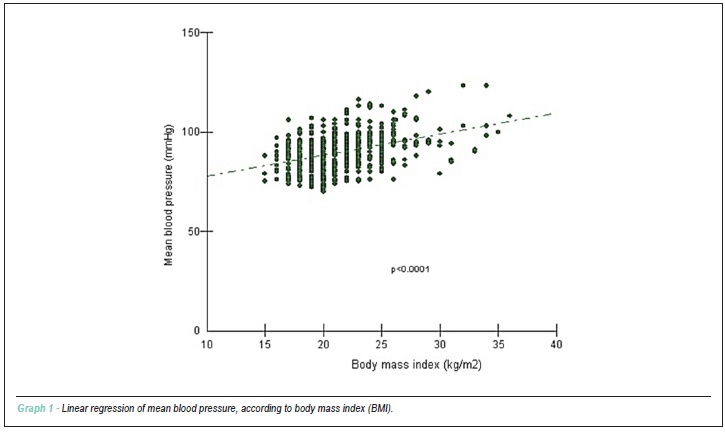
BACKGROUND: High blood pressure, excess weight and sedentary lifestyle are important risk factors for cardiovascular diseases, and they are closely associated. OBJECTIVE: To evaluate the nutritional status, level of physical activity and blood pressure levels of students of Universidade Federal do Piauí, Teresina, Brazil. METHODS: Cross-sectional study with a sample of 605 students (46.1% males and 53.9% females), with a mean age of 21.7 ± 3.7 years. The nutritional status was classified according to body mass index (BMI), and central adiposity according to waist circumference (WC). The level of physical activity was evaluated using the short version of the International Physical Activity Questionnaire (IPAQ). Elevated blood pressure was defined as systolic blood pressure > 140 mmHg and/or diastolic blood pressure > 90 mmHg. RESULTS: The prevalence of elevated blood pressure was 9.7%, and was higher among men. Excess weight (BMI > 25 kg/m²) was found in 18.2% of the students, with overweight and obesity rates of 15.2% and 3%, respectively. Abdominal obesity was found in 2.4% of the students regardless of gender, and sedentary lifestyle in 52%. The mean blood pressure increased with increasing BMI and WC. No association was found between the levels of physical activity and blood pressure. CONCLUSION: An association of increased body weight and waist circumference with higher blood pressure levels was observed among the participants. Instruments for an early assessment of the cardiovascular risk and preventive advice should be established for these young individuals.

  • Blood Pressure
  • Motor Activity
  • Overweight
  • students
Read Full Article
Creative Commons Attribution (CC BY) Creative Commons license
18/06/2010 DOI: 10.1590/S0066-782X2010005000069 Views 1
Comparative study of the Pro-Atherosclerotic Profile of students of Medicine and Physical Education
ABC
Artigo Original

Comparative study of the Pro-Atherosclerotic Profile of students of Medicine and Physical Education

Marcelo de Aquino Resende et al. Roberta Barreto Vasconcelos Resende Rodrigo da Silveira Tavares Carlos Roberto Rodrigues Santos José Augusto Soares Barreto-Filho

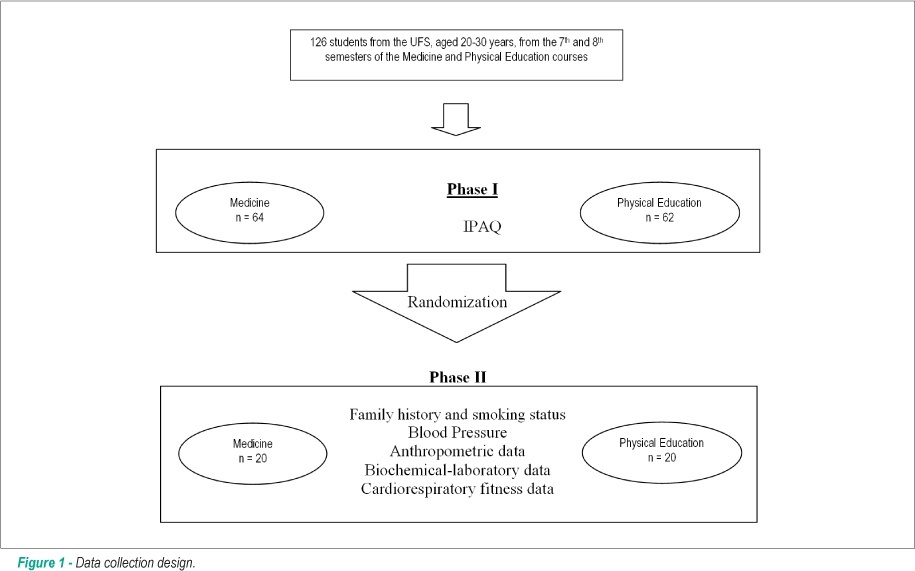
BACKGROUND: Recent studies have demonstrated a strong association between physical activity, low level of cardiorespiratory fitness and the presence of cardiovascular risk factors. OBJECTIVE: Compare the level of physical activity, level of cardiorespiratory fitness and cardiovascular risk in students of medicine and physical education. METHODS: At the first phase, the International Physical Activity Questionnaire (IPAQ) was used to quantify the physical activity level of 126 students from the 7th and 8th semesters of the physical education and medicine courses. At the second phase, 40 students were randomly selected (20 from each course) to undergo cardiovascular risk assessment and cardiorespiratory fitness. The following data were assessed 1) arterial pressure; 2) body mass index (BMI); 3) percentage of fat (electrical bioimpedance); 4) abdominal circumference (AC); 5) laboratory biochemical assessment; and 6) cardiorespiratory fitness (Kline’s Test). RESULTS: The comparison of students of medicine and physical education, respectively, showed a higher frequency of individuals presenting: low level of physical activity (55% vs 15.0%; p = 0.008); pre-hypertension measured by SAP (80% vs 25.0%; p = 0.000) and by DAP (45% vs 5.0%; p = 0.003); overweight (50% vs 10.0%; p = 0.006); increased abdominal circumference (25% vs 0.0%; p = 0.017); increased total cholesterol (165 ± 28 vs 142 ± 28 mg/dl; p = 0.015); increased LDL-c (99 ± 27 vs 81 ± 23 mg/dl; p = 0.026); increased glycemia (81 ± 8.0 vs 75 ± 7.0 mg/dl; p = 0.013); lower cardiorespiratory fitness (48 ± 8.0 vs 56 ± 7.0 ml/kg/min; p = 0.001). CONCLUSION: Students of medicine presented lower levels of physical activity practice, lower level of cardiorespiratory fitness and higher frequency of cardiovascular risk factors, when compared to Physical Education students.

  • Exercise
  • Motor Activity
  • physical education and training
  • Risk Factors
  • Students, Medical
Read Full Article
Creative Commons Attribution (CC BY) Creative Commons license
11/06/2010 DOI: 10.1590/S0066-782X2010005000061 Views 1
Incentive spirometry with expiratory positive airway pressure brings benefits after myocardial revascularization
ABC
Artigo Original

Incentive spirometry with expiratory positive airway pressure brings benefits after myocardial revascularization

Glória Menz Ferreira et al. Mauren Porto Haeffner Sérgio Saldanha Menna Barreto Pedro Dall'Ago

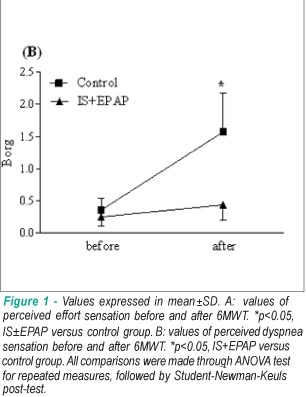
BACKGROUND: Patients undergoing coronary artery bypass graft (CABG) surgery have higher risk to develop pulmonary complications (PCs) such as atelectasis, pneumonia and pleural effusion. These complications could increase the length of hospital stay, resources utilization and also are associated with reduced quality of life and functional capacity a long term. OBJECTIVE: To test if the use of incentive spirometry (IS) associated with expiratory positive airway pressure (EPAP), after CABG surgery improves dyspnea, effort perceived and quality of life 18 months after CABG. METHODS: Sixteen patients submitted to a CABG, were randomized to a control group (n=8) or IS+EPAP group (n=8). The protocol of IS+EPAP was applied in the immediate postoperative period and following for more 4 weeks in the patient’s home. Eighteen months after CABG, the strength of the respiratory muscle, the functional capacity, the lung function, the quality of life and the level of physical activity were evaluated. RESULTS: After six minute walk test (6-MWT), the score of the dyspnea (1.6±0.6 vs 0.6±0.3, P<0.05) and the perceived effort (13.4±1.2 vs 9.1±0.7, P<0.05) were higher in the control group, when compared with the IS+EPAP group. In quality of life evaluation, the domain related to the physical aspects limitations was better in IS+EPAP group (93.7±4.1 vs 50±17, P<0.02). CONCLUSION: Patients that were submitted to IS+EPAP present reduction of dyspnea and lower effort sensation after the 6-MWT, and also a better quality of life 18 months after CABG.

  • heart surgery
  • Motor Activity
  • Quality of life
  • respiratory physical therapy
Read Full Article
Creative Commons Attribution (CC BY) Creative Commons license
05/05/2010 DOI: 10.1590/S0066-782X2010000200017 Views 1
ABC
Artigo Original

Abdominal obesity in adolescents: prevalence and association with physical activity and eating habits

Cláudio Barnabé dos Santos Cavalcanti et al. Mauro Virgilio Gomes de Barros Annelise Lins Menêses Carla Menêses Santos … Andrea Maria Pires Azevedo Fernando José de Sá Pereira Guimarães

BACKGROUND: Abdominal obesity in adolescents is associated with cardiovascular and metabolic diseases, but its prevalence and the factors associated with its occurrence are unknown. OBJECTIVES: To determine the prevalence of abdominal obesity in adolescents, and to evaluate whether the indicators of physical activity and dietary habits are associated with the occurrence of abdominal obesity in adolescents. METHODS: The sample included 4138 high school students (14-19 years), selected by cluster sampling in two stages. We obtained data using the Global School-based Health Survey, and anthropometric measurements were taken for determination of overweight and abdominal obesity. Logistic regression was used for analysis of behavioral factors associated with the occurrence of abdominal obesity. The identification of cases of abdominal obesity was performed by waist circumference analysis, using age- and gender-related cutoff points as reference. RESULTS: The mean age was 16.8 years (s = 1.4), and 59.8% of subjects were female. The prevalence of abdominal obesity was 6% (95%CI: 5.3-6.7), and it was significantly higher among girls (6.7%, 95%CI: 5.8-7.8) than among boys (4.9%, 95%CI: 3, 9-6, 0). In the crude analysis, gender and overweight were associated with the occurrence of abdominal obesity. The analysis adjustment by logisic regression allowed us to observe that physical activity was significantly associated with the occurrence of obesity in this group (OR = 0.7; 95% CI: 0.49-0.99), regardless of the presence of overweight. CONCLUSIONS: The prevalence of abdominal obesity was low compared to that observed in international studies, and physical activity was a factor associated with the occurrence of this event in adolescents.

  • Adolescent
  • Epidemiology
  • Motor Activity
  • Obesity
Read Full Article
Creative Commons Attribution (CC BY) Creative Commons license
28/04/2010 DOI: 10.1590/S0066-782X2010000300015 Views 1
Dose-response curve to exercise in hypertensive individuals: analysis of the number of sessions to the hypotensive effect
ABC
Artigo Original

Dose-response curve to exercise in hypertensive individuals: analysis of the number of sessions to the hypotensive effect

Paulo Ricardo Nazário Viecili et al. Daiana Cristine Bündchen Cleusa Maria Richter Thiago Dipp … Daciano Bastos Lamberti Angela Maria Reis Pereira Luciana de Castro Barbosa Angélica Cunha Rubin Evanilda Goulart Barbosa Tiago Facchini Panigas

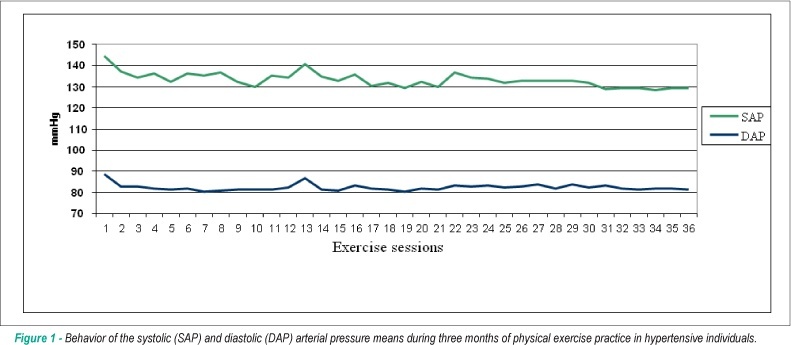
BACKGROUND: The effect of exercise on blood pressure (BP) is already known; however, the dose-response curve of the hypotensive effect of exercise in hypertensive individuals is yet to be clarified. OBJECTIVE: To evaluate the dose-response curve of the number of sessions that are necessary to cause a hypotensive effect in hypertensive individuals. METHODS: 88 individuals, aged 58 ± 11 years, divided in Experimental group (EG), with 48 that participated in a physical exercise program (PEP), which consisted of 40 minutes of aerobic exercises performed 3x/week, for 3 months, at 70% of the VO2max, and muscular exercises at 40% of the maximal voluntary contraction (MVC) and Control Group (CG) with 40 individuals that did not participate in the PEP. The systolic (SAP) and diastolic (DAP) arterial pressures were measured before each of the 36 sessions in the EG and assessed by ambulatory blood pressure monitoring (ABPM) in the CG. Differences in BP, the variation rate (D%) and the maximum hypotensive effect (MHE%) were observed between sessions. The data were expressed as means ± SD; the t test and correlation were used, with p<0.05 being considered significant. RESULTS: There was no difference regarding BP values in the CG. The EG showed an important decrease of 15 mmHg in SAP and 7 mmHg in DAP, with a large part of this effect occurring as early as the first session and the majority up to the 5th session. There was a strong inverse correlation (R:-0.66) with the number of sessions. CONCLUSION: An important hypotensive effect was observed from the 1st session on and it was observed that the dose-response curve can be abrupt and decrescent, instead of flat.

  • Exercise
  • Hypertension
  • Motor Activity
  • period effect
Read Full Article
Creative Commons Attribution (CC BY) Creative Commons license
20/07/2009 DOI: 10.1590/S0066-782X2009000500010 Views 1
ABC
Artigo Original

Association between leisure-time physical activity and C-reactive protein levels in adults, in the city of Salvador, Brazil

Francisco Pitanga et al. Ines Lessa

BACKGROUND: Leisure time physical activity (LTPA), defined as any type of bodily movement performed during leisure time, is associated with a reduction in the risk for many cardiovascular injuries. OBJECTIVE: To investigate the existence of an association between leisure time physical activity (LTPA) and C-reactive protein (CRP) levels in adults, in the city of Salvador, State of Bahia, Brazil. METHODS: This was a cross-sectional study, with a sample of 822 men and women, aged > 20 years. Active in leisure time were those with a self-reported practice of physical activities in leisure time; high serum CRP levels were those with values > 3.0 mg/l. Logistic regression analysis was used to compute the odds ratio (OR) with a 95% confidence interval (CI). RESULTS: Using multivariate analysis to adjust for potential confounders, we found an OR of 0.73 (0.68-0.79) among the men which shows the existence of an association between LTPA and high CRP levels only in male individuals. After a stratification by gender, obesity, diabetes and smoking habit, we found an association between LTPA and high CRP in non-obese and non-diabetic male smokers or former smokers; and in obese and non-smoking females. CONCLUSION: The results of this study may bring contributions to public health, since they can be used to raise awareness of the importance of LTPA as a prospective strategy for population health improvement.

  • Coronary Artery Disease
  • Motor Activity
  • R-reactive protein
  • Risk Factors
Read Full Article
Creative Commons Attribution (CC BY) Creative Commons license
23/06/2009 DOI: 10.1590/S0066-782X2009000400009 Views 1

Could not load more articles. Please try again.

How to cite this article

EndNote RIS

Electronic Document Format (Vancouver)

Kişin B, Savci S, Kahraman BO, Tanriverdi A, Bozyer HE, Genç HZ, Kir M, et al. Activities of Daily Living, Physical Activity, Physical Fitness and Quality of Life in Children with Congenital Heart Disease: A Case-Control Study. Arquivos Brasileiros de Cardiologia 2023;120(9):e20230022.

Electronic Document Format (ABNT)

Kişin, Berfin; Savci, Sema; Kahraman, Buse Ozcan; Tanriverdi, Aylin; Bozyer, Hazer Erçan; Genç, Halise Zeynep; Kir, Mustafa. Activities of Daily Living, Physical Activity, Physical Fitness and Quality of Life in Children with Congenital Heart Disease: A Case-Control Study. Arquivos Brasileiros de Cardiologia, v. 120, n. 9, e20230022, Oct. 2023.

Electronic Document Format (APA)

Kişin, B., Savci, S., Kahraman, B. O., Tanriverdi, A., Bozyer, H. E., Genç, H. Z., & Kir, M. (2023). Activities of Daily Living, Physical Activity, Physical Fitness and Quality of Life in Children with Congenital Heart Disease: A Case-Control Study. Arquivos Brasileiros de Cardiologia, 120(9), e20230022.

Electronic Document Format (ISO)

Kişin, Berfin and Savci, Sema and Kahraman, Buse Ozcan and Tanriverdi, Aylin and Bozyer, Hazer Erçan and Genç, Halise Zeynep and Kir, Mustafa. Activities of Daily Living, Physical Activity, Physical Fitness and Quality of Life in Children with Congenital Heart Disease: A Case-Control Study. Arquivos Brasileiros de Cardiologia [online]. 2023, vol. 120, n. 9, [cited 2026-10-14], e20230022. Available from: <https://journals.cardiol.br/en/article/activities-of-daily-living-physical-activity-physical-fitness-and-quality-of-life-in-children-with-congenital-heart-disease-a-case-control-study/>. ISSN 0066-782X

EndNote RIS

Electronic Document Format (Vancouver)

Wendt A. Is Adolescents’ Cardiometabolic Health Affected by Prolonged Periods of Inactivity?. Arquivos Brasileiros de Cardiologia 2021;117(2):363-4.

Electronic Document Format (ABNT)

Wendt, Andrea. Is Adolescents’ Cardiometabolic Health Affected by Prolonged Periods of Inactivity?. Arquivos Brasileiros de Cardiologia, v. 117, n. 2, p. 363-364, Sep. 2021.

Electronic Document Format (APA)

Wendt, A. (2021). Is Adolescents’ Cardiometabolic Health Affected by Prolonged Periods of Inactivity?. Arquivos Brasileiros de Cardiologia, 117(2), 363-364.

Electronic Document Format (ISO)

Wendt, Andrea. Is Adolescents’ Cardiometabolic Health Affected by Prolonged Periods of Inactivity?. Arquivos Brasileiros de Cardiologia [online]. 2021, vol. 117, n. 2, [cited 2026-10-14], pp. 363-364. Available from: <https://journals.cardiol.br/en/article/is-adolescents-cardiometabolic-health-affected-by-prolonged-periods-of-inactivity/>. ISSN 0066-782X

EndNote RIS

Electronic Document Format (Vancouver)

Souza P, Perfete C. The Paradox of Exercise Intensity in Preventing Cardiovascular Events in Peripheral Arterial Occlusive Disease. Arquivos Brasileiros de Cardiologia 2021;117(2):317-8.

Electronic Document Format (ABNT)

Souza, Pablo de; Perfete, Cássio. The Paradox of Exercise Intensity in Preventing Cardiovascular Events in Peripheral Arterial Occlusive Disease. Arquivos Brasileiros de Cardiologia, v. 117, n. 2, p. 317-318, Sep. 2021.

Electronic Document Format (APA)

Souza, P. , & Perfete, C. (2021). The Paradox of Exercise Intensity in Preventing Cardiovascular Events in Peripheral Arterial Occlusive Disease. Arquivos Brasileiros de Cardiologia, 117(2), 317-318.

Electronic Document Format (ISO)

Souza, Pablo de and Perfete, Cássio. The Paradox of Exercise Intensity in Preventing Cardiovascular Events in Peripheral Arterial Occlusive Disease. Arquivos Brasileiros de Cardiologia [online]. 2021, vol. 117, n. 2, [cited 2026-10-14], pp. 317-318. Available from: <https://journals.cardiol.br/en/article/the-paradox-of-exercise-intensity-in-preventing-cardiovascular-events-in-peripheral-arterial-occlusive-disease/>. ISSN 0066-782X

EndNote RIS

Electronic Document Format (Vancouver)

Pinheiro G, Mello J, Gaya A, Gaya AR. Blood Pressure in Children: Association with Anthropometric Indicators, Body Composition, Cardiorespiratory Fitness and Physical Activity. Arquivos Brasileiros de Cardiologia 2021;116(5):950-6.

Electronic Document Format (ABNT)

Pinheiro, Gisele; Mello, Júlio; Gaya, Adroaldo; Gaya, Anelise Reis. Blood Pressure in Children: Association with Anthropometric Indicators, Body Composition, Cardiorespiratory Fitness and Physical Activity. Arquivos Brasileiros de Cardiologia, v. 116, n. 5, p. 950-956, May. 2021.

Electronic Document Format (APA)

Pinheiro, G., Mello, J., Gaya, A., & Gaya, A. R. (2021). Blood Pressure in Children: Association with Anthropometric Indicators, Body Composition, Cardiorespiratory Fitness and Physical Activity. Arquivos Brasileiros de Cardiologia, 116(5), 950-956.

Electronic Document Format (ISO)

Pinheiro, Gisele and Mello, Júlio and Gaya, Adroaldo and Gaya, Anelise Reis. Blood Pressure in Children: Association with Anthropometric Indicators, Body Composition, Cardiorespiratory Fitness and Physical Activity. Arquivos Brasileiros de Cardiologia [online]. 2021, vol. 116, n. 5, [cited 2026-10-14], pp. 950-956. Available from: <https://journals.cardiol.br/en/article/blood-pressure-in-children-association-with-anthropometric-indicators-body-composition-cardiorespiratory-fitness-and-physical-activity/>. ISSN 0066-782X

EndNote RIS

Electronic Document Format (Vancouver)

Silva FB, Fonseca B, Domecg F, Facio MR, Prado C, Toledo L, Tuche W, et al. Athletes Health during Pandemic Times: Hospitalization Rates and Variables Related to COVID-19 Prevalence among Endurance Athletes. International Journal of Cardiovascular Sciences 2021;34(3):274-83.

Electronic Document Format (ABNT)

Silva, Fabricio Braga da; Fonseca, Beatriz; Domecg, Fernanda; Facio, Marcelo Riccio; Prado, Christiane; Toledo, Leandro; Tuche, Walter. Athletes Health during Pandemic Times: Hospitalization Rates and Variables Related to COVID-19 Prevalence among Endurance Athletes. International Journal of Cardiovascular Sciences, v. 34, n. 3, p. 274-283, Feb. 2021.

Electronic Document Format (APA)

Silva, F. B. , Fonseca, B., Domecg, F., Facio, M. R., Prado, C., Toledo, L., & Tuche, W. (2021). Athletes Health during Pandemic Times: Hospitalization Rates and Variables Related to COVID-19 Prevalence among Endurance Athletes. International Journal of Cardiovascular Sciences, 34(3), 274-283.

Electronic Document Format (ISO)

Silva, Fabricio Braga da and Fonseca, Beatriz and Domecg, Fernanda and Facio, Marcelo Riccio and Prado, Christiane and Toledo, Leandro and Tuche, Walter. Athletes Health during Pandemic Times: Hospitalization Rates and Variables Related to COVID-19 Prevalence among Endurance Athletes. International Journal of Cardiovascular Sciences [online]. 2021, vol. 34, n. 3, [cited 2026-10-14], pp. 274-283. Available from: <https://journals.cardiol.br/en/article/athletes-health-during-pandemic-times-hospitalization-rates-and-variables-related-to-covid-19-prevalence-among-endurance-athletes/>. ISSN 2359-4802

EndNote RIS

Electronic Document Format (Vancouver)

Herdy AH, Assis AV. Oxygen Consumption and Cardiorespiratory Fitness. The Difference between Chronological and Biological Age. Arquivos Brasileiros de Cardiologia 2020;115(3):478-9.

Electronic Document Format (ABNT)

Herdy, Artur Haddad; Assis, Amberson Vieira. Oxygen Consumption and Cardiorespiratory Fitness. The Difference between Chronological and Biological Age. Arquivos Brasileiros de Cardiologia, v. 115, n. 3, p. 478-479, Sep. 2020.

Electronic Document Format (APA)

Herdy, A. H., & Assis, A. V. (2020). Oxygen Consumption and Cardiorespiratory Fitness. The Difference between Chronological and Biological Age. Arquivos Brasileiros de Cardiologia, 115(3), 478-479.

Electronic Document Format (ISO)

Herdy, Artur Haddad and Assis, Amberson Vieira. Oxygen Consumption and Cardiorespiratory Fitness. The Difference between Chronological and Biological Age. Arquivos Brasileiros de Cardiologia [online]. 2020, vol. 115, n. 3, [cited 2026-10-14], pp. 478-479. Available from: <https://journals.cardiol.br/en/article/oxygen-consumption-and-cardiorespiratory-fitness-the-difference-between-chronological-and-biological-age/>. ISSN 0066-782X

EndNote RIS

Electronic Document Format (Vancouver)

Almeida RT, Queiroz CO, Aquino EML. Declaring Physical Activity as ‘Essential’ During the COVID-19 Pandemic May not be a Good Measure. International Journal of Cardiovascular Sciences 2020;33(5):589-90.

Electronic Document Format (ABNT)

Almeida, Rogério Tosta; Queiroz, Ciro Oliveira; Aquino, Estela M. L.. Declaring Physical Activity as ‘Essential’ During the COVID-19 Pandemic May not be a Good Measure. International Journal of Cardiovascular Sciences, v. 33, n. 5, p. 589-590, Aug. 2020.

Electronic Document Format (APA)

Almeida, R. T., Queiroz, C. O., & Aquino, E. M. L. (2020). Declaring Physical Activity as ‘Essential’ During the COVID-19 Pandemic May not be a Good Measure. International Journal of Cardiovascular Sciences, 33(5), 589-590.

Electronic Document Format (ISO)

Almeida, Rogério Tosta and Queiroz, Ciro Oliveira and Aquino, Estela M. L.. Declaring Physical Activity as ‘Essential’ During the COVID-19 Pandemic May not be a Good Measure. International Journal of Cardiovascular Sciences [online]. 2020, vol. 33, n. 5, [cited 2026-10-14], pp. 589-590. Available from: <https://journals.cardiol.br/en/article/declaring-physical-activity-as-essential-during-the-covid-19-pandemic-may-not-be-a-good-measure/>. ISSN 2359-4802

EndNote RIS

Electronic Document Format (Vancouver)

Ribeiro Junior UES, Fernandes RCP. Hypertension in Workers: The Role of Physical Activity and its Different Dimensions. Arquivos Brasileiros de Cardiologia 2020;114(5):755-61.

Electronic Document Format (ABNT)

Ribeiro Junior, Uelito Everaldo Souza; Fernandes, Rita de Cassia Pereira. Hypertension in Workers: The Role of Physical Activity and its Different Dimensions. Arquivos Brasileiros de Cardiologia, v. 114, n. 5, p. 755-761, May. 2020.

Electronic Document Format (APA)

Ribeiro Junior, U. E. S., & Fernandes, R. C. P. (2020). Hypertension in Workers: The Role of Physical Activity and its Different Dimensions. Arquivos Brasileiros de Cardiologia, 114(5), 755-761.

Electronic Document Format (ISO)

Ribeiro Junior, Uelito Everaldo Souza and Fernandes, Rita de Cassia Pereira. Hypertension in Workers: The Role of Physical Activity and its Different Dimensions. Arquivos Brasileiros de Cardiologia [online]. 2020, vol. 114, n. 5, [cited 2026-10-14], pp. 755-761. Available from: <https://journals.cardiol.br/en/article/hypertension-in-workers-the-role-of-physical-activity-and-its-different-dimensions/>. ISSN 0066-782X

EndNote RIS

Electronic Document Format (Vancouver)

Ferreira MJ, Irigoyen MC, Consolim-Colombo F, Saraiva JFK, Angelis KD. Physically Active Lifestyle as an Approach to Confronting COVID-19. Arquivos Brasileiros de Cardiologia 2020;114(4):601-2.

Electronic Document Format (ABNT)

Ferreira, Maycon Junior; Irigoyen, Maria Cláudia; Consolim-Colombo, Fernanda; Saraiva, José Francisco Kerr; Angelis, Kátia De. Physically Active Lifestyle as an Approach to Confronting COVID-19. Arquivos Brasileiros de Cardiologia, v. 114, n. 4, p. 601-602, Apr. 2020.

Electronic Document Format (APA)

Ferreira, M. J., Irigoyen, M. C., Consolim-Colombo, F., Saraiva, J. F. K., & Angelis, K. D. (2020). Physically Active Lifestyle as an Approach to Confronting COVID-19. Arquivos Brasileiros de Cardiologia, 114(4), 601-602.

Electronic Document Format (ISO)

Ferreira, Maycon Junior and Irigoyen, Maria Cláudia and Consolim-Colombo, Fernanda and Saraiva, José Francisco Kerr and Angelis, Kátia De. Physically Active Lifestyle as an Approach to Confronting COVID-19. Arquivos Brasileiros de Cardiologia [online]. 2020, vol. 114, n. 4, [cited 2026-10-14], pp. 601-602. Available from: <https://journals.cardiol.br/en/article/physically-active-lifestyle-as-an-approach-to-confronting-covid-19/>. ISSN 0066-782X

EndNote RIS

Electronic Document Format (Vancouver)

Brianezi L, Ornelas E, Gehrke FS, Fonseca FLA, Alves BCA, Sousa LVA, Souza J, et al. Effects of Physical Training on the Myocardium of Oxariectomized LDLr Knockout Mice: MMP 2/9, Collagen I/III, Inflammation and Oxidative Stress. Arquivos Brasileiros de Cardiologia 2019;114(1):100-5.

Electronic Document Format (ABNT)

Brianezi, Ledimar; Ornelas, Elisabete; Gehrke, Flávia de Sousa; Fonseca, Fernando Luiz Affonso; Alves, Beatriz da Costa Aguiar; Sousa, Luiz Vinicius de Alcantara; Souza, Jessica; Maifrino, Laura Beatriz Mesiano. Effects of Physical Training on the Myocardium of Oxariectomized LDLr Knockout Mice: MMP 2/9, Collagen I/III, Inflammation and Oxidative Stress. Arquivos Brasileiros de Cardiologia, v. 114, n. 1, p. 100-105, Oct. 2019.

Electronic Document Format (APA)

Brianezi, L., Ornelas, E., Gehrke, F. S., Fonseca, F. L. A., Alves, B. C. A., Sousa, L. V. A., Souza, J., & Maifrino, L. B. M. (2019). Effects of Physical Training on the Myocardium of Oxariectomized LDLr Knockout Mice: MMP 2/9, Collagen I/III, Inflammation and Oxidative Stress. Arquivos Brasileiros de Cardiologia, 114(1), 100-105.

Electronic Document Format (ISO)

Brianezi, Ledimar and Ornelas, Elisabete and Gehrke, Flávia de Sousa and Fonseca, Fernando Luiz Affonso and Alves, Beatriz da Costa Aguiar and Sousa, Luiz Vinicius de Alcantara and Souza, Jessica and Maifrino, Laura Beatriz Mesiano. Effects of Physical Training on the Myocardium of Oxariectomized LDLr Knockout Mice: MMP 2/9, Collagen I/III, Inflammation and Oxidative Stress. Arquivos Brasileiros de Cardiologia [online]. 2019, vol. 114, n. 1, [cited 2026-10-14], pp. 100-105. Available from: <https://journals.cardiol.br/en/article/effects-of-physical-training-on-the-myocardium-of-oxariectomized-ldlr-knockout-mice-mmp-2-9-collagen-i-iii-inflammation-and-oxidative-stress/>. ISSN 0066-782X

EndNote RIS

Electronic Document Format (Vancouver)

Gerage AM, Correia MA, Oliveira PML, Palmeira AC, Domingues WJR, Zeratti AE, Puech-Leão P, et al. Physical Activity Levels in Peripheral Artery Disease Patients. Arquivos Brasileiros de Cardiologia 2019;113(3):410-6.

Electronic Document Format (ABNT)

Gerage, Aline Mendes; Correia, Marilia de Almeida; Oliveira, Paulo Mesquita Longano de; Palmeira, Aline Cabral; Domingues, Wagner Jorge Ribeiro; Zeratti, Antônio Eduardo; Puech-Leão, Pedro; Wolosker, Nelson; Ritti-Dias, Raphael Mendes; Cucato, Gabriel Grizzo. Physical Activity Levels in Peripheral Artery Disease Patients. Arquivos Brasileiros de Cardiologia, v. 113, n. 3, p. 410-416, Jul. 2019.

Electronic Document Format (APA)

Gerage, A. M., Correia, M. A., Oliveira, P. M. L. , Palmeira, A. C., Domingues, W. J. R., Zeratti, A. E., Puech-Leão, P., Wolosker, N., Ritti-Dias, R. M., & Cucato, G. G. (2019). Physical Activity Levels in Peripheral Artery Disease Patients. Arquivos Brasileiros de Cardiologia, 113(3), 410-416.

Electronic Document Format (ISO)

Gerage, Aline Mendes and Correia, Marilia de Almeida and Oliveira, Paulo Mesquita Longano de and Palmeira, Aline Cabral and Domingues, Wagner Jorge Ribeiro and Zeratti, Antônio Eduardo and Puech-Leão, Pedro and Wolosker, Nelson and Ritti-Dias, Raphael Mendes and Cucato, Gabriel Grizzo. Physical Activity Levels in Peripheral Artery Disease Patients. Arquivos Brasileiros de Cardiologia [online]. 2019, vol. 113, n. 3, [cited 2026-10-14], pp. 410-416. Available from: <https://journals.cardiol.br/en/article/physical-activity-levels-in-peripheral-artery-disease-patients/>. ISSN 0066-782X

EndNote RIS

Electronic Document Format (Vancouver)

Cecchetto FH, Pena DB, Pellanda LC. Playful Interventions Increase Knowledge about Healthy Habits and Cardiovascular Risk Factors in Children: The CARDIOKIDS Randomized Study. Arquivos Brasileiros de Cardiologia 2017;109(3):199-206.

Electronic Document Format (ABNT)

Cecchetto, Fátima H.; Pena, Daniela B.; Pellanda, Lucia C.. Playful Interventions Increase Knowledge about Healthy Habits and Cardiovascular Risk Factors in Children: The CARDIOKIDS Randomized Study. Arquivos Brasileiros de Cardiologia, v. 109, n. 3, p. 199-206, Jul. 2017.

Electronic Document Format (APA)

Cecchetto, F. H., Pena, D. B., & Pellanda, L. C. (2017). Playful Interventions Increase Knowledge about Healthy Habits and Cardiovascular Risk Factors in Children: The CARDIOKIDS Randomized Study. Arquivos Brasileiros de Cardiologia, 109(3), 199-206.

Electronic Document Format (ISO)

Cecchetto, Fátima H. and Pena, Daniela B. and Pellanda, Lucia C.. Playful Interventions Increase Knowledge about Healthy Habits and Cardiovascular Risk Factors in Children: The CARDIOKIDS Randomized Study. Arquivos Brasileiros de Cardiologia [online]. 2017, vol. 109, n. 3, [cited 2026-10-14], pp. 199-206. Available from: <https://journals.cardiol.br/en/article/playful-interventions-increase-knowledge-about-healthy-habits-and-cardiovascular-risk-factors-in-children-the-cardiokids-randomized-study/>. ISSN 0066-782X

EndNote RIS

Electronic Document Format (Vancouver)

Schuh DS, Goulart MR, Barbiero SM, Sica CD, Borges R, Moraes DW, Pellanda LC, et al. Healthy School, Happy School: Design and Protocol for a Randomized Clinical Trial Designed to Prevent Weight Gain in Children. Arquivos Brasileiros de Cardiologia 2017;108(6):501-7.

Electronic Document Format (ABNT)

Schuh, Daniela Schneid; Goulart, Maíra Ribas; Barbiero, Sandra Mari; Sica, Caroline D’Azevedo; Borges, Raphael; Moraes, David William; Pellanda, Lucia Campos. Healthy School, Happy School: Design and Protocol for a Randomized Clinical Trial Designed to Prevent Weight Gain in Children. Arquivos Brasileiros de Cardiologia, v. 108, n. 6, p. 501-507, May. 2017.

Electronic Document Format (APA)

Schuh, D. S., Goulart, M. R., Barbiero, S. M., Sica, C. D., Borges, R., Moraes, D. W., & Pellanda, L. C. (2017). Healthy School, Happy School: Design and Protocol for a Randomized Clinical Trial Designed to Prevent Weight Gain in Children. Arquivos Brasileiros de Cardiologia, 108(6), 501-507.

Electronic Document Format (ISO)

Schuh, Daniela Schneid and Goulart, Maíra Ribas and Barbiero, Sandra Mari and Sica, Caroline D’Azevedo and Borges, Raphael and Moraes, David William and Pellanda, Lucia Campos. Healthy School, Happy School: Design and Protocol for a Randomized Clinical Trial Designed to Prevent Weight Gain in Children. Arquivos Brasileiros de Cardiologia [online]. 2017, vol. 108, n. 6, [cited 2026-10-14], pp. 501-507. Available from: <https://journals.cardiol.br/en/article/healthy-school-happy-school-design-and-protocol-for-a-randomized-clinical-trial-designed-to-prevent-weight-gain-in-children/>. ISSN 0066-782X

EndNote RIS

Electronic Document Format (Vancouver)

Silva RC, Diniz MFHS, Alvim S, Vidigal PG, Fedeli LMG, Barreto SM. Physical Activity and Lipid Profile in the ELSA- Brasil Study. Arquivos Brasileiros de Cardiologia 2016;107(1):10-9.

Electronic Document Format (ABNT)

Silva, Raquel Caroline da; Diniz, Maria de Fátima Haueisen Sander; Alvim, Sheila; Vidigal, Pedro Guatimosim; Fedeli, Ligia Maria Giongo; Barreto, Sandhi Maria. Physical Activity and Lipid Profile in the ELSA- Brasil Study. Arquivos Brasileiros de Cardiologia, v. 107, n. 1, p. 10-19, Jun. 2016.

Electronic Document Format (APA)

Silva, R. C. , Diniz, M. F. H. S., Alvim, S., Vidigal, P. G., Fedeli, L. M. G., & Barreto, S. M. (2016). Physical Activity and Lipid Profile in the ELSA- Brasil Study. Arquivos Brasileiros de Cardiologia, 107(1), 10-19.

Electronic Document Format (ISO)

Silva, Raquel Caroline da and Diniz, Maria de Fátima Haueisen Sander and Alvim, Sheila and Vidigal, Pedro Guatimosim and Fedeli, Ligia Maria Giongo and Barreto, Sandhi Maria. Physical Activity and Lipid Profile in the ELSA- Brasil Study. Arquivos Brasileiros de Cardiologia [online]. 2016, vol. 107, n. 1, [cited 2026-10-14], pp. 10-19. Available from: <https://journals.cardiol.br/en/article/physical-activity-and-lipid-profile-in-the-elsa-brasil-study/>. ISSN 0066-782X

EndNote RIS

Electronic Document Format (Vancouver)

Junqueira A, Cicogna AC, Engel LE, Aldá MA, Tomasi LC, Giuffrida R, Giometti IC, et al. Effects of Growth Hormone on Cardiac Remodeling During Resistance Training in Rats. Arquivos Brasileiros de Cardiologia 2015;106(1):18-25.

Electronic Document Format (ABNT)

Junqueira, Adriana; Cicogna, Antônio Carlos; Engel, Letícia Estevam; Aldá, Maiara Almeida; Tomasi, Loreta Casquel de; Giuffrida, Rogério; Giometti, Inês Cristina; Freire, Ana Paula Coelho Figueira; Aguiar, Andreo Fernando; Pacagnelli, Francis Lopes. Effects of Growth Hormone on Cardiac Remodeling During Resistance Training in Rats. Arquivos Brasileiros de Cardiologia, v. 106, n. 1, p. 18-25, Dec. 2015.

Electronic Document Format (APA)

Junqueira, A., Cicogna, A. C., Engel, L. E., Aldá, M. A., Tomasi, L. C. , Giuffrida, R., Giometti, I. C., Freire, A. P. C. F., Aguiar, A. F., & Pacagnelli, F. L. (2015). Effects of Growth Hormone on Cardiac Remodeling During Resistance Training in Rats. Arquivos Brasileiros de Cardiologia, 106(1), 18-25.

Electronic Document Format (ISO)

Junqueira, Adriana and Cicogna, Antônio Carlos and Engel, Letícia Estevam and Aldá, Maiara Almeida and Tomasi, Loreta Casquel de and Giuffrida, Rogério and Giometti, Inês Cristina and Freire, Ana Paula Coelho Figueira and Aguiar, Andreo Fernando and Pacagnelli, Francis Lopes. Effects of Growth Hormone on Cardiac Remodeling During Resistance Training in Rats. Arquivos Brasileiros de Cardiologia [online]. 2015, vol. 106, n. 1, [cited 2026-10-14], pp. 18-25. Available from: <https://journals.cardiol.br/en/article/effects-of-growth-hormone-on-cardiac-remodeling-during-resistance-training-in-rats/>. ISSN 0066-782X

EndNote RIS

Electronic Document Format (Vancouver)

Bento VFR, Albino FB, Moura KF, Maftum GJ, Santos MC, Guarita-Souza LC, Faria Neto JR, et al. Impact of Physical Activity Interventions on Blood Pressure in Brazilian Populations. Arquivos Brasileiros de Cardiologia 2015;105(3):301-8.

Electronic Document Format (ABNT)

Bento, Vivian Freitas Rezende; Albino, Flávia Barbizan; Moura, Karen Fernandes de; Maftum, Gustavo Jorge; Santos, Mauro de Castro dos; Guarita-Souza, Luiz César; Faria Neto, José Rocha; Baena, Cristina Pellegrino. Impact of Physical Activity Interventions on Blood Pressure in Brazilian Populations. Arquivos Brasileiros de Cardiologia, v. 105, n. 3, p. 301-308, May. 2015.

Electronic Document Format (APA)

Bento, V. F. R., Albino, F. B., Moura, K. F. , Maftum, G. J., Santos, M. C. , Guarita-Souza, L. C., Faria Neto, J. R., & Baena, C. P. (2015). Impact of Physical Activity Interventions on Blood Pressure in Brazilian Populations. Arquivos Brasileiros de Cardiologia, 105(3), 301-308.

Electronic Document Format (ISO)

Bento, Vivian Freitas Rezende and Albino, Flávia Barbizan and Moura, Karen Fernandes de and Maftum, Gustavo Jorge and Santos, Mauro de Castro dos and Guarita-Souza, Luiz César and Faria Neto, José Rocha and Baena, Cristina Pellegrino. Impact of Physical Activity Interventions on Blood Pressure in Brazilian Populations. Arquivos Brasileiros de Cardiologia [online]. 2015, vol. 105, n. 3, [cited 2026-10-14], pp. 301-308. Available from: <https://journals.cardiol.br/en/article/impact-of-physical-activity-interventions-on-blood-pressure-in-brazilian-populations/>. ISSN 0066-782X

EndNote RIS

Electronic Document Format (Vancouver)

Fernandes RA, Christofaro DGD, Casonatto J, Codogno JS, Rodrigues EQ, Cardoso ML, Kawaguti SS, et al. Prevalence of dyslipidemia in individuals physically active during childhood, adolescence and adult age. Arquivos Brasileiros de Cardiologia 2011;97(4):317-23.

Electronic Document Format (ABNT)

Fernandes, Rômulo Araújo; Christofaro, Diego Giulliano Destro; Casonatto, Juliano; Codogno, Jamile Sanches; Rodrigues, Eduardo Quieroti; Cardoso, Mauro Leandro; Kawaguti, Sandra Satie; Zanesco, Angelina. Prevalence of dyslipidemia in individuals physically active during childhood, adolescence and adult age. Arquivos Brasileiros de Cardiologia, v. 97, n. 4, p. 317-323, Aug. 2011.

Electronic Document Format (APA)

Fernandes, R. A., Christofaro, D. G. D., Casonatto, J., Codogno, J. S., Rodrigues, E. Q., Cardoso, M. L., Kawaguti, S. S., & Zanesco, A. (2011). Prevalence of dyslipidemia in individuals physically active during childhood, adolescence and adult age. Arquivos Brasileiros de Cardiologia, 97(4), 317-323.

Electronic Document Format (ISO)

Fernandes, Rômulo Araújo and Christofaro, Diego Giulliano Destro and Casonatto, Juliano and Codogno, Jamile Sanches and Rodrigues, Eduardo Quieroti and Cardoso, Mauro Leandro and Kawaguti, Sandra Satie and Zanesco, Angelina. Prevalence of dyslipidemia in individuals physically active during childhood, adolescence and adult age. Arquivos Brasileiros de Cardiologia [online]. 2011, vol. 97, n. 4, [cited 2026-10-14], pp. 317-323. Available from: <https://journals.cardiol.br/en/article/prevalence-of-dyslipidemia-in-individuals-physically-active-during-childhood-adolescence-and-adult-age/>. ISSN 0066-782X

EndNote RIS

Electronic Document Format (Vancouver)

Pitanga FJG, Lessa I. Relationship between leisure-time physical activity and blood pressure in adults. Arquivos Brasileiros de Cardiologia 2010;95(4):480-5.

Electronic Document Format (ABNT)

Pitanga, Francisco José Gondim; Lessa, Ines. Relationship between leisure-time physical activity and blood pressure in adults. Arquivos Brasileiros de Cardiologia, v. 95, n. 4, p. 480-485, Sep. 2010.

Electronic Document Format (APA)

Pitanga, F. J. G., & Lessa, I. (2010). Relationship between leisure-time physical activity and blood pressure in adults. Arquivos Brasileiros de Cardiologia, 95(4), 480-485.

Electronic Document Format (ISO)

Pitanga, Francisco José Gondim and Lessa, Ines. Relationship between leisure-time physical activity and blood pressure in adults. Arquivos Brasileiros de Cardiologia [online]. 2010, vol. 95, n. 4, [cited 2026-10-14], pp. 480-485. Available from: <https://journals.cardiol.br/en/article/relationship-between-leisure-time-physical-activity-and-blood-pressure-in-adults/>. ISSN 0066-782X

EndNote RIS

Electronic Document Format (Vancouver)

Martins MCC, Ricarte IF, Rocha CHL, Maia RB, Silva VB, Veras AB, Souza Filho MD, et al. Blood pressure, excess weight and level of physical activity in students of a public university. Arquivos Brasileiros de Cardiologia 2010;95(2):192-9.

Electronic Document Format (ABNT)

Martins, Maria do Carmo de Carvalho e; Ricarte, Irapuá Ferreira; Rocha, Cláudio Henrique Lima; Maia, Rodrigo Batista; Silva, Vitor Brito da; Veras, André Bastos; Souza Filho, Manoel Dias de. Blood pressure, excess weight and level of physical activity in students of a public university. Arquivos Brasileiros de Cardiologia, v. 95, n. 2, p. 192-199, Jun. 2010.

Electronic Document Format (APA)

Martins, M. C. C. , Ricarte, I. F., Rocha, C. H. L., Maia, R. B., Silva, V. B. , Veras, A. B., & Souza Filho, M. D. (2010). Blood pressure, excess weight and level of physical activity in students of a public university. Arquivos Brasileiros de Cardiologia, 95(2), 192-199.

Electronic Document Format (ISO)

Martins, Maria do Carmo de Carvalho e and Ricarte, Irapuá Ferreira and Rocha, Cláudio Henrique Lima and Maia, Rodrigo Batista and Silva, Vitor Brito da and Veras, André Bastos and Souza Filho, Manoel Dias de. Blood pressure, excess weight and level of physical activity in students of a public university. Arquivos Brasileiros de Cardiologia [online]. 2010, vol. 95, n. 2, [cited 2026-10-14], pp. 192-199. Available from: <https://journals.cardiol.br/en/article/blood-pressure-excess-weight-and-level-of-physical-activity-in-students-of-a-public-university/>. ISSN 0066-782X

EndNote RIS

Electronic Document Format (Vancouver)

Resende MA, Resende RBV, Tavares RS, Santos CRR, Barreto-Filho JAS. Comparative study of the Pro-Atherosclerotic Profile of students of Medicine and Physical Education. Arquivos Brasileiros de Cardiologia 2010;95(1):21-9.

Electronic Document Format (ABNT)

Resende, Marcelo de Aquino; Resende, Roberta Barreto Vasconcelos; Tavares, Rodrigo da Silveira; Santos, Carlos Roberto Rodrigues; Barreto-Filho, José Augusto Soares. Comparative study of the Pro-Atherosclerotic Profile of students of Medicine and Physical Education. Arquivos Brasileiros de Cardiologia, v. 95, n. 1, p. 21-29, Jun. 2010.

Electronic Document Format (APA)

Resende, M. A., Resende, R. B. V., Tavares, R. S., Santos, C. R. R., & Barreto-Filho, J. A. S. (2010). Comparative study of the Pro-Atherosclerotic Profile of students of Medicine and Physical Education. Arquivos Brasileiros de Cardiologia, 95(1), 21-29.

Electronic Document Format (ISO)

Resende, Marcelo de Aquino and Resende, Roberta Barreto Vasconcelos and Tavares, Rodrigo da Silveira and Santos, Carlos Roberto Rodrigues and Barreto-Filho, José Augusto Soares. Comparative study of the Pro-Atherosclerotic Profile of students of Medicine and Physical Education. Arquivos Brasileiros de Cardiologia [online]. 2010, vol. 95, n. 1, [cited 2026-10-14], pp. 21-29. Available from: <https://journals.cardiol.br/en/article/comparative-study-of-the-pro-atherosclerotic-profile-of-students-of-medicine-and-physical-education/>. ISSN 0066-782X

EndNote RIS

Electronic Document Format (Vancouver)

Ferreira GM, Haeffner MP, Barreto SSM, Dall’Ago P. Incentive spirometry with expiratory positive airway pressure brings benefits after myocardial revascularization. Arquivos Brasileiros de Cardiologia 2010;94(2):246-51.

Electronic Document Format (ABNT)

Ferreira, Glória Menz; Haeffner, Mauren Porto; Barreto, Sérgio Saldanha Menna; Dall’Ago, Pedro. Incentive spirometry with expiratory positive airway pressure brings benefits after myocardial revascularization. Arquivos Brasileiros de Cardiologia, v. 94, n. 2, p. 246-251, May. 2010.

Electronic Document Format (APA)

Ferreira, G. M., Haeffner, M. P., Barreto, S. S. M., & Dall’Ago, P. (2010). Incentive spirometry with expiratory positive airway pressure brings benefits after myocardial revascularization. Arquivos Brasileiros de Cardiologia, 94(2), 246-251.

Electronic Document Format (ISO)

Ferreira, Glória Menz and Haeffner, Mauren Porto and Barreto, Sérgio Saldanha Menna and Dall’Ago, Pedro. Incentive spirometry with expiratory positive airway pressure brings benefits after myocardial revascularization. Arquivos Brasileiros de Cardiologia [online]. 2010, vol. 94, n. 2, [cited 2026-10-14], pp. 246-251. Available from: <https://journals.cardiol.br/en/article/incentive-spirometry-with-expiratory-positive-airway-pressure-brings-benefits-after-myocardial-revascularization/>. ISSN 0066-782X

EndNote RIS

Electronic Document Format (Vancouver)

Cavalcanti CBS, Barros MVG, Menêses AL, Santos CM, Azevedo AMP, Guimarães FJSP. Abdominal obesity in adolescents: prevalence and association with physical activity and eating habits. Arquivos Brasileiros de Cardiologia 2010;94(3):371-7.

Electronic Document Format (ABNT)

Cavalcanti, Cláudio Barnabé dos Santos; Barros, Mauro Virgilio Gomes de; Menêses, Annelise Lins; Santos, Carla Menêses; Azevedo, Andrea Maria Pires; Guimarães, Fernando José de Sá Pereira. Abdominal obesity in adolescents: prevalence and association with physical activity and eating habits. Arquivos Brasileiros de Cardiologia, v. 94, n. 3, p. 371-377, Apr. 2010.

Electronic Document Format (APA)

Cavalcanti, C. B. S., Barros, M. V. G. , Menêses, A. L., Santos, C. M., Azevedo, A. M. P., & Guimarães, F. J. S. P. (2010). Abdominal obesity in adolescents: prevalence and association with physical activity and eating habits. Arquivos Brasileiros de Cardiologia, 94(3), 371-377.

Electronic Document Format (ISO)

Cavalcanti, Cláudio Barnabé dos Santos and Barros, Mauro Virgilio Gomes de and Menêses, Annelise Lins and Santos, Carla Menêses and Azevedo, Andrea Maria Pires and Guimarães, Fernando José de Sá Pereira. Abdominal obesity in adolescents: prevalence and association with physical activity and eating habits. Arquivos Brasileiros de Cardiologia [online]. 2010, vol. 94, n. 3, [cited 2026-10-14], pp. 371-377. Available from: <https://journals.cardiol.br/en/article/abdominal-obesity-in-adolescents-prevalence-and-association-with-physical-activity-and-eating-habits/>. ISSN 0066-782X

EndNote RIS

Electronic Document Format (Vancouver)

Viecili PRN, Bündchen DC, Richter CM, Dipp T, Lamberti DB, Pereira AMR, Barbosa LC, et al. Dose-response curve to exercise in hypertensive individuals: analysis of the number of sessions to the hypotensive effect. Arquivos Brasileiros de Cardiologia 2009;92(5):393-9.

Electronic Document Format (ABNT)

Viecili, Paulo Ricardo Nazário; Bündchen, Daiana Cristine; Richter, Cleusa Maria; Dipp, Thiago; Lamberti, Daciano Bastos; Pereira, Angela Maria Reis; Barbosa, Luciana de Castro; Rubin, Angélica Cunha; Barbosa, Evanilda Goulart; Panigas, Tiago Facchini. Dose-response curve to exercise in hypertensive individuals: analysis of the number of sessions to the hypotensive effect. Arquivos Brasileiros de Cardiologia, v. 92, n. 5, p. 393-399, Jul. 2009.

Electronic Document Format (APA)

Viecili, P. R. N., Bündchen, D. C., Richter, C. M., Dipp, T., Lamberti, D. B., Pereira, A. M. R., Barbosa, L. C., Rubin, A. C., Barbosa, E. G., & Panigas, T. F. (2009). Dose-response curve to exercise in hypertensive individuals: analysis of the number of sessions to the hypotensive effect. Arquivos Brasileiros de Cardiologia, 92(5), 393-399.

Electronic Document Format (ISO)

Viecili, Paulo Ricardo Nazário and Bündchen, Daiana Cristine and Richter, Cleusa Maria and Dipp, Thiago and Lamberti, Daciano Bastos and Pereira, Angela Maria Reis and Barbosa, Luciana de Castro and Rubin, Angélica Cunha and Barbosa, Evanilda Goulart and Panigas, Tiago Facchini. Dose-response curve to exercise in hypertensive individuals: analysis of the number of sessions to the hypotensive effect. Arquivos Brasileiros de Cardiologia [online]. 2009, vol. 92, n. 5, [cited 2026-10-14], pp. 393-399. Available from: <https://journals.cardiol.br/en/article/dose-response-curve-to-exercise-in-hypertensive-individuals-analysis-of-the-number-of-sessions-to-the-hypotensive-effect/>. ISSN 0066-782X

EndNote RIS

Electronic Document Format (Vancouver)

Pitanga F, Lessa I. Association between leisure-time physical activity and C-reactive protein levels in adults, in the city of Salvador, Brazil. Arquivos Brasileiros de Cardiologia 2009;92(4):302-6.

Electronic Document Format (ABNT)

Pitanga, Francisco; Lessa, Ines. Association between leisure-time physical activity and C-reactive protein levels in adults, in the city of Salvador, Brazil. Arquivos Brasileiros de Cardiologia, v. 92, n. 4, p. 302-306, Jun. 2009.

Electronic Document Format (APA)

Pitanga, F., & Lessa, I. (2009). Association between leisure-time physical activity and C-reactive protein levels in adults, in the city of Salvador, Brazil. Arquivos Brasileiros de Cardiologia, 92(4), 302-306.

Electronic Document Format (ISO)

Pitanga, Francisco and Lessa, Ines. Association between leisure-time physical activity and C-reactive protein levels in adults, in the city of Salvador, Brazil. Arquivos Brasileiros de Cardiologia [online]. 2009, vol. 92, n. 4, [cited 2026-10-14], pp. 302-306. Available from: <https://journals.cardiol.br/en/article/association-between-leisure-time-physical-activity-and-c-reactive-protein-levels-in-adults-in-the-city-of-salvador-brazil/>. ISSN 0066-782X

  • About ABC Family
  • Internal Regulation
  • Editorial Board
  • Brazilian Society of Cardiology (SBC)

Issues

SBC Guidelines

  • Videos
  • Podcasts
  • News