ABC Family Arquivos Brasileiros de Cardiologia International Journal of Cardiovascular Sciences ABC Heart Failure & Cardiomyopathy ABC Imagem Cardiovascular
Português English
ABC Family
Português English
  • About
    • About ABC Family
    • Internal Regulation
    • Editorial Board
    • Brazilian Society of Cardiology (SBC)
  • Issues
  • SBC Guidelines
  • Content
    • Videos
    • Podcasts
    • News
  • About
    • About ABC Family
    • Internal Regulation
    • Editorial Board
    • Brazilian Society of Cardiology (SBC)
  • Issues
  • SBC Guidelines
  • Content
    • Videos
    • Podcasts
    • News

ABC Family

  • ABC Family
  • Arquivos Brasileiros de Cardiologia
  • International Journal of Cardiovascular Sciences
  • ABC Heart Failure & Cardiomyopathy
  • ABC Imagem Cardiovascular
Search in

No content found.

Journals
Ordering
Article types
Others

  1. Home
  2. Keyword: physical fitness
ABC
Editorial

Analysis of Cardiopulmonary Exercise Test in Pre- and Post-COVID-19

José Antônio Caldas Teixeira

The SARS-CoV-2 (COVID-19) pandemic that began in December 2019 in the city of Wuhan, Hubei Province, China, quickly became a pandemic affecting over 600 million people, resulting in over 6 million deaths. COVID-19 has been associated with significant mortality and morbidity, including adverse pulmonary and cardiac sequelae.

It is known that COVID-19 symptoms persist beyond the acute phase, leading to post-acute sequelae, known as Long COVID Syndrome, which lasts for more than 60 days or indefinitely. Although the precise mechanisms are not fully elucidated, it is associated with various symptoms, with fatigue and exercise intolerance being the most prevalent.

[…]

  • Exercise Test
  • physical fitness
  • Post-Acute COVID-19 Syndrome
Read Full Article
Creative Commons Attribution (CC BY) Creative Commons license
14/11/2025 DOI: 10.36660/abc.20250544i Views 1
Activities of Daily Living, Physical Activity, Physical Fitness and Quality of Life in Children with Congenital Heart Disease: A Case-Control Study
ABC
Original Article

Activities of Daily Living, Physical Activity, Physical Fitness and Quality of Life in Children with Congenital Heart Disease: A Case-Control Study

Berfin Kişin et al. Sema Savci Buse Ozcan Kahraman Aylin Tanriverdi … Hazer Erçan Bozyer Halise Zeynep Genç Mustafa Kir

Abstract

Background

Despite reports of reduced physical fitness in children with congenital heart disease (CHD), no specific performance evaluations for activities of daily living have been conducted.

Objectives

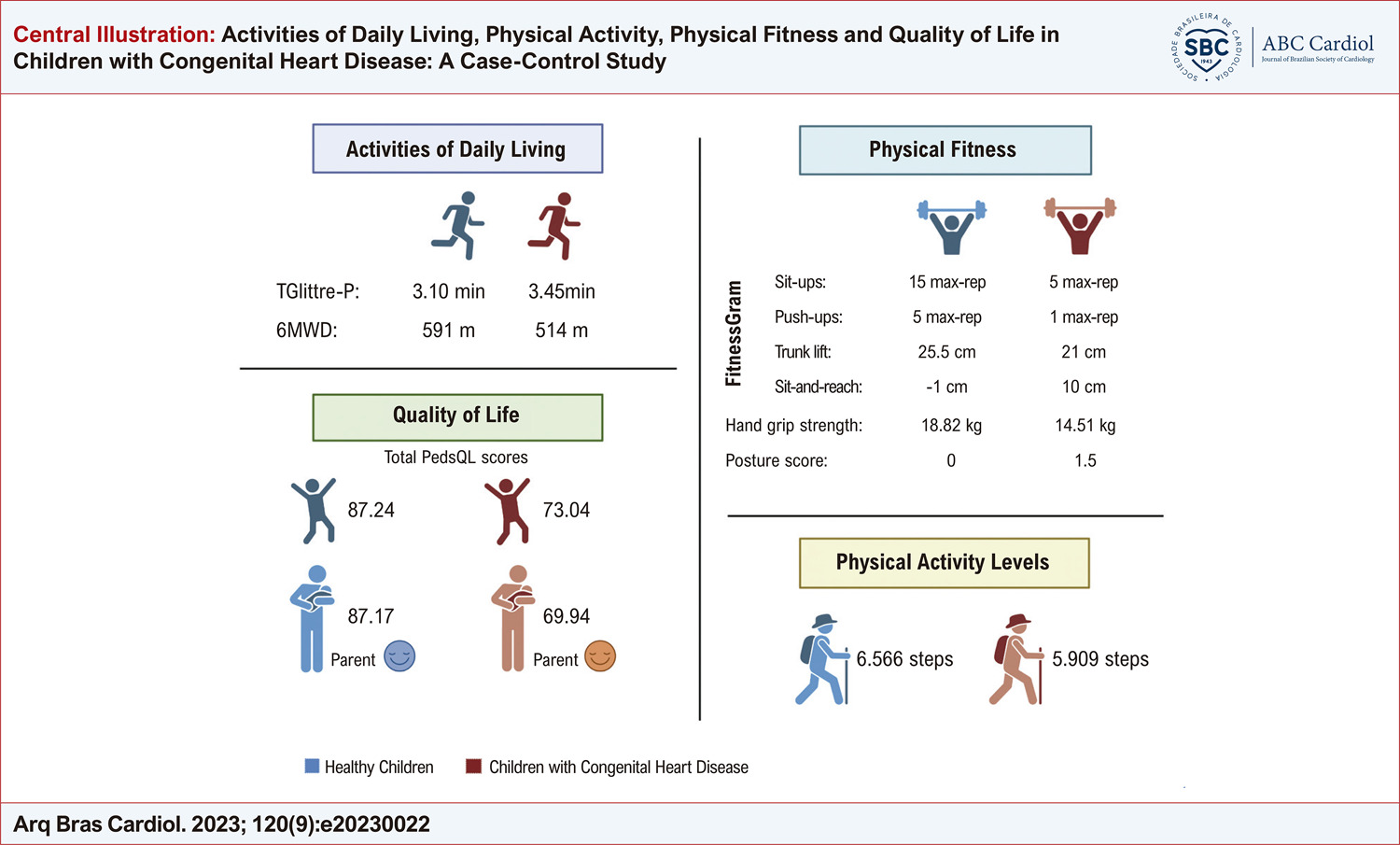
The aim was to compare the activities of daily living, quality of life, posture, physical fitness and physical activity levels of children with CHD with healthy controls (HC).

Methods

The study included 30 children aged 6-14 diagnosed with moderate or severe CHD and 30 age-sex-matched HC. The sociodemographic and clinical data of the participants were recorded. All participants went through several tests, namely the TGlittre-P test for activities of daily living, the 6-minute walk test (6MWT) for functional capacity, the Fitnessgram test battery for physical fitness, the hand dynamometer for measuring grip strength, the pedometer for measuring physical activity, and both the child and parents reported the Pediatric Quality of Life Inventory (PedsQL) for evaluating the quality of life, in addition to posture analyses. Values of p < 0.05 were considered statistically significant.

Results

Individuals with CHD had a longer TGlittre-P test completion time and a shorter 6MWT distance than HC (TGlittre-P: CHD 3.45 [3.24-4.02]min vs. HC 3.10 [2.57-3.23]min, 6MWT: CHD 514.00 [412.50-566.00]m vs. HC 591.50 [533.00-631.00]m). For the CHD group, sit-ups, push-ups, trunk lift, and sit-and-reach test scores within the Fitnessgram battery, grip strength, posture, and quality of life scores were lower than those for the HC group. Physical activity levels were similar in the groups.

Conclusions

The performance of activities of daily living, functional capacity, physical fitness, posture, and quality of life of children with moderate and severe CHD were affected compared to healthy peers.

  • Activities of Daily Living
  • Case-Control Studies
  • Heart Defects, Congenital
  • Motor Activity
  • physical fitness
  • Quality of life
Read Full Article
Creative Commons Attribution (CC BY) Creative Commons license
13/10/2023 DOI: 10.36660/abc.20230022 Views 2
Figure 1
IJCS
Original Article

High Cardiorespiratory Optimal Point Values Are Related to Cardiovascular Mortality in Men Aged 46 to 70 Years: a Prospective Cohort Study

Claudio Gil Araújo et al. Plínio Santos Ramos Jari A. Laukkanen Jonathan Myers … Setor K. Kunutsor Matthew P. Harber Thijs M. H. Eijsvogels Beatriz D. Marinho Christina Grüne de Souza e Silva

Abstract

Background:

Several hemodynamic and respiratory variables measured during cardiopulmonary exercise testing (CPX) have been shown to predict survival. One such measure is the cardiorespiratory optimal point (COP) that reflects the best possible circulation-respiration interaction, but there are still limited data on its relationship with adverse outcomes.

Objective:

To assess the association between COP and cardiovascular mortality in men aged 46 to 70 years.

Methods:

A sample of 2201 men who had anthropometric, clinical, and COP data obtained during cycling CPX between 1995 and 2022 was extracted from the CLINIMEX Exercise cohort. COP was identified as the minimal minute-to-minute VE/VO2 during CPX. Vital data were censored on October 31, 2022 for ICD-10-identified cardiovascular deaths. Cox proportional hazard models were used to estimate hazard ratios (HRs) with 95% confidence intervals (95% CIs).

Results:

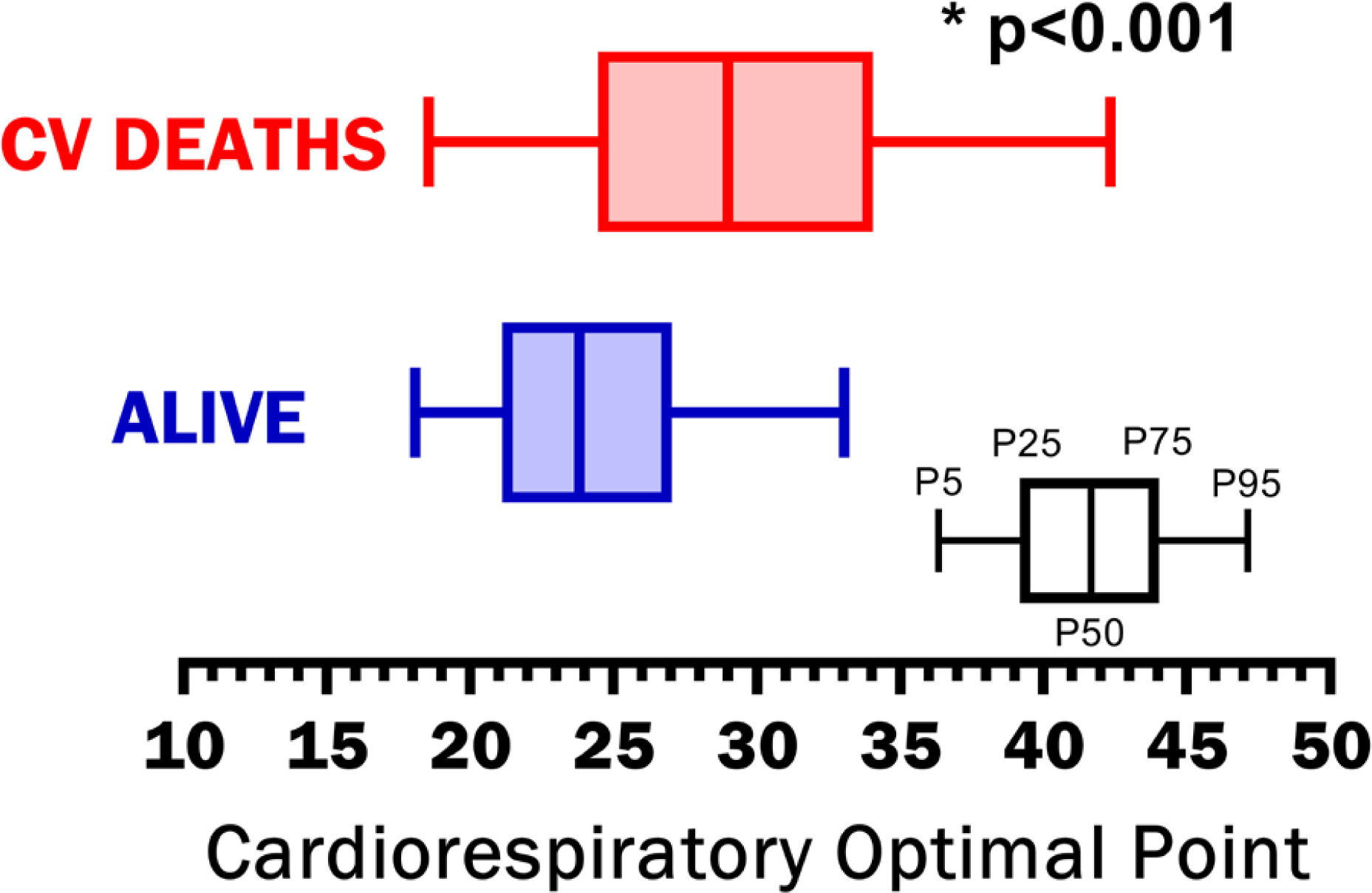
The mean ± standard deviation age was 57 ± 6 years and the median COP value was 24 (interquartile range = 21.2 to 27.4). During a mean follow-up of 4688 ± 2416 days, 129 (5.6%) patients died from cardiovascular causes. The death rates for low ( 30) categories of COP were 3.2%, 9.6%, and 18.7%, respectively. Following adjustment for age, history of myocardial infarction, diagnosis of coronary artery disease, and diabetes mellitus, the HR (95% CI) for cardiovascular mortality comparing very high versus low COP was 2.76 (1.87 to 4.07; p < 0.001).

Conclusions:

Our data indicate that, for a general population-based sample of men, COP > 30 represents a considerably higher risk for cardiovascular death. Information on COP could assist cardiovascular risk assessment in men.

  • cardiopulmonary exercise testing
  • Cardiovascular Diseases
  • exercise testing
  • physical fitness
Read Full Article
Creative Commons Attribution (CC BY) Creative Commons license
15/09/2023 DOI: 10.36660/ijcs.20230090 Views 2
ABC
Original Article

Blood Pressure in Children: Association with Anthropometric Indicators, Body Composition, Cardiorespiratory Fitness and Physical Activity

Gisele Pinheiro et al. Júlio Mello Adroaldo Gaya Anelise Reis Gaya

Abstract

Background:

Evidence points to anthropometric and fitness variables as associated factors with children’s blood pressure. Analysing these factors in a single context is a relevant possibility of identifying the weight that each factor can present for the development of arterial hypertension.

Objective:

Identify the possible associations between anthropometric measurements, body composition, moderate-vigorous physical activity (MVPA) and cardiorespiratory fitness (CRF) with blood pressure in children.

Methods:

Correlational study with a quantitative approach. Sample: 215 schoolchildren aged 6-12 years selected by convenience criteria of a public school in Porto Alegre, Brazil. Blood pressure was measured with a digital sphygmomanometer. For data treatment, the values of systolic and diastolic blood pressure were standardized (Z score) and added. The variables tested as predictors were: MVPA; body fat percentage (BF%); Body Mass Index (BMI); waist-height ratio (WHTR); maturity-offset and CRF. After checking the normality parameters, the crude and adjusted associations (for sex, age and maturity-offset) were tested with linear regression equations. For the analyses, p <0.05 was considered.

Results:

Three different models indicated the best sets of factors associated with standardized blood pressure. Model 1 (R2 = 0.21) consisted of the variables WHTR (β = 9.702) and MVPA (β = −0.021). Model 2 (R2 = 0.19) was composed of the variables BMI (β = 0.156) and MVPA (β = −0.021). Model 3 (R2 = 0.18) included the variables BF% (β = 0.063) and CRF (β = −0.004).

Conclusion:

Blood pressure in children is predicted by the body variables BF%, BMI and WHTR, in addition, it is negatively associated with MVPA and CRF.

  • Anthropometry
  • Blood Pressure
  • Body Composition
  • Child
  • Exercise
  • Motor Activity
  • physical fitness
Read Full Article
Creative Commons Attribution (CC BY) Creative Commons license
17/05/2021 DOI: 10.36660/abc.20190520 Views 1
ABC
Editorial

Atrioventricular Conduction System Disorders and Potential Risks of Arrhythmic Events in Endurance Athletes

Carlos Alberto Cordeiro Hossri

Short Editorial related to the article: Assessing Dynamic Atrioventricular Conduction Time to RR-interval Coupling in Athletes and Sedentary Subjects

Some disorders found on electrocardiograms are commonly seen in endurance or high-performance athletes and often have characteristics that are similar to those observed in elderly individuals or in those with cardiovascular disease. –

[…]

  • Arrhythmias Cardiac
  • Eletrocardiography/methods
  • Keywords: Athletes
  • physical fitness
  • Resistance Training
  • Sedentarism
  • Ventricular Function
  • Ventricular Remodeling
Read Full Article
Creative Commons Attribution (CC BY) Creative Commons license
07/08/2020 DOI: 10.36660/abc.20200668
ABC
Original Article

Dynamic Balance and Mobility Explain Quality of Life in HFpEF, Outperforming All the Other Physical Fitness Components

Cristine Schmidt et al. Mário Santos Lucimere Bohn Bruno Miguel Delgado … Daniel Moreira-Gonçalves Adelino Leite-Moreira José Oliveira

Abstract

Background

Physical fitness is an important determinant of quality of life (QoL) in heart failure with preserved ejection fraction (HFpEF) patients. However, how the different physical fitness components correlate with the specific dimensions of QoL in HFpEF patients remains unknown.

Objective

To evaluate the association between different physical fitness components and QoL dimensions in HFpEF patients, and, assess which physical fitness components were independently associated to QoL.

Methods

Patients with HFpEF were assessed for physical fitness [dynamic balance and mobility (8-foot-up-and go test), upper body strength (handgrip), cardiorespiratory fitness (CRF) (6-minute-walking test) and body composition (body mass index)] and for QoL (Minnesota Living With Heart Failure Questionnaire). Partial correlation was used to verify the association between physical fitness components and QoL dimensions. The determination of independent predictors in QoL dimensions was assessed through stepwise multivariate linear regression analysis. Statistical significance was set at p<0.05.

Results

Both CRF and dynamic balance and mobility are significantly associated with the total score and physical dimensions of QoL (p<0.05), but only dynamic balance and mobility were concomitantly associated with the emotional dimension (r=0.597; p=0.004). Dynamic balance and mobility were independently associated with total score (β=0.651; r2=0.424; p=0.001), physical (β=0.570; r2=0.324; p=0.04) and emotional (β=0.611; r2=0.373 p=0.002) dimensions of QoL.

Conclusion

Our data suggests that dynamic balance and mobility better assess QoL than CRF, which is commonly measured in clinical practice. Whether interventions specifically targeting dynamic balance and mobility have different impacts on QoL remains unknown. (Arq Bras Cardiol. 2020; 114(4):701-707)

  • Body Composition
  • Breathing Exercises
  • Heart Failure/physiopathology
  • physical fitness
  • Quality of life
  • Work-Life Balance/methods
Read Full Article
Creative Commons Attribution (CC BY) Creative Commons license
29/05/2020 DOI: 10.36660/abc.20190080
Figure 1
ABC
Original Article

Assessing Dynamic Atrioventricular Conduction Time to RR-interval Coupling in Athletes and Sedentary Subjects

Paulo Roberto Benchimol-Barbosa et al. Olivassé Nasario Junior Jurandir Nadal

Abstract

Background

Atrioventricular conduction time ( AVCT ) is influenced by autonomic input and subject to physiological remodeling.

Objective

To evaluate beat-by-beat AVCT and RR-interval variability in athletes and healthy sedentary subjects.

Methods

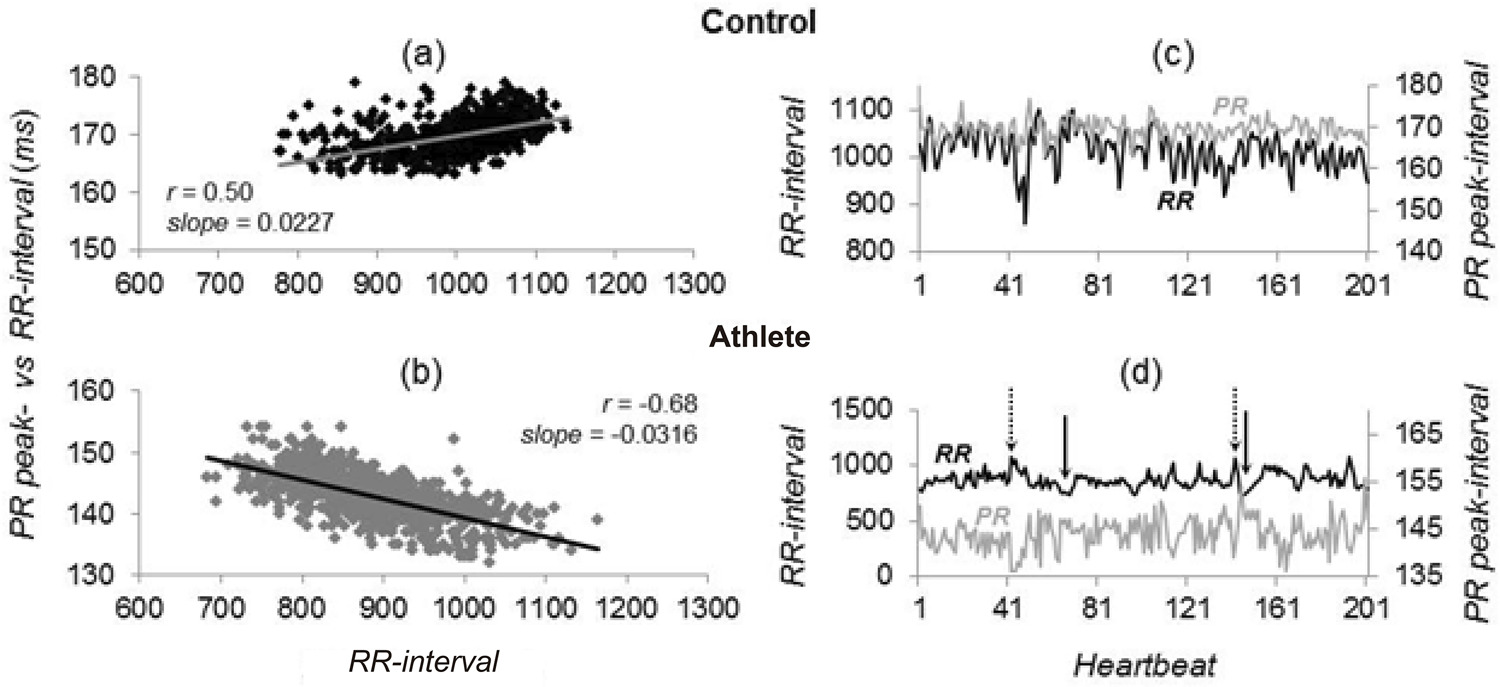
Twenty adults, including 10 healthy sedentary (Controls) and 10 elite long-distance runners (Athletes), age, weight and height-adjusted, underwent maximal metabolic equivalent (MET) assessment, and 15-min supine resting ECG recording seven days later. The interval between P-wave and R-wave peaks defined the AVCT . Mean (M) and standard deviation (SD) of consecutive RR-intervals (RR) and coupled AVCT were calculated, as well as regression lines of RR vs. AVCT (RR-AVCT) . Concordant AV conduction was defined as positive RR-AVCT slope and discordant otherwise. A multivariate linear regression model was developed to explain MET based on AVCT and RR-interval variability parameters. Significance-level: 5 %.

Results

In Athletes, M-RR and SD-RR values were higher than in Controls, whereas M-AVCT and SD-AVCT were not. RR-AVCT slopes were, respectively, 0.038 ± 0.022 and 0.0034 ± 0.017 (p < 0.05). Using a cut-off value of 0.0044 (AUC 0.92 ± 0.07; p < 0.001), RR-AVCT slope showed 100% specificity and 80% sensitivity. In a multivariate model, SD-RR and RR-AVCT slope were independent explanatory variables of MET (F-ratio: 17.2; p < 0.001), showing 100% specificity and 90% sensitivity (AUC 0.99 ± 0.02; p < 0.001).

Conclusion

In elite runners, AVCT to RR -interval dynamic coupling shows spontaneous discordant AV conduction, characterized by negative AVCT vs. RR -interval regression line slope. RR -intervals standard deviation and AVCT vs. RR -interval regression line slope are independent explanatory variables of MET (Arq Bras Cardiol. 2020; [online].ahead print, PP.0-0)

  • Adults
  • Athletes
  • Electrocardiography/methods
  • Heart Ventricles
  • physical fitness
  • Resistance Training
  • Sedentarism
  • Ventricular Function
  • Ventricular Remodeling
Read Full Article
Creative Commons Attribution (CC BY) Creative Commons license
08/05/2020 DOI: 10.36660/abc.20190281
IJCS
Review Article

Effects of Exercise Training on Cardiovascular and Autonomic Parameters in Stroke Survivors: A Systematic Review

Bruno Bavaresco Gambassi et al. Fabiano de Jesus Furtado Almeida Ana Eugênia Araújo Furtado Almeida João Alberto Ribeiro … Tânia Maria Gaspar Novais Paulo Adriano Schwingel Ciro Oliveira Queiroz Clarcson Plácido Conceição dos Santos Bruno Rodrigues

Abstract

Negative changes in cardiovascular and autonomic variables in stroke survivors have encouraged the global scientific community to focus on investigating therapeutic strategies to mitigate stroke damage. The objective of the present study was to describe the effects of exercise training on cardiovascular and autonomic variables in stroke survivors. We used the PICO (population, intervention, control/comparison, and outcome variables) model for the search of articles in PubMed and Physiotherapy Evidence Databases from 2009 to December 2018. The following data were also recorded: type of study, author, year of publication, participants (time after stroke, sample size, and age) and benefits of exercise training. A total of 544 articles were initially selected, of which nine peer-reviewed articles met the search criteria. These nine studies enrolled 611 participants (middle-aged or elderly), and pointed to positive effects of training on maximal oxygen uptake, peak aerobic capacity, 6-minute walk test and resting heart rate. However, more well-controlled studies are needed to confirm the benefits of exercise training on cardiovascular and autonomic variables in this population.

  • Autonomic Nervous System
  • Cardiovascular System
  • Exercise
  • physical fitness
  • Physiotherapy
  • Rehabilitation
  • Review
  • Stroke
Read Full Article
Creative Commons Attribution (CC BY) Creative Commons license
12/08/2019 DOI: 10.5935/2359-4802.20190047
IJCS
Viewpoint

Invasive Coronary Physiological Assessment in Symptomatic Middle-Aged Endurance Athletes

Omar M. Issa et al. J. Sawalla Guseh Ignacio Inglessis Aaron L. Baggish

Abstract

Despite the health benefits of routine exercise, coronary artery disease (CAD) is common among older competitive athletes and is an important cause of sudden cardiac death. Athletes with suspected or confirmed CAD routinely undergo conventional coronary angiography involving the performance of invasive coronary physiological assessment using the fractional flow reserve (FFR) or the instantaneous-wave free ratio (iFR). Data defining the role of invasive coronary physiological assessment, while robust in general clinical populations, are untested among older competitive athletes with CAD. The paper discusses the challenges and uncertainties surrounding the use of the FFR and iFR in this unique population with an emphasis on the need for future work to better define this approach.

  • Adult
  • Athletes
  • Circuit Based Exercise/mortality
  • Coronary Angiography/methods
  • Coronary Artery Disease
  • Fractional Flow Reserve
  • Myocardial
  • physical fitness
Read Full Article
Creative Commons Attribution (CC BY) Creative Commons license
12/08/2019 DOI: 10.5935/2359-4802.20190063
Figure 1
IJCS
Original Article

Comparative Analysis of Direct and Indirect Methods for the Determination of Maximal Oxygen Uptake in Sedentary Young Adults

Alfredo Moreira da Rocha Neto et al. Artur Haddad Herdy Pablo de Souza

Abstract

Background:

Maximal oxygen uptake is a powerful prognostic indicator and a reliable measure of physical conditioning. It can be measured directly by cardiopulmonary exercise testing (CPET) or indirectly by formulas derived from conventional protocols.

Objective:

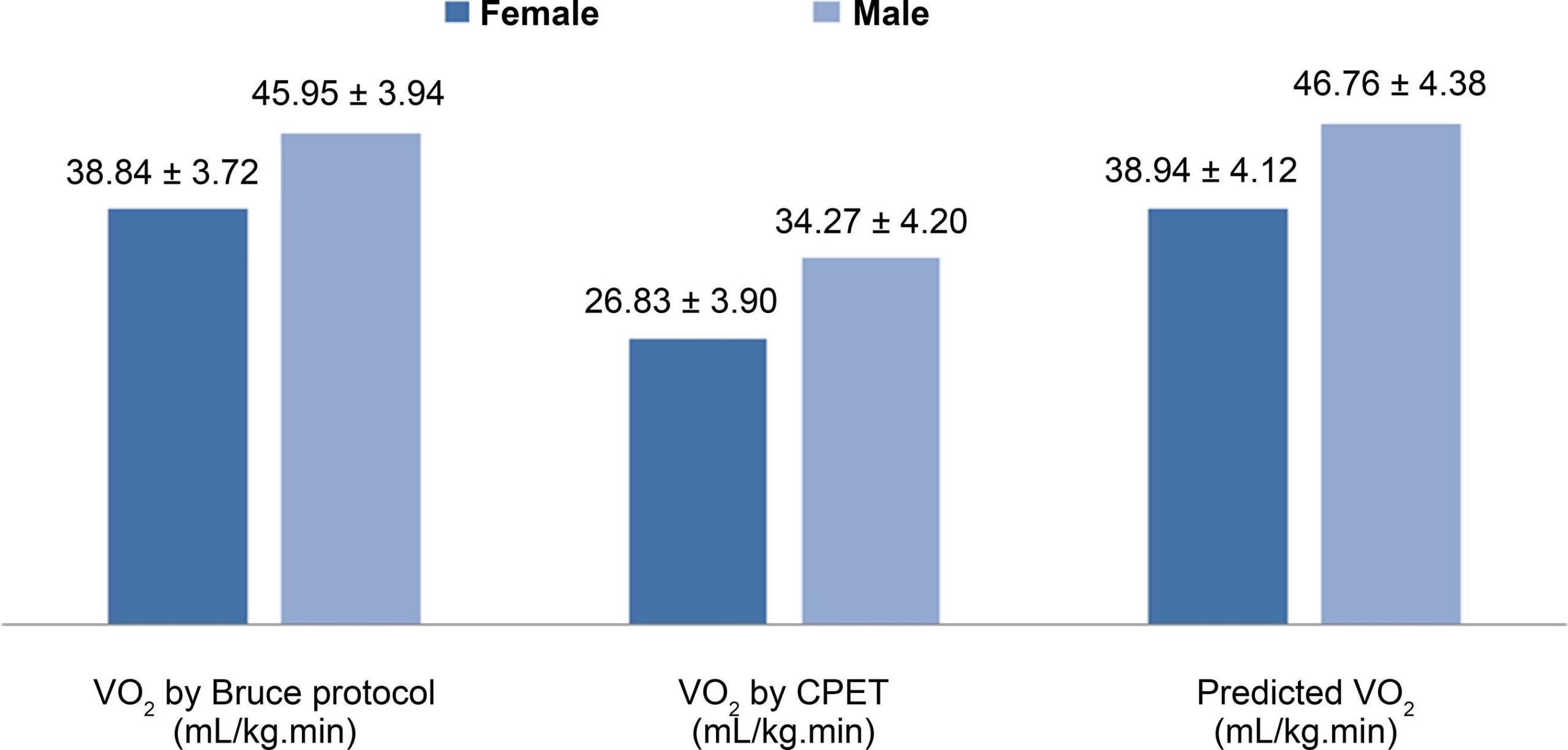
We compared the VO2 max obtained by formula using exercise testing with Bruce protocol (BP) with the VO2 max obtained by CPET on the treadmill.

Methods:

We selected 41 healthy, non-obese, physically inactive young volunteers, aged between 21 and 50 years, residents of Florianópolis, Brazil.

Results:

Twenty-one women (52%) with mean age of 35.62 ± 8.83 years, and 20 males, with mean age of 32.5 ± 7.18 years participated in the study. Statistically significant differences were found for VO2 max between the two methods (BP – 42.31 ± 5.21 ml/kg.min vs. CPET – 30.46 ± 5.50 ml/kg.min., p < 0.0001). The Bruce formula overestimated the result by 34.1% (BP – 45.95 ± 3.94 ml/kg.min vs. CPX – 34.27 ± 4.20 ml/kg.min, p < 0.0001) for men, and by 44.8% (BP – 38.84 ± 3.72 ml/kg.min vs. CPX – 26.83 ± 3.90, p < 0.0001) for women. A moderate correlation was observed between the methods (r = 0.65). When classifying the results according to the table of aerobic capacity of the American Heart Association, the agreement was null (kappa = 0.0034; Pearson chi2 = 0.001).

Conclusion:

VO2 estimated by BP is not capable of demonstrating the true aerobic capacity in these individuals, while CPET is an important tool for early detection of diminished functional capacity in sedentary young men and women.

  • Adolescent
  • Cardiovascular Diseases
  • Exercise Test
  • Oxygen Consumption
  • physical fitness
  • Sedentarism
Read Full Article
Creative Commons Attribution (CC BY) Creative Commons license
12/08/2019 DOI: 10.5935/2359-4802.20190052
ABC
Editorial

Non-Pharmacological Treatment of Cardiovascular Disease | Importance of Physical Exercise

Mariana Janini Gomes et al. Luana Urbano Pagan Marina Politi Okoshi

Cardiovascular diseases are currently the major health problem and are directly involved in more than 17 million deaths each year, which represents 50% of all deaths from noncommunicable diseases. In addition to their effects on individual well-being, cardiovascular diseases are responsible for a high economic impact. A recently published study showed that in Brazil, only four diseases – arterial hypertension, myocardial infarction, atrial fibrillation and heart failure – reached an estimated total financial cost of 56.2 billion reais in the year 2015.

The treatment of cardiovascular diseases involves the use of specific drugs and adherence to non-pharmacological interventions. This Editorial will be dedicated to the role of physical exercise in the treatment of cardiovascular diseases.

[…]

  • Cardiovascular Diseases
  • Exercise/prevention and control
  • Heart Failure
  • physical fitness
  • Quality of life
  • Ventricular Remodeling
Read Full Article
Creative Commons Attribution (CC BY) Creative Commons license
08/08/2019 DOI: 10.5935/abc.20190118 Views 1
Figure 1
IJCS
Original Article

Talk the talk and walk the walk! Association between Weekly Exercise Load and Knowledge about Recommendations for Fighting Innactivity

Diogo Thadeu Meira et al. Leonardo Giglio Gonçalves Luiz Henrique Araújo Matheus Gasparini … Bernardo Souza Cunha Amanda Monteiro Michele Heringer Christiane Prado Andre Volschan Fabrício Braga da Silva

Abstract

Background:

The World Health Organization (WHO) recommends as a weekly “target dose” of exercise 150 minutes of moderate exercise or 75 minutes of intense exercise. Public health policies have prioritized the practice of exercise as a strategy for disease prevention and health promotion, with health professionals as their main promoters.

Objective:

To assess the interaction between the amount of exercise per week and the knowledge about recommendations for fighting a sedentary lifestyle among health care professionals attending a congress of cardiology.

Methods:

Participants of the 2017 Rio de Janeiro Society of Cardiology Congress were interviewed. Knowledge about the World Health Organization (WHO) recommendations for fighting a sedentary lifestyle was assessed by asking participants the question: “How much weekly exercise is recommended by the WHO?” Responders were stratified by the weekly exercise load reported. A multivariate logistic model was created to determine independent predictors of knowledge.

Results:

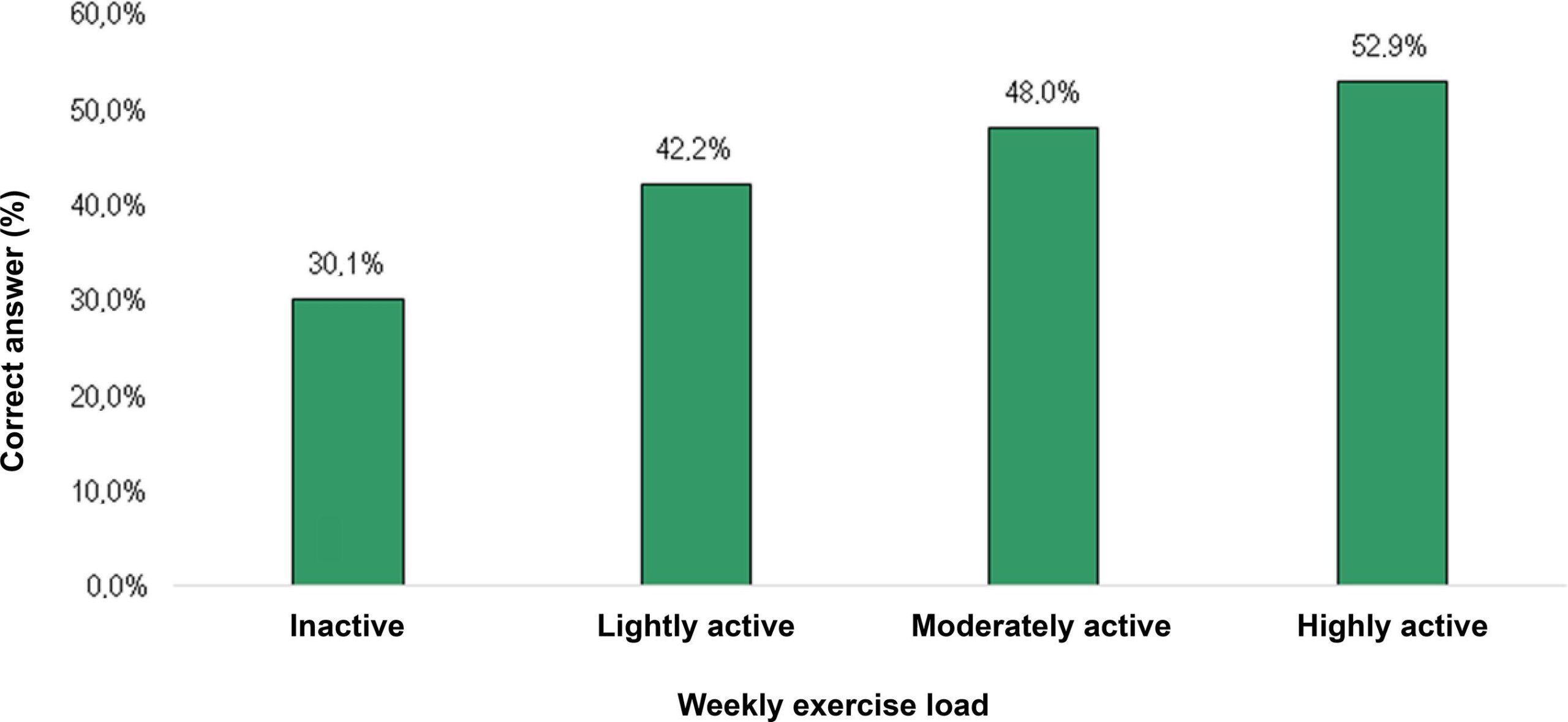
A total of 426 participants were interviewed (45.5% men, median age 31 years, 37.8% physicians, 65.8% of the physicians were cardiologists). The overall knowledge level was 44.6%; 38.1%, 52.7% and 56.6% among non-physicians, non-cardiologists and cardiologists, respectively (p = 0.002). Of all participants, 21.8% were inactive, 15% were lightly active, 34.7% moderately active and 28.4% highly active, and the percentage of individuals who gave a correct answer to the question on exercise recommendations was 30.1%, 42%, 48% and 52.9% respectively (p < 0.0001). In the multivariate analysis, being highly active (OR = 2.25, IC95%, 1.238 – 4.089), moderately active (OR = 1.93, IC 95% 1.105 – 3.39) and being a cardiologist (OR = 2.01, IC 95% 1.243 – 3,267) were predictors of knowledge.

Conclusions:

There was a linear association between exercise level and knowledge about the WHO recommendations on exercise. Policies to stimulate the practice of exercise among health professionals can positively impact campaigns for reducing sedentary lifestyle in the general population.

  • Cardiovascular Diseases/prevention and control
  • Exercise
  • Health Promotion, Preventive Medicine
  • physical fitness
  • Sports
  • Sports Medicine/Trends
Read Full Article
Creative Commons Attribution (CC BY) Creative Commons license
01/04/2019 DOI: 10.5935/2359-4802.20190023 Views 1
ABC
Editorial

Physical Inactivity in Brazil and Sweden – Different Countries, Similar Problem

Ricardo Stein et al. Mats Börjesson

Does Sweden and Brazil have the same problem?

Low or decreasing PA levels often correspond with a high or rising gross national product. In high-income countries, 26% of men and 35% of women were insufficiently physically active, as compared to 12% of men and 24% of women in low-income countries. This drop is partly due to inactivity during leisure time and sedentary behavior at home or during work. Also, an increase in car, bus and train use has contributed to insufficient PA. Besides, fear of violence and crime in outdoor areas, pollution, high-density traffic, lack of parks, sidewalks and sports/recreation facilities discourage people from becoming more active.

There is a known socioeconomic division regarding PA levels in Europe; the Eurobarometer (), a survey series based on self-reported activity levels and sports participation, shows that 91% of Swedes of all ages, but only 22% of Bulgarians report to exercise. Populations from highly industrialized countries from northern and western Europe tend to practice more exercise/sports activities, compared with southeastern European countries. This, somehow, illustrates the well-known socioeconomic difference, in which higher education is associated with more sitting time, but also more “gym-cards” and higher fitness, typical of northern Europe, in contrast with other European countries.

[…]

  • Exercise
  • Lifestyle
  • Physical Conditioning
  • physical fitness
Read Full Article
Creative Commons Attribution (CC BY) Creative Commons license
01/02/2019 DOI: 10.5935/abc.20190010
ABC
Editorial

CADE-Q SV: Practical and Relevant in the Assessment of Patients with Cardiovascular Diseases regarding their Health Condition

Juliana Beust de Lima

Cardiovascular diseases (CVD) remain the leading cause of death worldwide. According to estimates by the World Health Organization (WHO), approximately 17.9 million individuals die per year due to this clinical condition. In Brazil, a registry of the Brazilian Society of Cardiology shows an increase in mortality over the years, affecting 383,961 individuals in 2017.

Considering the strong association of CVD with morbidity and mortality, as well as the impairment of functional capacity and quality of life shown by these patients, strategies aimed at minimizing these impairments and that can be shown to be cost-effective should be implemented. In this scenario, cardiovascular rehabilitation (CVR) is crucial and should be part of the overall treatment of CVD.

[…]

  • Cardiac Rehabilitation
  • Cardiovascular Diseases, mortality
  • Exercise
  • Health Education
  • physical fitness
  • Prevention and Control
  • Survey and Questionnaires
Read Full Article
Creative Commons Attribution (CC BY) Creative Commons license
01/12/2018 DOI: 10.5935/abc.20180236 Views 2
IJCS
Original Article

Correlation Between Physical Activity and Clinical Variables in Patients with Acute Myocardial Infarction

Ana Teresa Glaser Carvalho et al. Thays Fraga Duarte Andressa Sarda Maiochi Roberto Leo da Silva … Tammuz Fattah Daniel Medeiros Moreira

Abstract

Background:

Physical activity reduces the risk of coronary heart disease, one of the leading causes of death in the world.

Objectives:

This study intends to correlate physical activity and clinical variables of the patients hospitalized in public hospitals of Santa Catarina after the first acute myocardial infarction.

Methods:

The selected patients answered a questionnaire on different clinical variables. Physical activity was measured using the Baecke’s questionnaire. Data were tabulated and analyzed using the SPSS 13.0 for Windows software. Normality was assessed using the Kolmogorov-Smirnov test. Correlations between two quantitative variables were evaluated by Pearson’s correlation. Values of p < 0.05 were considered statistically significant.

Results:

The study showed a weak positive correlation between the Baecke score and years of schooling (r = 0.361; p = 0.001). There was a weak negative correlation between the Baecke score and the PHQ9 depression score (r = -0.252; p = 0.009). The study also showed a weak negative correlation between the PHQ9 depression score and the Mini Mental score (r = -0.258; p = 0.007), as well as a weak negative correlation between PHQ9 and schooling years with (r = -0.199, p = 0.039).

Conclusions:

There is a positive correlation between physical activity and years of schooling in hospitalized patients with first acute myocardial infarction. Negative correlations were found between physical activity and depression, between depression and the Mini-Mental State Examination, and between depression and years of schooling in these patients.

  • Coronary Artery Disease / prevention & control
  • Exercise
  • Myocardial Infarction
  • physical fitness
Read Full Article
Creative Commons Attribution (CC BY) Creative Commons license
01/01/2018 DOI: 10.5935/2359-4802.20170091 Views 1
Figure 1
ABC
Original Article

Effects of Continuous and Accumulated Exercise on Endothelial Function in Rat Aorta

Juliana Edwiges Martinez et al. Elane de Fátima Taipeiro Agnaldo Bruno Chies

Abstract

Background:

The practice of exercise in short bouts repeated throughout the day may be an alternative strategy to lift people out of physical inactivity.

Objective:

to evaluate if accumulated exercise, as occurs in continuous exercise training, improve endothelial function in rat aorta.

Methods:

Wistar male rats were divided into three groups: continuous exercise (CEx, 1 hour on the treadmill) or accumulated exercise (AEx, 4 bouts of 15 minutes / day) for 5 days/week for 8 weeks, or sedentary (SED). During the training period, body weight gain and increase in exercise performance were recorded. On sacrifice day, aorta was dissected into rings (3-5 mm) and mounted on the organ bath.

Results:

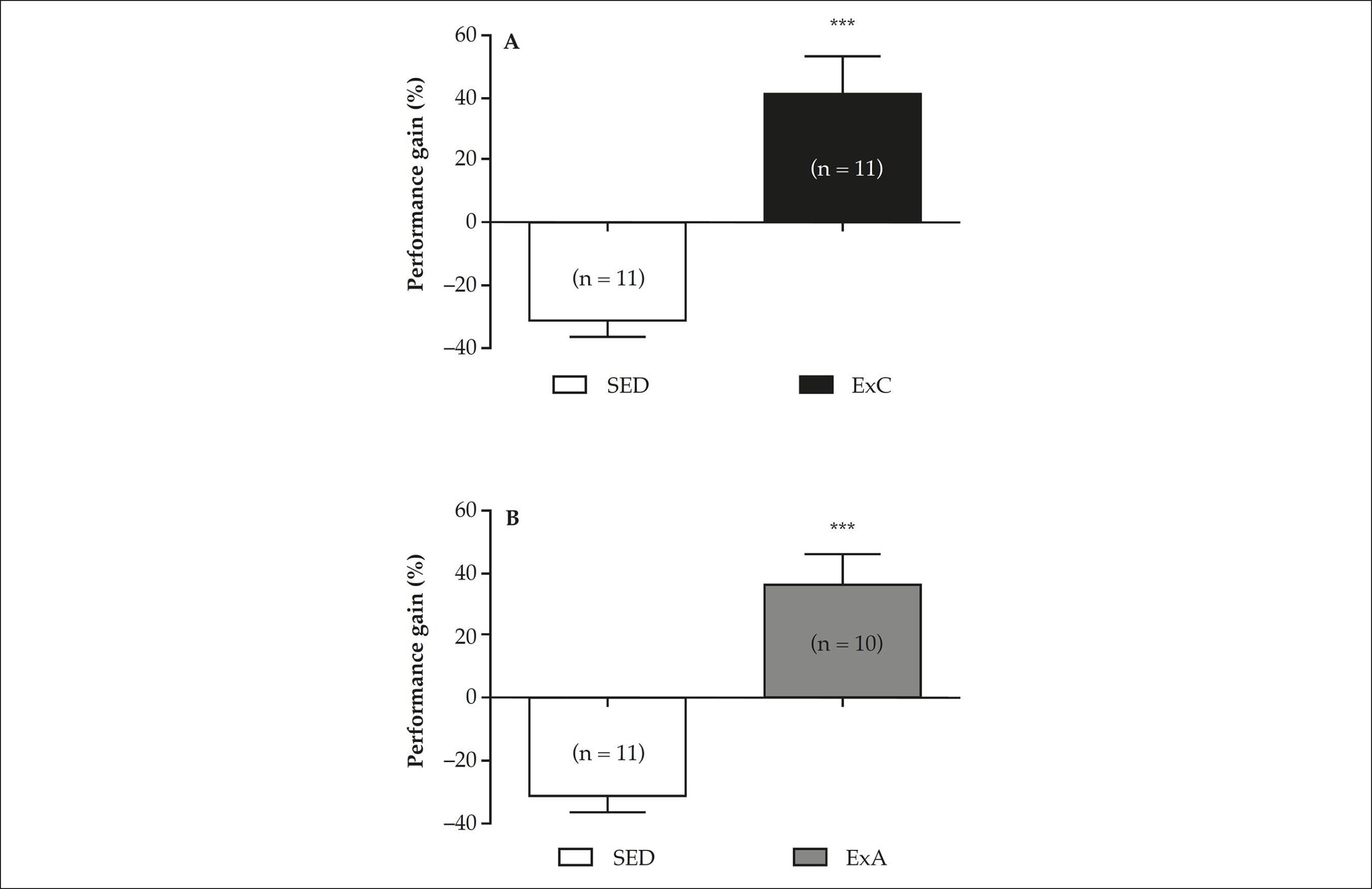
Fitness was significantly greater in CEx and AEx rats as compared with SED animals. In addition, compared with the SED group, CEx animals had a lower body mass gain, and the aorta obtained from these animals had reduced contractile response to norepinephrine and greater acetylcholine-induced relaxation. These results were not observed in ACEx animals.

Conclusions:

Both CEx and AEx improved fitness, but only CEx led to reduced body weight gain and improved endothelial function.

  • Acetylcholine
  • Endothelium
  • Exercise
  • Norepinephrine
  • physical fitness
  • Rats
  • Weight Loss
Read Full Article
Creative Commons Attribution (CC BY) Creative Commons license
01/04/2017 DOI: 10.5935/abc.20170036
Figure 1
IJCS
Brief Communication

Exercise Improves Cardiovascular Risk Factors, Fitness, and Quality Of Life in Hiv+ Children and Adolescents: Pilot Study

Luiz Rodrigo Augustemak de Lima et al. Isabela de Carlos Back Carmem Cristina Beck Bruno Caramelli

Abstract

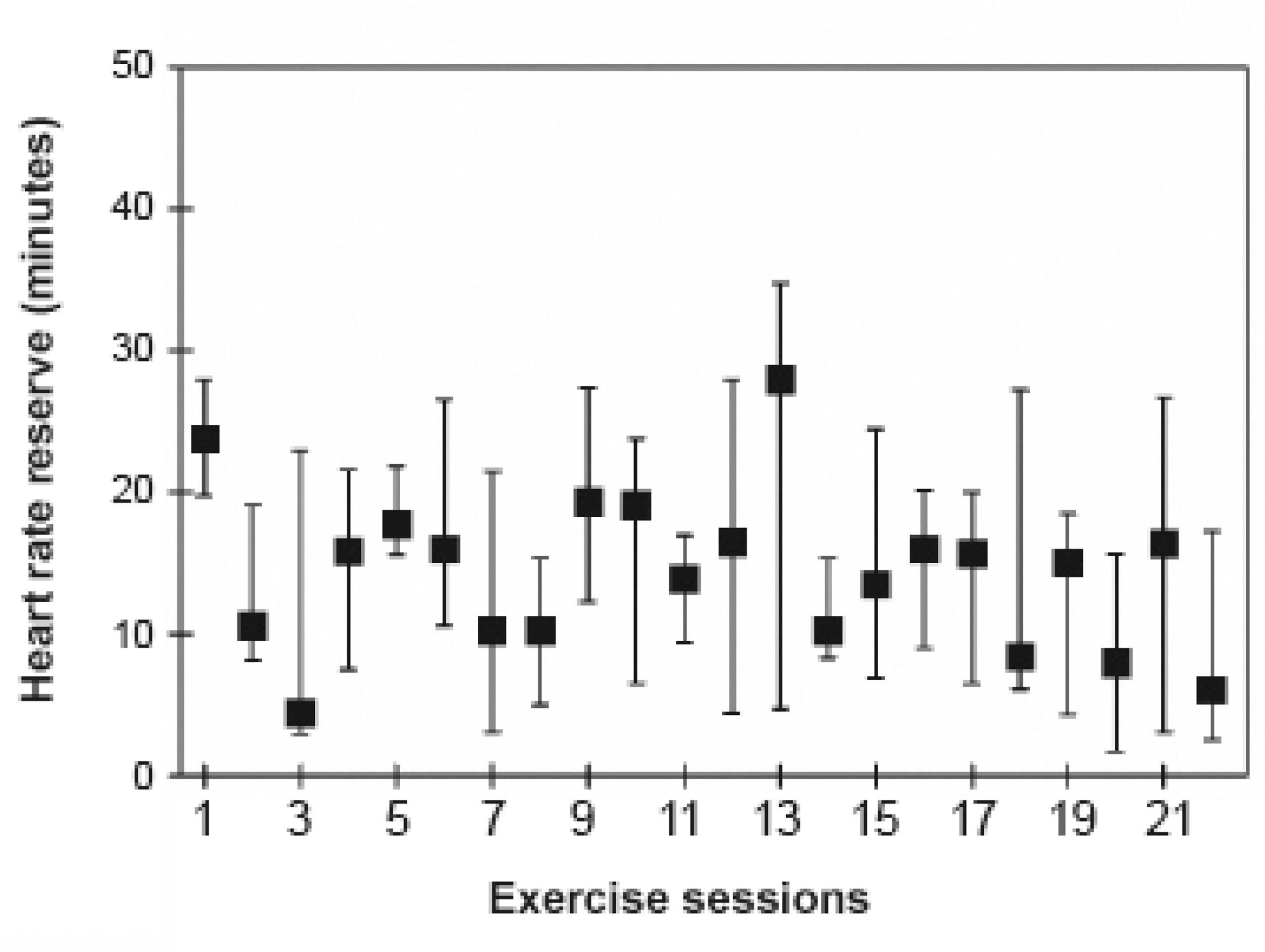
Children and adolescents infected by HIV through mother-to-child transmission are at high risk of developing premature cardiovascular diseases due to dyslipidemia, insulin resistance and low-grade chronic inflammation. The aim of the pilot study was to verify the effect of a playful exercise program on cardiovascular, morphological, metabolic, fitness, and quality of life outcomes. A non-randomized clinical trial consisting of 24 sessions of playful aerobic and resistive exercises was applied to 10 children and adolescents living with HIV from Florianopolis, Brazil. The following variables were obtained before and after the program: fasting total cholesterol, HDL-c, LDL-c, triglycerides, glucose, C-reactive protein, blood pressure, common carotid artery intima-media thickness (CCA-IMT), flexibility, muscular endurance, aerobic fitness, anthropometry, and measured quality of life. After the intervention, a decrease in systolic blood pressure (-6.8 mmHg, 6.6%; p = 0.019) and CCA-IMT (-60.0 µm, 12.2%; p = 0.002) was observed after 24 sessions. There was an increase in upper-limb muscular endurance (+3.3 rep.min-1, 63.5%; p = 0.002), flexibility (+5.7 cm, 26.0%; p = 0.001), and quality of life (+10.4 points, 27.5%; p = 0.003). In our sample of children and adolescents living with HIV, a short-term exercise program was associated with improvement in cardiovascular risk, fitness, and quality of life.

  • Adolescent
  • Atherosclerosis
  • Cardiovascular Diseases/physiopathology
  • Carotid Intima-Media Thickness
  • Child
  • Exercise
  • Life Style
  • physical fitness
Read Full Article
Creative Commons Attribution (CC BY) Creative Commons license
01/01/2017 DOI: 10.5935/2359-4802.20170032
ABC
Original Article

Dyslipidemia is Associated with Unfit and Overweight-Obese Children and Adolescents

Cézane Priscila Reuter et al. Priscila Tatiana da Silva Jane Dagmar Pollo Renner Elza Daniel de Mello … Andréia Rosane de Moura Valim Luiza Pasa Rafaela da Silva Miria Suzana Burgos

Abstract

Background:

Both poor aerobic fitness and obesity, separately, are associated with abnormal lipid profiles.

Objective:

To identify possible relationships of dyslipidemia with cardiorespiratory fitness and obesity, evaluated together, in children and adolescents.

Methods:

This cross-sectional study included 1,243 children and adolescents (563 males and 680 females) between 7 and 17 years of age from 19 schools. Obesity was assessed using body mass index (BMI) measurements, and cardiorespiratory fitness was determined via a 9-minute run/walk test. To analyze the lipid profile of each subject, the following markers were used: total cholesterol, cholesterol fractions (high-density lipoprotein and low-density lipoprotein) and triglycerides. Data were analyzed using SPSS v. 20.0, via prevalence ratio (PR), using the Poisson regression.

Results:

Dyslipidemia is more prevalent among unfit/overweight-obese children and adolescents compared with fit/underweight-normal weight boys (PR: 1.25; p = 0.007) and girls (PR: 1.30, p = 0.001).

Conclusions:

The prevalence of dyslipidemia is directly related to both obesity and lower levels of cardiorespiratory fitness.

  • Dyslipidemias
  • Obesity
  • Overweight
  • physical fitness
Read Full Article
Creative Commons Attribution (CC BY) Creative Commons license
16/02/2016 DOI: 10.5935/abc.20160025 Views 1
Cardiorespiratory fitness of a Brazilian regional sample distributed in different tables
ABC
Artigo Original

Cardiorespiratory fitness of a Brazilian regional sample distributed in different tables

Karlyse Claudino Belli et al. Carine Calegaro Cleusa Maria Richter Jonatas Zeni Klafke … Ricardo Stein Paulo Ricardo Nazario Viecili

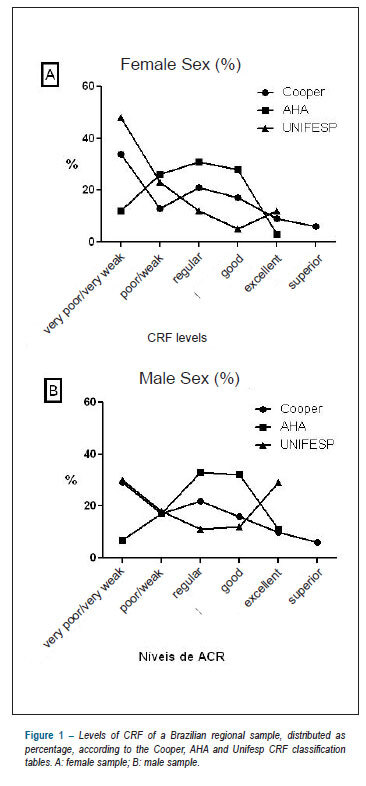
BACKGROUND: Most classification tables of cardiorespiratory fitness (CRF) used in clinical practice are international and have not been validated for the Brazilian population. That can result in important discrepancies when that classification is extrapolated to our population. OBJECTIVE: To assess the use of major CRF tables available in a Brazilian population sample of the Central High Plan of the state of Rio Grande do Sul (RS). METHODS: This study assessed the retrospective data of 2,930 individuals, living in 36 cities of the Central High Plan of the state of RS, and considered the following: presence of risk factors for cardiovascular disease and estimated maximum oxygen consumption (VO2peak) values obtained through exercise test with Bruce protocol. To classify CRF, the individuals were distributed according to sex, inserted in their respective age groups in the Cooper, American Heart Association (AHA) and Universidade Federal de São Paulo (Unifesp) tables, and classified according to their VO2peak. RESULTS: Women had lower VO2peak values as compared with those of men (23.5 ± 8.5 vs. 31.7 ± 10.8 mL.kg-1.min-1, p < 0.001). Considering both sexes, VO2peak showed an inverse and moderate correlation with age (R = -0.48, p < 0.001). An important discrepancy in the CRF classification levels was observed between the tables, ranging from 49% (Cooper x AHA) to 75% (Unifesp x AHA). CONCLUSION: Our findings indicate important discrepancy in the CRF classification levels of the tables assessed. Future studies could assess whether international tables could be used for the Brazilian population and populations of different regions of Brazil.

  • Classification
  • Exercise Test
  • Oxygen Consumption
  • physical fitness
  • Urban Population
Read Full Article
Creative Commons Attribution (CC BY) Creative Commons license
09/08/2012 DOI: 10.1590/S0066-782X2012005000075 Views 2
Effects of age and aerobic fitness on heart rate recovery in adult men
ABC
Artigo Original

Effects of age and aerobic fitness on heart rate recovery in adult men

Gabriela Alves Trevizani et al. Paulo Roberto Benchimol-Barbosa Jurandir Nadal

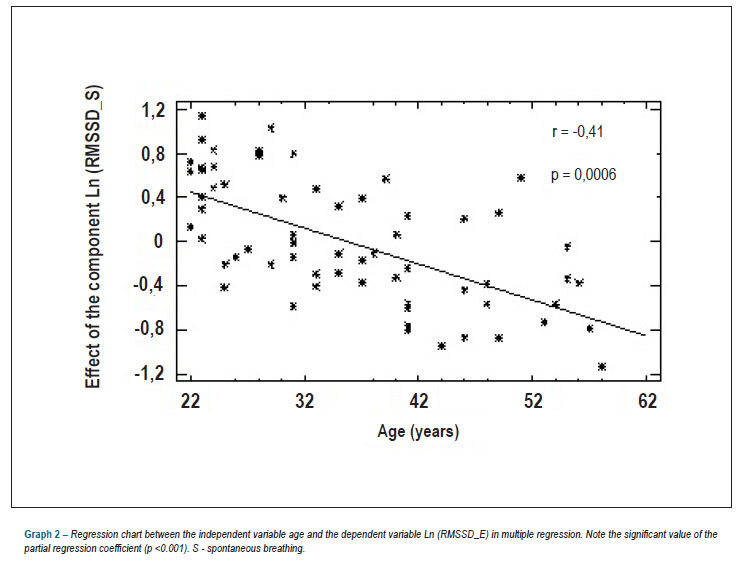
BACKGROUND: Physiological aging leads to cardiac autonomic dysfunction, which is associated with the onset and worsening of cardiovascular disease and an increased risk of death. Currently, physical exercise is considered a cardioprotective strategy and more research is needed on its benefit on cardiac autonomic function. OBJECTIVE: To evaluate the autonomic control of heart rate in healthy young and middle-aged volunteers with different levels of aerobic fitness. METHODS: The study included 68 volunteers, stratified for age and level of aerobic fitness. Based on aerobic fitness assessed by the submaximal exercise test, subjects were separated into two groups, good fitness and poor fitness. Assessment of cardiac autonomic control was performed based on measurements of heart rate variability at rest and heart rate recovery post-exercise. Analysis of variance with two factors was used to compare the variables investigated. RESULTS: The heart rate variability is significantly lower in middle-aged volunteers than in young individuals, regardless of the aerobic fitness level (p <0.01). Higher levels of aerobic fitness in middle-aged volunteers are associated with earlier post-effort vagal reentry – rate of HR decline after 1min30s: 39.6% good aerobic fitness vs. poor 28.4% (p < 0.01). CONCLUSION: Better levels of aerobic fitness act beneficially on the autonomic control of post-exercise heart rate, preserving the vagal reentry velocity in healthy middle-aged volunteers. However, it does not attenuate the decrease in heart rate variability due to the natural aging process.

  • Autonomic Nervous System
  • Exercise
  • Heart Rate
  • middle aged
  • physical fitness
  • Young Adult
Read Full Article
Creative Commons Attribution (CC BY) Creative Commons license
26/07/2012 DOI: 10.1590/S0066-782X2012005000069
Validity and equivalence of the Portuguese version of the Veterans Specific Activity Questionnaire
ABC
Artigo Original

Validity and equivalence of the Portuguese version of the Veterans Specific Activity Questionnaire

Geraldo de Albuquerque Maranhão-Neto et al. Antonio Carlos Ponce de Leon Paulo de Tarso Veras Farinatti

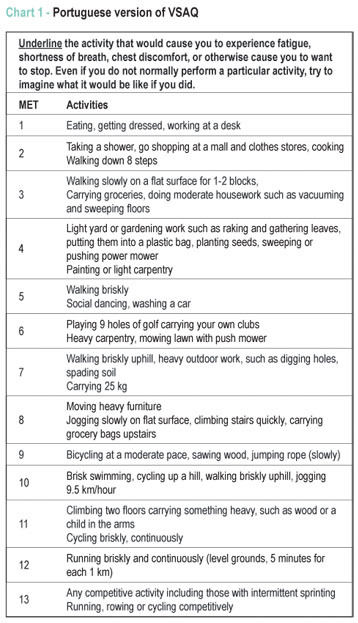
BACKGROUND: The Veterans Specific Activity Questionnaire (VSAQ) has been used to individualize exercise testing (ET) and to indirectly assess cardiorespiratory fitness (CRF) in epidemiological studies. Nevertheless, there is no validated Portuguese version. OBJECTIVE: To verify the criterion-related validity and the measurement equivalence of a Portuguese version of VSAQ in 95 individuals, 8 women (aged 69 ± 7 years) referred to ET. METHODS: The subjects performed a cardiopulmonary test with incremental to maximal exercise on a cycle ergometer. The correlation between VSAQ score and Maximum Measured and Estimated METs was compared to results from other studies. The VSAQ Nomogram was calculated and its results were compared to CRF real values by linear regression. Limits of concordance and mean differences (biases) were assessed according to the Bland Altman methodology. RESULTS: The VSAQ scores were significantly correlated to the Measured METs (r = 0.64) and Estimated METs (r = 0.67), results that were equivalent to those obtained by the original versions. The VSAQ Nomogram presented multiple R of 0.78 (Measured MET) and 0.80 (Estimated MET). However, the Nomogram seems to have underestimated CRF values greater than 6 METs. CONCLUSION: The VSAQ version confirmed its validity and equivalence to the original version, especially when evaluating individuals with coronary heart disease and older adults.

  • Cardiovascular Diseases
  • Exercise Test
  • physical fitness
  • Validity of tests
Read Full Article
Creative Commons Attribution (CC BY) Creative Commons license
10/06/2011 DOI: 10.1590/S0066-782X2011005000071
Influence of nutritional status and VO2max on adiponectin levels in men older than 35 years
ABC
Artigo Original

Influence of nutritional status and VO2max on adiponectin levels in men older than 35 years

Eduardo Camillo Martinez et al. Macos de Sá Rego Fortes Luiz Antônio dos Anjos

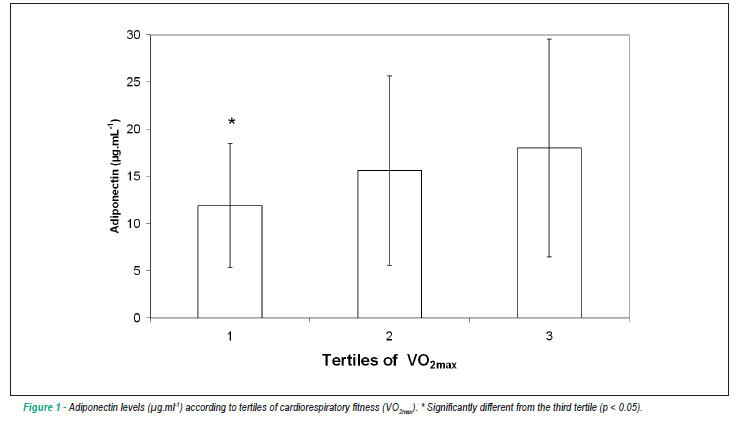
BACKGROUND: Adiponectin is considered an important factor in the pathogenesis of cardiovascular and metabolic diseases, due to its anti- atherogenic and anti-inflammatory properties. Few studies, however, have suggested the existence of a direct association between adiponectin levels and cardiorespiratory fitness and physical activity levels. OBJECTIVE: To verify the influence of the nutritional status and cardiorespiratory fitness on plasma adiponectin levels in adult men. METHODS: A total of 250 subjects, all in active duty in the Brazilian Army (BA), with a mean age of 42,6 ± 4,8 years volunteered to participate in the study. Plasma levels of adiponectin were measured, as well as body mass, height, waist circumference (WC), fat percentage by hydrostatic weighing and VO2max by ergospirometry. A questionnaire was used to obtain the characteristics of the physical training performed by the individuals. RESULTS: The sample showed that 121 (48%) individuals were overweight and 36 (14%) were obese. Moreover, 66 individuals (27%) had a body fat percentage > 25% and 26,7% had a WC > 94 cm. Overweight and obese individuals had significantly lower adiponectin levels than those with an adequate nutritional status. Individuals at the highest tertile of VO2max had higher adiponectin levels than the others. The adiponectin levels were positively correlated with the total weekly physical training time and VO2max and inversely correlated with body mass, BMI and WC. The correlation between adiponectin levels and VO2max did not remain significant after being adjusted for BMI and WC. CONCLUSION: Individuals with better cardiorespiratory fitness and normal nutritional status seem to present healthier levels of adiponectin.

  • Adiponectin
  • military personnel
  • nutritional states
  • Obesity
  • physical fitness
Read Full Article
Creative Commons Attribution (CC BY) Creative Commons license
15/04/2011 DOI: 10.1590/S0066-782X2011005000048
ABC
Artigo Original

Evaluation of cardiopulmonary fitness in individuals with hemiparesis after cerebrovascular accident

Angélica Cristiane Ovando et al. Stella Maris Michaelsen Tales de Carvalho Vanessa Herber

BACKGROUND: Due to the hemiparesis, the assessment of cardiorespiratory fitness on individuals after cerebrovascular accident (CVA), using exercise tests with conventional protocols, has become a challenge. OBJECTIVE: Perform cardiopulmonary test (CPT) in hemiparetic patients to a pre-participation evaluation aimed at a careful prescription of aerobic exercise. METHODS: The study included eight individuals with chronic hemiparesis who underwent CPT performed with individualized ramp protocol, developed from information on the gait speed of individuals previously evaluated in the track test. We considered the proposal of inclination ranging from 0 to 10.0%, initial speed corresponding to 70.0% of comfortable walking speed rhythm and 40.0% higher than the maximum speed on the track test, expecting that the CPT with this gradual and steady increase in intensity, lasted from 6 to 8 minutes. RESULTS: In 100.0% of the sample, the reason for discontinuation was peripheral fatigue. The peak VO2 achieved was 20.6 ± 5.7 ml/kg.min. The threshold I was identified in all tests, standing at 82.64 ± 4.78% of peak HR and 73.31 ± 4.97% of peak VO2. The respiratory quotient (R) of the group was 0.96 ± 0.09, and three out of eight individuals (37.5%) reached R higher than 1.00, and the Threshold II was identified in these individuals. We found positive relationships between CPT variables and balance scores, performance in the 6-minute walking test and running speed on the ground. CONCLUSION: The test proved to be useful for prescribing physical activity in these individuals.

  • Exercise Test
  • paresis
  • physical fitness
  • Respiratory Function Tests
  • Stroke
Read Full Article
Creative Commons Attribution (CC BY) Creative Commons license
07/01/2011 DOI: 10.1590/S0066-782X2011005000001
ABC
Case Report

Use of 6-minute walk test in pulmonary hypertension management

Elize Fumagalli et al. Maria ângela de Oliveira Ribeiro Mariana Simões Ferreira Camila Isabel da Silva Santos

The 6-minute walk test (T6) is used to assess cardiopulmonary diseases due to its prognosis capacity, easy performance and reproducibility. Pulmonary hypertension (PH) is defined and classified as a hemodynamic consequence leading to increased pulmonary arterial pressure and may result in right ventricular failure and consequent death. This case reports the prescription of T6 by the cardiology team at a university hospital as a means of physical control of a patient with HP, after the introduction and initiation of therapy.

  • Exercise
  • Exercise Test
  • Hypertension Pulmonary
  • physical fitness
Read Full Article
Creative Commons Attribution (CC BY) Creative Commons license
29/09/2010 DOI: 10.1590/S0066-782X2010001100024

Could not load more articles. Please try again.

How to cite this article

EndNote RIS

Electronic Document Format (Vancouver)

Teixeira JAC. Analysis of Cardiopulmonary Exercise Test in Pre- and Post-COVID-19. Arquivos Brasileiros de Cardiologia 2025;122(9):e20250544.

Electronic Document Format (ABNT)

Teixeira, José Antônio Caldas. Analysis of Cardiopulmonary Exercise Test in Pre- and Post-COVID-19. Arquivos Brasileiros de Cardiologia, v. 122, n. 9, e20250544, Nov. 2025.

Electronic Document Format (APA)

Teixeira, J. A. C. (2025). Analysis of Cardiopulmonary Exercise Test in Pre- and Post-COVID-19. Arquivos Brasileiros de Cardiologia, 122(9), e20250544.

Electronic Document Format (ISO)

Teixeira, José Antônio Caldas. Analysis of Cardiopulmonary Exercise Test in Pre- and Post-COVID-19. Arquivos Brasileiros de Cardiologia [online]. 2025, vol. 122, n. 9, [cited 2026-10-14], e20250544. Available from: <https://journals.cardiol.br/en/article/analysis-of-cardiopulmonary-exercise-test-in-pre-and-post-covid-19/>. ISSN 0066-782X

EndNote RIS

Electronic Document Format (Vancouver)

Kişin B, Savci S, Kahraman BO, Tanriverdi A, Bozyer HE, Genç HZ, Kir M, et al. Activities of Daily Living, Physical Activity, Physical Fitness and Quality of Life in Children with Congenital Heart Disease: A Case-Control Study. Arquivos Brasileiros de Cardiologia 2023;120(9):e20230022.

Electronic Document Format (ABNT)

Kişin, Berfin; Savci, Sema; Kahraman, Buse Ozcan; Tanriverdi, Aylin; Bozyer, Hazer Erçan; Genç, Halise Zeynep; Kir, Mustafa. Activities of Daily Living, Physical Activity, Physical Fitness and Quality of Life in Children with Congenital Heart Disease: A Case-Control Study. Arquivos Brasileiros de Cardiologia, v. 120, n. 9, e20230022, Oct. 2023.

Electronic Document Format (APA)

Kişin, B., Savci, S., Kahraman, B. O., Tanriverdi, A., Bozyer, H. E., Genç, H. Z., & Kir, M. (2023). Activities of Daily Living, Physical Activity, Physical Fitness and Quality of Life in Children with Congenital Heart Disease: A Case-Control Study. Arquivos Brasileiros de Cardiologia, 120(9), e20230022.

Electronic Document Format (ISO)

Kişin, Berfin and Savci, Sema and Kahraman, Buse Ozcan and Tanriverdi, Aylin and Bozyer, Hazer Erçan and Genç, Halise Zeynep and Kir, Mustafa. Activities of Daily Living, Physical Activity, Physical Fitness and Quality of Life in Children with Congenital Heart Disease: A Case-Control Study. Arquivos Brasileiros de Cardiologia [online]. 2023, vol. 120, n. 9, [cited 2026-10-14], e20230022. Available from: <https://journals.cardiol.br/en/article/activities-of-daily-living-physical-activity-physical-fitness-and-quality-of-life-in-children-with-congenital-heart-disease-a-case-control-study/>. ISSN 0066-782X

EndNote RIS

Electronic Document Format (Vancouver)

Araújo CG, Ramos PS, Laukkanen JA, Myers J, Kunutsor SK, Harber MP, Eijsvogels TMH, et al. High Cardiorespiratory Optimal Point Values Are Related to Cardiovascular Mortality in Men Aged 46 to 70 Years: a Prospective Cohort Study. International Journal of Cardiovascular Sciences 2023;36:e20230090.

Electronic Document Format (ABNT)

Araújo, Claudio Gil; Ramos, Plínio Santos; Laukkanen, Jari A.; Myers, Jonathan; Kunutsor, Setor K.; Harber, Matthew P.; Eijsvogels, Thijs M. H.; Marinho, Beatriz D.; Silva, Christina Grüne de Souza e. High Cardiorespiratory Optimal Point Values Are Related to Cardiovascular Mortality in Men Aged 46 to 70 Years: a Prospective Cohort Study. International Journal of Cardiovascular Sciences, v. 36, e20230090, Sep. 2023.

Electronic Document Format (APA)

Araújo, C. G., Ramos, P. S., Laukkanen, J. A., Myers, J., Kunutsor, S. K., Harber, M. P., Eijsvogels, T. M. H., Marinho, B. D., & Silva, C. G. S. (2023). High Cardiorespiratory Optimal Point Values Are Related to Cardiovascular Mortality in Men Aged 46 to 70 Years: a Prospective Cohort Study. International Journal of Cardiovascular Sciences, 36, e20230090.

Electronic Document Format (ISO)

Araújo, Claudio Gil and Ramos, Plínio Santos and Laukkanen, Jari A. and Myers, Jonathan and Kunutsor, Setor K. and Harber, Matthew P. and Eijsvogels, Thijs M. H. and Marinho, Beatriz D. and Silva, Christina Grüne de Souza e. High Cardiorespiratory Optimal Point Values Are Related to Cardiovascular Mortality in Men Aged 46 to 70 Years: a Prospective Cohort Study. International Journal of Cardiovascular Sciences [online]. 2023, vol. 36, [cited 2026-10-14], e20230090. Available from: <https://journals.cardiol.br/en/article/high-cardiorespiratory-optimal-point-values-are-related-to-cardiovascular-mortality-in-men-aged-46-to-70-years-a-prospective-cohort-study/>. ISSN 2359-4802

EndNote RIS

Electronic Document Format (Vancouver)

Pinheiro G, Mello J, Gaya A, Gaya AR. Blood Pressure in Children: Association with Anthropometric Indicators, Body Composition, Cardiorespiratory Fitness and Physical Activity. Arquivos Brasileiros de Cardiologia 2021;116(5):950-6.

Electronic Document Format (ABNT)

Pinheiro, Gisele; Mello, Júlio; Gaya, Adroaldo; Gaya, Anelise Reis. Blood Pressure in Children: Association with Anthropometric Indicators, Body Composition, Cardiorespiratory Fitness and Physical Activity. Arquivos Brasileiros de Cardiologia, v. 116, n. 5, p. 950-956, May. 2021.

Electronic Document Format (APA)

Pinheiro, G., Mello, J., Gaya, A., & Gaya, A. R. (2021). Blood Pressure in Children: Association with Anthropometric Indicators, Body Composition, Cardiorespiratory Fitness and Physical Activity. Arquivos Brasileiros de Cardiologia, 116(5), 950-956.

Electronic Document Format (ISO)

Pinheiro, Gisele and Mello, Júlio and Gaya, Adroaldo and Gaya, Anelise Reis. Blood Pressure in Children: Association with Anthropometric Indicators, Body Composition, Cardiorespiratory Fitness and Physical Activity. Arquivos Brasileiros de Cardiologia [online]. 2021, vol. 116, n. 5, [cited 2026-10-14], pp. 950-956. Available from: <https://journals.cardiol.br/en/article/blood-pressure-in-children-association-with-anthropometric-indicators-body-composition-cardiorespiratory-fitness-and-physical-activity/>. ISSN 0066-782X

EndNote RIS

Electronic Document Format (Vancouver)

Hossri CAC. Atrioventricular Conduction System Disorders and Potential Risks of Arrhythmic Events in Endurance Athletes. Arquivos Brasileiros de Cardiologia 2020;115(1):78-9.

Electronic Document Format (ABNT)

Hossri, Carlos Alberto Cordeiro. Atrioventricular Conduction System Disorders and Potential Risks of Arrhythmic Events in Endurance Athletes. Arquivos Brasileiros de Cardiologia, v. 115, n. 1, p. 78-79, Aug. 2020.

Electronic Document Format (APA)

Hossri, C. A. C. (2020). Atrioventricular Conduction System Disorders and Potential Risks of Arrhythmic Events in Endurance Athletes. Arquivos Brasileiros de Cardiologia, 115(1), 78-79.

Electronic Document Format (ISO)

Hossri, Carlos Alberto Cordeiro. Atrioventricular Conduction System Disorders and Potential Risks of Arrhythmic Events in Endurance Athletes. Arquivos Brasileiros de Cardiologia [online]. 2020, vol. 115, n. 1, [cited 2026-10-14], pp. 78-79. Available from: <https://journals.cardiol.br/en/article/atrioventricular-conduction-system-disorders-and-potential-risks-of-arrhythmic-events-in-endurance-athletes/>. ISSN 0066-782X

EndNote RIS

Electronic Document Format (Vancouver)

Schmidt C, Santos M, Bohn L, Delgado BM, Moreira-Gonçalves D, Leite-Moreira A, Oliveira J, et al. Dynamic Balance and Mobility Explain Quality of Life in HFpEF, Outperforming All the Other Physical Fitness Components. Arquivos Brasileiros de Cardiologia 2020;114(4):701-7.

Electronic Document Format (ABNT)

Schmidt, Cristine; Santos, Mário; Bohn, Lucimere; Delgado, Bruno Miguel; Moreira-Gonçalves, Daniel; Leite-Moreira, Adelino; Oliveira, José. Dynamic Balance and Mobility Explain Quality of Life in HFpEF, Outperforming All the Other Physical Fitness Components. Arquivos Brasileiros de Cardiologia, v. 114, n. 4, p. 701-707, May. 2020.

Electronic Document Format (APA)

Schmidt, C., Santos, M., Bohn, L., Delgado, B. M., Moreira-Gonçalves, D., Leite-Moreira, A., & Oliveira, J. (2020). Dynamic Balance and Mobility Explain Quality of Life in HFpEF, Outperforming All the Other Physical Fitness Components. Arquivos Brasileiros de Cardiologia, 114(4), 701-707.

Electronic Document Format (ISO)

Schmidt, Cristine and Santos, Mário and Bohn, Lucimere and Delgado, Bruno Miguel and Moreira-Gonçalves, Daniel and Leite-Moreira, Adelino and Oliveira, José. Dynamic Balance and Mobility Explain Quality of Life in HFpEF, Outperforming All the Other Physical Fitness Components. Arquivos Brasileiros de Cardiologia [online]. 2020, vol. 114, n. 4, [cited 2026-10-14], pp. 701-707. Available from: <https://journals.cardiol.br/en/article/dynamic-balance-and-mobility-explain-quality-of-life-in-hfpef-outperforming-all-the-other-physical-fitness-components/>. ISSN 0066-782X

EndNote RIS

Electronic Document Format (Vancouver)

Benchimol-Barbosa PR, Nasario Junior O, Nadal J. Assessing Dynamic Atrioventricular Conduction Time to RR-interval Coupling in Athletes and Sedentary Subjects. Arquivos Brasileiros de Cardiologia 2020;115(1):71-7.

Electronic Document Format (ABNT)

Benchimol-Barbosa, Paulo Roberto; Nasario Junior, Olivassé; Nadal, Jurandir. Assessing Dynamic Atrioventricular Conduction Time to RR-interval Coupling in Athletes and Sedentary Subjects. Arquivos Brasileiros de Cardiologia, v. 115, n. 1, p. 71-77, May. 2020.

Electronic Document Format (APA)

Benchimol-Barbosa, P. R., Nasario Junior, O., & Nadal, J. (2020). Assessing Dynamic Atrioventricular Conduction Time to RR-interval Coupling in Athletes and Sedentary Subjects. Arquivos Brasileiros de Cardiologia, 115(1), 71-77.

Electronic Document Format (ISO)

Benchimol-Barbosa, Paulo Roberto and Nasario Junior, Olivassé and Nadal, Jurandir. Assessing Dynamic Atrioventricular Conduction Time to RR-interval Coupling in Athletes and Sedentary Subjects. Arquivos Brasileiros de Cardiologia [online]. 2020, vol. 115, n. 1, [cited 2026-10-14], pp. 71-77. Available from: <https://journals.cardiol.br/en/article/assessing-dynamic-atrioventricular-conduction-time-to-rr-interval-coupling-in-athletes-and-sedentary-subjects/>. ISSN 0066-782X

EndNote RIS

Electronic Document Format (Vancouver)

Gambassi BB, Almeida FJF, Almeida AEAF, Ribeiro JA, Novais TMG, Schwingel PA, Queiroz CO, et al. Effects of Exercise Training on Cardiovascular and Autonomic Parameters in Stroke Survivors: A Systematic Review. International Journal of Cardiovascular Sciences 2019;32(4):408-13.

Electronic Document Format (ABNT)

Gambassi, Bruno Bavaresco; Almeida, Fabiano de Jesus Furtado; Almeida, Ana Eugênia Araújo Furtado; Ribeiro, João Alberto; Novais, Tânia Maria Gaspar; Schwingel, Paulo Adriano; Queiroz, Ciro Oliveira; Santos, Clarcson Plácido Conceição dos; Rodrigues, Bruno. Effects of Exercise Training on Cardiovascular and Autonomic Parameters in Stroke Survivors: A Systematic Review. International Journal of Cardiovascular Sciences, v. 32, n. 4, p. 408-413, Aug. 2019.

Electronic Document Format (APA)

Gambassi, B. B., Almeida, F. J. F., Almeida, A. E. A. F., Ribeiro, J. A., Novais, T. M. G., Schwingel, P. A., Queiroz, C. O., Santos, C. P. C. , & Rodrigues, B. (2019). Effects of Exercise Training on Cardiovascular and Autonomic Parameters in Stroke Survivors: A Systematic Review. International Journal of Cardiovascular Sciences, 32(4), 408-413.

Electronic Document Format (ISO)

Gambassi, Bruno Bavaresco and Almeida, Fabiano de Jesus Furtado and Almeida, Ana Eugênia Araújo Furtado and Ribeiro, João Alberto and Novais, Tânia Maria Gaspar and Schwingel, Paulo Adriano and Queiroz, Ciro Oliveira and Santos, Clarcson Plácido Conceição dos and Rodrigues, Bruno. Effects of Exercise Training on Cardiovascular and Autonomic Parameters in Stroke Survivors: A Systematic Review. International Journal of Cardiovascular Sciences [online]. 2019, vol. 32, n. 4, [cited 2026-10-14], pp. 408-413. Available from: <https://journals.cardiol.br/en/article/effects-of-exercise-training-on-cardiovascular-and-autonomic-parameters-in-stroke-survivors-a-systematic-review/>. ISSN 2359-4802

EndNote RIS

Electronic Document Format (Vancouver)

Issa OM, Guseh JS, Inglessis I, Baggish AL. Invasive Coronary Physiological Assessment in Symptomatic Middle-Aged Endurance Athletes. International Journal of Cardiovascular Sciences 2019;32(4):326-30.

Electronic Document Format (ABNT)

Issa, Omar M.; Guseh, J. Sawalla; Inglessis, Ignacio; Baggish, Aaron L.. Invasive Coronary Physiological Assessment in Symptomatic Middle-Aged Endurance Athletes. International Journal of Cardiovascular Sciences, v. 32, n. 4, p. 326-330, Aug. 2019.

Electronic Document Format (APA)

Issa, O. M., Guseh, J. S., Inglessis, I., & Baggish, A. L. (2019). Invasive Coronary Physiological Assessment in Symptomatic Middle-Aged Endurance Athletes. International Journal of Cardiovascular Sciences, 32(4), 326-330.

Electronic Document Format (ISO)

Issa, Omar M. and Guseh, J. Sawalla and Inglessis, Ignacio and Baggish, Aaron L.. Invasive Coronary Physiological Assessment in Symptomatic Middle-Aged Endurance Athletes. International Journal of Cardiovascular Sciences [online]. 2019, vol. 32, n. 4, [cited 2026-10-14], pp. 326-330. Available from: <https://journals.cardiol.br/en/article/invasive-coronary-physiological-assessment-in-symptomatic-middle-aged-endurance-athletes/>. ISSN 2359-4802

EndNote RIS

Electronic Document Format (Vancouver)

Rocha Neto AM, Herdy AH, Souza P. Comparative Analysis of Direct and Indirect Methods for the Determination of Maximal Oxygen Uptake in Sedentary Young Adults. International Journal of Cardiovascular Sciences 2019;32(4):362-7.

Electronic Document Format (ABNT)

Rocha Neto, Alfredo Moreira da; Herdy, Artur Haddad; Souza, Pablo de. Comparative Analysis of Direct and Indirect Methods for the Determination of Maximal Oxygen Uptake in Sedentary Young Adults. International Journal of Cardiovascular Sciences, v. 32, n. 4, p. 362-367, Aug. 2019.

Electronic Document Format (APA)

Rocha Neto, A. M. , Herdy, A. H., & Souza, P. (2019). Comparative Analysis of Direct and Indirect Methods for the Determination of Maximal Oxygen Uptake in Sedentary Young Adults. International Journal of Cardiovascular Sciences, 32(4), 362-367.

Electronic Document Format (ISO)

Rocha Neto, Alfredo Moreira da and Herdy, Artur Haddad and Souza, Pablo de. Comparative Analysis of Direct and Indirect Methods for the Determination of Maximal Oxygen Uptake in Sedentary Young Adults. International Journal of Cardiovascular Sciences [online]. 2019, vol. 32, n. 4, [cited 2026-10-14], pp. 362-367. Available from: <https://journals.cardiol.br/en/article/comparative-analysis-of-direct-and-indirect-methods-for-the-determination-of-maximal-oxygen-uptake-in-sedentary-young-adults/>. ISSN 2359-4802

EndNote RIS

Electronic Document Format (Vancouver)

Gomes MJ, Pagan LU, Okoshi MP. Non-Pharmacological Treatment of Cardiovascular Disease | Importance of Physical Exercise. Arquivos Brasileiros de Cardiologia 2019;113(1):09-10.

Electronic Document Format (ABNT)

Gomes, Mariana Janini; Pagan, Luana Urbano; Okoshi, Marina Politi. Non-Pharmacological Treatment of Cardiovascular Disease | Importance of Physical Exercise. Arquivos Brasileiros de Cardiologia, v. 113, n. 1, p. 09-10, Aug. 2019.

Electronic Document Format (APA)

Gomes, M. J., Pagan, L. U., & Okoshi, M. P. (2019). Non-Pharmacological Treatment of Cardiovascular Disease | Importance of Physical Exercise. Arquivos Brasileiros de Cardiologia, 113(1), 09-10.

Electronic Document Format (ISO)

Gomes, Mariana Janini and Pagan, Luana Urbano and Okoshi, Marina Politi. Non-Pharmacological Treatment of Cardiovascular Disease | Importance of Physical Exercise. Arquivos Brasileiros de Cardiologia [online]. 2019, vol. 113, n. 1, [cited 2026-10-14], pp. 09-10. Available from: <https://journals.cardiol.br/en/article/non-pharmacological-treatment-of-cardiovascular-disease-importance-of-physical-exercise/>. ISSN 0066-782X

EndNote RIS

Electronic Document Format (Vancouver)

Meira DT, Gonçalves LG, Araújo LH, Gasparini M, Cunha BS, Monteiro A, Heringer M, et al. Talk the talk and walk the walk! Association between Weekly Exercise Load and Knowledge about Recommendations for Fighting Innactivity. International Journal of Cardiovascular Sciences 2019;32(5):473-80.

Electronic Document Format (ABNT)

Meira, Diogo Thadeu; Gonçalves, Leonardo Giglio; Araújo, Luiz Henrique; Gasparini, Matheus; Cunha, Bernardo Souza; Monteiro, Amanda; Heringer, Michele; Prado, Christiane; Volschan, Andre; Silva, Fabrício Braga da. Talk the talk and walk the walk! Association between Weekly Exercise Load and Knowledge about Recommendations for Fighting Innactivity. International Journal of Cardiovascular Sciences, v. 32, n. 5, p. 473-480, Mar. 2019.

Electronic Document Format (APA)

Meira, D. T., Gonçalves, L. G., Araújo, L. H., Gasparini, M., Cunha, B. S., Monteiro, A., Heringer, M., Prado, C., Volschan, A., & Silva, F. B. (2019). Talk the talk and walk the walk! Association between Weekly Exercise Load and Knowledge about Recommendations for Fighting Innactivity. International Journal of Cardiovascular Sciences, 32(5), 473-480.

Electronic Document Format (ISO)

Meira, Diogo Thadeu and Gonçalves, Leonardo Giglio and Araújo, Luiz Henrique and Gasparini, Matheus and Cunha, Bernardo Souza and Monteiro, Amanda and Heringer, Michele and Prado, Christiane and Volschan, Andre and Silva, Fabrício Braga da. Talk the talk and walk the walk! Association between Weekly Exercise Load and Knowledge about Recommendations for Fighting Innactivity. International Journal of Cardiovascular Sciences [online]. 2019, vol. 32, n. 5, [cited 2026-10-14], pp. 473-480. Available from: <https://journals.cardiol.br/en/article/talk-the-talk-and-walk-the-walk-association-between-weekly-exercise-load-and-knowledge-about-recommendations-for-fighting-innactivity/>. ISSN 2359-4802

EndNote RIS

Electronic Document Format (Vancouver)

Stein R, Börjesson M. Physical Inactivity in Brazil and Sweden – Different Countries, Similar Problem. Arquivos Brasileiros de Cardiologia 2019;112(2):119-20.

Electronic Document Format (ABNT)

Stein, Ricardo; Börjesson, Mats. Physical Inactivity in Brazil and Sweden – Different Countries, Similar Problem. Arquivos Brasileiros de Cardiologia, v. 112, n. 2, p. 119-120, Jan. 2019.

Electronic Document Format (APA)

Stein, R., & Börjesson, M. (2019). Physical Inactivity in Brazil and Sweden – Different Countries, Similar Problem. Arquivos Brasileiros de Cardiologia, 112(2), 119-120.

Electronic Document Format (ISO)

Stein, Ricardo and Börjesson, Mats. Physical Inactivity in Brazil and Sweden – Different Countries, Similar Problem. Arquivos Brasileiros de Cardiologia [online]. 2019, vol. 112, n. 2, [cited 2026-10-14], pp. 119-120. Available from: <https://journals.cardiol.br/en/article/physical-inactivity-in-brazil-and-sweden-different-countries-similar-problem/>. ISSN 0066-782X

EndNote RIS

Electronic Document Format (Vancouver)

Lima JB. CADE-Q SV: Practical and Relevant in the Assessment of Patients with Cardiovascular Diseases regarding their Health Condition. Arquivos Brasileiros de Cardiologia 2018;111(6):850-1.

Electronic Document Format (ABNT)

Lima, Juliana Beust de. CADE-Q SV: Practical and Relevant in the Assessment of Patients with Cardiovascular Diseases regarding their Health Condition. Arquivos Brasileiros de Cardiologia, v. 111, n. 6, p. 850-851, Nov. 2018.

Electronic Document Format (APA)

Lima, J. B. (2018). CADE-Q SV: Practical and Relevant in the Assessment of Patients with Cardiovascular Diseases regarding their Health Condition. Arquivos Brasileiros de Cardiologia, 111(6), 850-851.

Electronic Document Format (ISO)

Lima, Juliana Beust de. CADE-Q SV: Practical and Relevant in the Assessment of Patients with Cardiovascular Diseases regarding their Health Condition. Arquivos Brasileiros de Cardiologia [online]. 2018, vol. 111, n. 6, [cited 2026-10-14], pp. 850-851. Available from: <https://journals.cardiol.br/en/article/cade-q-sv-practical-and-relevant-in-the-assessment-of-patients-with-cardiovascular-diseases-regarding-their-health-condition/>. ISSN 0066-782X

EndNote RIS

Electronic Document Format (Vancouver)

Carvalho ATG, Duarte TF, Maiochi AS, Silva RL, Fattah T, Moreira DM. Correlation Between Physical Activity and Clinical Variables in Patients with Acute Myocardial Infarction. International Journal of Cardiovascular Sciences 2018;31(1):22-5.

Electronic Document Format (ABNT)

Carvalho, Ana Teresa Glaser; Duarte, Thays Fraga; Maiochi, Andressa Sarda; Silva, Roberto Leo da; Fattah, Tammuz; Moreira, Daniel Medeiros. Correlation Between Physical Activity and Clinical Variables in Patients with Acute Myocardial Infarction. International Journal of Cardiovascular Sciences, v. 31, n. 1, p. 22-25, Dec. 2017.

Electronic Document Format (APA)

Carvalho, A. T. G., Duarte, T. F., Maiochi, A. S., Silva, R. L. , Fattah, T., & Moreira, D. M. (2018). Correlation Between Physical Activity and Clinical Variables in Patients with Acute Myocardial Infarction. International Journal of Cardiovascular Sciences, 31(1), 22-25.

Electronic Document Format (ISO)

Carvalho, Ana Teresa Glaser and Duarte, Thays Fraga and Maiochi, Andressa Sarda and Silva, Roberto Leo da and Fattah, Tammuz and Moreira, Daniel Medeiros. Correlation Between Physical Activity and Clinical Variables in Patients with Acute Myocardial Infarction. International Journal of Cardiovascular Sciences [online]. 2018, vol. 31, n. 1, [cited 2026-10-14], pp. 22-25. Available from: <https://journals.cardiol.br/en/article/correlation-between-physical-activity-and-clinical-variables-in-patients-with-acute-myocardial-infarction/>. ISSN 2359-4802

EndNote RIS

Electronic Document Format (Vancouver)

Martinez JE, Taipeiro EF, Chies AB. Effects of Continuous and Accumulated Exercise on Endothelial Function in Rat Aorta. Arquivos Brasileiros de Cardiologia 2017;108(4):315-22.

Electronic Document Format (ABNT)

Martinez, Juliana Edwiges; Taipeiro, Elane de Fátima; Chies, Agnaldo Bruno. Effects of Continuous and Accumulated Exercise on Endothelial Function in Rat Aorta. Arquivos Brasileiros de Cardiologia, v. 108, n. 4, p. 315-322, Mar. 2017.

Electronic Document Format (APA)

Martinez, J. E., Taipeiro, E. F., & Chies, A. B. (2017). Effects of Continuous and Accumulated Exercise on Endothelial Function in Rat Aorta. Arquivos Brasileiros de Cardiologia, 108(4), 315-322.

Electronic Document Format (ISO)

Martinez, Juliana Edwiges and Taipeiro, Elane de Fátima and Chies, Agnaldo Bruno. Effects of Continuous and Accumulated Exercise on Endothelial Function in Rat Aorta. Arquivos Brasileiros de Cardiologia [online]. 2017, vol. 108, n. 4, [cited 2026-10-14], pp. 315-322. Available from: <https://journals.cardiol.br/en/article/effects-of-continuous-and-accumulated-exercise-on-endothelial-function-in-rat-aorta/>. ISSN 0066-782X

EndNote RIS

Electronic Document Format (Vancouver)

Lima LRA, Back IC, Beck CC, Caramelli B. Exercise Improves Cardiovascular Risk Factors, Fitness, and Quality Of Life in Hiv+ Children and Adolescents: Pilot Study. International Journal of Cardiovascular Sciences 2017;30(2):171-6.

Electronic Document Format (ABNT)

Lima, Luiz Rodrigo Augustemak de; Back, Isabela de Carlos; Beck, Carmem Cristina; Caramelli, Bruno. Exercise Improves Cardiovascular Risk Factors, Fitness, and Quality Of Life in Hiv+ Children and Adolescents: Pilot Study. International Journal of Cardiovascular Sciences, v. 30, n. 2, p. 171-176, Dec. 2016.

Electronic Document Format (APA)

Lima, L. R. A. , Back, I. C., Beck, C. C., & Caramelli, B. (2017). Exercise Improves Cardiovascular Risk Factors, Fitness, and Quality Of Life in Hiv+ Children and Adolescents: Pilot Study. International Journal of Cardiovascular Sciences, 30(2), 171-176.

Electronic Document Format (ISO)

Lima, Luiz Rodrigo Augustemak de and Back, Isabela de Carlos and Beck, Carmem Cristina and Caramelli, Bruno. Exercise Improves Cardiovascular Risk Factors, Fitness, and Quality Of Life in Hiv+ Children and Adolescents: Pilot Study. International Journal of Cardiovascular Sciences [online]. 2017, vol. 30, n. 2, [cited 2026-10-14], pp. 171-176. Available from: <https://journals.cardiol.br/en/article/exercise-improves-cardiovascular-risk-factors-fitness-and-quality-of-life-in-hiv-children-and-adolescents-pilot-study/>. ISSN 2359-4802

EndNote RIS

Electronic Document Format (Vancouver)

Reuter CP, Silva PT, Renner JDP, Mello ED, Valim ARM, Pasa L, Silva R, et al. Dyslipidemia is Associated with Unfit and Overweight-Obese Children and Adolescents. Arquivos Brasileiros de Cardiologia 2016;106(3):188-93.

Electronic Document Format (ABNT)

Reuter, Cézane Priscila; Silva, Priscila Tatiana da; Renner, Jane Dagmar Pollo; Mello, Elza Daniel de; Valim, Andréia Rosane de Moura; Pasa, Luiza; Silva, Rafaela da; Burgos, Miria Suzana. Dyslipidemia is Associated with Unfit and Overweight-Obese Children and Adolescents. Arquivos Brasileiros de Cardiologia, v. 106, n. 3, p. 188-193, Feb. 2016.

Electronic Document Format (APA)

Reuter, C. P., Silva, P. T. , Renner, J. D. P., Mello, E. D. , Valim, A. R. M., Pasa, L., Silva, R. , & Burgos, M. S. (2016). Dyslipidemia is Associated with Unfit and Overweight-Obese Children and Adolescents. Arquivos Brasileiros de Cardiologia, 106(3), 188-193.

Electronic Document Format (ISO)

Reuter, Cézane Priscila and Silva, Priscila Tatiana da and Renner, Jane Dagmar Pollo and Mello, Elza Daniel de and Valim, Andréia Rosane de Moura and Pasa, Luiza and Silva, Rafaela da and Burgos, Miria Suzana. Dyslipidemia is Associated with Unfit and Overweight-Obese Children and Adolescents. Arquivos Brasileiros de Cardiologia [online]. 2016, vol. 106, n. 3, [cited 2026-10-14], pp. 188-193. Available from: <https://journals.cardiol.br/en/article/dyslipidemia-is-associated-with-unfit-and-overweight-obese-children-and-adolescents/>. ISSN 0066-782X

EndNote RIS

Electronic Document Format (Vancouver)

Belli KC, Calegaro C, Richter CM, Klafke JZ, Stein R, Viecili PRN. Cardiorespiratory fitness of a Brazilian regional sample distributed in different tables. Arquivos Brasileiros de Cardiologia 2012;99(3):811-7.

Electronic Document Format (ABNT)

Belli, Karlyse Claudino; Calegaro, Carine; Richter, Cleusa Maria; Klafke, Jonatas Zeni; Stein, Ricardo; Viecili, Paulo Ricardo Nazario. Cardiorespiratory fitness of a Brazilian regional sample distributed in different tables. Arquivos Brasileiros de Cardiologia, v. 99, n. 3, p. 811-817, Aug. 2012.

Electronic Document Format (APA)

Belli, K. C., Calegaro, C., Richter, C. M., Klafke, J. Z., Stein, R., & Viecili, P. R. N. (2012). Cardiorespiratory fitness of a Brazilian regional sample distributed in different tables. Arquivos Brasileiros de Cardiologia, 99(3), 811-817.

Electronic Document Format (ISO)

Belli, Karlyse Claudino and Calegaro, Carine and Richter, Cleusa Maria and Klafke, Jonatas Zeni and Stein, Ricardo and Viecili, Paulo Ricardo Nazario. Cardiorespiratory fitness of a Brazilian regional sample distributed in different tables. Arquivos Brasileiros de Cardiologia [online]. 2012, vol. 99, n. 3, [cited 2026-10-14], pp. 811-817. Available from: <https://journals.cardiol.br/en/article/cardiorespiratory-fitness-of-a-brazilian-regional-sample-distributed-in-different-tables/>. ISSN 0066-782X

EndNote RIS

Electronic Document Format (Vancouver)

Trevizani GA, Benchimol-Barbosa PR, Nadal J. Effects of age and aerobic fitness on heart rate recovery in adult men. Arquivos Brasileiros de Cardiologia 2012;99(3):802-10.

Electronic Document Format (ABNT)

Trevizani, Gabriela Alves; Benchimol-Barbosa, Paulo Roberto; Nadal, Jurandir. Effects of age and aerobic fitness on heart rate recovery in adult men. Arquivos Brasileiros de Cardiologia, v. 99, n. 3, p. 802-810, Jul. 2012.

Electronic Document Format (APA)

Trevizani, G. A., Benchimol-Barbosa, P. R., & Nadal, J. (2012). Effects of age and aerobic fitness on heart rate recovery in adult men. Arquivos Brasileiros de Cardiologia, 99(3), 802-810.

Electronic Document Format (ISO)

Trevizani, Gabriela Alves and Benchimol-Barbosa, Paulo Roberto and Nadal, Jurandir. Effects of age and aerobic fitness on heart rate recovery in adult men. Arquivos Brasileiros de Cardiologia [online]. 2012, vol. 99, n. 3, [cited 2026-10-14], pp. 802-810. Available from: <https://journals.cardiol.br/en/article/effects-of-age-and-aerobic-fitness-on-heart-rate-recovery-in-adult-men/>. ISSN 0066-782X

EndNote RIS

Electronic Document Format (Vancouver)

Maranhão-Neto GA, Leon ACP, Farinatti PTV. Validity and equivalence of the Portuguese version of the Veterans Specific Activity Questionnaire. Arquivos Brasileiros de Cardiologia 2011;97(2):130-5.

Electronic Document Format (ABNT)

Maranhão-Neto, Geraldo de Albuquerque; Leon, Antonio Carlos Ponce de; Farinatti, Paulo de Tarso Veras. Validity and equivalence of the Portuguese version of the Veterans Specific Activity Questionnaire. Arquivos Brasileiros de Cardiologia, v. 97, n. 2, p. 130-135, Jun. 2011.

Electronic Document Format (APA)

Maranhão-Neto, G. A., Leon, A. C. P. , & Farinatti, P. T. V. (2011). Validity and equivalence of the Portuguese version of the Veterans Specific Activity Questionnaire. Arquivos Brasileiros de Cardiologia, 97(2), 130-135.

Electronic Document Format (ISO)

Maranhão-Neto, Geraldo de Albuquerque and Leon, Antonio Carlos Ponce de and Farinatti, Paulo de Tarso Veras. Validity and equivalence of the Portuguese version of the Veterans Specific Activity Questionnaire. Arquivos Brasileiros de Cardiologia [online]. 2011, vol. 97, n. 2, [cited 2026-10-14], pp. 130-135. Available from: <https://journals.cardiol.br/en/article/validity-and-equivalence-of-the-portuguese-version-of-the-veterans-specific-activity-questionnaire/>. ISSN 0066-782X

EndNote RIS

Electronic Document Format (Vancouver)

Martinez EC, Fortes MSR, Anjos LA. Influence of nutritional status and VO2max on adiponectin levels in men older than 35 years. Arquivos Brasileiros de Cardiologia 2011;96(6):471-6.

Electronic Document Format (ABNT)

Martinez, Eduardo Camillo; Fortes, Macos de Sá Rego; Anjos, Luiz Antônio dos. Influence of nutritional status and VO2max on adiponectin levels in men older than 35 years. Arquivos Brasileiros de Cardiologia, v. 96, n. 6, p. 471-476, Apr. 2011.

Electronic Document Format (APA)

Martinez, E. C., Fortes, M. S. R., & Anjos, L. A. (2011). Influence of nutritional status and VO2max on adiponectin levels in men older than 35 years. Arquivos Brasileiros de Cardiologia, 96(6), 471-476.

Electronic Document Format (ISO)

Martinez, Eduardo Camillo and Fortes, Macos de Sá Rego and Anjos, Luiz Antônio dos. Influence of nutritional status and VO2max on adiponectin levels in men older than 35 years. Arquivos Brasileiros de Cardiologia [online]. 2011, vol. 96, n. 6, [cited 2026-10-14], pp. 471-476. Available from: <https://journals.cardiol.br/en/article/influence-of-nutritional-status-and-vo2max-on-adiponectin-levels-in-men-older-than-35-years/>. ISSN 0066-782X

EndNote RIS

Electronic Document Format (Vancouver)

Ovando AC, Michaelsen SM, Carvalho T, Herber V. Evaluation of cardiopulmonary fitness in individuals with hemiparesis after cerebrovascular accident. Arquivos Brasileiros de Cardiologia 2011;96(2):140-7.

Electronic Document Format (ABNT)

Ovando, Angélica Cristiane; Michaelsen, Stella Maris; Carvalho, Tales de; Herber, Vanessa. Evaluation of cardiopulmonary fitness in individuals with hemiparesis after cerebrovascular accident. Arquivos Brasileiros de Cardiologia, v. 96, n. 2, p. 140-147, Jan. 2011.

Electronic Document Format (APA)

Ovando, A. C., Michaelsen, S. M., Carvalho, T. , & Herber, V. (2011). Evaluation of cardiopulmonary fitness in individuals with hemiparesis after cerebrovascular accident. Arquivos Brasileiros de Cardiologia, 96(2), 140-147.

Electronic Document Format (ISO)

Ovando, Angélica Cristiane and Michaelsen, Stella Maris and Carvalho, Tales de and Herber, Vanessa. Evaluation of cardiopulmonary fitness in individuals with hemiparesis after cerebrovascular accident. Arquivos Brasileiros de Cardiologia [online]. 2011, vol. 96, n. 2, [cited 2026-10-14], pp. 140-147. Available from: <https://journals.cardiol.br/en/article/evaluation-of-cardiopulmonary-fitness-in-individuals-with-hemiparesis-after-cerebrovascular-accident/>. ISSN 0066-782X

EndNote RIS

Electronic Document Format (Vancouver)

Fumagalli E, Ribeiro MO, Ferreira MS, Santos CIS. Use of 6-minute walk test in pulmonary hypertension management. Arquivos Brasileiros de Cardiologia 2010;95(1):e10-3.

Electronic Document Format (ABNT)

Fumagalli, Elize; Ribeiro, Maria ângela de Oliveira; Ferreira, Mariana Simões; Santos, Camila Isabel da Silva. Use of 6-minute walk test in pulmonary hypertension management. Arquivos Brasileiros de Cardiologia, v. 95, n. 1, p. e10-e13, Sep. 2010.

Electronic Document Format (APA)

Fumagalli, E., Ribeiro, M. O., Ferreira, M. S., & Santos, C. I. S. (2010). Use of 6-minute walk test in pulmonary hypertension management. Arquivos Brasileiros de Cardiologia, 95(1), e10-e13.

Electronic Document Format (ISO)

Fumagalli, Elize and Ribeiro, Maria ângela de Oliveira and Ferreira, Mariana Simões and Santos, Camila Isabel da Silva. Use of 6-minute walk test in pulmonary hypertension management. Arquivos Brasileiros de Cardiologia [online]. 2010, vol. 95, n. 1, [cited 2026-10-14], pp. e10-e13. Available from: <https://journals.cardiol.br/en/article/use-of-6-minute-walk-test-in-pulmonary-hypertension-management/>. ISSN 0066-782X

  • About ABC Family
  • Internal Regulation
  • Editorial Board
  • Brazilian Society of Cardiology (SBC)

Issues

SBC Guidelines

  • Videos
  • Podcasts
  • News