ABC Family Arquivos Brasileiros de Cardiologia International Journal of Cardiovascular Sciences ABC Heart Failure & Cardiomyopathy ABC Imagem Cardiovascular
Português English
ABC Family
Português English
  • About
    • About ABC Family
    • Internal Regulation
    • Editorial Board
    • Brazilian Society of Cardiology (SBC)
  • Issues
  • SBC Guidelines
  • Content
    • Videos
    • Podcasts
    • News
  • About
    • About ABC Family
    • Internal Regulation
    • Editorial Board
    • Brazilian Society of Cardiology (SBC)
  • Issues
  • SBC Guidelines
  • Content
    • Videos
    • Podcasts
    • News

ABC Family

  • ABC Family
  • Arquivos Brasileiros de Cardiologia
  • International Journal of Cardiovascular Sciences
  • ABC Heart Failure & Cardiomyopathy
  • ABC Imagem Cardiovascular
Search in

No content found.

Journals
Ordering
Article types
Others

  1. Home
  2. Keyword: Autonomic Nervous System
ABC
Letter to the Editor

Understanding the Link between Visceral Fat and Heart Health

Moacir Fernandes Godoy

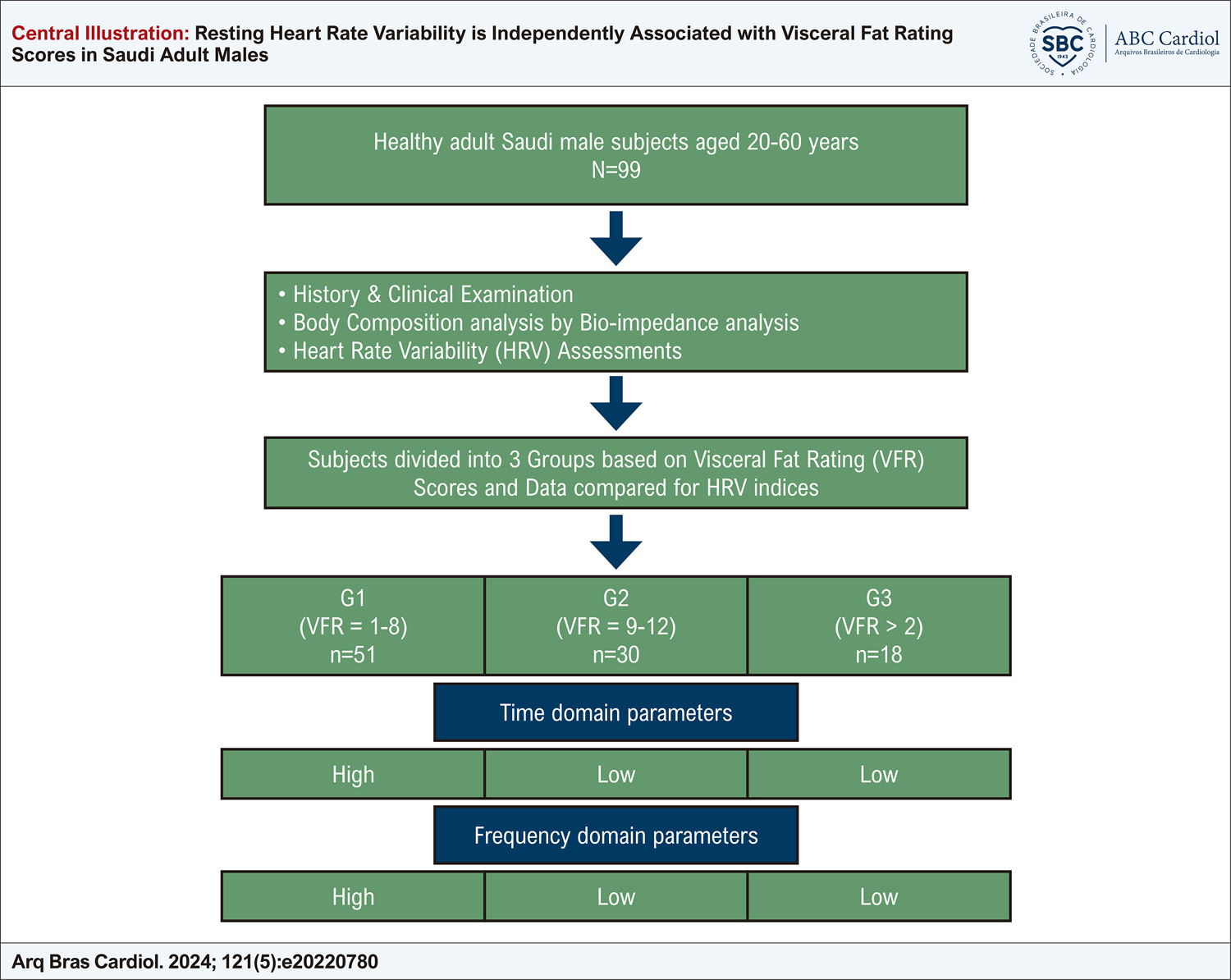
I read with interest the paper “Resting Heart Rate Variability is Independently Associated with Visceral Fat Rating Scores in Saudi Adult Males” by Syed Shahid Habib et al., published in ABC Cardiolcomparing heart rate variability (HRV) in 99 healthy men stratified by visceral fat rating (VFR) and showing associations between HRV and body composition metrics, but I have some reservations.

Heart rate variability has been demonstrated as a convenient method for assessing individual homeostatic status. Attempts to establish reference values according to age group and degree of impairment have been numerous in the specialized literature since the launch of the Task Force in 1996.– Among the most studied HRV variables are the standard deviation of normal RR intervals (SDNN) and the Root-mean square of successive differences (RMSSD) in the time domain and Low-Frequency power (LF ms2) and High-Frequency power (HF) in addition to the LF/HF ratio, in the frequency domain. These were exactly the variables studied by Habib and collaborators, concluding that men in the lowest visceral fat rating category (G1) had the highest HRV. Visceral Fat Rating was more strongly associated with HRV than body fat percentage and muscle mass to visceral fat ratio (MMVFR). Time domain parameters were more sensitive to visceral adipose tissue (VAT) than frequency domain parameters. They conclude by saying that HRV parameters could be the primary parameters of interest in monitoring cardiac-autonomic status in response to interventions targeting VAT reduction. These are all relevant points but there was a crucial problem in the presentation of this study. The HRV values cited in the results must have suffered a typing error as they are completely incompatible with the reference ranges.

[…]

  • Autonomic Nervous System
  • Heart Rate
  • Intra-Abdominal Fat
Read Full Article
Creative Commons Attribution (CC BY) Creative Commons license
03/02/2025 DOI: 10.36660/abc.20240466i
Figure 1
ABC
Brief Communication

Heart Rate Reduction after Effort Test Is Higher in Physically Active Adults without Familial Cardiovascular Risk Factor

Larissa de Almeida Dourado et al. Paulo Magno Martins Dourado Jaciara Gomes de Oliveira Evandra Maria da Silva … João Paulo de Almeida Dourado Pedro Gabriel Senger Braga

Abstract

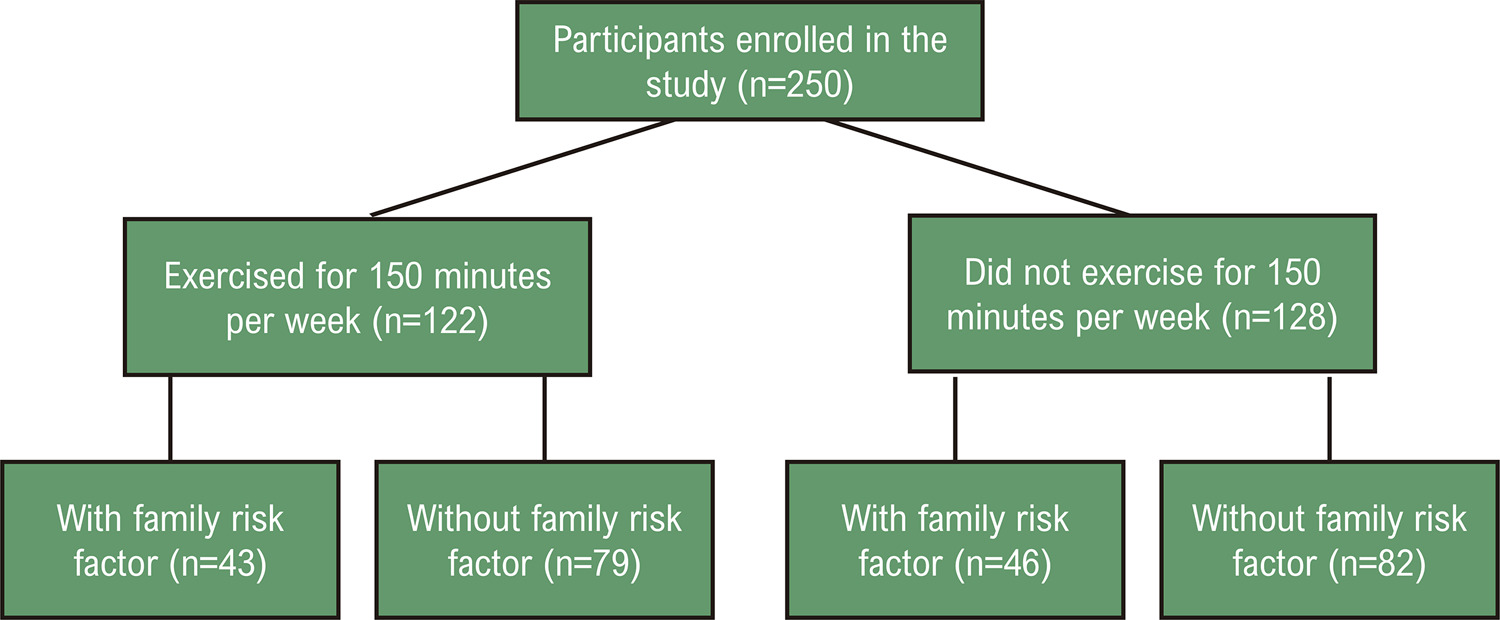
The objective of this study is to investigate the influence of physical activity on heart rate (HR) recovery, after treadmill exercise testing, in asymptomatic adults, with and without familial risk factors (FR) for cardiovascular disease. Two hundred and fifty (250) adults of both sexes aged 18 to 59 years were included in the study. None of the participants had a history of cardiovascular disease or used medications for chronic diseases. All individuals underwent exercise testing using the Ellestad protocol. Delta values were calculated by subtracting peak HR from HR in the first, second, fourth, and sixth minutes of recovery. The family history of cardiovascular disease and physical activity were documented. For statistical analysis, ANOVA was performed, followed by Bonferroni or Kruskall-Wallis multiple comparisons, followed by Dunn’s multiple comparisons. The delta values at the first, second, fourth, and sixth minutes of recovery were lower in individuals who did not engage in physical activity and had no family cardiovascular risk factor, compared to those who were physically active and had no family risk factor. No differences in delta values were observed between physically active individuals with cardiovascular risk factors and physically inactive individuals with a family history at the time points studied. In individuals without a family risk factor, physical activity appears to enhance autonomic control, increasing the capacity to reduce HR after exercise. However, this effect was not evident in those with a family risk factor, as physical activity did not impact recovery HR.

  • Autonomic Nervous System
  • Autonomic Nervous System Diseases
  • Exercise
  • Heart Rate
  • Risk Factors
Read Full Article
Creative Commons Attribution (CC BY) Creative Commons license
03/02/2025 DOI: 10.36660/abc.20240435i Views 1
Resting Heart Rate Variability is Independently Associated with Visceral Fat Rating Scores in Saudi Adult Males
ABC
Original Article

Resting Heart Rate Variability is Independently Associated with Visceral Fat Rating Scores in Saudi Adult Males

Syed Shahid Habib et al. Shaea Alkahtani Nouf Aljawini Syed Mohammad Habib Andrew A. Flatt

Abstract

Background

Visceral adipose tissue (VAT) may be a specific modifiable contributor to body composition-related autonomic impairment.

Objectives

To compare heart rate variability (HRV) between groups stratified by visceral fat rating (VFR) and compare associations between HRV and body composition metrics.

Methods

A cross-sectional study was conducted on healthy men (n=99,age=37.8±13.4 years, body mass index [BMI]=26.9±4.6 kg/m2). HRV was derived from 5-minute electrocardiographic recordings. Body composition (body fat percentage, VFR, and muscle mass to visceral fat ratio [MMVFR]) was estimated using tetrapolar bioelectrical impedance analysis. Participants were categorized into groups according to VFR: G1 (VFR=1-8); G2(VFR=9-12); and G3(VFR>12). Age-adjusted comparisons were made between groups. Independent associations were quantified with multiple linear regressions. P <0.05 was significant.

Results

Root-mean square of successive differences (RMSSD) and standard deviation of normal RR intervals (SDNN) were higher for G1 vs. G2 and G3 (p<0.05). Low-frequency power (LF) was higher in G1 than in G2 (p<0.05). VFR and MMVFR were negatively associated with SDNN, RMSSD, LF, and HF (p<0.05). After adjusting for age, BMI, and systolic and diastolic blood pressure, VFR was significantly predictive of RMSSD, SDNN, and HF (p=0.002,–0.027), and MMVFR was significantly predictive of RMSSD and SDNN (p=0.020,–0.023).

Conclusions

Men in the lowest VFR category had the highest HRV. VFR was more strongly associated with HRV than body fat percentage and MMVR. Time domain parameters were more sensitive to VAT than frequency domain parameters. HRV parameters could be the primary parameters of interest in tracking cardiac-autonomic status in response to interventions targeting VAT reduction.

  • Autonomic Nervous System
  • Heart Rate
  • Intra-Abdominal Fat
Read Full Article
Creative Commons Attribution (CC BY) Creative Commons license
14/10/2024 DOI: 10.36660/abc.20220780i
Effects of Vitamin D Supplementation on Central Hemodynamic Parameters and Autonomic Nervous System in Obese or Overweight Individuals
ABC
Original Article

Effects of Vitamin D Supplementation on Central Hemodynamic Parameters and Autonomic Nervous System in Obese or Overweight Individuals

Adriana C. C. Faria et al. Caroline Lyra Moreira Michelle Rabello da Cunha Samanta Mattos … Wille Oigman Mario Fritsch Neves

Abstract

Background

Previous studies have been inconsistent in demonstrating beneficial cardiovascular effects of vitamin D supplementation.

Objective

To evaluate the effects of vitamin D3 supplementation on central hemodynamic parameters and autonomic activity in obese/overweight individuals with low vitamin D levels (<30ng/dl).

Methods

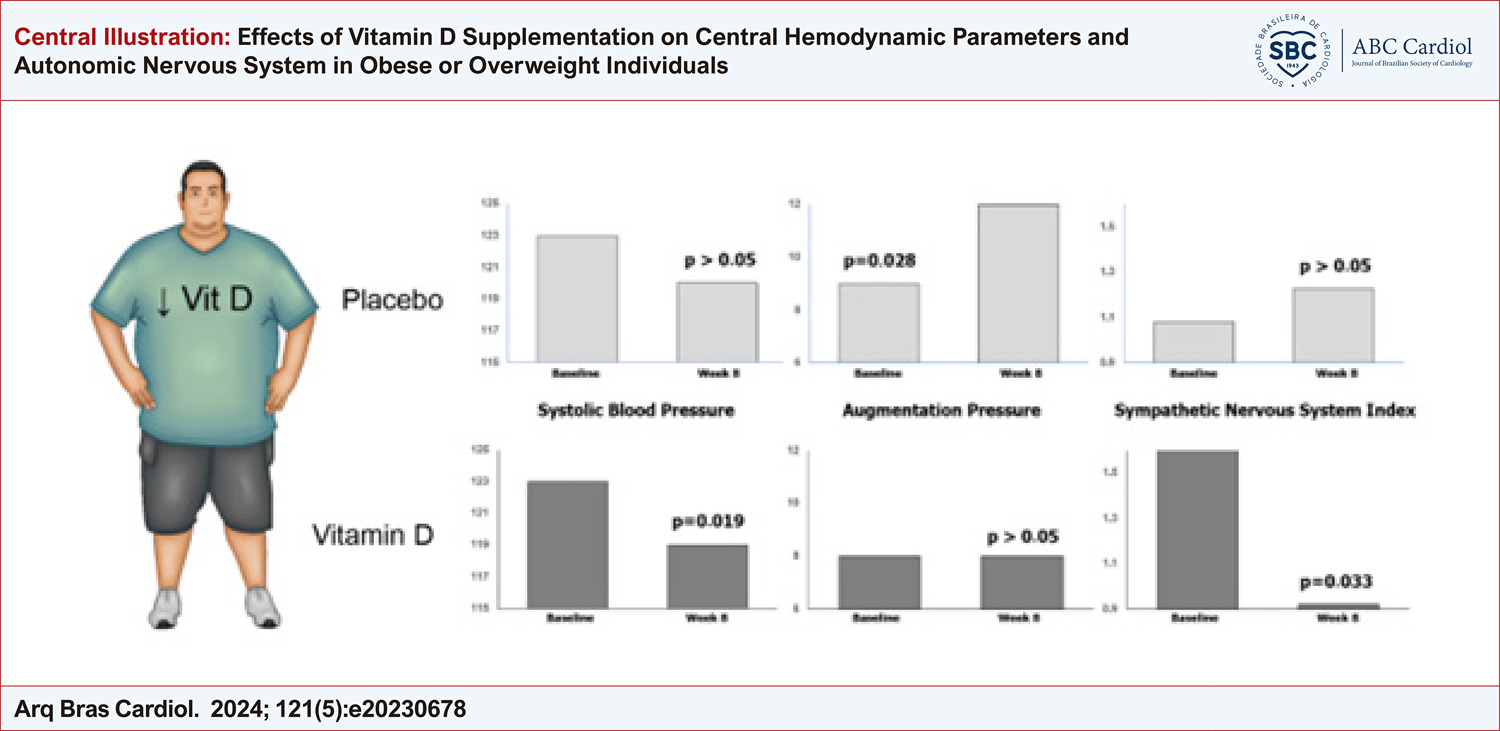
Adults 40-65 years old with body mass index ≥25<40 kg/m2 were enrolled in this prospective, randomized, double-blind clinical trial (NCT 05689632). Central hemodynamics was assessed using the oscillometric method (Mobil-O-Graph®), and heart rate variability using a Polar heart rate monitor (Kubios® software). Patients (n=53) received a placebo in the control group (CO, n=25) or vitamin D3 (VD, n=28) 7000 IU/day, and were evaluated before (W0) and after 8 weeks (W8) with a significance level of 0.05.

Results

The groups were homogeneous regarding age (51±6 vs 52±6 years, p=0.509) and vitamin D levels (22.8±4.9 vs 21.7±4.5ng/ml, p=0.590). At W8, the VD group had significantly higher levels of vitamin D (22.5 vs 35.6ng/ml, p0.05). VD group showed an increase in the parasympathetic nervous system index (PNSi) (-0.64±0.94 vs -0.16±1.10, p=0.028) and the R-R interval (866±138 vs 924±161 ms, p= 0.026).

Conclusion

In this sample, eight weeks of daily vitamin D supplementation resulted in an improvement in blood pressure levels and autonomic balance.

  • Autonomic Nervous System
  • Hemodynamics
  • Vitamin D
Read Full Article
Creative Commons Attribution (CC BY) Creative Commons license
13/05/2024 DOI: 10.36660/abc.20230678i Views 1
Electrocardiographic and Autonomic Nervous System Changes after Changes in the Posture of Children and Adolescents with Duchenne Muscular Dystrophy
ABC
Original Article

Electrocardiographic and Autonomic Nervous System Changes after Changes in the Posture of Children and Adolescents with Duchenne Muscular Dystrophy

Rose Mary Ferreira Lisboa da Silva et al. Nathalia Mussi Monteze Juliana Gurgel Giannetti Zilda Maria Alves Meira

Abstract

Background:

Duchenne Muscular Dystrophy (DMD) is a rare inherited neuromuscular disease. At first, cardiac involvement may be asymptomatic. Therefore, assessing patients using non-invasive methods can help detect any changes.

Objectives:

Analyze the electrocardiogram (ECG) test and heart rate variability (HRV) of the DMD group and compare the information with that of the age-matched control group.

Methods:

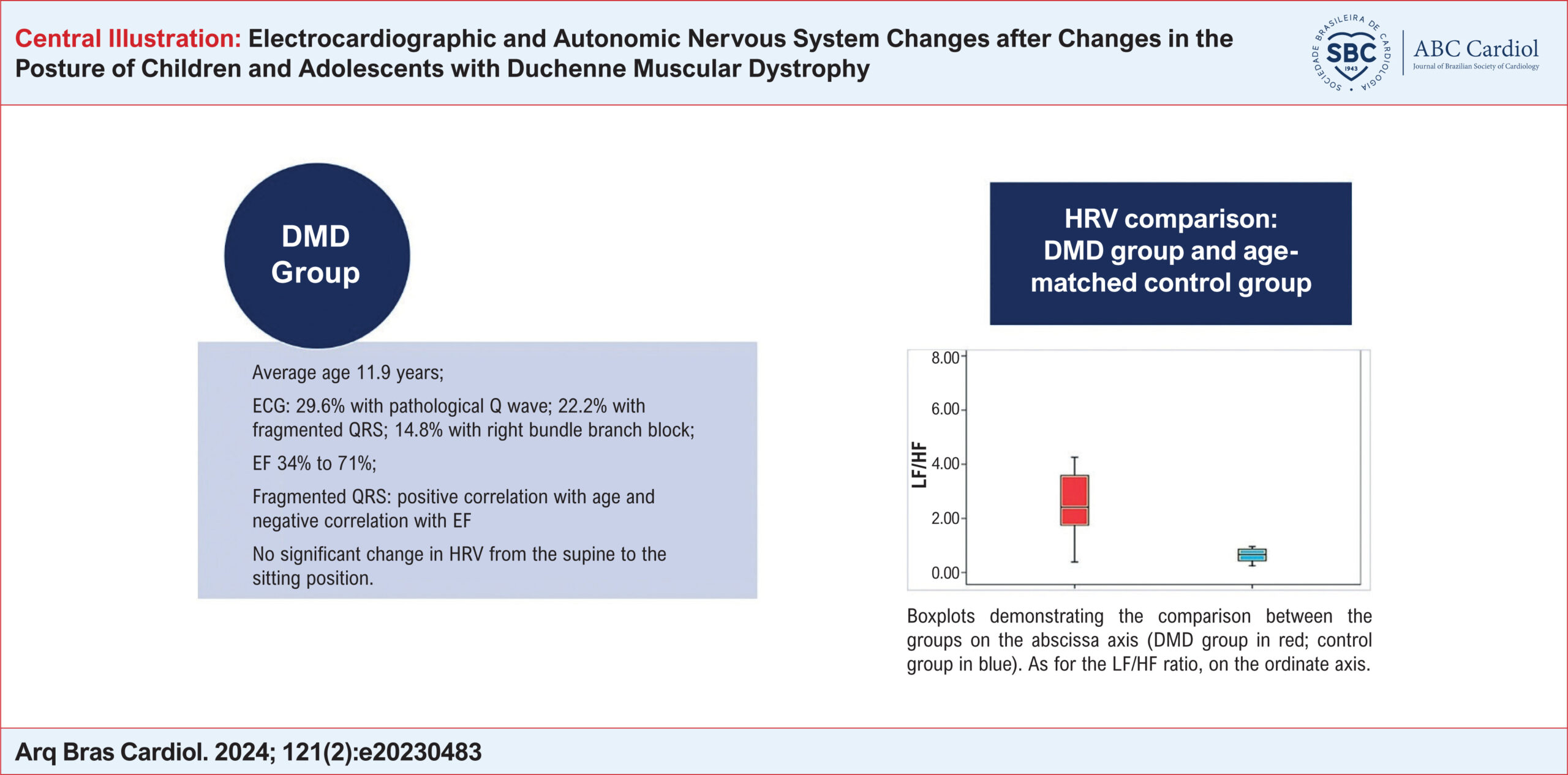
A prospective study with 27 male patients with DMD (11.9 years old), who underwent clinical evaluation, ECG, echocardiogram, and Holter monitoring. ECG (200% increase) was assessed by two independent observers. HRV was measured over time (24 h) and in the frequency domain, in the supine and sitting positions. The healthy group consisted of nine patients (11.0 years old). A value of p < 0.05 was considered statistically significant.

Results:

The mean ejection fraction (EF) was 60% (34 to 71%). The Kappa coefficient for ECG measurements ranged from 0.64 to 1.00. An increase in the R/S ratio in V1 was observed in 25.9% of the subjects, pathological Q wave in 29.6%, and fragmented QRS in 22.2% in inferior/high lateral regions, with a negative correlation with EF (p = 0.006). There was low HRV, without the influence of any variable, including treatment. With the change in position, there was an increase in HR (p = 0.004), but there was no change in HRV. The LF/HF ratio was 2.7 in the DMD group and 0.7 in the control group (p = 0.002).

Conclusions:

In DMD subjects, prominent R waves in V1 and changes in the inferior/high lateral regions occurred in almost 30% of the cases. Lower vagal tone was observed without the influence of the variables age, ejection fraction, QT dispersion, and treatment. Despite the increase in HR, there was no adequate HRV response to the change in position.

  • Autonomic Nervous System
  • Duchenne Muscular Dystrophy
  • Electrocardiography
  • Heart Rate
Read Full Article
Creative Commons Attribution (CC BY) Creative Commons license
05/04/2024 DOI: 10.36660/abc.20230483 Views 1
ABC
Editorial

Mortality Risk Stratification in Heart Failure. The Search for the Holy Grail Continues! Autonomic Nervous System Analysis is Back!

Eduardo Arrais Rocha et al. Bianca Lopes Cunha Helena Nogueira Brasil Francisca Tatiana Moreira Pereira Roberto da Justa Pires Neto

Gomes et al. described an interesting study showing that the analysis of the autonomic nervous system (ANS) should participate in the prognostic assessment of patients with heart failure (HF). A new form of sympathetic assessment was analyzed, measuring 10-minute intervals of heart rate variability (HRV) in the time domain on 24-hour Holters of hospitalized patients, predominantly with HF.

The clinical relevance of the work lies in revealing that the evaluation of short-term HRV variables is one of the main parameters, as it detect brief moments of increased sympathetic tone, that seems to be more associated with HF decompensation and an increase in sudden cardiac death (SCD), adding a parameter (smallest rMSSD) to a risk prediction model that includes age > 69 years and ejection fraction (EF) <57%, with good accuracy.

[…]

  • Autonomic Nervous System
  • Heart Falure
  • Mortality
  • Risk Assessment/methods
Read Full Article
Creative Commons Attribution (CC BY) Creative Commons license
04/03/2024 DOI: 10.36660/abc.20230761
Figure 1
ABCHF
Original Article

Post-COVID-19 Syndrome and the Autonomic Repercussions on Cardiovascular Variables

Giulia Yuni Davanço et al. Matheus Figueiredo Torres Neif Murad Glaucia Luciano da Veiga … Pedro Henrique Alves Reis Juliana de Vasconcellos Barbosa Beatriz da Costa Aguiar Alves Thaís Moura Gascón Rodrigo Daminello Raimundo Fernando Luiz Affonso Fonseca

Abstract

Background:

The SARS-CoV-2 virus is responsible for the COVID-19 pandemic. Several adverse effects on the cardiovascular system were observed in patients hospitalized for COVID-19. SARS-CoV-2 infection added another possible arrhythmia-causing agent due to increased cytokines. It is believed that patients who have had COVID-19 are more prone to develop cardiovascular disease after infection. Heart rate variability (HRV) is an important marker of heart health, with lower values indicating a decrease in vagal heart rate control.

Objectives:

To analyze the autonomic modulation of the heart rate of patients with Post-COVID-19 Syndrome.

Methods:

Our study assessed 50 patients, of both sexes, with at least six months of recovery from COVID-19 and who were attended to in a cardiology outpatient clinic. The recording of RR intervals was performed with a portable heart rate monitor.

Results:

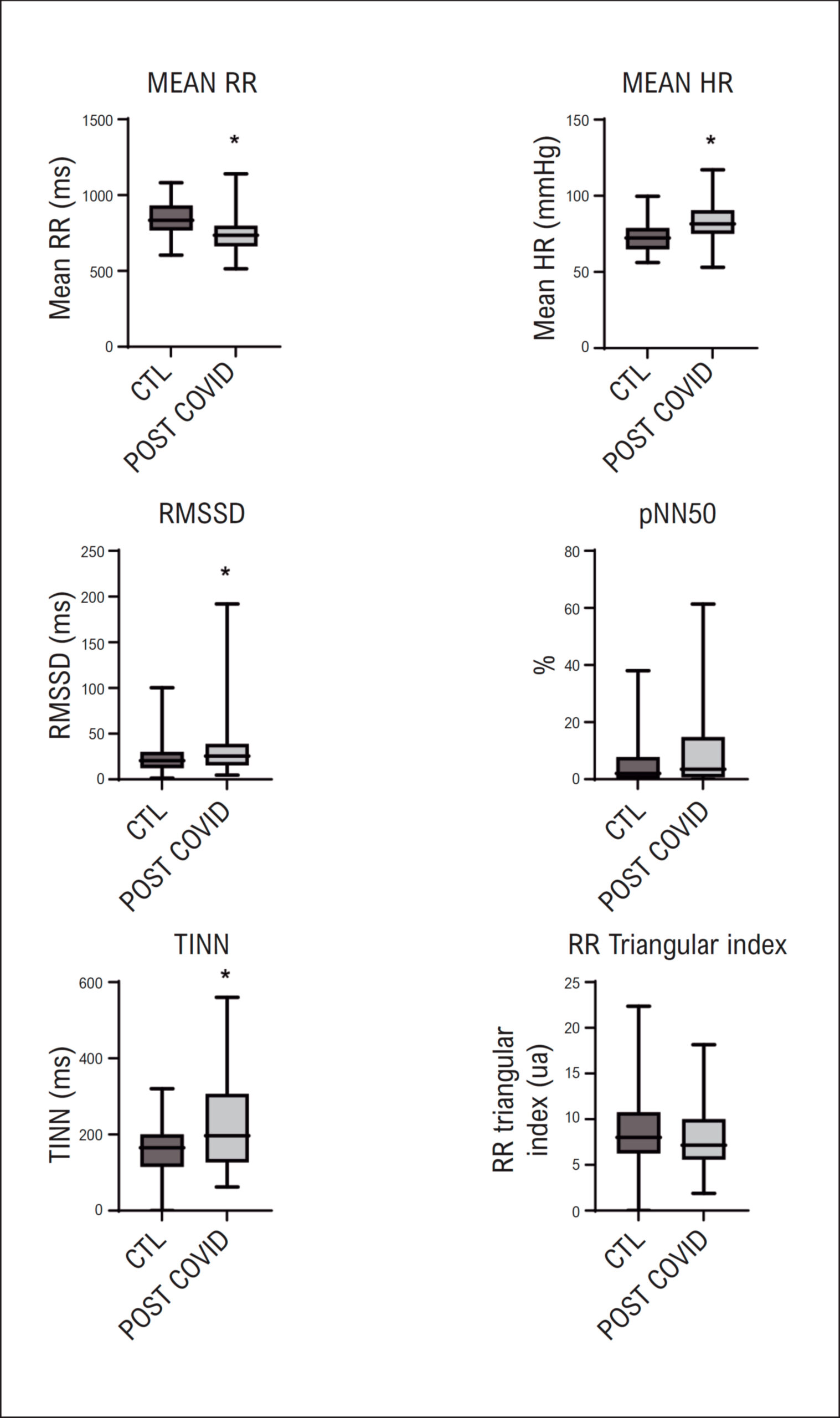
The values of the Root Mean Square of the Successive Differences (RMSSD) (36.3±35.7 ms, p=0.0363) and high frequency (HF) (446.3±632.2 ms2, p=0.0394) were higher in the post-COVID group when compared to the control group. In addition, TINN values (228.0±120.9 ms, p=0.009), LF/HF (3.8±3.8 a.u., p=0.1020), SD2 (40.1±19.3 a.u., p=0.005), and SD1/SD2 (2.2±1.0 a.u., p<0.0001) were lower in the post-COVID group.

Conclusion:

The present study showed an increase in parameters related to parasympathetic autonomic activity and its modulation. In addition, lower heart rate variability was observed in patients during a post-recovery period of COVID-19 when compared to a group that had not contracted the disease.

  • Autonomic Nervous System
  • Cardiovascular System
  • Coronavirus
  • Post-Acute COVID-19 Syndrome
Read Full Article
Creative Commons Attribution (CC BY) Creative Commons license
31/12/2023 DOI: 10.36660/abchf.20230056 Views 3
ABC
Viewpoint

Transcranial Direct Current Stimulation in the Management of Hypertension: A Plausible Hypothesis?

Fernando Zanela da Silva Arêas et al. Elizangela Kuster Lenon Corrêa de Souza Wagner Jorge Ribeiro Domingues … João Siqueira Luíz Henrique Aquino Serudo Guilherme Peixoto Arêas

Hypertension (HTN) is the most prevalent chronic disease in the entire world, being one of the most significant cardiovascular risks factors. Among several variables controlling blood pressure (BP), those directly interacting with neural mechanisms involve multiple areas of the central nervous system.

The relationship between brain activity and HTN has been demonstrated by neurophysiological studies on animals showing that direct electrical or chemical stimulation of different structures of the brainstorm and cerebral cortex can significantly modify BP and heart rate.–

[…]

  • Autonomic Nervous System
  • Hypertension
  • Transcutaneous Electric Nerve Stimulation
Read Full Article
Creative Commons Attribution (CC BY) Creative Commons license
09/10/2023 DOI: 10.36660/abc.20230100
Central Illustration
ABC
Original Article

Improvement in Blood Pressure After Intermittent Fasting in Hipertension: Could Renin-Angiotensin System and Autonomic Nervous System Have a Role?

Erkan Demirci et al. Bekir Çalapkorur Oguzhan Celik Derya Koçer … Selami Demirelli Ziya Şimsek

Abstract

Background

Although it has been reported that the intermittent fasting (IF) diet has positive effects on heart health and improvement in blood pressure, it has not been sufficiently clarified how it could have these positive effects yet.

Objective

We aimed to evaluate the effects of IF on the autonomic nervous system (ANS) and renin-angiotensin system (RAS), which are closely related to blood pressure.

Methods

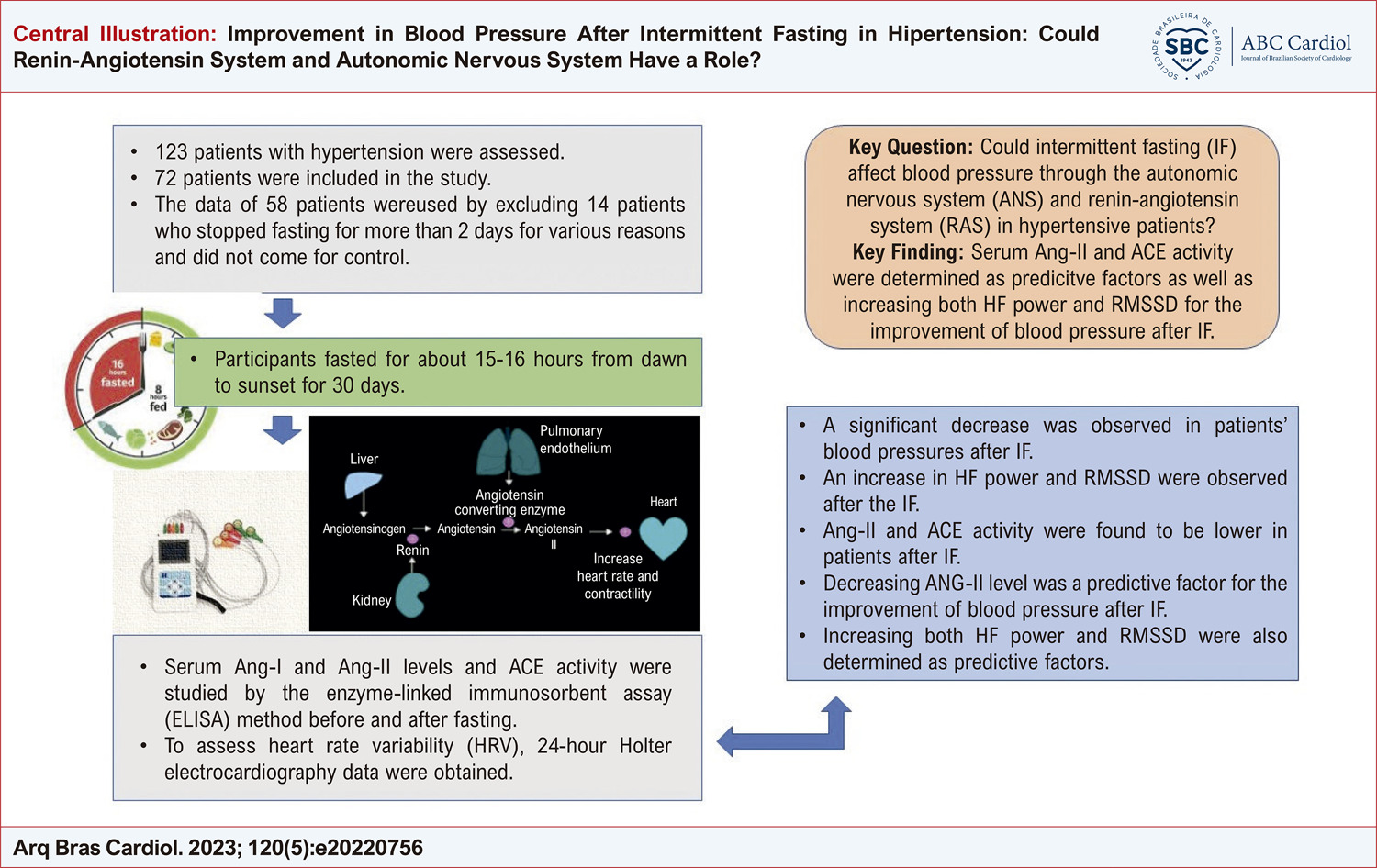
Seventy-two hypertensive patients were included in the study, and the data of 58 patients were used. All the participants fasted for about 15-16 hours for 30 days. Participants were evaluated with 24-hour ambulatory blood pressure monitoring and Holter electrocardiography before and after IF; also, 5 ml venous blood samples were taken for assessment of Serum angiotensin I (Ang-I) and angiotensin II (Ang-II) levels and angiotensin-converting enzyme (ACE) activity. For data analysis, the p-value <0.05 was accepted as significant.

Results

Compared to pre-IF, a significant decrease was observed in the patients’ blood pressures in post-IF. An increase in high-frequency (HF) power and the mean root square of the sum of squares of differences between adjacent NN intervals (RMSSD) were observed after the IF protocol (p=0.039, p=0.043). Ang-II and ACE activity were lower in patients after IF (p=0.034, p=0.004), and decreasing Ang-II levels were determined as predictive factors for improvement of the blood pressure, like the increase in HF power and RMSSD.

Conclusion

The present findings of our study demonstrated an improvement in blood pressure and the relationship of blood pressure with positive outcomes, including HRV, ACE activity, and Ang-II levels after the IF protocol.

  • Autonomic Nervous System
  • Blood Pressure
  • Fasting
  • Hypertension
  • Renin-Angiotensin System
Read Full Article
Creative Commons Attribution (CC BY) Creative Commons license
21/04/2023 DOI: 10.36660/abc.20220756
Figure 1
ABC
Original Article

Acute Effects of Energy Drink on Autonomic and Cardiovascular Parameters Recovery in Individuals with Different Cardiorespiratory Fitness: A Randomized, Crossover, Double-Blind and Placebo-Controlled Trial

Andrey Alves Porto et al. Luana Almeida Gonzaga Cicero Jonas R Benjamim Carlos Roberto Bueno Jr … David M. Garner Luiz C.M Vanderlei Celso Ferreira Vitor Engrácia Valenti

Abstract

Background

It has been suggested that the consumption of energy drinks (ED) may affect cardiovascular activity.

Objectives

to investigate the acute effects of ED intake on heart rate variability (HRV) and cardiovascular recovery after moderate aerobic exercise in males with different cardiorespiratory capacities.

Methods

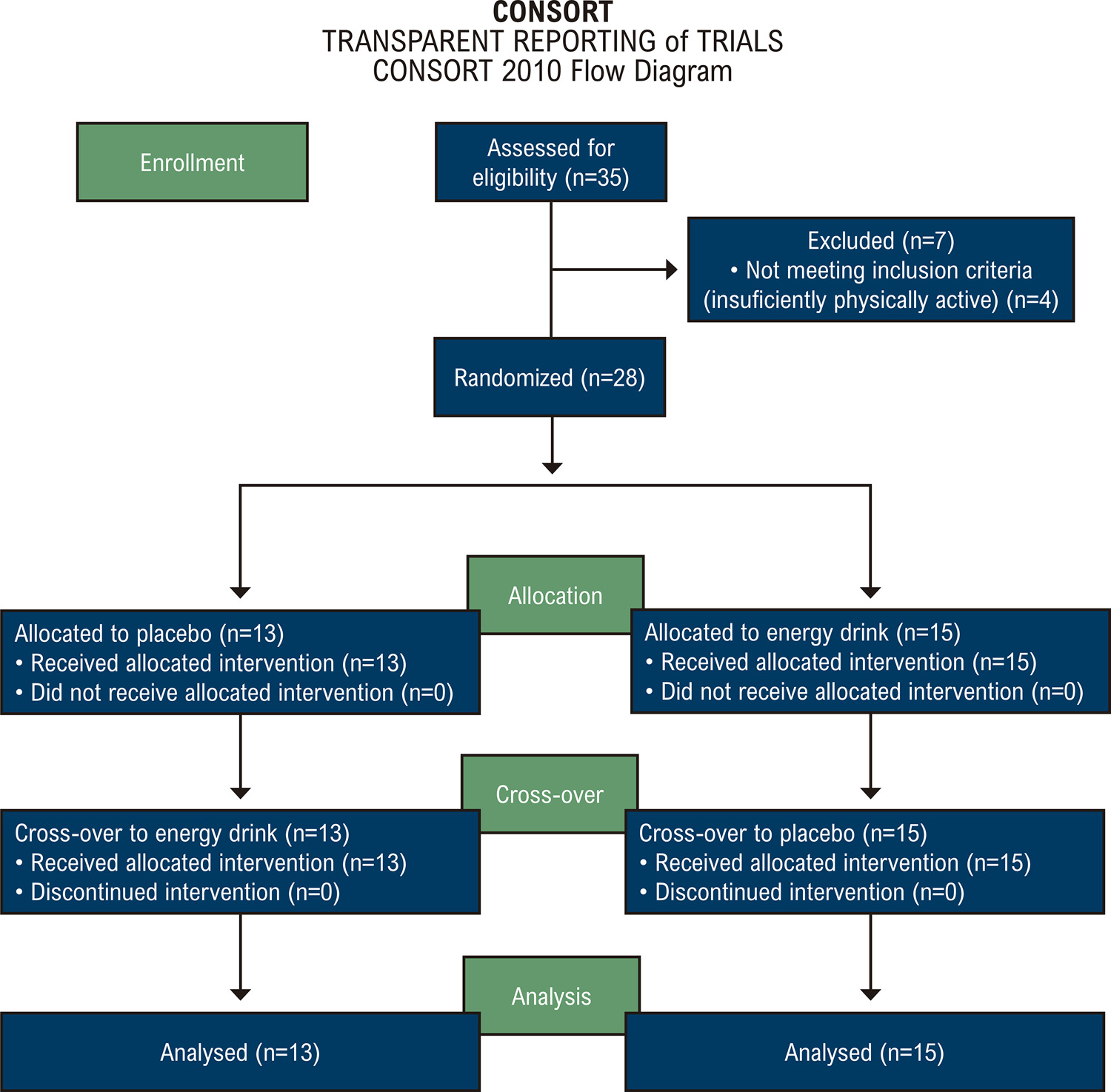
This is a randomized, double-blind, crossover, placebo-controlled study. Twenty-eight young adults were split into two groups according to their peak oxygen consumption (VO2peak) values: (1) High VO2 peak (HO) – VO2 peak > 52.15 mL/kg/min, and (2) low VO2 peak (LO) – peak VO2 <52.15 mL/kg/min. Subjects of both groups underwent two exercise protocols in randomized order: moderate aerobic exercise (60% of VO2peak) following the intake of 250 mL of water (placebo protocol) or 250 mL of ED (ED protocol). During the exercise tests, values of cardiorespiratory and HRV parameters were recorded.

Results

Significant differences were observed for the LF (normalized units) index between rest and Rec1 in HO energy and LO groups during the ED protocol. For the LF/HF ratio, significant differences were seen between rest and Rec1 in HO and LO during ED protocols.

Conclusion

Acute ED intake delayed heart rate recovery after exercise in subjects with low and high cardiorespiratory fitness.

  • Autonomic Nervous System
  • Cardiovascular System
  • Dietary Supplements
  • Energy Drinks
  • Exercise
Read Full Article
Creative Commons Attribution (CC BY) Creative Commons license
05/08/2022 DOI: 10.36660/abc.20210625
IJCS
Original Article

Impact of Air Pollutant on Heart Rate Variability in Healthy Young Adults

Anita de Cássia Melinski et al. Aparecida Maria Catai Sílvia Cristina Garcia de Moura Juliana Cristina Milan-Mattos Monica Yuri Takito

Abstract

Background:

Air pollution and sex independently affect cardiac autonomic control, which can be assessed by heart rate variability (HRV). The research hypothesis is that individuals exposed to low concentrations of pollution have higher cardiac autonomic modulation compared to those exposed to high concentrations and that women have better cardiac autonomic control than men.

Objective:

To analyze the impact of exposure to air pollutants, specifically smoke, and sex on HRV in healthy young people exposed to different concentrations of pollution over an average period of 22 years.

Methods:

From April to September 2011, 36 participants of both sexes (20-30 years old) were selected, grouped by levels of air pollution exposure according to indices provided by the Environmental Company of São Paulo State. The R-R intervals (R-Ri) of the electrocardiogram were captured using a heart rate monitor during supine rest. HRV was analyzed by spectral analysis and conditional entropy. The Queen’s College step test was used to characterize functional capacity. A between-group comparison was performed using the two-way ANOVA statistical test (post hoc Tukey) and p<0.05.

Results:

Significant differences were found in mean R-Ri (p<0.01) and cardiac parasympathetic modulation between sexes in the same city (p=0.02) and between groups exposed to different air pollution concentrations (p<0.01).

Conclusion:

Our results suggest that long-term exposure to air pollutants, specifically smoke, has an unfavorable impact on HRV, with reduced cardiac vagal autonomic modulation in healthy young adults, especially females.

  • Air Pollution
  • Autonomic Nervous System
  • Heart Rate
  • Sex
Read Full Article
Creative Commons Attribution (CC BY) Creative Commons license
01/04/2022 DOI: 10.36660/ijcs.20200380 Views 1
Figure 1
IJCS
Original Article

Association of Anti-β1 and Anti-M2 Antibodies with Autonomic Nervous System Modulation in Patients with Chronic Chagas Cardiomyopathy

Delma Maria Cunha et al. Pedro Cunha Tzirulnik Patricia Cristina dos Santos Costa Danton Machado Cunha Ademir Batista da Cunha

Abstract

Background:

Different immune mechanisms of myocardial damage involved in the pathophysiology of Chagas disease coexist with high titers of autoantibodies induced by T. cruzi . There are few studies in the literature about the adaptive role of anti-β1 and anti-M2 antibodies in chronic Chagas cardiomyopathy (CCC).

Objectives:

To evaluate the association between anti-β1 and anti-M2 antibodies with heart rate variability (HRV) parameters on 24h Holter monitoring and the rate-pressure product (RPP) on cardiopulmonary exercise testing (CPET).

Methods:

Anti-β1 and anti-M2 antibody titers were measured by enzyme-linked immunosorbent assay (ELISA) in 64 patients affected by CCC. Analysis of HRV was performed through the time-domain indices NNs, mean NN, SDNN, SDANN, SDNN index, NNNs, RMSSD, and pNN50. Spearman’s correlation coefficient was used to assess the association between antibody titers and numerical variables. The Mann–Whitney test was used for comparison between two groups. Multiple linear regression was used to identify independent variables capable of explaining anti-β1 and anti-M2 antibody titers at the 5% significance level.

Results:

On 24h Holter, during the period of greatest parasympathetic activation (2:00-6:00 a.m.), an inverse association was found between anti-β1 titers and SDNN (rs=-0.13, p =0.041, n=43), as well as a direct association between anti-M2 titers and SDANN ( r s=0.317, p =0.039, n=43). Regarding CPET variables, anti-β1 titers were directly associated with RPP (rs=0.371, p =0.005, n=56). The subgroup of patients with a normal chronotropic response showed higher anti-β1 titers than the subgroup with an impaired response (p=0.023). RPP was an independent explanatory variable for anti-β1 titers, although with a low coefficient of determination (R2=0.147).

Conclusion:

The findings of this study suggest that, in patients with CCC, anti-β1 and anti-M2 antibodies may affect HRV parameters. RPP was directly associated with higher anti-β1 titers.

  • Anti-B1
  • Anti-M2
  • Antibodies
  • Antibody
  • Autonomic Nervous System
  • Bispecific
  • Chagas Disease/physiopathology
  • Formation
Read Full Article
Creative Commons Attribution (CC BY) Creative Commons license
11/02/2022 DOI: 10.36660/ijcs.20200182
Figure 1
ABC
Original Article

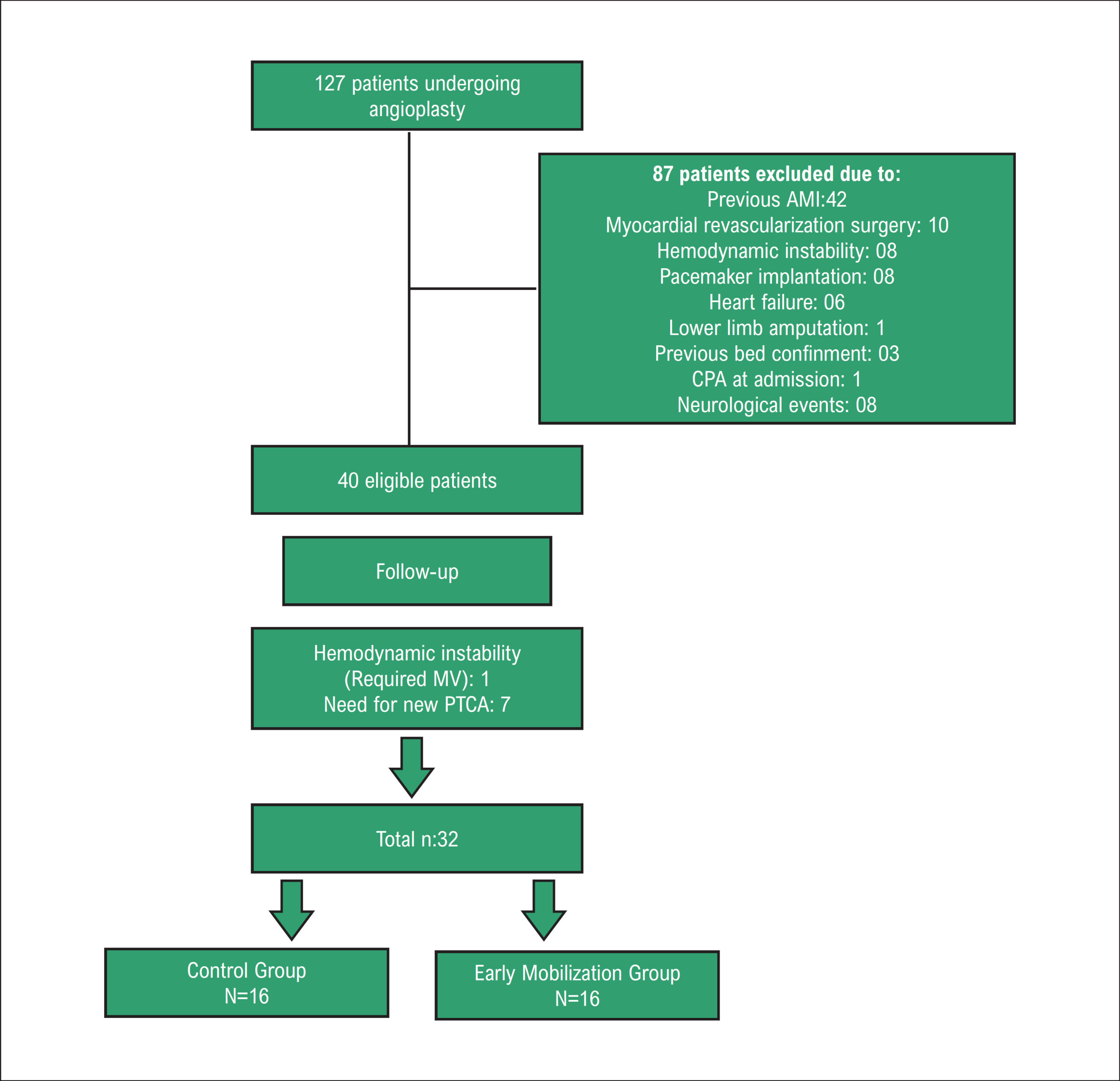
Influence of an Early Mobilization Protocol on the Autonomic Behavior of Patients Undergoing Percutaneous Transluminal Coronary Angioplasty

Bárbara Oliveira Silveira et al. Jade Lara de Melo Graziella Paula de Oliveira Neri Michele Lima Gregório … Moacir Fernandes de Godoy Marilita Falangola Accioly

Abstract

Background:

Recurrence Plots (RP) enable a nonlinear analysis of Heart Rate Variability (HRV) and provide information on the Autonomic Nervous System (ANS).

Objectives:

To evaluate whether early ambulation in patients undergoing Percutaneous Transluminal Coronary Angioplasty (PTCA) influences the quantitative and qualitative components of RP.

Methods:

A total of 32 participants who underwent PTCA were divided into a Control Group (CG – no physical exercises) and an Early Ambulation Group (EAG – with physical exercises). Beat-to-beat heart rate was recorded using a heart rate monitor in both groups upon admission and discharge. The linear indices in the time and frequency domains were analyzed, and nonlinear indices were obtained through RP. The Early Ambulation Physical Therapy Protocol began 12-18 hours after PTCA. A two-tailed unpaired t-test was used for comparisons, and p-values < 0.05 were accepted as significant.

Results:

When comparing both groups, upon discharge, EAG showed an increase in SDNN (23.55 ± 12.05 to 37.29 ± 16.25; p=0.042), Triangular Index (8.99 ± 3.03 to 9.66 ± 3.07; p=0.014), and VLF (694.20 ± 468.20 to 848.37 ± 526.51; p=0.004), but without significant changes in the nonlinear evaluation. In addition, in the qualitative analysis of RP, a more diffuse and less geometric pattern was observed in EAG, indicating greater variability, while in CG, an altered and more geometric pattern was noted.

Conclusion:

The Early Ambulation Protocol promotes an improvement in autonomic behavior as evaluated by HRV and by RP, which can thus be considered a useful procedure for better recovery of patients undergoing PTCA.

  • Angioplasty
  • Autonomic Nervous System
  • Cardiovascular Diseases, mortality
  • Early Ambulation/methods
  • Exercise
  • Myocardial Infarction
Read Full Article
Creative Commons Attribution (CC BY) Creative Commons license
03/12/2021 DOI: 10.36660/abc.20200296
ABC
Editorial

Role of the Autonomic Nervous System in Atrial Fibrillation

Enrique Indalécio Pachón Mateo

Since the late 1990s, we have been intensely studying the role of the autonomic nervous system in the genesis and maintenance of atrial fibrillation (AF) and neurocardiogenic syncope.

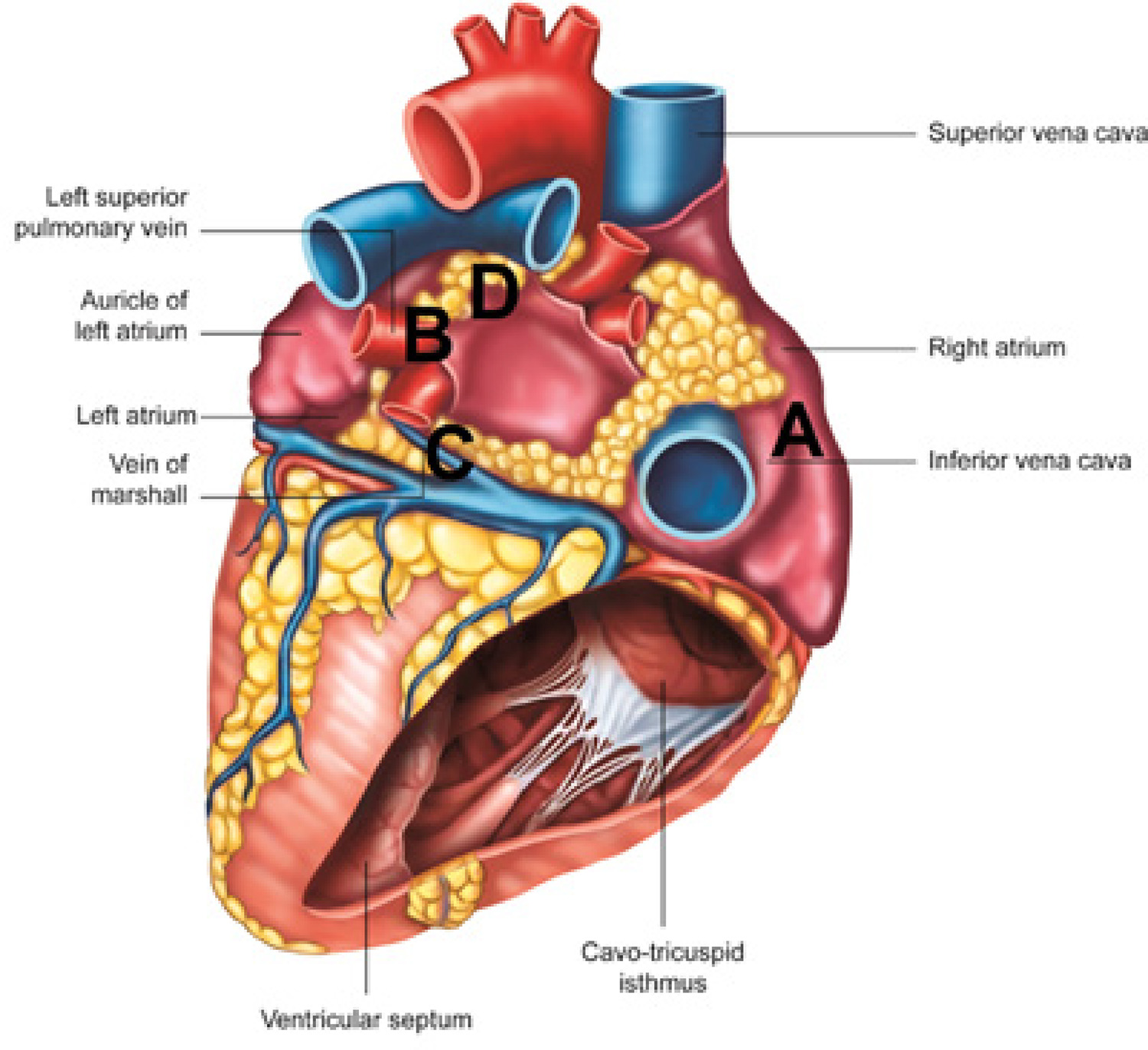
AF can occur both in normal hearts and in those with significant structural changes. Episodes of AF in young individuals with apparently normal heart have always caught our attention. The fact that these patients often have dysautonomic-like manifestations led us to think that purposeful denervation could be a way to treat these cases, and this technique was pioneered in 2004. The effect of innervation seems to be not only due to neural stimulation but also by promoting disarray in the atrial syncytial architecture, in the sites of penetration of neurons, which detach the myocardial cells, disconnecting them. This disarrangement also promotes changes that can be detected in the endocardium by the local electrical signal, which we call AF Nests (AFN), and in the case of innervation, we call AFN type I.

[…]

  • Atrial Fibrillation
  • Autonomic Nervous System
  • Cardiac Nervous System
  • Cardioneuroablation
Read Full Article
Creative Commons Attribution (CC BY) Creative Commons license
22/11/2021 DOI: 10.36660/abc.20210771 Views 1
Figure 1
ABC
Original Article

Cardiac Autonomic Nervous System Remodeling May Play a Role in Atrial Fibrillation: A Study of the Autonomic Nervous System and Myocardial Receptors

Ítalo Martins de Oliveira et al. Evilásio Leobino da Silva Júnior Yasmin de Oliveira Martins Hermano Alexandre Lima Rocha … Maurício Ibrahim Scanavacca Paulo Sampaio Gutierrez

Abstract

Background

The primary factors that originate and perpetuate atrial fibrillation (AF) are electrical and anatomical substrate alterations. However, the central mechanisms governing AF perpetuation have not been elucidated yet, which is reflected on the modest results of the treatment in patients with long persistent AF.

Objective

To evaluate if human intrinsic cardiac autonomic nervous system (ICANS) remodeling, including nervous system fibers and muscarinic and β-adrenergic receptors, play a role in permanent AF.

Methods

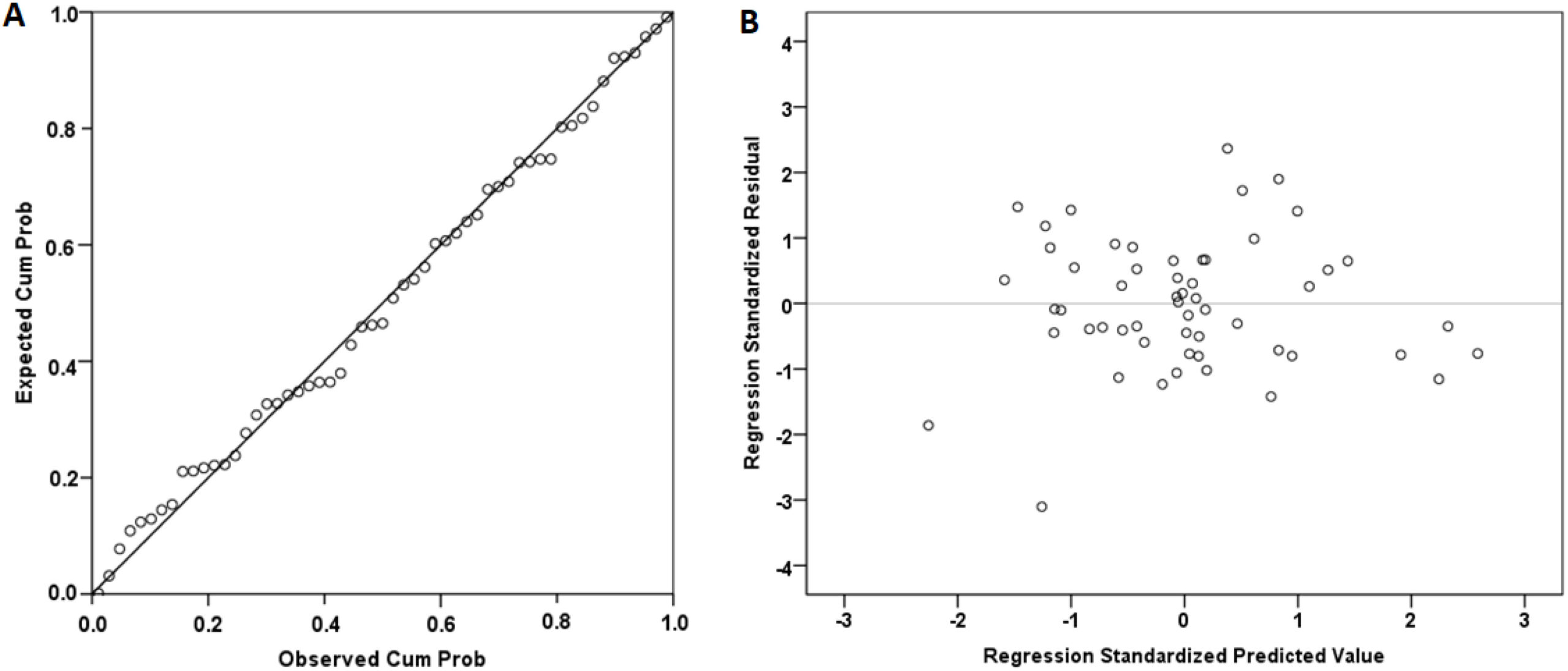
Heart necropsy samples from thirteen patients with heart disease and permanent AF and thirteen controls without AF were used. By using immunoperoxidase and histomorphometry quantification, we identified the following: the density of all fibers of the ICANS, sympathetic and parasympathetic fibers; and the percentage of myocardium positive for β-adrenergic receptors 1, 2 and 3; G protein-coupled receptor kinase-5 (GRK-5); and muscarinic receptors M1 to M5. The results were compared using ANOVA and nested ANOVA and were adjusted according to the left atrium volume for all variables, and β-blocker use to evaluate the expression of β-receptors and GRK-5.

Results

There was an overall increase in the density of fibers of the ICANS (p=0.006), especially in atrial sympathetic nerve fibers (p=0.017). Only M1 muscarinic receptors were increased (5.87 vs 2.35, p=0.032). For adrenergic receptors, the results were positive for increased expression of β-3 (37.41 vs 34.18, p=0.039) and GRK-5 (51.16 vs 47.66; p<0.001). β-blocker use had no impact on β-receptor expression.

Conclusion

Increased ICANS innervation and remodeling receptor expression in regions prone to triggering AF may play a role in permanent AF.

  • Atrial Fibrillation/physiopathology
  • Autonomic Nervous System
  • Myocardium
  • Neurotransmitter Agents
Read Full Article
Creative Commons Attribution (CC BY) Creative Commons license
16/08/2021 DOI: 10.36660/abc.20200725 Views 1
Figure 4
IJCS
Review Article

Autonomic Innervation Evaluation in Cardiac Disease

Adriana Xavier de Brito et al. Adriana Glavam Ana Inês Bronchtein Paulo Henrique Rosado-de-Castro

Abstract

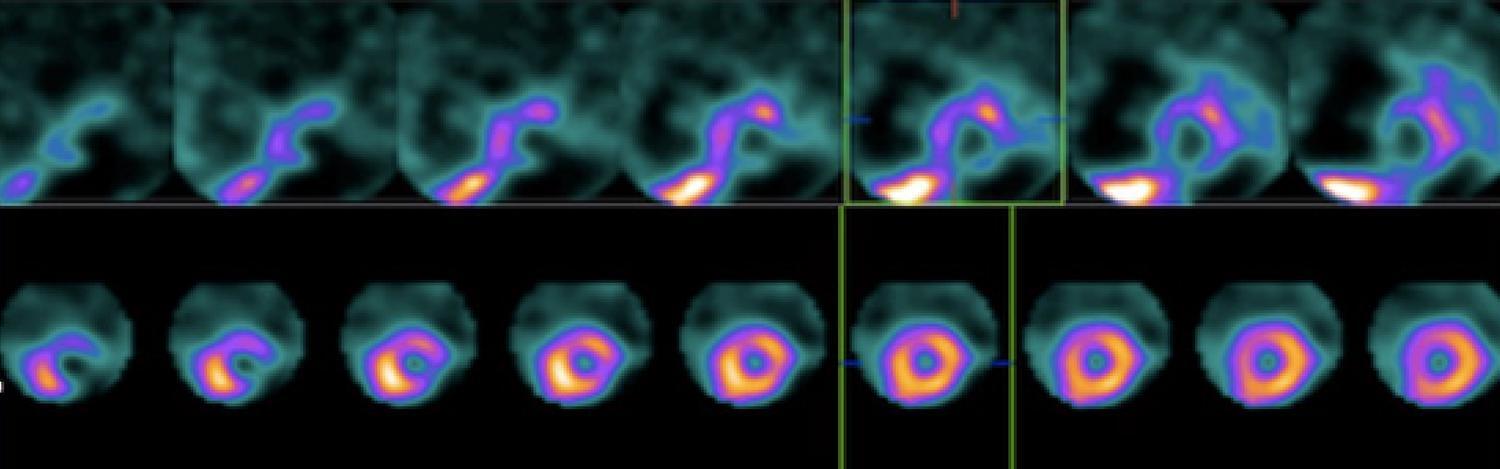
Cardiovascular diseases are among the leading causes of mortality and morbidity in the world. In different cardiac diseases, the neuronal function of the heart is impaired. Nevertheless, the development of a simple method to assess the autonomic effects on the heart and/or autonomic dysfunction is a challenge. The evaluation of autonomic innervation in cardiac diseases has helped to improve the knowledge of the pathophysiology of these conditions, as well as to provide information on their prognosis. Single photon emission computed tomography (SPECT) and positron emission tomography (PET) are currently the only imaging methods that allow in vivo assessment of cardiac innervation. The majority of SPECT and PET radiotracers evaluate sympathetic neuronal integrity using presynaptic imaging agents that are either labeled as endogenous transmitters or analogues. Postsynaptic imaging agents have also been developed to study sympathetic neuronal integrity, as well as tracers to investigate the parasympathetic nervous system. These methods may be used to analyze the innervation of the heart and allow for early detection of abnormalities caused by, for example, ischemia, heart failure, cardiomyopathies, cardiotoxicity, and arrhythmogenic disorders. This review provides an overview of cardiac innervation evaluation and their application in the assessment of heart disease.

  • Autonomic Denervation
  • Autonomic Nervous System
  • Diagnostic, IImaging
  • Heart Failure
  • Myocardial Ischemia
Read Full Article
Creative Commons Attribution (CC BY) Creative Commons license
07/07/2021 DOI: 10.36660/ijcs.20200171 Views 1
Figure 1
ABC
Review Article

Dysautonomia: A Forgotten Condition — Part II

Eduardo Arrais Rocha et al. Niraj Mehta Maria Zildany Pinheiro Távora-Mehta Camila Ferreira Roncari … Alan Alves de Lima Cidrão Jorge Elias Neto

General and Cardiovascular Clinical Manifestations

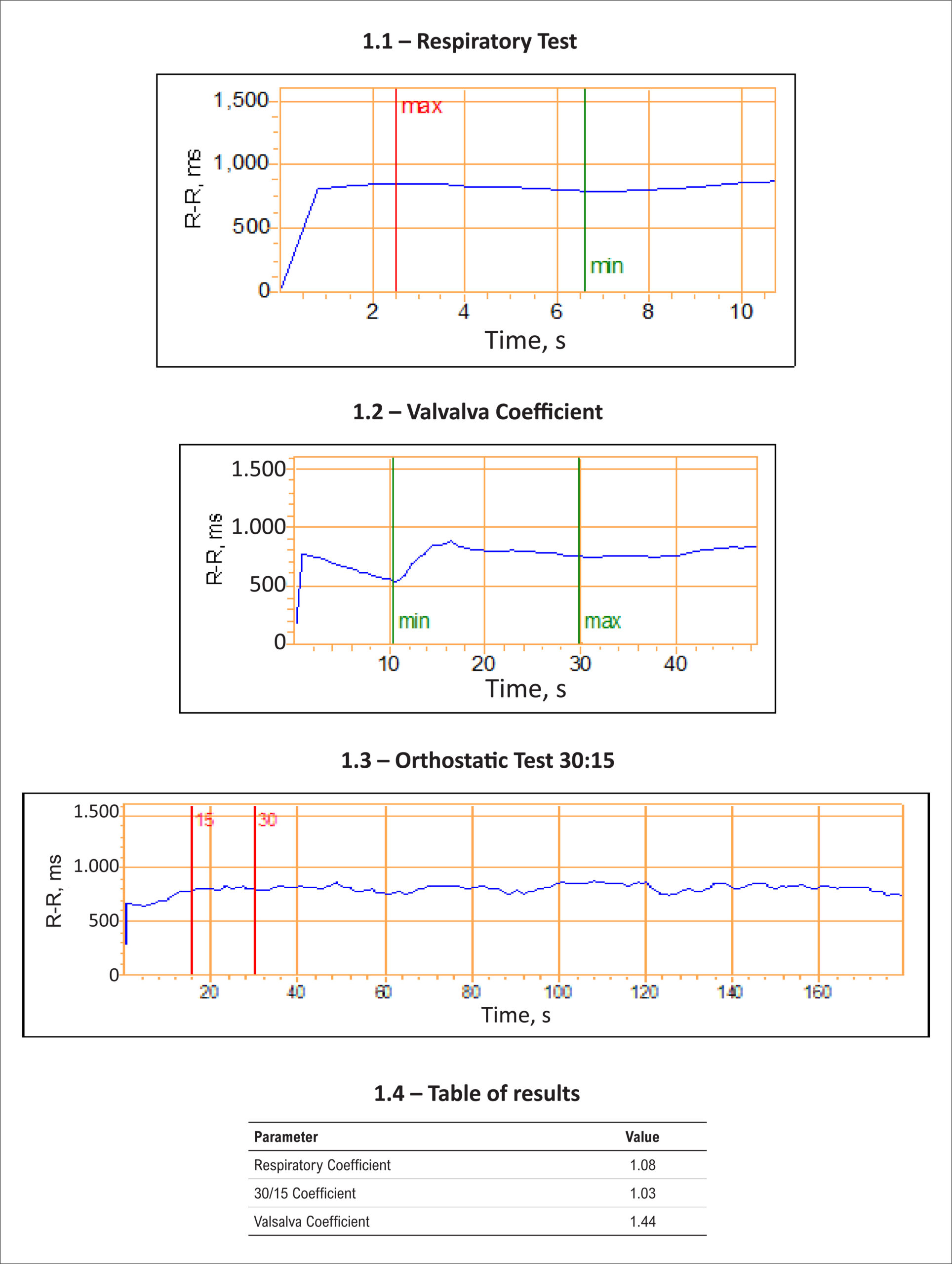
The pathologies that affect the autonomic nervous system (ANS) can manifest in different ways, depending on the etiology, degree of impairment, disease duration, presence of comorbidities, age or use of associated drugs. Many symptoms can be completely debilitating, such as severe pain in peripheral neuropathy and falls or syncope in autonomic neuropathies. Progression to severe orthostatic intolerance may occur in more advanced cases of dysautonomies, with severe early orthostatic hypotension and supine hypertension, making treatment difficult ().–

[…]

  • Autonomic Nervous System
  • Cardiovascular Autonomic Neuropathy
  • diabetes
  • Fatigue
  • Hypotension, Orthostatic
  • Hypothension, Postural
  • Primary Dysautonomias
  • Syncope
Read Full Article
Creative Commons Attribution (CC BY) Creative Commons license
17/05/2021 DOI: 10.36660/abc.20200422
Linear and Nonlinear Heart Rate Variability Analysis in Gonadal Dysgenesis (Swyer Syndrome): A Case Report
IJCS
Case Report

Linear and Nonlinear Heart Rate Variability Analysis in Gonadal Dysgenesis (Swyer Syndrome): A Case Report

Valdelias Xavier Pereira et al. Tatiana Dias de Carvalho Marcos Antonio Marinovic Junior Alex Rey Norberto … José Maria Soares Júnior Vitor Engrácia Valenti Isabel Cristina Esposito Sorpreso

Abstract

Swyer syndrome is one of the disorders of sexual differentiation. Previous studies have demonstrated increased sympathetic activity with heart rate variability (HRV) analysis with decreasing estradiol levels. One patient presented a pure 46, XY gonadal dysgenesis with female phenotype. Cardiac autonomic modulation was assessed through HRV analysis while at rest. This research analyzed linear and nonlinear indexes. HRV analysis showed reduced parasympathetic and global modulation with an apparent increase in sympathetic tone and a loss of HR fractal dynamics toward correlated behavior, characterized by low entropy and high determinism of time series.

  • Amenorrhea
  • Autonomic Nervous System
  • Cardiovascular Diseases/complications
  • Estrogen
  • Gonadectomy
  • Heart Rate
  • Replacement Therapy
Read Full Article
Creative Commons Attribution (CC BY) Creative Commons license
12/05/2021 DOI: 10.36660/ijcs.20200002
Figure 1
IJCS
Brief Communication

Acute Effect of Resistance Exercise on Mucociliary Clearance in Active Smokers

Alessandra Mayumi Marques Masuda et al. Iara Buriola Trevisan Tamara dos Santos Gouveia Guilherme Yassuyuki Tacao … Ercy Mara Cipulo Ramos Dionei Ramos

Abstract

Background:

Nasal mucociliary clearance (NMC) responds to autonomic activity through exercise. However, there is a gap in the literature on how NMC responds to resistance exercise.

Objective:

To evaluate the acute effects of resistance tube exercise on NMC and the autonomic nervous system in smokers.

Methods:

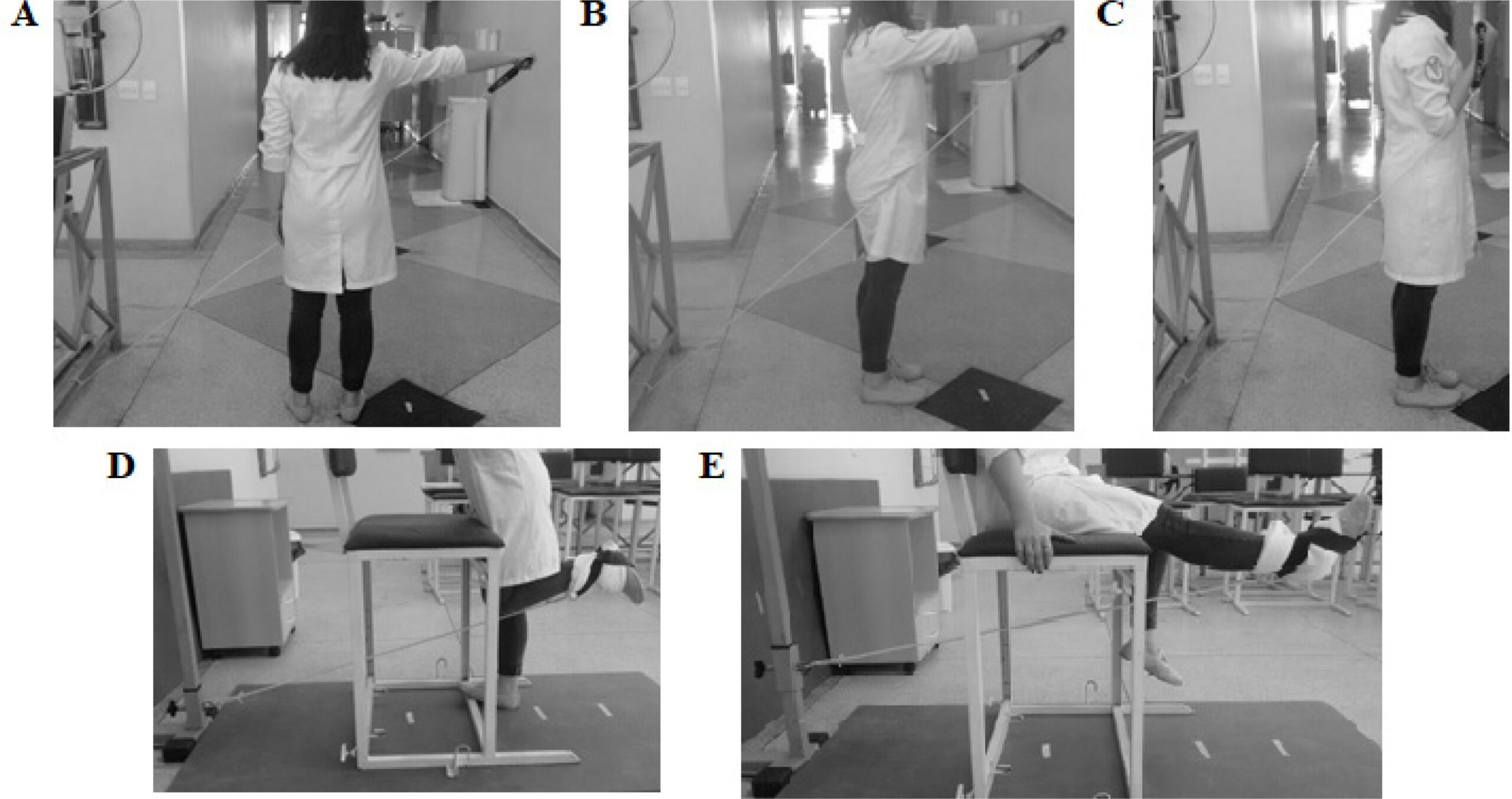
Clinical trial was performed with 18 individuals. Personal, anthropometric, and smoking history data were collected, and a pulmonary function test was performed by spirometry. The fatigue resistance test was performed in order to obtain the number of repetitions for the prescription of exercise. Heart rate variability was captured using a monitor. Subsequently, the exhaled carbon monoxide (exCO) was measured and a saccharin transit test (STT) was performed for NMC.

Results:

The non-smoking group presented a significant decrease of 4.0±3.2 minutes in STT after P1 (p=0.021). Regarding HRV, the smoking group presented a significant decrease of mean RR (−90.3±53.0; p=0.011), SDNN (−560.0±1333.2; p=0.008), RMSSD (−13.6±10.5; p=0.011), LFms² (−567.3±836.1; p=0.008), HFms² (−223.8±231.8; p=0.008), SD1 (−9.7±7.4; p=0.011) and SD2 (−20.7±17.0; p=0.008), and an increase of mean HR (10.2±5.9; p=0.011) after P2. In the non-smoking group, a significant decrease was observed in the mean RR (−67.1±70.7; p=0.038), SDNN (−16.8±15.0; p=0.015), RMSSD (−12.3±14.7; p=0.011), LFms² (−831.2±1347.5; p=0.015), SD1 (−8.7±10.4; p=0.011), and SD2 (−22.0±19.1; p=0.015), while an increase in HR (7.1±7.3; p=0.028) was found after P1.

Conclusions:

The intensity of the resistance exercise applied to the patient was not enough to promote changes in smokers. By contrast, in non-smokers, the same intensity of exercise was effective in promoting alterations in the NMC and autonomic activity. (Int J Cardiovasc Sci. 2021; 34(2):223-230)

  • Autonomic Nervous System
  • Mucociliary Clearance
  • Resistance Training
  • smoking
Read Full Article
Creative Commons Attribution (CC BY) Creative Commons license
12/03/2021 DOI: 10.36660/ijcs.20200006
Figure 1
IJCS
Original Article

Evaluation of the Autonomic Nervous System in Chronic Chagasic Cardiopathy: A Systematic Review of the Literature

Lorena dos Santos Marreto Rimolo et al. Roberto Magalhães Saraiva Ademir Batista da Cunha

Abstract

Background

The importance of regional sympathetic denervation in the pathophysiology and prognosis of Chagas disease has been recognized.

Objective

To conduct a review of studies that have assessed dysautonomia in chronic Chagas heart disease.

Methods

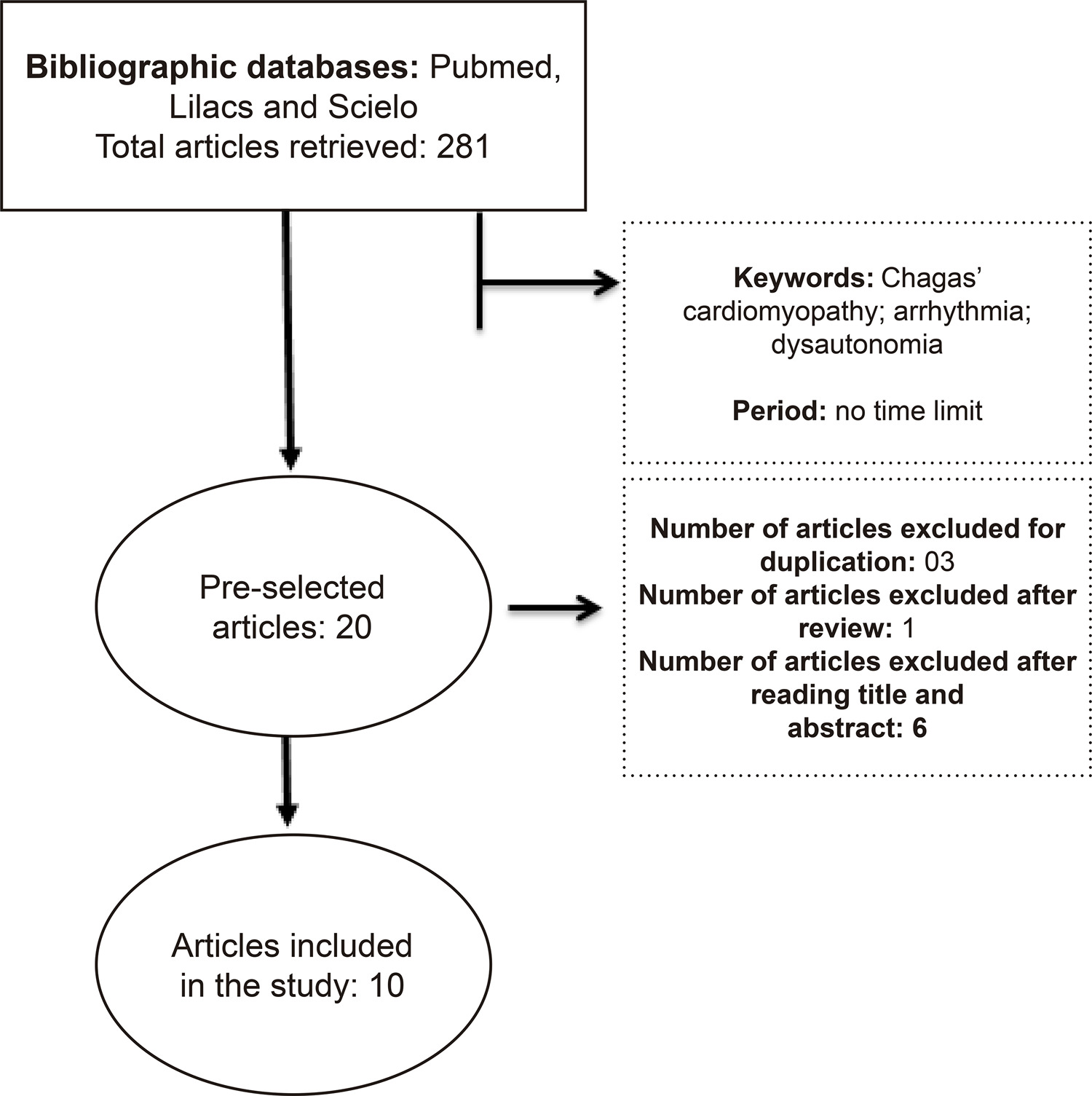
The search was performed on the Medline, Pubmed, Lilacs and SciELO databases. The inclusion criteria were: original articles published in full; studies on individuals with Chagas disease, that used diagnostic methods for chagasic cardiomyopathy, and had clear inclusion and exclusion criteria. Duplicate studies, studies including children (0 to 10 years old), studies involving animals, in vitro experiments, case reports, editorials, theses, and dissertations were excluded.

Results

A total of 281 articles were retrieved, and 10 met the inclusion criteria and were analyzed. There was great heterogeneity as to the technique for assessing dysautonomia, groups of patients studied and classification of Chagas disease. The methods used for studying the autonomic system was immunohistochemistry (n=1), Valsalva and tilt-test (n=1), scintigraphy (n=6) and Holter monitoring (n=2). The results indicated dysautonomia in the indeterminate, digestive and cardiac forms of Chagas disease, and sympathetic denervation in the indeterminate and cardiac forms of the disease. There was agreement between areas of denervation, hypoperfusion and fibrosis, but areas of denervation were larger than those of hypoperfusion. The frequency of denervation and its extension increased from the indeterminate to the cardiac form. There was an association between extension of denervation and previous history of malignant ventricular arrhythmia.

Conclusions

The evidence presented in this review supports that an early diagnosis of autonomic denervation in chronic Chagas’ disease allows the identification of patients with an increased risk of sudden death. Int J Cardiovasc Sci. 2020; [online].ahead print, PP.0-0

  • Arrhythmias Cardiac
  • Autonomic Nervous System
  • Chagas Cardiomyopathy
  • Chagas disease
  • Primary Dysautonomias
Read Full Article
Creative Commons Attribution (CC BY) Creative Commons license
06/11/2020 DOI: 10.36660/ijcs.20190122 Views 2
Figure 1
ABC
Editorial

Nocturnal Blood Pressure Dipping and the Autonomic Nervous System

Fernando Antonio de Almeida

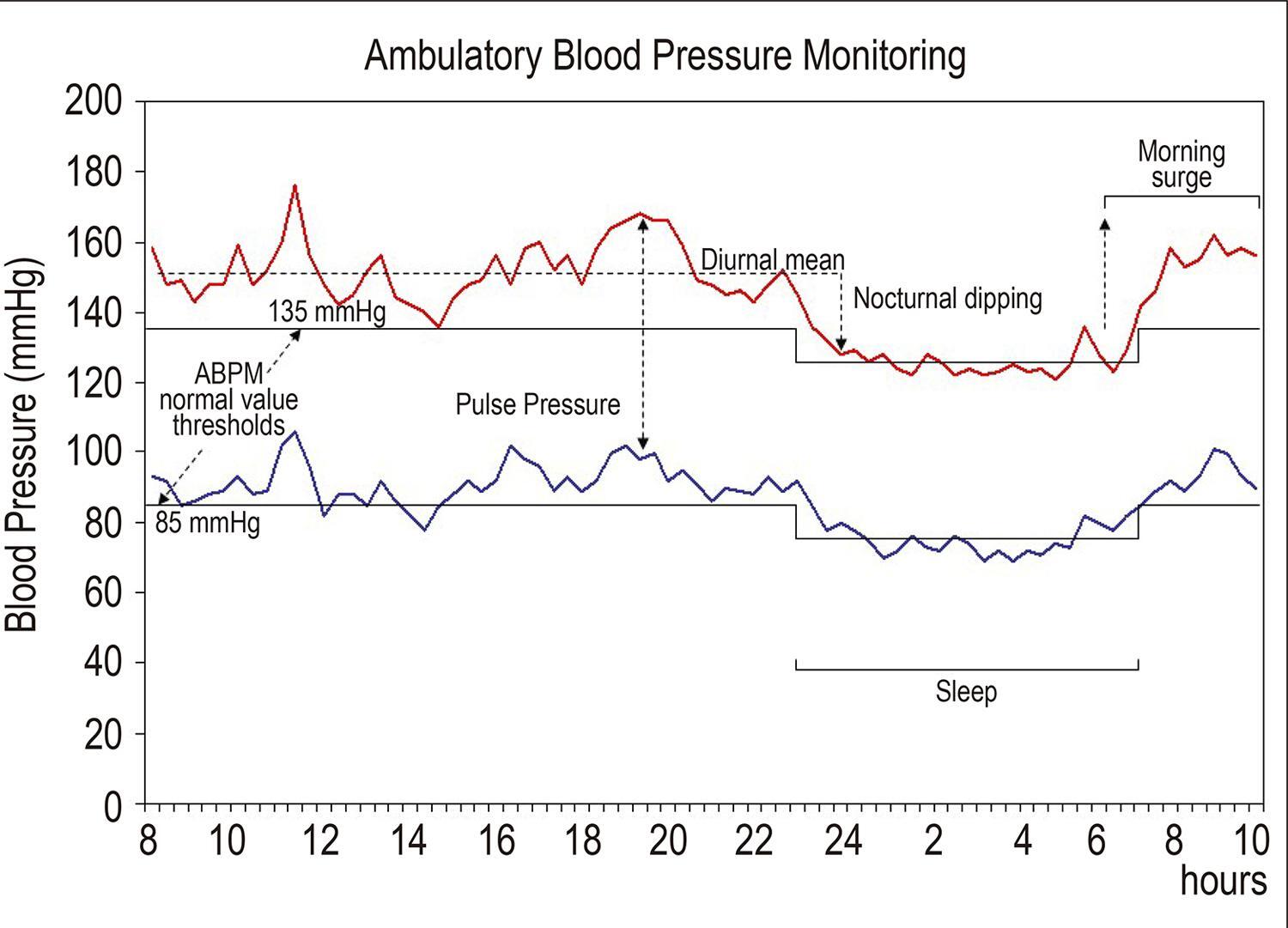
Blood Pressure (BP) is continuously controlled by complex mechanisms involving the structural characteristics of the arterial system, the autonomic nervous system (sympathetic and parasympathetic) integrated with the baroreceptor and chemoreceptor systems, the circulating volume and several vasoconstrictor and vasodilator hormone systems with systemic and local actions. The integration of these systems ensures that the blood pressure undergoes minimal variations in small intervals, but if we consider the whole day, there are times, such as during sleep and when getting up in the morning, when there are more intense variations in blood pressure, always around mean values. Ambulatory blood pressure monitoring (ABPM) allows this phenomenon to be recorded in clinical practice.

shows the ABPM graphical record of a person with arterial hypertension, indicating the main parameters evaluated in this exam. One of the most important phenomena that can be assessed by ABPM is the physiological BP dipping during sleep. This physiological behavior of BP during sleep occurs because many vasoconstrictor mechanisms are “disarmed” in this condition; among them, the autonomic nervous system is one of the most important. A direct consequence of this modulatory effect of the autonomic nervous system is that, in diseases or clinical conditions in which the system is affected, the absence of this modulatory effect is expressed by the absence of BP dipping during sleep. In some cases, there may even be an increase in BP during sleep. This is the classic example of individuals with diabetes mellitus with autonomic neuropathy. – These individuals frequently have postural hypotension, elevated BP at bedtime and absence of BP dipping during sleep. , , , The absence of BP dipping during sleep implies a higher pressure load on the circulatory system and increases the risk of cardiovascular events in the long-term. , There are other clinical conditions associated with the absence of BP dipping during sleep, but this is not the case of this discussion.

[…]

  • Autonomic Nervous System
  • Blood Pressure
  • Blood Pressure Monitoring, Ambulatory
  • Chagas disease
  • Diabetes Mellitus
  • Sleep
Read Full Article
Creative Commons Attribution (CC BY) Creative Commons license
29/05/2020 DOI: 10.36660/abc.20200280 Views 1
Figure 1
IJCS
Original Article

Cardiac Autonomic Modulation of Healthy Individuals and Patients with Chronic Obstructive Pulmonary Disease During Spontaneous and Controlled Breathing

Mario Augusto Paschoal et al. Livea Gianfrancesco Luisa Torres Camargo Náira Bueno Seixas Ana Beatriz Paschoal

Abstract

Background:

Lung diseases and different forms of breathing may interfere with cardiac autonomic modulation (CAM).

Objective:

To compare CAM in individuals with chronic obstructive pulmonary disease (COPD) with healthy individuals during spontaneous breathing (SB) and controlled breathing (CB).

Methods:

Cross-sectional study involving 30 individuals selected by convenience, divided into COPD group (n = 19) and control group (CG; n = 12). All participants were submitted to heart beat recordings during five minutes at rest (SB) and another five minutes during CB performed at six cycles/min. CAM was made by assessment of the heart rate variability (HRV) through time domain (TD) and frequency domain (FD). Comparisons between groups were performed by Mann Whitney test, and significance level was set at p < 0.05.

Results:

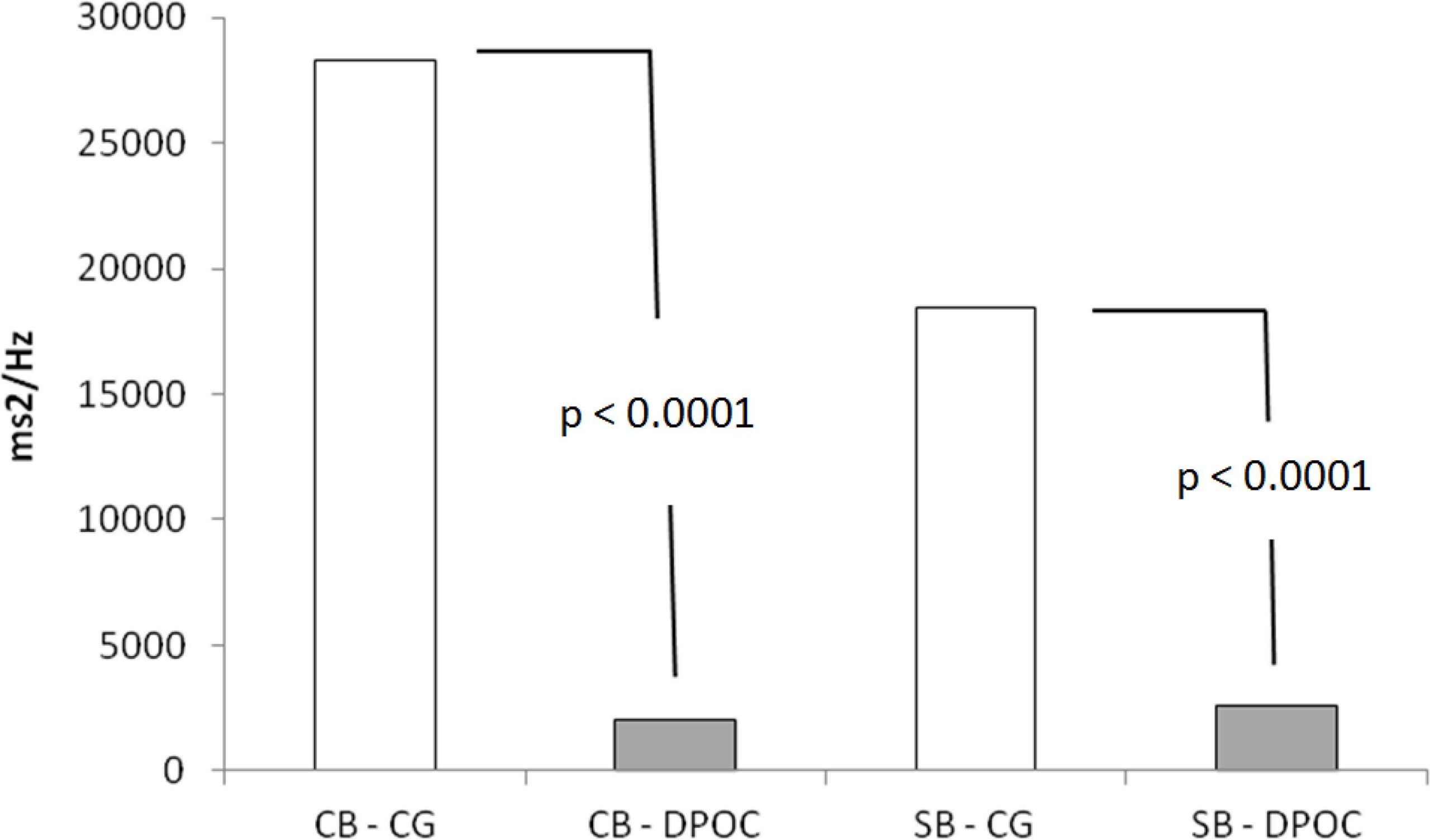
During SB, HRV TD and FD indices were higher in the controls than in the COPD group, respectively – RR intervals (53.2 ms versus 36.6 ms), RMSSD (42.1 ms versus 26.6 ms) (p < 0.05), total power (28322.8 ms2/Hz versus 2011.6 ms2/Hz), and high-frequency band (800.5 ms(2) versus 330.7 ms2). During CB, the CG also showed higher values for the TD parameters pNN50 (11.7% versus 5.1%), RMSSD (48.3 ms versus 26.7 ms), and SD of RRi (64.9 ms versus 44.7 ms), as well as for the low-frequency component of FD analysis (2848.6 ms2 versus 1197.9 ms2).

Conclusion:

COPD patients have different CAM when compared with healthy individuals during spontaneous (SB) and controlled breathing (CB).

  • Autonomic Nervous System
  • Heart Rate
  • Respiratory Rate
Read Full Article
Creative Commons Attribution (CC BY) Creative Commons license
24/10/2019 DOI: 10.5935/2359-4802.20190072 Views 1
IJCS
Review Article

Effects of Exercise Training on Cardiovascular and Autonomic Parameters in Stroke Survivors: A Systematic Review

Bruno Bavaresco Gambassi et al. Fabiano de Jesus Furtado Almeida Ana Eugênia Araújo Furtado Almeida João Alberto Ribeiro … Tânia Maria Gaspar Novais Paulo Adriano Schwingel Ciro Oliveira Queiroz Clarcson Plácido Conceição dos Santos Bruno Rodrigues

Abstract

Negative changes in cardiovascular and autonomic variables in stroke survivors have encouraged the global scientific community to focus on investigating therapeutic strategies to mitigate stroke damage. The objective of the present study was to describe the effects of exercise training on cardiovascular and autonomic variables in stroke survivors. We used the PICO (population, intervention, control/comparison, and outcome variables) model for the search of articles in PubMed and Physiotherapy Evidence Databases from 2009 to December 2018. The following data were also recorded: type of study, author, year of publication, participants (time after stroke, sample size, and age) and benefits of exercise training. A total of 544 articles were initially selected, of which nine peer-reviewed articles met the search criteria. These nine studies enrolled 611 participants (middle-aged or elderly), and pointed to positive effects of training on maximal oxygen uptake, peak aerobic capacity, 6-minute walk test and resting heart rate. However, more well-controlled studies are needed to confirm the benefits of exercise training on cardiovascular and autonomic variables in this population.

  • Autonomic Nervous System
  • Cardiovascular System
  • Exercise
  • physical fitness
  • Physiotherapy
  • Rehabilitation
  • Review
  • Stroke
Read Full Article
Creative Commons Attribution (CC BY) Creative Commons license
12/08/2019 DOI: 10.5935/2359-4802.20190047
ABC
Editorial

Heart and Skeletal Muscles: Linked by Autonomic Nervous System

Claudio Gil Araujo et al. Jari Antero Laukkanen

The autonomic nervous system (ANS) plays a fundamental role in maintaining cell homeostasis and human life. The functionality of the heart and skeletal muscles is partially modulated by sympathetic and parasympathetic branches of the ANS both in resting and exercising conditions.

Substantial literature attests to the fact that objective indices of muscle strength reflect health status. It is well-established that heart failure is typically accompanied by skeletal muscle abnormalities that contributed to the exercise intolerance and poor health-related quality of life usually seen in these patients., Indeed, while a decrease in muscle mass and strength is naturally seen with ageing, especially after the fifth decade of life, this is especially more relevant in middle-aged and older patients with heart failure.

[…]

  • Autonomic Nervous System
  • Heart Failure
  • Homeostasis
  • Muscle,Skeletal
  • Myocardium
  • Sarcopenia
  • Sympathetica Nervous System
Read Full Article
Creative Commons Attribution (CC BY) Creative Commons license
15/07/2019 DOI: 10.5935/abc.20190097

Could not load more articles. Please try again.

How to cite this article

EndNote RIS

Electronic Document Format (Vancouver)

Godoy MF. Understanding the Link between Visceral Fat and Heart Health. Arquivos Brasileiros de Cardiologia 2025;122(1):e20240466.

Electronic Document Format (ABNT)

Godoy, Moacir Fernandes. Understanding the Link between Visceral Fat and Heart Health. Arquivos Brasileiros de Cardiologia, v. 122, n. 1, e20240466, Feb. 2025.

Electronic Document Format (APA)

Godoy, M. F. (2025). Understanding the Link between Visceral Fat and Heart Health. Arquivos Brasileiros de Cardiologia, 122(1), e20240466.

Electronic Document Format (ISO)

Godoy, Moacir Fernandes. Understanding the Link between Visceral Fat and Heart Health. Arquivos Brasileiros de Cardiologia [online]. 2025, vol. 122, n. 1, [cited 2026-10-14], e20240466. Available from: <https://journals.cardiol.br/en/article/understanding-the-link-between-visceral-fat-and-heart-health-2/>. ISSN 0066-782X

EndNote RIS

Electronic Document Format (Vancouver)

Dourado LA, Dourado PMM, Oliveira JG, Silva EM, Dourado JPA, Braga PGS. Heart Rate Reduction after Effort Test Is Higher in Physically Active Adults without Familial Cardiovascular Risk Factor. Arquivos Brasileiros de Cardiologia 2025;122(1):e20240435.

Electronic Document Format (ABNT)

Dourado, Larissa de Almeida; Dourado, Paulo Magno Martins; Oliveira, Jaciara Gomes de; Silva, Evandra Maria da; Dourado, João Paulo de Almeida; Braga, Pedro Gabriel Senger. Heart Rate Reduction after Effort Test Is Higher in Physically Active Adults without Familial Cardiovascular Risk Factor. Arquivos Brasileiros de Cardiologia, v. 122, n. 1, e20240435, Feb. 2025.

Electronic Document Format (APA)

Dourado, L. A., Dourado, P. M. M., Oliveira, J. G. , Silva, E. M. , Dourado, J. P. A., & Braga, P. G. S. (2025). Heart Rate Reduction after Effort Test Is Higher in Physically Active Adults without Familial Cardiovascular Risk Factor. Arquivos Brasileiros de Cardiologia, 122(1), e20240435.

Electronic Document Format (ISO)

Dourado, Larissa de Almeida and Dourado, Paulo Magno Martins and Oliveira, Jaciara Gomes de and Silva, Evandra Maria da and Dourado, João Paulo de Almeida and Braga, Pedro Gabriel Senger. Heart Rate Reduction after Effort Test Is Higher in Physically Active Adults without Familial Cardiovascular Risk Factor. Arquivos Brasileiros de Cardiologia [online]. 2025, vol. 122, n. 1, [cited 2026-10-14], e20240435. Available from: <https://journals.cardiol.br/en/article/heart-rate-reduction-after-effort-test-is-higher-in-physically-active-adults-without-familial-cardiovascular-risk-factor/>. ISSN 0066-782X

EndNote RIS

Electronic Document Format (Vancouver)

Habib SS, Alkahtani S, Aljawini N, Habib SM, Flatt AA. Resting Heart Rate Variability is Independently Associated with Visceral Fat Rating Scores in Saudi Adult Males. Arquivos Brasileiros de Cardiologia 2024;121(5):e20220780.

Electronic Document Format (ABNT)

Habib, Syed Shahid; Alkahtani, Shaea; Aljawini, Nouf; Habib, Syed Mohammad; Flatt, Andrew A.. Resting Heart Rate Variability is Independently Associated with Visceral Fat Rating Scores in Saudi Adult Males. Arquivos Brasileiros de Cardiologia, v. 121, n. 5, e20220780, Oct. 2024.

Electronic Document Format (APA)

Habib, S. S., Alkahtani, S., Aljawini, N., Habib, S. M., & Flatt, A. A. (2024). Resting Heart Rate Variability is Independently Associated with Visceral Fat Rating Scores in Saudi Adult Males. Arquivos Brasileiros de Cardiologia, 121(5), e20220780.

Electronic Document Format (ISO)

Habib, Syed Shahid and Alkahtani, Shaea and Aljawini, Nouf and Habib, Syed Mohammad and Flatt, Andrew A.. Resting Heart Rate Variability is Independently Associated with Visceral Fat Rating Scores in Saudi Adult Males. Arquivos Brasileiros de Cardiologia [online]. 2024, vol. 121, n. 5, [cited 2026-10-14], e20220780. Available from: <https://journals.cardiol.br/en/article/resting-heart-rate-variability-is-independently-associated-with-visceral-fat-rating-scores-in-saudi-adult-males/>. ISSN 0066-782X

EndNote RIS

Electronic Document Format (Vancouver)

Faria ACC, Moreira CL, Cunha MR, Mattos S, Oigman W, Neves MF. Effects of Vitamin D Supplementation on Central Hemodynamic Parameters and Autonomic Nervous System in Obese or Overweight Individuals. Arquivos Brasileiros de Cardiologia 2024;121(5):e20230678.

Electronic Document Format (ABNT)

Faria, Adriana C. C.; Moreira, Caroline Lyra; Cunha, Michelle Rabello da; Mattos, Samanta; Oigman, Wille; Neves, Mario Fritsch. Effects of Vitamin D Supplementation on Central Hemodynamic Parameters and Autonomic Nervous System in Obese or Overweight Individuals. Arquivos Brasileiros de Cardiologia, v. 121, n. 5, e20230678, May. 2024.

Electronic Document Format (APA)

Faria, A. C. C., Moreira, C. L., Cunha, M. R. , Mattos, S., Oigman, W., & Neves, M. F. (2024). Effects of Vitamin D Supplementation on Central Hemodynamic Parameters and Autonomic Nervous System in Obese or Overweight Individuals. Arquivos Brasileiros de Cardiologia, 121(5), e20230678.

Electronic Document Format (ISO)

Faria, Adriana C. C. and Moreira, Caroline Lyra and Cunha, Michelle Rabello da and Mattos, Samanta and Oigman, Wille and Neves, Mario Fritsch. Effects of Vitamin D Supplementation on Central Hemodynamic Parameters and Autonomic Nervous System in Obese or Overweight Individuals. Arquivos Brasileiros de Cardiologia [online]. 2024, vol. 121, n. 5, [cited 2026-10-14], e20230678. Available from: <https://journals.cardiol.br/en/article/effects-of-vitamin-d-supplementation-on-central-hemodynamic-parameters-and-autonomic-nervous-system-in-obese-or-overweight-individuals/>. ISSN 0066-782X

EndNote RIS

Electronic Document Format (Vancouver)

Silva RMFL, Monteze NM, Giannetti JG, Meira ZMA. Electrocardiographic and Autonomic Nervous System Changes after Changes in the Posture of Children and Adolescents with Duchenne Muscular Dystrophy. Arquivos Brasileiros de Cardiologia 2024;121(2):e20230483.

Electronic Document Format (ABNT)

Silva, Rose Mary Ferreira Lisboa da; Monteze, Nathalia Mussi; Giannetti, Juliana Gurgel; Meira, Zilda Maria Alves. Electrocardiographic and Autonomic Nervous System Changes after Changes in the Posture of Children and Adolescents with Duchenne Muscular Dystrophy. Arquivos Brasileiros de Cardiologia, v. 121, n. 2, e20230483, Apr. 2024.

Electronic Document Format (APA)

Silva, R. M. F. L. , Monteze, N. M., Giannetti, J. G., & Meira, Z. M. A. (2024). Electrocardiographic and Autonomic Nervous System Changes after Changes in the Posture of Children and Adolescents with Duchenne Muscular Dystrophy. Arquivos Brasileiros de Cardiologia, 121(2), e20230483.

Electronic Document Format (ISO)

Silva, Rose Mary Ferreira Lisboa da and Monteze, Nathalia Mussi and Giannetti, Juliana Gurgel and Meira, Zilda Maria Alves. Electrocardiographic and Autonomic Nervous System Changes after Changes in the Posture of Children and Adolescents with Duchenne Muscular Dystrophy. Arquivos Brasileiros de Cardiologia [online]. 2024, vol. 121, n. 2, [cited 2026-10-14], e20230483. Available from: <https://journals.cardiol.br/en/article/electrocardiographic-and-autonomic-nervous-system-changes-after-changes-in-the-posture-of-children-and-adolescents-with-duchenne-muscular-dystrophy/>. ISSN 0066-782X

EndNote RIS

Electronic Document Format (Vancouver)

Rocha EA, Cunha BL, Brasil HN, Pereira FTM, Pires Neto RJ. Mortality Risk Stratification in Heart Failure. The Search for the Holy Grail Continues! Autonomic Nervous System Analysis is Back!. Arquivos Brasileiros de Cardiologia 2024;120(11):e20230761.

Electronic Document Format (ABNT)

Rocha, Eduardo Arrais; Cunha, Bianca Lopes; Brasil, Helena Nogueira; Pereira, Francisca Tatiana Moreira; Pires Neto, Roberto da Justa. Mortality Risk Stratification in Heart Failure. The Search for the Holy Grail Continues! Autonomic Nervous System Analysis is Back!. Arquivos Brasileiros de Cardiologia, v. 120, n. 11, e20230761, Mar. 2024.

Electronic Document Format (APA)

Rocha, E. A., Cunha, B. L., Brasil, H. N., Pereira, F. T. M., & Pires Neto, R. J. (2024). Mortality Risk Stratification in Heart Failure. The Search for the Holy Grail Continues! Autonomic Nervous System Analysis is Back!. Arquivos Brasileiros de Cardiologia, 120(11), e20230761.

Electronic Document Format (ISO)

Rocha, Eduardo Arrais and Cunha, Bianca Lopes and Brasil, Helena Nogueira and Pereira, Francisca Tatiana Moreira and Pires Neto, Roberto da Justa. Mortality Risk Stratification in Heart Failure. The Search for the Holy Grail Continues! Autonomic Nervous System Analysis is Back!. Arquivos Brasileiros de Cardiologia [online]. 2024, vol. 120, n. 11, [cited 2026-10-14], e20230761. Available from: <https://journals.cardiol.br/en/article/mortality-risk-stratification-in-heart-failure-the-search-for-the-holy-grail-continues-autonomic-nervous-system-analysis-is-back/>. ISSN 0066-782X

EndNote RIS

Electronic Document Format (Vancouver)

Davanço GY, Torres MF, Murad N, Veiga GL, Reis PHA, Barbosa JV, Alves BCA, et al. Post-COVID-19 Syndrome and the Autonomic Repercussions on Cardiovascular Variables. ABC Heart Fail Cardiomyop 2023;3(3):e20230056.

Electronic Document Format (ABNT)

Davanço, Giulia Yuni; Torres, Matheus Figueiredo; Murad, Neif; Veiga, Glaucia Luciano da; Reis, Pedro Henrique Alves; Barbosa, Juliana de Vasconcellos; Alves, Beatriz da Costa Aguiar; Gascón, Thaís Moura; Raimundo, Rodrigo Daminello; Fonseca, Fernando Luiz Affonso. Post-COVID-19 Syndrome and the Autonomic Repercussions on Cardiovascular Variables. ABC Heart Fail Cardiomyop, v. 3, n. 3, e20230056, Dec. 2023.

Electronic Document Format (APA)

Davanço, G. Y., Torres, M. F., Murad, N., Veiga, G. L. , Reis, P. H. A., Barbosa, J. V., Alves, B. C. A., Gascón, T. M., Raimundo, R. D., & Fonseca, F. L. A. (2023). Post-COVID-19 Syndrome and the Autonomic Repercussions on Cardiovascular Variables. ABC Heart Fail Cardiomyop, 3(3), e20230056.

Electronic Document Format (ISO)

Davanço, Giulia Yuni and Torres, Matheus Figueiredo and Murad, Neif and Veiga, Glaucia Luciano da and Reis, Pedro Henrique Alves and Barbosa, Juliana de Vasconcellos and Alves, Beatriz da Costa Aguiar and Gascón, Thaís Moura and Raimundo, Rodrigo Daminello and Fonseca, Fernando Luiz Affonso. Post-COVID-19 Syndrome and the Autonomic Repercussions on Cardiovascular Variables. ABC Heart Fail Cardiomyop [online]. 2023, vol. 3, n. 3, [cited 2026-10-14], e20230056. Available from: <https://journals.cardiol.br/en/article/post-covid-19-syndrome-and-the-autonomic-repercussions-on-cardiovascular-variables/>

EndNote RIS

Electronic Document Format (Vancouver)

Arêas FZS, Kuster E, Souza LC, Domingues WJR, Siqueira J, Serudo LHA, Arêas GP, et al. Transcranial Direct Current Stimulation in the Management of Hypertension: A Plausible Hypothesis?. Arquivos Brasileiros de Cardiologia 2023;120(9):e20230100.

Electronic Document Format (ABNT)

Arêas, Fernando Zanela da Silva; Kuster, Elizangela; Souza, Lenon Corrêa de; Domingues, Wagner Jorge Ribeiro; Siqueira, João; Serudo, Luíz Henrique Aquino; Arêas, Guilherme Peixoto. Transcranial Direct Current Stimulation in the Management of Hypertension: A Plausible Hypothesis?. Arquivos Brasileiros de Cardiologia, v. 120, n. 9, e20230100, Oct. 2023.

Electronic Document Format (APA)

Arêas, F. Z. S., Kuster, E., Souza, L. C. , Domingues, W. J. R., Siqueira, J., Serudo, L. H. A., & Arêas, G. P. (2023). Transcranial Direct Current Stimulation in the Management of Hypertension: A Plausible Hypothesis?. Arquivos Brasileiros de Cardiologia, 120(9), e20230100.

Electronic Document Format (ISO)

Arêas, Fernando Zanela da Silva and Kuster, Elizangela and Souza, Lenon Corrêa de and Domingues, Wagner Jorge Ribeiro and Siqueira, João and Serudo, Luíz Henrique Aquino and Arêas, Guilherme Peixoto. Transcranial Direct Current Stimulation in the Management of Hypertension: A Plausible Hypothesis?. Arquivos Brasileiros de Cardiologia [online]. 2023, vol. 120, n. 9, [cited 2026-10-14], e20230100. Available from: <https://journals.cardiol.br/en/article/transcranial-direct-current-stimulation-in-the-management-of-hypertension-a-plausible-hypothesis/>. ISSN 0066-782X

EndNote RIS

Electronic Document Format (Vancouver)

Demirci E, Çalapkorur B, Celik O, Koçer D, Demirelli S, Şimsek Z. Improvement in Blood Pressure After Intermittent Fasting in Hipertension: Could Renin-Angiotensin System and Autonomic Nervous System Have a Role?. Arquivos Brasileiros de Cardiologia 2023;120(5):e20220756.

Electronic Document Format (ABNT)

Demirci, Erkan; Çalapkorur, Bekir; Celik, Oguzhan; Koçer, Derya; Demirelli, Selami; Şimsek, Ziya. Improvement in Blood Pressure After Intermittent Fasting in Hipertension: Could Renin-Angiotensin System and Autonomic Nervous System Have a Role?. Arquivos Brasileiros de Cardiologia, v. 120, n. 5, e20220756, Apr. 2023.

Electronic Document Format (APA)

Demirci, E., Çalapkorur, B., Celik, O., Koçer, D., Demirelli, S., & Şimsek, Z. (2023). Improvement in Blood Pressure After Intermittent Fasting in Hipertension: Could Renin-Angiotensin System and Autonomic Nervous System Have a Role?. Arquivos Brasileiros de Cardiologia, 120(5), e20220756.

Electronic Document Format (ISO)

Demirci, Erkan and Çalapkorur, Bekir and Celik, Oguzhan and Koçer, Derya and Demirelli, Selami and Şimsek, Ziya. Improvement in Blood Pressure After Intermittent Fasting in Hipertension: Could Renin-Angiotensin System and Autonomic Nervous System Have a Role?. Arquivos Brasileiros de Cardiologia [online]. 2023, vol. 120, n. 5, [cited 2026-10-14], e20220756. Available from: <https://journals.cardiol.br/en/article/improvement-in-blood-pressure-after-intermittent-fasting-in-hipertension-could-renin-angiotensin-system-and-autonomic-nervous-system-have-a-role/>. ISSN 0066-782X

EndNote RIS

Electronic Document Format (Vancouver)

Porto AA, Gonzaga LA, Benjamim CJR, Bueno Jr CR, Garner DM, Vanderlei LC, Ferreira C, et al. Acute Effects of Energy Drink on Autonomic and Cardiovascular Parameters Recovery in Individuals with Different Cardiorespiratory Fitness: A Randomized, Crossover, Double-Blind and Placebo-Controlled Trial. Arquivos Brasileiros de Cardiologia 2022;119(4):553-61.

Electronic Document Format (ABNT)

Porto, Andrey Alves; Gonzaga, Luana Almeida; Benjamim, Cicero Jonas R; Bueno Jr, Carlos Roberto; Garner, David M.; Vanderlei, Luiz C.M; Ferreira, Celso; Valenti, Vitor Engrácia. Acute Effects of Energy Drink on Autonomic and Cardiovascular Parameters Recovery in Individuals with Different Cardiorespiratory Fitness: A Randomized, Crossover, Double-Blind and Placebo-Controlled Trial. Arquivos Brasileiros de Cardiologia, v. 119, n. 4, p. 553-561, Aug. 2022.

Electronic Document Format (APA)

Porto, A. A., Gonzaga, L. A., Benjamim, C. J. R., Bueno Jr, C. R., Garner, D. M., Vanderlei, L. C., Ferreira, C., & Valenti, V. E. (2022). Acute Effects of Energy Drink on Autonomic and Cardiovascular Parameters Recovery in Individuals with Different Cardiorespiratory Fitness: A Randomized, Crossover, Double-Blind and Placebo-Controlled Trial. Arquivos Brasileiros de Cardiologia, 119(4), 553-561.

Electronic Document Format (ISO)

Porto, Andrey Alves and Gonzaga, Luana Almeida and Benjamim, Cicero Jonas R and Bueno Jr, Carlos Roberto and Garner, David M. and Vanderlei, Luiz C.M and Ferreira, Celso and Valenti, Vitor Engrácia. Acute Effects of Energy Drink on Autonomic and Cardiovascular Parameters Recovery in Individuals with Different Cardiorespiratory Fitness: A Randomized, Crossover, Double-Blind and Placebo-Controlled Trial. Arquivos Brasileiros de Cardiologia [online]. 2022, vol. 119, n. 4, [cited 2026-10-14], pp. 553-561. Available from: <https://journals.cardiol.br/en/article/acute-effects-of-energy-drink-on-autonomic-and-cardiovascular-parameters-recovery-in-individuals-with-different-cardiorespiratory-fitness-a-randomized-crossover-double-blind-and-placebo-controlled/>. ISSN 0066-782X

EndNote RIS

Electronic Document Format (Vancouver)

Melinski AC, Catai AM, Moura SCG, Milan-Mattos JC, Takito MY. Impact of Air Pollutant on Heart Rate Variability in Healthy Young Adults. International Journal of Cardiovascular Sciences 2022;35(4):523-9.

Electronic Document Format (ABNT)

Melinski, Anita de Cássia; Catai, Aparecida Maria; Moura, Sílvia Cristina Garcia de; Milan-Mattos, Juliana Cristina; Takito, Monica Yuri. Impact of Air Pollutant on Heart Rate Variability in Healthy Young Adults. International Journal of Cardiovascular Sciences, v. 35, n. 4, p. 523-529, Mar. 2022.

Electronic Document Format (APA)

Melinski, A. C., Catai, A. M., Moura, S. C. G. , Milan-Mattos, J. C., & Takito, M. Y. (2022). Impact of Air Pollutant on Heart Rate Variability in Healthy Young Adults. International Journal of Cardiovascular Sciences, 35(4), 523-529.

Electronic Document Format (ISO)

Melinski, Anita de Cássia and Catai, Aparecida Maria and Moura, Sílvia Cristina Garcia de and Milan-Mattos, Juliana Cristina and Takito, Monica Yuri. Impact of Air Pollutant on Heart Rate Variability in Healthy Young Adults. International Journal of Cardiovascular Sciences [online]. 2022, vol. 35, n. 4, [cited 2026-10-14], pp. 523-529. Available from: <https://journals.cardiol.br/en/article/impact-of-air-pollutant-on-heart-rate-variability-in-healthy-young-adults/>. ISSN 2359-4802

EndNote RIS

Electronic Document Format (Vancouver)

Cunha DM, Tzirulnik PC, Costa PCS, Cunha DM, Cunha AB. Association of Anti-β1 and Anti-M2 Antibodies with Autonomic Nervous System Modulation in Patients with Chronic Chagas Cardiomyopathy. International Journal of Cardiovascular Sciences 2022;35(3):354-63.

Electronic Document Format (ABNT)

Cunha, Delma Maria; Tzirulnik, Pedro Cunha; Costa, Patricia Cristina dos Santos; Cunha, Danton Machado; Cunha, Ademir Batista da. Association of Anti-β1 and Anti-M2 Antibodies with Autonomic Nervous System Modulation in Patients with Chronic Chagas Cardiomyopathy. International Journal of Cardiovascular Sciences, v. 35, n. 3, p. 354-363, Feb. 2022.

Electronic Document Format (APA)

Cunha, D. M., Tzirulnik, P. C., Costa, P. C. S., Cunha, D. M., & Cunha, A. B. (2022). Association of Anti-β1 and Anti-M2 Antibodies with Autonomic Nervous System Modulation in Patients with Chronic Chagas Cardiomyopathy. International Journal of Cardiovascular Sciences, 35(3), 354-363.

Electronic Document Format (ISO)

Cunha, Delma Maria and Tzirulnik, Pedro Cunha and Costa, Patricia Cristina dos Santos and Cunha, Danton Machado and Cunha, Ademir Batista da. Association of Anti-β1 and Anti-M2 Antibodies with Autonomic Nervous System Modulation in Patients with Chronic Chagas Cardiomyopathy. International Journal of Cardiovascular Sciences [online]. 2022, vol. 35, n. 3, [cited 2026-10-14], pp. 354-363. Available from: <https://journals.cardiol.br/en/article/association-of-anti-%ce%b21-and-anti-m2-antibodies-with-autonomic-nervous-system-modulation-in-patients-with-chronic-chagas-cardiomyopathy/>. ISSN 2359-4802

EndNote RIS

Electronic Document Format (Vancouver)

Silveira BO, Melo JL, Neri GPO, Gregório ML, Godoy MF, Accioly MF. Influence of an Early Mobilization Protocol on the Autonomic Behavior of Patients Undergoing Percutaneous Transluminal Coronary Angioplasty. Arquivos Brasileiros de Cardiologia 2021;117(6):1161-9.

Electronic Document Format (ABNT)

Silveira, Bárbara Oliveira; Melo, Jade Lara de; Neri, Graziella Paula de Oliveira; Gregório, Michele Lima; Godoy, Moacir Fernandes de; Accioly, Marilita Falangola. Influence of an Early Mobilization Protocol on the Autonomic Behavior of Patients Undergoing Percutaneous Transluminal Coronary Angioplasty. Arquivos Brasileiros de Cardiologia, v. 117, n. 6, p. 1161-1169, Dec. 2021.

Electronic Document Format (APA)

Silveira, B. O., Melo, J. L. , Neri, G. P. O., Gregório, M. L., Godoy, M. F. , & Accioly, M. F. (2021). Influence of an Early Mobilization Protocol on the Autonomic Behavior of Patients Undergoing Percutaneous Transluminal Coronary Angioplasty. Arquivos Brasileiros de Cardiologia, 117(6), 1161-1169.

Electronic Document Format (ISO)

Silveira, Bárbara Oliveira and Melo, Jade Lara de and Neri, Graziella Paula de Oliveira and Gregório, Michele Lima and Godoy, Moacir Fernandes de and Accioly, Marilita Falangola. Influence of an Early Mobilization Protocol on the Autonomic Behavior of Patients Undergoing Percutaneous Transluminal Coronary Angioplasty. Arquivos Brasileiros de Cardiologia [online]. 2021, vol. 117, n. 6, [cited 2026-10-14], pp. 1161-1169. Available from: <https://journals.cardiol.br/en/article/influence-of-an-early-mobilization-protocol-on-the-autonomic-behavior-of-patients-undergoing-percutaneous-transluminal-coronary-angioplasty/>. ISSN 0066-782X

EndNote RIS

Electronic Document Format (Vancouver)

Mateo EIP. Role of the Autonomic Nervous System in Atrial Fibrillation. Arquivos Brasileiros de Cardiologia 2021;117(5):1008-9.

Electronic Document Format (ABNT)

Mateo, Enrique Indalécio Pachón. Role of the Autonomic Nervous System in Atrial Fibrillation. Arquivos Brasileiros de Cardiologia, v. 117, n. 5, p. 1008-1009, Nov. 2021.

Electronic Document Format (APA)

Mateo, E. I. P. (2021). Role of the Autonomic Nervous System in Atrial Fibrillation. Arquivos Brasileiros de Cardiologia, 117(5), 1008-1009.

Electronic Document Format (ISO)

Mateo, Enrique Indalécio Pachón. Role of the Autonomic Nervous System in Atrial Fibrillation. Arquivos Brasileiros de Cardiologia [online]. 2021, vol. 117, n. 5, [cited 2026-10-14], pp. 1008-1009. Available from: <https://journals.cardiol.br/en/article/role-of-the-autonomic-nervous-system-in-atrial-fibrillation/>. ISSN 0066-782X

EndNote RIS

Electronic Document Format (Vancouver)

Oliveira M, Silva Júnior EL, Martins YO, Rocha HAL, Scanavacca MI, Gutierrez PS. Cardiac Autonomic Nervous System Remodeling May Play a Role in Atrial Fibrillation: A Study of the Autonomic Nervous System and Myocardial Receptors. Arquivos Brasileiros de Cardiologia 2021;117(5):999-1007.

Electronic Document Format (ABNT)

Oliveira, Ítalo Martins de; Silva Júnior, Evilásio Leobino da; Martins, Yasmin de Oliveira; Rocha, Hermano Alexandre Lima; Scanavacca, Maurício Ibrahim; Gutierrez, Paulo Sampaio. Cardiac Autonomic Nervous System Remodeling May Play a Role in Atrial Fibrillation: A Study of the Autonomic Nervous System and Myocardial Receptors. Arquivos Brasileiros de Cardiologia, v. 117, n. 5, p. 999-1007, Aug. 2021.

Electronic Document Format (APA)

Oliveira, M. , Silva Júnior, E. L. , Martins, Y. O., Rocha, H. A. L., Scanavacca, M. I., & Gutierrez, P. S. (2021). Cardiac Autonomic Nervous System Remodeling May Play a Role in Atrial Fibrillation: A Study of the Autonomic Nervous System and Myocardial Receptors. Arquivos Brasileiros de Cardiologia, 117(5), 999-1007.

Electronic Document Format (ISO)

Oliveira, Ítalo Martins de and Silva Júnior, Evilásio Leobino da and Martins, Yasmin de Oliveira and Rocha, Hermano Alexandre Lima and Scanavacca, Maurício Ibrahim and Gutierrez, Paulo Sampaio. Cardiac Autonomic Nervous System Remodeling May Play a Role in Atrial Fibrillation: A Study of the Autonomic Nervous System and Myocardial Receptors. Arquivos Brasileiros de Cardiologia [online]. 2021, vol. 117, n. 5, [cited 2026-10-14], pp. 999-1007. Available from: <https://journals.cardiol.br/en/article/cardiac-autonomic-nervous-system-remodeling-may-play-a-role-in-atrial-fibrillation-a-study-of-the-autonomic-nervous-system-and-myocardial-receptors/>. ISSN 0066-782X

EndNote RIS

Electronic Document Format (Vancouver)

Brito AX, Glavam A, Bronchtein AI, Rosado-de-Castro PH. Autonomic Innervation Evaluation in Cardiac Disease. International Journal of Cardiovascular Sciences 2021;34(6):702-13.

Electronic Document Format (ABNT)

Brito, Adriana Xavier de; Glavam, Adriana; Bronchtein, Ana Inês; Rosado-de-Castro, Paulo Henrique. Autonomic Innervation Evaluation in Cardiac Disease. International Journal of Cardiovascular Sciences, v. 34, n. 6, p. 702-713, Jul. 2021.

Electronic Document Format (APA)

Brito, A. X. , Glavam, A., Bronchtein, A. I., & Rosado-de-Castro, P. H. (2021). Autonomic Innervation Evaluation in Cardiac Disease. International Journal of Cardiovascular Sciences, 34(6), 702-713.

Electronic Document Format (ISO)

Brito, Adriana Xavier de and Glavam, Adriana and Bronchtein, Ana Inês and Rosado-de-Castro, Paulo Henrique. Autonomic Innervation Evaluation in Cardiac Disease. International Journal of Cardiovascular Sciences [online]. 2021, vol. 34, n. 6, [cited 2026-10-14], pp. 702-713. Available from: <https://journals.cardiol.br/en/article/autonomic-innervation-evaluation-in-cardiac-disease/>. ISSN 2359-4802

EndNote RIS

Electronic Document Format (Vancouver)

Rocha EA, Mehta N, Távora-Mehta MZP, Roncari CF, Cidrão AAL, Elias Neto J. Dysautonomia: A Forgotten Condition — Part II. Arquivos Brasileiros de Cardiologia 2021;116(5):981-98.

Electronic Document Format (ABNT)

Rocha, Eduardo Arrais; Mehta, Niraj; Távora-Mehta, Maria Zildany Pinheiro; Roncari, Camila Ferreira; Cidrão, Alan Alves de Lima; Elias Neto, Jorge. Dysautonomia: A Forgotten Condition — Part II. Arquivos Brasileiros de Cardiologia, v. 116, n. 5, p. 981-998, May. 2021.

Electronic Document Format (APA)

Rocha, E. A., Mehta, N., Távora-Mehta, M. Z. P., Roncari, C. F., Cidrão, A. A. L., & Elias Neto, J. (2021). Dysautonomia: A Forgotten Condition — Part II. Arquivos Brasileiros de Cardiologia, 116(5), 981-998.

Electronic Document Format (ISO)

Rocha, Eduardo Arrais and Mehta, Niraj and Távora-Mehta, Maria Zildany Pinheiro and Roncari, Camila Ferreira and Cidrão, Alan Alves de Lima and Elias Neto, Jorge. Dysautonomia: A Forgotten Condition — Part II. Arquivos Brasileiros de Cardiologia [online]. 2021, vol. 116, n. 5, [cited 2026-10-14], pp. 981-998. Available from: <https://journals.cardiol.br/en/article/dysautonomia-a-forgotten-condition-part-ii/>. ISSN 0066-782X

EndNote RIS

Electronic Document Format (Vancouver)

Pereira VX, Carvalho TD, Marinovic Junior MA, Norberto AR, Soares Júnior JM, Valenti VE, Sorpreso ICE, et al. Linear and Nonlinear Heart Rate Variability Analysis in Gonadal Dysgenesis (Swyer Syndrome): A Case Report. International Journal of Cardiovascular Sciences 2021;34(4):486-9.

Electronic Document Format (ABNT)

Pereira, Valdelias Xavier; Carvalho, Tatiana Dias de; Marinovic Junior, Marcos Antonio; Norberto, Alex Rey; Soares Júnior, José Maria; Valenti, Vitor Engrácia; Sorpreso, Isabel Cristina Esposito. Linear and Nonlinear Heart Rate Variability Analysis in Gonadal Dysgenesis (Swyer Syndrome): A Case Report. International Journal of Cardiovascular Sciences, v. 34, n. 4, p. 486-489, May. 2021.

Electronic Document Format (APA)

Pereira, V. X., Carvalho, T. D. , Marinovic Junior, M. A., Norberto, A. R., Soares Júnior, J. M., Valenti, V. E., & Sorpreso, I. C. E. (2021). Linear and Nonlinear Heart Rate Variability Analysis in Gonadal Dysgenesis (Swyer Syndrome): A Case Report. International Journal of Cardiovascular Sciences, 34(4), 486-489.

Electronic Document Format (ISO)

Pereira, Valdelias Xavier and Carvalho, Tatiana Dias de and Marinovic Junior, Marcos Antonio and Norberto, Alex Rey and Soares Júnior, José Maria and Valenti, Vitor Engrácia and Sorpreso, Isabel Cristina Esposito. Linear and Nonlinear Heart Rate Variability Analysis in Gonadal Dysgenesis (Swyer Syndrome): A Case Report. International Journal of Cardiovascular Sciences [online]. 2021, vol. 34, n. 4, [cited 2026-10-14], pp. 486-489. Available from: <https://journals.cardiol.br/en/article/linear-and-nonlinear-heart-rate-variability-analysis-in-gonadal-dysgenesis-swyer-syndrome-a-case-report/>. ISSN 2359-4802

EndNote RIS

Electronic Document Format (Vancouver)

Masuda AMM, Trevisan IB, Gouveia TS, Tacao GY, Ramos EMC, Ramos D. Acute Effect of Resistance Exercise on Mucociliary Clearance in Active Smokers. International Journal of Cardiovascular Sciences 2021;34(2):223-30.

Electronic Document Format (ABNT)

Masuda, Alessandra Mayumi Marques; Trevisan, Iara Buriola; Gouveia, Tamara dos Santos; Tacao, Guilherme Yassuyuki; Ramos, Ercy Mara Cipulo; Ramos, Dionei. Acute Effect of Resistance Exercise on Mucociliary Clearance in Active Smokers. International Journal of Cardiovascular Sciences, v. 34, n. 2, p. 223-230, Mar. 2021.

Electronic Document Format (APA)

Masuda, A. M. M., Trevisan, I. B., Gouveia, T. S., Tacao, G. Y., Ramos, E. M. C., & Ramos, D. (2021). Acute Effect of Resistance Exercise on Mucociliary Clearance in Active Smokers. International Journal of Cardiovascular Sciences, 34(2), 223-230.

Electronic Document Format (ISO)

Masuda, Alessandra Mayumi Marques and Trevisan, Iara Buriola and Gouveia, Tamara dos Santos and Tacao, Guilherme Yassuyuki and Ramos, Ercy Mara Cipulo and Ramos, Dionei. Acute Effect of Resistance Exercise on Mucociliary Clearance in Active Smokers. International Journal of Cardiovascular Sciences [online]. 2021, vol. 34, n. 2, [cited 2026-10-14], pp. 223-230. Available from: <https://journals.cardiol.br/en/article/acute-effect-of-resistance-exercise-on-mucociliary-clearance-in-active-smokers/>. ISSN 2359-4802

EndNote RIS

Electronic Document Format (Vancouver)

Rimolo LSM, Saraiva RM, Cunha AB. Evaluation of the Autonomic Nervous System in Chronic Chagasic Cardiopathy: A Systematic Review of the Literature. International Journal of Cardiovascular Sciences 2020;33(6):648-55.

Electronic Document Format (ABNT)

Rimolo, Lorena dos Santos Marreto; Saraiva, Roberto Magalhães; Cunha, Ademir Batista da. Evaluation of the Autonomic Nervous System in Chronic Chagasic Cardiopathy: A Systematic Review of the Literature. International Journal of Cardiovascular Sciences, v. 33, n. 6, p. 648-655, Nov. 2020.

Electronic Document Format (APA)

Rimolo, L. S. M., Saraiva, R. M., & Cunha, A. B. (2020). Evaluation of the Autonomic Nervous System in Chronic Chagasic Cardiopathy: A Systematic Review of the Literature. International Journal of Cardiovascular Sciences, 33(6), 648-655.

Electronic Document Format (ISO)

Rimolo, Lorena dos Santos Marreto and Saraiva, Roberto Magalhães and Cunha, Ademir Batista da. Evaluation of the Autonomic Nervous System in Chronic Chagasic Cardiopathy: A Systematic Review of the Literature. International Journal of Cardiovascular Sciences [online]. 2020, vol. 33, n. 6, [cited 2026-10-14], pp. 648-655. Available from: <https://journals.cardiol.br/en/article/evaluation-of-the-autonomic-nervous-system-in-chronic-chagasic-cardiopathy-a-systematic-review-of-the-literature/>. ISSN 2359-4802

EndNote RIS

Electronic Document Format (Vancouver)

Almeida FA. Nocturnal Blood Pressure Dipping and the Autonomic Nervous System. Arquivos Brasileiros de Cardiologia 2020;114(4):716-7.

Electronic Document Format (ABNT)

Almeida, Fernando Antonio de. Nocturnal Blood Pressure Dipping and the Autonomic Nervous System. Arquivos Brasileiros de Cardiologia, v. 114, n. 4, p. 716-717, May. 2020.

Electronic Document Format (APA)

Almeida, F. A. (2020). Nocturnal Blood Pressure Dipping and the Autonomic Nervous System. Arquivos Brasileiros de Cardiologia, 114(4), 716-717.

Electronic Document Format (ISO)

Almeida, Fernando Antonio de. Nocturnal Blood Pressure Dipping and the Autonomic Nervous System. Arquivos Brasileiros de Cardiologia [online]. 2020, vol. 114, n. 4, [cited 2026-10-14], pp. 716-717. Available from: <https://journals.cardiol.br/en/article/nocturnal-blood-pressure-dipping-and-the-autonomic-nervous-system/>. ISSN 0066-782X

EndNote RIS

Electronic Document Format (Vancouver)

Paschoal MA, Gianfrancesco L, Camargo LT, Seixas NB, Paschoal AB. Cardiac Autonomic Modulation of Healthy Individuals and Patients with Chronic Obstructive Pulmonary Disease During Spontaneous and Controlled Breathing. International Journal of Cardiovascular Sciences 2019;33(1):79-86.

Electronic Document Format (ABNT)

Paschoal, Mario Augusto; Gianfrancesco, Livea; Camargo, Luisa Torres; Seixas, Náira Bueno; Paschoal, Ana Beatriz. Cardiac Autonomic Modulation of Healthy Individuals and Patients with Chronic Obstructive Pulmonary Disease During Spontaneous and Controlled Breathing. International Journal of Cardiovascular Sciences, v. 33, n. 1, p. 79-86, Oct. 2019.

Electronic Document Format (APA)

Paschoal, M. A., Gianfrancesco, L., Camargo, L. T., Seixas, N. B., & Paschoal, A. B. (2019). Cardiac Autonomic Modulation of Healthy Individuals and Patients with Chronic Obstructive Pulmonary Disease During Spontaneous and Controlled Breathing. International Journal of Cardiovascular Sciences, 33(1), 79-86.

Electronic Document Format (ISO)

Paschoal, Mario Augusto and Gianfrancesco, Livea and Camargo, Luisa Torres and Seixas, Náira Bueno and Paschoal, Ana Beatriz. Cardiac Autonomic Modulation of Healthy Individuals and Patients with Chronic Obstructive Pulmonary Disease During Spontaneous and Controlled Breathing. International Journal of Cardiovascular Sciences [online]. 2019, vol. 33, n. 1, [cited 2026-10-14], pp. 79-86. Available from: <https://journals.cardiol.br/en/article/cardiac-autonomic-modulation-of-healthy-individuals-and-patients-with-chronic-obstructive-pulmonary-disease-during-spontaneous-and-controlled-breathing/>. ISSN 2359-4802

EndNote RIS

Electronic Document Format (Vancouver)

Gambassi BB, Almeida FJF, Almeida AEAF, Ribeiro JA, Novais TMG, Schwingel PA, Queiroz CO, et al. Effects of Exercise Training on Cardiovascular and Autonomic Parameters in Stroke Survivors: A Systematic Review. International Journal of Cardiovascular Sciences 2019;32(4):408-13.

Electronic Document Format (ABNT)

Gambassi, Bruno Bavaresco; Almeida, Fabiano de Jesus Furtado; Almeida, Ana Eugênia Araújo Furtado; Ribeiro, João Alberto; Novais, Tânia Maria Gaspar; Schwingel, Paulo Adriano; Queiroz, Ciro Oliveira; Santos, Clarcson Plácido Conceição dos; Rodrigues, Bruno. Effects of Exercise Training on Cardiovascular and Autonomic Parameters in Stroke Survivors: A Systematic Review. International Journal of Cardiovascular Sciences, v. 32, n. 4, p. 408-413, Aug. 2019.

Electronic Document Format (APA)

Gambassi, B. B., Almeida, F. J. F., Almeida, A. E. A. F., Ribeiro, J. A., Novais, T. M. G., Schwingel, P. A., Queiroz, C. O., Santos, C. P. C. , & Rodrigues, B. (2019). Effects of Exercise Training on Cardiovascular and Autonomic Parameters in Stroke Survivors: A Systematic Review. International Journal of Cardiovascular Sciences, 32(4), 408-413.

Electronic Document Format (ISO)

Gambassi, Bruno Bavaresco and Almeida, Fabiano de Jesus Furtado and Almeida, Ana Eugênia Araújo Furtado and Ribeiro, João Alberto and Novais, Tânia Maria Gaspar and Schwingel, Paulo Adriano and Queiroz, Ciro Oliveira and Santos, Clarcson Plácido Conceição dos and Rodrigues, Bruno. Effects of Exercise Training on Cardiovascular and Autonomic Parameters in Stroke Survivors: A Systematic Review. International Journal of Cardiovascular Sciences [online]. 2019, vol. 32, n. 4, [cited 2026-10-14], pp. 408-413. Available from: <https://journals.cardiol.br/en/article/effects-of-exercise-training-on-cardiovascular-and-autonomic-parameters-in-stroke-survivors-a-systematic-review/>. ISSN 2359-4802

EndNote RIS

Electronic Document Format (Vancouver)

Araujo CG, Laukkanen JA. Heart and Skeletal Muscles: Linked by Autonomic Nervous System. Arquivos Brasileiros de Cardiologia 2019;112(6):747-8.

Electronic Document Format (ABNT)

Araujo, Claudio Gil; Laukkanen, Jari Antero. Heart and Skeletal Muscles: Linked by Autonomic Nervous System. Arquivos Brasileiros de Cardiologia, v. 112, n. 6, p. 747-748, Jul. 2019.

Electronic Document Format (APA)

Araujo, C. G., & Laukkanen, J. A. (2019). Heart and Skeletal Muscles: Linked by Autonomic Nervous System. Arquivos Brasileiros de Cardiologia, 112(6), 747-748.

Electronic Document Format (ISO)

Araujo, Claudio Gil and Laukkanen, Jari Antero. Heart and Skeletal Muscles: Linked by Autonomic Nervous System. Arquivos Brasileiros de Cardiologia [online]. 2019, vol. 112, n. 6, [cited 2026-10-14], pp. 747-748. Available from: <https://journals.cardiol.br/en/article/heart-and-skeletal-muscles-linked-by-autonomic-nervous-system/>. ISSN 0066-782X

  • About ABC Family
  • Internal Regulation
  • Editorial Board
  • Brazilian Society of Cardiology (SBC)

Issues

SBC Guidelines

  • Videos
  • Podcasts
  • News