ABC Family Arquivos Brasileiros de Cardiologia International Journal of Cardiovascular Sciences ABC Heart Failure & Cardiomyopathy ABC Imagem Cardiovascular
Português English
ABC Family
Português English
  • About
    • About ABC Family
    • Internal Regulation
    • Editorial Board
    • Brazilian Society of Cardiology (SBC)
  • Issues
  • SBC Guidelines
  • Content
    • Videos
    • Podcasts
    • News
  • About
    • About ABC Family
    • Internal Regulation
    • Editorial Board
    • Brazilian Society of Cardiology (SBC)
  • Issues
  • SBC Guidelines
  • Content
    • Videos
    • Podcasts
    • News

ABC Family

  • ABC Family
  • Arquivos Brasileiros de Cardiologia
  • International Journal of Cardiovascular Sciences
  • ABC Heart Failure & Cardiomyopathy
  • ABC Imagem Cardiovascular
Search in

No content found.

Journals
Ordering
Article types
Others

  1. Home
  2. Keyword: Anticoagulants / therapeutic use
ABC
Editorial

Anticoagulation Therapy with Warfarin: A Reality of Brazilian Public Health that Lacks Structure for Better Control

Martino Martinelli Filho

The increase in longevity in recent decades has led to a progressive increase in the prevalence of atrial fibrillation (AF) worldwide. ,

As a result, anticoagulation therapy has become increasingly indicated in preventing thromboembolic events. The need for continuous use drove the preference for oral anticoagulants, historically represented by antivitamin K (VKA) drugs and, more recently, by new anticoagulants (anti-factor X). Among these, a VKA, warfarin, is the most prominent for its low cost.

[…]

  • Anticoagulants / therapeutic use
  • Atrial Fibrillation
  • Hemorrhage
  • Stroke
  • Thromboembolism
  • Warfarin/adverse effects
Read Full Article
Creative Commons Attribution (CC BY) Creative Commons license
05/09/2022 DOI: 10.36660/abc.20220504
ABC
Editorial

Tackling Bleeding – One Appendage at a Time

Stefano Garzon et al. Willterson Carlos Bandeira

Atrial fibrillation (AF) is the most common cardiac arrhythmia, affecting approximately 80% of the population aged 80 years or older. It increases the risk of cardioembolic stroke 5-fold across all ages and is related to more than 20% of strokes in patients above 80 years. Embolic strokes are often more severe than other strokes, and anticoagulants are the cornerstone of the treatment, paramount to reducing cardioembolic risk in this population. However, the decision to start oral anticoagulants is not always straightforward and requires assessing both embolic and bleeding risks. Embolic risk in patients with AF is usually assessed using standardized scoring systems such as the CHA2DS2-VASc score, but it can be further refined using other clinical data such as left atrial size and duration of AF. Bleeding risk is usually assessed using the HAS-BLED score, with severe bleedings being more common in older patients. For that reason, physicians are often fearful of starting anticoagulation in older patients, even though current evidence shows that it is usually safe to use oral anticoagulants in most of these patients. However, major bleeding can occur in up to 3% of patients using oral anticoagulants, requiring the interruption of the treatment.

Over 90% of all left atrial thrombi originate in the LAA, and the risk reduction with LAA occlusion is comparable to anticoagulation. For this reason, percutaneous LAA occlusion has emerged as an alternative treatment for patients with either contra-indications to oral anticoagulation or an embolic event while using oral anticoagulants. There is growing evidence that LAA occlusion is safe and feasible in most patients,– and this initial multi-centric experience of LAA occlusion using the plug-based device LAmbre in Brazil shows similar results to current medical literature. In this study, 74.6% of all patients have had either a major bleeding episode using oral anticoagulants or a stroke despite oral anticoagulation. Patients were at high embolic and bleeding risks, with a mean CHA2DS2-VASc score of 4.6 ± 1.7 and a mean HAS-BLED score of 3.4 ± 1.1. The procedure’s success rate was 100%, with no deaths or strokes at a mean follow-up of 18 ± 12 months.

[…]

  • Anticoagulants / therapeutic use
  • Arrhythmias Cardiac
  • Atrial Appendage
  • Atrial Fibrillation
  • Hemorrhage
  • Stroke
Read Full Article
Creative Commons Attribution (CC BY) Creative Commons license
11/07/2022 DOI: 10.36660/abc.20220351
ABC
Editorial

Thrombolysis in Pulmonary Embolism: Octagenarians Deserve More Attention!

Hugo Hyung Bok Yoo

Pulmonary embolism (PE) is a common cardiovascular disease that may be life threatening, and its incidence increases with age. It is the third most common cause of cardiovascular mortality and is also responsible for 100,000 to 180,000 deaths per year. Right-sided heart failure and recurrences are the main causes of death associated with PE. Most deaths occur within the first hour of patients presenting hemodynamic instability. Therefore, the prognostic of those patients depends on rapid treatment.,

To determine a suitable therapeutic management approach in patients with PE, the appropriate risk stratification is decisive in order to begin effective treatment as early as possible and to prevent death. Thus, patients at a low-risk of mortality may be candidates for home anticoagulant treatment or early hospital discharge. Patients at intermediate risk may require antithrombotic therapy and close clinical observation to escalate the treatment regime in case of clinical impairment, whereas patients at high-risk should proceed to prompt revascularization either by pharmacologic or percutaneous catheter-directed or surgical treatment.

[…]

  • Aged, 80 and Over
  • Anticoagulants / therapeutic use
  • Heart Failure / mortality
  • Hemorrhage
  • Pulmonary embolism
  • Thrombolytic Therapy
Read Full Article
Creative Commons Attribution (CC BY) Creative Commons license
21/02/2022 DOI: 10.36660/abc.20210912
Figure 1
ABC
Viewpoint

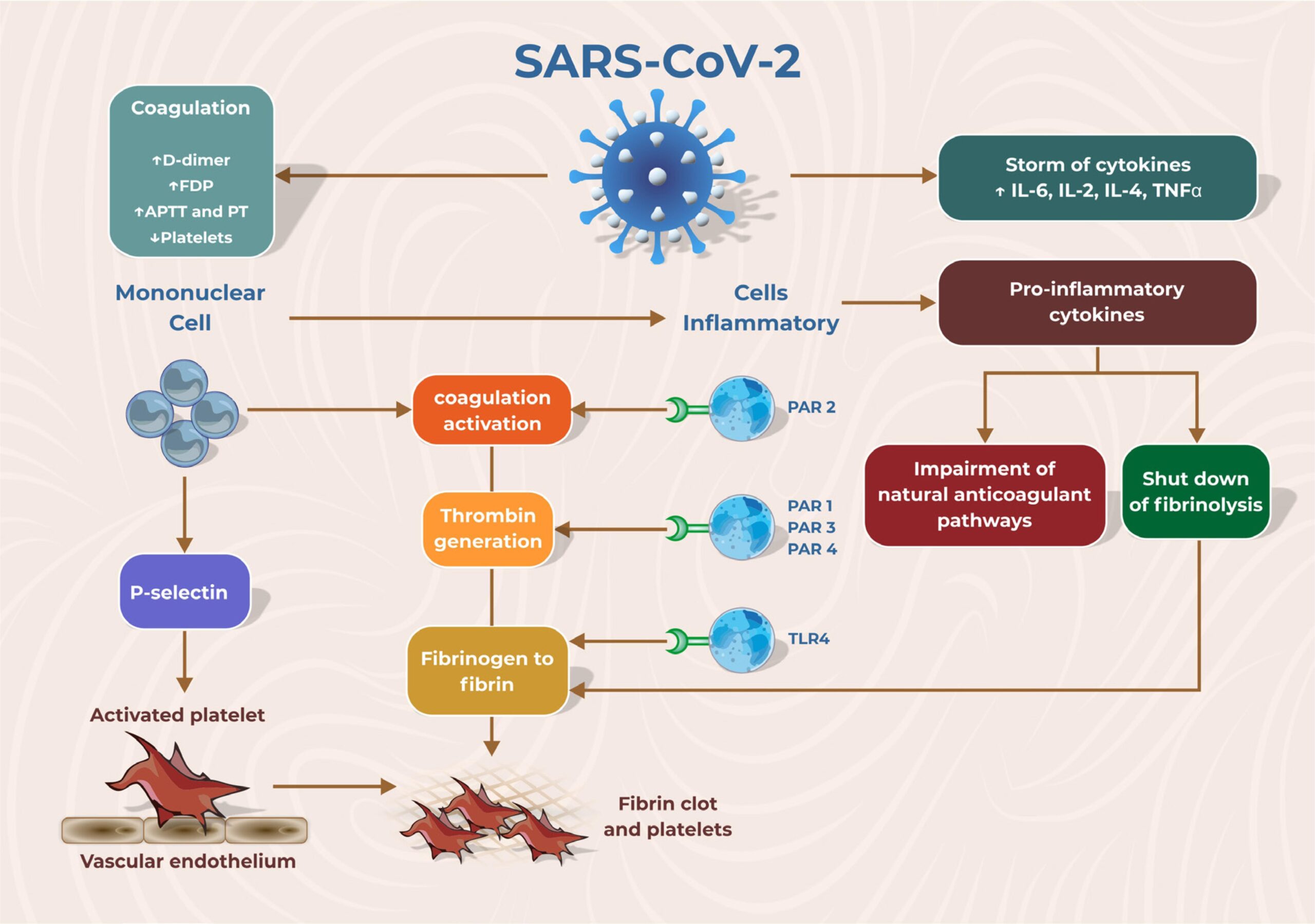
COVID-19 and Hypercoagulable State: A New Therapeutic Perspective

Jorge Henrique Paiter Nascimento et al. Bruno Ferraz de Oliveira Gomes Plínio Resende do Carmo Júnior João Luiz Fernandes Petriz … Stephanie Itala Rizk Isabela Bispo Santos da Silva Costa Marcus Vinicius Guimarães Lacerda Fernando Bacal Ludhmila Abrahão Hajjar Gláucia Maria Moraes de Oliveira

The novel coronavirus, named severe acute respiratory syndrome coronavirus 2 (SARS-CoV-2), is responsible for the outbreak of the viral pneumonia identified for the first time in the Chinese city of Wuhan at the end of 2019. The outbreak has expanded rapidly, affecting 184 countries. The experience acquired in past months identified different clinical presentations with varied severity, ranging from asymptomatic infection to death due to multiple organic dysfunction. The World Health Organization (WHO) has recently defined the complex process of the SARS-CoV-2 infection as novel coronavirus disease 2019 (COVID-19).

COVID-19, whose notification grows fast in different countries, currently affects more than one million people worldwide according to the WHO, which has characterized the infection as a pandemic. As of April 29, 2020, Brazil had registered 73,235 confirmed cases of COVID-19 and 5,083 deaths, with a case-fatality rate of 6,9%. Hospitalization is necessary in up to 20% of the patients infected by SARS-CoV-2, and 5% to 10% of them require admission to the intensive care unit because of the need for hemodynamic and/or ventilatory support.– The mortality rate ranges from 0.8% to 12% depending on the country, and this difference might result from multiple factors, of which the healthcare system structure stands out.– Patients with the moderate and severe forms of the disease had manifestations mainly of the respiratory system involvement, with clinical findings ranging from mild pneumonia to acute respiratory distress syndrome (ARDS).,-

[…]

  • Anticoagulants / therapeutic use
  • Betacoronavirus
  • Catastrophic Illness
  • Complications, Cardiovasculares
  • Coronavirus infections
  • COVID-2019
  • Pandemics
  • Thrombophilia
  • Viral, Pneumonia
Read Full Article
Creative Commons Attribution (CC BY) Creative Commons license
01/06/2020 DOI: 10.36660/abc.20200308 Views 1
Figure 1
ABC
Viewpoint

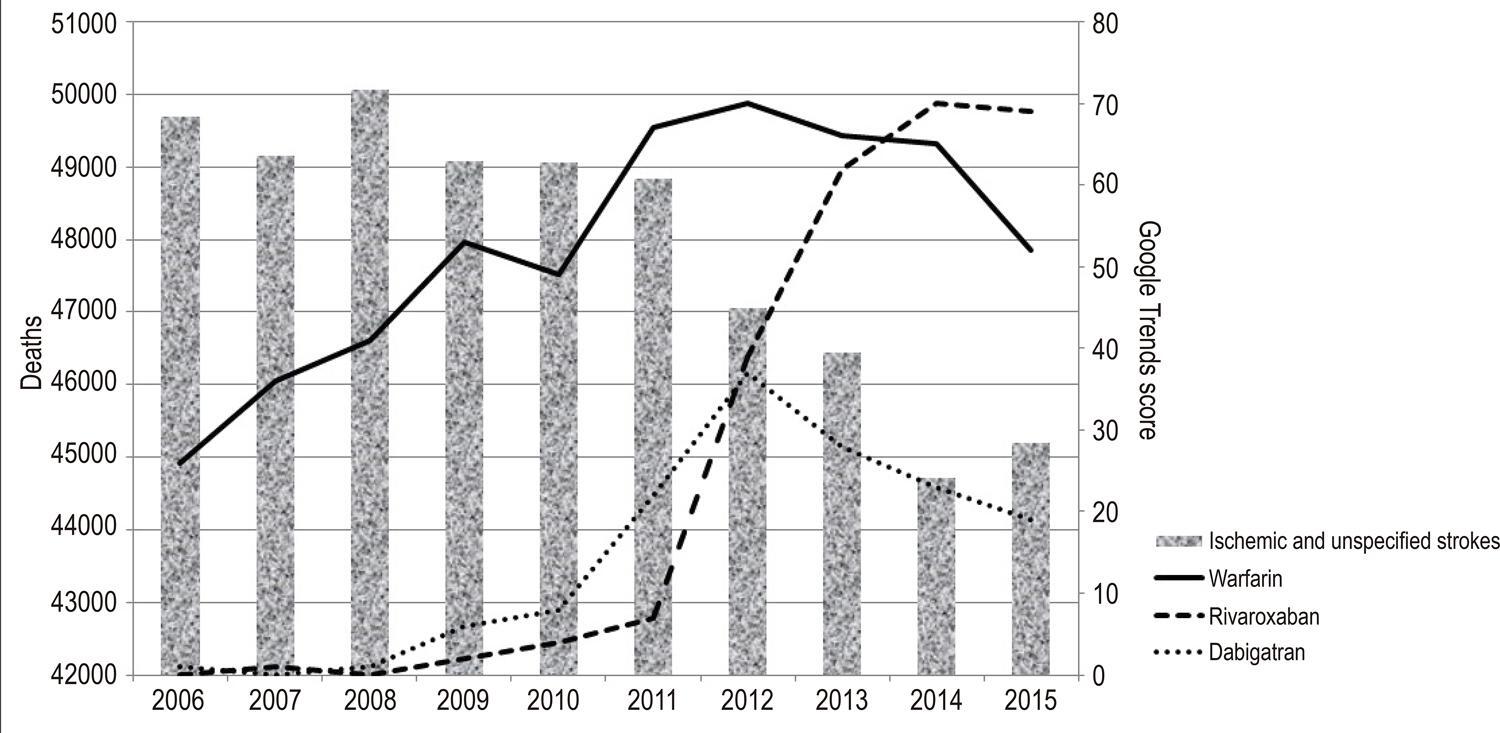
Internet Search Trends and Regional Mortality Tendencies: The Case of Oral Anticoagulants and Stroke

Roberto Muniz Ferreira et al. Ísis da Capela Pinheiro João Roquette Fleury da Rocha

Introduction

Multiple studies have found that up to 30% of ischemic strokes are associated with atrial fibrillation (AF), especially in the elderly population. , Although the embolic risk varies according to clinical characteristics and comorbidities, anticoagulant therapy has consistently shown to reduce stroke rates by approximately 70%. However, previous studies demonstrated that treatment rates with warfarin were low, even in patients at high risk for embolic events. Despite evidence from various publications demonstrating the effectiveness and safety of vitamin K antagonists, their complex pharmacokinetics and the need for continuous monitoring and frequent dose adjustments were the main explanations for low adherence.

Over the last 10 years, four direct oral anticoagulants (DOAC) have become available to prevent embolic events in patients with non-valvular AF: dabigatran, rivaroxaban, apixaban and edoxaban. In August 2011, dabigatran was the first DOAC approved in Brazil for stroke prevention, followed by rivaroxaban four months later. Two years later, apixaban was also introduced in the Brazilian market and only in February 2018 edoxaban became available. When compared to warfarin, multiple trials have suggested that DOACs are non-inferior in preventing ischemic strokes and possibly superior in reducing mortality, perhaps due to fewer intracranial hemorrhages. In addition to waive the need for laboratory monitoring, they have more predictable pharmacokinetics and a lower incidence of drug-to-drug interactions. Recent studies have demonstrated an increase in anticoagulation prescription rates among physicians since DOACs have become clinically available.

[…]

  • Anticoagulants / therapeutic use
  • Dabigatran
  • Mortality/trends
  • Myocardial Ischemia/prevention and control
  • Pharmaceutical Services, Online/trends
  • Rivaroxaban
  • Stroke/prevention and control
  • Varfarin
Read Full Article
Creative Commons Attribution (CC BY) Creative Commons license
29/05/2020 DOI: 10.36660/abc.20190768
Figure 1
ABC
Original Article

Safety of Catheter Ablation of Atrial Fibrillation Under Uninterrupted Rivaroxaban Use

Márcio Augusto Silva et al. Guilherme Muller de Campos Futuro Erick Sessa Merçon Deborah Vasconcelos … Rovana Silva Agrizzi Jorge Elias Neto Ricardo Kuniyoshi

Abstract

Background:

Atrial fibrillation (AF) ablation under uninterrupted warfarin use is safe and recommended by experts. However, there is some controversy regarding direct-acting oral anticoagulants for the same purpose.

Objective:

To evaluate the safety of AF ablation under uninterrupted anticoagulation with rivaroxaban.

Methods:

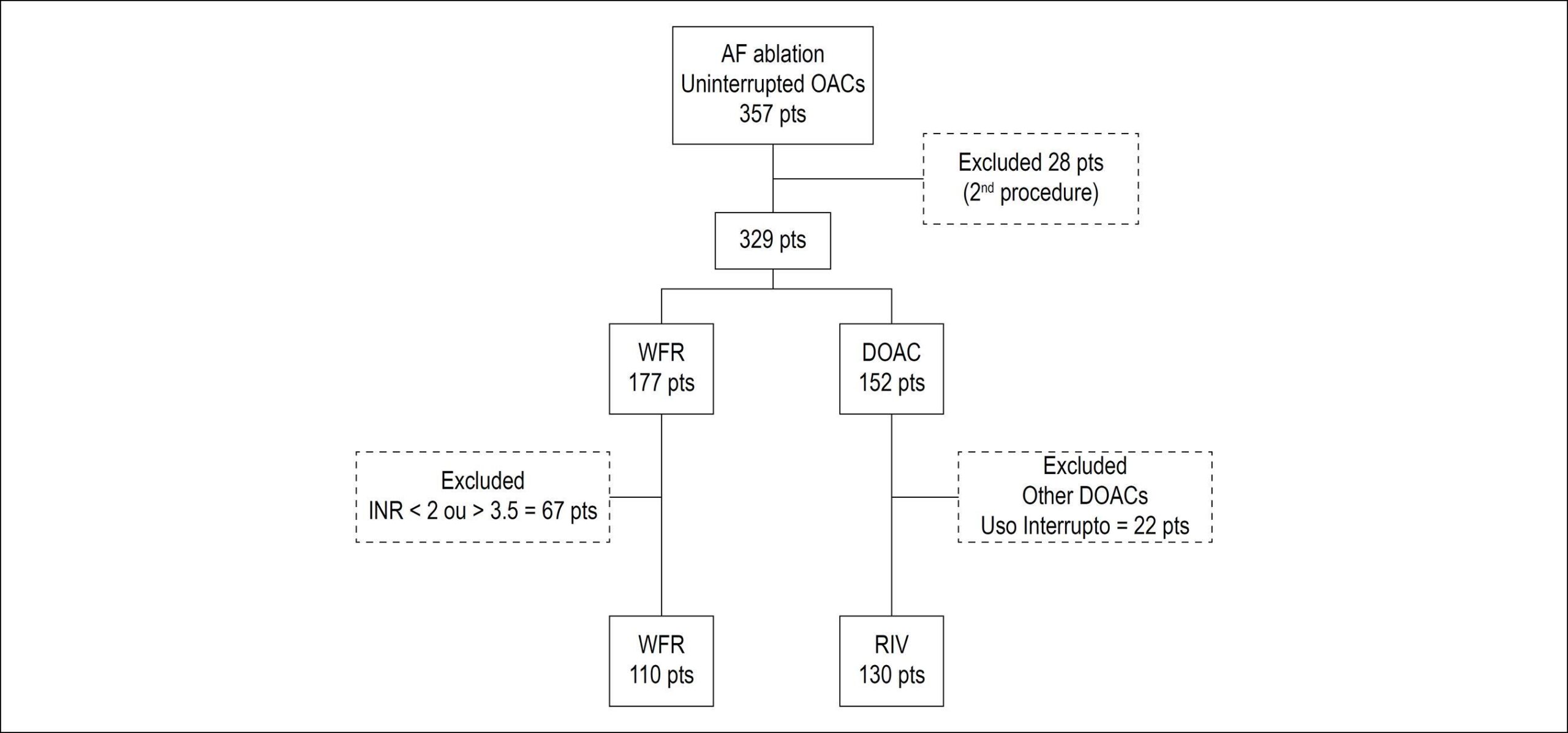
A series of 130 patients underwent AF radiofrequency ablation under uninterrupted rivaroxaban use (RIV group) and was compared to a control group of 110 patients under uninterrupted warfarin use (WFR group) and therapeutic International Normalized Ratio (INR). We analyzed death, rates of thromboembolic events, major and minor bleedings, activated clotting time (ACT) levels, and heparin dose in the procedure. The ablation protocol basically consisted of circumferential isolation of the pulmonary veins guided by electroanatomic mapping. It was adopted a statistical significance of 5%.

Results:

The clinical characteristics of the groups were similar, and the paroxysmal AF was the most frequent type (63% and 59%, RIV and WFR groups). A thromboembolic event occurred in the RIV group. There were 3 patients with major bleeding (RIV = 1 and WFR = 2; p = 0.5); no deaths. Basal INR was higher in the WFR group (2.5 vs. 1.2 ± 0.02; p < 0.0001), with similar basal ACT levels (123.7 ± 3 vs. 118 ± 4; p= 0, 34). A higher dose of venous heparin was used in the RIV group (9,414 ± 199 vs. 6,019 ± 185 IU; p < 0.0001) to maintain similar mean ACT levels during the procedure (350 ± 3 vs. 348.9 ± 4; p = 0.79).

Conclusion:

In the study population, AF ablation under uninterrupted rivaroxaban showed a safety profile that was equivalent to uninterrupted warfarin use with therapeutic INR.

  • Anticoagulants / adverse effects
  • Anticoagulants / therapeutic use
  • Atrial Fibrillation
  • Catheter Ablation/methods
  • Rivaroxaban /therapeitic use
Read Full Article
Creative Commons Attribution (CC BY) Creative Commons license
07/02/2020 DOI: 10.36660/abc.20180386 Views 2
Figure 1
ABC
Original Article

Left Atrial Appendage Transcatheter Occlusion with AMPLATZER™ Amulet™ Device: Real Life Data with Mid-Term Follow-Up Results

Mehmet Levent Şahiner et al. Ergun Baris Kaya Cem Çöteli Kudret Aytemir

Abstract

Background:

Left atrial appendage (LAA) occlusion is an alternative therapy for atrial fibrillation patients who have high embolic risk and contraindications to anticoagulant therapy.

Objective:

To evaluate the feasibility, safety, and mid-term outcomes of percutaneous LAA occlusion, including device-related thrombosis.

Methods:

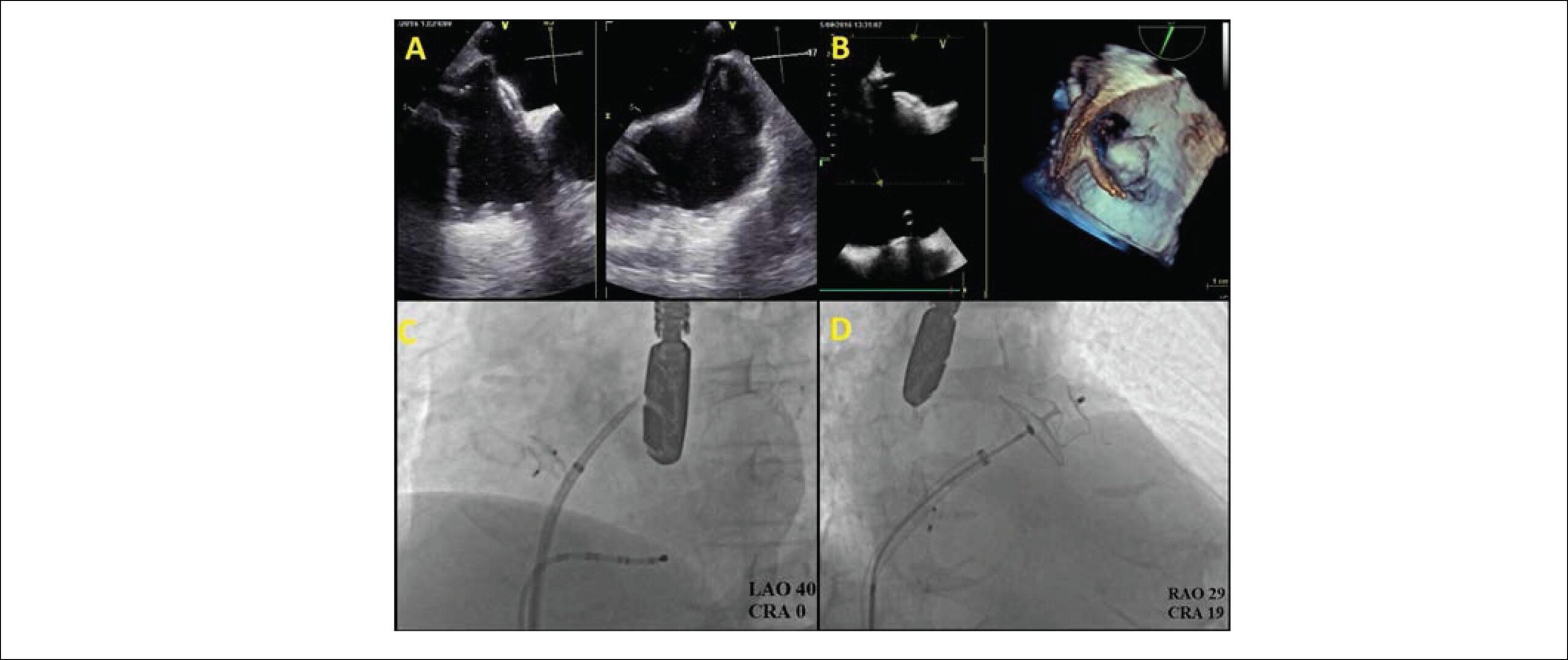
Sixty consecutive patients who had undergone percutaneous LAA occlusion with AMPLATZER™ Amulet™ device from September 2015 to March 2018 were enrolled. Patients were followed for 21 ± 15 months (median – 20 months, interquartile range – 9 to 27 months). The postprocedural assessment was done at the 1(st), 6(th), and 12(th) month. Patients were clinically evaluated, and transesophageal echocardiography was performed at each visit. We evaluated the condition of normality of variables using the Kolmogorov-Smirnov test. P-values < 0.05 were statistically significant.

Results:

The most common indication for the procedure was major bleeding with anticoagulants (n: 53, 88.3%). The procedure was completed successfully in 59 (98.3%) patients. Periprocedural mortality was observed in one patient. Postprocedural antiplatelet treatment was planned as dual or single antiplatelet therapy or low-dose anticoagulant therapy in 52 (88.1%), 2 (3.4%), and 5 (8.5%) patients, respectively. We found no clinically significant cerebrovascular events, device-related thrombus, or embolization in any patient during the follow-up. Two (3.4 %) patients presented significant peri-device leak (>3 mm) at the 1st month evaluation, which disappeared at the 12th month follow-up.

Conclusion:

We concluded that LAA occlusion using the Amulet™ LAA occluder can be performed with high procedural success and acceptable outcomes.

  • Anticoagulants / therapeutic use
  • Atrial Appendage
  • Atrial Fibrillation
  • Cardiac Catheterization
  • Echocardiography/methods
  • Mortality
Read Full Article
Creative Commons Attribution (CC BY) Creative Commons license
29/07/2019 DOI: 10.5935/abc.20190138
Figure 1
ABC
Original Article

Oral Anticoagulation in Atrial Fibrillation: Development and Evaluation of a Mobile Health Application to Support Shared Decision-Making

Laura Siga Stephan et al. Eduardo Dytz Almeida Raphael Boesche Guimarães Antonio Gaudie Ley … Rodrigo Gonçalves Mathias Maria Valéria Assis Tiago Luiz Luz Leiria

Abstract

Background:

Atrial fibrillation is responsible for one in four strokes, which may be prevented by oral anticoagulation, an underused therapy around the world. Considering the challenges imposed by this sort of treatment, mobile health support for shared decision-making may improve patients’ knowledge and optimize the decisional process.

Objective:

To develop and evaluate a mobile application to support shared decision about thromboembolic prophylaxis in atrial fibrillation.

Methods:

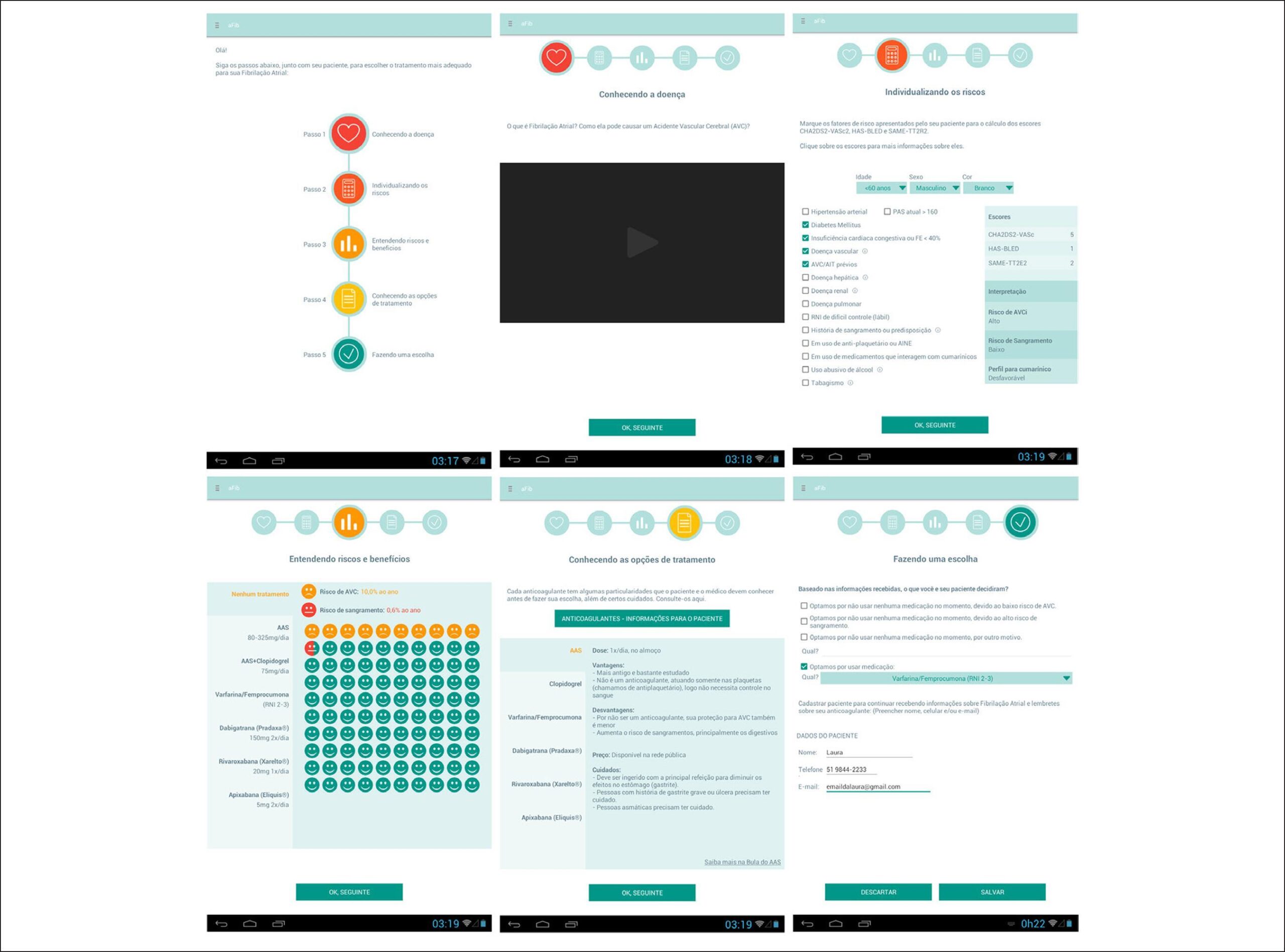
We developed an application to be used during the clinical visit, including a video about atrial fibrillation, risk calculators, explanatory graphics and information on the drugs available for treatment. In the pilot phase, 30 patients interacted with the application, which was evaluated qualitatively and by a disease knowledge questionnaire and a decisional conflict scale.

Results:

The number of correct answers in the questionnaire about the disease was significantly higher after the interaction with the application (from 4.7 ± 1.8 to 7.2 ± 1.0, p < 0.001). The decisional conflict scale, administered after selecting the therapy with the app support, resulted in an average of 11 ± 16/100 points, indicating a low decisional conflict.

Conclusions:

The use of a mobile application during medical visits on anticoagulation in atrial fibrillation improves disease knowledge, enabling a shared decision with low decisional conflict. Further studies are needed to confirm if this finding can be translated into clinical benefit.

  • Anticoagulants / therapeutic use
  • Atrial Fibrillation
  • Hemorrhage
  • medication adherence
  • Stroke
  • Telemedicine
Read Full Article
Creative Commons Attribution (CC BY) Creative Commons license
01/02/2018 DOI: 10.5935/abc.20170181 Views 3
Figure 1
ABC
Original Article

Fondaparinux versus Enoxaparin – Which is the Best Anticoagulant for Acute Coronary Syndrome? – Brazilian Registry Data

Alexandre de Matos Soeiro et al. Pedro Gabriel Melo de Barros e Silva Eduardo Alberto de Castro Roque Aline Siqueira Bossa … Maria Cristina César Sheila Aparecida Simões Mariana Yumi Okada Tatiana de Carvalho Andreucci Torres Leal Fátima Cristina Monteiro Pedroti Múcio Tavares de Oliveira Jr.

Abstract

Background:

Recent studies have shown fondaparinux’s superiority over enoxaparin in patients with non-ST elevation acute coronary syndrome (ACS), especially in relation to bleeding reduction. The description of this finding in a Brazilian registry has not yet been documented.

Objective:

To compare fondaparinux versus enoxaparin in in-hospital prognosis of non-ST elevation ACS.

Methods:

Multicenter retrospective observational study. A total of 2,282 patients were included (335 in the fondaparinux group, and 1,947 in the enoxaparin group) between May 2010 and May 2015. Demographic, medication intake and chosen coronary treatment data were obtained. Primary outcome was mortality from all causes. Secondary outcome was combined events (cardiogenic shock, reinfarction, death, stroke and bleeding). Comparison between the groups were done through Chi-Square test and T test. Multivariate analysis was done through logistic regression, with significance values defined as p < 0.05.

Results:

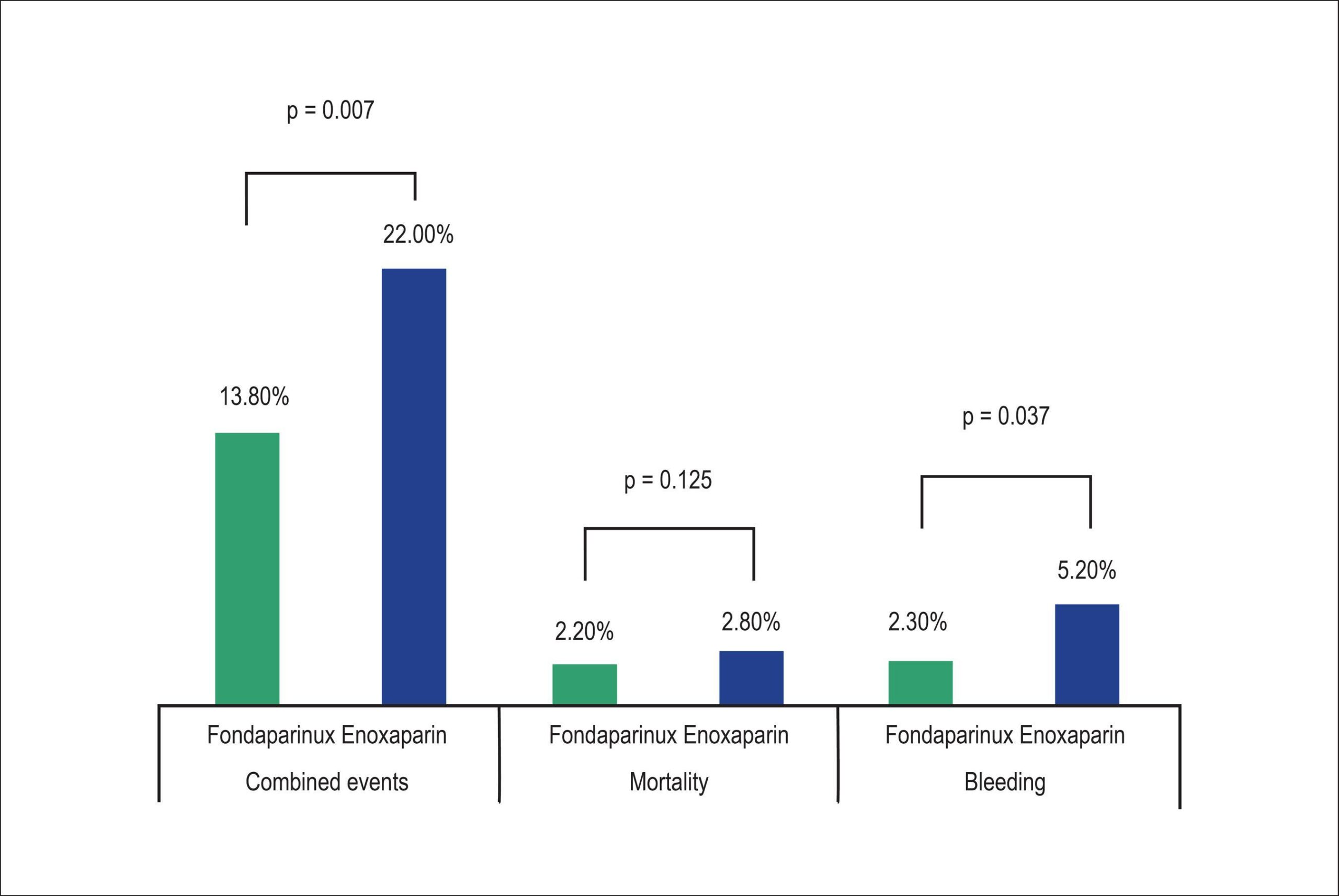
With regards to treatment, we observed the performance of a percutaneous coronary intervention in 40.2% in the fondaparinux group, and in 35.1% in the enoxaparin group (p = 0.13). In the multivariate analysis, we observed significant differences between fondaparinux and enoxaparin groups in relation to combined events (13.8% vs. 22%. OR = 2.93, p = 0.007) and bleeding (2.3% vs. 5.2%, OR = 4.55, p = 0.037), respectively.

Conclusion:

Similarly to recently published data in international literature, fondaparinux proved superior to enoxaparin for the Brazilian population, with significant reduction of combined events and bleeding.

  • Acute coronary syndrome
  • Anticoagulants / therapeutic use
  • Enoxaparin / therapeutic use
  • Hemorrhage
  • Myocardial Infarction
  • Percutaneous Coronary Intervention
Read Full Article
Creative Commons Attribution (CC BY) Creative Commons license
29/08/2016 DOI: 10.5935/abc.20160127
Figure 1
ABC
Point of view

Patient Management with Metallic Valve Prosthesis during Pregnancy and Postpartum Period

Juliane Dantas Seabra Garcez et al. Vitor Emer Egypto Rosa Antonio Sergio de Santis Andrade Lopes Tarso Augusto Duenhas Accorsi … João Ricardo Cordeiro Fernandes Pablo Maria Pomerantzeff Walkiria Samuel Avila Flavio Tarasoutchi

Abstract

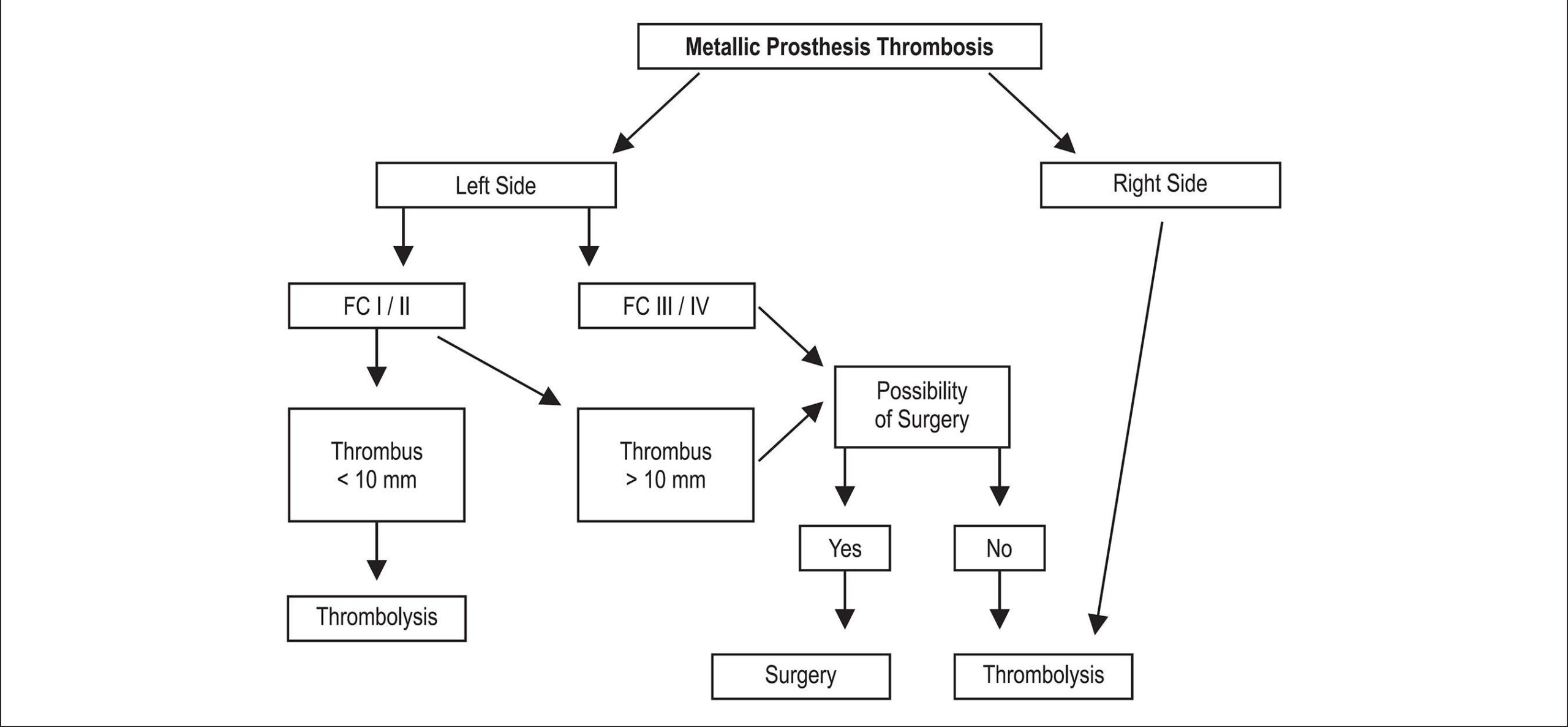
Prosthetic thrombosis is a rare complication, but it has high mortality and morbidity. Young women of childbearing age that have prosthetic heart valves are at increased risk of thrombosis during pregnancy due to changes in coagulation factors. Anticoagulation with adequate control and frequent follow-up if pregnancy occurs must be performed in order to prevent complications related to anticoagulant use. Surgery remains the treatment of choice for prosthetic heart valve thrombosis in most clinical conditions.

Patients with metallic prosthetic valves have an estimated 5% risk of thrombosis during pregnancy and maternal mortality of 1.5% related to the event. Anticoagulation with vitamin K antagonists during pregnancy is related to varying degrees of complications at each stage of the pregnancy and postpartum periods. Warfarin sodium crosses the placental barrier and when used in the first trimester of pregnancy is a teratogenic agent, causing 1-3% of malformations characterized by fetal warfarin syndrome and also constitutes a major cause of miscarriage in 10-30% of cases. In the third trimester and at delivery, the use of warfarin is associated with maternal and neonatal bleeding in approximately 5 to 15% of cases, respectively. On the other hand, inadequate anticoagulation, including the suspension of the oral anticoagulants aiming at fetal protection, carries a maternal risk of about 25% of metallic prosthesis thrombosis, particularly in the mitral valve. This fact is also due to the state of maternal hypercoagulability with activation of coagulation factors V, VI, VII, IX, X, platelet activity and fibrinogen synthesis, and decrease in protein S levels.

[…]

  • Abortion, Spontaneous
  • Anticoagulants / therapeutic use
  • Heart Valve Prosthesis
  • Mortality
  • Pregnancy
  • Thrombosis
Read Full Article
Creative Commons Attribution (CC BY) Creative Commons license
01/10/2015 DOI: 10.5935/abc.20150130 Views 2

How to cite this article

EndNote RIS

Electronic Document Format (Vancouver)

Martinelli Filho M. Anticoagulation Therapy with Warfarin: A Reality of Brazilian Public Health that Lacks Structure for Better Control. Arquivos Brasileiros de Cardiologia 2022;119(3):370-1.

Electronic Document Format (ABNT)

Martinelli Filho, Martino. Anticoagulation Therapy with Warfarin: A Reality of Brazilian Public Health that Lacks Structure for Better Control. Arquivos Brasileiros de Cardiologia, v. 119, n. 3, p. 370-371, Sep. 2022.

Electronic Document Format (APA)

Martinelli Filho, M. (2022). Anticoagulation Therapy with Warfarin: A Reality of Brazilian Public Health that Lacks Structure for Better Control. Arquivos Brasileiros de Cardiologia, 119(3), 370-371.

Electronic Document Format (ISO)

Martinelli Filho, Martino. Anticoagulation Therapy with Warfarin: A Reality of Brazilian Public Health that Lacks Structure for Better Control. Arquivos Brasileiros de Cardiologia [online]. 2022, vol. 119, n. 3, [cited 2026-10-14], pp. 370-371. Available from: <https://journals.cardiol.br/en/article/anticoagulation-therapy-with-warfarin-a-reality-of-brazilian-public-health-that-lacks-structure-for-better-control/>. ISSN 0066-782X

EndNote RIS

Electronic Document Format (Vancouver)

Garzon S, Bandeira WC. Tackling Bleeding – One Appendage at a Time. Arquivos Brasileiros de Cardiologia 2022;119(1):57-8.

Electronic Document Format (ABNT)

Garzon, Stefano; Bandeira, Willterson Carlos. Tackling Bleeding – One Appendage at a Time. Arquivos Brasileiros de Cardiologia, v. 119, n. 1, p. 57-58, Jul. 2022.

Electronic Document Format (APA)

Garzon, S., & Bandeira, W. C. (2022). Tackling Bleeding – One Appendage at a Time. Arquivos Brasileiros de Cardiologia, 119(1), 57-58.

Electronic Document Format (ISO)

Garzon, Stefano and Bandeira, Willterson Carlos. Tackling Bleeding – One Appendage at a Time. Arquivos Brasileiros de Cardiologia [online]. 2022, vol. 119, n. 1, [cited 2026-10-14], pp. 57-58. Available from: <https://journals.cardiol.br/en/article/tackling-bleeding-one-appendage-at-a-time/>. ISSN 0066-782X

EndNote RIS

Electronic Document Format (Vancouver)

Yoo HHB. Thrombolysis in Pulmonary Embolism: Octagenarians Deserve More Attention!. Arquivos Brasileiros de Cardiologia 2022;118(1):75-6.

Electronic Document Format (ABNT)

Yoo, Hugo Hyung Bok. Thrombolysis in Pulmonary Embolism: Octagenarians Deserve More Attention!. Arquivos Brasileiros de Cardiologia, v. 118, n. 1, p. 75-76, Feb. 2022.

Electronic Document Format (APA)

Yoo, H. H. B. (2022). Thrombolysis in Pulmonary Embolism: Octagenarians Deserve More Attention!. Arquivos Brasileiros de Cardiologia, 118(1), 75-76.

Electronic Document Format (ISO)

Yoo, Hugo Hyung Bok. Thrombolysis in Pulmonary Embolism: Octagenarians Deserve More Attention!. Arquivos Brasileiros de Cardiologia [online]. 2022, vol. 118, n. 1, [cited 2026-10-14], pp. 75-76. Available from: <https://journals.cardiol.br/en/article/thrombolysis-in-pulmonary-embolism-octagenarians-deserve-more-attention/>. ISSN 0066-782X

EndNote RIS

Electronic Document Format (Vancouver)

Nascimento JHP, Gomes BFO, Carmo Júnior PR, Petriz JLF, Rizk SI, Costa IBSS, Lacerda MVG, et al. COVID-19 and Hypercoagulable State: A New Therapeutic Perspective. Arquivos Brasileiros de Cardiologia 2020;114(5):829-33.

Electronic Document Format (ABNT)

Nascimento, Jorge Henrique Paiter; Gomes, Bruno Ferraz de Oliveira; Carmo Júnior, Plínio Resende do; Petriz, João Luiz Fernandes; Rizk, Stephanie Itala; Costa, Isabela Bispo Santos da Silva; Lacerda, Marcus Vinicius Guimarães; Bacal, Fernando; Hajjar, Ludhmila Abrahão; Oliveira, Gláucia Maria Moraes de. COVID-19 and Hypercoagulable State: A New Therapeutic Perspective. Arquivos Brasileiros de Cardiologia, v. 114, n. 5, p. 829-833, May. 2020.

Electronic Document Format (APA)

Nascimento, J. H. P., Gomes, B. F. O., Carmo Júnior, P. R. , Petriz, J. L. F., Rizk, S. I., Costa, I. B. S. S., Lacerda, M. V. G., Bacal, F., Hajjar, L. A., & Oliveira, G. M. M. (2020). COVID-19 and Hypercoagulable State: A New Therapeutic Perspective. Arquivos Brasileiros de Cardiologia, 114(5), 829-833.

Electronic Document Format (ISO)

Nascimento, Jorge Henrique Paiter and Gomes, Bruno Ferraz de Oliveira and Carmo Júnior, Plínio Resende do and Petriz, João Luiz Fernandes and Rizk, Stephanie Itala and Costa, Isabela Bispo Santos da Silva and Lacerda, Marcus Vinicius Guimarães and Bacal, Fernando and Hajjar, Ludhmila Abrahão and Oliveira, Gláucia Maria Moraes de. COVID-19 and Hypercoagulable State: A New Therapeutic Perspective. Arquivos Brasileiros de Cardiologia [online]. 2020, vol. 114, n. 5, [cited 2026-10-14], pp. 829-833. Available from: <https://journals.cardiol.br/en/article/covid-19-and-hypercoagulable-state-a-new-therapeutic-perspective/>. ISSN 0066-782X

EndNote RIS

Electronic Document Format (Vancouver)

Ferreira RM, Pinheiro C, Rocha JRF. Internet Search Trends and Regional Mortality Tendencies: The Case of Oral Anticoagulants and Stroke. Arquivos Brasileiros de Cardiologia 2020;114(4):726-9.

Electronic Document Format (ABNT)

Ferreira, Roberto Muniz; Pinheiro, Ísis da Capela; Rocha, João Roquette Fleury da. Internet Search Trends and Regional Mortality Tendencies: The Case of Oral Anticoagulants and Stroke. Arquivos Brasileiros de Cardiologia, v. 114, n. 4, p. 726-729, May. 2020.

Electronic Document Format (APA)

Ferreira, R. M., Pinheiro, C., & Rocha, J. R. F. (2020). Internet Search Trends and Regional Mortality Tendencies: The Case of Oral Anticoagulants and Stroke. Arquivos Brasileiros de Cardiologia, 114(4), 726-729.

Electronic Document Format (ISO)

Ferreira, Roberto Muniz and Pinheiro, Ísis da Capela and Rocha, João Roquette Fleury da. Internet Search Trends and Regional Mortality Tendencies: The Case of Oral Anticoagulants and Stroke. Arquivos Brasileiros de Cardiologia [online]. 2020, vol. 114, n. 4, [cited 2026-10-14], pp. 726-729. Available from: <https://journals.cardiol.br/en/article/internet-search-trends-and-regional-mortality-tendencies-the-case-of-oral-anticoagulants-and-stroke/>. ISSN 0066-782X

EndNote RIS

Electronic Document Format (Vancouver)

Silva MA, Futuro GMC, Merçon ES, Vasconcelos D, Agrizzi RS, Elias Neto J, Kuniyoshi R, et al. Safety of Catheter Ablation of Atrial Fibrillation Under Uninterrupted Rivaroxaban Use. Arquivos Brasileiros de Cardiologia 2020;114(3):435-42.

Electronic Document Format (ABNT)

Silva, Márcio Augusto; Futuro, Guilherme Muller de Campos; Merçon, Erick Sessa; Vasconcelos, Deborah; Agrizzi, Rovana Silva; Elias Neto, Jorge; Kuniyoshi, Ricardo. Safety of Catheter Ablation of Atrial Fibrillation Under Uninterrupted Rivaroxaban Use. Arquivos Brasileiros de Cardiologia, v. 114, n. 3, p. 435-442, Feb. 2020.

Electronic Document Format (APA)

Silva, M. A., Futuro, G. M. C., Merçon, E. S., Vasconcelos, D., Agrizzi, R. S., Elias Neto, J., & Kuniyoshi, R. (2020). Safety of Catheter Ablation of Atrial Fibrillation Under Uninterrupted Rivaroxaban Use. Arquivos Brasileiros de Cardiologia, 114(3), 435-442.

Electronic Document Format (ISO)

Silva, Márcio Augusto and Futuro, Guilherme Muller de Campos and Merçon, Erick Sessa and Vasconcelos, Deborah and Agrizzi, Rovana Silva and Elias Neto, Jorge and Kuniyoshi, Ricardo. Safety of Catheter Ablation of Atrial Fibrillation Under Uninterrupted Rivaroxaban Use. Arquivos Brasileiros de Cardiologia [online]. 2020, vol. 114, n. 3, [cited 2026-10-14], pp. 435-442. Available from: <https://journals.cardiol.br/en/article/safety-of-catheter-ablation-of-atrial-fibrillation-under-uninterrupted-rivaroxaban-use/>. ISSN 0066-782X

EndNote RIS

Electronic Document Format (Vancouver)

Şahiner ML, Kaya EB, Çöteli C, Aytemir K. Left Atrial Appendage Transcatheter Occlusion with AMPLATZER™ Amulet™ Device: Real Life Data with Mid-Term Follow-Up Results. Arquivos Brasileiros de Cardiologia 2019;113(4):712-21.

Electronic Document Format (ABNT)

Şahiner, Mehmet Levent; Kaya, Ergun Baris; Çöteli, Cem; Aytemir, Kudret. Left Atrial Appendage Transcatheter Occlusion with AMPLATZER™ Amulet™ Device: Real Life Data with Mid-Term Follow-Up Results. Arquivos Brasileiros de Cardiologia, v. 113, n. 4, p. 712-721, Jul. 2019.

Electronic Document Format (APA)

Şahiner, M. L., Kaya, E. B., Çöteli, C., & Aytemir, K. (2019). Left Atrial Appendage Transcatheter Occlusion with AMPLATZER™ Amulet™ Device: Real Life Data with Mid-Term Follow-Up Results. Arquivos Brasileiros de Cardiologia, 113(4), 712-721.

Electronic Document Format (ISO)

Şahiner, Mehmet Levent and Kaya, Ergun Baris and Çöteli, Cem and Aytemir, Kudret. Left Atrial Appendage Transcatheter Occlusion with AMPLATZER™ Amulet™ Device: Real Life Data with Mid-Term Follow-Up Results. Arquivos Brasileiros de Cardiologia [online]. 2019, vol. 113, n. 4, [cited 2026-10-14], pp. 712-721. Available from: <https://journals.cardiol.br/en/article/left-atrial-appendage-transcatheter-occlusion-with-amplatzer-amulet-device-real-life-data-with-mid-term-follow-up-results/>. ISSN 0066-782X

EndNote RIS

Electronic Document Format (Vancouver)

Stephan LS, Almeida ED, Guimarães RB, Ley AG, Mathias RG, Assis MV, Leiria TLL, et al. Oral Anticoagulation in Atrial Fibrillation: Development and Evaluation of a Mobile Health Application to Support Shared Decision-Making. Arquivos Brasileiros de Cardiologia 2018;110(1):7-15.

Electronic Document Format (ABNT)

Stephan, Laura Siga; Almeida, Eduardo Dytz; Guimarães, Raphael Boesche; Ley, Antonio Gaudie; Mathias, Rodrigo Gonçalves; Assis, Maria Valéria; Leiria, Tiago Luiz Luz. Oral Anticoagulation in Atrial Fibrillation: Development and Evaluation of a Mobile Health Application to Support Shared Decision-Making. Arquivos Brasileiros de Cardiologia, v. 110, n. 1, p. 7-15, Jan. 2018.

Electronic Document Format (APA)

Stephan, L. S., Almeida, E. D., Guimarães, R. B., Ley, A. G., Mathias, R. G., Assis, M. V., & Leiria, T. L. L. (2018). Oral Anticoagulation in Atrial Fibrillation: Development and Evaluation of a Mobile Health Application to Support Shared Decision-Making. Arquivos Brasileiros de Cardiologia, 110(1), 7-15.

Electronic Document Format (ISO)

Stephan, Laura Siga and Almeida, Eduardo Dytz and Guimarães, Raphael Boesche and Ley, Antonio Gaudie and Mathias, Rodrigo Gonçalves and Assis, Maria Valéria and Leiria, Tiago Luiz Luz. Oral Anticoagulation in Atrial Fibrillation: Development and Evaluation of a Mobile Health Application to Support Shared Decision-Making. Arquivos Brasileiros de Cardiologia [online]. 2018, vol. 110, n. 1, [cited 2026-10-14], pp. 7-15. Available from: <https://journals.cardiol.br/en/article/oral-anticoagulation-in-atrial-fibrillation-development-and-evaluation-of-a-mobile-health-application-to-support-shared-decision-making/>. ISSN 0066-782X

EndNote RIS

Electronic Document Format (Vancouver)

Soeiro AM, Silva PGMB, Roque EAC, Bossa AS, César MC, Simões SA, Okada MY, et al. Fondaparinux versus Enoxaparin – Which is the Best Anticoagulant for Acute Coronary Syndrome? – Brazilian Registry Data. Arquivos Brasileiros de Cardiologia 2016;107(3):239-44.

Electronic Document Format (ABNT)

Soeiro, Alexandre de Matos; Silva, Pedro Gabriel Melo de Barros e; Roque, Eduardo Alberto de Castro; Bossa, Aline Siqueira; César, Maria Cristina; Simões, Sheila Aparecida; Okada, Mariana Yumi; Leal, Tatiana de Carvalho Andreucci Torres; Pedroti, Fátima Cristina Monteiro; Oliveira Jr., Múcio Tavares de. Fondaparinux versus Enoxaparin – Which is the Best Anticoagulant for Acute Coronary Syndrome? – Brazilian Registry Data. Arquivos Brasileiros de Cardiologia, v. 107, n. 3, p. 239-244, Aug. 2016.

Electronic Document Format (APA)

Soeiro, A. M., Silva, P. G. M. B. , Roque, E. A. C., Bossa, A. S., César, M. C., Simões, S. A., Okada, M. Y., Leal, T. C. A. T., Pedroti, F. C. M., & Oliveira Jr., M. T. (2016). Fondaparinux versus Enoxaparin – Which is the Best Anticoagulant for Acute Coronary Syndrome? – Brazilian Registry Data. Arquivos Brasileiros de Cardiologia, 107(3), 239-244.

Electronic Document Format (ISO)

Soeiro, Alexandre de Matos and Silva, Pedro Gabriel Melo de Barros e and Roque, Eduardo Alberto de Castro and Bossa, Aline Siqueira and César, Maria Cristina and Simões, Sheila Aparecida and Okada, Mariana Yumi and Leal, Tatiana de Carvalho Andreucci Torres and Pedroti, Fátima Cristina Monteiro and Oliveira Jr., Múcio Tavares de. Fondaparinux versus Enoxaparin – Which is the Best Anticoagulant for Acute Coronary Syndrome? – Brazilian Registry Data. Arquivos Brasileiros de Cardiologia [online]. 2016, vol. 107, n. 3, [cited 2026-10-14], pp. 239-244. Available from: <https://journals.cardiol.br/en/article/fondaparinux-versus-enoxaparin-which-is-the-best-anticoagulant-for-acute-coronary-syndrome-brazilian-registry-data/>. ISSN 0066-782X

EndNote RIS

Electronic Document Format (Vancouver)

Garcez JDS, Rosa VEE, Lopes ASSA, Accorsi TAD, Fernandes JRC, Pomerantzeff PM, Avila WS, et al. Patient Management with Metallic Valve Prosthesis during Pregnancy and Postpartum Period. Arquivos Brasileiros de Cardiologia 2015;105(4):426-9.

Electronic Document Format (ABNT)

Garcez, Juliane Dantas Seabra; Rosa, Vitor Emer Egypto; Lopes, Antonio Sergio de Santis Andrade; Accorsi, Tarso Augusto Duenhas; Fernandes, João Ricardo Cordeiro; Pomerantzeff, Pablo Maria; Avila, Walkiria Samuel; Tarasoutchi, Flavio. Patient Management with Metallic Valve Prosthesis during Pregnancy and Postpartum Period. Arquivos Brasileiros de Cardiologia, v. 105, n. 4, p. 426-429, Sep. 2015.

Electronic Document Format (APA)

Garcez, J. D. S., Rosa, V. E. E., Lopes, A. S. S. A., Accorsi, T. A. D., Fernandes, J. R. C., Pomerantzeff, P. M., Avila, W. S., & Tarasoutchi, F. (2015). Patient Management with Metallic Valve Prosthesis during Pregnancy and Postpartum Period. Arquivos Brasileiros de Cardiologia, 105(4), 426-429.

Electronic Document Format (ISO)

Garcez, Juliane Dantas Seabra and Rosa, Vitor Emer Egypto and Lopes, Antonio Sergio de Santis Andrade and Accorsi, Tarso Augusto Duenhas and Fernandes, João Ricardo Cordeiro and Pomerantzeff, Pablo Maria and Avila, Walkiria Samuel and Tarasoutchi, Flavio. Patient Management with Metallic Valve Prosthesis during Pregnancy and Postpartum Period. Arquivos Brasileiros de Cardiologia [online]. 2015, vol. 105, n. 4, [cited 2026-10-14], pp. 426-429. Available from: <https://journals.cardiol.br/en/article/patient-management-with-metallic-valve-prosthesis-during-pregnancy-and-postpartum-period/>. ISSN 0066-782X

  • About ABC Family
  • Internal Regulation
  • Editorial Board
  • Brazilian Society of Cardiology (SBC)

Issues

SBC Guidelines

  • Videos
  • Podcasts
  • News