ABC Family Arquivos Brasileiros de Cardiologia International Journal of Cardiovascular Sciences ABC Heart Failure & Cardiomyopathy ABC Imagem Cardiovascular
Português English
ABC Family
Português English
  • About
    • About ABC Family
    • Internal Regulation
    • Editorial Board
    • Brazilian Society of Cardiology (SBC)
  • Issues
  • SBC Guidelines
  • Content
    • Videos
    • Podcasts
    • News
  • About
    • About ABC Family
    • Internal Regulation
    • Editorial Board
    • Brazilian Society of Cardiology (SBC)
  • Issues
  • SBC Guidelines
  • Content
    • Videos
    • Podcasts
    • News

ABC Family

  • ABC Family
  • Arquivos Brasileiros de Cardiologia
  • International Journal of Cardiovascular Sciences
  • ABC Heart Failure & Cardiomyopathy
  • ABC Imagem Cardiovascular
Search in

No content found.

Journals
Ordering
Article types
Others

  1. Home
  2. Keyword: Graft Rejection
Figure 1
ABC
Research Letter

An Unusual Manifestation of Rejection

Carlos Xavier Correia de Resende et al. Pedro Grilo Diogo Sandra Amorim Gonçalo Pestana … José Pinheiro Torres Filipe Macedo

Introduction

Orthotopic heart transplantation is the current treatment of choice for selected patients with end-stage heart failure. With the improvement of surgical techniques and the efficiency of new immunosuppressive treatments, short-term survival has markedly improved throughout the years. However, these patients still suffer from important comorbidities caused by chronic transplant complications such as rejection, coronary allograft vasculopathy (CAV) and malignancy. Rhythm disorders are common in heart transplant patients and in some circumstances, they can be the first clinical manifestation of rejection. Coronary vasospasm has been recently associated with acute rejection and CAV, but the mechanisms underlying this phenomenon are still speculative.

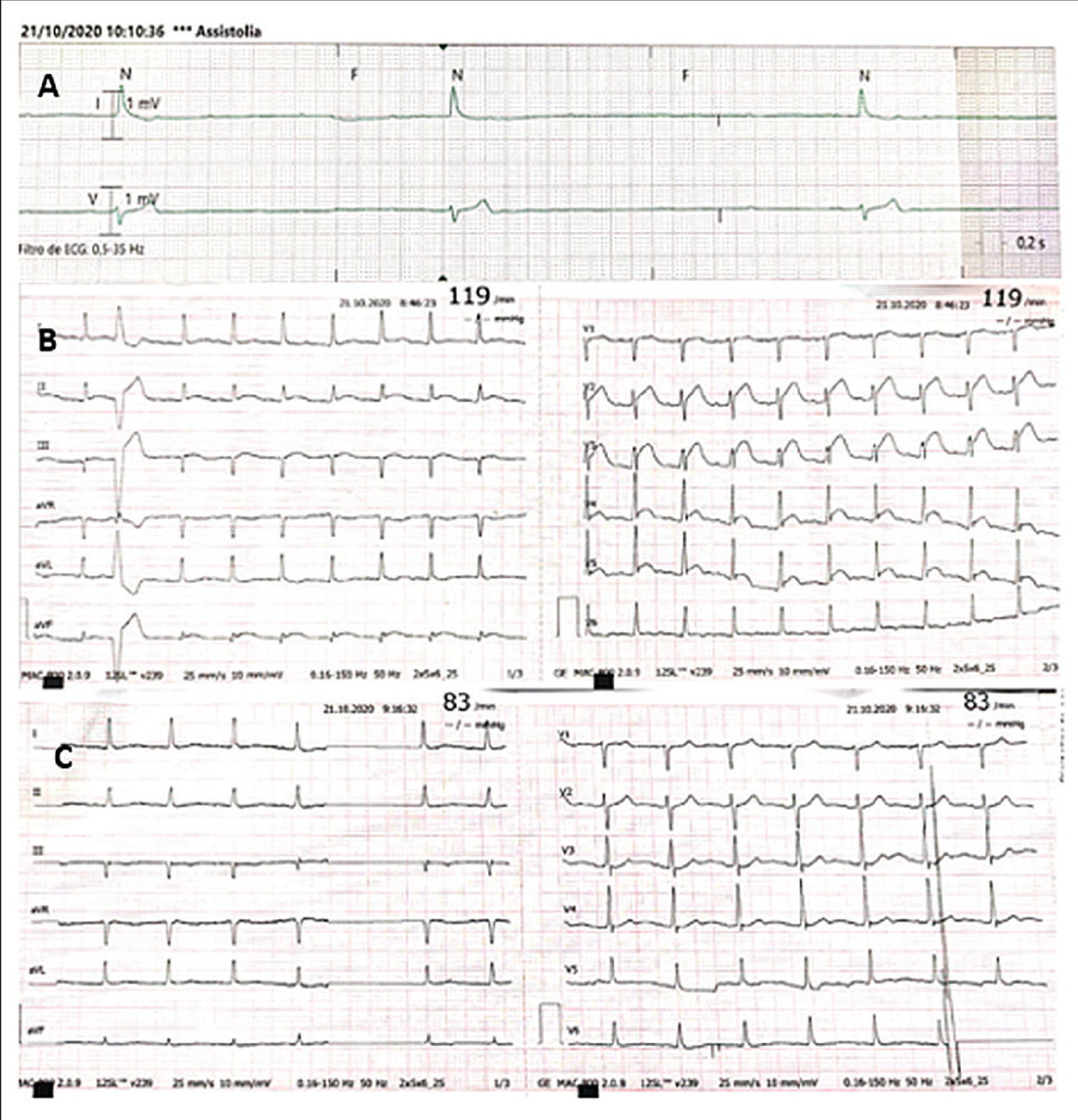
We present a clinical case of acute heart transplant rejection, manifested by coronary vasospasm and advanced rhythm disorder.

[…]
  • Arrhythmias Cardiac
  • Coronary Vasospasm
  • Diagnostic Imaging
  • Drug Therapy
  • Graft Rejection
  • Heart block
  • Heart Failure, Heart Transplantation
  • Research
Read Full Article
Creative Commons Attribution (CC BY) Creative Commons license
13/05/2022 DOI: 10.36660/abc.20210671
ABC
Editorial

Heart Transplantation and the “The Secret Chamber”: How Echocardiographic Assessment of the Right Ventricle Can Reveal Acute Cell Rejection

Henrique Turin Moreira et al. Minna Moreira Dias Romano

Although heart transplantation (Tx) has achieved great technical and scientific evolution in recent decades, acute cell rejection (ACR) still represents an important threat to patients submitted to this procedure. Acute rejection screening protocols associated with early immunosuppressive therapy are essential for Tx success. However, endomyocardial biopsy, although expensive and invasive, is still a reference method for the screening of ACR.

ACR is related to incipient damage in myocardial function, which may not be detected by conventional echocardiographic techniques for myocardial function analysis. Myocardial deformation, analyzed by the speckle tracking technique, is able to detect incipient myocardial dysfunction in several pathologies, among them, ACR after cardiac Tx.

[…]

  • Cellular Acute Rejection
  • Echocardiography/methods
  • endomyocardial biopsy
  • Graft Rejection
  • Heart Transplantation
Read Full Article
Creative Commons Attribution (CC BY) Creative Commons license
29/05/2020 DOI: 10.36660/abc.20200177
Figure 1
ABC
Original Article

Impaired Right Ventricular Function in Heart Transplant Rejection

Luciana J. B. M. Carrion et al. Alice Sperotto Raffaela Nazario Livia A. Goldraich … Nadine Clausell Luís Eduardo Rohde Angela Barreto Santiago Santos

Abstract

Background:

The practice of screening for complications has provided high survival rates among heart transplantation (HTx) recipients.

Objectives:

Our aim was to assess whether changes in left ventricular (LV) and right ventricular (RV) global longitudinal strain (GLS) are associated with cellular rejection.

Methods:

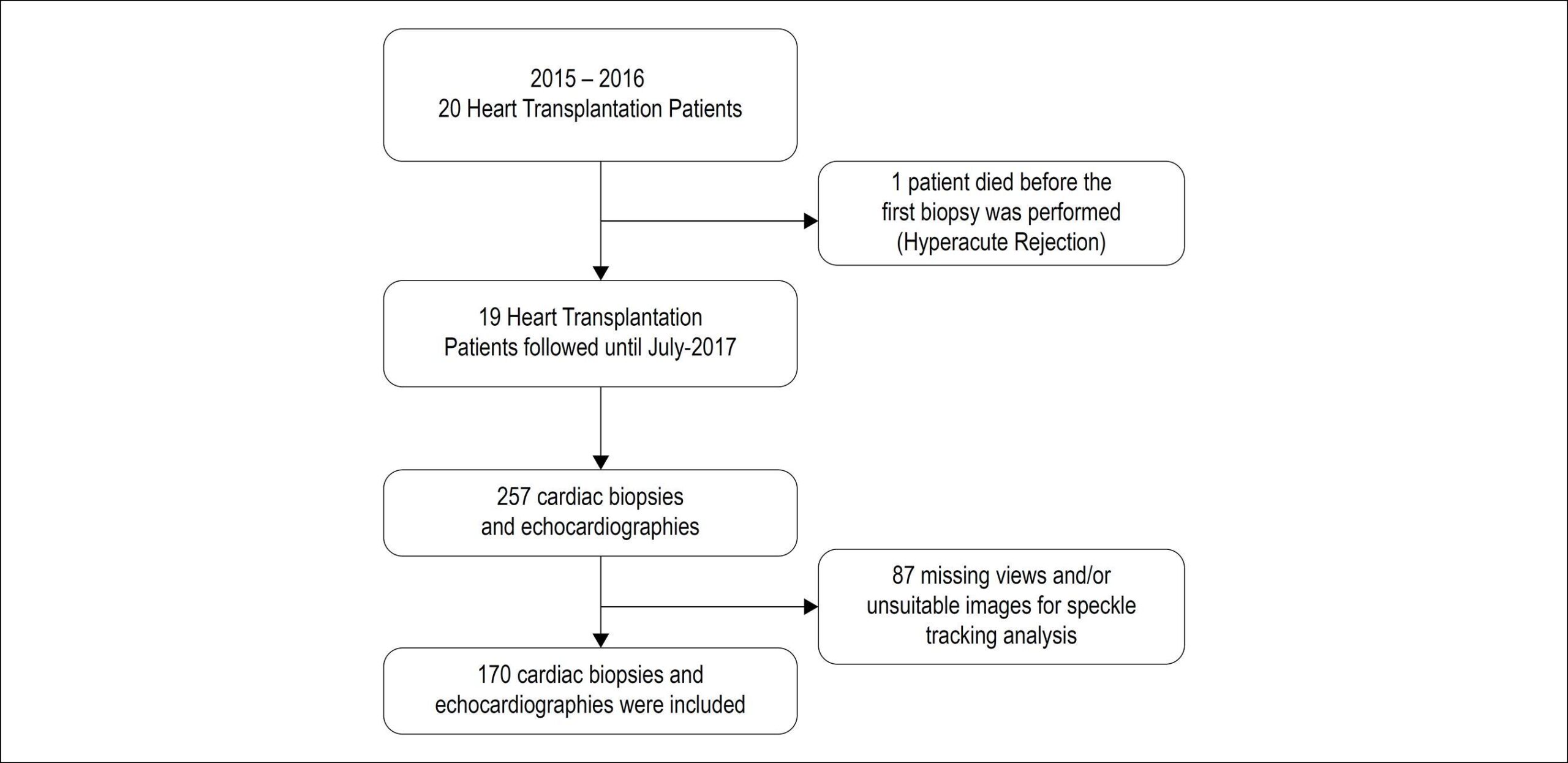
Patients who underwent HTx in a single center (2015 – 2016; n = 19) were included in this retrospective analysis. A total of 170 biopsies and corresponding echocardiograms were evaluated. Comparisons were made among biopsy/echocardiogram pairs with no or mild (0R/1R) evidence of cellular rejection (n = 130 and n = 25, respectively) and those with moderate (2R) rejection episodes (n=15). P-values < 0.05 were considered statistically significant

Results:

Most patients were women (58%) with 48 ± 12.4 years of age. Compared with echocardiograms from patients with 0R/1R rejection, those of patients with 2R biopsies showed greater LV posterior wall thickness, E/e’ ratio, and E/A ratio compared to the other group. LV systolic function did not differ between groups. On the other hand, RV systolic function was more reduced in the 2R group than in the other group, when evaluated by TAPSE, S wave, and RV fractional area change (all p < 0.05). Furthermore, RV GLS (−23.0 ± 4.4% in the 0R/1R group vs. −20.6 ± 4.9% in the 2R group, p = 0.038) was more reduced in the 2R group than in the 0R/1R group.

Conclusion:

In HTx recipients, moderate acute cellular rejection is associated with RV systolic dysfunction as evaluated by RV strain, as well as by conventional echocardiographic parameters. Several echocardiographic parameters may be used to screen for cellular rejection.

  • Echocardiography/methods
  • Graft Rejection
  • Heart Transplantation
  • Speckle Tracking
  • Strain
  • Ventricular Dysfunction Right
Read Full Article
Creative Commons Attribution (CC BY) Creative Commons license
14/02/2020 DOI: 10.36660/abc.20190054
Figure 1
ABC
Image

Diagnosis and Treatment of Rare Complication after Endomyocardial Biopsy

Viviane Tiemi Hotta et al. Daniella Diniz do Nascimento Rangel Glaucia Maria Penha Tavares Sandrigo Mangini Pedro A. Lemos

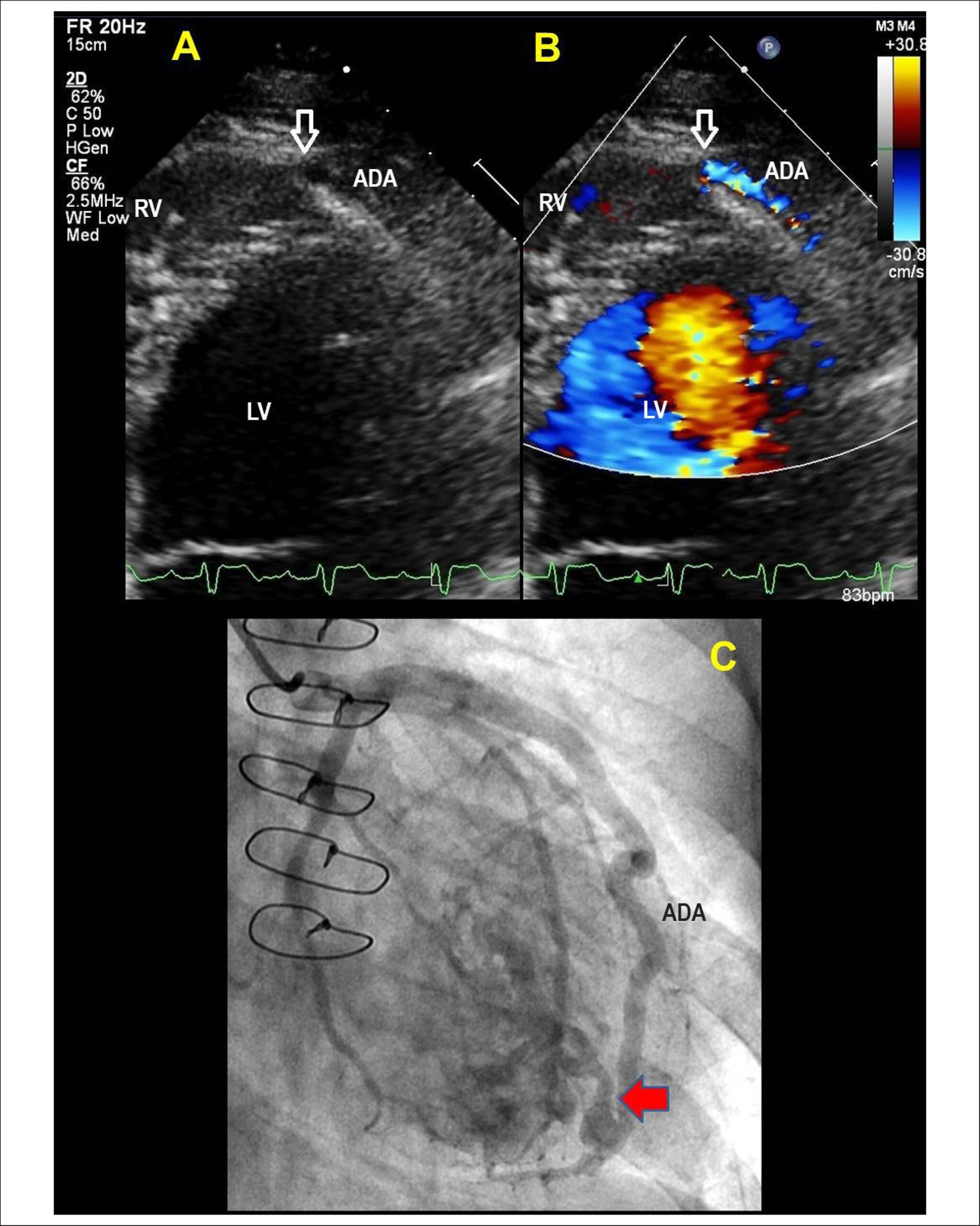
Endomyocardial biopsy (EBM) is the gold standard method for the diagnosis of rejection after cardiac transplantation. Complications associated with the procedure are rare but can occur in about 8% of the cases. We describe a case of an uncommon complication probably associated with multiple EBMs in a transplanted patient. A 54-year-old male patient underwent orthotopic cardiac transplantation due to idiopathic dilated cardiomyopathy. Over the next ten months, the patient was submitted to eight EMBs and required pulse therapy on two occasions. In the routine outpatient evaluation, continuous systo diastolic murmur was observed in the left lower parasternal border and significant worsening of renal function. A transthoracic echocardiogram was performed, showing high velocity, right-sided apical flow on the color flow mapping and a significant dilation of the anterior descending coronary artery (ADA). The ADA presented significant dilatation with signs of communication with the right ventricle in the apical region, suggesting the diagnosis of coronary fistula ( and ). Coronary angiography revealed aneurysmal ADA and vascular remodeling due to hyperflow, confirming the diagnosis of coronary-cavitary fistula (). The patient was submitted to percutaneous closure of the coronary fistula with Coil Vortex-18 device and presented good clinical evolution and improvement of renal function. It is important to consider the risks associated with EBM. Echocardiography is a valuable method for the evaluation of patients with suspected complications after the procedure. This case describes a rare complication after EBM and the diagnosis of which was possible by echocardiographic evaluation.

[…]

  • Arterial Fistula/surgery
  • Biopsy
  • Echocardiography
  • Graft Rejection
  • Heart Transplantation
Read Full Article
Creative Commons Attribution (CC BY) Creative Commons license
01/12/2017 DOI: 10.5935/abc.20170120
Figure 1
ABC
Original Article

Diagnosis of Rejection by Analyzing Ventricular Late Potentials in Heart Transplant Patients

Vítor Nogueira Mendes et al. Telmo Santos Pereira Vítor Azevedo Matos

Background:

Heart transplant rejection originates slow and fragmented conduction. Signal-averaged ECG (SAECG) is a stratification method in the risk of rejection.

Objective:

To develop a risk score for rejection, using SAECG variables.

Methods:

We studied 28 transplant patients. First, we divided the sample into two groups based on the occurrence of acute rejection (5 with rejection and 23 without). In a second phase, we divided the sample considering the existence or not of rejection in at least one biopsy performed on the follow-up period (rejection pm1: 18 with rejection and 10 without).

Results:

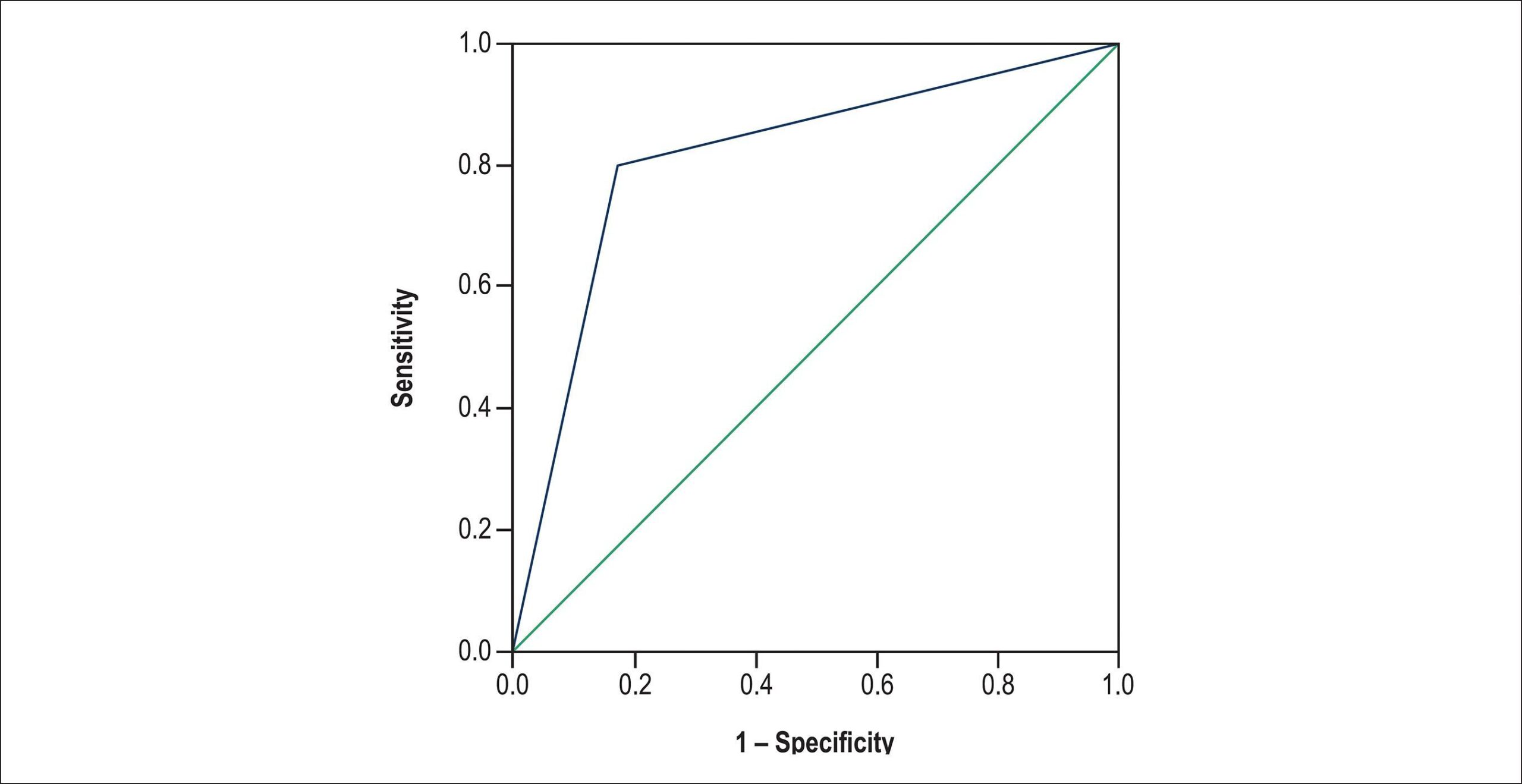
On conventional ECG, the presence of fibrosis was the only criterion associated with acute rejection (OR = 19; 95% CI = 1.65-218.47; p = 0.02). Considering the rejection pm1, an association was found with the SAECG variables, mainly with RMS40 (OR = 0.97; 95% CI = 0.87-0.99; p = 0.03) and LAS40 (OR = 1.06; 95% IC = 1.01-1.11; p = 0.03). We formulated a risk score including those variables, and evaluated its discriminative performance in our sample. The presence of fibrosis with increasing of LAS40 and decreasing of RMS40 showed a good ability to distinguish between patients with and without rejection (AUC = 0.82; p < 0.01), assuming a cutoff point of sensitivity = 83.3% and specificity = 60%.

Conclusion:

The SAECG distinguished between patients with and without rejection. The usefulness of the proposed risk score must be demonstrated in larger follow-up studies.

  • Electrocardiography
  • Endomyocardial Fibrosis
  • Graft Rejection
  • Heart Transplantation
Read Full Article
Creative Commons Attribution (CC BY) Creative Commons license
22/01/2016 DOI: 10.5935/abc.20160011
Role of echocardiography in the ventricular assessment of the transplanted heart versus heart rejection
ABC
Artigo Original

Role of echocardiography in the ventricular assessment of the transplanted heart versus heart rejection

Gabriel Antonio Stanisci Miguel et al. Salomón Soriano Ordinola Rojas Reinaldo Wilson Vieira José Pedro da Silva Henry Abensur

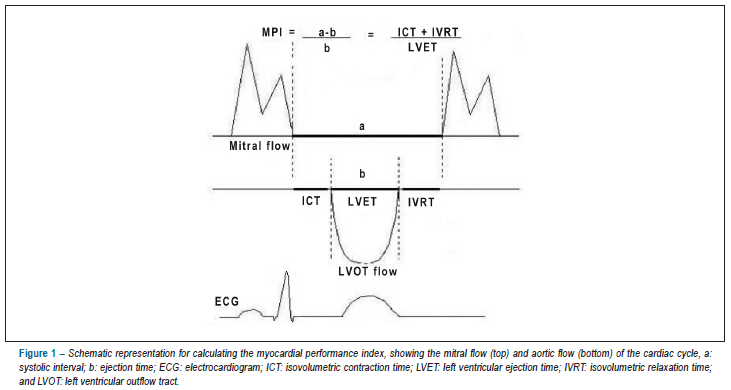
BACKGROUND: Heart transplantation is an alternative for individuals with end-stage heart disease. However, episodes of heart rejection (HR) are frequent and increase morbidity and mortality, requiring the use of an accurate non-invasive exam for their diagnosis, since endomyocardial biopsy (EMB) is not a complication-free procedure. OBJECTIVE: To compare the parameters obtained by use of Doppler echocardiography in a group of transplanted patients with HR (TX1) and another group of transplanted patients without rejection (TX0), having as reference a control group (CG) and observing the behavior of the left ventricular systo-diastolic function expressed as the myocardial performance index (MPI) METHODS: Transthoracic echocardiographies were performed from January 2006 to January 2008 to prospectively assess 47 patients divided into three groups: CG (36.2%); TX0 (38.3%); and TX1 (25.5%). The MPI was compared between the groups, and data were analyzed by use of Fisher exact test and nonparametric Kruskal-Wallis test, both with significance level of 5%. RESULTS: The groups did not differ regarding age, weight, height, and body surface. When compared to GC, TX0 and TX1 showed a change in the left ventricular systo-diastolic function, expressed as an increase in MPI, which was greater in TX1 [0.38 (0.29 – 0.44); 0.47 (0.43 – 0.56); 0.58 (0.52 – 0.74), respectively; p < 0.001]. CONCLUSION: Echocardiography was a very accurate test to detect changes in the systo-diastolic function of the transplanted heart; however, it did not prove to be reliable to replace BEM in the safe diagnosis of HR.

  • Echocardiography
  • Graft Rejection
  • Heart Transplantation
  • Ventricular Function
Read Full Article
Creative Commons Attribution (CC BY) Creative Commons license
09/11/2012 DOI: 10.1590/S0066-782X2012005000099 Views 2
Vasculitides and eosinophils in emdomyocardial biopsies as rejection predictors in heart transplantation
ABC
Artigo Original

Vasculitides and eosinophils in emdomyocardial biopsies as rejection predictors in heart transplantation

Reginaldo Cipullo et al. Marco Aurélio Finger João Manoel Rossi Neto Carlos Mendes Contreras … Nádia Van Geen Poltronieri Mabel de Moura Barros Zamorano Lílian Mary da Silva Paulo Chaccur Jarbas Jackson Dinkhuysen Noedir Antônio Groppo Stolf

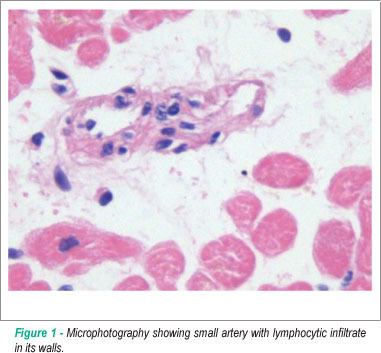
BACKGROUND: The clinical significance of vasculitides, ischemic lesions, Quilty effect and the presence of eosinophils in endomyocardial biopsies of heart transplantation recipients with mild rejection has yet to be established. OBJECTIVE: To verify whether these histological findings observed in endomyocardial biopsies (eosinophils, vasculitides, Quilty effect and ischemic lesions) are capable of predicting acute graft rejection. METHODS: A total of 1,012 consecutive endomyocardial biopsies were reevaluated; of these, 939 were classified as OR or 1R according to the Nomenclature of the International Society of Heart and Lung Transplantation of 2005 and divided in two groups: (1) Predictive biopsies: those that preceded acute rejection; and (2) Nonpredictive biopsies: those that did not precede acute rejection. We compared the occurrence of the following histological findings: vasculitides, ischemic lesions, Quilty effect and eosinophils between the groups by uni- and multivariate analyses. RESULTS: The statistical analysis showed that the presence of severe vasculitides and eosinophils were the best predictors for future acute rejection, with the following odds ratios: 10.60 (95%CI: 3.62 – 31.06. p < 0.001) and 6.26 (95%CI: 3.16 – 12.43, p < 0.001). CONCLUSION: Severe vasculitides and eosinophils in myocardial biopsies are the main predictive factors of acute graft rejection post-heart transplantation.

  • Biopsy
  • eosinophils
  • Graft Rejection
  • Heart Transplantation
  • Myocardial
  • vasculitis
Read Full Article
Creative Commons Attribution (CC BY) Creative Commons license
03/06/2011 DOI: 10.1590/S0066-782X2011005000069
Tissue doppler echocardiography in the diagnosis of heart transplantation rejection
ABC
Artigo Original

Tissue doppler echocardiography in the diagnosis of heart transplantation rejection

Marcos Valério Coimbra Resende et al. Marcelo Luiz Campos Vieira Fernando Bacal José Lázaro Andrade … Noedir A. Stolf Edmar Alcides Bocchi

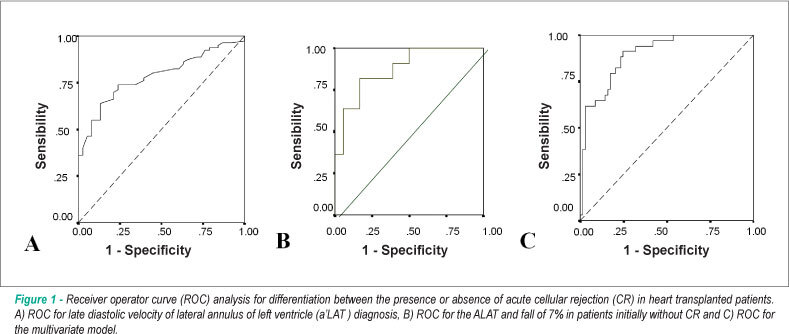
BACKGROUND: Endomyocardial biopsy (EMB) is the gold standard method for the diagnosis of cellular rejection (CR) after heart transplantation (HT). OBJECTIVE: To test the hypothesis that tissue Doppler imaging (TDI) could detect CR > 3A and add diagnostic information compared to conventional Doppler. METHODS: Fifty-four HT patients underwent 129 EMB and a TDI echocardiographic study within 24 hours. We compared HT patients with CR > 3A versus HT patients with CR 3A in 39/129 (30.2%) EMB. The best isolated predictor for CR diagnosis was a’LAT, with a sensitivity of 76.3%, specificity of 73.8% (p = 0.001). In the multivariate analysis, a’LAT (p = 0.001), a’SEP (p = 0.002), e’/a’ LAT ratio (p = 0.006), e’Mitral/ e’LAT ratio (p = 0.014), SINF (p = 0.009) predicted CR > 3A. We obtained a score with a sensitivity of 88.2%, accuracy of 79.6% and negative predictive value of 92.9% to diagnose CR > 3A. Conventional Doppler (mitral and pulmonary venous flow) was not relevant to predict CR > 3A. CONCLUSION: TDI added diagnostic information to predict CR > 3A compared to conventional Doppler. A TDI-based model could become a potential method to detect CR > 3A after Heart Transplantation.

  • Diagnosis
  • Echocardiography, Doppler
  • Graft Rejection
  • Heart Transplantation
Read Full Article
Creative Commons Attribution (CC BY) Creative Commons license
13/05/2011 DOI: 10.1590/S0066-782X2011005000060 Views 2
B-type natriuretic peptide assessment in the diagnosis of rejection after pediatric heart transplant
ABC
Artigo Original

B-type natriuretic peptide assessment in the diagnosis of rejection after pediatric heart transplant

Cristina de Sylos et al. Estela Azeka Luis Kajita Luis Benvenutti … Célia Cassaro Strunz Klébia Castello Branco Arlindo Almeida Riso Carla Tanamati Marcelo Jatene Miguel Barbero-Marcial

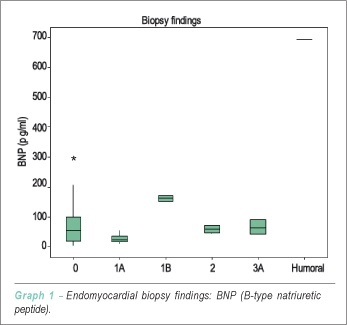
BACKGROUND: Rejection is one of the major causes of mortality following pediatric heart transplant. B-type natriuretic peptide (BNP) has been studied as a method for the diagnosis of acute rejection, especially in adult patients undergoing heart transplant. OBJECTIVE: To correlate serum BNP levels with acute rejection as diagnosed by endomyocardial biopsy in patients of the pediatric heart transplant group. METHODS: A total of 50 BNP samples were collected from 33 children in the postoperative period of heart transplant, and data on age, gender, skin color, blood group, immune panel, follow-up time after transplant, functional class, immunosuppressive regimen used and number of rejections were analyzed. RESULTS: Thirty three children with median age of 10.13 years were analyzed; of these, 54% were females and 78% were Caucasians. BNP levels were determined at a mean time from transplant of 4.25 years. Nine episodes of rejection were diagnosed in eight patients (27%) by means of endomyocardial biopsy; of these, three were grade 3A, five were grade 2, and one had humoral rejection. At the moment of biopsy, most patients were asymptomatic. The mean serum BNP level was 77.18 pg/ml, with 144.22 pg/ml in the group with rejection and 62.46 pg/ml in the group without rejection, with p = 0.02. CONCLUSION: Asymptomatic children can present acute rejection in the postoperative period of heart transplant. Serum BNP levels show a statistically significant difference in the group with rejection and thus can be an additional method in the diagnosis of cardiac rejection.

  • Biopsy
  • Children
  • Graft Rejection
  • Heart Transplantation
  • Natriuretic Peptide, B-Type
Read Full Article
Creative Commons Attribution (CC BY) Creative Commons license
17/04/2009 DOI: 10.1590/S0066-782X2009000300011 Views 1

How to cite this article

EndNote RIS

Electronic Document Format (Vancouver)

Resende CXC, Diogo PG, Amorim S, Pestana G, Torres JP, Macedo F. An Unusual Manifestation of Rejection. Arquivos Brasileiros de Cardiologia 2022;118(5):996-9.

Electronic Document Format (ABNT)

Resende, Carlos Xavier Correia de; Diogo, Pedro Grilo; Amorim, Sandra; Pestana, Gonçalo; Torres, José Pinheiro; Macedo, Filipe. An Unusual Manifestation of Rejection. Arquivos Brasileiros de Cardiologia, v. 118, n. 5, p. 996-999, May. 2022.

Electronic Document Format (APA)

Resende, C. X. C. , Diogo, P. G., Amorim, S., Pestana, G., Torres, J. P., & Macedo, F. (2022). An Unusual Manifestation of Rejection. Arquivos Brasileiros de Cardiologia, 118(5), 996-999.

Electronic Document Format (ISO)

Resende, Carlos Xavier Correia de and Diogo, Pedro Grilo and Amorim, Sandra and Pestana, Gonçalo and Torres, José Pinheiro and Macedo, Filipe. An Unusual Manifestation of Rejection. Arquivos Brasileiros de Cardiologia [online]. 2022, vol. 118, n. 5, [cited 2026-10-14], pp. 996-999. Available from: <https://journals.cardiol.br/en/article/an-unusual-manifestation-of-rejection/>. ISSN 0066-782X

EndNote RIS

Electronic Document Format (Vancouver)

Moreira HT, Romano MMD. Heart Transplantation and the “The Secret Chamber”: How Echocardiographic Assessment of the Right Ventricle Can Reveal Acute Cell Rejection. Arquivos Brasileiros de Cardiologia 2020;114(4):645-6.

Electronic Document Format (ABNT)

Moreira, Henrique Turin; Romano, Minna Moreira Dias. Heart Transplantation and the “The Secret Chamber”: How Echocardiographic Assessment of the Right Ventricle Can Reveal Acute Cell Rejection. Arquivos Brasileiros de Cardiologia, v. 114, n. 4, p. 645-646, May. 2020.

Electronic Document Format (APA)

Moreira, H. T., & Romano, M. M. D. (2020). Heart Transplantation and the “The Secret Chamber”: How Echocardiographic Assessment of the Right Ventricle Can Reveal Acute Cell Rejection. Arquivos Brasileiros de Cardiologia, 114(4), 645-646.

Electronic Document Format (ISO)

Moreira, Henrique Turin and Romano, Minna Moreira Dias. Heart Transplantation and the “The Secret Chamber”: How Echocardiographic Assessment of the Right Ventricle Can Reveal Acute Cell Rejection. Arquivos Brasileiros de Cardiologia [online]. 2020, vol. 114, n. 4, [cited 2026-10-14], pp. 645-646. Available from: <https://journals.cardiol.br/en/article/heart-transplantation-and-the-the-secret-chamber-how-echocardiographic-assessment-of-the-right-ventricle-can-reveal-acute-cell-rejection/>. ISSN 0066-782X

EndNote RIS

Electronic Document Format (Vancouver)

Carrion LJBM, Sperotto A, Nazario R, Goldraich LA, Clausell N, Rohde LE, Santos ABS, et al. Impaired Right Ventricular Function in Heart Transplant Rejection. Arquivos Brasileiros de Cardiologia 2020;114(4):638-44.

Electronic Document Format (ABNT)

Carrion, Luciana J. B. M.; Sperotto, Alice; Nazario, Raffaela; Goldraich, Livia A.; Clausell, Nadine; Rohde, Luís Eduardo; Santos, Angela Barreto Santiago. Impaired Right Ventricular Function in Heart Transplant Rejection. Arquivos Brasileiros de Cardiologia, v. 114, n. 4, p. 638-644, Feb. 2020.

Electronic Document Format (APA)

Carrion, L. J. B. M., Sperotto, A., Nazario, R., Goldraich, L. A., Clausell, N., Rohde, L. E., & Santos, A. B. S. (2020). Impaired Right Ventricular Function in Heart Transplant Rejection. Arquivos Brasileiros de Cardiologia, 114(4), 638-644.

Electronic Document Format (ISO)

Carrion, Luciana J. B. M. and Sperotto, Alice and Nazario, Raffaela and Goldraich, Livia A. and Clausell, Nadine and Rohde, Luís Eduardo and Santos, Angela Barreto Santiago. Impaired Right Ventricular Function in Heart Transplant Rejection. Arquivos Brasileiros de Cardiologia [online]. 2020, vol. 114, n. 4, [cited 2026-10-14], pp. 638-644. Available from: <https://journals.cardiol.br/en/article/impaired-right-ventricular-function-in-heart-transplant-rejection/>. ISSN 0066-782X

EndNote RIS

Electronic Document Format (Vancouver)

Hotta VT, Rangel DDN, Tavares GMP, Mangini S, Lemos PA. Diagnosis and Treatment of Rare Complication after Endomyocardial Biopsy. Arquivos Brasileiros de Cardiologia 2017;109(6):618-9.

Electronic Document Format (ABNT)

Hotta, Viviane Tiemi; Rangel, Daniella Diniz do Nascimento; Tavares, Glaucia Maria Penha; Mangini, Sandrigo; Lemos, Pedro A.. Diagnosis and Treatment of Rare Complication after Endomyocardial Biopsy. Arquivos Brasileiros de Cardiologia, v. 109, n. 6, p. 618-619, Nov. 2017.

Electronic Document Format (APA)

Hotta, V. T., Rangel, D. D. N., Tavares, G. M. P., Mangini, S., & Lemos, P. A. (2017). Diagnosis and Treatment of Rare Complication after Endomyocardial Biopsy. Arquivos Brasileiros de Cardiologia, 109(6), 618-619.

Electronic Document Format (ISO)

Hotta, Viviane Tiemi and Rangel, Daniella Diniz do Nascimento and Tavares, Glaucia Maria Penha and Mangini, Sandrigo and Lemos, Pedro A.. Diagnosis and Treatment of Rare Complication after Endomyocardial Biopsy. Arquivos Brasileiros de Cardiologia [online]. 2017, vol. 109, n. 6, [cited 2026-10-14], pp. 618-619. Available from: <https://journals.cardiol.br/en/article/diagnosis-and-treatment-of-rare-complication-after-endomyocardial-biopsy/>. ISSN 0066-782X

EndNote RIS

Electronic Document Format (Vancouver)

Mendes VN, Pereira TS, Matos VA. Diagnosis of Rejection by Analyzing Ventricular Late Potentials in Heart Transplant Patients. Arquivos Brasileiros de Cardiologia 2016;106(2):136-44.

Electronic Document Format (ABNT)

Mendes, Vítor Nogueira; Pereira, Telmo Santos; Matos, Vítor Azevedo. Diagnosis of Rejection by Analyzing Ventricular Late Potentials in Heart Transplant Patients. Arquivos Brasileiros de Cardiologia, v. 106, n. 2, p. 136-144, Jan. 2016.

Electronic Document Format (APA)

Mendes, V. N., Pereira, T. S., & Matos, V. A. (2016). Diagnosis of Rejection by Analyzing Ventricular Late Potentials in Heart Transplant Patients. Arquivos Brasileiros de Cardiologia, 106(2), 136-144.

Electronic Document Format (ISO)

Mendes, Vítor Nogueira and Pereira, Telmo Santos and Matos, Vítor Azevedo. Diagnosis of Rejection by Analyzing Ventricular Late Potentials in Heart Transplant Patients. Arquivos Brasileiros de Cardiologia [online]. 2016, vol. 106, n. 2, [cited 2026-10-14], pp. 136-144. Available from: <https://journals.cardiol.br/en/article/diagnosis-of-rejection-by-analyzing-ventricular-late-potentials-in-heart-transplant-patients/>. ISSN 0066-782X

EndNote RIS

Electronic Document Format (Vancouver)

Miguel GAS, Rojas SSO, Vieira RW, Silva JP, Abensur H. Role of echocardiography in the ventricular assessment of the transplanted heart versus heart rejection. Arquivos Brasileiros de Cardiologia 2012;99(5):1031-9.

Electronic Document Format (ABNT)

Miguel, Gabriel Antonio Stanisci; Rojas, Salomón Soriano Ordinola; Vieira, Reinaldo Wilson; Silva, José Pedro da; Abensur, Henry. Role of echocardiography in the ventricular assessment of the transplanted heart versus heart rejection. Arquivos Brasileiros de Cardiologia, v. 99, n. 5, p. 1031-1039, Nov. 2012.

Electronic Document Format (APA)

Miguel, G. A. S., Rojas, S. S. O., Vieira, R. W., Silva, J. P. , & Abensur, H. (2012). Role of echocardiography in the ventricular assessment of the transplanted heart versus heart rejection. Arquivos Brasileiros de Cardiologia, 99(5), 1031-1039.

Electronic Document Format (ISO)

Miguel, Gabriel Antonio Stanisci and Rojas, Salomón Soriano Ordinola and Vieira, Reinaldo Wilson and Silva, José Pedro da and Abensur, Henry. Role of echocardiography in the ventricular assessment of the transplanted heart versus heart rejection. Arquivos Brasileiros de Cardiologia [online]. 2012, vol. 99, n. 5, [cited 2026-10-14], pp. 1031-1039. Available from: <https://journals.cardiol.br/en/article/role-of-echocardiography-in-the-ventricular-assessment-of-the-transplanted-heart-versus-heart-rejection/>. ISSN 0066-782X

EndNote RIS

Electronic Document Format (Vancouver)

Cipullo R, Finger MA, Rossi Neto JM, Contreras CM, Poltronieri NVG, Zamorano MMB, Silva LM, et al. Vasculitides and eosinophils in emdomyocardial biopsies as rejection predictors in heart transplantation. Arquivos Brasileiros de Cardiologia 2011;97(2):163-70.

Electronic Document Format (ABNT)

Cipullo, Reginaldo; Finger, Marco Aurélio; Rossi Neto, João Manoel; Contreras, Carlos Mendes; Poltronieri, Nádia Van Geen; Zamorano, Mabel de Moura Barros; Silva, Lílian Mary da; Chaccur, Paulo; Dinkhuysen, Jarbas Jackson; Stolf, Noedir Antônio Groppo. Vasculitides and eosinophils in emdomyocardial biopsies as rejection predictors in heart transplantation. Arquivos Brasileiros de Cardiologia, v. 97, n. 2, p. 163-170, Jun. 2011.

Electronic Document Format (APA)

Cipullo, R., Finger, M. A., Rossi Neto, J. M., Contreras, C. M., Poltronieri, N. V. G., Zamorano, M. M. B., Silva, L. M. , Chaccur, P., Dinkhuysen, J. J., & Stolf, N. A. G. (2011). Vasculitides and eosinophils in emdomyocardial biopsies as rejection predictors in heart transplantation. Arquivos Brasileiros de Cardiologia, 97(2), 163-170.

Electronic Document Format (ISO)

Cipullo, Reginaldo and Finger, Marco Aurélio and Rossi Neto, João Manoel and Contreras, Carlos Mendes and Poltronieri, Nádia Van Geen and Zamorano, Mabel de Moura Barros and Silva, Lílian Mary da and Chaccur, Paulo and Dinkhuysen, Jarbas Jackson and Stolf, Noedir Antônio Groppo. Vasculitides and eosinophils in emdomyocardial biopsies as rejection predictors in heart transplantation. Arquivos Brasileiros de Cardiologia [online]. 2011, vol. 97, n. 2, [cited 2026-10-14], pp. 163-170. Available from: <https://journals.cardiol.br/en/article/vasculitides-and-eosinophils-in-emdomyocardial-biopsies-as-rejection-predictors-in-heart-transplantation/>. ISSN 0066-782X

EndNote RIS

Electronic Document Format (Vancouver)

Resende MVC, Vieira MLC, Bacal F, Andrade JL, Stolf NA, Bocchi EA. Tissue doppler echocardiography in the diagnosis of heart transplantation rejection. Arquivos Brasileiros de Cardiologia 2011;97(1):08-16.

Electronic Document Format (ABNT)

Resende, Marcos Valério Coimbra; Vieira, Marcelo Luiz Campos; Bacal, Fernando; Andrade, José Lázaro; Stolf, Noedir A.; Bocchi, Edmar Alcides. Tissue doppler echocardiography in the diagnosis of heart transplantation rejection. Arquivos Brasileiros de Cardiologia, v. 97, n. 1, p. 08-16, May. 2011.

Electronic Document Format (APA)

Resende, M. V. C., Vieira, M. L. C., Bacal, F., Andrade, J. L., Stolf, N. A., & Bocchi, E. A. (2011). Tissue doppler echocardiography in the diagnosis of heart transplantation rejection. Arquivos Brasileiros de Cardiologia, 97(1), 08-16.

Electronic Document Format (ISO)

Resende, Marcos Valério Coimbra and Vieira, Marcelo Luiz Campos and Bacal, Fernando and Andrade, José Lázaro and Stolf, Noedir A. and Bocchi, Edmar Alcides. Tissue doppler echocardiography in the diagnosis of heart transplantation rejection. Arquivos Brasileiros de Cardiologia [online]. 2011, vol. 97, n. 1, [cited 2026-10-14], pp. 08-16. Available from: <https://journals.cardiol.br/en/article/tissue-doppler-echocardiography-in-the-diagnosis-of-heart-transplantation-rejection/>. ISSN 0066-782X

EndNote RIS

Electronic Document Format (Vancouver)

Sylos C, Azeka E, Kajita L, Benvenutti L, Strunz CC, Branco KC, Riso AA, et al. B-type natriuretic peptide assessment in the diagnosis of rejection after pediatric heart transplant. Arquivos Brasileiros de Cardiologia 2009;92(3):227-32.

Electronic Document Format (ABNT)

Sylos, Cristina de; Azeka, Estela; Kajita, Luis; Benvenutti, Luis; Strunz, Célia Cassaro; Branco, Klébia Castello; Riso, Arlindo Almeida; Tanamati, Carla; Jatene, Marcelo; Barbero-Marcial, Miguel. B-type natriuretic peptide assessment in the diagnosis of rejection after pediatric heart transplant. Arquivos Brasileiros de Cardiologia, v. 92, n. 3, p. 227-232, Apr. 2009.

Electronic Document Format (APA)

Sylos, C. , Azeka, E., Kajita, L., Benvenutti, L., Strunz, C. C., Branco, K. C., Riso, A. A., Tanamati, C., Jatene, M., & Barbero-Marcial, M. (2009). B-type natriuretic peptide assessment in the diagnosis of rejection after pediatric heart transplant. Arquivos Brasileiros de Cardiologia, 92(3), 227-232.

Electronic Document Format (ISO)

Sylos, Cristina de and Azeka, Estela and Kajita, Luis and Benvenutti, Luis and Strunz, Célia Cassaro and Branco, Klébia Castello and Riso, Arlindo Almeida and Tanamati, Carla and Jatene, Marcelo and Barbero-Marcial, Miguel. B-type natriuretic peptide assessment in the diagnosis of rejection after pediatric heart transplant. Arquivos Brasileiros de Cardiologia [online]. 2009, vol. 92, n. 3, [cited 2026-10-14], pp. 227-232. Available from: <https://journals.cardiol.br/en/article/b-type-natriuretic-peptide-assessment-in-the-diagnosis-of-rejection-after-pediatric-heart-transplant/>. ISSN 0066-782X

  • About ABC Family
  • Internal Regulation
  • Editorial Board
  • Brazilian Society of Cardiology (SBC)

Issues

SBC Guidelines

  • Videos
  • Podcasts
  • News