ABC Family Arquivos Brasileiros de Cardiologia International Journal of Cardiovascular Sciences ABC Heart Failure & Cardiomyopathy ABC Imagem Cardiovascular
Português English
ABC Family
Português English
  • About
    • About ABC Family
    • Internal Regulation
    • Editorial Board
    • Brazilian Society of Cardiology (SBC)
  • Issues
  • SBC Guidelines
  • Content
    • Videos
    • Podcasts
    • News
  • About
    • About ABC Family
    • Internal Regulation
    • Editorial Board
    • Brazilian Society of Cardiology (SBC)
  • Issues
  • SBC Guidelines
  • Content
    • Videos
    • Podcasts
    • News

ABC Family

  • ABC Family
  • Arquivos Brasileiros de Cardiologia
  • International Journal of Cardiovascular Sciences
  • ABC Heart Failure & Cardiomyopathy
  • ABC Imagem Cardiovascular
Search in

No content found.

Journals
Ordering
Article types
Others

  1. Home
  2. Keyword: Cardiovascular Diseases, mortality
ABC
Editorial

The Impact of Cardiovascular Disease on Economic Loss

Fátima Marinho

Cardiovascular diseases (CVD) are a public health concern that impacts the population’s health and economy. It is the leading cause of death globally. In Brazil, CVD has been the leading cause of death, with Ischemic Heart Disease and Stroke as the most common causes, except during the pandemic years (2020-2021) when COVID-19 was the first cause of death for men and women.

What is the impact on productive work and the economy? How can cardiovascular disease and its loss of health in the population be prevented?

[…]

  • Cardiovascular Diseases, mortality
  • Cost Efficiency Analysis
  • Public Health Policy/economics
Read Full Article
Creative Commons Attribution (CC BY) Creative Commons license
20/05/2024 DOI: 10.36660/abc.20240175i Views 2
ABC
Editorial

Improving Outcomes of Patients with Acute Coronary Disease in Real Life: The Case of Applying in Practice What We Already Know from Clinical Studies

Stefano Garzon et al. Pedro A. Lemos

Cardiovascular diseases are one the leading causes of death in the world in both developed and developing countries, and according to the World Health Organization, 75% of these deaths are expected to happen in developing countries. Socioeconomic deprivation is a major determinant of cardiovascular mortality associated with more exposure to risk factors and premature deaths. Cardiovascular diseases also take a great toll on the economy. A recent study conducted in Australia projects a total healthcare cost of cardiovascular diseases from 2020 to 2029 of almost 62 billion Australian dollars, with productivity losses of almost 79 billion, with a total cost surpassing 140 billion over 10 years.

Brazil is a developing country of continental dimensions, with marked regional, racial, and socioeconomic disparities. From the 1960s onwards, the country underwent a fast demographic change, with a rapidly aging population and transitioning from predominantly rural to urban. A large proportion of the Brazilian population is exposed to known risk factors of cardiovascular disease, such as low educational levels, poor living and dietary habits, tobacco use, obesity, air pollution, and poorly-controlled risk factors such as hypertension, diabetes, and hyperlipidemia, all of which are associated with higher cardiovascular mortality. Although Brazil has a Universal Healthcare System (SUS), healthcare access is highly heterogeneous, overcrowded, and underfunded, and frequently fails to provide proper care to the Brazilian population.

[…]

  • Cardiovascular Diseases, mortality
  • Coronary Artery Disease
  • Development Countries
  • Percutaneous Coronary Intervention
  • poverty
  • Risk Factors
  • Unified System Health
Read Full Article
Creative Commons Attribution (CC BY) Creative Commons license
19/06/2023 DOI: 10.36660/abc.20230283
ABC
Editorial

Intermittent Fasting and Blood Pressure Reduction: Related Mechanisms

Rui Póvoa

Obesity and an inadequate diet are modifiable risk factors that play an important role in the increase of cardiovascular diseases. They have an estimated 13% attributable risk of cardiovascular mortality. Several dietary interventions can improve this risk, most notably calorie restriction, which is linked to weight loss, improved insulin sensitivity, and reduced blood pressure. ,

Intermittent fasting (IF) is a dietary intervention similar to calorie restriction, as it uses the principle of restricting food intake. The two most comprehensive types are alternate daytime fasting (24 hours followed by a 24-hour eating period) and time-restricted fasting (16-20 hour variations).

[…]

  • Caloric Restriction
  • Cardiovascular Diseases, mortality
  • Fasting
  • Hypertension
  • Obesity
  • Weight Loss
Read Full Article
Creative Commons Attribution (CC BY) Creative Commons license
16/06/2023 DOI: 10.36660/abc.20230265
ABC
Editorial

The Challenge of Making Cardiac Resonance a Global Reality

Hélder Jorge Andrade Gomes et al. Alcides Rocha de Figueredo Junior

Despite substantially reducing age-adjusted cardiovascular mortality rates in recent decades, cardiovascular disease remains the most common cause of death. Studies estimate that sudden cardiac death is responsible for approximately 50% of all deaths from cardiovascular causes, with ventricular tachycardia with degeneration to ventricular fibrillation and asystole being the most common fatal sequence of pathophysiological events.

The hard work done by authors of the article published in the Arquivos Brasileiros de Cardiologia illustrates the role of cardiac magnetic resonance (CMR) in the etiological elucidation of sudden death events encountered in clinical practice. In addition to the already expected Chagas and ischemic diseases, a wide variety of other diagnoses have been recognized: myocarditis, hypertrophic cardiomyopathy, dilated cardiomyopathy, arrhythmogenic heart disease, muscular dystrophy, hypertensive cardiomyopathy, metastases, non-compacted myocardium, and adrenergic cardiomyopathy (Takotsubo syndrome). The CMR was conclusive in more than 90% of cases and is a key tool for excluding structural heart disease and attributing the fatal event to extracardiac causes.

[…]

  • Cardiomyopathes
  • Cardiovascular Diseases, mortality
  • Death,Sudden
  • Diagnostic Imaging/trends
  • Endomyocardial Fibrosis
  • Magnetic Resonance Spectroscopy
  • Myocardial Ischemia
  • Stroke Volume
Read Full Article
Creative Commons Attribution (CC BY) Creative Commons license
21/04/2023 DOI: 10.36660/abc.20230187 Views 1
Central Illustration
ABC
Original Article

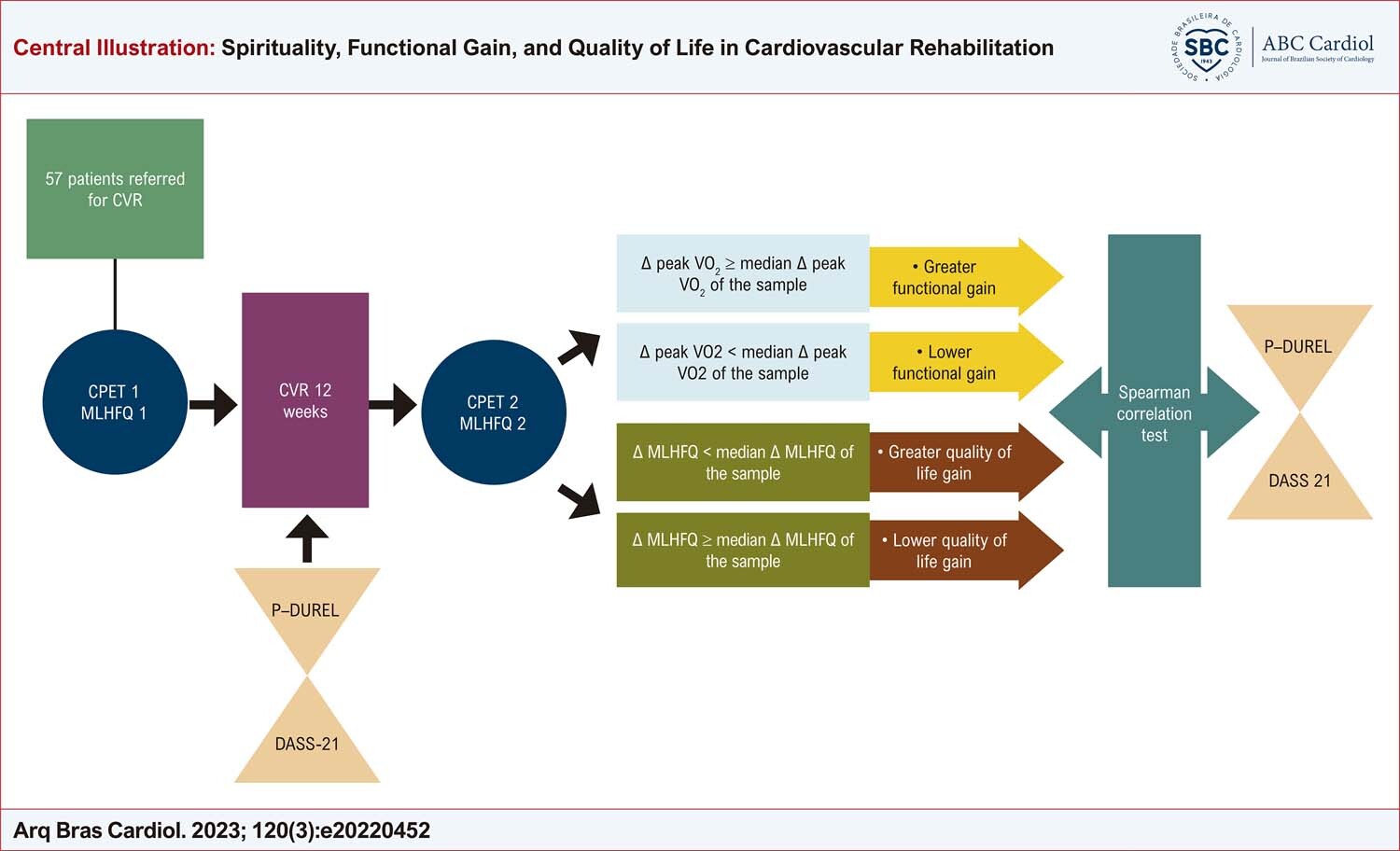
Spirituality, Functional Gain, and Quality of Life in Cardiovascular Rehabilitation

Maria do Rosário Toscano von Flach et al. Luiz Eduardo Fonteles Ritt Fábio Gonçalves de Santana Junior Marina von Flach Correia … Thaissa Costa Claro Ana Marice Ladeia Queila Borges de Oliveira Mario Seixas Rocha Cristiane Miura Feitosa Maeve Santos Ricardo Stein

Abstract

Background

Religiosity and spirituality have been associated with higher recovery rates, greater adherence to treatments, and better levels of quality of life in patients with heart disease.

Objectives

To evaluate the association between spirituality, functional gain, and improved quality of life in patients in a cardiovascular rehabilitation program.

Methods

This prospective cohort study evaluated the association between functional and quality of life gains during a cardiovascular rehabilitation program and a religiosity/spirituality index based on a validated scale. Depression, anxiety, and stress symptoms were screened for control purposes. P values < 0.05 were considered significant for all analyses.

Results

The study followed 57 patients (66 ± 12 years old; 71.7% male; 76% with coronary artery disease). The Spearman correlation coefficient did not show any associations between increases in functional capacity and organizational (rs = 0.110; p = 0.421), non-organizational (rs = −0.007; p = 0.421), or intrinsic (rs = −0.083; p = 0.543) religiosity. Furthermore, no associations were detected between the results of a quality of life score and organizational (rs = 0.22; p = 0.871), non-organizational (rs = 0.191; p = 0.159), or intrinsic (rs = 0.108; p = 0.429) religiosity.

Conclusion

No association was detected between functional and quality of life gains and organizational, non-organizational, or intrinsic religiosity in this sample of patients undergoing cardiovascular rehabilitation.

  • Cardiac Rehabilitation/methods
  • Cardiovascular Diseases, mortality
  • Quality of life
  • Spiritual Therapies/methods
  • Spiritualit
Read Full Article
Creative Commons Attribution (CC BY) Creative Commons license
20/03/2023 DOI: 10.36660/abc.20220452
IJCS
Editorial

Sex and Gender Equity in Research and Publishing: International Journal of Cardiovascular Sciences endorses SAGER Guidelines

Claudio Tinoco Mesquita et al. Aline Goneli de Lacerda

According to the recently published “Cardiovascular Statistics – Brazil 2020”, mortality from cardiovascular diseases (CVD) is proportionally higher in women compared to men. The INTERHEART study demonstrated that the population attributable risk for myocardial infarction associated with modifiable risk factors of smoking, alcohol use, high-risk diet, and physical inactivity, was significantly higher among women than men. Evidence from the VIRGO study (Variation in Recovery: Role of Gender on Outcomes of Young Acute Myocardial Infarction [AMI] Patients) indicates that both health professionals and women are unaware or neglect the development of cardiovascular heart disease (CHD) and the presence of cardiovascular risk factors in women.

Women are underrepresented in cardiovascular disease trials despite known sex differences across a broad range of risk, prevention, treatment, and outcome parameters. Gender influences many aspects of disease like its pathophysiology and clinical presentation, response to treatment, clinicians’ behavior, and access to health care, , and now it is clear that research must consider this to promote better diagnosis and treatment, and gender equity in health care.

[…]

  • Cardiovascular Diseases, mortality
  • Epidemiology
  • Female
  • Gender Indentity
  • Humans
  • Risk Factors
  • Social Determinants of Health
  • Women´s Health Services
Read Full Article
Creative Commons Attribution (CC BY) Creative Commons license
10/03/2023 DOI: 10.36660/ijcs.20210221 Views 1
Figure 1
ABC
Original Article

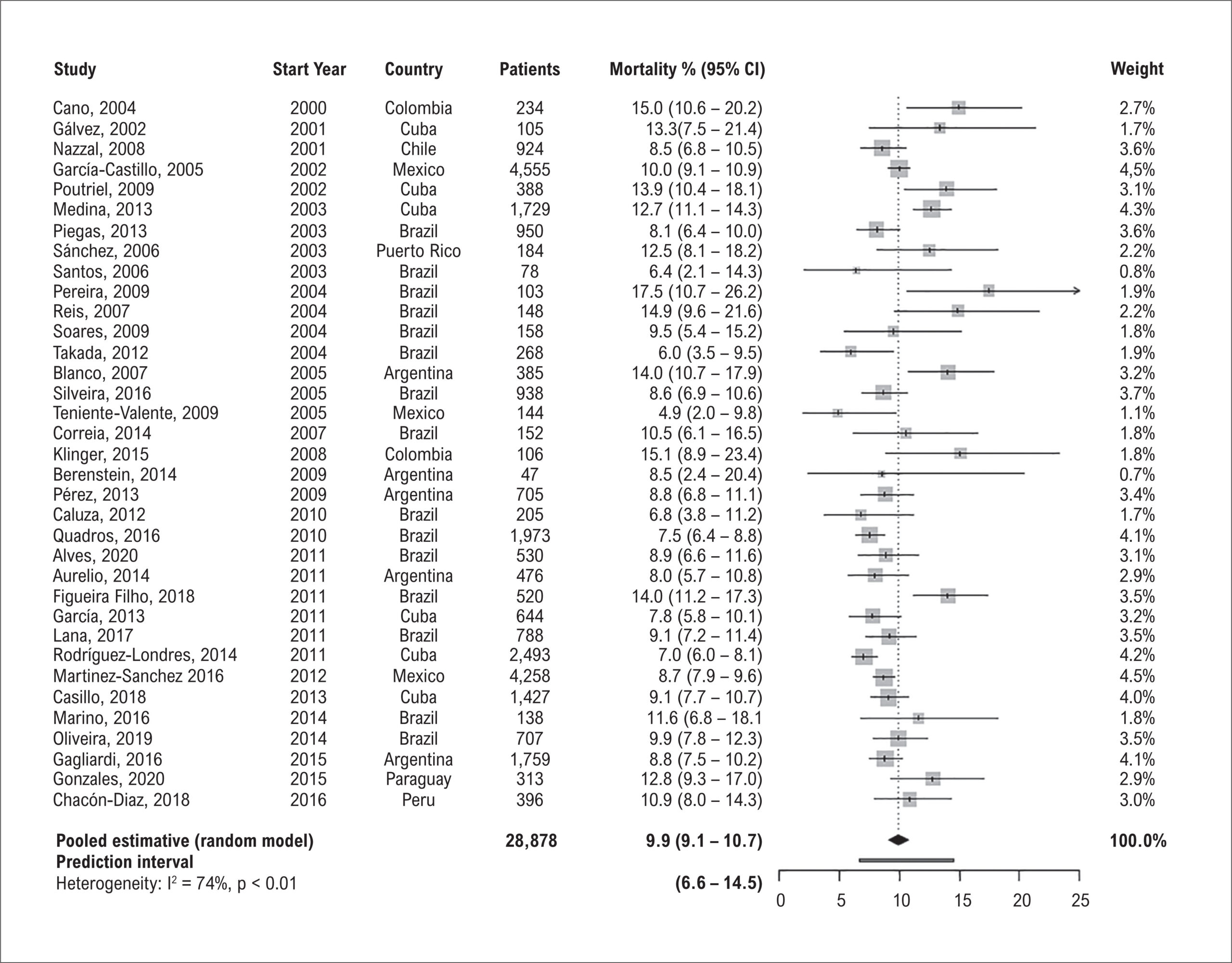
Hospital Mortality from Myocardial Infarction in Latin America and the Caribbean: Systematic Review and Meta-Analysis

Leonardo Alves et al. Patrícia K. Ziegelmann Victor Ribeiro Carisi Polanczyk

Abstract

Background:

Most cardiovascular deaths occur in low- and middle-income countries and myocardial infarction is one of the main life-threatening conditions.

Objective:

We assessed all-cause in-hospital mortality in patients admitted for myocardial infarction (STEMI and NSTEMI) in Latin America and the Caribbean from 2000 onward.

Methods:

We systematically searched in electronic bibliographic databases for cohort studies which reported in-hospital mortality due to STEMI and NSTEMI. A meta-analysis was performed and a p-value < 0.05 was considered significant.

Results:

We identified 38 studies (29 STEMI, 3 NSTEMI and 6 both). Pooled STEMI in-hospital mortality was 9.9% (95% CI: 9.1 – 10.7). Heterogeneity was not trivial (I2 = 74% and prediction interval = 6.6 – 14.5). The percentage of reperfusion therapy and decade explain part of the heterogeneity (I2 = 54%). The higher the rate of reperfusion therapy, the lower the in-hospital mortality (coefficient = −0.009, 95% CI: −0.013 to −0.006, p<0.001). This mortality was higher in the first decade as compared with the second (coefficient = −0.14, 95% CI: −0.27 to −0.02, p=0.047). Pooled NSTEMI in-hospital mortality was 6.3% (95% CI: 5.4 – 7.4) and heterogeneity was null.

Conclusion:

Pooled STEMI in-hospital mortality in low- and middle-income countries was high in comparison with rates reported in high income countries. To improve these estimates, higher use of reperfusion therapy must be pursued. Pooled NSTEMI in-hospital mortality was similar to the ones found in high-income countries; however, it was based on few studies and most of them were carried out in two countries.

  • Cardiovascular Diseases, mortality
  • Caribbean Region
  • Latin America
  • Meta-Analysis
  • Myocardial Infarction/mortality
  • Poverty/statistics & Numeral data
  • systematic review
Read Full Article
Creative Commons Attribution (CC BY) Creative Commons license
19/12/2022 DOI: 10.36660/abc.20220194 Views 1
IJCS
Original Article

Diet Quality and Associated Factors in Atherosclerotic Cardiovascular Disease Patients with and without Diabetes at a Specialized Outpatient Clinic in the City of Pelotas, Brazil

Fernanda Vighi Dobke et al. Aline Longo Bruna Luiza Paulina Ribas Bernardete Weber … Eduardo Gehling Bertoldi Lúcia Rota Borges Renata Torres Abib Bertacco

Abstract

Background

In most cases, atherosclerotic cardiovascular disease (ACVD) is preventable through primary prevention and control of traditional risk factors, such as smoking cessation, regular physical activity, and adherence to healthy dietary patterns. The assessment of diet quality of ACVD patients would be important for a dietary intervention.

Objectives

This study aimed to evaluate diet quality of ACVD patients and its association with clinical conditions.

Methods

This cross-sectional study was nested within a randomized clinical trial entitled “Programa Alimentar Cardioprotetor Brasileiro.” Baseline data of 80 patients from Pelotas, Brazil, were obtained. Food consumption was assessed using 24-h food recall and the Revised Diet Quality Index (IQD-R). Data on smoking status and comorbidities were reported by the patients during medical history taking. To analyze the associations between IQD-R and clinical variables, unpaired Student’s t-test or the analysis of variance was performed. The significance level was 5%.

Results

Most of the sample consisted of men (66.5%), elderly individuals (52.50%), patients with hypertension (78.75%), dyslipidemia (58.75%), and overweight (73.75%). The average IQD-R score was 56.7 ± 12.6 points. Better quality of diet was observed for patients with diabetes compared to those without diabetes (61.1 ± 11.8 versus 54.0 ± 12.6 points; p=0.014).

Conclusion

There is a need to improve diet quality of ACVD patients. Patients ACVD and diabetes had better diet quality compared to those without diabetes.

  • Atherosclerose
  • Cardiovascular Diseases, mortality
  • Diabetes Mellitus
  • Diet Surveys
  • Eating
  • Epidemiology
  • Hypertension
  • Prevention and Control
  • Risk Factors
Read Full Article
Creative Commons Attribution (CC BY) Creative Commons license
26/09/2022 DOI: 10.36660/ijcs.20200323 Views 2
ABC
Editorial

Should We “Tweak” Our Approach to Coronary Artery Disease?

Andres Felipe Valencia Rendón

Despite our great advances in medical technology, Cardiovascular Disease remains the leading cause of death worldwide. Coronary Artery Disease (CAD) is one of the hallmarks.

It is believed that the first correlation between coronary flow and angina pectoris was made by William Heberden in 1768, but its anatomical remarks were only described by 1829, when Jean Lobstein introduced the term Arteriosclerosis, reporting an abnormal formation in arterial walls. Later, in 1856, Rudolph Virchow suggested an arterial wall injury mechanism that could explain those findings from a cellular pathology compound. However, it was only until the 20thcentury, in the late 70´s, that the consortium of endothelial damage-wall shear stress-smooth muscle proliferation-thrombogenesis was first elucidated in the “Response to Injury Hypothesis” by Ross et al..

[…]

  • Atherosclerosis
  • Biomarkers
  • Biomedical Technology/trends
  • Cardiovascular Diseases, mortality
  • Coronary Artery Disease
Read Full Article
Creative Commons Attribution (CC BY) Creative Commons license
05/09/2022 DOI: 10.36660/abc.20220572 Views 2
ABC
Viewpoint

Translational Medicine and Implementation Science: How to Transform What We Know Into What We Do

Protásio Lemos da Luz et al. Francisco Rafael Martins Laurindo

Basis of preventive medicine: a healthy lifestyle

When medical knowledge is to be applied to the general population, the concept of healthy lifestyle should be highlighted, especially in terms of preventive medicine.

Most cardiovascular events, such as myocardial infarction and death, are associated with risk factors such as dyslipidemia, smoking, hypertension and diabetes. Genetic factors are less representative. Another example is the Whitehall study, conducted with British civil servants, that showed that servants in lower grades of employments had a mortality rate three to four times higher than of those in the higher grades. The basis of preventive medicine is related to a healthy lifestyle, including a diet composed predominantly of fruit, vegetable and fish, and low intake of meat and carbohydrates. At least 150 minutes per week of aerobic and strength exercises are strongly recommended, including for protection of cognitive functions and Alzheimer prevention.

[…]

  • Atherosclerosis
  • Cardiovascular Diseases, mortality
  • Cholesterol
  • Exercises
  • Genome Human
  • Hydroxymethylglutaryl-CoA Reductase Inhibitors / therapeutic use
  • Preventive Medicine
  • Quality of life
  • Translational Medical Research
Read Full Article
Creative Commons Attribution (CC BY) Creative Commons license
05/08/2022 DOI: 10.36660/abc.20211029
IJCS
Original Article

The Medical Burden of Heart Failure: A Comparative Delineation with Cancer in Brazil

Dirceu Rodrigues de Almeida et al. Antonio Carlos Pereira-Barretto Francisco Jose Forestiero Juliana S. Nakamuta André Bichels

Abstract

Background:

Due to its poor prognosis and mortality rates, heart failure (HF) has been recognized as a malignant condition, comparable to some cancers in developed countries.

Objectives:

To compare mortality from HF and prevalent cancers using data from a nationwide database in Brazil.

Methods:

This was a descriptive, cross-sectional study using secondary data obtained from Brazilian administrative databases of death records and hospitalization claims maintained by the Ministry of Health. Data were analyzed according to main diagnosis, year of occurrence (2005-2015), sex and age group. Descriptive analyses of absolute number of events, hospitalization rate, mortality rate, and in-hospital mortality rate were performed.

Results:

The selected cancers accounted for higher mortality, lower hospitalization and higher in-hospital mortality rates than HF. In a group analysis, HF showed mortality rates of 100-150 per 100,000 inhabitants over the period, lower than the selected cancers. However, HF had a higher mortality rate than each type of cancer, even when compared to the most prevalent and deadly ones. Regarding hospitalization rates, HF was associated with a higher risk of hospitalization when compared to cancer-related conditions as a group.

Conclusions:

Our findings indicate that HF has an important impact on mortality, hospitalization and in-hospital mortality, comparable to or even worse than some types of cancer, representing a potential burden to the healthcare system.

  • Answering Services/statistics & numerical data
  • Brazil
  • Cardiovascular Diseases, mortality
  • Epidemiology
  • Heart Failure
  • Hospitalization
  • Mortality
  • Neoplasms/mortality
Read Full Article
Creative Commons Attribution (CC BY) Creative Commons license
21/03/2022 DOI: 10.36660/ijcs.20200382 Views 2
ABC
Editorial

Biomarkers in Cardiovascular Disease: The Role of Fetuin-A

Luana U. Pagan et al. Mariana Gatto Paula F. Martinez Katashi Okoshi Marina P. Okoshi

Cardiovascular disease (CVD) represents a serious health public concern worldwide due to its high rates of morbidity and mortality. Extensive research has been performed in the search for biomarkers associated with CVD.,

Fetuin-A is a multifunctional glycoprotein, predominantly expressed in the liver, which modulates the function of several cells and systems, such as vascular calcification, systemic inflammatory response, bone metabolism, and insulin activity., In the last decade, researchers have evaluated the role of fetuin-A in the development and prognosis of patients with different CVDs. Lower plasma levels of fetuin-A were associated with a higher severity of coronary artery calcification and its plasma levels were lower in acute myocardial infarction patients than in healthy individuals. By contrast, Vörös et al. reported that individuals with a previous infarction have a significantly higher plasma concentration of fetuin-A than healthy controls. High concentrations of fetuin-A were also associated with a higher risk of ischemic stroke. These data show that the involvement of fetuin-A with CVD is not completely understood, as both lower and higher levels of fetuin-A were associated with a higher risk or presence of CVD. Thus, it is important to carry out studies that address this topic and highlight fetuin-A as a possible biomarker of CVD.

[…]

  • Cardiovascular Diseases, mortality
  • Fetuin-A
  • Inflammation
  • Myocardial Infarction
  • Prognosis
  • Stroke
  • Vascular Calcification
Read Full Article
Creative Commons Attribution (CC BY) Creative Commons license
21/02/2022 DOI: 10.36660/abc.20210980 Views 1
Figure 1
ABC
Original Article

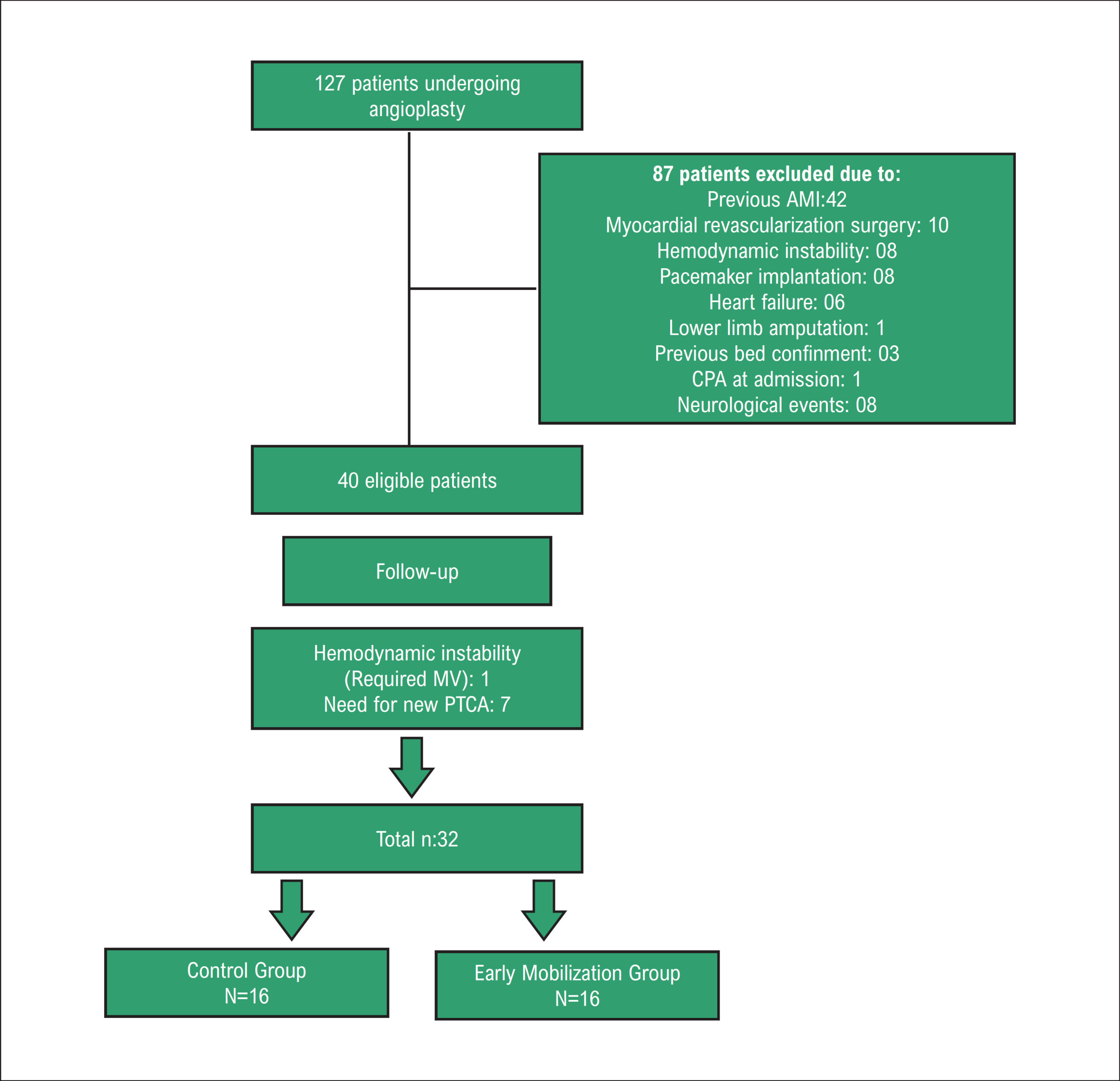
Influence of an Early Mobilization Protocol on the Autonomic Behavior of Patients Undergoing Percutaneous Transluminal Coronary Angioplasty

Bárbara Oliveira Silveira et al. Jade Lara de Melo Graziella Paula de Oliveira Neri Michele Lima Gregório … Moacir Fernandes de Godoy Marilita Falangola Accioly

Abstract

Background:

Recurrence Plots (RP) enable a nonlinear analysis of Heart Rate Variability (HRV) and provide information on the Autonomic Nervous System (ANS).

Objectives:

To evaluate whether early ambulation in patients undergoing Percutaneous Transluminal Coronary Angioplasty (PTCA) influences the quantitative and qualitative components of RP.

Methods:

A total of 32 participants who underwent PTCA were divided into a Control Group (CG – no physical exercises) and an Early Ambulation Group (EAG – with physical exercises). Beat-to-beat heart rate was recorded using a heart rate monitor in both groups upon admission and discharge. The linear indices in the time and frequency domains were analyzed, and nonlinear indices were obtained through RP. The Early Ambulation Physical Therapy Protocol began 12-18 hours after PTCA. A two-tailed unpaired t-test was used for comparisons, and p-values < 0.05 were accepted as significant.

Results:

When comparing both groups, upon discharge, EAG showed an increase in SDNN (23.55 ± 12.05 to 37.29 ± 16.25; p=0.042), Triangular Index (8.99 ± 3.03 to 9.66 ± 3.07; p=0.014), and VLF (694.20 ± 468.20 to 848.37 ± 526.51; p=0.004), but without significant changes in the nonlinear evaluation. In addition, in the qualitative analysis of RP, a more diffuse and less geometric pattern was observed in EAG, indicating greater variability, while in CG, an altered and more geometric pattern was noted.

Conclusion:

The Early Ambulation Protocol promotes an improvement in autonomic behavior as evaluated by HRV and by RP, which can thus be considered a useful procedure for better recovery of patients undergoing PTCA.

  • Angioplasty
  • Autonomic Nervous System
  • Cardiovascular Diseases, mortality
  • Early Ambulation/methods
  • Exercise
  • Myocardial Infarction
Read Full Article
Creative Commons Attribution (CC BY) Creative Commons license
03/12/2021 DOI: 10.36660/abc.20200296
ABC
Editorial

The New Paradigm of Blood Pressure Measurement

Marcus Vinicius Bolivar Malachias

Hypertension (HTN) is the leading preventable risk factor for cardiovascular disease (CVD) and all-cause mortality worldwide.,

Accuracy in blood pressure (BP) measurement is essential for the diagnosis, risk stratification, and adequate treatment of HTN. The evidence shows that the traditional casual assessment of BP in the doctor’s office is not, in most cases, the best tool for diagnosis or clinical decision-making in individuals with high BP, or even for monitoring response to antihypertensive treatment.,

[…]

  • Blood Pressure
  • Blood Pressure Monitoring,Ambulatory/methods
  • Cardiovascular Diseases, mortality
  • Hypertension
  • Meta-Analysis
  • Telemedicine
Read Full Article
Creative Commons Attribution (CC BY) Creative Commons license
20/09/2021 DOI: 10.36660/abc.20210592 Views 2
Figure 1
ABC
Original Article

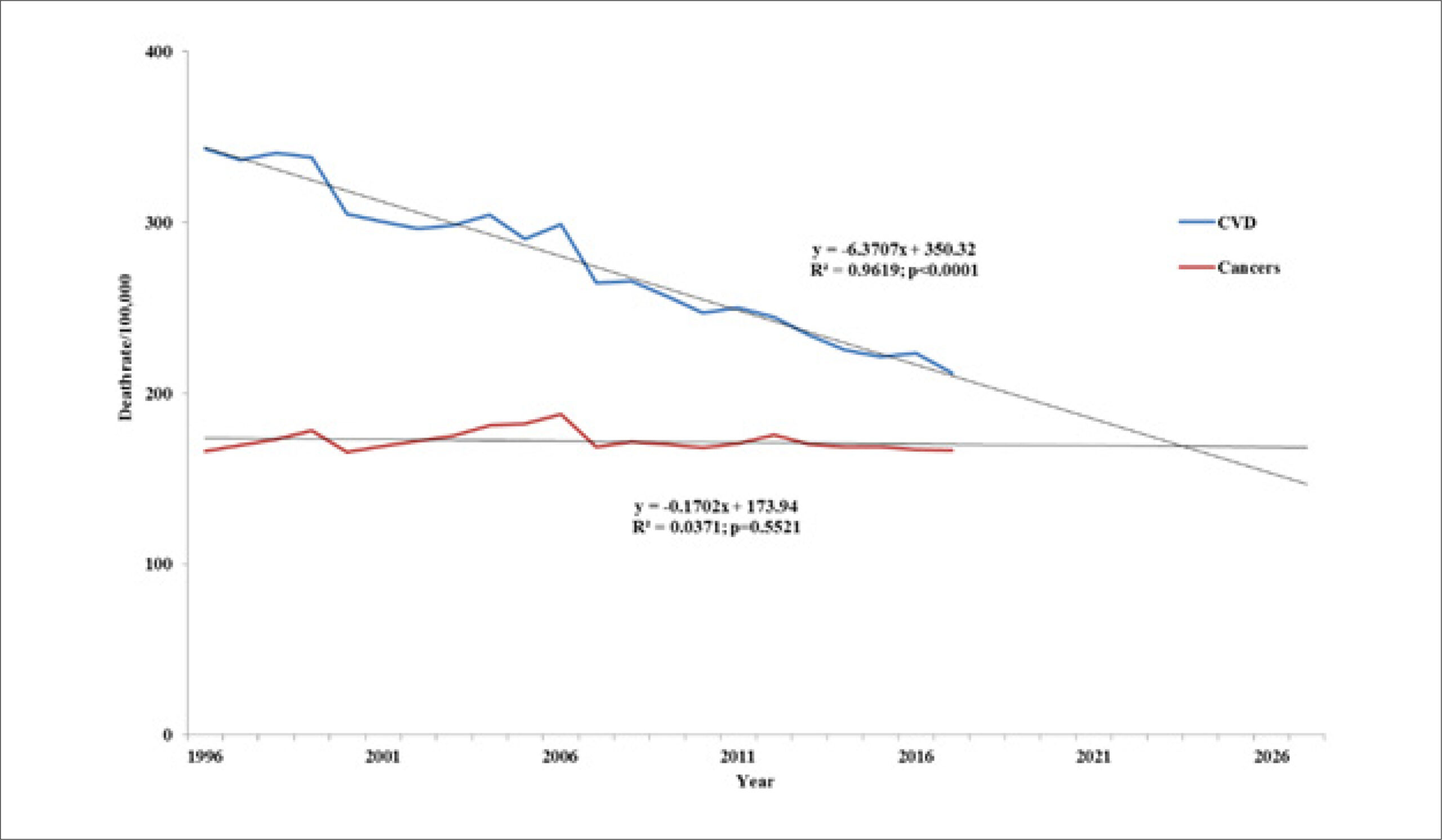
Cardiovascular and Cancer Death Rates in the Brazilian Population Aged 35 to 74 Years, 1996-2017

Antonio de Padua Mansur et al. Desiderio Favarato

Abstract

Background:

Cardiovascular diseases (CVD) and cancer are the main causes of death worldwide. These diseases share many risk factors. Control of traditional risk factors for CVD was associated with lower incidence of cancers.

Objective:

To analyze CVD and cancer mortality rate trends in Brazilian population aged 35-74 years from 1996 to 2017.

Methods:

Crude and age-adjusted death rate trends were analyzed for all causes of death, CVD, and cancer. Data were obtained from mortality database of the Ministry of Health. Joinpoint Regression Program performed analysis of trends and adjustments in death rates. The degree of changes was determined by the average annual percent change (AAPC). Level of statistical significance was set at p <0.05.

Results:

Mortality from all causes of death (AAPC=-1.6%; p<0.001), CVD (AAPC=-2.3; p<0.001), ischemic heart disease (IHD) (AAPC=-1.6; p<0.001) and stroke (AAPC=-3.7; p<0.001) declined. Same trends were observed for CVD (p<0.001) in men and women. Death rates from all causes of cancer (AAPC=-0.1; p=0.201), in men (AAPC=-0.1; p=0.193) and in women (AAPC=-0.1; p=0,871) remained unchanged. In 2002, mortality from cancer exceeded the sum of deaths from IHD and stroke. If trends continue, cancer mortality will also exceed mortality from CVD by 2024. In women, death rates from breast, lung and colon cancer increased, and from cervical and gastric cancers decreased. In men, mortality from lung, stomach and esophagus cancer decreased, and from prostate cancer remained unchanged.

Conclusion:

CVD are currently the leading cause of death in Brazil, but death rates from cancer will exceed those from CVD in a few years.

  • Brazil
  • Cardiovascular Diseases, mortality
  • Epidemiology
  • Mortality
  • Myocardial Ischemia
  • Neoplasms
  • Stroke
Read Full Article
Creative Commons Attribution (CC BY) Creative Commons license
06/09/2021 DOI: 10.36660/abc.20200233 Views 1
Figure 1
IJCS
Viewpoint

Association between Periodontitis and Myocardial Infarction: Systematic Review and Meta-Analysis

Luiz Carlos Bodanese et al. Gabriel Campos Louzeiro Gabriela Agne Magnus Ângela Hamann Baptista … Fernanda Gonçalves Salum Rita Mattiello

Abstract

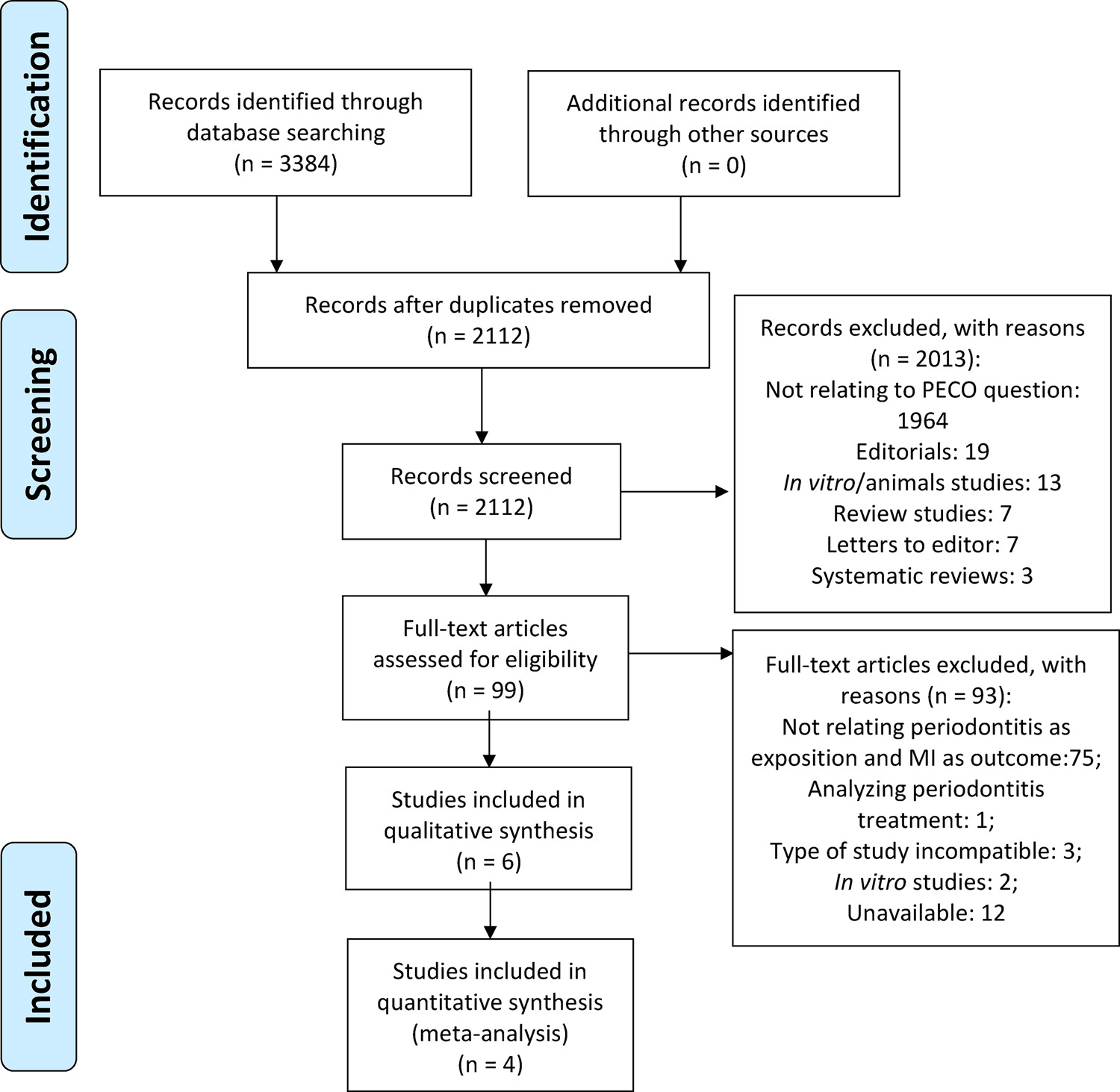
The association between periodontitis and myocardial infarction remains unclear in the literature. Few studies have addressed periodontitis exposure as a predisposing factor for the development of myocardial infarction. Therefore, the present systematic review aims to analyze the association between periodontitis and myocardial infarction. This meta-analysis systematically searched MEDLINE, EMBASE, The Cochrane Controlled Trials Register, SCIELO, LILACS, CINAHL, Scopus, Web of Science and grey literature for studies estimating the association between periodontitis and myocardial infarction. Quality of evidence was assessed for all studies. The meta-analysis was conducted using random-effects models. Four of the six studies selected were included in the meta-analysis, including 1,035,703 subjects. The association between periodontitis and myocardial infarction was: RR: 5.99 (95% CI: 1.17-30.68), but with high heterogeneity (I2 = 100%; p <0.01). The results including only the highest quality articles, was lower: RR: 2.62 (95% CI: 1.47-4.70 3.83), but with lower heterogeneity (I2 = 85.5%; p < 0.01).The present systematic review with meta-analysis showed an association between periodontitis and acute myocardial infarction, but with a high level of heterogeneity.

  • Atherosclerosis / complications
  • Atherosclerosis/complications Lipoproteins/analysis
  • Cardiovascular Diseases, mortality
  • Inflammation
  • Meta-Analysis
  • Periodontitis/complications
  • Pulpitis, Myocardial Infarction/complications
Read Full Article
Creative Commons Attribution (CC BY) Creative Commons license
26/05/2021 DOI: 10.36660/ijcs.20200055 Views 1
ABC
Editorial

No Reflow in Acute Coronary Syndromes: An Old Foe or a New Frontier?

Stefano Garzon

According to the World Health Organization (WHO), ischemic heart disease is the leading cause of death worldwide, accounting for 16% of the world’s deaths in 2019. However, due to continuous evolution in medical treatment and revascularization techniques, a steady decline in death rates in acute coronary syndromes (ACS) has been observed in recent years.

Currently, percutaneous coronary intervention (PCI) is the gold-standard treatment for ST-elevation myocardial infarction (STEMI) and a mainstay therapeutic option for non-STEMI ACS and stable coronary artery disease. Nonetheless, and particularly in STEMI patients, PCI can be very challenging at times. One of the most dreaded events during PCI in STEMI is the phenomenon commonly referred as “no-reflow”, an impaired myocardial perfusion secondary to microvascular obstruction without angiographic evidence of coronary obstruction(6). Initially described in animal models,, it was also recognized in humans in the following decades,, being first described after PCI for STEMI by Feld in 1992. Its occurrence is related to poorer short- and long-term outcomes following PCI,, and it is present in more than 20% of patients undergoing primary PCI for STEMI.

[…]

  • Cardiovascular Diseases, mortality
  • Coronary Artery Disease
  • Myocardial Infarction
  • Myocardial Ischemic
  • percutaneous coronary interventions
  • Risk Factors
  • Vascular Resistance
Read Full Article
Creative Commons Attribution (CC BY) Creative Commons license
17/05/2021 DOI: 10.36660/abc.20210118 Views 1
IJCS
Editorial

Mortality from Cardiovascular Disease in Bahia

Gilson Feitosa

The adoption of preventive measures against cardiovascular diseases based on greater knowledge and dissemination of information regarding the risk factors that determine their occurrence, has positively modified the incidence of these diseases, especially those of atherosclerotic or hypertensive nature. This is a worldwide record.

However, two factors must be considered: first, cardiovascular disease continues to be the main cause of death in the contemporary world, and second, this favorable reduction behavior is not seen evenly everywhere.

[…]

  • Atherosclerosis
  • Cardiovascular Diseases, mortality
  • Epidemiology
  • Hypertension
  • Prevention and Control
  • Risk Factors
Read Full Article
Creative Commons Attribution (CC BY) Creative Commons license
30/04/2021 DOI: 10.36660/ijcs.20200374 Views 1
ABC
Editorial

Avoidable Cardiovascular Events: A Serious Side Effect of the COVID-19 Pandemic

Fernando H. Y. Cesena

Soon after the beginning of the COVID-19 pandemic, a general feeling arose among the doctors: many patients would have poor outcomes due to delays in seeking medical services for fear of infection. Patients with acute myocardial infarction, decompensated heart failure or stroke would stay at home or go to the hospital late in the course of the event. Investigation of potentially serious diseases, such as cancer, would be postponed. Besides, healthcare collapse would prove to be a contributor to inadequate care of non-COVID-19 diseases.

It took some months for the researchers to gather data on the nuances of this phenomenon. Several publications have confirmed the expectations, shedding light on an aspect that must be discussed and disseminated.

[…]

  • Betacoronavirus
  • Cardiovascular Diseases, mortality
  • COVID-19
  • Heart Failure
  • Myocardial Infarction
  • Pandemics
  • Vaccination
Read Full Article
Creative Commons Attribution (CC BY) Creative Commons license
23/04/2021 DOI: 10.36660/abc.20210113 Views 2
ABC
Letter to the Editor

Serum Levels of BDNF in Cardiovascular Protection and in Response to Exercise

Carla Paixão Miranda et al. Fernando Antônio Botoni Manoel Otávio da Costa Rocha

Dear Editor,

I read with interest the article published by Trombetta et al. In this sense, the importance of disseminating new markers in cardiovascular disease is increasingly known. I bring to the discussion a protein called growth factor / differential 15 (GDF-15) that was first identified as cytokine 1 or MIC-1 of the TGF-beta family, it has pleiotropic effects depending on the model being studied. The interesting thing about this discussion is the interface with which the Brain-derived neurotrophic factor (BDNF) interacts with the GDF-15 molecule, which also has effects on the vascular system, but in high concentrations it can present an adverse response, considered an independent prognostic marker for the cardiovascular disease there is evidence that physical exercise controls serum GDF-15 levels, protecting us from heart/coronary diseases, metabolic diseases, and oncological diseases., In this context, BDNF is also a prognostic marker in cardiovascular disease with function beyond the brain receptor in order to promote the maturation of GDF-15. According to the theoretical rationale, the proprotein convertase subtilisin/kexin 9 (PCSK-9) presents in its constitution a triad with an amino acid sequence (Asp-His-Ser) with a catalytic function that promotes cleavage of GDF-15 and maturation to the intracellular medium. Evidence shows that GDF-15 precursors that are not cleaved and in large amounts in the extracellular matrix correlate with an increased risk of a worse clinical outcome in heart failure.

[…]

  • BDNF
  • Brain-Derived Neurotrophic Factor
  • Cardiovascular Diseases, mortality
  • Endothelium, Vascular
  • Exercise
  • Nerve Growth Factors
  • Polymorfism
Read Full Article
Creative Commons Attribution (CC BY) Creative Commons license
23/04/2021 DOI: 10.36660/abc.20201001 Views 1
ABC
Editorial

“Know the Enemy and Know Yourself”. Cardiovascular Risk in the National Health Survey

Itamar S. Santos

The Art of War by Sun Tzu is a masterpiece about military strategy published around 2,500 years ago. In his work, Tzu states: “If you know the enemy and know yourself, you need not fear the result of a hundred battles.” Although we are not army generals, teachings from Tzu may be proven useful in cardiovascular science as well. They reinforce the need for understanding the current picture of cardiovascular epidemiology in our society and how it evolves, as a primary weapon to determine how resources and efforts may be more efficiently applied.

Cardiovascular diseases remain a major cause of death and disability worldwide. Although research in the past decades have substantially improved our knowledge about the main drivers of cardiovascular disease epidemiology, the high rates of cardiovascular morbimortality yields a very heterogeneous picture around the globe. In our country, for example, in the past few decades we have experienced a sharp decline in smoking in all Brazilian states. However, we also observed raising trends for other risk factors such as diabetes and other obesity-related metabolic changes, as well as population aging, producing mixed impacts on cardiovascular morbimortality rates.

[…]

  • aging
  • Cardiovascular Diseases, mortality
  • Epidemiology
  • Obesity
  • Risk Factors
Read Full Article
Creative Commons Attribution (CC BY) Creative Commons license
23/04/2021 DOI: 10.36660/abc.20210105 Views 1
ABC
Editorial

Current Cardiovascular Disease Death Rate in Rio De Janeiro State: More than Only a Dream in Rio

Antonio de Padua Mansur

Cardiovascular diseases (CVD) are the main causes of death in women and men in Brazil. Since 1980, there has been a significant reduction in mortality from these diseases. From 1980 to 2012, the smallest reduction was 31% for ischemic heart diseases (IHD) in men, and the largest reduction was 54% for cerebrovascular diseases (CBVD) in women. Despite an important reduction in mortality due to IHD, the reduction in mortality due to CBVD was the one that most contributed to the total reduction in mortality due to CVD. However, comparative analyses of the periods from 1980 to 2006 with those from 2007 to 2012 showed a greater percentage reduction in mortality from CVD, IHD, and CBVD in the period from 1980 to 2006. In the period from 2007 to 2012, there was a significant, but less intense, reduction in mortality from CVD and CBVD when compared to the previous period, while mortality from IHD remained unchanged in women and men. The same phenomenon was observed in the USA and in some European countries for this period, and this unfavorable trend has been associated with the increase in the incidence of obesity and diabetes mellitus and with the inadequate control of risk factors.– The control of the main risk factors for CVD reduces CVD mortality by at least 50%, and the highlight in this process is primary prevention by controlling the main risk factors, namely hypertension, smoking, diabetes, and dyslipidemia.,

Hypertension is the main risk factor in the genesis of CBVD, while the other risk factors also participate in the genesis of IHD, which leads to greater difficulty in preventing IHD, justifying the unfavorable tendency of IHD compared to CBVD. Currently, socioeconomic status (family income, employment, education, and environmental factors) is also considered an independent risk factor for CVD that is equivalent to traditional risk factors. The influence of socioeconomic status is one of the main factors responsible for the highest mortality from CVD in the least favored populations.

[…]

  • Cardiovascular Diseases, mortality
  • Diabetes Mellitus
  • dyslipidemia
  • Education
  • Hypertension
  • Myocardial Ischemia
  • Risk Factors
  • Socioeconomics Factors
Read Full Article
Creative Commons Attribution (CC BY) Creative Commons license
16/04/2021 DOI: 10.36660/abc.20210203 Views 1
ABC
Editorial

The Unknown Risk of Familial Hypercholesterolemia in the Development of Atherosclerotic Cardiovascular Disease

Elizabeth do Nascimento et al. José Luiz de Brito Alves

Cardiovascular diseases (CVD) are recognized as the main causes of death in adulthood in the world., A number of factors, such as smoking, arterial hypertension, obesity, metabolic syndrome and hypercholesterolemia have been described as important risk factors in the development of CVD and premature death. Hypercholesterolemia can be classified as primary or secondary in origin. Primary hypercholesterolemia is due to genetically determined defects in lipid or lipoprotein metabolism; secondary hypercholesterolemia can be caused by inadequate lifestyle, diseases or medications.

Familial hypercholesterolemia (FH) is an autosomal-dominant disorder characterized by mutations in genes in the encoding of proteins involved in low-density lipoprotein (LDL) metabolism that occur in the presence of high plasma cholesterol and LDL levels associated with clinical signs of tendon xanthoma. FH is responsible for approximately 10% of cardiovascular events in people under 50 years of age.– In FH, mutations may be present in the LDL receptor gene, in the gene-encoding Apoprotein B-100 or in autosomal recessive LDLRAP1 gene and in autosomal dominant familial hypercholesterolemia (HCHOLA3) variant of the PCSK9 gene. These mutations lead to an impairment in the apoprotein-receptor interaction and result in high plasma cholesterol, high LDL levels and risk of development of atherosclerotic disease.,

[…]

  • Atherosclerosis
  • Cardiovascular Diseases, mortality
  • Early diagnosis
  • Hyperlipoproteinemia Type II
  • Lipid Metabolism Disorders
  • Risk Factors
Read Full Article
Creative Commons Attribution (CC BY) Creative Commons license
16/04/2021 DOI: 10.36660/abc.20210168 Views 1
ABC
Editorial

Rediscovering Brazil: How We Prevent and Treat Cardiovascular Disease

Letícia Rodrigues Costa et al. Eduardo Vasconcelos Passos Odilson Marcos Silvestre

In Brazil, cardiovascular diseases (CVD) represent 27% of total deaths. These are mainly due to coronary heart disease (32%), stroke (28%) and heart failure (18%). , Although CVD are the leading cause of death in all five Brazilian regions, the percentage of deaths from CVD is higher in the more developed regions, i.e., South and Southeast.

Preventing cardiovascular disease is preventing deaths from heart attack, stroke and heart failure. In addition to non-pharmacological measures, pharmacological measures are effective and should be applied following the stratification of cardiovascular risk and use of evidence-based drugs. Among subjects with high cardiovascular risk, i.e., those with the greatest chance of cardiovascular events in the next ten years, using pharmacological therapies saves lives. Optimized medical therapy promotes a 36% reduction in mortality, 27% reduction of death/myocardial infarction/stroke and improves the quality of life of patients with heart disease. However, despite the efficacy established and proven in clinical trials, in real life the adherence to therapy is low, even in developed countries, with about 40% of patients receiving optimized therapy after 5 years of diagnosis.

[…]

  • Cardiovascular Diseases / epidemiology
  • Cardiovascular Diseases, mortality
  • Cardiovascular Diseases/complications
  • Morbimortality
  • Myocardial Infarction
  • Prevention and Control
  • Risk Factors
  • Stroke
Read Full Article
Creative Commons Attribution (CC BY) Creative Commons license
03/02/2021 DOI: 10.36660/abc.20201295 Views 1

Could not load more articles. Please try again.

How to cite this article

EndNote RIS

Electronic Document Format (Vancouver)

Marinho F. The Impact of Cardiovascular Disease on Economic Loss. Arquivos Brasileiros de Cardiologia 2024;121(3):e20240175.

Electronic Document Format (ABNT)

Marinho, Fátima. The Impact of Cardiovascular Disease on Economic Loss. Arquivos Brasileiros de Cardiologia, v. 121, n. 3, e20240175, May. 2024.

Electronic Document Format (APA)

Marinho, F. (2024). The Impact of Cardiovascular Disease on Economic Loss. Arquivos Brasileiros de Cardiologia, 121(3), e20240175.

Electronic Document Format (ISO)

Marinho, Fátima. The Impact of Cardiovascular Disease on Economic Loss. Arquivos Brasileiros de Cardiologia [online]. 2024, vol. 121, n. 3, [cited 2026-10-14], e20240175. Available from: <https://journals.cardiol.br/en/article/the-impact-of-cardiovascular-disease-on-economic-loss/>. ISSN 0066-782X

EndNote RIS

Electronic Document Format (Vancouver)

Garzon S, Lemos PA. Improving Outcomes of Patients with Acute Coronary Disease in Real Life: The Case of Applying in Practice What We Already Know from Clinical Studies. Arquivos Brasileiros de Cardiologia 2023;120(5):e20230283.

Electronic Document Format (ABNT)

Garzon, Stefano; Lemos, Pedro A.. Improving Outcomes of Patients with Acute Coronary Disease in Real Life: The Case of Applying in Practice What We Already Know from Clinical Studies. Arquivos Brasileiros de Cardiologia, v. 120, n. 5, e20230283, Jun. 2023.

Electronic Document Format (APA)

Garzon, S., & Lemos, P. A. (2023). Improving Outcomes of Patients with Acute Coronary Disease in Real Life: The Case of Applying in Practice What We Already Know from Clinical Studies. Arquivos Brasileiros de Cardiologia, 120(5), e20230283.

Electronic Document Format (ISO)

Garzon, Stefano and Lemos, Pedro A.. Improving Outcomes of Patients with Acute Coronary Disease in Real Life: The Case of Applying in Practice What We Already Know from Clinical Studies. Arquivos Brasileiros de Cardiologia [online]. 2023, vol. 120, n. 5, [cited 2026-10-14], e20230283. Available from: <https://journals.cardiol.br/en/article/improving-outcomes-of-patients-with-acute-coronary-disease-in-real-life-the-case-of-applying-in-practice-what-we-already-know-from-clinical-studies/>. ISSN 0066-782X

EndNote RIS

Electronic Document Format (Vancouver)

Póvoa R. Intermittent Fasting and Blood Pressure Reduction: Related Mechanisms. Arquivos Brasileiros de Cardiologia 2023;120(5):e20230265.

Electronic Document Format (ABNT)

Póvoa, Rui. Intermittent Fasting and Blood Pressure Reduction: Related Mechanisms. Arquivos Brasileiros de Cardiologia, v. 120, n. 5, e20230265, Jun. 2023.

Electronic Document Format (APA)

Póvoa, R. (2023). Intermittent Fasting and Blood Pressure Reduction: Related Mechanisms. Arquivos Brasileiros de Cardiologia, 120(5), e20230265.

Electronic Document Format (ISO)

Póvoa, Rui. Intermittent Fasting and Blood Pressure Reduction: Related Mechanisms. Arquivos Brasileiros de Cardiologia [online]. 2023, vol. 120, n. 5, [cited 2026-10-14], e20230265. Available from: <https://journals.cardiol.br/en/article/intermittent-fasting-and-blood-pressure-reduction-related-mechanisms/>. ISSN 0066-782X

EndNote RIS

Electronic Document Format (Vancouver)

Gomes HJA, Figueredo Junior AR. The Challenge of Making Cardiac Resonance a Global Reality. Arquivos Brasileiros de Cardiologia 2023;120(4):e20230187.

Electronic Document Format (ABNT)

Gomes, Hélder Jorge Andrade; Figueredo Junior, Alcides Rocha de. The Challenge of Making Cardiac Resonance a Global Reality. Arquivos Brasileiros de Cardiologia, v. 120, n. 4, e20230187, Apr. 2023.

Electronic Document Format (APA)

Gomes, H. J. A., & Figueredo Junior, A. R. (2023). The Challenge of Making Cardiac Resonance a Global Reality. Arquivos Brasileiros de Cardiologia, 120(4), e20230187.

Electronic Document Format (ISO)

Gomes, Hélder Jorge Andrade and Figueredo Junior, Alcides Rocha de. The Challenge of Making Cardiac Resonance a Global Reality. Arquivos Brasileiros de Cardiologia [online]. 2023, vol. 120, n. 4, [cited 2026-10-14], e20230187. Available from: <https://journals.cardiol.br/en/article/the-challenge-of-making-cardiac-resonance-a-global-reality/>. ISSN 0066-782X

EndNote RIS

Electronic Document Format (Vancouver)

Flach MRT, Ritt LEF, Santana Junior FG, Correia MF, Claro TC, Ladeia AM, Oliveira QB, et al. Spirituality, Functional Gain, and Quality of Life in Cardiovascular Rehabilitation. Arquivos Brasileiros de Cardiologia 2023;120(3):e20220452.

Electronic Document Format (ABNT)

Flach, Maria do Rosário Toscano von; Ritt, Luiz Eduardo Fonteles; Santana Junior, Fábio Gonçalves de; Correia, Marina von Flach; Claro, Thaissa Costa; Ladeia, Ana Marice; Oliveira, Queila Borges de; Rocha, Mario Seixas; Feitosa, Cristiane Miura; Santos, Maeve; Stein, Ricardo. Spirituality, Functional Gain, and Quality of Life in Cardiovascular Rehabilitation. Arquivos Brasileiros de Cardiologia, v. 120, n. 3, e20220452, Mar. 2023.

Electronic Document Format (APA)

Flach, M. R. T. , Ritt, L. E. F., Santana Junior, F. G. , Correia, M. F., Claro, T. C., Ladeia, A. M., Oliveira, Q. B. , Rocha, M. S., Feitosa, C. M., Santos, M., & Stein, R. (2023). Spirituality, Functional Gain, and Quality of Life in Cardiovascular Rehabilitation. Arquivos Brasileiros de Cardiologia, 120(3), e20220452.

Electronic Document Format (ISO)

Flach, Maria do Rosário Toscano von and Ritt, Luiz Eduardo Fonteles and Santana Junior, Fábio Gonçalves de and Correia, Marina von Flach and Claro, Thaissa Costa and Ladeia, Ana Marice and Oliveira, Queila Borges de and Rocha, Mario Seixas and Feitosa, Cristiane Miura and Santos, Maeve and Stein, Ricardo. Spirituality, Functional Gain, and Quality of Life in Cardiovascular Rehabilitation. Arquivos Brasileiros de Cardiologia [online]. 2023, vol. 120, n. 3, [cited 2026-10-14], e20220452. Available from: <https://journals.cardiol.br/en/article/spirituality-functional-gain-and-quality-of-life-in-cardiovascular-rehabilitation/>. ISSN 0066-782X

EndNote RIS

Electronic Document Format (Vancouver)

Mesquita CT, Lacerda AG. Sex and Gender Equity in Research and Publishing: International Journal of Cardiovascular Sciences endorses SAGER Guidelines. International Journal of Cardiovascular Sciences 2023;34(6):597-8.

Electronic Document Format (ABNT)

Mesquita, Claudio Tinoco; Lacerda, Aline Goneli de. Sex and Gender Equity in Research and Publishing: International Journal of Cardiovascular Sciences endorses SAGER Guidelines. International Journal of Cardiovascular Sciences, v. 34, n. 6, p. 597-598, Mar. 2023.

Electronic Document Format (APA)

Mesquita, C. T., & Lacerda, A. G. (2023). Sex and Gender Equity in Research and Publishing: International Journal of Cardiovascular Sciences endorses SAGER Guidelines. International Journal of Cardiovascular Sciences, 34(6), 597-598.

Electronic Document Format (ISO)

Mesquita, Claudio Tinoco and Lacerda, Aline Goneli de. Sex and Gender Equity in Research and Publishing: International Journal of Cardiovascular Sciences endorses SAGER Guidelines. International Journal of Cardiovascular Sciences [online]. 2023, vol. 34, n. 6, [cited 2026-10-14], pp. 597-598. Available from: <https://journals.cardiol.br/en/article/sex-and-gender-equity-in-research-and-publishing-international-journal-of-cardiovascular-sciences-endorses-sager-guidelines/>. ISSN 2359-4802

EndNote RIS

Electronic Document Format (Vancouver)

Alves L, Ziegelmann PK, Ribeiro V, Polanczyk C. Hospital Mortality from Myocardial Infarction in Latin America and the Caribbean: Systematic Review and Meta-Analysis. Arquivos Brasileiros de Cardiologia 2022;119(6):970-8.

Electronic Document Format (ABNT)

Alves, Leonardo; Ziegelmann, Patrícia K.; Ribeiro, Victor; Polanczyk, Carisi. Hospital Mortality from Myocardial Infarction in Latin America and the Caribbean: Systematic Review and Meta-Analysis. Arquivos Brasileiros de Cardiologia, v. 119, n. 6, p. 970-978, Dec. 2022.

Electronic Document Format (APA)

Alves, L., Ziegelmann, P. K., Ribeiro, V., & Polanczyk, C. (2022). Hospital Mortality from Myocardial Infarction in Latin America and the Caribbean: Systematic Review and Meta-Analysis. Arquivos Brasileiros de Cardiologia, 119(6), 970-978.

Electronic Document Format (ISO)

Alves, Leonardo and Ziegelmann, Patrícia K. and Ribeiro, Victor and Polanczyk, Carisi. Hospital Mortality from Myocardial Infarction in Latin America and the Caribbean: Systematic Review and Meta-Analysis. Arquivos Brasileiros de Cardiologia [online]. 2022, vol. 119, n. 6, [cited 2026-10-14], pp. 970-978. Available from: <https://journals.cardiol.br/en/article/hospital-mortality-from-myocardial-infarction-in-latin-america-and-the-caribbean-systematic-review-and-meta-analysis/>. ISSN 0066-782X

EndNote RIS

Electronic Document Format (Vancouver)

Dobke FV, Longo A, Ribas BLP, Weber B, Bertoldi EG, Borges LR, Bertacco RTA, et al. Diet Quality and Associated Factors in Atherosclerotic Cardiovascular Disease Patients with and without Diabetes at a Specialized Outpatient Clinic in the City of Pelotas, Brazil. International Journal of Cardiovascular Sciences 2022;36:e20200323.

Electronic Document Format (ABNT)

Dobke, Fernanda Vighi; Longo, Aline; Ribas, Bruna Luiza Paulina; Weber, Bernardete; Bertoldi, Eduardo Gehling; Borges, Lúcia Rota; Bertacco, Renata Torres Abib. Diet Quality and Associated Factors in Atherosclerotic Cardiovascular Disease Patients with and without Diabetes at a Specialized Outpatient Clinic in the City of Pelotas, Brazil. International Journal of Cardiovascular Sciences, v. 36, e20200323, Sep. 2022.

Electronic Document Format (APA)

Dobke, F. V., Longo, A., Ribas, B. L. P., Weber, B., Bertoldi, E. G., Borges, L. R., & Bertacco, R. T. A. (2022). Diet Quality and Associated Factors in Atherosclerotic Cardiovascular Disease Patients with and without Diabetes at a Specialized Outpatient Clinic in the City of Pelotas, Brazil. International Journal of Cardiovascular Sciences, 36, e20200323.

Electronic Document Format (ISO)

Dobke, Fernanda Vighi and Longo, Aline and Ribas, Bruna Luiza Paulina and Weber, Bernardete and Bertoldi, Eduardo Gehling and Borges, Lúcia Rota and Bertacco, Renata Torres Abib. Diet Quality and Associated Factors in Atherosclerotic Cardiovascular Disease Patients with and without Diabetes at a Specialized Outpatient Clinic in the City of Pelotas, Brazil. International Journal of Cardiovascular Sciences [online]. 2022, vol. 36, [cited 2026-10-14], e20200323. Available from: <https://journals.cardiol.br/en/article/diet-quality-and-associated-factors-in-atherosclerotic-cardiovascular-disease-patients-with-and-without-diabetes-at-a-specialized-outpatient-clinic-in-the-city-of-pelotas-brazil/>. ISSN 2359-4802

EndNote RIS

Electronic Document Format (Vancouver)

Rendón AFV. Should We “Tweak” Our Approach to Coronary Artery Disease?. Arquivos Brasileiros de Cardiologia 2022;119(3):446-7.

Electronic Document Format (ABNT)

Rendón, Andres Felipe Valencia. Should We “Tweak” Our Approach to Coronary Artery Disease?. Arquivos Brasileiros de Cardiologia, v. 119, n. 3, p. 446-447, Sep. 2022.

Electronic Document Format (APA)

Rendón, A. F. V. (2022). Should We “Tweak” Our Approach to Coronary Artery Disease?. Arquivos Brasileiros de Cardiologia, 119(3), 446-447.

Electronic Document Format (ISO)

Rendón, Andres Felipe Valencia. Should We “Tweak” Our Approach to Coronary Artery Disease?. Arquivos Brasileiros de Cardiologia [online]. 2022, vol. 119, n. 3, [cited 2026-10-14], pp. 446-447. Available from: <https://journals.cardiol.br/en/article/should-we-tweak-our-approach-to-coronary-artery-disease/>. ISSN 0066-782X

EndNote RIS

Electronic Document Format (Vancouver)

Luz PL, Laurindo FRM. Translational Medicine and Implementation Science: How to Transform What We Know Into What We Do. Arquivos Brasileiros de Cardiologia 2022;119(2):342-5.

Electronic Document Format (ABNT)

Luz, Protásio Lemos da; Laurindo, Francisco Rafael Martins. Translational Medicine and Implementation Science: How to Transform What We Know Into What We Do. Arquivos Brasileiros de Cardiologia, v. 119, n. 2, p. 342-345, Aug. 2022.

Electronic Document Format (APA)

Luz, P. L. , & Laurindo, F. R. M. (2022). Translational Medicine and Implementation Science: How to Transform What We Know Into What We Do. Arquivos Brasileiros de Cardiologia, 119(2), 342-345.

Electronic Document Format (ISO)

Luz, Protásio Lemos da and Laurindo, Francisco Rafael Martins. Translational Medicine and Implementation Science: How to Transform What We Know Into What We Do. Arquivos Brasileiros de Cardiologia [online]. 2022, vol. 119, n. 2, [cited 2026-10-14], pp. 342-345. Available from: <https://journals.cardiol.br/en/article/translational-medicine-and-implementation-science-how-to-transform-what-we-know-into-what-we-do/>. ISSN 0066-782X

EndNote RIS

Electronic Document Format (Vancouver)

Almeida DR, Pereira-Barretto AC, Forestiero FJ, Nakamuta JS, Bichels A. The Medical Burden of Heart Failure: A Comparative Delineation with Cancer in Brazil. International Journal of Cardiovascular Sciences 2022;35(4):514-20.

Electronic Document Format (ABNT)

Almeida, Dirceu Rodrigues de; Pereira-Barretto, Antonio Carlos; Forestiero, Francisco Jose; Nakamuta, Juliana S.; Bichels, André. The Medical Burden of Heart Failure: A Comparative Delineation with Cancer in Brazil. International Journal of Cardiovascular Sciences, v. 35, n. 4, p. 514-520, Mar. 2022.

Electronic Document Format (APA)

Almeida, D. R. , Pereira-Barretto, A. C., Forestiero, F. J., Nakamuta, J. S., & Bichels, A. (2022). The Medical Burden of Heart Failure: A Comparative Delineation with Cancer in Brazil. International Journal of Cardiovascular Sciences, 35(4), 514-520.

Electronic Document Format (ISO)

Almeida, Dirceu Rodrigues de and Pereira-Barretto, Antonio Carlos and Forestiero, Francisco Jose and Nakamuta, Juliana S. and Bichels, André. The Medical Burden of Heart Failure: A Comparative Delineation with Cancer in Brazil. International Journal of Cardiovascular Sciences [online]. 2022, vol. 35, n. 4, [cited 2026-10-14], pp. 514-520. Available from: <https://journals.cardiol.br/en/article/the-medical-burden-of-heart-failure-a-comparative-delineation-with-cancer-in-brazil/>. ISSN 2359-4802

EndNote RIS

Electronic Document Format (Vancouver)

Pagan LU, Gatto M, Martinez PF, Okoshi K, Okoshi MP. Biomarkers in Cardiovascular Disease: The Role of Fetuin-A. Arquivos Brasileiros de Cardiologia 2022;118(1):22-3.

Electronic Document Format (ABNT)

Pagan, Luana U.; Gatto, Mariana; Martinez, Paula F.; Okoshi, Katashi; Okoshi, Marina P.. Biomarkers in Cardiovascular Disease: The Role of Fetuin-A. Arquivos Brasileiros de Cardiologia, v. 118, n. 1, p. 22-23, Feb. 2022.

Electronic Document Format (APA)

Pagan, L. U., Gatto, M., Martinez, P. F., Okoshi, K., & Okoshi, M. P. (2022). Biomarkers in Cardiovascular Disease: The Role of Fetuin-A. Arquivos Brasileiros de Cardiologia, 118(1), 22-23.

Electronic Document Format (ISO)

Pagan, Luana U. and Gatto, Mariana and Martinez, Paula F. and Okoshi, Katashi and Okoshi, Marina P.. Biomarkers in Cardiovascular Disease: The Role of Fetuin-A. Arquivos Brasileiros de Cardiologia [online]. 2022, vol. 118, n. 1, [cited 2026-10-14], pp. 22-23. Available from: <https://journals.cardiol.br/en/article/biomarkers-in-cardiovascular-disease-the-role-of-fetuin-a/>. ISSN 0066-782X

EndNote RIS

Electronic Document Format (Vancouver)

Silveira BO, Melo JL, Neri GPO, Gregório ML, Godoy MF, Accioly MF. Influence of an Early Mobilization Protocol on the Autonomic Behavior of Patients Undergoing Percutaneous Transluminal Coronary Angioplasty. Arquivos Brasileiros de Cardiologia 2021;117(6):1161-9.

Electronic Document Format (ABNT)

Silveira, Bárbara Oliveira; Melo, Jade Lara de; Neri, Graziella Paula de Oliveira; Gregório, Michele Lima; Godoy, Moacir Fernandes de; Accioly, Marilita Falangola. Influence of an Early Mobilization Protocol on the Autonomic Behavior of Patients Undergoing Percutaneous Transluminal Coronary Angioplasty. Arquivos Brasileiros de Cardiologia, v. 117, n. 6, p. 1161-1169, Dec. 2021.

Electronic Document Format (APA)

Silveira, B. O., Melo, J. L. , Neri, G. P. O., Gregório, M. L., Godoy, M. F. , & Accioly, M. F. (2021). Influence of an Early Mobilization Protocol on the Autonomic Behavior of Patients Undergoing Percutaneous Transluminal Coronary Angioplasty. Arquivos Brasileiros de Cardiologia, 117(6), 1161-1169.

Electronic Document Format (ISO)

Silveira, Bárbara Oliveira and Melo, Jade Lara de and Neri, Graziella Paula de Oliveira and Gregório, Michele Lima and Godoy, Moacir Fernandes de and Accioly, Marilita Falangola. Influence of an Early Mobilization Protocol on the Autonomic Behavior of Patients Undergoing Percutaneous Transluminal Coronary Angioplasty. Arquivos Brasileiros de Cardiologia [online]. 2021, vol. 117, n. 6, [cited 2026-10-14], pp. 1161-1169. Available from: <https://journals.cardiol.br/en/article/influence-of-an-early-mobilization-protocol-on-the-autonomic-behavior-of-patients-undergoing-percutaneous-transluminal-coronary-angioplasty/>. ISSN 0066-782X

EndNote RIS

Electronic Document Format (Vancouver)

Malachias MVB. The New Paradigm of Blood Pressure Measurement. Arquivos Brasileiros de Cardiologia 2021;117(3):528-30.

Electronic Document Format (ABNT)

Malachias, Marcus Vinicius Bolivar. The New Paradigm of Blood Pressure Measurement. Arquivos Brasileiros de Cardiologia, v. 117, n. 3, p. 528-530, Sep. 2021.

Electronic Document Format (APA)

Malachias, M. V. B. (2021). The New Paradigm of Blood Pressure Measurement. Arquivos Brasileiros de Cardiologia, 117(3), 528-530.

Electronic Document Format (ISO)

Malachias, Marcus Vinicius Bolivar. The New Paradigm of Blood Pressure Measurement. Arquivos Brasileiros de Cardiologia [online]. 2021, vol. 117, n. 3, [cited 2026-10-14], pp. 528-530. Available from: <https://journals.cardiol.br/en/article/the-new-paradigm-of-blood-pressure-measurement/>. ISSN 0066-782X

EndNote RIS

Electronic Document Format (Vancouver)

Mansur AP, Favarato D. Cardiovascular and Cancer Death Rates in the Brazilian Population Aged 35 to 74 Years, 1996-2017. Arquivos Brasileiros de Cardiologia 2021;117(2):329-40.

Electronic Document Format (ABNT)

Mansur, Antonio de Padua; Favarato, Desiderio. Cardiovascular and Cancer Death Rates in the Brazilian Population Aged 35 to 74 Years, 1996-2017. Arquivos Brasileiros de Cardiologia, v. 117, n. 2, p. 329-340, Sep. 2021.

Electronic Document Format (APA)

Mansur, A. P., & Favarato, D. (2021). Cardiovascular and Cancer Death Rates in the Brazilian Population Aged 35 to 74 Years, 1996-2017. Arquivos Brasileiros de Cardiologia, 117(2), 329-340.

Electronic Document Format (ISO)

Mansur, Antonio de Padua and Favarato, Desiderio. Cardiovascular and Cancer Death Rates in the Brazilian Population Aged 35 to 74 Years, 1996-2017. Arquivos Brasileiros de Cardiologia [online]. 2021, vol. 117, n. 2, [cited 2026-10-14], pp. 329-340. Available from: <https://journals.cardiol.br/en/article/cardiovascular-and-cancer-death-rates-in-the-brazilian-population-aged-35-to-74-years-1996-2017/>. ISSN 0066-782X

EndNote RIS

Electronic Document Format (Vancouver)

Bodanese LC, Louzeiro GC, Magnus GA, Baptista H, Salum FG, Mattiello R. Association between Periodontitis and Myocardial Infarction: Systematic Review and Meta-Analysis. International Journal of Cardiovascular Sciences 2021;34(5 Supl 1):121-7.

Electronic Document Format (ABNT)

Bodanese, Luiz Carlos; Louzeiro, Gabriel Campos; Magnus, Gabriela Agne; Baptista, Ângela Hamann; Salum, Fernanda Gonçalves; Mattiello, Rita. Association between Periodontitis and Myocardial Infarction: Systematic Review and Meta-Analysis. International Journal of Cardiovascular Sciences, v. 34, n. 5 Supl 1, p. 121-127, May. 2021.

Electronic Document Format (APA)

Bodanese, L. C., Louzeiro, G. C., Magnus, G. A., Baptista, H., Salum, F. G., & Mattiello, R. (2021). Association between Periodontitis and Myocardial Infarction: Systematic Review and Meta-Analysis. International Journal of Cardiovascular Sciences, 34(5 Supl 1), 121-127.

Electronic Document Format (ISO)

Bodanese, Luiz Carlos and Louzeiro, Gabriel Campos and Magnus, Gabriela Agne and Baptista, Ângela Hamann and Salum, Fernanda Gonçalves and Mattiello, Rita. Association between Periodontitis and Myocardial Infarction: Systematic Review and Meta-Analysis. International Journal of Cardiovascular Sciences [online]. 2021, vol. 34, n. 5 Supl 1, [cited 2026-10-14], pp. 121-127. Available from: <https://journals.cardiol.br/en/article/association-between-periodontitis-and-myocardial-infarction-systematic-review-and-meta-analysis/>. ISSN 2359-4802

EndNote RIS

Electronic Document Format (Vancouver)

Garzon S. No Reflow in Acute Coronary Syndromes: An Old Foe or a New Frontier?. Arquivos Brasileiros de Cardiologia 2021;116(5):968-9.

Electronic Document Format (ABNT)

Garzon, Stefano. No Reflow in Acute Coronary Syndromes: An Old Foe or a New Frontier?. Arquivos Brasileiros de Cardiologia, v. 116, n. 5, p. 968-969, May. 2021.

Electronic Document Format (APA)

Garzon, S. (2021). No Reflow in Acute Coronary Syndromes: An Old Foe or a New Frontier?. Arquivos Brasileiros de Cardiologia, 116(5), 968-969.

Electronic Document Format (ISO)

Garzon, Stefano. No Reflow in Acute Coronary Syndromes: An Old Foe or a New Frontier?. Arquivos Brasileiros de Cardiologia [online]. 2021, vol. 116, n. 5, [cited 2026-10-14], pp. 968-969. Available from: <https://journals.cardiol.br/en/article/no-reflow-in-acute-coronary-syndromes-an-old-foe-or-a-new-frontier/>. ISSN 0066-782X

EndNote RIS

Electronic Document Format (Vancouver)

Feitosa G. Mortality from Cardiovascular Disease in Bahia. International Journal of Cardiovascular Sciences 2021;35(3):302-3.

Electronic Document Format (ABNT)

Feitosa, Gilson. Mortality from Cardiovascular Disease in Bahia. International Journal of Cardiovascular Sciences, v. 35, n. 3, p. 302-303, Apr. 2021.

Electronic Document Format (APA)

Feitosa, G. (2021). Mortality from Cardiovascular Disease in Bahia. International Journal of Cardiovascular Sciences, 35(3), 302-303.

Electronic Document Format (ISO)

Feitosa, Gilson. Mortality from Cardiovascular Disease in Bahia. International Journal of Cardiovascular Sciences [online]. 2021, vol. 35, n. 3, [cited 2026-10-14], pp. 302-303. Available from: <https://journals.cardiol.br/en/article/mortality-from-cardiovascular-disease-in-bahia/>. ISSN 2359-4802

EndNote RIS

Electronic Document Format (Vancouver)

Cesena FHY. Avoidable Cardiovascular Events: A Serious Side Effect of the COVID-19 Pandemic. Arquivos Brasileiros de Cardiologia 2021;116(3):381-2.

Electronic Document Format (ABNT)

Cesena, Fernando H. Y.. Avoidable Cardiovascular Events: A Serious Side Effect of the COVID-19 Pandemic. Arquivos Brasileiros de Cardiologia, v. 116, n. 3, p. 381-382, Apr. 2021.

Electronic Document Format (APA)

Cesena, F. H. Y. (2021). Avoidable Cardiovascular Events: A Serious Side Effect of the COVID-19 Pandemic. Arquivos Brasileiros de Cardiologia, 116(3), 381-382.

Electronic Document Format (ISO)

Cesena, Fernando H. Y.. Avoidable Cardiovascular Events: A Serious Side Effect of the COVID-19 Pandemic. Arquivos Brasileiros de Cardiologia [online]. 2021, vol. 116, n. 3, [cited 2026-10-14], pp. 381-382. Available from: <https://journals.cardiol.br/en/article/avoidable-cardiovascular-events-a-serious-side-effect-of-the-covid-19-pandemic/>. ISSN 0066-782X

EndNote RIS

Electronic Document Format (Vancouver)

Miranda CP, Botoni FA, Rocha MOC. Serum Levels of BDNF in Cardiovascular Protection and in Response to Exercise. Arquivos Brasileiros de Cardiologia 2021;116(3):510.

Electronic Document Format (ABNT)

Miranda, Carla Paixão; Botoni, Fernando Antônio; Rocha, Manoel Otávio da Costa. Serum Levels of BDNF in Cardiovascular Protection and in Response to Exercise. Arquivos Brasileiros de Cardiologia, v. 116, n. 3, p. 510-510, Apr. 2021.

Electronic Document Format (APA)

Miranda, C. P., Botoni, F. A., & Rocha, M. O. C. (2021). Serum Levels of BDNF in Cardiovascular Protection and in Response to Exercise. Arquivos Brasileiros de Cardiologia, 116(3), 510-510.

Electronic Document Format (ISO)

Miranda, Carla Paixão and Botoni, Fernando Antônio and Rocha, Manoel Otávio da Costa. Serum Levels of BDNF in Cardiovascular Protection and in Response to Exercise. Arquivos Brasileiros de Cardiologia [online]. 2021, vol. 116, n. 3, [cited 2026-10-14], pp. 510-510. Available from: <https://journals.cardiol.br/en/article/serum-levels-of-bdnf-in-cardiovascular-protection-and-in-response-to-exercise-2/>. ISSN 0066-782X

EndNote RIS

Electronic Document Format (Vancouver)

Santos IS. “Know the Enemy and Know Yourself”. Cardiovascular Risk in the National Health Survey. Arquivos Brasileiros de Cardiologia 2021;116(3):432-3.

Electronic Document Format (ABNT)

Santos, Itamar S.. “Know the Enemy and Know Yourself”. Cardiovascular Risk in the National Health Survey. Arquivos Brasileiros de Cardiologia, v. 116, n. 3, p. 432-433, Apr. 2021.

Electronic Document Format (APA)

Santos, I. S. (2021). “Know the Enemy and Know Yourself”. Cardiovascular Risk in the National Health Survey. Arquivos Brasileiros de Cardiologia, 116(3), 432-433.

Electronic Document Format (ISO)

Santos, Itamar S.. “Know the Enemy and Know Yourself”. Cardiovascular Risk in the National Health Survey. Arquivos Brasileiros de Cardiologia [online]. 2021, vol. 116, n. 3, [cited 2026-10-14], pp. 432-433. Available from: <https://journals.cardiol.br/en/article/know-the-enemy-and-know-yourself-cardiovascular-risk-in-the-national-health-survey/>. ISSN 0066-782X

EndNote RIS

Electronic Document Format (Vancouver)

Mansur AP. Current Cardiovascular Disease Death Rate in Rio De Janeiro State: More than Only a Dream in Rio. Arquivos Brasileiros de Cardiologia 2021;116(4):772-3.

Electronic Document Format (ABNT)

Mansur, Antonio de Padua. Current Cardiovascular Disease Death Rate in Rio De Janeiro State: More than Only a Dream in Rio. Arquivos Brasileiros de Cardiologia, v. 116, n. 4, p. 772-773, Apr. 2021.

Electronic Document Format (APA)

Mansur, A. P. (2021). Current Cardiovascular Disease Death Rate in Rio De Janeiro State: More than Only a Dream in Rio. Arquivos Brasileiros de Cardiologia, 116(4), 772-773.

Electronic Document Format (ISO)

Mansur, Antonio de Padua. Current Cardiovascular Disease Death Rate in Rio De Janeiro State: More than Only a Dream in Rio. Arquivos Brasileiros de Cardiologia [online]. 2021, vol. 116, n. 4, [cited 2026-10-14], pp. 772-773. Available from: <https://journals.cardiol.br/en/article/current-cardiovascular-disease-death-rate-in-rio-de-janeiro-state-more-than-only-a-dream-in-rio/>. ISSN 0066-782X

EndNote RIS

Electronic Document Format (Vancouver)

Nascimento E, Alves JLB. The Unknown Risk of Familial Hypercholesterolemia in the Development of Atherosclerotic Cardiovascular Disease. Arquivos Brasileiros de Cardiologia 2021;116(4):713-4.

Electronic Document Format (ABNT)

Nascimento, Elizabeth do; Alves, José Luiz de Brito. The Unknown Risk of Familial Hypercholesterolemia in the Development of Atherosclerotic Cardiovascular Disease. Arquivos Brasileiros de Cardiologia, v. 116, n. 4, p. 713-714, Apr. 2021.

Electronic Document Format (APA)

Nascimento, E. , & Alves, J. L. B. (2021). The Unknown Risk of Familial Hypercholesterolemia in the Development of Atherosclerotic Cardiovascular Disease. Arquivos Brasileiros de Cardiologia, 116(4), 713-714.

Electronic Document Format (ISO)

Nascimento, Elizabeth do and Alves, José Luiz de Brito. The Unknown Risk of Familial Hypercholesterolemia in the Development of Atherosclerotic Cardiovascular Disease. Arquivos Brasileiros de Cardiologia [online]. 2021, vol. 116, n. 4, [cited 2026-10-14], pp. 713-714. Available from: <https://journals.cardiol.br/en/article/the-unknown-risk-of-familial-hypercholesterolemia-in-the-development-of-atherosclerotic-cardiovascular-disease/>. ISSN 0066-782X

EndNote RIS

Electronic Document Format (Vancouver)

Costa LR, Passos EV, Silvestre OM. Rediscovering Brazil: How We Prevent and Treat Cardiovascular Disease. Arquivos Brasileiros de Cardiologia 2021;116(1):117-8.

Electronic Document Format (ABNT)

Costa, Letícia Rodrigues; Passos, Eduardo Vasconcelos; Silvestre, Odilson Marcos. Rediscovering Brazil: How We Prevent and Treat Cardiovascular Disease. Arquivos Brasileiros de Cardiologia, v. 116, n. 1, p. 117-118, Feb. 2021.

Electronic Document Format (APA)

Costa, L. R., Passos, E. V., & Silvestre, O. M. (2021). Rediscovering Brazil: How We Prevent and Treat Cardiovascular Disease. Arquivos Brasileiros de Cardiologia, 116(1), 117-118.

Electronic Document Format (ISO)

Costa, Letícia Rodrigues and Passos, Eduardo Vasconcelos and Silvestre, Odilson Marcos. Rediscovering Brazil: How We Prevent and Treat Cardiovascular Disease. Arquivos Brasileiros de Cardiologia [online]. 2021, vol. 116, n. 1, [cited 2026-10-14], pp. 117-118. Available from: <https://journals.cardiol.br/en/article/rediscovering-brazil-how-we-prevent-and-treat-cardiovascular-disease/>. ISSN 0066-782X

  • About ABC Family
  • Internal Regulation
  • Editorial Board
  • Brazilian Society of Cardiology (SBC)

Issues

SBC Guidelines

  • Videos
  • Podcasts
  • News